MOUNT ST MARY

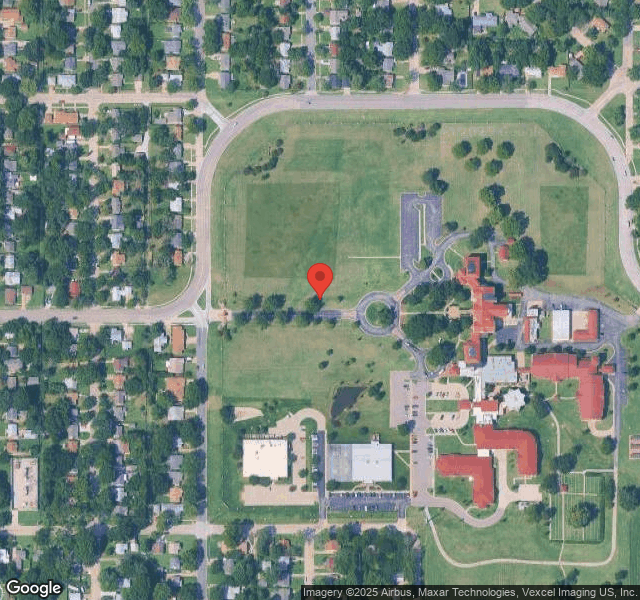
3700 E LINCOLN ST, WICHITA, KS 67218 (316) 686-7171
Non profit - Corporation 24 Beds Independent Data: November 2025
Trust Grade
88/100
#30 of 295 in KS
Last Inspection: March 2025

Within standard 12-15 month inspection cycle. Federal law requires annual inspections.

Overview

Mount St. Mary in Wichita, Kansas, has a Trust Grade of B+, indicating it is above average and recommended for families looking for care options. It ranks #30 out of 295 facilities in Kansas, placing it in the top half, and #2 out of 29 in Sedgwick County, meaning only one local facility has a better ranking. The facility is improving, with issues decreasing from 8 in 2023 to 6 in 2025. Staffing is a strong point, with a rating of 5 out of 5 stars and a turnover rate of 27%, significantly lower than the state average of 48%. While there have been no fines reported, which is positive, there are concerns regarding care planning and infection surveillance, as some residents did not have comprehensive care plans created and infection logs were not consistently maintained.

Trust Score
B+
88/100
In Kansas
#30/295
Top 10%
Safety Record
Low Risk
No red flags
Inspections
Getting Better
8 → 6 violations
Staff Stability
✓ Good
27% annual turnover. Excellent stability, 21 points below Kansas's 48% average. Staff who stay learn residents' needs.
Penalties
✓ Good
No fines on record. Clean compliance history, better than most Kansas facilities.
Skilled Nurses
✓ Good
Each resident gets 58 minutes of Registered Nurse (RN) attention daily — more than average for Kansas. RNs are trained to catch health problems early.
Violations
⚠ Watch
14 deficiencies on record. Higher than average. Multiple issues found across inspections.
★★★★★
5.0
Overall Rating
★★★★★
5.0
Staff Levels
★★★☆☆
3.0
Care Quality
★★★★☆
4.0
Inspection Score
Stable
2023: 8 issues
2025: 6 issues

The Good

  • 5-Star Staffing Rating · Excellent nurse staffing levels
  • Low Staff Turnover (27%) · Staff stability means consistent care
  • Full Sprinkler Coverage · Fire safety systems throughout facility
  • No fines on record
  • Staff turnover is low (27%)

    21 points below Kansas average of 48%

Facility shows strength in staffing levels, staff retention, fire safety.

The Bad

No Significant Concerns Identified

This facility shows no red flags. Among Kansas's 100 nursing homes, only 1% achieve this.

The Ugly 14 deficiencies on record

Mar 2025 6 deficiencies
CONCERN (D) 📢 Someone Reported This

A family member, employee, or ombudsman was alarmed enough to file a formal complaint

Potential for Harm - no one hurt, but risky conditions existed

Comprehensive Care Plan (Tag F0656)

Could have caused harm · This affected 1 resident

**NOTE- TERMS IN BRACKETS HAVE BEEN EDITED TO PROTECT CONFIDENTIALITY** The facility reported a census of 22 residents with 15 residents sampled. Based on interviews and record review, the facility fa...

Read full inspector narrative →
**NOTE- TERMS IN BRACKETS HAVE BEEN EDITED TO PROTECT CONFIDENTIALITY** The facility reported a census of 22 residents with 15 residents sampled. Based on interviews and record review, the facility failed to complete a thorough baseline care plan for Resident (R) 17 regarding the use of a non-invasive ventilator (a mechanical ventilation technique that delivers oxygen through a face mask without the use of endotracheal (in the throat) intubation). This placed the resident at risk for respiratory complications due to uncommunicated care needs Findings included: - A review of R17's electronic medical record (EMR) revealed a diagnosis of chronic obstructive pulmonary disease (COPD- a progressive and irreversible condition characterized by diminished lung capacity and difficulty or discomfort in breathing). The admission Minimum Data Set (MDS), dated [DATE], documented the resident had a Brief Interview for Mental Status (BIMS) score of 15, indicating intact cognition. She utilized a non-invasive mechanical ventilator. The Functional Abilities Care Area Assessment (CAA), dated 01/20/25, documented the resident required fluctuating levels of staff assistance due to her respiratory function. R17's Care Plan, revised 03/09/25, lacked staff instruction regarding the non-invasive ventilator. A review of the resident's EMR lacked a physician's order for the use of the non-invasive ventilator. On 03/31/25 at 07:07 AM, Administrative Nurse D stated the resident required a non-invasive ventilator since admission and cared for the device herself. Administrative Nurse D stated it was the expectation for a non-invasive ventilator to be included in the resident's care plan and confirmed it was not. The facility policy for Baseline Care Plans, revised 11/21/24, included: The facility will develop and implement a baseline care plan for each resident that includes the instructions needed to provide effective care of the resident.
CONCERN (D) 📢 Someone Reported This

A family member, employee, or ombudsman was alarmed enough to file a formal complaint

Potential for Harm - no one hurt, but risky conditions existed

Respiratory Care (Tag F0695)

Could have caused harm · This affected 1 resident

**NOTE- TERMS IN BRACKETS HAVE BEEN EDITED TO PROTECT CONFIDENTIALITY** The facility reported a census of 22 residents with 15 residents sampled, including one resident reviewed for respiratory care. ...

Read full inspector narrative →
**NOTE- TERMS IN BRACKETS HAVE BEEN EDITED TO PROTECT CONFIDENTIALITY** The facility reported a census of 22 residents with 15 residents sampled, including one resident reviewed for respiratory care. Based on observation, record review, and interview, the facility failed to obtain a physician's order for the use of a non-invasive ventilator (a mechanical ventilation technique that delivers oxygen through a face mask without the use of endotracheal (in the throat) intubation) for Resident (R) 17. This placed R17 at risk for respiratory complications. Findings included: - R17's electronic medical record (EMR) revealed a diagnosis of chronic obstructive pulmonary disease (COPD- a progressive and irreversible condition characterized by diminished lung capacity and difficulty or discomfort in breathing). The admission Minimum Data Set (MDS), dated [DATE], documented the resident had a Brief Interview for Mental Status (BIMS) score of 15, indicating intact cognition. She utilized a non-invasive mechanical ventilator. The Functional Abilities Care Area Assessment (CAA) dated 01/20/25 documented the resident required fluctuating levels of staff assistance due to her respiratory function. R17's Care Plan, revised 03/09/25, lacked staff instruction regarding the non-invasive ventilator. R17's EMR lacked a physician's order for the use of the non-invasive ventilator. On 03/26/25 at 11:35 AM, R17 stated she has had a non-invasive ventilator since admission into the facility. On 03/27/25 at 12:41 PM, Licensed Nurse (LN) G confirmed the facility lacked a physician's order for the non-invasive ventilator. On 03/31/25 at 07:07 AM, Administrative Nurse D confirmed the facility lacked a physician's order for the non-invasive ventilator and stated it was the expectation for the facility to have an order. The facility policy for Noninvasive Ventilator implemented 12/01/24, included, the facility will obtain an order for the use of the noninvasive ventilator and settings from the resident's physician. The facility will document the use of the machine, the resident's tolerance, any skin, respiratory or other changes, and the response. The facility shall follow the manufacturer's instructions for the frequency of cleaning the device.
CONCERN (D) 📢 Someone Reported This

A family member, employee, or ombudsman was alarmed enough to file a formal complaint

Potential for Harm - no one hurt, but risky conditions existed

Deficiency F0697 (Tag F0697)

Could have caused harm · This affected 1 resident

**NOTE- TERMS IN BRACKETS HAVE BEEN EDITED TO PROTECT CONFIDENTIALITY** The facility reported a census of 22 residents with 15 residents sampled, including two residents reviewed for pain. Based on in...

Read full inspector narrative →
**NOTE- TERMS IN BRACKETS HAVE BEEN EDITED TO PROTECT CONFIDENTIALITY** The facility reported a census of 22 residents with 15 residents sampled, including two residents reviewed for pain. Based on interview and record review, the facility failed to offer non-pharmaceutical interventions for pain for Resident (R)18, who had chronic pain (pain that lasts longer than three months). This placed R18 at risk for untreated pain. Findings included: - A review of R18's electronic medical record (EMR) revealed a diagnosis of chronic pain. The Significant Change Minimum Data Set (MDS), dated [DATE], documented the resident had a Brief Interview for Mental Status (BIMS) score of five, indicating severe cognitive impairment. She received scheduled and as-needed (PRN) pain medications and had no non-pharmacological interventions for pain. The Pain Care Area Assessment (CAA), dated 11/19/24, documented the resident had chronic pain and required PRN pain medication. The Quarterly MDS, dated 02/19/25, documented the resident had a BIMS score of five, indicating severe cognitive impairment. She received scheduled and PRN pain medications and had no non-pharmacological interventions for pain. R18's Care Plan, revised 03/11/25, lacked non-pharmacological pain interventions. R18's EMR included the following physician orders: Tramadol (an opioid pain medication), 50 milligrams (mg), by mouth (PO), every (Q) four hours, as needed (PRN), for pain, ordered 11/17/23. A review of the resident's Medication Administration Record (MAR) for March, revealed the resident received the PRN order of Tramadol 13 times, from 03/04/25 through 03/25/25, for pain rated three to nine on the one to 10 pain scale (a 10-point system to assess resident's pain level with 10 being the worse pain imaginable). On 03/27/25 at 08:57 AM, Certified Nurse Aide (CNA) N stated the resident had pain medication for when she had pain. CNA N stated she was unsure of non-pharmacological interventions to help the resident with pain. On 03/31/25 at 01:37 PM, Certified Medication Aide (CMA) R stated the only pain intervention the resident had was her pain medication. On 03/31/25 at 09:17 AM, Administrative Nurse D confirmed the resident's care plan lacked non-pharmacological pain interventions. Administrative Nurse D confirmed the resident had quite a bit of pain and received PRN pain medication on an almost daily basis. The facility policy for Pain Management, revised 10/07/24, included: The facility must ensure pain management is provided to residents who require such services, consistent with professional standards of practice and the residents' goals and preferences. The facility must include non-pharmacological pain management interventions.
CONCERN (D) 📢 Someone Reported This

A family member, employee, or ombudsman was alarmed enough to file a formal complaint

Potential for Harm - no one hurt, but risky conditions existed

Medication Errors (Tag F0758)

Could have caused harm · This affected 1 resident

The facility reported a census of 22 residents with 15 residents selected for review. Based on observation, interview, and record review, the facility failed to ensure Resident (R) 12 was free from un...

Read full inspector narrative →
The facility reported a census of 22 residents with 15 residents selected for review. Based on observation, interview, and record review, the facility failed to ensure Resident (R) 12 was free from unnecessary medications when staff failed to assess R12 for signs of tardive dyskinesia (TD-an abnormal condition characterized by involuntary repetitive movements of the muscles of the face, limbs, and trunk) at least every six months per the standard of care. This placed the resident at risk for adverse effects of antipsychotic (a class of medications used to treat major mental conditions that cause a break from reality) medication. Findings included: - R12s Electronic Health Record (EHR) revealed a diagnosis of Alzheimer's disease (progressive mental deterioration characterized by confusion and memory failure) anxiety (mental or emotional reaction characterized by apprehension, uncertainty, and irrational fear), and dementia (progressive mental disorder characterized by failing memory, confusion) with other behavioral disturbances. The 02/11/25 Minimum Data Set (MDS) documented a Brief Interview for Mental Status (BIMS) of 6, indicating severe cognitive impairment. Total severity score of 0, indicating no depression. Physical behaviors towards others were documented on one to three days out of the seven day look back period. R12 took an antipsychotic and an antidepressant (a class of medications used to treat mood disorders) medication. The 02/11/25 Behavioral Symptoms Care Area Assessment (CAA) documented R12 strikes out at others at times. The 02/11/25 Psychotropic Drug Use CAA documented that R12 took Seroquel (an antipsychotic medication) twice a day for unspecified dementia without behavioral disturbance, psychotic disturbance, mood disturbance, and anxiety. The 03/26/25 Care Plan documented the resident took Seroquel two times a day. An intervention dated 10/11/24 revealed an AIMS assessment was to be completed quarterly and as needed. The Physician Orders documented an order for Seroquel 300 milligrams (mg) to be taken by mouth at bedtime and 50 mg to be taken by mouth in the morning for dementia with psychotic disturbances. The 01/30/24 Abnormal Involuntary Movement Scale (AIMS) documented a score of one. The 06/22/24 AIMS documented a score of zero. The facility lacked an AIMS assessment or evidence of assessment for TD, from 06/22/24 to 02/07/25. The 02/07/25 AIMS documented a score of zero. During an observation on 03/31/25 at 08:00 AM, R12 was sitting in her wheelchair laying over the table and sleeping. The Certified Medication Aide (CMA) woke her up to give her a health shake, which R12 did not drink it. It sat on the table in front of her. During an interview on 03/31/25 at 12:28 PM, Licensed Nurse (LN) G stated the registered nurse on duty completed the AIMS assessment quarterly for every resident who was on an antipsychotic medication. During an interview on 03/31/25 at 01:26 PM, Administrative Nurse D stated she expected the charge nurse to complete AIMS assessments quarterly with the MDS schedule for any resident who is taking an antipsychotic medication. The facility's policy Use of Psychotropic Medication (s) dated 02/05/25 documented residents who received antipsychotic medications, an AIMS assessment will be completed on admission, quarterly, with any significant change in condition, or change in medications. The Abnormal Involuntary Movement (AIMS) Scale Assessment dated 02/05/25 documented that the AIMS assessment with be completed for residents taking any antipsychotic medications.
CONCERN (F) 📢 Someone Reported This

A family member, employee, or ombudsman was alarmed enough to file a formal complaint

Potential for Harm - no one hurt, but risky conditions existed

Deficiency F0730 (Tag F0730)

Could have caused harm · This affected most or all residents

The facility reported a census of 22 residents. Based on interviews and record review, the facility failed to complete an annual performance review at least once every 12 months for Certified Nurse Ai...

Read full inspector narrative →
The facility reported a census of 22 residents. Based on interviews and record review, the facility failed to complete an annual performance review at least once every 12 months for Certified Nurse Aide (CNA) M and Certified Medication Aides (CMA) S and CMA T. This placed the residents at risk for decreased quality of care. Findings included: - A review of five employee personnel files, employed by the facility for greater than one year, revealed the following concerns: CNA M, hired on 10/11/23, lacked an annual performance review in her personnel file. CMA S, hired on 12/21/23, lacked an annual performance review in his personnel file. CMA T hired on 1/18/23, lacked an annual performance review in her personnel file. On 03/27/25 at 11:03 AM, Administrative Nurse D stated CNA evaluations were to be done annually. Administrative Nurse D confirmed the three staff members (listed above) lacked an annual evaluation. The facility policy for Evaluation Process, revised 01/02/25, included the Center shall review the work performance of employees with a formal written evaluation annually.
MINOR (C) 📢 Someone Reported This

A family member, employee, or ombudsman was alarmed enough to file a formal complaint

Minor Issue - procedural, no safety impact

Staffing Information (Tag F0732)

Minor procedural issue · This affected most or all residents

The facility reported a census of 22 residents. Based on record review and interviews, the facility failed to display accurate, publicly accessible, and identifiable staffing information on a daily ba...

Read full inspector narrative →
The facility reported a census of 22 residents. Based on record review and interviews, the facility failed to display accurate, publicly accessible, and identifiable staffing information on a daily basis for the 22 residents who reside in the facility. Findings included: - A review of the facility's Daily Staffing Sheets from 02/01/25 through 03/25/25, revealed the actual hours worked were not completed on the daily staffing sheets. On 03/27/25 at 11:03 AM, Administrative Nurse D confirmed the actual hours worked were not completed on the daily staffing sheets. The facility policy for Daily Staff Posting, revised 10/07/24, included: The facility will post specific information regarding nurse staffing including the total number of staff and the actual hours worked per shift.
Oct 2023 8 deficiencies
CONCERN (D)

Potential for Harm - no one hurt, but risky conditions existed

Assessment Accuracy (Tag F0641)

Could have caused harm · This affected 1 resident

**NOTE- TERMS IN BRACKETS HAVE BEEN EDITED TO PROTECT CONFIDENTIALITY** The facility reported a census of 23 residents with 14 selected for review. Based on interview and record review, the facility f...

Read full inspector narrative →
**NOTE- TERMS IN BRACKETS HAVE BEEN EDITED TO PROTECT CONFIDENTIALITY** The facility reported a census of 23 residents with 14 selected for review. Based on interview and record review, the facility failed to accurately assess one Resident (R)21's use of antipsychotic (a class of medications used to treat psychotic disorders) medication for the Minimum Data Set (MDS), as required. Findings included: - Review of Resident (R)21's Physician Order Sheet, dated 08/09/23 revealed diagnoses included vascular dementia (progressive mental disorder characterized by failing memory, confusion) with agitation, delusional disorder (untrue persistent belief or perception held by a person although evidence shows it was untrue), and anxiety (mental or emotional reaction characterized by apprehension, uncertainty, and irrational fear). The admission Minimum Data Set (MDS), dated [DATE], assessed the resident without use of antipsychotic (class of medications used to treat psychosis and other mental emotional conditions) medication during the seven days look back period. Furthermore, the MDS indicated the resident did not receive antipsychotic medications since admission or on the prior assessment. The Psychotropic Drug Use Care Area Assessment (CAA), dated 05/02/23, assessed the resident with a history of dementia, anxiety, agitation, combativeness related to a history of cerebral vascular accident (stroke- sudden death of brain cells due to lack of oxygen caused by impaired blood flow to the brain by blockage or rupture of an artery to the brain). The resident received Abilify (an antipsychotic medication) and mirtazapine (antidepressant medication) for depression. The Quarterly MDS, dated 07/20/23, assessed the resident without use of antipsychotic medication use during the seven days look back period. Furthermore, this MDS indicated the resident did not receive antipsychotic medications since admission or on the prior assessment. The Care Plan, reviewed 08/14/23, instructed staff to review medications and record possible causes of cognitive deficit. Staff instructed to arrange for a psychiatric consult and follow up as indicated. Staff to monitor for adverse drug reactions. The Care Plan lacked interventions for the use of Abilify. A Physician's Order, dated 04/25/23, instructed staff to administer Ability, 2 milligrams, daily, for delusional disorder. Interview, on 10/04/23 at 10:00 AM, with Administrative Nurse D, confirmed the use of Abilify, an antipsychotic for this resident's delusions, due to dementia. The facility utilized the Resident Assessment Manual (RAI) for policy regarding assessment accuracy. The facility failed to accurately identify and assess this residents use of the antipsychotic medication as required.
CONCERN (D)

Potential for Harm - no one hurt, but risky conditions existed

Deficiency F0657 (Tag F0657)

Could have caused harm · This affected 1 resident

**NOTE- TERMS IN BRACKETS HAVE BEEN EDITED TO PROTECT CONFIDENTIALITY** The facility reported a census of 23 residents with 14 residents sampled. Based on interview and record review, the facility fai...

Read full inspector narrative →
**NOTE- TERMS IN BRACKETS HAVE BEEN EDITED TO PROTECT CONFIDENTIALITY** The facility reported a census of 23 residents with 14 residents sampled. Based on interview and record review, the facility failed to review and revise the care plan for one Resident (R)11, regarding new interventions following three non-injury falls. Findings included: - Review of Resident (R)11's electronic medical record (EMR) revealed diagnoses which included: Alzheimer's disease (progressive mental deterioration characterized by confusion and memory failure) and weakness. The Annual Minimum Data Set (MDS), dated [DATE], documented the resident had a Brief Interview for Mental Status (BIMS) score of four, indicating severe cognitive impairment. She required extensive assistance of two staff for toileting and had two or more non-injury falls since the prior assessment. The Falls CAA, dated 07/03/23, documented the resident had several falls the past two months due to poor safety awareness. The Quarterly MDS, dated 04/05/23, documented the resident had a BIMS score of six, indicating severe cognitive impairment. She required extensive assistance of two staff for toileting and had two or more non-injury falls since the prior assessment. The care plan, revised 07/25/23, instructed the staff the resident was at high risk for falls due to balance problems and poor safety awareness. The resident had a motion detector in her room and staff were to toilet the resident before and after meals and activities, when she got up in the morning and before going to bed. Staff were also to keep the door to the resident's room open to keep an eye on her. The care plan lacked updates to include interventions for three non-injury falls that occurred on 07/01/23, 07/12/23, and 09/26/23. Review of the resident's EMR revealed Fall Risk Assessments dated 09/26/23, 09/22/23, 09/16/23, 07/18/23, 07/12/23 and 07/01/23, which placed the resident at a high risk for falls. Review of the resident's EMR revealed the resident had a non-injury fall on 07/01/23 at 11:14 AM, in her bathroom. Documentation lacked a fall intervention to prevent further falls. Review of the resident's EMR revealed the resident had a non-injury fall on 07/12/23 at 10:20 PM, in her bathroom. Documentation lacked a fall intervention to prevent further falls. Review of the resident's EMR revealed the resident had a non-injury fall on 09/26/23 at 03:47 PM, in her bathroom. Documentation lacked a fall intervention to prevent further falls. On 10/03/23 at 09:57 AM, CNA M stated the resident's fall intervention was a motion detector on a shelf in her room. CNA M confirmed the resident would fall often. On 10/03/23 at 02:19 PM, CNA MM stated the resident had a motion detector in her room to keep her from falling. On 10/04/23 at 09:18 AM, Administrative Nurse D confirmed the facility failed to initiate new interventions for the falls on 07/01/23, 07/12/23 and 09/26/23 and stated the expectation was for staff to initiate a new intervention following each fall and include the new interventions on the resident's care plan. The facility policy for Accidents and Supervision, implemented 04/27/22, included: The facility shall document all new interventions in the care plan for the individual resident and ensure the interventions are put into action. The facility failed to review and revise the care plan for this dependent resident following three non-injury falls in her bathroom.
CONCERN (D)

Potential for Harm - no one hurt, but risky conditions existed

ADL Care (Tag F0677)

Could have caused harm · This affected 1 resident

**NOTE- TERMS IN BRACKETS HAVE BEEN EDITED TO PROTECT CONFIDENTIALITY** The facility reported a census of 23 residents with 14 selected for review which included three residents selected for Activitie...

Read full inspector narrative →
**NOTE- TERMS IN BRACKETS HAVE BEEN EDITED TO PROTECT CONFIDENTIALITY** The facility reported a census of 23 residents with 14 selected for review which included three residents selected for Activities of Daily Living (ADL). Based on observation, interview, and record review, the facility failed to provide personal grooming to one Resident (R)14, of the three residents reviewed for ADL. Findings included: - Review of Resident (R)14's Physician Order Sheet, dated 09/12/23, revealed diagnoses that included Parkinson's disease (slowly progressive neurological disorder characterized by resting tremor, rolling of the fingers, masklike faces, shuffling gait, muscle rigidity and weakness), cerebral vascular accident (CVA or stroke which is the sudden death of brain cells due to lack of oxygen caused by impaired blood flow to the brain by blockage or rupture of an artery to the brain, hemiplegia (paralysis of one side of the body), and hemiparesis (weakness on one side of the body). The Annual Minimum Data Set (MDS), dated [DATE], assessed the resident with a Brief Interview for Mental Status (BIMS) score of 05, which indicated severe cognitive impairment. The resident required extensive assistance for personal hygiene and had impairment in functional range of motion on one side of the upper and lower extremities. The ADL (Activity of Daily Living) Functional/Rehabilitation Potential Care Area Assessment (CAA), dated 09/05/23, assessed the resident as dependent in all daily tasks. The Care Plan, reviewed 09/18/23, instructed staff the resident's abilities for ADL fluctuate and staff were to monitor what assistance the resident would require as staff worked with him. Observation, on 10/02/23 at 09:00 AM, revealed the resident seated in his wheelchair in the dining room. The resident had several days growth of facial hair. Observation, on 10/03/23 at 08:28 AM, revealed the resident seated in his wheelchair in the common dining room. The resident continued to have several days growth of facial hair. Observation, on 10/03/23 at 12:00 PM, revealed Certified Nurse Aide (CNA) M and CNA N, transferred the resident into bed. CNA M stated she thought the resident received a bath on Sundays by the second shift, but did not know what staff was responsible for shaving the resident. The resident stated the girl will shave him and attempted to touch his face. Interview, on 10/03/23 at 12:15 PM, with Certified Nurse Aide (CMA) R, revealed she provided restorative care to the resident and shaving, but today was working as a medication aide as they had a staff member call off. Interview, on 10/03/23 at 01:36 PM, with Licensed Nurse G, revealed staff should shave the resident with an electric razor. She stated the resident sometimes preferred certain staff to provide his cares, and two of those staff were off for the past three days. Interview on 10/03/23 at 02:35 PM, with CNA O, revealed he did get bed baths on the second shift most of the time, but usually his spouse shaved the resident. Interview on 10/04/23 at 10:00 AM, with Administrative Nurse G, revealed she would expect staff to provide grooming opportunities to the resident. The facility policy Activities of Daily Living, implemented 03/01/18, instructed staff to provide the necessary services to maintain continence, good nutrition, grooming and personal and oral hygiene. The facility failed to ensure staff provided shaving opportunities to this dependent resident to enhance his sense of wellbeing.
CONCERN (D)

Potential for Harm - no one hurt, but risky conditions existed

Accident Prevention (Tag F0689)

Could have caused harm · This affected 1 resident

**NOTE- TERMS IN BRACKETS HAVE BEEN EDITED TO PROTECT CONFIDENTIALITY** The facility reported a census of 23 residents with 14 residents sampled including three residents sampled for accidents. Based ...

Read full inspector narrative →
**NOTE- TERMS IN BRACKETS HAVE BEEN EDITED TO PROTECT CONFIDENTIALITY** The facility reported a census of 23 residents with 14 residents sampled including three residents sampled for accidents. Based on observation, interview, and record review, the facility failed to provide safe transport for two Residents (R)11 and R 10 and R 15, regarding lack of foot pedals on the resident's wheelchairs and failed to implement interventions following three non-injury falls for one R15. Findings included: - Review of Resident (R)11's electronic medical record (EMR) revealed diagnoses which included: Alzheimer's disease (progressive mental deterioration characterized by confusion and memory failure) and weakness. The Annual Minimum Data Set (MDS), dated [DATE], documented the resident had a Brief Interview for Mental Status (BIMS) score of four, indicating severe cognitive impairment. She required extensive assistance of two staff for toileting and limited assistance of one staff for locomotion on the unit with the use of a wheelchair. She was always incontinent of bladder and frequently incontinent of bowel. She had two or more non-injury falls since the prior assessment. The Cognitive Loss/Dementia Care Area Assessment (CAA), dated 07/03/23, documented the resident had a history of dementia with short and long-term memory loss. The Falls CAA, dated 07/03/23, documented the resident had several falls the past two months due to poor safety awareness. The Activity of Daily Living (ADL)/Rehabilitation Potential CAA, dated 07/03/23, documented the resident required limited to extensive assistance with ADL's due to weakness and cognitive decline. The Quarterly MDS, dated 04/05/23, documented the resident had a BIMS score of six, indicating severe cognitive impairment. She required extensive assistance of two for toileting and required a wheelchair for locomotion on the unit. She was frequently incontinent of bowel and bladder. She had two or more non-injury falls since the prior assessment. The care plan, revised 07/25/23, instructed staff the resident required staff assistance for propelling her wheelchair on the unit. The resident was at high risk for falls due to balance problems and poor safety awareness. The resident had a motion detector in her room and staff were to toilet the resident before and after meals and activities, when she got up in the morning and before going to bed. Staff were also to keep the door to the resident's room open to keep an eye on her. Review of the resident's EMR revealed Fall Risk Assessments dated 09/26/23, 09/22/23, 09/16/23, 07/18/23, 07/12/23 and 07/01/23, which placed the resident at a high risk for falls. Review of the resident's EMR revealed the resident had a non-injury fall on 07/01/23 at 11:14 AM, in her bathroom. Documentation lacked a fall intervention to prevent further falls. Review of the resident's EMR revealed the resident had a non-injury fall on 07/12/23 at 10:20 PM, in her bathroom. Documentation lacked a fall intervention to prevent further falls. Review of the resident's EMR revealed the resident had a non-injury fall on 09/26/23 at 03:47 PM, in her bathroom. Documentation lacked a fall intervention to prevent further falls. Review of the resident's EMR from 09/05/23 through 10/02/23 revealed the resident required extensive to total assistance on the unit in her wheelchair. On 10/03/23 at 09:57 AM, CNA N propelled the resident from the dining room table to her room. The resident wore shoes and her feet skimmed the floor during transport. Her wheelchair lacked foot pedals. On 10/03/23 at 02:03 PM, Certified Nurse Aide (CNA) M propelled the resident from the commons area to her room. The resident wore shoes and feet skimmed the floor during transport. Her wheelchair lacked foot pedals. On 10/03/23 at 10:20 AM, CNA R propelled the resident's wheelchair around while gathering staff for an activity. The resident wore shoes and her feet skimmed the floor during transport. Her wheelchair lacked foot pedals. On 10/03/23 at 09:57 AM, CNA M stated the resident had foot pedals somewhere in her room, but staff did not use them because the resident was able to propel herself in her wheelchair at times. CNA M stated the resident's fall intervention was a motion detector on a shelf in her room. CNA M confirmed the resident would fall often. On 10/03/23 at 02:19 PM, CNA MM stated staff did not use foot pedals on the resident's wheelchair because she would propel herself at times. The resident has a motion detector in her room to keep her from falling. On 10/04/23 at 09:18 AM, Administrative Nurse D stated the resident should have foot pedals on her wheelchair while staff propel her. A resident's feet should not skim on the floor during transport. Administrative Nurse D confirmed the facility failed to initiate new interventions for the falls on 07/01/23, 07/12/23 and 09/26/23 and stated the expectation was for staff to initiate a new intervention following each fall. The facility policy for Use of Assistive Devices, implemented 03/01/18, included: The facility staff will provide appropriate assistance to ensure the residents can use assistive devices, such as wheelchair foot pedals, appropriately and safely. The facility policy for Accidents and Supervision, implemented 04/27/22, included: The facility will establish and utilize a systemic approach to address resident risk and environmental hazards to minimize the likelihood of accidents, including falls. The facility shall document the new interventions in the care plan for the individual resident and ensure the interventions are put into action. The facility failed to provide safe staff transports for this dependent resident while in her wheelchair and failed to implement new interventions following three non-injury falls. - Review of Resident (R)15's electronic medical record (EMR) revealed a diagnosis of dementia (progressive mental disorder characterized by failing memory, confusion). The Annual Minimum Data Set (MDS), dated [DATE], documented the resident had a Brief Interview for Mental Status (BIMS) score of three, indicating severe cognitive impairment. She required extensive assistance of two staff for locomotion on the unit with the use of her wheelchair. The Activity of Daily Living (ADL)/Rehabilitation Potential CAA, dated 07/26/23, documented the resident required full assistance with all ADL's. The Quarterly MDS, dated 05/11/23, documented the resident had a BIMS score of four, indicating cognitive impairment. She required extensive assistance of two staff for locomotion on the unit with e use of her wheelchair. The care plan, revised 07/31/23, instructed staff the resident required extensive assistance of two staff for location on the unit with her wheelchair. Review of the resident's EMR, from 09/04/23 through 10/02/23, revealed she required extensive to total assistance of one staff for locomotion on the unit while in her wheelchair. On 10/02/23 at 12:36 PM, Certified Nurse Aide (CNA) Q propelled the resident to the dining room table in her wheelchair. The resident's feet skimmed the floor during transport. The wheelchair lacked foot pedals. On 10/03/23 at 09:53 AM, CNA M propelled the resident from the dining room to the commons area in her wheelchair. The resident's feet skimmed the floor during transport. The wheelchair lacked foot pedals. On 10/03/23 at 12:05 PM, Licensed Nurse (LN) G propelled the resident from her room to the commons area for an activity in her wheelchair. The resident's feet skimmed the floor during transport. The wheelchair lacked foot pedals. On 10/03/23 at 09:53 AM, CNA M stated the resident did not have foot pedals for her wheelchair. The resident would propel herself at times. On 10/03/23 at 12:05 PM, LN G stated the resident did not have foot pedals for her wheelchair because she would at times propel herself. On 10/04/23 at 09:18 AM, Administrative Nurse D stated the resident should have foot pedals on her wheelchair while staff propel her. A resident's feet should not skim on the floor during transport. The facility policy for Use of Assistive Devices, implemented 03/01/18, included: The facility staff will provide appropriate assistance to ensure the residents can use assistive devices, such as wheelchair foot pedals, appropriately and safely. The facility failed to provide safe staff transports for this dependent resident while in her wheelchair. - Review of Resident (R)10's Physician Order Sheet, dated 09/19/23, revealed diagnoses that included dementia (progressive mental disorder characterized by failing memory, confusion) and polyosteoarthritis (degenerative changes to one or many joints characterized by swelling and pain). The Annual Minimum Data Set (MDS), dated [DATE], assessed the resident with a Brief Interview for Mental Status (BIMS) score of 03, which indicated severe cognitive impairment. The resident required extensive assistance for transfer and walking in the room but locomotion on the unit occurred once. The resident had impairment in functional range of motion on one side of her lower extremities. The ADL (Activity of Daily Living) Functional/Rehabilitation Potential Care Area Assessment (CAA), dated 09/07/23, assessed the resident was on comfort care and her ADL ability changed due to recent respiratory infection and now required staff to propel her a wheelchair and from her room. The Care Plan, reviewed 09/18/23, instructed staff the resident used a walker for short distances in her room with assistance but mostly used the wheelchair which she self-propelled or is pushed by staff. The care plan lacked instructions for use of foot pedals when staff propel the resident. Observation, on 10/03/23 at 11:43 AM, revealed the resident seated in her wheelchair which lacked foot pedals. Certified Nurse Aide (CNA) N propelled the resident in her wheelchair from her room to the common living area, and both of the resident's feet skimmed along on the floor. Observation, on 10/03/23 at 12:00 PM, revealed CNA M propelled the resident in her wheelchair to the dining room table. Both the resident's feet skimmed the floor. Interview, on 10/03/23 at 01:49 PM, with Therapy Consultant GG, revealed the resident occasionally propelled herself in her wheelchair, and had leaning issues and weakness in her legs. Therapy Consultant GG stated foot pedals should be on a wheelchair when staff propelled a resident. Interview, on 10/03/23 at 02:01 PM, with CNA N, revealed the resident should have foot pedals on her wheelchair when staff propel her but did not know if she had any foot pedals. CNA N stated sometimes the resident moved herself in the wheelchair but was now weaker and required staff assistance. Interview, on 10/03/23 at 03:50 PM, with CNA N, revealed the resident did propel herself at times, but mostly staff propelled the resident when moving from the dining room to her room or common living area due to weakness. Interview, with Administrative Nurse D, revealed she would expect staff to use foot pedals on a resident's wheelchair if they could not hold their feet up off the floor when propelling the resident. The facility policy Use of Assistive Devices, implemented 03/01/18, instructed staff to provide appropriate assistance to ensure the resident can use assistive devices such as wheelchair foot pedals appropriately and safely. The facility failed to ensure staff applied foot pedals to this dependent resident's wheelchair to safely propel this resident to prevent accidental injury when her feet skimmed the floor while staff propelled her wheelchair.
CONCERN (D)

Potential for Harm - no one hurt, but risky conditions existed

Incontinence Care (Tag F0690)

Could have caused harm · This affected 1 resident

**NOTE- TERMS IN BRACKETS HAVE BEEN EDITED TO PROTECT CONFIDENTIALITY** The facility reported a census of 23 residents with 14 selected for review which included two residents reviewed for urinary inc...

Read full inspector narrative →
**NOTE- TERMS IN BRACKETS HAVE BEEN EDITED TO PROTECT CONFIDENTIALITY** The facility reported a census of 23 residents with 14 selected for review which included two residents reviewed for urinary incontinence. Based on observation, interview, and record review, the facility failed to ensure voiding assessment and timely incontinence care for one Resident (R)14, of the two residents reviewed for urinary incontinence. Findings included: - Review of Resident (R)14's Physician Order Sheet, dated 09/12/23, revealed diagnoses that included Parkinson's disease (slowly progressive neurological disorder characterized by resting tremor, rolling of the fingers, masklike faces, shuffling gait, muscle rigidity and weakness), cerebral vascular accident (CVA or stroke which is the sudden death of brain cells due to lack of oxygen caused by impaired blood flow to the brain by blockage or rupture of an artery to the brain, hemiplegia (paralysis of one side of the body), and hemiparesis (weakness on one side of the body). The Annual Minimum Data Set (MDS), dated [DATE], assessed the resident with a Brief Interview for Mental Status (BIMS) score of 05, which indicated severe cognitive impairment. The resident required extensive assistance for personal hygiene, was dependent on staff for toileting and had impairment in functional range of motion on one side of the upper and lower extremities. The resident was always incontinent of bowel and bladder. The ADL (Activity of Daily Living) Functional/Rehabilitation Potential Care Area Assessment (CAA), dated 09/05/23, assessed the resident as dependent in toileting and was on a check and change program for incontinence. The Urinary Incontinence and Indwelling Catheter Care Area Assessment CAA, dated 09/05/23, assessed the resident wore briefs for protection and required total assistance with changing and staff anticipate his needs. The Care Plan, reviewed 09/18/23, instructed staff to monitor/document bladder and bowel function and if incontinent, monitor for appropriate bowel and bladder training program and implement. Staff instructed to keep skin clean and dry, and the resident was on a check and change toileting schedule. Observation, on 10/03/23 at 07:28 AM, revealed the resident seated in his wheelchair in the common dining room. On 10/03/23 at 09:31 AM, the resident's family member completed feeding the resident breakfast. On 10/03/23 at 10:07 AM, Certified Nurse Aide (CNA) N, propelled the resident to the common living area. Observations continued 10/03/23 at 15-minute intervals and revealed staff failed to check/change the resident until 12:00 PM, (four hours and 28 minutes) at which time CNA N propelled the resident to the dining room table for lunch, at which time a skin check requested. Observation, on 10/03/23 at 12:00 PM, revealed Certified Nurse Aide (CNA) M and CNA N, transferred the resident into bed with the mechanical lift. CNA M confirmed staff did not provide a check and change opportunity for the resident until this time. The resident was incontinent of stool and as staff removed the resident's incontinent brief, the resident stated that he needed to urinate and proceeded to urinate in his brief. Interview, on 10/03/23 at 01:36 PM, with Licensed Nurse (LN) G, revealed staff should check and change the resident before and after meals, and every two hours during the night. LN G stated the resident does use his call light when in bed, and often notified staff that he was wet. Interview on 10/03/23 at 02:35 PM, with CNA O, revealed the resident was on a check and change program for incontinence and the resident did use his call light when in bed but he usually was incontinent of bowel and bladder. Interview on 10/04/23 at 10:00 AM, with Administrative Nurse G, revealed she would expect staff to provide check and change for urinary incontinence before and after meals and throughout the night. Administrative Nurse G stated the facility did not complete a voiding diary for the resident or assess for a pattern. The facility policy Incontinence, implemented 11/2022, instructed staff that incontinent resident receive appropriate treatment to prevent infections and to restore continence to the extent possible. The facility policy Activities of Daily Living, implemented 03/01/18, instructed staff to provide the necessary services to maintain continence, good nutrition, grooming and personal and oral hygiene. The facility failed to ensure staff provided incontinence care in a timely manner (four hours and 28 minutes) and to assess for strategies to promote continence for this resident who identified the need to urinate.
CONCERN (D)

Potential for Harm - no one hurt, but risky conditions existed

Deficiency F0730 (Tag F0730)

Could have caused harm · This affected 1 resident

The facility reported a census of 23 residents. Based on interview and record review, the facility failed to complete an annual performance review at least once every 12 months for one of five Certifi...

Read full inspector narrative →
The facility reported a census of 23 residents. Based on interview and record review, the facility failed to complete an annual performance review at least once every 12 months for one of five Certified Nurse Aides (CNA) reviewed, CNA P, to ensure adequate appropriate cares and services provided to the residents of the facility. Findings included: - Review of five Certified Nurse Aides (CNA), employed by the facility for greater than one year, revealed the following concern: CNA P, hired 08/01/22, lacked an annual performance review in her personnel file. On 10/03/23 at 03:23 PM, Administrative Nurse D stated not all the staff annual evaluations had been completed. The facility policy for Guidelines for Completion of Annual Evaluation Forms, effective 03/01/22, included: Supervisors will complete an annual evaluation for each employee annually to include a plan for professional or personal work-related goals. The facility failed to complete an annual performance review at least once every 12 months for this CNA, hired 08/01/22, to ensure adequate appropriate cares and services provided to the residents of the facility.
CONCERN (E)

Potential for Harm - no one hurt, but risky conditions existed

Comprehensive Care Plan (Tag F0656)

Could have caused harm · This affected multiple residents

**NOTE- TERMS IN BRACKETS HAVE BEEN EDITED TO PROTECT CONFIDENTIALITY** The facility reported a census of 23 residents with 14 residents sampled. Based on observation, interview, and record review, th...

Read full inspector narrative →
**NOTE- TERMS IN BRACKETS HAVE BEEN EDITED TO PROTECT CONFIDENTIALITY** The facility reported a census of 23 residents with 14 residents sampled. Based on observation, interview, and record review, the facility failed to complete a comprehensive care plan for three Residents (R)11, R 15 and R 10, regarding lack of foot pedals on their wheelchairs and R 15, R 4 and R 6, regarding the antipsychotic (used to treat psychosis--any major mental disorder characterized by a gross impairment in reality testing) medication. Findings included: - Review of Resident (R)11's electronic medical record (EMR) revealed diagnoses which included: Alzheimer's disease (progressive mental deterioration characterized by confusion and memory failure) and weakness. The Annual Minimum Data Set (MDS), dated [DATE], documented the resident had a Brief Interview for Mental Status (BIMS) score of four, indicating severe cognitive impairment. She required limited assistance of one staff for locomotion on the unit with the use of a wheelchair. The Activity of Daily Living (ADL)/Rehabilitation Potential CAA, dated 07/03/23, documented the resident required limited to extensive assistance with ADL's due to weakness and cognitive decline. The Quarterly MDS, dated 04/05/23, documented the resident had a BIMS score of six, indicating severe cognitive impairment. She required extensive assistance of two for locomotion on the unit with the use of her wheelchair. The care plan, revised 07/25/23, lacked staff instruction for the use of foot pedals on her wheelchair while staff propelled the resident. Review of the resident's EMR from 09/05/23 through 10/02/23 revealed the resident required extensive to total assistance on the unit in her wheelchair. On 10/03/23 at 09:57 AM, CNA N propelled the resident from the dining room table to her room. The resident wore shoes and her feet skimmed the floor during transport. Her wheelchair lacked foot pedals. On 10/03/23 at 02:03 PM, Certified Nurse Aide (CNA) M propelled the resident from the commons area to her room. The resident wore shoes and feet skimmed the floor during transport. Her wheelchair lacked foot pedals. On 10/03/23 at 10:20 AM, CNA R propelled the resident's wheelchair around while gathering staff for an activity. The resident wore shoes and her feet skimmed the floor during transport. Her wheelchair lacked foot pedals. On 10/03/23 at 09:57 AM, CNA M stated the resident had foot pedals somewhere in her room, but staff did not use them because the resident was able to propel herself in her wheelchair at times. On 10/03/23 at 02:19 PM, CNA MM stated staff did not use foot pedals on the resident's wheelchair because she would propel herself at times. On 10/04/23 at 09:18 AM, Administrative Nurse D stated the resident should have foot pedals on her wheelchair while staff propel her. A resident's feet should not skim on the floor during transport. The care plan should include staff instruction regarding foot pedals on the resident's wheelchair. The facility policy for Comprehensive Care Plans, implemented 03/28/18, included: The facility will develop and implement a comprehensive care plan for each resident in order to meet the resident's nursing needs as identified in the resident's comprehensive assessment. The facility failed to complete a comprehensive care plan for this dependent resident regarding foot pedals for her wheelchair. - Review of Resident (R)15's electronic medical record (EMR) revealed diagnoses which included: dementia (progressive mental disorder characterized by failing memory, confusion) and agitation (turmoil). The Annual Minimum Data Set (MDS), dated [DATE], documented the resident had a Brief Interview for Mental Status (BIMS) score of three, indicating severe cognitive impairment. She required extensive assistance of two staff for locomotion on the unit with the use of her wheelchair. The resident received an antipsychotic (used to treat psychosis--any major mental disorder characterized by a gross impairment in reality testing) medication seven days of the seven- day assessment period. The Activity of Daily Living (ADL)/Rehabilitation Potential CAA, dated 07/26/23, documented the resident required full assistance with all ADL's. The Psychotropic Drug Use CAA, dated 07/26/23, documented the resident's medications were monitored by the pharmacist every month. The Quarterly MDS, dated 05/11/23, documented the resident had a BIMS score of four, indicating cognitive impairment. She received antipsychotic medication seven days of the seven- day assessment period. The care plan, revised 07/31/23, lacked staff instruction for the use of foot pedals on her wheelchair while staff propelled the resident. In addition, the care plan lacked staff instruction on the use of antipsychotic medication. Review of the resident's EMR, from 09/04/23 through 10/02/23, revealed she required extensive to total assistance of one staff for locomotion on the unit while in her wheelchair. Review of the resident's EMR revealed the following physician's order: Seroquel (an antipsychotic medication), 25 milligrams (mg), by mouth (po), twice daily (BID), for agitation, ordered 02/16/23. Seroquel, 50 mg, po, in the evening, for behavior symptoms of dementia, ordered 12/05/22. Review of the resident's Medication Administration Record (MAR), for September 2023 and October 2023, revealed the resident received the antipsychotic medication, as ordered. On 10/02/23 at 12:36 PM, Certified Nurse Aide (CNA) Q propelled the resident to the dining room table in her wheelchair. The resident's feet skimmed the floor during transport. The wheelchair lacked foot pedals. On 10/03/23 at 09:53 AM, CNA M propelled the resident from the dining room to the commons area in her wheelchair. The resident's feet skimmed the floor during transport. The wheelchair lacked foot pedals. On 10/03/23 at 12:05 PM, Licensed Nurse (LN) G propelled the resident from her room to the commons area for an activity in her wheelchair. The resident's feet skimmed the floor during transport. The wheelchair lacked foot pedals. On 10/04/23 at 09:18 AM, Administrative Nurse D stated the resident should have foot pedals on her wheelchair while staff propel her. A resident's feet should not skim on the floor during transport. The care plan should include staff instruction regarding foot pedals on the resident's wheelchair. Administrative Nurse D stated the antipsychotic Seroquel should be included on the resident's care plan. The facility policy for Comprehensive Care Plans, implemented 03/28/18, included: The facility will develop and implement a comprehensive care plan for each resident in order to meet the resident's nursing needs as identified in the resident's comprehensive assessment. The facility failed to complete a comprehensive care plan for this dependent resident regarding foot pedals for her wheelchair. In addition, the facility failed to develop and implement a comprehensive care plan for the use of an antipsychotic medication for this resident. - Review of Resident (R)4's Physician Order Sheet, dated 09/07/23, revealed diagnoses included dementia (progressive mental disorder characterized by failing memory and confusion), and visual hallucinations (sensing things while awake that appear to be real, but the mind created). The admission Minimum Data Set (MDS), dated [DATE], assessed the resident received seven days of antipsychotic (a class of medications used to treat severe mental disorders) medication during the seven days look back period. The Psychotropic Drug Use Care Area Assessment (CAA), dated 07/30/23, assessed the resident had a history of depression (feelings of sadness, worthlessness, and emptiness), delusions (untrue persistent belief or perception held by a person although evidence shows it was untrue), and hallucinations. The Care Plan, reviewed instructed staff to review medications and record possible causes of cognitive deficit. Staff were to provide medications that alleviate agitations as ordered by the physician and document side effects and effectiveness. The Care Plan lacked interventions for the use of Seroquel, a specific antipsychotic medication. On 07/20/23, the physician instructed staff to administer Seroquel (antipsychotic medication), 25 milligrams (mg), every hour of sleep, for dementia. On 09/20/23, the physician changed the diagnoses for administration from dementia to Behavioral Psychological Symptoms of Dementia (BPSD). Observation, on 10/02/23 at 11:10 AM, revealed the resident seated in a chair in her room. The resident was friendly and responded to simple questions. Interview, on 10/03/23 at 08:36 AM, with Certified Nurse Aide (CNA) M, revealed the resident was independent with cares, but did have episodes of feeling scared, paranoid (a thought process believed to be heavily influenced by anxiety or fear to the point of irrational thinking), and hallucinated that evoked extreme fear. Interview, on 10/04/23 at 10:30 AM, with Administrative Nurse D, confirmed the lack of use of antipsychotic medication (Seroquel) on the Care Plan for this resident. The facility policy for Comprehensive Care Plans, implemented 03/28/18, included: The facility will develop and implement a comprehensive care plan for each resident to meet the resident's nursing needs as identified in the resident's comprehensive assessment. The facility failed to include the use of the antipsychotic medication Seroquel in this resident's care plan. - Review of Resident (R) 6's Physician Order Sheet, dated 06/17/23, revealed diagnosis of frontal temporal neurocognitive disorder (damage to nerve cells in the frontal and temporal lobes of the brain which result in behavior/personality changes), anxiety (mental or emotional reaction characterized by apprehension, uncertainty, and irrational fear), and major mood disorder. The Annual Minimum Data Set (MDS), dated [DATE], staff assessment for cognitive skills for daily decision making as severely impaired with continuous inattention and disorganized thinking. The resident received seven days of antipsychotic, (a class of medications used to treat severe mental illness) antidepressant and antibiotic medications during the seven days look back period. The Psychotropic Drug Use Care Area Assessment (CAA), dated 09/04/23, assessed the resident took Seroquel for agitation. Staff were to monitor mood and behavior daily. The Care Plan, reviewed 09/19/23, instructed staff the resident had severe dementia and needed step by step instructions, and would become agitated when she did not understand what was happening. Use of a weighted blanket may help to calm her down. The resident had poor impulse control. The care plan lacked indication that the resident received the antipsychotic medication Seroquel. Observations, on 10/02/23 at 10:00 AM, revealed the resident seated in her wheelchair in the common living area, minimally participating in a balloon toss activity. Observation, on 10/03/23 at 12:29 PM, revealed the resident in her bed. Interview, at that time with Certified Nurse Aide (CNA) M, revealed the resident could become agitated at times and staff had to reapproach the resident at a later time. The resident declined to get up out of bed for lunch, having slept through breakfast. Interview, on 10/03/23 at 02:11 PM, with Licensed Nurse G revealed the resident would eventually get up out of bed with staff assistance, but staff needed to reapproach the resident several times. Interview, on 10/04/23 at 10:30 AM, with Administrative Nurse D, confirmed the lack of use of antipsychotic medication (Seroquel) on the Care Plan for this resident. The facility policy for Comprehensive Care Plans, implemented 03/28/18, included: The facility will develop and implement a comprehensive care plan for each resident to meet the resident's nursing needs as identified in the resident's comprehensive assessment. The facility failed to include the use of the antipsychotic medication Seroquel in this resident's care plan. - Review of Resident (R)10's Physician Order Sheet, dated 09/19/23, revealed diagnoses that included dementia (progressive mental disorder characterized by failing memory, confusion) and polyosteoarthritis (degenerative changes to one or many joints characterized by swelling and pain). The Annual Minimum Data Set (MDS), dated [DATE], assessed the resident with a Brief Interview for Mental Status (BIMS) score of 03, which indicated severe cognitive impairment. The resident required extensive assistance for transfer and walking in the room but locomotion on the unit occurred once. The resident had impairment in functional range of motion on one side of her lower extremities. The ADL (Activity of Daily Living) Functional/Rehabilitation Potential Care Area Assessment (CAA), dated 09/07/23, assessed the resident was on comfort care and her ADL ability changed due to recent respiratory infection and now required staff to propel her a wheelchair and from her room. The Care Plan, reviewed 09/18/23, instructed staff the resident used a walker for short distances in her room with assistance but mostly used the wheelchair which she self-propelled or is pushed by staff. The care plan lacked instructions for use of foot pedals when staff propel the resident. Observation, on 10/03/23 at 11:43 AM, revealed the resident seated in her wheelchair which lacked foot pedals. Certified Nurse Aide (CNA) N propelled the resident in her wheelchair from her room to the common living area, and both resident's feet skimmed along on the floor. Observation, on 10/03/23 at 12:00 PM, revealed CNA M propelled the resident in her wheelchair to the dining room table. Both the resident's feet skimmed the floor. Interview, on 10/03/23 at 01:49 PM, with Therapy Consultant GG, revealed the resident occasionally propelled herself in her wheelchair, and had leaning issues and weakness in her legs. Therapy Consultant GG stated foot pedals should be on a wheelchair when staff propelled a resident. Interview, on 10/03/23 at 02:01 PM, with CNA N, revealed the resident should have foot pedals on her wheelchair when staff propel her but did not know if she had any foot pedals. CNA N stated sometimes the resident moved herself in the wheelchair but was now weaker and required staff assistance. Interview, on 10/03/23 at 03:50 PM, with CNA N, revealed the resident did propel herself at times, but mostly staff propelled the resident when moving from the dining room to her room or common living area due to weakness. Interview, on 10/04/23 at 10:30 AM, with Administrative Nurse D, revealed she would expect staff to use foot pedals on a resident's wheelchair if they could not hold their feet up off the floor when propelling the resident. Administrative Nurse D confirmed the use of foot pedals when staff propel the resident was not on the care plan. The facility policy Use of Assistive Devices, implemented 03/01/18, instructed staff to provide appropriate assistance to ensure the resident can use assistive devices such as wheelchair foot pedals appropriately and safely. Staff instructed to modify the relationship centered living plan of care as needed. The facility failed to develop a comprehensive care plan to ensure staff applied foot pedals to this dependent resident's wheelchair to safely propel this resident to prevent accidental injury when her feet skimmed the floor while staff propelled her wheelchair.
CONCERN (F)

Potential for Harm - no one hurt, but risky conditions existed

Infection Control (Tag F0880)

Could have caused harm · This affected most or all residents

The facility reported a census of 23 residents. Based on interview and record review, the facility failed to ensure ongoing infection surveillance to determine risks of infections to the residents of ...

Read full inspector narrative →
The facility reported a census of 23 residents. Based on interview and record review, the facility failed to ensure ongoing infection surveillance to determine risks of infections to the residents of the facility. Findings included: - Review of the Infection Control Monthly Logbook, revealed lack of September 2023 log for infections. Interview on 10/04/23 at 08:30 AM, with Administrative Nurse D, revealed the September 2023 log was not completed as staff compiled the logs at the end of the month, not on an ongoing basis to track and trend infections in real time. Administrative Nurse D stated staff discuss infections in Risk Meetings, but actual tracking and trending of infections was done at the end of the month. The facility policy Infection Surveillance Overview, undated, instructed staff that infection prevention begins with ongoing surveillance to identify infections that are causing or have potential to cause an outbreak in the facility. Surveillance is crucial in the identification of possible clusters, changes in prevalent organisms or increases in the rate of infections promptly. The facility failed to provide infection tracking and trending in an ongoing basis as required to prevent the spread of infection amongst the residents.
Understanding Severity Codes (click to expand)
Life-Threatening (Immediate Jeopardy)
J - Isolated K - Pattern L - Widespread
Actual Harm
G - Isolated H - Pattern I - Widespread
Potential for Harm
D - Isolated E - Pattern F - Widespread
No Harm (Minor)
A - Isolated B - Pattern C - Widespread

Questions to Ask on Your Visit

  • "Can I speak with families of current residents?"
  • "What's your RN coverage like on weekends and overnight?"

Our Honest Assessment

Strengths
  • • Grade B+ (88/100). Above average facility, better than most options in Kansas.
  • • No major safety red flags. No abuse findings, life-threatening violations, or SFF status.
  • • No fines on record. Clean compliance history, better than most Kansas facilities.
  • • 27% annual turnover. Excellent stability, 21 points below Kansas's 48% average. Staff who stay learn residents' needs.
Concerns
  • • 14 deficiencies on record. Higher than average. Multiple issues found across inspections.
Bottom line: Generally positive indicators. Standard due diligence and a personal visit recommended.

About This Facility

What is Mount St Mary's CMS Rating?

CMS assigns MOUNT ST MARY an overall rating of 5 out of 5 stars, which is considered much above average nationally. Within Kansas, this rating places the facility higher than 99% of the state's 100 nursing homes. This rating reflects solid performance across the metrics CMS uses to evaluate nursing home quality.

How is Mount St Mary Staffed?

CMS rates MOUNT ST MARY's staffing level at 5 out of 5 stars, which is much above average compared to other nursing homes. Staff turnover is 27%, compared to the Kansas average of 46%. This relatively stable workforce can support continuity of care. RN turnover specifically is 57%, which is notably high. RNs provide skilled clinical oversight, so turnover in this role can affect medical care quality.

What Have Inspectors Found at Mount St Mary?

State health inspectors documented 14 deficiencies at MOUNT ST MARY during 2023 to 2025. These included: 13 with potential for harm and 1 minor or isolated issues.

Who Owns and Operates Mount St Mary?

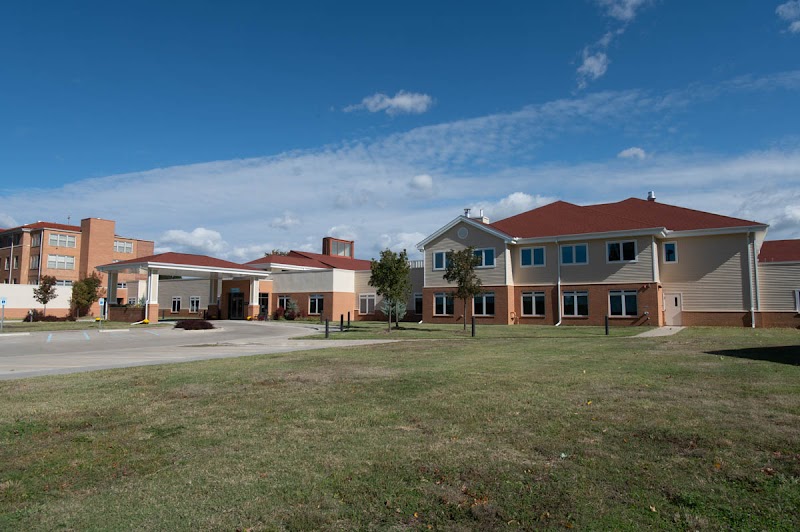
MOUNT ST MARY is owned by a non-profit organization. Non-profit facilities reinvest revenue into operations rather than distributing to shareholders. The facility operates independently rather than as part of a larger chain. With 24 certified beds and approximately 21 residents (about 88% occupancy), it is a smaller facility located in WICHITA, Kansas.

How Does Mount St Mary Compare to Other Kansas Nursing Homes?

Compared to the 100 nursing homes in Kansas, MOUNT ST MARY's overall rating (5 stars) is above the state average of 2.9, staff turnover (27%) is significantly lower than the state average of 46%, and health inspection rating (4 stars) is above the national benchmark.

What Should Families Ask When Visiting Mount St Mary?

Based on this facility's data, families visiting should ask: "Can I visit during a mealtime to observe dining assistance and food quality?" "How do you handle medical emergencies, and what is your hospital transfer rate?" "Can I speak with family members of current residents about their experience?"

Is Mount St Mary Safe?

Based on CMS inspection data, MOUNT ST MARY has a clean safety record: no substantiated abuse findings (meaning no confirmed cases of resident harm), no Immediate Jeopardy citations (the most serious violation level indicating risk of serious injury or death), and is not on the Special Focus Facility watch list (a federal program monitoring the lowest-performing 1% of nursing homes). The facility has a 5-star overall rating and ranks #1 of 100 nursing homes in Kansas. While no facility is perfect, families should still ask about staff-to-resident ratios and recent inspection results during their visit.

Do Nurses at Mount St Mary Stick Around?

Staff at MOUNT ST MARY tend to stick around. With a turnover rate of 27%, the facility is 19 percentage points below the Kansas average of 46%. Low turnover is a positive sign. It means caregivers have time to learn each resident's needs, medications, and personal preferences. Consistent staff also notice subtle changes in a resident's condition more quickly.

Was Mount St Mary Ever Fined?

MOUNT ST MARY has no federal fines on record. CMS issues fines when nursing homes fail to meet care standards or don't correct problems found during inspections. The absence of fines suggests the facility has either maintained compliance or corrected any issues before penalties were assessed. This is a positive indicator, though families should still review recent inspection reports for the full picture.

Is Mount St Mary on Any Federal Watch List?

MOUNT ST MARY is not on any federal watch list. The most significant is the Special Focus Facility (SFF) program, which identifies the bottom 1% of nursing homes nationally based on persistent, serious quality problems. Not being on this list means the facility has avoided the pattern of deficiencies that triggers enhanced federal oversight. This is a positive indicator, though families should still review the facility's inspection history directly.