THE SEASONS AT ALEXANDRIA
7341 E ALEXANDRIA PIKE, ALEXANDRIA, KY 41001 (859) 694-4450
Non profit - Corporation 117 Beds Independent Data: November 2025 5 Immediate Jeopardy citations
Trust Grade
0/100
#194 of 266 in KY
Last Inspection: May 2022

Over 2 years since last inspection. Current conditions may differ from available data.

Overview

The Seasons at Alexandria has received a Trust Grade of F, indicating poor performance with significant concerns about resident care. They rank #194 out of 266 facilities in Kentucky, placing them in the bottom half of the state, and #4 out of 5 in Campbell County, suggesting only one local option is better. Although the facility is improving from five issues in 2024 to one in 2025, it still faces serious challenges, including $226,184 in fines, which is higher than 95% of Kentucky facilities, indicating ongoing compliance issues. Staffing is a strength, with a low turnover rate of 0%, but the overall staffing rating is only 1 out of 5 stars, and RN coverage is average. Notably, critical incidents have occurred, including a failure to establish an infection control program, resulting in a Legionnaire's disease case, and a resident was left unsupervised in extreme heat, leading to a medical emergency. Families should consider both the strengths and weaknesses carefully when making their decision.

Trust Score
F
0/100
In Kentucky
#194/266
Bottom 28%
Safety Record
High Risk
Review needed
Inspections
Getting Better
5 → 1 violations
Staff Stability
○ Average
Turnover data not reported for this facility.
Penalties
⚠ Watch
$226,184 in fines. Higher than 98% of Kentucky facilities. Major compliance failures.
Skilled Nurses
⚠ Watch
Each resident gets only 9 minutes of Registered Nurse (RN) attention daily — below average for Kentucky. Fewer RN minutes means fewer trained eyes watching for problems.
Violations
⚠ Watch
15 deficiencies on record. Higher than average. Multiple issues found across inspections.
★★☆☆☆
2.0
Overall Rating
★☆☆☆☆
1.0
Staff Levels
★★★★★
5.0
Care Quality
★☆☆☆☆
1.0
Inspection Score
Stable
2024: 5 issues
2025: 1 issues

The Good

  • 5-Star Quality Measures · Strong clinical quality outcomes
  • Full Sprinkler Coverage · Fire safety systems throughout facility
  • No fines on record

Facility shows strength in quality measures, fire safety.

The Bad

2-Star Overall Rating

Below Kentucky average (2.8)

Below average - review inspection findings carefully

Federal Fines: $226,184

Well above median ($33,413)

Significant penalties indicating serious issues

The Ugly 15 deficiencies on record

5 life-threatening 2 actual harm
Aug 2025 1 deficiency 1 IJ (1 facility-wide)
CRITICAL (L) 📢 Someone Reported This

A family member, employee, or ombudsman was alarmed enough to file a formal complaint

Immediate Jeopardy (IJ) - the most serious Medicare violation

Infection Control (Tag F0880)

Someone could have died · This affected most or all residents

⚠️ Facility-wide issue

**NOTE- TERMS IN BRACKETS HAVE BEEN EDITED TO PROTECT CONFIDENTIALITY** Based on observation, interview, record review, review of the Centers for Disease Control and Prevention (CDC) document, and rev...

Read full inspector narrative →
**NOTE- TERMS IN BRACKETS HAVE BEEN EDITED TO PROTECT CONFIDENTIALITY** Based on observation, interview, record review, review of the Centers for Disease Control and Prevention (CDC) document, and review of the facility's documents, policies, and procedure, the facility failed to establish and maintain an infection prevention and control program designed to provide a safe, sanitary, and comfortable environment and to help prevent the development and transmission of communicable diseases and infections for the total census of 99 residents. On [DATE], the Local Health Department (LHD) informed the facility that Resident (R) 121 had been diagnosed with Legionnaire's disease while in the hospital. Testing conducted by a third-party water specialist revealed positive areas for legionella in the facility. On [DATE] uncontrolled levels of growth were identified in the hot shower of room [ROOM NUMBER] and in the cooling tower. Before this incident, there was no written water management program in place, and the facility was not actively flushing dead legs (an area of piping system where fluid flow was minimal or nonexistent) in the water system. The resident passed away at the hospital on [DATE]. Additionally, observation on [DATE] of Registered Nurse (RN) 3 revealed she failed to clean and disinfect a glucometer according to the facility's policy, the manufacturer's instructions, and the recommended dwell time for the sanitizing wipe.Immediate Jeopardy (IJ) was identified on [DATE] and was determined to exist on [DATE], in the area of 42 CFR 483.80 Infection Control, F-880 at a Scope and Severity (S/S) of an L. The facility's Administrator was notified of the IJ on [DATE].The facility provided an acceptable Immediate Jeopardy Removal Plan, on [DATE], alleging removal of the IJ on [DATE]. The State Survey Agency (SSA) determined the IJ had been removed on [DATE] as alleged, prior to exit on [DATE], with remaining non-compliance at a S/S of an F. The findings include:Review of the Centers for Disease Control and Prevention (CDC) document Clinical Guidance for Legionella Infections, dated [DATE], revealed minimizing Legionella growth in complex building water systems and devices was key to preventing infection. The CDC recommended healthcare facilities develop and implement comprehensive water management programs (WMPs). Review of the facility's policy titled, Infection Prevention and Control Program, revised [DATE], revealed the facility created and maintained an infection prevention and control program. Per the policy, the Infection Prevention and Control Program [IPCP] was designed to prevent the development and transmission of communicable diseases and infections, in accordance with national standards and guidelines.Review of the facility's policy titled, Legionella Surveillance, revised [DATE], revealed the facility would establish primary surveillance (approaches to prevent and control legionella infections with no identified cases). The primary surveillance strategies included routine maintenance of the cooling towers; however, the policy did not address routine flushing of empty rooms. According to the policy, legionella surveillance was one component of the facility's water management plan for reducing the risk of legionella and other opportunistic pathogens in the facility's water system. Review of sign-in sheets for staff education titled, Legionella Awareness and Prevention, dated [DATE], revealed staff was responsible for helping to prevent Legionella by following the facility water management plan and regularly running water at sinks and showers in low-use rooms.1. Review of an admission Record, found in R121's Electronic Medical Record (EMR), revealed the facility admitted Resident (R) 121 on [DATE], with diagnoses to include unspecified cerebrovascular disease with aphasia, type 2 diabetes mellitus, and occlusion and stenosis of left carotid artery.Review of R121's hospital records revealed the resident was admitted to the local hospital on [DATE], with diagnoses to include atrial fibrillation with rapid ventricular response, congestive heart failure, and acute respiratory failure with hypoxia. The resident's vital signs included a blood pressure reading of 80/70 millimeters of mercury (mm/Hg), temperature of 100.4 degrees Fahrenheit, and a peripheral capillary oxygen saturation (SpO2) of 87 percent. A chest radiography, dated [DATE], revealed right peripheral infiltrate, suspect pneumonia. A urine antigen test, dated [DATE], was positive for legionella.Review of the entry Minimum Data Set [MDS], found in R121's EMR with an assessment review date (ARD) of [DATE], revealed staff did not assess R121's long- and short-term memory. The resident could not complete the Brief Interview for Mental Status [BIMS] and was documented as 99. Review of the Care Plan Report, found in R121's EMR and dated [DATE], revealed R121 was care planned to discharge from the facility to the community/private residence after skilled nursing services concluded. Additionally, the resident was care planned to be resuscitated in the event of cardiac arrest.Review of the hospital's Critical Care Consult Note, dated [DATE] to [DATE], revealed R121 was admitted to the intensive care unit (ICU) on [DATE] with diagnoses that included atrial fibrillation, acute hypoxic respiratory failure, and pneumonia complicated by sepsis and septic shock. According to the physician's notes, critical care was necessary because one or more vital organ systems were impaired, leading to a high probability of imminent or life-threatening deterioration in R121's condition. According to the notes, R121 was critically ill with overwhelming infection. The resident transitioned to a do not resuscitate (DNR) code status on [DATE], and R121 expired on [DATE]. Further review of hospital records revealed R121's chest radiograph, dated [DATE], revealed the resident had right perihilar infiltrate, suspect of pneumonia, and R121's urine antigen test, dated [DATE], revealed the resident had tested positive for Legionella.During an interview with the Administrator on [DATE] at 4:34 PM, she stated that prior to [DATE] the facility did not have a WMP in place. She stated a plan was developed by the third-party contractor in late [DATE].During an interview with the Director of the Local Health Department (LHD) on [DATE] at 4:17 PM, he stated the LHD was contacted by the local hospital regarding R121, who had tested positive for Legionnaire's disease on [DATE]. The Director stated, We reached out to the facility on [DATE] to inform them of the positive findings. When asked about where R121 might have contracted the disease, he said, He could have been exposed at the facility, adding, I definitely wouldn't rule that out. The LHD did not identify any other potential exposures for R121. He stated the cooling tower could be a potential source, as it had shown positive results for legionella for the longest duration. He further explained that the mist from the cooling tower was released outside, creating a situation where staff and residents coming and going from the facility would have been exposed. He stated, under certain weather conditions, wind could carry aerosols, which could lead to exposure just by persons being in the vicinity of the cooling tower. During an interview with the Infection Preventionist (IP) on [DATE] at 3:00 PM, she stated when the resident was sent to the local hospital's emergency room, he exhibited no respiratory issues; his primary concern was hypertension. The IP stated the facility did not diagnose him with pneumonia and noted the onset of symptoms was rapid. She stated the resident had been admitted to the facility from a local hospital and had only been at the facility for about a week. She stated on day four or five of his stay, he experienced a change in condition, presenting symptoms that included low blood pressure, an increased heart rate, and oxygen saturation levels that dropped to 87 percent. She stated the facility transferred the resident to the local hospital on [DATE], and the local health department informed the facility that R121 had been diagnosed with Legionnaires' disease. She stated the health department also conducted a legionella risk assessment, which found the acidity (pH) and chlorine levels of the facility's water were not within normal limits. During continued interview on [DATE] at 3:00 PM, the IP stated, on [DATE], the facility hired a third-party contractor specializing in water testing to conduct facility-wide testing to identify any potential sources of Legionella bacteria within the facility. She stated the testing confirmed that the cooling tower and the hot shower in room [ROOM NUMBER] tested positive for legionella pneumophila serogroup 1 (strain that causes Legionnaire's disease). The IP stated, on [DATE], the facility conducted a video call with the local health department and a third-party contractor to discuss the results of testing. During the call, she stated, the facility received specific protocols to follow, which included guidelines for flushing procedures. She stated as part of the local health department guidelines she was trained on legionella through video instruction. She stated staff received general infection control, not just Legionella specific training annually and quarterly. She stated the last training specific to Legionella was in [DATE]. When asked by the State Survey Agency (SSA) Surveyor as to what environmental controls the facility had in place to prevent the growth of Legionella before [DATE], she stated that prior to the local health department performing a Legionella Environmental Assessment Form (LEAF) assessment for the facility on [DATE], the facility did not have a water management program (WMP) in place and had not completed the CDC's LEAF assessment. She stated maintenance was testing water temperatures, but she did not know if water flushing protocols were in place. During an interview with the Certified Legionella Expert (CLE) on [DATE] at 8:48 AM, he stated the facility hired his company to investigate sources of Legionella. The CLE stated that he wrote the WMP, including a schematic of the water flow, for the facility in [DATE]. He stated the facility did not have a WMP in place when he was brought in as a consultant. He stated he continued to provide consultation and water testing services. He stated he was a member of the facility's WMP team. Per the interview, he said he conducted water temperature checks and tested the facility's water every two weeks. In addition to the WMP, the CLE stated he conducted a LEAF assessment, which the CDC provided to help facilities gain a comprehensive understanding of their water systems and aerosolizing devices, assisting them in minimizing the risk of Legionnaires' disease. Additionally, the CLE stated samples taken on [DATE], resulted in two positive findings of legionella pneumophila in the hot shower head of room [ROOM NUMBER] and in the cooling tower. He stated the hot shower in room [ROOM NUMBER] tested at 66 colony-forming units (CFUs), while the cooling tower tested at 1500 CFUs, which indicated uncontrolled legionella growth. The CLE stated while the cooling tower was being treated, two further treatments were required for proper remediation. According to the CLE, the latest testing, conducted on [DATE], showed negative results for Legionella pneumophila.During an interview with the Maintenance Director on [DATE] at 5:16 PM, he stated prior to the local health department informing the facility about a positive case of Legionella, there was no active water management plan (WMP) in place. He stated the facility hired a third-party contractor who provided a WMP in [DATE]. Additionally, the Maintenance Director stated staff began flushing empty rooms after [DATE], and the maintenance department continued to flush water in empty rooms.During an additional interview with the IP on [DATE] at 10:10 AM, she stated the Legionella education in [DATE] consisted of slides and verbal education provided during a staff meeting. She stated no written tests were provided to gauge staff comprehension. However, she stated she had provided questions for group discussion.During an interview with Registered Nurse (RN) 6 on [DATE] at 9:28 AM, he stated he provided education to staff regarding Legionella, including its symptoms, in [DATE]. RN6 stated the IP and the Administrator educated him on the topic. He stated he was unsure when staff had received education specific to Legionella prior to 2025. During an interview with the Director of Nursing (DON) on [DATE] at 2:10 PM, he stated the WMP was on the Quality Assurance and Performance Improvement (QAPI) Committee's agenda, but he had not had direct involvement with the WMP team. He stated the QAPI Committee met today for an ad-hoc meeting to discuss the latest Legionella test results. During an interview with the Administrator on [DATE] at 3:08 PM, she stated she was concerned about the detection of Legionella in room [ROOM NUMBER] and in the cooling tower, and once the facility was notified by the local health department, they hired a third-party contractor to assist with testing and to create a WMP. The Administrator stated after the WMP was fully implemented, in-house staff was assigned specific responsibilities to monitor water temperatures, flush unused lines, and maintain the cooling tower. She stated that adhering to infection control policies and guidelines was important for ensuring the safety and well-being of residents, staff, and visitors.During a telephone interview with the Medical Director on [DATE] at 2:59 PM, she stated she regularly attended QAPI meetings to address water quality. She stated it was her expectation that staff followed CDC guidelines and facility policies to prevent infections. The Medical Director stated the importance of infection control was to ensure the residents' health and safety.Review of the facility policy titled, Blood Glucose Monitoring, dated 11/2024, revealed nurses were required to adhere to infection control practices to include cleaning and disinfection of the glucometer according to the manufacturer's instructions. Review of the facility's procedure titled, Blood Glucose Monitoring Device Disinfection, reviewed [DATE], revealed blood glucose monitoring devices would be disinfected according to the manufacturer's recommendations between uses. However, the procedure did not address the manufacturer's sanitation wipe recommendations for dwell time.2. Observation and interview on [DATE] at 6:35 AM on the Maple Unit revealed RN3 approached the nurses' desk and placed a contaminated glucometer down without using a barrier cloth to prevent contamination. She then took out a disinfectant wipe, cleaned the glucometer for approximately 30-seconds, and set it back down on the nurse's desk without placing it on a barrier cloth. When asked about the process for cleaning and disinfecting the glucometer, she stated she used a disinfectant wipe to clean it and then let it dry before putting it back in the medication cart. RN3 showed the SSA Surveyor a bleach wipe that had a three-minute kill time. However, when asked what kill time or dwell time meant, she was unable to answer. RN3 stated she did not realize the glucometer needed to remain wet for the entire three minutes to ensure proper disinfection. Additionally, she stated she was unaware she should place the glucometer on a barrier cloth to prevent cross-contamination. RN3 stated the glucometer was shared equipment and was available for any resident who required fingerstick testing for glucose. RN3 stated following IPCP guidelines was important to prevent disease and the spread of infection. During an interview with the Staff Educator (SE) on [DATE] at 2:10 PM, she stated nursing staff was educated to properly clean and disinfect the blood glucose monitors according to manufacturer's instructions and according to the disinfectant wipe dwell-time. She stated staff was instructed to wipe the glucometer after each resident tested, ensuring that it was thoroughly wiped down, and then allow it to dry in place. She stated the equipment should be placed on a barrier cloth to prevent contamination and the spread of blood-borne pathogens. During an interview with the Director of Nursing (DON) on [DATE] at 2:10 PM, he stated that following the guidelines of the IPCP was a team effort. He stated it was his expectation for nursing staff to properly clean and disinfect the blood glucose monitors according to manufacturer's instructions and according to the disinfectant wipe dwell-time. The DON stated that was important to prevent the spread of blood-borne pathogens. During an interview with the Administrator on [DATE] at 3:08 PM, she stated it was her expectation that staff followed the facility's infection control policies to prevent the spread of infection to residents and staff.The facility provided their Immediate Jeopardy (IJ) Removal Plan on [DATE] verbatim:1. Corrective Action for Residents Affected: All residents with symptoms of pneumonia were tested via urine antigen test for Legionnaires' disease initiated [DATE]. No positive cases were identified at the time of testing. Out of an abundance of caution, the resident in room [ROOM NUMBER] Assisted Living was relocated to room [ROOM NUMBER] Assisted Living on [DATE] related to a positive test result in the shower head in room [ROOM NUMBER] (See Exhibit A). Urine Antigen Test done and Respiratory Monitoring put into place (See Exhibit B). Water outlets in room [ROOM NUMBER] were flushed, and the showerhead was replaced on [DATE] (See Exhibit C).2. Identification of Others at Risk: A comprehensive risk assessment was completed by the Northern Kentucky Health Department to identify all residents, staff, and visitors potentially exposed on [DATE] (Exhibit D). Water samples were collected from all facility wings to determine the scope of contamination on [DATE] by Legionella Control Systems, Inc. (Exhibit E). Residents, families, and staff were notified and educated about signs, symptoms, and transmission risks of Legionella on [DATE] (Exhibit F).3. Systemic Changes to Prevent Reoccurrence: [DATE] -A Legionella Environmental Assessment Form (LEAF) Assessment was conducted in partnership with the Northern Kentucky Health Department. [DATE] - The facility's Infection Preventionist completed additional training on Legionella guidance (Exhibit 0). [DATE] - Flushing protocols were implemented facility-wide and are documented and monitored. (Exhibit I). A Legionella Surveillance Log was established and will be monitored by Infection Preventionist (Exhibit Z). [DATE] - Site visit conducted by Legionella Control Systems; Risk Assessment, Engineering Report, and on-site water testing performed (Exhibit G). [DATE] - Video Call with Legionella Control Systems to go over findings (Exhibit H). [DATE] - Positive Results Bl 158 Hot Shower and Cooling Tower. Corporate Maintenance, Building Maintenance Director, Administrator, Director of Nursing, Infection Preventionist, [NAME] President Chief Operating Officer, Northern Kentucky Environmental Health Coordinator made aware (Exhibit E). [DATE]-Notified ChemSearch of the need for inspection and evaluation of water safety procedures. [DATE] - ChemSearch added Bio-Xile and Chlorine Pellets to cooling tower (Exhibit J). [DATE] - Testing repeated (Exhibit K). [DATE] - 12 month Surveillance Legionella started per Northern Kentucky Health Department. [DATE] - Staff Development provided education to staff including Legionella (Exhibit S). [DATE] - Staff Development continued education (Exhibit S). [DATE] - COO sent out message to staff, residents, families about Legionnaires' Disease (Exhibit Y). [DATE] - Reported to Office of Inspector General via telephone. [DATE] - Positive Results Mech Room Tower. Relevant parties informed (Exhibit K). [DATE] - Corporate Maintenance contacted OBR Cooling Towers (OBR) to schedule a cleaning and sanitization of the cooling tower. [DATE] -Notified Solid Blend, a certified water management company, for consultation and services. [DATE] - Shower Head disinfecting put in place. Started by maintenance [DATE], completed [DATE]. To be done every 6 months (Exhibit M). [DATE] - Solid Blend conducted a separate LEAF assessment and sampled water (Exhibit N). [DATE] - Kentucky Health Department came to facility to discuss risk assessment with Corporate Maintenance, Building Maintenance Director, Administrator, Director of Nursing, Infection Preventionist, [NAME] President Chief Operating Officer. [DATE] - LEAF Assessment Final Report shared Corporate Maintenance, Building Maintenance Director, Administrator, Director of Nursing, Infection Preventionist, [NAME] President Chief Operating Officer. (Exhibit N and H). [DATE] - Positive Result Cooling Tower Basin. Corporate Maintenance, Building Maintenance Director, Administrator, Director of Nursing, Infection Preventionist, [NAME] President Chief Operating Officer, Northern Kentucky Environmental Health Coordinator made aware (Exhibit Q). [DATE] - ChemSearch adjusted chemicals in cooling tower; chemical treatment changed to daily (Exhibit R). [DATE] - Water testing (Exhibit T). [DATE] - Building Maintenance added Float Chlorine to cooling tower. [DATE]-Positive Results Cooling Tower Basin. Corporate Maintenance, Building Maintenance Director, Administrator, Director of Nursing, Infection Preventionist, [NAME] President Chief Operating Officer, Northern Kentucky Environmental Health Coordinator made aware (Exhibit T). [DATE] - Disinfectant concentration monitoring (Maintenance). [DATE] - Water testing (Exhibit U). [DATE] - Water management team reported to QAA committee. Committee members include the Medical Director, Administrator, Infection Preventionist, Social Services, Environmental Services Director, Building Maintanance [sic], Director of Nursing. Also present was Chief Operating Officer. [DATE] - Bioxide Added (Maintenance). [DATE] - Positive Results Water Tower. Corporate Maintenance, Building Maintenance Director, Administrator, Director of Nursing, Infection Preventionist, [NAME] President Chief Operating Officer, Northern Kentucky Environmental Health Coordinator made aware (Exhibit U). [DATE] - Call out to ChemSearch. [DATE] - Water Testing (Exhibit V). 7/!5 [sic]/2025 -Negative Results. Corporate Maintenance, Building Maintenance Director, Administrator, Director of Nursing, Infection Preventionist, [NAME] President Chief Operating Officer, Northern Kentucky Environmental Health Coordinator made aware (Exhibit V). [DATE] - Water Testing (Exhibit W). [DATE] - Water Management Plan Completed. [DATE] - Negative Results Corporate Maintenance, Building Maintenance Director, Administrator, Director of Nursing, Infection Preventionist, [NAME] President Chief Operating Officer, Northern Kentucky Environmental Health Coordinator made aware (Exhibit W). [DATE] - Water Testing (Exhibit X). [DATE] - Negative Results Corporate Maintenance, Building Maintenance Director, Administrator, Director of Nursing, Infection Preventionist, [NAME] President Chief Operating Officer, Northern Kentucky Environmental Health Coordinator made aware (Exhibit X). [DATE] -Ad Hoc QAPI meeting held with QAA committee to discuss Water Sample results and Timeline.4. Date of Compliance:IJ removal by: [DATE]
Aug 2024 2 deficiencies 2 IJ
CRITICAL (J) 📢 Someone Reported This

A family member, employee, or ombudsman was alarmed enough to file a formal complaint

Immediate Jeopardy (IJ) - the most serious Medicare violation

Comprehensive Care Plan (Tag F0656)

Someone could have died · This affected 1 resident

**NOTE- TERMS IN BRACKETS HAVE BEEN EDITED TO PROTECT CONFIDENTIALITY** Based on observation, interview, record review, and review of the facility's policy, the facility failed to develop and implemen...

Read full inspector narrative →
**NOTE- TERMS IN BRACKETS HAVE BEEN EDITED TO PROTECT CONFIDENTIALITY** Based on observation, interview, record review, and review of the facility's policy, the facility failed to develop and implement a comprehensive person-centered care plan for each resident, that included measurable objectives and timeframes to meet the resident's medical, nursing, and mental and psychosocial needs for five of five sampled residents, Resident (R) 4, R37, R38, R40, and R41. R4, who was left unsupervised outside in 90-degree weather for 30 to 45 minutes on 08/04/2024 required a transfer to the Emergency Department (ED) for evaluation of mental status changes and a temperature of 105 degrees Fahrenheit (F) and as of 08/07/2024, the resident had not yet returned to the facility. Review of R4's Comprehensive Care Plan (CCP) revealed no care plan interventions in place for supervision while he was outside. Additionally, it was reported by staff R4 went outside to the courtyard daily with R37, R38 and R40. R38, R40, and R41 were observed by the State Survey Agency (SSA) Surveyor outside the facility in the courtyard on 08/07/2024. However, review of CCPs for R37, R38, R40 and R41 revealed no interventions in place for supervision when outside. The facility's failure to have an effective system in place to ensure development and implementation of a comprehensive person-centered care plan is likely to cause serious injury, impairment, or death. Immediate Jeopardy (IJ) was identified on 08/09/2024 at 42 CFR 483.21 Develop and Implementation of a Comprehensive Person-Centered Care Plan (F656) with a Scope and Severity (S/S) of a J. The Immediate Jeopardy was determined to exist on 08/04/2024. The facility was notified of Immediate Jeopardy on 08/09/2024. An acceptable Immediate Jeopardy Removal Plan was received on 08/13/2024, which alleged removal of the Immediate Jeopardy on 08/14/2024. The State Survey Agency (SSA) validated the Immediate Jeopardy was removed on 08/14/2024, prior to exit on 08/14/2024. Non-compliance remained in the areas of 42 CFR Comprehensive Care Planning (F656) at a Scope and Severity (S/S) of an E while the facility monitors the effectiveness of systemic changes and quality assurance activities. Refer to F689 The findings include: Review of the facility's policy titled, Comprehensive Care Plans, copyright 2019 and dated as revised on 11/01/2023, revealed it was the policy of the facility to develop and implement a comprehensive person-centered care plan for each resident, consistent with resident rights that included measurable objectives and timeframes to meet a resident's medical, nursing, and mental and psychosocial needs that were identified in the resident's comprehensive assessment. Further review of the policy defined person-centered care as the resident was the focus of control, and staff was to support the resident in making their own choices and having control over their daily lives. 1. Closed Record review of R4's admission Record revealed the facility admitted R4 on 03/03/2022 with diagnoses of other sequelae following unspecified cerebrovascular disease. Further review revealed on 04/03/2024, muscle weakness and unsteadiness on feet were added, and on 06/05/2024, vascular dementia, mild, with mood disturbance was added. Review of R4's quarterly Minimum Data Set (MDS), Assessment Reference Date (ARD) of 06/20/2024, revealed the facility assessed the resident to have a Brief Interview for Mental Status (BIMS) score of 11 of 15, indicating moderate cognitive impairment. Review of R4's CCP, initiated on 03/10/2023 for activities, revealed among other activities, R4 enjoyed the outdoors, and during his down time he enjoyed relaxing outdoors. Documented goals included active participation in at least three activity programs a week in one on one and/or group settings, and he would remain active with his daily routine by interacting with others, listening to music, reading, using the computer, drawing, painting, watching television, and watching movies throughout the week each week. Documented interventions included encourage family involvement, introduce to other residents with common interests, invite, remind, offer assist to and from group activities, offer materials and supplies for down time, praise for all positive responses, okay to participate in movement-based activity and work with staff to visit one on one engaging in activities of his interests. Further review of R4's CCP revealed no care plan for supervision when outdoors and no interventions in place for when R4 was outdoors. 2. Review of R37's admission Record revealed the facility admitted R37 on 07/10/2023 with diagnoses of malignant neoplasm of the lung, chronic obstructive pulmonary disease (COPD), and atrial fibrillation. Review of R37's quarterly MDS, with an ARD of 07/06/2024, revealed the facility assessed R37 to have a BIMS score of 13 of 15, indicating R37 was cognitively intact. Review of R37's CCP, initiated on 07/14/2023 for activities, revealed among other activities, R37 enjoyed being outdoors. Documented goals included active participation in at least three group programs of interest a week and remaining active with her daily routine by interacting with others, watching television and movies, listening to music, and going outdoors throughout the week each week. Documented interventions included continue to encourage family involvement, introduce to others with common interests, invite, remind, and offer assist to and from group activities of interest every week, offer supplies and materials for down time, praise for all positive responses, and work with staff to assist with one-on-one visits engaging in activities of her interests. Further review of R37's CCP revealed no care plan for supervision when outdoors and no interventions in place for when R37 was outdoors. During an interview on 08/07/2024 at 3:25 PM with R37, she stated she thought staff checked on her and other residents every 30 minutes or so, when they were outside. 3. Review of R38's admission Record revealed the facility admitted R38 on 06/10/2022 with diagnoses of type 2 diabetes with kidney complication, depression, and hypertension. Review of R38's quarterly MDS, with an ARD of 07/08/2024, revealed the facility assessed R38 to have a BIMS score of 13 of 15, indicating R38 was cognitively intact. Review of R38's CCP, initiated on 06/24/2022 for activities, revealed among other activities, R38 enjoyed going outdoors. Documented goals included active participation in at least three activity programs a week in a one-on-one setting and/or group programs, and remaining active with her daily routine by interacting with others, listening to music, going outdoors, watching television and movies throughout the week each week. Documented interventions included continue to encourage family involvement, introduce to others with common interests, invite, remind and offer assist to and from group programs, offer supplies and materials for down time, offer out of room for one-on-one visits, okay to participate in movement-based activity, praise for all positive responses, and work with staff to visit one-on-one engaging in activities of her interests. Further review of R38's CCP revealed no care plan for supervision when outdoors and no interventions in place for when R38 was outdoors. Observation on 08/07/2024 at 4:10 PM, revealed R38 was outside in the courtyard with R40 and R41. No staff was observed outside with the residents, and no staff was observed in the dining area near the windows that faced out into the courtyard. 4. Review of R40's admission Record revealed the facility admitted R40 on 04/02/2019 with diagnoses of chronic kidney disease, heart failure, and peripheral vascular disease. Review of R40's annual MDS, with an ARD of 06/21/2024, revealed the facility assessed R40 to have a BIMS score of nine of 15, indicating R40 had moderately impaired cognition. Review of R40's CCP, initiated on 04/10/2019 for activities, revealed among other activities, R40 enjoyed sunbathing. Documented goals included remaining active with her daily routine by interacting with others and watching television throughout the week each week. Documented interventions included introduce to other residents with common interests, invite, remind, offer to assist to and from group programs of interest, offer materials, supplies for down time such as reading and listening materials, okay to participate in movement-based activity, praise for all positive responses, and work with staff to visit one-on-one engaging in activities of her interest once a week. Further review of R40's CCP revealed no care plan for supervision when outdoors and no interventions in place for when R40 was outdoors. 5. Review of R41's admission Record revealed the facility admitted R41 on 11/09/2023 with diagnoses of Alzheimer's disease, dementia, and anxiety. Review of R41's quarterly MDS, with an ARD of 06/20/2024, revealed the facility assessed R41 to have a BIMS score of 12 of 15, indicating R41 had moderately impaired cognition. Review of R41's CCP, initiated 11/30/2023 for activities, revealed R41 enjoyed being outdoors and relaxing outdoors. Documented goals included remaining active with her daily routine by interacting with others, watching television, movies, reading, listening to music, throughout the week each week, and accepting and actively participating in at least three group programs of her interest a week. Documented interventions included continue to encourage family involvement, introduce to other residents with common interest, invite, remind, offer assist to and from group programs of her interest once a week, offer materials, supplies for down time, praise for all positive responses, and work with staff to assist with one-on-one visits engaging in activities of her interests. Further review of R41's CCP revealed no care plan for supervision when outdoors and no interventions in place for when R41 was outdoors. During an interview on 08/07/2024 at 3:33 PM with R40 and R41, both stated they were unsure of how often staff checked on them while they were outside in the courtyard. During an interview on 08/07/2024 at 3:10 PM with STNA40, she stated she had been at the facility since 04/2023. STNA40 stated instructions for resident care and resident tasks to be completed were on the nurse aide [NAME] (care plan), which was where she did her charting. STNA40 stated staff knew to check on R4 and any other residents outside in the courtyard, but it was not documented anywhere. During an interview on 08/07/2024 at 3:37 PM with Licensed Practical Nurse 4 (LPN4), she stated when she started to work at the facility, she asked about a policy for supervision of residents in the courtyard and/or any temperature restrictions for allowing residents outside and was told nothing was set in stone. During an interview on 08/09/2024 at 1:34 PM with the MDS Nurse, she stated she had worked for the facility for three months and had been doing MDS for five years. The MDS Nurse stated the admitting nurse, clinical coordinators or the MDS Nurse usually initiated the baseline care plan, and then it was reviewed by the Interdisciplinary Team (IDT) and was in place within 48 hours of admission. She stated the CCP was due within 28 days of admission but was usually completed within 14 days when the MDS admission assessment was due. She stated care plans should be person-centered and specific to the resident. She further stated if there were cognitive or mobility changes for a resident, then the care plan might need to be updated for increased supervision but that would be communicated between on-coming and off-going shift staff. She stated, if it was determined a resident needed increased checks, then the resident's care plan would need to be revamped. For outdoor supervision, the MDS Nurse stated she had no concrete regulatory answer for that, it would be individually based, and taking care of humans was unpredictable, and they had a choice. She stated the facility was the residents' home, they had rights, and were allowed to make bad decisions. However, she stated she would take each patient [resident] day by day and if a resident was outside, she would communicate that to staff to ensure the resident was being monitored every 15 to 20 minutes. She stated, if she felt like the resident was not safe, she would increase monitoring and that would be reflected on the resident's care plan. During a telephone interview on 08/08/2024 at 10:50 AM and an in-person interview on 08/09/2024 at 10:35 AM with Clinical Coordinator 1 (CC1), he stated there was no official care plan for supervision policy for residents in general or in the courtyard, but staff should lay eyes on residents in the courtyard every 15 minutes, so they could immediately respond to any distress. CC1 further stated there were only two patients he knew of that liked to go out in the courtyard, and they both had to be able to self-propel in the wheelchair. He stated those residents were R4 and R40. During an interview on 08/08/2024 at 8:51 PM with the DON he stated there was no facility policy for supervision of residents or care planning for the supervision of residents in the courtyard/outside or for the rounding on residents in general. He stated it was the facility's practice to have eyes on all residents throughout the shift. The DON further stated the practice for the courtyard was if a resident wanted to go outside, they were reminded to take a drink with them, and if it was hot, it was discussed with them, and an agreement was come to about how long they would stay out. The DON stated, at this point, the incident with R4 was viewed as a one-time occurrence, but the facility was discussing practice changes for the future. During an interview on 08/09/2024 at 11:15 AM with the Administrator, she stated residents were not specifically planned for independent activities, but activities that required an assist would be documented in the Activities of Daily Living (ADL) care plan and would be triggered to carry over to a STNA task on the resident's [NAME]. The Administrator stated there was no specific care plan for being outdoors. She then stated she would possibly expect a care plan could be developed for every resident who was outside, but signing off for every 15 minute checks would be unrealistic. The Administrator stated residents that were outside needed to be supervised, and the facility processes needed to be reviewed and then implemented and would be going forward.
CRITICAL (J) 📢 Someone Reported This

A family member, employee, or ombudsman was alarmed enough to file a formal complaint

Immediate Jeopardy (IJ) - the most serious Medicare violation

Accident Prevention (Tag F0689)

Someone could have died · This affected 1 resident

Based on observation, interview, record review, review of the website localconditions.com, review of the website my.clevelandclinic.org, and review of the facility's policy, the facility failed to ens...

Read full inspector narrative →
Based on observation, interview, record review, review of the website localconditions.com, review of the website my.clevelandclinic.org, and review of the facility's policy, the facility failed to ensure each resident received adequate supervision and assistance devices to prevent accidents for one of five sampled residents, Resident (R) 4. On 08/04/2024, R4 was assisted outside in his wheelchair by State Trained Nurse Assistant (STNA) 40 and was left unattended in 90 degree Fahrenheit (F) weather for 30 to 45 minutes. R4 required transfer to the Emergency Department (ED) for evaluation of mental status changes, a temperature of 105 degrees F, and as of 08/07/2024, the resident had not yet returned to the facility. The facility's failure to have an effective system in place to ensure residents received adequate supervision to prevent accidents is likely to cause serious injury, impairment, or death if immediate action is not taken. Immediate Jeopardy (IJ) was identified on 08/09/2024 at 42 CFR 483.25 Accidents and Supervision (F689) with a Scope and Severity (S/S) of a J. Substandard Quality of Care (SQC) was identified at 42 CFR 483.25 Accidents and Supervision (F689). The Immediate Jeopardy was determined to exist on 08/04/2024. The facility was notified of Immediate Jeopardy on 08/09/2024. An acceptable Immediate Jeopardy Removal Plan was received on 08/13/2024, which alleged removal of the Immediate Jeopardy on 08/14/2024. The State Survey Agency (SSA) validated the Immediate Jeopardy was removed on 08/14/2024, prior to exit on 08/14/2024. Non-compliance remained in the areas of 42 CFR 483.25 Accidents and Supervision (F689) at a Scope and Severity (S/S) of a D, while the facility monitors the effectiveness of systemic changes and quality assurance activities. Refer to F656 The findings include: Review of the facility's policy titled, Accidents and Supervision, implementation date 10/07/2020, revealed the residents' environment would remain as free of accidents and hazards as was possible; and each resident received adequate supervision and assistive devices to prevent accidents which included identifying hazards and risks, evaluating and analyzing hazards and risks, implementing interventions to reduce hazards and risks and monitoring for effectiveness, and modifying interventions when necessary. Closed record review of R4's admission Record, revealed the facility admitted the resident on 03/03/2022 with diagnoses of other sequelae following unspecified cerebrovascular disease. Further review revealed on 04/03/2024, muscle weakness and unsteadiness on feet were added, and on 06/05/2024, vascular dementia, mild, with mood disturbance was added. Review of R4's quarterly Minimum Data Set (MDS), with an Assessment Reference Date (ARD) of 06/20/2024, revealed the facility assessed the resident to have a Brief Interview for Mental Status (BIMS) score of 11 of 15, indicating moderate cognitive impairment. Review of R4's Comprehensive Care Plan (CCP), initiated on 03/10/2023, for activities, revealed among other activities, R4 enjoyed the outdoors, and during his down time he enjoyed relaxing outdoors. However, further review of R4's CCP revealed no care plan for supervision when outdoors and no interventions in place for when R4 was outdoors. Review of R4's Progress Note, dated 08/04/2024 at 3:55 PM by Licensed Practical Nurse (LPN) 4, revealed that afternoon R4 had requested to be taken outside to sit with peers and was outside approximately 30-45 minutes. Staff went to check on R4 because he was no longer under the shaded area, and he was noted to be non-verbal and was unable to be aroused with stimuli. Per the note, R4 was taken into the facility, and he had an axillary temperature of 105.0 degrees F. The note stated ice packs were immediately placed under R4's arms, groin, and neck, and R4 was assisted to bed. Per the note, R4's blood pressure (B/P) was 122/76; pulse (P) was 115 beats per minute (BPM), (normal 60 to 100 BPM), oxygen saturation was 92 percent (normal 95 to 100 on room air) and respirations (R) were 16. The note stated LPN4 continued to attempt to stimulate R4 via sternal rub with minimal response, and an oral temp of 102.0 degrees F was obtained. Per the note, a call was placed to R4's provider to advise and request orders to transfer him to the ED for evaluation related to his status; orders were obtained; and 911 was called at 3:40 PM. Further review of R4's Progress Note, dated 08/04/2024 at 3:55 PM by LPN4, revealed she then returned to R4's bedside with a nursing assistant (not specified). Per the note, R4 had started to arouse, with his eyes opened, and he verbally responded to voice commands. The note stated R4 was then advised that he was going to be transported to the hospital for evaluation. At 3:50 PM, per the note, EMS arrived for transport, and EMS staff was made aware R4's provider had advised that he be transported to the ED. The note stated LPN4 would be calling R4's son and the hospital to give report on R4. Review of the website localconditions.com for the weather conditions at the facility, on 08/04/2024 at 2:00 PM-4:00 PM (the timeframe R4 was alleged to have been outside), revealed the temperature ranged from 89.6 degrees F to 91.4 degrees F with an Ultraviolet Light (the light from the sun which could cause sunburn) Index of moderate to high. Review of the website my.clevelandclinic.org, information last reviewed 09/13/2021, revealed heatstroke was defined as a life-threatening condition when body temperature rose above 104 degrees F. Symptoms could include confusion, seizures, or loss of consciousness. If left untreated, heatstroke could cause organ failure, coma, or death. Review of R4's Emergency Medical Service (EMS) Ambulance Run document titled, Campbell Fire Rescue Patient Care Record, Incident #2400001422, dated 08/04/2024, revealed EMS arrived on the scene at 3:46 PM. Per the document, R4's chief complaint was described as lethargic, the primary impression was generalized weakness, and the secondary impression was dehydration. R4's signs and symptoms were drowsiness, dehydration, stupor or semicoma, weakness, and his acuity was emergent. Further review revealed at 3:56 PM, R4 was alert with a B/P of 110/71, P of 95, R of 18, oxygen saturation of 93 percent, and a blood glucose level of 102 (normal 70-110). R4's Glasgow Coma Scale (GCS) Score was 12 of 15 (the Glascow Coma Scale was used to rate a patient's level of consciousness by evaluating their eyes, speech, and motor skills. Scores could range from 3 to 15 with 3 being the lowest and 15 being the highest, and were used to determine the severity of a traumatic brain injury. A score of 9 to 12 could indicate the possibility of moderate traumatic brain injury). Further review revealed R4 arrived at the ED at 4:10 PM. Review of R4's ED Flowsheet revealed his temperature at 4:20 PM was 99.4 degrees F. Review of R4's Emergency Department-Hospital Admission/ED Provider Note (EDHAPN), dated 08/04/2024, by Emergency Department Physician 1 (P1), revealed the reason for R4's visit was altered mental status. The note stated, per report from the facility, R4 had been taken outside at 2:30 PM, was at his baseline, which included some confusion, and was outside for approximately 45 minutes. Per the note, the facility had also reported when R4 was checked on, he was unresponsive and noted to have a temperature of 102.7 degrees F. Upon the arrival of EMS, R4 was responsive, appropriate, and blood glucose level was 102. Further review revealed given the concern for syncope with recovering heatstroke, R4 would be admitted to the hospital for further evaluation and management with a diagnosis of altered mental status. Additional review of R4's EDHAPN, under the History and Physical Notes, dated 08/04/2024 and written by Physician 2 (P2) revealed R4's chief complaint was altered mental status. The EDHAPN also revealed R4 had an active hospital problem of acute metabolic encephalopathy (a serious medical condition that occurred when the body lacked oxygen, glucose, or vitamins) and suspected heatstroke. The EDHAPN revealed R4's Computed Tomography (CT) scan of the head, CT of the cervical spine, and Chest Xray were reviewed with a notation to check magnetic resonance imaging (MRI) of the brain, serum creatine kinase (CK), urinalysis (UA), with gentle infusion of intravenous fluids (IVF), and monitor temperature. Review of the facility's Investigation Report, dated 08/05/2024 and attached to the Long-Term Care Self-Reported Incident form, revealed, on 08/04/2024, R4 requested to go outside into the secured courtyard to visit with friends. Staff interviews revealed it was evident R4 routinely spent time in the secured courtyard, and his care plan indicated relaxing outside was part of R4's daily routine. Per the report, STNA40 assisted R4 to the courtyard awning as he requested. The report stated, in interviews with STNA40 and LPN4, on 08/05/2024, they stated R4 was outside for around 45 minutes on 08/04/2024, and he routinely visited residents from neighboring units in the courtyard and was able to self-propel his wheelchair and signal to staff when he was prepared to come back inside. Further review revealed STNA40 and LPN4 stated they were able to see R4 while they were at the nurse's station and while in the dining room. Per the report, LPN4 stated at one point she looked outside and saw R4 propelling his wheelchair toward the unit doors, and he got caught on a grassy patch. LPN4 then requested STNA40 go and make sure R4 could continue to self-propel on the grass. STNA40 reported she went to R4, and he told her, Its hot out here. Further review of the facility's investigation, dated 08/05/2024, revealed STNA40 stated she asked R4 to lift his feet so she could propel him back into the building, and R4 became unresponsive. STNA40 summoned LPN4, and they brought him back into the building, and his temperature was elevated. Per the report, LPN4 placed cool packs on R4's groin, axilla, and head; assisted him to bed; and called the Nurse Practitioner (NP) who advised LPN4 to send R4 to the ED for further evaluation. Additional review revealed R4 arrived at the hospital with a temperature of 98.2 degrees F, and he was admitted with a diagnoses of mental status change. Per the report, review of R4's hospital notes on 08/04/2024, revealed R4's son requested an Adult Protective Services (APS) referral citing the facility's neglect of R4. Further review of R4's EDHAPN's Provider Progress Note, dated 08/06/2024 by Physician 3 (P3), revealed R4 was awaiting transfer to a different nursing facility at the request of his son. During an interview on 08/07/2024 at 3:10 PM with STNA40, she stated she was not taking care of R4 on 08/04/2024, but at approximately 2:00 PM, she walked past R4, and he asked to be taken outside. She then stated she wheeled R4 out into the courtyard in his wheelchair and positioned him under an awning. STNA40 stated R4 went outside nearly every day as long as it was not cold or raining, was usually fine on his own, and would wave at staff or knock on the door when he wanted to come back inside. She also stated she did not tell any other staff she had taken R4 outside, returned to caring for her assigned residents, and did not check on R4 again. STNA40 stated about 45 minutes later, LPN4 asked her to go bring R4 inside because it appeared his wheelchair was off the concrete path. STNA40 stated R4 said to her damn, it's hot when she went to get him. She stated, after she brought R4 inside, he would not move his legs when she asked him to, and he then became unresponsive. She then stated LPN4 took R4's temperature, and it was 105 degrees F under his arm (axillary). STNA40 stated she and LPN4 put R4 in his bed, placed gloves packed with ice on him and a baggie with ice behind his neck, and his temperature went down to 103 degrees F. She stated EMS arrived, and about five to 10 minutes after that, R4 woke up. STNA40 stated staff knew to check on R4 and any other residents outside in the courtyard, but it was not documented anywhere. During an interview on 08/07/2024 at 3:37 PM with LPN4, she stated if she was the staff to let a resident outside, she set her watch alarm for every 15 minutes to monitor the resident. She stated she would only leave a resident unattended if they were able to self-propel their wheelchair or ambulate independently. She also stated most residents in a wheelchair could wheel themselves to the door and knock when they needed something. LPN4 stated that was what usually happened with R4, but on the day of the incident, she did not know R4 had been taken outside until she looked out the window and saw what appeared to be the wheel of his wheelchair caught in between the grass and the concrete, and R4 attempting to use his left arm to move the wheelchair wheel. LPN4 then stated she asked STNA40 to go check on R4 because she feared the wheel of the wheelchair had gotten caught on the grass and would cause him to tip over. LPN4 then stated STNA40 brought R4 in and came to get her for help with R4, stating R4 would not move his legs. LPN4 then stated upon R4's being brought inside, he was unresponsive to verbal and painful stimuli, his temperature was assessed to be 105 degrees F, and R4 was sent to the ED for evaluation. LPN4 stated she asked about a policy for supervision of residents in the courtyard and/or any temperature restrictions for allowing residents outside and was told nothing was set in stone. During a telephone interview on 08/08/2024 at 10:50 AM and an in-person interview on 08/09/2024 at 10:35 AM with Clinical Coordinator 1 (CC1), he stated he had been at the facility for 17 years. He stated he was contacted by LPN4 on 08/04/2024 informing him that R4 was being sent to the hospital for mental status changes, but CC1 was not sure what time that was. CC1 stated he was not in the facility at the time and was not made aware of the specifics of the incident until the next day when he received an e-mail from the Director of Nursing (DON). CC1 stated there was no official supervision or care plan policy for residents in the courtyard, but staff should lay eyes on residents in the courtyard every 15 minutes so they could immediately respond to any distress. During an interview on 08/08/2024 at 8:51 PM with the DON, he stated he became aware R4 had been transferred to the ED for a medical condition on 08/05/2024 via a text message from CC1. The DON stated weekend staff on call was on a rotation, and he was not generally made aware of medical events but was made aware of falls with an injury and abuse allegations. The DON then stated there was no facility policy for supervision of residents or care planning for the supervision of residents in the courtyard/outside or for the rounding on residents in general. The DON stated it was facility practice to have eyes on all residents throughout the shift. The DON further stated the practice for the courtyard was if a resident wanted to go outside, they were reminded to take a drink with them, and if it was hot, it was discussed with them, and an agreement was made about how long they would stay out. The DON stated at this point, the incident with R4 was viewed as a one-time occurrence, but the facility was discussing practice changes for the future, but no policy changes had been implemented yet. During an interview on 08/07/2024 at 2:52 PM with the Administrator, she stated staff visually checked on residents that were outside, and R4 would usually take a soda or a popsicle out with him. She stated there was no formal policy on the practice of a resident going out in the courtyard/outside, but it was common practice for staff to do visual 15 minute checks on residents and offer drinks or popsicles when they were outside, but this was not documented. During an additional interview on 08/09/2024 at 11:15 AM with the Administrator, she stated residents that were outside needed to be supervised, and the facility processes needed to be reviewed and then implemented.
Jun 2024 3 deficiencies 2 IJ
CRITICAL (J) 📢 Someone Reported This

A family member, employee, or ombudsman was alarmed enough to file a formal complaint

Immediate Jeopardy (IJ) - the most serious Medicare violation

Free from Abuse/Neglect (Tag F0600)

Someone could have died · This affected 1 resident

**NOTE- TERMS IN BRACKETS HAVE BEEN EDITED TO PROTECT CONFIDENTIALITY** Based on observation, interview, record review, and review of the facility's policy, the facility failed to protect two (2) of t...

Read full inspector narrative →
**NOTE- TERMS IN BRACKETS HAVE BEEN EDITED TO PROTECT CONFIDENTIALITY** Based on observation, interview, record review, and review of the facility's policy, the facility failed to protect two (2) of thirty-nine (39) sampled residents (R) from physical and verbal abuse by staff (R24 and R11). During the first week of May 2024 (exact date unknown), State Tested Nurse Aide (STNA) 20 witnessed STNA 9 providing care to R24, and observed STNA 9 being rough while providing care to the resident. However, STNA 20 failed to report the incident of possible physical abuse by STNA 9 towards R24 to administrative staff. Therefore, STNA 9 continued to work, and on 05/19/2024, STNA 9 held R11's wrist and hit the resident repeatedly with her fist in the left upper arm. STNA 8 heard STNA 9 state to R11, I told you not to hit me. I hit harder than you and you don't hit women. The incident resulted in R11 sustaining a large bruise to the left upper arm. The facility's failure to have an effective system in place to ensure residents were protected from verbal and physical abuse is likely to cause serious injury, impairment, or death if immediate action is not taken. Immediate Jeopardy (IJ) was identified on 05/31/2024 at 42 CFR 483.12 Freedom From Abuse, Neglect, and Exploitation (F600) at the highest Scope and Severity (S/S) of a J. Substandard Quality of Care (SQC) was identified at 42 CFR 483.12 Freedom from Abuse, Neglect, and Exploitation (F600). The Immediate Jeopardy was determined to exist on 05/19/2024. The facility was notified of Immediate Jeopardy on 05/31/2024. An acceptable Immediate Jeopardy Removal Plan was received on 06/06/2024, which alleged removal of the Immediate Jeopardy on 05/19/2024. However, the State Survey Agency (SSA) validated the Immediate Jeopardy was removed on 06/06/2024, prior to exit on 06/06/2024. Non-compliance remained in the areas of 42 CFR 483.12 Free from Abuse, Neglect, and Exploitation (F600) at a Scope and Severity (S/S) of a D; while the facility monitors the effectiveness of systemic changes and quality assurance activities. The findings include: Review of the facility's policy entitled, Abuse, Neglect, and Misappropriation of Resident Property dated 11/01/2023, revealed it was the facility's policy for each resident to be free from Abuse. Continued review revealed abuse could include verbal, mental, sexual, or physical abuse, corporal punishment or involuntary seclusion. Additionally, policy review revealed residents were to be protected from abuse, neglect, and harm while they were residing at the facility. Further review revealed no abuse or harm of any type was to be tolerated, and residents and staff were to be monitored for protection. Review of the facility's policy entitled, Resident Rights, dated 11/01/2023, revealed all residents were to be treated equally regardless of age, race, religion, language, physical or mental disability, socioeconomic status, sex, sexual orientation, or gender identity or expression. The policy review also revealed the facility was to ensure all direct care and indirect care staff members, including contractor and volunteers, were educated on the rights of residents and the responsibility of the facility to properly care for its residents. Review of the facility's, Certified Nurse Assistant Job Description, revised 2019, revealed the basic function of Certified Nurse Assistants ([CNA], the term the facility used for State Tested Nurse Aides [STNA]) was to provide delivery of care as described on each individual resident's Nurse Assistant care plan; and as directed per nurse aide training standards. Continued review revealed the CNAs were to report any allegation of abuse, neglect, exploitation or misappropriation of resident's property per facility policy. Review of STNA 9's personnel record revealed the STNA had a date of hire of 01/10/2024, and had signed the facility's orientation packet for Agency Certified Nurse Aides located in the facility on 01/03/2024. Continued review revealed STNA 9 signed the facility's Prevention and Reporting of Resident Abuse Acknowledgement of Responsibilities on 01/03/2024. Further review of STNA 9's personnel record revealed no documented verbal or written warnings alleging abuse found in the STNA's personnel record. In addition, review of STNA 9's personnel record also revealed she received her STNA certification prior to being employed at the facility. Review of STNA 9's work schedule for the month of May 2024, revealed she was scheduled to work 05/01/2024-05/03/2024, 05/05/2024-05/06/2024, 05/09/2024-05/10/2024, 05/15/2024-05/16/2024, and 05/19/2024. 1. Record review revealed the facility admitted R24 on 08/18/2008, and had diagnoses of Parkinson's disease without dyskinesia (uncontrolled shakes, tics, or tremors), without mention of fluctuations, dysphagia (difficulty swallowing), and depression, unspecified. During an interview with STNA 20 on 05/30/2024 at 1:00 PM, she stated she had not worked much with STNA 9; however, recalled one incident where she and STNA 9 were providing care for R 24. She stated during the course of transferring R24 with the Hoyer lift (assistive device for transferring), STNA 9 became rough with R24. STNA 20 said she thought to herself, Don't be rough with her, she is my girl. The STNA further stated I guess I should have said something then, that was on me. I guess after hearing about the incident with STNA 9 and R11, I should have said something. During an interview with the Administrator on 05/31/2024 at 11:00 PM, she stated she was unaware of the incident with STNA 9 and R24. She stated if STNA 20 had reported that initial incident involving alleged abuse, the witnessed abuse of R11 by STNA 9 might not have occurred. 2. Review of the facility's investigation dated 05/19/2024 at 11:30 PM, revealed STNA 8 witnessed STNA 9 physically and verbally abusing R11 while attempting to remove R11's shirt. The investigation review revealed STNA 9 held R11's left wrist and hit him repeatedly in the upper arm stating, I told you not to hit me, I hit harder than you and don't hit women. Per review, STNA 10 entered R11's room and observed STNA 9 grabbing R11 by the wrist and placing R11's left arm behind STNA 9's back. Review revealed a full head to toe assessment of R11 was completed by the Nurse Supervisor and no injury was noted to the resident at that time. Continued review revealed body audits were performed on all residents that STNA 9 had came in contact with on that date. Review of the investigation revealed STNA 8 gave STNA 10 a nudge and asked STNA 10 to stay with R11 while she (STNA 8) went to notify the nurse on duty, Licensed Practical Nurse (LPN) 8; the nurse supervisor; and the Administrator. Per review of the investigation, the night shift House Supervisor immediately removed STNA 9 from the patient care area, took STNA 9's statement, and notified the Director of Nursing (DON). Review revealed the Administrator called the local police department at 10:45 PM, and the Nurse Supervisor stayed with STNA 9 in the facility lobby until the police arrived and took STNA 9's statement. Additionally, the investigation review revealed the Nurse Supervisor escorted STNA 9 out of the building accompanied by the police and the STNA was removed from all future schedules. Further review of the investigation from 05/19/2024, revealed because of the failure of STNA 20 to report alleged abuse surrounding STNA 9 during the first week of May 2024, the abuse incident involving STNA 9 and R11 was allowed to occur. Review of the facility's, Final Report/5 Day Follow-Up investigation dated 05/23/2024 at 8:08 PM, revealed physical harm noted to R11 by evidence of a bruise to the resident's left upper arm. Per review, the facility reported the incident to R11's resident representative on 05/19/2024 at 11:25 PM. Review of the summaries of interviews on the Final Report/5 Day Follow-Up revealed STNA 8 noted she witnessed STNA 9 physically abuse R11 at around 10:00 PM, in the resident's room while providing care. Continued review of STNA 8's written statement revealed she witnessed STNA 9 punch R11's left bicep while STNA 9 was attempting to remove the resident's shirt for evening care. STNA 8 also noted STNA 9 stated to R11, I told you not to hit me, I hit harder than you, and don't hit women. Per review of STNA 8's written statement, she then witnessed STNA 9 restrain R11's arm by grabbing his wrist and placing his arm behind her (STNA 9's) back. Review of STNA 8's statement also revealed STNA 10 entered R11's room at that time and observed STNA 9 restraining the resident's arm and making the above statements. Further review of STNA 8's statement revealed she gave STNA 10 a look and asked STNA 10 to stay with R11 STNA 9 while she went to notify LPN 8, the Nurse Supervisor, and the Administrator. Continued review of the facility's, Final Report/5 Day Follow-Up of STNA 10's written statement dated 05/23/2024, revealed she witnessed STNA 9 restraining R11's wrist and being verbally aggressive with R11 while providing care to the resident in his room. Per review of STNA 10's statement STNA 8 gave her a look and a nudge and asked her to stay with R11 while she (STNA 8) went to notify the nurse on duty (LPN 8), the nurse supervisor, and the Administrator. Further review of the facility's, Final Report/5 Day Follow-Up dated 05/23/2024, revealed STNA 9's statement which noted she had been attempting to provide evening care for R11, and he became agitated, then struck her in the chest. Per review of STNA 9's statement she used her forearm to hold R11's arm, then grabbed his arm and held it behind her to prevent him from hitting her again. Continued review of STNA 9's statement revealed she told R11 to stop hitting her, but he continued to try to do that. She noted in her statement she had given a statement to the police and was then released, and the Nurse Supervisor escorted her out of the facility. Additional review of the facility's, Final Report/5 Day Follow-Up investigation dated 05/23/2024 at 8:08 PM, revealed LPN 8 had been assigned on R11's unit (on the date of the incident). Review of LPN 8's written statement dated 05/19/2024 at 10:15 PM, revealed she had not witnessed any of the incident in question, and STNA 9 reported to her R11 was being aggressive without his medication. Per review of LPN 8's statement, she had not witnessed any aggression from R11. Continued review of LPN 8's statement revealed when she entered R11's room, after STNA 8 notified her of the abuse allegation, STNA 9 and STNA 10 were present in the room. Further review of LPN 8's written statement revealed the Nurse Supervisor arrived in R11's room, and STNA 9 was removed from the resident area immediately and walked to the lobby by the Nurse Supervisor. Further review of the facility's Final Report/5 Day Follow-Up investigation dated 05/23/2024 at 8:08 PM, revealed police arrived on 05/19/2024 and questioned all parties, visited R11 in his room, and left without detaining anyone. Per review, a Police Officer and Social Worker (SW) returned to the facility on [DATE], to visit R11 in his room and took photos of the resident's arm. Review revealed the police and SW returned again on 05/22/2024 and took more photos of R11's arms. Additionally, review of the investigation revealed Adult Protective Services (APS) was notified and visited the facility on 05/23/2024. Review of the facility's Final Report/5 Day Follow-Up further revealed the allegation of abuse, where STNA 9 hit and verbally abused R11, had been VERIFIED by the Administrator. Review of the State's Department for Community Based Services, Confidential Suspected Abuse, Neglect, Dependency or Exploiting Reporting Form, (Initial Report) dated 05/19/2024, revealed STNA 9 had been getting R11 out of his chair and into a Hoyer lift sling to lift the resident onto his bed for the night on that date. Continued review of the Form revealed it was noted, STNA 9 stated R11 started punching her as she was assisting him onto the lift sling, and she had grabbed the resident's wrist and told him it was not polite to hit women. Per review of the Form, it was noted STNA 9 told STNA 8 to go get the Charge Nurse to assist in getting R11 onto his bed. Further review of the Form revealed statements given by STNA 8 indicated she witnessed R11 flailing his arms and striking STNA 9, and then witnessed STNA 9 to begin punching the resident in the arm four times. In addition, review of the Form further revealed documentation noting STNA 8 stated STNA 9 said she did not have to take the abuse from R11 and he should not be hitting women. 2(a). Record review revealed the facility admitted R11 on 11/19/2023, with diagnoses of cerebral infarction (stroke) from blood clots; dysphagia (difficulty swallowing); and aphasia (loss of ability to understand or express speech). Additionally, review revealed R11 was also diagnosed with hemiplegia/hemiparesis (muscle weakness or partial paralysis of a side of the body) affecting the right side. Review of R11's admission Minimum Data Set (MDS) Assessment with an Assessment Reference Date (ARD) of 11/16/2023, revealed the facility assessed the resident to have a Brief Interview for Mental Status (BIMS) score of 99, indicating the interview was not completed, and indicated R11's cognitive skills for daily decision making was severely impaired. Review of R11's Progress Note dated 05/19/2024 at 10:42 PM, documented by the Nurse Supervisor revealed STNA 8 witnessed STNA 9 punch R11 in his left arm three or four times with her closed fist, while she reprimanded the resident for hitting her, saying, You don't hit women, I am stronger than you and I will hit back. Per review of the progress note, the incident information involving STNA 9 and R11 was reported to the Administrator and Director of Nursing (DON). Continued review revealed STNA 9 was removed from the unit immediately, and R11 was assessed for any injuries with a complete head to toe assessment completed at that time. Per review, the skin assessment noted old bruising to R11's left forearm and slight redness to R11's left upper arm, an abrasion to the resident's right abdomen and slight redness to his right upper thigh and left knee. Additionally, review revealed R11 was non-verbal and unable to tell staff any information as to what happened. Review of R11's External Progress Notes on 05/20/2024 at 5:47 PM, documented by the Medical Director revealed the resident had no visible sign of injury on left arm, was comfortable and showed no signs of distress. Per review, staff were to continue to monitor R11 for any delayed symptoms or changes in condition. Continued review revealed R11 had a history of occasional agitation, with no specific cause identified. Further review revealed staff were also to continue to observe R11 for behaviors and provide supportive care as needed. Review of R11's Wound Evaluation and Management Summary under the Miscellaneous tab in the medical record dated 05/22/2024, revealed the resident had a left upper extremity contusion. Review of R11's Weekly Wound Assessment dated 05/22/2024, revealed a wound site on the resident's left upper arm measuring 8.0 cm (length) X 6.0 cm (width) X NA (depth). Continued review revealed the wound on R11's left bicep area, was faded blue in color, and non-tender to the touch. Review of R11's Wound Evaluation and Management Summary dated 05/29/2024, revealed the contusion (on the resident's left upper arm) was noted as resolved on 05/29/2024. During an interview with STNA 8 on 05/29/2024 at 1:14 PM, she stated we (she and STNA 9) got along. She stated the night of the incident after STNA 9 hit R11, STNA 9 made the statement implying R11 had tried to hit her before and stated to R11, I told you not to hit women. STNA 8 reaffirmed her statement she made on 05/19/2024. STNA 8 stated she and STNA 9 went to R11's room to put him to bed and change his shirt. She said they were going to use the Hoyer lift to help R11 from his chair onto his bed. STNA 8 stated she had taken hold of R11's shirt and was trying to help STNA 9 undress him, and the resident was moving his arms because he sometimes became slightly agitated. She stated STNA 9 struck R11 multiple times on the left upper arm. STNA 8 further stated during that time, STNA 10 entered R11's room and observed STNA 9 grabbing R11's wrist with her hand and placing his left arm behind her back to prevent R11 from striking at her further with his left hand. An attempt to contact STNA 10 by telephone on 05/30/2024 at 1:24 PM, resulted in no answer and a voicemail message being left for the STNA. A second attempt to contact STNA 10 by telephone on 05/30/2024 at 8:11 PM, resulted in no answer and a voicemail message again being left for STNA 10. No return phone call was received by the State Survey Agency (SSA) Surveyor. An attempt to contact STNA 9 by telephone on 05/29/2024 at 6:11 PM, resulted in no answer and a voicemail message being left for the STNA. A second attempt to contact STNA 9 by telephone on 05/30/2024 at 8:47 PM, resulted in no answer again and a voicemail message being left for the STNA. No return phone call was received by the SSA Surveyor. During an interview with the Director of Nursing (DON) on 05/30/2024 at 3:25 PM, he stated he was was concerned STNA 20 did not report the suspected abuse. He stated the facility provided education after any abuse allegation and she should have reported her suspicions. He stated if the suspected abuse was reported, the facility would have investigated. He stated if that abuse had been reported it could have possibly prevented the abuse of R11; however, that was just speculation. The DON stated anytime abuse was suspected and not reported, it created the potential for abuse by the staff member to occur again. He stated he had not had any negative reports about STNA 9's work or had any complaints about the STNA being rough or verbally abusive with residents. During an interview with the Administrator on 05/30/2024 at 10:25 AM and 10:35 AM, she stated it was unacceptable for STNA 20 not to have reported the suspected abuse she witnessed. The Administrator stated staff were provided training on reporting abuse and knew if suspected abuse was not reported the staff member could be held responsible. She stated the suspected abuse should have been reported by STNA 20 and the STNA has received a written reprimand on the event. The Administrator stated if the suspected abuse of R24 had been reported, the incident of abuse of R11 could have been prevented. She stated she was contacted by STNA 8 on 05/19/2024 at about 10:15 PM, concerning the allegation of witnessed abuse of R11. The Administrator stated after speaking with STNA 8, she contacted the police on 05/19/2024 at 10:45 PM to report the alleged abuse incident. She stated she then contacted the DON, Nurse Supervisor, and Shift Key (the staffing agency who employed STNA 9) notifying them of the alleged abuse. The Administrator stated she began an initial investigation through telephone conversations with staff and began a formal investigation the following morning. She stated she did not condone any abuse by any staff member at the facility whether it was the facility's employee or an employee hired through an agency. She further stated she believed STNA 9 acted outside of the facility's policies and procedures.
CRITICAL (J) 📢 Someone Reported This

A family member, employee, or ombudsman was alarmed enough to file a formal complaint

Immediate Jeopardy (IJ) - the most serious Medicare violation

Abuse Prevention Policies (Tag F0607)

Someone could have died · This affected 1 resident

Based on interview, record review, and review of the facility's policy, the facility failed to ensure its staff implemented the facility's abuse policy regarding reporting allegations of physical abus...

Read full inspector narrative →
Based on interview, record review, and review of the facility's policy, the facility failed to ensure its staff implemented the facility's abuse policy regarding reporting allegations of physical abuse for one of 39 sampled residents, (R) 24. State Tested Nurse Aide (STNA) 20, during the first week of May 2024 (exact date unknown), observed STNA 9 being rough when providing care for R24. Review of the facility's abuse policy dated 11/01/2023, revealed employees must always report abuse or suspicion of abuse immediately to the Administrator or designee. STNA 20 failed to report the allegation of abuse to the Administrator or designee, and STNA 9 continued to work providing care to facility residents. As a result of STNA 20's failure to report the abuse allegation as per facility policy, STNA 9 was allowed to hit R11 on 05/19/2024, repeatedly with her fist in the resident's left upper arm and verbally abuse him during provision of care. The incident resulted in R11 sustaining a large bruise to the left upper arm. Refer to F600. The facility's failure to ensure its staff implemented its policies related to abuse has caused or is likely to cause serious injury, harm, impairment or death to a resident. Immediate Jeopardy (IJ) was identified on 05/31/2024 at 42 CFR 483.12 Freedom From Abuse, Neglect, and Exploitation (F607) at the Highest Scope and Severity (S/S) of a J, substandard quality of Care (SQC) was identified at 42 CFR 483.12 Freedom from Abuse, Neglect, and Exploitation (F607). The Immediate Jeopardy was determined to exist on 05/19/2024. The facility was notified of Immediate Jeopardy on 05/31/2024. An acceptable Immediate Jeopardy Removal Plan was received on 06/06/2024, which alleged removal of the Immediate Jeopardy on 05/19/2024. The State Survey Agency (SSA) validated the Immediate Jeopardy was removed on 06/06/2024, prior to exit on 06/06/2024. Non-compliance remained in the areas of 42 CFR 483.12 Free from Abuse, Neglect, and Exploitation (F607) at a Scope and Severity (S/S) of a D; while the facility monitors the effectiveness of systemic changes and quality assurance activities. The findings include: Review of the facility's policy titled, Abuse, Neglect, Mistreatment, and Misappropriation of Resident Property, dated 11/01/2023, revealed in the internal reporting area, Employees must always report any 'abuse' or suspicion of 'abuse' immediately to the Administrator or designee. ** Note: Failure to report can make employee just as responsible for the abuse in accordance with State Law. Review of the facility's, Resident Rights policy dated 11/01/2023, revealed all residents were to be treated equally regardless of race, age, religion, physical or mental disability, or socioeconomic status. The policy also revealed the facility was to ensure all direct care and indirect care staff members, including volunteers and contractors, were educated on the rights of residents and on the facility's responsibility to properly care for its residents. Review of the facility's, Certified Nurse Assistant Job Description revised 2019, revealed the Certified Nurse Assistant ([CNA] the term used by the facility for its State Tested Nurse Aides [STNA]) duties included reporting any allegation of abuse, neglect, exploitation or misappropriation of resident property per facility policy. 1. Review of R24's clinical record revealed the facility admitted R24 on 08/16/2008, with admitting diagnosis of Parkinson's disease without dyskinesia (involuntary, erratic, movements of the face, arms, limbs, and trunk), without mention of fluctuations, dysphagia (impairment of speech production), oropharyngeal phase, and depression unspecified. Review of R24's Quarterly Minimum Data Set (MDS) Assessment with an Assessment Reference Date (ARD) date of 04/19/2024, revealed the facility assessed the resident to have a Brief Interview for Mental Status (BIMS) score of seven (7) out of fifteen (15) which indicated severe cognitive impairment. Review of the work schedule for STNA 9 for the month of May 2024, revealed she had been scheduled to work 05/01/2024-05/03/2024, 05/05/2024-05/06/2024, 05/09/2024-05/10/2024, 05/15/2024-05/16/2024, and 05/19/2024. In an interview on 05/30/2024 at 1:00 PM, STNA 20 stated there had been one incident where she and STNA 9 were providing care for R24. She stated during the course of transferring R24 with the Hoyer lift, STNA 9 became rough with R24. The STNA stated she thought to herself, Don't be rough with her, she is my girl. She said, I guess I should have said something then, that was on me. I guess after hearing about the incident with STNA 9 and R11, I should have said something. 2. Review of R11's clinical record revealed the facility admitted him on 11/03/2023, with diagnoses which included cerebral infraction with hemiparesis/hemiplegia (partial weakness/complete paralysis) affecting his right dominant side. Review of R11's admission MDS Assessment with with an ARD of 11/15/2023, revealed the facility assessed the resident to have a BIMS score of 99, indicating the resident was severely cognitively impaired and the interview was not completed. Review of R11's Progress Note dated 05/19/2024 at 10:42 PM revealed STNA 8 witnessed STNA 9 punch R11 in the left arm three to four times with her closed fist while she (STNA 9) reprimanded R11 for hitting her. Review of R11's Wound Evaluation and Management Summary under the miscellaneous tag in the medical record dated 05/22/2024, revealed R11 had a left upper extremity contusion (bruise). Review of R11's Weekly Wound Assessment dated 05/22/2024 revealed the wound site on the left upper are measured 8.0 centimeters (cm) by 6.0 cm. Further review of the Assessment revealed R11's left bicep (large muscle on the front of the upper arm) area was faded blue in color and non-tender to touch. Review of the facility's Initial Report dated 05/19/2024 at 11:30 PM, and Final Report/5 Day Follow-Up investigation document dated 05/23/2024, revealed STNA 8 witnessed STNA 9 punch R11's left arm/bicep while STNA 9 was attempting to remove the resident's shirt for evening care. Continued review of the documentation revealed STNA 8 reported STNA 9 told R11, I told you not to hit me. I hit harder than you and Don't hit women. Further review revealed STNA 9 grabbed the resident's wrist and placed the resident's arm behind her (STNA 9's) back. STNA 10 entered the room and observed R11's arm being restrained and heard STNA 9 making the statement, I told you not to hit me. I hit harder than you and Don't hit women. Further review of the Final Report/5 Day Follow-Up revealed the allegation of abuse had been VERIFIED by the Administrator. In interview on 05/30/2024 at 3:25 PM, the Director of Nursing (DON) stated it concerned him that STNA 20 had not reported the suspected abuse of R24. The DON stated if the STNA had reported the suspected abuse it could have potentially prevented the abuse of R11; however, that was just speculation. In an additional interview on 05/31/2024 at 11:51 AM, the DON stated he expected all employees to follow the facility's policy and report suspected abuse immediately, even if they were not sure about the incident. The DON stated the facility was always providing training for staff to identify abuse and to report suspected abuse promptly. In interview on 05/31/2024 at 12:47 PM, the Administrator stated the facility provided written and video education through Google Classroom and other formats. She stated scenarios were also provided where staff interacted and role played signifying the importance of recognizing and reporting abuse as per the facility policy. The Administrator stated her expectation was for every staff member to report abuse, even if they were not sure about it. She stated, That is why we investigate all reports of abuse. The Administrator stated if an employee was in a situation where they suspected abuse and did not report it, her expectation was for that employee to be held as responsible as the individual who might have committed the abuse.
CONCERN (D) 📢 Someone Reported This

A family member, employee, or ombudsman was alarmed enough to file a formal complaint

Potential for Harm - no one hurt, but risky conditions existed

Food Safety (Tag F0812)

Could have caused harm · This affected 1 resident

Based on observation, interview, and review of the facility's policy, the facility failed to ensure residents' food was served in a safe manner, and ensure all staff practiced proper hand hygiene proc...

Read full inspector narrative →
Based on observation, interview, and review of the facility's policy, the facility failed to ensure residents' food was served in a safe manner, and ensure all staff practiced proper hand hygiene procedures during the supper meal service on 05/28/2024. Observation of the supper meal on 05/28/2024, revealed State Tested Nurse Aide (STNA)7 failed to wash her hands with soap and water, dry her hands thoroughly with a single-use towel, and turn off the faucet with a clean towel while serving residents' supper meal trays. The findings include: Review of the facility's policy titled, Hand Hygiene, implemented 11/08/2022, revealed, Hand hygiene is a general term for cleaning your hands by handwashing with soap and water or the use of an antiseptic hand rub, also known as alcohol-based hand rub [ABHR]. Continued review revealed Hand hygiene technique when using soap and water: Wet hands with water. Apply to hands the amount of soap recommended by the manufacturer. Rub hands together vigorously for at least 20 seconds, covering all surfaces of the hand and fingers. Rinse hands with water. Dry thoroughly with a single-use towel. Use clean towel to turn off the faucet. Observation on 05/28/2024 at 5:15 PM, in the Walnut Unit Dining Room, revealed STNA 7 was waiting for residents' meal trays to serve. Continued observation revealed STNA 7 reached over the kitchenette counter towards the sink and turned on the water with her hands, then reached her hands into the sink and rinsed them off with water, without using soap. Further observation revealed STNA 7 then turned off the water with her bare hand, and proceeded to shake her hands dry without using a paper towel. Additionally, observation revealed the STNA did not use hand sanitizer after she rinsed her hands. In an interview with STNA 7, on 05/31/2024 at 3:56 PM, she stated the procedure for passing residents' meal trays was: first to wash her hands with soap and water for 15 to 30 seconds; and then turn the faucet off with a paper towel. She stated she just rinsed off her hands with water, turned off the faucet with her bare hand and then used the sanitizer after she rinsed her hands off, while waiting for the dinner trays. In an interview with Staff Development Licensed Practical Nurse (LPN) 2 on 05/30/2024 at 2:45 PM, she stated she monitored staffs' hand hygiene: as to how long they washed and dried their hands; when their hands were dry, turning the faucet off with a paper towel; performing proper hand washing technique; if ABHR was used to sanitize hands between trays; and after every third tray, if hands were washed with soap and water for infection control purposes to prevent cross contamination. She stated she had observed staff rinse with water, wave hands to dry, and not use soap or a towel to dry hands in the past, and had also observed staff touch their clothing after they washed their hands. In an interview with the Administrator on 05/30/2024 at 9:35 AM, she stated food was served restaurant style to the residents. She stated her expectation for staff at meals was for them to perform proper hand hygiene before service with soap and water; use hand sanitizer between each tray; and to wash their hands with soap and water after every third tray.
May 2022 4 deficiencies 2 Harm
SERIOUS (G)

Actual Harm - a resident was hurt due to facility failures

Comprehensive Care Plan (Tag F0656)

A resident was harmed · This affected 1 resident

**NOTE- TERMS IN BRACKETS HAVE BEEN EDITED TO PROTECT CONFIDENTIALITY** Based on interview, record review, review of the facility's nursing assistant (State Registered Nurse Assistant/SRNA) job descri...

Read full inspector narrative →
**NOTE- TERMS IN BRACKETS HAVE BEEN EDITED TO PROTECT CONFIDENTIALITY** Based on interview, record review, review of the facility's nursing assistant (State Registered Nurse Assistant/SRNA) job description and review of the facility's policy, it was determined the facility failed to implement a comprehensive person-centered care plan for one (1) of twenty-six (26) sampled residents (Resident #81). The facility's assessed and care planned Resident #81 to require the extensive assistance of two (2) staff for transfers and bed mobility. However, on 04/17/2022, State Registered Nurse Aide (SRNA) #14 attempted to transfer Resident #81 from a chair to the bed, without assistance from another staff member. The transfer was unsuccessful, resulting in a fall. Three (3) days later, Resident #81 complained of severe pain and underwent imaging three to the right ankle that resulted in a diagnosis of a nondisplaced intra-articular fracture of the medial tibia. The findings include: Review of the facility's policy titled, Comprehensive Care Plans, last reviewed 11/30/2021, revealed the facility must develop and implement a comprehensive person-centered care plan (CCP) for each resident, consistent with residents' rights, that included measurable objectives and time frames to meet a resident's medical, nursing, and mental and psychosocial needs that were identified in the resident's comprehensive assessment. Further review revealed that the care planning process would include an assessment of the resident's strengths and needs and incorporate the resident's personal and cultural preferences in developing goals of care. Additional review revealed that qualified staff responsible for carrying out interventions specified in the care plan would be notified of their roles and responsibilities for carrying out the interventions, initially and when changes were made. Review of the facility's policy titled, Nursing Care Plan, (Nursing Assistant also known as SRNA), undated, revealed each resident would have a [NAME], consisting of specific information required to meet his/her individual needs. Further review revealed the [NAME] was an essential tool, used for communicating information from the nursing care plan to the nursing assistants and the other staff. It also stated the information from this [NAME] was used to set up tasks in the Point of Care (POC), where staff would document care given for each resident, as care was provided. Continued review revealed the nursing assistant shall review and familiarize themselves with each resident's [NAME] and tasks in the POC. The policy stated the expectation that nursing assistants would follow the policies and procedures of the facility. Review of the State Registered Nurse Assistant's (SRNA) Job Description, undated, revealed that an essential job function of nursing assistants was to deliver care as described on each resident's Nursing Assistant Care Plan ([NAME]) and as directed per the nurse aide training standards. Review of Resident #81's electronic medical record (EMR) revealed the facility admitted the resident, on 08/16/2008, with diagnoses that included Parkinson's Disease, Type 2 Diabetes Mellitus, Unspecified Lack of Coordination, Other Reduced Mobility, Unspecified Muscle Weakness, and Contractures of the Right Knee and Bilateral Ankles. Review of Resident #81's Quarterly Minimum Data Set (MDS) Assessment, dated 04/12/2022, revealed that he/she required total assistance of two (2) persons for transfers. Further review of the Quarterly MDS Assessment revealed that Resident #81 was only able to stabilize for surface-to-surface transfers with staff assistance. Review of Resident #81's Comprehensive Care Plan, initiated on 11/27/2020, effective on 04/17/2022, reflected a focus for Impaired Activities of Daily Living (ADL) function. Interventions included that he/she required the extensive assistance of two (2) staff members for transfers and bed mobility. Review of Resident #81's [NAME], or Nursing Assistant Care Plan, dated 05/26/2022, revealed that the resident needed staff to give assistance with transfers. Review of the ADL functions, revealed that he/she currently required a mechanical lift with total assistance of two (2) staff with transfers. Review of Resident #81's EMR (electronic medical record) Progress Notes revealed he/she sustained an intercepted fall, on 04/17/2022, and subsequently experienced severe right ankle pain. Further review revealed an x-ray of the lower right leg and ankle was obtained on 04/17/2022 (negative for fracture); and, again on 04/20/2022 because of increased right ankle pain. The radiology report from the 04/20/2022 x-ray showed a non-displaced intra-articular medial tibia fracture. Interview with Resident #81, on 05/24/2022 at 5:08 PM, revealed some time back, an aide came to help him/her with a transfer to the bed from the chair. He/She stated the aide would not listen when he/she insisted that more help was needed. Resident #81 stated the aide attempted the transfer by herself; however, she could not complete the transfer. The resident stated the aide helped him/her to the floor. Resident #81 stated he/she had a non-displaced fracture in his/her lower right leg, so he/she did not have a cast. However, the resident stated he/she must now use a mechanical lift for transfers. Resident #81 stated he/she did not like to have to use the lift because it took longer, and he/she had to wait. An unsucessful attempt to call Registered Nurse (RN) #3, who had worked on 04/17/2022 when Resident #81 sustained the fall, was made on 05/26/2022 at 5:15 PM. A message was left requesting a return telephone call. However, RN #3 did not return the call. An unsucessful telephone call was make to SRNA #14, on 05/26/2022 at 5:44 PM. A message was left requesting a return telephone call. However SRNA #14 also did not return the call. Interview with Licensed Practical Nurse (LPN) #4, on 05/23/2022 at 4:07 PM, revealed staff was expected to provide resident care according to the resident's care plan. She stated the aides had the [NAME] to reference and were expected to use it to direct the care they gave to residents. Interview with SRNA #15, on 05/24/2022 at 5:24 PM, revealed the care plan was a guide for the residents' needs and care. SRNA #15 stated the aides used the [NAME] to find information for individual residents like diet, general preferences, or how to transfer the resident. Interview with Registered Nurse (RN) #1, on 05/25/2022 at 8:07 PM, revealed resident care should be guided by the care plan and the facility's policy. RN #1 stated the [NAME] gave instructions for care from the aides. Interview with SRNA #8, on 05/26/2022 at 8:15 AM, revealed care was guided by the resident's care plan or [NAME]. Interview with the Director of Nursing (DON), on 05/26/2022 at 3:47 PM, revealed she recalled the event of Resident #81's intercepted fall by SRNA #14 and had reviewed documentation of the investigation, close to the time of the occurrence. The DON stated the aide had failed to follow the care plan, specifically to transfer only with the assistance of two (2) staff members. The DON also stated aide staff members had all been retrained with using the [NAME], and all had received retraining on transfers and mechanical lift use. Interview with the Administrator, on 05/26/2022 at 4:13 PM, revealed her expectation was that staff would provide care following best practices as outlined in the facility's policies.
SERIOUS (G)

Actual Harm - a resident was hurt due to facility failures

Accident Prevention (Tag F0689)

A resident was harmed · This affected 1 resident

**NOTE- TERMS IN BRACKETS HAVE BEEN EDITED TO PROTECT CONFIDENTIALITY** Based on interview, record review, review of the facility's investigative report, review of the facility's job description, and ...

Read full inspector narrative →
**NOTE- TERMS IN BRACKETS HAVE BEEN EDITED TO PROTECT CONFIDENTIALITY** Based on interview, record review, review of the facility's investigative report, review of the facility's job description, and review of the facility's policies, it was determined the facility failed to ensure residents received adequate supervision and assistance to prevent accidents for one (1) of twenty-six (26) sampled residents (Resident #81). According to Resident #81's Comprehensive Assessment, two (2) or more staff members were required to assist the resident for transfers and bed mobility. However, on 04/17/2022, Resident #81 sustained a fall when one (1) staff member, State Registered Nurse Aide (SRNA) #14 transferred the resident from a chair to the bed, with no assistance. Three (3) days later, Resident #81 complained of severe pain and underwent imaging to the right ankle that resulted in a diagnosis of a nondisplaced intra-articular fracture of the medial tibia. The findings include: Review of the facility's policy titled, Fall Process, undated, revealed prior to or within six (6) hours of admission, the resident's medical record was reviewed for fall risk and, if the risk existed, interventions were to be put in place upon admission. Further review revealed that fall risk assessments would be completed quarterly and the information gathered used to develop the plan of care. Continued review revealed that the resident's fall risk and fall risk plan of care would be discussed at the initial care conference within the week of admission. Review of the facility's policy titled, Nursing Assistant Care Plan, (nursing assistant also known as SRNA), undated, revealed each resident would have a [NAME] which would consist of specific information required to meet his/her individual needs. Further review revealed the [NAME] was an essential tool, used for communicating information from the nursing care plan to nursing assistants and other staff. Per the policy, the information from the [NAME] was used to set up tasks in the Point of Care (POC), where staff would document care given for each resident, as care was provided. Continued review revealed the nursing assistant shall review and familiarize themselves with each resident's [NAME] and task in the POC. Further review revealed the nursing assistant would follow the facility's policies and procedures. Review of the Certified Nurse Assistant (SRNA) Job Description, undated, revealed that an essential job function of nursing assistants was to deliver care as described on each resident's Nurse Assistant Care Plan and as directed per nurse aide training standards. Review of the facility's Investigative Report, dated 04/17/2022, revealed SRNA #14, alone, attempted to assist Resident #81 in transferring from the chair to the bed on 04/17/2022. The transfer could not be accomplished and resulted in Resident #81 being helped to the floor by SRNA #14. Further review revealed Resident #81's care plan and [NAME] stated the resident required the assistance of two (2) staff members with transfers. Review of Resident #81 medical record revealed the facility admitted the resident, on 08/16/2008, with diagnoses which included Parkinson's Disease, Type 2 Diabetes Mellitus, Unspecified Lack of Coordination, Other Reduced Mobility, Unspecified Muscle Weakness, and Contractures of the Right Knee and Bilateral Ankles. Review of Resident #81's Quarterly Minimum Data Set (MDS) Assessment, dated 04/12/2022, revealed the resident required the total assistance of two (2) persons for transfers. Further review of the MDS Assessment revealed Resident #81 was only able to stabilize for surface-to-surface transfers with staff assistance. In addition, the assessment revealed Resident #81's Brief Interview for Mental Status (BIMS) score was fifteen (15) of fifteen (15), indicating intact cognition. Review of Resident #81's Comprehensive Care Plan, initiated 11/27/2020, revealed a focus for Impaired Activities of Daily Living (ADL) Function. Interventions included that he/she required extensive assist of two (2) staff for transfers and bed mobility. Review of Resident #81's [NAME], or Nursing Assistant Care Plan, dated 05/26/2022, revealed the resident needed staff assistance with transfers. Further review, of ADL functions, revealed the resident required a mechanical lift with total assistance of two (2) with transfers. Review of Resident #81's Progress Notes, in the Electronic Medical Record (EMR), revealed a Change of Condition and Physician Notification Note, dated 04/17/2022 at 9:53 AM, that detailed Resident #81's complaint of excruciating pain in his/her right ankle and pain to the left ankle. The note also described new orders received from Resident #81's Physician to obtain a stat (done immediately) x-ray of the right ankle, elevate both ankles, and apply ice to both ankles three (3) times a day for fifteen (15) minutes. Additional review of the Progress Notes revealed Resident #81 had sustained an intercepted fall and was at risk for falls due to Parkinson's Disease, lack of coordination, abnormal posture, unsteady on feet, visual loss, joint stiffness, anxiety, Osteoarthritis, and knee contractures. Continued review revealed the Physician saw Resident #81 due to persistent pain and ordered repeat x-rays, on 04/20/2022, that showed a fracture to the right tibia. The Progress Notes stated Resident #81 was referred for an orthopedic consult. Review of Resident #81's Physician's Note, dated 04/20/2022 at 1:45 PM, revealed that Resident #81 sustained an intercepted fall, on 04/17/2022, and had continued severe right ankle pain. Further review revealed the Physician's suspicion of a fracture secondary to Resident #81's exquisite tenderness of his/her right lower leg and very debilitated condition since the fall. The Note revealed an order for a repeat x-ray of the right lower leg and ankle. Review of Resident #81's radiology reports from the x-rays of the right lower leg and ankle, dated 04/17/2022, revealed a negative result for fracture. Further review revealed the second images, dated 04/20/2022 at 3:25 PM, revealed a subtle, intra-articular fracture to the right medial tibial plateau. Review of the Orthopedic Consult Note, from the Orthopedic Physician's Assistant (PA), dated 04/22/2022, confirmed the resident had a right tibial fracture. Further review of the Note revealed Resident #81 had told the PA that he/she had sustained the injury a few days prior when an aide in his/her nursing facility had nearly dropped him/her while being transferred to bed. Continued review revealed the PA's decision for conservative management, which included Tylenol (a non-narcotic pain reliever) and ice for pain, nonweight bearing, and to return for reevaluation in four (4) to six (6) weeks. Interview with Resident #81, on 05/24/2022 at 5:08 PM, revealed that some time back, an aide came to help him/her with a transfer. The resident stated the aide would not listen when he/she insisted more help was needed. Resident #81 stated the aide attempted to transfer him/her from the chair to the bed by herself but could not, and in turn, helped him/her to the floor. Resident #81 stated the aide used a stuffed animal to support his/her injured leg while she got help. Additionally, the resident stated he/she had a non-displaced fracture in his/her lower leg, so he/she did not have a cast but, now must use a mechanical lift for transfers. Resident #81 stated he/she did not like having to use the mechanical lift because it took longer, and he/she had to wait. The State Survey Agency (SSA) Surveyor placed a telephone call on 05/26/2022 at 5:15 PM, to Registered Nurse (RN) #3, who had worked on 04/17/2022 when Resident #81 sustained the fall. A message was left requesting a return telephone call. However, RN #3 did not return the call. A message was left for SRNA #14, on 05/26/2022 at 5:44 PM, requesting a return telephone call. However SRNA #14 also did not return the call. SRNA #14 had provided care for Resident #81 when the fall occurred. Interview with Licensed Practical Nurse (LPN) #4, on 05/23/2022 at 4:07 PM, revealed staff was expected to provide resident care according to his/her care plan. She stated aides had the [NAME] to reference and were expected to use it to direct the care they provided to the residents. Interview with SRNA #15, on 05/24/2022 at 5:24 PM, revealed the care plan was a guide for overall resident needs and care. SRNA #15 and that the aides used the [NAME] to find information for individual residents related to diets, general preferences, or how to transfer the resident. Interview with SRNA #8, on 05/26/2022 at 8:15 AM, revealed care was guided by the resident's care plan or [NAME]. Interview with the Director of Nursing (DON), on 05/26/2022 at 3:47 PM, revealed she recalled the event of Resident #81's intercepted fall with SRNA #14 and reviewed the documentation of the investigation at that time. The DON stated the aide had failed to follow the care plan, specifically to transfer only with the assist of two (2) staff. The DON also stated the staff members had all been retrained with using the [NAME], and all had received retraining on transfers and mechanical lift use. Interview with Administrator, on 05/26/2022 at 4:13 PM, revealed her expectation was that staff would provide care following best practices outlined in the facility's policies.
CONCERN (D)

Potential for Harm - no one hurt, but risky conditions existed

Food Safety (Tag F0812)

Could have caused harm · This affected 1 resident

Based on observation, interview, and review of the facility's policy, it was determined the facility failed to handle kitchen equipment in a sanitary manner in the dish room. Observations, on 05/24/20...

Read full inspector narrative →
Based on observation, interview, and review of the facility's policy, it was determined the facility failed to handle kitchen equipment in a sanitary manner in the dish room. Observations, on 05/24/2022, of Utility Aide #1 revealed he touched the clean top and bottom covers for clean plates with contaminated ungloved hands. The findings include: Review of the facility's policy titled, Sanitation and Infection Prevention/Control: Hand Hygiene, dated 01/2022, revealed, under Disposable, that non-latex gloves must be worn when handling soiled dishware, clean utensils, dishes, and equipment. Per the policy, hands must be washed before putting on and after removing disposable gloves when working in the kitchen. Further, it stated disposable gloves must be changed and hands washed when the gloves were dirty and when moving from one task to another; for example, from handling dirty dishes to handling clean dishes. Observation of Utility Aide #1, on 05/24/2022 at 9:30 AM, revealed he was in the dish room and walked from the soiled side of the dishwasher, handled the soiled dishware, and then went back to the clean side. Further, at the clean side, after coming from the soiled side, he was handling the top and bottom covers for plates without washing his hands or donning gloves. Interview with Utility Aide #1, on 05/24/2022 at 9:30 AM, revealed he touched the soiled pots and pans then returned to the clean side without washing his hands. He stated he had received training on use of the dishwasher, including proper hand hygiene when working with both soiled and clean dishes. Further interview revealed if he did not wash his hands between using the soiled and clean side of the dishwasher and put on gloves, it could cause cross contamination. Interview with the Dietary Manager, on 05/26/2022 at 9:30 AM, revealed staff was trained to wash their hands after removal of gloves and to put on a new pair of gloves after their hands were dry. Further interview revealed staff not washing their hands and putting on new gloves between using the dirty and clean side of the dishwasher, could cause cross contamination by carrying bacteria from the dirty dishware to the clean dishware. Interview with the Director of Nursing/Infection Preventionist, on 05/25/2022 at 3:44 PM, revealed if a staff member did not wash their hands between using the dirty side and clean side of the dishwasher, it was cross contamination which could result in possible food-borne pathogens. Interview with the Administrator, on 05/25/2022 at 4:22 PM, revealed cross contamination with bacteria occurred when Utility Aide #1 touched the dirty side of the dishware and then touched the clean tops and bottoms for the plates. The Administrator stated the staff member should have washed his hands.
CONCERN (E)

Potential for Harm - no one hurt, but risky conditions existed

Infection Control (Tag F0880)

Could have caused harm · This affected multiple residents

**NOTE- TERMS IN BRACKETS HAVE BEEN EDITED TO PROTECT CONFIDENTIALITY** Based on observation, interview, review of the Centers for Disease Control and Prevention Infection Prevention during Blood Gluc...

Read full inspector narrative →
**NOTE- TERMS IN BRACKETS HAVE BEEN EDITED TO PROTECT CONFIDENTIALITY** Based on observation, interview, review of the Centers for Disease Control and Prevention Infection Prevention during Blood Glucose Monitoring and Insulin Administration, and Environmental Cleaning Procedures: Best Practices for Environmental Cleaning in Healthcare Facilities, review of the manufacturer's instructions for use, review of [NAME] (2014) Manual of Nursing Practice 10th edition, and review of the facility's policies and procedures, it was determined the facility failed to establish and maintain an infection prevention and control program designed to provide a safe, sanitary and comfortable environment. The facility also failed to help prevent and control the development and transmission of communicable diseases and to implement interventions per the Centers for Medicare and Medicaid Services (CMS), the Centers for Disease Control and Prevention (CDC), and the Kentucky Department for Public Health's (Health Department) state guidelines for COVID-19. Observations, on 05/24/2022 before lunch, revealed the glucometer was not sanitized per policy. Observation, on 05/24/2022, revealed State Registered Nurse Aide (SRNA) #10, on the [NAME] Unit, touched the desk phone after doffing (removing) her personal protective equipment (PPE), without sanitizing or washing her hands. An additional observation, on 05/24/2022, during lunch, of SRNA #10, revealed she exited the room, doffed (removed) her PPE, and touched her uniform without sanitizing or washing her hands. Observation of the medication administration with vital signs performed, on 05/25/2022, revealed the blood pressure cuff and the pulse oximeter (measured oxygen saturation in the blood) were not sanitized between use on residents. The findings include: Review of the facility's policy titled, Hand Hygiene, dated 05/2019, revealed all staff would perform proper hand hygiene to prevent the spread of infection to other personnel, residents, and visitors. This applied to all staff working in all locations within the facility. Per the policy, hand hygiene was a general term for cleaning your hands by washing with soap and water or using alcohol based hand rub (ABHR). Review of the facility's reference book, Lippincott Manual of Nursing Practice, 10th Edition, 2014, page 1084, revealed gloves and gowns were removed and discarded prior to leaving the resident's room. Then, appropriate hand hygiene must be performed immediately with either soap and water or the use of ABHR. Review of the facility's policy titled, Cleaning and Disinfection of Resident-Care Equipment, revealed resident-care equipment could be a source of indirect transmission of pathogens. Per the policy, reusable resident-care equipment would be cleaned and disinfected in accordance with current CDC recommendations in order to break the chain of infection. Further review revealed that resident-care equipment was categorized based on the degree of risk for infection involved in the use of the equipment: critical items, semi-critical items and non-critical items. Continued review revealed that non-critical items came in contact with intact skin, but not mucous membranes and that these items required cleaning and disinfection with use of Environmental Protection Agency (EPA) registered disinfectants. Additional review revealed staff shall follow established infection control principles for cleaning and disinfecting reusable equipment, and each user was responsible for routine cleaning and disinfection of multi-resident items. The policy also defined reusable multiple-resident items as items that might be used multiple times for multiple residents with examples such as stethoscopes, blood pressure cuffs, feeding tube pumps, and oxygen concentrators. Review of the facility's policy titled, Blood Glucose Monitoring Device Disinfection, last reviewed 11/03/2021, revealed that blood glucose monitoring devices (glucometers) would be disinfected between each resident's use with a 1:10 bleach solution wipe, and staff should follow the manufacturers' recommendations for dry time between uses. Further review revealed the procedure included steps of: clean the meter after each person tested; remove wipe from container; if wipe was very saturated (wet), squeeze or wring the wipe to remove some of the liquid; thoroughly wipe down the meter; and dispose of the used wipe in a trash container. Review of the CDC document, Infection Prevention during Blood Glucose Monitoring and Insulin Administration, https://www.cdc.gov/injectionsafety/blood-glucose-monitoring.html, revealed that using a blood glucose meter (glucometer) for more than one (1) person, without cleaning and disinfecting it between uses, was an unsafe practice. Further review revealed that whenever possible, blood glucose meters should be assigned to an individual person and not be shared. Continued review revealed if blood glucose meters must be shared, the device should be cleaned and disinfected after every use, per the manufacturer's instructions, to prevent carry-over of blood and infectious agents. The document stated, if the manufacturer did not specify how the device should be cleaned and disinfected, then it should not be shared. Review of the Evencare G2 Glucometer Care and Disinfection instructions, https://www.healthproductsforyou.com/p-medline-evencare-g2-blood-glucose-monitoring-system.html, revealed that in order to disinfect the meter, the user must clean it with one (1) of the validated disinfecting wipes, which included Micro-Kill Bleach Germicidal Bleach Wipes. Further review revealed the user must wipe all external areas of the meter or lancing device including both front and back surfaces until visibly clean. Then, the surface of the meter was to remain wet at room temperature for the contact time listed on the wipe's directions for use. Continued review revealed the device should be wiped dry or allowed to air dry. Then, the user should wash hands with soap and water and dry thoroughly. Review of the Micro-Kill Bleach Germicidal Bleach Wipes label revealed the towelettes were saturated with a 1:10 bleach solution and that common uses for the wipes included disinfection of glucose meters, patient care equipment, point-of-care equipment, and hard non-porous healthcare surfaces. Review of the Micro-Kill Bleach Germicidal Bleach Wipe instructions revealed that the user must apply the pre-saturated towelette and wipe the desired surface to be disinfected and that a one (1) minute contact time was required to kill most viruses and bacteria, with the notable exception of Clostridium Difficile spores, which required the most time at three (3) minutes of contact. Further review revealed the user should allow the surface to air dry. 1. Observation of State Registered Nurse Aide (SRNA) #10, on 05/24/2022 at 8:20 AM, on the [NAME] Unit, revealed SRNA #10 exited room [ROOM NUMBER] after doffing (removing) PPE, but did not wash hands or use hand sanitizer before touching the telephone at the nurses' desk. 2. Observation of State Registered Nurse Aide/Kentucky Medication Aide (SRNA/KMA) #1, on 05/24/2022 at 11:23 AM, revealed she was preparing to conduct bedside blood glucose testing for three (3) residents. After she gathered the glucometer and supplies, she initiated the preparation without washing or sanitizing hands. In the first resident's room, Resident #19, SRNA/KMA #1 placed the glucometer on the overbed table, obtained a lancet, prepared the resident's finger, placed the lancet in the glucometer, began to carry out the stick, then stopped and donned (put on) gloves. She then measured the resident's blood glucose, reported the result to the resident, then wiped the glucometer with one (1) alcohol square, discarded the square, placed the glucometer immediately back into the carrying tray, and placed the waste in a water cup serving as a portable temporary sharps container. SRNA/KMA #1 then moved immediately to Resident #70's room and then to Resident #60's room, where she used hand sanitizer and donned gloves. She then obtained the blood glucose sample with measurement. However, in both instances, she wiped the glucometer with one (1) alcohol square, placed the glucometer back into the carrying tray, and placed all the waste in the water cup. Interview with the Staff Development Coordinator (SDC), on 05/24/2022 at 1:25 PM, revealed SRNA/KMA #1 came to her and reported she might have made mistakes while being observed by the State Survey Agency (SSA) Surveyor during blood glucose fingerstick performance. The SDC stated she conducted re-education on the spot and completed the required check-off form for validation of skills. Interview with SRNA/KMA #1, on 05/24/2022 at 1:44 PM, revealed she had been an SRNA for many years but was nervous while being observed, which might have led her to making errors. She also stated hand sanitizing and glucometer disinfection were important to prevent cross contamination. 3. Observation of SRNA #10, on 05/24/2022 at 12:00 PM, revealed SRNA #10 doffed (removed) PPE in room [ROOM NUMBER]. SRNA #10 then left room [ROOM NUMBER] without performing hand hygiene, washing hands, or using hand sanitizer. Per the observation, SRNA #10 then touched her uniform top on both sides, used hand sanitizer near the kitchen, and washed her hands at the hand sink in the kitchen. Observation of SRNA #10 revealed she did not have hand sanitizer hanging around her neck. Interview with SRNA #11, on 05/26/2022 at 11:30 AM, revealed after removing PPE, staff must wash hands, dry hands, and then sanitize hands prior to going to another task to prevent the spread of germs between residents. Interview with Licensed Practical Nurse (LPN) #7, on 05/26/2022 at 11:32 AM, revealed Resident #162, in room [ROOM NUMBER], was under transmission-based precautions because the resident was not vaccinated against the COVID-19 virus. LPN #7 stated staff must wash and dry their hands, and sanitize hands after removal of PPE to prevent the spread of germs and prevent cross contamination. Interview with SRNA #10, on 05/26/2022 at 3:02 PM, revealed she had worked nights and a double shift when she was working on the day shift 05/24/2022. She stated she kept hand sanitizer hanging around her neck. Therefore, she stated, after she removed the PPE, she washed and sanitized her hands prior to touching other residents or items to prevent cross contamination. Interview with the Director of Nursing (DON)/Infection Control Preventionist, on 05/25/2022 at 3:40 PM, revealed after removing PPE, staff members must wash their hands. She stated staff members should not touch the phone or their uniforms until after their hands were washed. The DON stated going from dirty to clean would spread germs. 4. Observation of Registered Nurse (RN) #1, on 05/25/2022 at 7:24 AM, during medication administration for Resident #9, revealed he also took Resident #9's blood pressure, heart rate, and oxygen saturation level (pulse oximeter), using equipment from the rolling vital sign (VS) machine. After completing this, RN #1 rolled up the blood pressure cuff and placed it back on the VS machine, along with the pulse oximeter, without cleaning those multi-use items. RN #1 then went to Resident #9's Room, where he measured his/her blood pressure, heart rate, and oxygen level. Continued observation revealed RN #1 did not clean the blood pressure cuff or pulse oximeter. After completing this, RN #1 rolled up the blood pressure cuff and placed it back on the VS machine, along with the pulse oximeter, but did not clean or disinfect either of them. Interview with RN #1, on 05/25/2022 at 8:07 AM, revealed for multi-use equipment, such as blood pressure cuffs and oximeters, approved facility disinfectant wipes should be used to clean and disinfect between resident use. RN #1 stated to disinfect the glucometer, staff must use MicroKill wipes. Interview with the Director of Nursing (DON), on 05/25/2022 at 3:47 PM, revealed staff was expected to use approved disinfectant wipes on multi-use equipment between each resident use. Further interview revealed the expectation was that, for glucometers, staff must use Micro-Kill Bleach Germicidal Bleach Wipes to clean and disinfect them. Observation with her at that time revealed these wipes were not able to be located on the medication cart but were on the top shelf of a cabinet in the Medication Room. Interview with the Administrator, on 05/26/2022 at 4:13 PM, revealed her expectation was that staff would follow the facility's policies and best practices as outlined in the Lippincott Manual used as a reference for resident care. The Administrator stated the facility's policies and the Lippincott Manual included correct procedures for hand hygiene and cleaning multi-use equipment. She stated staff had been trained according to that expectation.
May 2019 4 deficiencies
CONCERN (D)

Potential for Harm - no one hurt, but risky conditions existed

Deficiency F0657 (Tag F0657)

Could have caused harm · This affected 1 resident

**NOTE- TERMS IN BRACKETS HAVE BEEN EDITED TO PROTECT CONFIDENTIALITY** Based on observation, interview, record review and review of the facility's Policy, it was determined the facility failed to ens...

Read full inspector narrative →
**NOTE- TERMS IN BRACKETS HAVE BEEN EDITED TO PROTECT CONFIDENTIALITY** Based on observation, interview, record review and review of the facility's Policy, it was determined the facility failed to ensure the Comprehensive Care Plan (CCP) was revised for one (1) of twenty three (23) sampled residents (Resident #91). Resident #91's indwelling urinary catheter was discontinued on 04/26/19 as per Physician's Orders; however, the CCP was not revised related to the discontinuation of the Foley catheter. The findings include: Review of the facility's Policy, titled Care Plan, dated 10/18/18, revealed the individualized CCP would include measurable goals and periods to meet each resident's medical, physical and psychosocial need that is identified during the assessment. A complete re-evaluation is performed at least quarterly, or with any significant change. Additionally, each residents CCP is updated based on the target dates used for each goal by the interdisciplinary team, as well as any time the plan of treatment or resident needs dictate. Review of Resident #91's medical record revealed the facility admitted the resident on 02/28/19, with diagnoses to include Gastrostomy, Dysphagia, Cognitive Communication Deficit, Cerebrovascular Disease, Cognitive Communication Deficit, Anxiety Disorder, Epilepsy, and Benign Prostatic Hyperplasia with Urinary Retention. Review of the Comprehensive Care Plan, dated 02/28/19, revealed Resident #91 was diagnosed with Benign Prostatic Hyperplasia (condition where the prostate enlarges in size and blocks the urethra that passes through it) and had an indwelling urinary catheter. The goal stated the resident would remain free of catheter related trauma and remain free of signs/symptoms of Urinary Tract Infections (UTIs). Interventions included: Foley catheter care as directed; staff to change catheter per Physician's Orders, staff to provide care care per facility protocol, staff to encourage fluids if not contraindicated by Physician and staff to keep drainage bag covered to promote dignity. Review of Resident #91's Quarterly Minimum Data Set (MDS) Assessment, dated 04/25/19, revealed the facility assessed the resident to have a Brief Interview for Mental Status (BIMS) score of twelve (12) out of fifteen (15) indicating moderate cognitive impairment. Further review revealed the facility assessed the resident as having an indwelling urinary catheter. Review of the Nurse's Notes, dated 04/26/19 at 2:22 PM, revealed the Foley catheter was removed as ordered and resident tolerated this well. However, further review of the CCP, revealed there was no documented evidence of a revision related to the Foley catheter being removed on 04/26/19. Interview with Licensed Practical Nurse (LPN) #2, on 05/16/19 at 2:30 PM, revealed she had been employed by the facility for sixteen (16) years. She stated Resident #91 had an order on 04/25/19 to clamp the catheter for twenty (24) hours and then remove the catheter. She further stated she could not find in the resident's medical record where the care plan had been updated. Per interview, the CCP should have been updated when the catheter was removed on 04/26/19. Interview with LPN #3, on 05/16/19 at 3:02 PM, revealed she had worked at the facility for five (5) to six (6) years. She stated at the beginning of the year, the facility informed nursing staff the nurse on the floors would be entering their own updates to the care plan, which was a change from the old system of updating care plans. Further interview revealed the process was to take the order from the Provider and enter the order into the Point Click Care (PCC) (computerized electronic record). She stated the nurse was then to update the care plan. After reviewing Resident #91's CCP, he stated any staff that reviewed this CCP would assume the resident still had a Foley Catheter. Per interview, the resident's CCP should have been updated related to the Foley Catheter being removed on the date the catheter was removed, in order for the CCP to be current and for staff to provide necessary care. Per interview, the CCP should have been updated with interventions related to monitoring the resident to ensure the resident tolerated the removal of the Foley catheter. Interview with Registered Nurse (RN) #, on 05/16/19 at 3:20 PM, revealed she had worked at the facility for six (6) years. She stated it was the floor nurse's responsibility to update the care plans. Per interview, if she had received the order to remove Resident #91's Foley catheter, she would have entered the order into the PCC, and revise the resident's CCP related to the orders. Per interview, Resident #91's CCP should have been revised with interventions to assess the resident after removal of the catheter such as observing for bleeding and monitoring urine output. She stated it was important to revise the care plans, because other staff who reviewed the CCPs would need current information in order to provide care. Interview on 05/16/19 at 3:27 PM, with the MDS Coordinator, revealed she had worked at the facility for twelve (12) years. Per interview, she was responsible for updating the care plans quarterly, annually, and for significant changes. She further stated the nurse who signed as taking off the Physician's Order was responsible for revising the CCP related to the orders. Per interview, It would be important to update the care plan if a Foley catheter was removed in order to ensure staff monitored to make sure the resident was not having trouble voiding, as well as to assess the resident's urine characteristics. After reviewing Resident #91's CCP, she stated the resident's CCP had not been revised after the Foley catheter was removed. Interview with the Director of Nursing (DON), on 05/16/19 3:40 PM, revealed she had worked at the facility since the building opened. She stated it was her expectation the nurse who inputs the order into PCC, also revises the CCP. Per interview, it was important for the CCP to be current as it was a guide for staff to provide care to the residents. She further stated the care plans revisions also automatically pulled information over to the [NAME], which was the reference the State Registered Nurse Aides (SRNA) used in providing care. Interview with the Administrator, on 05/16/19 at 3:50 PM, revealed he had worked at the facility since January 2018. He stated it was his expectation staff revise the CCP as soon as possible when there was a change in Physician's Orders requiring the CCP to be updated. He stated this was the responsibility of a variety of people, but the nurse who signed as taking off the Physician's Orders and/or the nurse who removed the Foley Catheter should have revised the care plan for Resident #91. Per interview, the CCP was to be a reflection of the resident's current status.
CONCERN (D)

Potential for Harm - no one hurt, but risky conditions existed

Infection Control (Tag F0880)

Could have caused harm · This affected 1 resident

Based on observation, interview, and review of the facility's Policies, it was determined the facility failed to ensure hand hygiene procedures were followed by staff involved in direct resident conta...

Read full inspector narrative →
Based on observation, interview, and review of the facility's Policies, it was determined the facility failed to ensure hand hygiene procedures were followed by staff involved in direct resident contact. Observation on 05/14/19 of Dietary Aide #5, during afternoon meal service on the Maple Unit, revealed the Aide touched multiple objects and surfaces, then failed to perform hand hygiene and don new gloves prior to returning to food service. The findings include: Review of the facility's Infection Control Guidelines, Policy, reviewed 10/31/17, revealed it was facility policy to establish and maintain an infection prevention and control program designed to provide a safe, sanitary, and comfortable environment. Further review revealed all staff shall wash their hands after handling contaminated objects. Observation on 05/14/19 at 11:50 AM, on the Maple Unit, revealed Dietary Aide #5 opened the dishwasher and reached into the dishwasher with gloved hands and retrieved a knife. Dietary Aide #5 failed to perform hand hygiene and don new gloves before cutting a resident's sandwich. Observation on 05/14/19 at 11:55 AM, on the Maple Unit, revealed Dietary Aide #5 opened the silverware drawer and reached into the drawer with gloved hands to retrieve a fork, but failed to perform hand hygiene and don new gloves before preparing the residents' lunch. Observation on 05/14/19 at 12:00 PM, on the Maple Unit, revealed Dietary Aide #5 opened the cabinet and reached into the cabinet with gloved hands to retrieve plastic insulated carriers for plates and a large box of clear cling wrap. Dietary Aide #5 failed to perform hand hygiene and don new gloves before returning to prepare residents' lunches. Observation on 05/14/19 at 12:12 PM, on the Maple Unit, revealed Dietary Aide #5 reached into her back pocket with gloved hands, taking out her cell phone, and replaced the cell phone into the back pocket of her jeans. Dietary Aide #5 failed to perform hand hygiene and don new gloves before returning to prepare residents' lunches. Observation on 05/14/19 at 12:17 PM, on the Maple Unit revealed Dietary Aide #5 moved the large metal coffee maker away from the stove with gloved hands. Dietary Aide #5 then without performing hand hygiene and donning new gloves, returned to preparing residents' lunches. Interview on 05/14/19 at 12:30 PM, with Dietary Aide #5, revealed she had been employed at the facility for approximately five (5) months. She stated she should have washed or sanitized her hands after touching items in the environment, prior to continuing to serve food. She stated if staff failed to perform proper hand hygiene and change gloves as needed while preparing food, this could cause cross contamination and the residents could become ill. Interview on 5/14/19 at 2:33 PM, with the Dietary Manager, revealed he had been employed at the facility for approximately one (1) month. He stated it was his expectation dietary staff follow the facility's policy and procedures regarding hand hygiene. He further stated it was his expectation dietary staff remove soiled gloves after touching objects in the environment, then perform hand hygiene and don new gloves prior to working with food or serving food. He stated Dietary Aide #5 should have washed hands and changed gloves after reaching in the dishwasher, after reaching in the silverware drawer, after reaching in the cabinet, and after moving the coffee maker, before she returned to working with food. He further stated Dietary Aide #5 should not have checked her phone while serving lunch, but should have washed her hands and changed her gloves after touching her phone and prior to continuing to serving the residents' lunch. Interview on 05/16/19 at 4:47 PM, with the facility's Infection Control Nurse (ICF), revealed she had been the ICF for approximately four (4) months. She stated hand hygiene was essential in preventing infections. She further stated Dietary Aide #5 should have changed her gloves after each non-food item she touched. Per interview, if hand hygiene was not performed when appropriate during meal service or when preparing food, this could result in cross contamination which could lead to the residents becoming ill. Interview on 05/16/19 at 4:35 PM, with the Administrator, revealed it was his expectation staff follow the facility's policy and procedure in regards to hand hygiene and glove usage. He further stated Dietary Aide #5 should have performed hand hygiene and donned new gloves after touching non-food surfaces and prior to working with residents' food.
CONCERN (E)

Potential for Harm - no one hurt, but risky conditions existed

Deficiency F0804 (Tag F0804)

Could have caused harm · This affected multiple residents

**NOTE- TERMS IN BRACKETS HAVE BEEN EDITED TO PROTECT CONFIDENTIALITY** Interview with the Executive Chef, on 05/16/19 at 3:03 PM, revealed he had been employed at the facility for a little over a mon...

Read full inspector narrative →
**NOTE- TERMS IN BRACKETS HAVE BEEN EDITED TO PROTECT CONFIDENTIALITY** Interview with the Executive Chef, on 05/16/19 at 3:03 PM, revealed he had been employed at the facility for a little over a month. Per interview, the expectation regarding food delivery on units, was that food was served at proper temperatures, hot and cold as appropriate, and presentable. Per interview, the guideline for point of service temperatures, was over one hundred sixty-five (165) degrees F; with a minimum temperature of one hundred forty-five (145) degrees F. Per interview, cold food items should be below forty (40) degrees F. Additional interview with the Executive Chef, revealed food item temperatures were checked in the kitchen before the food was placed in the hot box, and these temperatures were documented. Per interview, when food was brought to each unit, temperatures were again obtained and documented. The Executive Chef stated the staff brought back the documents/sheets with food temperatures every day after shift, and he reviewed them, and asked staff what they did if food was not to temperature. Per interview, either he or the General Manager calibrated thermometers twice a day, at 10:45 AM and 4:45 PM, during the daily huddles. He stated staff had also been educated on how to calibrate thermometers by checking the temperature of the thermometer after it had been immersed in water, and ice, for fifteen (15) seconds. Further interview with the Executive Chef, revealed during the last monthly meeting with the residents, one (1) resident complained one (1) meal was not hot enough, and he encouraged the residents to let dietary staff know immediately if food was not hot enough, so they could fix the problem as quick as possible. Continued interview revealed the resident population was susceptible to sickness if food was not at the appropriate temperature when served. Interview with the Administrator, on 05/16/19 at 3:57 PM, revealed he was not aware of concerns regarding palatability or temperatures of foods by reviewing the past three (3) months of grievances. Further interview revealed there had been one (1) new concern regarding pureed food not being fully pureed, and they were in the process of investigating this issue. Based on observation, interview, record review, and review of facility Policy, it was determined the facility failed to provide food and drink that is palatable, and at a safe and appetizing temperature. Observations of test trays from the breakfast meal on 05/16/19 on the [NAME] Unit, Hickory Unit, and Walnut Unit, revealed point of service temperatures for hot foods were below one hundred thirty-five (135) degrees Fahrenheit (F) which was not in accordance with facility policy. In addition, point of service temperatures were observed above forty (40) degrees F for cold foods, which was not in accordance with facility policy. The findings include: Review of the facility Policy titled, Meal Service: Taste & Temperature Control/Food Holding, dated 01/2016 revealed food is maintained at proper temperatures during service to meet resident expectation for palatability and to ensure food safety principles are maintained to prevent foodborne illness. Continued review of the Policy, revealed cold foods such as milk, butter, ice cream, and juices are refrigerated during service or held on ice or insulated bins to maintain proper temperature. The Policy further stated, all cold foods must be held at forty (40) degrees F or below. Further review of the Policy, revealed hot foods must be cooked to required internal temperature based on food safety guidelines. Foods should not be heated in the steam table nor be placed in steam table more than thirty (30) minutes prior to meal service. Continued review of the Policy, revealed Food temperatures should be taken just prior to service to ensure holding temperatures of one hundred thirty-five (135) degrees F are maintained. If food temperatures do not meet requirement, food should be reheated to one hundred sixty-five (165) degrees F for a minimum of fifteen (15) seconds. 1. Review of the Daily Service and HACCP Log dated 05/16/19 at 7:30 AM, for the breakfast meal on [NAME] Unit, revealed the following temperatures were recorded: oatmeal one hundred fifty (150) degrees F; sausage patty one hundred sixty-four (164) degrees F; eggs one hundred sixty-two (162) degrees F; waffle one hundred sixty-four (164) degrees F and apple juice thirty-one (31) degrees F. Observation of a test tray on 05/16/19 at 8:23 AM, on the [NAME] Unit, revealed Dietary Aide #4 tested temperatures of the food on the test tray and it was noted the sausage patty was one hundred twenty-two (122) degrees F and the apple juice was fifty-six (56) degrees F. Interview with Dietary Aide #4 at this time, revealed he didn't think his thermometer was working correctly; but stated thermometers were calibrated daily at lunch. Dietary Aide #4 put the thermometer in ice and stated the thermometer temperature reached 31.6 degrees F. Continued interview with Dietary Aide #4, revealed when food was served hot, the food was supposed to be over one hundred forty-one (141) degrees F and cold foods were supposed to be served at thirty (30) degrees F. Resident #105 was assessed by the facility in an admission MDS (Minimum Data Set) Assessment, dated 03/06/19, as having a Brief Interview for Mental Status (BIMS) score of fifteen (15) out of fifteen (15) indicating the resident was cognitively intact. Interview with Resident #105 on 05/14/19 at 2:50 PM, revealed the food was not ice cold, but not hot. Resident #105 resided on the [NAME] Unit. 2. Review of the Daily Service and HCAAP Log dated 05/16/19 at an illegible documented time, for the breakfast meal on Hickory Unit, revealed the following temperatures were recorded: oatmeal one hundred forty-two (142) degrees F; sausage patty one hundred forty (140) degrees F; eggs one hundred fifty-six (156) degrees F; waffles one hundred forty-nine (149) degrees F; fruit cocktail thirty-one (31) degrees F and apple juice thirty-one (31) degrees F. Chocolate milk was not documented with a recorded temperature. Observation of a test tray on 05/16/19 at 09:09 AM, on the Hickory Unit, revealed Dietary Aide #4 tested temperatures of the food on the test tray and it was noted the eggs were one hundred twenty-seven (127) degrees F; sausage patty one hundred twenty-two (122) degrees F; waffle one hundred twenty-seven (127) degrees F; fruit cocktail fifty-six (56) degrees F; oatmeal one hundred twenty-seven (127) degrees F and chocolate milk fifty (50) degrees F. Interview with Dietary Aide #4 during the observation, revealed if temperatures were not in correct range, the food had to be heated or put in the oven. Continued interview with Dietary Aide #4, revealed he didn't really know the reason foods were held at certain temperatures and he was not sure what the potential outcome would be for residents if foods were consumed outside proper temperatures. Resident #93 was assessed by the facility in the Quarterly MDS assessment dated [DATE], as having a BIMS score of fifteen (15) out of fifteen (15), indicating the resident was cognitively intact. Interview with Resident #93 on 05/15/19 at 8:14 AM, revealed the food was not always hot. Resident #93 resided on the Hickory Unit. 3. Observation of the breakfast tray served on 05/16/19 at 8:45 AM, on the Walnut Unit, served to Resident #10, revealed the resident received sausage, scrambled eggs and waffles. Resident #10 began to eat the food immediately after the tray was provided. He/she then complained out loud in the dining room, the sausage was cold and tasted like it had just come out of the refrigerator. Further observation revealed Patient Care Aide #2 retrieved the tray and returned it to the kitchen area, where Prep [NAME] #2 reheated the food in the microwave. A test tray was provided by Dietary Aide #2, for the Walnut Unit. Observation of the breakfast test tray on 05/16/19 at 8:45 AM, revealed the waffles tested at eighty-five (85) degrees F, sausage tested at ninety-two (92) degrees F and scrambled eggs tested at one hundred twenty (120) degrees F. Interview on 05/16/19 at 10:49 AM, with Dietary Aide #1, revealed temperatures on the meal carts ranged between one hundred sixty-nine (169) degrees F and one hundred seventy-five (175) degrees F and there were heating and cooling parts to the carts. Continued interview revealed the cooks obtained food temperatures before the food was placed in the meal cart and the dietary aides obtained temperatures when the carts arrived on the units. Further interview revealed hot food items have to be at least one hundred forty (140) degrees F and cold items should be forty (40) degrees F or below at point of service. Per interview, dietary staff had a 10:45 AM meeting daily and the Manager calibrated the thermometers at that time. Interview with the Prep Cook, on 05/16/19 at 10:56 AM, revealed dietary staff received training on hire, with another dietary member. Further interview revealed dietary staff would then be observed by the trainer, corrected if needed, and provided guidance. Per interview, the thermometers were calibrated every day, usually during the meeting, which was at 10:45 AM. Further interview revealed at the meeting, dietary staff would review the menu, and they were also reminded of food safety including foods temperatures. Per interview, hot food temperatures should be at one hundred sixty-five (165) degrees F out of the oven, and one hundred forty (140) degrees F at point of service. Continued interview revealed those temperatures were important to ensure the residents received hot food; but there was not really any food safety issues regarding food temperatures. The Prep [NAME] stated sometimes the residents would complain the hot food items were not hot enough, but when the temperatures were checked, the food was above temperature. Additional interview revealed when residents complained, their food was warmed up, as some residents like their food very hot. Interview on 05/16/19 at 11:04 AM, with Dietary Aide #2, revealed the point of service temperatures for hot foods should be over one hundred sixty (160) degrees F. Per interview, food temperatures were checked when the food first arrived on the unit and if it wasn't the correct temperature, the food was put back in the oven until it is at least reached one hundred sixty (160) degrees F, although they tried to get the temperatures a little higher for meat. Continued interview revealed cold food items were supposed to be thirty-six (36) degrees F. Per interview, complaints about hot food being too cold, had come up before during their dietary morning meetings. Interview on 05/16/19 at 11:10 AM, with the Dietary Homemaker Assistant, revealed he delivered meal carts to the units, set the food out, washed hands, obtained food temperatures, and covered up the food. Continued interview revealed temperatures for hot foods should be one hundred forty (140) degrees F at point of service; and temperature for cold food should be forty (40) degrees F at point of service. Further interview revealed the supervisor had been calibrating thermometers, but now dietary staff was to calibrate their own thermometers. Per interview, to calibrate a thermometer, the thermometer was placed in ice water, and the temperature should get down to thirty-two (32) degrees F. Further interview revealed residents complained about hot food items being cold pretty often. Further interview revealed dietary staff talked about any food complaints in their 10:45 AM meetings, and were told if there were complaints of cold food, to put the food back in the ovens. Additional interview with the Dietary Homemaker Assistant, revealed the meal carts were around one hundred seventy (170) degrees F or one hundred eighty (180) degrees F when the food was placed in there, then the meal carts went to the units and the food was placed on warmers, where the food temperatures were taken. Per interview, once food sat for a while uncovered, it would start to cool down, and may drop five (5) or ten (10) degrees F, but was usually above one hundred forty (140) degrees F when served. Continued interview with the Dietary Homemaker Assistant, revealed he thought some residents wanted hotter food.
CONCERN (E)

Potential for Harm - no one hurt, but risky conditions existed

Food Safety (Tag F0812)

Could have caused harm · This affected multiple residents

Based on observation, interview, and review of facility Policy, it was determined the facility failed to store food in accordance with professional standards for food service safety. Observation of th...

Read full inspector narrative →
Based on observation, interview, and review of facility Policy, it was determined the facility failed to store food in accordance with professional standards for food service safety. Observation of the walk-in refrigerator in the kitchen, on 05/04/19, revealed two (2) one (1) gallon jars of sweet pickle relish which were open and undated. In addition, observation of the stand-up refrigerator in the kitchen, on 05/04/19, revealed one (1) sixteen (16) ounce bottle of mayonnaise with the cap broken off. The findings include: Review of the facility Policy, titled Receiving & Storage, dated 01/2016, revealed it was the policy of the facility that proper procedures will be utilized for all dry and refrigerated food storage. Further review revealed all items are dated when received. Continued review revealed products must be checked to detect unacceptable items. Observation on 05/14/19 at 10:31 AM, of the walk-in refrigerator in the kitchen, revealed two (2) one (1) gallon jars of North Star Pickle Company sweet relish that had been opened, but were not dated with the open date. Further observation revealed the stand-up refrigerator located to the right of the stove contained one (1) sixteen (16) ounce plastic bottle of Hellman's mayonnaise with the cap broken off, exposing the tip of the bottle where the mayonnaise comes out. Interview on 05/14/19 at 10:45 AM, with the Dietary Manager, revealed he had been employed at the facility for approximately one (1) month. He stated it was his expectation staff date food items when they were received and when they were opened. He stated if these dates were not on the food items, this could result in dietary staff serving food which was outdated food, and this could make the residents sick. Further interview revealed it was his expectation staff notice when a food item was damaged and discard the damaged item. He stated the mayonnaise should not have been left in the refrigerator and should have been discarded when the lid broke off. He further stated, using a food item that had a broken lid could result in germs getting into the food and this could make the residents ill. Interview on 05/16/19 at 4:35 PM, with the Administrator, revealed it was his expectation dietary staff date food items when they were received and when they were opened. He stated if these dates were not on the food items, this could result in residents getting forborne illnesses. Further interview revealed it was his expectation dietary staff remove any food items in damaged packaging. He stated dietary staff should have removed the bottle of mayonnaise when the cap broke off.
Jun 2018 1 deficiency
CONCERN (D)

Potential for Harm - no one hurt, but risky conditions existed

Resident Rights (Tag F0550)

Could have caused harm · This affected 1 resident

Based on interview and record review, it was determined the facility failed to treat each resident with respect and dignity and care for each resident in a manner and in an environment that promoted m...

Read full inspector narrative →
Based on interview and record review, it was determined the facility failed to treat each resident with respect and dignity and care for each resident in a manner and in an environment that promoted maintenance or enhancement of his or her quality of life for one (1) of eighteen (18) sampled residents (Resident #49). Resident #49 complained there had been an issue of having to wait long periods of time for call lights to be answered, and having to wait up to three (3) hours recently for staff to assist him/her out of bed in the mornings. In addition, review of the facility Exception Report for May 2018, regarding call light time response times for Resident #49, revealed on 05/02/18, the call light response time was forty-four (44) minutes; on 05/09/18, the call light response time was forty-one (41) minutes; and on 05/23/18, the call light response time was two (2) hours and thirty-three (33) minutes. The findings include: Review of the facility Resident Rights Policy, undated, revealed residents have a right to self-determination, to include sleeping and waking times, and the facility must promote and facilitate resident self-determination. Review of the facility Call Lights: Accessibility and Timely Response Policy, dated 02/01/18, revealed all staff are responsible for responding to resident call lights, and if unable to provide needed assistance, to notify appropriate personnel and summon help using the call light. Review of Resident #49's medical record revealed the facility admitted the resident on 04/04/18 with diagnoses to include History of Falling, Difficulty in Walking, and Overactive Bladder. Review of Resident #49's Comprehensive Care Plan, initiated 04/04/18, revealed the resident had a problem of impaired Activities of Daily Living function related to limitations of right lower extremity. The goal stated the resident would be safe for transfers and mobility. An intervention was added on 04/05/18 stating I prefer to get out of bed at 8:00 AM. Review of the Admissions Minimum Data Set (MDS) Assessment, dated 04/11/18, revealed the facility assessed the resident as having a Brief Interview for Mental Status (BIMS) of a fifteen (15) out of fifteen (15) indicating no cognitive impairment. Further review revealed the facility assessed the resident as requiring two (2) staff to assist with bed mobility and transfers and as ambulation did not occur. Review of the Exception Report for May and June 2018, regarding call light response time for Resident #49, revealed on 05/02/18, the resident's call light was turned on at 6:24 AM, and was not turned off until forty-four (44) minutes later. Also, on 05/09/18, the resident's call light was turned on at 6:33 AM, and was not turned off until forty-one (41) minutes later. Additionally, on 05/23/18, Resident #49's call light was turned on at 2:48 AM, and was not turned off until two (2) hours and thirty-three (33) minutes later. Observation of Resident #49, on 06/05/18 at 10:56 AM, revealed the resident was sitting in a chair in his/her room on the Maple Unit, dressed and groomed. Interview with Resident #49 at the time of observation, revealed he/she had to wait long periods of time for staff to answer call lights and to assist him/her out of bed in the mornings. She stated staff informed him/her they would get to him/her as soon as they could, but then staff would turn off the call light when they didn't have someone to help get him/her up. The resident stated when he/she first came to the unit, this wasn't an issue as there were two (2) aides available in addition to a nurse. However, he/she further stated it had been an issue for the past couple of weeks as there had only been one (1) aide and one (1) nurse, and there were other residents on the unit that needed two (2) staff for assistance. Resident #49 stated yesterday a staff member had been written up as it took that staff member three (3) hours to get him/her up. Interview on 06/07/18 at 2:27 PM, with State Registered Nurse Aide (SRNA) #1, revealed she had worked on the Maple Unit since it opened, and she usually worked 2:00 PM to 10:00 PM, although she used to work double shifts and work over on the night shift one (1) or two (2) nights a week. Review of the facility schedule with SRNA #1, revealed she had worked the morning of 05/02/18. She stated she did not recall anything unusual occurring on 05/02/18. Per interview, Resident #49 was pretty open with her about anything he/she was unhappy with, and hadn't mentioned the call light taking a long time to be answered. Further interview revealed on first and second shift, probably ninety-five percent (95%) of the time she was the only SRNA scheduled on the Maple Unit, and there would be from two (2) to six (6) residents. Per interview, even though there may be a small number of residents, half of those residents required the assist of two (2) staff for Activities of Daily Living (ADLs) such as transfers. She stated if she was working as the only SRNA on the unit, and the nurse was busy, those residents requiring two (2) staff to assist may have to wait longer to be transfered, or be assisted with ADLs, depending on what was going on. Per interview, Resident #49 may have to wait a little bit longer than usual for transfers on some occasions. She stated one (1) SRNA during the night was usually sufficient on the Maple Unit as Resident #49 was the only resident that would get up and down through the night. Further interview with SRNA #1, revealed staff did get called to other units, but this was usually just the nurses and she had only been called to another unit to assist one (1) time. She revealed she was not aware of any problems with call light functions; however, stated there was a situation recently, when a walkie talkie stopped working or got bumped to a different channel and a resident light would be on, but the call was not reaching the walkie talkie. She stated when she checked on Resident #49 at 12:30 PM one day in the past two (2) weeks (date unknown), the resident reported having his/her light on for more than two (2) hours. She stated she did not realize the resident's call light was on because it did not come over the walkie talkie. She stated she let the nurses know the call light had not reached her walkie talkie. Interview on 06/07/18 at 2:42 PM with SRNA #2, revealed he was working on the Maple Unit the night of 05/23/18. He revealed at change of shift he received a walkie talkie from second shift, and made sure all call lights were off. He revealed he had his walkie talkie on, and other call lights were coming through, but he did not hear Resident #49's call light go off. Per interview, he heard Resident #49 yelling, and noticed his/her call light was on, but it was not coming through the walkie talkie. He stated he took care of Resident #49's needs and apologized for the delay. He further stated Resident #49 had complained about how short staffed the unit had been, with one (1) nurse for every two (2) floors. SRNA #2 stated Resident #49 was a two (2) person assist, and a lot of times nurses would not be available to help right away. He stated when he needed help he would call the nurse on the walkie talkie to get help, with the longest wait being fifteen (15) minutes. Interview with Licensed Practical Nurse (LPN) #1 on 06/07/18 at 8:20 AM, revealed she worked the 6:00 AM to 2:00 PM shift on the Maple Unit. She stated the Maple Unit did not have a lot of residents, but there were five (5) residents on the Maple Unit that required assist of two (2) staff for Activities of Daily Living (ADLs). She further stated there was normally one (1) nurse and one (1) SRNA on the unit, but three (3) new residents were admitted yesterday, so today there were two (2) aides on the unit. Per interview, when a call light was pushed, in addition to a light coming on by the door, a page was sent to the SRNA assigned to the resident. LPN #1 further stated, if the SRNA did not respond within five (5) minutes, the nurse on the unit received the page, and if the nurse did not respond within five (5) minutes, the DON would receive the page. Further interview with LPN #1, revealed sometimes there were issues with the call system, as this morning her walkie went off, but the SRNAs walkie talkie did not. Review of the staff schedule with LPN #1, revealed she had worked on 05/09/18; however, she stated she did not recall specific details about that date. She stated the DON would speak with staff when there were call lights which would be on over ten (10) minutes without being answered, although she could not recall speaking with the DON regarding the identified exceptions for the dates of 05/02/18, 05/09/18, and 05/23/18. Further interview revealed since most of the Maple Units residents required the assist of two (2) staff, it could be difficult at times getting a second person to assist in getting the residents up in the mornings if staff were busy. She stated she had gone to other units to assist staff, and staff from other units had come to the Maple Unit to assist her in providing resident care, because it was all about being there for the residents. Per interview, staff did their best to respond to call lights in a timely manner. Interview with LPN #2, on 06/07/18 at 2:19 PM, revealed he usually worked twelve (12) hour shifts, 6:00 AM - 2:00 PM on one (1) Unit, then 2:00 PM to 6:00 PM on another Unit. Review of the facility schedule with LPN #2, revealed he worked on 05/02/18 and 05/09/18 on the Maple Unit. He stated he did not recall anything in particular going on those mornings which would cause the call lights not to be answered timely. He stated normal response for call lights would be five (5) minutes at the most, and he had no idea why Resident #49's call light might have taken longer to answer. Further interview revealed sometimes it would take longer to get two (2) staff in a room at one time for those residents requiring the assist of two (2) staff for ADLs such as bed mobility and transfers, especially during shift change. He stated on the Maple Unit, there was usually one (1) SRNA and one (1) nurse, depending on the census and schedule. He further stated no one had complained about call lights not being answered timely to his knowledge. LPN #2 stated he couldn't recall any situations in which he'd been called off of the Maple Unit recently to take care of something else, and couldn't think of any issues with call lights not functioning correctly. Interview with the Clinical Coordinator, on 06/07/18 at 3:05 PM, revealed she became aware of concerns regarding call light response times during the past month few months. She stated there was a daily report related to call light response times automatically emailed to the Director of Nursing (DON) and she knew individual resident concerns related to call bell response had been addressed by the DON. Further interview revealed call light response times, such as forty-one (41) minutes, and forty-four (44) minutes, was not what the facility strived for and the goal for call light response times was ten (10) minutes or less. Interview on 06/07/18 at 3:36 PM, with the DON, revealed it was her expectation for call lights be answered timely, within ten (10) minutes; which was still kind of a long time for a resident to wait. She revealed she spoke with Resident #49, and the resident reported he/she had to wait three (3) hours for staff to answer his/her call light (date unknown). She stated she looked into this and SRNA #2 who was assigned to the resident at the time, was written up by his supervisor. Continued interview revealed although morning was a busy time, if Resident #49 wanted to get up early, he/she had that right and should not have to wait. Per interview, having to wait even one half (1/2) hour for staff to assist a resident out of bed after a request was made, was a long time. Per interview, she received a automatic report daily of all call lights and skimmed through them looking for times in excess of ten (10) minutes for call lights to be answered, but she stated she could have missed some of the instances in May when Resident #49's call light was on for long lengths of time. Interview on 06/07/18 at 3:25 PM, with the Administrator, revealed he expected residents' needs to be met in a manner that reached their expectations. He stated when a resident turned their call light on, it displayed a light over their door, and sent a call message to the assigned SRNA's walkie-talkie. He further stated if there was no response in five (5) minutes, it would send a message to the assigned nurse's walkie-talkie on the floor. Further interview revealed the DON received call light response times electronically every single day, and investigated any call light response times she felt needed to be investigated. He revealed there was no corporate procedure for identifying or responding to call light concerns. However, he stated he would not expect a resident to have to wait forty-one (41) or forty-four (44) minutes for staff to assist a resident out of bed in the morning, if the resident wanted to get up.
Understanding Severity Codes (click to expand)
Life-Threatening (Immediate Jeopardy)
J - Isolated K - Pattern L - Widespread
Actual Harm
G - Isolated H - Pattern I - Widespread
Potential for Harm
D - Isolated E - Pattern F - Widespread
No Harm (Minor)
A - Isolated B - Pattern C - Widespread

Questions to Ask on Your Visit

  • "What changes have you made since the serious inspection findings?"
  • "Can I speak with families of current residents?"
  • "What's your RN coverage like on weekends and overnight?"

Our Honest Assessment

Strengths
  • • Licensed and certified facility. Meets minimum state requirements.
Concerns
  • • Multiple safety concerns identified: 5 life-threatening violation(s), 2 harm violation(s), $226,184 in fines. Review inspection reports carefully.
  • • 15 deficiencies on record, including 5 critical (life-threatening) violations. These warrant careful review before choosing this facility.
  • • $226,184 in fines. Extremely high, among the most fined facilities in Kentucky. Major compliance failures.
  • • Grade F (0/100). Below average facility with significant concerns.
Bottom line: This facility has 5 Immediate Jeopardy findings. Serious concerns require careful evaluation.

About This Facility

What is The Seasons At Alexandria's CMS Rating?

CMS assigns THE SEASONS AT ALEXANDRIA an overall rating of 2 out of 5 stars, which is considered below average nationally. Within Kentucky, this rating places the facility higher than 0% of the state's 100 nursing homes. A rating at this level reflects concerns identified through health inspections, staffing assessments, or quality measures that families should carefully consider.
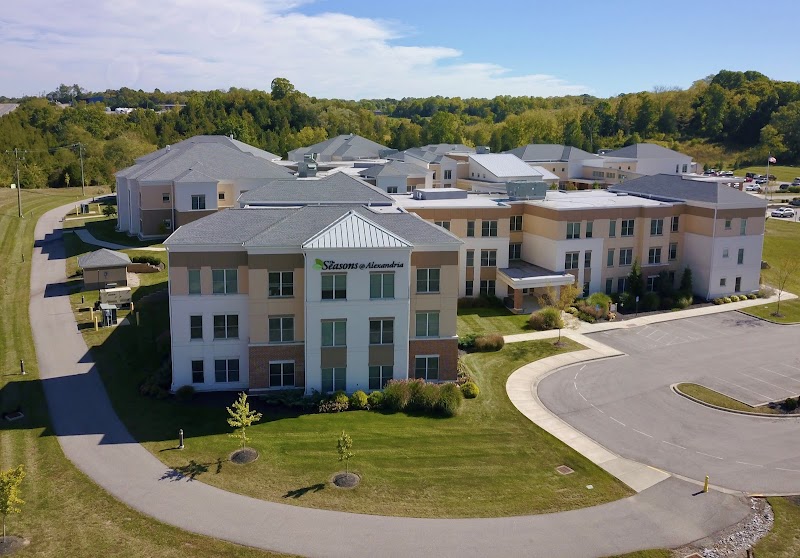
How is The Seasons At Alexandria Staffed?

CMS rates THE SEASONS AT ALEXANDRIA's staffing level at 1 out of 5 stars, which is much below average compared to other nursing homes.

What Have Inspectors Found at The Seasons At Alexandria?

State health inspectors documented 15 deficiencies at THE SEASONS AT ALEXANDRIA during 2018 to 2025. These included: 5 Immediate Jeopardy (the most serious level, indicating potential for serious harm or death), 2 that caused actual resident harm, and 8 with potential for harm. Immediate Jeopardy findings are rare and represent the most serious regulatory concerns. They require immediate corrective action.
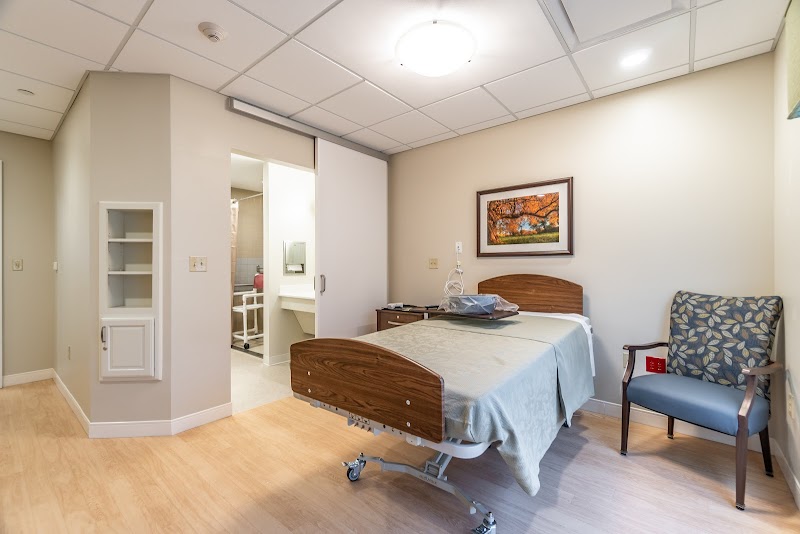
Who Owns and Operates The Seasons At Alexandria?

THE SEASONS AT ALEXANDRIA is owned by a non-profit organization. Non-profit facilities reinvest revenue into operations rather than distributing to shareholders. The facility operates independently rather than as part of a larger chain. With 117 certified beds and approximately 105 residents (about 90% occupancy), it is a mid-sized facility located in ALEXANDRIA, Kentucky.
How Does The Seasons At Alexandria Compare to Other Kentucky Nursing Homes?

Compared to the 100 nursing homes in Kentucky, THE SEASONS AT ALEXANDRIA's overall rating (2 stars) is below the state average of 2.8 and health inspection rating (1 stars) is much below the national benchmark.

What Should Families Ask When Visiting The Seasons At Alexandria?

Based on this facility's data, families visiting should ask: "What changes have been made since the serious inspection findings, and how are you preventing similar issues?" "Can you walk me through typical staffing levels on day, evening, and night shifts?" "Can I visit during a mealtime to observe dining assistance and food quality?" "How do you handle medical emergencies, and what is your hospital transfer rate?" These questions are particularly relevant given the facility's Immediate Jeopardy citations and the below-average staffing rating.

Is The Seasons At Alexandria Safe?

Based on CMS inspection data, THE SEASONS AT ALEXANDRIA has documented safety concerns. Inspectors have issued 5 Immediate Jeopardy citations (the most serious violation level indicating risk of serious injury or death). The facility has a 2-star overall rating and ranks #100 of 100 nursing homes in Kentucky. Families considering this facility should ask detailed questions about what corrective actions have been taken since these incidents.

Do Nurses at The Seasons At Alexandria Stick Around?

THE SEASONS AT ALEXANDRIA has not reported staff turnover data to CMS. Staff turnover matters because consistent caregivers learn residents' individual needs, medications, and preferences. When staff frequently change, this institutional knowledge is lost. Families should ask the facility directly about their staff retention rates and average employee tenure.

Was The Seasons At Alexandria Ever Fined?

THE SEASONS AT ALEXANDRIA has been fined $226,184 across 1 penalty action. This is 6.4x the Kentucky average of $35,341. Fines at this level are uncommon and typically indicate a pattern of serious deficiencies, repeated violations, or failure to correct problems promptly. CMS reserves penalties of this magnitude for facilities that pose significant, documented risk to resident health or safety. Families should request specific documentation of what issues led to these fines and what systemic changes have been implemented.

Is The Seasons At Alexandria on Any Federal Watch List?

THE SEASONS AT ALEXANDRIA is not on any federal watch list. The most significant is the Special Focus Facility (SFF) program, which identifies the bottom 1% of nursing homes nationally based on persistent, serious quality problems. Not being on this list means the facility has avoided the pattern of deficiencies that triggers enhanced federal oversight. This is a positive indicator, though families should still review the facility's inspection history directly.