BEAVER DAM NURSING & REHAB CENTER, INC
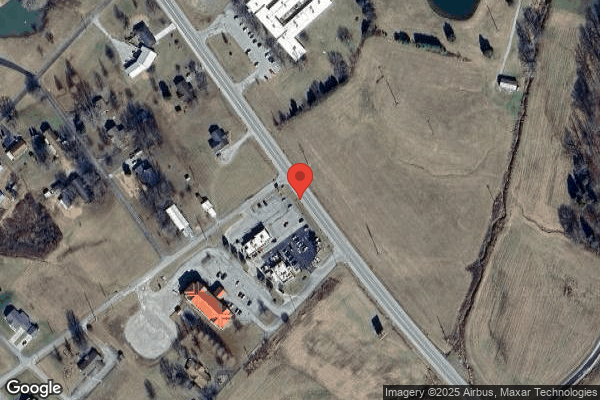

1595 S US HIGHWAY 231, BEAVER DAM, KY 42320 (270) 274-9646
For profit - Limited Liability company 58 Beds PROVIDENCE HEALTH GROUP Data: November 2025
Trust Grade
60/100
#146 of 266 in KY
Last Inspection: May 2025

Inspected within the last 6 months. Data reflects current conditions.

Overview

Beaver Dam Nursing & Rehab Center has a Trust Grade of C+, indicating it is slightly above average but not exceptional. It ranks #146 out of 266 facilities in Kentucky, placing it in the bottom half, and is #3 out of 3 in Ohio County, meaning only one local option is better. The facility's trend is worsening, with issues increasing from 2 in 2024 to 3 in 2025. Staffing is a concern, receiving only 1 out of 5 stars, although the turnover rate is 40%, which is better than the state average. While there have been no fines levied against the facility, the nursing home has had several specific incidents, including improper food storage practices that could jeopardize residents' health, and failures in infection control protocols, such as staff not following proper hygiene when serving drinks. Overall, while there are some strengths like a lower turnover rate, the facility has notable weaknesses that families should consider carefully.

Trust Score
C+
60/100
In Kentucky
#146/266
Bottom 46%
Safety Record
Low Risk
No red flags
Inspections
Getting Worse
2 → 3 violations
Staff Stability
○ Average
40% turnover. Near Kentucky's 48% average. Typical for the industry.
Penalties
✓ Good
No fines on record. Clean compliance history, better than most Kentucky facilities.
Skilled Nurses
○ Average
RN staffing data not reported for this facility.
Violations
○ Average
10 deficiencies on record. Average for a facility this size. Mostly minor or procedural issues.
★★☆☆☆
2.0
Overall Rating
★☆☆☆☆
1.0
Staff Levels
★★☆☆☆
2.0
Care Quality
★★★☆☆
3.0
Inspection Score
Stable
2024: 2 issues
2025: 3 issues

The Good

  • Full Sprinkler Coverage · Fire safety systems throughout facility
  • No fines on record
  • Staff turnover below average (40%)

    8 points below Kentucky average of 48%

Facility shows strength in fire safety.

The Bad

2-Star Overall Rating

Below Kentucky average (2.8)

Below average - review inspection findings carefully

Staff Turnover: 40%

Near Kentucky avg (46%)

Typical for the industry

Chain: PROVIDENCE HEALTH GROUP

Part of a multi-facility chain

Ask about local staffing decisions and management

The Ugly 10 deficiencies on record

May 2025 3 deficiencies
CONCERN (D)

Potential for Harm - no one hurt, but risky conditions existed

Deficiency F0761 (Tag F0761)

Could have caused harm · This affected 1 resident

Based on observation, interview, record review, and review of facility policy, the facility failed to store medications in accordance with the manufacturer's recommendations in one (1) of two (2) medi...

Read full inspector narrative →
Based on observation, interview, record review, and review of facility policy, the facility failed to store medications in accordance with the manufacturer's recommendations in one (1) of two (2) medication storage refrigerators and for one (1) of 13 sampled residents, (Resident (R) 38). The findings include: Review of the undated facility policy titled, Insulin Administration, revealed, the nursing staff will have access to specific instructions (from the manufacturer if appropriate) on all forms of insulin delivery system(s) prior to their use. Review of the undated facility policy titled, Insulin Administration, revealed, the nursing staff will have access to specific instructions (from the manufacturer if appropriate) on all forms of insulin delivery system(s) prior to their use. Review of the pharmacy reference guide titled, Medication storage and Administration Quick Reference Guide, with a revision date of April 2024, revealed a Refrigeration guideline that food products may not be stored in the refrigerator except when the food product is being treated as a medication and the resident has a prescriber's order. Further review of the Medication storage and Administration Quick Reference Guide revealed a section titled, Storage of Pens & Cartridges at room temperature (59 degrees Fahrenheit (F) - 86 degrees F) Discard after, revealed Insulin Lispro should be discarded after 28 days if held at room temperature. Review of the facility pharmacy-supplied manufacturer's recommended storage guideline undated and titled, SARS-CoV-2 Virus (COVID-19) mRNA Vaccine (All Populations Monograph) revealed the recommended storage duration for the Moderna COVID-19 vaccine thawing directions revealed after thawing, the vaccine may be stored refrigerated between 2°C to 8°C (36°F to 46°F) for up to 60 days prior to use or up to the expiration date printed on the carton, whichever comes first. Observation of administration of Lispro insulin on 05/06/25 at 6:34 AM for R38 revealed an open date of 04/01 on the Lispro insulin pen to total 36 days since opened. Observation of the medication storage refrigerator located in the Staff Development Coordinator's (SDC) office on 05/07/2025 at 10:00 AM, revealed one partial bag of oranges, one container of coffee creamer, one partial container of snack cheese, meat and crackers stored in the refrigerator that also contained an open vial of Tubersol solution for injection, single dose syringes of influenza vaccines, two unopened vials of pneumonia vaccine, and COVID19 single dose vaccines. Observation of the Staff Development Coordinator's (SDC) medication storage refrigerator on 05/07/2025 at 10:05 AM, revealed one (1) box containing six (6) Moderna COVID19 Spikevax 2024-2025 single dose syringes being stored unthawed without a thaw date noted. Review of the label on the vaccine packaging revealed a delivery date of 11/05/2024. In an interview with the Licensed Practical Nurse (LPN) 1 on 05/07/2025 at 11:00 AM, LPN1 was asked how long insulin could remain out of refrigeration after opening, the LPN1 stated, is it 30 days? The LPN1 stated she would change it out and get a new one to replace the Lispro insulin pen. In an interview with the Director of Nursing (DON) on 05/07/25 at 11:19 AM, she stated the LPN had made her aware of the insulin available for use on the North hall medication cart that was beyond the recommended 28 days. The DON stated staff had obtained a new Lispro insulin pen to replace the available Lispro insulin with the beyond use date. The DON stated that food and medications should be stored separately in separate refrigerators. The DON further stated the COVID19 Spikevax vaccine would be removed from the refrigerator and disposed of properly. In an interview with the SDC on 05/07/2025 at 11:20 AM, she stated the COVID19 Spikevax was stored in a frozen state until she removed it from the freezer on 02/20/2025 to prepare for administration. The SDC provided a calendar log for vaccine activities with the COVID19 Spikevax thaw date of 02/20/2025 noted on the calendar. After reviewing the pharmacy-supplied recommended storage guideline of 60 days after thawed then counting the number of days from 02/20/2025 to the current date of 05/07/2025 totaled 75 days. The SDC stated that more than 60 days had passed since the vaccine had been thawed. The SDC further stated food items should not be stored with medications. In an interview with the Administrator on 05/08/25 at 3:22 PM, he stated he expected staff to follow the facility policy regarding medication storage and use. He further stated a negative outcome could result, however, it is not in the scope of his practice and would consult the physician for guidance.
CONCERN (D)

Potential for Harm - no one hurt, but risky conditions existed

Infection Control (Tag F0880)

Could have caused harm · This affected 1 resident

Based on observation, interview, and facility policy review the facility failed to establish an infection prevention and control program that addressed hand hygiene procedures to be followed by staff ...

Read full inspector narrative →
Based on observation, interview, and facility policy review the facility failed to establish an infection prevention and control program that addressed hand hygiene procedures to be followed by staff involved in direct resident contact for 1 of 7 sampled residents, (Resident (R)10). The findings include: Review of a facility policy titled Handwashing/Hand Hygiene, not dated, revealed that all personnel were expected to adhere to hand hygiene policies and practices to help prevent the spread of infections to other personnel, residents, and visitors. Further review of the policy revealed that hand hygiene was indicated immediately before touching a resident, after touching a resident, and immediately after glove removal. Review of a facility policy titled General Dose Preparation and Medication Administration, revised 11/15/2024, revealed that prior to preparing or administering medications, authorized and competent facility staff should follow facility's infection control policy which includes using appropriate hand hygiene before and after direct resident contact. Review of R10's Facesheet revealed the facility admitted the resident on 01/22/2025 with diagnoses that include chronic obstructive pulmonary disease, chronic kidney disease, and morbid obesity. Review of R10's Minimum Data Set (MDS) assessment with an Assessment Reference Date (ARD) of 05/01/2025 revealed a Brief Interview for Mental Status (BIMS) score of 14 out of 15, indicating R10 was cognitively intact. Observation of medication pass on 300 hall on 05/06/2025 at 6:51 AM revealed Registered Nurse1 (RN) applied Cahmosyn cream to resident (R) #10's buttocks. Further observation revealed RN failed to perform hand hygiene before donning and after doffing gloves and going into another resident's room. In an interview with RN1 on 05/06/2025 at 6:55 AM, he stated that he should have washed his hands before putting on the gloves and after removing the gloves. He stated that a negative outcome of not washing his hands would be the resident getting an infection or an infection spreading to other residents. In an interview with the Staff Development Infection Preventionist on 05/06/2025 at 6:57 AM, she stated a negative outcome of staff not performing hand hygiene could be an infection control issue. She stated that she expected staff to wash their hands before and after resident care. In an interview with the Director of Nursing (DON) on 05/08/2025 at 10:00 AM, she stated that she expected her staff to wash their hands before and after direct patient care and medication administration. She stated that it was an infection control issue for both staff and the residents. The DON stated that all staff at the facility get infection control training on hire and yearly with their continuing education. In an interview with the Administrator on 05/08/2025 at 3:22 PM, he stated that his expectation for his staff regarding handwashing while giving direct patient care would be to wash their hands between residents and tasks. He stated that possible negative outcomes of staff not washing their hands when providing direct patient care are possible infection control issues like spreading bacteria and viruses between residents.
CONCERN (F)

Potential for Harm - no one hurt, but risky conditions existed

Food Safety (Tag F0812)

Could have caused harm · This affected most or all residents

Based on observation, interview, and review of the facility's policy, the facility failed to store, prepare, distribute, and serve food in accordance with professional standards for food service safet...

Read full inspector narrative →
Based on observation, interview, and review of the facility's policy, the facility failed to store, prepare, distribute, and serve food in accordance with professional standards for food service safety, which had the potential to affect 50 of the facility's 50 residents who consumed food from the kitchen. The findings include: Review of the facility's policy titled, Food Receiving and Storage, revision dated 11/2022, revealed dry foods that were stored in bins were removed from original packaging, labeled and dated (use bydate) and were rotated using a first in--first out system. Continued review revealed all foods stored in the refrigerator or freezer were covered, labeled and dated (use by date). Further review revealed refrigerated foods were labeled, dated and monitored so they are used by their use by date, frozen or discarded. Observation of the kitchen's dry storage area, on 05/06/2025 at 9:45 AM, revealed a plastic container with multiple packages of croutons expired per facility use by date of 03/28/2025. Continued observation revealed six packages of strawberry glaze stored in a plastic container that were expired. Observation of shelf with canned products revealed a large can of peaches was dented and was still on the shelf. In an interview with the Dietary Services Manager (DSM), on 05/06/2025 at 10:00 AM, she stated staff were aware to follow the first in, first out rule when receiving food items. She further stated all dented cans should be removed from the shelf and stored in a designated place to prevent usage. Observation of a walk-in refrigerator2, on 05/06/2025 at 10:15 AM, revealed three bags of shedded lettuce, one open and covered, and two were unopened, but all had expired per the package label use by date. Further observation revealed a plastic storage bag with grated parmesan cheese that had expired. Additionally, a plastic bag containing six heads of lettuce was not covered when stored allowing air contamination. In an interview with the DSM, on 05/06/2025 at 10:25 AM, she stated that the process was to date any food item that had been opened with the open date and a use by date. She stated she was unaware there was a manufacturers expiration date on the lettuce, but would remove them to ensure they had not been used. Continued observations of walk-in freezer1, on 05/06/2025 at 10:35 AM, revealed a bag of Salisbury steak in a plastic bag, and a bag of breaded pork chops that were expired. In an interview with Dietary Aide1, on 05/07/25 at 11:15 AM, she stated worked in the facility for a year. She stated she had not usually received and stored food items, but was aware that food items should be dated when received in the facility. She further stated once those products were opened they were to be covered, and a new open date was written on the package before they had been stored in the refrigerator, freezer, or pantry. She stated if staff had not followed the facility's policy or guidelines there was a potential for food to be contaminated and could possibly make residents sick. She stated the goals was to serve residents good quality food and promote a homelike environment. In an interview with Dietary Aide2, on 05/07/2025 at 11:40 AM, she stated that she has worked in the facility for nine years and worked in the kitchen for three years. She stated that all dietary staff were responsible for checking expiration dates on all food items. She stated staff would follow the food items expiration date first, if on the package before following the date the food was opened. She stated that if she encounters foods that have expired or were past their use-by date, she would notify the DSM and the food was thrown out. She stated she had taken required instructional courses regarding food borne illnesses. She further stated if residents were served spoiled or expired foods they could potetially become ill. In an interview with the DSM, on 05/08/2025 at 2:09 PM, she stated after the inspection she had begun to prepare a in-service training for all dietary staff with a test for understanding on the following Monday. She stated she had begun to implement a new colored labeling system for every day of the week to prevent any confusion about dates and when to discard those food items. She stated she had also implemented a training in the following weeks to ensure all staff were trained on the proper way to store, label, and date all food items. She further stated her expectations for all staff would be to follow the facility's policy and procedure related to food safety and to utilize the training they have received. She stated moving forward she expected staff to use those guidelines to ensure residents were provided the best care and were served safe and quality food items.
Mar 2024 2 deficiencies
CONCERN (F)

Potential for Harm - no one hurt, but risky conditions existed

Deficiency F0804 (Tag F0804)

Could have caused harm · This affected most or all residents

Based on observation and interview, it was determined the facility failed to provide food and drink that was palatable, attractive, and at a safe and appetizing temperature for the lunch meal served o...

Read full inspector narrative →
Based on observation and interview, it was determined the facility failed to provide food and drink that was palatable, attractive, and at a safe and appetizing temperature for the lunch meal served on 03/19/2024. The findings include: Review of the facility's policy titled, Food Temperatures, not dated, revealed foods would be served at proper temperatures to ensure food safety and palatability. Continued review revealed that acceptable serving temperatures for meat entrees were to be greater than 140 degrees Fahrenheit but preferred between 140 and 165 degrees Fahrenheit . Review of the posted menu for the noon meal on 03/19/2024, revealed the following items: baked glazed ham, broccoli and cheese, frosted chocolate cake, and cornbread. Observation of lunch service on 03/19/2024 at 11:08 AM, revealed the following items were served: sliced glazed ham, broccoli and cheese, green beans, barbeque pulled pork, apples, baked beans, mashed potatoes, gravy, ground ham, pureed ham, fortified mashed potatoes and pureed apples. Continued observation following serving of dining room, temperature checks were completed from the steam table and revealed the following: baked glazed ham temperature was at 116 degrees Fahrenheit (F). The alternative meat selection, pulled barbecue chicken was at 126 degrees F. These were below the preferred temperature of 140 to 165 degrees Fahrenheit. An interview with Resident #1 on 03/19/2024 at 11:20 AM, he stated his pulled pork sandwich was cold. Further, he stated the facility's food was cold often. In an interview with the Registered Dietician on 03/21/2024 at 1:44 PM, she stated she expected food temperatures to be maintained between 135 and 140 degrees Fahrenheit while on the steam table. During an interview with Administrator on 03/21/2024 at 4:21 PM, he stated he expected the kitchen staff to follow the policy and ensure meals were served at the correct temperatures.
CONCERN (F)

Potential for Harm - no one hurt, but risky conditions existed

Infection Control (Tag F0880)

Could have caused harm · This affected most or all residents

**NOTE- TERMS IN BRACKETS HAVE BEEN EDITED TO PROTECT CONFIDENTIALITY** Based on observation, interview and review of facility policy it was determined that the facility failed to establish and mainta...

Read full inspector narrative →
**NOTE- TERMS IN BRACKETS HAVE BEEN EDITED TO PROTECT CONFIDENTIALITY** Based on observation, interview and review of facility policy it was determined that the facility failed to establish and maintain an infection prevention and control program designed to provide a safe, sanitary, and comfortable environment and to help prevent the development and transmission of communicable diseases and infections for 6 of 21 sampled residents. (Resident #25, #39, #41, #47, #50 and #54) and 4 unsampled residents (Resident #64, #65 #66 and #67). The findings include: Review of the facility's policy titled, Policies and Practices - Infection Control, revealed the facility's infection control policies and practices were intended to facilitate maintaining a safe, sanitary and comfortable environment and to help prevent and manage transmission of diseases and infections. Observation of the noon meal dining room service, on 03/19/2024 and 03/21/2024, revealed staff opened, touched, and placed straws in drinkware with bare hands prior to serving drinks to the residents. 1) a. A review of Resident #54's face sheet revealed the facility admitted the resident on 01/19/2024. The admission MDS dated [DATE] revealed the resident was assessed to have a BIMS score of eight, which indicated the resident had moderate cognitive impairment. An observation of SRNA #4 on 03/19/2024 at 11:15 showed her with her bare hands, placing a straw, with the covering removed, into the resident's juice. b. A review of the face sheet for Resident #25 revealed the facility admitted the resident on 02/27/2023. Review of the resident's Quarterly Minimum Data Set (MDS) dated [DATE] revealed the resident had a Brief Interview of Mental Status (BIMS) score of 99 which indicated the resident was unable to complete the interview due to the resident's cognitive decline and not interviewable. Observation of Resident #25 on 03/21/2024 at 11:10 AM, in the dining room, showed State Registered Nurse Aide (SRNA) #6 used her bare hands to place a drinking straw in the resident's coffee cup. c. A review of the face sheet for Resident #39 revealed the facility admitted the resident on 05/13/2022. The Quarterly MDS dated [DATE] revealed a BIMS score of two, which indicated severe cognitive impairment. Observation of Resident #39 on 03/21/2024 at 11:12 AM in the dining room revealed SRNA #6 used her bare hands to place a straw in the resident's coffee. d. A review of Resident #41's face sheet record revealed the facility admitted the resident on 06/26/2019. The Quarterly MDS dated [DATE] revealed the resident had a BIMS score of 11, which indicated the resident was moderately impaired. An observation of Resident #41 on 03/21/2024 at 11:13 AM revealed the Director of Rehabilitation touched the resident's straw with her bare hands. e. A review of Resident #50's face sheet revealed the facility admitted the resident on 08/14/2023. The Quarterly MDS dated [DATE] revealed the resident was assessed to have a BIMS score of three, which indicated the resident had severe cognitive impairment. An observation of Resident #50 in the dining room on 03/21/2024 at 11:14 AM, revealed SRNA #4 placed the resident's straw in the resident's drink with her bare hands. 2. The unsampled residents; #64, #65, #66, and #67 were all in the dining room on 03/21/2024 and an observation at 11:07 AM revealed SRNA #6 removed the paper covering from the residents' straws and placed them in their coffee prior to serving the residents at their table. In an interview with State Registered Nurse Aide (SRNA) #4 on 03/21/2024 at 1:50 PM, she stated she was not sure, but believed she should not have touched the straw with her bare hands. In an interview with the Director of Rehabilitation (DOR) on 03/21/2024 at 2:00 PM, she stated she was not usually in the dining room. She further stated, she now knew the proper technique. In an interview with SRNA #6 on 03/21/2024 at 2:05 PM, she stated she did not remember if she was taught the proper way of removing the paper from the drinking straws. She stated she was working at another facility when she first became an SRNA. During an interview with the Director of Nursing (DON) on 03/21/2024 at 2:08 PM, she stated she expected the paper from the straws would be removed without touching the straw with their bare hands. Further, she stated she expected all staff to follow infection control guidelines. During an interview with the Administrator on 03/21/2024 at 1:55 PM, he stated he expected all staff to follow the infection control policy as written regarding best practice when handling drinking straws.
Nov 2022 1 deficiency
CONCERN (D) 📢 Someone Reported This

A family member, employee, or ombudsman was alarmed enough to file a formal complaint

Potential for Harm - no one hurt, but risky conditions existed

Pharmacy Services (Tag F0755)

Could have caused harm · This affected 1 resident

Based on observation, interview, record review, and facility policy review, it was determined the facility failed to have an effective system to ensure an accurate accounting of medications for one (1...

Read full inspector narrative →
Based on observation, interview, record review, and facility policy review, it was determined the facility failed to have an effective system to ensure an accurate accounting of medications for one (1) of eight (8) sampled residents (Resident #6). Review of Resident #6's Medication Administration Record (MAR), dated 08/25/2022, revealed documentation the resident received PRN (as needed) pain medication at 5:00 AM. However, interview with Resident #6, on 11/16/2022 at 9:30 AM, revealed he/she had requested PRN pain medication, on 08/25/2022 at 7:45 AM, and was told by Certified Medication Tech (CMT) #3 that he/she could not have pain medication because it had been administered at 5:00 AM. The findings included: Review of the facility's policy titled, Administering Medications, dated April 2019, revealed medications were administered in a safe and timely manner and, as prescribed, as required, or indicated for a medication. Further review revealed the individual administering the medication, would record it in the resident's medical record. The staff recorded: the date and time the medication was administered; any complaints or symptoms for which the drug was administered; any results achieved; when those results were observed; and, the signature and title of the person administering the drug. Review of the facility's Pharmacy Services and Procedures Manual: General Dose Preparation and Medication Administration, dated 01/2022, revealed during administration, facility staff should take all measures required by the facility's policy and applicable law. These measures included to document the administration of controlled substances in accordance with applicable law. After medication administration, facility staff should document the necessary medication administration information on the appropriate forms. Record review revealed the facility admitted Resident #6, on 03/09/2018. with diagnoses that included Chronic Pain Syndrome, Idiopathic Gout, Unspecified and Chronic Obstructive Pulmonary Disease (COPD). Review of Resident #6's Quarterly Minimum Data Set (MDS) assessment, dated 09/02/2022, revealed a Brief Interview for Mental Status' (BIMS) Score of fifteen (15) which indicated no cognitive impairment. Review of the Physician's Orders revealed an order for Norco (a narcotic analgesic) 10/325 (Hydrocodone 10 milligrams (mg)) and Acetaminophen three hundred and twenty-five (325) mg one (1) tablet. The Norco was ordered to be given by mouth three (3) times a day, as needed (PRN) for breakthrough pain. Review of Resident #6's Controlled Substance Count Record for Hydrocodone 10/325 mg, initiated on 08/19/2022, revealed two (2) doses were signed out as given by Registered Nurse (RN) #1, during the night shift on 08/25/2022. One (1) dose was documented as administered at 1:00 AM, and a second dose was given, at 5:00 AM. However, Registered Nurse (RN) #1 failed to sign on the MAR for both doses. Record review revealed there was no documentation on the back of the MAR that this medication was given; for what purpose; or, whether the doses were effective. Continued review revealed Resident #6 would normally receive a dose of Hydrocodone 10/325 mg between 8:00 AM and 9:00 AM; 1:00 PM and 2:00 PM; and, 8:00 PM and 9:00 PM each day. Review of the August 2022 Medication Administration Record (MAR), revealed there was no documented evidence that Resident #6 had received PRN pain medication on 08/25/2022. Continued review of the MAR revealed there was no documentation on the back of the MAR indicating a PRN medication had been administered. Review of the Progress Notes for Resident #6, revealed no documentation for 08/25/2022. Interview with Resident #6, on 11/16/2022 at 9:30 AM, revealed he/she took pain medication three (3) times a day. The resident stated that he/she took the medication in the morning, after lunch and at bedtime. Resident #6 stated he/she never asked for pain medication through the night because he/she needed it during the day. Resident #6 stated he/she recalled that on 08/25/2022, he/she asked Certified Medication Tech (CMT) #3 for pain medication and was told it wasn't time, as it had been documented by Registered Nurse (RN) #1, that he/she had received pain medication at 5:00 AM. However, Resident #6 stated he/she had not requested pain medication during the night and asked to speak to someone in administration. Resident #6 stated he/she spoke with the Assistant Director of Nursing (ADON) #2. The resident stated CMT #3 had given him/her Tylenol. Interview with CMT #3, on 11/21/2022 at 1:40 PM, revealed she had counted the cart with RN #1 on the morning of 08/25/2022. She stated around 7:30 AM, Resident #6 requested a PRN pain pill and when she checked the narcotic record she noticed RN #1 had signed out pain pills as being administered at 1:00 AM and 5:00 AM. CMT #3 stated that was unusual for Resident #6 and she told the resident that he/she could not have the medication as it had been given two times during the night. She stated Resident #6 became upset and said he/she had not taken any medication during the night and requested to speak with administration. Further interview with CMT #3, revealed she had made ADON #2 of Resident #6's concerns. She stated an investigation began due to the resident stating he/she had not been given pain medication at those times. CMT #3 revealed Resident #6 was given Acetaminophen (Tylenol) and it relieved his/her pain. Interview with Certified Medication Tech (CMT) #1, on 11/17/2022 at 11:00 AM, revealed RN #1, night shift nurse, had signed out scheduled routine narcotics between 5:00 AM and 6:00 AM when they were not due until 7:00 AM. CMT #1 stated she found that odd as she was not used to medications being administered for her. The CMT stated she had reported it to the Charge Nurse and ADON #2, but she could not recall the date. She stated she did not recall any changes or complaints from the residents. CMT #1 stated when administering a PRN medication, it had to be documented on the back of the MAR and a follow up completed to make sure it was effective. Interview, with Registered Nurse (RN) #1, on 11/17/2022 at 9:14 AM, revealed she had been employed at the facility for about three (3) weeks. She stated on 08/25/2022, ADON (Assistant Director of Nursing) #2 called her to the office and told her she had left blanks in the narcotic book and had her sign the narcotic sheet at that time. RN #1 stated ADON #2 never said she needed anything else, so she gave report and left the facility. She stated she texted the Administrator and resigned effective immediately because she had accepted a position at another facility. RN #1 stated that the facility had not made her aware of an investigation. She further stated, she had previously worked in acute care and was not used to signing medications out on paper. The RN stated she would sometimes forget to sign the MAR's. Interview, with the former Director of Nursing (DON), on 11/17/2022 at 8:02 PM, revealed she was aware that RN #1 was being investigated for medication administration, but she was not involved in the investigation. She stated ADON #2, and the Administrator conducted the investigation. Review of the printed text message revealed, on 08/25/2022 at 7:40 AM, revealed RN #1 texted the Administrator and resigned effective immediately. Record review revealed the Administrator responded and requested RN #1 to come to the facility that afternoon as she was under active investigation for medication administration. Continued review revealed the Administrator requested that she write a statement and let him know when she could come in to the facility. Further review revealed there was no response from RN #1. The review revealed at 11:34 AM, the Administrator sent another message asking RN #1 if she planned to participate in the investigation and that he needed to know by 5:00 PM. He informed RN #1 that the local authorities, Kentucky Board of Nursing (KBN) and the Office of Inspector General (OIG)/ State Survey Agency would be notified if she did not provide a statement. Interview with the consulting Pharmacist, on 11/21/2022 at 1:19 PM and 3:55 PM, revealed she performed comprehensive medication reviews monthly on all residents. She stated she looked at dosing, diagnoses, potential interactions, and monitoring of laboratory values. Further interview revealed she checked medication carts for expired medications, and ensured medications were dated and labeled. The Pharmacist stated she checked narcotics and ensured documentation had been completed and followed up on. She stated staff should sign the medication out on the controlled drug record as well as the MAR and write on the back of the MAR that a PRN medication had been given. Continued interview revealed a follow up on the PRN should also be documented on the back of the MAR. She stated she did a monthly quality report, and a copy was sent to the Administrator and DON and that the report was available on the pharmacy's website. Interview with Assistant Director of Nursing (ADON) #2, on 11/18/2022 at 9:04 AM, revealed she was the ADON for North Side and had been the ADON since 07/25/2022. ADON #2 stated that on 08/22/2022, the former DON made her aware of concerns with RN #1 not signing the narcotic shift change form located in the narcotic book. She stated she came in early on 08/25/2022 to provide education to RN #1. ADON #2 stated following her conversation with RN #1, CMT #3 came and got her because something was off on the narcotic count. She stated when they got to the cart, RN #1 had left the facility. ADON #2 stated RN #1 texted the Administrator and resigned effective immediately. RN #1 failed to respond to messages and calls to come to the facility for an interview. Interview with the Administrator, on 11/21/2022 at 4:18 PM, revealed he was aware that Resident #6 had requested pain medication and had stated that he/she had not received the medication. Further interview revealed RN #1 had resigned effective immediately via text on 08/25/2022. He stated he responded and also made several calls to RN #1 to come to the facility and provide a statement. However, he received no response. Continued interview revealed the facility initiated an investigation and notified the required agencies. Further interview, on 11/21/2022 at 4:18 PM, with the Administrator, revealed he had notified the local police agency of his concern that RN #1 may have taken narcotics. He stated he told the police the nurse no longer worked at the facility. The Administrator stated the police declined to investigate because the staff member no longer worked in the facility and it was not a priority for their agency. He stated he expected all staff to follow the facility's medication administration policy.
Oct 2019 4 deficiencies
CONCERN (D)

Potential for Harm - no one hurt, but risky conditions existed

Deficiency F0583 (Tag F0583)

Could have caused harm · This affected 1 resident

Based on observation, interview, record review, and facility policy review, it was determined the facility failed to keep resident care information confidential for one (1) of nineteen (19) sampled re...

Read full inspector narrative →
Based on observation, interview, record review, and facility policy review, it was determined the facility failed to keep resident care information confidential for one (1) of nineteen (19) sampled residents (Resident #21). Observations on 10/08/19 and 10/09/19, revealed Resident #21 had a posted sign on the wall of his/her room that faced the hallway. The sign contained care information for Activity of Daily Living (ADL) needs and was visible to other residents and visitors from the hallway. The findings include: Review of the facility's policy, Quality of Life-Dignity, last revised August 2009, revealed each resident shall be cared for in a manner that promotes and enhances quality of life, dignity, respect and individuality. Staff shall promote, maintain, and protect resident privacy. Record review revealed the facility readmitted Resident #21 on 03/29/19, with diagnoses which included Heart Failure and Pneumonia. Review of the Quarterly Minimum Data Set (MDS) assessment, dated 08/12/19, revealed the facility assessed Resident #21's cognition as severely impaired with a Brief Interview for Mental Status (BIMS) score of zero (00), which indicated the resident was not interviewable. Observations on 10/08/19 at 10:12 AM and 10/09/19 at 1:50 PM, revealed a posted sign in Resident #21's room that had ADL care need on it. The sign was on a wall that faced the hallway and entrance door. The ADL needs of Resident #21, which could be read from the hallway, included honey thickened liquids at all times and no straws. Further observation revealed staff and other residents walked past Resident #21's room. The resident's door was open and Resident #21's ADL care needs on the sign were not covered and were readable from the hallway. Interview with Certified Nursing Assistant (CNA) #1, on 10/11/19 at 9:30 AM, revealed the sign containing resident care information could be a dignity issue and may be better placed inside the closet door or placed inside the bathroom door, out of others view. CNA #1 stated care information for Resident #21 is found on the care plan. Interview with the Director of Nursing (DON), on 10/11/19 at 2:20 PM, revealed the information posted on the sign could be a dignity issue.
CONCERN (D)

Potential for Harm - no one hurt, but risky conditions existed

Comprehensive Care Plan (Tag F0656)

Could have caused harm · This affected 1 resident

Based on observation, interview, record review, and facility policy review, it was determined the facility failed to implement a comprehensive person-centered care plan for one (1) of nineteen (19) sa...

Read full inspector narrative →
Based on observation, interview, record review, and facility policy review, it was determined the facility failed to implement a comprehensive person-centered care plan for one (1) of nineteen (19) sampled residents (Resident #52). Observations on 10/08/19, revealed staff failed to follow interventions to administer oxygen (O2) at 2 liters per minute (LPM) via nasal cannula for Resident #52 as ordered. The findings include: Review of the facility's policy, Medication and Treatment Orders, last revised July 2016, revealed orders for medications and treatments will be consistent with principles of safe and effective order writing. Record review revealed the facility readmitted Resident #52 on 09/23/19, with diagnoses which included Pleural Effusion, Acute and Chronic Respiratory Failure, and Chronic Obstructive Pulmonary Disease. Review of the admission Minimum Data Set (MDS) assessment, dated 08/19/19, revealed the facility assessed Resident #52's cognition as intact with a Brief Interview for Mental Status (BIMS) score of ten (10), which indicated the resident was interviewable. Review of Resident #52's Comprehensive Care Plan, dated 08/09/19, revealed an intervention for oxygen therapy related to Congestive Heart Failure (CHF), with interventions to include oxygen settings of O2 at two (2) per nasal cannula (PNC) continuous. However, observations of Resident #52 on 10/08/19 at 10:27 AM and 11:15 AM, revealed his/her portable oxygen tank was on 3 LPM of O2 per PNC. Interview with Resident #52 on 10/09/19 at 9:40 AM, revealed he/she does not alter the oxygen settings because he cannot reach it and only the nurses check it. Interview with Licensed Practical Nurse (LPN) #1 on 10/09/19 at 3:29 PM, revealed Resident #52's oxygen was ordered to be on 2 LPM. She stated nursing checks the oxygen at least once per shift to ensure correct settings. LPN #1 further stated staff should follow what is on the resident's care plan while providing daily care. Interview with LPN #2 on 10/10/19 at 1:14 PM, revealed Resident #52's oxygen should been on 2 LPM, however, she assumed the order had recently been changed to three (3) liters because of the residents respiratory history. LPN #2 stated she signed off on the Treatment Administration Record on 10/08/19 and has since clarified the oxygen order. Interview with the Director of Nursing (DON) on 10/11/19 at 2:20 PM, revealed she expected the nurses to follow the care plan and physician orders. She stated there was no specific care plan policy, however, the facility follows state and federal regulations.
CONCERN (D)

Potential for Harm - no one hurt, but risky conditions existed

Accident Prevention (Tag F0689)

Could have caused harm · This affected 1 resident

Based on observation, interview, record review, and review of facility policy, it was determined the facility failed to ensure the residents environment remains as free of accident hazards as possible...

Read full inspector narrative →
Based on observation, interview, record review, and review of facility policy, it was determined the facility failed to ensure the residents environment remains as free of accident hazards as possible for one (1) of nineteen (19)sampled residents (Resident #52). Observation revealed facility failed to ensure proper storage of drugs and biological's. The findings include: Review of the facility policy titled, Storage of Medications, last revised April 2007, revealed the facility shall store all drugs and biological's in a safe, secure, and orderly manner. Review of the facility's list of wandering residents revealed two (2) wandering residents. Record review revealed the facility readmitted Resident #52 on 09/23/19, with diagnoses which included Pleural Effusion, Acute and Chronic Respiratory Failure, and Chronic Obstructive Pulmonary Disease. Review of the admission Minimum Data Set (MDS) assessment, dated 08/19/19, revealed the facility assessed Resident #52's cognition as intact with a Brief Interview for Mental Status (BIMS) score of ten (10), which indicated the resident was interviewable. Observation of Resident #52's room on 10/08/19 at 10:27 AM and at 3:25 PM, revealed an open bottle of Hydrogen Peroxide on a table, unattended. Interview with Resident #52 on 10/09/19 at 9:40 AM, revealed he/she was unsure why it was in his/her room. Interview with Certified Nurse Aide (CNA) #1 on 10/11/19 at 9:30 AM, revealed the Hydrogen Peroxide should not be left in a residents room because it could be harmful to wandering residents. CNA #1 further stated the family may have brought the item in. She further stated if she noticed something that could be harmful she would remove the item and let the nurse know. Interview with Licensed Practical Nurse (LPN) #1 on 10 at 3:00 PM, revealed Interview with the Director of Nursing (DON) on 10/11/19 at 2:20 PM, revealed the residents family may have brought the Hydrogen Peroxide in and it should not have been left unattended. She further stated it has been removed.
CONCERN (D)

Potential for Harm - no one hurt, but risky conditions existed

Respiratory Care (Tag F0695)

Could have caused harm · This affected 1 resident

Based on observation, interview, record review, and facility policy review, it was determined the facility failed to provide oxygen (O2) therapy according to the Physician's Order and Care Plan for on...

Read full inspector narrative →
Based on observation, interview, record review, and facility policy review, it was determined the facility failed to provide oxygen (O2) therapy according to the Physician's Order and Care Plan for one (1) of nineteen (19) sampled residents (Resident #52). Observations on 10/08/19, revealed staff failed to administer oxygen (O2) at 2 liters per minute (LPM) via nasal cannula for Resident #52, as ordered. The findings include: Review of the facility's policy, Oxygen Administration, last revised October 2010, revealed oxygen therapy is administered by way of an oxygen mask, nasal cannula, and/or nasal catheter and guidelines should be utilized for safe oxygen administration. The policy further revealed before administering oxygen, and while the resident is receiving oxygen therapy, assessments should be completed to include vital signs and to check the oxygen concentration. Record review revealed the facility readmitted Resident #52 on 09/23/19, with diagnoses which included Pleural Effusion, Acute and Chronic Respiratory Failure, and Chronic Obstructive Pulmonary Disease. Review of the admission Minimum Data Set (MDS) assessment, dated 08/19/19, revealed the facility assessed Resident #52's cognition as intact with a Brief Interview for Mental Status (BIMS) score of ten (10), which indicated the resident was interviewable. Review of Resident #52's Comprehensive Care Plan, dated 08/09/19, revealed an intervention for oxygen therapy related to Congestive Heart Failure (CHF), with interventions to include oxygen settings of O2 at two (2) per nasal cannula (PNC) continuous. Review of Resident #52's Physician's Orders dated October 2019, revealed an order to administer O2 at 2 LPM continuously. However, observation on 10/08/19 at 2:35 PM and 4:21 PM, revealed Resident #52's oxygen was on three (3) LPM per nasal cannula. Interview with Licensed Practical Nurse (LPN) #1 on 10/09/19 at 3:29 PM, revealed Resident #52's oxygen was ordered to be on 2 LPM. She further revealed nursing check the oxygen at least once per shift to ensure correcting settings. LPN #1 further stated staff should follow what is on the residents care plan while providing daily care. Interview with Licensed Practical Nurse (LPN) #2 on 10/10/19 at 1:14 PM, revealed Resident #52's oxygen should been on 2 LPM, however, she assumed the order had recently been changed to three (3) liters because of the resident's respiratory history. LPN #2 stated she signed off on the Treatment Administration Record on 10/08/19 and has since clarified the oxygen order. Interview with the Director of Nursing (DON) on 10/11/19 at 2:20 PM, revealed she expected the nurses to follow physician orders when administering oxygen. She further stated staff should be aware of any new or changing orders while providing care to ensure accuracy.
Understanding Severity Codes (click to expand)
Life-Threatening (Immediate Jeopardy)
J - Isolated K - Pattern L - Widespread
Actual Harm
G - Isolated H - Pattern I - Widespread
Potential for Harm
D - Isolated E - Pattern F - Widespread
No Harm (Minor)
A - Isolated B - Pattern C - Widespread

Questions to Ask on Your Visit

  • "Can I speak with families of current residents?"
  • "What's your RN coverage like on weekends and overnight?"

Our Honest Assessment

Strengths
  • • No major safety red flags. No abuse findings, life-threatening violations, or SFF status.
  • • No fines on record. Clean compliance history, better than most Kentucky facilities.
  • • 40% turnover. Below Kentucky's 48% average. Good staff retention means consistent care.
Concerns
  • • No major red flags. Standard due diligence and a personal visit recommended.
Bottom line: Mixed indicators with Trust Score of 60/100. Visit in person and ask pointed questions.

About This Facility

What is Beaver Dam Nursing & Rehab Center, Inc's CMS Rating?

CMS assigns BEAVER DAM NURSING & REHAB CENTER, INC an overall rating of 2 out of 5 stars, which is considered below average nationally. Within Kentucky, this rating places the facility higher than 0% of the state's 100 nursing homes. A rating at this level reflects concerns identified through health inspections, staffing assessments, or quality measures that families should carefully consider.

How is Beaver Dam Nursing & Rehab Center, Inc Staffed?

CMS rates BEAVER DAM NURSING & REHAB CENTER, INC's staffing level at 1 out of 5 stars, which is much below average compared to other nursing homes. Staff turnover is 40%, compared to the Kentucky average of 46%. This relatively stable workforce can support continuity of care.

What Have Inspectors Found at Beaver Dam Nursing & Rehab Center, Inc?

State health inspectors documented 10 deficiencies at BEAVER DAM NURSING & REHAB CENTER, INC during 2019 to 2025. These included: 10 with potential for harm.

Who Owns and Operates Beaver Dam Nursing & Rehab Center, Inc?

BEAVER DAM NURSING & REHAB CENTER, INC is owned by a for-profit company. For-profit facilities operate as businesses with obligations to shareholders or private owners. The facility is operated by PROVIDENCE HEALTH GROUP, a chain that manages multiple nursing homes. With 58 certified beds and approximately 53 residents (about 91% occupancy), it is a smaller facility located in BEAVER DAM, Kentucky.

How Does Beaver Dam Nursing & Rehab Center, Inc Compare to Other Kentucky Nursing Homes?

Compared to the 100 nursing homes in Kentucky, BEAVER DAM NURSING & REHAB CENTER, INC's overall rating (2 stars) is below the state average of 2.8, staff turnover (40%) is near the state average of 46%, and health inspection rating (3 stars) is at the national benchmark.

What Should Families Ask When Visiting Beaver Dam Nursing & Rehab Center, Inc?

Based on this facility's data, families visiting should ask: "Can you walk me through typical staffing levels on day, evening, and night shifts?" "Can I visit during a mealtime to observe dining assistance and food quality?" "How do you handle medical emergencies, and what is your hospital transfer rate?" "Can I speak with family members of current residents about their experience?" These questions are particularly relevant given the below-average staffing rating.

Is Beaver Dam Nursing & Rehab Center, Inc Safe?

Based on CMS inspection data, BEAVER DAM NURSING & REHAB CENTER, INC has a clean safety record: no substantiated abuse findings (meaning no confirmed cases of resident harm), no Immediate Jeopardy citations (the most serious violation level indicating risk of serious injury or death), and is not on the Special Focus Facility watch list (a federal program monitoring the lowest-performing 1% of nursing homes). The facility has a 2-star overall rating and ranks #100 of 100 nursing homes in Kentucky. While no facility is perfect, families should still ask about staff-to-resident ratios and recent inspection results during their visit.

Do Nurses at Beaver Dam Nursing & Rehab Center, Inc Stick Around?

BEAVER DAM NURSING & REHAB CENTER, INC has a staff turnover rate of 40%, which is about average for Kentucky nursing homes (state average: 46%). Moderate turnover is common in nursing homes, but families should still ask about staff tenure and how the facility maintains care continuity when employees leave.

Was Beaver Dam Nursing & Rehab Center, Inc Ever Fined?

BEAVER DAM NURSING & REHAB CENTER, INC has no federal fines on record. CMS issues fines when nursing homes fail to meet care standards or don't correct problems found during inspections. The absence of fines suggests the facility has either maintained compliance or corrected any issues before penalties were assessed. This is a positive indicator, though families should still review recent inspection reports for the full picture.

Is Beaver Dam Nursing & Rehab Center, Inc on Any Federal Watch List?

BEAVER DAM NURSING & REHAB CENTER, INC is not on any federal watch list. The most significant is the Special Focus Facility (SFF) program, which identifies the bottom 1% of nursing homes nationally based on persistent, serious quality problems. Not being on this list means the facility has avoided the pattern of deficiencies that triggers enhanced federal oversight. This is a positive indicator, though families should still review the facility's inspection history directly.