FORDSVILLE NURSING AND REHABILITATION CENTER

313 MAIN STREET, FORDSVILLE, KY 42343 (270) 276-3603
For profit - Limited Liability company 67 Beds BENJAMIN LANDA Data: November 2025
Trust Grade
60/100
#103 of 266 in KY
Last Inspection: August 2023

Over 2 years since last inspection. Current conditions may differ from available data.

Overview

Fordsville Nursing and Rehabilitation Center has a Trust Grade of C+, which means it is slightly above average but not exceptional. It ranks #103 out of 266 nursing homes in Kentucky, placing it in the top half of facilities in the state, and #2 out of 3 in Ohio County, indicating only one local option is better. The facility's performance trend is stable, with six issues reported in both 2022 and 2023, but it has several areas of concern, including a failure to maintain proper infection control, which led to residents not receiving appropriate precautions during care. Staffing is a weakness here, with a below-average rating of 2 out of 5 stars and a 44% turnover rate, although this is slightly better than the state average. On the positive side, the facility has not incurred any fines, indicating compliance with regulations, and it has average RN coverage, which is important for quality care. However, residents have experienced issues like peeling wallpaper and chipped paint in their rooms, suggesting that the living environment may not be as comfortable or homelike as expected.

Trust Score
C+
60/100
In Kentucky
#103/266
Top 38%
Safety Record
Low Risk
No red flags
Inspections
Holding Steady
6 → 6 violations
Staff Stability
○ Average
44% turnover. Near Kentucky's 48% average. Typical for the industry.
Penalties
✓ Good
No fines on record. Clean compliance history, better than most Kentucky facilities.
Skilled Nurses
○ Average
Each resident gets 37 minutes of Registered Nurse (RN) attention daily — about average for Kentucky. RNs are the most trained staff who monitor for health changes.
Violations
⚠ Watch
23 deficiencies on record. Higher than average. Multiple issues found across inspections.
★★★☆☆
3.0
Overall Rating
★★☆☆☆
2.0
Staff Levels
★★☆☆☆
2.0
Care Quality
★★★☆☆
3.0
Inspection Score
Stable
2022: 6 issues
2023: 6 issues

The Good

  • Full Sprinkler Coverage · Fire safety systems throughout facility
  • No fines on record
  • Staff turnover below average (44%)

    4 points below Kentucky average of 48%

Facility shows strength in fire safety.

The Bad

3-Star Overall Rating

Near Kentucky average (2.8)

Meets federal standards, typical of most facilities

Staff Turnover: 44%

Near Kentucky avg (46%)

Typical for the industry

Chain: BENJAMIN LANDA

Part of a multi-facility chain

Ask about local staffing decisions and management

The Ugly 23 deficiencies on record

Aug 2023 6 deficiencies
CONCERN (D) 📢 Someone Reported This

A family member, employee, or ombudsman was alarmed enough to file a formal complaint

Potential for Harm - no one hurt, but risky conditions existed

Deficiency F0578 (Tag F0578)

Could have caused harm · This affected 1 resident

Based on interview, record review, and review of the facility's policy, it was determined the facility failed to ensure a resident who was assessed to be mentally incapacitated had his/her Advance Dir...

Read full inspector narrative →
Based on interview, record review, and review of the facility's policy, it was determined the facility failed to ensure a resident who was assessed to be mentally incapacitated had his/her Advance Directive information given to and signed by his/her Resident Representative for one (1) of three (3) residents sampled for closed records (Resident #214). Closed record review revealed on 05/25/2023, Resident #211 signed his/her own Kentucky Emergency Medical Services Do Not Resuscitate (DNR) Order and Cardiopulmonary Resuscitation Consent. Further review of Resident 214's Quarterly Minimum Data Set Assessment (MDS) Assessment, dated 05/15/2023, revealed the resident had severe cognitive impairment. The findings include: Review of the facility's policy, Advance Directive Standard of Practice, dated 10/2020, revealed resident's had the right to formulate an Advance Directive and to accept or refuse medical or surgical treatment. The facility would periodically assess the resident for decision making abilities and approach the health care proxy or legal representative if the resident was determined not to have decision making capacities in regard to Advance Directives and/or treatment provision. Closed record review revealed the facility re-admitted Resident #214 on 05/11/2023 with diagnoses which included Paranoid Schizophrenia and Cognitive Communication Deficit. Review of Resident #214's Quarterly Minimum Data Set Assessment (MDS) Assessment, dated 05/15/2023, revealed the facility assessed the resident to have a Brief Interview for Mental Status (BIMS) score of three (3) out of fifteen (15), indicating severe cognitive impairment. Review of a Social Service's Note dated 04/11/2023 at 12:25 PM, entered by the Social Services Director (SSD) revealed she had informed Resident #214's brother of the resident's recent BIMS score and discussed options which included seeking guardianship for Resident #214. The SSD noted the Resident #214's brother/Responsible Party told her he would seek guardianship on Resident #214's behalf and she provided him with contact information to move forward in the guardianship process. Review of an email dated 04/19/2023 at 8:24 AM from the SSD to the Guardianship Field Services Office Supervisor (GFSOS), revealed she had referred Resident #214 for State Guardianship and had listed Resident #214's Responsible Party. The form stated the reason for the Guardianship Referral was that Resident #214 was unable to receive care services and recourses due to cognitive impairment. Review of an SSD note dated 04/25/2023 at 2:01 PM, revealed the SSD had completed Resident #214's referral documents and had submitted then to the State Guardianship Field Office via email and was awaiting next steps. Review of Resident #214's Cardiopulmonary Resuscitation Consent (CRC) and Kentucky Emergency Services Do Not Resuscitate Order (DNR) documents, dated 05/25/2023, revealed the documents were labeled with Resident #214's name and had been signed on 05/25/2023 with an illegible signature. The DNR document had been witnessed by the Director of Nursing and the Certified Medication Technician (CMT) #11/Ward Clerk. In a phone interview on 07/25/2023 at 2:50 PM with Resident #214's Responsible Party, he stated he was never Resident #214's guardian or power of attorney (POA). He stated he did not have a chance to get the paperwork completed before the resident had passed away. Resident #214's Responsible Party further stated the facility had not discussed the residents code status with him. He stated he would have liked to discuss that with Resident #214. In an interview with the Director of Nursing (DON), on 07/18/2023 at 4:53 PM, she stated Resident #214 had signed his/her own Do Not Resuscitate (DNR) Order and Cardiopulmonary Resuscitation Consent. In an interview with the Social Services Director (SSD), on 07/25/2023 at 3:02 PM, she stated she had been in her role at the facility since 10/13/2021. She stated the BIMS assessment is usually completed by either herself, the Activities Director or by the MDS Nurse. The SSD stated a resident with a BIMS score of three (3) would be considered as having severe cognitive impairment. She stated she would not advise a resident with a BIMS score of three to sign their own legal documents. Additionally, she stated wasn't aware Resident #214 had signed his/her own DNR paperwork and felt the resident did not have the cognitive ability to sign the paperwork. In an interview on 07/25/2023 at 3:43 PM with Certified Medication Technician (CMT) #11, she stated her role at the facility was CMT/Scheduler/Ward Clerk. She stated a BIMS score of three indicated cognitive impairment. CMT #11 stated she did not check Resident #214's BIMS score before she witnessed him/her signing the code status documents. CMT #11 stated she would rely on the Director of Nursing (DON) to make her aware of a resident's impaired cognition and could not sign a document. CMT #11 stated she felt like Resident #214 presented as cognitively intact to her the day the resident signed the documents. In an interview with the Director of Nursing (DON), on 07/25/2023 at 3:38 PM, she stated she had been the DON for the past eighteen (18) months. She stated as a clinician she knew from a resident's cognition could change from day to day. The DON stated she was not aware of Resident #214's BIMS score prior to the resident signing his/her code status documents. She stated on the day Resident #214 signed his/her code status documents, the resident was oriented to self and place and could identify the DON and CMT #11. The DON further stated it would have been a good idea for her to assess the resident's BIMS score immediately prior to having him/her sign the code DNR paperwork. In an interview with the Administrator, on 07/25/2023 at 3:25 PM, she stated she knew the DON and CMT #11 witnessed the Resident #11 sign his/her paperwork, changing his/her code status at the facility. The Administrator stated it was her expectation the DON act as a prudent nurse and do what was best for the residents. She stated she would expect the DON to assess a resident's cognitive level prior to having the resident sign an Advance Directive.
CONCERN (D) 📢 Someone Reported This

A family member, employee, or ombudsman was alarmed enough to file a formal complaint

Potential for Harm - no one hurt, but risky conditions existed

Safe Environment (Tag F0584)

Could have caused harm · This affected 1 resident

**NOTE- TERMS IN BRACKETS HAVE BEEN EDITED TO PROTECT CONFIDENTIALITY** Based on observation, interview, and review of the facility's policy, it was determined the facility failed to ensure each resid...

Read full inspector narrative →
**NOTE- TERMS IN BRACKETS HAVE BEEN EDITED TO PROTECT CONFIDENTIALITY** Based on observation, interview, and review of the facility's policy, it was determined the facility failed to ensure each resident had a safe, clean, comfortable, and homelike environment for five (5) of five (5) residents' sampled rooms. Observations on 07/31/2023 through 08/04/2023, revealed multiple resident rooms had peeling wallpaper, chipped paint, and damaged walls (Rooms 3-A, 21-A, 28-B, 31-A and 37-A). The findings include: Review of the facility's policy, Homelike Environment Standard of Practice, dated 10/2020 revealed the facility would provide residents with a safe, clean, comfortable and homelike environment. The facility should maximize, to the extent possible, characteristics of the facility to reflect a personalized, homelike setting that should include cleanliness and order. 1. Observation of room [ROOM NUMBER]-A on 07/31/23 at 10:40 AM, revealed the wallpaper was peeling from the seams. 2. Observation of room [ROOM NUMBER]-B on 08/01/23 at 8:44 AM, revealed chipped and peeling paint on the wall. Linoleum at the door threshold between the hall and the room was chipped. 3. Observation of room [ROOM NUMBER]-A on 08/01/23 at 8:54 AM, revealed a large hole in bead board on the wall along the side of the resident's bed. In an interview with Resident #14 on 08/01/2023 at 8:54 AM, the resident stated he/she didn't like the look of the wall and wished they would fix it. 4. Observation of room [ROOM NUMBER]-A on 08/01/23 at 10:15 AM, revealed paint was chipping from areas of the wall. 5. Observation of room [ROOM NUMBER]-A on 08/04/2023 at 10:02 AM, revealed a large circular area of missing wallpaper. In an interview, on 08/05/2023 at 2:30 PM with the Director of Nursing (DON), she stated the facility had painters coming and there had been no complaints from the resident families about the environment. She stated she would expect wall paper peeling, chipped paint, and holes in the walls, to be repaired timely to reflect a home like environment for the residents. In an interview, on 08/05/2023 at 3:35 PM with the Maintenance Director, he stated the facility was currently in the process of painting, removing wallpaper, and replacing some flooring. He stated he was the only person in the facility doing the work and was hard to get it all done sometimes. The Maintenance Director stated it was his expectation repairs were to be made timely to create a home like environment for the residents. In an interview with the Administrator, on 08/05/2023 at 2:39 PM, she stated the facility was working on removing peeling wallpaper and painting. She stated stated the Maintenance Director performed most of the work. The Administrator stated she expected the environment to be pleasing and homelike for residents.
CONCERN (D) 📢 Someone Reported This

A family member, employee, or ombudsman was alarmed enough to file a formal complaint

Potential for Harm - no one hurt, but risky conditions existed

Free from Abuse/Neglect (Tag F0600)

Could have caused harm · This affected 1 resident

Based on interview, record review and review of the facility's policy, it was determined the facility failed to protect residents from physical abuse for four (4) of fifty-five (55) sampled residents ...

Read full inspector narrative →
Based on interview, record review and review of the facility's policy, it was determined the facility failed to protect residents from physical abuse for four (4) of fifty-five (55) sampled residents (Residents #36, #49, #50, and #213). On 01/15/2023, staff responded to an incident of Resident #213 striking Resident #50 on the face, in the common area. On 10/02/2022, staff had reported witnessing Resident #49 touching Resident #36's chest area above his/her clothing. The findings include: Review of the facility's policy, Abuse Prohibition Standard of Practice, dated 07/2022, revealed the facility would prohibit and prevent abuse, neglect, exploitation, misappropriation or resident property and ensure reporting and investigating of alleged violations, mistreatment and involuntary seclusion in accordance with Federal and State laws. 1 (a). Review of closed record revealed the facility admitted Resident #213 on 12/09/2022 with diagnoses which included include Vascular Dementia, Altered Mental Status Unspecified, and Major Depressive Disorder. Review of Resident #213's Quarterly Minimum Data Set (MDS) Assessment, dated 03/09/2023, revealed the facility assessed the resident to have a Brief Interview for Mental Status (BIMS) Score of zero (0) out of fifteen (15) indicating severe cognitive impairment. (b). Review of the medical record revealed the facility admitted Resident #50 on 06/16/2022 with diagnoses which included Spastic Quadriplegic Cerebral Palsy, Other Seizures and Phobic Anxiety Disorder. Review of Resident #50's Annual MDS Assessment, dated 06/23/2023, revealed the facility assessed the resident to have a Brief Interview for Mental Status (BIMS) Score of nine (9) out of fifteen (15) indicating moderate cognitive impairment. Review of the Long-Term Care Facility Self-Reported Incident Form, dated 01/15/2023 and completed by the Director of Nursing (DON), revealed on 01/15/2023 at 6:45 PM, Resident #50 was watching television in the common area. Resident #213 was ambulating and stopped in front of the television. Further review of the form revealed Resident #50 yelled at Resident #213 to move away from the TV and Resident #213 walked over to Resident #50 and made contact with Resident #50's face. Per review of the form the Residents' were separated and moved from the common area. Both Residents were assessed for injury and no injuries were noted. Resident #213 was placed on one to one (1:1) observation. Review of Progress Note for Resident #50, dated 01/15/2023 at 7:46 PM, signed by Licensed Practical Nurse (LPN) #4, revealed resident was sitting in the lobby with peers when he/she asked another peer to move out in front of the TV. Resident #213 went over to peer and grazed Resident #50's face with his/her hand. Resident #50 was immediately removed from the situation no injury noted. Review of Progress Note for Resident #213, dated 01/15/2023 at 7:47 PM, signed by LPN #4, revealed Resident #213 was standing in lobby when Resident #50 told him/her to move from the front of the television. Resident #213 swatted at Resident #50. Resident #213 was placed on 1:1 with staff. In an interview with the Social Services Director (SSD), on 07/25/2023 at 3:14 PM, she stated the Administrator was the Abuse Coordinator. She stated she had no role in investigating allegations of abuse. She stated the former Administrator handled all of the facility reported incidents. In an interview with the former Administrator, on 07/26/2023 at 1:13 PM, he stated he was the facility's abuse coordinator. He stated nursing would do the clinical part of the investigation and he would typically do the resident and staff interviews. He stated skin assessments, resident and staff interviews were done for every allegation. He further stated facility staff received education on abuse when the allegations occurred. During an interview with Certified Nursing Assistant (CNA) #12 on 08/05/2023 at 9:58 AM, she stated she was working when Resident #213 and Resident #50's incident occurred. She stated Resident #213 would often try to box at the television because he/she did not like what it was saying. CNA #12 further stated she was doing rounds when she heard Resident #50 yelling out and she went to see what was going on. She stated Resident #213 had swatted at Resident #50 but she could not tell if contact was made. She stated the residents were separated and Resident #213 was redirected. CNA #12 further stated Resident #213 was placed on 1:1 observation following the incident. In an interview with Licensed Practical Nurse (LPN) #4, on 08/03/2021 at 6:08 PM, she stated she was working when Resident #50 was in the common watching television. She stated she did not witness the incident but staff reported that Resident #213 was ambulating and stopped and was standing in front of the television. LPN #4 further stated Resident #50 yelled at Resident #213 to move. Resident #213 then went towards Resident #50 and swatted at him/her. She stated the residents were separated and Resident #213 was redirected from the area. LPN #4 stated Resident #213 was very unpredictable and she was not aware of any other issues with Resident #213. She stated Resident # 213 was placed on 1:1 observation. In an interview with the Director of Nursing (DON), on 08/05/2023 at 2:26 PM, she stated the former Administrator had made her aware of the incident with Resident #50 and #213. She stated nursing did skin assessments. The DON stated Resident #213 had a history of aggressive behaviors at home. She stated Psych Services started seeing Resident #213 and medication adjustments were made after the incident. In an interview with the Administrator, on 08/05/2023 at 2:39 PM, she stated she was the Abuse Coordinator for the facility. She stated her expectations were that residents remained free from abuse. 2 (a). Review of the medical record revealed the facility admitted Resident #36 on 08/06/2020, with diagnoses which included Dementia Unspecified with Behavioral Disturbance, Mood Disorder, and Generalized Anxiety Disorder. Review of Resident #36's Quarterly Minimum Data Set (MDS) Assessment, dated 06/22/2023, revealed a Brief Interview for Mental Status (BIMS) was not completed as Resident #36 was rarely or never understood. Continued review revealed Resident #36 had severe cognitive impairment. (b). Review of the medical record revealed the facility admitted Resident #49 on 04/19/2022 with diagnoses which included Vascular Dementia with Behavioral Disturbance, Schizophrenia, and Generalized Anxiety Disorder. Review of Resident #49's Quarterly Minimum Data Set (MDS) Assessment, dated 06/15/2023 revealed the facility assessed the resident to have a Brief Interview for Mental Status (BIMS) score of nine (9) out of fifteen (15) indicating moderate cognitive impairment. During an interview with Resident #49, on 07/26/2023 at 10:18 AM, the resident was unable to recall incident from October 2022. He/she was unable to answers question related to the incident Review of the Long-Term Care Facility Self-Reported Incident Form, dated 10/02/2022 and signed by the former Administrator, revealed that staff had reported witnessing Resident #49 touching Resident #36's chest area above his/her clothing. Further review of the report revealed the residents were separated immediately and assessed for any physical or social effects related to the alleged incident, with no issues noted. Review of a Facility Investigation Summary, dated 10/05/2022, revealed interviews with staff who observed Resident #49 place his/her hand on the chest area of Resident #36, stated that he/she was not touching or communicating with Resident #49. Staff reported Resident #49 was easily redirected from the area and that no further incidents occurred during the shift. Further review of the report revealed the residents were assessed for any adverse effects related to the incident and none were noted. Both residents were placed on increased observation and no other incidents have occurred. Review of a witness statement, not dated or signed, from Certified Nursing Assistant (CNA) #15, revealed she reported seeing Resident #49's hand on Resident #36's chest area, while the residents were in the hall. She stated Resident #36 was not touching or communicating with Resident #49. Further review of the document revealed CNA #15 removed Resident #36 form the area and that Resident #49 was easily redirected. In an interview with CNA #15, on 08/05/2023 at 3:18 PM, she stated both residents were in the hall when Resident #36 rolled up to Resident #49. She stated Resident #49 touched the chest area of Resident #36, over his/her shirt. CNA #15 stated she separated the residents and reported the incident to the Charge Nurse. She stated Resident #49 was placed on fifteen (15) minute checks. She stated she was not aware of any other incidences with Resident #49. In an interview with the Director of Nursing (DON), on 08/05/2023 at 2:26 PM, she stated the former Administrator had made her aware of the incident with Resident #50 and #213. She stated nursing did skin assessments. The DON stated Resident #213 had a history of aggressive behaviors at home. She stated Psych Services started seeing Resident #213 and medication adjustments were made after the incident. The DON further stated she was aware of the incident bewtween Resident #36 and Resident #49. She stated Resident #49 was placed on fifteen minute checks and no other incidents with Resident #36 had occurred. In an interview with the Administrator, on 08/05/2023 at 2:39 PM, she stated she was the Abuse Coordinator for the facility. She stated her expectations were that residents remained free from abuse
CONCERN (D) 📢 Someone Reported This

A family member, employee, or ombudsman was alarmed enough to file a formal complaint

Potential for Harm - no one hurt, but risky conditions existed

Deficiency F0657 (Tag F0657)

Could have caused harm · This affected 1 resident

Based on interview, record review, review of facility policy, and review of the Resident Assessment Instrument (RAI) Manual, it was determined the facility failed to review and revise a comprehensive ...

Read full inspector narrative →
Based on interview, record review, review of facility policy, and review of the Resident Assessment Instrument (RAI) Manual, it was determined the facility failed to review and revise a comprehensive person-centered care plan for one (1) of fifty-five (55) sampled residents (Resident #49). Record review revealed Resident #49's care plan was not revised after he/she exhibited inappropriate sexual behaviors on 10/02/2022, 10/25/2022, and 10/26/2022. The findings include: Review of the RAI Manual, Section 4.7 The RAI and Care Planning, dated 10/2019, revealed the care plan should be revised on an ongoing basis to reflect changes in the resident and the care that the resident required. Review of the facility's policy, Comprehensive Care Plans Standard of Practice, dated 10/2020, revealed an individualized comprehensive care plan should include objectives and timetables to meet the residents medical, nursing, mental, and psychosocial needs, were to be developed for each resident. Assessments of residents were ongoing and care plans were revised as information about the resident and the residents condition change. Care plans were reviewed and updated when there was a significant change in the residents condition, when the desired outcome was not met, when a resident had been readmitted to the facility from a hospital stay and at least quarterly. Review of the medical record revealed the facility admitted Resident #49 on 04/19/2022 with diagnoses which included Vascular Dementia with Behavioral Disturbance, Schizophrenia, and Generalized Anxiety Disorder. Review of Resident #49's Quarterly Minimum Data Set (MDS) Assessment, dated 06/15/2023 revealed the facility assessed the resident to have a Brief Interview for Mental Status (BIMS) score of nine (9) out of fifteen (15), indicating moderate cognitive impairment. Review of Resident #49's Comprehensive Care Plan revealed, the facility established a behavior care plan for Resident #49 on 04/19/2022. Continued review revealed there we no indicators of behaviors added to the care plan until 02/17/2023, prefers companionship of female peers. Additionally, on 03/06/2023, history of grabbing other residents' wheelchairs prohibiting movement was added. Review of care plan interventions dated 05/01/2022, revealed the following interventions, allow resident time to verbalize feelings, be alert for increase signs and symptoms of depression, encourage resident to participate in programs of their choosing, and invite resident to recreation programs. Additionally, the following interventions, psychologist to visit as needed, psychiatrist to visit PRN and redirect resident during behavioral episodes were added to the care plan on 03/06/2023. Continued review of the care plan revealed there was no documented evidence Resident #49's care plan was revised after he/she displayed sexually inappropriate behaviors on 10/02/2022, 10/25/2022, and 10/26/2022. Review of the Long-Term Care Facility Self-Reported Incident Form, dated 10/02/2022 and signed by the former Administrator, revealed that staff had reported witnessing Resident #49 touching Resident #36's chest area above his/her clothing. Further review of the report revealed the residents were separated immediately and assessed for any physical or social effects related to the alleged incident, with no issues noted. Review of a Facility Investigation Summary, dated 10/05/2022, revealed interviews with staff who observed Resident #49 place his/her hand on the chest area of Resident #36, stated that he/she was not touching or communicating with Resident #49. Staff reported Resident #49 was easily redirected from the area and that no further incidents occurred during the shift. Further review of the report revealed the residents were assessed for any adverse effects related to the incident and none were noted. Both residents were placed on increased observation and no other incidents have occurred. Review of Resident #49's Progress Note, dated 10/25/2022 at 5:28 PM, completed by the former Administrator, revealed Resident #49 was witnessed in the hallway rubbing his/her crotch area while looking at a female resident. Resident #49 was immediately redirected for to his room for privacy without difficulty. Review of a Progress Note dated 10/26/2022 at 9:59 AM, completed by the Social Services Director (SSD), revealed it was brought to the writers' attention by therapy staff that it was reported by a female resident that Resident #49 made him/her feel uncomfortable due to inappropriate thought processes. Review of a Progress Note dated 10/26/2022 at 12:05 PM, completed by the former Administrator, revealed it was reported by a female resident to writer that Resident #49 made an unwelcome verbal sexual advances toward him/her while in the hallway. The female resident stated that Resident #49 asked her to go to bed. After the female resident declined to go to this residence bed twice, Resident #49 left the area. Review of a Progress Note dated 10/26/2022 at 1:51 PM, revealed the former Administrator requested the SSD speak with Resident #49 about his/her behaviors and make referral to inpatient psychiatric services due to increased sexual behaviors. Further review of the note revealed the SSD and Activity Director met with Resident #49, explained the situation, and offered services. When SSD poke to Resident #49 about inappropriate behaviors residents stated, that's silly, I don't know what you're talking about, Resident #49 was agreeable to go to inpatient treatment. Review of a Progress Note dated 10/27/2022 by the Director of Nursing (DON), revealed Resident #49's plan of care was reviewed. Resident #49 noted to be inappropriate with peers. New orders received to send for the resident for a psych evaluation. In an interview with the Minimum Data Set (MDS) Coordinator, on 08/05/2023 at 1:41 PM, she stated care plans were an interdisciplinary team approach. She stated all nurses have been trained on how to do care plans. The MDS Coordinator further stated the Social Services Director (SSD) would typically do care plans related to behaviors but it was a team effort. She stated the facility discussed behaviors daily in the clinical meeting and Resident #49's care plan should have been updated and revised with any new and increased behaviors. In an interview with the Director of Nursing (DON) on 08/05/2023 at 2:26 PM, she stated Resident #49's care plan should have been revised when the incidents occurred. She stated the facility discussed behaviors daily during morning meeting. The DON stated the SSD or the MDS nurse should have revised Resident #49's behavior care plan. In an interview with the Administrator on 08/05/2023 at 2:39 PM, she stated she expected care plans to be updated and revised to reflect changes in resident behavior.
CONCERN (D)

Potential for Harm - no one hurt, but risky conditions existed

Deficiency F0761 (Tag F0761)

Could have caused harm · This affected 1 resident

**NOTE- TERMS IN BRACKETS HAVE BEEN EDITED TO PROTECT CONFIDENTIALITY** Based on observation, interview, and review of the facility's policy, it was determined the facility failed to expired medicatio...

Read full inspector narrative →
**NOTE- TERMS IN BRACKETS HAVE BEEN EDITED TO PROTECT CONFIDENTIALITY** Based on observation, interview, and review of the facility's policy, it was determined the facility failed to expired medications were removed from the medication refrigerators, per the facility's policy for one (1) of two (2) medication refrigerators. Observation a medication refrigerator on 08/03/2023, revealed expired medications for Resident's #35 and #32 were stored in the refrigerator. The findings include: Review of the facility's policy, Label/Store Drugs & Biologicals Standard of Practice, dated 10/2020, revealed drugs and biologicals must be labeled in accordance with currently accepted professional principles, and include the expiration date when applicable. Further review revealed expired and/or discontinued medication shall be removed from the medication storage area for timely return to pharmacy and/or documented destruction. Review of the facility's policy, Medication Administration Standard of Practice, dated 10/2020, revealed expired/beyond use date medication should not be administered. Observation on 08/03/2023 at 10:26 AM, of the medication refrigerator on [NAME] Drive Unit, with Registered Nurse (RN) #2, revealed there were six (6) Promethagan (a medication for nausea) suppositories, 12.5 milligrams (mg) per rectum, labeled for Resident #35, marked as opened on 5/12/2023. However, the expiration date stamped on the packaging was dated 04/2023. Continued observation revealed six Promethegan suppositories, 12.5 mg, labeled for Resident #32, with a stamped expiration date of 04/2023. During an interview with Registered Nurse (RN ) #2 on 08/03/2023 at 10:31 AM, she stated management audits the medication carts and refrigerators for anything that is out of date. She further stated it was important to discard expired medications so residents do not receive ineffective treatment. During an interview with RN #3 on 08/05/2023 at 9:13 AM, she stated expired medications should be discarded and not administered because they could ineffective. During an interview with the Director of Nursing (DON), on 08/05/2023 at 2:20 PM, she stated expired medications should be removed from the refrigerators so that they aren't administered to residents. She stated expired medications could be ineffective if administered. The DON stated that either she or the Unit Manager audit the carts and the medication room about once per week to remove any expired medications. Additionally, she stated she expected the nurses to watch for expiration dates on medications as they are giving them and remove any that have expired. During an interview with the Administrator, on 08/05/2023 at 3:10 PM, she stated medications that have expired should be taken out of circulation so a resident does not receive it. She stated the medication may not be effective if it's expired. The Administrator further stated she expected nurses to observe expiration dates on medications and discard them when indicated.
CONCERN (F) 📢 Someone Reported This

A family member, employee, or ombudsman was alarmed enough to file a formal complaint

Potential for Harm - no one hurt, but risky conditions existed

Infection Control (Tag F0880)

Could have caused harm · This affected most or all residents

Based on observation, interview, record review and review of facility policy, it was determined the facility failed to establish and maintain an infection prevention and control program designed to pr...

Read full inspector narrative →
Based on observation, interview, record review and review of facility policy, it was determined the facility failed to establish and maintain an infection prevention and control program designed to provide a safe, sanitary, and comfortable environment and to help prevent the development and transmission of communicable diseases and infections for two (2) of fifty-five sampled residents (Residents #46, and #16). Resident #46 has a persistent rash with a diagnosis of scabies. Observation on 08/05/2023, revealed Certified Nursing Assistant #22 and Registered Nurse (RN) #2 failed to don Personal Protective Equipment (PPE) when providing direct care to Resident #16 who was on Enhanced Barrier Precautions (EBP). The findings include: Review of the facility's policy, Infection Control, revised October 2018, revealed the facility would maintain a safe, sanitary and comfortable environment and to help prevent and manage transmission of diseases and infections. The facility would prevent, detect, investigate, and control infections within the facility and establish guidelines for implementing Isolation Precautions including standard and transmission based precautions. Review of the facility's policy, Scabies Protocol dated 10/2020, revealed the facility would treat residents infected with and sensitized to Sarcoptes scabies and to prevent the spread of scabies to other residents and staff. Review of the facility's policy, Enhanced Barrier Precautions (EBP) Standard of Practice, dated July 2022, revealed EBP was an infection control intervention designed to reduce transmission of multidrug resistant organisms (MDROs). EBP involved gown and glove use during high contact resident care activities for residents known to be colonized or infected with an MDRO's as well as those at were at an increased risk of MDRO acquisition. Continued review of the policy revealed high contact resident care areas requiring gown and glove use among residents that trigger EBP use include wound care any skin opening requiring a dressing, changing briefs or assisting with toileting, changing linens, providing hygiene, transferring, bathing or showering, and dressing. Additional review revealed signage would be posted outside the resident room identifying EBP and the type of PPE recommended. Gowns and gloves were the minimum level of PPE required for high contact resident care activities. 1. Review of the medical record revealed the facility admitted Resident #46 on 11/11/2021 with diagnoses which included Dementia, Alzheimer's Disease, and Major Depressive Disorder. Review of Resident #46's the Quarterly Minimum Data Set (MDS) Assessment, dated 06/26/2023 revealed the facility assessed the resident to have a Brief Interview for Mental Status (BIMS) score of zero (0) of fifteen (15) indicating severe cognitive impairment. Review of a Wound Care Note dated 06/09/2022, revealed Resident #46 had a rash and was diagnosed as scabies. The resident was prescribed Ivermectin fifteen (15) milligrams (mg) once a week for two (2) doses. Review of a Progress Note dated 06/29/2022, revealed Resident #46 was seen by dermatology and diagnosed with post-scabetic dermatitis and was to continue Clobetasol cream until rash diminished. Review of a Progress Note dated 08/31/2022, revealed Resident #46 complained of itching and the Advanced Practitioner Registered Nurse (APRN) prescribed CeraVe (anti-itch) cream for Psoriasis. Review of a Progress note dated 09/13/2022, revealed Resident #46 was seen by dermatology, diagnosed with scabies and prescribed Elimite 5% cream. Review of a Wound Care Note dated 10/04/2022, revealed Resident #46 was seen due to a complaint of a rash, diagnosis of a new case of Scabies for fourteen (14) days and was prescribed Aquaphor to the whole body twice daily. Review of Resident #46's Progress Note, dated 12/01/2022, revealed wound care ordered a skin scraping for scabies. Review of Resident #46's Progress Note dated 12/21/2022, revealed a skin scraping completed and resident had a light red rash to palms, feet and abdomen. Review of a Progress Note dated 12/21/2022 with a late entry by the Director of Nursing (DON) on 01/24/2023, revealed skin scraping was canceled by the lab. Review of a Progress Note dated 12/27/2022, revealed Resident #46 had an irritating rash. Review of a Progress Note dated 01/23/2023, revealed Resident #46 was seen by allergist, diagnosed with scabies, and treated with Natroba 0.9% topical suspension. In an interview with Resident #46's spouse on 07/20/2023 at 12:45 PM, he stated Resident #46 had a rash for several months with no improvement. He stated Resident #46 would scratch constantly due to the intense itching. Resident #46's spouse stated he scheduled a dermatology appointment and Resident #46 was seen on 06/29/2022 and was diagnosed and treated for scabies. During a telephone interview with Resident #46's daughter on 07/19/2023 at 7:36 PM, she stated Resident #46 had a recurrent rash that lasted approximately one (1) year in 2022 and the facility would deny it could possibly be scabies when family would inquire about it. Resident #46's spouse ultimately scheduled an appointment with a dermatologist in which Resident #46 was diagnosed and treated for scabies. In an interview with Certified Nursing Assistant (CNA) #2 on 07/20/2023 at 1:30 PM, she stated she had gotten a rash that was itchy and had bumps between her fingers and on her hands. CNA #2 was seen by her family physician on 05/25/2022, and was diagnosed with scabies. She stated she was treated with Permethrin cream. During a telephone interview with CNA #5 on 07/27/2023 at 8:31 PM, she stated she cared for residents with scabies and the facility would always deny that's what it was. CNA #5 further stated she also got a rash and had to see her Primary Care Provider (PCP)on her scheduled day off 02/11/2022 and was prescribed Permethrin cream for scabies. During a telephone interview with Licensed Practical Nurse (LPN) #3 on 07/23/2023 at 5:35 PM, he stated there were several residents in the facility treated with rashes. LPN #3 stated he also had a rash, was seen by his family physician in May 2022. He stated he was treated with Permethrin cream. In an interview with the Director of Nursing (DON) on 07/24/2023 at 3:55 PM, she stated if a resident were diagnosed with scabies, staff would be expected to follow facility policy when caring for those residents. She stated if staff were to be diagnosed with Scabies they should see their physician for treatment. In an interview with the Advanced Practice Registered Nurse (APRN), on 07/24/2023 at 4:58 PM, she stated after beginning work at the facility, the Medical Director informed her there was an outbreak of scabies in the facility. APRN stated Resident #46's rash had been treated with multiple creams but would always return even after seeing dermatology and being treated for Scabies. The APRN stated she did perform a skin scraping on Resident #46 on 12/21/2022 but the specimen was lost. She stated the order was canceled and she did not repeat the testing. During a telephone interview with the Medical Director (MD), on 07/25/2023 at 8:35 PM, he stated there had been several residents with a rash that was concerning. He stated it sometimes took months for residents to see a dermatologist. The MD further stated if he thought a resident had scabies, he wouldn't want to wait, so he would treat empirically, even without a definitive diagnosis. He stated if he empirically treated with Ivermectin and the resident did not get better, he would think the resident did not have scabies. The MD expected all rashes to be followed through with, treatment to be consistent and nursing staff follow the treatment plan. In an interview with the Administrator, on 07/27/2023 at 10:40 AM, she stated she would expect the staff to track communicable diseases per facility policy. She stated if these communicable diseases were not followed other residents could become affected. 2. Review of the medical record revealed the facility admitted Resident #16 on 05/06/2021 diagnoses which included , Generalized Anxiety Disorder and Chronic Kidney Disease. Review of Resident #16's Annual Minimum Data Set (MDS) Assessment, dated 07/18/2023, revealed the facility assessed the resident to have a Brief Interview for Mental Status (BIMS) score of five (5) out of fifteen (15) indicating severe cognitive impairment. Review of Physician Orders, dated 07/30/2023, revealed Resident #16 was placed on enhanced barrier precautions. Observed signage on door of Resident #16's room indicated bed B was on Enhanced Barrier Precautions (EBP). Signage stated that when providing high contact care, that included wound care, brief changes and linen changes, a gown and gloves were required to be used. Observation on 08/05/2023 at 10:12 AM, revealed Registered Nurse (RN) #2 and Certified Nursing Assistant (CNA) #22 enter Resident #16's room. Further observation revealed RN #2 performed a skin assessment, provided wound care to Resident #16's coccyx, without donning an isolation gown. Following wound care CNA #22 assisted RN #2 with providing incontinent care to Resident #16. CNA #22 failed to don a gown prior to providing direct care. In an interview with CNA #22 on 08/05/2022 at 10:30 AM, she stated she had not donned a gown prior to assisting RN #2 in providing care to Resident #16. CNA #22 stated she was not aware that Resident #16 was on EBP even though signage was present on the door. She stated she should have put on a gown because of the precautions. In an interview with RN #2, on 08/05/2023 at 12:00 PM, she stated residents were on EBP for different reasons. She stated it was basically contact precautions and staff wore gowns and gloves when providing care tasks listed on posted signage. RN #2 stated she did not don a gown when she performed a skin assessment, provided wound care, and assisted CNA #22 with incontinent care for Resident #16. She further stated she should have because cross contamination could occur when precautions were not followed. During an interview with the Director of Nursing (DON), on 08/05/2023 at 2:26 PM, she stated she expected staff to adhere to the EBP signage posted. She stated gowns and gloves should be worn when staff provided direct care. The DON stated not following the guidance could result in cross contaminations and potential infections for other residents. In an interview with the Administrator, on 08/05/2023 at 2:39 PM, she stated her expectations were that staff would follow facility policy related to EBP. She stated if guidelines indicated a gown and gloves be worn then staff should be wearing those when providing care to a resident on EBP.
May 2022 6 deficiencies
CONCERN (D)

Potential for Harm - no one hurt, but risky conditions existed

Comprehensive Care Plan (Tag F0656)

Could have caused harm · This affected 1 resident

**NOTE- TERMS IN BRACKETS HAVE BEEN EDITED TO PROTECT CONFIDENTIALITY** Based on observation, interview, record review, review of the facility's polices and the Resident Assessment Instrument (RAI) it...

Read full inspector narrative →
**NOTE- TERMS IN BRACKETS HAVE BEEN EDITED TO PROTECT CONFIDENTIALITY** Based on observation, interview, record review, review of the facility's polices and the Resident Assessment Instrument (RAI) it was determined the facility failed to develop and implement a comprehensive person-centered care plan with measurable objectives to meet the resident's medical, nursing, mental and psychosocial needs for three (3) of thirty-three (33) sampled residents (Residents #5, #21 and #41). Resident #5 sustained twenty-six (26) falls from 05/01/2021 to 05/01/2022. The facility failed to follow the resident's Care Plan to ensure the resident was assisted as he/she ambulated throughout the facility. On 06/19/2021, Resident #5 sustained a fall and was transferred to the Emergency Department (ED). This fall resulted in a laceration on the back on his/her head which measured 2.4 centimeters (cm) by 1.3 cm. Additionally, the facility failed to ensure the resident was monitored every fifteen minutes and had on appropriate shoes at all times. Review of the incident reports revealed Resident #21 experienced multiple falls while alone in the rest room. Review of Resident #21's care plan revealed an intervention for an alarm on the bathroom door to alert staff to assist the resident. Observations during survey revealed the alarm in place; however the alarm was turned off. The facility failed to follow Resident #41's restorative care plan to ensure the resident's carrot pad was placed into his/her hands. The findings include: The facility revealed they used the Resident Assessment Instrument (RAI) to develop the Comprehensive Care Plan (CCP) and did not have a policy. 1. Record review revealed the facility admitted Resident #41, on 01/17/2020 with diagnoses which included: Other Secondary Parkinsonism, Contracture, Unspecified joint, and Cerebral Palsy, Unspecified. Review of Resident #41 Quarterly Minimum Data Set (MDS) assessment, dated 10/01/2020, revealed the facility assessed Resident #41's cognition as impaired with a Brief Interview for Mental Status (BIMS) score of three (3), which indicated the resident was not interviewable. Review of Section G: Functional Status, revealed the facility assessed the resident as totally dependent for care. Review of Resident #41's care plan revealed the resident was to wear Thera Carrots (a device placed in the palm to help with contractures), to the hands daily, for two (2) hours, related to contractures. Further review revealed Restorative Nursing was to place the Thera Carrots in the resident's hands. Observations, on 05/03/2022 at 6:20 AM, 10:00 AM, and 12:49 PM, revealed Resident #41 was noted to have contractures to his/her bilateral hands. The resident's palms were white, and dry, with a scaly appearance. Resident #41 did not have the Thera Carrots in place. Observations on 05/04/2022 at 8:00 AM, 12:00 PM, and 3:30 PM, revealed Resident # 41's Thera Carrots were not in place. Observations on 05/05/2022 at 10:00 AM, 2:00 PM, and 4:00 PM, revealed Resident #41's Thera Carrots were not in place. Observation on 05/06/2022 at 10:30 AM, revealed Resident #41's Thera Carrots were not in place. Interview with Registered Nurse (RN) #1, on 05/06/2022 at 10:36 AM, revealed she was unaware of any treatment for Resident #41's contractures to his/her hands. Interview with Certified Nursing Assistant (CNA) #6, on 05/06/2022 at 10:30 AM, revealed she was aware of Resident #41's Thera Carrots and immediately picked them up. However, CNA #6 stated she had never placed them in the resident's hands. She stated she did not know how and, she was afraid of hurting the resident. During interview with CNA #6 related to Restorative Nursing putting the Thera Carrots in place, she stated there was no restorative. Interview with the Administrator, on 05/06/2022 at 10:35 AM, related to his expectations for Restorative Nursing implementing Resident #41's care plans revealed the facility did not have designated restorative staff. He stated his expectations would be that the CNA's on duty would perform the restorative duties. Interview with the Staff Development Coordinator (SDC), on 05/06/2022 at 10:40 AM, revealed she expected staff to be trained on restorative devices for residents. 2. Record review revealed the facility admitted Resident #21, on 11/20/2017,with diagnoses which included Other Seizures, Other Specified Depressive Episodes, Schizophrenia, Unspecified, and repeated falls. Review of the Annual Minimum Data Set (MDS), dated [DATE], revealed the resident the facility assessed Resident #21 with a Brief Interview for Mental Status (BIMS) score of six (6), which indicated the resident was cognitively impaired. Review of Resident #21's care plan, related to Falls, revealed an intervention dated 07/09/2021, the resident would have a door alarm to the bathroom door to alert staff of his/her need for supervision and/or assistance with toileting. Review of incident reports related to Resident #21's falls, revealed a fall occurred on 07/09/2021 at 3:00 AM. Further review revealed Resident #21 was trying to clean himself/herself in the bathroom after a bowel movement, on 08/26/2021 at 11:00 PM and fell. The resident slipped in the bathroom while emptying a urinal on 09/10/2021 at 7:30 PM, and stood up from wheelchair to toilet and fell on [DATE] at 5:50 PM. Other falls included the resident fell while in bathroom on 11/02/2021 at 8:45 AM; the resident came out of bathroom lost balance and fell, 11:05/2021 at 8:15 AM; resident came out of bathroom lost balance and fell on [DATE] at 12:30 AM. Additionally, the resident up to bathroom on 02/14/2022 at 11:00 AM, and self reported a fall in bathroom and on 03/31/2022 at 7:00 AM. Interview with Registered Nurse (RN) #2, on 05/05/2022 at 10:43 AM, revealed when the door was open the alarm would sound. However, observation at time of interview revealed the bathroom door was open and the alarm was not sounding. Further review revealed the alarm was in place, but was turned off. Further observation during the interview revealed RN #2 turned on the bathroom door alarm. Interview with Certified Nursing Assistant (CNA) #6, on 05/06/2022 at 4:45 PM, related to Resident #21's care plans and use of alarms revealed she followed the cardix for providing resident care. CNA #6 stated, the alarms were put in place to alert staff when the resident was up and needed assistance. CNA #6 stated Resident #21 would get up and turn the alarm off. The CNA stated she actually had to turn the door alarm on six (6) times today. Interview with Certified Medication Aide (CMA), on 05/06/2022 at 4:30 PM, related to Resident #21's care and following the resident's care plan revealed they got report and followed the CNA's care plan/cardex to provide care. She stated the CNA care plan listed the alarms. 3. Review of Resident #5's Electronic Medical Record (EMR) revealed the facility admitted Resident #5 on 03/18/2021 with the diagnoses of Schizophrenia and Bipolar Disorder as well as unspecified lack of expected normal physiological development in childhood, benign prostatic Hyperplasia with lower urinary tract symptoms, difficulty walking and lack of coordination. Review of Resident #5's Quarterly Minimum Data Set (MDS), dated [DATE], revealed the facility assessed the resident with a Brief Mental Interview Status (BIMS) of seven (7) out of fifteen (15), which indicated severe cognitive impairment. The facility also assessed the resident to require the physical assistance of one (1) staff member for bed mobility, to transfer, to dress, to eat, to toilet and for personal hygiene. Resident #5 could ambulate with his/her walker. Review of Resident #5's Quarterly MDS, dated [DATE], revealed the facility assessed the resident with a BIMS' score of six (6) out of fifteen (15), which indicated severe cognitive impairment. The facility also assessed the resident to require the physical assistance of two (2) staff members for bed mobility, to toilet and for personal hygiene. The facility assessed Resident #5 to require one (1) staff member for physical assistance to transfer and to dress. Further review revealed the facility assessed Resident #21 to require set-up only, for his/her meals. Review of Resident #5's Comprehensive Care Plan established on 03/18/2021 and a start date of 02/14/2022, revealed the facility assessed the resident to need additional assistance of staff for Activities of Daily Living (ADLs) related to decline in ability to walk and decline in his/her cognition due to Schizophrenia. As of 03/02/2022, the resident was only to use his/her walker to travel short distances and to use his/her wheelchair for long distances. Continued review of Resident #5's CCP revealed on 08/18/2021 staff were to check to ensure the resident had on nonskid shoes at all times (No discontinued date provided for this intervention). Also, staff were to encourage the resident to take longer even steps while ambulating. Resident was also care planned to participate in the daily dressing and grooming program. Review of Resident #5's Fall Management Event dated 10/15/2021 revealed the resident had a witnessed fall in the hallway. The resident did not have on non-skid socks or shoes. Review of Resident #5's Fall Management Event dated 11/18/2021, revealed the resident had a witnessed fall as he/she ambulated to the dining room. It was noted the resident had on house shoes/slippers and they were old and worn. Staff provided the resident with a new pair of house shoes. However, staff did not ensure the resident had on non-skid shoes as per his/her CP intervention dated 08/18/2021. Review of Resident #5's Fall Management Event dated 12/09/2021, revealed the resident used his/her walker to ambulate unassisted to the dining room. The event noted the resident had his/her shoes on the wrong feet. Review of Resident's #5's CP revealed the resident had an intervention in place for staff to ensure he/she had on non-skid shoes at all times. Additionally, the resident's CP reflected staff were to encourage the resident to take longer strides (08/18/2021), but the resident was noted to shuffle his/her feet without redirection prior to the fall. Review of the facility's Fall Management Event dated 12/09/2021 at 4:45 PM revealed Resident #5 had an unwitnessed fall and the facility determined the resident did not have on appropriate footwear. The CP revealed the resident was to be checked for proper footwear before he/she ambulated (08/18/2021). Review of the facility Fall Management Event dated 12/19/2021 at 5:00 PM, revealed Resident #5 had an unwitnessed fall. The facility determined this fall was caused because the resident did not have on appropriate footwear. Review of the facility's Fall Management Event dated 01/04/2022 at 7:41 AM, revealed the resident had an unwitnessed fall when the resident continued to get up even when instructed not to without asking for assistance. Resident #5 was care planned for additional assistance when he/she ambulated (08/18/2021). The facility did not ensure resident's CP was followed to prevent the resident from potential harm. Resident had a BIMS of seven (7) which indicated he/she had a severe cognitive impairment. Review of the facility's Fall Management Event dated 02/18/2022 at 5:53 PM, revealed Resident #5 had an unwitnessed fall when he/she attempted to ambulate unassisted. The facility failed to ensure the resident's CP was followed and that resident was safe from falls. Review of the facility's Fall Management Event dated 02/19/2022 at 6:15 PM, revealed Resident #5 ambulated outside of his/her room without assistance of staff and without assistance of his/her walker. Review of the facility's Fall Management Events dated 02/25/2022 at 10:30 PM; 03/11/2022 at 6:00 PM; 03/15/2022 at 12:30 PM; 04/06/2022 at 1:15 PM; and 2:30 PM revealed Resident #5 had unwitnessed falls when he/she attempted to go to the bathroom without assistance. The resident's CP revealed the resident required extra assistance to ambulate, however the facility failed to ensure the resident had assistance he/she needed. Review of the facility's Fall Management Event dated 04/13/2022 at 6:00 PM, revealed Resident #5 had an unwitnessed fall when he/she attempted ambulate without assistance. The resident's CP revealed resident required extra assistance to ambulate, however the facility failed to ensure the resident had assistance he/she needed. The CP was not followed. Review of the facility's Fall Management Event dated 04/17/2022 at 6:00 PM, revealed Resident #5 had an unwitnessed fall when he/she removed the pull tab alarm and attempted to ambulate without staff assistance. The facility was aware the resident had a history of removing the alarms. This fall resulted in a finger fracture to the resident's left index finger which was not splinted until three (3) days later, per the Progress Notes. Review of the facility's Fall Management Event, dated 04/25/2022 at 3:30 PM, revealed Resident #5 had an unwitnessed fall when he/she returned to his/her room unassisted. Review of the facility's Fall Management Event, dated 04/17/2022, revealed immediate intervention put in place of fifteen (15) minute checks was initiated. The facility allowed the resident to ambulate unassisted back to his/her room which resulted in a fall. Interview with Certified Nursing Assistant (CNA) #7, on 05/06/2022 at 4:40 PM, revealed she learned of the care required for each resident from the Care Plan and the [NAME]. She also revealed she received pass down information from the prior shift. CNA #7 revealed the use of the plan helped to prevent harm of the resident. Interview with Certified Nursing Assistant (CNA) #6, on 05/06/2022 at 4:45 PM, revealed she used the [NAME] to determine how to care of each resident. She revealed this was important to ensure the residents got the proper and best care to ensure their needs were met. Interview with Certified Medication Aide (CMA), on 05/06/2022 at 0 4:30 PM, revealed when she arrived for shift she got pass down' (report) information from the off going staff. She stated Resident #5's care was determined by the Care Plan and the [NAME] and helped to prevent the residents from harm. Interview with the MDS Coordinator (MDSC) on 05/06/2022 at 5:20 PM, revealed the nurse staff were responsible to update the Care Plan after a resident had a fall. She revealed she would check behind the nurse staff and look at the Care Plan for any updates. The MDSC revealed the Interdisciplinary Team (IDT) met after each fall and discussed the fall as a team. They would discuss the possible cause of the fall. Attempted interview with Licensed Practical Nurse (LPN) #3 on 05/06/2022 at 4:20 PM, revealed the phone number provided by the facility was no longer in service. Attempted interview with LPN #2 on 05/06/2022 at 4:22 PM, left a voice message was and return call was not received. Interview with the Director of Nursing (DON), ON 05/06/2022 at 5:20 PM, revealed all nurse staff were expected to update and revise care plans if they felt comfortable to do so. She revealed falls were to immediately be updated and a new intervention put in place if deemed necessary. She also revealed staff were to call her and let her know that a fall occurred, and they would discuss the new intervention to ensure it was appropriate. The DON revealed it was important to review and revise the Care Plan to make sure the resident received the best care to keep them safe. She also revealed she expected all nurse staff to follow the Care Plan. Interview with the Administrator on 05/06/2022 at 9:01 PM, revealed Care Plans were to be updated anytime a resident had a Change in Condition (CIC) and they needed to be reviewed to determine if the intervention was effective or not. He expected staff to follow the care plan because the care provided was always about the resident. The Administrator also revealed if a resident refused to participate in treatment or refused services that should be documented in the resident's progress notes and on the Care Plan. Continued interview revealed it was important for all staff to follow the resident's individual Care Plan because it was tailored to the resident to ensure the best possible care for them. The Administrator revealed each fall was discussed with the IDT and in Quality Assurance, they discussed the interventions, if they worked and what interventions needed to be changed. He felt the facility did everything it could to prevent Resident #5 from more falls. He also revealed any information for interventions listed on the Fall Event should have been carried over to the resident's Care Plan.
CONCERN (D)

Potential for Harm - no one hurt, but risky conditions existed

Deficiency F0657 (Tag F0657)

Could have caused harm · This affected 1 resident

**NOTE- TERMS IN BRACKETS HAVE BEEN EDITED TO PROTECT CONFIDENTIALITY** Based on observation, interview, record review and review of the facility's policy, it was determined the facility failed to rev...

Read full inspector narrative →
**NOTE- TERMS IN BRACKETS HAVE BEEN EDITED TO PROTECT CONFIDENTIALITY** Based on observation, interview, record review and review of the facility's policy, it was determined the facility failed to revise a comprehensive person-centered care plan for residents with measurable objectives to meet a resident's medical, nursing, and mental and psychosocial needs for two (2) of thirty-three (33) sampled residents (Resident's #5 and #6). The facility failed to update Resident #5's care plan after the resident fell on [DATE], 06/01/2021, 08/10/2021, 10/08/2021, 11/09/2021, and 03/11/2022, to reflect the interventions staff implemented on the resident's fall report. The facility failed to update Resident #6's care plan with a tab alarm after the resident had a fall on 12/31/2021. Resident #5 sustained a fall on 05/10/2021, 06/01/2021, 08/10/2021, 10/08/2021, 10/15/2021, 11/09/2021, 12/02/2021, 12/09/2021, 02/18/2022, 03/11/2022, and 04/25/2022. The facility failed to revise the resident's Comprehensive Care Plan (CCP) to establish interventions for each of the noted falls. The findings include: The facility revealed they used the Resident Assessment Tool to develop the CCP and did not have a policy. Review of the facility's policy, Falls Standard of Practice, last reviewed 07/2020, revealed the facility was to immediately put interventions in place once the resident's Fall Assessment was completed. The policy also revealed at the time of a fall; appropriate interventions were to be determined. After a fall, the Interdisciplinary Team (IDT) would review the interventions and determine if they were effective or if new interventions were required to prevent continued falls. Review of the facility's policy, Incidents and Hazards Standards of Practice, last revised on 02/2021, revealed all incidents and/or hazards were to be identified, evaluated, interventions determined, monitored, reviewed and changed when a fall took place. The IDT was responsible to ensure appropriate interventions were used. They were also expected to track and trend falls and establish new interventions if the current ones were not effective. 1. Review of Resident #5's Electronic Medical Record (EMR) revealed the facility admitted Resident #5 on 03/18/2021, with the diagnoses of unspecified lack of expected normal physiological development in childhood, benign prostatic hyperplasia with lower urinary tract symptoms, difficulty walking and lack of coordination. Additionally, Resident #5 was diagnosed as Bipolar and Schizophrenia. Review of Resident #5's Quarterly Minimum Data Set (MDS), dated [DATE], revealed the facility assessed the resident with a Brief Interview for Mental Status (BIMS) score of seven (7) out of fifteen (15), which indicated severe cognitive impairment. The facility also assessed the resident to require the physical assistance of one (1) staff member for bed mobility, to transfer, to dress, to eat, to toilet and for personal hygiene. Resident #5 could ambulate with his/her walker. Review of Resident #5's Quarterly MDS, dated [DATE], revealed the facility assessed the resident with a BIMS of six (6) out of fifteen (15), which indicated sever cognitive impairment. The facility also assessed the resident to require physical assistance of two (2) staff members for bed mobility, to toilet and for personal hygiene. Resident #5 was assessed to require one (1) staff member for physical assistance to transfer and to dress. Resident #5 only required set-up for his/her meals. Review of Resident #5's CCP, dated 03/18/2021, revealed the facility identified him/her as a fall risk and identified the resident's bed would be up against the wall to enhance functionality of the room (03/18/2021). Fall assessments would be done on admission, quarterly and with changes or falls. On 03/27/2021, a new intervention was added to ensure the resident was taken to the bathroom when he/she woke up, at each meal and at bedtime. Review of the facility's Fall Management Event dated 05/10/2021, revealed Resident #5 had an unwitnessed fall at 4:15 PM. The facility determined through Root Cause Analysis (RCA) the resident needed to wear tennis shoes instead of house shoes. However, this information was not updated on the CCP. Review of the facility's Fall Management Event, dated 06/01/2021, revealed Resident #5 had a witnessed fall at 11:15 AM. Through the RCA, the facility determined the resident needed smaller shoes. The fall event noted the resident informed staff he/she had pain in the right hand, right knee and right hip. The facility determined the resident required smaller shoes, however that was not documented on the CCP. Review of the Fall Management Event, dated 08/10/2021, revealed Resident #5 had an unwitnessed fall at 8:00 AM as he/she attempted to put slippers on without assistance. The facility determined the resident's slippers needed to be placed where they were easily accessible to the resident. This information was not documented on the CCP. Review of the Fall Management Event, dated 10/08/2021, revealed Resident #5 had a witnessed fall at 3:45 PM. The facility established an intervention to place bright colored tape on the resident's walker seat to better help him/her judge the distance to the seat. This information was not documented on the CP. Review of the Fall Management Event dated 11/09/2021, revealed Resident #5 had a witnessed fall at 5:45 PM. The facility determined the resident required additional assistance when he/she attempted to take items back to the room. This intervention was not documented on the CP. Review of the Fall Management Event dated 03/11/2022, revealed Resident #5 had an unwitnessed fall at 6:00 PM. The facility determined the resident's walker should be removed from the resident's room due to the resident's continued cognitive decline. This intervention was not carried over to the CP. Review of the Fall Management Event dated 04/25/2022 revealed Resident #5 had an unwitnessed fall. The facility noted they would encourage the resident to use his/her personal helmet. This intervention was not listed on the CP. Interview with Certified Nursing Assistant (CNA) #7, on 05/06/2022 at 4:40 PM, revealed she learned of the care required for each resident from the Care Plan and the [NAME]. She also revealed she received shift report. CNA #7 revealed the use of the plan helped to prevent harm of the resident. Interview with Certified Nursing Assistant (CNA) #6, on 05/06/2022 at 4:45 PM, revealed she used the [NAME] to determine how to care for each resident. She revealed this was important to ensure the residents got the proper and best care to ensure their needs were met. Interview with Certified Medication Aide (CMA), on 05/06/2022 at 4:30 PM, revealed when she arrived for shift she got report from the off going staff. She stated resident care was determined by the Care Plan and the [NAME]. The CMA revealed the Care Plan was the guide for care and it helped to prevent the residents from harm. Interview with the MDS Coordinator (MDSC) on 05/06/2022 at 5:20 PM, revealed the nursing staff was responsible to update the Care Plan after a resident had a fall. She revealed she would go behind the nurse staff and look at the Care Plan for any updates. The MDSC revealed the IDT met after each fall and discussed the fall as a team. They would discuss the possible cause of the fall, what interventions were already in place, if they worked and what interventions needed to be revised. Attempted interview with Licensed Practical Nurse (LPN) #3 on 05/06/2022 at 4:20 PM, revealed the phone number provided by the facility was no longer in service. Attempted interview with LPN #2 on 05/06/2022 at 4:22 PM, left a voice message was and return call was not received. Interview with the Director of Nursing (DON) 05/06/2022 at 5:20 PM, revealed all nurse staff were expected to update and revise Care Plans, if they felt comfortable to do so. She revealed she would work with management staff to ensure they were trained on how to update the Care Plan and to ensure they understood why it was important to review and revise it. She revealed falls were to immediately be updated and a new interventions put in place if deemed necessary. She also stated staff were to call her and let her know that a fall occurred, and they would discuss the new intervention to ensure it was appropriate. The DON stated it was important to review and revise the Care Plan to make sure the resident received the best care to keep them safe. She also revealed she expected all nurse staff to follow the Care Plan. Interview with the Administrator, on 05/06/2022 at 9:01 PM, revealed Care Plans were to be updated anytime a resident had a change in condition and they needed to be reviewed to determine if the intervention were effective. He expected staff to follow the Care Plan because the care provided was always about the resident. The Administrator also revealed if a resident refused to participate in treatment or refused services that should be documented in the resident's Progress Notes and on the Care Plan. He also revealed it was important for all staff to follow the resident's individual Care Plan because it was tailored to the resident to ensure the best possible care for them. The Administrator revealed each fall was discussed with the IDT and in Quality Assurance, they discussed the interventions, if they worked and what interventions needed to be changed. He felt the facility did everything it could to prevent Resident #5 from more falls. He also revealed any information for interventions listed on the Fall Event should have been carried over to the resident's Care Plan. 2. Review of Resident #6's EMR (electronic medical record) revealed the facility admitted the resident on 09/22/2020 with diagnoses of anxiety disorder, alcohol dependence with withdrawal, unknown psychosis, liver failure, respiratory failure and noncompliance with medical regimen. Review of Resident #6's readmission MDS, dated [DATE] revealed the resident had a BIMS of nine (9) out of fifteen (15) which indicated moderate cognitive impairment. The facility assessed Resident #6 as a one (1) person physical assistance for bed mobility, to transfer, to ambulate around the facility, to dress, to eat, to toilet and for personal hygiene. Review of Resident #6's Quarterly MDS, dated [DATE], revealed the resident's BIMS was ten (10) out of fifteen (15) which indicated moderate cognitive impairment. The assessment revealed the resident required an extensive physical assist of one (1) staff. The resident was noted without any upper or lower extremity impairments and now required a wheelchair to ambulate. Review of Resident #6's Progress Notes, revealed on 12/31/2021, the resident had two (2) back to back falls. One at 9:30 AM, when the resident was found by staff on the floor and it was noted resident hit his/her head. Also at 5:33 PM, the resident was again found on the floor, as he/she attempted to use the bathroom. The Nurse Practitioner ordered for the resident to have a pull tab alarm attached to him/her. Review of Resident #6's Care Plan Report established on 09/21/2020, revealed resident was at risk for injury related to falls and needed assistance due to weakness related to liver, lung, bowel, muscle weakness and altered mental status (10/12/2020). Resident #6 had a fall on 04/07/2021 and 06/14/2021. Per this Care Plan, fall interventions were established on 10/12/2020 to ensure proper footwear was on resident while out of bed, to notify Medical Director (MD) and family of falls or falls with injuries as needed. Resident was to have an anti- rollback wheelchair as well. Additional interventions were added on 04/19/2021 to ensure staff checked placement of bed covers with each round and to ensure medication was reviewed by the MD. On 01/01/2022, the resident's bed was moved to the lowest position. However, continued review revealed no intervention for the pull tab alarm ordered by the Nurse Practitioner. Interview with Certified Nursing Assistant (CNA) #7, on 05/06/2022 at 4:40 PM, revealed she learned of the care required for each resident from the Care Plan and the [NAME]. She also revealed she received shift report. CNA #7 revealed the use of the plan helped to prevent harm of the resident. Interview with Certified Nursing Assistant (CNA) #6, on 05/06/2022 at 4:45 PM, revealed she used the [NAME] to determine how to care for each resident. She revealed this was important to ensure the residents got the proper and best care to ensure their needs were met. Interview with Certified Medication Aide (CMA), on 05/06/2022 at 4:30 PM, revealed when she arrived for shift she got report from the off going staff. She stated resident care was determined by the Care Plan and the [NAME]. The CMA revealed the Care Plan was the guide for care and it helped to prevent the residents from harm. Interview with the MDS Coordinator (MDSC) on 05/06/2022 at 5:20 PM, revealed the nursing staff was responsible to update the Care Plan after a resident had a fall. She revealed she would go behind the nurse staff and look at the Care Plan for any updates. The MDSC revealed the IDT met after each fall and discussed the fall as a team. They would discuss the possible cause of the fall, what interventions were already in place, if they worked and what interventions needed to be revised. Attempted interview with Licensed Practical Nurse (LPN) #3 on 05/06/2022 at 4:20 PM, revealed the phone number provided by the facility was no longer in service. Attempted interview with LPN #2 on 05/06/2022 at 4:22 PM, left a voice message was and return call was not received. Interview with the Director of Nursing (DON) 05/06/2022 at 5:20 PM, revealed all nurse staff were expected to update and revise Care Plans, if they felt comfortable to do so. She revealed she would work with management staff to ensure they were trained on how to update the Care Plan and to ensure they understood why it was important to review and revise it. She revealed falls were to immediately be updated and a new interventions put in place if deemed necessary. She also stated staff were to call her and let her know that a fall occurred, and they would discuss the new intervention to ensure it was appropriate. The DON stated it was important to review and revise the Care Plan to make sure the resident received the best care to keep them safe. She also revealed she expected all nurse staff to follow the Care Plan. Interview with the Administrator, on 05/06/2022 at 9:01 PM, revealed Care Plans were to be updated anytime a resident had a change in condition and they needed to be reviewed to determine if the intervention were effective. He expected staff to follow the Care Plan because the care provided was always about the resident. The Administrator also revealed if a resident refused to participate in treatment or refused services that should be documented in the resident's Progress Notes and on the Care Plan. He also revealed it was important for all staff to follow the resident's individual Care Plan because it was tailored to the resident to ensure the best possible care for them. The Administrator revealed each fall was discussed with the IDT and in Quality Assurance, they discussed the interventions, if they worked and what interventions needed to be changed. He felt the facility did everything it could to prevent Resident #5 from more falls. He also revealed any information for interventions listed on the Fall Event should have been carried over to the resident's Care Plan.
CONCERN (D)

Potential for Harm - no one hurt, but risky conditions existed

Quality of Care (Tag F0684)

Could have caused harm · This affected 1 resident

Based on observation, interview, record review and review of the facility's policy it was determined the facility failed to provide the needed care and services to ensure the residents met the highest...

Read full inspector narrative →
Based on observation, interview, record review and review of the facility's policy it was determined the facility failed to provide the needed care and services to ensure the residents met the highest practical physical, mental and psychosocial needs for one (1) of thirty-three (33) sampled residents (Resident #41). The findings include: Record review revealed the facility admitted Resident #41, on 01/17/2020 with diagnoses which included: Other Secondary Parkinsonism, Contracture, Unspecified joint, and Cerebral Palsy, Unspecified. Review of Resident #41 Quarterly Minimum Data Set (MDS) assessment, dated 10/01/2020, revealed the facility assessed Resident #41's cognition as impaired with a Brief Interview for Mental Status (BIMS) score of three (3), which indicated the resident was not interviewable. Review of Section G: Functional Status, revealed the facility assessed the resident as totally dependent for care. Review of Resident #41's care plan revealed the resident was to wear Thera Carrots (a device placed in the palm Review of Resident #41's care plan, revealed the resident was care planned to wear Thera Carrots (device used to prevent/treat contractures), to bilateral hands daily, for two (2) hours, related to contractures. Further review revealed restorative nursing was responsible to place the device in the resident's hands. Observations on several days revealed, the thera carrots were never put in place, per Doctors orders Observations on 05/03/2022 at 6:20 AM, 10:00 AM, and 12:49 PM, revealed Resident #41 was noted to have contractures to bilateral hands, the palms of his/ her hands were white, dry with a scaly appearance, with redness. Resident #41 did not have Thera Carrots in place. Observations on 05/04/2022 at 8:00 AM, 12:00 PM, and 3:30 PM,revealed Resident # 41's hands continued to be clinched with a much tighter looking grip. Observations on 05/05/2022 at 10:00 AM, 2:00 PM, and 4:00 PM, revealed Resident #41's Thera Carrots were not in place. Observation on 05/06/2022 at 10:30 AM, revealed Resident #41 continued to have clinched hands bilaterally. The Thera Carrots were not in place. Interview with Registered Nurse (RN) #1, 05/06/2022 at 10:36 AM, revealed, she was familiar with the resident, but had only worked with the facility for about one (1) month. RN #1 was unaware of any treatment for contractures to the resident's hands. Interview with Certified Nursing Assistant (CNA) #6, on 05/06/2022 at 10:30 AM, revealed CNA was aware of the Thera Carrots. CNA #6 stated she had never placed them in the resident's hands and she did not know how and was afraid of hurting the resident. CNA #6 stated there was no restorative nursing. Interview with the Administrator, on 05/06/2022 at 10:35 AM, related to his expectations of restorative nursing care plans being performed. Administrator stated, the facility does not have designated restorative staff, his expectations would be that the CNA's on duty would perform restorative duties. Interview with Staff Development Coordinator (SDC), on 05/06/2022 at 10:40 AM, related to completing education for staff who are unaware of job requirements and job duties, SDC stated she had only been in the position for a few weeks, but her expectation would be to train any staff that are unaware of procedures.
CONCERN (D)

Potential for Harm - no one hurt, but risky conditions existed

Accident Prevention (Tag F0689)

Could have caused harm · This affected 1 resident

**NOTE- TERMS IN BRACKETS HAVE BEEN EDITED TO PROTECT CONFIDENTIALITY** Based on observation, interview, record review and review of the facility's policy, it was determined the facility failed to pro...

Read full inspector narrative →
**NOTE- TERMS IN BRACKETS HAVE BEEN EDITED TO PROTECT CONFIDENTIALITY** Based on observation, interview, record review and review of the facility's policy, it was determined the facility failed to provide supervision to ensure an environment free from accidents and hazards for one (1) of thirty-three (33) sampled residents (Resident #5). Review of Resident #5's Electronic Medical Record revealed since 05/01/2021 to 05/01/2022, the resident had twenty-six (26) falls and eighteen (18) of those falls were unwitnessed. Additionally, most of the falls occurred when the resident attempted to go to the bathroom. Resident #5 sustained an injury to his/her head on 06/19/2021 from an unwitnessed fall which resulted in a laceration of two-point four (2.4) centimeters (cm) by one-point three (1.3) cm on the back of his/her head. The facility sent Resident #5 to the Emergency Department (ED). Resident #5 sustained another fall with injury on 04/17/2022 which resulted in a fractured finger. The resident's finger was splinted. The findings include: Review of the facility's policy titled, Falls Standards of Practice, dated 07/2000, revealed the facility would ensure the residents' environment remained free from hazards and the residents would receive adequate supervision and assistant devices to prevent accidents. The policy also stated after a resident had a fall and was cared for, an incident report and investigation would be completed. Appropriate interventions would be determined and put in place after each fall. Review of the facility's policy titled, Incident & Accident Process, dated 07/2020, revealed the facility would identify hazards and/or risks, evaluate and analyze the hazard/risk, implement interventions to reduce hazards and monitor interventions for effectiveness and modify when necessary. The Interdisciplinary Team (IDT) would review trends and interventions at least weekly for falls. Record review revealed the facility admitted Resident #5 on 03/18/2021 with diagnoses which included Schizophrenia, Bipolar Disorder, left hip pain, Benign prostatic hyperplasia with lower urinary tract symptoms, difficulty walking, lack of coordination, lack of expected normal physiological development in childhood and abnormal posture. Review of the Quarterly Minimum Data Set (MDS) assessment, dated 05/09/2021, revealed the facility assessed Resident #5 as a physical assistance of one (1) staff for bed mobility, transfers, and toileting. Further review revealed the facility assessed the resident to use his/her walker to ambulate. The facility assessed Resident #5's Brief Interview for Mental Status (BIMS) score as a seven (7) out of fifteen (15) which indicated the resident was severely cognitively impaired. Review of the Annual MDS assessment, dated 10/21/2021, revealed the facility assessed Resident #5 as a physical assistance of one (1) staff for bed mobility, transfers, and toileting. The facility assessed Resident #5's BIMS' score as a six (6) out of fifteen (15) which indicated the resident was severely cognitively impaired. Review of the Quarterly MDS assessment, dated 02/07/2022, revealed Resident #5 required the physical assistance of two (2) staff for bed mobility, transfers, toileting, and personal hygiene. The facility assessed Resident #5's BIMS as a six (6) out of fifteen (15) which indicated the resident was severely cognitively impaired. Review of Resident #5's Fall Care Plan, dated 03/18/2021, revealed the resident had impaired balance with transitions, was incontinent of bladder and bowels, hearing impairment, depression, Manic Depression and Schizophrenia all of which contributed to his/her fall concerns. One problem area was identified on 03/18/2021, the resident's history of falls, weakness, abnormal gait and mobility. Additionally, the facility assessed the resident to have occasional incontinence, poor safety awareness and impaired cognition and impulses. Interventions put in place on 03/18/2021, included for the resident's bed to be against the wall to enhance functionality of the room, and for Resident #5 to have a fall assessment upon admission, quarterly and with changes and/or falls. Review of Resident #5's Fall Management Events revealed from 05/10/2021 to 05/01/2022 the resident fell twenty-six (26) times. The resident fell on [DATE], 06/01/2021, 06/19/2021 (times 2), 08/10/2021, 10/08/2021, 10/15/2021, 11/09/2021, 11/18/2021, 12/2/2021, 12/09/2021 (times 2), 12/19/2021, 01/04/2022, 02/10/2022, 02/18/2022, 02/19/2022, 02/25/2022, 03/11/2022, 03/15/2022, 04/06/2022 (times 2), 04/13/2022, 04/17/2022, 04/25/2022, and 05/01/2022. Review of the facility's Fall Event Report, dated 05/10/2021 at 4:15 PM, revealed Resident #5 had a witnessed fall in his/her room (although event reported stated it was an unwitnessed fall). The report revealed the Medication Technician (MT) saw resident attempt to go to the restroom and he/she fell to the floor. The MT assisted the resident back to bed and assessed him/her. No injuries were found. It was also noted on the Event Report that the resident felt dizzy before he/she fell. The Interdisciplinary Team (IDT) determined the Root Cause (RC) to be resident's history of falls prior to admission, low cognition, impaired mobility, shuffled gait with house shoes on his/her feet. However, the staff instructed the resident to use the call light when he/she needed to use the bathroom and wait for assistance. The facility failed to provide Resident #5's Progress Notes as requested from 05/10/2021 to current. Instead, the facility provided Progress Notes for 02/01/2022 to 04/30/2022. Review of the Fall Event Report, dated 06/01/2021 at 7:30 PM, revealed Resident #5 had a witnessed fall. A nurse observed Resident #5 as he/she walked down the hall, the nurse noted the resident shuffled his/her feet and held the walker way out in front of him/her. The nurse reminded the resident to hold the walker closer and to pick up his/her feet, which the resident did. A few minutes later the Certified Nursing Assistant (CNA) informed the nurse the resident had fallen in the doorway of his/her room. The resident rubbed his/her right hand and right knee and stated they both hurt. It was noted the resident had on house slippers which were too big when this fall occurred. Resident #5 told the nurse his/her slipper twisted and caused him/her to fall. This fall was witnessed by a resident across the hall. The Event Report also revealed the resident was on Analgesics, Anticonvulsants, and Antihypertensives at the time of this fall. Continued review of the Fall Event for 06/01/2021, revealed the facility identified the RC for this fall as the resident's slippers were too big. It was also noted Resident #5 needed smaller shoes to fit him/her properly. X-rays were negative for fractures. Review of the facility's Fall Management Event dated 06/19/2021 at 7:30 PM, revealed Resident #5 had an unwitnessed fall. A Nurse Assistant (NA) reported to the nurse she heard Resident #5 yell from the room. When staff entered the room, the resident was found on the floor, halfway between the television stand and the bathroom doorway. Resident's pants were halfway down, and the resident did not have shoes or socks on. Staff placed nonskid socks on the resident's feet and resident was helped up. No injuries were documented with this fall. The IDT determined the RC was resident's attempt to toilet himself/herself and the resident did not pull up his/her pants nor did the resident have shoes on. It was also noted the resident was on Antipsychotic's at the time of this fall. Review of the facility's Fall Management Event dated 06/19/2021 at 7:30 PM, revealed Resident #5 had an unwitnessed fall. The NA found the resident on the bathroom floor. It was noted resident had slipped and hit his/her head and sustained a laceration of 2.3 cm x 1.4 cm to the back on his/her head and it bled badly. The facility sent Resident #5 out to the ED for a CT scan of his/her head. Resident #5 had suffered a previous fall about thirty (30) minutes prior to this fall. It was documented at the time of this fall that the resident had taken Antipsychotics and sleeping medication. Continued review of the fall event for 06/19/2021 revealed the IDT determined this fall was caused when the resident attempted to toilet himself/herself. The resident did not use the walker to assist him/her to the bathroom. Resident #5 was given a urinal to use at the bedside. Review of the facility's Fall Management Event dated 08/10/2021 at 8:00 AM, revealed Resident #5 had an unwitnessed fall when he/she tried to put his/her slippers on. The event noted the resident was last seen on the side of his/her bed. The resident complained of pain to the right wrist. An x-ray was taken and no injury was found. Resident #5 was noted to be on Antihypertensives and Antipsychotics at the time of this fall. The IDT determined the resident's slippers were out of reach was the cause of this fall. Review of the Fall Management Event dated 10/08/2021 at 3:45 PM, revealed Resident #5 had a witnessed fall when he/she ambulated in the hallway with his/her walker when the walker got caught up with another resident's walker. Resident #5 attempted to lock the breaks on his/her walker and turned to sit in the seat of the walker when he/she missed and fell to the floor. The RC of this fall was determined to be the resident's misjudgment of the distance of the walker seat when he/she attempted to sit on it. The facility related this fall to the resident's low cognitive function, history of falls and abnormal gait and mobility issues contributed to this fall. Review of the Fall Management Event dated 10/15/2021 at 7:15 AM, revealed Resident #5 had an unwitnessed fall. The resident left his/her room without assistance, without socks, and helmet and walker. It was noted the resident attempted to use the bathroom, in a hurry. It was also noted the resident did not make it to the bathroom and had an incontinent episode. He/She was cleaned up and assisted back to bed. The nurse who responded to the fall reminded the resident to use his/her helmet, ensure shoes were on and to use the call light before ambulation. Resident was noted to have poor safety awareness, the IDT discussed concerns and determined the interventions in place were appropriate. Review of the Fall Management Event dated 11/09/2021 at 5:45 PM, revealed Resident #5 had a witnessed fall in the common area as he/she ambulated from the dining table and attempted to pick up his/her coffee. It was noted the resident reached for his/her coffee and lost his/her balance and fell. Resident #5 was noted to be on Anticonvulsant's, Antihypertensives, and Antipsychotic's at the time of this fall. The IDT determined staff would provide assistance to the resident to get his/her items back to the room after meals. Review of the Fall Management Event dated 11/18/2021 at 10:45 AM, revealed Resident #5 had a witnessed fall, when he/she ambulated unassisted with house shoes on his/her feet. The house shoes the resident had on were worn out; the resident was given another pair. It was noted Resident #5 had redness to both hands and knees, skin was intact, and no injuries were noted. The IDT referred the resident for therapy. Review of the Fall Management Event, dated 12/02/2021 at 2:15 PM, revealed Resident #5 had a witnessed fall when he/she attempted to stand up, staggered backward, bumped into an arm chair a fell to the floor and landed on his/her buttocks. The IDT determined physical therapy would continue and deemed this intervention as appropriate. Review of the Fall Management Event, dated 12/09/2021 at 6:45 AM, revealed Resident #5 ambulated with the walker toward the dining room. It was noted the resident shuffled his/her feet and had his/her shoes on the wrong feet, the resident fell in front of kitchen staff. It was noted the resident complained of right knee pain and had a contusion on the knee. The IDT determined this fall was caused by the resident's shuffle when he/she walked and because the resident had his/her shoes on the wrong feet. Staff were informed they needed to ensure the resident had on proper footwear. Review of the Fall Management Event, dated 12/09/2021 at 4:45 PM, revealed Resident #5 had an unwitnessed fall. The resident stated he/she fell when he/she tried to get to the bathroom. Resident #5 was noted without shoes or socks on. There were no injuries noted. The IDT determined the RC of this fall was the resident attempted to ambulate without socks on. No new interventions were identified. Review of the Fall Management Event, dated 12/19/2021 at 5:00 PM, revealed Resident #5 had an unwitnessed fall when he/she attempted to go to the bathroom. The resident did not use his/her wheelchair, did not have socks or shoes on and reported pain to the left elbow, sore to the touch. The IDT determined the RC was the resident's inability to recognize his/her own limitations and the resident's history of falls. The resident was expected to have a decline in Activities of Daily Living (ADL) based on his/her history of falls and diagnoses upon entry to the facility. Physical Therapy would continue to work with the resident to ensure he/she used their wheelchair when the resident was tired and for long distances. Review of the Fall Management Event, dated 01/04/2022 at 7:41 AM, revealed Resident #5 had an unwitnessed fall when he/she attempted to get to the bathroom. No injuries were identified and a bed alarm was put in place. The Root Cause Analysis (RCA) revealed the resident continued to get up even when instructed not to without asking for assistance related to history of diagnosis with poor safety awareness, and a history of falls since admission. Intervention was to have bed alarms used as the resident would allow or would tolerate them. Review of the Fall Management Event, dated 02/10/2022 at 1:30 PM, revealed Resident #5 had an unwitnessed fall. The resident was found in his/her room on the floor after an episode of diarrhea which caused the resident to be weak. The resident also recovered from COVID at the time of this fall. The facility's RCA determined this fall was caused because of the resident's increased weakness from COVID and several episodes of diarrhea. Review of Resident #5's Progress Notes and the for 02/10/2022 at 2:45 AM, revealed the Assistant Director of Nursing (ADON) documented the resident had three (3) large diarrhea stools and was incontinent with each episode. Resident #5 did not complain of any pain and did not have any nausea or vomiting at the time. Staff encouraged resident to drink more fluids. Review of the Fall Management Event, dated Progress Notes, both 02/18/2022 at 5:53 PM, revealed Resident #5 had an unwitnessed fall. Resident #5's roommate called down the hall to alert staff he/she had fallen. When staff entered the room, the resident was found on the floor on his/her back. Resident #5 complained of pain in his/her upper left leg and a skin assessment revealed redness to the leg. Staff reeducated the resident about his/her call light, to ask for assistance to ambulate and to wear nonskid socks. The event noted the resident was seated in his/her wheelchair prior to the fall and the resident fell as he/she tried to get to the bathroom. This event did not identify a RCA . Review of the Fall Management Event, dated 02/19/2022 at 6:15 PM, revealed Resident #5 had a witnessed fall as he/she ambulated in the hallway without assistance of his/her walker. The event noted the resident sat down on the floor. The RCA was determined to be the resident ambulated without the use of his/her walker or wheelchair. It was decided the resident would be moved closer to the Nurses' Station. Review of Resident #5's room assignments revealed the resident was in room [ROOM NUMBER] B from 01/31/2022 until 02/21/2022 at which time the resident was moved to room [ROOM NUMBER] B. Resident #5 was moved to room [ROOM NUMBER] A on 05/03/2022 at 4:11 PM. Review of Resident #5's Progress Notes, dated 02/19/2022 at 11:45 PM, revealed while the resident ambulated outside of his/her room without assistance of a walker or staff, the resident lost his/her balance and sat of the floor. A complete skin assessment was done and a superficial, nonbleeding abrasion was found on the resident's left elbow. Resident #5 complained only of slight discomfort. No new orders were received. Review of Facility's Fall Management Event, dated 02/25/2022 at 10:30 PM, revealed Resident #5 had an unwitnessed fall when he/she attempted to use the bathroom unassisted. An aide reported to the nurse she heard the resident call for help. When staff entered the room, it was noted the resident had his/her hand stretched out, as to ask for help up and told staff he/she got weak and fell. The facility determined the RCA was the resident's attempt to get to the bathroom without assistance. At this time, the facility placed a bed alarm and provided the resident an urinal. The resident reported weakness was the cause of the fall. Review of the Fall Management Event, dated 03/11/2022 at 6:00 PM, revealed Resident #5 had an unwitnessed fall when he/she attempted to get to the bathroom. Staff were informed by the resident in the adjoined room Resident #5 had fallen. Resident #5 was found on the bathroom floor with his/her pants down to their knees, on his/her side. The walker was also knocked over on the side. The facility identified the RCA was the resident got out of bed before he/she called for assistance through the call light. It was noted this fall happened at shift change, but the resident was put to bed after his/her needs were met. Resident #5's walker was removed from the room because of his/her limited insight for safety awareness. Therapy would continue to work with resident on his/her balance and transfers. Review of Resident #5's Progress Notes, for 03/11/2022, revealed the ADON noted the resident had another fall. Resident #5 stated he/she had just used the bathroom and had fallen. No injuries were noted. The resident was placed back in bed, with the bed alarms as ordered and the call light was within reach. On 03/12/2022, Resident #5 complained of left flank pain and a urine sample was taken, to check for an Urinary Tract Infection (UTI). Review of the Fall Management Event, dated 03/15/2022 at 12:30 PM, revealed Resident #5 had an unwitnessed fall as the resident attempted to get to the bathroom. Staff found the resident seated on the bathroom floor with his/her head rested against the wall. The facility determined the RCA was the resident attempted to ambulate to the bathroom by himself/herself. A tab alarm was attached to resident at this time. Review of Resident #5's Progress Notes revealed, on 03/15/2022 at 9:47 PM, the resident was found on the bathroom floor by housekeeping staff. Resident #5 was helped up and back to bed. Resident #5 informed staff he/she was up to use the bathroom, but his/her wheelchair was across the room and the brakes were locked on it. Further review revealed Resident #5 stated, I know, I am a lot of trouble. Resident # 5 agreed to stay in the wheelchair so staff could do neuro checks on him/her just in case the resident had hit his/her head. About one (1) hour later, the resident was helped back to bed and complained of left hip pain. The Nurse Practitioner (NP) was contacted and an x-ray was ordered for left hip/pelvic area. On 03/16/2022, review of the report received showed the x-ray was negative. Review of the Fall Management Event, dated 04/06/2022 at 1:15 PM, revealed Resident #5 had an unwitnessed fall when the resident attempted to get to the bathroom. Resident #5 was found on the floor of his/her bathroom propped up on his/her right side against the wall. The resident stated he/she lost his/her balance and fell. The IDT determined nonskid strips would be placed at the resident's toilet area. Review of the facility's Fall Management Event, dated 04/06/2022 at 2:30 PM, revealed Resident #5 had an unwitnessed fall after he/she was placed in bed. The facility determined after the resident was placed in bed, he/she stood up and fell. Staff would now encourage the resident to remain in the common area when he/she was up in the wheelchair. The IDT determined the RCA to be the resident lost his/her balance. Physical and Occupational Therapy would evaluate and a chair alarm would be used as a preventive measure. Review of Resident #5's Progress Notes, dated 04/13/2022 at 6:26 PM, revealed the resident was observed on the floor next to his/her wheelchair. Resident #5 informed Licensed Practical Nurse (LPN) he/she had removed the alarm so it was not going off. Resident #5 did not complain of any pain and no Range of Motion (ROM) concerns were noted. Review of the Progress Note, dated 04/13/2022 at 6:44 PM, revealed the facility placed non skid strips at the front of the resident's bedside table. Review of the Fall Management Event, dated 04/15/2022 at 6:00 PM, revealed Resident #5 had an unwitnessed fall when he resident attempted to stretch and reach for something on his/her bedside table. It was noted the resident had a pull tab alarm attached to him/her while seated in the wheelchair. Further review revealed the resident stated, he/she took the alarm off. At this time the resident was provided a Reacher tool to assist him/her. The IDT determined Resident #5 was very independent with the desire to maintain his/her independence as long as possible. Resident #5 did not ask for help and disconnected his/her alarm on his/her own. Review of the Fall Management Event, dated 04/17/2022 at 6:00 PM, revealed Resident #5 had an unwitnessed fall. Staff had placed the resident in his/her room and left to go to another room. Once the staff member left, the alarm sounded and by time staff returned to Resident #5's room, the resident was on the floor. Resident #5 complained of pain to his/her left wrist/hand and could not make a fist as it caused pain. The facility requested an x-ray of his/her left wrist/hand. Resident #5 did not require to use the bathroom at this time. The resident had his/her shoes on, and the alarm tag was reapplied to resident. The resident was placed on fifteen (15) minute checks. Review of the facility's Fall History, dated 04/17/2022, revealed the facility assessed Resident #5 with intermittent confusion, three (3) or more falls within the past three (3) months, he/she was ambulatory and incontinent, could see adequately with/without glasses, and required the use of an assistive device (cane, walker or wheelchair). Resident #5 did not have a drop in his/her Systolic Blood Pressure (SBP) when repositioned from a lying to standing position. He/She was assessed to take one (1) to two (2) medications that could cause impairments but had not had any medication reductions in the past seven (7) days. Resident #5 was listed with three (3) or more of the following conditions: Predisposing disease, CVA, Parkinson's, Hypotension, Diuretics, Hypnotics, Psychotropics, [NAME] Diazepines, Hypoglycemic, Cathartics or Sedatives. Resident was scored a nineteen (19) for a fall risk, a ten (10) or higher was considered high risk. Review of the Fall Management Event dated 04/25/2022 at 3:30 PM, revealed Resident #5 had an unwitnessed fall in his/her room. When staff entered the room, they assisted him/her back up to the wheelchair. Further review revealed the staff interviewed determined the resident had taken himself/herself back to their room. Resident #5 changed his/her own clothes and put himself/herself to bed. It was determined staff had not placed the resident in bed for the night. No injuries were identified. The IDT identified through RCA the resident required additional supervision and was not to be left in his/her room unassisted. Review of Resident #5's Progress Notes, revealed on 04/18/2022, Resident #5's hand was noted to have light purple bruising to the base of the little and ring finger. Resident #5 was able to hold his/her cup to drink water with his/her left hand. Review of Resident #5's Progress Notes, revealed on 04/20/2022, the facility contacted the resident's brother to inform him the resident had a fractured finger and a new order for Tramadol as needed for pain. The Medical Director saw Resident #5 on 04/20/2022 and determined the resident needed a splint for his/her finger. Review of the Fall Management Event, dated 04/25/2022 at 3:30 PM, revealed Resident #5 had an unwitnessed fall when the resident returned to his/her room and changed his/her clothes. Although the resident was on fifteen (15) minute watches, he/she was able to return to his/her room, remove his/her shirt, put on another shirt and attempted to change his/her pants. Once discovered, the resident was found on the floor, laying flat without pants on. It was determined the resident self-propelled back to his/her room and closed the door half-way. The IDT determined staff would be reeducated to monitor Resident #5 and not to allow him/her to be in the room unassisted. Review of the Fall Management Event, dated 05/01/2022 at 1:00 AM, revealed the bed alarm for Resident #5 sounded and staff entered to check on the resident, staff witnessed the resident fall out of the bed as he/she attempted to get up to use the bathroom. Resident #5 hit the wheelchair, which was next to the bed, as he/she fell out of the bed and landed on the floor on his/her bottom. The writer of the event noted the resident was in bed and decided to get up to use the bathroom. The resident complained about right thigh pain and pain across the lower abdomen area. The IDT identified through RCA the resident would have a pressure alarm, clipped alarm and the bed was put in the lowest position. Review of Resident #5's Fall History dated 05/01/2022 revealed the facility assessed Resident #5 with intermittent confusion, three (3) or more falls within the past three (3) months. Resident #5 scored a twenty-one (21) for a fall risk, a ten (10) or higher was considered high risk. Interview with LPN #1, on 05/06/2022 at 4:00 PM, revealed Resident #5 was very independent and would often remove chair and bed alarms. She stated the resident often refused any type of help from staff. She believed there was no way to get Resident #5 to ask for or even accept help. She described the resident as very proud. LPN #1 stated it helped to keep the resident up in the common area as he/she really liked to socialize and travel up and down the halls. Attempted interview with LPN #2 on 05/06/2022 at 5:00 PM, unable to make contact and a voice message was left. Attempted interview with LPN #3 (completed event for 06/19/2021 fall, resulted in a laceration to head) on 05/06/2022 at 5:05 PM, phone number provided by the facility was no longer in service. Interview with the Minimum Data Set Coordinator (MDSC), on 05/06/2022 at 5:20 PM, revealed the facility met weekly to discuss falls and tried to determine what was the reason for the falls, what was in place to prevent the fall and if it worked. She stated if the intervention did not work, the team would work to establish a plan for a new intervention which worked. Interview with the Director of Nursing (DON), on 05/06/2022 at 5:20 PM, revealed she felt like the facility tried everything they could to prevent Resident #5 from falls. She revealed the resident was very independent and the facility wanted to allow for that. She also revealed the resident had a helmet he/she brought when he/she first arrived at the facility and it was for the resident to use when he/she wanted to. Continued interview with the DON, on 05/06/2022 at 5:20 PM, revealed when a resident had a fall, an immediate intervention was put into place. She was to be notified and the intervention would then be discussed to determine how appropriate it was. The fall would be discussed at the next IDT meeting, if it was on a weekday, it would be the very next day. If the fall happened on a Friday or Saturday it would be discussed on Monday. The DON stated the Medical Director or the Nurse Practitioner were notified for every fall, not just injury falls. The DON stated what ever actions were taken for falls would be listed under the intervention section of the care plan as a record to show the facility took some kind of action. Interview with the Administrator, on 05/06/2022 at 9:00 PM, revealed he had only been in his position about four (4) months and felt facility staff had done quite a bit to develop interventions for Resident #5. He stated all falls were discussed in weekly meetings and in QAPI. The Administrator stated he expected the interventions listed on the Fall Event to be followed as well as the policies and procedures of the facility. He also revealed Quality Assurance had identified the facility had a high number of falls. Further interview revealed a plan was developed on 04/28/2022, to include the use of the bed alarms. He stated the facility worked hard to determine which bed alarms could be reduced and to look at each resident and their falls to determine what interventions could be put in place. The Administrator stated it was most important for the residents to feel the facility was their home and he tried to make sure they stayed safe and got great care.
CONCERN (D)

Potential for Harm - no one hurt, but risky conditions existed

Pharmacy Services (Tag F0755)

Could have caused harm · This affected 1 resident

Based on observation, interview, record review, review of the facility's policy and the ProView Assure Glucometer User's Guide, it was determined the facility failed to ensure a glucometer meter was c...

Read full inspector narrative →
Based on observation, interview, record review, review of the facility's policy and the ProView Assure Glucometer User's Guide, it was determined the facility failed to ensure a glucometer meter was calibrated per the manufacturer's guidelines for one (1) of two (2) hallways, the Harmony Hall. Record review revealed the Harmony Hall Glucose Quality Control (QC) Log, dated April 2022, was missing the glucose control testing results from April 11, 2022, through April 20, 2022. Furthermore, the facility did not provide the Harmony Hall QC Log for March 2022 after it was requested. The manufacture's guidelines revealed the QC testing was to be completed weekly. The findings include: Interview with the Director of Nursing (DON), on 05/05/2022 at 1:00 PM, revealed the facility did not have a policy for glucometer monitoring or calibration. The DON stated the facility used the manufacturer's guideline for testing. Review of the ProView Assure Glucometer User's Guide, undated, revealed the facility should perform QC solution tests weekly, with a new bottle of strips; and, a new meter, if the test strip bottle was left open or the meter was dropped. Observation and review of the Harmony Hall Assure Platinum Blood Glucose Monitoring System QC record, dated April 2022, revealed no documentation of glucose meter control results from 04/11/2022 through 04/20/2022. In addition, the facility did not provide a QC Record for March 2022 for the Harmony Hall. Interview with Registered Nurse (RN) #2, on 05/05/2022 at 9:56 AM, revealed the RN observed the Harmony Hall April QC Log was blank from 04/11/2022 to 04/20/2022. RN #2 revealed she could not locate the March 2022 QC Log. The RN stated the night shift was responsible for completing and documenting the QC results on the log daily. RN #2 stated staff did not routinely review the Log to ensure if the QC had been completed. Further review revealed the controls were to be done in order to make sure the glucometer was accurate. RN #2 stated if the glucometer was not accurate a resident may get too much or not enough insulin. The RN stated the wrong dose of insulin could put the resident in a critical condition. However, the RN stated she assumed the glucometer QC was completed and she should not have assumed staff completed the daily control. Interview with Licensed Practical Nurse (LPN) #1, on 05/22/2022 at 10:26 AM, revealed staff on the night shift were responsible to complete the QC for the glucometer. The LPN stated the QC was completed to ensure the glucometer readings were accurate for the resident's blood sugar. However, the LPN stated she did not know where the QC logbook was located on the unit. LPN #1 stated when staff did not complete the QC, the resident's blood sugar reading could read too high or low. Continued interview revealed if staff administered the wrong dose of insulin, the resident could go into a coma. The LPN stated all clinical staff were to ensure the QC logs were completed daily. LPN #1 stated the facility provided education on diabetic management which included staff's responsibility to complete the QC of the glucometer's. Interview with the Staff Development Coordinator (SDC), on 05/06/2022 at 1:00 PM, revealed the night shift nurses were to complete the daily QC on all glucometers. The SDC stated the nurses administered insulin based on the result of the resident's blood glucose. She stated the wrong amount of insulin could hurt the resident. Interview with the Assistant Director of Nursing (ADON), on 05/06/2022 at 12:45 PM, revealed staff were to complete daily glucometer QC on the night shift. She stated staff based insulin administration on the glucometer results and the staff could give too much or too little insulin. The ADON stated the result could be a seizure which could lead the resident to die. The ADON stated she had not audited the QC logs. In addition, she expected staff to follow the facility's policy or guideline recommendations for glucometer QC for each hall. Interview with the Director of Nursing (DON), on 05/06/2022 at 5:19 PM, revealed the staff on the night shift were to complete the QC for all glucometers weekly. The DON stated staff completed the QC to ensure the resident's glucose levels were accurate. Further interview revealed if the glucose levels were not accurate, staff may administer the wrong amount of insulin to the resident. She stated if a wrong dose of insulin was given it could hurt the resident. The DON stated staff were to follow the manufacture's guideline for QC. Continued interview revealed she had not audited the QC logs for the two (2) units. Interview with the Administrator, on 05/06/2022 at 7:00 PM, revealed he expected staff to follow guidelines or policies of the facility. He stated the facility had not identified issues with residents with very high or very low blood glucose levels.
CONCERN (D)

Potential for Harm - no one hurt, but risky conditions existed

Deficiency F0761 (Tag F0761)

Could have caused harm · This affected 1 resident

**NOTE- TERMS IN BRACKETS HAVE BEEN EDITED TO PROTECT CONFIDENTIALITY** Based on observation, interview, facility policy review, and the Center for Disease Control and Prevention (CDC) guidance, it wa...

Read full inspector narrative →
**NOTE- TERMS IN BRACKETS HAVE BEEN EDITED TO PROTECT CONFIDENTIALITY** Based on observation, interview, facility policy review, and the Center for Disease Control and Prevention (CDC) guidance, it was determined the facility failed to ensure an open vial of Tuberculin Purified Protein Derivative (PPD) serum used for the tuberculin skin test (TST) for Tuberculosis (TB) screening for residents and staff was labeled with an open date. Observations revealed one (1) of three (3) vials of PPD serum was opened and undated in the Foxes Drive Hall's medication refrigerator. The findings include: Review of the facility's policy, Tuberculosis, Employee Screening, revised [DATE], revealed all employees were screened for latent TB infection and active TB disease using the tuberculin skin test (TST) and symptom screening. Review of the facility's policy, Tuberculosis, Screening Residents, revised [DATE], revealed the facility screened all residents for TB infection and TB disease. The resident, who may have been exposed to TB or was at increased risk for TB infections would be screened using the TST. Review of the CDC's guidance on multi-dose vials, undated, revealed if a multi-dose vial was opened and needle punctured, the vial should be dated and discarded within twenty-eight (28) days. Observation on [DATE] at 9:45 AM, revealed the medication refrigerator on the Foxes Drive Hall had three (3) boxes of PPD serum. One (1) box had a glass vial with the plastic top removed. The vial did not have an open date on the glass vial or on the box. Interview with the Registered Nurse (RN) #2, on [DATE] at 9:56 AM, revealed the nurse who opened the multi-dose medications, including the PPD serum, should document an open date on the bottle. The RN revealed this would include the PPD serum used to screen residents and staff for TB. RN #2 stated pharmacy staff audited the refrigerators once a month for expired or unlabeled medications. Further review revealed the facility's clinical management also audited the refrigerators occasionally for undated or outdated medications. She stated if it was used past the 28 days, the serum would not be effective for screening for TB. RN #2 revealed if a resident or staff had TB and an undated PPD serum was used the facility may not be aware of an active case of TB. The RN stated everyone in the facility would then be potentially exposed to TB. In addition, the facility was responsible to ensure all medications were effective. Interview with Licensed Practical Nurse (LPN) #1, on [DATE] at 9:45 AM, revealed she observed the PPD serum vial opened, and that the glass vial and box were undated. The LPN revealed staff were to label the PPD serum with an open date to ensure the PPD serum was not used after it was open for 28 days. The LPN revealed if the facility used ineffective PPD serum, the residents would not be properly screened for TB, and it could cause staff and residents to be exposed to TB. LPN #1 stated the facility educated staff upon hire to label and date all open multi-vial medications, including the PPD serum. In addition, the LPN stated all nurses knew to label medications with an open date to ensure the residents' medications, including PPD serum were effective. Interview with the Staff Development Coordinator (SDC), on [DATE] at 1:00 PM, revealed the nurse should label all multi-dose medications with the date it was opened. She stated staff were to place a date on the PPD serum upon opening because the serum was not effective after 28 days. The SDC stated the facility screened for TB to protect staff and residents. In addition, she stated all staff knew to label all bottles and vials with an open date. She further stated the facility had audited the medication refrigerators on [DATE]. Interview with the Assistant Director of Nursing (ADON), on [DATE] at 12:45 PM, revealed staff should place a date on the opened vial of PPD serum to ensure it was not used for TB screening after twenty-eight (28) days. She stated all nurses were responsible to date bottles, boxes or vials. She further stated she had not identified any issues with undated medications or with the PPD serum vials. Interview with the DON (Director of Nurses), [DATE] at 7:00 PM, revealed she expected staff to date any opened PPD serum vials. She stated if the PPD serum was undated it could be used after 28 days. She stated if staff used the PPD serum after 28 days it would not be effective for the screening of TB. Furthermore, she stated she expected staff to follow the facility's policies and procedures. Interview with the Administrator, on [DATE] at 5:19 PM, revealed he expected staff to follow guidelines the facility's policies. He stated the facility had not identified issues with multi-dose vials not properly dated.
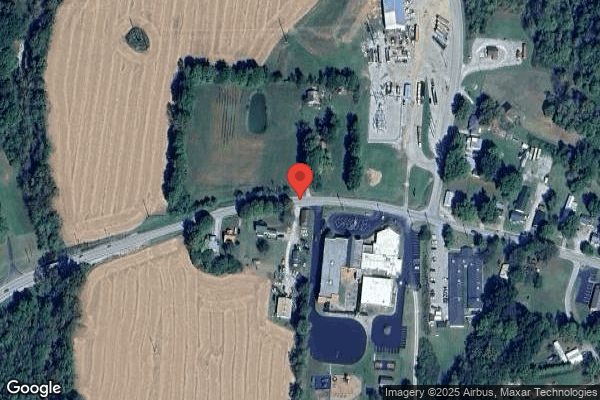
Jul 2019 11 deficiencies
CONCERN (D)

Potential for Harm - no one hurt, but risky conditions existed

Deficiency F0604 (Tag F0604)

Could have caused harm · This affected 1 resident

**NOTE- TERMS IN BRACKETS HAVE BEEN EDITED TO PROTECT CONFIDENTIALITY** Based on observation, interview, record review, and facility policy review, it was determined the facility failed to assess or r...

Read full inspector narrative →
**NOTE- TERMS IN BRACKETS HAVE BEEN EDITED TO PROTECT CONFIDENTIALITY** Based on observation, interview, record review, and facility policy review, it was determined the facility failed to assess or re-evaluate the use of a restraint for one (1) of one (1) sampled residents (Resident #32). Resident #32 had an alarming lapbelt attached to the wheelchair that was not removed during meals. The findings include: Review of the facility's policy, Restraints Standard of Practice, dated November 2019, revealed facility standard to allow residents to be free from physical or chemical restraints unless medically necessary as outlined in Federal Regulatory Guidelines. Any restraint order obtained must have medical diagnosis for appropriateness. Attempts to reduce a restraint with actual verification of the need for a device or a restraint will be documented. Attempted reduction of restraints with description of how attempt was made and results will be documented. Further review revealed reduce restraints accordingly as needed and document in the medical record as well as the care plan. Record review revealed the facility readmitted Resident #32 on 04/17/19, with diagnoses which included Alzheimer's Disease and Abnormal Posture. Review of Resident #32's Quarterly Minimum Data Set (MDS) assessment, dated 05/16/19, revealed the facility assessed the resident was rarely/never understood and his/her cognitive skills for daily decision making were severely impaired. Review of Resident #32's Comprehensive Care Plan, dated 04/09/18, revealed a problem of at risk for falls related to Alzheimer's Disease with impaired cognition and poor safety awareness. Further review revealed interventions for an alarming lapbelt while up in wheelchair, and to check placement and function each shift; and, release alarming lapbelt every two (2) hours, at meals, and during activities. Review of a Physician's Order, dated 04/17/19, revealed an order for an alarming lapbelt while up in wheelchair, check placement and function each shift related to diagnosis of decreased safety awareness, impulsiveness, related to Alzheimer's Disease. Further review of the orders revealed an order to release alarming lapbelt every two (2) hours, at meals, and during activities. Review of Resident #32's Nurse Tech Information [NAME], not dated, revealed the alarming lapbelt was to be released during meals. Observation on 07/02/19 at 11:10 AM, revealed Resident #32 was sitting up in his/her wheelchair in the dining area being assisted with the lunch meal by staff. Further observation revealed Resident #32's lapbelt was locked in place and not released during the meal service. Interview with Certified Nurse Aide (CNA) #1 on 07/02/19 at 11:30 AM, revealed she should have released the lapbelt but she had forgotten to do so. She stated the lapbelt was released at all meals, during care, and activities. Interview with the Director of Nursing (DON) on 07/03/19 at 5:00 PM, revealed the aides should ensure the lapbelt is released during all meals. The DON stated she expected the aides to follow the resident care plans while providing care.
CONCERN (D)

Potential for Harm - no one hurt, but risky conditions existed

Deficiency F0637 (Tag F0637)

Could have caused harm · This affected 1 resident

Based on interview, record review, and facility policy review, it was determined the facility failed to complete a Significant Change Minimum Data Set (MDS) assessment within fourteen (14) days after ...

Read full inspector narrative →
Based on interview, record review, and facility policy review, it was determined the facility failed to complete a Significant Change Minimum Data Set (MDS) assessment within fourteen (14) days after the facility determines, or should have determined, there was a significant change in the resident's physical or mental condition for two (2) of sixteen (16) sampled residents (Residents #60 and #20) . Review of Resident's #60 and #20's MDS assessments revealed the facility failed to complete a Significant Change in Status Assessment (SCSA) within the fourteen (14) day time frame after Residents #20 and #60 had a decline in bed mobility, transfer and toileting. The findings Include: Review of the facility policy, MDS Assessment Completion, last revised February 2016, revealed the facility will conduct and submit resident assessments in accordance with the RAI Manual including deferral and state submission timeframe's. Further review revealed significant change in Status assessment will be completed on the fourteenth (14th) calendar day after determination of significant change in status. Record review the facility readmitted Resident #60 on 12/27/12, with diagnoses which included Parkinson's Disease, Major Depressive Disorder, Essential Hypertension, Anxiety Disorder, and Rheumatoid Arthritis. Review of the Annual MDS assessment, dated 03/01/19, revealed the facility assessed Resident #60 to require supervision/set-up help only (coded 1/1) for bed mobility, and limited assistance on one (1) person (coded 2/2) for transfer and toileting. Review of a Quarterly MDS assessment, dated 04/02/19, revealed the facility assessed the resident had declined and required extensive assistance of two (2) staff for bed mobility, transfer and toileting. The resident had declined in three (3) areas; however, there was no documented evidence a Significant Change MDS assessment was completed. 2. Record review revealed the facility readmitted Resident #20 on 05/24/18, with diagnoses to include Abnormalities of gait and mobility, Major Depressive Disorder, Essential Hypertension, Anxiety Disorder, and Cognitive Communication Deficit. Review of the Quarterly MDS assessment, dated 02/05/19, revealed the facility assessed Resident #20 to require supervision/set-up help only (coded 1/1) for bed mobility, transfer, and eating, and extensive assistance of two (2) staff (coded 3/3) for toileting. Review of an Annual MDS assessment, dated 05/08/19, revealed the facility assessed the resident had declined and was totally dependent on two (2) staff (coded 4/3) for bed mobility, transfer and toileting; and totally dependent on one (1) staff (coded 4/2) for eating. The resident had declined in three (3) areas; however, there was no documented evidence a Significant Change MDS assessment was completed. Interview with the MDS Coordinator on 07/03/19 at approximately 2:40 PM, revealed it was an oversight on behalf of the MDS Coordinator that the Significant Change assessment was not completed. The MDS Coordinator stated she did not catch it and there was not a system set up that alerted her when a Significant Change occurred, so that a Significant Change assessment could be completed. The MDS Coordinator stated she will be more careful going forward to ensure she does not overlook these changes on the assessment. Interview with the Director of Nursing (DON) on 07/03/19 at approximately 5:03 PM, revealed she expected a Significant Change MDS assessment to be completed whenever a resident had an improvement or decline in their functions.
CONCERN (D)

Potential for Harm - no one hurt, but risky conditions existed

Assessment Accuracy (Tag F0641)

Could have caused harm · This affected 1 resident

2. Record review revealed the facility admitted Resident #45 on 01/03/15 and readmitted him/her on 03/02/19 with diagnoses which included Stiffness of Unspecific Foot, and Contractures, Unspecified An...

Read full inspector narrative →
2. Record review revealed the facility admitted Resident #45 on 01/03/15 and readmitted him/her on 03/02/19 with diagnoses which included Stiffness of Unspecific Foot, and Contractures, Unspecified Ankle. Review of the Annual MDS assessment, dated 08/28/18; Quarterly MDS assessment, dated 03/10/19; and Quarterly MDS assessment, dated 06/08/19; for Range of Motion (ROM) revealed the facility assessed Resident #45 had impairment on one (1) side in the upper extremities (coded 1/0). However, observation on 07/02/19 at 10:11 AM, and on 07/03/19 at 9:26 AM, revealed the resident to have full function of the Bilateral Upper Extremity (BUE). Interview with the MDS Coordinator, on 07/03/19 at 11:15 AM, revealed the coding was an error on her part and she would send a correction. She stated Resident #45's impairment was on his/her BLE, not upper extremities. Interview with the Director of Nursing (DON) on 07/03/19 at 5:00 PM, revealed she expected the MDS Coordinator to review the resident's performance before completing the resident's MDS to ensure it was completed accurately. Based on interview, record review, and review of the Resident Assessment Instrument (RAI) Minimum Data Set (MDS) User's Manual, it was determined the facility failed to accurately assess two (2) of sixteen (16) sampled residents to reflect his/her status (Resident #28 and #45). The findings include: 1. Review of the RAI MDS 3.0 Manual revealed steps for assessment of weight: upon admission, weigh the resident and record results. For subsequent assessments, check the medical record and enter the weight taken within thirty (30) days of the Assessment Reference Date (ARD) of the assessment. Record review revealed the facility admitted Resident #28 on 04/02/18 with diagnoses which included Mild Cognitive Impairment. Review of the Annual MDS assessment, dated 05/19/19 , revealed the facility assessed Resident #28's cognition as intact with a Brief Interview for Mental Status (BIMS) score of fourteen (14), indicating the resident was interviewable. Review of Section K-Swallowing/Nutritional Status of the Annual MDS assessment, dated 05/19/19, revealed box K0300-weight loss and K0310-weight gain, were both checked, indicating the resident had both a weight loss and gain during this assessment period. However, review of Resident #28's weights revealed no significant weight loss or gain during the assessment period. Interview with the MDS Coordinator on 07/03/19 at 10:57 AM, revealed she coded number two (2) in both sections in error because when reviewing Resident #28's weights there was no significant weight gain or loss during the assessment period. She stated it was just an error on her part and she can submit a correction. Interview with the Director of Nursing (DON) on 07/03/19 at 5:00 PM, revealed she would expect the MDS Coordinator to review the residents weights when completing resident MDS assessments to ensure it was completed accurately.
CONCERN (D)

Potential for Harm - no one hurt, but risky conditions existed

Deficiency F0657 (Tag F0657)

Could have caused harm · This affected 1 resident

2. Record review revealed the facility admitted Resident #40 on 02/10/17 with a diagnosis of past Cerebral Vascular Accident (CVA) impacting reasoning, and Flaccid Hemiplegia affecting right side and ...

Read full inspector narrative →
2. Record review revealed the facility admitted Resident #40 on 02/10/17 with a diagnosis of past Cerebral Vascular Accident (CVA) impacting reasoning, and Flaccid Hemiplegia affecting right side and lack of coordination. Review of a quarterly Minimum Data Set (MDS) assessment, dated 05/30/19, revealed the facility assessed Resident #40's cognation was severely impaired and he/she was unable to completed the BIMS. Review of Resident #40's Resident Incident Report revealed a fall was investigated on 07/01/19 with major injury and an intervention was put in place to encourage resident to allow staff to assist with general housekeeping that resident chooses to perform. Review of the Comprehensive Care Plan, dated 12/15/17, revealed an intervention was added on 07/01/19 to encourage to allow staff to assist with general housekeeping that resident chooses to perform. However, review of the CNA Care Plan, not dated, revealed the care plan had not been revised to include encourage to allow staff to assist with general housekeeping that resident chooses to perform. Observation of Resident #40 on 07/02/19 at 9:08 AM revealed the resident was in his/her room, making the bed without assistance. Interview with CNA #6, on 07/03/19 at 10:16 AM revealed Resident #40 usually makes his/her own bed and will ask for help, if needed. The CNA stated she was not aware of the intervention to assist with making bed related to the resident's last fall. Interview on 07/03/19 at approximately 4:55 PM with the acting Director of Nursing (DON) revealed she expected staff to ensure the Comprehensive and CNA Care Plans were updated to reflect new interventions. Based on observation, interview, record review, and facility policy review it was determined the facility failed to review and revise a comprehensive person-centered care plan for two (2) of sixteen (16) sampled residents (Residents #60 and #40). Resident #40 had a fall on 03/21/19 while making his/her bed with an intervention developed to encourage resident to allow staff to help with housekeeping; however, review of the Certified Nurse Aide (CNA) Care Plan revealed the care plan was not revised to assist resident with housekeeping. Resident #60 sustained falls on 02/23/19, 03/21/19 and 05/14/19; however, the facility failed to revise the Comprehenisve Care Plan with an intervention after each fall to try to prevent future falls and injuries. The findings include: Review of the facility policy titled Comprehensive Care Plans Standard of Practice, dated November 2017 revealed it is the practice of the facility to develop and implement a comprehensive person-centered care plan for each resident, consistent with resident rights, that include measurable objectives and time frames to meet a resident's medical, nursing, and mental and psychosocial needs that are identified in the resident's comprehensive assessment. 1. Record review revealed the facility readmitted Resident #60 on 12/27/12, with diagnoses which included Parkinson's disease, Major Depressive Disorder, Essential Hypertension, Anxiety Disorder, and Rheumatoid Arthritis. Review of Quarterly Minimum Data Set (MDS) assessment, dated 05/15/19, revealed the facility assessed Resident #60's cognition as intact with a Brief Interview for Mental Status (BIMS) score of fourteen (14), which indicated this resident was interviewable. Review of Situation, Background, Assessment, Recommendation (SBAR) Communication Form dated 02/23/19 revealed Resident #60 had a fall and was complaining of (R) shoulder pain. Review of Radiology Report dated 02/23/19 revealed Resident #60 had a fracture of the right distal clavicle. Review of Fall Incident Report dated 03/21/19 revealed Resident #60 had a fall due to losing balance when getting out of bed and going to the restroom to put deodorant on. The following day (03/22/19), the resident was sent out to the ER to have (R) hip x-rayed. Review of the Hospital Summary dated 03/23/19 revealed Resident #60 had a right femoral neck acute fracture and a hemiarthroplasty procedure was performed. In addition, review of Facility Fall Investigation dated 05/14/19 revealed Resident #60 was ambulating without assistance to closet in room and turned and fell hitting buttocks and head. Further review of the investigation revealed the root cause of the fall was related to Resident #60 having weakness related to recent right hip fracture and repair. However, review of Resident #60's Comprehensive Care Plan for Falls risk dated 05/11/18 revealed there was no documented evidence the care plan was revised with interventions to try to prevent future falls and injury after each of the three (3) falls. Review of the Certified Nursing Aide (CNA) Care Plan printed 07/03/19 revealed there were no interventions listed under safety. Interview with CNA #5 on 07/03/19 at approximately 2:10 PM revealed staff check on Resident #60 every two (2) hours to see if he/she needs assistance to use the bathroom. CNA #5 stated she was not aware of any safety interventions in place for Resident #60 related to falls. Interview with CNA #4 on 07/03/19 at approximately 2:16 PM revealed each wing had CNA care plans for all the residents but she was certain the care plans were not updated regularly. CNA #4 revealed she was not aware of any safety interventions in place for Resident #60 because there was none listed on the CNA care plan. Interview with CNA #3 on 07/03/19 at approximately 2:55 PM revealed she was not aware of any safety interventions in place for Resident #60. Interview with Licensed Practical Nurse (LPN) #1 on 07/03/19 at approximately 1:20 PM revealed the facility protocol when a fall occurs in the facility the nurse should identify any immediate interventions that need to be put in place and the Unit manager was the person responsible for updating the care plan with any identified interventions. LPN #1 further stated she could not remember what, if any interventions were put in place for Resident #60 and she was not sure of any current interventions in place for Resident #60 related to falls safety. Interview with Unit Manager on 07/03/19 at approximately 1:30 PM revealed she was in charge of all the falls that occur in the facility. The Unit Manager stated she was responsible for identifying root cause of fall, and interventions. She revealed all falls are discussed the following morning in the clinical morning meeting and are also discussed weekly by the IDT team. She stated during the clinical morning meeting the care plan is updated with new interventions and the tasks are divided among the staff present but that at the end of the meeting the care plan should be updated. The Unit Manager was unable to provide an explanation as to why the care plans did not have any updates or revisions to them. She stated she was not sure what if any interventions were in place currently for Resident #60 or what interventions had been identified for the falls that occurred on 02/21/19 and 03/23/19 which resulted in serious injury. She revealed she was not sure what could be done to ensure that falls are followed up on and that interventions are updated on the care plans. Interview with the Staff Development Coordinator (SDC) on 07/03/19 at approximately 11:30 AM revealed the Unit Manager was responsible for all the documentation related to falls and she keeps a falls binder that has all the information in it related to all the falls that occur in the facility. The SDC stated the Interdisciplinary Team (IDT) team meets daily and reviews the falls and the care plan should be updated during that meeting.
CONCERN (D)

Potential for Harm - no one hurt, but risky conditions existed

Deficiency F0688 (Tag F0688)

Could have caused harm · This affected 1 resident

Based on observation, interview, record review and facility policy review, it was determined the facility failed to ensure one (1) of 16 (sixteen) sampled residents who entered a facility without limi...

Read full inspector narrative →
Based on observation, interview, record review and facility policy review, it was determined the facility failed to ensure one (1) of 16 (sixteen) sampled residents who entered a facility without limited Range of Motion (ROM) does not experience a reduction in ROM unless clinical condition demonstrates a reduction in ROM is avoidable (Resident #45). On 07/19/18, therapy recommended Restorative provide Resident #45 passive stretching to bilateral ankles and to perform twenty (20) repetitions of Active Range of Motion (AROM) exercises to both lower extremities (BLE); however, there was no documented evidence the resident received restorative services. The findings include: Review of facility policy titled, Restorative Nursing, not dated, revealed the facility will ensure a resident's abilities in activities of daily living do not diminish unless circumstances of the individual's clinical condition demonstrates that diminution was unavoidable. This includes the resident's ability to transfer and ambulate. The policy further revealed restorative will work closely with the Therapy department, following programs as prescribed; consult with the Therapy department, as needed; and attend Utilization meetings. Record review revealed the facility admitted Resident #45 on 01/03/15 and readmitted him/her on 03/02/19 with diagnoses which included stiffness of unspecific foot, and contractures, unspecified ankle. Review of a Annual Minimum Data Set (MDS) assessment, dated 08/21/18 and a Quarterly MDS assessment, dated 03/10/19, revealed the facility assessed Resident #45 did not walk (coded 8/8) and his/her lower extremities ROM was not impaired (coded 1/0). Review of a form titled, Therapy to Restorative Nursing Communication, dated 07/19/18 revealed therapy recommended Resident #45 to receive passive stretching to bilateral ankles and to perform twenty (20) repetitions of Active Range of Motion (AROM) exercises to both lower extremities (BLE). Further review revealed the form was signed off by nursing on 07/16/18. However, review of a the Nurse Tech Information Kardex, or Certified Nurse Aide (CNA) care plan, not dated, revealed under the topic Restorative, there was no documented evidence the resident was to receive Restorative Services. Review of an Annual MDS assessment, dated 06/08/19 revealed the facility assessed Resident #45's cognition to be intact with a Brief Interview for Mental Status (BIMS) score of fourteen (14) which indicated the resident was interviewable. Interview with and observation of Resident #45 on 07/02/19 at 10:11 AM revealed the resident was lying in bed, eating a banana. The resident stated he/she had drop foot for a while and was unable to walk; and, he/she had not received any restorative services or ROM exercises. Interview with the Physical Therapy Assistant (PTA), on 07/03/19 at 3:30 PM revealed Resident #45 was discontinued (D/C) from therapy in July 2018 and a member of nursing staff who was no longer employed by the facility signed off that it would be completed. Interview with Licensed Practical Nurse (LPN) #2/Unit Manager (UM) on 07/03/19 at 4:47 PM revealed the facility was trying to put a restorative program together and she was in charge. She stated the program had been in effect about one (1) month but it had probably been several years since the facility had a restorative program. Interview with the acting Director of Nursing (DON) on 07/03/19 at 3:18 PM revealed there was no documented evidence when Resident #45 started declining in ROM or that he/she was picked up by restorative per therapy recommendation. Further interview with the DON on 07/03/19 at 5:13 PM revealed she expected Restorative to follow through with the therapy request, and Restorative exercises should be provided by nursing, if Restorative, was not available.
CONCERN (D)

Potential for Harm - no one hurt, but risky conditions existed

Accident Prevention (Tag F0689)

Could have caused harm · This affected 1 resident

**NOTE- TERMS IN BRACKETS HAVE BEEN EDITED TO PROTECT CONFIDENTIALITY** 2. Record review revealed the facility admitted Resident #40 on 02/10/17 with a diagnosis of past Cerebral Vascular Accident (CV...

Read full inspector narrative →
**NOTE- TERMS IN BRACKETS HAVE BEEN EDITED TO PROTECT CONFIDENTIALITY** 2. Record review revealed the facility admitted Resident #40 on 02/10/17 with a diagnosis of past Cerebral Vascular Accident (CVA) impacting reasoning, and Flaccid Hemiplegia affecting right side and lack of coordination. Review of a quarterly Minimum Data Set (MDS) assessment, dated 05/30/19, revealed the facility assessed Resident #40's cognition was severely impaired and he/she was unable to completed the BIMS. Review of Resident #40's Resident Incident Report revealed a fall was investigated on 07/01/19 with major injury and an intervention was put in place to encourage resident to allow staff to assist with housekeeping. Review of Resident #40's Comprehensive Care Plan, dated 12/15/17 for at risk for falls related to Falls revealed an intervention was added on 07/01/19 to encourage to allow staff to assist with general housekeeping that resident chooses to perform. Review of the CNA Care Plan, not dated, revealed the intervention to encourage resident to allow staff to assist with general housekeeping that resident chooses to perform to prevent future falls was not added to the CNA care plan. Observation of Resident #40 on 07/02/19 at 9:08 AM revealed the resident was in his/her room, making the bed without assistance. Interview on 07/03/19 at 10:16 AM with CNA #6 revealed Resident #40 usually makes his/her own bed and will ask for help, if needed. The CNA stated she was not aware of the intervention to assist with making bed related to the resident's last fall. Interview on 07/03/19 at 4:07 PM with CNA #7 and CNA #8 (caretakers for Resident #40 on this day) revealed they knew they were supposed to assist Resident #40 with making the bed, but was not sure if it was on the CNA care plan. The CNA's stated neither had assisted with making the resident's bed that morning, and the resident always made his/her bed him/herself. Interview on 07/03/19 at approximately 4:55 PM with the acting Director of Nursing (DON) revealed she expected staff to identify appropriate interventions after a fall occurs and ensure that Comprehensive and CNA care plans are updated to reflect those new interventions and that staff be aware of the interventions to prevent further falls. Based on observation, interview, record review and facility policy review, it was determined the facility failed to ensure each resident receives adequate supervision and assistance devices to prevent accidents for two (2) of sixteen (16) sampled residents (Residents #40 and #60). The findings Include: Review of the facility policy titled, Fall Assessment/Intervention Process, dated October 2015 revealed all residents on any admission, re-admission, and at least quarterly will be assessed for fall risk and appropriate interventions initiated immediately to reduce the risk of injuries with falls. 1. Record review revealed the facility readmitted Resident #60 on 12/27/12, with diagnoses which included Parkinson's disease, Major Depressive Disorder, Essential Hypertension, Anxiety Disorder, and Rheumatoid Arthritis. Review of the Comprehensive Care Plan, Falls Risk, dated 05/11/18, revealed Resident #60 was at risk for falls related to a history of falls, cardiovascular disease, high risk medication use, seizure disorder, Parkinson's with tremors, generalized weakness and unsteady gait. Further review of the care plan revealed interventions to rule out medication, notify physician and family of falls or injuries, periodic medication review, ensure safe environment, labs and x-rays as ordered, see mood and behavior care plan, monitor and treat for pain/discomfort, environmental modifications as needed, medications as ordered, use of walker for ambulation in room, transfer and assist of staff when needed, fall assessment on admission and quarterly, ensure appropriate footwear, call bell in reach, provide adequate lighting, and therapy to evaluate as needed. Review of Situation, Background, Assessment, Recommendation (SBAR) Communication Form dated 02/23/19 revealed Resident #60 had a fall in the facility and was complaining of (R) shoulder pain. Review of Radiology Report dated 02/23/19 revealed Resident #60 had a fracture of the right distal clavicle. However, review of the medical record to include the Comprehensive Care Plan for Resident #60 revealed there was no documented evidence of the fall on 02/23/19 and no documented evidence a Fall Investigation was completed related to the fall or any interventions were put in place to try to prevent future falls and injury to the resident. Review of an annual Minimum Data Set (MDS) assessment, dated 03/01/19 revealed the facility assessed Resident #60 required supervision with set up only for bed mobility and limited assistance of one staff for transfer and ambulation. Review of Fall Incident Report dated 03/21/19 revealed Resident #60 fell due to getting out of bed and going to the restroom to put deodorant on and lost balance. The root cause of the fall was determined to be bladder urgency even though the report clearly stated the resident was putting on deodorant when he/she lost balance. The following day (03/22/19), the resident was sent out to the ER to have (R) hip x-rayed. Further review of the Incident Report and the Comprehensive Care Plan dated 05/11/18 revealed there was no documented evidence an intervention was put in place to prevent future falls and injury. Review of the Hospital Summary dated 03/23/19 revealed Resident #60 had a right femoral neck acute fracture and a hemiarthroplasty procedure (surgery) was performed. Review of a Quarterly MDS assessment, dated 04/02/19 revealed the facility assessed Resident #60 now required extensive assistance of two (2) staff for bed mobility and transfer. Review of Facility Fall Investigation dated 05/14/19 revealed Resident #60 was ambulating without assistance to closet in room and turned and fell hitting buttocks and head. Further review of the investigation revealed the root cause of the fall was related to Resident #60 having weakness related to recent right hip fracture and repair. Further review of the Comprehensive Care Plan for at risk for falls dated 05/11/18 revealed there were no interventions put in place to address the fall that occurred on 05/14/19, to try to prevent future falls and injury. Review of Quarterly Minimum Data Set (MDS) assessment, dated 05/15/19, revealed the facility assessed Resident #60's cognition as intact with a Brief Interview for Mental Status (BIMS) score of fourteen (14), which indicated this resident was interviewable. Review of the Certified Nursing Aide (CNA) Care Plan printed 07/03/19 revealed there were no interventions listed under safety. Interview with CNA #5 on 07/03/19 at approximately 2:10 PM revealed she was not aware of the facility falls policy. CNA #5 stated staff check on Resident #60 every two (2) hours to see if he/she needs assistance to use the bathroom. CNA #5 revealed she was not aware of any safety interventions in place for Resident #60 related to falls. CNA #5 stated staff was not assigned to specific residents during their shift but work with all the residents in the wings. Interview with CNA #4 on 07/03/19 at approximately 2:16 PM revealed she never received training on the falls policy and she was not aware of the facility's falls policy. CNA #4 stated each wing had CNA care plans for all the residents but she was certain the care plans were not updated regularly. CNA #4 revealed she was not aware of any safety interventions in place for Resident #60 because there was none listed on the CNA care plan. Interview with CNA #3 on 07/03/19 at approximately 2:55 PM revealed she knew to notify the nurse on duty if a resident had a fall and they take vitals, but she was not aware of any safety interventions in place for Resident #60. Interview with Licensed Practical Nurse (LPN) #1 on 07/03/19 at approximately 1:20 PM revealed the facility protocol when a fall occurs in the facility was for nursing staff to assess the resident and ensure there were no injuries and notify the DON, physician and family. LPN #1 stated a nursing progress note should be completed and an SBAR if there was any injury. LPN #1 revealed the nurse should identify any immediate interventions that need to be put in place and the Unit manager was the person responsible for updating the care plan with any identified interventions. LPN #1 stated she thinks the DON was responsible for ensuring the Unit Manager updated the care plans. LPN #1 revealed she did not recall that she was the nurse to complete the progress note on 02/23/19 and 03/21/19 and she did not remember the circumstances of the falls. LPN #1 further stated she could not remember what, if any interventions were put in place for Resident #60 and she was not sure of any current interventions in place for Resident #60 related to falls safety. Interview with Unit Manager on 07/03/19 at approximately 1:30 PM revealed she was in charge of all the falls that occur in the facility. The Unit Manager stated the nurse on duty when the fall occurs is responsible for completing the Fall Incident Report and Falls Risk Assessment; and, she was responsible for completing the investigation, identifying root cause of fall, and interventions. She revealed all falls are discussed the following morning in the clinical morning meeting and are also discussed weekly by the IDT team. She stated during the clinical morning meeting the care plan is updated with new interventions and the tasks are divided among the staff present but that at the end of the meeting the care plan should be updated. The Unit Manager was unable to provide an explanation as to why the care plans did not have any updates or revisions to them. She stated she was not sure what if any interventions were in place currently for Resident #60 or what interventions had been identified for the falls that occurred on 02/21/19 and 03/23/19 [NAME] resulted in serious injury. She revealed she was not sure what could be done to ensure that falls are followed up on and that interventions are updated on the care plans. Interview with the Staff Development Coordinator (SDC) on 07/03/19 at approximately 11:30 AM revealed the Unit Manager was responsible for all the documentation related to falls and she keeps a falls binder that has all the information in it related to all the falls that occur in the facility. The SDC stated the Interdisciplinary Team (IDT) team meets daily and reviews the falls and the care plan should be updated during that meeting.
CONCERN (D)

Potential for Harm - no one hurt, but risky conditions existed

Deficiency F0692 (Tag F0692)

Could have caused harm · This affected 1 resident

Based on interview, record review, and facility policy review, it was determined the facility failed to ensure one (1) of five (5) sampled residents maintained acceptable parameters of nutritional sta...

Read full inspector narrative →
Based on interview, record review, and facility policy review, it was determined the facility failed to ensure one (1) of five (5) sampled residents maintained acceptable parameters of nutritional status (Resident #49). On 06/05/19, the facility identified a significant weight loss of six percent (6 %) for Resident #49; however, the facility failed to place Resident #49 on weekly weights after identifying a significant weight loss per facility policy. The findings include: Review of the facility document, Weight Policy, last updated September 2015, revealed the facility will recognize, evaluate, and address the needs of every resident, including, but not limited to, the resident at risk or already experiencing impaired nutrition. Weights and institutional status are monitored by the Weight Committee and the Consultant Dietitian. The Director of Nursing (DON) or designee is responsible to see that weights are obtained regularly for all residents. Residents triggering a significant weight variance defined as five percent (5%) in one (1) month or ten percent (10%) in six (6) months will be addressed by the Weight Variance Committee and placed on Weekly Weight Monitoring. The DON/designee will assign the appropriate staff to obtain weekly weights. Record review revealed the facility admitted Resident #49 on 06/20/17, with diagnoses which included Hypertension and Moderate Intellectual Disabilities. Review of the Quarterly Minimum Data Set (MDS) assessment, dated 06/13/19, revealed Resident #49 was unable to complete the Brief Interview for Mental Status (BIMS) score, as indicated with a score of ninety-nine (99), which indicated the resident was not interviewable. Review of Resident #49's Comprehensive Care Plan for Nutritionally at Risk related to a diagnosis of Hyperlipidemia, dated 09/21/17, revealed a goal for the resident to maintain current weight plus or minus three percent (3%) through the next review period, with interventions to notify the physician and responsible party of changes as needed, report chewing/swallowing problems, and continue to monitor monthly weights. Review of Resident #49's Weight Record revealed the resident weighed 156.0 pounds on 05/05/19 and 146.2 pounds on 06/05/19 (weight loss of 9.80 pounds), which was a significant weight loss of six percent (6%) in one (1) month. However, further review of the record revealed the resident was not placed on weekly weights per facility policy. Review of the Weight Record revealed there were no further weights to review as of 07/03/19. Interview with the Registered Dietitian (RD), on 07/03/19 at 3:03 PM, revealed after reviewing her notes she saw where Resident #49 triggered for significant weight loss on 06/05/19 and should have been placed on weekly weights. She stated it was an oversight on her part, but that it can be a nursing measure to place a resident on weekly weights. The RD further stated there were interventions in place for Resident #49 to increase intake, such as ensuring he/she is up to fine dining for all meals and health shakes are included with all meals. Interview with the acting Director of Nursing (DON) from a sister facility, on 07/03/19 at 5:00 PM, revealed she would expect a resident with significant weight loss to be placed on weekly weights to ensure appropriate interventions and monitoring the effectiveness of those interventions.
CONCERN (D)

Potential for Harm - no one hurt, but risky conditions existed

Deficiency F0697 (Tag F0697)

Could have caused harm · This affected 1 resident

**NOTE- TERMS IN BRACKETS HAVE BEEN EDITED TO PROTECT CONFIDENTIALITY** Based on interview, record review, and review of the facility's policy, it was determined the facility failed to provide effecti...

Read full inspector narrative →
**NOTE- TERMS IN BRACKETS HAVE BEEN EDITED TO PROTECT CONFIDENTIALITY** Based on interview, record review, and review of the facility's policy, it was determined the facility failed to provide effective pain management for one (1) of one (1) sampled residents (Resident #18). Record review revealed Resident #18 did not receive pain medication as prescribed by the physician. The findings include: Review of the facility's policy, Administering Medications, revised April 2010, revealed medications must be administered in accordance with the orders, including any required time frame. The individual administering medications must check the label three (3) times to verify the right medication, right dosage, right time, and right method (route) of administration before giving the medication. Record review revealed the facility readmitted Resident #18 on 04/27/15 with diagnosis which included Epilepsy, and Osteoarthritis. Review of the resident's Quarterly Minimum Data Set (MDS), dated [DATE], revealed the facility assessed Resident #18's cognition as severely impaired with a Brief Interview for Mental Status (BIMS) score of five (5), which indicated the resident was not interviewable. The facility determined the resident was on a scheduled pain medication regimen for the last seven (7) days. Review of Resident #18's Comprehensive Care Plan, dated 02/06/17, revealed the resident had the potential for alteration in comfort related to Osteoarthritis and history of headaches, with an intervention to medicate the resident as ordered for pain. Review of Resident #18's Physician Orders, dated July 2019, revealed an order for Hydrocodone-Acetaminophen 7.5-325 milligrams (mg) give two (2) tablets by mouth three (3) times daily for Osteoarthritis. Review of Resident 18's July 2019 Medication Administration Record (MAR), revealed Norco 7.5-325 tablet give two (2) tablets by mouth three (3) times daily, was scheduled for administration at 4:00 AM, 12:00 PM, and 8:00 PM daily. However, review of the Controlled Drug Record, dated 07/02/19 at 4:00 AM, revealed the medication was not given as prescribed as only one (1) tablet was administered on 07/02/19 at 4:00 AM. Three (3) attempts were made to interview the Licensed Practical Nurse (LPN) responsible for the error; however, the attempts were unsuccessful. Interview with the Director of Nursing (DON), on 07/03/19 at 5:00 PM, revealed she would have expected the nurse to administer the medication as ordered.
CONCERN (D)

Potential for Harm - no one hurt, but risky conditions existed

Deficiency F0761 (Tag F0761)

Could have caused harm · This affected 1 resident

**NOTE- TERMS IN BRACKETS HAVE BEEN EDITED TO PROTECT CONFIDENTIALITY** 2. Review of the facility's policy Administering Medications, last revised April 2010, revealed during administration of medicat...

Read full inspector narrative →
**NOTE- TERMS IN BRACKETS HAVE BEEN EDITED TO PROTECT CONFIDENTIALITY** 2. Review of the facility's policy Administering Medications, last revised April 2010, revealed during administration of medications, the medication cart is kept closed and locked when out of sight of the medication nurse or aide and inaccessible to to residents or others passing by. Observation on 07/01/19 from 2:59 PM through 3:02 PM, revealed an unattended, unlocked medication cart on the [NAME] Drive hall with the drawers facing outward to the hallway. Further observation revealed one (1) resident and two (2) staff members were observed to pass by the medication cart. Interview with Registered Nurse (RN) #1, on 07/01/19 at 3:10 PM, revealed he had planned to step away for a minute and failed to lock the medication cart. He stated it is policy to always keep the medication carts locked when not in view to ensure nothing is taken out of them. Interview with the Director of Nursing (DON) on 07/03/19 at 5:00 PM, revealed she expected the medication carts to be locked when not in view of the nurse. Based on observation, interview and review of the facility's policy and procedure, it was determined the facility failed to ensure multi-dose medications were labeled when opened in one (1) of three (3) medication carts; and failed to ensure medications were stored in locked compartments to permit only authorized personnel to have access. Observations revealed two (2) insulin pens were not dated when opened and a medication cart was left unlocked and unattended. The findings include: 1. Review of the facility's policy, titled Administering Medications, last revised April 2010, revealed when a multi-dose container was opened, the date would be recorded on the container. Observation, on 07/03/19 at 9:31 AM, of three (3) of six (6) medication carts revealed the medication cart for Hall II had one (1) pen of Levemir insulin and (1) pen of Lantus insulin opened and used with no opened date on them. Interviews on 07/03/19 with Licensed Practical Nurse (LPN) #4 at 9:31 AM, and LPN #5 at 9:38 AM, revealed it was the facility's policy to date insulin when opened. Interview with the acting Director of Nursing (DON) on 07/03/19 at 10:30 AM, revealed she expected any multi-dose vial of medication to be dated when opened, especially insulin.
CONCERN (D)

Potential for Harm - no one hurt, but risky conditions existed

Infection Control (Tag F0880)

Could have caused harm · This affected 1 resident

Based on observation, interview, and review of the facility policy, it was determined the facility failed to establish and maintain an infection prevention and control program designed to provide a sa...

Read full inspector narrative →
Based on observation, interview, and review of the facility policy, it was determined the facility failed to establish and maintain an infection prevention and control program designed to provide a safe, sanitary and comfortable environment and to help prevent the development and transmission of communicable diseases and infections related to improper storage of an ice scoop during a hydration pass. Observation on 07/01/19, revealed Certified Nurse Aide (CNA) #1 failed to properly store an ice scoop while passing ice to residents. The findings include: Review of the facility policy, Ice, last revised September 2017, revealed ice will be prepared and distributed in a safe and sanitary manner. Further review of the policy revealed staff will adhere to proper utensil usage. Observation of a hydration pass on 07/01/9 at 2:40 PM, revealed CNA #1, placed the ice scoop into the ice bin and retrieved it with her bare hand. Interview with CNA #1 on 07/01/19 at 2:43 PM, revealed she should not have left the ice scoop in the ice bin, but placed it in the holder. CNA #1 stated reaching into the ice bin to retrieve the ice scoop was cross contamination and unclean. Interview with the Director of Nursing (DON), on 07/03/19 at 5:00 PM, revealed she expected the aides to properly store the ice scoop in the holder while passing ice. The DON stated staff should not place their bare hands into the bin to retrieve the ice scoop each time, as this was unsanitary.
MINOR (C)

Minor Issue - procedural, no safety impact

Deficiency F0625 (Tag F0625)

Minor procedural issue · This affected most or all residents

**NOTE- TERMS IN BRACKETS HAVE BEEN EDITED TO PROTECT CONFIDENTIALITY** Based on interview and record review, it was determined the facility failed to provide written notice to the resident and reside...

Read full inspector narrative →
**NOTE- TERMS IN BRACKETS HAVE BEEN EDITED TO PROTECT CONFIDENTIALITY** Based on interview and record review, it was determined the facility failed to provide written notice to the resident and resident's representative at the time of transfer for hospitalizations that specified the duration of the Bed Hold policy for five (5) of five (5) sampled residents (Residents #60, #63, #36, #43 and #20). The findings include: 1. Record review revealed the facility readmitted Resident #43 on [DATE], with diagnoses which included Pneumonia and Dysphagia. Review of the resident's medical record revealed Resident #43 was admitted to the hospital on [DATE]; however, there was no documented evidence in the medical record that a Bed Hold was offered to the resident or resident's representative. 2. Record review the facility readmitted Resident #60 on [DATE], with diagnoses to include Parkinson's Disease, Major Depressive Disorder, Essential Hypertension, Anxiety Disorder, and Rheumatoid Arthritis. Review of the resident's medical record revealed Resident #60 was admitted to the hospital on [DATE]; however, there was no documented evidence in the medical record of a Bed Hold offered to the resident or resident's representative. 3. Record review the facility readmitted Resident #20 on [DATE], with diagnoses to include Abnormalities of Gait and Mobility, Major Depressive Disorder, and Essential Hypertension, Anxiety Disorder, and Cognitive Communication Deficit. Review of the resident's medical record revealed Resident #20 was admitted to the hospital on [DATE]; however, there was no documented evidence in the medical record of a Bed Hold offered to the resident or resident's representative. 4. Record review revealed the facility admitted Resident #63 on [DATE] and was discharged to the hospital on [DATE]. Diagnoses included Acute on Chronic Combined Systolic and Diastolic Heart Failure, Hypertension, Bipolar Disorder, Chronic Atrial-Fibrillation and Type II Diabetes Mellitus. The resident expired before returning to the facility; however, there was no written notice for a Bed hold provided to the resident or resident's representative upon discharge. 5. Record review revealed the facility admitted Resident #36 on [DATE]. The resident was sent out to hospital on [DATE] related to aspiration Pneumonia and readmitted to the facility on [DATE] with diagnoses to include Dementia, Dysphagia, and Heart Failure. There was no documented evidence of a bed hold provided to the resident or resident's representative when he/she was sent out to the hospital. Interview with the Business Office staff on [DATE] at approximately 11:25 AM, revealed she put Bed Hold paperwork with the resident's discharge paperwork but the nurses do not always go over the Bed Hold form with the resident. She stated she had a report that could be pulled to track the Bed Hold information; but she does not always do the report. She stated she will ensure she started tracking the information going forward to ensure the Bed Hold was completed. Interview with the Director of Nursing (DON) on [DATE] at approximately 4:58 PM, revealed she expected staff to notify the family or Power of Attorney (POA) of a Bed Hold, and staff have a system in place to ensure they can track completion of the Bed Hold paperwork.
Understanding Severity Codes (click to expand)
Life-Threatening (Immediate Jeopardy)
J - Isolated K - Pattern L - Widespread
Actual Harm
G - Isolated H - Pattern I - Widespread
Potential for Harm
D - Isolated E - Pattern F - Widespread
No Harm (Minor)
A - Isolated B - Pattern C - Widespread

Questions to Ask on Your Visit

  • "Can I speak with families of current residents?"
  • "What's your RN coverage like on weekends and overnight?"

Our Honest Assessment

Strengths
  • • No major safety red flags. No abuse findings, life-threatening violations, or SFF status.
  • • No fines on record. Clean compliance history, better than most Kentucky facilities.
  • • 44% turnover. Below Kentucky's 48% average. Good staff retention means consistent care.
Concerns
  • • 23 deficiencies on record. Higher than average. Multiple issues found across inspections.
Bottom line: Mixed indicators with Trust Score of 60/100. Visit in person and ask pointed questions.

About This Facility

What is Fordsville's CMS Rating?

CMS assigns FORDSVILLE NURSING AND REHABILITATION CENTER an overall rating of 3 out of 5 stars, which is considered average nationally. Within Kentucky, this rating places the facility higher than 99% of the state's 100 nursing homes. This mid-range rating indicates the facility meets federal standards but may have areas for improvement.

How is Fordsville Staffed?

CMS rates FORDSVILLE NURSING AND REHABILITATION CENTER's staffing level at 2 out of 5 stars, which is below average compared to other nursing homes. Staff turnover is 44%, compared to the Kentucky average of 46%. This relatively stable workforce can support continuity of care.

What Have Inspectors Found at Fordsville?

State health inspectors documented 23 deficiencies at FORDSVILLE NURSING AND REHABILITATION CENTER during 2019 to 2023. These included: 22 with potential for harm and 1 minor or isolated issues.

Who Owns and Operates Fordsville?

FORDSVILLE NURSING AND REHABILITATION CENTER is owned by a for-profit company. For-profit facilities operate as businesses with obligations to shareholders or private owners. The facility is operated by BENJAMIN LANDA, a chain that manages multiple nursing homes. With 67 certified beds and approximately 59 residents (about 88% occupancy), it is a smaller facility located in FORDSVILLE, Kentucky.

How Does Fordsville Compare to Other Kentucky Nursing Homes?

Compared to the 100 nursing homes in Kentucky, FORDSVILLE NURSING AND REHABILITATION CENTER's overall rating (3 stars) is above the state average of 2.8, staff turnover (44%) is near the state average of 46%, and health inspection rating (3 stars) is at the national benchmark.

What Should Families Ask When Visiting Fordsville?

Based on this facility's data, families visiting should ask: "Can you walk me through typical staffing levels on day, evening, and night shifts?" "Can I visit during a mealtime to observe dining assistance and food quality?" "How do you handle medical emergencies, and what is your hospital transfer rate?" "Can I speak with family members of current residents about their experience?" These questions are particularly relevant given the below-average staffing rating.

Is Fordsville Safe?

Based on CMS inspection data, FORDSVILLE NURSING AND REHABILITATION CENTER has a clean safety record: no substantiated abuse findings (meaning no confirmed cases of resident harm), no Immediate Jeopardy citations (the most serious violation level indicating risk of serious injury or death), and is not on the Special Focus Facility watch list (a federal program monitoring the lowest-performing 1% of nursing homes). The facility has a 3-star overall rating and ranks #1 of 100 nursing homes in Kentucky. While no facility is perfect, families should still ask about staff-to-resident ratios and recent inspection results during their visit.

Do Nurses at Fordsville Stick Around?

FORDSVILLE NURSING AND REHABILITATION CENTER has a staff turnover rate of 44%, which is about average for Kentucky nursing homes (state average: 46%). Moderate turnover is common in nursing homes, but families should still ask about staff tenure and how the facility maintains care continuity when employees leave.

Was Fordsville Ever Fined?

FORDSVILLE NURSING AND REHABILITATION CENTER has no federal fines on record. CMS issues fines when nursing homes fail to meet care standards or don't correct problems found during inspections. The absence of fines suggests the facility has either maintained compliance or corrected any issues before penalties were assessed. This is a positive indicator, though families should still review recent inspection reports for the full picture.

Is Fordsville on Any Federal Watch List?

FORDSVILLE NURSING AND REHABILITATION CENTER is not on any federal watch list. The most significant is the Special Focus Facility (SFF) program, which identifies the bottom 1% of nursing homes nationally based on persistent, serious quality problems. Not being on this list means the facility has avoided the pattern of deficiencies that triggers enhanced federal oversight. This is a positive indicator, though families should still review the facility's inspection history directly.