Calvert City Convalescent Center
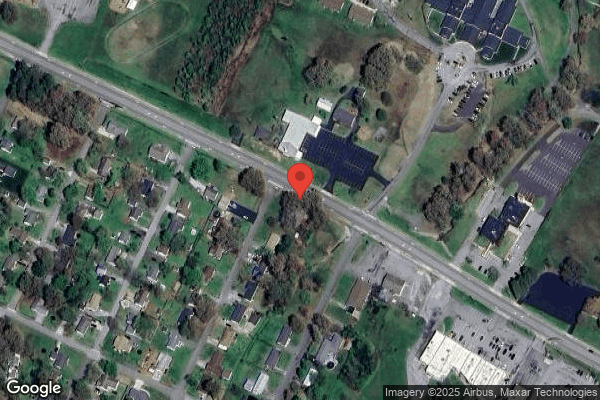
1201 Fifth Avenue, Calvert City, KY 42029 (270) 395-4124
Non profit - Other 95 Beds Independent Data: November 2025
Trust Grade
80/100
#49 of 266 in KY
Last Inspection: October 2024

Within standard 12-15 month inspection cycle. Federal law requires annual inspections.

Overview

Calvert City Convalescent Center has a Trust Grade of B+, which means it is above average and recommended for families considering nursing home options. It ranks #49 out of 266 in Kentucky, placing it in the top half of facilities in the state, and it is the top-rated option out of three in Marshall County. The facility's overall performance has been stable, with 11 issues reported, similar to the previous inspection in 2019. Staffing is a strong point with a perfect 5/5 rating and a turnover rate of 38%, lower than the state average, although it has concerning RN coverage that is less than 87% of facilities. While there have been no fines reported, some significant incidents include the misappropriation of a resident's medication by a staff member and failures in properly documenting and addressing resident grievances and food safety standards. Overall, while there are notable strengths in staffing and a lack of fines, there are important areas of concern that families should consider.

Trust Score
B+
80/100
In Kentucky
#49/266
Top 18%
Safety Record
Low Risk
No red flags
Inspections
Holding Steady
4 → 4 violations
Staff Stability
○ Average
38% turnover. Near Kentucky's 48% average. Typical for the industry.
Penalties
✓ Good
No fines on record. Clean compliance history, better than most Kentucky facilities.
Skilled Nurses
○ Average
Each resident gets 37 minutes of Registered Nurse (RN) attention daily — about average for Kentucky. RNs are the most trained staff who monitor for health changes.
Violations
⚠ Watch
11 deficiencies on record. Higher than average. Multiple issues found across inspections.
★★★★☆
4.0
Overall Rating
★★★★★
5.0
Staff Levels
★☆☆☆☆
1.0
Care Quality
★★★★☆
4.0
Inspection Score
Stable
2019: 4 issues
2024: 4 issues

The Good

  • 5-Star Staffing Rating · Excellent nurse staffing levels
  • Full Sprinkler Coverage · Fire safety systems throughout facility
  • No fines on record
  • Staff turnover below average (38%)

    10 points below Kentucky average of 48%

Facility shows strength in staffing levels, fire safety.

The Bad

Staff Turnover: 38%

Near Kentucky avg (46%)

Typical for the industry

The Ugly 11 deficiencies on record

Oct 2024 4 deficiencies
CONCERN (D)

Potential for Harm - no one hurt, but risky conditions existed

Grievances (Tag F0585)

Could have caused harm · This affected 1 resident

Based on observation, interview, record review and facility policy review, the facility failed to ensure its policy was followed regarding the prompt resolution of all grievances related to residents'...

Read full inspector narrative →
Based on observation, interview, record review and facility policy review, the facility failed to ensure its policy was followed regarding the prompt resolution of all grievances related to residents' rights, including those with respect to care and treatment furnished by the facility, which had the potential to affect all residents expressing a grievance. When conducting the entrance conference with the Administrator, the prior six months of resident grievances were requested as part of the survey process. The Administrator stated there were no resident grievances formally documented or logged other than resident council. The findings include: Review of the facility policy titled, Resident and Family Grievances, dated 02/01/2023, revealed it was the facility's policy to support each resident's and family member's right to voice grievances. Continued review revealed staff members receiving a resident's grievance was to record the nature and specifics of the grievance on a designated grievance form, or verbally route the grievance up to the appropriate department. Further review revealed the department manager over the specific area of concern was to keep the resident appropriately apprised of progress towards resolution of their grievances. In addition, review further revealed the facility was to make prompt efforts to resolve (residents') grievances. During a resident council meeting, on 10/01/2024 at 2:09 PM, the residents (all in attendance) stated the council met the first Tuesday of each month. Per the residents in the meeting, the Social Services Director (SSD) was always involved with the council and assisted the residents as needed. In an interview with R45, during the resident council meeting, she stated residents reported their requests or grievances to the Activities Director (AD) or SSD. R45 stated the AD or SSD had acted on the residents' requests; however, residents were not provided the status on the action taken while waiting for a resolution. In an interview with SSD, on 10/03/2024 at 11:30 AM, she stated she and the AD were in the resident council meetings the majority of the time. She stated other department heads attended as well if there were concerns in those areas. The SSD stated resident council was the formal meeting in which all residents could attend, but she had discussed with residents that grievances or complaints could be made at any time to any department staff. She stated she ensured residents' concerns were given to the appropriate department. Per the SSD in interview, the facility had addressed residents' concerns, but had failed to have a system of documentation in place to track the grievances, actions taken, resident updates, and resolutions. She stated she understood that was not an acceptable process. The SSD stated once a grievance or concern was reported her expectation was that the department head would be responsible for addressing and seeking a resolution for the resident. She further stated the department head was to share the progress or delay of grievances with residents, until a resolution was found. In an interview with the Administrator, on 10/03/2024 at 4:31 PM, he stated regarding family grievances many family members had called him directly with their concerns. He stated if it was something related to a specific department the grievance was routed to the correct department. The Administrator stated that allowed the department head to address the concern and provide a resolution. He stated it was his practice to follow-up by contacting the family members with an update; however, he said he had no documentation process other than a progress note. The Administrator stated depending on the area of concern, management might note the investigation details in their department. Per the Administrator in interview, historically, the department head over the area of concern was responsible to investigate and find a resolution to grievances. In continued interview on 10/03/2024 at 4:31 PM, with the Administrator, he stated moving forward with the Performance Improvement Project (PIP) that had been initiated on 09/30/2024, the SSD would be the grievance official. He stated however, the grievance form utilized going forward included a space for the Administrator as the final signer to ensure the grievance process was completed from beginning to end. The Administrator stated having a grievance process in place was important to ensure residents' concerns had not fallen through the cracks. He said residents and their families would be provided a more formal follow-up. The Administrator stated all department heads were provided the new grievance forms which included a monthly log. According to the Administrator, once implemented any grievance reported to any department would not have to wait to notify the SSD of the grievance. He stated the departments could initiate the grievance process by completing the document and start investigating to determine a root cause analysis. The Administrator further stated the SSD was to follow up with the departments to ensure outcomes, but his signature was the final confirmation once a resolution was reached.
CONCERN (D) 📢 Someone Reported This

A family member, employee, or ombudsman was alarmed enough to file a formal complaint

Potential for Harm - no one hurt, but risky conditions existed

Deficiency F0602 (Tag F0602)

Could have caused harm · This affected 1 resident

**NOTE- TERMS IN BRACKETS HAVE BEEN EDITED TO PROTECT CONFIDENTIALITY** Based on interview, record review, and review of facility investigation documentation and policy, the facility failed to ensure ...

Read full inspector narrative →
**NOTE- TERMS IN BRACKETS HAVE BEEN EDITED TO PROTECT CONFIDENTIALITY** Based on interview, record review, and review of facility investigation documentation and policy, the facility failed to ensure residents were free from misappropriation of property for 1 of 19 sampled residents, (Resident (R)48). On [DATE], the facility's Registered Nurse (RN) 1, the Assistant Director of Nursing (ADON) misappropriated R48's liquid oral morphine concentrate by injecting water into the multi-dose vial in order to correct the volume loss reported by a staff nurse. RN 1/ADON admitted to the facility that she injected water into R48's morphine vial. The facility failed to ensure a medication administration record of oral liquid morphine concentrate on [DATE] at 2:30 AM for R48. The facility implemented plans of correction regarding the incident and alleged past non-compliance date of [DATE]. The findings include: Review of the facility policy entitled Prohibiting Abuse, Neglect, Misappropriation, and Exploitation, undated, revealed the facility believed each individual (resident) had the right to be free from (all) abuse, as well as neglect and exploitation. Continued review revealed residents of the facility were not to be subjected to abuse by anyone including, but not limited to facility staff, other residents, or others serving the residents, including family members. Review of the facility policy entitled, Medication Administration General Guidelines, dated 2006 and last revised 01/2018, revealed medications were administered as prescribed in accordance with good nursing principles and practices, and only by persons legally authorized to do so. Continued review revealed personnel authorized to administer medication were to do so only after they had been properly oriented to the facility's medication distribution system. Per policy review, personnel authorized to administer medication were also to do so when the facility had a medication distribution system to ensure safe administration of medication without unnecessary interruptions. Review of the policy revealed when administering high risk medication in liquid form, or those requiring precise measurement, such as morphine, devices provided by the manufacturer or obtained from the provider pharmacy, such as oral syringes were to be used to allow accurate measurement of doses. Further review of the policy revealed the individual who administered the medication dose was to record the administration on the resident's medication administration record (MAR) directly after the medication was given. In addition, review revealed at the end of each medication pass, the person administering medication was to review (residents') MARs to ensure necessary doses were administered and documented. Review of the facility's medical record for R48 revealed the facility admitted the resident on [DATE], with diagnoses that included: chronic pain syndrome, right sided sciatica, and generalized muscle weakness. Further review revealed R48 was noted as deceased as of [DATE]. Review of the Quarterly Minimum Data Set (MDS) Assessment with an Assessment Reference Date of [DATE] revealed the facility assessed R48 to have a Brief Interview for Mental Status (BIMS) score of 15 out of 15, indicating the resident was cognitively intact. Review of R48's care plan date initiated [DATE], revealed the resident had a problem for potential for alteration with pain or comfort related to osteoarthritis. Continued review revealed the facility's goal for R48 was for the resident not to have an interruption in normal activities due to pain through the review date. Per care plan review, the resident had an order for as needed pain medication, with intervention that included administering pain medication as ordered per the Physician. Review of the facility's MAR for R48 for [DATE], revealed a current order for morphine sulfate concentrate solution 20 milligrams/milliliter (mg/ml). Continued review of the MAR revealed R48 was to receive 0.25 milli units by mouth every four hours for pain. Further review of R48's MAR revealed doses of PRN morphine sulfate concentrate solution were also ordered for the resident. Review of the facility's Long-Term Care Facility Self-Reported Incident Form submitted to the State Survey Agency revealed an incident report noting a diluted morphine vial revealed the date of the incident noted was [DATE]. Per review, staff involved in the incident included Registered Nurse (RN) 1 and Licensed Practical Nurse (LPN) 10. Review of the facility's Five-Day Follow up Form/Five-Day Final Investigation Report Summary dated [DATE], revealed on [DATE], a morphine bottle was 2 milliliters (ml) short of the amount that should have been in it. Per review, the Administrator was informed and an investigation was started in to why the bottle was short of the amount that should have been in it. Review of the Five-Day Final Investigation Report Summary, revealed the ADON was measuring the amount in the one morphine bottle in question that was low. Continued review of the Summary revealed LPN 10 was present in the medication room and was asked to step outside the room leaving the ADON alone. Review of the Summary revealed the ADON asked LPN 10 to come back into the medication room and the nurses measured the amount in the vial of morphine together, which was noted to have measured the correct amount. Further review of the Summary revealed LPN 10 questioned the ADON as to if the bottle had been diluted with water to bring it to the proper level. Additional review revealed LPN 10 did not feel comfortable administering medication from the morphine vial and contacted management. In continued review of the facility's Five-Day Follow up Form/Five-Day Final Investigation Report Summary dated [DATE], for the incident on [DATE], involving R48's morphine revealed to ensure no resident received any medication from a bottle that had been tampered with, it was agreed the bottle (vial of morphine) would be taken out of circulation and locked away. According to review of the Summary, that vial was immediately replaced with a new bottle at the expense of the facility. Review further revealed at no time was there any medication administered from a tampered bottle and no resident missed any doses or were late on their medication times. In addition, review revealed when the ADON was questioned about the incident, she confirmed she had diluted the morphine vial to bring it up to the proper level. The Summary review further revealed based on the investigation findings, the facility verified that medication tampering had taken place. In interview with RN 1 (former ADON) on [DATE] at 1:40 PM, she stated she recalled the incident in question regarding the morphine vial for R48. She stated she was approached by a staff member (LPN 10) on [DATE], who was concerned that an oral morphine vial was missing medication volume. RN 1 stated she did some research and found that the narcotic (narc) logbook for signing medications out against the MAR was also not correct. She stated in an effort to correct the problem, she injected water into the vial of liquid morphine concentrate to refill it to the correct level. Per RN 1 in interview, she did that in the presence of another nurse (LPN 10) who reported her for doing that. She said and she was terminated for her actions the next day. RN 1 stated that during the time she was investigating the matter, she had been unable to specifically identify individuals who might have failed to sign the narc log or MAR. She stated the incident was reported to the State Board of Nursing, and she was investigated and reprimanded for the matter by the Board of Nursing. RN 1 further stated she did not know why the doses in the morphine vial were off. She additionally stated the diluted morphine concentrate in the vial was never administered to R48. In interview with LPN 10 on [DATE] at 4:00 PM, she stated she recalled the incident in question. LPN 10 stated R48's morphine had been short and I did not want to sign the narc log because it wasn't right. She stated she tried to get help from the ADON who told her to let the night shift nurse go home and she would take care of it. Per LPN 10, when she went back to the patient care area, no one was looking into the morphine shortage and the ADON had not told the DON about the problem. According to LPN 10 in interview, the ADON said I'm going to fix this and you are not going to like it. She stated at that point the ADON added water to the vial of morphine to replace the missing volume and told her R48 would never notice, just give her that. LPN 10 stated the ADON did not care and she left but, I was concerned that she was covering it up so I called my manager first and then the administrator of the building and the doctor. The LPN said when she came on shift and started counting the morphine with the nurse from the previous shift (LPN 11) she found a major discrepancy. She stated I was not comfortable with that. LPN 10 stated she did not question the other nurse who worked before her about it and did not ask her what happened. She further stated she had not thought the previous nurse had done anything wrong, but, that nurse was permitted to leave. In addition, the LPN said the ADON had been trying to cover it all up and that was my problem. Review of the facility's controlled substance use record or narc logbook revealed on [DATE], five individual doses oral morphine were all administered from the same vial. Per review of the narc logbook, LPN 11 noted administration of three doses on [DATE] at 12:00 AM, 2:30 AM, and 6:00 AM. Continued review revealed LPN 10 noted two doses of morphine were administered on [DATE] at 12:00 PM and 2:36 PM. Review of the MAR for R48 revealed LPN 11 recorded administration of morphine at 12:00 AM and at 6:00 AM on [DATE]; however, the LPN failed to record the morphine dose on [DATE] at 2:30 AM, that was signed as given on the narc log. Further MAR review revealed LPN 10 noted two doses of morphine administered at 12:00 PM and 4:00 PM on [DATE]. In interview with the Administrator on [DATE] 8:43 AM, I got a call after I left work from an employee that ADON/RN 1 had diluted a morphine bottle. Per the Administrator in interview, I remembered thinking this cannot be right, why would the ADON have done this? He stated he talked with the Medical Director and decided for purposes of immediacy pull the vial and replace it with a new bottle so no diluted medication was given. The Administrator stated it was indisputable that ADON/RN 1 had diluted the morphine bottle after review of the facility's (video) tape. He stated he terminated the ADON the next day and the facility's report was submitted to the SSA. According to the Administrator, the practice of the dilution of the morphine bottle caused us to report and turn that information in to the State Board of Nursing. In continued interview with the Administrator on [DATE] 8:43 AM, he stated checking the morphine level was a big part of our investigation and was how the facility improved because of doing that. He said the facility switched syringe types also which had helped with solving a slight variation problem. The Administrator stated staff education and demonstration was a big part of what we needed to do so all nurses understood how to use the syringe and learned to read it the same way. He stated we did not feel like anyone here was trying to take advantage of the situation by stealing medication. According to the Administrator, we ended up installing level shelving for measurement so that we get the same reading every time. When the SSA Surveyor asked the Administrator what a potential outcome was if a resident's care plan for pain medication was not followed or the medication had been diluted, he stated, an outcome would be that the resident would still be in pain. In interview with the Director of Nursing (DON) on [DATE] at 2:00 PM, she stated she was aware of what the ADON had done and to her knowledge the morphine was not given to R48. She stated they opened a new bottle at that time because a dose was due for R48. Per the DON in interview, the ADON was dismissed after admitting to what she did. The DON stated she did not recall ever speaking with LPN 11 about why the dose from R48's MAR was missing for the date of [DATE]. She stated the ADON/RN 1 admitted to diluting the morphine vial and we went back and forth on termination versus education for her and we went with termination in the end. She stated they went with termination of the ADON/RN 1 because of the potential for R48's pain to not have been controlled due to her actions. The DON stated if R48's care plan had not been followed, increased pain could have been a negative outcome, if the diluted morphine had been administered to the resident. She stated she could not recall specifically what LPN 10 said her concerns were, but did recall that the LPN was refusing to document on the narc log after the morphine had been diluted by the ADON/RN 1. In continued interview with the DON on [DATE] at 2:00 PM, she stated We looked through documentation, syringes, etc to try to find causation and we found that a problem had arisen with the way the syringes were reading. She said so they educated nurses to that and got rid of the old syringes and put the new syringe type in place. The DON stated other measures, such as lock boxes were put into place and nursing staff had been instructed to notify us immediately if any discrepancy was detected. According to the DON, We also installed level shelving to identify morphine volume for measurement. She stated she thought the problem was stabilized today, but measurement of the product was the challenge and that's why the shelving was installed. When the SSA Surveyor asked the DON about the key improvements from the facility's internal plan of correction she stated, shelving in place for leveling the volume, new syringe type in place is much more accurate for measurement and that makes it easier for nurses. The DON stated the nursing education provided included how to draw the medication up properly and lock boxes were installed to keep bottles upright and to prevent leakage. She further stated discussions about accuracy of the narc log and MAR documentation had also been included.
CONCERN (D)

Potential for Harm - no one hurt, but risky conditions existed

Food Safety (Tag F0812)

Could have caused harm · This affected 1 resident

Based on observation, interview, record review and facility policy review, the facility failed to store, prepare, distribute, and serve food in accordance with professional standards for food service ...

Read full inspector narrative →
Based on observation, interview, record review and facility policy review, the facility failed to store, prepare, distribute, and serve food in accordance with professional standards for food service safety. Observation of the kitchen revealed food items not dated, labeled, or stored properly to prevent potential contamination. The findings include: Review of the facility policy titled, Food Storage, revised 07/11/2024, revealed food items should be stored in accordance with good sanitary practice. Per review, all products were to be dated upon receipt, when opened, and when prepared. Continued review revealed staff were to use the Use-By dates on all food stored in refrigerators. Review revealed leftovers were to be dated according to policy by remembering to cover, label, and date when being stored. Additionally, review revealed freezer food items were to be stored in the original containers, but foods to be frozen were to be stored in airtight containers and all to be labeled and dated. Observation of the kitchen on 09/30/2024 at 10:00 AM, revealed staff preparing pie slices for the lunch meal; however, there were six full pies stored uncovered on a cart. Observation of the reach-in refrigerator revealed a metal pan on an upper shelf with prepared sandwiches that were individually bagged in flip top storage bags, with two sandwich bags not sealed. Observation of the freezer revealed a bag of tator tots and a bag of frozen biscuits in their original box; however, they were not sealed or dated. Further observation of the walk-in refrigerator revealed a box of sausage links not sealed properly which had not been dated. In interview with Dietary 2, on 10/03/2024 at 11:40 AM, she stated she had worked in the facility for 28 years. She stated she had received training yearly and the Dietary Manager conducted monthly in-services or reeducation whenever necessary. She stated refrigerated food such as sandwiches should be dated when prepared and sealed properly to prevent bacterial growth or contamination. Dietary 2 stated food items in the freezer in bulk were to be in the original containers, but the items should have the received date noted. She said all packaging must be sealed to prevent freezer burn or other contamination. Dietary 2 stated all opened and stored food items should be sealed and include the opened date and disposal date. She further stated that would ensure residents were not served contaminated food and prevent residents from getting sick. In an interview with Dietary 1, on 10/03/2024 at 11:55 AM, he stated he was aware of the food storage process and had received training and in-services as needed. He stated all stored food should be dated when opened and include the use by date. Dietary 1 stated any opened food items in the refrigerator or freezer should be sealed properly to prevent contamination and ensure residents received food of good quality, but also safe for them. He stated anything dietary staff prepared and stored was to be sealed, labeled, and dated for overall resident safety. Dietary 1 further stated the reality was that if staff were not following the facility's policy and procedures for food safety, residents could get sick or potentially suffer more serious harm. In an interview with the Dietary Manager (DM), on 10/03/2024 at 3:00 PM, she stated she had been in her position since 11/02/2023. She stated processes for food safety included dating food items, temperature control, properly securing packaging, dry goods storage; off the floor, labeled, dated, and rotated to ensure freshness. The DM stated any opened food item, whether packaged or prepared, required an opened by and use by date. She said if food items were out of the original package they should be stored in a new container. Per the DM in interview, refrigerated foods that were prepared were kept for no more than five days; however, other purchased food items that were opened were good for seven days. She stated those procedures were very important to prevent contamination, ensure good quality of the food, and reduced the likelihood of pathogens and bacteria growth that could make residents ill. The DM stated she had an in-service weekly on different topics. She stated the current awareness of food (not stored properly), was an opportunity to complete an in-service and provide a demonstration on how to properly seal, label, date the food items to ensure staff were practicing food safety skills. The DM further stated her expectation for the dietary department and dietary staff was to follow the facility's policy and procedures to provide residents the best quality of care and service.
CONCERN (D)

Potential for Harm - no one hurt, but risky conditions existed

Infection Control (Tag F0880)

Could have caused harm · This affected 1 resident

Based on observation, interview, and facility policy review, the facility failed to ensure it maintained an infection control and prevention program staff to provide a safe and sanitary environment fo...

Read full inspector narrative →
Based on observation, interview, and facility policy review, the facility failed to ensure it maintained an infection control and prevention program staff to provide a safe and sanitary environment for 3 of 13 residents. (Residents (R)5, R71, and R73). Facility policy revealed oxygen tubing, masks, or cannulas were to be changed weekly as an infection control measure. However, observation on 10/01/2024, revealed R71's oxygen tubing was dated 09/20/2024, and the oxygen tubing and cannula for R5 and R73, were not dated to indicate when they were last changed. The findings include: Review of the facility policy titled, Infection Prevention and Control Risk Assessment , revised 06/21/2022, revealed the facility documents a risk assessment that utilizes an all-hazards approach. This risk assessment will be used for prioritizing activities of the facility's infection prevention control program. Review of facility policy titled, Oxygen Administration, revised 04/01/2024, revealed the facility is to change oxygen tubing and mask or cannulas weekly and also as needed if it becomes soiled or contaminated as a measure of infection control. During observation on 10/01/2024 at 9:15 AM, the State Survey Agency (SSA) Surveyor Agency observed R71's oxygen tubing was dated 09/20/2024. Further observation revealed R5's and R73's, oxygen tubing cannula did not have a date listed for when the tubing and cannulas were last changed. In an interview with Licensed Practical Nurse (LPN) 5 on 10/03/2024 at 1:33 PM, she stated a resident's oxygen tubing was changed weekly by an outside vendor. She stated sometimes when a resident was newly admitted or had switched oxygen containers they might have tubing that was not dated. LPN 5 stated it was the nurse's responsibility to check the oxygen tubing behind the vendor to make sure the tubing was dated, clean and in good repair. She further stated that if a resident was found with no date on their oxygen tubing it was facility policy to get new tubing and date it. In an interview with Registered Nurse (RN) 3 on 10/03/2024 at 10:40 AM, she stated the oxygen and tubing was supplied by an outside vendor, who came to the facility weekly. She further stated that nursing was responsible for making sure the tubing was dated. In an interview with the Infection Preventionist (IP) Nurse on 10/03/2024 at 4:02 PM, she stated she would have to contact the oxygen vendor to see if their policy on the tubing co-existed inside of the facility policy and ask what they recommended. She further stated if it was not being changed out as scheduled it could potentially cause infections to residents wearing the tubing. In an interview with the Director of Nursing (DON) on 10/03/2024 at 1:50 PM, she stated it was possible the resident was a newer resident and might not have been seen by the vendor yet and it had gotten missed by the nurse. She stated if a resident was found with tubing that was not dated the nurse should have changed it out and placed the correct date on it. She further stated the vendor came to the facility weekly and the nurses were to go behind them to check and make sure the tubing was being changed. In a follow up interview with the DON on 10/03/2024 at 4:19 PM, she stated she expected her staff to follow the facility's infection control policies as they trained them, and try to follow the Centers for Disease Control and Prevention (CDC) guidelines. In an interview with the Administrator on 10/03/2024 at 4:41 PM, he stated an outside vendor supplied oxygen to the facility and they were responsible for replacing portable oxygen tanks, oxygen tubing, servicing the concentrators, and changing the filters out. He stated nursing was to follow up behind them as well when they were doing their checks. The Administrator stated the standard was for weekly checks and if they went past that weekly time frame he expected staff to change out any tubing that was found not dated and get a new one and put the new date on it.
Nov 2019 4 deficiencies
CONCERN (D)

Potential for Harm - no one hurt, but risky conditions existed

Accident Prevention (Tag F0689)

Could have caused harm · This affected 1 resident

Based on observation, interview, facility policy review, and review of Sani-Cloth Germicidal Disposable cloths container's caution statement, it was determined the facility failed to ensure the reside...

Read full inspector narrative →
Based on observation, interview, facility policy review, and review of Sani-Cloth Germicidal Disposable cloths container's caution statement, it was determined the facility failed to ensure the residents environment remains as free of accident hazards as possible. Observation on 11/12/19, revealed cleaning wipes were left unattended on a counter at the nurses station. Review of the facility wandering list revealed there were four (4) residents who had behaviors of wandering. The findings include: Interview with the Director of Nursing (DON) on 11/14/19 at 1:55 PM, revealed the facility did not have a specific policy on the storage of the germicidal wipes. She stated the facility follows state and federal regulations in regards to storage of chemical containing agents. Observation on 11/12/19 from 4:00 PM through 4:47 PM, revealed a container of germicidal cleaning wipes was left unattended on the outer counter of the nurses station on the two-hundred (200) hall, with one (1) resident observed nearby and two (2) staff members. Review of the Sani-Cloth Germicidal Disposable Cloths container revealed caution should be used and kept out of reach of children. Interview with Certified Nurse Aide (CNA) #1 on 11/14/19 at 10:59 AM, revealed the germicidal wipes should be stored out of residents' reach due to being a possible hazard. Interview with Licensed Practical Nurse (LPN) #1 on 11/14/19 at 11:05 AM, revealed the germicidal wipes should be kept out of residents' reach for their safety. Interview with the Director of Nursing (DON), on 11/14/19 at 1:55 PM, revealed she expected all staff to ensure the germicidal wipes or any other items containing cleaning agents to be kept out of residents reach or not left unattended.
CONCERN (D)

Potential for Harm - no one hurt, but risky conditions existed

Deficiency F0692 (Tag F0692)

Could have caused harm · This affected 1 resident

Based on interview, record review, and facility policy review, it was determined the facility failed to ensure one (1) of five (5) sampled residents maintained acceptable parameters of nutritional sta...

Read full inspector narrative →
Based on interview, record review, and facility policy review, it was determined the facility failed to ensure one (1) of five (5) sampled residents maintained acceptable parameters of nutritional status (Resident #11). On 10/13/19 , the facility identified a significant weight loss of 10.8% for Resident #11; however, the facility failed to place Resident #11 on weekly weights after identifying a significant weight loss per facility policy. The findings include: Review of the facility document, Weight Monitoring and Intervention Policy, last updated 01/18/19, revealed the interdisciplinary team will monitor and intervene for undesirable weight loss or gain for residents. The Dietician will review the weight record to follow individual weight trends over time. Negative trends will be evaluated to determine if a significant weight change has occurred and make any recommendations, if indicated. Record review revealed the facility admitted Resident #11 on 05/03/19, with diagnoses which included Acute Respiratory Failure and Age Related Osteoporsis. Review of the Quarterly Minimum Data Sets (MDS) assessment, dated 010/23/19, revealed the facility assessed Resident #11's cognition as impaired with a Brief Interview for Mental Status (BIMS) score of four (4), which indicated the resident was not interviewable. Review of Resident #11's Comprehensive Care Plan for Alteration in Nutritional Status related to a diagnosis of Dementia, dated 05/03/19, revealed a goal for the resident to be able to consume nutritional needs through the next review period, with interventions to notify the physician and responsible party of changes as needed, consult with dietician as indicated, honor food and beverage prescribed diet as needed and monitor weights monthly if stable. Review of Resident #11's Weight Record revealed the resident weighed 161.5 pounds on 05/07/19 and 144.0 pounds on 10/13/19 (weight loss of 17.5 pounds), which was a significant weight loss of six percent (10.8%) in five (5) months. However, further review of the record revealed the resident was not placed on weekly weights per facility policy. Review of the Weight Record revealed the resident was not weighed again until 11/13/19 (one {1} month later) when he/she weighed 142.5 pounds (weight loss of 1%). Interview with the Registered Dietitian (RD), on 11/14/19 at 10:31 AM, revealed after reviewing her notes she saw where Resident #11 triggered for significant weight loss and should have been placed on weekly weights on 10/13/19. She stated it was an oversight on her part and she would have made a recommendation for weekly weights. The RD further stated there were interventions in place for Resident #11 such as Resource with all meals. Interview with the Director of Nursing (DON) from a sister facility, on 11/14/19 at 1:55 PM, revealed she would expect a resident with significant weight loss to be placed on weekly weights to ensure appropriate interventions and monitoring the effectiveness of those interventions.
CONCERN (D)

Potential for Harm - no one hurt, but risky conditions existed

Respiratory Care (Tag F0695)

Could have caused harm · This affected 1 resident

Based on observation, interview, and record review, it was determined the facility failed to ensure each resident receives necessary respiratory care and services that is in accordance with profession...

Read full inspector narrative →
Based on observation, interview, and record review, it was determined the facility failed to ensure each resident receives necessary respiratory care and services that is in accordance with professional standards of practice for one (1) of one (1) sampled resident reviewed for respiratory care (Residents #16). Observations on 11/12/19 and 11/13/19, revealed Resident #16's nebulizer mouthpiece was not being stored properly when not in use. The findings include: Interview with the Director of Nursing (DON) on 11/14/9 at 1:55 PM, revealed the facility did not have a specific policy regarding the storage of nebulizer equipment. She further stated the facility follows state and federal regulations and the facility policy would be updated to reflect the storage of nebulizer equipment. Record review revealed the facility admitted Resident #16 on 08/20/19, with diagnoses which included Chronic Obstructive Pulmonary Disease (COPD) and Shortness of Breath. Review of the admission Minimum Data Sets (MDS) assessment, dated 08/27/19, revealed the facility assessed Resident #16's cognition as intact with a Brief Interview for Mental Status (BIMS) score of fifteen (15), which indicated the resident was interviewable. Review of Resident #16's Physician's Order Summary for November 2019, revealed an order for Duo Nebulizer treatments every four (4) hours for COPD. Observation on 11/12/19 at 1:06 PM and 2:09 PM, revealed Resident #16 was up in a wheelchair in his/her room. Further observation revealed his/her nebulizer mouthpiece laying on a beside table, located near the resident, not stored in a plastic bag. Continued observation on 11/13/19 at 8:50 AM, revealed the nebulizer mouthpiece was laying on a bedside table and not stored in a plastic bag. Interview with Certified Nurse Assistant (CNA) #1 on at 11/14/19 at 10:59 AM , revealed the nebulizer mask, when not in use, should be stored in a plastic bag. CNA #1 revealed she had not noticed the nebulizer mask not being stored appropriately. Interview with Licensed Practical Nurse (LPN) #1 on 11/14/19 at 11:05 AM, revealed when the nebulizer mask is not in use, it should be stored in a plastic bag. She stated after nursing administered the treatment, proper storage is needed to keep the mask from being dropped on the floor and to keep it clean; decreasing infection risk for the resident. Interview with the Director of Nursing (DON) on 11/14/19 at 1:55 PM, revealed she expected the nebulizer mask to be stored properly in a plastic bag when not in use to decrease contamination of the respiratory equipment.
CONCERN (D)

Potential for Harm - no one hurt, but risky conditions existed

Food Safety (Tag F0812)

Could have caused harm · This affected 1 resident

Based on observation, and review of facility policy, it was determined the facility failed to serve food in accordance with professional standards for food service safety related to lack of hand sanit...

Read full inspector narrative →
Based on observation, and review of facility policy, it was determined the facility failed to serve food in accordance with professional standards for food service safety related to lack of hand sanitation during meal pass. The findings include: Review of facility policy, not titled or dated, revealed staff to use hand sanitizer or wash your hands after each tray passed. 1. Observation during meal pass on 11/12/19 at 11:25 AM, revealed the Dietary Aide was passing beverages in the dining room and not using hand sanitizer between the passes. She was also noted to touch her hair and face during the observation. Interview with the Dietary Aide, on 11/14/19 at 10:19 AM, revealed she should have used hand sanitizer between passing food trays and other times after touching soiled objects. She stated she was the only one in there and she was kind of busy and might have forgotten. Interview with the Dietician, on 11/14/19 at 10:38 AM, revealed staff should sanitize hands while distributing drinks to residents. 2. Observation during a meal pass on 11/12/19 at 4:54 PM, on the two-hundred (200) hall, revealed a staff member failed to sanitize her hands while distributing and setting up trays for three residents. Interview with Registered Nurse (RN) #1 on 11/12/19 at 5:05 PM, revealed she should have sanitized her hands between each resident, as it is considered unsanitary not to do so. Interview with the Director of Nursing (DON) on 11/14/19 at 1:55 PM, revealed she would expect staff to sanitize with hand gel between each resident to decrease cross contamination.
Aug 2018 3 deficiencies
CONCERN (D)

Potential for Harm - no one hurt, but risky conditions existed

Deficiency F0657 (Tag F0657)

Could have caused harm · This affected 1 resident

**NOTE- TERMS IN BRACKETS HAVE BEEN EDITED TO PROTECT CONFIDENTIALITY** Based on interview, record review, and facility policy review, it was determined the facility failed to revise the care plan for...

Read full inspector narrative →
**NOTE- TERMS IN BRACKETS HAVE BEEN EDITED TO PROTECT CONFIDENTIALITY** Based on interview, record review, and facility policy review, it was determined the facility failed to revise the care plan for one (1) of twenty-four (24) sampled residents (Resident #81). Resident #81 sustained falls on 01/24/18 and 07/18/18, however, the comprehensive care plans were not updated to reflect the new interventions. On 03/07/18 and 08/01/18 the Resident had additional falls with the same root cause. The findings included: Review of the facility's policy titled, Care Plans, not dated, revealed to assure that all disciplines coordinate the care of each resident to maximize, maintain, or achieve the highest practicable level of well-being. Changes are added to the resident's status as they occur until the next MDS assessment is done. The State Registered Nurse Assistant's (SRNA) [NAME] is derived from computed resident care plans. They are updated with any new pertinent information and interventions. Review of the facility's policy titled, Resident Fall Policy not dated, revealed residents are comprehensively assessed for fall risk to avoid injury related to falls and to maintain maximum physical functioning as much as possible. The care plan is reviewed/revised as appropriate to assure that the identified fall risk issue is identified, that altered interventions are initiated if appropriate and that preventive measures are addressed. Plan of care requirements include: if current care plan includes risk for injury related to falls, add additional problem statement/goal/interventions for fall. List appropriate intervention(s). Record review revealed the facility admitted Resident #81 on 12/20/17, with diagnoses which included Generalized Muscle Weakness, other abnormalities of gait and mobility, unspecified lack of coordination, repeated falls, Cognitive Communication Deficit, and age related physical debility. Review of the quarterly Minimum Data Set (MDS) assessment dated [DATE] revealed the facility assessed Resident #81's cognition as moderately impaired with a Brief Interview of Mental Status (BIMS) score of nine (9) which indicated the resident was interviewable. Further review of the MDS revealed the resident has disorganized thinking that fluctuates in severity. Review of the facility provided fall investigations, revealed on 01/24/18, Resident #81 had a fall while attempting to get off the toilet unassisted from which he/she received a contusion to the back of the head. The new intervention listed on the fall investigation was staff to remain with resident while toileting. Further review revealed on 07/18/18, Resident #81 fell attempting to get up from the recliner to turn off the light above the bed with new intervention to be placed in bed first after supper and ensure grippy socks on resident. However, review of the Comprehensive Care Plan for at risk for falls, last revised 08/02/18, revealed there was no documented evidence the interventions for, staff to remain with resident while toileting or to be placed in bed first after supper and ensure grippy socks on resident had been added to the care plan. Interview with Registered Nurse (RN) #2 on 08/23/18 at 10:05 AM revealed nurses could go into the care plans on the computer and enter new interventions, but if the Restorative Nurse was working, she updated the care plans related to falls. RN #2 stated the SRNA's were made aware of new interventions by placing a memo in the SRNA's Book. The SRNA's were suppose to look at the book each shift to check for changes. RN #2 further stated the Restorative Nurse put interventions in the SRNA [NAME] - in the computer. RN #2 stated she monitored the SRNA's on the floor to ensure interventions were being done by making rounds periodically throughout the shift, but not routinely. Interview with RN #1 on 08/23/18 at 9:42 AM revealed she, the House Supervisor and the Restorative nurse are ultimately responsible for updating care plans when new interventions were implemented. RN #1 stated, for any new fall, nurses put an immediate intervention in place and list it on the investigation report, then the Interdisciplinary Team (IDT) reviews the investigation at the next meeting. She revealed any new intervention should have been entered on the care plan per the Restorative Nurse. Interview with Licensed Practical Nurse (LPN) #1, Restorative Nurse, on 08/23/18 at 3:58 PM, revealed she had put the new interventions in the computer care plans and they were automatically generated to the [NAME]/plan of care, which was what the SRNA's saw on the kiosk. LPN #1 stated when I'm not available to do the updates and someone hands me an investigation report and it's marked completed or done, I don't go back and look at it. She revealed she has been working night shift lately and had not been able to keep up with the investigations. Interview with the Director of Nursing (DON) on 08/23/18 at 1:38 PM revealed the process after a fall consisted of -- Assessing the resident, completing an incident report, notifying the appropriate parties, and putting a new intervention in place. The DON stated any new intervention should be placed on the care plan and on the paper [NAME] for the SRNA's reference per the charge nurse. She further revealed the IDT then reviews the fall during the next IDT meeting and the restorative nurse updates the care plan and assures the [NAME] is updated. The DON stated she follows up by reviewing the investigation forms and assure everything was filled in. She stated she went room to room with a printed paper [NAME] and compared what was being done for the residents with what was on the [NAME]. The DON continued to say she had not been able to do this in a long while. She revealed she expected a new intervention to be put into place with each fall. The DON further stated she expected any new interventions to be added to the care plan and followed accordingly.
CONCERN (D)

Potential for Harm - no one hurt, but risky conditions existed

Accident Prevention (Tag F0689)

Could have caused harm · This affected 1 resident

**NOTE- TERMS IN BRACKETS HAVE BEEN EDITED TO PROTECT CONFIDENTIALITY** 2. Record review revealed the facility admitted Resident #184 on 12/13/16 with diagnoses which included Syncope and Collapse, Un...

Read full inspector narrative →
**NOTE- TERMS IN BRACKETS HAVE BEEN EDITED TO PROTECT CONFIDENTIALITY** 2. Record review revealed the facility admitted Resident #184 on 12/13/16 with diagnoses which included Syncope and Collapse, Unspecified Dementia without Behavioral Disturbance, Parkinson's Disease, Pain in Right Hip, Orthostatic Hypotension, Generalized Muscle Weakness, Other Abnormalities of Gait and Mobility, hallucinations, and history of Falling. Review of a Quarterly MDS assessment, dated 06/01/18, revealed the facility assessed Resident #184's cognition as intact with a BIMS score of thirteen (13) which indicated the resident was interviewable. Further review revealed the resident required extensive assistance with Activities of Daily Living (ADL's). Review of Fall Investigation Form, dated 05/26/17, revealed Resident #184 had lost his/her balance and fallen while taking self to the bathroom with intervention for a laser alarm above the bathroom door and toileting times adjusted. Review of Resident #184's Comprehensive Care Plan for at risk for injury related to falls, revealed an intervention for a laser alarm above the bathroom door in room with date of initiation 05/26/17. Review of Fall Investigation Form, dated 01/29/18, revealed Resident #184 had fallen in the bathroom and the laser alarm was turned off above the bathroom door. Observation, on 08/21/18 at 11:23 AM, and 08/22/18 at 8:56 AM, revealed the laser alarm on Resident #184's bathroom door frame was not functioning. Observation, on 08/22/18 at 9:05 AM, revealed batteries replaced by the Maintenance Supervisor and LPN #2 placed alarm in bathroom door frame after checking that laser alarm was functioning. Review of the Electronic Medication Administration Record (eMAR) and Electronic Treatment Administration Record (ETAR) for June - August revealed no check by staff to verify function of the laser alarm system. Interview with SRNA #5, on 08/23/18 at 02:22 PM, revealed she worked with Resident #184 but was not aware the resident had an alarm. She stated if a resident had an alarm and it does not sound, staff checked to make sure it was not off and if it still worked, they told the nurse. Interview SRNA #1, on 08/23/18 at approximately 2:26 PM, revealed staff should tell the nurse if there was a problem with alarms. Interview with the past Unit Manager, RN #1, on 08/22/18 at approximately 11:00 AM, revealed she did not see a laser alarm system on the Physician Orders. RN #1 stated since the alarm was not on the Physician Orders the alarm was not placed on the TAR's to check function so there was no system set in place to check the batteries, but the SRNA usually let the nurses know if alarms were not working. Interview with RN #3/House Supervisor, and LPN #2, on 08/22/18 at 8:58 AM, revealed there was no system in place to ensure the batteries on the laser alarm were changed routinely to ensure the laser alarm was working. They stated there was nothing on the Medication Administration Records (MAR's)/Treatment Administration Records (TAR's) related to checking the batteries for the laser alarm. They revealed there should be a check in place for the batteries and it should be on the MAR's and TAR's, but was not. Interview with the DON, on 08/23/18 at 10:10 AM, and 1:32 PM, revealed the alarm should be checked and the staff failed to put the intervention in place that was on paper. The DON stated she expected staff to fill out a fall investigation and put the new intervention on the care plan and [NAME] after a fall. She revealed the fall was discussed in the morning meeting and the intervention gone over and they should make sure everything was put on the care plan. Based on interview, record review, and facility policy review, it was determined the facility failed to provide adequate supervision and assistive devices to prevent accidents for two (2) of twenty-four (24) sampled residents (Resident #81 and Resident #184). Resident #81 was assessed and care planned as high fall risk with decreased safety awareness, impaired cognitive function, and impaired thought process. The resident had three (3) falls since January 2018 (01/24/18, 03/07/18, and 03/21/18); however, the facility failed to put interventions in place that were appropriate for the resident's cognition/thinking and/or addressed the root cause of the fall per the facility policy. In addition, the facility failed to ensure Resident #184's assistive device (door frame alarm) was functional so staff would be notified when the resident attempted to go to the bathroom (due to previous falls in bathroom). Observation on 08/21/18 and 08/22/18 revealed the laser door frame alarm was not functioning. The findings include: Review of the facility policy titled, Resident Fall Policy, not dated, revealed residents are comprehensively assessed for fall risk to avoid injury related to falls and maintain maximum physical functioning as much as possible. A standard initial fall assessment and post fall assessment is used to accurately document possible causative factors and revision of interventions to prevent further occurrence. Review of the facility educational program, Incident and Accident Report Management, last revised 02/12/17, revealed, the facility develops procedures to ensure that immediate interventions are implemented post-incident to prevent recurrence, and to maintain a safe environment for all other individuals in the facility. The facility establishes systems to ensure that an immediate intervention is implemented post-occurrence to ensure the safety and well-being of the involved resident, and to promote a safe environment for other residents who reside in the facility. The intervention is based on the initial identified cause/type of occurrence, and interventions are revised as necessary based on the final investigation findings. Review of the facility policy titled, Personal Alarm, not dated, revealed it is the desire of the facility that every resident live as free of personal alarms as possible. Personal alarms should only be used after all other appropriate interventions have been tried and proven unsuccessful. For some residents, personal alarms are appropriate and should be applied. 1. Record review revealed the facility admitted Resident #81 on 12/20/17, with diagnoses which included Generalized Muscle Weakness, other abnormalities of gait and mobility, unspecified lack of coordination, repeated falls, cognitive communication deficit, and age related physical debility. Review of the quarterly Minimum Data Set (MDS) assessment, dated 08/03/18, revealed the facility assessed Resident #81's cognition as moderately impaired with a Brief Interview for Mental Status (BIMS) score of nine (9) which indicated the resident was interviewable. Further review of the MDS revealed the resident had disorganized thinking that fluctuated in severity. Additional review of the MDS revealed the facility assessed the resident to require extensive assist of two (2) staff for transfers, ambulation, and toileting; and the resident was unsteady and only able to stabilize with human assistance for standing, walking, moving on and off the toilet, and surface to surface transfers. The resident was also assessed to be mobile via wheel chair, has had two (2) or more falls since admission; and takes narcotic medications, as well as anti-hypertensive medications. Review of a Fall Investigation Form revealed Resident #81 fell on [DATE], while in the bathroom and sustained a contusion to the back of the head with no medical treatment needed. The facility determined the root cause of the fall, was the resident was overthinking abilities to transfer self, lack of coordination, history of falling, muscle weakness, and the resident stated he/she was confident he/she could self-transfer. The immediate intervention written on the investigation form was staff to remain with resident while toileting. However, review of the Fall Risk Assessment, dated 01/25/18 at 7:44 AM, and review of the Comprehensive Care Plan for falls revealed the final intervention put in place was to place a visual reminder in the bathroom to use the call light for assist, even though the facility determined the resident was confident he/she could self transfer without calling for assistance and he/she was not forgetting to call for assistance. Review of a Fall Investigation revealed Resident #81 fell on [DATE] at 9:20 AM again, while in the bathroom with no injury noted. The root cause of the fall, listed on the Fall Investigation was resident chose not to utilize call light in bathroom. Visual sign was in place to remind resident to use call light when done using the bathroom. The resident stated I thought I could get up by myself. The immediate intervention for this fall was to educate the resident to use visual reminder in the bathroom, even though the resident was assessed to have disorganized thinking that fluctuated in severity. However, review of the Fall Risk Assessment, dated 03/12/18, and Comprehensive Care Plan revealed the final intervention initiated was to assure resident's touch pad call light was in reach and answered promptly, even though there were no call light touch pads in the bathrooms of this facility. Review of a Fall Investigation form revealed Resident #81 fell on [DATE] at 11:00 AM, as a result of attempted self transfer while in his/her room. There was no injury from this fall. The root cause of this fall was Resident chose to transfer self (did not wait for assist to transfer) with related factors of poor judgement related to diagnosis of Cognitive Communication deficit. The immediate intervention for this fall was encourage resident to wait for staff with transferring even though the facility had identified the resident had poor judgement due to diagnoses. In addition, review of the Fall Risk Assessment, dated 03/21/18, and Comprehensive Care plan revealed the final intervention Colored visual reminder placed in the resident's room to use call light and wait for assist even though the facility had identified the resident thought he/she was able to transfer without assistance. Interview with Licensed Practical Nurse (LPN) #1, Restorative Nurse, on 08/23/18 at 3:58 PM revealed she put the new interventions in the computer care plans and they were auto generated to the plan of care which was what the State Registered Nurse Aides (SRNA)'s see on the kiosk. She revealed she was not available to do the updates and someone handed her an investigation and if it's marked completed or done, she does not go back and look at it. Interview with Registered Nurse (RN) #2, on 08/23/18 at 2:36 PM, revealed a new intervention was suppose to be initiated with each fall. The RN further stated she does not feel the intervention of remind to call for assistance is appropriate for a resident who had memory impairment. However, she stated Resident #81's cognition fluctuated and he/she would sometimes remember to call. Therefore, RN #2 felt the interventions initiated for this resident were appropriate. Interview with RN #1, Nurse Supervisor, on 08/23/18 at 9:42 AM, revealed nurses were to put an immediate intervention in place and list it on the investigation report. The Interdisciplinary team (IDT) then reviewed the investigation at the next meeting. A new intervention was initiated as needed. RN #1 further stated the new intervention should be entered on the care plan per LPN #1. Interview with the Director of Nursing (DON), on 08/23/18 at 1:38 PM, revealed she expected any new interventions to be added to the care plan and the paper [NAME] for the SRNA reference. The DON stated because the facility was an alarm-free facility, an attempt to use bed and/or chair alarms with this resident was not trialed. The DON stated she did not feel reminders for Resident #81 was appropriate because of impaired cognition and decreased safety awareness.
CONCERN (D)

Potential for Harm - no one hurt, but risky conditions existed

Deficiency F0761 (Tag F0761)

Could have caused harm · This affected 1 resident

Based on observation, interview and review of the facility's policy and procedure, it was determined the facility failed to ensure drugs and biological's used in the facility must be labeled in accord...

Read full inspector narrative →
Based on observation, interview and review of the facility's policy and procedure, it was determined the facility failed to ensure drugs and biological's used in the facility must be labeled in accordance with currently accepted professional principles, and include the appropriate accessory and cautionary instructions, and the expiration date when applicable. Observations of the medication carts and medication storage rooms on 08/22/18, revealed there were four (4) bottles of eye drops, three (3) inhalers and one (1) insulin pen, not dated when opened. In addition, there was one (1) bottle of eye drops discontinued and still on the cart The findings include: Review of the facility's policy and procedure titled, Administering Medications, dated 05/11/18 revealed when opening a multi-dose container, the date opened shall be recorded on the container. Insulin pens will be clearly labeled with the resident's name and other identifying information. 1. Observation of the [NAME] Wing medication cart, on 08/22/18 9:09 AM, revealed the following eye drops and inhalers were not dated when opened: Eye Drops: Lotemax Cosopt Clear Eyes Gentle Tears Pat a Day (on the cart after being discontinued) Systane Inhalers: Breo Symbicort 2. Observation of the [NAME] Wing medication room refrigerator on 08/22/18 at 9:09 AM revealed an Insulin pen of Troujeo with no name or date as to when it was opened. 3. Observation of the East Wing medication cart, on 08/22/18 at 9:45 AM, revealed a Flonase inhaler not dated when opened. Interviews on 08/23/18 with Registered Nurse (RN) #4 at 3:35 PM, Licensed Practical Nurses (LPN's) #3 at 3:40 PM and #4 at 3:47 PM, Certified Medication Technicians (CMT's #1 at 3:55 PM and #2 at 4:00 PM, revealed any multiuse vial of medication was supposed to be dated when opened per facility policy and it was everyone's responsibility who opened the medication to ensure it was dated. Interview with the Director of Nursing (DON) on 08/23/18 at 1:50 PM, revealed she expected medications to be dated when they were opened by whomever they were opened by.
Understanding Severity Codes (click to expand)
Life-Threatening (Immediate Jeopardy)
J - Isolated K - Pattern L - Widespread
Actual Harm
G - Isolated H - Pattern I - Widespread
Potential for Harm
D - Isolated E - Pattern F - Widespread
No Harm (Minor)
A - Isolated B - Pattern C - Widespread

Questions to Ask on Your Visit

  • "Can I speak with families of current residents?"
  • "What's your RN coverage like on weekends and overnight?"

Our Honest Assessment

Strengths
  • • Grade B+ (80/100). Above average facility, better than most options in Kentucky.
  • • No major safety red flags. No abuse findings, life-threatening violations, or SFF status.
  • • No fines on record. Clean compliance history, better than most Kentucky facilities.
  • • 38% turnover. Below Kentucky's 48% average. Good staff retention means consistent care.
Concerns
  • • 11 deficiencies on record. Higher than average. Multiple issues found across inspections.
Bottom line: Generally positive indicators. Standard due diligence and a personal visit recommended.

About This Facility

What is Calvert City Convalescent Center's CMS Rating?

CMS assigns Calvert City Convalescent Center an overall rating of 4 out of 5 stars, which is considered above average nationally. Within Kentucky, this rating places the facility higher than 99% of the state's 100 nursing homes. This rating reflects solid performance across the metrics CMS uses to evaluate nursing home quality.

How is Calvert City Convalescent Center Staffed?

CMS rates Calvert City Convalescent Center's staffing level at 5 out of 5 stars, which is much above average compared to other nursing homes. Staff turnover is 38%, compared to the Kentucky average of 46%. This relatively stable workforce can support continuity of care.

What Have Inspectors Found at Calvert City Convalescent Center?

State health inspectors documented 11 deficiencies at Calvert City Convalescent Center during 2018 to 2024. These included: 11 with potential for harm.

Who Owns and Operates Calvert City Convalescent Center?

Calvert City Convalescent Center is owned by a non-profit organization. Non-profit facilities reinvest revenue into operations rather than distributing to shareholders. The facility operates independently rather than as part of a larger chain. With 95 certified beds and approximately 90 residents (about 95% occupancy), it is a smaller facility located in Calvert City, Kentucky.

How Does Calvert City Convalescent Center Compare to Other Kentucky Nursing Homes?

Compared to the 100 nursing homes in Kentucky, Calvert City Convalescent Center's overall rating (4 stars) is above the state average of 2.8, staff turnover (38%) is near the state average of 46%, and health inspection rating (4 stars) is above the national benchmark.

What Should Families Ask When Visiting Calvert City Convalescent Center?

Based on this facility's data, families visiting should ask: "Can I visit during a mealtime to observe dining assistance and food quality?" "How do you handle medical emergencies, and what is your hospital transfer rate?" "Can I speak with family members of current residents about their experience?"

Is Calvert City Convalescent Center Safe?

Based on CMS inspection data, Calvert City Convalescent Center has a clean safety record: no substantiated abuse findings (meaning no confirmed cases of resident harm), no Immediate Jeopardy citations (the most serious violation level indicating risk of serious injury or death), and is not on the Special Focus Facility watch list (a federal program monitoring the lowest-performing 1% of nursing homes). The facility has a 4-star overall rating and ranks #1 of 100 nursing homes in Kentucky. While no facility is perfect, families should still ask about staff-to-resident ratios and recent inspection results during their visit.

Do Nurses at Calvert City Convalescent Center Stick Around?

Calvert City Convalescent Center has a staff turnover rate of 38%, which is about average for Kentucky nursing homes (state average: 46%). Moderate turnover is common in nursing homes, but families should still ask about staff tenure and how the facility maintains care continuity when employees leave.

Was Calvert City Convalescent Center Ever Fined?

Calvert City Convalescent Center has no federal fines on record. CMS issues fines when nursing homes fail to meet care standards or don't correct problems found during inspections. The absence of fines suggests the facility has either maintained compliance or corrected any issues before penalties were assessed. This is a positive indicator, though families should still review recent inspection reports for the full picture.

Is Calvert City Convalescent Center on Any Federal Watch List?

Calvert City Convalescent Center is not on any federal watch list. The most significant is the Special Focus Facility (SFF) program, which identifies the bottom 1% of nursing homes nationally based on persistent, serious quality problems. Not being on this list means the facility has avoided the pattern of deficiencies that triggers enhanced federal oversight. This is a positive indicator, though families should still review the facility's inspection history directly.