Oakview Nursing & Rehabilitation Center
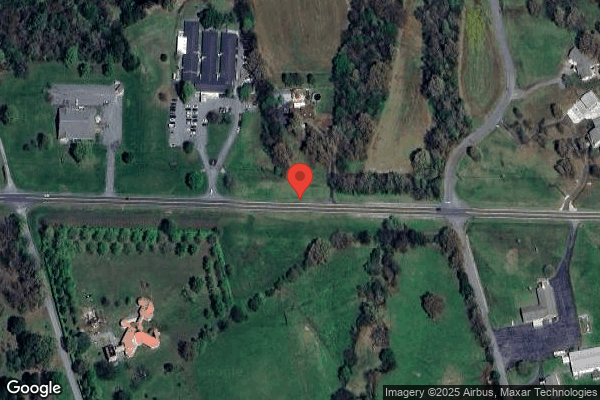

10456 US Highway 62, Calvert City, KY 42029 (270) 898-6288
For profit - Limited Liability company 100 Beds SIGNATURE HEALTHCARE Data: November 2025 2 Immediate Jeopardy citations
Trust Grade
24/100
#179 of 266 in KY
Last Inspection: June 2024

Within standard 12-15 month inspection cycle. Federal law requires annual inspections.

Overview

Oakview Nursing & Rehabilitation Center has received a Trust Grade of F, indicating significant concerns about its care quality. It ranks #179 out of 266 facilities in Kentucky, placing it in the bottom half of all nursing homes in the state, and #3 out of 3 in Marshall County, meaning only one local option is better. While the facility's overall performance is improving, with issues decreasing from 11 in 2021 to 5 in 2024, it still has troubling aspects, such as $15,646 in fines, which is higher than 78% of Kentucky facilities, suggesting repeated compliance problems. Staffing is average with a 3/5 rating, but the turnover rate is concerning at 57%, while RN coverage is lower than 79% of state facilities, potentially impacting resident care. Specific incidents include a failure to implement a care plan for a resident post-surgery, which led to a hospital admission for severe complications, and issues with food safety in the kitchen, where unlabelled and expired food items were found, posing risks to residents.

Trust Score
F
24/100
In Kentucky
#179/266
Bottom 33%
Safety Record
High Risk
Review needed
Inspections
Getting Better
11 → 5 violations
Staff Stability
⚠ Watch
57% turnover. Above average. Higher turnover means staff may not know residents' routines.
Penalties
✓ Good
$15,646 in fines. Lower than most Kentucky facilities. Relatively clean record.
Skilled Nurses
⚠ Watch
Each resident gets only 29 minutes of Registered Nurse (RN) attention daily — below average for Kentucky. Fewer RN minutes means fewer trained eyes watching for problems.
Violations
⚠ Watch
19 deficiencies on record. Higher than average. Multiple issues found across inspections.
★★☆☆☆
2.0
Overall Rating
★★★☆☆
3.0
Staff Levels
★★★★☆
4.0
Care Quality
★★☆☆☆
2.0
Inspection Score
Stable
2021: 11 issues
2024: 5 issues

The Good

  • 4-Star Quality Measures · Strong clinical quality outcomes
  • Full Sprinkler Coverage · Fire safety systems throughout facility
  • No fines on record

Facility shows strength in quality measures, fire safety.

The Bad

2-Star Overall Rating

Below Kentucky average (2.8)

Below average - review inspection findings carefully

Staff Turnover: 57%

11pts above Kentucky avg (46%)

Frequent staff changes - ask about care continuity

Federal Fines: $15,646

Below median ($33,413)

Minor penalties assessed

Chain: SIGNATURE HEALTHCARE

Part of a multi-facility chain

Ask about local staffing decisions and management

Staff turnover is elevated (57%)

9 points above Kentucky average of 48%

The Ugly 19 deficiencies on record

2 life-threatening
Jun 2024 5 deficiencies 2 IJ
CRITICAL (J) 📢 Someone Reported This

A family member, employee, or ombudsman was alarmed enough to file a formal complaint

Immediate Jeopardy (IJ) - the most serious Medicare violation

Comprehensive Care Plan (Tag F0656)

Someone could have died · This affected 1 resident

**NOTE- TERMS IN BRACKETS HAVE BEEN EDITED TO PROTECT CONFIDENTIALITY** Based on observation, interview, record review, and review of the facility's policy, it was determined the facility failed to en...

Read full inspector narrative →
**NOTE- TERMS IN BRACKETS HAVE BEEN EDITED TO PROTECT CONFIDENTIALITY** Based on observation, interview, record review, and review of the facility's policy, it was determined the facility failed to ensure a care plan was developed and implemented for one of five (5) sampled residents (Resident #66 (R66)). R66 was post-op from a surgical procedure performed on 04/26/2024. However, record review revealed the facility failed to develop a Comprehensive Person-Centered Care Plan to monitor the surgical incisions until 05/07/2024. On 05/15/2024, R66 was seen by the Podiatric Surgeon for complaints of left ankle pain and was transferred to the emergency room (ER) to be evaluated. The ER assessed and diagnosed R66 with diffuse redness, swelling, purulent and foul smelling drainage of the left ankle surgical incisions. R66 was admitted to the hospital for intravenous antibiotic therapy on 05/15/2024 and discharged on 06/04/2024. The facility's failure to have an effective system to ensure each resident received care and treatment in accordance with professional standards of practice has caused or is likely to cause serious injury, harm, impairment, or death to a resident. Immediate Jeopardy (IJ) was identified on 05/30/2024 and was determined to exist on 05/03/2024 in the areas of 42 CFR 483.21 Comprehensive Resident Centered Care Plan, F656; 42 CFR 483.25 Quality of Care, F684; and Substandard Quality of Care (SQC) was also identified at 42 CFR 483.25 Quality of Care, F684. The facility was notified of the Immediate Jeopardy on 06/06/2024. The facility provided an acceptable Immediate Jeopardy (IJ) Removal Plan on 06/08/2024, alleging removal of the IJ on 06/08/2024. An Extended Survey was initiated on 06/12/2024, and the State Survey Agency (SSA) validated the facility's IJ Removal Plan on 06/13/2024. The SSA validated the immediacy of the IJ had been removed on 06/08/2024, as alleged. The findings include: Review of the facility's policy titled, Comprehensive Care Plans, dated 04/06/2015 and revised 02/09/2024, revealed the facility would develop and implement a comprehensive person-centered care plan for each resident, that included measurable objectives and time frames to meet a resident's medical, nursing, mental, and psychosocial needs that were identified in the comprehensive assessment. Closed record review of R66's face sheet revealed the facility admitted the resident on 04/22/2024. R66's readmission on [DATE] included diagnoses of: unspecified fracture of the left lower leg; subsequent encounter for closed fracture with routine healing; personal history of Transient Ischemic Attack (TIA/stroke); and cerebral infarction without residual deficits, and difficulty in walking, not elsewhere classified. Review of the admission Minimum Data Set (MDS) Assessment, dated 04/25/2024, revealed the facility assessed R66 to have a Brief Interview for Mental Status (BIMS) score of twelve out of fifteen. This score indicated the resident was cognitively intact. Review of R66's hospital records dated 04/26/2024, revealed she underwent an open reduction internal fixation trimalleolar due to multiple fractures of the left ankle. R66 returned to the facility the same day. Review of an office visit report from R66's Podiatric Surgeon, dated 05/03/2024, revealed new orders were given to cleanse R66's surgical incisions with saline and to change the dressing once a day. Review of an emergency room visit note, dated 05/15/2024, revealed R66 presented with diffuse redness, swelling of the left ankle, purulent and foul-smelling drainage from the surgical incisions. Further review revealed R66 met sepsis criteria (sepsis is a life threatening condition that may occur when the body's immune response to an infection causes injury to its own tissues and organs). R66 was admitted to the hospital with a diagnosis of Cellulitis (a deep infection of the skin caused by bacteria). R66 was treated with intravenous (IV) antibiotics (vancomycin and cefepime). Review of the Infectious Disease Physician's consultation note, dated 05/20/2024, revealed R66 remained on IV antibiotics (vancomycin and cefepime); some serous drainage was noted, and a portion of the incision on the left ankle remained open. Further review revealed positive blood cultures for Staphylococcus hominis and Staphylococcus epidermidis. The vancomycin and cefepime were discontinued. R66's antibiotic was changed to clindamycin 600 mg (milligrams) orally every eight hours for fourteen days. Review of R66's hospital discharge summary revealed a discharge date of 06/04/2024 to a skilled nursing facility for continuation of wound care and rehabilitation. Review of a Physician's Order to apply Medi-Honey to the wound, clean with saline solution and change dressing every day. The order was dated 05/03/2024. However, the order was not scanned into R66's medical record until 05/16/2024, which was after the resident discharged from the facility. Record review revealed no documented evidence the facility developed a Comprehensive Care Plan for R66 related to skin integrity or for incisional wound care until 05/07/2024. During an interview with the Minimum Data Set (MDS) Coordinator on 06/06/2024 at 11:12 AM, she stated R66 should have had a Comprehensive Care Plan implemented when she returned from her surgical procedure on 04/26/2024. During an interview with the Assistant Director of Nursing (ADON) on 05/31/2024, she stated she was also responsible for wound care but was not certified. The ADON stated she also tracked wounds and monitored surgical incisions. She stated after R66's ankle surgery on 04/26/2024, she did assess her wounds but was not sure if she had documented those assessments. She stated she was notified on 05/14/2024 that R66's wound dressing was saturated with drainage. The ADON stated the surgeon was notified at that time. She stated R66 was seen in the surgeon's office the following day. The surgeon had R66 admitted to the hospital due to the surgical incisions being infected. She stated R66's care plan should have ben implemented when she returned to the facility after her surgery to reflect the need for monitoring of the surgical incisions. She stated the MDS Nurse was responsible to implement or revise a care plan. However, if she was providing care or monitoring a wound then she would be the one responsible to implement the care plan. The ADON stated she did not implement a care plan for R66. She stated she would expect the nurse to call the physician for orders if orders were not received and for care plans to be implemented and revised as needed. During an interview with the Director of Nursing (DON) on 06/06/2024 at 10:06 AM, she stated each resident should have a person-centered Comprehensive Care Plan and the MDS Coordinator was responsible for implementing the care plans. The DON stated her expectations were for each resident to have the appropriate care plan implemented. During an interview with the Administrator on 06/06/2024 at 10:41 AM, he stated he expected all residents to have a comprehensive care plan and for staff to follow the facility's policies.
CRITICAL (J) 📢 Someone Reported This

A family member, employee, or ombudsman was alarmed enough to file a formal complaint

Immediate Jeopardy (IJ) - the most serious Medicare violation

Quality of Care (Tag F0684)

Someone could have died · This affected 1 resident

**NOTE- TERMS IN BRACKETS HAVE BEEN EDITED TO PROTECT CONFIDENTIALITY** Based on interview, record review, and facility policy review, it was determined the facility failed to ensure residents receive...

Read full inspector narrative →
**NOTE- TERMS IN BRACKETS HAVE BEEN EDITED TO PROTECT CONFIDENTIALITY** Based on interview, record review, and facility policy review, it was determined the facility failed to ensure residents received care and treatment in accordance with professional standards of practice for one (1) of five (5) sampled residents (Resident #66 (R66)). The facility admitted R66 from the hospital post-treatment for an ankle fracture. On 04/26/2024, R66 underwent an open reduction internal fixation trimalleolar to repair the left ankle. The facility failed to implement the physician's orders or provide wound care to R66's incisional cites as ordered. On 05/15/2024, R66 was seen by the Podiatric surgeon for complaints of left ankle pain and was transferred to the emergency room (ER) to be evaluated. The ER assessed R66 for diffuse redness, swelling, purulent and foul smelling drainage of the left ankle surgical incisions. Further review revealed R66 met sepsis criteria. (Sepsis is a life threatening condition that may occur when the body's immune response to an infection causes injury to its own tissues and organs). R66 was admitted to the hospital on [DATE] with a diagnosis of Cellulitis (a deep infection of the skin caused by bacteria). R66 was treated with intravenous (IV) antibiotics (vancomycin and cefepime). R66 was discharged on 06/04/2024. The facility's failure to have an effective system to ensure each resident received care and treatment in accordance with professional standards of practice has caused or is likely to cause serious injury, harm, impairment, or death to a resident. Immediate Jeopardy (IJ) was identified on 05/30/2024 and was determined to exist on 05/03/2024 in the areas of 42 CFR 483.21 Comprehensive Resident Centered Care Plan, F656; 42 CFR 483.25 Quality of Care, F684; and Substandard Quality of Care (SQC) was also identified at 42 CFR 483.25 Quality of Care, F684. The facility was notified of the Immediate Jeopardy on 06/06/2024. The facility provided an acceptable Immediate Jeopardy (IJ) Removal Plan on 06/08/2024, alleging removal of the IJ on 06/08/2024. An Extended Survey was initiated on 06/12/2024, and the State Survey Agency (SSA) validated the facility's IJ Removal Plan on 06/13/2024. The SSA validated the immediacy of the IJ had been removed on 06/08/2024, as alleged. The findings include: Review of the facility's policy titled, Skin Integrity, dated 06/09/2022 and revised 09/15/2023, revealed the facility would ensure a resident received care, consistent with professional standards of practice, to prevent avoidable skin integrity issues unless the individual's clinical condition demonstrated that they were unavoidable and a resident with impaired skin integrity would receive necessary treatment and services, to promote healing, and prevent infection. The Nurse Leader/Wound nurse would document all impaired skin integrity areas such as pressure, stasis, surgical incision, or diabetic ulcers in the Electronic Medical Record on an ongoing basis or until closed or the resident had been discharged . Review of a facility policy titled, admission and readmission to the Facility, dated 07/30/2018 and reviewed 04/02/2024, revealed the facility would admit and readmit residents whose needs could be met. The Objectives of the policy were to assure that the facility received appropriate medical and financial records prior to or upon the resident ' s admission. Closed record review of a face sheet revealed the facility admitted R66 on 04/22/2024 and discharged on 05/15/2024 with diagnoses of: Unspecified fracture of left lower leg; subsequent encounter for closed fracture with routine healing, Personal history of Transient Ischemic Attack (TIA), and cerebral infarction without residual deficits, and difficulty in walking, not elsewhere classified. Review of an admission Minimum Data Set (MDS) Assessment, dated 04/25/2024, revealed R66 was assessed to have a Brief Interview for Mental Status (BIMS) of a twelve out of fifteen, indicating the resident was cognitively intact. Review of R66 ' s hospital records dated 04/26/2024, revealed she underwent an open reduction internal fixation trimalleolar due to multiple fractures of the left ankle and returned to the facility the same day. Record review revealed no documented evidence the facility developed a Comprehensive Care Plan for R66 related to skin integrity or incisional care until 05/07/2024. Review of an office visit with R66 ' s Podiatric surgeon, dated 04/29/2024, revealed a well-padded below-the-knee splint with plaster cast material was placed on the left lower extremity, R66 was to remain non-weight bearing, use rest, ice, compression, and elevation to the left lower extremity and return to the clinic in one week for a follow up and x-ray evaluation. Review of an office visit with R66 ' s Podiatric surgeon, dated 05/03/2024, revealed R66 was to remain non-weight-bearing. An order was given for Medi-Honey to be applied to the anterior wound daily after a sterile saline cleanse was performed. A sterile below the knee pneumatic boot was fitted and dispensed. New orders were given to cleanse the wound with saline and change the dressing once a day. Review of an emergency room visit note, dated 05/15/2024, revealed R66 had been seen at her Podiatric Surgeon ' s office earlier that day and presented with diffuse redness, swelling of the left ankle, purulent and foul-smelling drainage from her wounds. Further review revealed R66 met sepsis criteria and a sepsis workup was ordered. R66 was admitted with Cellulitis and treated with Intravenous Antibiotics (Vancomycin and Cefepime). Review of a consult note from the Infectious Disease physician, dated 05/20/2024, revealed R66 remained on Intravenous Antibiotics (Vancomycin and Cefepime), some serous drainage with minimal cloudiness to the incision sites as well as an open portion of the incision on the left ankle being open. Further review revealed a result of positive blood cultures for Staphylococcus hominis and Staphylococcus epidermidis which resulted in Vancomycin and Cefepime being discontinued and R66 was ordered Clindamycin 600 mg orally every eight hours for fourteen days. Review of R66 ' s hospital discharge summary revealed she was discharged on 06/04/2024 to a Skilled Nursing Facility for continuation of wound care and rehabilitation. Review of a physician ' s order to apply Medi-Honey to the wound, clean with saline solution and change dressing every day. The order was dated 05/03/2024 however, the order was not scanned into R66 ' s medical record until 05/16/2024, which was after the resident discharged from the facility. During an interview with Family Member #4 (FM4) on 05/30/2024 at 3:09 PM, he stated R66 had a fall at home on [DATE] and remained in the hospital until 04/22/2024. He stated R66 had surgery to repair the fractures to her ankle on 04/26/2024 and returned to the facility the same day. He further stated after a follow up appointment with her podiatric surgeon on 05/03/2024, he brought R66 back to the facility with orders for R66's dressing to be changed once a day. He stated he handed the orders to the front desk staff. He stated the bandages were not changed for seven-eight days. He stated the nurse told the family that R66 ' s incisions were not infected on 05/14/2024. However, the family took photographs of the incision and forwarded to the Podiatric surgeon which wanted to see R66 in his office and then sent her to the hospital to be admitted . He stated the nurses just did not take care of her ankle like they should have. During an interview with Family Member #5 (FM5) on 05/30/2024 at 3:19 PM, she stated on two separate occasions, the family had brought orders to the facility after returning R66 from follow up surgeon appointments and handed the orders to the lady at the front desk. FM5 stated staff would tell the family that they were doing dressing changes on R66 but the family did not believe it was getting done. FM5 stated on 05/14/2024 during a visit, she had asked Licensed Practical Nurse #8 (LPN8) to look at R66 ' s dressing. FM5 stated the dressing was saturated, had an odor, yellow/green drainage, the skin was red and the ankle was swollen. FM5 stated LPN8 informed her the incision was not infected or swollen and if it were infected, the drainage would have been bright green in color. FM5 stated she took pictures of the dressing and incisions and forwarded to R66 ' s Podiatric surgeon. She stated the surgeon requested to see R66 in his office as soon as possible. She stated the family transported R66 to the Podiatric office on 05/15/2024, the surgeon was very upset and knew immediately the incisions were infected so he recommended R66 go to the hospital to be admitted for intravenous antibiotics. FM5 stated R66 was currently in the hospital and continued to receive intravenous antibiotics at the time of the interview. During an interview with Registered Nurse #1 (RN1) on 05/31/2024 at 10:41 AM, she stated she was an agency nurse and had worked at the facility for two (2) months. She stated she could not recall receiving orders from R66 ' s family when she returned to the facility after her follow up appointments. RN1 stated when a resident returned to the facility, they should have orders either brought by family or the nurse should call the physician ' s office or hospital for orders. RN1 stated the nurse should then enter and scan the orders into the Electronic Medical Record (EMR). RN1 further stated the Minimum Data Set (MDS) nurse was responsible for all care plans. She stated the floor nurses do not create or revise care plans but are asked for input. RN1 stated she was told during report that R66 ' s wounds were not to be touched right after she had surgery. RN1 further stated if a resident ' s wounds were not assessed in a seven (7) day timeframe, the wound could become infected. During an interview with the Assistant Director of Nursing (ADON) on 05/31/2024, she stated she was also the wound care nurse but was not certified. The ADON stated she was responsible for tracking wounds and did monitor surgical incisions. She stated after R66 ' s ankle surgery on 04/26/2024, her wounds were assessed but was not sure if she had documented the assessments. She stated she was notified on 05/14/2024 that R66 ' s wound dressing was saturated with drainage. The ADON stated the surgeon was notified at that time, the R was seen in the surgeon ' s office the following day and admitted due to the surgical incisions being infected. She stated R66 ' s care plan should have ben implemented when she returned to the facility after her surgery to reflect the need for monitoring of the surgical incisions. She stated the MDS nurse was responsible to implement or revise a care plan. However, if she was providing care or monitoring a wound then she would be the one responsible to implement the care plan. The ADON stated she did not implement a care plan for R66. The ADON stated she would expect the nurse to call the physician for orders if they did not receive them and for care plans to be implemented and revised as needed. During an interview with Licensed Practical Nurse #8 (LPN8) on 05/31/2024 at 2:01 PM, she stated she had not assessed R66 ' s wound until 05/14/2024 when the daughter asked her to. She stated she had been told in report that the wounds were not to be touched and was under the impression R66 ' s surgical wounds had actually healed. However, LPN8 stated she had not seen any orders for R66 related to the care of her surgical wounds. LPN8 stated R66 should have had orders to monitor the surgical wounds. LPN8 stated she assessed R66 ' s surgical wounds on 05/14/2024 and the incisions had a scant amount of drainage that had no color, no odor, was not red but was pink and was not swollen. She described the skin around the incisions as moist appearing. LPN8 stated she notified the wound care nurse which assessed and measured R66 ' s wounds on 05/14/2024. LPN8 stated she relied solely on the report given to her by the offgoing shifts. She stated she did notify the surgeon ' s office and R66 was taken into his office the following day. She stated she only called the surgeon because R66 ' s family was concerned. LPN8 stated she assumed R66 ' s wound needed orders or at least more than a gauze wrap but she did not call to obtain orders. During an interview with LPN9 on 05/31/2024 at 2:32 PM, she stated she was an agency nurse and worked primarily the weekend shift. She stated she did not recall seeing any orders for wound care or monitoring for R66 but it would be normal protocol to monitor surgical incisions. During an interview with the Podiatric Surgeon on 05/31/2024 at 3:00 PM, he stated he saw R66 for a follow up appointment on 05/03/2024 and wrote orders for Medi-Honey to be applied to a fracture blister, clean surgical incisions with saline solution and do dressing changes daily. He stated the family took orders back to the facility. He stated he had no further contact until 05/14/2024 when R66 ' s family had e-mailed photographs of R66 ' s surgical incisions that appeared to be very concerning. He stated he saw R66 in his office on 05/15/2024 and she had developed Cellulitis and no one from the facility had notified his office. He stated if the ordered dressing changes had not been done, that was the problem. He stated R66 was transferred to the hospital and admitted for intravenous antibiotics due to Cellulitis and sepsis. The Podiatric Surgeon stated R66 continued to be followed by Infectious Disease and remained on intravenous antibiotics. During an interview with the Signature Care Consultant on 06/04/2024 at 1:00 PM, she stated the wound care nurse had not received any formal wound care certification. She stated she had received some wound training with her leadership training and online through Relias which was the same training the floor nurses received. During an interview with LPN3 on 06/05/2024 at 8:02 PM, she stated she works night shift and did not provide any surgical wound care for R66. LPN3 stated she was responsible for the daily skilled charting note and on 05/02/2024 under special treatments checked incisional care was done, on 05/03/2024. 05/08/2024 and 05/09/2024, marked incision was clean, well approximated with signs of healing, then on 05/10/2024 and 05/14/2024 that incision care was provided per order. However, she further stated she never assessed R66 ' s wounds at all and she was apparently completing the daily skilled charting note incorrectly. LPN3 stated she thought if a resident was admitted with that skill then she should be charting it on the skilled charting note. LPN3 further stated the facility dropped the ball on R66 and that was why the facility was unable to provide any documentation related to her wound care. LPN3 stated R66 should have had orders to monitor her surgical wound and provide any care the physician ordered. LPN3 stated R66 returned to the facility prior to her shift beginning on 05/03/2024 and she was given report by RN1 that all orders were completed and R66 had been assessed. LPN3 stated there should not have been a reason she would have had to double check what was told to her. During an interview with the MDS coordinator on 06/06/2024 a 11:12 AM, she stated when R66 returned to the facility with a surgical wound on 04/26/2024, she should have had a care plan developed. The MDS coordinator stated she did do an admission observation assessment and developed an enhanced barrier precaution care plan related to R66 ' s surgical wound on 05/07/2024. During an interview with the Medical Director on 06/06/2024 at 11:00 AM, he stated he expected staff to follow orders and if there was any deviation from the physician orders, he would expect a telephone call to clarify. He stated the orders are there for a purpose and should be followed. He stated he was not familiar with R66 care and was not her attending but was aware of the situation. He stated there were times when a dressing should be left in place, however, if you don ' t now what is going on, you must find out because you should not work autonomously or above your scope of practice. During an interview with the Director of Nursing (DON) on 06/06/2024 at 10:06 AM, she stated R66 should have had orders in place to at least monitor her surgical wounds. The DON stated the facility had attempted to look for orders from 05/03/2024 but were unable to find them. She further stated the facility had called the surgeon ' s office on four (4) occasions, did not receive a return call, and had some communication issues. However, the DON stated she failed to document the failed attempts to contact R66 ' s surgeon. The DON stated she personally did not provide wound care for R66 and did not know what happened. The DON stated the facility should have called the physician ' s office and obtained orders and implemented a care plan within forty-eight hours after she returned from surgery. The DON stated she expected nurses to obtain and follow physician orders, assess the resident ' s, do the ordered treatments, complete an event and care plan and notify the resident ' s family. The DON stated she was not sure why R66 did not have a care plan but should have had one when she returned from surgery. She stated the MDS coordinator was responsible for Comprehensive Care plans and she expected each resident to have person centered Comprehensive Care plans implemented and revised as needed. During an interview with the Administrator on 06/07/2024 at 10:41 AM, he stated he expected all residents to have the necessary orders for staff to provide the care the resident may need. He stated if orders were not received, he expected staff to call the physician or hospital to obtain them. He further stated he expected each resident to have a Comprehensive Care Plan in place to ensure the staff would know how to provide care to the residents.
CONCERN (D)

Potential for Harm - no one hurt, but risky conditions existed

Infection Control (Tag F0880)

Could have caused harm · This affected 1 resident

Based on observation, interview and facility policy review, the facility failed to develop and implement an ongoing infection prevention and control program to prevent, recognize, and control the onse...

Read full inspector narrative →
Based on observation, interview and facility policy review, the facility failed to develop and implement an ongoing infection prevention and control program to prevent, recognize, and control the onset and spread of infection to the extent possible related to clean supplies stored with Biohazard Waste in an outside storage building. The findings include: Review of the facility's policy, Infection Control, effective 01/23/2024, noted the facility's infection control policies and practices were intended to facilitate maintaining a safe, sanitary, and comfortable environment and to help prevent and manage transmission of diseases and infections. The objectives of the facility's infection control policies and practices included: a. Prevent, detect, investigate, and control infections in the facility; and b. Maintain a safe, sanitary, and comfortable environment for personnel, residents, visitors, and the general public. After an observation of Resident #74's (R74) wound care on 06/05/2024 at 10:22 AM with the Special Projects Director of Nursing, the nurse and the charge nurse went out of the facility to a small storage building. This building had a sign which stated it was the Biohazard room. Further observation revealed there were Biohazard Containers which held Biohazard Waste in the room. Observation revealed to the left of the waste containers, there were multiple boxes of clean examination gloves, COVID testing supplies, and clean trash bags. During an interview with the DON and the Regional DON, they stated clean supplies and Biohazard Materials should never be stored together. They further stated everything in the Biohazard Room would be considered contaminated. During an interview with the Administrator on 06/07/2024 at 10:49 AM, he stated he expected staff to follow the facility's policies as written regarding Biohazard Materials. He stated Biohazard Materials should not be stored in the same area as clean supplies.
CONCERN (F)

Potential for Harm - no one hurt, but risky conditions existed

Food Safety (Tag F0812)

Could have caused harm · This affected most or all residents

Based on observation, interview and review of the facility's policy, the facility failed to store food in accordance with professional standards for food service safety. Observations revealed contai...

Read full inspector narrative →
Based on observation, interview and review of the facility's policy, the facility failed to store food in accordance with professional standards for food service safety. Observations revealed containers filled with a dark liquid that were opened, not dated, and/or labeled. This had the potential to affect 76 of 76 residents. Observation during the initial kitchen tour on 06/03/2024 at 11:15 AM, revealed five drink containers that were not labeled, dated, or had expired in the walk-in cooler. The findings include: Review of the facility's policy titled, Food Storage, Cold Foods, dated 05/2014 and revised 04/2018, revealed all time/temperature control for safety, foods frozen and refrigerated, would be appropriately stored in accordance with guidelines of the FDA's (US Food and Drug Administration's) food code. All foods should be stored, wrapped, or in covered containers, labeled and dated, and arranged in a manner to prevent cross-contamination. Observation of a walk-in cooler on 06/03/2024 at 11:15 AM, revealed two (2) containers of a dark liquid that were labeled with a created date of 05/31/2024 and discard date of 06/02/2024. Further observation revealed three (3) containers of a dark liquid that were not labeled or dated. During an interview with Dietary Worker #1 on 06/03/2024 at 11:15 AM, she stated the containers should always have a label and date. She further stated the containers should have been discarded. During an interview with the Dietary Manager on 06/03/2024 at 11:30 AM, she stated she expected all food to be labeled and dated and staff should not use food or liquids after the discard by date. During an interview with the Administrator on 06/13/2024 at 3:28 PM, he stated the dietary department was contracted and responsible to control the food brought into the facility. He stated he expected food to be dated, labeled, and covered. He further stated the use by date should be marked and the food should not be used past that date.
CONCERN (F)

Potential for Harm - no one hurt, but risky conditions existed

Deficiency F0925 (Tag F0925)

Could have caused harm · This affected most or all residents

Based on observation and interview it was determined the facility failed to have an effective pest control program to ensure the facility was free of pest. All 76 residents had the potential to be aff...

Read full inspector narrative →
Based on observation and interview it was determined the facility failed to have an effective pest control program to ensure the facility was free of pest. All 76 residents had the potential to be affected. Observation during the initial tour on 06/03/2024 at 11:15 AM, revealed rodent and bird droppings in the emergency food storage supply room. The findings include: The facility was unable to provide a specific policy related to pest control. The Administrator stated the facility followed the guidance from the State Operations Manual which defined an effective pest control program as a measure to eradicate and contain common household pest. Observation during the initial tour on 06/03/2024 at 11:15 AM, revealed the storage area for the facility's emergency food supply was housed in a detached building occupied by the maintenance department. Observation revealed the floor of the room was covered with white droppings. Further observation revealed rodent droppings on the boxes of food stored on the shelves. During an interview with the Dietary Manager on 06/05/2024 at 12:50 PM, she stated the white droppings on the storage room floor appeared to be bird droppings. She further stated she was not aware of any rodent droppings. During an interview with the Administrator on 06/13/2024 at 3:28 PM, he stated he expected the storage room to stay within the appropriate temperatures and to be kept clean and free of rodents.
Aug 2021 11 deficiencies
CONCERN (D)

Potential for Harm - no one hurt, but risky conditions existed

Resident Rights (Tag F0550)

Could have caused harm · This affected 1 resident

**NOTE- TERMS IN BRACKETS HAVE BEEN EDITED TO PROTECT CONFIDENTIALITY** Based on observation, interview, record review, and facility policy review, it was determined the facility failed to treat a res...

Read full inspector narrative →
**NOTE- TERMS IN BRACKETS HAVE BEEN EDITED TO PROTECT CONFIDENTIALITY** Based on observation, interview, record review, and facility policy review, it was determined the facility failed to treat a resident with dignity by failing to close the privacy curtain during care and failed to address the resident in a dignified manner by calling the resident a feeder. This affected one (1) of three (3) sampled residents reviewed for dignity (Resident #43). Findings included: Review of the facility policy for, Resident Rights, with a last revision date of 08/16/2018, revealed under the Policy Statement, all residents had the right to be treated with dignity and respect. The policy also indicated the facility would promote and protect the residents' rights. 1. Record review revealed Resident #43 was admitted to the facility on [DATE] with diagnoses which included Alzheimer's Disease, Osteoarthritis, and Adult Failure to Thrive. Review of the Quarterly Minimum Data Set (MDS) assessment, dated 06/17/2021, revealed the resident had short- and long-term memory impairment and was totally dependent on staff for activities of daily living. Review of the Comprehensive Care Plan, dated 06/22/2021, revealed Resident #43 was totally dependent on staff for all aspects of daily care and personal hygiene. The care plan further revealed Resident #43 as unable to make their needs known, which required staff to anticipate the resident's needs. The goal was established that all care needs would be met through staff interventions daily, maintaining the resident's dignity, and keeping the resident clean, dry, and odor-free. Observation on 08/10/2021 at 3:36 PM, revealed after knocking on the door and hearing an invitation to enter, the door was opened. Certified Nursing Assistant (CNA) #6 was observed bathing Resident #43. The privacy curtain had not been pulled, and Resident #43 was exposed to anyone who may have passed in the hall. CNA #6 was interviewed and acknowledged the curtain should have been pulled to maintain privacy and dignity. The CNA could offer no reason why she had not pulled the curtain. Interview with the Director of Nursing (DON) on 08/13/2021 at 8:26 AM, revealed she expected any staff member to shut doors and pull curtains during care to provide personal privacy and maintain dignity during care. 2. Observation on 08/10/2021 at 1:00 PM, of a meal observation, revealed Certified Nursing Assistant (CNA) #6 was asked to explain the process for delivering trays to the residents on the unit. The CNA responded trays were delivered to those who could feed themselves first and then to those who required assistance. She pointed to Resident #43, who was lying in their bed, and further explained that Resident #43 was a feeder and therefore would get the meal tray near the end of the meal service when staff were available to assist. Further observation revealed CNA #6 realized what she had said and commented she should not have called Resident #43 a feeder. Interview with the Director of Nursing (DON), on 08/12/2021 at 8:14 AM, revealed if a staff member called a resident a feeder in front of the resident, she would implement a teachable moment because that was not how staff should refer to residents.
CONCERN (D)

Potential for Harm - no one hurt, but risky conditions existed

Notification of Changes (Tag F0580)

Could have caused harm · This affected 1 resident

**NOTE- TERMS IN BRACKETS HAVE BEEN EDITED TO PROTECT CONFIDENTIALITY** Based on interview, record review, and facility policy review, it was determined that the facility failed to notify the physicia...

Read full inspector narrative →
**NOTE- TERMS IN BRACKETS HAVE BEEN EDITED TO PROTECT CONFIDENTIALITY** Based on interview, record review, and facility policy review, it was determined that the facility failed to notify the physician of a change in condition for one (1) of three (3) sampled residents reviewed for notification of changes in condition (Resident #41). Findings included: Review of the facility policy, titled, Change of Condition, dated 11/06/2019, was completed. The policy indicated that a significant change in the resident's physical, mental or psychosocial status would be relayed to the physician. Record review revealed Resident #41 was admitted to the facility on [DATE] and readmitted to the facility on [DATE]. Diagnoses included multiple sclerosis, diabetes, colostomy, and pressure ulcers. Review of the Quarterly Minimum Data Set (MDS) assessment, dated 05/16/2021, revealed Resident #41 had a Brief Interview for Mental Status (BIMS) score of 15, indicating no cognitive impairment. Review of the Nursing admission Skin Assessment, dated 07/05/2021, revealed that Resident #41 had no open areas. Review of the Wound Management Observation History dated 07/08/2021, revealed a pressure ulcer to the left hip measuring 2.5 cm (centimeters) x 1.5 cm. The next measurement recorded was dated 08/09/2021. The wound measured 4.6 cm x 4 cm. Review of Resident #41's Comprehensive Care Plan, dated 07/15/2021, revealed Resident #41 would refuse care including wound treatments and wound measurements. Further review of the care plan staff were directed to reapproach the resident at a later time and were to assign consistent staff to Resident #41 when possible. Review of a Nurse Progress Note, dated 07/30/2021 at 4:07 PM, by Licensed Practical Nurse (LPN #2) indicated that Resident #41 refused dressing changes on 07/17/2021, 07/19/2021, 07/22/2021, 07/24/2021, 07/26/2021, and 07/30/2021. Resident #41 was also noted to have refused wound measurements. Review of the Progress Notes for Resident #41, from 07/05/2021 through 08/11/2021, revealed no indication that the physician was notified of the change in the size of the wound or Resident #41's refusal of wound treatments and measurements. Interview with Licensed Practical Nurse (LPN) #2, on 08/11/2021 at 5:31 PM, revealed she was identified as the facility wound nurse. LPN #2 stated Resident #41 refused wound measurements and would not let her measure the wound. She stated the wound was measured about once a month, as Resident #41 allowed the floor nurse to complete the measurement. LPN #2 further stated Resident #41's wound had gotten worse, and she had not spoken to Resident #41's physician about the refusals or the worsening of the wound. Interview with the Director of Nursing (DON), on 08/12/2021 at 9:30 AM, revealed she had spoke with Resident #41's physician, on 08/11/2021 about the worsening wound, and Resident #41's refusal of care. The doctor should have been called when the wound reopened, when it was measured as worse, or that [Resident #41] was refusing [care]. The physician was called to request a wound treatment on 07/08/2021, but there was no further communication about the refusal of treatments or the wound worsening.
CONCERN (D)

Potential for Harm - no one hurt, but risky conditions existed

Comprehensive Care Plan (Tag F0656)

Could have caused harm · This affected 1 resident

**NOTE- TERMS IN BRACKETS HAVE BEEN EDITED TO PROTECT CONFIDENTIALITY** Based on interview, record review, and facility policy review, it was determined that the facility failed to develop a care plan...

Read full inspector narrative →
**NOTE- TERMS IN BRACKETS HAVE BEEN EDITED TO PROTECT CONFIDENTIALITY** Based on interview, record review, and facility policy review, it was determined that the facility failed to develop a care plan for one (1) of twenty-four (24) sampled residents reviewed for care plans (Resident #24). Resident #24 did not have a care plan developed for activities. Findings included: Review of the facility policy, Comprehensive Care Plans, with a revision date of 07/19/2018, revealed the nurse/Interdisciplinary Team was responsible for the review and updating of care plans. Further review of the policy revealed the care plan should reflect the current status of the resident and be updated with changes in the resident's status. Record review revealed Resident #24 was admitted to the facility on [DATE], with diagnoses which included Alzheimer's, Dementia, and Psychosis. Review of the admission Minimum Data Set (MDS) assessment, dated 06/04/2021, revealed Resident #24 had a Brief Interview for Mental Status (BIMS) score of thirteen (13), indicating the resident was interviewable. Review of Resident #24's Comprehensive Care Plan, revealed no entries related to preferences for activities. Interview with Resident #24, on 08/10/2021 at 3:00 PM, revealed he/she, I would like to go outside to the patio. They won't let me. I'm not sure why, but I'd like to go outside. Interview with the acting Activity Director (AD), on 8/12/2021 at 9:51 AM, revealed activities staff should complete the care plans for activities, and resident preferences on activities and ways to get the residents to participate should be included. Interview with the Director of Nursing (DON), on 08/12/2021 at 3:40 PM, revealed an activities care plan was developed by the AD on 08/12/2021, but there had not been one prior to 08/12/2021.
CONCERN (D)

Potential for Harm - no one hurt, but risky conditions existed

Deficiency F0657 (Tag F0657)

Could have caused harm · This affected 1 resident

Based on interview, record review, and facility policy review, it was determined the facility failed to ensure a resident had scheduled care conferences with involvement from the resident representati...

Read full inspector narrative →
Based on interview, record review, and facility policy review, it was determined the facility failed to ensure a resident had scheduled care conferences with involvement from the resident representative. This affected one (1) of two (2) residents reviewed for participation in care planning. (Resident #48). Findings included: Review of the facility's policy, Comprehensive Care Plan, last reviewed 04/14/2021, revealed the comprehensive care plan will be developed with participation from the resident, resident's family, or resident representative. The nurse/interdisciplinary team was responsible for the review and updating of care plans. The care plan should reflect the status of the resident and be updated with changes with resident's status .at least quarterly. Record review revealed the facility admitted Resident #48 on 04/28/2020 with diagnoses which included Alzheimer's Disease, Major Depression Disorder, and Parkinson's Disease. Review of the Quarterly Minimum Data Set (MDS) assessment, dated 06/22/2021, revealed the facility assessed Resident #48's cognition as severely impaired with a Brief Interview for Mental Status (BIMS) score of two (2), which indicated the resident was not interviewable. Record review further revealed a care conference was completed on 05/25/2020, 06/16/2020, 08/25/2020, 12/08/2020, and 05/25/2021. There was no mention of the resident representative attendance for the care conferences on 06/16/2020, and 05/25/2021. The care conferences dated 05/25/2020 and 06/16/2020 had one staff member in attendance and lacked a multidisciplinary approach. The care conference dated 05/25/2021 had two staff members in attendance and lacked a multidisciplinary approach. There were no care conferences conducted between 12/08/2020 and 05/25/2021. Interview with Resident #48's Family Member, on 08/10/2021 at 2:44 PM, revealed the facility called them for updates, but there had not been any care conferences conducted in months. Interview with the Social Services Director (SSD), on 08/11/2021 at 12:30 PM, revealed that MDS staff completed the scheduled care conferences with the residents and resident representatives. Interview with the MDS Registered Nurse (MDSRN), on 08/11/2021 at 1:21 PM, revealed MDSRN was the person responsible for scheduling and completing the care conferences for the residents and representatives. The MDSRN said they tried to complete the care conferences quarterly. She further stated there were times that care conferences may have gotten missed. Interview with the MDSRN, on 08/12/2021 at 3:03 PM, revealed there were missing care conferences for Resident #48. She further stated she was unable to recall why the care conferences were missed. Interview with the MDSRN, on 08/13/2021 at 9:06 AM, revealed there was no documentation as to whether the resident representative attended some of the care conferences. The MDSRN said they sometimes forgot to document that information. Interview with the Director of Nursing (DON), 08/13/2021 at 9:08 AM, revealed they should have had care conferences with some frequency, usually in line with the MDS schedule. She further stated the care conferences included review of the care plan with the resident and family. Interview with the Assistant Director of Nursing (ADON), 08/13/2021 at 9:08 AM, revealed they should have had care conferences with some frequency, usually in line with the MDS schedule. She further stated the care conferences included review of the care plan with the resident and family.
CONCERN (D)

Potential for Harm - no one hurt, but risky conditions existed

Deficiency F0676 (Tag F0676)

Could have caused harm · This affected 1 resident

**NOTE- TERMS IN BRACKETS HAVE BEEN EDITED TO PROTECT CONFIDENTIALITY** Based on observation, interview, record review, and facility policy review, it was determined that the facility failed to provid...

Read full inspector narrative →
**NOTE- TERMS IN BRACKETS HAVE BEEN EDITED TO PROTECT CONFIDENTIALITY** Based on observation, interview, record review, and facility policy review, it was determined that the facility failed to provide supervision and verbal cueing to complete oral hygiene for one (1) of three (3) sampled residents reviewed for activities of daily living (Resident #13). Findings included: Review of the facility policy, Oral Care, with a revision date of 07/08/2018, indicated under Section 3, Paragraph E, that a resident that appeared to be able to care for self may forget to care for teeth. Section 7 indicated staff should make sure the resident brushed their teeth. Record review revealed Resident #13 was admitted to the facility on [DATE], with diagnoses which included Unspecified Dementia with Behaviors, Vascular Dementia, and Cognitive Communication Deficit. Review of the Annual Minimum Data Set (MDS) assessment, dated 05/12/2021, revealed Resident #13 had adequate hearing, but impaired vision with no glasses. The resident was identified as moderately cognitively impaired. Limited assistance was required for personal care. Review of an Occupational Therapy (OT) Discharge summary, dated [DATE], revealed Resident #13 could complete tasks with stand-by assistance. The OT also documented Resident #13 required cues to initiate tasks and locate items to complete tasks. Review of Resident #13's Comprehensive Care Plan, last reviewed on 07/21/2021, indicated assistance and cues were needed to perform personal hygiene due to dementia and cognitive deficits. Observation and interview with Resident #13, on 08/10/2021 at 11:40 AM, revealed the resident's teeth were observed to be a dark color at the gum line with obvious plaque buildup on a lower tooth. Resident #13 denied having received oral care that day. Interview with Resident #13, on 08/11/2021 at 10:30 AM, revealed he/she had not been provided a reminder and assistance for oral care had not been received. Interview with the Rehabilitation Manager (RM), on 08/12/2021 at 2:53 PM, revealed Resident #13 had special cognitive considerations, some that were lifelong and some newer. She added for Resident #13 to complete oral care, staff would need to lay out the toothbrush and toothpaste and provide verbal cues for the task to be completed. The RM added that when assisting Resident #13, one had to think like you were helping a child and remind the resident and encourage the resident more than once. Interview with Certified Nursing Assistant (CNA) #4, on 08/12/2021 at 3:20 PM, revealed the CNA acknowledged Resident #13 required supervision and cueing to complete activities of daily living, including brushing teeth. She added her tasks included getting clothing out and setting the resident up to complete morning care. CNA #4 stated that did not include items for oral care, since that was completed on night shift. CNA #4 stated she was unaware if Resident #13 received oral care after lunch, since she did no set up for oral care. The CNA acknowledged without supervision and cueing Resident #13 would not participate in completion of oral care. Interview with the Minimum Data Set (MDS) Nurse on 08/12/2021 at 3:30 PM, revealed she had observed Resident #13's oral cavity on 08/12/2021 at 3:30 PM and stated it looked as if the resident needed dental/oral care. Interview with the Director of Nursing (DON), on 08/13/2021 at 8:21 AM, revealed Resident #13 was trustworthy in what was said. The DON stated she expected staff to cue/help Resident #13 with oral care after each meal. The DON acknowledged if the resident was not set up and cued, oral care would not be completed.
CONCERN (D)

Potential for Harm - no one hurt, but risky conditions existed

ADL Care (Tag F0677)

Could have caused harm · This affected 1 resident

**NOTE- TERMS IN BRACKETS HAVE BEEN EDITED TO PROTECT CONFIDENTIALITY** 2. Record review revealed Resident #43 was admitted to the facility on [DATE] with diagnoses that included nontraumatic intracer...

Read full inspector narrative →
**NOTE- TERMS IN BRACKETS HAVE BEEN EDITED TO PROTECT CONFIDENTIALITY** 2. Record review revealed Resident #43 was admitted to the facility on [DATE] with diagnoses that included nontraumatic intracerebral hemorrhage, seizures, Alzheimer's disease, unspecified psychosis, tremor, adult failure to thrive, osteoarthritis, and generalized anxiety. Review of the Quarterly Minimum Data Set (MDS) assessment, dated 06/17/2021, revealed Resident #43 had short-term and long-term memory impairment and was totally dependent on staff for all activities of daily living. Review of Resident #43's Comprehensive Care Plan, last revised on 08/01/2021, indicated Resident #43 was totally dependent on staff fir activities of daily living and was unable to make needs known, which required staff to anticipate the resident's needs. The goal was that all care needs would be met through staff interventions daily. Observations on 08/10/2021 at 3:43 PM and 08/11/2021 at 3:29 PM, revealed Resident #43's toenails were long, thick, and jagged, with a large amount of loose, dry skin on the soles of the feet that was seen flaking onto the bed linens. Interviews with the Hospitality Aide and Certified Nursing Assistant (CNA) #7, on 08/11/2021 at 3:15 PM, revealed hospice was responsible for providing care to Resident #43. She then added the hospice aide was there twice weekly, and facility staff were responsible for care the other days. Both staff members acknowledged Resident #43's feet were dry and flaky and did not look as if they had been washed. The staff members acknowledged the resident's toenails were long and needed to be cut. Interview with Registered Nurse (RN) #4, on 08/11/2021 at 3:30 PM, revealed she could tell by the dry, flaky feet that Resident #43's feet had not been washed or had lotion applied. She stated the resident's toenails needed to be trimmed. The RN added she would not be able to cut the resident's nails due to how thick they were, and the resident would wait until the podiatrist came to the building. Interview with the Director of Nursing (DON) on 08/12/2021 at 10:14 AM, revealed podiatry services were available in the facility, and the services would send the facility a list of residents to be seen on the next visit. If a resident was not on the list to be seen, a referral could be sent to the service. If a resident was not a diabetic, the CNA could file the nails, but not trim. Nurses were able to trim the toenails, but if the resident had a diagnosis of diabetes, most were referred to podiatry services. The DON stated she expected the CNA to wash residents' feet daily and apply lotion for dry skin. Based on observation, interview, record review, and facility policy review, it was determined the facility failed to ensure two (2) of two sampled residents received nail care and foot care (Resident #43 and Resident #68). Staff failed to provide Resident #68 with adequate nail care and Resident #43 with adequate nail and foot care. Findings included: 1. Review of the facility's policy, Nail Grooming, last reviewed 07/24/2018, revealed Regular fingernail care will promote cleanliness and prevent infection. The nursing staff will provide observation and care of nails for all residents daily and as needed. Record review revealed the facility admitted Resident #68 on 10/29/2019 with diagnoses that included obsessive compulsive disorder, excoriation (skin-picking) disorder, functional quadriplegia (paralysis of four limbs), and intracranial injury. Review of the Quarterly Minimum Data Set (MDS) assessment, dated 07/13/2021, revealed the facility was unable to assess Resident #68's cognition, and a staff assessment of mental status was completed. The staff assessment of mental status revealed the resident had severe cognitive decline. The resident required extensive assistance for personal hygiene. Observation on 08/10/2021 at 2:21 PM, revealed Resident #68 had brown matter underneath the right- and left-hand fingernails. The resident was observed feeding themselves a banana with their bare left hand. An observation on 08/12/2021 at 9:06 AM revealed the resident had brown matter underneath the right- and left-hand fingernails. An observation on 08/12/2021 at 1:04 PM revealed the resident had brown matter underneath the right- and left-hand fingernails. The resident was observed feeding themselves two sandwiches with their bare hands. Record review revealed Certified Nurse Aide (CNA) skin care alerts were completed for the resident to include nails trimmed during bathing or showers provided to the resident. There was no documentation between 08/07/2021 and 08/12/2021 (during survey) for the completion of nail care for Resident #68. Interview with CNA #1, on 08/12/2021 at 1:21 PM, revealed they had not noticed this resident's nails. CNA #1 said Resident #68 put anything in their mouth. This CNA said this resident had their fingernails cleaned the past Sunday and the CNA had not noticed the current dirty nails. Interview with Registered Nurse (RN) #2, on 08/12/2021 at 1:24 PM, revealed everyone was responsible for ensuring the residents' nails were cleaned. RN #2 said a list was provided to the CNA today on who needed their nails cleaned. RN #2 said nail care needed to be provided daily or as needed. The RN said Resident #68 needed nail care three (3) to four (4) times a day. Interview with the Director of Nurses (DON) and the Assistant Director of Nurses (ADON) on 08/13/2021 at 9:08 AM, revealed nail care was part of the shower/bathing routine and as needed. They said some documentation was located on the bath sheets for nail care. They said it was the responsibility of the CNA's and the charge nurse to ensure nail care was completed.
CONCERN (D)

Potential for Harm - no one hurt, but risky conditions existed

Deficiency F0679 (Tag F0679)

Could have caused harm · This affected 1 resident

**NOTE- TERMS IN BRACKETS HAVE BEEN EDITED TO PROTECT CONFIDENTIALITY** Based on an observation, interview, record review, and facility policy review, it was determined the facility failed to provide ...

Read full inspector narrative →
**NOTE- TERMS IN BRACKETS HAVE BEEN EDITED TO PROTECT CONFIDENTIALITY** Based on an observation, interview, record review, and facility policy review, it was determined the facility failed to provide activities per resident's preferences for one (1) of three (3) sampled residents reviewed for activities (Resident #24). Findings included: Review of the facility policy, Activity Program, dated 07/25/2017, indicated the facility would provide an on-going Activities program designed to support residents in their choice of activities. 5. Individualized and group activities are provided that - a. Reflect the schedules choices and rights of the residents. Record review revealed Resident #24 was admitted to the facility on [DATE], with diagnoses which included Alzheimer's dementia and psychosis. Review of the admission Minimum Data Set (MDS) assessment, dated 06/04/2021, revealed Resident #24 had a Brief Interview for Mental Status (BIMS) score of thirteen (13), indicating mild cognitive impairment. Review of Resident #24's Comprehensive Care Plan, revealed no entries related to preferences for activities. Review of the Progress Notes for Resident #24, revealed no entries from activities staff regarding Resident #24's preferences. Interview with Resident #24, on 08/10/2021 at 3:00 PM, revealed he/she would like to go outside to the patio. He/she further stated, They won't let me, I'm not sure why, but I'd like to go outside. Review of the Activity Log, dated 06/01/2021 through 08/11/2021, revealed that Resident #24 went outside only on 06/18/2021. Interview with the Activity Director (AD), on 08/11/2021 at 11:26 AM, revealed that they fill out a form called Simply Me was filled out and placed in each resident's room, listing things they like. The AD indicated there was no assessment form to list preferences for activities. The AD stated that the locked memory unit had a fenced courtyard that activity and nursing staff could utilize to take residents outdoors in a secure area. The AD said that Resident #24 went outside for an activity on 08/08/2021 with the Administrator (ADM) and would go outside to visit with a spouse. The AD said the visit with the spouse would be counted as an activity and that outside activities were recorded by activities staff. The AD was not sure when Resident #24 went outside before 08/08/2021. AD was aware that R#24 enjoyed being outside. Observation of Resident #24's room, with AD on 08/11/2021 at 11:32 AM, revealed a sign titled, Simply Me posted on Resident #24's closet door. Under, My Favorite Place, was written, Outside. Under, Hobbies/Interests, was written, Four wheeling, and People watching. Interview with the AD, on 08/11/2021 at 11:42 AM, revealed she had taken a group of residents outside to the courtyard on 08/08/2021, but Resident #24 did not go. Additional interview with the AD on 08/11/2021 at 2:49 PM, revealed I noticed that [Resident #24] went out just one time when I gathered the forms you asked for. The AD stated Resident #24 did go outside to visit when the spouse visited, but the visitation logs were not kept.
CONCERN (D)

Potential for Harm - no one hurt, but risky conditions existed

Incontinence Care (Tag F0690)

Could have caused harm · This affected 1 resident

**NOTE- TERMS IN BRACKETS HAVE BEEN EDITED TO PROTECT CONFIDENTIALITY** Based on observations, interviews, and record review, it was determined the facility failed to obtain orders for an indwelling u...

Read full inspector narrative →
**NOTE- TERMS IN BRACKETS HAVE BEEN EDITED TO PROTECT CONFIDENTIALITY** Based on observations, interviews, and record review, it was determined the facility failed to obtain orders for an indwelling urinary catheter, failed to obtain orders for catheter care, and failed to secure an indwelling urinary catheter for one (1) of one (1) sampled residents reviewed who had an indwelling urinary catheter (Resident #3). Findings included: Interview with the Corporate Clinical Consultant, on 08/13/2021 at 12:56 PM, revealed the facility used the Lippincott Nursing Manual as their policy and procedure manual. Per the 10th edition of the Clinical Nursing and Skills Technique, an indwelling urinary catheter should be secured to reduce the risk of urethral trauma, urethral erosion, or accidental removal. Record review revealed Resident #3 was admitted to the facility on [DATE] and readmitted on [DATE], with diagnoses which included Cerebral Infarction, Anemia, and Congestive Heart Failure. Review of the admission Minimum Data Set (MDS) assessment, dated 05/03/2021, revealed Resident #3 was cognitively intact with no behaviors exhibited during the lookback period. Further review of the MDS assessment revealed the resident was occasionally incontinent of urine. Review of an Emergency Department After Visit Summary, dated 07/28/2021, revealed a diagnosis of retention of urine. Further review of the document revealed Resident #3 required a follow-up with a urologist. There was no documentation of indwelling urinary catheter placement or orders for the catheter. Review of Resident #3's Comprehensive Care Plan, dated 07/31/2021, revealed the resident had an indwelling urinary catheter related to a diagnosis of urinary retention/neurogenic bladder. Further review of the Care Plan revealed approaches to prevent infection included changing the catheter as ordered and as needed, documenting output each shift, keeping the drainage system below the level of the bladder, monitoring the characteristics of the urine, observing for pain or retention, and providing catheter care as ordered. Review of the Physician's Orders, dated August 2021, revealed Resident #3 had no order for the indwelling urinary catheter or catheter care. Interview with Resident #3, on 08/11/2021 at 11:38 AM, revealed the catheter was placed during the last hospitalization due to difficulty passing urine. At this time, Resident #3 stated there was no leg strap securing the catheter and added the catheter had not been secured since returning to the facility. Resident #3 further stated staff had not performed catheter care. Interview with Certified Nursing Assistant (CNA) #2, on 08/12/2021 at 1:55 PM, revealed she emptied the urinary drainage bag at least twice during her twelve (12) hour shift. She further stated the indwelling catheter was something Resident #3 recently acquired. The CNA stated last week Resident #3 had a leg strap securing the catheter, and there had been one today securing the catheter to the resident's leg. Interview with Registered Nurse (RN) #2, on 08/12/2021 at 2:15 PM, revealed if a resident had an indwelling urinary catheter there also had to be a physician's order for the catheter that included the size of the catheter and the balloon size. She further stated the facility also had to obtain orders for changing the catheter and for catheter care. RN #3 stated Resident #3 obtained the indwelling urinary catheter during a recent emergency department visit due to urinary retention, adding a urology appointment had been scheduled. She reviewed the resident's orders and verified there were no orders for the catheter or for catheter care. RN #3 went in and spoke with Resident #3 and verified the resident's catheter was not secured. Interview with the Director of Nursing (DON), on 08/13/2021 at 8:34 AM, revealed there had been orders for Resident #3's indwelling urinary catheter, but the orders had not been transcribed. She added she needed to read the facility's urinary catheter policy to see if securing the catheter was part of the policy. The DON further added she had read on discharge papers for Resident #3 that the indwelling urinary catheter had been placed due to a neurogenic bladder. The DON stated she knew Resident #3 had received catheter care because she had completed catheter care a few times for the resident.
CONCERN (D)

Potential for Harm - no one hurt, but risky conditions existed

Unnecessary Medications (Tag F0759)

Could have caused harm · This affected 1 resident

**NOTE- TERMS IN BRACKETS HAVE BEEN EDITED TO PROTECT CONFIDENTIALITY** Based on observation, interview, and record review, it was determined the facility failed to maintain a medication error rate of...

Read full inspector narrative →
**NOTE- TERMS IN BRACKETS HAVE BEEN EDITED TO PROTECT CONFIDENTIALITY** Based on observation, interview, and record review, it was determined the facility failed to maintain a medication error rate of less than five (5%) percent. Two (2) errors were made in twenty-five (25) opportunities, for a medication error rate of eight (8%) percent. Findings included: Review of the facility policy, The facility's Medication Administration General Guidelines, with a review date of 09/2018, indicated under Procedures, Paragraph 5b, that long-acting, extended-release, or enteric-coated dosage forms should generally not be crushed, and an alternative should be sought. 1. Record review revealed Resident #29 was admitted to the facility on [DATE], with diagnoses which included Hypertension, Heart Disease, and Dementia with Behaviors. Review of Resident #29's Physician Orders, included Divalproex DR (a delayed release medication used as a mood stabilizer for this resident) 250 milligrams, one (1) tablet to be given by mouth during the morning medication pass. Observation of medication administration on 08/12/2021 at 8:15 AM, revealed Registered Nurse (RN) #3 preparing medications for Resident #29. RN #3 had completed retrieving the medications, she crushed all the medications and mixed the medications with applesauce for Resident #29. The label for the Divalproex or the Medication Administration Record (MAR) did not warn the nurse the medication should not be crushed. Interview the RN #3, on 08/12/2021 at 9:51 AM, revealed the medications that were not crushed included extended-release medications. The nurse added sometimes on the MAR, medications that were not safe to crush would be identified. At other times, the information not to crush could be found on the medication label. RN #3 reviewed the medication label, saw the DR after the medication name, and stated she had no clue what the DR stood for. She further stated she typically crushed all medications for Resident #29. Interview with the Director of Nursing (DON), on 08/12/2021 at 10:09 AM, revealed she had identified Divalproex as a delayed release medication used as a mood stabilizer for Resident #29, adding any delayed release medication should not be crushed. The DON added the information should be located on the medication card or the MAR. The DON added crushing a delayed release medication meant the resident would receive the medication quicker than intended. 2. Record review revealed Resident #15 was admitted to the facility on [DATE], with diagnoses which included Constipation. Observation of medication administration on 08/12/2021 at 8:53 AM, revealed Registered Nurse (RN) #7, was preparing medications for Resident #15, which included a Gentle Lax EC (a laxative identified as enteric coated) 5 milligrams. In addition, to the other medications received by the resident, RN #7 crushed the enteric coated medication. The medication label or the Medication Administration Record (MAR) had not identified the medication as one that should not be crushed. Interview with Registered Nurse (RN) #7, on 08/12/2021 at 8:53 AM, revealed the medications that were extended-release or enteric-coated should not be crushed. The nurse stated she did not have a list on her cart of medications that should not be crushed and verified the MAR and the medication label had not listed the Gentle Lax EC as a medication not to be crushed. RN #7 stated she was unaware Gentle Lax was enteric-coated and had always crushed this medication for this resident. Interview with the Director of Nursing (DON), on 08/12/2021 at 10:09 AM, revealed she had identified Gentle Lax EC as an enteric-coated laxative used for Resident #15. She added the information identifying the medication as one that should not be crushed should be located on the medication card or the MAR. The DON added crushing an enteric-coated medication meant the resident would receive the medication quicker than intended.
CONCERN (D)

Potential for Harm - no one hurt, but risky conditions existed

Deficiency F0883 (Tag F0883)

Could have caused harm · This affected 1 resident

**NOTE- TERMS IN BRACKETS HAVE BEEN EDITED TO PROTECT CONFIDENTIALITY** Based on interview, record review, and facility policy review, it was determined the facility failed to provide pneumococcal vac...

Read full inspector narrative →
**NOTE- TERMS IN BRACKETS HAVE BEEN EDITED TO PROTECT CONFIDENTIALITY** Based on interview, record review, and facility policy review, it was determined the facility failed to provide pneumococcal vaccines for two (2) of five (5) sampled residents reviewed for pneumococcal vaccinations (Resident #54 and Resident #15). Findings included: Review of the facility policy, Vaccination of Residents, revised 2019, revealed all residents would be offered vaccines that aid in preventing infectious diseases unless the vaccine were medically contraindicated, or the resident has already been vaccinated. 1. Record review revealed Resident #54 was admitted to the facility on [DATE]. Further review of Resident #54's record revealed immunization consents indicated Resident #54 had requested the pneumococcal vaccine on 06/11/2021. There was no documented evidence Resident #54 received the vaccination. Interview with the Director of Nursing (DON), on 08/13/2021 at 1:12 PM, revealed pneumonia shots were given whenever the request was made. If a consent was signed, an order was sent to the pharmacy. The pharmacy would send the vaccine and place the administration order on the Medication Administration Record. After researching the medical record, the DON stated Resident #15's order was never sent to the pharmacy. The DON also stated the pneumococcal vaccine was ordered for Resident #54 on 05/17/2021 but was never signed out as given, and it did not continue to display on the Medication Administration Record. 2. Record review revealed Resident #15 was admitted to the facility on [DATE]. Further review of the record revealed Resident #15 had a signed consent for the pneumococcal vaccine dated 05/25/2021. There was no documented evidence Resident #15 received the vaccination. Interview with the DON, on 08/13/2021 at 1:12 PM, revealed pneumonia shots were given whenever the request was made. If a consent was signed, an order was sent to the pharmacy. The pharmacy would send the vaccine and place the administration order on the Medication Administration Record. After researching the medical record, the DON said that Resident #15's order was never sent to the pharmacy.
CONCERN (F)

Potential for Harm - no one hurt, but risky conditions existed

Infection Control (Tag F0880)

Could have caused harm · This affected most or all residents

**NOTE- TERMS IN BRACKETS HAVE BEEN EDITED TO PROTECT CONFIDENTIALITY** 3. Review of the facility policy, titled, Linen Handling, with a last reviewed date of 06/12/2018, indicated under Guideline ste...

Read full inspector narrative →
**NOTE- TERMS IN BRACKETS HAVE BEEN EDITED TO PROTECT CONFIDENTIALITY** 3. Review of the facility policy, titled, Linen Handling, with a last reviewed date of 06/12/2018, indicated under Guideline steps, Bullet 3, to deposit soiled linen directly into the covered linen receptacle or plastic bag. Do not place soiled linen on the floor, or over bed, table, bedside stand, and/or chair. Keep the soiled linen container covered. Observation of Resident #43, on 08/10/2021 at 3:30 PM, revealed upon entering Resident #43's room, the Certified Nursing Assistant (CNA #6) had placed a gown and linen on the floor. CNA #6 stated she had not seen a place to put the dirty gown and linen. CNA #7 who was in the room directed CNA #6 to place the dirty items in the dirty linen bin at the foot of the resident's bed. The two CNA's completed the resident's care. CNA #7 then placed the rolled pads that had been under the resident on the floor. Interview with CNA #6, on 08/10/2021 at 3:40 PM, revealed she was aware the dirty gown and linen should not have been placed on the floor, and she could give no reason why she had. CNA #7 stated she knew she should not have placed the pads on the floor. The CNA added the germs on the pads were on the floor and her shoes and would be transported over the entire unit as well as her home. 4. Observation of Resident #10, revealed the resident was on isolation due to having close contact with a COVID-19 positive resident. Further observation revealed an isolation cart with personal protective equipment (PPE) was on the door, with directions on donning and doffing PPE and instructions on disposal. The instructions, provided by the Centers for Disease Control (CDC), indicated that all PPE should be removed before exiting the room and placed in a waste container. Observation of Resident #10, on 08/10/2021 at 11:00 AM, revealed when the surveyor completed the observation and interview with Resident #10, the PPE was removed prior to leaving the room. One small trash can was observed in the room that was located under the sink, approximately half-way inside the resident's room, which required walking across the room to dispose of the PPE. Observation of Licensed Practical Nurse (LPN) #3, revealed LPN #3 was observed placing red bags in the PPE holders on the door. The LPN stated she was placing the red bags in the door to use for discarded PPE due to not having enough trash receptacles in rooms to place discarded PPE. Interview with the Director of Nursing (DON), on 08/13/2021 at 8:45 AM, revealed PPE should be removed before leaving the room and placed in isolation bins located by the door. The DON stated she was unsure why there were no bins in the rooms and added that the responsibility for placing the waste receptacle in the room was the responsibility of whoever was in the building when a resident was placed on isolation. 5. Interview with Resident #13, on 08/12/2021 at 4:00 PM, revealed the resident had been placed on isolation due to close contact with a COVID-19 positive resident. An isolation cart with personal protective equipment (PPE) was on the door with directions on donning and doffing PPE and instructions on disposal. The instructions, provided by the Centers for Disease Control (CDC), indicated that all PPE should be removed before exiting the room and placed in a waste container. Observation of Resident #13's room, on 08/12/0201 at 4:00 PM, revealed there was no waste receptacle in Resident #13's room. The Minimum Data Set Nurse offered the Surveyor a plastic bag at the doorway for the disposal of the PPE. She stated there should have been a trash receptacle in the room. Interview with the DON on 08/13/2021 at 8:45 AM, revealed Resident #13 was placed on isolation on 08/12/2021 at 6:00 AM. The DON further stated someone should have placed a waste bin in the resident's room before the time of the interview at 4:00 PM on 08/12/2021. 2. Review of a facility policy, Laundry Operations, dated 06/2016, indicated, As soiled linens are sorted into the proper wash classifications, employees must wear the proper personal protective equipment (PPE), which includes gloves and a protective apron. The policy did not give guidance on removing the apron or wearing an apron when handling linen that has been through the wash cycle. Review of the Centers for Disease Control (CDC) Recommendations for Healthcare Personnel During the Coronavirus Disease 2019 (COVID-19) Pandemic, updated 02/23/2021, revealed, Management of laundry should be performed in accordance with routine procedures. Observation of the laundry room, on 8/12/2021 at 2:10 PM, revealed the Laundry Attendant (LA) was placing soiled clothing into the washing machine. The LA was wearing a gown, gloves, mask, and eye protection. After the washing machine was started, LA removed the gown and hung it behind the drier. Observation revealed there was only one gown available in the laundry room. Interview with the LA, on 08/12/2021 at 2:12 PM, revealed he/she used the same gown to put dirty linens and resident clothing, including clothing that came from the COVID-19 positive unit, into the washing machine. LA said that the same gown was also worn when removing clothing from the washing machine and putting clothing into the drier. The gown was not sanitized after use. The housekeeping supervisor (HS) was present for the interview. The HS said that at the end of each day, he would sanitize the gown, so it was ready to be used the next day. Interview with the Director of Nursing (DON), on 08/13/2021 at 12:14 PM, revealed he/she had not observed the process in the laundry. Interview with the Nursing Home Administrator, on 08/13/2021 at 12:14 PM, revealed he/she had not observed the process in the laundry. Based on observations, interviews, and facility policy review, it was determined the facility failed to ensure residents were assisted with/encouraged to perform hand washing before meals and the facility staff failed to avoid touching ready-to-eat foods with their bare hands during meals. This affected two (2) of three (3) halls observed. In addition, the facility did not maintain proper clean to dirty techniques in the laundry room, for one (1) of one (1) laundry room. Also staff failed to ensure proper dirty linen placement while providing incontinent care for Resident #43. Further observations revealed personal protective equipment (PPE) was not properly disposed of after use or before exiting residents' rooms who were on isolation for two (2) of two (2) residents observed on isolation. (Resident #10 and Resident #13) This deficient practice occurred during the COVID-19 pandemic, and had the potential to affect all residents. Findings included: 1. Review of the facility's policy titled, Hand Washing/Hand Hygiene, revised 08/2019, revealed all personnel shall follow the handwashing/hand hygiene procedures to help prevent the spread of infections to other personnel, residents, and visitors. Review of the Centers for Disease Control (CDC) Recommendations for Healthcare Personnel During the Coronavirus Disease 2019 (COVID-19) Pandemic, updated 02/23/2021, revealed Educate patients, visitors, and healthcare personnel (HCP) about the important of performing hand hygiene . Review of the 2017 Food Code by the U.S. Food and Drug Administration, page 69, revealed food employees may not contact exposed, ready-to-eat food with their bare hands and shall use suitable utensils such as deli tissue, spatulas, tongs, single-use gloves, or dispensing equipment. Observations on 08/12/2021 at 8:36 AM through 9:30 AM, revealed staff were passing the breakfast meals to residents on the 100 Hall with no encouragement of handwashing prior to the meal. An observation of the meal trays revealed no additional sanitizer or handwashing wipes present on the resident trays or available for easy access to the residents prior to the start of the meal. Staff passed a tray to room [ROOM NUMBER] with no encouragement for sanitizer or hand washing prior to the meal. Observations on 08/12/2021 at 8:53 AM, revealed Certified Nurse Aide (CNA) #2 sprayed some sanitizer onto her hands and rubbed her hands together for approximately two seconds. Observations on 08/12/2021 at 12:04 PM, revealed Resident #32 walking down the hallway touching the handrails along one side of the hall with one hand and then the other side of the hall with the other hand. No cleaning of the handrails was observed during the lunch meal from 12:00 PM through 1:00 PM. An observation of the lunch meal at 12:31 PM revealed no encouragement for resident hand washing before the meal. At 12:34 PM, Resident #32 helped set up their roommate's tray. Resident #32 walked over to the beverage cart and touched the top of one of the beverage containers. No cleaning of the beverage container was observed prior to meal service. Observations on 08/12/2021 at 12:38 PM, revealed Registered Nurse (RN) #1 scooped ice out of the ice bin using a cup instead of the ice scoop, leading to potential contamination. At 12:40 PM, RN #1 set up a tray for Resident #68 and touched the resident's sandwich with bare hands. The RN picked up the sandwich and tore the sandwich in half with bare hands. Resident #68 was observed to eat the sandwich. Resident #68 was observed with brown matter underneath the right- and left-hand fingernails. No sanitizing or handwashing was observed or encouraged prior to the meal. Additional hand washing or encouragement was not observed for room [ROOM NUMBER], room [ROOM NUMBER], room [ROOM NUMBER], room [ROOM NUMBER], and room [ROOM NUMBER] throughout meal service. At 12:55 PM, CNA #1 was observed to sanitize their hands for approximately three seconds. At 1:07 PM, RN #2 was observed to sanitize their hands for a few seconds. Interview with Certified Nursing Assistant (CNA) #1, on 08/12/2021 at 1:21 PM, revealed they were supposed to encourage handwashing for the residents, but things were just hectic. Interview with Registered Nurse (RN) #2, on 08/12/2021 at 1:24 PM, revealed they probably needed to wash the residents' hands. The RN said they had seen resident hand washing, but it was not consistent. Interview with the Director of Nurses (DON) and the Assistant Director of Nurses (ADON), on 08/13/2021 at 9:08 AM, revealed they needed to ensure a washcloth was provided for handwashing. They said the CNA and manager made rounds to help the residents who were not able to wash hands on their own. They said the staff needed to rub their hands together with sanitizer until dry. The DON acknowledged sanitizing the hands for two seconds was not long enough. They said the staff had been previously educated on not touching food with bare hands. Interview with the Director of Nursing (DON) and the Assistant Director of Nursing (ADON), on 08/13/2021 at 12:14 PM, revealed they had recently educated the staff on ensuring the resident's hand were washed before meals and as needed. Interview with the Nursing Home Administrator, on 08/13/2021 at 12:14 PM, revealed the facility had thirteen (13) COVID-19 positive residents in the building. The Administrator further revealed both the DON and ADON were both also infection control nurses. He/she stated they had recently educated the staff on ensuring the resident's hand were washed before meals and as needed.
Jun 2019 3 deficiencies
CONCERN (D)

Potential for Harm - no one hurt, but risky conditions existed

Comprehensive Care Plan (Tag F0656)

Could have caused harm · This affected 1 resident

Based on interview, observation, record review, and facility policy review, it was determined the facility failed to ensure care plan interventions were implemented based on the comprehensive person-c...

Read full inspector narrative →
Based on interview, observation, record review, and facility policy review, it was determined the facility failed to ensure care plan interventions were implemented based on the comprehensive person-centered care plan for one (1) of twenty-two (22) sampled residents (Resident #18). The findings include: Review of the facility policy titled, Comprehensive Care Plans, not dated revealed a person centered Comprehensive care plan that includes measurable objectives and timetables to meet the residents medical, nursing, mental and psychological needs is developed for each resident. The care plan will include how the facility will assist the resident to meet their needs, goals and preferences. Record review revealed the facility admitted Resident #18 on 02/06/18 with diagnoses which included Alzheimer's Disease, Muscle Weakness, Cognitive Communication Deficit, and Major Depressive Disorder. Review of Quarterly Minimum Data Set (MDS) assessment, dated 03/19/19, revealed the facility assessed coded Resident #18's Brief Interview for Mental Status (BIMS) score as ninety-nine (99), which indicated the resident was unable to complete the interview and was not interviewable Review of Comprehensive Care Plan for Right (R) Outer Ankle Pressure, dated 05/23/19 revealed an intervention for boot to (R) foot at all times. However, observation on 06/06/19 at approximately 10:30 AM revealed Resident #18 was sitting up in his/her bed with no boot on his/her right (R) foot. Further observation revealed the resident's (R) foot was underneath the left (L) foot with pressure being applied to (R) ankle and foot. Interview with Certified Nurse Aide (CNA) #3 on 06/06/19 at approximately 10:45 AM revealed she had not been into Resident #18's room yet to observe if the boot was in place or not. CNA #3 stated staff should always check to ensure the boot was in place. Interview with the Director of Nursing (DON), on 06/06/19 at approximately 5:30 PM revealed she expected all staff doing their rounds to check to ensure the care plan was being followed. She stated the boot should have been on per care plan.
CONCERN (D)

Potential for Harm - no one hurt, but risky conditions existed

Pressure Ulcer Prevention (Tag F0686)

Could have caused harm · This affected 1 resident

Based on interview, observation, record review, and facility policy review, it was determined the facility failed to ensure one (1) of twenty-two (22) sampled residents with a pressure ulcer received ...

Read full inspector narrative →
Based on interview, observation, record review, and facility policy review, it was determined the facility failed to ensure one (1) of twenty-two (22) sampled residents with a pressure ulcer received necessary treatment and services, to promote healing, and prevent new ulcers from developing (Resident #18). The findings include: Review of the facility policy titled, Pressure Ulcer Management Resource, last revised 07/24/18, revealed to protect the wound with dressing. A dressing should protect the wound, be biocompatible, and provide ideal hydration. Avoid positioning residents directly on a pressure ulcer. Obtain and initiate treatment orders. Record review, revealed the facility admitted Resident #18 on 02/06/18 with diagnoses which included Alzheimer's Disease, Muscle Weakness, Cognitive Communication Deficit, and Major Depressive Disorder. Review of Quarterly Minimum Data Set (MDS) assessment, dated 03/19/19, revealed the facility coded Resident #18's Brief Interview for Mental Status (BIMS) score as ninety-nine (99), which indicated the resident was unable to complete the interview and was not interviewable. Further review revealed the resident was at risk for skin breakdown and had a pressure ulcer on his/her right (R) foot. Review of Comprehensive Care Plan for (R) Outer Ankle Pressure related to dated 05/23/19 revealed a goal for signs of healing by decrease in size, absence of drainage, and free of signs and symptoms of infection. Further review revealed an intervention for boot to (R) foot at all times. Review of Physician Orders dated 06/05/19 revealed to apply Santyl Ointment, give one (1) application topically one (1) time per day, apply nickel thick Santyl to wound bed. Cover with gauze, secure with kerlix. Wear boot at all times. Observation on 06/06/19 at approximately 10:30 AM revealed Resident #18 was sitting up in his/her bed with no boot observed on his/her (R) foot. Further observation revealed Resident #18's (R) foot was underneath the left (L) foot with pressure being applied to (R) ankle and foot. Interview with Certified Nurse Aide (CNA) #3 on 06/06/19 at approximately 10:45 AM revealed she was not aware Resident #18 did not have on his/her boot. CNA #3 stated she was making her rounds and had not been into Resident #18's room yet to observe if the boot was in place. CNA #3 stated she did look into the resident's room but she did not go into the room and pull back the cover to verify if the boot was in place or not. CNA stated staff should always check to ensure the boot is in place. Interview with Licensed Practical Nurse (LPN) #2 on 06/06/19 at approximately 4:30 PM revealed Resident #18 had physician's orders to have boot on her/his (R) foot at all times to assist in reducing pressure and promote healing to pressure sore on (R) ankle. Interview with Assistant Director of Nursing (ADON) on 06/06/19 at approximately 10:40 AM, revealed Resident #18 should have a boot on (R) foot at all times but staff did not put the boot on the resident's foot. The ADON stated the resident's orders stated the resident should have the boot on his/her (R) foot at all times to reduce pressure to wound and encourage healing of sore on (R) ankle. Interview with Director of Nursing (DON) on 06/06/19 at approximately 5:30 PM revealed she expected all staff to ensure the care plan/physician's orders were being followed during their rounds.
CONCERN (D)

Potential for Harm - no one hurt, but risky conditions existed

Deficiency F0761 (Tag F0761)

Could have caused harm · This affected 1 resident

Based on observation, interview, and review of the facility's policy, it was determined the facility failed to ensure all drugs and biological's were in locked compartments to permit only authorized p...

Read full inspector narrative →
Based on observation, interview, and review of the facility's policy, it was determined the facility failed to ensure all drugs and biological's were in locked compartments to permit only authorized personnel to have access. Review of the facility provided wanderer list revealed there were seven (7) wanderers on the one-hundred (100) and two-hundred (200) halls. Observation on 06/04/19, revealed there was an unlocked, unattended medication cart on the one-hundred (100) hall. The findings include: Review of the facility policy, Storage of Medication, last revised September 2018, revealed the medication supply shall be accessible to licensed nursing personnel, pharmacy personnel, or staff members lawfully authorized to administer medications. In order to limit access to prescription medications, only licensed nurses, pharmacy staff, and those lawfully authorized to administer medications are allowed access to medication carts. Medication rooms, cabinets and medication supplies should remain locked when not in use or attended by persons with authorized access. Observation on 06/04/19 from 1:50 PM-1:57 PM, revealed an unattended, unlocked medication cart on the one-hundred (100) hall in front of a residents's room, with the drawers facing outward to the hallway. Further observation revealed one (1) resident was observed to pass by the medication cart. Interview with Licensed Practical Nurse (LPN) #1, on 06/04/19 at 2:00 PM, revealed it had been a hectic day and she forgot to lock the cart. She stated the medication cart should be locked when unsupervised. Interview with the Director of Nursing (DON) on 06/06/19 at 4:17 PM, revealed she expected medication carts to be locked when not in view of the nurse.
Understanding Severity Codes (click to expand)
Life-Threatening (Immediate Jeopardy)
J - Isolated K - Pattern L - Widespread
Actual Harm
G - Isolated H - Pattern I - Widespread
Potential for Harm
D - Isolated E - Pattern F - Widespread
No Harm (Minor)
A - Isolated B - Pattern C - Widespread

Questions to Ask on Your Visit

  • "What changes have you made since the serious inspection findings?"
  • "Why is there high staff turnover? How do you retain staff?"
  • "Can I speak with families of current residents?"
  • "What's your RN coverage like on weekends and overnight?"

Our Honest Assessment

Strengths
  • • Licensed and certified facility. Meets minimum state requirements.
Concerns
  • • Multiple safety concerns identified: 2 life-threatening violation(s). Review inspection reports carefully.
  • • 19 deficiencies on record, including 2 critical (life-threatening) violations. These warrant careful review before choosing this facility.
  • • $15,646 in fines. Above average for Kentucky. Some compliance problems on record.
  • • Grade F (24/100). Below average facility with significant concerns.
Bottom line: Trust Score of 24/100 indicates significant concerns. Thoroughly evaluate alternatives.

About This Facility

What is Oakview Nursing & Rehabilitation Center's CMS Rating?

CMS assigns Oakview Nursing & Rehabilitation Center an overall rating of 2 out of 5 stars, which is considered below average nationally. Within Kentucky, this rating places the facility higher than 0% of the state's 100 nursing homes. A rating at this level reflects concerns identified through health inspections, staffing assessments, or quality measures that families should carefully consider.

How is Oakview Nursing & Rehabilitation Center Staffed?

CMS rates Oakview Nursing & Rehabilitation Center's staffing level at 3 out of 5 stars, which is average compared to other nursing homes. Staff turnover is 57%, which is 11 percentage points above the Kentucky average of 46%. High turnover can affect care consistency as new staff learn residents' individual needs. RN turnover specifically is 80%, which is notably high. RNs provide skilled clinical oversight, so turnover in this role can affect medical care quality.

What Have Inspectors Found at Oakview Nursing & Rehabilitation Center?

State health inspectors documented 19 deficiencies at Oakview Nursing & Rehabilitation Center during 2019 to 2024. These included: 2 Immediate Jeopardy (the most serious level, indicating potential for serious harm or death) and 17 with potential for harm. Immediate Jeopardy findings are rare and represent the most serious regulatory concerns. They require immediate corrective action.

Who Owns and Operates Oakview Nursing & Rehabilitation Center?

Oakview Nursing & Rehabilitation Center is owned by a for-profit company. For-profit facilities operate as businesses with obligations to shareholders or private owners. The facility is operated by SIGNATURE HEALTHCARE, a chain that manages multiple nursing homes. With 100 certified beds and approximately 78 residents (about 78% occupancy), it is a mid-sized facility located in Calvert City, Kentucky.

How Does Oakview Nursing & Rehabilitation Center Compare to Other Kentucky Nursing Homes?

Compared to the 100 nursing homes in Kentucky, Oakview Nursing & Rehabilitation Center's overall rating (2 stars) is below the state average of 2.8, staff turnover (57%) is significantly higher than the state average of 46%, and health inspection rating (2 stars) is below the national benchmark.

What Should Families Ask When Visiting Oakview Nursing & Rehabilitation Center?

Based on this facility's data, families visiting should ask: "What changes have been made since the serious inspection findings, and how are you preventing similar issues?" "How do you ensure continuity of care given staff turnover, and what is your staff retention strategy?" "Can I visit during a mealtime to observe dining assistance and food quality?" "How do you handle medical emergencies, and what is your hospital transfer rate?" These questions are particularly relevant given the facility's Immediate Jeopardy citations and the facility's high staff turnover rate.

Is Oakview Nursing & Rehabilitation Center Safe?

Based on CMS inspection data, Oakview Nursing & Rehabilitation Center has documented safety concerns. Inspectors have issued 2 Immediate Jeopardy citations (the most serious violation level indicating risk of serious injury or death). The facility has a 2-star overall rating and ranks #100 of 100 nursing homes in Kentucky. Families considering this facility should ask detailed questions about what corrective actions have been taken since these incidents.

Do Nurses at Oakview Nursing & Rehabilitation Center Stick Around?

Staff turnover at Oakview Nursing & Rehabilitation Center is high. At 57%, the facility is 11 percentage points above the Kentucky average of 46%. Registered Nurse turnover is particularly concerning at 80%. RNs handle complex medical decisions and coordinate care — frequent RN changes can directly impact care quality. High turnover means new staff may not know residents' individual needs, medications, or preferences. It can also be disorienting for residents, especially those with dementia who rely on familiar faces. Families should ask: What is causing the turnover? What retention programs are in place? How do you ensure care continuity during staff transitions?

Was Oakview Nursing & Rehabilitation Center Ever Fined?

Oakview Nursing & Rehabilitation Center has been fined $15,646 across 2 penalty actions. This is below the Kentucky average of $33,235. While any fine indicates a compliance issue, fines under $50,000 are relatively common and typically reflect isolated problems that were subsequently corrected. Families should ask what specific issues led to these fines and confirm they've been resolved.

Is Oakview Nursing & Rehabilitation Center on Any Federal Watch List?

Oakview Nursing & Rehabilitation Center is not on any federal watch list. The most significant is the Special Focus Facility (SFF) program, which identifies the bottom 1% of nursing homes nationally based on persistent, serious quality problems. Not being on this list means the facility has avoided the pattern of deficiencies that triggers enhanced federal oversight. This is a positive indicator, though families should still review the facility's inspection history directly.