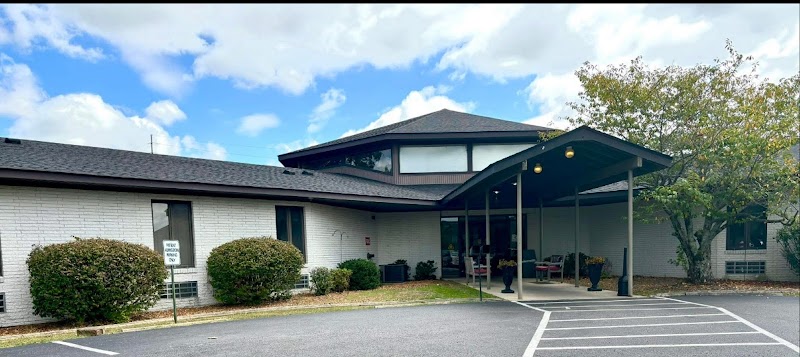
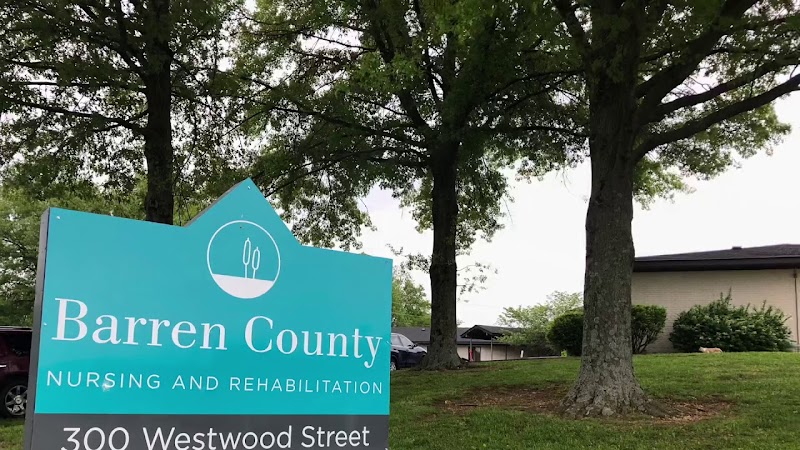
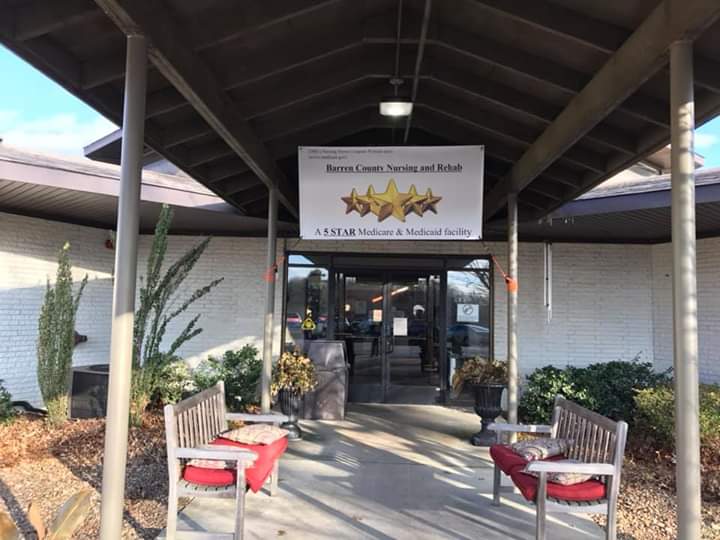
Barren County Nursing and Rehabilitation
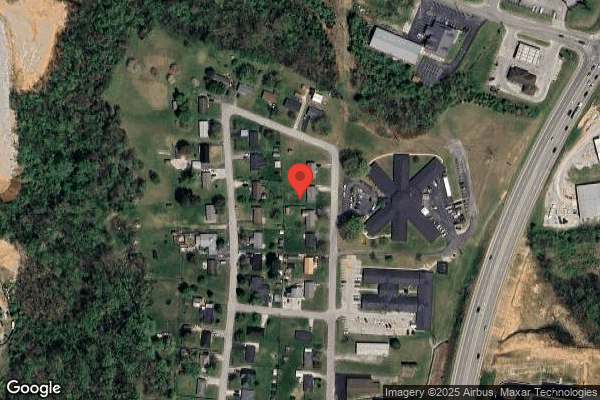

300 Westwood Street, Glasgow, KY 42141 (270) 651-9131
For profit - Corporation 94 Beds SIMCHA HYMAN & NAFTALI ZANZIPER Data: November 2025
Trust Grade
73/100
#45 of 266 in KY
Last Inspection: March 2023

Over 2 years since last inspection. Current conditions may differ from available data.

Overview

Barren County Nursing and Rehabilitation has received a Trust Grade of B, indicating it is a good choice for care, though there is room for improvement. The facility ranks #45 out of 266 nursing homes in Kentucky, placing it in the top half, and it is #2 of 6 in Barren County, meaning only one local option is better. The facility is improving, with issues decreasing from 4 in 2019 to 3 in 2023. However, staffing is a concern, rated at 2 out of 5 stars, with a turnover rate of 47%, which is on par with the state average. There were some troubling incidents, including a failure to consistently address resident grievances, as one resident expressed concerns that were not resolved. Additionally, food was found uncovered during transport, risking contamination, which could affect the health of residents. Despite these weaknesses, the facility's overall health inspection rating is good, and it has no life-threatening issues reported.
Trust Score
B
73/100
In Kentucky
#45/266
Top 16%
Safety Record
Low Risk
No red flags
Inspections
Getting Better
4 → 3 violations
Staff Stability
⚠ Watch
47% turnover. Above average. Higher turnover means staff may not know residents' routines.
Penalties
✓ Good
$9,315 in fines. Lower than most Kentucky facilities. Relatively clean record.
Skilled Nurses
○ Average
Each resident gets 30 minutes of Registered Nurse (RN) attention daily — about average for Kentucky. RNs are the most trained staff who monitor for health changes.
Violations
⚠ Watch
14 deficiencies on record. Higher than average. Multiple issues found across inspections.
★★★★☆
4.0
Overall Rating
★★☆☆☆
2.0
Staff Levels
★★☆☆☆
2.0
Care Quality
★★★★☆
4.0
Inspection Score
Stable
2019: 4 issues
2023: 3 issues

The Good

  • Full Sprinkler Coverage · Fire safety systems throughout facility
  • No fines on record

Facility shows strength in fire safety.

The Bad

Staff Turnover: 47%

Near Kentucky avg (46%)

Higher turnover may affect care consistency

Federal Fines: $9,315

Below median ($33,413)

Minor penalties assessed

Chain: SIMCHA HYMAN & NAFTALI ZANZIPER

Part of a multi-facility chain

Ask about local staffing decisions and management

The Ugly 14 deficiencies on record

Mar 2023 3 deficiencies
CONCERN (D) 📢 Someone Reported This

A family member, employee, or ombudsman was alarmed enough to file a formal complaint

Potential for Harm - no one hurt, but risky conditions existed

Free from Abuse/Neglect (Tag F0600)

Could have caused harm · This affected 1 resident

Based on interviews, record review, facility document review, and facility policy review, it was determined the facility failed to protect a resident's right to be free from physical abuse by another ...

Read full inspector narrative →
Based on interviews, record review, facility document review, and facility policy review, it was determined the facility failed to protect a resident's right to be free from physical abuse by another resident for one (1) of two (2) sampled residents reviewed for abuse (Resident #125) of a total sample size of twenty-nine (29) residents. Review of a Long Term Care Facility-Self-Reported Incident Form, dated 04/04/2022, revealed Resident #31 slapped Resident #125 while the residents were in the lobby. The findings include: Review of the facility's policy, Abuse Policy, not dated, revealed, Purpose Reporting and Investigation of Alleged Violations of Federal and State Laws Involving Mistreatment, Neglect, Abuse, Injuries of Unknown Source and Misappropriation of resident/patient's property. Definitions 'Abuse' means the willful (the individual must have acted deliberately, not that they must have intent to injury or harm) infliction of injury, unreasonable confinement, intimidation or punishment with resulting physical harm, pain or mental anguish. 1. Record review revealed the facility admitted Resident #125 11/06/2021 with diagnoses which included Alzheimer's Disease, Anxiety Disorder, and Psychotic Disorder. Review of a Quarterly Minimum Data Set (MDS) assessment, dated 07/27/2022, revealed Resident #125 had a Brief Interview for Mental Status (BIMS) score of one (1), indicating the resident had severe cognitive impairment. The MDS indicated the resident had no behavioral symptoms. According to the MDS, the resident required extensive assistance with transfer and required supervision with locomotion on or off the unit. Review of Resident #125's Care Plan, dated as initiated 11/08/2021, revealed a focus area of behavioral symptoms and indicated the resident had a behavior problem at times related to Alzheimer's type Dementia, Psychotic Disorder with hallucinations at times, anxiety, and depression. Further review revealed the resident was unaware of safety and health needs and would put his/her hands in feces and rub them on themselves and would wander into other residents' rooms and take their belongings. Interventions directed staff to observe the resident for behavioral episodes and to attempt to determine the underlying cause. 2. Record review revealed the facility readmitted Resident #31 01/09/2023 with diagnoses which included Bipolar Disorder, Psychosis, and Schizoaffective Disorder. Review of a Significant Change Minimum Data Set (MDS) assessment, dated 01/13/2023, revealed Resident #31 had a Brief Interview for Mental Status (BIMS) score of fifteen (15), indicating the resident was cognitively intact. Further review of the MDS, indicated the resident had no behavioral symptoms. According to the MDS, the resident required extensive assistance with transfer and required supervision with locomotion on and off the unit. Review of Resident #31's Care Plan, dated 08/16/2022, revealed a focus area of behavioral symptoms and indicated the resident had behavior problems of offering other residents food and drinks, requesting items from dietary and giving them away to other residents, seeing things that were not there, physically aggressive behaviors toward others and negative statements/cursing others. Further review of the care plan included interventions directing staff to intervene when necessary to protect the rights and safety of others. Review of a Long Term Care Facility-Self-Reported Incident Form, dated 04/04/2022, revealed the facility notified the state survey agency of an abuse allegation on 04/04/2022. The description of the incident indicated Resident #31 slapped Resident #125 while the residents were in the lobby. The residents were immediately separated. Review of a Resident Investigation Tool for Allegation of Abuse Neglect, Misappropriation of Resident Property, dated 04/04/2022, revealed Resident #125 was yelling for a male resident to stop yelling. Resident #31 approached Resident #125 and told them not to yell at the male resident and smacked Resident #125. The form indicated Resident #125 was not injured during the incident. Review of Resident #125's Progress Notes, dated 04/04/2022, revealed Resident #125 was sitting in the lobby yelling at another resident when an alert and oriented resident (Resident #31) approached Resident #125 and made contact with the resident. Resident #125 was assisted back to his/her room. Review of Resident #31's Progress Notes, dated 04/04/2022, revealed staff reported to the Social Services Director (SSD) that Resident #31 approached another resident and made contact with a disoriented and confused resident (Resident #125). Resident #31 stated the other resident (Resident #125) was laughing and yelling and they were tired of hearing it. Resident #31 was educated on the importance of not hitting other residents. Resident #31 was also notified they were being sent to a medical center for a psychiatric/behavioral evaluation. Review of Resident #125's One Time Skin Review, dated 04/04/2022, revealed Resident #125 did not have any new skin issues. Review of Resident #31's Patient Health Summary, dated 04/04/2022, revealed Resident #31 was evaluated for agitation and hitting. Review of Resident #31's Med [Medication] Management Note, dated 04/05/2022, revealed the provider recommended medication changes, including increasing the resident's dose of Abilify (an antipsychotic medication) to fifteen (15) milligrams (mg) daily, due to Resident #31's worsening fluctuations of mood, paranoia, and behaviors. The note indicated Resident #31 had been verbally aggressive, cursing at staff, and hit another resident in the face on 04/04/2022. Review of Progress Notes, dated 04/01/2022 through 05/01/2022, revealed no other resident-to-resident altercations involving Resident #31. Interview with Resident #31, on 03/07/2023 at 3:14 PM, revealed he/she couldn't remember the incident with Resident #125. Interview on 03/08/2023 at 11:06 AM, with Certified Nurse Aide (CNA) #16, revealed she saw Resident #125 yelling, which upset Resident #31. Resident #31 then hit Resident #125. CNA #16 did not remember where Resident #125 was hit. The CNA stated Resident #125 did not report any pain. CNA #16 stated she did not work with Resident #31 a lot, so she did not know what behaviors the resident had prior to the incident. Interview on 03/08/2023 at 1:05 PM, with the Social Services Director (SSD), revealed she did not remember the incident between Resident #125 and Resident #31. She stated Resident #31 was sent out in the past for a behavioral health stay. The SSD could not remember if the incident with Resident #125 had triggered Resident #31's behavioral health stay. Interview on 03/09/2022 at 9:56 AM, with the Director of Nursing (DON), revealed she did not really remember the incident between Resident #31 and Resident #125. She did not recall if or where Resident #31 hit Resident #125. The DON stated Resident #31 had never gotten physically angry prior to this and it had not happened again since. The DON stated Resident #31 had a tele-health appointment with their doctor and was sent for an evaluation. Interview with the Administrator, on 03/09/2022 at 10:19 AM, revealed he was on vacation when the incident in question occurred. He stated for a resident-to-resident altercation, he would expect staff to intervene, separate the residents, report to the nurse, and contact the SSD, the DON, and/or the Administrator.
CONCERN (E)

Potential for Harm - no one hurt, but risky conditions existed

Grievances (Tag F0585)

Could have caused harm · This affected multiple residents

Based on interviews, record review, facility document review, and facility policy review, it was determined the facility failed to ensure a consistent process was in place for addressing resident grie...

Read full inspector narrative →
Based on interviews, record review, facility document review, and facility policy review, it was determined the facility failed to ensure a consistent process was in place for addressing resident grievances and maintaining evidence of efforts to resolve grievances for one (1) of one (1) sampled residents reviewed for grievance concerns (Resident #42) of a total sample of twenty-nine (29) residents. Interview with Resident #42 on 03/06/2023 at 10:46 AM, revealed the resident had expressed concerns about his/her roommate, and missing items. Further interviews revealed the facility failed to complete a grievance and make efforts to resolve the grievance. The findings include: Review of the facility's policy, Resident and Family Grievances, dated 01/04/2020, revealed the facility would support each resident's and family member's right to voice grievances without discrimination, reprisal or fear of discrimination or reprisal. The policy also revealed grievances may be voiced in the following forms: a verbal complaint to a staff member or Grievance Official, written complaint to a staff member or Grievance Official or a written complaint to an outside party, a verbal complaint during resident or family council meetings, and/or via the company's toll free Customer Service Line (if applicable). Additionally, the policy revealed in accordance with the resident's right to obtain a written decision regarding his or her grievance, the Grievance Official would issue a written decision on the grievance to the resident or representative at the conclusion of the investigation. The written decision would include at a minimum: the date the grievance was received, the steps taken to investigate the grievance, and a summary of pertinent findings or conclusions regarding the resident's concern(s), a statement as to whether the grievance was confirmed or not confirmed and any corrective action taken or to be taken by the facility as a result of the grievance, and the date the written decision was issued. Record review revealed the facility admitted Resident #42 with diagnoses which included Chronic Obstructive Pulmonary Disease, Diabetes Mellitus, and Alzheimer's Disease. Review of the Quarterly Minimum Data Set (MDS) assessment, dated 12/14/2022, revealed Resident #42 had a Brief Interview for Mental Status (BIMS) score of fifteen (15), which indicated the resident was cognitively intact. Further review of the MDS indicated the resident exhibited no behavioral symptoms. According to the MDS interview for daily and activity preferences, Section F, the resident felt it was very important to take care of their personal belongings and very important to have a place to lock up their things to keep them safe. Review of Resident #42's Care Plan, dated as reviewed 03/06/2023, revealed no focus areas or interventions for behaviors. Interview with Resident #42, on 03/06/2023 at 10:46 AM, revealed he/she went to the Social Services Director (SSD) on 05/09/2022 about a resident in the next room who hit them. Resident #42 indicated the SSD said she would handle the problem. Resident #42 stated he/she had missing clothes and had a roommate that had gone through the resident's personal belongings while Resident #42 was in the hospital. Resident #42 indicated he/she told the SSD about those issues. The resident stated a person could not file a grievance at the facility. Interview with the Administrator, on 03/06/2023 at 12:27 PM, revealed he the facility had received only one grievance in the past year, and it was related to meal delivery. Additional interview with the Administrator, on 03/06/2023 at 2:05 PM, revealed he tried to separate out concerns versus grievances. He indicated social services staff had a log, and the resolutions were documented on the log sheet. Review of Resident #42's Progress Notes, dated 05/02/2022 through 06/27/2022, revealed no entries related to the resident's grievance of 05/09/2022. Review of the Customer Concern Logs, revealed no entries in May 2022 related to Resident #42 being hit by another resident or that the resident had missing clothes. Further review revealed there was no documentation of Resident #42's concerns on the social services' untitled concern log. Additional interview with Resident #42, on 03/07/2023 at 8:50 AM, revealed the resident stated he/she kept a log with the date he/she attempted to file a grievance with the SSD. The resident stated he/she went to see the SSD on 05/09/2022 about an incident with another resident, and the SSD stated it was not a grievance. Resident #42 stated they then went to a nurse to get a grievance form, and the nurse went to see the SSD. The resident stated he/she could not recall the nurse's name. Resident #42 stated the SSD then came to the resident and took the resident to her office. Resident #42 explained to the SSD that a resident had assaulted Resident him/her on 05/09/2022. Resident #42 stated they were at the other resident's door and saw the other resident out of the corner of their eye, and then the resident came toward Resident #42. Resident #42 stated they had to put their arm up to block a hit to the face and received a bruise on their forearm. Resident #42 stated the SSD denied the resident's request to file a grievance but indicated she would handle the resident's concerns. Resident #42 stated the resident who hit them was no longer in the facility. Additional interview with the Administrator, on 03/07/2023 at 9:30 AM, revealed he was informed of Resident #42's concerns. He stated he would report the resident's allegation and begin an investigation. Interview with the Social Services Director (SSD), on 03/07/2023 at 9:43 AM, with the Administrator present, the SSD stated she did not recall Resident #42 ever coming to her about an allegation of assault or another resident hitting Resident him/her. She stated she did remember the facility putting a stop strip on Resident #42's door. The SSD indicated concerns were generally brought up in the morning meetings, and the team decided what needed to be done. She further revealed the facility had only had one grievance in the past year. Additional interview with the SSD, on 03/07/2023 at 4:30 PM, revealed that in January 2023, the facility had a mock survey, and she received instructions, training, and new forms to use for the grievance process. During a telephone interview on 03/08/2023 at 4:50 PM, Registered Nursing (RN) #8 stated she vaguely remembered Resident #42 coming to the SSD with concerns. RN #8 stated she happened to be present when the resident came to the SSD because the Director of Nursing (DON) was out that day. RN #8 stated Resident #42 knew the other resident was confrontational at times and did not want the resident coming around them. She stated she did not recall Resident #42 being hit but did recall that the resident put their arm up to block a hit. RN #8 indicated she and the SSD did not think the situation was abuse; however, she could not recall everything Resident #42 reported. She revealed grievances were handled by social services and stated they did not file a grievance for Resident #42's concerns. RN #8 stated usually, if there was any concern from a resident or family, the concern would be sent to the appropriate department, such as nursing concerns were given to nursing and food concerns were given to the kitchen. She stated if she had thought the incident was abuse, she would have reported it. During a follow-up interview on 03/09/2023 at 6:45 AM, the SSD again stated she did not recall Resident #42 ever coming to her to report that another resident attacked or hit the resident. She stated if that had happened, she would have reported the incident as abuse. Interview with the Administrator, on 03/07/2023 at 9:56 AM, revealed residents could file a grievance. He stated some concerns were addressed with a work order or calling the family, and they did not log every concern but did route it to the appropriate person to address the concern. He further stated not all of the issues on the untitled concern log had a grievance form associated with them because those were only concerns. The Administrator stated he considered a grievance to be when the facility staff tried to get everything resolved and could not, then a formal grievance would be filed. He stated he did not consider concerns the same level as a grievance. The Administrator stated when a family had a concern, the facility did not do a formal grievance, but just tried to fix the concern. The Administrator stated the facility asked the resident and/or responsible party if their issue was a grievance or just a concern. The Administrator the facility took care of residents' and families' needs when they arose. Interview with the Activities Director, on 03/09/2023 at 8:39 AM, revealed resident rights were discussed in the Resident Council meetings, and she had spoken with the residents in the meeting about how to file a grievance. She stated she asked the residents if they understood what the difference was between a grievance and a concern. She stated a grievance was an issue that was a really major issue, and a concern would be a small issue. She stated a concern, to her, might be a bed that was not made, and a grievance would be that clothes were missing. She then stated that, following Resident Council meetings, if there was a concern, she would verbally communicate it to either nursing, the kitchen, social services, or maintenance. Stated she did ask the residents if they would like to file a grievance, and most chose to not file one. The Activities Director stated it had been a while since anyone had completed a grievance form. She stated she always asked the resident if the concern was happening all the time or only once, as that could be the difference between a concern and a grievance. She stated once she informed the appropriate department, they would take care of the concern. Interview with the Director of Nursing (DON), on 03/09/2023 at 9:37 AM, revealed grievances were handled by the SSD; however, if it was a concern, the team usually took care of those before they became a grievance. The DON stated the team usually discussed concerns from the residents or families in the morning meetings. She stated a grievance was a concern that was not taken care of. The DON stated when the Resident Council met and had concerns, those were grievances and were brought to the DON if they were nursing-related, and other concerns went to the SSD. She stated all concerns should be on the concern log (untitled facility form). She stated she did not recall any concern regarding Resident #42 and the other resident, who was no longer in the facility, but she was off work on 05/09/2022. She further stated she did not realize a grievance and concern would be the same thing. Additional interview with the Administrator, on 03/08/2023 at 9:48 AM, revealed the corporate office recently came to the facility and did a mock survey and identified that the facility's grievance process needed to be shored up. The Administrator indicated it was determined they needed to have one log with all the concerns listed. During a follow-up interview on 03/09/2023 at 10:48 AM, the Administrator stated his expectation regarding the grievance process was to ensure the facility identified areas where they could improve and to provide opportunities for residents, families, staff, and visitors to inform the facility of areas that needed to be investigated so they could be corrected. He further stated the facility's grievance and concern policy needed to be modified. The Administrator indicated the facility did have a process for taking grievances and concerns, which was functioning, but they would be switching to a different form and, going forward, would document on one form.
CONCERN (E)

Potential for Harm - no one hurt, but risky conditions existed

Food Safety (Tag F0812)

Could have caused harm · This affected multiple residents

**NOTE- TERMS IN BRACKETS HAVE BEEN EDITED TO PROTECT CONFIDENTIALITY** Based on observations, interviews, and facility policy review, it was determined the facility failed to ensure food was covered ...

Read full inspector narrative →
**NOTE- TERMS IN BRACKETS HAVE BEEN EDITED TO PROTECT CONFIDENTIALITY** Based on observations, interviews, and facility policy review, it was determined the facility failed to ensure food was covered during transport to two (2) (Gold and [NAME] Hall) of five (5) resident hallways to prevent potential contamination of residents' food. This deficient practice had the potential to affect forty-six (46) residents who resided on the Gold and [NAME] Halls. Observations on 03/07/2023 and 03/08/2023, revealed staff parked a covered meal tray cart between Room nine (9) and Room ten (10) on the Gold Hall. Continued observation revealed staff carried residents' meal trays to Rooms #1 (one), #10 (10), and #12 (twelve). The meal trays contained sugar cookies, salads, and beverages that were uncovered and exposed to air. The findings include: Review of the facility's policy, Assistance with Meals, not dated, revealed the policy did not address covering food items during meal delivery. Observation on 03/07/2023 at 11:32 AM, revealed staff parked a covered meal tray cart between room [ROOM NUMBER] and room [ROOM NUMBER] on the Gold Hall. Continued observation revealed staff then carried residents' meal trays to room [ROOM NUMBER], room [ROOM NUMBER], and room [ROOM NUMBER]. The meal trays contained sugar cookies, salads, and beverages that were uncovered and exposed to air. Observation on 03/07/2023 from 11:50 AM to 12:03 PM, revealed staff delivered meal trays to Rooms 15, 16, 17, 18, 20, 22, and 24 on the [NAME] Hall. The meal trays contained salads which were uncovered and exposed to air. Observation and interview, on 03/08/2023 at 11:33 AM, revealed Certified Nurse Aide (CNA) #14 removed a meal tray from a covered meal tray cart parked near resident room [ROOM NUMBER] on the Gold Hall. The tray contained bowls of food that were uncovered. The CNA delivered the meal tray to the resident who resided in room [ROOM NUMBER]. CNA #14 stated the covered tray delivery cart was used to protect the food from other residents, germs, and contamination. CNA #14 revealed that due to the food on the tray being served in bowls, the food was not covered. Observation on 03/08/2023 at 11:39 AM, revealed Licensed Practical Nurse (LPN) #15 remove a resident's meal tray from the covered meal tray cart parked near resident room [ROOM NUMBER] on the Gold Hall. The tray contained apple juice and a dessert which were uncovered and exposed to air. LPN #15 delivered the meal tray to the resident who resided in room [ROOM NUMBER]. Interview on 03/08/2023 at 11:43 AM, with LPN #15, revealed the covered meal tray delivery cart was used to keep the food warm and protected from germs. LPN #15 stated it was a concern to have uncovered food on the trays when they were removed from the cart and transported down the hall. She revealed she had noticed the resident's drink and dessert were uncovered. LPN #15 stated dietary should cover all food items before the meal tray was placed on the cart. Interview on 03/08/2023 at 11:49 AM, with CNA #13, revealed the purpose of the covered cart was to keep the food warm and covered so the food was not exposed to germs. CNA #13 stated all food items on the meal tray should be covered to protect the food from contamination. Interview on 03/08/2023 at 1:08 PM, with the Certified Dietary Manager (CDM), revealed staff should try to get the closed cart as close to the resident's room as possible and then remove the tray and take it directly into the resident's room. The CDM stated the staff should not walk down the hallway with uncovered food items. Interview on 03/09/2023 at 9:10 AM, with the Registered Dietitian, revealed she expected the covered carts to get to the hall promptly and be as close to the resident's room as possible before the food was removed from the cart. Interview on 03/09/2023 at 9:31 AM, with the Administrator, revealed staff should take the covered cart either directly to the resident room or one to two rooms away before removing the tray from the cart. The Administrator stated that because the food items were covered until the meal tray arrived on the resident hallway, it was not a significant risk to walk the food uncovered a few feet to the residents' rooms. Interview on 03/09/2023 at 9:48 AM, with the Director of Nursing (DON), revealed residents should receive their food hot and in a sanitary manner. The DON stated staff should push the cart down the hall to the resident rooms as the staff delivered the meal trays.
Dec 2019 4 deficiencies
CONCERN (D)

Potential for Harm - no one hurt, but risky conditions existed

Deficiency F0657 (Tag F0657)

Could have caused harm · This affected 1 resident

**NOTE- TERMS IN BRACKETS HAVE BEEN EDITED TO PROTECT CONFIDENTIALITY** Based on observation, interview, record review, and facility policy review, it was determined the facility failed to ensure the ...

Read full inspector narrative →
**NOTE- TERMS IN BRACKETS HAVE BEEN EDITED TO PROTECT CONFIDENTIALITY** Based on observation, interview, record review, and facility policy review, it was determined the facility failed to ensure the care plan was reviewed and revised for one (1) of eighteen (18) sampled residents (Resident #40). Resident #40 was on anti-coagulant therapy and required diabetic care for insulin dependent diabetes; however, there were no interventions documented on the Certified Nurse Aide (CNA) care plans so the CNA's would know what care/precautions to provide the resident. The findings included: Review of the facility policy titled, Care Plans, Comprehensive Person-Centered, dated December 2016 revealed a Comprehensive, person-center care plan that includes measurable objectives and timetables to meet the resident's physical, psychosocial and functional needs is developed and implemented for each resident. The comprehensive, person-centered care plan will include measurable objectives and timeframe's and will describe the services that are to be furnished to attain or maintain the resident's highest practicable physical, mental, and psychosocial well-being. Assessments of residents are ongoing and care plans are revised as information about the residents and the residents' conditions change. The Interdisciplinary Team must review and update the care plan when there has been a significant change in the resident's condition, when the desired outcome is not met, when the resident has been readmitted to the facility from a hospital stay; and at least quarterly, in conjunction with the required quarterly Minimum Data Set (MDS) assessment. Record review revealed the facility admitted Resident #40 on 07/11/19 with diagnoses which included history of Pulmonary Embolism. Review of the Quarterly Minimum Data Set (MDS) assessment, dated 10/15/19 revealed the facility assessed Resident #40's cognition as intact with a Brief Interview for Mental Status (BIMS) score of fourteen (14) which indicated the resident was interviewable. Further review of the MDS found the resident's functional status of personal hygiene required extensive assist of two staff. and the resident received anticoagulant therapy five days and insulin seven days. Review of Resident #40's Physician orders for December 2019 revealed an order for Xarelto (anticoagulant/blood thinner) tablet 20 milligrams, one (1) tablet by mouth one (1) time a day for history of pulmonary embolism. Further review revealed the resident was taking Levemir insulin with a dosage of Forty (40)units subcutaneously in the morning and one-hundred twenty (120) units subcutaneously at bedtime for hyperglycemia from Diabetes Mellitus Type II. The resident also received Humalog insulin sliding scale. Review of the Comprehensive Care Plan for Risk for Abnormal Bleed related to Multi Med use including anticoagulant and blood thinner revealed interventions to observe for signs/symptoms of bleeding such as hematuria, petechiae, easy excessive bruising, bleeding gums, positive hemoccult, hemoptysis, abnormal labs, change in vital signs and to notify medical doctor or nurse practioner for abnormal's. These interventions were for the CNA, Registered Nurse, Licensed Practical Nurse, Physical Therapy, and Occupational Therapy. However, review of Resident 40's CNA Care Plan, not dated revealed there were no precautions/interventions to address the resident being on anticoagulant therapy. Review of the Comprehensive Care Plan for Risk for abnormal blood sugars related to Diabetes Mellitus dated 07/18/19 with interventions/task of accu checks, meds, labs, supplements, diagnostic test as order, vital signs as indicated, encourage adequate nutritional intake, observe for hyperglycemia such as thirst, headache, blurred vision, increased urination, weight loss, abnormal accu checks, abnormal labs, observe for symptoms of hypoglycemia such as shakiness, hunger, light headed, headache blurred vision, excessive sweating, confusion, and provide interventions accordingly. Further review revealed there were no interventions to address the resident's skin care due to the Diabetes Mellitis. Interview with CNA #3 on 12/14/19 at 1:48 PM revealed she provided care for Resident #40 but she has had no training on anti-coagulant therapy regarding care of skin and what to watch for. She stated she guessed they may have increased bleeding. She further revealed, as she took out her care guide, this is what I go by to care for my residents. Her CNA care plan revealed no special instructions for Resident #40 related to his/her anti-coagulant therapy or diabetic care. She revealed she was aware the resident was a diabetic and noted the resident would eat an increased amount of snacks brought in from family. She was not aware of signs and symptoms of a resident with high or low blood sugar and stated she had received no training on diabetic care. She did reveal she knew she could not cut the resident's toe nails. Interview with CNA #4 on 12/14/19 at 2:14 PM revealed she provided care for Resident #40 on a regular basis and she did not know the resident was on an anti-coagulant/blood thinner; however she was aware the resident was a diabetic and on insulin. She stated she has had no training on that. She further revealed she goes by what is on the CNA Care Plan for all residents care. She was also aware she was unable to clip toe nails on diabetic residents. Interview on 12/14/19 at 2:30 PM with the MDS Coordinator revealed she had been adding bleeding risks if a resident is on anticoagulants; however, she had not placed those on Resident #40's CNA care plan yet. She also revealed diabetic care should be on the CNA care plans. Interview on 12/04/19 at 3:16 PM with the Director of Nursing (DON) revealed there was no special training for residents on anti-coagulant therapy for CNA's. She stated, the CNA knows how to report things. She stated she would revise the CNA care plans/[NAME] to reflect special care for residents on anti-coagulant therapy and diabetic care. She also revealed she thought word of mouth was good enough for CNA's to learn about residents needs. Interview with MDS Coordinator and Administrator on 12/04/19 at 3:47 PM after review of the CNA [NAME] and Care Guide revealed there was no documented evidence of care for a resident with anti coagulant therapy and diabetic care and agreed the information was important and should be on the CNA care guide.
CONCERN (D)

Potential for Harm - no one hurt, but risky conditions existed

Respiratory Care (Tag F0695)

Could have caused harm · This affected 1 resident

Based on observation, interview, and record review, it was determined the facility failed to ensure two (2) of three (3) sampled residents reviewed for respiratory care in the selcted sample of eighte...

Read full inspector narrative →
Based on observation, interview, and record review, it was determined the facility failed to ensure two (2) of three (3) sampled residents reviewed for respiratory care in the selcted sample of eighteen (18) received necessary respiratory care and services that is in accordance with professional standards (Residents #69 and #72). Observations on 12/02/19, 12/03/19, and 12/04/19, revealed Resident #69's nebulizer was not being stored properly when not in use. Further observation revealed Resident #72 did not have a No Smoking/Oxygen in use sign posted outside the door. The findings include: Review of the facility policy, Oxygen Administration, not dated, revealed in order to ensure safe oxygen administration a No Smoking/Oxygen in Use sign should be placed outside of the room entrance door. Review of the facility policy, Administering Medications through a Small Volume Nebulizer, not dated, revealed equipment should be stored in a plastic bag when not in use. Record review revealed the facility admitted Resident #69 on 07/27/15, with diagnoses which include Chronic Obstructive Pulmonary Disease and Major Depressive Disorder. Review of the Quarterly Minimum Data Set (MDS) assessment, dated 11/12/19, revealed the facility assessed Resident #69's cognition as intact with a Brief Interview for Mental Status (BIMS) score of fourteen (14), which indicated the resident was interviewable. Review of Resident #69's Physician's Order Summary for December 2019, revealed an order for Ipratropium-Albuterol nebulizer treatments every twelve (12) hours for shortness of breath or wheezing. Observations on 12/02/19 at 11:34 AM, 12/03/19 at 8:54 AM, and 12/04/19 at 8:55 AM, revealed Resident #69 in his/her room. Further observation revealed his/her nebulizer laying on a beside table, located near the resident, not stored in a plastic bag. 2. Record review revealed the facility admitted Resident #72 on 10/25/14, with diagnoses which include Chronic Obstructive Pulmonary Disease and Heart Failure. Review of the Quarterly Minimum Data Set (MDS) assessment, dated 11/14/19, revealed the facility assessed Resident #72's cognition as impaired with a Brief Interview for Mental Status (BIMS) score of four (4), which indicated the resident was not interviewable. Review of Resident #72's Physician's Order Summary for December 2019, revealed an order for oxygen at three (3) liters via nasal cannula. Interview with Registered Nurse (RN) #1 on 12/04/19 at 2:29 PM, revealed nebulizer equipment should be bagged when not in use to prevent contamination. She further stated an oxygen in use sign should be posted outside the residents room to alert family and staff of oxygen use. Interview with the Director of Nursing (DON) on 12/04/19 at 2:34 PM, revealed she would expect nursing to place the nebulizer and equipment in a plastic bag to keep the items clean. The DON further stated an oxygen sign should be posted outside the residents door when oxygen is in use to let staff and visitors know oxygen is being used.
CONCERN (D)

Potential for Harm - no one hurt, but risky conditions existed

Deficiency F0761 (Tag F0761)

Could have caused harm · This affected 1 resident

2. Record review revealed the facility readmitted Resident #69 on 07/27/15, with diagnoses which Chronic Obstructive Pulmonary Disease and Major Depressive Disorder. Observation of Resident #69's roo...

Read full inspector narrative →
2. Record review revealed the facility readmitted Resident #69 on 07/27/15, with diagnoses which Chronic Obstructive Pulmonary Disease and Major Depressive Disorder. Observation of Resident #69's room on 12/02/19 at 11:34 AM and 12/03/19 at 8:55 AM, revealed a bottle of Tums on a bedside table. Interview with Registered Nurse (RN) #1 on 12/04/19 at 2:29 PM, revealed no medication should be left unattended at the bedside. She stated if the staff noticed the bottle of Tums, they should have been removed. Interview with the Director of Nursing (DON) on 12/04/19 at 2:34 PM, revealed the Tums should not be at the bedside and if noticed by staff, they should have been removed. The DON stated the resident's son may have brought them in. Based on observation, interview, record review, and review of the facility's policy, it was determined the facility failed to ensure drugs and biological's used in the facility must be labeled in accordance with currently accepted professional principles, and include the the expiration date when applicable related to four (4) insulin pens not being dated when opened; and a bottle of Tums not being stored appropriately. The findings include: Review of the facility's policy, titled, Storage of Medication, not dated, revealed if a medication was not dated the facility was to use the pharmacy dispense date as the date opened. Further review of the policy revealed Review of the facility's policy revealed the facility shall store all drugs and biological's in a safe, secure, and orderly manner. Observation of two (2) of four (4) medication carts, on 12/02/19 at 2:06 PM, revealed one (1) medication cart with four (4) insulin pens not dated when opened. Interviews on 12/02/19 with Licensed Practical Nurse (LPN) #1 at 2:15 PM and LPN #2 at 2:20 PM revealed any multi-dose vial of medication should be dated when opened. Interview with Assistant Chief Nursing Executive (CNE), on 12/02/19 at 2:24 PM, revealed multi-dose vials of medications should be dated when opened and when an insulin is noted to not be dated when opened, it should be discarded and a new one ordered. Interview with the CNE, on 12/04/19 10:17 AM, revealed the facility policy was a backup in case a multi dose was found not dated so they would not have to discard the medication. She stated her expectation was for nursing to follow the regulation. Interview with the Administrator, on 12/04/19 at 10:01 AM, revealed his expectations were for staff to follow the facility policy, however the facility policy stated to follow the delivery date and if they were within the thirty (30) days of delivery, the insulin would still be used regardless of whether or not it was dated when opened. He revealed if the facility policy was in conflict with the regulation, then he would rely on his clinical staff to make the determination as to whether or not to use the undated vial.
CONCERN (D)

Potential for Harm - no one hurt, but risky conditions existed

Food Safety (Tag F0812)

Could have caused harm · This affected 1 resident

Based on observation, interview, and review of facility policy, it was determined the facility failed to serve food in accordance with professional standards for food service safety related to lack of...

Read full inspector narrative →
Based on observation, interview, and review of facility policy, it was determined the facility failed to serve food in accordance with professional standards for food service safety related to lack of hand sanitation during meal pass. The findings include: Review of facility policy,Assisting the Resident with In-Room Meals, not dated, revealed if there is contact with soiled dishes, clothing or the resident's personal effects, the employee must wash his/her hands before serving food to the next resident. Observation during a meal pass on 12/02/19 at 12:06 PM, on the one-hundred [NAME] Hall (100) hall, revealed a staff member failed to sanitize her hands while distributing and setting up trays for three residents. Further observation revealed she pulled soiled privacy curtains twice during the tray pass and failed to sanitize her hands. Interview with Certified Nurse Aide (CNA) #1 on 12/02/19 at 12:19 PM, revealed she should have sanitized her hands after touching contaminated items and in between residents while passing trays. Interview with the Director of Nursing (DON) on 12/04/19 at 2:32 PM, revealed she would expect the aides to sanitize their hands after touching any contaminated item and after each resident, to prevent the spread of infections.
Sept 2018 7 deficiencies
CONCERN (D)

Potential for Harm - no one hurt, but risky conditions existed

Deficiency F0583 (Tag F0583)

Could have caused harm · This affected 1 resident

**NOTE- TERMS IN BRACKETS HAVE BEEN EDITED TO PROTECT CONFIDENTIALITY** Based on observation, interview, record review, and review of the facility's Clinical Nursing Skills and Techniques by [NAME] an...

Read full inspector narrative →
**NOTE- TERMS IN BRACKETS HAVE BEEN EDITED TO PROTECT CONFIDENTIALITY** Based on observation, interview, record review, and review of the facility's Clinical Nursing Skills and Techniques by [NAME] and [NAME], it was determined the facility failed to ensure the resident's right to privacy was honored for one (1) of twenty (20) sampled residents (Resident #62). Observation on 09/05/18 revealed staff failed to close the window blinds to ensure the resident's privacy prior to providing urinary catheter care. The resident's room was at ground level, and there was a person walking outside the window. The findings include: Review of Clinical Nursing Skills & Techniques by [NAME] & [NAME], 9th Edition, Chapter 18, Personal Hygiene revealed to avoid embarrassment, always act in a professional and sensitive manner and provide patient privacy at all times. Procedural steps include, provide privacy. Record review revealed the facility admitted Resident #62 on 04/07/17 with diagnoses which included Urinary Tract Infection, Low Back Pain, Weakness and other Lack of Coordination. Review of the Quarterly Minimum Data Set (MDS) assessment dated [DATE] revealed the facility assessed Resident #62's cognition as intact with a Brief Interview for Mental Status (BIMS) score of thirteen (13) which indicated the resident was interviewable. Observation of Certified Nurse Assistant (CNA) #6 on 09/05/18 at 2:40 PM revealed Resident #62 was in the bed by the window. CNA #6 pulled the curtain and proceeded to provide catheter care. The window blinds were open while care was provided. The surveyor noted a person walking outside the window and the surveyor stepped between the resident and the window. Interview with Resident #62 on 09/05/18 at 2:50 PM revealed he/she did not like the blinds left open during care. He/she stated staff usually closed the blinds when care was provided. Interview with CNA #6 on 09/05/18 at 2:55 PM revealed she did not think anyone could see inside unless they were right up on the window. The CNA stated she normally leaves the blinds open because you can't see in. The CNA further stated I did not think about closing the blinds, really. Interview with CNA #4 on 09/05/18 at 3:00 PM revealed she leaves the blinds open when providing care. She stated she never really thought about it. Interview with the Director of Nursing (DON) on 09/07/18 at 4:20 PM revealed she expected the window blinds to be closed during care for privacy.
CONCERN (D)

Potential for Harm - no one hurt, but risky conditions existed

Deficiency F0657 (Tag F0657)

Could have caused harm · This affected 1 resident

**NOTE- TERMS IN BRACKETS HAVE BEEN EDITED TO PROTECT CONFIDENTIALITY** Based on interview, record review, and review of the facility Resident Assessment Instrument (RAI) 3.0 Manual, it was determined...

Read full inspector narrative →
**NOTE- TERMS IN BRACKETS HAVE BEEN EDITED TO PROTECT CONFIDENTIALITY** Based on interview, record review, and review of the facility Resident Assessment Instrument (RAI) 3.0 Manual, it was determined the facility failed to review and revise the care plan for one (1) of twenty (20) sampled residents (Resident #51). Resident #51 fell on [DATE] and the facility failed to revise the care plan to include interventions which addressed the root cause of the fall instead of adding a duplicate intervention. The findings include: Review of the RAI 3.0 Manual, Section 4.7 revealed the comprehensive care plan is an interdisciplinary communication tool. It must include measurable objectives and time frames and must describe the services that are to be furnished to attain or maintain the resident's highest practicable physical, mental, and psychosocial well-being. The care plan must be reviewed and revised periodically, and the services provided or arranged must be consistent with each resident's written care plan. Record review revealed the facility admitted Resident #51 on 09/14/15 with diagnoses which included Alzheimer's Disease, Muscle Weakness, Difficulty Walking, Abnormal Posture and Cognitive Communication Deficit. Review of the facility's fall investigation for Resident #51 revealed the resident had a fall from bed on 09/04/18 when attempting to reach down to get something off the floor. Causative factors included history of falls and impaired safety awareness/judgment. However, review of the Comprehensive Care Plan dated 06/07/18 and last revised 09/07/18 revealed the care plan was revised on 09/05/18 with a duplicate intervention of non-skid strips on floor added to the care plan on 09/04/18. In addition, there was no documented evidence the care plan was revised to include an intervention to address the root cause of the fall, which was the resident reaching for something on the floor while in the bed. Interview with Licensed Practical Nurse #1 (LPN) on 09/07/18 at 1:05 PM revealed she completed the fall investigation on 09/04/18. She stated she put non-skid strips on the floor because there was non-skid strips to only the right side of the bed, even though the comprehensive care plan stated non-skid strips to both sides of the bed. She stated the resident fell on the left side of the bed. LPN #1 further stated she placed the fall investigation in the MDS Assistant's mailbox as she was responsible for placing new interventions on the care plans. She also revealed she considered a reacher, but the resident wouldn't remember to use it. Interview with the MDS Assistant on 09/07/18 at 1:19 PM revealed she added the intervention of non-skid strips to both sides of the bed to the care plan on 09/04/18 even though the intervention had already been put into place previously. She further stated she did not check the care plan to see if the intervention was already in place. Interview with the Director of Nursing (DON) on 09/07/18 at 4:17 PM revealed the staff needed to look at the entire situation of the fall, establish a root cause and initiate an intervention that was pertinent to the root cause. She stated she expected a new intervention with each fall and the care plans needed to be reviewed to assure there was not a duplication of interventions. On 09/07/18 at 11:27 AM the DON stated non-skid strips to both sides of the bed was not an appropriate intervention for a fall as a result of reaching for something in the floor. The DON further revealed the fall investigation was passed on to the MDS Assistant who updated the care plans and the MDS Assistant was supposed to ensure the intervention was appropriate and add it to the care plan.
CONCERN (D)

Potential for Harm - no one hurt, but risky conditions existed

Quality of Care (Tag F0684)

Could have caused harm · This affected 1 resident

Based on interview, record review, and facility policy review, it was determined the facility failed to coordinate residents' care with an interdisciplinary group to provide the needs of a terminally ...

Read full inspector narrative →
Based on interview, record review, and facility policy review, it was determined the facility failed to coordinate residents' care with an interdisciplinary group to provide the needs of a terminally ill resident as delineated in a specific plan of care and coordinated between the facility and hospice agency for one (1) of twenty (20) sampled residents (Resident #59). Resident #59 was receiving Hospice care; however, there was no documented evidence of a coordinated plan of care between the hospice agency and the facility. The findings include: Review of the facility provided Hospice-Nursing Facility Services Agreement, version November 2014 revealed the facility shall participate in any meetings for coordination of services provided to Hospice residents. Hospice and Facility shall communicate with one another regularly and as needed for each particular Hospice resident. Each party is responsible for documenting such communications in its respective clinical records to ensure that the needs of Hospice residents are met twenty-four (24) hours per day. Record review revealed the facility admitted Resident #59 on 08/30/18 with diagnoses which included Pneumonia and Chronic Obstructive Pulmonary Disease (COPD). Further review revealed the resident was admitted to Hospice services on 08/30/18 with a terminal diagnoses which included COPD. Review of Resident #59's Hospice Care Plans dated 08/30/18 revealed specific care the Hospice nurse provided during weekly visits along with parameters and guidelines for vital signs, pain control and symptom management. However, review of the Resident #59's facility's Comprehensive Care Plan dated 08/30/18 revealed the problem/need was Family has chosen for resident to receive Hospice care. Approaches included coordinate with Hospice team to assure experiences as little pain as possible. However, the care plan was not specific as to how the pain would be controlled nor was the care plan person-centered. Further, the comprehensive care plan did not reflect Hospice interventions for a coordination of care for the resident. The Hospice care plan nor the comprehensive care plan mirrored the other. Interview with the Minimum Data Set (MDS) Assistant on 09/07/18 at 9:11 AM revealed the facility had completed coordinated care plans in the past for some residents. She stated there was no hospice schedule available, for reference, as far as she was aware. She revealed she did not know why there was not a coordinated care plan for Resident #59. She further stated she would be responsible for completing the coordinated care plan for the facility. In addition, the MDS Assistant stated there was not one (1) person designated to coordinate hospice care. Interview with the MDS Coordinator (MDSC) on 09/07/18 at 9:38 AM revealed the MDS Assistant would have been responsible for coordinating the Hospice care plan with the facility care plan. The MDSC stated she did not know why Resident #59 did not have a coordinated care plan. Interview with the Director of Nursing (DON) on 09/07/18 at 4:14 PM revealed she expected communication with Hospice to coordinate care plans and get the communication out to the staff.
CONCERN (D)

Potential for Harm - no one hurt, but risky conditions existed

Accident Prevention (Tag F0689)

Could have caused harm · This affected 1 resident

**NOTE- TERMS IN BRACKETS HAVE BEEN EDITED TO PROTECT CONFIDENTIALITY** Based on interview, record review, and facility policy review, it was determined the facility failed to ensure an appropriate in...

Read full inspector narrative →
**NOTE- TERMS IN BRACKETS HAVE BEEN EDITED TO PROTECT CONFIDENTIALITY** Based on interview, record review, and facility policy review, it was determined the facility failed to ensure an appropriate intervention was initiated to prevent further accidents for one (1) of twenty (20) residents (Resident #51). Resident #51 was assessed and care planned at risk for falls. On 09/04/18, the resident was reaching for an object on the floor and fell from bed. The intervention initiated was a duplicate intervention and inappropriate to prevent another fall with the same root cause. The findings include: Review of the facility policy titled, Falls dated April 2017, revealed the purpose of the policy was to establish a process that identified risk and establishes interventions to mitigate the occurrence of falls. Tools: If the fall occurred from chair/wheelchair, evaluate the reason for the fall in order to choose appropriate interventions. If the fall occurred and resident is cognitively impaired, interventions would include toileting programs/schedule, ask families to assist in ideas for an activity basket, memory book, photo albums; Restorative programs - exercise/ambulation; appropriate footwear. Record review revealed the facility admitted Resident #51 on 09/14/15 with diagnoses which included Alzheimer's Disease, Muscle Weakness, Difficulty Walking, Abnormal Posture and Cognitive Communication Deficit. Review of the Quarterly Minimum Data Set (MDS) assessment dated [DATE] revealed the facility assessed Resident #51's cognition as moderately impaired with a Brief Interview for Mental Status (BIMS) score of nine (9) indicating the resident was interviewable. However, interview with the resident on 09/04/18 at 9:22 AM revealed he/she did not provide reliable information. Further review revealed the facility also assessed the resident required extensive assistance of two (2) staff for transfers, was non-ambulatory, had functional limitations with impaired range of motion to bilateral lower extremities, and required human assistance for balance with surface to surface transfers and seated to standing transfers. Review of the Comprehensive Plan for at risk for falls related to muscle weakness and decreased mobility, dated 06/07/18 and last revised 09/07/18 revealed Resident #51 was at risk for falls. Interventions included non-skid strips to the floor by both sides of the bed. Review of the facility's Fall Investigation for Resident #51 revealed the resident had a fall from bed on 09/04/18 when attempting to reach down to get something off the floor. Causative factors included history of falls and impaired safety awareness/judgment. The intervention listed on the fall investigation was non-skid strips to both sides of the bed which did not address the root cause of the fall, which was the resident reaching to pick something off the floor from bed. Interview with Licensed Practical Nurse (LPN) #1 on 09/07/18 at 1:05 PM revealed she completed the fall investigation on 09/04/18. She stated she put non-skid strips on the floor because there was non-skid strips to only the right side of the bed, even though the comprehensive care plan stated non-skid strips to both sides of the bed. She stated the resident fell on the left side of the bed. She stated she considered a reacher but the resident would forget to use it and there was nothing in the floor, so the nurse added non-skid strips. The resident's medications were reviewed and adjustments were made to the anti-anxiety medication. Interview with the Director of Nursing (DON) on 09/07/18 at 4:17 PM revealed the staff needed to look at the entire situation of the fall, establish a root cause and initiate an intervention that was pertinent to the root cause. She stated she expected a new intervention with each fall and the care plans needed to be reviewed to assure there was not a duplication of interventions. On 09/07/18 at 11:27 AM the DON stated non-skid strips to both sides of the bed was not an appropriate intervention for a fall as a result of reaching for something in the floor. The DON further revealed the fall investigation was passed on to the MDS Assistant who updated the care plans and the MDS Assistant was supposed to ensure the intervention was appropriate and add it to the care plan.
CONCERN (D)

Potential for Harm - no one hurt, but risky conditions existed

Deficiency F0744 (Tag F0744)

Could have caused harm · This affected 1 resident

**NOTE- TERMS IN BRACKETS HAVE BEEN EDITED TO PROTECT CONFIDENTIALITY** Based on observation, interview, record review, and review of the facility Dementia Care Guidelines, it was determined the facil...

Read full inspector narrative →
**NOTE- TERMS IN BRACKETS HAVE BEEN EDITED TO PROTECT CONFIDENTIALITY** Based on observation, interview, record review, and review of the facility Dementia Care Guidelines, it was determined the facility failed to ensure residents who display or is diagnosed with dementia, receives the appropriate treatment and services to attain or maintain his or her highest practicable physical, mental, and psychosocial well-being, for two (2) of twenty (20) sampled residents (Residents #51 and #83). Record review revealed no documented evidence the facility developed and implemented person-centered care plans that included and supported the dementia care needs, identified in the comprehensive assessment for Residents #51 and #83, who each had a diagnosis of Dementia. The findings include: Review of the Guidelines for Dementia Care, last revised January 2016, revealed general approaches included providing care that is focused on what each resident needs to maintain dignity and a positive sense of self; tailor personal care approaches, meal services and activities to the individual by paying close attention to past life history, as well as current functional and cognitive levels. 1. Record review revealed the facility admitted Resident #51 on 09/14/15 with diagnoses which included Alzheimer's Disease, Unspecified and Unspecified Dementia with Behavioral Disturbance. Review of the Quarterly Minimum Data Set (MDS) assessment dated [DATE] revealed the facility assessed Resident # 51's cognition as moderately impaired with a Brief Interview for Mental Status (BIMS) score of nine (9) which indicated the resident was interviewable. However, interview with Resident #51 on 09/05/18 at 9:22 AM, revealed he/she provided unreliable information. Further review of the MDS revealed Resident #51 had a diagnosis of Alzheimer's Disease, makes self understood and usually understands, misses some part/intent of the message, but comprehends most conversations. Additionally, the resident has verbal behavioral symptoms directed toward others such as threatening others, screaming at others, and cursing at others. Review of the Comprehensive Care Plan for Cognitive Deficits present related to Dementia, Psychosis, Depression, and Anxiety as evidenced by unaware of own health needs, impaired decision making abilities, memory loss, and yells out at times for unknown reasons, dated 06/07/18 with a goal to have all needs anticipated and met when decision making in unsafe or unhealthy through next review. Further review revealed approaches to anticipate and meet all needs when decisions are unsafe or unhealthy, redirect and reorient as needed, give verbal cues and reminders, speak directly to resident, use simple clear statements, ask yes/no questions, and follow up with med options psych services as needed. However, the care plan did not reflect an individualized person-centered care plan for a resident with the diagnosis of Dementia. Interview with the MDS Assistant on 09/07/18 at 1:11 PM revealed she was responsible for the dementia care plans but did not understand dementia care and how to make the care plan individualized and/or person-centered. The MDS Assistant stated the current care plan for Resident #51 was not an individualized, person-centered care plan. Interview with the Director of Nursing (DON) on 09/07/18 at 1:50 PM revealed she expected the care plans to be individualized, person-centered, and specific for that particular resident. Interview with the Administrator on 09/07/18 at 1:32 PM revealed dementia training was completed through Relias on line. He stated dementia training was required for all staff and hand-in-hand training was completed with each new staff member on hire. 2. Record review revealed the facility admitted Resident #83 to the facility on [DATE] with diagnoses to include Unspecified Dementia without behaviors and Cognitive communication deficit. Review of the Quarterly MDS assessment dated [DATE], revealed the facility assessed Resident #83's cognition as intact with a BIMS score of fourteen (14) which indicated the resident was interviewable and had an active diagnosis of Dementia. Observation on 09/05/18 at 3:12 PM revealed Resident #83 lying in the bed, eyes closed, well groomed with white sheet draped over him/her. Review of Resident # 83's Comprehensive Care Plan for Dementia revealed the resident has altered cognition related to Dementia and Cognitive Communication Deficit, as evidence by (AEB) intermittent confusion and impaired decision making abilities, dated 06/04/18, revealed approaches to introduce self with each interaction; re-orient as needed; repeat/rephrase directions, use simple easy to follow directions one at a time; use name frequently during conversation; give cues/ reminders when cannot remember and administer medications as ordered. However, the care plan did not reflect an individualized person-centered care plan for a resident with the diagnosis of Dementia. Interview with Certified Nurse Aide (CNA) #1, on 09/07/18 3:04 PM, revealed the nurse aide care plan's were very vague and only reflected the basic care needs of the resident, it does not reflect anything specific to a resident with dementia. CNA #2 stated it would help if the nurse aide care plan addressed Dementia, because it would help her with the resident's care, and what worked better for that specific resident. Interview with CNA #2 on 09/07/18 03:06 PM, revealed she does not recall Dementia care training, and feels the nurse aide care plans for residents were not very detailed when it comes to caring for a resident with Dementia. CNA #2 stated the care plans were really all the same across the board, as it only addressed their basic care needs. She revealed the care plan does not address how to redirect the resident if and when they become confused and it does provide information on how to approach a resident if they are having a really bad day. She stated it would be nice if more information was on the care plan for the resident. Interview with CNA #3 on 09/07/18 on 3:10 PM, revealed she has been here for a few months, and can not recall having Dementia training. CNA #3 stated the nurse aide care plans were very basic and only addressed the basic daily care needs for the resident. She revealed she does not know which residents have Dementia or Alzheimer's and it would be nice if the nurse aide care plan gave her ideas on how to care for the resident if they have behaviors. She further stated it would be nice to know what they liked to eat at a certain place, what is their favorite TV show, and what they really enjoy. She stated it would just be great to really have information specific to that individual resident, not just generic across the facility. Interview with Registered Nurse (RN) #1 on 09/07/18 at 3:42 PM, revealed she had Dementia training thru Relias on-line. RN #1 stated residents with Dementia have good days and bad days and they needed frequent reminders. RN #1 revealed Resident #83's care plan was not specific to him/her and his/her diagnosis of Dementia and the care plan needed to reflect how to take care of him/her and the dementia with specific interventions. She stated when it reads redirect, it does not state how to redirect or what it takes to redirect the resident and the nurse aide care guide tells the aide nothing about a resident with dementia. She further stated the aide has no clue how to take care of the resident with dementia other than providing the resident's basic care needs, and they are the ones providing the bulk of the resident's care needs. interview with Director of Nursing (DON) at 1:52 PM revealed a resident with a diagnosis of Dementia, should have a person-centered individualized care plan that was very specific to that individual; and the staff should be able to read that individual care plan and recognize it is for that specific individual resident. The DON stated the care plans should not be cookie cutter, with regards to the diagnosis of dementia, and there should be interventions specific to that resident. The DON revealed Resident #83 current care plan was pretty generic and not very specific to his/her care needs related to the diagnosis of Dementia. She stated she expected the resident care plan to very individualized to the specific resident, and address the diagnosis of dementia.
CONCERN (E)

Potential for Harm - no one hurt, but risky conditions existed

Transfer Notice (Tag F0623)

Could have caused harm · This affected multiple residents

**NOTE- TERMS IN BRACKETS HAVE BEEN EDITED TO PROTECT CONFIDENTIALITY** Based on interview, record review, and review of the facility policy, it was determined the facility failed to ensure a written ...

Read full inspector narrative →
**NOTE- TERMS IN BRACKETS HAVE BEEN EDITED TO PROTECT CONFIDENTIALITY** Based on interview, record review, and review of the facility policy, it was determined the facility failed to ensure a written notice of transfer/discharge, which included the reason for the resident's transfer, was sent to a representative of the Office of the State Long-Term Care Ombudsman for three (3) of twenty (20) sampled residents (Residents #7, #52, and #78). Record review for Residents #7, #52, and #78 revealed no documented evidence a representative of the Office of the State Long-Term Care Ombudsman was notified of resident transfers. The finding include: Review of the facility policy titled, Transfer & Discharge, dated 11/01/16, revealed the facility shall permit each resident to remain at the center, and not transfer or discharge the resident from the center except in accordance with Federal and State laws. Notice requirements included, before the facility transfers or discharges the resident, it shall notify the resident and the resident's representative of the basis for the transfer or discharge in a language and manner they understand; and will also notify the State Long-Term Care Ombudsman. 1. Record review revealed the facility admitted Resident #52 on 09/08/17 with diagnoses which included Unspecified Dementia with Behavioral Disturbance and Delirium. Review of the Physician Order dated 06/26/18, revealed to transfer to behavioral health. However, further review of the medical record revealed there was no documented evidence a representative of the Office of the State Long-Term Care Ombudsman was notified of the resident's transfer. 2. Record review revealed the facility admitted Resident #7 to the facility on [DATE] with diagnoses which included Parkinson's Disease, Muscle Weakness, and History of Falling. Review of a Nurse's Note, dated 07/18/18, revealed Resident #7, left the facility per wheelchair and was transferred to the local hospital for surgery this morning. However, further review of the clinical record revealed there was no documented evidence a representative of the State Long-Term care Ombudsman was notified of the transfer. 3. Record review revealed the facility admitted Resident #78 to the facility on [DATE] with diagnoses which included Unspecified Dementia without behavioral disturbance, and Neuromuscular dysfunction of bladder. Review of a Nurse's Note, dated 07/31/18, revealed Resident #78 was transferred to a local hospital on [DATE] for Urinary Tract Infection (UTI), Sepsis and Pneumonia. Review of Resident #78's hospital discharge summary, revealed Resident #78 was admitted to the hospital on [DATE] and discharged back to the facility on [DATE], with a discharge diagnosis of Complicated UTI, and Sepsis without hypertension secondary to next issue. However; further review of the clinical record revealed there was no documented evidence a representative of the State Long-Term Care Ombudsman was notified of the transfer. Interview with the Social Services Director (SSD) on 09/06/18 at 4:19 PM revealed the facility had not been notifying the Ombudsman when residents were transferred or discharged . She stated there was not a facility policy for the notification. She further stated the facility referred to the federal regulations. Interview with the Administrator on 09/06/18 at 4:19 PM revealed the facility had not been notifying the Ombudsman of transfers and discharges; however, he stated we emailed the August discharges to the Ombudsman today.
CONCERN (F)

Potential for Harm - no one hurt, but risky conditions existed

Food Safety (Tag F0812)

Could have caused harm · This affected most or all residents

Based on observation and interview it was determined the facility failed to ensure food was stored, prepared, distributed and served in accordance with professional standards for food service safety. ...

Read full inspector narrative →
Based on observation and interview it was determined the facility failed to ensure food was stored, prepared, distributed and served in accordance with professional standards for food service safety. Observations of the kitchen revealed dirty kitchen equipment and foods left out and uncovered. Review of the facility Census and Condition, dated 09/05/18, revealed eighty-six (86) of eighty-nine (89) residents received their meals from the kitchen. The findings include: Interview with the Dietary Manager on 09/07/18 at 1:08 PM, revealed the facility does not have any specific policies on any kitchen area and they follow the state and federal regulations. 1. Observation of the reach in refrigerator on 09/04/18 at 3:18 PM, revealed the inside area had food particles and remnants of food all over the bottom area and a visible build up of brown and white material on the inside of both doors. Interview with Dietary Aide #1 on 09/04/18 at 3:34 PM, revealed the refrigerator was supposed to be cleaned out the day before, but she had got behind and had not done it. 2. Observation of the kitchen on 09/04/18 at 3:30 PM, revealed two (2) pans of cinnamon rolls laying out on the counter uncovered with several observations of flies landing all on them. Interview with the Dietary Manager on 09/04/18 at 3:30 PM, revealed the cinnamon rolls had been laying out uncovered for about a hour. 3. Observation of the kitchen on 09/04/18 at 3:11 PM, revealed the kitchen's can opener had a build-up of a yellowish dry material on the cutting edge area and area surrounding the cutting edge. 4. Observation of the oven on 09/04/18 at 3:34 PM, revealed the left oven was visibly soiled/dirty with several areas of black crusty build up present. Interview with the Dietary Manager on 09/07/18 at 1:08 PM, revealed she expected the can opener to be cleaned after each use, any spill or dropping of foods to be cleaned up immediately, the refrigerator to be cleaned out on night shift, and the oven to be cleaned as they go if they spill something along with weekly as scheduled. She stated she expected foods to not be left out uncovered as it is a potential infection control issue.
Understanding Severity Codes (click to expand)
Life-Threatening (Immediate Jeopardy)
J - Isolated K - Pattern L - Widespread
Actual Harm
G - Isolated H - Pattern I - Widespread
Potential for Harm
D - Isolated E - Pattern F - Widespread
No Harm (Minor)
A - Isolated B - Pattern C - Widespread

Questions to Ask on Your Visit

  • "Can I speak with families of current residents?"
  • "What's your RN coverage like on weekends and overnight?"

Our Honest Assessment

Strengths
  • • No major safety red flags. No abuse findings, life-threatening violations, or SFF status.
Concerns
  • • 14 deficiencies on record. Higher than average. Multiple issues found across inspections.
Bottom line: Mixed indicators with Trust Score of 73/100. Visit in person and ask pointed questions.

About This Facility

What is Barren County Nursing And Rehabilitation's CMS Rating?

CMS assigns Barren County Nursing and Rehabilitation an overall rating of 4 out of 5 stars, which is considered above average nationally. Within Kentucky, this rating places the facility higher than 99% of the state's 100 nursing homes. This rating reflects solid performance across the metrics CMS uses to evaluate nursing home quality.
How is Barren County Nursing And Rehabilitation Staffed?

CMS rates Barren County Nursing and Rehabilitation's staffing level at 2 out of 5 stars, which is below average compared to other nursing homes. Staff turnover is 47%, compared to the Kentucky average of 46%.

What Have Inspectors Found at Barren County Nursing And Rehabilitation?

State health inspectors documented 14 deficiencies at Barren County Nursing and Rehabilitation during 2018 to 2023. These included: 14 with potential for harm.
Who Owns and Operates Barren County Nursing And Rehabilitation?

Barren County Nursing and Rehabilitation is owned by a for-profit company. For-profit facilities operate as businesses with obligations to shareholders or private owners. The facility is operated by SIMCHA HYMAN & NAFTALI ZANZIPER, a chain that manages multiple nursing homes. With 94 certified beds and approximately 88 residents (about 94% occupancy), it is a smaller facility located in Glasgow, Kentucky.

How Does Barren County Nursing And Rehabilitation Compare to Other Kentucky Nursing Homes?

Compared to the 100 nursing homes in Kentucky, Barren County Nursing and Rehabilitation's overall rating (4 stars) is above the state average of 2.8, staff turnover (47%) is near the state average of 46%, and health inspection rating (4 stars) is above the national benchmark.

What Should Families Ask When Visiting Barren County Nursing And Rehabilitation?

Based on this facility's data, families visiting should ask: "Can you walk me through typical staffing levels on day, evening, and night shifts?" "Can I visit during a mealtime to observe dining assistance and food quality?" "How do you handle medical emergencies, and what is your hospital transfer rate?" "Can I speak with family members of current residents about their experience?" These questions are particularly relevant given the below-average staffing rating.

Is Barren County Nursing And Rehabilitation Safe?

Based on CMS inspection data, Barren County Nursing and Rehabilitation has a clean safety record: no substantiated abuse findings (meaning no confirmed cases of resident harm), no Immediate Jeopardy citations (the most serious violation level indicating risk of serious injury or death), and is not on the Special Focus Facility watch list (a federal program monitoring the lowest-performing 1% of nursing homes). The facility has a 4-star overall rating and ranks #1 of 100 nursing homes in Kentucky. While no facility is perfect, families should still ask about staff-to-resident ratios and recent inspection results during their visit.

Do Nurses at Barren County Nursing And Rehabilitation Stick Around?

Barren County Nursing and Rehabilitation has a staff turnover rate of 47%, which is about average for Kentucky nursing homes (state average: 46%). Moderate turnover is common in nursing homes, but families should still ask about staff tenure and how the facility maintains care continuity when employees leave.

Was Barren County Nursing And Rehabilitation Ever Fined?

Barren County Nursing and Rehabilitation has been fined $9,315 across 1 penalty action. This is below the Kentucky average of $33,172. While any fine indicates a compliance issue, fines under $50,000 are relatively common and typically reflect isolated problems that were subsequently corrected. Families should ask what specific issues led to these fines and confirm they've been resolved.

Is Barren County Nursing And Rehabilitation on Any Federal Watch List?

Barren County Nursing and Rehabilitation is not on any federal watch list. The most significant is the Special Focus Facility (SFF) program, which identifies the bottom 1% of nursing homes nationally based on persistent, serious quality problems. Not being on this list means the facility has avoided the pattern of deficiencies that triggers enhanced federal oversight. This is a positive indicator, though families should still review the facility's inspection history directly.