NHC Healthcare, Glasgow
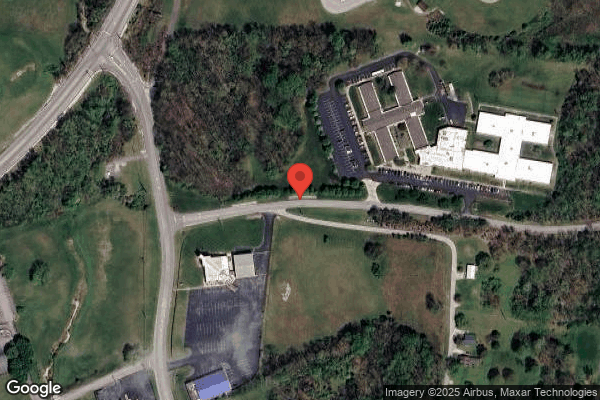
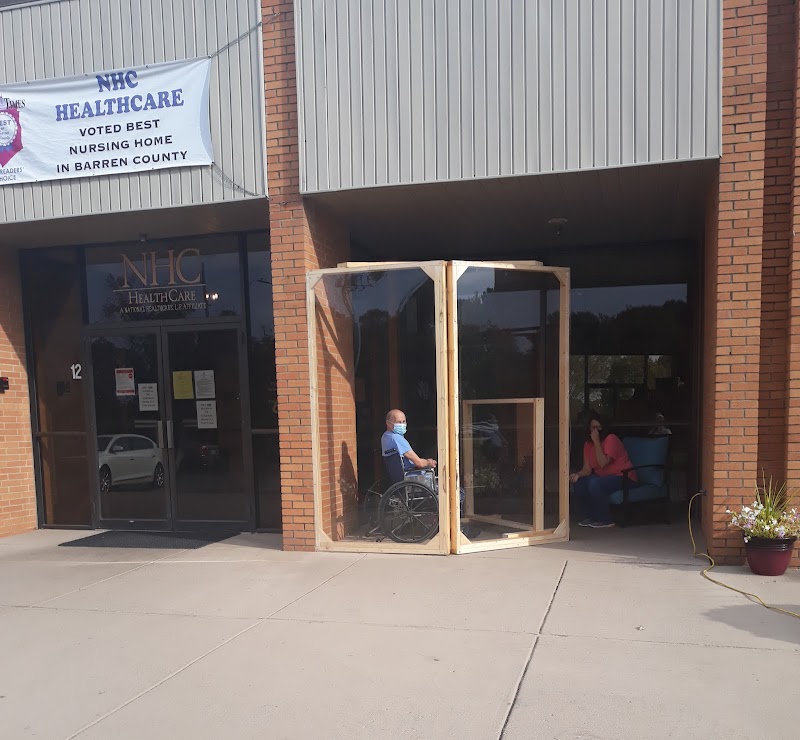
109 HOMEWOOD BLVD., GLASGOW, KY 42141 (270) 651-6126
For profit - Corporation 194 Beds NATIONAL HEALTHCARE CORPORATION Data: November 2025
Trust Grade
68/100
#123 of 266 in KY
Last Inspection: December 2024

Within standard 12-15 month inspection cycle. Federal law requires annual inspections.

Overview

NHC Healthcare in Glasgow has a Trust Grade of C+, which means it is slightly above average, indicating decent care but with room for improvement. It ranks #123 out of 266 facilities in Kentucky, placing it in the top half, and #5 out of 6 in Barren County, suggesting only one local option is better. The facility is improving overall, with the number of issues decreasing from four in 2019 to two in 2024. Staffing is average, with a turnover rate of 47%, similar to the state average, and RN coverage is also rated average. However, there are concerns, such as a failure to ensure residents could send and receive mail on Saturdays and issues with food safety practices, including improperly stored food and staff not following hygiene protocols. These incidents highlight areas where the facility needs to enhance its operations.

Trust Score
C+
68/100
In Kentucky
#123/266
Top 46%
Safety Record
Low Risk
No red flags
Inspections
Getting Better
4 → 2 violations
Staff Stability
⚠ Watch
47% turnover. Above average. Higher turnover means staff may not know residents' routines.
Penalties
✓ Good
$4,017 in fines. Lower than most Kentucky facilities. Relatively clean record.
Skilled Nurses
○ Average
Each resident gets 38 minutes of Registered Nurse (RN) attention daily — about average for Kentucky. RNs are the most trained staff who monitor for health changes.
Violations
○ Average
8 deficiencies on record. Average for a facility this size. Mostly minor or procedural issues.
★★★☆☆
3.0
Overall Rating
★★★☆☆
3.0
Staff Levels
★★★☆☆
3.0
Care Quality
★★★☆☆
3.0
Inspection Score
Stable
2019: 4 issues
2024: 2 issues

The Good

  • Full Sprinkler Coverage · Fire safety systems throughout facility
  • No fines on record

Facility shows strength in fire safety.

The Bad

3-Star Overall Rating

Near Kentucky average (2.8)

Meets federal standards, typical of most facilities

Staff Turnover: 47%

Near Kentucky avg (46%)

Higher turnover may affect care consistency

Federal Fines: $4,017

Below median ($33,413)

Minor penalties assessed

Chain: NATIONAL HEALTHCARE CORPORATION

Part of a multi-facility chain

Ask about local staffing decisions and management

The Ugly 8 deficiencies on record

Dec 2024 2 deficiencies
CONCERN (F)

Potential for Harm - no one hurt, but risky conditions existed

Deficiency F0583 (Tag F0583)

Could have caused harm · This affected most or all residents

Based on interview and review of the facility's policy, the facility failed to ensure all residents had the right to send and receive mail on Saturdays. The deficient practice had the potential to aff...

Read full inspector narrative →
Based on interview and review of the facility's policy, the facility failed to ensure all residents had the right to send and receive mail on Saturdays. The deficient practice had the potential to affect all residents residing the facility. The findings include: Review of the facility's policy titled, Mail Distribution to Patients, revised 09/01/2014, revealed mail would be distributed to the patient within 24 hours of delivery by the postal service. The policy further stated if the recreation department was not routinely at the center on weekends, the task must be assigned to another department head or responsible partner. During the Resident Council meeting on 12/10/2024 at 2:02 PM , Resident (R) 26 stated residents did not receive or send mail on Saturdays at the facility. R26 stated she did receive mail on Monday through Friday when the activities department was working in the facility. The remainder of the resident attendees confirmed there was no Saturday mail delivery. During an interview with the Activities Director (AD) on 12/11/2024 at 1:37 PM, she stated mail was not passed out to the residents on Saturdays due to the activities department not having weekend staff. She further stated, We are short handed and don't have anyone here every weekend to pass out the mail. During an interview with the Administrator on 12/13/2024 at 2:37 PM, she stated the activity/recreation department was responsible for delivering resident mail Monday through Friday. The Administrator further stated she was aware there had been a lapse of residents not having their mail delivered on Saturdays. She stated the receptionist would begin delivering mail on Saturdays. She stated she expected the mail to be delivered to the residents on the weekends.
CONCERN (F)

Potential for Harm - no one hurt, but risky conditions existed

Food Safety (Tag F0812)

Could have caused harm · This affected most or all residents

Based on observation, interview and review of facility policy, it was determined the facility failed to store, prepare, distribute and serve food in accordance with professional standards for food ser...

Read full inspector narrative →
Based on observation, interview and review of facility policy, it was determined the facility failed to store, prepare, distribute and serve food in accordance with professional standards for food service safety. Review of the facility Matrix (CMS-802) received on 12/10/2024 revealed 147 of 149 residents received their meals from the kitchen. Observation on 12/09/2024 revealed food items stored in the three-door refrigerator were open to air, not labeled, and/or undated. Observations on 12/12/2024 and 12/13/2024 revealed dietary staffs' hair and/or beards were not properly secured under a hairnet and/or beard guard. The findings include: Review of the facility policy titled, Refrigerator and Freezer Storage, dated with a reviewed/revised date of 11/2017, revealed refrigerated and frozen goods will be stored properly for optimal product safety. Further review of the policy revealed foods will be stored in their original container or an approved contain or wrapped tightly in moisture-proof film, foil, etc. and clearly labeled with the contents and the use by date. Additionally, per the policy, The use by date is determined by a 7-day period that includes the day the food was prepared plus the 6 days following. Review of the facility policy titled, Hygienic and Safety Practices, with a reviewed/revised date of 11/2017 revealed effective personal hygienic and safety practices are essential in preventing food contamination. The guidelines included that hair restraints should be worn and were worn to effectively keep hair from contacting exposed food; clean equipment, utensils, and linens; and unwrapped single-service and single-use articles. Observation during the initial tour of the kitchen on 12/09/2024 at 6:40 PM revealed the three door refrigerator cabinet contained the following food items: one open box with an unsealed plastic bag of hot dogs which was open to air; one container of sliced raw carrots with a use by date of 12/08/2024; one plastic container with a snap-on lid of sliced pineapple in juice with a preparation date of 11/26 and a D/C date of 12/15 which, on the date of inspection, 12/09/2024, would have exceeded the seven day storage period; one undated plastic container with a snap-on lid that was unlabeled and appeared to contain pickles; and one mislabeled container of vegetable soup with a preparation date of 12/09/2024 and D/C date of 12/19 which would exceed the seven day storage guideline per the facility policy. Ongoing initial tour of the kitchen on 12/09/2024 at 6:40 PM revealed a single door heating cabinet that contained one undated container of oatmeal and one undated container of gravy. The Food Service Manager (FSM) stated these portions were made earlier today and were to be sent out to a resident this evening. Observation of the single door cooling cabinet on 12/09/2024 at 6:40 PM revealed multiple individual green salads that were labeled and dated; however, two of the salads were not labeled or dated. Observation on 12/12/2024 at 11:40 AM of the kitchen staff during meal service revealed the cook Cook1 with a hair restraint improperly worn and not fully covering the hair with all of the bangs out from under the hairnet. Observation on 12/13/24 9:52 AM revealed the Assistant Cook, who had a beard, was observed not wearing a beard restraint while putting chocolate pudding into individual serving size bowls. The Assistant [NAME] stated he had not been asked to wear a beard guard. He stated would put one on and proceeded to obtain and apply a beard guard. During an interview on 12/09/2024 at 6:55 PM, during the initial tour of the kitchen the Food Service Manager (FSM) stated the hot dogs should have been inside a zip lock bag and sealed. The FSM removed the sliced carrots, pineapple in juice, and stated all items should be labeled and dated. In an interview with the FSM on 12/12/2024 at 11:40 AM, when the cook Cook1 was observed improperly wearing the hair restraint with all bangs out of the net. The FSM stated the hair net was being worn improperly and said, I will talk to her. The FSM stated it was her expectation that all the hair was covered. In an interview on 12/13/2024 at 09:50 AM with the Dietary Aide, she stated it was the expectation to cover all the hair when wearing a hair net to prevent food from getting into people's food. She stated if she saw another employee improperly wearing a hair net, she would tell the co-worker and expected them to fix it. In an interview with the FSM at 12/13/2024 at 11:00 AM, she stated it was her expectation that staff with beards wear beard guards to prevent hair from getting into food. In an interview with the Director of Nursing (DON) on 12/13/2024 at 2:09 PM, she stated it would be her expectation for dietary staff to label and store food according to policy to prevent food related illness. The DON also stated she would expect dietary staff to properly wear hair nets and beard guards to prevent hair from getting into the food. In an interview with the Administrator on 12/13/2024 at 2:53 PM, she stated it was her expectation for dietary staff to label and date all food items in the refrigerator and that staff properly wear hair and beard restraints to ensure that the food we feed and deliver to our residents and are safe for consumption guidelines.
Jun 2019 4 deficiencies
CONCERN (D)

Potential for Harm - no one hurt, but risky conditions existed

Deficiency F0583 (Tag F0583)

Could have caused harm · This affected 1 resident

**NOTE- TERMS IN BRACKETS HAVE BEEN EDITED TO PROTECT CONFIDENTIALITY** Based on observation, interview, and facility policy review, it was determined the facility failed to ensure health information ...

Read full inspector narrative →
**NOTE- TERMS IN BRACKETS HAVE BEEN EDITED TO PROTECT CONFIDENTIALITY** Based on observation, interview, and facility policy review, it was determined the facility failed to ensure health information was maintained in a private and confidential manner for one (1) resident. On 06/28/19, a resident information form containing medical information, was observed unattended and exposed to public view on top of a medication cart in the hallway. The findings include: Review of the facility policy, Confidentiality of Information and Personal Privacy, last revised April 2017, revealed the facility will safeguard the personal privacy and confidentiality of all resident personal and medical records. The facility will strive to protect the resident's privacy regarding his or her accommodations, medical treatments, and personal care. Further review of the policy revealed access to resident personal and medical records [NAME] be limited to authorized staff and business associates. Observation, on 06/28/19 at 9:45 AM, revealed an unattended medication cart on, in front of a resident's room. Further observation revealed the form was visible and in plain view. Continued observation revealed two (2) visitors and five (5) staff members, pass by the medication cart. Interview with Licensed Practical Nurse (LPN) #1 on 06/28/19 at 9:55 AM, revealed she should have turned the page over to ensure privacy because it can be considered a Health Insurance Portability and Accountability Act (HIPPA) violation. Interview with the Assistant Director of Nursing (ADON), on 06/28/19 at 2:22 PM, revealed she would expect health information to be kept private. She further stated all staff are inserviced upon hire and annually on HIPPA.
CONCERN (D)

Potential for Harm - no one hurt, but risky conditions existed

MDS Data Transmission (Tag F0640)

Could have caused harm · This affected 1 resident

Based on interview, record review and review of the Resident Assessment Instrument (RAI) Version 3.0 User Manual, it was determined the facility failed to ensure a discharge assessment was completed f...

Read full inspector narrative →
Based on interview, record review and review of the Resident Assessment Instrument (RAI) Version 3.0 User Manual, it was determined the facility failed to ensure a discharge assessment was completed for one (1) of three (3) closed records reviewed (Resident #55). The findings include: Review of the RAI version 3.0 User Manual revealed Discharge Assessments must be completed when the resident is discharged from the facility and the resident is not expected to return within thirty (30) days. Closed record review revealed the facility admitted Resident #55 on 03/16/19 with diagnoses which included Anemia and Coronary Artery Disease. Review of the Nurses Notes, dated 04/29/19, revealed the resident was sent out to the hospital and admitted . However, further record review revealed the staff failed to complete a discharge Minimum Data Set (MDS) assessment after the resident was discharged from the facility. Interview with the MDS Coordinator, on 06/28/19 at 10:34 AM, revealed she expected a discharge MDS to be completed on all resident's who were discharged and the facility should have completed a discharge MDS assessment on Resident #55. She stated she was not sure why it had not been completed. Interview with the Assistant Director of Nursing (ADON) on 06/28/19 at 2:22 PM, revealed she would have expected Resident #55 to have a discharge MDS assessment completed by the MDS Coordinator per the RAI guidelines and timeframe's.
CONCERN (D)

Potential for Harm - no one hurt, but risky conditions existed

Accident Prevention (Tag F0689)

Could have caused harm · This affected 1 resident

**NOTE- TERMS IN BRACKETS HAVE BEEN EDITED TO PROTECT CONFIDENTIALITY** Based on observation, interview, record review, facility policy review, and review of the facility Haz Com Program, it was deter...

Read full inspector narrative →
**NOTE- TERMS IN BRACKETS HAVE BEEN EDITED TO PROTECT CONFIDENTIALITY** Based on observation, interview, record review, facility policy review, and review of the facility Haz Com Program, it was determined the facility failed to ensure four (4) of four (4) residents identified as residents who wandered remained as free of accident hazards, and risks as possible (Residents #162, #113, #132, and #95). Observation revealed there were four (4) vials of essential oils sitting on the nursing station out of eyesight of staff, and where residents would have access to them. Interview with Registered Nurse/400 hall Unit Manager on 6/27/19 at 11:35 AM revealed the unit housed four (4) wandering residents (Residents #162, #113, #132, and #95). The findings include: Review of the facility's Haz Com Program policy, revealed Copies of SDS's (Safety Data Sheets) for all hazardous chemicals to which workers are exposed or are potentially exposed will be kept in Maintenance Office. Workers can access SDS's by logging into Center Share. The Maintenance Director is responsible for reviewing the SDS's received for safety and health implications and initiating any needed changes in workplace practices. A list of ALL known hazardous chemicals in the workplace is attached to (this) program. This list includes the name of each chemical, and the work area(s) in which each of the chemicals is used. To ensure that any new chemical is added in a timely manner, the following procedures shall be followed: The new chemical will be clearly labeled in accordance with requirement of HazCom 212, including a product identifier, pictogram, hazard statement, signal word, and precautionary statement, as well as the supplier's contact information (name and address). Review of the facility Haz Com Program revealed the following substances were included in the assessment: Clorox Toilet Bowl Cleaner, Heavy Duty Low Odor Floor Stripper, Shineline Baseboard Stripper, Shineline Emulsifier Plus, Aero Curveball, Aero Orange Works, and Pure [NAME] Germicidal Bleach. Further review revealed there were no essential oils included in the program. Review of copies of essential oils labels brought by the Administrator, revealed the Tea Tree Essential oil clearly stated Keep out of Reach of Children, and not to use internally unless directed by a licensed radiotherapist or physician. The [NAME] label revealed Do not ingest oil and Due to the potency of the oil . dilute with a carrier oil. The [NAME] oil label also stated Do not ingest oil, avoid contact with eyes and other sensitive areas. Due to the potency of the oil, dilution with a carrier oil is recommended. Keep out of the reach of children. Review of the Brief Interview of Mental Status (BIMS) scores revealed Resident #162 scored five (5)' on 06/05/19 and Resident #132 scored a three (3) on 05/28/19, which indicted the residents had severely impaired cognation and, Resident #113 scored a nine (9) on 05/13/19 and Resident #95 scored an eight (8) on 05/04/19, which indicated the resident had moderately impaired cognition. Observation on 06/26/19 at 9:45 AM revealed four (4) vials of essential oils: [NAME] (almost empty), [NAME] (full vial), Tea Tree (full vial), and Christmas (full vial); sitting on the nurses station. The nearly empty vial of [NAME] sat beside a white mesh bag which contained the other three (3) vials. The vials were on the desk near an entrance from the hall to the nurses station. The nurses station was located in a unit on which cognitively impaired and mobile residents resided. The desk was accessible to residents on the unit. Observations on 06/26/19 at 2:30 PM and at 4:00 PM revealed the essential oils were still located on the desk in the same location as the earlier observation. Residents were seen ambulating/self-propelling up and down the hall where the desk was located and staff nurses were attending other residents. Observation on 06/27/19 at 9:00 AM revealed the essential oils were still located on the desk in the same location as observed on 06/26/19. One resident, identified as at risk for wandering, was seated near the desk with an overbed table in front of him/ her. Observation on 06/27/19 at 11:40 AM revealed the essential oils were still located on the desk in the same location by the entrance to the nurses' station. Residents were seen in the hallway and nursing staff were in and out of the station. Observation on 06/27/19 at at 4:05 PM revealed the essential oils were still located on the desk in the same location, and residents were noted in the hall. The Nursing staff were engaged in patient care and the Unit Manager was in the small room behind the station. Further interview with Registered Nurse/400 hall Unit Manager, on 06/27/19 at 4:05 PM revealed the essential oils belong to the facility and were on the nurses station to refill the essential oil diffuser on the unit. She stated the diffuser sits behind the nurses station, however, when she looked for the diffuser, it was not there. She stated the diffuser may be in the Unit Four (4) day room and confirmed the diffuser was there. She further revealed the oils usually stay in the drawer at the nurses' station, and the station occasionally/briefly lacks a staff member to monitor the security of the oils. Interview with the Assistant Director of Nursing (ADON), who was in charge of the nursing department while the DON was on vacation, on 06/28/19 at 2:05 PM revealed the oils were not dangerous compared to hand sanitizer, which was readily available throughout the unit. She stated the oils would not cause harm, then conceded she would not allow a child to consume the essential oils. Interview with the Administrator on 06/28/19 at 2:20 PM revealed the facility had not obtained a SDS for the essential oils, and the oils were not included in the Haz Com Program assessment of the facility due to the labels not having a hazardous symbol. She stated the facility used the essential oils in diffusers as a behavior intervention. Further interview with the Administrator on 06/28/19 at 4:00 PM revealed the facility did not have a chemical storage policy. After review of the oil label, the Administrator acknowledged the oils should be kept in a secure location.
CONCERN (F)

Potential for Harm - no one hurt, but risky conditions existed

Food Safety (Tag F0812)

Could have caused harm · This affected most or all residents

Based on observation, interview, and facility policy review, it was determined the facility failed to ensure food was stored, in accordance with professional standards for food service safety. Observ...

Read full inspector narrative →
Based on observation, interview, and facility policy review, it was determined the facility failed to ensure food was stored, in accordance with professional standards for food service safety. Observation of the kitchen, on 06/25/19 , revealed food stored in the walk-in refrigerator was not covered. Review of the facility Census and Condition, dated 06/25/19, revealed one-hundred and sixty-one (161) of one-hundred and sixty-six (166) residents received their meals from the kitchen. The findings include: Review of the facility policy titled, Refrigerator and Freezer Storage, revision date 11/2017, revealed refrigerated and frozen foods will be stored properly for optimal product safety. Further review of the policy revealed foods will be stored in their original container or an approved container or wrapped tightly in moisture-proof film, foil, etc. and clearly labeled with the contents and the use by date. Observation of the walk-in refrigerator during initial tour, on 06/25/19 at 1:48 PM, revealed four (4) pans of biscuit were uncovered and open to air. Interview with Dietary Manager, on 06/25/19 at 1:59 PM, revealed all items stored in the refrigerator should be covered, dated, and labeled. She further stated they normally have plastic bags covering the pans of biscuits and they should be covered and not open to air. Interview with Regional Nutritional Services Manager, on 06/27/19 at 3:54 PM, revealed she would expect items to be dated and covered per the facility policy.
Mar 2018 2 deficiencies
CONCERN (D)

Potential for Harm - no one hurt, but risky conditions existed

Incontinence Care (Tag F0690)

Could have caused harm · This affected 1 resident

Based on observation, interview, record review and facility policy review, it was determined the facility failed to ensure a resident with or without an indwelling catheter, receives the appropriate c...

Read full inspector narrative →
Based on observation, interview, record review and facility policy review, it was determined the facility failed to ensure a resident with or without an indwelling catheter, receives the appropriate care and services to prevent urinary tract infections to the extent possible for two (2) of thirty-six (36) sampled residents (Residents #137 and #41). Observations on 03/27/18 throughout the day revealed Resident #137's urinary catheter bag was floor and not attached to the bedside and observations on 03/27/18 and 03/28/18 revealed Resident #41's urinary catheter bag was touching the floor. The findings include: Review of facility policy titled, Catheter Care, Urinary, last revised September 2014, revealed the purpose of this procedure is to prevent catheter-associated urinary tract infections by maintaining clean technique when handling or manipulating the catheter, tubing, or drainage bag and by ensuring the catheter tubing and drainage bag are kept off the floor. 1. Record review revealed the facility admitted Resident #137 on 02/16/18 with diagnoses which included Urinary Retention. Review of the admission Minimum Data Set (MDS) assessment, dated 02/23/18, revealed the facility assessed Resident #137's cognition as severely impaired with a Brief Interview for Mental Status (BIM's) score of two (2), which indicated the resident was not interviewable. Further review of the MDS revealed the resident had an indwelling catheter. Review of Physician Orders, dated 02/16/18, revealed an order for an indwelling catheter. Observations on 03/27/18 at 11:01 AM, 2:17 PM, 2:56 PM, and 3:41 PM, revealed Resident #137 was in bed with his/her urinary catheter bag laying on a gray fall mat, on the floor, and not attached to the bed side. 2. Record review revealed the facility admitted Resident #41 on 05/12/17 with diagnoses which includes Neurogenic Bladder. Review of the quarterly MDS assessment, dated 01/14/18, revealed the facility assessed Resident #41's cognition as intact with a BIMS score of fifteen (15), which indicated the resident was interviewable. Further review of the MDS revealed the resident had an indwelling catheter. Review of the March 2018 Physician's Orders revealed an order to administer Resident #41 Ciprofloxacin HcL 250 milligrams (mg) one (1) by mouth daily prophylaxis for Urinary Tract Infection (UTI); and an order for indwelling catheter. Observations on 03/27/18 at 11:42 AM revealed Resident #41 was in a low bed with the urinary drainage bag on the floor. Observation on 03/28/18 at 8:45 AM revealed Resident #41 was in bed with the urinary catheter bag up off the floor, however, he spout at bottom of bag was is touching the floor. Further observation on 03/29/18 at 9:01 AM, revealed the resident was in a recliner with the urinary drainage bag on the floor next to the recliner. Interview with Certified Nurse Aide (CNA) # 1 on 03/29/18 at 01:20 PM revealed CNA was assigned to take care of Resident #41 this day and the three (3) days prior. CNA #1 stated when a resident has a catheter, the tubing should be coiled, hung beneath the level of the bladder and off the floor. She also revealed someone may have came in the room and lowered the bed or moved the recliner causing the urinary catheter bag to drop to the floor. Interview with (CNA) #2, on 03/29/18 at 9:17 AM, revealed the urinary drainage bag should not touch the floor, because it would be an infection control concern. The CNA stated if the clips of the urinary drainage bag are not attached securely to the side of the bed, there is a possibility of the bag becoming unattached from the bed especially with the bed being in a low position. Interview with Registered Nurse (RN) #1 on 03/29/18 at 9:26 AM, revealed she would expect the urinary drainage bag to be attached to the side of the bed and up off the floor to prevent infection. Interview with the Director of Nursing on 03/29/18 at 1:32 PM, revealed she expected the staff to follow the facility policy, which indicated the urinary drainage bag be placed in a black cloth bag, be attached to the side of the bed, and the bag not to be touching the floor. She stated this would help prevent infection concerns.
CONCERN (D)

Potential for Harm - no one hurt, but risky conditions existed

Deficiency F0761 (Tag F0761)

Could have caused harm · This affected 1 resident

Based on observation, interview and review of the facility's policy and procedure, it was determined the facility failed to ensure drugs and biological's used in the facility must be labeled in accord...

Read full inspector narrative →
Based on observation, interview and review of the facility's policy and procedure, it was determined the facility failed to ensure drugs and biological's used in the facility must be labeled in accordance with currently accepted professional principles, and include the appropriate accessory and cautionary instructions, and the expiration date when applicable for two (2) medications for two (2) residents not in the selected sample of thirty-six (36) residents (Unsampled Resident A and B) . Unsampled Resident A's Lantus (Insulin) and Unsampled Resident B's Debrox (ear drops) were not dated when opened. The findings include: Review of the facility's policy and procedure, titled Labeling of Medication Containers, revised April 2007, revealed all medications maintained in the facility shall be properly labeled in accordance with current state and federal regulations. Observation of four (4) of eight (8) medication carts, on 03/28/18 at 2:00 PM, revealed Unsampled Resident A's Lantus and Unsampled Resident B's Debrox were not dated when opened. Interview with Registered Nurse (RN) #1, on 03/28/18 at 3:33 PM, revealed eye drops, insulin pens and vials; ear drops, inhalers, etc., were to be labeled when opened and it was the nurse's responsibility to date the medication when it was opened. Interview with the Director of Nursing (DON), on 03/29/18 at 10:17 AM, revealed she expected the nurse that opened the medication to label the medication with the date it was opened. Interview with the Administrator, on 03/29/18 at 4:00 PM, revealed she expected staff to follow the facility's policy on dating medications when they were opened.
Understanding Severity Codes (click to expand)
Life-Threatening (Immediate Jeopardy)
J - Isolated K - Pattern L - Widespread
Actual Harm
G - Isolated H - Pattern I - Widespread
Potential for Harm
D - Isolated E - Pattern F - Widespread
No Harm (Minor)
A - Isolated B - Pattern C - Widespread

Questions to Ask on Your Visit

  • "Can I speak with families of current residents?"
  • "What's your RN coverage like on weekends and overnight?"

Our Honest Assessment

Strengths
  • • No major safety red flags. No abuse findings, life-threatening violations, or SFF status.
  • • $4,017 in fines. Lower than most Kentucky facilities. Relatively clean record.
Concerns
  • • No major red flags. Standard due diligence and a personal visit recommended.
Bottom line: Mixed indicators with Trust Score of 68/100. Visit in person and ask pointed questions.

About This Facility

What is Nhc Healthcare, Glasgow's CMS Rating?

CMS assigns NHC Healthcare, Glasgow an overall rating of 3 out of 5 stars, which is considered average nationally. Within Kentucky, this rating places the facility higher than 99% of the state's 100 nursing homes. This mid-range rating indicates the facility meets federal standards but may have areas for improvement.

How is Nhc Healthcare, Glasgow Staffed?

CMS rates NHC Healthcare, Glasgow's staffing level at 3 out of 5 stars, which is average compared to other nursing homes. Staff turnover is 47%, compared to the Kentucky average of 46%.

What Have Inspectors Found at Nhc Healthcare, Glasgow?

State health inspectors documented 8 deficiencies at NHC Healthcare, Glasgow during 2018 to 2024. These included: 8 with potential for harm.

Who Owns and Operates Nhc Healthcare, Glasgow?

NHC Healthcare, Glasgow is owned by a for-profit company. For-profit facilities operate as businesses with obligations to shareholders or private owners. The facility is operated by NATIONAL HEALTHCARE CORPORATION, a chain that manages multiple nursing homes. With 194 certified beds and approximately 149 residents (about 77% occupancy), it is a mid-sized facility located in GLASGOW, Kentucky.

How Does Nhc Healthcare, Glasgow Compare to Other Kentucky Nursing Homes?

Compared to the 100 nursing homes in Kentucky, NHC Healthcare, Glasgow's overall rating (3 stars) is above the state average of 2.8, staff turnover (47%) is near the state average of 46%, and health inspection rating (3 stars) is at the national benchmark.

What Should Families Ask When Visiting Nhc Healthcare, Glasgow?

Based on this facility's data, families visiting should ask: "Can I visit during a mealtime to observe dining assistance and food quality?" "How do you handle medical emergencies, and what is your hospital transfer rate?" "Can I speak with family members of current residents about their experience?"

Is Nhc Healthcare, Glasgow Safe?

Based on CMS inspection data, NHC Healthcare, Glasgow has a clean safety record: no substantiated abuse findings (meaning no confirmed cases of resident harm), no Immediate Jeopardy citations (the most serious violation level indicating risk of serious injury or death), and is not on the Special Focus Facility watch list (a federal program monitoring the lowest-performing 1% of nursing homes). The facility has a 3-star overall rating and ranks #1 of 100 nursing homes in Kentucky. While no facility is perfect, families should still ask about staff-to-resident ratios and recent inspection results during their visit.

Do Nurses at Nhc Healthcare, Glasgow Stick Around?

NHC Healthcare, Glasgow has a staff turnover rate of 47%, which is about average for Kentucky nursing homes (state average: 46%). Moderate turnover is common in nursing homes, but families should still ask about staff tenure and how the facility maintains care continuity when employees leave.

Was Nhc Healthcare, Glasgow Ever Fined?

NHC Healthcare, Glasgow has been fined $4,017 across 1 penalty action. This is below the Kentucky average of $33,119. While any fine indicates a compliance issue, fines under $50,000 are relatively common and typically reflect isolated problems that were subsequently corrected. Families should ask what specific issues led to these fines and confirm they've been resolved.

Is Nhc Healthcare, Glasgow on Any Federal Watch List?

NHC Healthcare, Glasgow is not on any federal watch list. The most significant is the Special Focus Facility (SFF) program, which identifies the bottom 1% of nursing homes nationally based on persistent, serious quality problems. Not being on this list means the facility has avoided the pattern of deficiencies that triggers enhanced federal oversight. This is a positive indicator, though families should still review the facility's inspection history directly.