FOREST SPRINGS HEALTH CAMPUS
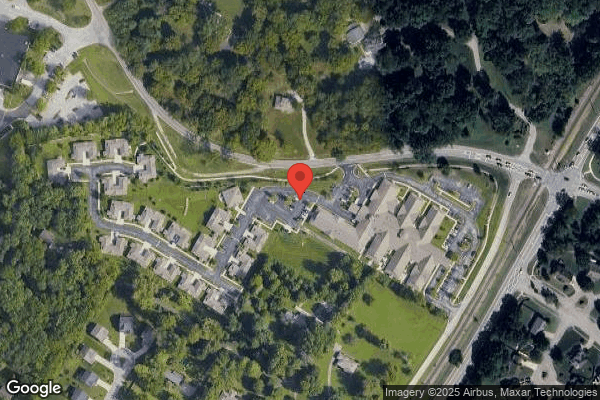
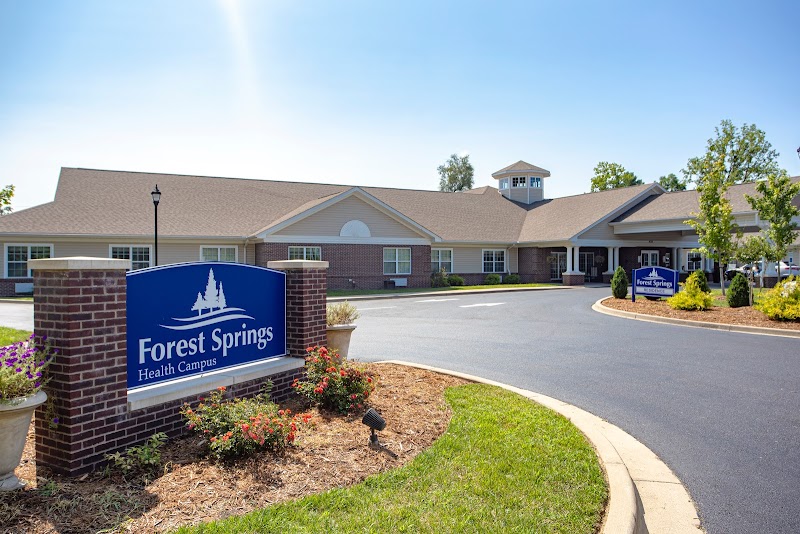
4120 WOODED ACRE LANE, LOUISVILLE, KY 40245 (502) 243-1643
For profit - Corporation 58 Beds TRILOGY HEALTH SERVICES Data: November 2025
Trust Grade
90/100
#10 of 266 in KY
Last Inspection: March 2022

Over 2 years since last inspection. Current conditions may differ from available data.

Overview

Forest Springs Health Campus in Louisville, Kentucky, has received an impressive Trust Grade of A, indicating an excellent reputation among nursing homes. Ranking #10 out of 266 facilities in the state places it firmly in the top half, while being #1 of 38 in Jefferson County suggests it is the best local option available. The facility is on an improving trend, having reduced its issues from five in 2019 to zero in 2022, which is encouraging. Staffing is a relative strength, with a rating of 4 out of 5 stars and a turnover rate of 40%, which is below the Kentucky average of 46%. Notably, there have been no fines, indicating compliance with regulations, and the facility has more registered nurse coverage than 94% of other state facilities, ensuring that residents receive attentive care. However, there have been some concerning incidents in the past. For example, one resident was not informed about the bed hold policy when transferred to a hospital, which could impact their return to the facility. Additionally, the care plan for another resident did not reflect their need for assistance from two staff members, which poses a risk during transfers. Lastly, a resident was found receiving oxygen at a higher flow rate than prescribed, which could lead to health complications. While these issues are serious, the overall improvements and strong staffing metrics make Forest Springs Health Campus a commendable choice for families seeking care.

Trust Score
A
90/100
In Kentucky
#10/266
Top 3%
Safety Record
Low Risk
No red flags
Inspections
Getting Better
5 → 0 violations
Staff Stability
○ Average
40% turnover. Near Kentucky's 48% average. Typical for the industry.
Penalties
✓ Good
No fines on record. Clean compliance history, better than most Kentucky facilities.
Skilled Nurses
✓ Good
Each resident gets 73 minutes of Registered Nurse (RN) attention daily — more than 97% of Kentucky nursing homes. RNs are the most trained staff who catch health problems before they become serious.
Violations
✓ Good
Only 5 deficiencies on record. Cleaner than most facilities. Minor issues only.
★★★★★
5.0
Overall Rating
★★★★☆
4.0
Staff Levels
★★★★☆
4.0
Care Quality
★★★★★
5.0
Inspection Score
Stable
2019: 5 issues
2022: 0 issues

The Good

  • 4-Star Staffing Rating · Above-average nurse staffing levels
  • 4-Star Quality Measures · Strong clinical quality outcomes
  • Full Sprinkler Coverage · Fire safety systems throughout facility
  • No fines on record
  • Staff turnover below average (40%)

    8 points below Kentucky average of 48%

Facility shows strength in staffing levels, quality measures, fire safety.

The Bad

Staff Turnover: 40%

Near Kentucky avg (46%)

Typical for the industry

Chain: TRILOGY HEALTH SERVICES

Part of a multi-facility chain

Ask about local staffing decisions and management

The Ugly 5 deficiencies on record

Oct 2019 5 deficiencies
CONCERN (D)

Potential for Harm - no one hurt, but risky conditions existed

Deficiency F0625 (Tag F0625)

Could have caused harm · This affected 1 resident

**NOTE- TERMS IN BRACKETS HAVE BEEN EDITED TO PROTECT CONFIDENTIALITY** Based on interview, record review, and review of the facility policy, it was determined the facility failed to provide one (1) o...

Read full inspector narrative →
**NOTE- TERMS IN BRACKETS HAVE BEEN EDITED TO PROTECT CONFIDENTIALITY** Based on interview, record review, and review of the facility policy, it was determined the facility failed to provide one (1) of fifteen (15) sampled residents with notification regarding bed hold upon transfer out of the facility. Resident #39 did not receive notifications regarding bed hold when transferred to an acute care hospital. The findings include: Review of the facility policy, Bed Hold Policy, dated 11/18/16, revealed the campus will properly inform residents in advance of their option to make bed-hold payments as well as the amount of the facility's charge to hold a bed. Record review of Resident #39 revealed the resident was admitted to the facility on [DATE] at 3:48 PM with diagnoses of Pneumonia, Malnutrition, Dehydration, Acute Kidney Failure, and Dementia. Further review of the resident's record revealed that on 09/20/19 at 11:24 AM the facility transferred the resident to an acute care hospital. Further review of the record revealed no documented evidence that the resident was given bed hold information when transferred to the hospital. Interview on 10/24/19 at 4:11 PM with the Director of Nursing (DON) revealed no bed hold was issued at discharge for Resident #39. The DON stated it was the floor nurse's responsibility to ensure the bed hold policy was given when residents left the facility via ambulance. Per the DON, the nursing staff had failed to issue Resident #39's bed hold notice on 09/20/19.
CONCERN (D)

Potential for Harm - no one hurt, but risky conditions existed

Deficiency F0657 (Tag F0657)

Could have caused harm · This affected 1 resident

**NOTE- TERMS IN BRACKETS HAVE BEEN EDITED TO PROTECT CONFIDENTIALITY** Based on observation, interview, and record review it was determined the facility failed to revise an individualized care plan a...

Read full inspector narrative →
**NOTE- TERMS IN BRACKETS HAVE BEEN EDITED TO PROTECT CONFIDENTIALITY** Based on observation, interview, and record review it was determined the facility failed to revise an individualized care plan and nurse aide care plan based on the Minimum Data Set (MDS) assessment dated [DATE]. The assessment revealed the resident required extensive assistance of two (2) or more persons to perform bed mobility, transfer, dressing and toileting. However, the care plan did not include that the resident required two (2) or more persons' assistance to perform these tasks. The findings include: A care plan policy was requested of the facility but as of exit on 10/24/19 the policy was not provided. Review of the Resident Assessment Instrument 3.0 User Manual, Version 1.17.1, dated October 2019, revealed the completed MDS assessment must be analyzed and combined with other relevant information to develop an individualized care plan. Observation of Resident #21 on 10/24/19 at 9:51 AM, revealed State Registered Nurse Aide (SRNA) #2 transferred the resident from the bed to a motorized wheelchair using a mechanical lift. The SRNA performed the bed mobility of turning the resident from side to side to place the sling for the lift by herself. Further observation revealed the SRNA transferred the resident, via mechanical lift, from the bed to a motorized wheelchair without the assistance of another staff member. Review of the medical record revealed Resident #21 was admitted to the facility on [DATE] and had diagnoses of Acute on Chronic Diastolic Congestive Heart Failure, Acute and Chronic Respiratory Failure with Hypoxia, Morbid Obesity with Alveolar Hypoventilation, Hypertensive Heart and Chronic Kidney Disease with Heart Failure, Neuromuscular Dysfunction of Bladder, Nonrheumatic Aortic Stenosis, Dependence on Supplemental Oxygen, and Chronic Atrial Fibrillation. Review of the Minimum Data Set (MDS) significant change assessment, dated 09/04/19, revealed the resident had a Brief Interview for Mental Status (BIMS) score of nine (9) which indicated the resident had moderate cognitive impairment. Further review of the MDS also revealed the resident required extensive assistance of two (2) or more persons to complete the tasks of bed mobility, transfers, dressing, and toileting. Review of the comprehensive care plan for Resident #21, dated 02/05/19, revealed the resident was to be transferred by the assistance of two (2) with a standing lift. Further review of the care plan revealed the resident required extensive assistance with bed mobility, transfers, and toileting, but without direction regarding the number of persons required per the MDS assessment. Review of the Aide Care Guide, undated, revealed the resident was to be transferred using the standing lift, without the number of persons required. In addition, the Aide Care Guide did not include the number of staff assistance required for bed mobility. Interview with SRNA #2 on 10/24/19 at 10:12 AM, revealed she always transferred Resident #21 by herself. She further stated the aides could find information regarding the amount of assistance and number of persons required by looking at the care guides located at the nurses' station. The SRNA found the care guide for Resident #21 and discovered the guide stated that the resident was to be transferred using the standing lift. The aide then stated they have been using a mechanical lift on him/her since the resident returned from the hospital. The records revealed the resident last returned from the hospital on [DATE]. Interview with SRNA #1 on 10/23/19 at 1:39 PM, revealed when transferring with a mechanical lift that sometimes one (1) person performs and sometimes two (2). SRNA #1 also stated resident requirements for assistance are found on the resident care guides at the nurses' station. Interview with the former Director of Nursing (DON) on 10/23/19 at 6:22 PM, revealed clinical care meetings are held daily, Monday through Friday, and changes and updates to the care plan are made at that time. Interview with the former DON on 10/24/19 at 3:23 PM, revealed she agreed that the MDS assessment, dated 09/04/19, showed Resident #21 to require extensive assistance of two (2) or more persons for the activities of bed mobility, transfers, dressing, and toileting. She also agreed that the comprehensive care plan, dated 02/05/19, did not reveal that the resident required two (2) or more persons for these activities. As well, the aide plan did not accurately reveal the resident's current level of required assistance for transfers, which was now per the use of a mechanical lift.
CONCERN (D)

Potential for Harm - no one hurt, but risky conditions existed

Respiratory Care (Tag F0695)

Could have caused harm · This affected 1 resident

**NOTE- TERMS IN BRACKETS HAVE BEEN EDITED TO PROTECT CONFIDENTIALITY** Based on observation, interview, record review, and review of the facility policy it was determined the facility failed to ensur...

Read full inspector narrative →
**NOTE- TERMS IN BRACKETS HAVE BEEN EDITED TO PROTECT CONFIDENTIALITY** Based on observation, interview, record review, and review of the facility policy it was determined the facility failed to ensure oxygen therapy was provided as ordered for one (1) of fifteen (15) sampled residents. Resident #21 was observed receiving oxygen via nasal cannual and the oxygen concentrator was set on four and one-half (4.5) liters per minute (LPM) on 10/23/19 and on five (5) LPM on 10/24/19, which was not the ordered flow rate of three (3) LMP. The findings include: Review of the facility policy, Guidelines for the Administration of Oxygen, dated May 2018, revealed the physician's order for the oxygen should be verified and the oxygen setting must be set and adjusted by a licensed nurse. Observation of Resident #21 on 10/23/19 at 9:24 AM, revealed the resident was in bed and oxygen was being delivered via nasal cannula and the oxygen concentrator was set on four and one-half (4.5) LPM. Further observation on 10/23/19, at 5:01 PM, revealed the resident was up in a motorized wheelchair in the dining room and the portable oxygen canister was set at two (2) LPM. Observation of Resident #21 on 10/24/19 at 8:48 AM, revealed the resident was lying in bed and oxygen was being delivered via nasal cannula at five (5) LMP per oxygen concentrator. Review of the medical record revealed Resident #21 was admitted to the facility on [DATE] and had diagnoses of Acute on Chronic Diastolic Congestive Heart Failure, Acute and Chronic Respiratory Failure with Hypoxia, Morbid Obesity with Alveolar Hypoventilation, Hypertensive Heart and Chronic Kidney Disease with Heart Failure, Neuromuscular Dysfunction of Bladder, Nonrheumatic Aortic Stenosis, Dependence on Supplemental Oxygen, and Chronic Atrial Fibrillation. Review of the Minimum Data Set (MDS) significant change assessment, dated 09/04/19, revealed the resident had a Brief Interview for Mental Status (BIMS) score of nine (9) which indicated the resident had moderate cognitive impairment. The MDS further revealed the resident required oxygen therapy. Review of the physician order summary, dated 10/24/19, revealed Resident #21 had an order, dated 08/16/19, that stated oxygen was to be provided at three (3) LPM per nasal cannula, continuously. Review of the comprehensive care plan for Resident #21, dated 08/28/19, revealed a risk of potential complications related to respiratory failure and the intervention to administer oxygen as per orders. Review of Resident #21's Aide Care Guide, undated, revealed in the comments section to ensure ear protectors are on while O2 (oxygen) is in use. Interview with Licensed Practical Nurse (LPN) #1 on 10/24/19 at 8:48 AM, revealed that the oxygen concentrator for Resident #21 should be set on three (3) LMP and stated she was not aware the concentrator was set on five (5) LPM. Further interview with the LPN, at 10:32 AM, revealed the previous shift had not reported to her any reason why the resident's oxygen would have been set on five (5) LPM, and at that time she set the concentrator to three (3) LMP as ordered. Interview with the former Director of Nursing (DON) and the DON on 10/24/19 at 5:21 PM, revealed residents receiving oxygen therapy are to have oxygen settings checked every shift to ensure it is being delivered as ordered. Both stated Resident #21's oxygen was not being delivered as ordered by the physician.
CONCERN (D)

Potential for Harm - no one hurt, but risky conditions existed

Deficiency F0809 (Tag F0809)

Could have caused harm · This affected 1 resident

Based on observation, interview, and policy review it was determined that the facility failed to ensure that residents were provided meals with no greater than a 14-hour lapse between the evening meal...

Read full inspector narrative →
Based on observation, interview, and policy review it was determined that the facility failed to ensure that residents were provided meals with no greater than a 14-hour lapse between the evening meal and breakfast without the provision of a substantial nourishing evening snack. Observation on 10/23/19 at 6:30 PM revealed evening meal trays being sent to the floor. Observation on 10/24/19 at 9:30 AM revealed breakfast meal trays being sent to the floor, which is 15 hours between meals. Interview with one (1) unsampled resident and with the family of one (1) sampled resident revealed the residents had received supper on 10/23/19 at about 6:30 PM and received breakfast on 10/24/19 between 8:30 AM and 10:00 AM with no offering of an evening snack. The findings include: Review of facility policy titled Meal Service, effective date 05/31/16, revealed, Meal service will be no more than 16 hours between the evening meal and the breakfast meal if a substantial nourishing snack is provided at bedtime (14 hours if no snack is provided). Further review of the policy revealed, Meals will be served at the following hours: Breakfast Room Service: 7:30 AM and Dinner Room Service at 5:15 PM. Observation on 10/23/19 at 6:30 PM revealed supper trays being delivered to the floor. Observation on 10/24/19 at 9:30 AM revealed breakfast trays being delivered to the floor. Interview on 10/23/19 at 9:38 AM during resident council revealed unsampled Resident #22 stated he/she was never offered nighttime snacks. Interview on 10/24/19 at 9:57 AM with unsampled Resident #1 (end of 300 Hall) revealed he/she ate supper in the dining room on 10/23/19 at about 6:30 PM and had just received his/her breakfast in the room at 9:57 AM. Resident #1 stated he/she had not been offered a bedtime snack. Interview on 10/24/19 at 10:25 AM with the family of sampled Resident #187 (at the end of 100 hallway) revealed the resident had received the supper meal on 10/23/19 at about 6:30 PM and had received breakfast at 8:30 AM on 10/24/19. The family further revealed the family had spent every night with the resident and the resident had never been offered a bedtime snack. Furthermore, the Family Member stated there had been mornings when breakfast was as late as 9:30 AM. Per the family, Resident #187 had been in the facility since 10/05/19. Interview on 10/24/19 at 11:10 AM with Dining Support Service employee revealed the carts go out after the dining room is serviced. He further revealed the staff on the floor have access to the kitchen at all hours to fix snacks for the residents. He stated that snack carts are not sent out for nighttime snacks. He agreed that to go 15 hours without the offer of a meal was too long. He also mentioned there had been some recent turnovers in the staff in the kitchen. Interview on 10/24/19 at 5:12 PM with the former Director of Nursing revealed residents are not usually offered a night meal or snack unless the Registered Dietitian had made recommendations for the resident to have one. She further revealed the kitchen was always available for staff to make snacks for residents. She stated she had not identified a problem.
CONCERN (D)

Potential for Harm - no one hurt, but risky conditions existed

Food Safety (Tag F0812)

Could have caused harm · This affected 1 resident

Based on observation and interview it was determined that the facility failed to ensure the food equipment cart was clean. Observation of the food delivery cart on 10/22/19 revealed the back of the fo...

Read full inspector narrative →
Based on observation and interview it was determined that the facility failed to ensure the food equipment cart was clean. Observation of the food delivery cart on 10/22/19 revealed the back of the food delivery cart was dirty. The findings include: Interview with a Dining Service Support Employee revealed they did not have policies on cleaning in the kitchen. The Dining Service Support Employee did offer a weekly cleaning checklist for the week of 10/13/19 and the week of 10/20/19. The employee further revealed the food delivery cart would fall under the category of Utility Carts cleaned & Sanitized. Review of the checklist revealed it was checked off as being cleaned the week of 10/13/19 but was not marked off as being cleaned for the week of 10/20/19. Observation of the food delivery cart on 10/22/19 at 12:42 PM revealed the back outside of the cart to be dirty. The cart was observed to have a dried substance that spread down the back of the cart and an object resembling foil stuck to the back of the cart. Interview on 10/23/19 at 3:40 PM with the Dining Service Support Employee revealed that it is the responsibility of the night shift kitchen staff to clean the kitchen and apparently they had missed the back of the cart. He agreed that the food delivery cart was dirty. He further revealed there had been a lot of turnover in the kitchen recently, and the facility had just terminated the night shift person who was responsible for cleaning. Interview on 10/23/19 at 9:00 AM with the former Director of Nursing revealed there was no cleaning policy and procedure for the kitchen. Per the DON, the facility followed manufacturer recommendations related to cleaning in the kithchen. She further revealed that she had seen the back of the food delivery cart and agreed it was dirty and should have been cleaned. Interview on 10/24/19 at 3:48 PM with the Infection Control Nurse revealed she does surveillance in the kitchen about once a week. She furthered revealed that she looks at the fridge, ensures everyone is wearing hair nets, and observes hand hygiene. She further stated that she had not identified any concerns with the kitchen.
Understanding Severity Codes (click to expand)
Life-Threatening (Immediate Jeopardy)
J - Isolated K - Pattern L - Widespread
Actual Harm
G - Isolated H - Pattern I - Widespread
Potential for Harm
D - Isolated E - Pattern F - Widespread
No Harm (Minor)
A - Isolated B - Pattern C - Widespread

Questions to Ask on Your Visit

  • "Can I speak with families of current residents?"
  • "What's your RN coverage like on weekends and overnight?"

Our Honest Assessment

Strengths
  • • Grade A (90/100). Above average facility, better than most options in Kentucky.
  • • No major safety red flags. No abuse findings, life-threatening violations, or SFF status.
  • • No fines on record. Clean compliance history, better than most Kentucky facilities.
  • • Only 5 deficiencies on record. Cleaner than most facilities. Minor issues only.
Concerns
  • • No significant concerns identified. This facility shows no red flags across CMS ratings, staff turnover, or federal penalties.
Bottom line: Generally positive indicators. Standard due diligence and a personal visit recommended.

About This Facility

What is Forest Springs Health Campus's CMS Rating?

CMS assigns FOREST SPRINGS HEALTH CAMPUS an overall rating of 5 out of 5 stars, which is considered much above average nationally. Within Kentucky, this rating places the facility higher than 99% of the state's 100 nursing homes. This rating reflects solid performance across the metrics CMS uses to evaluate nursing home quality.

How is Forest Springs Health Campus Staffed?

CMS rates FOREST SPRINGS HEALTH CAMPUS's staffing level at 4 out of 5 stars, which is above average compared to other nursing homes. Staff turnover is 40%, compared to the Kentucky average of 46%. This relatively stable workforce can support continuity of care.

What Have Inspectors Found at Forest Springs Health Campus?

State health inspectors documented 5 deficiencies at FOREST SPRINGS HEALTH CAMPUS during 2019. These included: 5 with potential for harm.
Who Owns and Operates Forest Springs Health Campus?

FOREST SPRINGS HEALTH CAMPUS is owned by a for-profit company. For-profit facilities operate as businesses with obligations to shareholders or private owners. The facility is operated by TRILOGY HEALTH SERVICES, a chain that manages multiple nursing homes. With 58 certified beds and approximately 52 residents (about 90% occupancy), it is a smaller facility located in LOUISVILLE, Kentucky.

How Does Forest Springs Health Campus Compare to Other Kentucky Nursing Homes?

Compared to the 100 nursing homes in Kentucky, FOREST SPRINGS HEALTH CAMPUS's overall rating (5 stars) is above the state average of 2.8, staff turnover (40%) is near the state average of 46%, and health inspection rating (5 stars) is much above the national benchmark.

What Should Families Ask When Visiting Forest Springs Health Campus?

Based on this facility's data, families visiting should ask: "Can I visit during a mealtime to observe dining assistance and food quality?" "How do you handle medical emergencies, and what is your hospital transfer rate?" "Can I speak with family members of current residents about their experience?"

Is Forest Springs Health Campus Safe?

Based on CMS inspection data, FOREST SPRINGS HEALTH CAMPUS has a clean safety record: no substantiated abuse findings (meaning no confirmed cases of resident harm), no Immediate Jeopardy citations (the most serious violation level indicating risk of serious injury or death), and is not on the Special Focus Facility watch list (a federal program monitoring the lowest-performing 1% of nursing homes). The facility has a 5-star overall rating and ranks #1 of 100 nursing homes in Kentucky. While no facility is perfect, families should still ask about staff-to-resident ratios and recent inspection results during their visit.

Do Nurses at Forest Springs Health Campus Stick Around?

FOREST SPRINGS HEALTH CAMPUS has a staff turnover rate of 40%, which is about average for Kentucky nursing homes (state average: 46%). Moderate turnover is common in nursing homes, but families should still ask about staff tenure and how the facility maintains care continuity when employees leave.

Was Forest Springs Health Campus Ever Fined?

FOREST SPRINGS HEALTH CAMPUS has no federal fines on record. CMS issues fines when nursing homes fail to meet care standards or don't correct problems found during inspections. The absence of fines suggests the facility has either maintained compliance or corrected any issues before penalties were assessed. This is a positive indicator, though families should still review recent inspection reports for the full picture.

Is Forest Springs Health Campus on Any Federal Watch List?

FOREST SPRINGS HEALTH CAMPUS is not on any federal watch list. The most significant is the Special Focus Facility (SFF) program, which identifies the bottom 1% of nursing homes nationally based on persistent, serious quality problems. Not being on this list means the facility has avoided the pattern of deficiencies that triggers enhanced federal oversight. This is a positive indicator, though families should still review the facility's inspection history directly.