FRANCISCAN HEALTH CARE CENTER
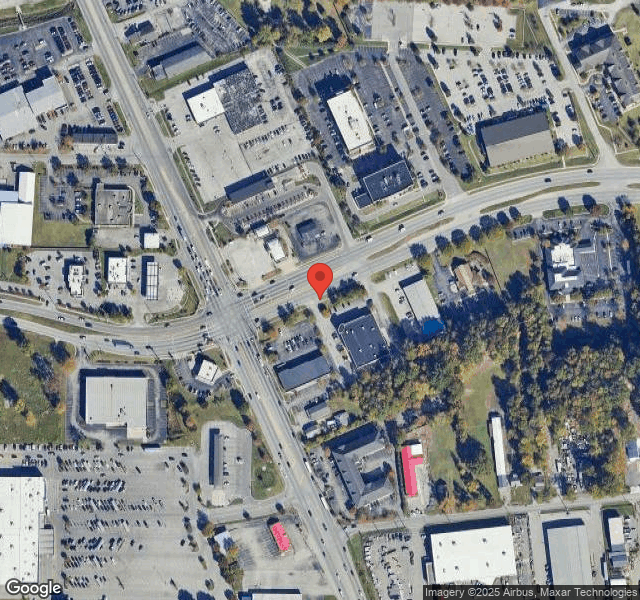

3625 FERN VALLEY ROAD, LOUISVILLE, KY 40219 (502) 964-3381
For profit - Corporation 85 Beds TRILOGY HEALTH SERVICES Data: November 2025
Trust Grade
90/100
#11 of 266 in KY
Last Inspection: July 2022

Over 2 years since last inspection. Current conditions may differ from available data.

Overview

Franciscan Health Care Center in Louisville, Kentucky has received a Trust Grade of A, indicating it is an excellent choice among nursing homes. It ranks #11 out of 266 facilities in Kentucky, placing it in the top half, and #2 out of 38 in Jefferson County, meaning only one local option is better. The facility's trend is stable, with the same number of issues reported in both 2022 and 2025. Staffing is rated as average with a turnover rate of 31%, which is significantly lower than the Kentucky average of 46%, indicating that staff are more likely to stay and know the residents well. While there are strengths, there are also weaknesses to consider; for instance, the facility has faced multiple concerns regarding food safety and hygiene practices in the kitchen, such as failing to maintain safe freezer temperatures and not properly cleaning kitchen equipment. Additionally, there was a lapse in care for pressure ulcer prevention for one resident, although there were no critical or serious issues reported. On a positive note, the facility has no fines on record, indicating a good compliance history. Overall, Franciscan Health Care Center offers a solid choice, but families should weigh these specific incidents when making their decision.

Trust Score
A
90/100
In Kentucky
#11/266
Top 4%
Safety Record
Low Risk
No red flags
Inspections
Holding Steady
1 → 1 violations
Staff Stability
○ Average
31% turnover. Near Kentucky's 48% average. Typical for the industry.
Penalties
✓ Good
No fines on record. Clean compliance history, better than most Kentucky facilities.
Skilled Nurses
○ Average
Each resident gets 39 minutes of Registered Nurse (RN) attention daily — about average for Kentucky. RNs are the most trained staff who monitor for health changes.
Violations
○ Average
7 deficiencies on record. Average for a facility this size. Mostly minor or procedural issues.
★★★★★
5.0
Overall Rating
★★★☆☆
3.0
Staff Levels
★★★★★
5.0
Care Quality
★★★★☆
4.0
Inspection Score
Stable
2022: 1 issues
2025: 1 issues

The Good

  • 5-Star Quality Measures · Strong clinical quality outcomes
  • Full Sprinkler Coverage · Fire safety systems throughout facility
  • No fines on record
  • Staff turnover below average (31%)

    17 points below Kentucky average of 48%

Facility shows strength in quality measures, fire safety.

The Bad

Staff Turnover: 31%

15pts below Kentucky avg (46%)

Typical for the industry

Chain: TRILOGY HEALTH SERVICES

Part of a multi-facility chain

Ask about local staffing decisions and management

The Ugly 7 deficiencies on record

Jun 2025 1 deficiency
CONCERN (D) 📢 Someone Reported This

A family member, employee, or ombudsman was alarmed enough to file a formal complaint

Potential for Harm - no one hurt, but risky conditions existed

Pressure Ulcer Prevention (Tag F0686)

Could have caused harm · This affected 1 resident

**NOTE- TERMS IN BRACKETS HAVE BEEN EDITED TO PROTECT CONFIDENTIALITY** Based on interview and record review, and review of the facility's policy, the facility failed to ensure residents received care...

Read full inspector narrative →
**NOTE- TERMS IN BRACKETS HAVE BEEN EDITED TO PROTECT CONFIDENTIALITY** Based on interview and record review, and review of the facility's policy, the facility failed to ensure residents received care to prevent pressure ulcers from developing for one of three residents reviewed for pressure ulcers (Resident (R) 8). The findings include: Review of facility policy, Guidelines for Weekly Skin Observation, reviewed 12/17/2024 revealed a purpose statement, to monitor the effectiveness of intervention for pressure reduction, identify areas of skin impairment in the early development stage and implement other preventative and/or treatment measures as indicated. Further review revealed item #6 stated, In addition to the Weekly Observation by the licensed nurse, the nursing assistant shall observe the skin for areas of impairment with bathing and daily dressing and pericare and notify the nurse if an area is identified. Review of facility policy, Turning and Repositioning, reviewed 12/16/2024 revealed an overview statement indicating, those requiring assistance to reposition while in bed and assist with turning and repositioning as needed to maintain skin integrity. Review of R8's Resident Face sheet, revealed the facility admitted the resident on 12/09/2022 with a diagnoses including covid-19 using contact isolation precautions, malignant neoplasm of prostate, rectum and bone. Further, R8 also had a colostomy, foley catheter and weakness. Review of R8's Comprehensive Care Plan, dated 12/19/2022 revealed the facility identified the resident as at risk for skin breakdown and pressure ulcers. Further review revealed the facility listed interventions including conducting weekly skin assessments. Encourage and assist to turn and reposition for comfort and as needed. Float heels as needed with the overall goal of resident's skin will remain intact. Further review of the resident's record revealed a Wound Care assessment dated [DATE] from an area acute care facility, one day prior to R8's admission to facility, revealed the sacrum intact with no redness. Additionally, R8's groin was noted intact and there was no mention of R8's heels. Review of facility Progress Notes, dated 12/12/2022, revealed the facility assessed R8 with a Brief Interview for Mental Status (BIMS) score of 8, indicating moderate cognitive impairment. Review of Progress Notes dated 12/13/2022, by facility Nurse Practitioner (NP) 1, indicated the NP was unable to visualize buttocks due to resident up in chair and requires a mechanical lift. Further review revealed R8 with generalized weakness, unable to sit on side of bed because he/she was unable to hold self up, and unable to stand and put weight on legs. Review of Progress Notes dated 12/16/2022 by NP 2 revealed R8 would come out of covid-19 isolation tomorrow [12/17/2022]. Review of Progress Notes dated 12/19/2022 by the Assistant Director of Health Services (ADHS) revealed a sacral deep tissue injury with possible abscess, a right heel deep tissue injury, and a penis deep tissue injury due to medical device with wound care orders initiated. Review of Physical Therapy notes, dated 12/19/2022, revealed the Physical Therapist assessed R8's heels bilaterally for softening due to concerns for skin integrity from prolonged periods of time in bed. Review of Progress Notes dated 12/20/2022, revealed a first meeting related to wounds, and orders for a low air loss mattress, antibiotic, doxycycline (an antibiotic that treats bacterial infections) 100 milligrams (mg) for seven days, and nutritional supplements ordered. Review of Progress Notes dated 01/03/2023 revealed the facility transferred R8 to an acute care facility for evaluation related to non-healing coccyx wound despite oral antibiotics for two weeks, and laboratory values still indicated infection with likely source being wounds. Review of daily skin assessments from documented between 12/10/2022-01/03/2023 revealed all were marked as clear/none of the above, indicating to current skin concerns. Review of a facility wound management report, dated 12/28/2022, revealed an unstageable-deep tissue with necrotic tissue on R8's coccyx; penile anterior shaft of penis revealed an unstageable-deep tissue with epithelial tissue; and the right heel revealed unstageable-deep tissue with epithelial tissue. In interview with NP 1, at 10:13 AM on 06/10/2025, she stated she relied on nursing staff to perform skin assessments at times when she was unable. In an interview with Licensed Practical Nurse (LPN) 1, at 1:26 PM on 06/10/2025 revealed she performed resident wound care regular. She stated she would take an hour at a time to care for multiple wounds and skin tears on R8, whose skin tore easily. She stated wound care was being done from the beginning on the resident's coccyx. LPN 1 stated the nurse's role for new admissions included a skin assessment, from head to toe, rolling the resident over in bed, if necessary, and if seated in a chair, get a Hoyer lift to do the skin assessment. LPN 1 stated skin assessments were important because if the resident had a wound documentation and treatment were necessary. In an interview at 1:40 PM on 06/10/2025, with Certified Nursing Assistant (CNA) 1, she stated her role assisted with resident hygiene and she looked at residents' backs for skin issues. She also cleaned the urinary catheter with each brief change and reported any changes to the nurse. CNA1 stated if she observed a wound on a resident she documented it as an open wound. In an interview at 2:13 PM with Registered Nurse (RN) 1, on 06/10/2025, she stated as nurse her role with resident admissions included a skin assessment, and obtaining/entering orders into the computer system. She checked residents' skin on shower days and twice weekly and documented those skin assessments in the progress notes. If performing a head-to-toe assessment, would use a mechanical lift to check the backside of a resident if the resident was unable to turn. RN1 stated the process was the same for residents in isolation precautions. In an interview at 2:34 PM with CNA2 on 06/10/2025 she stated the nurse performed head to toe assessments upon admission. She stated if she noticed a change in a resident's skin she notified the nurse. In an interview with the Director of Nursing at 3:49 PM she stated the expectation was for nurses to complete a head to toe skin assessments of residents upon admission. Additionally, a weekly skin assessment was completed by a nurse. She stated the importance of skin assessments was to identify skin issues upon admission and obtain orders to treat. Executive Director not available for interview.
Jul 2022 1 deficiency
CONCERN (D)

Potential for Harm - no one hurt, but risky conditions existed

Deficiency F0645 (Tag F0645)

Could have caused harm · This affected 1 resident

Based on record review, interview, and document review, the facility failed to accurately complete a Preadmission Screening and Resident Review (PASARR) for one (1) of one (1) resident, Resident #60, ...

Read full inspector narrative →
Based on record review, interview, and document review, the facility failed to accurately complete a Preadmission Screening and Resident Review (PASARR) for one (1) of one (1) resident, Resident #60, who was reviewed with a Mental Disorder (MD) or Intellectual Disability. Findings Included: A review of the document provided by the facility titled PASRR Quick Sheet. undated revealed New Admissions: If any of the following triggers a positive response, the level 1 (MAP 409) will be checked YES on section I and/or II and contact the PASARR office. Individual has a severe mental illness/behavioral health (BH) diagnosis. Ex: Schizophrenia, Bipolar Disorder, Major Depression Disorder, Anxiety Disorder, PTSD, etc. A review of Resident #60's Face Sheet revealed the facility admitted Resident #60 on 06/09/2022 with diagnoses that included Bipolar Disorder and Depression. A review of Resident #60's PASARR completed on 06/09/2022 revealed no diagnoses listed in Section two (2): Mental Illness diagnosis. Section two (2) instructions indicated to Identify whether the resident has a current diagnosis for or is suspected to have a major mental illness. A review of Resident #60's admission Minimum Data Set (MDS) Assessment, dated 06/13/2022, revealed Resident #60 had a diagnosis of Bipolar Disorder and Depression. The MDS indicated that Resident #60 received an anti-psychotic medication and an anti-depressant medication during the review period. A review of Resident #60's Comprehensive Care Plan, with a start date of 06/15/2022, revealed Resident #60 presented with a diagnosis of Bipolar Disorder and demonstrated altered mood, affect, and behavior. The Care Plan revealed Resident #60 presented with a diagnosis of Depression and was at risk for psychosocial decline. In an interview on 07/12/2022 at 1:58 PM, Customer Service Specialist #1 (CSS #1) stated the Customer Service Specialists completed the new admission PASARR level one (1) reviews. CSS #1 stated she had previously worked at this facility for eight (8) years but was now training a new CSS in the position. CSS #1 stated that Resident #60's PASARR was completed by a CSS from another facility who had been helping at the facility in question. CSS #1 stated if Resident #60 had a diagnosis of Bipolar Disorder, it should have been listed on the level one (1) PASARR. In an interview on 07/13/2022 at 11:46 AM, the Director of Nursing (DON) stated that she did not oversee PASARRs. The DON stated that the Social Services Director oversaw that process. In an interview on 07/13/2022 at 12:02 PM, the Administrator stated the expectation for PASARR completion was for the admissions team to complete the level one (1) PASARR and scans the information into the system and, for those residents who triggered for level two (2) PASARR, Social Services took over. The Administrator stated that perhaps because the person completing the PASARR did not see bipolar specifically listed, she did not know it needed to go there. In an interview on 07/14/2022 at 8:45 AM, the Social Services Director stated that if the resident triggered for mental illness on the level one (1) PASARR, they submitted the level one (1) to the system and an appointment time for someone to come and conduct an evaluation was assigned to see if the resident required a level two (2) assessment, that they were appropriate for this level of care, and that the resident's mental health care needs could be met at this level of care.
Aug 2019 2 deficiencies
CONCERN (D)

Potential for Harm - no one hurt, but risky conditions existed

Safe Environment (Tag F0584)

Could have caused harm · This affected 1 resident

Based on observation, interview, record review, and review of facility policy it was determined the facility failed to keep a clean and orderly environment. Observation on 08/23/19 at 9:00 AM, reveale...

Read full inspector narrative →
Based on observation, interview, record review, and review of facility policy it was determined the facility failed to keep a clean and orderly environment. Observation on 08/23/19 at 9:00 AM, revealed birdseed was stored in one clean linen closet on the Downtown unit out of the seven units in the facility. Further observation, on 08/23/19 at 9:05 AM with Licensed Practical Nurse (LPN) #1, revealed the birdseed bag was opened and there were flying bugs in the bag. The findings include: Review of the facility policy Guidelines for Handling Linen, revised on 05/11/16, revealed the facility established procedures for the cleaning of linen to ensure all resident received fresh linens. The purpose of the policy was to prevent contamination of clean linens. Observation, on 08/23/19 at 9:00 AM, revealed the unlocked linen closet on the Downtown unit had resident gowns, sheets, and pillowcases on the shelves. In addition, two closed containers and one opened bag of birdseed was sitting on the floor in the clean linen room. There was birdseed lying loose on the floor under the shelves. Further observation, on 08/23/19 at 9:05 AM with Licensed Practical Nurse (LPN) #1, revealed the birdseed bag was opened and there were flying bugs in the bag. Interview, on 08/23/19 at 9:05 AM with LPN #1, revealed a resident could trip over the birdseed and get it in their clothes and the birdseed could contaminate the clean linens. LPN #1 stated she did not know how long the birdseed had been in the clean linen room and she did not know who had placed the birdseed in there. She verified there were bugs flying in the birdseed bag and there was birdseed on the floor. Interview with the Director of Nursing (DON), on 08/23/19 at 9:16 AM, revealed the birdseed should be in a closed container and not in the residents clean linen room. The DON further revealed she could not tell what type of risk it posed for the resident because she did not know what type of flying bug was in the birdseed bag. Interview with the Housekeeper, on 08/23/19 at 9:15 AM, revealed birdseed should not be stored in the clean linen closet. The housekeeper stated he needed to get the birdseed out of the clean linen closet and this included the closed container of birdseed. He verified there were bugs in the open bag of birdseed and stated it was hazardous to the residents' health and was cross contamination. Interview with the current Administrator, on 08/24/19 at 3:39 PM, revealed he was not sure if it there was an issue in regards to the bird seed being stored in the clean linen closet or not because the linens were not touching the containers of birdseed. Interview with the Regional Administrator, on 08/24/19 at 3:39 PM, revealed there was a possibility that birdseed could invite other types of infestations, however he had not seen any infestations. The Regional Administrator stated it was not acceptable for birdseed to be opened and in the clean linen room.
CONCERN (F)

Potential for Harm - no one hurt, but risky conditions existed

Food Safety (Tag F0812)

Could have caused harm · This affected most or all residents

Based on observation, record review and interview it was determined the facility failed to maintain one freezer at safe temperatures out of the two freezers in the kitchen and the satellite kitchen. I...

Read full inspector narrative →
Based on observation, record review and interview it was determined the facility failed to maintain one freezer at safe temperatures out of the two freezers in the kitchen and the satellite kitchen. In addition, staff did not wear hairnets, wash hands, and apply gloves consistently when in the kitchen. The findings include: Observation with the Dietary Manager (DM), on 08/23/19 at 11:25 AM, revealed the freezer in the satellite kitchen had an internal temperature of 40 degrees, however the temperature reading on the gauge outside the unit showed that it was 10 degrees on the inside. Observation further revealed there was a package of okra and a package of French fries were thawed out and lying on the shelf in the freezer. Interview with the DM, on 08/23/19 at 11:25 AM, revealed the freezer had been out of commission for a while. It was cooling but not freezing. The DM stated he had put an out of service note on the freezer but it was not there now. The DM stated he did not know how long the okra and fries had been in the freezer. The DM revealed if the food had been served to the resident it put the residents at risk for a food borne illness. Interview with the DM, on 08/24/19 at 3:40 PM, revealed he was not aware that the freezer was not working until on tour with the surveyors the day before. The DM stated he had put a work order in before and thought the freezer was fixed. He stated they had used this freezer in the main kitchen while they were waiting for the new freezers to be delivered. They took the freezer back to the satellite kitchen and it did not work after it was brought back, so he placed a work order in for it to be fixed and he thought it was repaired. Interview with the Regional Dietary Supervisor, on 08/24/19 at 3:35 PM, revealed the facility utilized the Tels system to request service for repairs of kitchen items. He stated staff could access the Tels system to see if a work order had been completed. He stated he was not aware the freezer was out of service until yesterday and at that time they took it out of service. Observation, on 08/22/19 at 11:20 AM revealed dietary aid (DA) #1 entered the cooking area of the kitchen and walked over to the serving cart where she bit the side of her thumb. Observation further revealed DA # 1 opened the cold side of the serving cart and then closed it. DA #1 proceeded to walk over to the kitchen area refrigerator and removed covered salad plates and placed them on a metal serving table. Observation revealed DA #1 did not wash her hands or put on gloves during this process. Observation, on 08/22/19 at 11:25 AM, revealed another kitchen staff answered the telephone and returned to the serving table where she picked up an ink pen to write with. This staff member walked to the refrigerator and carried another covered salad plate to the serving table and did not wash her hands. Observation, on 08/22/19 at 11:30 AM, revealed DA #2 was slicing fresh pineapple without washing the fruit first. Interview with DA #2, on 08/22/19 at 11:30 AM, revealed she rinsed the pineapple after she finished slicing them. Observation, on 08/22/19 at 12:40 PM revealed DA #3 rubbed her right gloved hand on her pants and then proceeded to touch fresh strawberries that were lying on the slicing board. Interview with the DM, on 08/23/19 at 11:15 AM, revealed fruit should be washed before slicing it, not after slicing the fruit. The DM stated washing before would prevent food borne illness, contamination, and infections to the residents. The DM further revealed hairnets and handwashing should be done before crossing the yellow line that was at the front of the kitchen door where staff enter. The DM stated if a kitchen staff member had a bandage on their hands then they should have worn gloves at all times because they could contaminate food. He stated if they had a blood borne illness they could spread it to the food and make the residents sick. The DM revealed if a kitchen staff member answered the phone they should have removed their gloves, washed their hands, and put clean gloves back on.
Jun 2018 3 deficiencies
CONCERN (D)

Potential for Harm - no one hurt, but risky conditions existed

Comprehensive Care Plan (Tag F0656)

Could have caused harm · This affected 1 resident

**NOTE- TERMS IN BRACKETS HAVE BEEN EDITED TO PROTECT CONFIDENTIALITY** Based on observation, interview, record review, and facility policy review, it was determined the facility failed to follow the ...

Read full inspector narrative →
**NOTE- TERMS IN BRACKETS HAVE BEEN EDITED TO PROTECT CONFIDENTIALITY** Based on observation, interview, record review, and facility policy review, it was determined the facility failed to follow the plan of care for one (1) of twenty-two (22) sampled residents, Resident #25, related to incontinence. The findings include: Review of the facility's policy, Comprehensive Care Plan Guideline, revised 05/22/18, revealed the facility was to ensure appropriateness of services and communication that would meet the resident's needs, severity/stability of conditions, impairment, disability, or disease in accordance with state and federal guidelines. Review of the clinical record revealed the facility admitted Resident #25 on 01/08/16, with diagnoses to include Acute Kidney Failure, Urinary Tract Infection, Congestive Heart Failure, and Osteoarthritis. Review of the Quarterly Minimum Data Set (MDS), dated [DATE], for Resident #25 revealed the facility assessed the resident required extensive assistance with transfers, toileting, and personal hygiene. In addition, the facility determined the resident was interviewable with a Brief Interview for Mental Status (BIMS) score of eight (8) out of fifteen (15). Observation of Resident #25, on 06/05/18 at 8:07 AM, revealed a strong odor of urine in the resident's room and in the corridor at the entrance to the room. Observation, on 06/06/18 at 10:46 AM, revealed Resident #25's pants were wet across his/her abdomen and upper legs. Interview with the resident revealed he/she was soaking wet and needed a change. Review of the Care Plan, initiated 08/25/17, revealed Resident #25 experienced episodes of incontinence with interventions to offer and assist the resident with toileting and provide incontinence care as needed. Review of the Certified Nursing Assistant (CNA) Care Sheet for toileting revealed the Resident #25 was a check and change. Interview with CNA #2, on 06/06/18 at 11:02 AM, revealed she toileted residents every one (1) to two (2) hours and last checked Resident #25 for incontinence at around 8:00 AM. The CNA stated it was important to provide incontinent care to ensure residents remained dry and to prevent skin breakdown. Interview, on 06/07/18 at 2:37 PM, with CNA #4 revealed staff should check and change residents every two (2) hours and as needed. The CNA stated it was important to ensure residents were clean to maintain their dignity. Interview with Licensed Practical Nurse (LPN) #5, on 06/06/18 at 10:39 AM, revealed incontinent care for Resident #25 should be provided at the beginning of the shift, after breakfast, and again after lunch. She stated staff should change a resident more frequently if he/she was a heavy wetter. According to the LPN, Resident #25's incontinence care plan was not followed on 06/06/18. Interview with the Assistant Director of Health Services (ADHS), on 06/07/18 at 5:08 PM, revealed she identified Resident #25 as a breakthrough wetter, but did not revise the CNA care sheet to reflect the need for increased incontinent care. The ADHS stated the care plan guided resident care and its purpose was to ensure the best possible outcomes. The ADHS revealed Resident #25's care plan was not followed related to incontinent care. Interview with the Director of Health Services (DHS), on 06/07/18 at 5:10 PM, revealed the purpose of the care plan was to guide quality of care and address resident needs. The DHS stated staff did not follow Resident #25's care plan.
CONCERN (D)

Potential for Harm - no one hurt, but risky conditions existed

ADL Care (Tag F0677)

Could have caused harm · This affected 1 resident

**NOTE- TERMS IN BRACKETS HAVE BEEN EDITED TO PROTECT CONFIDENTIALITY** 2. The facility did not provide a policy for nail care. Review of the clinical record revealed the facility admitted Resident #1...

Read full inspector narrative →
**NOTE- TERMS IN BRACKETS HAVE BEEN EDITED TO PROTECT CONFIDENTIALITY** 2. The facility did not provide a policy for nail care. Review of the clinical record revealed the facility admitted Resident #180 on 05/28/18. The Nurses Note, dated 05/29/18, revealed the resident's toenails were extremely long and curled under. Observation of Resident #180, on 06/06/18 at 8:15 AM and 06/07/18 at 3:13 PM, revealed the resident's toenails were thick, long, and curled, touching the pads of multiple toes on both feet. The right second toenail was pressed into the big toe. Interview with Resident #180's Family Member, on 06/06/18 at 9:25 AM, revealed Resident #180's toenails were very thick and long. She stated last week, she declined coordination of care for Podiatry when staff offered to make an appointment, but rethought the offer and requested to several staff to have an appointment and transport services set up. She stated she realized the length of the nails would decrease the resident's therapy outcome. Interview with LPN #2, on 06/06/18 at 11:00 AM, revealed Resident #180's Family Member refused nail care services when staff assessed the resident's toenails. She stated she had not readdressed the need for nail care because of the refusal; however, she was aware the length of the nails impeded his/her ambulation and therefore his/her Physical Therapy (PT) services. She further stated there were no pending Podiatry referral requests for the resident. Interview with Resident #180, on 06/06/18 2:29 PM, revealed a request to several staff had been made to set up a Podiatry appointment since the initial refusal of services. The resident stated he/she wore oversized socks and slippers to therapy to compensate for the length of the toenails. Resident #180 stated the length of the toenails were painful and his/her Family Member had told staff they now wanted the toenails trimmed and staff told them the facility would take care of it as soon as possible. The resident stated the request was late last week and over the weekend, and staff had not addressed the request or spoke to them about an appointment. Interview with CNA #4, on 06/07/18 at 2:10 PM, revealed Resident #180 had requested services for his/her toenails last week and he told LPN #2 of the request. He stated Resident #180 often walked on his/her heels because of the long toenails and stated long toenails could delay or impede a resident's therapy. Interview with the Nurse Practitioner, on 06/07/18 at 2:29 PM, revealed Resident #180's rehabilitation potential would be fair if the nail conditions were as described. She stated the nurses were responsible to do assessments and care of the residents' feet. Interview with the Physical Therapist, on 06/07/18 at 2:38 PM, revealed he noted the poor nail conditions and reported to the nurse taking care of Resident #180 of the need for nail care. He stated the resident had been wearing slipper socks for therapy sessions. He stated it was Physical Therapy's responsibility to ensure all residents met their maximum level of independence when they left the facility and Resident #180's nail condition could be an issue with the resident's rehab potential. Interview with LPN #2, on 06/07/18 at 2:53 PM, revealed she had not followed up with Resident #180's toenail care needs. She stated the Podiatry team had been to the facility a few days before Resident #180's admission so she offered to set up an outside appointment with transportation services but the resident's Family Member refused. She stated Resident #180's toenails were a chronic issue and the resident was okay with them prior to admission. She further stated the facility contact person for nail care was the Social Worker. Interview with the Social Services Director, on 06/07/18 at 3:13 PM, revealed Podiatry came to the facility every sixty-two (62) days. She stated she heard about Resident #180's nail condition days after the initial refusal and staff had not approached social services to speak to the family about possible concerns with sending the resident out for podiatry care. She stated staff had not approached her about setting up services after the family and resident rescinded the initial refusal and then changed their mind. She stated it was her job to assist families with any needs while in the facility and to ensure for a safe and complete discharge. Interview with the ADHS, on 06/07/18 at 3:34 PM, revealed she had no knowledge of Resident #180's toenail condition. She stated staff had not informed her of the need for podiatry care, the general condition of the resident's toenails, or the resident's refusal for care. She stated staff was to communicate with her, the DHS, and Social Services any concerns or needs of the residents. She stated the concerns for Resident #180 with toenails in the current condition was infection, falls, and pain. Interview with the DHS, on 06/07/18 at 3:52 PM, revealed she had not met with the resident or family to discuss care or concerns. She stated the length of the resident's toenails was not impacting rehabilitation of the resident; however, she stated the toenails could affect ambulation, become snagged in the carpet and cause a fall, cause skin tears, and make wearing shoes difficult. She stated she supervised the nurses to ensure residents maintained or achieved their goals. Interview with the Administrator, on 06/07/18 at 5:00 PM, revealed the nursing management team was to acquire services for any resident's needs. He stated the DHS monitored for issues, resolved and reported in the team meeting the findings, and implemented care. Based on observation, interview, record review, and facility policy review, it was determined the facility failed to provide the necessary services for two (2) of twenty-two (22) residents unable to carry out activities of daily living for grooming and personal hygiene, Residents #25 and #180. Resident #25 was not provided with timely incontinent care. In addition, Resident #180 was observed with overgrown toenails on both feet. The findings include: Review of the facility's policy, Bladder Continence, revised 11/09/17, revealed the facility was to provide measures for a resident who was incontinent to receive appropriate treatment and services to prevent urinary tract infections and to restore as much normal bladder function as possible. The policy revealed residents that were not eligible for a continence program should be assessed regularly to maintain dignity, skin integrity, and a clean/dry condition. 1. Review of Resident #25's clinical record revealed the facility admitted the resident on 01/08/16, with diagnoses to include Acute Kidney Failure, Urinary Tract Infection, Congestive Heart Failure, and Osteoarthritis. Review of Resident #25's Quarterly Minimum Data Set (MDS), dated [DATE], revealed he/she required extensive assistance with transfers, toileting, and personal hygiene. Per the MDS, the facility assessed the resident with a Brief Interview for Mental Status (BIMS) score of eight (8) out of fifteen (15) and determined he/she was interviewable. Observation of Resident #25, on 06/05/18 at 8:07 AM, revealed a strong odor of urine in the resident's room and in the corridor at the entrance to the room. Observation, on 06/06/18 at 10:46 AM, revealed Resident #25's pants were wet across his/her abdomen and upper legs. Interview with the resident revealed he/she was soaking wet and needed a change. Review of the Certified Nursing Assistant (CNA) Care Sheet revealed the resident was a check and change for toileting. Interview with CNA #2, on 06/06/18 at 11:02 AM, revealed she toileted residents every one (1) to two (2) hours and last checked Resident #25 for incontinence at around 8:00 AM. The CNA stated it was important to provide incontinent care to ensure residents remained dry and to prevent skin breakdown. Interview, on 06/07/18 at 2:37 PM, with CNA #4 revealed staff should check and change Resident #25 every two (2) hours and as needed. According to the CNA, the resident did not use the call light to notify staff when he/she was incontinent or needed to be changed. CNA #4 stated he checked residents at the beginning of the shift, before and after meals, at bedtime, and again at the end of the shift to keep residents clean and fresh and maintain their dignity. Interview with Licensed Practical Nurse (LPN) #5, on 06/06/18 at 10:39 AM, revealed Resident #25 was not on a toileting schedule and staff should check him/her for incontinence at the beginning of the shift, after breakfast, and again after lunch. According to the LPN, Resident #25 rarely used his/her call light and stated she never noticed a urine odor in the resident's room. Interview with the Assistant Director of Health Services (ADHS), on 06/07/18 at 2:52 PM, revealed staff should check and change residents every two (2) hours. The ADHS stated Resident #25 was a breakthrough wetter and stated she noticed a urine odor in the resident's room. The ADHS stated she instructed the assigned CNA to check and change the resident more frequently, but revealed the CNA care sheet was not revised to reflect the increased frequency of care. She stated it was important to provide incontinent care to ensure residents were comfortable and to prevent potential skin breakdown and urinary tract infections. Interview with the Director of Health Services (DHS), on 06/07/18 at 4:25 PM, revealed she walked the facility several times a day and monitored resident care. The DHS stated she was not aware of any complaints or concerns regarding incontinent care. The Director stated she noticed a musty smell in Resident #25's room today and asked housekeeping to clean the room.
CONCERN (F)

Potential for Harm - no one hurt, but risky conditions existed

Food Safety (Tag F0812)

Could have caused harm · This affected most or all residents

Based on observation, interview, and facility policy review, it was determined the facility failed to store, prepare, distribute, and serve food in a safe and sanitary manner. Observations of the kitc...

Read full inspector narrative →
Based on observation, interview, and facility policy review, it was determined the facility failed to store, prepare, distribute, and serve food in a safe and sanitary manner. Observations of the kitchen revealed a soiled toaster, food carts, and dryer filter. The findings include: Review of the facility's Kitchen Cleaning Procedures, not dated, revealed toasters were to be washed on the outside, rinsed, and allowed to air dry. Review of the facility's Kitchen Cleaning Schedule, not dated, revealed the toaster and the dryer were not listed to be cleaned on a schedule. Observation, on 06/05/18 at 8:27 AM and 06/07/18 at 10:35 AM, revealed the toaster had copious amounts of brown-black matter on all four (4) sides and on top. During the 06/05/18 observation, staff placed bread into the toaster and then onto a resident's plate. Observation, on 06/05/18 at 8:40 AM, revealed the mechanical dish dryer was in use and blowing air downward toward clean resident plates. The dryer was on the clean side of the sanitation equipment. The metal filter had thick brown black sticky matter encrusted into the filter. The underside of the dryer had lint/cobweb like debris, and a brown black encrusted matter with a glazed appearance stuck around the air vents and the underside of the unit. The cobweb like matter had blown onto the clean dishes. Observation, on 06/05/18 at 11:45 AM, revealed three (3) food carts had brown-black and white matter splattered on the glass tops of the carts. In addition, numerous baking pans were on a wired shelf facing upward and there was white and brown matter inside the pans. Observation, on 06/07/18 at 10:30 AM, revealed the three (3) food carts were being prepared with resident meal plates and other food was being prepared on top of the carts. The carts remained soiled. Interview with the Director of Food Services (DFS), on 06/05/18 at 8:50 AM, revealed the dryer filter was not cleaned or changed and needed to be cleaned every three (3) months, he thought. He stated the vents under the dryer were dirty and the sanitary condition was bad, as the dishes were contaminated with the matter being blown onto the plates. He stated he did not deal with the dryer because it was a maintenance issue. Continued interview with the DFS, on 06/07/18 at 8:44 AM, revealed all staff was responsible for cleaning equipment in the kitchen. He stated kitchen aides were responsible for the food carts and the cook was responsible for the cooking equipment. He stated staff was trained during orientation of their respective responsibilities for cleaning; however, staff was not required to sign documentation of the completed cleaning task. He stated the dish dryer was not cleaned during the time he had been director, was not part of the cleaning schedule, and was not on the kitchen schedule or maintenance schedule for monitoring. The DFS stated the toaster was to be cleaned daily and it was very dirty when he observed the toaster during the interview. He stated he monitored at least one (1) tray cart per day for sanitation and monitored the cleaning of the equipment daily because he was in the kitchen daily. The DFS stated the cleaning schedule was a basic guide and was not specific as to what equipment needed to be cleaned and when. He stated equipment should be cleaned so pathogens would not cross over to food and cause residents to become ill. Interview with Kitchen Aide #1, on 06/07/18 at 9:33 AM, revealed he cleaned the inside of the cart and the top surface after every meal. He stated the protective glass was to be cleaned when the cart was returned to the kitchen to keep the surface clean and keep residents from becoming ill due to cross contamination. He stated he was trained in infection control during orientation and it was reviewed during monthly in-services and weekly huddles. He stated the supervisor came and inspected the food carts randomly. The Aide stated he was not required to complete a cleaning log. Interview with Kitchen Aide #2, on 06/07/18 at 9:35 AM, revealed she wiped the inside and outside of the food cart before and after meals were served. She stated the carts were to remain clean in order to prevent the residents from becoming ill. She stated she received education on infection control and it was part of the annual training. She stated the supervisor sometimes came and checked the carts for sanitation. She stated there was not a log to record completion of cleaning equipment. Interview with the Cook, on 06/07/18 at 9:46 AM, revealed she was responsible for keeping equipment clean, including pots and pans. She stated pans were to be face down on the metal racks to prevent food and matter from falling into the pans. She stated the toaster was very dirty; however, she ate from the toaster all the time. She stated the toaster was also a potential fire hazard because its current condition. She stated the Assistant DFS (ADFS) was responsible for making sure the kitchen was clean and made rounds when he was working to make sure the equipment was cleaned. She stated she completed annual training for cross contamination and infection control. She further stated staff was in-serviced on the importance of keeping equipment clean with monthly in-services held by the DFS. She further stated the residents were at risk of being ill with dirty equipment. She stated there was not a log for staff to record their cleaning. Interview with the ADFS, on 06/07/18 at 11:36 AM, revealed he was responsible to ensure the kitchen staff kept equipment clean and he reviewed the equipment for cleanliness. He stated the air dryer was not on a cleaning list or listed as a responsibility of kitchen staff and had never been cleaned to his knowledge. He stated the cooks were responsible for any equipment used in food prep and the aides were responsible for the food carts. He stated the aides were taught to clean the inside and outside of the carts as well as the protective clear shields on top of the carts after each meal. The ADFS stated staff and kitchen management completed weekly huddles, which included discussions of cross contamination and cleaning procedures. He stated he did not monitor the toaster but it should be cleaned daily because it was used daily. He stated pots were to be placed upside down to prevent food from falling into the pans. He stated kitchen staff should maintain the cleanliness of the kitchen as they were trained because residents could potentially become ill if equipment was dirty. Interview with the Maintenance Director, on 06/07/18 at 5:07 PM, revealed he did not monitor the dish air dryer located in the kitchen. He stated the dryer was not on his list for care, cleaning, or maintenance. He stated the kitchen Director was responsible to clean the unit and to notify him of mechanical issues. Interview with the Administrator, on 06/07/18 at 5:00 PM, revealed the DFS was to ensure food and equipment sanitation and he ensured the DFS maintained good sanitation because he checked the kitchen every week and if he saw an issue, it was addressed immediately with the DFS. He stated it was important to have appropriate sanitation in the kitchen due to the risk of illness for the residents.
Understanding Severity Codes (click to expand)
Life-Threatening (Immediate Jeopardy)
J - Isolated K - Pattern L - Widespread
Actual Harm
G - Isolated H - Pattern I - Widespread
Potential for Harm
D - Isolated E - Pattern F - Widespread
No Harm (Minor)
A - Isolated B - Pattern C - Widespread

Questions to Ask on Your Visit

  • "Can I speak with families of current residents?"
  • "What's your RN coverage like on weekends and overnight?"

Our Honest Assessment

Strengths
  • • Grade A (90/100). Above average facility, better than most options in Kentucky.
  • • No major safety red flags. No abuse findings, life-threatening violations, or SFF status.
  • • No fines on record. Clean compliance history, better than most Kentucky facilities.
  • • 31% turnover. Below Kentucky's 48% average. Good staff retention means consistent care.
Concerns
  • • No significant concerns identified. This facility shows no red flags across CMS ratings, staff turnover, or federal penalties.
Bottom line: Generally positive indicators. Standard due diligence and a personal visit recommended.

About This Facility

What is Franciscan Health's CMS Rating?

CMS assigns FRANCISCAN HEALTH CARE CENTER an overall rating of 5 out of 5 stars, which is considered much above average nationally. Within Kentucky, this rating places the facility higher than 99% of the state's 100 nursing homes. This rating reflects solid performance across the metrics CMS uses to evaluate nursing home quality.

How is Franciscan Health Staffed?

CMS rates FRANCISCAN HEALTH CARE CENTER's staffing level at 3 out of 5 stars, which is average compared to other nursing homes. Staff turnover is 31%, compared to the Kentucky average of 46%. This relatively stable workforce can support continuity of care.

What Have Inspectors Found at Franciscan Health?

State health inspectors documented 7 deficiencies at FRANCISCAN HEALTH CARE CENTER during 2018 to 2025. These included: 7 with potential for harm.
Who Owns and Operates Franciscan Health?

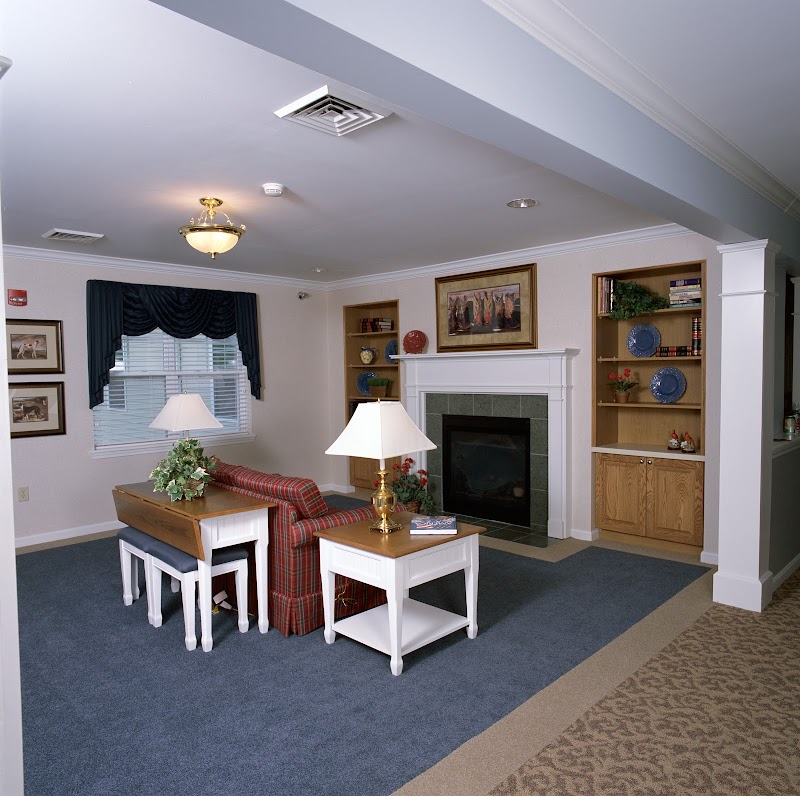
FRANCISCAN HEALTH CARE CENTER is owned by a for-profit company. For-profit facilities operate as businesses with obligations to shareholders or private owners. The facility is operated by TRILOGY HEALTH SERVICES, a chain that manages multiple nursing homes. With 85 certified beds and approximately 77 residents (about 91% occupancy), it is a smaller facility located in LOUISVILLE, Kentucky.

How Does Franciscan Health Compare to Other Kentucky Nursing Homes?

Compared to the 100 nursing homes in Kentucky, FRANCISCAN HEALTH CARE CENTER's overall rating (5 stars) is above the state average of 2.8, staff turnover (31%) is significantly lower than the state average of 46%, and health inspection rating (4 stars) is above the national benchmark.

What Should Families Ask When Visiting Franciscan Health?

Based on this facility's data, families visiting should ask: "Can I visit during a mealtime to observe dining assistance and food quality?" "How do you handle medical emergencies, and what is your hospital transfer rate?" "Can I speak with family members of current residents about their experience?"

Is Franciscan Health Safe?

Based on CMS inspection data, FRANCISCAN HEALTH CARE CENTER has a clean safety record: no substantiated abuse findings (meaning no confirmed cases of resident harm), no Immediate Jeopardy citations (the most serious violation level indicating risk of serious injury or death), and is not on the Special Focus Facility watch list (a federal program monitoring the lowest-performing 1% of nursing homes). The facility has a 5-star overall rating and ranks #1 of 100 nursing homes in Kentucky. While no facility is perfect, families should still ask about staff-to-resident ratios and recent inspection results during their visit.

Do Nurses at Franciscan Health Stick Around?

FRANCISCAN HEALTH CARE CENTER has a staff turnover rate of 31%, which is about average for Kentucky nursing homes (state average: 46%). Moderate turnover is common in nursing homes, but families should still ask about staff tenure and how the facility maintains care continuity when employees leave.

Was Franciscan Health Ever Fined?

FRANCISCAN HEALTH CARE CENTER has no federal fines on record. CMS issues fines when nursing homes fail to meet care standards or don't correct problems found during inspections. The absence of fines suggests the facility has either maintained compliance or corrected any issues before penalties were assessed. This is a positive indicator, though families should still review recent inspection reports for the full picture.

Is Franciscan Health on Any Federal Watch List?

FRANCISCAN HEALTH CARE CENTER is not on any federal watch list. The most significant is the Special Focus Facility (SFF) program, which identifies the bottom 1% of nursing homes nationally based on persistent, serious quality problems. Not being on this list means the facility has avoided the pattern of deficiencies that triggers enhanced federal oversight. This is a positive indicator, though families should still review the facility's inspection history directly.