Signature Healthcare at Jefferson Manor Rehab & We
1801 Lynn Way, Louisville, KY 40222 (502) 426-4513
For profit - Limited Liability company 100 Beds SIGNATURE HEALTHCARE Data: November 2025
Trust Grade
80/100
#36 of 266 in KY
Last Inspection: July 2025

Inspected within the last 6 months. Data reflects current conditions.

Overview

Signature Healthcare at Jefferson Manor Rehab & We has a Trust Grade of B+, indicating it is above average and recommended for families seeking care. It ranks #36 out of 266 facilities in Kentucky, placing it in the top half of the state, and #5 out of 38 in Jefferson County, meaning only four local options are better. The facility is showing improvement, with issues decreasing from six in 2024 to just one in 2025. While staffing is average with a 3/5 star rating, the turnover rate is concerning at 63%, which is higher than the state average. There have been no fines, which is a positive sign, and the facility has better RN coverage than many others, ensuring more thorough oversight of resident care. However, there are notable weaknesses. Recent inspections revealed issues with food safety, including expired milk and improper temperature documentation for food storage. Additionally, there were concerns about expired medications being stored improperly and not following policies for self-administration of treatments. These incidents, while not life-threatening, highlight the need for improved attention to detail in patient care practices.

Trust Score
B+
80/100
In Kentucky
#36/266
Top 13%
Safety Record
Low Risk
No red flags
Inspections
Getting Better
6 → 1 violations
Staff Stability
⚠ Watch
63% turnover. Above average. Higher turnover means staff may not know residents' routines.
Penalties
✓ Good
No fines on record. Clean compliance history, better than most Kentucky facilities.
Skilled Nurses
✓ Good
Each resident gets 47 minutes of Registered Nurse (RN) attention daily — more than average for Kentucky. RNs are trained to catch health problems early.
Violations
⚠ Watch
14 deficiencies on record. Higher than average. Multiple issues found across inspections.
★★★★★
5.0
Overall Rating
★★★☆☆
3.0
Staff Levels
★★★★★
5.0
Care Quality
★★★★☆
4.0
Inspection Score
Stable
2024: 6 issues
2025: 1 issues

The Good

  • 5-Star Quality Measures · Strong clinical quality outcomes
  • Full Sprinkler Coverage · Fire safety systems throughout facility
  • No fines on record

Facility shows strength in quality measures, fire safety.

The Bad

Staff Turnover: 63%

17pts above Kentucky avg (46%)

Frequent staff changes - ask about care continuity

Chain: SIGNATURE HEALTHCARE

Part of a multi-facility chain

Ask about local staffing decisions and management

Staff turnover is elevated (63%)

15 points above Kentucky average of 48%

The Ugly 14 deficiencies on record

Jul 2025 1 deficiency
CONCERN (D)

Potential for Harm - no one hurt, but risky conditions existed

Deficiency F0554 (Tag F0554)

Could have caused harm · This affected 1 resident

Facility failed to follow policy prior to self-administering neb treatments.The findings include: Review of facility policy, Medication Administration Self-Administration by Resident, dated 01/2023, i...

Read full inspector narrative →
Facility failed to follow policy prior to self-administering neb treatments.The findings include: Review of facility policy, Medication Administration Self-Administration by Resident, dated 01/2023, indicated, Residents who desire to self-administer medications are permitted to do so with a prescriber's order and if the nursing care center's interdisciplinary team has determined that the practice would be safe and the medications are appropriate and safe for self-administration. PROCEDURES 1. If the resident desires to self-administer medications, an assessment is conducted by the interdisciplinary team of the resident's cognitive, physical, and visual ability to carry out this responsibility, during the care planning process. The policy continued, The results of the interdisciplinary team assessment are recorded on the Medication Self-Administration Assessment, which is placed in the resident's medical record. Review of facility document, Resident Face Sheet indicated the facility admitted Resident #17 on 02/10/2025 with diagnoses including acute respiratory failure with hypoxia, wheezing, and chronic obstructive pulmonary disease. Review of the quarterly Minimum Data Set (MDS), with an Assessment Reference Date (ARD) of 05/26/2025, revealed the facility assess Resident #17 with a Brief Interview for Mental Status (BIMS) score of 15, which indicated the resident had intact cognition. The MDS indicated the resident experienced shortness of breath or trouble breathing with exertion and when lying flat. The MDS also indicated Resident #17 received oxygen therapy while a resident and within the last 14 days of the assessment period. During an interview on 07/21/2025 at 11:30 AM, Resident #17 stated they did their own breathing treatments every 4 hours. During an observation on 07/21/2025 at 11:48 AM, Resident #17 was observed using the nebulizer machine, completing their treatment, and placing the nebulizer mask on top of the nebulizer machine. During a concurrent observation and interview on 07/22/2025 at 10:05 AM, Resident #17 was observed lying in their bed receiving a nebulizer treatment, and no nurse was present. Resident #17 was observed to turn the nebulizer machine off and set the mask on top of the nebulizer machine. Resident #17 stated they had been doing their own nebulizer treatments for a long time. Review of Resident #17's medical record revealed a Prescription Order, dated 02/10/2025, for ipratropium-albuterol solution for nebulization: 0.5 milligrams (mg) -3 mg (2.5 mg base)/3 milliliters (mL). Instructions were to take 3 mL by nebulization 4 times a day. There was no evidence of an order for self-administration. Review of Resident #17's Physician Order Report, dated 07/21/2025 through 07/22/2025, revealed no evidence of an order for the resident to self-administer their nebulizer treatments. Review of Resident #17's Progress Notes, for the timeframe from 01/01/2025 through 07/22/2025, lacked any evidence of the resident self-administering their nebulizer treatments. During an interview on 07/22/2025 at 12:28 PM, Licensed Practical Nurse (LPN) #6 stated she had no knowledge of any residents in the building who were assessed to self-administer their medications, including nebulizer treatments. LPN #6 stated she thought the resident needed a physician's order, an assessment, education on the process, and be able to demonstrate how to safely administer their own medications. LPN #6 stated Resident #17's nebulizer treatments were always on the medication cart, but she allowed the resident to pour the albuterol solution into the machine, turn the machine on and off, and walked away during the treatment. LPN #6 stated she was not able to find a self-administration assessment or an order for Resident #17 to self-administer their nebulizer treatments. During an interview on 07/22/2025 at 12:50 PM, Registered Nurse (RN) #7 stated there were no residents residing on Resident #17's hall with orders to self-administer medications, including nebulizer treatments. RN #7 stated if a resident was allowed to self-administer medications, an order and an assessment were necessary to make sure the resident was safe to administer their own medications. RN #7 stated it could be dangerous for a resident to self-administer nebulizer treatments because it could cause breathing issues if not administered correctly. RN #7 stated regarding Resident #17, she had given the resident their nebulizer solution and watched the resident place the solution into the machine and turn on the machine, but she did not normally stand and watch the resident during their treatment. RN #7 said she trusted that the resident completed their full treatment. During an interview on 07/24/2025 at 11:28 AM, the Nurse Practitioner (NP) stated she knew Resident #17 self-administered their nebulizer treatments prior to the survey but the facility had not contacted her about this until 07/23/2025. The NP stated the facility should have completed a self-administration assessment prior to allowing the resident to self-administer the nebulizer treatments. During an interview on 07/24/2025 at 3:41 PM, the Director of Nursing (DON) stated she expected the staff to do a self-administration assessment and obtain a physician's order before a resident self-administered their medications. During an interview on 07/24/2025 at 4:28 PM, the Administrator stated he expected the staff to give the medication as it was written, follow the regulations, get the documents needed, and follow facility policy.
Jun 2024 6 deficiencies
CONCERN (D)

Potential for Harm - no one hurt, but risky conditions existed

Deficiency F0554 (Tag F0554)

Could have caused harm · This affected 1 resident

Based on observation, interview, record review, and review of facility policy, it was determined the facility failed to ensure two (2) of 49 sampled residents (Resident (R)16 and R47) were assessed fo...

Read full inspector narrative →
Based on observation, interview, record review, and review of facility policy, it was determined the facility failed to ensure two (2) of 49 sampled residents (Resident (R)16 and R47) were assessed for self-administration of medications to ensure the practice was clinically appropriate. Observation on 06/03/2024 at 2:27 PM, revealed a bottle of Flonase Allergy Relief nasal spray on R16's overbed table. However, there was no documented evidence of Physician's Orders for self administration of medications. Additionally, observation, on 06/04/2024 at 12:37 PM, revealed a small yellow pill on R47's lunch tray. However, there was no documented evidence of Physician's Orders for self administration of medications. The findings include: Review of the facility's policy titled, Medication Administration Self-Administration by Resident, last reviewed on 01/2023, revealed Residents who desire to self-administer medications are permitted to do so with a prescriber's order and if the nursing care center's interdisciplinary team has determined that the practice would be safe, and the medications are appropriate and safe for self-administration . 1. Review of R16's Face sheet located in the electronic medical record (EMR) under the Face Sheet tab, revealed the facility admitted the resident on 04/01/2019 with diagnoses including stroke affecting the right side, congestive heart failure, and chronic obstructive pulmonary disease (COPD). Review of R16's quarterly Minimum Data Set (MDS), with an Assessment Reference Date (ARD) of 02/24/2024, revealed the facility assessed the resident as having a Brief Interview for Mental Status (BIMS) score of 15 out of 15 indicating intact cognition. Review of R16's Physician's Orders included no orders for self-administration of medication. Observation on 06/03/2024 at 2:27 PM, revealed R16 was in bed reading. A bottle of Flonase Allergy Relief nasal spray was observed on the overbed table. When the resident was questioned about the nasal spray during this observation, she stated, I am allowed to keep the medication in my room and use it when I need to. Observation on 06/03/2024 at 2:30 PM, revealed Licensed Practical Nurse (LPN)1, came into R16's room and stated he was going to take the resident's Flonase nasal spray and keep it on the medication cart. When LPN1 was questioned, he stated, I was told by the Director of Nursing (DON) to get the Flonase. I am not sure why. When LPN1 was asked if the resident was allowed to keep the medication at bedside, he stated, I do not know. I did not give it to her. Interview on 06/04/2024 at 5:11 PM, with the DON, revealed I asked LPN1 to retrieve the medication from the bedside table. He did not know why the resident had the medication. I saw it when I passed her room. She does not have an order for self-administration. 2. Review of R47's Face Sheet located in the EMR under the Face Sheet tab, revealed the facility admitted the resident on 11/16/2023, with diagnoses including interstitial pulmonary disease, dependence on renal dialysis, and acute respiratory failure with hypoxia. Review of R47's quarterly MDS with an ARD of 02/22/2024, revealed the facility assessed the resident as having a BIMS score of 12 out of 15, indicating moderate cognitive impairment. Review of R47's Physician's Orders included no orders for self-administration of medication. Review of R47's Progress Notes located in the EMR, dated 06/04/2024 at 1:44 PM, revealed LPN6 documented, resident states she dropped medication, this nurse verified medication as aspirin. Advanced Practice Registered Nurse (APRN) notified okay to hold dose for today, new order for nursing to ensure resident takes medication. Review of R47's Care Plan dated 06/04/2024, located in the EMR under the RAI (Resident Assessment Instrument) tab, revealed, Resident prefers to take medications from med cup independently after setup. Approaches included .Observe resident swallow medications from med cup independently, offer assistance as needed. During an observation, on 06/04/2024 at 12:37 PM, there was a small yellow pill noted on R47's lunch tray. During an interview conducted with R47 during the observation, she stated the nurse left the pills at the bedside. When questioned if the nurse stayed in the room to watch her take her medications, R47 stated, No, the nurse did not. The Registered Nurse Signature Clinical Coordinator (facility consultant), confirmed the pill left on the resident's lunch tray was aspirin. During an interview, conducted on 06/04/2024 at 12:44 PM, with LPN6, (R47's nurse), the nurse was asked if she watched the resident take her medications. LPN6 stated, Yes, I stood outside the resident's room with the door cracked. LPN6 was asked what her process was for medication administration and the nurse stated she obtained the resident's vital signs, checked medications, and watched the resident take their medications.
CONCERN (D)

Potential for Harm - no one hurt, but risky conditions existed

Deficiency F0582 (Tag F0582)

Could have caused harm · This affected 1 resident

**NOTE- TERMS IN BRACKETS HAVE BEEN EDITED TO PROTECT CONFIDENTIALITY** Based on interview, record review, review of the Centers for Medicare and Medicaid Services (CMS), Form Instructions for the Not...

Read full inspector narrative →
**NOTE- TERMS IN BRACKETS HAVE BEEN EDITED TO PROTECT CONFIDENTIALITY** Based on interview, record review, review of the Centers for Medicare and Medicaid Services (CMS), Form Instructions for the Notice of Medicare Non-Coverage (NOMNC) CMS-10123, review of the CMS site, Form Instructions Advance Beneficiary Notice of Non-coverage (ABN) OMB Approval Number: 0938-0566 and review of facility policy, it was determined the facility failed to issue the appropriate notice for termination of Medicare part A benefits for two (2) of three (3) residents reviewed for beneficiary notification out of a total sample of 49 residents (Resident (R) 67 and R73). These failures had the potential to result in a lack of understanding of appeal rights and/or the termination of the current level of care against the resident's/representative's wishes. The findings include: Review of the Centers for Medicare and Medicaid Services (CMS), Form Instructions for the Notice of Medicare Non-Coverage (NOMNC) CMS-10123 accessed at https://www.cms.gov/medicare/medicare-general-information/bni/downloads/instructions-for-notice-of-medicare-non-coverage-nomnc.pdf on 06/04/2024, revealed, The provider must ensure that the beneficiary or representative signs and dates the NOMNC to demonstrate that the beneficiary or representative received the notice and understands that the termination decision can be disputed . CMS requires that notification of changes in coverage for an institutionalized beneficiary/enrollee who is not competent be made to a representative . If the provider is personally unable to deliver a NOMNC to a person acting on behalf of an enrollee, then the provider should telephone the representative to advise him or her when the enrollee's services are no longer covered. The date of the conversation is the date of the receipt of the notice. Confirm the telephone contact by written notice mailed on that same date. Review of the CMS site, Form Instructions Advance Beneficiary Notice of Non-coverage (ABN) OMB Approval Number: 0938-0566 accessed at https://www.cms.gov/medicare/medicare-general-information/bni/downloads/abn-form-instructions.pdf on 06/04/2024, revealed, The beneficiary or his or her representative must choose only one of the three options listed in Blank (G). Unless otherwise instructed to do so according to the specific guidance provided in these instructions, the notifier must not decide for the beneficiary which of the 3 checkboxes to select . If the beneficiary cannot or will not make a choice, the notice should be annotated, for example: beneficiary refused to choose an option. Review of the facility's Notice of Medicare Non-Coverage (NOMNC) policy, dated 09/01/2023 and provided on paper, revealed, All NOMNCs must be completed based on Medicate guidelines and facility policy . If the resident is unable to sign, and the SNF [Skilled Nursing Facility] is working with a legally authorized representative who is unable to be present at the facility that day, the SNF may issue the NOMNC by telephone . The facility must confirm the telephone contact by sending written notice to the authorized representative the same day the call was made by: Certified Mail, returned receipt requested. The facility did not provide a policy addressing the ABN. 1. Review of R67's Face Sheet, under the Face Sheet tab of the electronic medical record (EMR), revealed the facility admitted the resident on 03/28/2024. Family Member (F)1 was listed as her financial representative. Review of R67's admission Minimum Data Set (MDS), with an Assessment Reference Date (ARD) of 04/03/2024, located under the MDS 3.0 tab of the EMR, revealed the resident scored zero (0) out of 15 on the Brief Interview for Mental Status (BIMS), indicating severe cognitive impairment. Review of R67's Notice of Medicare Non-Coverage (NOMNC), dated 04/30/2024 and provided on paper, revealed her last covered day (LCD) of Medicare Part A services was 05/02/2024. The Social Services Director (SSD) documented F1 was provided verbal notice via telephone on 04/30/2024; however, there was no signature from F1 on the form. Review of R67's Advance Beneficiary Notice of Noncoverage (ABN), dated 04/30/2024 and provided on paper, revealed the notice was provided verbally to F1 via telephone on 04/30/2024; however, no option was checked to indicate whether F1 wanted skilled services to be continued with responsibility for payment, skilled services to be discontinued, or skilled services to continue with an appeal to Medicare for further coverage. There was no signature from F1 on the form. Review of a Progress Note, dated 04/30/2024 and located in the Progress Notes tab of the EMR, written by the Social Services Director (SSD), revealed, NOMNC/ABN issued with LCD-05/02[/2024] from therapy services, call placed to [F1]. Discussed with [F1]. [F1] is aware of ending therapy services and reviewed room [ROOM NUMBER] for LTC placement at facility. Son was agreeable. All questions answered. Social Services will continue to assist as needed. In an interview on 06/04/2024 at 10:54 AM, the SSD stated for the NOMNC and ABN, she only provided verbal notice; the written forms were not sent to F1 for signature or to keep on file. The SSD further stated she did discuss with F1 which option he wanted; however, it must have been a clerical error that the option was not documented on the form. The SSD stated she was unsure what option F1 chose and would investigate and provide further information. No additional information was provided by the SSD prior to survey exit on 06/06/2024. In an interview, on 06/06/2024 at 12:26 PM, the Administrator provided the above Progress Note written by the SSD and stated that was the only information he could locate regarding the NOMNC and ABN and no documentation could be located to indicate which option F1 chose regarding continuation of services. In a telephone interview, on 06/06/2024 at 1:39 PM with F1, he stated he did not recall receiving notice of Medicare non-coverage via telephone and stated he had not been presented with options to appeal, continue services, or end services. F1 stated he would have chosen to discontinue services had he been asked. 2. Review of R73's Face Sheet under the Face Sheet tab of the EMR, revealed the facility re-admitted the resident on 12/13/2023. F2 was listed as her financial representative. Review of R73's Significant Change of Status MDS, with an ARD of 12/17/2023 and located under the MDS 3.0 tab of the EMR, revealed she scored 12 out of 15 on the BIMS, indicating moderate cognitive impairment. Review of R73's NOMNC, dated 12/27/2023 and provided on paper, revealed her LCD of Medicare Part A services was 12/29/2023. The SSD documented F2 was provided verbal notice via telephone on 12/27/2023; however, there was no signature from F2 on the form. Review of R73's ABN, dated 12/27/2023 and provided on paper, revealed the notice was provided verbally to F2 via telephone on 12/27/2023; however, no option was checked to indicate whether F2 wanted skilled services to be continued with responsibility for payment, skilled services to be discontinued, or skilled services to continue with an appeal to Medicare for further coverage. There was no signature from F2 on the form. Review of a Progress Note, dated 12/27/2023 and located in the Progress Notes tab of the EMR, written by the SSD, revealed, NOMNC/ABN issued with LCD-12/29[/2024] from therapy services. Resident notified and preferred to review with [F2] instead. SSD notified [F2]- Spoke with [F2], voiced understanding. No issues or concerns voiced. In an interview, on 06/04/2024 at 10:54 AM, the SSD stated for the NOMNC and ABN, she only provided verbal notice; the written forms were not sent to F2. The SSD also stated she did discuss with F2 which option she wanted; however, it must have been a clerical error that the option was not documented on the form. The SSD stated she was unsure what option F2 chose and would investigate and provide further information. No additional information was provided by the SSD prior to survey exit on 06/06/2024. In an interview, on 06/06/2024 at 12:26 PM, the Administrator provided the above Progress Note written by the SSD and stated that was the only information he could locate regarding the NOMNC and ABN and he was unable to find documentation to indicate which option F2 chose regarding continuation of services. In a telephone interview, on 06/06/2024 at 5:52 PM with F2, she stated she did not remember receiving a phone call to explain the NOMNC and ABN and was never asked whether she wanted skilled services to continue, to end, or to appeal the decision. F2 stated she would not want skilled services to continue.
CONCERN (D)

Potential for Harm - no one hurt, but risky conditions existed

Deficiency F0658 (Tag F0658)

Could have caused harm · This affected 1 resident

Based on interview, record review and review of the Kentucky Board of Nursing AOS #09 - Wound Assessment, Staging, and Treatment published in December 2023, it was determined the facility failed to en...

Read full inspector narrative →
Based on interview, record review and review of the Kentucky Board of Nursing AOS #09 - Wound Assessment, Staging, and Treatment published in December 2023, it was determined the facility failed to ensure services provided or arranged by the facility meet professional standards of quality for two (2) of 49 sampled residents (Resident (R)71 and R1). The facility failed to have qualified wound care staff and physician oversight related to wound care. The findings include: Review of the Kentucky Board of Nursing Advisory Opinion Statement (AOS) #09 - Wound Assessment, Staging, and Treatment published in December 2023, provided by the facility revealed, .It is within the scope of licensed practical nursing practice for a licensed practical nurse who is educationally prepared and clinically competent to assist the qualified healthcare provider in wound assessment, staging, and treatment including debridement. This includes the application of wound dressings and wound vacs, the removal of wound drains, and the application of Unna boots . Review of the job description provided by the facility, for a Charge Nurse (LPN or RN) [Licensed Practical Nurse or Registered Nurse] under Essential Duties and Responsibilities revealed, .Administer professional services such as: catheterization, tube feedings, suction, applying and changing, dressings/bandages, packs, colostomy, and drainage bags, taking blood, giving massages and of motion exercises, care for the dead/dying, etc., as required . Review of the Director of Nursing's (DON) job description provided by the facility, revealed, .Review and verify that documentation procedures for nursing are met . Review of the Medical Director Services - Rules and Responsibilities provided by the facility revealed, The Medical Director will coordinate medical care .and provide clinical guidance and oversight . 1. Review of R71's undated Face Sheet located in the electronic medical record (EMR), under the Face Sheet tab, revealed the facility admitted R71 on 04/13/2024, with diagnoses including stroke, type 2 diabetes mellitus, malnutrition, and unstageable pressure ulcer to sacral area. Review of R71's admission Minimum Data Set (MDS) with an Assessment Reference Date (ARD) of 04/19/2024, located in R71's EMR under the MDS tab, revealed the resident had a Brief Interview for Mental Status (BIMS) score of zero (0) out of 15, indicating severe cognitive impairment. R71 was also coded for an unstageable pressure ulcer that was known, but not stageable due to coverage of the wound bed by slough and/or eschar. Review of R71's Physician's Orders located in the EMR under the Orders tab, revealed clean sacrum wound with normal saline, pack with normal saline wet to dry dressing, and apply boarded dressing daily and as needed for dislodgement. 2. Review of R1's undated Face Sheet located in the EMR, under the Face Sheet tab, revealed the facility admitted the resident on 10/31/2014, with diagnoses including cerebral palsy. Further review of the EMR revealed R1 developed a Stage IV pressure ulcer in August 2023. Review of R1's Annual MDS with an ARD of 03/16/2024, located in R1's EMR under the MDS tab, revealed the resident had a Brief Interview for Mental Status (BIMS) score of 14 out of 15, indicating intact cognition. Review of R1's Physician Orders, dated 05/15/2024, located in the EMR, under the Orders tab, revealed clean right ischium wound with normal saline, place betadine-soaked gauze loosely in the wound, and cover with an ABD (abdominal) pad using no tape twice a day and as needed for dislodgement . An interview was conducted with Wound Care Nurse (WCN)1/Licensed Practical Nurse, on 06/05/2024 at 1:26 PM. WCN1 was questioned if she was a certified wound care nurse and she stated, I have only had on the job training. I'm not certified. I am supposed to get the training at some point. Review of WCN1's employee file revealed she was hired on 02/06/2024 and the job application and resume revealed she was not a certified wound care nurse. Review of WCN1's competencies included online classes of Skin Integrity for 0.50 hour with a completion date of 04/01/2024, Infection Control and Prevention for 1.00 hour with a completion date of 02/07/2024, and Pressure Injuries: Assessment, Interventions, Prevention for 1.25 hours with a completion date of 02/08/2024. During a phone interview, on 06/06/2024 at 4:30 PM, Wound Care Certified Nurse (WCCN)1 stated, I worked with WCN1 on 03/13/2024 showing WCN1 the different types of wounds, staging of wounds, measuring of wounds, and some of the best treatments used for the different types of wounds. WCCN1 stated she worked at a sister facility of the corporation where this was education was completed with WCN1. During an interview with the Signature Clinical Coordinator (SCC) Registered Nurse (RN) who was Wound Care Certified, on 06/05/2024 at 2:29 PM, she stated she only provided support to the wound care nurse and did not review her documentation regularly nor did she make observations of the residents that had wounds that were being treated by WCN1. During an interview with the Nurse Practitioner (NP), on 06/06/2024 at 9:10 AM, the NP stated, I will visualize the wounds on admission and then if the wound care nurse sees a wound worsening, but I don't measure the wounds. The wound care nurse does this. During an interview with the Medical Director, on 06/06/2024 at 10:09 AM, he stated he did not visualize the wounds and he was not a board-certified wound care doctor. The Medical Director confirmed the Nurse Practitioner would call if there were any problems she was made aware of, but it was a consult type of occurrence. During an interview with the Director of Nursing (DON), on 06/06/2024 at 10:45 AM, she confirmed she was not a certified wound care nurse, and she did not regularly review the documentation nor observe the wound care nurse during dressing changes. On 06/06/2024 at 3:00 PM, the Administrator stated the facility did not have a job description for a Wound Care Nurse.
CONCERN (D)

Potential for Harm - no one hurt, but risky conditions existed

Accident Prevention (Tag F0689)

Could have caused harm · This affected 1 resident

Based on observation, interview, record review, and review of facility policy, it was determined the facility failed to ensure that adequate assistive devices were implemented to prevent accidents for...

Read full inspector narrative →
Based on observation, interview, record review, and review of facility policy, it was determined the facility failed to ensure that adequate assistive devices were implemented to prevent accidents for one (1) of four (4) sampled residents reviewed for falls out of a total sample of 49 residents, Resident (R)76). R76 was found on the floor on 04/20/2024, and the Interdisciplinary Team (IDT) conducted a root cause analysis and determined the resident attempted to get out of his bed and fell. A new fall intervention dated 05/04/2024, revealed the resident's bed was to be in a low position, when he was in bed. However, observations on 06/04/2024 revealed staff failed to ensure the bed was in the lowest position while the resident was in bed. The findings include: Review of the facility policy titled, Falls, dated 09/15/2023, indicated, .The intent of this policy is to ensure the facility provides an environment that is as free from accident hazards, as possible, over which the facility has control to prevent avoidable falls.All residents will have a fall risk assessment on admission/readmission, quarterly, annually, and with a significant change of condition to identify risks for falls.A Comprehensive Care Plan will be implemented based on the resident's risk for falls with an individual goal and interventions specific to each resident to attempt to reduce the risk of avoidable falls, to the extent possible. The care plan will be reviewed following each fall, quarterly, annually, and with a significant change in condition.The Interdisciplinary Team (IDT)/which includes the Director of Nursing (DON) or their designee reviews during the At-Risk Meeting as applicable. Review of R76's Resident Face Sheet, in the electronic medical records (EMR), located under the Resident tab, revealed the facility admitted the resident on 04/18/2024 with post-surgical diagnosis of traumatic subdural hematoma. Review of R76's Progress Notes, dated 04/20/2024, located in the EMR under the Progress Notes tab, revealed the resident was found when the nurse was coming out of another resident room. The nurse found the resident on the floor and the resident stated he was trying to get up. The progress notes further revealed the resident was transported to the local hospital, per resident representative (RR)1's request, for evaluation and treatment. Review of R76's Progress Notes, dated 04/22/2024, located in the EMR under the Progress Notes tab, revealed the Interdisciplinary Team (IDT) conducted a root cause analysis and determined the resident attempted to get out of his bed and fell, and determined the cause of the fall as self-transfer of the resident. Review of R76's Care Plan, dated 05/04/2024, located under the RAI (Resident Assessment Instrument) tab, revealed an intervention for the resident's bed to be in a low position, when he was in bed. Review of R76's admission Minimum Data Set (MDS) with an Assessment Reference Date (ARD) of 05/10/2024, located under the RAI tab, revealed the facility assessed the resident as having a Brief Interview for Mental Status (BIMS) score of nine (9) out of 15 indicating moderate cognitive impairment. The MDS assessment further revealed the resident had a history of falls prior to admission and during his admission to the facility. Under the Care Area Assessment (CAA), falls triggered and directed the staff to develop a care plan. During an observation, on 06/04/2024 at 1:10 PM, R76 was in bed, and the bed was not in a low position. During this observation, RR1 was present and stated the bed was not in the low position and she lowered it. RR1 stated when she would find the resident in bed, the bed was typically not in the low position. During an observation, on 06/04/2024 at 4:41 PM, R76 was observed to be in bed, and the bed was not in a low position. During an interview on 06/06/2024 at 8:58 AM, Certified Nursing Assistant (CNA) 3 stated she had provided care for R76 and stated the resident's bed was to be in a low position when he was in the bed. During an interview, on 06/06/2024 at 10:45 AM, the Director of Nursing (DON) stated it was her expectation for staff to implement fall precautions to prevent major injury of a resident. The DON stated the facility had placed a soft touch call light for R76 and the bed was to be lowered to the low position. The DON further stated the positioning of the resident's bed would be in a Certified Nurse Aide (CNA) guide.
CONCERN (D)

Potential for Harm - no one hurt, but risky conditions existed

Infection Control (Tag F0880)

Could have caused harm · This affected 1 resident

Based on observation, interview, and record review, it was determined the facility failed to establish and maintain an infection prevention and control program designed to provide a safe, sanitary and...

Read full inspector narrative →
Based on observation, interview, and record review, it was determined the facility failed to establish and maintain an infection prevention and control program designed to provide a safe, sanitary and comfortable environment and to help prevent the development and transmission of communicable diseases and infections for two (2) of two (2) sampled residents observed for wound care out of a total sample of 49 residents, Resident (R)1 and R71. During observation of wound care for R71, on 06/04/2024, Wound Care Nurse (WCN)1 failed to implement infection control procedures as evidenced by failure to clean/disinfect the table top prior to placing a barrier in which to place wound supplies; failure to clean/disinfect scissors before using them to cut the Kerlix which she packed in the resident's wound; failure to wash hands and don new gloves after wound care and prior to cleaning/disinfecting the dirty scissors; and failure to wait three (3) minutes after disinfecting the scissors prior to placing them back into the treatment cart. Additionally, during observation of wound care for R1 on 06/06/2024 at 9:30 AM, WCN1 failed to provide incontinence care to remove stool before she started the wound care. Also, during wound care, the nurse cleaned the wound with a gauze saturated with normal saline, wiping down the center of the wound, and then wiped the same area again with the same gauze. The findings include: Review of the facility policy titled Skin Integrity, dated 09/15/2023, revealed it is recommended that a nursing leader does a follow-up visualization of skin integrity concerns that were present upon admission. Recommend ongoing observation of skin integrity by licensed nursing staff. The licensed nurse shall initiate applicable Skin Integrity documentation if a new area of impairment is identified. The Nurse Leader/Wound Nurse shall document all impaired skin integrity areas such as: pressure, stasis, surgical incision, or diabetic ulcers in the Electronic Medical Record (EMR) on an ongoing basis or until closed or the resident has been discharged . In addition to ongoing observations of skin integrity impairments mentioned above, nursing stakeholders shall observe the skin for areas of impairment during bathing, dressing, and peri care. Nursing stakeholders will notify the nurse if a new area is identified. The facility utilizes either a pressure reducing, pressure relieving, or pressure redistributing mattress on each resident bed. However, the policy did not identify infection control measures to be utilized related to wound care. 1. Review of R71's undated Face Sheet located in the electronic medical record (EMR), under the Resident tab, revealed the facility admitted the resident on 04/13/2024, with diagnoses including stroke, type 2 diabetes mellitus, malnutrition, and unstageable pressure ulcer to sacral area. Review of R71's admission Minimum Data Set (MDS) with an Assessment Reference Date (ARD) of 04/19/2024, located in R71's EMR under the MDS tab, revealed the facility assessed the resident as having a Brief Interview for Mental Status (BIMS) score of zero (0) out of 15, indicating severe cognitive impairment. R71 was also coded as having an unstageable pressure ulcer that was present on admission. Review of R71's Physician's Orders, dated 05/09/2024, located in the EMR under the Orders tab, revealed orders to clean sacrum wound with normal saline, pack with normal saline wet to dry dressing, and apply boarded dressing daily and as needed for dislodgement. During an observation of Wound Care Nurse (WCN)1 providing wound care to R71 on 06/04/2024 at 1:48 PM, the following was noted: 1) WCN1 did not clean and disinfect the overbed table before placing the barrier down which would hold the wound care supplies. 2) WCN1 brought scissors from the treatment cart into R71's room and did not clean/disinfect the scissors before using them to cut the Kerlix which she packed in the resident's wound. 3) After providing wound care, WCN1 then took off her gloves and failed to wash hands and don new gloves before cleaning the the dirty scissors with soap and water, and then with alcohol preps. She then with bare hands cleaned/disinfected the scissors with a Clorox wipe and placed the scissors on top of the laptop. 4) The WCN1 only waited two (2) minutes before placing the scissors into the treatment cart. During an interview with the Director of Nursing (DON), on 06/05/2024 at 1:57 PM, the DON stated, The nurse should have cleaned the overbed table with a Clorox wipe and then placed her barrier down. And then she should have worn gloves to clean her scissors When asked what the dry time for the Clorox wipes was, the DON stated, I don't know. I will have to get back in touch with you about this. During an interview with Registered Nurse/Signature Clinical Consultant/ Wound Care Nurse Certified Nurse (RN/SCC/WCCN), on 06/05/2024 at 2:29 PM, she confirmed the overbed table should have been cleaned/disinfected with a Clorox wipe before the barrier was placed on it. Further, she stated the scissors should have been cleaned/disinfected before using them to cut the Kerliz and the dry tine for the Clorox wipes was three (3) minutes before the scissors were to be placed back into the treatment cart. During an interview with WCN1, on 06/06/2024 at 1:30 PM, the nurse confirmed she should have cleaned/disinfected the over the bed table prior to placing the barrier to hold the wound care supplies. In further interview, she stated she should have cleaned/disinfected the scissors before using them to cut the kerlix to pack in the resident's wound. In continued interview, WCN1 stated she should have ensured she cleaned and disinfected the scissors after providing wound care while wearing clean gloves and should have waited the dry time of three (3) minutes before placing the clean scissors back into the treatment cart. 2. Review of R1's undated Face Sheet located in the EMR, under the Resident tab, revealed the facility admitted the resident on 10/31/2014, with a diagnosis of cerebral palsy. R1 developed a stage IV pressure ulcer in August 2023. Review of 1's annual MDS with an ARD of 03/16/2024, located in R1's EMR under the MDS tab, revealed the resident had a BIMS score of 14 out of 15, which indicted the resident was cognitively intact. R1 was also coded for having a Stage IV pressure ulcer. Review of R1's Physician's Orders, dated 05/15/2024, located in the EMR under the Orders tab, revealed orders to clean the right ischium wound with normal saline, place betadine-soaked gauze loosely in the wound, and cover with an ABD (abdominal) pad using no tape twice a day and as needed for dislodgement. During an observation of WCN1 providing wound care to R1, on 06/06/2024 at 9:30 AM, the following was noted: 1) When R1 was moved to the side lying position for wound care, the resident had a small bowel movement. The nurse did not provide incontinence care to remove the stool before she started the wound care. 2) While cleaning the wound with a gauze saturated with normal saline, WCN1 wiped down the center of the wound, then wiped the same area again with the same gauze. During continued interview with WCN1, on 06/06/2024 at 1:30 PM, the nurse confirmed she should have provided incontinence care by cleaning the stool from R1 prior to providing wound care. Further, she stated she should not have cleaned R1's wound using the same gauze as she had previously used.
CONCERN (E)

Potential for Harm - no one hurt, but risky conditions existed

Deficiency F0761 (Tag F0761)

Could have caused harm · This affected multiple residents

Based on observation, interview, and review of facility policy, it was determined the facility failed to ensure drugs and biologicals were stored appropriately, without being expired, for one (1) of t...

Read full inspector narrative →
Based on observation, interview, and review of facility policy, it was determined the facility failed to ensure drugs and biologicals were stored appropriately, without being expired, for one (1) of two (2) medication storage rooms, and two (2) of five (5) medication carts. A tour of the blue medication room, on 06/04/2024 at 11:45 AM, revealed a tube of Iodosorb with an expiration date of 02/2022, a tube of Medihoney with expiration date of 12/11/2022, and a tube of HydrofaraBlue with expiration date of 02/01/2021. Additionally, observation on 06/04/2024 at 12:50 PM, of the [NAME] Unit, Medication Cart #1, revealed the following expired medications: a bottle of nitroglycerine 0.4 milligram (mg) with an expiration date of 11/16/2023; Atrovent 17 micrograms (mcg ) hydrofluoroalkane (HFA) inhaler with an opened date of 04/24/2024; and a Miralax bottle opened on 01/29/2023. Furthermore, observation on 06/04/2024 at 1:35 PM, of the [NAME] Unit, Medication Cart #3, revealed the following expired medications: Breyna expired on 04/25/2024; and Glycopyrolate 1 milligram (mg)/5 milliliters (ml) opened on 04/08/2024. The findings include: Review of the facility's policy titled Medication Storage, undated, revealed Medications and biologicals are stored properly .to maintain their integrity and to support safe effective drug administration .Outdated, contaminated, discontinued, or deteriorated medications, and those in containers that are cracked, soiled, or without secure closures are immediately removed from stock, disposed of according to procedures for medication disposal. Review of the facility's policy titled Medication Administration dated 01/2023, revealed The nurse shall place a date opened sticker on the medication if one is not provided at the dispensing pharmacy and enter the date opened Certain products or package types such as multi-dose vials and ophthalmic drops have specified shortened end-of-use dating, once opened, to ensure medication purity and potency. When the date open expiration dating is not available from the manufacturer, the following may be considered in determining facility policy: Position statements from the American Society of Ophthalmic Registered Nurses and American Society of Cataract & Refractive Surgery (ASCRS) state that the multi-use eye drops and ointments should be disposed of 28 days after initial use. Manufacturer recommendations for beyond use dating should take precedence, taking into consideration not to exceed limitations. All other ophthalmic drops are to be considered expired after 60 days from the date opened. During a tour of the blue medication room, on 06/04/2024 at 11:45 AM, with the Director of Nursing (DON) and Signature Clinical Consultant (SCC), observation revealed the following: a tube of Iodosorb with an expiration date of 02/2022, a tube of Medihoney with expiration date of 12/11/2022, and a tube of HydrofaraBlue with expiration date of 02/01/2021. These items were confirmed as expired by the DON, and SCC during the tour of the medication room. During an observation conducted on 06/04/2024 at 12:50 PM, of the [NAME] Unit, Medication Cart #1, accompanied by Unit Manager (UM)1, the following medications were noted to be expired: a bottle of nitroglycerine 0.4 milligram (mg) with an expiration date of 11/16/2023; Atrovent 17 micrograms (mcg ) hydrofluoroalkane (HFA) inhaler with an opened date of 04/24/2024; and Miralax bottle opened on 01/29/2023. These items were confirmed as expired by UM1 during observation of the medication cart. During an observation conducted on 06/04/2024 at 1:35 PM, of the [NAME] Unit, Medication Cart #3, accompanied by Licensed Practical Nurse (LPN)5, the following medications were noted to be expired: Breyna expired on 04/25/2024; and Glycopyrolate 1 milligram (mg)/5 milliliters (ml) opened on 04/08/2024. These items were confirmed as expired by LPN5 during observation of the medication cart. During an interview conducted on 06/04/2024 at 1:00 PM, with LPN5, the nurse was questioned concerning how long a medication was good after the opened date. LPN5 stated she thought it was 30 days, but she was not positive and would have to look it up. During an interview conducted on 06/04/2024 at 2:24 PM, with LPN4, she stated she thought medications were good for 28 -30 days after opened , but she wasn't sure.
Feb 2019 7 deficiencies
CONCERN (D)

Potential for Harm - no one hurt, but risky conditions existed

Comprehensive Care Plan (Tag F0656)

Could have caused harm · This affected 1 resident

**NOTE- TERMS IN BRACKETS HAVE BEEN EDITED TO PROTECT CONFIDENTIALITY** Based on observation, interview, record review, and facility policy review, it was determined the facility failed to follow the ...

Read full inspector narrative →
**NOTE- TERMS IN BRACKETS HAVE BEEN EDITED TO PROTECT CONFIDENTIALITY** Based on observation, interview, record review, and facility policy review, it was determined the facility failed to follow the care plan for one (1) of four (4) sampled residents, Resident #70. The facility assessed the resident was at risk for falls with an intervention to have the call light within reach. However, observation revealed the resident's call light was not functional. The findings include: Review of the facility's policy, Comprehensive Care Plans, revised 07/19/18, revealed a person-centered care plan was developed to include measurable objectives and timetables to meet the resident's medical, nursing, mental, and psychological needs. The care plan was designed to incorporate identified problem areas; incorporate risk factors associated with identified problems; and aid in preventing or reducing declines in the resident's functional status and/or functional levels. The policy revealed care plan interventions would reflect action, treatment, or procedures to meet the objectives toward achieving resident goals. Review of the facility's policy, Answering the Call Light, revised October 2010, revealed staff should ensure the call light was plugged in at all times to respond to the resident's requests and needs. Review of the clinical record revealed the facility admitted Resident #70 on 04/04/16, with diagnoses of Dementia, Unspecified Abnormalities of Gait and Mobility, and Functional Urinary Incontinence. Review of Resident #70's Significant Change Minimum Data Set (MDS), dated [DATE], revealed the facility assessed the resident with a Brief Interview for Mental Status (BIMS) score of eleven (11) of fifteen (15) and determined the resident interviewable. Per the MDS, the resident had a fall with a major injury since the last assessment. Review of Resident #70's Care Plan, dated 04/18/16, revealed the resident required assistance with his/her Activities of Daily Living, and was at risk for falls and required assistance with transfers and/or ambulation. Interventions included the call light was to be within reach in the resident's room, when in bed, and when in the bathroom. Observation, on 02/12/19 at 10:02 AM, revealed Resident #70 in bed and his/her left arm was in a sling. The resident stated he/she fell and broke his/her arm. Further observation, on 02/12/19 at 11:54 AM, revealed Resident #70's call light was not operational. The call light cord was wrapped around the side rail of the bed and the box/jack was out of the wall and laid on the floor behind the recliner. Interview with Certified Nursing Assistant (CNA) #1, on 02/12/19 at 12:07 PM, revealed CNAs were responsible for ensuring the call light was within reach of the resident and functioning, in case the resident needed assistance. She stated sometimes the call light cord got caught when adjusting the bed and the box would come off the wall. Interview with Registered Nurse (RN) #1, on 02/12/19 at 12:17 PM, revealed he had not noticed Resident #70's call light was off the wall and it could have happened when the bed was adjusted. He stated the resident could not ask for help from staff if he/she did not have a functional call light available. Interview with RN #2, on 02/15/19 at 1:51 PM, revealed she monitored to ensure call lights were in reach of the resident when she went into a resident's room. She stated all staff was responsible for ensuring call lights were accessible. The RN revealed it was important for residents to have access to a functioning call light so he/she could call for assistance and prevent potential skin breakdown, fall, or injury. She stated if an operational call was not within reach of the resident, then the care plan was not followed. Interview with Unit Manager (UM) #1, on 02/15/19 at 2:36 PM, revealed all staff was responsible for ensuring call lights were within reach. She stated it was important to ensure the call light was within reach and plugged into the wall so the resident could make staff aware when they needed assistance. UM #1 revealed there was a risk for the resident to fall if he/she tried to transfer or ambulate unassisted. She revealed Resident #70's care plan was not followed because an operational call light was not accessible to the resident. Interview with the Director of Nursing (DON), on 02/15/19 at 3:29 PM, revealed all staff was responsible to ensure call lights were in place and she was not aware of any issues related to call lights or call light boxes disconnected from the wall. She stated there was a risk the resident's needs would not be met if the call light were not functional. She stated Resident #70's care plan was not implemented related to the call light. Interview with the Administrator, on 02/15/19 at 4:18 PM, revealed staff did rounds to ensure functioning equipment was within reach of the residents. She was not aware of any issues related to nonfunctioning call lights.
CONCERN (D)

Potential for Harm - no one hurt, but risky conditions existed

Accident Prevention (Tag F0689)

Could have caused harm · This affected 1 resident

**NOTE- TERMS IN BRACKETS HAVE BEEN EDITED TO PROTECT CONFIDENTIALITY** Based on observation, interview, record review, and facility policy review, it was determined the facility failed to ensure one ...

Read full inspector narrative →
**NOTE- TERMS IN BRACKETS HAVE BEEN EDITED TO PROTECT CONFIDENTIALITY** Based on observation, interview, record review, and facility policy review, it was determined the facility failed to ensure one (1) of four (4) sampled residents, Resident #70, had a functioning call light to ensure safety. Observation revealed the call light box/jack was pulled away from the wall and not functional. The findings include: Review of the facility's policy, Safety and Supervision of Resident, reviewed 05/31/18, revealed staff should make routine resident and environmental checks to ensure the safety and well-being of the resident. Routine resident checks by nursing staff involved entering the resident's room and/or identifying the resident elsewhere on the unit to determine if the resident's needs were being met, identify a change in the resident's condition, identify whether the resident had any concerns, see if the resident was sleeping, and needed toileting assistance, etc. Review of the facility's policy, Answering the Call Light, revised October 2010, revealed staff should ensure the call light was plugged in at all times to respond to the resident's requests and needs. Review of the clinical record revealed the facility admitted Resident #70 on 04/04/16, with diagnoses to include Dementia, Unspecified Abnormalities of Gait and Mobility, and Functional Urinary Incontinence. Review of a Significant Change Minimum Data Set (MDS), dated [DATE], revealed the facility assessed Resident #70 with a Brief Interview for Mental Status (BIMS) score of eleven (11) of fifteen (15) and determined the resident interviewable. Per the MDS, the resident had sustained a fall with major injury since the last assessment. Review of the resident's Fall Risk Evaluation, dated 12/22/18, revealed the facility assessed the resident was at risk for falls with a score of sixteen (16), as a resident who scored a ten (10) or higher was at risk. Review of the Fall Risk Care Plan, dated 04/18/16, revealed Resident #70 had a history of falls, including a fall with major injury on 01/08/19. Interventions included ensuring the call light was within reach in the resident's room and bathroom. Observation of Resident #70, on 02/12/19 at 10:02 AM, revealed the resident in bed and his/her left arm was in a sling. The resident stated he/she fell and broke his/her arm. Observation, on 02/12/19 at 11:54 AM, revealed Resident #70's call light was not functioning. The call light cord was wrapped around the side rail of the bed and the box/jack laid on the floor behind the recliner. Interview with Certified Nursing Assistant (CNA) #1, on 02/12/19 at 12:07 PM, revealed sometimes the call light cord got caught when adjusting the bed and the box would come off the wall. She stated CNAs were responsible for ensuring the call light was functional in case the resident needed assistance. She stated there was a risk the resident could try to get up unassisted and fall. Interview with CNA #2, on 02/12/19 at 12:13 PM, revealed she had not noticed the broken call light. She stated the call light should not have come off the wall easily and it might have been pulled out when the recliner chair went up and down. Interview with Registered Nurse (RN) #1, on 02/12/19 at 12:17 PM, revealed he had not noticed Resident #70's call light was disconnected from the wall and stated when the bed was adjusted, it might have pulled off the wall. He stated the resident could fall or be injured if he/she could not contact staff because the call light was not functioning. Interview with RN #2, on 02/15/19 at 1:51 PM, revealed she had never seen a call not plugged into the wall and it was important for residents to have access to a functioning call light so he/she could call for assistance to prevent potential skin breakdown, fall, or injury. Interview with Unit Manager (UM) #1, on 02/13/19 at 1:44 PM, revealed the Interdisciplinary team (IDT) was assigned to observe and monitor resident rooms daily as part of Ambassador Rounds. She stated call lights were monitored during the rounds to ensure they were operational. Further interview with UM #1, on 02/15/19 at 2:36 PM, revealed it was important to ensure the call light was operational so the resident could make staff aware they needed assistance. UM #1 stated there was a risk for the resident to fall if he/she tried to transfer or ambulate unassisted. Interview with the Director of Nursing (DON), on 02/15/19 at 3:29 PM, revealed she was not aware of any issues related to call lights or call light boxes disconnected from the walls. She stated lack of a functional call light posed a potential accident hazard for a resident; however, she did not think Resident #70 was at risk for falls. Interview with the Administrator, on 01/15/19 at 4:18 PM, revealed she was not aware of issues of call lights not functioning. She stated staff rounded to ensure equipment functioned and she reviewed the rounds with the team during the morning meetings.
CONCERN (D)

Potential for Harm - no one hurt, but risky conditions existed

Pharmacy Services (Tag F0755)

Could have caused harm · This affected 1 resident

Based on observation, interview, facility policy review, and controlled mediation count review, it was determined the facility failed to account for controlled medication for one (1) of eighteen (18) ...

Read full inspector narrative →
Based on observation, interview, facility policy review, and controlled mediation count review, it was determined the facility failed to account for controlled medication for one (1) of eighteen (18) sampled residents, Resident #26. Observation and record review revealed an inaccurate account of the resident's medication. The findings include: Review of the facility's policy, Medication Administration Controlled Substances, revised November 2017, revealed controlled medications were substances that fell under U.S. Drug Enforcement Agency (DEA) Schedule II-V, and had a potential for abuse, ranging from low to high, and might also lead to physical or psychological dependence. These medications were subject to special handling, storage, disposal, and record keeping at the facility in accordance with federal and state laws and regulations. The policy stated when a controlled medication was administered, the licensed nurse administering the medication immediately entered the date and time of administration, amount administered, and signature of the nurse administering the dose on the accountability record when removing a dose from controlled storage. Observation, on 02/14/19 at 8:50 AM, during reconciliation of controlled medication with Licensed Practical Nurse (LPN) #1, revealed there was one (1) pill missing from Resident #26's Alprazolam (Schedule IV) 0.5 milligram (mg) supply. Review of the narcotic count sheet revealed there should have been thirty (30) pills left in the supply and the count was twenty-nine (29). LPN #1 stated she gave the Alprazolam 0.5 mg earlier that morning but forgot to sign it out. Continued interview with LPN #1, on 02/14/19 at 9:00 AM, revealed she should have signed out the controlled medication on the narcotic count sheet when she took it out of the supply but she forgot. LPN #1 stated Resident #26 was agitated in the mornings so each morning before he/she got breakfast, she gave the medication to the resident. LPN#1 also stated when administering controlled medication, the nurse was to first pull the narcotic sheet and sign out the right medication, make sure it was the right dose, then sign the narcotic sheet right away, as trained to do at this facility. According to the LPN, it was important to sign out controlled medication when given to prevent medication errors and to prevent the risk of controlled medication diversion. LPN #1 stated she did not follow the facility's policy for administering controlled medications. Interview with Registered Nurse (RN) #2, on 02/15/19 at 1:53 PM, revealed it was important to sign out controlled medication when removed from the drawer for accountability, and it was good nursing practice, in addition to facility protocol. Interview with RN #3, on 02/15/19 at 3:10 PM, revealed all nurses should sign out controlled medication when given per policy. When controlled medications were removed from the narcotic drawer, signage would prevent a medication error and provide accurate administration time. Interview with Unit Manager (UM) #1, on 02/14/19 at 2:39 PM, revealed nursing staff was to sign out controlled medication immediately so there was accountability of the medication and to ensure staff knew when then next dose could be administered. The UM stated signing out controlled medication at the time given was facility policy. Interview with the Director of Nursing (DON), on 02/15/19 at 3:35 PM, revealed nursing staff was to sign out controlled medication when given for best nursing practice and accountability of the medication. Interview with the Administrator, on 02/15/19 at 4:20 PM, revealed proper documentation needed to be done at the time of medication administration by the nursing staff.
CONCERN (D)

Potential for Harm - no one hurt, but risky conditions existed

Deficiency F0761 (Tag F0761)

Could have caused harm · This affected 1 resident

Based on observation, interview, and facility policy review, it was determined the facility failed to ensure proper storage of medications in two (2) of six (6) medication carts, [NAME] Hall Medicatio...

Read full inspector narrative →
Based on observation, interview, and facility policy review, it was determined the facility failed to ensure proper storage of medications in two (2) of six (6) medication carts, [NAME] Hall Medication Carts 1 and 2. Observation revealed sixty-one (61) loose, unpackaged pills in the carts. In addition, Medication Cart #1 was left unlocked and unattended and medications were left unattended at Resident #37's bedside. The findings include: 1. Review of the facility's policy, Preparation for Medication Administration, dated October 2007, revealed the facility maintained equipment and supplies necessary for the storage, preparation, and administration of medications to residents. The nurse or authorized staff member on duty ensured equipment and supplies related to medication storage and use were clean and orderly. Review of the facility's policy, Medication Administration General Guidelines, dated December 2012, revealed medications were administered as prescribed in accordance with manufacturer's specifications, good nursing principles and practices, and only by persons legally authorized to do so. During the administration of medications, the medication cart was kept closed and locked when out of sight of the medication nurse. The cart must be clearly visible to the personnel administering medications when unlocked. Observation of [NAME] Hall Medication Cart 2, with Registered Nurse (RN) #4, on 02/12/19 at 11:38 AM, revealed twenty-two (22) unidentified pills and three (3) unidentified capsules loose and unpackaged in the second drawer of the cart. There was loose paper and particles in the base of the drawers. Interview with RN #4, on 02/12/19 at 11:38 AM, during the observation, revealed she cleaned the medication cart on the outside, but did not routinely pull all the medications out and look for medications on the bottom of the cart. She stated she was concerned the medication was not dropped in the medication cup and residents might not have gotten their dose of medication. Observation of [NAME] Hall Medication Cart 1, on 02/12/19 at 11:48 AM, with RN #1, revealed thirty-six (36) unidentified pills were loose and unpackaged in the second drawer, along with loose paper and particles in the base of the drawers. Observation of [NAME] Hall Medication Cart 1, on 02/12/19 at 2:00 PM, revealed RN #1 walked into a resident's room and left the cart unlocked and unattended. Interview with RN #1, on 02/12/19 at 2:10 PM, revealed medication carts were to be locked when unattended to prevent a resident from obtaining medications and having a negative outcome. He stated he stepped away for just a few seconds and did not relock the medication cart. The RN stated he cleaned the medication cart every shift he worked and cleaned the drawers yesterday at the beginning of his shift and at the end of his shift, and cleaned the cart this morning. He stated he did not know how or why there were loose pills in the cart, as he held the medication cup to the back of the card so the medication popped into the cup and not into the medication cart. Interview with Unit Manager (UM) #1, on 02/12/19 at 2:25 PM, revealed staff was not to leave medication carts unlocked when they stepped away because it was not safe for the residents, as a confused resident might be able to access the cart and ingest medication. Interview with RN #2, on 02/145/19 at 1:31 PM, revealed the night shift nurse was responsible for cleaning the medication cart, which would include disposing of medications that had dropped in the drawers; however, she was not aware of a cleaning schedule. She stated sometimes pills would drop in the cart when punched out and she discarded them in the sharps container. RN #2 stated if sixty-one (61) pills were found loose in the carts, then the carts had not been cleaned recently. According to the nurse, it was important to maintain a clean cart for infection control and for accountability of the medications. Continued interview with UM #1, on 02/15/19 at 2:36 PM, revealed every nurse was supposed to clean their medication cart before the end of the shift, which included wiping down the cart, changing the water, and emptying the trash. She stated deep cleaning was done monthly. The UM stated she did monthly random audits and turned them in to the Director of Nursing (DON) and had found loose pills in the cart during the last audit, which was concerning because of the cost to the residents. She stated it was also dangerous to have loose pills in the cart because some pills needed to be handled wearing gloves. According to the UM, it was possible the pills were punched out and fell in the drawer instead of the medication cup and residents did not get their medication. Interview with the DON, on 02/15/19 at 3:29 PM, revealed the nurse in charge of the medication cart should ensure the cart was clean, and if pills laid loose in the cart, it revealed the cart was not cleaned as it should have been. Once the nurse punched the pills out of the card, the nurse should ensure the pill was in the medication cup. She stated a dirty medication cart was an infection control concern. She did not do audits of the carts but stated cleanliness was part of the pharmacy's audit when they did random checks and she had not been notified of any concerns. According to the DON, there was no scheduled cleaning of the medication carts. Interview with the Administrator, on 02/15/19 at 4:18 PM, revealed she was not aware of issues with the medication carts prior to the survey. 2. Continued review of the facility's policy, Medication Administration General Guidelines, revealed residents were allowed to self-administer medications when specifically authorized by the prescriber, the Interdisciplinary team, and in accordance with procedures for self-administration of medications and state regulations. The resident was always observed after administration to ensure the dose was completely ingested. Observation, on 02/12/19 at 11:49 AM, revealed Resident #37 in bed with eyes closed. There was a medication cup on the over bed table with three (3) pills inside. Interview with RN #1, on 02/12/19 at 12:17 PM, revealed he was Resident #37's nurse and identified the pills in the resident's room were Vitamin C, Lexapro (antidepressant), and Vitamin D. He stated the resident had the pills in his/her hand when he left the room. He stated it was not okay to leave medication in a resident's room and staff was to ensure residents took their medication for therapeutic benefits. According to the nurse, another resident could take the medication, or the resident could drop the pills on the floor. The RN stated staff could not confirm residents took their medication if they did not witness them taking the medication. Interview with RN #2, on 02/15/19 at 1:15 PM, revealed staff should not leave medication at the bedside because staff would not know if the resident took the medication and there was a risk of other residents accessing them. She stated staff was to stay with the resident to ensure he/she ingested their medication. Interview with UM #1, on 02/15/19 at 2:36 PM, revealed staff was not allowed to leave medication at the bedside unless the resident was assessed as capable to self-medicate, and she did not think Resident #70 was assessed as such. She stated staff was to witness residents taking their medication to ensure they took them and ensure they did not choke. According to the UM, a confused resident could go in the room and take the pills and have a negative reaction. She revealed she was not aware of staff leaving medication at the bedside. Interview with the DON, on 02/15/19 at 3:29 PM, revealed she had not identified concerns with medication left at the bedside prior to the survey. She stated the medication nurse was responsible to ensure the resident safely took the medication prior to leaving the room. There was a potential risk the resident would forget to take the pills, or another resident could take them, according to the DON.
CONCERN (D)

Potential for Harm - no one hurt, but risky conditions existed

Infection Control (Tag F0880)

Could have caused harm · This affected 1 resident

Based on observation, interview, record review, and facility policy review, it was determined the facility failed to maintain an effective infection control program to help prevent the development and...

Read full inspector narrative →
Based on observation, interview, record review, and facility policy review, it was determined the facility failed to maintain an effective infection control program to help prevent the development and transmission of disease and infection for one (1) of six (6) sampled residents, Resident #13. Observation of Resident #13's Oxygen tubing revealed it was dated 07/11/18, several months prior to the survey. The findings include: Review of the facility's policy, Infection Control, revised October 2018, revealed the objectives of the infection control practices served to prevent, investigate, and control infections in the facility. The facility was to maintain a safe, sanitary environment for personnel, residents, visitors, and the general public. The policy further stated all personnel were trained on infection control policies and practices, upon hire and periodically, which included how and where to find and use pertinent procedures and equipment related to infection control. Review of Resident #13's clinical record revealed the facility re-admitted the resident on 10/13/18, with diagnoses of Severe Intellectual Disabilities, Contracture of Muscle, Epilepsy, and Cerebral Palsy. Review of the Medication Administration Records (MAR) for Resident #13, dated January 2019 through February 2019, revealed the resident had an Oxygen treatment scheduled during the night for 2 liters per minute via nasal cannula. Observation of Resident #13's Oxygen concentrator, on 02/13/19 at 8:41 AM, revealed a plastic bag hanging from the dusty concentrator, which contained the Oxygen tubing, and was dated 07/11/18. Interview with Unit Manager (UM) #1, on 02/13/19 at 2:20 PM, revealed Oxygen tubing was changed every Tuesday on third shift and documented on the Medication/Treatment Administration Record (MAR/TAR). She stated she periodically checked tubing because tubing could collect bacteria and could enter the lung, and make a resident sick with a respiratory infection. The UM further stated Resident #13 had comorbidities and was therefore more vulnerable than a healthy person was, and she was not sure if the resident received Oxygen in compromised tubing. She stated the facility had not conducted audits to ensure Oxygen tubing was changed. The UM did not know why Resident #13's tubing was not changed and stated all nurses should check to ensure tubing had been changed. Further review of Resident #13's MAR revealed no area on the MAR to document Oxygen tubing replacement. Interview with Registered Nurse (RN) #2, on 02/15/19 at 2:25 PM, revealed she knew Resident #13 and was aware he/she had Oxygen tubing and a mask for ordered breathing treatments. She stated if she saw a date of 07/11/18 on a bag containing the Oxygen tubing, she would replace it and inform the UM. RN #2 stated bacteria could grow in the tubing and could cause respiratory infections because the elderly had a compromised immune system. She did not know if anyone monitored or checked for outdated Oxygen tubing. Interview with RN #3, on 02/15/19 at 2:44 PM, revealed night shift nurses changed the Oxygen tubing weekly to make sure the tubing was clean. She stated nurses changed the tubing to decrease infections because when residents got sick it was harder for them to fight infections. If she had seen a date of 07/11/18, she would have immediately changed the Oxygen tubing. RN #3 stated all nurses were responsible to ensure the tubing was changed and she was trained by the facility during her orientation. The RN was unsure who monitored the change of Oxygen tubing and thought it was the UM's responsibility. Interview with the Director of Nursing (DON), on 02/14/19 at 3:46 PM, revealed there should have been a treatment order to change Resident #13's Oxygen tubing weekly on night shift on a specifically designated day. However, since it was not done, she stated it was an infection control issue because the resident was vulnerable, as he/she lacked the ability to fight off an infection, specifically a respiratory infection. The DON further stated she rounded and was responsible to make sure Oxygen tubing was changed and dated. Additional interview on 02/15/19 at 3:29 PM, revealed the Oxygen tubing should have been changed and dated weekly and the UMs were to ensure orders were on the MAR; however, this had not occurred. Interview with the Administrator, on 02/15/19 at 4:39 PM, revealed the DON decided who followed up on Oxygen tubing changes and dating. She stated Resident #13 was vulnerable and his/her Oxygen tubing should have been changed.
CONCERN (D)

Potential for Harm - no one hurt, but risky conditions existed

Deficiency F0883 (Tag F0883)

Could have caused harm · This affected 1 resident

Based on interview, record review, and facility policy review, it was determined the facility failed to provide pneumococcal vaccinations to three (3) of eighteen (18) sampled residents, Resident #9, ...

Read full inspector narrative →
Based on interview, record review, and facility policy review, it was determined the facility failed to provide pneumococcal vaccinations to three (3) of eighteen (18) sampled residents, Resident #9, #22, and #70. The findings include: Review of the facility's policy, Pneumococcal Vaccine, revised August 2016, revealed all residents would be offered Pneumococcal vaccine to aid in preventing pneumonia/pneumococcal infection. Prior to or upon admission, residents should be assessed for eligibility to receive the pneumococcal vaccine series, and when indicated, would be offered the vaccine series within thirty (30) days of admission to the facility unless medically contraindicated or the resident had already been vaccinated. Assessments of pneumococcal vaccination status would be conducted within five (5) working days of the resident's admission if not conducted prior to admission. Record review revealed the facility admitted Resident #9 on 02/10/18. There was no evidence the resident received or declined a pneumococcal vaccination. Record review revealed the facility admitted Resident #22 on 07/30/18. There was no evidence the resident received or declined a pneumococcal vaccination. The consent for the vaccination was blank. Record review revealed the facility admitted Resident #70 on 12/21/18. There was no evidence the resident received or declined a pneumococcal vaccination. Interview with Registered Nurse (RN) #2, on 02/15/19 at 1:51 PM, revealed the Unit Manager (UM) was responsible for obtaining the pneumococcal vaccination consent/declination. She stated the Admissions Coordinator prepared the packets with the consent form. The RN revealed it was important to ensure the vaccination information/administration was done so the facility knew who was vaccinated because it was a potential infection control concern. Interview with UM #1, on 02/14/19 at 2:39 PM, revealed she was responsible for obtaining the pneumonia vaccination consent/declination during the admission process on her unit. She stated vaccinations were important to prevent potential infection control concerns. The UM revealed the facility was to track and trend infections and vaccination statuses. According to the UM, the Center for Disease Control (CDC) recommended the pneumonia vaccine be offered because the data supported those who received the vaccine lowered the risk of catching the infection and the elderly population had an increased risk and were immunocompromised. Interview with the Admissions Coordinator, on 02/15/19 at 3:20 PM, revealed medical records made up the chart with the consents for new admissions and the nursing staff was responsible for getting them signed. Interview with Medical Records Director, on 02/15/19 at 3:25 PM, revealed she was responsible for putting the packets together for new admissions, to include the pneumonia and flu consents, and the admitting nurse was to ensure the consent was signed upon admission. Interview with the Director of Nursing (DON), on 02/15/19 at 3:35 PM, revealed the admitting nurses were responsible for ensuring consents were signed. She stated she thought the UMs were reviewing the consents during the chart audit of a new admission. The DON stated there was no process in place to ensure residents received the pneumococcal vaccination.
CONCERN (F)

Potential for Harm - no one hurt, but risky conditions existed

Food Safety (Tag F0812)

Could have caused harm · This affected most or all residents

Based on observation, interview, and facility policy review, it was determined the facility failed to store and serve food in accordance with professional standards for food service safety. Observatio...

Read full inspector narrative →
Based on observation, interview, and facility policy review, it was determined the facility failed to store and serve food in accordance with professional standards for food service safety. Observation revealed expired milk in the refrigerator and record review revealed food temperatures and sanitation temperatures not documented. The findings include: Review of the facility's policy, Food Temperatures, revised 08/31/18, revealed food should be served at proper temperatures to ensure food safety and palatability. Staff was to record temperature readings on the Food Temperature Chart (Form 401) or Food Temperatures/Sanitation Combined Record (Form 401B) or other designated form at the beginning of tray line and the end of tray line. If temperatures did not meet acceptable serving temperatures, reheat the product or chill the product to the proper temperature. Take the temperature of each pan of product before serving. Review of the facility's policy, Food Storage, revised 09/14/18, revealed food items should be stored, thawed, and prepared in accordance with good sanitary practice. Any expired or outdated food products should be discarded. 1. Observation of the kitchen, on 02/12/19 at 10:15 AM, revealed the reach-in refrigerator contained six (6) cartons of thickened dairy milk with expiration dates of 10/17/18, and available for staff use. Interview with the Assistant Dietary Director, on 02/15/19 at 11:32 AM, revealed he and the Food Service Director were responsible for monitoring the refrigerator and freezer for expired products to prevent residents from getting expired food that could make them sick. He stated there was not a schedule for checking for expired food and he last checked a few weeks ago. 2. Review of the facility's Food Temperature/Sanitation Record (Form 401B), dated January 2019, revealed Records for 01/01/19 through 01/06/19 were missing. On 01/15/19, the sanitation temperatures were not recorded. On 01/16/19, 01/17/19, and 01/19/19, there were no food temperatures recorded for mechanical and pureed food for the lunch and evening meals. On 01/18/19, there were no temperatures recorded for mechanical and pureed food for the evening meal. On 01/20/19, there were no temperatures recorded for mechanical and pureed food for the breakfast, lunch, and evening meals. There was no documentation of sanitation temperatures for lunch and evening meals on 01/23/19, 01/25/19, 01/28/19, 01/29/19, 01/30/19, and 01/31/19. Review of the Food Temperature/Sanitation Records, dated 02/02/19 and 02/03/19, revealed no documentation of food temperatures for the lunch and evening meals, nor sanitation temperatures. On 02/05/19, the evening meal food temperatures and sanitation temperatures were not recorded. There were no Records for 02/06/19 through 02/11/19 available for review. None of the Records had initials identifying staff who took the temperatures. Interview with the Food Service Director, on 02/12/19 at 9:54 AM, revealed staff missed some days completing the temperatures of the meals. He stated he reminded staff to complete the form but did not audit the process. He stated the sanitation temperatures were to be documented on the same form. Interview with the Administrator, on 02/15/19 at 4:18 PM, revealed she was not aware of concerns related to temperatures or expired items in the kitchen.
Understanding Severity Codes (click to expand)
Life-Threatening (Immediate Jeopardy)
J - Isolated K - Pattern L - Widespread
Actual Harm
G - Isolated H - Pattern I - Widespread
Potential for Harm
D - Isolated E - Pattern F - Widespread
No Harm (Minor)
A - Isolated B - Pattern C - Widespread

Questions to Ask on Your Visit

  • "Why is there high staff turnover? How do you retain staff?"
  • "Can I speak with families of current residents?"
  • "What's your RN coverage like on weekends and overnight?"

Our Honest Assessment

Strengths
  • • Grade B+ (80/100). Above average facility, better than most options in Kentucky.
  • • No major safety red flags. No abuse findings, life-threatening violations, or SFF status.
  • • No fines on record. Clean compliance history, better than most Kentucky facilities.
Concerns
  • • 14 deficiencies on record. Higher than average. Multiple issues found across inspections.
  • • 63% turnover. Above average. Higher turnover means staff may not know residents' routines.
Bottom line: Generally positive indicators. Standard due diligence and a personal visit recommended.

About This Facility

What is Signature Healthcare At Jefferson Manor Rehab & We's CMS Rating?

CMS assigns Signature Healthcare at Jefferson Manor Rehab & We an overall rating of 5 out of 5 stars, which is considered much above average nationally. Within Kentucky, this rating places the facility higher than 99% of the state's 100 nursing homes. This rating reflects solid performance across the metrics CMS uses to evaluate nursing home quality.
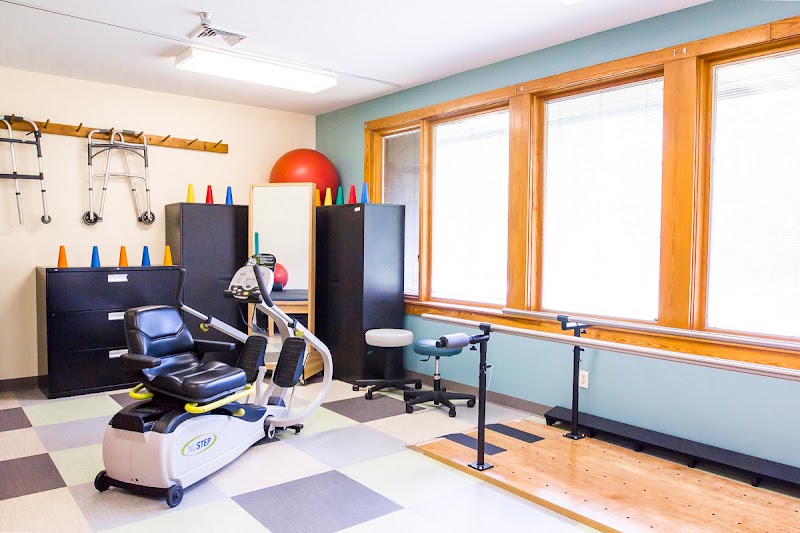
How is Signature Healthcare At Jefferson Manor Rehab & We Staffed?

CMS rates Signature Healthcare at Jefferson Manor Rehab & We's staffing level at 3 out of 5 stars, which is average compared to other nursing homes. Staff turnover is 63%, which is 17 percentage points above the Kentucky average of 46%. High turnover can affect care consistency as new staff learn residents' individual needs.

What Have Inspectors Found at Signature Healthcare At Jefferson Manor Rehab & We?

State health inspectors documented 14 deficiencies at Signature Healthcare at Jefferson Manor Rehab & We during 2019 to 2025. These included: 14 with potential for harm.

Who Owns and Operates Signature Healthcare At Jefferson Manor Rehab & We?

Signature Healthcare at Jefferson Manor Rehab & We is owned by a for-profit company. For-profit facilities operate as businesses with obligations to shareholders or private owners. The facility is operated by SIGNATURE HEALTHCARE, a chain that manages multiple nursing homes. With 100 certified beds and approximately 91 residents (about 91% occupancy), it is a mid-sized facility located in Louisville, Kentucky.

How Does Signature Healthcare At Jefferson Manor Rehab & We Compare to Other Kentucky Nursing Homes?

Compared to the 100 nursing homes in Kentucky, Signature Healthcare at Jefferson Manor Rehab & We's overall rating (5 stars) is above the state average of 2.8, staff turnover (63%) is significantly higher than the state average of 46%, and health inspection rating (4 stars) is above the national benchmark.

What Should Families Ask When Visiting Signature Healthcare At Jefferson Manor Rehab & We?

Based on this facility's data, families visiting should ask: "How do you ensure continuity of care given staff turnover, and what is your staff retention strategy?" "Can I visit during a mealtime to observe dining assistance and food quality?" "How do you handle medical emergencies, and what is your hospital transfer rate?" "Can I speak with family members of current residents about their experience?" These questions are particularly relevant given the facility's high staff turnover rate.

Is Signature Healthcare At Jefferson Manor Rehab & We Safe?

Based on CMS inspection data, Signature Healthcare at Jefferson Manor Rehab & We has a clean safety record: no substantiated abuse findings (meaning no confirmed cases of resident harm), no Immediate Jeopardy citations (the most serious violation level indicating risk of serious injury or death), and is not on the Special Focus Facility watch list (a federal program monitoring the lowest-performing 1% of nursing homes). The facility has a 5-star overall rating and ranks #1 of 100 nursing homes in Kentucky. While no facility is perfect, families should still ask about staff-to-resident ratios and recent inspection results during their visit.

Do Nurses at Signature Healthcare At Jefferson Manor Rehab & We Stick Around?

Staff turnover at Signature Healthcare at Jefferson Manor Rehab & We is high. At 63%, the facility is 17 percentage points above the Kentucky average of 46%. High turnover means new staff may not know residents' individual needs, medications, or preferences. It can also be disorienting for residents, especially those with dementia who rely on familiar faces. Families should ask: What is causing the turnover? What retention programs are in place? How do you ensure care continuity during staff transitions?

Was Signature Healthcare At Jefferson Manor Rehab & We Ever Fined?

Signature Healthcare at Jefferson Manor Rehab & We has no federal fines on record. CMS issues fines when nursing homes fail to meet care standards or don't correct problems found during inspections. The absence of fines suggests the facility has either maintained compliance or corrected any issues before penalties were assessed. This is a positive indicator, though families should still review recent inspection reports for the full picture.

Is Signature Healthcare At Jefferson Manor Rehab & We on Any Federal Watch List?

Signature Healthcare at Jefferson Manor Rehab & We is not on any federal watch list. The most significant is the Special Focus Facility (SFF) program, which identifies the bottom 1% of nursing homes nationally based on persistent, serious quality problems. Not being on this list means the facility has avoided the pattern of deficiencies that triggers enhanced federal oversight. This is a positive indicator, though families should still review the facility's inspection history directly.