NAZARETH HOME CLIFTON

2120 PAYNE STREET, LOUISVILLE, KY 40206 (502) 895-9425
Non profit - Corporation 113 Beds Independent Data: November 2025
Trust Grade
85/100
#25 of 266 in KY
Last Inspection: May 2025

Inspected within the last 6 months. Data reflects current conditions.

Overview

Nazareth Home Clifton in Louisville, Kentucky, has a Trust Grade of B+, which means it is recommended and above average in quality. It ranks #25 out of 266 facilities in the state, placing it in the top half, and #4 out of 38 in Jefferson County, indicating that only three local options are better. The facility is improving, with issues decreasing from seven in 2023 to one in 2025. Staffing received a rating of 4 out of 5 stars, though turnover is at 48%, which is average for the state. Notably, there are no fines reported, a positive sign of compliance, and there is average RN coverage; however, RNs play a crucial role in catching potential issues. Some concerns were noted during inspections, including improper food storage practices, such as thawing raw chicken in sinks and expired milk being available for use. There was also an incident where a resident's cell phone was taken against their wishes, raising concerns about resident rights. Overall, while the facility has strengths like good staffing and no fines, families should be aware of these specific concerns when considering Nazareth Home Clifton for their loved ones.

Trust Score
B+
85/100
In Kentucky
#25/266
Top 9%
Safety Record
Low Risk
No red flags
Inspections
Getting Better
7 → 1 violations
Staff Stability
⚠ Watch
48% turnover. Above average. Higher turnover means staff may not know residents' routines.
Penalties
✓ Good
No fines on record. Clean compliance history, better than most Kentucky facilities.
Skilled Nurses
○ Average
Each resident gets 39 minutes of Registered Nurse (RN) attention daily — about average for Kentucky. RNs are the most trained staff who monitor for health changes.
Violations
⚠ Watch
17 deficiencies on record. Higher than average. Multiple issues found across inspections.
★★★★★
5.0
Overall Rating
★★★★☆
4.0
Staff Levels
★★★★★
5.0
Care Quality
★★★★☆
4.0
Inspection Score
Stable
2023: 7 issues
2025: 1 issues

The Good

  • 4-Star Staffing Rating · Above-average nurse staffing levels
  • 5-Star Quality Measures · Strong clinical quality outcomes
  • Full Sprinkler Coverage · Fire safety systems throughout facility
  • No fines on record

Facility shows strength in staffing levels, quality measures, fire safety.

The Bad

Staff Turnover: 48%

Near Kentucky avg (46%)

Higher turnover may affect care consistency

The Ugly 17 deficiencies on record

May 2025 1 deficiency
CONCERN (D)

Potential for Harm - no one hurt, but risky conditions existed

Deficiency F0761 (Tag F0761)

Could have caused harm · This affected 1 resident

Based on observation, record review, and interview the facility failed to ensure all drugs used in the facility were labeled and stored in accordance with professional standards. Observations during s...

Read full inspector narrative →
Based on observation, record review, and interview the facility failed to ensure all drugs used in the facility were labeled and stored in accordance with professional standards. Observations during survey revealed medication in 2 separate unlabeled and unattended medication cups on top of 1 of 7 medication carts and 1 of 4 treatment carts was unlocked and unattended, with no staff in sight of the treatment cart The findings include: Review of facility policy #1495, Medication Administration, effective last reviewed 3/2021 revealed the facility administered medications adhering to the seven rights (right drug, right resident, right time, right dose, right dosage form, right route, and right to refuse. Continued review revealed no language addressing medication security and/or labeling of medications. Observation, on 05/06/2025 at 5:00 AM revealed two tablets in one medication cup and one tablet in another medication cup. Continued observation revealed both medication cups revealed only room 601 and 602 with no name to indicate the appropriate resident to receive the medications. Further, observation revealed the medication cups were unattended, with no staff in view of the medications. Observation on 05/06/2025 at 5:10 AM revealed an unlocked and unattended treatment cart, out of view of staff. Additionally, lying on top of the treatment cart were a tube of Nystatin cream and a tube of Fungal cream. Interview with Licensed Practical Nurse (LPN) #8 on 05/06/2025 at 9:08 AM, revealed medication carts should be locked when unattended and no resident information showing and no medications left out. Interview with the Administrator on 05/06/2025 revealed the expectation that medication carts should be locked and medications should not be left out as a resident or anyone could take them.
Nov 2023 7 deficiencies
CONCERN (D) 📢 Someone Reported This

A family member, employee, or ombudsman was alarmed enough to file a formal complaint

Potential for Harm - no one hurt, but risky conditions existed

Resident Rights (Tag F0550)

Could have caused harm · This affected 1 resident

**NOTE- TERMS IN BRACKETS HAVE BEEN EDITED TO PROTECT CONFIDENTIALITY** Based on interview, record review and review of the facility's policy, it was determined the facility failed to protect resident...

Read full inspector narrative →
**NOTE- TERMS IN BRACKETS HAVE BEEN EDITED TO PROTECT CONFIDENTIALITY** Based on interview, record review and review of the facility's policy, it was determined the facility failed to protect resident rights for one (1) out of twelve (12) sampled residents. (Resident #7) On [DATE] CNA #2 reported Licensed Practical Nurse (LPN) #5 took Resident #7's cell phone from the Resident's hands against the Resident wishes. Resident #7 expired on [DATE]. The findings include: Review of the facility's policy titled Resident Rights revised on 03/2023 revealed the purpose of the policy was to ensure the resident had rights to a dignified existence, self-determination, communication with, and access to persons and services inside and outside the facility. Further review of the policy revealed Resident's had the right to privacy including personal property. Review of the facility's investigation dated [DATE], revealed CNA #2 reported LPN #5 took Resident #7's cell phone from her hands against the resident's wishes. LPN #5 was immediately suspended pending the outcome of the investigation and was terminated. Further review of the facility's investigation revealed LPN #5's written statement stated Resident #7 had been experiencing terminal restlessness and needed personal care performed. LPN #5 removed Resident #7's cell phone from his/her hands against the Resident's wishes and placed the phone on the bed side table. The Resident started yelling he/she wanted his/her phone back. The facility substantiated the allegation. Review of CNA #2's typed witness statement dated [DATE], revealed CNA#2 stated I saw LPN #5 take Resident #7's cell phone out of his/her hand and put it on the bedside table. CNA #2 stated LPN #5 had taken the phone because Resident #7 was repeatedly calling his/her son. The Resident was yelling for the phone back. Review of LPN #7's typed witness statement dated [DATE], revealed the Resident was on palliative care and was experiencing terminal restlessness. I did remove the cell phone from Resident #7's hands without permission. Review of LPN #7's Personnel file Criminal background check and Kentucky Abuse Registry revealed clear checks on both. Review of Resident #7's admission Record revealed Resident was admitted on [DATE] with diagnoses of Vascular Dementia and Congestive Heart Failure. The resident was on Palliative Care and expired on [DATE]. Review of Resident #7's admission Minimum Data Set (MDS) dated [DATE] revealed a Brief Interview for Mental Status (BIMS) score of fifteen (15) out of (15), which indicated the Resident was cognitively intact. During an interview with Resident #7's son on [DATE] at 11:00 AM, he stated he had been in the building on [DATE] and had deleted some contacts from Resident #7's phone due to the resident was having confusion and was calling random contacts in the phone. He stated he was made aware of a small incident on [DATE] but did not want to discuss. The son further stated he had no concerns with Resident #7's care while at the facility. State Survey Agency (SSA) attempts to contact CNA #2 were unsuccessful. The phone number provided by the facility was no longer in service and no other number could be located by the facility. SSA attempts to contact LPN #5 on [DATE] at 10:31 AM, [DATE] at 9:34 AM, and [DATE] at 1:29 PM were unsuccessful. SSA attempted to contact Social Worker (SW) who completed the investigation on [DATE] at 3:10 PM, [DATE] at 8:45 AM, and [DATE] at 12:00 PM were unsuccessful. During an interview with the former Administrator (ADM) on [DATE] at 3:36 PM, he stated he was not the ADM at that time. SSA attempted contact with the former ADM#2 on [DATE] at 11:15 PM, [DATE] at 9:36 AM and [DATE] at 4:04 PM were unsuccessful. During an interview with the Director of Nurse's (DON) on [DATE] at 1:47 PM, she stated the resident had the right to have his/her phone and LPN#5 should not have taken it from the resident without the residents consent. During an Interview with the current Administrator on [DATE] at 3:27 PM, she stated she expected staff to follow the facility's policy regarding Resident Rights.
CONCERN (D) 📢 Someone Reported This

A family member, employee, or ombudsman was alarmed enough to file a formal complaint

Potential for Harm - no one hurt, but risky conditions existed

Free from Abuse/Neglect (Tag F0600)

Could have caused harm · This affected 1 resident

**NOTE- TERMS IN BRACKETS HAVE BEEN EDITED TO PROTECT CONFIDENTIALITY** Based on observation, interview, record review and review of the facility's policy, it was determined the facility failed to ens...

Read full inspector narrative →
**NOTE- TERMS IN BRACKETS HAVE BEEN EDITED TO PROTECT CONFIDENTIALITY** Based on observation, interview, record review and review of the facility's policy, it was determined the facility failed to ensure an environment that was free from abuse involving one (1) of fourteen (14) sampled residents (Resident #9). On 12/04/2021, Resident #2 placed his/her arm around the neck of Resident #9 and stated, I'll get him/her out of here, I'll choke him/her. The findings include: Review of the facility's policy titled, Resident Abuse/Neglect, revised on 07/2020, revealed it was the organization's intention to not knowingly or willingly compromise the health, safety, or welfare of residents for anyone or anything. Furthermore, the policy revealed all residents had the right to be free from abuse, neglect, misappropriation of resident property, and exploitation. Therefore, residents must not be subjected to abuse by anyone, including, but not limited to, facility staff, other residents, consultants or volunteers, staff of other agencies serving the resident family members or legal guardians, and/or friends of other individuals. Continued review of the facility's policy revealed abuse was defined as the willful infliction of injury, unreasonable confinement, intimidation, or punishment with resulting physical harm, pain, or mental anguish. Review of facility's investigation, dated 12/08/2021, revealed Resident #9 was observed by staff on 12/04/2021 sitting on the bed next to Resident #2. As staff was assisting Resident #9 from the bed, Resident #2 was observed placing his/her arm around the neck of Resident #9 and stating, I'll get him/her out of here, I'll choke him/her. Review of Resident #9's admission Record, revealed Resident #9 was admitted to the facility on [DATE] with diagnoses to include unspecified dementia with behavioral disturbance, unspecified altered mental status, psychotic disorder with delusions, major depressive disorder, and generalized anxiety disorder. Review of Resident #9's Quarterly Minimum Data Set (MDS) dated [DATE], revealed Resident #9 had been assessed by the facility as having a Cognition Skills for Daily Decision Making score of three (3), indicating the resident was severely impaired - never or rarely made decisions. Review of Resident #9's Comprehensive Care Plan initiated on 04/21/2020, revealed Resident #9 was at risk for decline in Activities of Daily Living (ADLS) related to dementia, unspecified psychosis, and delusional disorder with a goal to include the resident would be free of signs and symptoms of further decline in ADL and functional mobility and staff would ensure needs were met. Interventions included Wanderguard to be checked for placement and function per MD order, which was initiated on 03/21/2021, and staff to anticipate resident needs daily and encourage participation to ability, which was initiated on 04/21/2020. However, there was no documented evidence to support the facility had addressed diversional activities to prevent Resident #9 from roaming in and out of other resident rooms to include offer food and fluids and assisting Resident #9 with blessing his/her stuffed animals. Continued review of Resident #9's Comprehensive Care Plan revealed no documentation to support the care plan had been updated or new interventions related to the resident-to-resident altercation after the incident occurred on 12/04/2021. Review of Resident #9's Nurse's Note dated 12/04/2021, entered by Registered Nurse (RN) #5, revealed RN #5 was called to the unit by Licensed Practical Nurse (LPN) #8 as Resident #9 had wandered into Resident #2's room and was sitting on Resident #2's bed. Continued review of Nurse's Note revealed LPN #8 attempted to verbally coax Resident #9 to stand up, but he/she was unable to comply, and while LPN #8 was attempting to assist Resident #9 into a wheelchair, Resident #2 put his/her arm around Resident #9 and stated, I'll get him/her out of here, I'll choke him/her. The Nurse's Note revealed LPN #8 was able to release the grip of Resident #2 by verbally coaxing and used tactile removal of his/her fingers. Review of Resident #9's Nurse's Note dated 12/05/2021, entered by LPN #8, revealed LPN #8 observed Resident #9 sitting quietly on the bed of Resident #2. LPN #8 made many attempts to assist Resident #9 to stand, but was unsuccessful. Continued review of Nurse's Note revealed Resident #2 became angry and grabbed Resident #9 around the neck and repeated I will choke him/her and he/she will get up. LPN #8 asked Resident #2 to let Resident #9 go, and Resident #2 refused to do it. LPN #8 then removed Resident #2's arm from Resident #9. Review of Resident #9's Psychiatric Note dated 12/07/2021, entered by Family Nurse Practitioner (FNP), revealed Resident #9 had periods of wandering and had advanced dementia. Furthermore, Resident #9 had altercation from wandering into Resident #2's room. Continued review of Psychiatric Note revealed Resident #9 was unable to answer questions due to cognition and advanced dementia. Furthermore, FNP recommended to continue medications as prescribed and to monitor for changes in mood or behaviors. Review of Resident #9's Skin assessment dated [DATE] and 12/07/2021, revealed no skin issues were noted after the incident. Review of Resident #9 Nurse's Note dated 02/14/2023, revealed the resident expired on 02/14/2023. Review of resident #2's admission Record, revealed Resident #2 was admitted to the facility on [DATE] with diagnoses to include diffuse traumatic brain injury (TBI) without loss of consciousness, psychotic disorder with delusions, unspecified severe dementia with other behavioral disturbances, major depressive disorder, and generalized anxiety disorder. Review of Resident #2's Quarterly MDS dated [DATE], revealed Resident #2 had been assessed by the facility as having a Brief Interview for Mental Status Score (BIMS) of fourteen (14) out of fifteen (15), indicating the resident was cognitively intact. Review of Resident #2's Comprehensive Care Plan initiated on 09/30/2021, revealed Resident #2 was at risk for behaviors such as verbal and physical aggression towards staff and other residents related to diagnosis of TBI with a goal to include Resident #2 would not harm others secondary to physically aggressive behavior. Interventions included to allow Resident #2 to discuss anger, clarify misconceptions, provide reassurance as needed, when Resident #2 becomes physically aggressive maintain distance between Resident #2 and others (staff, other residents, and visitors), and to have two (2) staff in the room to provide care. Review of Resident #2's Nurse's Note dated 12/04/2021, entered by LPN #8, revealed Resident #9 was sitting quietly on the bed of Resident #2 and LPN #8 was unable to get Resident #9 off the bed. LPN #8 noted Resident #2 became overly angry and put Resident #9 in a choke hold. Resident #2 refused, when asked, to release Resident #9 and stated, I'll choke him/her and then he/she will get up. LPN #8 reported Resident #2 kept repeating the statement and LPN #8 forced arm off Resident #9. LPN #8 was able to remove Resident #9 from the room and when she returned to check on Resident #2, he/she was still angry and cursed staff and repeated he/she should have choked him/her more. LPN #8 noted Resident #2 had no remorse regarding the behavior. Review of Resident #2's Psychiatric Note dated 09/21/2021, entered by Family Nurse Practitioner (FNP), revealed Resident #2 had cognitive impairment and recommended to monitor for changes in mood or behaviors. Review of Resident #2's Psychiatric Note dated 12/07/2021, entered by FNP, revealed Resident #2 had aggressive behavior over the previous weekend and was referred to an inpatient treatment facility. However, continued review revealed the facility's Advanced Practice Registered Nurse (APRN) had canceled the inpatient treatment facility transfer and placed Resident #2 on clinical monitoring. Review of Resident #2's Psychological Diagnostic Interview dated 12/17/2021, entered by the Medical Psychologist, revealed Resident #2 had a recent display of physical aggression directed towards nursing staff and Resident #9. Continued review revealed, physical aggression included Resident #2 struck an aide in the chest and put Resident#9 in a head lock. The Psychological Diagnostic Interview revealed Resident #2 had notable receptive comprehension and excessive communication deficits and Resident #2's responses frequently did not match the content of the questions asked by the Medical Psychologist. Further review revealed, Resident #2 never responded about the incident where he/she reportedly put Resident #9 in a head lock. Observation of Resident #2 on 11/15/2023 at 3:40 PM, on 11/16/2023 at 9:15 AM, and on 11/17/2023 at 2:46 PM revealed Resident #2 was calm with clean, neat appearance, well-groomed, no foul odor, and no behavioral outbursts were noted during each observation. During an interview with Resident #2 on 11/15/2023 at 3:40 PM , the resident stated he/she did not put his/her arm around anyone. Resident #2 was incoherent and unable to answer direct questions regarding the incident on 12/04/2021. During an interview with the Ombudsman on 11/15/2023 at 4:02 PM, she stated she was not aware of any specific details regarding the incident that occurred on 12/04/2021 involving Resident #9 and Resident #2. She further stated, Resident #2 had a temper and occasionally had verbal outbursts towards staff and other residents, which was related to his/her traumatic brain injury. The Ombudsman stated Resident #9 had a history of wandering around the facility. During an interview with Medical Records Director (MRD) on 11/17/2023 at 2:55 PM, she stated she had worked as MRD since 2021. The MRD stated Resident #9 had dementia and liked to wander around the facility. The MRD stated Resident #2 usually would only have verbal outbursts and not physical outbursts. She stated she remembered Resident #2 did something like tried to choke Resident #9 and management placed a stop sign across Resident #2's room and moved Resident #9 to another room. The MRD stated Resident #2, had physical aggression toward staff and would occasionally grab an aide's arm during care. The MRD stated Resident #9 was care planned to take to bathroom, listen to music, and get him/her to bless his/her stuff animals for distraction when wandering in the facility. The MRD stated the main priority in this situation should have been to protect the residents from abuse. During an interview with LPN #8 on 11/20/2023 at 3:11 PM, she stated she worked on the 500 hallway the night of the incident between Resident #2 and Resident #9. LPN #8 stated she saw Resident #9 sitting on the bed next to Resident #2. LPN #8 stated Resident #9 was usually redirectable and would come when you tried to get him/her up, but that night he/she wasn't budging off the bed. LPN #8 stated Resident #2 put Resident #9 in a choke hold. LPN #8 stated Resident #2 said I will get him up, I'll choke him. LPN #8 stated it took her 2 attempts to remove Resident #2's arm from around Resident #9's neck, which lasted about one minute. LPN #8 stated Resident #9 during this time, had no trouble breathing but looked anxious. LPN #8 stated she took Resident #9 back to his/her room and assessed him/her for injury and none were noted. LPN #8 stated Resident #9 had no marks on his/her neck, no swelling noted, and he/she had no shortness of air. LPN #8 stated she went back to check on Resident #2 and he/she didn't remember the incident and appeared calm. LPN #8 stated she separated the residents immediately and she called her supervisor. LPN #8 stated she could not remember supervisor's name. LPN #8 stated she also notified the Medical Doctor (MD) for both residents and family for both residents. LPN #8 stated the Director of Nursing (DON) was also aware of the situation. LPN #8 stated Resident #9 usually wandered up and down the hallway or sat in a chair by nurses' station and she was not aware of Resident #9 wandering into other resident's room prior to this incident. LPN #8 stated management put a stop sign across the door of Resident #2's room after the incident. LPN #8 stated she had training on abuse, which included modules you could watch. LPN #8 stated training included the types of abuse, who to report abuse to, when to report it, and what to do in abuse situations. LPN #8 stated the first thing was to ensure the safety of the residents. LPN #8 stated she had training on dementia, which included behaviors and what to do to help manage dementia. LPN #8 stated she couldn't remember what the care plans said about Resident #2 and Resident #9 except she remembered stuffed animals which Resident #9 could use to bless them. LPN #8 stated when she was passing Resident #2's room and saw Resident #9 sitting on the bed, she should have gotten another staff member to assist her prior to going into the room because Resident #9 required two staff member for care due to behaviors related to his/her TBI. During an interview with Advanced Practice Registered Nurse (APRN) #1 on 11/22/2023 at 8:53 AM, she stated she remembered the incident with Resident #2 and Resident #9. APRN #1 stated Resident #9 was such a sweet man/woman. APRN #1 stated Resident #9 was followed by another APRN (due to being on palliative services) so she didn't examine Resident #9 after the incident. However, APRN #1 stated she did follow Resident #2 who had diagnosis of TBI and was unpredictable. APRN #1 stated Resident #2 lashed out verbally and usually didn't get physically aggressive unless it involved staff doing care. Then, APRN #1 stated he/she does, on occasion, grab an arm of a staff member. However, APRN #1 stated she isn't aware of any other resident to resident altercations involving resident #2. APRN #1 stated staff keeps other people from wandering into Resident #2's room by using the stop sign across the door. The APRN stated it was her expectation that the facility follow the abuse policy and protect residents from abuse. During an interview with Director of Nursing (DON) on 11/22/2023 at 1:47 PM, she stated she had worked for the facility since June 2023 and wasn't aware of the specific details with the incident on 12/04/ 2021. The DON stated the process for resident-to-resident altercation was to separate both residents immediately and check for injuries. The DON stated the administrator should be notified immediately after separating the residents and proper authorities to be notified of the incident. The DON stated it was her expectation all staff to follow the abuse policy and protect all residents from potential abuse. During an interview with the Administrator on 11/22/2023 at 3:26 PM, she stated she had been hired as the Assistant Administrator on 10/31/2022 and was promoted to the Administrator role on 05/01/2023. The Administrator stated the process for abuse allegations was to separate the residents immediately, make sure the residents were safe, and report the incident immediately to her and other agencies including the police department. The Administrator stated strategies were in place to protect both residents, but staff were still required to reported any incidents. The Administrator stated it was her expectation to put things like interventions on care plan, so it flagged on the care card for all floor staff to be aware of any changes. She stated it was her expectation all staff to follow the abuse policy and protect all residents from potential abuse. During an interview with Medical Director (MD) on 11/22/2023 at 3:52 PM, she stated she expected staff to follow the abuse policy, especially for residents with altered mental statuses and behaviors.
CONCERN (D) 📢 Someone Reported This

A family member, employee, or ombudsman was alarmed enough to file a formal complaint

Potential for Harm - no one hurt, but risky conditions existed

Deficiency F0602 (Tag F0602)

Could have caused harm · This affected 1 resident

**NOTE- TERMS IN BRACKETS HAVE BEEN EDITED TO PROTECT CONFIDENTIALITY** Based on interview, record review, and review of the facility's policy, it was determined the facility failed to protect residen...

Read full inspector narrative →
**NOTE- TERMS IN BRACKETS HAVE BEEN EDITED TO PROTECT CONFIDENTIALITY** Based on interview, record review, and review of the facility's policy, it was determined the facility failed to protect residents from Misappropriation of property for three (3) of twelve (12) sampled Residents. (R#3, R#8, R#10). a.) On [DATE] Resident #8's family member dropped off gifts and twenty (20) dollars in lottery tickets, the lottery tickets were missing. b.) On [DATE] Resident #10's cell phone was missing. c.) On [DATE] Resident #8 alleged thirty (30) dollars was missing from his/her room. d.) On [DATE] Resident #3 had three (3) rings missing from his/her room. e.) On [DATE] Resident #10's family reported he/she had three (3) rings missing from his/her hands when he/she expired. The findings include: Review of the facility's policy titled Resident Abuse/Neglect, revised [DATE], revealed all residents had the right to be free from abuse, neglect, misappropriation of resident property, and exploitation. Further review of the policy revealed Misappropriation of Resident property meant the deliberate misplacement, exploitation, or wrongful, temporary, or permanent use of a resident's belongings or money without the resident's consent. 1. Review of the facility's initial investigation dated [DATE], revealed Resident #8's niece dropped off items and twenty (20) dollars worth of lottery tickets at the front lobby to be given to Resident #8. Further review revealed the lottery tickets were not delivered to Resident #8. Review of the facility's five day investigation dated [DATE], revealed the twenty (20) dollars in lottery tickets were replaced by the facility. Further review of the facility's investigation revealed in an interview conducted with Housekeeper (HK) #1, she stated she gave the resident a bag of items but denied knowing anything about the lottery tickets. The facility did not substantiate the allegation due to lack of evidence. Review of Resident #8's admission Record revealed the Resident was admitted to the facility on [DATE] with diagnoses of Psychotic Disorder with Hallucinations, Diabetes, and Vascular Dementia. Review of Resident #8's Quarterly Minimum Data Set (MDS) dated [DATE], revealed a Brief Interview for Mental Status (BIMS) score of twelve (12) out of fifteen (15), which indicated the Resident was cognitively intact. During an interview with Certified Nurse Aide (CNA) #1 on [DATE] at 9:48 AM, she stated she was contacted by phone, while at the nursing station, by Resident #8's niece stating she was going to drop off items, as well as lottery tickets at the front desk for Resident #8 and asked CNA #1 to ensure the items and lottery tickets were given to Resident #8. CNA #1 stated she was going to lunch and passed Housekeeper #1 in the hall with a bag in one hand and lottery tickets in the other hand. CNA #1 contacted CNA #3 and informed CNA #3 that Housekeeper #1 was coming down the hall with Resident #8's items and asked her to ensure that Resident #8 received those items. CNA #1 proceeded to go to lunch. CNA #1 stated upon her return from lunch, Resident #8 had not received the lottery tickets. CNA #1 and CNA #3 searched Resident #8's room and could not locate the lottery tickets. CNA #1 further stated Resident #8 had stated he/she had not received any lottery tickets. CNA #1 stated Resident #8 told her a staff member only dropped of a bag and there were no lottery tickets in the bag. The State Survey Agency (SSA) attempts to contact CNA #3 on [DATE] at 2:55 PM, [DATE] at 9:31 AM were unsuccessful. During an interview with Housekeeper (HK) #1 on [DATE] at 12:48 PM, she stated she vaguely remembered the incident with Resident #8. HK#1 stated during Covid, families and friends would leave gifts on a table in the front lobby with resident names on them and the housekeeping staff would assist with taking packages to Residents during the holidays in 2020. HK #1 stated she picked up a large gift bag for Resident #8 and she delivered them to Resident #8, who was in her/his room and awake. HK #1 stated she handed the gift bag to Resident #8 and left the room. HK #1 further stated that she did not see any lottery tickets when she took the bag to Resident #8. Review of HK #1's personnel file revealed HK#1 was hired on [DATE]. The Criminal Background check dated [DATE] revealed a charge of Theft by unlawful taking/disposition/ shoplifting, dated [DATE]. During and interview with the Human Resources (HR) on [DATE] at 9:42 AM, she stated when an applicant had a charge on their background check, the facility used the Kentucky Exclusion List for hiring. The HR stated that any misdemeanor older than seven (7) years would not prevent hiring per the guidelines. Review of HK#1's pay summary, revealed HK#1 was suspended approximately one shift, then was placed in a different area away from Resident #8, after the incident occurred and remains employed with th facility at this time. During an interview with Resident #8's niece on [DATE] at 2:04 PM, she stated on [DATE] she had dropped off gift bags for Resident #8 that consisted of a sectioned cardboard box with open areas to sit items in. The niece stated she had placed twenty (20) gift bags with candy and a lottery ticket in each bag, in the box labeled with Resident #8's name, and placed it on the table in the lobby area of the facility to be delivered to Resident #8. The niece stated when she called the Resident to ensure the box of items were received, the Resident stated he/she had not received any lottery tickets. The niece further stated she immediately reported the incident to the Social Service Director (SSD). The niece further stated she was unaware if the facility had reimbursed Resident #8 for the missing lottery tickets. 2. Review of the facility's initial investigation dated [DATE], revealed Resident #10's son had reported to Licensed Practical Nurse (LPN) #6 on [DATE], that Resident #10's cell phone was missing and he had a tracking application on the phone and the phone was showing to be approximately thirty-two (32) miles away from the facility. Review of Resident #10's admission record revealed Resident was admitted on [DATE] with diagnoses of Dementia and Coronary Artery Disease. Review of Resident #10's Quarterly MDS dated [DATE] revealed a BIMS score of ten (10) out of fifteen (15), which indicated Resident #10 had moderate cognitive impairment. During an interview with Resident #10's son on [DATE] at 5:01 PM, he stated he had a tracker on Resident #10's cell phone, and when he was made aware by Resident #10 his/her phone was missing, he checked the location of the phone. The location of the phone showed approximately thirty-two (32) miles away from the facility. He stated when he reported this to the SSD, he was informed the facility suspected the phone may have accidentally been sent out with the dirty linens to the laundry service. The phone tracker was indicating the phone was located in the vicinity of the laundry service, although not at the specific address of the laundry service location. The son stated the facility did not offer to replace or reimburse him or the resident for the missing phone. He further stated while speaking to the former Administer (ADM) the statement was made What do you want us to do? We get allegations like this all the time. The son stated he reported the incident to the police himself. During interview with LPN #6 on [DATE] at 2:25 PM, she stated that she does not recall the incident with Resident #10. LPN #6 further stated Resident #10 did have a cell phone and did keep the cell phone in bed with him/her at all times. During an interview with the Social Services Director (SSD) on [DATE] at 3:33 PM, she stated she was aware that Resident #10 had a cell phone. She stated when she was made aware of the missing cell phone, the Resident #8's son informed her of the location the phone was tracked to. She stated she informed him that maybe the phone had accidentally been in the linen and went to the outside linen service. The SSD stated she did contact the linen service numerous times and made them aware but no information was obtained regarding the missing phone. SSD further stated the cell phone was not replaced due to lack of evidence. 3. Review of the facility's initial investigation revealed on [DATE] Resident #8 alleged that thirty (30) dollars was missing from his/her room. The allegation was made after a CNA found Resident #8's change purse on the floor behind the night stand in Resident #8's room. Review of the facility's five day investigation dated [DATE] revealed the facility was able to confirm Resident #8 received a birthday card from a family member containing twenty (20) dollars. Further review revealed the facility reimbursed the twenty (20) dollars to Resident #8. Review of Resident #8's admission Record revealed the Resident had been admitted to the facility on [DATE] with diagnoses of Psychotic Disorder with Hallucinations, Diabetes, and Vascular Dementia. Review of Resident #8's Quarterly MDS dated [DATE], revealed a Brief Interview for Mental Status (BIMS) score of fourteen (14) out of fifteen (15), which indicated the Resident was cognitively intact During an interview with the Social Services Director (SSD) on [DATE] at 3:33 PM, she stated that she was able to verify Resident #8 received a birthday card from a family member containing twenty (20) dollars. The SSD stated she contacted the Resident Representative and made them aware. SSD further stated the facility reimbursed the resident for the missing twenty (20) dollars. However, the other ten (10) dollars was play money the resident had won playing Bingo at the facility and was not reimbursed. 4. Review of the facility investigation dated [DATE], revealed Resident #3 had stated the rings had been missing approximately one week before he/she reported them missing. The facility did not substantiate the incident due to lack of evidence the rings were at the facility. Further review of the investigation revealed during an interview with Resident #3's daughter #1 on [DATE], completed by the SSD, revealed the daughter had stated Resident #3 had two (2) rings missing, not three (3), and she had encouraged Resident #3 to use the lock box and the resident refused. Review of the facility's missing item report dated [DATE], revealed Resident #3 told LPN #6, he/she had three (3) rings missing from his/her room. Review of Resident #3's admission record revealed the Resident had been admitted on [DATE], with diagnoses of Delusional Disorder, Diabetes, Adjustment Disorder with Anxiety and Chronic Obstructive Pulmonary Disease. Review of Resident #3's admission MDS dated [DATE], revealed a BIMS score of fourteen (14) out of fifteen (15), which indicated the resident was cognitively intact. Review of Resident #3's Progress Note dated [DATE] at 7:19 PM, entered by LPN #6, revealed Resident #3 had notified LPN #6 that he/she was missing 3 rings, and a search of the resident's room by the family and staff was done. LPN#6 notified on call nurse and a missing items report was given to the SSD. Observation of Resident #3 on [DATE] at 8:30 AM revealed Resident sleeping in his/her room. During an interview with Daughter #1 on [DATE] at 1:37 PM, she stated that the resident was not always truthful, and the family has dealt with false allegations like this often. She stated she did not know anything about the missing wedding ring set or any other rings. During an interview with Daughter #2 on [DATE] at 2:34 PM, she stated she was aware of the allegation of the missing rings. She stated she was not concerned because the resident made false allegations in the past. She did remember looking for the residents rings one day when the resident told her the rings were missing. Daughter#2 stated she could not definitively say whether the rings were at facility or not. During continued interview with Daughter #2 she stated the rings were not worth much in monetary value but had sentimental value to Resident #3. During an interview with Resident #3 on [DATE] at 3:10 PM, Resident #3 stated he/she immediately informed the nurses and Social Worker when he/she noticed the rings were missing. The resident stated the last time he/she remembered seeing the rings was the day after moving into the facility. Resident #3 stated he/she thought the jewelry was in the jewelry box in her/his room. Resident #3 stated he/she now has a lock box in his/her room and uses it. The State Survey Agency (SSA) attempted call to Resident #3's spouse on [DATE] at 11:26 AM, and 3:55 PM and left messages for a return call. Attempts to reach the spouse were unsuccessful. During an interview with LPN #6 on [DATE] at 2:25 PM, she stated she did not recall the incident nor completing the report because of the length of time that had passed since the incident occurred, but would have documented her actions in the progress notes. She stated Resident #6 did not lock his/her valuables in the lock box but always wanted them within reach. LPN#6 stated she received reeducation on misappropriation after the incident occurred. During an interview with the SSD on [DATE] at 3:33 PM, she stated she was made aware of Resident #3's allegation of missing rings by staff. She was aware Resident #3 did not keep her jewelry in a lock box but in a jewelry box for easier access per Resident #3's wishes. The SSD stated the Resident stated the rings were missing and did not accuse any certain staff member of taking the rings. The SSD stated there was no offer made to reimburse the resident for the rings, and the allegation was unsubstantiated due to lack of evidence and a discrepancy regarding number of rings missing. The SSD stated she was not aware if a police report had been made or who was responsible for making a police report. 5. Review of the facility's initial investigation dated [DATE] Resident #10 passed away on [DATE]. On the day the resident passed, Resident #10's son reported to LPN #7, the resident had been wearing five (5) rings two days prior when he visited. At the time of Resident #10's death, the family noticed Resident #10 only had two (2) rings on his/her fingers. The resident was missing three (3) rings. Review of Resident #10's admission record revealed the Resident was admitted on [DATE] with diagnoses of Dementia and Coronary Artery Disease. Review of Resident #10's Quarterly MDS dated [DATE] revealed a BIMS score of ten (10) out of fifteen (15), which indicated Resident #10 had moderate cognitive impairment. Review of Nurse Progress Note dated [DATE], entered by LPN #7, revealed she had removed two (2) rings from Resident #10's hand after the Resident expired and gave those rings to Resident #10's son. During an Interview with LPN #7 on [DATE] at 2:13 PM, she stated she did not remember the incident specifically due to length of time that has passed. LPN #7 stated if the family was at the bedside at the time Resident #10 expired, she would have given the belongings to the family member and documented in the medical record. During interview with LPN #6 on [DATE] at 2:25 PM, she stated she does not recall the incident with Resident #10. During an interview with Resident #10's daughter on [DATE] at 4:04 PM, she stated she and her brother were in the room with Resident #10 at the time Resident #10 expired. She further stated approximately thirty (30) minutes later she noted there were only three rings present on the residents hands. The daughter stated she immediately reported the missing rings to staff. The family was not reimbursed for the rings. Th daughter stated the rings had been appraised and were valued at three thousand seven hundred and sixty-five (3765.00) dollars. Review of the ring appraisals for the rings dated [DATE], revealed the wedding band set welded together valued at eight hundred forty (840) dollars, a solitaire diamond ring valued at two thousand one hundred (2100) dollars, and a solitaire diamond ring valued at eight hundred twenty five (825.00) dollars. State Survey Agency (SSA) attempted to contact Police Department on [DATE] at 2:47 PM, [DATE] at 3:05 PM, and [DATE] at 9:05 AM, to obtain police reports and was unsuccessful. During an interview with Social Services Director (SSD) on [DATE] at 3:33 PM, she stated she was on vacation when the resident expired but was made aware on [DATE] when she returned to work. The facility requested pictures of the missing rings from the family and SSD stated it took a long time to get the pictures from the family. the SSD stated the family was reluctant to cooperate and there was a discrepancy regarding the number of rings allegedly missing. The SSD stated the Former Administrator (ADM) #1 spoke with the family and informed them the Resident had a lock box and it was the responsibility of the Resident to secure valuables. The facility unsubstantiated the allegation and did not reimburse the family for the rings due to lack of sufficient evidence. The SSD stated she made a police report. During an interview with the Former Administrator (ADM) #1 on [DATE] at 3:36 PM, he stated he vaguely recalled the incidents involving Resident #3, Resident #8, and Resident #10. The ADM stated anytime an allegation of missing items were made, an investigation was completed by the facility. He stated he was unsure of the facility having a defined policy for completing a list of Resident belongings on admission, but had never visualized one. The ADM stated his priority was to protect the Residents. The ADM stated during his realm of acting Interim ADM, he was the abuse coordinator, but the investigations were decentralized, and needed an objective third party. He stated normally the SSD drove the investigations, but the investigation itself was a collaborative effort. During continued interview he stated his expectation was to protect the Residents and their belongings. Additionally, he stated he expected background checks on all employees per policy and any findings be appropriately researched. The ADM stated he was not aware if a police report had been made but a police report should have been made by the person who investigated the incidents. During an Interview with the current Administrator on [DATE] at 3:27 PM, she stated she expected staff to follow the facility's policy .
CONCERN (D) 📢 Someone Reported This

A family member, employee, or ombudsman was alarmed enough to file a formal complaint

Potential for Harm - no one hurt, but risky conditions existed

Comprehensive Care Plan (Tag F0656)

Could have caused harm · This affected 1 resident

**NOTE- TERMS IN BRACKETS HAVE BEEN EDITED TO PROTECT CONFIDENTIALITY** Based on interview and record review, it was determined the facility failed to develop and implement a comprehensive person-cent...

Read full inspector narrative →
**NOTE- TERMS IN BRACKETS HAVE BEEN EDITED TO PROTECT CONFIDENTIALITY** Based on interview and record review, it was determined the facility failed to develop and implement a comprehensive person-centered care plan for each resident that included a focused problem with measurable objectives to meet the resident's mental and psychosocial needs which are identified in the comprehensive assessment for two (2) of fourteen (14) sampled residents (Resident #9 and Resident #12). a.) On 12/04/2021, the facility failed to implement and update Resident #9's Comprehensive Care Plan after resident-to-resident altercation. b.) Staff failed to implement Resident #12's Care Plan by providing feeding assistance, and obtaining daily weights as ordered to maintain nutritional status and prevent weight loss. The findings included: Review of facility policy titled Minimum Data Set (MDS) Version 3.0 Process, revised on 03/02/2023, revealed the facility utilized the MDS as a systemic process to collect resident data and look at residents/patients from a holistic perspective. Continued review of the facility policy revealed the facility's primary objective was to ensure residents achieved the highest level of functioning possible (quality of care) and maintain their sense of individuality (quality of life). The Resident Assessment Instrument (RAI) was the facility's systemic approach to accomplish this objective. Per the policy, the components of the Care Plan included identification of a problem/history of problem, measurable goal with a set time frame, and interventions to assist resident in attaining his/her goal. 1. Review of Resident #9's admission Record revealed Resident #9 was admitted to the facility on [DATE] with diagnoses to include unspecified dementia with behavioral disturbance, unspecified altered mental status, psychotic disorder with delusions, major depressive disorder, and generalized anxiety disorder. Review of Resident #9's Quarterly Minimum Data Set (MDS) dated [DATE], revealed Resident #9 had been assessed by the facility as having a Cognition Skills for Daily Decision-Making score of three (3), indicating the resident was severely impaired - never or rarely made decisions. Review of Resident #9's Comprehensive Care Plan initiated on 04/21/2020, revealed Resident #9 was at risk for decline in Activities of Daily Living (ADLS) related to dementia, unspecified psychosis, and delusional disorder with a goal to include the resident would be free of signs and symptoms of further decline in ADL and functional mobility and staff would ensure needs were met. Interventions included Wanderguard to be checked for placement and function per MD order, which was initiated on 03/21/2021, and staff to anticipate resident needs daily and encourage participation to ability, which was initiated on 04/21/2020. However, there was no documented evidence to support the facility had addressed diversional activities to prevent Resident #9 from roaming in and out of other resident rooms to include offer food and fluids and assisting Resident #9 with blessing his/her stuffed animals. Continued review of Resident #9's Comprehensive Care Plan revealed no documentation to support the care plan had been updated or new interventions related to the resident-to-resident altercation after the incident occurred on 12/04/2021. Review of Resident #9's Nurse's Note dated 12/04/2021, entered by Registered Nurse (RN) #5, revealed RN #5 was called to the unit by Licensed Practical Nurse (LPN) #8 as Resident #9 had wandered into Resident #2's room and was sitting on Resident #2's bed. Continued review of Nurse's Note revealed LPN #8 attempted to verbally coax Resident #9 to stand up, but he/she was unable to comply, and while LPN #8 was attempting to assist Resident #9 into a wheelchair, Resident #2 put his/her arm around Resident #9 and stated, I'll get him/her out of here, I'll choke him/her. The Nurse's Note revealed LPN #8 was able to release the grip of Resident #2 by verbally coaxing and used tactile removal of his/her fingers. Review of Resident #9's Nurse's Note dated 12/05/2021, entered by LPN #8, revealed LPN #8 observed Resident #9 sitting quietly on the bed of Resident #2. LPN #8 made many attempts to assist Resident #9 to stand but was unsuccessful. Continued review of Nurse's Note revealed Resident #2 became angry and grabbed Resident #9 around the neck and repeated I will choke him/her and he/she will get up. LPN #8 asked Resident #2 to let Resident #9 go, and Resident #2 refused to do it. LPN #8 then removed Resident #2's arm from Resident #9. Review of Resident #9's Psychiatric Note dated 12/07/2021, entered by Family Nurse Practitioner (FNP), revealed Resident #9 had periods of wandering and had advanced dementia. Furthermore, Resident #9 had altercation from wandering into Resident #2's room. Continued review of Psychiatric Note revealed Resident #9 was unable to answer questions due to cognition and advanced dementia. Furthermore, FNP recommended to continue medications as prescribed and to monitor for changes in mood or behaviors. Review of resident #2's admission Record, revealed Resident #2 was admitted to the facility on [DATE] with diagnoses to include diffuse traumatic brain injury (TBI) without loss of consciousness, psychotic disorder with delusions, unspecified severe dementia with other behavioral disturbances, major depressive disorder, and generalized anxiety disorder. Review of Resident #2's Quarterly MDS dated [DATE], revealed Resident #2 had been assessed by the facility as having a Brief Interview for Mental Status Score (BIMS) of fourteen (14) out of fifteen (15), indicating the resident was cognitively intact. Review of Resident #2's Comprehensive Care Plan initiated on 09/30/2021, revealed Resident #2 was at risk for behaviors such as verbal and physical aggression towards staff and other residents related to diagnosis of TBI with a goal to include Resident #2 would not harm others secondary to physically aggressive behavior. Interventions included to allow Resident #2 to discuss anger, clarify misconceptions, provide reassurance as needed, when Resident #2 becomes physically aggressive maintain distance between Resident #2 and others (staff, other residents, and visitors), and to have two (2) staff in the room to provide care. Review of Resident #2's Nurse's Note dated 12/04/2021, entered by LPN #8, revealed Resident #9 was sitting quietly on the bed of Resident #2 and LPN #8 was unable to get Resident #9 off the bed. LPN #8 noted Resident #2 became overly angry and put Resident #9 in a choke hold. Resident #2 refused, when asked, to release Resident #9 and stated, I'll choke him/her and then he/she will get up. LPN #8 reported Resident #2 kept repeating the statement and LPN #8 forced arm off Resident #9. LPN #8 was able to remove Resident #9 from the room and when she returned to check on Resident #2, he/she was still angry and cursed staff and repeated he/she should have choked him/her more. LPN #8 noted Resident #2 had no remorse regarding the behavior. Review of Resident #2's Psychiatric Note dated 09/21/2021, entered by Family Nurse Practitioner (FNP), revealed Resident #2 had cognitive impairment and recommended to monitor for changes in mood or behaviors. Review of Resident #2's Psychiatric Note dated 12/07/2021, entered by FNP, revealed Resident #2 had aggressive behavior over the previous weekend and was referred to an inpatient treatment facility. However, continued review revealed the facility's Advanced Practice Registered Nurse (APRN) had canceled the inpatient treatment facility transfer and placed Resident #2 on clinical monitoring. Review of Resident #2's Psychological Diagnostic Interview dated 12/17/2021, entered by the Medical Psychologist, revealed Resident #2 had a recent display of physical aggression directed towards nursing staff and Resident #9. Continued review revealed, physical aggression included Resident #2 struck an aide in the chest and put Resident#9 in a head lock. The Psychological Diagnostic Interview revealed Resident #2 had notable receptive comprehension and excessive communication deficits and Resident #2's responses frequently did not match the content of the questions asked by the Medical Psychologist. Further review revealed, Resident #2 never responded about the incident where he/she reportedly put Resident #9 in a head lock. Observation of Resident #2 on 11/15/2023 at 3:40 PM, on 11/16/2023 at 9:15 AM, and on 11/17/2023 at 2:46 PM revealed Resident #2 was calm with clean, neat appearance, well-groomed, no foul odor, and no behavioral outbursts were noted during each observation. During an interview with Resident #2 on 11/15/2023 at 3:40 PM, the resident stated he/she did not put his/her arm around anyone. Resident #2 was incoherent and unable to answer direct questions regarding the incident on 12/04/2021. During an interview with LPN #8 on 11/20/2023 at 3:11 PM, she stated she worked on the 500 hallway the night of the incident between Resident #2 and Resident #9. LPN #8 stated she saw Resident #9 sitting on the bed next to Resident #2. LPN #8 stated Resident #9 was usually redirectable and would come when you tried to get him/her up, but that night he/she wasn't budging off the bed. LPN #8 stated Resident #2 put Resident #9 in a choke hold. LPN #8 stated Resident #2 said I will get him up, I'll choke him. LPN #8 stated it took her 2 attempts to remove Resident #2's arm from around Resident #9's neck, which lasted about one minute. LPN #8 stated Resident #9 during this time, had no trouble breathing but looked anxious. LPN #8 stated she took Resident #9 back to his/her room and assessed him/her for injury and none were noted. LPN #8 stated Resident #9 had no marks on his/her neck, no swelling noted, and he/she had no shortness of air. LPN #8 stated she went back to check on Resident #2 and he/she didn't remember the incident and appeared calm. LPN #8 stated she separated the residents immediately and she called her supervisor. LPN #8 stated she could not remember supervisor's name. LPN #8 stated she also notified the Medical Doctor (MD) for both residents and family for both residents. LPN #8 stated the Director of Nursing (DON) was also aware of the situation. LPN #8 stated Resident #9 usually wandered up and down the hallway or sat in a chair by nurses' station and she was not aware of Resident #9 wandering into other resident's room prior to this incident. LPN #8 stated management put a stop sign across the door of Resident #2's room after the incident. LPN #8 stated she had training on abuse, which included modules you could watch. LPN #8 stated training included the types of abuse, who to report abuse to, when to report it, and what to do in abuse situations. LPN #8 stated the first thing was to ensure the safety of the residents. LPN #8 stated she had training on dementia, which included behaviors and what to do to help manage dementia. LPN #8 stated she couldn't remember what the care plans said about Resident #2 and Resident #9 except she remembered stuffed animals which Resident #9 could use to bless them. LPN #8 stated Care Plans should be followed at all times as this allowed staff to safely take care of residents in the facility. LPN #8 stated she could have been more aware of Resident #9 when he/she first started wandering the evening of the incident and she could have offered him/her something to drink for distraction. LPN #8 admitted by not following the Care Plan, Resident #9 was able to wander into Resident #2's room, which lead to the resident to resident altercation. LPN #8 stated when she was passing Resident #2's room and saw Resident #9 sitting on the bed, she should have gotten another staff member to assist her prior to going into the room because Resident #9 required two staff members for care due to behaviors related to his/her TBI. During an interview with CNA #4 on 11/21/2023 at 2:23 PM, she stated she had dementia training which included being respectful and explaining everything to residents before doing care with them. CNA #4 stated she would find information on how to take care of her residents by looking at her Care Card, which was her daily assignment sheet. CNA #4 stated it was important to follow the resident's Care Card as the Care Cards gave instructions on resident care, which prevents incidents from possibly occurring in the facility. CNA #4 stated she was trained about wandering residents to attempt to redirect them or distract them by asking a resident what they needed or provide a snack to them. CNA #4 admitted she should have intervened by offering a snack to Resident #9 or to assist him/her back to his/her room and put some music on for Resident #9 to listen to as Resident #9 loved to listen to music, especially close to bedtime. During an interview with CNA #5 on 11/21/2023 at 3:07 PM, she stated she had been trained on dementia in orientation and included stages of dementia and different behaviors with dementia patients, which included sundowning and periods of restlessness and confusion. CNA #5 stated resident information was put on a daily Care Card, which was how she knew about any changes to residents in the facility. CNA #5 stated it was important to follow the Care Card so residents didn't get harmed in the facility. During an interview with LPN #7 on 11/21/2023 at 4:21 PM, she stated she had been trained on dementia to include Code Gold Drill for missing resident, how to talk to residents, and distraction techniques. LPN #7 stated she was aware of different interventions used previously on Resident #9, and admitted not following a Care Plan could potentially cause another resident to resident altercation, such as what happened between Resident #2 and Resident #9. LPN #7 stated all residents who wander in the facility should be closely monitored for safety. During an interview with LPN #10 on 11/21/2023 at 4:35 PM, she stated she had been trained on dementia and completed modules on dementia once a year or twice a year. She stated basic training included what dementia was, changes in brain, and steps of dementia. LPN #10 stated she was aware of interventions on Resident #2's Care Plan and Resident #9's Care Plan. LPN #10 admitted Resident #9 should have been closely monitored to prevent his/her wandering into Resident #2's room. LPN #10 stated it was important to follow Care Plans as this allowed staff to adequately care for all residents to prevent potential harm. LPN #10 stated the modules taught how to get nourishment in residents with dementia, especially those residents with agitation and wandering. LPN #10 stated she would give those residents some space and keep them safe. During an interview with RN #4 on 11/21/2023 at 4:51 PM, she stated dementia training included not isolating the residents and to treat them like a regular patient. RN #4 stated for wandering residents she would keep a closer eye on them. RN #4 stated keeping a closer eye on them involved doing hourly checks during rounds instead of every two hours. RN #4 stated all staff should follow whatever interventions are placed on the Care Plans and it was important to update Care Plans when changes occur with a resident. RN #4 stated by following a Care Plan, resident received better care and less potential for injury. During an interview with Director of Nursing (DON) on 11/22/2023 at 1:47 PM, she stated the process with care planning involved completing an admission Care Plan within 48 hours upon admission by the floor nurses. The DON stated Care Plans were updated with new orders by floor staff and nurse managers would follow up on the new orders. The DON stated MDS nurses completed a Comprehensive Care Plan on day 21 of a resident being admitted to facility. The DON stated MDS nurse double checked new orders during morning clinical meeting Monday through Friday. The DON stated staff would know what is on a Care Plan by checking a care card on staff's assignment sheet. The DON stated care cards had interventions for different Care Plan areas for staff to look at to direct care. The DON stated her expectation was for all nurses and all CNAs to check the Care Plan first thing in the morning or start of shift and as needed for any changes or questions which may have come up during a shift. The DON stated it was important for all staff to follow Care Plans to protect the residents from harm. The DON stated her expectation was for staff to know what interventions was on the Care Plans. Furthermore, The DON stated her expectation was all staff to follow the Care Plans at all times. The DON stated closer monitoring of Resident #9 should have taken place the night of the incident, but stated she was not the DON at the time of the incident. The DON stated her expectation was wandering to be documented on the Care Plan and all staff to follow the policies. During an interview with the Administrator on 11/22/2023 at 3:26 PM, who stated the facility did not have a Care Plan policy and the facility followed the Resident Assessment Instrument for resident assessment. The Administrator stated it was her expectation any resident changes, such as wandering, would be documented on the resident's Care Plan. The Administrator stated once something was on the Care Plan, it would flag to the care card for staff to be aware of the changes. The Administrator stated a negative outcome from not updating a Care Plan could lead to another resident-to-resident altercation, which could potentially harm a resident. 2. Review of Resident #12's admission Record revealed the facility admitted the resident on 11/22/2020 with diagnoses which included Stage three (3) pressure ulcer of the sacral region, diabetes, ileus (the inability of the intestine to contract normally leading to a build-up of food material), Alzheimer's Disease, dementia, muscle weakness, and gastroesophageal reflux disease (GERD). Resident #12 no longer resides in the facility. Review of Resident #12's admission Minimum Data Set (MDS), dated [DATE], revealed the resident had been assessed by the facility as having a Cognition Skills for Daily Decision-Making score of three (3), which indicated the resident was severely impaired - never or rarely made decisions. Review of Resident #12's Comprehensive Care Plan, dated 12/01/2020, revealed the facility assessed the resident to be at potential nutritional risk with to include the resident would have no signs or symptoms of dehydration and the resident would maintain his/her weight without a significant change. Interventions included nutritional supplements per physician orders, provide assistance for meals as needed, and weigh the resident per the facility protocol. Continued review revealed on 12/07/2020, the facility assessed the resident to be at risk for decline in Activities of Daily Living (ADLs) with a goal to include the staff would ensure the resident's needs were met daily. Interventions included the resident would be fed at meals. Further review revealed on 11/23/2020, an intervention to document meal and fluid intake. Review of Resident #12's 11/22/2020 to 12/16/2020 Medication Administration Record (MAR) revealed the resident had an order for daily weights from 11/23/2020 to 12/07/2020. However, there was no documentation on the MAR the resident had been weighed on 11/24/2020, 11/25/2020, 11/27/2020, 11/28/2020, 11/29/2020, 11/30/2020, 12/01/2020, 12/02/2020, 12/03/2020, 12/05/2020, or 12/06/2020. Review of Resident #12's Vitals Results revealed no evidence the facility documented the resident's meal intake on 11/24/2020 for lunch and dinner, 11/25/2020 for lunch and dinner, 11/26/2020 for dinner, 11/27/2020 for dinner, 11/28/2020 for breakfast and lunch, 11/29/2020 for breakfast, lunch and dinner, 12/01/2020 for breakfast, lunch and dinner, 12/03/2020 for breakfast, lunch, and dinner, 12/04/2020 for dinner, 12/05/2020 for breakfast, lunch, dinner, 12/06/2020 for breakfast and lunch, 12/07/2020 for dinner, 12/08/2020 for breakfast and lunch, 12/09/2020 for dinner, 12/10/2020 for breakfast and lunch, 12/12/2020 for dinner, 12/14/2020 for dinner, or on 12/15/2020 for dinner. During an interview with the current Medical Records Clerk, who was also a Certified Nursing Assistant (CNA), on 11/17/2023 at 2:54 PM, she stated she remembered Resident #12 was care planned for total assist with all Activities of Daily Living (ADLs). She further stated the resident had to be fed for each meal and if a resident did not eat well, the CNA should notify the resident's nurse and document what the resident's intake was for each meal. Additionally, she stated the CNAs were given a list of residents who required daily weights, but it was not possible to get them all done during the shift. She stated if the weights were not obtained during the shift, she would pass the information to the CNA relieving her to get the weights on the next shift. She stated after the CNA's weighed each resident, the CNAs gave the weights to the nurse to document. During an interview with [NAME] #1, who was the acting Dietary Manager, on 11/21/2023 at 9:04 AM, he stated the nursing staff were responsible for the residents' weight information. He stated the kitchen sent supplements ordered to the floor staff, either on a meal tray or in between meals, and it was the responsibility of the floor nursing staff to ensure residents consumed the supplement, and to document the intake amounts. During an interview with Licensed Practical Nurse (LPN) #11, on 11/21/2023 at 10:23 AM, she stated it was important the Comprehensive Care Plan was followed to ensure the weights were documented to monitor the resident for fluid retention and weight loss, and if a resident lost weight, the Dietician and the Advanced Practice Registered Nurse (APRN) should be notified to determine if the resident needed supplements, increased portion size, or other dietary modification. She stated if a resident's meal intake was not documented, the staff, Dietician, and physician/APRN would not have an accurate understanding of how the resident was eating and if the resident had a sufficient intake. Additionally, she stated the average meal intake would not be accurate if meal and supplement intakes were not documented. During an interview with the Registered Dietician (RD), on 11/21/2023 at 10:44 AM, she stated it was important for nursing staff to document weights and meal intake, and if they were not documented accurately, it would skew her information, and she would not have a clear picture of how a resident was eating or if the resident was losing weight. During an interview with the Advanced Practice Registered Nurse (APRN), on 11/22/2023 at 7:56 AM, she stated it was her expectation staff follow the care plan and weigh residents daily if they had an order for daily weights because that would have impacted the care given to the resident. She further stated the correct weight and intake information was important for each resident to determine if they were consuming the supplements and if the supplement needed to be changed or a new intervention needed to be added. During an interview with the Director of Nursing (DON), on 11/22/2023 at 1:47 PM, she stated she would expect staff to look at the care plan ideally at the beginning of every shift and throughout the shift if there were any questions as to the care of residents. She stated the Certified Nursing Assistants (CNAs) had care cards for long term care residents that instructed them on how to care for the residents and provide their ADL's. She continued to state she would expect staff to know and follow the resident's interventions and feed residents who required assist. Additionally, she stated she would expect staff to document the resident's intake and output every shift to make sure the resident had an adequate intake, not dehydrated, had good bowel movements, and to keep an eye on any resident who might be having weight loss. She further stated if staff observed any of these symptoms, they would need to report them to the physician or APRN. During an interview with Former Administrator #1, on 11/22/2023 at 3:10 PM, he stated he would expect staff to follow the physician's orders and care plan or notify the physician if unable to follow the orders. He further stated he would expect the resident's intakes and outputs to be documented every shift because a lack of doing so could result in a care deficit. During an interview with the Administrator, on 11/22/2023 at 3:27 PM, she stated she expected staff to follow the care plan and feed a resident as ordered to help prevent weight loss if possible. During an interview with the Medical Director, on 11/22/2023 at 3:46 PM, she stated Resident #12 had an order for daily weights to monitor if he/she was going into heart failure and she would expect the staff to get the weights when they could. She further stated she expected the staff to follow physician orders and the care plan, and if not, it would be an education moment because the orders were important for the residents' health.
CONCERN (D) 📢 Someone Reported This

A family member, employee, or ombudsman was alarmed enough to file a formal complaint

Potential for Harm - no one hurt, but risky conditions existed

Accident Prevention (Tag F0689)

Could have caused harm · This affected 1 resident

**NOTE- TERMS IN BRACKETS HAVE BEEN EDITED TO PROTECT CONFIDENTIALITY** Based on interview and record review, it was determined the facility failed to ensure residents received appropriate supervision...

Read full inspector narrative →
**NOTE- TERMS IN BRACKETS HAVE BEEN EDITED TO PROTECT CONFIDENTIALITY** Based on interview and record review, it was determined the facility failed to ensure residents received appropriate supervision for one (1) of fourteen (14) sampled residents (Resident #13). On 10/12/2021 Resident #13 was left unsupervised in the shower with no staff assistance for Activities of Daily Living (ADLs). The findings include: The facility failed to provide a policy related to Activities of Daily Living. Review of the facility's investigation, dated 10/12/2021, revealed Certified Nursing Assistant (CNA) Student #1 assisted Resident #13 to the shower and stepped outside the room to get linen and told the resident someone would assist the resident with getting dressed. Further review revealed the resident waited and no one came in some time so the resident grabbed a gown and ambulated to a chair in his/her room where he/she waited for someone to assist him/her. Review of Resident #13's admission Record revealed the facility admitted the resident on 10/08/2021 with diagnoses which included fracture of the left femur, fracture of the head of the left radius, surgical repair of the let hip, pain in left hip and elbow, and difficulty in walking. Review of Resident #13's Five (5) day Minimum Data Set (MDS), dated [DATE], revealed the resident was assessed to have a Brief Interview for Mental Status (BIMS) score of fifteen (15) out of fifteen (15), which indicated the resident was cognitively intact. The facility provided a notification of a seventy two hour care conference with the resident and his/her responsible party. However, the facility failed to provide an initial care plan upon request. Review of the Physical Therapy Note, dated 10/10/2021, revealed the resident required supervision or touching assist to ambulate fifty (50) feet on level surfaces with a two (2) wheeled walker. Observation of Resident #13's previous room revealed the shower was inside the resident's bathroom and had a call light pull cord inside the bathroom. During an interview with Resident #13's daughter, on 11/15/2023 at 5:12 PM, she stated Resident #13 was admitted to the facility in October 2021 for rehabilitation and therapy services and required staff assistance and the use of a two-wheeled walker for ambulation. She further stated the resident had not been educated on the use of the call light in the bathroom and was not aware he/she could pull the cord to ask for help. During an interview with the Advanced Practice Registered Nurse (APRN), on 11/22/2023 at 7:56 AM, she stated Resident #13 should not have been left in the shower unsupervised for more than two (2) minutes and she would have expected staff to notify the resident how to pull the emergency cord for help if they had to leave the resident unattended. During an interview with the Director of Nursing (DON), on 11/22/2023 at 1:47 PM, she stated it was her expectation staff know what the care plan interventions were and all staff should follow the Care Plan and provide assistance to residents when needed. During an interview with the Administrator, on 11/22/2023 at 3:27 PM, she stated it was her expectation that staff should stay with residents at all times while residents were in the shower. She stated if a staff member had to step out of the room for any reason they should instruct the resident in pulling the call light cord for help if the resident required assistance prior to the staff member returning. She stated staff members should always return to assist the resident in a timely manner. Additionally, she stated she expected all staff to follow doctors orders and care plans. CNA Student #1 did not return calls to the State Survey Agency on 11/16/2023 at 11:27 AM, 11/17/2023 at 1:54 PM, and 11/18/2023 at 6:16 PM.
CONCERN (D) 📢 Someone Reported This

A family member, employee, or ombudsman was alarmed enough to file a formal complaint

Potential for Harm - no one hurt, but risky conditions existed

Deficiency F0692 (Tag F0692)

Could have caused harm · This affected 1 resident

**NOTE- TERMS IN BRACKETS HAVE BEEN EDITED TO PROTECT CONFIDENTIALITY** Based on observation, interview, record review, and review of the facility's policy, it was determined the facility failed to en...

Read full inspector narrative →
**NOTE- TERMS IN BRACKETS HAVE BEEN EDITED TO PROTECT CONFIDENTIALITY** Based on observation, interview, record review, and review of the facility's policy, it was determined the facility failed to ensure residents identified at nutritional risk, with physician orders related to feeding assistance, were provided the needed assistance to ensure nutritional status was maintained for one (1) of fourteen (14) sampled residents, Resident #12. Staff failed to provide Resident #12 with feeding assistance, and failed to obtain daily weights as ordered to maintain nutritional status and prevent weight loss. The findings include: Review of the facility's policy, Monitoring Resident's Fluid and Food Consumption at Meals and Daily Snacks, revised on March 2021, revealed the facility nursing staff would record all residents' food and fluid consumption in the Electronic Health Record (EHR). Further review revealed the Nurse Manager/Designee would be notified if any resident had a significant change in intake pattern for meals below consumption goal. Review of the facility's policy, Supplements, revised on March 2021, revealed the Nursing Department or Food Service Department would provide supplements as ordered by the Physician to improve calorie and/or nutritional intake value of the daily diet. Review of the facility's policy, Nutritionally At Risk (NAR), revised on August 2017, revealed residents admitted to the facility might be reviewed in the NAR process based upon their clinical condition. It was the responsibility of the Unit Manager (UM) to review residents' weights weekly and recommend to NAR appropriately. Examples of clinical conditions that might warrant review through the NAR processed included, but were not limited to, residents with Stage II (two) (2) pressure ulcers and residents with significant weight loss. Further review revealed the dietary manager would conduct a weight review for significant changes and review food and fluid intake within past seven (7) days. Continued review revealed the UM/Designee would review daily the intake of each resident and would refer residents to NAR as needed. Additional review revealed the UM/Designee was responsible for adding NAR residents who had pressure areas of Stage II (two) (2) or higher. Further review revealed the NAR team was responsible for tracking to ensure residents identified at risk were reviewed in the NAR meeting. The facility failed to provide a policy regarding Assistance with Meals, Activities of Daily Living , or a policy regarding Care Planning. Review of Resident #12's admission Record revealed the facility admitted the resident on 11/22/2020 with diagnoses which included Stage three (3) pressure ulcer of the sacral region, diabetes, ileus (the inability of the intestine to contract normally leading to a build-up of food material), Alzheimer's Disease, dementia, muscle weakness, and gastroesophageal reflux disease (GERD). Resident #12 no longer resides in the facility. Review of Resident #12's admission Minimum Data Set (MDS), dated [DATE], revealed the resident had been assessed by the facility as having a Cognition Skills for Daily Decision-Making score of three (3), which indicated the resident was severely impaired - never or rarely made decisions. Review of Resident #12's Comprehensive Care Plan, dated 12/01/2020, revealed the facility assessed the resident to be at potential nutritional risk with to include the resident would have no signs or symptoms of dehydration and the resident would maintain his/her weight without a significant change. Interventions included nutritional supplements per physician orders, provide assistance for meals as needed, and weigh the resident per the facility protocol. Continued review revealed on 12/07/2020, the facility assessed the resident to be at risk for decline in Activities of Daily Living (ADLs) with a goal to include the staff would ensure the resident's needs were met daily. Interventions included the resident would be fed at meals. Further review revealed on 11/23/2020, an intervention to document meal and fluid intake. Review of Resident #12's 11/22/2020 to 12/16/2020 Medication Administration Record (MAR) revealed the resident had an order for daily weights from 11/23/2020 to 12/07/2020. However, there was no documentation on the MAR the resident had been weighed on 11/24/2020, 11/25/2020, 11/27/2020, 11/28/2020, 11/29/2020, 11/30/2020, 12/01/2020, 12/02/2020, 12/03/2020, 12/05/2020, or 12/06/2020. Review of Resident #12's Vitals Results revealed no evidence the facility documented the resident's meal intake on 11/24/2020 for lunch and dinner, 11/25/2020 for lunch and dinner, 11/26/2020 for dinner, 11/27/2020 for dinner, 11/28/2020 for breakfast and lunch, 11/29/2020 for breakfast, lunch and dinner, 12/01/2020 for breakfast, lunch and dinner, 12/03/2020 for breakfast, lunch, and dinner, 12/04/2020 for dinner, 12/05/2020 for breakfast, lunch, dinner, 12/06/2020 for breakfast and lunch, 12/07/2020 for dinner, 12/08/2020 for breakfast and lunch, 12/09/2020 for dinner, 12/10/2020 for breakfast and lunch, 12/12/2020 for dinner, 12/14/2020 for dinner, or on 12/15/2020 for dinner. During an interview with the current Medical Records Clerk, who was also a Certified Nursing Assistant (CNA), on 11/17/2023 at 2:54 PM, she stated she remembered Resident #12 was care planned for total assist with all Activities of Daily Living (ADLs). She further stated the resident had to be fed for each meal and if a resident did not eat well, the CNA should notify the resident's nurse and document what the resident's intake was for each meal. Additionally, she stated the CNAs were given a list of residents who required daily weights, but it was not possible to get them all done during the shift. She stated if the weights were not obtained during the shift, she would pass the information to the CNA relieving her to get the weights on the next shift. She stated after the CNA's weighed each resident, the CNAs gave the weights to the nurse to document. During an interview with [NAME] #1, who was the acting Dietary Manager, on 11/21/2023 at 9:04 AM, he stated the nursing staff were responsible for the residents' weight information. He stated the kitchen sent supplements ordered to the floor staff, either on a meal tray or in between meals, and it was the responsibility of the floor nursing staff to ensure residents consumed the supplement, and to document the intake amounts. During an interview with Licensed Practical Nurse (LPN) #11, on 11/21/2023 at 10:23 AM, she stated it was important the Comprehensive Care Plan was followed to ensure the weights were documented to monitor the resident for fluid retention and weight loss, and if a resident lost weight, the Dietician and the Advanced Practice Registered Nurse (APRN) should be notified to determine if the resident needed supplements, increased portion size, or other dietary modification. She stated if a resident's meal intake was not documented, the staff, Dietician, and physician/APRN would not have an accurate understanding of how the resident was eating and if the resident had a sufficient intake. Additionally, she stated the average meal intake would not be accurate if meal and supplement intakes were not documented. During an interview with the Registered Dietician (RD), on 11/21/2023 at 10:44 AM, she stated it was important for nursing staff to document weights and meal intake, and if they were not documented accurately, it would skew her information, and she would not have a clear picture of how a resident was eating or if the resident was losing weight. During an interview with the Advanced Practice Registered Nurse (APRN), on 11/22/2023 at 7:56 AM, she stated it was her expectation staff follow the care plan and weigh residents daily if they had an order for daily weights because that would have impacted the care given to the resident. She further stated the correct weight and intake information was important for each resident to determine if they were consuming the supplements and if the supplement needed to be changed or a new intervention needed to be added. During an interview with the Director of Nursing (DON), on 11/22/2023 at 1:47 PM, she stated she would expect staff to look at the care plan ideally at the beginning of every shift and throughout the shift if there were any questions as to the care of residents. She stated the Certified Nursing Assistants (CNAs) had care cards for long term care residents that instructed them on how to care for the residents and provide their ADL's. She continued to state she would expect staff to know and follow the resident's interventions and feed residents who required assist. Additionally, she stated she would expect staff to document the resident's intake and output every shift to make sure the resident had an adequate intake, not dehydrated, had good bowel movements, and to keep an eye on any resident who might be having weight loss. She further stated the correct weight and intake information was important for each resident to determine if they were consuming the supplements and if the supplement needed to be changed or a new intervention needed to be added. During an interview with Former Administrator #1, on 11/22/2023 at 3:10 PM, he stated he would expect staff to follow the physician's orders and care plan or notify the physician if unable to follow the orders. He further stated he would expect the resident's intakes and outputs to be documented every shift because a lack of doing so could result in a care deficit. During an interview with the Administrator, on 11/22/2023 at 3:27 PM, she stated the facility did not have a Care Plan policy and the facility followed the Resident Assessment Instrument for resident assessment. She further stated she expected staff to document any changes on the resident's Care Plan and for staff to follow the care plan and feed a resident as ordered to help prevent weight loss if possible. The Administrator stated once something was on the Care Plan, it would flag to the care card for staff to be aware of the changes. During an interview with the Medical Director, on 11/22/2023 at 3:46 PM, she stated Resident #12 had an order for daily weights to monitor if he/she was going into heart failure and she would expect the staff to get the weights when they could. She further stated she expected the staff to follow physician orders and the care plan, and if not, it would be an education moment because the orders were important for the residents' health.
CONCERN (D) 📢 Someone Reported This

A family member, employee, or ombudsman was alarmed enough to file a formal complaint

Potential for Harm - no one hurt, but risky conditions existed

Infection Control (Tag F0880)

Could have caused harm · This affected 1 resident

Based on interview, record review, and review of the facility's policy, it was determined the facility failed to establish an infection control system to monitor for Legionnaire's Disease. Additionall...

Read full inspector narrative →
Based on interview, record review, and review of the facility's policy, it was determined the facility failed to establish an infection control system to monitor for Legionnaire's Disease. Additionally, the facility failed to provide signage to notify visitors to the facility of the presence of Coronovirus-19 (COVID) in the facility. The facility census was one hundred and one (101). Observation, on 11/22/2023, revealed a sign posted at the front entrance to the facility notifying visitors if they were feeling sick or had signs or symptoms of illness not to enter the facility. However, there was no signage to notify visitors of the presence of active COVID inside the facility. The findings include: Review of the facility documentation of COVID positive residents revealed one (1) resident in the facility had tested positive for COVID on 11/22/2023. Review of the facility Water Management Program policy, revised 12/09/2019, revealed Legionnaire's disease was defined as a potentially fatal form of pneumonia which could affect those who were susceptible because of age, illness, immunosuppression, or smoking. Further review revealed the facility must establish and maintain an infection control program designed to provide a safe, sanitary, and comfortable environment and to help prevent the development and transmission of communicable diseases and infection. Continued review revealed the Water Management Policy would adhere to the American Society of Heating, Refrigerating and Air Conditioning Engineers, Incorporated (ASHRAE) standards of operations for protocols and acceptable range for physical controls, temperature management, and disinfectant level control, prevention of stagnant water areas, visual inspections and environmental testing for pathogens as recommended. Additionally, the Facilities Manager, Maintenance Director and Environmental Services Director would conduct this routine monitoring of water systems, running of unused areas, and document routine test findings when necessary in according to ASHRAE standards and Centers for Disease Control (CDC) recommendations. Members of the Water Management Committee would conduct an annual risk assessment in accordance with ASHRAE agency standards by performing physical and visual inspections as recommended by the CDC toolkit and completing or updating the Legionella Environmental Assessment Form if needed provided by the CDC. During an interview with the Maintenance Director, on 11/22/2023 at 10:12 AM, he stated he had been in his position for twelve (12) years and had never performed water testing for Legionnaire's Disease. He further stated he believed the Administrator arranged the water testing for Legionnaire's Disease. During an interview with the Administrator, on 11/22/2023 at 3:27 PM, she stated the facility had not tested for Legionnaire's Disease since 2020. She further stated the facility had a company that provided an assessment in October 2023 of the facility risks for Legionnaire's Disease. She continued to state the facility would be completing a contract with the company to provide testing for Legionnaire's Disease.
Nov 2018 9 deficiencies
CONCERN (D)

Potential for Harm - no one hurt, but risky conditions existed

Resident Rights (Tag F0550)

Could have caused harm · This affected 1 resident

**NOTE- TERMS IN BRACKETS HAVE BEEN EDITED TO PROTECT CONFIDENTIALITY** Based on observation, interview, record review, and facility policy review it was determined the facility failed to maintain res...

Read full inspector narrative →
**NOTE- TERMS IN BRACKETS HAVE BEEN EDITED TO PROTECT CONFIDENTIALITY** Based on observation, interview, record review, and facility policy review it was determined the facility failed to maintain resident dignity for one (1) of twenty-eight (28) sampled residents, Resident #8. Observation of Resident #8's room revealed a white board with written notations regarding the resident's care, which was visible to visitors and other residents from the hallway outside the resident's room. The findings include: Review of the facility's policy, Quality of Life, revised May 2012, revealed the facility was to promote an environment which maintained the residents' dignity. Facility staff was to promote the residents' dignity with the respect to privacy. Review of the facility's admission packet, Your Rights as a Resident of a Long-Term Care Facility, undated, revealed residents were to be treated with respect and dignity. Review of Resident #8's clinical record revealed the facility admitted the resident on 12/07/16, with diagnoses of Unspecified Dementia, Type 2 Diabetes, and Hypertension with Heart Failure. Review of Resident #8's Quarterly Minimum Data Set (MDS), dated [DATE], revealed the facility assessed the resident with a Brief Interview for Mental Status (BIMS) score of five (5) of fifteen (15) and determined the resident not interviewable. Observation of Resident #8's room, on 11/18/18 at 11:40 AM, revealed a large square white erase board on the resident's wall opposite of the entrance door to the room and could be seen from the hallway. The contents on the board were for Activity of Daily Living (ADL) needs, which were do not wake before 8:00 AM, do not shave, please put warm underclothing for the winter, mass with rosary, brush teeth after every meal, wash face, shower schedule Wednesday and Saturday, wash hair, meals in the dining room and assist, undergarments and normal clothing on during the day, and undershirt and night gown on at night. Visitors and residents walked past the door and peered into the room. At 3:29 PM, other residents and staff walked past Resident #8's room. The door to the room was open and the white board with Resident #8's ADL needs was visible from the hallway. Observation, on 11/19/18 11:01 AM, revealed Resident #8's ADL needs were readable from the hallway on the white erase board on the resident's wall. Residents and staff walked past and peered into the room. Observation, on 11/20/18 at 1:57 PM, revealed the white erase board on Resident #8's wall with ADL care needs was visible from the hallway. Environmental staff and other residents walked past the door and peered into the room. Interview with Family Member #1, on 11/18/18 at 11:40 AM, revealed the facility placed the dry erase board on the wall facing the door when the family provided the board to the facility. The family stated the maintenance worker placed the board to the wall with explanations for staff on needed ADL care for Resident #8. The family stated the resident was a private person and having the information available for all to see would upset him/her. Interview with Certified Nursing Assistant (CNA) #6, on 11/20/18 at 3:53 PM, revealed Resident #8's white board contained the family's requested ADL care needs. She stated Resident #8's roommate and family were able to read the ADL information when in the room. The CNA stated this was a dignity issue because the resident's care needs were not private. She stated she had cared for Resident #8 for months and the white board had been present. According to CNA #6, it was the facility's responsibility to keep all information private and if not, it was a dignity issue. She stated she received education from staff development annually on resident rights, and administration routinely checked with residents to ensure residents' rights were followed. Interview with CNA #7, on 11/20/18 at 4:16 PM, revealed dignity meant to ensure personal information was covered. She stated Resident #8's white board needed to be covered because everyone could read the resident's ADL needs. She further stated the facility trained staff on resident rights; however, she stated she had not identified the white board as a dignity issue until this interview. She stated the board had been on the wall in front of the door for months. Interview with Licensed Practical Nurse (LPN) #11, on 11/20/18 at 2:12 PM, revealed the ADL care needs of Resident #8 was readable from the hallway, which was a dignity issue because everyone knew the resident's care needs. She stated the facility provided education annually on resident rights, which included dignity. LPN #11 stated the board had been in place for several months but she had not identified it as a dignity issue until now. She stated other people should not be able to see the resident's care needs. Interview with LPN #12, on 11/20/18 at 2:19 PM, revealed resident rights, including dignity, was reviewed in her recent orientation. She stated the white board contained ADL needs for Resident #8, which was a dignity issue. She stated Resident #8 could be embarrassed, angry, and upset about the facility broadcasting his/her ADL needs. She further stated she would not want people to know her own personal needs. Interview with LPN #10, on 11/21/18 at 9:00 AM, revealed dignity was to be maintained by the facility at all times. She stated personal information about care needs were to be kept private to protect residents' dignity. She further stated she, and everyone, could read Resident #8's ADL care information from the hallway because the board was facing the door and she would not want her information about care to be public knowledge. Interview with Unit Manager #2, on 11/20/18 at 5:01 PM, revealed residents were to have all medical care needs kept in a private and dignified manner. She stated all staff was responsible to maintain residents' dignity and she made walking rounds to ensure residents' dignity was maintained; however, she stated she had not identified Resident #8's white board as a dignity issue. She further stated the white board displayed all of Resident #8's care needs and the resident was a private person per his/her family. Interview with the Staff Educator, on 11/21/18 at 10:02 AM, revealed the facility reviewed resident rights in orientation, annually, and on an as needed basis. She stated all staff was to maintain dignity for residents and any information related to resident care was to be kept private and on a need to know basis. She stated the facility had not addressed with maintenance staff where not to place information boards in resident rooms. She stated if Resident #8's information for ADL care was visible from the hallway, it was a dignity issue. Interview with the Director of Education, on 11/21/18 at 10:27 AM, revealed the facility monitored staff's retention of resident rights education by observing care of residents and interview residents on how staff maintained dignity during care. She stated she saw the white board in Resident #8's room but had not identified it as a dignity issue. She stated it was the facility's responsibility to maintain resident dignity. Interview with the Assistant Director of Nursing (ADON), on 11/21/18 at 9:01 AM, revealed the facility educated staff on maintaining residents' dignity. She stated all care needs information was to remain private in order to provide a dignified environment. She stated she monitored the rights of residents' during daily rounds but was not aware of the white board in Resident #8's room, which was a dignity issue. She further stated residents who were unable to express how they felt about information being public could still experience embarrassment and shame. Interview with the Director of Nursing (DON), on 11/21/18 at 11:25 AM, revealed the facility provided staff with annual and as needed in-services on resident rights. She stated she monitored residents' dignity during daily rounds. The DON stated all staff was responsible at all times to maintain residents' dignity and Resident #8's information should have been kept private and only available to the staff who cared for the resident. Interview with the Administrator, on 11/21/18 at 12:18 PM, revealed she monitored residents' privacy and dignity during walking rounds and had not identified Resident #8's white board as a dignity concern. She stated the board needed to be moved to an area in the room where it was not visible to the public. The Administrator stated it was the facility's responsibility to ensure the residents' dignity was preserved.
CONCERN (D)

Potential for Harm - no one hurt, but risky conditions existed

Deficiency F0583 (Tag F0583)

Could have caused harm · This affected 1 resident

**NOTE- TERMS IN BRACKETS HAVE BEEN EDITED TO PROTECT CONFIDENTIALITY** Based on observation, interview, record review, and facility policy review, it was determined the facility failed to keep reside...

Read full inspector narrative →
**NOTE- TERMS IN BRACKETS HAVE BEEN EDITED TO PROTECT CONFIDENTIALITY** Based on observation, interview, record review, and facility policy review, it was determined the facility failed to keep resident care information confidential for one (1) of twenty-eight (28) sampled residents, Resident #8. Resident #8 had a white board on the wall of his/her room that faced the hallway. The white board contained care information for Activity of Daily Living (ADL) needs and was visible to other residents and visitors from the hallway. The findings include: Review of the facility's policy, Quality of Life, revised May 2012, revealed staff was to promote and protect residents' privacy. Review of the facility's admission packet, Your Rights as a Resident of a Long-Term Care Facility, undated, revealed residents' medical and personal care were to be maintained in a private manner. Record review revealed the facility admitted Resident #8 on 12/07/16. The Quarterly Minimum Data Set (MDS), dated [DATE], revealed the facility assessed the resident with a Brief Interview for Mental Status (BIMS) score of five (5) of fifteen (15) and determined the resident was not interviewable. Observation, on 11/18/18 at 11:40 AM, revealed a white square board in Resident #8's room that had ADL care needs written in multiple colored markers of red, green, and black. The board was on a wall that faced the hallway and entrance door. The ADL needs of Resident #8, which could be read from the hallway, included to not wake before 8:00 AM, do not shave, place warm underclothes for the winter, daily mass with his/her rosary, brush teeth after every meal, wash his/her face, shower schedule on Wednesday and Saturday, wash hair, all meals in the dining room and assist with meals, wardrobe for the day was undergarments and normal clothing, and night clothing was an undershirt and night gown. Observation, on 11/18/18 at 3:29 PM, revealed staff and other residents walked past Resident #8's room and peered into the room. The resident's door was open and Resident #8's ADL care needs on the white board were not covered and were readable from the hallway. Observation, on 11/19/18 11:01 AM, of Resident #8's room revealed the ADL needs of the resident were readable and visible from the hallway on the white board. Further observation revealed other residents and staff walked past and peered into the room. Observation, on 11/20/18 at 1:57 PM, of Resident #8's room from the hallway revealed Resident #8's ADL care needs were present and readable on the board. Further observation revealed environmental staff peered into the resident's room while the door was open and the resident's ADL care needs were visible on the board. Interview with Family Member #1, on 11/18/18 at 11:40 AM, revealed the family had purchased the board and the facility placed the board on the wall that faced the door. The Family Member stated the resident was a private person and would not want his/her information to be available for the public to read. The family stated they inquired about the location of the board; however, the facility never responded or moved the board. Interview with Certified Nursing Assistant (CNA) #6, on 11/20/18 at 3:53 PM, revealed Resident #8's ADL information and needs were visible when going in and out of the resident's room. She stated the board with the ADL information had been uncovered and visible for months. She stated it was the facility's responsibility to keep all information private at all times. CNA #6 stated she received education from staff development annually on resident privacy, and administration routinely checked with residents to ensure resident privacy was maintained. Interview with CNA #7, on 11/20/18 at 4:16 PM, revealed Resident #8's white board needed to be covered because it was a violation against of his/her privacy for care and services. She stated Resident #8's ADL needs were readable from the hallway. CNA #7 stated the facility educated on privacy, which included medical information was to be kept private. She further stated the ADL information had been uncovered and visible for many months. Interview with Licensed Practical Nurse (LPN) #11, on 11/20/18 at 2:12 PM, revealed the facility was to provide privacy for medical care and diagnoses, and Resident #8's privacy was effected because everyone knew the resident's care needs. She stated she received education regarding privacy of medical information. She further stated she knew about the board in the resident's room and that it had information about ADL care needs, but did not recognize it as a breach of privacy until now. Interview with LPN #12, on 11/20/18 at 2:19 PM, revealed she received education about resident privacy for care and medical concerns. She stated the board was visible to anyone who walked past or went in the room and it contained ADL care needs for the resident and violated the resident's privacy. Interview with LPN #10, on 11/21/18 at 9:00 AM, revealed she cared for Resident #8 on 11/21/18, and when she walked up to the door she was able to conclude what the resident's ADL needs were because the door was open and the board was visible and readable. She stated this was a violation of the resident's rights to receive medical care in a private manner. Interview with Unit Manager #2, on 11/20/18 at 5:01 PM, revealed residents' medical and ADL needs were to be kept private and the facility was responsible to maintain privacy in all aspects. She stated she made rounds to ensure residents' privacy was maintained and had not identified Resident #8's board as a privacy issue until now. She stated the facility provided education to staff on privacy. Interview with the Staff Educator, on 11/21/18 at 10:02 AM, revealed the facility educated staff on privacy in orientation, annually, and on an as needed basis and staff was responsible to maintain privacy of medical information and ADL care needs. She stated residents' care was to be private and on a need to know basis. She stated the facility had not addressed with maintenance staff where not to place information boards in resident rooms in order to maintain the privacy of the residents' medical information. Interview with the Director of Education, on 11/21/18 at 10:27 AM, revealed the facility completed rounds to identify breeches in privacy but she had not identified the white board in Resident #8's room as a privacy concern. Interview with the Assistant Director of Nursing (ADON), on 11/21/18 at 9:01 AM, revealed the Administration monitored breeches of privacy with personal care and medical information. She stated all care needs information was to remain on a need to know bases to maintain privacy. She stated the facility had not maintained Resident #8's medical care needs in a private manner and could be considered a breach in HIPAA (Health Insurance Portability and Accountability Act). Interview with the Director of Nursing (DON), on 11/21/18 at 11:25 AM, revealed the facility educated staff about resident privacy with care and medical information and she monitored compliance with privacy when she walked the floors but had not identified Resident #8's white board as a privacy issue. She stated staff was to maintain residents' privacy in all aspects of care and services. Interview with the Administrator, on 11/21/18 at 12:18 PM, revealed the facility monitored staff's adherence in providing care to residents in a private manner. She stated Resident #8's privacy concern was not identified during safety rounds. She stated the board needed to be moved to an area in the room not visible to the public and to allow the family to communicate in a private manner regarding ADL care needs for Resident #8. She further stated she was responsible to ensure all residents' privacy was maintained.
CONCERN (D)

Potential for Harm - no one hurt, but risky conditions existed

Safe Environment (Tag F0584)

Could have caused harm · This affected 1 resident

2. Review of the facility's policy, Water Temps, dated 10/21/04, revealed the maintenance department would check water temperatures on a weekly basis and document in the water temperature book. The po...

Read full inspector narrative →
2. Review of the facility's policy, Water Temps, dated 10/21/04, revealed the maintenance department would check water temperatures on a weekly basis and document in the water temperature book. The policy revealed staff would notify the Maintenance Supervisor of any problems with water temperatures. Interview with Resident #23, on 11/18/18 at 8:50 AM, revealed the 300 Unit shower room was horrible because the water was cold when he/she showered. The resident revealed he/she preferred to take a hotter shower. Observation of the 300 Unit shower room, on 11/18/18 at 3:41 PM, revealed the water temperature of the shower was 91.9 degrees Fahrenheit. Interview with CNA #3, on 11/20/18 at 10:48 AM, revealed staff was responsible for filling out a work order and notifying the nurse for maintenance issues. The CNA stated Resident #23 complained about cold water the first time he/she showered in the shower room and she stopped someone from the maintenance department in the hall and told them about the cold water, but could not recall if she filled out a work order. CNA #3 revealed it was important to notify maintenance staff regarding concerns with the water temperature because it would not feel good to take a cold shower. She stated residents had the right to take a warm shower according to personal preference. Interview with UM #1, on 11/20/18 at 11:12 AM, revealed she was not aware of Resident #23's concerns related to cold water during bathing. She stated staff was responsible for notifying the maintenance department immediately and filling out a work order for concerns with water temperatures. The UM revealed it was important to fix the issue immediately because staff gave showers all day and no one would want to take a cold shower. The Manager revealed resident preferences should be honored related to water temperature and bathing. Review of the Daily Water Temperature Logs for August 2018, September 2018, and October 2018, revealed there were no documented water temperatures for the shower rooms. Interview with Maintenance Technician #1, on 11/20/18 at 12:20 PM, revealed he was not aware of any concerns related to cold water in the 300 Unit shower room. He stated water temperatures should be maintained between 100 and 110 degrees Fahrenheit. Interview with Maintenance Tech #2, on 11/20/18 at 12:43 PM, revealed he checked water temperatures in the shower rooms every Monday morning, but did not document the findings. The Technician stated he was not aware of any issues related to cold water in the 300 Unit shower room. Interview with the Maintenance Director, on 11/20/18 at 10:20 AM, revealed maintenance staff checked water temperatures in the shower rooms daily, but only logged the temperatures weekly. The Director stated the nurse normally notified maintenance staff of any issues and he was not aware of any concerns with the water temperature in the 300 Unit shower room. He revealed it was important to monitor water temperatures to ensure it was within range and comfortable for bathing. The Maintenance Director stated he did not notice the missing water temperatures for the shower rooms and stated it was an oversight on his part. Review of the 300 Unit work orders for November 2018 revealed no work orders related to cold water temperatures. Interview with the ADON, on 11/20/18 at 11:46 AM, revealed she was not aware of any concerns related to cold water in the 300 Unit shower. Interview with the DON, on 11/30/18 at 3:00 PM, revealed water temperatures were routinely checked by maintenance staff and she was not aware of any concerns related to cold water in the shower room. She stated CNAs were responsible for ensuring the water temperature was comfortable for bathing and notifying maintenance of any issues. The DON revealed it was important to provide good customer service and ensure residents were comfortable. Interview with the Administrator, on 11/21/18 at 11:26 AM, revealed she had not identified any concerns related to water temperatures. She stated she would like to see documentation of water temperatures for the shower rooms to better track and trend for potential issues. She further revealed she was not aware of any issues related to staff filling out maintenance work orders. Based on observation, interview, and facility policy review, it was determined the facility failed to maintain a home like environment for two (2) of twenty-eight (28) sampled residents, Resident #14 and #23. Observation revealed Resident #14's room had missing wood under the window on the back wall of the room with a large hole visible. In addition, the facility failed to maintain a comfortable water temperature for bathing for Resident #23. The findings include: Review of the facility's policy, Maintenance Service, undated, revealed the maintenance department was responsible to maintain the building at all times. The department was to keep the building in good repair and maintain the building with federal and state regulations. Review of the facility's policy, Work Orders, revealed work orders were to be filled out and forwarded to the Maintenance Director as opposed to verbal request for service. Review of the facility's Your Rights as a Resident of a Long-Term Care Facility, undated, revealed the facility would promote a home like environment for each resident. Review of the facility's policy, Nursing Service Philosophy, revised September 2011, revealed the facility promoted a person-centered environment, which included a homelike environment to promote a quality of life for residents. Review of the facility's Safety Round Audit Tool, undated, revealed walls were to be monitored if in satisfactory to good condition. 1. Observation of Resident #14's room, on 11/18/18 at 10:35 AM and 11/19/18 at 9:18 AM, revealed a wall with missing trim and a hole at the floor line directly under the resident's window. Interview with Resident #14, on 11/18/18 at 10:35 AM, whom the facility deemed interviewable on 08/22/18 with a Brief Interview for Mental Status (BIMS) score of eleven (11) of fifteen (15), revealed the resident notified staff of the open area and the desire to have it fixed. The resident stated maintenance had not come to inquire about or fix the hole. The resident further stated staff was in and out of the room all the time, so he/she did not understand why it had not been fixed, as it was clearly seen by everyone. Continued interview with Resident #14, on 11/19/18 at 9:18 AM, revealed ants came in and out of the hole and he/she felt dirty when ants were all over the place. Interview with Certified Nursing Assistant (CNA) #6, on 11/20/18 at 3:53 PM, revealed a resident's room should be homelike, as they would have in their own house. She stated baseboards should to be intact and she was not aware of the hole in Resident #14's room. She further stated when staff found a maintenance need, they filled out a form and placed it on the clipboard at the nurses' station, which was picked up and completed by maintenance staff. Interview with CNA #7, on 11/20/18 at 4:16 PM, revealed resident rooms were to be homelike, which included no holes or deep scrapes, and were to be maintained because the rooms were the residents' home. She stated she reported to the nurses when maintenance was needed because she did not know how to report an issue. She further stated maintenance staff made rounds frequently and she did not understand why the hole in Resident #14's room had not been fixed as it could clearly be seen when a person entered the room. Interview with Licensed Practical Nurse (LPN) #10, on 11/21/18 at 9:00 AM, revealed a homelike environment included a clean room and a well-maintained environment. She stated any missing wood needed to be repaired immediately because there could be mold that caused allergies and or respiratory infections. She stated when a need for repair was identified, a maintenance form was completed, clipped to the board in the nurses' station, and maintenance staff picked up the forms several times a day. LPN #10 further stated maintenance staff checked rooms at random for issues. Interview with the Maintenance Director, on 11/21/18 at 12:52 PM, revealed staff was to complete work order requests, attach the request to the board at the nurses' station, and the maintenance department picked up the requests during one of their rounds. He stated the molding was missing from the wall in Resident #14's room but he had not been notified of the issue. He stated the facility had been plagued with ants due to the excessive rain. He further stated he was responsible to keep the facility in good condition. Interview with Unit Manager (UM) #2, on 11/20/18 at 5:01 PM, revealed staff was to report maintenance needs via communication of the work order and the maintenance staff would pick up the work orders and complete. She stated she made rounds on the 500 Unit weekly and had not identified issues in Resident #14's room. UM #2 stated all staff was responsible to ensure the residents' rooms were well maintained and homelike, as the rooms were their home. She further stated she would not want her room to have a hole in the wall. Interview with the Assistant Director of Nursing (ADON), on 11/21/18 at 9:01 AM, revealed homelike meant no chipped paint, or jagged walls or edges. She stated the hole in Resident #14's room was not pleasant to look at. The ADON stated she monitored the environment during daily rounds and Resident #14 had not reported concerns to her or staff. According to the ADON, all staff was responsible to report areas of concern or complaints to ensure the resident rooms were like their home. The ADON further stated residents had the right to be safe, healthy, and happy in their environment. Interview with the Director of Nursing (DON), 11/21/18 at 11:25 AM, revealed homelike environment meant comfortable and not clinical or institutional in appearance. She stated the facility was responsible to maintain the structure of the building and maintained resident rooms to make the residents happy and comfortable. She stated staff was to complete requests for repairs needed. Review of maintenance work requests, dated 08/22/18 to 11/13/18, revealed no order to repair the wall in Resident #14's room. Interview with the Administrator, on 11/21/18 at 12:18 PM, revealed the facility was to keep resident rooms and areas in a homelike appearance. She stated the Maintenance Director and staff made daily, weekly, and monthly rounds to inspect random resident rooms and hallways for issues. She stated a hole in a resident's wall was not attractive or homelike.
CONCERN (D)

Potential for Harm - no one hurt, but risky conditions existed

Assessment Accuracy (Tag F0641)

Could have caused harm · This affected 1 resident

**NOTE- TERMS IN BRACKETS HAVE BEEN EDITED TO PROTECT CONFIDENTIALITY** Based on observation, interview, record review, facility policy review, and review of the Centers for Medicare and Medicaid Serv...

Read full inspector narrative →
**NOTE- TERMS IN BRACKETS HAVE BEEN EDITED TO PROTECT CONFIDENTIALITY** Based on observation, interview, record review, facility policy review, and review of the Centers for Medicare and Medicaid Services (CMS) Resident Assessment Instrument (RAI) User's Manual, it was determined the facility failed to complete accurate Minimum Data Set (MDS) assessments for two (2) of twenty-eight (28) sampled residents, Resident #22 and #54. Resident #22 had a diagnosis of Pulmonary Hypertension; however, the MDS assessments completed on 02/05/18, 07/17/18, and 09/10/18, did not include the diagnosis. Resident #54 had a pacemaker; however, the MDS assessments completed 03/05/18 and 10/05/18 did not identify the resident had a pacemaker. The findings include: Review of the CMS RAI Version 3.0 User's Manual, dated October 2018, revealed the primary purpose of the MDS was to identify resident care problems, address resident problems in individualized care plans, and monitor the quality of care provided to residents. Further review revealed the MDS should be an accurate reflection of the resident's status. Review of the facility's policy, MDS Version 3.0 Process, revised April 2016, revealed the data for the MDS was obtained from the resident, family, staff, nursing documentation, and resident history. Further review revealed the RAI process ensured the resident achieved the highest level of functioning. Review of the facility's policy, Quality of Life, dated May 2012, revealed the facility would learn the residents' needs through completion of the RAI. 1. Further review of the CMS RAI 3.0 User's Manual revealed the intent of Section I: Active Diagnoses was used to document the pulmonary status of the resident. Section I6200 was to be checked for Asthma, Chronic Obstructive Pulmonary Disease (COPD), or Chronic Lung Diseases (e.g. chronic bronchitis and restrictive lung diseases). Review of Resident #22's clinical record revealed the facility admitted the resident on 01/29/18. Diagnoses included Vascular Dementia with Behavior Disturbance, Pulmonary Hypertension, Hypertensive Heart, and Chronic Kidney Disease with Heart Failure. Review of Resident #22's admission MDS, dated [DATE], revealed Section I: Active Diagnoses, Pulmonary I6200 was not checked. Further review revealed Pulmonary Hypertension was not added to Section I8000: Other Active Diagnoses. Review of Resident #22's Client Diagnosis Report, dated 04/25/18, revealed the diagnoses list included Pulmonary Hypertension. Review of Resident #22's Significant Change MDS, dated [DATE] and 09/10/18, revealed Section I: Active Diagnoses, Pulmonary I6200 was not checked by the facility. Further review revealed the facility had not documented Pulmonary Hypertension under section I8000: Other Active Diagnoses. Review of Resident #22's Care Plan, dated 09/28/18, revealed the facility had not developed a care plan for Pulmonary Hypertension. Interview with MDS Coordinator #2, on 11/20/18 at 7:56 AM, revealed to complete the MDS assessments, she reviewed diagnoses, interviewed family and residents, reviewed the medical chart, and observed the resident to obtain pertinent information. She stated the facility provided a Client Diagnosis Report to the physician to review for chronic and active diagnoses. She stated the physician reviewed the list, added or deleted diagnoses, signed it, and then she reviewed the list for changes. The Coordinator stated Resident #22's diagnoses report, dated 04/25/18, had Pulmonary Hypertension listed. She further stated she did not review the resident's diagnoses list upon admission. She stated she reviewed the physician's initial history and physical, and hospital summary for her initial and/or quarterly MDS assessments. She further stated the resident's diagnosis of Pulmonary Hypertension was an important element for the MDS because the resident was at risk for complications from the condition. According to MDS Coordinator #2, she did not audit MDS assessments for accuracy after completion because as a Licensed Practical Nurse (LPN), she could not lock in MDS assessments. Interview with the MDS Director, on 11/20/18 at 7:56 AM, revealed she monitored MDS assessments by selecting a random sample of initial and quarterly assessments; however, she stated she had not had time to audit assessments. She stated staff who completed the MDS was responsible to ensure the assessment was accurate. The Director stated the facility transmission reports of MDS data had not identified inaccurate assessments. She stated the Director of Nursing (DON) was not responsible for accurate MDS assessments but was responsible for an accurate care plan, which was reflected by an accurate MDS. She further stated she had locked MDS assessments without review. Interview with the DON, on 11/20/18 at 8:28 AM, revealed Resident #22's diagnosis of Pulmonary Hypertension was an important aspect of the resident's care and should have been on the MDS assessment. She stated resident care was directed by the MDS as the care plan directed staff how to care and monitor the resident with this condition. 2. Continued review of the CMS RAI 3.0 User's Manual revealed diagnoses which had a direct relationship to the resident's functional status, cognitive status, mood or behavior, medical treatments, or required monitored nursing care within the seven (7) day look-back period were to be included on the MDS active diagnoses list. Review of Resident #54's clinical record revealed the facility admitted the resident on 04/25/17, with diagnoses of Paroxysmal Atrial Fibrillation, Chronic Diastolic Heart Failure, and Presence of Cardiac Pacemaker. Review of Resident #54's Annual MDS, dated [DATE], revealed under Section I8000: Other Active Diagnoses, the facility did not include the resident's cardiac pacemaker. Review of Resident #54's Client Diagnosis Report, dated 10/01/18, revealed the list included Presence of Cardiac Pacemaker. Review of Resident #54's Quarterly MDS, dated [DATE], revealed under Section I8000: Other Active Diagnoses, the facility had not identified the resident's cardiac pacemaker. Observation of Resident #54, on 11/18/18 at 3:36 PM, revealed a circular raised area to the left side of his/her chest and identified by the resident's daughter as the pacemaker. Interview with Family Member #9, on 11/18/18 at 3:36 PM, revealed Resident #54 had a cardiac pacemaker that was to be monitored monthly or when the cardiologist requested. She stated she notified the facility when data from the pacemaker needed to be transmitted to the cardiologist, which was usually several days late and she could not understand why it was not completed on time. Review of Resident #54's Care Plan, dated 05/17/18, revealed the resident was at risk for cardiac distress with an intervention to check the apical pulse. However, the cardiac pacemaker was not noted on the plan. Interview with LPN #10, on 11/21/18 at 9:00 AM, revealed she had not received in report Resident #54 had a pacemaker and the medication and treatment record did not reflect monitoring a cardiac pacemaker. She stated it concerned her the facility had not identified and provided the correct medical information as it effected the resident's safety and care. Interview with MDS Coordinator #1, on 11/21/18 at 9:39 AM, revealed she obtained MDS assessment information through chart review, observation, and interview with staff and residents. She stated the information on the MDS triggered care areas for the resident and a pacemaker was to be included on the MDS assessment so a care plan would trigger for a pacemaker so it would be monitored. The Coordinator stated she audited one (1) MDS last month and found errors that were corrected. She stated the MDS Director was in the facility twice a week and was responsible to ensure the assessments were accurate before completion, locking the data, and transmitting the MDS data. She further stated an inaccurate MDS could effect a resident's care and health. Interview with the Director of Education, on 11/21/18 on 10:27 AM, revealed the facility did not educate the MDS Coordinators concerning MDS assessments. She stated the facility hired staff with experience and sent them to MDS in-services. Interview with the Assistant Director of Nursing (ADON), on 11/21/18 at 9:01 AM, revealed MDS Coordinators reviewed the need for updated information on care plans and updated the MDS either with a significant change assessment or with other timed assessments. She stated the initial MDS was lengthy and when the care plan was generated, it was reviewed by her and the DON for accuracy but Resident #54's pacemaker was not identified as an issue. Interview with the DON, on 11/21/18 at 11:26 AM, revealed during morning meetings the MDS Coordinators and the nursing department reviewed new admissions, medical orders, changes in condition, and identified concerns. She stated the MDS assessments needed to be accurate in order for the resident care plans to be accurate. She stated the accuracy directly affected resident care and safety. Interview with the Administrator, on 11/21/18 at 12:18 PM, revealed the accuracy of the MDS was paramount with the direct relationship of resident care. She stated the facility hired staff with experience and sent them to MDS training. She further stated she did not audit MDS assessments for accuracy and the MDS Director would be monitoring. She further stated she was responsible to ensure residents were cared in the highest manner possible.
CONCERN (D)

Potential for Harm - no one hurt, but risky conditions existed

Comprehensive Care Plan (Tag F0656)

Could have caused harm · This affected 1 resident

**NOTE- TERMS IN BRACKETS HAVE BEEN EDITED TO PROTECT CONFIDENTIALITY** Based on interview, record review, and review of the facility's policy, it was determined the facility failed to develop a care ...

Read full inspector narrative →
**NOTE- TERMS IN BRACKETS HAVE BEEN EDITED TO PROTECT CONFIDENTIALITY** Based on interview, record review, and review of the facility's policy, it was determined the facility failed to develop a care plan for two (2) of twenty-eight (28) sampled residents, Resident #22 and #54. Resident #22 had a diagnosis of Pulmonary Hypertension; however, care plan review revealed the plan did not reflect the diagnosis of Pulmonary Hypertension. Resident #54 had a cardiac pacemaker; however, care plan review revealed the facility did not develop a care plan for the pacemaker. The findings include: Review of the facility's policy, Interdisciplinary Care Plans, revised October 2010, revealed the care plan was to be developed per the Resident Assessment Instrument (RAI) manual protocol. Identified diagnoses were to be utilized to identify the residents' problems or concerns. Further review revealed resident problems, diagnoses, concerns, and strengths were to be documented on the care plan with an identified goal, approach, service responsible, and a target date for re-evaluation. Review of the facility's policy, MDS (Minimum Data Set) Version 3.0 Process, revised April 2016, revealed a component of the care plan included identified problems or history with measured goals and interventions to retain or reach the goal. Review of the facility's policy, Quality of Life, dated May 2012, revealed the facility would learn the residents' needs with completion of the comprehensive care plan. 1. Review of Resident #22's clinical record revealed the facility admitted the resident on 01/29/18. The resident's diagnoses included Vascular Dementia with Behavior Disturbance, Pulmonary Hypertension, Hypertensive Heart, and Chronic Kidney Disease with Heart Failure. Review of Resident #22's admission MDS, dated [DATE] and Significant Change MDS, dated [DATE] and 09/10/18, revealed the facility had not identified the resident's diagnosis of Pulmonary Hypertension under Pulmonary or under Other Active Diagnoses. Review of Resident #22's Care Plan, dated 09/28/18, revealed the facility had not developed a care plan for Pulmonary Hypertension. 2. Review of Resident #54's clinical record revealed the facility admitted the resident on 04/25/17, with the diagnoses of Paroxysmal Atrial Fibrillation, Chronic Diastolic Heart Failure, and Presence of Cardiac Pacemaker. Review of Resident #54's Annual MDS, dated [DATE], revealed the facility had not identified the resident had a pacemaker under Other Active Diagnosis. Review of Resident #54's Nurses' Notes, dated 03/20/18, revealed cardiology called and stated a pacemaker check needed to be performed and was completed as requested. Review of Resident #54's Care Plan, dated 09/28/18, revealed the facility had not developed a care plan for the pacemaker. Interview with Family Member #9, on 11/18/18 at 3:36 PM, revealed Resident #54 had a cardiac pacemaker that was to be monitored monthly, or when the cardiologist requested. She stated the facility was aware of the pacemaker because she called every month to the nurses' station to remind them to send the electronic data from the pacemaker to the cardiologist. She stated she always informed staff when the next monitoring date was; however, the monitoring was never completed on time and the cardiologist would call her with the request to have it completed. Interview with Certified Nursing Assistant (CNA) #6, on 11/20/18 at 3:53 PM, revealed CNA care guides were generated from the nursing care plans. The care guides provided information about the residents, how to care for the residents, and any monitored needs. She stated the care guides needed to be up to date in order to care for the residents. Interview with CNA #7, on 11/20/18 at 4:16 PM, revealed the CNA care guides came from the information provided on the resident care plans. She stated the supervisors updated the guides with new admissions and changes in care needs. The CNA stated without an accurate care guide, the residents would not receive the care needed. Interview with Licensed Practical Nurse (LPN) #6, on 11/20/18 at 4:47 PM, revealed care plans were developed upon admission and included the residents' diagnoses and care needs. She stated care plans were used to know how to take care of the residents and the nurses and CNAs used the care plans for resident care. The LPN stated the MDS Coordinators completed the initial assessment and developed the care plan from the assessment and care plans were to be accurate because it directed the care needed to reach the residents' goals. She stated the information about an implanted device, such as a pacemaker, was an important aspect of care and monitoring for the resident. She further stated unknown medical information about the residents could be harmful to the residents. Interview with LPN #10, on 11/21/18 at 9:00 AM, revealed resident care plans explained the residents' conditions and the care required. She stated an in-accurate care plan affected the care the residents received and it was everyone's responsibility to ensure the care plan was correct. LPN #10 stated she developed an initial care plan for newly admitted residents and the comprehensive care plan was developed from the MDS evaluations. She stated she was unaware Resident #22 was to be monitored for issues related to Pulmonary Hypertension or that Resident #54 had a pacemaker. According to the LPN, the care plan generated nursing treatments and review of both residents' medication and treatment records revealed no notation of either the diagnosis or device to be monitored. Interview with Unit Manager #2, on 11/20/18 at 5:01 PM, revealed care plans were developed after initial assessments by the MDS Coordinators and updated with new orders, changes in care needs and diagnoses, or acute illness. She stated it was important for the care plan to be accurate because it was how nursing staff was informed about resident care needs. The Manager stated Pulmonary Hypertension and a pacemaker should be on the care plans as both conditions needed to be monitored daily and the pacemaker information needed to be sent to the resident's cardiologist. She further stated if the conditions were not on a care plan, then the facility could not ensure the conditions were monitored, which could lead to missed symptoms causing the residents to become ill. Interview with MDS Coordinator #2, on 11/20/18 at 7:56 AM, revealed care plans were generated after the MDS was completed for the initial, annual, quarterly, and significant change assessments. She stated review of the discharge summary from other facilities, chart review, review of nurses' notes, and interviews were conducted to complete the assessments. Resident diagnoses were included in the assessment and the assessment generated the resident care plan. The MDS Coordinator stated Pulmonary Hypertension and a pacemaker were pertinent care items and should be on the care plans. She further stated she did not review residents' admission diagnoses with the residents' information sheets; rather she obtained information from the physician's initial assessment and the nurse's admission history. Interview with MDS Coordinator #1, on 11/21/18 at 9:39 AM, revealed resident care plans were developed from the MDS assessments and she obtained information for MDS assessments by reviewing the resident's record, medical orders, diagnoses, hospital discharge summary, and interviews. She stated cardiac pacemakers were put on the MDS under Other Active Diagnoses and care planned. The Coordinator stated the residents' list of diagnoses was reviewed with each assessment and reviewed on the MDS for accuracy. She stated MDS staff was responsible to ensure the care plans reflected the areas of needed care or monitoring for the residents and the nurses used the care plans to care for the residents. Interview with the MDS Director, on 11/20/18 at 7:56 AM, revealed care plans were generated from the MDS assessment. She stated the diagnosis of Pulmonary Hypertension was to be part of the active diagnoses on the MDS assessment. She stated the resident care plan explained how to care and monitor residents in order to achieve the highest level of health and services. The Director stated she did not audit or monitor the accuracy of MDS assessments, which affected the accuracy of the care plans. Interview with the Assistant Director of Nursing (ADON), on 11/21/18 at 9:01 AM, revealed resident care plans were monitored for accuracy when the administrative staff met in the morning to review new orders, changes in conditions, and new admissions. She stated MDS staff periodically reviewed resident care plans for accuracy and updated the care plans with the quarterly assessment. The ADON stated key points to include in a care plan were major diagnoses and implanted devices so staff knew to monitor for signs and symptoms of the diagnoses, and to monitor for the malfunctions of the device. Interview with the Staff Educator, on 11/21/18 at 10:02 AM, revealed staff was educated on how to initiate a forty-eight (48) hour care plan and how to update the care plans. She stated staff was educated to notify the Unit Manager, ADON, and the Director of Nursing (DON) on condition changes so the care plan could be updated. She stated staff was educated to look at resident care plans to learn about the care needs of the resident. She stated the care plan was derived from the resident's diagnoses and inaccurate care plans could lead to resident harm due to the lack of knowledge by staff on needed care and monitoring. According to the Educator, the facility was responsible to ensure the care plan accurately reflected the residents' conditions and care needs. Interview with the DON, on 11/21/18 at 11:26 AM, revealed she monitored for accuracy of care plans by making rounds with staff and observing if staff provided care per the care plan. She stated MDS Coordinators and nursing staff reviewed care plans for accuracy during the quarterly MDS assessments. The DON stated care plans directed staff how to care for the residents and were to be individualized. She stated if the care plans were not accurate, harm could occur to the residents and it was everyone's responsibility to ensure the care plans accurately reflected the residents' care needs. Interview with the Administrator, on 11/21/18 at 11:26 AM, revealed nursing administration reviewed resident care plans for accuracy during care plan meetings and on an ongoing basis. She stated care plans were to be accurate because the care plan affected CNA care guides and therefore the care given to the residents. She further stated if care plans were not an accurate reflection of the residents, it could cause harm to the residents.
CONCERN (D)

Potential for Harm - no one hurt, but risky conditions existed

Accident Prevention (Tag F0689)

Could have caused harm · This affected 1 resident

**NOTE- TERMS IN BRACKETS HAVE BEEN EDITED TO PROTECT CONFIDENTIALITY** Based on observation, interview, Material Safety Data Sheet review, and facility policy review, it was determined the facility f...

Read full inspector narrative →
**NOTE- TERMS IN BRACKETS HAVE BEEN EDITED TO PROTECT CONFIDENTIALITY** Based on observation, interview, Material Safety Data Sheet review, and facility policy review, it was determined the facility failed to provide a safe environment for residents on one (1) of four (4) nursing units, the 500 Unit. Observations revealed a clean utility room door was unlocked, accessible to residents, and contained multiple hazardous chemicals. In addition, Resident #80 had a can of ant spray in his/her possession that he/she used to spray the baseboards and window on a routine basis. The findings include: Review of the facility's policy, Hazardous Material, revised November 2018, revealed hazardous chemicals were to be properly stored, secured, and not accessible to residents. Review of the facility's policy, Philosophy of Quality of Life Safety Program, dated September 2007, revealed the resident environment was to remain free of accidents or hazards. Further review revealed staff was educated on the facility's responsibility to ensure the safest environment possible for residents. Review of the facility's policy, Maintenance Service, undated, revealed the maintenance department was responsible to maintain the building in good repair and free from hazard. Review of facility's in-service, Resident Environment, dated 09/18/18, revealed the resident environment was to remain free of accidents and hazards. Items such as peri-wash, mouthwash, and skin lotions were to be kept out of the residents' reach. 1. Observation, on 11/18/18 at 10:30 AM, revealed the clean utility room door on the 500 Unit was ajar. Items in the room at this time included Sani-Wipes Germicidal Cloths, Clorox Bleach Wipes, and three (3) razors. Observation, on 11/19/18 at 10:07 AM, revealed the clean utility door on the 500 Unit was ajar. Licensed Practical Nurse (LPN) #1 walked into to the clean utility room and shut the door. Residents were walking and self-propelling in their wheelchairs past the utility door. Observation, on 11/19/18 at 10:34 AM, revealed LPN #1 walked up to the 500 Unit clean utility room door and pushed the door open without imputing the code into the key code tumbler on the door handle. She went into the room and then left. This surveyor was able to push the door open and noted the following items in the utility room: five (5) containers of bleach wipes, fifteen (15) - 4 ounce (oz.) bottles of alcohol hand sanitizer, thirty (30) - 8 oz. bottles of body wash, five (5) - 8 oz. bottles of body lotion, thirty-five (35) - 9 oz. bottles of peri-wash, fifteen (15) - 1.5 oz. deodorants, ten (10) razors, one hundred and eighteen (118) nail polish remover pads, and 1.4 oz. denture adhesive paste. The count was completed with the Director of Nursing (DON) present and the items were counted by LPN #1. Review of the Material Safety Data Sheet (MSDS) for the hand sanitizer, dated 08/18/14, revealed the product caused irritation to the respiratory tract and if ingested, could cause nausea and vomiting. Review of the MSDS for Sani-Cloth Germicidal Wipes, dated 03/27/15, revealed health hazards included substantial eye damage, gastrointestinal nausea and vomiting, as well as respiratory irritation. Review of the MSDS for Bleach Germicidal Wipes, revised 08/15/17, revealed health hazards included irritation to the respiratory tract, eyes, and skin with contact. If ingested, it could cause gastrointestinal irritation, nausea, vomiting, and diarrhea. Review of the MSDS for [NAME] Apricot Shampoo and Body Wash, dated 09/18/15, revealed the health hazards included irritation to eyes, skin and respiratory tract, and vomiting if ingested. Review of the MSDS for No Rinse Perineal Wash and Skin Cleanser, dated 09/18/15, revealed the health hazards included eye irritation with temporary vision disturbances. If ingested, vomiting could occur and to seek medical attention. If inhaled, move to fresh air. Review of the MSDS for Nail Polish Remover Pads, dated 03/23/15, revealed the health hazards included eye, skin, inhalation, and gastric irritation. If ingested, it caused stomach distress, nausea, or vomiting. Medical attention was to be sought if ingested due to poisoning and symptoms included slurred speech, lethargy, and lack of coordination. Review of the MSDS for [NAME] Mouthwash, dated 12/05/15, revealed the product could cause eye and gastric irritation, and an intoxication type effect if too much was ingested. Review of the MSDS for Antiperspirant Deodorant, dated 08/07/15, revealed the health hazards included eye and gastric irritation and medical attention was recommended with ingestion. Review of the MSDS for Fixodent Denture Adhesive Paste, dated 11/08/07, revealed the product could cause irritation to the eyes and skin, and if ingested it could cause nausea, vomiting, and esophageal blockage if ingested in large amounts. Interview with LPN #1, on 11/19/18 at 10:34 AM, revealed she was able to enter the 500 Unit clean utility room without keying in the code because the door was unlocked. She stated the door should be locked because there were bleach wipes, lotion, body wash, razors, and germicidal wipes in the room, which were dangerous to the residents, especially cognitively impaired residents. Interview with Unit Manager #2, on 11/20/18 at 5:01 PM, revealed she checked the doors of the unit multiple times a day. She stated a cognitively impaired resident could wander into the utility room and ingest the products on the shelf and become ill. The Manager stated the facility was responsible to ensure residents were in a safe environment. She further stated staff received in-services and education concerning resident safety, hazard identification, and how to report issues. Interview with the Assistant Director of Nursing (ADON), on 11/21/18 at 9:01 AM, revealed she did safety rounds monthly that included checking utility doors to ensure they were locked. Interview with the DON, on 11/19/18 at 10:43 AM, revealed she monitored all utility doors in the facility with walking rounds to ensure the doors were locked. She stated it was a concern the door was open due to cognitively impaired residents could access the items and possibly ingest the them and become sick. She further stated all staff was aware the utility doors were to be locked and secured at all times for the safety of the residents. In addition, the DON stated there were twenty (20) utility doors in the facility. Interview with the Maintenance Director, on 11/21/18 at 12:52 PM, revealed the department monitored doors that were required to be locked at all times with daily walking rounds; however, the rounds were not documented. He stated all utility doors were to be locked to ensure the safety of the residents because the products in the utility rooms could harm the residents. The Director stated with each season the walls contracted and expanded and the doors had to be readjusted due to the facility being on a concrete foundation. He further stated he had readjusted the 500 Unit utility door on 11/18/18 when staff reported the issue to him. He stated he monitored it throughout the day without noted issue but staff identified the utility door was not locked and it was again readjusted. Review of the facility's Safety Round Audit Tool, dated 07/11/18, revealed the 300 Unit's soiled and clean utility doors were unlocked, and the 400 Unit's soiled utility door was unlocked. Interview with the Administrator, on 11/21/18 at 12:18 PM, revealed the nursing staff and maintenance staff conducted monthly safety rounds inside and outside the facility. She stated all doors were to be locked to rooms that contained chemicals that could make residents ill. 2. Observation, on 11/18/18 at 4:03 PM, revealed Resident #80 had a can of ant spray in his/her room. The can was in a see through plastic bag and secured to the over-the-bed table at the bottom. The large black print on the can said RAID Ant Spray. Interview with Resident #80, on 11/18/18 at 4:03 PM, revealed the facility had ant issues in the summer and the facility sprayed for the ants but the ants kept returning so his/her family brought in the ant spray. He/she used the spray weekly to spray around the windowpane and floor to keep the ants away. The resident stated the bag had been attached to the table and he/she had not attempted to hide the product. Observation, on 11/19/18 at 9:11 AM, revealed Resident #80 had a twenty (20) ounce can of ant spray in a bag attached to the over-the-bed table. Certified Nursing Assistant (CNA) #1 was in the resident's room straightening the room, removing the breakfast tray, and provided the resident with water. Interview with CNA #1, on 11/19/18 at 9:14 AM, revealed she was in Resident #80's room often and had not identified any safety hazards in the room. She stated she took care of the resident two (2) to three (3) days a week. Observation, on 11/19/18 at 9:20 AM, revealed CNA #1 returned to Resident #80's room and the resident told the CNA about the can of ant spray in the bag. The CNA left the room and then returned and took the can of ant spray and put it in the nurses' station. Continued interview, on 11/19/18 at 9:24 AM, with CNA #1 revealed she removed the can of ant spray because it was a danger to the resident, it could hurt his/her eyes and skin. She stated her nursing manager instructed her to remove the item from Resident 80's room after she asked the manager if the resident was able to have the spray in his/her possession. She stated the nursing manager told her the resident was not allowed to have the product because it was a potential hazard to residents. She further stated the facility had not instructed staff to audit rooms for safety hazards to residents. However, she stated she knew products like the ant spray could be harmful to the resident and he/she should not have it in his/her possession. Review of the MSDS for RAID Ant and Roach Killer, revised 02/24/15, revealed it was extremely dangerous if inhaled, swallowed, or absorbed through the skin. The product caused itching, burning, or numbness to the skin or eyes. If inhaled in large amounts, it caused irritation and might require medical intervention. If ingested, it caused dizziness, headache, and nausea. Interview with CNA #6, on 11/20/18 at 3:53 PM, revealed residents were to be safe in the facility at all times. She stated staff monitored rooms and doors on a daily basis and throughout the workday and staff was to report issues immediately to the supervisors. She stated residents could be harmed by spraying products in their face, as they could be blinded. Interview with CNA #7, on 11/20/18 at 4:16 PM, revealed bleach wipes were often left out in the open where residents had access to them. She stated residents might think a can of ant spray was hairspray and get sick if the product was sprayed into the eyes, swallowed, or breathed in. Interview with LPN #6, on 11/20/18 at 4:47 PM, revealed she observed for items, such as hand sanitizer and peri-wash, to ensure they were not available to the residents. She stated staff was responsible to keep residents safe and she received education on the hazards and safety for residents. The LPN further stated she was unaware Resident #80 had ant spray in the room. Interview with the Maintenance Director, on 11/21/18 at 12:52 PM, revealed the maintenance department had not monitored resident rooms for hazardous materials. He stated if the department staff saw an item a resident was not supposed to have, then they had nursing staff explain to the resident why it could not be kept in their room. However, it was not part of the department's safety rounds. Interview with Unit Manager #2, on 11/20/18 at 5:01 PM, revealed staff and management periodically monitored resident rooms for safety and potential hazards; however, the facility did not have a schedule for the monitoring. Interview with the ADON, on 11/21/18 at 9:01 AM, revealed upon admission, residents and family members were educated on safety within the facility that included products not to bring to the facility. She stated the facility was responsible to keep residents in a safe environment and when staff identified a safety hazard, the facility was to discover the root of the problem. She stated she did not survey every resident room during monthly safety rounds. She stated the can of ant spray was a safety concern for all residents due to the wandering population in the facility. Interview with the Staff Educator, on 11/21/18 at 10:02 AM, revealed the facility educated staff on resident safety including hazardous materials and staff was to monitor for materials and chemicals that were unsafe. She stated education to staff, resident, and families included the risk of harm to the resident and other residents. Interview with the DON, on 11/21/18 at 11:26 PM, revealed the facility made monthly rounds to check for hazards that affected resident safety. She stated the facility was unaware Resident #80 had an aerosol can of ant spray. She stated Resident #80 was cognitively intact but many other residents in the facility were not and could harm themselves. She further stated as the DON, she was responsible for the safety of all residents. She stated the facility had not identified items in resident rooms that might be toxic. Interview with the Administrator, on 11/21/18 at 12:18 PM, revealed the facility had not identified the resident had a can of ant spray during the safety rounds. She stated residents could become ill if they ingested the ant spray.
CONCERN (D)

Potential for Harm - no one hurt, but risky conditions existed

Deficiency F0761 (Tag F0761)

Could have caused harm · This affected 1 resident

2. Observation of the 500 Unit medication room with Licensed Practical Nurse (LPN) #6, on 11/20/18 at 2:50 PM, revealed the refrigerator contained a bottle of Lorazepam 2mg/ml stored on the shelf in t...

Read full inspector narrative →
2. Observation of the 500 Unit medication room with Licensed Practical Nurse (LPN) #6, on 11/20/18 at 2:50 PM, revealed the refrigerator contained a bottle of Lorazepam 2mg/ml stored on the shelf in the refrigerator door. Interview with LPN #6, on 11/20/18 at 2:55 PM, revealed the Lorazepam should be stored in a secured locked box inside of a secure locked refrigerator. LPN #6 also stated it was important to store narcotics such as Lorazepam securely to prevent theft. Interview with LPN #4, on 11/20/18 at 3:10 PM, revealed all refrigerated narcotics should be store inside a locked refrigerator, in a locked secured box to protect the medication and to prevent theft. Interview with the Director of Nursing (DON), on 11/20/18 at 3:00 PM, revealed controlled medications should be stored under double lock to prevent potential diversion. Interview with the Administrator, on 11/21/18 at 11:26 AM, revealed she considered the refrigerated narcotics double locked, but ideally, the medication should be stored in an affixed box so it could not be removed from the refrigerator. Based on observation, interview, and facility policy review, it was determined the facility failed to ensure controlled medications were maintained in separately locked, permanently affixed compartments in two (2) of four (4) medications rooms, on the 300 Unit and 500 Unit. Observation of the medication rooms revealed controlled medication stored on the shelf of the doors in the refrigerators. The findings include: Review of the facility's policy, Storage of Medications, undated, revealed Schedule II, III, IV, and V controlled medications were stored separately from other medications in a double locked (key or code) drawer or compartment designated for that purpose. 1. Observation of the 300 Unit medication room, on 11/20/18 at 2:10 PM, revealed the refrigerator contained one (1) bottle of Lorazepam 2 milligram (mg)/milliliter (ml) liquid (Schedule IV medication) stored on the shelf of the door. Interview with Unit Manager (UM) #1, on 11/20/18 at 2:23 PM, revealed narcotics should be stored double locked. According to the UM, the medication room and the refrigerator was locked; therefore, the medication was considered double locked. She stated two (2) nurses had access to both the medication room and the refrigerator. The UM further revealed she would not be able to identify who was responsible if there was a discrepancy in the narcotic count.
CONCERN (D)

Potential for Harm - no one hurt, but risky conditions existed

Infection Control (Tag F0880)

Could have caused harm · This affected 1 resident

**NOTE- TERMS IN BRACKETS HAVE BEEN EDITED TO PROTECT CONFIDENTIALITY** Based on observation, interview, and facility policy review, it was determined the facility failed to maintain an effective infe...

Read full inspector narrative →
**NOTE- TERMS IN BRACKETS HAVE BEEN EDITED TO PROTECT CONFIDENTIALITY** Based on observation, interview, and facility policy review, it was determined the facility failed to maintain an effective infection control program related to hand hygiene on one (1) of four (4) units. Observation revealed the nurse failed to perform hand hygiene between residents during medication pass on the 300 Unit. The findings include: Review of the facility's policy, Hand Hygiene, revised 05/21/13, revealed hand hygiene was regarded by all staff as the single most important means of preventing cross-contamination and the spread of infection. The term hand hygiene included both hand washing and the use of alcohol-based hand rub. The policy revealed alcohol-based hand rub was indicated before and after direct, routine basic resident contact, or contact with resident surroundings or belongings. Observation of the 300 Hall medication pass, on 11/19/18 at 8:18 AM, revealed Licensed Practical Nurse (LPN) #3 entered room [ROOM NUMBER], took the resident's blood pressure, administered medications, adjusted the window blinds, and exited the room without sanitizing her hands, the stethoscope or blood pressure cuff. The LPN walked to the dining room, poured a cup of coffee, and returned to room [ROOM NUMBER]. She exited the room without sanitizing her hands, returned to the medication cart, and prepared medications for the resident in room [ROOM NUMBER]. She entered room [ROOM NUMBER], took the resident's blood pressure, and administered his/her medication. The resident dropped a pill on the bed and LPN #3 scooped the pill up from the bed with the medicine cup. She returned to the medication cart, disposed of the pill in the sharps container, and used the same medicine cup to dispense and administer the replacement pill. LPN #3 did not sanitize her hands, the stethoscope, or blood pressure cuff before exiting room [ROOM NUMBER]. LPN #3 returned to the medication cart, and prepared and administered medications for the resident in room [ROOM NUMBER]. Interview with LPN #3, on 11/19/18 at 9:05 AM, revealed hands should be sanitized between each resident to prevent the spread of germs and infection. She further revealed a new medicine cup should be used each time a medication was dispensed. The LPN stated she did not know the facility's policy on sanitizing the blood pressure cuff or stethoscope used during medication pass. Interview with LPN #4, on 11/19/18 at 10:23 AM, revealed staff should sanitize their hands and disinfect supplies between each resident use to prevent the spread of infection. Interview with Unit Manager #1, on 11/20/18 at 11:12 AM, revealed it was not acceptable to reuse a medication cup for dispensing medication. She further revealed hand hygiene and disinfection of equipment should be performed before starting medication pass and in between each resident use to prevent the spread of infection. Interview with the Director of Nursing (DON), on 11/20/18 at 3:00 PM, revealed she had not identified any issues related to hand hygiene during medication pass. She stated hand hygiene and the disinfection of the stethoscope should be performed between each resident use. The DON revealed the policy did not specify when to disinfect blood pressure cuffs, but best practice would be to clean it before the start of the shift, when it was visibly soiled, or when a resident had an illness. Interview with the Administrator, on 11/21/18 at 11:26 AM, revealed she had not identified any concerns with infection control. She stated handwashing was the most important way to prevent the spread of infection.
CONCERN (F)

Potential for Harm - no one hurt, but risky conditions existed

Food Safety (Tag F0812)

Could have caused harm · This affected most or all residents

Based on observation, interview, and facility policy review, it was determined the facility failed to store, prepare, and serve food in a sanitary manner. Observations revealed frozen raw chicken thaw...

Read full inspector narrative →
Based on observation, interview, and facility policy review, it was determined the facility failed to store, prepare, and serve food in a sanitary manner. Observations revealed frozen raw chicken thawing in the sinks in the soiled dish room and the refrigerators contained expired milk, available for use. In addition, staff did not maintain hand hygiene while serving meals. The findings include: Review of the facility's policy, Defrosting Frozen Food, not dated, revealed frozen food that required thawing was defrosted under refrigeration. Review of the facility's policy, Hand Hygiene, reviewed July 2018, revealed hand hygiene was to be regarded by all staff as the single most important means of preventing cross-contamination and the spread of infection. All personnel would utilize hand hygiene to prevent the spread of infection and disease to residents, personnel, and visitors. 1. Observation of the kitchen, on 11/18/18 at 8:30 AM, revealed two (2) of the three (3) sink compartments in the soiled dish area had containers of raw chicken in them with water running over the chicken. There was a sink in the clean prep room available for use. Additionally, the walk-in refrigerator and reach-in refrigerator contained a total of four (4) lactose free, fat free milk containers with expiration dates of 11/06/18. The walk-in refrigerator contained a package of bacon, open to air and undated. Interview with the AM Cook, on 11/18/18 at 8:38 AM and 11/21/18 at 8:24 AM, revealed he checked food dates all the time and expired food items should be removed when identified. He stated food items should be sealed and dated after opening and before returning them to the refrigerator. The [NAME] stated the raw chicken was not completely thawed so it was placed in containers under the running water. He stated he put the two (2) containers of raw chicken in the dish room because he did not want to tie up the other prep sinks in the kitchen. He stated he did not see a problem using the sink area in the soiled dish room. 2. Observation of the lunch meal, on 11/19/18 at 12:02 PM, revealed the AM [NAME] at the steam table serving and he touched his apron with his gloved hands, as his apron dragged across the shelf holding the plastic lids for the bowls. He repeatedly obtained buns from the plastic bag holding the buns with his gloved hands. He moved the tray carts with the same gloved hands without changing gloves from steam table service to moving carts and touching buns. After scooping ground bratwurst meat, he patted the ground meat with his thumb after putting the meat onto the bun. He picked up plates and bowls with his gloved thumb touching areas of the plates and bowls that the food touched. Observation of the PM Cook, on 11/19/18 at 12:33 PM, revealed he prepared egg sandwiches. He wore a pair of gloves and while handling the outer bread bag, he reached in for multiple slices of bread and placed them on a large pan. He used a scoop to place egg salad on the bread, followed by reaching into the bread bag for additional bread slices. He picked up a knife that laid on the counter surface and sliced the sandwiches in half. Once sliced, he picked up a container of plastic wrap, tore off a section, and covered the sandwiches. Once covered, he proceeded to reach into his pocket, pulled out a sharpie pen, dated the plastic wrap, and replaced the pen into his pocket. He picked up the pan of sandwiches, took them to the refrigerator, opened the door with his gloved hand, and placed the sandwiches inside the refrigerator. He returned to his work area and without changing gloves and performing hand hygiene, he got another pan, reached into the same bread bag for additional bread slices, and continued to assemble sandwiches. Interview with the PM Cook, on 11/21/18 at 9:22 AM, revealed the purpose of changing gloves and hand hygiene was to prevent cross contamination. He stated he received sanitation certification and knew contaminated food potentially could lead to a foodborne illness for the residents. He stated he knew when to change gloves and clarified changing gloves and hand hygiene was to be completed when going from task to task. The [NAME] stated he should have removed his gloves and washed his hands after touching the refrigerator doors and using the pen in his pocket. He verbalized he should have started the next batch of egg salad sandwiches after hand hygiene was completed. Interview with the Director of Food Services (DFS), on 11/21/18 at 11:23 AM, revealed staff was to wash hands before food service and before putting on gloves. She stated if staff walked away from the steam table, or if gloves became soiled, staff was to remove their gloves, wash their hands, and put on clean gloves. The DFS stated during the meal service line, she handed the AM [NAME] the correct scoop and he should have removed his gloves and washed his hands because she handed him the scoop with her bare hands. She stated staff should remove gloves and wash hands if gloves came into contact with any potentially contaminated surface and before continuing to serve food. The DFS stated it was okay for the cook to handle buns with sanitary gloved hands; however, if he touched a surface such as the refrigerator handle, and then touched food such as buns, the buns could have been potentially contaminated. She stated the meal carts were sanitized so it was less likely to contaminate the buns after touching the meal carts. Continued interview with the DFS revealed staff should not touch meat, even with gloved hands related to the risk of contamination. When holding a plate to serve food, it should be held on the outside edge and not with the thumb on the plate where food was placed in order to reduce the risk of contamination. She stated the AM Cook's apron potentially contaminated the soup bowl lids on the shelf when the apron dragged across the shelf, which would cause concern for cross contamination. The risk of touching food and food serving surfaces with potentially contaminated gloves, or a potentially contaminated apron, was contamination of food and foodborne illness, which could cause residents to be sick. According to the DFS, the PM [NAME] should have washed his hands, donned gloves, made the sandwiches, and then repeated the process before starting the next task. Once he completed the sandwich making on the first batch and opened the refrigerator, he should have washed his hands and donned new gloves before returning to making sandwiches. The possibility of contamination occurred when he did not wash his hands and don new gloves. She conveyed she was not concerned the raw chicken was in the soiled dish area during the thawing process, as it should not result in contamination of the chicken. She stated the raw frozen chicken must be properly thawed or residents could get sick. She stated she and the Assistant Dietary Director (ADD) monitored and supervised all three (3) meals and corrected and educated staff as needed.
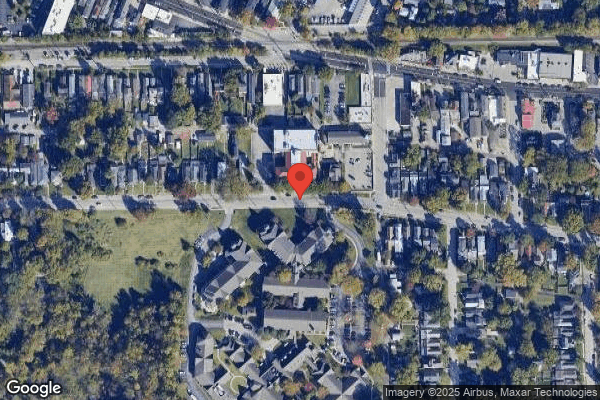
Understanding Severity Codes (click to expand)
Life-Threatening (Immediate Jeopardy)
J - Isolated K - Pattern L - Widespread
Actual Harm
G - Isolated H - Pattern I - Widespread
Potential for Harm
D - Isolated E - Pattern F - Widespread
No Harm (Minor)
A - Isolated B - Pattern C - Widespread

Questions to Ask on Your Visit

  • "Can I speak with families of current residents?"
  • "What's your RN coverage like on weekends and overnight?"

Our Honest Assessment

Strengths
  • • Grade B+ (85/100). Above average facility, better than most options in Kentucky.
  • • No major safety red flags. No abuse findings, life-threatening violations, or SFF status.
  • • No fines on record. Clean compliance history, better than most Kentucky facilities.
Concerns
  • • 17 deficiencies on record. Higher than average. Multiple issues found across inspections.
Bottom line: Generally positive indicators. Standard due diligence and a personal visit recommended.

About This Facility

What is Nazareth Home Clifton's CMS Rating?

CMS assigns NAZARETH HOME CLIFTON an overall rating of 5 out of 5 stars, which is considered much above average nationally. Within Kentucky, this rating places the facility higher than 99% of the state's 100 nursing homes. This rating reflects solid performance across the metrics CMS uses to evaluate nursing home quality.

How is Nazareth Home Clifton Staffed?

CMS rates NAZARETH HOME CLIFTON's staffing level at 4 out of 5 stars, which is above average compared to other nursing homes. Staff turnover is 48%, compared to the Kentucky average of 46%.

What Have Inspectors Found at Nazareth Home Clifton?

State health inspectors documented 17 deficiencies at NAZARETH HOME CLIFTON during 2018 to 2025. These included: 17 with potential for harm.

Who Owns and Operates Nazareth Home Clifton?

NAZARETH HOME CLIFTON is owned by a non-profit organization. Non-profit facilities reinvest revenue into operations rather than distributing to shareholders. The facility operates independently rather than as part of a larger chain. With 113 certified beds and approximately 104 residents (about 92% occupancy), it is a mid-sized facility located in LOUISVILLE, Kentucky.

How Does Nazareth Home Clifton Compare to Other Kentucky Nursing Homes?

Compared to the 100 nursing homes in Kentucky, NAZARETH HOME CLIFTON's overall rating (5 stars) is above the state average of 2.8, staff turnover (48%) is near the state average of 46%, and health inspection rating (4 stars) is above the national benchmark.

What Should Families Ask When Visiting Nazareth Home Clifton?

Based on this facility's data, families visiting should ask: "Can I visit during a mealtime to observe dining assistance and food quality?" "How do you handle medical emergencies, and what is your hospital transfer rate?" "Can I speak with family members of current residents about their experience?"

Is Nazareth Home Clifton Safe?

Based on CMS inspection data, NAZARETH HOME CLIFTON has a clean safety record: no substantiated abuse findings (meaning no confirmed cases of resident harm), no Immediate Jeopardy citations (the most serious violation level indicating risk of serious injury or death), and is not on the Special Focus Facility watch list (a federal program monitoring the lowest-performing 1% of nursing homes). The facility has a 5-star overall rating and ranks #1 of 100 nursing homes in Kentucky. While no facility is perfect, families should still ask about staff-to-resident ratios and recent inspection results during their visit.

Do Nurses at Nazareth Home Clifton Stick Around?

NAZARETH HOME CLIFTON has a staff turnover rate of 48%, which is about average for Kentucky nursing homes (state average: 46%). Moderate turnover is common in nursing homes, but families should still ask about staff tenure and how the facility maintains care continuity when employees leave.

Was Nazareth Home Clifton Ever Fined?

NAZARETH HOME CLIFTON has no federal fines on record. CMS issues fines when nursing homes fail to meet care standards or don't correct problems found during inspections. The absence of fines suggests the facility has either maintained compliance or corrected any issues before penalties were assessed. This is a positive indicator, though families should still review recent inspection reports for the full picture.

Is Nazareth Home Clifton on Any Federal Watch List?

NAZARETH HOME CLIFTON is not on any federal watch list. The most significant is the Special Focus Facility (SFF) program, which identifies the bottom 1% of nursing homes nationally based on persistent, serious quality problems. Not being on this list means the facility has avoided the pattern of deficiencies that triggers enhanced federal oversight. This is a positive indicator, though families should still review the facility's inspection history directly.