Little Sisters of the Poor
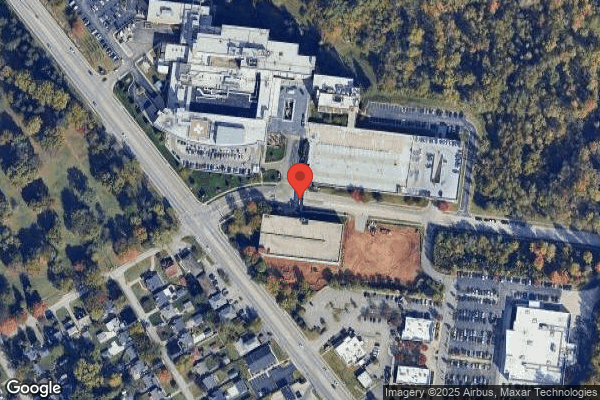

15 Audubon Plaza Drive, Louisville, KY 40217 (502) 636-2300
Non profit - Corporation 35 Beds Independent Data: November 2025
Trust Grade
70/100
#116 of 266 in KY
Last Inspection: May 2025

Inspected within the last 6 months. Data reflects current conditions.

Overview

Little Sisters of the Poor has a Trust Grade of B, indicating it is a good choice among nursing homes. It ranks #116 out of 266 facilities in Kentucky, placing it in the top half, and #17 of 38 in Jefferson County, meaning only a few local options are better. The facility is improving, having reduced its issues from four in 2022 to three in 2023. Staffing is a strong point here, with a perfect rating of 5/5 stars and 53% turnover, reflecting an average retention rate compared to state norms. Although there have been no fines, which is a positive sign, inspectors found that residents did not receive required quarterly statements about their personal funds and that the facility failed to develop a necessary assessment and quality improvement plan, raising concerns about oversight and communication.
Trust Score
B
70/100
In Kentucky
#116/266
Top 43%
Safety Record
Low Risk
No red flags
Inspections
Getting Better
4 → 3 violations
Staff Stability
⚠ Watch
53% turnover. Above average. Higher turnover means staff may not know residents' routines.
Penalties
✓ Good
No fines on record. Clean compliance history, better than most Kentucky facilities.
Skilled Nurses
✓ Good
Each resident gets 63 minutes of Registered Nurse (RN) attention daily — more than 97% of Kentucky nursing homes. RNs are the most trained staff who catch health problems before they become serious.
Violations
○ Average
10 deficiencies on record. Average for a facility this size. Mostly minor or procedural issues.
★★★☆☆
3.0
Overall Rating
★★★★★
5.0
Staff Levels
★☆☆☆☆
1.0
Care Quality
★★★☆☆
3.0
Inspection Score
Stable
2022: 4 issues
2025: 3 issues

The Good

  • 5-Star Staffing Rating · Excellent nurse staffing levels
  • Full Sprinkler Coverage · Fire safety systems throughout facility
  • No fines on record

Facility shows strength in staffing levels, fire safety.

The Bad

3-Star Overall Rating

Near Kentucky average (2.8)

Meets federal standards, typical of most facilities

Staff Turnover: 53%

Near Kentucky avg (46%)

Higher turnover may affect care consistency

The Ugly 10 deficiencies on record

May 2025 3 deficiencies
CONCERN (D)

Potential for Harm - no one hurt, but risky conditions existed

Deficiency F0628 (Tag F0628)

Could have caused harm · This affected 1 resident

**NOTE- TERMS IN BRACKETS HAVE BEEN EDITED TO PROTECT CONFIDENTIALITY** Based on interview, record review, and review of the facility's documents and policy, the facility failed to notify the resident...

Read full inspector narrative →
**NOTE- TERMS IN BRACKETS HAVE BEEN EDITED TO PROTECT CONFIDENTIALITY** Based on interview, record review, and review of the facility's documents and policy, the facility failed to notify the resident and the resident's representative of the transfer or discharge and the reasons for the move in writing and in a language and manner they understood as soon as practicable for 1 of 1 residents sampled for transfer/discharge out of the total sample of 14, (Resident (R)18). Additionally, the facility further failed to ensure the notice included the reason, date, and location for the transfer, as well as a statement of the resident's appeal rights and the contact information for the state Long-Term Care Ombudsman. The findings include: Review of the facility's Bed Hold and Return policy, reviewed on 02/2025, revealed it was the policy of the facility to provide residents who were transferred to the hospital or go on a therapeutic leave with written information about the State's bed hold duration and payment amount before the transfer. Additionally, review revealed the facility permitted residents to return to the facility after hospitalization or therapeutic leave if their needs could be met by the facility and they were eligible for Medicare, Medicaid or services covered by another payor. Review of R18's Face Sheet revealed the facility admitted the resident on 04/15/2021, with diagnoses of type II diabetes mellitus with hyperglycemia, hyperlipidemia, mild cognitive impairment of unknown etiology, and hypertension. Review of R18's Discharge Summary, dated 05/05/2025 revealed she had been hospitalized on [DATE] for abdominal pain and sepsis due to kidney stones. Review of R18's Physician Progress Note, dated 05/05/2025 revealed R18 returned to the facility after hospitalization from 05/01/2025 through 05/04/2025, for sepsis related to an obstructive stone in her left ureter (tube that carries urine from the kidney to the bladder). Review of R18's Bed Hold Policy Notification, dated 05/01/2025 revealed that it was the facility's form for notifying R18 and her Responsible Party (RP) she had a bed hold for the facility for 14 days while she was hospitalized or on therapeutic leave. In interview on 05/13/2025 at 2:38 PM, R18's RP/Family (F)4 stated the facility called him and told him R18 had been experiencing abdominal pains and asked if it was okay to send her to the hospital for treatment. He said he agreed to that, and R18 was transferred to a nearby hospital. RP/F4 further stated the facility verbally told him of the transfer; however, he had not received written documentation of her bed hold. In interview with the Assistant Director of Nursing (ADON) and interim Director of Nursing (DON) on 05/16/2025 at 9:04 AM, the ADON stated the facility did not mail letters regarding resident transfers and bed holds to residents' RP's. The ADON further stated nor did they email a letter to the Ombudsman. In interview with the Social Services Director (SSD) on 05/16/2025 at 9:05 AM, she stated the facility did not send letters to residents' RPs or the Ombudsman when a resident was transferred to the hospital. She further stated it was part of the admission paperwork given upon admission and they discussed the bed hold policy in that context. In interview with the Administrator (ADM) on 05/16/2025 at 9:07 AM, she stated the facility was different than other nursing facilities. She reported when a resident left for a hospitalization, the facility held the bed regardless of how long the resident might be out of the facility. The ADM further stated for that reason they did not send letters to the resident's RP or the Ombudsman alerting them of the discharge/transfer or the bed hold.
CONCERN (D)

Potential for Harm - no one hurt, but risky conditions existed

Infection Control (Tag F0880)

Could have caused harm · This affected 1 resident

Based on observation, interview, and review of the facility's policies, the facility failed to ensure staff maintained infection control during plating of food for meal service. Observation revealed d...

Read full inspector narrative →
Based on observation, interview, and review of the facility's policies, the facility failed to ensure staff maintained infection control during plating of food for meal service. Observation revealed dietary staff failed to change gloves and/or perform hand hygiene as required. The findings include: Review of the facility's policy, Infection Control, revised 09/20/2024, revealed in order to provide maximum protection for residents, and personnel from pathogenic microorganisms and infectious diseases, methods of prevention and control should be implemented. Further review revealed the primary objectives should be: prevention, referring to eliminating the occurrence of a disease or infection; and controlling which pertained to restricting the spread of existing diseases and infections. Observation on 05/13/2025 at 11:37 AM, of the lunch meal service revealed [NAME] (C) 1 plated food, which included opening a bun using her gloved hand, and opening the door to the serving cart without changing her gloves or performing hand hygiene in between touching the service cart and touching the bun. Per observation, C 1 was also observed touching a tape dispenser and trays and then touching residents' food with her gloved hands, without changing her gloves or performing hand hygiene between touching the tape dispenser, the tray, and touching food items. Further observation revealed C 1 touched her apron with her gloved hands; however, did not change gloves or perform hand hygiene after touching her clothing before proceeding to touch food she was serving to residents. Observation on 05/13/2025 at 11:55 AM, revealed Dietary Aide (DA) 2 placed her gloved hands onto the surface of the counter in the dining room, picked up a tray, served it to a resident and assisted the resident with meal setup. Further observation revealed DA 2 touched her face and then touched the resident's silverware during the meal setup. Observation on 05/13/2025 at 12:05 PM, revealed C 1 dropped a meal ticket onto the floor and DA 3 picked up the meal ticket from off the floor and placed it on a resident's meal tray without changing her gloves or using hand sanitizer prior to passing and setting up the tray for Resident (R)32. In interview with C 1 on 05/13/2025 at 11:50 AM, she stated she plated all the trays for residents who did not dine in the dining room. She said she then changed her gloves and performed hand hygiene after the food cart had been loaded. C 1 further stated the food service cart was wiped down prior to being filled with residents' meal trays. In interview with DA 1, DA 2, and DA 3 on 05/13/2025 at 12:15 PM, they all stated they changed their gloves and performed hand hygiene between meal tray setup and serving of each resident's meal trays in the dining room. In interview with the Dietary Manager (DM) on 05/16/2025 at 9:45 AM, she stated her expectation was for staff serving food in the dining room, to sanitize their hands and don gloves at start of the food service. She said staff were to sanitize and don new gloves when breaking a task. The DM further stated staff should hand sanitize and don new gloves after touching surfaces not sanitized, or their hair, clothing, or other skin surface. In interview on 05/16/2025 at 11:24 AM, the Assistant Director of Nursing (ADON), who was also the interim Director of Nursing (DON) and the back up Infection Prevention (IP) Nurse (the IP nurse was out sick), stated it was her expectation for dietary staff to perform hand hygiene before and after any task that needed gloves. She said staff should change their gloves if they touched anything dirty such as a used plate or bowl. The ADON reported she expected gloves to be changed and hand hygiene performed each time C1 touched the food transport cart. She further stated dietary tickets should not be taped to the plate covers, eliminating the need to touch the tape dispenser. The ADON additionally said anything dietary staff touched that was not clean (such as their clothing or surfaces) would require them to change gloves and perform hand hygiene before touching food. In interview with the facility's Administrator on 05/15/2025 at 11:33 AM, she stated it was her expectation dietary staff change their gloves and perform hand hygiene between serving each resident. She said staff should also change their gloves and perform hand hygiene if they touched their clothing or face, after picking anything up off the floor, or touching any soiled/unclean surface such as a counter top or a food service cart.
CONCERN (E)

Potential for Harm - no one hurt, but risky conditions existed

Deficiency F0761 (Tag F0761)

Could have caused harm · This affected multiple residents

Based on observation, interview, and review of the facility's policy, the facility failed to ensure drugs and biologicals were labeled in accordance with currently accepted professional principles for...

Read full inspector narrative →
Based on observation, interview, and review of the facility's policy, the facility failed to ensure drugs and biologicals were labeled in accordance with currently accepted professional principles for 1 of 2 Medication Rooms observed. Addtionally, the facility failed to ensure drugs and biologicals were disposed of by the expiration date for 3 of 6 medication and treatment carts. Observation of a medication room refrigerator revealed an insulin pen with no resident label and another pen that was expired. Observation of medication carts revealed multiple medications stored beyond the labeled expiration date. The findings include: Review of the facility policy entitled, Medication Storage, last reviewed 02/2025, revealed the Home (facility) must store all drugs and biologicals in a safe, secure and orderly manner. Per review, the facility was to ensure no expired or discontinued medications were stored within stock, house, routine or PRN (as necessary) medications that were readily available for administration. Continued review revealed the facility must not use discontinued, outdated or deteriorated drugs or biologicals, and ensure all such drugs were returned to the dispensing pharmacy or destroyed. Further review revealed all expired medications were to removed immediately upon discovery and placed in the appropriate holding receptacle for pick up and destruction by the Director of Nursing (DON) or Designee. Observation of medication storage of the facility's Jeanne Jugan Unit (JJU) medication room on 05/14/25 at 3:20 PM revealed the following: 1 Humalog Kwikpen, with an opened date of 05/04/2025, with no resident's name; 1 Insulin Glargine pen for R19, noted as opened 03/23/2025, with a notation stating the pen would expire in 28 days after opening. Review of R19's Medication Administration Record (MAR) for March 2025 and April 2025 revealed R19's Insulin Glargine had been discontinued on 04/07/2025. Observation of the 8 hour cart on the JJU on 5/14/2025 at 3:40 PM, revealed the following: For R13- Latanoprost 125 microgram(mcg)/2.5 milliliter (ml) eye drops, with no documented opened date or expiration date; Dorzalomide Hcl 2% (eye) drops, with no opened date or expiration date. For R27- Zofran (antinausea medication) 4 milligram (mg) oral medication (po) as needed (prn), with an expiration date of 03/30/2025. For R18- Zofran 4 mg po prn, with an expiration date of 03/31/2025. For R19- Metolazone (diuretic medication) 5 mg po, with an expiration date of 03/31/2025; Loperamide (antidiarrheal medication) 2 mg po, expiration date of 03/14/2025; Clopidogrel (a platelet inhibitor medication) 75 mg po, expiration date of 01/31/2025; Vitamin C (dietary supplement) 500 mg po, with an expiration date of 6/21/2024. Observation of the JJU treatment cart on 05/15/2025 at 9:03 AM revealed the following: Normal Saline (NS) solution, 5 ml vials, 28, expired 01/2024; Allevyn Lite Sacrum dressing, expired 08/01/2024; Cathtrip securement device (universal securement system for catheter tubing), expired 07/31/2024; Curad Petrolatum dressing, 3inch x9 inch x3 inch dressings, expired 3/15/2024. Observation of the Holy Family Unit (HFU) treatment cart on 05/15/25 at 9:57 AM revealed the following: NS solution, 5 ml vials, 1 box with 19 vials, expired 01/2024; Normal Saline solution, 5 ml vials, 1 box with 42 vials, expired 06/2022; Aspercreme 4% with Lidocaine cream for R10, expired 11/2024; and SurePrep skin protection wipes: 1 box with 48 wipes, expired 10/2023; 2 boxes with a total of 79 wipes, expired 11/2023; and 1 box with a total of 49 wipes, expired 12/01/2024. During interview with Licensed Practical Nurse (LPN) 3 on 05/15/2025 at 10:25 AM, she stated the reason medications had expiration dates was because they lost their effectiveness over time. During interview with LPN 4 on 05/16/2025 at 9:52 AM, she stated it was important to discard medications by their expiration dates, so they did not give medications that might not be effective. During interview with Registered Nurse (RN) 1 on 05/15/2025 at 11:10 AM, she stated medications were to be discarded before their expiration dates. She stated it was important to do that so residents did not receive medicine that were no longer effective or might hurt them. During interview with the Director of Nursing (DON) on 05/15/2025 at 11:34 AM, she stated it was the facility's policy for the nurses to be checking expiration dates while they were giving medications. She stated the Staff Development Coordinator (SDC) was to audit medications and supplies once per week and pharmacy audited once per month. The DON further stated her expectation was for staff to follow the facility's policy and said expired drugs might be harmful to the resident, so it was all about safety. During interview with the Administrator on 05/16/2025 at 11:48 AM, she stated her expectation was for the certified medication aide (CMA) or nurse to check for expiration dates before administration of medications. She stated the pharmacist reported in the facility's Quality Assurance Performance Improvement (QAPI) meetings on the audits he performed of the medication carts. The Administrator reported if an agency nurse found out-of-date medications, she expected those nurses to report that information to facility staff. She said she expected the SDC and ADON to audit medication and treatment carts at least monthly. The Administrator further stated it was important to discard medications before the expiration date because we would not know if the medicine was effective or if it could be harmful for to the resident.
Jun 2022 4 deficiencies
CONCERN (D)

Potential for Harm - no one hurt, but risky conditions existed

Respiratory Care (Tag F0695)

Could have caused harm · This affected 1 resident

**NOTE- TERMS IN BRACKETS HAVE BEEN EDITED TO PROTECT CONFIDENTIALITY** Based on observation, interview, record review, and policy review, the facility failed to administer oxygen as ordered by the ph...

Read full inspector narrative →
**NOTE- TERMS IN BRACKETS HAVE BEEN EDITED TO PROTECT CONFIDENTIALITY** Based on observation, interview, record review, and policy review, the facility failed to administer oxygen as ordered by the physician for one (1) of two (2) residents (Resident #20) reviewed for oxygen. The findings include: A review of the facility policy, Oxygen Therapy, Nasal Cannula, revised 03/2021, revealed the facility attached a pre-filled humidifier bottle to flow meter and attached nasal cannula tubing to humidifier bottle. Review of facility records revealed the facility admitted Resident #20 on 09/15/2021 with a diagnosis of Chronic Obstructive Pulmonary Disease (COPD). Review of the Significant Change Minimum Data Set (MDS), dated [DATE], revealed the facility assessed Resident #20 with a Brief Interview for Mental Status (BIMS) score of three (3) out of fifteen (15), and determined the resident with severe cognitive impairment. Additionally, the MDS indicated the resident received oxygen while a resident. A review of the Comprehensive Care Plan, initiated 09/15/2021, revealed the resident received oxygen therapy related to COPD. Interventions included to administer oxygen as ordered. A review of physician orders for Resident #20 revealed an order, dated 09/15/2021, for humidified oxygen via nasal cannula at two (2) L (liters)/min. Observation of Resident #20's oxygen concentrator, on 06/21/2022 at 9:55 AM, indicated oxygen was being administered at two and a half (2.5) liters via nasal cannula. Observation of Resident #20's oxygen concentrator, on 06/21/2022 at 1:33 PM, indicated oxygen was administered at two and a half (2.5) liters and no humidifier bottle was identified on the concentrator. Resident #20 was observed on 06/22/2022 at 8:28 AM lying in bed, and oxygen via nasal cannula was being administered. The oxygen concentrator indicated oxygen was being administered at two and a half (2.5) liters. Observation of Resident #20 on 06/22/2022 at 11:13 AM revealed the oxygen concentrator did not have a humidifier bottle on the concentrator as ordered and oxygen was set at a rate of two and a half (2.5) liters. Observation of Resident #20, on 06/22/2022 at 2:44 PM, revealed the oxygen concentrator to be missing the humidifier bottle. Oxygen was being administered at a rate of two and a half (2.5) liters. Interview with Certified Medication Technician (CMT) #8, on 06/22/2022 at 3:23 PM, CMT #8 revealed there were orders in the medication administration record (MAR) directing staff how many liters of oxygen should be administered. CMT #8 indicated she checked to make sure oxygen was at the correct level each day. CMT #8 indicated there were no residents receiving humified oxygen. Interview, on 06/22/2022 at 3:33 PM, with Registered Nurse (RN) #1 revealed oxygen was administered according to the physician orders in the chart. When asked what setting for the oxygen, RN #1 stated the setting was above two (2) liters. RN #1 also stated Resident #20 was not receiving humidified oxygen. During an interview, on 06/22/2022 at 3:54 PM, with the Director of Nursing (DON), the DON was asked to observe Resident #20's oxygen concentrator. The DON revealed the oxygen was being administered to Resident #20 above two (2) liters. The DON stated the oxygen concentrator did not have the humidifier bottle with water attached to administer humidified oxygen to Resident #20. The DON reviewed the physician's orders for oxygen and indicated that Resident #20 should be receiving humidified oxygen at two (2) liters. On 06/24/2022 at 12:46 PM, during an interview with the DON, the DON stated that the expectations of the staff were to follow the physician's orders when administering oxygen. Interview with the Administrator, on 06/24/2022 at 1:04 PM, the Administrator indicated the physician orders were expected to be followed at all times.
CONCERN (F)

Potential for Harm - no one hurt, but risky conditions existed

Deficiency F0568 (Tag F0568)

Could have caused harm · This affected most or all residents

Based on interview and record review, the facility failed to ensure residents and/or resident representatives received quarterly trust account statements for thirty-two (32) of thirty-two (32) residen...

Read full inspector narrative →
Based on interview and record review, the facility failed to ensure residents and/or resident representatives received quarterly trust account statements for thirty-two (32) of thirty-two (32) residents. The findings include: A review of the facility policy, Residents' Personal Funds, revised 02/2022, revealed the facility provided statements upon request by the Resident or Resident Guarantor and mailed the statements at least quarterly with a Statement of Receipt. Additionally, the facility's Resident Services was responsible for reviewing the statements with the Residents who were capable of understanding the information. During an interview on 06/21/2022 at 10:45 AM, Resident #25 (who the facility assessed as cognitively intact with a Brief Interview for Mental Status [BIMS] score of 14) revealed the facility managed their money. Resident #25 indicated he/she wanted to know how much money was in their account and they were unaware of receiving any statements from the facility. Interview with Family Member #14, on 06/24/2022 at 10:44 AM, revealed stated they had not received a statement since moving in February, 2022. Interview, on 06/24/2022 at 1:00 PM, with Resident #17 (who was cognitively intact with a BIMS score of 15) revealed the facility had not informed them of their resident account balance since the second week in February. The facility assessed Resident #17 as cognitively intact with a BIMS score of 15. Resident #17 stated they ordered some clothes in January or February, 2022, and the order came in, but the facility did not provide a new account statement to update the resident. Resident #17 indicated they could get money, but they did not know how much they had. Interview with Business Office Employee #13, on 06/23/2022 at 3:14 PM, revealed she did not manage the resident funds; the position was vacant, and the Administrator was managing the trust fund. Interview with the Administrator, on 06/23/2022 at 4:13 PM, revealed facility staffing included a person who was responsible for resident money, but the position was vacant since February. The Administrator indicated she was the person in charge of sending out resident trust statements due to the vacant position and the facility should send the statements quarterly. She stated Resident #25 would be the person to receive his/her statements, but he/she had not gotten the last statement. During an interview, on 06/24/2022 at 8:03 AM, the Administrator revealed the resident trust statements for the first quarter were not available since the facility had not yet closed out the accounts. The Administrator revealed they had not been done due to the vacant position in the business office.
CONCERN (F)

Potential for Harm - no one hurt, but risky conditions existed

Deficiency F0838 (Tag F0838)

Could have caused harm · This affected most or all residents

Based on interview, document review, and facility policy review, the facility failed to develop and implement a facility assessment. This had the potential to affect all residents. The findings inclu...

Read full inspector narrative →
Based on interview, document review, and facility policy review, the facility failed to develop and implement a facility assessment. This had the potential to affect all residents. The findings include: A review of the policy titled, Developing Your Facility Assessment: Essential Components, dated 04/2017, indicated, Facility Assessment states a home must conduct and document a facility-wide assessment to define what resources are necessary to care for its Resident competently during day-to-day operations and emergencies. This facility assessment must be completed annually, or when significant changes to the resident population occur. During an interview on 06/23/2022 at 8:13 AM, the Administrator stated, I know we had a facility assessment that was done in 2019, but I do not know where to find one for 2020 or 2021 and yes, the one that was provided to the survey team was completed the day the team arrived. A review of the quality assurance performance improvement (QAPI) meeting minutes from 11/24/2021 indicated the performance improvement project (PIP) for the quarter was for the Administrator to complete the facility assessment with the team's assistance. The minutes indicated it was part of the annual survey compliance and needed to be reviewed by the end of 2021 and then updated, if indicated, in the following thirty (30) days after the review. During a follow up interview on 06/23/2022 at 10:13 AM, the Administrator stated that she knew there was a PIP from 2021 for the Administrator to complete the facility assessment and she stated, I just didn't do it. I'm aware that it needed to be done. During an interview on 06/24/2022 at 2:27 PM, the Director of Nursing (DON) indicated upon her arrival to the facility in April of 2022, she requested the facility assessment because she did not find one to review. The DON was putting together the survey binder and asked the Administrator for the facility assessment, but never received the document from the Administrator. The DON stated there was no discussion as to why it was never received for the survey binder. During an interview on 06/24/2022 at 2:50 PM, the Administrator indicated that during a QA (quality assurance) meeting the attendees brought up that the facility assessment needed completed and she though it was in the Assistant Director of Nursing's office. The Administrator indicated that she thought there was going to be help with getting the facility assessment completed. The Administrator stated her progress was going to be tracked during the QA meetings. The Administrator stated it was her responsibility to get it completed.
CONCERN (F)

Potential for Harm - no one hurt, but risky conditions existed

Deficiency F0865 (Tag F0865)

Could have caused harm · This affected most or all residents

Based on interview, record review, and facility policy review, it was determined the facility failed to develop and implement a quality assurance performance improvement (QAPI) plan and program. This ...

Read full inspector narrative →
Based on interview, record review, and facility policy review, it was determined the facility failed to develop and implement a quality assurance performance improvement (QAPI) plan and program. This had the potential to affect all residents. The findings include: Review of facility policy, Quality Assurance and Performance Improvement Program (QAPI), dated 08/2017, revealed, the facility Medical Director and the Administrator were responsible for implementing the QAPI Program and organizing facility and medical staff functions to accomplish this program. Additionally, a Quality Assurance (QA)Committee coordinated a comprehensive QAPI Program involving medical, nursing, and other ancillary support services. Furthermore, the QA Program was reviewed annually by the QAPI Committee to ensure the program was comprehensive, effective in improving Resident care, and was cost effective. During an interview, on 06/23/2022 at 9:37 AM, the surveyor informed the Administrator the survey team requested the facility QAPI plan since survey initiation on 06/21/2022. The Administrator stated, I do not have a QAPI Plan. The interview continued at 10:13 AM when the Administrator stated the previous Director of Nursing (DON) was expected to complete the QAPI plan but did not get it done. Interview with the Administrator, on 06/24/2022 at 3:11 PM, revealed she had not had training in the area of QAPI and did not understand how it flowed.
Jun 2019 3 deficiencies
CONCERN (D)

Potential for Harm - no one hurt, but risky conditions existed

Pharmacy Services (Tag F0755)

Could have caused harm · This affected 1 resident

**NOTE- TERMS IN BRACKETS HAVE BEEN EDITED TO PROTECT CONFIDENTIALITY** Based on observation, interview, and review of the facility's policy, it was determined the facility failed to ensure discontinu...

Read full inspector narrative →
**NOTE- TERMS IN BRACKETS HAVE BEEN EDITED TO PROTECT CONFIDENTIALITY** Based on observation, interview, and review of the facility's policy, it was determined the facility failed to ensure discontinued controlled medication was disposed in a timely manner. Observation revealed the cabinet in the Lab Room, which held controlled medication awaiting destruction, contained one thousand and twenty-five and one half (1025.5) pills of controlled medication. In addition, forty point five (40.5) milliliters (ml) of liquid Morphine Sulfate, and zero point five (0.5) ml of injectable Testosterone were stored in the same location. The findings include: Review of the facility's policy, Narcotics-Disposal, revised [DATE], revealed all discontinued or expired narcotics were to be removed from the unit inventory locked medication cart, stored in a locked box in the lab room, and double locked. The stored narcotics were to be reconciled monthly and placed in an empty sharp container with an added solidifier. Furthermore, the consultant pharmacist monitored the narcotic records to ensure the controlled drugs were destroyed on a routine basis. Review of the Drug Enforcement Administration (DEA), 21 Code of Federal Regulation 1317.80, dated [DATE], revealed a long-term care facility could dispose of controlled substances (medication), Schedules II, III, IV, and V, on behalf of an ultimate user who resided, or had resided, at such long-term care facility by transferring those controlled substances into an authorized collection receptacle located at the long-term care facility. When disposing of such controlled substances by transferring those substances into a collection receptacle, such disposal would occur immediately, but no longer than three (3) business days after the discontinuation of use by the ultimate user. Discontinuation of use included a permanent discontinuation as directed by the physician as the result of the resident's transfer from the long-term care facility, or as a result of death. Observation, on [DATE] 10:35 AM, of the cabinet in the Lab Room, with the Director of Nursing (DON), revealed it contained three (3) shelves of scheduled medication, awaiting destruction, filled to capacity. The DON and the Assistant Director of Nursing (ADON) counted the contents of the cabinet, which determined there were 1025.5 controlled medication pills; 25.5 ml of 20 milligram (mg) per 5 ml of liquid Morphine Sulfate; 15 ml of 5 mg per 1 ml of liquid Morphine Sulfate; and 0.5 ml of 200 mg per 1 ml of injectable Testosterone. During the count, the ADON identified the last count occurred [DATE], which the DON also confirmed. Interview with the ADON, on [DATE] at 11:17 AM, revealed controlled medications were to be destroyed once a month but the months seemed to get away from her and the DON, as they did not realize it had been so long since the last destruction. She stated she and the DON were responsible for counting and destroying controlled medications monthly to ensure the medications were not stolen, and it was facility policy. She stated she could not remember if pharmacy staff had ever asked to check the cabinet. Interview with the DON, on [DATE] at 11:17 AM, revealed discontinued controlled medications were to be destroyed monthly and she did not realize it was [DATE] since the last count and destruction was completed. She stated it was her responsibility to ensure the medications were disposed of properly. She stated could not remember pharmacy staff asking her to review the controlled medications awaiting destruction. Interview with the Administrator, on [DATE] at 12:17 PM, revealed she was not aware of issues with controlled medication destruction. The Administrator voiced surprise with the amount of controlled medications awaiting disposal.
CONCERN (D)

Potential for Harm - no one hurt, but risky conditions existed

Deficiency F0761 (Tag F0761)

Could have caused harm · This affected 1 resident

Based on observation and interview, it was determined the facility failed to ensure scheduled medications were stored securely in one (1) of one (1) medication rooms. Observation of the medication roo...

Read full inspector narrative →
Based on observation and interview, it was determined the facility failed to ensure scheduled medications were stored securely in one (1) of one (1) medication rooms. Observation of the medication room refrigerator revealed the locked boxed for scheduled medications was not permanently affixed to the refrigerator, nor double locked. In addition, the key to the cabinet that held scheduled medications awaiting destruction was in the Director of Nursing's (DON) top desk drawer, which was unlocked. The findings include: The facility did not provide a policy for securement of medications. 1. Observation, on 06/05/19 at 10:16 AM, revealed the unit medication refrigerator was not locked. The refrigerator contained a black locked medication box; however, it was not affixed to the inside of the refrigerator. Registered Nurse (RN) #1 removed the black box from the refrigerator and placed it on the counter. The box contained the following scheduled medications: four (4) vials of 2 milliliters (ml) Lorazepam; one (1) 30 ml bottle of 2 milligrams (mg) per 2 ml of Lorazepam; and one (1) 10 ml bottle of 2 mg per 2 ml of Lorazepam. Interview with RN #1, on 06/05/19 at 10:16 AM, revealed multiple people were able to unlock the unit medication door, which included the unit nurse, Assistant Director of Nursing (ADON), and Director of Nursing (DON). She stated the scheduled medications were not under a double lock system and scheduled medications were supposed to be under a double lock system at all times for the safety of everyone, and to prevent theft. She further stated someone could take the scheduled medications from the medication room since the box was not affixed to the refrigerator and the room was accessible to multiple staff. RN #1 stated the facility was to ensure scheduled medications were safe and secured at all times. Interview with the ADON, on 06/05/19 at 11:29 AM, revealed refrigerated scheduled medications were to be under a double lock system. She stated she, the DON, the Charge Nurse, as well as the Medication Technician, had a key to access the medication room. She stated the refrigerator was not locked and the scheduled medication box was not chained to the refrigerator. She further stated it was the facility's responsibility to ensure scheduled medications were safe and secured at all times. The ADON revealed because the refrigerated scheduled medication box was not affixed to the refrigerator, it could be removed and end up in the wrong hands. Interview with the DON, on 06/05/19 at 11:29 AM, revealed she was able to access the unit medication room and the medication refrigerator was not locked on the outside. She stated the scheduled medication box was not chained to the refrigerator and therefore could be removed from the unit. She stated the facility was responsible to ensure all medications were secured at all times. 2. Observation, on 06/05/19 at 10:35 AM, revealed the DON went to her office, opened the unlocked top drawer of her desk, and pull out a ring of keys from the left side of the top drawer. The key ring contained the key to the cabinet that held scheduled medication awaiting destruction. The door that connected the DON's office to the Medical Records office was open. The DON walked across the hallway, opened the Lab Room door, and opened the locked cabinet with the key she obtained from her desk drawer, which revealed three (3) shelves of scheduled medication filled to capacity. Interview with the DON, on 06/05/19 at 10:35 AM and 11:29 AM, revealed she always kept the key to the cabinet that held the scheduled medications awaiting destruction in the top drawer of her desk. She stated the drawer was not locked and the door to the adjacent room, Medical Records, was usually open. The DON stated the key was left there at night and on the weekends. She did not carry the key ring because it was too heavy and she did not use it often. According to the DON, she left her door unlocked on occasion, and the key could have been taken and the scheduled medication removed. Interview with the Administrator, on 06/05/19 at 12:17 PM, revealed the facility was responsible to ensure all scheduled medications were secured appropriately. The Administrator stated the key to the cabinet that held scheduled medications awaiting destruction should never be left unattended because it could fall into the wrongs hands and the medications could be taken.
CONCERN (D)

Potential for Harm - no one hurt, but risky conditions existed

Infection Control (Tag F0880)

Could have caused harm · This affected 1 resident

Based on observation, interview, and review of the facility's policies, it was determined the facility failed to ensure staff maintained infection control during medication administration for one (1) ...

Read full inspector narrative →
Based on observation, interview, and review of the facility's policies, it was determined the facility failed to ensure staff maintained infection control during medication administration for one (1) of twenty (20) residents, Resident #9. Observation revealed staff failed to sanitize hands before and after medication administration. In addition, staff handled medication with bare hands and placed a medication tablet on the surface of a table. The findings include: Review of the facility's policy, Infection Control Standard Practice, revised August 2017, revealed hands were to be washed before and after contact with a resident. Review of the facility's policy, Medication Administration, dated August 2017, revealed staff was to wash hands before and after administration of medications. Waterless hand sanitizer was on each medication cart to be used between administration of medication to each resident. Review of the facility's policy, Handwashing, dated March 2018, revealed hands were to be washed before and after direct contact with residents, residents' equipment, and before and after any procedure. The policy stated handwashing was for the prevention of cross-infection between staff and residents. Observation of medication administration, on 06/03/19 at 8:10 AM, revealed Certified Medication Technician (CMT) #1 handled medication cards and the medication cart, and placed Resident #9's medications in a medication cup, without sanitizing her hands. CMT #1 picked up a medication tablet with her bare hands when the tablet bounced out of the medication cup onto the surface of the medication cart. The CMT placed the tablet back into the medication cup, proceeded into Resident #9's room, and assisted the resident with the consumption of the medications without sanitizing hands prior to entering the room. Further observation revealed CMT #1 removed the resident's chocolate calcium chew from the protective wrapper, placed the chocolate chew tablet, using her bare hands, on the over the bed table, and instructed Resident #9 to eat the chew tablet, which Resident #9 complied. CMT #1 proceeded to the medication cart, documented the administration of Resident #9's medications, and took the cart to the next resident's door and proceeded to acquire medications from the cart. CMT #1 did not sanitize her hands after Resident #9's medication administration was completed or before she acquired the next resident's medications out of the medication cart. Interview with CMT #1, on 06/03/19 at 10:06 AM, revealed staff was to sanitize or wash their hands before and after medications were obtained from the medication cart, as well as before and after contact with a resident. She stated everyone was to have good hand hygiene to prevent the spread of infection. The CMT stated she was told the medication cart surface was a clean surface and medications could be returned in the cup. However, she stated medications were not to be handled by bare hands because a resident could potentially become ill, as germs from bare hands could be transferred to the medication and spread to the resident when they ingested the medication. She stated the facility educated her on infection control during medication administration, but she was not audited during medication administration for infection control techniques. Interview with CMT #2, on 06/03/19 at 10:06 AM, revealed staff was to wash or sanitize hands before and after medications were obtained from the cart. CMT #2 stated hands were to be sanitized before staff entered a resident's room, when staff completed medication administration, and when staff left a resident's room. She stated hand hygiene was essential to prevent the spread of germs to the residents. Staff was not to touch medications with bare hands, and if medications fell out of a medication cup, it was to be discarded because of potential contamination with germs. She further stated staff was not to handle medication with bare hands because the germs on staffs' hands transferred onto the medication and into the resident's mouth. The CMT further stated she received annual infection control education and was checked off in a skills lab, but she was not audited during medication administration. Interview with Licensed Practical Nurse (LPN) #1, on 06/03/19 at 10:10 AM, revealed all staff was to wash hands before and after resident care as well as before and after medication administration. She stated staff was not to handle medications with bare hands, and medication cart surfaces were not clean and medications were to be discarded if contact with the surface was made. LPN #1 revealed everyone was responsible for infection control concerning proper hand hygiene, as unwashed hands handling medications could cause residents to become ill. According to the LPN, staff was educated on hand hygiene and infection control three (3) months ago and checked off in a skills lab, but she was not audited during medication administration. Interview with the Assistant Director of Nursing (ADON), on 06/05/19 at 11:29 AM, revealed staff was educated during annual in-services and monthly in-services on infection control practices in all areas. She further revealed staff was educated a couple months ago by the Staff Educator on infection control practices, which included hand hygiene during medication administration. She stated staff was to wash their hands before and after resident contact, before and after medication administration, when visibly soiled, and anytime contact was made with surfaces or equipment. The ADON revealed staff was not to handle medications with bare hands due to possible cross contamination. She stated she did not complete an audit for medication administration; however, she stated during rounds she visualized staffs' practices when they administered medication, which did not reveal any issues that needed addressed. The Staff Educator was not available for interview. Interview with the Director of Nursing (DON), on 06/05/19 at 11:29 AM, revealed she did not identify issues with infection control practices during rounds. She stated staff was to perform hand hygiene practices at all times to prevent the spread of infection. According to the DON, staff was not to handle medications with bare hands, and cart counter tops were not clean surfaces. Interview with the Administrator, on 06/05/19 at 12:17 PM, revealed the facility had not identified issues with infection control practices concerning medication administration and hand hygiene. She further stated she relied on the nursing administration to identify issues and re-educate staff.
Understanding Severity Codes (click to expand)
Life-Threatening (Immediate Jeopardy)
J - Isolated K - Pattern L - Widespread
Actual Harm
G - Isolated H - Pattern I - Widespread
Potential for Harm
D - Isolated E - Pattern F - Widespread
No Harm (Minor)
A - Isolated B - Pattern C - Widespread

Questions to Ask on Your Visit

  • "Can I speak with families of current residents?"
  • "What's your RN coverage like on weekends and overnight?"

Our Honest Assessment

Strengths
  • • No major safety red flags. No abuse findings, life-threatening violations, or SFF status.
  • • No fines on record. Clean compliance history, better than most Kentucky facilities.
Concerns
  • • No major red flags. Standard due diligence and a personal visit recommended.
Bottom line: Mixed indicators with Trust Score of 70/100. Visit in person and ask pointed questions.

About This Facility

What is Little Sisters Of The Poor's CMS Rating?

CMS assigns Little Sisters of the Poor an overall rating of 3 out of 5 stars, which is considered average nationally. Within Kentucky, this rating places the facility higher than 99% of the state's 100 nursing homes. This mid-range rating indicates the facility meets federal standards but may have areas for improvement.
How is Little Sisters Of The Poor Staffed?

CMS rates Little Sisters of the Poor's staffing level at 5 out of 5 stars, which is much above average compared to other nursing homes. Staff turnover is 53%, compared to the Kentucky average of 46%. RN turnover specifically is 67%, which is notably high. RNs provide skilled clinical oversight, so turnover in this role can affect medical care quality.

What Have Inspectors Found at Little Sisters Of The Poor?

State health inspectors documented 10 deficiencies at Little Sisters of the Poor during 2019 to 2025. These included: 10 with potential for harm.
Who Owns and Operates Little Sisters Of The Poor?

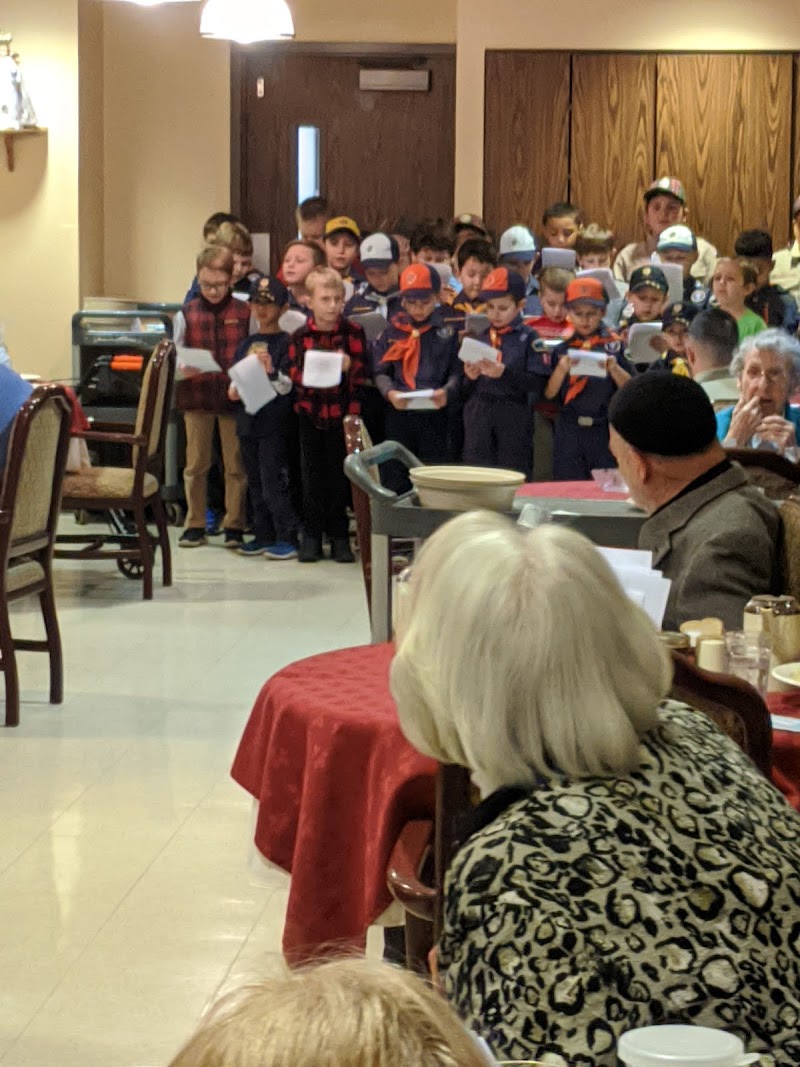
Little Sisters of the Poor is owned by a non-profit organization. Non-profit facilities reinvest revenue into operations rather than distributing to shareholders. The facility operates independently rather than as part of a larger chain. With 35 certified beds and approximately 32 residents (about 91% occupancy), it is a smaller facility located in Louisville, Kentucky.

How Does Little Sisters Of The Poor Compare to Other Kentucky Nursing Homes?

Compared to the 100 nursing homes in Kentucky, Little Sisters of the Poor's overall rating (3 stars) is above the state average of 2.8, staff turnover (53%) is near the state average of 46%, and health inspection rating (3 stars) is at the national benchmark.

What Should Families Ask When Visiting Little Sisters Of The Poor?

Based on this facility's data, families visiting should ask: "Can I visit during a mealtime to observe dining assistance and food quality?" "How do you handle medical emergencies, and what is your hospital transfer rate?" "Can I speak with family members of current residents about their experience?"

Is Little Sisters Of The Poor Safe?

Based on CMS inspection data, Little Sisters of the Poor has a clean safety record: no substantiated abuse findings (meaning no confirmed cases of resident harm), no Immediate Jeopardy citations (the most serious violation level indicating risk of serious injury or death), and is not on the Special Focus Facility watch list (a federal program monitoring the lowest-performing 1% of nursing homes). The facility has a 3-star overall rating and ranks #1 of 100 nursing homes in Kentucky. While no facility is perfect, families should still ask about staff-to-resident ratios and recent inspection results during their visit.

Do Nurses at Little Sisters Of The Poor Stick Around?

Little Sisters of the Poor has a staff turnover rate of 53%, which is 7 percentage points above the Kentucky average of 46%. Moderate turnover is common in nursing homes, but families should still ask about staff tenure and how the facility maintains care continuity when employees leave.

Was Little Sisters Of The Poor Ever Fined?

Little Sisters of the Poor has no federal fines on record. CMS issues fines when nursing homes fail to meet care standards or don't correct problems found during inspections. The absence of fines suggests the facility has either maintained compliance or corrected any issues before penalties were assessed. This is a positive indicator, though families should still review recent inspection reports for the full picture.

Is Little Sisters Of The Poor on Any Federal Watch List?

Little Sisters of the Poor is not on any federal watch list. The most significant is the Special Focus Facility (SFF) program, which identifies the bottom 1% of nursing homes nationally based on persistent, serious quality problems. Not being on this list means the facility has avoided the pattern of deficiencies that triggers enhanced federal oversight. This is a positive indicator, though families should still review the facility's inspection history directly.