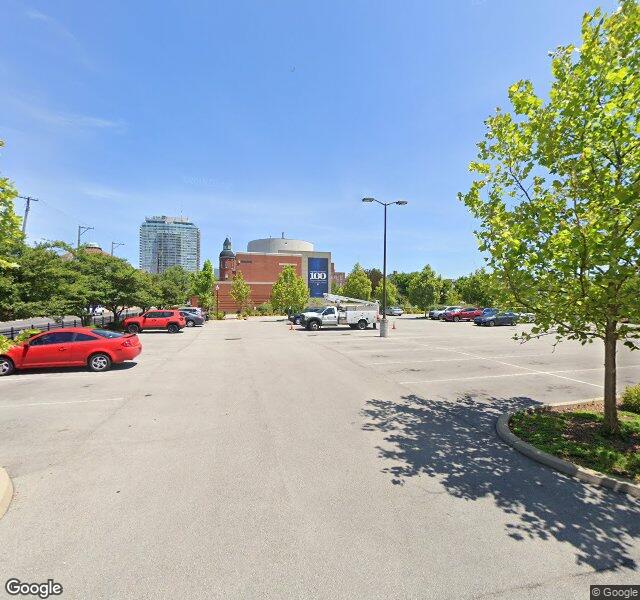
River Oaks Post Acute and Rehabilitation Center

920 South Fourth Street, Louisville, KY 40203 (502) 583-6533
For profit - Limited Liability company 122 Beds CHRISTIAN CARE COMMUNITIES Data: November 2025
Trust Grade
45/100
#253 of 266 in KY
Last Inspection: June 2024

Within standard 12-15 month inspection cycle. Federal law requires annual inspections.

Overview

River Oaks Post Acute and Rehabilitation Center has a Trust Grade of D, meaning it is below average and raises some concerns about the quality of care provided. It ranks #253 out of 266 facilities in Kentucky, placing it in the bottom half, and #34 out of 38 in Jefferson County, indicating that only a few local options are better. The facility is worsening, with the number of issues increasing from 4 in 2019 to 6 in 2024, which is concerning. Staffing is a strength, with a turnover rate of 0%, well below the state average, suggesting that staff are committed and familiar with the residents. However, there are notable weaknesses, including incidents where staff failed to follow infection control protocols and proper food storage practices, which could lead to health risks for residents.

Trust Score
D
45/100
In Kentucky
#253/266
Bottom 5%
Safety Record
Low Risk
No red flags
Inspections
Getting Worse
4 → 6 violations
Staff Stability
○ Average
Turnover data not reported for this facility.
Penalties
✓ Good
No fines on record. Clean compliance history, better than most Kentucky facilities.
Skilled Nurses
○ Average
Each resident gets 36 minutes of Registered Nurse (RN) attention daily — about average for Kentucky. RNs are the most trained staff who monitor for health changes.
Violations
⚠ Watch
13 deficiencies on record. Higher than average. Multiple issues found across inspections.
★☆☆☆☆
1.0
Overall Rating
★☆☆☆☆
1.0
Staff Levels
★★★☆☆
3.0
Care Quality
★★☆☆☆
2.0
Inspection Score
Stable
2019: 4 issues
2024: 6 issues

The Good

  • Full Sprinkler Coverage · Fire safety systems throughout facility
  • No fines on record

Facility shows strength in fire safety.

The Bad

1-Star Overall Rating

Below Kentucky average (2.8)

Significant quality concerns identified by CMS

Chain: CHRISTIAN CARE COMMUNITIES

Part of a multi-facility chain

Ask about local staffing decisions and management

The Ugly 13 deficiencies on record

Nov 2024 1 deficiency
MINOR (C) 📢 Someone Reported This

A family member, employee, or ombudsman was alarmed enough to file a formal complaint

Minor Issue - procedural, no safety impact

Abuse Prevention Policies (Tag F0607)

Minor procedural issue · This affected most or all residents

Based on interview, personnel record review, review of website Kentucky Online Offender Lookup (Kentucky Offender Search - Kentucky Department of Corrections - Offender Online Lookup System, review of...

Read full inspector narrative →
Based on interview, personnel record review, review of website Kentucky Online Offender Lookup (Kentucky Offender Search - Kentucky Department of Corrections - Offender Online Lookup System, review of the Kentucky Statutes (https://apps.legislature.ky.gov/), review of the Kentucky Board of Nursing online licensure validation (kbn.ky.gov), and review of the facility's policy the facility failed have to have an effective system to ensure individuals contracted or hired had pre-employment checks completed for 18 of 18 personnel files. Pre-employment checks were either missing; not fully completed; completed after employment began; or the checks were not dated when completed for: the State nurse aide abuse registry, the Kentucky Adult Caregiver Misconduct Registry (KACMR), and/or criminal background checks. The findings include: Review of the facility's policy titled Abuse, Neglect, and Exploitation, not dated, revealed the facility provided protection for the health, welfare, and rights of each resident by developing and implementing written policies and procedures that prohibit abuse, neglect, exploitation, and misappropriation of property. Staff included employees and contractors who provided care and services to residents on behalf of the facility. The facility's abuse prohibition plan included: screening of potential employees for a history of abuse, neglect, exploitation, or misappropriation of resident property. Screening included background checks should be conducted on potential employees and contracted staff and the facility would maintain documentation of proof that the screening occurred. Review of the Kentucky Revised Statutes (KRS) 209.032 revealed a vulnerable adult services provider, such as a long-term care facility was to, Query as to whether the prospective or current employee has validated substantiated finding of adult abuse, neglect, or exploitation -- Administrative regulations -- Central registry of substantiated findings made on or after July 15, 2014. Continued review of the Statute revealed an employee included a person hired directly or through contract by a vulnerable adult services provider with duties that involved or might involve one-on-one contact with a resident. Further review revealed a vulnerable adult services provider was to query the cabinet as to if a validated substantiated finding of adult abuse, neglect, or exploitation was entered against an individual who was a prospective employee of the provider. 1. Review of the personnel files for completion of the criminal background checks revealed the facility did not complete criminal background checks for 14 of 18 employees: agency Certified Nurse Aide 9 (CNA9) hired 10/01/2024; CNA10 hired 03/05/2024; CNA11 hired 11/12/2024; CNA12 hired 08/28/2024; Certified Medication Technician (CMT) re-hired 11/28/2023; Licensed Practical Nurse (LPN) 5 hired 10/29/2024; Registered Nurse (RN)1 hired 10/29/2024; Physical Therapist (PT2) hired 10/25/2024; Admissions Director hired 08/05/2024; Laundry Aide (LA)1 hired 08/13/2024; LA2 hired 09/17/2024; Transitional Care Coordinator (TCC) hired 10/15/2024; Activities Assistant hired 11/12/2024; and, the Activities Director hired 04/01/2024. 2. Additionally, the facility did not complete criminal background checks for other states of residence for two of 18 employee files reviewed: CNA11 for Ohio, and the Activities Director for Indiana. 3. Review of the personnel files for completion of the State Nurse Aide (NA) Abuse Registry checks revealed checks were not completed for nine of 18 files reviewed: Activities Assistant, Activities Director, Admissions Director, LA1, LA2, PT2, TCC, CMT, and LPN5. 4. Additionally, the NA Abuse Registry checks completed for Unit Manager (2) hired 10/10/2023 was not completed until 11/21/2023. 5. Continued review of the NA Abuse Registry checks revealed the checks completed were not dated for the date of the check for five of 18 personnel files reviewed: agency CNA9, CNA11, CNA12, RN1, and the Housekeeper. 6. Review of the personnel files revealed the facility did not complete the Kentucky Adult Caregiver Misconduct Registry (KACMR) checks for three of 19 employees: CMT, agency LPN1, and CNA10. 7. Additionally, the KACMR checks were completed late for two of 18 files reviewed: UM2's (hired 10/10/2023) KACMR check was dated 11/21/2023; and the Housekeeper's (hired 01/09/2023) KACMR check was dated 04/26/2023. 8. Continued review of the personnel files revealed the KACMR checks completed did not have the date of completion for 12 of 18 employees: agency CNA9, CNA11, CNA12, LPN5, RN1, Activities Assistant, Activities Director, Admissions Director, LA1, LA2, TCC, and PT2. In interview with the Human Resource (HR) Manager on 11/19/2024 at 8:28 AM with the Administrator present, the HR Manager stated she began employment at the facility on 01/18/2024 as the HR Manager. She stated the facility transitioned to another company on 05/01/2024. She stated she was unsure the reason the date did not print on the KACMR checks. The HR Manager stated if an employee lived in another state such as CNA11, she checked their background on the MyCase website. In continued interview with the HR Manager, on 11/19/2024 at 8:28 AM, she stated she did not print the results of the checks for Ohio or Indiana, including CNA11's check. She stated she could not validate that the checks were completed before she began employment with the facility. Additionally, the HR Manager stated employees who were not nurse aides, including PT2 and the Activities Assistant, did not have the State NA Abuse Registry checks. She stated she was not aware of how to complete the NA abuse registry checks and thought it was completed through the OIG Exclusions List. She stated the purpose of the NA abuse registry checks was to ensure (employment applicants) had not hurt anybody. She also stated the purpose of the KACMR checks was to ensure an applicant did not have abuse of any kind. The HR Manager stated the purpose of the background checks was to make sure the facility had qualified applicants to serve residents the best way they could. She stated if any of the checks were not completed, the facility could hire unqualified applicants, and somebody could get hurt. Observation during interview with the HR Director on 11/19/2024 at 8:28 AM, revealed the surveyor checked a State NA abuse registry check on the website with the HR Director. The search returned results with the current date visible on the website. Additionally, the results could be printed or downloaded. Both options also reflected the date of the search. In continued interview with the HR Manager on 11/21/2024 at 1:08 PM, she stated that when she began employment, she received about a day and half of training, and was told the [NAME] President of HR and Corporate Director were also new. In interview with the Administrator on 11/21/2024 at 1:53 PM, he stated when the HR Manager began employment with the facility there was no corporate HR director in the role. The Administrator stated the HR Manager knew not to hire anyone with a criminal background. He stated the pre-hire employment checks were extremely significant as we do not know the people who applied. He also stated the pre-hire checks provided insight to who the individuals were, what they had done and who they were in the past. He further stated the pre-hire checks should be completed before orientation with the facility.
Oct 2024 2 deficiencies
CONCERN (E) 📢 Someone Reported This

A family member, employee, or ombudsman was alarmed enough to file a formal complaint

Potential for Harm - no one hurt, but risky conditions existed

Comprehensive Care Plan (Tag F0656)

Could have caused harm · This affected multiple residents

**NOTE- TERMS IN BRACKETS HAVE BEEN EDITED TO PROTECT CONFIDENTIALITY** Based on observation, interview, record review, and review of the facility policy it was determined the facility failed to imple...

Read full inspector narrative →
**NOTE- TERMS IN BRACKETS HAVE BEEN EDITED TO PROTECT CONFIDENTIALITY** Based on observation, interview, record review, and review of the facility policy it was determined the facility failed to implement care plan interventions to prevent falls for two of three sampled residents, Resident (R)1 and R2. Both R1 and R2 falls prevention interventions included colored tape on the resident's call light, however the call lights did not have colored tape for multiple days of the survey. The findings include: 1. Review of the facility policy Fall Prevention & Management Program not dated, revealed if a high fall risk was identified, the facility would develop a care plan to address the risk. Interventions would be monitored for effectiveness. Review of the facility policy Post Fall Management Guidelines not dated, revealed the Program would provide applicable interventions to prevent falls. If a fall occurred other interventions would be executed to prevent another fall as much as possible. The program included implementation of person-centered interventions to decrease the incidence of falls. Review of the clinical record for Resident (R)1 revealed the facility admitted the resident on 01/22/2021 and re-admitted the resident on 04/10/2024. Diagnoses included dementia, depression, impulse disorder, and repeated falls. Review of the quarterly Minimum Data Set (MDS) dated [DATE], revealed the facility assessed the resident with a Brief Interview of Mental Status (BIMS) score of nine out of 15 and determined the resident was cognitively intact. Review of facility care plan for R1 revealed after the resident fell on [DATE] a new falls intervention added for bright orange tape to call light, dated 10/10/2024. Observation of R1 on 10/16/2024 at 10:16 AM and 10/17/2024 at 9:48 AM, revealed no colored tape on the resident's call light. In interview on 10/16/2024 at 10:20 AM with R1, he stated the call light never had colored tape on it. In interview on 10/17/2024 at 11:02 AM, with Licensed Practical Nurse (LPN)1 revealed colored tape on R1's call light was to keep the call light more visible, for the resident to see it. The LPN stated if the resident did not have tape on his call light according to the care plan, the resident could fall. On 10/17/2024 at 11:35 AM, interview with Certified Nurse Aide (CNA)4 revealed she was unsure when she last saw the tape on the R1's call light, however there was no tape on the call light today. She stated she was unsure who put the tape on the call light. She stated the colored tape was to get the resident's attention to use the call light. The CNA stated if the tape was not on the call light, the resident would not use the call light and try to get up by himself. In interview on 10/17/2024 at 1:38 PM, with CNA6 revealed the tape on R1's call light was so the call light would stand out. She stated if the tape was not on the call light the resident might not see the call light. She stated she did not receive in report when she came on duty the resident was to have tape on his call light. On 10/17/2024 at 3:47 PM, interview with the MDS Coordinator revealed if a resident fell the intervention put in place at the time of the fall was completed by the Unit Manager (UM) and entered into the care plan. She stated the bright tape helped identify the call light and if the tape was not present the call light would not stand out to the resident. In interview on 10/18/2024 at 8:43 AM, UM1 stated when R1 fell on [DATE] she placed the orange tape on the resident's call light as a new fall intervention. She stated the tape was for R1 to see the call light more and as a reminder to use the call light. She stated although she rounded on residents she was not able to look at every resident's interventions and relied on the nurses to catch if the tape was missing. She stated she was informed yesterday by staff the tape was not on the call light, which increased R1's risk for falls. The UM further stated the tape was put in place to prevent a fall or reduce the risk of falling. In interview on 10/18/2024 at 9:41 AM, the Director of Nursing (DON) stated after R1 fell on [DATE] tape was placed on his call light so the resident could see the call light and prompt him to use it before getting up. She stated if the tape was not on the call light, the intervention would not be effective as the resident would not have the prompt to use the call light. She stated the tape was a care plan intervention to prevent a fall and was the nurse's responsibility to ensure the intervention was in place. The DON stated the Unit Managers completed rounds to check falls interventions were in place, although the rounds were not documented. The DON further stated R1 was impulsive and hoped the tape prompted him to use the call light. In interview on 10/17/2024 at 10:41 AM, the Executive Director stated if the tape was not on the resident's call light, the resident may not see the call light and may not use it. He stated the resident's care plan included interventions to try to prevent falls. 2. Review of the facility policy Fall Prevention & Management Program not dated, revealed the facility would develop a care plan to address a high fall risk if identified. Interventions would be monitored for effectiveness. Review of the facility policy Post Fall Management Guidelines not dated, revealed the Program provided interventions to prevent falls. If a fall occurred, other interventions would be used to prevent another fall. The program included implementation of person-centered interventions to decrease the incidence of falls. Review of the clinical record for Resident (R)2 revealed the facility admitted the resident on 02/28/2024 with diagnoses of pain in left hip, low back pain, urinary tract infection (UTI), and weakness. Review of the quarterly Minimum Data Set (MDS) dated [DATE], revealed the facility assessed the resident with a Brief Interview of Mental Status (BIMS) of 13 out of 15, and determined the resident was interviewable. Review of the facility investigation for a fall on 06/20/2024 revealed a new intervention for bright tape to call light. Review of the care plan for falls revealed an intervention for bright tape to call light, dated 07/25/2024. Observation of Resident (R)2, on 10/16/2024 at 10:20 AM, 10/17/2024 at 10:57 AM and 2:56 PM, revealed the resident's call light did not have colored tape on it. In interview on 10/16/2024 at 10:20 AM and 2:56 PM, R2 stated his call light never had tape on it. In interview on 10/17/2024 at 1:21 PM, Certified Nurse Aide (CNA)5 stated she never saw colored tape on R2's call light in the several weeks she was working at the facility. She stated no one informed her R2 should have tape on his call light. She stated if the tape was not on the resident's call light the resident would not be able to see the call light. On 10/17/2024 at 2:14 PM, interview with Licensed Practical Nurse (LPN)2 revealed R2's care plan intervention for bright tape to his call light was for the resident to easily find the call light. She stated if the resident did not see the call light he could not use it and would not be able to notify staff when he needed assistance. In interview on 10/17/2024 at 3:11 PM, LPN3 stated she did not recall seeing tape on R2's call light. She stated the care plan intervention for tape was for the resident to see it easily. She stated if the call light did not have the tape, the resident might not see the call light as easily and would not be able to use it when he needed something. She stated she could not recall if she was told in report if the resident had the tape on his call light. In interview on 10/17/2024 at 3:47 PM, the MDS Coordinator stated residents who fell were discussed in the clinical meeting. She stated she could not recall if R2 was discussed after his fall. She stated the interventions were also discussed in the clinical meeting. The MDS Coordinator also stated if a resident fell a new intervention was put in place at the time of the fall and placed on the resident's care plan. She stated bright tape was to help identify the resident's call light. She further stated if the tape was not on the call light, the call light would not stand out to the resident to use. On 10/18/2024 at 9:41 AM, interview with the Director of Nursing (DON) revealed the tape was placed on R2's call light in June so the resident would see the call light to use it. She stated the facility did not have any audits regarding resident's call lights and the tape on it. She stated if the tape was not on the call light the resident the intervention would not be effective to prevent another fall. She also stated the nurses were responsible to ensure the tape was in place. In interview on 10/18/2024 at 10:41 AM, the Executive Director stated the facility did not have a procedure in place to ensure the tape was on R2's call light. He stated if the tape was not on the call light the resident might not see the call light and could not use it. In interview on 10/18/2024 at 11:11 AM, Unit Manager (UM)2 stated after the resident fell an intervention for color tape to the call light was to make the call light more visible to the resident so he would not try to just get up and walk. She stated if the tape was not on the call light, it would not be as visible to the resident as intended. She also stated once an intervention was in place and added to the care plan, we assume once the intervention was in place there would not be a reason for the intervention to not be in place unless removed. UM2 stated she did not know why the tape was not on the resident's call light.
CONCERN (E) 📢 Someone Reported This

A family member, employee, or ombudsman was alarmed enough to file a formal complaint

Potential for Harm - no one hurt, but risky conditions existed

Medical Records (Tag F0842)

Could have caused harm · This affected multiple residents

**NOTE- TERMS IN BRACKETS HAVE BEEN EDITED TO PROTECT CONFIDENTIALITY** Based on observation, interview, record review, and review of the facility policy it was determined the facility failed to ensur...

Read full inspector narrative →
**NOTE- TERMS IN BRACKETS HAVE BEEN EDITED TO PROTECT CONFIDENTIALITY** Based on observation, interview, record review, and review of the facility policy it was determined the facility failed to ensure access to complete resident clinical records for two of three sampled residents (Residents (R)2, and R3). The facility transitioned 07/01/2024 to a new computer software system and did not have the residents' prior clinical information available for R1 and R2 for information in their electronic health records from the time of their initial admission to the facility until 07/01/2024. The findings include: 1. Review of the facility policy titled Fall Prevention & Management Program not dated, revealed upon admission the nurse would complete a fall risk assessment with the admission assessment to determine the resident's level of fall risk. The nurse would document the resident's fall risk in the resident's records and initiate interventions on the resident's baseline care plan. Review of the facility policy titled Post Fall Management Guidelines not dated, revealed a fall was documented in the clinical record. Review of the clinical record for Resident (R)1 revealed the facility admitted the resident on 01/22/2021 and re-admitted the resident on 04/10/2024. R1's diagnoses included Dementia and repeated falls. Review of the quarterly Minimum Data Set (MDS) dated [DATE] revealed the facility assessed the resident with a Brief Interview of Mental Status (BIMS) of nine out of 15 and determined the resident was cognitively intact. Review of the care plan for R1, dated 07/25/2024, revealed falls interventions were initiated on 06/23/2024. Review of the resident's electronic health record revealed the earliest documentation in the resident's progress notes began 06/26/2024. Observation of R1 on 10/15/2024 at 8:34 AM revealed the resident sat on the side of the bed, with non-skid strips on the floor at the side of the bed. In interview on 10/15/2024 at 8:34 AM, R1 stated he had a few falls at the facility and did not want to discuss them further. In interview on 10/17/2024 at 3:32 PM, the Medical Records (MR) Specialist stated she was not involved in the computer switch over and was not provided any instruction to prepare for the change. She stated the facility was told resident records and information would be available after 05/01/2024 when the facility switched over to another computer system. She further stated the facility was not told they would not have access, otherwise she would have printed information to enter into the new system. She stated any resident who was at the facility before June would not have prior information in the current clinical record. She further stated the medical record was not complete without access to the old system. On 10/17/2024 at 3:47 PM, interview with the MDS Coordinator revealed nothing the facility had in the prior computer system carried over to the new clinical records. She stated she thought records were supposed to carry over to the new system when the facility transitioned. She further stated when the facility transitioned to the new system, there were some resident records that were incomplete and did not have the documentation necessary to complete the MDS during the look- back period, although she could not recall specific residents who were affected. The MDS Coordinator stated the resident's clinical record was incomplete if the information did not carry over from the older system. She stated the medical record's purpose was for the resident's ongoing care. She stated she was not involved to prepare for the transition from one system to another and was not instructed what to do in preparation for the transition. In interview on 10/18/2024 at 8:38 AM, interview with Unit Manager (UM)1 revealed R1's care plan prior to the transition was not copied and uploaded into the new computer system when the facility transitioned from the prior clinical record. She stated R1 admitted to the facility in 2021, however with the transition she was not able to access the record prior to the transition and the record was then incomplete. UM1 also stated if the clinical record was not complete, all the resident's risks and every intervention the facility tried to put into place specialized to the resident was not available and could be harmful to the resident. In interview on 10/17/2024 at 9:41 AM, the Director of Nursing (DON) stated the facility did not have a way to find previous information for a resident prior to the transition to a new computer system. She stated the medical record ensured staff knew what a resident's care was and was provided. She stated if the record was not complete resident care may not be correct or safe. The DON also stated R1's care plan prior to the transition did not transition to the new system and his medical record was not complete. The DON stated the facility was not involved with the transition as it was completed by a third party. On 10/17/2024 at 10:41 AM, interview with the Executive Director revealed the corporate office had the contracts and negotiations for the transition from one computer record to another. He stated the facility was supposed to have information needed to perform their jobs. He stated R1's care plan did not carry over and the facility no longer had access to the prior system. 2. Review of the facility policy titled Fall Prevention & Management Program not dated, revealed upon the nurse would complete a fall risk assessment with the admission assessment to determine the resident's level of fall risk on admission of a resident. The nurse would document the resident's fall risk in the resident's records and initiate interventions on the resident's baseline care plan. Review of the facility policy titled Post Fall Management Guidelines not dated, revealed a fall was documented in the clinical record. Review of the clinical record for Resident (R)2 revealed the facility admitted the resident on 02/28/2024 with diagnoses of pain and weakness. Review of the quarterly Minimum Data Set (MDS) dated [DATE], revealed the facility assessed the resident with a Brief Interview of Mental Status (BIMS) of 13 out of 15 and interviewable. Review of the resident care plan revealed the resident at risk of falls with interventions noted. In interview on 10/17/2024 at 3:11 PM, Licensed Practical Nurse (LPN)3 stated the purpose of the resident's medical record was for the facility to know correct dates, documentation, and multiple information for resident safety. She stated there was no way to look back before the change in computer systems to know what the resident may need for care. In interview with the Medical Records (MR) Specialist on 10/17/2024 at 3:32 PM. She stated she was not involved in the computer switch to a new system for resident clinical records. She stated the facility was not told they would no longer have access to the prior records. She further stated R2 had 3 months of records in the prior system and his clinical record was not complete without it. On 10/17/2024 at 3:47 PM, interview with the MDS Coordinator revealed she was not aware the clinical records from the prior system would not be available with the new system. She also stated the purpose of the clinical record was for a resident's ongoing care. She stated if the information did not carry over, the resident's clinical record was not complete. In interview on 10/18/2024 at 9:41 AM, the Director of Nursing (DON) stated R2's clinical record was not complete. She stated there was no way to find previous information when the facility transitioned from one computer system to another. The DON stated the purpose of the medical record was to ensure care was provided to the resident. She also stated if the record was not complete, resident care could be incorrect, or unsafe. In interview on 10/18/2024 at 10:41 AM, the Executive Director stated the current company hired another company to assist in the transition from one record system to another. He stated the system changed on 07/01/2024 to the current computer system. He further stated the facility needed items from the previous record and should be available to the facility. On 10/18/2024 at 11:11 AM, interview with Unit Manager (UM)2 revealed resident clinical records in the prior system included previous doctor appointments and continuation of the resident's care plan. She stated she expected to have access to the resident's notes. The UM stated if the clinical record was not complete the facility would not be able to reference previous falls, see previous progress notes, care plan, or have a baseline of how the resident came to the facility.
Jun 2024 3 deficiencies
CONCERN (E)

Potential for Harm - no one hurt, but risky conditions existed

Deficiency F0761 (Tag F0761)

Could have caused harm · This affected multiple residents

Based on observation, interview, record review and review of the facility policy, the facility failed to ensure all drugs used in the facility were labeled in accordance with professional standards, i...

Read full inspector narrative →
Based on observation, interview, record review and review of the facility policy, the facility failed to ensure all drugs used in the facility were labeled in accordance with professional standards, including expiration dates, and with appropriate accessory and cautionary instructions for two of five medication carts. Observation revealed medications for Resident (R) 66 and R42 were not labeled with an opened date, and medications labeled for R12, R26, and R77 contained different medications than what the medications were labeled for. The findings include: Review of the facility policy titled, Labeling & Storage, undated, revealed all medications and biologicals were to be labeled in accordance with applicable federal and state requirements and current accepted pharmaceutical principles and practices. Further review of the policy revealed labels for individual drug containers must include the resident's name, prescribing Physician, name of the medication, prescribed dose, strength and quantity, date drug was dispensed, appropriate instructions and precautions, route of administration and when applicable the expiration date. 1. Review of the face sheet for R12 revealed the facility admitted the resident on 08/10/2015, with diagnoses of dementia, heart disease with a pacemaker and peripheral vascular disease. Review of the medication orders for R12 revealed the resident was prescribed Potassium chloride (medicine used to treat low potassium) extended release (ER) 20 milliequivalent (mEq) two tablets oral, once a day; and Furosemide (medicine used to treat extra fluid in the body) 10 milligram (mg) 1 tablet oral, once a day. Observation on 06/07/2024 at 12:59 PM of R12's medication box labeled potassium chloride 20 mEq (mEq) revealed it contained two individual packaged pills identified on the packaging as Furosemide 20 milligrams (mg), with no resident label. 2. Review of the face sheet for R26 revealed the facility admitted the resident on 10/13/2014, with diagnoses of chronic respiratory failure, cerebral infarction, and heart failure. Review of the medication orders for R26 revealed the resident was prescribed Benzonatate (a medicine used for cough) 100 mg capsule as needed, three times a day; and Carvedilol (a medicine used to treat high blood pressure and heart failure) 12.5 mg tablet, two times a day. Observation on 06/07/2024 at 12:59 PM, of R26's medication box labeled for Benzonatate 100 mg revealed it contained two individual packaged pills identified on the packaging as Carvedilol 25 mg, with no resident label. 3. Review of the face sheet for R42 revealed the facility admitted the resident on 01/18/2022, with diagnoses of dementia, type 2 diabetes, and high blood pressure. Review of the medication orders for R42 revealed the resident was prescribed Admelog SoloStar insulin pen, four times a day via subcutaneous injection based on a sliding scale for blood sugar results. Observation on 06/07/2024 at 12:59 PM, of R42 Admelog SoloStar insulin pen revealed no opened date documented on the pen or its packaging. 4. Review of the face sheet for R66 revealed the facility admitted the resident on 08/27/2021, with diagnoses of type 2 diabetes, and dementia. Review of R66's medication profile revealed the resident was prescribed Flonase nasal spray, one spray, one time a day. Observation on 06/07/2024 at 4:25 PM, of R66's medications revealed the resident had a Fluticasone nasal spray dated as opened on 01/24/2024. 5. Review of the face sheet for R77 revealed the facility admitted the resident on 12/28/2023, with diagnoses of cerebral infarction, high blood pressure, and atrial fibrillation. Review of R77's medication orders revealed the resident was prescribed acetaminophen 325 mg, two tablets every four hours as needed; and folic acid one mg tablet every morning. Observation on 06/07/2024 at 12:59 PM, of R77's medication box labeled acetaminophen 325 mg revealed it contained two individual packaged pills identified on the packaging as folic acid 1 mg, with no resident label. In an interview with Certified Medication Technician (CMT) 1 on 06/07/2024 at 3:00 PM, she stated the facility switched pharmacy providers in the past couple of weeks, and the medication from the previous pharmacy was still being used due to the abundance of supply. She stated it was important to label medications when opened so residents did not receive expired medications that could cause them adverse problems. In an interview with Licensed Practical Nurse (LPN) 5 on 06/07/2024 at 1: 24 PM, she stated two weeks ago the facility switched pharmacies and went to a new method of medication administration by using timed dose packs with all the medications contained in them. LPN 5 stated it had been confusing during medication administration because the facility still had an abundance of medication from the previous pharmacy that was in boxes and packaged individually and the new rolls all together. She stated it was important to check each individual packaged resident medication to ensure the resident was receiving the right medication. LPN 5 further stated she attended training on the new medication system, but it was still confusing at times because the facility still had the old system too. In an interview with Registered Nurse (RN) 1 on 06/07/2024 at 3:20 PM, she stated she was an agency nurse and had not worked at the facility for a while but had worked there previously. RN 1 stated she received training on the facility's new medication administration process from the floor manager, and if she had any questions, she could ask a fellow staff nurse or go to the floor manager. She stated it was important for all medications to be labeled when opened so the nurse could determine the expiration date, which was important for resident safety. In an interview with the Unit 2 Manager on 06/06/2024 at 10:52 AM, she stated the facility had changed pharmacies and the previous supplier had sent a 90-day supply of medications leaving an abundance of medications that were currently being stored in the medication storage room in sealed bags. The Unit 2 Manager stated the facility had contacted the previous pharmacy twice to come pick up the medications; however, they had not done so yet. She stated staff received extensive training from the new pharmacy, and there was a resource book on the unit for reference. The Unit 2 Manager stated staff also had access to a 24-hour help desk if questions or problems with medications arose. She further stated to date she had only heard positive comments from staff using the new pharmacy system and was unaware of any concerns with the new medication administration process. In an interview with the Director of Nursing (DON) on 06/07/2024 at 4:20 PM, she stated the facility was working with a new pharmacy and there had been an adjustment period due to the previous supplier having done a 30-day supply of residents' medications, and now the new supplier did a seven day supply. She stated prior to the end of the previous supplier's contract, they had completed a 90-day refill for residents' medications, meaning the new supplier could not refill the medications until the 90 days was complete. The DON stated the new medication administration went into effect on 06/01/2024, and all staff received extensive training the two weeks leading up to the launch of it. In an interview with the facility's Administrator on 06/07/2024 at 2:40 PM, he stated the previous pharmacy was expected to send a courier to pick up the remaining medications on 05/27/2024, and they had not arrived to do so yet. He stated the facility had contacted the pharmacy regarding the medications and still had not been given a date for reconciliation. The Administrator stated currently the medications were being contained in a locked medication storage room in sealed bags until the previous supplier collected them. He stated the new pharmacy sent a trainer to the facility, and they had completed staff training on an individual basis that was very extensive. In addition, the Administrator stated there was a 24-hour help line and the nighttime nurse supervisors and the unit managers received additional training and were a resource if medication issues arose.
CONCERN (E)

Potential for Harm - no one hurt, but risky conditions existed

Food Safety (Tag F0812)

Could have caused harm · This affected multiple residents

Based on observation, interview, and review of the facility policy, it was determined the facility failed to ensure food was stored in accordance with professional standards for food service safety re...

Read full inspector narrative →
Based on observation, interview, and review of the facility policy, it was determined the facility failed to ensure food was stored in accordance with professional standards for food service safety related to ensuring all food and drinks were checked for timely use and expiration dates. Observation on 06/04/2024 revealed approximately 45 milk cartons in two milk crates dated 05/29/2024. The findings include: Review of the facility's Dietetic Solutions Operations Policy dated 04/01/2021, under the Cold Storage Areas, revealed staff were to store cold foods until their used by date or expiration date. Observation during the kitchen tour on 06/04/2024 at 11:55 AM, revealed two milk crates with approximately 45 milk cartons dated 5/29/2023 stored in it. In interview with the Dietary Manager (DM), at the time of observation, she stated she had no concerns regarding the milk stored in the walk-in cooler. The State Survey Agency (SSA) Surveyor showed the approximately 45 cartons of out-of-date milk to the DM. She stated milk was delivered to the facility on a weekly basis, sometimes more often if needed. The DM stated she expected staff to rotate the milk on a First In - First Out method to ensure freshness. She said she had several new employees and felt that might have been part of the problem. The SSA Surveyor witnessed the DM create a laminated sign to hang on future crates of returnable products in order for the mistake not to happen again. During interview on 06/04/2024 at 12:04 PM, the [NAME] stated any out of date products were to be removed immediately and the DM notified for direction related to gaining the credit for damaged goods. During an interview with the Administrator on 06/07/2024 at 2:45 PM, he stated the process to ensure fresh food was to rotate the product using the First In - First Out method. He stated a potential for adverse reaction to an expired food or drink could exist. The Administrator stated his expectation of lower level staff was for them to report any concerns to their Dietary Manager.
CONCERN (E) 📢 Someone Reported This

A family member, employee, or ombudsman was alarmed enough to file a formal complaint

Potential for Harm - no one hurt, but risky conditions existed

Infection Control (Tag F0880)

Could have caused harm · This affected multiple residents

Based on observation, interview, record review, review of facility policy, and the Center for Disease Control and Prevention (CDC) guidance, it was determined the facility failed to establish and main...

Read full inspector narrative →
Based on observation, interview, record review, review of facility policy, and the Center for Disease Control and Prevention (CDC) guidance, it was determined the facility failed to establish and maintain an infection prevention and control program designed to provide a safe, sanitary, and comfortable environment to help prevent and control the development and transmission of communicable diseases and to implement interventions for protection for three of twelve (12) sampled residents (R), R71, R234, and R238. R71 had an indwelling medical device, a gastrostomy tube (G-tube). Observation revealed however, no Enhanced Barrier Precautions (EBP) signage posted on R71's room door and no Personal Protective Equipment (PPE) supplies available outside the resident's room. R234 had an indwelling medical device, a PEG tube. Observation revealed Licensed Practical Nurse (LPN) 6 turned R234 to his/her side without donning the appropriate PPE. Additionally, observation revealed no EBP signage posted on the resident's door and no PPE supplies located outside the door. R238 had an indwelling medical device, a percutaneous endoscopic gastrostomy (PEG) tube. Observation revealed however, no EBP signage posted on R238's room door and no PPE supplies available at the entrance of the resident's door. The findings include: Review of the facility policy titled, Isolation Precautions Guidelines undated, revealed the facility would take appropriate precautions to prevent transmission of pathogens. Further review revealed upon initiation of isolation precaution, signage for the use of specific PPE was to be placed in a conspicuous location outside the resident's room. Review of the facility policy titled, Enhanced Barrier Precautions, (EBP) undated, revealed precautions were to be taken to reduce transmissions of Multidrug-resistant organisms (MDROs) to staff hands and clothing during high contact care activities. Continued review revealed EBP were indicated for residents with open wounds that required a dressing and for indwelling medical devices regardless of colonization. Per review, the guidelines included an order was to be obtained for EBP precautions for residents with wounds, and/or indwelling medical devices such as feeding tubes, urinary catheters, and tracheostomies even if the resident was not known to be infected or colonized with a MDRO. Further review revealed PPE was necessary when performing high contact care activities such as: dressing; bathing; transferring; providing hygiene; changing linens and briefs; and wound and device care. In addition, review further revealed PPE was to be available immediately near or outside a resident's room. Review of the facility's signage for Enhanced Barrier Precautions revealed providers and staff must wear gloves and a gown for high contact resident care activities. 1. Review of R71's face sheet revealed the facility admitted the resident on 07/22/2022, with diagnoses to include cerebral infarction (stroke), dysphagia (difficulty swallowing), and high blood pressure. Review of R71's order set revealed EBP isolation precautions started on 04/04/2024. Review of R71's Comprehensive Care Plan (CCP) dated 04/04/2024, revealed the facility identified a problem for the resident for risk of infection related to having a G-tube. Continued review revealed the interventions included staff were to utilize appropriate PPE when providing personal and G-tube care for the resident. Observation on 06/07/2024 at approximately 1:35 PM, revealed however, revealed no signage posted on the resident's door, nor of PPE supplies stored outside the room. 2. Review of R234's face sheet revealed the facility admitted the resident on 12/22/2023, with diagnoses to include cerebral infarction (stroke), and dysphagia (difficulty swallowing). Review of R234's order set revealed no documented evidence of an order for EBP. Review of R234's CCP undated, revealed the facility had identified a problem for the resident as risk of infection due to having a PEG tube with a goal date of 09/07/2024. Further review revealed the interventions included staff were to utilize PPE when providing care for the resident, with status listed as current. Observation on 06/05/2024 at 2:15 PM, revealed LPN 6 turning R71 to his/her right side with no gown donned, and only wearing gloves. Additional observation revealed R71's G-tube site to the upper abdominal area had feeding solution and water infusing through the tube per pump. Further observation revealed no signage posted to the resident's room door, not of PPE supplies stored at the door. 3. Review of R238's face sheet revealed the facility admitted the resident on 05/28/2024, with diagnoses to include chronic obstructive pulmonary disease (COPD), and dysphagia (difficulty swallowing). Review of R238's order set dated 05/28/2024, revealed no documented evidence of an order for EBP. Review of R238's CCP undated, revealed the facility had identified a problem for the resident for EBP due to having a peg tube. Continued review revealed the interventions included staff were to utilize appropriate PPE when providing the resident's care. Observation on 06/07/2024 at approximately 1:35 PM, revealed however, no EBP signage posted on R238's room door, nor of PPE stored next to the resident's room door. Further observation revealed PPE stored in proximity at the resident room next door. During interview with Certified Nursing Assistant (CNA) 8 on 06/06/2024 at 1:55 PM, he stated he could not recall receiving any training on EBP from the facility. Further interview revealed CNA 8 was unable to state/identify conditions when EBP precautions were to be taken. During interview with CNA 5 on 06/07/2024 at 1:55 PM, she stated the facility had not provided any training on EBP; however, she had received that training through the agency she worked for. CNA 5 further stated if a resident had a feeding tube there was no need to put on PPE. During an interview with CNA 6 on 06/07/2024 at 2:30 PM, she stated she had received infection control training through the agency she worked for. She further stated it was important to follow signage for isolation, including EBP to prevent transmission of germs to other residents and to protect oneself. During an interview with LPN 4 on 06/07/2024 at 1:50 PM, he stated the facility gave on the spot trainings for new admissions or if a resident's status changed. LPN 4 stated however, he could not really recall receiving EBP training at the facility. Continued interview revealed LPN 4 was unable to identify instances for when a resident was to be on EBPs. He stated, when asked why it was important to follow isolation protocol, that it was important to prevent contamination. Interview with the 200 Hall Unit Manager (UM) on 06/06/2024 at 2:05 PM, she stated it was important to follow EBP isolation for prevention of spreading infection. She stated staff were to follow the in-house training given by the facility. In an addition interview on 06/07/2024 at 2:20 PM, the 200 Hall UM stated signage on residents' room doors let staff know what type of PPE to wear, which not only protected staff but residents as well. During an interview with the Infection Preventionist (IP) on 06/06/2024 at 10:40 AM, she stated it was important to have signage on isolation residents' room doors so staff knew what PPE to wear for resident care, and they received trainings on isolation from her or the Staff Development Coordinator. During an interview with the Director of Nursing (DON) on 06/06/2024 at 10:40 AM, she stated residents were to be placed on EBP if they had any type of medical line or device and R71, R234, and R238 should have been on EBP. In additional interview on 06/07/2024 at 3:20 PM, she stated infection control trainings were performed as needed if any concern was identified. She stated there were scheduled trainings on the facility's computer-based training program. The DON stated all agency staff were given educational packets to review prior to working at the facility. She stated her concern if staff were not following signage for isolation, there would be a risk for spreading infection. The DON further stated her expectation was that staff should know what PPE to use for a resident's care. In an interview with the facility's Administrator on 06/07/2024 at 2:55 PM, he stated his expectations were for staff to stay up to date on all trainings and to follow the trainings and procedures for all isolation precautions, including the use of signage on the residents' door. He stated his concern if staff were not following precaution signage and training, was that they were placing themselves and residents at risk for harm from possible infection.
Mar 2019 4 deficiencies
CONCERN (D)

Potential for Harm - no one hurt, but risky conditions existed

Deficiency F0726 (Tag F0726)

Could have caused harm · This affected 1 resident

**NOTE- TERMS IN BRACKETS HAVE BEEN EDITED TO PROTECT CONFIDENTIALITY** Based on observation, interview, record review, facility policy review, and review of the Certified Nursing Assistant (CNA) Job ...

Read full inspector narrative →
**NOTE- TERMS IN BRACKETS HAVE BEEN EDITED TO PROTECT CONFIDENTIALITY** Based on observation, interview, record review, facility policy review, and review of the Certified Nursing Assistant (CNA) Job Description, it was determined the facility failed to ensure only trained nursing staff administered oxygen for one (1) of four (4) sampled residents, Resident #12. Observation revealed a CNA adjusted the resident's supplemental oxygen flow rate. The findings include: Review of the facility's policy, Oxygen Administration , undated, revealed policy guidelines included assessment of the resident for respiration rate, rhythm, and depth, assessment for congestion, respiratory distress, cyanosis, and appropriate type of delivery system. In addition, the policy procedural steps included checking the physician's orders for liter flow and method of administration. Review of the facility's CNA Job Description revealed the facility had not listed oxygen administration for CNAs essential functions and responsibilities; however, the policy stated CNAs should report pertinent information to the nurse in a timely manner. Review of Resident 12's clinical record revealed the facility admitted the resident on 08/16/11, with current diagnoses of Chronic Obstructive Pulmonary Disease, Type 2 Diabetes, and Systolic Congestive Heart Failure. Review of Physician Orders for Resident #12, dated 03/06/18, revealed oxygen at three (3) liters per minute to keep oxygen saturation above 90%, with physical monitoring with a pulse oximeter twice daily. Review of Resident #12's Quarterly Minimum Data Set (MDS), dated [DATE], revealed the resident received oxygen therapy. Observation, on 03/12/19 at 10:11 AM, revealed Resident #12 in bed with a nasal cannula in place, connected to an oxygen concentrator set at 1.5 liters per minute. The resident put on the call light, CNA #2 entered the room, and the resident stated he/she wanted the oxygen set at 2 liters per minute. The CNA adjusted the oxygen flow on the oxygen concentrator and stated she set the oxygen at 2 liters per minute. Interview, on 03/14/19 at 10:35 AM, with CNA #2 revealed the facility had not trained her to set oxygen flow rates for residents; however, she stated she knew how to. She stated she had been checking with the licensed nurses first and asking what number to set the oxygen flow rate on for residents and offering to set it if the licensed nurse said yes. She stated she answered Resident #12's call light on 03/12/19, and the resident told her he/she wanted the oxygen set on 2 liters per minute, and she set it on 2 liters per minute. In addition, she stated nurses had never told her not to set the oxygen flow rate for residents and the nurses were aware she was setting the oxygen flow rate for residents; however, she stated she was not trained to set oxygen rates. Per interview, she was aware other facilities did not permit CNAs to set oxygen flow rates because other facilities considered supplemental oxygen a medication. In addition, she stated during her orientation at the facility, the CNA she followed taught her to turn off nebulizer machines when the medication was done. According to the CNA, the nurses asked the CNAs to turn off nebulizer machines when the medication was done, or if the resident took off the mask when the medication was done. However, the CNA could not recall the name of any nurse specifically who had asked her to turn off a nebulizer machine or adjust oxygen flow rates for the residents. Interview, on 03/14/19 at 3:06 PM, with Licensed Practical Nurse (LPN) #4 revealed she looked at the oxygen setting for Resident #12 and stated it was at 3 liters per minute and Resident #12 told her his/her oxygen flow had earlier been set at 2. The LPN checked the physician order for Resident #12 and stated the order dated 03/06/19, was for oxygen, 3 liters per minute per nasal cannula. LPN #4 stated if Resident #12's oxygen flow was set lower or higher than 3 liters, it could have adversely effected the resident as the resident could have experienced labored breathing, low blood oxygen saturation, and increased pulse rate. According to LPN #4, CNAs should not set oxygen flow for residents and should get a nurse if the CNA had any concerns about a resident's breathing or supplemental oxygen due to CNAs were not licensed, or trained, to set oxygen flow rates for residents. Additionally, she stated it was not acceptable for a CNA to adjust the oxygen flow for a resident even after checking with the nurse, and the nurse should check the order and make the adjustment. Interview, on 03/15/19 at 4:27 PM, with Unit Manager #1 revealed nurses should manage respiratory equipment, as it was not acceptable for CNAs to adjust oxygen flow for residents, or turn off nebulizer machines. She stated CNAs were not able to check physician orders and they should tell a nurse about any concerns or if the resident voiced any concerns about the respiratory equipment. The Unit Manager stated to her knowledge, the facility had not provided any training to CNAs regarding management of respiratory equipment including adjusting supplemental oxygen flow rates for residents. Interview, on 03/15/19 at 5:28 PM, with the Director of Nursing (DON) revealed the licensed nurses were responsible for setting oxygen flow rates for residents, and the facility only permitted nurses to turn off nebulizer machines. The DON stated it was the duty of nurses to administer medications and the facility considered supplemental oxygen a medication, and nebulizers delivered medications. Per interview, CNAs would not understand they could set the oxygen flow too high or too low, depending on the resident's condition, and it could affect the resident's blood oxygen saturations with a potential change in reparatory status, and increased anxiety. Interview, on 03/15/19 at 6:06 PM, with the Administrator revealed the nurses should set supplemental oxygen flow rates for residents, and turn off nebulizers at the appropriate time. He stated the CNAs were not trained to do those tasks and it was beyond their scope of practice.
CONCERN (E)

Potential for Harm - no one hurt, but risky conditions existed

Grievances (Tag F0585)

Could have caused harm · This affected multiple residents

**NOTE- TERMS IN BRACKETS HAVE BEEN EDITED TO PROTECT CONFIDENTIALITY** Based on interview, record review, and facility policy review, it was determined the facility failed to follow their grievance p...

Read full inspector narrative →
**NOTE- TERMS IN BRACKETS HAVE BEEN EDITED TO PROTECT CONFIDENTIALITY** Based on interview, record review, and facility policy review, it was determined the facility failed to follow their grievance process to make prompt efforts to resolve resident grievances for two (2) of twenty-seven (27) sampled residents, Resident #49 and #308. The residents complained to a supervisor regarding staff behavior; however, the supervisor did not follow the grievance process in order for the complaint to be resolved. The findings include: Review of the facility's policy, Grievance, undated, revealed the facility's policy was to resolve grievances, which arose in the care of residents. When a resident voiced a grievance, the staff member taking the grievance would fill in the Grievance Form, and notify a manager or Supervisor of any need for immediate action. The staff completing the Grievance Form should rout it to the Director of Social Services, and a copy to the Administrator. The Director of Social Services should log the concern on the Grievance Log, and then forward the concern to the department involved for investigation and resolution. The policy also stated staff should report immediately any grievance, which could constitute abuse or neglect, to the Administrator. Grievances were to be resolved with residents, and if not resolved to the resident's satisfaction, the facility would invite the resident to attend a conference with the facility's management team, including the Administrator and other staff members to aid in resolution of the grievance. Review of the facility's Grievance Process, undated and posted in common areas near the first and second floor elevators, revealed residents had the right to file grievances either verbally or in writing, the facility would investigate grievances within twenty-four (24) hours of notification, and residents had the right to obtain a written decision regarding their grievance. 1. Review of Resident #308's clinical record revealed the facility admitted the resident on 03/05/19, with diagnoses of Acquired Absence of Right Leg below Knee and Pain in Right Knee. Review of Resident #308's admission Minimum Data Set (MDS), dated [DATE], revealed the facility assessed the resident with a Brief Interview for Mental Status (BIMS) score of fifteen (15) of fifteen (15) and determined the resident interviewable. Review of Resident #308's Care Plan revealed the resident was care planned for alteration in comfort related to right leg amputation below the knee, and he/she was at risk for depression related to amputation status, and interventions included allowing the resident to talk about his/her feelings. Interview with Resident #308, on 03/13/19 at 9:32 AM, revealed on the night shift the previous night, the resident requested pain medication and he/she felt belittled by the way Certified Medication Technician (CMT) #2 communicated with him/her concerning the resident's pain medication. The resident stated he/she was a war veteran and was very upset because the CMT was not serious about his/her pain and need for pain medication. Resident #308 stated he/she became so upset and loud, Night Supervisor #2 came to the room, and the resident complained to the Supervisor about the CMT's behavior. He/she stated the CMT continued to laugh with the Night Supervisor in the room. The resident stated he/she continued to feel upset and sad. Review of the Clinical Notes Report for Resident #308, dated 03/12/19 at 8:10 PM, revealed the resident took pain medication every four (4) hours and was in no distress. The report had no additional notes related to the resident's distress and staff response after 8:10 PM on 03/12/19 into 03/13/19. 2. Review of Resident #49's clinical record revealed the facility admitted the resident on 01/09/19, with diagnoses of Acute Hematogenous Osteomyelitis of left femur, Pain in Left Hip, and Pyogenic Arthritis. Review of the admission MDS for Resident #49, dated 01/16/19, revealed the facility assessed the resident with a BIMS score of fifteen (15) of fifteen (15) and determined the resident was interviewable. Interview with Resident #49, on 03/13/19 at 10:45 AM, and 3/14/29 at 8:26 AM, revealed on the previous night (03/12/19), CMT #2 acted smart and had an attitude. He/she stated the CMT commented about how Resident #308 and #49 had watched the clock to make sure they got pain medicine timely. Resident #49 stated the comment made him/her feel like less of a person, and he/she needed the medication due to pain related to an infection in his/her hip. The resident stated he/she tried to brush off the CMT's behavior as a joke because the CMT acted that way every night, but the CMT was in the roommate's face (Resident #308), laughing, and pointing a finger at him/her. He stated Registered Nurse (RN) #6 came by and told the CMT to calm down, checked on him/her and the roommate, and asked how they felt. Then Night Supervisor #2 came in, did not ask him/her any questions, but talked to the roommate (Resident #308). He/she stated Resident #308 complained to the Supervisor about the CMT's behavior, and stated the Supervisor did not give any feedback about the complaint; however, the CMT did not come back to the room. Review of the facility's Grievance Log revealed no grievance related to Resident #308 and #49's complaint about CMT #2. Interview, on 03/15/19 at 1:50 PM, with CMT #2 revealed he was sociable and joked, and when he spoke to Resident #308 around 8:30 PM on 03/12/19, the CMT told the resident he would help him/her with any concerns. He stated he and the resident joked and laughed, and the resident happily expressed appreciation of the conversation. The CMT stated he administered medications to Resident #49 at about 12:30 AM on 03/13/19, and explained at that time to Resident #308 that his/her pain medication was not due yet. Then at about 1:30 AM on 03/13/19, Resident #308 put on his/her call light and the CMT went to the room and continued to laugh and joke, but Resident #308 stated he/she would report the CMT. The CMT stated he explained to Resident #308 that he had not been laughing about the resident or his/her need for pain medication, but the resident had taken it the wrong way. According to the CMT, he attempted to calm the resident and explain to him/her he was going to go get the Night Supervisor, but before he did, RN #6 and Night Supervisor #2 came to the room and heard Resident #308 state he (CMT #2) had been laughing and snorting at the resident. The CMT stated the resident said he/she was going to report the CMT, so the CMT left the room. Interview, on 03/15/19 at 9:50 AM and 5:12 PM, with Night Supervisor #2 revealed she heard yelling while at the nurses' station, became concerned, and called security before going to the resident's room. She stated she went to the room shared by Resident #308 and #49, and Resident #308 was yelling at CMT #2, and she had the CMT leave the room and then she talked to Resident #308. She stated Resident #308 told her CMT #2 came to his/her room and he/she was upset due to the CMT smiling and laughing when he/she needed his/her pain medication. She stated the CMT did laugh and joke with everyone in a positive way. Night Supervisor #2 did not want the resident to get upset again so she reassigned Resident #308 and #49 to RN #6. She stated she did not speak to Resident #49 because the curtain was drawn and when she looked in on Resident #49; his/her eyes were closed. Per interview, she should have notified the Administrator and Director of Nursing (DON), offered to call someone for the resident like a family member to help the resident feel more comfortable, and should have further investigated the resident's complaint. She should have completed a grievance form, noted the incident on the twenty-four (24) hour report, and ensured the nurse documented the incident in the nurses' notes. She stated due to not following the grievance process, the facility did not follow-up on Resident #308's complaint. The Night Supervisor stated there was a risk the facility could have assigned CMT #2 to Resident #308 again, and the resident could have become agitated again with the CMT. Interview, on 03/15/19 at 4:27 PM, with Unit Manager #1 revealed Night Supervisor #2 should have completed the grievance process for Resident #308's complaint to ensure the facility addressed the issue and the resident was satisfied with the resolution. In addition, the Unit Manager stated if the issue involved a resident yelling, she would have expected the nurses to get management involved. She stated nursing staff should have called the DON or the Administrator, no matter what the time was. Interview, on 03/15/19 at 5:28 PM, with the DON revealed staff should have notified her immediately of any complaint about a staff member and she was concerned staff had not called and informed her about Resident #308's complaint about CMT #2. She stated Night Supervisor #2 should have filled out a grievance form, nursing staff should have documented the incident on the 24-hour report, and noted in the nurses' notes the resident was upset. She stated because staff did not inform her, and did not document the incident on a grievance form, the facility might not have addressed the issue, and it could have caused the resident to escalate. Interview with the Administrator, on 03/13/19 at 9:57 AM, 11:22 AM, and 03/15/19 at 6:06 PM, revealed he had not received reports regarding Residents #49 and #308's complaints from the previous night. He stated staff should communicate resident concerns by documenting them on the grievance form. The grievance process included gathering details, putting corrective measures in place, and reviewing with the person who brought forth the complaint to determine if they were satisfied with the resolution, and checking to see if corrective measures were effective. The Administrator stated he was not aware of Resident #49 and #308's complaints, nor of staff not initiating the grievance process timely. He stated the process began when the complaint was voiced, and the Night Supervisor should have followed the process including documenting and reporting to oncoming leadership.
CONCERN (F)

Potential for Harm - no one hurt, but risky conditions existed

Infection Control (Tag F0880)

Could have caused harm · This affected most or all residents

**NOTE- TERMS IN BRACKETS HAVE BEEN EDITED TO PROTECT CONFIDENTIALITY** Based on observation, interview, record review, and review of the facility's policy, it was determined the facility failed to es...

Read full inspector narrative →
**NOTE- TERMS IN BRACKETS HAVE BEEN EDITED TO PROTECT CONFIDENTIALITY** Based on observation, interview, record review, and review of the facility's policy, it was determined the facility failed to establish and maintain an infection prevention and control program designed to provide a safe and sanitary environment, and to help prevent the transmission of communicable diseases and infections for four (4) of six (6) sampled residents, Resident #3, #43, #102, and #261. Observations revealed staff failed to wear Personal Protective Equipment (PPE) in isolation rooms and failed to perform hand hygiene during wound care. The isolation rooms did not have designated receptacles to dispose linens and PPE. Continued observation revealed staff failed to perform hand hygiene when administering medication and the facility failed to ensure staff was supplied with the necessary items needed to perform hand hygiene, such as soap and paper towels. Further observation revealed the facility failed to ensure residents in contact isolation cohabitated with like residents with the same infection, per their policy. In addition, the facility failed to monitor infections in the facility. The findings include: Review of the facility's policy, Transmission Based Precautions, dated 08/08/17, revealed contact precautions were utilized for residents who transmitted disease through contact. PPE equipment used prior to entering the room was gown and gloves, and was to be removed prior to leaving the room. Residents may cohabitate with like diagnoses; otherwise, residents were to be assigned a single room. Review of the facility's policy, Clean Dressing Technique, dated 02/01/12, revealed hands were to be washed before starting, and before/after glove changes, and a non-porous material was to be placed to protect the surface of the wounds. Contamination of supplies was to be avoided through an organized procedure and to ensure items used for the wound treatment were prevented from coming in contact with the bedside table. Further review revealed the procedure was to ensure contaminate of the wound was minimized. Review of the facility's policy, Hand Washing, revised 01/23/12, revealed staff was to perform hand hygiene to prevent the spread of infections. Staff was to perform hand hygiene before and after care of a resident. The noted equipment for hand hygiene was water, soap, detergent, and a disposable towel. 1. Review of Resident #43's clinical record revealed the resident was in contact isolation due to Methicillin-Resistant Staphylococcus Aureus (MRSA-contagious bacteria) of the sacrum, and was treated with intravenous (IV) Vancomycin (antibiotic) 750 Milligram (mg) twice a day. In addition, the resident had wounds to both feet with dressing changes. Observation, on 03/13/19 at 9:11 AM, revealed Resident #43 was in contact isolation and Registered Nurse (RN) #5 entered the resident's room to administer an IV antibiotic without washing her hands. The RN donned gloves after she entered the room but did not don a gown and her shirt came in contact with the resident's arms, sheet, and blankets. RN #5 touched the IV pole, IV machine, table, linens, and the resident with gloved hands and touched her shirt up and down to identify an object in her pocket, reached into her pocket, obtained supplies, and proceeded to clean the rubber port of the IV. RN #5 removed her gloves, washed her hands, and proceeded to touch the handle to the bathroom, touched the door and doorframes, left the room and did not wash or sanitize her hands after having touched the objects. There was no designated receptacle for linen and PPE disposal in Resident #43's room, and RN #5 discarded her soiled gloves in the regular garbage can that was lined with a clear plastic bag. Interview with RN #5, on 03/13/19 at 9:31 AM, revealed hand hygiene was to be performed before and after care with residents in contact isolation. She stated the floor supervisor instructed her that gowns did not have to be worn unless staff had physical contact with the resident in contact isolation. She stated the facility did not have isolation containers to use in resident rooms and normal garbage cans were used to dispose of PPE. She stated she received minimal orientation on infection control, did not complete online training for infection control, and the Staff Development Supervisor (SDS)/Infection Preventionist (IP) did not audit her care and practices. She further stated cross contamination could occur with poor handwashing and not following contact isolation precautions, which could cause other residents to get sick. She further stated staff was responsible to follow handwashing precautions and PPE use for contact isolation at all times, and with every resident, to prevent other residents from getting ill. Observation of Resident #43's wound care, on 03/14/19 at 1:30 PM, revealed RN #2, CNA #3, and CNA #4 donned gowns and gloves, and entered the room and placed dressing supplies of gauze, gauze wrapping, scissors, saline bottle, and a betadine bottle on the over bed table that was not cleaned nor was a barrier placed on the table. Resident #43's foot with a dressing that was soiled with a green, brown, and yellow odorous exudate on the outside, laid on the bare mattress. RN #2 placed two (2) white towels under the resident's feet/ankles bilaterally and CNA #3 placed an empty red biohazard bag on the mattress at the foot of the bed. Scissors, which laid on the unclean table, were used to cut off the dressings and RN #2 replaced the scissors onto the resident's table after cutting through the soiled dressings. The soiled dressings were placed into the red biohazard bag on the bed. RN #2 proceeded to clean the heel wounds with saline and gauze without performing hand hygiene and glove change after removing the soiled foot dressings. RN #2 proceeded with soiled gloved hands and placed betadine on a sterile gauze and placed the gauze onto the wound bed, and wrapped the betadine soaked gauze with the gauze wrap. RN #2 placed the red biohazard bag on the floor, removed the now soiled white towels, and placed them on the floor against the wall, as there was no receptacle in the room for the linen. Resident #43's over the bed table was not sanitized after the treatment was completed. Prior to the dressing change, CNA #3 and #4 changed Resident #42's soiled brief and utilized the restroom to empty the resident's urinary catheter bag into the toilet, which included flushing the toilet using the handle with soiled gloves. Staff did not sanitize the bathroom after use and Resident #43's roommate, Resident #3, used the restroom to toilet. After toileting, Resident #3 washed his/her hands, used a wet paper towel to wipe off the sink, re-wiped his/her hands with the same paper towel, wiped off the handles to his/her walker, placed his/her hands down into the garbage can that contained used PPE and pushed the PPE down into the can, repositioned the garbage can, and placed his/her hands onto the walker handlebars and proceeded to leave the room. Interview with Resident #3, on 03/14/19 at 2:10 PM, whom the facility deemed interviewable with a Brief Interview for Mental Status (BIMS) score of fifteen (15) of fifteen (15) on 03/02/19, revealed he/she use the bathroom and sink in the room multiple times a day. Resident #3 stated he/she was instructed to wash his/her hands and stated housekeeping cleaned the room once a day. Resident #3 stated he/she was able to take care of his/her own needs with minimal help from staff and frequented all areas of the facility. Resident #3 further stated he/she was unaware what MRSA was or if he/she was diagnosed with it. Interview with RN #2, on 03/14/19 at 4:22 PM, revealed she forgot to clean the table before she placed the dressing supplies on it and after, in addition, she stated she never used a barrier, as stated in the policy. She stated the resident's foot should not have been in contact with the mattress due to the drainage, as it contaminated the mattress and she should have cleaned the mattress but did not. She stated she should have sanitized the scissors and should have changed her gloves and performed hand hygiene. The RN revealed if the CNA touched the handle, and it was not cleaned, then Resident #3 could have been contaminated. RN #2 stated she was trained on infection control and contact precautions. She stated it was important to have good infection control techniques in order to prevent the spread of infection. Interview with Unit Manager (UM) #2, on 03/14/19 at 2:45 PM, revealed Resident #3 did not have MRSA, was independent, actively walked around the facility, attended activities, and ate in the cafeteria. She stated Resident #3 was in a contact isolation room with Resident #43 because Resident #43 was on bedrest and was unable to get out of bed to cause cross contamination. 2. Observation during medication administration, on 03/15/19 at 7:45 AM, revealed RN #7 attempted to wash her hands in room [ROOM NUMBER] but the soap dispenser was empty and she went into the shower room to perform hand hygiene. At 8:08 AM, RN #7 placed a resident's medication tablet into the palm of her hand from the bubble pack, picked up the medication with her fingers, and placed the tablet into a medication cup. RN #7 hands were not sanitized and she was not wearing gloves when she handled the tablet. At 8:30 AM, after medication administration, RN #7 attempted to perform hand hygiene in room [ROOM NUMBER]; however, the paper towel dispenser was empty. RN #7 turned off the faucet with wet hands, obtained paper towels from the shower room, and dried her hands. Continued observation at 8:36 AM, revealed after medication administration in room [ROOM NUMBER], RN #7 was unable to complete hand hygiene in the room due to an empty soap and paper towel dispenser. RN #7 went across the hall to room [ROOM NUMBER]; expressed to the resident she needed to wash her hands, and completed hand hygiene in room [ROOM NUMBER]. Further observation at 8:40 AM, revealed RN #7 wiped her sweaty brow with a paper towel, which soaked through the towel onto her fingertips; however, RN #7 did not complete hand hygiene afterwards and continued medication pass until notified by the surveyor to sanitize her hands after contact with her sweaty brow. Interview with RN #7, on 03/15/19 at 10:06 AM, revealed the facility educated her to complete hand hygiene before and after each resident interaction and stated several rooms were without supplies to complete proper hand hygiene. She stated the environmental department was to provide supplies for hand hygiene but the environmental staff was not present to ask for supplies. The RN stated the medication cart was not equipped with hand sanitizer to use for hand hygiene in between residents. She stated the facility in-services did not include hand hygiene during medication pass. Per interview, medications were not to be touched with bare hands during medication pass, but she placed the tablet in her hand and administered it to the resident. She further stated cross contamination could occur with poor hand hygiene and infection control issues, which could cause the residents to become ill. She further stated it was everyone's goal to keep the residents healthy. Interview with Housekeeper #1, on 03/15/19 at 2:05 PM, revealed she cleaned isolation rooms once a day. She stated the Charge Environment Supervisor checked the levels of the soaps once a week and she ensured paper towels were available. She stated she worked first shift and the facility did not employee second or third shift environmental staff. Interview with the Director of Environment, on 03/15/19 at 3:15 PM, revealed the facility did not have a waste and linen disposal system for the isolation rooms. He stated the linen was put in a regular bag and taken to the linen room by staff and PPE was disposed in the regular garbage cans in the rooms. He stated isolation rooms were cleaned once a day and nursing staff did not have access to the cleaning supplies. He further stated environmental services were not available on the second and third shifts. The Director stated the Lead Supervisor audited availability of hand hygiene supplies once a week for resident rooms, bathrooms, hallways, and general public areas; however, the audits were not recorded and he stated once a week probably was not effective to maintain the needed supplies for infection control in the facility. Per interview, without the proper supplies to perform hand hygiene, the transfer of infections could occur and the residents could become ill. Review of the facility's Routine Housekeeping Audit Tool, undated, revealed the audit tool did not identify supplies readily available, such as paper towels, hand soap, and hand sanitizer to be checked and stocked. Review of the New Admission/Empty Room Check List, undated, revealed the stock of paper towels was audited; however, the hand soap and hand sanitizer was not. Observation of medication administration, on 03/15/19 at 9:20 AM, revealed LPN #1 administered medication to multiple residents without performing hand hygiene before, during, or after each resident contact. LPN #1 took scissors from the left jacket pocket to cut open medication packages without sanitizing the scissors prior to use, and replaced the scissors back in the jacket pocket each time. Interview with LPN #1, on 03/15/19 at 9:40 AM, revealed in-services and annual education on infection control and hand hygiene practices were not completed recently and she was not audited on infection control practices. She stated using scissors to cut open medication packages was an acceptable practice and was not an infection control issue. The LPN further stated everyone was responsible to keep infections from spreading and poor hand hygiene with medication pass could cause residents to become ill. Interview with the UM #3, on 03/15/19 at 10:08 AM, revealed she completed impromptu audits of staff infection control practices during medication administration and general duties. However, she stated it was a long time since any audits occurred and she did not complete education to staff for medication pass. UM #3 stated hand hygiene was to be completed before medications were obtained, before and after medication administration, and touching medication with bare hands contaminated the medication. She stated scissors were to be sanitized before and after use especially if kept in a nurse's pocket. According to the UM, poor infection control practices put all residents at risk for an infection. She stated she was responsible to ensure proper infection control practices were completed and to report issues to the Director of Nursing (DON) so it could be addressed immediately to protect the residents and the facility from infection. Interview with the UM #1, on 03/15/19 at 10:55 AM, revealed hand hygiene was to be completed before and after resident care, and before and after medications were administered. She stated there were no audits conducted to monitor staff's infection control practices during care and medication pass. She stated staff was to maintain proper infection control practices at all times to prevent the spread of infection to other residents and cause a facility outbreak of a disease. She further stated supplies on the unit for hand hygiene was reported to the Environmental Manager. Interview with the SDS/IP, on 3/15/19 at 3:00 PM, revealed staff was educated on hand hygiene, PPE, contact isolation precautions, proper infection control during medication pass, and infection control during wound care, and no issues had been identified during staff audits. The SDS/IP stated annual courses and in-services were provided to staff on infection control practices, and staff was expected to follow the techniques at all times. She stated poor infection control practices were the major cause of infections in facilities and stated residents could die from an infection acquired from a facility. Interview with the Director of Nursing (DON), on 03/15/19 at 12:00 PM, revealed she expected all nursing staff, and staff in general, to perform hand hygiene during medication pass and wound care, and isolation precautions were to be followed at all times to prevent infection. She stated she identified issues with staff's infection practices but was unable to fully address it with staff. 3. Record review revealed Resident #102 was diagnosed with Clostridium difficile (C-diff-contagious bacteria), and treated with Vancomycin 125 mg. Record review revealed Resident #261 was suspected of C-diff; however, laboratory results revealed the resident was negative for C-diff. Observation, on 03/15/19 at 7:35 AM, revealed Resident #102 and #261 resided together in room [ROOM NUMBER]. The center curtain was pulled and Resident #102's area contained a bedside commode, and Resident #261's area was without a bedside commode. Signage at the door noted the room was under contact precautions with PPE available outside of the room. A red biohazard bag was in the regular garbage can. Interview with Resident #102 and #261, on 03/15/19 at 10:45 AM, revealed the residents were told to keep the curtain closed and Resident #102 was told to use the bedside commode for toileting. Resident #261 was instructed to use the normal toilet in the room and to ensure his/her hands were washed well after using the bathroom. Resident #102 stated staff emptied the bedside commode bucket into the regular toilet and he/she continued to have loose stools. Resident #102 stated he/she was on some sort of antibiotic to treat the loose stools and he/she was to stay in the room. Resident #261 stated staff told him/her he/she could leave the room. Interview with UM #1, on 03/15/19 at 11:15 AM, revealed she was aware Resident #102 was positive for C-diff and Resident #261 was negative. She stated she reported this information to the DON and asked for direction and the DON and Administrator stated the residents were to remain together in the room and the curtain pulled to act as a barrier. She stated she was told as long as the residents utilized separate toilets, they could remain together; however, she stated she informed the DON and Administrator the bedside commode would be emptied into the toilet and both residents utilized the same sink. She did not instruct either resident regarding precautions. She further stated a single room was available when she left on 03/14/19 after 7:00 PM; however, the facility expected an admission to the room and held it open. Interview with RN #1, on 03/15/19 at 11:30 AM, revealed she took care of Resident #102 and #261 the past several days and informed the DON of the isolation needs of Resident #102 and her concerns of cohabitation of the residents. She stated on 03/14/19, she was instructed to use the curtain as a barrier and educated the residents on hand hygiene. She stated housekeeping cleaned the room once a day and the residents utilized the same sink. According to RN #1, staff emptied the bedside commode into the toilet and it surely splashed on the surfaces of the toilet, which was an infection nightmare. She stated Resident #261 used the toilet, was frail, and was at a high risk for infection. Per RN #1, she reiterated this to the DON and further stated the family came to visit Resident #261 and were instructed on PPE use and hand hygiene. She further stated she came to the room and found four (4) family members not wearing PPE and one (1) family member sitting on Resident #102's bed eating food. She continued to state the Director of Clinical Support walked onto the floor at the time and she walked her to the room to observe the situation. The RN stated Resident #261 was being moved immediately, and the family was instructed to wash their hands, and instructed on the signs and symptoms of C-diff infection. Interview with the DON, on 03/15/19 at 12:00 PM, revealed she was aware Resident #102 was positive for C-diff and Resident #261 was negative. She stated both were placed in precautionary isolation while awaiting lab results. The DON further stated she directed the curtain for separation and felt this was adequate, and staff instructed the residents on hand hygiene. She stated both residents utilized one sink and supervision was not in place to ensure the residents maintained good practices. Per interview, the DON did not think to move Resident #261 to a separate room after the resident's culture returned as negative. 4. Review of the facility's policy, The Infection Control (IC) Program, dated 05/09/17, revealed the program was to prevent the development and transmission of disease and infection. An objective was to maintain a record of infections and corrective actions taken, and to maintain compliance with Federal regulations. The program was to review and analyze infections, control the spread, and determine corrective actions. Review of the facility's IC Program Packet, undated, revealed the IC Committee was responsible to review and analyze Facility Acquire Infections (FAI), and review and recommend control issues and appropriate action. The Committee was to meet once a month, and review the tracking and make recommendations based on the data acquired with the ongoing monitoring. Further review revealed the facility designated an IC Professional to perform ongoing surveillance, and investigate and document the FAI. Periodic rounds were required to monitor IC practices related to resident care delivery and compliance. Continued interview with the SDS/IP, on 03/15/19 at 3:00 PM, revealed she printed a clinical report daily to review for new infections in the facility. However, she failed to transfer the information to the tracking form on a daily basis to review for trends and locations of infections. She stated she was educated by the Director of Clinical Support to review and track daily on the audit tool for ongoing infection control monitoring for the facility. She stated she did not start the March 2019 tracking audit tool and partially completed January and February 2019 tools. The SDS/IP stated the tracking audit log was a surveillance device to be completed and reviewed daily and she was trying to fill in the sections. She further stated the infection control surveillance was ineffective for the facility. Continued interview with the DON, on 03/15/19 at 12:00 PM, revealed the facility administration was suspicious of cross contamination techniques, issues with infection control, and there was a failure in infection control practice monitoring. She stated cross contamination and exposure to infections placed all residents at risk, as the residents were frail which increased the risk of infection and even death. She stated she looked at the 24 hour reports and clinical summaries written daily, and reviewed diagnosed infections in the facility. However, she stated she did not monitor the Infection Preventionist to ensure she was completing daily monitoring of infections in the facility, and therefore ongoing infection control monitoring was not complete. Interview with the Director of Clinical Support, on 03/14/19 at 11:08 AM, revealed infection control monitoring was incomplete, as it was not completed for January, February, and March 2019. She stated therefore, the Infection Prevention and Control Program for the facility was not monitored and the facility was not tracking infections. She stated the SDS was assigned as the IP, but the facility was not monitoring the SDS as the IP. The Director further stated the SDS/IP also failed to report to anyone in the facility that the Infection Prevention Control Program surveillance was not being completed, which put residents at risk and the facility was at risk for infection control issues. Interview with the Administrator and DON, on 03/14/19 at 12:30 PM, revealed neither he nor the DON monitored the SDS/IP for infection control monitoring, progress, and did not review daily or monthly written reports. The Administrator stated the Infection Prevention Control Program surveillance book was not reviewed weekly or reviewed in the monthly Quality Assurance Performance Improvement (QAPI) meetings. The Administrator stated the facility identified issues with infection control practices, which placed residents at risk; however, the facility did not identify issues until the survey was initiated.
CONCERN (F)

Potential for Harm - no one hurt, but risky conditions existed

Antibiotic Stewardship (Tag F0881)

Could have caused harm · This affected most or all residents

Based on interview, record review, and review of the facility's policy, it was determined the facility failed to have an effective Antibiotic Stewardship Program (ASP) for tracking antibiotic use usin...

Read full inspector narrative →
Based on interview, record review, and review of the facility's policy, it was determined the facility failed to have an effective Antibiotic Stewardship Program (ASP) for tracking antibiotic use using the Antibiotic Tracking Tool (ATT), and failed to ensure supervision of the Infection Preventionist (IP) who was responsible for the ASP. The IP did not complete the ATT for January, February, and March 2019, and was not supervised for ongoing and accurate account of antibiotic use in the facility. In addition, the facility failed to review antibiotic use monthly at the Quality Assurance Performance Improvement (QAPI) meeting, per policy. The findings include: Review of the facility's policy, Antibiotic Stewardship Policy and Procedure, revised November 2017, revealed the purpose of the program was to reduce the use of antibiotics, reduce adverse effects, and to improve resident outcomes. The facility was to use the Antibiotic Tracking Tool (ATT) as an ongoing review to analyze the use of antibiotics in the facility and the provider. Further review revealed the antibiotic use was to be reviewed monthly at the Quality Assurance Performance Improvement (QAPI) meeting. Review of the facility's policy, The Infection Control Program (ICP), dated 05/09/17, revealed the objective was to maintain a record of infections, antibiotic use and review, and corrective actions taken to maintain compliance with Federal regulations. The program was to review infections, type of antibiotics used, control the spread, and analyze gathered information daily and monthly. Review of the facility's Infection Control Surveillance Policy, undated, revealed the IC Nurse was to complete the Infection Control Surveillance and the ATT for tracking infections and use of antibiotics. Review of the facility IC Program Policy Packet, undated, revealed the Infection Control Committee (ICC) included an Infection Control Professional (ICP) who was designated to perform ongoing surveillance, investigate and document facility acquired infections (FAI), and track the antibiotic appropriateness prescribed. Review of the Centers for Disease Control and Prevention Core Checklist for Antibiotic Stewardship in Nursing Homes, dated 01/04/19, revealed the leadership support included monitoring whether the antibiotic stewardship policies were followed. The facility's tracking and monitoring use of antibiotics was to include monitoring of clinical assessment documentation, prescribing documentation, and point performance surveys of antibiotic use, and monitor rates of Clostridium difficile (C-diff), antibiotic resistant organisms, and adverse events due to antibiotic use. Review of the Facility's Assessment Tool, review date 12/31/18, revealed the facility accepted residents with complex medical care that included residents with infectious diseases. The facility offered services and care based on resident needs, which included infection prevention and control. Further review revealed the facility resources to provide competent care daily included ongoing review of the Infection Control and Prevention (ICP) Program. Furthermore, daily and monthly infection rates and antibiotic use was to have ongoing monitoring and review. Interview with the Infection Preventionist (IP), on 03/13/19 at 10:30 AM, revealed when the surveyor requested to review the ASP as part of the IC Program, she stated she was currently updating the information. Interview with the Director of Clinical Support (DCS), on 03/14/19 at 11:08 AM, revealed the ASP tracking of ongoing infections with antibiotic use was incomplete for January, February, and March 2019, and therefore the ASP for the facility was not completed daily per the policy for ongoing review and tracking. She stated the Infection Preventionist (IP) was to complete and track, on a daily basis, the use of antibiotics prescribed in the facility. She stated the Antibiotic Tracking Tool (ATT) was to be updated on a daily basis, and reviewed and monitored for tracking and trends. She further stated the Director of Nursing (DON) was to supervise the IP and monitor ATT for ongoing surveillance and completion. However, she stated the DON's lack of supervision contributed to the ASP lack of ongoing surveillance. She stated incomplete tracking and monitoring of the ASP put residents at risk in the facility. She further stated the IP was educated on the IC Program and process as well as the ASP requirements for daily review. The DCS stated the current documentation for antibiotic use was not up to date and was she unsure of the tracking accuracy. Review of the facility's ATT revealed several columns to fill in, which included the resident's name/identifier; room number; admit date ; admit from; onset date; type of infection; signs and symptoms; diagnostic tool used and whether criteria were met; acquired infection source; lab results; x-ray; other contributing factors; prescribing clinician; prescription date; prescription duration; antibiotic name; dose/ change of antibiotic (if needed); follow-up with PC; follow-up with family/resident; and comments/notes. Review of the ATT with the DCS revealed for January 2019, the ATT was incomplete. Documentation was not completed for the onset date, signs and symptoms, indicated criteria met, acquired infection source, lab result, x-ray, contributing factors, prescription duration, and type of infection. Review of the ATT, dated February 2019, revealed the tracking forms were incomplete. Missing documentation included the type of infection, signs and symptoms, if criteria was met, acquired infection source, lab results, x-ray, contributing factors, prescribing physician, prescription date, duration, antibiotic prescribed, dose, change of antibiotic required, follow-up with PC, and follow-up with family/resident. Review of the ATT forms, dated March 2019, revealed the tracking forms were incomplete. Missing documentation included the room number, admit date , admitted from, onset date, type of infection, signs and symptoms, if criteria was met, acquired infection source, lab results, x-ray, contributing factors, prescription date, duration, antibiotic prescribed, dose, change of antibiotic required, follow-up with PC, and follow-up with family/resident. Interview with the IP, on 03/15/19 at 3:00 PM, revealed she relied on a daily clinical report print out for tracking antibiotic use in the facility. However, she stated to properly track and monitor antibiotic use, the information was to be documented on the ATT on a daily basis to review for trends, locations, and proper use of antibiotics. The IP stated the ATT was the facility's surveillance tool and was to be completed and reviewed daily. She stated she did not start the March 2019 ATT, and was attempting to catch up and complete March 2019, when the surveyor called and requested the information. Per interview, the ATT was partially completed for January and February 2019. She further stated she was responsible to audit and track antibiotic use daily and report trends immediately to the DON and Administrator for the protection of the residents. The Director of Clinical Support had educated her to review and track daily on the audit tool for the ASP. She further revealed the lack of, or late audit and review of, antibiotic use could cause the residents to become resistant, miss trends of infection control issues, and cause the resident population to become ill. In addition, the IP stated the QAPI committee reviewed the end number audit report but the ATT was not reviewed at the monthly QAPI meetings. Interview with the Administrator and DON, on 03/14/19 at 12:30 PM, revealed neither the Administrator nor the DON supervised the IP to ensure the ASP was up to date and monitored on a daily basis. The Administrator stated at the monthly QAPI meeting, the end of the month audit reports, which contained percentages and numbers on infection rates and antibiotic use, were reviewed. However, the ASP documentation was not brought to the meeting for review and oversight. The DON stated she did not meet with the IP for review to ensure ongoing ASP was appropriately monitored. The Administrator stated ongoing antibiotic surveillance was required to ensure residents were not at risk for harm. The Administrator further stated the facility did not identify issues with ongoing review and surveillance of the ASP until the surveyor requested the ASP information for review. Interview with the Administrator, on 03/15/19 at 4:26 PM, revealed the ASP tracking tool (ATT) was not reviewed daily, weekly, or monthly. He stated the facility relied on the end of the month reports for antibiotic tracking, use, and review; however, he stated the monthly report did not track trends, patterns, residents, or physicians who prescribed. He stated the IP was not adequately supervised to ensure ongoing tracking and monitoring of the antibiotic use in the facility and therefore, the ASP was not fluid, ongoing, or accurate.

Jan 2018 3 deficiencies
CONCERN (D)

Potential for Harm - no one hurt, but risky conditions existed

Resident Rights (Tag F0550)

Could have caused harm · This affected 1 resident

**NOTE- TERMS IN BRACKETS HAVE BEEN EDITED TO PROTECT CONFIDENTIALITY** Based on observation, interview, record review, and review of the facility's policy, it was determined the facility failed to pr...

Read full inspector narrative →
**NOTE- TERMS IN BRACKETS HAVE BEEN EDITED TO PROTECT CONFIDENTIALITY** Based on observation, interview, record review, and review of the facility's policy, it was determined the facility failed to promote dignity for one (1) of twenty-three (23) sampled residents, Resident #38. The facility failed to answer his/her call light in a timely manner, ensure personal care equipment and call light were accessible, and failed to meet personal care needs of the resident. The findings include: Review of the facility's policy, Dignity, not dated, revealed care should be provided in a manner that maintained or enhanced a resident's dignity. The policy further stated staff should honor a resident's request for toileting regardless of the time or activity the staff member was involved in. Review of the clinical record for Resident #38 revealed the facility admitted the resident on 03/15/16, with diagnoses of Open Wound of Left Lower Leg, Cellulitis of Right Lower Limb, Non-Pressure Chronic Ulcer of Right Calf, Chronic Pain, Muscle Weakness, Altered Mental Status, Embolism, Thrombosis of Arteries of the Lower Extremities, Undifferentiated Schizophrenia, and Major Depressive Disorder. Review of the quarterly Minimum Data Set (MDS), dated [DATE], revealed the facility assessed the resident with a Brief Interview for Mental Status (BIMS) score of fifteen (15) out of fifteen (15) and determined the resident interviewable. Observation of Resident #38, on 01/03/18 at 9:52 AM, revealed the resident in bed, the privacy curtain was open, and the resident was visible from the hallway. The head of the bed was elevated and the resident was slouching toward the left with his/her feet on the right of the bed. The resident had on a t-shirt that was pulled up and exposed the left breast. The blankets on the bed were skewed and did not fully cover the resident. The resident had unkempt hair and an unpleasant odor was in the room. The call light was not visible or in reach of the resident. An empty urinal was on the floor at the foot of the resident's bed, not in reach of the resident. Interview with Resident #38, on 01/03/18 at 9:52 AM, revealed the resident was unhappy with his/her position in the bed. The resident reported he/she did not have access to the call light to call for assistance, but had asked several times to get out of the bed. The resident stated he/she was sitting in urine and feces. A staff member entered the room and the resident stated he/she felt stupid and looked stupid and wanted to get out of bed. Further interview with Resident #38 at 11:15 AM, revealed the resident often had difficulty getting assistance to get up in the morning. The resident stated it made him/her feel terrible when he/she urinated or had a bowel movement in the bed. Further review of Resident #38's quarterly MDS revealed the facility assessed the resident required extensive assistance of two (2) persons for bed mobility, toilet use, and personal hygiene. Observation of Resident #38, on 01/03/18 at 12:25 PM, revealed the resident's call light was not in reach as it was laying on his/her roommate's bed while Resident #38 was up in his/her wheelchair on the other side of the room. Observation of Resident #38, on 01/05/18 at 8:30 AM, revealed the resident in his/her wheelchair at the side of the bed. The resident's t-shirt was pulled up and his/her stomach was exposed. The resident's call light was clipped to the privacy curtain on the other side of the bed, not in reach of the resident. Interview with Certified Nursing Assistant (CNA) #7, on 01/05/18 at 1:30 PM, revealed Resident #38 has difficulty repositioning in bed without assistance. She stated the urinal and other personal care objects should always be in reach of the resident. She further stated the call light should always be in reach of the resident. Interview with the Certified Medication Technician (CMT), on 01/05/18 at 1:57 PM, revealed Resident #38 did not appear to be sitting in a comfortable or dignified position and she did not believe the resident was able to reposition independently. She stated the call light should be accessible to all residents at all times. If residents did not have access to their call lights, they could not alert staff to their needs or a change in condition. She stated Resident #38's urinal should have been accessible to him/her to use if necessary. She stated it was concerning that the resident stated he/she felt stupid and felt he/she looked stupid. Interview with the Registered Nurse (RN) Manager, on 01/05/18 at 2:30 PM, revealed staff promoted dignity for the residents by ensuring the residents' wishes, wants, and needs were met. She stated if a resident could not make their needs or wants known, staff would do for them what any reasonable person would want done. She further revealed Resident #38 could not independently reposition and required assistance. She further stated a resident should always have their call light and urinal in reach. The RN Manager stated the facility failed to promote dignity for Resident #38. Interview with the Director of Nursing (DON), on 01/05/18 at 2:57 PM, revealed the facility promoted resident dignity by ensuring residents could make their own choices and provided privacy. She stated it was important to ensure call lights were always in reach of a resident and staff should check before exiting a room that the call light was in reach. The DON stated staff should check to ensure items, such as urinals and personal care items, were in reach and if not, it did not promote dignity for the resident. Interview with the Executive Director, on 01/05/18 at 3:55 PM, revealed it was important to maintain the dignity of the residents. He further stated he expected staff to ensure call lights and personal care items were in reach of residents.
CONCERN (D)

Potential for Harm - no one hurt, but risky conditions existed

Infection Control (Tag F0880)

Could have caused harm · This affected 1 resident

Based on observation, interview, and facility policy review, it was determined the facility failed to consistently implement their infection control policy in regard to perineal care for one (1) of th...

Read full inspector narrative →
Based on observation, interview, and facility policy review, it was determined the facility failed to consistently implement their infection control policy in regard to perineal care for one (1) of the twenty-three (23) sampled residents, Resident #67. The findings include: Review of the facility's policy, Perineal Care, undated, revealed glove usage was not addressed in the policy. It indicated hand hygiene should be performed at the beginning and conclusion of the perineal care. The facility did not provide a policy regarding glove use. Observation of Resident #67, on 01/04/18 at 2:04 PM, revealed Certified Nursing Assistant (CNA) #1 performed perineal care on the resident. CNA #1 completed hand hygiene and donned disposable gloves at the beginning of the procedure; however, CNA #1 did not change gloves after finishing perineal care and before placing a new brief on the resident. CNA #1 proceeded to reposition the resident by touching the resident's shoulder, adjusted the blankets over the resident, and handed a stuffed animal to the resident prior to removing the disposable gloves and performing hand hygiene. Interview with CNA #1, on 01/04/18 at 2:04 PM, during the observation, revealed she should have changed gloves between dirty and clean procedures. CNA #1 revealed failure to change gloves when performing perineal care could cause infection through cross-contamination. Interview with Licensed Practical Nurse (LPN) #1, on 01/05/18 at 10:55 AM, revealed staff should wear gloves to perform perineal care, remove dirty gloves, perform hand hygiene, and then apply clean gloves to proceed with placing a clean brief or pad beneath the resident to help prevent the spread of germs throughout the facility. Interview with CNA #8, on 01/05/18 at 2:10 PM, revealed appropriate infection control during perineal care included a glove change with subsequent hand hygiene after cleaning the resident and prior to placement of a clean brief or touching any other items in the room. She stated failure to do so could cause the spread of infection to self or others within the facility. Interview with Director of Nursing, on 01/05/18 at 2:54 PM, revealed staff should use appropriate infection control practices when performing perineal care by performing glove changes. She stated it would be concerning if staff did not change gloves when performing perineal care as it could cause cross-contamination. She revealed staff was trained on infection control practices upon hire, every quarter, and any time management believed an update was necessary. Although disinfectant wipes were used to clean hard surfaces in residents' rooms, she stated that did not negate concern for contamination. Interview with the Executive Director, on 01/05/18 at 3:16 PM, revealed staff should follow proper protocol when performing personal care with the residents. His expected staff to follow policies and procedures and was concerned if staff did not utilize appropriate infection control practices.
CONCERN (F)

Potential for Harm - no one hurt, but risky conditions existed

Food Safety (Tag F0812)

Could have caused harm · This affected most or all residents

Based on observation, interview, and facility policy review, it was determined the facility failed to store food in a sanitary manner. Observation of the kitchen's walk-in refrigerator revealed unlabe...

Read full inspector narrative →
Based on observation, interview, and facility policy review, it was determined the facility failed to store food in a sanitary manner. Observation of the kitchen's walk-in refrigerator revealed unlabeled, undated, partially wrapped, and expired food items. The findings include: Review of the facility's policy, Food Storage, undated, revealed leftover food would be stored in covered containers or wrapped carefully and securely. It further stated each item would be clearly labeled and dated before refrigerated. Observation of the kitchen, on 01/03/18 at 8:44 AM, revealed the walk-in refrigerator contained an opened cardboard box with an opened bag of celery sticks inside that were brown and had a brown liquid in the bag. The bag had a sticker on it stamped Use by 12/25, nine (9) days expired. Further observation of the walk-in refrigerator revealed five (5) large, unopened, plastic bags of lettuce/pre-mixed salad, an opened box containing two (2) unopened plastic bags of chopped green pepper, and one (1) large tray halfway filled with sliced tomatoes with the plastic wrap peeled back leaving half of the tomatoes exposed with no covering. The items were undated and unlabeled. Interview with the Dietary Manager, on 01/05/18 at 1:40 PM, revealed he and dietary staff checked stock daily for out of date items. He stated it was concerning if out of date or unlabeled stock was found in the walk-in refrigerator as it had the potential to cause bacteria, food contamination, and food-borne illness. Interview with the Executive Director, on 01/05/18 at 3:16 PM, revealed the Dietary Manger, Registered Dietician, and ultimately, himself had oversite of the dietary department. He stated that if items were undated or unlabeled in the walk-in refrigerator, staff might be able to ascertain the date based on delivery schedules; however, he stated if there was any doubt, then items should be discarded. He stated staff should look at the dates as they used the food and the dates when it was stored. The Executive Director stated the expectation was the food items would have a date on the box, packaging, or covering indicating the date it was received or opened. He revealed that if a resident consumed expired or contaminated food, there was a potential for food-borne illness.
Understanding Severity Codes (click to expand)
Life-Threatening (Immediate Jeopardy)
J - Isolated K - Pattern L - Widespread
Actual Harm
G - Isolated H - Pattern I - Widespread
Potential for Harm
D - Isolated E - Pattern F - Widespread
No Harm (Minor)
A - Isolated B - Pattern C - Widespread

Questions to Ask on Your Visit

  • "Can I speak with families of current residents?"
  • "What's your RN coverage like on weekends and overnight?"

Our Honest Assessment

Strengths
  • • No major safety red flags. No abuse findings, life-threatening violations, or SFF status.
  • • No fines on record. Clean compliance history, better than most Kentucky facilities.
Concerns
  • • 13 deficiencies on record. Higher than average. Multiple issues found across inspections.
  • • Grade D (45/100). Below average facility with significant concerns.
Bottom line: Trust Score of 45/100 indicates significant concerns. Thoroughly evaluate alternatives.

About This Facility

What is River Oaks Post Acute And Rehabilitation Center's CMS Rating?

CMS assigns River Oaks Post Acute and Rehabilitation Center an overall rating of 1 out of 5 stars, which is considered much below average nationally. Within Kentucky, this rating places the facility higher than 0% of the state's 100 nursing homes. A rating at this level reflects concerns identified through health inspections, staffing assessments, or quality measures that families should carefully consider.

How is River Oaks Post Acute And Rehabilitation Center Staffed?

CMS rates River Oaks Post Acute and Rehabilitation Center's staffing level at 1 out of 5 stars, which is much below average compared to other nursing homes.

What Have Inspectors Found at River Oaks Post Acute And Rehabilitation Center?

State health inspectors documented 13 deficiencies at River Oaks Post Acute and Rehabilitation Center during 2018 to 2024. These included: 12 with potential for harm and 1 minor or isolated issues.

Who Owns and Operates River Oaks Post Acute And Rehabilitation Center?

River Oaks Post Acute and Rehabilitation Center is owned by a for-profit company. For-profit facilities operate as businesses with obligations to shareholders or private owners. The facility is operated by CHRISTIAN CARE COMMUNITIES, a chain that manages multiple nursing homes. With 122 certified beds and approximately 103 residents (about 84% occupancy), it is a mid-sized facility located in Louisville, Kentucky.

How Does River Oaks Post Acute And Rehabilitation Center Compare to Other Kentucky Nursing Homes?

Compared to the 100 nursing homes in Kentucky, River Oaks Post Acute and Rehabilitation Center's overall rating (1 stars) is below the state average of 2.8 and health inspection rating (2 stars) is below the national benchmark.

What Should Families Ask When Visiting River Oaks Post Acute And Rehabilitation Center?

Based on this facility's data, families visiting should ask: "Can you walk me through typical staffing levels on day, evening, and night shifts?" "Can I visit during a mealtime to observe dining assistance and food quality?" "How do you handle medical emergencies, and what is your hospital transfer rate?" "Can I speak with family members of current residents about their experience?" These questions are particularly relevant given the below-average staffing rating.

Is River Oaks Post Acute And Rehabilitation Center Safe?

Based on CMS inspection data, River Oaks Post Acute and Rehabilitation Center has a clean safety record: no substantiated abuse findings (meaning no confirmed cases of resident harm), no Immediate Jeopardy citations (the most serious violation level indicating risk of serious injury or death), and is not on the Special Focus Facility watch list (a federal program monitoring the lowest-performing 1% of nursing homes). The facility has a 1-star overall rating and ranks #100 of 100 nursing homes in Kentucky. While no facility is perfect, families should still ask about staff-to-resident ratios and recent inspection results during their visit.

Do Nurses at River Oaks Post Acute And Rehabilitation Center Stick Around?

River Oaks Post Acute and Rehabilitation Center has not reported staff turnover data to CMS. Staff turnover matters because consistent caregivers learn residents' individual needs, medications, and preferences. When staff frequently change, this institutional knowledge is lost. Families should ask the facility directly about their staff retention rates and average employee tenure.

Was River Oaks Post Acute And Rehabilitation Center Ever Fined?

River Oaks Post Acute and Rehabilitation Center has no federal fines on record. CMS issues fines when nursing homes fail to meet care standards or don't correct problems found during inspections. The absence of fines suggests the facility has either maintained compliance or corrected any issues before penalties were assessed. This is a positive indicator, though families should still review recent inspection reports for the full picture.

Is River Oaks Post Acute And Rehabilitation Center on Any Federal Watch List?

River Oaks Post Acute and Rehabilitation Center is not on any federal watch list. The most significant is the Special Focus Facility (SFF) program, which identifies the bottom 1% of nursing homes nationally based on persistent, serious quality problems. Not being on this list means the facility has avoided the pattern of deficiencies that triggers enhanced federal oversight. This is a positive indicator, though families should still review the facility's inspection history directly.