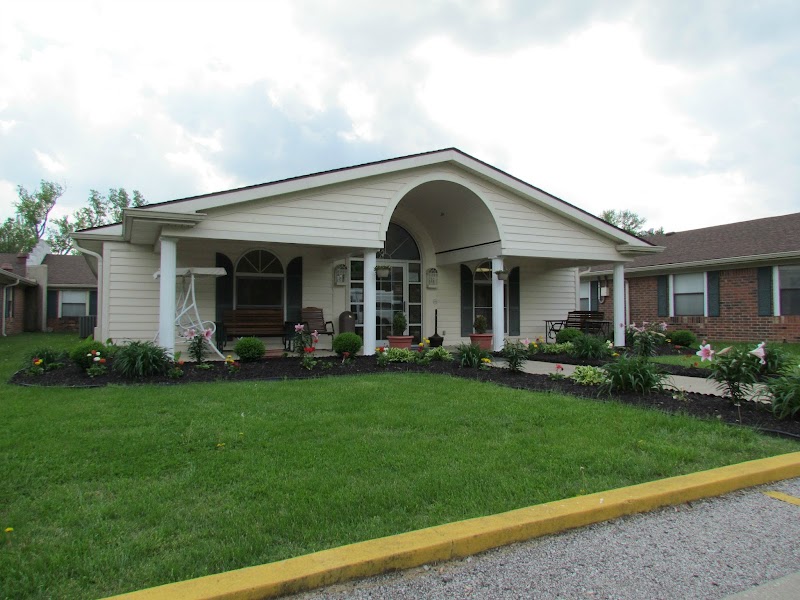
Signature Healthcare of South Louisville
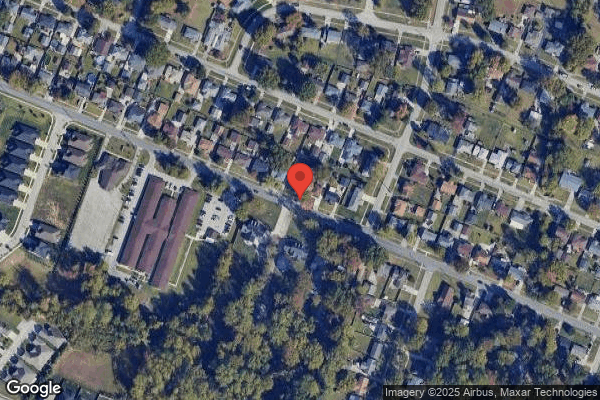

1120 Cristland Road, Louisville, KY 40214 (502) 367-0104
For profit - Limited Liability company 100 Beds SIGNATURE HEALTHCARE Data: November 2025
Trust Grade
75/100
#78 of 266 in KY
Last Inspection: January 2025

Within standard 12-15 month inspection cycle. Federal law requires annual inspections.

Overview

Signature Healthcare of South Louisville has a Trust Grade of B, indicating it is a good choice for families seeking care, positioned solidly in the middle tier of facilities. Ranking #78 out of 266 in Kentucky places it in the top half, while its #13 position out of 38 in Jefferson County means there are only a few local options that are better. The facility's trend is improving, with the number of issues decreasing from 7 in 2019 to 4 in 2023. Staffing is a strength, earning 4 out of 5 stars, with a turnover rate of 43% that is slightly below the state average, and the facility benefits from more registered nurse coverage than 93% of Kentucky facilities. However, there have been some concerning incidents, including failure to properly store food, inadequate documentation of medications during shift changes, and lapses in hand hygiene during wound care, which could pose health risks. Overall, while there are clear strengths in staffing and improvements over time, families should be aware of the specific areas needing attention.
Trust Score
B
75/100
In Kentucky
#78/266
Top 29%
Safety Record
Low Risk
No red flags
Inspections
Getting Better
7 → 4 violations
Staff Stability
○ Average
43% turnover. Near Kentucky's 48% average. Typical for the industry.
Penalties
✓ Good
No fines on record. Clean compliance history, better than most Kentucky facilities.
Skilled Nurses
✓ Good
Each resident gets 67 minutes of Registered Nurse (RN) attention daily — more than 97% of Kentucky nursing homes. RNs are the most trained staff who catch health problems before they become serious.
Violations
⚠ Watch
13 deficiencies on record. Higher than average. Multiple issues found across inspections.
★★★★☆
4.0
Overall Rating
★★★★☆
4.0
Staff Levels
★★★★★
5.0
Care Quality
★★★☆☆
3.0
Inspection Score
Stable
2019: 7 issues
2025: 4 issues

The Good

  • 4-Star Staffing Rating · Above-average nurse staffing levels
  • 5-Star Quality Measures · Strong clinical quality outcomes
  • Full Sprinkler Coverage · Fire safety systems throughout facility
  • No fines on record
  • Staff turnover below average (43%)

    5 points below Kentucky average of 48%

Facility shows strength in staffing levels, quality measures, fire safety.

The Bad

Staff Turnover: 43%

Near Kentucky avg (46%)

Typical for the industry

Chain: SIGNATURE HEALTHCARE

Part of a multi-facility chain

Ask about local staffing decisions and management

The Ugly 13 deficiencies on record

Jan 2025 4 deficiencies
CONCERN (D)

Potential for Harm - no one hurt, but risky conditions existed

Respiratory Care (Tag F0695)

Could have caused harm · This affected 1 resident

Based on observation, interview, record review, and facility policy review, the facility failed to ensure physician orders were followed related to the administration of supplemental oxygen for 1 of 5...

Read full inspector narrative →
Based on observation, interview, record review, and facility policy review, the facility failed to ensure physician orders were followed related to the administration of supplemental oxygen for 1 of 5 residents residents sampled for respiratory care (Resident (R)18) of a total resident sample of 24 residents. The findings include: Review of the facility policy titled, Oxygen Administration Policy, revised 05/30/2024, revealed, Purpose: Oxygen therapy is administered as ordered by a physician. Per policy review, Check the resident's medical record to confirm the presence of a complete and appropriate physician's order. Review of the Face Sheet for R18 revealed the facility admitted the resident on 04/10/2024, with diagnoses that included: acute on chronic diastolic (congestive) heart failure (CHF), acute and chronic respiratory failure with hypoxia, and chronic obstructive pulmonary disease (COPD). Review of the Quarterly Minimum Data Set (MDS) Assessment with an Assessment Reference Date (ARD) of 10/17/2024, revealed the facility assessed R18 as having a Brief Interview for Mental Status (BIMS) score of 14 out of 15, which indicated intact cognition. Continued review of the MDS revealed the facility assessed R18 to have shortness of breath with exertion when sitting, and when lying flat and to require oxygen therapy. Review of R18's Comprehensive Care Plan revealed the facility identified a problem dated 04/12/2024, that indicated the resident had impaired oxygen gas exchange related to COPD/respiratory failure/CHF and required oxygen therapy. Continued review of the care plan revealed interventions which included staff to administer R18's supplemental oxygen as ordered (initiated 04/12/2024). Review of R18's physician's Orders revealed an active order for supplemental oxygen to be administered via nasal cannula at 3 liters per minute (L/min) continuously every shift, with a start date of 08/13/2024. Observation on 01/19/2025 at 1:16 PM, revealed R18 in his/her room, seated in a wheelchair, receiving supplemental oxygen via a nasal cannula. Further observation revealed the oxygen concentrator was set at 4 L/min and not the ordered 3 L/min. Review of R18's Medication Administration History, for the timeframe of 01/01/2025 through 01/20/2025, revealed on 01/19/2025, Registered Nurse (RN) 3 (dayshift nurse) and RN 4 (nightshift nurse) both documented administering supplemental oxygen to R18. During interview on 01/20/2025 at 9:19 AM, RN 2 stated R18's supplemental oxygen should have been flowing at 3 L/min. RN 2 stated the nurses needed to check R18's oxygen every morning to see if it flowing at the correct rate. She said she had not checked the resident's oxygen yet that morning. RN 2 reported the nursing staff had orders in the facility's electronic health record (EHR) and the nurses needed to check the orders every morning. She stated the nurses were to sign that they checked the supplemental oxygen rate. Observation at 9:21 AM, revealed RN 2 entered R18's room and confirmed the resident's oxygen concentrator was set at 4 L/min rate and not the ordered 3 L/min rate. In interview, at the time of observation, R18 stated staff turned it up the oxygen when he/she was out of breath. In additional interview, at the time of observation, RN 2 stated the night nurse must have increased R18's supplemental oxygen. Review of R18's Progress Notes, for the timeframe from 01/18/2025 through 01/21/2025, revealed no documented evidence of notification to the physician or Nurse Practitioner (NP), by facility nurses, for the increase in the resident's supplemental oxygen. During telephone interview on 01/21/2025 at 5:01 PM, RN 4 stated R18 should have been on 3 L/min of supplemental oxygen as ordered. RN 4 stated typically, during medication administration, she checked the resident's supplemental oxygen amount to ensure it was flowing correctly. She reported she worked the night shift (6:00 PM to 6:00 AM) on 01/18/2025 and said at the end of her shift, R18 had been in bed and the supplemental oxygen was set at 3 L/min. RN 4 further stated RN 3 had been the RN who worked on 01/19/2025, during the day shift (6:00 AM to 6:30 PM). During telephone interview on 01/21/2025 at 6:00 PM, RN 3 stated she thought R18's supplemental oxygen was to be on 3 L/min. RN 3 said every morning, during medication administration, she checked R18's supplemental oxygen rate and oxygen saturation (O2) rate because the resident had pneumonia. She stated she worked the day shift on 01/19/2025 (when R18's oxygen was at 4 L/min). RN 3 stated R18 asked her about the supplemental oxygen that morning, and RN 3 said she checked the oxygen concentrator, and it was at the prescribed rate of 3 L/min in the morning time. She reported she was not aware of how or why the amount of R18's supplemental oxygen was adjusted differently and stated no other nurse changed the amount. RN 3 further stated she had not contacted the physician to increase the amount of supplemental oxygen. During interview on 01/22/2025 at 10:06 AM, R18 stated he/she did not change the settings on the oxygen concentrator. R18 further stated, I don't mess with the medical stuff. During telephone interview on 01/23/2025 at 3:23 PM, the NP stated the expectation was if resident's supplemental oxygen needed to be increased, the provider or herself needed to be notified. The NP further stated the medical staff did not want a resident to have more supplemental oxygen than needed, to avoid them becoming dependent on the supplemental oxygen. During interview on 01/23/2025 at 2:55 PM, the Director of Nursing (DON) stated nurses were to be checking residents' supplemental oxygen rates when administering medication and when checking on the residents. The DON further stated the nurses should be following the physician's orders. During interview on 01/23/2025 at 4:28 PM, the Chief Executive Officer (CEO)/Administrator stated the nurses should follow the physician's orders to the best of their ability.
CONCERN (D)

Potential for Harm - no one hurt, but risky conditions existed

Unnecessary Medications (Tag F0759)

Could have caused harm · This affected 1 resident

Based on observation, interview, record review, the insulin manufacturers' instructions for use, and facility policy review, the facility failed to ensure the medication error rate was less than 5%. T...

Read full inspector narrative →
Based on observation, interview, record review, the insulin manufacturers' instructions for use, and facility policy review, the facility failed to ensure the medication error rate was less than 5%. This was evidenced by 2 medication errors out of 34 opportunities, resulting in a medication error rate of 5.88%, which affected 1 of 5 residents observed during medication pass (Resident (R) 63) out of a total resident sample of 24. The findings include: Review of the facility policy titled, Medication Administration, revised 06/24/2024, revealed, Medications are administered as prescribed in accordance with manufacturers' specifications, good nursing principles and practices and only by persons legally authorized to do so. Further review revealed, Guideline: 1. Medication are administered in accordance with written orders of the prescriber. Review of the facility policy titled, Physicians Orders, revised, 11/16/2023, revealed, the Policy Statement noted, It is the standard of this facility that physician orders are followed, and reviewed to ensure delivery of applicable care. Per review, the facility's standard also included staff being alert for changes in (a resident's) condition related to new orders, and need to notify the physician for adverse effects from new orders or potential order changes as needed. Continued review revealed, Guideline: 1. Each resident will have physician's orders to guide the facility in caring for and treating each resident. 2. Licensed Nurses and Medication Aides are expected to follow physician's orders. Review of the Lantus SoloStar (insulin glargine injection) Instruction Leaflet, revised 11/2018, revealed to follow the instructions completely each time the SoloStar insulin was used to ensure an accurate dose. Per review, if the instructions were not followed a person might get too much or too little insulin, which might affect their blood glucose. Continued review revealed, Important information for use of SoloStar: included, Always perform the safety test before each injection. Review of the Instruction Leaflet revealed, Step 3. Perform a Safety test included Performing the safety test ensures that you get an accurate dose by: - ensuring that pen and needle work properly and remove air bubbles. Further review revealed to select a dose of 2 units by turning the dosage selector; take off the outer needle cap and keep it to remove the used needle after injection; and take off the inner needle cap and discard it. In addition, review revealed to hold the pen with the needle pointing upwards; tap the insulin reservoir so that any air bubbles rise up towards the needle; press the injection button all the way in, and check if insulin comes out of the needle tip; and You might have to perform the safety test several times before insulin is seen. Review of the Eli Lilly and Company's website, reference for the Instructions For Use for the Humalog KwikPen, revised 07/2023, revealed, Prime before each injection. Priming your Pen means removing the air from the Needle and Cartridge that may collect during normal use and ensures that the Pen is working correctly. If you no not prime before each injection, you may get too much or too little insulin. Continued review revealed, Step 6: To prime your Pen, turn the Done Knob to select 2 units. Step 7: Hold your Pen with the Needle pointing up. Tap the Cartridge Holder gently to collect air bubbles at the tip. Step 8: Continue holding your Pen with Needle pointing up. Push the Dose Knob in until is stops, and '0' is seen in the Dose Window. Hold the Dose Knob in and count to 5 slowly. You should see insulin at the tip of the pen. Review of the Resident Face Sheet for R63 revealed the facility admitted the resident on 03/21/2022, with a medical history that included diagnoses of type 2 diabetes mellitus with unspecified complications. Review of the Quarterly Minimum Data Set (MDS) Assessment with an Assessment Reference Date (ARD) of 11/12/2024, revealed the facility assessed R63 to have a Brief Interview for Mental Status (BIMS) score of 14 out of 15, which indicated intact cognition. Further MDS review revealed the facility assessed R63 to receive hypoglycemic medication during the assessment timeframe. Review of R63's physician's Orders revealed an active order dated 12/16/2024, for Lantus Solostar U-100 insulin pen, 16 units to be injected under the skin for diabetes mellitus twice a day. Continued review of the Orders also revealed an active order dated 01/22/2025, for Humalog KwikPen Insulin, with instructions to administer per the following sliding scale: - If blood sugar is less than 70, call the physician. - If blood sugar is 200 to 249, give one unit. - If blood sugar is 250 to 299, give two units. - If blood sugar is 300 to 349, give three units. - If blood sugar is 350 to 399, give four units. - If blood sugar is 400 to 450, give five units. - If blood sugar is greater than 450, give five units. - If blood sugar is greater than 450, call the physician. Further review revealed the order included special instructions to give the insulin before meals, at 7:00 AM, 11:15 AM, and 5:00 PM. During observation of medication administration on 01/22/2025 at 7:32 AM, Registered Nurse (RN) 7 checked R63's blood glucose level at 333. Observation at 7:53 AM, revealed RN 7 obtained a Lantus insulin pen that was dated 01/19/2025 and then stated, I immediately turned the dial to 16 units (without performing the safety test as per the manufacturer's instructions). Observation at 8:10 AM, revealed RN 7 administered 16 units of insulin from the Lantus pen to R63 right lower abdomen. During observation of medication administration on 01/22/2025 at 8:26 AM, RN 7 removed the cover from a new Humalog pen and attached a needle. Per observation, RN 7 entered R63's room, dialed the Humalog pen to 3 units and administered the insulin to the resident's left lower abdomen. During interview, at the time of observation, RN 7 confirmed the Humalog pen was new and stated, I shot out six units prior to administering the units. However, observation revealed RN 7 had not primed the insulin pen (as per the manufacturer's instruction) after the needle was attached. During interview on 01/22/2025 at 4:15 PM, RN 7 stated when a new insulin pen was received, that was the only time it was primed with six units. RN 7 stated when a new insulin pen was delivered, there was no specific instructions included, just the pen in a plastic bag, with a label with instructions on dosing. RN 7 reported the insulin pen did not need to be primed any more than what the pharmacy staff stated. The RN further stated if the insulin pen was primed before each use, then you are wasting it. During phone interview on 01/23/2025 at 11:25 AM, the Facility Pharmacist (FP) stated there were specific instructions for each insulin pen and said staff should refer to the manufacturer's instructions. The FP said the insulin pen's contained extra insulin in each vial in order to verify/test it was working properly. Per the FP in interview, the Lantus pen makers always indicated to perform a safety dose check before administering the insulin, by turning the dose selector to two units and holding the pen end up, so any air bubbles would rise up each time. The FP further stated the customary practice for the Humalog insulin was to make sure the needle was on correctly and primed. During phone interview on 01/23/2025 at 3:23 PM, the Nurse Practitioner (NP) stated manufacturers' instructions should be followed regarding preparing insulin pens for resident use. The NP further stated it was expected medications were given as prescribed. During interview on 01/23/2025 at 1:28 PM, the Director of Nursing (DON) stated the expectation was for nurses to follow the physician's orders and guidelines. In interview on 01/23/2025 at 2:46 PM, the Chief Executive Officer (CEO)/Administrator stated it was the expectation that nursing staff followed physician's orders and the manufacturers' guidelines.
CONCERN (D)

Potential for Harm - no one hurt, but risky conditions existed

Medical Records (Tag F0842)

Could have caused harm · This affected 1 resident

Based on interview, record review, facility document and policy review, the facility failed to maintain a complete and accurate medical record for 1 of 5 residents sampled for unnecessary medications ...

Read full inspector narrative →
Based on interview, record review, facility document and policy review, the facility failed to maintain a complete and accurate medical record for 1 of 5 residents sampled for unnecessary medications (Resident (R) 18) out of a total resident sample of 24. Observation revealed staff did not accurately document the correct dosage of insulin administered to R18. The findings include: Review of the facility policy titled, Physicians Orders, revised 11/16/2023, revealed it was the facility's standard for physician orders to be followed and reviewed to ensure delivery of applicable care. Continued review revealed staff were to be alert for changes in (a resident's) condition related to new orders, and the need to notify the physician for adverse effects from new orders or potential order changes as needed. Review of the facility document titled, Job Description for Charge Nurse a licensed practical nurse (LPN) or registered nurse (RN), updated December 2011, revealed the Essential Duties & Responsibilities included to Report all discrepancies noted concerning physician's orders, diet change, charting error, etc. [et cetera], to the Nurse Supervisor, Unit Manager or ADON [Assistant Director of Nursing]/DON [Director of Nursing]. Continued review of the Job Description revealed, Perform routine charting duties as required and in accordance with established charting and documentation policies and procedures. Further review revealed, Prepare and administer medication as ordered by the physician. In addition, review revealed the document had been electronically signed by LPN 5 on 10/25/2018. Review of the Face Sheet for F18 revealed the facility admitted the resident on 04/10/2024, with diagnoses that included type 2 diabetes mellitus without complications. Review of the Quarterly Minimum Data Set (MDS) Assessment with an Assessment Reference Date (ARD) of 10/17/2024, revealed the facility assessed R18 as having intact cognition as evidenced by a Brief Interview for Mental Status (BIMS) score of 14 out of 15. Further review revealed the facility additionally assessed R18 as receiving insulin injections each day during the seven-day look back period of the Assessment. Review of R18's Care Plan revealed the facility identified a problem, initiated 04/12/2024, for the resident's diagnosis of diabetes and risk for an adverse event. Continued review revealed the interventions (initiated 04/12/2024) which included: staff being alert for signs and symptoms of hypoglycemia/hyperglycemia; completing blood glucose monitoring as ordered; and obtaining laboratory tests as ordered. Review of R18's physician's Orders revealed an active order with a start date of 11/15/2024, for insulin glargine insulin pen, 100 unit/milliliters (u/mL), 3 mL. Further review revealed the instructions noted to administer 35 units under R18's skin at bedtime related to diabetes. Review of R18's Medications Administration History, for the timeframe from 11/01/2024 through 11/30/2024, revealed LPN 5 documented the following glargine insulin pen dosages as administered to the resident: 11/16/2024 - 13 units. 11/17/2024 - 33 units. 11/19/2024 - 33 units. 11/20/2024 - 33 units. 11/22/2024 - 33 units. 11/27/2024 - 33 units. 11/30/2024 - 33 units (not the 35 units as ordered). Review of R18's Medications Administration History, for the timeframe from 12/01/2024 through 12/31/2024, revealed LPN 5 documented the following glargine insulin pen dosages as administered to the resident: 12/01/2024 - 33 units. 12/03/2024 - 33 units. 12/04/2024 - 33 units. 12/10/2024 - 33 units. 12/11/2024 - 33 units. 12/14/2024 - 33 units. 12/15/2024 - 33 units. 12/25/2024 - 36 units (not the 35 units as ordered). During telephone interview on 01/23/2025 at 9:15 AM, LPN 5 stated she had given R18 the correct dosage; however, had entered the wrong dosage amount in the electronic health record. She stated a lot of times she got interrupted, and might have documented an incorrect amount as a result of that. LPN 5 reported R18 did have an order for 33 units at one time; however, knew the correct dose currently was 35 units. During interview on 01/23/2025 at 2:59 PM, the DON stated she expected the documentation in residents' medical records to be accurate.
CONCERN (D)

Potential for Harm - no one hurt, but risky conditions existed

Infection Control (Tag F0880)

Could have caused harm · This affected 1 resident

Based on observation, interview, facility document and policy review, the facility failed to ensure it established and maintained an infection prevention and control program designed to provide a safe...

Read full inspector narrative →
Based on observation, interview, facility document and policy review, the facility failed to ensure it established and maintained an infection prevention and control program designed to provide a safe, sanitary and comfortable environment and to help prevent the development and transmission of communicable diseases and infections for 1 of 2 residents sampled for enhanced barrier precautions (Resident (R)298) out of a total resident sample of 24. Observation revealed staff failed to wear the proper personal protective equipment (PPE) when providing care to R298, who was on enhanced barrier precautions (EBP). The findings include: Review of the facility policy titled, Enhanced Barrier Precautions Policy, revised 03/25/2024, revealed the facility's infection control policies and practices was intended to facilitate maintaining a safe, sanitary, and comfortable environment and to help prevent and manage transmission of disease and infections. Further review of the policy revealed, 5. EBP are indicated for residents who have chronic wounds and/or indwelling medical devices regardless of MDRO [multi-drug resistant organism] status. Review of an undated facility document titled, Enhanced Barrier Precautions, revealed R298 was on EBP. Review of the Resident Face Sheet for R298 revealed the facility admitted the resident on 01/10/2025, with diagnoses that included fracture of unspecified part of neck of right femur, subsequent encounter for closed fracture with healing. Review of R298's Care Plan revealed the facility identified a problem, initiated on 01/13/2025, that noted the resident required EBP related to a surgical incision and an indwelling catheter. Continued review revealed an intervention for staff to wear PPE as indicated (initiated 01/13/2025). Per review additional review of R298's Care Plan, the facility identified a problem for R298 for potential for complications related to an indwelling catheter, initiated 01/20/2025, with interventions that included staff to provide catheter care as needed. Review of R298's Physician Order Report, dated 01/23/2025, revealed an active order, with a start date of 01/13/2025, for the resident to be on EBP due to a surgical incision. Continued review of the Physician Order Report revealed an active order with a start date of 01/20/2025, to change R298's catheter bag as needed and to contact the physician if the indwelling catheter or balloon size needed to be changed. Observation on 01/19/2025 at 1:36 PM, revealed R298's room door had a sign indicating the resident was on EBP and staff were to wear a gown and gloves when completing high-contact resident care activities, that included device care such as urinary catheters. Continued observation revealed however, Certified Nursing Assistant (CNA) 12 emptied R298's urinary catheter bag wearing only gloves. During interview on 01/19/2025 at 1:38 PM, CNA 12 stated she only wore gloves; however, should have worn a gown and gloves as per the resident's EBP. During interview on 01/23/2025 at 3:06 PM, the Director of Nursing (DON) stated she expected staff to wear a gown and gloves when coming in contact with residents on EBP. During interview on 01/23/2025 at 1:46 PM, the Chief Executive Director (CEO)/Administrator stated he expected staff to follow the facility's guidance regarding residents on EBP.
Oct 2019 7 deficiencies
CONCERN (D)

Potential for Harm - no one hurt, but risky conditions existed

MDS Data Transmission (Tag F0640)

Could have caused harm · This affected 1 resident

**NOTE- TERMS IN BRACKETS HAVE BEEN EDITED TO PROTECT CONFIDENTIALITY** Based on record review and interview it was determined the facility failed to ensure a discharge Minimum Data Set (MDS) was tran...

Read full inspector narrative →
**NOTE- TERMS IN BRACKETS HAVE BEEN EDITED TO PROTECT CONFIDENTIALITY** Based on record review and interview it was determined the facility failed to ensure a discharge Minimum Data Set (MDS) was transmitted within fourteen (14) days for one (1) of eighteen (18) sampled resident's, Resident #2. The facility discharged Resident #2 to an acute care hospital on [DATE], with his/her return anticipated; however did not submit the MDS discharge data. The findings include: Review of the policy Resident Assessment, reviewed 07/31/18, revealed the facility conducted initially and periodically comprehensive, accurate, standardized and reproducible assessments of each resident's functional capacity. The Resident Assessment Instrument (RAI) User Manual version 3.0 was used for all items coded on the MDS assessments, Care Area Assessments (CAA) development, Care Planning, MDS scheduling, submissions, modifications and Medicare regulations. The Assessment Coordinator established the assessment schedule and provided this information to each discipline. The policy further revealed a return anticipated Minimum Data Set (MDS) discharge assessment was to be transmitted within fourteen (14) days of the completion date. Review of the clinical chart for Resident #2 revealed the facility admitted the resident on 05/06/19 with diagnoses including Non-ST Elevation Myocardial Infarction, Fracture of Unspecified Part of Neck of Femur, Chronic Obstructive Pulmonary Disease and Chronic Respiratory Failure with Hypoxia. Review of Resident #2's discharge MDS completed by the facility on 05/30/19, revealed the resident had been discharged from the facility to an acute care hospital on [DATE], with his/her return anticipated. However, there was no evidence the facility had transmitted the assessment as of 10/10/19. Interview, on 10/10/19 at 4:52 PM, with MDS Coordinator #1, revealed Resident #2's discharge MDS had to be completed by 06/12/19. However, the MDS Coordinator stated the assessment was not done although she had pulled a missing assessment report. She stated the importance of timely assessments was to track resident census and the building of quality measures. Interview, on 10/10/19 at 5:38 PM, with MDS Coordinator #2, revealed at times the facility had fifty (50) discharges a month and this may have contributed to overlooking the assessment. However, she stated Resident #2's discharge assessment should have been submitted by 06/13/19 and therefore was not submitted timely.
CONCERN (D)

Potential for Harm - no one hurt, but risky conditions existed

Assessment Accuracy (Tag F0641)

Could have caused harm · This affected 1 resident

Based on observation, record review, and interview it was determined the facility failed to code the annual Minimum Data Set (MDS) accurately for (1) resident of the eighteen (18) sampled residents. R...

Read full inspector narrative →
Based on observation, record review, and interview it was determined the facility failed to code the annual Minimum Data Set (MDS) accurately for (1) resident of the eighteen (18) sampled residents. Resident #46 smoked cigarettes but the MDS revealed no tobacco use. The findings include: Review of the facility policy, Resident Assessment, reviewed 07/31/18, revealed the facility must conduct a comprehensive and accurate assessment of each resident's functional capacity. Record review further revealed the assessment should include direct observation and communication with the resident, family, licensed and non-licensed direct care staff members. The assessment data was collected from the resident's medical record, interviews, and other healthcare professionals with knowledge of the resident. Observation, on 10/09/19 at 10:01 AM, revealed Resident #46 outside in the smoking area. Staff placed a smoking apron on the resident, gave him/her a cigarette, and staff lit the cigarette. Interview with Resident #46, on 10/09/19 at 9:20 AM, revealed he/she smoked four (4) times a day during facility smoke breaks. Record review revealed the facility admitted Resident #46, on 09/28/13, with diagnoses including Coronary Artery Disease, Peripheral Vascular Disease, Heart Failure, Diabetes, and Chronic Obstructive Pulmonary Disease. Review of the quarterly MDS, with an Assessment Reference Date (ARD) of 08/26/19, revealed the facility assessed the resident with a Brief Interview for Mental Status (BIMS) score of seven (7) and determined the resident had memory impairment. Review of the annual MDS with an assessment reference date (ARD) of 04/23/19, revealed in Section J, Health Condition, the tobacco use question was coded No, which indicated Resident #46 did not use tobacco products. Review of the quarterly MDS with an ARD of 08/26/19 revealed the tobacco use question, under Section J, Health Conditions, was blank. Review of the list of [NAME] Wing Residents Who Smoke included Resident #46. Review of the progress notes of the nurse practitioner for 02/21/19, 04/04/19, 08/13/19, and 09/10/19 revealed Resident #46 was a smoker and was educated on smoking cessation. Review of the comprehensive care plan with a start date of 09/12/14 and a goal date of 11/30/19 revealed the problem for smoking was addressed with interventions listed listed. Interview with the MDS Coordinator, on 10/10/19 at 4:45 PM, revealed she did not know Resident #46 was a smoker and the nurse's notes during the look back days did not reflect the resident had smoked. The MDS Coordinator revealed she talked to the resident but did not question him/her about smoking. She revealed Resident #46's cognition was not great. She revealed she was not sure how often a smoking assessment was completed. The MDS Coordinator revealed she usually did not look at the care plan when doing the MDS assessment questions so she was not aware that a care plan had been developed for smoking for Resident #46. She further revealed she did not know there was a smokers list available. The MDS Coordinator revealed the MDS was incorrectly coded for tobacco use on Resident #46. Interview with the Director of Nursing (DON), on 10/10/19 at 3:40 PM, revealed Resident #46 had been a smoker since admission. The DON stated Resident #46 should have been coded as a smoker on the assessment for the MDS. The DON revealed the MDS Coordinator should have known Resident #46 was a smoker since he/she had smoked from admission and had a comprehensive care plan problem for smoking. Interview with the Administrator, on 10/11/19 at 8:45 AM, revealed he expected the MDS assessments to be accurate and it was the staff's responsibility to ensure the assessments were accurate. The Administrator stated the accuracy of the MDS was what drove the comprehensive care plan.
CONCERN (D)

Potential for Harm - no one hurt, but risky conditions existed

Respiratory Care (Tag F0695)

Could have caused harm · This affected 1 resident

Based on observation, record review, and interview it was determined the facility failed to follow physician's orders for one (1) of the eighteen (18) sampled residents, Resident #34. Resident #34 had...

Read full inspector narrative →
Based on observation, record review, and interview it was determined the facility failed to follow physician's orders for one (1) of the eighteen (18) sampled residents, Resident #34. Resident #34 had orders for oxygen administered at four (4) liters (L). Observation revealed the oxygen concentrator set at three (3) L. The findings include: Record review of the facility policy, Oxygen Administration, revised 09/06/18, revealed oxygen was to be on and set according to the physician order. Review of the clinical record revealed the facility admitted Resident #34 on 07/22/19 with diagnoses including Coronary Artery Disease, Pneumonia, Chronic Obstructive Pulmonary Disease (COPD), and Respiratory Failure. Review of the admission Minimum Data Set (MDS) with an Assessment Reference Date (ARD) of 07/28/19, revealed no Brief Interview for Mental Status (BIMS) assessment done under Section C, Cognition for Resident #34. Review of the admission MDS revealed under Section J, Health Conditions, Resident #34 had shortness of breath. Under Section O, Special Treatment and Programs, Resident #34 used oxygen. Record review of the comprehensive care revealed Resident #34 was at risk for respiratory complications including an intervention of resident on O2 as ordered via nasal cannula. Record review of the current physician orders for Resident #34 revealed an order, dated 09/16/19, for Oxygen at four liters (4L) per nasal cannula. Observation, on 10/07/19 at 03:27 PM, revealed Resident #34 lying in bed and requested a pain medication. Observation revealed Resident #34 with oxygen at three liters (3L) per nasal cannula. Observation further revealed Registered Nurse (RN) #5 entered the room to assist the resident. Interview with RN #5, on 10/07/19 at 3:30 PM, revealed Resident #34's oxygen should be set at two liters (2L) per nasal cannula. RN #5 acknowledged the oxygen was set at three liters (3L) but should be set at two liters (2L). Interview with Resident #34, on 10/07/19 at 3:30 PM, revealed the oxygen was to be set at four liters (4L) all the time, and maybe that was why he/she was having so much trouble breathing. Observation, on 10/07/19 at 3:30 PM, revealed RN #5 checked the oxygen saturations of Resident #34 and assessed it at ninety-seven percent (97%) but it then dropped to eight-eight percent (88%). RN #5 took the oxygen saturation device off, reapplied it, and assessed the oxygen saturation at ninety-four percent (94%) on three liters (3L). Interview with Resident #34, on 10/07/19 at 3:40 PM revealed he/she could already tell a difference with breathing since the oxygen had been turned up. Interview with RN #5 revealed, after he reviewed the physician orders, the oxygen flow rate should be set at four liters (4L) per nasal cannula. RN #5 revealed when the oxygen was not set at what the physician ordered, it put Resident #34 at risk for shortness of air, altered mental status, decreased oxygen flow to the organs and in the short term the risk would be respiratory distress. Interview with RN #5 revealed he checked the oxygen saturations this morning and it was ninety-six percent (96%) on two liters (2L) of oxygen. Interview with the Director of Nursing (DON), on 10/11/19 at 8:45 AM, revealed nurses should follow the physician orders for oxygen. The DON revealed if staff did not follow orders, there was a risk of hypoxia and could cause difficulty in breathing for residents. The DON revealed Resident #34 had COPD and Pneumonia. The DON revealed Resident #34 previously had orders for Oxygen at two liters (2L) and LPN #4 had been out on leave when the change in oxygen setting occurred. Interview with the Administrator, on 10/11/19 at 8:45 AM, revealed he expected staff to follow physician orders. The Administrator revealed there could be a risk of adverse outcomes when physician orders were not followed. The Administrator revealed he did not do any audits on following physician orders.
CONCERN (D)

Potential for Harm - no one hurt, but risky conditions existed

Deficiency F0761 (Tag F0761)

Could have caused harm · This affected 1 resident

**NOTE- TERMS IN BRACKETS HAVE BEEN EDITED TO PROTECT CONFIDENTIALITY** Based on observation, interview, record review and review of policy it was determined the facility failed to ensure two (2) of t...

Read full inspector narrative →
**NOTE- TERMS IN BRACKETS HAVE BEEN EDITED TO PROTECT CONFIDENTIALITY** Based on observation, interview, record review and review of policy it was determined the facility failed to ensure two (2) of two (2) refrigerated scheduled medication boxes were affixed to the medication refrigerators. Observations revealed the facility gray metal scheduled medication box in the East and [NAME] Unit were able to be completely removed from the refrigerators. In addition, the facility failed to ensure the pharmacy emergency scheduled medication kit was secured within an affixed box or area. Observation revealed the East Unit medication refrigerator contained a separate pharmacy medication container which contained scheduled medications and were closed with a green tug tie's and was not in a locked box or secured area. Interviews revealed the scheduled narcotic box was not audited by staff every shift. The findings include: Review of the policy titled Controlled Substances dated 11/2007, revealed scheduled medications were to have special storage, disposal, and record keeping at the nursing care center in accordance with federal and state regulation. The facility was to have a physical inventory of all controlled medications with physical inventory conducted at the change of shift by two (2) licensed clinicians and documented on an audit record. Review of the policy titled Emergency Pharmacy Service and Emergency Kits (E-Kits), dated 05/16, revealed E-kits were to be kept secure, checked for integrity, dating, and stored in accordance with federal regulations. In addition, the charge nurse was to monitor the status of the E-kits as opened or sealed at the change of shift. Review of Unline Product Search, www.[NAME].com, a tug tight was a plastic pull tie to ensure lids stayed closed and the printed tie provided a number for the purpose to track the item. The tie could be removed by hand or a snip device. Observations, on 10/10/2019 at 9:10 AM, revealed Licensed Practical Nurse (LPN) #6 unlocked the East Unit medication door and then unlocked the refrigerator to gain access. A gray metal box and clear plastic box with red ties were on the glass shelf. The LPN removed the gray box and clear box out of the refrigerator and both boxes were observed not to be chained or tethered to the refrigerator. The gray box required a key for entry and the plastic box required a tug to remove the ties. Continued observations revealed the gray box was empty. Observation of the E-Kits box revealed it contained eighteen (18) tablets of Hydrocodone, twelve (12) tablets of Oxycodone, and one vial of Lorazepam Intensol liquid. Interview with LPN #6, on 10/10/19 at 9:10 AM, revealed two (2) clinical staff and the unit manager were able to access the medication room and were able to access the medication refrigerator. LPN #6 stated the gray box was able to be removed out of the refrigerator and would be able to be taken out of the medication room with the box. The LPN stated an Emergency Drug Kit (E-Kits) which contained scheduled medications was in a plastic box with two (2) ties and the LPN stated the observed E-Kits box was not affixed, tied, tethered or in a separate secured area in the refrigerator, and was able to be taken out and removed from the area. The LPN stated the facility did not require two licensed staff to be present when the scheduled E-Kits box was accessed. The LPN was unsure if the boxes were required to be secured to the refrigerator. The LPN stated diversion of the narcotics were possible since the boxes were not secured. The LPN stated if scheduled medications were not available residents would be in pain. The LPN further stated the scheduled E-Kits box was not audited every shift to ensure the box remained in the refrigerator. Observation, on 10/10/19 at 9:22 AM, revealed the [NAME] Unit Manager (UM) opened the medication refrigerator for the [NAME] Unit and a gray box was chained to the wire rack which was and observed as removable from the refrigerator. Further observations revealed the gray box was empty. Interview with the [NAME] UM, on 10/10/19 at 9:22 AM, revealed the gray box was utilized to house scheduled medications. She stated the scheduled medication E-Kits box was only located in the East medication room. She stated the gray medication box was able to be removed from the refrigerator and the room. She further stated herself and two (2) licensed staff were able to access the medication room and the refrigerator. Interview with LPN #2, on 10/10/19 at 3:00 PM, revealed the scheduled medication box in the East Unit contained ties to the E-Kits box. LPN #2 stated the tabs were pulled to remove the ties to enter the box and another colored tab was replaced to the box to secure the box closed. LPN #2 stated shift count of the scheduled E-Kits kit should occur every shift but was unsure if this was completed. She stated each nurse was able to access both medication rooms and the nurse on the East unit opened the E-Kits box with keys from the carts on the unit. LPN #2 stated the facility educated and staff were to ensure the proper securement of scheduled medication were maintained and to complete audits every shift to ensure the scheduled medication count were correct. Interview with RN #3, on 10/10/19 at 3:15 PM, revealed the LPN stated there was one (1) link type chain on the back of the East Unit medication box. She stated the box was apparently chained to something in the past. However the box was not chained now and could be removed from the refrigerator and room. RN #3 further stated the scheduled E-Kits box was placed on a shelf in the refrigerator. RN #3 further stated staff were not directed to audit the scheduled E-Kits box every shift with the count of scheduled medication with shift change. RN #3 stated both boxes were small enough to be able to be placed in an oversized purse and taken out of the facility. RN #3 further stated the pharmacy came to change out the E-Kits box when it was opened. However, the pharmacy technician did not always check for the box daily. Interview with the East UM, on 10/10/19 at 03:55 PM, revealed the gray and E-Kits boxes were not secure to the refrigerator. The UM stated staff were not instructed to audit every shift for the presence of either box remained in the refrigerator. The UM stated the facility audit tools for scheduled E-Kits box medications were not developed. The UM stated both boxes were able to be removed from the refrigerator. The UM further stated she guessed the medications were able to be diverted. However, the UM stated it was not thought of as a possibility of diversion. Interview with the Staff Development Educator, on 10/10/19 at 4:45 PM, revealed the facility scheduled medication boxes were previously secured to facility refrigerators when she was on the floor as staff. She stated when the facility switched and moved things the boxes were not re-secured. She stated staff were not required to have another person in the room when the boxes were accessed. She stated staff previously kept their purses in the medication room and they were instructed to place the purse in their car or in the locker provided by the facility because of the risk. She further stated the facility was to ensure the refrigerated scheduled medication boxes were secured to or locked in a separate area and the boxes were able to walk then the boxes were not considered secured. Interview with the Director of Nursing (DON), on 10/10/19 at 5:35 PM, revealed she felt the scheduled medication boxes in the refrigerators were adequately locked. She stated the scheduled medication box to the East and [NAME] refrigerators were not tied or secured to the unit. She stated staff's audits of the E-Kits box or the facility metal box every shift were not completed and an audit tool was not developed. She stated the pharmacy technician asked staff to check to see if the E-Kits box was previously accessed and if it was the technician would take the box out and exchange it. She further stated the scheduled E-Kits box was not placed in a locked or secured drawer in the refrigerator. She further stated as DON she was lucky diversion was not an issue she incurred at the facility. Interview with the Administrator, on 10/10/19 at 6:15 PM, revealed the knowledge of how scheduled medication boxes were to be housed in a refrigerator was obtained after the boxes were identified as not secured and through the survey interview process, He stated he was unaware of this requirement and was an administrator for twenty (20) years. He stated he saw his responsibility to the residents and staff was to have a great quality of life for residents and caliber staff to provide the care needs to the residents.
CONCERN (D)

Potential for Harm - no one hurt, but risky conditions existed

Infection Control (Tag F0880)

Could have caused harm · This affected 1 resident

Based on observation, interview, and facility policy it was determined the facility failed to ensure staff performed hand hygiene during medication administration. Multiple observations revealed no ha...

Read full inspector narrative →
Based on observation, interview, and facility policy it was determined the facility failed to ensure staff performed hand hygiene during medication administration. Multiple observations revealed no hand hygiene performed by staff before or after medication administration and between residents. The findings include: Review of the facility skill checklist, Medication Administration, undated, revealed staff were to perform hand hygiene before and after administration of resident medications. Furthermore, anti-microbial sanitizer may be used in place of soap and water with the exception of a resident with the diagnosis of Clostridium difficile (C-Diff). Observation, on 11/08/19 at 9:15 AM, revealed Registered Nurse (RN) #5 retrieved resident medications from the cart, handling various medication packets, manipulated computer equipment and cart surfaces, and then proceeded to administer the medications with no hand hygiene performed. Continued observations revealed RN #5 returned to the medication cart and proceeded to retrieve medications for other residents for a total of three (3) opportunities of medication administration with no hand hygiene performed. Observation, on 10/08/19 at 03:24 PM, revealed RN #3 was observed to prepare resident medications for administration in applesauce. RN #3 did not perform hand hygiene prior to administering the medications. Observation, on 10/09/19 at 09:26 AM, revealed RN #2 retrieved medications to prepare for residents. During this process, RN #2 contacted multiple medication cards, surfaces of the cart, and surfaces of the computer equipment. RN #2 administered medications to the resident, returned to the cart, and resumed medication administration duties without performing hand hygiene. Interview with RN #2, on 10/09/19 at 10:59 AM, revealed hand hygiene was to be completed before and after medications were administered. RN #2 stated proper hand hygiene prevented transmission of germs to other residents and helped prevent spreading illness to residents. Interview with LPN #2, on 10/10/19 at 03:00 PM, revealed staff were to ensure hand hygiene was completed before and after medications were administered and gloves worn if contact with the resident was required. LPN #2 stated it was important staff followed hand hygiene practices to prevent transmission of infections to residents. Interview with the East Unit Manger (UM), on 10/10/19 at 4:17 PM, revealed she expected staff to follow infection control practices including hand hygiene during medication administration. The UM stated she had not identified issues with staff not performing hand hygiene and hand hygiene was required in an effort to prevent transmissions of infections. Interview with the Staff Development, Coordinator (SDC) on 10/10/19 at 4:45 PM, revealed staff were expected to perform hand hygiene before and after medication pass and after contact with a resident. She stated staff's hands touched many surfaces including medication cart surfaces, and computer equipment. Interview with the Director of Nursing (DON), on 10/10/19 at 11:30 AM, revealed staff were expected to perform hand hygiene before and after contact with a resident. The DON stated the SDC completed spot audits of hand hygiene and infection control technique and she relied on the SDC and UM's to report identified issues. Interview with the Administrator, on 10/10/19 at 06:15 PM, revealed he had not identified concerns with staff performing hand hygiene during medication administration.
CONCERN (E)

Potential for Harm - no one hurt, but risky conditions existed

Pharmacy Services (Tag F0755)

Could have caused harm · This affected multiple residents

Based on observation, interview, record review, and facility policy it was determined the facility failed to ensure staff documented reconciliation of controlled medications at shift change. In additi...

Read full inspector narrative →
Based on observation, interview, record review, and facility policy it was determined the facility failed to ensure staff documented reconciliation of controlled medications at shift change. In addition, staff failed to immediately document removal of controlled medications; and, failed to keep medication carts locked and secured when unattended. Observations revealed staff failed to document removal of controlled medications, document verification of controlled substance medication counts at shift change, and insure medication carts were locked when unattended on three (3) of four (4) medication carts. The findings include: 1. Review of the policy Controlled Substances, dated 11/07, revealed controlled medications had special storage, disposal, and records on the nurse unit in accordance with federal and state regulation. When staff removed the controlled medication from the controlled storage area, the nurse immediately completed documentation of the removal on the accountability record. In addition, the facility had a physical inventory of all controlled medications conducted at the change of shift by two (2) licensed clinicians, which staff documented on an audit record. Observation, on 10/08/19 at 3:54 PM, of one (1) of two (2) medication carts on the East Hallway, revealed a card of Gabapentin three hundred milligrams (300mg) tablets containing eighteen (18) tablets with nineteen (19) tablets documented on the reconciliation audit form. Further observation revealed a card of Oxycodone tablets containing twenty-six (26) tablets but twenty-seven (27) tablets documented on the reconciliation audit form. Interview with RN #3, on 10/08/19 at 3:54 PM, revealed she forgot to document removal and administration of controlled medications on an audit forms while she performing medication administration. RN #3 stated staff were responsible to sign out controlled medications when they retrieved the medications from the secured area and removed medications from the blister pack. She stated an incorrect count could effect a resident potentially impacting availability of the medication. Observation, on 10/09/19 at 9:26 AM, revealed RN #2 removed from the controlled medication box one (1) tablet of Oxycodone, one (1) tablet of Alprazolam, and one (1) capsule of Gabapentin. Continued observation revealed RN #2 placed the medications in a cup and proceeded to administer the controlled medications but did not verify the count or document removal of the controlled medications on the audit sheets. After administration of the medication, RN #2 documented the administration of the medication with no verification of the count of remaining tablets/capsules on the medication card in the box. Interview with RN #2, on 10/09/19 at 9:40 AM, revealed licensed staff visualized the count on the card and compared that count to the count in the audit book when dispensing the medication. RN #2 stated staff completed this verification to ensure the count was correct. RN #2 stated staff completed a count at the change of shift and every time a tablet was removed but stated she did not verify the count or update the count sheet immediately upon removal of the medication. RN #2 stated as the nurse assigned to the cart she was responsible to ensure the scheduled medication counts were accurate at all times. Continued interview with RN #2, on 10/09/19 at 10:12 AM, revealed upon beginning reconciliation of the controlled medications for her assigned medication cart, none of the administered controlled medications up to this point of her shift were documented on the count sheets because she was rushed. Further interview with RN #2, on 10/09/19 at 10:59 AM, revealed she was responsible to ensure the count on the medication sheet matched the count of tablets or liquids in the locked scheduled medication drawer and controlled medications were to be documented as soon as the medication was removed from the locked drawer. RN #2 stated she failed to follow the facility policy. Observation and interview, on 10/09/19 at 12:20 PM, of the East #1 medication cart with LPN #5 revealed the Hydrocodone count was four (4) and the count sheet was five (5). LPN #5 stated the medication was given at 11:15 AM to a resident who left the facility for an appointment and she forgot to sign off the medication. Interview with LPN #5, on 10/09/19 at 12:20 PM, revealed scheduled medications were to be documented when the medications were removed from the pack. She stated if a resident refused the medication, the nurse was to waste the medication with another nurse to witness the destruction. She stated it was a long time since the facility provided education on medication administration. 2. Review of the policy, Medication Storage, dated 09/18, revealed in order to limit access of medications the medication cart was to be locked at all times. Observation, on 10/09/19 at 11:59 AM, revealed the East #2 medication cart was unlocked and unattended with no staff in view of the medication cart. Continued observation revealed LPN #5 exited a resident room, approached the cart and locked the medication cart. Interview with LPN #5, on 10/09/19 at 12:02 PM, revealed she left the cart unlocked and unattended. She stated staff were to lock medication carts at all times to prevent staff or residents access into the cart. She stated medications consumed by the wrong person could cause an adverse effect, including nausea, vomiting and death. She stated the facility provided education to secure medication carts at all times and the facility audited for locked carts. Interview with Licensed Practical Nurse #2, on 10/09/19 at 12:00 PM, revealed staff were to complete documentation for scheduled medications when removed from the locked box in the medication cart. She stated inaccurate controlled medication documentation could cause diversion issues. She stated residents could be affected if the medication was unavailable due to inaccurate records. Interview with LPN #2, on 10/10/19 at 3:00 PM, revealed staff were to document removal of controlled medications immediately upon removal from the locked drawer of the cart. She stated then documented administration of the controlled medication after the resident accepted and consumed the medication. She further stated medication carts were to be locked at all times because it was a risk to residents who may get into the medication cart and take medications not prescribed to them. 3. Record review of the [NAME] Hall Cart #1 controlled substance accountability count form, dated 07/31/19 to 10/07/19, revealed staff failed to document verification of counts between shifts for a total of twenty-three (23) shifts. Record review of the [NAME] Hall Cart #2 controlled substance accountability count form, dated 08/24/19 to 10/0/19 revealed staff failed to document verification of counts between shifts for a total of twenty-four (24) shifts. Record review of the East Hall Cart #2 controlled substance accountability count form, dated 07/31/19 to 10/07/19, revealed staff failed to document verification of counts between shifts for a total twenty-four (24) shifts. Interview with the East Unit Manger (UM), on 10/10/19 at 4:17 PM, revealed licensed staff were to ensure the controlled medication in the locked box of the medication cart corresponded with the physician order. The UM stated staff were expected to document removal of controlled medication at the time of the removal from the locked area and document administration after it was completed. The UM stated it was poor practice to delay documentation of the removal of controlled medications and stated audits have not been completed recently. The UM stated staff were expected and required to sign the control accountability form with each shift. She stated she reviewed the forms when removed from the binder but did not review line by line. She stated staff who completed documentation of the scheduled medications from the cart at the time of removal could lead to a medication error. Interview with the Staff Development, Coordinator (SDC), on 10/10/19 at 4:45 PM, revealed the facility educated staff to complete documentation of removal of controlled medications on the resident medication record when the medications were removed from the locked area of the cart. Additionally, She stated staff were to document verification of counts at shift change. She further stated all medication carts were to be locked at all times. Interview with the Director of Nursing (DON), on 10/10/19 at 11:30 AM, revealed licensed staff were to sign out the controlled medications when removed. The DON stated she expected staff to complete the controlled medication verification form at shift change and the audit form was to be filled and completed every shift. The DON stated medication carts were to be locked at all times. Interview with the Administrator, on 10/10/19 at 6:15 PM, revealed the facility was not aware of issues with controlled medications regarding accuracy of counts or documentation of counts, or storage safety issues.
CONCERN (F)

Potential for Harm - no one hurt, but risky conditions existed

Food Safety (Tag F0812)

Could have caused harm · This affected most or all residents

Based on observation, interview, record review and facility policy review it was determined the facility failed to store food in accordance with professional standards for food service safety as evide...

Read full inspector narrative →
Based on observation, interview, record review and facility policy review it was determined the facility failed to store food in accordance with professional standards for food service safety as evidence by opened stored foods were undated and canned food labels were damaged/undated. The findings include: Review of the policy titled Food Storage, revised 09/14/18, revealed all products should be dated upon receipt and when they were prepared, and use-by-dates should be used on all foods stored in refrigerators, according to the timetable on Dry, Refrigerated, and Freezer Storage Chart found in policy. Foods stored in bins should be removed from their original packaging, labeled, and dated. Observation of kitchen, on 10/07/19 at 10:56 AM, revealed a plastic pitcher of prepared lemonade in a reach-in refrigerator with a use by date of 09/29/19; an opened box of gravy mix, [NAME] Light, and coffee without an open date; Cranberry juice in a juice dispenser without an open date; and dried beans in a plastic container with a torn label that read 08/20/. Observation of the [NAME] Hall nourishment refrigerator, on 10/07/19 at 4:03 PM, revealed three (3) packs of tortillas in their original, zip-seal packaging without resident name or date and not sealed. Licensed Practical Nurse (LPN) #2 turned packages over to look for name and date and tortillas fell out onto floor. Interview with LPN #1, on 10/07/19 at 3:56 PM, revealed staff placing food in unit nourishment refrigerators were to label the food with the resident's name and date and place in the refrigerator. Prepared items and leftovers would be kept for three days. Interview LPN #2, on 10/07/19 at 4:03 PM, revealed she was not aware of who monitored the unit nourishment refrigerators for name, opened or use-by dates, or expiration dates. Interview with [NAME] Unit Manager, on 10/09/19 at 9:19 AM, revealed third shift nursing staff monitored nourishment refrigerators and checked for expiration dates nightly, but did not document monitoring. She stated tortillas were not expired and were labeled with a date reflecting when they were opened. She stated residents could get sick if foods were cross contaminated, as tortilla shells were not sealed. Interview with Dietary Manager (DM), on 10/07/19 at 10:56 AM, revealed nursing units have nourishment refrigerators and items were labeled with resident's name and date of when placed in refrigerator. She stated dietary monitored the nourishment refrigerators twice a month and nursing staff checks for expired foods every two (2) days. She stated that labels on foods would sometimes come off and that she would write dates on cans/boxes in black, permanent marker, if she ran out of labels. Further interview with Dietary Manager, on 10/09/19 at 2:47 PM, revealed items were dated as they were received and boxes had both date received and dated opened on them. She stated it was a misfortune that some boxes were not labeled properly and that labeling and dating was for safety; which let staff know when to dispose of food items. She stated she checked refrigerators in the kitchen and told staff to dispose of the lemonade that was past its use by date, but they did not follow her directions. She stated not following facility guidelines could pose a risk of illness to residents. Interview with Director of Nursing (DON), on 10/09/19 at 4:00 PM, revealed nursing staff checked unit nourishment refrigerators daily. The facility did not keep leftovers or prepared foods more than three days and used the best by or sell by date for other food items. Nursing staff labeld food with the residents name and date opened. She stated the tortillas should have been sealed according to how the packaging was made and was not aware that they were not sealed. She stated residents could get stomach illnesses or some type of food poisoning if food was not stored properly.
Jul 2018 2 deficiencies
CONCERN (D)

Potential for Harm - no one hurt, but risky conditions existed

Resident Rights (Tag F0550)

Could have caused harm · This affected 1 resident

**NOTE- TERMS IN BRACKETS HAVE BEEN EDITED TO PROTECT CONFIDENTIALITY** Based on observation, interview, record review, and facility policy review, it was determined the facility failed to maintain a ...

Read full inspector narrative →
**NOTE- TERMS IN BRACKETS HAVE BEEN EDITED TO PROTECT CONFIDENTIALITY** Based on observation, interview, record review, and facility policy review, it was determined the facility failed to maintain a resident's dignity for one (1) of eighteen (18) sampled residents, Resident #21. Observation revealed the resident's urine drainage bag was not covered and visible to other residents and visitors. The findings include: Review of the facility's policy, Resident Rights, dated 6/30/17, revealed the facility would make every effort to assist the resident exercise the right to respect, kindness, and dignity. Review of the facility's policy, Catheterization Care, dated 06/01/15, revealed staff was to cover the urinary drainage bag with a privacy cover. Review of Resident #21's clinical record revealed the facility admitted the resident on 07/31/15 with the diagnosis of Benign Prostatic Hyperplasia, Acute Kidney Failure, and Peripheral Vascular Disease. Review of the quarterly Minimum Data Set (MDS), dated [DATE], revealed the facility assessed the resident with a Brief Interview for Mental Status (BIMS) score of twelve (12) out of fifteen (15) and determined the resident interviewable. The resident utilized a urinary catheter for bladder elimination. Review of the Comprehensive Care Plan, dated 01/02/17, for Resident #21 revealed the resident utilized a Foley Catheter (urinary catheter) for bladder elimination with an intervention to place the urine drainage bag in an appropriate holder. Observation, on 07/24/18 at 3:14 PM, 07/25/18 at 4:17 PM, and 07/26/18 at 10:36 AM, revealed Resident #21 had a urine drainage bag, filled with urine, hooked on the left lower side of the resident's bed. The drainage bag was visible from the hallway to other residents and visitors. Interview with Resident #21, on 07/26/18 at 10:36 AM, revealed staff often left the urine drainage bag uncovered. The resident stated he/she liked the bag covered because he/she felt everyone knew his/her private business when the urine could be seen in the bag. Interview with Certified Nursing Assistant (CNA) #1, on 07/26/18 at 2:58 PM, revealed CNAs were to ensure dignity covers were placed over urine drainage bags to maintain the residents' dignity. She stated dignity bag placements were not an option on the CNA care plan; however, CNAs were aware to have dignity covers on at all times. She stated the facility conducted in-services several times a year on resident rights, including dignity. The CNA stated the annual skill check off for the drainage of the urine drainage bag and cover placement were conducted every year. Interview with CNA #2, on 07/26/18 at 3:10 PM, revealed CNAs were responsible to place covers over the urine drainage bags, as it was a dignity issue when the bags were not covered. She stated other residents would not want to look at a bag full of urine while they ate. She stated the bag covers kept everything respectful for the resident with family, friends, and other residents. She stated placement of bag cover was part of the annual training staff received. Interview with CNA #3, on 07/26/18 at 3:30 PM, revealed urine drainage bags were kept covered for privacy and dignity of the resident and were to be maintained at all times. She stated the nurses and CNAs were responsible to ensure covers were in place. CNA #3 stated she recently completed orientation education and a skill check off with the corporate educator, which included dignity covers over the urine drainage bags. She stated dignity was a resident right. Interview with Licensed Practical Nurse (LPN) #2, on 07/26/18 at 10:45 AM, revealed all staff was responsible to ensure urine drainage bags were covered at all times because it was a dignity issue. He further stated dignity meant keeping residents clean, comfortable, dressed, and devices kept private. He stated urine drainage bag education was included in staffs' annual training. Interview with LPN #1, on 07/25/18 at 3:48 PM, revealed drainage bag covers were to be placed over the bags at all times so other residents and visitors were not aware the resident had a urinary catheter. She stated the nurses and CNAs were to ensure the drainage bags were covered. She stated the facility conducted in-services concerning resident rights. Interview with the [NAME] Unit Manager, on 07/26/18 at 3:05 PM, revealed urine drainage bags were to be covered at all times, including when the residents were in bed to maintain privacy. She stated drainage bags should be covered so other residents could not observe urine while eating. The Manager stated all staff was responsible to ensure dignity covers were in place and she had provided staff education for dignity bags with as needed in-services. She further stated staff received training during annual training and during skills check off. She stated it was her responsibility to oversee care and services for residents including maintaining dignity. Interview with the Staff Educator, on 07/26/18 at 4:00 PM, revealed education for dignity was included in class orientation at the corporate office, and with annual training. She stated the facility ensured residents maintained dignity by completing rounds throughout the facility and through the Ambassador Program. She stated all staff was responsible to maintain residents' dignity. Interview with the Director of Nursing (DON), on 07/26/18 at 4:30 PM, revealed all staff was to ensure the dignity of residents was maintained, which included using urine drainage bag covers. She stated she ensured dignity was maintained by doing spot checks during rounds, and coming to the facility at night unannounced. The DON stated the Ambassador Program assigned residents to the facility management team and the team met with residents often to inquire about issues or needs not met. Interview with the Chief Executive Officer (CEO), on 07/26/18 at 4:46 PM, revealed he ensured care of the residents by assigning ambassadors to the residents. The ambassadors were to speak to the residents weekly regarding needs or issues. He stated he attended Quality Assurance (QA), daily staff meetings, and care plan meetings and had not noted dignity issues within the facility.
CONCERN (E)

Potential for Harm - no one hurt, but risky conditions existed

Infection Control (Tag F0880)

Could have caused harm · This affected multiple residents

Based on observation, interview, record review, and review of the facility's policy, it was determined the facility failed to prevent the possible spread of infection for four (4) of eighteen (18) sam...

Read full inspector narrative →
Based on observation, interview, record review, and review of the facility's policy, it was determined the facility failed to prevent the possible spread of infection for four (4) of eighteen (18) sampled residents, Resident #12, #21, #24, and #53. Observations revealed staff failed to performed proper hand hygiene during wound care for Resident #12, #24, and #53, and failed to ensure Resident #21's urine drainage bag was not in contact with the floor. The findings include: The facility did not provide a policy on infection control. Review of the facility's policy, Hand Washing, dated 06/01/15, revealed proper hand washing included the use of a clean dry paper towel to turn off the water faucet. Review of the facility's Hand Washing Competency, dated 06/01/15, revealed the use of a dry paper towel was to be used to turn off the faucet handle. Review of the facility's Non-Sterile Dressing Change Competency, dated 06/01/15, revealed staff was to wash hands before and after removing a soiled dressing, gloves were to be worn while assessing and cleaning wounds then discarded, and hands were to be washed with new gloves applied for treatments to the wound. A date and time of the dressing change was to be placed on top of the new dressing. 1. Observation of Resident #12's wound care, on 07/26/18 at 11:18 AM, revealed Licensed Practical Nurse (LPN) #3 removed the resident's old dressing and without removing his gloves, washing his hands, and donning new gloves, completed the treatment and applied a new dressing. Interview with LPN #3, on 07/26/18 at 3:38 PM, revealed he forgot to change his gloves after removing Resident #12's old dressing. LPN #3 stated he should have removed the soiled gloves and washed his hands before he administered the treatment, in order to prevent the spread of infection. LPN #3 stated washing hands was the most important thing staff could do to help prevent the spread of germs and infections, which could make the residents sick. Interview with Assistance Director of Nursing (ADON), on 07/26/18 at 4:00 PM, revealed LPN #3 should have discarded his gloves and washed his hands before starting the treatment to prevent infection. She stated staff did not want to transfer germs to clean areas that could cause infection or illness for the residents. 2. Observation, on 07/24/18 at 9:30 AM, revealed Resident #21 had a urine drainage bag that was under the resident's chair and partially on the floor. On 07/25/18 at 12:14 PM, Resident #21's urine drainage bag was in contact with the floor while he/she was in the dining room for a meal. Observation, on 07/26/18 at 8:08 AM, revealed Resident #21 was in the dining hall and the urine drainage bag was touching the floor. As staff pushed the resident back to his/her room, the drainage bag and urinary tubing dragged on the floor from the dining room to the resident's room. 3. Review of Resident #24's Physician Orders, dated 05/15/18, revealed a wound treatment to cleanse the left foot with normal saline, apply a Puracol AG wafer, and cover with Opti-foam dressing. Observation of Resident #24's wound care, on 07/25/18 at 10:45 AM, revealed LPN #1 washed her hands and turned off the faucet handle with the wet paper towel she used to dry her hands. LPN #1 donned gloves and repositioned Resident #24's wheelchair and touched the brakes with her gloved hands, removed the soiled dressing from the left foot, did not remove her gloves and wash hands before she proceeded to irrigate and wash the foot wound, and then rested the foot on the floor without a protective barrier. LPN #1, with the same gloved hands, cut the Puracol wafer to size and placed it on the wound. LPN #1 completed the wound dressing and she did not put the date and time on the dressing. 4. Review of Resident #53's Physician Orders, dated 07/24/18, revealed a wound treatment to clean the left heel with normal saline, apply Santyl, followed by a moist gauze soaked with sodium hypochlorite solution, and then covered with a gauze dressing. Observation of Resident #53's wound care, on 07/25/18 at 2:40 PM, revealed LPN #1 turned off the faucet with the wet paper towel she used to dry her hands, donned gloves, used the television remote to turn down the volume, and then opened and handled the sterile dressings. With the same gloved hands, LPN #1 moved the bedding, removed the soiled dressing, obtained paper towels, picked up the resident's leg, and placed the paper towels under the left heel wound. LPN #1 proceeded to apply the wound cleanser and handled the nozzle of the bottle using the same gloved hands. The LPN removed the gloves, completed hand washing and used the paper towel she dried her hands with to turn off the faucet, donned new gloves, and picked up the tube of medicated cream, manipulated the outside of the tube and the cap, placed the cream onto her gloved hand, and applied the medicated cream to Resident #53's left heel. LPN #1, using the same gloved hands, placed the wet medicated dressing onto the wound and secured it with a dry dressing. Interview with LPN #1, on 07/25/18 at 4:08 PM, revealed proper hand washing included turning the water on, soap and lather hands, get a paper towel and turn the water off, and then dry the hands. She stated staff should wash hands after removing the old dressing, after cleaning a wound, and after the dressing change was completed. She further stated handling a medicated tube with clean gloves, placing the cream onto the same gloves, and applying the cream to the wound was a cross contamination issue. She stated contaminated gloves caused potential infections to wounds, could prevent wound healing, and the resident could become ill. She stated the facility had a recent in-service on proper hand hygiene. Interview with Certified Nursing Assistant (CNA) #1, on 07/26/18 2:58 PM, revealed catheter care included keeping the urinary bag off the floor to prevent infection. She stated the facility provided education on the care of urine drainage bags, and checked off all staff on the physical procedure of the care. She stated proper hand washing included turning off the faucet with a clean dry towel and it was an infection control issue if the faucet was turned off with the wet towel used to dry the hands. Interview with CNA #3, on 07/26/18 at 3:30 PM, revealed proper hand washing included after drying hands, staff used a clean dry paper towel to turn off the faucet. She stated it was important to perform proper hand washing because it protected staff and residents and prevented infections being passed throughout the facility. She stated urinary drainage bags were to be off the floor at all times, even if it had a cover. She stated all staff was responsible to prevent infections, and the facility provided in-services and required a physical observation and check off session for hand hygiene. Interview with CNA #2, on 07/26/18 at 3:10 PM, revealed after washing hands, the faucet handles were to be turned off with a clean dry paper towel, and gloves were to be removed and hands washed when gloves became contaminated, to prevent the spread of infection to the residents. She stated hand washing was the most important thing to do for the safety of staff and residents. She further stated urine drainage bags were to be off the floor at all times to prevent the residents from getting an infection from all the germs in a facility. She further stated the facility conducted frequent in-services on hand washing and infection control. Interview with LPN #3, on 07/26/18 at 2:40 PM, revealed staff was to use a clean dry paper towel to turn off the faucet after washing their hands. He stated urine drainage bags were to be off the floor at all times including when attached to wheelchairs. He stated staff was to change gloves and wash hands between steps of wound care, and after handling equipment and soiled dressings, to prevent cross contamination. LPN #3 stated proper hand washing and prevention of cross contamination were vital to prevent wound infections. He stated wound infection, pain, poor healing, and urinary tract infections were possible outcomes of poor infection control. He further stated he received training during orientation on infection control, hand washing, and proper urine tubing and bag care and positioning. Interview with the [NAME] Unit Manager (UM), on 07/26/18 at 3:05 PM, revealed staff was to turn off the faucets with a new paper towel after drying their hands. She stated staff was to wash their hands before, during, and after wound care and should have the wound supplies open and ready for use. She further stated gloves were to be changed often and after contacting a contaminated surface. She stated she monitored staff hand hygiene and aseptic technique during wound care by making rounds on the floor and observing staff. The UM stated staff was educated annually, with random in-services, and immediately if she observed improper technique when she made rounds. She stated improper hand hygiene and wound care could result in residents developing infections and illnesses. She stated the facility was not aware of any hand hygiene or wound cross contamination issues. She revealed all urinary drainage devices, with or without a dignity bag cover, were to be off the floor for infection prevention. Interview with the Staff Educator, on 07/26/18 at 4:00 PM, revealed during orientation, staff was observed for hand washing, urine drainage bag care with proper positioning, and infection control. She stated staff was observed in the classroom setting on wound care to ensure they completed the task in the correct manner and were observed on the floor by other staff during orientation to ensure infection control was followed. She further stated staff was required to complete annual in-services and received monthly training pertaining to infection control topics. The Educator stated the facility monitored staff compliance with infection control by monitoring education completed, and when improper technique was observed; staff received one on one retraining. She stated supervisors and senior staff toured the facility daily, and they had not observed issues with infection control. She stated urine drainage bags were to be off the floor at all times. According to the Educator, proper hand washing included turning off the faucet with a clean dry paper towel, and washing hands after a glove change, and when glove contamination occurred during wound care. She stated the facility had completed an in-service on proper hand washing within the last month. Interview with the Director of Nursing (DON), on 07/26/18 at 4:30 PM, revealed hand washing helped prevent the spread of infections and staff was required to complete an annual training in April 2018, which included proper infection control through hand washing. She stated she monitored staff compliance by observing staff daily during rounds and during wound care sessions. Per the DON, she also made unannounced tours of the facility at night to monitor staff compliance with infection control. She stated urine drainage bags were to be off the floor, and hands were to be washed if the gloves became contaminated, to prevent infection. She stated the infection control committee had not identified trends with wound infections. Interview with the Chief Executive Officer, on 07/26/18 at 4:46 PM, revealed he completed daily facility tours, as did the rest of the administration staff under the Ambassador Program to ensure staff provided proper care and services. He stated he oversaw the facility operations, and met with managers daily and had not identified issues with infections or staff hand washing performance.
Understanding Severity Codes (click to expand)
Life-Threatening (Immediate Jeopardy)
J - Isolated K - Pattern L - Widespread
Actual Harm
G - Isolated H - Pattern I - Widespread
Potential for Harm
D - Isolated E - Pattern F - Widespread
No Harm (Minor)
A - Isolated B - Pattern C - Widespread

Questions to Ask on Your Visit

  • "Can I speak with families of current residents?"
  • "What's your RN coverage like on weekends and overnight?"

Our Honest Assessment

Strengths
  • • No major safety red flags. No abuse findings, life-threatening violations, or SFF status.
  • • No fines on record. Clean compliance history, better than most Kentucky facilities.
  • • 43% turnover. Below Kentucky's 48% average. Good staff retention means consistent care.
Concerns
  • • 13 deficiencies on record. Higher than average. Multiple issues found across inspections.
Bottom line: Generally positive indicators. Standard due diligence and a personal visit recommended.

About This Facility

What is Signature Healthcare Of South Louisville's CMS Rating?

CMS assigns Signature Healthcare of South Louisville an overall rating of 4 out of 5 stars, which is considered above average nationally. Within Kentucky, this rating places the facility higher than 99% of the state's 100 nursing homes. This rating reflects solid performance across the metrics CMS uses to evaluate nursing home quality.

How is Signature Healthcare Of South Louisville Staffed?

CMS rates Signature Healthcare of South Louisville's staffing level at 4 out of 5 stars, which is above average compared to other nursing homes. Staff turnover is 43%, compared to the Kentucky average of 46%. This relatively stable workforce can support continuity of care.

What Have Inspectors Found at Signature Healthcare Of South Louisville?

State health inspectors documented 13 deficiencies at Signature Healthcare of South Louisville during 2018 to 2025. These included: 13 with potential for harm.

Who Owns and Operates Signature Healthcare Of South Louisville?

Signature Healthcare of South Louisville is owned by a for-profit company. For-profit facilities operate as businesses with obligations to shareholders or private owners. The facility is operated by SIGNATURE HEALTHCARE, a chain that manages multiple nursing homes. With 100 certified beds and approximately 92 residents (about 92% occupancy), it is a mid-sized facility located in Louisville, Kentucky.

How Does Signature Healthcare Of South Louisville Compare to Other Kentucky Nursing Homes?

Compared to the 100 nursing homes in Kentucky, Signature Healthcare of South Louisville's overall rating (4 stars) is above the state average of 2.8, staff turnover (43%) is near the state average of 46%, and health inspection rating (3 stars) is at the national benchmark.

What Should Families Ask When Visiting Signature Healthcare Of South Louisville?

Based on this facility's data, families visiting should ask: "Can I visit during a mealtime to observe dining assistance and food quality?" "How do you handle medical emergencies, and what is your hospital transfer rate?" "Can I speak with family members of current residents about their experience?"

Is Signature Healthcare Of South Louisville Safe?

Based on CMS inspection data, Signature Healthcare of South Louisville has a clean safety record: no substantiated abuse findings (meaning no confirmed cases of resident harm), no Immediate Jeopardy citations (the most serious violation level indicating risk of serious injury or death), and is not on the Special Focus Facility watch list (a federal program monitoring the lowest-performing 1% of nursing homes). The facility has a 4-star overall rating and ranks #1 of 100 nursing homes in Kentucky. While no facility is perfect, families should still ask about staff-to-resident ratios and recent inspection results during their visit.

Do Nurses at Signature Healthcare Of South Louisville Stick Around?

Signature Healthcare of South Louisville has a staff turnover rate of 43%, which is about average for Kentucky nursing homes (state average: 46%). Moderate turnover is common in nursing homes, but families should still ask about staff tenure and how the facility maintains care continuity when employees leave.

Was Signature Healthcare Of South Louisville Ever Fined?

Signature Healthcare of South Louisville has no federal fines on record. CMS issues fines when nursing homes fail to meet care standards or don't correct problems found during inspections. The absence of fines suggests the facility has either maintained compliance or corrected any issues before penalties were assessed. This is a positive indicator, though families should still review recent inspection reports for the full picture.

Is Signature Healthcare Of South Louisville on Any Federal Watch List?

Signature Healthcare of South Louisville is not on any federal watch list. The most significant is the Special Focus Facility (SFF) program, which identifies the bottom 1% of nursing homes nationally based on persistent, serious quality problems. Not being on this list means the facility has avoided the pattern of deficiencies that triggers enhanced federal oversight. This is a positive indicator, though families should still review the facility's inspection history directly.