RIVERS EDGE NURSING AND REHABILITATION CENTER
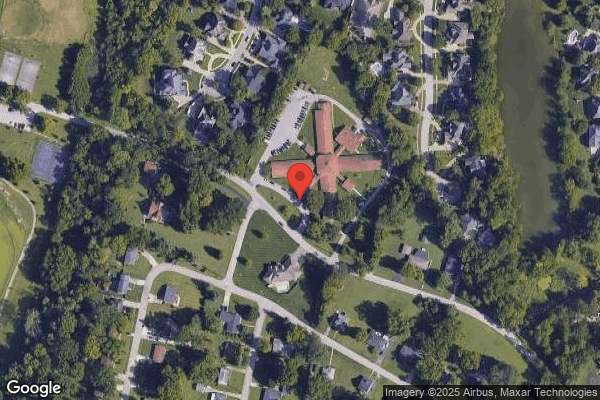
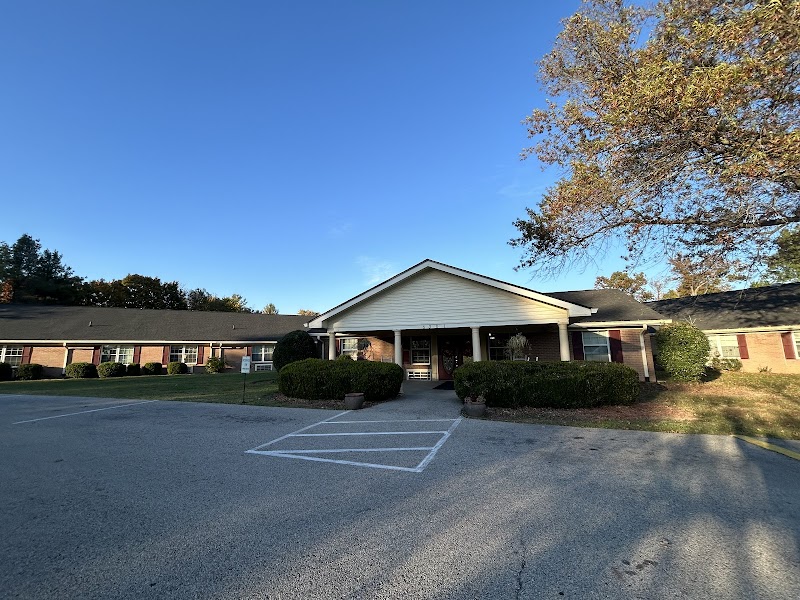
6301 BASS ROAD, PROSPECT, KY 40059 (502) 228-8359
For profit - Limited Liability company 100 Beds PRINCIPLE LONG TERM CARE Data: November 2025
Trust Grade
58/100
#180 of 266 in KY
Last Inspection: November 2024

Within standard 12-15 month inspection cycle. Federal law requires annual inspections.

Overview

Families considering Rivers Edge Nursing and Rehabilitation Center should note that it has a Trust Grade of C, which means it is average and positioned in the middle of the pack. It ranks #180 out of 266 facilities in Kentucky, placing it in the bottom half of the state, and #24 out of 38 in Jefferson County, indicating limited local options. The facility is improving, having reduced issues from 6 in 2019 to 4 in 2024, but it still has a below-average overall star rating of 2 out of 5. Staffing is a concern, with a turnover rate of 52%, which is near the state average, and while RN coverage is average, the facility has been fined $5,519, reflecting some compliance issues. Specific incidents have been reported, such as medications being stored past their expiration dates for multiple residents and food items not being properly labeled, which could affect safety and compliance with health standards.

Trust Score
C
58/100
In Kentucky
#180/266
Bottom 33%
Safety Record
Low Risk
No red flags
Inspections
Getting Better
6 → 4 violations
Staff Stability
⚠ Watch
52% turnover. Above average. Higher turnover means staff may not know residents' routines.
Penalties
✓ Good
$5,519 in fines. Lower than most Kentucky facilities. Relatively clean record.
Skilled Nurses
○ Average
Each resident gets 33 minutes of Registered Nurse (RN) attention daily — about average for Kentucky. RNs are the most trained staff who monitor for health changes.
Violations
⚠ Watch
11 deficiencies on record. Higher than average. Multiple issues found across inspections.
★★☆☆☆
2.0
Overall Rating
★★☆☆☆
2.0
Staff Levels
★★★★☆
4.0
Care Quality
★★☆☆☆
2.0
Inspection Score
Stable
2019: 6 issues
2024: 4 issues

The Good

  • 4-Star Quality Measures · Strong clinical quality outcomes
  • Full Sprinkler Coverage · Fire safety systems throughout facility
  • No fines on record

Facility shows strength in quality measures, fire safety.

The Bad

2-Star Overall Rating

Below Kentucky average (2.8)

Below average - review inspection findings carefully

Staff Turnover: 52%

Near Kentucky avg (46%)

Higher turnover may affect care consistency

Federal Fines: $5,519

Below median ($33,413)

Minor penalties assessed

Chain: PRINCIPLE LONG TERM CARE

Part of a multi-facility chain

Ask about local staffing decisions and management

The Ugly 11 deficiencies on record

Nov 2024 4 deficiencies
CONCERN (D)

Potential for Harm - no one hurt, but risky conditions existed

Deficiency F0578 (Tag F0578)

Could have caused harm · This affected 1 resident

Based on record review and interview the facility failed to provide residents and/or their representatives the right to formulate an advance directive for 1 of 9 sampled residents, R53. Record review ...

Read full inspector narrative →
Based on record review and interview the facility failed to provide residents and/or their representatives the right to formulate an advance directive for 1 of 9 sampled residents, R53. Record review revealed R53 did not have evidence of their legally appointed guardian's choice for the resident's advance directive, other than their code status. The findings include: Review of facility policy, Advanced Directives and Do Not Resuscitate (DNR) dated 08/2019 revealed the existence of any advance directive was documented in the resident's medical record by filing a copy of all directives on the chart and by making a progress note. The note should include that advance directive information was given to the resident (or the resident's representative if the resident is unable to comprehend.) Documentation of what advance directives the resident has or that they have none should be noted as well. If a resident wished to make an advance directive, they were assisted with information and with the provision of forms. Review of Resident's #53 Face Sheet revealed the facility admitted the resident on 02/28/2020 with diagnoses including bipolar disorder, dysphagia, and chronic obstructive pulmonary disease. Review of Resident's #53 Quarterly Minimum Data Set (MDS) Assessment, revealed the facility assessed the resident to have a Brief Interview for Mental Status (BIMS) score 15 of 15, indicating resident is cognitively intact. Review of Resident's #53's Comprehensive Care Plan with a revision date of 10/11/2024, revealed a focus of an established Full Code order in place with the intervention that the Advance Directive was reviewed with the resident and/or healthcare decision maker quarterly. Review of Resident's #53's Advance Directive dated 02/28/2020 revealed a signed Do Not Resuscitate (DNR) stating the resident was a Do Not Resuscitate status and an order declaring their son as appointed guardian and conservator. Review of Resident #53's medical record revealed there was no signed Advance Directive in the chart. On 11/13/2024 at 4:00 PM, the State Survey Agency (SSA) Surveyor requested documentation the facility reviewed Advance Directive materials with the resident or representative upon the resident's admission, quarterly, or thereafter. The facility failed to provide documentation. In an interview with Social Services Director (SSD) on 11/15/2024 at 9:29 AM, the SSD stated Resident #53's advance directive was a DNR on admission. The SSD stated Resident #53 went out for psychiatric treatment for a few days and returned to facility on 11/22/2021 with a request to change code status to Full Code. The change was documented as a note in the resident's chart by SSD. The note also stated the guardian agreed to change of status to Full Code. In an interview with Director of Nursing (DON) on 11/15/2024 at 2:13 PM, the DON stated the responsible staff for completing Advance Directives were Social Services and Admissions, collaboratively. Admissions was an online process with electronic forms submitted and Advance Directives were not part of the electronic process. Advance Directives were manually done by Social Services. The purpose of an Advance Directive was the resident or their Power of Attorney, (POA) or decision maker's wishes regarding the resident's code status. A potential outcome for a resident who does not have an Advance Directive was in case of an emergency, the resident was automatically a full code with full life saving measures implemented. In an interview with Administrator on 11/15/2024 at 2:38 PM, they stated the responsible staff for processing Advance Directives was Social Services and Admissions. The admission Director referred residents and family members to Social Services. The Advance Directive was uploaded to electronic medical record or placed in a hard chart. A change in code status was communicated to nursing staff or social services with additional education provided, care plan was updated, and staff reviewed during daily meeting. The purpose of an Advance Directive was to have the correct life saving measures specific to the resident's care. A potential outcome with no Advance Directive in place meant resident was a full code.
CONCERN (E)

Potential for Harm - no one hurt, but risky conditions existed

Infection Control (Tag F0880)

Could have caused harm · This affected multiple residents

Based on observation, interview and review of facility policy, the facility failed to maintain an infection prevention and control program designed to provide a safe, sanitary, and comfortable environ...

Read full inspector narrative →
Based on observation, interview and review of facility policy, the facility failed to maintain an infection prevention and control program designed to provide a safe, sanitary, and comfortable environment and to help prevent the development and transmission of communicable diseases and infections while providing wound care for 2 of 3 residents with wounds of the 23 residents sampled (Resident (R) 12 and R343). Observation of the Treatment Nurse/Licensed Practical Nurse (LPN) 1 performing wound care revealed the nurse did not perform hand hygiene after entering the residents' room before initiating wound care and did not change non-sterile gloves or perform hand hygiene after the gloves were potentially contaminated during the dressing change procedure. The findings include: Review of the facility policy, Handwashing Policy dated 04/2023 stated personnel are required to wash their hands after each direct or indirect resident contact for which handwashing is indicated by acceptable standards of practice. Ongoing review of the policy identified before and after touching wounds. Review of the facility policy, Dressings-Clean with a revision date of April 2023 stated in order to provide dressing changes with clean technique, the gloves were to be removed and the hands were to be washed after removing the old dressing before donning clean gloves and applying a clean dressing. Observation of wound care of a right buttock wound for R12 on 11/14/2024 at 9:42 AM with Treatment Nurse/LPN1 revealed the Treatment Nurse entered the room and stated I just washed my hands and proceeded don PPE that included a gown and non-sterile gloves. Treatment Nurse/LPN1 then brought the pre-set over-the-bed table to the right side of the bed. Wound care supplies were laid out a wax paper barrier and covered with wax paper. Wearing the clean non-sterile gloves, the Treatment Nurse/LPN1 removed the wax paper from the supply table and then began to remove the sheet and blanket that covered the resident. With assistance she positioned the resident onto the left side and pulled back the brief to expose the skin of the buttock. Without changing the gloves or performing hand hygiene, the treatment nurse proceeded to use a clean gauze from the supply table, moistened with saline and cleansed the wound then used a clean tongue depressor to apply a light layer of ointment to the wound bed. Then, without changing the gloves or performing hand hygiene, she covered the wound with a bordered foam dressing and positioned the resident onto the left side with a pillow support to the lower back. Observation on 11/14/2024 at 10:33 AM, revealed LPN1 performed a dressing change for R343's sacral pressure injuries. Continued observation revealed LPN1 did not wash her hands when she entered the resident's room. While wearing a pair of non-sterile gloves, LPN1 pulled back R343's covers, opened the resident's brief, and began touching his/her wounds. Additionally, LP1 take removed the paper covering the field of dressing change supplies and placed it into an empty garbage can. She then opened dressing packages with that same pair of non-sterile gloves on. LPN1 next changed her non-sterile gloves but did not perform hand hygiene between changing gloves. LPN1 took off the previous dressings, opened a tube of ointment, and applied the ointment with a tongue depressor to the open areas of the wound, all while wearing the same pair of non-sterile gloves. Furthermore, LPN1 did not perform hand hygiene when finished with the dressing change. In an interview with the Quality Assurance/Quality Improvement Nurse on 11/14/2024 at 3:55 PM they stated handwashing was done so that contamination does not occur. In an interview with the Director of Nursing (DON) on 11/14/2024 at 3:10 PM, the DON stated she expected staff to wash their hands before, during, and after wound care as well as change their gloves during wound care to reduce the potential for infection and contamination. In interview with the Administrator on 11/14/2024 at 3:25 PM, the Administrator stated it was her expectation that hand washing was performed before wound care and depending on if both hands were soiled during wound care, she would expect gloves to be clean in any aspect. The Administrator stated there could be infection control issues when providing wound care.
CONCERN (F)

Potential for Harm - no one hurt, but risky conditions existed

Deficiency F0761 (Tag F0761)

Could have caused harm · This affected most or all residents

Based on observation, interview, and review of facility policy, it was determined the facility failed to store drugs in accordance with currently accepted professional principles for one (1) of two (2...

Read full inspector narrative →
Based on observation, interview, and review of facility policy, it was determined the facility failed to store drugs in accordance with currently accepted professional principles for one (1) of two (2) medication carts audited out of a total of four (4) medication carts. Observation on 11/14/2024 at 11:45 AM, of the East Wing Medication cart revealed 17 cards of medications stored beyond the expiration date printed on the package labels for ten (10) of 20 residents (Resident (R) 60 (R60), R54, R69, R42, R61, R39, R86, R32, R36, and R65). The findings include: Review of the facility policies titled Medication Storage version 09/2020 and Medication Administration version 09/2020, were revealed no guidelines specified regarding the expiration dates of medications. Review of the Food and Drug Administration (FDA) website (fda.gov) with the current content date of 10/22/2022 revealed Drug Expiration dates reflect the time period which the product is known to be stable, which means it retains its strength, quality, and purity when it is stored according to its label conditions. Observation of the East Wing Medication Cart on 11/14/2024 at 11:45 AM revealed 17 cards of medications beyond the expiration date printed on the label affixed to the medication card. The prescribed medications to R60, R54, R42, R61, R39, R86, R65, R69, R36, and R32 included the following: R 60 - Compazine 50 mg tablets, a medication used for controlling nausea, expired 4/05/2024 with 10 tablets remaining; R54 - Zofran 4 mg tablets, a medication used for controlling nausea, expired 12/15/2023 with two (2) tablets remaining; Tylenol 325 mg tablets, a medication used to control pain and fever, expired 9/01/2024 with 10 tablets remaining; Tylenol 325 mg tablets expired 7/12/2024 with 18 tablets remaining; R69 - Tylenol 325 mg tablets expired 9/01/2024 with 16 tablets remaining; R42 - Tylenol 325 mg tablets expired 09/01/2024 with 13 tablets remaining; Tylenol 325 mg tablets expired 09/01/2024 with 26 tablets remaining; R61 - Zofran 4 mg tablets expired 6/08/2024, with six (6) tablets remaining; Tylenol 325 mg tablets expired 7/12/2024 with four (4) doses remaining; R39 - Bisacodyl 5 mg tablets, a medication used for constipation, expired 9/21/2024 with 13 tablets remaining; R86 - Tylenol 325 mg tablets expired 9/21/2024 with seven (7) tablets remaining; R65 - Tylenol 325 mg tablets expired 7/12/2024 with 10 tablets remaining; Zofran 4 mg tablets expired 5/23/2024 with 13 tablets remaining; Zofran 4 mg tablets expired 1/13/2024 with 14 tablets remaining; R36 - Tylenol 325 mg tablets expired 10/19/2024 with seven (7) tablets remaining; R32 - Tylenol 325 mg tablets expired 4/27/2024 with eight (8) tablets remaining; Tylenol 325 mg tablets expired 4/27/2024 with 10 tablets remaining. In an interview with Licensed Practical Nurse (LPN) #2 (LPN2) on 11/14/2024 at 12:30 PM, LPN2 stated each nurse was responsible to check the medication cart for expired medications. LPN2 stated that if she found an expired medication while passing medications, she would remove the medication from the cart and notify the pharmacy so a replacement would be sent. In an interview with the Unit Manager (UM) on 11/15/2024 at 10:04 AM, the UM stated the nurses are supposed to check medications daily and then monthly; and those checks were part of the facility's Quality Assurance Performance Improvement (QAPI). The UM further stated a pharmacy representative visited onsite monthly and followed staff as the nurse administered medications. The UM stated it was her expectation there were no expired medications on the medication cart. UM stated, I doubt there would have been an adverse reaction but there could have been. In an interview with the Director of Nursing (DON) on 11/15/2024 at 3:05 PM, the DON stated nurses were ultimately responsible to check the medication carts for expiration dates on medications. The DON went on to say that a liaison comes from the pharmacy monthly to observe medication pass and will audit medication carts for expiration dates, alternating carts that are checked. The DON stated there was a risk of an adverse reaction if a medication was administered past the expiration date and that it was her expectation the nurses checked the medication carts for expired medications, including PRN, unscheduled medications given as needed, medications. In an interview with the Administrator on 11/15/2024 at 3:25 PM, the Administrator stated it would be her expectation the medication carts were checked for expired medications and were removed from the cart if they were expired. She would expect nursing to contact the pharmacy for a replacement. She stated if an expired medication were administered, the pharmacy could be contacted to ask what potential negative outcome may occur then the physician would be notified to see if there would be any contraindications to them receiving an expired medication.
CONCERN (F)

Potential for Harm - no one hurt, but risky conditions existed

Food Safety (Tag F0812)

Could have caused harm · This affected most or all residents

Based on observation, interview, and review of facility policies, the facility failed to ensure staff labeled and dated food items stored in the refrigerator and food items stored in dry storage. This...

Read full inspector narrative →
Based on observation, interview, and review of facility policies, the facility failed to ensure staff labeled and dated food items stored in the refrigerator and food items stored in dry storage. This deficient practice has the potential to affect all residents who utilize the facility's dining services. The findings include: Review of the facility's policy, Food Storage, revised 01/23/2018, revealed all incoming foods will have a delivery date and an open date or use by date. When the foods are stored in a container other than the original container, the container will be labeled with the name of the product and an incoming wash and fill date. Further review revealed the first in, first out method will be used in all storage. New product will be stored behind the old product. Review of document labeled, Job Title: Dietary Aide, dated 07/2016 revealed major duties and responsibilities included to prepare food in accordance with sanitary regulations as well as our established policies and procedures; assist in inventorying, rotating, and storing incoming food, supplies, etc. as necessary; and assure that dietary procedures were followed in accordance with established policies. Review of document labeled, Job Title: Cook, dated 07/2016 revealed major duties and responsibilities included to prepare food in accordance with sanitary regulations as well as our established policies and procedures; assist in inventorying, rotating, and storing incoming food, supplies, etc. as necessary; and cover, label, date leftovers, storing properly. Review of document labeled, Food Service Manager, dated 07/2016 revealed major duties and responsibilities included to plan, develop, implement, evaluate, and direct the Dietary Department, its programs and activities (includes department policies and procedures, job descriptions, etc.); develop and maintain dietary objectives and standards; assure department personnel follow established dietary policies and procedures; inspect the dietary area and practices for compliance with current applicable regulations regularly; assume the authority, responsibility, and accountability of directing the food service department; and assure that food storage areas are clean and properly arranged. Observation of the walk-in refrigerator on 11/12/2024 at 10:20 AM revealed one opened, undated bag of sliced white onions that were soft and starting to yellow; one opened, undated plastic container of chicken salad; one opened, undated bag of sliced white cheese; one opened, uncovered, and undated bag of lunch meat; one opened, undated bag of sliced bologna; one opened, undated plastic tub of cheese spread; one opened, undated plastic tub of jelly; two opened, undated one gallon jugs of barbecue sauce; one opened, undated one gallon jug of picante sauce; one undated bag of ready to eat salad that contained brown lettuce. Observation of dry storage food items on 11/12/2024 at 10:46 AM revealed six large bags of tortilla chips with an expiration date of 08/2024; one bag of opened, unsealed, undated spaghetti noodles; one sleeve of opened, undated Ritz crackers. Further observation revealed bulk storage of flour and panko breadcrumbs in separate bins that were not completely covered due to broken lids. In an interview with the Dietary Manger during these observations, she stated it was each kitchen staff member's responsibility to ensure food items were labeled and dated when opened. The Dietary Manger stated before kitchen staff worked, they received safe care service training on food safety. She further stated unlabeled opened food should be discarded because of the potential for food borne illnesses. In an interview with Dietary Aide (DA) 1 on 11/15/2024 at 1:14 PM, she stated when food was delivered, the dietary staff member that removed it from the truck was responsible to make sure it was dated. She further stated if she found food on the shelf that was not labeled or dated, she asked other staff, but if she did not know for sure she threw it away. DA1 stated a potential outcome for a resident that consumed outdated food included sickness or infection like E. coli or salmonella. In an interview with Cook1 on 11/15/2024 at 1:27 PM he stated all dietary staff were responsible for ensuring incoming food items were labeled and dated. He further stated the staff that received the stock were primarily responsible to label and date. Cook1 stated residents could potentially become sick if food items were not properly labeled and dated. He further stated if he observed open undated food in the kitchen, it was discarded and not served to residents. In an interview with the Dietary Manger on 11/15/2024 at 1:32 PM, she stated when deliveries were received, the boxes were immediately dated and inspected for damaged items. She further stated when food items were opened, they were supposed to be dated, but sometimes staff forgot. The Dietary Manger stated if undated items were not discarded and later fed to a resident, the resident was susceptible to food poisoning. She further stated if bulk food items such as sugar or breadcrumbs were left uncovered, they were subject to contamination which was also caused sickness. In an interview with the Administrator on 11/15/2024 at 3:22 PM, she stated there were not recent or current performance improvement plans related to food storage. The Administrator stated the Dietary Manager was responsible for dietary staff's compliance about dated, covered, and discarded food items. She further stated the Dietary Manager performed a monthly kitchen quality reviewed that was discussed in Quality Assurance Performance Improvement (QAPI) meetings. The Administrator stated she was in the kitchen at least quarterly and had not observed outdated, uncovered, or unlabeled food items. Additionally, the Administrator stated it was important food items were labeled and dated so residents were not served spoiled food, but rather received quality food.
Jul 2019 6 deficiencies
CONCERN (D)

Potential for Harm - no one hurt, but risky conditions existed

Resident Rights (Tag F0550)

Could have caused harm · This affected 1 resident

Based on observation, interview, and facility policy review it was determined the facility failed to ensure resident dignity during dining. Staff were observed cleaning tables during meal service whil...

Read full inspector narrative →
Based on observation, interview, and facility policy review it was determined the facility failed to ensure resident dignity during dining. Staff were observed cleaning tables during meal service while residents were seated at the table eating. The findings include: Review of facility policy, Dignity, version July 2013, revealed residents were given care and treatment in a manner that preserved their dignity, self-esteem, and self-respect. Each resident was valued as an individual. Observation during dining service, on 07/09/19 at 12:12 PM, revealed the Dietary Manager wiped down tables while residents were seated at the table. Interview with the Manager during observation revealed he would not want the table sanitized while he ate because it was rude; however, he was told to wipe them down. He stated sanitizing the table while a resident ate could make the resident feel rushed. Observation of dining, on 07/09/19 at 12:13 PM, revealed the Interim Director of Nursing (DON) removed soiled plates and sanitized tables during the meal. Further observation, on 07/09/19 at 12:20 PM, revealed she continued to remove soiled meal trays and sanitized tables during the meal. Observation, on 07/09/19 at 12:24 PM, revealed the DON removed a soiled lunch tray and sanitized the table where Resident #71 was seated at the table, eating lunch. Interview with the Licensed Practical Nurse/Unit Manager (UM), on 7/12/19 at 5:02 PM, revealed it was not good practice to clean tables with residents seated at the table. She stated she would not want the table wiped down because it could be a problem if cleaning fluid got into the food. According to the UM, it was important to maintain a homelike environment for residents and stated residents who were unable to verbalize their needs could be bothered by the cleaning during the meal. Interview with the DON, on 07/11/19 at 10:27 AM, revealed tables should not be sanitized if a resident was still seated at the table eating because it was a dignity issue. She stated she would not want her table cleaned while she was eating because it was not sanitary or something might get in the food. Interview with the Administrator, on 07/12/19 at 6:53 PM, revealed it was possible staff cleaned isolated spots while a resident was seated at the table related to the facility's open dining procedure. The Administrator revealed she would not think it was a dignity issue and was not aware of resident concerns related to cleaning the tables during dining.
CONCERN (D)

Potential for Harm - no one hurt, but risky conditions existed

Accident Prevention (Tag F0689)

Could have caused harm · This affected 1 resident

Based on observation, interview, record review, and facility policy review it was determined the facility failed to ensure the environment was free from accident hazards on one (1) of four (4) nursing...

Read full inspector narrative →
Based on observation, interview, record review, and facility policy review it was determined the facility failed to ensure the environment was free from accident hazards on one (1) of four (4) nursing units. The North Hall housekeeping closet was unlocked and unsupervised and contained chemicals. The findings include: Review of the Healthcare Services Group Environmental Services Chemical Use/Dilution and Hazards In-service Training revealed staff must follow guidelines in order to help prevent accidents from occurring. The training revealed the door to the janitor's closet must be locked if staff left chemicals inside. Observation on the North Hall, on 07/09/19 at 10:16 AM, revealed the housekeeping closet was unlocked and unattended. Further observation with the Environmental Services Director revealed the following cleaning chemicals stored in the closet: five (5) two (2) liter bottles of HDQL10 disinfectant cleaner, ten (10) two (2) liter bottles of Halt disinfectant cleaner (including one (1) bottle with no cap), two (2) two (2) liter bottles of Tribase multi-purpose cleaner, eight (8) two (2) liter bottles of Biorenewable glass cleaner, and one (1) twelve hundred (1200) milliliter (ml) container of hand sanitizer. The disinfectant and cleaning chemicals were also stored in multiple dispensers on the wall of the closet. Review of the Super HDQL10 disinfectant Safety Data Sheet (SDS), revised 08/14/15, revealed the chemical was harmful if swallowed or with skin contact and caused severe skin burns and serious eye damage. Review of the HALT disinfectant SDS, revised 07/27/15, revealed the chemical caused severe skin burns and serious eye damage. Review of the Tribase multi-purpose cleaner SDS, revised 08/11/15, revealed the chemical caused serious eye irritation. Review of the Bioreneable glass cleaner SDS, revised 08/05/15, revealed the chemical caused eye irritation, may cause respiratory irritation if inhaled, and may be harmful if swallowed. Review of the Hand Sanitizer SDS, dated 10/15/07, revealed the chemical may cause eye irritation or upset stomach and nausea with ingestion. Interview with Housekeeping Aide #2, on 07/09/19 10:27 AM, revealed she had just returned from break and was not aware the housekeeping closet was unlocked. She stated the closet should be locked when unattended to ensure the safety of residents. Interview with Housekeeping Aide #1, on 07/11/19 at 10:55 AM, revealed the housekeeping closet should be kept locked when unattended because a resident could get in the closet and get hurt. Interview with the Licensed Practical Nurse/Unit Manager (UM), on 07/12/19 5:02 PM, revealed she performed random walk through audits of the environment and was not aware of any recent issues with unsecured housekeeping closets. The UM revealed a resident could potentially access an unlocked closet and burn their skin or ingest a chemical. Interview with the Environmental Services Director, on 07/09/19 at 10:16 AM, revealed the housekeeping closet should be closed and locked to prevent resident access to chemicals. He stated a resident could be exposed to the chemicals, which posed a risk for damage to the eye, throat, or skin, potential ingestion and/or hospitalization. The Director revealed he had not identified any concerns related to unlocked housekeeping closets. Interview with the Administrator, on 07/12/19 at 6:53 PM, revealed chemicals should always be stored, locked and supervised to keep residents safe. The Administrator revealed unsecured chemicals posed a risk for potential spills or resident access.
CONCERN (F)

Potential for Harm - no one hurt, but risky conditions existed

Deficiency F0761 (Tag F0761)

Could have caused harm · This affected most or all residents

Based on observation, interview, record review, and facility policy review, it was determined the facility failed to ensure drugs or biologicals were stored in accordance with State and Federal laws. ...

Read full inspector narrative →
Based on observation, interview, record review, and facility policy review, it was determined the facility failed to ensure drugs or biologicals were stored in accordance with State and Federal laws. Observations revealed one (1) of four (4) medication carts was unlocked and unsupervised. Additionally, observations revealed an opened and unlabled container of insulin available for use in the refrigerator in one (1) of four (4) medication refrigerators. Furthermore, record review revealed the facility failed to routinely perform glucometer testing as recommended by the manufacturer on four (4) of four (4) medication cart glucometers. The findings include: 1. Review of facility policy Medication Storage, revised 11/01/17, revealed Controlled substances were stored under double lock and the medication cart was locked at all times, when not under the direct physical supevision of a licensed nure or medication aide. Observation of the South Hall, on 07/12/19 at 1:37 PM, revealed the medication cart was unlocked and unsupervised. Continued observation revealed the South Hall medication cart remained unlocked and unattended until 1:50 PM. Interview with Licensed Practical Nurse (LPN) #1, on 07/12/19 at 4:45 PM, revealed staff locked medication carts when the cart was unattended. LPN #1 stated a locked cart provided safety to residents and anyone in the facility, and each nurse was responsible for the security of their assigned medication cart. LPN #1 stated the facility educated staff to keep medication carts locked when away from the medication cart. Interview with LPN #5, on 07/12/19 at 4:47 PM, revealed staff locked medication carts before they walked away from the medication cart. LPN #5 stated a resident or a visitor may access an unlocked medication cart and injure themselves or another resident with the medications in the medication cart. Interview with the Unit Manager (UM), on 07/12/19 at 5:02 PM, revealed staff were to keep medication carts locked anytime they were away, two (2) to three (3) steps away, from the medication cart. The UM stated anyone could remove items from an unlocked medication cart, ingest something, and a medical issue develops. The UM stated she did not conduct formal audits of medication cart security but would monitor informally when out on the unit; and the SDC educated staff on medication cart security during the initial orientation to the facility. Interview with the Interim Director of Nursing (DON), on 07/12/19 at 6:01 PM, revealed staff locked medication carts when they were away from the cart. The DON stated staff kept medication carts locked to prevent just anyone from accessing medications. She stated the facility had not identified concerns with unlocked and unsupervised medication carts. Interview with the Administrator, on 07/12/19 at 6:52 PM, revealed medication carts should be locked when unattended. She stated anyone could access medications if staff left the medication cart unlocked and unattended. The Administrator stated no previous issues with medication cart security were identified by the facility and role of the facility was to keep residents safe. 2. The facility did not provide a policy related to labeling of medication containers. Observation of the medication refrigerator, on 07/11/19 at 9:38 AM, revealed an opened, unlabled, multi-dose vial of Humalog insulin available for staff use. Interview with the Staff Development Coordinator (SDC), on 07/12/19 at 5:30 PM, revealed staff labeled and dated medication containers when initially opened. The SDC stated proper labeling ensured product was not out of date and residents received effective treatment. She stated the facility provided only verbal education to staff regarding labeling and dating of medication containers as issues arose. Interview with the Interim Director of Nursing (DON), on 07/12/19 at 6:01 PM, revealed staff labeled multi-use medication containers when first opened which then indicated when the medication should be discarded. She stated unlabeled medication could be out of date and not have the intended effect on a resident. The DON stated she was not aware of any audit tools utilized by the facility regarding labeling of medication containers. Interview with the Administrator, on 07/12/19 at 6:52 PM, revealed the facility conducted audits of medication container labeling and had not identified any concerns. 3. The facility did not provide a policy specific to quality control checks of glucose monitoring devices. Review of the Assure Platinum Blood Glucose Monitoring System Quality Assurance / Quality Control (QA/QC) Reference Manual, undated, revealed the following recommendations in Section E, to perform Quality Control: on each day of use, two controls (high & low) should be performed per instrument; each operator to perform a quality control prior to the first patient test of the day; and, quality control procedures performed at least once each day on each instrument used for resident testing. Review of the Quality Control Record for the East Unit glucose monitoring device, for April through July 11, 2019, revealed no documentation of glucose device testing recorded on 04/19/19, 05/20/19, 05/21/19, 05/22/19, 05/25/19, 07/05/19, 07/06/19, and 07/08/19. Review of the Quality Control Record for the South Unit glucose monitoring device, for April 2019 through July 11, 2019, revealed no documentation of glucose device testing recorded on 04/20/19, 05/04/19, 05/08/19, 05/26/19, 06/01/19, 06/10/19, and 07/07/19. Review of the Quality Control Record for the [NAME] Unit glucose monitoring device, for April 2019 through July 11, 2019, revealed no documentation of glucose device testing recorded on 04/14/19, 04/20/19, 05/04/19, 05/08/19, 05/26/19, 05/28/19, and 06/01/19. Review of the Quality Control Record for the North Unit glucose monitoring device, for April 2019 through July 11, 2019, revealed no documentation of glucose device testing recorded on 04/18/19, 07/02/19, 07/05/19, and 07/08/19. Interview with the SDC, on 07/12/19 at 5:30 PM, revealed the facility night shift staff conducted glucometer cleaning and testing nightly. The SDC stated if staff failed to perform glucometer testing as required, the test results could be wrong, impacting the amount of insulin administered to residents. She stated previous random audits of the glucometer test log books revealed missing entries. Interview with the Interim Director of Nursing (DON), on 07/12/19 at 6:01 PM, revealed third shift staff peformed glucometer testing nightly. She stated nightly testing occurred to insure glucometers were performing correctly and if not completed a resident's blood sugar testing results may be incorrect. Interview with the Administrator, on 07/12/19 at 6:52 PM, revealed the facility conducted glucometer testing, but not routinely, with no set time. The Administrator was unable to verbalize a consequence of not conducting glucometer testing other than the results may be incorrect.
CONCERN (F)

Potential for Harm - no one hurt, but risky conditions existed

Food Safety (Tag F0812)

Could have caused harm · This affected most or all residents

Based on observation, interview, and facility policy review it was determined the facility failed to ensure staff labeled and dated food items stored in the refrigerator and freezer. The findings incl...

Read full inspector narrative →
Based on observation, interview, and facility policy review it was determined the facility failed to ensure staff labeled and dated food items stored in the refrigerator and freezer. The findings include: Review of the policy Food Storage: Cold, revised May 2014, revealed the center insured all Time/Temperature Control for Safety (TCS), frozen and refrigerated food items, would be appropriately stored in accordance with guidelines of the USDA Food Code. The policy revealed the Food Services Director / Cook(s) insured all food items were stored properly in covered containers, labeled and dated, and arranged in a manner to prevent cross contamination. Review of the Food and Drug Administration (FDA) 2017 Food Code Chapter 3 Subpart 3-501.17 Paragraph (B) revealed except as specified in (E)-(G) of this section, refrigerated, ready-to-eat time/temperature control for safety food prepared and packaged by a food processing plant shall be clearly marked at the time the original container is opened in a food establishment and if the food is held for more than twenty-four (24) hours, to indicate the date or day by which the food shall be consumed on the premises, sold, or discarded, based on the temperature and time combinations specified in (A) of this section and: (1) The day the original container was opened in the food establishment shall be counted as Day 1; and (2) The day or date marked by the food establishment may not exceed a manufacturer's use-by date if the manufacturer determined the use-by date based on food safety. Observation of the walk-in refrigerator, on 07/09/19 at 8:45 AM, revealed one (1) two (2) pound (lb) opened, undated package of smoked turkey breast, one (1) five (5) lb opened, undated bag of shredded mozzarella cheese, one (1) unlabeled container of a jelled substance, one (1) undated bag of diced celery, and one (1) undated bag of shredded lettuce. Observation of the reach-in freezers, on 07/09/19 at 9:15 AM, revealed one (1) opened, undated bag of dinner rolls and one (1) opened, undated bag of diced chicken. Interview with the Account/Dietary Manager during observation revealed dietary staff were responsible for labeling and dating opened packages before returning the food to the refrigerator/freezer because the food could spoil and residents could get sick. Interview with Dietary Aide #2, on 07/12/19 at 10:03 AM, revealed dietary staff should label and date food when it was opened and before it was returned to the refrigerator. She revealed it was important to date opened food to ensure staff did not serve residents spoiled food. Interview with [NAME] #2, on 07/11/19 at 2:11 PM, revealed dietary staff were responsible for labeling and dating opened packages of food before staff returned the containers to the refrigerator. He stated undated, opened food could potentially spoil and make a resident ill. Further interview with the Dietary Manager, on 07/11/19 at 2:40 PM, revealed he checked the refrigerators and freezers daily to ensure food was labeled/dated. The Manager stated he had not identified any issues related to undated, opened food items until the survey. Interview with the Administrator, on 07/12/19 at 6:53 PM, revealed she audited the kitchen on July 3rd and checked for labeling of food in the walk in refrigerator. The Administrator revealed she identified one (1) issue and in-serviced the Dietary Manager.
CONCERN (F)

Potential for Harm - no one hurt, but risky conditions existed

Infection Control (Tag F0880)

Could have caused harm · This affected most or all residents

Based on observation, interview, and facility policy review, it was determined the facility failed to maintain a safe, sanitary environment for residents. Observations revealed one (1) of four (4) med...

Read full inspector narrative →
Based on observation, interview, and facility policy review, it was determined the facility failed to maintain a safe, sanitary environment for residents. Observations revealed one (1) of four (4) medication carts contained a staff member's personal drinking container. The findings include: Review of facility policy The Infection Prevention and Control Program (IPCP), revised 01/22/18, revealed the facility established and maintained an effective program providing safe, sanitary, and comfortable environment, and attempted to prevent the development and transmission of diseases and infections. Additionally, the facility would provide hand hygiene procedures for staff to follow. Observation, on 07/11/19, at 9:25 AM, revealed a sytrofoam, capped, cup of liquid, in the third drawer of the medication cart on the South Unit. Interview with Licensed Practical Nurse (LPN) #2, on 07/11/19 at 9:25AM, revealed the drink cup in the medication cart was hers. LPN #2 stated she was aware staff should not have personal food and drinks in the medication cart as it was an infection control concern and the facility had provided education regarding storing drinks in the medication cart. Interview with the Staff Development Coordinator (SDC), on 07/12/19 at 5:30 PM, revealed she provided education to facility staff on infection control practices, including keeping medication carts clean and not storing personal food in the medication carts. The SDC stated food stored in medication carts was an infection control concern, and may lead to cross contamination and infection. Interview with LPN #5, on 07/12/19 at 4:47 PM, revealed staff were not to store personal food or drinks on/in the medication cart as this was an infection control issue. LPN #5 stated the facility provided education to staff on not storing food items on the medication cart or at the nurses' station and all staff knew not to have drinks in the medication cart. Interview with the Interim Director of Nursing (DON), on 07/12/19 at 6:01 PM, revealed staff kept medication carts clean and did not store personal food or drinks in the medication carts as it was an infection control issue. She stated keeping a drink in a cart could lead to the spread of infection. The DON stated the facility has not identified issues with staff storing food or drinks in the medication carts, and provided frequent verbal education to staff on infection control practices. Interview with the Administrator, on 07/12/19 at 6:52 PM, revealed an expectation that staff follow infection control policy. The Administrator stated she had not identified issues concerning infection control.
CONCERN (F)

Potential for Harm - no one hurt, but risky conditions existed

Deficiency F0947 (Tag F0947)

Could have caused harm · This affected most or all residents

Based on interview, record review, and facility policy review it was determined the facility failed to ensure twelve (12) hours of annual in-service training was completed for one (1) of five (5) Cert...

Read full inspector narrative →
Based on interview, record review, and facility policy review it was determined the facility failed to ensure twelve (12) hours of annual in-service training was completed for one (1) of five (5) Certified Nurse Assistants (CNA), CNA #7 The findings include: Review of the policy Inservice Training, revised 09/19/11, revealed in-service education was a necessary basis for providing residents with the best possible care. Further review revealed Nursing Assistants were required to attend at least twelve (12) hours of training per year and it was the responsibility of the Staff Development Coordinator/Designee to offer training programs during all three (3) shifts for staff convenience. The policy revealed the facility would post in-service hours accumulated per quarter for each Nursing Assistant in order to keep facility and staff current with the requirement, and mandatory in-services included Care for Residents with Dementia. Review of the facility's annual In-Service Training Records revealed CNA #7 did not attend 12 hours of training per year. Interview with the Staff Development Coordinator (SDC), on 07/12/19 at 11:22 AM, revealed she was responsible for ensuring CNA's received twelve (12) hours of annual in-service education, including dementia training. She revealed she monitored the training forms to ensure staff received the annual education; however, she failed to notice that CNA #7 did not attend 12 hours of training as required. The SDC further revealed some CNA's miss training due to leave or scheduling conflicts; however, she had not followed up to ensure the training was provided when CNA's returned to work. The SDC revealed she left notes for CNA's at the nurses' station reminding the CNA's of the required training. According to the SDC, the facility could not mandate staff to attend in-service trainings. She stated it was important to educate CNA's regarding dementia care in order to provide better care for residents. Interview with the Interim Director of Nursing (DON), on 07/12/19 at 6:03 PM, revealed the SDC was responsible for providing and tracking annual CNA education to ensure the facility met the mandatory requirements. The DON revealed she was not aware any CNA's missed training on dementia care. According to the DON, training was important for staff to maintain current skills to provide better care to residents. Interview with the Administrator, on 07/12/19 at 6:53 PM, revealed the SDC reviewed training records monthly to ensure CNA education was current. She stated she recently reviewed the records and was not aware of any issues related to any missed education. The Administrator revealed staff not meeting the requirements would complete the training before they worked again.
May 2018 1 deficiency
CONCERN (F)

Potential for Harm - no one hurt, but risky conditions existed

Food Safety (Tag F0812)

Could have caused harm · This affected most or all residents

Based on observation, interview, and facility policy review, it was determined the facility failed to serve food in a sanitary manor. Observation revealed dietary staff cross contaminating foods with ...

Read full inspector narrative →
Based on observation, interview, and facility policy review, it was determined the facility failed to serve food in a sanitary manor. Observation revealed dietary staff cross contaminating foods with gloved hands during the meal service. The findings include: Review of the facility's policy, Resident Meal Service, dated August 2013, revealed plastic gloves were to be used during service and plastic gloves were to be changed when an interruption in a single task occurred. Observation of the kitchen tray line, on 05/01/18 12:09 PM, revealed [NAME] #1 touched several food utensils, his pant legs, the steam table ledge, and then touched three (3) slices of cheese, three (3) slices of bread, two (2) servings of potato chips ,and two (2) pin-wheel sandwiches. The cook did not change his gloves after he touched non-clean items and before he touched clean items, which caused cross-contamination of residents' food. Interview via telephone, on 05/02/18 at 2:11 PM, with [NAME] #1 revealed he knew not to touch clean items with gloved hands that had touched non-clean item,s without first changing his gloves and washing his hands. He stated he must have gotten busy and it, missed his mind, which caused cross-contamination. [NAME] #1 stated cross-contamination of foods could possibly make a resident ill. Interview with the Dietary Manager, on 05/02/18 4:33 PM, revealed he expected [NAME] #1 to change his gloves, wash his hands, then put on new gloves, when the [NAME] cross contaminated the food. The Dietary Manager stated it was possible a resident could get sick by cross-contamination. Interview with the Administrator, on 05/02/18 4:45 PM, revealed cross contamination of food was a facility concern, and safe food handling was the standard protocol for the facility. She stated the dietary staff had received training regarding cross-contamination and safe handling of food. Review of the [NAME] #1's file revealed he had received training from the Department of Public Health and Wellness on Sanitation for Foodservice Managers, on 02/22/18.
Understanding Severity Codes (click to expand)
Life-Threatening (Immediate Jeopardy)
J - Isolated K - Pattern L - Widespread
Actual Harm
G - Isolated H - Pattern I - Widespread
Potential for Harm
D - Isolated E - Pattern F - Widespread
No Harm (Minor)
A - Isolated B - Pattern C - Widespread

Questions to Ask on Your Visit

  • "Can I speak with families of current residents?"
  • "What's your RN coverage like on weekends and overnight?"

Our Honest Assessment

Strengths
  • • No major safety red flags. No abuse findings, life-threatening violations, or SFF status.
Concerns
  • • 11 deficiencies on record. Higher than average. Multiple issues found across inspections.
  • • Grade C (58/100). Below average facility with significant concerns.
Bottom line: Mixed indicators with Trust Score of 58/100. Visit in person and ask pointed questions.

About This Facility

What is Rivers Edge's CMS Rating?

CMS assigns RIVERS EDGE NURSING AND REHABILITATION CENTER an overall rating of 2 out of 5 stars, which is considered below average nationally. Within Kentucky, this rating places the facility higher than 0% of the state's 100 nursing homes. A rating at this level reflects concerns identified through health inspections, staffing assessments, or quality measures that families should carefully consider.

How is Rivers Edge Staffed?

CMS rates RIVERS EDGE NURSING AND REHABILITATION CENTER's staffing level at 2 out of 5 stars, which is below average compared to other nursing homes. Staff turnover is 52%, compared to the Kentucky average of 46%.

What Have Inspectors Found at Rivers Edge?

State health inspectors documented 11 deficiencies at RIVERS EDGE NURSING AND REHABILITATION CENTER during 2018 to 2024. These included: 11 with potential for harm.

Who Owns and Operates Rivers Edge?

RIVERS EDGE NURSING AND REHABILITATION CENTER is owned by a for-profit company. For-profit facilities operate as businesses with obligations to shareholders or private owners. The facility is operated by PRINCIPLE LONG TERM CARE, a chain that manages multiple nursing homes. With 100 certified beds and approximately 91 residents (about 91% occupancy), it is a mid-sized facility located in PROSPECT, Kentucky.

How Does Rivers Edge Compare to Other Kentucky Nursing Homes?

Compared to the 100 nursing homes in Kentucky, RIVERS EDGE NURSING AND REHABILITATION CENTER's overall rating (2 stars) is below the state average of 2.8, staff turnover (52%) is near the state average of 46%, and health inspection rating (2 stars) is below the national benchmark.

What Should Families Ask When Visiting Rivers Edge?

Based on this facility's data, families visiting should ask: "Can you walk me through typical staffing levels on day, evening, and night shifts?" "Can I visit during a mealtime to observe dining assistance and food quality?" "How do you handle medical emergencies, and what is your hospital transfer rate?" "Can I speak with family members of current residents about their experience?" These questions are particularly relevant given the below-average staffing rating.

Is Rivers Edge Safe?

Based on CMS inspection data, RIVERS EDGE NURSING AND REHABILITATION CENTER has a clean safety record: no substantiated abuse findings (meaning no confirmed cases of resident harm), no Immediate Jeopardy citations (the most serious violation level indicating risk of serious injury or death), and is not on the Special Focus Facility watch list (a federal program monitoring the lowest-performing 1% of nursing homes). The facility has a 2-star overall rating and ranks #100 of 100 nursing homes in Kentucky. While no facility is perfect, families should still ask about staff-to-resident ratios and recent inspection results during their visit.

Do Nurses at Rivers Edge Stick Around?

RIVERS EDGE NURSING AND REHABILITATION CENTER has a staff turnover rate of 52%, which is 6 percentage points above the Kentucky average of 46%. Moderate turnover is common in nursing homes, but families should still ask about staff tenure and how the facility maintains care continuity when employees leave.

Was Rivers Edge Ever Fined?

RIVERS EDGE NURSING AND REHABILITATION CENTER has been fined $5,519 across 1 penalty action. This is below the Kentucky average of $33,134. While any fine indicates a compliance issue, fines under $50,000 are relatively common and typically reflect isolated problems that were subsequently corrected. Families should ask what specific issues led to these fines and confirm they've been resolved.

Is Rivers Edge on Any Federal Watch List?

RIVERS EDGE NURSING AND REHABILITATION CENTER is not on any federal watch list. The most significant is the Special Focus Facility (SFF) program, which identifies the bottom 1% of nursing homes nationally based on persistent, serious quality problems. Not being on this list means the facility has avoided the pattern of deficiencies that triggers enhanced federal oversight. This is a positive indicator, though families should still review the facility's inspection history directly.