CUMBERLAND NURSING AND REHABILITATION CENTER
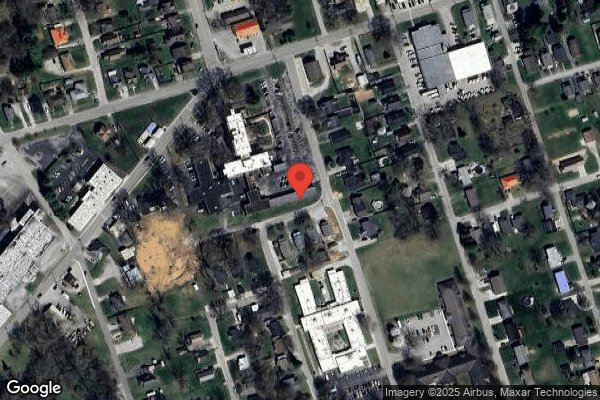
200 NORFLEET DRIVE, SOMERSET, KY 42501 (606) 678-5104
For profit - Limited Liability company 93 Beds BENJAMIN LANDA Data: November 2025 1 Immediate Jeopardy citation
Trust Grade
46/100
#156 of 266 in KY
Last Inspection: April 2025

Within standard 12-15 month inspection cycle. Federal law requires annual inspections.

Overview

Cumberland Nursing and Rehabilitation Center has a Trust Grade of D, indicating below-average performance with some concerning issues. The facility ranks #156 out of 266 in Kentucky, placing it in the bottom half of nursing homes in the state, but it is #2 out of 4 in Pulaski County, meaning only one local option is better. Unfortunately, the trend is worsening, as the number of reported issues increased from 2 in 2021 to 3 in 2025. Staffing is a relative strength, with a 3/5 star rating and a turnover rate of 33%, which is well below the state average of 46%. However, there are significant weaknesses, including less RN coverage than 79% of Kentucky facilities, and specific incidents where the staff failed to monitor a resident's critical health signs and did not maintain cleanliness in resident areas, raising concerns about safety and hygiene.

Trust Score
D
46/100
In Kentucky
#156/266
Bottom 42%
Safety Record
High Risk
Review needed
Inspections
Getting Worse
2 → 3 violations
Staff Stability
○ Average
33% turnover. Near Kentucky's 48% average. Typical for the industry.
Penalties
✓ Good
$6,991 in fines. Lower than most Kentucky facilities. Relatively clean record.
Skilled Nurses
⚠ Watch
Each resident gets only 28 minutes of Registered Nurse (RN) attention daily — below average for Kentucky. Fewer RN minutes means fewer trained eyes watching for problems.
Violations
○ Average
9 deficiencies on record. Average for a facility this size. Mostly minor or procedural issues.
★★☆☆☆
2.0
Overall Rating
★★★☆☆
3.0
Staff Levels
★★☆☆☆
2.0
Care Quality
★★☆☆☆
2.0
Inspection Score
Stable
2021: 2 issues
2025: 3 issues

The Good

  • Full Sprinkler Coverage · Fire safety systems throughout facility
  • No fines on record
  • Staff turnover below average (33%)

    15 points below Kentucky average of 48%

Facility shows strength in fire safety.

The Bad

2-Star Overall Rating

Below Kentucky average (2.8)

Below average - review inspection findings carefully

Staff Turnover: 33%

13pts below Kentucky avg (46%)

Typical for the industry

Federal Fines: $6,991

Below median ($33,413)

Minor penalties assessed

Chain: BENJAMIN LANDA

Part of a multi-facility chain

Ask about local staffing decisions and management

The Ugly 9 deficiencies on record

1 life-threatening
Apr 2025 3 deficiencies
CONCERN (D)

Potential for Harm - no one hurt, but risky conditions existed

ADL Care (Tag F0677)

Could have caused harm · This affected 1 resident

**NOTE- TERMS IN BRACKETS HAVE BEEN EDITED TO PROTECT CONFIDENTIALITY** Based on observation, interview, record review, and facility policy review, it was determined the facility failed to ensure that...

Read full inspector narrative →
**NOTE- TERMS IN BRACKETS HAVE BEEN EDITED TO PROTECT CONFIDENTIALITY** Based on observation, interview, record review, and facility policy review, it was determined the facility failed to ensure that one resident (Resident (R) 6), who was unable to carry out activities of daily living (ADLs), out of a total sample of 21 sampled residents, received the necessary services to maintain good grooming and personal hygiene. R6 failed to receive nail care as needed, and was noted with long, dirty nails on multiple occasions. The findings include: Review of the facility policy Activities of Daily Living Tasks, dated 01/012001, revealed, Any resident that has a deficit that keeps them from doing any kind of ADL's will be helped with whatever need they have. Per the policy, Nails should be observed daily and cut when appropriate. Review of the electronic medical record revealed R6 was admitted to the facility on [DATE] with diagnoses including Alzheimer's disease and cerebrovascular accident (CVA) with left-sided weakness. Review of R6's Annual Minimum Data Set (MDS) with an Assessment Reference Date (ARD) of 02/06/2025, revealed a Brief Interview for Mental Status (BIMS) score of 6/15, indicating R6 was severely cognitively impaired. Review of R6's comprehensive care plan, last revised 02/03/2025, revealed the resident will have fingernails and toenails trimmed by staff to maintain adequate personal grooming health. Observation on 04/22/2025 at 9:14AM revealed R6 was sitting in her wheelchair. The resident's nails were observed to be approximately ½ inch long with an unidentified black substance (which appeared to be grime/dirt) underneath eight out of 10 nails. On 04/22/2025 at 12:18PM, R6 was observed in the dining room, eating her lunch. R6 was eating spaghetti and garlic bread, and she was seen licking her fingernails. The resident still had a black substance present underneath eight of the 10 nails. Interview with R6's family member (FM6), on 04/22/2025 at 4:18 PM, revealed she was not happy with how her mother's nails currently looked, adding that normally the facility was good about keeping her nails trimmed and clean. In an interview with State Registered Nurse Aid (SRNA) 1 on 04/23/2025 at 9:13AM, she stated that residents' nails were examined daily and cleaned if needed. SRNA1 stated that nail care was done at the same time that residents received showers. SRNA1 added that long nails could lead to dirt or grime getting under the nail and the resident could potentially put that in their mouth, which could cause them to become sick. During this interview, SRNA1 stated she gave R6 nail care on 04/22/2025 (the prior day), before she left her shift. However, observation on 04/23/2025 at 8:42AM, revealed R6, who was in her wheelchair on the C hallway, continued to have a black unidentified substance underneath eight out of 10 nails. The resident's nails were still ½ inch long and in need of care. Review of shower sheets (where staff documented when the resident was bathed/showered) revealed that the sheets also included a place for staff to document nail care. Review of shower sheets revealed that the last nail care documented for R6 (prior to the initial observation on 04/22/2025) was 03/28/2025. In an interview with Registered Nurse (RN)1 on 04/23/2025 at 9:41AM, she stated that it was up to the SRNA's and nurses to check residents' nails daily and give them care if needed. RN1 stated that the SRNA's look at the residents when they are in the shower, and then tell the nurse if they provided nail care or they need the nurse to provide nail care to the resident. RN1 noted that it was up to the nurse to check to make sure this is getting done though. She stated it was important to cut the residents' nails because long nails can hold dirt and bacteria and could be harmful to residents. In an interview with the Director of Nursing (DON) on 04/23/2025 at 12:20PM, she stated I expect my nurses and my aides to check on residents daily and to provide them the appropriate care needed for their ADL's. She further stated, I guess I need to be more proactive and get out on the floor more. Interview with the Administrator on 04/23/2025 at 1:44 PM revealed that she expects all residents' nails to be properly trimmed and clean at all times. The Administrator stated, I expect my nurses and aides to keep all of our residents' nails clean and trimmed. We have some residents that like to put their fingers in their mouth, and this is especially important for them to not get sick. Long dirty nails are sources of bacteria. We want our residents to be as clean as possible at all times.
CONCERN (E)

Potential for Harm - no one hurt, but risky conditions existed

Deficiency F0924 (Tag F0924)

Could have caused harm · This affected multiple residents

Based on observation, interview, record review, and policy review, the facility failed to ensure that two of four corridors were equipped with firmly secured handrails on each side of the hallway. Fai...

Read full inspector narrative →
Based on observation, interview, record review, and policy review, the facility failed to ensure that two of four corridors were equipped with firmly secured handrails on each side of the hallway. Failure to have firmly secured handrails could affect residents' ability to safely ambulate down the hallways. The findings include: Review of an undated facility policy titled Resident Rights, revealed residents have a right to a safe environment. No specific policies related to maintenance or inspection of handrails were provided during the survey. Observation during a tour of the A and B Halls on 04/22/2025, initiated at 11:46 AM, revealed the following: 1. The handrail outside of resident room A7 was loose and shifted when light pressure was applied. 2. A corner joint was missing from the handrail outside of resident room A8 with a blunt end exposed. 3. The handrail outside of resident room A10 was missing screws that connected it to the support brackets, allowing the handrail to be easily moved when pressure was applied. 4. The handrail outside of resident room B2 did not have screws securing it to support brackets, allowing the handrail to be easily moved when light pressure was applied. 5. The handrail outside of resident room B3 was missing screws and easily moved when pressure was applied. 6. The handrail outside of resident room B4 had loose screws and was not securely connected to the support brackets. 7. The handrail outside of resident room B5 was loose and not securely fastened to the support brackets. Review of the logs from the facility's TELS system (used to report and track maintenance issues) revealed no evidence of reports or work orders related to handrails. In an interview on 04/24/2025 at 9:15 AM, the Assistant Director of Maintenance confirmed that the handrails noted above were loose. He stated that he was responsible for checking the handrails and did checks every time he walked up and down the halls. He further stated that he did not have any current work orders for the handrails and that he had just done a facility walkthrough with the Administrator, and they did not have any concerns with the handrails. The Assistant Director of Maintenance stated that having handrails that were loose and not securely connected to the support brackets could create a fall risk for residents. Further interview with the Assistant Director of Maintenance revealed that he was currently in charge of facility maintenance, as the previous Maintenance Director walked out after the survey was initiated. In an interview on 04/24/2025 at 9:55 AM, Restorative Nurse 1 stated that she was aware of loose handrails on the A and B halls. She added that she noticed the loose rails within the last three months. Restorative Nurse 1 further stated that residents could fall and get hurt if they tried to use a handrail because it was not securely mounted to the wall, and she should have reported the loose railing, but did not. In an interview on 04/24/2025 at 10:20AM, the Housekeeping Supervisor stated that the housekeepers clean the handrails in the facility; however, they but do not inspect them to ensure they are safely mounted to the wall, as that would be up to the maintenance department. In an interview on 04/24/2025 at 1:36 PM, the Administrator stated that it was her expectation for all staff to report any maintenance related issues to her. She stated that she was not aware of any issues with the handrail but added that the facility did not have any lists or checkoff sheets to monitor their condition. The Administrator noted that with a building as old as theirs, there was always something going on, and they had just missed the rails being loose/in poor repair. The Administrator confirmed that she and the Assistant Director of Maintenance had recently done a walkthrough of the facility together; however, she continued, they had not looked at the rails during this walkthrough. The Administrator further stated that residents could be cut or have their fingers get stuck in the handrail with the missing corner piece.
CONCERN (F)

Potential for Harm - no one hurt, but risky conditions existed

Safe Environment (Tag F0921)

Could have caused harm · This affected most or all residents

Based on observation, interview, and facility policy review, it was determined the facility failed to provide housekeeping services to ensure a clean and sanitary environment for four (Resident (R) 6,...

Read full inspector narrative →
Based on observation, interview, and facility policy review, it was determined the facility failed to provide housekeeping services to ensure a clean and sanitary environment for four (Resident (R) 6, R7, R64, and R37) of 21 sampled residents. Each of these resident rooms, as well as all four of four shower rooms used by residents, were noted to need cleaning, with a black, fuzzy-appearing substance (which had a strong odor), growing around sinks, in bathrooms, on tiles, and high moisture areas. The findings include: Review of the undated facility policy titled, Resident Rights, revealed the resident had a right to a safe, clean, comfortable and homelike environment. A policy for housekeeping titled Housekeeping Daily Duties, dated 12/2001, revealed a schedule of what housekeeping would do on each day of the week. The policy states All corners and along all baseboards must be dust mopped to prevent buildup. When water pushes dust into corners, problems occur. 1. Observation during a tour of the A, B, C, and D-Hall shower rooms on 04/23/2025 revealed that all four shower rooms had a black substance with a fuzzy-like texture, that was observed on the ceramic tile in the shower. The substance, which smelled very earthy and was potentially indicative of mold, was all over high moisture areas in the showers and bathrooms. The observations in these areas included: a. At 9:08AM, observation of the C-hall shower room revealed the black substance on the ceramic tile in the shower. In addition, a cracked piece of ceiling tile was observed to be laying over the tub with remnants/particles of tile all over the shelving, in the tub, and on the floor of the room. b. At 9:28AM, observation of the D-hall shower room revealed the black substance on the ceramic tile in the shower, as well as on the bottom of the lid of the shower chair. c. At 9:42AM, observation of the A-hall shower room revealed the black substance was on the sink of the faucet and on the ceramic tile in the shower. d. At 9:58AM, observation of the B-hall shower room revealed a bag of garbage laying in the floor of the shower. The black substance was observed in the ceramic tile in the shower. 2. On 04/22/2025 at 10:14AM, observation of R6's room revealed the black substance was growing on tiles under the sink and in the bathroom, and a strong odor was noted. Continued observation of R6's room revealed three tiles were cracked in R6's bathroom close to the base board. The overbed table was observed to have the rubber piece around the edge missing, which exposed wood that had a sharp edge on it. 3. On 04/22/2025 at 10:31AM, observation of R7's room revealed the black substance on the baseboard of the bathroom. The bathroom had a brown substance on the commode lid that appeared to be feces, which had a foul odor emitting from it. 4. On 04/22/2025 at 10:54AM, observation of R64's room revealed a black substance on the baseboards. Two tiles in the resident's bathroom were cracked. 5. On 04/22/2025 at 11:08AM, observation of R37's room revealed a black substance on the baseboards of the resident's room. Interview with the resident revealed that staff come in the room every day and clean, but the black substance remains. Interview with the Maintenance Assistant on 04/23/2025 at 11:42AM, revealed that the black substance seen throughout the facility was a housekeeping issue. In an interview with the Director of Nursing (DON) on 04/23/2025 at 12:13PM, she stated that she was unaware of any black substance on the walls or baseboards of any of the resident rooms or shower rooms. The DON further stated that if there was something like that growing on the walls and baseboards, housekeeping should notify her, and they would have someone come in and look at it and find out what it is and how to treat it. During an interview with the Housekeeping Manager on 04/23/2025 at 1:12PM, she stated, Every resident room gets a deep clean once a week and on the days we don't deep clean, we spot clean. She confirmed the multiple areas where the black, foul-smelling substance was observed, saying, I was not aware of this black substance, but I see what you are talking about. We will have to use some bleach and try to clean them up. Interview with Administrator on 04/23/2025 at 1:15PM revealed that housekeeping services were contracted out and they were supposed to be making sure that all areas were clean and sanitary. Further interview with the Administrator on 04/23/2025 at 1:44PM revealed that she relied on maintenance and housekeeping to keep the floors and shower rooms clean at all times. She stated she did not have any knowledge of a black substance growing on any surface of the facility and added that having a black substance growing in high moisture environments could be mold, which could create a bad outcome for the residents of the facility.
Jul 2021 2 deficiencies 1 IJ
CRITICAL (J)

Immediate Jeopardy (IJ) - the most serious Medicare violation

Quality of Care (Tag F0684)

Someone could have died · This affected 1 resident

**NOTE- TERMS IN BRACKETS HAVE BEEN EDITED TO PROTECT CONFIDENTIALITY** Based on interview and record review it was determined the facility failed to ensure one (1) of twenty-two (22) sampled resident...

Read full inspector narrative →
**NOTE- TERMS IN BRACKETS HAVE BEEN EDITED TO PROTECT CONFIDENTIALITY** Based on interview and record review it was determined the facility failed to ensure one (1) of twenty-two (22) sampled residents (Resident #283) received treatment and care in accordance with professional standards of practice and physician orders. The facility admitted Resident #283 to the facility with diagnoses including Diabetes and Hypertension. However, the facility failed to monitor the resident for signs/symptoms of hyperglycemia/hypoglycemia, and failed to monitor the resident's blood sugar level while the resident resided in facility. In addition, the facility failed to obtain the resident's heart rate/blood pressure as ordered by the physician on 06/18/2021, and per the facility's COVID-19 protocol. On 06/18/2021, nursing staff assessed Resident #283 to be ashy in color and cool/clammy to touch, although staff contacted the physician and sent the resident to the hospital, staff failed to obtain the resident's glucose level. On 06/27/2021, Resident #283 would not talk to staff and the facility contacted Emergency Medical Services (EMS) to transport the resident to the hospital. However, there was no evidence the facility obtained the resident's blood glucose level before transferring the resident, even though the resident was assessed to be sweaty, weak, and non-verbal. Review of EMS documentation revealed when they arrived to the facility the resident was diaphoretic (sweating), weak, and would not speak. EMS personnel obtained the resident's blood glucose level, which was 26 mg/dl, administered the resident Dextrose intravenously, and transported the resident to the hospital. Review of hospital records revealed the hospital admitted Resident #283 to the Intensive Care Unit (ICU) and diagnosed him/her with Acute Metabolic Encephalopathy secondary to Hypoglycemia. The facility's failure to ensure residents received treatment and care in accordance with professional standards of practice has caused or is likely to cause serious injury, harm, impairment or death to a resident. Immediate Jeopardy was identified on 07/16/2021 and was determined to exist on 06/17/2021 at 42 CFR 483.21 Comprehensive Person-Centered Care Plans (F655 and F657), 42 CFR 483.25 Quality of Care (F684 and F689) and 42 CFR 483.45 Pharmacy Services (F760). The facility was notified of the Immediate Jeopardy on 07/16/2021. An acceptable Allegation of Compliance was received on 07/23/2021, which alleged removal of the Immediate Jeopardy on 07/21/2021. The State Survey Agency determined the Immediate Jeopardy was removed on 07/21/2021, which lowered the scope and severity to D level at 42 CFR 483.21 Comprehensive Person-Centered Care Plans (F655 and F657), 42 CFR 483.25 Quality of Care (F684 and F689) and 42 CFR 483.45 Pharmacy Services (F760), while the facility monitors the effectiveness of systemic changes and quality assurance activities. The findings include: Review of the facility's policy titled Nursing Care of the Resident with Diabetes Mellitus, revised April 2011, revealed the purpose of the policy was to prevent recurrent hyperglycemia/hypoglycemia, to help residents control their diabetes, and to recognize, manage and document the treatment of complications commonly associated with diabetes. According to the policy complications associated with diabetes included lethargy, restlessness, weakness, pale/cool, moist skin, decreased awareness/senses and loss of consciousness. Interview with the Director of Nursing (DON), on 07/16/2021 at 3:00 PM, revealed the facility did not have a policy related to professional standards of practice. However, the DON stated staff monitored residents with Diabetes for signs/symptoms of hyperglycemia/hypoglycemia, and documented that monitoring in the resident's medical record. Continued interview with the DON, on 07/16/2021 at 3:00 PM revealed the facility did not have written policy related to specifically obtaining vital signs in the facility. However, the DON stated the facility's procedure was to obtain the resident's blood pressure, heart rate, pulse rate, temperature, oxygen saturation and lung sounds every four (4) hours for fourteen (14) days after admission or re-admission into the facility due to COVID-19 monitoring. Further interview with the DON, on 07/16/2021 at 3:00 PM revealed the facility had no written policy on following physician orders when residents returned from a Hospital or Emergency Department (ED) visit. However, the DON stated staff should always follow physician orders when providing care/treatment to residents. Review of Resident #283's medical record revealed the facility admitted the resident on 06/17/2021, with diagnoses including Myalgia, Myocardial Infarction, Hypertension, Diabetes Mellitus and Coronary Artery Disease. Review of Resident #283's admission Minimum Data Set (MDS) assessment dated [DATE], revealed the facility assessed the resident to have a brief interview for mental status (BIMS) score of fifteen (15), indicating the resident had no cognitive impairment. Review of Resident #283's admitting physician orders dated 06/17/2021, revealed staff were to administer the resident medication for the management of the resident's diabetes including Amaryl and Metformin Extended Release, both of which were medications used to treat Diabetes by lowering blood glucose levels. Although, the resident's admitting orders revealed there were no physician orders to check the resident's blood glucose level on a routine basis, on 06/18/2021 staff obtained physician orders to check Resident #283's blood glucose level every six (6) hours as needed. Further review of the resident's admission orders revealed the resident also received the medications Norvasc and Lisinopril (used to lower blood pressure), and Isosorbide Dinitrate and Toprol (used to lower blood pressure and heart rate). However, the admitting orders did not contain, and the facility did not initiate specific instructions for staff on when to obtain the resident's blood pressure and/or heart rate since the resident was taking the medications. However, per the facility's COVID-19 procedure, staff would be monitoring Resident #283's vital signs every four (4) hours for fourteen (14) days. Continued review of Resident #283's medical record revealed on 06/18/2021 at 11:52 AM, Licensed Practical Nurse (LPN) #3 documented Resident #283 was complaining of back pain. The LPN documented the resident's vital signs were blood pressure 122/68 mm (millimeters) HG (mercury) (normal range 120/80 mm HG), heart rate was 44-50 beats per minute (bpm) (normal range 60-100 bpm), respirations 16 per minute (normal range 12-16 per minute), and temperature 97.6 degrees Fahrenheit (normal 98.6 Fahrenheit). In addition, LPN #3 documented the resident was ashy in color, and the resident's skin was cool, and clammy to touch. LPN #3 contacted Resident #283's physician, who ordered staff to send the resident to the hospital for further evaluation and treatment. However, there was no evidence found to indicate that LPN #3 checked the resident's blood glucose level prior to Emergency Medical Services (EMS) transporting the resident to the hospital. Interview with Licensed Practical Nurse (LPN) #3, on 07/15/2021 at 1:20 PM, revealed she did not check the resident's glucose level on 06/18/2021 when she assessed the resident to be ashy in color and had cool/clammy skin, because she did not consider that a sign/symptom of hyperglycemia or hypoglycemia. Review of EMS documentation for Resident #283, dated 06/18/2021 at 11:41 AM, revealed the facility called and reported a lethargic patient, which needed transportation to the hospital. At 11:59 AM EMS was at the facility and assessed the resident's blood pressure to be 79/54 mm HG, heart rate was 101, and the resident's blood glucose was 300 mg/dl (normal range 70-130 mg/dl). In addition, the EMS record revealed EMS personnel administered 250 ml of normal saline intravenously (IV) in route to the hospital, to treat Resident #283's low blood pressure. Review of Resident #283's hospital record for 06/18/2021, revealed the resident's vital signs on arrival to the Emergency Department (ED) were blood pressure 93/52 mm HG, heart rate was 86 bpm, respirations were 20 per minute, and the residents body temperature was 98.0 degrees Fahrenheit. Continued review of the hospital record revealed the resident's blood glucose level was 256 when evaluated in the ED. According to the record, ED staff administered an additional two-thousand ml's of normal saline to the resident in the ED, because the resident's blood pressure continued to be low with readings of 81/51 mm HG at 1:00 PM and 94/53 mm HG at 2:01 PM. The ED record also indicated Resident #283 was transferred back to the facility on [DATE], with orders to hold the resident's blood pressure medications and to check the resident's blood pressure at least twice a day for the next 2-3 day. Further review of Resident #238's medical record, revealed Resident #238 arrived back to the facility on [DATE], and review of resident's Medication Administration Record, revealed the facility did not administer the resident Isosorbide Dinitrate, Norvasc, Lisinopril or Toprol medications on 06/19/2021 and 06/20/202. However, there was no evidence found to indicate the staff obtained the residents blood pressure at least twice daily as ordered per the ED physician. In addition, there was also no evidence staff obtained the resident's vital signs every four (4) hours as required by the facility's procedure for new/re-admitted resident's per the facility's COVID-19 protocol. Continued review of Resident #283's record revealed the facility only obtained the resident's blood pressure four (4) times during the next (3) days. On 06/19/2021 at 1:32 AM, the staff obtained and documented the resident's blood pressure as 122/60 mm HG. On 06/20/2021 at 2:37 AM, staff obtained the resident's blood pressure and documented it was 126/80 mm HG; and twice on 06/21/2021 at 4:06 AM and at 11:51 PM staff obtained the resident's blood pressure and documented it was 124/79 on both occasions. In addition, review of Resident #283's medical record reveled no evidence that staff ever obtained or documented the resident's blood pressure, heart rate, pulse rate, temperature, oxygen saturation and lung sounds every four (4) hours as required per the facility's COVID-19 procedure. Continued review of Resident #283's medical record revealed for 06/27/2021 at 9:15 AM, revealed LPN #3 documented the resident would not speak to staff and the resident's skin was pink, warm and dry to the touch. The staff notified Resident #283's physician who ordered staff to transport the resident to the hospital for further evaluation and treatment. However, there was no evidence in the resident's medical record to indicate that staff checked the resident's glucose level when the resident was not responsive to staff. Interview with Licensed Practical Nurse (LPN) #3, on 07/15/2021 at 1:20 PM, revealed she did not check the resident's glucose level on 06/27/2021 when she assessed the resident to be non-verbal, because she did not consider that a sign/symptom of hyperglycemia/hypoglycemia. Review of EMS documentation for Resident #283, dated for 06/27/2021, revealed they arrived to the facility and was at the resident's bedside at 10:03 AM. EMS noted the resident was diaphoretic (sweating), weak, and would not speak. Further review of EMS documentation, revealed facility staff told EMS personnel they thought the resident was acting out because he/she wanted to go home. However, at 10:14 AM, EMS personnel obtained the resident's blood glucose level, which was 26 mg/dl. According to the EMS record, they administered 100 ml's of normal saline fluid and 25 grams of Dextrose 50% to treat Resident #283's critically low blood glucose level. Review of Resident #283's hospital record, dated 06/27/2021, revealed the resident presented with a chief complaint of hypoglycemia. According to the hospital record, EMS personnel had administered the resident one (1) ampule of Dextrose 50 before the resident arrived to the hospital. Continued review of the record revealed the ED physician determined the resident had acute Metabolic Encephalopathy secondary to Hypoglycemia. In addition, the hospital record revealed the resident's blood glucose level continued to drop to abnormally low levels after arrival and the resident required an intravenous dextrose drip (used to increase blood glucose levels) and was admitted to the Intensive Care Unit (ICU). Further interview with LPN #3 on 07/15/2021 at 1:20 PM, revealed she admitted Resident #283 on 06/17/2021. However, the LPN acknowledged she had not placed the monitoring of the resident's vital signs every four (4) hours as required by the facility's procedure on the resident's Medication Administration Record (MAR), or the resident's Treatment Administration Record (TAR) or any other place in the resident's record to ensure staff obtained the vital signs as required. In addition, LPN #3 stated she also failed to document on the resident's MARS/TARS for staff to monitor the resident for signs/symptoms of hypoglycemia/hyperglycemia since the resident was a diabetic. In addition, LPN #3 stated she also should have documented on the resident's MARS/TARS to obtain the resident's vital signs every four (4) hours per the facility's COVID-19 protocol. LPN #2 stated the nurses were responsible to ensure they obtained and documented resident vital signs, but would not say why she had not included the blood glucose and vital sign monitoring on Resident # 283's MARS/TARS. Interview with Minimum Data Set (MDS) Assessment Nurse #2, on 07/16/2021 at 4:00 PM, revealed staff who admitted the resident to the facility was responsible to implement diabetic monitoring and COVID-19 vital sign monitoring for new admissions on the resident's MAR/TAR. The MDS nurse stated she was not sure why this was not done for Resident #283. Interview with the facility's Pharmacist on 07/16/2021 at 4:25 PM, revealed she expected staff to obtain physician orders to monitor diabetic resident's glucose levels routinely, especially if the resident was a new admission and was receiving a hypoglycemic medication. The Pharmacist also stated it was a standard of practice to obtain a resident's blood pressure/heart rate before administering any medication that may increase or decrease the rates, stating, even if it's just one medication, especially when the resident was new to the facility and staff were not familiar with the resident. Interview with Physician #1, on 07/15/2021 at 3:00 PM, revealed he was the resident's physician at the facility, but was not familiar with the resident prior to being admitted to the facility. The physician stated he would have expected staff to monitor any newly admitted diabetic resident's blood glucose levels at least twice daily to see how the resident's blood sugar ran, especially when medications were administered which would affect blood glucose levels. In addition, the physician stated staff should monitor vital signs per the facility's COVID-19 processes and obtain the resident's heart rate/blood pressure before administering medications that would affect the resident's heart rate/blood pressure, especially if the resident was new to the facility. Continued interview with the Director of Nursing (DON), on 07/16/2021 at 3:00 PM, revealed staff should have obtained Resident #283's vital signs every four hours as outlined in the facility COVID-19 process, and staff should have followed directions given by the ED physician on 06/18/2021. She also stated staff should have implemented diabetic monitoring on Resident 3283's MAR/TAR, which included assessing the resident for signs/symptoms of hyperglycemia/hypoglycemia. The DON also stated the nurse should have obtained Resident #283's blood glucose anytime the resident displayed signs/symptoms of hypoglycemia/hyperglycemia. However, the DON acknowledged the staff had not received training related to specific care or treatment of diabetic residents. In addition, the DON stated staff should obtain a resident's blood pressure and/or heart rate when administering medications that lower or increase the heart rate or blood pressure. Interview with the Administrator, on 07/16/2021 at 4:55 PM, revealed staff should have been assessing Resident #283's vital signs as directed in the facility COVID-19 process. She also stated she would have expected staff to assess the resident's blood glucose levels and would have expected them to obtain vital signs before administering medications that affect their heart rate/blood pressure. The Administrator also stated staff should follow acceptable standards of practice when providing care to residents in the facility. **The facility implemented the following actions to remove the Immediate Jeopardy on 07/21/2021: 1. The facility discharged Resident #283 to the hospital on [DATE]. The resident has not returned to the facility 2. The Social Services Director (SSD) and Minimum Data Set (MDS) Nurse completed an audit on 07/15/2021 to review the past 30 days of new admissions to ensure the baseline care plan included an accurate summary of the resident's medications. The facility gave the resident/representative a summary of the baseline care plan. 3. The [NAME] President (VP) of Operations and the Regional Quality Manager (RQM) educated the Administrator and Director of Nursing on 07/17/2021 regarding the regulatory intent of F-655. Specific training included instruction that the facility must develop and implement a baseline care plan for each resident that included instructions needed to provide effective and person- centered care of the residents that meet professional standards of care. The baseline care plan must be developed within 48 hours of a resident's admission; include the minimum healthcare information necessary to care for a resident properly, but not limited to initial goals based on admission orders, physician orders, dietary orders, therapy services and social services recommendations. The training also included the fact that the facility must provide the resident/representative with a summary of the baseline care plan that includes, but not limited to the initial goals of the resident, summary of the resident's medications and dietary instructions, and any services or treatments the facility would administer. 4. On 07/17/2021, the Director of Nursing (DON) provided education to the Wound Nurse, Nurse Unit Managers, Education Training Director and MDS nurses on base line care plans including the above information. A post-test with a score of one-hundred percent was required. 5. On 07/19/2021, the Wound Nurse, Nurse Unit Managers, Education Training Director and MDS nurses educated all other licensed nurses, including agency nurses, on the facility's baseline care plans procedures above. A post-test with a score of one-hundred percent was required. 6. Any new licensed nurses, including agency, hired would receive the baseline care plan training prior to providing care and assuming duties. 7. Beginning 07/17/2021, the DON and Nurse Unit Manager reviewed all new admissions to validate that the baseline care plan included an accurate summary of the resident's reconciled medications, and ensure the facility provided the resident/representative with a summary. The DON and Nurse Unit Manager corrected any issues at time of discovery. This would continue for a minimum of 8 weeks. A licensed nurse and/or MDS nurse would review with the resident/responsible party the baseline care plan within 48 hours of admission. A post-test with a score of 100% was required. The baseline care plan remains a working document until the comprehensive care plan was developed. 8. The facility discharged Resident #75 home on [DATE]. 9. On 7/17/2021, the MDS staff completed an audit to verify residents identified at risk for elopement had wander guard bracelets in place and the care plan was accurate with updated information reflecting the resident's status. 10. On 07/17/2021, the VP of Operations and Regional Quality Manager provided education to the Administrator and Director of Nursing regarding the regulatory intent of F-657. Specific education included staff must complete a comprehensive care plan within seven days after completion of the comprehensive assessment. The training also included that the interdisciplinary team (IDT) would prepare the care plan, review and revise after each assessment, including both the comprehensive and quarterly assessments, and as needed. Examples include but were not limited to the need to revise a care plan when a resident presented with exit seeking behavior, or the exit seeking behavior increases. 11. The DON then provided the above education regarding care plans and F-657 to the RN Wound Nurse, Nurse Unit Managers, the RN Education Training Director and MDS staff on 07/17/2021. A post-test with a score of one-hundred percent was required. 12. On 07/19/2021, the RN Wound Nurse, Nurse Unit Managers, the RN Education Training Director or the MDS staff provided the training to the facility's licensed nurses, including agency. A post-test with a score of one-hundred percent was required. 13. Any new licensed nurse, including agency, hired would receive the comprehensive care plan training prior to providing care and assuming duties. 14. Beginning 07/17/2021, the Director of Nursing, Unit Manager, or assigned on-call weekend nurse that served as clinical nurse manager would audit and visually inspect all resident's determined to at risk for elopement to verify the resident has a wander guard bracelet in place and it was functioning. In addition, they would verify the resident's care plan was updated and accurate to reflect the resident's status. Staff would correct any identified issues at the time of discovery. This would continue for a minimum of eight weeks. 15. Beginning 7/17/2021 and ongoing, the Director of Nursing, RN Wound Nurse and/or assigned Unit Manager would review the twenty-four hour report and nurses notes for the prior day. They would identify any instance of exit seeking behavior and validate the staff have assessed the resident and that staff had updated the care plan accordingly. Staff would correct any issues at time of discovery. The on-call nurse who served as a clinical nurse manager would do this on weekends. On Mondays, staff reviewed the information for the prior seventy-two hours as a second layer of review. 16. Resident #283 discharged to the hospital on 6/27/2021, and has not returned to the facility at this time. 17. On 7/16/2021, the Director of Nursing audited each resident's medical record to ensure staff documented resident vital signs, including blood sugar and blood pressure in the record as ordered or per policy. They identified no additional concerns for additional resident assessment. 18. On 07/17/2021, the VP of Operations and Regional Quality Manager educated the Administrator and Director of Nursing regarding the regulatory intent of F-684. Including the fundamental principle that quality of Care applied to all treatment and care provided to facility residents. Based on the comprehensive assessment of a resident, the facility must ensure the residents received treatment and care in accordance with professional standards of practice, the comprehensive person-centered care plan, and the residents' choices. Included in Quality of Care, but were not limited to monitoring blood sugar as ordered or as indicated with signs/symptoms of hypo/hyperglycemia which may include, but not limited to excess sweating, excess hunger, shakiness, increased thirst, weakness, dry mouth; obtaining vital signs as required by facility protocol and/or physician orders. This would include routine orders indicated by resident physical status and/or the need to obtain with a change in condition. 19. On 07/17/2021, the Administrator and Director of Nursing provided the education to the RN Wound Nurse, Nurse Unit Managers, RN Education Training Director and MDS staff regarding F-684. A post-test with a score of one-hundred percent was required. 20. On 07/19/2021, the RN Wound Nurse, Nurse Unit Managers, RN Education Training Director or MDS staff provided the above education related to F-684 to facility-licensed nurses,including agency. A post-test with a score of one-hundred percent was required. 21. Any new licensed nurse hire, including agency, would receive this education related to F-684 prior to assuming duties. 22. Beginning 7/17/2021, the Director of Nursing, MDS staff , RN Wound Nurse and/or the assigned Unit Manager reviewed each resident's medical record to ensure that vital signs,including blood sugar and blood pressure, were documented in the record as ordered or per policy. This would include routine orders indicated by resident physical status and/or the need to obtain with a change in condition. Staff would correct and identified issues at the time of discovery. This process would continue daily while the facility remains in immediate jeopardy. 23. Beginning 07/17/2021 and ongoing, the Director of Nursing, RN Wound Nurse and/or assigned Unit Manager would review the twenty-four hour report and nurses notes for the prior day. They would identify any instance of a change in resident condition that would warrant obtaining blood sugar or additional vital signs, and validate this/these were obtained. Staff would correct any issues at time of discovery. The on-call nurse who served as a clinical nurse manager completed on the weekends. On Mondays, staff reviewed the information for the prior seventy-two hours as a second layer of review. 24. On 07/16/2021, the Administrator and Maintenance Director completed an audit to assess all facility exit doors for proper functioning/alarming. They identified no additional doors as having function issues. 25. On 7/16/2021, the Maintenance Director and Assistant adjusted C-Wing exit door magnet lock to ensure alarming during fifteen second egress, and re-set the key code to the physical therapy exit door to work without issue with the wander guard sensor. 26. The contracted service vendor completed a general inspection/service, on 7/20/2021, of facility doors. They identified no concerns. 27. On 07/17/2021, the VP of Operations and RQM educated the Administrator and DON regarding the regulatory intent of F-689. Specifically the facility must ensure the resident environment remained as free of accident hazards as possible; each resident received adequate supervision and assistance devices to prevent accidents. This included identifying hazards and risks; evaluating and analyzing hazards and risks; implementing interventions to reduce hazards and risks; and monitoring for effectiveness and modifying interventions when necessary. Example included, but not limited to identifying the supervision needs of a resident identified as an elopement risk; maintaining and/or modify interventions if supervision needs was still required; revising the care plan with interventions to monitor the resident; assessment of exit doors for proper functioning/alarming. 28. On 07/17/2021, the Administrator and Director of Nursing provided the education to the RN Wound Nurse, Nurse Unit Managers, RN Education Training Director and MDS staff regarding F-689. A post-test with a score of one-hundred percent was required. 29. On 07/19/2021, the RN Wound Nurse, Nurse Unit Managers, RN Education Training Director or MDS staff provided the above education related to F-689 to facility-licensed nurses, including agency. A post-test with a score of one-hundred percent was required. 30. Any new licensed nurse hire, including agency, would receive this education related to F-689 prior to assuming duties. 31. On 07/17/2021, the Administrator educated the Maintenance staff to check door alarms twice daily to ensure doors are alarming when opened. This included checking the emergency egress and validating the alarm sounds upon door release, utilizing a wander guard sensor for applicable doors to ensure the magnetic lock responds to lock the door, and inputting the door code to ensure the alarm sounds when the wander guard sensor passes the doorway. Staff would complete this daily while the facility remains in immediate jeopardy. 32. On 07/17/2021, the VP of Operations and Regional Quality Manager educated the Administrator and Director of Nursing regarding the regulatory intent of F-760 specifically the facility must ensure residents were free of any significant medication errors. The errors may include issues with the prescriber's order; manufacturer's specifications regarding preparation and administration; accepted professional standards and principles that apply to professionals providing services. Examples to prevent medication errors includes, but not limited to validating medication lists received for residents from home health agencies etc. with family/responsible party to ensure accuracy; reconciling medication lists received for residents and reviewing with physician for administration orders. 33. On 07/17/2021, the Administrator and Director of Nursing provided the education to the RN Wound Nurse, Nurse Unit Managers, RN Education Training Director and MDS staff regarding F-760. A post-test with a score of one-hundred percent was required. 34. On 07/19/2021, the RN Wound Nurse, Nurse Unit Managers, RN Education Training Director or MDS staff provided the above education related to F760 to facility-licensed nurses, including agency. A post-test with a score of one hundred percent was required. 35. Any new licensed nurse hire (including agency) would receive this education related to F-760 prior to assuming duties. 36. The facility held an ad hoc Quality Assurance Process Improvement (QAPI) meeting on 07/16/2021 to review the Immediate Jeopardy citations and discuss the development of the action items to be completed. This meeting included the Administrator, Director of Nursing, Unit Managers, MDS staff, Staff Development, Wound Nurse, Business Office Manager, Business Office Assistant, Admissions, Social Services, Activity Director, Maintenance, Housekeeping/Laundry and the Medical Director per phone. The team adopted the plan. 37. The facility held a second ad hoc QAPI meeting on held 07/20/2021 to review the status of education and audits. This meeting included the Administrator, Director of Nursing, Unit Managers, MDS staff, Staff Development, Wound Nurse, Business Office Manager, Business Office Assistant, Social Services, Activity Director, Maintenance, Housekeeping/Laundry and the Medical Director via phone. **The State Survey Agency validated the removal of Immediate Jeopardy on 07/21/2021 as follows: 1. Review of a discharge form dated 06/27/2021 revealed the facility discharged Resident #283 from the facility. Interview conducted on 07/30/2021 at 12:27 PM with the DON, revealed the facility discharged Resident #283 from the facility on 06/27/2021. 2. Review of audits dated 07/15/2021, revealed the Social Worker (SW) and MDS Nurse #1 reviewed all new admissions in the past thirty days to ensure the baseline care plan included an accurate summary of the resident's medications, and with a summary provided to the resident and/or resident representative. Interviews conducted on 07/29/2021 at 2:15 PM with MDS #1, and at 2:35 PM with the SW, revealed they had completed the audits on 07/15/2021, for all new admissions in the past thirty days. Review of audits dated 07/15/2021, revealed the Social Worker (SW) and MDS Nurse #1 reviewed all new admissions in the past thirty days to ensure the baseline care plan included an accurate summary of the resident's medications, and with a summary provided to the resident and/or resident representative. 3. Review of an in-service roster dated 07/17/2021, revealed the [NAME] President of Operations (VPO) and RQM provided an in-service for the DON and Administrator related to the development and implementation of a baseline care plan for each resident. [TRUNCATED]
CONCERN (D)

Potential for Harm - no one hurt, but risky conditions existed

Comprehensive Assessments (Tag F0636)

Could have caused harm · This affected 1 resident

Based on interview and record review, it was determined the facility failed to conduct a comprehensive annual assessment within the required timeframe for one (1) of twenty-two (22) sampled residents ...

Read full inspector narrative →
Based on interview and record review, it was determined the facility failed to conduct a comprehensive annual assessment within the required timeframe for one (1) of twenty-two (22) sampled residents (Resident #1). A review of Resident #1's Minimum Date Set (MDS) assessments revealed the resident had not had an annual assessment completed in March 2021, as required. The findings include: Interview with the Director of Nursing (DON), on 07/16/2021 at 2:58 PM, revealed the facility did not have a policy for completing the Minimum Data Set (MDS) assessments, but stated the facility followed the Resident Assessment Instrument (RAI) process to complete the assessments. A review of the Long-Term Care Facility Resident Assessment Instrument version 3.0 User's Manual, revealed the annual assessment was a comprehensive assessment for a resident that the facility must complete on an annual basis. Review of Resident #1's medical record revealed the facility admitted the resident on 06/07/2020, with diagnoses including Multiple Sclerosis, Bladder Disorders, Atrial Fibrillation, and Esophageal Reflux Disease. A review of Resident #1's MDS last annual assessment revealed the facility had completed it on 03/29/2020, and the facility had completed no further assessments for the resident. Interview with MDS Nurse #1, on 07/15/2021 at 03:24 PM, revealed she should have completed the annual MDS assessment for Resident #1 in March 2021, but had missed completing the assessment. The MDS nurse stated she completed a missing assessment report monthly, and did not know how she had overlooked completing the resident's assessment. The MDS nurse stated it was important to complete the reports timely to ensure the resident receives appropriate care and services. Interview with the Director of Nursing (DON), on 07/16/2021 at 2:58 PM, revealed the DON monitored the completion of the MDS assessments by completing audits to ensure the assessments were completed timely. However, the DON stated she had not identified that Resident #1's Annual MDS assessments was more than three months late. According to the DON, if staff did not complete MDS assessments timely, it could result in a change of condition being missed resulting in a care plan not being developed or revised with interventions to address any potential problems. Interview with the Administrator, on 07/16/2021 at 4:55 PM, revealed she relied on the MDS staff and the DON to complete and monitor MDS assessments in the facility.
Jul 2019 4 deficiencies
CONCERN (D)

Potential for Harm - no one hurt, but risky conditions existed

Safe Environment (Tag F0584)

Could have caused harm · This affected 1 resident

Based on observation and interview, it was determined that the facility failed to maintain a safe, clean, homelike environment for residents who utilized one (1) of seven (7) bathrooms on the A Hall. ...

Read full inspector narrative →
Based on observation and interview, it was determined that the facility failed to maintain a safe, clean, homelike environment for residents who utilized one (1) of seven (7) bathrooms on the A Hall. Observation on 07/17/19 and 07/18/19, revealed a bedpan, fracture bedpan, and an emesis basin were lying on the bathroom floor in the bathroom for rooms A1 and A3. The items were being stored in a stack, uncovered, and not labeled with a resident name. The findings include: An interview with the Director of Nursing (DON) on 07/19/19 at 9:00 AM, revealed the facility did not have a policy for storage of reusable resident equipment such as bedpans and basins. However, an interview with the Wound Care/Infection Control Nurse on 07/19/19 at 2:11 PM, revealed reusable resident supplies should be stored in plastic bags and labeled with the resident's name. Observation of the bathroom located between resident rooms A1 and A3 on 07/17/19 at 11:07 AM, revealed a bedpan with a fracture bedpan and an emesis basin placed inside it, lying on the floor beside the toilet. The items were not in a plastic bag, nor were they labeled with a resident's name. Observation of the same bathroom on 07/18/19 at 2:04 PM, revealed the bedpan, fracture bedpan, and emesis basin were still lying on the floor beside the toilet. The items were not stored in a plastic bag or labeled. Interview with State Registered Nurse Aides #1 and #2 on 07/19/19 at 2:05 PM, and with Registered Nurse (RN) #1 on 07/19/19 at 2:07 PM, revealed items such as bedpans and basins were required to be placed in a plastic bag and labeled with the resident's name. The staff stated the items should then be stored either in the bathroom or in the resident's closet. Interview with the Housekeeping Supervisor on 07/19/19 at 2:04 PM, revealed if she found a bedpan or basin on the floor, not in a plastic bag or labeled, she would place it in the trash. She stated these items were required to be stored in a plastic bag and labeled. Interview with the Admissions Coordinator on 07/19/19 at 2:49 PM, revealed department heads were assigned to monitor certain residents and resident rooms daily to ensure the residents' needs were met. According to the Coordinator, staff should also monitor residents' bathrooms. She stated she was assigned to monitor rooms A1 and A3; however, she stated she did not go into the bathroom because none of the residents in either room used that bathroom. She stated she was aware that items such as a bedpan and a basin were supposed to be labeled and stored in a plastic bag to maintain infection control. Interview with the Wound Care/Infection Control Nurse on 07/19/19 at 2:11 PM, revealed department heads should monitor for infection control issues during their daily observations.
CONCERN (D)

Potential for Harm - no one hurt, but risky conditions existed

Incontinence Care (Tag F0690)

Could have caused harm · This affected 1 resident

**NOTE- TERMS IN BRACKETS HAVE BEEN EDITED TO PROTECT CONFIDENTIALITY** Based on observation, interview, and record review, it was determined that the facility failed to provide treatment and services...

Read full inspector narrative →
**NOTE- TERMS IN BRACKETS HAVE BEEN EDITED TO PROTECT CONFIDENTIALITY** Based on observation, interview, and record review, it was determined that the facility failed to provide treatment and services to prevent urinary tract infection for one (1) of nineteen (19) sampled residents (Resident #66). Observations on 7/16/19 and 7/17/19 revealed Resident #66's catheter bag was touching and/or dragging the floor while hanging beneath the resident's wheelchair. The findings include: The Administrator stated on 07/18/19 at 1:04 PM, that the facility did not have a policy regarding indwelling urinary catheter care. However, interview with the Director of Nursing (DON) on 07/18/19 at 3:18 PM, revealed her expectation was that a urinary catheter drainage bag should not touch the floor. Review of Resident #66's medical record revealed the facility admitted the resident on 06/14/18 with diagnoses of Hypertension, Benign Prostatic Hypertrophy with Lower Urinary Tract Symptoms, Thrombocytopenia, Spinal Stenosis, and Difficulty Walking. Review of Resident #66's quarterly Minimum Data Set (MDS) assessment dated [DATE] revealed the resident had a Brief Interview for Mental Status (BIMS) score of thirteen (13), which indicated the resident was cognitively intact. Further review of the MDS revealed the resident had an indwelling urinary catheter. Review of Resident #66's Comprehensive Care Plan dated 09/12/18 revealed the resident had a urinary catheter to a bedside drainage bag due to urinary obstruction. According to the care plan, Resident #66 was at risk for infection related to the catheter. Observation of Resident #66 on 07/16/19 at 11:30 AM and on 07/17/19 at 11:04 AM revealed the resident was in a wheelchair. The resident's urinary catheter drainage bag was observed attached to the resident's wheelchair, but was dragging the floor. Interview with State Registered Nurse Aide (SRNA) #2 on 07/19/19 at 10:42 AM, revealed the catheter bag should not be touching the floor. Interview with the Infection Control Nurse on 07/18/19 at 1:35 PM, revealed she educated staff that a urinary catheter drainage bag should always be positioned to allow for gravity drainage and should not be touching the floor. She stated she monitored to ensure infection control practices were being followed, but had not had the opportunity to monitor some of the employees who had been employed at the facility for a long period of time.
CONCERN (D)

Potential for Harm - no one hurt, but risky conditions existed

Tube Feeding (Tag F0693)

Could have caused harm · This affected 1 resident

**NOTE- TERMS IN BRACKETS HAVE BEEN EDITED TO PROTECT CONFIDENTIALITY** Based on observation, record review, and interview, it was determined that the facility failed to ensure that the administration...

Read full inspector narrative →
**NOTE- TERMS IN BRACKETS HAVE BEEN EDITED TO PROTECT CONFIDENTIALITY** Based on observation, record review, and interview, it was determined that the facility failed to ensure that the administration of enteral nutrition was consistent with physician orders for one (1) of nineteen (19) sampled residents (Resident #187). Resident #187 had a physician's order to increase tube feeding by 10 cubic centimeters (cc) every 72 hours until 65 cc per hour were being administered. However, observation and record review revealed the facility failed to increase the resident's tube feeding as ordered. The findings include: Interview with the Director of Nursing on 07/18/19 at 3:20 PM revealed the facility did not have a policy for tube feedings. Review of Resident #187's medical record revealed the facility admitted the resident on 06/27/19 and discharged the resident to an acute hospital on [DATE]. The resident had diagnoses that included Debility, Cardiorespiratory conditions, Dysphagia, Anemia, Hypertension, Urinary Tract Infection, Parkinson's disease, Healed Traumatic Fracture, Chronic Kidney Disease, Depression, and Anxiety. Review of Resident #187's admission Minimum Data Set (MDS) assessment dated [DATE] revealed the resident had a Brief Interview for Mental Status (BIMS) score of two (2), indicating the resident had severe cognitive impairment. According to the MDS, Resident #187's admission weight was 121 pounds. Review of Resident #187's physician orders dated 07/09/19 revealed Resident #187 had a gastric feeding tube placed during the hospital stay and the resident had discharge instructions for Jevity tube feeding at 20 cc per hour, and to increase the tube feeding by 10 cc per hour every 72 hours until reaching a goal rate of 65 cc per hour. However, observation of Resident #187 on 07/16/19 at 2:11 PM, seven days after readmission to the facility, revealed the resident was receiving Jevity tube feeding at 30 cc per hour, not 40 cc per hour if the tube feeding had been increased per physician's order. Review of Resident #187's Medication Administration Record (MAR) revealed staff documented that Resident #187 was receiving Jevity tube feeding as ordered by placing a check mark on the resident's MAR each shift. However, review of Resident #187's Intake Roster for 07/15/19 and 07/16/19 revealed the resident received 240 cc of tube feeding, not 960 cc (320 cc per shift) if the tube feeding had been administered per physician's orders. Review of Resident #187's weight record revealed the resident weighed 121 pounds on 06/27/19, when the resident was admitted to the facility. When the resident returned from the hospital on [DATE], the resident weighed 118.4 pounds. Further review revealed on 07/18/19, the resident had gained weight and weighed 120.6 pounds. Interview with Licensed Practical Nurse (LPN) #1 on 07/18/19 at 2:56 PM revealed he/she believed the resident had been receiving tube feedings without problems. According to the interview, staff were required to check the tube feeding pump to ensure the resident received the required amount of tube feeding for the shift and to document the amount the resident received. Interview with the Unit Coordinator on 07/18/19 at 3:00 PM revealed staff were expected to document the amount of tube feeding a resident received at the end of each shift. Further interview revealed staff were required to document on the Medication Administration Record (MAR) that the resident was receiving the tube feeding as ordered.
CONCERN (E)

Potential for Harm - no one hurt, but risky conditions existed

Room Equipment (Tag F0908)

Could have caused harm · This affected multiple residents

Based on observations, interview, and review of facility policy, it was determined the facility failed to ensure all mechanical equipment was in safe operating condition. Observation in the dish room ...

Read full inspector narrative →
Based on observations, interview, and review of facility policy, it was determined the facility failed to ensure all mechanical equipment was in safe operating condition. Observation in the dish room revealed a pan underneath the dishwasher sink was full of water. Interviews revealed during the night when the kitchen was closed water overflowed into the kitchen and storage room. The findings include: Review of the facility Equipment policy, revised September 2017, revealed all food service equipment would be clean, sanitary, and in proper working condition. Observation at 3:20 PM on 07/18/19 revealed a large plastic pan sitting on the floor underneath the sink that was connected to the dishwasher. The pan contained two to three gallons of water. The water was coming from a constant leak from a copper fitting underneath the scrapping sink that was connected to the dishwasher. Interview with Dietary Employee #1 at 4:30 PM on 07/18/19 revealed when she entered the kitchen at 5:00 AM each morning, the pan underneath the dishwasher/sink had overflowed onto the floor. The employee stated the water would overflow into the kitchen and a storage room where milk is stored. The employee stated she had to mop up the water as soon as she went into the kitchen every morning. Interview with Dietary Employee #2 at 4:35 PM on 07/18/19 revealed she worked evenings and had to empty the pan underneath the sink/dishwasher at least two to three times while doing the evening meal dishes. Interview with the Dietary Manager (DM) at 4:40 PM on 07/18/19 revealed she had put in a work order to get the leak fixed and Maintenance had put in a new drain pipe. However, that did not stop the leak from the copper fittings underneath the sink.
Understanding Severity Codes (click to expand)
Life-Threatening (Immediate Jeopardy)
J - Isolated K - Pattern L - Widespread
Actual Harm
G - Isolated H - Pattern I - Widespread
Potential for Harm
D - Isolated E - Pattern F - Widespread
No Harm (Minor)
A - Isolated B - Pattern C - Widespread

Questions to Ask on Your Visit

  • "What changes have you made since the serious inspection findings?"
  • "Can I speak with families of current residents?"
  • "What's your RN coverage like on weekends and overnight?"

Our Honest Assessment

Strengths
  • • 33% turnover. Below Kentucky's 48% average. Good staff retention means consistent care.
Concerns
  • • Multiple safety concerns identified: 1 life-threatening violation(s). Review inspection reports carefully.
  • • 9 deficiencies on record, including 1 critical (life-threatening) violation. These warrant careful review before choosing this facility.
  • • Grade D (46/100). Below average facility with significant concerns.
Bottom line: Trust Score of 46/100 indicates significant concerns. Thoroughly evaluate alternatives.

About This Facility

What is Cumberland's CMS Rating?

CMS assigns CUMBERLAND NURSING AND REHABILITATION CENTER an overall rating of 2 out of 5 stars, which is considered below average nationally. Within Kentucky, this rating places the facility higher than 0% of the state's 100 nursing homes. A rating at this level reflects concerns identified through health inspections, staffing assessments, or quality measures that families should carefully consider.

How is Cumberland Staffed?

CMS rates CUMBERLAND NURSING AND REHABILITATION CENTER's staffing level at 3 out of 5 stars, which is average compared to other nursing homes. Staff turnover is 33%, compared to the Kentucky average of 46%. This relatively stable workforce can support continuity of care.

What Have Inspectors Found at Cumberland?

State health inspectors documented 9 deficiencies at CUMBERLAND NURSING AND REHABILITATION CENTER during 2019 to 2025. These included: 1 Immediate Jeopardy (the most serious level, indicating potential for serious harm or death) and 8 with potential for harm. Immediate Jeopardy findings are rare and represent the most serious regulatory concerns. They require immediate corrective action.

Who Owns and Operates Cumberland?

CUMBERLAND NURSING AND REHABILITATION CENTER is owned by a for-profit company. For-profit facilities operate as businesses with obligations to shareholders or private owners. The facility is operated by BENJAMIN LANDA, a chain that manages multiple nursing homes. With 93 certified beds and approximately 89 residents (about 96% occupancy), it is a smaller facility located in SOMERSET, Kentucky.

How Does Cumberland Compare to Other Kentucky Nursing Homes?

Compared to the 100 nursing homes in Kentucky, CUMBERLAND NURSING AND REHABILITATION CENTER's overall rating (2 stars) is below the state average of 2.8, staff turnover (33%) is significantly lower than the state average of 46%, and health inspection rating (2 stars) is below the national benchmark.

What Should Families Ask When Visiting Cumberland?

Based on this facility's data, families visiting should ask: "What changes have been made since the serious inspection findings, and how are you preventing similar issues?" "Can I visit during a mealtime to observe dining assistance and food quality?" "How do you handle medical emergencies, and what is your hospital transfer rate?" "Can I speak with family members of current residents about their experience?" These questions are particularly relevant given the facility's Immediate Jeopardy citations.

Is Cumberland Safe?

Based on CMS inspection data, CUMBERLAND NURSING AND REHABILITATION CENTER has documented safety concerns. Inspectors have issued 1 Immediate Jeopardy citation (the most serious violation level indicating risk of serious injury or death). The facility has a 2-star overall rating and ranks #100 of 100 nursing homes in Kentucky. Families considering this facility should ask detailed questions about what corrective actions have been taken since these incidents.

Do Nurses at Cumberland Stick Around?

CUMBERLAND NURSING AND REHABILITATION CENTER has a staff turnover rate of 33%, which is about average for Kentucky nursing homes (state average: 46%). Moderate turnover is common in nursing homes, but families should still ask about staff tenure and how the facility maintains care continuity when employees leave.

Was Cumberland Ever Fined?

CUMBERLAND NURSING AND REHABILITATION CENTER has been fined $6,991 across 3 penalty actions. This is below the Kentucky average of $33,149. While any fine indicates a compliance issue, fines under $50,000 are relatively common and typically reflect isolated problems that were subsequently corrected. Families should ask what specific issues led to these fines and confirm they've been resolved.

Is Cumberland on Any Federal Watch List?

CUMBERLAND NURSING AND REHABILITATION CENTER is not on any federal watch list. The most significant is the Special Focus Facility (SFF) program, which identifies the bottom 1% of nursing homes nationally based on persistent, serious quality problems. Not being on this list means the facility has avoided the pattern of deficiencies that triggers enhanced federal oversight. This is a positive indicator, though families should still review the facility's inspection history directly.