CLAIBORNE REHABILITATION
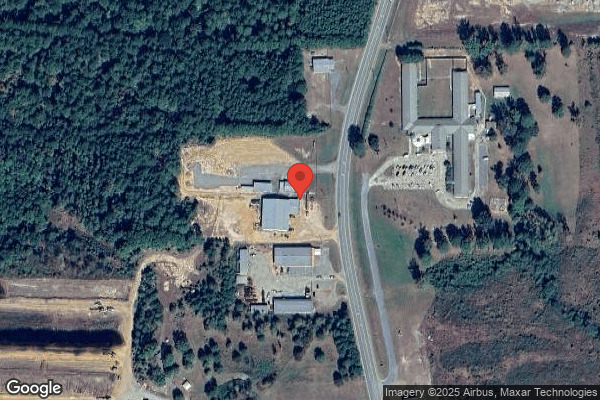

6942 HIGHWAY 79, HOMER, LA 71040 (318) 927-3586
For profit - Limited Liability company 70 Beds PARAMOUNT HEALTHCARE CONSULTANTS Data: November 2025 2 Immediate Jeopardy citations
Trust Grade
11/100
#185 of 264 in LA
Last Inspection: September 2025

Inspected within the last 6 months. Data reflects current conditions.

Overview

Claiborne Rehabilitation in Homer, Louisiana has received a Trust Grade of F, indicating significant concerns about the quality of care provided. It ranks #185 out of 264 facilities in the state, placing it in the bottom half, and #3 out of 3 in Claiborne County, meaning it is the least favorable option in the area. While the facility shows an improving trend, having reduced issues from 4 to 3 in recent years, it still has a concerning total of 18 issues, including two critical incidents where a resident at high risk of elopement was left unsupervised and managed to leave the facility, leading to serious injuries. Staffing is a relative strength with a rating of 4 out of 5 stars and a turnover rate of 42%, which is below the state average, and they have better RN coverage than 95% of Louisiana facilities. However, the facility has accumulated $65,988 in fines, which is higher than 82% of other care homes in the state, raising concerns about compliance and care standards.

Trust Score
F
11/100
In Louisiana
#185/264
Bottom 30%
Safety Record
High Risk
Review needed
Inspections
Getting Better
4 → 3 violations
Staff Stability
○ Average
42% turnover. Near Louisiana's 48% average. Typical for the industry.
Penalties
○ Average
$65,988 in fines. Higher than 70% of Louisiana facilities. Some compliance issues.
Skilled Nurses
○ Average
Each resident gets 33 minutes of Registered Nurse (RN) attention daily — about average for Louisiana. RNs are the most trained staff who monitor for health changes.
Violations
⚠ Watch
18 deficiencies on record. Higher than average. Multiple issues found across inspections.
★☆☆☆☆
1.0
Overall Rating
★★★★☆
4.0
Staff Levels
★☆☆☆☆
1.0
Care Quality
★★☆☆☆
2.0
Inspection Score
Stable
2024: 4 issues
2025: 3 issues

The Good

  • 4-Star Staffing Rating · Above-average nurse staffing levels
  • Full Sprinkler Coverage · Fire safety systems throughout facility
  • No fines on record
  • Staff turnover below average (42%)

    6 points below Louisiana average of 48%

Facility shows strength in staffing levels, fire safety.

The Bad

1-Star Overall Rating

Below Louisiana average (2.4)

Significant quality concerns identified by CMS

Staff Turnover: 42%

Near Louisiana avg (46%)

Typical for the industry

Federal Fines: $65,988

Above median ($33,413)

Moderate penalties - review what triggered them

Chain: PARAMOUNT HEALTHCARE CONSULTANTS

Part of a multi-facility chain

Ask about local staffing decisions and management

The Ugly 18 deficiencies on record

2 life-threatening
Sept 2025 3 deficiencies
CONCERN (E)

Potential for Harm - no one hurt, but risky conditions existed

Deficiency F0628 (Tag F0628)

Could have caused harm · This affected multiple residents

**NOTE- TERMS IN BRACKETS HAVE BEEN EDITED TO PROTECT CONFIDENTIALITY** Based on record reviews and interviews, the facility failed to provide written notice to residents and/or their RP (Responsible ...

Read full inspector narrative →
**NOTE- TERMS IN BRACKETS HAVE BEEN EDITED TO PROTECT CONFIDENTIALITY** Based on record reviews and interviews, the facility failed to provide written notice to residents and/or their RP (Responsible Party) of the bed hold agreement at time of transfer and update the emergency transfer log (Notice of Discharge to the ombudsman) for 1 (#7) of 2 (#7 & #44) residents reviewed for hospitalizations. Findings:Review of Resident #7's medical record revealed an admission date of 11/05/2024 and diagnoses of unspecified protein-calorie malnutrition, repeated falls, muscle weakness (generalized), and dementia. Review of Resident #7's medical record revealed the following transfer dates: 01/31/2025, 05/22/2025, and 07/10/2025. Review of Resident #7's bed hold agreement form failed to reveal notification to resident/RP was sent at time of transfer for dates 01/31/2025 and 05/22/2025. Further review failed to reveal Resident #7's bed hold agreement was sent at discharge on [DATE]. During an interview on 09/16/2025 at 1:55 p.m. S3 Business Office Manager reported Resident #7's bed hold agreement was not sent to the resident/RP at the time of transfer for dates 01/31/2025 and 05/22/2025. S3 Business Office Manager further reported Resident #7's bed hold agreement was not sent at discharge on [DATE]. During an interview on 09/16/2025 at 1:59 p.m. S2 Corporate Nurse reported bed hold notifications were not being sent at the time of transfer. Review of the facility's emergency transfer log for dates 01/01/2025 through 08/31/2025 failed to reveal notification of Resident #7's transfers for dates 01/31/2025 and 05/22/2025. During an interview on 09/16/2025 at 1:50 p.m. S1 Administrator reviewed the facility's emergency transfer logs and confirmed Resident #7's transfers for dates 01/31/2025 and 05/22/2025 were not in the emergency transfer log and should have been.
CONCERN (E)

Potential for Harm - no one hurt, but risky conditions existed

Deficiency F0658 (Tag F0658)

Could have caused harm · This affected multiple residents

Based on record review, observation, and an interview the facility failed to ensure services provided met professional standards of quality for 1 (#5) of 1 resident with a peg (percutaneous endoscopic...

Read full inspector narrative →
Based on record review, observation, and an interview the facility failed to ensure services provided met professional standards of quality for 1 (#5) of 1 resident with a peg (percutaneous endoscopic gastrostomy) tube observed during medication administration. Review of facility's Administering Medications through an Enteral Tube policy (revision date 01/15/2025) revealed in part:Purpose: The purpose of this procedure is to provide guidelines for the safe administration of medications through an enteral tube. Steps in Procedure:6. Verify placement of feeding tube:a. If you suspect improper tube positioning, do not administer feeding or medication. Notify the Charge Nurse or Physician. Review of Resident #5's medical diagnoses revealed the following but not limited to encounter for attention to gastrostomy, unspecified psychosis not due to a substance or known physiological condition, and intractable status epilepticus. Review of Resident #5's September 2025 physician orders revealed: 08/29/2025: Isosource 1.5cal (calorie) at 55ml (milliliters)/hour to total 660ml/990kcal (calorie concentration) every shift08/29/2025: 100cc (cubic centimeter) water flush every 4 hours via pump09/26/2024: Valproic Acid Oral Solution 250 MG (milligram)/5ml (Valproate Sodium); Give 10 ml via peg tube three times a day related to epilepsy and recurrent seizures06/29/2025: NPO status (nothing by mouth)Review of Resident #5's Quarterly MDS (Minimum Data Set) dated 08/15/2025 revealed BIMS (Brief Interview of Mental Status) score was not conducted related to resident was rarely/never understood. Further review of Quarterly MDS revealed Resident #5 received 51% or more of feeding via peg tube and 501 cc/day or more of average fluid intake per day via feeding tube. Review of Resident #5's Care Plan revealed requires the use of a peg tube to assist with maintaining or improving nutritional status characterized by weight loss related to swallowing impairment, CVA (cerebrovascular accident) with interventions to check residual, positioning of tube prior to feed. Check lung sound prior to and following each feeding and follow therapeutic regime for care of tube insertion site. Observation of medication administration via peg tube on 09/14/2025 at 2:44 p.m. revealed S6 RN (Registered Nurse) flushed Resident #5's peg tube with 30ml of water, administered Valproic acid liquid 10ml, and then flushed Resident #5's peg tube with 30 ml of water without checking for residual and verifying correct peg tube placement. During an interview on 09/14/2025 at 2:45 p.m. S6 RN confirmed placement and residual was not checked prior to administering Valproic acid 10ml via Resident #5's peg tube and should have been.
CONCERN (E)

Potential for Harm - no one hurt, but risky conditions existed

Pharmacy Services (Tag F0755)

Could have caused harm · This affected multiple residents

Based on record review, observations and interviews, the facility failed to provide current pharmaceutical services to meet the needs of each resident as evidenced by having expired medications and su...

Read full inspector narrative →
Based on record review, observations and interviews, the facility failed to provide current pharmaceutical services to meet the needs of each resident as evidenced by having expired medications and supplies readily available for resident use on 1 (cart A) of 1 medication cart and in 1 (medication storage room A) of 2 medication storage rooms observed. Findings:Review of the facility's Storage of Medications policy dated 01/15/2025 revealed in part:4. Discontinued, outdated, or deteriorated drugs or biologicals are destroyed. Expiration dates should be used on the manufactured label.An observation on 09/17/2025 at 9:11 a.m. with S4 DON (Director Of Nursing) revealed medication storage room A contained multiple medications available for use with expiration dates of:1.) 3 bottles- UTI (Urinary Tract Infection) Stat dated 06/25/2025 2.) 9 bottles- Iodoform packing strips dated 07/20253.) 2 bottles- Unna-2 zinc paste bandages dated 02/2024 and 01/01/20254.) 1 box (144 packets)- hydrocortisone cream 1% dated 11/2024 (opened)During an interview on 09/17/2025 at 9:12 a.m. S4 DON confirmed medication storage room A contained expired multiple medications readily available for use and should not have been available with expiration dates of:1.) 3 bottles- UTI (Urinary Tract Infection) Stat dated 06/25/2025 2.) 9 bottles- Iodoform packing strips dated 07/20253.) 2 bottles- Unna-2 zinc paste bandages dated 02/2024 and 01/01/20254.) 1 box (144 packets)- hydrocortisone cream 1% dated 11/2024 (opened)An observation on 09/17/2025 at 9:18 a.m. with S5 LPN (Licensed Practical Nurse) revealed medication cart A contained medication UTI stat with an expiration date of 06/25/2025.During an interview on 09/17/2025 at 9:18 a.m. S5 LPN confirmed medication cart A contained UTI stat with an expiration date of 06/25/2025 and should not have been available for use.
Sept 2024 4 deficiencies
CONCERN (D)

Potential for Harm - no one hurt, but risky conditions existed

Deficiency F0604 (Tag F0604)

Could have caused harm · This affected 1 resident

Based on observations, record reviews, and interviews the facility failed to ensure a resident has a right to be free from any physical restraint not required to treat the resident's medical symptoms ...

Read full inspector narrative →
Based on observations, record reviews, and interviews the facility failed to ensure a resident has a right to be free from any physical restraint not required to treat the resident's medical symptoms for 1 (#37) resident out of 2 (#37 and #90) residents investigated for physical restraints. The facility failed to ensure 1.) A written order was in place 2.) A consent for the use of a lap tray was obtained, 3.) A specific reason for the restraint and 4.) An assessment was completed for the use of a lap tray for Resident #37. Findings: Review of the facility's Use of Restraints policy with a revision date of 01/12/2024 revealed in part: Policy Statement: Restraints shall only be used for the safety and well-being of the resident(s) and only after other alternatives have been tried unsuccessfully. Restraints shall only be used to treat the resident's medical symptom(s) and never for discipline or staff convenience, or for the prevention of falls. Policy Interpretation and Implementation: 1. Physical Restraints are defined as any manual method of physical or mechanical device, material or equipment attached or adjacent to the resident's body that the individual cannot remove easily, which restricts freedom of movement or restricts normal access to one's body. 2. The definition of a restraint is based on the functional status of the resident and not the device. If the resident cannot remove a device in the same manner in which the staff applied it given that resident's physical condition (for example, side rails are put back down, rather than climbed over), and this restricts his/her typical ability to change position or place, that device is considered a restraint. 3. Examples of devices that are/may be considered physical restraints include . geri-chairs, lap cushions and trays that the resident cannot remove. 6. Prior to placing a resident in restraints, there shall be a Restraint Necessity/Positioning Device Assessment Form and review to determine the need for restraints. The assessment shall be used to determine possible underlying causes of the problematic medical symptom and to determine if there are less restrictive interventions. 9. Restraints shall only be used upon the written order of a physician and after obtaining consent from the resident and/or representative (sponsor). The order shall include the following: a. The specific reason for the restraint (as related to the resident's medical symptom); b. How the restraint will be used to benefit the resident's medical symptom; and c. The type of restraint, and period of time for the use of the restraint . Review of Resident #37's medical record revealed an admission date of 04/29/2024 with diagnoses including, but not limited to, unspecified dementia, schizoaffective disorders, restlessness and agitation. Review of Resident #37's Quarterly MDS (Minimum Data Sets) dated 07/05/2024 revealed in part, a Brief Interview for Mental Status (BIMS) score of 00, indicating severe cognitive impairment. Resident #37 was totally dependent on staff for bed mobility, transfers, eating, and toileting. Review of Resident #37's Comprehensive Care Plan dated 05/03/2024 revealed Resident #37 was at risk for falls characterized by, in part, a history of fall/injury, and multiple risk factors related to impaired balance. Review of Resident #37's physician's orders failed to reveal an order for the use of a lap tray. Review of Resident #37's medical record failed to reveal an assessment had been completed for the use of a lap tray. Review of Resident #37's nurses' notes revealed in part: 07/16/2024 at 11:30 a.m. - Staff reported Resident #37 was attempting to get out of the geri-chair. Resident #37 was placed at the nurse's station in view of the staff. 08/21/2024 at 12:10 p.m. - Resident #37 was actively attempting to get out of the geri-chair, Resident #37 was resistive to staff. An observation on 09/03/2024 at 1:19 p.m. revealed Resident #37 was up in a geri-chair with a lap tray secured to the chair. An observation on 09/03/2024 at 1:23 p.m. revealed Resident #37 was sitting up in a geri-chair hitting and banging on the lap tray with his fist, grabbing the sides and shaking the lap tray. Resident #37 was not observed to have removed the lap tray. An observation on 09/03/2024 at 2:40 p.m. revealed Resident #37 remained sitting up in a geri-chair with a lap tray secured in place. An observation on 09/03/2024 at 3:31 p.m. revealed Resident #37 sitting up in a geri-chair with lap tray secured in place. During an interview on 09/04/2024 at 3:10 p.m. S3 CNA (Certified Nursing Assistant) reported Resident #37's lap tray was used during meals but sometimes it was left on longer. During an interview on 09/04/2024 at 1:55 p.m. Resident #37's RP (Responsible Party) was in the room and reported she liked the lap tray on the chair when he was sitting up because he has tried to get up. Resident #37's RP further reported Resident #37 would fall if he got up. During an interview on 09/05/2024 at 3:30 p.m. S2 DON (Director of Nursing) acknowledged Resident #37 used a lap tray and there was not an order, a care plan or an assessment for the use of a lap tray. S2 DON, acknowledged if the lap tray was in use and the resident cannot remove it, it was considered a restraint. During an interview on 09/05/2024 at 3:45 p.m. S1 Corporate Nurse confirmed a lap tray was considered a restraint if the resident could not remove it.
CONCERN (E)

Potential for Harm - no one hurt, but risky conditions existed

Deficiency F0678 (Tag F0678)

Could have caused harm · This affected multiple residents

**NOTE- TERMS IN BRACKETS HAVE BEEN EDITED TO PROTECT CONFIDENTIALITY** Based on record reviews and interviews the facility failed to ensure residents' medical records reflected the resident's advance...

Read full inspector narrative →
**NOTE- TERMS IN BRACKETS HAVE BEEN EDITED TO PROTECT CONFIDENTIALITY** Based on record reviews and interviews the facility failed to ensure residents' medical records reflected the resident's advance directive wishes for 1 (#6) of 19 (#1, #6, #7, #9, #10, #17, #18, #24, #27, #28, #29, #32, #36, #37, #38, #39, #90, #92, #240) total sampled residents. The facility failed to ensure the profile page, physician's orders, medication administration records, comprehensive care plan and LaPost (Louisiana Physician Orders for Scope of Treatment) were consistent with the resident's wishes for advance directives. Findings: Review of Resident #6's medical record revealed an admit date of [DATE] and Resident #6's profile page indicated Resident #6's code status to be Full Code: May use AED (automated external defibrillator) unless contraindicated. Review of Resident #6's physician orders revealed an order dated [DATE] for Full Code, may use AED unless contraindicated. Further review revealed an order dated [DATE] admit to hospice. Review of Resident #6's August and [DATE] medication administration records revealed Resident #6 was a Full Code. Review of Resident #6's comprehensive care plan dated [DATE] revealed Resident #6's code status was DNR (do not resuscitate) Resident/family choice: Ensure the current code status is in the medical record. If arrest occurs CPR (Cardio Pulmonary Resuscitation) will not be given. Place DNR in resident's record. Review of Resident #6's LaPost signed and dated on [DATE] by Resident #6's brother/Health Care Representative, revealed a status of DNR/Do Not attempt Resuscitation (allow natural death). During an interview on [DATE] at 1:42 p.m. Resident #6's brother/Health Care Representative confirmed Resident #6's DNR status. During an interview on [DATE] at 3:00 p.m. S2 Director of Nursing reviewed Resident #6's medical record and confirmed Resident #6's code status on the profile page, physician's orders, medication administration record, comprehensive care plan and LaPost were not consistent with Resident #6's wishes for advance directives and should have been.
CONCERN (E)

Potential for Harm - no one hurt, but risky conditions existed

Deficiency F0700 (Tag F0700)

Could have caused harm · This affected multiple residents

**NOTE- TERMS IN BRACKETS HAVE BEEN EDITED TO PROTECT CONFIDENTIALITY** Based on record reviews, observations, and interviews, the facility failed to ensure the correct use and the maintenance of bed ...

Read full inspector narrative →
**NOTE- TERMS IN BRACKETS HAVE BEEN EDITED TO PROTECT CONFIDENTIALITY** Based on record reviews, observations, and interviews, the facility failed to ensure the correct use and the maintenance of bed rails by ensuring residents were care planned for the use of bed rails, assessed for the risk of entrapment from bed rails, and a written order was obtained from the physician for bed rails prior to installation for 4 (#7, #27, #90, #240) out of 5 (#6, #7, #27, #90, #240) residents reviewed for accidents. Findings: Resident #7 Review of Resident #7's medical record revealed an admit date of 09/10/2019 with diagnoses including, but not limited to, chronic obstructive pulmonary disease, dementia with behavioral disturbance, and lack of coordination. Review of Resident #7's Quarterly MDS (Minimum Data Set) assessment dated [DATE] revealed a BIMS (Brief Interview of Mental Status) score of 7 indicating severely impaired cognition and Resident #7 was totally dependent of one staff for bed mobility. Review of Resident #7's medical record failed to reveal a physician's order for bed rails, a risk assessment for entrapment from bed rails, and a care plan for bed rails were in place for Resident #7. An observation on 09/03/2024 at 9:15 a.m. revealed Resident #7 lying in bed. Resident #7's bed had bed rails in place/use bilaterally at the HOB (head of bed) in a raised position. An observation on 09/04/2024 at 8:30 a.m. revealed Resident #7 sitting up in bed eating breakfast. Resident #7's bed had bed rails in place/use bilaterally at the HOB in a raised position. An observation on 09/04/2024 at 2:15 p.m. revealed Resident #7 lying in bed on right side with eyes closed. Resident #7's bed had bed rails in place/use bilaterally at the HOB in a raised position. Resident #27 Review of Resident #27's medical record revealed an admit date of 06/19/2023 with diagnoses, including but not limited to, other sequelae of cerebral infarction. Review of Resident #27's Annual MDS dated [DATE] revealed a BIMS score of 13 indicating intact cognition. Resident #27 required the use of a wheelchair and was independent with chair/bed transfers. Review of Resident #27's medical record failed to reveal a physician's order for bed rails, a risk assessment for entrapment from bed rails, and a care plan for bed rails were in place for Resident #27. An observation on 09/03/2024 at 10:05 a.m. revealed Resident #27's bed had bed rails in place bilaterally at the HOB in a raised position. An observation on 09/04/2024 at 9:30 a.m. revealed Resident #27's bed had bed rails in place bilaterally at the HOB in a raised position. An observation on 09/04/2024 at 2:05 p.m. revealed Resident #27 lying in bed with bed rails in place/use bilaterally at the HOB in a raised position. During an interview on 09/05/2024 at 11:10 a.m., S6 CNA (Certified Nursing Assistant) reported Resident #27 used bedrails for bed mobility and transfers. Resident #90 Review of Resident #90's medical record revealed an admit date of 08/29/2024 with diagnoses, including but not limited to, transient cerebral ischemic attack, osteoarthritis of unspecified site, and age-related physical debility. Review of Resident #90's admit MDS revealed assessment in progress. Review of Resident #90's medical record failed to reveal a physician's order for bed rails, a risk assessment for entrapment from bed rails, and a care plan for bed rails were in place for Resident #90. An observation on 09/03/2024 at 1:36 p.m. revealed Resident #90 lying bed. Resident #90's bed had bed rails in place/use bilaterally at the HOB in a raised position. An observation on 09/04/2024 at 3:00 p.m. revealed Resident #90 in bed. Resident #90's bed had bed rails in place/use bilaterally at the HOB in a raised position. An observation on 09/05/2024 at 3:26 p.m. revealed Resident #90's bed had bed rails in place bilaterally at the HOB in a raised position. During an interview on 09/05/2024 at 3:30 p.m., S4 LPN (Licensed Practical Nurse) acknowledged Resident #90 used at least one bed rail all the time and confirmed Resident #90 did not have an order for the use of bed rails. An observation on 09/05/2024 at 3:35 p.m. with S1 Corporate Nurse revealed Resident #90 had bed rails in place/use bilaterally at the HOB in a raised position. Resident #240 Review of Resident #240's medical record revealed an admit date of 11/27/2023 and readmit date of 08/23/2024 with diagnoses including, but not limited to, pneumonia due to pseudomonas, chronic obstructive pulmonary disease, osteoarthritis, and chronic pain. Review of Resident #240's Discharge MDS dated [DATE] and Quarterly MDS dated [DATE] revealed a BIMS score of 12 indicating moderately impaired cognition. Resident #240 requires limited assist of one person with bed mobility and transfers. Review of Resident #240's medical record failed to reveal a physician's order for bed rails, a risk assessment for entrapment from bed rails, and a care plan for bed rails were in place for Resident #240. An observation on 09/03/2024 at 3:40 p.m. revealed Resident #240 sitting up in bed. Further observation revealed Resident #240's bed had a bed rail at the HOB in a raised position. An observation on 09/04/2024 at 2:45 p.m. revealed Resident #240 sitting up in bed O2 per NC in place. Further observation revealed Resident #240's bed had a bed rail at the HOB in a raised position. During an interview on 09/05/2024 at 11:25 a.m., S5 RN (Registered Nurse) reported Resident #240 used the bed rail to reposition herself in bed and to help with transfers. During an interview on 09/05/2024 at 2:00 p.m. S2 DON (Director of Nursing), confirmed Resident #7, #27, #90, and #240 did not have an order, a care plan, or an assessment for the use of bed rails.
CONCERN (E)

Potential for Harm - no one hurt, but risky conditions existed

Infection Control (Tag F0880)

Could have caused harm · This affected multiple residents

Based on observations, record review and interviews, the facility failed to maintain an infection prevention and control program designed to provide a safe and sanitary environment to help prevent the...

Read full inspector narrative →
Based on observations, record review and interviews, the facility failed to maintain an infection prevention and control program designed to provide a safe and sanitary environment to help prevent the development and transmission of infection. The facility failed to ensure Enhanced Barrier Precautions (EBP) were in place. This deficient practice had the potential to affect any of the facilities 46 residents. Findings: Review of the facility's policy Enhanced Barrier Precautions with and effective date of 04/01/2024 revealed in part: Definition and Scope: Enhanced Barrier Precautions (EBP) are infection control interventions designed to reduce transmission of multidrug-resistant organisms (MDROs). Example of Use: EBP involve gown and glove use during high-contact resident care activities for residents know to be colonized or infected with a MDRO as well as those at increased risk of MDRO acquisition (e.g. residents with wounds or indwelling medical devices). Enhanced Barrier Precautions (EBP) refer to an infection control intervention designed to reduce transmission of multidrug-resistant organisms that employ targeted gown and glove use during high contact resident care activities. EBP are indicated for residents with any of the following: Wounds and/or indwelling medical devices even if the resident is not known to be infected or colonized with a MDRO. Indwelling medical device examples include central lines, urinary catheters, feeding tubes, and tracheostomies . The facility will ensure PPE (personal protective equipment) and alcohol-based hand rub are readily accessible to staff prior to entry to their room. Resident Activity/Assistance: perform wound care: any skin opening requiring a dressing, changing briefs or assisting with toileting, turn and reposition or assist with bed mobility, bathing/showering, providing hygiene Disposal of PPE: PPE used during resident care, including care of residents placed in Enhanced Barrier Precautions are not regulated medical waste requiring disposal in a biohazard bag, and should be discarded as routine non-infection waste. Facilities should remember to have an appropriate disposal container available in the resident room to allow for removal of PPE inside the room. Communication to Staff: The facility will utilize postings outside the room and employee shift change report (word of mouth) to communicate to staff if a resident requires EBP. Observation on 09/04/2024 at 3:05 p.m. revealed S6 CNA (Certified Nursing Assistant) and S7 CNA performed pericare for Resident #6 with gloves as the only PPE used. Resident #6 has a PEG (percutaneous endoscopic gastrostomy) feeding tube in place. Observations throughout this survey on 09/03/2024, 09/04/2024, and until 09/05/2024 at 11:00 a.m. failed to reveal any indication enhanced barrier precautions were in use according to facility policy for residents requiring EBPs. During an interview on 09/05/2024 at 11:30 a.m. S8 Medical Records confirmed residents requiring EBPs had not been identified appropriately with postings outside the residents' rooms to communicate with staff the need for EBP. During an interview on 09/05/2024 at 11:55 a.m. S1 Corporate Nurse reported there should be signage/notifications outside the residents' rooms for the type of precautions in place, red bags or infection control boxes for PPE, and PPE should have been readily available on the hallway for staff use and they was not. During an interview on 09/05/2024 at 12:08 p.m. S4 LPN (Licensed Practical Nurse) reported staff should use PPE when entering a residents' room on EBP and were not. An observation on 09/05/2024 at 1:10 p.m. revealed EBP signage outside of Resident #90's door. Further observation revealed S7 CNA exited Resident #90's room with dirty linens in her gloved hands and no other PPE was in use.
Dec 2023 3 deficiencies 2 IJ (2 affecting multiple)
CRITICAL (K) 📢 Someone Reported This

A family member, employee, or ombudsman was alarmed enough to file a formal complaint

Immediate Jeopardy (IJ) - the most serious Medicare violation

Accident Prevention (Tag F0689)

Someone could have died · This affected multiple residents

**NOTE- TERMS IN BRACKETS HAVE BEEN EDITED TO PROTECT CONFIDENTIALITY** Based on observations, record review and interviews the facility failed to ensure 1 (#1) of 2 (#1, #2) residents whom was assess...

Read full inspector narrative →
**NOTE- TERMS IN BRACKETS HAVE BEEN EDITED TO PROTECT CONFIDENTIALITY** Based on observations, record review and interviews the facility failed to ensure 1 (#1) of 2 (#1, #2) residents whom was assessed at high risk for elopement, was adequately supervised to prevent him from eloping from the facility. This deficient practice resulted in an Immediate Jeopardy situation on 12/18/2023 at approximately 5:30 p.m. when Resident #1 (a severely cognitively impaired resident identified as an elopement risk), was unsupervised and eloped from the facility. Resident #1 was found lying on the ground of a creek bank approximately ¼ of a mile from the facility on 12/18/2023 at 8:06 p.m. by the Sherriff's Department. Resident #1 was taken to the local emergency department for evaluation. Review of the local emergency department notes dated 12/18/2023 at 9:35 p.m. revealed Resident #1's skin temperature was cool, abrasions sustained to head, neck, right and left arm, right and left hand, buttocks, back of left and right leg, back, and right hip. Resident #1 was covered in debris including leaves, pine straw, and twigs. Resident #1 was returned to the nursing facility via ambulance from the local emergency department on 12/19/2023 at 12:49 a.m. S1Adminsitrator was notified of the Immediate Jeopardy situation on 12/27/2023 at 1:46 p.m. The deficient practice continued at a potential for more than minimal harm for Resident #1 and Resident #2. The Immediate Jeopardy was removed on 12/27/2023 at 7:43 p.m. as confirmed by onsite verification through observations, interview and record reviews that the facility implemented an acceptable Plan of Removal (POR) prior to the survey exit. Findings: Review of the facility's Elopement Policy revision dated 12/19/2023 revealed there was no guidance in the policy on placing a resident that had eloped on any type of supervision or monitoring. Review of the facility's Verbal/Written Consent for placement of Resident to the secured dementia unit revealed in part. I further understand the following limitations with placement on a secured unit: 1) The resident will be unable to leave the secured unit without supervision 2) The resident will remain on the unit for meals, activities, etc. unless accompanied by family or a staff member to access other parts of the facility. Review of the medical record for sampled Resident #1 revealed an admission date of 05/08/2023 with diagnoses including unspecified dementia (severe, with other behavioral disturbances), restlessness and agitation, diabetes mellitus, cerebrovascular disease, anxiety, depression, hyperglycemia, hypertension and schizophrenia. Review of the Minimum Data Set assessment (MDS) dated [DATE] revealed the Brief Interview for Mental Status (BIMS) score was a 6 out of 15, which indicated Resident #1 had severe cognitive impairment for daily decision making. Further review of the MDS revealed under the section E0900. Wandering - Presence and Frequency - Behavior of this type occurred daily. Resident #1 required limited assistance with one person physical assistance with bed mobility and transfers. Review of the care plan revealed Resident #1 was at risk for elopement, and had a history of wandering. Further review of the care plan revealed the interventions were to assess quarterly and as needed for wandering/elopement risk, encourage family support, and ensure staff awareness of resident's risk, Resident #1 resides on the secured unit, monitor meds for the need for adjustment and notify the physician as needed, and monitor resident with visual checks every hour (initiated on 12/18/2023), photo on the wander list at the front desk and staff are aware of resident's wandering risk (initiated on 12/18/2023), staff to monitor identification bracelet placement every shift (initiated on 12/18/2023). Review of the physician's orders dated 06/11/2023 revealed an order for Resident #1 to be moved to the dementia unit. Review of Resident #1's Social Services assessment dated [DATE] revealed in part: Resident requires more close supervision during group activities related to wandering status. Staff reports resident wandering into other resident's room, also wanders up and down halls, and required daily redirection. Observations during all days of the survey on 12/21/2023 to 12/28/2023 revealed Resident #1 resided in the secured unit, was able to ambulate independently, and was observed walking in the TV room and the hallways on the locked unit. Review of the Wander Data Collection Tool dated 11/09/2023 revealed Resident #1 was cognitively impaired and ambulated independently. Further review of the Wander Data Collection Tool revealed Resident #1 was identified at high risk for elopement. Review of the Incident/Accident report dated 12/18/2023 revealed the Certified Nursing Assistant (CNA) came to the nurses station looking for Resident #1, and stated she couldn't find him. This nurse and other staff immediately began looking for him searching all rooms outdoors, corridors and in the facility. Resident #1 wasn't able to be located. Called Nursing Facility Administrator (NFA) and Director of Nursing (DON), here at facility searching. NFA stated to do another sweep of the facility. This nurse and CNAs searched outdoors. I went to the highway looking for the resident without success. NFA was notified and called the police. NFA and DON continued to search with the police. On 12/21/2023 at 8:30 a.m. interview with S10Maintenance Director revealed the working cameras inside and outside of the building did not capture Resident #1 on video. S10Maintenance Director revealed he checks the door locks to ensure they are in working condition but he did not keep a log to indicate he was monitoring the doors. On 12/21/2023 at 8:45 a.m. interview with S7CNA revealed Resident #1 can walk without help in the hallways and he was at risk for elopement. Further interview with S7CNA revealed Resident #1 was to never to be left alone, and the staff were to keep Resident #1 in eye contact at all times. On 12/21/2023 at 9:15 a.m. interview with S4Certified Nursing Assistant (CNA) revealed she worked with Resident #1 in the locked unit on 12/18/2023. S4CNA revealed Resident #1 was at high risk for elopement and the staff would keep him in sight at all times because he wandered. S4CNA revealed on 12/18/2023 during dinner, between 4:30 p.m. and 5:00 p.m. she brought Resident #1, which resided on the locked unit, out to the regular dining room to eat. She revealed when the resident finished eating, she was asked if she could help feed a resident down the hall. S4CNA said she went to the nurse's station by the locked unit where S5Assistant Director of Nursing (ADON) was sitting and she told S5ADON she needed her to watch the resident because she needed to go feed a resident down the hall. S4CNA said S5ADON said okay, so she left Resident #1 at the nurse's station sitting in a chair in sight of S5ADON. She said on 12/18/2023 at about 5:30 p.m. S6MDS Coordinator asked S4CNA if she came and got Resident #1 from the nurses station and she said no. On 12/21/2023 at 10:00 a.m. interview with S5ADON revealed she was working the floor and unit the night that Resident #1 eloped from the facility, and she knew Resident #1 was outside of the secured unit and he was on the main floor. S5ADON revealed the resident walked independently, was at high risk for elopement, and staff would always have him in sight. Further interview with S5ADON revealed no one came to her the evening of 12/18/2023 and told her she needed to watch Resident #1. On 12/21/2023 at 1:35 p.m. interview with S2DON revealed she was working 12/18/2023 when Resident #1 eloped from the facility. S2DON revealed Resident #1 walked independently, was at high risk for elopement, and staff were to keep him in eye sight at all times when not on the secured unit. Further interview with S2DON revealed she knew that staff would bring Resident #1 out of the secured unit to eat in the main dining room. S2DON revealed she assumed Resident #1 left out of the door with a visitor. On 12/21/2023 at 1:45 p.m. interview with S8CNA revealed Resident #1 does not need help walking and he was at risk for elopement. On 12/21/2023 at 1:55 p.m. interview with S6MDS Coordinator revealed she was at the facility when Resident #1 eloped on 12/18/2023. S6MDS Coordinator revealed Resident #1 ambulated independently and was at high risk for elopement. At approximately 5:15 p.m. he was sitting outside the secured unit across from the nurse's station close to the nurse's station, and about 15 minutes later she heard someone say they couldn't find Resident #1. On 12/27/2023 at 8:00 a.m. interview with S9LPN revealed Resident #1 lived on the locked unit due to at high risk for elopement. Resident #1 was able to walk independently. During the survey, there was no documented evidence of monitoring the resident for elopement, monitoring doors or any of the other items that were put into place until after the survey team entered on 12/21/2023 at 8:00 a.m. On 12/27/2023 at 1:05 p.m. S1Administrator was unable to provide the surveyors with any type of documentation for monitoring the system they put in place after the elopement incident on 12/18/2023. S1Administrator acknowledged no monitoring was put in place prior to the survey team entering the facility.
CRITICAL (K) 📢 Someone Reported This

A family member, employee, or ombudsman was alarmed enough to file a formal complaint

Immediate Jeopardy (IJ) - the most serious Medicare violation

Administration (Tag F0835)

Someone could have died · This affected multiple residents

**NOTE- TERMS IN BRACKETS HAVE BEEN EDITED TO PROTECT CONFIDENTIALITY** Based on observations, record review, and interviews, the facility failed to be administered in a manner that enables it to use ...

Read full inspector narrative →
**NOTE- TERMS IN BRACKETS HAVE BEEN EDITED TO PROTECT CONFIDENTIALITY** Based on observations, record review, and interviews, the facility failed to be administered in a manner that enables it to use its resources effectively and efficiently by failing to have an adequate system in place to ensure 1 (#1) of 2 (#1, #2) residents (whom were at high risk for elopement and resided in the secured unit), was adequately supervised to prevent Resident #1 from eloping. This deficient practice resulted in an Immediate Jeopardy situation on 12/18/2023 at approximately 5:30 p.m. when Resident #1 (a severely cognitively impaired resident identified as an elopement risk), was unsupervised and eloped from the facility. Resident #1 was found lying on the ground of a creek bank approximately ¼ of a mile from the facility on 12/18/2023 at 8:06 p.m. by the Sherriff's Department. Resident #1 was taken to the local emergency department for evaluation. Review of the local emergency department notes dated 12/18/2023 at 9:35 p.m. revealed Resident #1's skin temperature was cool, abrasions sustained to head, neck, right and left arm, right and left hand, buttocks, back of left and right leg, back, and right hip. Resident #1 was covered in debris including leaves, pine straw, and twigs. Resident #1 was returned to the nursing facility via ambulance from the local emergency department on 12/19/2023 at 12:49 a.m. S1Adminsitrator was notified of the Immediate Jeopardy situation on 12/27/2023 at 1:46 p.m. The deficient practice continued at a potential for more than minimal harm for Resident #1 and Resident #2. The Immediate Jeopardy was removed on 12/27/2023 at 7:43 p.m. as confirmed by onsite verification through observations, interview and record reviews that the facility implemented an acceptable Plan of Removal (POR) prior to the survey exit. Findings: Cross Reference F689 Review of the facility's Elopement Policy revision dated 12/19/2023 revealed there was no guidance in the policy on placing a resident that had eloped on any type of supervision or monitoring. Review of the facility's Verbal/Written Consent for placement of Resident to the secured dementia unit revealed in part: I further understand the following limitations with placement on a secured unit: 1) The resident will be unable to leave the secured unit without supervision 2) The resident will remain on the unit for meals, activities, etc. unless accompanied by family or a staff member to access other parts of the facility. Review of the Incident/Accident report dated 12/18/2023 revealed the Certified Nursing Assistant (CNA) came to the nurses station looking for Resident #1, and stated she couldn't find him. This nurse and other staff immediately began looking for him searching all rooms outdoors, corridors and in the facility. Resident #1 wasn't able to be located. Called Nursing Facility Administrator (NFA) and Director of Nursing (DON), here at facility searching. On 12/21/2023 at 1:35 p.m. interview with S2Director of Nursing (DON) revealed when resident #1 returned from the hospital on [DATE] he was placed in the secured locked unit, in which he resided prior to the elopement. Observations during all days of the survey on 12/21/2023 to 12/28/2023 revealed the resident resided in the secured unit, was able to ambulate independently, and was observed walking in the TV room and the hallways on the locked unit. On 12/21/2023 at 8:30 a.m. interview with S10Maintenance Director revealed they have two cameras in the building and one camera outside of the building that were in working condition, but these cameras did not capture resident #1 on video. S10Maintenance Director revealed he checks the door locks to ensure they are in working condition but he did not keep a log to indicate he was monitoring the doors. On 12/21/2023 at 1:35 p.m. interview with S2DON revealed she knew that the staff would bring resident #1 out of the unit to eat in the main dining room. The staff were to keep him in eye sight at all times when not on the secured unit. Further interview with S2DON revealed they didn't have a system in place to monitor the resident when he was out of the secured unit. During the survey, there was no documented evidence of monitoring the resident for elopement, monitoring proper locking of exit doors, or any of the other items that were put into place until after the survey team entered on 12/21/2023 at 8:00 a.m. On 12/27/2023 at 1:05 p.m. S1Administrator was unable to provide the surveyors with any type of documentation for monitoring the system they put in place after the elopement incident on 12/18/2023. The Administrator failed to ensure resident #1 had adequate supervision to prevent elopement from the facility on 12/18/2023.
CONCERN (D) 📢 Someone Reported This

A family member, employee, or ombudsman was alarmed enough to file a formal complaint

Potential for Harm - no one hurt, but risky conditions existed

Report Alleged Abuse (Tag F0609)

Could have caused harm · This affected 1 resident

**NOTE- TERMS IN BRACKETS HAVE BEEN EDITED TO PROTECT CONFIDENTIALITY** Based on record reviews and interviews the facility failed to ensure a resident's elopement from the facility was reported to th...

Read full inspector narrative →
**NOTE- TERMS IN BRACKETS HAVE BEEN EDITED TO PROTECT CONFIDENTIALITY** Based on record reviews and interviews the facility failed to ensure a resident's elopement from the facility was reported to the State Survey Agency in accordance with State law no later than 24 hours for 1 (#1) of 3 (#1, #2, #3) sampled residents. Findings: Review of the current Facility's Abuse, Neglect, Exploitation or Misappropriation-Reporting and Investigating policy revealed in part: All reports of resident abuse (including injuries of unknown origin), neglect, exploitation, or theft/misappropriation of resident property are reported to local, state and federal agencies (as required by current regulations) and thoroughly investigated by facility management. Findings of all investigations are documented and reported. Policy Interpretation and Implementation Reporting Allegations to the Administrator and authorities 1. If resident abuse, neglect, exploitation, misappropriation of resident property or injury of unknown soured is suspected, the suspicion must be reported immediately to the administrator and to other officials according to state law. 2. The administrator or the individual making the allegation immediately reports his or her suspicion to the following persons or agencies: a. The state licensing/certification agency responsible for surveying/licensing the facility; b. The local/state ombudsman; 3. Immediately is defined as: a. Within two hours of an allegation involving abuse or result in serious bodily injury; or b. Within 24 hours of an allegation that does not involve abuse or result in serious bodily injury. Review of the medical record for sampled Resident #1 revealed an admission date of 05/08/2023 with diagnoses including unspecified dementia (severe, with other behavioral disturbances), restlessness and agitation, diabetes mellitus, cerebrovascular disease, anxiety, depression, hyperglycemia, hypertension and schizophrenia. Review of the Minimum Data Set assessment (MDS) dated [DATE] revealed the Brief Interview for Mental Status (BIMS) score was a 6 out of 15, which indicated Resident #1 had severe cognitive impairment for daily decision making. Further review of the MDS revealed under the section E0900. Wandering - Presence and Frequency - Behavior of this type occurred daily. Resident #1 required limited assistance with one person physical assistance with bed mobility and transfers. Review of the care plan revealed Resident #1 was at risk for elopement, and had a history of wandering. Further review of the care plan revealed the interventions were to assess quarterly and as needed for wandering/elopement risk, encourage family support, and ensure staff awareness of resident's risk, Resident #1 resides on the secured unit, monitor meds for the need for adjustment and notify the physician as needed, and monitor resident with visual checks every hour (initiated on 12/18/2023), photo on the wander list at the front desk and staff are aware of resident's wandering risk (initiated on 12/18/2023), staff to monitor identification bracelet placement every shift (initiated on 12/18/2023). Review of the Incident/Accident report dated 12/18/2023 revealed the Certified Nursing Assistant (CNA) came to the nurses station looking for the resident, and stated she couldn't find him. This nurse and other staff immediately began looking for him searching all rooms outdoors, corridors and in the facility. Resident wasn't able to be located. Called Nursing Facility Administrator (NFA) and Director of Nursing (DON), here at facility searching. NFA stated to do another sweep of the facility. This nurse and CNAs searched outdoors. I went to the highway looking for the resident without success. NFA was notified and called the police. NFA and DON continued to search with the police. On 12/21/2023 at 9:40 a.m., interview with S1Administrator revealed she did not report Resident #1's elopement in the Statewide Incident Management System (SIMS).
Sept 2023 6 deficiencies
CONCERN (D)

Potential for Harm - no one hurt, but risky conditions existed

Comprehensive Assessments (Tag F0636)

Could have caused harm · This affected 1 resident

**NOTE- TERMS IN BRACKETS HAVE BEEN EDITED TO PROTECT CONFIDENTIALITY** Based on record review and interviews, the facility failed to ensure a Discharge MDS (Minimum Data Set) Assessment and a readmis...

Read full inspector narrative →
**NOTE- TERMS IN BRACKETS HAVE BEEN EDITED TO PROTECT CONFIDENTIALITY** Based on record review and interviews, the facility failed to ensure a Discharge MDS (Minimum Data Set) Assessment and a readmission MDS Assessment was completed after a resident was discharged from and readmitted to the facility. The deficient practice affected 1 (#36) of 2 (#36, #102) residents investigated for hospitalizations. Findings: Review of Resident #1's EHR (Electronic Health Record) revealed an original admission date of 08/18/2012. Review of Resident #36's Nurses Notes dated 08/11/2023 at 11:25 a.m. revealed the ambulance service was called for transportation and the ER (Emergency Room) was notified. Review of Nurses Notes dated 08/11/2023 at 12:02 p.m. revealed an ambulance service transported Resident #36 to a local hospital for further evaluation and treatment. Review of Resident #36's Nurses Notes dated 08/11/2023 at 13:25 p.m. revealed Resident #36 was admitted to the hospital. Review of Resident #36's paper chart revealed Physician Order dated 08/16/2023 to continue previous orders. Review of Resident #36's clinical record failed to reveal a Discharge MDS Assessment for 08/11/2023 and a readmission MDS Assessment for 08/16/2023. During an interview on 09/19/2023 at 1:45 p.m. S4 MDS Nurse reported Resident #36 was sent to the hospital on [DATE] and Resident #36 returned to the facility on [DATE]. S4 MDS Nurse further reported a Discharge MDS Assessment for 08/11/2023 and a readmission MDS Assessment for 08/16/2023 was not done and should have been. During an interview on 09/20/2023 at 1:30 p.m. S3 ADON (Assistant Director of Nursing) confirmed Resident #36 was discharged from the facility on 08/11/2023 and was readmitted to the facility on [DATE]. S3 ADON acknowledged a Discharge MDS Assessment and a readmission MDS Assessment should have been done for Resident #36.
CONCERN (D)

Potential for Harm - no one hurt, but risky conditions existed

Deficiency F0637 (Tag F0637)

Could have caused harm · This affected 1 resident

**NOTE- TERMS IN BRACKETS HAVE BEEN EDITED TO PROTECT CONFIDENTIALITY** Based on record review and interview, the facility failed to ensure a Significant Change in Status Minimum Data Set (MDS) Assess...

Read full inspector narrative →
**NOTE- TERMS IN BRACKETS HAVE BEEN EDITED TO PROTECT CONFIDENTIALITY** Based on record review and interview, the facility failed to ensure a Significant Change in Status Minimum Data Set (MDS) Assessment was completed within 14 days of a resident sustaining a right hip fracture for 1 (#45) of 2 (#7, #45) sampled residents reviewed for falls. Findings: Record review revealed Resident #45 had diagnoses including a history of cerebrovascular accident and a nondisplaced intertrochanteric fracture of the right femur. Record review of Resident #45's Quarterly MDS dated [DATE] revealed he had a Brief Interview for Mental Status (BIMS) score of 14, which indicated no cognitive impairment. Further review of his functional status revealed he required the following assistance: supervision/set up help only for eating; supervision/1 person assistance for bed mobility, transfer, walk in room/corridor, dressing and toilet use; and limited assistance/1 person assistance for personal hygiene. Record review of Resident #45's Quarterly MDS dated [DATE] revealed he had a BIMS score of 8, which indicated moderately impaired cognition. Further review of his functional status revealed he required the following assistance: supervision/set up help only for eating; supervision/1 person assistance for transfer; limited/1 person assistance for dressing; extensive/1 person for bed mobility; and total dependence/1 person assistance for personal hygiene and bathing. Record review revealed there was no documentation a Significant Change in Status MDS Assessment had been completed for Resident #45 following a right hip fracture and a decline in most of his Activities of Daily Living (ADL). During an interview on 09/20/2023 at 1:30 p.m. S4 Licensed Practical Nurse (LPN)/MDS Nurse confirmed that a significant change assessment should have been completed for Resident #45 after he sustained a right hip fracture and had a decline in most ADLs. During an interview on 09/20/23 at 1:40 p.m. S3 LPN/Assistant Director of Nursing confirmed that a significant change assessment should have been completed for Resident #45 following his right hip fracture.
CONCERN (E)

Potential for Harm - no one hurt, but risky conditions existed

Deficiency F0678 (Tag F0678)

Could have caused harm · This affected multiple residents

**NOTE- TERMS IN BRACKETS HAVE BEEN EDITED TO PROTECT CONFIDENTIALITY** Based on record review and interview the provider failed to ensure a resident's code status was correct for 1(Resident #10) of 1...

Read full inspector narrative →
**NOTE- TERMS IN BRACKETS HAVE BEEN EDITED TO PROTECT CONFIDENTIALITY** Based on record review and interview the provider failed to ensure a resident's code status was correct for 1(Resident #10) of 1(Resident #10) reviewed for advanced directives/code status. Findings: Record review of Resident #10's EHR (Electronic Health Record) revealed Resident #10 was admitted to the facility on [DATE] with a primary diagnosis of displaced intertrochanteric fracture of left femur, initial encounter for closed fracture. Record review of Resident #10's physician orders in EHR for [DATE] revealed there was no code status ordered. Record review of Resident #10's medical record revealed the following: 1. A red colored paper with STOP DNR (Do Not Resuscitate) for Resident #10 dated [DATE]. 2. A LaPOST (Louisiana Physician Orders for Scope of Treatment) dated [DATE] indicated to do CPR (Cardiopulmonary Resuscitation). Record review of Resident #10's MDS (Minimum Data Set), Section C showed a BIMS (Brief Interview Mental Status) of 12 that would indicate moderately impaired. Record review of Resident #10's care plan revealed: Focus of DNR Resident choice initiated on [DATE]; Goal of resident's wishes will be honored; Interventions included, in part: Ensure the current code status is in the medical record; If arrest occurs CPR will not be given; Place DNR in resident's record; Resident has the right to be a DNR; and review quarterly. During an interview on [DATE] at 2:40 p.m., Resident #10 indicated she would want CPR in case something happened. During an interview on [DATE] at 2:55 p.m., S9 LPN (Licensed Practical Nurse) indicated he would look in the resident's chart to find a resident's code status. S9 LPN reviewed Resident #10's paper chart and found the red colored sheet indicating STOP DNR dated [DATE] and S9 LPN confirmed Resident #10's code status was DNR. S9 LPN then reviewed the LaPOST dated [DATE] and S9 LPN indicated the LaPOST was marked to provide CPR. S9 LPN indicated he was confused. S9 LPN was asked if he had seen both the red colored DNR paper and the LaPOST indicating to do CPR, what would he do for Resident #10 in case of an emergency and S9 LPN indicated he didn't know what he would do. During an interview on [DATE] at 3:15 p.m., S2 Assistant Administrator verified Resident #10's red colored paper indicating STOP DNR should not have been placed in the chart because her latest LaPOST from [DATE] indicated Resident #10 chose to receive CPR. S2 Assistant Administrator also verified there was not a physician order for a code status for Resident #10. S2 Assistant Administrator further verified Resident #10's care plan was incorrect due to the plan indicating the resident was DNR and should have been full code.
CONCERN (E)

Potential for Harm - no one hurt, but risky conditions existed

Quality of Care (Tag F0684)

Could have caused harm · This affected multiple residents

**NOTE- TERMS IN BRACKETS HAVE BEEN EDITED TO PROTECT CONFIDENTIALITY** Resident #12: Review of Resident #12's medical record revealed Resident #12 was admitted to the facility on [DATE] with a primar...

Read full inspector narrative →
**NOTE- TERMS IN BRACKETS HAVE BEEN EDITED TO PROTECT CONFIDENTIALITY** Resident #12: Review of Resident #12's medical record revealed Resident #12 was admitted to the facility on [DATE] with a primary diagnosis of COPD (chronic obstructive pulmonary disease) with acute acerbation. Other diagnoses included muscle weakness, difficulty in walking, lack of coordination, chronic pain syndrome, chronic combined systolic and diastolic heart failure, anxiety, and dementia. Review of Resident #12's record revealed physician orders for September 2023 included the following, in part: 1. Heel protector to bilateral feet, one time a day for wound care (start date 08/07/2023, no stop date). 2. Apply Calmoseptine ointment daily to perineal area and prn every shift (start date 11/9/2022, no stop date). Review of Resident #12's August and September 2023 TARs revealed the following, in part: August 2023 TAR: 1. Heel protector to bilateral feet, one time a day for wound care revealed wound care was not documented as completed on August 7, 11, 15, 17, 19, 21, 26, 27, 28, and 31 of 2023. The dates not documented were blank with no codes entered for the reason. 2. Apply Calmoseptine ointment daily to perineal area and as needed every shift revealed treatment was not documented as completed daily on August 26, 27, and 31 of 2023. The dates not documented were blank with no codes entered for the reason. September 2023 TAR: 1. Heel protector to bilateral feet, one time a day for wound care revealed wound care was not documented as completed on September 1, 4, 5, 6, 7, 8, 9, 11, and 13 of 2023. The dates not documented were blank with no codes entered for reason. 2. Apply Calmoseptine ointment daily to perineal area and as needed every shift revealed treatment was not documented as completed daily on September 3, 4, 8, and 9 of 2023. The dates not documented were blank with no codes entered for reason. During an interview on 09/19/2023 at 3:40 p.m., S2 Assistant Administrator verified all of the missing dates for Resident # 12's daily wound care and Calmoseptine ointment daily to perineal area were not completed as ordered. S2 Assistant Administrator further verified there were no codes for a reason why the care was not completed. Based on record reviews and interviews, the facility failed to ensure residents received treatment and care in accordance with professional standards of practice for 1 (#7) of 2 (#7, #44) sampled residents reviewed for skin conditions and 1 (#12) of 1 (#12) sampled resident reviewed for pressure ulcers. The facility failed to ensure: 1. Resident #7's wound care was conducted as ordered. 2. Resident #12's wound care and Calmoseptine ointment to perineal area was completed daily. Findings: Resident #7: Review of Resident #7's medical record revealed Resident #7 was admitted to the facility on [DATE] and had diagnoses that included, in part, other specified disorders of the skin and subcutaneous tissue, localized edema, Alzheimer's disease, dementia, osteoarthritis, [NAME] tear, unspecified cerebral infarction, and combined systolic (congestive) and diastolic(congestive) heart failure. Review of Resident #7's 05/30/2023 Quarterly MDS (Minimum Data Set) revealed Resident #7 had a BIMS (Brief Interview Mental Status) score of 09, which indicated moderate cognitive impairment. Review of Resident #7's physician orders revealed the following: -05/25/2023 Clean upper right leg abrasion with wound cleanser, pat dry with 4X4, cover with Xeroform and then cover with Tegaderm every 3 days and prn (as needed). -09/17/2023 Cleanse skin tear to LLE (left lower extremity) with DWC (Dakins's wound cleanser). Apply Xeroform gauze and cover with dry dressing. Change every other day and prn. -07/09/2023 (discontinued on 9/17/2023) Cleanse skin tear to LLE with DWC. Apply Xeroform gauze and 4X4s. Wrap with Kerlix and secure with tape. Change every 3 days and prn. Review of Resident #7's August 2023 TAR (Treatment Administration Record) failed to reveal the following wound care treatments had been conducted on 08/15/2023, 08/21/2023, and 08/27/2023: -cleanse skin tear to LLE with DWC. Apply Xeroform gauze and 4X4s. Wrap with Kerlix and secure with tape. Change every 3 days and prn. -clean upper right leg abrasion with wound cleanser, pat dry with 4X4, cover with Xeroform and then cover with Tegaderm every 3 days and prn. During an interview on 09/20/2023 at 12:15 p.m. S3 LPN (Licensed Practical Nurse)/ADON (Assistant Director of Nursing) reviewed the August 2023 TAR and reported there was no evidence that skin care for Resident #7's skin tear to LLE and right upper leg abrasion had been conducted on 08/15/2023, 08/21/2023, and 08/27/2023 and should have been.
CONCERN (E)

Potential for Harm - no one hurt, but risky conditions existed

Infection Control (Tag F0880)

Could have caused harm · This affected multiple residents

Based on observation and interviews, the facility failed to maintain an effective infection control and prevention program designed to provide a safe and sanitary environment by failing to ensure staf...

Read full inspector narrative →
Based on observation and interviews, the facility failed to maintain an effective infection control and prevention program designed to provide a safe and sanitary environment by failing to ensure staff performed hand hygiene while serving dietary trays and beverages. The deficient practice had the potential to affect 46 residents according to the Resident Census and Conditions of Residents Report. Findings: An observation on 09/18/2023 at 12:15 p.m. during lunch revealed S6 CNA (Certified Nursing Assistant) began serving the residents' lunch trays and beverages from the dietary cart. S6 CNA served lunch trays and beverages to room a, room b, room c, room d, room e, room f, and room g. The surveyor observed S6 CNA touch the residents' door knobs, overbed tables, and a resident's wheelchair without using hand sanitizer in between each residents' room while he passed their trays. During an interview on 09/18/2023 at 12:30p.m. S6 CNA revealed he only used hand sanitizer in the dining room when he picked up the dietary cart. S6 CNA confirmed he did not use hand sanitizer each time he left a residents room while passing lunch trays to the above residents' rooms. During an interview on 09/20/2023 at 10:00a.m. S3 Licensed Practical Nurse/Assistant Director of Nursing confirmed S6 CNA should have sanitized his hands in between each residents' room while serving their lunch trays.
CONCERN (E)

Potential for Harm - no one hurt, but risky conditions existed

Room Equipment (Tag F0908)

Could have caused harm · This affected multiple residents

Based on observations and interviews the facility failed to ensure all patient care equipment was maintained in safe operating condition by failing to repair equipment for 3 (#6, #22, #36) residents o...

Read full inspector narrative →
Based on observations and interviews the facility failed to ensure all patient care equipment was maintained in safe operating condition by failing to repair equipment for 3 (#6, #22, #36) residents out of 21 residents with mobility in a chair all or most of the time according to the Resident Census and Conditions of Residents Report. The facility failed to maintain the following patient care equipment: a wheelchair arm rest (#6); a wheelchair arm tray (#22); and brakes on a gerichair (#36). Findings: Resident #6: An observation on 09/18/2023 at 10:00 a.m. revealed Resident #6's left arm rest on his wheelchair was dirty, the material was peeling away and the corners were torn. During an interview on 09/20/2023 at 1:15 p.m. S3 LPN (Licensed Practical Nurse)/ADON (Assistant Director of Nursing) observed and acknowledged Resident #6 was in need of a new left arm rest for his wheelchair. S3 LPN/ADON acknowledged Resident #6's arm rest had tears, peeling material and was dirty. Resident # 22: An observation on 09/18/2023 at 11:35 a.m. and 09/19/2023 at 9:44 a.m. revealed Resident # 22 was in his room in his wheelchair with a right arm tray. The arm tray was not secured to the wheelchair and the front of the arm tray was positioned down. An observation on 09/19/2023 at 2:30 p.m. revealed Resident #22 was in his wheelchair in the activity room. The resident's arm tray was not secured to his wheelchair, and the front of the arm tray was positioned down. During an interview on 09/19/2023 at 3:30 p.m., S5 LPN revealed she takes care of Resident #22 and she had not noticed his right arm tray was not secured. The surveyor informed S5 LPN it was not secured to his wheelchair. S5 LPN confirmed she had not noticed his right arm tray was leaning down this morning. During an interview on 09/19/2023 at 10:00 a.m. S3 LPN/ADON reported she had not noticed Resident #22's right arm tray not fitting properly on his wheelchair until yesterday when she provided wound care for a skin tear to his right hand. S3 LPN/ADON reported she was unsure of the exact cause of the skin tear but it could have been caused by the arm tray since it flips over easily. S3 LPN/ADON stated Resident #22 can stand up on his own and sometimes used the arm tray for support. S3 LPN/ADON confirmed the unsecured arm tray should have been reported to maintenance and she thinks it was overlooked by staff. During an interview on 09/19/2023 at 2:15 p.m. S1 Administrator was informed of the above patient care equipment that was in need of repair. S1 Administrator confirmed the above equipment should have been repaired in a timely manner. Resident #36: An observation on 09/20/2023 at 10:16 a.m. revealed Resident #36's Geri-Chair started rolling backwards as S5 LPN and S8 CNA (Certified Nursing Assistant) Supervisor pulled Resident #36 up in the Geri-Chair. During an interview on 09/20/2023 at 10:17 a.m. when asked if the Geri-Chair brakes would lock, S8 CNA Supervisor reported the Geri-Chair had brake locks but they would not lock. S5 LPN confirmed the brake locks were broken on Resident #36's Geri-Chair. S5 LPN agreed they needed to be repaired. S5 LPN further reported it would make it a lot easier repositioning Resident #36 if the Geri-Chair brake locks were fixed. An observation on 09/20/2023 at 10:17 a.m. revealed Resident #36's Geri-Chair brake locks on both of the back wheels had rust on them and the tabs were missing. The tab of the brake, when pushed down, should lock the brake. During an interview on 09/20/2023 at 10:40 a.m. S7 Maintenance confirmed the tabs on both back brakes of Resident #36's Geri-Chair were broken. S7 Maintenance reported a Maintenance Repair book was at the front office and any repair request should be written in the book. S7 Maintenance further reported when he walks down the halls of the facility, multiple verbal request will be made for different things in need of repair, but the staff do not write it in the book. S7 Maintenance reported he can't remember every request when he walks down a hall to do something else and staff just verbally tell him what needs repaired.
Jul 2023 2 deficiencies
CONCERN (D) 📢 Someone Reported This

A family member, employee, or ombudsman was alarmed enough to file a formal complaint

Potential for Harm - no one hurt, but risky conditions existed

Grievances (Tag F0585)

Could have caused harm · This affected 1 resident

**NOTE- TERMS IN BRACKETS HAVE BEEN EDITED TO PROTECT CONFIDENTIALITY** Based on record reviews and interviews, the facility failed to resolve grievances for 1 (#2) of 5 (#1, #2, #3, #4, #5) residents...

Read full inspector narrative →
**NOTE- TERMS IN BRACKETS HAVE BEEN EDITED TO PROTECT CONFIDENTIALITY** Based on record reviews and interviews, the facility failed to resolve grievances for 1 (#2) of 5 (#1, #2, #3, #4, #5) residents reviewed for resident rights and resident abuse. The facility failed to document and report #2's grievance to administration. Findings: Review of Resident #2's Medical Records revealed the following diagnoses, in part: Chronic kidney disease stage 3, Type 2 diabetes mellitus, Chronic pulomonary obstructive disease, Morbid obesity, Heart failure, osteoarthritis, anxiety disorder, muscle weakness (generalized), muscle wasting and atrophy (right/left thigh, right/left upper arm),and right and left foot drop. Review of Resident #2's Minimum Data Set assessment dated [DATE] revealed: Section C: Cognitive Patterns - BIMS 11 (moderrately impaired cognition). Review of Facility's Grievance Log for past 6 months revealed no complaints or grievances for Resident #2. During an interview on 07/10/2023 at 8:40 a.m. Resident #2 reported the CNA's (certified nursing assistants) are mean and not nice to her. Resident #2 reported the CNA's tell her to shut up. Resident #2 further reported she notified S3 CNA Supervisor but has not told the administrator. During an interview on 07/11/2023 at 10:25 a.m. S3 CNA Supervisor reported Resident #2 has complained about CNA's not being nice to her. S3 CNA Supervisor further reported she addressed the CNA's about their behavior with Resident #2 . S3 CNA Supervisor reported she used to document the complaints but she does tell S2 Social Services about any situations that happen. During an interview on 07/11/2023 at 3:20 p.m. S2 Social Services reported she is responsible for grievances. S2 Social Services further reported S3 CNA Supervisor did not notify her Resident #2 complained about CNA's being mean to her. S2 CNA Supervisor acknowledged S3 CNA Supervisor should have documented the incident, as well as, notifying her to complete grievance.
CONCERN (E) 📢 Someone Reported This

A family member, employee, or ombudsman was alarmed enough to file a formal complaint

Potential for Harm - no one hurt, but risky conditions existed

Accident Prevention (Tag F0689)

Could have caused harm · This affected multiple residents

**NOTE- TERMS IN BRACKETS HAVE BEEN EDITED TO PROTECT CONFIDENTIALITY** Based on recrod reviews and interviews, the facility failed to assess and identify risks for 3 (#1, #2, #4) out of 5 (#1, #2, #3...

Read full inspector narrative →
**NOTE- TERMS IN BRACKETS HAVE BEEN EDITED TO PROTECT CONFIDENTIALITY** Based on recrod reviews and interviews, the facility failed to assess and identify risks for 3 (#1, #2, #4) out of 5 (#1, #2, #3, #4, #5) residents for falls. Findings: Risk Assessments Policy revised 10/07/2022 revealed: - The facility will identify residents who are at risk according to the risk assessments listed in this policy. - Policy Interpretation and Implementation: MDS (Minimum Data Set) nurse or charge nurse will complete the following risk assessments: A) These assessments are to be completed on admission and quarterly: Fall risk assessment - determines resident's risks for falls; All forms are to be documented in the resident's medical chart; Nurse will notify staff of residents who are high risk with the appropriate interventions in place. Review of Resident #1's Medical Records revealed an admit date of 02/20/2023 the followind diagnoses, in part: Parkinson's Disease, paroxysmal atrial fibrillation, hypotension/unspecified, anxiety disorder/unspecified, unspecified lack of coordination, muscle weakness (generalized), cognitive communication deficit, unspecified cataract and unspecified abnormalities of gait and mobility. Review of Resident #1's Care Plan revealed: diagnosis of Parkinson's disease - adaptive devices as recommended by therapy or Medical Director. Monitor for safe use. Monitor/document to ensure appropriate use of safety/assistive devices, monitor for risk of falls, monitor/document ability to perform activities of daily living, monitor/document/report to Medical Director prn signs and symptoms of Parkinson's complications: poor balance .poor coordination, insomnia .tremors, gait disturbance muscle cramps or rigidity, decline in ROM (range of motion) . Review of Facility's Incident Log revealed accidents occurred on the following dates for Resident #1: 05/17/2023 - res room, fall, no injury 05/22/2023 - res room, fall, skin tear, head injury, left forearm - ER (emergency room) 04/01/2023 - res room, fall, no injury 04/11/2023 - res room, emp. Involved - skin tear - L arm 03/05/2023 - res room, fall, no injury 03/13/2023 - res room, fall, no injury 03/09/2023 - res room, fall, no injury 03/23/2023 - res room, fall, skin tear, R elbow 02/24/2023 fall, no injury Review of Resident #1's Medical Records failed to reveal a Fall Risk Assessment completed upon admission on [DATE]. Further review failed to reveal Fall Risk Assessments completed during residence at the facility up unitl discharge on [DATE]. During an interview on 07/11/2023 at 2:10 p.m. S1 Administrator reported the S4 DON (Dirctor of Nursing) should have completed the Fall Risk Assessment. During an interview on 07/11/2023 at 2:12 p.m. S4 DON reported the resident's nurse should have completed the Fall Risk Assessment on admission. During an interview on 07/11/2023 at 2:15 p.m. S2 Social Services reported one of the Assistant Director of Nursing or S4 DON should have completed the Fall Risk Assessment.
Understanding Severity Codes (click to expand)
Life-Threatening (Immediate Jeopardy)
J - Isolated K - Pattern L - Widespread
Actual Harm
G - Isolated H - Pattern I - Widespread
Potential for Harm
D - Isolated E - Pattern F - Widespread
No Harm (Minor)
A - Isolated B - Pattern C - Widespread

Questions to Ask on Your Visit

  • "What changes have you made since the serious inspection findings?"
  • "Can I speak with families of current residents?"
  • "What's your RN coverage like on weekends and overnight?"

Our Honest Assessment

Strengths
  • • 42% turnover. Below Louisiana's 48% average. Good staff retention means consistent care.
Concerns
  • • Multiple safety concerns identified: 2 life-threatening violation(s), $65,988 in fines. Review inspection reports carefully.
  • • 18 deficiencies on record, including 2 critical (life-threatening) violations. These warrant careful review before choosing this facility.
  • • $65,988 in fines. Extremely high, among the most fined facilities in Louisiana. Major compliance failures.
  • • Grade F (11/100). Below average facility with significant concerns.
Bottom line: Trust Score of 11/100 indicates significant concerns. Thoroughly evaluate alternatives.

About This Facility

What is Claiborne Rehabilitation's CMS Rating?

CMS assigns CLAIBORNE REHABILITATION an overall rating of 1 out of 5 stars, which is considered much below average nationally. Within Louisiana, this rating places the facility higher than 0% of the state's 100 nursing homes. A rating at this level reflects concerns identified through health inspections, staffing assessments, or quality measures that families should carefully consider.

How is Claiborne Rehabilitation Staffed?

CMS rates CLAIBORNE REHABILITATION's staffing level at 4 out of 5 stars, which is above average compared to other nursing homes. Staff turnover is 42%, compared to the Louisiana average of 46%. This relatively stable workforce can support continuity of care.

What Have Inspectors Found at Claiborne Rehabilitation?

State health inspectors documented 18 deficiencies at CLAIBORNE REHABILITATION during 2023 to 2025. These included: 2 Immediate Jeopardy (the most serious level, indicating potential for serious harm or death) and 16 with potential for harm. Immediate Jeopardy findings are rare and represent the most serious regulatory concerns. They require immediate corrective action.

Who Owns and Operates Claiborne Rehabilitation?

CLAIBORNE REHABILITATION is owned by a for-profit company. For-profit facilities operate as businesses with obligations to shareholders or private owners. The facility is operated by PARAMOUNT HEALTHCARE CONSULTANTS, a chain that manages multiple nursing homes. With 70 certified beds and approximately 42 residents (about 60% occupancy), it is a smaller facility located in HOMER, Louisiana.

How Does Claiborne Rehabilitation Compare to Other Louisiana Nursing Homes?

Compared to the 100 nursing homes in Louisiana, CLAIBORNE REHABILITATION's overall rating (1 stars) is below the state average of 2.4, staff turnover (42%) is near the state average of 46%, and health inspection rating (2 stars) is below the national benchmark.

What Should Families Ask When Visiting Claiborne Rehabilitation?

Based on this facility's data, families visiting should ask: "What changes have been made since the serious inspection findings, and how are you preventing similar issues?" "Can I visit during a mealtime to observe dining assistance and food quality?" "How do you handle medical emergencies, and what is your hospital transfer rate?" "Can I speak with family members of current residents about their experience?" These questions are particularly relevant given the facility's Immediate Jeopardy citations.

Is Claiborne Rehabilitation Safe?

Based on CMS inspection data, CLAIBORNE REHABILITATION has documented safety concerns. Inspectors have issued 2 Immediate Jeopardy citations (the most serious violation level indicating risk of serious injury or death). The facility has a 1-star overall rating and ranks #100 of 100 nursing homes in Louisiana. Families considering this facility should ask detailed questions about what corrective actions have been taken since these incidents.

Do Nurses at Claiborne Rehabilitation Stick Around?

CLAIBORNE REHABILITATION has a staff turnover rate of 42%, which is about average for Louisiana nursing homes (state average: 46%). Moderate turnover is common in nursing homes, but families should still ask about staff tenure and how the facility maintains care continuity when employees leave.

Was Claiborne Rehabilitation Ever Fined?

CLAIBORNE REHABILITATION has been fined $65,988 across 1 penalty action. This is above the Louisiana average of $33,739. Fines in this range indicate compliance issues significant enough for CMS to impose meaningful financial consequences. Common causes include delayed correction of deficiencies, repeat violations, or care failures affecting resident safety. Families should ask facility leadership what changes have been made since these penalties.

Is Claiborne Rehabilitation on Any Federal Watch List?

CLAIBORNE REHABILITATION is not on any federal watch list. The most significant is the Special Focus Facility (SFF) program, which identifies the bottom 1% of nursing homes nationally based on persistent, serious quality problems. Not being on this list means the facility has avoided the pattern of deficiencies that triggers enhanced federal oversight. This is a positive indicator, though families should still review the facility's inspection history directly.