Heritage Manor South
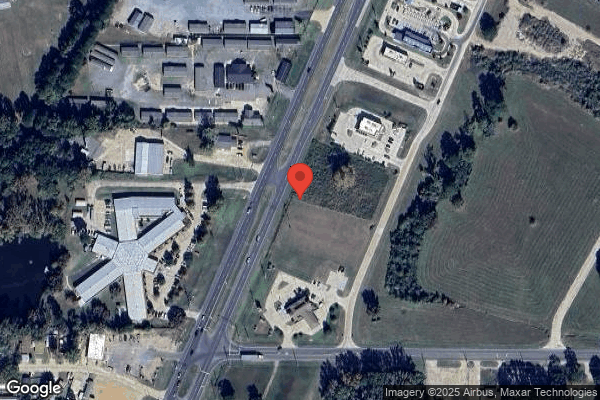

9712 MANSFIELD ROAD, SHREVEPORT, LA 71118 (318) 687-2080
For profit - Limited Liability company 145 Beds THE BEEBE FAMILY Data: November 2025
Trust Grade
65/100
#77 of 264 in LA
Last Inspection: October 2024

Within standard 12-15 month inspection cycle. Federal law requires annual inspections.

Overview

Heritage Manor South in Shreveport, Louisiana has a Trust Grade of C+, indicating it is decent and slightly above average compared to other facilities. It ranks #77 out of 264 nursing homes in Louisiana, placing it in the top half of the state, and #9 out of 22 in Caddo County, meaning only eight local options are better. The facility is showing an improving trend, with issues decreasing from seven in 2024 to just two in 2025. Staffing is a strong point, rated 4 out of 5 stars, with a turnover of 51%, which is average but may suggest some instability. Notably, there have been no fines recorded, which is a positive sign, and the facility has better RN coverage than 84% of state facilities, helping ensure quality care. However, there are some concerns as well. Recent inspections revealed that a care plan for one resident regarding their Do Not Resuscitate wishes was not properly developed, and another resident was found to be dependent on oxygen without the correct orders documented. Additionally, there were instances of missed medication doses for a resident with a wound infection, indicating potential issues in medication management. Overall, while Heritage Manor South has strengths in staffing and RN coverage, families should be aware of the care planning and medication administration concerns.
Trust Score
C+
65/100
In Louisiana
#77/264
Top 29%
Safety Record
Low Risk
No red flags
Inspections
Getting Better
7 → 2 violations
Staff Stability
⚠ Watch
51% turnover. Above average. Higher turnover means staff may not know residents' routines.
Penalties
✓ Good
No fines on record. Clean compliance history, better than most Louisiana facilities.
Skilled Nurses
⚠ Watch
Each resident gets only 23 minutes of Registered Nurse (RN) attention daily — below average for Louisiana. Fewer RN minutes means fewer trained eyes watching for problems.
Violations
⚠ Watch
18 deficiencies on record. Higher than average. Multiple issues found across inspections.
★★★☆☆
3.0
Overall Rating
★★★★☆
4.0
Staff Levels
★★☆☆☆
2.0
Care Quality
★★★☆☆
3.0
Inspection Score
Stable
2024: 7 issues
2025: 2 issues

The Good

  • 4-Star Staffing Rating · Above-average nurse staffing levels
  • Full Sprinkler Coverage · Fire safety systems throughout facility
  • No fines on record

Facility shows strength in staffing levels, fire safety.

The Bad

3-Star Overall Rating

Above Louisiana average (2.4)

Meets federal standards, typical of most facilities

Staff Turnover: 51%

Near Louisiana avg (46%)

Higher turnover may affect care consistency

Chain: THE BEEBE FAMILY

Part of a multi-facility chain

Ask about local staffing decisions and management

The Ugly 18 deficiencies on record

Jul 2025 2 deficiencies
CONCERN (D) 📢 Someone Reported This

A family member, employee, or ombudsman was alarmed enough to file a formal complaint

Potential for Harm - no one hurt, but risky conditions existed

Grievances (Tag F0585)

Could have caused harm · This affected 1 resident

Based on record reviews and interviews the facility failed to ensure a grievance investigation and resolution had been conducted and documented as per facility policy for 1 (#1) of 3 (#1, #2, #3) samp...

Read full inspector narrative →
Based on record reviews and interviews the facility failed to ensure a grievance investigation and resolution had been conducted and documented as per facility policy for 1 (#1) of 3 (#1, #2, #3) sampled residents.Review of facility Grievances - Residents policy with latest revision date of 05/2024 revealed, in part:All residents are to be encouraged and assisted (if necessary) in filing grievances to include those with respect to care and treatment, the behavior of staff and other resident's and other concerns regarding their facility stay, in the event that they have a need to make a concern known. The following outlines the process: . Family members, visitors or others may also present grievances on behalf of residents. Grievances may also be made anonymously using the suggestion box. The facility shall make prompt efforts to resolve the grievances. The Social Worker or Social Service Designee has been appointed by the Administrator to . to receive concerns, grievances and recommendations by residents, or any group or individual designated by the resident and his/her representative. Concerns which cannot be promptly resolved shall be treated as a grievance. These grievances shall be directed to the appropriate Department Head and/or Administrator for investigation and follow-up according to the following procedure:o Upon receipt of a grievance/complaint the staff receiving the complaint will report to their supervisor, grievance official, or will initiate the Grievance/Complaint Form NS-795. An investigation led by the Administrator based on the allegations will be set forth. NS-795 will be completed electronically in the electronic health record.o The Administrator and his/her designees will conduct an impartial investigation of the allegations and will discuss the findings and recommendations within five (5) work days of receiving the complaint, with the complainant, The Resident has the right to review the grievance and obtain a written decision regarding the grievance.o In all grievance cases, the resident and/or legal representative will be informed of the result of the investigation, the recommendations made by the investigating parties, and of the action(s) contemplated by the Administrator. Reports shall be maintained electronically for a minimum of 3 years. Review of Resident #1's medical record revealed an initial admission date of 12/03/2024 with diagnoses including, in part, rheumatoid arthritis, type 2 diabetes mellitus, essential hypertension, Alzheimer's disease unspecified, anxiety disorder unspecified, bipolar disorder, atherosclerotic heart disease of native coronary artery without angina pectoris, and mood disorder due to known physiological condition with mixed features. Review of 06/13/2025 Significant Change MDS (Minimum Data Set) revealed BIMS (Brief Interview for Mental Status) should not have been conducted as resident is rarely/never understood. Review of a 04/01/2025 at 11:25 a.m. grievance/complaint report revealed a family member had reported: (1) Resident #1's sheets looked dirty, even when they are clean; (2) Had received a call from the 2pm to 10pm nurse on 3/31/2025 at 4pm with report that Resident #1's stomach hurt and the nurse reported being unsure if Resident #1 had eaten or not and family member brought food and reported Resident #1 ate as if starving; and (3) Resident #1 was soaking wet and had to change him and today Resident #1 still had on the same clothing Resident #1 was put in yesterday. Further review of the Grievance/Complaint report failed to reveal evidence an investigation had been conducted and resolution communicated. During an interview on 07/16/2025 at 3:55 p.m. S1 DON (Director of Nursing) reviewed the 04/01/2025 grievance/complaint form and confirmed an investigation and resolution had not been documented. During an interview on 07/17/2025 at 11:57 a.m. S2 SSD (Social Services Director) reported she had recorded the 04/01/2025 complaint from Resident #1's family member, forwarded the complaint to nursing and laundry and did not document any investigation or resolution. S2 SSD further confirmed there was no evidence an investigation for the 04/01/2025 complaint had been done and no evidence the complainant had been notified of the resolution.
CONCERN (E) 📢 Someone Reported This

A family member, employee, or ombudsman was alarmed enough to file a formal complaint

Potential for Harm - no one hurt, but risky conditions existed

Comprehensive Care Plan (Tag F0656)

Could have caused harm · This affected multiple residents

**NOTE- TERMS IN BRACKETS HAVE BEEN EDITED TO PROTECT CONFIDENTIALITY** Based on record review and interview the facility failed to ensure a comprehensive person-centered care plan had been developed ...

Read full inspector narrative →
**NOTE- TERMS IN BRACKETS HAVE BEEN EDITED TO PROTECT CONFIDENTIALITY** Based on record review and interview the facility failed to ensure a comprehensive person-centered care plan had been developed and implemented for 1 (#3) of 3 (#1, #2, #3) sampled residents. The facility failed to ensure a care plan had been developed and implemented to reflect Resident #1/Resident #1's RP's (Responsible Party) wishes for code status of DNR (Do Not Resuscitate). Review of Resident #3's medical record revealed an admission date of [DATE] with diagnoses including, part, chronic obstructive pulmonary disease (COPD), unspecified severe protein-calorie malnutrition, anemia unspecified, essential (primary) hypertension, anxiety disorder, depression unspecified, and pain unspecified. Review of Resident #3's [DATE] Significant Change MDS (Minimum Data Set) revealed a BIMS (Brief Interview Mental Status) of 99, which indicated Resident #3 was unable to complete the interview. Review of Resident #3's physician orders revealed a [DATE] order for Do Not Resuscitate. Review of Resident #3's medical record revealed a [DATE] Advance Directive Consent obtained from Resident #3's RP with selection of DNR code status.Review of Resident #3's current care plan revealed a care plan initiated on [DATE] for Full code with interventions that included: if cardiac arrest occurs, initiate CPR; respect resident/family wishes; and review and update code status with resident/family as needed. During an interview on [DATE] at 8:11 a.m. S3 MDS (Minimum Data Set) Nurse and S4 MDS Nurse reviewed Resident #3's medical record and care plan and reported Resident #3 was care planned for full code and should have been care planned for DNR.
Oct 2024 7 deficiencies
CONCERN (D)

Potential for Harm - no one hurt, but risky conditions existed

Deficiency F0582 (Tag F0582)

Could have caused harm · This affected 1 resident

Based on record review and interview the facility failed to inform in writing 1 (#151) of 3 residents reviewed for SNF (Skilled Nursing Facility) Beneficiary Protection Notification of changes in thei...

Read full inspector narrative →
Based on record review and interview the facility failed to inform in writing 1 (#151) of 3 residents reviewed for SNF (Skilled Nursing Facility) Beneficiary Protection Notification of changes in their liability. Findings: Review of the facility's SNF Beneficiary Protection Notification Review revealed the facility initiated Resident #151's discharge from Medicare Part-A Services when the benefit days were not exhausted. A written NOMNC (Notice of Medicare Non-Coverage) or ABN (Advance Beneficiary Notice) was not given to Resident #151 or his RP (responsible party). Review of the facility's Skilled Nursing Facility Advance Beneficiary Notice of Non-coverage read in part the following: Beginning on 10/10/2024 you may have to pay out of pocket for this care if you do not have other insurance that may cover theses costs. Additional Information: On 10/28/2024 at 1:08 p.m., you_________ (the Resident Representative's name) were contacted by telephone at _________ Contact#, by S5 Account Manager to discuss details of this notice. During an interview on 10/28/2024 at 4:30 p.m., S5 Account Manager reported a written NOMNC or ABN were not provided to Resident #151 or his RP. S5 Account Manager reported she should have notified Resident #151or his RP earlier in October and she did not.
CONCERN (E)

Potential for Harm - no one hurt, but risky conditions existed

Comprehensive Care Plan (Tag F0656)

Could have caused harm · This affected multiple residents

Resident #81 Review of Resident #81's medical record revealed an admit date of 08/03/2023 with the following diagnoses, including in part: chronic pulmonary obstructive disease/unspecified, edema/unsp...

Read full inspector narrative →
Resident #81 Review of Resident #81's medical record revealed an admit date of 08/03/2023 with the following diagnoses, including in part: chronic pulmonary obstructive disease/unspecified, edema/unspecified, and shortness of breath. Review of Resident #81's Physicians Orders failed to reveal an order for continuous oxygen via nasal cannula at 3 liters per minute (LPM). Review of Resident #81's Nurse Practitioner Progress Note dated 10/10/2024 revealed a history of present illness: .He is dependent on oxygen at 3 Liters . Observation on 10/28/2024 at 8:15 a.m. revealed Resident #81 sitting up in wheelchair in room and noted nasal cannula with continuous oxygen in progress at 3LPM. Further observation revealed humidifier bottle and tubing dated 10/28/2024. During an interview on 10/29/2024 at 2:45 p.m. Resident #81 reported he does wear his oxygen. Observation on 10/30/2024 at 8:55 a.m. revealed Resident #81 lying in bed with continuous oxygen via nasal cannula in place at 3LPM. During an interview on 10/30/2024 at 1:00 p.m. S6 Licensed Practical Nurse (LPN) confirmed Resident #81 does wear his oxygen. During an interview on 10/30/2024 at 10:25 a.m. S2 DON (Director of Nursing) confirmed Resident #81 does use oxygen sometimes and did not know why he did not have an order for oxygen but should have. Based on record review, observations and interviews the facility failed to develop and implement a comprehensive person-centered care plan for 2 (#62, #81) out of 30 sampled residents reviewed. The facility failed to develop a care plan for Resident #62's diabetic wound and failed to obtain a physician order for Resident #81 to receive oxygen therapy. Findings: Resident #62 Review of Resident #62's medical record revealed an admit date of 04/08/2021 with diagnoses that included, in part, type 2 diabetes mellitus, diabetic ulcer, absence of right leg below knee, dementia, essential (primary) hypertension, impetigo, and peripheral vascular disease. Review of Resident #62's Physician Orders revealed an order dated 08/30/2024 to cleanse diabetic ulcer to left great toe with wound cleanser, pat dry, apply medi-honey and cover with bandage every Tues, Thurs, and Sat until resolved. May be changed as needed for soilage/dislodgement - every day shift every Tue, Thu, Sat and every 1 hour as needed. Review of Resident #62's 08/20/2024 Quarterly MDS (Minimum Data Set) revealed Resident #62 had a BIMS (Brief Interview Mental Status) of 07, which indicated severe cognitive impairment. Review of Resident #62's medical record revealed weekly wound assessments had been conducted for a diabetic wound to left dorsum-1st digit (Hallux) that was acquired in-house. Review of Resident #62's care plan failed to reveal a care plan had been developed for Resident #62's diabetic foot ulcer-left dorsum-1st digit (Hallux). During an interview on 10/30/2024 at 3:13 p.m. S4 MDS Coordinator reviewed Resident #62's care plan and acknowledged a care plan for Resident #62's diabetic wound had not been developed and should have been.
CONCERN (E)

Potential for Harm - no one hurt, but risky conditions existed

Quality of Care (Tag F0684)

Could have caused harm · This affected multiple residents

Based on record review and interview the facility failed to ensure residents received treatment and care in accordance with professional standards of practice for 1 (#62) of 30 sampled residents by fa...

Read full inspector narrative →
Based on record review and interview the facility failed to ensure residents received treatment and care in accordance with professional standards of practice for 1 (#62) of 30 sampled residents by failing to administer a full course of antibiotic as ordered by the physician. Findings: Review of Resident #62's medical record revealed an admit date of 04/08/2021 with diagnoses that included, in part, type 2 diabetes mellitus, diabetic ulcer, absence of right leg below knee, dementia, essential (primary) hypertension, impetigo, and peripheral vascular disease. Review of Resident #62's 08/20/2024 Quarterly MDS (Minimum Data Set) revealed Resident #62 had a BIMS (Brief Interview Mental Status) of 07, which indicated severe cognitive impairment. Review of Resident #62's physician orders revealed a 09/20/2024 order, with an end date of 09/27/2024 for Amoxicillin-Pot Clavulanate Tablet 875-125mg (milligram) - give 1 tablet by mouth every 12 hours for wound infection for 7 days. Review of Resident #62's September 2024 MAR (Medication Administration Record) revealed: Amoxicillin-Pot Clavulanate Tablet 875-125mg (1 tablet every 12 hours) - 8:00 p.m. doses for 9/20, 09/21, and 09/22/2024 and 8:00 a.m. doses for 09/21 and 09/22/2024 were left blank, indicating 5 missed doses of the medication. During an interview on 10/30/2024 at 1:30 p.m. S2 DON (Director of Nursing) reviewed Resident #62's September 2024 MAR and reported the Amoxicillin-Pot Clavulanate doses for 8:00 p.m. on 09/20, 09/21, and 09/22/2024 and doses for 8:00 a.m. on 09/21 and 09/22/2024 were blank and the full course was not administered.
CONCERN (E)

Potential for Harm - no one hurt, but risky conditions existed

Accident Prevention (Tag F0689)

Could have caused harm · This affected multiple residents

Based on observations, record reviews, and interviews, the facility failed to ensure residents were free of accident hazards by failing to ensure bed rails were securely attached to the bed for 5 (#70...

Read full inspector narrative →
Based on observations, record reviews, and interviews, the facility failed to ensure residents were free of accident hazards by failing to ensure bed rails were securely attached to the bed for 5 (#70, #54, #49, #40, and #8) of 6 (#70, #54, #49, #40, #8, and #201) residents reviewed for accident hazards. Findings: Resident #70 Review of Resident #70's record revealed an admit date of 07/13/2023 and diagnoses including: unspecified dementia unspecified severity with other behavioral disturbance, post-traumatic stress disorder, unspecified mood disorder, bipolar disorder current episode manic severe with psychotic features, edema, and pain. The resident resided on the facility's secure memory care unit. Review of Resident #70's most currently completed MDS (Minimum Data Set) Assessments with an ARD (Assessment Reference Date) of 08/13/2024 revealed the resident had a BIMS (Brief Interview for Mental Status) Score of 9 out of 15 indicating moderately impaired cognition. Further review revealed the resident was independent requiring no set up or physical help from staff for bed mobility, transfer, eating, and toilet use. Observation on 10/28/2024 at 9:35 a.m. revealed Resident #70 lying in bed with bilateral quarter metal bed rails in place on the upper half bed in the raised position. The rail to right side was loose and moved back and forth and side to side when pulled. During an interview on 10/28/2024 at 9:35 a.m., Resident #70 stated he used the rails to help position himself and to help himself sit up. Observation on 10/29/2024 at 10:18 a.m. revealed Resident #70's bed had bilateral quarter metal bed rails attached to the upper half of the bed. The right rail was loose when moved toward and away from the mattress. The left rail was very loose when moved toward and away from the mattress and freely moved toward the foot of the bed so that it turned a full 90 degrees. During an interview on 10/29/2024 at 10:18 a.m., Resident #70 asked the surveyor what they were doing. When told the surveyor was looking at the rails on his bed, and told him they were kind of loose, he replied yeah I know. That's why I don't use them, I'm afraid I'll fall. Resident #54 Review of Resident #54's most recently completed comprehensive MDS assessments with ARD of 08/06/2024 revealed the resident had a BIMS score of 15 out of 15 indicating he was cognitively intact. Observation on 10/28/2024 at 10:25 a.m. revealed Resident #54 had bilateral quarter metal bed rails in place on the upper half of the bed in the raised position. The rail to right side was loose and moved back and forth and side to side when pulled. During an interview on 10/28/2024 at 10:25 a.m. Resident #54 reported he used the rails to help position himself in the bed. Observation on 10/29/2024 at 10:30 a.m. revealed resident lying in his bed. Further observation revealed the resident's bed had bilateral quarter metal bed rails attached to the upper half of the bed. Both rails were loose and freely moved back and forth and toward and away from the mattress. During an interview on 10/29/2024 at 10:30 a.m. Resident #54 reported he used the rails to pull himself up in the bed, but they were pretty loose. Resident #54 further indicated the staff only checked on the rails at his request, but it had been a while since he had mentioned the rails being loose to any staff member. Resident #49 Review of Resident #49's record revealed an admit date of 01/12/2024 and diagnoses including: neuroleptic induced parkinsonism, vascular dementia severe with mood disturbance, depression, unspecified mood disorder, alcohol dependence with alcohol-induced persisting dementia, insomnia, idiopathic peripheral autonomic neuropathy, generalized muscle weakness, anxiety disorder, impulse disorder, unspecified pain, unspecified abnormalities of gait and mobility, unspecified lack of coordination. The resident resided on the facility's secure memory care unit. Review of Resident #49's most recently completed comprehensive MDS assessments with ARD of 08/06/2024 revealed the resident had a BIMS score of 10 out of 15 indicating moderately impaired cognition. Further review revealed Resident #49 was independent with setup help only for eating, required supervision with one person physical assist for toilet use; supervision with one person physical assist for bed mobility and transfer. Observation on 10/28/2024 at 9:33 a.m. revealed Resident #49's bed had bilateral quarter metal bed rails in place on the upper half of the bed in the raised position. The rail to the right side was loose and moved back and forth and side to side when pulled. During an interview on 10/28/2024 at 9:33 a.m., Resident #49 reported he used the rails to help position himself in the bed. Observation on 10/29/2024 at 10:14 a.m. revealed Resident #49's bed had bilateral quarter metal bed rails attached to the upper half of the bed. Both rails were loose and freely moved back and forth and toward and away from the mattress. Resident #40 Review of Resident #40's record revealed an admit date of 03/27/2023 and diagnoses including: neurocognitive disorder with Lewy Bodies, vascular dementia, bipolar disorder, and generalized muscle weakness. The resident resided on the facility's secure memory care unit. Review of Resident #40's most recently completed comprehensive MDS assessments with ARD of 09/18/24 revealed the resident's BIMS interview was not conducted due to the resident being rarely/never understood. Further review revealed the resident had a short-term memory problem and severely impaired cognitive skills for daily decision making. Observation on 10/28/2024 at 9:41 a.m. revealed Resident #40's bed had bilateral quarter metal bed rails in place to the upper half of the bed in the raised position. The rail to right side was loose and moved back and forth and side to side when pulled. Observation on 10/29/2024 at 10:20 a.m. revealed Resident #40's bed had bilateral quarter metal bed rails attached to the upper half of the bed. The left rail was in the down position. The right rail was loose and moved freely toward and away from the mattress and moved back and forth toward the head and foot of the bed when pulled on. Resident #8 Review of Resident #8's record revealed an admission date of 03/17/2022 and diagnoses including: unspecified dementia with behavioral disturbance, unspecified convulsions, bipolar disorder, persistent mood disorder, major depressive disorder, insomnia, generalized muscle weakness, anxiety disorder. The resident resided on the facility's secure memory care unit. Review of Resident #8's most recently completed comprehensive MDS assessments with ARD of 10/08/2024 revealed the resident's BIMS interview was not conducted due to the resident being rarely/never understood. Further review revealed Resident #8 had a short-term memory problem and severely impaired cognitive skills for daily decision making. Observation on 10/28/2024 at 9:25 a.m. revealed Resident #8 lying in bed with bilateral quarter metal bed rails in place to the upper half of the bed in the raised position. The rail to right side was loose and moved back and forth and side to side when pulled. Observation on 10/29/2024 at 10:16 a.m. revealed Resident #8 lying in her bed with bilateral quarter metal bed rails attached to the upper half of the bed. The resident's upper body was leaning up against the right bed rail. Further observation revealed both rails were loose and moved toward and away from the mattress, and moved back and forth toward the head and foot of the bed when pulled on. Observations beginning on 10/29/2024 at 3:58 p.m. with S7 CNA (Certified Nursing Assistant) on the secure dementia care unit revealed Resident #70, #49, #40, and #8's bed rails were loose and freely moveable. During an interview on 10/29/2024 beginning at 3:58 p.m. S7 CNA confirmed Resident #70, #49, #40, and #8's bed rails were loose and should not be. Observations beginning on 10/29/2024 at 4:00 p.m. with S8 CNA revealed Resident #54's bed had had bilateral quarter metal side rails attached to the upper half of the bed that were loose and freely moveable. During an interview on 10/29/2024 at 4:00 p.m. S8 CNA confirmed Resident #54's bed rails were loose and should not be. Observations beginning on 10/29/2024 at 4:04 p.m. with S3 ADON (Assistant Director of Nursing) revealed Resident #70, #49, #40, #8 and #54's beds had had bilateral quarter metal bed rails attached to the upper half of the bed that were loose and freely moveable. During an interview on 10/29/2024 beginning at 4:04 p.m. S3 ADON confirmed Resident #70, #49, #40, #8 and #54's bed rails were loose and freely moveable and should not be. During an interview on 10/29/2024 at 4:08 p.m. S2 DON (Director of Nursing) reported the maintenance department was responsible for checking the bed rails to ensure they were firmly attached and functioning properly. S2 DON further reported she did not know if maintenance checks were done on a routine basis or only when problems were reported. During an interview on 10/29/2024 at 4:33 p.m. S9 Maintenance reported he only inspected bed rails when staff turned in a work order reporting an issue. S9 Maintenance reported he did not conduct regular routine maintenance on the bed rails.
CONCERN (E)

Potential for Harm - no one hurt, but risky conditions existed

Deficiency F0700 (Tag F0700)

Could have caused harm · This affected multiple residents

**NOTE- TERMS IN BRACKETS HAVE BEEN EDITED TO PROTECT CONFIDENTIALITY** Based on record reviews, observations and interviews, the facility failed to ensure correct use and maintenance of bed rails. Th...

Read full inspector narrative →
**NOTE- TERMS IN BRACKETS HAVE BEEN EDITED TO PROTECT CONFIDENTIALITY** Based on record reviews, observations and interviews, the facility failed to ensure correct use and maintenance of bed rails. The facility failed to ensure: residents were assessed for risks associated with the use of bed rails (side rails) and/or safety devices, informed consent was obtained from resident/resident representative prior to installation of bed rails, evidence of monitoring and supervision during the use of bed rails, and/or scheduled maintenance was conducted according to manufacturer's recommendations for any bed rails in use for 12 (#5, #8, #14, #29, #31, #40, #49, #54, #57, #64, #70, #201) of 12 residents reviewed for bed rails. Findings: Review of the facility's Restraints and Safety Devices policy with a revision date of October of 2022 revealed in part: It is the philosophy of this facility that a resident has the right to be free from any physical or chemical restraints not required to treat the resident's medical symptoms. Restraints may not be used for the convenience of the nursing staff or as punishment to the resident. Physical Restraint Definition Any manual method or physical or mechanical device, material or equipment attached or adjacent to the resident's body that the individual cannot easily remove, restricts freedom of movement or normal access to one's body. Any manual method or physical or mechanical device, material or equipment should be classified as a restraint only when it meets the criteria of the physical restraint definition. This is not determined by a type of device or method, but can only be determined on an individual basis by evaluating the effect it has on the resident. Do not focus on the type, intent or the reason behind the use to determine if it should be classified as a restraint, focus on the effect. The Restraint Device Worksheet helps to make the determination of whether the device is a restraint or not. If it is determined not to be a restraint, it is a device. If the device being used could be considered a restraint, the Device/Physical Consent shall be completed. Residents must be screened for use of approved restraints to meet their particular needs. Side rail usage should also be reviewed. If necessary, use side rail covers or bolster to prevent the resident's body from going under or through side rails if side rails are used. The facility must attempt to use an appropriate alternatives prior to installing a side rail. If used, the facility must assess the resident for risk of entrapment, review the risks and benefits with the resident or resident representative, obtain informed consent prior to installation, ensure bed dimensions are appropriate for the resident's size and weight, and follow manufacturer's directions for installing and maintaining side rails. Resident #5 Review of Resident #5's medical record revealed an admission date of 04/28/2007 with diagnoses including but not limited to: quadriplegia unspecified, communicating hydrocephalus, morbid (severe) obesity due to excess calories, muscle weakness (generalized), aphasia, cerebral palsy, spastic quadriplegia, cerebral palsy, and profound intellectual disabilities. Review of Resident #5's comprehensive care plan revealed Resident #5's current safety devices and special equipment included approaches of quarter bed rails X 2 and wheelchair. Review of Resident #5's medical record failed to reveal documentation of monitoring and supervision provided during use of bed rails. Observation on 10/29/2024 at 8:07 a.m. revealed Resident #5 was awake in bed with head of bed slightly elevated and bed rails were up on both sides of upper bed. Observation on 10/29/2024 at 1:19 p.m. revealed Resident #5 was asleep in bed with head of bed elevated and bed rails were up on both sides of upper bed. During an interview on 10/29/2024 at 3:48 p.m. S11 LPN (Licensed Practical Nurse) observed Resident #5's bed rails and reported the rails were always up when she was in bed. Resident #8 Review of Resident #8's record revealed an admission date of 03/17/2022 and diagnoses including: unspecified dementia with behavioral disturbance, unspecified convulsions, bipolar disorder, persistent mood disorder, major depressive disorder, insomnia, generalized muscle weakness, anxiety disorder. The resident resided on the facility's secure memory care unit. Review of Resident #8's most recently completed comprehensive MDS (minimum data set) assessments with ARD (assessment reference date) of 10/08/2024 revealed the resident's BIMS (brief interview mental status) interview was not conducted due to the resident being rarely/never understood. Further review revealed Resident #8 had a short-term memory problem and severely impaired cognitive skills for daily decision making. Review of Resident #8's record failed to reveal a consent for the use of bed rails. Observation on 10/28/2024 at 9:25 a.m. revealed Resident #8 lying in bed with bilateral quarter metal side rails in place to the upper half of the bed in the raised position. The rail to right side was loose and moved back and forth and side to side when pulled. Observation on 10/29/2024 at 10:16 a.m. revealed Resident #8 lying in her bed with bilateral quarter metal side rails attached to the upper half of the bed. The resident's upper body was leaning up against the right side rail. Further observation revealed both rails were loose and moved toward and away from the mattress, and moved back and forth toward the head and foot of the bed when pulled on. During an interview on 10/30/2024 at 8:15 a.m. S2 DON (Director of Nursing) confirmed a consent for the use of bed rails had not been obtained for Resident #8 prior to the use of the rails and should have been. Resident #14 Review of Resident #14's medical record revealed an admission date of 05/23/2019 with following diagnoses, including but not limited to: acquired absence of left leg below knee, acquired absence of right leg above knee, hereditary and idiopathic neuropathy, morbid (severe) obesity, chronic systolic (congestive) heart failure, primary generalized (osteo) arthritis, other lack of coordination, and muscle wasting and atrophy of unspecified site. Review of Resident #14's comprehensive care plan revealed: Potential for injury related to the use of quarter side rails. Bed rails up X2 when in bed for bed mobility and positioning. Quarter side rails up X 2 when in bed, and safety device/restraint assessment quarterly and prn (as needed). Review of Resident #14's medical record failed to reveal documentation of monitoring and supervision had been provided during use of bed rails. Observation on 10/28/2024 at 3:06 p.m. revealed Resident #14's bed rails were up on both sides of upper bed. Observation on 10/29/2024 at 3:48 p.m. with S11 LPN revealed Resident #14 was in bed with head of bed elevated and bed side rails were up on both sides of upper bed. During an interview on 10/29/2024 at 3:48 p.m. S11 LPN reported Resident #14 usually had both upper bed rails up and preferred them to stay up. Resident #29 Review of Resident #29's medical record revealed an admit date of 08/09/2024 with the following diagnoses, including but not limited to: spondylosis of the lumbar region, delusional disorder and anxiety disorder. Review of Resident #29's comprehensive care plan revealed, in part: Resident #29 had a potential for injury related to the use of quarter side rails up X 2 when in bed for bed mobility and repositioning. Review of Resident #29's medical record revealed an incomplete Device/Physical Restraint Consent dated 09/03/2024, which failed to indicate whether the resident consented to side rails. Further review of Resident #29's medical record failed to reveal documentation of monitoring and supervision provided during the use of side rails. Observation on 10/28/2024 at 8:15 a.m. revealed Resident #29 asleep in bed with bilateral upper quarter side rails in use. Observation on 10/28/2024 at11:15 a.m. revealed Resident #29 awake in bed with bilateral upper quarter side rails in use. During an interview on 10/28/2024 at 11:15 a.m. Resident #29 reported she uses the left side rail to help get out of bed. During an interview on 10/29/2024 at 3:50 p.m. S10 LPN reported Resident #29's upper quarter side rails are kept in a raised position. During an interview on 10/29/2024 at 4:30 p.m. S2 DON acknowledged Resident #29's Device/Physical Restraint Consent was incomplete. Resident #31 Review of Resident #31's medical record revealed an admission date of 08/20/2019 with diagnoses including but not limited to: type 2 diabetes mellitus with diabetic chronic kidney disease, acute systolic (congestive) heart failure, atherosclerotic heart disease, muscle wasting and atrophy of unspecified site, insomnia, other lack of coordination, secondary Parkinsonism unspecified, history of falling, and bipolar disorder. Review of Resident #31's comprehensive care plan revealed Resident #31's current safety devices and special equipment included approaches of quarter side rails X 2 and wheelchair. Review of Resident #31's medical record failed to reveal documentation of monitoring and supervision provided during use of bed rails. Observation on 10/28/2024 at 3:23 p.m. revealed Resident #31 was lying in bed with head of bed slightly elevated and bed rails were up on both sides of the upper bed. During an interview on 10/29/2024 at 3:48 p.m. S11 LPN observed Resident #31's side rails and confirmed bed rails were up on both sides of upper bed and Resident #31 preferred them to stay up. Resident #40 Review of Resident #40's record revealed an admit date of 03/27/2023 and diagnoses including: neurocognitive disorder with Lewy Bodies, vascular dementia, bipolar disorder, and generalized muscle weakness. The resident resided on the facility's secure memory care unit. Review of Resident #40's most recently completed comprehensive MDS assessments with ARD of 09/18/2024 revealed the resident's BIMS interview was not conducted due to the resident being rarely/never understood. Further review revealed the resident had a short-term memory problem and severely impaired cognitive skills for daily decision making. Review of Resident #40's Nurse Data Collection and Screening dated 09/18/2024 revealed in part: section B. Restraint Necessity/Positioning Device: device in use=yes, device=side/bed rail, alteration in safety awareness, severe impairment of mental status, bed mobility=independent with an enabler; type of bed/side rail-quarter bed rail/assist bed rail. Further review revealed section #3 Bed/side rails have been inspected and evaluated to identify and remove potential fall, entrapment, or entanglement hazards and is appropriate for resident needs after considering all relevant risk factors was left blank. Observation on 10/28/2024 at 9:41 a.m. revealed Resident #40's bed had bilateral quarter metal side rails in place to the upper half of the bed in the raised position. The rail to right side was loose and moved back and forth and side to side when pulled. Observation on 10/29/2024 at 10:20 a.m. revealed Resident #40's bed had bilateral quarter metal side rails attached to the upper half of the bed. The left rail was in the down position. The right rail was loose and moved freely toward and away from the mattress and moved back and forth toward the head and foot of the bed when pulled on. During an interview on 10/30/2024 at 8:15 a.m. S2 DON confirmed Resident #40's bed rail assessment dated [DATE] did not include an inspection and evaluation to identify and remove potential fall, entrapment, or entanglement hazards and should have. Resident #49 Review of Resident #49's record revealed an admit date of 01/12/2024 and diagnoses including: neuroleptic induced parkinsonism, vascular dementia severe with mood disturbance, depression, unspecified mood disorder, alcohol dependence with alcohol-induced persisting dementia, insomnia, idiopathic peripheral autonomic neuropathy, generalized muscle weakness, anxiety disorder, impulse disorder, unspecified pain, unspecified abnormalities of gait and mobility, unspecified lack of coordination. The resident resided on the facility's secure memory care unit. Review of Resident #49's most recently completed comprehensive MDS assessments with ARD of 08/06/2024 revealed the resident had a BIMS score of 10 out of 15 indicating moderately impaired cognition. Further review revealed Resident #49 was independent with setup help only for eating, required supervision with one person physical assist for toilet use; supervision with one person physical assist for bed mobility and transfer. Review of Resident #49's record failed to reveal a consent for the use of bed rails. Review of Resident #49's comprehensive care plan failed to reveal any interventions related to the use of side rails. Review of Resident #49's Nurse Data Collection and Screening form dated 08/06/2024 revealed in part: Restraint Necessity/Positioning device: The question Does the resident currently have a device in use of being considered? Devices may include but not limited to bed/side rails, lap buddy, table, recliner, seatbelt, mittens, position change alarm etc. was marked No. Further review revealed no assessment of risks associated with the use of the bed rails had been completed. Observation on 10/28/2024 at 9:33 a.m. revealed Resident #49's bed had bilateral quarter metal side rails in place on the upper half of the bed in the raised position. The rail to the right side was loose and moved back and forth and side to side when pulled. During an interview on 10/28/2024 at 9:33 a.m., Resident #49 reported he used the rails to help position himself in the bed. Observation on 10/29/2024 at 10:14 a.m. revealed Resident #49's bed had bilateral quarter metal side rails attached to the upper half of the bed. Both rails were loose and freely moved back and forth and toward and away from the mattress. During an interview on 10/30/2024 at 8:43 a.m. S2 DON confirmed Resident #49 did not have a consent for the use of bed rails, was not care planned for the use of bed rails, and had not been evaluated for the risks associated with the use of bed rails. S2 DON further reported Resident #49 had bed rails in use and should not have. Resident #54 Review of Resident #54's most recently completed comprehensive MDS assessments with ARD of 08/06/2024 revealed the resident had a BIMS score of 15 out of 15 indicating he was cognitively intact. Observation on 10/28/2024 at 10:25 a.m. revealed Resident #54 had bilateral quarter metal side rails in place on the upper half of the bed in the raised position. The rail to right side was loose and moved back and forth and side to side when pulled. During an interview on 10/28/2024 at 10:25 a.m. Resident #54 reported he used the rails to help position himself in the bed. During an interview on 10/29/2024 beginning at 4:04 p.m. S3 ADON (Assistant Director of Nursing) confirmed Resident #54's bed rails were loose and freely moveable and should not be. Resident #57 Review of Resident 57's medical record revealed a re-entry date of 04/05/2024 with the following diagnoses, including but not limited to: hemiplegia and hemiparesis following cerebral infarction affecting left non dominant side, vascular dementia, severe with other behavioral disturbance, and general anxiety disorder. Review of Resident #57's comprehensive care plan on 10/29/2024 revealed in part: Resident #57s current safety devices and special equipment included bolster device and quarter bed rails x 2. Review of Resident #57's medical record failed revealed an undated Device/Physical Restraint Consent. Review of Resident #57's medical record revealed the Quarterly Nurse Data Collection and Screening assessment dated [DATE] failed to assess Resident #57 for the use of a bolster device. Further review of Resident #57's medical record failed to reveal documentation of monitoring and supervision provided during use of side rails. Observation on 10/28/2024 at 8:30 a.m. revealed Resident #57 asleep in bed with bilateral upper quarter bed rails in use with bolster devices strapped to the resident side of each rail. Observation on 10/28/2024 at 11:00 a.m. revealed Resident #57 asleep in bed with bilateral upper quarter bed rails and bolster devices in use. Observation on 10/29/2024 at 10:30 a.m. revealed Resident #57 asleep in bed with bilateral upper quarter bed rails and bolster devices in use. During an interview on 10/29/2024 at 3:50 p.m., S10 LPN reported Resident #57's upper quarter bed rails stay up and she was not sure why both bed rails and bolsters were in use. During an interview on 10/29/2024 at 4:30 p.m. S2 DON acknowledged Resident #57's Device/Physical Restraint Consent was not dated and was incomplete. During an interview on 10/30/2024 at 8:45 a.m. S2 DON reviewed Resident #57's 09/16/2024 Assessment for Restraint Necessity dated 09/16/2024 and acknowledged Resident #57 had not been assessed for bolster device usage. S2DON acknowledged Resident #57 had a bolster device in use and should not have. Resident #64 Review of Resident #64's medical record revealed an admission date of 06/15/2023 with diagnoses that included, in part, unspecified diastolic (congestive) heart failure, type 2 diabetes mellitus with diabetic chronic kidney disease, chronic obstructive pulmonary disease, iron deficiency anemia, primary generalized (osteo) arthritis, unspecified dementia, post-traumatic stress disorder, chronic kidney disease stage 4, muscle weakness (generalized), other lack of coordination, and unspecified pain. Review of Resident #64's comprehensive care plan revealed: Resident #64's current safety devices and special equipment included approaches of quarter bed rails X 2 and wheelchair. Review of Resident #64's medical record failed to reveal documentation of monitoring and supervision provided during use of bed rails. Observation on 10/28/2024 at 12:02 p.m. revealed Resident #64 was in bed with head of bed elevated and bed rails were up on both sides of upper bed. Observation on 10/29/2024 at 1:17 p.m. revealed Resident #64 was lying in bed with head of bed elevated and bed rails were up on both sides of upper bed. During an interview on 10/29/2024 at 3:44 p.m. S11 LPN observed Resident #64 and reported Resident #64 usually kept his both of his upper bed rails up and preferred them to stay up to make it easier to maneuver in bed. Resident #70 Review of Resident #70's record revealed an admit date of 07/13/2023, and diagnoses including: Unspecified dementia unspecified severity with other behavioral disturbance, post-traumatic stress disorder, unspecified mood disorder, bipolar disorder current episode manic severe with psychotic features, edema, and pain. The resident resided on the facility's secure memory care unit. Review of Resident #70's most currently completed MDS Assessments with an ARD of 8/13/2024 revealed the resident had a BIMS (Brief Interview for Mental Status) Score of 9 out of 15 indicating moderately impaired cognition. Further review revealed the resident was independent requiring no set up or physical help from staff for bed mobility, transfer, eating, and toilet use. Review of Resident #70's comprehensive care plan failed to reveal any interventions related to the use of bed rails. Review of Resident #70's Nurse Data Collection and Screening form dated 08/13/2024 revealed in part: Restraint Necessity/Positioning device: The question Does the resident currently have a device in use of being considered? Devices may include but not limited to bed/side rails, lap buddy, table, recliner, seatbelt, mittens, position change alarm etc. was marked No. Further review revealed no assessment of risks associated with the use of the bed rails had been completed. Observation on 10/28/2024 at 9:35 a.m. revealed Resident #70 lying in bed on the locked dementia care unit. Bilateral quarter metal side rails were in place on the bed in the raised position. The rail to right side was loose and moved back and forth and side to side when pulled. During an interview on 10/28/2024 at 9:35 a.m., Resident #70 stated he used the rails to help position himself and to help himself sit up. Observation on 10/29/2024 at 10:18 a.m. revealed Resident #70's bed had bilateral quarter metal bed rails attached to the upper half of the bed. The right rail was loose when moved toward and away from the mattress. The left rail was very loose when moved toward and away from the mattress and freely moved toward the foot of the bed so that it turned a full 90 degrees. During an interview on 10/30/2024 at 8:43 a.m. S2 DON confirmed Resident #70's care plan did not include the use of bed rails/safety device. S2 DON further confirmed Resident #70 had not been assessed quarterly for the risks associated with the use of the bed rails and should have been. Resident #201 Review of Resident #201's record an admit date of 02/09/2022 and diagnoses including: fracture of unspecified parts of lumbosacral spine and pelvis subsequent encounter for fracture with routine healing, schizoaffective disorder bipolar type, depression, muscle wasting and atrophy unspecified site, cognitive communication deficit, mood disorder, unspecified abnormalities of gait and mobility, lack of coordination, generalized muscle weakness, unspecified dementia. The resident resided on the facility's secure memory care unit. Review of Resident #201's most recently completed comprehensive MDS assessments with ARD of 08/20/2024 revealed the resident had a BIMS score of 6 out of 15 indicating severely impaired cognition. Observation on 10/29/2024 at 10:12 a.m. revealed Resident #201 lying in bed with bilateral quarter metal side rails attached to the upper half of the bed. Observation on 10/29/2024 at 3:58 p.m. revealed Resident #201's bed had bilateral quarter metal side rails attached to the upper half of the bed. During an interview on 10/29/2024 at 4:08 p.m. S2 DON reported a consent should be obtained from all residents or the residents' responsible parties prior to the installation or use of bed rails or other safety devices, even if not considered a restraint. S2 DON further reported a resident/device assessment should be conducted at least quarterly, and the use of the device should be included in the resident's care plan. S2 DON also reported the maintenance department was responsible for checking the bed rails to ensure they were firmly attached and functioning properly, but she did not know if checks were done on a routine basis or only when problems were reported. During an interview on 10/29/2024 at 4:33 p.m. S9 Maintenance reported he only inspected bed rails when staff turned in a work order reporting an issue. S9 Maintenance reported he did not conduct regular routine maintenance on the bed rails. S9 Maintenance further reported he did not know what the manufacturer recommendations were regarding the maintenance of the rails but he could look them up. During an interview on 10/30/2024 at 9:26 a.m. S9 Maintenance reported he did not have the manufacturer's recommendations for the installation and/or maintenance of the metal side rails. S9 Maintenance stated the rails come loose all the time. S9 Maintenance further confirmed he did not conduct regular scheduled maintenance checks on the bed rails, but only inspected them when staff reported an issue to him. During an interview on 10/30/2024 at 1:30 p.m. S1 Administrator reported he did not have the manufacturer's information and guidance for the metal bed rails in use at the facility, and did not know what the manufacturer's recommendations were for the scheduled maintenance of the rails. During an interview on 10/30/2024 at 4:10 p.m. S2 DON and S12 Corporate Nurse reported no residents with side rails up were being monitored for the use of side rails.
CONCERN (E)

Potential for Harm - no one hurt, but risky conditions existed

Deficiency F0757 (Tag F0757)

Could have caused harm · This affected multiple residents

Based on record reviews and interviews, the facility failed to ensure residents were free from unnecessary medications for 4 (#28, #34, #79, #87) out of 6 (#28, #34, #49, #70, #79, #87) residents revi...

Read full inspector narrative →
Based on record reviews and interviews, the facility failed to ensure residents were free from unnecessary medications for 4 (#28, #34, #79, #87) out of 6 (#28, #34, #49, #70, #79, #87) residents review for unnecessary medications. The facility failed to: 1. Monitor Resident #28 for edema, 2. Monitor Resident #34 for edema and bleeding, 3. Monitor Resident #79 for edema and bleeding, and 4. Monitor Resident #87 for bleeding. Findings: Resident #28 Review of Resident #28's medical record revealed an admit date of 06/10/2024 with the following diagnoses, including in part: acute on chronic congestive heart failure (CHF), essential (primary) hypertension, end stage renal disease, chronic kidney disease/stage 3 unspecified, and dependence on dialysis. Review of Resident #28's Physician's Orders revealed an order dated 08/01/2024 for Bumetanide tablet 1 mg (milligram) give 1 tablet by mouth one time a day related to CHF. Review of Resident #28's October 2024 tasks in electronic health record failed to reveal edema was monitored every shift on the following days: 1-5, 7, 9-13, 15-20, 24, 25, 26, 28, and 29th. During an interview on 10/30/2024 at 11:50 a.m. S2 DON (Director of Nursing) acknowledged Resident #28 was not monitored every shift for edema and should have been. Resident #34 Review of Resident #34's medical record revealed an admit date of 03/23/2022 with the following diagnoses, including in part: chronic obstructive pulmonary disease/unspecified, CHF, and edema/unspecified. Review of Resident #34's Comprehensive Care Plan revealed: Resident is on diuretic therapy related to CHF - monitor/document/report prn (as needed) adverse reactions to diuretic therapy .Potential for altered blood pressure - monitor for and document any edema. Notify MD (Medical Direcdtor). Potential for abnormal bleeding and bruising - observe for signs and symptoms of abnormal bleeding - tarry stool, coffee ground emesis, nose bleed, excessive/unexplained bruising . Review of Resident #34's Physician's Order dated 08/01/2024 for Torsemide oral tablet 20 mg give 20 mg by mouth one time a day for edema and Apixaban tablet 5 mg give 1 tablet orally two times a day. Review of Resident #34's October 2024 tasks in the electronic health record failed to reveal edema was monitored every shift on the following days: 1-5, 7, 9-14, 16-20, 22-26, 28 and 29th. Further review of the tasks failed to reveal bleeding was monitored every shift on the following days: 1-5, 7, 9-14, 16-20, 22-26, 28 and 29th. During an interview on 10/30/2024 at 11:50 a.m. S2 DON acknowledged Resident #34 was not monitored every shift for edema and bleeding and should have been. Resident #79 Review of Resident #79's medical record revealed an admit date of 08/28/2024 with the following diagnoses, including in part: anxiety disorder, acute embolism and thrombosis of unspecified deep veins of unspecified lower extremity, and acute kidney failure. Review of Resident #79's Physician's Orders revealed an order dated 08/28/2024 for Eliquis tablet 5 mg by mouth two times a day and Furosemide tablet 40 mg by mouth one time a day. Review of Resident #79's October 2024 tasks in electronic health record failed to reveal edema was monitored every shift on the following days: 1, 4, 6-11, and 13-29th. Further review of the tasks failed to reveal bleeding was monitored every shift on the following days: 1, 4, 6-11, and 13-29th. During an interview on 10/30/2024 at 2:35 p.m. S3 ADON (Assistant Director of Nursing) acknowledged Resident #79 had not been monitored every shift for edema and bleeding and should have been. Resident #87 Review of Resident #87's medical record revealed an admit date of 04/24/2024 with the following diagnoses, including in part: dyskinesia, neurocognitive disorder with lewy bodies, and major depressive disorder, Review of Resident #87's Physician's Orders revealed an order dated 10/14/2024 for Eliquis tablet 5 mg by mouth two times a day. Review of Resident #87's October 2024 tasks in electronic health record failed to reveal bleeding was monitored every shift on the following days: 1-2, 4, 6, 9-11, 13-20, 23, and 25-28th. During an interview on 10/30/2024 at 2:35 p.m. S2 ADON acknowledged Resident #87 had not been monitored every shift for bleeding and should have been.
CONCERN (E)

Potential for Harm - no one hurt, but risky conditions existed

Medication Errors (Tag F0758)

Could have caused harm · This affected multiple residents

Based on record reviews and interviews, the facility failed to ensure residents were free from unnecessary psychotropic medications for 3 (#34, #79, #87) out of 6 (#28, #34, #49, #70, #79, #87) reside...

Read full inspector narrative →
Based on record reviews and interviews, the facility failed to ensure residents were free from unnecessary psychotropic medications for 3 (#34, #79, #87) out of 6 (#28, #34, #49, #70, #79, #87) residents review for unnecessary medications. The failed to monitor Residents #34, #79, and #87 for psychotropic side effects and behaviors. Findings: Resident #34 Review of Resident #34's medical record revealed an admit date of 03/23/2022 with the following diagnoses, including in part: anxiety disorder due to known physiological condition, mood disorder due to known physiological condition/unspecified, insomnia/unspecified, and major depressive disorder/recurrent/moderate. Review of Resident #34's Physician's Orders dated 09/13/2024 for Zoloft oral tablet give 150 mg (milligram) by mouth one time a day for major depressive disorder (MDD), 09/10/2024 for Busprione HCL (hydrochloride) tablet give 7.5 mg orally three times a day for anxiety, 08/01/2024 for Duloxetine HCL enteric coated pellets capsule 60 mg orally two times a day for behavior - withdrawn, and 08/01/2024 for Bupropion HCL tablet ER (extended release) 24 hr (hour) 150 mg give 1 tablet orally one time a day for behavior - withdrawn. Review of Resident #34's October 2024 tasks in the electronic health record failed to reveal side effects were monitored every shift on the following days: 1-5, 7, 9-14, 16-20, 22-26, 28 and 29th. Further review of the tasks failed to reveal behaviors were monitored every shift on the following days: 1-5, 7, 9-14, 16-20, 22-26, 28 and 29th. During an interview on 10/30/2024 at 11:50 a.m. S2 DON (Director of Nursing) acknowledged Resident #34 was not monitored every shift for psychotropic side effects and behaviors and should have been. Resident #79 Review of Resident #79's medical record revealed an admit date of 08/28/2024 with the following diagnoses, including in part: anxiety disorder, acute embolism and thrombosis of unspecified deep veins of unspecified lower extremity, and acute kidney failure. Review of Resident #79's Physician's Orders revealed an order dated 08/28/2024 for Buspirone tablet 5 mg by mouth two times a day and Trazadone tablet 50 mg by mouth at bedtime. Further review revealed an order dated 10/15/2024 for Mirtazapine tablet 7.5 mg by mouth at bedtime for depression Review of Resident #79's October 2024 tasks in electronic health record failed to reveal side effects and behaviors were monitored every shift on the following days: 1, 4, 6-11, and 13-29th. During an interview on 10/30/2024 at 2:35 p.m. S3 ADON (Assistant Director of Nursing) acknowledged Resident #79 had not been monitored every shift psychotropic side effects and behaviors and should have been. Resident #87 Review of Resident #87's medical record revealed an admit date of 04/24/2024 with the following diagnoses, including in part: dyskinesia, neurocognitive disorder with lewy bodies, and major depressive disorder. Review of Resident #87's Physician's Orders revealed orders dated 10/17/2024 for Sertraline tablet 100 mg by mouth one time a day, 05/21/2024 Alprazolam tablet 0.25 mg by mouth one time a day and 07/30/2024 Quetiapine Fumarate tablet 150 mg by mouth at bedtime. Review of Resident #87's October 2024 tasks in electronic health record failed to reveal side effects and behaviors were monitored every shift on the following days: 1-2, 4, 6, 9-11, 13-20, 23, and 25-28th. During an interview on 10/30/2024 at 2:35 p.m. S3 ADON acknowledged Resident #87 had not been monitored every shift for psychotropic side effects and behaviors and should have been.
Nov 2023 4 deficiencies
CONCERN (D)

Potential for Harm - no one hurt, but risky conditions existed

Comprehensive Care Plan (Tag F0656)

Could have caused harm · This affected 1 resident

Based on record review and interviews the facility failed to ensure neurological checks were completed for 1(#41) out of 1 resident reviewed for vision (communication-sensory). Findings: During an i...

Read full inspector narrative →
Based on record review and interviews the facility failed to ensure neurological checks were completed for 1(#41) out of 1 resident reviewed for vision (communication-sensory). Findings: During an interview on 11/27/2023 at 12:05 p.m. Resident #41 reported she just woke up and was not able to see about a month ago. Resident #41 reported her vision was very poor and she could not see. Review of Resident #41's diagnosis revealed dry eye syndrome of unspecified lacrimal gland. Review of Resident #41's October 28, 2023 Physician orders revealed neurological checks every 4 hours for 72 hours after complaints of sudden decrease in vision. Review of Resident #41's Neurological Observations form revealed neurological checks started on 10/28/2023 and ended on 10/31/2023. Review of Resident #41's Neurological Observations failed to reveal neurological checks were done on 10/29/2023 at 12:00 p.m., 10/29/2023 at 4:00 p.m., 10/29/2023 at 8:00 p.m., 10/31/2023 at 12:00 a.m., and 10/31/2023 at 4:00 a.m. During an interview on 10/29/2023 at 1:30 p.m. S1 DON (Director of Nursing) reviewed Resident #41's electronic health record and Neurological Observations form and confirmed neurological checks were not completed on 10/29/2023 at 12:00 p.m., 10/29/2023 at 4:00 p.m., 10/29/2023 at 8:00 p.m., 10/31/20223 at 12:00 a.m., and 10/31/2023 at 4:00 a.m.
CONCERN (E)

Potential for Harm - no one hurt, but risky conditions existed

Deficiency F0578 (Tag F0578)

Could have caused harm · This affected multiple residents

**NOTE- TERMS IN BRACKETS HAVE BEEN EDITED TO PROTECT CONFIDENTIALITY** Based on record reviews and interviews, the facility failed to ensure the medical record reflected an accurate advance directive...

Read full inspector narrative →
**NOTE- TERMS IN BRACKETS HAVE BEEN EDITED TO PROTECT CONFIDENTIALITY** Based on record reviews and interviews, the facility failed to ensure the medical record reflected an accurate advance directive preference for 1 (#44) of 1 resident investigated for advanced directives. Findings: Review of Resident #44's electronic medical record header indicated a code status of Cardiopulmonary Resuscitation (CPR). Review of Resident #44's record revealed a facility form titled Resident/Family Consent for Cardiopulmonary Resuscitation indicated a code status of CPR. Review of Resident #44's record revealed a physician's order dated [DATE] for Code Status Do Not Resuscitate (DNR). Further review of Resident #44's record failed to reveal documentation of a LaPOST (Louisiana Physician Orders for Scope of Treatment). During an interview on [DATE] at 4:25 p.m. S2 ADON (Assistant Director of Nursing) reviewed Resident #44's records and acknowledged there was not documentation of accurate advanced directive preference. During an interview on [DATE] at 4:30 p.m. S1 DON (Director of Nursing) reviewed Resident #44's records and acknowledged there was not documentation of accurate advanced directive preference.
CONCERN (E)

Potential for Harm - no one hurt, but risky conditions existed

Tube Feeding (Tag F0693)

Could have caused harm · This affected multiple residents

**NOTE- TERMS IN BRACKETS HAVE BEEN EDITED TO PROTECT CONFIDENTIALITY** Based on record reviews, observations, and interview the facility failed to ensure a cover/cap was applied to the male tip of a ...

Read full inspector narrative →
**NOTE- TERMS IN BRACKETS HAVE BEEN EDITED TO PROTECT CONFIDENTIALITY** Based on record reviews, observations, and interview the facility failed to ensure a cover/cap was applied to the male tip of a feeding tube line when removed from a gastrostomy tube for 2 (Residents #2, #76) of 3 (Residents #2, #72, #76) residents reviewed for tube feeding. Findings: Resident #2 Record review of Resident # 2's diagnoses revealed the following, in part: - Gastrostomy status - Dysphagia - Type 2 diabetes. Record review of Resident #2's physician orders for November 2023 revealed the following , in part: - Tube feeding formula Diabetisource 1.2 Kcal (Kilocalories) at 60cc (cubic centimeters)/hour times 20 hours per day to deliver 1440 calories, 72 grams protein, 979ml (milliliters) total volume. Off at 7:00 a.m. and on at 11:00 a.m. - NPO (nothing by mouth). Review of Resident #2's MDS (minimum data set) dated 09/20/2023 revealed the following, in part: - Section C showed a BIMS (brief interview of mental status) of 00, which would indicate the resident had severely impaired cognition. - Section K showed nutritional approaches were per feeding tube. Observation on 11/27/2023 at 9:10 a.m. revealed Resident #2's feeding tube was disconnected from the resident's gastrostomy tube. The male tip of the feeding tube line that connects to the resident's gastrostomy was not capped and was hanging over the pole above the feeding pump, open to air. Observation on 11/28/2023 at 8:15 a.m. revealed Resident #2's feeding tube was disconnected from the resident's gastrostomy tube. The male tip of the feeding tube line that connects to the resident's gastrostomy was not capped and was hanging over the pole above the feeding pump, open to air. Observation on 11/29/2023 at 7:50 a.m. revealed Resident #2's feeding tube was disconnected from the resident's gastrostomy tube. The male tip of the feeding tube line that connects to the resident's gastrostomy was not capped and was hanging over the pole above the feeding pump, open to air. During an interview on 11/29/2023 at 10:20 a.m., S1DON verified the tip of the feeding tube line was open to air after being removed from Resident #2's gastrostomy tube on 11/29/2023 at 7:00 a.m. S1DON further indicated the tip of the feeding line should have been capped after removal. Resident #76 Record review of Resident # 76's diagnoses revealed the following, in part: - Dysphagia - Gastrostomy status - Type 2 diabetes Record review of Resident #76's physician orders for November 2023 revealed the following, in part: - NPO - Tube feeding formula Diabetisource 1.2Kcal at 75cc/hour times 20 hours per day to deliver 1800 calories, 90 grams protein, 1500ml total volume. Off at 7:00 a.m. and on at 11:00 a.m. Record review of Resident #76's MDS dated [DATE] included: - Section C showed a BIMS score of 00, which would indicate the resident had severely impaired cognition. - Section K showed nutritional approaches were per feeding tube. Observation on 11/27/2023 at 9:05 a.m. revealed Resident #76's feeding tube was disconnected from the resident's gastrostomy tube. The male tip of the feeding tube line that connects to the resident's gastrostomy was not capped and was hanging over the pole above the feeding pump, open to air. Observation on 11/28/2023 at 8:10 a.m. revealed Resident #76's feeding tube was disconnected from the resident's gastrostomy tube. The male tip of the feeding tube line that connects to the resident's gastrostomy was not capped and was hanging over the pole above the feeding pump, open to air. Observation on 11/29/2023 at 7:45 a.m. revealed Resident #76's feeding tube was disconnected from the resident's gastrostomy tube. The male tip of the feeding tube line that connects to the resident's gastrostomy was not capped and was hanging over the pole above the feeding pump, open to air. During an interview on 11/29/2023 at 10:15 a.m., S1DON verified the tip of the feeding tube line was open to air after being removed from Resident #76's gastrostomy tube on 11/29/2023 at 7:00 a.m. S1DON further indicated the tip of the feeding line should have been capped after removal.
CONCERN (E)

Potential for Harm - no one hurt, but risky conditions existed

Respiratory Care (Tag F0695)

Could have caused harm · This affected multiple residents

Based on record review, observations, and interviews the facility failed to ensure a resident's BiPap (bilevel positive airway pressure) machine was in working order for a resident to receive BiPap at...

Read full inspector narrative →
Based on record review, observations, and interviews the facility failed to ensure a resident's BiPap (bilevel positive airway pressure) machine was in working order for a resident to receive BiPap at bedtime per physician orders for 1 (Resident #29) of 1 (Resident #29) resident reviewed for respiratory care. Findings: Record review of Resident #29's diagnoses revealed the following, in part: - Acute or chronic systolic congestive heart failure. - Acute respiratory failure with hypoxia - Type 2 diabetes - Morbid obesity - COPD (chronic obstructive pulmonary disease) - Acute and chronic respiratory failure with hypercapnia Record review of Resident #29's physician orders for November 2023 revealed the following, in part: - Oxygen at 2 liters per minute per nasal cannula continuous. - BiPap to be worn daily with two liter nasal cannula at bedtime, settings 12/5/40%. Record review of Resident #29's MDS (minimum data set) dated 10/17/2023 revealed the following, in part: - Section C showed a BIMS (brief interview of mental status) of 15, which would indicate the resident was cognitively intact. - Section O showed the resident received oxygen therapy. Record review of Resident #29's MAR (medication administration record) for November 2023 revealed the following, in part: - BiPap to be worn daily with 2 lpm (liters per minute) per NC (nasal cannula) at bedtime, was marked as completed every day this month on 11/1-28/2023. During an interview on 11/27/23 at 11:13 a.m., Resident #29 indicated she had not worn her BiPap at night time because the power cord was missing and her mask was laying on the floor. Resident #29 further indicated she had not worn her BiPap for several weeks. Observation at this time revealed Resident #29's BiPap mask was laying on the floor under the resident's bed and the power cord for the BiPap machine was not seen. Observation on 11/28/2023 at 8:45 a.m. revealed Resident #29's BiPap mask was laying on the floor under the resident's bed and the power cord for the BiPap machine was not seen. Observation on 11/29/2023 at 8:15 a.m. revealed Resident #29's BiPap mask was laying on the floor under the resident's bed and the power cord for the BiPap machine was not seen. During an interview on 11/29/2023 at 1:25 p.m., Resident #29 indicated she thought the power cord went missing when they moved her to another room. During an interview on 11/29/2023 at 9:00 a.m., S1 DON (Director of Nursing) indicated she was unaware Resident # 29's power cord was missing for her BiPap machine. S1 DON reviewed the MAR from November 2023 and indicated the nurses should put a N indicating not completed in the slot for Resident #29's BiPap machine if they did not apply the BiPap for the resident. S1DON verified the problem should have been resolved, and Resident #29 should have been receiving her BiPap per physician orders.
Jul 2023 1 deficiency
CONCERN (D) 📢 Someone Reported This

A family member, employee, or ombudsman was alarmed enough to file a formal complaint

Potential for Harm - no one hurt, but risky conditions existed

Notification of Changes (Tag F0580)

Could have caused harm · This affected 1 resident

Deficiency Text Not Available

Read full inspector narrative →
Deficiency Text Not Available
Nov 2022 4 deficiencies
CONCERN (D)

Potential for Harm - no one hurt, but risky conditions existed

Assessment Accuracy (Tag F0641)

Could have caused harm · This affected 1 resident

Based on record reviews and interviews, the facility failed to ensure a resident's assessment accurately reflected the resident's discharge disposition for 1 (#96) of 2 (#95, #96) residents whose disc...

Read full inspector narrative →
Based on record reviews and interviews, the facility failed to ensure a resident's assessment accurately reflected the resident's discharge disposition for 1 (#96) of 2 (#95, #96) residents whose discharge assessments were reviewed. Findings: Review of resident #96's medical record revealed an admission date of 8/16/2022 with a diagnosis of, but not limited to, aftercare following joint replacement surgery and a discharge date of 9/16/2022. Review of resident #96's discharge MDS (Minimum Data Set) dated 9/16/2022 indicated resident #96's discharge was a planned discharge to an acute hospital with no return anticipated. Review resident #96's physician orders revealed an order for discharge to home on 9/16/22 with all medications, home health with physical therapy/occupational therapy and to follow up with primary care physician in two weeks. During an interview on 11/16/2022 at 11:55 am. S1 DON (Director of Nurses) confirmed resident #96 was discharged to home and not to an acute care hospital. During an interview on 11/16/2022 at 12:20 pm. S3 MDS Assessment Nurse confirmed resident #96 was discharged to home and resident #96's MDS indicated resident #96 was discharged to an acute hospital in error.
CONCERN (D)

Potential for Harm - no one hurt, but risky conditions existed

Tube Feeding (Tag F0693)

Could have caused harm · This affected 1 resident

Based on observation, interview, and record review the facility failed to ensure that a resident's enteral (tube) feeding was properly labeled for 1 (#16) of 1 (#16) resident investigated for tube fee...

Read full inspector narrative →
Based on observation, interview, and record review the facility failed to ensure that a resident's enteral (tube) feeding was properly labeled for 1 (#16) of 1 (#16) resident investigated for tube feeding. This deficient practice had the potential to affect 5 residents in the facility who received tube feedings according to the Resident Census and Conditions of Residents dated 11/14/22. Findings: Review of the facility's policy for Gastrostomy/Jejunostomy/Tube revealed: . Enteral (Tube) Feeding Pump General Instructions: . Label formula container with resident's name, room, date, starting time, rate at milliliters/hour, and initials of licensed staff preparing feeding. Review of Resident #16's current physician order, dated 6/14/22, revealed an order for Isosource 1.5 at 40ML (milliliters) per hour X 20 hours to deliver 1200 calories, 32.4GM(gram) protein, total volume 800ML off at 7 a.m. and on at 11 a.m. Observation on 11/14/22 at 10:15 a.m. with S2 LPN (Licensed Practical Nurse) revealed Resident #16's Isosource 1.5 Cal tube feeding bag was not labeled with a starting time. During an interview on 11/14/2022 at 10:17 a.m. S2 LPN observed Resident #16's Isosource 1.5 Cal tube feeding bag and confirmed the bag was not labeled with the starting time and should have been. S2 LPN further reported the bag had to be changed every 24 hours and the labeled time would let staff know when to change the bag.
CONCERN (D)

Potential for Harm - no one hurt, but risky conditions existed

Deficiency F0919 (Tag F0919)

Could have caused harm · This affected 1 resident

Based on record review, observation and interview, the facility failed to ensure the resident call system was adequate for 1 (#88) out of 24 total sampled residents reviewed. Findings: Review of Resi...

Read full inspector narrative →
Based on record review, observation and interview, the facility failed to ensure the resident call system was adequate for 1 (#88) out of 24 total sampled residents reviewed. Findings: Review of Resident #88's medical record revealed diagnoses included, in part, other lack of coordination, and unspecified abnormalities of gait and mobility. Observation on 11/14/2022 at 9:50 A.M. revealed Resident #88's bathroom resident call system string was not attached to the red lever which would activate the call system. Further observation revealed resident call system would not activate when pulled. During an interview on 11/14/2022 at 9:52 A.M Resident #88 reported being self-sufficient and able to use the bathroom. During an interview on 11/14/2022 at 10:25 A.M. S2 LPN (licensed practical nurse) observed the bathroom resident call system string not attached to the red lever and acknowledged it would not work because the string had to be attached to the red lever when pulled in order to activate it.
CONCERN (E)

Potential for Harm - no one hurt, but risky conditions existed

Comprehensive Care Plan (Tag F0656)

Could have caused harm · This affected multiple residents

Based on record reviews and interviews, the facility failed to ensure a comprehensive care plan had been developed and implemented for 1 (#55) out of 24 total sampled residents. The facility failed to...

Read full inspector narrative →
Based on record reviews and interviews, the facility failed to ensure a comprehensive care plan had been developed and implemented for 1 (#55) out of 24 total sampled residents. The facility failed to develop and implement a comprehensive person-centered care plan for Resident #55 with a diagnosis of UTI (Urinary Tract Infection). Findings: Review of Resident #55's medical record revealed admit date of 10/27/2020 with diagnoses that included, in part, urinary tract infection, retention of urine, and other disorders of bladder. Review of Resident #55's current Physician Orders revealed: - an order dated 11/02/2022 for Cefdinir 300mg (milligram) capsule-Give 300mg by mouth twice daily for 14 days for UTI (Urinary Tract Infection) - an order dated 9/27/2022 for Macrobid 100mg capsule-Give 1 capsule by mouth once daily for UTI prevention Review of Resident #55's current Care Plan failed to reveal problems and approaches for UTI. During an interview on 11/15/2022 at 2:30 P.M. S4 MDS (Minimum Data Set) Assessment Nurse reviewed Resident #55's care plan and acknowledged Resident #55 was not care plan for UTI and should be. During an interview on 11/16/2022 at 9:55 A.M. Resident #55 reported she was on an antibiotic for a UTI and had a history of UTIs.
Understanding Severity Codes (click to expand)
Life-Threatening (Immediate Jeopardy)
J - Isolated K - Pattern L - Widespread
Actual Harm
G - Isolated H - Pattern I - Widespread
Potential for Harm
D - Isolated E - Pattern F - Widespread
No Harm (Minor)
A - Isolated B - Pattern C - Widespread

Questions to Ask on Your Visit

  • "Can I speak with families of current residents?"
  • "What's your RN coverage like on weekends and overnight?"

Our Honest Assessment

Strengths
  • • No major safety red flags. No abuse findings, life-threatening violations, or SFF status.
  • • No fines on record. Clean compliance history, better than most Louisiana facilities.
Concerns
  • • 18 deficiencies on record. Higher than average. Multiple issues found across inspections.
Bottom line: Mixed indicators with Trust Score of 65/100. Visit in person and ask pointed questions.

About This Facility

What is Heritage Manor South's CMS Rating?

CMS assigns Heritage Manor South an overall rating of 3 out of 5 stars, which is considered average nationally. Within Louisiana, this rating places the facility higher than 99% of the state's 100 nursing homes. This mid-range rating indicates the facility meets federal standards but may have areas for improvement.
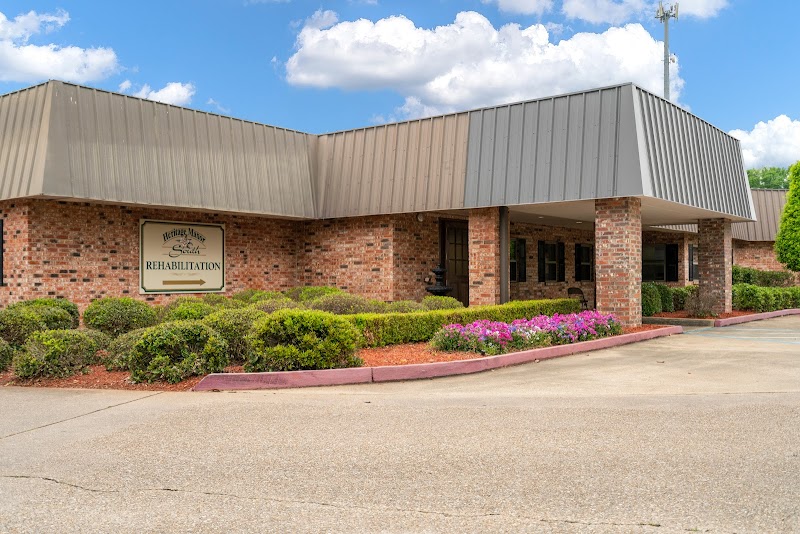
How is Heritage Manor South Staffed?

CMS rates Heritage Manor South's staffing level at 4 out of 5 stars, which is above average compared to other nursing homes. Staff turnover is 51%, compared to the Louisiana average of 46%.

What Have Inspectors Found at Heritage Manor South?

State health inspectors documented 18 deficiencies at Heritage Manor South during 2022 to 2025. These included: 18 with potential for harm.

Who Owns and Operates Heritage Manor South?

Heritage Manor South is owned by a for-profit company. For-profit facilities operate as businesses with obligations to shareholders or private owners. The facility is operated by THE BEEBE FAMILY, a chain that manages multiple nursing homes. With 145 certified beds and approximately 100 residents (about 69% occupancy), it is a mid-sized facility located in SHREVEPORT, Louisiana.

How Does Heritage Manor South Compare to Other Louisiana Nursing Homes?

Compared to the 100 nursing homes in Louisiana, Heritage Manor South's overall rating (3 stars) is above the state average of 2.4, staff turnover (51%) is near the state average of 46%, and health inspection rating (3 stars) is at the national benchmark.

What Should Families Ask When Visiting Heritage Manor South?

Based on this facility's data, families visiting should ask: "Can I visit during a mealtime to observe dining assistance and food quality?" "How do you handle medical emergencies, and what is your hospital transfer rate?" "Can I speak with family members of current residents about their experience?"

Is Heritage Manor South Safe?

Based on CMS inspection data, Heritage Manor South has a clean safety record: no substantiated abuse findings (meaning no confirmed cases of resident harm), no Immediate Jeopardy citations (the most serious violation level indicating risk of serious injury or death), and is not on the Special Focus Facility watch list (a federal program monitoring the lowest-performing 1% of nursing homes). The facility has a 3-star overall rating and ranks #1 of 100 nursing homes in Louisiana. While no facility is perfect, families should still ask about staff-to-resident ratios and recent inspection results during their visit.

Do Nurses at Heritage Manor South Stick Around?

Heritage Manor South has a staff turnover rate of 51%, which is about average for Louisiana nursing homes (state average: 46%). Moderate turnover is common in nursing homes, but families should still ask about staff tenure and how the facility maintains care continuity when employees leave.

Was Heritage Manor South Ever Fined?

Heritage Manor South has no federal fines on record. CMS issues fines when nursing homes fail to meet care standards or don't correct problems found during inspections. The absence of fines suggests the facility has either maintained compliance or corrected any issues before penalties were assessed. This is a positive indicator, though families should still review recent inspection reports for the full picture.

Is Heritage Manor South on Any Federal Watch List?

Heritage Manor South is not on any federal watch list. The most significant is the Special Focus Facility (SFF) program, which identifies the bottom 1% of nursing homes nationally based on persistent, serious quality problems. Not being on this list means the facility has avoided the pattern of deficiencies that triggers enhanced federal oversight. This is a positive indicator, though families should still review the facility's inspection history directly.