VIVIAN HEALTHCARE CENTER

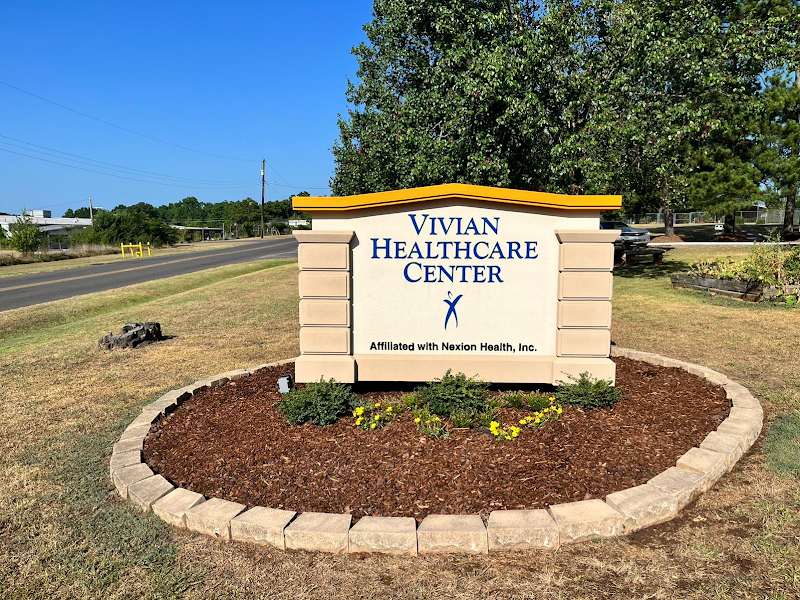
912 SOUTH PECAN STREET, VIVIAN, LA 71082 (318) 375-2203
For profit - Corporation 95 Beds NEXION HEALTH Data: November 2025
Trust Grade
95/100
#27 of 264 in LA
Last Inspection: March 2025

Within standard 12-15 month inspection cycle. Federal law requires annual inspections.

Overview

Vivian Healthcare Center has an impressive Trust Grade of A+, indicating it is an elite facility with top-tier services. It ranks #27 out of 264 nursing homes in Louisiana, placing it solidly in the top half, and #3 out of 22 in Caddo County, meaning only two local options are better. The facility is on an improving trend, having reduced issues from four in 2024 to three in 2025. Staffing is rated 2 out of 5 stars, which is below average, but they maintain a low turnover rate of 24%, significantly better than the state average of 47%. Although there are no fines recorded, there are concerns regarding care planning and equipment management, such as failing to develop care plans for residents needing safety devices and not assessing a resident after dialysis, which could potentially lead to harm if not addressed.

Trust Score
A+
95/100
In Louisiana
#27/264
Top 10%
Safety Record
Low Risk
No red flags
Inspections
Getting Better
4 → 3 violations
Staff Stability
✓ Good
24% annual turnover. Excellent stability, 24 points below Louisiana's 48% average. Staff who stay learn residents' needs.
Penalties
✓ Good
No fines on record. Clean compliance history, better than most Louisiana facilities.
Skilled Nurses
⚠ Watch
Each resident gets only 13 minutes of Registered Nurse (RN) attention daily — below average for Louisiana. Fewer RN minutes means fewer trained eyes watching for problems.
Violations
⚠ Watch
11 deficiencies on record. Higher than average. Multiple issues found across inspections.
★★★★★
5.0
Overall Rating
★★☆☆☆
2.0
Staff Levels
★★★★★
5.0
Care Quality
★★★★☆
4.0
Inspection Score
Stable
2024: 4 issues
2025: 3 issues

The Good

  • 5-Star Quality Measures · Strong clinical quality outcomes
  • Low Staff Turnover (24%) · Staff stability means consistent care
  • Full Sprinkler Coverage · Fire safety systems throughout facility
  • No fines on record
  • Staff turnover is low (24%)

    24 points below Louisiana average of 48%

Facility shows strength in quality measures, staff retention, fire safety.

The Bad

Chain: NEXION HEALTH

Part of a multi-facility chain

Ask about local staffing decisions and management

The Ugly 11 deficiencies on record

Mar 2025 3 deficiencies
CONCERN (D)

Potential for Harm - no one hurt, but risky conditions existed

Deficiency F0700 (Tag F0700)

Could have caused harm · This affected 1 resident

**NOTE- TERMS IN BRACKETS HAVE BEEN EDITED TO PROTECT CONFIDENTIALITY** Based on record review, observation, and an interview, the facility failed to ensure correct use of bed rails as evidence by fai...

Read full inspector narrative →
**NOTE- TERMS IN BRACKETS HAVE BEEN EDITED TO PROTECT CONFIDENTIALITY** Based on record review, observation, and an interview, the facility failed to ensure correct use of bed rails as evidence by failing to obtain a written a physician order for side rail assist bars, obtain an informed consent from resident or resident's responsible party prior to installation, and ensure a care plan was initiated with a focus for side rail assist bars for 1 (#168) out of 8 (#13, #18, #32, #37, #38, #50, #52, and #168) residents investigated for accidents. Findings: Review of the facility's PSDs (Personal Safety Devices) -Enablers-Side Rails & Restraints Policy with a revision date of February 2025 revealed in part, These devices require evaluation, resident and/or responsible party notification, an order, care planning, and routine monitoring for effectiveness and restraining effect. Protocols for PSD-Enablers-Side Rails and Restraints I. When a resident is admitted with or is prescribed a personal safety, enabler and/or a type of side rail. The IDT (Interdisciplinary Team) will: notify resident and/or responsible party of device use and purpose in plan of care obtain and write an order update care plan and [NAME]/POC (Plan of Care) to include appropriate monitoring device Review of Resident #168's face sheet revealed an admit date of 03/10/2025 with the following diagnoses but not limited to intractable epilepsy, dementia, and mild cognitive impairment. Review of Resident #168's March 2025 physician orders failed to reveal an order for hand assist rails. Review of Resident #168's care plan failed to reveal a focus on side rails/assist rails with appropriate interventions. S2 DON (Director of Nursing) presented surveyor with an electronic copy of Resident #168's Side Rail/ Assist Bar Informed Consent obtained by verbal consent on 03/18/2025. Observation on 03/17/2025 at 9:30 a.m. revealed Resident #168 had side rail assist bars to both sides of the bed. During an interview on 03/19/2025 at 9:28 a.m. S2 DON confirmed Resident #168 should have a physician order for side rail assist bars, care plan should have a focus with interventions for side rail assist bars and an informed consent should have been signed prior to installation and was not.
CONCERN (E)

Potential for Harm - no one hurt, but risky conditions existed

Comprehensive Care Plan (Tag F0656)

Could have caused harm · This affected multiple residents

**NOTE- TERMS IN BRACKETS HAVE BEEN EDITED TO PROTECT CONFIDENTIALITY** Based on record reviews, observations, and interviews the facility failed to ensure a plan of care had been developed for 4 (#13...

Read full inspector narrative →
**NOTE- TERMS IN BRACKETS HAVE BEEN EDITED TO PROTECT CONFIDENTIALITY** Based on record reviews, observations, and interviews the facility failed to ensure a plan of care had been developed for 4 (#13, #37, #50, #52) of 8 (#13, #18, #32, #37, #38, #50, #52, #168) residents reviewed for accidents. The facility failed to ensure a plan of care for side rail assist bars had been developed for Residents #13, #37, #50, and #52. Findings: Review of the facility's PSDs (Personal Safety Devices)-Enablers-Side Rails & Restraints policy with a revision date of February 2025 revealed in part, these devices require evaluation, resident and/or responsible party notification, an order, care planning, and routine monitoring for effectiveness and restraining effect. Resident #13 Review of Resident #13's medical record revealed in part, an original admission date of 03/01/2011 with diagnoses including, but not limited to Parkinson's without dyskinesia and dementia with agitation. Review of Resident #13's annual and state MDS (Minimum Data Set) assessments dated 12/13/2024 revealed in part, a BIMS (Brief Interview for Mental Status) score of 9 indicating moderately impaired cognition. Further review of Resident #13's annual and state MDS assessments dated 12/13/2024 revealed Resident #13 required limited assistance by one person with bed mobility and toilet use and required supervision by one person with transfers. Review of Resident #13's current physician orders revealed in part, an order dated 02/08/2024 for SRA (Side Rail Assist) bar times two for bed mobility and transfers. Review of Resident #13's comprehensive care plan failed to reveal a focus for the use of side rail assist bars and appropriate interventions. Multiple observations throughout the day on 03/17/2025 revealed Resident #13 in and out of her bed. Further observations revealed Resident #13's bed with side rail assist bars in a raised positon to each side of the HOB (Head of Bed). An observation on 03/18/2025 at 11:55 a.m. revealed Resident #13's bed with side rail assist bars in a raised positon to each side of the HOB. During an interview on 03/18/2025 at 11:55 a.m., Resident #13 reported she does use the assist bars to reposition herself while in bed and to get out of bed. During an interview on 03/19/2025 at 1:27 p.m., S4 MDS Nurse confirmed Resident #13's comprehensive care plan did not include a focus for side rail assist bars. During an interview on 03/19/2025 at 3:31 p.m., S2 DON (Director of Nursing) and S3 Corporate Nurse confirmed Resident #13's care plan did not include a focus on side rail assist bars. Resident #37 Review of Resident #37's medical record revealed in part, an admission date of 09/30/2022 with diagnoses including, but not limited to hemiplegia and hemiparesis following cerebral infarction affecting left non-dominant side. Review of Resident #37's quarterly and state MDS assessments dated 12/13/2024 revealed in part, Resident #37 required supervision with set up assist for bed mobility. Review of Resident #37's current physician orders revealed in part, an order dated 02/08/2024 for SRA bar times two for bed mobility and transfers. Review of Resident #37's comprehensive care plan failed to reveal a focus for the use of side rail assist bars and appropriate interventions. An observation on 03/18/2025 at 8:58 a.m. revealed Resident #37's bed with side rail assist bars in a raised positon to each side of the HOB. During an interview on 03/19/2025 at 9:28 a.m., S2 DON confirmed Resident #37's care plan should have a focus with appropriate interventions for side rail assist bars and did not. Resident #50 Review of Resident #50's medical record revealed in part, a readmission date of 09/20/2023 with diagnoses including, but not limited to other sequelae of cerebral infarction and dementia without behavioral disturbance. Review of Resident #50's annual MDS assessment dated [DATE] revealed in part, a BIMS score of 3 indicating severely impaired cognition. Further review of Resident #50's annual MDS dated [DATE] revealed Resident #50 required supervision or touch assist with chair/bed to chair transfers and toilet transfers. Review of Resident #50's current physician orders revealed in part, an order dated 02/07/2024 for SRA bar times two for transfers and bed mobility. Review of Resident #50's comprehensive care plan failed to reveal a focus for the use of side rail assist bars and appropriate interventions. Multiple observations throughout the day on 03/17/2025 revealed Resident #50 in her bed with side rail assist bars in a raised positon to each side of the HOB. During an interview on 03/19/2025 at 1:27 p.m., S4 MDS Nurse confirmed Resident #50's comprehensive care plan did not include a focus for side rail assist bars. During an interview on 03/19/2025 at 3:31 p.m., S2 DON and S3 Corporate Nurse confirmed Resident #50's care plan did not include a focus for side rail assist bars. Resident #52 Review of Resident #52's medical record revealed in part, an admission date of 11/20/2024 with diagnoses including, but not limited to spinal stenosis of lumbar region with neurogenic claudication and dorsalgia. Review of Resident #52's quarterly and state MDS assessments dated 02/27/2025 revealed in part, Resident #52 required limited physical assistance by one person with bed mobility. Review of Resident #52's current physician orders revealed in part, an order dated 11/20/2024 for SRA bar times two. Review of Resident #52's comprehensive care plan failed to reveal a focus with appropriate interventions for the use of side rail assist bars and appropriate interventions. An observation on 03/17/2025 at 11:33 a.m. revealed Resident #52's bed with side rail assist bars in a raised positon to each side of the HOB. During an interview on 03/19/2025 at 9:28 a.m., S2 DON confirmed Resident #52's care plan should have a focus with appropriate interventions for side rail assist bars and did not.
CONCERN (E)

Potential for Harm - no one hurt, but risky conditions existed

Deficiency F0698 (Tag F0698)

Could have caused harm · This affected multiple residents

**NOTE- TERMS IN BRACKETS HAVE BEEN EDITED TO PROTECT CONFIDENTIALITY** Based on record review, observation, and interviews, the facility failed to ensure that a resident who required dialysis receive...

Read full inspector narrative →
**NOTE- TERMS IN BRACKETS HAVE BEEN EDITED TO PROTECT CONFIDENTIALITY** Based on record review, observation, and interviews, the facility failed to ensure that a resident who required dialysis received services consistent with professional standards of practice for 1 (#37) of 1 resident reviewed for dialysis by failing to assess Resident #37 upon return to the facility from dialysis treatment. Findings: Review of Resident #37's March 2025 physician orders revealed: 01/22/2025: Resident to receive dialysis 3 days a week on Monday-Wednesday-Friday at ____ dialysis center. 12/05/2025: Monitor AV (Arteriovenous) shunt pressure dressing to left arm for excessive bleeding every shift upon return from dialysis and remove dressing morning after dialysis. 12/05/2025: Monitor AV shunt site left arm for signs and symptoms infection q (every) shift. Palpate pulse(s) distal to shunt. Note changes in skin color and temp. Report changes to physician. 12/05/2025: AV shunt to left arm. Assess & palpate AV shunt q shift for thrill and bruit. Report concerns to physician. Review of Resident #37's Quarterly MDS (Minimum Data Set) assessment dated [DATE] revealed a BIMS (Brief Interview of Mental Status) of 12 out of 15; indicating cognitively intact. During an interview on 03/18/2025 at 9:47 a.m. Resident #37 reported upon return to the facility the nurse does not assess dialysis access site and/or obtain vital signs. Resident #37 further reported he removed his own dressing from dialysis. Observation on 03/18/2025 at 9:47 a.m. revealed Resident #37's dialysis access was in the left forearm with no dressing in place. During an interview on 03/19/2025 at 2:25 p.m. S5 RN (Registered Nurse) reported upon return from dialysis Resident #37 is not assessed and vital signs are not obtained unless Resident #37 complained of feeling bad, fatigue, weak or a headache. S5 RN reported the transport driver will leave the communication binder at the desk and S5 RN was not made aware of Resident #37's return from dialysis treatments. During an interview on 03/19/2025 at 3:00 p.m. S2 DON (Director of Nursing) reported the nursing staff should complete the dialysis checklist by assessing the resident according to the dialysis communication form and vital signs should be obtained upon return from dialysis. S2 DON reported not being aware if the facility had a policy for assessment of a resident upon return from dialysis and instructions for completing the dialysis communication form.
Sept 2024 1 deficiency
CONCERN (D) 📢 Someone Reported This

A family member, employee, or ombudsman was alarmed enough to file a formal complaint

Potential for Harm - no one hurt, but risky conditions existed

Notification of Changes (Tag F0580)

Could have caused harm · This affected 1 resident

Based on record reviews and interviews the facility failed to ensure the resident's physician and RP (Responsible Party) were notified of a change in condition for 1 (#1) of 3 (#1, #2, and #3) sampled...

Read full inspector narrative →
Based on record reviews and interviews the facility failed to ensure the resident's physician and RP (Responsible Party) were notified of a change in condition for 1 (#1) of 3 (#1, #2, and #3) sampled residents reviewed for resident rights. The facility failed to notify Resident #1's physician and RP when Resident #1 was involved in an investigational incident. Findings: Review of the facility's Abuse Prohibition Policy with a reviewed date of 05/17/2024 revealed in part: Policy and Procedures. Investigation . 6.) Procedure for the investigation will include, but is not limited to the following: Notification to the attending physician and family. Review of Resident #1's medical record revealed an admission date of 11/02/2021 with a readmission date of 12/14/2023. Review of Resident #1's medical record revealed the following diagnoses in part: Major depressive disorder, delusional disorder, schizoaffective disorder, unspecified dementia, cognitive communication deficit, and behavioral disturbance. Review of Resident #1's quarterly MDS (Minimum Data Set) dated 08/01/2024 revealed a BIMS (Brief Interview of Mental Status) of 3 indicating Resident #1 was moderately impaired. Review of Resident #1's medical record failed to reveal the physician/NP (Nurse Practitioner) and RP were notified of the incident reported to the state office on 09/03/2024. During an interview on 09/25/2024 at 9:00 a.m., S1 Administrator reported Resident #1's RP and the Physician/NP were not notified of the incident investigated and should have been.
Feb 2024 3 deficiencies
CONCERN (D)

Potential for Harm - no one hurt, but risky conditions existed

Assessment Accuracy (Tag F0641)

Could have caused harm · This affected 1 resident

**NOTE- TERMS IN BRACKETS HAVE BEEN EDITED TO PROTECT CONFIDENTIALITY** Based on record review and interviews, the facility failed to ensure MDS (Minimum Data Set) assessments were accurate for 1 (#58...

Read full inspector narrative →
**NOTE- TERMS IN BRACKETS HAVE BEEN EDITED TO PROTECT CONFIDENTIALITY** Based on record review and interviews, the facility failed to ensure MDS (Minimum Data Set) assessments were accurate for 1 (#58) out of 29 sampled residents reviewed. The facility failed to enter an accurate discharge status for Resident #58. Findings: Review of resident #58's electronic medical record revealed an admission date of 06/14/2019 and a discharge date of 12/08/2023. Review of resident #58's MDS dated [DATE] revealed a (planned) discharge with return not anticipated to a short-term General Hospital. Review of resident #58's discharge summary revealed the resident was discharged to another long-term care facility with a family member. During an interview on 02/20/2024 at 3:15 p.m. S2LPN (Licensed Practical Nurse) indicated resident #58 was discharged to another long term care facility at her family's request. During an interview on 02/20/2024 at 3:22 p.m. S3MDS Nurse confirmed resident #58's discharge MDS of 12/08/2023 was coded as a hospitalization and should have been coded as a transfer to another facility.
CONCERN (D)

Potential for Harm - no one hurt, but risky conditions existed

Comprehensive Care Plan (Tag F0656)

Could have caused harm · This affected 1 resident

Based on record reviews and an interview, the facility failed to develop and implement a comprehensive person-centered care plan for 1 (#54) of 21 (#1, #4, #6, #8, #14, #16, #17, #18, #24, #27, #28, #...

Read full inspector narrative →
Based on record reviews and an interview, the facility failed to develop and implement a comprehensive person-centered care plan for 1 (#54) of 21 (#1, #4, #6, #8, #14, #16, #17, #18, #24, #27, #28, #37, #39, #41, #44, #46, #49, #53, #54, #58 and #59) sampled resident's care plans reviewed. The facility failed to monitor resident #54's oxygen saturation level every shift as ordered by the physician/NP (nurse practitioner). The facility failed to have a physician order for oxygen therapy. Findings: Review of resident #54's medical records revealed she was admitted to this facility on 09/23/2023. Resident #54 had multiple diagnoses that included acute chronic diastolic congestive heart failure, acute pulmonary edema, other sequelae of cerebral infarction and dementia. Review of resident #54's physician/NP Progress notes dated 02/06/2024 revealed she was seen and evaluated on this date due to staff reported resident with increased cough and shortness of breath. Resident recently had an inpatient hospitalization for CHF (Congestive Heart Failure) exacerbation with pneumonia. The physician/Nurse Practitioner documented her plans in her progress notes for oxygen at 2 liters per nasal cannula, monitor oxygen saturation every shift and notify provider of any acute changes in condition or shortness of breath. Review of resident #54's February 2024 Physician orders with S1 DON (Director of Nursing) failed to reveal an order written for oxygen or an order to monitor the resident's oxygen saturation level. Further review of resident #54's medical records failed to reveal monitoring of resident #54's oxygen saturation level had been done as ordered. Review of the facility's Oxygen Administration Procedure presented by S1 Administrator revealed in part: Purpose: The purpose of this procedure is to provide guidelines for safe oxygen administration. Preparation: 1. Verify that there is a physician's order for this procedure. Review the physician's order or facility protocol for oxygen administration. Assessment Before administering oxygen, and while the resident is receiving oxygen therapy, assess for - 1. Signs or symptoms of cyanosis 2. Signs and symptoms of hypoxia During an interview on 02/20/2024 at 4:00 p.m. S1 DON reviewed resident #54's clinical records and confirmed resident #54 did not have a written physician order for oxygen or to monitor O2 saturation every shift. S1 DON reviewed the plans documented on the physician/NP progress notes dated 02/06/2024 and confirmed the order for oxygen 2 liters per nasal cannula, and monitor the O2 (oxygen) saturation every shift should have been written as a physician order and implemented and it was not. S1 DON reported when physician/NP plans are written, she or one of the nurses are to make sure an order is written for the plan or the NP will write the order herself.
CONCERN (E)

Potential for Harm - no one hurt, but risky conditions existed

Respiratory Care (Tag F0695)

Could have caused harm · This affected multiple residents

Based on observations, interviews and record reviews the facility failed to ensure necessary care and services were provided in accordance with accepted professional standards of practice for 2 (#37, ...

Read full inspector narrative →
Based on observations, interviews and record reviews the facility failed to ensure necessary care and services were provided in accordance with accepted professional standards of practice for 2 (#37, #54) of 2 (#37 and #54) residents reviewed for respiratory care. The facility failed to ensure equipment was assembled correctly by not having a humidifier bottle attached to the oxygen concentrators. Findings: Review of the facility's Oxygen Administration Procedure revealed in part the following: Purpose: The purpose of this procedure is to provide guidelines for safe oxygen administration. Equipment and Supplies: The following equipment and supplies will be necessary when performing this procedure. 1. Portable oxygen cylinder (strapped to the stand); 2. Nasal cannula, nasal catheter, mask (as ordered); 3. Humidifier bottle; 4. No smoking/Oxygen in Use signs: Steps in the Procedure: 12. Check the mask, tank, humidifying jar, etc., to be sure they are in good working order and are securely fastened. Be sure there is water in the humidifying jar and that the water level is high enough that water bubbles as oxygen flows through. Resident #37 Observation on 02/19/2024 at 8:30 a.m. revealed no humidifier bottle attached to the oxygen concentrator that was being used by resident #37. Review of resident #37's medical records revealed diagnoses that include but not limited to chronic respiratory failure with hypoxia, other poly osteoarthritis, chronic diastolic (congestive) heart failure, major depressive disorder, and chronic obstructive pulmonary disease. Review of resident #37's February 2024 Physician's orders revealed an order dated 08/30/2021 for O2 (oxygen) at 2 liters per minute via nasal cannula PRN (as needed) for SOB (shortness of breath). May titrate to 3-4 LPM (liters per minute) to keep O2 saturation >90%. Review of resident #37's Comprehensive Plan of Care revealed problems of congestive heart failure and chronic obstructive pulmonary disease and episodes of shortness of breath. Some of the interventions are O2 at 2 liters per minute via nasal cannula PRN SOB. May titrate to 3-4 LPM to keep O2 sat >90%. Oxygen settings, oxygen via nasal cannula as ordered. Observation on 02/20/2024 at 1:00 p.m. with S2 LPN (License Practical Nurse) revealed resident #37 asleep in bed with oxygen in progress with no humidifier bottle attached to the oxygen concentrator. Resident #54 Observation on 02/19/2024 at 8:30 a.m. revealed resident #54's oxygen in progress per nasal cannula by an oxygen concentrator. Further observation revealed no humidifier bottle attached to the oxygen concentrator. Review of resident #54's medical records revealed diagnoses that included but not limited to acute chronic diastolic congestive heart failure, acute pulmonary edema, other sequelae of cerebral infarction and dementia. Observation on 02/20/2024 at 1:00 p.m. with S2 LPN (License Practical Nurse) revealed resident #54 in bed with oxygen in progress with no humidifier bottle attached to the oxygen concentrator. During an interview 02/20/2024 at 1:15 p.m. S2 LPN reported she had tried to get humidifier bottles attached to the oxygen concentrators for resident #37 and #54 but she could not get it to stay connected. S2 LPN reported the oxygen would not continue to work when she attempted to connect the humidifier bottle to the oxygen concentrator.S2 LPN confirmed the humidifer bottles should have been attached to the oxygen concentrators.
Aug 2023 1 deficiency
CONCERN (E) 📢 Someone Reported This

A family member, employee, or ombudsman was alarmed enough to file a formal complaint

Potential for Harm - no one hurt, but risky conditions existed

Deficiency F0725 (Tag F0725)

Could have caused harm · This affected multiple residents

Based on record reviews and interview, the facility failed to ensure there was a sufficient number of skilled licensed nurses, nurse aides, and other nursing personnel to provide care and respond to e...

Read full inspector narrative →
Based on record reviews and interview, the facility failed to ensure there was a sufficient number of skilled licensed nurses, nurse aides, and other nursing personnel to provide care and respond to each Resident's basic needs. The facility failed to provide the minimum required staffing hours for 10 of 25 weekend days reviewed. Findings: Review on the facility's PBJ (Payroll Based Journal) Staffing Data Report for FY (Fiscal Year) Quarter 2 2023 (January 1 to March 31) revealed the submitted weekend staffing data was excessively low. Review of the facility's staffing pattern reports for weekends from FY Quarter 2 2023 revealed the facility provided 127.81 hours on 02/11/2023 and were required to provide 133.95 hours, provided 124.59 hours on 02/12/2023 and were required to provide 131.60 hours, provided 146.91 hours on 02/18/2023 and were required to provide 148.05 hours, provided 143.83 hours on 02/19/2023 and were required to provide 145.70 hours, provided 131.95 hours on 02/25/2023 and were required to provide 141 hours, provided 127 hours on 03/05/2023 and were required to provide 141 hours, provided 138.8 hours on 03/11/2023 and were required to provide 143.5 hours, provided 143.05 hours on 03/12/2023 and were required to provide 143.35 hours, provided 129.24 hours on 03/18/2023 and were required to provide 136.30 hours, provided 130.40 hours on 03/19/2023 and were required to provide 136.30 hours. During an interview on 08/16/2023 at 4:20 p.m. S1 Administrator reviewed the facility's staffing pattern reports for weekends from FY Quarter 2 2023, and acknowledged the facility did not provide the minimum hours required on 02/11/2023, 02/12/2023, 02/18/2023, 02/19/2023, 02/25/2023, 03/05/2023, 03/11/2023, 03/12/2023, 03/18/2023, and 03/19/2023 and should have.
Jan 2023 1 deficiency
CONCERN (E)

Potential for Harm - no one hurt, but risky conditions existed

Deficiency F0868 (Tag F0868)

Could have caused harm · This affected multiple residents

Based on record review and interview the facility failed to ensure the Quality Assessment and Assurance (QAA) Committee met at least quarterly. Findings: Record review of the facility's QAA Committee ...

Read full inspector narrative →
Based on record review and interview the facility failed to ensure the Quality Assessment and Assurance (QAA) Committee met at least quarterly. Findings: Record review of the facility's QAA Committee meetings revealed no documentation of a second quarter meeting was completed for the year of 2022. During an interview on 1/18/23 at 3:30 p.m., S1 Administrator confirmed a QAA Committee meeting was not held for the second quarter for the year of 2022 and a meeting should have been held.
Jan 2023 2 deficiencies
CONCERN (D) 📢 Someone Reported This

A family member, employee, or ombudsman was alarmed enough to file a formal complaint

Potential for Harm - no one hurt, but risky conditions existed

Accident Prevention (Tag F0689)

Could have caused harm · This affected 1 resident

**NOTE- TERMS IN BRACKETS HAVE BEEN EDITED TO PROTECT CONFIDENTIALITY** Based on record review and interview the facility failed ensure risk for falls had been assessed for 1 (#2) of 5 (#1, #2, #3, #4...

Read full inspector narrative →
**NOTE- TERMS IN BRACKETS HAVE BEEN EDITED TO PROTECT CONFIDENTIALITY** Based on record review and interview the facility failed ensure risk for falls had been assessed for 1 (#2) of 5 (#1, #2, #3, #4, #5) sampled residents. Facility failed to ensure a Fall Risk Assessment had been conducted quarterly for Resident #2. Findings: Review of Fall Prevention Program Policy (updated 7/20/21) revealed: Policy: All residents will be assessed for the risk for falls at the time of admission, on a quarterly basis, and upon significant change in condition thereafter. Based on the results of this assessment, specific interventions will be implemented to minimize falls, avoid repeat falls and minimize falls resulting in significant injury. Definition A fall can be defined as: when a resident is found on the floor; a resident slides to the floor unassisted; a resident rolls off the bed/chair onto the floor, including bedside mat; and a resident falls off any apparatus/equipment used for transfers. Procedure 1. All residents will be screened for risk for falls utilizing the Fall Risk Assessment. This will be done at the time of admission, quarterly, after each fall and upon significant change in condition. Review of Resident #2's medical record revealed Resident #2 was admitted to the facility on [DATE] with diagnoses that included Pick's Disease, aphasia, anxiety disorder, recurrent depressive disorders, dementia with other behavioral disturbance, essential hypertension, and other chronic pain. Review of Resident #2's 9/7/2022 Quarterly MDS (Minimum Data Set) revealed BIMS (Brief Interview Mental Status) was not conducted as resident is rarely/never understood. Further review of the MDS revealed Resident #2 was total dependence and required one person physical assist for bed mobility and toilet use and was total dependence and required two+ person physical assist with transfers. Review of Resident #2's Care Plan revealed Resident #2 was at risk for falls related to balance problems, poor communication/comprehension, psychoactive drug use, and unaware of safety needs. Review of Resident #2's medical record failed to reveal a Fall Risk Assessment had been conducted since a 2/17/2022. The 2/17/2022 Fall Risk Assessment revealed Resident #2 was at moderate risk for falling. During an interview on 1/9/2023 at 2:15 S1 Administrator reviewed Resident #2's medical record and reported quarterly Fall Risk Assessment had not been conducted since 2/17/2022 when Resident #2 had a prior fall and Fall Risk Assessments should have been conducted quarterly.
CONCERN (E) 📢 Someone Reported This

A family member, employee, or ombudsman was alarmed enough to file a formal complaint

Potential for Harm - no one hurt, but risky conditions existed

Medication Errors (Tag F0758)

Could have caused harm · This affected multiple residents

**NOTE- TERMS IN BRACKETS HAVE BEEN EDITED TO PROTECT CONFIDENTIALITY** Based on record review and interviews, the facility failed to ensure residents were free from unnecessary medication use for 4 (...

Read full inspector narrative →
**NOTE- TERMS IN BRACKETS HAVE BEEN EDITED TO PROTECT CONFIDENTIALITY** Based on record review and interviews, the facility failed to ensure residents were free from unnecessary medication use for 4 (#1,#3, #4, #5) of 5 (#1, #2, #3, #4, #5) sampled residents. The facility failed to ensure: 1. Resident #1 and Resident #3 were monitored for side effects, behaviors and interventions of anti-anxiety medication. 2. Resident #3, Resident #4, and Resident #5 were monitored for side effects, behaviors and interventions of antipsychotic medication. 3. Lab was obtained for Depakote level for Resident #5 Findings: Review of facility's policy Psychotropic/ Psychoactive Medication Management revealed in part Policy Statement: A psychotropic drug is any drug that affects brain activities associated with mental processes and behavior. These drugs include, but are not limited to, drugs in the following categories: (i) Antipsychotic, (ii) Anti-depressant, (iii) Anti-anxiety, and (iv) Hypnotic. Other medications which affect brain activity will also be subject to psychotropic medication requirements if documented use is a substitution for psychotropic medication rather than the approved or original indication. Psychotropic medications are used only when appropriate and at the lowest possible dose to enhance the resident's quality of life, maximize functional ability or promote well-being. Policy Implementation: . 7. Residents will be monitored for behaviors to include behavior changes and for side effects and complications related to psychoactive medications, for example, sedation, lethargy, agitation, mental status changes, or behavior changes that affect ability to perform adl's (activities of daily living) . 1. Review of Resident #1's medical record revealed Resident #1 was admitted to the facility on [DATE] and had diagnoses that included, atherosclerotic heart disease, Type 2 Diabetes Mellitus, essential hypertension, anxiety, and depression. Review of Resident #1's physician orders revealed a 9/13/2022 order for Buspirone HCl (hydrochloride) tablet 5 mg (milligrams) - give 1 tablet by mouth three times a day for anxiety. Review of Resident #1's November 2022 MAR (Medication Administration Record) revealed Resident #1 had received Buspirone HCl 5mg tablet by mouth three times a day from 11/1/2022 to 11/27/2022. Further review of the November 2022 MAR failed to reveal anti-anxiety medication monitoring for behaviors and side effects had been conducted for Resident #1. During an interview on 1/9/2023 at 4:10 PM S2 ADON (Assistant Director of Nursing)/Interim DON (Director of Nursing) reviewed Resident #1's November 2022 MAR and reported monitoring for side effects and behaviors had not been conducted in regard to anti-anxiety medication for Resident #1 and should have. Review of Resident #3's medical diagnoses revealed Resident #3 had diagnoses that included Parkinson's disease (3/1/2017), anxiety disorder (10/17/2017), schizophrenia (3/1/2017), and delusional disorders (3/1/2017). Review of Resident #3's December 2022 Physician Orders revealed the following orders: -Buspirone HCl tablet 10 mg: Give 20 mg by mouth three times a day for anxiety dated 3/27/2022 -Side effects anti-anxiety Q shift: 0.None, 1. Dry mouth, 2.constipation, 3.blurred vision, 4.orthostatic hypotension, 5.falls, 6.sedation, 7.drowsiness, 8.behavior changes, 9.dizziness dated 9/28/2022. Review of Resident #3's December 2022 MAR failed to reveal adequate monitoring of Resident #3 behaviors, side effects and interventions for anti-anxiety medications. Review of Resident #3's December 2022 MAR with S2 ADON/ Interim DON failed to reveal adequate behavior, side effect monitoring and interventions of antianxiety medications. During an interview on 1/9/2023 at 3:00 PM S2 ADON/ Interim DON confirmed Resident #3 behaviors, side effects and interventions were not monitored adequately for anti-anxiety medications. During an interview on 1/9/2023 at 3:00 PM S3 Corporate Nurse confirmed Resident #3 behaviors and interventions were not monitored adequately using the number coded guidance for anti-anxiety medications. 2. Review of Resident #3's Medical Diagnoses revealed Resident #3 had diagnoses that included Parkinson's disease (3/1/2017), anxiety disorder (10/17/2017), cerebral infarction (3/1/2017), schizophrenia (3/1/2017), delusional disorders (3/1/2017), unspecified cataract (12/15/2019), and constipation (3/1/2017). Review of Resident #3's December 2022 Physician Orders revealed the following orders: -Seroquel tablet (Quetiapine Fumarate): Give 150 mg by mouth at bedtime for schizophrenia dated 3/27/2022 -Behavior monitoring: Antipsychotic every shift: 0.None, 1.Afraid, 2.Agitated, 3.Angry, 4.Anxious, 5.Mood change, 6.Noisy, 7.Restless, 8.Withdrawn/ crying, 9.Crying, 10.combative, 11.___ every shift dated 9/28/2021 Review of Resident #3's December 2022 MAR failed to reveal adequate monitoring of Resident #3 behaviors and side effects for an antipsychotic medication. Review of Resident #3's December 2022 MAR with S2 ADON/ Interim DON failed to reveal adequate monitoring of behaviors, side effects, and interventions of antipsychotic medications. During an interview on 1/9/2023 at 3:00 PM S2 ADON/Interim DON confirmed Resident #3 behaviors, side effects and interventions were not monitored adequately for antipsychotic medication. During an interview on 1/9/2023 at 3:00 PM S3 Corporate Nurse confirmed Resident #3 behavior monitoring and interventions were not monitored adequately using the number coded guidance for antipsychotics medications. Review of Resident #4's medical record revealed Resident #4 was admitted to the facility on [DATE] and had diagnoses that included Alzheimer's disease unspecified, transient cerebral ischemic attack unspecified, essential hypertension, anxiety disorder, unspecified dementia, and anxiety. Review of Resident #4's physician orders revealed an 11/3/2022 order for Seroquel tablet 25mg (Quietiapine Fumarate) Give 1 tablet by mouth two times a day related to anxiety disorder, unspecified dementia, unspecified psychotic disturbance, mood disturbance, and anxiety. Review of Resident #4's December 2022 MAR revealed Resident #4 had received Seroquel Tablet 25mg-1 tablet by mouth two times a day throughout December 2022. Further review of the December 2022 MAR failed to reveal monitoring for antipsychotic medication side effects and behaviors had been conducted. During an interview on 1/9/2023 at 4:17 PM S2 ADON/Interim DON reviewed Resident #4's December 2022 MAR and reported monitoring for antipsychotic side effects and behaviors had not been conducted for Resident #4 and should have been. Review of Resident #5's medical record revealed Resident #5 had diagnoses that included metabolic encephalopathy (11/5/2022), cognitive communication deficit (3/22/2021), and Alzheimer's dementia (9/22/2020). Review of Resident #5's November 2022 Physician Orders revealed the following: Quetiapine Fumarate tablet 25 mg; Give 2 tablets by mouth at bedtime r/t unspecified dementia, unspecified severity with behavioral disturbance, psychotic disturbance, mood disturbance and anxiety dated 12/22/2022 Review of Resident #5's December 2022 MAR failed to reveal monitoring for behaviors, effectiveness and side effects for antipsychotic medication. During an interview on 1/9/2023 at 2:30 PM S4 LPN (Licensed Practical Nurse) confirmed Resident #5 received antipsychotic medications and should have been monitored for behaviors, side effects and effectiveness of antipsychotic medications. During an interview on 1/9/2023 at 3:40 PM S2 ADON/ Interim DON confirmed Resident #5 received antipsychotic medications and should have monitored for behaviors, side effects and effectiveness of antipsychotic medications. 3. Review of Resident #5's face sheet revealed medical diagnoses: Metabolic encephalopathy (11/5/2022) Review of Resident #5's November 2022 Physician Orders revealed the following: -cbc (complete blood count), cmp (comprehensive metabolic panel), Vitamin D, B12, Depakote: October and April every 6 months starting on the 12th dated 10/9/2022 -Depakote tablet delayed release 250 mg (Divalproex sodium): Give 1 tablet by mouth one time a day for dementia dated 6/12/2022 Review of Resident #5's medical record including scanned miscellaneous documents failed to reveal Resident #5 lab was obtained for cbc, cmp, Vitamin D, B12, and Depakote. During an interview on 1/9/2023 at 2:00 PM S1 Administrator confirmed lab (cbc, cmp, Vitamin, D, B12, Depakote) were not obtained as ordered by physician.
Understanding Severity Codes (click to expand)
Life-Threatening (Immediate Jeopardy)
J - Isolated K - Pattern L - Widespread
Actual Harm
G - Isolated H - Pattern I - Widespread
Potential for Harm
D - Isolated E - Pattern F - Widespread
No Harm (Minor)
A - Isolated B - Pattern C - Widespread

Questions to Ask on Your Visit

  • "Can I speak with families of current residents?"
  • "What's your RN coverage like on weekends and overnight?"

Our Honest Assessment

Strengths
  • • Grade A+ (95/100). Above average facility, better than most options in Louisiana.
  • • No major safety red flags. No abuse findings, life-threatening violations, or SFF status.
  • • No fines on record. Clean compliance history, better than most Louisiana facilities.
  • • 24% annual turnover. Excellent stability, 24 points below Louisiana's 48% average. Staff who stay learn residents' needs.
Concerns
  • • 11 deficiencies on record. Higher than average. Multiple issues found across inspections.
Bottom line: Generally positive indicators. Standard due diligence and a personal visit recommended.

About This Facility

What is Vivian Healthcare Center's CMS Rating?

CMS assigns VIVIAN HEALTHCARE CENTER an overall rating of 5 out of 5 stars, which is considered much above average nationally. Within Louisiana, this rating places the facility higher than 99% of the state's 100 nursing homes. This rating reflects solid performance across the metrics CMS uses to evaluate nursing home quality.
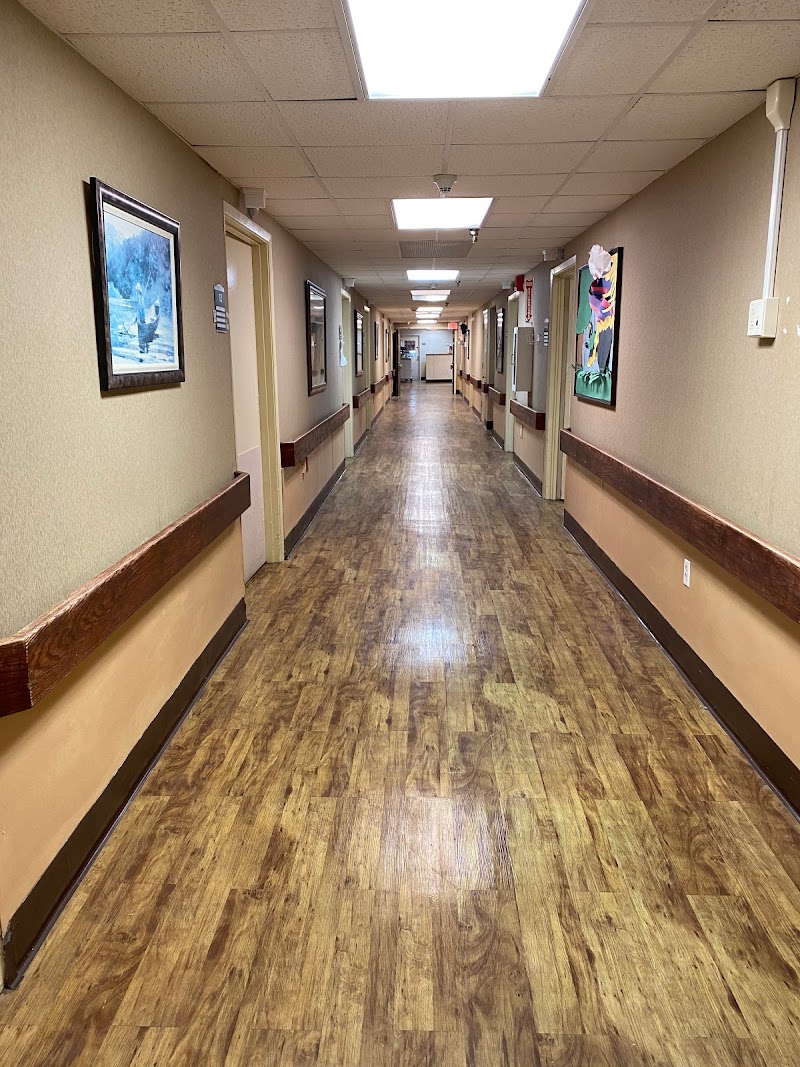
How is Vivian Healthcare Center Staffed?

CMS rates VIVIAN HEALTHCARE CENTER's staffing level at 2 out of 5 stars, which is below average compared to other nursing homes. Staff turnover is 24%, compared to the Louisiana average of 46%. This relatively stable workforce can support continuity of care.

What Have Inspectors Found at Vivian Healthcare Center?

State health inspectors documented 11 deficiencies at VIVIAN HEALTHCARE CENTER during 2023 to 2025. These included: 11 with potential for harm.
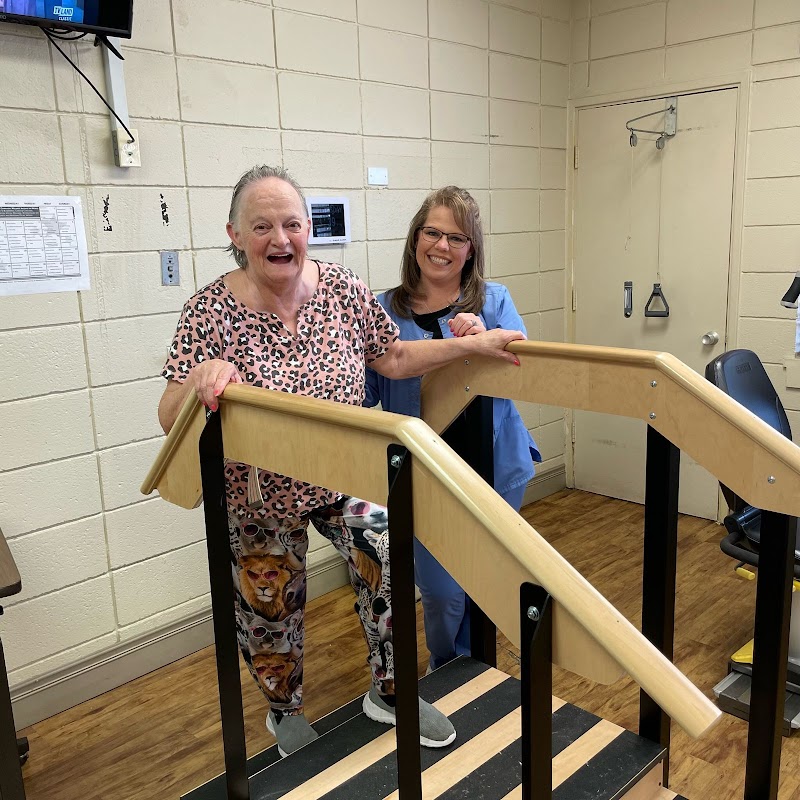
Who Owns and Operates Vivian Healthcare Center?

VIVIAN HEALTHCARE CENTER is owned by a for-profit company. For-profit facilities operate as businesses with obligations to shareholders or private owners. The facility is operated by NEXION HEALTH, a chain that manages multiple nursing homes. With 95 certified beds and approximately 59 residents (about 62% occupancy), it is a smaller facility located in VIVIAN, Louisiana.
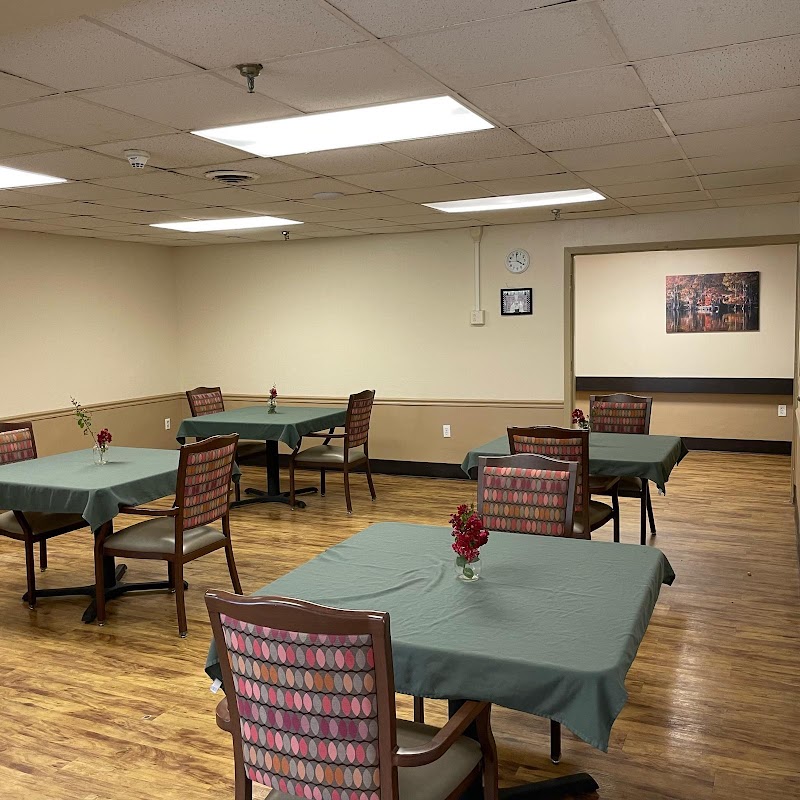
How Does Vivian Healthcare Center Compare to Other Louisiana Nursing Homes?

Compared to the 100 nursing homes in Louisiana, VIVIAN HEALTHCARE CENTER's overall rating (5 stars) is above the state average of 2.4, staff turnover (24%) is significantly lower than the state average of 46%, and health inspection rating (4 stars) is above the national benchmark.

What Should Families Ask When Visiting Vivian Healthcare Center?

Based on this facility's data, families visiting should ask: "Can you walk me through typical staffing levels on day, evening, and night shifts?" "Can I visit during a mealtime to observe dining assistance and food quality?" "How do you handle medical emergencies, and what is your hospital transfer rate?" "Can I speak with family members of current residents about their experience?" These questions are particularly relevant given the below-average staffing rating.

Is Vivian Healthcare Center Safe?

Based on CMS inspection data, VIVIAN HEALTHCARE CENTER has a clean safety record: no substantiated abuse findings (meaning no confirmed cases of resident harm), no Immediate Jeopardy citations (the most serious violation level indicating risk of serious injury or death), and is not on the Special Focus Facility watch list (a federal program monitoring the lowest-performing 1% of nursing homes). The facility has a 5-star overall rating and ranks #1 of 100 nursing homes in Louisiana. While no facility is perfect, families should still ask about staff-to-resident ratios and recent inspection results during their visit.

Do Nurses at Vivian Healthcare Center Stick Around?

Staff at VIVIAN HEALTHCARE CENTER tend to stick around. With a turnover rate of 24%, the facility is 22 percentage points below the Louisiana average of 46%. Low turnover is a positive sign. It means caregivers have time to learn each resident's needs, medications, and personal preferences. Consistent staff also notice subtle changes in a resident's condition more quickly.

Was Vivian Healthcare Center Ever Fined?

VIVIAN HEALTHCARE CENTER has no federal fines on record. CMS issues fines when nursing homes fail to meet care standards or don't correct problems found during inspections. The absence of fines suggests the facility has either maintained compliance or corrected any issues before penalties were assessed. This is a positive indicator, though families should still review recent inspection reports for the full picture.

Is Vivian Healthcare Center on Any Federal Watch List?

VIVIAN HEALTHCARE CENTER is not on any federal watch list. The most significant is the Special Focus Facility (SFF) program, which identifies the bottom 1% of nursing homes nationally based on persistent, serious quality problems. Not being on this list means the facility has avoided the pattern of deficiencies that triggers enhanced federal oversight. This is a positive indicator, though families should still review the facility's inspection history directly.