ODD FELLOWS HEALTH CARE CENTER
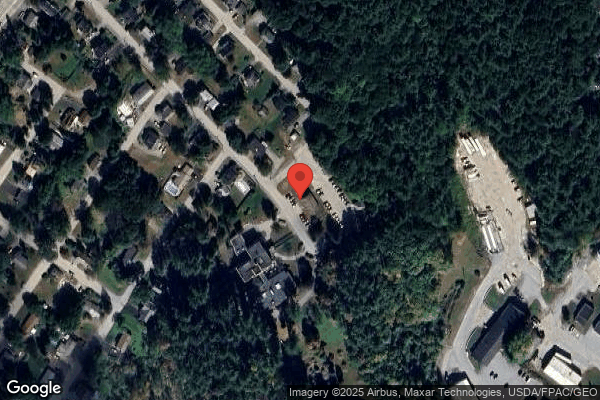
85 CARON LANE, AUBURN, ME 04210 (207) 786-4616
Non profit - Corporation 26 Beds Independent Data: November 2025
Trust Grade
75/100
#30 of 77 in ME
Last Inspection: March 2025

Within standard 12-15 month inspection cycle. Federal law requires annual inspections.

Overview

Odd Fellows Health Care Center in Auburn, Maine has a Trust Grade of B, which means it is considered a good option among nursing homes. It ranks #30 out of 77 facilities in Maine, placing it in the top half, and #2 out of 6 in Androscoggin County, indicating there is only one better local choice. However, the facility's trend is concerning as the number of reported issues has increased from 3 in 2020 to 14 in 2025. Staffing is a strength, with a 5/5 star rating and only 31% turnover, which is significantly lower than the state average, suggesting staff are experienced and familiar with residents. On the downside, while there are no fines, the facility has faced multiple concerns, including failing to provide adequate personal hygiene care for a resident and not ensuring that all staff are trained in CPR, which raises questions about the quality of care.

Trust Score
B
75/100
In Maine
#30/77
Top 38%
Safety Record
Low Risk
No red flags
Inspections
Getting Worse
3 → 14 violations
Staff Stability
○ Average
31% turnover. Near Maine's 48% average. Typical for the industry.
Penalties
✓ Good
No fines on record. Clean compliance history, better than most Maine facilities.
Skilled Nurses
✓ Good
Each resident gets 72 minutes of Registered Nurse (RN) attention daily — more than 97% of Maine nursing homes. RNs are the most trained staff who catch health problems before they become serious.
Violations
⚠ Watch
17 deficiencies on record. Higher than average. Multiple issues found across inspections.
★★★★☆
4.0
Overall Rating
★★★★★
5.0
Staff Levels
★★★★☆
4.0
Care Quality
★★★☆☆
3.0
Inspection Score
Stable
2020: 3 issues
2025: 14 issues

The Good

  • 5-Star Staffing Rating · Excellent nurse staffing levels
  • 4-Star Quality Measures · Strong clinical quality outcomes
  • Full Sprinkler Coverage · Fire safety systems throughout facility
  • No fines on record
  • Staff turnover below average (31%)

    17 points below Maine average of 48%

Facility shows strength in staffing levels, quality measures, fire safety.

The Bad

Staff Turnover: 31%

15pts below Maine avg (46%)

Typical for the industry

The Ugly 17 deficiencies on record

Mar 2025 14 deficiencies
CONCERN (D)

Potential for Harm - no one hurt, but risky conditions existed

Assessment Accuracy (Tag F0641)

Could have caused harm · This affected 1 resident

**NOTE- TERMS IN BRACKETS HAVE BEEN EDITED TO PROTECT CONFIDENTIALITY** Based on record review and interview, the facility failed to ensure that Minimum Data Set (MDS) Version 3.0 Assessments were acc...

Read full inspector narrative →
**NOTE- TERMS IN BRACKETS HAVE BEEN EDITED TO PROTECT CONFIDENTIALITY** Based on record review and interview, the facility failed to ensure that Minimum Data Set (MDS) Version 3.0 Assessments were accurately coded in the area of Active Diagnosis for 1 of 21 sampled resident. (#5) Finding: Review of the resident's medical record indicated he/she had diagnoses of Hypertension, Hyperlipidemia and Diabetes. Resident #5's Quarterly MDS assessment dated [DATE] and Quarterly MDS assessment dated [DATE] lacked coding under Active Diagnosis to indicate the resident had a diagnosis of Hypertension, Hyperlipidemia and Diabetes. On 3/19/25 at approximately 3:40 p.m. in an interview with the Director of Nursing, surveyor confirmed the MDS assessment dated [DATE] were not coded accurately to reflect the current status of the resident.
CONCERN (D)

Potential for Harm - no one hurt, but risky conditions existed

Deficiency F0699 (Tag F0699)

Could have caused harm · This affected 1 resident

Based on record review and interviews, the facility failed to identify a resident's past history of Post-Traumatic Stress Disorder (PTSD)/trauma to determine what trigger(s) might cause re-traumatizat...

Read full inspector narrative →
Based on record review and interviews, the facility failed to identify a resident's past history of Post-Traumatic Stress Disorder (PTSD)/trauma to determine what trigger(s) might cause re-traumatization for 1 of 1 resident reviewed with a diagnosis of PTSD (Resident #14) Finding: On 3/19/25, review of Resident #14's medical record contained several providers progress notes dated 1/28/25, 1/16/25, 11/26/24, 11/16/24, 10/22/24, and on 10/8/24 under the section Past Medical History indicates he/she has a diagnosis of Post Traumatic Stress Disorder. Further review of his/her medical record lacked evidence that the facility assessed the resident for what triggers they might have and ways to prevent re-traumatization. In addition, Resident #14's care plan lacked evidence of a trauma informed care plan with identified triggers and interventions to prevent re-traumatization. On 3/19/25 at 9:47 a.m., During an interview, the Licensed Social Worker states that the facility does not assess residents for PTSD/trauma informed care. At this time the above information was confirmed with the Director of Nursing and the Licensed Social Worker.
CONCERN (E)

Potential for Harm - no one hurt, but risky conditions existed

Comprehensive Care Plan (Tag F0656)

Could have caused harm · This affected multiple residents

Findings: 1. On 3/18/25 at 9:05 a.m., and on 3/19/25 at 7:25 a.m., observations of Resident #1 in the dining room with oxygen at 2 Liters Per Minute (LPM) via a nasal cannula. Review of the medical r...

Read full inspector narrative →
Findings: 1. On 3/18/25 at 9:05 a.m., and on 3/19/25 at 7:25 a.m., observations of Resident #1 in the dining room with oxygen at 2 Liters Per Minute (LPM) via a nasal cannula. Review of the medical record showed a diagnosis of Chronic Obstructive Pulmonary Disease (COPD) requiring continuous use of oxygen supplementation and peripheral neuropathy requiring pain management with most recent increase of Gabapentin 200 mg (milligrams) on 1/7/25. Review of Resident #1's care plan recently updated with a target date of 3/2025, lacks evidence of goals and interventions for either COPD or pain management. 2. On 3/18/25 at 9:05 a.m., and on 3/19/25 at 7:25 a.m., observations of Resident #6 in the dining room with oxygen at 2 LPM via a nasal cannula. Review of the medical record showed a diagnosis of congestive heart failure and respiratory failure requiring continuous use of oxygen supplementation and presence of a cardiac pacemaker with pacemaker checks every 3 months. Review of Resident #6's care plan recently updated with a target date of 3/31/2025, lacked evidence of goals and interventions for either congestive heart failure or the presence of a cardiac pacemaker. On 3/18/25 at 2:52 p.m., the above was discussed with the Assistant Director of Nursing. 3. Review of Resident #14 medical record shows an active medication order for Tramadol 50 mg take 1 tablet 2 times daily, with the start date of 9/16/24. Further review of Resident #14 medical record lacks evidence of goals and interventions being put into place for pain management. On 3/19/25 at 2:02 p.m., the above information was confirmed with the Director of Nursing. Based on observations, record review, and interviews the facility failed to update/implement goals and interventions for 2 of 2 residents reviewed for pain management, 1 of 1 resident reviewed for Chronic Obstructive Pulmonary Disease (COPD), 1 of 1 resdients reviewed for congestive heart faliure and a cardiac pacemaker (Resident #1, #6, #14).
CONCERN (E)

Potential for Harm - no one hurt, but risky conditions existed

ADL Care (Tag F0677)

Could have caused harm · This affected multiple residents

**NOTE- TERMS IN BRACKETS HAVE BEEN EDITED TO PROTECT CONFIDENTIALITY** Based on observations, interviews and record review the facility failed to provide Activities of Daily Living (ADL) care in the ...

Read full inspector narrative →
**NOTE- TERMS IN BRACKETS HAVE BEEN EDITED TO PROTECT CONFIDENTIALITY** Based on observations, interviews and record review the facility failed to provide Activities of Daily Living (ADL) care in the area of personal hygiene for 1 of 1 residents reviewed for ADL care (Resident #1) for 3 of 3 days of survey. Findings: On 3/18/25 at 9:05 a.m., Resident #1 was observed in the dining room with his/her right hand having several rings, the pinky ring had white coated debris stuck to the ring. At 9:18 a.m., A Certified Nurses Aid (CNA) and him/her if he/she would like to get dressed and freshened up for the day, the resident agreed. At 10:14 a.m., the resident was observed in his/her recliner and dressed appropriately. The pinky ring was still coated with the white dried debris. On 3/19/25 at 7:25 a.m., on 3/20/25 at 7:55 a.m., and at 9:15 a.m., Resident #1 was observed, by 2 surveyors, in the dining room with his/her pinky ring coated with white dried debris. Review of the Minimum Data Set (MDS) 3.0 Quarterly assessment dated [DATE], section GG - Personal hygiene: The ability to maintain personal hygiene, including combing hair, shaving, applying makeup, washing/drying face and hands states Resident 31 requires substantial/maximal assistance to complete the task. Review of the CNA documentation for March 2025 indicates Resident #1 is dependent to substantial assist for personal hygiene. On 3/20/25 at 11:37 a.m., the above was discussed with the Administrator and the Director of Nursing.
CONCERN (E)

Potential for Harm - no one hurt, but risky conditions existed

Deficiency F0678 (Tag F0678)

Could have caused harm · This affected multiple residents

**NOTE- TERMS IN BRACKETS HAVE BEEN EDITED TO PROTECT CONFIDENTIALITY** Based on interviews and record reviews, the facility failed to ensure all facility staff maintain training in cardiopulmonary re...

Read full inspector narrative →
**NOTE- TERMS IN BRACKETS HAVE BEEN EDITED TO PROTECT CONFIDENTIALITY** Based on interviews and record reviews, the facility failed to ensure all facility staff maintain training in cardiopulmonary resuscitation (CPR) for Healthcare Providers. Findings: On [DATE] at 11:17 a.m., During an interview with the Director of Nursing (DON) and Assistant Director of Nursing (ADON) state that it is not a requirement for facility staff to have their CPR certification besides nurses. Review of employee records show there are 2 full time staff members who are CPR certified and 2 per-diem staff members who are CPR certified. A review of the facility staffing with CPR certification for the month of March had the following shifts where there were no staff available with current CPR certification: -[DATE] night and evening shift did not have any staff who were current in their CPR certification. -On [DATE] evening shift did not have any staff who were current in their CPR certification -On [DATE] evening and night shift did not have any staff who were current in their CPR certification -On [DATE] night shift did not have any staff who were current in their CPR certification -On [DATE] evening and night shift did not have any staff who were current in their CPR certification -On [DATE] night shift did not have any staff who were current in their CPR certification -On [DATE] day and night shift did not have any staff who were current in their CPR certification -On [DATE] 5 hours on day shift and all of evening shift did not have any staff who were current in their CPR certification - On [DATE] night shift did not have any staff who were current in their CPR certification -On [DATE] evening and night shift did not have any staff who were current in their CPR certification -On [DATE] evening and night shift did not have any staff who were current in their CPR certification -On [DATE] night shift did not have any staff who were current in their CPR certification -On [DATE] 4 hours on evening shift and all of night shift did not have any staff who were current in their CPR certification -On [DATE] evening and night shift did not have any staff who were current in their CPR certification -On [DATE] night shift did not have any staff who were current in their CPR certification -On [DATE] night shift did not have any staff who were current in their CPR certification -On [DATE]night shift did not have any staff who were current in their CPR certification Review of the facilities Cardiopulmonary Policy states: Personnel have completed training on the initiation of Cardiopulmonary resuscitation (CPR) and basic life support (BLS), including defibrillation, for victims of sudden cardiac arrest . Preparation for Cardiopulmonary Resuscitation 1. Obtain and/or maintain American Red Cross or American Heart Association certification in BLS/CPR for key clinical staff members who will direct resuscitative efforts, including non-licensed personnel . 4. Select and identify a CPR team for each shift in case of an actual cardiac arrest. To the extent possible, designate a team leader on each shift who is responsible for coordinating the rescue efforts and directing other team members during the rescue effort . 5. The CPR team in this facility shall include at least one nurse, one Licensed Practical Nurse, and two Certified Nursing Assistance, all of whom have received training and certification in CPR/BLS. On [DATE] at 3:00 p.m., the Facility Administrator confirmed there are 4 of 24 residents who are a Full Code and could potentially require CPR however, all residents are at risk for choking.
CONCERN (E)

Potential for Harm - no one hurt, but risky conditions existed

Respiratory Care (Tag F0695)

Could have caused harm · This affected multiple residents

Based on observations, record reviews, interviews and the facility policy, the facility failed to maintain a sanitary environment to help prevent the development and transmission of disease and infect...

Read full inspector narrative →
Based on observations, record reviews, interviews and the facility policy, the facility failed to maintain a sanitary environment to help prevent the development and transmission of disease and infection related to respiratory care for 2 of 3 residents reviewed for respiratory care (Resident # 1 and #6). Findings: 1. On 3/18/25 at 9:05 a.m., and on 3/19/25 at 7:25 a.m., observations of Resident #1 in the dining room with Oxygen (O2) at 2 Liters Per Minute (LPM) via a nasal cannula. The nasal cannula (nc) prongs were discolored with an orange color and the tubing was not dated. Review of the medical record showed a diagnosis of Chronic Obstructive Pulmonary Disease (COPD) requiring continuous use of oxygen supplementation and a physician order dated 12/23/19 for O2 2LPM via NC for COPD and an order dated 3/12/18 to Change O2 tubing monthly on the 19th of each month. Review of the Treatment Administration Record (TAR) for February and March of 2025 indicated the O2 nasal cannula tubing is changed monthly. 2. On 3/18/25 at 9:05 a.m., observation of Resident #6 in the dining room with Oxygen at 2 LPM via an undated nasal cannula. On 3/19/25 at 7:25 a.m., observations of Resident #6 in the dining room with the nasal cannula, dated 2/22/25. Review of the medical record showed a diagnosis of congestive heart failure and respiratory failure requiring continuous use of Oxygen supplementation. A physician order dated 3/23/23 for O2 at 2LPM via nc continuous and an order dated 6/22/23 for O2 tubing change monthly on the 22nd. Review of the Treatment Administration Record (TAR) for February and March of 2025 indicated the O2 nasal cannula tubing is changed monthly. The facilities Oxygen Tubing change policy updated 10/20/24 states, Oxygen tubing will be changed at least every 2 weeks or as needed. Changing will be done by a nurse and they will document in the TAR. On 3/19/25 at 11:05 a.m., during an interview, the Director of Nursing confirmed the above stating, oxygen tubing should be changed every 2 weeks as per the policy.
CONCERN (E)

Potential for Harm - no one hurt, but risky conditions existed

Deficiency F0761 (Tag F0761)

Could have caused harm · This affected multiple residents

Based on observations and interviews, the facility failed to adequately date and properly dispose of open medications according to manufacturer specifications, failed to ensure expired medications wer...

Read full inspector narrative →
Based on observations and interviews, the facility failed to adequately date and properly dispose of open medications according to manufacturer specifications, failed to ensure expired medications were removed from the supply available for use and failed to ensure only residents medications were in the medicine cart for 1 of 1 medication cart observed and 1 of 1 medication room observed. Findings: On 3/18/25 from 8:20 a.m., through 8:42 a.m., during observation of the medication room and medication cart with the Licensed Practical Nurse #2 (LPN #2), the following was observed: The medication room refrigerator contained an opened and unlabeled vial of Tuberculin Purified Protein Derivative with manufactures instructions, Once entered. Vial should be discarded after 30 days. The medication cart, top draw, had 2 opened bottles of Lumigan eye drops, one with expiration date of 2024/08 and the second with the expiration date of 2025/02. In addition, there was an unlabeled medicine cup with a small white pill in it. The LPN #2 stated the pill was one of the house cat's daily medicines. Upon further review, the cats medicine bottle containing Phenobarbital 16.2 milligrams (mg) tabs were stored in a cabinet in the medication room. LPN #2 stated it's the nurse's responsibility to give the cat the pill, and it was in the medication cart because she could not find him. On 3/19/25 at 11:05 a.m., the above was discussed with the Director of Nursing
CONCERN (E)

Potential for Harm - no one hurt, but risky conditions existed

Food Safety (Tag F0812)

Could have caused harm · This affected multiple residents

Based on observations and interviews, the facility failed to ensure the kitchen was maintained in a clean and sanitary manner for floors, walls, and the dish washer for 3 of 3 days of survey. Furtherm...

Read full inspector narrative →
Based on observations and interviews, the facility failed to ensure the kitchen was maintained in a clean and sanitary manner for floors, walls, and the dish washer for 3 of 3 days of survey. Furthermore, the facility failed to ensure staff were wearing proper hair/beard coverings and maintaining proper hand hygiene while serving food for 1 of 3 days of survey. Findings: 1. On 3/18/25 through 3/20/25, a surveyor observed the following: > The kitchen floor was dirty with food debris and trash around the entire floor and under the equipment and shelving. > The kitchen walls were covered with dirt and food debris. > The dish washer was covered with dirt and debris. >The stand mixer was covered with dirt and debris >The food processor was covered with dirt and debris On 3/18/25 at 11:50 a.m., the above information confirmed with the Director of Food Services. On 3/20/25 at 8:27 a.m., the above information was confirmed with the Facility Administrator. 2. On 3/19/25 at 7:25 a.m., Observation of Certified Nursing Assistant #1 (CNA) serving 11 trays without hair protection. Hair protection was applied at 7:35 a.m. with surveyor intervention. The surveyor then observed CNA#1 serve 4 more trays without doing proper hand hygiene after touching her hair and clothing, after surveyor intervention the CNA then washed her hands. Review of facility policy Hygiene Staff Cleanliness last revised on 1/24/25 states Wear a hair-net or hat continuously during shift in kitchen, dish room, and dining room and Staff should wash their hands: .after touching any part of the body- ie. Forehead, chin, ears, etc. (including clothes). On 3/19/25 at 9:16 a.m., During an interview with the Facility Administrator, the above information was confirmed. 3. On 3/19/25 at 7:50 a.m., Observation of a Kitchen [NAME] prepping food with no beard protection. On 3/19/25 at 8:05 a.m., Observation of a Dietary Aid in the kitchen not wearing a hair net. Review of facility policy Hygiene Staff Cleanliness last revised on 1/24/25 states Wear a hair-net or hat continuously during shift in kitchen, dish room, and dining room and All facial hair must be covered with an effective hair restraint which must be worn continuously throughout shift while in kitchen, dish room, and dining room. On 3/19/25 at 9:16 a.m., the above information was confirmed with the dietary supervisor.
CONCERN (E)

Potential for Harm - no one hurt, but risky conditions existed

Medical Records (Tag F0842)

Could have caused harm · This affected multiple residents

Based on interviews, observations and record reviews and interview, the facility failed to ensure that clinical records were complete and contained accurate information for 1 of 3 residents observed f...

Read full inspector narrative →
Based on interviews, observations and record reviews and interview, the facility failed to ensure that clinical records were complete and contained accurate information for 1 of 3 residents observed for medications (Resident #6) and 1 of 1 reviewed for Activities of Daily Living (ADL's) (Resident #1). Findings: 1. On 3/19/25 at 7:29 a.m., during observation of medication administration with the Licensed Practical Nurse #2 (LPN#2). The LPN#2 signed off the Medication Administration Record (MAR) that she put Resident #6's bilateral hearing aids on in the AM. She then stated, I sign them off but not put them in. Only when [him/her] family comes in, unless family request it. Review of the physician orders dated 10/6/23 stated, bilateral hearing aids on in AM, off at HS (hour of sleep). The most recent care plan with a goal target date of 3/31/25 states, Give [him/her] hearing aids when family requests. Do not use them routinely, per family. Further review of the MAR indicates by nursing documentation that Resident #6 as having his/her hearing aids put in and taken out daily for the month of February and March of 2025. 2. On 3/20/25 during review of Resident #1's ADL documentation from Certified Nurses Aides lacked completed documentation for ADL care for 3 of 19 days reviewed. On 3/20/25 at 11:37 a.m., the above was discussed with the Administrator and Director of Nursing.
CONCERN (E) 📢 Someone Reported This

A family member, employee, or ombudsman was alarmed enough to file a formal complaint

Potential for Harm - no one hurt, but risky conditions existed

Infection Control (Tag F0880)

Could have caused harm · This affected multiple residents

**NOTE- TERMS IN BRACKETS HAVE BEEN EDITED TO PROTECT CONFIDENTIALITY** Based on record review and interview, the facility failed to maintain an Infection Control Program designed to help prevent the ...

Read full inspector narrative →
**NOTE- TERMS IN BRACKETS HAVE BEEN EDITED TO PROTECT CONFIDENTIALITY** Based on record review and interview, the facility failed to maintain an Infection Control Program designed to help prevent the development and transmission of disease and infection by failing to conduct ongoing surveillance for a Healthcare- Associated Infections (HAI,) failed to apply appropriate interventions including Transmission Based Precautions (TBP) to prevent further spread of a gastrointestinal symptoms, failed to develop and implement elements of a Legionella Water Management Program, failed the wear appropriate personal protective equipment (PPE) while administering eye drops and failed to ensure the facility cats remain off the kitchenette countertops and the dining room table. This has the potential to affect all 23 residents. Findings: 1. On 3/3/25, the Division of Licensing and Certification received an anonymous complaint stating, from the end of February into March, both residents and staff had experienced gastrointestinal symptoms of nausea, vomiting and diarrhea which started on the Residential Care side and spread to the Long-Term Care residents and staff, and stated the Director of Nursing/Infection Preventionists (DON/IP) claimed she tested residents for COVID-19, but only had some people wearing regular masks, failed to provide appropriate PPE when the symptoms started to spread rapidly and no precautions were being taken for the residents or the workers. From 3/18/25 through 3/20/25 the above complaint was investigated. During this investigation several interviews were completed with staff, who wish to remain anonymous. Staff interview #1: The surveyor asked this staff about any recent outbreaks or sickness including nausea, vomiting and diarrhea (n/v/d). The staff stated, maybe Norovirus, It was fast and furious, bunch of people sick including him/herself. We had some people sent home. The surveyor asked what PPE was available, staff stated, gloves, no gowns, we have masks. The surveyor asked if gowns were accessible, staff stated, they are down in the stock room. The surveyor asked if PPE and Transmission Based Precaution signage was placed outside of the resident's rooms who were sick, the staff stated, No, we kept people in their room and brought them liquids and broth, if they didn't vomit overnight, they came out the next day. The staff stated both the DON and the Assistant DON knew about the gastrointestinal symptoms occurring. Staff interview #2: The surveyor asked this staff about any recent outbreaks or sickness including n/v/d. This staff stated, nothing I could name, nothing diagnosed, we had some about 24-48 hours, diarrhea mainly a couple people vomited .If they had diarrhea and vomiting, we kept them in their rooms, it was 1 -2 people at a time. The surveyor asked if the residents with only diarrhea were kept in their rooms, he/she stated No. They were only kept in their rooms if they had both vomiting and diarrhea. The surveyor aske if PPE is available, he/she stated, we have everything always available, gowns, shields, masks N95 . In the storage room The surveyor asked, if during this time with the residents n/v/d, were PPE carts and TBP signs posted at the resident's doors, he/she stated, I don't believe so. Staff interview #3: The surveyor asked this staff about any recent outbreaks or sickness including n/v/d. The staff stated, a few weeks back there was a nausea, vomiting and diarrhea, we had that including him/herself, Some did. The surveyor asked if any residents and staff were tested, he/she stated, Not that I'm aware of. The surveyor asked how long was the gastrointestinal symptoms in the facility, he/she state, Maybe about a week. The surveyor asked if TBP were put into place, he/she stated, Not really, I did my own, I wore gloves and washed my hands. The surveyor asked if he/she had worn a gown in addition to the gloves and mask while providing care to a resident who had n/v/d, he/she stated, No gowns up here, they have some downstairs. The surveyor asked, if during this time with the residents n/v/d, were PPE carts and TBP signs posted at the resident's doors, he/she stated, no. The surveyor then asked if he/she was given education on what to do and what to wear while providing care for a sick resident, he/she stated, I was told to wash my hands, there was a sign on the door (main entrance) that we had flu like symptoms. Staff interview #4: The surveyor asked this staff about any recent outbreaks or sickness including n/v/d. He/she stated, some resident's sick. One day it was this room the next day the other rooms, not at the same time The surveyor asked what PPE was worn while caring for the residents with the symptoms, he/she stated, Usually have mask and gloves at nurses' station, gloves are in the rooms. If symptoms they stay in room. The surveyor asked if he/she wore gowns, the staff stated, No, mask and gloves and wash hands all the time. The surveyor asked, if during this time with the residents n/v/d, were PPE carts and TBP signs posted at the resident's doors, he/she stated, No, when we had covid. The surveyor asked how long was the gastrointestinal symptoms in the facility, he/she state, About 2 weeks, some staff, some patients, but not that long. The surveyor asked if he/she had access to gowns, he/she stated, Yes, we have it. If something serious they have a cart set up for us. Staff interview #5: The surveyor asked this staff about any recent outbreaks or sickness including n/v/d. He/she stated that there was a GI bug, nausea, vomiting and diarrhea going around, not last week but the week before, including him/herself. The surveyor asked how long this GI Bug lasted in the facility, he/she stated, No more than 2 weeks, it was like a few, then another few, but not all at the same time. Then the next day another person would get it. The surveyor asked if any of the residents experiencing the GI bug were placed on TBP and had a PPE cart outside of their rooms. The staff stated, No, we kept them in their rooms and doorways and gave them broth. The surveyor asked if he/she had access to PPE, he/she stated, We have gloves and masks. The surveyor asked if he/she had worn gowns in addition to the mask and gloves, while providing care for residents with the gastrointestinal symptoms, the staff stated, We were not instructed to where them. I know where they are. The surveyor asked if he/she was instructed to wear masks, he/she stated, It was optional. On 3/20/25 at 8:17 a.m., during an interview, the DON/IP was asked if the facility had a system in place for tracking and identifying infection trends. The DON/IP stated forms are filled out if a resident has symptoms and if an antibiotic is prescribed. The surveyor requested the facilities tracking forms for infections/outbreaks for the past 3 months. The DON/IP stated she doesn't have an all-inclusive form but uses different forms that she has to fill out when a resident is placed on an antibiotic. The surveyor asked if the facility had any recent outbreaks or sickness including nausea, vomiting and diarrhea. She stated, We have had a couple people with diarrhea. It was very, very quick started on ResCare . it came so quickly. I tested 5 residents for influenza and COVID, all came back negative. By the time I got the results back they were all done. The surveyor asked if the facility had Point of care (POC) tests for COVID-19 and rapid influenza tests, she stated, No, we don't have those. I swabbed them and sent them out. The surveyor asked again about the POC COVID tests due to previously in the interview the DON/IP stated she would test staff in the parking lot if they had symptoms of COVID, she stated, Oh, we have plenty of the COVID tests, we don't have the rapid influenza. The surveyor asked if the POC COVID test was used on residents or staff during this sickness, No, we had one staff go to the hospital and her flu and covid test came back negative, so they presumed it was Norovirus. By that time, it was all done. The surveyor asked if she had tested residents for norovirus, she stated No, we had 5 in the nursing home, they were kept in their room, they were kept on clear liquids for the day and but the next day they were all done. The Surveyor asked if PPE was placed out, she stated, Yes, we had mask, gowns and gloves, we had carts out. At this time, the surveyor requested the resident and staff line list for this n/v/d that occurred. The DON/IP stated she only had a list of who had symptoms that she had emailed to the Center for Disease Control. She provided an email list, dated 3/10/25 which had names of 14 Residential care residents, 5 nursing home residents and 26 facility staff. This list lacked the dates of when the symptoms began and ended, what the symptoms were, if TBP were initiated and resolved, if testing was completed and results. Review of the medical records from the end of February through March for the 5 nursing home residents provided on the list of symptoms, lacked evidence of any gastrointestinal symptoms, doctor and/or family notification, TBP in place or any measures put into place during the time period of the above gastrointestinal symptoms occurred. Review of the facility provided infection control reporting form for February 2025 had only one resident experiencing respiratory symptoms. As of the recertification exit on 3/20/25 at 5:15 p.m. the requested infection control surveillance and tracking for March had not been provided The facilities policies and procedures include: Surveillance of Infections policy updated on 6/12/24 states, The infection preventionist will conduct ongoing surveillance of Healthcare-Associated Infections (HAI) and other epidemiologically significant infections that have substantial impact on potential resident outcome and that may require transmission-based precautions and other preventative interventions. Data collection and recording: 1. For residents with infections that meet the criteria for definition of infection for surveillance, collect the following data as appropriate: a. Identifying information (i.e., residents name, age, room number, unit, and attending physician) b. Diagnosis c. admission date, date of onset of infection (may list symptoms, if known, or date of positive diagnostic test). d. infection site e. pathogens f. invasive procedures or risk factors g. Pertinent remarks (additional relevant information . other symptoms .) h. treatment measures and precautions (interventions and steps taken that may reduce risk) . 3. Daily: record detailed information about the residents and infection on an individual infection report form. 4. Monthly: collect information from individual resident infection reports and enter line listing of infections by resident for the entire month . Infection Preventionist updated on 10/20/24 states, The Infection Preventionists (IP) will ensure that: staff appropriately use PPE including, but not limited to, the following: . An isolation gown is worn for direct resident contact if the resident had uncontained secretions or excretions . The IP will determine that appropriate Transmission-Based Precautions are implemented .For a resident with an undiagnosed respiratory infection: staff follow standard, contact, and droplet precautions (i.e., facemask, gloves, isolation gown) with eye protection when caring for a resident unless the suspected diagnosis requires airborne precautions . For a resident with known or suspected COVID-19: staff wear gloves, isolation gown, eye protection and an N95 or higher level respirator if available . That there is signage on the use of specific PPE (for staff) posted in appropriate locations in the facility (e.g., outside of a residence room, wing, or facility wide) . that appropriate staff are aware of process/protocols for transmission-based precautions and how staff is monitored for compliance. COVID-19 Testing and Monitoring updated on 10/12/24, states . Staff - if they are at the facility, will be given a test and if positive, sent home to isolate . Residents - if residents have symptoms they will be tested, if positive, the resident will be isolated to their room or another room if necessary and they will be put on extra precautions for staff entering the room. Personal Protective Equipment - Using Gowns updated on 2/20/25, states To protect soiling of clothing with infectious material. To prevent splashing or spilling blood or body fluids onto clothing or exposed skin. 2. Review of the provided Water Management program was a one page Legionella Water Management Policy updated on 10/14/25 which stated, Odd Fellows' and Rebekah's Home conducts bi-weekly testing of water temperature at all faucets and bathing areas . Additional surveillance checks will be performed if the following situations occur: control limits are not met, major maintenance or water service change, diseases associated with the water system and changes in law, regulations, standards or guidelines. The policy lacks evidence of the buildings water systems flow diagram, what control measures are in place and where, monitoring of the controls including testing protocols, acceptable ranges, documents of testing results and ways to intervene when control limits are not met. On 3/19/25 at 9:45 a.m., during an interview with the Administrator, the surveyor requested additional information which was lacking from the policy provided. The Administrator stated the city of [NAME] does the water testing of legionella and the one paper he provided (Legionella Water Management Policy) was all he had. As of the recertification exit on 3/20/25 at 5:15 p.m. the above requested documents were not provided. 3. On 3/19/25 at 7:29 a.m., during the medication administration observation with the Licensed Practical Nurse #2 (LPN#2), the following was observed: LPN#2 opened the bottle of artificial tears and without applying gloves, she opened each eye by pulling the lower lid down and administered the drops. She then handed the resident a tissue to use for both eyes. At this time, the surveyor asked LPN #2, when administering eye drops should you wear gloves? She stated, Yes. I should have worn gloves. Review of the Facilities policy on Instillation of Eye Drops updated on 10/20/24 states, Steps in Procedure .Put on gloves . gently pull the lower eyelid down. Instruct the resident to look up. Drop the medication into the mid lower eyelid .Gently dry the eyelid with cotton ball if dripping occurs. (Note: Use only one cotton ball per wipe.) .Remove gloves and discard into designated container. Wash and dry your hands thoroughly. On 3/19/25 at 11:05 a.m., the above was discussed with the Director of Nursing. 4. On 3/19/25 at 2:26 p.m., a surveyor observed a cat sitting on a dining room table (East side) with a Certified Nurse Aid documenting at the same table, allowing the cat to remain on the table for approx. 1 min. The surveyor discussed the observation with the Assistant Director of Nursing. 5. Review of the Facility Pet Policy last reviewed on 10/20/24 states The pets are to be kept off tables and desks and when they violate this they are to be removed and the area disinfected. On 3/18/25 at 3:30 p.m., Observation of 2 white cats walking on the Long-Term Care Unit kitchenette countertops. Further observation shows the countertops containing food, coffee pots, toasters, face masks, and a microwave. On 3/18/25 at 3:36 p.m., During an interview with Licensed Practical Nurse (LPN) #1, who states that the cats often jump on the kitchenette countertops, but staff try to keep them off as much as possible. Follow up questions disclose that the countertops are mainly cleaned once a shift and not after each time the cats are on the countertops. On 3/19/24 at 7:24 a.m., the above information was confirmed with the Director of Nursing On 3/19/25 at 2:26 p.m., Observation of a white cat on the east side dining room table with a Certified Nursing Assistant documenting at the same table, not attempting to remove the cat from the table. At this time the surveyor got the Assistant Director of Nursing to observe the above infromation. On 3/20/25 at 12:09 p.m., the above information was confirmed with the Director of Nursing.
CONCERN (E) 📢 Someone Reported This

A family member, employee, or ombudsman was alarmed enough to file a formal complaint

Potential for Harm - no one hurt, but risky conditions existed

Deficiency F0882 (Tag F0882)

Could have caused harm · This affected multiple residents

Based on interviews and record review, the facility failed to designate a qualified staff member to function as the Infection Preventionist who works at least part time and who is responsible for the ...

Read full inspector narrative →
Based on interviews and record review, the facility failed to designate a qualified staff member to function as the Infection Preventionist who works at least part time and who is responsible for the facility's Infection Control Program. This has the potential to affect all residents in the facility. Finding: On 3/19/25 at 11:05 a.m., during an interview, the Director of Nursing (DON) confirmed she works full time in the DON capacity, and she is also the Infection Preventionist (IP) for the facility and completed her online education on 3/30/22. At this time, the surveyor confirmed the facility did not have a dedicated IP who worked at least 24 hours in the IP role. The DON stated she was unaware that she could not function in the capacity of both the full time DON and the IP which requires 24 hours.
CONCERN (E)

Potential for Harm - no one hurt, but risky conditions existed

Deficiency F0883 (Tag F0883)

Could have caused harm · This affected multiple residents

Based on record review, interview and the facility's immunization policy, the facility failed to implement their pneumococcal immunization policy for 4 of 9 residents whose immunization records were r...

Read full inspector narrative →
Based on record review, interview and the facility's immunization policy, the facility failed to implement their pneumococcal immunization policy for 4 of 9 residents whose immunization records were reviewed (1, #3, #7, #69). Findings: On 3/20/25, clinical record review indicated: 1. Review of Resident #1's medical record stated he/she had the Pneumococcal conjugate vaccine 13 on 11/24/15. The record lacked evidence that Resident #1 had received, been offered, or refused further pneumonia vaccines. 2. Review of Resident #3's medical record stated he/she was admitted in March of 2023. The record lacked evidence that Resident #3 had received, been offered, or refused the pneumonia vaccines. On 3/20/25 at 9:29 a.m., the Assistant Director of Nursing (ADON) reviewed Resident #3's chart and stated, There is no proof of one, but [he/she] said [he/she] had it about 10 years ago. At this time, the ADON confirmed Resident #3 had not been offered and/or refused the pneumonia vaccine. 3. Review of Resident #7's medical record stated he/she was admitted in February of 2023. The record lacked evidence that Resident #37 had received, been offered, or refused the pneumonia vaccines. 4. Review of Resident #69's medical record stated he/she had a pneumonia vaccine in 1998. The record lacked evidence that Resident #69 had received, been offered, or refused further pneumonia vaccines. On 3/20/25 at 9:59 a.m., during an interview, the ADON confirmed the above stating, I know it hasn't been offered because we haven't had a clinic. The facilities Vaccination of Residents policy and procedure updated 2/20/25 states, All residents will be offered vaccines that aid in preventing infectious diseases unless the vaccine is medically contraindicated, or the resident has already been vaccinated and All new residents shall be assessed for current vaccination status upon admission. Pneumococcal Vaccine Policy and Procedure updated on 2/20/25 states, Prior to or upon admission, residents will be assessed for eligibility to receive the pneumococcal vaccine series, and when indicated, will be offered the vaccine series within thirty (30) days of admission to the facility unless medically contraindicated or the resident has already been vaccinated. and assessment of pneumococcal vaccine status will be conducted within five (5) working days of the resident's admission if not conducted prior to admission.
CONCERN (E)

Potential for Harm - no one hurt, but risky conditions existed

Deficiency F0947 (Tag F0947)

Could have caused harm · This affected multiple residents

Based on Certified Nursing Assistant (CNA) employee education record review and interview, the facility failed to monitor and ensure that the CNA attended the required 12 hours of annual in-service ed...

Read full inspector narrative →
Based on Certified Nursing Assistant (CNA) employee education record review and interview, the facility failed to monitor and ensure that the CNA attended the required 12 hours of annual in-service education training for 5 of 5 randomly selected CNAs employed greater than 1 year. Furthermore, the facility failed to ensure that the CNA attended the mandatory yearly Dementia, Resident Rights, and Abuse and Neglect training for 3 of 5 CNA's employed greater than 1 year. (CNA #2, CNA #3, CNA #4, CNA #5, and CNA #6). On 3/20/25 a surveyor reviewed the following employee files: 1. CNA #2 was hired on 7/2021. Review of CNA #2 Employee In-service/attendance Records lacked evidence of the required 12 hours for continuing education for the year 2024. 2. CNA #3 was hired on 10/2017. Review of CNA #3 Employee In-service/attendance Records lacked evidence of Resident Rights and Abuse and Neglect training for 2024. Furthermore, the record lacked evidence of the required 12 hours for continuing education for the year 2024. 3. CNA #4 was hired on 8/2012. Review of CNA #4 Employee In-service/attendance Records lacked evidence of Dementia, Resident Rights, and Abuse and Neglect training for 2024. Furthermore, the record lacked evidence of the required 12 hours for continuing education for the year 2024. 4. CNA #5 was hired on 3/2018. Review of CNA #5 Employee In-service/attendance Records lacked evidence of the required 12 hours for continuing education for the year 2024. 5. CNA #6 was hired on 2/2021. Review of CNA #6 Employee In-service/attendance Records lacked evidence of Resident Rights and Abuse and Neglect training for 2024. Furthermore, the record lacked evidence of the required 12 hours for continuing education for the year 2024. On 3/20/25 at 2:30 p.m., the above information was confirmed with the Director of Nursing
MINOR (B)

Minor Issue - procedural, no safety impact

Resident Rights (Tag F0550)

Minor procedural issue · This affected multiple residents

**NOTE- TERMS IN BRACKETS HAVE BEEN EDITED TO PROTECT CONFIDENTIALITY** Based on observations and interviews, the facility failed to promote care for residents in a manner that maintained the resident...

Read full inspector narrative →
**NOTE- TERMS IN BRACKETS HAVE BEEN EDITED TO PROTECT CONFIDENTIALITY** Based on observations and interviews, the facility failed to promote care for residents in a manner that maintained the residents' dignity and respect when staff failed to cover the resident's briefs during resident observations and failed to dress a resident prior to being seated for breakfast on 1 of 3 days of survey (3/18/25) (Resident #116, #1 and #66). Findings: 1. On 3/18/25 at 8:58 a.m., Resident #116, was being assisted during ambulation with a walker, to his/her room from the dining room; the surveyor observed that his/her [NAME] was open exposing his/her incontinence brief. At this time, the surveyor discussed the dignity concern with the Activities staff who was assisting the resident. The Activities staff stated she was just helping him/her walk back because the floor was wet. The staff continued to allow Resident #116 to ambulate with his/her incontinence brief exposed. 2. On 3/18/25 at 9:05 a.m., during observation of dining, Resident #1 was sitting at the dining room table eating breakfast, wearing a [NAME] and a zip up sweatshirt. In a brief interview with Resident #1, the surveyor asked if it bothered him/her that he/she is eating breakfast in a [NAME], he/she stated, yes. The surveyor asked if he/she would like to be dressed prior to eating breakfast, he/she stated Yes and he/she likes to get dressed daily. 3. On 3/18/25 at 9:25 a.m., during observation of dining, Resident #66 was observed walking in the dining room to his/her bedroom with assistance from CNA #1, at this time the surveyor observed his/her [NAME] was open exposing his/her incontience brief. At 9:27 a.m., during an interview with CNA #1 reguarding dignity concerns, the CNA stated that she usually covers the residents up so that their incontinence brief is not showing. The CNA then states they were just taking him/her to the bathroom. On 3/20/25 at 11:37 a.m., the above was discussed with the Administrator and the Director of Nursing.
Oct 2020 3 deficiencies
CONCERN (D)

Potential for Harm - no one hurt, but risky conditions existed

Comprehensive Care Plan (Tag F0656)

Could have caused harm · This affected 1 resident

Based on record review, observations and interview, the facility failed to ensure that a care plan was developed in the areas of urinary incontinence and management of contractures for 1 of 12 sampled...

Read full inspector narrative →
Based on record review, observations and interview, the facility failed to ensure that a care plan was developed in the areas of urinary incontinence and management of contractures for 1 of 12 sampled residents whose care plans were reviewed (#9). Finding: Resident #9's medical record showed a Minimum Data Set (MDS) Version 3.0 Annual assessment, dated 3/17/2020, with diagnosis of cardiovascular accident with right hemiparesis. The Care Area Assessment was coded to indicate the identified problems of ADL functions and urinary incontinence would be addressed on the resident's care plan. Physician progress notes dated 2/17/2020 and 6/30/2020 describes history of cardiovascular accident with right sided hemiparesis resulting in contractures of right glenohumeral joint, righthand, and the use of an Ankle-Foot Orthosis (AFO) for the right lower extremity. From 10/27/2020 through 10/29/2020 observations of Resident #9 displayed limited range of motion to his/her right shoulder, hand and lower extremity requiring resident to use his/her left hand and leg to move his/her right sided extremities. The AFO was not in use during the observations. On 10/28/2020 at 12:25 p.m., in an interview with Resident #9, he/she confirmed the limited range of motion on the right side stating, the AFO was previously worn however this past summer he/she refused to wear it due to discomfort. The surveyor could not locate a care plan for urinary incontinence and management of contractures. On 10/28/2020 at 1:18 p.m., the surveyor discussed the above finding with the Director of Nursing.
CONCERN (D)

Potential for Harm - no one hurt, but risky conditions existed

Accident Prevention (Tag F0689)

Could have caused harm · This affected 1 resident

Based on observation, interview, and Material Safety Data Sheet (MSDS) review, the facility failed to ensure that a door was locked where chemicals were stored. Findings: On 10/27/20 at 10:45 a.m., a ...

Read full inspector narrative →
Based on observation, interview, and Material Safety Data Sheet (MSDS) review, the facility failed to ensure that a door was locked where chemicals were stored. Findings: On 10/27/20 at 10:45 a.m., a key was found left in the clean utility room door lock. A surveyor entered the unlocked clean utility room and found the following: > A 32 ounce bottle of Spic and Span Disinfecting All-Purpose Spray and Glass Cleaner (half full) on the countertop. > A 32 ounce bottle of Comet Cleaner with Bleach-Ready to Use (half full) on the countertop. > A 1-gallon container of Spic and Span Disinfecting All-Purpose Spray and Comet Cleaner with Bleach-Ready to Use (full) on the countertop. > A 1-gallon Gallon of Comet Cleaner with Bleach-Ready to Use (full) on the countertop. > An unlocked housekeeping cart with a 32 ounce bottle of Span Disinfecting All-Purpose Spray and Glass Cleaner (half full) and a 32 ounce bottle of Comet Cleaner with Bleach-Ready to Use (half full) in it. Review of the Material Safety Data Sheet (MSDS) for the Spic and Span Disinfecting All-Purpose Spray and Glass Cleaner indicates Section 4: Eye contact- Rinse with plenty of water. Call a physician immediately. Skin contact- Rinse with plenty of water. Get medical attention if irritation develops or persists. Ingestion- Drink 1 or 2 glasses of water. DO NOT induce vomiting. Get medical attention immediately if symptoms occur. Inhalation- IF INHAILED-Remove to fresh air and keep in a position comfortable for breathing. Call a physician or poison control center immediately. Review of the Material Safety Data Sheet (MSDS) for the Comet Cleaner with Bleach-Ready to Use indicates Section 4- First Aid Measures: Eye contact- Rinse with plenty of water. Get medical attention immediately if irritation persists. Skin contact- Rinse with plenty of water. Get medical attention if irritation develops of persists. Ingestion- Drink 1 or 2 glasses of water. DO NOT induce vomiting. Get medical attention immediately if symptoms occur. Inhalation- Move to fresh air. If symptoms persist, call a physician. On 10/27/2020 at 10:55 a.m., the Director of Nursing confirmed that the clean utility room was accessible to the ambulatory residents residing at the facility and that chemicals were accessible in this room to the residents.
CONCERN (D)

Potential for Harm - no one hurt, but risky conditions existed

Food Safety (Tag F0812)

Could have caused harm · This affected 1 resident

Based on observation and interview, the facility failed to ensure the kitchen and dry storage room were maintained in a clean and sanitary manner for a metal pipe guard, the stove backsplash, piping a...

Read full inspector narrative →
Based on observation and interview, the facility failed to ensure the kitchen and dry storage room were maintained in a clean and sanitary manner for a metal pipe guard, the stove backsplash, piping above food preparation areas, flooring, a heater box, the food disposal unit, the exhaust hood, and a wall fan for 1 of 1 kitchen tour. Findings: On 10/27/2020, from 9:35 a.m. to 9:50 a.m., an initial kitchen tour was completed with the Food Service Director (FSD) in which the following findings were observed: > The metal pipe guard shelf, by the cook stove, is missing paint and starting to rust creating an uncleanable surface. > The cook stove backsplash is missing paint creating an uncleanable surface. > The piping, above the food preparation areas, are dirty and dusty. Additionally, the piping has chipped/missing paint, creating uncleanable surfaces. > The floor, around the two floor drains in the dish room, is cracked and broken creating uncleanable surfaces. > There was trash and debris on the floor behind the ice machine. > The heater box, under the sink in the dish room, was rusty creating an uncleanable. > The food disposal unit has dried food particles and dried liquid residue on it. > The exhaust hood, above the dishwasher, was rusty. > The floor, by the walk-in freezer, is missing paint creating an uncleanable surface. > The walk-in freezer floor surface is worn away and starting to rust creating an uncleanable surface. > The wall fan, in the dry storage room, was dusty and dirty. On 10/27/2020 at 9:50 a.m., the Food Service Director confirmed the findings.
Understanding Severity Codes (click to expand)
Life-Threatening (Immediate Jeopardy)
J - Isolated K - Pattern L - Widespread
Actual Harm
G - Isolated H - Pattern I - Widespread
Potential for Harm
D - Isolated E - Pattern F - Widespread
No Harm (Minor)
A - Isolated B - Pattern C - Widespread

Questions to Ask on Your Visit

  • "Can I speak with families of current residents?"
  • "What's your RN coverage like on weekends and overnight?"

Our Honest Assessment

Strengths
  • • No major safety red flags. No abuse findings, life-threatening violations, or SFF status.
  • • No fines on record. Clean compliance history, better than most Maine facilities.
  • • 31% turnover. Below Maine's 48% average. Good staff retention means consistent care.
Concerns
  • • 17 deficiencies on record. Higher than average. Multiple issues found across inspections.
Bottom line: Generally positive indicators. Standard due diligence and a personal visit recommended.

About This Facility

What is Odd Fellows Health's CMS Rating?

CMS assigns ODD FELLOWS HEALTH CARE CENTER an overall rating of 4 out of 5 stars, which is considered above average nationally. Within Maine, this rating places the facility higher than 99% of the state's 100 nursing homes. This rating reflects solid performance across the metrics CMS uses to evaluate nursing home quality.

How is Odd Fellows Health Staffed?

CMS rates ODD FELLOWS HEALTH CARE CENTER's staffing level at 5 out of 5 stars, which is much above average compared to other nursing homes. Staff turnover is 31%, compared to the Maine average of 46%. This relatively stable workforce can support continuity of care.

What Have Inspectors Found at Odd Fellows Health?

State health inspectors documented 17 deficiencies at ODD FELLOWS HEALTH CARE CENTER during 2020 to 2025. These included: 16 with potential for harm and 1 minor or isolated issues.

Who Owns and Operates Odd Fellows Health?

ODD FELLOWS HEALTH CARE CENTER is owned by a non-profit organization. Non-profit facilities reinvest revenue into operations rather than distributing to shareholders. The facility operates independently rather than as part of a larger chain. With 26 certified beds and approximately 20 residents (about 77% occupancy), it is a smaller facility located in AUBURN, Maine.

How Does Odd Fellows Health Compare to Other Maine Nursing Homes?

Compared to the 100 nursing homes in Maine, ODD FELLOWS HEALTH CARE CENTER's overall rating (4 stars) is above the state average of 3.0, staff turnover (31%) is significantly lower than the state average of 46%, and health inspection rating (3 stars) is at the national benchmark.

What Should Families Ask When Visiting Odd Fellows Health?

Based on this facility's data, families visiting should ask: "Can I visit during a mealtime to observe dining assistance and food quality?" "How do you handle medical emergencies, and what is your hospital transfer rate?" "Can I speak with family members of current residents about their experience?"

Is Odd Fellows Health Safe?

Based on CMS inspection data, ODD FELLOWS HEALTH CARE CENTER has a clean safety record: no substantiated abuse findings (meaning no confirmed cases of resident harm), no Immediate Jeopardy citations (the most serious violation level indicating risk of serious injury or death), and is not on the Special Focus Facility watch list (a federal program monitoring the lowest-performing 1% of nursing homes). The facility has a 4-star overall rating and ranks #1 of 100 nursing homes in Maine. While no facility is perfect, families should still ask about staff-to-resident ratios and recent inspection results during their visit.

Do Nurses at Odd Fellows Health Stick Around?

ODD FELLOWS HEALTH CARE CENTER has a staff turnover rate of 31%, which is about average for Maine nursing homes (state average: 46%). Moderate turnover is common in nursing homes, but families should still ask about staff tenure and how the facility maintains care continuity when employees leave.

Was Odd Fellows Health Ever Fined?

ODD FELLOWS HEALTH CARE CENTER has no federal fines on record. CMS issues fines when nursing homes fail to meet care standards or don't correct problems found during inspections. The absence of fines suggests the facility has either maintained compliance or corrected any issues before penalties were assessed. This is a positive indicator, though families should still review recent inspection reports for the full picture.

Is Odd Fellows Health on Any Federal Watch List?

ODD FELLOWS HEALTH CARE CENTER is not on any federal watch list. The most significant is the Special Focus Facility (SFF) program, which identifies the bottom 1% of nursing homes nationally based on persistent, serious quality problems. Not being on this list means the facility has avoided the pattern of deficiencies that triggers enhanced federal oversight. This is a positive indicator, though families should still review the facility's inspection history directly.