ST MARY'S D'YOUVILLE PAVILION
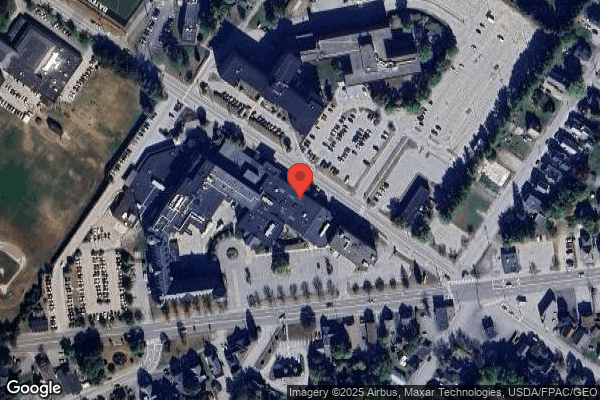
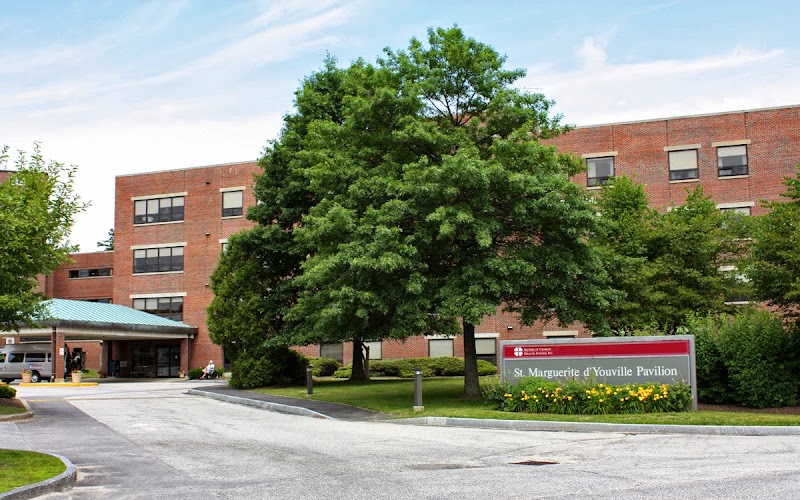
102 CAMPUS AVE, LEWISTON, ME 04240 (207) 777-4200
Non profit - Corporation 210 Beds COVENANT HEALTH Data: November 2025
Trust Grade
55/100
#43 of 77 in ME
Last Inspection: March 2025

Within standard 12-15 month inspection cycle. Federal law requires annual inspections.

Overview

St. Mary's D'Youville Pavilion in Lewiston, Maine has a Trust Grade of C, which means it is average and in the middle of the pack compared to other facilities. It ranks #43 out of 77 nursing homes in the state, placing it in the bottom half, and #3 out of 6 in Androscoggin County, indicating that only two local options are better. The facility is improving, as the number of issues decreased from 12 in 2024 to 10 in 2025. Staffing is a relative strength with a good rating of 4 out of 5 stars, although the 59% turnover rate is concerning compared to the state average of 49%. There have been no fines reported, which is a positive sign, and the facility has average RN coverage, meaning nurses are available to catch potential issues. Specific incidents include inadequate cleaning in laundry areas and a failure to maintain a sanitary environment for respiratory care, as well as not regularly monitoring a resident's dialysis access site, which raises concerns about infection control and overall care. While there are strengths in staffing and no fines, the cleanliness issues and specific care deficiencies highlight areas that need improvement.

Trust Score
C
55/100
In Maine
#43/77
Bottom 45%
Safety Record
Low Risk
No red flags
Inspections
Getting Better
12 → 10 violations
Staff Stability
⚠ Watch
59% turnover. Above average. Higher turnover means staff may not know residents' routines.
Penalties
✓ Good
No fines on record. Clean compliance history, better than most Maine facilities.
Skilled Nurses
✓ Good
Each resident gets 60 minutes of Registered Nurse (RN) attention daily — more than 97% of Maine nursing homes. RNs are the most trained staff who catch health problems before they become serious.
Violations
⚠ Watch
25 deficiencies on record. Higher than average. Multiple issues found across inspections.
★★★☆☆
3.0
Overall Rating
★★★★☆
4.0
Staff Levels
★★☆☆☆
2.0
Care Quality
★★★☆☆
3.0
Inspection Score
Stable
2024: 12 issues
2025: 10 issues

The Good

  • 4-Star Staffing Rating · Above-average nurse staffing levels
  • Full Sprinkler Coverage · Fire safety systems throughout facility
  • No fines on record

Facility shows strength in staffing levels, fire safety.

The Bad

3-Star Overall Rating

Near Maine average (3.0)

Meets federal standards, typical of most facilities

Staff Turnover: 59%

13pts above Maine avg (46%)

Frequent staff changes - ask about care continuity

Chain: COVENANT HEALTH

Part of a multi-facility chain

Ask about local staffing decisions and management

Staff turnover is elevated (59%)

11 points above Maine average of 48%

The Ugly 25 deficiencies on record

Mar 2025 9 deficiencies
CONCERN (D)

Potential for Harm - no one hurt, but risky conditions existed

Deficiency F0655 (Tag F0655)

Could have caused harm · This affected 1 resident

Based on interview and record review, the facility failed to ensure a baseline care plan was developed and implemented within 48 hours that included the instructions needed to provide minimum healthca...

Read full inspector narrative →
Based on interview and record review, the facility failed to ensure a baseline care plan was developed and implemented within 48 hours that included the instructions needed to provide minimum healthcare information necessary to properly care for 1 of 8 sampled residents reviewed for new admissions (Resident #36). Finding: Resident #36 was admitted in early March of 2025 with a primary diagnosis of fall with right ankle fracture requiring a Lovenox (anticoagulant) injection daily. As of 3/26/25 Resident #36's medical record lacked evidence of a baseline care plan that included the instructions necessary to properly care for him/her, in the area above. On 3/26/25 at 4:39 p.m., the above was discussed with the Director of Nursing.
CONCERN (D)

Potential for Harm - no one hurt, but risky conditions existed

Quality of Care (Tag F0684)

Could have caused harm · This affected 1 resident

Based on observations, interviews and record reviews, the facility failed to ensure a physician's order and care plan was followed for 1 of 11 residents reviewed for oxygen therapy (#42). Finding: On ...

Read full inspector narrative →
Based on observations, interviews and record reviews, the facility failed to ensure a physician's order and care plan was followed for 1 of 11 residents reviewed for oxygen therapy (#42). Finding: On 3/25/25 at 10:43 a.m., observation of Resident #42 receiving oxygen (O2) via nasal cannula with the oxygen concentrator set at 3 Liters Per Minute (LPM). At this time, the resident stated he/she is on 3 LPM of oxygen. On 3/26/25 at 7:29 a.m., an additional observation of Resident #42 receiving oxygen via a nasal cannula with the oxygen concentrator set at 3 LPM. Review of the medical record contained a Provider order dated 3/7/25 for Apply O2 at 4L to keep sats at 93 at rest and 88 with activity. every shift. The resident care plan for oxygen therapy r/t CHF (congestive heart Failure), Respiratory illness initiated: 2/28/25. Has interventions of oxygen settings: O2 via nasal cannula @ 4 L continuous. Further review of the nursing documentation states on 3/10/25, 3/11/25 and 3/15/25 he/she was on 3 LPM of oxygen via nasal cannula. On 3/26/25 at 11:07 a.m., during an interview, both the Registered Nurse (RN) unit manager and the surveyor observed Resident #42's oxygen set at 3 LPM via nasal cannula. The RN unit manager stated sometimes the O2 orders will say titrate to keep sats at a particular percentage. At this time, both the surveyor and the RN unit manager confirmed the order for O2 therapy was 4 LPM.
CONCERN (D)

Potential for Harm - no one hurt, but risky conditions existed

Accident Prevention (Tag F0689)

Could have caused harm · This affected 1 resident

Based on observations, interviews, and record reviews, the facility failed to ensure a smoking assessment of resident capabilities and deficits to determine resident safety was completed for 1 of 1 re...

Read full inspector narrative →
Based on observations, interviews, and record reviews, the facility failed to ensure a smoking assessment of resident capabilities and deficits to determine resident safety was completed for 1 of 1 resident reviewed for smoking (105). Finding: On 3/26/25 at 8:44 a.m., during an interview with Resident #105, a Registered Nurse (RN) entered the resident's room and removed a lighter from the open nightstand drawer and explained to the resident that having the lighter in his/her room is a hazard and he/she can obtain the lighter prior to going out to smoke. The resident stated he/she is going outside to smoke after breakfast. Review of Resident #105's Smoking Safety Interaction dated 3/18/25, states he/she uses tobacco products, has Poor vision or blindness and Unable to extinguish tobacco or marijuana safely. The rest of the form includes the section Clinical Suggestions which has; Apply smoking apron, Set up cigarette holder, Staff to extinguish cigarette, Refer to interdisciplinary Team, if Resident deemed unsafe to smoke and Ensure eyeglasses are on, was not completed. On 3/26/25 at 10:43 a.m., during an interview with the RN unit manager, the incomplete Smoking Safety Interaction was reviewed, showing he/she was unable to extinguish tobacco safely. The surveyor asked how the facility knows if the resident is safe to smoke or requires supervision. The RN stated, We don't go out and observe them. We are a non-smoking facility, but residents have rights and They are educated that this is a non-smoking facility. The facilities Tobacco - and Smoke - Free Policy approved 2/2022 states, specific to patients and residents of d'Youville Pavilion: Patients and residents are highly encouraged not to smoke or use tobacco products. They are also educated on the risks of use and strategies to help quit. Due to Patients' Rights in skilled facilities and Long-term care facilities, patients have the right to smoke if they desire to in a safe area. A designated smoking area is available outside at d'Youville Pavilion only to be used by d'Youville Pavilion patients and residents. On 3/26/25 at 4:39 p.m., during an interview with the Director of Nursing, the surveyor discussed the lack of a safety assessment of the resident's capabilities, deficits and whether or not supervision is required.
CONCERN (D)

Potential for Harm - no one hurt, but risky conditions existed

Deficiency F0761 (Tag F0761)

Could have caused harm · This affected 1 resident

Based on observation and interview, the facility failed to ensure that medications were stored properly by having an unlocked, unattended medication cart allowing residents and unauthorized persons ac...

Read full inspector narrative →
Based on observation and interview, the facility failed to ensure that medications were stored properly by having an unlocked, unattended medication cart allowing residents and unauthorized persons access to medications on 1 of 4 survey days. (3/25/25) Finding: On 3/25/25 at 9:15 a.m., a surveyor observed 2 unlocked medication carts located in the hall across from the nurses station on the 3 [NAME] Unit. Two staff were observed in an area behind the nurses station and one staff was seated at the nurses station. The surveyor asked the staff seated at the nurses station who the charge nurse was and the staff person pointed to the two staff seated behind her and stated they both are. At this time, the surveyor opened both medication carts and went through each drawer. No one responded to this. One of the identified nurses got up and walked away. Finally, the surveyor walked over to the remaining nurse and informed her that both medication carts were unlocked. The nurse immediately got up, locked the carts and confirmed the finding.
CONCERN (D)

Potential for Harm - no one hurt, but risky conditions existed

Deficiency F0868 (Tag F0868)

Could have caused harm · This affected 1 resident

Based on an interview and review of the facility's Quality Assurance and Performance Improvement (QAPI), the facility failed to present evidence that the required members attended 2 of 4 quarters prov...

Read full inspector narrative →
Based on an interview and review of the facility's Quality Assurance and Performance Improvement (QAPI), the facility failed to present evidence that the required members attended 2 of 4 quarters provided (April 2024 and July 2024). Finding: On 3/25/25 at 2:43 p.m., a surveyor requested a copy of the attendance sheets for the QAPI quarterly meetings. The Quality Assurance and Performance Improvement Manager provided the surveyor with the meeting attendance sheets. A review of the April 2024 QAPI attendance sheet lacked evidence that the Medical Director attended the meeting. The July 2024 QAPI attendance sheet lacked evidence that the Administrator, Director of Nursing and the Infection Preventionists attended the meeting. On 3/27/25 at 9:19 a.m., during an interview, the above was confirmed with the Quality Assurance and Performance Improvement Manager.
CONCERN (E)

Potential for Harm - no one hurt, but risky conditions existed

Safe Environment (Tag F0584)

Could have caused harm · This affected multiple residents

**NOTE- TERMS IN BRACKETS HAVE BEEN EDITED TO PROTECT CONFIDENTIALITY** Based on observations and interviews, the facility failed to adequately maintain maintenance and housekeeping services necessary...

Read full inspector narrative →
**NOTE- TERMS IN BRACKETS HAVE BEEN EDITED TO PROTECT CONFIDENTIALITY** Based on observations and interviews, the facility failed to adequately maintain maintenance and housekeeping services necessary to maintain the facility in good repair and sanitary conditions for 2 of 3 units (3rd floor unit and 4th floor unit) and the laundry rooms for 1 of 1 environmental tour (3/28/25). Findings: On 3/28/25 from 8:20 a.m. to 8:45 a.m., an Environmental Tour was conducted with the Administrator, the Quality Assurance and Performance Improvement Program (QAPI) Manager and the 3rd Floor Unit Manager in which the following findings were observed: Laundry rooms >Clean Linen Area: There were 4 wall mounted fans that were dusty/dirty. There were 2 wall mounted air conditioning units that were dusty/dirty. > Soiled Linen Area: There were 2 wall mounted fans that were dusty/dirty. The ceiling air system, just inside the entrance door, had dusty/dirty filters. 3rd Floor Units (East and West) > The hallway walls were marred with black marks. >Resident room [ROOM NUMBER] - The privacy curtains were missing hooks, hanging down and in disrepair. The baseboard heater unit was broken apart in the front and was marred with black marks. > Resident room [ROOM NUMBER] - The privacy curtains were missing hooks, hanging down and in disrepair. There was a commode bucket on the bathroom floor. The room base board heating unit was marred with black marks. > Resident room [ROOM NUMBER] - The base board heating unit had chipped/missing paint and was marred with black marks. The walls around the room were marked with black marks. > Resident room [ROOM NUMBER] - The base board heating unit had chipped/missing paint and was marred with black marks. > Resident room [ROOM NUMBER]- The base board heating unit had chipped/missing paint and was marred with black marks. > Resident room [ROOM NUMBER] - There were black scuff marks all over the room floor. 4th Floor Units(East and West) > The East Unit and [NAME] Unit hallway walls were marred with black marks. > Resident room [ROOM NUMBER] - There was an unbagged commode bucket on the floor in the bathroom. On 3/28/25 at 8:45 a.m., in an interview, the Administrator, the Quality Assurance and Performance Improvement Program (QAPI) Manager and the 3rd Floor Unit Manager confirmed the findings.
CONCERN (E)

Potential for Harm - no one hurt, but risky conditions existed

Respiratory Care (Tag F0695)

Could have caused harm · This affected multiple residents

Based on observations, record reviews, and interviews, the facility failed to provide a sanitary environment to help prevent the development and transmission of disease and infection related to respir...

Read full inspector narrative →
Based on observations, record reviews, and interviews, the facility failed to provide a sanitary environment to help prevent the development and transmission of disease and infection related to respiratory care on 3 of 4 days of survey (3/25/25, 3/26/25 and 3/27/25) for 9 of 13 residents reviewed for respiratory care. (#40, #52, #153, #370, #366, #42, #24, #468 and #472) Findings: 1. On 3/25/25 from 9:24 a.m. to 10:23 a.m., and again on 3/26/25 at 7:25 a.m., the following was observed: > Resident #40 had an unlabeled/dated nebulizer pipe stored on the bedside dresser. In a brief interview, the resident stated he/she hasn't had to use the nebulizer in a week. > Resident #52 room had an unlabeled/dated oxygen nasal cannula tubing with the nasal prongs lying on the floor. > Resident #153 room had an unlabeled/dated oxygen nasal cannula tubing wrapped up under the concentrator handle. > Resident #370 room had an unlabeled/dated nebulizer tubing with the open tubing end hanging over the nebulizer handle. 2. On 3/25/25 at 10:29 a.m., Resident #366 had an oxygen concentrator running, with the open end of the tubing hanging off machine. No one was in the room. 3. On 3/25/25 at 10:43 a.m., observation of Resident #42 receiving oxygen via an unlabeled/dated nasal cannula tubing. On the bedside dresser was a nebulizer machine with an unlabeled/dated mask stored on the back of the machine. Review of Resident #42's medical record lacked evidence of the nebulizer mask, or the nasal cannula tubing changed weekly. On 3/26/25 at 11:07 a.m., during an interview with the Registered Nurse (RN) unit manager, the above observations were discussed. She stated she had just gone around and removed the concentrators that were not in use and provided bags etc. The Surveyor asked how often O2 tubing and nebulizer masks are changed and how they are stored when not in use. The RN unit manager stated that the facility was in transition with the respiratory therapist leaving and she had been the one changing them. She then stated, you will not find the nebulizer and oxygen tubing changing in the Treatment Administration Record (TAR) and no documentation of changing the tubing weekly is available. The oxygen tubing, nasal cannula, nebulizer tubing and pipe/mask should be changed every week. Nebulizers should be cleansed with water and allowed to dry on a paper towel, then placed in an open plastic bag. 4. On 3/25/25 at 9:03 a.m. Resident #24 had an unlabeled oxygen tubing/nasal cannula hanging off the bedside table. At this time, the resident stated he/she only needs to use oxygen at night. On 3/26/25 at 8:06 a.m., an additional observation of the unlabeled oxygen tubing/nasal cannula hanging off the bedside table. On 3/26/25 at 11:44 a.m., the above information was discussed with the RN Unit Manager. On 3/27/25 at 12:20 p.m., Resident #24's oxygen nasal cannula tubing was coiled up and stored under the handle of the oxygen concentrator. 5. On 3/25/25 at approx. 8:44 a.m. and on 3/26/25 at 8:07 a.m., observation of Resident #468's and resident #472's unlabeled nebulizer pipe stored in their bedside table drawers. On 3/26/25 at 11:44 a.m., the above information was discussed with the RN Unit Manager. On 3/27/25 at 12:20 p.m., an additional observation of Resident #472's unlabeled nebulizer pipe stored in the bedside drawer. On 3/27/25 at 1:28 p.m., the above information was discussed with the Director of Nursing.
CONCERN (E)

Potential for Harm - no one hurt, but risky conditions existed

Deficiency F0698 (Tag F0698)

Could have caused harm · This affected multiple residents

2. On 03/25/25 at 9:51 a.m., in an interview with a surveyor, Resident #32 stated he/she has a catheter site in the right upper chest area used for dialysis access. The surveyor asked how often the st...

Read full inspector narrative →
2. On 03/25/25 at 9:51 a.m., in an interview with a surveyor, Resident #32 stated he/she has a catheter site in the right upper chest area used for dialysis access. The surveyor asked how often the staff monitor the site. Resident #32 stated staff look at it on the day of dialysis, and dialysis center staff manage the dressing. The surveyor asked how the catheter is monitored upon return from dialysis, and Resident #32 stated facility staff does not check the catheter site upon return. Clinical record review noted current physician orders for dialysis on Tuesdays, Thursdays, and Saturdays. No orders were located to address assessment and monitoring of the dialysis access site. A hospice physician's note, dated 2/11/25, noted that Resident #32 has in the right upper extremity, an AV fistula with intact bruit and thrill. Resident #32's care plan, last revised 2/17/25, includes the following interventions to address dialysis: Do not draw blood or take B/P in arm with graft. Monitor/document/report as needed any s/sx of infection to access site: redness, swelling, warmth or drainage. A review of Resident #32's current medication and treatment administration records did not address monitoring of the dialysis access site (AVF or catheter). On 3/27/25 at 1:10 .m., in an interview with a surveyor, the charge nurse stated Resident #32's dialysis access site was a hemodialysis catheter on the right chest which was completely covered by 2 Mepilex dressings that staff send with him/her for every dialysis treatment. Regarding the access site, the charge nurse stated we do not look at it and do not touch it. The charge nurse stated Resident #32 has an AVF site in the right upper arm which is not used. On 3/27/25 at 1:25 p.m., in an interview with the Nurse Manager, the surveyor discussed that Resident #32's care plan does not indicate that the resident has a catheter for dialysis, does not include regular monitoring of either the AVF or the catheter site (including after hemodialysis treatments), and does not specify emergency procedures to take for complications. On 3/27/25 at 2:00 p.m., the Nurse Manager stated she had called the dialysis center and was advised that only dialysis staff are to maintain the central line catheter and that the AVF was permanently not to be used. There was no further need for monitoring or checking of the fistula site required. In the event of an emergency, staff were to call the dialysis center for instructions. The nurse manager had updated the care plan to include this information. Based on observations, interviews and record reviews, the facility failed to ensure that a resident who requires Hemodialysis receives such services, consistent with the professional standards of practice and failed to ensure the care plan contained the needed information, including emergency interventions necessary to properly care for 2 of 2 residents reviewed for Hemodialysis. (#105 and #32) Findings: 1. On 3/26/25 at 8:32 a.m., the surveyor observed Resident #105 with a bandage to the upper arm. At this time, during an interview, Resident #105 stated he/she has an AVF (Arteriovenous Fistula) and has been going to dialysis for a couple of years. He/she then stated, Next Friday they are going to do something with my site, the past couple times they couldn't stop me from bleeding and I had to go to the hospital. The surveyor asked if and when the nurses assess and how they monitor his/her AVF site. He/she stated, They have never touched it and no monitoring. Review of the medical record states Resident #105 was admitted to the facility with a diagnosis of End-Stage Renal Disease with an AVF requiring Hemodialysis three times a week. A current physician order states he/she has a Right Arm AVF revision at [hospital] Day Surgery on 4/4/25. No orders were located to address assessment and monitoring of the dialysis access site. Review of the current care plan lacked interventions for monitoring the AVF site for Bruit and Thrill and emergency interventions if bleeding at the site were observed. Further review of the medication and treatment administration record lacked evidence of nursing care/assessment and monitoring for the AVF access site. On 3/26/25 at 4:39 p.m., during an interview with the Director of Nursing (DON) the surveyor discussed the lack of monitoring and emergency interventions in the care plan and treatment record. The DON confirmed the above and was unable to provide a policy and procedure for nursing caring and/or monitoring for a Hemodialysis resident, however, she did provide the surveyor with the Clinical Nursing Skills, basics to advanced skills 9th Edition and stated nursing would follow this book for nursing practice. Review of the Clinical Nursing Skills book, section: Hemodialysis (Renal Replacement Therapy). providing ongoing care of Hemodialysis Client: Procedure . assess the AV Fistula . Assessing the Arteriovenous Fistula. Perform hand hygiene. Position clients arm, so fistula is easily accessed. Palpate the area to feel for thrill (vibration). This indicates arterial to venous blood flow in fistula patency. Auscultate with a stethoscope to detect a bruit (swishing noise). This indicates a patent fistula .Safety alert precautions for fistula or graft . post safety precautions at head of bed . regularly feel for vibration thrill over access site. Do not measure blood pressure on the affected extremity. Do not perform venipuncture in the affected extremity. Counsel the client: avoid lying on the affected extremity. Avoid carrying heavy loads with access extremity. Do not wear constrictive clothing on the affected extremity. Immediately report swelling, discoloration, drainage, or coldness, numbness, or weakness of hand. On 3/27/25 at 1:04 p.m., during an interview with 4 surveyors present, the surveyor asked the DON how often nurses should be monitoring AVF for bruit and thrill, she stated, it should be every shift.
CONCERN (E)

Potential for Harm - no one hurt, but risky conditions existed

Deficiency F0699 (Tag F0699)

Could have caused harm · This affected multiple residents

Based on record reviews and interviews, the facility failed to assess resident's current diagnosis of Post-Traumatic Stress Disorder (PTSD)/trauma to determine what trigger(s) might cause re-traumatiz...

Read full inspector narrative →
Based on record reviews and interviews, the facility failed to assess resident's current diagnosis of Post-Traumatic Stress Disorder (PTSD)/trauma to determine what trigger(s) might cause re-traumatization for 2 of 3 sampled residents reviewed with a current diagnosis of PTSD (Resident #39 and #110). Findings: 1. A review of Resident #39's Annual Minimum Data Set (MDS) 3.0, dated 2/18/25, Section I, Active Diagnoses, Psychiatric/Mood Disorder, I6100 was coded to indicate Resident #39 has an active diagnosis for PTSD. The surveyor was unable to find information in the clinical record that indicates what Resident #39's PTSD was caused by, what trigger(s) might cause re-traumatization, and measures to avoid trigger(s) that might cause re-traumatization. In addition, Resident #39's care plan lacked evidence of a trauma informed care plan with identified triggers and interventions to prevent re-traumatization. On 3/26/25 at 3:12 p.m., the surveyor confirmed the finding above with the Administrator and the Director of Social Services. 2. A review of Resident #110 's clinical record, in the Minimum Data Set (MDS) 3.0, Section I, Active Diagnoses, Psychiatric/Mood Disorder, I6100 was coded to indicate Resident #110 has an active diagnosis for PTSD. The surveyor was unable to find information in the clinical record that indicates what Resident #110 's PTSD was caused by, what trigger(s) might cause re-traumatization, and measures to avoid trigger(s) that might cause re-traumatization. On 3/26/25 at 1:15 p.m., in an interview with a surveyor, the Unit Manager confirmed that Resident #110 did not have a care plan (goal, triggers and trauma interventions) for PTSD, other than it being mentioned as one of the problems under focus in the care plan. On 3/26/25 at 2:20 p.m., in an interview, a Licensed Social Worker(LSW) confirmed that Resident #110 did not receive a Psych/PTSD/Trauma Screening/Assessment.
Jan 2025 1 deficiency
CONCERN (D) 📢 Someone Reported This

A family member, employee, or ombudsman was alarmed enough to file a formal complaint

Potential for Harm - no one hurt, but risky conditions existed

Infection Control (Tag F0880)

Could have caused harm · This affected 1 resident

Based on observations and interviews, the facility failed to maintain and implement an infection control program to help prevent the development and transmission of disease and infection for 1 of 7 re...

Read full inspector narrative →
Based on observations and interviews, the facility failed to maintain and implement an infection control program to help prevent the development and transmission of disease and infection for 1 of 7 residents on contact precautions (Resident #6). Findings: On 1/2/25 at 8:00 a.m., a surveyor observed a contact precaution sign on Resident #6's door instructing all staff to wear the following Personal Protective Equipment (PPE) for all direct care; gown, gloves and goggles (if there is high chance of liquid exposure). Hanging on the outside of the door was a yellow precaution bag containing the PPE required for Resident #6's direct care. At this time, 2 Certified Nursing Assistants (CNA#1 and CNA#2) entered Resident #6's room wearing only a mask. CNA#1 began preparing the resident for the transfer. The surveyor intervened, and asked CNA #1 if Resident #6 is on contact precautions and what should be worn. CNA #1 stated a gown, and gloves are to be worn with direct patient care and if there is high change of liquid exposure to wear goggles, then closed the door on the surveyor. At this time, the surveyor alerted the Licensed Practical Nurse (LPN), who immediately instructed both CNA #1 and CNA #2, to don the appropriate PPE. The LPN confirmed all staff providing direct care for a resident on contact precautions are required to wear gloves and gowns. On 1/2/25 at 8:10 a.m., during an interview, the Registered Nurse for Resident #6's confirmed he/she is on contact precautions for Extended-Spectrum Beat-Lactamase (ESBL). On 1/2/25 at 8:19 a.m., during an interview, the above was discussed with the LPN Unit Manager of the 3 West. On 1/2/25 at 10:16 a.m., during an interview, the Director of Nursing stated she educated CNA #1 and CNA #2 on PPE requirements.
Jan 2024 12 deficiencies
CONCERN (D)

Potential for Harm - no one hurt, but risky conditions existed

Deficiency F0578 (Tag F0578)

Could have caused harm · This affected 1 resident

**NOTE- TERMS IN BRACKETS HAVE BEEN EDITED TO PROTECT CONFIDENTIALITY** Based on interviews and record review, the facility failed to ensure a resident's right to formulate an advance directive regard...

Read full inspector narrative →
**NOTE- TERMS IN BRACKETS HAVE BEEN EDITED TO PROTECT CONFIDENTIALITY** Based on interviews and record review, the facility failed to ensure a resident's right to formulate an advance directive regarding cardiopulmonary resuscitation (CPR) or Code Status was accurate in the clinical record for 1 out of 7 sampled residents reviewed for advanced directives (Resident #108). Findings: Resident #108 was admitted to the facility on [DATE]. On [DATE] at 10:51 a.m. during an interview with a Unit Secretary (US#1) a surveyor learned that Resident #108's Code Status was unknown. US#1 remembered that Resident #108 had requested a while ago to change their Code Status to CPR and she reportedly told a unit manager, but the chart indicated a Code Status of No CPR. On [DATE] at 11:00 a.m., a surveyor confirmed during an interview with the Unit Manager that Resident #108 makes his/her own decisions. On [DATE] at 11:10 a.m., a surveyor interviewed Resident #108 in his/her room and learned Resident #108 wanted his/her Code Status to be CPR and he/she had already talked to staff about this. On [DATE] at 11:14 a.m. both the surveyor and LPN#4 reviewed Resident #108's advance directive which indicated he/she was No CPR. At this time the LPN #4 stated she/he was unaware of the request to change the code status to CPR. -The facility's policy, Advanced Healthcare Directives, 1092, last reviewed 11/2018 under If an Advanced Directive is revoked: Licensed staff (RNs, LPNs, Social Workers) to whom revocation is communicated, must make the revocation part of the medical record. Note revoked and the date revoked in the medical record; write a detailed statement of the revocation and attach it to the Advance Directive. Whenever possible the resident should sign the revocation statement. If the Advanced Directive is revoked, the social worker staff will notify the physician of the resident/patient's revocation of the Advance Directive and will document this in the resident/patient's record. On [DATE] at 1:00 p.m. during a follow up record review, Resident #108's clinical record indicated on [DATE] at 3:31 p.m. LPN#4 had changed Resident #108's Code Status from No CPR to CPR. The medical record lacked evidence of further supporting documentation as required by facility policy. On [DATE] at 1:06 p.m. a surveyor interviewed facility Administrator and Director of Nursing and confirmed that Resident #108's Code Status in the Clinical Record was inaccurate, and the facility did not follow it's own policy for changing of a Code Status.
CONCERN (D)

Potential for Harm - no one hurt, but risky conditions existed

Deficiency F0637 (Tag F0637)

Could have caused harm · This affected 1 resident

Based on record review and interview, the facility failed to conduct a comprehensive Minimum Data Set 3.0 (MDS 3.0) assessment within 14 days after a resident experienced a significant change of condi...

Read full inspector narrative →
Based on record review and interview, the facility failed to conduct a comprehensive Minimum Data Set 3.0 (MDS 3.0) assessment within 14 days after a resident experienced a significant change of condition and hospice services were initiated for 1 of 4 sampled residents receiving hospice services (R173). Finding: On review of R173's clinical record, a surveyor noted the resident received hospice services, initiated on 10/5/23. On further review, the surveyor noted the most recent comprehensive MDS 3.0 assessment was completed on 9/7/23 and no comprehensive MDS 3.0 assessment was completed within 14 days of the initiation of hospice services. On 1/26/24 at 12:45 p.m., the Director of Nursing confirmed a comprehensive assessment should have been completed within 14 days after the resident began hospice services
CONCERN (D)

Potential for Harm - no one hurt, but risky conditions existed

Deficiency F0655 (Tag F0655)

Could have caused harm · This affected 1 resident

**NOTE- TERMS IN BRACKETS HAVE BEEN EDITED TO PROTECT CONFIDENTIALITY** Based on record review and interview, the facility failed to ensure a baseline care plan was developed and implemented within 48...

Read full inspector narrative →
**NOTE- TERMS IN BRACKETS HAVE BEEN EDITED TO PROTECT CONFIDENTIALITY** Based on record review and interview, the facility failed to ensure a baseline care plan was developed and implemented within 48 hours that included the instructions needed to provide minimum healthcare information necessary to properly care for 1 of 2 new admissions requiring Transmission Based Precautions (TBP). (Resident #160). Finding: Resident #160 was admitted to the facility on [DATE] with a primary diagnosis of: Sepsis (a serious condition in which the body responds improperly to an infection), acute kidney injury and recurrent Clostridioides Difficile (C-Diff) (a highly contagious bacterium that causes diarrhea and inflammation of the colon - which requires TBP, contact precautions while providing care, that is gloves and gown) requiring antibiotic use. Resident #160's clinical record was reviewed and revealed; Physician order dated 11/21/23 for Fidaxomicin oral tablet 200 milligram (mg), give 200 mg by mouth two times a day for septicemia, this order was discontinued on 11/27/23 and another Physician order dated 11/27/23 for Fidaxomicin oral tablet 200 mg, give 200 mg by mouth two times a day for C-Diff until 11/30/2023 was initiated. Further review of the clinical record, revealed it lacked evidence of a baseline care plan that was completed within 48 hours to include the instructions necessary to properly care for Resident #160's immediate health and safety needs for the above concerns. The care plan for C-Diff was initiated on 1/23/24, 63 days after admission. On 1/26/23 at approx. 9:00 a.m., a surveyor discussed this finding with the Assistant Director of Nursing.
CONCERN (D)

Potential for Harm - no one hurt, but risky conditions existed

Drug Regimen Review (Tag F0756)

Could have caused harm · This affected 1 resident

Based on record review and interview, the facility failed to ensure the pharmacist provided services to identify that a physician's order for the psychiatric evaluation was completed for 1 of 5 reside...

Read full inspector narrative →
Based on record review and interview, the facility failed to ensure the pharmacist provided services to identify that a physician's order for the psychiatric evaluation was completed for 1 of 5 residents reviewed for unnecessary medications (Resident #144). Finding: On 1/23/24 during review of Resident #144's clinical record, a Physicians order dated 9/13/23 to start Sertraline (Antidepressant) 50 milligrams daily for depression and for a Psych evaluation for depression. As of 1/23/24 the medical record lacked evidence of a psychiatric evaluation. The Pharmacist reviewed Resident #144's medication regimen on 9/29/23, 10/29/23, 11/29/23 and 12/26/23. There was no evidence in Resident #144's clinical record that the Pharmacist identified the lack of a Psychiatric evaluation for depression with use of Sertraline. On 1/24/24 at 11:00 a.m., the above was confirmed with the Registered Nurse Manager on 4 East unit
CONCERN (D)

Potential for Harm - no one hurt, but risky conditions existed

Medication Errors (Tag F0758)

Could have caused harm · This affected 1 resident

Based on record review and interview, the facility failed to show evidence of an attempt of a gradual dose reduction (GDR) and lacked documentation to justify the continued use of an antipsychotic med...

Read full inspector narrative →
Based on record review and interview, the facility failed to show evidence of an attempt of a gradual dose reduction (GDR) and lacked documentation to justify the continued use of an antipsychotic medication for 1 of 5 residents reviewed for unnecessary medications (#52). Finding: Resident #52's Physician Order Sheet signed by the physician on 11/18/23 indicated Resident #52 had been receiving the antipsychotic medication Quetiapine 25 milligrams (mg) one tablet every morning and Quetiapine 50 mg two times daily, since 11/26/22. Between 11/26/22 and 1/25/24, there was no documentation in the clinical record that a GDR was attempted or that a GDR was clinically contraindicated for Resident #52. The surveyor discussed this finding in an interview with the Assistant Director of Nursing on 1/26/24 11:15 a.m.
CONCERN (D)

Potential for Harm - no one hurt, but risky conditions existed

QAPI Program (Tag F0867)

Could have caused harm · This affected 1 resident

Based on record review, observations and interviews, the facility's Quality Assurance Committee failed to ensure that the Plan of Correction (POC) for an identified deficiency from the annual Long Ter...

Read full inspector narrative →
Based on record review, observations and interviews, the facility's Quality Assurance Committee failed to ensure that the Plan of Correction (POC) for an identified deficiency from the annual Long Term Care Recertification Survey, dated 1/26/24, was effective. The Federal citation F584 and F812 was cited again during the re-visit to the annual Long Term Care Recertification Survey, dated 3/21/24. Findings: During the annual Long Term Care survey, dated 1/26/24, a deficiency was cited at F584 for the facilities failure to adequately provide housekeeping and maintenance services necessary to maintain the building in good repair and in a sanitary condition and at F812 for the facilities failure to ensure foods were dated and/or labeled in a freezer and refrigerator. The facility's POC, dated 2/12/24, indicated that the facility would ensure that the resident rooms/bathrooms would be in a sanitary condition by clean ceiling fans weekly and all rooms/bathrooms in the facility will have bed pans/commodes stored appropriately, and the facility would ensure kitchen staff would date and label items in the refrigerator and freezer, with the POC completion date of 3/11/24. During the re-visit survey on 3/21/24, a brief interview was conducted with the Quality Assurance Performance Improvement (QAPI) Manger who stated the POC was reviewed in the monthly QAPI meeting held on 2/28/24 and provided the surveyor with the 2/28/24 QAPI agenda indicating the Statement of Deficiencies and POC was reviewed with the team. On 3/12/24 during a tour of 3rd Floor [NAME] unit with the Director of Nursing and QAPI Manager, resident bathrooms 334, 338, 344, 348, 350 and 352 were found to have ongoing concerns regarding storage of bed pans/commode buckets and exhaust fans dusty/dirty. In addition, several of these rooms had unlabeled person items and medicated powder stored around the sink. It was determined the same tag F584 would be recited. On 3/21/24 a kitchen tour was conducted with the Director of Culinary Services and the QAPI Manger in which freezer #3 and refrigerator/cooler #2 contained food items that were unlabeled and undated. It was determined the same tag F812 would be recited. On 3/21/24 at 1:40 p.m., the above ongoing concerns with discussed with the Director of Nursing and the Assistant Director of Nursing.
CONCERN (E)

Potential for Harm - no one hurt, but risky conditions existed

Safe Environment (Tag F0584)

Could have caused harm · This affected multiple residents

**NOTE- TERMS IN BRACKETS HAVE BEEN EDITED TO PROTECT CONFIDENTIALITY** Based on observations and interview, the facility failed to adequately provide housekeeping and maintenance services necessary t...

Read full inspector narrative →
**NOTE- TERMS IN BRACKETS HAVE BEEN EDITED TO PROTECT CONFIDENTIALITY** Based on observations and interview, the facility failed to adequately provide housekeeping and maintenance services necessary to maintain the building in good repair and in a sanitary condition for 1 of 3 floors (3rd) and the laundry rooms for 1 of 1 environmental tour. (1/26/24) Findings: On 1/26/24 from 9: 20 a.m. to 10:10 a.m., an Environment tour was conducted with the Plant Operations Manager in which the following findings were observed: Laundry Rooms > The soiled laundry linen room had 1 wall fan that was dusty/dirty. The cement floor had chipped/missing paint and the non-skid floor tape was missing pieces/sections creating uncleanable surfaces. > The clean laundry linen room had 3 wall fans that were dusty/dirty. The cement floor had chipped/missing paint creating an uncleanable surface. > The laundry room had 30 broken/missing floor tiles. The cement floor, behind and under the washing machines, had chipped/missing paint creating uncleanable surfaces. 3rd Floor East > The wheelchair scale had ripped/missing non-skid surface tape creating an uncleanable surface. 3rd Floor West > The two sit-to-stand patient lifts had missing/chipped paint and rusty areas in the foot base areas creating uncleanable surfaces. > Resident room [ROOM NUMBER] - The baseboard heating unit was marred with black marks. The bathroom, which is shared by 4 residents, had an unmarked urinal hanging on the grab bar behind the toilet and the bathroom exhaust fan was dusty/dirty. > Resident room [ROOM NUMBER] - The bathroom had 2 commode buckets sitting on the floor under the sink and a bed pan stored on the hand rail by the toilet. > Resident room [ROOM NUMBER] - The bathroom exhaust vent was dusty/dirty. > There were 2 hallway ceiling vents by Resident room [ROOM NUMBER] that were dusty/dirty. > There was 1 hallway ceiling tile by Resident room [ROOM NUMBER] that had a large brown stain. > Resident room [ROOM NUMBER] - The wall fan was dusty/dirty. There was debris in the shower light lens. The room walls and the bathroom doorframe were heavily marked/marred with blackish marks. 0n 1/26/24 at 10:10 a.m., in an interview, the Plant 0perations Manager confirmed the findings.
CONCERN (E)

Potential for Harm - no one hurt, but risky conditions existed

Comprehensive Care Plan (Tag F0656)

Could have caused harm · This affected multiple residents

**NOTE- TERMS IN BRACKETS HAVE BEEN EDITED TO PROTECT CONFIDENTIALITY** Based on record review, observations and interview, the facility failed to develop or implement the care plan interventions for ...

Read full inspector narrative →
**NOTE- TERMS IN BRACKETS HAVE BEEN EDITED TO PROTECT CONFIDENTIALITY** Based on record review, observations and interview, the facility failed to develop or implement the care plan interventions for the residents' current needs for 6 of 33 sampled residents/care plans reviewed (Resident #2, #20, #52, #101, #166 and #173) Findings: 1. Resident #2's clinical record was reviewed and revealed the resident has muscle weakness, unsteadiness on feet and has had falls. The current care plan noted the following: [Resident #2] requires floor mats when in bed on both sides of bed for fall safety. [Resident #2]will have no injuries if a fall occurs before the review date. Staff to pick up and place mats out of the way from wheelchair accessibility in room when out of bed and will lay them next to bed on both sides when in bed. On 1/24/24 at 2:05 p.m., a surveyor observed Resident #2 in bed with no floor mats placed on the floor on both sides of the bed. On 1/24/24 at 2:10 p.m., in an interview, Registered Nurse, RN. #3 confirmed that Resident #2 was in bed and the floor mats were not put on both sides of the bed. 2. Resident #20's clinical record was reviewed and revealed a diagnosis of Quadriplegia, tracheostomy and carrier of Methicillin Resistant Staphylococcus Aureus (MRSA) in his/her sputum. The care plan for MRSA - colonization (respiratory) revised on 10/11/21, instructs staff to wear Mask /face shield to be worn during procedures with risk of splashes or droplet contamination of bodily fluids. In addition, the quarterly Minimum Data Set (MDS) dated [DATE] revealed Resident #20 had a Brief Interview for Mental Status (BIMS) of 15 of 15, indicating he/she is cognitively intact. On 1/22/24 at 9:48 a.m., 2 surveyors observed Certified Nurses Aid (CNA) #7 and CNA #8 don PPE (gown, gloves and mask) and begin to enter room [ROOM NUMBER]. At this time, surveyor interviewed CNA #7, who stated, Resident #20 has MRSA (Methicillin Resistant Staphylococcus Aureus) in his/her trach/respiratory and she is going into provide care for Resident #20, wash his/her body, apply cream etc. Surveyor questioned whether eye protection is used while providing care for Resident #20. CNA #7 stated, she doesn't wear eye protection because [Resident #20] has the trach covered with plastic and she would only wear eye protection if [he/she] was getting a nebulizer treatment. CNA #7 and CNA #8 entered the room and began providing care to Resident #20 without the use of eye protection. On 1/22/24 at 1:17 p.m., during an interview, Resident #20 was asked if staff wear eye protection during care, he/she stated, mostly no, only when there COVID on the unit. On 1/25/24 at 12:11 p.m., during an interview, the Director of Nursing confirmed the care plan was not followed for use of eye protection. 3. On 1/23/24 at approximately 11:00 a.m. a surveyor observed Resident #166 on a pressure reducing mattress. The clinical record for Resident #166 was reviewed. The admission Minimum data set (MDS) 3.0 dated 11/16/23, under section M1200 Skin and ulcer/injury treatments found yes was selected for Pressure Reducing device on bed. Review of Resident #166 care plan did not include a pressure reducing device on bed-under interventions. On 1/26/24 24 at 11:41 a.m. during an interview with the rehab unit manager after discussing the missing interventions on the care plans reviewed, I learned he/she thought the MAR and TAR were part of the care plan meaning interventions on the MAR and TAR did not also need to be on the care plan. The MAR and TAR can not be used in lieu of a Care Plan to create the Comprehensive Care Plan. 4. On 1/24/24, during record review of Resident #52 physician orders, it was noted that he/she is receiving the psychotropic medication Quetiapine Fumarate since 11/26/22. The Annual Assessment (MDS) - Version 3.0 dated 10/12/22, Section N indicated Resident #52's use of antipsychotics, in addition the CAA's indicated to proceed to care plan for Psychotropic Drug Use. The medical record lacked evidence of a comprehensive care plan that addressed the use, goals and interventions for the use of Quetiapine Fumarate. The surveyor confirmed this lack of care plan for Psychotropic Drug Use in an interview with the Assistant Director of Nursing, on 1/26/24 at 11:15 a.m. 5. On 1/25/24 at 2:40 p.m. during a clinical record review for Resident #101, a surveyor found under orders, wear heel protectors when in bed dated 10/25/23 and turn patient every 2 hours dated 10/25/23. These interventions were found in Resident #101's Medication Administration Record (MAR) and Treatment Administration Record (TAR) but not on the care plan. On 1/26/24 24 at 11:41 a.m. during an interview with the rehab unit manager after discussing the missing interventions on the care plans reviewed, I learned he/she thought the MAR and TAR were part of the care plan meaning interventions on the MAR and TAR did not also need to be on the care plan. The MAR and TAR can not be used in lieu of a Care Plan to create the Comprehensive Care Plan. 6. Residents #173's clinical record was reviewed and revealed hospice services were initiated on 10/5/23 for terminal diagnosis of Alzheimer's disease with late onset. On further review, Resident #173 passed away on 11/15/23, the medical record lacked evidence of a Hospice care plan being developed with goals and interventions for end of life care from the onset of hospice services on 10/5/23 through to end of life on 11/15/23. On 1/26/24 at 12:45 p.m., the Director of Nursing confirmed a comprehensive assessment should have been completed within 14 days after the resident began hospice services
CONCERN (E)

Potential for Harm - no one hurt, but risky conditions existed

Deficiency F0657 (Tag F0657)

Could have caused harm · This affected multiple residents

Based on record review and interview, the facility failed to revise a care plan to reflect the current needs for 3 of 33 sampled residents/care plans reviewed (#104, #135 and #144) Findings: 1. A revi...

Read full inspector narrative →
Based on record review and interview, the facility failed to revise a care plan to reflect the current needs for 3 of 33 sampled residents/care plans reviewed (#104, #135 and #144) Findings: 1. A review of Resident #104's clinical record revealed that Hospice was initiated on 9/2/23 for terminal diagnosis of Parkinson's Disease. A Significant Change in Status Minimum Data Set (MDS) 3.0 assessment was completed on 9/4/23 with the Interdisciplinary Team (IDT) meeting held on 9/22/23 and the most recent Quarterly MDS completed on 12/5/23 with the IDT meeting held on 12/8/23. The most recent care plan revision was completed on 12/12/23. As of 1/26/24 Resident #104's care plan lacked evidence of a revision to reflect Hospice services after both MDS assessments and IDT meetings. On 1/26/24 at 11:24 a.m., during an interview with Assistant Director of Nursing, the above was confirmed. 2. A review of Resident #135's clinical record revealed a progress note dated, 1/9/24 at 12:24. Progress note states resident had a verbal outburst and was yelling out this a.m. for help, and made reference to killing [himself/herself], as [he/she] sat on the side of [his/her] bed, attempting to rise up to a standing position. This writer entered the room and offered assistance with getting out of bed. [He/She] accepted and stated, I need to get up. This writer acknowledged [his/her] feelings and offered assistance, with ADL's. Another progress note dated, 1/11/24 at 12:20 states Resident had a verbal outburst and a crying spell as [he/she] was leaving the dining room, upset that no other residents would talk to [him/her]. [He/She] expressed a feeling of worthlessness, and anxiety, and stated if [he/she] could get out of here and drive away, [he/she] would never come back again. [He/Sh]e also made reference to not wanting to live like this. Other phrases [he/she] used to express [his/her] feelings were, I guess my life is over, and I've never been treated like this before and just want to die. On 1/12/24 Zoloft (antidepressant) was increased from 50 milligrams (mg.) once a day to 100 mg. once a day. Seroquel (antipsychotic) was increased from Seroquel 25 mg. once a day to 25 mg. three times a day. The care plan was initiated on 11/16/23 with a target date of 2/25/24. As of 1/24/24 the care plan lacked evidence of a revision to reflect suicidal ideation. In a meeting with the Licensed Social Worker (LSW) at approximately 8:49 a.m. on 1/24/24 he/she was unaware of the above issue and planned to institute required protocol. On 1/24/24 at approximately 9:45 a.m. during an interview with the Nurse Manager on the Memory Unit, the above was confirmed. 3. A review of Resident #144's clinical record revealed a physician order dated 9/13/23 for Sertraline HCl (antidepressant) Tablet 50 milligrams (MG) Give 1 tablet by mouth one time a day for Depression. The most recent care plan revision was completed on 12/12/23. As of 1/23/24 Resident #144's care plan lacked evidence of a revision to reflect the use of an antidepressant medication. On 1/23/24 at 4:06 p.m., during an interview with two of the facilities MDS coordinators, the above was confirmed.
CONCERN (E)

Potential for Harm - no one hurt, but risky conditions existed

Quality of Care (Tag F0684)

Could have caused harm · This affected multiple residents

Based on record review and interviews, the facility failed to follow a physician order for obtaining daily weights for 1 of 8 sampled residents for rehospitalization (#114) and failed to follow physic...

Read full inspector narrative →
Based on record review and interviews, the facility failed to follow a physician order for obtaining daily weights for 1 of 8 sampled residents for rehospitalization (#114) and failed to follow physician orders for making a referral to a specialist for 1 of 5 residents reviewed for unnecessary medications. (#144) Finding: 1. On 1/24/24, Resident #114's clinical record was reviewed and contained a physician order dated 10/12/23, for Daily weight in the morning for edema. Review of Resident #114's weights from 10/13/23 to 1/21/24 revealed that weights were not completed on 10/17/23-10/19/23, 10/21/23, 10/22/23, 10/24/23, 10/25/23, 10/31/23, 11/1/23, 11/5/23, 11/7/23, 11/9/23-11/15/23, 11/18/23-11/20/23, 11/23/23-11/29/23, 12/1/23-12/9/23, 12/11/23-12/16/23, 12/18/23-12/25/23, 12/27/23, 12/28/23, 12/31/23, 1/1/24-1/3/24, 1/6/24, 1/9/24-1/13/24, 1/15/24, 1/17/24, 1/19/24, 1/20/24, 1/22/24 and 1/23/24. On 1/24/24 at 10:05 a.m., during an interview with the Assistant Director of Nursing, she confirmed that Resident #114's weights had not been taken daily between 10/13/23 to 1/21/24 as the current physician's order stated. 2. On 1/23/24, Resident #144's clinical record was reviewed and contained a physician order dated 9/13/23, for a Psych evaluation for depression. A nurses note dated 9/20/23 stated, We are working on [Dr.] referral - per office need a recent note from provider to fax to them to justify referral for depression. All recent notes do not address depression. The surveyor was unable to find evidence that this appointment was made. On 1/24/24 at 8:21 a.m., during an interview with a Registered Nurse Minimum Data Set Coordinator she confirmed a provider order on 9/13/23 for psych eval but was unable to find the psych eval was completed stating, she had let [Registered Nurse] (RN) Manager of 4 East know and it will happen today. On 1/24/24 at 11:00 a.m., during an interview, the RN Manager of 4 East unit stated, My nurse, [RN #2] made an SBAR (Situation, Background, Assessment, and Recommendation, means of communication with provider) in September and nothing happened, no response from the doctor and I spoke with the Doctor today because [he/she] looks the best [he/she] ever looks. She then showed surveyor an order dated 1/24/24 to discontinue the Psych evaluation.
CONCERN (E)

Potential for Harm - no one hurt, but risky conditions existed

Food Safety (Tag F0812)

Could have caused harm · This affected multiple residents

Based on observations and interviews, the facility failed to ensure the kitchen was maintained in a clean manner on 1 of 1 days of survey (1/22/24) for ceiling vents, ceiling tiles, and an auto bag ma...

Read full inspector narrative →
Based on observations and interviews, the facility failed to ensure the kitchen was maintained in a clean manner on 1 of 1 days of survey (1/22/24) for ceiling vents, ceiling tiles, and an auto bag machine; failed to ensure the male kitchen staff were wearing facial hair protection, failed to ensure wet sacking of glasses, and failed to ensure foods were dated and/or labeled in freezers and refrigerators. Further, the facility failed to monitor temperatures of the dish washing machine and the refrigerators and freezers. In addition, the facility failed to ensure that proper hand sanitizing and proper food handling, during lunch service, was followed for 1 of 2 lunch observations (1/22/24) on the 3rd floor [NAME] Unit. Findings: Refrigeration Temperature Log(documented at the bottom of the Refrigeration Temperature Log)- This log will be maintained for each refrigerator and freezer(both walk in and reach in units) in the facility. Employee will record the time, air temperature and their initials (preferably upon arrival) once in the morning and once(preferably just before leaving the facility). The food service supervisor for each facility will verify that food service employees have taken their required temperatures by visually monitoring food service employees and reviewing, initially, and dating a sample of logs each month. Record retention requirement one year. If corrective action is required on any day, circle the date in the first column and explain the action taken. Refrigerator should be below 41° Fahrenheit. The facility policy Standards, Food Temperature Controls las revised 10/2023 noted: temperatures of refrigerators and freezers for all patient and resident service are taken and recorded. Dish machine and pot machine temperatures are taken and recorded. The facility policy Pantry Storage and Refrigeration dated as last reviewed on January 2020 noted: Procedure: All perishable food items are covered and labeled with the following, as appropriate; Date delivered, date open, and discard date. All stored items must meet the criteria for storage(covered, labeled, and dated). On 1/22/24 from 9:30 a.m. to 10:30 a.m., during the initial tour of the kitchen with the Food Service Director, the following was observed: > 4 male kitchen staff observed having facial hair were not wearing facial hair protection. > There were 5 ceiling vents, above clean dish storage shelves, that were dusty/dirty and rusty. > There were 30 - eight ounce plastic glasses, on two trays, that were observed to be wet stacked. > The auto bag machine had chipped/missing paint and was rusty creating an uncleanable surface. > The dish room had 2 ceiling tiles with brownish stains on them and 4 ceiling vents that were dusty/dirty. > Refrigerator/Cooler #3 had 3 packages of sub rolls and 3 packages of biscuits that were unlabeled and undated. Additionally, the biscuits had large amounts of ice crystals built up inside the packages. > Freezer #3 had a previously opened bad of french fries that were unsealed, unlabeled and undated. On 1/22/24 at 10:30 a.m., in an interview, the Food Service Director confirmed the findings. 2. On 1/22/24 from 11:32 a.m. to 12:05 p.m., a surveyor observed lunch service on the 3rd floor [NAME] dining room. A surveyor observed the dietary aide/server did not have a hair restraint on while handling and serving food. A surveyor also observed the dietary aide/server had gloved hands and touched a cleaning towel then opened cupboards and removed dishes, then used utensils to serve/plate foods, then he reached into a bag of rolls with his gloved hands and got a roll out and put in on a plate of food. With the same gloved hands, a surveyor observed the dietary aid get a biscuit out of a pan and then use the microwave with same gloved hand. He got rolls out of a bag with the same gloved hands multiple times to serve/plate. He then got two pieces of bread out of bag with same gloved hands, then grabbed meat patties out of freezer with same gloved hands. He held the bread with gloved hands while spreading peanut butter and got a muffin out of bag with same gloved hand and held while cutting. He touched a cheese slice with same gloved hands and then used the phone again with same gloved hands. He never changed gloves or washed and sanitized his hands through the entire meal service. 0n 1/22/24 at 11:59 a.m., in an interview, the dietary aide/server confirmed that his procedure of serving was not preventing possible cross contamination of foods. 0n 1/22/24 at 12:55 p.m., in an interview, a surveyor discussed the finding with the Food Service Director. 3. 0n 1/23/24 at 8:45 a.m., a surveyor reviewed documentation the facility provided for dish machine and refrigerator/freezer temperatures and noted he following: > The main kitchen dish machine wash and rinse temperatures were not monitored and documented on the following dates: Dish Machine Temperature Logs: 0ctober 2023: Main Kitchen - 10/3/23(supper check), 10/16/23(breakfast check), 10/30/23(supper check) Pot Room Dish Machine - 10/23/23 November 2023: 11/8/23(supper check), 11/19/23(breakfast and lunch checks) December 2023: Main Kitchen: 12/15/23(lunch check) and 12/22/23(breakfast check) Pot Room Dish Machine - 12/22/23(breakfast check) and no documentation from 12/1/23 to 12/31/23(supper check) January 2024: Main Kitchen: 1/1/24(supper check) 1/4/24(lunch check) Pot Room Dish Machine - no documentation from 12/1/23 to 12/31/23(supper check) The main kitchen dish machine wash and rinse temperatures were documented below 180 degrees Fahrenheit on the following dates: November 2023: Main Kitchen: 11/1/23 - 11/14/23(breakfast check and lunch check) 11/1/23 - 11/7/23 and 11/9/23 - 11/14/23(supper check) Pot Room Dish Machine: 11/5/23 and 11/8/23 > The facility failed to monitor and document the refrigerator and freezer temperatures on the following dates: December 2023 11/22/23- opening check- 4 East deli refrigerator, 4 East refrigerator, 4 East freezer, 4 East patient refrigerator, 4 East patient freezer, 4 [NAME] deli refrigerator, 4 [NAME] refrigerator, 4 [NAME] freezer, 3 East deli refrigerator, 3 East refrigerator, 3 East freezer, 3 [NAME] patient freezer, 3 [NAME] patient refrigerator, 2 [NAME] deli refrigerator, 2 [NAME] refrigerator, 2 [NAME] freezer, 2 [NAME] patient refrigerator, 2 [NAME] patient freezer, November 2023 11/11/23- opening check- 4 [NAME] patient freezer(also closing check), 4 [NAME] patient refrigerator, 4 [NAME] freezer, 4 [NAME] Refrigerator, 4 [NAME] Deli Refrigerator, 4 East patient freezer, 4 East patient refrigerator, 4 East freezer, 4 East refrigerator, 4 East deli refrigerator, 3 [NAME] patient freezer, 3 [NAME] patient refrigerator, 3 [NAME] freezer, 3 [NAME] refrigerator, 3 [NAME] Deli Refrigerator, 3 East freezer, 3 East refrigerator, 3 East deli refrigerator, 2 [NAME] patient freezer, 2 [NAME] patient refrigerator, 2 [NAME] freezer, 2 [NAME] refrigerator, 2 [NAME] deli refrigerator. Meat prep freezer- opening check- 11/3/23 and 11/5/23. Blast Chiller- opening check- 11/3/23 and 11/5/23. Closing check on 11/9/23, 11/11/23, 11/12/23, 11/16/23/11/23/23, 11/25/23, 11/26/23 and 11/30/23. October 2023 Food Bank Refrigerator- opening check- on 10/7/23, 10/8/23, 10/21/23 and 10/22/23. closing check on 10/25/23 and 10/29/23. Food Bank Freezer- opening check- on 10/7/23, 10/8/23, 10/21/23 and 10/22/23. closing check on 10/25/23 and 10/29/23. Bake Shop Refrigerator- opening check- on 10/7/23, 10/8/23, 10/21/23 and 10/22/23. closing check on 10/25/23 and 10/29/23. Bake Shop Freezer- opening check- on 10/7/23, 10/8/23, 10/21/23 and 10/22/23. closing check on 10/25/23 and 10/29/23. Pizza Refrigerator- opening check- on 10/7/23, 10/8/23, 10/21/23 and 10/22/23. closing check on 10/25/23 and 10/29/23. Blast Chiller- opening check- on 10/7/23, 10/8/23, 10/21/23 and 10/22/23. closing check on 10/1/23, 10/5/23, 10/12/23, 10/19/23, 10/25/23 and 10/26/23. Produce Refrigerator- opening check- on 10/7/23, 10/8/23, 10/21/23 and 10/22/23. closing check on 10/25/23 and 10/29/23. Meat Prep Refrigerator- opening check- on 10/7/23, 10/8/23, 10/21/23 and 10/22/23. closing check on 10/25/23 and 10/29/23. Meat Prep Freezer- opening check- on 10/7/23, 10/8/23, 10/21/23 and 10/22/23. closing check on 10/25/23 and 10/29/23. > The main kitchen dish machine wash and rinse temperatures were not monitored and documented on the following dates: Dish Machine Temperature Logs: 0ctober 2023: Main Kitchen - 10/3/23(supper check), 10/16/23(breakfast check), 10/30/23(supper check) Pot Room Dish Machine - 10/23/23 November 2023: 11/8/23(supper check), 11/19/23(breakfast and lunch checks) December 2023: Main Kitchen: 12/15/23(lunch check) and 12/22/23(breakfast check) Pot Room Dish Machine - 12/22/23(breakfast check) and no documentation from 12/1/23 to 12/31/23(supper check) January 2024: Main Kitchen: 1/1/24(supper check) 1/4/24(lunch check) Pot Room Dish Machine - no documentation from 12/1/23 to 12/31/23(supper check) The main kitchen dish machine wash and rinse temperatures were documented below 180 degrees Fahrenheit on the following dates: November 2023: Main Kitchen: 11/1/23 - 11/14/23(breakfast check and lunch check) 11/1/23 - 11/7/23 and 11/9/23 - 11/14/23(supper check) Pot Room Dish Machine: 11/5/23 and 11/8/23 > The facility failed to monitor and document the refrigerator and freezer temperatures on the following dates: December 2023 11/22/23- opening check- 4 East deli refrigerator, 4 East refrigerator, 4 East freezer, 4 East patient refrigerator, 4 East patient freezer, 4 [NAME] deli refrigerator, 4 [NAME] refrigerator, 4 [NAME] freezer, 3 East deli refrigerator, 3 East refrigerator, 3 East freezer, 3 [NAME] patient freezer, 3 [NAME] patient refrigerator, 2 [NAME] deli refrigerator, 2 [NAME] refrigerator, 2 [NAME] freezer, 2 [NAME] patient refrigerator, 2 [NAME] patient freezer, November 2023 11/11/23- opening check- 4 [NAME] patient freezer(also closing check), 4 [NAME] patient refrigerator, 4 [NAME] freezer, 4 [NAME] Refrigerator, 4 [NAME] Deli Refrigerator, 4 East patient freezer, 4 East patient refrigerator, 4 East freezer, 4 East refrigerator, 4 East deli refrigerator, 3 [NAME] patient freezer, 3 [NAME] patient refrigerator, 3 [NAME] freezer, 3 [NAME] refrigerator, 3 [NAME] Deli Refrigerator, 3 East freezer, 3 East refrigerator, 3 East deli refrigerator, 2 [NAME] patient freezer, 2 [NAME] patient refrigerator, 2 [NAME] freezer, 2 [NAME] refrigerator, 2 [NAME] deli refrigerator. Meat prep freezer- opening check- 11/3/23 and 11/5/23. Blast Chiller- opening check- 11/3/23 and 11/5/23. Closing check on 11/9/23, 11/11/23, 11/12/23, 11/16/23/11/23/23, 11/25/23, 11/26/23 and 11/30/23. October 2023 Food Bank Refrigerator- opening check- on 10/7/23, 10/8/23, 10/21/23 and 10/22/23. closing check on 10/25/23 and 10/29/23. Food Bank Freezer- opening check- on 10/7/23, 10/8/23, 10/21/23 and 10/22/23. closing check on 10/25/23 and 10/29/23. Bake Shop Refrigerator- opening check- on 10/7/23, 10/8/23, 10/21/23 and 10/22/23. closing check on 10/25/23 and 10/29/23. Bake Shop Freezer- opening check- on 10/7/23, 10/8/23, 10/21/23 and 10/22/23. closing check on 10/25/23 and 10/29/23. Pizza Refrigerator- opening check- on 10/7/23, 10/8/23, 10/21/23 and 10/22/23. closing check on 10/25/23 and 10/29/23. Blast Chiller- opening check- on 10/7/23, 10/8/23, 10/21/23 and 10/22/23. closing check on 10/1/23, 10/5/23, 10/12/23, 10/19/23, 10/25/23 and 10/26/23. Produce Refrigerator- opening check- on 10/7/23, 10/8/23, 10/21/23 and 10/22/23. closing check on 10/25/23 and 10/29/23. Meat Prep Refrigerator- opening check- on 10/7/23, 10/8/23, 10/21/23 and 10/22/23. closing check on 10/25/23 and 10/29/23. Meat Prep Freezer- opening check- on 10/7/23, 10/8/23, 10/21/23 and 10/22/23. closing check on 10/25/23 and 10/29/23. 0n 1/23/24 at 9:00 a.m., in an interview, the Food Service Director confirmed the findings.
CONCERN (E)

Potential for Harm - no one hurt, but risky conditions existed

Infection Control (Tag F0880)

Could have caused harm · This affected multiple residents

**NOTE- TERMS IN BRACKETS HAVE BEEN EDITED TO PROTECT CONFIDENTIALITY** Based on observations, interviews, record review and facility policy, the facility failed to maintain and implement an infection...

Read full inspector narrative →
**NOTE- TERMS IN BRACKETS HAVE BEEN EDITED TO PROTECT CONFIDENTIALITY** Based on observations, interviews, record review and facility policy, the facility failed to maintain and implement an infection control program to help prevent the development and transmission of disease and infection related to Methicillin Resistant Staphylococcus Aureus (MRSA- a Multidrug-Resistant Organism) colonized in sputum and urine for a 2 of 2 sampled residents (Resident #20 and #148) diagnosed MRSA for 1 of 5 days of survey (1/22/24). This has the potential to affect all 39 residents on the 4 East unit. Findings: 1. Resident #20's clinical record was reviewed and revealed a diagnosis of Quadriplegia, tracheostomy, a carrier of MRSA in his/her sputum and chronic respiratory failure with Oxygen supplement. Physician order dated 7/23/23 for Tobramycin (antibiotic) inhalation nebulization solution, 3ml (milliliters) inhale orally via nebulizer two times a day 28 days on and 28 days off for respiratory MRSA. The care plan for MRSA - colonization (respiratory) revised on 10/11/21, instructs staff to wear Mask /face shield to be worn during procedures with risk of splashes or droplet contamination of bodily fluids. In addition, the quarterly Minimum Data Set (MDS) dated [DATE] revealed Resident #20 had a Brief Interview for Mental Status (BIMS) of 15 of 15, indicating he/she is cognitively intact. On 1/22/24 at approx. 9:30 a.m., 2 surveyors observed 4 East unit having 2 rooms with Transmission Based Precautions (TBP) in place; room [ROOM NUMBER] and 407. room [ROOM NUMBER] had with a free standing Personal Protective Equipment (PPE) bag indicating B bed was on Precautions, instructions stating As a caregiver when entering this room, please wear the following: Gloves, Gown, Mask were checked off. On 1/22/24 at 9:48 a.m., 2 surveyors observed Certified Nurses Aid (CNA) #7 and CNA #8 don PPE (gown, gloves and mask) and begin to enter room [ROOM NUMBER]. At this time, surveyor interviewed CNA #7, who stated, Resident #20 has MRSA (Methicillin Resistant Staphylococcus Aureus) in his/her trach/respiratory and she is going into provide care for Resident #20, wash his/her body, apply cream etc. Surveyor questioned whether eye protection is used while providing care for Resident #20. CNA #7 stated, she doesn't wear eye protection because [Resident #20] has the trach covered with plastic and she would only wear eye protection if [he/she] was getting a nebulizer treatment. CNA #7 and CNA #8 entered the room and began providing care to Resident #20 without the use of eye protection. At this time, Surveyor entered the room and observed Resident #20 to have a tracheostomy mask with visible yellow sputum noted in the mask. On 1/22/24 at 9:55 a.m., During an interview with the Registered Nurse (RN) Manager of 4 East unit, surveyor questioned the lack of eye protection while providing care for resident #20, if there is a diagnosis of respiratory MRSA. RN Manager stated she would get back to the surveyor shortly. At 10:16 a.m., RN Manager reapproached the surveyor and stated, [Resident #20] is colonized, has been colonized for about 6 years and the TBP are up because [resident #20] does get a mist (nebulizer) by the nurse. At this time, the surveyor observed room [ROOM NUMBER]'s free standing PPE bag indicating caregivers are now to wear goggles, in addition to the gloves, mask and gown when entering the room. On 1/22/24 at 1:17 p.m., during an interview, Resident #20 was asked if staff wear eye protection while providing care, he/she stated, mostly no, only when there COVID on the unit. Surveyor asked about the diagnosis of respiratory MRSA, he/she stated, I did, they haven't tested me in a year and half. I would think it would be colonized by now. At this time resident #20 stated he receives an Antibiotic nebulizer every other month for 28 days and regular nebulizers 3x day. On 1/23/24 approx. 10:15 a.m., observation of 2 CNA's transferring Resident #20 from the shower chair to the bed for tracheostomy care, both wearing PPE including eye protection. On 1/25/24 at 12:11 p.m., during an interview with Assistant Director of Nursing (ADON), surveyor discussed the lack of eye protection use and the TBP PPE stand without instructions for eye protection during the observations on 1/22/24. The ADON stated it's colonized. Both the Surveyor and ADON reviewed the Infection Prevention and Control Plan revised 1/2024, Under section Precautions: stating, Transmission-based Precautions. The Centers for Disease Control and Prevention Guidelines for Transmission-based Precautions will be follow. Transmission-based Precautions are designed for residents known or suspected to be infected or colonized with highly transmissible or epidemiologically important pathogens for which additional precautions beyond Standard Precautions are needed to interrupt transmission within the facility. Transmission-based Precautions will be followed by all employees per policy. 2. On 1/22/24 at approx. 9:30 a.m., 2 surveyors observed 4 East unit having 2 rooms with Transmission Based Precaution (TBP) in place; room [ROOM NUMBER] with free standing bag indicating B bed and 407 with cart outside door for A Bed, this was again observed later in the day at 3:30 p.m. On 1/23/24 at 7:34 a.m., a surveyor entered 4 East unit and observed a 3rd room now on TBP, room [ROOM NUMBER] with a cart outside of the door and a sign to see nurse before entering on the door frame. On 1/23/24 at 7:39 a.m., during a brief interview with the Certified Medication Technician (CNA-M #5), she stated room [ROOM NUMBER], bed one (resident #148) has MRSA (Methicillin Resistant Staphylococcus Aureus), not sure where but knows it's not respiratory. On 1/23/24 at 7:43 a.m., during a brief interview with Certified Nursing Assistant (CNA #6) stated room [ROOM NUMBER], bed one (resident #148) has MRSA urine I believe, it's new last couple of weeks. On 1/23/23 at approx. 7:45 a.m., during an interview with the RN Manager on 4 East, surveyor asked why TBP were now in place for room [ROOM NUMBER]. RN stated [Resident #148] had a [NAME] (on the door), the roommate has an electric wheelchair, hits it and it fell off. She then stated, she had noticed it yesterday afternoon and placed the cart by the door. At this time, the Surveyor informed the RN that there was no TBP in place yesterday (1/22/23), either by cart or caddy from approx. 9:30 a.m. to 3:30 p.m. RN then stated, I know there was one, it must have fallen down. On 1/23/24 at 8:06 a.m., during a brief interview with the RN Manager on 4 [NAME] unit. Surveyor asked why there wasn't a TBP cart for room [ROOM NUMBER] yesterday. RN Stated, That's probably true, only in [his/her] urine, VRE (Vancomycin-resistant Enterococcus) I believe. I think [heshe] brought it back from the hospital last or week before. Surveyor then asked why a TBP cart was now in place, RN stated I'm not sure. Review of resident #148's clinical record indicated he/she was readmitted to the facility on [DATE] with the hospital discharge diagnosis of, Developed positive MRSA in urine and a provider order dated 12/29/23 for, contact precaution MRSA urine. On 1/25/24 at 12:11 p.m., during an interview with Assistant Director of Nursing, the surveyor discussed the above concerns of, on 1/22/24 from approx. 9:30 a.m. to 3:30 p.m. 2 surveyors observed Resident #148 without TBP in place, with MRSA urine.
Jul 2023 1 deficiency
CONCERN (D) 📢 Someone Reported This

A family member, employee, or ombudsman was alarmed enough to file a formal complaint

Potential for Harm - no one hurt, but risky conditions existed

ADL Care (Tag F0677)

Could have caused harm · This affected 1 resident

Based on observations, interviews and record review, the facility failed to provide Activities of Daily Living (ADL) care in the area of personal hygiene for 1 of 6 Units (Residents #1, #2, and #3) du...

Read full inspector narrative →
Based on observations, interviews and record review, the facility failed to provide Activities of Daily Living (ADL) care in the area of personal hygiene for 1 of 6 Units (Residents #1, #2, and #3) during 2 of 2 days of survey. Findings: 1. On 7/11/23 at approximately 10:45 a.m. , a surveyor observed Resident #1 sitting in the dining room. Resident #1 had food-like debris on his/her face. At 10:56 a.m., Resident #1 was administered medication by Employee #1, Employee #1 did not clean off the food-like debris from Resident #1's face and Resident #1 was wheeled outside for a barbeque without cleaning of his/her face. Review of Resident #1's quarterly Minimum Data Set 3.0 (MDS 3.0) with a target date of 4/17/23 shows that under Section G - Functional Status under G0110 - Activities of Daily Living (ADL) Assistance - J - Personal Hygiene was coded that Resident #1 requires extensive assistance. 2. On 7/11/23 at 10:45 a.m., Resident #2 was observed in the dining room, the surveyor noted soiled, discolored substances underneath Resident #2s fingernails on both hands. Review of Resident #2's quarterly Minimum Data Set 3.0 (MDS 3.0) with a target date of 7/02/23 shows that under Section G - Functional Status under G0110 - Activities of Daily Living (ADL) Assistance - J - Personal Hygiene was coded that Resident #2 requires extensive assistance. 3. On 7/11/23 at 10:45 a.m. Resident #3 was observed in the dining room, the surveyor noted soiled, discolored substances underneath Resident #3s fingernails on both hands. Review of Resident #3's quarterly Minimum Data Set 3.0 (MDS 3.0) with a target date of 6/10/23 shows that under Section G - Functional Status under G0110 - Activities of Daily Living (ADL) Assistance - J - Personal Hygiene was coded that Resident #3 requires total dependence with full staff performance of activity. On 7/11/23 at approximately 11:01 a.m., these findings were discussed with the Nurse Manager. 4. On 7/12/23 at 3:02 p.m., Resident #3 was observed to have soiled, discolored substances underneath his/her fingernails on both hands. On 7/12/13/23 at 3:09 p.m., this finding was discussed with the Nurse Manager. On 7/12/23 at approximately 3:45 p.m., a surveyor discussed the above findings with the Director of Nursing and the Nurse Manager.
Mar 2022 2 deficiencies
CONCERN (D)

Potential for Harm - no one hurt, but risky conditions existed

Deficiency F0645 (Tag F0645)

Could have caused harm · This affected 1 resident

**NOTE- TERMS IN BRACKETS HAVE BEEN EDITED TO PROTECT CONFIDENTIALITY** Based on record review and interview, the facility failed to ensure that 1 of 4 residents with a specialized mental health diagn...

Read full inspector narrative →
**NOTE- TERMS IN BRACKETS HAVE BEEN EDITED TO PROTECT CONFIDENTIALITY** Based on record review and interview, the facility failed to ensure that 1 of 4 residents with a specialized mental health diagnosis, whose stay went beyond the expected 30 days, had been referred to the appropriate state-designated authority for Pre-admission Screening & Resident Review Level II (PASARR) evaluation and determination (#152). Finding: Resident #152 was admitted to the facility on [DATE] with diagnosis of Depression and Bipolar Disorder. Resident #152's clinical record contained a PASARR Level I determination letter dated 8/15/19 that stated further PASARR evaluation is not required due to Resident #152 met the criteria for a short-term convalescence admission. Resident #152 was not discharged after a short stay and was assessed to be Nursing Facility(NF) level of care and continued to reside in the facility. The clinical record lacked evidence to indicate that the PASARR Level I was forwarded again to the State Mental Health Authority to determine if a Level II evaluation and determination was needed after Resident #152's stay changed from short-term to long-term. On 3/7/22 at 9:35 a.m., in an interview, the Licensed Social Worker(LSW) confirmed that that the PASARR Level I was not forwarded again to the State Mental Health Authority to determine if a Level II evaluation and determination was needed after Resident #152's stay changed from short-term to long-term.
CONCERN (D)

Potential for Harm - no one hurt, but risky conditions existed

Food Safety (Tag F0812)

Could have caused harm · This affected 1 resident

Based on observations and interview, the facility failed to ensure the kitchen was maintained in a clean and sanitary manner for ceiling vents, ceiling lights, ceiling tiles, ceiling grids and food mi...

Read full inspector narrative →
Based on observations and interview, the facility failed to ensure the kitchen was maintained in a clean and sanitary manner for ceiling vents, ceiling lights, ceiling tiles, ceiling grids and food mixers. In addition, the facility failed to ensure that foods were labeled and dated in the walk-in freezers and the walk-in refrigerators. Further, the facility failed to monitor the chemical sanitizer levels for the sanitizing sink and the sanitizing buckets for 1 of 1 kitchen tours on 1 of 4 days of survey (3/6/22). Findings: The facility Policy & Procedure Manual Chapter 3: Food Production and Food Safety noted the following: Procedure: 6. c. Food will be dated as it is placed on the shelves if required by state regulation. 12. Leftover food will be stored in covered containers or wrapped carefully and securely and clearly labeled and dated before being refrigerated. 13. Refrigerated food storage: f. All foods will be covered, labeled, and dated and routinely to assure that foods(including leftovers)will be consumed by their safe use be dates, or frozen(where applicable), or discarded. 14. Frozen Foods: c. All foods must be covered, labeled, and dated. All foods will be checked to assure that foods will be consumed by their safe use by dates or discarded. On 3/6/22 from 9:10 a.m. to 10:05 a.m., a surveyor conducted a tour of the kitchen with the Food Service Director in which the following findings were observed: * The main kitchen area had 6 ceiling vents above clean dish areas and food preparation areas that were dirty/dusty. * There were 4 ceiling lights at the entrance to the dish room had bugs and dust/debris in them. * There were 6 ceiling lights in the dish room that had dust/debris in them. * There were 8 ceiling tiles in the dish room that were dirty/dusty. * The ingredient room had 2 ceiling vents that were dirty/dusty. * There were 3 food mixers that had dried food particles and dried liquid residue on the bases and frames. Also, all 3 mixers had chipped/missing paint on the bases and mix arms creating uncleanable surfaces. * The Cafe cook area had 3 metal ceiling tiles and the ceiling grid, above the stove area, that were rusty. * Walk-in refrigerator #1 had had a package of rolls that were not labeled and dated. * Walk-in refrigerator #2 had a package of hash browns, 2 packages of greens, and 1 package of tomatoes that were not labeled and dated. * Walk-in refrigerator #3 had 1 previously opened package of whipped topping that was not dated or secured closed. The package noted it was good for fourteen (14) days. * Walk-in freezer #1 had a floor that was missing surface area and the floor was rusting. There were also 1 package of waffles and 3 packages of flat bread that were not labeled and dated. * The facility lacked documentation of monitoring and documenting the parts per million(PPM) of the sanitizing sink and sanitizing buckets. On 3/16/22 at 10:05 a.m., in an interview, the Food Service Director stated that the facility does not have a policy and procedure for chemical sanitizing monitoring and documenting. Further, he stated that the kitchen does not document the sanitation bucket PPM and the sanitation sink PPM or when they are changed. On 3/16/22 at 10:05 a.m., the surveyor confirmed the findings, in an interview with the Food Service Director.
Understanding Severity Codes (click to expand)
Life-Threatening (Immediate Jeopardy)
J - Isolated K - Pattern L - Widespread
Actual Harm
G - Isolated H - Pattern I - Widespread
Potential for Harm
D - Isolated E - Pattern F - Widespread
No Harm (Minor)
A - Isolated B - Pattern C - Widespread

Questions to Ask on Your Visit

  • "Why is there high staff turnover? How do you retain staff?"
  • "Can I speak with families of current residents?"
  • "What's your RN coverage like on weekends and overnight?"

Our Honest Assessment

Strengths
  • • No major safety red flags. No abuse findings, life-threatening violations, or SFF status.
  • • No fines on record. Clean compliance history, better than most Maine facilities.
Concerns
  • • 25 deficiencies on record. Higher than average. Multiple issues found across inspections.
  • • Grade C (55/100). Below average facility with significant concerns.
  • • 59% turnover. Above average. Higher turnover means staff may not know residents' routines.
Bottom line: Mixed indicators with Trust Score of 55/100. Visit in person and ask pointed questions.

About This Facility

What is St Mary'S D'Youville Pavilion's CMS Rating?

CMS assigns ST MARY'S D'YOUVILLE PAVILION an overall rating of 3 out of 5 stars, which is considered average nationally. Within Maine, this rating places the facility higher than 0% of the state's 100 nursing homes. This mid-range rating indicates the facility meets federal standards but may have areas for improvement.
How is St Mary'S D'Youville Pavilion Staffed?

CMS rates ST MARY'S D'YOUVILLE PAVILION's staffing level at 4 out of 5 stars, which is above average compared to other nursing homes. Staff turnover is 59%, which is 13 percentage points above the Maine average of 46%. High turnover can affect care consistency as new staff learn residents' individual needs.

What Have Inspectors Found at St Mary'S D'Youville Pavilion?

State health inspectors documented 25 deficiencies at ST MARY'S D'YOUVILLE PAVILION during 2022 to 2025. These included: 25 with potential for harm.
Who Owns and Operates St Mary'S D'Youville Pavilion?

ST MARY'S D'YOUVILLE PAVILION is owned by a non-profit organization. Non-profit facilities reinvest revenue into operations rather than distributing to shareholders. The facility is operated by COVENANT HEALTH, a chain that manages multiple nursing homes. With 210 certified beds and approximately 166 residents (about 79% occupancy), it is a large facility located in LEWISTON, Maine.
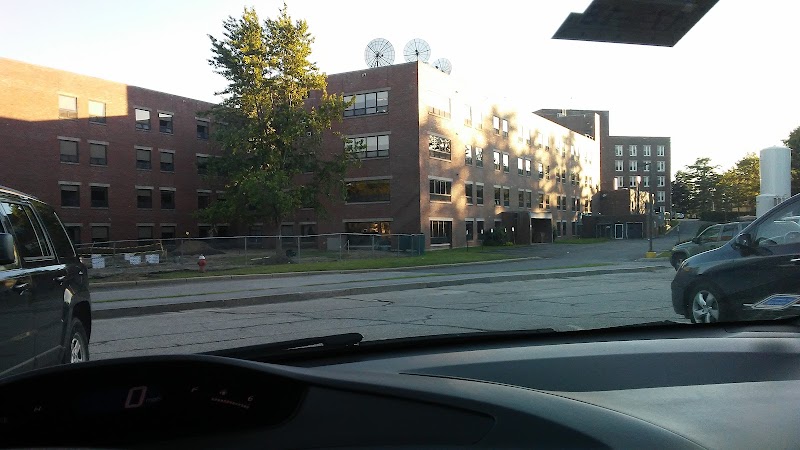
How Does St Mary'S D'Youville Pavilion Compare to Other Maine Nursing Homes?

Compared to the 100 nursing homes in Maine, ST MARY'S D'YOUVILLE PAVILION's overall rating (3 stars) is below the state average of 3.0, staff turnover (59%) is significantly higher than the state average of 46%, and health inspection rating (3 stars) is at the national benchmark.

What Should Families Ask When Visiting St Mary'S D'Youville Pavilion?

Based on this facility's data, families visiting should ask: "How do you ensure continuity of care given staff turnover, and what is your staff retention strategy?" "Can I visit during a mealtime to observe dining assistance and food quality?" "How do you handle medical emergencies, and what is your hospital transfer rate?" "Can I speak with family members of current residents about their experience?" These questions are particularly relevant given the facility's high staff turnover rate.

Is St Mary'S D'Youville Pavilion Safe?

Based on CMS inspection data, ST MARY'S D'YOUVILLE PAVILION has a clean safety record: no substantiated abuse findings (meaning no confirmed cases of resident harm), no Immediate Jeopardy citations (the most serious violation level indicating risk of serious injury or death), and is not on the Special Focus Facility watch list (a federal program monitoring the lowest-performing 1% of nursing homes). The facility has a 3-star overall rating and ranks #100 of 100 nursing homes in Maine. While no facility is perfect, families should still ask about staff-to-resident ratios and recent inspection results during their visit.

Do Nurses at St Mary'S D'Youville Pavilion Stick Around?

Staff turnover at ST MARY'S D'YOUVILLE PAVILION is high. At 59%, the facility is 13 percentage points above the Maine average of 46%. High turnover means new staff may not know residents' individual needs, medications, or preferences. It can also be disorienting for residents, especially those with dementia who rely on familiar faces. Families should ask: What is causing the turnover? What retention programs are in place? How do you ensure care continuity during staff transitions?

Was St Mary'S D'Youville Pavilion Ever Fined?

ST MARY'S D'YOUVILLE PAVILION has no federal fines on record. CMS issues fines when nursing homes fail to meet care standards or don't correct problems found during inspections. The absence of fines suggests the facility has either maintained compliance or corrected any issues before penalties were assessed. This is a positive indicator, though families should still review recent inspection reports for the full picture.

Is St Mary'S D'Youville Pavilion on Any Federal Watch List?

ST MARY'S D'YOUVILLE PAVILION is not on any federal watch list. The most significant is the Special Focus Facility (SFF) program, which identifies the bottom 1% of nursing homes nationally based on persistent, serious quality problems. Not being on this list means the facility has avoided the pattern of deficiencies that triggers enhanced federal oversight. This is a positive indicator, though families should still review the facility's inspection history directly.