RUSSELL PARK REHABILITATION & LIVING CENTER
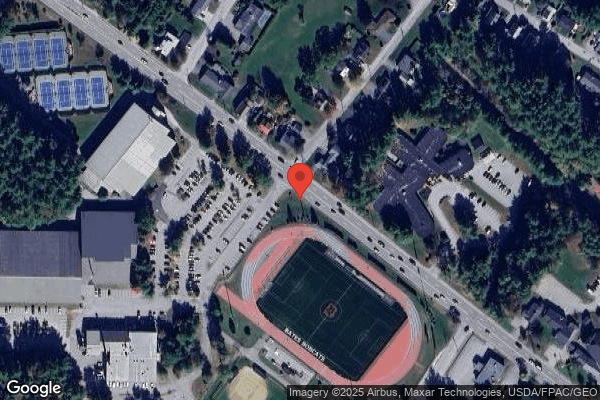
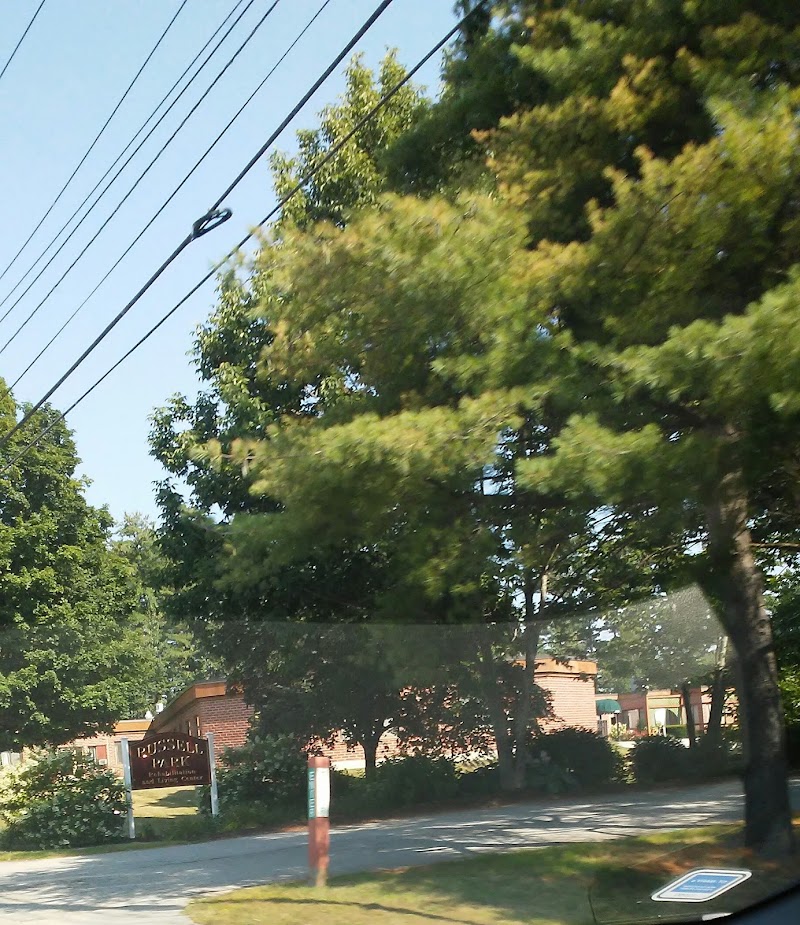
158 RUSSELL ST, LEWISTON, ME 04240 (207) 786-0691
For profit - Corporation 50 Beds NORTH COUNTRY ASSOCIATES Data: November 2025
Trust Grade
50/100
#59 of 77 in ME
Last Inspection: May 2025

Inspected within the last 6 months. Data reflects current conditions.

Overview

Russell Park Rehabilitation & Living Center has a Trust Grade of C, which means it is average and sits in the middle of the pack compared to other facilities. It ranks #59 out of 77 in Maine, placing it in the bottom half, and #4 out of 6 in Androscoggin County, indicating that only one local option is rated higher. The facility is currently improving, having reduced the number of issues from 24 in 2024 to 13 in 2025. Staffing is a strong point, with a perfect 5-star rating and a turnover rate of 41%, which is below the Maine average. However, there are concerns, including a failure to maintain accurate records for controlled drugs and inadequate housekeeping, with stained and damaged surfaces observed during inspections. Additionally, there were instances where staff did not follow care plans for residents requiring indwelling catheters, which could lead to potential health risks.

Trust Score
C
50/100
In Maine
#59/77
Bottom 24%
Safety Record
Low Risk
No red flags
Inspections
Getting Better
24 → 13 violations
Staff Stability
○ Average
41% turnover. Near Maine's 48% average. Typical for the industry.
Penalties
✓ Good
No fines on record. Clean compliance history, better than most Maine facilities.
Skilled Nurses
✓ Good
Each resident gets 56 minutes of Registered Nurse (RN) attention daily — more than average for Maine. RNs are trained to catch health problems early.
Violations
⚠ Watch
46 deficiencies on record. Higher than average. Multiple issues found across inspections.
★★☆☆☆
2.0
Overall Rating
★★★★★
5.0
Staff Levels
★★★☆☆
3.0
Care Quality
★☆☆☆☆
1.0
Inspection Score
Stable
2024: 24 issues
2025: 13 issues

The Good

  • 5-Star Staffing Rating · Excellent nurse staffing levels
  • Full Sprinkler Coverage · Fire safety systems throughout facility
  • No fines on record
  • Staff turnover below average (41%)

    7 points below Maine average of 48%

Facility shows strength in staffing levels, fire safety.

The Bad

2-Star Overall Rating

Below Maine average (3.0)

Below average - review inspection findings carefully

Staff Turnover: 41%

Near Maine avg (46%)

Typical for the industry

Chain: NORTH COUNTRY ASSOCIATES

Part of a multi-facility chain

Ask about local staffing decisions and management

The Ugly 46 deficiencies on record

May 2025 13 deficiencies
CONCERN (D)

Potential for Harm - no one hurt, but risky conditions existed

Deficiency F0605 (Tag F0605)

Could have caused harm · This affected 1 resident

Based on record review and interview, the facility failed to provide evidence of documentation to justify the continued use of a psychotropic medication and failed to ensure an as needed (PRN) psychot...

Read full inspector narrative →
Based on record review and interview, the facility failed to provide evidence of documentation to justify the continued use of a psychotropic medication and failed to ensure an as needed (PRN) psychotropic medication met the required 14-day limit for 2 of 6 residents reviewed for unnecessary medications. (#33, #11) Finding: 1. A review of the clinical record revealed Resident #33 was admitted in September, 2024. On 12/9/25, the pharmacist consultant submitted the following recommendation to the physician: (Resident #33) recently experienced a fall on 11/29. A review of the medical record was conducted, identifying the following medications which may contribute to falls: Risperidone, Lorazepam, Fluoxetine, Trazodone. Recommendation: Please evaluate these medications as possibly causing or contributing to this fall and consider decreasing the dose of one of these medications, possibly Risperidone. If this therapy is to continue, it is recommended that a) the prescriber document an assessment of risk versus benefit, indicating that the medication is not believed to be contributing to falls in this individual, and b) the facility interdisciplinary team ensures ongoing monitoring for effectiveness and potential adverse consequences. The Physician's response, dated 12/17/24, was Thank you. No change. On 5/20/25 at 3:50 p.m., in an interview with the Director of Nursing Services (DNS), the surveyor discussed the physician had not provided an adequate indication for continued use of the medications, specifically the antipsychotic Risperidone. At this time, the DNS took the consultant pharmacist's report back to discuss with the physician, and returned with the physician's response on the form: Please review record, actively titrated for dementia, meds for safety/dignity. 2. Resident #11's medical record contained a provider order, dated 4/4/25, for Lorazepam 0.5 mg (milligram) tablet orally PRN every 4 hours for anxiety disorder, with no stop date. As of 5/20/25, the medical record lacked evidence of clinical rational to continue the medication longer than 14 days. On 5/20/25 at 3:45 p.m., the above was confirmed with the Director of Nursing Services.
CONCERN (D)

Potential for Harm - no one hurt, but risky conditions existed

Quality of Care (Tag F0684)

Could have caused harm · This affected 1 resident

Based on clinical record review and interviews, the facility failed to follow physician orders for 1 of 25 residents reviewed. (Resident #41). Findings: Review of Resident #41's clinical record noted...

Read full inspector narrative →
Based on clinical record review and interviews, the facility failed to follow physician orders for 1 of 25 residents reviewed. (Resident #41). Findings: Review of Resident #41's clinical record noted the following doctor's order dated 1/4/25 for Aspart insulin 100 unit/ml (milliliter), 7 units subcutaneously 3 times daily. A nursing progress note dated 3/19/25 at 6:35 p.m., stated, nurse on duty completed 1600 hs (evening) blood glucose check upon resident arrival from dialysis. Nurse on duty informed charge nurse of the resident blood glucose level which was 91. Nurse on duty informed charged nurse that resident did have a sliding scale parameter for 1600. Nurse on duty stated she had already given resident insulin but was unable to verify the amount to the nurse on duty or the resident. Resident stated to nurse on duty that charge nurse had informed [him/her] that the wrong amount was given and was unable to specify the specific number that was administered to [him/her]. Charge nurse also informed the resident that she was going to administer [him/her] some orange juice and to report and s/s of any reactions the resident may feel regarding a reaction. Charge nurse did inform nurse on duty that she administered orange juice to resident and told the resident to report any s/s of adverse reactions. Resident asked nurse on duty how many units were administered to [him/her] in the abdomen. Nurse on duty was unable to provide an accurate answer. Nurse on duty informed NOC (night) charge nurse of the situation. Resident will continue to be monitored for any and all adverse reactions or responses. Safety precautions are in place and resident states [he/she] feels anxious at this present time and is requesting [his/her] blood glucose to be rechecked at this time. Resident states [he/she] is upset at the situation and informed nurse on duty that [he/she] did call [his/her] sister to inform her of the incident. Nurse on duty will recheck resident blood glucose at this time. On 5/19/25 at 3:32 p.m., during an interview, the Director of Nursing Services (DNS) confirmed that the resident had an order for 7 units of Aspart insulin but was given 12 units of Humalog insulin instead on 3/19/25 at 1600 and confirmed that the doctor's order was not followed.
CONCERN (D)

Potential for Harm - no one hurt, but risky conditions existed

Deficiency F0761 (Tag F0761)

Could have caused harm · This affected 1 resident

**NOTE- TERMS IN BRACKETS HAVE BEEN EDITED TO PROTECT CONFIDENTIALITY** Based on observation and interview, the facility failed to adequately date and properly dispose of open biologicals according to...

Read full inspector narrative →
**NOTE- TERMS IN BRACKETS HAVE BEEN EDITED TO PROTECT CONFIDENTIALITY** Based on observation and interview, the facility failed to adequately date and properly dispose of open biologicals according to manufacturer specifications in 1 of 3 medication carts observed for medication storage. Finding: On [DATE] at 7:33 a.m., observation of the Nurse Treatment cart with the Licensed Practical Nurse (LPN) the following was observed; one opened and unlabeled Basaglar (insulin) Kwik Pen with the manufacturer's instructions of, after first use .discard after 28 days and a Epinephrine injection with manufactures exp date of 4/2025. At this time, the LPN confirmed they were either undated and/or expired. On [DATE] at 7:48 a.m., the above was discussed with the Director of Nursing Services
CONCERN (D)

Potential for Harm - no one hurt, but risky conditions existed

Garbage Disposal (Tag F0814)

Could have caused harm · This affected 1 resident

Based on observation and interview, the facility failed to maintain the garbage storage area in a sanitary condition to prevent the harborage and feeding of pests for 1 of 3 days of survey. (5/19/25) ...

Read full inspector narrative →
Based on observation and interview, the facility failed to maintain the garbage storage area in a sanitary condition to prevent the harborage and feeding of pests for 1 of 3 days of survey. (5/19/25) Findings: On 5/19/25 at 8:30 a.m., 2 surveyors and the Food Service Director (FSD) observed a heavily soiled garbage storage area containing 3 trash dumpsters, in which food and trash debris were noted behind all 3 trash dumpsters. At this time the above information was confirmed.
CONCERN (D)

Potential for Harm - no one hurt, but risky conditions existed

QAPI Program (Tag F0867)

Could have caused harm · This affected 1 resident

Based on record review and interviews, the facility's Quality Assurance Committee failed to ensure that the Plan of Correction for identified deficiencies from the Annual Long Term Care Survey Process...

Read full inspector narrative →
Based on record review and interviews, the facility's Quality Assurance Committee failed to ensure that the Plan of Correction for identified deficiencies from the Annual Long Term Care Survey Process for Federal Recertification dated 5/21/25, was effective. The Federal citation F695 was cited again during the re-visit to the annual Long Term Care Recertification Survey, dated 7/15/25.During the follow-up survey on 7/15/25, it was determined that F695 for failure to maintain a sanitary environment to help prevent the development and transmission of disease and infection related to respiratory care. (see F695). On 7/15/25 at 3:45 p.m., during an interview, the above was confirmed with the Administrator and the Director of Nursing.
CONCERN (E) 📢 Someone Reported This

A family member, employee, or ombudsman was alarmed enough to file a formal complaint

Potential for Harm - no one hurt, but risky conditions existed

Safe Environment (Tag F0584)

Could have caused harm · This affected multiple residents

**NOTE- TERMS IN BRACKETS HAVE BEEN EDITED TO PROTECT CONFIDENTIALITY** Based on observations and interviews, the facility failed to adequately maintain maintenance and housekeeping services necessary...

Read full inspector narrative →
**NOTE- TERMS IN BRACKETS HAVE BEEN EDITED TO PROTECT CONFIDENTIALITY** Based on observations and interviews, the facility failed to adequately maintain maintenance and housekeeping services necessary to maintain the facility in good repair and sanitary condition for 1 of 1 environmental tour (5/21/25). Findings: On 5/21/25 from 8:20 a.m. to 8:45 a.m., an Environmental Services tour was conducted with the Environmental Services Director and the Administrator, in which the following findings were observed: A Unit - Shower/Spa room - The caulking around the base of the toilet was stained and dirty. The four shower curtains were stained and/or ripped. The heater unit had chipped/missing paint and the entrance metal door and door frame had chipped/missing paint creating uncleanable surfaces. - Resident room [ROOM NUMBER] - The privacy curtain was missing hooks, hanging down and in disrepair. - Resident room [ROOM NUMBER] - The wall across from the sink had chipped/missing paint and was marred with black marks creating an uncleanable surface. There was a wash basin sitting on the floor under the sink. - Resident room [ROOM NUMBER] - The caulking around the base of the toilet was stained and dirty. The flooring around the toilet was stained and discolored. - Resident room [ROOM NUMBER] - The wall across from the sink had chipped/missing paint and was marred with black marks creating an uncleanable surface. - Resident room [ROOM NUMBER] - The caulking around the base of the toilet was stained and dirty. - Resident room [ROOM NUMBER] - The caulking around the base of the toilet was stained and dirty. The bathroom exhaust fan was dusty/dirty. - Resident room [ROOM NUMBER] - The room entrance wooden door had chipped/gouged and missing laminate. B Unit - Resident room [ROOM NUMBER] - The caulking and floor around the base of the toilet was stained and dirty. There were two pieces of grey duct tape, approximately eight inches long, stuck onto the middle of the bathroom floor that had started peeling up creating uncleanable surfaces. - Resident room [ROOM NUMBER] - The baseboard heater had metal parts that had separated and unhooked from brackets. The caulking around the base of the toilet was stained and dirty. - Resident room [ROOM NUMBER] - Resident #17's electric wheelchair was dirty/dusty around the controller and the foot base area had food crumbs and debris in it. - Resident room [ROOM NUMBER] - The caulking around the base of the toilet was stained and dirty. C Unit - Resident room [ROOM NUMBER] - The room entrance wooden door had chipped/gouged and missing laminate. On 5/21/25 at 8:45 a.m., during an interview, the Environmental Services Director and the Administrator confirmed the findings.
CONCERN (E) 📢 Someone Reported This

A family member, employee, or ombudsman was alarmed enough to file a formal complaint

Potential for Harm - no one hurt, but risky conditions existed

Comprehensive Care Plan (Tag F0656)

Could have caused harm · This affected multiple residents

Based on record reviews and interviews, the facility failed to implement a resident's care plan in the area of indwelling urinary catheters for 2 of 2 residents reviewed. (Resident #150, #35) Findings...

Read full inspector narrative →
Based on record reviews and interviews, the facility failed to implement a resident's care plan in the area of indwelling urinary catheters for 2 of 2 residents reviewed. (Resident #150, #35) Findings: 1. A review of the clinical record revealed Resident #150 was admitted in May, 2024, and had diagnoses which included obstructive uropathy and neuromuscular dysfunction of the bladder. Resident #150 required an indwelling catheter for urinary elimination. A review of Resident #150's care plan included a problem area of Alteration in Elimination related to obstructive uropathy with urinary retention as evidenced by insertion of indwelling catheter. Interventions included record amount, color and characteristics of urine, and monitor output. 2. A review of the clinical record revealed Resident #35 was admitted in September, 2024, and had diagnoses which included neurogenic bladder and a history of urinary tract infections. Resident #35 required an indwelling catheter for urinary elimination. A review of Resident #35's care plan included a problem area of Alteration in Elimination related to neuropathic bladder with urinary retention and need for a foley catheter. Interventions included record amount, color, and characteristics of urine. Document output each shift. A review of CNA (Certified Nurse Assistant) and Nurse Treatment Administration Record (TAR) documentation lacked evidence that staff consistently monitored and documented urinary output for either Resident #150 or #35. On 5/21/25 at 9:30 a.m., in an interview with a surveyor, the Administrator stated residents with indwelling catheters do not have urinary output documented unless there is a physician's order. On 5/27/25 at 11:30 a.m., in a telephone interview with the Director of Nursing Services (DNS), a surveyor discussed that although there were no provider orders to monitor and record urinary output for Residents #150 and #35, their care plans indicated that staff would monitor and record the amount of urinary output. The DNS confirmed that this had not been done as written in the care plan.
CONCERN (E)

Potential for Harm - no one hurt, but risky conditions existed

Accident Prevention (Tag F0689)

Could have caused harm · This affected multiple residents

Based on observations, interviews, record reviews, and the smoking policy, the facility failed to ensure a smoking assessment of resident capabilities and deficits to determine resident safety was com...

Read full inspector narrative →
Based on observations, interviews, record reviews, and the smoking policy, the facility failed to ensure a smoking assessment of resident capabilities and deficits to determine resident safety was completed for 2 of 2 resident reviewed for smoking. (#302 and #22) Findings: 1. On 5/19/25 at 9:12 a.m., during an interview, Resident #302 stated he/she has been smoking cigarettes since admission, approx. 2 weeks and the facility has a smoking area outside that is fenced in. He/she confirmed that on several occasions a staff member, called a helper has gone out with him/her. On the bedside table was a pack of cigarettes with a lighter. Review of Resident #302's medical record lacked evidence of a smoking assessment upon admission or upon the facilities knowledge of him/her smoking and lacked a smoking contract. On 5/20/25 at 1:52 p.m., during an interview, the Director of Nursing Services (DNS) confirmed a smoking assessment was not completed upon admission or upon the facility knowledge of the resident smoking until 5/20/25. 2. On 5/19/25 at 8:58 a.m., during an interview with Resident #22, it was determined that he/she is a smoker. At this time a surveyor observed 3 boxes of cigarettes in his/her room. One in his/her shirt pocket and two on the windowsill. On 5/19/25 at 9:00 a.m., during an interview, the Licensed Practical Nurse #1 (LPN) stated Resident #22 goes out alone to smoke. Review of Resident #22 clinical record indicated that he/she was admitted in February of 2025, furthermore the record lacked evidence of a completed smoking assessment. On 5/20/25 at 9:05 a.m., during an interview with the DNS, it was confirmed that a smoking assessment was never completed on Resident #22. The DNS then discussed that the smoking assessment is what triggers the decision if residents are able to keep their cigarettes and lighter at bedside or if they need to be in a secured place within the facility. The facilities Resident Smoking Policy last revised on 8/22 states, For Residents who wish to smoke, the Resident Smoking Assessment will be completed upon admission, or once they begin smoking, and then quarterly for the remainder of their stay. If assessed as safe to smoke independently, residents, who smoke, will be required to sign a smoking contract and to abide by this policy at all times. Not all residents are permitted to have lighters for safety reasons. If a resident is deemed capable and safe to maintain a lighter, it should be with them, or appropriately secured and not shared with others.
CONCERN (E)

Potential for Harm - no one hurt, but risky conditions existed

Respiratory Care (Tag F0695)

Could have caused harm · This affected multiple residents

Based on observations, record reviews, interviews and the facility policy, the facility failed to maintain a sanitary environment to help prevent the development and transmission of disease and infect...

Read full inspector narrative →
Based on observations, record reviews, interviews and the facility policy, the facility failed to maintain a sanitary environment to help prevent the development and transmission of disease and infection related to respiratory care for 5 of 5 residents reviewed for respiratory care. (Residents #2, #29, #11, #40, and #302) Findings: 1. On 5/19/25 at 8:45 a.m., and on 5/20/25 at 9:00 a.m., Resident #2 was observed receiving oxygen at 3 Liters Per Minute (LPM) via nasal cannula. The tubing was dated 5/6/25. A review of the clinical record revealed a diagnosis of Acute and Chronic Respiratory Failure with Hypoxia and Congestive Heart Failure requiring use of oxygen supplementation. Physician orders, dated 3/25/25, included oxygen 1-3 Liters via nasal cannula to maintain oxygen saturation greater than 88% or more, and change the oxygen tubing one time weekly. Review of the Treatment Administration Record (TAR) for May of 2025 indicated the O2 nasal cannula tubing is changed weekly. Documentation on the TAR revealed staff last changed the oxygen tubing on 5/13/25. 2. On 5/19/25 at 9:30 a.m., and on 5/20/25 at 9:00 a.m., Resident #29 was observed receiving oxygen at 2.5 Liters Per Minute (LPM) via nasal cannula. The tubing was dated 5/6/25. A review of the clinical record revealed a diagnosis of Acute Respiratory Failure with Hypoxia requiring use of oxygen supplementation. Physician orders, dated 4/18/25, included oxygen 3 Liters via nasal cannula and change the oxygen tubing one time weekly. Review of the TAR for May of 2025 indicated the O2 nasal cannula tubing is changed weekly. Documentation on the TAR revealed staff last changed the oxygen tubing on 5/13/25. On 5/20/25 at approximately 9:10 a.m., the findings were confirmed by the Charge Nurse, who stated the oxygen tubing is usually changed every 2 weeks. On 5/20/25 at 9:30 a.m., the surveyor discussed the findings with the Director of Nursing Services (DNS). 3. On 5/19/25 at 8:29 a.m., and at 3:36 p.m., Resident #11 was observed receiving oxygen at 4 LPM via nasal cannula with the tubing dated 5/6/25. On the bedside dresser was a nebulizer pipe stored on top. A review of the clinical record revealed a diagnosis of COPD (chronic obstructive pulmonary disease), metastatic lung cancer and end stage emphysema requiring use of oxygen supplementation. Physician orders dated 4/2/25 included oxygen 3-4 Liters via nasal cannula and change the oxygen tubing one time weekly. The care plan initiated on 4/11/25 for Impaired Respiratory Status had an intervention of Change oxygen tubing weekly; label and date. Review of the TAR for May 2025 indicated the oxygen nasal cannula tubing is changed weekly. Documentation on the TAR revealed staff last changed the oxygen tubing on 5/13/25. 4. On 5/19/25 at 11:23 a.m., observation of Resident #40's nebulizer mask with tubing, unlabeled and stored on the dresser. At this time, Resident #40 stated he/she has not used the nebulizer for probably 2 or more months when he/she had pneumonia. Further review, a Physician order for the nebulizer was discontinued on 1/16/25. On 5/19/25 at 4:19 p.m., during an interview, the DNS stated oxygen tubing and Nebulizer kits are changed every 2 weeks per the policy, but some residents have orders for weekly changes. At this time both the DNS and the surveyor observed the above and discussed resident #11's oxygen tubing dated 5/6 with the documentation on the TAR as the tubing being changed on 5/13/25. On 5/20/25 at 7:01 a.m., after the discussion with the DNS the day prior, the surveyor again observed resident #11 utilizing the oxygen tubing dated 5/6. 5. On 5/19/25 at 9:12 a.m., observation of Resident #302 to have an oxygen cylinder stored in the room with the nasal cannula tubing wrapped around the caddy handle. At this time, Resident #302 stated he/she uses the oxygen tank while working with therapy. On 5/20/25 at 2:22 p.m., both the surveyor and the Quality Improvement Specialists observed Resident #302's nasal cannula tubing wrapped around the cylinder caddy handle. A review of the facility's Oxygen Use and Storage Policy, with a revision date of 4/2025, stated under Section V. Respiratory Care - a. Nasal cannulas will be discarded and changed every 2 weeks . When the nasal cannula is not in use, on both the concentrator and portable tanks, the cannula will be stored in a plastic bag to avoid the risk of it becoming contaminated. b. Nebulizer parts should be rinsed after each use, allowed to dry while being covered with a paper towel and placed in respiratory setup bag once dried. d. Staff changing the tubing should document on the Treatment Administration Record (TAR) when the tubing has been changed following this policy.
CONCERN (E) 📢 Someone Reported This

A family member, employee, or ombudsman was alarmed enough to file a formal complaint

Potential for Harm - no one hurt, but risky conditions existed

Deficiency F0730 (Tag F0730)

Could have caused harm · This affected multiple residents

Based on the review of annual evaluations and interviews, the facility failed to complete an annual performance evaluation for Certified Nursing Assistants (CNA) at least every 12 months, for 5 of 5 C...

Read full inspector narrative →
Based on the review of annual evaluations and interviews, the facility failed to complete an annual performance evaluation for Certified Nursing Assistants (CNA) at least every 12 months, for 5 of 5 CNA's reviewed with employment greater than 1 year. (CNA#1, CNA#2, CNA#3, CNA#4, and CNA#5 ) Findings: 1. CNA #1 was hired on 11/28/2012. The employee record lacked evidence of an annual performance evaluation being completed for 2024. 2. CNA #2 was hired on 4/28/2016. The employee record lacked evidence of an annual performance evaluation being completed for 2024. 3. CNA #3 was hired on 11/6/2002. The employee record lacked evidence of an annual performance evaluation being completed for 2024. 4. CNA #4 was hired on 4/26/21. The employee record lacked evidence of an annual performance evaluation being completed for 2024. 5. CNA #5 was hired on 9/8/23. The employee record lacked evidence of an annual performance evaluation being completed for 2024. On 5/20/25 at 11:10 a.m., during an interview, the Director of Nursing Services stated and confirmed that the 5 CNAs did not receive their annual performance evaluations for 2024.
CONCERN (E)

Potential for Harm - no one hurt, but risky conditions existed

Food Safety (Tag F0812)

Could have caused harm · This affected multiple residents

**NOTE- TERMS IN BRACKETS HAVE BEEN EDITED TO PROTECT CONFIDENTIALITY** Based on observations, interviews and facility policy, the facility failed to ensure the kitchen was maintained in a clean and s...

Read full inspector narrative →
**NOTE- TERMS IN BRACKETS HAVE BEEN EDITED TO PROTECT CONFIDENTIALITY** Based on observations, interviews and facility policy, the facility failed to ensure the kitchen was maintained in a clean and sanitary manner for 1 of 1 kitchen tour. Furthermore, the facility failed to ensure staff were wearing proper beard restraints for 1 of 3 days of survey (5/20/25). Findings: 1. On 5/19/25 a surveyor toured the kitchen and observed the following: > The kitchen floor was dirty with food debris and trash around the entire floor, under the equipment, and shelving. > Dirt and debris observed in the hood system, in the fan in the walk-in refrigerator, and in the [NAME] Fli fly zapper. > The reach in refrigerator was noted to have dirt, debris, and spillage. > The walk-in refrigerator and walk-in freezer had dirt, debris, and spillage on the floors. > The plastic coverings on the racks containing clean dishes are in despair and were soiled with dry liquid residue. On 5/19/25 at 8:30 p.m., during an interview with 2 surveyors, the above information was confirmed with the Food Service Director. 2. On 5/20/25 at 12:25 p.m., observation of a Dietary Aid, with facial hiar, not wearing a beard restraint while in the kitchen. Upon surveyor intervention the Dietary Aid applied a beard restraint. On 5/20/25 at 12:30 p.m., the above information was discussed with the Food Service Director. The Facility policy Employee Sanitary Practices under procedure, states all employees shall wear hair restraints (hairnet, hat, and/or beard restraint) to prevent hair from contacting exposed food.
CONCERN (E)

Potential for Harm - no one hurt, but risky conditions existed

Deficiency F0947 (Tag F0947)

Could have caused harm · This affected multiple residents

Based on Certified Nursing Assistant (CNA) employee education record review and interview, the facility failed to monitor and ensure that the CNAs received the required 12 hours of annual in-service e...

Read full inspector narrative →
Based on Certified Nursing Assistant (CNA) employee education record review and interview, the facility failed to monitor and ensure that the CNAs received the required 12 hours of annual in-service education training including Dementia, Resident Rights and Abuse/ Neglect training for 5 of 5 CNAs employed greater than 1 year. (CNA #1, CNA #2, CNA #3, CNA #4, and CNA #5). Findings: On 5/20/25 a surveyor reviewed the following employee files: 1. CNA #1 was hired on 11/28/2012. A review of CNA #1's education records lacked evidence that she had received the required 12 hours of education/in-service training including Dementia, Resident Rights and Abuse/ Neglect in 2024. 2. CNA #2 was hired on 4/28/2016. A review of CNA #2's education records lacked evidence that she had received the required 12 hours of education/in-service training including Dementia, Resident Rights and Abuse/ Neglect in 2024. 3. CNA #3 was hired on 11/6/2002. A review of CNA #3's education records lacked evidence that she had received the required 12 hours of education/in-service training including Dementia, Resident Rights and Abuse/ Neglect in 2024. 4. CNA #4 was hired on 4/26/21. A review of CNA #4's education records lacked evidence that she had received the required 12 hours of education/in-service training including Dementia, Resident Rights and Abuse/ Neglect in 2024. 5. CNA #5 was hired on 9/8/23. A review of CNA #5's education records lacked evidence that she had received the required 12 hours of education/in-service training including Dementia, Resident Rights and Abuse/ Neglect in 2024. On 5/20/25 at 10:45 a.m., in an interview, the Business Office Manager confirmed that the 5 CNAs did not have documentation to show they received 12 hours of education including Dementia, Resident Rights and Abuse/ Neglect in 2024. On 5/20/25 at 11:10 a.m., in an interview, the Director of Nursing Services confirmed that that the 5 CNAs did not have documentation to show they received 12 hours of education including Dementia, Resident Rights and Abuse/ Neglect in 2024.
CONCERN (F)

Potential for Harm - no one hurt, but risky conditions existed

Pharmacy Services (Tag F0755)

Could have caused harm · This affected most or all residents

Based on record review, observations and interviews the facility failed to establish a system of records of receipt and disposition of all controlled drugs in sufficient detail to enable an accurate r...

Read full inspector narrative →
Based on record review, observations and interviews the facility failed to establish a system of records of receipt and disposition of all controlled drugs in sufficient detail to enable an accurate reconciliation and failed to ensure that two people who are authorized to administer medications signed the Shift Count page indicating that they counted all controlled substances at the change of shift for multiple shifts, on 3 of 3 medication carts reviewed (Cart A, Cart B & C and the Nurse Treatment cart). Findings: On 5/20/25 during medication storage observation the following was reviewed: 1. Cart A Controlled Substance Book and Shift Counts were reviewed, which indicated the facility counts at the change of each shift, approx. 3 times a day. The person authorized to administer medications coming on duty and/or the person authorized to administer medications going off duty both failed to sign the Shift Count page of the Controlled Substances Book that indicated the controlled substances count was done on the following dates: 2/3/25, 2/11/25, 2/12/25, 2/15/25, 2/18/25, 2/26/25, 2/28/25, 3/5/25, 3/7/25, 3/12/25, 3/18/25, 3/19/25, 3/21/25, 3/28/25, 3/29/25, 4/1/25, 4/3/25, 4/4/25, 4/7/25, 4/12/25, 4/16/25, 4/17/25, 4/18/25, 4/21/25, 4/22/25, 4/23/25, 4/25/25, 4/28/25, 5/2/25, 5/3/25, 5/5/25, 5/6/25, 5/7/25, 5/8/25, 5/9/25, 5/10/25, 5/16/25 and 5/17/25. 2. Cart B &C Controlled Substance Book and Shift Counts were reviewed, which indicated the facility counts at the change of each shift, approx. 3 times a day. The person authorized to administer medications coming on duty and/or the person authorized to administer medications going off duty both failed to sign the Shift Count page of the Controlled Substances Book that indicated the controlled substances count was done on the following dates: 3/5/25, 3/19/25, 3/31/25, 4/8/25, 4/11/25, 4/13/25, 4/16/25, 4/22/25, 4/26/25, 5/2/25, 5/6/25, 5/11/25, 5/16/25, 3. Nurse Treatment Cart Controlled Substance Book and Shift Counts were reviewed, which indicated the facility counts at the change of each shift, approx. 3 times a day. The person authorized to administer medications coming on duty and/or the person authorized to administer medications going off duty both failed to sign the Shift Count page of the Controlled Substances Book that indicated the controlled substances count was done on the following dates: 7/9/24, 7/12/24, 7/13/24, 7/14/24, 7/15/24, 7/16/24, 7/20/24, 7/21/24, 7/27/24, 7/28/24, 7/29/24, 7/30/24, 7/31/24, 8/2/24, 8/4/24, 9/1/24, 9/2/24, 9/3/24, 9/4/24, 9/7/24, 9/8/24, 9/10/24, 9/11/24, 9/14/24, 9/15/24, 9/16/24, 9/17/24, 5/15/25, 5/16/25, 5/17/25 and 5/18/25. On 5/20/25 at 9:02 a.m., during an interview, the Director of Nursing Services confirmed the above stating she had looked through all the narcotic books and they are missing quite a bit. A review of the facility's Inventory Control of Controlled Substances policy and procedure dated 8/1/24 states: Facilities should ensure the incoming and outgoing nurses count all Schedule 2 controlled substances and other medications with a risk of abuse or diversion at the change of shift . and document the results on a Controlled Substance Count Verification/Shift Count Sheet.
Aug 2024 5 deficiencies
CONCERN (D) 📢 Someone Reported This

A family member, employee, or ombudsman was alarmed enough to file a formal complaint

Potential for Harm - no one hurt, but risky conditions existed

Deficiency F0558 (Tag F0558)

Could have caused harm · This affected 1 resident

Based on observations and interviews, the facility failed to make reasonable accommodations to maintain the call system within reach for 2 of 3 residents (Resident #2) observed for call bells. Finding...

Read full inspector narrative →
Based on observations and interviews, the facility failed to make reasonable accommodations to maintain the call system within reach for 2 of 3 residents (Resident #2) observed for call bells. Findings: 1. Observations of Resident #2 on 8/13/24 at 12:30 p.m., and 1:56 p.m., revealed call bell handing from wall and attached to a wiffleball lying the end of his/her bed and not in reach. 2. Observation of Resident #1 on 8/13/24 at 1:56 p.m. revealed call bell tucked under Resident #1 and not in reach. During interview on 8/13/24 at 1:57 p.m., Certified Nursing Assistant (CNA) #1 indicated that Resident #2 rarely uses the call bell, but the resident's roommate, Resident #1, will use call bell for him/her. During interview on 8/13/24 at 2:03 p.m., CNA #2 indicated Resident #1 typically rings for Resident #2. CNA #2 further indicated that all staff should be ensuring that call bells are in reach for all residents.
CONCERN (D) 📢 Someone Reported This

A family member, employee, or ombudsman was alarmed enough to file a formal complaint

Potential for Harm - no one hurt, but risky conditions existed

Incontinence Care (Tag F0690)

Could have caused harm · This affected 1 resident

**NOTE- TERMS IN BRACKETS HAVE BEEN EDITED TO PROTECT CONFIDENTIALITY** Based on interview, record review, the facility failed to initiate and implement measures to prevent spread of disease regarding...

Read full inspector narrative →
**NOTE- TERMS IN BRACKETS HAVE BEEN EDITED TO PROTECT CONFIDENTIALITY** Based on interview, record review, the facility failed to initiate and implement measures to prevent spread of disease regarding urinary catheters for 2 of 3 residents reviewed during a complaint investigation (Resident's #1 and #3). Findings: 1. Resident #1 was admitted on [DATE] with diagnoses and recent history of urosepsis, and neurogenic bladder requiring a urinary catheter. Review of Resident #1 Routine Microbiology results dated 8/1/24 states .The isolate . exhibits extended spectrum Beta Lactamase activity (ESBL).ID [Infectious Disease] consult is recommended. Further review of Resident #1's clinical record lacked evidence that a referral was made to infectious disease. 2. Resident #3 was admitted on [DATE] and has diagnoses to include history of urosepsis, paraplegia, and urine retention requiring a urinary catheter. Review of Resident #3's clinical record revealed Routine Microbiology results dated 5/4/24 state .The isolate above exhibits extended spectrum Beta Lactamase activity (ESBL).ID consult is recommended . Further review of Resident #3's clinical record lacked evidence that he/she was referred to Infectious Disease. During an interview on 8/13/24 at 4:38 p.m., Director of Nursing confirmed with 2 surveyors and Residential Care Director Resident's #1 & #3 were diagnosed with ESBL in urine and should have been referred to Infectious Disease and were not.
CONCERN (D) 📢 Someone Reported This

A family member, employee, or ombudsman was alarmed enough to file a formal complaint

Potential for Harm - no one hurt, but risky conditions existed

Medication Errors (Tag F0758)

Could have caused harm · This affected 1 resident

**NOTE- TERMS IN BRACKETS HAVE BEEN EDITED TO PROTECT CONFIDENTIALITY** Based on record reviews, interviews, and policy review, the facility failed to obtain written consent for psychotropic medicatio...

Read full inspector narrative →
**NOTE- TERMS IN BRACKETS HAVE BEEN EDITED TO PROTECT CONFIDENTIALITY** Based on record reviews, interviews, and policy review, the facility failed to obtain written consent for psychotropic medications for 1 of 1 (Resident #2) residents reviewed for unnecessary medications. Findings: Resident #2 was admitted on [DATE] with diagnosis to include encephalopathy, cerebral infarction resulting in restlessness and agitation. Review of Resident #2's active orders for August 2024 reveled the following: Sertraline 50mg tablet by mouth daily starting 5/29/24, Lorazepam 0.5mg tablet by mouth two times daily starting 6/5/24, Trazodone 50mg tablet by mouth 2 times daily starting 8/10/24, Lorazepam 0.5mg tablet my mouth as needed starting 6/5/24. Review of entire clinical record lacked evidence that Resident #2 or the Resident Representative was was given the opportunity to consent to the use of psychotropic medications. During a telephone interview on 8/12/24 at 1:03 p.m. Resident #2's Resident Representative indicated they were never asked for consent for psychotropic medication prescriptions. During an interview on 8/13/24 at 4:56 p.m., Director of Nursing and Residential Care Director reviewed Resident #2's clinical record and confirmed with 2 surveyors Resident #2 and/or Resident Representative that consent was not obtained for use of psychotropic medications. Review of policy titled Psychoactive Medication Use Policy states .Procedure: . Informed consent for psychoactive medication use will be obtained.
CONCERN (E) 📢 Someone Reported This

A family member, employee, or ombudsman was alarmed enough to file a formal complaint

Potential for Harm - no one hurt, but risky conditions existed

Medical Records (Tag F0842)

Could have caused harm · This affected multiple residents

**NOTE- TERMS IN BRACKETS HAVE BEEN EDITED TO PROTECT CONFIDENTIALITY** 2. Resident #2 was admitted to Facility on 5/2/24 with diagnosis to include encephalopathy and cerebral infarction resulting in ...

Read full inspector narrative →
**NOTE- TERMS IN BRACKETS HAVE BEEN EDITED TO PROTECT CONFIDENTIALITY** 2. Resident #2 was admitted to Facility on 5/2/24 with diagnosis to include encephalopathy and cerebral infarction resulting in restlessness and agitation . Review of Resident #2's active orders for August 2024 reveled the following: Sertraline 50mg tablet by mouth daily starting 5/29/24 (Diagnosis exempt), Lorazepam 0.5mg tablet by mouth two times daily starting 6/5/24 (restlessness and agitation), Trazodone 50mg tablet by mouth 2 times daily starting 8/10/24 (restlessness and agitation), Lorazepam 0.5mg tablet by mouth as needed starting 6/5/24 (restlessness and agitation). During interview on 8/13/24 at 4:43p.m., Director of Nursing confirmed Resident #2's phychotropic medications did not have appropriate diagnoses with 2 surveyors. Review of policy titled Psychoactive Medication Use Policy states .Procedure: . Psychoactive medications will only be used for residents with an appropriate diagnosis'' Based on record reviews and interview the facility failed to ensure that clinical records were complete and contained accurate information for 1 of 3 sampled residents reviewed during a complaint investigation (Resident #3), in addition, the facility failed to ensure psychotropic medication orders included an appropriate diagnosis for 1 of 1 residents reviewed for medications (Resident #2). Findings: 1. Resident #3 was admitted on [DATE] and has diagnoses to include state 4 pressure ulcer on his/her coccyx. Review of signed provider orders active August 2024 reveled order with start date of 10/18/23 Resident information every two hours. Turn patient every 2 hours, waffle heel protectors at all times while in bed May remove for ADL's. Review of Resident #3's Treatment Administration Record dated August 2024 revealed nursing documentation indicating Resident #3 was repositioned every two hours from August 1st through 13th. Review of Resident #3's clinical record revealed positioning sheets between 7/11/24 through 8/13/24 lacked evidence that Resident #3 was repositioned every 2 hours. During an interview on 8/13/24 at 3:40 p.m., Resident #3 indicated staff are supposed to turn/reposition him/her every 2 hours and sign the repositioning sheet that it was done, but they don't do it like they're supposed to. At this time Resident #3 provided turn and reposition sheet dated 8/13/24 with multiple missing entries. During an interview on 8/13/24 at 1:05 p.m., Licensed Practical Nurse (LPN)1 indicated Resident #3 has a stage 4 pressure ulcer on his/her coccyx and is on a 2 hour repositioning schedule. LPN#1 indicated its assumed that CNAs are repositioning him/her every 2 hours and the nurses just sign off on it unless a CNA says otherwise. At this time RN reviewed turning sheets with surveyor and confirmed resident was not being turned as ordered. During an interview on 8/13/24 at 3:45 p.m., Certified Nursing Assistant (CNA)2 indicated that Resident #3 has a turning schedule for every 2 hours and he/she has a sheet staff are supposed to sign and if she refuses to be turned the sheet would still need to be signed as a refusal. During an interview on 8/13/24 at 3:05 p.m., CNA3 indicated that Resident #3 is on 2 hour reposition schedule and it needs to be signed, and if she refuses it [NAME] d be signed as a refusal and they should tell nurse. During an interview on 8/13/24 at 4:38 p.m., Director of Nursing confirmed with 2 surveyors Resident #3 does have an order for reposition every 2 hours and CNAs are supposed to document on bedside sheet when it has been done or was refused. Reviewed turning sheets and confirmed Resident #3 were not being done.
CONCERN (E) 📢 Someone Reported This

A family member, employee, or ombudsman was alarmed enough to file a formal complaint

Potential for Harm - no one hurt, but risky conditions existed

Infection Control (Tag F0880)

Could have caused harm · This affected multiple residents

**NOTE- TERMS IN BRACKETS HAVE BEEN EDITED TO PROTECT CONFIDENTIALITY** 3. Resident #2 was admitted to the facility on [DATE] with diagnosis to include Retention of Urine, requiring an indwelling cath...

Read full inspector narrative →
**NOTE- TERMS IN BRACKETS HAVE BEEN EDITED TO PROTECT CONFIDENTIALITY** 3. Resident #2 was admitted to the facility on [DATE] with diagnosis to include Retention of Urine, requiring an indwelling catheter. Observations of Resident #2 on 8/13/24 at 9:51 a.m, 12:30 p.m., 1:50 p.m., and 2:00 p.m., lacked evidence that that he/she was placed on Enhanced Barrier Precautions. Review of Resident #2's clinical record revealed order dated 8/2/24 for Macrobid100 mg capsule . orally two times daily for seven days for a urinary tract infection. During an interview on 8/13/24 at 10:01 a.m., Licensed Practical Nurse (LPN) #1 Indicated that there are three residents that have urinary catheters and are not on any precautions. During interview on 8/13/24 at 2:35 p.m., Director of Nursing (DON) indicated that any resident with a catheter should be on precautions. During follow-up interview at 3:01p.m., DON indicates that the facility follows CDC Guidelines. Based on record review, observations, interviews, Center for Medicare and Medicaid (CMS) guidance, and Center for Disease Control (CDC) guidance, the facility failed to maintain and implement an infection control program to help prevent the development and transmission of infectious disease for 3 of 3 residents reviewed for foley catheters (Residents #1, #2, and #3). Findings: Review of CMS guidance dated 3/20/24 states .Enhanced Barrier Precautions (EBP) recommendations now include use of EBP for residents with .indwelling medical devices during high-contact resident care activities regardless of their multidrug-resistant organism status. indwelling medical device, and secretions or excretions that are unable to be covered or contained and are not known to be infected or colonized with any MDRO. Contact precautions until the organism is identified; EBP if they do not meet criteria for contact precautions . Review of CDC guidance dated 4/2/24 states .EBP may be indicated (when Contact Precautions do not otherwise apply) for residents with any of the following: Wounds or indwelling medical devices, regardless of MDRO colonization status. Infection or colonization with an MDRO . Contact Precautions are intended to prevent transmission of infectious agents, like MDROs, that are spread by direct or indirect contact with the resident or the resident's environment. 1. Resident #1 was admitted to facility on 2/6/23 with diagnoses to include neurogenic bladder requiring a foley catheter. Review of Resident #1's clinical record lacked evidence he/she was placed on EBP upon admission. Further Review of Resident #1's clinical record revealed he/she was admitted to the hospital with urosepsis secondary to a urinary tract infection (UTI) on 1/27/24 through 1/31/24 and 7/29/24 through 8/7/24 for septic shock secondary to UTI. Review of Resident #1's Routine Microbiology collected 7/28/24 states Final report:100,000 cfu/ml Escherichia coli ESBL) 10,000-50000 cfu/ml Escherichia coli #2 presumptive. Further review of Resident #1's clinical record lacked evidence he/she was placed on contact precautions after this ESBL diagnoses. Observations of Resident #1 on 8/13/24 between 9:50 a.m. and 4:37 p.m., revealed no evidence that he/she was on contact precautions for ESBL infection. During an interview on 8/13/24 at 10:00 a.m., Practical Nurse (LPN)1 indicated Resident #1 did not have a current infection. During a follow up interview on 8/13/24 at approximately 3:34 p.m., LPN1 indicted she was unaware that Resident #1 had ESBL and has not been on any precautions since his/her admission. During an interview on 8/13/24 at 3:50 p.m., Certified Nursing Assistant (CNA)2 indicated that she was not aware that Resident #1 had an infection and was not aware of any precautions needed when providing care to Resident #1. 2. Resident #3 was admitted on [DATE] and has diagnoses to include history of urosepsis, and urine retention requiring a urinary catheter. Review of Resident #3's clinical record lacked evidence that he/she was placed on EBP precautions on admission. Review of Resident #3's clinical record revealed he/she was transferred to an acute care on and subsequently admitted with urosepsis secondary to a UTI on 3/30/24 through 4/5/24 and from 7/23/24 through 8/1/24 when he/she was admitted with septic shock) Further review of Resident #3's clinical record revealed Routine Microbiology results dated 5/4/24 states .The isolate above exhibits extended spectrum Beta Lactamase activity (ESBL).Further review of Resident #3's clinical record lacked evidence that he/she was placed on contact precautions after diagnosis of ESBL. On 8/13/24 at 1:05 p.m., Licensed Practical Nurse (LPN)1 indicated that Resident #3 has had a few UTI 's from his/her catheter and was not aware of ESBL diagnoses and has never been placed on any infection precautions. During an interview on 8/13/24 at 3:45 p.m., Certified Nursing Assistant (CNA) 2 indicated that no one has ever informed her that Resident #3 had an infection and has never been on any precautions. During an interview on 8/13/24 at 3:05 p.m., CNA3 indicated that no one has ever informed her that Resident #3 needed to be on precautions and does not know what precautions to take. During an interview on 8/13/24 at 4:38 p.m., Director of Nursing (DON) reviewed Resident #1 and #3's test results with 2 surveyors and Residential Care Director, confirming ESBL diagnoses and were not placed on contact precautions. DON also confirmed all three residents with catheters have had multiple infections and they were not placed on ESBL precautions on admission. DON stated, Now that I think of it, all residents with catheters should be on precautions.
Mar 2024 17 deficiencies
CONCERN (D) 📢 Someone Reported This

A family member, employee, or ombudsman was alarmed enough to file a formal complaint

Potential for Harm - no one hurt, but risky conditions existed

Deficiency F0558 (Tag F0558)

Could have caused harm · This affected 1 resident

**NOTE- TERMS IN BRACKETS HAVE BEEN EDITED TO PROTECT CONFIDENTIALITY** Based on interview, record review and the facility's bathing documentation, the facility failed to ensure that resident's prefer...

Read full inspector narrative →
**NOTE- TERMS IN BRACKETS HAVE BEEN EDITED TO PROTECT CONFIDENTIALITY** Based on interview, record review and the facility's bathing documentation, the facility failed to ensure that resident's preferences were being followed in the area of bathing for 1 of 1 residents reviewed for bathing. (Resident #148) Findings: On 6/9/23 at 1:15 p.m., the state agency received a complaint that Resident #148 was not receiving a bath for an extended period of time after admission. A review of the admission record for Resident #148 showed an admission to the facility on 3/7/23 and discharge on [DATE]. On 3/13/24 at 11:30 a.m., in an interview with the Director of Nursing (DON), she stated that the facility gives residents a shower/tub bath once a week. On 3/13/24 at 12:20 p.m., a surveyor and the DON reviewed the facility's bathing documentation for Resident #148. Resident #148 received one shower on 3/24/23. At this time, in an interview, the Director of Nursing stated that the facility had no other bathing documentation and confirmed that Resident #148 had only one shower during his/her stay at the facility from 3/7/23 through 3/31/23.
CONCERN (D)

Potential for Harm - no one hurt, but risky conditions existed

Deficiency F0578 (Tag F0578)

Could have caused harm · This affected 1 resident

**NOTE- TERMS IN BRACKETS HAVE BEEN EDITED TO PROTECT CONFIDENTIALITY** Based on record review and interview, the facility failed to ensure a resident's right to formulate an advance directive regardi...

Read full inspector narrative →
**NOTE- TERMS IN BRACKETS HAVE BEEN EDITED TO PROTECT CONFIDENTIALITY** Based on record review and interview, the facility failed to ensure a resident's right to formulate an advance directive regarding cardiopulmonary resuscitation (code status) was accurate in the clinical record for 1 of 19 sampled residents reviewed for advanced directives (Resident #7). Findings: 1. On 3/11/24, Resident #7's electronic medical record (EMR) and paper records were reviewed by the surveyor for cardiopulmonary resuscitation (code status). Resident #7's records show he/she was admitted to the facility on [DATE]. Both the EMR and paper records(face sheet) lacked the code status for the resident. On 3/11/24 at 1:35 p.m., in an interview, Licensed Practical Nurse (LPN #1) confirmed that Resident #7's electronic medical record and face sheet did not contain the current code status for the resident.
CONCERN (D) 📢 Someone Reported This

A family member, employee, or ombudsman was alarmed enough to file a formal complaint

Potential for Harm - no one hurt, but risky conditions existed

Free from Abuse/Neglect (Tag F0600)

Could have caused harm · This affected 1 resident

**NOTE- TERMS IN BRACKETS HAVE BEEN EDITED TO PROTECT CONFIDENTIALITY** Based on interviews and clinical record review, the facility neglected to identify and complete an assessment of a change in con...

Read full inspector narrative →
**NOTE- TERMS IN BRACKETS HAVE BEEN EDITED TO PROTECT CONFIDENTIALITY** Based on interviews and clinical record review, the facility neglected to identify and complete an assessment of a change in condition for 1 of 3 residents reviewed for neglect (#298). Findings: On 3/8/24 at 5:06 p.m., in a telephone interview with a surveyor, a complainant stated that on 8/24/23, two family members found Resident #298 in his/her room talking to him/herself and acting delirious. The complainant stated concerns were brought to the attention of the nurse who stated staff were waiting for the doctor to visit the next day. The complainant stated the nurse was told the family wanted Resident #298 sent to the hospital. The complainant stated he/she spoke with another nurse at the facility later in the evening. The second nurse stated the doctor would be in the next day to see Resident #298. The complainant stated he/she voiced concerns that Resident #298 was septic. Within the hour, the second nurse called the complainant and stated Resident #298 was being sent to the hospital. A review of the clinical record for Resident #298 revealed diagnoses including multiple sclerosis, diabetes, and a previous stroke. Record review lacked any evidence of nursing assessments completed in response to the resident's change in condition. One progress note, dated 8/25/23, stated Resident #298 was sent to the emergency room for a change in condition, and he/she was admitted to the ICU (intensive care unit) for sepsis and shock. The only other documentation found from 8/24/23, was a telephone order from a nurse practitioner, for a chest xray and urinalysis and culture. A review of the hospital's Discharge summary, dated [DATE], stated Resident #298 was admitted to the hospital on [DATE], and was diagnosed with hypotension, acute respiratory failure with hypoxia, urinary tract infection, sepsis with acute hypoxic respiratory failure and septic shock. On 3/12/24 at 10:40 a.m., in an interview with a surveyor, the Director of Nursing and the Quality Improvement Specialist confirmed Resident #298's record lacked documentation of the nurse's assessment or interventions taken in response to the change in condition.
CONCERN (D) 📢 Someone Reported This

A family member, employee, or ombudsman was alarmed enough to file a formal complaint

Potential for Harm - no one hurt, but risky conditions existed

Comprehensive Care Plan (Tag F0656)

Could have caused harm · This affected 1 resident

Based on record review, observations, and interview, the facility failed to implement a care plan in the area of grooming for 1 of 1 resident reviewed for Dental. (Resident#30) Finding: Review of Resi...

Read full inspector narrative →
Based on record review, observations, and interview, the facility failed to implement a care plan in the area of grooming for 1 of 1 resident reviewed for Dental. (Resident#30) Finding: Review of Resident #30's care plan, initiated 6/7/23, last revised 12/18/23 for Grooming has an nursing intervention of, [Resident #30] will brush his/her teeth, wash his/her face and comb his/her hair daily to maintain current level of function. On 3/11/24 at 12:48 p.m. and on 3/12/24 at 8:30 a.m., and 1:01 p.m., Resident #30's teeth were observed to be coated with a thick yellow substance at gum line. On 3/11/24 at 1:05 p.m., the surveyor and the Quality Improvement Specialists (QIS) observed resident #30's teeth coated with a thick yellow substance confirming mouth care/brushing teeth has not been completed.
CONCERN (D)

Potential for Harm - no one hurt, but risky conditions existed

Deficiency F0661 (Tag F0661)

Could have caused harm · This affected 1 resident

Based on interviews and clinical record review, the facility failed to develop a discharge summary which included a recapitulation of the resident's stay, a final summary of the resident's status, and...

Read full inspector narrative →
Based on interviews and clinical record review, the facility failed to develop a discharge summary which included a recapitulation of the resident's stay, a final summary of the resident's status, and reconciliation of all the resident's pre- and post-discharge medications for 1 of 1 residents reviewed for discharge to the community (Resident #9). Finding: On review of Resident #9's clinical record, a surveyor noted an admission date of 12/19/23 to the skilled unit. On 2/29/24, Resident #9 was discharged back to his/her bed in the residential care unit. The surveyor located an incomplete recapitulation of stay in the clinical record dated 2/29/24. On 3/13/24 at 4:15 p.m., in an interview with a surveyor, the Director of Nursing and the Quality Improvement Specialist confirmed the recapitulation of stay was not completed and did not include the necessary information required at the time of the Resident #9's discharge.
CONCERN (D)

Potential for Harm - no one hurt, but risky conditions existed

Pressure Ulcer Prevention (Tag F0686)

Could have caused harm · This affected 1 resident

Based on clinical record review, facility policy review, and interviews, the facility failed to follow its own policy for completing pressure ulcer wound assessment documentation for 2 of 2 residents ...

Read full inspector narrative →
Based on clinical record review, facility policy review, and interviews, the facility failed to follow its own policy for completing pressure ulcer wound assessment documentation for 2 of 2 residents reviewed with pressure ulcers (Resident #2 and Resident #5). Findings: On 3/13/24 at 11:00 a.m. a surveyor reviewed the facility policy titled: Skin Management Program Policy, last reviewed 8/2023, which stated Daily documentation of: a. the site b. dressing status and/or surrounding skin areas if the site is covered c. weekly wound measurements by a registered nurse. On 03/13/24 at 10:09 AM a surveyor reviewed the Electronic Medical Record (EMR) for Resident #5 and located the following wound care orders: Wound #3 - Change dressing twice a day beginning 2/29/24 for 30 days. Wound #4 -change dressing every shift and as needed. A surveyor reviewed the wound assessment documentation in the EMR for Resident #5 and found only one entry documenting the condition of the wound since 2/29/24. On 3/13/24 at 10:18 a.m., a surveyor reviewed the EMR for Resident #2 and located a wound care order, dated 2/4/2024, that stated change dressing two times a day. A surveyor reviewed the nursing wound documentation in the EMR and was unable to find twice daily wound documentation for any day following the 2/4/2024 order. On 3/13/24 at 10:45 a.m., a surveyor interviewed the Director of Nursing about the missing wound documentation and confirmed wound documentation wasn't being done. On 3/13/24 at 10:50 a.m a surveyor interviewed the Quality Improvement Specialist and learned that the expectation was the wound condition should be documented every day, even if they are just noting the dressing is clean-dry-intact. On 3/13/24 at 11:30 a.m., a surveyor brought the above findings to the attention of the Administrator.
CONCERN (D)

Potential for Harm - no one hurt, but risky conditions existed

Accident Prevention (Tag F0689)

Could have caused harm · This affected 1 resident

Based on observation and interviews, the facility failed to ensure that the resident's environment was free of accident hazards relating to a patient lift for 1 of 1 facility tours, for 1 of 4 days of...

Read full inspector narrative →
Based on observation and interviews, the facility failed to ensure that the resident's environment was free of accident hazards relating to a patient lift for 1 of 1 facility tours, for 1 of 4 days of survey. (3/11/24) Findings: On 3/11/24 at 9:45 a.m., a surveyor observed a Hoyer HPL500 patient lift on the A Unit that was missing 1 of 4 springs on the sling bar safety clips that would prevent the sling strap from potentially coming off during a lift/transfer. On 3/11/24 at 9:50 a.m., in an interview, Registered Nurse #2 confirmed the patient lift was missing 1 of 4 springs on the sling bar safety clips and it was an accident hazard. On 3/11/24 at 9:55 a.m., in an interview, the Quality Improvement Specialist confirmed the patient lift was missing 1 of 4 springs on the sling bar safety clips and it was an accident hazard. The patient lift was immediately removed from the floor.
CONCERN (E)

Potential for Harm - no one hurt, but risky conditions existed

Deficiency F0582 (Tag F0582)

Could have caused harm · This affected multiple residents

Based on record reviews and interview, the facility failed to ensure the Notice of Medicare Provider Non-Coverage (NOMNC) form was provided at least two days prior to the end of Skilled services for 2...

Read full inspector narrative →
Based on record reviews and interview, the facility failed to ensure the Notice of Medicare Provider Non-Coverage (NOMNC) form was provided at least two days prior to the end of Skilled services for 2 of 3 residents whose Medicare Part A Skilled services were discontinued (Residents #302, 303). Findings: 1. On 10/6/23, Resident #302 was admitted from a hospital to receive skilled services. On 11/3/23, Resident #302 was discharged to the community with benefit days remaining. The medical record lacked evidence that Resident #302 or his/her legal representative received a NOMNC. 2. On 9/11/23, Resident #303 was admitted from a hospital to received skilled services. On 10/13/23, Resident #303 was discharged to the assisted living unit within the facility with benefit days remaining. The medical record lacked evidence that Resident #303 or his/her legal representative received a NOMNC. On 3/13/24 at 2:58 p.m., the Director of Nursing stated to 3 surveyors that the facility did not have the beneficiary notices as requested for Residents #302 and #303.
CONCERN (E)

Potential for Harm - no one hurt, but risky conditions existed

Safe Environment (Tag F0584)

Could have caused harm · This affected multiple residents

**NOTE- TERMS IN BRACKETS HAVE BEEN EDITED TO PROTECT CONFIDENTIALITY** Based on observations and interviews, the facility failed to adequately provide housekeeping and maintenance services necessary ...

Read full inspector narrative →
**NOTE- TERMS IN BRACKETS HAVE BEEN EDITED TO PROTECT CONFIDENTIALITY** Based on observations and interviews, the facility failed to adequately provide housekeeping and maintenance services necessary to maintain the building in a sanitary, orderly, and comfortable interior for the 2 of 3 units (A unit and B unit) and hallways for 4 of 4 facility tours (3/11/24, 3/12/24, 3/13/24 and 3/14/24). Findings: On 3/11/24, 3/12/24, and 3/13/24, a surveyor made the following observations throughtout the facility and on 3/14/24 from 9:20 a.m. to 9:40 a.m., an environmental tour was conducted with a Maintenance worker and the Administrator in which the following findings were observed. Hallways: > The ceiling vent in the hallway by the administration offices, was heavily soiled with dust/dirt. > The ceiling vent in the A Unit hallway by resident room [ROOM NUMBER], was heavily soiled with dust/dirt. > The wall mounted air conditioning unit on the B Unit was dusty/dirty and the cover was held on with tape. A Unit > Resident room [ROOM NUMBER] - The standing fan was heavily soiled with dust. The walls had chipped/missing paint and were marred with black marks creating uncleanable surfaces. The privacy curtains were missing hooks and hanging down and in disrepair. > Resident room [ROOM NUMBER] - The privacy curtains were missing hooks and hanging down and in disrepair. > Resident room [ROOM NUMBER] - The privacy curtains were missing hooks and hanging down and in disrepair. > Resident room [ROOM NUMBER] - The standing fan was dusty/dirty. The privacy curtains were missing hooks and hanging down and in disrepair. The edges of the floor were dirty with trash and debris. The base board heater had chipped/missing paint and was rusty creating an uncleanable surface. > Resident room [ROOM NUMBER] - The privacy curtains were missing hooks and hanging down and in disrepair. > Resident room [ROOM NUMBER] - The privacy curtains were missing hooks and hanging down and in disrepair. > Resident room [ROOM NUMBER] - The nightstand for Resident #6 had worn finish along the front and side edges creating uncleanable surfaces. B Unit > Resident Room #B1- The cove base in the bathroom was coming away from wall. On 3/14/24 at 9:40 a.m., in an interview, the Maintenance Worker and the Administrator confirmed the findings.
CONCERN (E)

Potential for Harm - no one hurt, but risky conditions existed

Deficiency F0657 (Tag F0657)

Could have caused harm · This affected multiple residents

Based on interviews and record review, the facility failed update a care plan with interventions for the problem area of safety for 1 of 2 residents reviewed for falls (Resident #22). In addition, the...

Read full inspector narrative →
Based on interviews and record review, the facility failed update a care plan with interventions for the problem area of safety for 1 of 2 residents reviewed for falls (Resident #22). In addition, the failed to review and revise the care plan by an interdisciplinary team (IDT), that included, to the extent possible, participation of the resident and/or his/her representative after each assessment (Resident #41, # Resident #46). Findings: The facilities Falls Management Policy, revised 7/19 states under Procedure: A fall incident report will be completed after a resident has had a fall, whether it is witnessed or not. Residents' care plan will be updated with all new interventions. 1. On 3/12/24, a surveyor reviewed Resident #22's medical record which stated he/she had fallen twice on 2/25/24, one fall at approximtely 6:00 a.m., and the second fall at approximately at1:00 p.m. The medical record lacked evidence of a fall incident report being completed for the 6:00 a.m. fall. Secondly, Resident #22 had additional falls on 2/27/24 and 3/10/24. As of 3/12/24 Resident #22 care plan had not been revised and/or updated with interventions related to his/her multiple falls. A High risk for injury from falls r/t history of falls care plan was initiated on 3/13/24. The Director of Nursing and Quality Improvement Specialists confirmed this finding during an interview on 3/13/24 at 11:11 a.m. 2. Review of Resident #41's medical record, the surveyor noted Minimum Data Set (MDS) Annual Comprehensive assessment, dated 10/18/23 was completed. The medical record lacked evidence that a care plan meeting had been held by the IDT for the 10/18/23 assessment. This was confirmed during an interview with the Licensed Social Worker (LSW) on 3/12/24 at 3:43 p.m. 3. Review of Resident #46's medical record, the surveyor noted MDS Quarterly Review assessment, dated 9/29/23 was completed. The medical record lacked evidence that a care plan meeting had been held by the IDT for the 9/29/23 assessment. This was confirmed during an interview with the Socail Worker on 3/14/24 at 8:31 a.m.
CONCERN (E) 📢 Someone Reported This

A family member, employee, or ombudsman was alarmed enough to file a formal complaint

Potential for Harm - no one hurt, but risky conditions existed

Quality of Care (Tag F0684)

Could have caused harm · This affected multiple residents

**NOTE- TERMS IN BRACKETS HAVE BEEN EDITED TO PROTECT CONFIDENTIALITY** Based on record review, observations, and interview the facility failed to ensure weights were obtained and monitored as per the...

Read full inspector narrative →
**NOTE- TERMS IN BRACKETS HAVE BEEN EDITED TO PROTECT CONFIDENTIALITY** Based on record review, observations, and interview the facility failed to ensure weights were obtained and monitored as per the facilities policy for 3 of 7 residents reviewed for weights ( Resident #7, #15, #30). In addition, the facility failed to ensure mouth care was provided daily for 1 of 1 resident reviewed for dental ( Resident #30), and failed to monitor pain for 1 of 1 resident reviewed for hospice services (Resident #35). Findings: 1. On 3/12/24, Resident #7's clinical record was reviewed by a surveyor. Weights documented by staff showed the following: 12/20/23 - 101.40 pounds(lbs.) 12/27/23 - 114.20 lbs. (a 12.8 lbs. weight gain) 1/29/24 - 90.00 lbs. (a 24.2 lbs. weight loss) 2/6/24 - 93.40 lbs. (a 3.40 lbs. weight gain) 3/6/24 - 85.40 lbs. (an 8 lbs. weight loss) 2. On 3/12/24, Resident #15's clinical record was reviewed by a surveyor. Weights documented by staff showed the following: 5/19/23 - 172.40 pounds (lbs.) 6/2/23 - 163.40 lbs. (a 9 lbs. weight loss) 6/9/23 - 167.30 lbs. (a 3.9 lbs. weight gain) 11/1/23 - 164.40 lbs. 12/14/23 - 159.20 lbs. (a 5.2 lbs. weight loss) 1/29/24 - 166.40 lbs. (a 7.2 lbs. weight gain) 2/6/24 - 165.30 lbs. 3/6/24 - 156.60 lbs. (an 8.7 lbs. weight loss) 3. On 3/12/24, Resident #30's clinical record was reviewed by a surveyor. Weights documented by staff showed the following: 2/6/24 - 195 pounds (lbs.) 3/6/24 - 209 lbs. Facilities Policy, A weight that indicates a variance of +/-3 lbs. from the last obtained weight will necessitate a re-weight of the resident. The original and second weight should be obtained on the same shift and documented. On 3/12/24 at 1:39 p.m., in an interview, the Director of Nursing(DON) and the Quality Improvement Specialist had reviewed the residents weights with a surveyor and confirmed that reweights were not completed and that the weights for Residents #7, #15 and #30 were not being recorded correctly and reported to the charge nurse when it happened as per following the policy for the residents for significant weight loss and weight gain. 4. On 3/11/24 at 12:48 p.m., and on 3/12/24 at 8:30 a.m. and 1:01 p.m., Resident #30's teeth were observed to be coated with a thick yellow substance at gum line. Review of quarterly Minimum Data Set (MDS) dated [DATE] indicates Resident #30 had a Brief Interview for Mental Status (BIMS) of 3 of 15 indicating severe impairment. Review of the Electronic medical record (EMR) lacks evidence of mouth care being provided. On 3/12/24 at 12:48 p.m., during an interview CNA #1 sated, Resident #30 Is not able to do anything him/herself other than using the urinal, he/she feeds him/herself. The surveyor asked if Resident #30 is able to perform his/her own personal hygiene, of brushing teeth. CNA #1 stated, No. At this time, CNA #1 showed surveyor the CNA documentation for personal hygiene, which did not specify the care provided, only the level of assistance provided. CNA#1 confirmed the documentation does not aske CNA's if brushing of teeth was completed. On 3/12/24 at 12:52 p.m., during an interview, CNA #2 stated, Resident #30 has been declining and is not able to brush his/her own teeth. The surveyor asked if Resident #30 refuses mouth care. CNA #2 stated, he/she normally doesn't refuse. On 3/12/24 at 12:58 p.m., during an interview, CNA #3 stated, Resident #30 doesn't do any care of his/her own care, he/she just giggles. The surveyor asked specifically if he/she can brush his/her own teeth. CNA #3 stated, no. The surveyor asked if resident he/she refuses mouth care. CNA #3 stated, no. On 3/11/24 at 1:05 p.m., the surveyor and the Quality Improvement Specialists (QIS) observed Resident #30's teeth coated with a thick yellow substance confirming mouth care/brushing teeth has not been completed. During this time, a brief interview with Resident #30 was conducted with the QIS present. Resident #30 was asked if he/she is able to brush his/her own teeth and if staff brush his/her teeth, resident answered no to both questions. 5. A review of the facility's Pain Management Policy, revised 6/23, stated: II. Procedure, B. Screening for presence of pain: 1. Daily on every shift, during routine medication passes for residents on scheduled pain medications. 2. Screening will be done using a verbal or non-verbal pain scale; 3. Outcome of daily screening will be recorded on Medication Administration Record (MAR). A review of Resident #35's clinical record noted diagnoses including cerebrovascular accident with right sided weakness, difficulty speaking and swallowing, and severe protein calorie malnutrition. The admission Minimum Data Set (MDS) 3.0, dated 2/14/24, noted Resident #35 received scheduled medication for pain and hospice services. The comprehensive care plan, dated 2/21/24, included the following interventions under Hospice: Assess location, quality and intensity of pain. Administer pain medication as prescribed. Monitor and document effectiveness of regimen and update as needed. Current physician orders for Resident #35 include acetaminophen 325 mg (milligrams) two tablets orally 3 times daily. A review of Resident #35's MAR and TAR (Treatment Administration Record) lacked evidence of screening for pain, or follow-up of medication effectiveness. On 3/13/24 at 12:00 p.m., in an interview with a surveyor, the Director of Nursing and the Quality Improvement Specialist confirmed there was no evidence of pain assessment in Resident #35's record, and that that a pain scale should be included on the MAR/TAR for residents receiving scheduled pain medication.
CONCERN (E)

Potential for Harm - no one hurt, but risky conditions existed

Deficiency F0761 (Tag F0761)

Could have caused harm · This affected multiple residents

Based on record review, observations and interviews, facility failed to adequately date and properly dispose of open medications according to manufacturer specifications and failed to ensure expired m...

Read full inspector narrative →
Based on record review, observations and interviews, facility failed to adequately date and properly dispose of open medications according to manufacturer specifications and failed to ensure expired medications were removed from the supply available for use in 2 of 2 medications rooms and 2 of 2 medications carts observed. (A wing and B/C wing carts) Findings: 1. On 3/11/24 at 9:57 a.m., observation of the medication room with the Licensed Practical Nurse (LPN) #1, the surveyor noted a bottle of Tuberculin Purified Protein unlabeled without an opened date with manufactures instructions, once entered vial should be discarded after 30 days. 2. On 3/12/24 at 8:58 a.m., observation of A wing medication cart with Certified Medication Technician (CNA-M) #1 the following was observed: one opened bottle of milk of magnesium with expiration date of 2/24, an opened bottle of nasal moisturizing spray not labeled with the resident's name of whom it belonged. At this time, a review of the medication storage containing over the counter medications revealed 2 additional bottles of milk of magnesium with the expiration date of 2/24. 3. On 3/12/24 at 9:04 a.m., observation of B/C wing medication cart with CNA-M #2 the following was observed: one opened bottle of Bisacodyl 5 milligram (mg) tabs with expiration date of 2/24, one opened bottle of Vitamin B-6 50mg with expiration date of 2/24 and one opened bottle of Geri Dryl allergy relief 25mg with expiration date of 2/24. On 3/12/24 at 1:11 p.m., During an interview with the Quality Improvement Specialists, the above was discussed.
CONCERN (E)

Potential for Harm - no one hurt, but risky conditions existed

Food Safety (Tag F0812)

Could have caused harm · This affected multiple residents

Based on observation, interview, and the facility's Daily Cleaning Schedule, the facility failed to ensure the kitchen was maintained in a clean and sanitary manner, failed to ensure dishes were store...

Read full inspector narrative →
Based on observation, interview, and the facility's Daily Cleaning Schedule, the facility failed to ensure the kitchen was maintained in a clean and sanitary manner, failed to ensure dishes were stored in a sanitary manner, failed to ensure foods were dated and labeled for 2 of 2 kitchen tours on 2 of 4 days of survey (3/11/24 and 3/12/24), and failed to remove dented cans from use for 1 of 2 days observed (3/11/24). This has the potential to affect all residents. Findings: Review of the facilities Daily Cleaning Schedule states, Dish room floor/Walls and Air Conditioning Units should be cleaned daily. 1. On 3/11/24 at 9:20 a.m., during initial tour of the kitchen two surveyors observed: - The dry storage area contained two dented #10 cans of pumpkin, a large plastic bin 1/3 full and label as quick oats with no date and a bag of pasta wrapped in plastic wrap undated. - The kitchen contained a shelving unit with a tray of bowls stored upright, an air conditioner above the prep sink coated with dust on top, two light fixtures with fluorescent light bulbs with no protection, multiple stained/dirty ceiling tiles and the countertop mixer arm had chipped and missing paint. - The dish room contained an air conditioner unit coated with dust on top, one light fixture with fluorescent light bulbs with no protected, the on/off food disposal box with chipped and missing paint, the grease trap box/cover with chipped/missing paint and areas of rust, the top right corner of the wall had visible black/brown spotted growth extending approx. 4 feet down. On 3/12/24 at 3:39 p.m., two surveyors discussed the kitchen observations and concerns with the Administrator, Director of Nursing, Quality Improvement Specialists, and the Food Service Director (FSD). 2. On 3/12/24 at 8:15 a.m., during an additional tour of the kitchen two surveyors and the FSD observed, confirming the following: - The kitchen entrance ceiling vent was coated with thick dust with areas of hanging dust. At this time the FSD stated he had noticed it yesterday. The shelving unit still had a tray of bowls stored upright, now there was only one loaf of bread and the bag with bagel with no date or label, the top right corner of the wall still has black/brown spotted growth extending approx. 4 feet down. At this time, the FSD stated he had painted it but it must have come through, and I'm assuming it's black mold as he tried to rub it off. - Dry storage room still contained the large bin of quick oats without a date.
CONCERN (E) 📢 Someone Reported This

A family member, employee, or ombudsman was alarmed enough to file a formal complaint

Potential for Harm - no one hurt, but risky conditions existed

Medical Records (Tag F0842)

Could have caused harm · This affected multiple residents

**NOTE- TERMS IN BRACKETS HAVE BEEN EDITED TO PROTECT CONFIDENTIALITY** 2. On 3/12/24 at 10:55 a.m a surveyor observed the treatment nurse for the entirety of the wound care for Resident #5. Measuring...

Read full inspector narrative →
**NOTE- TERMS IN BRACKETS HAVE BEEN EDITED TO PROTECT CONFIDENTIALITY** 2. On 3/12/24 at 10:55 a.m a surveyor observed the treatment nurse for the entirety of the wound care for Resident #5. Measuring of the wound was not performed. A surveyor asked the treatment nurse when wounds are typically measured in the facility and the treatment nurse responded, the wound care center does that. On 3/13/24, a surveyor reviewed the Electronic Medical Record for Resident #5 and reviewed the documentation for the wound care observed on 3/12/24. Wound measurements were noted in the documentation dated 3/12/24 at 2:38 p.m. by the treatment nurse, but wound measuring was not observed during the wound care provided on 3/12/24. On 3/13/24 at 10:30 a.m., surveyor interviewed the treatment nurse and confirmed that the wound documentation being reviewed was from the wound care observed on 3/12/24 for Resident #5. A surveyor asked the treatment nurse how those measurements were determined when the surveyor didn't observe the wound being measured. The treatment nurse said I thought I measured. I'll fix it. On 3/13/24 at 10:55 a.m., a surveyor brought the above findings to the attention of the Administrator. Based on record reviews and interview, the facility failed to ensure that the clinical records contained accurate documentation for 2 of 8 residents reviewed for Activities of Daily Living (ADLs) (#5 and #148). Findings: 1. On 6/9/23 at 1:15 p.m., the state agency received a complaint which included a concern of lack of care for an extended period of time after admission for a Resident #148. On 3/13/24 at 11:30 a.m., a review of the clinical record for Resident #148 showed an admission to the facility on 3/7/23 and discharge on [DATE]. The surveyor could not locate documentation for ADL care from 3/7/23 to 3/22/23. On 3/13/24 at 12:20 p.m., in an interview, the Director of Nursing(DON) and the Quality Improvement Specialist reviewed Resident #148's clinical record with a surveyor and confirmed that Resident #148's clinical records contained no documentation for ADLs from 3/7/23 to 3/22/23.
CONCERN (E)

Potential for Harm - no one hurt, but risky conditions existed

Infection Control (Tag F0880)

Could have caused harm · This affected multiple residents

Based on observations and interviews, the facility failed to maintain an Infection Control Program designed to help prevent cross contamination and/or development of infection by maintaining a safe an...

Read full inspector narrative →
Based on observations and interviews, the facility failed to maintain an Infection Control Program designed to help prevent cross contamination and/or development of infection by maintaining a safe and sanitary environment related to linen handling for 2 of 4 days of survey (3/11/24 and 3/13/24) on 1 of 3 units (A Unit), and for catheter care for 1 of 1 residents observed with an indwelling urinary catheter (#7). Findings: 1. On 3/11/24 at 10:00 a.m., a surveyor observed laundry worker #1 delivering clean laundry on an uncovered cart to resident rooms on the A Unit. At this time, laundry worker #1 confirmed she was delivering clean laundry to resident rooms and stated she did not know clean laundry had to be covered when delivered. 2. On 3/11/24 at 10:50 a.m., a surveyor observed on A Unit CNA #5 carrying an large ball of visibly soiled linen, unbagged, against his body down the hallway to the spa room where the soiled linen hamper was. The surveyor discussed the finding with CNA #5 and he denied the ball of visibly soiled unbagged linen was soiled and that he was carrying it in his arms and against his body. On 3/11/24 at 11:24 a.m.,, in an interview, the surveyor discussed the finding with the Director of Nursing and the Quality Improvement Specialist. 3. On 3/13/24 at 10:00 a.m., a surveyor observed laundry worker #2 transporting ripped open bags of soiled linens in an uncovered cart. Laundry worker #2 confirmed the finding at this time. On 3/13/24 at 10:05 a.m., in an interview, the surveyor discussed the finding with the Director of Nursing and the Quality Improvement Specialist. 4. On 3/11/24 at 10:40 a.m., a surveyor observed Resident #7 seated in a wheelchair with other residents in a common area. The tubing from Resident #7's urinary catheter was observed draining cloudy, brown-colored urine with sediment, and the tubing was dragging on the floor. The surveyor reported the observation to CNA #4, who stated I don't know what I'm supposed to do about it. The surveyor explained this was not safe and the CNA removed the resident from the area to secure the catheter. On 3/11/24 at 10:55 a.m., the finding was discussed with the facility's Quality Improvement Specialist.
CONCERN (E)

Potential for Harm - no one hurt, but risky conditions existed

Deficiency F0883 (Tag F0883)

Could have caused harm · This affected multiple residents

**NOTE- TERMS IN BRACKETS HAVE BEEN EDITED TO PROTECT CONFIDENTIALITY** Based on immunization record review, review of the facility's immunization policy and interview, the facility failed to implemen...

Read full inspector narrative →
**NOTE- TERMS IN BRACKETS HAVE BEEN EDITED TO PROTECT CONFIDENTIALITY** Based on immunization record review, review of the facility's immunization policy and interview, the facility failed to implement its own immunization policy for 2 of 5 residents whose immunization records were reviewed for influenza and pneumococcal vaccinations. (Resident #2 and Resident #248). Finding: On 3/12/24 at 10:30 a.m. a surveyor reviewed Resident #2's Electronic Medical Record (EMR) under Immunizations and found no record of Resident #2 receiving an influenza or pneumococcal vaccination. Resident #2 was admitted to the facility on [DATE]. A Review of the Paper Medical Record found documentation that an influenza vaccination was given on 3/8/24. This was not documented in the EMR under Immunizations. No documentation was found that Resident #2 received educational materials for the influenza vaccination. No documentation was found of the pneumococcal vaccination being offered, or educational materials provided. On 3/12/24 at 10:40 a.m. a surveyor reviewed Resident #248's EMR under immunizations and found no record of an influenza or pneumococcal vaccination. Resident #248 was admitted to the facility on [DATE]. A surveyor reviewed the paper medical record and was unable to locate any documentation that an Influenza or pneumococcal vaccination had been offered. A surveyor reviewed the Facility Policy Titled - Infection Control Immunizations - Influenza, Pneumococcal Policy, last revised 3/2022, which stated: The resident's medical record will include the following documentation: A. Signature of the person receiving the educational material, designating receipt and understanding of the material. Verbal Consent may also be obtained if communication is done via a telephone conversation. B. Proof the resident either received the Influenza and/or Pneumococcal vaccine, the vaccines(s) was contraindicated for medical reasons, or the resident refused the vaccine(s). Each resident will be offered an Influenza Vaccine October 1 through March 31 annually unless the immunization is medically contraindicated, or the resident has already been immunized during this time period. Each resident will be offered a Pneumococcal Vaccine, upon admission unless the immunization is medically contraindicated, or the resident has already been immunized. On 3/12/24 at 11:40 a.m. a surveyor brought the above findings to the attention of the Administrator.
CONCERN (E)

Potential for Harm - no one hurt, but risky conditions existed

Deficiency F0887 (Tag F0887)

Could have caused harm · This affected multiple residents

Based on immunization record review, review of the facility's immunization policy and interview, the facility failed to implement its Immunization Policy for 1 of 5 residents whose immunization record...

Read full inspector narrative →
Based on immunization record review, review of the facility's immunization policy and interview, the facility failed to implement its Immunization Policy for 1 of 5 residents whose immunization records were reviewed for COVID -19 vaccination (#248). Finding: During a review of sampled residents for Immunizations, the surveyor noted that Resident #248 had not received a COVID-19 vaccine. The medical record also lacked documentation of a refusal or education provided for the COVID-19 vaccination. Facility Policy Titled - COVID-19 (SARS-CoV-2) Vaccine Policy, dated 5/2/23, says: It is the policy of this facility to minimize the risk of acquiring, transmitting or experiencing complications of COVID-19 by offering residents and employee(s) COVID-19 vaccines. And, If a resident and/or resident representatives' does not consent to the vaccine, the facility will document a clinical note in the resident's medical record and include date, time, and the name of the individual they spoke with. On 3/12/24 at 11:40 a.m., the above finding was brought to the attention of the Administrator.
Feb 2024 2 deficiencies
CONCERN (E) 📢 Someone Reported This

A family member, employee, or ombudsman was alarmed enough to file a formal complaint

Potential for Harm - no one hurt, but risky conditions existed

Respiratory Care (Tag F0695)

Could have caused harm · This affected multiple residents

Based on observations, interviews, and record reviews, the facility failed to assure that resident care policies and procedures for respiratory care and services, are developed, according to professio...

Read full inspector narrative →
Based on observations, interviews, and record reviews, the facility failed to assure that resident care policies and procedures for respiratory care and services, are developed, according to professional standards of practice, for a resident requiring specific types of respiratory care and services in the area of oxygen and nebulizer treatments for 3 of 3 wings reviewed for respiratory. (Wing A, Wing B and Wing C) Findings: The facilities policy and procedure, Oxygen use & Storage Policy, revised 7/22 states, section V. Respiratory care. A sanitary environment must be maintained to prevent the transmission of disease and infection with nursing instructions to: Nebulizer parts should be rinced after each use and discarded every week. On 2/13/24 from 8:26 a.m., through 9:35 a.m., 2 surveyors observed the following: - Room A5 had a nebulizer tubing and connected mouth piece stored on a recliner seat underneath a Hoyer pad and a wheelchair leg rest. - Room A16 had an Oxygen concentrator with a filter that was coated with layer of dust. - Room A15 had an Oxygen concentrator with the nasal cannula tubing wrapped up and stored underneath the handle. - Room B2 had an Oxygen concentrator with a filter that was coated with layer of dust and an Oxygen cylinder with the nasal cannula tubing wrapped up and stored over the cylinder. - Room C8 had an Oxygen concentrator with a filter that was coated with layer of dust. On 2/13/24 at 10:32 a.m., two surveyors, the Administrator and the Quality Improvement Specialists observed the above concerns. On 2/13/24 at 3:00 p.m., during an interview with the Director of Nursing and the Quality Improvement Specialists, the surveyors discussed the facilities current Oxygen policy which lacked instructions on how to prevent the transmission of disease and infection related to Oxygen filter maintenance and storage of nasal cannulas and nebulizer mask/mouth piece when not in use. At approx. 4:10 p.m., in an additional interview, with the Administrator, Director of Nursing and the Quality Improvement Specialists, the Administrator stated she is currently updating the Oxygen policy for filter maintenance and storage of nasal cannula and nebulizer mask/mouth piece when not in use.
CONCERN (E) 📢 Someone Reported This

A family member, employee, or ombudsman was alarmed enough to file a formal complaint

Potential for Harm - no one hurt, but risky conditions existed

Infection Control (Tag F0880)

Could have caused harm · This affected multiple residents

Based on observations and interviews, the facility failed to provide a sanitary environment to help prevent the development and transmission of disease and infection, on 2 of 3 wings (Wing B and Wing ...

Read full inspector narrative →
Based on observations and interviews, the facility failed to provide a sanitary environment to help prevent the development and transmission of disease and infection, on 2 of 3 wings (Wing B and Wing C) for 1 of 1 day of survey (2/13/24). Findings: On 2/13/24 from 8:26 a.m. through 9:35 a.m., 2 surveyors observed the following: - Room B6 had 2 wedge pillows stored the floor, one behind the Oxygen concentrator and the other beside the bed. - Room B5-B6 shared bathroom had a bed pan stored on the floor next to the toilet. - Room B1-B2 shared bathroom had a urinal with yellow substance on the bottom, stored on the floor next to the toilet. - Room C7 had commode bucket stored on the floor under the sink. On 2/13/24 at 10:32 a.m., two surveyors, the Administrator, and the Quality Improvement Specialists (QIS) observed the above concerns. At this time, both Administrator and the QIS confirmed the above observations did not support good infection control practice.
Jun 2022 9 deficiencies
CONCERN (D)

Potential for Harm - no one hurt, but risky conditions existed

Deficiency F0657 (Tag F0657)

Could have caused harm · This affected 1 resident

**NOTE- TERMS IN BRACKETS HAVE BEEN EDITED TO PROTECT CONFIDENTIALITY** Based on record review and interview, the facility failed to ensure that a care plan was revised to reflect the resident's statu...

Read full inspector narrative →
**NOTE- TERMS IN BRACKETS HAVE BEEN EDITED TO PROTECT CONFIDENTIALITY** Based on record review and interview, the facility failed to ensure that a care plan was revised to reflect the resident's status for in 1 of 1 resident care plans reviewed for smoking and elopement (#30). Findings: Review of facility Comprehensive Care Plan Policy dated 1/19 states, The facility must develop and implement a comprehensive person centered care plan for each resident consistent with resident rights which includes measurable objectives and timeframes to meet a residence medical nursing mental and psychosocial needs identified in the comprehensive assessment/evaluation. In consultation with the resident and the residents representative. Reviewed and revised by the interdisciplinary team after each assessment/evaluation IDT [Interdisciplinary Team] to include a physician, licensed nurse, nursing assistant caring for resident member of food and nutrition services social services and resident/resident representative. Review of Resident Smoking Policy dated 9/18 states, smoking privilege's will be allowed at this facility. Residents will have the privilege of smoking as long as they are assessed and can safely smoke independently, and abide by the following guidelines. Smoking is defined as carrying, or having in one's possession, a lighted cigarette, cigar, pipe or other object giving off or containing a substance emitting smoke. Resident Smoking Assessment will be completed upon admission, and then quarterly for the remainder of their stay. If assessed as safe to smoke independently, residents, who smoke, will be required to sign a smoking contract and to abide by this policy at all times. If a resident is deemed capable and safe to maintain a lighter, it should be with them, or appropriately secured and not shared with others. 1. Resident #30 was admitted to the facility on [DATE] with a diagnosis to include aphasia, [loss of ability to understand or express speech], dysphagia [difficulty swallowing foods or liquids], and hemiplegia [paralysis on one side of body]. Resident #30's admission Minimum Data Set (MDS) dated [DATE] revealed a Basic Interview for Mental Status score of 4, indicating severe impairment. During an initial observation of Resident #30 on 6/27/22 8:33 p.m., a surveyor observed a pack of cigarettes' [containing 7 cigarettes] and 2 lighters on the residents bedside table. On 6/28/22 at 8:11 a.m. Resident #30 was observed outside, sitting in wheelchair, smoking a cigarette. On 6/28/22 at 11:19 a.m., Resident #30 was observed sitting in a wheelchair located in the main hallway with a pack of cigarettes' and one lighter between his/her legs. On 6/29/22 at 8:40 a.m. Resident #30 was observed self-propelling his/her wheelchair with a pack of cigarettes' and lighter between his/her legs. On 6/29/22 at 11:00 a.m., Resident #30 was observed sitting outside in wheelchair smoking a cigarette. On 6/29/22 at 1:22 p.m., Resident #30 was observed in his/her room sitting on the edge of his/her bed. A pack of cigarettes' and one lighter were observed on dresser under his/her television. Resident #30's progress note dated 5/24/22 at 5:09 a.m. states, Heavy smell of cigarette smoke at nursing station and on B wing. Very strong in room B-8. Asked resident if [he /she] was smoking, [he/she] stated yes. Cigarette butt disposed in paper cut (cup) at his/her bedside. Cigarette pack and 2 lighters removed from resident room. Informed resident of our smoking policy, explained [his/her] cigarettes would be in lock up and [he/she] may get one on [his/her] way out to smoking area. Resident #30's Care Plan initiated on 5/11/22 most recently updated on 5/24/22 indicates: [Resident #30] will follow the current smoking policy. Independent smoking privileges determined by the Smoking Risk Evaluation per smoking policy. Review of a Resident Smoking Contract signed and dated 5/12/22 states I am responsible to keep my cigarettes and lighter safe in my room. I agree to follow [facility] resident smoking policy guidelines and terms and understand that choosing not to follow the policy and contract could put others in danger. A Smoking Assessment dated 5/12/22 did not indicate Resident #30 was safe to independently smoke cigarettes. Further review of Resident #30's clinical record lacked evidence that any observation/evaluation regarding smoking safety was completed. During an interview on 6/29/22 1:05 p.m., the Resident Care Director indicated that the smoking assessment is online only and there is no physical assessment for safety completed and if someone smokes in their room, their cigarettes' and lighter would be taken away and they are either locked in med closet or locked in medication cart and the nurse would have to get the residents cigarettes each time they wanted to smoke. On 6/29/22 at 2:43 p.m., the Director of Nursing (DON) indicated that she did complete a smoking observation of Resident #30 but did not document it and Resident #30's cigarettes were taken away on 5/24/22 as per the agreement and she was told that they would be kept at the nurse's station, but his/her family continues to bring him/her in cigarettes. At this time DON confirmed that there is no documentation that family was educated regarding leaving cigarettes at nursing station for safety reasons and the care plan was not updated to indicate the above and that Resident #30 continues to keep cigarettes in his/her room. During an interview on 6/30/22 at 10:56 a.m., Resident #30's family member indicated that the facility did make him/her aware that Resident #30 was smoking in his/her room but was not informed that they should leave his cigarettes and lighters with the nursing station. 2. Review of facility Resident Elopement Policy revised 8/18 does not include measures to take when a resident threatens to elope from the facility. Resident #30's progress note dated 5/25/22 7:42 p.m. states, Resident stated to this writer that he/she plans to leave tomorrow (5/26) against medical advice (AMA). No further details were given as to why the resident is agitated. Will pass on in report. Further review of Resident #30's clinical record lacked evidence that this was done. Resident #30's Elopement assessment dated [DATE] states, If the assessment indicates a yes to any question, consider initiating/update a care/service plan for elopement risk. The resident is cognitively impaired with poor decision-making skills (i.e., intermittent confusion, cognitive deficits or disoriented all the time) and independently ambulatory: yes; the resident has a history of eloping: yes; resident verbalized intent to leave the facility: yes. During an interview on 6/29/22 at 10:48 a.m., Resident Care Director indicated that she was unable to find any documentation regarding Resident #30's desire to elope other than the one note the nurse wrote on that day, and there is no evidence that the resident had any exit seeking behaviors. The Resident Care Director indicated that she felt the elopement assessment dated [DATE] was most likely documented as yes in error. Resident #30's clinical record lacked evidence of an elopement care plan with approaches and interventions. During an interview on 6/29/22 at 2:45 p.m. the DON confirmed that there were no further measures taken after Resident #30 indicated his/her desire to elope, and it is not on the residents care plan. DON indicated that the Minimum Data Set Coordinator updated care plans, but it is nursing's responsibility to notify her that changes need to be made and that updates are discussed at morning meeting. During an interview on 6/30/22 12:20 p.m., the Minimum Data Set (MDS) Coordinator indicated that care plans are updated by her and the charge nurses and she finds out information via 24-hour report and/or via email. The MDS Coordinator further indicated that she was aware that Resident #30's cigarettes were taken away because the resident was smoking in his/her room and did not update the care plan. In addition, the MDS Coordinator indicated that she had heard Resident #30 state that he/she wants to leave the facility but did not feel that the resident was sincere when he/she indicated that he/she was going to leave the facility and due to his cognitive impairment after his/her stroke Resident #30 was not deemed credible, so elopement was not put on the care plan. When asked how staff/agency staff was supposed to know what to do if Resident #30 threatened to elope and his/her verbal threats to leave were not care planned. The MDS Coordinator stated that agency staff should get information about Resident #30 at report. On 6/29/22 at 2:43 p.m., the Director of Nursing confirmed that the care plan for Resident #30 did not include measures to include elopement risks or concerns regarding smoking in his/her room and that family continue to provide the resident with cigarettes.
CONCERN (D)

Potential for Harm - no one hurt, but risky conditions existed

Respiratory Care (Tag F0695)

Could have caused harm · This affected 1 resident

Based on observations, record review, and interviews, the facility failed to provide a sanitary environment to help prevent the development and transmission of disease and infection, for 1 of 1 sample...

Read full inspector narrative →
Based on observations, record review, and interviews, the facility failed to provide a sanitary environment to help prevent the development and transmission of disease and infection, for 1 of 1 sampled resident's reviewed for Respiratory Care (#25). Finding: On 6/27/22 at 8:24 p.m., during an interview with Resident #25, a surveyor observed the resident wearing a nasal cannula that was attached to an oxygen concentrator. The surveyor did not observe the oxygen tubing to be labeled to identify the date it was last changed. Americost Oxygen Operating Instructions instructs staff to change the nasal canula and tubing every 2 weeks. On 6/28/22 at 11:35 a.m., during an interview with a surveyor, Registered Nurse (RN) #3 stated that the oxygen tubing is changed on the night shift and should be listed on Resident #25's Treatment Administration Record (TAR). RN #3 reviewed Resident #25's TAR and was unable to find the treatment for this and confirm when the oxygen tubing was last changed. RN #3 stated she would add the treatment to Resident #25's orders. On 6/28/22 at 1:45 p.m., during an interview with a surveyor, the Director of Nursing and the Administrator confirmed this finding.
CONCERN (D)

Potential for Harm - no one hurt, but risky conditions existed

Deficiency F0710 (Tag F0710)

Could have caused harm · This affected 1 resident

**NOTE- TERMS IN BRACKETS HAVE BEEN EDITED TO PROTECT CONFIDENTIALITY** Based on record review and interviews, the facility failed to ensure that a resident's medical care was supervised by a physicia...

Read full inspector narrative →
**NOTE- TERMS IN BRACKETS HAVE BEEN EDITED TO PROTECT CONFIDENTIALITY** Based on record review and interviews, the facility failed to ensure that a resident's medical care was supervised by a physician when the facility did not follow a diet order and did not notify a physician that a resident was refusing a pureed diet. (#30). Findings: Review of facility policy Diets Available on Menu dated 2013 states, Individuals on restrictive diets often find the food unpalatable, which can result in reducing the pleasure of eating, decreasing food intake, unintended weight loss and undernutrition- the problems practitioners are trying to prevent. In an effort to provide individualized (and liberalized) diets, the following procedure will help to assure that the most appropriate diet is provided. Diets will be offered as ordered by the physician. If the RD [Registered Dietitian] or designee finds through nutritional assessment that the diet order is not appropriate for the individual, she/he will notify the physician with a recommendation for a more appropriate diet. Resident #30 was admitted to facility on 5/11/22 with diagnoses to include aphasia, [loss of ability to understand or express speech], dysphagia [difficulty swallowing foods or liquids], and hemiplegia [paralysis on one side of body]. During a meal observation on 6/28/22 at 11:58 a.m., Resident #30 was observed by a surveyor and the Ombudsman in the dining room with a plate of meat lasagna, whole green beans, and un-thickened soft drink. Resident #30's Diet Order dated 5/27/22 states puree, regular diet, thicken liquid, honey continuous. Resident #30's admission Minimum Data Set (MDS) dated [DATE] revealed a Basic Interview for Mental Status of 4 of 15, indicating servere impairment. Review of swallowing/nurtrition indicted that Resident #30 complains of difficulty or pain with swallowing. Review of nursing note dated 5/26/22 states, resident very adamant about getting regular food and not puree, had 2 discussions with [him/her] the risk and what it could possibly do to [his/her] lungs, doesn't care, [he/she] did sign a waiver. I spoke with the NP [Nurse Practitioner] to give her update, attempted to call [POA], no voicemail to leave message, called [family member] and left message. Review of Dietary/Dietitian communication Slip, undated, states change diet order/consistency: Regular diet . have confirmed the risks to Resident #30, he/she wants regular diet. Further review of Resident #30's clinical record lacked evidence of a medical provider being notified of this concern.and there was no evidence of a waiver in place, further review lacked evidence of an updated doctors order for a regular diet. Review of progress note dated 5/30/22 states, Non-compliance with diet. Residents POA [power of attorney] is concerned that Resident #30 is not following diet recommendations. Resident will occasionally refuse any thickened fluids or puree meal. POA is aware we encourage resident to follow the provided plan. POA would like a call if resident chooses not to do this and POA will talk to resident. Further review of Resident #30's clinical chart did not show evidence of pureed meal refusals or POA notification of refusals. Review of Resident #30's Nutrition Progress Note dated 6/02/22 states, Reviewed course with SLP [speech-language pathologist] as resident is at increased risk of aspiration r/t [related to] dysphagia. Resident will at times refuse puree textured foods, honey thickened fluids. Is easily redirected. POA requests to be contacted if resident declines puree/thickened fluids as will advocate for puree foods with Resident #30. Review of Speech Therapy progress note dated 5/27/22 states, Discussed recent puree meal refusal which led to nursing actions taken 5/26 (see note). Patient stated [he/she] did not want meal because [he/she] wasn't hungry. Provided patient education again in regards to patient's swallow study results, reminding [him/her] of the 2 choking episodes [he/she] has had with this SLP during treatment sessions in which PO [by mouth] trials of food other than puree were provided. Patient's [family member] indicating a desire for patient to continue with [his/her] puree diet texture .would discuss situation with POA so that [he/she] is aware. PO trials with honey thick liquids have been ongoing in recent treatment sessions with minimal s/s [signs/symptoms] aspiration. Will upgrade liquids today from pudding thick to honey thick. Food texture will remain puree. Discussed with charge nurse, patient, and family. Review of provider note dated 6/7/22 states .aphasia-SLT- understandable diet an issue . Further review of Resident #30's clinical record lacked evidence that the provider was notified of these findings. During an interview on 6/28/22 08:38 a.m., Registered Nurse (RN)#3 indicated that Resident #30 is a., choking hazard, and refuses his/her pureed diet stating, they are supposed to bring him puree first, then bring him mechanical soft if he won't eat it, it's ordered that way. When asked if the POA was informed of meal refusals RN#3 replied, we don't normally call him/her because he's always going to refuse. During an interview on 6/28/22 12:45 p.m., the physician indicated that he was not made aware that Resident #30 was refusing his/her pureed diet as ordered and was receiving a regular textured diet. He further indicated that it is a resident right to refuse the diet, but his/her expectation is that his/her diet order was followed as written and that he should be notified of refusals. During an interview on 6/29/22 at 3:02 p.m., the Director of Nursing (DON) confirmed that Resident #30 does not have a waiver in place to eat regular textured meals instead of puree and honey thickened liquids. At this time a surveyor confirmed with the DON that the facility is not following diet orders.
CONCERN (E)

Potential for Harm - no one hurt, but risky conditions existed

Resident Rights (Tag F0550)

Could have caused harm · This affected multiple residents

Based on observation and interview's, the facility failed to promote care for a resident in a manner that maintained the resident's dignity and/or respect when staff failed to perform nail care for a ...

Read full inspector narrative →
Based on observation and interview's, the facility failed to promote care for a resident in a manner that maintained the resident's dignity and/or respect when staff failed to perform nail care for a resident on 2 of 4 days of survey (Resident #30). In addition, the facility failed to ensure a resident 's exposed body was appropriately covered up and was not visible from passers by in the hall (Resident #36). Findings: 1. Resident #30 was admitted to facility on 5/11/22 with diagnoses to include aphasia, [loss of ability to understand or express speech], dysphagia [difficulty swallowing foods or liquids], and hemiplegia [paralysis on one side of body]. On 6/27/22 at 6:29 p.m., Resident #30 was observed lying in bed, his/her toenails were extremely long and curling under his/her toes. In addition, his/her fingernails were overgrown with obvious dark substance under them. On 6/28/22 at 8:11 a.m. a surveyor observed Resident #30 outside, without footwear, sitting in a wheelchair in the presence of 3 other residents. His/her toenails were extremely overgrown and curling under his/her toes. In addition, his/her fingernails were overgrown with obvious dark substance under them. On 6/28/22 at 11:19 a.m., a surveyor observed Resident #30 self- propelling his/her wheelchair in a resident occupied hall, without footwear with extremely long toenails that were curling under his/her toes. In addition, his/her fingernails are long with obvious dark substance under them. On 6/28/22 at 11:50 a.m. Resident #30 was observed sitting in the dining hall at a table with two other residents not wearing any footwear with extremely long toenails curling under his/her toes. His/her fingernails are long with obvious dark substance under them. Review of Resident #30's care plan initiated on 5/11/22, most recently updated on 5/24/22 indicates Clean and manicure fingernails as needed. During an interview on 6/28/22 at approximately 11:25 a.m., Resident #30 was asked if he/she would let staff cut his/her toenails and fingernails if staff offered. Resident #30 replied, wouldn't you. Resident #30 at this time indicated that staff have not offered to cut his fingernails or toenails. During an interview on 6/28/22 at 11:19 a.m., Registered Nurse (RN) #19 stated, the Podiatrist comes in every two to three months, but all we have to do is call and he/she comes in pretty quickly. He/she further indicated that Certified Nursing Assistant's (CNA)'s are responsible to clean and trim nails at least weekly and if they are diabetic, they can only clean and file them. At this time a surveyor confirmed with RN #19 that Resident #30's toenails were overgrown and his fingernails were overgrown and dirty. During an interview on 6/28/22 at 11:22 AM CNA #4 stated that CNA's should doing fingernail nail care at least weekly and as needed. During an interview with three surveyors on 6/30/22 at 8:52 a.m., a surveyor discussed their findings with the Director of Nursing (DON) who then stated, the facility does not have a policy for activities of daily living (ADL) or nail care policy. 2. On 6/30/22 at 8:17 a.m., surveyor observed, from the hallway, Resident #36 lying in bed with covers pulled down exposing the resident's groin. A CNA was observed entering the room, looked at the resident and left the room leaving the resident exposed. On 6/30/22 at 8:20 a.m., both the surveyor and the Registered Nurse observed Resident #36, from the hallway, lying in bed with groin exposed. At this time the RN #2 stated, I will take care of that and immediately entered the room and pulled the resident's curtain.
CONCERN (E)

Potential for Harm - no one hurt, but risky conditions existed

Tube Feeding (Tag F0693)

Could have caused harm · This affected multiple residents

Based in record review, observation and interview, the facility failed to provide appropriate treatment to prevent the risk of complications related to enteral feeding, for 2 of 2 residents reviewed f...

Read full inspector narrative →
Based in record review, observation and interview, the facility failed to provide appropriate treatment to prevent the risk of complications related to enteral feeding, for 2 of 2 residents reviewed for enteral feeding (#32 and #36). In addition the facility failed to follow the care plan for tube feedings (#36) Findings: Facility's Enteral Tube policy, revised 7/2019, under Medication Administration, Proper Preparation instructs nursing to mix crushed medications with 15 milliliters (ml) of water and Prepare medications one at a time. Under Enteral Feedings instructs nursing to: A. Obtain physician's order for the use of Enteral feeding. The physician order shall include: Frequency and amount of flushes. G. Residents with intermittent tube feeding shall have tubes flushed with 3 ml's of water prior to and following each feeding unless otherwise ordered by the physician. Residents shall have tubes flush with 30 ml's of water prior to, and following medication administration, unless otherwise ordered by the physician. J. Document of enteral feeding tube placement, residual volumes, amount of feeding, and formula type will be documented in the clinical record. 1. On 6/28/22 at approximately 7:10 a.m., during an observation of medication preparation and administration with the Registered Nurse (RN #1) for Resident #36, who requires all medications through his/her Gastrostomy tube (G-Tube), the following was observed: RN #1 prepared the residents medications, crushed the tablets and mixed the crushed meds with the liquid medication in a plastic cup and added water. She then obtained a can of Jevity 1.5 cal, entered the residents' room, loosened the resident's abdominal binder to expose the g-tube. Without checking for proper g-tube placement prior to feeding or medicaation administration, she placed the syringe into the g-tube and poured the can of Jevity down the tube. She then poured the mixture of medications and then approximately 120 ml's of water. At this time, both the RN #1 and the surveyor reviewed the physicians order for Jevity which instructed nursing to water bolus with 90 cc of water prior to feeding and 90 cc after feeding, may use tap water. RN #1 confirmed she did not have an order to mix all medications together for administration, failed to check for g-tube placement prior to administration and failed to flush the g-tube prior to and in between feeding and medication administration. A review of Resident #36's care plan instructs nursing to administer water per orders and check tube placement by aspiration before giving feeding. 2. On 6/28/22 at approximately 7:27 a.m., during an observation of medication preparation and administration with the Registered Nurse (RN #1) for Resident #32, who requires all medications through his/her G-Tube, the surveyor and RN #1 noted there was no orders for flushing of the G-tube. A review of Resident #32's medical record stated he/she had the g-tube was placed on 5/11/22. There is no evidence of g-tube flushing orders since placement of g-tube. On 6/30/22 at approximatley 1:00 p.m., the above findings were discussed with the Administrator and the Director of Nursing.
CONCERN (E)

Potential for Harm - no one hurt, but risky conditions existed

Unnecessary Medications (Tag F0759)

Could have caused harm · This affected multiple residents

Based on observation, interview, and record review, the facility failed to be free of medication error rate of 5% or more. There were a total of 4 medication errors out of 35 opportunities. The medica...

Read full inspector narrative →
Based on observation, interview, and record review, the facility failed to be free of medication error rate of 5% or more. There were a total of 4 medication errors out of 35 opportunities. The medication error rate was 11.43%. Findings: 1. On 6/28/22 at approximately 7:10 a.m., a surveyor observed Registered Nurse (RN) #1 prepare medications for Resident #36 via gastrostomy tube (G-tube), which included: Metoprolol tartrate 50 milligram (mg), Diltiazem 60mg and Senna 8.8 mg/5 milliliter's oral syrup. RN #1 crushed the Metoprolol tartrate and Diltiazem tablets, mixed the crushed meds with the Senna syrup and added some water to the mixture. The RN then entered the residents' room and administered the medication mixture via the g-tube. The surveyor and the RN #1 reviewed the physician orders to confirm there was no order for the medications to be crushed and mixed together prior to administration. 2. On 6/28/22 at 7:27 a.m., a surveyor observed RN #1 prepare medications for Resident #32 which included and order for Bupropion HCL 75 mg tablets, administer 2 tabs via G-tube. RN #1 obtained the pharmacy medication card for the Bupropion which read: Bupropion 150 mg tab, give 2 tabs by mouth every morning. RN #1 removed 2 of the 150 mg tablets and placed it in the plastic cup with the resident's other medications and confirmed the medication was ready to be crushed and administered. At this time, the surveyor intervened and questioned the Bupropion medication order. Both the surveyor and RN #1 reviewed the discrepancies between the physician orders and the pharmacy medication card. RN #1 confirmed the resident was to recieve a total of 150 mg, however she had pulled 2 of the 150 mg tablets, making the dose of 300 mg for administration. RN #1 removed one of the 150 mg bupropion tabs and discarded the medication. On 6/30/22 at approximately 1:00 p.m., the above findings were discussed with the Administrator and the Director of Nursing.
CONCERN (E)

Potential for Harm - no one hurt, but risky conditions existed

Deficiency F0761 (Tag F0761)

Could have caused harm · This affected multiple residents

Based on record review, observation and interviews, the facility failed to adequately store controlled substances in a permanently affixed compartment and double locked and failed to date biological's...

Read full inspector narrative →
Based on record review, observation and interviews, the facility failed to adequately store controlled substances in a permanently affixed compartment and double locked and failed to date biological's after opened and according to manufacturer specifications, in 1 of 2 medication rooms observed. Finding: Omnicare Pharmacy policy and procedure for Storage and Expiration Dating of Medications, Biologicals, revised 1/1/22 states: Section 3: Facility should store Schedule II-V Controlled Substances, in a separate compartment within the locked medication carts and should have a different key or access device. Section 5: Once any medication or biological package is opened, Facility should follow manufactures/supplier guidelines with respect to expiration dates for opened medications. Facility staff should record the date opened on the primary medication container (vial, bottle, inhaler) when the medication has a shortened expiration date once opened. Section 13: Controlled substance stored in the refrigerator must be in a separate container and double locked. On 6/27/22 at 7:53 p.m., observation of the medication room with the Licensed Practical Nurse (LPN), a refrigerator containing over the counter (OTC) medications, resident insulin's and 3 bottles of liquid Lorazepam (controlled substance, schedule IV) for Residents #1 and #18. The Lorazepam was not stored in a separate container and double locked. In addition, the refrigerator also contained 1 opened multi use vial of Tuberculin Purified Protein Derivative (TB) with manufacturers directions of once entered, vial should be discarded after 30 days, further observation reveals that the TB vial did not have an opened date nor a discard date. At this time, the LPN, confirmed the TB vial should have been labeled with an open date. On 6/27/22 at 8:04 p.m., the surveyor discussed the above concerns with the Director of Nursing, who stated she was unsure why the Lorazepam's were not double locked.
CONCERN (E)

Potential for Harm - no one hurt, but risky conditions existed

Infection Control (Tag F0880)

Could have caused harm · This affected multiple residents

**NOTE- TERMS IN BRACKETS HAVE BEEN EDITED TO PROTECT CONFIDENTIALITY** Based on interviews and observations the facility failed to ensure staff followed facility policy and the Centers for Disease Co...

Read full inspector narrative →
**NOTE- TERMS IN BRACKETS HAVE BEEN EDITED TO PROTECT CONFIDENTIALITY** Based on interviews and observations the facility failed to ensure staff followed facility policy and the Centers for Disease Control (CDC) recommendations for infection control practices regarding personal protective equipment (PPE) and failed to ensure that all staff members were screened for signs and symptoms of Covid-19. This failure has the potential to affect all residents in the facility. Findings: A review of CDC (Centers of Disease Control) recommendations titled Interim Infection Prevention and Control Recommendation for Healthcare Personnel during the Coronavirus Disease 2019 (COVID-19) Pandemic-revised 2/2/22, recommends the following for Long-Term Care Facilities: Implement Universal source Control Measures-source control refers to the use of cloth face coverings or face masks to cover a person's mouth and nose to prevent spread of respiratory secretions when they are talking, sneezing, or coughing. Because of the potential for asymptomatic and pre-symptomatic transmission, source control measures are recommended for everyone in a healthcare facility, even if they do not have symptoms of COVID-19. Review of facility policy PPE requirements for COVID free unit(s) revised 5/26/21 states, All staff will wear a surgical/procedural medical mask to support source control at all times. Proper masks use includes wearing a mask to cover your nose and mouth. Review of facility policy titled, Employee/Essential Visitor COVID-19 Screening Policy revised 4/23/21 states, It is the policy of this facility to actively screen all employee(s) and essential personnel at the start of their shift and/or upon entry. Employee(s) and visitors will enter the facility and be actively screened by a Health Care Professional (HCP). The HCP will take a temperature and ask screening questions. The HCP will review the screen and determined if the employee/visitor can enter the facility. This screen is intended to be completed by someone else and not as a self-screen. Review of The Center for Medicare and Medicaid Services (CMS), Center for Clinical Standards and Quality/Quality, Safety & Oversight Group memo, Guidance for Infection Control and Prevention of Coronavirus Disease 2019 (COVID-19) in Nursing Homes, revised 2/2/22 stated Screen all staff at the beginning of their shift for fever and respiratory symptoms. Actively take their temperature and document absence of shortness of breath, new or change in cough, and sore throat. If they are ill, have them put on a facemask and self-isolate at home. On 6/27/22 at approximately 6:00 p.m., a sign noted at the front entrance door, instructing all staff and visitors, must be screened prior to entrance and if there is no one at the desk to go to the nursing stations to be screened. During the initial entrance to facility on 6/27/22 at 6:00 p.m., four surveyors were greeted by Dietary Aide #6 who was observed wearing his surgical mask under his/her nose, not completely covering his nose and mouth. During an interview with Dietary Aide #6, he stated I think I was at school the day they discussed proper mask usage and COVID-19 protocols. On 6/27/22, at approximately 6:05 p.m., while 4 surveyors were waiting at the nursing station for a member of the management team the following was observed: -Registered Nurse (RN) #2 was observed walking up B Wing, toward the nursing station, with his mask under his nose, not completely covering his nose and mouth, passing by two residents in wheelchairs near the medication cart. - Certified Nursing Assistant (CNA) #4 was observed walking past three residents in the hall toward the nursing station with her mask under her nose, not completely covering her nose and mouth. -Management staff member was observed coming out of an occupied resident room [ROOM NUMBER] on C Wing with her mask under her nose not completely covering her nose and mouth and proceeded to walk up toward the nursing station, passing by three residents. During an initial interview on 6/27/22 at 6:07 p.m., the Director of Nursing indicated that all staff have been educated on how to appropriately wear a mask to cover their nose and mouth while in the facility. During an interview on 6/27/22 at 6:10 p.m. RN #2 stated that he had been provided education regarding the proper way to wear a mask to completely cover their nose and mouth and was aware of COVID-19 protocols. During an interview on 6/27/22 at 6:19 p.m., CNA #4 indicated that she was educated on how to appropriately wear a face masks to cover their nose and mouth and COVID-19 protocols. During an anonymous interview on 6/27/22 at 6:22 p.m., a staff member indicated that the staff are normally bad about keeping their masks on properly and was not sure how or if mask usage was monitored by anyone. During an observation of the C Hall on 6/30/22 at 8:36 a.m. Housekeeping Aide #22 was observed in the common area by nursing station wearing her mask under her nose, not completely covering her nose and mouth in the presence of five unmasked residents. At this time Housekeeping Aide #22 confirmed that she had been educated regarding COVID-19 and how to wear a mask properly. During an interview on 6/30/22 at 10:00 a.m., the Food Service Director indicated that all dietary staff were educated regarding wearing a mask appropriately to cover the nose and mouth and were educated regarding COVID-19 protocols. During a follow up interview with 2 surveyors on 6/30/22 at approximately 2:20 p.m., the DON confirmed that staff did not wear their masks appropriately and cover their nose and mouth. During interviews between 6/28/22 and 6/30/22 between the hours of 7:30 a.m., and 3:00 p.m., the Director of Nursing (DON) who is also the Infection Preventionist indicated the following: -All staff, regardless of the department they work in, must screen in for signs and symptoms (s/s) of respiratory illness prior to starting their shift at the front door. -Staff entering the building prior to 7:00 a.m. are to screen at the nursing station and at the front door after 7:00 a.m. until the person scheduled for the front entrance leaves for the day. Screening logs are reviewed on a weekly basis by the DON or Administrator. Currently there is no plan in place to ensure all staff screen prior to entering the facility. At this time DON indicated that a staff member from the kitchen tested positive for COVID-19 on 6/27/22 prior to their shift and was sent home. Review of testing logs dated 6/27/22 revealed that Dietary Aide #23 tested positive using a Binex test prior to his shift and was sent home. Dietary Aide #23's timecard revealed on 6/25/22 punch in at 5:50 a.m. and out at 2:11 p.m. On 6/26/22 punch in at 5:51 a.m., out at 11:55 a.m., back in at 12:25 p.m. and out again at 2:18 p.m. Review of staff/visitor screening logs for 6/25/22 and 6/26/22 showed no evidence that that Dietary Aide #23 screened in for Covid-19 prior to his/her shifts on 6/25/22 or 6/26/22. Review of 6/27/22 indicated Dietary Aide #23 screened in for Covid-19 on 6/27/22 and answered yes to new cough, new difficulty breathing and new sore throat. During an interview on 6/30/22 at 10:00 a.m., the Food Service Director indicated that all dietary staff are expected to screen in for signs and symptoms of Covid-19 prior to their shift and were educated regarding COVID-19 protocols. If staff showed signs or symptoms, they would be screened by nursing staff, tested for COVID-19, and sent home. The Food Service Director indicated that he/she does not check the screening logs and is unsure of who is responsible to do that task. During an interview on 6/30/22 at approximately 7:34 a.m. the Receptionist indicated that she comes to work from 7:00 a.m. to approximately 3:00 p.m., and takes over screening staff and visitors for the day. If someone answers yes to a question or has a temp over 100 degrees Fahrenheit, she will notify nursing and they will be assessed and tested for COVID-19. If they test positive they are not allowed to enter. On weekends other staff fill in the screening logs and they are kept at the nursing station. During a follow up interview with 2 surveyors on 6/30/22 at approximately 2:21 p.m., the DON confirmed that Dietary Aide #23 did not screen in on 6/25/22 or 6/26/22 prior to his shift.
CONCERN (E)

Potential for Harm - no one hurt, but risky conditions existed

Deficiency F0885 (Tag F0885)

Could have caused harm · This affected multiple residents

Based on record review, interviews and Centers for Medicare and Medicaid Services' (CMS) Corona Virus Disease-2019 (COVID-19) Long-Term Care (LTC) Facility guidelines, the facility failed to notify re...

Read full inspector narrative →
Based on record review, interviews and Centers for Medicare and Medicaid Services' (CMS) Corona Virus Disease-2019 (COVID-19) Long-Term Care (LTC) Facility guidelines, the facility failed to notify resident representatives of a staff member confirmed positive for COVID-19 in a timely manner. Findings: A review of the Centers for Medicare & Medicaid Services (CMS) Ref: QSO-20-29-NH Interim Final Rule Updating Requirements for Notification of Confirmed and Suspected COVID-19 Cases Among Residents and Staff in Nursing Homes dated May 6, 2020, 483.80 Infection control section (g) COVID-19 Reporting notes the following in sub section (3): The facility must (3) Inform residents, their representatives, and families of those residing in facilities by 5 p.m. the next calendar day following the occurrence of either a single confirmed infection of COVID-19, or three or more residents or staff with new-onset of respiratory symptoms occurring within 72 hours of each other. During an interview on 6/28/22 at 2:11 p.m., the Director of Nursing (DON) who is also the facility Infection Preventionist indicated that a staff member tested positive for COVID-19 on 6/27/22 prior to starting his shift and was immediately sent home. The DON indicated that all residents/representatives and staff members were notified appropriately, as far as she was aware. At this time, the DON confirmed that the facility follows CMS guidance for all COVID-19 related matters. During an interview on 6/29/22 at 7:19 a.m., Medication Technician #14 indicated that she was not notified that a staff member tested positive for COVID-19 on 6/27/22. During an interview on 6/29/22 at 1:10 p.m., Registered Nurse (RN ) #17 indicated that she was not notified that a staff member tested positive for COVID-19 on Monday 6/27/22. During an interview on 6/29/22 at 1:18 p.m., Housekeeping #15 indicated that she was not notified that a staff member tested positive for COVID-19 on Monday 6/27/22 stating, normally they would pull me aside and inform me, but I guess I missed it. During an interview on 6/29/22 at 4:00 p.m., Resident #444 and [family member] indicated they were not notified that a staff member tested positive for COVID-19 on 6/27/22. During an interview on 6/30/22 at 8:28 a.m. Resident #17 indicted that he/she was not notified that a staff member tested positive for COVID-19 on 6/27/22. Review of Resident #17's clinical record indicated that he/she has a BIMS of 14. Further review of Resident #17's clinical record lacked evidence that Resident #17 or his/her resident representative were notified of a staff member testing positive for COVID-19 on 6/27/22. During an interview on 6/30/22 at 8:38 a.m., Resident #24 indicated that he/she was not notified that a staff member tested positive for COVID-19 on 6/27/22 stating I hope I don't get it. Review of Resident #24's clinical record revealed Resident #24 had a Brief Interview for Mental Status (BIMS) of 12. Further record review lacked evidence that Resident# 24 nor his/her resident representative was notified that a staff member tested positive on 6/27/22. During a follow up interview on 6/30/22 at approximately 1:31 p.m. the Director of Nursing confirmed that all staff, residents/resident representatives were not notified of a staff member testing positive for COVID-19 in a timely manner. During an exit interview with 4 surveyors on 7/1/22 at approximately 2:25 p.m., the Administrator indicated that normally when a staff member or resident tests positive for COVID-19 a letter is sent out to all staff, residents, and family members.
Understanding Severity Codes (click to expand)
Life-Threatening (Immediate Jeopardy)
J - Isolated K - Pattern L - Widespread
Actual Harm
G - Isolated H - Pattern I - Widespread
Potential for Harm
D - Isolated E - Pattern F - Widespread
No Harm (Minor)
A - Isolated B - Pattern C - Widespread

Questions to Ask on Your Visit

  • "Can I speak with families of current residents?"
  • "What's your RN coverage like on weekends and overnight?"

Our Honest Assessment

Strengths
  • • No major safety red flags. No abuse findings, life-threatening violations, or SFF status.
  • • No fines on record. Clean compliance history, better than most Maine facilities.
  • • 41% turnover. Below Maine's 48% average. Good staff retention means consistent care.
Concerns
  • • 46 deficiencies on record. Higher than average. Multiple issues found across inspections.
  • • Grade C (50/100). Below average facility with significant concerns.
Bottom line: Mixed indicators with Trust Score of 50/100. Visit in person and ask pointed questions.

About This Facility

What is Russell Park Rehabilitation & Living Center's CMS Rating?

CMS assigns RUSSELL PARK REHABILITATION & LIVING CENTER an overall rating of 2 out of 5 stars, which is considered below average nationally. Within Maine, this rating places the facility higher than 0% of the state's 100 nursing homes. A rating at this level reflects concerns identified through health inspections, staffing assessments, or quality measures that families should carefully consider.

How is Russell Park Rehabilitation & Living Center Staffed?

CMS rates RUSSELL PARK REHABILITATION & LIVING CENTER's staffing level at 5 out of 5 stars, which is much above average compared to other nursing homes. Staff turnover is 41%, compared to the Maine average of 46%. This relatively stable workforce can support continuity of care.

What Have Inspectors Found at Russell Park Rehabilitation & Living Center?

State health inspectors documented 46 deficiencies at RUSSELL PARK REHABILITATION & LIVING CENTER during 2022 to 2025. These included: 46 with potential for harm.

Who Owns and Operates Russell Park Rehabilitation & Living Center?

RUSSELL PARK REHABILITATION & LIVING CENTER is owned by a for-profit company. For-profit facilities operate as businesses with obligations to shareholders or private owners. The facility is operated by NORTH COUNTRY ASSOCIATES, a chain that manages multiple nursing homes. With 50 certified beds and approximately 45 residents (about 90% occupancy), it is a smaller facility located in LEWISTON, Maine.
How Does Russell Park Rehabilitation & Living Center Compare to Other Maine Nursing Homes?

Compared to the 100 nursing homes in Maine, RUSSELL PARK REHABILITATION & LIVING CENTER's overall rating (2 stars) is below the state average of 3.0, staff turnover (41%) is near the state average of 46%, and health inspection rating (1 stars) is much below the national benchmark.

What Should Families Ask When Visiting Russell Park Rehabilitation & Living Center?

Based on this facility's data, families visiting should ask: "Can I visit during a mealtime to observe dining assistance and food quality?" "How do you handle medical emergencies, and what is your hospital transfer rate?" "Can I speak with family members of current residents about their experience?"

Is Russell Park Rehabilitation & Living Center Safe?

Based on CMS inspection data, RUSSELL PARK REHABILITATION & LIVING CENTER has a clean safety record: no substantiated abuse findings (meaning no confirmed cases of resident harm), no Immediate Jeopardy citations (the most serious violation level indicating risk of serious injury or death), and is not on the Special Focus Facility watch list (a federal program monitoring the lowest-performing 1% of nursing homes). The facility has a 2-star overall rating and ranks #100 of 100 nursing homes in Maine. While no facility is perfect, families should still ask about staff-to-resident ratios and recent inspection results during their visit.

Do Nurses at Russell Park Rehabilitation & Living Center Stick Around?

RUSSELL PARK REHABILITATION & LIVING CENTER has a staff turnover rate of 41%, which is about average for Maine nursing homes (state average: 46%). Moderate turnover is common in nursing homes, but families should still ask about staff tenure and how the facility maintains care continuity when employees leave.

Was Russell Park Rehabilitation & Living Center Ever Fined?

RUSSELL PARK REHABILITATION & LIVING CENTER has no federal fines on record. CMS issues fines when nursing homes fail to meet care standards or don't correct problems found during inspections. The absence of fines suggests the facility has either maintained compliance or corrected any issues before penalties were assessed. This is a positive indicator, though families should still review recent inspection reports for the full picture.

Is Russell Park Rehabilitation & Living Center on Any Federal Watch List?

RUSSELL PARK REHABILITATION & LIVING CENTER is not on any federal watch list. The most significant is the Special Focus Facility (SFF) program, which identifies the bottom 1% of nursing homes nationally based on persistent, serious quality problems. Not being on this list means the facility has avoided the pattern of deficiencies that triggers enhanced federal oversight. This is a positive indicator, though families should still review the facility's inspection history directly.