AUGUSTA CENTER FOR HEALTH & REHABILITATION, LLC
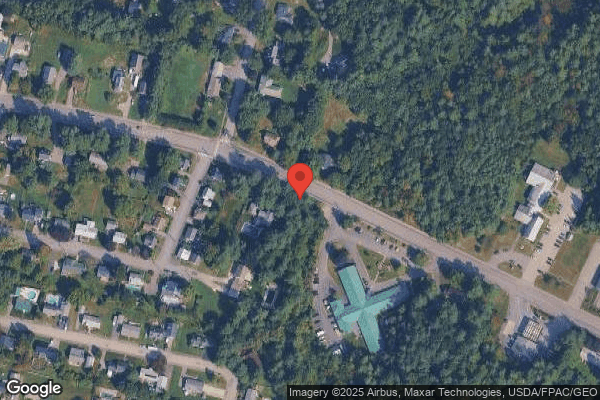
188 EASTERN AVE, AUGUSTA, ME 04330 (207) 622-3121
For profit - Corporation 72 Beds NATIONAL HEALTH CARE ASSOCIATES Data: November 2025
Trust Grade
63/100
#17 of 77 in ME
Last Inspection: November 2024

Within standard 12-15 month inspection cycle. Federal law requires annual inspections.

Overview

Augusta Center for Health & Rehabilitation, LLC has a Trust Grade of C+, indicating it is slightly above average but not exceptional in terms of care quality. It ranks #17 out of 77 facilities in Maine, placing it in the top half, and #3 out of 7 in Kennebec County, meaning there are only two facilities in the area that perform better. However, the facility is experiencing a worsening trend, with issues increasing from 6 in 2023 to 20 in 2024. Staffing is average, with a 3/5 star rating and a turnover rate of 53%, which is close to the state average. The facility has incurred $10,059 in fines, which is concerning and suggests some compliance issues. On the positive side, Augusta Center has a good overall rating of 4/5 stars for health inspections and quality measures. However, specific incidents of concern include a failure to transfer a resident promptly to the hospital after a significant change in condition, which resulted in serious harm, and inadequate cleanliness in the kitchen that could potentially affect all residents. Additionally, maintenance and housekeeping services have been criticized for not keeping the environment sanitary or in good repair, affecting the living conditions for some residents.

Trust Score
C+
63/100
In Maine
#17/77
Top 22%
Safety Record
Moderate
Needs review
Inspections
Getting Worse
6 → 20 violations
Staff Stability
⚠ Watch
53% turnover. Above average. Higher turnover means staff may not know residents' routines.
Penalties
✓ Good
$10,059 in fines. Lower than most Maine facilities. Relatively clean record.
Skilled Nurses
✓ Good
Each resident gets 61 minutes of Registered Nurse (RN) attention daily — more than 97% of Maine nursing homes. RNs are the most trained staff who catch health problems before they become serious.
Violations
⚠ Watch
26 deficiencies on record. Higher than average. Multiple issues found across inspections.
★★★★☆
4.0
Overall Rating
★★★☆☆
3.0
Staff Levels
★★★★☆
4.0
Care Quality
★★★★☆
4.0
Inspection Score
Stable
2023: 6 issues
2024: 20 issues

The Good

  • 4-Star Quality Measures · Strong clinical quality outcomes
  • Full Sprinkler Coverage · Fire safety systems throughout facility
  • No fines on record

Facility shows strength in quality measures, fire safety.

The Bad

Staff Turnover: 53%

Near Maine avg (46%)

Higher turnover may affect care consistency

Federal Fines: $10,059

Below median ($33,413)

Minor penalties assessed

Chain: NATIONAL HEALTH CARE ASSOCIATES

Part of a multi-facility chain

Ask about local staffing decisions and management

The Ugly 26 deficiencies on record

1 actual harm
Nov 2024 8 deficiencies
CONCERN (D)

Potential for Harm - no one hurt, but risky conditions existed

Resident Rights (Tag F0550)

Could have caused harm · This affected 1 resident

Based on interviews and record review, the facility failed to ensure residents were treated in a dignified manner when staff failed to respond and attend to a resident's request for incontinence care ...

Read full inspector narrative →
Based on interviews and record review, the facility failed to ensure residents were treated in a dignified manner when staff failed to respond and attend to a resident's request for incontinence care during meal service. (Resident #40 [R40] and R41) Finding: On 11/17/24 at 1:10 p.m. during resident interviews with R40 and R41 they stated they make me wait. I get very anxious, and I get a bad headache, and that they are not changing him/her as frequently as he/she should be. R41 stated they just don't have enough staff, and they tell me I have to wait to use my urinal, and I don't want to wet my brief, and they make me wait. I want to use my urinal. I want to keep it going so I don't wet myself. On 11/18/24, during a record review a Health Status Note for Behavior dated 11/12/24, was documented in R40's clinical record stating It's policy that staff does not interrupt passing trays until they are all passed during mealtime. R40 has been informed of this policy many times. The nurse documented that R40 was informed again of the above policy, yet he/she continues to ring and holler out when staff walk by. On 11/19/24 at 10:00 a.m., during an interview with the Administrator and the Regional Directors, the surveyor asked about the above-mentioned policy for resident assistance during mealtimes. At this time the surveyor shared the Health Status note, dated 11/12/24, documented by a charge nurse. They stated that the facility does not have that policy. On 11/19/24 at 3:30 p.m., during an interview with a Certified Nursing Assistant, she stated that the process they are following during mealtime is that they pass out all the trays then they will change the residents. They have not been told not to help the residents, but they have to finish passing the meal trays first. She has heard a nurse tell the residents about the policy that staff does not interrupt the meal service.
CONCERN (D)

Potential for Harm - no one hurt, but risky conditions existed

Quality of Care (Tag F0684)

Could have caused harm · This affected 1 resident

Based on record review and interviews, the facility failed to complete neurological assessments for 1 of 1 resident reviewed for fall with major injury (Resident #27 [R27]). Finding: The facility's ...

Read full inspector narrative →
Based on record review and interviews, the facility failed to complete neurological assessments for 1 of 1 resident reviewed for fall with major injury (Resident #27 [R27]). Finding: The facility's paper form for a neurological (neuro) assessment indicated the following: Vital signs/Neuros to be done initially then every (q) 15 minutes x 2, q 30 minutes x 4, q 2 (hrs) x 4, then q shift x 3 (24 hours). The columns on the form to be completed included nurse's initials, date, time, vital signs (temperature, pulse, respirations, blood pressure) and neurological check (pupils, level of consciousness, motor function, speech, and facility symmetry). On 11/20/24, R27's clinical record was reviewed. On 9/10/24 at 4:06 a.m., a health status note was documented that indicated at approximately 3:30 a.m., a staff member went into R27's room to find the resident face down on the floor with a puddle of blood under his/her face. Emergency Medical Services (EMS) was called and when EMS got resident into the stretcher for transport, R27 had visible facial swelling, a laceration to the forehead, cheek, and chin. R27 returned to the facility after a Computed Tomography (CT) scan was completed which indicated no immediate head bleed, sustained a nasal fracture, and returned to the facility later that morning. On 11/20/24 at 11:00 a.m., during an interview with a surveyor, the Director of Nursing Services (DNS) stated that neuro assessments were not initiated upon return from the Emergency Room. At 11:56 a.m., during an interview with the Physician Assistant - Certified (PAC) with the DNS present, a surveyor asked what the expectation of neuro assessments would be for a resident with a fall with head injury and a negative CT scan. PAC stated if a resident had a negative CT scan and returned to the facility within 2 days, that he would expect neuros to be completed. A surveyor confirmed this finding with the DNS at the time of this interview.
CONCERN (D) 📢 Someone Reported This

A family member, employee, or ombudsman was alarmed enough to file a formal complaint

Potential for Harm - no one hurt, but risky conditions existed

Accident Prevention (Tag F0689)

Could have caused harm · This affected 1 resident

Based on record review, observation and interviews, the facility failed to provide the proper adaptive equipment to a resident during a meal service for 1 of 6 observed meals for Resident #35 [R35] wh...

Read full inspector narrative →
Based on record review, observation and interviews, the facility failed to provide the proper adaptive equipment to a resident during a meal service for 1 of 6 observed meals for Resident #35 [R35] who was involved in an incident on 11/6/24. Finding: On 11/7/24, the Division of Licensing and Certification received from the facility a reportable incident form which indicated that on 11/6/24 R35 had spilled hot chocolate on his/her lap which caused burns which later in the day developed into blistered areas on both his/her thighs. On 11/18/24, during resident observations it was noted that R35 was sitting in the dining room with a Kennedy cup (spillproof cup). During interviews it was noted that R35 was evaluated by Occupational Therapy (OT) on 11/12/24 with recommendation for use of covered mug for hot liquids secondary to decreased fine motor coordination. On 11/20/24 at 8:30 a.m., R35 was observed in the dining room for breakfast, he/she had a plate of pureed food and a bowl of oatmeal in front of him/her on the table. R35 was observed by the surveyor drinking using a regular coffee cup with no cover. It was then confirmed that the cup contained hot chocolate, R35 was observed taking 2 additional sips from the uncovered cup. The surveyor brought it to the attention of the Administrator and the Regional Director of Clinical Operations. R35 was then given a cup with a cover. At this time, the surveyor confirmed that R35 was not using a spillproof cup (adaptive equipment) with his/her hot chocolate.
CONCERN (D)

Potential for Harm - no one hurt, but risky conditions existed

Respiratory Care (Tag F0695)

Could have caused harm · This affected 1 resident

**NOTE- TERMS IN BRACKETS HAVE BEEN EDITED TO PROTECT CONFIDENTIALITY** Based on observation, interviews, and record review, the facility failed to provide respiratory care according to physician orde...

Read full inspector narrative →
**NOTE- TERMS IN BRACKETS HAVE BEEN EDITED TO PROTECT CONFIDENTIALITY** Based on observation, interviews, and record review, the facility failed to provide respiratory care according to physician orders for 1 of 1 sampled residents (Resident #7 [R7]). Findings: Resident R7 was admitted on [DATE] and has diagnoses to include chronic obstructive pulmonary disease (COPD), chronic respiratory failure with hypoxia, and congestive heart failure (CHF). A review of R7's active orders revealed a physician order, dated 5/30/24, for Oxygen therapy 1-2Lpm [liters per minute] titration to keep O2 sat (oxygen saturation) at 90-92%. every shift for SOB (shortness of breath)/cough. During an observation of R7 in the [NAME] unit dayroom, on 11/20/24 at 10:48 a.m., R7 was seated in a wheelchair at a table, working on a puzzle. R7 was wearing a nasal cannula, and the oxygen tubing was connected to a portable oxygen tank that was secured on the back of the wheelchair. The oxygen flow rate was set to 3Lpm, and the needle on the oxygen tank gauge was observed in the red area of the gauge marked, empty. During an interview on 11/20/24 at 10:53 a.m. with a surveyor, Registered Nurse (RN) 1 confirmed that R7 utilizes continuous oxygen therapy and that she interpreted the physician order to mean the oxygen was to be titrated to keep R7's oxygen saturation (O2 sat) between 90-92%. RN1 stated she had given R7 a nebulizer treatment approximately 15 minutes ago after his/her O2 sat was measured at 85-86% and then increased the oxygen flow rate from 2Lpm to 3Lpm and that she intended to re-check the O2 sat but got busy. At this time, a surveyor pointed out that the gauge on the portable oxygen tank indicated, empty. RN1 stated the gauge on the portable tank was in the full range when she had connected the oxygen tubing to the tank 15 minutes prior and proceeded to disconnect the oxygen tubing from the portable tank and connected it to an oxygen concentrator located by the table. During an interview on 11/20/24 at 11:04 a.m. with a surveyor, the Regional Director of Clinical Operations (RDCO) reviewed R7's oxygen order and stated she interpreted the order to mean that titration would occur within the 1-2Lpm, not above a 2Lpm flow rate, but that the facility may have standing oxygen orders. During an interview on 11/20/24 at 11:05 a.m. with a surveyor, the Director of Nursing Services (DNS) confirmed that the facility does not have standing oxygen orders, and stated the physician is in building, so RN1 may have titrated beyond order with intention of discussing with the physician. At this time, a surveyor reviewed the above findings with the DNS. On 11/20/24 at 11:40 a.m., in an interview with a surveyor, the Assistant Director of Nursing Services (ADNS) and RN1 requested to speak with a surveyor. At this time, with 2 surveyors present, ADNS and RN1 again confirmed the above findings and stated that R7's oxygen saturation is now improved to 89%, and that R7's oxygen saturation is usually 89% at baseline, and the physician has been notified.
CONCERN (D)

Potential for Harm - no one hurt, but risky conditions existed

Deficiency F0761 (Tag F0761)

Could have caused harm · This affected 1 resident

**NOTE- TERMS IN BRACKETS HAVE BEEN EDITED TO PROTECT CONFIDENTIALITY** Based on observation and interview, the facility failed to adequately date open medications and properly dispose of expired medi...

Read full inspector narrative →
**NOTE- TERMS IN BRACKETS HAVE BEEN EDITED TO PROTECT CONFIDENTIALITY** Based on observation and interview, the facility failed to adequately date open medications and properly dispose of expired medications, according to manufacturer specifications for two inhalers in 2 of 3 medication carts ([NAME] Unit, and Penobscot Unit) observed. Findings: On 11/19/24 at 8:50 a.m., two surveyors and Certified Nurse Med Tech (CNA-M) 1 observed, in the medication cart on the [NAME] unit, a Trelegy Ellipta Inhalation Aerosol device, labeled for Resident (R) 314, with a pharmacy label stating, came in on 10/4/24. The manufacturer box states, Discard 6 weeks after opening or when the counter reads '0'. The box and the device itself were not labeled with a date indicating when the device was opened. On 11/19/24 at 8:55 a.m., during an interview with CNA-M1, two surveyors confirmed that the Trelegy Ellipta device was not labeled with an opened date to ensure use and disposal according to manufacturer specifications. On 11/19/24 at 9:43 a.m., two surveyors and CNA-M2 observed, in the medication cart on the Penobscot unit, a Fluticasone Salmeterol 250-50 mcg (microgram) inhalation device, labeled for R22, with opened date of 9/20/24 marked on the box, with the device itself not dated. The manufacturer packaging stated, Discard the inhaler 1 month after opening the foil pouch or when the counter reads '0' (after all blisters have been used), whichever comes first. On 11/19/24 at 9:49 a.m., during an interview with CNA-M2 and Licensed Practical Nurse (LPN) 1, two surveyors confirmed that the Fluticasone Salmeterol device was not labeled with an opened date and a discard date to ensure use and disposal according to manufacturer specifications.
CONCERN (D)

Potential for Harm - no one hurt, but risky conditions existed

Medical Records (Tag F0842)

Could have caused harm · This affected 1 resident

Based on record review and interviews, the facility failed to ensure a clinical record contained complete and accurate information for 1 of 1 residents reviewed for falls (Resident #27 [R27]). Finding...

Read full inspector narrative →
Based on record review and interviews, the facility failed to ensure a clinical record contained complete and accurate information for 1 of 1 residents reviewed for falls (Resident #27 [R27]). Finding: On 11/20/24, R27's clinical record was reviewed and the surveyor requested to review the facility's fall report for R27 that occurred on 9/29/24. Documentation on the fall report, completed 9/29/24 at 2:48 p.m. by Registered Nurse #2 (RN2) indicated that R27 was transferring self, fell forward towards the wall, and a staff member was able to grab R27 and sit back down on the bed. R27 sustained a nosebleed. The fall report indicated that the physician (Third Eye) was notified at 2:57 p.m. Review of the Third Eye health note documented in R27's progress notes, completed by Third Eye, on 9/29/24 at 10:44 p.m., indicated that on 9/29/24 at 1:53 p.m. (central time) which is 2:53 p.m. (eastern time), it was reported by RN2 that R27 had an unwitnessed fall, likely slid onto floor in bedroom, found on buttocks, with no head strike or trauma reported. On 11/20/24 at 2:07 p.m., during an interview with the Director of Nursing Services (DNS), the surveyor confirmed that RN2 documented that R27 had a nose bleed after falling towards the wall and that Third Eye documentation does not match the fall report (which was the only fall report found for R27). At 2:59 p.m., during an interview with a surveyor, DNS stated that she spoke with RN2 who did not recall if a neurological monitoring sheet was started or not after R27 sustained a nosebleed after falling into the wall.
CONCERN (E)

Potential for Harm - no one hurt, but risky conditions existed

Safe Environment (Tag F0584)

Could have caused harm · This affected multiple residents

**NOTE- TERMS IN BRACKETS HAVE BEEN EDITED TO PROTECT CONFIDENTIALITY** Based on observations and interviews, the facility failed to adequately maintain maintenance and housekeeping services necessary...

Read full inspector narrative →
**NOTE- TERMS IN BRACKETS HAVE BEEN EDITED TO PROTECT CONFIDENTIALITY** Based on observations and interviews, the facility failed to adequately maintain maintenance and housekeeping services necessary to maintain the facility in good repair and sanitary conditions for 2 of 3 units ([NAME] Unit, and Kennebec Unit) for 1 of 1 environmental tour (11/19/24). Findings: On 11/19/24, from 10:05 a.m. to 10:30 a.m., an environmental tour was conducted with the Administrator and the Maintenance Director in which the following findings were observed: [NAME] Unit: > 3 hallway ceiling vents by resident rooms [ROOM NUMBER] were rusty and had dust on them. > Resident room [ROOM NUMBER] - The toilet surface and behind the seat were dirty with dried liquid residue. The bathroom exhaust vent was dusty/dirty. The caulking on floor around the bathroom door frame was dirty and stained. There was a urine collection cup on the floor by the toilet. > Resident room [ROOM NUMBER] - The bathroom floor was dirty. There was a yellow/brown stain on a ceiling tile near the vent above the toilet. The caulking at base of the room and bathroom door trim was dirty and stained. > Resident room [ROOM NUMBER] - The bathroom floor was dirty. The caulking around the base of the toilet was dirty/stained. The caulking at base of the room and bathroom door trim was dirty and stained. The bathroom exhaust vent was dusty/dirty. Kennebec Unit: > Resident room [ROOM NUMBER] - Resident #8's wheelchair had both left and right armrests that were cracked/broken. The caulking around the base of the toilet was dirty/stained. The bathroom exhaust vent was dusty/dirty. On 11/20/24 at 9:42 a.m. in an interview with a surveyor, the Administrator and the Maintenance Director confirmed the above findings.
CONCERN (E)

Potential for Harm - no one hurt, but risky conditions existed

Food Safety (Tag F0812)

Could have caused harm · This affected multiple residents

Based on observations and interview, the facility failed to ensure the kitchen was maintained in a clean and sanitary manner for a grease trap, a baseboard heater register and the floor. Additionally,...

Read full inspector narrative →
Based on observations and interview, the facility failed to ensure the kitchen was maintained in a clean and sanitary manner for a grease trap, a baseboard heater register and the floor. Additionally, the facility failed to ensure foods were sealed, labeled and dated in a reach-in freezer and in a walk-in refrigerator for 1 of 1 kitchen tour for 1 of 1 day of survey (11/17/24). Findings: On 11/17/24 from 11:30 a.m. to 11:58 a.m., two surveyors conducted a kitchen tour in which the following findings were observed: > The grease trap exterior had rust on the lid and the base. Additionally, the caulking around the base was dirty and stained with a black substance. > The baseboard heater register, located between the grease trap and a sink, was dusty/dirty and had dried liquid residue and food splatter on it. > The floor, under the sink across from the steam table, was heavily soiled with food debris and dried liquid residue. > The reach-in freezer had a 10.2 ounce box of cinnamon donuts and an 18 ounce box of waffles that were not sealed and open to the air. > The walk-in refrigerator had a metal tray containing 3 custard-type pies that were uncovered, unlabeled, and undated. Additionally, there were 6 cakes that were unlabeled. On 11/17/24 at 11:58 a.m. in an interview with two surveyors, confirmed the findings with the Head Cook.
May 2024 10 deficiencies
CONCERN (D)

Potential for Harm - no one hurt, but risky conditions existed

Transfer Notice (Tag F0623)

Could have caused harm · This affected 1 resident

Based on record review and interviews, the facility failed to notify the resident and/or resident representative in writing for the reason of a transfer/discharge from the facility, for 1 of 2 hospita...

Read full inspector narrative →
Based on record review and interviews, the facility failed to notify the resident and/or resident representative in writing for the reason of a transfer/discharge from the facility, for 1 of 2 hospital transfers (2/22/24) for Resident #36. In addition, the facility failed to notify the Ombudsman of the February transfer/discharge for Resident #36. Finding: On 5/28/24, Resident #36's clinical record was reviewed and indicated that Resident #36 was transferred to the hospital on 2/22/24 and admitted . The clinical record lacked evidence of a written transfer/discharge notice being provided to the resident/resident representative. On 5/30/24 at 12:07 p.m., during an interview with a surveyor, the Administrator stated she was unable to find evidence that a written transfer/discharge notice had been given to the resident and/or representative. During this interview, the Administrator stated that the Director of Social Services is responsible for notifying the Ombudsman. On 5/30/24 at 12:16 p.m., the Administrator stated that the Ombudsman had not been notified of Resident #36's transfer/discharge by the Director of Social Services because she was out sick.
CONCERN (D)

Potential for Harm - no one hurt, but risky conditions existed

Deficiency F0625 (Tag F0625)

Could have caused harm · This affected 1 resident

Based on record review and interview, the facility failed to notify the resident and/or the resident's representative in writing of a bed hold notice after a transfer/admission to an acute care hospit...

Read full inspector narrative →
Based on record review and interview, the facility failed to notify the resident and/or the resident's representative in writing of a bed hold notice after a transfer/admission to an acute care hospital, for 1 of 2 hospital transfers (2/22/24) for Resident #36. Finding: On 5/28/24, Resident #36's clinical record was reviewed and indicated that Resident #36 was transferred to the hospital on 2/22/24 and admitted . The clinical record lacked evidence of a written bed hold notice being provided to the resident/resident representative. On 5/30/24 at 12:07 p.m., during an interview with a surveyor, the Administrator stated she was unable to find evidence that a written bed hold had been given to the resident and/or representative.
CONCERN (D)

Potential for Harm - no one hurt, but risky conditions existed

Quality of Care (Tag F0684)

Could have caused harm · This affected 1 resident

Based on record review and interview, the facility failed to ensure physician orders for sliding scale insulin were followed for 1 of 4 residents reviewed (Resident #155). Finding: On 5/30/24, Residen...

Read full inspector narrative →
Based on record review and interview, the facility failed to ensure physician orders for sliding scale insulin were followed for 1 of 4 residents reviewed (Resident #155). Finding: On 5/30/24, Resident #155's clinical record was reviewed and included a physician order for sliding scale insulin to administer Humalog 12 units but hold if not eating or blood sugar less than 150. On 10/22/23 Resident #155's morning blood sugar was documented as 109 and the treatment administration record for October 2023 indicated that insulin was given in the abdomen. On 5/30/24 at 8:09 a.m., a surveyor and the Regional Director of Clinical Operations reviewed Resident #155's documentation; the surveyor confirmed that the insulin was given even though the documented blood sugar was less than 150.
CONCERN (D)

Potential for Harm - no one hurt, but risky conditions existed

Deficiency F0692 (Tag F0692)

Could have caused harm · This affected 1 resident

Based on record reviews, observations, and interviews, the facility failed to ensure nutrition and hydration parameters were met to maintain sufficient hydration and health for 2 of 2 residents review...

Read full inspector narrative →
Based on record reviews, observations, and interviews, the facility failed to ensure nutrition and hydration parameters were met to maintain sufficient hydration and health for 2 of 2 residents reviewed for nutrition and hydration (Resident #11 and Resident #18). Findings: 1. On 05/28/24 at 12:11 p.m., a surveyor observed a lunch tray delivered to Resident #11's bed table, which was positioned over the resident's lap, then left the room. The lunch was observed to be spaghetti and sauce with garlic bread. After several minutes two staff returned and attempted to rouse Resident #11 for the meal, when Resident #11 did not wake, they removed the tray. On 5/29/24 the clinical record indicated Resident #11's diagnosis included severe dementia and unspecified convulsions. The provider orders indicate Resident #11 needs a mechanical soft diet for dysphagia (difficulty swallowing). The care plan identified Resident #11's self-care performance deficit related to occasional syncope, seizures, and cognitive impairment. The intervention stated: Eating: The resident requires extensive assist of 1, in the upright position alternate liquids and solids, covered cup. Requires lids on any hot liquids. The care plan also stated [Resident #11] has actual nutritional problem: at risk for malnutrition aeb (as evidenced by) consuming (less than) 50% of needs, at risk for unplanned MD (moderate) weight loss related altered diet, needs assistance at meals. On 05/29/24 at 12:01 p.m., a surveyor observed Resident #11 eating independently in bed, unsupervised, no lids on cups. On 05/30/24 at 9:00 a.m., a surveyor observed Resident #11's breakfast which included broken pieces of a muffin, a bowl of cereal, and beverages including an uncovered cup of tea. No staff were present to assist Resident #11 with the meal. Resident #11 was observed to be non-verbal. At 9:03 a.m., Certified Nurse Assistant #1 (CNA1) entered the room and asked if Resident #11 was done eating. Resident #11 did not respond. CNA1 attempted to cue Resident #11 to eat, then removed the tray when cueing was not successful. A surveyor confirmed at this time that Resident #11 was ordered a mechanical soft diet. CNA1 stated cornflakes could be mechanical soft if they were soaked in milk first. On 5/30/24 at 9:23 a.m., in an interview with a surveyor, the Registered Nurse #1 (RN1) stated fluids should not be left on Resident #11's bedside table as Resident #11 is at risk for aspiration, Resident #11 needs to be monitored. On 5/30/24 at 11:23 a.m., in an interview with a surveyor, CNA1 stated residents that need supervision should be in the dining room. CNA1 states Resident #11 can eat independently, depending on the day. CNA1 stated we watch them while we are up and down the halls. At this time the surveyor confirmed Resident #11 was not assisted with meals per care plan to ensure adequate nutrition and hydration. 2. On 5/28/24 at 12:00 p.m., a surveyor observed Resident #18 eating lunch independently in bed. There was one small glass of milk on the tray which was removed with the tray when the resident had finished eating. No beverages were observed to be available to the resident from lunch service to the last observation of the day made at 3:23 p.m. On 5/29/24, review of Resident #18's clinical record indicated a diagnosis of dementia and an order to encourage fluids daily. On 5/30/24 at 9:05 a.m., a surveyor observed Resident #18 in bed, no beverages were available to the resident at the time of the observation. At 9:23 a.m., in an interview with a surveyor, RN1 stated Resident #18 should have beverages made available to him/her. The surveyor confirmed fluids were not readily available to the Resident #18 at that time. On 5/30/24 at 11:23 a.m., in an interview with a surveyor, CNA1 she stated Resident #18 is not a big drinker, Resident #18 refuses a lot. At this time the surveyor confirmed fluids were not offered regularly to Resident #18. On 5/30/24 at 12:28 p.m., a surveyor observed of Resident #18 resting in bed, with no fluids available to the resident. This finding was confirmed with CNA1 at the time of the observation. On 5/30/24 at 12:32 p.m., in an interview with a surveyor, CNA2 stated she had a huge mess to clean up after Resident #18 spilt a beverage at breakfast. Resident #18 is not a big drinker, Resident #18 only takes sips with meals. CNA2 stated the resident does not use the call bell system to make needs known related to Resident #18's dementia. At this time the surveyor confirmed that fluids were not made readily available to Resident #18 to maintain sufficient hydration.
CONCERN (E)

Potential for Harm - no one hurt, but risky conditions existed

Resident Rights (Tag F0550)

Could have caused harm · This affected multiple residents

**NOTE- TERMS IN BRACKETS HAVE BEEN EDITED TO PROTECT CONFIDENTIALITY** Based on observations and interviews, the facility failed to promote care for residents in a manner that maintains each resident...

Read full inspector narrative →
**NOTE- TERMS IN BRACKETS HAVE BEEN EDITED TO PROTECT CONFIDENTIALITY** Based on observations and interviews, the facility failed to promote care for residents in a manner that maintains each resident's dignity and respect when staff spoke and acted rudely to residents in their care for 2 of 2 residents reviewed (Resident #43 and Resident #33). Findings: 1. On 5/28/24 at 1:49 p.m., during an interview with Resident #43 he/she stated that there is one Certified Nursing Assistant (CNA) who is rude and on his/her case all the time. Resident #43 stated that this CNA does things just to get Resident #43 upset, the examples were that when the resident requests their door be closed due to the noise level this CNA (CNA #4) comes in the room and opens the window shades and turns on the roommates television. Resident #43 also stated that when he/she knows CNA #4 is on, they are in for it. Resident #43 told the surveyor to ask CNA #3 who this person was because she knows that they just don't get along. Resident #43 also stated there are other staff who know that CNA is rude and disrespectful. At approximately 2:00 p.m., the Social Worker stopped by Resident #43's room and when Resident #43 asked the Social Worker to tell this surveyor who CNA #4 was the Social Worker stated that she is not a local person. On 5/29/24 at 12:10 p.m., during an interview with an anonymous staff member, it was told that Resident #43 had told several staff members that CNA #4 is mean to him/her when she works and that CNA #4 always works with Resident #43. On 5/29/24 at 12:23 p.m. during an interview with the acting Director of Nursing she found through a small investigation that Resident #43 had been verbalizing the interactions with CNA #4 to many staff and it was not addressed. The facility provided Resident #43 ear plugs to assist with the noise level and roommates television and they will address CNA #4's interactions with Resident #43. 2. Observation on 5/30/24 at 7:20 a.m., as surveyor was in the hallway near room [ROOM NUMBER], this surveyor overheard a staff member (CNA #3) speaking to Resident #33. She was heard saying to the resident in a frustrated tone of voice why are you ringing, I haven't even left the room yet. You need to give us time, you're not being fair to us. You need to be patient. The surveyor went to the doorway of the room and CNA #3 was standing at the foot of residents bed, facing the resident. Resident #33 was telling the CNA that he/she didn't know she was still there, and he/she wanted her to stay with them. The Regional Director of Clinical Operations (RDCO) and the Administrator were made aware of the conversation. The CNA was asked by the Administrator to go speak to them (Administrator and RDCO) and while in the hallway, CNA #3 stated in a frustrated tone Resident #33's not being patient, he/she asked for ginger ale, and I told him/her that I would, just give me time to clean first. The Social Worker (SW) went in to see Resident #33, found that Resident #33 was not feeling well and wanted someone to reassure them and get them some ginger ale because, they were not feeling well. The SW did not address this incident (interaction with CNA #3) with Resident #33.
CONCERN (E)

Potential for Harm - no one hurt, but risky conditions existed

Safe Environment (Tag F0584)

Could have caused harm · This affected multiple residents

**NOTE- TERMS IN BRACKETS HAVE BEEN EDITED TO PROTECT CONFIDENTIALITY** Based on observations and interviews, the facility failed to adequately provide housekeeping and maintenance services necessary ...

Read full inspector narrative →
**NOTE- TERMS IN BRACKETS HAVE BEEN EDITED TO PROTECT CONFIDENTIALITY** Based on observations and interviews, the facility failed to adequately provide housekeeping and maintenance services necessary to maintain the building in a sanitary, orderly, and comfortable interior for the 3 of 3 units ( Penobscot, [NAME] and Kennebec) and a nurse's station for 1 of 1 facility tours (5/30/24). Findings: 1. On 5/30/24 from 1:30 p.m. to 2:00 p.m., during a tour of the facility, a surveyor and the Maintenance Director, the Regional Housekeeping Manager, the [NAME] Health Services Laundry Manager, the Housekeeping/Laundry Manager, the Lead Maintenance Director/National the Administrator observed the following findings: > The nurse's station had ripped/torn duct tape around the entire front edge of counter top creating an uncleanable surface. Penobscot Unit > Resident room [ROOM NUMBER] - The caulking around the base of the toilet was dirty and stained. > Resident room [ROOM NUMBER] - The room entrance floor had 8 broken/cracked floor tiles and a buildup of dirt at the door entrance edges. The bathroom floor and the caulking around the base of the toilet were dirty. > The utility room entrance floor had 2 broken floor tiles. > Resident room [ROOM NUMBER] - The room entrance floor had 4 broken/cracked floor tiles and had dried gray liquid residue spatter on it. The bathroom floor around the base of the toilet was dirty. > Resident room [ROOM NUMBER] - The room entrance floor had 4 broken/cracked floor tiles. > Resident room [ROOM NUMBER] - The room entrance floor had 10 broken/cracked floor tiles. The bathroom floor around the base of the toilet was dirty. [NAME] Unit > Resident room [ROOM NUMBER] - Resident #43's wheelchair had a ripped/torn armrest. > Resident room [ROOM NUMBER] - The bathroom floor around the base of the toilet was dirty and the entire floor was dirty. Kennebec Unit > Resident room [ROOM NUMBER] - The bathroom floor and the caulking around the base of the toilet were dirty. > Resident room [ROOM NUMBER] - There was a hole in wall near the outlet by the television. > Resident room [ROOM NUMBER] - The room entrance door had dried gray liquid residue spatter on it. > Resident room [ROOM NUMBER] - The room entrance door had dried gray liquid residue spatter on it. > Resident room [ROOM NUMBER] - The room entrance door had dried gray liquid residue spatter on it. On 5/30/24 at 2:00 pm, in an interview, the Administrator, the Maintenance Director, the Regional Housekeeping Manager, the [NAME] Health Services Laundry Manager, the Housekeeping/Laundry Manager, and the Lead Maintenance Director/National confirmed the findings.
CONCERN (E)

Potential for Harm - no one hurt, but risky conditions existed

Deficiency F0645 (Tag F0645)

Could have caused harm · This affected multiple residents

**NOTE- TERMS IN BRACKETS HAVE BEEN EDITED TO PROTECT CONFIDENTIALITY** Based on record reviews and interviews, the facility failed to ensure that 2 of 3 residents reviewed with a specialized mental h...

Read full inspector narrative →
**NOTE- TERMS IN BRACKETS HAVE BEEN EDITED TO PROTECT CONFIDENTIALITY** Based on record reviews and interviews, the facility failed to ensure that 2 of 3 residents reviewed with a specialized mental health diagnosis, whose stay went beyond the expected 30 days, had been referred to the appropriate state-designated authority for Pre-admission Screening & Resident Review Level II (PASRR) evaluation and determination (Resident #33 and Resident #35). Finding: 1. Resident #31 was admitted to the facility on [DATE] with diagnosis of Panic Disorder, Major Depressive Disorder recurrent with Severe Psychotic Symptoms and Nightmare Disorder. Resident #31's clinical record contained a PASRR Level I determination letter dated 10/10/23 that stated further PASRR evaluation was not required due to Resident #31 met the criteria for a short-term convalescence admission. Resident #31 was not discharged after a short stay and was assessed to be Nursing Facility level of care and continued to reside in the facility. The clinical record lacked evidence to indicate that the PASRR Level I was forwarded again to the State Mental Health Authority to determine if a PASRR Level II evaluation and determination was needed after Resident #31's stay changed from short-term to long-term. On 5/29/24 at 3:25 p.m., in an interview, the Director of Social Services confirmed the resident didn't receive a PASRR II evaluation after his/her stay went beyond 30 days and the resident stayed at the facility. 2. Resident #35 was admitted to the facility on [DATE] with diagnosis of Bipolar Disorder and Suicidal Ideations. Resident #31's clinical record contained a PASRR Level I determination letter dated 10/11/23 that stated further PASRR evaluation was not required due to Resident #35 met the criteria for a short-term convalescence admission. Resident #35 was not discharged after a short stay and was assessed to be Nursing Facility level of care and continued to reside in the facility. The clinical record lacked evidence to indicate that the PASRR Level I was forwarded again to the State Mental Health Authority to determine if a PASRR Level II evaluation and determination was needed after Resident #35's stay changed from short-term to long-term. On 5/29/24 at 12:46 p.m., in an interview, the Director of Social Services and the Regional Director of Clinical Operations confirmed the resident didn't receive a PASRR II evaluation after his/her stay went beyond 30 days and the resident stayed at the facility.
CONCERN (E)

Potential for Harm - no one hurt, but risky conditions existed

Deficiency F0676 (Tag F0676)

Could have caused harm · This affected multiple residents

**NOTE- TERMS IN BRACKETS HAVE BEEN EDITED TO PROTECT CONFIDENTIALITY** Based on interviews and record reviews, the facility failed to provide services to maintain and/or improve residents highest lev...

Read full inspector narrative →
**NOTE- TERMS IN BRACKETS HAVE BEEN EDITED TO PROTECT CONFIDENTIALITY** Based on interviews and record reviews, the facility failed to provide services to maintain and/or improve residents highest level of ambulation and Active Range of Motion (AROM), the facility failed to provide Restorative services as outlined in the resident's restorative therapy program care planned for 2 of 2 sampled residents (Resident #43 and Resident #21,). Findings: 1. On 5/28/24 at 1:38 p.m. during an interview with Resident #43 he/she stated I think they should take extra care; I need the exercises and they don't have time to walk meand that makes me weaker. They do not walk with me every day. Resident #43's care plan documents interventions as follows: Nursing Maintenance/Restorative: Ambulation - distance 50 feet or as resident tolerates with a 2 wheeled walker (ww), 2 assist (A) and wheelchair (w/c) to follow. Resident #43's [NAME] (identifies resident needs for care) documents a restorative plan for Nursing Maintenance/Restorative: Ambulation - distance 50 feet or as resident tolerates with 2 ww, 2A and w/c to follow. Nursing Rehab: Patient to participate in daily exercise program to promote strength and activity tolerance during functional tasks. Use of cues, demonstration, and visual aide for carry over. Nursing Rehab: Patient to participate in daily walking program up to 200 feet as tolerated with gait belt, 2 wheeled walker, and w/c following. Upon review of the Nursing Rehab task documentation for ambulation, feet walked for previous 30 days 4/30/24 to 5/29/24, indicates that Resident #43 did not receive ambulation as directed. 2. On 5/29/24 at 9:20 a.m., during an interview with Resident #2, stated I no longer get help, they don't walk me, I can't remember the last time I was assisted with walking so now I have a hard time walking now. Resident #21's care plan documents care plan intervention as follows: Nursing Maintenance/Walking Program: ambulate 300 feet at least daily with 2 wheeled walker with wheelchair to follow. Resident #21's [NAME] (identifies resident needs for care) documents that Resident #21 has a restorative plan for Nursing Maintenance/Restorative: Ambulation - Nursing Maintenance/Walking Program: ambulate 300 feet at least daily with 2 wheeled walker with wheelchair to follow Nursing Rehab active Range of Motion: to participate in daily exercise program with red therapy band and visual aide to promote strength and activity tolerance. Nursing Rehab: Patient to participate in daily walking program with 2 wheeled walker, gait belt and wheelchair to follow up to 500 feet as tolerated in order to access facility level activities. Upon review of the Nursing Rehab task documentation for ambulation, feet walked for previous 30 days, 4/30/24 to 5/29/24, indicates that Resident #21 did not receive ambulation or Range of Motion as directed. On 5/30/24 at 10:20 a.m., during an interview with Regional Director of Clinical Operations and a review of the charting for Resident #43 and Resident #21's ambulation program, a surveyor confirmed that they had not been ambulated per their program.
CONCERN (E)

Potential for Harm - no one hurt, but risky conditions existed

Respiratory Care (Tag F0695)

Could have caused harm · This affected multiple residents

**NOTE- TERMS IN BRACKETS HAVE BEEN EDITED TO PROTECT CONFIDENTIALITY** 3. R10's clinical record was reviewed on 5/28/24 and indicated that R10 was admitted to the facility on [DATE]. R10's physician ...

Read full inspector narrative →
**NOTE- TERMS IN BRACKETS HAVE BEEN EDITED TO PROTECT CONFIDENTIALITY** 3. R10's clinical record was reviewed on 5/28/24 and indicated that R10 was admitted to the facility on [DATE]. R10's physician orders included an order, dated 4/25/24, to administer oxygen (O2) at 1-2 liters per minute (LPM) via nasal cannula to keep O2 sats greater than 92% as needed for shortness of breath. The orders/treatments lacked evidence of care/use of the O2 tubing and humidifier bottle. On 5/28/24 at 1:11 p.m., a surveyor observed an O2 concentrator with a humidifer bottle attached. The surveyor did not observe either the tubing or the humidifer bottle dated to indicate when either was last changed. On 5/30/24 at 11:24 a.m., a surveyor confirmed with the RDCO that there were no treatments to change the oxygen tubing or orders for the use and care of the humidifer bottle. 4. R19's physician orders included an order, dated 5/15/23, to administer O2 at 2 LPM continuously. On 5/29/24 at 8:22 a.m., a surveyor observed R19 wear O2 via face mask with the O2 concentrator set at 3 LPM. On 5/29/24 at 7:14 a.m., a surveyor observed R19 wear O2 via face mask with the O2 concentrator set at 3 LPM. On 5/30/24 at 11:45 a.m., a surveyor and the RDCO observed R19's wearing oxygen via face mask and the concentrator was set on 3L per minute. 5. The manufacturer's directions for ResMed Aircurve 10 CPAP machine indicated that it is important that you regularly clean your AirCurve 10 device to make sure you receive optimal therapy and that you should clean the device weekly, including the mask. On 5/29/24, R160's clinical record was reviewed and indicated that R160 was admitted to the facility on [DATE]. On 5/22/24, a physician order was added to administer O2 at 1-4 LPM continuous to maintain O2 sats greater than 92% via nasal cannula. There were no treatments for the care of the O2 tubing and the O2 tubing was not dated to indicate when it had last been changed. On 5/29/24 at 10:23 a.m., a surveyor observed R160 wearing O2 via nasal cannula with the concentrator set at 5 LPM. The surveyor also observed a CPAP machine on the night stand and R160 stated he/she wore this at night. On 5/30/24 at 7:16 a.m., a surveyor observed R160 wearing O2 via nasal cannula with the concentrator set between 4.5 - 5 LPM. On 5/30/24 at 11:05 a.m., a surveyor and the RDCO observed R160's O2 concentrator set at 5 LPM. The surveyor also confirmed that there was no evidence that the O2 tubing was changed weekly and no treatments for the weekly care of the CPAP machine, noting that R160 had been at the facility 9 days. On 5/30/24 at approximately 11:15 a.m., a surveyor asked the RDCO for an oxygen policy. She stated that the faciilty does not have one but the practice was that all respiratory equipment care are cleaned and tubings are changed on Fridays. Based on observations, record reviews and interviews, the facility failed provide respiratory care consistent with professional standards of practice by failing to ensure that respiratory equipment was clean, failed to follow physician orders, and failed to date and label oxygen tubing for 5 of 5 sampled residents. (Resident #43, Resident #23, Resident #10, Resident #19, and Resident #160) Findings: 1.On 5/28/24 at 1:46 p.m. ,during a resident observation and interview Resident #43's nasal mask for his/her Continue positive airway pressure (CPAP) nasal mask was on the floor. During the interview Resident #43 stated that they do not wear their CPAP mask because staff do not clean the nasal mask before attempting to put the nasal mask on him/her. On 5/29/24, several observations were made of Resident #43's nasal mask for the CPAP remains on the floor in his/her room. On 5/30/24 at 10:20 a.m., Resident #43's nasal mask for their CPAP remains on the floor in the same spot as it was on 5/28. At this time the surveyor asked the Regional Director of Clinical Operations (RDCO) was asked to observe Resident #43's nasal mask. At this time the RDCO asked Resident #43 why they did not wear their nasal mask nightly, and Resident #43 stated it's because staff are not cleaning it before putting it on him/her and was worried that was the reason he/she was getting congested. On 5/30/24 at approximately 10:30 a.m. documentation for the cleaning of the nasal mask was reviewed, it showed that staff were marking it as a refusal from the resident or that it was worn. Further review shows that Resident #43 has physician orders that instruct staff with the following care instructions for the CPAP and nasal mask: Physician orders are to Empty Chamber, wash with warm soapy water and rinse, then dry. Refill with distilled water daily. Tubing Care - clean once weekly by soaking in 1 part vinegar and 2 parts water for 20 minutes. Rinse with water and air dry. Nasal Mask Care - clean daily, wash with mild soap and water, rinse and dry. CPAP: to be worn while resident is sleeping. Apply CPAP mask (Routine 1-at bedtime) and remove mask (Routine 2-in the morning) Clean CPAP/Bi-PAP Head Gear weekly by washing with warm soap and water and rinsing 2.On 5/28/24 at 2:42 p.m., during a resident observation it was noted that Resident #23 was using oxygen concentrator with a setting of 2 liters using a nasal canula. Upon review of Resident #23's clinical record he/she had an order for the use of oxygen to keep saturation level above 92%. Resident #23's treatment administration record was reviewed and there are no orders for changing oxygen tubing or cleaning of the concentrator filters. On 5/30/24 at 10:20 a.m. during an interview with the RDCO a surveyor confirmed that Resident #23 did not have orders for changing oxygen tubing or cleaning of the concentrator filters.
CONCERN (E)

Potential for Harm - no one hurt, but risky conditions existed

Food Safety (Tag F0812)

Could have caused harm · This affected multiple residents

Based on observations and interview, the facility failed to ensure the kitchen was maintained in a clean and sanitary manner for a ceiling vent, a food disposal unit, the dish machine, and a food mixe...

Read full inspector narrative →
Based on observations and interview, the facility failed to ensure the kitchen was maintained in a clean and sanitary manner for a ceiling vent, a food disposal unit, the dish machine, and a food mixer; failed to ensure facial hair protection was worn; and failed to ensure glasses were not wet stacked for 1 of 1 kitchen tour. Findings: On 5/28/24 from 11:15 a.m. to 11:35 a.m., an initial kitchen tour was conducted with a Food Service Director in which the following findings were observed: > The ceiling vent in the dish room was heavily soiled with dust. > The food disposal unit had dried food particles and dried liquid residue on it. > There was a large amount of chemical residue buildup on top of the dish machine. > The large standing food mixer had dried food particles on the bowl, the protective cage and the base. > A male kitchen worker had a mustache and beard and did not have facial hair protector over his mustache. > There were 20 clear tumblers that were wet stacked on a tray after washing. On 5/28/24 at 11:35 a.m., in an interview, a Food Service Director confirmed the findings.
Mar 2024 2 deficiencies
CONCERN (D) 📢 Someone Reported This

A family member, employee, or ombudsman was alarmed enough to file a formal complaint

Potential for Harm - no one hurt, but risky conditions existed

Quality of Care (Tag F0684)

Could have caused harm · This affected 1 resident

Based on record review and interviews, the facility failed to ensure that physician's orders were followed for 1 of 5 sampled residents (Resident #2). Finding: Resident #2's Physician Order Summary sh...

Read full inspector narrative →
Based on record review and interviews, the facility failed to ensure that physician's orders were followed for 1 of 5 sampled residents (Resident #2). Finding: Resident #2's Physician Order Summary sheet, dated 12/15/23, indicated the resident was to be weighed weekly for Congestive Heart Failure. There was no evidence in the resident's clinical record to indicate the resident was weighed on 1/26/24, 2/2/24 and 2/23/24. The surveyor confirmed this finding in an interview with the Administrator on 3/18/24 at 2:30 p.m.
CONCERN (D) 📢 Someone Reported This

A family member, employee, or ombudsman was alarmed enough to file a formal complaint

Potential for Harm - no one hurt, but risky conditions existed

Infection Control (Tag F0880)

Could have caused harm · This affected 1 resident

**NOTE- TERMS IN BRACKETS HAVE BEEN EDITED TO PROTECT CONFIDENTIALITY** Based on observation and interview, the facility failed to transport soiled linens in a sanitary manner on 1 of 3 units. ([NAME]...

Read full inspector narrative →
**NOTE- TERMS IN BRACKETS HAVE BEEN EDITED TO PROTECT CONFIDENTIALITY** Based on observation and interview, the facility failed to transport soiled linens in a sanitary manner on 1 of 3 units. ([NAME] unit) Finding: On 3/18/24 at 10:15 a.m., a surveyor observed a Certified Nursing Assistant #1 (CNA) carry unbagged bed linens against her body in the [NAME] unit corridor. During an interview with a surveyor, CNA #1 confirmed the bed linens were soiled and acknowledged that she was holding soiled bed linens close to her body. The facilities Handling Soiled Linen Policy & Procedure dated 1/2020 instructs staff to place soiled linen directly into a soiled linen hamper or a plain plastic bag. On 3/18/24 at 11:19 a.m., the surveyor confirmed the above finding in an interview with the Director of Nursing.
Aug 2023 4 deficiencies 1 Harm
SERIOUS (G)

Actual Harm - a resident was hurt due to facility failures

Quality of Care (Tag F0684)

A resident was harmed · This affected 1 resident

**NOTE- TERMS IN BRACKETS HAVE BEEN EDITED TO PROTECT CONFIDENTIALITY** Based on record review, interview, and facility policy review, the facility failed to transfer a resident timely to the hospital...

Read full inspector narrative →
**NOTE- TERMS IN BRACKETS HAVE BEEN EDITED TO PROTECT CONFIDENTIALITY** Based on record review, interview, and facility policy review, the facility failed to transfer a resident timely to the hospital after the resident experienced a significant change in condition for one resident (Resident (R)22) of six sampled residents reviewed for hospitalization. This resulted in harm when R22 was admitted to the hospital's Critical Care Unit (CCU) with a diagnosis of acute metabolic encephalopathy likely secondary to sepsis and urinary tract infection (UTI) and acute kidney injury likely prerenal in the setting of septic shock. Findings include: Review of R22's electronic admission Record located in the Profile tab of the electronic medical record (EMR), revealed the resident was admitted to the facility on [DATE] with diagnoses including hypothyroidism, hypertension (high blood pressure), chronic atrial fibrillation and hyperlipidemia. Review of R22's Significant Change in status Minimum Data Set (MDS), located in the MDS tab of the EMR with an Assessment Reference Date (ARD) of 06/06/23, revealed R22's Brief Interview for Mental Status (BIMS) score was 12 out of 15 indicating moderate cognitive impairment. Review of the May 2023 Certified Nursing Assistant (CNA) documentation located in the EMR under Clinical - Reports - Documentation Survey Report revealed that R22 had refused breakfast, lunch, and dinner on 05/20/23. Review of R22's Progress Notes located under the Progress Notes tab in the EMR revealed the following entries were documented by Licensed Practical Nurse (LPN) 2: 05/20/23 at 11:23 PM: Received report from evening nurse that resident was not feeling good all day and was unable to eat or drink all day. This reporter went to assess resident after shift report. I observed resident to have pallor, dry mucous membranes, and was unable to get resident to respond. Resident's pupils were reactive to light but was unable to squeeze my hands. Resident's right side warm to touch, left side is cold to touch. V/S (vital signs) = 100.0 [degrees Fahrenheit (F)]-106 [pulse]-36 [respirations]-107/69 [blood pressure]-87% O2 [oxygen saturation] on RA [room air]. Mouth care given to resident to stimulate thirst reflex. Tylenol supp [suppository] 650 mg [milligrams] given due to resident not being able to take P.O. [by mouth] Tylenol. 05/20/23 at 11:36 PM: Addendum to last note: Call place to (name of provider) Answering Service. 05/21/23 at 1:41 AM: Assessed resident again, v/s= 98.6 [degrees F]-108 [pulse]-28- [respirations] 81/50 [B/P], 93% 02. Resident now showing facial droop to right side, with tongue also deviating to right side. 2nd call placed to (name of provider) answering service to update latest assessment data. 05/21/23 at 3:08 AM: Spoke with resident's son [name], updated him about resident. Son wants resident transferred to ER [emergency room] to be evaluated. 05/21/23 at 3:26 AM: resident picked up by [name of ambulance service] at 0327 [3:27 AM]. 05/21/23 at 8:58 AM: Spoke with [name of hospital] ED [emergency department]. admitted to CCU [Critical Care Unit] with ? urosepsis [when a UTI becomes a life-threatening response to an infection requiring prompt treatment]. Family is present in the ED. Review of R22's hospital History and Physical located under the Miscellaneous tab in the EMR, revealed on 05/21/23, R22 presented to the hospital emergency room unresponsive with a low-grade temperature of 100.2 F, was tachycardic with a heart rate of 135, and hypotensive (low blood pressure). The resident was admitted to the CCU with acute metabolic encephalopathy likely secondary to sepsis and urinary tract infection and acute kidney injury likely prerenal in the setting of septic shock. R22 was treated in the hospital with intravenous (IV) fluids and IV antibiotics. The resident was readmitted to the facility on [DATE]. Interview with Licensed Practical Nurse (LPN)1 on 08/02/23 at 12:52 PM confirmed she was assigned to the care of R22 on 05/20/23 on the evening shift. LPN1 revealed R22 was more tired than usual. When asked if she performed a nursing assessment, LPN1 stated she was not allowed to do an assessment because she is an LPN, not a Registered Nurse (RN). LPN1 did not recall giving report to the oncoming nurse, LPN2. Interview with LPN2 on 08/02/23 at 3:43 PM confirmed he was the nurse assigned to the care of R22 during the night shift of 05/21/23 and he was nervous about transferring R22 to the hospital without having a physician's order. LPN2 stated that the resident's son was called after a second attempt to contact the provider was unsuccessful. LPN2 stated he felt like the resident needed to be sent to the hospital sooner rather than later. LPN2 stated that in an urgent situation he would call the supervisor for guidance but could not recall if he had called the on-call supervisor, and that his gut was telling him to send the resident out sooner, but he was trying to follow the chain of command. Interview with the Regional Nurse Consultant (RNC) on 08/03/23 at 10:45 AM confirmed that two telephone calls were placed to the provider answering service one on 05/20/23 at 11:23 PM and on 05/21/23 at 1:41 AM. R22's son was notified of the resident's change in condition on 05/21/23 at 3:08 AM and the resident was transferred to the hospital at 3:27 AM. The RNC confirmed that the on-call physician did not respond to the notification because it was texted to her. The RNC stated that the expectation would be for the nurse to reach out to the on-call nursing supervisor for further direction and as a last resort, the Medical Director. Review of the facility's Clinical Services policy and procedure for Change of Condition Notification dated 04/2001 and revised 04/2023 revealed that if the attending physician does not return the phone call in a timely manner, the Nurse Manager/Supervisor/Designee will contact the Medical Director; repeated attempts will be made to reach the attending physician and/or Medical Director and family until successful; and, in the event of an emergency, the licensed nurse can transfer the resident to the hospital via 911. Review of the infectious disease consult dated 05/24/23, located under the Miscellaneous tab of the EMR revealed Impression: 1. Complicated urinary tract infection with septic shock: Blood cultures growing out E coli, Proteus mirabilis and Enterococcus faecalis (ampicillin susceptible) in multiple bottles and urine culture also growing out greater than 100,000 colonies gram-negative rods x2. Repeat blood cultures May 23rd currently are pending. TTE [transthoracic echocardiogram] shows no evidence of vegetation. Currently, the patient is on broad-spectrum coverage with IV vancomycin and meropenem. 2. Polymicrobial bacteremia. 3. Acute toxic metabolic encephalopathy. 4. Acute kidney injury. 5. Lactic acidosis. 6. Atrial fibrillation. 7. Hypercalcemia. 8. Leukocytosis. 9. Thrombocytopenia. 10. Hypokalemia. 11. Hypertension. 12. Hypothyroidism.
CONCERN (D)

Potential for Harm - no one hurt, but risky conditions existed

Notification of Changes (Tag F0580)

Could have caused harm · This affected 1 resident

**NOTE- TERMS IN BRACKETS HAVE BEEN EDITED TO PROTECT CONFIDENTIALITY** Based on record review, interviews, and review of facility policy, the facility staff failed to notify Resident (R)22's physicia...

Read full inspector narrative →
**NOTE- TERMS IN BRACKETS HAVE BEEN EDITED TO PROTECT CONFIDENTIALITY** Based on record review, interviews, and review of facility policy, the facility staff failed to notify Resident (R)22's physician when the resident continued to need an oral antihistamine medication for itching for one of one sampled residents reviewed for notification of change. Findings include: Review of R22's admission Record located in the Profile tab of the electronic medical record (EMR), revealed the resident was admitted to the facility on [DATE]. Review of R22's Significant Change in status Minimum Data Set (MDS), located in the MDS tab of the EMR with an Assessment Reference Date (ARD) of 06/06/23, revealed R22's Brief Interview for Mental Status (BIMS) score was 12 out of 15 indicating moderate cognitive impairment. Review of the Progress Notes under the Progress Notes tab in the EMR revealed the following entry: 06/02/23 at 4:22 PM: Heat rash like scattered red bumps noted to extend up throughout pt's [R22's] mid to upper back. Notified NP [Nurse Practitioner] to see if cream can be ordered. Rec'd [received] VO's [verbal order] stating to apply barrier cream BID [two times per day] and NP will see first thing Mon [Monday] AM. Review of the June 2023 Medication Administration Record (MAR) located under the Orders tab in the EMR revealed the resident had an order dated 06/04/23 for Benadryl Allergy Oral Tablet 25 milligrams (mg), by mouth every six hours as needed [PRN] for rash related to itchy skin. Further review of the MAR revealed that the resident received Benadryl PRN from 06/04/23 through 06/14/23. After 06/14/23, Benadryl was not administered for the remainder of June 2023. Review of the Progress Notes under the Progress Notes tab of the EMR revealed the following entries: 06/21/23 at 12:00 PM: Weekly Skin Check. Note Text: No new notable skin issues observed. 06/28/23 at 1:21 PM: Weekly Skin Check. Note Text: No new notable skin issues observed. 07/05/23 at 8:44 AM: Weekly Skin Check. Late Entry: Note Text: Yes a new notable skin issue was observed rash in between thighs. 07/10/23 at 11:36 PM: Resident noted to have red rash on left chest and left torso. C/O [complained of] it itching. Received PRN Benadryl 25 mg with good effect. Review of the July 2023 MAR located under the Orders tab of the EMR revealed that between 07/04/23 through 07/31/23, R22 received 16 doses of Benadryl. There was no evidence the resident's physician was made aware of the resident's new rash between her thighs, left chest and left torso. During an interview with R22 on 07/31/23 at 2:06 PM, the resident revealed she had itchy skin and believed it may have been attributed to antibiotics she received during and after a hospitalization for sepsis. On 08/02/23 at 3:32 PM Registered Nurse (RN)1 was interviewed. RN1 stated that R22 complained of itching mostly on her back and under her arms, and the itching had been a new complaint for about the last two to three weeks. RN1 stated she had mentioned R22's complaint of itching to the provider, and that she was going to mention it again. RN1 stated R22 had been taking Benadryl almost every night. RN1 stated that it was on my to do list and I was going to write up a Situation, Background, Assessment, and Recommendation (SBAR) today. Interview of the Regional Nurse Consultant (RNC) on 08/03/23 at 10:45 AM revealed that she would rather there have been a duration for the administration of Benadryl for R22, followed up by a reassessment of the resident's skin condition. RNC further stated that the on-call provider had prescribed Benadryl and there should have been communication with R22's provider for the ongoing use of Benadryl and there was not. Review of the facility's Clinical Services policy and procedure for Change of Condition Notification dated 04/2001 and revised 04/2023 revealed, The facility must inform the resident, consult with the resident's healthcare provider, and if known, notify the resident's legal representative or family member when there is: A need to alter treatment significantly (i.e., discontinue an existing form of treatment due to adverse consequences, or to commence a new form of treatment).
CONCERN (D)

Potential for Harm - no one hurt, but risky conditions existed

Respiratory Care (Tag F0695)

Could have caused harm · This affected 1 resident

**NOTE- TERMS IN BRACKETS HAVE BEEN EDITED TO PROTECT CONFIDENTIALITY** Based on observation, record review, interviews, and review of facility policy, the facility failed to ensure respiratory equipm...

Read full inspector narrative →
**NOTE- TERMS IN BRACKETS HAVE BEEN EDITED TO PROTECT CONFIDENTIALITY** Based on observation, record review, interviews, and review of facility policy, the facility failed to ensure respiratory equipment was cleaned, stored appropriately, and failed to administer oxygen as ordered by the physician for three residents (Resident (R) 51, R270 and R40) of three sampled residents reviewed for respiratory care. Findings include: 1. Review of R51's admission Record located in the Profile tab of the electronic medical record (EMR), revealed the resident was admitted to the facility on [DATE]. Review of R51's annual Minimum Data Set (MDS), located in the MDS tab of the EMR with an Assessment Reference Date (ARD) of 06/01/23, revealed R51's Brief Interview for Mental Status (BIMS) was not conducted due to R51 had moderate cognitive impairment and was rarely/never understood. The MDS revealed R51 had diagnoses that included chronic obstructive pulmonary disease (COPD) and heart failure. Review of R51's Care Plan dated 04/26/21 and revised on 07/06/22 located in the Care Plan tab of the EMR revealed R51 had a Care Plan for altered respiratory status/difficulty breathing related to a history of COPD, acute respiratory failure, and congestive heart failure. Interventions include administering medications/puffers as ordered. Review of R51's Physicians Orders, located in the Orders tab of the EMR revealed R51 had an order dated, 06/05/23 for Albuterol Sulfate Nebulizer Solution (2.5 mg/3ml) 0.083%, 1 vial inhale orally via nebulizer every 4 hours as need (PRN) for shortness of breath (SOB), cough, or wheezing lung sounds. Review of R51's July 2023 Treatment Administration Record (TAR) located under the Orders tab of the EMR revealed an entry for oxygen tubing change as needed every Sunday when O2 (oxygen) in use. There was not an entry for nebulizer equipment change, cleaning or storage. During observation of R51's room on 07/31/23 at 11:23 AM an uncovered nebulizer mask and medication container were on the nightstand with a hair accessory with hair on it inside of the nebulizer mask. During observation of R51's room on 08/01/23 at 9:00 AM and 1:14 PM, an uncovered nebulizer mask and medication container were observed on the nightstand on a paper towel. During an interview with the Assistant Director of Nursing (ADON) on 08/01/23 at 2:00 PM, the ADON stated that nebulizer equipment should be stored in a bag after cleaning and drying. The ADON accompanied the surveyor to R51's room and confirmed that R51's nebulizer equipment was not properly stored. 2.Review of R270's admission Record, located in the Profile tab of the EMR, revealed the resident was admitted to the facility on [DATE]. Review of R270's electronic annual MDS, located in the MDS tab of the EMR with an ARD of 06/01/23, revealed R270's BIMS score was 11 out of 15 indicating moderate cognitive impairment. The MDS revealed R270 had diagnoses that included acute and chronic respiratory failure, oxygen dependence and heart failure. Review of R270's Physician Orders, located in the Orders tab of the EMR, revealed R51 had an order dated 07/25/23 for Albuterol Sulfate Inhalation Nebulization Solution (2.5 mg/ml) 0.083% 3 ml inhale orally via nebulizer 4 times a day for COPD and oxygen 2 liters per minute (lpm) continuously via nasal cannula every shift for shortness of breath. Review of R270's July 2023 TAR located in the Orders tab of the EMR revealed an entry to clean the concentrator filter every night shift every Sunday for prophylaxis infection control. There was no entry for the care and maintenance of nebulizer equipment. During observation and interview on 07/31/23 at 9:35 AM, R270 was sitting in a wheelchair in her room. R270 was receiving 1.5 lpm of oxygen via nasal canula. An uncovered nebulizer equipment was observed on the resident's dresser. The resident revealed that she was supposed to receive 2 lpm of oxygen. During observation on 07/31/23 at 3:00 PM, R270 was sitting in the wheelchair in her room and was receiving 1.5 lpm of oxygen via nasal canula. An uncovered nebulizer equipment was observed on the resident's dresser. During observation on 08/01/23 at 9:26 AM, R270 was sitting in the wheelchair in her room and was receiving 1.0 lpm of oxygen via nasal canula. An uncovered nebulizer equipment was observed on the resident's dresser. During an interview with Registered Nurse (RN) 2 on 08/01/23 at 1:49 PM revealed that after nebulizer treatments are administered, nebulizer equipment is cleaned with soap and water and put on a paper towel to dry. RN2 stated that she believed tubing was changed on Saturday or Sunday. RN2 was asked about R270's physician's order for oxygen administration. RN2 confirmed that R270 had an order for oxygen 2 lpm. RN2 accompanied surveyor to R270's room and confirmed that resident was not receiving oxygen at 2 lpm as ordered. 3. Review of R40's admission Record, located in the Profile tab of the EMR, revealed the resident was admitted to the facility on [DATE]. Review of R40's admission MDS, located in the MDS tab of the EMR with an ARD of 05/16/23, revealed R40 has a BIMS score of 12 out of 15 indicating moderate cognitive impairment. The MDS revealed R40 had diagnoses that include COPD and heart failure. Review of R40's Physician Orders, located in the Orders tab of the EMR, revealed R40 had an order dated 5/15/23 for oxygen 2 lpm, continuously. During observation of R40 in the resident's room on 07/31/23 at 11:19 AM and 08/01/23 at 9:24 AM, revealed the resident was receiving oxygen via nasal cannula. The filter located on the back of the oxygen concentrator was coated with a thick layer of dust. Review of R40's July 2023 TAR located under the Orders tab of the EMR revealed that there is not an entry to change oxygen tubing or clean the oxygen concentrator filter. On 08/01/23 at 2:04 PM, the ADON accompanied the surveyor to R40's room and after observation, confirmed that the oxygen concentrator filter was soiled and in need of cleaning. During interview with the Regional Nurse Consultant (RNC) and the ADON on 08/01/23 at 2:00 PM, the RNC stated that facility staff change oxygen and nebulizer tubing and equipment weekly, and documentation is placed on the TAR to prompt staff to change oxygen tubing and nebulizer equipment. The RNC further stated staff are expected to document in the TAR. The ADON stated, oxygen filters should be cleaned weekly and nebulizer equipment should be stored in a plastic bag after washing and drying. Review of the Clinical Services policy titled, Oxygen Concentrator Maintenance dated 08/2014 and revised on 04/2023 revealed, the Procedure included: External filters are to be either cleaned or replaced weekly with the oxygen tubing change.
CONCERN (F)

Potential for Harm - no one hurt, but risky conditions existed

Food Safety (Tag F0812)

Could have caused harm · This affected most or all residents

Based on observation, interview, and facility policy review, the facility failed to keep the kitchen's ovens, knife rack, food preparation pans, and insulated plate holders clean and/or dry, and faile...

Read full inspector narrative →
Based on observation, interview, and facility policy review, the facility failed to keep the kitchen's ovens, knife rack, food preparation pans, and insulated plate holders clean and/or dry, and failed to keep a scoop from being stored in direct contact with flour that was in a storage container. This had the potential to affect all 71 residents who resided in the facility and consumed food prepared from the facility's kitchen. Findings include: Review of the facility's policy entitled, Sanitation of Kitchen, Food Service Equipment & Work Surfaces, revised on 02/22, revealed, Foodservice equipment and surfaces (stationary and mobile) are cleaned. Food contact surfaces of stationary foodservice equipment and work surfaces are cleaned and sanitized to minimize the risk of pathogen and chemical food contamination. Review of the facility's policy entitled, Storage of Food & Supplies, revised on 02/22, revealed, Policy Food, non-food, and supplies used in food preparation and service shall be stored in such a manner as to maintain safety and sanitation of the food or supply for human consumption as outlined in the Federal Drug Administration Food Code, state regulations, and city/county health codes . 9) Scoops should not be stored in ingredient bins or containers. Store in a clean space where the scoop (food contact surface) cannot be contaminated by touch. Review of the facility's policy entitled, Dishwashing- Dish machine, revised on 01/22, revealed, Clean Dishes . 25. Stack like items together, e.g., plates, bowls, trays, etc., in the appropriate storage location. Dishes should be dry when stored or stored in a manner that allows air to circulate and air drying to continue. 1. Observation on 07/31/23 from 9:00 AM to 9:20 AM during the initial kitchen inspection, with the Dietary Manager (DM) present, revealed the following: a. The kitchen's two convection ovens were unclean with heavy accumulated blackened and dried food spills on their interior cooking compartment and on the inside of their doors. b. The kitchen's wall mounted knife rack, with knives stored inside, had dust and loose food debris on the top where knives were inserted into the rack. c. Observation of food preparation pans, stored as clean, revealed one pan had food debris and moisture on its inner surface, two pans had moisture on their inner and outer surfaces, and one pan had a heavy greasy residue on its outer surface. d. Observation of a large storage container revealed flour and a scoop were stored inside. The scoop was in direct contact with the flour and the scoop's handle was embedded in the flour. e. Observation of 10 insulated plate holders, stored as clean on the kitchen's tray line area, revealed they were stacked directly on top of each other and all 10 were stored wet with accumulated moisture on the inner and outer surfaces. Interview with the DM, during the initial kitchen inspection on 07/31/23 from 9:00 AM to 9:20 AM, the DM confirmed the kitchen's ovens, knife rack, food preparation pans and insulated plate holders were unclean and/or stored wet and a scoop was stored in direct contact with flour stored in a bin. The DM stated food preparation and service equipment should be kept clean and dry, and a scoop should not be stored in direct contact with flour in a storage container.
May 2023 1 deficiency
CONCERN (D) 📢 Someone Reported This

A family member, employee, or ombudsman was alarmed enough to file a formal complaint

Potential for Harm - no one hurt, but risky conditions existed

Quality of Care (Tag F0684)

Could have caused harm · This affected 1 resident

Based on record review and interviews, the facility failed to ensure wound care was provided as per physician orders, and failed to communicate the need to assist a resident with toileting, for 1 of 7...

Read full inspector narrative →
Based on record review and interviews, the facility failed to ensure wound care was provided as per physician orders, and failed to communicate the need to assist a resident with toileting, for 1 of 7 residents reviewed for abuse and neglect (#1). Findings: Review of Resident #1's clinical record indicated an admission date of 5/9/23 from an acute care hospital. Diagnoses included: sepsis, severe peripheral vascular disease, deep vein thrombosis and ischemia of the left leg. Resident #1 underwent an above the knee amputation of the left leg and developed anemia due to post operative bleeding. Additional diagnoses included atrial fibrillation, and acute on chronic kidney disease. Resident #1 was found to have an unstageable pressure injury of the left buttock/coccyx area. A review of the baseline care plan, initiated on 5/9/23, indicated Resident #1 was totally dependent on staff for toileting and required 2-person mechanical lift assistance for transfers. Interventions were noted which addressed the left buttock/coccyx pressure wound and the left leg amputation site. These interventions included monitoring for signs of infection and updating the physician with changes. A review of Resident #1's Minimum Data Set 3.0 (MDS) admission Assessment, dated 5/15/23, noted the resident required extensive, 2-person assistance for bed mobility, transfers, dressing, toileting and personal hygiene. Physician orders dated 5/9/23, stated wound care left amputation site: cleanse area with normal saline and cover with island dressing. Change every day and as needed. In addition, specific wound care was ordered for the left buttock/coccyx pressure injury and a referral was made to the wound specialist. On 5/31/23 at 10:15 a.m., in a telephone interview with a surveyor, CNA #1 stated he/she had entered Resident #1's room at approximately 8:00 p.m. on 5/10/23. Resident #1 informed CNA #1 that he/she had been on the bedpan all day. CNA #1 then reported to the charge nurse that Resident #1 had been found on the bedpan for an unknown amount of time. CNA #1 stated he/she had not been informed by the previous shift that Resident #1 had been placed on a bedpan. On 6/1/23 at 8:08 a.m., in a telephone interview with a surveyor, LPN #1 confirmed that he/she had observed the imprint of the bedpan surrounding the area of the pressure injury on Resident #1's buttocks and stool was present in the bedpan. Nursing documentation dated 5/19/23 at 3:44 p.m., for wound care treatments to Resident #1's left leg amputation site, and the pressure injury to the buttocks/coccyx, stated that both sites were left open to air. On 5/22/23, nursing documentation noted that the pressure injury to the buttocks/coccyx was worsening and had an odor with copious amounts of yellow/brown drainage. In addition, documentation indicates the vascular surgeon was contacted regarding the problematic stump. A review of provider documentation lacked evidence that a physician or mid-level provider evaluated Resident #1's left leg amputation site at any time prior to 5/23/23. On that day, the vascular surgeon examined the site, diagnosed cellulitis, and prescribed an antibiotic. Nursing documentation noted on the afternoon of 5/23/23, Resident #1 was transferred to the emergency room for fluctuating blood pressures and pallor. Resident #1 was admitted to the hospital for sepsis and surgical debridement of the pressure injury to the buttocks/coccyx. On 6/1/23 at 10:34 a.m., in a telephone interview, the surveyor asked RN #1 the reason why the wounds were left open to air on 5/19/23. RN #1 stated it was an error on my part for documenting the butt was open to air. It was not. The left leg amputation site was open to air because that's how I found it. The incision site had blisters all up and down around the incision. They said we're going to leave it like that. The surveyor asked if the physician had been notified or evaluated the wound. RN #1 stated he/she did not know. On 6/1/23 at 11:20 a.m., in a telephone discussion with the Interim Director of Nursing, the surveyor discussed that there had been no provider orders instructing staff to leave the amputation site open to air. Further, Resident #1's record lacked evidence that any provider, including the wound specialist, had observed the amputation site from the time of admission until the vascular surgeon evaluated the site on 5/23/23.
Apr 2023 1 deficiency
CONCERN (D) 📢 Someone Reported This

A family member, employee, or ombudsman was alarmed enough to file a formal complaint

Potential for Harm - no one hurt, but risky conditions existed

Quality of Care (Tag F0684)

Could have caused harm · This affected 1 resident

**NOTE- TERMS IN BRACKETS HAVE BEEN EDITED TO PROTECT CONFIDENTIALITY** Based on record reviews and interviews, the facility failed to follow a written physician's order for bed positioning for 1 of 3...

Read full inspector narrative →
**NOTE- TERMS IN BRACKETS HAVE BEEN EDITED TO PROTECT CONFIDENTIALITY** Based on record reviews and interviews, the facility failed to follow a written physician's order for bed positioning for 1 of 3 residents reviewed (Resident #1). Findings: On 4/6/23 during a clinical record review, the surveyor noted Resident #1 had an active written physician's order dated 7/18/22 to Keep HOB[head of bed} elevated to 45 degrees at bedtime and when resident is sleeping. On 4/6/23 at 9:35 a.m., during an observation and interview, the surveyor asked Registered Nurse, RN #1 why Resident #1's head of the bed was not raised as doctor ordered. RN #1 stated, I was not aware of a doctor's order for the head to be raised. RN #1 confirmed that Resident #1 was sleeping with the head of his/her bed down and not raised as doctor ordered. On 4/6/23 at 9:45 a.m., during an interview and observation, the Director of Nursing(DON) and the surveyor observed Resident #1 lying flat, sleeping in bed. The surveyor reviewed the doctor's order about bed positioning with the DON. At this time, the DON confirmed the resident was lying flat while sleeping and the doctor's order for head elevation was not being followed. The DON stated that the resident has a history of aspiration and that is why there was the doctor's order for head elevation. The DON spoke to CNA #1, and asked her to raise the resident's head of the bed 45 degrees. CNA #1 was observed by the surveyor saying to the DON that she was not aware that the head of the bed was supposed to be raised. On 4/6/23 at 9:50 a.m., in an interview, CNA #1 stated that she was not aware that the head of the bed for Resident #1 was supposed to be raised when the resident was in bed and sleeping. She stated that it would be on the [NAME]/care plan if staff were supposed to do it. She further stated that CNA #2 was unaware of this too. On 4/6/23 at 9:55 a.m., in an interview and observation, the DON and the surveyor reviewed Resident #1's care plan and [NAME]. The order for the 45 degrees head of bed elevation was not care planned for and was not on the [NAME]. The DON stated that it should be on both because that is how the nurses and CNAs would know to do that task. At this time, the DON confirmed that the resident's current care plan and [NAME] was not updated to include the order of having the head of the bed up 45 degrees at bedtime and when the resident sleeping and did not reflect the resident's current needs. On 4/6/23 at 10:05 a.m., in an interview, CNA #2 stated that she was not aware that the head of the bed for Resident #1 was supposed to be raised when the resident was in bed and sleeping. She stated that it would be on the [NAME]/care plan if staff were supposed to do it.
Understanding Severity Codes (click to expand)
Life-Threatening (Immediate Jeopardy)
J - Isolated K - Pattern L - Widespread
Actual Harm
G - Isolated H - Pattern I - Widespread
Potential for Harm
D - Isolated E - Pattern F - Widespread
No Harm (Minor)
A - Isolated B - Pattern C - Widespread

Questions to Ask on Your Visit

  • "Can I speak with families of current residents?"
  • "What's your RN coverage like on weekends and overnight?"

Our Honest Assessment

Strengths
  • • Licensed and certified facility. Meets minimum state requirements.
Concerns
  • • 26 deficiencies on record, including 1 serious (caused harm) violation. Ask about corrective actions taken.
  • • $10,059 in fines. Above average for Maine. Some compliance problems on record.
Bottom line: Mixed indicators with Trust Score of 63/100. Visit in person and ask pointed questions.

About This Facility

What is Augusta Center For Health & Rehabilitation, Llc's CMS Rating?

CMS assigns AUGUSTA CENTER FOR HEALTH & REHABILITATION, LLC an overall rating of 4 out of 5 stars, which is considered above average nationally. Within Maine, this rating places the facility higher than 99% of the state's 100 nursing homes. This rating reflects solid performance across the metrics CMS uses to evaluate nursing home quality.

How is Augusta Center For Health & Rehabilitation, Llc Staffed?

CMS rates AUGUSTA CENTER FOR HEALTH & REHABILITATION, LLC's staffing level at 3 out of 5 stars, which is average compared to other nursing homes. Staff turnover is 53%, compared to the Maine average of 46%.

What Have Inspectors Found at Augusta Center For Health & Rehabilitation, Llc?

State health inspectors documented 26 deficiencies at AUGUSTA CENTER FOR HEALTH & REHABILITATION, LLC during 2023 to 2024. These included: 1 that caused actual resident harm and 25 with potential for harm. Deficiencies causing actual harm indicate documented cases where residents experienced negative health consequences.

Who Owns and Operates Augusta Center For Health & Rehabilitation, Llc?

AUGUSTA CENTER FOR HEALTH & REHABILITATION, LLC is owned by a for-profit company. For-profit facilities operate as businesses with obligations to shareholders or private owners. The facility is operated by NATIONAL HEALTH CARE ASSOCIATES, a chain that manages multiple nursing homes. With 72 certified beds and approximately 67 residents (about 93% occupancy), it is a smaller facility located in AUGUSTA, Maine.

How Does Augusta Center For Health & Rehabilitation, Llc Compare to Other Maine Nursing Homes?

Compared to the 100 nursing homes in Maine, AUGUSTA CENTER FOR HEALTH & REHABILITATION, LLC's overall rating (4 stars) is above the state average of 3.0, staff turnover (53%) is near the state average of 46%, and health inspection rating (4 stars) is above the national benchmark.

What Should Families Ask When Visiting Augusta Center For Health & Rehabilitation, Llc?

Based on this facility's data, families visiting should ask: "Can I visit during a mealtime to observe dining assistance and food quality?" "How do you handle medical emergencies, and what is your hospital transfer rate?" "Can I speak with family members of current residents about their experience?"

Is Augusta Center For Health & Rehabilitation, Llc Safe?

Based on CMS inspection data, AUGUSTA CENTER FOR HEALTH & REHABILITATION, LLC has a clean safety record: no substantiated abuse findings (meaning no confirmed cases of resident harm), no Immediate Jeopardy citations (the most serious violation level indicating risk of serious injury or death), and is not on the Special Focus Facility watch list (a federal program monitoring the lowest-performing 1% of nursing homes). The facility has a 4-star overall rating and ranks #1 of 100 nursing homes in Maine. While no facility is perfect, families should still ask about staff-to-resident ratios and recent inspection results during their visit.

Do Nurses at Augusta Center For Health & Rehabilitation, Llc Stick Around?

AUGUSTA CENTER FOR HEALTH & REHABILITATION, LLC has a staff turnover rate of 53%, which is 7 percentage points above the Maine average of 46%. Moderate turnover is common in nursing homes, but families should still ask about staff tenure and how the facility maintains care continuity when employees leave.

Was Augusta Center For Health & Rehabilitation, Llc Ever Fined?

AUGUSTA CENTER FOR HEALTH & REHABILITATION, LLC has been fined $10,059 across 1 penalty action. This is below the Maine average of $33,179. While any fine indicates a compliance issue, fines under $50,000 are relatively common and typically reflect isolated problems that were subsequently corrected. Families should ask what specific issues led to these fines and confirm they've been resolved.

Is Augusta Center For Health & Rehabilitation, Llc on Any Federal Watch List?

AUGUSTA CENTER FOR HEALTH & REHABILITATION, LLC is not on any federal watch list. The most significant is the Special Focus Facility (SFF) program, which identifies the bottom 1% of nursing homes nationally based on persistent, serious quality problems. Not being on this list means the facility has avoided the pattern of deficiencies that triggers enhanced federal oversight. This is a positive indicator, though families should still review the facility's inspection history directly.