PINNACLE HEALTH & REHAB CANTON
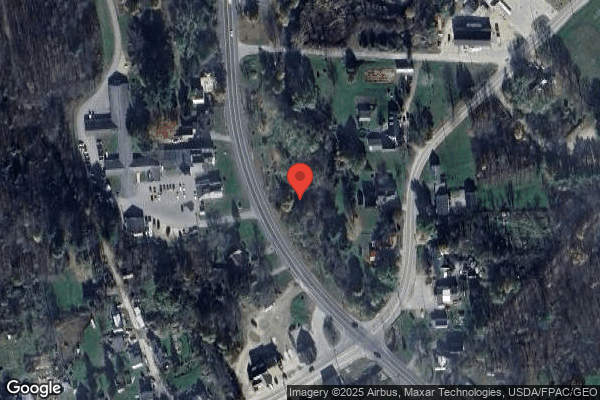

26 PLEASANT ST, CANTON, ME 04221 (207) 597-2510
For profit - Corporation 47 Beds Independent Data: November 2025
Trust Grade
60/100
#41 of 77 in ME
Last Inspection: July 2024

Within standard 12-15 month inspection cycle. Federal law requires annual inspections.

Overview

Pinnacle Health & Rehab in Canton has a Trust Grade of C+, indicating it is slightly above average but still has room for improvement. It ranks #41 out of 77 facilities in Maine, placing it in the bottom half, and #3 out of 5 in Oxford County, meaning only two local options are better. The facility is on an improving trend, reducing issues from 14 in 2024 to just 2 in 2025. Staffing is a strength, with a 4 out of 5 star rating, though the 54% turnover rate is average compared to the state. There have been no fines, which is a positive sign, but the RN coverage is concerning, as it is less than 79% of Maine facilities, potentially impacting resident care. Specific incidents of concern include a nurse incorrectly identifying a medication given to a resident, which raises questions about communication and safety. Additionally, the facility has been noted for not maintaining cleanliness, with dirty floors and stained ceilings observed during an inspection. Lastly, there was a failure to update a care plan for a resident with PTSD, which is crucial for their well-being. Overall, while there are strengths in staffing and a lack of fines, the facility needs to address these issues to ensure better care for its residents.

Trust Score
C+
60/100
In Maine
#41/77
Bottom 47%
Safety Record
Low Risk
No red flags
Inspections
Getting Better
14 → 2 violations
Staff Stability
⚠ Watch
54% turnover. Above average. Higher turnover means staff may not know residents' routines.
Penalties
✓ Good
No fines on record. Clean compliance history, better than most Maine facilities.
Skilled Nurses
✓ Good
Each resident gets 45 minutes of Registered Nurse (RN) attention daily — more than average for Maine. RNs are trained to catch health problems early.
Violations
⚠ Watch
24 deficiencies on record. Higher than average. Multiple issues found across inspections.
★★★☆☆
3.0
Overall Rating
★★★★☆
4.0
Staff Levels
★★★★☆
4.0
Care Quality
★★★☆☆
3.0
Inspection Score
Stable
2024: 14 issues
2025: 2 issues

The Good

  • 4-Star Staffing Rating · Above-average nurse staffing levels
  • 4-Star Quality Measures · Strong clinical quality outcomes
  • Full Sprinkler Coverage · Fire safety systems throughout facility
  • No fines on record

Facility shows strength in staffing levels, quality measures, fire safety.

The Bad

3-Star Overall Rating

Near Maine average (3.0)

Meets federal standards, typical of most facilities

Staff Turnover: 54%

Near Maine avg (46%)

Higher turnover may affect care consistency

The Ugly 24 deficiencies on record

Jun 2025 2 deficiencies
CONCERN (D) 📢 Someone Reported This

A family member, employee, or ombudsman was alarmed enough to file a formal complaint

Potential for Harm - no one hurt, but risky conditions existed

Deficiency F0558 (Tag F0558)

Could have caused harm · This affected 1 resident

Based on record review and interview, the facility failed to ensure a residents call bell was within reach for 1 of 1 resident (Resident #1). Findings: Review of Resident #1 progress note dated 5/27/...

Read full inspector narrative →
Based on record review and interview, the facility failed to ensure a residents call bell was within reach for 1 of 1 resident (Resident #1). Findings: Review of Resident #1 progress note dated 5/27/25 at 10:55 a.m. indicated that he/she sustained an unwitnessed fall, he/she was found in front of his/her wheelchair next to his/her bed. Review of the post fall assessment completed 5/27/25 showed the resident did not have his/her call bell within reach at the time of the fall. Review of Resident #1 care plan under the focus states he/she is at risk for falls. Further review shows that under Interventions/Tasks section of the care plan staff should Be sure (his/her) call light is within reach and encourage the resident to use it for assistance as needed On 6/10/25 at 11:00 a.m., the above information was discussed with the Director of Nursing.
CONCERN (D) 📢 Someone Reported This

A family member, employee, or ombudsman was alarmed enough to file a formal complaint

Potential for Harm - no one hurt, but risky conditions existed

Deficiency F0646 (Tag F0646)

Could have caused harm · This affected 1 resident

Deficiency Text Not Available

Read full inspector narrative →
Deficiency Text Not Available
Jul 2024 12 deficiencies
CONCERN (D)

Potential for Harm - no one hurt, but risky conditions existed

Deficiency F0645 (Tag F0645)

Could have caused harm · This affected 1 resident

**NOTE- TERMS IN BRACKETS HAVE BEEN EDITED TO PROTECT CONFIDENTIALITY** Based on record reviews and interview, the facility failed to ensure that 2 of 2 residents reviewed with a specialized mental he...

Read full inspector narrative →
**NOTE- TERMS IN BRACKETS HAVE BEEN EDITED TO PROTECT CONFIDENTIALITY** Based on record reviews and interview, the facility failed to ensure that 2 of 2 residents reviewed with a specialized mental health diagnosis, whose stay went beyond the expected 30 days, had been referred to the appropriate state-designated authority for Pre-admission Screening & Resident Review Level II (PASRR) evaluation and determination (Resident #10 and Resident #15). Findings: 1. Resident #10 was admitted to the facility on [DATE] with diagnosis of Schizophrenia. Resident #10's clinical record contained a PASRR Level I determination letter dated 6/12/24 that stated further PASRR evaluation was not required due to Resident #10 met the criteria for a short-term convalescence admission. Resident #10 was not discharged after a short stay and was assessed to be Nursing Facility level of care and continued to reside in the facility. The clinical record lacked evidence to indicate that the PASRR Level I was forwarded again to the State Mental Health Authority to determine if a PASRR Level II evaluation and determination was needed after Resident #10's stay changed from short-term to long-term. 2. Resident #15 was admitted to the facility on [DATE] with diagnosis of Schizophrenia and Bipolar Disorder. Resident #15's clinical record contained a PASRR Level I determination letter dated 5/24/24 that stated further PASRR evaluation was not required due to Resident #15 met the criteria for a short-term convalescence admission. Resident #15 was not discharged after a short stay and was assessed to be Nursing Facility level of care and continued to reside in the facility. The clinical record lacked evidence to indicate that the PASRR Level I was forwarded again to the State Mental Health Authority to determine if a PASRR Level II evaluation and determination was needed after Resident #15's stay changed from short-term to long-term. On 7/30/24 at 3:00 p.m., in an interview, the Social Service Director confirmed the finding. On 7/30/24 at 3:30 p.m., in an interview, the surveyor discussed the finding with the Director of Nursing.
CONCERN (D)

Potential for Harm - no one hurt, but risky conditions existed

Deficiency F0655 (Tag F0655)

Could have caused harm · This affected 1 resident

**NOTE- TERMS IN BRACKETS HAVE BEEN EDITED TO PROTECT CONFIDENTIALITY** Based on interviews and record reviews, the facility failed to ensure a baseline care plan was developed and implemented within ...

Read full inspector narrative →
**NOTE- TERMS IN BRACKETS HAVE BEEN EDITED TO PROTECT CONFIDENTIALITY** Based on interviews and record reviews, the facility failed to ensure a baseline care plan was developed and implemented within 48 hours that included the problems, interventions, and initial goals needed to provide minimum healthcare information necessary to properly care for 1 of 2 residents reviewed for baseline care plans. (#190). Findings: Resident #190 was admitted on [DATE] with diagnoses to include chronic obstructive pulmonary disease (COPD). Review of Resident #190 active orders July 2024 revealed the following: -Order with start date of 7/23/24 for Advair HFA Inhalation Aerosol 115-21 MCG/ACT (Fluticasone-Salmeterol) 2 puff inhale orally two times a day related to CHRONIC OBSTRUCTIVE PULMONARY DISEASE. -Order with start date of 7/24/24 for Ipratropium-Albuterol Solution 0.5-2.5 (3) MG/3ML 3 ml inhale orally every 6 hours as needed for SOB or Wheezing via nebulizer and 3 ml inhale orally two times a day for copd. -Order with start date of 7/24/24 for Prednisone Oral Tablet 10 MG (Prednisone). Give 3 tablet by mouth one time a day related to CHRONIC OBSTRUCTIVE PULMONARY DISEASE . -Order with start date of 7/23/24 for ProAir HFA Inhalation Aerosol Solution 108 (90 Base) MCG/ACT (Albuterol Sulfate)2 puff inhale orally every 4 hours as needed for wheezing. Review of Resident #190's care plan initiated 7/23/24 lacked evidence that a baseline care plan was initiated within 48 hours to include goals and interventions for his/her respiratory concerns. On 7/31/24 at 10:53 a.m., during a review of Resident #190's entire clinical record with a surveyor, the Licensed Social Worker confirmed Resident 190's care plan did not include goals and interventions for his/her respiratory diagnoses.
CONCERN (D)

Potential for Harm - no one hurt, but risky conditions existed

Deficiency F0657 (Tag F0657)

Could have caused harm · This affected 1 resident

**NOTE- TERMS IN BRACKETS HAVE BEEN EDITED TO PROTECT CONFIDENTIALITY** Based on record review and interviews, the facility failed to ensure that a care plan was updated to reflect the resident's curr...

Read full inspector narrative →
**NOTE- TERMS IN BRACKETS HAVE BEEN EDITED TO PROTECT CONFIDENTIALITY** Based on record review and interviews, the facility failed to ensure that a care plan was updated to reflect the resident's current needs for range of motion for 1 of 1 residents reviewed for range of motion (ROM) (Resident #4). Finding: Resident #4 was most recently admitted [DATE] with diagnosis of Cerebral Palsy with muscle wasting and atrophy. Observations of Resident #4 on 7/29/24 at 11:56 a.m., and 7/30/24 at 1:15 p.m., revealed he/she has bilateral hand/arm contractures. At this time Resident #4 indicated that he/she did not have a hand brace and did not want one. Review of Resident #4's clinical record revealed order with start date of 12/22/17 states BRACE MAY WEAR PRN as needed for POSITIONING HAND/WRIST FOR NEUTRAL POSITION Further review of Resident #4's clinical record revealed order was discontinued on 9/5/23. Review of Resident #4's entire clinical record revealed that care plan meetings were held on 1/25/2024, 4/18/2024, 7/18/2024, and 10/26/2023. Review of Resident #4's Care Plan most recently updated 7/18/24 states [Resident #4] has cerebral palsy; Use braces and splints as ordered. Has a left elbow splint to be worn except for R.O.M and care and to remove at HS. OT to monitor/document and treat as indicated. Encourage resident/caregivers to use and correctly apply all splints, and braces. Use assistive devices recommended by OT for grooming, and other activities in order to facilitate independence. Further review of Resident #4's care plan lacked evidence that the care plan was updated after the wrist brace was discontinued. During an interview on 7/30/24 at 12:43 p.m., Occupational Therapist (OT) revealed Resident #4 was discharged from OT on 1/5/22 and has not had a left arm brace for at least a year to her knowledge. During an interview on 7/30/24 at 1:17 p.m., Certified Nursing Assistant (CNA)#3 indicated she has been at the facility since 10/23 and has never seen Resident #4 with any kind of brace and has never known him/her to use one. During an interview on 7/30/24 at 1:21 p.m., with Registered Nurse (RN) #4 confirmed Resident #4 Care Plan was incorrect and was not updated after the splints were discontinued. During an interview on 7/30/24 at 1:27 p.m. the Director of Nursing (DON) confirmed the above findings.
CONCERN (D)

Potential for Harm - no one hurt, but risky conditions existed

Accident Prevention (Tag F0689)

Could have caused harm · This affected 1 resident

**NOTE- TERMS IN BRACKETS HAVE BEEN EDITED TO PROTECT CONFIDENTIALITY** Based on observations and interview, the facility failed to ensure that the resident's environment was free of accident hazards ...

Read full inspector narrative →
**NOTE- TERMS IN BRACKETS HAVE BEEN EDITED TO PROTECT CONFIDENTIALITY** Based on observations and interview, the facility failed to ensure that the resident's environment was free of accident hazards relating to a patient lift for 1 of 4 days of survey. (7/29/24) Finding: On 7/29/24 at 9:35 a.m., two surveyors observed a patient lift, available for use in the hallway by resident room [ROOM NUMBER], that was missing a sling bar safety clip that would prevent the sling strap from potentially coming off during a lift/transfer. On 7/29/24 at 10:15 a.m., the Director of Nursing confirmed a patient lift, available for use in the hallway by resident room [ROOM NUMBER], was missing a sling bar safety clip at the time of the surveyor's observations. The Director of Nursing stated that the lift has since been removed from the floor.
CONCERN (D)

Potential for Harm - no one hurt, but risky conditions existed

Deficiency F0699 (Tag F0699)

Could have caused harm · This affected 1 resident

**NOTE- TERMS IN BRACKETS HAVE BEEN EDITED TO PROTECT CONFIDENTIALITY** Based on record review and interview, the facility failed to identify a resident's current diagnosis of Post-Traumatic Stress Di...

Read full inspector narrative →
**NOTE- TERMS IN BRACKETS HAVE BEEN EDITED TO PROTECT CONFIDENTIALITY** Based on record review and interview, the facility failed to identify a resident's current diagnosis of Post-Traumatic Stress Disorder (PTSD)/trauma to determine what trigger(s) might cause re-traumatization for 1 of 1 sampled resident reviewed with a current diagnosis of PTSD (Resident #9]. Findings: Review of policy Trauma Informed Care undated states .The resident, responsible party, and multidisciplinary team will develop a resident centered care plan the will include triggers that may [case] re-traumatization, as well as [anu] holistic interventions that may keep the resident safe and healthy . Resident #9 was admitted on [DATE] with diagnoses to include paranoid schizophrenia, anxiety disorder, Post traumatic stress disorder, bipolar, and major depressive disorder. Review of quarterly Minimum Data Set (MDS) dated [DATE] revealed Resident #9 had a brief interview for mental status score of 15 of 15 indicating he/she is cognitively intact. Further review of MDS revealed resident had diagnoses to include PTSD, schizophrenia, bipolar, depression and anxiety. During an interview on 7/29/24 at 11:58 a.m., Resident #9 indicated that loud noises and stuff really bother [him/her], but no one has ever asked [him/her] what [him/her] triggers are or how they would be able to help [him/her]. During an interview on 7/31/24 at 9:18 a.m., Licensed Social Worker (LSW) indicated that residents with PTSD should have a care plan that includes triggers and how they cope and how facility can help them. A follow up interview on 7/31/24 at 10:49 a.m., LSW reviewed Resident #9's entire care plan with a surveyor and confirmed Resident #9 was admitted with diagnoses of PTSD and the facility did not take the necessary measures required for trauma informed care. LSW indicated that when Trauma Informed Care came out, she made sure all the new residents had it in their care plans but didn't go back to the ones that have been here long term. During an interview on 7/31/24 at 11:04 a.m. the above was discussed with DON.
CONCERN (D)

Potential for Harm - no one hurt, but risky conditions existed

Food Safety (Tag F0812)

Could have caused harm · This affected 1 resident

Based on observations, interview, the facility's Refrigeration Policy, and the facility's Dish Machine Temperature Log, the facility failed to ensure facial hair protection was worn; failed to ensure ...

Read full inspector narrative →
Based on observations, interview, the facility's Refrigeration Policy, and the facility's Dish Machine Temperature Log, the facility failed to ensure facial hair protection was worn; failed to ensure the walk-in freezer temperatures were monitored; and failed to ensure refrigerator and freezer temperatures were monitored for 1 of 1 kitchen tour for 1 of 3 days of survey.(7/29/24). Findings: On 7/29/24 from 9:40 a.m. to 10:10 a.m., two surveyors conducted an initial kitchen tour with the Food Service Director in which the following findings were observed: Refrigeration Policy Procedure: 2. The morning cook is to read and record the inside thermometer of each refrigerator and freezer and record on the refrigerator/freezer temperature log sheet within 30 minutes of the shift. Procedure: 3. The evening cook is to read and record the inside thermometer of each refrigerator and freezer and record on the refrigerator/freezer temperature log sheet within 60 minutes of the end of the shift. Dish Machine Temperature Log 1. The Kitchen Supervisor will train dishwashing staff to monitor dish machine temperatures throughout the dishwashing process. 3. Staff will be trained to record dish machine temperatures for the wash and rinse cycles at each meal. 4. The Kitchen Supervisor will spot check this log to assure temperatures are appropriate, and staff is actually monitoring dish machine temperature. 1. On 7/29/24 at 9:40 a.m., a kitchen worker with facial hair was observed with facial hair protection pulled down below mouth while working in the kitchen. On 7/29/24 at 10:10 a.m., in an interview, the Food Service Director confirmed the findings. 2. On 7/29/24 at 2:20 p.m. and 2:35 p.m. ,a kitchen worker with facial hair was observed with no facial hair protection while in the kitchen. 3. Dish machine temperatures for high temperature Dish machine missing dates for: April 2024 - 5(breakfast), 19(breakfast), 24(breakfast) 4. Refrigerator/Freezer temperature Log missing dates for: Refrigerator: July 2024 - 4(a.m.), 24(p.m.), 25(a.m. and p.m.) Freezer: July 2024 - 24(p.m.), 25(a.m. and p.m.) On 7/30/24 at 9:00 a.m., in an interview, a surveyor discussed the findings with the Food Service Director.
CONCERN (D)

Potential for Harm - no one hurt, but risky conditions existed

Garbage Disposal (Tag F0814)

Could have caused harm · This affected 1 resident

Based on observation and interview the facility failed to ensure garbage was properly contained. On 7/29/24 the cart utilized to store garbage was observed to have no lid/cover, leaving the garbage in...

Read full inspector narrative →
Based on observation and interview the facility failed to ensure garbage was properly contained. On 7/29/24 the cart utilized to store garbage was observed to have no lid/cover, leaving the garbage inside the cart exposed, creating the potential for the harborage and feeding of pests for 1 of 3 days of survey. Finding: On 7/29/24 from 9:40 a.m. to 10:10 a.m., two surveyors conducted an initial kitchen tour with the Food Service Director in which the following findings were observed: > Two surveyors observed trash being stored in an open top cart outside the facility next to the kitchen area. On 7/29/24 at 10:10 a.m., in an interview, the Food Service Director confirmed the finding and stated that the trash is kept in the open bin and then wheeled to the large trash trailer later in the day.
CONCERN (D)

Potential for Harm - no one hurt, but risky conditions existed

Room Equipment (Tag F0908)

Could have caused harm · This affected 1 resident

Based on observation and interview, the facility failed to ensure that the kitchen walk-in freezer was maintained in good repair and in safe operating condition for 1 of 1 kitchen tours (7/29/24). Fin...

Read full inspector narrative →
Based on observation and interview, the facility failed to ensure that the kitchen walk-in freezer was maintained in good repair and in safe operating condition for 1 of 1 kitchen tours (7/29/24). Finding: On 7/29/24 from 9:40 a.m. to 10:10 a.m., two surveyors conducted an initial kitchen tour with the Food Service Director in which the following finding were observed: > The walk-in freezer had a large ice build-up keeping the freezing unit left fan from running and the freezing unit right fan made a loud noise while spinning and hitting an ice build-up near it. On 7/29/24 at 10:10 a.m., in an interview with two surveyors, the Food Service Director confirmed that there was a large ice build-up keeping the freezing unit left fan from running and the freezing unit right fan made a loud noise while spinning and hitting an ice build-up near it. The Food Service Director stated that the walk-in freezer had been worked on in February of 2024. The Food Service Director went on to state that it hasn't ran properly since, has been worked on many times and continues to ice up.
CONCERN (E)

Potential for Harm - no one hurt, but risky conditions existed

Resident Rights (Tag F0550)

Could have caused harm · This affected multiple residents

**NOTE- TERMS IN BRACKETS HAVE BEEN EDITED TO PROTECT CONFIDENTIALITY** 2. During observation on 7/30/24 at 9:39 a.m., Registered Nurse (RN) #2 was observed handing Resident #242 a medication cup cont...

Read full inspector narrative →
**NOTE- TERMS IN BRACKETS HAVE BEEN EDITED TO PROTECT CONFIDENTIALITY** 2. During observation on 7/30/24 at 9:39 a.m., Registered Nurse (RN) #2 was observed handing Resident #242 a medication cup containing 1 tablet. Resident #242 asked what the medication was, and RN #2 replied it was a TUMS. At this time Resident #242 took the medication. Review of Resident #242's clinical record revealed medication order with start date of 4/26/24 for PreserVision ARDES 2 chewable tablet. Give 1 tablet by mouth one time a day for supplement eye health at 8:00 a.m. During an interview on 7/30/24 at 9:49 a.m., RN #2 confirmed the medication she gave Resident #242 was not TUMS, but a PreserVision ARDES 2 chewable tablet. When asked why she had told Resident #242 it was TUMS, RN #2 stated that the resident was Persnickety about taking medications. During an interview on 7/30/24 at 10:02 a.m., Director of Nursing confirmed with 2 surveyors that failing to accurately answer Resident #242's question was not acceptable practice. Based on observations and interviews the facility failed to promote care for a resident in a manner that maintains dignity and respect when staff failed to groom a resident on 3 of 3 survey days (Resident #31). In addition, the facility failed to identify a medication correctly to 1 of 1 resident observed for medication pass (Resident #242). Findings: 1. Resident #31 was admitted on [DATE] and has diagnosis of dementia and is dependent on staff for all of his/her activities of daily living needs. During observations on 7/29/24 at 11:01 a.m., 7/30/24 at 9:39 a.m., and 12:26 p.m., 7/31/24 at 8:21 a.m., Resident #31 was noted to have long facial/chin hair. Review of Resident #31's Task-Personal Hygiene-Support Provided - How resident maintains personal hygiene, including . shaving, revealed Resident #31 received 1-2 person hygiene assistance on 7/26/24 at 11:04 a.m., and 22:05 [10:05 p.m.], on 7/27/24 at 10:14 a.m., and 21:11 [10:11 p.m.], on 7/28/24 at 10:03 a.m., and 17:48 [5:48 p.m.] on 7/29/24 at 10:22 a.m., and 21:52 [10:52 p.m.], on 7/30/24 at 11:04 a.m., and 22:36 [11:36 p.m.] and 7/31/24 at 10:00 a.m. During an interview on 7/30/24 at 12:26 p.m., Certified Nursing Assistant (CNA)#1 indicated residents should be shaved every day and if they refuse, it should be documented, but staff should go back and try again. During an interview on 7/30/24 at 2:48 p.m., CNA#2 indicated all residents should be shaved daily and if they refuse it should be documented in the clinical record, the nurse should be notified, and the resident should be re-approached later or by another staff member. During an observation on 7/31/24 at 9:32 a.m., with Director of Nursing (DON), the DON confirmed Resident #31 had obvious facial/chin hair and stated it should be shaved daily.
CONCERN (E)

Potential for Harm - no one hurt, but risky conditions existed

Safe Environment (Tag F0584)

Could have caused harm · This affected multiple residents

**NOTE- TERMS IN BRACKETS HAVE BEEN EDITED TO PROTECT CONFIDENTIALITY** Based on observations and interviews, the facility failed to adequately provide housekeeping and maintenance services necessary ...

Read full inspector narrative →
**NOTE- TERMS IN BRACKETS HAVE BEEN EDITED TO PROTECT CONFIDENTIALITY** Based on observations and interviews, the facility failed to adequately provide housekeeping and maintenance services necessary to maintain the building in a sanitary, orderly, and comfortable interior for bathrooms, a ceiling tile, a patient lift, lights, floors and wheelchairs for 1 of 1 facility tour (7/31/24). Findings: A surveyor conducted a facility Environment tour on 7/31/24 from 12:05 p.m. to 12:30 p.m. with the Maintenance Director and the Administrator in which the following findings were observed: > The bathroom, located across from the nurse's station, had a dirty floor around base of the toilet and stained floor tiles. > The hallway ceiling tile, by resident room [ROOM NUMBER], had a large brown stain on it. > The sit-to-stand patient lift, in the hallway by resident room [ROOM NUMBER], had chipped/missing paint on the foot base creating an uncleanable surface. Additionally, there was dirt and food debris in the foot base area. > Resident room [ROOM NUMBER] - There was dust/debris in the bathroom light and the floor was dirty around the base of the toilet. > Resident room [ROOM NUMBER] - The bathroom floor was dirty around the base of the toilet and there was a bedpan sitting on the bathroom floor. Resident #17's wheelchair was dusty and soiled with food debris. > Resident room [ROOM NUMBER] - Resident #30's wheelchair was soiled with food debris and had dried liquid residue on the right side of the chair. > Resident room [ROOM NUMBER] - Resident #7's reclining wheelchair had a footrest with material that was ripped/torn, with ripped black tape on it and in disrepair, creating an uncleanable surface. On 7/31/24 at 12:05 p.m., in an interview, the Maintenance Director and the Administrator confirmed the findings.
CONCERN (E)

Potential for Harm - no one hurt, but risky conditions existed

Comprehensive Care Plan (Tag F0656)

Could have caused harm · This affected multiple residents

**NOTE- TERMS IN BRACKETS HAVE BEEN EDITED TO PROTECT CONFIDENTIALITY** 3. Review of policy Trauma Informed Care undated states .The resident, responsible party, and multidisciplinary team will develo...

Read full inspector narrative →
**NOTE- TERMS IN BRACKETS HAVE BEEN EDITED TO PROTECT CONFIDENTIALITY** 3. Review of policy Trauma Informed Care undated states .The resident, responsible party, and multidisciplinary team will develop a resident centered care plan the will include triggers that may [case] re-traumatization, as well as [anu] holistic interventions that may keep the resident safe and healthy . Resident #9 was admitted on [DATE] with diagnoses to include paranoid schizophrenia, anxiety disorder, post-traumatic stress disorder (PTSD), bipolar disorder, and major depressive disorder During an interview on 7/31/24 at 9:18 a.m., Licensed Social Worker (LSW) indicated that residents with PTSD should have a care plan that includes their triggers, how they cope, and how facility can help them. During a follow up interview on 7/31/24 at 10:49 a.m., LSW and a surveyor reviewed Resident #9's entire care plan and confirmed Resident #9 was admitted with diagnoses of PTSD and the facility did not update care plan as required for trauma informed care. At this time LSW indicated that when trauma Informed care came out, she made sure all the new people had it in their care plans but didn't go back to the ones that have been here long term. During an interview on 7/31/24 at 11:04 a.m. the above was discussed with DON 4. Resident #31 was admitted to facility on 12/2/22 and has diagnoses to include dementia. Review of quarterly Minimum Data Set (MDS) dated [DATE] revealed Resident #31 had a Brief Interview for Mental Status (BIMS) of 8 of 15 indicating moderate cognitive impairment. Further review of Resident #31's MDS revealed he/she has physical and verbal behaviors directed towards others. Review of Resident #31's clinical record revealed he/she refuses care often and has verbal and physical behaviors towards staff. Review of Resident #31's care plan most recently updated 7/11/24 lacked evidence of goals and interventions for mood/behaviors. During an interview 7/30/24 12:26 p.m., Certified Nursing Assistant (CNA)#1 indicated Resident #31 refuses care often and refuses to have his/her hair washed at any time and will not always let you shave his/her face and has been both physically and verbally aggressive toward staff. During an interview on 7/31/24 at 10:51 a.m., LSW confirmed Resident #31's refuses care often and has both verbal and physical behaviors. At this time, a surveyor and LSW reviewed Resident #31's entire care plan and confirmed Resident #9's care plan did not include goals and interventions for mood and behaviors/refusal of care. Based on observations, interviews, record reviews, and facility policy, the facility failed to update/implement a care plan in the area of falls for 2 of 2 sampled residents (#30 and #80, in the area of Post Traumatic Stress Disorder (PTSD) for 1 of 1 resident (Resident #9), and in the area of mood and behaviors for 1 of 1 residents reviewed for behaviors (Resident #31). Findings: 1. On 7/29/24 at 11:08 a.m., two surveyors observed Resident #30 in a wheelchair with his/her feet on the wheelchair pedals. The call bell was attached to the bed, outside of the resident's reach. The Surveyor asked the resident if he/she could reach the call bell, he/she attempted but could not reach. At this time, Certified Nurse Aide (CNA) #4 confirmed Resident #30 cannot propel independently in his/her wheelchair and would not be able to move the wheelchair to reach the call bell. Review of Resident #30's care plan for falls initiated on 1/5/23 instructs nursing to Be sure [his/her] call light is within reach and encourage the resident to use it for assistance as needed. The resident needs prompt response to all request for assistance. 2. On 7/29/24 at 11:10 a.m., two surveyors observed Resident #8 lying in bed. The foot of the bed was against the wall next to the call bell, which was coiled up and hanging on the wall, not within reach for the resident. At this time, CNA #4 confirmed Resident #8 requires a hoyer lift for transfers and would not be able to reach his/her call bell. Review of Residents #8's care plan for frequent falls related to impaired mobility, last revised on 6/08/20 instructs nursing to, Be sure [his/her] call light is within reach and encourage [him/her] to use it for assistance as needed. [He/she] needs prompt response to all requests for assistance. [He/she] needs reminding to use the call light when [he/she] needs assist. In addition the care plan for activities of daily living , transfers revised on 6/15/20 instructs nursing to, mechanical lift for transfers and Encourage [him/her] to use bell to call for assistance. On 7/30/24 at 3:44 p.m., the above care plan concerns were discussed with the Director of Nursing.
CONCERN (E)

Potential for Harm - no one hurt, but risky conditions existed

Deficiency F0761 (Tag F0761)

Could have caused harm · This affected multiple residents

Based on observation, interview, record review and facility policy the facility failed to adequately date and ensure expired medications were removed from the supply available for use in 1 of 2 medica...

Read full inspector narrative →
Based on observation, interview, record review and facility policy the facility failed to adequately date and ensure expired medications were removed from the supply available for use in 1 of 2 medication carts observed (nurse medication cart) and failed to ensure biologicals were stored at appropriate temperatures in 2 of 3 refrigerators observed (medication room top and bottom refrigerators). Findings: Facilities Storage of Medications policy and procedure, effective July 2020 states, All medications are maintained within the temperature ranges . refrigerated 36°F to 46°F with a thermometer to allow temperature monitoring .The facility should maintain a temperature log in the storage area to record temperatures at least once a day . The facility should check the refrigerator or freezer in which vaccines are stored, at least two times a day, per CDC guidelines .When the original seal of the manufacturers container or vial is initially broken, that container or vial will be dated. The nurse shall place a date opened sticker on the medication and enter the date opened . The nurse will check the expiration date of each medication before administrating it. No expired medication will be administered to a resident. All expired medications will be removed from the active supply and destroyed in the facility, regardless of the amount remaining. 1. On 7/29/24 at 11:27 a.m., during observation of the nurse medication cart with the Registered Nurse (RN #1), the following was noted by two surveyors: > One Aspart insulin flex pen labeled with an opened date of 6/7/24. Manufactures instructions of, Keep in a refrigerator at 36° to 46°F until first use. After first use store out of the refrigerator below 86°F for up to 28 days. > One Basaglar Kwik Pen (insulin glargine) labeled with an opened dated of 6/01. Manufacture instructions of, Store unused pens in the refrigerator at 36° to 46°F. Do not freeze Basaglar. Do not use if it has been frozen .Throw away the pen you are using after 28 days, even if it still has insulin left in it. > One Lantus SoloStar Pen opened with no date. Manufactures instructions of, Store not in use Lantus refrigerated between 36° to 46°F. Do not freeze Lantus. Discard Lantus if it has frozen. In-use Lantus should be thrown away after 28 days, even if it still has insulin left in it. > Two Lispro Kwiki pens, one opened without a date and one labeled with an open date of 6/5/24. Manufactures instructions of, Insulin lispro should be stored in the refrigerator 36° to 46°F until it is opened, but do not freeze it. Discard unused portion of the pen 28 days after first opening. At this time, RN #1 confirmed the medications were expired and removed them for availability. 2. On 7/30/24 at 9:15 a.m., during observation of the medication room with the Registered Nurse (RN #2) the following was noted by 2 surveyors: >Top dormitory style refrigerator with a freezer compartment had excessive buildup of ice preventing the freezer door from closing. The refrigerator contained a box of Ozempic pens located on the top shelf next to the freezer compartment, several bags containing Trulicity pens on the lower shelf and 5 bottles of Lorazepam concentrated on the door. Ozempic Manufactures instructions; Ozempic should be kept in the refrigerator at a temperature ranging from 36° to 46°F prior to first use. However, Ozempic should not be stored in the freezer or close to the refrigerators cooling element. Trulicity Manufactures instructions; Store in refrigerator of 36° to 46°F .Do not freeze. Lorazepam Manufactures instructions; Store at 36° to 46°F. Review of the top medication refrigerator temperatures documented for the month of July stated 2 of 30 days had the appropriate temperatures between 36° to 46°F, all of the other temps were below the recommended temperature. >Bottom dormitory style refrigerator with a freezer compartment had excessive buildup of ice preventing the freezer door from opening. The refrigerator contained several bags of unused insulin pens stored on the top shelf next to the freezer compartment. The lower shelf had additional insulin pens/vials and a bag with 7 vials of the COVID-19 vaccine. The refrigerator door had an opened and unlabeled multi dose vial of Tuberculin purified protein derivative. COVID-19 manufacturer instructions to store refrigerated between 36°F to 46°F for up to 30 days. Tuberculin purified protein derivative manufacturer instructions to, store at temperature between 36° to 46°F. Do not freeze. and Once entered, vial should be discarded after 30 days. Review of the bottom medication room refrigerator temperatures documented daily for the month of July stated 2 of 30 days had the appropriate temperatures between 36° to 46°F, all of the other temps were below the recommended temperature. On 7/30/24 at 1:43 p.m., the Director of Nursing, RN #2 and the surveyor observed both top and bottom refrigerators, the freezer compartments, the temperatures and the medications being stored confirming the above concerns.
Feb 2024 2 deficiencies
CONCERN (E) 📢 Someone Reported This

A family member, employee, or ombudsman was alarmed enough to file a formal complaint

Potential for Harm - no one hurt, but risky conditions existed

Quality of Care (Tag F0684)

Could have caused harm · This affected multiple residents

Based on record review, observations and interviews, and review of the rashes, data collection line listing, the facility failed to enhance the quality of care for residents when they failed to timely...

Read full inspector narrative →
Based on record review, observations and interviews, and review of the rashes, data collection line listing, the facility failed to enhance the quality of care for residents when they failed to timely diagnose and treat Sarcoptes scabiei (scabies) and failed to follow CDC recommendations to prevent the spread and/or re-exposure in 7 of 7 residents who were infected with rashes. Findings: The facilities Infection Control Policy and Procedure for Transmission Based Precautions states, Appropriate precautions shall be used either at all times (Standard Precautions) or for individuals who are documented or suspected to have infections or communicable diseases that can be transmitted to others (transmission based precautions). Contact Precautions: and two standard precautions, implement contact precaution for residents known or expected to be infected or colonized with microorganisms that can be OK transmitted by direct contact with the resident or indirect contact with environmental services or resident care items in the resident's environment. Section A. Examples of infections requiring contact precautions include, but are not limited to: Scabies. Section C. Gloves and hand washing. Section D. Gowns. Centers for Disease Control and Prevention (CDC) Scabies Resources for Health Professionals-Institutional Setting indicates under Control section, Infection control personnel and dermatologist should be involved as soon as scabies is suspected in an institution. An institution-wide information program should be implemented to instruct all management, medical, nursing, and support staff about scabies, the scabies mite, and how scabies is and is not spread. All suspected and confirmed cases, as well as all potentially exposed patients, staff, visitors and family members should be treated at the same time to prevent reexposure. 1. Review of the facility's Rashes data collection line list stated, Resident #1 had a rash which started on 11/15/23. A provider's note dated, 1/9/24 states, resident complaint of, I know it is scabies . His/her left arm and now his/her abdomen have a stubborn mild appearing rash with an itch. Rash - first noted in notes 11/27/23 . We discussed the possibility of having a dermatology consult for a scraping, and he/she agrees to this. Another provider note dated 1/24/24 states, The staff says that his/her back is very red and pruritic. The resident says he/she is still itching, and still believes it is scabies. He/he is happy to receive the permethrin treatment since no dermatology appointment has been obtained. Orders for, Rash and other nonspecific skin eruption, Permethrin 5% cream apply topically to body and leave on for 12 hours, then shower, as treatment empirically for scabies. An additional Provider note dated 12/12/24 states, Patient reports some initial improvement after permethrin cream 1/29/24 but now symptoms have recurred . Puritis - possible scabies? Permethrin cream 5% topically from head to toe (not face). Shower in 12 hours. Launder lines and clothing in hot water. 2. Review of the facility's Rashes data collection line list stated, Resident #2 had a rash which started on 1/29/24. A providers note dated 1/29/24 states, Resident is seen today for a rash. Staff report pruritic rash on patient's ABD. Patient c/o rash and itching extends to his back . Skin: diffusely spread papular rash on trunk with excoriations . pruritic rash - possibly scabies, treat with permethrin 5% cream applied topically from head to toe, except forface; wash in 12 hours. Launder clothing and linens in hot water. An additional provider noted dated, 2/12/24 states, Staff report pruritic rash on patient's ABD. Patient c/o rash and itching extends to his/her back. Patient was treated with permethrin cream 1/29/24 but rash and itching appear to be spreading .pruritic rash - possibly scabies, retreat with permethrin 5% cream applied topically from head to toe, except for face; wash in 12 hours. Launder clothing and linens in hot water. Also treating patient's roommates who share closet. 3. Review of the facility's Rashes data collection line list stated, Resident #3 had a rash which started on 12/2/23. A provider note dated, 12/27/23 states, He/she has had a persistent rash for several weeks. It has been treated with Triamcinolone cream started on 12/2/23 and renewed on 12/19/23. The rash persists . He/she states he/she is itchy all over. The condition has not changed much except for the color of the bites. He/she is quite uncomfortable, and gets agitated easily. Due to the severity of his/her itch, it was discussed with the nursing supervisor the possibility of scabies. No dermatologist is available to do a scraping on short notice. Will treat this resident EMPIRICALLY for scabies using permethrin 5% cream. An additional provider note dated 2/19/24 states, Resident is seen today for reportedly pruritic rash. Patient is noted to be scratching BUE and hands during visit. Patient was previously treated for scabies with permethrin 5% cream 12/27/23. SKIN: scattered pink papules on bilateral upper extremities with excoriations. Right hand thenar eminence marked with ink, burrows stained with ink after cleansing with alcohol. Skin scraping showed mite feces. 4. Review of the facility's Rashes data collection line list stated, Resident #4 had a rash which started on 11/30/23. A provider note dated 12/27/23 states, This resident has experienced a rash with itching for several weeks. It has been noted back to 11/30/23 when triamcinolone ointment was ordered. He/she also was treated with a prednisone taper without relief . The rash is on his/her right arm, but is faint, but he/she says it itches a lot .His/her primary complaint is the itch. Since this rash has not responded to triamcinolone cream and prednisone, a differential diagnosis will be to consider scabies. This provider will order EMPIRICALLY to treat with permethrin cream 5%. It is unlikely that he/she can get a quick appointment for a dermatologist to do a scraping to diagnose for scabies. Another provider note dated 2/7/24 states, On inspection of his/her skin, there is no indication of a rash .Impression: Rash has resolved. No treatment needed. Further review of the medical record shows a physician order dated 2/19/24, for Permethrin cream 5%, shower 12 hours, launder linens and clothing worn in past 4 days in hot water, due to roommates positive diagnosis of scabies. 5. Review of the facility's Rashes data collection line list stated, Resident #5 had a rash which started on 1/29/24. A providers noted dated 1/29/24 states, SKIN: diffusely spread papular rash on BUE .Puritic rash - possible scabies. Treat with permethrin 5% cream. Apply topically from head to toe, except for face, wash in 12 hours. Launder clothing and linens in hot water. An additional provider note dated 2/19/24 states, Resident is seen today for pruritic rash. Patient was treated for scabies with permethrin 5% cream 1/31/24 but staff note patient scratching with papular rash on BUE and back . SKIN: papular rash greatest on LT upper extremity anterior shoulder and RT posterior shoulder Small area on LUE with alcohol. Skin scraping showed mite feces. 6. Review of Resident #6s medical record has provider note dated 2/19/24 which states, Resident is seen today for c/o pruritic rash . SKIN: papular rash BUE and posterior shoulders, small area of skin marked with ink with uptake noted in burrows, skin scraping showed mite feces. 7. Review of Resident #6 medical record has provider note dated 2/12/24 which states, Dermatitis - patient c/o diffusely spread pruritic rash for several days; insomnia secondary to itching, mild relief with hydroxyzine . Skin: diffusely spread papular rash with excoriations and ecchymosis on anterior chest and BUE . Dermatitis - Possibly secondary to scabies vs eczema. Start permethrin 5% cream topically to skin from scalp to toes. Shower in 12 hours. Laundry linens and clothing in hot water. On 2/20/24 at approx. 11:52 a.m., during an interview, the Director of Nursing, confirmed her first knowledge of staff having a rash was in November of 2023 stating, the rashes were never confirmed as scabies, although staff was treated with scabicides. The DON's first knowledge of a resident being treated for possible scabies was back in December 2023. At that time, DON had requested dermatology follow up and skin scrapings for positive identification of scabies. She was met with resistance for obtaining the skin scraping, being told by both the Nurse Practitioner and Medical Director that the rashes were not scabies, while being treated with scabicides. The request for skin scrapings was not completed until 2/19/24, after 7 residents had rashes periodically and treated for scabies since December. At this time, the DON stated the residents who have been treated with scabicides were never placed on TBP for their rashes. On 2/23/24 the surveyor received an email from the Director of Nursing stating, we are treating all residents and staff on the unit with Ivermectin, 2 doses one week apart.
CONCERN (E) 📢 Someone Reported This

A family member, employee, or ombudsman was alarmed enough to file a formal complaint

Potential for Harm - no one hurt, but risky conditions existed

Infection Control (Tag F0880)

Could have caused harm · This affected multiple residents

**NOTE- TERMS IN BRACKETS HAVE BEEN EDITED TO PROTECT CONFIDENTIALITY** Based on record review, observations and interviews the facility failed to maintain and implement an infection control program t...

Read full inspector narrative →
**NOTE- TERMS IN BRACKETS HAVE BEEN EDITED TO PROTECT CONFIDENTIALITY** Based on record review, observations and interviews the facility failed to maintain and implement an infection control program to help prevent the development and transmission of infectious disease Sarcoptes scabiei (scabies) in 3 of 3 residents who were infected with rashes (#3, #5, #6) and failed to follow CDC recommendations to help prevent spread or reexposure. Findings: The facility's Infection Control Policy and Procedure for Transmission Based Precautions states, Appropriate precautions shall be used either at all times (Standard Precautions) or for individuals who are documented or suspected to have infections or communicable diseases that can be transmitted to others (transmission based precautions). Contact Precautions: and two standard precautions, implement contact precaution for residents known or expected to be infected or colonized with microorganisms that can be OK transmitted by direct contact with the resident or indirect contact with environmental services or resident care items in the resident's environment. Section A. Examples of infections requiring contact precautions include, but are not limited to: Scabies. Section C. Gloves and hand washing. Section D. Gowns. Centers for Disease Control and Prevention (CDC) Scabies Resources for Health Professionals-Institutional Setting indicates under Control section, Infection control personnel and dermatologist should be involved as soon as scabies is suspected in an institution. An institution-wide information program should be implemented to instruct all management, medical, nursing, and support staff about scabies, the scabies mite, and how scabies is and is not spread. All suspected and confirmed cases, as well as all potentially exposed patients, staff, visitors and family members should be treated at the same time to prevent reexposure. 1. On 2/20/24 from 8:15 a.m.to 4:00 p.m., a surveyor was on site investigating the scabies outbreak concern. Upon arrival, observations of 2 rooms, 116 and 122, to have a blue sign posted on the door stating, Stop please see nurse before entering. There was no Transmission Based Precautions (TBP) cart with instructions on what PPE to don prior to entering these rooms. No other rooms observed in the facility had blue signs or TBP posted. room [ROOM NUMBER] had a sign posted that stated, This room is scheduled to be sanitized on Tuesday 12/20 at 12:00-2:00. 2. On 2/20/24 at 8:25 a.m., during a brief entrance interview with the Director of Nursing (DON) and Administrator, the DON stated, on Monday, 2/19/24, the medical provider did 3 scrapings for suspected scabies and all 3 residents were positive, resident #3, #5 and #6. The surveyor obtained the facilities census and noted the 3 residents who were positive for scabies did not have TBP posted outside of their rooms. (room [ROOM NUMBER], 121 and 125). 3. On 2/20/24 at 8:35 a.m. during an interview Certified Nurses Aid (CNA) #2, was visibly distraught and crying, stating he/she worked last week with a rash but wasn't sure what it was until he/she saw a scabies treatment being applied to residents. That's when he/she decided to go to his/her doctor. He/she went to the doctors on 2/19/24 and was started on a treatment for scabies. He/she then stated, At least put contact precautions on the door. I'm so frustrated right now. At this time, CNA #2 confirmed he/she had not informed the DON of his/her diagnosis. 4. On 2/20/24 at 9:06 a.m., in an interview, the Activities Assistant confirmed the only 2 rooms that were on TBP were room [ROOM NUMBER] and 122. She then stated, [Resident #3] seems to be itching for a while. The surveyor asked if she was aware of any residents with scabies, she stated, That, I do not know. Some residents do have a cream to treat a rash but, I don't know of any residents actually having it. 5. On 2/20/24 at 9:17 a.m., in an additional interview, the DON was asked why TBP were not posted outside to the rooms of the residents with scabies. She stated, Well because, I literally just found out when I walked in this morning, nobody called me yesterday. The surveyor confirmed the residents were diagnosed with scabies yesterday afternoon and have not been placed on TBP. DON then stated, Thats what I'm trying to follow up with because I literally walked in at 7:00 this morning. I had labs to do. That's when I heard, my supervisor came in and told me. 6. On 2/20/24 at 9:32 a.m., during an interview, CNA #3, when asked if he/she was aware of residents with scabies and are being treated, he/she stated, I heard about it today and yes. The surveyor asked if he/she knew who those residents are. He/she replied, Not all of them. 7. On 2/20/24 at 9:35 a.m., during an interview, CNA #4 stated, I just found out today that two of my residents tested positive for scabies. The surveyor asked if he/she were made aware at the start of his/her shift. He/she stated, No, I didn't know those two had it and I changed them this morning and didn't even know. They told me after breakfast this morning that they tested positive for scabies and did a skin scrape yesterday and No, no one told us to gown or anything. 8. On 2/20/24 at 9:40 a.m., during an interview with CNA #5, the surveyor asked, if he/she was notified that some residents have scabies. He/she stated, There has been talk about it, but nothing really substantiated by the nurses. The surveyor asked again if he/she was aware that there are 3 residents with scabies. He/she stated, No, I did not and confirmed he/she was not given that information during report. 9. On 2/20/24 at 9:43 a.m., observation of room [ROOM NUMBER], 121 and 125 to now have a blue stop sign which states, See nurse before entering posted. At this time, both CNA#3 and CNA #6 stated, the signs were not up this morning, and they do not know why the sign is posted. 10. On 2/20/24 at 9:46 a.m., in a brief interview, CNA #6 confirmed he/she was not aware of residents having scabies stating, No. I heard talk of it like before I left, but they're like no it's just a rash, but it was never confirmed case of scabies. The surveyor asked if he/she was informed that 3 residents were positive for scabies. He/she stated, No. 11. On 2/20/24 at 9:50 a.m., during an interview with Registered Nurse (RN) #1, he/she confirmed he/she was aware of positive scabies yesterday prior to leaving his/her shift at 3 p.m. and did not initiate TBP. RN #1 then stated, he/she was treated for scabies back in December, however, did not have a positive scraping completed but the prescription from his/her doctor resolved the rash. RN #1 confirmed he/she reported this in December to the DON. 12. On 2/20/24 at 10:05 a.m., during an interview, RN #2 stated. He/she was aware of a past CNA, (CNA #8) being treated for scabies back in December or January and failed to share this information with the DON. RN #2 then confirmed the 3 residents with scabies were not placed on TBP upon knowledge of the positive scrapings yesterday stating, No, they were not, they were not. 13. On 2/20/24 at 10:36 a.m., during an interview with the housekeeping aid, he/she confirmed knowledge of positive scabies but unaware of which rooms required TBP unless there was a sign posted. 14. On 2/20/24 at approx. 1:00 p.m., during an interview, RN Nursing Supervisor stated the CNA's were aware of which residents were being treated for scabies by her placing a dot next to the residents name on the CNA assignment sheet. The surveyor asked why TBP were not initiated immediately. She stated, I can't answer that, I wasn't here and I was here this morning, yes. I wanted to wait till [the DON] got here, which is usually 1/2 hour after I get here to decide what to do. I didn't know. She then stated, last week she had treated residents with permethrin cream and only worn gloves stating, I went in, put the cream on, washed my hands and went to the next one, no gown, because to tell you the truth, I wasn't convinced that what they had was scabies. 15. On 2/20/24 at 3:18 p.m., during an interview, a surveyor asked the Licensed Practical Nurse (LPN) #1, why weren't TBP carts put out last night (2/19/24) after knowledge of positive scabies scraping. LPN #1 stated, Because I honestly didn't know for sure what they wanted us to do. All I heard was from the nurse that left, she said it was positive and we should have done it last night, but I didn't, I really honestly did not think about it last night. I was mainly trying to get other things done. So, that was my neglect on that part, because I should have done it. 14. On 2/20/24 at 3:00 p.m., observation of rooms 114, 121 and 125 with no TBP cart and/or instructions for PPE usage at the doorways. At this time, DON stated she had asked staff to put them out. The first TBP cart was placed outside of room [ROOM NUMBER] at 3:22 p.m. 15. On review of Resident #3's medical record, a doctor's note dated 2/19/24 stated, Resident is seen today for reportedly pruritic rash. Patient is noted to be scratching BUE and hands during visit. Patient was previously treated for scabies with permethrin 5% cream 12/27/23. SKIN: scattered pink papules on bilateral upper extremities with excoriations. Right hand thenar eminence marked with ink, burrows stained with ink after cleansing with alcohol. Skin scraping showed mite feces. Diagnosis of Scabies - apply permethrin 5% cream topically to entire body, include web space of fingers and toes, sparing the face. Shower in 12 hours. Launder linens and clothing worn over past 4 days in hot water. 16. On review of Resident #5's medical record, a doctor's note dated 2/19/24 stated, Resident is seen today for pruritic rash .SKIN: papular rash greatest on LT upper extremity anterior shoulder and RT posterior shoulder. Small area on LUE with alcohol. Skin scraping showed mite feces. Diagnosis of, Scabies - apply permethrin 5% cream topically to entire body sparing ace, include web spaces of fingers and toes. Shower in 12 hours. Launder linens and clothing worn over past 4 days in hot water. 17. On review of Resident #6's medical record, a doctor's note dated 2/19/24 stated, Resident is seen today for c/o pruritic rash . SKIN: papular rash BUE and posterior shoulders, small area of skin marked with ink with uptake noted in burrows, skin scraping showed mite feces. Diagnosis of, Scabies - apply permethrin 5% cream topically to entire body, sparing the face, include web spaces between fingers and toes. Shower in 12 hours. Launder linens and clothing worn in past 4 days in hot water. On 2/20/24 at approx. 4:00 p.m., during an interview with the Director of Nursing, the above concerns were confirmed, the lack of TBP and staff knowledge of how to prevent the development and transmission of infectious diseases.
May 2023 4 deficiencies
CONCERN (D)

Potential for Harm - no one hurt, but risky conditions existed

Respiratory Care (Tag F0695)

Could have caused harm · This affected 1 resident

**NOTE- TERMS IN BRACKETS HAVE BEEN EDITED TO PROTECT CONFIDENTIALITY** Based on observations, record reviews, interview, and the facility's Nursing Policy Manual, the facility failed to provide a san...

Read full inspector narrative →
**NOTE- TERMS IN BRACKETS HAVE BEEN EDITED TO PROTECT CONFIDENTIALITY** Based on observations, record reviews, interview, and the facility's Nursing Policy Manual, the facility failed to provide a sanitary environment to help prevent the development and transmission of disease and infection, for 1 of 1 sampled resident's reviewed for Respiratory Care (#7). Finding: Resident #7 was admitted to the facility on [DATE] with diagnoses to include Acute respiratory failure and Chronic Pulmonary Edema. On 5/8/23 at 10:35 a.m., during an interview with Resident #7, a surveyor observed the nebulizer tubing dated 1/30/23 and the nebulizer equipment to be sitting next to the nebulizer on a paper towel uncovered. The resident stated that he/she has used the nebulizer a few times since 1/30/23. The facility's Nursing Policy Manual noted under Cleaning of Durable Medical Equipment: Policy - To keep equipment clean and sanitized to reduce and prevent nosocomial infections. Procedures: 1. B. Oxygen concentrators: wiped down weekly along with changing oxygen tubing, nebulizer masks and cannulas. They will be wiped down with sanitizer obtained from Environmental Services. Upon review of Resident #7's clinical medical record, the physician orders noted the following: * Ipratropium-Albuterol Solution 0.5-2.5 (3)MG(milligram)/3ML(milliliter) - 3 milliliter inhale orally every 4 hours as needed for SOB or Wheezing via nebulizer AND 3 milliliter inhale orally four times a day for SOB, wheezing for 3 Days Pharmacy Active 1/26/2023 14:37 * Albuterol Sulfate Nebulization Solution (2.5 MG/3ML) 0.083% - 3 milliliter inhale orally via nebulizer every 6 hours as needed for Shortness of Breath Pharmacy Active 8/10/2022 11:04 On 5/8/23 at 3:20 p.m., in an observation and interview with the Director of Nursing(DON), she observed the nebulizer tubing dated 1/30/23 and the equipment used for the nebulizer treatments that were laying uncovered on a paper towel, on the night stand, next to the nebulizer unit. The surveyor and the DON also found new tubing dated 2/6/23 in the room for use if resident needed to use it again. The DON stated that the nebulizer tubing is supposed to be changed, just like the oxygen tubing, every Monday if used by the resident and thrown out if not used within a week. The surveyor and the DON reviewed Resident #7's Medication Administration Record(MAR) and Treatment Administration Record (TAR) for February, March and April of 2023. The DON confirmed that the resident used the nebulizer on 2/3/23, 2/4/23, 2/12/23, 4/17/23, 4/19/23, 4/20/23, 4/22/23, 4/24/23 and 4/25/23. The DON confirmed that the nebulizer tubing should have been changed before nebulizer use on 2/12/23, on 4/17/23 and on 4/24/23. She additionally confirmed that the nebulizer equipment appeared to have been sitting out in the open since the last use on 4/25/23.
CONCERN (E) 📢 Someone Reported This

A family member, employee, or ombudsman was alarmed enough to file a formal complaint

Potential for Harm - no one hurt, but risky conditions existed

Safe Environment (Tag F0584)

Could have caused harm · This affected multiple residents

**NOTE- TERMS IN BRACKETS HAVE BEEN EDITED TO PROTECT CONFIDENTIALITY** Based on observations and interview, the facility failed to maintain adequate housekeeping and maintenance services to maintain ...

Read full inspector narrative →
**NOTE- TERMS IN BRACKETS HAVE BEEN EDITED TO PROTECT CONFIDENTIALITY** Based on observations and interview, the facility failed to maintain adequate housekeeping and maintenance services to maintain a sanitary, orderly, and comfortable interior in 12 of 22 resident rooms, shower/whirlpool and bathrooms, hallways, a kitchenette and the laundry room for 2 of 3 days of survey. Findings: On 5/8/23 at approximately 10:25 a.m., during observations of room [ROOM NUMBER] and room [ROOM NUMBER], there was an unmarked urinal in the bathroom and in room [ROOM NUMBER] an unmarked graduated cylinder with dried dark yellow material on the bottom was observed. On 5/8/23 at 10:39 a.m., during an observation of room [ROOM NUMBER], two pink wash basins were sitting on the bathroom floor. On 5/9/23 at 8:15 a.m., during an additional observation of room [ROOM NUMBER], two pink wash basins were sitting on the bathroom floor. On 5/8/23 at 10:50 a.m., during an observation of room [ROOM NUMBER], a white specimen collector pan was on the floor in the bathroom. On 5/9/23 at 8:17 a.m., during an additional observation of room [ROOM NUMBER], a white specimen collector pan was on the floor in the bathroom. On 5/8/23 at 11:30 a.m , during an observation of The Country Bath (whirlpool and shower room), a white specimen collector pan was on the floor by the whirlpool tub. On 5/9/23 at 8:20 a.m., during an additional observation of The Country Bath (whirlpool and shower room), a white specimen collector pan was on the floor by the whirlpool tub. On 5/9/23 at 12:45 p.m., during a tour with the Director of Nursing, these findings were confirmed. On 5/10/23, from 8:20 a.m. to 9:40 a.m., an Environmental Tour was conducted with the Maintenance Director in which the following findings were observed: * There were seven cracked/broken floor tiles near the front entrance door. * Resident room [ROOM NUMBER] - The base board heater cover was bent and partially off unit. The privacy curtain between the beds was missing hooks and in disrepair. The caulking around the base of the toilet was dirty and stained. * The blue recliner chair, in the hallway outside resident room [ROOM NUMBER], had rips/tears in both the left and right arm rests. * Resident room [ROOM NUMBER] - The caulking around the base of the toilet was dirty and stained. * Resident room [ROOM NUMBER] - The privacy curtain between the beds was missing hooks and in disrepair. The caulking around the base of the toilet was dirty and stained. * Resident Rm. 114 - The caulking around the base of the toilet was dirty and stained. The bathroom floor tiles and grout were heavily soiled with dirt and debris. * Two hallway ceiling tiles, outside resident room [ROOM NUMBER] had large brown stains on them. * One hallway ceiling tile, outside resident room [ROOM NUMBER] had a large brown stain on it. * Resident room [ROOM NUMBER] - The privacy curtain between was missing hooks and in disrepair. * Resident room [ROOM NUMBER] - The room entrance door was scuffed/marred on the inside and the outside. The white closet/armoire was gouged at the bottom and had chipped/missing paint. * Resident room [ROOM NUMBER]- The pull cord in the bathroom was visibly dirty and stained yellowish/brownish. * Resident room [ROOM NUMBER] - The bathroom door was gouged and scuffed/marred on the inside and the outside. The floor transition tile to bathroom was chipped/broken. The toilet tank cover was chipped on the left and right sides. Two ceiling tiles, above the closet doors, were broken/cracked. There was one ceiling tile, as you entered the room, that had a large brown stain on it. The caulking around the base of the toilet was dirty and stained. * There was peeling wallpaper in hallway across from resident room [ROOM NUMBER]. * Resident room [ROOM NUMBER] - The room entrance door was scuffed/marred on the inside and the outside. * The sit to stand lift in hallway by room [ROOM NUMBER] had dirt/debris build-up in foot base area. * Resident room [ROOM NUMBER] - The bathroom floor and floor edges were heavily soiled with dirt/debris. There were three chipped/broken ceiling tiles in the bathroom. The caulking around the base of the toilet was dirty and stained. The room floor was heavily soiled with dirt/debris and dried liquid residue. The walker for resident #15 had a rip in the top cushion and chipped/missing paint on the frame. The room had a urine type smell. Two privacy curtains were missing hooks and in disrepair. The room entrance door had a metal door protector that was bent, sticking out past the edge of the door and was in disrepair. * Resident room [ROOM NUMBER] - The privacy curtain near the room entrance door was missing hooks and in disrepair. * Resident room [ROOM NUMBER] - The privacy curtain on left side of room was missing hooks and in disrepair. * The hallway floor heater by room [ROOM NUMBER] had a broken/unhooked metal face and was in disrepair. * The Bariatric patient lift, sitting in the hallway, had ripped/torn foam on the hand grab bars. * The kitchenette near dining room had cupboard doors, under the microwave and the sink, that were chipped/gouged creating uncleanable surfaces. * The bathroom/weight room, across from the kitchenette, had caulking around the toilet that was dirty and stained, had a cracked ceiling tile around the ceiling exhaust fan, had a ceiling exhaust fan that was dusty/dirty and had a heavily soiled floor. * The Country Bath(Whirlpool and shower room) - The floor to shower transition strip was not secured to the floor and free floating. The caulking around the inside of the shower floor was heavily soiled and stained. The caulking around the toilet was heavily soiled and stained. The toilet seat was stained a yellowish color. The shelf unit had chipped/missing paint creating an uncleanable surface. *The Laundry Room had fifteen cracked/broken floor tiles, a dusty/dirty wall mounted fan, unsealed cement under the smallest washing machine and a wall exhaust fan that was dusty/dirty. On 5/10/23 at 9:40 a.m., in an interview with the surveyor, the Maintenance Director confirmed the findings.
CONCERN (E)

Potential for Harm - no one hurt, but risky conditions existed

Accident Prevention (Tag F0689)

Could have caused harm · This affected multiple residents

**NOTE- TERMS IN BRACKETS HAVE BEEN EDITED TO PROTECT CONFIDENTIALITY** Based on observations and interview, the facility failed to ensure that the resident's environment was free of accident hazards ...

Read full inspector narrative →
**NOTE- TERMS IN BRACKETS HAVE BEEN EDITED TO PROTECT CONFIDENTIALITY** Based on observations and interview, the facility failed to ensure that the resident's environment was free of accident hazards relating to a patient lift and a kitchen steamer a for 2 of 2 facility tours, for 1 of 3 days of survey. (5/8/23) In addition, the facility failed to ensure that the resident's environment was free of accident hazards relating to toilet safety frame and rails for 2 of 3 days of survey (5/8/23 and 5/9/23). Findings: 1. On 5/8/23 at 9:08 a.m., a surveyor observed an Invacare 450 patient lift, in the hallway, that was missing the six swing arm safety clips that secure the lift pads on the swing arm when in use. 2. On 5/8/23 at 9:50 a.m., the steamer in the kitchen was venting exhaust steam up towards the hood vent and directly over the outlet to the steamer. Condensation from the exhausted steam formed water which ran down the wall (ruining the wall) and dripped directly onto the steamer plug outlet creating a potential safety hazard . The cook confirmed, in an interview at this time, that this was an accident hazard having the water drip and vent above and onto the steamer outlet. On 5/8/23 at 10:00 a.m., in an interview, the Administrator confirmed that these two items were accident hazards. 3. On 5/8/23 at 10:31 a.m., in room [ROOM NUMBER], a surveyor observed the toilet safety frame and rails were bent. On 5/9/23 at 10:31 a.m., in room [ROOM NUMBER], a surveyor observed the toilet safety frame was broken and the rails were bent and loose. On 5/9/23 at 12:42 p.m., during a tour with the Director of Nursing, the broken, loose, bent toilet safety frame and rails were observed and confirmed.
CONCERN (E)

Potential for Harm - no one hurt, but risky conditions existed

Food Safety (Tag F0812)

Could have caused harm · This affected multiple residents

Based on observations, interviews, the facility's Labeling and Dating Food policy and the Sanitation of Food Services Department policy, the facility failed to ensure the kitchen was maintained in a c...

Read full inspector narrative →
Based on observations, interviews, the facility's Labeling and Dating Food policy and the Sanitation of Food Services Department policy, the facility failed to ensure the kitchen was maintained in a clean and sanitary manner for a wall mounted fan, an exhaust fan, ceiling tiles, ceiling tile grids, ceiling air vents, a wall heater, the walls and the hood system. Additionally, the facility failed to ensure products on kitchen shelving, in a walk-in refrigerator, in a reach-in freezer and in a walk-in freezer were labeled/dated and/or secured closed for 1 of 1 tour. Findings: Review of the facility's Sanitation of Food Services Department noted: Policy: The food services staff shall maintain the sanitation of the Food Service Department through compliance with a written comprehensive cleaning schedule. Review of the facility's Labeling and Dating Food policy noted: Policy: The purpose of this policy is to provide a procedure for recording all food items that enter into a fridge. Procedure: 1. All items that are stored in the fridge must be covered. 2. All food items must be labeled before entering the fridge with: a. Name of contents B. The date the item was cooked or taken out of the package(the pull date for frozen items) c. Use by date 72 hours after original date. On 5/8/23 from 9:10 a.m. to 9:50 a.m., a tour of the kitchen was completed with the [NAME] in which the following findings were observed: * The dish room wall mounted fan and wall exhaust fan were dusty/dirty. * The dish room ceiling grid was rusty and there was one broken ceiling tile. * The wall heater, by the walk-in refrigerator, had damaged/bent metal and was dusty/dirty. * There was a ceiling tile by the reach-in refrigerator, that had a large brown stain on it. * The ceiling air vent, by the stove, was rusty and was dusty/dirty. * The wall, behind the stove and steamer, was missing the surface and was wet from the steamer vent pipe creating an uncleanable surface. * The bottom of the wall behind the stove was missing the surface creating an uncleanable surface. * The hood system filters were dusty/dirty. * The food storage rack, by the walk-in refrigerator, had a package of bread crumbs that was not sealed and open to the air. * The walk-in refrigerator had a previously opened package of shredded cheese that was not sealed and open to the air. Additionally, there were two 16 ounce bags of whipped topping with no thaw date. The directions on the bags stated that the product was only good for two weeks after thaw date. * The reach-in freezer had a previously opened bag of chicken meat chunks that were not dated or labeled. * The walk-in freezer had a tray of apple strudels that were open to the air and not sealed. Also, there were three packages of french fries that were not dated labeled. On 5/8/23 at 9:50 a.m., in an interview, the [NAME] confirmed the findings. On 5/9/23 at 11:25 a.m., in an interview, the surveyor discussed the findings with the Food Service Director.
Jun 2021 4 deficiencies
CONCERN (D)

Potential for Harm - no one hurt, but risky conditions existed

Tube Feeding (Tag F0693)

Could have caused harm · This affected 1 resident

Based record review, observation and interview the facility failed to provide appropriate treatment to prevent the risk of complications related to enteral feeding, for 1 of 1 resident review for ente...

Read full inspector narrative →
Based record review, observation and interview the facility failed to provide appropriate treatment to prevent the risk of complications related to enteral feeding, for 1 of 1 resident review for enteral feeding (#25) Findings: Facility's Enteral Medication Administration Policy and Procedure dated 3/10/21, instructs nursing to Refer to the NCS Therapy Guide for a listing of medications which should not be crushed. Liquid preparations should be used whenever possible to avoid plugging the enteral tube, Check the placement of the tube by aspiration[the act of withdrawing fluid] Flush the tube with 30 milliliter (ml) water and administer one medication at a time (unless order to cocktail meds is obtained from MD (Medical Doctor). Review of #25's Physician order dated 4/21/2021 states, Omeprazole Capsule Delayed Release 20 mg (milligram). Give 20 mg via G-Tube two times a day and Physician order dated 9/1/2015 states, May Cocktail Medications every shift for tube medication administrations. Aspirate prior to medication administration and/or flushes, if greater than 50 ml, hold medications and notify MD for further instructions. On 6/15/2021 at approximately 8:15 a.m., during an observation of medication preparation and administration with the Licensed Practical Nurse (LPN) for Resident #25, who requires all medications through his/her Gastrostomy tube (G-Tube), the following was observed: The LPN checked Resident #25's G-tube placement by auscultation[listening to the sounds of the body] then proceeded to administer the medication cocktail. He/she then flushed the G-tube with water and capped off the tube. The LPN did not check aspirate prior to medication administration to check for residual, nor did he/she flush the G-tube prior to administration. At this time the LPN confirmed he/she did not aspirate or flush prior to medication administration. On 6/15/2021 at 8:32 a.m., in an interview with the Director of Nursing, a surveyor discussed the above findings.
CONCERN (D)

Potential for Harm - no one hurt, but risky conditions existed

Deficiency F0761 (Tag F0761)

Could have caused harm · This affected 1 resident

Based on record review, observation and interviews, the facility failed to adequately store controlled substances in a permanently affixed compartment and double locked, failed to date biological's af...

Read full inspector narrative →
Based on record review, observation and interviews, the facility failed to adequately store controlled substances in a permanently affixed compartment and double locked, failed to date biological's after opened and according to manufacturer specifications, and failed to ensure expired medications were removed from the supply available for use in 2 of 2 medication rooms. Findings: Woodmark Pharmacy policy and procedure for Controlled Substance Storage, revised January 2018 states in Section B: Schedule [II-V] medications and other medications subject to abuse or diversion are stored in a permanently affixed, [double-locked] compartment separate from all other medications or per state regulation and Section C: Controlled substances that require refrigeration are stored within a locked box within the refrigerator. This box must be attached to the inside of the refrigerator. On 6/14/21 at 11:35 a.m., during the medication room and the over the counter (OTC) medication/storage room observations with the Assistant Director of Nursing (ADON) the following was identified: * Medication room: a refrigerator containing OTC medications, resident insulin's and on the door of the refrigerator were 2 opened bottles of liquid Lorazepam (controlled substance, schedule IV) for Resident #28 and #235. The Lorazepam was not stored in a permanently affixed and double locked compartment separate for other medications. In addition, the refrigerator also contained 1 opened multi use vial of Tuberculin Purified Protein Derivative (TB) with manufactures directions of once entered, vial should be discarded after 30 days, further observation reveals that the TB vial did not have an opened date nor a discard date. At this time, in an interview with the ADON, she stated she was unaware of the need for Lorazepam to be double locked and had been told otherwise and confirmed the TB vial should have been labeled with an open date. ADON immediately discarded the TB vial. * OTC medication/storage room: 2 tubes of Silversorb gel (silver antimicrobial wound gel) - one with an expiration date of 6/2019 and the other with an expiration date of 7/2019 and 2 bottles of Ostershell Calcium 500 mg plus Vitamin D - one with a best by date of 1/21 and the other with a best by date of 2/21, these observations were confirmed at this time with the ADON. On 6/15/2021 at 2:20 p.m., the above findings were discussed with the Director of Nursing.
CONCERN (E)

Potential for Harm - no one hurt, but risky conditions existed

Deficiency F0657 (Tag F0657)

Could have caused harm · This affected multiple residents

**NOTE- TERMS IN BRACKETS HAVE BEEN EDITED TO PROTECT CONFIDENTIALITY** Based on interviews and record review, the facility failed to review and revise the care plan by an interdisciplinary team (IDT)...

Read full inspector narrative →
**NOTE- TERMS IN BRACKETS HAVE BEEN EDITED TO PROTECT CONFIDENTIALITY** Based on interviews and record review, the facility failed to review and revise the care plan by an interdisciplinary team (IDT), that included, to the extent possible, participation of the resident and/or his/her representative to review and revise the care plan after each assessment for 12 of 21 sampled residents (#5, #9, #12, #16, #17, #18, #19, #24, #26, #28, #29 and #235). Findings: 1. Review of Resident #5's medical record, the surveyor noted a Minimum Data Set (MDS) Quarterly Review assessment, dated 12/2/2020. The clinical record contained documentation of an IDT meeting on 11/19/2020, 6 days late. In addition, the MDS Quarterly Review assessments, dated 2/24/2021 was completed. The clinical record contained documentation of an IDT meeting on 3/25/2021, 21 days late. 2. Review of Resident #9's medical record, the surveyor noted a MDS Annual Review assessment, dated 6/17/2020. The clinical record contained documentation of an IDT meeting on 7/9/2020, 15 days late. In addition, the MDS Quarterly Review assessments, dated 9/16/2020, 12/16/2020 and 3/10/2021 were completed. The medical record lacked evidence that a care plan meeting has been held by the IDT for the 9/16/2020, 12/16/2020 and 3/10/2021 assessments. 3. On 6/14/2021 at 12:11 p.m., during an interview with Resident #12, he/she stated, no, no meetings when asked if he/she is invited and/or participates in his/her plan of care. Review of Resident #12's medical record, surveyor noted a MDS Quarterly Review assessment, dated 12/16/2020. The clinical record lacked evidence that a care plan meeting was held by the IDT for the 12/16/2020 assessment. In addition, the a MDS Quarterly Review assessment, dated 3/17/2021. The clinical record contained documentation of an IDT meeting on 4/15/2021, 22 days late. 4. A review of Resident #16's medical record, surveyor noted a MDS Quarterly Review assessment, dated 6/17/2020 was completed. The clinical record contained documentation of an IDT meeting on 7/9/2020, 15 days late. The MDS Quarterly Review assessment, dated 9/16/2020. The clinical record lacked evidence that a care plan meeting was held by the IDT for the 9/16/2020 assessment. The MDS Annual Review assessment, dated 12/23/2020. The clinical record contained documentation of an IDT meeting on 2/11/2021, 43 days late. In addition, a MDS Quarterly Review assessment, dated 3/24/2021. The clinical record lacked evidence that a care plan meeting was held by the IDT for the 3/24/2021 assessment. 5. A review of Resident #17's medical record noted the resident was admitted on [DATE]. An Admission/5 Day MDS assessment dated [DATE] was completed. A care plan meeting was due by 1/5/21. The medical record lacked evidence that a care plan meeting was held by the IDT for the Admission/ 5-Day MDS assessment. In addition, a MDS Quarterly Review assessment dated [DATE]was completed. A care plan meeting was due for the MDS Quarterly Review assessment by 3-31-21. A care plan meeting was completed by the IDT on 4/22/21, 29 days late. 6. A review of Resident #18's medical record noted that the resident was admitted on [DATE]. An Admission/5 Day MDS assessment dated [DATE] was completed. A care plan meeting was due by 4/1/21. The medical record lacked evidence that a care plan meeting was held by the IDT. The IDT meeting is 76 days late. 7. On 6/14/2021 at 11:43 a.m., during an interview with Resident #19, he/she stated, not that I'm aware of when asked if he/she is invited and/or participates in his/her plan of care. Review of resident #19's medical record, surveyor noted a MDS admission assessment, dated 1/26/2021 and a MDS Significant change assessment dated [DATE]. The clinical record lacked evidence that a care plan meeting was held by the IDT for either assessments. 8. Review of Resident #24's medical record, surveyor noted two MDS Quarterly Review assessments, dated 12/16/2020 and 3/17/2021 and a MDS significant Change dated 4/21/2021. The clinical record lacked evidence that a care plan meeting was held by the IDT for the 12/16/2020, 3/17/2021 and 4/21/2021 assessments. 9. A review of Resident # 26's medical record noted that Resident # 26 was admitted on [DATE]. An Admission/ 5 Day MDS assessment dated [DATE] was completed. A care plan meeting was due by 5/6/20. The medical record lacked evidence that a care plan meeting was held by the IDT for the Admission/5 Day MDS assessment. In addition, a Quarterly Review MDS assessment dated [DATE] was completed. A care plan meeting was due by 8/5/20 and was not completed by the IDT until 9/10/20. The care plan meeting was 36 days late. In addition, Quarterly Review MDS assessments dated 10/28/20 and 1/27/21 were completed. The medical record lacked evidence that care plan meetings were held by the IDT for the 10/28/20 and the 1/27/21 Quarterly Review MDS assessments. In addition, an Annual Review MDS assessment dated [DATE] was completed. A care plan meeting was due by 5/5/21. The medical record lacked evidence that a care plan meeting was completed by the IDT for the Annual Review MDS assessment. The care plan meeting for the Annual Review MDS assessment is 42 days late. 10. A review of Resident #28's medical record, noted that the resident was admitted on [DATE]. An admission/5day Minimum Data Set (MDS) assessment, dated 5/20/2020 was completed 6/25/2020, 29 days late. In addition, an MDS Quarterly Review assessment, dated 8/19/2020 was reviewed. The clinical record lacked evidence that a care plan meeting was held by the IDT for the 8/19/2020 assessment. In addition, an MDS Quarterly Review assessment, dated 11/11/2020 was completed. The clinical record contained documentation of an IDT meeting on 11/19/2020, 1 day late. In addition, an MDS Quarterly Review assessment, dated 2/10/2021 was reviewed. The clinical record lacked evidence that a care plan meeting was held by the IDT for the 2/10/2021 assessment. In addition, an MDS Annual Review assessment, dated 5/12/2021 was completed. The clinical record lacked evidence that a care plan meeting was held by the IDT for the 5/12/2021 assessment. The IDT meeting is 28 days late. 11. Review of Resident #29's medical record, surveyor noted two MDS Quarterly Review assessments, dated 2/17/21 and 5/12/2021. The clinical record lacked evidence that a care plan meeting was held by the IDT for the 2/17/2021 and 5/12/2021 assessments. 12. A review of Resident #235's medical record, noted that the resident was admitted on [DATE]. An admission/5day Minimum Data Set (MDS) assessment, dated 6/2/2021 was completed. The medical record lacked evidence that a care plan meeting was held by the IDT. The IDT meeting is 7 days late.
MINOR (B)

Minor Issue - procedural, no safety impact

Transfer Notice (Tag F0623)

Minor procedural issue · This affected multiple residents

Based on record reviews and interviews, the facility failed to issue a written transfer/discharge notice to a resident, known family member or legal representative for facility-initiated transfer/disc...

Read full inspector narrative →
Based on record reviews and interviews, the facility failed to issue a written transfer/discharge notice to a resident, known family member or legal representative for facility-initiated transfer/discharges and failed to notify the Ombudsman Office of facility-initiated discharges for 2 of 2 sampled resident reviewed that was transferred/discharged to an acute care facility (Resident #9 and #84). Findings: 1. Documentation in Resident #9's clinical record indicated that the resident was transferred/discharged to an acute care facility on 6/9/21 and was admitted to the acute care facility. There was no evidence in the clinical record that Resident #9 and/or resident's representative was provided with a written transfer notice upon transfer. 2. Documentation in Resident #84's clinical record indicated that the resident was transferred/discharged to an acute care facility on 6/4/21 and was admitted to the acute care facility. There was no evidence in the clinical record that Resident #84 and/or resident's representative was provided with a written transfer notice upon transfer. On 6/16/21 at 10:51 a.m., in an interview with Licensed Social Worker (LSW), she confirmed that a transfer/discharge notices were not given in writing to the resident, the resident's representative, and provided to the Office of the State Long-Term Care Ombudsman upon transfers.
Understanding Severity Codes (click to expand)
Life-Threatening (Immediate Jeopardy)
J - Isolated K - Pattern L - Widespread
Actual Harm
G - Isolated H - Pattern I - Widespread
Potential for Harm
D - Isolated E - Pattern F - Widespread
No Harm (Minor)
A - Isolated B - Pattern C - Widespread

Questions to Ask on Your Visit

  • "Can I speak with families of current residents?"
  • "What's your RN coverage like on weekends and overnight?"

Our Honest Assessment

Strengths
  • • No major safety red flags. No abuse findings, life-threatening violations, or SFF status.
  • • No fines on record. Clean compliance history, better than most Maine facilities.
Concerns
  • • 24 deficiencies on record. Higher than average. Multiple issues found across inspections.
Bottom line: Mixed indicators with Trust Score of 60/100. Visit in person and ask pointed questions.

About This Facility

What is Pinnacle Health & Rehab Canton's CMS Rating?

CMS assigns PINNACLE HEALTH & REHAB CANTON an overall rating of 3 out of 5 stars, which is considered average nationally. Within Maine, this rating places the facility higher than 0% of the state's 100 nursing homes. This mid-range rating indicates the facility meets federal standards but may have areas for improvement.

How is Pinnacle Health & Rehab Canton Staffed?

CMS rates PINNACLE HEALTH & REHAB CANTON's staffing level at 4 out of 5 stars, which is above average compared to other nursing homes. Staff turnover is 54%, compared to the Maine average of 46%.

What Have Inspectors Found at Pinnacle Health & Rehab Canton?

State health inspectors documented 24 deficiencies at PINNACLE HEALTH & REHAB CANTON during 2021 to 2025. These included: 23 with potential for harm and 1 minor or isolated issues.

Who Owns and Operates Pinnacle Health & Rehab Canton?

PINNACLE HEALTH & REHAB CANTON is owned by a for-profit company. For-profit facilities operate as businesses with obligations to shareholders or private owners. The facility operates independently rather than as part of a larger chain. With 47 certified beds and approximately 38 residents (about 81% occupancy), it is a smaller facility located in CANTON, Maine.

How Does Pinnacle Health & Rehab Canton Compare to Other Maine Nursing Homes?

Compared to the 100 nursing homes in Maine, PINNACLE HEALTH & REHAB CANTON's overall rating (3 stars) is below the state average of 3.0, staff turnover (54%) is near the state average of 46%, and health inspection rating (3 stars) is at the national benchmark.

What Should Families Ask When Visiting Pinnacle Health & Rehab Canton?

Based on this facility's data, families visiting should ask: "Can I visit during a mealtime to observe dining assistance and food quality?" "How do you handle medical emergencies, and what is your hospital transfer rate?" "Can I speak with family members of current residents about their experience?"

Is Pinnacle Health & Rehab Canton Safe?

Based on CMS inspection data, PINNACLE HEALTH & REHAB CANTON has a clean safety record: no substantiated abuse findings (meaning no confirmed cases of resident harm), no Immediate Jeopardy citations (the most serious violation level indicating risk of serious injury or death), and is not on the Special Focus Facility watch list (a federal program monitoring the lowest-performing 1% of nursing homes). The facility has a 3-star overall rating and ranks #100 of 100 nursing homes in Maine. While no facility is perfect, families should still ask about staff-to-resident ratios and recent inspection results during their visit.

Do Nurses at Pinnacle Health & Rehab Canton Stick Around?

PINNACLE HEALTH & REHAB CANTON has a staff turnover rate of 54%, which is 8 percentage points above the Maine average of 46%. Moderate turnover is common in nursing homes, but families should still ask about staff tenure and how the facility maintains care continuity when employees leave.

Was Pinnacle Health & Rehab Canton Ever Fined?

PINNACLE HEALTH & REHAB CANTON has no federal fines on record. CMS issues fines when nursing homes fail to meet care standards or don't correct problems found during inspections. The absence of fines suggests the facility has either maintained compliance or corrected any issues before penalties were assessed. This is a positive indicator, though families should still review recent inspection reports for the full picture.

Is Pinnacle Health & Rehab Canton on Any Federal Watch List?

PINNACLE HEALTH & REHAB CANTON is not on any federal watch list. The most significant is the Special Focus Facility (SFF) program, which identifies the bottom 1% of nursing homes nationally based on persistent, serious quality problems. Not being on this list means the facility has avoided the pattern of deficiencies that triggers enhanced federal oversight. This is a positive indicator, though families should still review the facility's inspection history directly.