WILLOWBROOKE CT SKILLED CARE BUCKINGHAM'S CHOICE
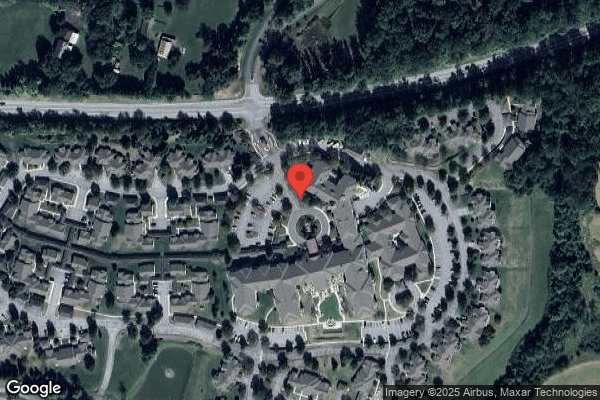

3200 BAKER CIRCLE, ADAMSTOWN, MD 21710 (301) 644-1636
Non profit - Corporation 42 Beds ACTS RETIREMENT-LIFE COMMUNITIES Data: November 2025
Trust Grade
85/100
#48 of 219 in MD
Last Inspection: November 2024

Within standard 12-15 month inspection cycle. Federal law requires annual inspections.

Overview

Willowbrooke Ct Skilled Care in Adamstown, Maryland, has a Trust Grade of B+, indicating it is above average and recommended for families considering care options. It ranks #48 out of 219 facilities in Maryland, placing it in the top half, and #2 out of 8 in Frederick County, meaning only one local facility is rated higher. The facility is improving, with issues decreasing from 13 in 2019 to just 6 in 2024. Staffing is a strong point, with a 5-star rating and only 5% turnover, far below the state average of 40%, which suggests stable and experienced staff. While there have been no fines, there were some concerns identified in inspections. For example, staff failed to label and date food items in the kitchen, which could pose safety risks. Additionally, the facility did not accurately code assessments for some residents, affecting their care plans. Overall, Willowbrooke Ct has notable strengths in staffing and overall ratings, but families should be aware of the areas needing improvement.

Trust Score
B+
85/100
In Maryland
#48/219
Top 21%
Safety Record
Low Risk
No red flags
Inspections
Getting Better
13 → 6 violations
Staff Stability
✓ Good
5% annual turnover. Excellent stability, 43 points below Maryland's 48% average. Staff who stay learn residents' needs.
Penalties
✓ Good
No fines on record. Clean compliance history, better than most Maryland facilities.
Skilled Nurses
✓ Good
Each resident gets 88 minutes of Registered Nurse (RN) attention daily — more than 97% of Maryland nursing homes. RNs are the most trained staff who catch health problems before they become serious.
Violations
⚠ Watch
29 deficiencies on record. Higher than average. Multiple issues found across inspections.
★★★★★
5.0
Overall Rating
★★★★★
5.0
Staff Levels
★★★★☆
4.0
Care Quality
★★★★☆
4.0
Inspection Score
Stable
2019: 13 issues
2024: 6 issues

The Good

  • 5-Star Staffing Rating · Excellent nurse staffing levels
  • 4-Star Quality Measures · Strong clinical quality outcomes
  • Low Staff Turnover (5%) · Staff stability means consistent care
  • Full Sprinkler Coverage · Fire safety systems throughout facility
  • No fines on record
  • Staff turnover is low (5%)

    43 points below Maryland average of 48%

Facility shows strength in staffing levels, quality measures, staff retention, fire safety.

The Bad

Chain: ACTS RETIREMENT-LIFE COMMUNITIES

Part of a multi-facility chain

Ask about local staffing decisions and management

The Ugly 29 deficiencies on record

Nov 2024 6 deficiencies
CONCERN (D)

Potential for Harm - no one hurt, but risky conditions existed

Deficiency F0657 (Tag F0657)

Could have caused harm · This affected 1 resident

**NOTE- TERMS IN BRACKETS HAVE BEEN EDITED TO PROTECT CONFIDENTIALITY** Based on interviews, record reviews and observations, it was determined that the facility failed to: 1) have quarterly care plan...

Read full inspector narrative →
**NOTE- TERMS IN BRACKETS HAVE BEEN EDITED TO PROTECT CONFIDENTIALITY** Based on interviews, record reviews and observations, it was determined that the facility failed to: 1) have quarterly care plan meetings 2) review and revise interdisciplinary care plans to reveal accurate interventions for residents residing in the facility. This was found to be evident for 2 (Resident #5 and #230) of 18 residents reviewed during the survey. The findings include: A care plan is a guide that addresses the unique needs of each resident. It is used to plan, assess and evaluate the effectiveness of the resident's care. Care Plan meetings are meetings with a team of care providers (attending physician, a registered nurse, nursing assistant dietary services, resident, and the resident's representative if applicable) to ensure the plan is continually adjusted to meet the changing needs or concerns of residents. The MDS (Minimum Data Set) is a health status screening and assessment tool used for all residents of long-term care nursing facilities. The MDS is part of the federally mandated process for clinical assessment of all residents in Medicare and Medicaid-certified nursing homes. This process provides a comprehensive assessment of each Resident's functional capabilities and helps nursing home staff identify health problems. 1) During an interview conducted on 11/18/24 at 12:49 PM, Resident #5's family member stated he/she had not been invited to any care plan meetings. On 11/18/24 at 01:45 PM, an interview was conducted with Resident #5's spouse. The spouse reported he/she was not aware of any care plan meetings for Resident #5. During a medical record review conducted on 11/20/24 at 07:51 AM, it was revealed that Resident #5 had a history of Dementia. The review also revealed Social Service notes that documented a Quarterly Care Plan Meeting with Resident #5's family member on 6/04/2024, 3/28/2023, and 8/24/2022. No additional quarterly Care Plan meetings were documented. During an interview conducted on 11/21/24 at 08:41 AM, the Social Service Coordinator advised that she conducts quarterly Care Plan Meetings based on the Minimum Data Set (MDS) quarterly assessment. The meetings would be documented in the Electronic Medical Record (EMR) under Progress Notes when they are held. The surveyor requested documentation from the Social Service Coordinator for the last 12 months of Care Plan meetings held for Resident #5. On 11/21/24 at 10:53 AM: The Social Services Coordinator provided a sign-in sheet for Care Plan meetings held. There was only one sign-in sheet dated 6/04/24 which included the resident's family in attendance. No additional documented meetings were provided. 2) Resident #230 was readmitted to the facility on [DATE] from the emergency room with diagnoses including Constipation, Dysphagia, Pain in the Leg and Disease of Digestive System. A review of the clinical record on 11/20/24 at 8:05 AM revealed that Resident #230 was receiving speech therapy and was assessed by the dietitian on 11/15/24 for nutritional needs. A further review of the clinical record revealed an active care plan dated 8/29/24 with the Focus I have alteration in nutritional status (1) recent significant weight loss, multifaceted in origin, and relating to resolving lower extremity edema 2+ bilateral noted upon admission to (facility) as well as periods of insufficient intake relating to acute chronic processes. The surveyor also reviewed Resident #230's current clinical record including the admission nursing assessment record dated 11/09/24. The clinical record failed to reveal the presence of edema of the bilateral lower extremities. On 11/21/24 at 8:49AM in an interview with the Registered Dietitian (RD) Staff #6, the surveyor enquired about the care plan dated 8/29/24 which did not accurately reflect the resident's current clinical condition. The RD Staff #6 confirmed that Resident #230, did not have bilateral 2+ lower extremity edema and that the care plan was an old one from a previous admission which the computer automatically pulled into the resident's clinical record. Further, the problem was addressed before but it continued. RD Staff #6 stated that the care plan would be resolved. On 11/21/24 at 11:50AM the DON gave the surveyor a copy of Resident #230's care plan with the interventions resolved pertaining to the resident's bilateral lower extremity edema.
CONCERN (D) 📢 Someone Reported This

A family member, employee, or ombudsman was alarmed enough to file a formal complaint

Potential for Harm - no one hurt, but risky conditions existed

Accident Prevention (Tag F0689)

Could have caused harm · This affected 1 resident

Based on review of the facility investigation, record review, observation and interview. It was determined that the facility failed to provide a safe environment to prevent an elopement incident from ...

Read full inspector narrative →
Based on review of the facility investigation, record review, observation and interview. It was determined that the facility failed to provide a safe environment to prevent an elopement incident from occurring. This was evident for 1 (Resident # 231) of 2 residents reviewed for elopement during the survey. The findings include: Wander guard is a wandering management system that monitors residents using a wearable bracelet. The system relies on three components: bracelets that residents wear, sensors that monitor doors, and a technology platform that sends real-time safety alerts. When a resident with a bracelet approaches a monitored door, the system alerts. On 11/21/24 at 5:30 PM, the surveyor reviewed Facility Self-Reported incident MD00190943. The review revealed that Resident #231 had an elopement incident on 4/4/23. The facility's interview with Licensed Practical Nurse (LPN #1) revealed that the door alarm sounded at 7:27 PM and upon assessment, he/she observed a family member entered the unit. Resident #231 could not be found in his/her room. While LPN #1 was contacting the campus security, he/she was informed by the security that Resident #231 was observed walking outside on the facility campus at approximately 7:31pm. As Resident #231 was walking towards campus security, he/she had a fall and sustained a minor skin tear to his/her right eyebrow. First aide was provided by LPN #1. Resident #231 was assessed and escorted safely back to the unit. Further review of the elopement investigation revealed the following interventions that were put in place after the incident: - The resident was assessed (including neuro checks) and escorted back to the room. - The resident representative was updated - Physician was notified - 1 on 1 sitter for 48 hours was initiated - Wander guard checked - Signage was posted as a reminder to visitors to keep the door secure and closed behind them when entering and exiting the unit - 6 staff members were interviewed - Door alarms and wander guard system were tested - Inservice was conducted on: 4/20/23, Elopement training and drill code silver, attended by 42 staff members - Elopement drill was conducted on 5/24/22, which was attended by 18 staff members. On 11/21/24 at 5:00 PM, a review of Resident #231's medical record revealed a BIMS score of 99.0 on 3/31/2021 (Resident is rarely/never understood). Brief Interview for Mental Status (BIMS) is a screening tool used to assess basic cognitive function in patients in long-term care facilities. A BIMS score of 99 signifies that the BIMS assessment was not able to be finished due to the patient's inability to engage or provide adequate answers. An elopement assessment was conducted on 3/29/24 with a score of 6 which meant at risk to wander. Another elopement assessment was performed on 4/1/23 with a score of 17 which meant a high risk to wander. A wander alert device was then added as an intervention and checked for function and placement regularly. On 11/22/24 at 8:25 AM, in an interview with the Director of Nursing (DON) she stated that Resident #231 used the door located on the left side when exiting the skilled unit double doors. She added that the door was not part of the skilled unit and had no lock. Based on another surveyor's observation, the unmanned double doors of the skilled unit were approximately 15 steps from the unlocked door that lead to outside premises. On 11/22/24 at 8:37 AM, the DON performed a wander guard system test with the surveyors. The DON walked with the wander guard towards the double doors that were opened, and the alarm went off. Again, the DON walked with the wander guard but this time the double doors were closed, the doors locked but did not alarm. The DON explained that the double doors would alarm if a resident with a wander guard passed through the double doors that had been opened, such as when a staff or visitor exited/entered the unit. If a resident with a wander guard walked near the double doors that were closed, a clicking sound would be heard which meant the doors locked and wouldn't alarm. On 11/22/24 at 8:51 AM, in an interview with Staff #12, he/she stated that the facility had used the wander guard system for 4-5 years. He/she added if a resident had a wander guard and walked near the double doors, the doors wouldn't open unless the code was entered, or someone opened the doors. He/she stated that the door located on the left side leading to the Independent Living (IL) when exiting the double doors, locked from outside but not from the inside. On 11/22/24 at 9:47 AM, during an interview LPN #1, he/she narrated to the surveyors that on 4/4/2023, he/she heard the alarm and looked for Resident #231, he/she ran to the door and saw family members walking out and said they saw the resident, other staff members also looked for the resident. He/she stated that Resident #231 was found near the entrance by the security area and added that the alarm system alerted the nurses' pager with the resident's identifier number. On 11/22/24 at 9:54 AM, an interview with the DON revealed that they learned that Resident #231 was missing when LPN #1 stated that visitors walked down the hallway and assumed that the resident went with them. However, based on the initial facility investigation, LPN #1 stated that he/she observed a family member entered the unit. On 11/22/24 at 11:26 AM, the DON and the Regional Clinical Director were notified of the surveyor's concern that the facility failed to prevent the elopement incident. They enumerated a few interventions that were put in place for the current residents who wandered and were at risk for elopement: random audits, elopement committee meetings, frequent residents' assessments and behavior monitoring. On 11/22/24 at 11:55 AM, the DON stated that the facility added an intervention on 11/22/24: double doors automatically closed from 6:00 PM to 8:00 AM. Anyone who wanted to get in the skilled unit will have to call the number indicated on the signage.
CONCERN (E)

Potential for Harm - no one hurt, but risky conditions existed

Assessment Accuracy (Tag F0641)

Could have caused harm · This affected multiple residents

**NOTE- TERMS IN BRACKETS HAVE BEEN EDITED TO PROTECT CONFIDENTIALITY** : Based on record reviews, interviews and a review of the facility's investigation, it was determined that the facility failed t...

Read full inspector narrative →
**NOTE- TERMS IN BRACKETS HAVE BEEN EDITED TO PROTECT CONFIDENTIALITY** : Based on record reviews, interviews and a review of the facility's investigation, it was determined that the facility failed to accurately code the Minimum Data Set (MDS) assessments for: 1) the use of residents' 1/8 grab bars and 2) the resident's status after a fall. This was evident for 5 residents (Resident #5, #15, #23, #2 and #231) of 18 residents reviewed during the annual survey. The findings include: Minimum Data Set (MDS) is a core set of screening, clinical, and functional status data elements, including common definitions and coding categories, which form the foundation of a comprehensive assessment for all residents of nursing homes certified to participate in Medicare or Medicaid. The data elements (also referred to as items) in the MDS standardize communication about resident problems and conditions within nursing homes, between nursing homes, and between nursing homes and outside agencies. MDS assessments need to be accurate to ensure each resident receives the care they need. Physical restraints are any manual method, or physical or mechanical device, material or equipment attached or adjacent to the resident's body that the individual cannot remove easily, which restricts freedom of movement or normal access to one's body. A care plan is a guide that addresses the unique needs of each resident. It is used to plan, assess and evaluate the effectiveness of the resident's care Activities of Daily Living (ADL) are activities related to personal care. They include bathing or showering, dressing, getting in and out of bed or a chair, walking, using the toilet, and eating. Falls with injury (except major) Includes skin tears, abrasions, lacerations, superficial bruises, hematomas, and sprains; or any fall-related injury that causes the resident to complain of pain. 1a) A review of Resident #5's medical record was conducted on 11/20/24 at 07:51 AM. The review revealed a physician's order for 1/8 rail grab bar to be provided to promote independence with bed mobility and repositioning while in bed. A review of the ADL Care Plan for Resident #5 included an intervention for bilateral grab bars to promote independence with bed mobility and repositioning while in bed. A continued review of the medical records confirmed Resident #5 had a Side Rail assessment dated [DATE] that listed the bedrails as Mobility Aids and enablers. A review of Resident #5's MDS Section P-0100 for Physical Restraints, it was revealed that the bedrails were inaccurately identified. The MDS record stated the bedrails were used daily as Physical Restraints on 8/28/24, 5/30/24, 2/29/24, and 11/29/23. During an observation conducted on 11/21/24 at 08:23 AM, the Surveyors and Assistant Director of Nursing (ADON) observed the bedrails on Resident #5's bed. The ADON confirmed the bedrails were physician-ordered 1/8 grab rail bars for mobility. 1b) During a review of medical records conducted on 11/20/24 at 11:26 AM, it was found that Resident #15 had a physician's order for 1/8 rail grab bars to promote independence with mobility and repositioning while in bed. On 11/20/24 at 11:30 AM a review of Resident #15's medical records was conducted. The review revealed an ADL Care Plan that included an intervention for bilateral grab bars to promote independence with bed mobility and repositioning while in bed. A continued review of the medical records confirmed Resident #15 had a Side Rail assessment dated [DATE] for grab bars to be used as Mobility Aids. A review of the Resident's MDS Assessment Section P - P0100 Physical Restraints, documented that bedrails were being used daily as restraints on 09/12/24, 6/12/24, & 3/12/24. During an observation conducted on 11/21/24 at 08:25 AM, the Surveyors and Assistant Director of Nursing (ADON) observed the bedrails on Resident #15's bed. The ADON confirmed that the bedrails were the physician ordered 1/8 grab rail bars for mobility. 1c) On 11/20/24 at 8:57 AM, a review of Resident #23's order written on 06/18/2024 revealed Bilateral 1/8 rail grab bars to promote independence with bed mobility and repositioning while in bed, define parameter of bed every shift. Further review of records revealed that the quarterly bed rail assessment completed on 8/28/2024, indicated The use of siderails has been requested by the resident to aid in mobility, however, Resident #23's Quarterly MDS record with an Assessment Reference Date (ARD) of 8/28/24 revealed that the bed rail was coded in Section P- Restraints and Alarms as used daily. 1d) On 11/20/24 at 10:01 AM, a review of Resident #2's order written on 01/03/2024 revealed Bilateral 1/8 rail grab bars to promote independence with bed mobility and repositioning while in bed, define parameter of bed every shift, however, Resident #2's quarterly MDS with an ARD 10/10/24 revealed that the bed rail was also coded in Section P- Restraints and Alarms as used daily. On 11/20/24 at 10:33 AM, in an interview, the MDS Coordinator stated that when completing an MDS assessment, he/she utilizes the medical record and physically assess the resident. The surveyor asked the MDS Coordinator what his/her understanding in coding restraints on the MDS. He/she confirmed that no one in the building was on restraints, and bed rails were only used as an enabler/for bed mobility. He/she added that he/she utilized the Resident Assessment Instrument (RAI) manual in PCC for coding guidance. The surveyor informed the MDS coordinator that Residents #23 and #2's use of bed rails were inaccurately coded as restraints in the MDS assessments. On 11/20/24 at 11:01 AM, during an interview with the Director of Nursing (DON), she stated that the facility had no residents who were on restraints but had used side rails for bed mobility. The DON was notified of the concern that bed rails were inaccurately coded as restraints in the MDS assessments. She stated that she will ask the MDS nurse to correct the assessments. 2) On 11/21/24 at 5:00 PM, a review of MD00190943 revealed that on 4/4/2023 at 7:31 PM, Resident #231 had a fall while walking towards campus security and was noted with skin tear to right eyebrow. The discharge MDS assessment with an ARD of 4/11/2023 Section J1900- Number of falls since admission /entry or reentry, revealed an inaccurate coding of No injury- no evidence of any injury is noted on physical assessment by the nurse or primary care clinician. On 11/22/24 at 11:17 AM, during an interview with the MDS nurse, he/she stated that when coding falls in the MDS, he/she referred to the incident reports and any related documentation. The MDS nurse was made aware of the inaccurate coding of Resident #231's section J of the discharge assessment. He/she confirmed that he had incorrectly coded the section. On 11/22/24 at 11:26 AM, the DON and the Regional Clinical director were made aware of the inaccurate coding for falls with minor injury.
CONCERN (E)

Potential for Harm - no one hurt, but risky conditions existed

Comprehensive Care Plan (Tag F0656)

Could have caused harm · This affected multiple residents

**NOTE- TERMS IN BRACKETS HAVE BEEN EDITED TO PROTECT CONFIDENTIALITY** Based on record reviews and interviews, it was determined that the facility failed to develop and implement comprehensive person...

Read full inspector narrative →
**NOTE- TERMS IN BRACKETS HAVE BEEN EDITED TO PROTECT CONFIDENTIALITY** Based on record reviews and interviews, it was determined that the facility failed to develop and implement comprehensive person-centered care plans for residents residing in the facility for: 1) the use of Hearing Aids 2) Pain 3) Chronic Constipation and 4) the use of bilateral Grab Bars. This was evident for 4 (Resident #233, #230, #5 and #23) of 18 residents reviewed for care planning during the annual survey. The findings include: A care plan is a guide that addresses the unique needs of each resident. It is used to plan, assess, and evaluate the effectiveness of the resident's care. Minimum Data Set (MDS) is a core set of screening, clinical, and functional status data elements, including common definitions and coding categories, which form the foundation of a comprehensive assessment for all residents of nursing homes certified to participate in Medicare or Medicaid. The data elements (also referred to as items) in the MDS standardize communication about resident problems and conditions within nursing homes, between nursing homes, and between nursing homes and outside agencies. MDS assessments need to be accurate to ensure each resident receives the care they need. 1) Resident #233 was admitted to the facility on [DATE] with diagnoses including Muscle Weakness(Generalized), Unsteadiness on Feet, Need for Assistance with Personal Care On 11/18/24 at 9:40AM the surveyor observed Resident #233 who was at risk for falls, hobbling in his/her room moving items around. The surveyor attempted to engage the resident in a conversation, but the resident was having difficulty hearing the surveyor. Upon inquiry, Resident #233 stated that the staff did not provide assistance with his/her hearing aids so he/she was looking for them. The Director of Nursing (DON) who was in the vicinity of the resident's room at the time, was notified by the surveyor. On 11/18/24 at 2:00PM the DON informed the surveyor that Resident# 233's hearing aids were located, and the resident was wearing them. On 11/19/24 a review of Resident #233's clinical record revealed that upon admission, a skilled nursing evaluation and a Baseline Care plan were completed on 11/14/24. Both documents revealed that the resident had impaired hearing to the Right and Left ears. In addition, the skilled nursing evaluation confirmed hearing aids to the resident's Right and Left ears. Further review of Resident#233's clinical record revealed that a care plan was initiated on 1/15/24 with the following: Focus- I have a communication problem relating hearing deficit. Goal: I will be able to make my needs known on a daily basis. Intervention: Refer to Audiology for hearing consult as ordered. The care plan did not reveal the resident's use of hearing aids. In addition, the care plan failed to reveal that the facility developed and implemented specific interventions and approaches to provide Resident #233 with assistance to use his/her hearing aids. In an interview on 11/21/24 at 11.03AM the DON confirmed that interventions relating to the resident's use of hearing aids should be documented in the resident's clinical record and care plan. 2) On 11/18/24 at 9:18AM during rounds, Resident #230 informed the surveyor that he/she had back pain which comes and goes when sitting. The resident stated that the pain is usually releived by Tylenol and he/she would ask the nurse for the medication. The surveyor asked the resident for the level of pain to which the response was 5 in a scale 1-10. On 11/20/24 at 8.05AM a review of Resident #230's clinical record revealed that the resident had been receiving medications Gabapentin at bedtime for leg pain and Tylenol as needed for pain. Further review of the clinical record revealed that the facility failed to develop and implement a care plan for pain to meet the resident's needs. During an interview on 11/21/24 at 10.58AM the DON confirmed that the facility failed to develop a care plan for pain for Resident #230. The DON stated I will take care of that On 11/21/24 11:50AM, the surveyor was given a copy of a care plan which was initiated on 11/21/24 with interventions for pain management for Resident #230. 3) During a review of Resident #5 ' s medical record conducted on 11/20/24 at 12:12 PM, it was noted the resident had a history of Chronic Constipation. A review of the Medication Administration Record (MAR) revealed a physician ' s order for MiraLAX and Colace which had been administered daily. The Resident also had an additional order for Milk of Magnesia for Constipation as needed. During a continued review of the resident ' s medical records it was determined constipation was not included in Resident #5's care plan. In an interview conducted on 11/20/24 at 10:50 AM, the Assistant Director of Nursing (ADON) stated it is the facility's expectation that residents treated for constipation would have it identified in their care plans. 4) On 11/20/24 at 8:57 AM, a review of Resident #23's order written on 06/18/2024 revealed Bilateral 1/8 rail grab bars to promote independence with bed mobility and repositioning while in bed, define parameter of bed every shift. Further review of records revealed that the quarterly bed rail assessment completed on 8/28/2024, indicated The use of siderails has been requested by the resident to aid in mobility On 11/20/24 at 9:09 AM, a review of the MDS significant change in status assessments with an Assessment Reference Date (ARD) of 5/29/24 indicated that bed rails were used daily in Section P-Restraints and Alarms, however, there was no evidence that a care plan was developed since admission. On 11/20/24 at 10:33 AM, in an interview with the MDS Coordinator, he/she stated that when completing an MDS assessment and the Care Area Assessment (CAA) is triggered in Section V, he/ she created the care plan, or communicated to the Director of Nursing (DON), Assistant Director of Nursing (ADON) and to the other disciplines such as Dietary, Rehabilitation, Recreation and Social Services that a care plan needed to be developed. On 11/20/24 at 11:01 AM, the DON was notified that Resident #23 had no care plan for side rails. On 11/21/24 at 8:33 AM, a review Resident #23's care plan indicated that on 11/20/24, a care plan was added after surveyor intervention which indicated Bilateral 1/8 rail grab bars to promote independence with bed mobility and repositioning while in bed, define parameter of bed.
CONCERN (E)

Potential for Harm - no one hurt, but risky conditions existed

Deficiency F0804 (Tag F0804)

Could have caused harm · This affected multiple residents

Based on interview and observation, it was determined that the facility failed to ensure that food was delivered to residents at an appropriate and palatable temperature. This was evident for 1 out of...

Read full inspector narrative →
Based on interview and observation, it was determined that the facility failed to ensure that food was delivered to residents at an appropriate and palatable temperature. This was evident for 1 out of 1 observation of test tray temperatures. This practice has the potential to affect all residents who eat food prepared by the facility. The findings include: On 11/19/24 at 7:53 AM, in an interview with the Regional Certified Dietary Manager (CDM), she revealed the meal schedule for the [NAME] Brooke Court/ Skilled Nursing Unit are as follows: Breakfast- 8:00 AM Lunch- 12:30 PM Dinner -5:30PM The Regional CDM took the surveyor to the Assisted Living (AL) kitchen which temporarily served the Skilled Nursing Unit and stated that she came to the facility to assist because the facility's CDM recently resigned. On 11/19/24 at 8:01 AM, the surveyor conducted a breakfast line tray observation, and a test tray was requested to be included on the cart going to the Skilled Nursing Unit. On 11/19/24 at 8:10 AM, Staff #9 and # 10 were observed preparing the breakfast trays. As the trays were completed, they were placed one at a time, in an open steel cart, which also included the test tray. The surveyor and the Regional CDM followed the steel cart that was transported at 8:15 AM by Staff #10 via an elevator from the AL kitchen (1st floor- named M) to the Skilled Unit floor (basement, named T). As soon as the steel cart arrived in the Skilled Unit dining area, the trays were then transferred to 2 closed green carts by Staff #10 and the Regional CDM. The 1st and 2nd green carts were out to the floor at 08:19 AM for distribution. The surveyor informed the Regional CDM that it was past the scheduled breakfast. On 11/19/24 at 8:20 AM, the test tray was tested in the presence of the Regional CDM. The temperatures were: cream chipped beef, 110.4°F; Cold Milk, 41°F; Cream of wheat, 123.9 °F. The Regional CDM was made aware of the concern of the food temperatures and how the trays were transported from the kitchen to the unit using an open steel cart. She confirmed that trays should have been transported using the closed carts, she added that the staff stated that they used the open steel cart because the closed carts were too heavy for them to transport from one floor to another. On 11/20/24 08:08 AM, the Regional CDM stated that they made a few changes and broke down the distribution of carts to the unit into 3 trips. The findings were also reported to the Nursing Home Administrator (NHA) and the Director of Nursing (DON) during the exit conference on 11/22/2024.
CONCERN (E)

Potential for Harm - no one hurt, but risky conditions existed

Food Safety (Tag F0812)

Could have caused harm · This affected multiple residents

Based on observation and staff interview, it was determined that the facility failed to store and label food items to maintain the integrity of the specific item. This was evident during the initial t...

Read full inspector narrative →
Based on observation and staff interview, it was determined that the facility failed to store and label food items to maintain the integrity of the specific item. This was evident during the initial tour of the Skilled Nursing Unit kitchen. This deficient practice has the potential to affect all residents. The findings include: On 11/18/24 at 9:03 AM, the surveyor conducted an initial tour of the Skilled Nursing Unit kitchen. The surveyor was assisted by Staff #10. The surveyor observed 4 cartons fat free choco milk labeled use by 11/14/24 in one of the refrigerators. Staff #10 confirmed that the items were expired. Another refrigerator was also noted with 5 unlabeled and undated white paper cups covered with plastic lids containing white and brown colored ice cream. Staff #10 confirmed the findings and discarded the items in the trash. On 11/19/24 at 7:53 AM, the Regional Certified Dietary Manager (CDM) was notified of the findings from the initial kitchen tour conducted on 11/18/24. She stated that she would be covering until a new CDM was hired. On 11/20/24 at 8:08 AM, in an interview with the Regional CDM, she updated the surveyor that she had a conversation with the kitchen managers on 11/19/24 regarding checking of the refrigerators for the expiration dates of food items. On 11/20/24 at 9:20 AM, the surveyor received documents from the Regional CDM, she stated that the following forms will be utilized by the managers: 1) Opening Inspection Report, To be completed each morning and signed off by the opening manager on duty. Item number 8 of the said document indicated, Refrigerators and freezers checked (all items wrapped and labeled, neat, organized, food properly stored and locked). 2) Closing Inspection Report, To be completed each night and signed off by the closing manager or designee on duty. Item number 9 also indicated Refrigerators and freezers checked (all items wrapped and labeled, neat, organized, food properly stored and locked). The Nursing Home Administrator (NHA) and the Director of Nursing were made aware of the findings during the exit conference held on 11/22/2024.
Aug 2019 13 deficiencies
CONCERN (D)

Potential for Harm - no one hurt, but risky conditions existed

Deficiency F0578 (Tag F0578)

Could have caused harm · This affected 1 resident

**NOTE- TERMS IN BRACKETS HAVE BEEN EDITED TO PROTECT CONFIDENTIALITY** Based on medical record review and staff interview, it was determined that the facility staff failed ensure that a resident's cu...

Read full inspector narrative →
**NOTE- TERMS IN BRACKETS HAVE BEEN EDITED TO PROTECT CONFIDENTIALITY** Based on medical record review and staff interview, it was determined that the facility staff failed ensure that a resident's current wishes related to life-sustaining treatment were up to date by failing to void previous MOLST (Maryland Medical Order for Life Sustaining Treatment) forms when a new MOLST was created. This was evident for 1 (#23) of 1 residents reviewed for advanced directives. The findings include: On [DATE] at 11:55 AM, review of Resident #23's paper medical record (chart) revealed that Resident #23 had 2 physician signed MOLST forms (documentation of a person's wishes regarding cardiopulmonary resuscitation (CPR) and other life-sustaining treatments) in the same plastic sleeve: 1) In the front of the plastic sleeve was a MOLST form, signed and dated [DATE], that revealed documentation that Resident #23 elected No CPR, Option B, Palliative and Supportive Care: Prior to arrest, provide passive oxygen for comfort and control any external bleeding. Prior to arrest, provide medications for pain relief as needed, but no other medications. Do not intubate or use CPAP or BIPAP. If cardiac and/or pulmonary arrest occurs, do not attempt resuscitation (No CPR). Allow death to occur naturally. Page 2 of the [DATE] MOLST documented the resident's preferences that applied to other situations other than cardiopulmonary arrest. 2) In the back of the plastic sleeve, Resident #23 had a second MOLST form that was signed and dated [DATE]. Page 1 of the MOLST revealed documentation that Resident #23 elected No CPR, Option A-2, do not intubate (DNI): comprehensive efforts may include limited ventilatory support by CPAP or BiPAP, but do not intubate. Page 2 of the [DATE] MOLST was blank such that Resident #23's preferences for situations other than cardiopulmonary arrest had not been assessed or the resident had not elected preferences. The practitioner failed to void the MOLST, dated [DATE], when the most recent MOLST, dated [DATE], had been created. Failing to void the previous MOLST could result in confusion as to Resident #23's wishes related to CPR and other life-sustaining treatments. The Director of Nurses confirmed these findings on [DATE] at 12:20 PM. On [DATE] at 9:40 AM, a review of Resident #23's paper chart revealed a MOLST, signed and dated [DATE], in a plastic sleeve, indicating that a new MOLST had been created for Resident #23. In the back of the chart was Resident #23's MOLST form, dated [DATE] and Resident #23's MOLST form, dated [DATE]. Both of these MOLST forms had a diagonal line drawn through them and the date, [DATE], was handwritten next to the line, indicating the MOLST forms had been voided on [DATE]. However, continued review of the resident's paper chart, revealed, in the consult section, there was a copy of page one of Resident #23's MOLST dated [DATE] and that MOLST form had not been voided. On [DATE] at 9:44 AM, during an interview with the Social Worker (SW) and the Assisted Director of Nurses (ADON), the SW and ADON were made aware that a copy of Resident #23's MOLST dated [DATE] was found in the resident's chart and it had not been voided. The ADON stated that the [DATE] MOLST was in the hospital paperwork and confirmed it should have been voided.
CONCERN (D)

Potential for Harm - no one hurt, but risky conditions existed

Notification of Changes (Tag F0580)

Could have caused harm · This affected 1 resident

Based on medical record review and staff interview, it was determined that the facility staff failed to immediately notify the physician of multiple resident refusal of a prescribed treatment. This wa...

Read full inspector narrative →
Based on medical record review and staff interview, it was determined that the facility staff failed to immediately notify the physician of multiple resident refusal of a prescribed treatment. This was evident for 1 (#1) of 5 residents reviewed for unnecessary medication. The findings include: On 8/14/19 at 8:35 AM, a review of Resident #1's medical record revealed that Resident #1 often refused to wear a palm protector splint (aids in preventing finger contractures and skin breakdown in the palm), as ordered by the physician. Review of Resident #1's July 2019 TAR (treatment administration record) revealed an order for a left hand tan palm protector splint on at all times except for skin checks and hygiene, every shift, that was documented as refused on 3 (7/16/19, 7/18/19, 7/24/19) of 31 day shifts in July, on 5 (7/16/19, 7/18/19, 7/23/19, 7/24/19, 7/29/19) of 31 evening shifts in July, and, documented as refused on 12 (7/1/19, 7/2/19, 7/8/19, 7/9/18, 7/11/19, 7/22/19, 7/23/19, 7/24/19, 7/25/19, 7/27/19, 7/29/19, 7/31/19) of 31 night shifts in July. Review of Resident #1's August 2019 TAR revealed an order for a left hand tan palm protector splint on at all times except for skin checks and hygiene, that was documented as refused on 2 of 13 day shifts (8/2/19, 8/5/19), on 4 of 12 evening shifts (8/1/19, 8/4/19, 8/8, 8/10), and on 7 of 12 night-shifts (8/1, 8/2, 8/4, 8/5, 8/6, 8/8 and 8/12). Continued review of the medical record failed to reveal evidence that the physician had been notified of Resident #1's refusal to wear his/her left palm protector splint as ordered by the physician. The Assistant Director of Nurses was made aware of these findings on 8/14/19 at 2:00 PM.
CONCERN (D)

Potential for Harm - no one hurt, but risky conditions existed

Safe Environment (Tag F0584)

Could have caused harm · This affected 1 resident

Based on observation and staff interview, it was determined that the facility staff failed to provide residents with a clean, homelike environment. This was evident for 2 (#8 and #230) of 28 residents...

Read full inspector narrative →
Based on observation and staff interview, it was determined that the facility staff failed to provide residents with a clean, homelike environment. This was evident for 2 (#8 and #230) of 28 residents reviewed during the initial process. The findings include: On 8/12/19 at 9:47 AM, an observation of Resident #8's room, revealed water stains on the ceiling tile inside the room door and multiple scuff marks covering the front panel of the heater/cooling system. On 8/12/19 at 10:14 AM, an observation of Resident #230's room revealed approximately a 1 inch by 1/2 inch hole in the window screen on the right window. Maintenance Technician #12 was made aware of the concerns on 8/16/19 at 12:51 PM and offered no rationale for why these areas were not maintained.
CONCERN (D)

Potential for Harm - no one hurt, but risky conditions existed

Deficiency F0638 (Tag F0638)

Could have caused harm · This affected 1 resident

Based on medical record review and staff interview, it was determined the facility staff failed to conduct an accurate, assessment by failing to assess a resident's cognition and mood on a quarterly M...

Read full inspector narrative →
Based on medical record review and staff interview, it was determined the facility staff failed to conduct an accurate, assessment by failing to assess a resident's cognition and mood on a quarterly MDS assessment and failing to timely complete a resident's quarterly assessment. This was evident for 1 (#11) of 1 residents reviewed for activities. The MDS is part of the Resident Assessment Instrument that was Federally mandated in legislation passed in 1986. The MDS is a set of assessment screening items employed as part of a standardized, reproducible, and comprehensive assessment process that ensures each resident's individual needs are identified, that care is planned based on these individualized needs, and that the care is provided as planned to meet the needs of each resident. The findings include: On 8/19/19 at 10;35 AM, Resident #11's medical record was reviewed. Review of Resident #11's quarterly MDS with an assessment reference date (ARD) of 6/17/19, revealed Section C, Cognition and Section D, Mood was not completed. On 8/19/19 at 11:05 AM, during an interview, Staff #6 stated that Resident #11's Cognition and Mood sections on the MDS had not been assessed because it was late. Continued review of Resident #11's quarterly assessment, with an ARD of 6/17/19, revealed that the quarterly MDS assessment with a reference date of 6/17/19 was not completed timely. Review of Section Z, 0500B revealed that the RN Assessment Coordinator signed the assessment as complete on 7/23/19, which was greater that 14 days after the ARD.
CONCERN (D)

Potential for Harm - no one hurt, but risky conditions existed

Deficiency F0655 (Tag F0655)

Could have caused harm · This affected 1 resident

**NOTE- TERMS IN BRACKETS HAVE BEEN EDITED TO PROTECT CONFIDENTIALITY** Based on medical record and staff interview, it was determined that the facility staff failed to develop baseline care plans tha...

Read full inspector narrative →
**NOTE- TERMS IN BRACKETS HAVE BEEN EDITED TO PROTECT CONFIDENTIALITY** Based on medical record and staff interview, it was determined that the facility staff failed to develop baseline care plans that included instructions needed to provide effective and person-centered care and failed to provide residents/representatives with a copy of their baseline care plan and medication list. This was evident for 2 (#22 and #230) of 14 residents in the final sample. The findings include: A care plan is a guide that addresses the unique needs of each resident. It is used to plan, assess and evaluate the effectiveness of the resident's care. A medical record review on 8/15/19 at 11:39 AM, for Resident #22 revealed a baseline care plan that documented the resident was admitted on [DATE]. However, it was not signed by the resident as being reviewed with him/her until 7/29/19. Further review of the baseline care plan revealed that it was a checklist for initial goals and objectives on admission orders. Some goals checked were Maintain current status, Improve physical condition and overall condition, Maintain weight-bearing precautions. These goals did not have a goal date. Review of the medical record for Resident #230 on 8/14/19 at 2:52 PM, revealed a baseline care plan that was not resident-centered. As stated above the same types of goals were checked, Improve physical condition and overall condition, Maintain weight-bearing precautions, and Maintain universal and isolation precautions. There was no goal dates listed. In addition, the goal for Maintain weight-bearing precautions was marked for both residents, however, it did not provide staff with the instructions for weight-bearing precautions, such as, no weight-bearing or partial weight-bearing. Furthermore, review of the resident's current order summary and current care plan revealed that facility staff failed to further document what level of weight-bearing precautions. An interview with the Director of Nursing (DON), Assistant Director of Nursing (ADON), and Resident Assessment Coordinator (RAC) #6, revealed that the DON's expectation was that facility staff use the baseline care plan check list and attach the physician's orders to make it more resident centered. The ADON reported that, as they learn more about the resident, they enter the resident-centered care plan data in the comprehensive care plan in the electronic medical record. At this time the DON, ADON, and RAC #6 were made aware of the surveyor's concerns.
CONCERN (D)

Potential for Harm - no one hurt, but risky conditions existed

Comprehensive Care Plan (Tag F0656)

Could have caused harm · This affected 1 resident

**NOTE- TERMS IN BRACKETS HAVE BEEN EDITED TO PROTECT CONFIDENTIALITY** 2) On [DATE] at 8:35 AM, review of Resident #1's medical record revealed that Resident #1 often refused to wear a left palm prot...

Read full inspector narrative →
**NOTE- TERMS IN BRACKETS HAVE BEEN EDITED TO PROTECT CONFIDENTIALITY** 2) On [DATE] at 8:35 AM, review of Resident #1's medical record revealed that Resident #1 often refused to wear a left palm protector splint (aids in preventing finger contractures and skin breakdown in the palm), as ordered by the physician. Review of Resident #1's [DATE] TAR (treatment administration record) revealed an order for a left hand tan palm protector splint on at all times, except for skin checks and hygiene, every shift, that documented the resident refused to wear the left palm protector splint on 3 of 31 day shifts in July, on 5 of 31 evening shifts in July and on 16 of 31-night shifts in July. Review of Resident #1's [DATE] MAR revealed an order for a left hand tan palm protector splint on at all times except for skin checks and hygiene, that was documented as refused on 2 of 13-day shifts, on 4 of 12 evening shifts, and on 7 of 12 night-shifts. Review of Resident #1's care plans revealed a care plan Resident has contracture left hand, bilateral legs r/t (related to) Parkinson's and is at risk for injury and has impaired selfcare ability with the goal resident will not develop complication r/t contracture that had approaches that included apply tan palm protector at all times except for skin checks and hygiene. The facility staff failed to follow the care plan by not ensuring that Resident #1 wore the palm protector, as ordered. The ADON was made aware of these findings on [DATE]. Refer to F 580 3) On [DATE] at 9:14 AM, Resident #10's medical record was reviewed. On [DATE] in a progress note, the physician documented that Resident #10 had a history of Parkinson's disease with hallucinations and was severely confused. The physician wrote that he/she would restart the morning dose of Seroquel since it assisted him with his/her morning quality of life and minimized the resident's psychotic symptoms of hitting and severe agitation. A review of Resident #10's [DATE] MAR revealed an order for Seroquel (quetiapine) (antipsychotic) by mouth that was documented as given twice a day for psychosis. Continued review of the medical record failed to reveal a comprehensive, resident centered care plan that addressed Resident #10's behaviors for which the antipsychotic, Seroquel had been prescribed. 4) On [DATE] at 8:59 AM, review of Resident #26's medical record revealed that, in [DATE], Resident #26 was admitted to the facility in [DATE] following an acute hospital stay and discharged from the facility on [DATE]. On [DATE], in a History and Physical note, the physician documented that Resident #26 had a medical history that included recurrent UTI (urinary tract infection). The physician documented that, while in the hospital, Resident #26 was treated for a UTI and the resident would need to take an antibiotic for UTI prophylaxis (to prevent disease). Review of Resident #26's [DATE] MAR (medication administration record) revealed a [DATE] physician order for Keflex (cephalexin) (antibiotic) by mouth every day for UTI prophylaxis and documented the resident received the Keflex every day, [DATE] through [DATE]. Review of Resident #26's care plans failed to reveal that a comprehensive, resident centered care plan had been developed to address Resident #26's urinary elimination and recurrent urinary tract infections. Continued review of the resident's [DATE] MAR revealed that Resident #26 received Lantus (insulin glargine) (long acting insulin) subcutaneously for diabetes every day in August, while a resident in the facility. The MAR documented an order initiated on [DATE] and discontinued on [DATE], to monitor Resident #26's blood glucose 3 times a day, before meals, and to administer Novolog Insulin (short acting insulin) per sliding scale (dose based on blood glucose) and an order initiated on [DATE] which was discontinued on [DATE], to monitor Resident #26's blood glucose 3 times a day, before meals, and to administer Novolog Insulin per sliding scale, which was discontinued on [DATE] and an order. Review of Resident #26'1 care plans failed to reveal a comprehensive, resident centered care plan had been developed to address Resident #26's diabetes. On [DATE] at 10:49 AM, the Assistant Director of Nurses was made aware of these findings. 5) On [DATE] at 10:53 AM, a review of Resident #28's closed medical record revealed Resident #28 had a rectal mass with rectal bleeding and received palliative care (medical and nursing care for people with life limiting illness, that focuses on providing comfort care, relief of symptoms, pain, physical and mental stress at any stage of illness) prior to his/her death in the facility. On [DATE] in a progress note, the physician documented that Resident #28 had a rectal mass that was most likely cancer, that the resident reported blood in his/her stool for many months and the resident declined Hospice. On [DATE] at 1:43 AM, the nurse documented that Resident #28 had small amount of blood mixed with stool and 2 clots in toilet. On [DATE] at 6:02 PM, the physician documented that Resident #28 continued to have intermittent rectal bleeding. On [DATE] at 4:26 PM, the nurse wrote that Resident #28 had a small amount of rectal bleeding and on [DATE] at 2:51 PM, the nurse wrote that Resident #28 had a small amount of rectal bleeding. On [DATE] at 6:54 PM, the physician wrote that Resident #28 had an episode of rectal bleeding, and, on [DATE] at 4:57 PM, the physician wrote that Resident #28 continued with intermittent blood on stool and was getting weaker. Review of Resident #28's care plans failed to reveal a comprehensive, resident centered care plan had been developed that addressed Resident #28's rectal mass, the resident's rectal bleeding or the resident's bowel elimination. Further review of Resident #28's medical record revealed a [DATE] order that for DNR (do not resuscitate/do not transfer); Palliative Care - declines Hospice. The order indicated that if his/her heart stopped, the resident did not want CPR (cardiopulmonary resuscitation) and palliative care should be provided. On [DATE] at 10:25 PM, in a progress note, the nurse documented that comfort care was provided. On [DATE] at 6:07 AM, the nurse document that comfort care was maintained, and, on [DATE] at 1:52 PM, the nurse indicated that Resident #28 was provided palliative care. Continued review of Resident #28's care plans failed to reveal that a comprehensive palliative care plan had been developed, with measurable resident centered goals and interventions, that focused on Resident #28's palliative care needs. 6) On [DATE] at 1:06 PM, Resident #23's medical record was reviewed and revealed the resident returned to the facility in late [DATE] following an acute hospital stay. On [DATE], in hospital discharge summary, the physician documented that Resident #23 had a UTI while in the hospital, his/her final diagnosis included UTI and overactive bladder and to continue Oxybutynin (treats overactive bladder symptoms). Review of Resident #23's assessment with a reference date (ARD) of [DATE], revealed Resident #23's urinary continence was coded as always incontinent and documented active diagnosis included UTI (within the past 30 days) and over-active bladder. Resident #23's [DATE] MAR (medication administration record) revealed that the resident received Oxybutynin by mouth every day from [DATE] to [DATE], every day from [DATE] to [DATE] and the resident's [DATE] MAR revealed the resident received Oxybutynin by mouth every day in August for overactive bladder Review of Resident #23's care plans failed to reveal a comprehensive, urinary elimination care plan with measurable goals and interventions to address Resident #23's over active bladder, urinary incontinence and recent urinary tract infection. 7) On [DATE] at 10:35 AM, review of Resident #11's significant change assessment with an ARD of [DATE] documented Resident #11's BIMS (brief interview for mental status) score was 5, indicating he/she had severe cognitive impairment. The assessment's Interview for Activity Preferences documented that it was very important for Resident #11 to listen to music he/she liked, and it was somewhat important for Resident #11 to be around animals such as pets, to do favorite activities, to go outside to get fresh air when the weather is good, and, to participate in religious services or practices. On [DATE] at 11:20 AM, during an interview, when asked if Resident #11's attended activity programs, the Recreation Coordinator stated that Resident #11's representative visited daily, that the resident was on a music therapy list and he/she received one-on-one visits which would be documented in the resident's electronic medical record (EMR). Review of Resident #11's EMR revealed documentation that Resident #11 had been provided with only 2 activities since [DATE]. A Recreational Therapy & Engagement - Leisure Participation report, dated [DATE], documented puzzle/conversation with no other documentation to indicate the resident's participation in the activity and, on [DATE], a Recreational Therapy & Engagement - Leisure Participation report documented daily happenings in the garden with no other documentation to indicate Resident #11's participation in the activity. There was no other documentation in the medical record to indicate that Resident #11 attended any other activity programs, that the resident received one-on-one visits by the activity staff or that the resident received music therapy. Review of Resident #11's care plans revealed a Recreational Therapy & Engagement care plan, Resident #11 has potential for a change in the ability to maintain lifestyle preferences due to recent admission to hospital with the goal, will demonstrate continued interest in enjoyment of programs of choice by next review with the approaches: 1) assess need for adaptive devices: glasses, 2)assist in getting resident to programs and provide escort to programs of interest, music programs, 3) encourage as opportunities for one-on-one visits with as many friends, family, volunteers, pets and staff to visit; appreciates visits and enjoys music therapy visits, 4) encourage [Resident #11] to engage in group programs of interest including reading, games and music programs, 5) provide information about available programming and educate about schedules and locations and encourage to participate,6) support with meeting their individual leisure needs and provide with supplies as needed and 7) Use preferred named to be called: Resident #11's 1st name. The facility staff failed to develop a comprehensive care plan, based on the based upon the goals, interests, and preferences of the resident and failed to ensure that all of the care plan approaches were resident centered and appropriate for a resident with severe cognitive impairment. The care plan goal was not resident specific with measurable objectives. The facility staff failed to follow the care plan by failing to ensure Resident #11 attended activities of interest, received music therapy visits and failing to provide one-on-one visits by the activity staff. The care plan indicated it was reviewed on [DATE], however there was no written evidence in the medical record that the resident's progress or lack of progress towards meeting his/her goal had been evaluated. Staff #9 was made aware of these findings on [DATE] at 11:30 AM. Based on medical record review and staff interview, it was determined that the facility failed develop resident centered, comprehensive care plans. This was evident for 7 (#20, #1,#10, #26, #28, #23, #11) of 16 residents reviewed during the survey. The findings include: A care plan is a guide that addresses the unique needs of each resident. It is used to plan, assess and evaluate the effectiveness of the resident's care. Review of Resident #20's medical record on [DATE] revealed that the resident was admitted to the facility following right total hip replacement. Review of the Initial Fall Risk Assesment, that was completed on [DATE], documented that the resident had a history of one or more falls within the previous 6 months, was greater than [AGE] years of age, was taking 2 or more high fall risk drugs, required assistance or supervision for mobility, transfer or ambulation and had patient care equipment that restricted the resident's movement. The fall risk score was 16 which indicated the resident was a high risk for falls. Surveyor review of a physicial therapy note, dated [DATE], revealed the following precautions/contradications: right hip replace-anterior precautions, fall risk. Review of all care plans for the resident failed to have a fall's risk care plan in place. On [DATE] at 9:30 AM, the ADON was asked if the resident was a fall's risk she said, yes, because therapy saw him/her walking into the bathroom unassisted. The ADON acknowledged that there wasn't a falls risk care plan and there should have been one.
CONCERN (D)

Potential for Harm - no one hurt, but risky conditions existed

Deficiency F0657 (Tag F0657)

Could have caused harm · This affected 1 resident

**NOTE- TERMS IN BRACKETS HAVE BEEN EDITED TO PROTECT CONFIDENTIALITY** 3) A record review on 8/16/19 at 9:25 PM, revealed a progress note, dated 3/24/2019 at 7:53AM, that documented Resident #6 was f...

Read full inspector narrative →
**NOTE- TERMS IN BRACKETS HAVE BEEN EDITED TO PROTECT CONFIDENTIALITY** 3) A record review on 8/16/19 at 9:25 PM, revealed a progress note, dated 3/24/2019 at 7:53AM, that documented Resident #6 was found beside the bed with his/her upper body in the bed and the lower body on floor. Another progress note dated 4/8/19 at 5:27 AM, documented that resident was found beside the bed upper half in the bed and lower half on floor. Both notes were signed by Register Nurse (RN) Staff #3. Further review of the medical record revealed a current care plan with a focus on falls related to Resident #6's history of falling with cognitive impairment weakness, gait abnormality, and poor safety awareness. The goal had a target date of 9/12/19, and multiple interventions were dated 2/12/18, which was prior to his/her last admission on [DATE]. There were two other interventions, the 1st was dated 9/24/18, for fall mats while in bed, and the 2nd dated 5/1/19, for hipsters to be worn if the resident permits. However, further review of the medical record revealed no documentation that the current goal and interventions for the fall care plan had been evaluated for effectiveness and updated. An interview with RN Staff #1 on 8/14/19 at 11:25, when asked about the process for care plans, revealed that he did not update care plans and questions were referred to the Resident Assessment Coordinator (RAC) #6. On 8/15/19 at 1:34 PM, RAC Staff #6, Assistant Director of Nursing (ADON), and Director of Nursing (DON) revealed that the facility did not have a system in place to evaluate and update care plans quarterly and as needed. 2) On 8/16/19 at 1:06 PM , a review of Resident #23's medical record revealed that the resident returned to the facility in late July 2019 following an acute hospital stay. On 7/25/19, in a hospital discharge summary, the physician documented that Resident #23 had a history of orthostatic hypotension (low blood pressure (BP) that happens when standing up from sitting or lying down) and his/her Lasix (furosemide) (diuretic) (water pill) (treats fluid retention (edema), hypertension (HTN) and congestive heart failure (CHF)) and Spironolactone (diuretic) (treats edema, HTN, CHF) were held due to low BP. On 7/30/19, in a History and Physical note, the physician documented that Resident #23 was seen for readmission after hospitalization and documented the diagnosis and assessment of Resident #23 included CHF (congestive heart failure), gradual weight gain was noted, the resident's Lasix and Spironolactone were held due to hypotension and to monitor for CHF symptoms of SOB, cough, wheezing and weight gain. On 7/30/19 at 6:33 PM, in a progress note, the nurse documented that Resident #23 had audible wheezing, an occasional cough, edema of the left lower leg and right thigh, the doctor was made aware and a new order for Lasix was given. Review of the resident's July 2019 MAR revealed that Resident #23 received Lasix by mouth every day from 7/1/19 to 7/16/19 and on 7/31/19. Resident #23's August 2019 MAR documented that Resident #23 received Lasix, by mouth, every day from 8/1/19 to 8/6/19 for CHF. Review of Resident #23's care plans revealed a care plan Potential for complications related to diuretic medication usage had the goal resident will not exhibit signs of side effect of complications secondary to diuretic use through the next review date with a goal target date of 8/29/19. The care plan had a last reviewed/revised date of 6/7/19, however, there was no written evaluation of the care plan in the medical record and there was no other evidence that the resident's progress or lack of progress towards meeting his goals had been evaluated since his/her most recent assessment with a reference date of 8/1/19. Continued review of Resident #23's care plans revealed a care plan, Resident is at risk for cardiovascular complication and ineffective breathing pattern r/t CHF, CAD (cardiovascular disease), A-fib (irregular heartbeat, hypotension, HLD (hyperlipidemia) had the goal, Resident will have an effective gas exchange as evidenced by: clear breath sounds, mental status within normal limits, skin color within normal limits pulse oximetry ranging above 93% on a daily basis through the next review, with goal target date of 8/29/19. The care plan had a last reviewed date of 6/7/19, however, there was no written evaluation of the care plan in the medical record and there was no other evidence that the resident's progress or lack of progress towards meeting his goals had been evaluated since his/her most recent assessment with a reference date of 8/1/19. Based on medical record review and staff interview, it was determined the facility failed to failed to evaluate, and revise care plans was resident care needs became apparent, changed over time or with each assessment. This was evident for 3 (#4, #23, and #6) of 16 residents reviewed in the final sample. The findings include: A care plan is a guide that addresses the unique needs of each resident. It is used to plan, assess and evaluate the effectiveness of the resident's care. 1) Review of facility documentation revealed that Resident #4 was observed face down on the bedroom floor. The resident was assessed and stated that he/she tripped and fell. Further review revealed the resident sustained an acute non-displaced fracture of the neck of the fifth metacarpal. It is a break or crack in the long bone that attaches to the pinky finger which is the fifth metacarpal. Review of Resident #4's care plan, at risk for falls as evidenced by the nursing assessment and fall risk assessment tool revealed the care plan was created on 3/4/19 and had 4 approaches that were started on 3/4/19 which included, bed will be in low position whenever resident is in it, call light will be in reach at all times, keep needed items within reach and resident will wear non-skid footwear. The care plan has a date of 7/23/19 that it was reviewed, however there is no written evaluation of the care plan and the care plan was not updated to reflect any new interventions that were put in place to prevent a future fall. The Assistant Director of Nursing (ADON) was interviewed on 6/13/19 at 10:38 AM and stated, the evaluation is done by the IDT (interdisciplinary team). The ADON confirmed that there were no evaluation notes and that the care plan was not updated to reflect new fall interventions.
CONCERN (D)

Potential for Harm - no one hurt, but risky conditions existed

Deficiency F0658 (Tag F0658)

Could have caused harm · This affected 1 resident

**NOTE- TERMS IN BRACKETS HAVE BEEN EDITED TO PROTECT CONFIDENTIALITY** Based on record review and staff interview, it was determined that facility staff failed to provide care and treatment to a resi...

Read full inspector narrative →
**NOTE- TERMS IN BRACKETS HAVE BEEN EDITED TO PROTECT CONFIDENTIALITY** Based on record review and staff interview, it was determined that facility staff failed to provide care and treatment to a resident that met professional standards of quality by failing to provide\complete assessments for residents who had unwitnessed falls. This was evident for 2 (#230 and #6) of 5 residents reviewed for accidents. The findings include: A neurological assessment (neuro check) is completed after a resident has an unwitnessed fall or when a head injury is suspected. The assessment may include, but is not limited to a blood pressure, respirations, pulse, temperature, pupil reactions and size, and check for equal strength in hands and feet. 1) A record review on 8/12/19 at 11:05 AM, revealed a History and Physical, conducted by the attending physician, dated 8/6/19, that Resident #6 was admitted to the facility on [DATE], due to a Cerebral Vascular Accident (CVA) (commonly referred to as a stroke). The resident suffered aphasia (unable to speak) and had right sided weakness. Further review revealed an event report (document used to report an incident) dated 8/6/19 at 4:49 AM, which Resident #230 was found on the floor beside his bed on 8/5/19 at 11:45 PM and was signed by Registered Nurse (RN) #3. However, there was no documentation that neuro checks were completed as this was an unwitnessed event. The progress note attached to this event report did not indicate the reason that the nurse failed to perform these assessments. In addition, there was an event report, dated 8/9/19 at 7:26 AM, wherein Resident #230 was found on the floor bedside his bed on 8/9/19 at 4:45 AM and it was signed by RN #3. Neuro checks were conducted sporadically and not according to the facility's policy of every 15 minutes times 2, every 30 minutes times 2, every hour times 2, and every 2 hours times 4, and every 4 hours times 4. Review of the progress notes revealed no documentation regarding the neuro checks that were late or not completed. An interview with Assistant Director of Nursing (ADON) on 8/15/19 at 10:51 AM, revealed that she expected staff to complete neuro checks when there was an unwitnessed fall according to the facility policy. She reported that a neuro check flowsheet was kept at the nurses' station to ensure that the information was passed from one shift to the next. She confirmed that Resident #230 did not have a neuro check flowsheet for the 8/5/19 fall. The ADON also reported that, if a resident refuses one neuro check, she would expect them to check with resident again before notifying the doctor and documenting refusal and notification in the resident's record. During an interview with RN #3 on 8/15/19 at 2:06 PM, it was revealed that she attempted to do the neuro check and the resident refused. RN #3 reported that, when she called Certified Registered Nurse Practitioner (CRNP) #7, he gave her an order to stop the neuro checks. However, when asked about the documentation regarding this order, she was unable to provide a rationale for the missing documentation. An interview with CRNP #7 on 8/5/19, (the on-call clinician who had received the phone call regarding Resident #230's fall), revealed that he had not written a progress note that he gave the order to stop the neuro checks. During a review of the resident's status of a new admission, history of a CVA, and the fact that he was on an anticoagulant (increases the risk for a person to bleed), CRNP #7 stated it was unlikely that he would have given an order to stop the neuro checks due to the increased risk for this resident to bleed from a possible head injury. 2) A record review for Resident #6 on 8/16/19 at 9:25 AM, revealed an event report (the document used by the facility to document incidents) dated 3/24/19 at 7:53 PM, that indicated the resident was found on floor next to his/her bed and was signed by RN #3. However, review of the medical record revealed that neuro-checks were not completed and review of the progress notes revealed no documentation for the reason that neuro checks were not completed. During an interview with the Director of Nursing (DON) on 8/15/19 at 2:14 PM, it was revealed that her expectation was that staff complete neuro checks on residents who had unwitnessed falls. When asked what her response would be to a clinician who gave her an order to stop neuro checks on Resident #230, she stated that, given this resident's diagnosis, she would emphasize the resident's diagnoses and medications to the clinician. She stated that she would be sure to document all the information in the medical record. DON stated that RN #3 was in need of further education.
CONCERN (D)

Potential for Harm - no one hurt, but risky conditions existed

Deficiency F0661 (Tag F0661)

Could have caused harm · This affected 1 resident

**NOTE- TERMS IN BRACKETS HAVE BEEN EDITED TO PROTECT CONFIDENTIALITY** Based on record review and staff interview, it was determined that the facility failed to ensure that a pertinent medical discha...

Read full inspector narrative →
**NOTE- TERMS IN BRACKETS HAVE BEEN EDITED TO PROTECT CONFIDENTIALITY** Based on record review and staff interview, it was determined that the facility failed to ensure that a pertinent medical discharge summary was completed within 30 days of the resident's discharge. This was evident for 1 (#28) of 2 closed resident records reviewed. The findings include: On [DATE] at 10:53 AM, a review of Resident #28's closed medical record revealed that Resident #28 was discharged from the facility on [DATE] at 10:16 PM and in a progress note, the nurse documented that Resident #28 was found without any pulse or respirations and the RN on duty, along with the ADON (assistant director of nurses) confirmed the resident's time of death. Further review of the closed medical record revealed a Physician's Discharge Summary form which was not completed in full. The form indicated the resident was discharged on [DATE]. The admission date, the discharge date , the disposition of the resident, and the rehabilitation potential were handwritten on the form under each of those headings. See physician notes was hand written under the printed heading admission Diagnosis and see notes was handwritten next to Discharge Diagnosis and Summary of Care. The word deceased was hand written under the heading Prognosis. The form was dated and signed by the physician on [DATE]. Continued review of Resident #28's closed record failed to reveal a completed discharge summary form. The Director of Nurses was made aware of these findings and confirmed on [DATE] at 12:22 PM that a discharge summary for Resident #28 had not been completed by the physician.
CONCERN (D)

Potential for Harm - no one hurt, but risky conditions existed

Medication Errors (Tag F0758)

Could have caused harm · This affected 1 resident

Based on medical record review and staff interview, it was determined that the facility staff, 1) failed to ensure a physician provide documented clinical rational for residents receiving psychotropic...

Read full inspector narrative →
Based on medical record review and staff interview, it was determined that the facility staff, 1) failed to ensure a physician provide documented clinical rational for residents receiving psychotropic drugs and 2) failed to ensure that a psychotropic medication prescribed as needed was limited to 14 day. This was evident for 2 (#1, #10) of 5 resident's reviewed for unnecessary medications. The findings include: 1) On 8/14/19 at 8:35 AM, Resident #1's medical record was reviewed. Review of Resident #1's Physician orders revealed on 5/21/19 at 10:20 AM, that the physician hand wrote an order to give Seroquel (Quetiapine) (antipsychotic) 25 mg (milligrams) by mouth every day at bedtime for delusions (false beliefs). Review of Resident #1's July 2019 MAR (medication administration record) revealed that Resident #1 received Seroquel by mouth every day in July for delusions. Resident #1's August 2019 MAR documented Resident #1 had received Seroquel by mouth every day for delusions. Review of the medical record failed to reveal physician documentation of the clinical rationale for the antipsychotic medication and failed to reveal documentation that the physician, had evaluated the benefits and risks for its use. The Assistant Director of Nurses was made aware of these findings on 8/14/19 at 2:00 PM. 2) On 8/15/19 at 9:13 AM, Resident #10's medical record was reviewed. Review of Resident #10's August 2019 MAR revealed an 8/7/19 order for Lorazepam (Ativan) (anti-anxiety medication) by mouth/sublingual (under tongue) two times a day PRN (as needed) for severe agitation that was documented as given on 8/11/19. The order had no discontinuation/end date, was not limited to 14 days duration, and had no documented rationale for continuing the order beyond 14 days. The Director of Nurses was made aware of these finding on 8/16/19 at 7:45 AM.
CONCERN (D)

Potential for Harm - no one hurt, but risky conditions existed

Medical Records (Tag F0842)

Could have caused harm · This affected 1 resident

Based on record review and staff interview, it was determined that the facility failed to document in the medical record when a resident refused neurological checks after an unwitnessed fall. This was...

Read full inspector narrative →
Based on record review and staff interview, it was determined that the facility failed to document in the medical record when a resident refused neurological checks after an unwitnessed fall. This was evident for 1 (#230) of 5 residents reviewed for accidents. The findings include: Neurological checks are assessments that include obtaining the resident's pulse, respirations, blood pressure, temperature, pupil size and reactivity, and hand grip strengths. These assessments are completed with a head injury or a fall that is unwitnessed, and staff are unable to determine if the resident hit their head. A review of Resident #230's progress notes on 8/12/19 at 11:05 AM, revealed a note, dated 8/6/19 at 8:01 AM from Registered Nurse (RN) #3, that stated the resident was found on the floor. Further review of the incident report revealed the resident was found on the floor on 8/5/19 at 11:45 PM, with no apparent injuries except a small scrape on his/her lower back and Certified Registered Nurse Practitioner (CRNP) #7 was notified on 8/6/19 at 1:15 AM. An interview with the Assistant Director of Nursing (ADON) on 8/15/19 at 11:04 AM, revealed that neurological checks were kept in the paper medical record. Upon exam of Resident #230's chart with the ADON, there was no neurological exam checklist, dated 8/5/19, in the record. At 8/15/19 at 11:30 AM, the ADON brought a neurological exam checklist to surveyor that was dated 8/5/19 and refused written on one line with RN #3's initials. The ADON explained that she had just called RN #3 and was told the resident refused to have the neurological exams. When asked by the surveyor, the ADON confirmed that she had completed the form for RN #3 after they spoke on the phone. An interview with RN #3 on 8/15/19 at 2:06 PM, revealed she had no rationale for not writing a note regarding the refusal of neurological exams and her conversation with the CRNP #7 whom she stated gave her new orders. On 8/19/19 at 11:34 AM, the surveyor reviewed concerns with the Director of Nursing.
CONCERN (D)

Potential for Harm - no one hurt, but risky conditions existed

Infection Control (Tag F0880)

Could have caused harm · This affected 1 resident

Based on facility documentation and staff interview, it was determined that the facility failed to have all infection control policies and procedures updated on an annual basis. This was evident for t...

Read full inspector narrative →
Based on facility documentation and staff interview, it was determined that the facility failed to have all infection control policies and procedures updated on an annual basis. This was evident for the 4 of 4 Policies and Procedures reviewed for infection control. The finding include: On 8/14/19 at 9:14 AM, a review of the infection control policies and procedures revealed that the Policies and Procedures for Infection Control Practices were last updated on 10/17, the Antibiotic Stewardship was last revised on 2/15/16, and Influenza Policy was last revised on 11/22/17. An interview with the Assistant Director of Nursing (ADON) on 8/14/19 at 9:14 AM, revealed that the infection control policies and procedures were not updated annually. The ADON reported that they did not have a policy and procedure for pneumococcal vaccinations. On 8/19/19 at 11:34 AM, surveyor reviewed concerns with Director of Nursing.
CONCERN (F)

Potential for Harm - no one hurt, but risky conditions existed

Food Safety (Tag F0812)

Could have caused harm · This affected most or all residents

Based on surveyor observation and staff interview, it was determined that the facility staff failed to properly label, and date food items stored in the main kitchen. This was evident during the initi...

Read full inspector narrative →
Based on surveyor observation and staff interview, it was determined that the facility staff failed to properly label, and date food items stored in the main kitchen. This was evident during the initial tour of the kitchen and on a subsequent visit to the kitchen.,The findings include: On 8/12/19 at 7:45 AM, an initial tour of the kitchen was conducted. Observation of the refrigerator located between the condiments and juice dispenser revealed a tray that had 11 gray plastic bowls that were covered with a plastic lid and appeared to contain pudding. The bowls were not labeled with the date they were prepared. Also, in this refrigerator were 6 small, plastic juice glasses, containing juice and covered with a plastic lid, that were not labeled with a date. Observation of the main refrigerator revealed a ¾ full, quart size bottle of Cloverland heavy whipping cream that was not labeled with the date it was opened. Observation of the refrigerator located on the left corner of the kitchen, next to the wall and near a handwashing sink, revealed a ¾ full, quart size bottle of Cloverland heavy whipping cream that was not labeled with the date it was opened. On 8/12/19 at 8:00 AM, the Nutrition Services Manager, Staff #11, confirmed the findings. On 8/16/19 at 12:40 PM, during a subsequent visit to the kitchen, accompanied by Staff #10, the Culinary Services General Manager, an observation of the kitchen's main refrigerator revealed a ½ full, gallon container of Cloverland whole milk that was not labeled with the date opened. Staff #10 confirmed the finding at that time.
Jun 2018 10 deficiencies
CONCERN (D)

Potential for Harm - no one hurt, but risky conditions existed

Safe Environment (Tag F0584)

Could have caused harm · This affected 1 resident

Based on surveyor observation, it was determined that the facility staff failed to maintain all wall surfaces free of disrepair. This was observed in one resident room (#11) and hallway corridor durin...

Read full inspector narrative →
Based on surveyor observation, it was determined that the facility staff failed to maintain all wall surfaces free of disrepair. This was observed in one resident room (#11) and hallway corridor during the survey. The findings include: A tour was conducted on 6/22/2018 with the maintenance director (staff # 8) to review the following concerns observed; 1) In the room for resident #11, the maintenance director confirmed the marring, gouges and indentations in the wall behind the resident's reclining chair. The maintenance director was informed that the dust and drywall crumbles had remained on the floor since the first day of the survey. 2) In the east wing corridor across from the nurse's station 2, outside wall corners noted with rough and gouged wall surfaces with exposed metal just above the floor moldings.
CONCERN (D)

Potential for Harm - no one hurt, but risky conditions existed

Assessment Accuracy (Tag F0641)

Could have caused harm · This affected 1 resident

Based on medical record review and staff interview, it was determined the facility staff failed to ensure Minimum Data Set (MDS) assessments were accurately coded. This was evident for 1 (#16, #20, #2...

Read full inspector narrative →
Based on medical record review and staff interview, it was determined the facility staff failed to ensure Minimum Data Set (MDS) assessments were accurately coded. This was evident for 1 (#16, #20, #29) of 15 residents reviewed. The findings include: The MDS is part of the Resident Assessment Instrument that was Federally mandated in legislation passed in 1986. The MDS is a set of assessment screening items employed as part of a standardized, reproducible, and comprehensive assessment process that ensures each resident's individual needs are identified, that care is planned based on those individualized needs, and that the care is provided as planned to meet the needs of each resident. 1) Review of the medical record on 6/19/18 for Resident #16 revealed an MDS with an ARD (assessment reference date) of 5/2/18. Section J1800, Any falls since admission/entry or reentry or prior assessment was coded 0 which indicated that the resident did not have any falls since the prior assessment of 1/31/18. Section J1900, number of falls with major injury, was blank. Review of nursing progress notes revealed that the resident had falls on 2/5/18, 3/14/18, 3/22/18, 3/27/18 and 4/1/18. Reviewed with the MDS Coordinator who confirmed the errors. 2) Review of the medical record for Resident #20 revealed a physician's visit, dated 4/24/18, which documented the resident had a diagnosis of spinal stenosis and restless leg syndrome. The 4/19/18 physician's visit documented that the resident had GERD (gastroesophageal reflux disease) and Dyslipdiemia. Review of May 2018 physician's orders revealed the resident was prescribed Ditropan XL 5 mg every day for overactive bladder. Review of the MDS with an ARD of 5/14/18, Section I, Diagnosis, failed to capture spinal stenosis, restless leg syndrome, GERD, Dyslipidemia and overactive bladder. 3) Review of the medical record for Resident #29 revealed that the resident was started on Hospice services in February 2018 and discharged from Hospice on 4/30/18. Review of the MDS, with an ARD of 5/7/18, failed to capture Hospice services in section O0100 during the previous 14 days. On 6/20/18 at 12:12 PM the MDS Coordinator confirmed the error. Discussed with the Director of Nursing on 6/22/18 at 10:15 AM.
CONCERN (D)

Potential for Harm - no one hurt, but risky conditions existed

Deficiency F0645 (Tag F0645)

Could have caused harm · This affected 1 resident

**NOTE- TERMS IN BRACKETS HAVE BEEN EDITED TO PROTECT CONFIDENTIALITY** Based on medical record review and staff interview, it was determined the facility failed to re-screen a resident for mental ill...

Read full inspector narrative →
**NOTE- TERMS IN BRACKETS HAVE BEEN EDITED TO PROTECT CONFIDENTIALITY** Based on medical record review and staff interview, it was determined the facility failed to re-screen a resident for mental illness and intellectual disability after the resident was at the facility for greater than 30 days. This was evident for 2 (#9, #11) of 15 residents in the final sample. The findings include: 1) Review of the medical record for Resident #9 on 6/20/18 revealed a Department of Health and Mental Hygiene Preadmission screening and Resident Review (PASRR) Level 1 ID Screen for Mental Illness and Intellectual Disability or Related Conditions Form, which was completed on 3/30/18 at the acute care facility. On the form Yes was checked off for 1) is the individual admitted to a NF (Nursing Facility) directly from a hospital after receiving acute inpatient care and 2) does the individual require NF services for the condition for which he received care in the hospital and 3) has the attending physician certified before admission to the NF that the resident is likely to require less than 30 days NF services. The form also stated if the stay extends for 30 days or more, a new screen and resident review must be performed within 40 days of admission. Resident #9 was admitted to the facility on [DATE], and as of 6/21/18, still resided at the facility. A new screen was not done within 40 days of admission. Staff #4 stated, on 6/20/18, that since the resident was considered a long term care resident that the facility was not required to re-screen the resident. 2) Resident #11 was admitted to the facility 2/27/18 and sent out to an acute care facility on 3/12/18. The resident was readmitted to the facility on [DATE]. Review of resident #11's medical record on 6/20/2018 revealed that the Preadmission Screening and Resident (PASRR) Level I ID Screen for MI, ID, or related condition was incomplete as resident #11 had an exempted hospital discharge. The hospital attending physician had certified that the resident was likely to require less than 30 days of nursing facility services. There was not any documentation to indicate that resident#11 had a new screen and resident review by the 40th day of resident #11's admission to the facility. During a discussion with the Social Work Director (Staff #4) on 6/21/18, it was revealed that the facility's understanding that a rescreen was not required if the resident remained in the facility as a long term care resident. The intent for this regulatory requirement is to ensure each resident in a nursing facility is screened for a mental disorder (MD) or intellectual disability (ID) prior to admission and that individuals identified with MD or ID are evaluated and receive care and services in the most integrated setting appropriate to their needs
CONCERN (D)

Potential for Harm - no one hurt, but risky conditions existed

Medication Errors (Tag F0758)

Could have caused harm · This affected 1 resident

Based on review of the medical record and interview with staff, it was determined that the facility failed to ensure that the residents' drug regimens were free from unnecessary psychotropic drugs by ...

Read full inspector narrative →
Based on review of the medical record and interview with staff, it was determined that the facility failed to ensure that the residents' drug regimens were free from unnecessary psychotropic drugs by failing to ensure there was a clear indication for a resident receiving an anti-depressant medication. This was evident for 1 (#3) of 5 residents reviewed for unnecessary medications. The findings include: Review of Resident #3's current physician order sheet, on 6/22/2018, revealed a 6/5/19 physician order for the anti-depressant Trazodone 25 mg (milligram) by mouth as needed for insomnia. The order had no discontinuation/end date, was not limited to 14 days duration, and had no documented rationale for continuing the order beyond 14 days. Review of a Consulting Pharmacist Recommendation to the Physician dated 6/6/2018, indicated that the prescribed PRN (as needed) use of psychoactive medication orders which extend beyond 14 days, need to have a specific duration of therapy and a statement in the chart indicating the medical rational for this PRN order. Since the order for Trazodone PRN was for a psychoactive medication, it must comply with CMS guidelines. The consulting pharmacist had asked the prescribing physician to Please review this mediation order and update the order duration such as 6 months. Additionally, add a statement of rationale for on-going PRN use. The physician marked the pharmacist recommendation as disagree and did not provide a duration date for Trazodone use nor was there a rational for on-going use.
CONCERN (D)

Potential for Harm - no one hurt, but risky conditions existed

Medical Records (Tag F0842)

Could have caused harm · This affected 1 resident

**NOTE- TERMS IN BRACKETS HAVE BEEN EDITED TO PROTECT CONFIDENTIALITY** Based on medical record review and staff interview, it was determined that the facility failed to keep complete and accurate med...

Read full inspector narrative →
**NOTE- TERMS IN BRACKETS HAVE BEEN EDITED TO PROTECT CONFIDENTIALITY** Based on medical record review and staff interview, it was determined that the facility failed to keep complete and accurate medical records. This was evident for 3 (#13, #23, #29) of 15 residents reviewed. The findings include: 1) Review of the medical record for Resident #13, on [DATE] at 8:07 AM, revealed a progress note dated [DATE] at 8:31 PM, which stated patient deceased this morning on previous shift. Medication destroyed by nurse, previous nursing and this writer. As of [DATE], Resident #13 still resided at the facility and was not deceased . There was no documentation in the medical record that the note was written in error. 2) Review of the medical record, for Resident #23 on [DATE], revealed a physician's progress note dated [DATE], which documented that he/she was asked to see the resident as the physical therapist reported to nursing that the resident was twitching and zoning out. The physician assessed the resident and ordered the resident to be transferred to an acute care facility for evaluation. Upon further review of the medical record, no nursing progress notes were found in relation to therapy reporting the twitching and zoning out. Interview of Staff #5 on [DATE] at 11:00 AM about Resident #23's transfer to the hospital on [DATE] revealed during change of shift the physical therapist came and told me and the oncoming nurse that the resident was in a somewhat trance and not responding at therapy but then responded. We both went into the resident's room and the resident was at baseline. The physician was on the unit and we told the physician and he stated to send the resident to the ER as he would rather be safe than sorry. The surveyor asked where the nursing documentation was located and Staff #5 stated I should have documented more. In the nursing progress notes, there was no description of what the therapist reported and no assessment of the resident. Staff #5 stated that they filled out the information on the transfer form. On [DATE] at 2:34 PM, the surveyor discussed with the Director of Nursing (DON) and the DON stated the issue was taken to high risk meeting and I am aware there was no documentation and it has been discussed with the nurse. 3) Review of the paper medical record for Resident #29 on [DATE] revealed the resident was deemed incapable on [DATE] due to dementia. The Physician's Certification of Incapacity To Make An Informed Decision Form was in the front of the paper medical record which was located on the unit. Further review of the paper medical record revealed a yellow paper in the H&P (History and Physical) section of the medical record that had a check mark which indicated the resident had decision making capabilities, however, it was not dated. Staff #5 was asked on [DATE] at 10:24 AM if the resident was capable. Staff #5 opened the medical record, looked at the certification and stated no. The surveyor turned to the yellow paper and asked what does this mean? Staff #5 stated one time the resident was very sick and was on Hospice and I think that is the time that the incapable form was filled out. Currently the resident has made a turnaround, is off Hospice, and is involved in her care. Interview on [DATE] at 10:40 AM, of the DON and Staff #4 revealed that the resident was sick, however, was now better. The DON looked at the form and stated it was filled out [DATE] and when the DON looked at the yellow page realized it was not dated. The DON confirmed the resident was very alert and oriented and was going to have the physician clarify in the medical record.
CONCERN (E)

Potential for Harm - no one hurt, but risky conditions existed

Comprehensive Care Plan (Tag F0656)

Could have caused harm · This affected multiple residents

Based on observation, medical record review, resident and staff interview, it was determined the facility failed to develop and implement comprehensive person-centered care plans. This was evident for...

Read full inspector narrative →
Based on observation, medical record review, resident and staff interview, it was determined the facility failed to develop and implement comprehensive person-centered care plans. This was evident for 2 (#13, #16) of 3 residents reviewed for hospitalizations, 3 (#7, #17, #20) of 5 residents reviewed for unnecessary medications, 1 (#23) of 1 residents reviewed for hydration, and 1 (#29) of 2 residents reviewed for urinary incontinence. The findings include: A care plan is a guide that addresses the unique needs of each resident. It is used to plan, assess and evaluate the effectiveness of the resident's care. 1) Review of Resident #13's medical record on 6/19/18 revealed that the resident had a fall on 4/20/18. Review of the care plan Resident at risk for falling r/t gait/balance problem, cognitive deficit had the goal resident will remain free from injury. The approaches on the care plan included: offer resident to use the bathroom prior to meals and after meals, keep bed in lowest position with brakes locked, keep call light in reach at all times and keep personal items and frequently used items within reach. The care plan goal was not measurable, did not address decreasing falls, and the approaches were minimal and not resident centered. 2) Review of Resident #16's medical record revealed nursing progress notes which documented resident falls on 2/5/18, 3/14/18, 3/22/18, 3/27/18 and 4/1/18. Review of the care plan Resident has history of falling r/t disease process/condition; weakness, poor safety awareness had the goal resident will remain free from injury. The goal was not measurable and specific for Resident #16 and did not address reducing the number of falls. 3) Review of Resident #17's medical record revealed the resident received the medication Risperdal 0.75 ml (dose 1mg/ml) every evening at 5:00 PM. The resident also received Depakote Sprinkles 125 mg (mood stabilizer) twice per day and Paxil (anti-depressant) every evening. A psychiatric progress note, dated 6/18/18, documented the diagnosis Major Depressive Disorder, Psychotic Disorder, and Dementia with behavioral disturbance. Review of the care plan Behavioral symptoms, resident has hx hallucinations had the goal resident will interact appropriately with staff, other residents and family members. The goal was not measurable and not resident centered. 4) Review of Resident #20's medical record revealed June 2018 physician's orders which included medications Amiodarone 100 mg every day, Norvasc 5 mg every evening, Toprol XL 25 mg every day and Lasix 80 mg twice per day for the diagnosis of cardiac arrhythmia, atrial fibrillation, hypertension and congestive heart failure. Review of the care plan Resident has cardiovascular problems r/t hypertension had the goal Resident's blood pressure will range between _____systolic and ____diastolic. This was edited and reviewed on 6/5/18. The goal was not complete as evidenced by blanks and was not person centered. The care plan Resident is receiving anticoagulant therapy and is at risk for bleeding and related complications had the goal the INR goal or target range is: Xarelto, Blank. The resident was not receiving the medication Xarelto and there was nothing filled out for the target range. 5) Review of Resident #23's medical record revealed the resident had dysphagia (difficulty swallowing) and received thickened liquids. Review of the care plan Nutritional status - self-feeding difficulty r/t dementia, tremors, right sided weakness and lethargy aeb (as evidenced by) observation of spills fluids/food from cups and plates had the goal 1) comfort 2) prevent s/s of hunger and thirst. The goal was not measurable and specific to the resident. 6) On 6/20/18 at 1:42 PM, Staff #5 was asked if Resident #29 had any issues with urinary incontinence. Staff #5 stated she is not incontinent. She goes to the bathroom, wears a brief and needs assistance with getting to the bathroom. On 6/21/18 at 1:48 PM, Resident #29 was asked if she had any problems with urinary incontinence and the resident stated no, I wear a pull up until I can get to the store to get new underwear. I toilet myself. Review of the care plan resident is incontinent r/t functional status had the goal resident will not develop skin breakdown and other complications related to incontinence. The approaches: Place resident in an incontinence management program, encourage toileting before meals and at bedtime, PT/OT as ordered, report any signs of skin breakdown (sore, tender, red, or broken areas), and weekly body audit was not resident centered for Resident #29. Resident #29 was not incontinent. The care plan was updated on 6/12/18 and did not reflect the status of Resident #29. 7) Review of Resident #7's medical record revealed the resident received an anti-depressant medication (Trazodone) for insomnia every night. Review of the care plan for Insomnia/sleep disturbance revealed a goal written as Resident will achieve an optimal amount of sleep for their needs. The goal was not measurable and not resident centered. The resident also received blood thinning medication. A care plan was developed on 1/18/18 related to risk of bleeding and related complications of prescribed blood thinning medications. A long-term goal is not identified as the care plan instructed to Indicate goal by marking it with an X. The goal date was 7/20/18; there were three different goals, but a marking of an x by either of the printed goals was not noted. The facility failed to identify a resident specific goal for this care area.
MINOR (C)

Minor Issue - procedural, no safety impact

Deficiency F0577 (Tag F0577)

Minor procedural issue · This affected most or all residents

Based on observation and staff interview, it was determined the facility failed to have the results of the most recent complaint survey posted in the survey binder that was accessible to residents, fa...

Read full inspector narrative →
Based on observation and staff interview, it was determined the facility failed to have the results of the most recent complaint survey posted in the survey binder that was accessible to residents, family members and legal representatives of residents. This was evident during the first 2 days of the 3 day survey. The findings include: Observation was made of the survey binder book (at the front desk next to the entrance of the health care center) on 6/20/18 at 8:10 AM. The most recent complaint survey, dated 2/22/18, was not in the binder. A second observation was made of the binder on 6/21/18 at 2:30 PM and the complaint survey dated 2/22/18, was not in the binder. Interview of Staff #4 revealed that the paperwork was still upstairs and had not been placed in the binder. Discussed with the Nursing Home Administrator and the Director of Nursing on 6/23/18 at 1:00 PM.
MINOR (C)

Minor Issue - procedural, no safety impact

Transfer Notice (Tag F0623)

Minor procedural issue · This affected most or all residents

Based on medical record review and staff interview, it was determined that the facility failed to notify the resident/resident representative in writing of a transfer/discharge of a resident along wit...

Read full inspector narrative →
Based on medical record review and staff interview, it was determined that the facility failed to notify the resident/resident representative in writing of a transfer/discharge of a resident along with the reason for the transfer. This was evident for 3 (#9, #13, #23 ) of 3 residents reviewed that were transferred to an acute care facility . The findings include: 1) Review of the medical record for Resident #9 on 6/19/18 revealed that, on 3/7/18 and 3/26/18, the resident was sent to an acute care facility for evaluation. Further review of the medical record failed to produce written evidence that the responsible party was notified in writing of the transfer. 2) Review of nursing progress notes in the medical record for Resident #13 on 6/19/18 revealed that the resident was sent to an acute care facility on 4/20/18 and 5/12/18. There was no documentation in the medical record that the responsible party was notified in writing of the transfer. 3) Review of the medical record for Resident #23 on 6/20/18 revealed that the resident was sent to an acute care facility on 5/1/18. There was no written notification in the medical record that the responsible party was notified in writing of the transfer. Interview of Staff #4 and the Director of Nursing on 6/20/18 at 10:46 AM revealed that the bed hold policy was given, but written notification was not, as they were unaware of the new regulation.
MINOR (C)

Minor Issue - procedural, no safety impact

Deficiency F0655 (Tag F0655)

Minor procedural issue · This affected most or all residents

**NOTE- TERMS IN BRACKETS HAVE BEEN EDITED TO PROTECT CONFIDENTIALITY** Based on medical record review and staff interview, it was determined the facility failed to provide a resident/resident represe...

Read full inspector narrative →
**NOTE- TERMS IN BRACKETS HAVE BEEN EDITED TO PROTECT CONFIDENTIALITY** Based on medical record review and staff interview, it was determined the facility failed to provide a resident/resident representative with a summary of the baseline care plan. This was evident for 5 (#9, #16, #23, #28, #29) of 15 residents reviewed. The findings include: A care plan is a guide that addresses the unique needs of each resident. It is used to plan, assess and evaluate the effectiveness of the resident's care. 1) Review of Resident #9's medical record on 6/19/18 revealed that the resident was admitted to the facility on [DATE]. There was a baseline care plan developed but there was no evidence that the resident or resident representative received a written summary of the baseline care plan along with medications prescribed for the resident. 2) Review of the medical record for Resident #16 revealed a baseline care plan which was completed on 1/25/18. According to the Director Of Nursing and Social Work Director a copy was not given to the resident or family representative. 3) Review of the medical record for Resident #23 on 6/20/18 revealed the resident was admitted on [DATE] and a baseline care plan was completed, however there was no documentation that the resident's family received a written summary. 4) Review of Resident #29's medical record revealed the resident was admitted to the facility on [DATE]. There was no documentation found that the resident and/or resident representative received a written summary of the baseline care plan. 5) Review of Resident #28's medical record on 6/20/18 revealed that the resident was re-admitted to the facility on [DATE]. There was a baseline care plan dated 5/24/18, but there was no evidence that the resident or resident representative received a written summary of the baseline care plan along with medications prescribed for the resident. On 6/20/18 at 11:46 AM, the Director of Nursing and the Social Work Director confirmed that neither the resident or family were given copies of the baseline care plan.
MINOR (C)

Minor Issue - procedural, no safety impact

Food Safety (Tag F0812)

Minor procedural issue · This affected most or all residents

Based on observations of the facility's kitchen and food services, it was determined that the facility failed to maintain food service equipment in a manner that ensured sanitary food service operatio...

Read full inspector narrative →
Based on observations of the facility's kitchen and food services, it was determined that the facility failed to maintain food service equipment in a manner that ensured sanitary food service operations. This was identified during initial inspection of the facility's dish washing machine in operation. The findings include. Initial observations of the facility's dish washing machine on 6/21/18 at 1:50 PM found two dietary employees running dishware through the dish washing machine. One staff person was feeding racks of dishware into the machine and the other was on the opposite end of the machine to remove cleaned items. The wash gauge on the machine was only displaying a wash level of 150 degrees Fahrenheit (F) and the rinse gauge appeared to be stuck at 192 degrees F. The facility's dishwasher is a single tank conveyor type and the minimal temperature of the wash water is to be 160 degrees Fahrenheit (F) and the rinse sanitation is to be a minimum of 180 degrees F. I had informed the certified dietary manager (staff #9) about the concern that the dish machine did not display a water temperature of 160 degrees F or above. The dish machine log revealed a documentation of lunch time log recordings to be 160 degrees F every day in June. 160 degrees F is the minimal wash temp and the log did not reveal any lunch time fluctuations. The dietary employee at the receiving end of the dish machine had indicated to the certified dietary manager that the machine had been fluctuating.
Understanding Severity Codes (click to expand)
Life-Threatening (Immediate Jeopardy)
J - Isolated K - Pattern L - Widespread
Actual Harm
G - Isolated H - Pattern I - Widespread
Potential for Harm
D - Isolated E - Pattern F - Widespread
No Harm (Minor)
A - Isolated B - Pattern C - Widespread

Questions to Ask on Your Visit

  • "Can I speak with families of current residents?"
  • "What's your RN coverage like on weekends and overnight?"

Our Honest Assessment

Strengths
  • • Grade B+ (85/100). Above average facility, better than most options in Maryland.
  • • No major safety red flags. No abuse findings, life-threatening violations, or SFF status.
  • • No fines on record. Clean compliance history, better than most Maryland facilities.
  • • 5% annual turnover. Excellent stability, 43 points below Maryland's 48% average. Staff who stay learn residents' needs.
Concerns
  • • 29 deficiencies on record. Higher than average. Multiple issues found across inspections.
Bottom line: Generally positive indicators. Standard due diligence and a personal visit recommended.

About This Facility

What is Willowbrooke Ct Skilled Care Buckingham'S Choice's CMS Rating?

CMS assigns WILLOWBROOKE CT SKILLED CARE BUCKINGHAM'S CHOICE an overall rating of 5 out of 5 stars, which is considered much above average nationally. Within Maryland, this rating places the facility higher than 99% of the state's 100 nursing homes. This rating reflects solid performance across the metrics CMS uses to evaluate nursing home quality.

How is Willowbrooke Ct Skilled Care Buckingham'S Choice Staffed?

CMS rates WILLOWBROOKE CT SKILLED CARE BUCKINGHAM'S CHOICE's staffing level at 5 out of 5 stars, which is much above average compared to other nursing homes. Staff turnover is 5%, compared to the Maryland average of 46%. This relatively stable workforce can support continuity of care.

What Have Inspectors Found at Willowbrooke Ct Skilled Care Buckingham'S Choice?

State health inspectors documented 29 deficiencies at WILLOWBROOKE CT SKILLED CARE BUCKINGHAM'S CHOICE during 2018 to 2024. These included: 25 with potential for harm and 4 minor or isolated issues.

Who Owns and Operates Willowbrooke Ct Skilled Care Buckingham'S Choice?

WILLOWBROOKE CT SKILLED CARE BUCKINGHAM'S CHOICE is owned by a non-profit organization. Non-profit facilities reinvest revenue into operations rather than distributing to shareholders. The facility is operated by ACTS RETIREMENT-LIFE COMMUNITIES, a chain that manages multiple nursing homes. With 42 certified beds and approximately 25 residents (about 60% occupancy), it is a smaller facility located in ADAMSTOWN, Maryland.

How Does Willowbrooke Ct Skilled Care Buckingham'S Choice Compare to Other Maryland Nursing Homes?

Compared to the 100 nursing homes in Maryland, WILLOWBROOKE CT SKILLED CARE BUCKINGHAM'S CHOICE's overall rating (5 stars) is above the state average of 3.1, staff turnover (5%) is significantly lower than the state average of 46%, and health inspection rating (4 stars) is above the national benchmark.

What Should Families Ask When Visiting Willowbrooke Ct Skilled Care Buckingham'S Choice?

Based on this facility's data, families visiting should ask: "Can I visit during a mealtime to observe dining assistance and food quality?" "How do you handle medical emergencies, and what is your hospital transfer rate?" "Can I speak with family members of current residents about their experience?"

Is Willowbrooke Ct Skilled Care Buckingham'S Choice Safe?

Based on CMS inspection data, WILLOWBROOKE CT SKILLED CARE BUCKINGHAM'S CHOICE has a clean safety record: no substantiated abuse findings (meaning no confirmed cases of resident harm), no Immediate Jeopardy citations (the most serious violation level indicating risk of serious injury or death), and is not on the Special Focus Facility watch list (a federal program monitoring the lowest-performing 1% of nursing homes). The facility has a 5-star overall rating and ranks #1 of 100 nursing homes in Maryland. While no facility is perfect, families should still ask about staff-to-resident ratios and recent inspection results during their visit.

Do Nurses at Willowbrooke Ct Skilled Care Buckingham'S Choice Stick Around?

Staff at WILLOWBROOKE CT SKILLED CARE BUCKINGHAM'S CHOICE tend to stick around. With a turnover rate of 5%, the facility is 41 percentage points below the Maryland average of 46%. Low turnover is a positive sign. It means caregivers have time to learn each resident's needs, medications, and personal preferences. Consistent staff also notice subtle changes in a resident's condition more quickly. Registered Nurse turnover is also low at 17%, meaning experienced RNs are available to handle complex medical needs.

Was Willowbrooke Ct Skilled Care Buckingham'S Choice Ever Fined?

WILLOWBROOKE CT SKILLED CARE BUCKINGHAM'S CHOICE has no federal fines on record. CMS issues fines when nursing homes fail to meet care standards or don't correct problems found during inspections. The absence of fines suggests the facility has either maintained compliance or corrected any issues before penalties were assessed. This is a positive indicator, though families should still review recent inspection reports for the full picture.

Is Willowbrooke Ct Skilled Care Buckingham'S Choice on Any Federal Watch List?

WILLOWBROOKE CT SKILLED CARE BUCKINGHAM'S CHOICE is not on any federal watch list. The most significant is the Special Focus Facility (SFF) program, which identifies the bottom 1% of nursing homes nationally based on persistent, serious quality problems. Not being on this list means the facility has avoided the pattern of deficiencies that triggers enhanced federal oversight. This is a positive indicator, though families should still review the facility's inspection history directly.