AUTUMN LAKE HEALTHCARE AT PARKVILLE
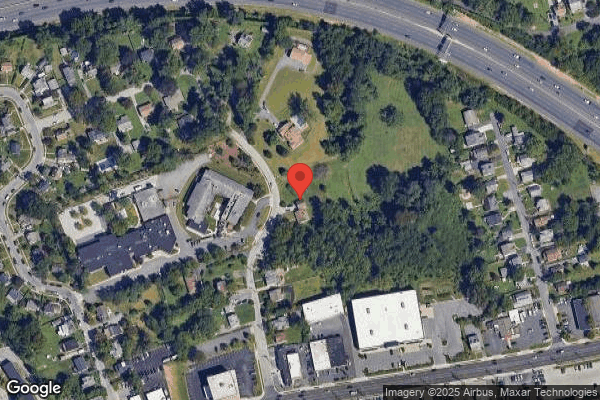
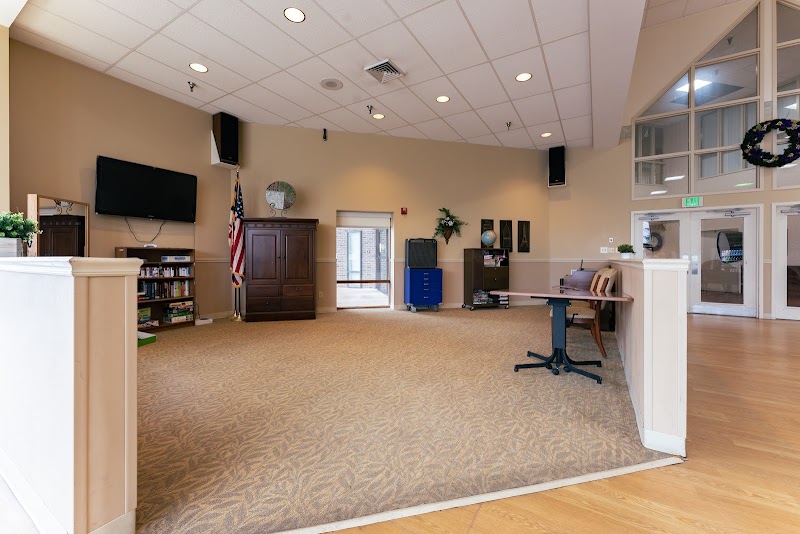
8710 EMGE ROAD, BALTIMORE, MD 21234 (410) 661-5955
For profit - Corporation 135 Beds AUTUMN LAKE HEALTHCARE Data: November 2025 2 Immediate Jeopardy citations
Trust Grade
16/100
#143 of 219 in MD
Last Inspection: November 2022

Over 2 years since last inspection. Current conditions may differ from available data.

Overview

Autumn Lake Healthcare at Parkville has received a Trust Grade of F, indicating significant concerns about its quality of care. It ranks #143 out of 219 nursing homes in Maryland, placing it in the bottom half of facilities in the state, and #27 out of 43 in Baltimore County, meaning only a few local options are better. The facility is on an improving trend, reducing issues from 12 in 2022 to 5 in 2023, but it still has a concerning staffing turnover rate of 57%, which is higher than the state average. Notably, there were critical incidents, including a failure to initiate CPR on a resident without a pulse and improper medication management that put residents at risk, highlighting both serious weaknesses in care. On a positive note, the facility has not incurred any fines, suggesting no recent compliance issues, and maintains average RN coverage, which is important for catching potential health problems.

Trust Score
F
16/100
In Maryland
#143/219
Bottom 35%
Safety Record
High Risk
Review needed
Inspections
Getting Better
12 → 5 violations
Staff Stability
⚠ Watch
57% turnover. Above average. Higher turnover means staff may not know residents' routines.
Penalties
✓ Good
No fines on record. Clean compliance history, better than most Maryland facilities.
Skilled Nurses
○ Average
Each resident gets 36 minutes of Registered Nurse (RN) attention daily — about average for Maryland. RNs are the most trained staff who monitor for health changes.
Violations
⚠ Watch
47 deficiencies on record. Higher than average. Multiple issues found across inspections.
★★☆☆☆
2.0
Overall Rating
★★☆☆☆
2.0
Staff Levels
★★★☆☆
3.0
Care Quality
★★☆☆☆
2.0
Inspection Score
Stable
2022: 12 issues
2025: 5 issues

The Good

  • Full Sprinkler Coverage · Fire safety systems throughout facility
  • No fines on record

Facility shows strength in fire safety.

The Bad

2-Star Overall Rating

Below Maryland average (3.0)

Below average - review inspection findings carefully

Staff Turnover: 57%

11pts above Maryland avg (46%)

Frequent staff changes - ask about care continuity

Chain: AUTUMN LAKE HEALTHCARE

Part of a multi-facility chain

Ask about local staffing decisions and management

Staff turnover is elevated (57%)

9 points above Maryland average of 48%

The Ugly 47 deficiencies on record

2 life-threatening 1 actual harm
Jul 2025 1 deficiency
CONCERN (D) 📢 Someone Reported This

A family member, employee, or ombudsman was alarmed enough to file a formal complaint

Potential for Harm - no one hurt, but risky conditions existed

Pressure Ulcer Prevention (Tag F0686)

Could have caused harm · This affected 1 resident

**NOTE- TERMS IN BRACKETS HAVE BEEN EDITED TO PROTECT CONFIDENTIALITY** Based on record reviews and staff interviews, it was determined that the facility failed to accurately complete a resident's ski...

Read full inspector narrative →
**NOTE- TERMS IN BRACKETS HAVE BEEN EDITED TO PROTECT CONFIDENTIALITY** Based on record reviews and staff interviews, it was determined that the facility failed to accurately complete a resident's skin assessment sheet and failed to follow a physician's order for wound treatment. This was evident for 1(Resident #142) of 1 resident reviewed for pressure ulcers during the recertification/complaint survey.The findings include: On 7/22/25 at 9:00 AM a review of a complaint intake #310260, had that Resident #142 had bedsores, but the family member was not sure if they were facility acquired or not and if they were the cause of the resident's death.A review of the resident's medical records on 7/22/25 at 9:12AM revealed that Resident #142 was admitted to the facility on [DATE] and had many comorbidities, was cognitively impaired and immunocompromised. On admission the skin assessment sheet documented 3 pressure ulcer (PU) areas to the Right gluteal fold 6.5cm x 4.5 cm, R thigh(rear) 6x5cm X 6cm and Coccyx 4.5cm x 4.0cmx 1.0cm, meaning that resident came in to the facility with multiple wounds. Review of the care plans related to skin integrity on 7/22/25 at 9:17AM had: Resident has actual impairment to skin integrity (Right hip, left hip, BLE and ankles, sacrum, l foot, left knee, left heel, right ischium) r/t fragile skin, boney prominences, incontinence, limited mobility Date Initiated: 09/10/2024 Revision on: 10/29/2024.On 7/22/25 at 9:30 AM a review of a wound care note revealed that Resident #142 had up to 15 wound areas, some with eschar that was debrided by the wound care doctor. Continued review of the admission/readmit screener documents, dated 6/8/24, showed that the wounds were assessed on admission, measured and documented indicating that the resident came in with them.Further review of the skin assessment sheet revealed that on 6/17, 6/18, and 6/25/24, the weekly skin eval was not completed to reflect the wounds. On 9/16/24, nothing was documented and on 10/22/24, no area was documented.A review of the June 2024 Treatment Administration Record (TAR) on 7/22/25 at 9:47AM, revealed an order for an antiseptic wound medication Oxychlorosene Sodium Powder 0.004 grams every day and evening shift for wound. It was ordered on 6/7/24. This wound treatment was not signed off as done on 6/11, 6/13, and 6/19- on the day shift and, on 6/15 and 6/20 evening shift. Also, the Left butt wound treatment was not ordered until 6/21/24.On 7/22/25 at 10:26 AM in an interview with the Director of Nursing (DON) she was asked about the skin assessment sheets and how often they should be completed and she said weekly. She was asked how to indicate that treatment was completed, and she said that the nurse should sign it off. She was made aware of the skin assessment sheets not completed and the wound treatment that was ordered late. She validated that nurses did not sign the TAR to indicate that treatments were done and did not thoroughly complete the skin assessment sheets.
Apr 2025 4 deficiencies
CONCERN (D) 📢 Someone Reported This

A family member, employee, or ombudsman was alarmed enough to file a formal complaint

Potential for Harm - no one hurt, but risky conditions existed

Notification of Changes (Tag F0580)

Could have caused harm · This affected 1 resident

Based on medical record review and review of pertinent documents and interviews it was determined the facility staff failed to notify the resident's representative when there was a significant change ...

Read full inspector narrative →
Based on medical record review and review of pertinent documents and interviews it was determined the facility staff failed to notify the resident's representative when there was a significant change in the resident's condition and a change in the resident's treatment plan. This was evident for 1 (Resident #11) of 22 residents reviewed for a complaint during the complaint survey. The findings include: On 4/10/25 at 10:19 AM a review of complaint #MD00203408 alleged that Resident #11's representative was not notified when the resident had a change in condition and was started on oxygen. The complaint alleged the resident representative found out Resident #11 was on oxygen when s/he saw the resident using oxygen during a visit on 1/29/24, and the resident's body appeared swollen and full of fluid. When Resident #11 was asked why s/he hadn't called the representative, the resident said it was because s/he was scared & exhausted from the experience. Resident #11's representative spoke with the nurse on duty, who stated s/he was new to the facility, then reviewed the resident's chart and told him/her that Resident #11 had had an x-ray, and there was excess fluid throughout his/her body. Then, on 1/30/24 at 8:30 AM, the resident representative received a call from the resident's nurse who apologized for not contacting either one of the resident's 2 representatives about Resident #11's change in condition. On 4/10/25 at 10:32 AM, a review of Resident #11's electronic medical record (EMR) was conducted and revealed Resident #11 was admitted to the facility in January 2024 following an acute hospitalization with multiple diagnosis which included stage 4 kidney disease, diabetes, hypertension (high blood pressure), atrial fibrillation (irregular heartbeat), cellulitis (bacterial skin infection). The medical record further documented Resident #11 was transferred to the hospital in February 2024 and subsequently discharged from the facility. In a change in condition note, on 1/27/24 at 11:31 PM, the nurse documented that Resident #11 was short of breath (SOB) and the resident reported s/he could not breath. The nurse wrote that Resident #11 was breathing heavily, and his/her oxygen saturation (02 sat) (a measure of how much oxygen is in the blood) was 68% (normal 95% - 100%) on room air. The nurse wrote Resident #11 was given oxygen at 3 liters via nasal cannula with no improvement, that the oxygen was increased to 6 liters, and the resident was given a nebulizer (changes medication from a liquid to a mist so it can be inhaled) treatment with positive results. The nurse further documented the physician was notified on 1/27/24 at 11:43 PM, and recommended labs and a chest x-ray. In the change in condition note, the date and time of resident representative notification was documented 1/30/24 at 8:00 AM. Further review of Resident #11's medical record revealed, on 1/30/24 at 8:25 AM, in a general nurses note, the nurse documented that a clinical update was given to Resident #11's representative. No other documentation was found in the medical record to indicate that following Resident #11's change in condition on 1/27/24, the resident's representative had been informed of the significant change in Resident #11's health status or that the representative had been notified of the change in the resident's treatment plan when oxygen was implemented and an x-ray and labs were ordered. The above concerns were discussed with the Nursing Home Administrator (NHA) and Director of Nurses (DON) on 4/11/25 at approximately 1:00 PM. The NHA and DON acknowledged the concerns, and no further comments were offered at that time.
CONCERN (D) 📢 Someone Reported This

A family member, employee, or ombudsman was alarmed enough to file a formal complaint

Potential for Harm - no one hurt, but risky conditions existed

Comprehensive Care Plan (Tag F0656)

Could have caused harm · This affected 1 resident

Based on medical record review and interview with staff it was determined that the facility failed to develop a person-centered Hospice plan of care with individualized needs and preferences. This was...

Read full inspector narrative →
Based on medical record review and interview with staff it was determined that the facility failed to develop a person-centered Hospice plan of care with individualized needs and preferences. This was evident for 1 (Resident #12) of 1 residents reviewed for Hospice services during the complaint survey. The findings include: Hospice is a program that gives special care to people who are near the end of life and have stopped treatment to cure or control their disease. Hospice offers physical, emotional, social, and spiritual support for patients and their families. A care plan is a guide that addresses the unique needs of each resident. It is used to plan, assess and evaluate the effectiveness of the resident's care. Resident #12's medical record was reviewed on 4//8/25 at 1:52 PM. Resident #12 was admitted to Hospice Services on 7/11/23. A Hospice Plan of Care was developed by the facility on 7/10/23 with the focus: The resident has a terminal prognosis r/t (relate to) Resident is on [company name] Hospice services. The resident's goals were identified as: Resident #12's comfort would be maintained; and the resident's dignity and autonomy would be maintained at the highest level. The facility identified 11 interventions to assist the resident in reaching his/her goals. However, they were general interventions that did not include/reflect Resident #12's specific individual care needs or preferences. One intervention: assess the resident's coping strategies and respect his/her wishes - it did not identify what his/her coping strategies were nor his/her wishes. Another intervention stated: Consult with physician and Social Services to have Hospice care for resident in the facility. It was not resident centered. The intervention: Encourage support system of family and friends failed to identify the family and friends the resident wished to include in his/her support system. The plan did not identify Resident #12's end of life wishes, specific choices, or preferred comfort measures for staff to implement when providing end of life care. An interview was conducted on 4/9/25 at 11:12 AM with Staff #3 the Director of Social Services regarding Hospice Services and Care Plan development related to Hospice services. She confirmed that she is the facility's Hospice Liaison. The Administrator was present in the room and joined the interview. They were asked how the facility ensured that resident specific end of life wishes were identified and provided. When asked to clarify, the surveyor reviewed Resident #12's Hospice Plan of Care with them. They were made aware that the plan had not identify any resident preferences or wishes for end-of-life care needs including but not limited to end of life wishes, any specific comfort measures or if/who she would like to have at his/her bedside at end of life. They acknowledged these findings.
CONCERN (D) 📢 Someone Reported This

A family member, employee, or ombudsman was alarmed enough to file a formal complaint

Potential for Harm - no one hurt, but risky conditions existed

Deficiency F0760 (Tag F0760)

Could have caused harm · This affected 1 resident

**NOTE- TERMS IN BRACKETS HAVE BEEN EDITED TO PROTECT CONFIDENTIALITY** Based on medical record review, interviews, and review of pertinent documentation, it was determined the facility failed to keep...

Read full inspector narrative →
**NOTE- TERMS IN BRACKETS HAVE BEEN EDITED TO PROTECT CONFIDENTIALITY** Based on medical record review, interviews, and review of pertinent documentation, it was determined the facility failed to keep residents free from a significant medication error by failing to ensure medication was available in a timely manner for the facility to administer. This was evident for 1 (Resident #16) of 22 residents reviewed for a complaint during the complaint survey. The findings include: On 4/11/25 at 9:00 AM, a review of complaint #MD00195309 alleged Resident #16 was told that his/her medications would be at the facility when s/he arrived at the facility, however it took 2 days to get the medication and the complaint alleged that the nurse attempted to give Resident #16 another resident's insulin. Following the review of the complaint, a review of Resident #16's electronic medical record (EMR) revealed documentation that Resident #16 was admitted to the facility on [DATE], at 7:30 PM, following an acute hospitalization and discharged from the facility in the beginning of September 2023. The medical record documented Resident #16 had multiple diagnoses including type 1 diabetes. Review of Resident #16's August 2023 electronic Medication Administration Record (eMAR) revealed insulin order that had administration times signed with the code 9 (other/see nurses note). When a medication administration was coded 9, the medication order populates in an eMar medication administration note in the progress notes for the practitioner to document the reason the medication was not administered or any other pertinent information about the medication. 1) Review of Resident #16's August 2025 electronic Medication Administration Record revealed an 8/1/23 order for Basaglar (Insulin glargine) (long-acting insulin) KwikPen Subcutaneous (sq) Solution Pen-injector 100 unit/ml (milliliter) Inject 15 units subcutaneously (sq) (in fatty tissue, under the skin) at bedtime related to type 1 diabetes. On 8/2/23 at 8:00 PM, the administration time was signed off with the code 9 (other/see nurses notes). Review of Resident #16's eMar medication administration notes for when the Basaglar insulin was signed 9 revealed on 8/2/23 at 9:00 PM, the practitioner documented awaiting delivery from pharmacy, indicating the Basaglar insulin was not available in the facility for the staff to administer to the resident. 2) An order for Sliding Scale insulin means the person's blood sugar is checked prior to administration of the insulin and the amount of insulin to be administered changes or slides up or down based on the person's blood sugar. Normal fasting blood sugar levels are generally considered to be between 70 and 100 mg/dL 2a) Review Resident #16's of the MAR revealed an 8/1/23 order for Novolog (fast-acting insulin) FlexPen subcutaneous (sq) solution, administer per sliding scale sq before meals and at bedtime related to type 1 diabetes revealed on 8/3/23, 2 (6:00 AM, 4:00 PM) administration times were signed off with the code 9: - on 8/3/23 at 0600 AM, the resident's blood sugar result was documented as 343 and the administration time was signed off with the code 9. - on 8/3/23 at 4:00 PM, blood sugar result was documented as NA (nor applicable), indicating the resident's blood sugar was not checked, and the order was coded 9 Review of Resident #16's eMar medication administration notes for when the order for Novolog sliding scale insulin administration time was signed off with the code 9 revealed the Novolog insulin was not available in the facility for the staff to administer to the resident and documented the following: - on 8/3/23 at 7:28 AM, Notified on call [Staff #6, Nurse Practitioner], no coverage for Aspart (Novolog insulin) due to not being available at facility. Per on call NP, continue monitoring and assess for s/s of stress. - on 8/3/23 at 7:34 AM, Not available on call NP made aware - on 8/3/23 at 4:26 PM, Resident insulin in transit from the pharmacy. MD aware 2b) Further review of Resident #16's order for Novolog FlexPen sq solution to be administered per sliding scale in the August 2023 MAR revealed on 8/3/23 at 11:00 AM, Resident #16's blood sugar was documented as 275, and documented that 6 units of insulin were given. This was in contravention to documentation indicating Novolog insulin for Resident #16 was not in the facility to give to the resident. Review of Resident #16's eMar medication administration notes for Novolog insulin per sliding scale revealed documentation indicating the Novolog insulin was not available for the staff to administer, and documented the following: - on 8/3/23 at 11:52 AM insulin still on order, NP aware. Pt. monitored for s/s of hyperglycemia high blood sugar) (none noted) - on 8/3/23 at 2:47 PM, meds still on order, pharmacy called in for stat delivery . NP aware 3) Continued review of Resident #16's August 2023 MAR revealed an 8/1/23 order for NovoLog (fast-acting insulin) FlexPen Subcutaneous (sq) Solution Pen-injector 100 unit/ml, Inject 4 units sq with meals related to type 1 diabetes, indicating the Novolog insulin should be administered routinely at 6:00 AM, 11:00 AM, and 4:00 PM. The MAR documented on 8/3/24 the Novolog order was signed off with the code 9 on 3 (6:00 AM, 11:00 AM, and 4:00 PM) administration times. Review of Resident #16's eMar medication administration notes for when the order for Novolog insulin, 4 units, administer routinely with meals was signed off with the code 9 revealed the Novolog insulin was not available in the facility for the staff to administer to the resident and documented the following: - on 8/3/23 at 7:33 AM, Not available. - on 8/3/23 at 11:56 AM , insulin on order , pharmacy called in for stat delivery, NP aware - on 8/3/23 at 4:25 PM, Resident insulin in transit from the pharmacy, Md (medical doctor) aware On 4/14/25 at approximately 11:30 AM, the Nursing Home Administrator and the Director of Nurses were made aware of the above concern that prescribed medication was not available in the facility in a timely manner resulting in missed administrations, and made aware of the concern that, in the MAR, the order for Novolog per sliding scale was documented as given on 8/3/23 at 11:00 AM with no evidence the Novolog insulin prescribed for Resident #16 had been available to give. The NHA and DON acknowledged the concerns, with no further comments offered at that time.
CONCERN (D) 📢 Someone Reported This

A family member, employee, or ombudsman was alarmed enough to file a formal complaint

Potential for Harm - no one hurt, but risky conditions existed

Medical Records (Tag F0842)

Could have caused harm · This affected 1 resident

**NOTE- TERMS IN BRACKETS HAVE BEEN EDITED TO PROTECT CONFIDENTIALITY** Based on medical record review and interview with staff it was determined facility staff failed to maintain complete and accurat...

Read full inspector narrative →
**NOTE- TERMS IN BRACKETS HAVE BEEN EDITED TO PROTECT CONFIDENTIALITY** Based on medical record review and interview with staff it was determined facility staff failed to maintain complete and accurately documented medical records. This was evident for 1 (Resident #12) of 1 residents reviewed for Hospice services during the complaint survey. The findings include: Resident #12's medical record and facility's Hospice contract were reviewed on 4//8/25 at 1:52 PM. The record revealed that Resident #12 was admitted to Hospice services on [DATE]. The facility's contract with Resident #12's Hospice provider included: 2.Responsibilities of Facility (d) coordination of care, (iv) Notification of Change in Condition. Facility shall immediately inform Hospice of any change in the condition of a Hospice Patient. It included but was not limited to the death of a Hospice Patient. A Nursing Progress Note dated [DATE] at 20:04 [8:04 PM] indicated Low blood pressure. Action: Monitoring resident blood pressure, Response: Resident is hospice and declining. There was no documentation indicating the resident's representative or Hospice provider were made aware of these findings. Another progress note dated [DATE] at 11:47 AM indicated: Patient expired this morning at 9:30 am, family came to be with the patient at bed side. Patient body was release to Maryland Cremation services at 11:00am. The note was not clear if the resident's family was with him/her when he/she expired or arrived afterward. There was no documentation of an assessment of the resident with the findings that led the nurse to conclude that the resident had expired. The documentation did not indicate when, if or how the contracted Hospice provider was notified that Resident #12 had expired. The Administrator and Director of Nursing were made aware of these concerns and confirmed the above findings on [DATE] at 1:20 PM.
Nov 2022 12 deficiencies 1 IJ
CRITICAL (J) 📢 Someone Reported This

A family member, employee, or ombudsman was alarmed enough to file a formal complaint

Immediate Jeopardy (IJ) - the most serious Medicare violation

Deficiency F0678 (Tag F0678)

Someone could have died · This affected 1 resident

**NOTE- TERMS IN BRACKETS HAVE BEEN EDITED TO PROTECT CONFIDENTIALITY** Based on clinical record review, staff interview it was determined that the facility nursing staff failed to initiate Cardiopulm...

Read full inspector narrative →
**NOTE- TERMS IN BRACKETS HAVE BEEN EDITED TO PROTECT CONFIDENTIALITY** Based on clinical record review, staff interview it was determined that the facility nursing staff failed to initiate Cardiopulmonary Resuscitation (CPR) on a resident without a pulse (#167). This was evident for 1 out 55 residents that were in the survey sample. After the incident the facility developed, initiated, and completed a plan of correction to prevent further incidents of CPR not being initiated. Therefore, this deficiency will be cited as past non-compliance immediate jeopardy. The date of correction was [DATE]. The findings are: Review of intake MD00175813 on [DATE], [DATE] and [DATE] revealed the following: Resident #167 completed a Maryland Medical Orders for Life-Sustaining Treatment (MOLST) on [DATE] and the resident requested to receive Cardiopulmonary Resuscitation (CPR). Cardiopulmonary resuscitation is an emergency procedure that includes chest compressions and sometimes includes artificial ventilation in an effort to preserve intact brain function until further measures are taken to restore blood circulation and breathing in a person who is in cardiac arrest. The resident entered palliative care (an interdisciplinary approach aimed at optimizing quality of life and mitigating suffering) on [DATE]. The resident completed a form listing Five Wishes: focus on aggressive care at all costs, move to the Intensive Care Unit (ICU) if clinically worsens, wants a breathing tube, wants medication to treat low blood pressure, and wants CPR if heart stops. Clinical Record review revealed that on [DATE] at 5:38 PM that the nurse (Staff #27) caring for the resident found the resident without a pulse. 911 was called by the nursing staff. CPR was not initiated. A review of the Emergency Medical Services (EMS) report on [DATE] revealed that 911 was called on [DATE] at 6:25 PM. The EMT's arrived on [DATE] at 6:32 PM. They donned Personal Protective Equipment (PPE) and entered the room at 6:35 PM. Staff were standing in the room and the resident was in bed. No CPR in progress. An Automated External Defibrillator, (AED) is a device used to assist individuals in cardiac arrest. It is an easy to use device that can analyze the heart's rhythm and, if necessary, deliver an electric shock to help the heart re-establish an effective rhythm) was not on the resident. Staff stated the resident had COVID and had been having respiratory issues since 5:00 PM. EMT's noted that the resident did not have a pulse. EMT pronounced resident deceased . A review of Staff #27's personnel file on [DATE] revealed that she failed to initiate CPR per policy and procedure, failed to seek assistance from co-workers, failed to overhead page a STAT (an immediate response) for the resident's room, and that the employee's failure to initiate CPR violated the resident's wishes. A review of the policies and procedures for administering CPR during the pandemic for a resident with COVID were: If an Automated External Defibrillator (AED) is present, then apply and initiate. If not, then initiate CPR. Call 911 then physician. Designate someone to record events. Continue until CPR is no longer needed and/or appropriate. The Administrator, the Director of Nursing, and Regional Nurse (staff #18) were interviewed on [DATE] at 9:30 AM regarding the incident. They were not employed by the facility at the time of the incident and could not provide additional information. Interview with the unit manager (Staff # 17) on [DATE] at 11:10 AM revealed she was working in the facility at that time but not on the unit. She did not recall the incident but did recall the training. She was one of the trainers and participated in the demonstrations. She did recall Resident #167's name and that the resident had COVID and required CPR. When asked how to perform CPR on someone with COVID. She replied that you cover the resident with a plastic sheet from neck down and begin the CPR process. She also stated the procedures according to the policy manual. In response to the incident, Quality Assurance had nursing staff re-trained regarding how to respond to a resident in need of CPR. The in-services were entitled Response to STAT for a Covid + pt and regular CPR. The training sessions were held on [DATE], [DATE], [DATE], and [DATE]. A practice drill on how to respond to an individual with COVID in need of CPR was held on [DATE]. Staff #27 was terminated because she failed to initiate CPR per policy and procedure, failed to seek assistance from co-workers, and failed to overhead page a STAT alert. The facility is now owned by a different company with different management. Upon review of actions of the previous facility administration and interview with the current Director of Nursing it was determined the immediate jeopardy was past non-compliance secondary to the previous management staff terminating the nurse. Furthermore, the nursing staff employed by the previous nursing home company were educated and the training department held a practice drill to ensure the nursing staff understood their roles and responsibilities. The facility corrected the deficiency on [DATE]. A review of the current facility's policies and procedures revealed that current staff were informed of the proper response.
SERIOUS (G) 📢 Someone Reported This

A family member, employee, or ombudsman was alarmed enough to file a formal complaint

Actual Harm - a resident was hurt due to facility failures

Quality of Care (Tag F0684)

A resident was harmed · This affected 1 resident

**NOTE- TERMS IN BRACKETS HAVE BEEN EDITED TO PROTECT CONFIDENTIALITY** Based on medical record review, observation and interview, it was determined the facility staff failed to administer medications...

Read full inspector narrative →
**NOTE- TERMS IN BRACKETS HAVE BEEN EDITED TO PROTECT CONFIDENTIALITY** Based on medical record review, observation and interview, it was determined the facility staff failed to administer medications as ordered by the physician (Resident #3,and #42). This was evident for 2 out of 56 residents reviewed during an annual survey. The findings include: 1. Review of Resident #3's medical record on 11/2/22 revealed the Resident was admitted to the facility on [DATE] with a diagnosis of heart disease. Further review of the Resident's medical record revealed the Resident had a cardiology consult on 10/11/22. Review of the Cardiology Office/Clinic Note revealed the Cardiologist ordered the Resident to start on Imdur 30 mg daily. Imdur is used to prevent chest pain in patients with coronary artery disease. Review of Resident #3's Medication Administration Records for October and November 2022 revealed the Resident was not receiving Imdur. Interview with the Director of Nursing on 11/4/22 at 10:05 AM confirmed the facility staff failed to order Imdur for the Resident following his/her cardiology consult on 10/11/22. 2. Observation of medication administration for Resident #42 on 11/3/22 at 9:15 AM revealed RN (registered nurse) #1 failed to administer Eliquis 5 mg and Potassium 20 meq to the Resident. At that time RN #1 stated the medications were not available in the medication cart and she would notify Unit Manger #1. Review of Resident #42's medical record on 11/4/22 revealed the Resident was readmitted to the facility from the hospital on [DATE]. At that time the physician ordered Eliquis 5 mg two times daily for atrial fibrillation. Atrial fibrillation is when the heart beats too slowly, too fast, or in an irregular way. On 10/31/22 the physician also ordered Potassium Chloride 20 meq one time a day for supplement. Review of the Resident's November 2022 Medication Administration Record on 11/4/22 revealed the Resident did not receive the 11/3/22 9:00 am dose of Eliquis or Potassium. On 11/7/22 at 10:00 AM the Director of Nursing provided the Surveyor with the list of medications stored in the facility. Included in that list was Eliquis 5 mg and Klor-Con M20. Klor-Con M20 is a brand name for potassium chloride. Interview with the Director of Nursing on 11/7/22 at 12:50 PM confirmed the facility staff failed to administer Eliquis and Potassium to Resident #42 on 11/3/22 at 9:00 AM.
CONCERN (D) 📢 Someone Reported This

A family member, employee, or ombudsman was alarmed enough to file a formal complaint

Potential for Harm - no one hurt, but risky conditions existed

Safe Environment (Tag F0584)

Could have caused harm · This affected 1 resident

**NOTE- TERMS IN BRACKETS HAVE BEEN EDITED TO PROTECT CONFIDENTIALITY** Based on surveyor observation and interview with staff it was determined that the facility fail to maintain a homelike environme...

Read full inspector narrative →
**NOTE- TERMS IN BRACKETS HAVE BEEN EDITED TO PROTECT CONFIDENTIALITY** Based on surveyor observation and interview with staff it was determined that the facility fail to maintain a homelike environment this was evident in four out of four rooms observed. The findings include: On 11/03/22 at 1:33 PM the surveyor entered and began the initial tour of the facility. Observation and Brief walk of second floor hallway with the Maintenance Manager, no issued with lighting, adequate lighting and Comfortable lighting observed. Starting from room [ROOM NUMBER] of second floor hallway observed two 4x4 inch holes on baseboard of room [ROOM NUMBER] and room [ROOM NUMBER] respectively. A distinct smell of urine was observed by surveyor and was persistent throughout this portion of the hallway of the facility on 2nd floor. A 3x3 inches hole was also observed on room [ROOM NUMBER] baseboards. A missing tiles was also observed on room [ROOM NUMBER] by the window ac/heat vent. The baseboards was also observed coming off from the wall, leaky and wet with water inside the Nourishment room located in front of the Nursing station on second floor. These finding were confirmed with the maintenance manager at the time of the observation. The Administrator was made aware of these findings on 11/17/2022 during the exit conference.
CONCERN (D) 📢 Someone Reported This

A family member, employee, or ombudsman was alarmed enough to file a formal complaint

Potential for Harm - no one hurt, but risky conditions existed

Free from Abuse/Neglect (Tag F0600)

Could have caused harm · This affected 1 resident

Based on medical record review, interview, and review of pertinent facility documents, it was determined that the facility failed to prevent abuse occurring from employees towards residents. This was ...

Read full inspector narrative →
Based on medical record review, interview, and review of pertinent facility documents, it was determined that the facility failed to prevent abuse occurring from employees towards residents. This was evident during the review of facility reported incidents occurring between employees and residents, effecting 2 residents (#78 and #79) of 4 reviewed. The findings include: 1. During the initial tour Surveyor interviewed Resident #78 on 10/31/2022 at 9:44 AM regarding any concerns related to abuse. S/he stated that there was an incident with him/her and with his/her roommate #79. S/he elaborated on Resident #79. Resident #78 stated that Resident #79 according to his/her observations is unable to do anything for his/herself including communicate. S/he further stated that there was an incident when staff was providing care to Resident #78 and #79. Resident #78 asked staff to keep the curtain open so that s/he could see the care that was being provided to Resident #79. According to Resident #78, s/he observed GNA #21 slap Resident #79 on the arm while providing care. According to the facility reported incident, Resident #79 became agitated and swung [his/her] arms. Medical record review on 11/9/2022 at 8:31 AM revealed Resident #79's medical diagnosis including anoxic brain injury and myoclonus (sudden, brief involuntary twitching or jerking of a muscle or group of muscles). The facility substantiated the abuse allegation and staff GNA #21 was removed from the facility. This concern and findings were reviewed with the Director of Nursing (DON) and Administrator throughout the survey and again during exit on 11/17/2022. 2. Surveyor interviewed Resident #78 on 10/31/2022 at 9:44 AM. Resident #78 recalled an incident from 2021where a GNA was 'inappropriate' and 'aggressive.' S/he further stated that s/he may have had an attitude with the staff, however, s/he is fully dependent on staff for care secondary to his/her diagnosis and was not getting the assistance that s/he needs. Resident #78 further stated that the meal was late and GNA staff #24 didn't want to help him/her, and the situation escalated from there. Surveyor reviewed a facility reported incident #MD00165822 on 11/9/2022 at 9:35. This reported revealed that on 4/5/2021, during the passing of lunch trays a verbal altercation occurred between Resident #78 and staff GNA #24. This was witnessed by LPN #23. In addition to the verbal altercation, staff #23 and Resident #78 reported that GNA #24 threw a towel at Resident #78. The facility substantiated the allegation and staff #24 was removed from the facility as an employee. According to medical record review, completed on 11/9/2022 at 10:00 AM, Resident #78 has a diagnosis including quadriplegia. His/her 6/9/2022 brief interview for mental status assessment (a screen used to assist with identifying a resident's current cognition and to help determine if any interventions need to occur) scored a 15, meaning that s/he is cognitively intact. The findings were reviewed with the DON and the Administrator throughout the survey and again during exit on 11/17/2022.
CONCERN (D)

Potential for Harm - no one hurt, but risky conditions existed

Report Alleged Abuse (Tag F0609)

Could have caused harm · This affected 1 resident

**NOTE- TERMS IN BRACKETS HAVE BEEN EDITED TO PROTECT CONFIDENTIALITY** Based on medical record review, review of facility documents and interviews, it was determined the facility staff failed to repo...

Read full inspector narrative →
**NOTE- TERMS IN BRACKETS HAVE BEEN EDITED TO PROTECT CONFIDENTIALITY** Based on medical record review, review of facility documents and interviews, it was determined the facility staff failed to report an incident of alleged abuse to the Office of Health Care Quality (OHCQ) and local law enforcement in a timely manner (Resident #68). This was evident for 1 out of 18 residents reviewed for abuse allegations during an annual survey. The findings include: Review of Resident #68's medical record on 11/1/22 revealed the Resident was admitted to the facility on [DATE] with a diagnosis to include Schizophrenia. Schizophrenia is a serious mental disorder in which people interpret reality abnormally. Schizophrenia may result in some combination of hallucinations, delusions, and extremely disordered thinking and behavior that impairs daily functioning, and can be disabling. Review of a facility investigation regarding Resident #68 revealed Resident #68 reported on 10/22/22 to LPN (licensed practical nurse) #1 that GNA (geriatric nursing assistant) #1 was rough during care. Review of Resident #68's medical record revealed a nurse's note on 10/22/22 at 1:37 PM that stated, resident brought to my attention this am around 8:00 AM when I was wrapping his/her leg, resident stated this happened last week Friday on 7-3 shift a female GNA with curly hair was so rough with him/her during care. Resident said the GNA insulted him/her with abusive word and pushed to bed. Further review of the facility investigation revealed the facility administration did not report the incident to OHCQ and police until 10/24/22. During interview with the Director of Nursing (DON) on 11/2/22 at 8:38 AM, the DON confirmed the incident was not reported to OHCQ and the police until 10/24/22 because LPN #1 failed to report the incident to facility administration on 10/22/22.
CONCERN (D)

Potential for Harm - no one hurt, but risky conditions existed

Comprehensive Assessments (Tag F0636)

Could have caused harm · This affected 1 resident

Based on medical record review and interview with facility staff, it was determined that the facility MDS coordinator failed to complete an assessment within the MDS. This was evident during the revie...

Read full inspector narrative →
Based on medical record review and interview with facility staff, it was determined that the facility MDS coordinator failed to complete an assessment within the MDS. This was evident during the review of 1 of 3 hospice residents. The MDS is a federally mandated assessment tool used by nursing home staff to gather information on each resident's strengths and needs. Information collected drives resident care planning decisions. MDS assessments need to be accurate to ensure each resident receives the care they need. The findings include: During the review of Resident #59 on 11/4/2022 at 10:49 AM surveyor noted that the MDS coordinator assessing resident #59 for the 7/6/2022 annual assessment, section 'J' under health conditions, also addresses pain. This area identified that resident #59 has pain, takes as needed pain medications and should be assessed for pain. However, further review failed to reveal that the assessment was completed. Interview was held with MDS coordinator, staff #19 on 11/7/2022 at 11:01 AM regarding the surveyors' findings. She acknowledged the absence of the assessment and stated that she would do a modification. 11/07/22 11:01 AM Resident # 59 staff #19- followed up and stated that there was a nursing pain assessment completed but was not entered in the MDS, she stated that she will complete a modification. Surveyor reviewed that this will be an error at that time.
CONCERN (D)

Potential for Harm - no one hurt, but risky conditions existed

Deficiency F0637 (Tag F0637)

Could have caused harm · This affected 1 resident

Based on medical record review and interview with facility staff, it was determined that the facility minimum data set (MDS) coordinator failed to submit a significant change assessment within the MDS...

Read full inspector narrative →
Based on medical record review and interview with facility staff, it was determined that the facility minimum data set (MDS) coordinator failed to submit a significant change assessment within the MDS timely. This was evident during the review of 1 of 3 hospice residents. The MDS is a federally mandated assessment tool used by nursing home staff to gather information on each resident's strengths and needs. Information collected drives resident care planning decisions. MDS assessments need to be accurate to ensure each resident receives the care they need. The findings include: On 10/31/2022 at 9:25 AM, surveyor completed initial screening and interviews with Resident #59. During that interview, Resident #59 notified the surveyor that s/he recently was discharged from hospice. Furether review of Resident #59's medical record on 11/04/22 07:22 AM revealed that on 7/27/2022 a significant change minimum data set was initiated as s/he was picked up for hospice. Further review revealed that on 10/4/2022 s/he was released from hospice secondary to his/her diagnosis. A concurrent review of Resident #59's MDS's revealed that on 10/19/2022 a significant change MDS was initiated but noted as 'in progress.' The MDS coordinator, staff #19 was interviewed on 11/7/2022 at 9:25 AM. The concern that Resident #59 had a significant change and 19 days after the 14-day leeway for submissions of MDS's the MDS still was not submitted was reviewed. She stated that the facility is currently trying to catch up from the previous month and that they cannot submit any MDS's until the corporate nurse reviews them first. As of 11/7/2022 the significant change MDS was noted as 'export ready' but still not submitted. This identified concern was reviewed with the MDS coordinator and the DON and Administrator throughout the survey and again during exit on 11/17/2022.
CONCERN (D) 📢 Someone Reported This

A family member, employee, or ombudsman was alarmed enough to file a formal complaint

Potential for Harm - no one hurt, but risky conditions existed

Deficiency F0697 (Tag F0697)

Could have caused harm · This affected 1 resident

Based on a review of the clinical records and staff interview, it was determined that the facility staff failed to document the administration of pain medication on the electronic medical record, asse...

Read full inspector narrative →
Based on a review of the clinical records and staff interview, it was determined that the facility staff failed to document the administration of pain medication on the electronic medical record, assess, and monitor the effectiveness. This was true for 1 (#26) out of the 56 residents reviewed for pain management during an annual recertification survey. The findings include: Pain is often regarded as the fifth vital sign in healthcare because it is accepted now in healthcare that pain, like other vital signs, is an objective sensation rather than a subjective one. As a result, nurses are trained and expected to assess pain. A component of pain assessment-focusing on words to describe pain, intensity, location, duration, and aggravating or alleviating factors. It is the expectation that the facility staff assesses pain before and after administering pain medication to determine its effectiveness. On 11/3/22 at 11:00 am a medical record review for Resident #26 the physician ordered 10/03/2022: Oxycodone (pain medication) 5mg, give 1 tablet by mouth every 6 hours as needed for pain. Oxycodone is an opioid pain medication called a narcotic. Oxycodone is used to treat moderate to severe pain. The facility staff failed to document the administration of Oxycodone and assess the need for pain medications for Resident #26. A review of the Individual Narcotic Record reveals that Oxycodone was removed from the supply box on, 10/10/22 at 9 AM, 10/16 at 1:30 PM, 10/19 at 1 pm, and 10/21 at 12:30 PM. The facility staff failed to document the administration of Oxycodone in the electronic medical record and to conduct a post-pain assessment to ensure Resident #26 was pain-free. An interview with the Director of Nursing on 11/4/22 at 11 AM confirmed the facility staff failed to thoroughly assess the need for pain medication for Resident #26 and documented the administration of a strong narcotic.
CONCERN (D)

Potential for Harm - no one hurt, but risky conditions existed

Deficiency F0923 (Tag F0923)

Could have caused harm · This affected 1 resident

Based on surveyor observation, it was determined that the facility failed to have adequate ventilation to ensure good air quality circulation to keep the 2nd floor of the facility odor free. This was ...

Read full inspector narrative →
Based on surveyor observation, it was determined that the facility failed to have adequate ventilation to ensure good air quality circulation to keep the 2nd floor of the facility odor free. This was evident for one of two floors. The findings include: On 11/03/22 at 1:33 PM, immediately upon entering the 2nd floor hallway, an observation and brief walk of second floor hallway with the Maintenance Manager ( Staff #13). All the ventilation duct filters on the hallway were accumulated with dirt and dust. This surveyor's interview with staff #13 about the last time the ventilation duct was cleaned. Staff # 13 stated that they have never been clean during his 8 years employment with the facility. The replacement and cleaning of the ventilation ducts will facilitate good air quality and circulation and prevent the growth of molds. This finding was confirmed with the maintenance manager at the time of the observation. All nursing care centers must provide for adequate and functional operated exhaust ventilation, as necessary to control moisture and odors. The Administrator was made aware of these findings on 11/17/2022 during the exit conference.
CONCERN (E) 📢 Someone Reported This

A family member, employee, or ombudsman was alarmed enough to file a formal complaint

Potential for Harm - no one hurt, but risky conditions existed

Deficiency F0572 (Tag F0572)

Could have caused harm · This affected multiple residents

Based on interview from residents, record review and interview with facility staff, it was determined that the facility failed to ensure that residents were aware of the current facilities rules and r...

Read full inspector narrative →
Based on interview from residents, record review and interview with facility staff, it was determined that the facility failed to ensure that residents were aware of the current facilities rules and regulations after a change in ownership. This was evident during the resident council meeting and has the potential it effects all residents. The findings include: During the resident council meeting held on 11/3/2022 at 10:30 AM as part of the survey process, surveyor questioned the residents in attendance if they were aware of the facility rules and regulations and their rights under the new ownership that took place May 0f 2021. Five of the five residents in attendance were all residents in the facility prior to the transition of the facility from one company to another. The residents jointly agreed and spoke out that they were not informed or aware of any rule changes, nor were they asked to sign anything acknowledging new ownership of the facility and the expectations of the new owners. The facility Administrator and the Director of Nursing (DON) were interviewed on 11/4/2022 at 11:15 AM regarding the findings at the resident council meeting. They were asked if they were aware if residents were notified of the change in ownership and expectations including rules and regulations set forth by the new company. At the time of the interview and exit on 11/17/2022 neither were aware of any notification to the residents nor providing the residents with notification of a new admission contract.
CONCERN (E) 📢 Someone Reported This

A family member, employee, or ombudsman was alarmed enough to file a formal complaint

Potential for Harm - no one hurt, but risky conditions existed

Grievances (Tag F0585)

Could have caused harm · This affected multiple residents

Based on review of resident council meeting minutes and interview with residents and facility staff, it was determined that the facility failed to give adequate responses to grievances presented by th...

Read full inspector narrative →
Based on review of resident council meeting minutes and interview with residents and facility staff, it was determined that the facility failed to give adequate responses to grievances presented by the resident council. This was found evident in the review of the monthly resident council meeting minutes and facility responses for the months of February through October 2022. The findings include: Review of the resident council meeting minutes on 11/1/2022 at 9:56 AM revealed repeat concerns 5 of 7 months, regarding failure of staff or significant delay of staff to answer call bells timely and concern regarding the presence of staff specifically geriatric nursing assistance (GNA) to provide care as needed. These concerns were also reported to the surveyors through interviews during the annual survey during initial screening. In the April Resident Council meeting agenda under 'old business' regarding concerns from March documented that residents were informed of recent increased in nursing staff members joining the team. April 2022 concerns also noted continued concerns regarding staffing and call bell responses. However, there was no reported, or documented interventions or intermediate plan put in place to address the residents' concerns, besides stating that the facility is trying to hire new staff. Staffing concerns and call bell responses were reported again in June and July, August, October 2022 and again during the surveyor held resident council meeting on 11/3/2022. In the resident council meeting residents stated that they could push the call-bell and wait 1-2 hours for assistance. The GNA would come and silence it and they would have to wait another 45 minutes to get assistance. Collectively the residents in the meeting stated that when staff do provide care, they complain that 'they are short staffed' or 'everyone is short.' They feel that that is not their problem, they need care and here for a reason and need certain services provided to them that is not being provided timely. Residents also reported concerns related to dietary services in the resident council meetings. These concerns included temperatures of the food served on the unit and the presentation of the food service cart. These concerns continued for 7 of the 7 months of resident council meeting minutes reviewed according to what was provided to the survey team. The response to the concerns included monitoring of the temperatures prior to serving, in-servicing staff on proper cleaning of food carts put in as an intervention twice (May and July) and again implemented random checks of food temperatures. The same complaints and concerns occurred from February 2022 to October 2022. According to the resident council president, resident #78, s/he stated that people have stopped coming to the meetings because there are no responses to the grievances. The identified concerns from the resident council meeting and meeting minutes were reviewed with the DON and the Administrator on 11/4/2022 at 11:15 AM.
CONCERN (E) 📢 Someone Reported This

A family member, employee, or ombudsman was alarmed enough to file a formal complaint

Potential for Harm - no one hurt, but risky conditions existed

Deficiency F0760 (Tag F0760)

Could have caused harm · This affected multiple residents

**NOTE- TERMS IN BRACKETS HAVE BEEN EDITED TO PROTECT CONFIDENTIALITY** The findings include: 1. Review on 11/14/2022 at 11:00 AM of the facility reported incident #MD00151309 revealed an incident occ...

Read full inspector narrative →
**NOTE- TERMS IN BRACKETS HAVE BEEN EDITED TO PROTECT CONFIDENTIALITY** The findings include: 1. Review on 11/14/2022 at 11:00 AM of the facility reported incident #MD00151309 revealed an incident occurring on 2/9/2020 and 2/10/2020 where Resident #114 reportedly received between 4 and 8 times his/her ordered dose of an anticonvulsant (anti-seizure) medication, Vimpat. Continued review of the medical record for Resident #114 revealed diagnosis including traumatic brain injury (an injury that affects how the brain works), epileptic syndromes (unique combination of symptoms in the brain where the seizures originate) and flaccid hemiplegia (decrease or lack of muscle movement where the affected body part becomes floppy or without muscle tone and with diminished reflexes) affecting dominant side. A physician medication order was in place for the treatment of the seizures starting on 1/23/2020 for 4 tablets of Vimpat 50 milligrams (mg), twice a day at 9 AM and 9PM. Review on 11/15/2022 at 9:00 AM of the facility reported incident revealed that on 2/7/2020 the resident's attending physician, staff # 36, ordered a refill of the Vimpat. However, instead of ordering the administration of 4 tablets of 50 mg, he ordered for the administration of 1 tablet, 200mg Vimpat twice a day. Surveyor contacted the pharmacy responsible for dispensing medications to the facility on [DATE]. According to the Pharmacist in charge of operations, staff # 35, 60 tablets of the 200 mg Vimpat was ordered and delivered on 2/7/2020. The current Director of Nursing and Administrator provided the survey team with what they had available from the investigation that occurred in 2020. Although the actual narcotic log sheet was not available for review, the Controlled substance prescription form completed by the physician, staff #36 was in the investigation packet. According to the new order for Resident #114, s/he was to take 1 tablet twice a day of 200mg Vimpat. According to the facility investigation, the nurse on duty who received the medication from the pharmacy failed to update the order in the electronic health record, including the medication administration record (MAR) to reflect the changed physician order from 4 tablets of 50 mg to 1 tablet of 200mg. On 2/8/2020 at 9 AM and 9 PM, Resident #114 received 4 tablets of 200mg Vimpat, eight times the ordered dose. On 2/9/2020 Resident #114 received the 9 PM dose of Vimpat. At 10:11 PM according to a Nursing Home transfer form, Resident #114 was sent to the hospital secondary to abnormal vital signs. Under Additional Relevant information noted on the form included 'resident was given extra dose of Vimpat 200 mg yesterday and this am.' According to Unit Manager RN staff # 17 who was interviewed on 11/15/2022 at 1:51 PM, she stated that prior to the hospital transfer of Resident #114, LPN staff #34 identified that he erroneously administered 2 tablets of the 200mg Vimpat at 9 AM and 9 PM on 2/9/2020 and reported to her the error. The failure of the nursing staff to follow physician orders and transcribe medications correctly was reviewed with the DON and Administrator throughout the survey and again during exit on 11/17/2022. Based on clinical record review and staff interview it was determined that the facility staff failed to administer medications according to the physician orders. This was evident for 3 out 6 residents in the survey sample. Documentation is an integral part of medication administration. Documentation communicates the timing, dosing, and effect of any medications received by a patient. In the setting of skilled nursing care, residents are often prescribed multiple medications for significant medical conditions. They are also often more vulnerable to medication error and more prone to changes in condition that require review and adjustment of their medication regimen. Inaccurate medication documentation has the potential to place residents at significant risk of medication error, provide incomplete or inaccurate information for providers and care givers to evaluate, and represents a failure of basic medication administration principles. Late documentation is a form of inaccurate documentation and is worsened if the documentation does not document when medications were actually given. 'Late administration' is defined as giving medication greater than 1 hour after a medication is due. 'Late documentation' is defined as not documenting immediately after administration. The findings include: A review of Resident #164's medication administration record (MAR) for a period covering 3/1/21 to 4/30/21 revealed a significant pattern of late documentation for every medication that the resident was prescribed. The resident was prescribed: 1. Sevelamer carbonate 800 mg (supplement). The medication was administered late for 73 out of 79 opportunities. 2. Lantus Solostar pen injector 100 units/ml inject 8 units (treats diabetes). The medication was administered late for 35 out of 40 opportunities. 3. Humalog 100 unit/ml to be dosed on a sliding scale (treats diabetes). The medication was administered late for 47 out of 63 opportunities. 4. Protonix 20 mg (treats Gastrointestinal Reflux disease). The medication was administered late for 2 out of 3 opportunities. 5. Heparin 5000 units/ml inject 5000 units (prevents clotting). The medication was administered late for 11 out of 17 opportunities. 6. Aspirin 81 mg (stroke prevention). The medication was administered late for 24 out of 28 opportunities. 7. Clopidogrel 75 mg (blood clot prevention). The medication was administered late for 23 out of 24 opportunities. 8. Nephro vitamins 0.8 mg (supplement). The medication was administered late for 20 out of 20 opportunities. 9. Oxcarbazepine 300 mg (prevents seizures). The medication was administered late for 29 out of 34 opportunities. The Director of Nursing was interviewed on 11/15/21 at 10:15 AM. The late medications were discussed and she said she understood the findings.
Dec 2018 12 deficiencies
CONCERN (D)

Potential for Harm - no one hurt, but risky conditions existed

Transfer Notice (Tag F0623)

Could have caused harm · This affected 1 resident

Based on staff interview with the Director of Nursing (DON) and resident documentation, facility failed to contact Responsible Party (R.P.) to advise them that resident #64 was being transferred to th...

Read full inspector narrative →
Based on staff interview with the Director of Nursing (DON) and resident documentation, facility failed to contact Responsible Party (R.P.) to advise them that resident #64 was being transferred to the hospital. This was evident for 1 out of 4 residents transferred to the hospital. Findings include: Medical record review revealed Resident #64 was nonverbal and unable to follow commands. She/he was also noted to be total care for all her/his ADLs (activities of daily living) and had a peg tube. On 10/15/18 resident #64 was transferred from the facility for respiratory distress and hypoxia. Resident was found unresponsive, lethargic, tachypneic, O2 SATs were 75% on room air. The facility called the responsible party on 2 different occasions but was unable to reach him/her. There were no other notes indicating that the responsible party was ever notified. The Director of Nursing was aware and could not confirm whether the RP was notified or not.
CONCERN (D)

Potential for Harm - no one hurt, but risky conditions existed

Deficiency F0625 (Tag F0625)

Could have caused harm · This affected 1 resident

**NOTE- TERMS IN BRACKETS HAVE BEEN EDITED TO PROTECT CONFIDENTIALITY** Based on chart review and staff interview, the facility failed to give a bed hold policy for resident #64 who was transferred to...

Read full inspector narrative →
**NOTE- TERMS IN BRACKETS HAVE BEEN EDITED TO PROTECT CONFIDENTIALITY** Based on chart review and staff interview, the facility failed to give a bed hold policy for resident #64 who was transferred to the hospital. This was evident for 1 out of 4 residents transferred to the hospital. The findings include: On 12/10/18/at 9:18 AM a chart review conducted for resident # 64. Resident #64 had excess secretions requiring suction, lethargy and not responding appropriately. Resident #64 was admitted to the hospital on [DATE]. Review of nursing notes did not indicate that a bed hold policy was given to the resident or responsible party. Unit Clerk# 5 confirmed that there was no bed hold policy in the resident's chart and could not confirm whether a bed hold policy was sent out or given to resident. The Director of Nursing also could not confirm that a bed hold policy was provided to the resident.
CONCERN (D)

Potential for Harm - no one hurt, but risky conditions existed

Comprehensive Care Plan (Tag F0656)

Could have caused harm · This affected 1 resident

Based on record review, the facility failed to develop a comprehensive care plan for a resident that received Remeron for depression. This was evident for 1 out of 33 residents (#110) reviewed for car...

Read full inspector narrative →
Based on record review, the facility failed to develop a comprehensive care plan for a resident that received Remeron for depression. This was evident for 1 out of 33 residents (#110) reviewed for care plans. Findings include: Record review for Resident #110 on 12/10/18 at 12:50 PM revealed he/she had a history of recurrent depression and was placed on Remeron 15 mg tab per day at bedtime. Further record review did not indicate a comprehensive care plan that was completed for the resident being prescribed Remeron, a medication for depression. The Director of Nursing was made aware and confirmed there was no care plan available.
CONCERN (D)

Potential for Harm - no one hurt, but risky conditions existed

ADL Care (Tag F0677)

Could have caused harm · This affected 1 resident

Based on observation, medical record review and resident, family and staff interview it was determined the facility failed to ensure Resident #107 was shaved consistently. This was evident for 1 of 33...

Read full inspector narrative →
Based on observation, medical record review and resident, family and staff interview it was determined the facility failed to ensure Resident #107 was shaved consistently. This was evident for 1 of 33 residents observed and investigated during the survey. The findings include: On 12/7/18 at 9;46 AM Resident #107 was observed unshaven and with what appeared to be several days growth. When asked if he/she liked to be shaved daily, she/he stated a preference of every other day but was told yesterday that the staff were busy and they would try to get to her/him today. Interview of Resident #107's spouse at 2:27 PM revealed that the resident is shaved by staff but not consistently. The resident's spouse also said the Geriatric Nursing Aides (GNAs) don't come in and offer to shave her/him but they will shave her/him when asked. During an interview with Unit Manager #4, she confirmed it is a GNA responsibility to shave the residents daily or according to their personal preferences. A review of the resident's Nursing Care Plan revealed Resident #107 required assistance with activities of daily living. This would include the need to receive consistent assistance with shaving.
CONCERN (D)

Potential for Harm - no one hurt, but risky conditions existed

Deficiency F0697 (Tag F0697)

Could have caused harm · This affected 1 resident

Based on medical record review and staff and resident interview it was determined the facility failed to ensure nursing staff clarified the definition of pain for as needed medications and failed to i...

Read full inspector narrative →
Based on medical record review and staff and resident interview it was determined the facility failed to ensure nursing staff clarified the definition of pain for as needed medications and failed to indicate the location and type of pain prior to administering as needed medications for Resident #77. This was evident for 1 of 33 residents assessed during the survey. The findings include: On 12/6/18 at 2:54 PM, Resident #77 was interviewed. When asked if he/she was having any pain issues, he/she stated sometimes he/she has pain in the hip and thigh and then asks for pain medication. When asked to rate pain on a scale from 0-10 with '0' being no pain and '10' being the worst imaginable, he/she stated it sometimes goes up to a 6 or an 8. Beginning on 12/11/18 at 3:05 PM, the medical record for Resident #77 was reviewed. It was noted that nursing staff had failed to clarify the definition of severe pain for an as needed medication and were not documenting the location and type of pain when administering as needed medication. A review of the Medication Administration Record (MARs) revealed the following orders for Resident #77 for 12/1/18 - 12/11/18: -Oxycodone Hydrochloride 5 mg, give 2 tablets by mouth every 4 hours as needed for severe pain; and -Tylenol 325 mg, give 2 tablets by mouth every 6 hours as needed for pain. The level of pain was not clearly defined in these orders. It is standard practice to define pain on a 0 to 10 scale as follows: Mild pain: 1-3 Moderate pain: 4-6 Severe pain: 7-10 No doses of Tylenol were given on the days reviewed, but the indication for use stated only for pain and did not specify whether this was for mild or moderate pain. Oxycodone was given for pain levels of 6, 6, 8, 10, 4 and 6 (ranging from moderate at 4 and 6 to severe at 8 and 10). No documentation was found in the MAR or in nursing notes indicating the location of the pain or the type of pain such as burning, aching, stabbing, etc. The facility must ensure nursing clarifies when to administer varying strengths and classes of pain medication and document pain assessments according to minimum standards of nursing practice.
CONCERN (D)

Potential for Harm - no one hurt, but risky conditions existed

Deficiency F0761 (Tag F0761)

Could have caused harm · This affected 1 resident

**NOTE- TERMS IN BRACKETS HAVE BEEN EDITED TO PROTECT CONFIDENTIALITY** Based on observation the facility failed to 1. label and store drugs/biological's in the 2nd floor Med room, and 2. secure the m...

Read full inspector narrative →
**NOTE- TERMS IN BRACKETS HAVE BEEN EDITED TO PROTECT CONFIDENTIALITY** Based on observation the facility failed to 1. label and store drugs/biological's in the 2nd floor Med room, and 2. secure the medication cart on the second floor. This was evident for 1 out of 6 medication carts inspected and 1 medication room out of 1 medication room checked. Findings include: On [DATE] at 11:19 AM, the following observations were made: 1). Medication cart labeled Med. Cart Team 1 CMA on second floor was stored in the resident lounge area with resident's present. The front of medication cart was facing the wall. When this surveyor moved the cart, it was found open with no staff present. The Unit Manager #9 was made aware and shown these findings. 2). The medication storage room had an open bottle of Clorpactin (1/4 filled) with no date of when opened, and a vial of Tuberculin was opened and not dated. Unit Manager #9 was made aware of these findings. 3). Medication Cart labeled team 2 CMA had three drugs that were not dated when opened or expired. Two bottles of Latanoprost eye drops for Resident #62 did not have an open or expiration date on them and one bottle of Neomycin ear drops for Resident #4 was not labeled. Unit Manager #9 checked all bottles that were pulled from the cart and medication room and confirmed that there were not dates on the bottles. The Director of Nursing and Administrator are aware of the findings.
CONCERN (D)

Potential for Harm - no one hurt, but risky conditions existed

Deficiency F0801 (Tag F0801)

Could have caused harm · This affected 1 resident

Based on interview with acting dietary manager of the kitchen (Staff #6) it was determined that the facility failed to ensure that the acting dietary manager and full time dietary manager of the facil...

Read full inspector narrative →
Based on interview with acting dietary manager of the kitchen (Staff #6) it was determined that the facility failed to ensure that the acting dietary manager and full time dietary manager of the facility, (Staff #7) had completed required CDM (certified dietary manager) certification. The findings include: A tour of the facility kitchen was completed on December 6, 2018 at 9 AM. This surveyor was told by Acting Dietary manager Staff #6 who came from a sister facility, that the required certification was in process, but not complete. On 12/7/18 the facility Dietary Manager came back from vacation and was notified at 10:00 AM of the findings of the kitchen inspection the day before. At that time, he reported he was not a licensed CDM, but was waiting to schedule the test. The Administrator and Director of Nursing were made aware.
CONCERN (D)

Potential for Harm - no one hurt, but risky conditions existed

Food Safety (Tag F0812)

Could have caused harm · This affected 1 resident

Based on observations and tour of the kitchen, the facility failed to properly store food and other items in the kitchen area. The findings included: On December 6, 2018, at 10 AM, this surveyor toure...

Read full inspector narrative →
Based on observations and tour of the kitchen, the facility failed to properly store food and other items in the kitchen area. The findings included: On December 6, 2018, at 10 AM, this surveyor toured the facility kitchen with the food service acting manager staff #6. The following observations were made: 1) In the small dry storage area located in the kitchen two dry goods bins used for storing flour and breadcrumbs and were found with the date of 9/18. There was no year and no other dates noted. 2) In the large dry storage room located outside the kitchen, a plastic bag of cake mix was split open and sitting on the shelf. The contents of bag were spilling over other bags and onto the shelf. Additionally, empty soda cans were laying on shelves and dirty paper towels were thrown on the shelves. Boxes were on the floor toward the back of the storage room, blocking what was on the shelving unit. 3) Three unlabeled pitchers of orange juice, cranberry juice and fruit juice were in the refrigerator with no labels of when poured or expired. The manager (Staff #7) of the kitchen, Administrator and Director of Nursing were made aware of the findings.
CONCERN (D)

Potential for Harm - no one hurt, but risky conditions existed

Deficiency F0838 (Tag F0838)

Could have caused harm · This affected 1 resident

Based on review of facility records and staff interviews, the facility staff failed to include a required section of the Facility's Assessment Plan. The findings include: On 11/30/18 the facility's ...

Read full inspector narrative →
Based on review of facility records and staff interviews, the facility staff failed to include a required section of the Facility's Assessment Plan. The findings include: On 11/30/18 the facility's Assessment Plan was reviewed. The intent of the facility assessment is for the facility to evaluate its resident population and identify the resources needed to provide the necessary care and services the residents require. Part of that plan must include competencies/education needed by the staff to care for its listed patient population. Review of the plan did not include the training needed. The Director of Nursing was made aware.
CONCERN (D)

Potential for Harm - no one hurt, but risky conditions existed

Infection Control (Tag F0880)

Could have caused harm · This affected 1 resident

Based on observation and staff interview it was determined the facility failed to ensure personal hygiene equipment was stored and labeled appropriately in a bathroom shared by Residents #70 and #74. ...

Read full inspector narrative →
Based on observation and staff interview it was determined the facility failed to ensure personal hygiene equipment was stored and labeled appropriately in a bathroom shared by Residents #70 and #74. This was evident for 2 of 33 residents investigated during the survey. The findings include: On 12/7/18 at 10:02 AM, the bathroom shared by Residents #70 and #74 was inspected. A commode urine specimen collector was found lying directly on the floor. A washbasin containing a toothbrush, toothpaste, denture cream, denture cup, razor, body wash/shampoo and shaving cream were noted on the back of the toilet. Neither the washbasin nor the items it contained were labeled with the resident's name or room and bed number. The findings were confirmed by Unit Manager #4.
CONCERN (E)

Potential for Harm - no one hurt, but risky conditions existed

Deficiency F0583 (Tag F0583)

Could have caused harm · This affected multiple residents

Based on medication cart observations and staff interviews it was determined the facility staff failed to ensure medical records were kept in a confidential manner. This was evident in 2 out of 3 medi...

Read full inspector narrative →
Based on medication cart observations and staff interviews it was determined the facility staff failed to ensure medical records were kept in a confidential manner. This was evident in 2 out of 3 medication carts involving Resident's (R#39) with nursing shift report during the survey process. The finding include: 1. On 12/6/18 at 12:00 p.m. on unit 2 long term care unit surveyor observed an unattended medication cart on the second floor with the nursing shift to shift report document unsecured and in view. This document is used by the facilities nursing staff for assigned nursing task preformed during the nurses shift on assigned residents. On this shift to shift report the surveyor was able to be view resident's names, room numbers for rooms 30A through 59C, residents' vital signs, medical treatments and assigned medications. On 12/6/18 at 12:15 p.m. staff #1 stated to surveyor that he/she was giving care. 2. On 12/7/18 at 9:23 a.m. on unit-2 long term care unit, surveyor observed an open lap top on top of an unattended medication cart with resident #39's medication record visible for public viewing. Interview with staff member #2 indicated he/she was providing resident care. On 12/7/18 at 10:00 a.m. interview of unit manager #3 revealed that all residents records are always to be kept in confidential manner. The Administrator and Director of Nursing were informed of surveyors concerns prior to facility survey exit.
CONCERN (E)

Potential for Harm - no one hurt, but risky conditions existed

Medical Records (Tag F0842)

Could have caused harm · This affected multiple residents

2). Hemodialysis is a medical treatment which filter wastes and water from your blood, as your kidneys did when they were healthy. Hemodialysis helps control blood pressure and balance important miner...

Read full inspector narrative →
2). Hemodialysis is a medical treatment which filter wastes and water from your blood, as your kidneys did when they were healthy. Hemodialysis helps control blood pressure and balance important minerals, such as potassium, sodium and calcium in your blood. Medical record review revealed Resident's #9 and #75 were admitted to the facility with diagnosis which included but not limited to End Stage Renal disease which required hemodialysis treatment. Medical record review revealed the hemodialysis communication log involving Resident #9 did not contain the required signed nurse assessment signatures prior, during and post-dialysis treatment for dates: 10/23/18, 10/27/18, 11/2/18 and 11/20/18. Continued medical review revealed the hemodialysis communication log involving Resident #75 failed to contain the required signed nurse assessment signatures prior, during and post-dialysis treatment for dates: 10/01/18, 10/03/18, 10/19/18 and 10/26/18. On 12/06/18 at 9:30 A.M. during interview with Staff member #9 and the nurse educator, they verified surveyor medical record concerns. The Administrator and Director of Nursing were informed of concerns prior to and during survey exit. Based on medical record review and staff interview it was determined the facility failed to 1. obtain a physician's order to transfer Resident #323 to another facility, and 2. ensure hemodialysis communication record of treatment had the required licensed nurse signatures needed for nursing assessment prior, during and after dialysis treatment. This was evident for 3 of 33 residents (#323, #9 and #75) reviewed during the survey. The findings include: 1). Beginning on 12/7/18 at 1:4 PM, the medical record was reviewed. Review of Resident #323's medical record on 12/7/18 revealed physician documentation for 7/2/18 at 2:06 PM, which stated the following: .Follow/up for agitation .pt with dementia and behavioral issues was requiring a sitter, later d/ced (discharged ) and now discharged to dementia units for further care. Pt seen and examined today, reported to have behavioral disturbance over the weekend requiring ER (Emergency Room) visit and sitter. Per report psych recommended [ a specific psychiatric hospital] transfer for inpatient psych units but [the spouse] refused [his/her] transfer. Wants [him/her] to go to [another hospital] but that ER was on code yellow and [staff were] rerouting to [another hospital] but transferred back to dementia unit .Per staff pt (patient) continued to require 1:1 sitter for aggressive behavior .Plan: Dementia with behavioral disturbance: worsening behavioral disturbance over the weekend as above, awaiting for transfer to [specific psych unit] . On 12/10/18 at 12:45 PM during an interview with a complainant, it was alleged the Administrator called the Responsible Party for Resident #323 and stated the Resident needed to be transferred to a psychiatric hospital per a physician's recommendation. Review of the medical record revealed an order for the transfer was never written. On 12/11/18 at about 1:30 PM during an interview with the Administrator and when asked why there was no physician's order written to transfer the resident, he stated the physician had called the spouse and he/she refused to agree with the transfer. However, it is a standard of nursing practice that physicians must write or telephone orders to nursing staff for inclusion in the medical record.
Aug 2017 18 deficiencies 1 IJ
CRITICAL (J)

Immediate Jeopardy (IJ) - the most serious Medicare violation

Deficiency F0309 (Tag F0309)

Someone could have died · This affected 1 resident

Based on medical record review, observation and interview, it was determined that the facility staff failed to provide appropriate medication management that met the basic standards of nursing practic...

Read full inspector narrative →
Based on medical record review, observation and interview, it was determined that the facility staff failed to provide appropriate medication management that met the basic standards of nursing practice when a nurse (LPN #1) intentionally administered a high risk medication incorrectly to a resident (Resident #19). When the resident reported the error to multiple staff, the facility then failed to identify, report, and investigate the incident until surveyor intervention and allowed the nurse (LPN #1) to continue working without additional supervision. This multisystem failure which involved medication mismanagement and an ineffective system of incident investigations placed Resident #19 and other facility residents at potential risk of significant harm to their health and well-being. As a result, an immediate jeopardy was called on 8/11/17. The immediate jeopardy was abated on 8/11/17 at 3:50 PM when the facility plan of correction included medication administration education and competency to all licensed staff. The Plan also included education to all staff on identifying, investigating and reporting resident concerns. This was evident for 1 of 30 residents selected for review in the stage 2 survey sample. The findings include: On 8/10/17 at 1:00 PM, Resident #19 requested to talk to the surveyors and stated LPN #1 had used someone else's insulin flexpen (a device loaded with doses of insulin with a needle at the end) on him/her on 8/4/17. Resident #19 stated on 8/4/17 in the morning LPN #1 could not find his/her Levemir vial from which his/her ordered insulin is given. LPN #1 got another resident's flexpen to administer to Resident #19. Resident #19 refused and LPN #1 convinced then Resident #19 to take the other resident's insulin by stating: any long acting insulin is better than no insulin and injected Resident #19 with an unknown type of insulin from an unknown resident's flexpen. On 8/5/17 in the morning, Resident #19 stated that he/she reported the incident to the daytime Weekend Nursing Supervisor (WNS). At noon on 8/5/17, Resident #19 reported the medication incident to the Administrator on Call (AOC). Resident #19 could not remember when Unit Manager (UM #2) was told about the medication incident and that UM #2 only said: how do you know it wasn't a new flexpen and Resident #19 told UM #2 because I get my insulin from a vial. Medical record review and interview found Resident #19 to be alert and oriented to person, place and time. The 5/24/17 Brief Interview for Mental Status conducted by the facility social worker revealed a score of 15/15 on the cognition scale. Review of Resident #19's medical record revealed an order for Levemir 100 unit/1 ml vial insulin, inject 10 units Sub-Q every day. The medication administration record (MAR) of 8/4/17 revealed no documentation that the Levemir was administered. Medical record review showed no documentation by LPN #1 or any facility staff on 8/4/17 or subsequently that the physician was notified of the wrong insulin being administered. The MAR showed the blood sugar results for 8/4/17 at 7:30 AM was 205. On 8/10/17 at 1:30 PM, the Director of Nursing (DON) was asked for the investigation into the medication incident of 8/4/17 with Resident #19. The DON expressed no knowledge of the incident and stated that he/she would investigate. The WNS stated in an interview on 8/11/17 at 9:45 AM, that he/she did not follow-up on Resident #19's concern because he/she thought UM#2 was aware of it. The WNS stated he/she did not report the incident to anyone else because he/she got busy and forgot. The WNS did not include Resident #19's concern in the 8/7/17 Monday morning written report to facility management. During interview on 8/11/17 at 9:00 AM the AOC (Administrator on Call) stated he/she asked Resident #19 if the WNS was notified and Resident #19 said yes. The AOC stated he/she did not follow-up because Resident#19 had told the WNS and it was a nursing concern. The AOC stated they verbally reported the medication incident at the 8/7/17 morning meeting to the facility management team. Interview with UM #2 on 8/11/17 at 8:45 AM, revealed they had been told of the incident by Resident #19 on either 8/7/17 or 8/8/17 or possibly the Monday morning management meeting. UM#2 stated the Director of Nursing (DON) had not been told because UM#2 was investigating. UM#2 stated he/she found Resident #19's Levemir vials in the medication refrigerator. UM#2 stated he/she had been unable to ask LPN #1 what had happened due to LPN #1 being off a few days. Facility records indicated the DON was present at the 8/7/17 morning management meeting when the AOC reported Resident #19's concern. Facility staffing schedules and surveyor observation and interview revealed both UM#2 and LPN #1 had worked at the facility on 8/9/17. On 8/11/17 at 8:30 AM the DON confirmed Resident #19 had told WNS, AOC and UM#2 of the medication incident and an investigation was not done nor was facility management notified of the incident. Resident #19 was not assessed for injuries or side effects nor was the physician notified until surveyor intervention on 8/10/17. On 8/4/17 the regular ordered blood sugar results of 4:30 PM revealed the level to be 284 for which Resident #19 received the ordered 4 units of Humalog insulin. LPN #1 continued to work as evidenced by 8/9/17 staffing schedules. Interview with Unit Manager #1 (UM#1) stated on 8/11/17 at 2:00 PM that LPN #1 worked on the first floor with UM#1 on 8/9/17. On 8/11/17 at 8:30 AM, the DON stated yes when asked if a system failure had occurred which allowed Resident #19's concern of 8/5/17 to go without investigation, despite 3 facility staff members being told, until surveyor intervention on 8/10/17. Results of the 8/10/17 facility investigation revealed LPN #1 did administer an unknown resident's flexpen insulin to Resident #19 on 8/4/17. LPN #1 admitted to the DON on 8/10/17 that he/she did not know the type of insulin administered, which resident's flexpen was used or the amount from the opened flexpen. He/she also admitted not documenting any of these actions on 8/4/17 on Resident #19's medication administration record. Cross reference to F155, F281, F333 and F441.
CONCERN (D)

Potential for Harm - no one hurt, but risky conditions existed

Deficiency F0155 (Tag F0155)

Could have caused harm · This affected 1 resident

Based on medical record review and interview, it was determined the nursing staff, despite resident refusal. administered an incorrect medication to a resident (Resident #19). This is evident for 1 of...

Read full inspector narrative →
Based on medical record review and interview, it was determined the nursing staff, despite resident refusal. administered an incorrect medication to a resident (Resident #19). This is evident for 1 of 30 residents selected for review in the Stage 2 survey sample. The findings include: On 8/10/17 at 1:00 PM Resident #19 told the survey team that on 8/4/17, LPN #1 was unable to find Resident #19's insulin vial from which their insulin is withdrawn. LPN #1 administered to Resident #19 the wrong insulin using another resident's opened flexpen (device used to deliver insulin). Resident #19 refused the insulin but LPN #1 insisted saying any long acting insulin is better than no insulin and administered the insulin. This finding was confirmed by the Director of Nursing on 8/11/17 at 8:30 AM. Cross reference to F281, F309, F333 and F441.
CONCERN (D)

Potential for Harm - no one hurt, but risky conditions existed

Deficiency F0242 (Tag F0242)

Could have caused harm · This affected 1 resident

Based on review of medical record, interview of facility staff and resident interview, it was determined that the facility staff failed to honor the resident's right to choose to shower. This was evi...

Read full inspector narrative →
Based on review of medical record, interview of facility staff and resident interview, it was determined that the facility staff failed to honor the resident's right to choose to shower. This was evident for 1 of 30 (Resident #181) residents reviewed during stage 2 of Quality Indicator Survey. The findings include: Resident interview on August 9, 2017 at 8:50 AM revealed that the resident would like to have real shower rather than a bed/sponge bath. Task review of 30 days look back from July 12 until August 9, 2017 documented by the Geriatric Nursing Assistant (GNA) indicated that the resident had a bed bath/sponge bath on July 12-16, July 18, July 20- August 1, and August 3-9. The only shower Resident #181 had during July 12- August 9, 2017 period, was on August 2, 2107. Interview of GNA #1 on August 10, 2017 at 3:15 PM indicated that today and about 2 weeks ago when s/he last time worked with the resident, s/he gave Resident #181 a sponge bath. Unit Manager #2 made aware of the findings on August 10, 2017 at 3:20 PM.
CONCERN (D)

Potential for Harm - no one hurt, but risky conditions existed

Deficiency F0278 (Tag F0278)

Could have caused harm · This affected 1 resident

**NOTE- TERMS IN BRACKETS HAVE BEEN EDITED TO PROTECT CONFIDENTIALITY** Based on medical record review it was determined the facility staff failed to ensure that the information used to complete the M...

Read full inspector narrative →
**NOTE- TERMS IN BRACKETS HAVE BEEN EDITED TO PROTECT CONFIDENTIALITY** Based on medical record review it was determined the facility staff failed to ensure that the information used to complete the Minimum Data Set (MDS) comprehensive assessment for Functional Limitation in Range of Motions was accurate for Resident #54. This was evident for 1 of 9 resident's reviewed during this revisit survey. The Minimum Data Set (MDS) is a comprehensive assessment of the resident completed by the facility staff. The MDS is a multi-disciplinarian tool that allows many facets of the resident's care [cognition, behavior, mobility, activities of daily living, accidents, activities, weight, pain and medications to name a few] to be addressed. The MDS assessment is part of a broader RAI (Resident Assessment Instrument) process. The RAI process ties the assessment and care plan to the delivery of care to meet the needs of the resident. A care plan is a guide that addresses the unique needs of each resident. It is used to plan, assess and evaluate the effectiveness of the resident's care. The findings include: Medical record review revealed resident #54 was admitted to the facility with diagnoses that included but were not limited to Multiple Sclerosis, Paraplegia, and bilateral hand contractures. Review of the Quarterly MDS assessment dated [DATE] revealed facility staff coded the resident in Section G Functional Status G0400 Functional Limitation in Range in Motion A- Upper Extremity as a 2 (impairment) for both extremities. Review of the quarterly MDS assessment dated [DATE] revealed facility staff coded the resident in Section G Functional Status G0400 Functional Limitation in Range in Motion A- Upper Extremity as a 0 (No impairment), which was inaccurate.
CONCERN (D)

Potential for Harm - no one hurt, but risky conditions existed

Deficiency F0279 (Tag F0279)

Could have caused harm · This affected 1 resident

**NOTE- TERMS IN BRACKETS HAVE BEEN EDITED TO PROTECT CONFIDENTIALITY** Based on review of medical record and interview with facility staff, it was determined that the facility failed to maintain accu...

Read full inspector narrative →
**NOTE- TERMS IN BRACKETS HAVE BEEN EDITED TO PROTECT CONFIDENTIALITY** Based on review of medical record and interview with facility staff, it was determined that the facility failed to maintain accurate care plans that reflect residents' active medications. This was true for 1 of 5 residents (Resident #32) reviewed for unnecessary medications. The medical record for Resident #32 was reviewed on 8/10/17 at 10:30 AM. The resident was found to have an order for Zoloft that was started on 6/28/17 at a dose of 25 mg taken daily in the morning. This dose was increased to 50 mg on 7/11/17 after the resident was seen by psychiatric services. Zoloft is an antidepressant medication. Further review of the medical record demonstrated that the resident had a care plan written for psychoactive medications. The text of the care plan's focus is as follows: Resident is at risk for complications related to the use of psychotropic drugs - medication: Zyprexa. The care plan was last updated on 7/17/17. No care plan was noted for the resident's Zoloft. The resident was found to have been taking Zyprexa upon admission on [DATE], but the order was discontinued 6/20/17 prior to the care plan being updated on 7/17/17. Zyprexa is an antipsychotic medication used to treat mood and behavior disorders. During a brief interview on 8/10/17 at 11:15 AM, Licensed Practical Nurse (LPN) #1 was asked if the care plan was expected to reflect the resident's current medication regimen. LPN #1 stated yes, all the psychoactive medications. The findings were reviewed with the Director of Nursing and Administrator during exit.
CONCERN (D)

Potential for Harm - no one hurt, but risky conditions existed

Deficiency F0280 (Tag F0280)

Could have caused harm · This affected 1 resident

Based on the residents' and staff interview, and review of medical record it was determined that the facility staff failed to: 1) review and revise a resident's care plan following a fall; and 2) have...

Read full inspector narrative →
Based on the residents' and staff interview, and review of medical record it was determined that the facility staff failed to: 1) review and revise a resident's care plan following a fall; and 2) have a quarterly care plan meeting for the resident. This was evident for 3 of 30 (Resident #85, #104, #109) residents reviewed during stage 2 of Quality indicator Survey. The findings include: 1) Interview of the Unit Manager (UM) #2 on August 9, 2017 at 10:30 AM indicated that Resident #104 sustained a fall without an injury on July 16, 2017 and on July 22, 2017. Review of the medical record on August 11, 2017 revealed Resident #104's care plan which was revised on July 19, 2017. Further review revealed no review and no revision of the care plan after resident #104 sustained a fall on July 22, 2017. Interview of the UM #2 on August 11, 2017 at 2:35 PM, confirmed that a care plan was not updated after a fall on July 22, 2017. 2) Interview of Resident #109 on August 9, 2017 at 9:40 AM stated that s/he did not have a quarterly care plan conference. Review of the medical record revealed a care plan conference documented on October 27, 2016 and April 21, 2017. There was no documentation of a quarterly care plan conference held in January, 2017 and July, 2017 found in the medical record. 3) Interview of the Resident #85 on August 9, 2017 at 10:40 AM stated that s/he had only one care plan conference since November, 2016. Review of the medical record revealed a care plan conference documented on March 1, 2017. No documentation on the quarterly care plan conference held in June, 2017 found in the medical record. Findings were confirmed with Social Worker #1 on August 10, 2017 at 3 PM.
CONCERN (D)

Potential for Harm - no one hurt, but risky conditions existed

Deficiency F0281 (Tag F0281)

Could have caused harm · This affected 1 resident

Based on record review, observation and interview, it was determined that the facility staff failed to administer a medication in accordance with the standards of practice for a resident (#19). This ...

Read full inspector narrative →
Based on record review, observation and interview, it was determined that the facility staff failed to administer a medication in accordance with the standards of practice for a resident (#19). This was evident for 1 of 30 residents selected for review in Stage 2 of the survey. The findings include: Resident #19 was ordered on 6/16/17, Levemir (long acting) insulin 100 units/1 ml and inject 10 units subcutaneously (just below the skin) every day at for diabetes. The Levemir was to be administered at 7:30 AM with the administration signed as given and the site of the injection also noted. On 8/10/17 at 1:00 PM, Resident #19 told this surveyor that on 8/4/17 in the morning LPN #1 could not find the ordered Levemir insulin vial and injected another resident's flexpen insulin (injection device loaded with 10 doses of insulin) into him/her. Resident # 19 did not know the type of insulin they were given. LPN #1 told Resident #19 that any long-acting insulin is better than no long-acting insulin. On 8/10/17 at 4:25 PM in an interview by the Director of Nursing, LPN #1 stated Yes, that is correct. I did use someone else's insulin. LPN #1 was not able to remember who's flexpen insulin was used and what type of insulin was given. LPN #1 did not request assistance from a supervisor when unable to locate the correct insulin. The medication administration record (MAR) for 8/4/17 is blank for LPN #1 failed to document as to what insulin was given and the site of the insulin injection. LPN #1 failed to follow nursing standards of practice and administer the correct insulin, sign as given and on which site on the body it was administered. LPN #1 failed to report to their supervisor or the physician giving Resident #19 the incorrect medicine. This finding was confirmed by the Director of Nursing on 8/11/17 at 9:00 AM. Cross reference F155, F309, F333 and F441.
CONCERN (D)

Potential for Harm - no one hurt, but risky conditions existed

Deficiency F0318 (Tag F0318)

Could have caused harm · This affected 1 resident

Based on medical record review, staff interviews and observation, it was determined that the facility staff failed to ensure that a physician ordered palm guard was placed on a resident's (#109) hand ...

Read full inspector narrative →
Based on medical record review, staff interviews and observation, it was determined that the facility staff failed to ensure that a physician ordered palm guard was placed on a resident's (#109) hand for 1 of 9 residents reviewed in the revisit. The findings include: Resident #109 was ordered by the physician a left palm guard On AM/ Off PM. The palm guard is to prevent deterioration of a left hand contracture. There were 2 signs placed above the resident's bed to remind facility staff to place the left palm guard on and take it off. On 10/25/17 at 12:06 PM, with the Assistant Director of Nursing confirming, the left palm guard was not on Resident #109's hand, and the facility staff had signed the treatment record as having placed the palm guard on.
CONCERN (D)

Potential for Harm - no one hurt, but risky conditions existed

Deficiency F0323 (Tag F0323)

Could have caused harm · This affected 1 resident

Based on observation and staff interview, it was determined that the facility staff failed to assure medications were properly secured for a resident who self- administers medication (#19). This was ...

Read full inspector narrative →
Based on observation and staff interview, it was determined that the facility staff failed to assure medications were properly secured for a resident who self- administers medication (#19). This was evident for 1 of 30 residents selected for review in Stage 2 of the survey sample. The findings include: Resident #19 has a physician order as of 9/6/16 to keep the medication tacrolimus (medication suppresses immune system after organ transplant surgery) at his/her bedside and self-administer. On 8/10/17 at 1:00 PM while speaking with this surveyor in the second floor conference room, Resident #19 pulled the tacrolimus out of her/his open purse and showed it to this surveyor. Resident #19 said his/her medication is kept in the open purse. Resident #19 wheels independently around the facility in his/her wheelchair. The Director of Nursing confirmed on 8/11/17 at 9:00 AM, the medication was not secured at his/her bedside.
CONCERN (D)

Potential for Harm - no one hurt, but risky conditions existed

Deficiency F0329 (Tag F0329)

Could have caused harm · This affected 1 resident

Based on record reviews and interviews, it was determined that the facility staff failed to ensure that (Resident #96's) medication regimen was free from unnecessary medications. This is evident for ...

Read full inspector narrative →
Based on record reviews and interviews, it was determined that the facility staff failed to ensure that (Resident #96's) medication regimen was free from unnecessary medications. This is evident for 1 of 30 residents selected for review during stage 2 of the survey process. The findings include: The facility staff failed to identify and monitor the need for psychotropic medications. Review of Resident #96's medication regimen revealed daily administration of the antidepressant, Celexa 10 mg. On 8/11/17 at 2 PM, the Director of Nursing confirmed the facility had not attempted to justify the continued need for the antidepressant, Celexa by not attempting a GDR (Gradual Dose Reduction) of the medication. A review of the Resident's behavioral log for July and August 2017 did not reveal episodes of tearfulness as evidenced by crying, or sadness as evidenced by refusing to engage in activities with the unit. In addition, the facility hasn't been able to provide consult documentation from the psychiatric group since 2013. The Administrator and Director of Nursing were made aware of the findings at the exit conference.
CONCERN (D)

Potential for Harm - no one hurt, but risky conditions existed

Deficiency F0333 (Tag F0333)

Could have caused harm · This affected 1 resident

2) Resident #32's medical chart and medication administration record (MAR) were reviewed on 8/9/17 at 10:30 AM. The following orders were found for the resident: Furosemide 20 mg tablet, give 1 tablet...

Read full inspector narrative →
2) Resident #32's medical chart and medication administration record (MAR) were reviewed on 8/9/17 at 10:30 AM. The following orders were found for the resident: Furosemide 20 mg tablet, give 1 tablet by mouth every day for edema; Nadolol 20mg tablet, give 1 tab by mouth every day for hypertension; Nifedipine ER (XL) 30 mg tab, give 1 tab by mouth every day for hypertension. All three orders contain the following text: Hold for systolic blood pressure less than 110 or heart rate less than 60. Furosemide, nadolol, and nifedipine are all medications used to treat hypertension (high blood pressure). They all can either directly or indirectly lower blood pressure and heart rate. When a physician is concerned medications may lower blood pressure or heart rate too far so as to become dangerous for the resident, the physician will add hold parameters to the order. The three orders above all have the hold parameter to not administer the medication if the resident's systolic blood pressure (the upper number in a blood pressure reading, i.e., the '120' in 120/70) or heart rate drop below 110 or 60, respectively. To determine if it is safe to administer these medications, nursing staff must measure blood pressure and heart rate prior to giving the medications. During the review of Resident #32's medical record and MAR, it was found that some measurements were missing for the period of 8/1/17 through 8/10/17. Specifically, no heart rate is recorded for 8/1, 8/5, 8/6, 8/7, 8/9, or 8/10/17. Furthermore, it appears that the resident received nifedipine ER 30 mg on 8/5/17 when the blood pressure reading is recorded as 108/60. Based on the hold parameter, the medication should have been held because 108 is less than 110. During a brief interview that took place on 8/9/17 at 10:45 AM, licensed practical nurse (LPN) #1 was asked if blood pressure and pulse were taken prior to these medications being given. LPN #1 stated, yes, a blood pressure and pulse need to be taken before we give those. When asked specifically about the nifedipine ER 30 mg given on 8/5/17, LPN #1 stated, yes, it looks like it was given, but maybe it shouldn't have been. These concerns were reviewed with the Director of Nursing and the Administrator during survey exit. Based on medical record review and staff interview it was determined the nursing staff failed to administer a medication per the physician order, failed to document the error and failed to notify their supervisor and the Resident's ( #19's and #32's) physician of the error for 2 of 30 residents reviewed in Stage 2. The findings include: 1) Medical record review showed Resident #19 was ordered on 6/16/17 by their physician Levemir 100 unit/1 ml vial, inject 10 units Sub-Q every day for diabetes mellitus. Medical record review showed on 5/25/17, Resident #19's Brief Interview for Mental Status was 15/15 meaning no cognitive impairment. Interview with Resident #19 on 8/10/17 at 1:00 PM revealed on 8/4/17 in the morning LPN #1, against Resident #19's wishes, administered an unknown residents unknown type of insulin into Resident #19 using the unknown resident's flexpen. LPN #1 told Resident #19 that they were unable to locate the ordered Levemir. Resident #19 stated in the interview that LPN #1 stated any long acting insulin is better than none and gave the insulin. The medication administration record (MAR) showed LPN #1 did not document on 8/4/17 if the Levemir was administered or not. There is no indication in the medical record that LPN #1 notified the physician or his/her supervisor. Facility investigation of 8/10/17 revealed LPN #1 could not find the Levemir and admitted to the Director of Nursing(DON) injecting Resident #19 using an unknown resident's flexpen, an unknown type of insulin and unknown dose and failing to notify his/her supervisor. On 8/11/17 at 8:30 AM the DON confirmed the findings. Review of LPN# 1's employee file revealed 4 previous significant medication errors: 1. 4/20/11 -resident ordered klonopin (used for seizures and anxiety) and LPN#1 gave ambien (a sedative). 2. 1/28/13- LPN #1 received verbal order for an increase in methadone dosage and failed to write the order or log the appropriate dosage into the narcotic dispensing logbook but gave the increased dosage. 3. 6/25/14 - a resident ordered potassium because of low blood levels of potassium and LPN #1 gave kayexelate which lowers potassium. 4. 9/22/15 -LPN #1 administered 8 doses of a pain medication without a physician order for pain medication. In each incident LPN #1 was counseled and monitored on medication administration and recording of medication administration for 2 weeks. Cross reference to F155, F281, F309 and F441.
CONCERN (D)

Potential for Harm - no one hurt, but risky conditions existed

Deficiency F0387 (Tag F0387)

Could have caused harm · This affected 1 resident

Based on review of medical record and interview with facility staff, it was determined that the facility failed to ensure that residents were seen by physicians in a timely manner at least every sixty...

Read full inspector narrative →
Based on review of medical record and interview with facility staff, it was determined that the facility failed to ensure that residents were seen by physicians in a timely manner at least every sixty days. This was true for 1 of 23 residents (Resident #180) that were reviewed during stage 2 of the survey. The findings include: During a review of Resident #180's medical record that took place on 8/9/2017 at 9:45 AM, it was found that no physician notes, assessments, or handwritten new orders could be found for Resident #180 during the period of 4/6/17 to 7/31/17. This time period exceeds the regulatory expectation that a resident be seen by a physician or a physician's representative every 60 days. The Director of Nursing was notified of this missing information on 8/9/17 at 2:45 PM and a request was made for notes to be provided as evidence of the physician's attendance to Resident #180 during the period of 4/6 to 7/31/17. As of this writing, no evidence has been provided to indicate that the resident was seen during that period.
CONCERN (D)

Potential for Harm - no one hurt, but risky conditions existed

Deficiency F0441 (Tag F0441)

Could have caused harm · This affected 1 resident

Based on resident and staff interview it was determined the facility staff failed to administer a resident's medication in a manner to prevent the spread of infection and cross contamination (# 19). ...

Read full inspector narrative →
Based on resident and staff interview it was determined the facility staff failed to administer a resident's medication in a manner to prevent the spread of infection and cross contamination (# 19). This was evident for 1 of 30 residents selected for review in Stage 2 of the survey. The findings include: On 8/4/17 LPN #1 could not find Resident #19's vial of Levimer insulin to administer the ordered dose. LPN #1 stated in interview with the Director Of Nursing on 8/10/17 at 4:25 PM that he/she used another resident's insulin pen and injected Resident #19 with an unknown type of insulin. LPN #1 also stated he/she was unable to recall which resident's insulin pen was used on Resident #19 or the type of insulin used. The use of another residents insulin pen was confirmed by Resident #19 on 8/10/17 at 1:00 PM. Use of another person's insulin pen for administration of insulin leaves both resident's open for cross contamination. Cross reference to F 155, F281, F309 and F333.
CONCERN (D)

Potential for Harm - no one hurt, but risky conditions existed

Deficiency F0505 (Tag F0505)

Could have caused harm · This affected 1 resident

Based on review of medical record and interview with facility staff, it was determined that the facility staff failed to report a high lab value to a resident's attending physician. This was true for...

Read full inspector narrative →
Based on review of medical record and interview with facility staff, it was determined that the facility staff failed to report a high lab value to a resident's attending physician. This was true for 1 of 5 residents (Resident #180) reviewed for unnecessary medications. The findings include: Resident #180's medical record was reviewed on 8/10/2017 at 1:45 PM. It was found that the resident was receiving blood work testing for C-Reactive Protein (CRP) every week and that the results were being regularly faxed to the Resident's infectious disease doctor. A CRP test is an indicator of early stages of inflammation. Lab values were found for 7/24/17, 7/31/17, and 8/7/17, as well as earlier dates. The normal values for CRP are 1.0 to 3.0 mg/L. Resident #180 has a chronic elevation of CRP and his/her values are usually between 10 and 30 mg/L. On 7/24/17, the value of the CRP test was 15.6, and on 7/31/17 the value was 13.1. These values were faxed to Resident #180's infectious disease doctor. However, one week later on 8/7/17 the value went up to 120.0. This change from the resident's baseline was once again faxed over to the resident's infectious disease doctor, but no evidence could be found that Resident #180's attending physician was notified. In an interview that took place on 8/10/17 at 2:15 PM, licensed practical nurse (LPN) #1 was asked if lab values that are a significant change for a resident need to be sent to the physician. S/he stated yes, the physician needs to be told. We have a reporting form we fill out. Then, when asked if notifying any doctor was sufficient or if it had to be the attending physician, LPN #1 stated, it needs to be the attending physician or their representative, like a nurse practitioner. A request was made of the Director of Nursing on 8/10/17 at 2:45 PM to provide evidence that the attending physician was notified of Resident #180's elevated CRP value on 8/7/17. As of this writing, no evidence was provided to the survey team.
CONCERN (D)

Potential for Harm - no one hurt, but risky conditions existed

Deficiency F0514 (Tag F0514)

Could have caused harm · This affected 1 resident

2) Interview of the nursing staff on August 9, 2017 at 11:20 AM stated that Resident #212 had a pressure ulcer to the Right heel. Review of the physician order dated June 5, 2017 revealed a clarificat...

Read full inspector narrative →
2) Interview of the nursing staff on August 9, 2017 at 11:20 AM stated that Resident #212 had a pressure ulcer to the Right heel. Review of the physician order dated June 5, 2017 revealed a clarification for the care of the right heel pressure ulcer, and discontinuation of the care to the left heel that was ordered on May 27, 2017. Further review of the monthly physician orders for the month of July, 2017, still had a physician order for the care of the left heel that was ordered on May 27, 2017, and discontinued on June 5, 2017. Interview of RN #1 on August 10, 2017 at 2 PM confirmed the findings, and indicated that the nurse who did turnover for the month of July, 2017 did not catch that mistake. Based on medical record review and interview, it was determined that the facility staff failed to maintain clinical records in the most complete and accurate form (Resident #75 and #212). This was evident for 2 out of 30 residents selected for review in Stage 2 of the survey sample. The findings include: 1) Review of Resident #75's medical record on 8/10/17 revealed the last physician visit was 4/21/17 and the admission History and Physical by the physician was not included. After discussion the Director of Nursing on 8/10/17 at 10:19 AM it was determined the admission History and Physical of 7/7/17 and the physician visit notes of 7/11/17, 6/27/17, 5/23/17, 4/28/17 and 4/13/17 were in the physician office and had not been delivered to the facility for inclusion into the medical record. The Director of Nursing confirmed the incomplete medical record on 8/10/17 at 10:19 AM.
CONCERN (E)

Potential for Harm - no one hurt, but risky conditions existed

Deficiency F0371 (Tag F0371)

Could have caused harm · This affected multiple residents

Based on observation and interview with facility staff, it was determined that the facility staff failed to serve food in a sanitary manner as evidenced by a lack of sneeze guards on the food service ...

Read full inspector narrative →
Based on observation and interview with facility staff, it was determined that the facility staff failed to serve food in a sanitary manner as evidenced by a lack of sneeze guards on the food service carts. This was true for 3 of 3 food carts observed over two dining observations. The findings include: During an observation of food service carts that took place on 8/10/2017 at 11:45 AM, it was found that the food service carts that were present on Units 1 and 2 lacked barriers to airborne contamination. Specifically, the surfaces on which food was being prepared and served on the service carts were open to the air on all four sides. The expectation is that a barrier be in place on all sides except for the one that the food service worker is accessing the food. This three sided barrier, often referred to as a sneeze guard, limits the access that potential contaminants have to reach the food and interrupts air currents that might blow over the food. A second observation on 8/10/2017 of the Homestead unit at 12:15 PM, demonstrated that the cart there also did not have a sneeze guard. These concerns were brought to the attention of the Food Service Director at 1:45 PM on 8/10/17 and the Food Service Director stated that sneeze guards would be installed on all the service carts as soon as possible. These carts were rechecked on 8/11/17 at 8:55 AM, and all carts were found to have sneeze guards installed on them.
CONCERN (E)

Potential for Harm - no one hurt, but risky conditions existed

Deficiency F0465 (Tag F0465)

Could have caused harm · This affected multiple residents

**NOTE- TERMS IN BRACKETS HAVE BEEN EDITED TO PROTECT CONFIDENTIALITY** 2) During observation on August 8, 2017 at 9:40 AM a wall clock in room [ROOM NUMBER] had time registered at 6:50. During furthe...

Read full inspector narrative →
**NOTE- TERMS IN BRACKETS HAVE BEEN EDITED TO PROTECT CONFIDENTIALITY** 2) During observation on August 8, 2017 at 9:40 AM a wall clock in room [ROOM NUMBER] had time registered at 6:50. During further observations at the various times throughout the day on August 9, August 10, and August 11, 2017, a wall clock had time registered at 6:50. Maintenance personnel made aware of above on 08/11/2017 2:15 PM, and indicated that the batteries probably need to be replaced. Based on observation of the resident environment and interview with facility staff, it was determined that the facility staff failed to provide a safe and function environment for residents. This was evident for 2 of 31 resident rooms (room [ROOM NUMBER] and #34) reviewed during Stage 1 of the survey. The findings include: 1) During a tour of the facility that took place on 8/9/2017 at 10:15 AM, it was found that the light switch in room [ROOM NUMBER] that operated the central overhead fluorescent lamp was not turning on the light. The switch panel on the wall held two switches and both were tested. No other rooms were found to have malfunctioning lights during the tour. Unit Manager #1 was notified of the malfunctioning light switch and joined this surveyor in room [ROOM NUMBER]. Unit Manager #1 confirmed that the light switch was malfunctioning but was unable to identify when it was last working. Unit Manager #1 stated that s/he would contact maintenance staff to have the light repaired. The status of the room's light switch was checked on 8/11/17 at 11:05 AM, and the light was found to be working. The Administrator and Director of Nursing were notified of these findings during exit.
CONCERN (E)

Potential for Harm - no one hurt, but risky conditions existed

Deficiency F0520 (Tag F0520)

Could have caused harm · This affected multiple residents

Based on review of facility documentation and interviews with staff, it was determined that the facility staff failed to ensure that effective quality assessment and assurance performance improvement ...

Read full inspector narrative →
Based on review of facility documentation and interviews with staff, it was determined that the facility staff failed to ensure that effective quality assessment and assurance performance improvement interventions were implemented to address deficiencies from the annual survey of 8/11/17, resulting in repeat deficiencies. The 8/11/17 annual survey had an Immediate Jeopardy for F309. Quality assessment and assurance (QAA) is a management process that is ongoing, multi-level, and facility-wide. It encompasses all managerial, administrative, clinical, and environmental services. The QAA committee includes key facility members and meets at least quarterly to identify quality deficiencies and develop and implement plans of action to correct quality deficiencies including those identified during annual surveys, which includes monitoring of the implemented changes and makes revisions as needed to the plans. The findings include: The revisit survey on 10/26/17, following the 8/11/17 annual survey, identified repeat deficiencies which had been addressed on the 8/11/17 Plan of Correction. On 10/26/17 at 1:05 PM, the facility QAA process was reviewed with the QAA Coordinator. The plans of correction for each of the 8/11/17 annual survey deficiencies were reviewed. It was determined that the plans of correction for repeat deficiencies F309, F323, F387, F465 and F514 were not effective to prevent repeat deficiencies during the revisit survey of 10/26/17. This finding was confirmed with the QAA Coordinator during the QAA process review.
Understanding Severity Codes (click to expand)
Life-Threatening (Immediate Jeopardy)
J - Isolated K - Pattern L - Widespread
Actual Harm
G - Isolated H - Pattern I - Widespread
Potential for Harm
D - Isolated E - Pattern F - Widespread
No Harm (Minor)
A - Isolated B - Pattern C - Widespread

Questions to Ask on Your Visit

  • "What changes have you made since the serious inspection findings?"
  • "Why is there high staff turnover? How do you retain staff?"
  • "Can I speak with families of current residents?"
  • "What's your RN coverage like on weekends and overnight?"

Our Honest Assessment

Strengths
  • • No fines on record. Clean compliance history, better than most Maryland facilities.
Concerns
  • • Multiple safety concerns identified: 2 life-threatening violation(s), 1 harm violation(s). Review inspection reports carefully.
  • • 47 deficiencies on record, including 2 critical (life-threatening) violations. These warrant careful review before choosing this facility.
  • • Grade F (16/100). Below average facility with significant concerns.
  • • 57% turnover. Above average. Higher turnover means staff may not know residents' routines.
Bottom line: Trust Score of 16/100 indicates significant concerns. Thoroughly evaluate alternatives.

About This Facility

What is Autumn Lake Healthcare At Parkville's CMS Rating?

CMS assigns AUTUMN LAKE HEALTHCARE AT PARKVILLE an overall rating of 2 out of 5 stars, which is considered below average nationally. Within Maryland, this rating places the facility higher than 0% of the state's 100 nursing homes. A rating at this level reflects concerns identified through health inspections, staffing assessments, or quality measures that families should carefully consider.
How is Autumn Lake Healthcare At Parkville Staffed?

CMS rates AUTUMN LAKE HEALTHCARE AT PARKVILLE's staffing level at 2 out of 5 stars, which is below average compared to other nursing homes. Staff turnover is 57%, which is 11 percentage points above the Maryland average of 46%. High turnover can affect care consistency as new staff learn residents' individual needs.

What Have Inspectors Found at Autumn Lake Healthcare At Parkville?

State health inspectors documented 47 deficiencies at AUTUMN LAKE HEALTHCARE AT PARKVILLE during 2017 to 2025. These included: 2 Immediate Jeopardy (the most serious level, indicating potential for serious harm or death), 1 that caused actual resident harm, and 44 with potential for harm. Immediate Jeopardy findings are rare and represent the most serious regulatory concerns. They require immediate corrective action.
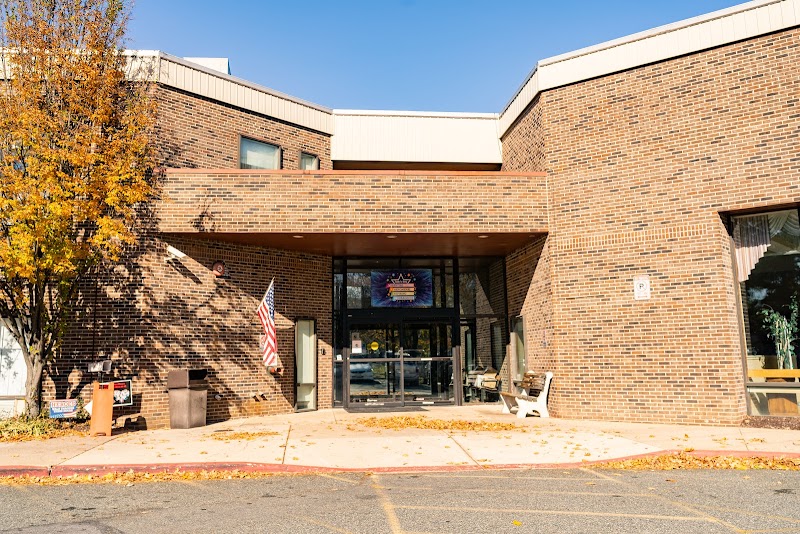
Who Owns and Operates Autumn Lake Healthcare At Parkville?

AUTUMN LAKE HEALTHCARE AT PARKVILLE is owned by a for-profit company. For-profit facilities operate as businesses with obligations to shareholders or private owners. The facility is operated by AUTUMN LAKE HEALTHCARE, a chain that manages multiple nursing homes. With 135 certified beds and approximately 122 residents (about 90% occupancy), it is a mid-sized facility located in BALTIMORE, Maryland.
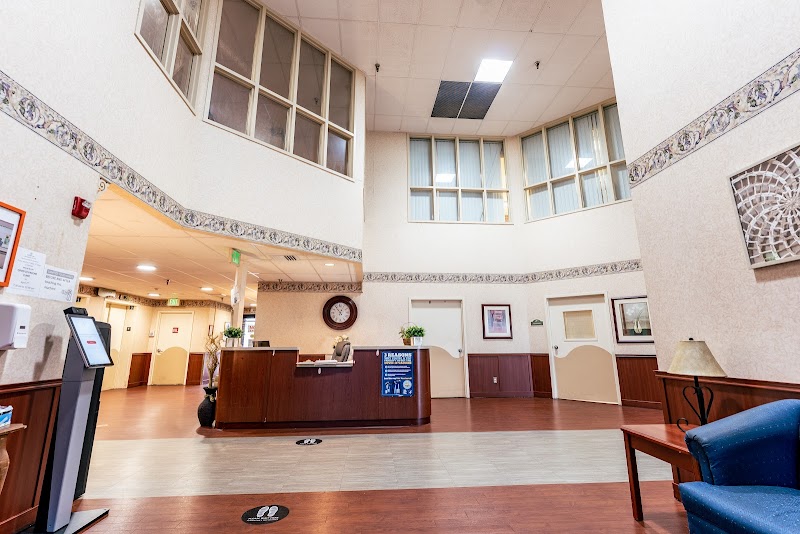
How Does Autumn Lake Healthcare At Parkville Compare to Other Maryland Nursing Homes?

Compared to the 100 nursing homes in Maryland, AUTUMN LAKE HEALTHCARE AT PARKVILLE's overall rating (2 stars) is below the state average of 3.0, staff turnover (57%) is significantly higher than the state average of 46%, and health inspection rating (2 stars) is below the national benchmark.

What Should Families Ask When Visiting Autumn Lake Healthcare At Parkville?

Based on this facility's data, families visiting should ask: "What changes have been made since the serious inspection findings, and how are you preventing similar issues?" "How do you ensure continuity of care given staff turnover, and what is your staff retention strategy?" "Can you walk me through typical staffing levels on day, evening, and night shifts?" "Can I visit during a mealtime to observe dining assistance and food quality?" These questions are particularly relevant given the facility's Immediate Jeopardy citations, the facility's high staff turnover rate, and the below-average staffing rating.

Is Autumn Lake Healthcare At Parkville Safe?

Based on CMS inspection data, AUTUMN LAKE HEALTHCARE AT PARKVILLE has documented safety concerns. Inspectors have issued 2 Immediate Jeopardy citations (the most serious violation level indicating risk of serious injury or death). The facility has a 2-star overall rating and ranks #100 of 100 nursing homes in Maryland. Families considering this facility should ask detailed questions about what corrective actions have been taken since these incidents.

Do Nurses at Autumn Lake Healthcare At Parkville Stick Around?

Staff turnover at AUTUMN LAKE HEALTHCARE AT PARKVILLE is high. At 57%, the facility is 11 percentage points above the Maryland average of 46%. High turnover means new staff may not know residents' individual needs, medications, or preferences. It can also be disorienting for residents, especially those with dementia who rely on familiar faces. Families should ask: What is causing the turnover? What retention programs are in place? How do you ensure care continuity during staff transitions?

Was Autumn Lake Healthcare At Parkville Ever Fined?

AUTUMN LAKE HEALTHCARE AT PARKVILLE has no federal fines on record. CMS issues fines when nursing homes fail to meet care standards or don't correct problems found during inspections. The absence of fines suggests the facility has either maintained compliance or corrected any issues before penalties were assessed. This is a positive indicator, though families should still review recent inspection reports for the full picture.

Is Autumn Lake Healthcare At Parkville on Any Federal Watch List?

AUTUMN LAKE HEALTHCARE AT PARKVILLE is not on any federal watch list. The most significant is the Special Focus Facility (SFF) program, which identifies the bottom 1% of nursing homes nationally based on persistent, serious quality problems. Not being on this list means the facility has avoided the pattern of deficiencies that triggers enhanced federal oversight. This is a positive indicator, though families should still review the facility's inspection history directly.