AUTUMN LAKE HEALTHCARE AT PERRING PARKWAY
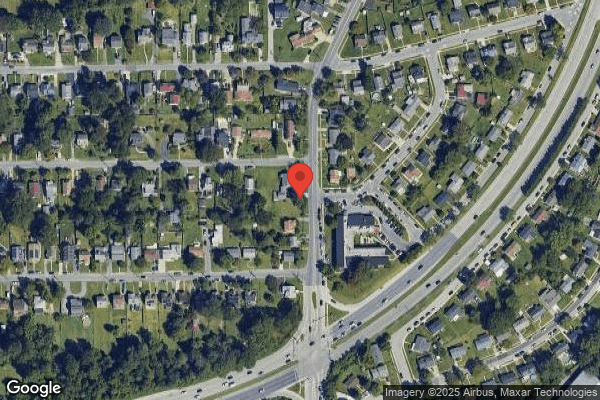
1801 WENTWORTH ROAD, BALTIMORE, MD 21234 (410) 661-5717
For profit - Limited Liability company 125 Beds AUTUMN LAKE HEALTHCARE Data: November 2025
Trust Grade
60/100
#57 of 219 in MD
Last Inspection: December 2023

Within standard 12-15 month inspection cycle. Federal law requires annual inspections.

Overview

Autumn Lake Healthcare at Perring Parkway has a Trust Grade of C+, indicating it is decent and slightly above average among nursing homes. It ranks #57 out of 219 facilities in Maryland, placing it in the top half, and #13 out of 43 in Baltimore County, meaning only 12 local options are better. The facility is improving, with issues decreasing from 24 in 2019 to 15 in 2023. Staffing is average with a turnover rate of 47%, which is in line with the state average, suggesting that while not exceptional, staff familiarity with residents is likely adequate. However, the facility has concerning fines totaling $32,383, which are higher than 76% of Maryland facilities and may indicate ongoing compliance issues. There is also average RN coverage, which is important for ensuring quality care. Specific incidents noted during inspections include a failure to provide necessary wound care for a resident with a below-knee amputation, and a lack of personalized care plans for residents receiving antipsychotic medications, indicating potential gaps in individualized attention and monitoring. Overall, while there are some strengths, such as good quality measures, families should weigh these concerns before making a decision.

Trust Score
C+
60/100
In Maryland
#57/219
Top 26%
Safety Record
Moderate
Needs review
Inspections
Getting Better
24 → 15 violations
Staff Stability
⚠ Watch
47% turnover. Above average. Higher turnover means staff may not know residents' routines.
Penalties
✓ Good
$32,383 in fines. Lower than most Maryland facilities. Relatively clean record.
Skilled Nurses
✓ Good
Each resident gets 44 minutes of Registered Nurse (RN) attention daily — more than average for Maryland. RNs are trained to catch health problems early.
Violations
⚠ Watch
49 deficiencies on record. Higher than average. Multiple issues found across inspections.
★★★★☆
4.0
Overall Rating
★★★☆☆
3.0
Staff Levels
★★★★★
5.0
Care Quality
★★★☆☆
3.0
Inspection Score
Stable
2019: 24 issues
2023: 15 issues

The Good

  • 5-Star Quality Measures · Strong clinical quality outcomes
  • Full Sprinkler Coverage · Fire safety systems throughout facility
  • No fines on record

Facility shows strength in quality measures, fire safety.

The Bad

Staff Turnover: 47%

Near Maryland avg (46%)

Higher turnover may affect care consistency

Federal Fines: $32,383

Below median ($33,413)

Moderate penalties - review what triggered them

Chain: AUTUMN LAKE HEALTHCARE

Part of a multi-facility chain

Ask about local staffing decisions and management

The Ugly 49 deficiencies on record

1 actual harm
Dec 2023 15 deficiencies 1 Harm
SERIOUS (G)

Actual Harm - a resident was hurt due to facility failures

Quality of Care (Tag F0684)

A resident was harmed · This affected 1 resident

**NOTE- TERMS IN BRACKETS HAVE BEEN EDITED TO PROTECT CONFIDENTIALITY** 3. On 12/20/23 at 10:41 am a review of Resident #84's electronic medical record (EMR) revealed the resident had a right below th...

Read full inspector narrative →
**NOTE- TERMS IN BRACKETS HAVE BEEN EDITED TO PROTECT CONFIDENTIALITY** 3. On 12/20/23 at 10:41 am a review of Resident #84's electronic medical record (EMR) revealed the resident had a right below the knee amputation wound and was receiving wound care. Review of the treatment administration record (TAR) revealed the wound care order was discontinued on 11/19/23 at 10:43 am. There was no documentation to support the resident's wound care was performed on 11/19/23 although the resident still had the wound. Further review of the TAR revealed there was not another order to resume the resident's wound care. On 12/20/23 at 12:17 pm during an interview with RN Unit Manager #7 when asked if the resident's wound care was discontinued on 11/19/23 at 10:43 am was it his/her expectation for the nurse to have changed the dressing. RN Unit Manager #7 stated, it depended on the nurse/patient ratio the nurse may or may not have had time to change the dressing if medications were still being passed. The Unit Manager was made aware the dressing was last changed on 11/18/23. On 12/20/23 at 1:22 pm RN Unit Manager #7 made the surveyor aware there was no evidence the wound care was done on 11/19/23 - 11/20/23. On 12/22/23 at 10:20 am Director of Nursing #2 reported, the nurse wrote an order on 12/19/23 at 10:55 am for wound care but the order did not transfer to the correct [NAME] so the nurses were unable to see the order. The expectation was for the nurses to render care to the ongoing wound. Based on interviews, and medical record reviews it was determined that the facility staff failed to 1) ensure a resident received proper care to prevent the removal of a skin graft which led to the failure of the skin graft procedure and caused harm to Resident #94 by prolonging healing of the wound; 2) administer insulin before meals as ordered and failed to follow the hypoglycemia protocol as ordered which led to harm for Resident #91 when the low glucose incident required Resident #91 to be transferred to the hospital Intensive Care Unit for care; 3) provide wound care to a resident who had a surgical wound (Resident #84). This was evident for 3 of 45 residents selected for review during the survey. The findings include: 1. On 12/15/23 at 1 PM medical record review revealed a hospital discharge summary for Resident #94. On 2/2/22, Resident #94 had excision of right heel and on 2/7/22, placement of bilayer integra skin graft and wound vac with the following discharged orders from the hospital: incision/wound care instructions to the right heel that included the following: wound vac to right heel, set wound vac at 125mmHg continuous suction. Change wound vac every 5 days per integra protocol. There is a contact layer that has been placed above the Integra graft. The contact layer is all that should be removed when removing the dressing. The Integra graft has been sutured to the skin and should not be removed. Further medical records reviewed revealed that Resident #94 was admitted to the facility on [DATE] from an acute hospital stay with a diagnosis of osteomyelitis of the right heel, diabetes with peripheral neuropathy and peripheral arterial disease. On 12/15/23 at 8:35 AM a review of Resident #94's admission skin assessment dated [DATE], revealed the resident had a surgical wound on the right heel and Weekly Skin Evaluation revealed extensive wound but no description of the wound or skin graft. On 02/21/2022 the facility's attending Physician #18 ordered the following: Negative Pressure Therapy to Right foot wound. SET Unit to 125 mmHg, continuously. Cleanse with (NSS/Wound Cleanser/other) black foam into the wound. Apply skin prep to intact skin around the wound Cover with occlusive dressing and secure tubing per manufacturer guide every day shift every Tuesday, Thursday, Saturday for wound care. On 12/18/23 at 7:53 AM, in an interview, Physician #18 was advised the orders that were approved by him/her were different from the hospital discharge orders for wound care. Physician #18 stated I don't put wound orders in, that's not my specialty. The wound team put the orders for wound treatment. The wound team is here every Tuesday. Physician #18 showed the first wound consult on 3/10/22, It is funny I don't see any notes from the wound team until 3/10/22. Physician #18 stated that he does not have time to review every order that he signs and approves, if so, I would have a 35 hour workday. On 12/18/23 at 9:14 AM an interview with the Surgical Physician #20 revealed the intra skin graft was sutured in with nylon sutures at the time of surgery on 2/7/22. He further stated that on 3/2/22 the resident came to his office for a follow-up visit that resulted in finding the sutures in place but the integra skin graft removed. Surgical Physician #20 stated that the removal of the skin graft was a failure of the skin graft procedure, and the resident would experience a delay in the healing process of the right heel. On 12/18/23 at 9:45 in an interview with [Hospital name] vascular Surgery RN #19 he/she stated that he would fax the wound instructions to the facility prior to admission and would also send a copy with the Resident and stated, I include my phone number and am available 24 hours a day for any questions on the care of the wound and graft. The facility staff did not call or leave any messages about the surgical wound care. On 12/18/23 at 8:30 AM, a review of the Resident #94's Treatment Administration Record (TAR) for February and March 2022 revealed the following: Wound Vac Changed per order on 2/22/22, 2/24/22, 2/26/22, 3/1/22 and 3/8/2022. The Surveyor did not find any documentation in the electronic medical record from the nurses, physician or the Wound team in the description, size, appearance of skin graft to the right heel. On 12/15/23 at 2:30 PM, in an interview, the Medical Director revealed that he/she was aware of the incident and had a discussion with Physician #20 about wound care. During an interview on 2/18/23 at 11:45 AM, the Director of Nursing (DON) stated when the resident went for a follow-up appointment on 3/2/22 with Surgical Physician #20 It was at that time the facility was made aware of the missing graft. DON confirmed that the facility had no continuing education at this time on the care and treatment for skin grafts. The DON also confirmed that there was no documentation in the Electronic Medical Record of the size and appearance of the skin graft to the right heel. On 2/19/23 at 1 PM in an interview, Unit Manager/ Wound Round Nurse #7 stated that she/he completed the wound Care course and had been doing weekly wound rounds for the past 4 years. The last wound vac training was completed in 2021. The Unit Manager/Wound team Nurse #7 stated that surgical wounds are not followed up by the wound team unless there is a concern with the surgical wound and that is why the Wound Team did not see Resident #94 until 3/10/22. Wound Round Nurse #7 stated since this occurrence the wound team would make a visual of all surgical wounds and if any surgical wounds have concerns they would follow-up weekly with the wound team. 2. On 12/19/23 at 12pm a review of Resident #91's medical record revealed the resident was transferred to the facility on 7/1/2023, status post hospitalization for PLIF/transforaminal lumbar fusion levels L4-S1. Resident #91 had the following medical diagnoses: diabetes, heart failure, atrial flutter, pulmonary hypertension, and liver disease. A review of the hospital discharge summary on 7/1/23 for Resident #91 included a list of medications to be continued in the facility which included HumuLIN R U-500 (Conc) Kwikpen 500 unit/mL (3 mL) insulin pen, inject 80 units subcutaneously three times a day before meals. The drug company [NAME] Lilly Dosage Guide reads as the following: Humulin R U-500 Dosage Guide: Instruct patients to inject HUMULIN R U-500 subcutaneously, usually two or three times daily approximately 30 minutes before meals. Individualize and titrate the dosage of HUMULIN R U-500 based on the patient's metabolic needs, blood glucose monitoring results, and glycemic control goal. A review of Resident's admitting orders into the facility on 7/1/23 revealed the physician ordered: HumuLIN R U-500 KwikPen Subcutaneous Solution Pen-injector 500 UNIT/ML (Insulin Regular (Human)), Inject 80 units subcutaneously three times a day for DM and hypoglycemia protocol. The Facility's hypoglycemia protocol instructs if the resident is difficult to arouse or unconscious then hold all diabetic medications including insulin and oral medications. Remain with the resident, monitor vital signs and perform a blood glucose level. If the Blood glucose level is equal to or below 70, immediately administer Glucagon 1mg IM or SQ. The facility Physician did not order the HUMULIN R U-500 as recommended per Hospital discharge summary or the drug company instructions by [NAME] Lilly for 30 minutes before eating a meal. A review of the administration record revealed Humulin R is to be administered 3 times a day at 6AM, 1PM and 9 PM and was signed and approved by the Physician. The facility mealtimes were 7:30 am, 12:30 PM and 5:50 PM. The Nursing Progress note indicated that on 7/4/23 during routine rounds at 4:30 AM the resident was found unresponsive and did not respond to a sternal rub. Nurse #26 recorded the vital signs and Blood pressure was 102/71, pulse was 92 beats per minute and Pulse oxygen was recorded at 85% on room air. Nurse #26 placed oxygen on resident #91 at 10 liters per minute and the Pulse oxygen level increased to 97%. The resident remained unresponsive and 911 was called. No blood glucose levels were obtained per the hypoglycemia protocol. EMS (Emergency Medical System) arrived at the facility. The EMS report confirmed that the resident was unresponsive, and the blood glucose level was 23. Glucagon 1 mg was given, and the resident's condition improved per EMS. The resident was then transported to an area hospital and admitted to the Intensive Care Unit (ICU) for hypoglycemia, unresponsive. On 12/18/23 at 1PM in an interview, the Resident's emergency contact person revealed that he/she spoke to the facility staff on admission but did not remember the staff name. The emergency contact person informed the staff that the Resident's blood sugar needed to be watched closely because the Resident had many episodes of low glucose in the past. On 12/19/23 at 11 AM in an interview, the facility Physician #18 revealed that he/she does not enter the orders in the Electronic Medical record and that the nurses will enter the admitting orders in the system and will contact him/her for approval. Physician #18 agreed that the Humulin R U500 should have been scheduled 30 minutes before meals and the hypoglycemia protocol should have been followed. On 12/19/23 at 1pm in an interview, the facility medical Director stated that he had no additional information to offer. On 12/19/23 at 12PM in an Interview, Nurse #26 revealed that she found the resident unconscious on 7/4/23 at 4:30am and applied a sternal rub without a response from the resident. Nurse #26 obtained vital signs such as blood pressure, pulse, Pulse Oxygen and called 911 and the physician. Nurse #26 did not remember if glucose level was obtained. Nurse #26 stated if she obtained a glucose level it would be documented in the Electronic Medical Record. No glucose level was documented in the medical record for this event. Interview with the Director of Nursing on 12/20/23 at 10:30 AM confirmed the facility staff failed to provide treatment for Resident #91 per the hypoglycemia protocol.
CONCERN (D)

Potential for Harm - no one hurt, but risky conditions existed

Transfer Notice (Tag F0623)

Could have caused harm · This affected 1 resident

Based on review of the resident electronic medical record and interviews with facility staff it was determined the facility failed to provide the resident and/or responsible party a written copy of th...

Read full inspector narrative →
Based on review of the resident electronic medical record and interviews with facility staff it was determined the facility failed to provide the resident and/or responsible party a written copy of the hospital transfer summary. This was found to be evident during the facility's Medicare/Medicaid survey. The findings include: Resident # 43 was admitted to the facility with the following but not limited diagnosis: Dementia. Review of the resident electronic medical record on 12/12/23 at 9:23 AM revealed that on 8/19/23 Resident # 43 was sent to the hospital. On November 4, 2023, Resident #43 had a fall, and was assessed to have no injury at the time of the fall. The next day on 11/5/23 the resident complained of pain and an order was given to send the resident out to the hospital for evaluation. The survey team requested a copy of the transfer summary form that was sent to the family regarding the resident hospitalizations. An interview was conducted with the DON on 12/19/23 at 1:00 PM and she stated that she was unable to provide a transfer summary form that was sent to Resident #43's representative for the hospitalizations on 8/19/23 and 11/5/23. The DON confirmed that the transfer summary form should have been completed and mailed to the resident representative. All concerns were discussed with the Administration team at the time of exit on 12/22/23 at 2:30 PM.
CONCERN (D)

Potential for Harm - no one hurt, but risky conditions existed

Deficiency F0645 (Tag F0645)

Could have caused harm · This affected 1 resident

Based on clinical record review and staff interview it was determined that the facility staff failed to ensure its residents had a complete and accurate Preadmission Screening and Record Review (PASRR...

Read full inspector narrative →
Based on clinical record review and staff interview it was determined that the facility staff failed to ensure its residents had a complete and accurate Preadmission Screening and Record Review (PASRR). This was evident for 1 out 45 of residents (Resident #47) in the survey sample. The findings are: The PASRR level 1 screening is federally mandated and must be completed for all applicants to nursing facilities which participate in the Maryland Medical Assistance Program regardless of an applicant's payment source. The purpose of the screening is to help ensure that residents are not inappropriately placed in nursing homes for long term care. The program assists in the placement and provision of services for individuals with severe mental illness and/or intellectual disability. A review of Resident #47's medical record on 12/18/23 at 11:15 AM revealed the resident had a PASRR which was done in the hospital on 2/23/23. Review of Section C.1 Serious Mental Illness Diagnosis. Does the individual have a major mental disorder? If yes, list the diagnosis. The item was left blank and the additional 2 questions were answered yes. The social worker (staff #9) was interviewed on 12/18/23 at 12:36 PM. She stated she reviewed the PASARR, and an Adult Evaluation and Review Services (AERS) and a Level II evaluation was deemed unnecessary. The findings were explained, and she replied, Section C 1. should have been answered. On 12/19/23 at 12:01 PM the social worker (staff #9) presented an updated PASRR in which section C1. now included Resident #47's diagnosis of Bipolar and Anxiety Disorder.
CONCERN (D)

Potential for Harm - no one hurt, but risky conditions existed

Deficiency F0655 (Tag F0655)

Could have caused harm · This affected 1 resident

Based on medical record review and staff interview it was determined the facility failed to provide the resident and their representative with a written summary of the baseline care plan within 48 hou...

Read full inspector narrative →
Based on medical record review and staff interview it was determined the facility failed to provide the resident and their representative with a written summary of the baseline care plan within 48 hours of the resident's admission. This was evident for 1 resident (#32) out of 8 residents reviewed during the annual survey. The findings include: Review of Resident #32's medical record on 12/14/2023 at 11:20 AM revealed that there was no written summary of Resident #32's baseline care plan given to the resident #32's representative within 48 hours of admission. During an interview on 12/14/2023 at 11:45 AM the Director of Nursing stated that there are no care plans given out and the facility does not provide written summaries of care plans to residents or their representatives. During an interview on 12/15/2023 at 09:25 AM staff member (#9) stated the facility does not provide any form of summaries of care plans to residents or their representatives, but the facility will be doing this moving forward.
CONCERN (D)

Potential for Harm - no one hurt, but risky conditions existed

Deficiency F0657 (Tag F0657)

Could have caused harm · This affected 1 resident

Based on medical record review and interviews it was determined the facility staff failed to update a resident's care plan who had a wound and a resident with a history of falls. This was evident in 3...

Read full inspector narrative →
Based on medical record review and interviews it was determined the facility staff failed to update a resident's care plan who had a wound and a resident with a history of falls. This was evident in 3 (#84, #36, #70) residents out of 8 resident records reviewed for updated care plans during the survey. The findings include: 1) On 12/20/23 at 10:41 am a review of Resident #84's electronic medical record (EMR) revealed the resident was receiving wound care to the surgical site located to the right stump. Further review of the resident's care plan revealed the resident's care plan was not updated to include the ordered wound care. Also, the care plan indicated that the resident was at risk for an alteration in skin integrity and the resident's skin would remain intact. On 12/20/23 at 12:30 pm during an interview with Director of Nursing (DON) #2, he/she stated, the unit managers complete the care plans and update the care plans. The care plans should be updated when there are changes and quarterly. DON #2 stated, the care plan should have been updated to reflect the resident's wound care. 2) Resident # 36 was admitted to the facility with the following but not limited diagnosis: Dementia. During an interview with Resident # 36's family member on 12/11/23 at 3:15 PM s/he stated that they had concerns regarding the resident's increase in falls. The resident family stated the resident fell twice within the past month. The family went on to say that stated that the facility had found a sister facility that had a Dementia Unit and that the resident was in the process of being transferred there, however, expressed concerns of why this was not an option until presently. Review of the resident electronic medical record on 12/12/23 at 1:00 PM revealed the resident had a fall on 11/21/23 and another fall on 12/1/23. An interview was conducted with the Administrator on 12/19/23 at 4:15 PM and she was asked to provide a copy of the facility's updated care plan after the falls. The care plan updates that were provided to the survey team are as follows: 5/24/23 -OT/PT evaluations for transfers and strengthening. 7/21/23-Assist resident getting in and out of bed. 9/14/23- Provide verbal cues for safety and sequencing when needed, when resident is in bed, place all necessary personal items within reach. There were no care plan updates documented after the fall on 11/21/23. On 12/20/23 at 11:15 AM, the Administrator provided information to the survey team regarding Resident # 36's transfer to the sister facility. She stated that the resident has had an increase in mobility after recently receiving therapy which may have contributed to the residents falls. She stated that resident # 36 wanders in the facility but does not have insight regarding safety due to the resident's Dementia diagnosis. The Administrator confirmed that the care plan was not updated after the fall on 11/21/23 and that the resident received therapy in December 2023. 3) Review of resident #70's medical record on 12/13/23 at 2:21pm revealed a care plan dated 2/10/23 for falls. Further review of the medical record revealed the resident had several falls and the care plan had not been revised and/or updated with approaches to prevent falls since the care plan was initiated on 2/10/23. During an interview with the Unit Manager (staff #5) on 12/13/23 at 3pm, she stated the resident was currently receiving hospice services and had not had an additional fall. She stated she could not locate an updated care plan at this time. During an interview with the DON (Director of Nursing) on 12/14/23 at 1pm she verified the care plan was not revised. A follow-up record review on 12/19/23 at 2pm, revealed the Care plan was updated on 12/18/23.
CONCERN (D)

Potential for Harm - no one hurt, but risky conditions existed

Deficiency F0700 (Tag F0700)

Could have caused harm · This affected 1 resident

Based on a review of the resident medical record and interviews with the facility staff it was determined the facility failed to properly assess a resident for bedrails. This was found to be evident f...

Read full inspector narrative →
Based on a review of the resident medical record and interviews with the facility staff it was determined the facility failed to properly assess a resident for bedrails. This was found to be evident for 1(Resident # 14) of 7 residents reviewed for accidents during the facility's survey. The findings include: Resident #14 was admitted to the facility with the following but not limited diagnoses: Parkinson's Disease, Alzheimer's Disease, Dementia, and Anxiety Disorder. Review of the facility's matrix (used to identify pertinent care categories for residents) on 12/11/23 at 4:05 PM revealed the resident had a fall with major injury (MI). Review of the resident 11/7/23's Annual Minimum Data Set (MDS) Assessment, (a federally mandated assessment tool used by nursing staff to gather information on each resident's strengths and needs) revealed Section J1900: Number of falls since admission/entry or reentry: A-No Injury =Two or more B-Injury (except major) = None C- Major Injury = None An interview was conducted with the DON and Administrator on 12/14/23 at 10:30 AM and she stated that the nurse on the unit mistakenly wrote FMI on the matrix after the resident had a fall. The DON stated that when she spoke to the nurse, she stated that her understanding of FMI is a Fall with Minor Injury. The Administrator confirmed that Resident # 14 did not have a fall with major injury and that the nurse on the unit will receive education on documenting correctly on the matrix. Further review of the facility's Assist Bar/Side Rail form indicates the resident and family requested the use of enabler bars. The survey team requested a copy of the assist bar/side rail assessment for Resident # 14 and the DON provided assessments to the survey team on the same date. The DON informed the survey team that the assessment for 8/1/23 and 11/3/23 was completed inaccurately by the nurse. The DON was made aware that the facility's failure to properly assess the resident for safe use of side rails places the resident at risk. The DON stated that education will be provided to the nurse. All concerns were discussed with the Administration team at the time of exit on 12/22/23 at 2:30 PM.
CONCERN (D)

Potential for Harm - no one hurt, but risky conditions existed

Deficiency F0711 (Tag F0711)

Could have caused harm · This affected 1 resident

**NOTE- TERMS IN BRACKETS HAVE BEEN EDITED TO PROTECT CONFIDENTIALITY** Based on medical record review and interview it was determined that the facility failed to ensure the physician and nurse practi...

Read full inspector narrative →
**NOTE- TERMS IN BRACKETS HAVE BEEN EDITED TO PROTECT CONFIDENTIALITY** Based on medical record review and interview it was determined that the facility failed to ensure the physician and nurse practitioners accurately assessed a resident's medications (Resident #91) and wound dressing instructions (Residents #94). This was found to be evident for 2 out of 45 residents reviewed during an the survey. The findings include: 1. On 12/22/23 at 7am a review of Resident #91's medical record revealed the resident was admitted in the facility in July 2023 with diagnosis including but not limited type 2 diabetes mellitus. Review of the discharge summary from the hospital included instructions to continue HumuLIN R U-500 KwikPen Subcutaneous Solution Pen-injector 500 UNIT/ML (Insulin Regular) Inject 80 unit subcutaneously three times a day before meals for DM. Humulin® (HUE-mu-[NAME]) R U-500 (500 units/mL) is for adults and children who need more than 200 units of insulin in a day to control high blood sugar for their diabetes mellitus. It is more concentrated than Humulin R U-100. It has 5 times as much insulin in each mL as Humulin R U-100 (100 units/mL). Humulin R U-500 should be taken approximately 30 minutes before meals. On 7/1/23 Physician #18 ordered HumuLIN R U-500 KwikPen Subcutaneous Solution Pen-injector 500 UNIT/ML (Insulin Regular) Inject 80 unit subcutaneously three times a day for DM. The physician did not order the Humulin R U-500 before meals per hospital discharge summary or the drug manufacture instructions. The HumuLIN R U-500 was ordered to be given at 9AM, 1PM and 9PM. The facility mealtimes are 7:30 AM, 12:30 PM and 5:50 PM, which are outside the manufacturer guideline of 30 minutes before meals and the hospital discharge instructions. 2. A review of Resident's #94's medical record revealed the resident was admitted in the facility on February 2022 with diagnosis including but not limited excision of heel osteomyelitis, right foot and placement of bilayer Integra skin graft. A review of the hospital discharge summary included instructions for wound care Initial dressing change and care of the bilayer Integra skin graft. On 12/18/23 at 7:53 an interview with Physician #18 revealed the orders that were approved by him/her were different from the hospital discharge orders for wound care. Physician #18 stated that he does not have time to review every order that he/she signs and approves, if so, he would have 35-hour workday. On 12/16/23 at 12:45 PM the Medical Director and DON were made aware that Physician #18 did not review the resident's total program of care, including medications and treatments, at each visit as required.
CONCERN (D)

Potential for Harm - no one hurt, but risky conditions existed

Pharmacy Services (Tag F0755)

Could have caused harm · This affected 1 resident

Based on interviews, medical record reviews, and observations the facility failed to provide pharmaceutical services that assured accurate dispensing and administering of medications to meets the need...

Read full inspector narrative →
Based on interviews, medical record reviews, and observations the facility failed to provide pharmaceutical services that assured accurate dispensing and administering of medications to meets the needs of each resident. This was evident for 1 of 1 resident (Resident # 287) reviewed during the survey. The findings include: On 12/12/23 at 08:15 AM the surveyor initiated a medication administration observation with LPN #11. During the observation the surveyor was informed by LPN #11 that the Aspart insulin pen for Resident #287 was not present in the medication cart. LPN #11 checked the medication room behind the nurses' station and then called the pharmacy to request Resident # 287's insulin pen as well. A review of the order summary report on 12/1/23 at 08:40 AM revealed that Resident #287 was prescribed on 12/9/23 and the order instructed the clinical staff to administer the Aspart insulin on 12/10/23 at 07:00 AM. The prescriber also ordered that the Aspart injection solution 100 units/ml be administered subcutaneously at 07:00AM, 11:00AM, and at 5 PM before meals. On 12/12/23 at 10:30 AM the surveyor interviewed LPN #11 who stated that Resident # 287's Aspart insulin pen had not arrived on the unit. During an interview with the LPN #11 at 1:05 PM on 12/12/23, Resident # 287's Aspart insulin pen was not present on the unit. Subsequently, the resident had missed two doses of subcutaneous insulin which were 07:00 and 11:00 AM doses. At approximately 1:10 PM the surveyor interviewed the director of nursing (DON) regarding the status of Resident # 287's Aspart insulin pen. The DON stated that the pharmacy administration had been contacted because the stat order for the insulin had not been filled today after the unit manager had contacted the pharmacy and the medical director. On 12/12/23 at 1:15 PM during an interview with the unit manager stated that the DON, medical director, and the pharmacy were aware of Resident # 287's missing insulin pen and the non-delivery of two scheduled doses. On 12/12/23 at 2:30 PM the surveyor interviewed Resident # 287 who confirmed that he/she had not received their 07:00AM and 11:00 AM doses of Aspart insulin subcutaneously. On 12/12/23 at 4:00 PM the surveyor interviewed LPN #11 at the nurse's station who stated that the Aspart insulin pen had not arrived from the pharmacy. At 4:05 PM the surveyor walked to the DON 's office and inquired about the status of Resident #287's Aspart insulin pen. The DON stated that she had called the pharmacy management team earlier and discovered that the insulin order had not been filled by pharmacy as urgent/stat because the billing department had not approved the stat request process however the medication was in en route to the facility. At 4:10 PM the surveyor observed that Resident # 287's Aspart insulin pen was present at the nurses' station. On 12/12/23 at approximately 4:15 PM the Resident #287 received 15 units Aspart insulin subcutaneously which was the coverage for the 5PM prescribed dose. As a result, of the non-delivery of the Aspart insulin, the resident did not receive the two doses of subcutaneous insulin at 07:00AM and 11:00 AM. The failure of the pharmacy to deliver Resident #287's insulin had the potential for a negative impact upon the physical needs. The surveyor during interview at 7:19 PM with facility administration discussed the concerns related to Resident # 287's two missed insulin doses and the delay in delivery by pharmacy.
CONCERN (D)

Potential for Harm - no one hurt, but risky conditions existed

Drug Regimen Review (Tag F0756)

Could have caused harm · This affected 1 resident

Based on medical record review and staff interview it was determined the facility pharmacist failed to identify and report irregularities in resident (#70's) drug regimen to the Physician, facility's ...

Read full inspector narrative →
Based on medical record review and staff interview it was determined the facility pharmacist failed to identify and report irregularities in resident (#70's) drug regimen to the Physician, facility's Medical Director and/or the Director of nursing. This was evident for 1of 5 residents reviewed for unnecessary medications. The findings include: Review of the medical record for Resident #70 on 12/13/23 at 2:21pm revealed the resident was admitted to the facility with diagnoses that included Anxiety, Depression, and insomnia. A review of the physician orders on 12/13/23 at 3pm revealed the resident is receiving the following: Trazodone HCl Oral Tablet 50 MG (milligrams)by mouth at bedtime for insomnia. (Trazadone is an antidepressant medicine. It's used to treat depression, anxiety, or insomnia.) Melatonin 3 MG by mouth one time a day at 6pm for insomnia. (Melatonin is a hormone that may provide some relief from insomnia.) Sertraline HCl (Zoloft) Oral Tablet 100 MG once a day for depression. (Sertraline is used to treat depression, anxiety disorder.) Pharmacy reviews dated 9/5/23, 10/2/23 and 11/3/23 documented that no irregularities were noted. During an interview with the pharmacist on 12/15/23 at 1pm, he verified there were no pharmacy recommendations regarding the duplicate medications. He stated the resident had a diagnosis for depression and insomnia; however, he should have brought the duplicate medication to the attention of the facility staff.
CONCERN (D)

Potential for Harm - no one hurt, but risky conditions existed

Unnecessary Medications (Tag F0759)

Could have caused harm · This affected 1 resident

Based on observation, record review, and interviews it was determined that the facility failed to ensure the medication error rate was less than 5%. This was evident for 2 of 25 opportunities for medi...

Read full inspector narrative →
Based on observation, record review, and interviews it was determined that the facility failed to ensure the medication error rate was less than 5%. This was evident for 2 of 25 opportunities for medication errors with an error percentage of 7.14% observed during the medication administration facility task performed. The findings included: On 12/12/23 at 08:15 AM the surveyor initiated a medication administration observation with LPN #11. During the observation the surveyor was informed by LPN #11 that the Aspart insulin pen for Resident #287 was not present in the medication cart. LPN #11 checked the medication room behind the nurses' station and then called the pharmacy to request Resident # 287's insulin pen as well. A review of the prescriber order summary report on 12/12/23 at 08:40 AM was completed by the surveyor. The medical record review revealed that Resident #287's prescriber wrote on 12/9/23 that the resident was to receive Aspart insulin beginning on 12/10/23 at 07:00 AM. The prescriber also ordered that the Aspart injection solution 100 units/ml be administered subcutaneously at 07:00AM, 11:00AM, and at 5 PM before meals. During an interview with the LPN #11 at 1:05 PM on 12.12.23, Resident # 287's Aspart insulin pen was not present on the unit. Subsequently, the resident had missed two doses of subcutaneous insulin which were 07:00AM and 11:00 AM. At approximately 1:10 PM the surveyor interviewed the director of nursing (DON) regarding the status of resident # 287's Aspart insulin pen. The DON stated that the pharmacy administration had been contacted because the stat order for the insulin had not been filled today after the unit manager had contacted the pharmacy as well as the medical director. On 12/12/23 at 1:15 PM during an interview with the unit manager stated that the DON, medical director, and the pharmacy were aware of Resident # 287's missing insulin pen and the non-delivery of two scheduled doses. On 12/12/23 at 4:00 PM the surveyor interviewed LPN #11 at the nurse's station who stated that the Aspart insulin pen had not arrived from the pharmacy. At 4:05 PM the surveyor walked to the DON 's office and inquired about the status of Resident #287's Aspart insulin pen. The DON stated the pharmacy stated that the medication was enroute to the facility. On 12/12/23 at approximately 4:15 PM the resident received 15 units Aspart insulin subcutaneously which was the coverage for the 5 pm prescribed dose. As a result of the non-delivery of the Aspart insulin, the resident did not receive the two doses of subcutaneous insulin at 07:00AM and 11:00 AM on 12/12/23. The delayed delivery of the resident's insulin also impacted the facility's medication error rate being greater than 5%. The actual medication error rate for the facility was 7.14 %. The surveyor during interview at 7:19 PM with administration discussed the concerns related to Resident #287's two missed insulin doses with the resulting medication error rate of 7.14%
CONCERN (D)

Potential for Harm - no one hurt, but risky conditions existed

Deficiency F0760 (Tag F0760)

Could have caused harm · This affected 1 resident

**NOTE- TERMS IN BRACKETS HAVE BEEN EDITED TO PROTECT CONFIDENTIALITY** 2. The surveyor initiated the medication administration observation task at 0815 AM on 12/12/23 with the employee #11on the fron...

Read full inspector narrative →
**NOTE- TERMS IN BRACKETS HAVE BEEN EDITED TO PROTECT CONFIDENTIALITY** 2. The surveyor initiated the medication administration observation task at 0815 AM on 12/12/23 with the employee #11on the front hall of the clinical unit. Resident #287 was chosen by LPN #11 for medication administration at 08:15 AM. On 12/12/23 at 0830 AM the surveyor observed that the Resident #287's Apart Insulin injection of 15 units administration was scheduled for 07:00AM, 11:00AM, and 5PM per the electronic medication administration record on the screen of LPN #11's laptop on the medication cart. At the time of the observation, LPN #11 had not administered the 07:00 AM dose of the Apart Insulin. The physician order written on 12/10/23 for Insulin Aspart injection solution 100 units/ml, inject 15 units subcutaneously before meals for diabetes. When questioned by the surveyor, LPN #11 stated that residents are to receive their insulin injections prior to meals. After completing the fingerstick for Resident # 287 at 08:35 AM, LPN # 11 stated that the Apart Insulin was not present in the medication cart. LPN #11 stated that he/she would contact the pharmacy to request that the Apart insulin injection pen be sent to the nurses' station. On 12/12/23 a review of the medication administration record via the electronic medical record at 11:30 AM revealed that the 07:00AM dose of Aspart insulin had not been signed off by LPN #11 as given. LPN # 11 stated that Resident #287's Aspart insulin pen had not arrived from the pharmacy. During an interview on 12/12/23 at approximately 1:15 PM the unit manager stated that the director of nursing (DON) had been advised of the missing insulin as well. On 12/12/23 at approximately 1:00 PM the surveyor interviewed LPN #11 and asked if the Aspart insulin pen had arrived from the pharmacy. The LPN #11 responded, No. LPN #11 stated that he/she had informed the unit manager around 09:00 AM of the missing medication. A review of the electronic medical record by the surveyor showed that LPN #11 documented that the 11:00 AM dose of Apart insulin was given at 12:28PM in the medication administration form. At approximately, 1:15 PM on 12/12/23, the surveyor interviewed the unit manager and asked what the follow up had been regarding the missing Apart Insulin for Resident # 287. The unit manager stated that she had contacted the physician and the pharmacy sometime between 09:30 AM and 10:00 AM but had not documented this information in the electronic medical record. At 4:00 PM the surveyor interviewed LPN # 11 at the nurse's station who stated the Aspart Insulin injection pen had not arrived on the unit for Resident # 287. At approximately 4:03 PM the DON stated that she had called the pharmacy management team earlier and discovered that the insulin order had not been filled by pharmacy as urgent/stat because the billing department had not approved the stat request process however the medication was in en route to the facility. On 12/12/23 the surveyor interviewed LPN # 11 at approximately 4:05 PM at the nurse's station who stated that he/she erroneously documented that the Aspart Insulin 15 units subcutaneously as given to the resident at 11:00 AM. LPN #11 was asked whether Resident # 287 had received the Aspart insulin at 11:00 AM by using another resident's insulin pen. LPN #11 responded: No. The surveyor observed an empty unlabeled Aspart insulin pen in front of LPN #11 at the nurse's station. LPN #11 stated the label had been removed and a copy faxed to the pharmacy to request the doses due for Resident # 287 for today. At 4:08 PM the surveyor interviewed the DON who stated that the pharmacy had called and stated that Resident # 287's insulin pen should arrive on the unit at any moment. Resident # 287's Aspart Insulin pen arrived on the unit at 4:10 PM and the resident received the scheduled 5PM dose of 15 units at that time on 12/12/23 however the facility failed to administer the 2 earlier prescribed doses at 7:00 AM and 11:00 AM The administrator and DON were present during interview at 7:19 PM when the concerns were regarding the medication administration omissions were discussed. Based on medical record review and staff interviews it was determined that the facility failed to administer prescribed mediation to residents. This was found to be evident for 2 out of 45 (Resident #94, #287) reviewed during the annual survey. The findings include: 1. An investigation of complaint MD00175452 revealed that Resident #94 was not receiving an antibiotic because they were not available for 3 days. A medical record review on 12/20/23 at 11:00 AM, revealed that Resident #94 was admitted to the facility on [DATE], from an acute care facility with a diagnosis of osteomyelitis right ankle and foot. Further record review revealed a physician order on 2/18/22: Meropenem-Sodium Chloride Intravenous Solution Reconstituted 1 GM/50ML (Meropenem & Sodium Chloride) every 8 hours for wound infection. Review of the Medication Administration Record (MAR) for February 2023 and Nursing Progress notes, revealed that the medication was not available on 2/18, 2/19, and 2/20/22. On 12/18/23 at 7:53 AM, an interview with the primary Physician #18 stated he/she was not aware that Resident's #94 did not receive the antibiotic for 3 days. On 12/20/23 at 10:30 AM an interview with the Director of Nursing confirmed that the antibiotic was not available for 3 days and had no other explanation.
CONCERN (D)

Potential for Harm - no one hurt, but risky conditions existed

Medical Records (Tag F0842)

Could have caused harm · This affected 1 resident

Based on medical record review and staff interview it was determined the facility failed to accurately maintain resident face sheet/Emergency Data sheet with diagnoses that reflected his/her condition...

Read full inspector narrative →
Based on medical record review and staff interview it was determined the facility failed to accurately maintain resident face sheet/Emergency Data sheet with diagnoses that reflected his/her condition. This was evident for 1 resident (#32) out of 8 residents reviewed during the survey. The findings include the following: Review of resident (#32)'s medical record on 12/13/2023 at 12:29 PM revealed a progress note written by a nurse practitioner that resident (#32) had a diagnosis of Anxiety. The diagnosis Anxiety was not found on resident (#32)'s face sheet/Emergency Data sheet/Resident Information Sheet. During an interview on 12/13/2023 at 01:15 PM the Director of Nursing stated she was not sure why resident (#32) did not have the diagnosis Anxiety in the system, but it should be added.
CONCERN (D)

Potential for Harm - no one hurt, but risky conditions existed

Deficiency F0919 (Tag F0919)

Could have caused harm · This affected 1 resident

Based on observations and interviews of the residents and facility staff it was determined the facility failed to ensure that the resident's call system was functioning properly. This was found to be ...

Read full inspector narrative →
Based on observations and interviews of the residents and facility staff it was determined the facility failed to ensure that the resident's call system was functioning properly. This was found to be evident for 1 of multiple resident rooms observed during the facility's survey. The findings include, An observation was made on 12/11/23 at 11:28 AM while on the unit. The resident in bed by the window (A Bed) Resident # 46 called out for help. Two surveyors entered the resident room and checked to see if the resident call light was working. The resident stated that s/he had been pressing the button, but it was not working. One surveyor remained at the resident bedside and tested the resident call light while the other surveyor stood at the resident doorway entrance and observed that the dome light above the door did not light up. The two surveyors then walked to the nurse station to alert staff # 6 of the concern that the resident call light did not light up. Staff # 6 immediately went into the resident room to check the call light and upon pressing the light, it lit up on the wall but did not light up above the resident doorway entrance. Staff # 6 went to the nurse station to check the wall panel, and while at the nurse station, the unit manager, staff # 5 confirmed that the wall panel did not light up. Staff #5 and #6 both went to the resident room to investigate. At that time, they both determined that the resident call light did not light up above the resident doorway and it did not light up on the nurse station panel. At this time the surveyors requested the nurse to check the call light for (Bed B) resident # 46's roommate, and upon doing so, identified that the call light for Bed -B did not light up above the entrance and when the surveyors and the nurses checked the call light panel system at the nurse station, it did not light up. The surveyor asked the nurses who were present at the nurse station, how are they able to identify which resident light is going off for assistance, the nurse, staff # 6 interjected and stated that he would call Maintenance and have them fix the call lights. Maintenance arrived on the unit within 10 minutes to repair the call system in the resident room. In the interim, other residents call lights were tested and they were working. The call lights in resident # 46's room and the panel box at the nurse station were repaired by 12:15 PM. All concerns were discussed with the Administration team at the time of exit on 12/22/23 at 2:30 PM.
CONCERN (E)

Potential for Harm - no one hurt, but risky conditions existed

Comprehensive Care Plan (Tag F0656)

Could have caused harm · This affected multiple residents

Based on medical record review and staff interview it was determined the facility failed to develop, implement, and update a person-centered care plan for each resident to meet a resident's medical, n...

Read full inspector narrative →
Based on medical record review and staff interview it was determined the facility failed to develop, implement, and update a person-centered care plan for each resident to meet a resident's medical, nursing, and mental and psychosocial needs. This was evident for 4 residents (#32, #80, #76, #14) out of 15 residents reviewed during the survey. The findings include the following: 1) Review of Resident #32's medical record on 12/15/2023 at 2:00 PM revealed a revised care plan dated 11/08/2023 with a focus for Resident (#32) being at risk for changes related to resident's current psychological diagnoses. The care plan further states under Interventions/Tasks, for staff to administer medications as ordered and to observe for side effects but there was no resident centered or specific side effects that staff should be monitoring resident for noted on the care plan related to antipsychotic medications. Further review of Resident #32's medical record revealed a Pharmacy Consultation Report dated 11/08/2023 that Resident (#32) receives Quetiapine, an antipsychotic medication, and should be monitored for involuntary movements including tardive dyskinesia and the facility interdisciplinary team ensures on-going monitoring for effectiveness and potential irreversible consequences (e.g., uncontrolled movements). During an interview on 12/14/2023 at 3:05 PM the Director of Nursing stated that the facility was not able to provide documented evidence that staff were monitoring specific side effects related to resident's psychotropic medications. 2) Review of Resident #80's medical record on 12/13/23 03:59 PM revealed Resident (#80) revised current care plan on 09/18/2023 reflected that resident should be on a Type 2 DM diet controlled/chopped diet due to choking and swallowing problems. On 10/17/2023 Resident #80's orders stated that resident should be on regular diet with regular consistency. 4) Review of Resident # 14's electronic medical record on 12/13/23 at 10:00 AM revealed the resident was admitted to the facility with the following but not limited diagnoses: Parkinson's Disease, Alzheimer's Disease, Dementia, and Anxiety Disorder. Further review of the physician orders revealed the resident was started on Quetiapine Fumarate 25 mg twice a day on 8/16/23 for Dementia with Behavior Disturbance. Review of the resident care plan on the same date revealed that there was no care plan in place for psychotropic medication use. An interview was conducted with the DON on 12/13/23 at 2:25 PM and she was asked if the resident had a care plan in place for assessing the side effects of psychotropic medication and the DON stated that she was unable to provide the survey team with a care plan. The DON went on to say that a care plan should have been developed for the management of Resident # 14 for psychotropic medication use and that one would be created. All concerns were discussed with the administrative team at the time of exit on 12/22/23 at 2:30 PM. 3) On 12/21/23 at 8:25 am a review of Resident #76's electronic medical record (EMR) revealed the resident was prescribed medication for depression. Further review of the EMR revealed Resident #76 did not have a care plan for Depression. On 12/21/23 at 8:36 am the Director of Nursing (DON) #2 confirmed the resident did not have a care plan for Depression. On 12/21/23 at 9:28 am during an interview with DON #2 he/she stated, the Unit manager should have completed the care plan for Depression. The facility staff uses a guideline sheet on how to approach handling the care plan. The Social Worker is involved with generating the care plan for cognitive ability and mood. DON #2 was unsure why the care plan was not completed.
CONCERN (E)

Potential for Harm - no one hurt, but risky conditions existed

Medication Errors (Tag F0758)

Could have caused harm · This affected multiple residents

Based on medical record review and staff interview it was determined the facility failed to ensure that residents were free from unnecessary drugs due to inadequate monitoring. This was evident for 5 ...

Read full inspector narrative →
Based on medical record review and staff interview it was determined the facility failed to ensure that residents were free from unnecessary drugs due to inadequate monitoring. This was evident for 5 residents (#32, #14, #70, #18, #44) out of 13 residents reviewed during the annual survey. The findings include the following: 1) Review of resident (#32)'s medical record on 12/13/2023 at 10:44 AM revealed a Pharmacy Consultation Report dated 11/08/2023 that resident (#32) receives Quetiapine, an antipsychotic medication, and the resident should be monitored for involuntary movements including tardive dyskinesia as well as the facility interdisciplinary team ensures on-going monitoring for effectiveness and potential irreversible consequences (e.g., uncontrolled movements). Further review of the medical record failed to reveal evidence that the facility performed an Abnormal Involuntary Movement Scale (AIMS) test to resident (#32) at time of admission. Review of facility policy, Use of Psychotropic Medication on 12/13/2023 at 11:15 AM stated that residents who receive an antipsychotic medication will have an (AIMS) test performed on admission. During an interview on 12/13/2023 at 11:45 AM the Director of Nursing (DON) stated that the facility was not able to provide documented evidence that staff were monitoring specific side effects related to resident's psychotropic medications, and an AIMS test was not completed on Resident (#32) at time of admission. After surveyor invention an (AIMS) test was completed on the resident. 2) Review of Resident #14's record revealed the resident was admitted to the facility with the following but not limited diagnoses: Parkinson's Disease, Alzheimer's Disease, Dementia, and Anxiety Disorder. Review of the physician orders on 12/14/23 at 10:00 AM for resident # 14 are as follows: a. Ativan 0.5 mg every (Q) 6 hours for agitation, start date 10/5/23 b. Lexapro 5 mg 1 tab every day (QD) for depression, start date 11/3/22 c. Quetiapine 25 mg 1 tablet twice a day (BID) for Dementia with behavioral disturbance, original start date 6/29/23. Further review of physician orders revealed an order for Lorazepam 2 mg/ml-give 0.5 ml orally as needed for anxiety, agitation. Start date 11/18/22. Discontinued 11/18/22. On 12/13/23 the DON provided copies of resident #14's behavior monitoring sheets for September, October, November, and December 2023 to the survey team. The unit manager for station 2, staff # 5 provided additional copies of the residents' behavior monitoring sheets for June, July and August 2023 to the surveyors on 12/13/23 at 11:20 AM. Review of the behavior monitoring sheets for June 2023 through December 2023 revealed that Resident # 14 did not have any behaviors. The documentation on the forms was marked zero, indicating no behaviors present. An interview was conducted with Staff # 5 on 12/13/23 at 11:41 AM and she stated that Resident # 14 was moved to the second floor approximately one year ago. She stated that the resident had not had any behaviors since coming to the second floor. The nurse confirmed that she was very familiar with the resident and if any behaviors were exhibited by the resident, it would have been documented on the behavior monitoring forms. A telephone interview was conducted with the Psychiatric Nurse Practitioner (PNP), Staff # 14 on 12/13/23 at 12:30 PM and she was asked to explain the rationale for Resident # 14 who had not exhibited behaviors, to continue psychotropic medications and she stated that hospice recommended and required the resident to be on the psychotropic medications. A telephone interview was conducted with the Hospice Nurse Director # 33 on 12/13/23 at 4:51 PM and she was asked if hospice made a recommendation for Resident # 14 to be placed on a psychotropic medication (Seroquel). She stated that according to her notes, the resident had an episode of agitation on 7/11/23 while the hospice nurse was at the facility. She went on to say that the hospice nurse would verbalize to the facility nursing staff any concerns and complete a check off under the hospice tab. Staff # 33 went on to say that a recommendation will be made to the nurse practitioner and/or the physician in that case. A call was placed to the physician, staff # 18 on 12/15/23 at 10:20 AM and he was asked to explain why Resident # 14 was placed on an antipsychotic and he stated that it was reported that the resident had an episode of agitation. The physician was made aware that the hospice nurse notes were reviewed, and it indicated that the resident had an episode of agitation on 7/11/23 but no other episodes of agitation. He was asked if it is usual practice to place a resident on an antipsychotic for one episode of agitation without using other clinical measures and he stated no. The physician went on to say that this is not a resident that is continuously agitated, so he will review this resident and follow-up. On 12/15/23 at 2:45 PM the Administrator and the DON was made aware of the concern that Resident # 14 is on psychotropic medications with no consistent behaviors noted other than one episode of agitation on 7/11/23. There were no other clinical measures put in place. They were made aware that the physician was notified of the concerns as well. All concerns were discussed with the Administration team at the time of exit on 12/22/23 at 2:30 PM. 3) Review of resident #70's medical record on 12/13/23 at 2:21pm revealed a physician ordered for Trazodone HCl Oral Tablet 50 MG by mouth at bedtime for insomnia, Melatonin 3mg by mouth once a day at 6pm for insomnia, and Sertraline HCl (Zoloft) 100 mg once a day for depression. Further review of the medical record failed to reveal any documented signs of depression or insomnia. During an Interview with the Unit Manager (staff # 5) on 12/13/23 at 4 pm, she stated the resident was not having any behavioral issues and has no issues sleeping at night. When asked why Resident #70 was receiving duplicate medications she stated she does not know why the resident was receiving possible duplicate medication and she would place a call to Psychiatric Nurse Practitioner to find out. On 12/14/23 at 9am During a follow-up interview with the Unit Manger staff #5, she stated she was currently waiting on Psychiatric Nurse Practitioner to return her call. Staff (#5) was asked how the psychiatric medications are monitored. She stated the resident had a behavioral monitoring sheet in the Electronic Medical record. Staff #5 presented a behavioral monitoring sheet for November and December 2023, which indicated 0 for behavioral issues. Staff #5 stated the 0 meant no behaviors were present. During a follow-up review of Resident #70's Electronic Medical Record on 12/14/23 at 2pm revealed the Psychiatric Nurse Practitioner (staff #14) gave a verbal order to decrease the Trazadone HCL from 50mg to 25mg at bedtime. On 12/15/23 at 10am during an interview with Staff #14, she stated the Resident #70 was not sleeping and has dementia; however, she will be looking at the chart. During an interview with the DON (Director of Nursing) on 12/15/23 at 2pm, she stated the facility does not use the Electronic Behavioral Monitoring sheet located in the computer. She stated she does not know where the information on those sheets is generated from. She stated that she has started behavioral monitoring and interventions sheets that she is currently in-servicing the Unit Managers and designated licensed staff to enter the appropriate orders on the Medication Administration Record to include behavioral monitoring for resident receiving psychiatric medications. 4) Review of Resident #18's medical record on 12/18/23 at 1pm revealed a physician ordered for Trazodone HCl Oral Tablet 50 MG by mouth in the evening for insomnia and Escitalopram Oxalate Oral Tablet 10 MG by mouth once a day for depression. Trazadone is used to treat depression, anxiety, insomnia, and Escitalopram Oxalate is used to treat antidepression and anxiety disorders. Continued review of the medical record failed to reveal any documented signs of depression or insomnia. Interview with the Unit Manager (staff # 5) on 12/18/23 at 1:30pm, she stated the resident was not having any behavioral issues. Staff (#5) was asked how the psychiatric medications are monitored. She stated the Psychiatric Nurse Practitioner follows the resident. 5) Review of Resident #44's medical record on 12/19/23 at 1pm revealed a physician ordered for Depakote Sprinkles one Capsule Delayed Release Sprinkle 125 MG via G-tube in the morning for schizophrenia, Depakote Sprinkles two Capsule Delayed Release Sprinkle 125 MG via G-tube at bedtime for schizophrenia and Risperidone Oral Tablet 3 MG (Risperidone) Give 0.5 tablet via G-Tube two times a day for schizophrenia. Depakote is a medication used to treat seizure disorders, mental/mood conditions (such as manic phase of bipolar disorder. Risperidone is used to treat schizophrenia, bipolar disorder, or irritability associated with autistic disorder. Further review of the medical record failed to reveal any documented signs of behavioral issues. During an interview with the Unit Manager (staff # 5) on 12/19/23 at 1:30pm, she stated the resident was not having any behavioral issues. Staff (#5) was asked how the psychiatric medications are monitored. She stated the Psychiatric Nurse Practitioner follows the resident. Staff # 5 verified the findings.
Feb 2019 24 deficiencies
CONCERN (D)

Potential for Harm - no one hurt, but risky conditions existed

Resident Rights (Tag F0550)

Could have caused harm · This affected 1 resident

Based on observation and interview, it was determined the facility staff failed to provide Resident #16 with the most dignified existence. This was evident for 1 of 2 residents investigated for dignit...

Read full inspector narrative →
Based on observation and interview, it was determined the facility staff failed to provide Resident #16 with the most dignified existence. This was evident for 1 of 2 residents investigated for dignity during the survey process and 1 of 39 residents selected for review during the annual survey process. The findings include: Surveyor observation of Resident #16's breakfast on 2/5/19 revealed the breakfast was in the resident's room and on the over bed table at 8:37 AM. Further observations revealed the facility staff failed to provide Resident #16 with breakfast until 9:05 AM (at least 28 minutes of sitting in Resident #16's room) and failed to re-heat the food for Resident #16. Interview with the Director of Nursing on 2/5/19 at 1:00 PM confirmed the facility staff failed to provide Resident #16 with the most dignified existence. See F 692
CONCERN (D)

Potential for Harm - no one hurt, but risky conditions existed

Deficiency F0561 (Tag F0561)

Could have caused harm · This affected 1 resident

Based on observation and interview, the facility staff failed to honor residents (# #58, #283, #183) menu choices and shower requests. This was evident for 3 of 3 residents reviewed for choices during...

Read full inspector narrative →
Based on observation and interview, the facility staff failed to honor residents (# #58, #283, #183) menu choices and shower requests. This was evident for 3 of 3 residents reviewed for choices during the annual survey and 2 of 39 residents reviewed during the annual survey. The findings include: 1. Interview with Resident #58's family member on 1/29/19 at 11:15 AM revealed Resident #58's food dislikes had been recorded but staff were not honoring his/her dislikes. The meal tickets stated dislikes: cheese, chicken, potatoes, turkey, deluxe macaroni and cheese and white bread. On 1/30/19 at lunch Resident #58 was served chicken with staff ignoring the dislikes listed on the meal ticket. Although the food choices were submitted to the Dietary Manager and written on the meal ticket, Resident #58's food choices had not been honored. On 1/30/19 at 12:15 PM Unit Manager #6 confirmed Resident #58's food choices were not honored. 2. On 1/21/19 Resident #283 requested the alternative meal choice for dinner. Geriatric Nursing Assistant #8(GNA) wrote when he/she went to obtain the alternative meal the dietary staff said there was no second choice. Interview with the Dietary Manager on 1/31/19 at 10:00 AM revealed there is always an alternative meal even on Sunday evening and the kitchen also has sandwiches available. The Director of Nursing confirmed on 1/31/19 at 11:50 AM that no alternative meal was provided. 3. The facility staff failed to follow a resident's choice to receive a shower. In an interview with Resident #183 on 1/29/19 at 10:14 AM, Resident #183 stated that s/he does not receive a shower and only receives a bed bath every day. Resident #183 stated she/he wants to receive a shower but only receives a bed bath. Review of Resident #183's bathing records for January 2019 on 1/31/19 failed to reveal that Resident #183 received a shower the entire month. In an interview with the nursing unit manager on 1/31/19 at 3:43 PM, the unit manager confirmed that Resident #183 did not receive a shower in January 2019 and that there was no documentation Resident #183 had refused to receive a shower.
CONCERN (D)

Potential for Harm - no one hurt, but risky conditions existed

Safe Environment (Tag F0584)

Could have caused harm · This affected 1 resident

**NOTE- TERMS IN BRACKETS HAVE BEEN EDITED TO PROTECT CONFIDENTIALITY** 2. The facility staff failed to provide housekeeping and maintenance services necessary to maintain a sanitary, orderly, and com...

Read full inspector narrative →
**NOTE- TERMS IN BRACKETS HAVE BEEN EDITED TO PROTECT CONFIDENTIALITY** 2. The facility staff failed to provide housekeeping and maintenance services necessary to maintain a sanitary, orderly, and comfortable interior. The findings include: On 1/29/2019 during environmental observations surveyors observed the following: 1) The heating unit of room [ROOM NUMBER] was observed with crumbs and dust inside it. 2) Bed A in room [ROOM NUMBER] was observed to have dirty side rails. 3) Bed B in room [ROOM NUMBER] was observed to have dirty side-rails. 4) The heating unit in room [ROOM NUMBER] was observed with excess debris and dust adhered to the exhaust portion. These findings were reviewed with the Director of Nursing and Administrator on 2/5/19 at 1:00 PM. Based on resident complaint, reviews of a medical record and staff interview, it was determined that the facility staff failed to 1. take steps to protect a resident's property from becoming lost, and 2. maintain a current list of a resident's belongings. This was evident for 1 (Resident #183) of 1 resident reviewed for personal property during an annual recertification survey 1 of 39 residents selected for review during the annual survey and the facility staff failed to provide housekeeping and maintenance services necessary to maintain a sanitary, orderly, and comfortable interior. The findings include: 1. The facility staff failed to 1. take steps to protect a resident's property from becoming lost, and 2. maintain a current list of a resident's belongings In an interview with Resident #183 on 1/29/19 at 10:18 AM, Resident #183 stated that s/he was missing sweaters and new pants. Resident #183 stated that s/he did notify the facility laundry people of the missing items a couple months ago. Review of Resident #183's admission inventory of personal effects list, dated 8/4/17, only revealed Resident #183 was admitted with only a pair of eye glasses. In an interview with the nursing unit manager on 1/31/19 at 3:45 PM, the nursing unit manager indicated the facility was not aware of the missing sweaters and new pants and confirmed Resident #183's missing items were not on the most current, 8/4/17, inventory of personal effects list for Resident #183.
CONCERN (D)

Potential for Harm - no one hurt, but risky conditions existed

Transfer Notice (Tag F0623)

Could have caused harm · This affected 1 resident

**NOTE- TERMS IN BRACKETS HAVE BEEN EDITED TO PROTECT CONFIDENTIALITY** Based on medical record review and interview with staff it was determined that the facility staff failed to provide a written no...

Read full inspector narrative →
**NOTE- TERMS IN BRACKETS HAVE BEEN EDITED TO PROTECT CONFIDENTIALITY** Based on medical record review and interview with staff it was determined that the facility staff failed to provide a written notice for emergency transfers to the resident and/or the resident representative and the facility failed to provide and resident and the resident's family member with written notification regarding an emergent transfer to the hospital Resident (#183). This was found to be evident for 4 out of 8 residents reviewed for a facility-initiated transfer during the investigative portion of the survey and 4 of 39 residents selected for review during the annual survey. The findings include: 1. A medical record review for Resident # 38 was conducted on 1/30/19. Review of the physician order written on 6/22/18 revealed that Resident # 38 had a change in their medical condition that required an immediate transfer to an acute care hospital for further evaluation. Review of the medical record failed to reveal a written notice for emergency transfers to the resident, resident representative and the ombudsman. 2. A medical record review for Resident # 58 was conducted on 1/30/19. Review of the physician order written on 11/30/18 revealed that Resident # 58 had a change in their medical condition that required an immediate transfer to an acute care hospital for further evaluation. Review of the medical record failed to reveal a written notice for emergency transfers to the resident, resident representative and the ombudsman. 3. A medical record review for Resident # 59 was conducted on 1/30/19. Review of the physician order written on 8/21/18 revealed that Resident # 59 had a change in their medical condition that required an immediate transfer to an acute care hospital for further evaluation. Review of the medical record failed to reveal a written notice for emergency transfers to the resident, resident representative and the ombudsman. The Director of Nursing (DON) was made aware of this concern on 1/30/19 at 1:00 PM. The DON stated the facility did not notify the family in writing only verbally nor did they facility notify the ombudsman of the hospitalization. 4. The facility staff failed to provide resident and the resident's family member with written notification regarding an emergent transfer to the hospital. In an interview with Resident #183 on 1/29/19 at 10:25 AM, Resident #183 stated that s/he was recently admitted to the hospital. Resident #183 stated that s/he did not recall receiving any written notification form the facility regarding his/her reason for the hospital transfer. Review of Resident #183's medical record revealed Resident #183 was sent to the hospital and admitted to the hospital on [DATE]. In an interview with the facility nursing unit manager on 1/31/19 at 11:40 AM, the nursing unit manager stated that Resident #183's family was notified by phone of the hospital transfer but the facility did not send any written notification to Resident #183's family regarding the hospital transfer on 1/11/19.
CONCERN (D)

Potential for Harm - no one hurt, but risky conditions existed

Comprehensive Care Plan (Tag F0656)

Could have caused harm · This affected 1 resident

Based on resident complaint, reviews of a medical record and staff interview, it was determined the facility staff failed to initiate a care plan to address a resident's behaviors of wandering into ot...

Read full inspector narrative →
Based on resident complaint, reviews of a medical record and staff interview, it was determined the facility staff failed to initiate a care plan to address a resident's behaviors of wandering into other resident rooms. This was evident for 1 (Resident #40) of 4 residents reviewed for accidents during an annual recertification. The findings include: During an interview with Resident #49 on 1/29/19 at 12:36 PM, Resident #49 indicated Resident #40 wanders into his/her room occasionally and Resident #40 has startled Resident #49 in the past. Reviews of Resident #40's medical record on 2/1/19 failed to reveal any care plan to address Resident #40's wandering behaviors. In an interview with the nursing unit manager on 2/1/19 at 1:49 PM, the nursing unit manager stated that the nursing staff had not initiated a care plan to address Resident #40's wandering throughout the facility in his/her wheelchair.
CONCERN (D)

Potential for Harm - no one hurt, but risky conditions existed

Deficiency F0657 (Tag F0657)

Could have caused harm · This affected 1 resident

Based on medical record review, observation and staff interview, it was determined the facility staff failed to provide services to Resident #334 as stated in the care plan. This was evident for 1 of ...

Read full inspector narrative →
Based on medical record review, observation and staff interview, it was determined the facility staff failed to provide services to Resident #334 as stated in the care plan. This was evident for 1 of 3 residents reviewed for care plans during the annual survey process. The findings include: Once the facility staff completes an in-depth assessment of the resident, the interdisciplinary team meet and develop care plans. Care plans provide direction for individualized care of the resident. A care plan flows from each resident's unique list of diagnoses and should be organized by the resident's specific needs. The care plan is a means of communicating and organizing the actions and assure the resident's needs are attended to. Medical record review for Resident #334 revealed the facility staff initiated a care plan on 1/14/19 which stated: Resident is at risk for falls related to history of falls. (It was also noted in the medical record Resident #334 had falls on 1/9, 1/11, 1/15, 1/27 and 2/1 2019). An intervention on the care plan was: bed in low position. Surveyor observation of the resident on 2/1/19 8:08 AM revealed resident in bed; however, not in low position. Speech, Language Pathologist # 12 (SLP) was observed in Resident's # 334 room providing skilled treatment and left the room with the resident in bed approximately 3 feet off the floor. The bed was not in the lowest position upon exiting the room. RN #11 confirmed the bed was not in the lowest position and following surveyor intervention, the bed was lowered to the lowest position. Interview with the Director of Nursing on 2/1/19 8:30 confirmed the facility staff failed to place Resident #334's bed in low position as indicated on the care plan.
CONCERN (D)

Potential for Harm - no one hurt, but risky conditions existed

Deficiency F0658 (Tag F0658)

Could have caused harm · This affected 1 resident

Based on medical record review, observation and interview, it was determined the facility staff failed to ensure the dose of a medication was as accurate as possible. This was evident for 1 of 6 resid...

Read full inspector narrative →
Based on medical record review, observation and interview, it was determined the facility staff failed to ensure the dose of a medication was as accurate as possible. This was evident for 1 of 6 residents observed for medication pass and 1 of 33 opportunities for error. The findings include: Medical record review for Resident #49 revealed on 11/29/18 the physician ordered: Iron Sulfate 325 milligrams-7.4 cubic centimeters (cc) via PEG tube every day as a supplement. This medication is an iron supplement used to treat or prevent low blood levels of iron (e.g., for anemia). Iron is an important mineral that the body needs to produce red blood cells and keep you in good health. Percutaneous endoscopic gastrostomy (PEG) is a medical procedure in which a tube (PEG tube) is passed into a patient's stomach through the abdominal wall, most commonly to provide a means of feeding when oral intake is not adequate, medications and fluids as needed. Observation of medication pass on 2/1/19 at 8:15 AM revealed facility staff nurse #13 used a medication cup to measure the 7.4 cc of medication to administer to Resident #49. A medication cup is a non-sterile plastic cup that is suitable for dispensing both liquid and dry medications. The medication cup has marked calibrated increments from: 2.5cc, 5cc, 7.5cc, 10cc and up to 30cc. The medication cup does not have calibration of 7.4 cc, therefor, to ensure the exact delivery of medication dosage, the standard of practice would be to use a syringe to measure the medication. A syringe calibration goes from .5 cc and increases in increments of 1 cc. Interview with the Director of Nursing on 2/2/19 at 12:00 PM revealed the standard of practice would be using a syringe to obtain the exact amount of liquid medication needed for administration. Interview with the Director of Nursing on 2/5/19 at 1:00 PM confirmed the facility staff nurse #13 failed to use a syringe to obtain the exact amount of medication needed for administration for Resident #49.
CONCERN (D)

Potential for Harm - no one hurt, but risky conditions existed

Deficiency F0676 (Tag F0676)

Could have caused harm · This affected 1 resident

2. During an observation of Resident #183 on 1/29/19 ay 10:28 AM, the surveyor observed a heel protective device sitting on the bed side table in Resident #183's room. Resident #183 stated that s/he i...

Read full inspector narrative →
2. During an observation of Resident #183 on 1/29/19 ay 10:28 AM, the surveyor observed a heel protective device sitting on the bed side table in Resident #183's room. Resident #183 stated that s/he is to have those applied daily. In an interview with the nursing unit manager on 1/31/19 at 11:40 AM, the nursing unit manager confirmed a physician's order, dated 1/13/19, instructing the nursing staff to apply waffle boots to Resident #183's heel every shift. Based on clinical record review, staff interview, and observation it was determined that the facility staff failed to ensure an order for the use of a hand splint was followed (#22) and the facility staff failed to apply a heel protective device for Resident (#183). This was true for 2 out of the 6 residents reviewed for Range of Motion during the annual survey process. The evidence is as follows: 1. A review of Resident #22's clinical record revealed that the primary physician wrote an order on 4/5/18 to Don right hand orthotic 9AM, remove at 3PM. This surveyor observed on 2/1/19 at 1:59 PM the resident laying in bed with right hand below the bed sheets. I asked the unit manager to lift the sheets so that the hand could be observed. When he lifted the sheet, it was observed that the hand splint was not on the resident. The unit manager said he would put the hand splint on the resident. He looked on the night stand and could not find it. He looked inside the nightstand's drawer and could not find it there either. He then went to the dresser and searched the first drawer. He found it and attempted to place the resident's hand in the splint. He tried for three minutes but could not get the splint on correctly. He then offered that he would go to the therapy department and find someone there to put it on the resident. He stated that in the meantime he would leave it off. The Director of Nursing was interviewed on 02/05/19 at 8:16 AM. She expressed an understanding of the findings.
CONCERN (D)

Potential for Harm - no one hurt, but risky conditions existed

Deficiency F0688 (Tag F0688)

Could have caused harm · This affected 1 resident

Based on medical record review and interviews with facility staff, it was determined that the facility staff failed to follow a written physician order to prevent loss of range of motion (Resident #51...

Read full inspector narrative →
Based on medical record review and interviews with facility staff, it was determined that the facility staff failed to follow a written physician order to prevent loss of range of motion (Resident #51). This is evident for 1 of 4 resident's reviewed for limited range of motion. The findings include: On 1-31-19 at 12:30 PM with Unit Manager #6 it was confirmed that physician ordered bilateral orthotic hand splints (that were to be placed by 10:00 AM after light range of motion exercise and removed by 2:00 PM) had not been placed on Resident #51 who is totally dependent on the facility staff for all care. It was also confirmed that on Resident #51's left hand the middle finger had a nail that was 1/2 inch over the nail bed and pressing into the palm making an indention. The orthotic splints are to maintain the current range of motion in the hands and the nails are to be kept trimmed to prevent skin breakdown. The facility failed to consistently apply ordered hand splints which are to prevent decrease in current range of motion in the hands and maintain fingernails.
CONCERN (D)

Potential for Harm - no one hurt, but risky conditions existed

Accident Prevention (Tag F0689)

Could have caused harm · This affected 1 resident

Based on medical record review, observations, and staff interviews it was determined that facility staff failed to ensure a resident was free from accident hazards. This is evident for 2 out of 2 resi...

Read full inspector narrative →
Based on medical record review, observations, and staff interviews it was determined that facility staff failed to ensure a resident was free from accident hazards. This is evident for 2 out of 2 residents selected for reveiw of accidents during the survey and 2 (#54 and #67) out of 39 residents reviewed during the investigative stage of the survey. The findings include: 1. The facility staff failed to ensure a resident was free from accident hazards. On 1/30/2019 a review of the medical record for Resident #54 revealed a Change in Condition dated 1/12/19 which stated the resident had burns and blisters on both inner thighs from being burnt by hot soup during lunch. A Progress Note from 1/14/2019 stated Patient spilled hot soup on his/her leg over the weekend and a blister developed. Further review of the medical record revealed a care plan Resident/Patient requires assistance/is dependent for ADL care in eating related to: Paralysis/Weakness affecting left side. Activities of Daily Living are activities performed by individuals on a daily basis that would be necessary for independent living. Review of Resident #54's Minimum Data Set (MDS) from 12/27/18 revealed that the resident required extensive assistance and a one person physical assist when eating and drinking. A Minimum Data Set is a screening and assessment tool used by healthcare providers that is based on the functional skills of residents. However, further review of the January 2019 nurse aide record revealed that the resident was an independent eater and require no help or staff oversight at any time. A review of the facility incident report was conducted with the Director of Nursing (DON) on 2/5/19 at 8:15 AM. The DON confirmed surveyor's concerns. On 1/30/19 a copy of the facility's incident report, completed 1/24/19 and signed by the Administrator, was obtained from the Director of Nursing (DON). The report stated that Resident #54 had requested a second bowl of soup and spilled the remainder of the first soup bowl on his legs as he was transferring it into the second bowl. The report also stated that the Resident is Independent with eating and does not need assistance which conflicts with the Care Plan and MDS information for the resident. Further review of Resident #54's records revealed that the resident had been eating Independently - No help or staff oversight at any time on 1/12/19 when the spill occurred. The record showed that Resident #54 had eaten Independently 28 out of 56 times that meals were logged during the period of 1/2/19 to 1/30/19. The Director of Nursing (DON) was made aware of this issue on 2/5/19 at 8:15 AM. 2. The facility staff failed to maintain an environment free from potential accidents for Resident (#67). Medical record review for Resident #67 revealed on 1/28 /19 the physician in collaboration with Speech Language Pathologist ordered: thin liquids, no straws. Speech-language pathologists work with the full range of human communication to evaluate, diagnose and treat speech, language and swallowing disorders in individuals of all ages. Surveyor observation of Resident #67 on 2/5/19 at 8:45 AM revealed the resident with a Styrofoam water pitcher with a straw. The Director of Nursing was noted of the same on 2/5/19 at 10:10 AM. Interview with the Director of Nursing on 2/5/19 at 1:00 PM confirmed the facility staff failed to maintain the environment of Resident #67 in the safest manner by supplying the resident with a straw and an order for no straw.
CONCERN (D)

Potential for Harm - no one hurt, but risky conditions existed

Deficiency F0692 (Tag F0692)

Could have caused harm · This affected 1 resident

Based on record review, observation and interview, it was determined the facility staff failed to provide Resident #16 with the most provisions to provide for optimal nutrition. This was evident for 1...

Read full inspector narrative →
Based on record review, observation and interview, it was determined the facility staff failed to provide Resident #16 with the most provisions to provide for optimal nutrition. This was evident for 1 of 12 residents selected for review of nutrition and 1 of 39 resident selected for review during the annual survey. The findings include: 1 A. The facility staff failed to get Resident #16 out of bed for all meals as ordered. Medical record review for Resident #16 revealed on 10/12/18 the physician ordered: out of bed for meals. Surveyor observation of the resident on 2/5/19 at 8:37 AM revealed the resident in bed. The resident's breakfast tray was noted to be sitting on the over-bed table as the surveyor entered the room and the facility staff failed to give Resident #16 the tray in a timely manner. At 9:05 AM, it was noted the facility staff gave Resident #16 breakfast: however, the facility staff failed to get the resident out of bed as ordered. It was noted the resident was in bed and the breakfast tray was placed on the over-bed table in front of Resident #16. 1 B. The facility staff failed to set up Resident #16's breakfast. Medical record review for Resident #16 revealed on 2/9/17 the facility staff assessed the resident and developed a care plan to address Activities of Daily Living (ADL) for the resident. Daily living activities are defined as: eating, bathing, dressing, toileting (being able to get on and off the toilet and perform personal hygiene functions), transferring (being able to get in and out of bed or a chair without assistance) and maintaining continence (being able to control bladder and bowel functions). Nursing care plans provide a means of communication among nurses, their residents, and other healthcare providers to achieve healthcare outcomes. A nursing care plan contains all of the relevant information about a patient ' s diagnoses, the goals of treatment, the specific nursing orders (including what observations are needed and what actions must be performed), and a plan for evaluation. Over the course of the resident's stay, the plan is updated with any changes and new information as it presents itself. An intervention on the care plan was: resident always requires assistance. On 10/31/18 the dietician assessed the resident and documented: self-fed with set up. It is the expectation that when a resident is set up for a meal, all tasks are provided for the resident (silverware be unwrapped; coffee fixed with cream and sugar if applicable; oatmeal or cereal fixed with milk and sugar if applicable; toast buttered and any meats that need to be cut is cut). Surveyor observation of Resident #16 on 2/5/19 at 9:05 AM revealed the facility staff failed to un-wrap the silverware for the resident; failed to butter the toast and failed to fix the oatmeal. (Of note, the facility staff assessed the resident on 10/31/18 and documented Resident #16's cognition was severely. It is the expectation that a resident with severe impaired cognition, the ability to carry out ADLs is also impaired). Interview with the Director of Nursing on 2/5/19 at 1:00 PM confirmed the facility staff failed to get Resident #16 out of bed as ordered for meals and the facility staff failed to completely set up Resident #16's breakfast.
CONCERN (D)

Potential for Harm - no one hurt, but risky conditions existed

Respiratory Care (Tag F0695)

Could have caused harm · This affected 1 resident

Based on record review, observation and interview, it was determined the facility staff failed to have emergency equipment a manual ventilation bag (Ambu) at the bedside for Resident #334 in accordanc...

Read full inspector narrative →
Based on record review, observation and interview, it was determined the facility staff failed to have emergency equipment a manual ventilation bag (Ambu) at the bedside for Resident #334 in accordance with the standard of practice. This was evident for 1 of 1 resident selected for review of respiratory care/tracheotomy during the annual survey process. The findings include: Surveyor observation of Resident #334 on 1/2/19 at 10:00 AM revealed the resident lying in his/her bed with a tracheostomy tube connected to a tracheostomy mask with oxygen. A tracheotomy, or tracheostomy, is a surgical procedure which consists of making an incision on the anterior aspect of the neck and opening a direct airway through an incision in the trachea. A check of equipment needs for resident's #344 respiratory care failed to reveal a manual ventilation bag (Ambu) and trach adapter to deliver lifesaving oxygen to the resident if needed. An Ambu bag is a manual resuscitator or self-inflating bag, is a hand-held device commonly used to provide positive pressure ventilation to patients who are not breathing or not breathing adequately. The License Practical Nurse # 9 confirmed the findings. Interview with the Director of Nursing and Administrator on 1/29/19 at 10:47 AM confirmed the surveyor's findings. Following surveyor intervention, an Ambu bag was placed in the resident's room.
CONCERN (D)

Potential for Harm - no one hurt, but risky conditions existed

Deficiency F0697 (Tag F0697)

Could have caused harm · This affected 1 resident

Based on medical record review and interview it was determined the facility staff failed to thoroughly assess the need for pain medication for Resident (#16). This was evident for 1 of 4 residents sel...

Read full inspector narrative →
Based on medical record review and interview it was determined the facility staff failed to thoroughly assess the need for pain medication for Resident (#16). This was evident for 1 of 4 residents selected for pain assessment and 1 of 39 residents selected for review during the annual survey. The findings include: Pain is often regarded as the fifth vital sign regarding healthcare because it is accepted now in healthcare that pain, like other vital signs, is an objective sensation rather than subjective. As a result, nurses are trained and expected to assess pain. A component of pain assessment-focusing on words to describe pain, intensity, location, duration, and aggravating or alleviating factors. It is the expectation the facility staff assess pain prior to and after the administration of pain medication to determine the need of the medication and the effectiveness of the medication. Medical record review for Resident #16 revealed on 11/23/18 the physician ordered: Oxycodone-Acetaminophen, 5 milligrams (mgs)/325 mgs by mouth every 4 hours as needed for pain 6-10. Oxycodone is a strong narcotic pain-reliever like morphine, codeine, and hydrocodone. The precise mechanism of action is not known but may involve stimulation of opioid receptors in the brain. Oxycodone does not eliminate the sensation of pain but decreases discomfort by increasing the tolerance to pain. In addition to tolerance to pain, oxycodone also causes sedation and depression of respiration. It is prescribed to treat moderate to severe pain. Review of the Medication Administration Record revealed the facility staff documented administration of the Oxycodone on: 11/2/18 at 8:00 PM, 11/6/18 at 8:00 PM, 11/7/18 at 8:00 PM, 11/9/18 at 8:00 PM, 11/10/18 at 8:00 PM, 11/11/18 at 8:00 PM, 11/13/18 at 8:00 PM, 11/14/18 at 8:00 PM, 11/20/18 at 8:00 PM, 11/21/18 at 8:00 PM, 11/27/18 at 8:00 PM, 11/28/18 at 2:00 PM, 11/30/18 at 8:00 AM, 11/30/18 at 8:00 PM 12/4/18-12/5/18 at 9:00 PM, 12/7/18-12/9/18 at 9:00 PM, 12/11/18-12/12/18 at 9:00 PM, 12/18/18-12/19/18 at 9:00 PM, 12/22/18 at 9:00 PM, 12/26/18 at 9:00 PM and 12/28/18 at 9:00 PM; however, failed to document an assessment of the residents' pain level prior to administration of the medication and after the pain medication was administrated. It is the expectation, the facility staff assess the resident's pain prior to the administration of the medication and 1/2 hour-1 hour after to determine the effectiveness of the medication and to determine the if the Oxycodone is still the appropriate medication for the resident's pain. Interview with the Director of Nursing on 2/5/19 at 1:00 PM confirmed the facility staff failed to thoroughly assess the need for pain medication for Resident #16 and failed to conduct/document a pre and post pain assessment.
CONCERN (D)

Potential for Harm - no one hurt, but risky conditions existed

Deficiency F0711 (Tag F0711)

Could have caused harm · This affected 1 resident

Based on medical record review and interview, it was determined the Certified Registered Nurse Practitioner failed to determine the significance and need of an ordered laboratory blood test for Reside...

Read full inspector narrative →
Based on medical record review and interview, it was determined the Certified Registered Nurse Practitioner failed to determine the significance and need of an ordered laboratory blood test for Resident #67. This was evident for 1 of 39 residents selected for review during the annual survey process. The findings include: Medical record review for Resident #67 revealed on 10/4/18 the Certified Registered Nurse Practitioner (CRNP) ordered: Eliquis 2.5 milligrams by mouth every day for DVT prophylaxis. Deep vein thrombosis, or DVT, is a blood clot that forms in a vein deep in the body. Eliquis belongs to the group of medications called anticoagulants. Anticoagulants prevent harmful blood clots from forming in the blood vessels. They do this by reducing the ability of the blood to clot. Further record review revealed on 10/4/18 the CRNP ordered: INR tonight for results in the morning. The INR, or international normalized ratio measures the time for the blood to clot. It is used to monitor blood-thinning medicines, which are also known as anticoagulants. Because of this, people taking Coumadin (another anti-coagulant) need to monitor the INR to keep their medication level in the target range. Eliquis does not have a narrow therapeutic range; therefore, if you're taking Eliquis, you don't need to have routine INR blood testing. Further record review revealed the facility staff obtained the INR on 10/4/18. Interview with the Director of Nursing on 2/5/19 at 1:00 PM confirmed the facility staff failed to thoroughly intervene and determine if the ordered laboratory blood test for Resident #67 was appropriate. (Interview with the Director of Nursing on 2/5/19 at 10:00 AM revealed the CRNP indicated an INR was to be done prior to initiating Eliquis; however, that documentation can't be presented at this time). See F 684
CONCERN (D)

Potential for Harm - no one hurt, but risky conditions existed

Unnecessary Medications (Tag F0759)

Could have caused harm · This affected 1 resident

Based on record review, observation and interview, it was determined the facility staff failed to maintain a medication error rate below 5%. Based on observation of medication pass on 2/1/19 the facil...

Read full inspector narrative →
Based on record review, observation and interview, it was determined the facility staff failed to maintain a medication error rate below 5%. Based on observation of medication pass on 2/1/19 the facility staff failed to administer medications to Resident (#49) resulting in an error rate of 6.06%. This was evident of 2 of 33 opportunities for error and 1 of 6 residents observed during medication pass. The findings include: 2 A. The facility staff failed to ensure medications were available for Resident #49. Medical record review for Resident #49 revealed on 10/30/18 the physician ordered: Keppra 500 milligram (mgs) via PEG tube 2 times a day for seizures. Keppra is a medication used to control seizures. Seizures are symptoms of a brain problem. They happen because of sudden, abnormal electrical activity in the brain. Percutaneous endoscopic gastrostomy (PEG) is a medical procedure in which a tube (PEG tube) is passed into a patient's stomach through the abdominal wall, most commonly to provide a means of feeding when oral intake is not adequate, medications and fluids as needed. Observation of medication pass on 2/1/19 at 8:15 AM revealed facility staff nurse #13 failed to administer the Keppra as ordered. It was noted at that time, Keppra was not available in the facility to be administered. It is the expectation, the facility nursing staff re-order medications in a timely manner to prevent the residents from running out of the needed medication. (Review of the Medication Administration Record-MAR on 2/5/19 at 7:00 AM revealed the facility staff failed to obtain the Keppra and failed to administer the medication on 2/1/19 morning dose). 2 B. The facility staff failed to ensure medications were available for Resident #49. Medical record review for Resident #49 revealed on 11/29/18 the physician ordered: Vitamin D3 2000 international units everyday via PEG tube as a supplement. Vitamin D3 can be taken as a supplement to improve overall health or used to treat osteoporosis (a disease in which bones become brittle and weak, various medicines and lifestyle approaches can help slow the rate of bone loss and reduce the risk of bone fractures). Percutaneous endoscopic gastrostomy (PEG) is a medical procedure in which a tube (PEG tube) is passed into a patient's stomach through the abdominal wall, most commonly to provide a means of feeding when oral intake is not adequate, medications and fluids as needed. Observation of medication pass on 2/1/19 at 8:15 AM revealed facility staff nurse #13 failed to administer the Vitamin D3 as ordered. It was noted at that time, Vitamin D3 was not available in the facility to be administered. It is the expectation, the facility nursing staff re-order medications in a timely manner to prevent the residents from running out of the needed medication. (Review of the Medication Administration Record-MAR on 2/5/19 at 7:00 AM revealed the facility staff failed to obtain the Vitamin D3 and failed to administer the medication on 2/1/19). Interview with the Director of Nursing on 2/5/19 at 1:00 PM confirmed the facility staff failed to ensure medications were available for Resident #49 for administration on 2/1/19 resulting in an error rate of 6.06%. See F 684
CONCERN (D)

Potential for Harm - no one hurt, but risky conditions existed

Deficiency F0761 (Tag F0761)

Could have caused harm · This affected 1 resident

Based on observation and interview, it was determined the facility staff failed to ensure medications were thoroughly labeled with residents' name. This was evident for 1of 5 medication carts observed...

Read full inspector narrative →
Based on observation and interview, it was determined the facility staff failed to ensure medications were thoroughly labeled with residents' name. This was evident for 1of 5 medication carts observed during the annual survey process. The findings include: Observation of medication pass on 2/1/19 at 8:15 AM revealed a bottle of liquid Potassium Chloride in the bottom draw of the medication cart. Potassium chloride is a mineral supplement used to treat or prevent low levels of potassium in the blood. Potassium is essential for the function of the heart, muscles, kidneys, nerves, and digestive system. Further observation of the medication cart revealed the bottle of Potassium Chloride had no name on the bottle to determine which resident it was to be administered to. Interview with the Director of Nursing on 2/5/19 at 1:00 PM confirmed the facility staff failed to ensure medications were thoroughly labeled with residents' name.
CONCERN (D)

Potential for Harm - no one hurt, but risky conditions existed

Dental Services (Tag F0791)

Could have caused harm · This affected 1 resident

**NOTE- TERMS IN BRACKETS HAVE BEEN EDITED TO PROTECT CONFIDENTIALITY** Based upon resident interview, staff interview and medical record review it was determined that facility staff failed to assist ...

Read full inspector narrative →
**NOTE- TERMS IN BRACKETS HAVE BEEN EDITED TO PROTECT CONFIDENTIALITY** Based upon resident interview, staff interview and medical record review it was determined that facility staff failed to assist a resident in obtaining routine and emergency dental care for Resident # 38. This was evident for 1 of 4 residents selected for review of dental during the survey process. The findings include: 1. An interview was conducted with Resident # 38 on 1/29/2019 at 11:4 5 AM. When asked if the resident was experiencing any dental or oral issues the resident responded I have missing teeth and tooth pain. I told them I wanted to see a dentist. Review of Resident #38's medical record revealed the Resident was admitted to the facility on [DATE]. An annual Minimum Data Set (MDS) assessment was completed on 9/13/18 and the facility staff coded the Resident in Section L Oral/Dental Status as mouth or facial discomfort and reports difficulty chewing. The MDS is a federally-mandated assessment tool that helps nursing home staff gathers information on each resident's strengths and needs. Information collected drives resident care planning decisions. Further review of the medical record revealed a Health Status Note entered into the medical record on 8/10/2018 at 10:00 PM Resident on antibiotic (ABT) for gum irritation and decayed teeth. The resident was seen by the dentist on 8/15/18 and the oral assessment revealed the following: A. #21 carry with slight discomfort B. Resident is a candidate for dentures following extractions. There is no further Oral or Dental Assessment entered in the Resident's Medical Record since 8/15/18. Interview with the Director of Nursing and Administrator on 1/30/19 at 3:30 PM confirmed the surveyor's findings. Following surveyor intervention, a dental consultation was scheduled for the resident.
CONCERN (D)

Potential for Harm - no one hurt, but risky conditions existed

Medical Records (Tag F0842)

Could have caused harm · This affected 1 resident

2. The facility staff failed to maintain complete and accurate medical records. On 1/30/2019 at 12:16 PM a copy of Resident #54's Care Plan was obtained from the Director of Nursing (DON). A care pla...

Read full inspector narrative →
2. The facility staff failed to maintain complete and accurate medical records. On 1/30/2019 at 12:16 PM a copy of Resident #54's Care Plan was obtained from the Director of Nursing (DON). A care plan is a guide that addresses the unique needs of each resident. It is used to plan, assess and evaluate the effectiveness of the resident's care. Review of the Care Plan revealed that the copy presented to surveyors by the DON was inconsistent with the Care Plan stored digitally within Point Click Care (PCC). PCC is a software program used by facilities to digitally manage resident records, medications and care plans. It is commonly used as a reference by employees when providing care to residents. The physical copy of Resident #54's Care Plan given to surveyors had two focuses, Resident is at risk for injury or complications related to the use of anticoagulation therapy and Resident has actual skin disruption related to blister formation that were not present in PCC and thus not available to staff using PCC to reference Resident #54's Care Plan. Inaccurate records place the resident at risk for inconsistent care. It is essential that medical records are maintained completely and accurately across all platforms to ensure consistent and appropriate care is provided to residents. The DON was made aware of these findings on 2/5/19 at 8:15 AM and was not able to locate the two missing focuses in PCC. Based on reviews of a medical record and staff interview, it was determined that the facility staff failed to maintain an accurate medical record by correctly identifying a resident's injured lower extremity. This was evident for 2 (Resident #183 and #54) of 39 residents reviewed during an annual recertification survey. The findings include: Review of Resident #183's medical record on 1/29/19 revealed Resident #183 was observed to have an abrasion to the left upper thigh area, on 12/27/18, that measured 1.7 cm x 1.0 cm x 1.0 cm. Further review of Resident #183's progress notes dated, 12/28/18 at 10:15, 12/28/18 at 11:22 PM, and 12/29/18 at 4:22 AM all referred to Resident #183's right thigh area as the injured site. In an interview with the nursing unit manager on 1/31/19 at 11:40 AM, the facility nursing unit manager confirmed Resident #183's left thigh area was the correctly identified area that was being treated.
CONCERN (D)

Potential for Harm - no one hurt, but risky conditions existed

Infection Control (Tag F0880)

Could have caused harm · This affected 1 resident

2. The facility staff failed to reduce the risk of cross contamination and spread of infections by not washing hands after direct patient care for Resident # 334. On 2/1/19 8:08 AM Speech, Language P...

Read full inspector narrative →
2. The facility staff failed to reduce the risk of cross contamination and spread of infections by not washing hands after direct patient care for Resident # 334. On 2/1/19 8:08 AM Speech, Language Pathologist # 12(SLP) was observed in Resident's # 334 room providing skilled treatment. Resident #334 is in isolation precautions for clostridium difficile colitis (C. diff). Clostridium difficile colitis results from disruption of normal healthy bacteria in the colon, often from antibiotics. C. difficile can also be transmitted from person to person by spores. It can cause severe damage to the colon and even be fatal. The method of hand hygiene to be employed must be handwashing using soap and water to reduce health care-associated infections and cross-transmission of pathogens to others, because of the hand rubs' inability to kill the C. difficile spores. Speech, Language Pathologist #12 was then observed removing gloves, gown and using the hand rubs and then exiting the room. The SLP when question about not washing his/her hands with soap and water. The SLP then stated that his/her did not know if his/her should wash hands in the Resident's bathroom. On 2/1/19 at 9:50 AM the surveyor discussed the infection control concerns with the Director of Nursing (DON). All findings were discussed with the (DON) and the Administrator during the survey exit. Based on medical record review, observation and interview, it was determined the facility staff failed to provide the most effective infection control practices while administering medications to Resident (#52) and facility staff failed to reduce the risk of cross contamination and spread of infections by not washing hands after direct patient care for Resident # 334. This was evident for 1 of 6 residents observed for medication pass and 1 out of 33 opportunities for error (Resident #52) and 1 out of 2 residents reviewed for a facility-initiated transfer during the investigative portion of the survey. The findings include: 1. The facility staff failed to provide the most effective infection control practices while administering medications to Resident # 52. Medical record for Resident #52 revealed on 8/21/18 the physician ordered: Systane .3-.4%, 1 drop both eyes for dry eyes. Systane is used to relieve burning, irritation, and discomfort caused by dry eyes. Observation of medication pass on 2/1/19 at 9:00 AM revealed facility staff nurse # 13 obtained toilet tissue from the bathroom to wipe any excess eye drop from the resident's eyes. It is the expectation that facility staff use clean facial tissues or small gauze to wipe the resident's eyes and not toilet tissue that is placed next to the toilet. Interview with the Director of Nursing on 2/5/19 at 1:00 PM confirmed the facility staff failed to provide the best infection control practices while administering eye drops to Resident #52.
CONCERN (D)

Potential for Harm - no one hurt, but risky conditions existed

Safe Environment (Tag F0921)

Could have caused harm · This affected 1 resident

**NOTE- TERMS IN BRACKETS HAVE BEEN EDITED TO PROTECT CONFIDENTIALITY** Based on observation and interview of facility staff, it was determined that the facility failed to provide a safe, functional, ...

Read full inspector narrative →
**NOTE- TERMS IN BRACKETS HAVE BEEN EDITED TO PROTECT CONFIDENTIALITY** Based on observation and interview of facility staff, it was determined that the facility failed to provide a safe, functional, sanitary, and comfortable environment for residents, staff and the public. This deficient practice has the potential to affect all residents. The findings include: 1. On 1/29/19 at 9:32 AM a mobile cart used for serving coffee was observed in the hallway outside room [ROOM NUMBER]. A container filled with single use creamers was observed inside the cart. Both the container itself and the creamers were soiled with dried coffee spills. The cart had dried, sticky stains from spilled juice and had crumbs stuck to its surface. 2. On 1/30/19 at 1:25 PM a meal cart was observed exiting the elevator on the first floor. The cart had brown stains on the white exterior and dried food crumbs stuck to the bottom edge. The exterior covering was broken with holes and chipped corners. 3. On 1/31/19 at 8:23 AM a meal cart was observed exiting the elevator on the second floor. The cart was visibly soiled with dried brown stains and had food debris dried to the bottom edge. 4. During surveillance of dining services on 2/1/19 at 12:54 PM the air vent on the ceiling of the dining room was observed to have excess black dust accumulating on the ceiling tiles around the vent opening. This vent is directly above resident's tables and presents an opportunity for food contamination. The walls of the dining room were observed to have dried liquid stains, particularly around areas where trash cans were installed. 5. On 2/5/19 at 9:04 AM the wallpaper and molding around the first floor elevator doors was observed peeling from the walls. 6. On 2/5/19 at 9:13 AM a meal cart was observed stored in the hallway next to the dining room entrance. The cart had hardened food debris on its sides and bottom edge as well as stains from dried liquids on the exterior. 7. On 2/5/19 at 9:15 AM the second floor hallway windows outside the Social Services room was observed to have peeling, chipped paint which exposed raw wood underneath. This surface is no longer easily cleanable. These findings were reviewed with the Director of Nursing and Administrator on 2/5/19 at 1:00 PM.
CONCERN (E)

Potential for Harm - no one hurt, but risky conditions existed

Notification of Changes (Tag F0580)

Could have caused harm · This affected multiple residents

Based on record review and interview, it was determined the facility staff failed to notify the physican of a heart rate below the set parameter as ordered for Resident (#68), failed to notify the phy...

Read full inspector narrative →
Based on record review and interview, it was determined the facility staff failed to notify the physican of a heart rate below the set parameter as ordered for Resident (#68), failed to notify the physician of a weight gain for Resident (#234) and failed to notify the Power of Attorney (POA)/or emergency contact of changes in condition for Resident (#68 and #233) and the facility staff failed to notify a resident's physician of a positive ultrasound result timely manner for Resident (#21). This was evident for 4 of 4 residents selected for change in condition investigation during the annual survey process and 4 of 39 residents selected for review during the annual survey process. The findings include: A power of attorney (POA) is a written authorization to represent or act on another's behalf in private affairs, business, or some other legal matter. A Power of Attorney form allows the resident to appoint another person to act on their behalf should they ever require someone to make short- or long-term decisions for the resident. The Emergency Contact is the person you would like called first should you have an emergency or change in condition. 1 A. The facility staff failed to notify Resident #68's POA/emergency contact of a change in condition. Medical record review for Resident #68 revealed on 12/20/18 at 12:40 PM the facility staff assessed the resident and documented the resident experienced nausea, vomiting and watery stool; however, there is no evidence of POA or RP notification of the change of condition for Resident #68. 1 B. The facility staff failed to notify Resident #68's POA/emergency contact of a change in condition. Medical record review for Resident #68 revealed on 12/30/18 at 3:19 PM the facility staff assessed the resident and documented the resident developed a fluid filled blister on left side of abdomen; however, there is no evidence of POA or RP notification of the change of condition for Resident #68. 1 C. The facility staff failed to notify the physician when the resident's heart rate was below the set parameter. Medical record review for Resident #68 revealed on 5/1/18 the physician ordered: blood pressure and heart rate 2 times a day on Monday, Wednesday and Friday and notify the physician of heart rate below 60. Review of the facility staff documentation revealed the facility staff documented the resident's heart as 55 on 11/1/18 at 10:00 AM however, failed to notify the physician of the heart rate below 60 as ordered. Interview with the Director of Nursing on 2/5/19 at 1:00 PM confirmed the facility staff failed to notify the POA/emergency contact of changed in condition for Resident #68 and failed to notify the physician of a heart rate below the set parameter as ordered for Resident #68. 2. The facility staff failed to notify the physician of a weight gain for Resident #234. Medical record review for Resident #234 revealed the resident was admitted to the facility with dx that include but not limited to: Heart failure. Heart failure, sometimes known as congestive heart failure, occurs when the heart muscle doesn't pump blood as well as it should. Heart failure is a chronic, progressive condition in which the heart muscle is unable to pump enough blood to meet the body ' s needs for blood and oxygen. Basically, the heart can ' t keep up with its workload. Medical record review revealed the facility staff obtained weights on Resident # 234 on 5/29/18 as 230 and 6/4/18 as 236.6 a 6.6-pound difference in 5 days and 6/20/18 as 213 and 6/26/18 as 225.4 a 12.4-pound difference in 6 days; however, there is no evidence the physician was notified of the weight gain. Sudden or steady gain in daily weight (for example, 2 to 3 pounds in 24 hours or 5 pounds or more in 1 week) shows that the body is retaining fluid. It is important to monitor the weight because: weight gain is the first sign the heart failure is getting worse. Although, Resident #234 had a history of heart failure, it is still the expectation of a sudden weight gain be communicated to the physician in a timely manner. Interview with the Director of Nursing on 2/5/19 at 1:00 PM confirmed the facility staff failed to notify the physician in a timely manner of weight gains for Resident #234. 3. The facility staff failed to notify the emergency contact of changes in condition for Resident #233. Medical record review for Resident #233 revealed the resident was admitted to the facility 3/25/18. At that time, it was noted the resident indicated his/her son as emergency contact #1. Record review revealed the facility staff notified the emergency contact #1 (son) of changes in conditions on: 5/22/18, 6/16/18, 6/18/18, 6/20/18, 6/23/18, 6/27/18, 7/5/18 and 9/17/18. Further record review revealed the resident had a change of condition on 9/30/18 and the facility staff notified the emergency contact #2; however, failed to contact and notify the emergency contact #1. Further record review revealed the resident had changes in condition on: 8/12/18, 10/10/18 and need for x-ray on 10/12/18; however, the facility staff failed to notify the emergency contact #1 of those changes in condition. Interview with the Director of Nursing on 2/5/19 at 1:00 PM confirmed the facility staff failed to notify the emergency contact #1 for changes in condition for Resident #233. 4. The facility staff failed to notify a resident's physician of a positive ultrasound result timely. Reviews of Resident #21's medical record on 2/1/19 revealed the facility nursing staff received an ultrasound result on 1/2/19 at 8:17 AM indicating Resident #21 had a positive right lower extremity arterial study indicating Resident #21 had decreased blood flow to the area. Resident #21's physician assessed Resident #21 on 1/11/19 and reviewed the ultrasound result and wrote orders instructing the nursing staff to obtain a vascular surgeon consult and to start administering the anticoagulant medication aspirin daily until Resident #21 was seen by the vascular surgeon. Further review of Resident #21's medical record on 2/1/19 failed to reveal Resident #21 had been assessed by a vascular surgeon. There was also no documentation Resident #21's physician had been notified between 1/2/19 and 1/11/19 of the positive arterial right lower leg result. In an interview with the nursing unit manager on 2/1/19 at 2:06 PM, the nursing unit manager confirmed that Resident #21 has not been a scheduled to see a vascular surgeon and that there was no documentation Resident #21's physician had been notified of the positive ultrasound result between 1/2/19 and 1/11/19.
CONCERN (E)

Potential for Harm - no one hurt, but risky conditions existed

Deficiency F0625 (Tag F0625)

Could have caused harm · This affected multiple residents

Based on review of the medical record and staff interview, it was determined that the facility staff failed to provide the resident and their representative with a written notice of bed hold policy, a...

Read full inspector narrative →
Based on review of the medical record and staff interview, it was determined that the facility staff failed to provide the resident and their representative with a written notice of bed hold policy, at the time of the resident transfer for hospitalization. This was evident for 3 (#38, #58, #59) of 8 residents reviewed for Hospitalization during an annual recertification survey and 3 of 39 residents selected for review during the annual survey process. The findings include: 1. Review of the medical record for Resident #38 revealed the resident was transferred to an acute care facility on 6/22/18. There was no documentation found in the medical record that the resident or the resident's responsible party was given a copy of the bed hold policy upon transfer to the hospital. 2. Review of the medical record for Resident #58 revealed the resident was transferred to an acute care facility on 11/30/18. There was no documentation found in the medical record that the resident or the resident's responsible party was given a copy of the bed hold policy upon transfer to the hospital. 3. Review of the medical record for Resident #59 revealed the resident was transferred to an acute care facility on 8/21/18. There was no documentation found in the medical record that the resident or the resident's responsible party was given a copy of the bed hold policy upon transfer to the hospital. On 1/30/19 1:28 PM, the Administrator confirmed that the facility staff failed to provide the resident and their representative the facility bed hold policy when transferred to the hospital.
CONCERN (E)

Potential for Harm - no one hurt, but risky conditions existed

Deficiency F0730 (Tag F0730)

Could have caused harm · This affected multiple residents

Based on staff interview and employee record review (Staff #8), it was determined that the facility failed to complete the required performance review of a geriatric nursing assistant at least once ev...

Read full inspector narrative →
Based on staff interview and employee record review (Staff #8), it was determined that the facility failed to complete the required performance review of a geriatric nursing assistant at least once every 12 months in 1 employee record reviewed during this survey. The findings included: Performance appraisals are completed at least every 12 months to identify in-service education needed for each geriatric nursing assistant. Interview with the Director of Nursing on 1-31-19 at 9:00 AM confirmed a performance appraisal had not been completed for Staff #8 for 2 years, 2017 and 2018. This surveyor interviewed the Nurse educator on 2/5/19 at 9:25 AM. She said competency trainings were stopped in November of 2018 secondary to her being sick, but they will resume in March of 2019. The education files of four geriatric nursing assistants (GNA's) were reviewed to verify that competencies were reviewed on an annual basis. Staff #5 was hired on 3/25/85 but did not have an annual performance review in 2018. Staff #6 was hired on 11/24/15 but did not have an annual performance review in 2018. Staff #7 was hired on 4/12/11 but did not have an annual performance review in 2018. Staff #8 was hired on 8/2/76 but did not have an annual performance review in 2018. No evidence of annual performance reviews for 2018 were provided prior to exit.
CONCERN (E)

Potential for Harm - no one hurt, but risky conditions existed

Food Safety (Tag F0812)

Could have caused harm · This affected multiple residents

Based on observation and interviews of facility staff, it was determined that food service employees failed to ensure that sanitary practices were followed, equipment was maintained and safe food hand...

Read full inspector narrative →
Based on observation and interviews of facility staff, it was determined that food service employees failed to ensure that sanitary practices were followed, equipment was maintained and safe food handling practices were followed to reduce the risk of foodborne illness. This deficient practice has the potential to affect all residents. The findings include: On 1/29/19 at 9:01 AM, an initial tour of the facility kitchen with the food service manager was conducted. The following observations were made: 1) Condiments a two large containers of red liquid were unlabeled in the walk in refrigerator. 2) Crumbs and food debris were observed along kitchen floor between and behind appliances. 3) Accumulated food debris and dust was observed along the tops of protruding electrical outlet boxes and window sills throughout the kitchen suggesting they had not been cleaned or even wiped in some time. On 1/31/19 at 12:48 PM, another walkthrough of the facility kitchen was conducted. The following observations were made: 1) Crumbs were observed on the floor between appliances and under counters as they were during the walkthrough on 1/29/2019. 2) Window sills above sinks observed soiled with dried food debris and dust. On 2/1/19 at 8:53 AM the dining room serving area and the kitchen were observed. The following observations were made: 1) Cabinets under the dining room serving station counter had discarded, open sugar packets in them. Crumbs were observed on the bottom of cabinets under the steam tables. 2) The kitchen hand sink by the manager's office had no soap in the dispenser. 3) Leafy greens were observed overflowing from a box in the walk in refrigerator and coming into contact with soiled milk crates adjacent to the box. Food should be kept free from contamination at all times. 4) Metal pans were observed wet stacked on the drying rack. Pans and equipment should be fully dried before stacking to inhibit microbial growth. 5) Window sills directly behind the drying rack was observed soiled with loose food debris, crumbs and dust. These findings were reviewed with the Director of Nursing and Administrator on 2/5/19 at 1:00 PM.
Oct 2017 10 deficiencies
CONCERN (D)

Potential for Harm - no one hurt, but risky conditions existed

Deficiency F0241 (Tag F0241)

Could have caused harm · This affected 1 resident

Based on resident observation and staff interview it was determined the facility staff failed to ensure residents received food in the most dignified manner (# 78, # 153, # 162 and # 93). This was tru...

Read full inspector narrative →
Based on resident observation and staff interview it was determined the facility staff failed to ensure residents received food in the most dignified manner (# 78, # 153, # 162 and # 93). This was true for 4 out of the 37 residents in the stage 2 sample and 1 out 2 units observed. The findings include: 1. The facility staff failed to ensure residents received food in the most dignified manner. Surveyor observation of breakfast on the 1st floor on 10/4/17 at 8:15 AM revealed Residents # 78, # 153 and # 162 had food in the room; however, further observation revealed the facility staff failed to set the residents up to eat. It is the expectation of the facility staff to set residents up to eat when the food is served. The resident is assisted with foods being cut (if needed), milk and juice opened (if needed) and coffee or tea fixed (if needed). The food is to be placed within the resident's reach and the resident should be positioned in a comfortable eating position. Surveyor observation on 10/4/17 at 8:32 AM revealed the facility staff had still failed to set the above residents up to eat breakfast. Interview with Resident # 78 on 10/5/17 at 8:10 AM revealed the facility staff bring the food, set it down, leave and then return to set it up. 2. The facility staff failed to ensure residents received food in the most dignified manner. Based on observation of Resident # 93 on 10/6/17 at 9:20 AM revealed the resident was resting in bed-sleeping. At that time, it was noted the resident's breakfast sitting on the bedside table against the wall out of the resident's reach. Nurse # 3 aroused Resident # 93 and provided Resident # 93 with his/her breakfast; however, failed to re-heat the food. Per surveyor's observations of breakfast tray delivery the meals are started to be prepared on that unit approximately 8:00 AM. The facility staff failed to re-heat Resident's # 93 food prior to providing breakfast to the resident or failed to obtain a new breakfast tray for Resident $ 93. Interview with the Director of Nursing on 10/11/17 at 12:00 PM confirmed the facility staff failed to provide Residents # 78, # 153, # 162 and # 93 with breakfast in the most dignified manner.
CONCERN (D)

Potential for Harm - no one hurt, but risky conditions existed

Deficiency F0278 (Tag F0278)

Could have caused harm · This affected 1 resident

Based on medical record review and staff interview it was determined the facility staff failed to document accurate MDS assessments for Residents (# 108). This was evident for 1 of 37 residents select...

Read full inspector narrative →
Based on medical record review and staff interview it was determined the facility staff failed to document accurate MDS assessments for Residents (# 108). This was evident for 1 of 37 residents selected for review in the stage 2 survey sample. The MDS is a federally-mandated assessment tool that helps nursing home staff gathers information on each resident's strengths and needs. Information collected drives resident care planning decisions. MDS assessments need to be accurate to ensure each resident receives the care they need. Categories of MDS (Minimum Data Set) are: Cognitive patterns, Communication and hearing patterns, Vision patterns, Physical functioning and structural problems which includes the assessment of range of motion, Continence, Psychosocial well-being, Mood and behavior patterns, Activity pursuit patterns, Disease diagnosis, Other health conditions, Oral/nutritional status, Oral/dental status, Skin condition, Medication use and Treatments and procedures. At the end of the MDS assessment the interdisciplinary team develops the plan of care for the resident to obtain the optimal care for the resident. Medical record review for Resident # 108 revealed on 3/23/17 the facility staff assessed the resident and documented on the MDS- Section O 0100: Special Treatments, Procedures and Programs- K- Hospice care- No; further record review revealed the resident was admitted to Hospice 1/18/17. Hospice care involves a team-oriented approach to expert medical care, pain management, and emotional and spiritual support expressly tailored to the patient's needs and wishes. Support is provided to the patient's loved ones as well. At the center of hospice and palliative care is the belief that each of us has the right to die pain-free and with dignity, and that our families will receive the necessary support to allow us to do so. Interview with the Director of Nursing on 10/11/17 at 12:00 PM confirmed the facility staff failed to accurately document Hospice services on the MDS for Resident # 108.
CONCERN (D)

Potential for Harm - no one hurt, but risky conditions existed

Deficiency F0312 (Tag F0312)

Could have caused harm · This affected 1 resident

Based on observation and interviews, it was determined the nursing staff failed to provide nail grooming to Resident # 4. This was evident for 1 of 37 sampled residents in the Stage 2 review. The find...

Read full inspector narrative →
Based on observation and interviews, it was determined the nursing staff failed to provide nail grooming to Resident # 4. This was evident for 1 of 37 sampled residents in the Stage 2 review. The findings include: Surveyor observation of Resident # 4 on 10/4/17 at 12:00 PM revealed the resident with long, jagged finger nails. It was also revealed during the interview that Resident # 4 would like her/his nails cut. (Of note, Resident # 4 is totally dependent on facility staff for his/her personal hygiene due to multiple diagnoses). Interview with the Director of Nursing on 10/11/17 at 12:00 PM confirmed the facility staff failed to provide nail grooming to Resident # 4.
CONCERN (D)

Potential for Harm - no one hurt, but risky conditions existed

Deficiency F0313 (Tag F0313)

Could have caused harm · This affected 1 resident

Based on medical record review and interview it was determined the facility staff failed to follow up and ensure ophthalmology services were obtained for Resident (# 104). This is evident for 1 of 37 ...

Read full inspector narrative →
Based on medical record review and interview it was determined the facility staff failed to follow up and ensure ophthalmology services were obtained for Resident (# 104). This is evident for 1 of 37 residents selected for review in the stage 2 survey sample. The findings include: Medical record review for Resident # 104 revealed on 11/6/16 the physician ordered: Ophthalmology consultation for assessment with history of Diabetes. Ophthalmology is the branch of medicine that deals with the anatomy, physiology and diseases of the eye. An ophthalmologist is a specialist in medical and surgical eye problems. Diabetic retinopathy occurs when diabetes damages the tiny blood vessels in the retina. It can cause blind spots, blurry vision, and vision loss. Vision may change from day to day, or even from morning to evening. Further record review revealed the facility staff failed to obtain the Ophthalmology consultation as ordered by the physician. Interview with the Director of Nursing on 10/11/17 at 12:00 PM confirmed the facility staff failed to follow up and ensure ophthalmology services were provided for Resident # 104.
CONCERN (D)

Potential for Harm - no one hurt, but risky conditions existed

Deficiency F0329 (Tag F0329)

Could have caused harm · This affected 1 resident

Based on medical record review and staff interview, it was determined the facility staff obtained/documented the blood pressure and heart rate for Resident # 148 when the physician ordered parameters ...

Read full inspector narrative →
Based on medical record review and staff interview, it was determined the facility staff obtained/documented the blood pressure and heart rate for Resident # 148 when the physician ordered parameters for medication administration. This was evident for 1 of 37 residents selected for review in the stage 2 survey sample. The findings include: Medical record review for Resident # 148 revealed on 6/30/17 the physician ordered: Metoprolol 12.5 milligrams by mouth 2 times a day, hold for systolic blood pressure (top number) less than 100 or heart rate less than 55. Metoprolol is used alone or together with other medicines to treat high blood pressure (hypertension). High blood pressure adds to the workload of the heart and arteries. If it continues for a long time, the heart and arteries may not function properly. This can damage the blood vessels of the brain, heart, and kidneys, resulting in a stroke, heart failure, or kidney failure. A lower blood pressure can reduce the risk of strokes and heart attacks. Review of the Medication Administration Record revealed the facility staff failed to obtain/document the blood pressure or heart rate for Resident # 148, although documented the administration of the medication from 8/1/17-8/6/17 at 10:00 AM and 10:00 PM. Interview with the Director of Nursing on 10/11/17 at 12:00 PM confirmed the facility staff failed to obtain/document the blood pressure or heart rate for Resident # 148 when parameters were ordered by the physician; however, documented the administration of the medication. .
CONCERN (D)

Potential for Harm - no one hurt, but risky conditions existed

Deficiency F0428 (Tag F0428)

Could have caused harm · This affected 1 resident

Based on medical record review and staff interview the facility failed to ensure Consultant Pharmacist recommendations were acted upon in a timely manner for Resident (# 151). This is evident for 1 of...

Read full inspector narrative →
Based on medical record review and staff interview the facility failed to ensure Consultant Pharmacist recommendations were acted upon in a timely manner for Resident (# 151). This is evident for 1 of 37 residents selected for review in the stage 2 survey sample. The findings include: Medical record review for Resident # 151 revealed the Consultant Pharmacist was in the facility on 8/16/17. At that time, the recommendation was noted in reference to the resident's blood pressure and a request for a sodium level. A sodium blood test is a routine test that allows the doctor to see how much sodium is in your blood. Sodium is an essential mineral to your body. Further record reveal revealed the facility staff failed to address those recommendations until 10/6/17. Of note, the physician or certified registered nurse practitioner was in the facility on 8/24/17 and 9/17/17; however, failed to address the pharmacy recommendations in a timely manner. Interview with the Director of Nursing on 10/11/17 at 12:00 PM confirmed the facility staff failed to act upon the recommendation of the Consultant Pharmacist for Resident # 151 in a timely manner.
CONCERN (D)

Potential for Harm - no one hurt, but risky conditions existed

Deficiency F0514 (Tag F0514)

Could have caused harm · This affected 1 resident

Based on observation and staff interview it was determined that the facility staff failed to ensure a resident's clinical record was maintained in a complete manner (# 47). This was true for 1 out of ...

Read full inspector narrative →
Based on observation and staff interview it was determined that the facility staff failed to ensure a resident's clinical record was maintained in a complete manner (# 47). This was true for 1 out of 37 residents in the Stage II sample. The findings include: A review of Resident # 47's clinical record revealed that the August Medication Administration Record (MAR) included an order for the resident to receive Humalog insulin (treats Diabetes Mellitus) according to a sliding scale. Nursing staff are to record their initials, blood sugar results, how much insulin was administered and the site of the injection. Nursing staff did not document the amount of insulin administered on 8/18/17 and 8/26/17. A review of Resident # 47's clinical record revealed that the August Activities of Daily Living (ADL) Record form had gaps of documentation. Nursing staff document the resident performance and the support provided for each ADL for each shift of the day. Nursing staff documented completely for 12 out of 31 days for the ADL of Bed Mobility. Nursing staff documented completely for 13 out of 31 days for the ADL of Transfer. Nursing staff documented completely for 14 out of 31 days for the ADL of Eating. Nursing staff documented completely for 16 out of 31 days for the ADL of Toilet Use. Nursing staff documented completely for 14 out of 31 days for the ADL of Walking in room. Nursing staff documented completely for 13 out of 31 days for the ADL of Walking in Corridor. Nursing staff documented completely for 14 out of 31 days for the ADL of Locomotion on unit. Nursing staff documented completely for 13 out of 31 days for the ADL of Locomotion off unit. Nursing staff documented completely for 14 out of 31 days for the ADL of Dressing. Nursing staff documented completely for 14 out of 31 days for the ADL of Personal Hygiene. Nursing staff documented completely for 15 out of 31 days for the ADL of Bathing. Nursing staff documented completely for 23 out of 31 days for Meal Percentages. Nursing staff documented completely for 21 out of 31 days for Bedtime Snack percentages. Nursing staff documented completely for 14 out of 31 days for Bladder Function. Nursing staff documented completely for 11 out of 31 days for Bowel Function. The Director of Nursing was interviewed on 10/6/17 at 1:32 PM. She acknowledged the findings and did not present evidence to refute the findings prior to exit.
CONCERN (E)

Potential for Harm - no one hurt, but risky conditions existed

Deficiency F0242 (Tag F0242)

Could have caused harm · This affected multiple residents

5. The facility staff failed to provide 2 showers a week to a resident. Surveyor interview with Resident # 37 on 10/2/17 at 12:30 PM revealed the resident indicated that 2 showers a week are not provi...

Read full inspector narrative →
5. The facility staff failed to provide 2 showers a week to a resident. Surveyor interview with Resident # 37 on 10/2/17 at 12:30 PM revealed the resident indicated that 2 showers a week are not provided. Interview at that time also revealed the resident stating showers were only provided when he/she asked for it and if they had enough staff working. Further record review revealed Resident # 37 was scheduled to receive showers on Wednesday/Saturday on the 3-11 shift. Review of the facility staff documentation on 10/10/17 at 1:30 revealed Resident # 37 did not received showers for the months of September and October. Interview with the Director of Nursing on 10/10/17 at 2:00 PM confirmed the facility staff failed to provide 2 showers a week to Resident # 37. Based on record review and resident interviews, it was determined that the facility staff failed to provide showers to Residents per facility policy (# 4, # 104, # 148, # 151 and # 37). This was evident for 5 of 37 residents selected for review in the stage 2 survey sample. The finding include: 1. The facility staff failed to provide Resident # 4 with showers. Interview with Resident # 4 on 10/4/17 at 9:38 AM revealed the resident stated that showers are not provided and she/he would like showers. Review of the medical record revealed Resident # 4 was scheduled showers on Wednesday and Saturday on the night shift. Review of staff documentation revealed the facility staff failed to administer a shower to the resident from 8/1/17 to 8/30/17, 9/1//17 to 9/30/17 and 10/1/17 to 10/9/17; however, documented the resident received full bed bath. 2. The facility staff failed to provide Resident # 104 with showers. Medical record review for Resident # 104 on 10/3/17 at 10:30 AM revealed the resident was to receive showers on Tuesday and Friday 3-11 shift. Further review of documentation revealed the facility staff documented the facility staff failed to provide showers to Resident # 104 from 8/1/17 to 8/30/17, 9/1/17 to 9/30/17 and 10/1/17 to 10/9/17; however administered bed baths to the resident. 3. The facility staff failed to provide Resident # 148 with showers. Medical record review for Resident # 148 on 10/4/17 at 11:30 AM revealed the resident was to receive showers on Tuesday and Thursday 3-11 shift. Further review of documentation revealed the facility staff documented the facility staff failed to provide showers to Resident # 148 from 8/1/17 to 8/30/17, 9/1/17 to 9/30/17 and 10/1/17 to 10/9/17; however administered bed baths to the resident. 4. The facility staff failed to provide Resident # 151 with showers. Interview with Resident # 151 on 10/4/17 at 11:00 AM revealed the resident stated that showers are not provided and she/he would like showers. Review of the medical record revealed Resident # 151 was scheduled showers on Tuesday on the 7-3 shift and Friday on the 3-11 shift. Review of staff documentation revealed the facility staff failed to administer a shower to the resident from 8/1/17 to 8/30/17, 9/1//17 to 9/30/17 and 10/1/17 to 10/9/17; however, documented the resident received full bed bath. Interview with the Director of Nursing on 10/11/17 at 12:00 PM confirmed the facility staff failed to administer showers to Residents # 4, # 104, # 148 and # 151.
CONCERN (E)

Potential for Harm - no one hurt, but risky conditions existed

Deficiency F0309 (Tag F0309)

Could have caused harm · This affected multiple residents

Based on record review and interview, it was determined the facility staff failed to accurately transcribe a physicians' order for Resident # 61 and failed to identify that error during the 24 hour ch...

Read full inspector narrative →
Based on record review and interview, it was determined the facility staff failed to accurately transcribe a physicians' order for Resident # 61 and failed to identify that error during the 24 hour check; failed to document the bowel movements for Residents # 4 and # 104 and failed to clarify an allergy for Resident # 108. This was evident for 3 of 37 residents selected for review during the stage 2 survey sample. The findings include: 1. The facility staff failed to transcribe a physician's order accurately and failed to identify that error during the 24 hour chart check. Medical record review for Resident # 61 revealed on 9/1/17 the physician ordered: Potassium Phosphate-Sodium Phosphate, 250 milligrams-45 milligrams, 2 times a day. Potassium Phosphate - Sodium Phosphate is a phosphate supplement that is used to increase the amount of phosphate in the blood. Review of the Medication Administration Record (MAR) revealed the facility staff transcribed the ordered to be administered 1 time a day rather than 2 as ordered. Further review of the MAR revealed the facility documented the administration of the medication 1 time a day at 9:00 AM from 9/3/17 to 9/9/17 (when the facility staff corrected the administration time to 2 times a day). It was also noted the facility staff failed to identify the transcription error during the 24 hour chart check. Interview with the Director of Nursing on 10/11/17 at 12:00 PM confirmed the facility staff failed to transcribe a physicians' medication order for Resident # 61 accurately and failed to identify that error during the 24 hour chart check. 2. The facility staff failed to document bowel movements on the daily Activities of Daily Living Record. Review of the Daily ADL (Activities of Daily Living) record revealed the facility staff failed to document bowel movements for Resident # 4 from 8/12/17 to 8/22/17 (10 days) and 8/26/17-8/31/17 (5 days). The ADL documentation is part of the medical record which indicated what care was provided to the residents by the Geriatric Nursing Assistants such as: dressing, personal hygiene, bathing (shower or bed bath), the percentage of meal intake (breakfast, lunch and dinner), bed mobility, transfer out of bed ability, and bladder and bowel output for each shift (if the resident was continent or incontinent, if the resident used the toilet or bedpan, and the consistency of the stool and size of the bowel movement). It is usually the standard if a resident is noted with no bowel movement for 3 days, interventions are initiated. It is the expectation the facility staff - GNAs review and document on the ADL every day. It is also the expectation the licensed nurse review the ADL documentation daily to ensure care is provided and to intervene in a timely manner for any concerns. Interview with the Director of Nursing on 10/11/17 at 12:00 PM confirmed the facility staff failed to document bowel movements for Resident # 4 in a timely manner and no evidence the licensed nurse reviewed the GNA documentation to determine any potential concerns. 3. The facility staff failed to document bowel movements on the Activities of Daily Living Record. Review of the Daily ADL (Activities of Daily Living) record revealed the facility staff failed to document bowel movements for Resident # 104 from 8/11/17 to 8/11/17 (11 days), 8/24/17 to 8/30/17 (6 days), 9/2/17 to 9/6/17 (5 days) and 9/10/17 to 9/15/17 ( 5 days). (Of note, Resident # 104 is in a condition that prevents the resident from verbalizing complaints of abdominal pain or constipation). The ADL documentation is part of the medical record which indicated what care was provided to the residents by the Geriatric Nursing Assistants such as: dressing, personal hygiene, bathing (shower or bed bath), the percentage of meal intake (breakfast, lunch and dinner), bed mobility, transfer out of bed ability, and bladder and bowel output for each shift (if the resident was continent or incontinent, if the resident used the toilet or bedpan, and the consistency of the stool and size of the bowel movement). It is usually the standard if a resident is noted with no bowel movement for 3 days, interventions are initiated. It is the expectation the facility staff - GNAs review and document on the ADL every day. It is also the expectation the licensed nurse review the ADL documentation daily to ensure care is provided and to intervene in a timely manner for any concerns. Interview with the Director of Nursing on 10/11/17 at 12:00 PM confirmed the facility staff failed to document bowel movements for Resident # 104 in a timely manner and no evidence the licensed nurse reviewed the GNA documentation to determine any potential concerns. 4. The facility staff failed to thoroughly determine if a resident was allergic to Codeine. Medical record review for Resident # 108 revealed the front sheet to the medical record indicating the resident was allergic to Codeine. Codeine is an opiate used to treat pain, as a cough medicine, and for diarrhea. It is typically used to treat mild to moderate degrees of pain. Further record review revealed Progress Notes by the physician or Certified Registered Nurse Practitioner (CRNP) on: 7/13/16, 8/29/16, 9/12/16, 10/5/16, 11/23/16 and 12/28/16 Resident # 108 was allergic to Codeine. Review of the Progress Notes by the physician or CRNP on 2/17/17, 3/11/17, 8/1/17, 8/10/17 and 8/22/17 revealed no evidence or documentation that Resident # 108 was allergic to Codeine. Review of the monthly Physicians' Order Sheets failed to reveal any allergy to Codeine for Resident # 108. The medical record also contained a page of allergies which revealed Resident # 108 was allergic to shellfish and peanut. (After surveyor inquiry, it was determined the resident was allergic to Codeine; however, there is no evidence Resident # 108 ever received or was ordered Codeine). Interview with the Director of Nursing on 10/11/17 at 12:00 PM confirmed the facility staff failed to determine if Resident # 108 was allergic to Codeine in a timely manner.
CONCERN (E)

Potential for Harm - no one hurt, but risky conditions existed

Deficiency F0431 (Tag F0431)

Could have caused harm · This affected multiple residents

Based on observation and staff interview it was determined that the facility failed to ensure medications were kept in a secure location. This was true for one of the two units in the facility. The fi...

Read full inspector narrative →
Based on observation and staff interview it was determined that the facility failed to ensure medications were kept in a secure location. This was true for one of the two units in the facility. The findings include: On 10/3/17 at 8:35 AM this surveyor observed a medication cart with medications on top of the cart and without a staff person at the cart. The following medications were observed: Resident # 11's Humalog (treats diabetes mellitus) 100 units/ml and Basaglar kwik pen (treats diabetes mellitus utilizing an injection pen), Resident # 47's Lantus (treats diabetes mellitus), Resident #57's Humulin (treats diabetes mellitus) 100 units/ml, Resident # 10's Novolog 70/30 (treats diabetes mellitus), Resident # 95's Lantus (treats diabetes mellitus) 100 units/ml, Resident # 101's Humalog (treats diabetes mellitus) 100 units/ml and Basaglar kwik pen (treats diabetes mellitus utilizing an injection pen), and Resident # 51's Basaglar kwik pen (treats diabetes mellitus utilizing an injection pen). Also observed were 7 -- 29 gauge 1/2 syringes and a pair of scissors on the top of the cart. At 8:43 AM, nurse # 2 came to the cart and asked if I needed help. I interviewed the nurse and pointed out the medications on top of the cart. The nurse replied that she thought it was okay since the medication cart was locked. I restated that the medications were on the cart where anyone could reach them and she said she understood. I also showed her that Resident #51 was in a wheelchair six feet from the cart.
Understanding Severity Codes (click to expand)
Life-Threatening (Immediate Jeopardy)
J - Isolated K - Pattern L - Widespread
Actual Harm
G - Isolated H - Pattern I - Widespread
Potential for Harm
D - Isolated E - Pattern F - Widespread
No Harm (Minor)
A - Isolated B - Pattern C - Widespread

Questions to Ask on Your Visit

  • "Can I speak with families of current residents?"
  • "What's your RN coverage like on weekends and overnight?"

Our Honest Assessment

Strengths
  • • Licensed and certified facility. Meets minimum state requirements.
Concerns
  • • 49 deficiencies on record, including 1 serious (caused harm) violation. Ask about corrective actions taken.
  • • $32,383 in fines. Higher than 94% of Maryland facilities, suggesting repeated compliance issues.
Bottom line: Mixed indicators with Trust Score of 60/100. Visit in person and ask pointed questions.

About This Facility

What is Autumn Lake Healthcare At Perring Parkway's CMS Rating?

CMS assigns AUTUMN LAKE HEALTHCARE AT PERRING PARKWAY an overall rating of 4 out of 5 stars, which is considered above average nationally. Within Maryland, this rating places the facility higher than 99% of the state's 100 nursing homes. This rating reflects solid performance across the metrics CMS uses to evaluate nursing home quality.
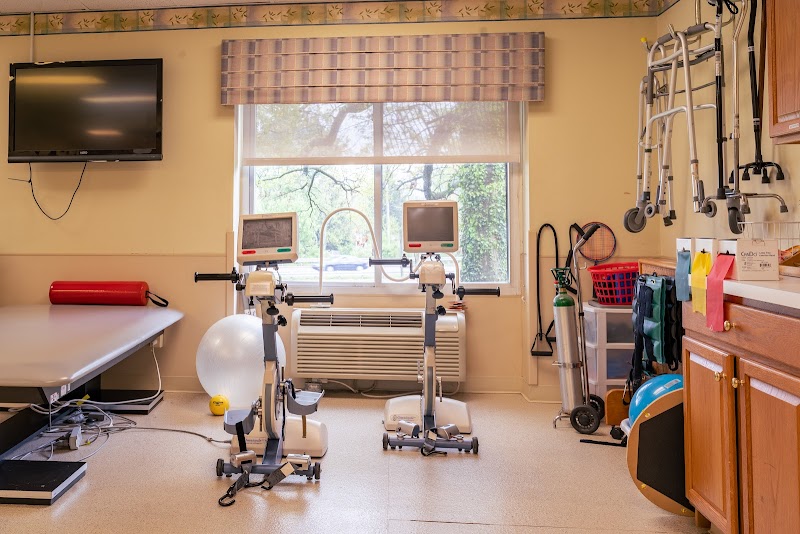
How is Autumn Lake Healthcare At Perring Parkway Staffed?

CMS rates AUTUMN LAKE HEALTHCARE AT PERRING PARKWAY's staffing level at 3 out of 5 stars, which is average compared to other nursing homes. Staff turnover is 47%, compared to the Maryland average of 46%.

What Have Inspectors Found at Autumn Lake Healthcare At Perring Parkway?

State health inspectors documented 49 deficiencies at AUTUMN LAKE HEALTHCARE AT PERRING PARKWAY during 2017 to 2023. These included: 1 that caused actual resident harm and 48 with potential for harm. Deficiencies causing actual harm indicate documented cases where residents experienced negative health consequences.
Who Owns and Operates Autumn Lake Healthcare At Perring Parkway?

AUTUMN LAKE HEALTHCARE AT PERRING PARKWAY is owned by a for-profit company. For-profit facilities operate as businesses with obligations to shareholders or private owners. The facility is operated by AUTUMN LAKE HEALTHCARE, a chain that manages multiple nursing homes. With 125 certified beds and approximately 84 residents (about 67% occupancy), it is a mid-sized facility located in BALTIMORE, Maryland.
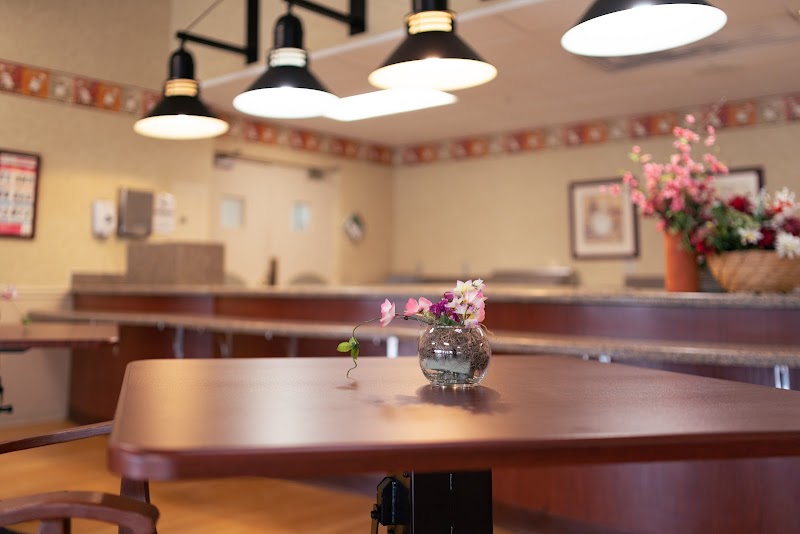
How Does Autumn Lake Healthcare At Perring Parkway Compare to Other Maryland Nursing Homes?

Compared to the 100 nursing homes in Maryland, AUTUMN LAKE HEALTHCARE AT PERRING PARKWAY's overall rating (4 stars) is above the state average of 3.0, staff turnover (47%) is near the state average of 46%, and health inspection rating (3 stars) is at the national benchmark.

What Should Families Ask When Visiting Autumn Lake Healthcare At Perring Parkway?

Based on this facility's data, families visiting should ask: "Can I visit during a mealtime to observe dining assistance and food quality?" "How do you handle medical emergencies, and what is your hospital transfer rate?" "Can I speak with family members of current residents about their experience?"

Is Autumn Lake Healthcare At Perring Parkway Safe?

Based on CMS inspection data, AUTUMN LAKE HEALTHCARE AT PERRING PARKWAY has a clean safety record: no substantiated abuse findings (meaning no confirmed cases of resident harm), no Immediate Jeopardy citations (the most serious violation level indicating risk of serious injury or death), and is not on the Special Focus Facility watch list (a federal program monitoring the lowest-performing 1% of nursing homes). The facility has a 4-star overall rating and ranks #1 of 100 nursing homes in Maryland. While no facility is perfect, families should still ask about staff-to-resident ratios and recent inspection results during their visit.

Do Nurses at Autumn Lake Healthcare At Perring Parkway Stick Around?

AUTUMN LAKE HEALTHCARE AT PERRING PARKWAY has a staff turnover rate of 47%, which is about average for Maryland nursing homes (state average: 46%). Moderate turnover is common in nursing homes, but families should still ask about staff tenure and how the facility maintains care continuity when employees leave.

Was Autumn Lake Healthcare At Perring Parkway Ever Fined?

AUTUMN LAKE HEALTHCARE AT PERRING PARKWAY has been fined $32,383 across 1 penalty action. This is below the Maryland average of $33,403. While any fine indicates a compliance issue, fines under $50,000 are relatively common and typically reflect isolated problems that were subsequently corrected. Families should ask what specific issues led to these fines and confirm they've been resolved.

Is Autumn Lake Healthcare At Perring Parkway on Any Federal Watch List?

AUTUMN LAKE HEALTHCARE AT PERRING PARKWAY is not on any federal watch list. The most significant is the Special Focus Facility (SFF) program, which identifies the bottom 1% of nursing homes nationally based on persistent, serious quality problems. Not being on this list means the facility has avoided the pattern of deficiencies that triggers enhanced federal oversight. This is a positive indicator, though families should still review the facility's inspection history directly.