FRANKLIN WOODS CENTER
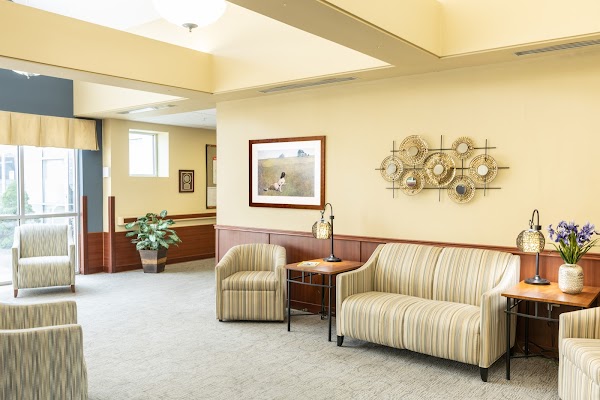
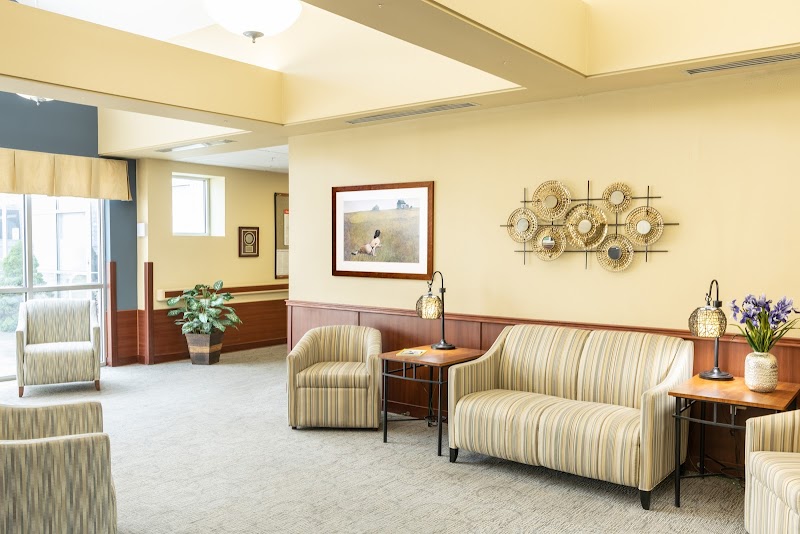
9200 FRANKLIN SQUARE DRIVE, BALTIMORE, MD 21237 (410) 391-2600
For profit - Partnership 117 Beds GENESIS HEALTHCARE Data: November 2025
Trust Grade
55/100
#107 of 219 in MD
Last Inspection: August 2021

Over 2 years since last inspection. Current conditions may differ from available data.

Overview

Franklin Woods Center has a Trust Grade of C, which means it is average and falls in the middle of the pack among nursing homes. It ranks #107 out of 219 in Maryland, placing it in the top half of facilities in the state, and #18 of 43 in Baltimore County, indicating only a few local options are better. The facility is improving, having reduced its number of issues from 21 in 2018 to 17 in 2021. Staffing is a concern, earning a 2 out of 5 stars and showing a 56% turnover rate, which is higher than the state average. However, the center has good RN coverage, exceeding 97% of facilities in Maryland, meaning residents benefit from more skilled nursing oversight. Despite these strengths, there are notable weaknesses. For instance, the staff failed to conduct annual evaluations for Geriatric Nursing Assistants, which could impact resident care. Additionally, there were issues with food service equipment not being maintained properly, leading to potential sanitation risks during meal service. Lastly, the facility lacked a clinically qualified nutrition professional, which is important for ensuring the health and safety of residents' meals. Overall, while there are strengths, families should be aware of these deficiencies in care and oversight.

Trust Score
C
55/100
In Maryland
#107/219
Top 48%
Safety Record
Low Risk
No red flags
Inspections
Getting Better
21 → 17 violations
Staff Stability
⚠ Watch
56% turnover. Above average. Higher turnover means staff may not know residents' routines.
Penalties
✓ Good
No fines on record. Clean compliance history, better than most Maryland facilities.
Skilled Nurses
✓ Good
Each resident gets 75 minutes of Registered Nurse (RN) attention daily — more than 97% of Maryland nursing homes. RNs are the most trained staff who catch health problems before they become serious.
Violations
⚠ Watch
51 deficiencies on record. Higher than average. Multiple issues found across inspections.
★★★☆☆
3.0
Overall Rating
★★☆☆☆
2.0
Staff Levels
★★★☆☆
3.0
Care Quality
★★★☆☆
3.0
Inspection Score
Stable
2018: 21 issues
2021: 17 issues

The Good

  • Full Sprinkler Coverage · Fire safety systems throughout facility
  • No fines on record

Facility shows strength in fire safety.

The Bad

3-Star Overall Rating

Near Maryland average (3.0)

Meets federal standards, typical of most facilities

Staff Turnover: 56%

Near Maryland avg (46%)

Frequent staff changes - ask about care continuity

Chain: GENESIS HEALTHCARE

Part of a multi-facility chain

Ask about local staffing decisions and management

Staff turnover is elevated (56%)

8 points above Maryland average of 48%

The Ugly 51 deficiencies on record

Aug 2021 17 deficiencies
CONCERN (D)

Potential for Harm - no one hurt, but risky conditions existed

Resident Rights (Tag F0550)

Could have caused harm · This affected 1 resident

Based on observations and interviews, it was determined that the facility failed to ensure residents received their meal in a timely manner. This was found to be evident for 1 (resident #21) out of 7 ...

Read full inspector narrative →
Based on observations and interviews, it was determined that the facility failed to ensure residents received their meal in a timely manner. This was found to be evident for 1 (resident #21) out of 7 residents observed for dining. The findings include: During a tour conducted on 08/10/21 at 12:22 PM, surveyors observed the lunch cart arrive to the 2nd floor nursing unit. At 12:48 pm, the surveyor observed Resident# 21 lying in his/her bed, and their roommate (resident #40) was sitting in a wheel chair. Resident# 40 stated that he/she had already eaen lunch and that their lunch tray had been removed from the room. Resident #21 stated that he/she had not yet received a lunch tray. During an interview on 08/10/2021 at 12:49 PM, the Unit Manager (UM) #10 stated that Resident #21's tray was not delivered to their room, because he/she normally ate lunch in the dining room. The UM went on to say that the kitchen was contacted 4 times to request that resident #21's lunch tray be delivered to their room. At 12:52 PM, The surveyor observed that resident #21's tray was delivered. Afterward, Resident #21 stated that the food arrived warm and was tasty.
CONCERN (D)

Potential for Harm - no one hurt, but risky conditions existed

Deficiency F0558 (Tag F0558)

Could have caused harm · This affected 1 resident

**NOTE- TERMS IN BRACKETS HAVE BEEN EDITED TO PROTECT CONFIDENTIALITY** Based on review of medical records and interview with residents, their representatives and facility staff, it was determined tha...

Read full inspector narrative →
**NOTE- TERMS IN BRACKETS HAVE BEEN EDITED TO PROTECT CONFIDENTIALITY** Based on review of medical records and interview with residents, their representatives and facility staff, it was determined that the facility failed to ensure that transportation arrangements were made for a resident who required wheelchair-enabled transport for a known medical appointment. This was evident for 1 (Resident #147) of 43 residents reviewed during the survey. The findings include: The surveyor reviewed Resident #147's medical record on 8/17/21 at 10:18 AM. The review revealed that Resident #147 was admitted to the facility on [DATE] following hospitalization for a complex fracture of the left ankle. Review of discharge paperwork from the hospital indicated that the resident had an orthopedic appointment scheduled for 6/1/21 at 9:42 AM. Review of the resident's physician orders in the electronic medical record system revealed an order, dated 5/27/21, that stated, Follow up appointment, orthopedic 6/1/21 @ 9:40 AM, [physician's name, address, and telephone number]. The surveyor interviewed Resident #147 and his/her family representative by telephone on 8/17/21 at 12:52 PM. During the interview, the resident and his/her representative stated that the resident had an appointment scheduled for 6/1/21, that the facility failed to obtain transportation for the resident, and that the appointment ended up being rescheduled to 6/2/21 because of the delay. They alleged that, this in turn, delayed the resident's surgery, scheduled 6/2/21, until later. The resident and his/her representative stated that they had not been contacted regarding difficulties arranging transportation until late at night on 5/31/21, the day before the appointment. The surveyor interviewed Unit Secretary (US) #41 on 8/18/21 at 9:08 AM. During the interview, US #41 stated that she was primarily responsible for arranging appointments and transportation to appointments for residents on her unit. She confirmed that Resident #147 had been a resident on her unit. She reviewed her appointment book with the surveyor that included all of the appointments she had made arrangements for, and there was no appointment listed for Resident #147 on 6/1/21. US #41 stated that she began vacation on 5/28/21 and would have been away for Memorial Day weekend, returning on 6/1/21. She stated that when she is away, appointments are made by other nursing staff or the Unit Manager (UM, Staff #5). When shown the physician's order for the appointment in the electronic medical record system, US #41 stated that she had placed that order on the day of the resident's admission, but she denied any knowledge of having arranged transportation to that appointment on 5/27/21 prior to her vacation and suspected that she had not. US #41 stated that the facility usually arranged transportation with Transportation Company (TC) #1, but sometimes would arrange transportation with TC #2. The surveyor contacted TC #1 on 8/18/21 at 9:42 AM and spoke with Transportation Agent #39. The agent stated that there was no record of any scheduled transportation for Resident #147 on 6/1/21. The agent did indicate that transportation was scheduled for the next day, 6/2/21, which had been scheduled by the facility on 6/1/21. Agent #39 indicated that there was a note in the file that stated TC #2 had been scheduled for 6/1/21 but was 3 hours late for pickup and the resident's appointment had to be rescheduled for 6/2/21. Agent #39 stated that the 6/2/21 scheduled transportation had been requested by UM #5. The surveyor contacted TC #2 on 8/18/21 at 9:57 AM and spoke with the owner of TC #2 (Staff #40). The owner stated that the facility had called TC #2 regarding Resident #147's appointment on the day of the appointment, 6/1/21, at 9:49 AM. The owner stated that no promises of transportation had been made that morning, but that the facility had been desperate. The owner said that all vehicles had been busy that morning but one of the vehicles managed to get to the facility at 2:30 PM. The surveyor interviewed UM #5 on 8/18/21 at 10:02 AM. During the interview, UM #5 indicated that the transportation companies were very busy over Memorial Day weekend. She stated that she had reached out to multiple companies for the transportation of Resident #147. We tried everyone, she said. When asked if there was any documentation of the multiple attempts to arrange transportation, UM #5 indicated there wasn't. The surveyor reviewed Resident #147's medical record again on 8/18/21 at 10:30 AM. The review failed to reveal any evidence of attempts to arrange transportation prior to 6/1/21, nor evidence that the resident or family were notified of difficulties in transportation. The review did reveal a note on 6/1/21 at 6:39 PM that had been written by UM #5. The note stated, Resident had an orthopedic appointment scheduled for today but was unable to go due to transportation delays. Appointment was rescheduled for 6/2/21 @ 9:30 AM with facility to transport resident to the appointment and back. Resident and spouse were notified of the above arrangements.
CONCERN (D)

Potential for Harm - no one hurt, but risky conditions existed

Notification of Changes (Tag F0580)

Could have caused harm · This affected 1 resident

**NOTE- TERMS IN BRACKETS HAVE BEEN EDITED TO PROTECT CONFIDENTIALITY** Based on review of resident medical records and interview with residents, their representatives, and facility staff, it was dete...

Read full inspector narrative →
**NOTE- TERMS IN BRACKETS HAVE BEEN EDITED TO PROTECT CONFIDENTIALITY** Based on review of resident medical records and interview with residents, their representatives, and facility staff, it was determined that the facility failed to notify a recently discharged resident or their representative of a positive COVID-19 test. This was evident for 1 (#146) of 43 residents reviewed during the survey. The findings include: In the course of investigating a complaint, the surveyor interviewed Resident #146's responsible party (RP) on 8/18/21 at 12:12 PM. During the interview, the resident's RP stated that the resident was hospitalized on [DATE]. The RP stated that, upon arriving to the hospital, the resident was tested for COVID-19 and the result of the test was positive for COVID-19. The RP stated that s/he had never been told by the facility that Resident #146 had contracted COVID-19. The surveyor reviewed Resident #146's paper medical record on 8/18/21 at 1:20 PM. The review revealed that the resident was admitted to the facility in January, 2021, was hospitalized mid February, and returned to the facility at the beginning of March. The surveyor found a lab sheet for a PCR (polymerase chain reaction) COVID-19 test that was performed on Resident #146 on 3/17/21at 9:11 AM, was received by the laboratory on 3/18/21 at 6:57 AM, and was reported to the facility on 3/19/21 at 9:56 AM. Further review of Resident #146's medical record revealed that the resident was discharged to the hospital on 3/18/21. The medical record did not reveal any evidence that Resident #146's positive test result was communicated to the resident, their family, or the resident's physician. The surveyor interviewed Regional Registered Nurse (RN) #13 on 8/18/21 at 2:37 PM. During the interview, RN #13 indicated that the facility did not notify Resident #146's family of the positive COVID-19 test result because the family already knew of the positive result from the test performed at the hospital. RN #13 stated that the facility knew that because Resident #13's RP had called the facility after discharge and told them so. RN #13 did not indicate whom Resident #13's RP had spoken to. Final review of the medical record on 8/18/21 at 2:45 PM did not reveal documentation of this communication or decision making.
CONCERN (D)

Potential for Harm - no one hurt, but risky conditions existed

Safe Environment (Tag F0584)

Could have caused harm · This affected 1 resident

Based on observation, interview, and record review, the facility staff failed to provide a clean shower room for the female residents on the first floor. This was evident for the female residents who ...

Read full inspector narrative →
Based on observation, interview, and record review, the facility staff failed to provide a clean shower room for the female residents on the first floor. This was evident for the female residents who wanted a shower on the rehabilitation unit. The findings include: On 08/10/21 at 7:50 am, this surveyor checked the women's shower room located on the Long term Care Unit for cleanliness. The surveyor observed dried brown matter on the floor, about 6 inches away from the drain. The second shower stall had a used mask on the shelf, gauze with a piece of tape was on the floor were observed in the left corner of the second stall. The fourth shower stall, near the bathroom, had a pail of standing water underneath a shower chair. The bathroom had a glove turned inside out and another glove on the floor. This surveyor observed a Daily Shower Room Cleaning log taped to the exit door. The cleaning log was removed and Assistant Director of Nursing (ADON) #5 provided this surveyor with a copy. According to the log, the shower room was last cleaned 08/08/21, during the 7:00 am - 3:00 pm shift. There was no documentation on the log that the shower room was cleaned on 07/17/21, 07/18/21, 07/21/21-07/23/21, 07/26/21-07/29/21, 07/31/21 -08/06/21, 08/09/21 and 08/10/21. On 08/16/21 at 9:30 am, a review of the Work Flow of Daily Assignments Schedule (which is a cleaning schedule of timed duties for the housekeeping staff) revealed that, at 7:10 am, the housekeeping staff are to check the shower room for cleanliness. At 2:30 pm, environmental rounds are done to check/clean the shower room. On 08/16/21 at 9:04 am, the Environmental Services Director(ESD) # 46, was interviewed andreported that the shower room is cleaned two times a day, inthe morning when staff first come in, and later during the day. At the end of their work day, rounds are done. Surveyor received a copy of the Daily Shower Room Cleaning log and the Work Flow of Daily Assignments. The Daily Shower Room Cleaning log had documentation that was not present when ADON # 5 provided a copy to the surveyor. The Daily Shower Room Cleaning log that the ESD #46 provided had 08/09/21 - 08/15/21 documented as being cleaned. When ESD #46 was shown a copy of the Daily Shower Room Cleaning log, he stated They forget to sign, it was done. The surveyor asked ESD #46 if the form iwas not signed, how would you know if the shower room had been cleaned. ESD #46 stated again, they forget to sign off, it was done.
CONCERN (D)

Potential for Harm - no one hurt, but risky conditions existed

Free from Abuse/Neglect (Tag F0600)

Could have caused harm · This affected 1 resident

Based on resident record review and facility report of an incident, the facility failed to protect resident # 246 from verbal abuse. This was evident for 1 out of 2 reports of abuse. Findings include:...

Read full inspector narrative →
Based on resident record review and facility report of an incident, the facility failed to protect resident # 246 from verbal abuse. This was evident for 1 out of 2 reports of abuse. Findings include: A record review was conducted for resident # 246 on 8/16/21 at 11:28 AM. Resident # 246 reported in June 2019 that Geriatric Nursing Assistant (GNA) #20 leaned on her wheelchair and looked into her face and stated, 'you need an attitude adjustment. According to GNA# 20, resident # 246 was complaining about her roommate. GNA #20 did admit during an interview with the Director of Nursing held with her/him on 6/13/21 that he /she did make this comment. GNA #20 was placed on suspension until the facilty's investigation was completed and her/his employment was terminated on 6/19/21.
CONCERN (D)

Potential for Harm - no one hurt, but risky conditions existed

Transfer Notice (Tag F0623)

Could have caused harm · This affected 1 resident

**NOTE- TERMS IN BRACKETS HAVE BEEN EDITED TO PROTECT CONFIDENTIALITY** Based on record review and interviews, it was determined that the facility failed to notify the resident representative in writi...

Read full inspector narrative →
**NOTE- TERMS IN BRACKETS HAVE BEEN EDITED TO PROTECT CONFIDENTIALITY** Based on record review and interviews, it was determined that the facility failed to notify the resident representative in writing for the reason that the resident was transferred to the hospital. This was found to be evident for 1 (resident # 27) out 3 residents reviewed for transfer and discharge. The findings include: Record review of resident # 27's medical records, conducted on 08/13/2021 at 10:32 AM, revealed that resident # 27 was transferred to the hospital on [DATE] and 07/28/2021. Further review of resident # 27's medical records failed to reveal documentation that the resident representative was provided a reason in writing for resident #27's transfer to the hospital on [DATE] and 07/28/2021. During an interview conducted on 08/13/2021 at 11:16 AM, the Unit Manager (UM) #10 confirmed that the resident representative did not receive the reason in writing for resident #27's transfer to the hospital on [DATE] and 07/28/2021. The UM stated the resident's representative resided at the facility, however, the facility policy was to provide the resident representative with a written notification for the reason that resident # 27 was transferred to the hospital. During an interview conducted on 08/13/2021 at 2:12 PM, the surveyor advised the Regional Corporate Nurse #13 of the surveyor's finding.
CONCERN (D)

Potential for Harm - no one hurt, but risky conditions existed

Deficiency F0625 (Tag F0625)

Could have caused harm · This affected 1 resident

**NOTE- TERMS IN BRACKETS HAVE BEEN EDITED TO PROTECT CONFIDENTIALITY** Based on record reviews and interviews, it was determined the facility failed to provide a bed hold for a resident transferred t...

Read full inspector narrative →
**NOTE- TERMS IN BRACKETS HAVE BEEN EDITED TO PROTECT CONFIDENTIALITY** Based on record reviews and interviews, it was determined the facility failed to provide a bed hold for a resident transferred to the hospital. This was found to be evident for 1 (resident #27) out of 3 residents reviewed for transfer and discharge.The findings include: A record review was conducted on 08/13/2021 at 1:25 PM for the Bed Hold Notice of Policy and Authorization form for resident #27's transfer to the hospital on [DATE]. The surveyor was unable to locate the Bed Hold Notice of Policy and Authorization form in the electronic medical record and physical chart. During an interview conducted on 08/13/2021 at 1:32 PM, the Unit Manager (UM) #10 confirmed that resident #27 did not have a Bed Hold Notice of Policy and Authorization form in the electronic medical record or physical chart. During an interview conducted on 08/13/2021 at 2:12 PM, the surveyor advised the Regional Corporate Nurse #13 of the Surveyor findings.
CONCERN (D)

Potential for Harm - no one hurt, but risky conditions existed

Comprehensive Care Plan (Tag F0656)

Could have caused harm · This affected 1 resident

Based on review of resident medical record, the facility failed to develop a care plan for anticoagulant therapy for resident # 45. This was evident for 1 out of 7 records reviewed. Findings include: ...

Read full inspector narrative →
Based on review of resident medical record, the facility failed to develop a care plan for anticoagulant therapy for resident # 45. This was evident for 1 out of 7 records reviewed. Findings include: On 8/13/21 at 1:34PM, a record review was conducted for resident # 45. On 11/7/20, the physician ordered Heparin 5000 units for resident # 45. The instructions stated to give 5000 units of Heparin subcutaneously at 9 AM and 9 PM for clotting prevention. No care plan was initiated to address the use of anticoagulation medication. The corporate nurse manager was made aware and stated on 8/13/21 at 10:45 AM that no care plan was found for anticoagulant therapy.
CONCERN (D)

Potential for Harm - no one hurt, but risky conditions existed

Deficiency F0657 (Tag F0657)

Could have caused harm · This affected 1 resident

Deficiency Text Not Available

Read full inspector narrative →
Deficiency Text Not Available
CONCERN (D)

Potential for Harm - no one hurt, but risky conditions existed

Deficiency F0679 (Tag F0679)

Could have caused harm · This affected 1 resident

Based on observation and interviews, the facility staff failed to notify residents receiving rehabilitation services of the activities available during their stay in the facility. This was evident for...

Read full inspector narrative →
Based on observation and interviews, the facility staff failed to notify residents receiving rehabilitation services of the activities available during their stay in the facility. This was evident for 3 (#30, #86, #34) of 4 residents reviewed for activities. The findings include: On 08/10/21 at 10:04 am, Resident # 30, who had been in the facility since early June 2021, verbalized that he/she was not aware that there were activities for the rehab residents to participate in. On 08/10/21 at 10:56 am, Resident #86 reported not knowing what activities were being offered at the facility. On 08/12/21 at 9:45 am, Resident #34 verbalized not knowing what activities were being offered. The resident had been in the facility since early June 2021. On 08/13/21 at 12:05 pm, an interview was completed with Staff #11, the Recreation Manager. Staff #11 verbalized that all residents admitted to the facility receive an activity assessment within five (5) days. Staff # 11 stated that an assessment is completed to determine their interests and preferences and the activities staff is responsible for making known what activities are offered for the residents, either group sessions or individualized sessions in the resident's room. Residents receiving rehabilitation services can participate in the activities, however, typically, they do not have time to participate in the activities because of their therapy schedule. A newsletter goes out once a month from the activities manager or residents can call the activities department office to find out what the offered activities are for a particular day. Currently a log is not kept to keep track of the resident's interests by the activities department, but the residents' interests are recorded in their individual care plans.
CONCERN (D)

Potential for Harm - no one hurt, but risky conditions existed

Quality of Care (Tag F0684)

Could have caused harm · This affected 1 resident

Based on observation, medical record review, and interviews, it was determined that staff failed to follow physicians' orders for 2 of 2 residents reviewed (Residents #1 and #74). The findings includ...

Read full inspector narrative →
Based on observation, medical record review, and interviews, it was determined that staff failed to follow physicians' orders for 2 of 2 residents reviewed (Residents #1 and #74). The findings include: 1) On 08/10/21 at 9:55 am, surveyor entered resident #1's room for an interview. The resident requested to speak with surveyor at a later time because he/she was trying to eat his/her breakfast. Resident#1 was observed having difficulty eating. On 08/12/21 at 8:35 am, surveyor entered Resident#1's room for an interview. The resident was observed struggling to eat breakfast due to tremors. No assistance from staff was provided to the resident at the time of the observation. On 08/12/21 1:45 pm, a review of Resident #1's medical record revealed that the resident had a diagnosis of Parkinson's disease. The resident was noted to have tremors. Further review of the record revealed an order, dated 08/03/21 at 7:00 am, for Resident #1 to receive assistance with meals at every shift due to the resident's tremors. On 08/13/21 at 9:08 am, in interview with RN #24 regarding Resident #1's need for assistance with meals due to tremors from Parkinson's disease, RN #24 reported that Resident #1 was able to feed himself. The surveyor and RN #24 then reviewed the Resident #1's order for assistance with meals. At that time, RN #24 confirmed that Resident #1 required assistance with meals. On 08/13/21 at 10:46 am, Geriatric Nursing Assistant (GNA) # 49 was interviewed and questioned how she would know which residents required assistance with feeding. GNA #49 showed the surveyor a document entitled, Weight list and Feeder List. On 8/13/21 at 10:46 am, a review of the Weight List and Feeder List revealed that the document was blank. 2) On 08/11/21 at 12:21 pm, the surveyor observed Resident #74 in the facility. The resident was not wearing a right arm sling at the time of the observation. On 08/16/21 at 10:30 am, a review of Resident #74's medical record; revealed an order, written on 07/23/21 at 3:00 pm, stating that the resident was to wear a right arm sling at all times, the order further stated that staff needed to remove the sling on every shift to check the resident's skin. On 08/16/21 at 12:00 pm, the surveyor observed Resident #74 in his/her room with GNA# 48. At the time of the observation, Resident #74 was not wearing a right arm sling as ordered. On 08/16/21 at 12:00 pm, the surveyor interviewed GNA $48 and asked why the resident was not wearing the right arm sling as ordered. GNA #48 stated that Resident #74 did not have to wear the sling any longer and had not worn the sling for a couple of weeks. On 8/16/2021 at 12:05 pm, Licensed Practical Nurse (LPN) #15 who was assigned to Resident #74, was asked if the resident had an order for the sling. The nurse verified that the order for the right arm sling was current and accurate. LPN #15 then confirmed the surveyor's observation hat Resident #74 was not wearing a right arm sling. On 08/17/21 at 9:05 am, Resident #74 was observed in bed sleeping. The resident did not have a right arm sling on at the time of the observation. On 08/17/21 at 9:25 am, the Director of Nursing (DON) #2, was made aware that Resident#74 had an order to wear a right arm sling, however, the resident had not been observed wearing the sling since the beginning of the survey on 08/10/21.
CONCERN (D)

Potential for Harm - no one hurt, but risky conditions existed

Accident Prevention (Tag F0689)

Could have caused harm · This affected 1 resident

Based on review of resident medical records and interview with facility staff, it was determined that the facility failed to ensure that neurologic checks, following a resident's unwitnessed fall invo...

Read full inspector narrative →
Based on review of resident medical records and interview with facility staff, it was determined that the facility failed to ensure that neurologic checks, following a resident's unwitnessed fall involving a head injury, were completed accurately. This was evident for 1 (Resident #146) of 5 residents reviewed for accidents. The findings include: 'Neuro Check' is a term used to refer to neurological evalutations performed after a patient has had a potential neurological change. It is a standard of nursing practice to complete a neuro check at regular intervals following a resident's unwitnessed fall or a fall involving the resident's head. A Neurological Evaluation Flow Sheet is usually used to conduct these neuro checks. The form identifies the intervals when a neuro check should be performed (most often it is every 15 minutes for 2 hours, then every 30 minutes for 2 hours, then every hour for 4 hours, then every 4 or 8 hours for a few days). The purpose of the evaluation is to detect early neurological changes in a resident that may indicate a more significant problem that requires elevated care. This could include concussion, stroke, and other threats to a resident's brain and nervous system. The neuro check includes evaluations of a resident's mentation, eye sight, sensation, vital signs, and other evidence of constitutional change. The surveyor reviewed Resident #146's medical record on 8/17/21 at 2:23 PM. The review revealed that Resident #146 had frequent falls at the facility, falling a total of 9 times between his/her admission in mid-January and his/her final hospitalization mid-March. Review of the report of the final fall revealed that the resident had an unwitnessed fall on the morning of 3/17/21. The resident had been found on the floor by housekeeping staff who had immediatley notified the resident's geriatric nursing assistant (GNA) and nurse. The nurse's documented evaluation included that the resident was assessed with a lump on the back of the head with 2 lacerations. The fall was identified as being both unwitnessed and involving the head. The resident's physician assessed the resident the morning of 3/18/21, roughly 24 hours later, and ordered that the resident be sent out to the hospital due to the injury to his/her head. A nursing note, dated 3/18/21 at 2:21 PM, stated, Patient was sent to [the hospital] via 911 to have a CT-scan of the head due to swelling on the parietal lobe from a fall, also x-ray to the right hip. The resident was also noted to be regularly taking two medications designed to decrease the resident's tendency to form blood clots (i.e., blood thinners): Plavix 75 miligrams and aspirin 81 miligrams, both taken daily. The surveyor found a Neurological Evaluation Flow Sheet for Resident #146's fall on 3/17/21. The flowsheet included documentation of the resident's level of consciousness, orientation, sentation, vision, motor function, vital signs, and any change from baseline. The form included six entries dated after when the resident went out to the hospital via 911. Those entries were 3/18/21 at 4:00 PM, 3/19/21 at 12:00 AM, 3/19/21 at 8:00 AM, 3/19/21 at 4:00 PM, 3/20/21 at 12:00 AM, and 3/20/21 at 8:00 AM. The documentation appeared to have been signed by either four or five different nurses. The surveyor interviewed Unit Manager (UM) #5 on 8/18/21 at 2:21 PM. The UM confirmed the surveyor's findings and was unable to explain how the erroneous entries may have been made.
CONCERN (D)

Potential for Harm - no one hurt, but risky conditions existed

Deficiency F0761 (Tag F0761)

Could have caused harm · This affected 1 resident

Deficiency Text Not Available

Read full inspector narrative →
Deficiency Text Not Available
CONCERN (E)

Potential for Harm - no one hurt, but risky conditions existed

Deficiency F0801 (Tag F0801)

Could have caused harm · This affected multiple residents

Based on interview of facility staff, it was determined that the facility failed to ensure a full-time clinically qualified nutrition professional for the oversight of food preparation and the daily k...

Read full inspector narrative →
Based on interview of facility staff, it was determined that the facility failed to ensure a full-time clinically qualified nutrition professional for the oversight of food preparation and the daily kitchen operation. All the resident's in the facility have the potential to be affected by not having a qualified nutritional profession with the appropriate competencies and skill sets to carry out food and nutrition services. The findings include: On an initial tour of the facilities kitchen on 8/10/21 at 9:05 AM, it was revealed that the full time Food Service Director (staff # 4) was not clinically qualified as per Federal and state regulations. The food service director indicated that his predecessor had abruptly left and he was placed in-charge. Upon interview, he indicated that he was not a Certified Dietary Manager (CDM). He indicated that he has completed some of the educational course work towards becoming a CDM. Upon request for written documentation of the foodservice director's credentials on 8/11/21, no documentation was provided.
CONCERN (E)

Potential for Harm - no one hurt, but risky conditions existed

Deficiency F0804 (Tag F0804)

Could have caused harm · This affected multiple residents

Deficiency Text Not Available

Read full inspector narrative →
Deficiency Text Not Available
CONCERN (F)

Potential for Harm - no one hurt, but risky conditions existed

Deficiency F0730 (Tag F0730)

Could have caused harm · This affected most or all residents

Based on review of employee files and staff interviews, it was determined that the facility staff failed to put a system in place to ensure that Geriatric Nursing Assistants (GNA) were evaluated annua...

Read full inspector narrative →
Based on review of employee files and staff interviews, it was determined that the facility staff failed to put a system in place to ensure that Geriatric Nursing Assistants (GNA) were evaluated annually. This was found to be evident for 5 out of 5 GNA employees (GNA #31, #32, #33, #34, #35) reviewed for annual evaluations. This deficient practice has the potential to affect all the residents in the facility. The findings include: During review of the employee files on 08/16/2021 at 10:02 AM, the surveyor was unable to locate annual evaluations for GNA #31, 32, 33, 34, and #35. During an interview conducted on 08/16/2021 at 11:45 AM, the DON stated that he/she was unable to confirm that annual evaluations had been conducted for GNAs #31, #32, #33, #34, and #35. During an interview conducted on 08/16/2021 at 12:02 PM, the Workforce Coordinator #38 stated that the facility policy required that he/she send a list to management for each department. The list provided staff names and due dates for annual performance evaluations. The Workforce Coordinator stated that the list had been sent out for several years, however, the annual performance evaluations were not completed. During the continued interview, the Workforce Coordinator confirmed that the annual performance evaluations had not been completed since year 2014. The DON was present during the interview with the Workforce Coordinator.
CONCERN (F)

Potential for Harm - no one hurt, but risky conditions existed

Food Safety (Tag F0812)

Could have caused harm · This affected most or all residents

**NOTE- TERMS IN BRACKETS HAVE BEEN EDITED TO PROTECT CONFIDENTIALITY** Based on observations of the facility's kitchen food services, and staff interview, it was determined that 1.) The facility fail...

Read full inspector narrative →
**NOTE- TERMS IN BRACKETS HAVE BEEN EDITED TO PROTECT CONFIDENTIALITY** Based on observations of the facility's kitchen food services, and staff interview, it was determined that 1.) The facility failed to maintain food service equipment in a manner that ensured sanitary food service operations, and 2.) The facility staff failed to serve beverages in a manner that ensured sanitary food distribution during meal service to rooms. This was identified while observing the facility's dish washing machine in operation and meal distribution service to residents' rooms. The findings include. 1.) On 8/11/21 at 10:45 AM, during an observation of the facility dishwasher with the food service director, it was revealed that the temperature of the wash water was not reaching the minimum requirement of 160 degrees Fahrenheit (F). The food service director acknowledged that the wash temperature gauge was only reading 140 degrees F and indicated that the facility's maintenance man was notified. On 8/13/21 at 12:16 PM, review of the Machine Warewashing Sanitizing Log and the Manual Warewashing Sanitizing Log failed to show that the staff were monitoring the wash and rinse levels of the dish washer. Review of both logs revealed that the staff had failed to record the wash and rinse temperatures for noon and evening on 8/11/21, failed to record morning, noon, and evening water temperatures and manual warewashing sanitation levels on 8/12/21, and failed to record the morning dishwasher temperatures and manual warewashing sanitation levels on 8/13/21. The cook (staff #50) in-charge of the kitchen at the time was made aware that the dishwasher and manual ware wash logs were incomplete as the documentation was blank after breakfast on 8/11/21. On 8/13/21 at 1:10 PM, the dietitian was asked if she knew the status of the dishwashing machine. She indicated that she heard that the maintenance man had ordered a thermostat and she was going to follow up with maintenance. At 2:25 PM on 8/13/21, the dietary staff were observed washing the lunch time dishes and dishware with the observed wash level temperature of 146 degrees F. An interview was conducted with the cook in charge (staff #50) at 2:28 PM. She indicated that she did not know that there was a problem with the dishwasher. She indicated that maintenance had told her to break the machine down and put Lime-away into the machine to see if that brought the water temperature up. She revealed that she was going to do this after the lunch time dishes were cleaned. At 2:32 PM on 8/13/21, a maintenance man (staff #53) informed the surveyor that a part was ordered for the dishwasher and he placed an emergency call to Hobart (the dishwasher manufacture service vendor). He indicated that the repair company was expected to arrive within a few hours. At 3:00 PM on 8/13/21, the Regional Corporate nurse (staff #13) was informed that the dietary staff failed to monitor and document the sanitation level of the dishwasher and the manual chemical sanitation level of the three compartment sinks. She was shown copies of the dishwasher log and manual warewashing sanitizing log showing the lack of documentation for the last 6 meal times. She confirmed that the Hobart service company was expected to come to the facility by 5:30 PM. On 8/16/21 at 2:30 PM, observations of the dishwasher area revealed stacks of unwashed dishes and dishware. The maintenance director (staff #28) was working on the hot water booster component of the dishwashing machine. He indicated that the wash temperature was fixed by an outside vendor Hobart on Saturday and the component he was working on, was to be fixed within the hour. Review of the dish washer and manual sanitizing logs shown that there was not any documentation related to monitoring of sanitizing since the morning of 8/11/21. The facility had failed to monitor the hot water temperatures and the chemical sanitation level for over 5 days. The regional corporate nurse was shown the incomplete logs on 8/16/21 at 2:45 PM. Observations of the dishwasher in operation on 8/17/21 at 11:55 AM revealed a wash cycle temperature of 140 degrees F and the rinse gauge was observed to be 190 degrees F. Review of the sanitizing logs for the morning of 8/17/21 revealed that the wash cycle was recorded as 165 degrees F and the rinse was documented as 172 degrees F. On 8/18/21 at 9:30 AM, observations of the dishwasher gauges revealed a wash cycle temperature of 160 degrees F. and the rinse cycle was 192 degrees F. 2.) Periodic observations of meal and beverage distribution on the 1st floor revealed that the facility staff failed to serve beverages in a manner that ensured sanitary beverage distribution during meal service to rooms. Observations of breakfast tray and beverage room delivery service on 8/10/21 at 8:05 AM, revealed dietary had parked a beverage cart in a central location near the nursing station on the first floor. The beverage cart had numerous pitchers of juices, thermoses of coffee, and cartons of milk. A geriatric nursing assistant (GNA) (staff #22) had poured 7 plastic cups of milk, 7 plastic mugs of coffee, and 5 plastic glasses of juice. The GNA left the open air cart of uncovered beverages for several minutes to return with covered disposable plastic cups of ice water. She then proceeded to take the cart down the [NAME] I hallway. As she would take beverages into resident rooms, the cart remained unattended without lids on the individually poured beverages. On 8/17/21 at 7:50 AM, 6 plastic mugs of coffee, and 6 plastic cups of juice were noted on an open cart without lids and left unattended. An interview was conducted with the dietitian (Staff #25) at 10:45 AM on 8/17/21. When asked if the facility had a policy related to sanitary beverage and food distribution, she indicated that she did not know of any specific policy. During a test tray observation of food and beverage delivery at 12:35 PM on the Southwind I hallway, an unattended cart of 7 poured beverages were observed without lids. At 12:50 PM, the nurse practice educator was observed to place lids on the 7 beverages. The surveyor informed her that the cups were unattended for at least 20 minutes. Upon follow-up with the nurse practice educator at 1:10 PM, she indicated that the 7 uncovered beverages were discarded.
Sept 2018 21 deficiencies
CONCERN (D)

Potential for Harm - no one hurt, but risky conditions existed

Deficiency F0552 (Tag F0552)

Could have caused harm · This affected 1 resident

Based on medical record review, interview with facility staff and resident it was determined that the facility failed to go to the resident to get consents for treatment when the resident had capacity...

Read full inspector narrative →
Based on medical record review, interview with facility staff and resident it was determined that the facility failed to go to the resident to get consents for treatment when the resident had capacity to make medical decisions based on a physician assessment completed in the facility. This was determined during the investigative portion of the survey and found to be evident for 1 of 52 residents (#36) reviewed during the survey. The findings include: During the initial tour and attempted interview with Resident #36 on 9/4/18 at 9:03 AM Resident #36 was noted in his/her bed attempting to eat breakfast. Screening questions were asked of Resident #36 however, s/he was not able to answer the questions with certainty and therefore was marked as non-interviewable. Surveyor re-attempted to interview the resident on 9/5/18 at 2:57 PM and again the resident was unable to answer the questions that are part of the survey process. Review of Resident #36's medical record on 9/5/18 revealed resident was admitted with a hip fracture status post a fall at home, with noted muscle weakness and cognitive deficits in addition to unspecified glaucoma. An initial social history and assessment completed at admission noted the resident to have cognitive deficits and further documented the resident with a brief interview of mental status (BIMS) score of a 12/15 (meaning the person is moderately impaired). A review of all the Social Work notes did not reveal any documentation that the spouse was responsible for medical decisions. The resident's face sheet documented the spouse as the emergency contact not the power of attorney or medical power of attorney. Further review of the resident's medical record on 9/10/18 at 1:29 PM revealed that his/her consent for treatment and release of information, consent for use of bedrails and influenza consent were all signed by the resident spouse on 7/13/18. However, at the time of the review, the residents attending physician had completed certification on 7/21/18 related to the resident's decision-making capacity and determined that the resident has adequate decision-making capacity. The concerns identified by the surveyor that a resident with certification of capacity and someone else (spouse) was signing the consents, was reviewed with the Director of Nursing (DON) on 9/10/18 at 3:40 PM. The DON stated she noted the same concern as copies for the surveyors were made.
CONCERN (D)

Potential for Harm - no one hurt, but risky conditions existed

Deficiency F0572 (Tag F0572)

Could have caused harm · This affected 1 resident

Based on review of Resident Council minutes, interviews with residents and staff, it was determined that the facility failed to ensure that residents were informed of his or her rights and of all rule...

Read full inspector narrative →
Based on review of Resident Council minutes, interviews with residents and staff, it was determined that the facility failed to ensure that residents were informed of his or her rights and of all rules and regulations governing resident conduct and responsibilities during his or her stay in the facility. The findings include: On 9/11/18 the surveyor met with members of the Resident Council. During the meeting it was revealed that they did not remember if the facility gave them a copy of the Resident's [NAME] of Rights. They further revealed that it may have been in the admission packet and they acknowledged if it was given on admission then it was sent with family members and they do not recall what the resident's rights are. The resident council members also revealed that the facility never reviews or discuss the resident's rights at any of the meetings, they further verbalized that reading the resident's rights at each meeting would be a nice way of knowing what rights they have. Review of the minutes from the resident council meeting failed to reveal any documentation indicating that the facility reviewed resident's rights in the meetings. During an interview with the Activity Director on 9/11/18 at 3:30 PM she acknowledged that resident rights are not discussed at any of the meetings. All findings discussed with the Director of Nursing and the administrator during the survey exit.
CONCERN (D)

Potential for Harm - no one hurt, but risky conditions existed

Investigate Abuse (Tag F0610)

Could have caused harm · This affected 1 resident

Based on medical record review and interview it was determined that the facility failed to report and investigate an incident in which a resident, who was cognitively impaired, was found on the floor ...

Read full inspector narrative →
Based on medical record review and interview it was determined that the facility failed to report and investigate an incident in which a resident, who was cognitively impaired, was found on the floor with a laceration to the head. This was found to be evident for 1 out of 3 residents (Resident #32) reviewed for accidents during the investigative portion of the survey. The findings include: Review of Resident #32's medical record revealed the resident has a diagnosis of dementia and history of falls. Review of the Minimum Data Set (MDS) assessments completed in May 2018 revealed the resident had severe cognitive impairment as evidenced by BIMS (Brief Interview for Mental Status) score of 5 out of 15. A BIMS score of 0 - 7 indicates a severe cognitive impairment. Review of the medical record revealed a Change in Condition Evaluation completed on 6/29/18 which included the following: Had a fall with a cut of 3.5 cm to the right side of [his/her] head. The nurse practitioner was notified at 9:00 PM and ordered the resident sent to the emergency room for evaluation. Further review of the medical record revealed the resident was sent to the emergency room and had two staples placed for the laceration. Review of the Event Summary Report revealed the fall had not been witnessed and the resident was noted lying on floor in dayroom. No documentation was found that an investigation was conducted as to the circumstances of the fall. On 9/11/18 at 10:09 AM the Assistant Director of Nursing (ADON #7) reported that if an injury occurs and a resident is unable to tell the staff what happened then they do witness statements. At 10:43 AM the ADON #37 confirmed that the fall on 6/29/18 was not witnessed and that the resident would not be able to tell staff what occurred. Surveyor reviewed the concern that this was an injury of unknown origin that had not been investigated. On 9/11/18 at 12:30 PM surveyor reviewed the concern with the Director of Nursing that the injury sustained on 6/29/18 was not investigated or reported. As of time of exit at 7:15 PM on 9/11/18 no additional documentation had been provided regarding an investigation or follow up regarding this incident.
CONCERN (D)

Potential for Harm - no one hurt, but risky conditions existed

Assessment Accuracy (Tag F0641)

Could have caused harm · This affected 1 resident

Based on medical record review and interview with staff it was determined that the facility failed to have an effective system in place to ensure activity assessments were completed by activity staff ...

Read full inspector narrative →
Based on medical record review and interview with staff it was determined that the facility failed to have an effective system in place to ensure activity assessments were completed by activity staff during the assessment reference date (ARD) look back time period for the comprehensive Minimum Data Set (MDS) assessment. This was found to be evident for 3 out of 4 residents (Resident #55 and #77) reviewed for completion of section F- Preferences for Customary Routine and Activities for the annual MDS assessment. The findings include: The MDS is a federally mandated assessment tool used to identify resident needs and help with the development of the resident's plan of care. On 9/11/18 review of Resident #55's comprehensive MDS with an ARD of 8/13/18 revealed answers to all of the questions in Section F-Preferences for Customary Routine and Activities to have been marked as not assessed. On 9/11/18 review of Resident #47's comprehensive MDS with an ARD of 5/20/18 revealed answers to all of the questions in Section F-Preferences for Customary Routine and Activities to have been marked as not assessed. On 9/11/18 review of Resident #77's comprehensive MDS with an ARD of 5/5/18 revealed answers to all of the questions in Section F-Preferences for Customary Routine and Activities to have been marked as not assessed. On 9/11/18 at 2:54 PM surveyor reviewed the concern with MDS nurse #10 that 3 out of the 4 residents reviewed specifically for the completion of section F failed to have the assessments completed. MDS nurse #10 reported that for Resident #55 a quarterly assessment had been put in the system by mistake; for Resident #47 she forgot to put the assessment form into the system for completion and for Resident #77 the assessment had been completed after the ARD date. On 9/11/18 at 3:40 PM surveyor reviewed with the Director of Nursing the concern regarding the failure to ensure activity assessments were completed for the annual MDS comprehensive assessment.
CONCERN (D)

Potential for Harm - no one hurt, but risky conditions existed

Comprehensive Care Plan (Tag F0656)

Could have caused harm · This affected 1 resident

3. Review of Resident #68's medical record on 9/6/18 noted that the resident had an order for a Foley catheter with specific instructions for the care of the catheter. Review of the resident care plan...

Read full inspector narrative →
3. Review of Resident #68's medical record on 9/6/18 noted that the resident had an order for a Foley catheter with specific instructions for the care of the catheter. Review of the resident care plan on the same date failed to have a care plan in place for a Foley catheter. An interview was conducted with the Assistant Director of Nursing (ADON) on 9/6/18 and s/he confirmed that there was no Foley catheter care plan initiated for Resident #68. The Nursing Home Administrator (NHA) was made aware of all the concerns at the time of exit. Based on observation, interviews with facility staff and medical record review, it was determined that the facility failed to follow a resident's care plan related to a resident receiving the following medication categories: anticoagulant, sedative and an antibiotic. The facility also failed to develop a care plan for a resident with a Foley catheter and a resident's medical diagnosis and treatment of syncope. This was evident for 3 of 6 residents (#58, #68 and #202) reviewed for unnecessary medications. The findings include: A care plan is a guide that addresses the unique needs of each resident. It is used to plan, assess and evaluate the effectiveness of the resident's care 1. Review of the paper and electronic medical record for Resident #58 on 9/7/18 at 9:42 am revealed hospital discharge diagnosis' including cardiomyopathy (progressive heart disease in which the heart is abnormally enlarged, thickened, and/or stiffened), diabetes, syncope with loss of consciousness and bacterial urinary tract infections. Upon admission to the facility the resident was noted to be on insulin and metformin for diabetes, tramadol for pain, Celexa for depression, Lovenox an anticoagulant, Benadryl to assist with insomnia and levofloxacin for the diagnosis of a urinary tract infection. In addition, Resident #58 was ordered melatonin to assist with sleeping as needed during his/her stay in the facility. Review of the resident's care plans on 9/7/18 at 11:21 AM failed to reveal care plans for: 1.) anticoagulant use 2.) insomnia 3.) antibiotic use These concerns were reviewed with the Director of Nursing (DON) and Administrator during the survey and prior to exit on 9/11/18. 2. Review of the medical record on 9/11/18 at 10:31 AM for Resident #202 revealed admission to the facility post-hospitalization for a syncopal event (temporary loss of consciousness usually related to insufficient blood flow to the brain with the cause varying by individual). A further review of the resident's medical record including the care plans failed to reveal a care plan in place to include the diagnosis of syncope. Interview on 9/11/18 at 12:16 PM with the 1st floor unit manager and the DON revealed that care plans are initiated by the 11-7 AM shift supervisor when a resident is admitted and updated by the social worker.
CONCERN (D)

Potential for Harm - no one hurt, but risky conditions existed

Deficiency F0657 (Tag F0657)

Could have caused harm · This affected 1 resident

2. Review of Resident #36's medical record on 9/5/18 revealed resident was admitted with a hip fracture status post a fall at home, with noted muscle weakness and cognitive deficits in addition to uns...

Read full inspector narrative →
2. Review of Resident #36's medical record on 9/5/18 revealed resident was admitted with a hip fracture status post a fall at home, with noted muscle weakness and cognitive deficits in addition to unspecified glaucoma. Further review of the residents medical record on 9/5/18 at 1:19 PM revealed falls on: 7/14, 7/25, 8/1, 8/20, 8/31, and 9/1. A review of the resident's care plan on 9/07/18 at 4:28 PM revealed a care plan in place for resident falls secondary to cognitive loss, lack of safety awareness and impaired mobility. Further review of the care plan revealed initiation on 7/16/18 with updates on 7/17 and 7/26, however, nothing further noted regarding the falls that occurred on 8/1, 8/20, 8/31 and 9/1. These concerns were reviewed throughout the survey with the Director of Nursing. The survey team was updated on 9/10/18 3:32 PM that there were no further changes to the residents care plan after 7/26/18. Based on medical record review and interview it was determined that the facility failed to accurately update a residents' care plans after falls resulting in a laceration to the head and failed to accurately reflect the residents' needs and current interventions to be provided. This was found to be evident for 2 out of the 4 residents (Resident #32 and #36) reviewed for accidents during the investigative portion of the survey. The Findings include: A care plan is a guide that addresses the unique needs of each resident. It is used to plan, assess and evaluate the effectiveness of the resident's care. 1. On 9/10/18 review of Resident #32's medical record revealed the resident has diagnosis of dementia and history of falls. Review of the Minimum Data Set (MDS) assessments completed in May 2018 revealed the resident had severe cognitive impairment as evidenced by BIMS (Brief Interview for Mental Status) score of 5 out of 15. A BIMS score of 0 - 7 indicates a severe cognitive impairment. Further review of the medical record revealed the resident sustained falls on 6/29/18 and 7/18/18. The fall on 6/29/18 resulted in a laceration to the head, trip to the emergency room and two staples for treatment of the laceration. Both falls were unwitnessed and occurred in the activity room during the evening shift. The resident had a care plan addressing risk for repeated falls: cognitive loss, lack of safety awareness which was established more than a year ago. The most recent intervention was added on 6/21/18. There was a Care Plan Evaluation note on 8/2/18 which stated the following: Remains high risk for falls, last fall was on 6/21/18. Fall precautions maintained. Will continue plan of care. On 09/11/18 at 10:43 AM surveyor reviewed the concern with the Assistant Director of Nursing (ADON #7) of the failure of the care plan update to acknowledge these two falls. The ADON reported that the night shift nurse had updated the care plan. She went on to report that staff does frequent rounds to check on the resident but this is not documented. On 9/11/18 at 12:30 PM surveyor reviewed the concern with the Director of Nursing regarding failure to update the resident's care plan after the 6/29/18 and 7/18/18 falls.
CONCERN (D)

Potential for Harm - no one hurt, but risky conditions existed

Deficiency F0658 (Tag F0658)

Could have caused harm · This affected 1 resident

**NOTE- TERMS IN BRACKETS HAVE BEEN EDITED TO PROTECT CONFIDENTIALITY** Based on medical record review, interview with facility staff and observation it was determined that the facility failed to 1. g...

Read full inspector narrative →
**NOTE- TERMS IN BRACKETS HAVE BEEN EDITED TO PROTECT CONFIDENTIALITY** Based on medical record review, interview with facility staff and observation it was determined that the facility failed to 1. get a physician order for a resident that was using a continuous positive airway pressure (CPAP) machine, and 2. follow a physician order for daily weights on a resident. This was evident for 2 residents (#93 and #198) during the investigative portion of the survey. The findings include: 1. During initial tour observations and interview with Resident #93 on 9/5/18 at 10:12 AM surveyor observed a CPAP (positive airway pressure, which keeps the airways continuously open in people who are able to breathe spontaneously on their own) machine on the resident's night stand. Review of the resident's medical record revealed diagnosis including chronic obstructive pulmonary disease and a care plan in place regarding CPAP use and respiratory therapy notes regarding treatment and care of the resident. Further review of the resident's physician orders failed to reveal a physician order for the use of the CPAP machine. The concern regarding the lack of an order for the CPAP machine was reviewed with the Director of Nursing (DON) on 9/10/18 at 3:36 PM. Follow-up interview on 9/11/18 at 1:47 PM with the Assistant Director of Nursing (ADON) revealed that there was no order for the CPAP that the resident was using. 2. Review of the closed medical record on 9/10/18 at 1:40 PM for Resident #198 revealed diagnosis including; muscle weakness, chronic kidney disease, and abnormal serum enzymes. Further review of the resident's physician orders revealed orders on 5/30, 5/31, 6/1 and 6/3/18, for daily weights after lab work was completed. Review of the resident's completed weights revealed an admission weight completed, weight on 5/30 and no further weight until discharge on [DATE]. This concern was reviewed with the DON on 9/11/18 at 4:19 PM
CONCERN (D)

Potential for Harm - no one hurt, but risky conditions existed

Deficiency F0661 (Tag F0661)

Could have caused harm · This affected 1 resident

2. On 9/11/18 Resident# 348's closed record was reviewed. This review revealed that the resident was discharged from the facility in June 2018 to her/his home. Review of the medical records revealed a...

Read full inspector narrative →
2. On 9/11/18 Resident# 348's closed record was reviewed. This review revealed that the resident was discharged from the facility in June 2018 to her/his home. Review of the medical records revealed a Discharge Summary that included an admission date and a discharge date . No additional information was on the physician discharge summary. During an interview with the Director of Nursing on 9/11/18 the surveyor reviewed the physician discharge summary with her, she acknowledged that it was not done, she further reported that the physician is on an action plan to complete all the discharges in a timely manner. All findings discussed with the DON and the administrator during the survey exit. Based on medical record review and interview with the facility staff, it was determined that the facility failed to complete a discharge summary on a resident to include a review of the resident's medications reconciled with the discharge medications and complete a physician discharge summary in a timely manner. This was evident in 2 of 3 residents (#198, #348) sampled for closed records reviewed during the investigative portion of the survey. The findings include: 1. Review of the closed medical record on 9/10/18 at 1:40 PM for Resident #198 revealed diagnosis including; muscle weakness, chronic kidney disease, and abnormal serum enzymes. Further review of the medical record revealed that the resident's daughter requested for the facility to discharge the resident home prior to the resident's end of skilled care time. A review of the discharge packet and physician summary failed to reveal a list of the medications including dose and frequency the resident was receiving in the facility reconciled with the medications that the resident was provided at time of discharge home. This concern was reviewed with the DON and the Administrator prior to exit from the facility on 9/11/18.
CONCERN (D)

Potential for Harm - no one hurt, but risky conditions existed

Pressure Ulcer Prevention (Tag F0686)

Could have caused harm · This affected 1 resident

Based on medical record review and interview with staff it was determined that the facility failed to ensure physician ordered wound treatment were completed as ordered. This was found to be evident f...

Read full inspector narrative →
Based on medical record review and interview with staff it was determined that the facility failed to ensure physician ordered wound treatment were completed as ordered. This was found to be evident for 1 out of 2 residents (Resident #83) reviewed for pressure ulcers during the investigative portion of the survey. The findings include: On 9/11/18 review of Resident #83's medical record revealed the presence of a facility acquired stage 4 pressure ulcer on the resident's buttocks. Review of the medical record revealed that from 4/26/18 until 6/5/18 the following order was in effect and being completed as ordered: Apply small foam dressing directly to patients sacrum boney prominence to assist with pressure relief to area every day and night shift. This order was discontinued on 6/5/18. Review of the nursing notes revealed on 6/5/18 : Resident found to have pressure area to sacrum, with skin open now and spoke to Hospice Nurse with TX (treatment) changed to hydrogel to sacrum q pm 9 every evening) and PRN as needed. A corresponding 6/5/18 order for: Clean Midline sacrum with Vashe, apply Hydrogel with 2x2 and apply Optifoam adhesive dressing, change q day and PRN (as needed) was found in the medical record. Further review of the Medication Administration Record and the Treatment Administration Record for June failed to reveal any documentation that the dressing change, ordered on 6/5/18, to the pressure ulcer had been completed at all from 6/5 thru 6/12. This issue was addressed with nursing administration at approximately 4:00 PM on 9/11/18. Further review of the medical record revealed new orders for dressing change with Santyl were written on 6/13/18. On 9/11/18 at 6:08 PM the Assistant Director of Nursing #7 reported that the 6/5/18 wound care order had not been put in the system because it had been entered as an ancillary order, confirmed that no treatment had been provided and that this had not been identified prior to surveyor asking about it this afternoon.
CONCERN (D)

Potential for Harm - no one hurt, but risky conditions existed

Deficiency F0692 (Tag F0692)

Could have caused harm · This affected 1 resident

Based on medical record review and interview it was determined that the facility failed to ensure dietary orders were submitted to the kitchen for implementation. This was found to be evident for 1 ou...

Read full inspector narrative →
Based on medical record review and interview it was determined that the facility failed to ensure dietary orders were submitted to the kitchen for implementation. This was found to be evident for 1 out of 5 residents (Resident #13) reviewed for nutrition. The findings include: Review of Resident #13's medical record revealed an order written on 8/28/18 to: Please serve high calorie snacks on each tray: cottage cheese, pudding, or jello three times a day. On 9/10/18 at 12:04 PM review of the resident's meal ticket failed to reveal any documentation about cottage cheese or pudding. Review of the Snack Summary for this resident for the week of 9/10/18 failed to reveal any documentation regarding the order for high calorie snacks on each tray. On 9/11/18 at 11:35 AM the Registered Dietician (RD #18) confirmed that the resident had been losing weight. She reported that she did not think the kitchen received the diet slip regarding the 8/28/18, stating whoever took it (the order) off didn't write the slip. On 9/11/18 at 12:02 PM nurse #17, who entered the order into the electronic health record system, reported that the process for diet orders is to fill out a yellow diet slip and give that to the kitchen. The nurse confirmed that she did not fill out a diet slip for the 8/28/18 order. On 9/11/18 at 12:06 PM surveyor reviewed the concern with Assistant Director of Nursing that a diet order had not been sent to kitchen for implementation.
CONCERN (D)

Potential for Harm - no one hurt, but risky conditions existed

Deficiency F0697 (Tag F0697)

Could have caused harm · This affected 1 resident

Based on interview and review of medical records it was determined that the facility failed to document follow-up interventions for a patient when pain medication administered was coded as ineffective...

Read full inspector narrative →
Based on interview and review of medical records it was determined that the facility failed to document follow-up interventions for a patient when pain medication administered was coded as ineffective. This was evident during the review of 1 of 4 residents (#93) who triggered for pain management. The findings include: During observation of medication pass on 9/5/18 at 9:37 AM, Resident #93 was observed and interviewed. Resident was noted to receive Oxycodone, 15 mg for wound. At this time, surveyor was notified by the resident and the nurse that the resident has a large wound on his/her leg that requires medicinal pain management with additional medication administered prior to wound care. During the interview with Resident #93 regarding the effectiveness of the pain management s/he started to cry and reported to the surveyor that the pain gets so bad and uncomfortable. Surveyor asked the resident for permission to observe the wound care and the resident said that it would be ok. Review of Resident #93's medical record on 9/5/18 10:00 AM revealed diagnosis including encounter for surgical aftercare, presence of wound vac to the left groin, chronic obstructive pulmonary disease, major depressive disorder and diabetes. Further review of the medical record revealed an order for Oxycodone 15 mg prior to wound care and Oxycodone 10 mg every 4 hours as needed for pain. Surveyor re-visited resident for wound care observation at 10:13 AM on 9/5/18 and s/he stated that s/he was still uncomfortable to the nursing staff. Staff therefore administered the as needed dose of Oxycodone 10 mg prior to wound care and wound care was delayed until the resident stated s/he was comfortable. A review on 9/6/18 at 2:45 PM of the resident's medication administration record (MAR) for August 2018 revealed staff administered and coded the as needed Oxycodone 10 mg effectiveness as either; ineffective (I) or unknown (U) for 3 of 16 administrations and for September 2018 revealed the staff coded the effectiveness of 8 of 26 administrations as either ineffective (I) or unknown (U). Further review failed to reveal any corresponding nursing note, further medication administration or notification to the physician that the administered medication was ineffective or had an unknown effect. Further review of the resident's care plan related to pain revealed interventions to include; medicate resident as ordered for pain, monitor for effectiveness, monitor for side effects and report to physicians as indicated. On 9/07/18 at 3:34 PM the concerns found on the MAR were brought to the attention of the 1st floor Unit Manager. Interview with Nurse #15 on 9/10/18 at 2:52 PM regarding what to do when medication is ineffective, or the result is unknown, she stated that you would; let the physician know and write a note if medication is ineffective for pain. Interview with Nurse #13 on 9/10/18 at 2:54 PM regarding what to do when medication is ineffective, or the result is unknown, she stated that she would have documented that they contacted the physician or seen if other medications or interventions could have been completed or given. She further stated that there is a spot in the MAR that you can write a note about the pain or what was done. Interview on 9/11/18 at 1:47 PM with the DON, she stated that the facility had no further information to provide to the survey team regarding the documentation that was in the MAR regarding the coding of ineffective and unknown as the result for the effectiveness of the as needed administration of the Oxycodone for Resident #93.
CONCERN (D)

Potential for Harm - no one hurt, but risky conditions existed

Deficiency F0725 (Tag F0725)

Could have caused harm · This affected 1 resident

Based upon the facility's assessment, record review and staff interview it was determined that the facility failed to have a system in place to assure that there is always enough qualified nursing sta...

Read full inspector narrative →
Based upon the facility's assessment, record review and staff interview it was determined that the facility failed to have a system in place to assure that there is always enough qualified nursing staff available to provide nursing and related services to meet the residents' needs safely and in a manner that promotes each resident's rights, physical, mental and psychosocial well-being. This deficient practice has the potential to affect all residents in the facility. The findings include: The facility assessment is an evaluation of its resident population to identify the resources needed to provide the necessary person-centered care and services the residents require during both day-to-day operations and in emergencies. A review of the facility's assessment for staffing requirements in the facility was conducted on 09/10/18 at 9:13 AM. The assessment tool indicated that the Transitional Care Unit (TCU) and the Long-Term Care (LTC) unit required a specific number of direct care staff; Registered Nurses (RN) License Practical Nurses, and Geriatric Nursing Assistants (GNA) each 8-hour shift in relation to the census (number of residents) on each unit. The determination of the number of direct care staff needed was based on the census of 51 residents on the TCU and 56 residents on the LTC unit. A review of July, August, and September 2018 staffing schedules and assignments for the TCU and LTC unit was conducted with Staffing Coordinator (SC) (staff #21) on 09/11/18 at 11:27 AM. Review of the weekend staffing schedules and assignments from August through September 10, 2018 was compared to the established number of direct-staff needed per shift as indicated on the facility assessment. The comparison revealed multiple weekends from August through September 2018 with insufficient direct care staff. This was noted on all shifts for both units. The SC stated acknowledgement the surveyor's findings. The Director of Nursing was made aware of surveyor's concerns on 9/11/18 at 12:43 PM.
CONCERN (D)

Potential for Harm - no one hurt, but risky conditions existed

Drug Regimen Review (Tag F0756)

Could have caused harm · This affected 1 resident

Based on review of medical records and interview with staff it was determined that the facility failed to have an effective system in place to ensure pharmacist review recommendations were addressed a...

Read full inspector narrative →
Based on review of medical records and interview with staff it was determined that the facility failed to have an effective system in place to ensure pharmacist review recommendations were addressed and acted on by the physicians. This was found to be evident for 1 out of the 6 residents (Resident #348) sampled for medication regimen review during the investigative portion of the survey. The findings include: On 9/11/18 Resident #348's medical records were reviewed. This review revealed that on May 13, 2018 a pharmacist completed the required monthly medication review. This review revealed irregularities with the resident's medications and recommendations were made. The pharmacist report revealed the following: (Resident #348) has an order for Lorazepam 0.5 milligram TID PRN (three times a day as needed) for anxiety since 4/27/18. Further review revealed that Lorazepam is a psychotropic medication that is ordered PRN which requires an evaluation and documentation of rationale for use of PRN psychotropics beyond 14 days. Pharmacist recommendation: Please review the use of Lorazepam PRN at this time for discontinuation. If the discontinuation is clinically contradicted, please provide rationale documentation in the medical records. On 5/14/18 the physician response: Disagree with the recommendations, no further documentation could be found indicating why the attending disagreed with the pharmacist. During an interview with the Director of Nursing on 9/11/18 and reviewing the pharmacy consultation she acknowledged that the attending failed to give a rationale as to why the medication needed to be continued. All findings discussed with the Director of Nursing and the administrator during the survey exit.
CONCERN (D)

Potential for Harm - no one hurt, but risky conditions existed

Food Safety (Tag F0812)

Could have caused harm · This affected 1 resident

Based on observations and interviews with the facility staff it was determined the facility failed to store foods properly by ensuring that foods are date labeled upon opening and expired food items a...

Read full inspector narrative →
Based on observations and interviews with the facility staff it was determined the facility failed to store foods properly by ensuring that foods are date labeled upon opening and expired food items are discarded. This was evident during a tour of the facility's main kitchen during the survey. Findings include: On 9/4/18 at 3:23 PM a tour of the kitchen was conducted and the Executive Chef accompanied the surveyor. The following concerns were identified: -Inside of the Walk-In Refrigerator there was 1 gallon of Mayonnaise, 1 plate of tuna fish and there were no date labels on these items as they were stored on the shelf. -Inside of the Walk-In Freezer there was 1 large package of sausage, 1 large sleeve of bagels, 2 large packs of burgers 30 each and there was no date label on these items as they were stored on the shelf. -Inside of the Dry Storage Area there was a box of cream of wheat that was opened, 1 gallon jug of Molasses with a 1/4 remaining in the container,1 gallon jug of Browning Sauce with 1/2 remaining in the container and there were no date labels on these items as they were stored on the shelf. Additionally there were 2 large boxes of Pressed Flour Tortilla Wraps that were expired as of 7/18/18. The Executive Chef removed all of the items from the shelf. All of the concerns were discussed with the Nursing Home Administrator (NHA) prior to exiting from the facility.
CONCERN (D)

Potential for Harm - no one hurt, but risky conditions existed

Medical Records (Tag F0842)

Could have caused harm · This affected 1 resident

3. On 09/10/18 at 09:00 AM a review of the facility's antibiotic stewardship program was conducted with the Infection Control Nurse (ICN) (staff #1). Review of the facility's line listing revealed tha...

Read full inspector narrative →
3. On 09/10/18 at 09:00 AM a review of the facility's antibiotic stewardship program was conducted with the Infection Control Nurse (ICN) (staff #1). Review of the facility's line listing revealed that although the list provided a section to record the duration of treatment / illness, interview with the ICN (staff #1) revealed that the section contained the number of episodes of symptoms the resident experienced. Further review of the documentation revealed that this information was found to be inaccurate. Further review of the current year's line listings revealed that the September and several past months' lists did not contain all the residents that had or are receiving antibiotic treatments. The ICN (staff #1) acknowledged that due to her documentation practices, it was unclear the number other residents that may have been omitted from the listings. (Cross Reference F 881) On 09/10/18 at 01:01 PM review of documentation for the infection control program was reviewed with ICN (staff #1). Similar poor documentation practices by the ICN were noted on logs to monitor potential Influenza and Gastrointestinal (GI) Outbreaks that occurred earlier in the year. In addition, a comparison of the February's final line listing report sent to the state's Department of Health and the facility's final report revealed a discrepancy in the number of residents documented with a GI infection. The ICN acknowledged surveyor's findings. (Cross Reference F 880) The Administrator and Director of Nursing was made aware of surveyor's concerns during a pre-exit meeting on 09/10/18. Based on medical record review and interviews with facility staff it was determined that the facility failed to ensure accurate medical record documentation as evidenced by Geriatric Nursing Assistants (GNA) documentation of the use of fall mats despite the discontinuation of the use of this intervention. This was found to be evident for 1 out of 3 residents (Resident #32) reviewed for accidents during the investigative portion of the survey. In addition, the facility failed to put a system in place to ensure that documentation for the infection antibiotic stewardship and infection control programs were consistent and accurate. This deficient practice has the potential to affect all residents in the facility. The findings include: 1. Review of Resident #32's medical record revealed the resident has diagnosis of dementia and history of falls. On 9/11/18 review of Resident #32's electronic medical record revealed GNA documentation in the TASKS section of the electronic health record of the use of a Fall Mat on 11 out of the past 14 days. Further review of the medical record failed to reveal a current physician order, or care plan intervention for the use of a fall mat for this resident. On 9/10/18 at 9:56 AM nurse #9 had reported that they previously used falls mats for the resident but they were discontinued because they were causing more of a fall risk. On 9/11/18 at 10:20 AM GNA #8 reported that fall mats had previously been used for this resident but (the resident) was sliding so they took them away. On 9/11/18 at 10:41 AM the Assistant Director of Nursing (ADON #7) confirmed that there had been no order for fall mats during the past 14 days. The ADON was unable to report how long ago the fall mats had been discontinued. Surveyor reviewed the concern that Fall Mats were still listed in the TASKS section and that some GNAs were documenting that the fall mat was in use during the past two weeks.
CONCERN (D)

Potential for Harm - no one hurt, but risky conditions existed

Infection Control (Tag F0880)

Could have caused harm · This affected 1 resident

Based on record review and staff interview it was determined that the facility failed to put a system in place to maintain an infection prevention and control program designed to provide a safe, sanit...

Read full inspector narrative →
Based on record review and staff interview it was determined that the facility failed to put a system in place to maintain an infection prevention and control program designed to provide a safe, sanitary and comfortable environment and to help prevent the development and transmission of communicable diseases and infections for residents. This deficient practice has the potential to affect all resident, staff and visitors at the facility. Findings include: A line listing is a table in which important information is recorded on each person who is currently or potentially ill with an infection. It can be used to decide if an outbreak has occurred and to monitor the outcomes of persons affected in an outbreak. A review of the facility's Infection Prevention Program was conducted with the Infection Control Nurse (ICN) (staff #1) on 09/10/18 at 01:01 PM. She stated that a line listing is located at every nursing station in the facility and checked daily for new entries. She says the ICN is responsible to review documentation for residents noted with a change in condition, new or revised antibiotic orders, the 24-hour and morning shift reports to determine if there may be an outbreak. If an outbreak is suspected she is responsible to report to the Director of Nursing and Environmental services. Review of the documentation regarding a GI outbreak in January 2018 revealed that the original line listing documentation was no longer available. The ICN (staff #1) revealed that she did not keep track of the original documentation that prompted her to begin tracking on the nurse's station. She also stated that she did not originally include staff on the list who called out during that time with GI symptoms. This lack of information made it difficult to determine what residents or staff were potentially infected. Review of the documentation regarding an Influenza and a GI outbreak in February of 2018 was conducted. Review of the February's line listing indicated a section to record the duration of treatment and illness, however, interview with the ICN (staff # 1) revealed that the section contained the number of episodes of symptoms the resident experienced. Further review of the documentation revealed that this information was found to be inaccurate. (Cross Reference F 842 and F 881) A review of a separate line listing created for facility staff also failed to indicate signs, symptoms, treatment and duration of illnesses. Moreover, the ICN stated it was discovered that at least 1 staff member called out because of having influenza symptoms and at least 2 others were confirmed with influenza, but this information failed to be included on the staff's line listing and not presented to the state department of health until after the determination of the outbreak. The ICN acknowledged surveyor's concern that the since this information was not included in the report given to the state's department of health it may have delayed the decision to warrant the outbreak at the facility. (Cross Reference F 842) Further review of medical records revealed that on 9/1/18, Resident # 74 exhibited symptoms of and was tested for a C-Difficle (a bacteria that causes colon infection). In addition, Resident #60 was confirmed to be on antibiotic therapy however these residents failed to appear on the current line listing. Further review of the current year's line listings revealed that the September's and several past months' lists did not contain all residents that were receiving antibiotic treatments. It was also determined that one of the infections treated was Clostridium difficile (C-diff) which require additional precautions to prevent the spread of the infection. The ICN (staff #3) acknowledged that due to her documentation practices, it was unsure the number other residents that may have been omitted from the listings confirming surveyor's concerns. Surveyor requested of the ICN, Quality Assurance, Administrator and Director of Nursing to provide documentation verifying that the facility conducted an annual review of its Infection Prevention and Control Policy (IPCP). As of date the documentation has not been submitted to the state office for review.
CONCERN (D)

Potential for Harm - no one hurt, but risky conditions existed

Antibiotic Stewardship (Tag F0881)

Could have caused harm · This affected 1 resident

Based on record review and staff interview it was determined that the facility failed to put a system in place to ensure that the procedures for the antibiotic stewardship program are put in place. Th...

Read full inspector narrative →
Based on record review and staff interview it was determined that the facility failed to put a system in place to ensure that the procedures for the antibiotic stewardship program are put in place. This deficiency has the potential to affect all residents in the facility. Findings include: Antibiotic stewardship is a coordinated program used by healthcare facilities that promote the appropriate use of antibiotics and using the right antibiotic for each infection to improve patient outcomes and decrease the spread of infections caused by multi-drug resistant organisms. On 09/10/18 at 09:00 AM a review of the facilities antibiotic stewardship program was conducted with the Infection Control Nurse (ICN) (staff #1). Review of the facility's line listing revealed that the list failed to document residents' signs and symptoms and any laboratory reports to determine if the antibiotic was indicated or if adjustments were needed for residents receiving antibiotic treatments. Although the line listing provided a section to record the duration of treatment/illness, interview with the ICN (Staff #1) revealed that the section contained the number of episodes of symptoms the resident experienced. Further review of the documentation revealed that this information was found to be inaccurate. Further review of medical records revealed that Resident #60 was confirmed to be on antibiotic therapy however the resident failed to appear on the current line listing. The Administrator and Director of Nursing were updated regarding surveyor's findings during a pre-exit meeting on 09/10/18.
CONCERN (E)

Potential for Harm - no one hurt, but risky conditions existed

Transfer Notice (Tag F0623)

Could have caused harm · This affected multiple residents

4) On 9/5/18 Resident #59's records were reviewed. The resident was transferred to the hospital on 7/18/18 for concerns regarding the resident status of CHF (Congestive Heart Failure) and concerning l...

Read full inspector narrative →
4) On 9/5/18 Resident #59's records were reviewed. The resident was transferred to the hospital on 7/18/18 for concerns regarding the resident status of CHF (Congestive Heart Failure) and concerning labs. The resident was re-admitted back to the facility on 7/25/18. There was no written transfer summary form provided to the resident and/or family representative. 5) On 9/5/18 Resident #68's records were reviewed. The resident was transferred to the hospital on 7/17/18 for complaints of abdominal pain and vomiting green bile, according to the resident medical record. The facility failed to have a written summary of transfer documentation that included information about the resident's condition that was provided to the resident and/or family representative. All concerns were discussed with the Nursing Home Administrator (NHA) prior to the time of exit from the facility. 3) Interview with Resident #35 on 9/5/18 at 10:01 AM revealed that yes, s/he was sent to the hospital multiple times during his/her stay in the facility and since they were emergent s/he could not recall if s/he was notified of the reason for the transfer. The resident's sister was also present during the interview and was not aware of any notification of the reason for the resident's transfer to the hospital Review of the resident's record documented hospitalization on 7/25/18 and 8/15/18 but failed to reveal documentation that notification was sent with the resident, family or other representatives regarding the reason for the transfer. Interview with the DON on 9/10/18 at 3:38 PM regarding the notification procedure when a resident is sent to the hospital revealed that paperwork is sent to the hospital regarding the transfer, but it is not provided to the resident, family or representative. Based on medical record review and interview it was determined that the facility failed to have a system in place to notify a resident and the resident's representative of the reason for a hospital discharge in writing. This was found to be evident for 5 out of the 6 residents (Resident #13, #77, #35, #59 and #68) reviewed for hospitalization during the investigative portion of the survey. The findings include: 1) On 9/05/18 review of Resident #13's medical record revealed the resident had been discharged to the hospital and re-admitted to the facility on multiple occasions. At 10:19 AM the resident confirmed several hospitalizations but that nothing had been provided in writing in regard to the reasons for the hospitalizations. Further review of the medical record failed to reveal any documentation that a summary of the reason for the hospital discharges had been provided to the resident. 2) On 9/5/18 review of Resident #77's medical record revealed the resident had been discharged to the hospital in August and re-admitted several days later. Further review of the medical record failed to reveal any documentation that a summary of the reason for the hospital discharge had been provided to the resident. On 9/10/18 at 3:38 PM the Director of Nursing (DON) reported written documentation regarding a hospital discharge is provided to the hospital only, she confirmed that no written documentation regarding the transfer is provided to either the resident or responsible party. On 9/11/18 at 12:30 PM Surveyor reviewed the concern with the Director of Nursing regarding the facility's failure to provide summary information to residents regarding hospital discharges.
CONCERN (E)

Potential for Harm - no one hurt, but risky conditions existed

Deficiency F0625 (Tag F0625)

Could have caused harm · This affected multiple residents

4) On 9/5/18 Resident #59's records were reviewed. The resident was transferred to the hospital on 7/18/18 for concerns regarding the resident status of CHF (Congestive Heart Failure) and concerning l...

Read full inspector narrative →
4) On 9/5/18 Resident #59's records were reviewed. The resident was transferred to the hospital on 7/18/18 for concerns regarding the resident status of CHF (Congestive Heart Failure) and concerning labs. The resident was re-admitted back to the facility on 7/25/18. There was no written information provided to the resident and or family representative of the facility's bed-hold policy. 5) On 9/5/18 Resident #68's records were reviewed. The resident was transferred to the hospital on 7/17/18 for complaints of abdominal pain and vomiting green bile, according to the resident medical record. The facility failed to have a written information of the facility's bed-hold policy provided to the resident and or family representative. All concerns were discussed with the Nursing Home Administrator (NHA) prior to the time of exit from the facility. Failure to provide the bed-hold policy at time of hospital discharge was also cited during the facility's 2017 annual survey. 3) Review on 9/11/18 at 10:54 AM of the medical record for Resident #35 failed to reveal any documentation that the facility provided the resident or the resident's representative with information regarding the facility bed-hold policy upon transfer to the hospital on 7/25/18 and 8/15/18. Interview with the facility admission Director and Administrator on 9/11/18 at 3:56 PM revealed that the bed-hold policy is reviewed on admission, however they do not provide information on the bed-hold policy on transfer. Based on medical record review and interview with staff it was determined that the facility failed to have a system in place to provide a written copy of the facility's bed-hold policy to a resident and/or the resident's representative at the time of discharge to the hospital. This was found to be evident for 5 out of the 6 residents (Resident #13, #35. #59, #68 and #77) reviewed for hospitalization during the investigative portion of the survey. The findings include: 1) On 9/05/18 review of Resident #13's medical record revealed the resident had been discharged to the hospital and re-admitted to the facility on multiple occasions. On 9/5/18 at 10:19 AM the resident confirmed several hospitalizations but that nothing had been provided in writing in regard to the bed-hold policy. Further review of the medical record failed to reveal any documentation that a copy of the bed-hold policy had been provided to the resident at time of discharge to the hospital. 2) On 9/5/18 review of Resident #77's medical record revealed the resident had been discharged to the hospital in August and re-admitted several days later. On 9/05/18 at 1:02 PM the resident confirmed a recent hospitalization but reported that s/he did not recall having received a copy of the bed-hold policy at the time of the hospitalization. Further review of the medical record failed to reveal any documentation that the bed-hold policy had been provided to the resident at time of discharge to the hospital. On 9/10/18 at 3:38 PM the Director of Nursing reported that if they are unable to give a copy of the bed-hold policy to the resident that Admissions calls to ask them about the bed hold. On 9/11/18 at 3:56 PM the admission Director reported that the bed-hold policy was reviewed at the time of admission but confirmed that it was not provided at any other time at this facility. On 9/11/18 at 3:59 PM surveyor reviewed the concern with the Administrator that the bed-hold is not being given out and that this had been cited last year as well.
CONCERN (E)

Potential for Harm - no one hurt, but risky conditions existed

Deficiency F0761 (Tag F0761)

Could have caused harm · This affected multiple residents

**NOTE- TERMS IN BRACKETS HAVE BEEN EDITED TO PROTECT CONFIDENTIALITY** Based on observation of medication pass and of medication carts it was determined that the facility failed to maintain and store...

Read full inspector narrative →
**NOTE- TERMS IN BRACKETS HAVE BEEN EDITED TO PROTECT CONFIDENTIALITY** Based on observation of medication pass and of medication carts it was determined that the facility failed to maintain and store medications safely and securely. This was determined and evident for 1 medication pass and 3 of 5 medication carts observed. The findings include: Observation of medication pass on [DATE] at 8:57 AM Nurse #15 was observed passing medication to Resident #200. Resident #200 stated that s/he did not want to take his/her Plavix that morning and the nurse left it on the medication cart unattended as the medication pass was completed in the resident's room. A Lidocaine patch for Resident #27 was also observed on the cart left unattended and reported to of been from a previous medication pass according to Nurse #15 Review of medication cart #1 revealed a vial of tuberculin tuberculin test or PPD (purified protein derivative) was found in the medication cart on [DATE] at 9:21 AM. Nurse #15 was asked if any residents were given a PPD test this morning and she stated no. The vial stated 'to be refrigerated. The DON was notified of the findings on [DATE] at 3:18 PM. Review of medication cart #4 on [DATE] at 12:57 revealed expired antacids from [DATE]. Review of medication cart #5 on [DATE] at 1:05 PM revealed expired Debrox ear drops for 2 residents dated [DATE], antacids expired from 2012, and docusate expired 8/2016. The DON and the Unit Manager was notified of the findings on [DATE] at 1:30 PM.
MINOR (B)

Minor Issue - procedural, no safety impact

Safe Environment (Tag F0584)

Minor procedural issue · This affected multiple residents

Based on observation and interviews it was determined that the facility failed to have an effective system in place to ensure identification of wheelchairs in need of maintenance. This was found to be...

Read full inspector narrative →
Based on observation and interviews it was determined that the facility failed to have an effective system in place to ensure identification of wheelchairs in need of maintenance. This was found to be evident for 1 out of the 2 residents (Resident #83) identified with environmental concerns but has the potential to affect any resident with a wheelchair. The findings include: On 9/05/18 at 1:37 PM observation of Resident #83's wheelchair revealed that covering of one of the arm's of the wheelchair had several cracks and was not intact. On 9/7/18 at 11:06 AM the Administrator reported that there was no regularly scheduled preventative maintenance for wheelchairs and that they were cleaned as needed. On 9/11/18 the Director of Maintenance reported wheelchairs were serviced as needed. When asked if any repairs had occurred since the start of the survey the Director of Maintenance reported that a couple of (wheelchair) arms had been replaced the day before. On 9/11/18 at approximately 1:30 PM surveyor and Director of Maintenance toured the facility. During this tour Resident #83's wheelchair was observed and the arm of the wheelchair was noted to still have several cracks and was not intact. The Director of Maintenance stated: it could use a new arm. The Director of Maintenance went on to report that nursing staff usually give maintenance a request form when a wheelchair needed servicing and that these forms are picked up three times a day. He confirmed that Resident #83's wheelchair had not been identified as needing repairs prior to the tour with the surveyor. Surveyor then reviewed the concern that the non-intact wheelchair arm had been observed several days prior and that it had not been identified by staff as needing repair. On 9/11/18 the concern regarding failure to have a system in place to identify issues with wheelchairs was addressed with the Administrator.
Jun 2017 13 deficiencies
CONCERN (D)

Potential for Harm - no one hurt, but risky conditions existed

Deficiency F0203 (Tag F0203)

Could have caused harm · This affected 1 resident

Based on review of residents' medical records, interview with facility staff and review of facility policies, it was determined that the facility failed to provide information on the facility's bed ho...

Read full inspector narrative →
Based on review of residents' medical records, interview with facility staff and review of facility policies, it was determined that the facility failed to provide information on the facility's bed hold policy to residents and their families prior to transfer or discharge. This was true for 1 of 20 residents (Resident #391) reviewed during stage 2 of the survey. The findings include: A facility is required to provide notice to its residents of the facility's bed-hold policies and readmission policies at the time of transfer of a resident for hospitalization or therapeutic leave. Upon such transfer, the facility must provide written notice to the resident and an immediate family member, surrogate or representative of the duration of any bed-hold. The facility must also develop policies that permit residents eligible for Medicaid, who were transferred for hospitalization or therapeutic leave, and whose absence exceeds the bed-hold period as defined by the State plan, to return to the facility in the first available bed. On May 26, 2017 at 1:03 PM, a complaint against the facility issued by the family of Resident #391 was reviewed by the survey team. The complaint contended that no bed-hold policy had been reviewed with the resident or his/her family prior to a transfer that took place on January 6, 2017, and that no opportunity was given to them to hold the bed on a private pay basis. Resident #391's medical record was reviewed later the same day at 2:15 PM. The medical record included a signed admission packet, which includes information on the facility's bed-hold policy and procedures for establishing a bed hold. No specific document was found that stated the bed-hold policy was offered to the resident and family at the time of transfer. During an interview that took place on 5/26/17 at 1:03 PM, the Director of Nursing (DON) stated that there is no paper given to residents or families when they leave the facility that reviews with them the bed-hold policy and documents their receipt of it. The DON also stated that the facility does not have a routine of contacting recently transferred residents and families to discuss those bed-hold policies, that the only time the bed-hold policy is reviewed is at the time of admission. Another interview took place on 5/26/17 at 1:08 PM with Staff #16, who stated that the bed is not held for a hospital admission but that the bed can be held on a private pay basis. Staff #16, an admission assistant, confirmed the statements of the DON by indicating no bed-hold policy is reviewed specifically at the time of transfer. A final interview took place on 5/26/17 on the 1st floor nursing unit. Staff #5 states that, at the time of transfer, no paper is given to residents or their families, that everything is given to the transfer team of the ambulance. When prompted about whether there was anything regarding a bed-hold policy that is given to family and residents, Staff #5 provided a new form that is called the bed hold notice of policy & authorization that s/he states was utilized starting sometime in March of 2017, making it unlikely that one of these forms was given to Resident #391. In a telephonic interview that took place on 5/26/17 at 2:04 PM, family of resident #391 confirmed that they did not receive any papers at the time of transfer, including nothing reviewing the facility's bed-hold policy. These concerns were reviewed with the Administrator and DON at the time of facility exit.
CONCERN (D)

Potential for Harm - no one hurt, but risky conditions existed

Deficiency F0225 (Tag F0225)

Could have caused harm · This affected 1 resident

Based on review of facility investigation, medical record review, and interview with facility staff, it was determined that the facility failed to complete a thorough abuse investigation regarding an ...

Read full inspector narrative →
Based on review of facility investigation, medical record review, and interview with facility staff, it was determined that the facility failed to complete a thorough abuse investigation regarding an injury of unknown origin. The was evident in 1 out of 4 facility reported incidents (Resident #217) related to injuries of unknown origin. The findings include: A review of a facility reported incident was conducted on 5/26/2017 at 2:05 PM. The report detailed an injury sustained by Resident #217 on 12/31/2016 and states, [Resident #217] was heard yelling out. Geriatric Nursing Assistant (GNA) #17 went into the room and noted a skin tear to his/her left arm. The facility's internal investigation was also reviewed at this time by the survey team, and reveals that the resident had sustained a wrist fracture. The resident's medical record was reviewed at 2:25 PM. A nurse's note was found written by Staff #18, who was the resident's nurse on the day of the incident. The note states, [Resident #217] has a new onset/change in skin integrity as evidenced by a skin tear and bruise. The quality and dimensions of the skin tear and bruise were also recorded. The resident received an X-ray to the wrist, hand, forearm, elbow and shoulder of the injured side, and the X-ray results demonstrate a fracture involving the distal ulna with minimal displacement. There is also soft tissue displacement. The resident was then transferred to a local emergency department within three hours of the injury being discovered. The facility report and investigation review shows that the injury was unwitnessed. In the course of their investigation, the facility acquired statements from four staff members who had provided care to the resident prior to the shift during which the resident was injured. However, only one interview was conducted with a staff member who was actually working on the shift when the resident was injured - GNA #17, who found the resident with the injury. No interview was conducted with the nurse who provided treatment to the resident, nor to any of the other staff members who might have been with the resident over the course of the shift. Even though statements were not obtained from other nursing staff who had access to the resident on the afternoon of the incident, the facility concluded in their report to the state agency that, after the investigation, no abuse was suspected. These concerns were reviewed with the Director of Nursing and the Administrator at exit.
CONCERN (D)

Potential for Harm - no one hurt, but risky conditions existed

Deficiency F0280 (Tag F0280)

Could have caused harm · This affected 1 resident

Based on the staff interview and medical record review, it was determined that the facility staff failed to review and revise a resident's care plan following development of right heel, right great to...

Read full inspector narrative →
Based on the staff interview and medical record review, it was determined that the facility staff failed to review and revise a resident's care plan following development of right heel, right great toe, and right 2nd toe ulcers. This was evident for 1 of 30 (Resident #368) residents reviewed during stage 2 of the survey. The findings include: Review of Resident #368's medical record revealed a change in condition evaluation, dated April 24, 2017, which documented that the resident had developed a right heel, right great toe and right 2nd toe pressure ulcers. Review of the Plan of Care for this resident revealed the care plan initiated on April 20, 2017 with a focus on an actual skin breakdown. Further review of the Plan of Care showed no evidence of the care plan being updated after the right heel, right great toe and right 2nd toe ulcers were identified on April 24, 2017. An interview of the Staff #4 on May 30, 2017 at 2:10 PM confirmed the findings and indicated that the Plan of Care should have been updated, and was not updated by the nursing staff.
CONCERN (D)

Potential for Harm - no one hurt, but risky conditions existed

Deficiency F0281 (Tag F0281)

Could have caused harm · This affected 1 resident

Based on administration and staff interviews, it was determined that the facility nursing staff failed to document relevant health status data including changes, in an authorized record which is acces...

Read full inspector narrative →
Based on administration and staff interviews, it was determined that the facility nursing staff failed to document relevant health status data including changes, in an authorized record which is accessible and in a retrievable manner (Resident #A). This was evident for 1 of 30 residents selected for review in Stage 2 of the survey. The findings include: On 11/25/16 at around 5:00 PM, Resident #A was transported by private ambulance from the hospital to the facility. The facility transferred Resident #A from the stretcher to a bed. The transport staff left and the facility assumed responsibility for Resident #A. Staff #13, the Admissions nurse stated the resident was greeted on admission, given water and a kit, stating they would admit them when finished working with another resident. Staff#13 let Resident #A know he/she was working with another resident and would be in shortly. Staff #11 stated they were in the room within 30 minutes and gave ice water and took vital signs. Staff #11 noticed knee incision bleeding and went to get Nurse Practitioner #2 (NP#2). NP#2 attempted to get in touch with the orthopedic physician at the hospital and was unable to and decided to send the resident back to the hospital. Resident #A was transported back to the hospital after waiting for the private ambulance to arrive. Around 10:50 PM, Resident #A was returned to the facility by private ambulance. Resident A was held at the entrance door because Staff #13 noticed there was no change in orders for knee care. While calling NP#2, the orthopedic surgeon calls and speaks with the Nursing Supervisor, Staff#12. Staff #12 tells the orthopedic physician they are waiting to see if NP#2 will accept Resident #A back since they were not aware resident was coming back. Orthopedic physician asks to speak with family and says we will take Resident #A back at the hospital. The private ambulance takes Resident #A back to the hospital. Staff #11, #12 and #13, all nurses, did not document any of this encounter in an authorized record and the facility had no documentation of Resident #A being in the facility on 11/25/16. This finding was confirmed by the Administrator and Director of Nursing on 5/25/17 at 10:30 AM. Cross reference to F309 and F386.
CONCERN (D)

Potential for Harm - no one hurt, but risky conditions existed

Deficiency F0309 (Tag F0309)

Could have caused harm · This affected 1 resident

4. The facility failed to provide services assisting a resident (Resident #A) to attain the highest practicable physical, mental and psychosocial being. On 11/25/16 at 5:00 PM, Resident #A arrived at ...

Read full inspector narrative →
4. The facility failed to provide services assisting a resident (Resident #A) to attain the highest practicable physical, mental and psychosocial being. On 11/25/16 at 5:00 PM, Resident #A arrived at the facility via private ambulance and was placed in a bed by the facility staff. Staff #13 spoke with the resident and gave water and a kit, stating they would admit them when finished working with another resident. Staff #11 took vital signs and noticed blood on total knee replacement surgical site. NP #2 ( Nurse Practitioner) was called, came, assessed, treated, and authorized/ordered emergent transfer back to the hospital emergency room. On 11/25/16 at 10:50 PM, Resident #A was returned to the facility via private ambulance. Resident A was held on the stretcher at the entrance door because the supervisor (Staff #12) and the admission nurse (#13) noticed the surgical wound care orders were the same as at 5:00 PM. The family was told the facility was waiting for NP#2 to call back and clarify the wound orders. During interview with NP#2 on 5/26/17 at 10:20 AM, she/he stated a call was just needed for notification of admission, as NP's cannot accept or reject admissions. The orthopedic surgeon called and spoke with Staff #12 and was told the delay was to see if NP #2 would accept Resident #A because they were unaware the resident was returning. The surgeon then spoke with the family and had Resident #A returned to the hospital to get proper care in a bed and not waiting late at night for approvals. The facility nursing staff failed to place Resident #A back in the assigned bed and follow admission procedures. The facility had told the hospital they were willing to accept Resident #A before the 5:00 PM admission. Resident #A was left unnecessarily waiting and in discomfort on a stretcher. Cross reference to F281 and F386. 5. The facility staff failed to provide adequate alert staffing in the dining room for 15 residents. On 5/26/17 in the Long Term Care Unit in the dining room from 12:50 PM to 1:15 PM, one Geriatric Nursing Assistant (GNA) was observed assisting 15 residents with their lunch and clean up. Staff #14, also a GNA, was observed sitting on a sofa in the dining room asleep. During my observation time of 25 minutes no attempt was made to wake Staff #14. At 1:15 PM, this surveyor notified the Assistant Director of Nursing who confirmed the sleeping GNA and then woke up the GNA. Based on observation, interview and medical record review, it was determined that the facility 1) failed to ensure adequate pain management during a wound dressing change as evidenced by failure to offer pain medication prior to the dressing change and failure to administer a topical pain reliever as ordered (Resident #24); 2) failed to obtain a physician ordered podiatry consult (Resident #390); 3) failed to ensure blood sugar monitoring and reporting was completed as ordered and that the correct dosage of sliding scale insulin was administered (Resident #390); 4) failed to provide services assisting a resident (Resident #A) to attain the highest practicable physical, mental and psychosocial being; 5) failed to provide adquate staffing in the dining room during lunch (Resident #36). This was evident for 4 of 30 residents (#24, #390, #A, #36) reviewed in the Stage 2 review. The findings include: 1) On 5/26/17, review of Resident #24's medical record revealed the presence of a stage 4 pressure ulcer on the sacrum that had orders for daily dressing change; and an abscess on the back that had been lanced [cut by the physician] on 5/25/17 that also required at least daily dressing changes. A nurse practitioner note, dated 5/24/17 revealed the following regarding the abscess It is very painful for resident. There was a corresponding order for oxycodone IR [immediate release] 10 mg to be given every 4 hours as needed for moderate to severe pain. The resident also had orders for Tylenol 650 mg every 6 hours as needed for pain and oxycodone IR 5 mg every 4 hours for pain. On 5/26/17 at 9:12 AM, the nurse (Staff #21) reported that the resident had two dressing changes due today because the resident recently had something [the abscess] lanced and the pressure ulcer. The nurse went on to report that the wound nurse (Staff #22) would be helping with the dressing changes. Surveyor requested to be notified prior to the dressing change so it could be observed. On 5/26/17 at 10:22 AM, surveyor began the observation. At this point, a GNA was providing morning care and the wound nurse was assisting, the floor nurse (Staff #21) was also present in the room. As the resident was being repositioned prior the start of the wound treatment, the resident complained of pain. The wound nurse asked the floor nurse (Staff #21) when was pain medication given. The floor nurse responded that s/he thought [name of another staff member] gave her/him some. The floor nurse left the room to go check, upon return s/he reported that medication had been administered earlier that day. The wound nurse proceeded to take measurements of the recently lanced abscessed area on the resident's back. The resident reported pain during this procedure, the wound nurse asked the resident to rate the pain on a scale of 1-10 and the resident responded 8. At 10:48 AM, after both the new dressings had been applied and the resident had been repositioned, the wound nurse asked the resident about pain, the resident reported that the pain was at a 7, that s/he was not comfortable but it was tolerable. The floor nurse then reported that s/he would go get some pain medication and the resident requested oxycodone IR. After the observation, surveyor reviewed the Medication Administration Record and the narcotic count sheet, both of which revealed that the resident had received 10 mg of oxycodone on 5/26/17 at 1:00 AM. No other documentation was found that the resident had received any other pain medication after the 1 AM dose of oxycodone IR on 5/26/17. The nurse was observed taking the resident her pain medication at 11:04 AM. At 11:06 AM, the floor nurse stated that the resident receives the pain medication when s/he asks for it. Surveyor then reviewed the concern with the wound nurse and the floor nurse that the resident indicated pain prior to the start of the dressing change and that the orders are for every four hours and that the most recent dose had been administered more than 9 hours prior to the dressing change. On 5/26/17 at 11:46 AM, the Director of Nursing reported that the resident needed pain medication prior to the dressing change. At 2:45 PM, the Director of Nursing reported that there was a new order for the pain medication to be given 30 minutes prior to the dressing change. Further review of the medical record revealed a new order for oxycodone IR to be administered 30 minutes prior to the dressing change to the abscess. On 5/31/17, further review of Resident #24's medical record revealed orders, dated 5/26/17, for dressing change to the abscessed area every shift and to apply Lidocaine Cream prior to dressing change. Review of the Treatment Administration Record revealed that the dressing change had been completed on 5/27 night shift; 5/28 night shift and 5/29 night shift and 5/29 evening shift but that the Lidocaine had not been applied as ordered on these occasions. There was documentation on 5/27 night shift that the Lidocaine was not yet available from the pharmacy; and on 5/29 night shift that the Lidocaine was unable to locate. On 5/31/17, surveyor reviewed with the unit nurse manager (Staff #5) that there were several occasions when staff documented that the Lidocaine was administered and then on later occasions documented that it was not available. Upon observation with unit nurse manager, the Lidocaine was found in the treatment cart. The unit manager then provided documentation that the Lidocaine had been delivered to the facility on the evening of 5/26/17. Surveyor reviewed the concern with the unit manager that the staff had failed to administer the Lidocaine because they were unable to locate it despite it being available in the facility. This concern was addressed with the DON and the Administrator on 5/31/17 at 3 PM. 2) On 5/31/17, review of Resident #390's medical record revealed diagnosis of diabetes and that on 9/27/16 wounds to both the left and right foot were identified and there was a physician order for a Podiatry consult. Further review of the medical record failed to reveal any documentation that the Podiatrist consult was obtained. On 5/31/17 at 1:03 PM, the nurse (Staff #11) reported that when a podiatry consult is written they fax the order to the pharmacy, make a copy of the face sheet and the order which are given to the unit secretary, and the resident's name goes in the consult book. Review of the Podiatry consult log book revealed the resident's name on 9/27/16 and 10/20/16; the column for papers copied, doctor signature and date seen were all blank for both of these dates. The unit secretary (Staff #7) reported that a form [Attending Physician Request for Services/Consultation] is faxed to [name of company that provides podiatry service, Provider #1] and the company provides a report for each resident that they saw. On 5/31/17 at 1:13 PM, the unit nurse manager (Staff #5) reported that Provider #1 is the only podiatrist utilized and that they visit 1-2 times per month depending on need. On 5/31/17 at 1:24 PM, surveyor reviewed the concern with the unit nurse manager (Staff #4) that there was an order for a podiatry consult on 9/27/16 but there was no evidence that the resident had been seen by podiatry. The unit manager reported she would investigate. As of time of exit no additional documentation had been provided that the resident had been seen or that the referral had been sent to provider. 3) On 5/30/17 review of Resident #390's medical record revealed orders, dated 9/19/16, for finger sticks [to measure blood sugar level] before meals and at bedtime and to administer sliding scale insulin based on the blood sugar values; and to notify the physician if the blood sugar value was below 60 or above 400. The sliding scale order was as follows: Blood sugar of 0 - 200 give 0 units of insulin 201-250 give 4 units; 251-300 give 6 units; 301-350 give 8 units 351- 400 10 units No order was found to administer insulin if the blood sugar was above 400, only the order to notify the physician if blood sugar was above 400. Review of the Medication Administration Record (MAR) and nursing notes failed to reveal any documentation that the finger stick for blood sugar level had been obtained when due prior to breakfast on 10/4 and 10/5/2016. No documentation was found as to why these fingersticks were not obtained. Further review of the MAR revealed that on 9/22/16, a blood sugar level of 500 was documented and 10 units of insulin was administered. No documentation was found in the medical record that the physician or nurse practitioner (NP) were notified about the elevated blood sugar level as per the order. On 5/30/17 at 2:24 PM, the unit nurse manager ( Staff #4) reviewed the MAR for 9/22/16 and confirmed the blood sugar value documented as 500 and reported: if that was the case there should have been a change in condition [a nursing documentation form] completed. Unit manager also stated it clearly states 10 units given. Further review of the MAR revealed that on 10/9/16, the blood sugar was 334 and 6 units of insulin were administered. According to the orders 8 units of insulin should of been administered. On 10/20/16, after a brief hospitalization related to diabetes management, new orders were written for the blood sugar monitoring, notification and sliding scale insulin. The new orders were the same as the 9/19/16 orders with the addition of if blood sugar was greater than 400 then 12 units of insulin were to be administered. Further review of the medical record revealed a nursing note on 10/23/16 that the resident's blood sugar was 43 at 5:14 AM, there were no visible symptoms, that orange juice and carbs had been given and that the blood sugar was 91 at 6:30 AM. No documentation was found that the physician or NP had been notified of the low blood sugar level on 10/23/17. Further review of the medical record revealed that on 11/1/16, the before breakfast blood sugar was 59. No documentation was found that the physician or NP had been notified at that time of the low blood sugar. On 11/1/16, the before dinner blood sugar was 302 and 6 units of insulin were documented as administered. According to the orders 8 units should of been administered. On 5/31/17 at approximately 11:00 AM, the concerns regarding failing to monitor blood sugar as ordered, failure to administer sliding scale insulin as ordered, and failure to notify the physician when blood sugar levels were above or below the ordered parameters were reviewed with the Director of Nursing. As of time of exit, no additional documentation was provided.
CONCERN (D)

Potential for Harm - no one hurt, but risky conditions existed

Deficiency F0314 (Tag F0314)

Could have caused harm · This affected 1 resident

Based on observation, resident and staff interview and medical record review, it was determined that the facility staff failed to promote healing of a pressure ulcer by not providing ulcer care per ph...

Read full inspector narrative →
Based on observation, resident and staff interview and medical record review, it was determined that the facility staff failed to promote healing of a pressure ulcer by not providing ulcer care per physician's order. This was evident for 1 of 30 (Resident #368) residents reviewed during stage 2 of the survey. The findings include: Interview with Resident #368 on May 25, 2017 at 9:30 AM indicated that dressing to the right heel was not changed the previous night (May 24, 2017) on 3-11 shift because the nurse was pulled to another floor. Dressing to the right heel observed at that time with the date on the tape written as 05/23 3-11. This finding was confirmed with Staff #10 at 9:30 AM, who indicated that the nurse worked a double shift, was pulled to another floor for her/his second shift, and did not change the dressing. Staff #10 stated that she/he will change the dressing. Review of the physician order dated May 22, 2017 instructed nursing staff to provide care to the right heel ulcer daily and as needed. The Director of Nursing was made aware of the findings on May 31, 2017 at 2:30 PM.
CONCERN (D)

Potential for Harm - no one hurt, but risky conditions existed

Deficiency F0329 (Tag F0329)

Could have caused harm · This affected 1 resident

**NOTE- TERMS IN BRACKETS HAVE BEEN EDITED TO PROTECT CONFIDENTIALITY** 4. The facility staff failed to accurately monitor and document insulin usage. Resident #229 was admitted with multiple diagnose...

Read full inspector narrative →
**NOTE- TERMS IN BRACKETS HAVE BEEN EDITED TO PROTECT CONFIDENTIALITY** 4. The facility staff failed to accurately monitor and document insulin usage. Resident #229 was admitted with multiple diagnoses including diabetes that required the use of insulin to control. Diabetes is a disease where the body does not produce the chemical insulin to control blood sugar levels. The blood sugar levels must be controlled with insulin injections. Therefore, diabetes is controlled by monitoring both blood sugar levels and the symptoms the person is experiencing to determine whether insulin is needed or not. Resident #229 was ordered insulin injections at 8:00 AM and 8:00 PM plus blood sugar checks and as needed insulin injections at 6:30 AM, 11:30 AM, 4:30 PM, and 9:00 PM. On May 5, 2017 at 8:00 AM, May 18, 2017 at 8:00 PM and May 28, 2017 at 8:00 AM, the nursing staff failed to document if the insulin was administered or why the insulin dosage had not been administered. On May 6, 2017 at 11:30 AM, May 21, 2017 at 8:00 PM and May 28, 2017 at 11:30 AM, the nursing staff failed to document if the blood sugar was obtained and whether as needed insulin had been given. On 5/30/17 at 11:40 AM, the Assistant Director of Nursing for the Long Term Care Unit confirmed the nursing staff had not documented if the blood sugar had been obtained or the insulin given and, if not, the reason on the above dates. Based on medical record review and interview, it was determined that the facility staff 1) failed to obtain an ordered stool sample for c-diff testing in a timely manner resulting in the administration of an unnecessary antibiotic for 8 days (Resident #390); 2) failed to offer a by mouth medication prior to the administration of an intramuscular injection of an antipsychotic medication (Resident #168); 3) failed to monitor for adverse side effects of antipsychotic medication as evidenced by failure to complete the Abnormal Involuntary Movement Scale as per facility policy (Resident #168); and 4) failed to accurately monitor insulin usage (Resident #229). This was found to be evident for 3 out of 30 residents (#390, #168, #229) reviewed during Stage 2 of the survey. The findings include: 1) The facility staff failed to obtain an ordered stool sample for c-diff testing in a timely manner resulting in the administration of an unnecessary antibiotic for 8 days (Resident #390); On 5/30/17, review of Resident #390's medical record revealed that on 10/3/16, the resident reported watery stools x 2 to the nurse practitioner (NP), who ordered: check stool for c-diff; start Flaryl 500 mg every 8 hours x 10 days, ok to discontinue Flagyl if c-diff negative. C-diff is an infection resulting in watery loose stools with a distinct foul smelling odor. Review of the Medication Administration record revealed that the resident received the Flagyl starting on 10/3 at 10 PM until 10/11/16 at 10 PM. Review of the medical record revealed an order to monitor bowel movements daily and to notify the physician if no bowel movement in 3 days. Documentation was found to indicate this monitoring was occurring during October and no documentation was found to indicate the resident needed treatment for not having bowel movements. Review of the 10/10/16 NP note revealed the resident reported stools are now formed; however, continues to have 2-3 stools per day; resident was having diarrhea on previous assessment 10/3/16 and c-diff was ordered; however, no results reported at this time. Review of the lab report revealed that a specimen for c-diff was obtained on 10/11/16 at 12:38 PM; the test was negative for c-diff and was reported to the facility on [DATE] at 5:25 PM. Further review of the medical record failed to reveal any documentation that the stool for c-diff testing was obtained prior to 10/11/16. On 5/30/17 at 2:39 PM, surveyor discussed the concern that it took more than a week to obtain a stool for c-diff testing with the the unit nurse manager (Staff #4). The unit nurse manager reported that the lab will not accept stool that is formed for c-diff testing, only loose to watery stool. The unit nurse manager went on to report if the resident was having formed stools s/he would of expected the nurses to contact the physician to discontinue the order for Flagyl. The concern regarding the failure to obtain the stool for c-diff or notify the NP that the resident was no longer having loose stools was addressed with the Director of Nursing on 5/31/17. 2) The facility staff failed to offer a by mouth medication prior to the administration of an intramuscular injection of an antipsychotic medication (Resident #168); On 5/31/17, review of Resident #168's medical record revealed documentation on 1/21/17 that the resident was experiencing issues with paranoia and psychosis and was wandering into other resident's rooms. Further review of the medical record revealed orders, dated 1/21/17 at 7:30 PM for Risperdal 0.25 mg by mouth every day at 4:00 PM for psychosis; Haldol 0.5mg IM [intramuscular] x 1 dose for anxiety and psychosis; and if Haldol unavailable administer risperidone 0.25 mg x one dose. Review of the Medication Administration Record (MAR) revealed the IM Haldol was administered on the evening of 1/21/17. The administration of an antipsychotic medication via intramuscular injection is deemed to be invasive and the most restrictive intervention. Further review of the medical record revealed that on 1/22/17, the nurse documented: 3:30 PM , exhibiting anxiety and tearfulness and paranoia. Risperidone administered as ordered. Patient's anxiety increased and decreased throughout shift. Able to calm through direct talk and redirecting majority of time. At 10:30 PM, resident mobile in wheelchair, inconsolable , crying, attempting to enter resident's rooms and calling granddaughter. No documentation was found that the resident was presenting as a danger to self or others. The physician was notified and ordered: Haldol 0.5 mg IM x 1 dose now for anxiety/paranoia/tearfullness. The risperidone orders were also changed to 0.25 mg by mouth daily at 9:00 am and 0.5mg every evening at 4:00 PM. Review of the MAR revealed the IM Haldol was administered at 11:00 PM on 1/22/17. Further review of the medical record failed to reveal that the resident was offered a by mouth medication prior to the use of the invasive intramuscular injection on 1/21 or 1/22/17. On 5/31/17 at 10:31 AM, the nurse (Staff #3) reported that if s/he had a resident that was inconsolable s/he would contact the physician to see if they want to order an as needed medication. When asked about IM Haldol, the nurse stated they do not use that here and that s/he had never given IM Haldol at this facility that s/he could recall. On 5/31/17, the Director of Nursing reported that the physicians don't usually order IM Haldol but they have no policy that they cannot order them. Surveyor reviewed the concern that IM Haldol was administered on two occasions without a by mouth medication being offered first. 3) The facility staff failed to monitor for adverse side effects of antipsychotic medication as evidenced by failure to complete the Abnormal Involuntary Movement Scale as per facility policy (Resident #168); On 5/31/17, further review of the Resident #168's medical record revealed that the resident was admitted in 2015 and currently had orders for antipsychotic medication. Review of the Psychotherapeutic Medication Use policy revealed the following: 5.1 Nursing staff complete the Abnormal Involuntary Movement Scale (AIMS) test on admission, every six months or per state regulation, with a new medication order, and as needed for patients on antipsychotic medications. Further review of the medical record revealed only one AIMS, which was completed in 2015. On 5/31/17, the Director of Nursing confirmed that the AIMS is utilized at this facility and that it should be completed every six month. Surveyor review the concern that AIMS had not been completed per policy for this resident with the DON.
CONCERN (D)

Potential for Harm - no one hurt, but risky conditions existed

Deficiency F0371 (Tag F0371)

Could have caused harm · This affected 1 resident

**NOTE- TERMS IN BRACKETS HAVE BEEN EDITED TO PROTECT CONFIDENTIALITY** Based on observation and staff interview, it was determined that the facility staff failed to ensure that food was stored and pr...

Read full inspector narrative →
**NOTE- TERMS IN BRACKETS HAVE BEEN EDITED TO PROTECT CONFIDENTIALITY** Based on observation and staff interview, it was determined that the facility staff failed to ensure that food was stored and prepared under sanitary and safe conditions. This was true for 3 of 4 kitchen and dining space observations conducted over the course of the survey. The findings include: During an initial tour of the facility kitchen that took place on 5/24/2017 at 9:00 am, it was found that the kitchen contained numerous breeches in sanitary food storage and preparation. Raw strips of bacon were found on the floor over the grate covering the drain in front of the fume hood, along with striations of brown and green sticky substance that stuck to the surveyor's shoe. The floors of the dry storage section were found to be sticky as well, and visible brown, crumb-like food debris was noted to be under the central storage rack. Red wine vinegar, [NAME] Brand, was found to be lidless and undated in the dry storage room. The toaster oven in the main kitchen had brown material stuck to the outside and front, and crumbs were in the catch tray, on the dials, and on the counter space surrounding the toaster. The refrigerator adjacent to the toaster contained loose, undated eggs and uncovered, unlabeled beef baste. The initial tour continued outside, where a portable refrigeration truck was being utilized while a new walk-in refrigeration unit was being built. The refrigeration truck contained loose, unlabeled meat that looked like beef brisket, and loose, unlabeled fish, some of which was lying outside of a container loose on the shelving rack. In the freezer, boxes containing food were found to be lying directly on the floor of the freezer, instead of being appropriately stored on shelving off the floor. During a tour of the common second floor dining space that took place on 5/30/17 at 1:10 PM, it was found that the floor between the hallway and the ancillary kitchen was covered in sticky orange, fruit-like debris that had been squashed onto the floor, and that the floor was slippery. A do-not slip sign had been placed in the path but the area had not been cleaned. Employees were still serving near this space and some residents were walking nearby. Another tour that took place on 5/30/17 at 1:35 PM found a food cart in the hallway outside room [ROOM NUMBER] that contained a steel box with perishable milk products in it. A thin layer of water was at the bottom of the bin whose temperature measured 68 degrees. When asked about the liquid, Staff #19, a food service personnel, stated that the liquid used to contain ice but that it had melted during the serving process. Staff #19 also stated that no temperatures of the perishables were taken when the food returned to the kitchen after serving in this way. When asked specifically what was done with milk products that had reached room temperature, Staff #19 stated that they would be disposed of and not served to residents. Staff #19 then stated without prompting that he/she would dispose of these milk products. A follow up observation of food service carts took place the following day on 5/31/2017 at 1:15 PM, and the container of perishable milk products was found to be filled to the brim with solid ice.
CONCERN (D)

Potential for Harm - no one hurt, but risky conditions existed

Deficiency F0428 (Tag F0428)

Could have caused harm · This affected 1 resident

Based on medical record review and interview with facility staff, it was determined that the facility staff failed to notify a resident's providing physician of a recommendation made by a consultant p...

Read full inspector narrative →
Based on medical record review and interview with facility staff, it was determined that the facility staff failed to notify a resident's providing physician of a recommendation made by a consultant pharmacist. This was evident in 1 of 30 residents reviewed in the Stage 2 survey sample. The findings include: Pharmacy reviews of each resident's medications is required once a month. If there are recommendations from the pharmacist to the physician, the pharmacist writes on a recommendation note, and the facility then gives the recommendation to the physician to act upon. Review of Resident #229's medical record revealed on 4/5/17 the pharmacist made a recommendation to change the ordered medication Zyprexa 25 mg every day from being administered at 8:00 AM to 8:00 PM. On 5/30/17 at 11:00 AM, the Assistant Director of Nursing for The Long Term Care Unit confirmed the pharmacists recommendation had not been given to the physician to act upon.
CONCERN (D)

Potential for Harm - no one hurt, but risky conditions existed

Deficiency F0441 (Tag F0441)

Could have caused harm · This affected 1 resident

Based on observation and staff interview, the facility staff failed to maintain a resident's (#180) care equipment in a manner to prevent the spread of infection and cross contamination. This was evid...

Read full inspector narrative →
Based on observation and staff interview, the facility staff failed to maintain a resident's (#180) care equipment in a manner to prevent the spread of infection and cross contamination. This was evident for 1 of 30 residents selected for review in Stage 2 of the survey. The findings include: On 5/31/17 at 10:00 AM, during interview and observation with Resident #180, it was revealed the resident is bathed in the bed and the staff use a basin to accomplish this task. Resident #180's bathing basin was found stored on the toilet seat which does not have a toilet lid. On 5/31/17 at 10:30 AM, the Assistant Director of Nursing for the Long term Care Unit confirmed Resident #180's bathing basin was stored in an unsanitary manner.
CONCERN (D)

Potential for Harm - no one hurt, but risky conditions existed

Deficiency F0514 (Tag F0514)

Could have caused harm · This affected 1 resident

Based on medical record review and staff interview it was determined that the facility staff failed to have complete and accurate documentation in the medical record. This was evident for 1 of 30 (Res...

Read full inspector narrative →
Based on medical record review and staff interview it was determined that the facility staff failed to have complete and accurate documentation in the medical record. This was evident for 1 of 30 (Resident #368) residents reviewed during a Stage 2 of the survey. The findings include: 1) Review of Resident # 368's medical record revealed a physician's order, dated April 28, 2017 for right heel boot (used to relief a pressure and prevent development of a pressure ulcer). An observation of the resident on May 25, 2017 at 9:30 AM, on May 25, 2017 at 11:45 AM, and on May 26, 2017 at 9:45 AM revealed no heel boot applied to the resident's right heel. When asked if the resident had right heel boot applied by the nursing staff before, the resident responded that she/he never did. Interview of the Staff #4 on May 30, 2017 at 2:15 PM confirmed that right heel boot was not used for the resident due to resident's refusal. The Staff #4 further stated that she/he would expect that nursing staff would contact physician to discontinue an order for the right heel boot, but none of the nursing staff did. 2) Review of Resident #368's medical record revealed a change in condition evaluation dated April 24, 2017 documented a right heel open deep purple colored area with surrounding shiny epithelial tissue, right great toe blood filled blister, and right 2nd toe with 0.3 x 0.3 cm intact dark purple area, surrounding tissue inflamed with warmth. Skin check form dated April 24, 2017 documented a deep tissue injury (DTI) to the right buttock, right heel and right toe. Skin check form dated May 2, 2017 documented DTI to right heel and right great toe. Skin check form dated May 10, 2017 documented right heel and right great toe with necrotic area noted. Skin check form dated May 15, 2017 documented a necrotic area to right heel, right great toe and right 3rd toe. Skin check form dated May 22, 2017 had no documentation on any ulcers. Skin check form dated May 30, 2017 documented right heel and right great toe eschar. Further review of the skin integrity reports completed by nurses and dated May 3, 2017, May 10, 2017, May 22, 2017 and May 31, 2017 documented right great toe vascular wound. Skin integrity report dated May 3, 2017 documented right heel stasis wound. Skin integrity reports dated May 10, 2017, May 22, 2017 and May 31, 2017 documented right heel vascular wound. Skin integrity report dated May 3, 2017 documented right 2nd toe vascular wound. Further review of the Nurse Practitioner (NP #1) note dated April 24, 2017 documented right heel DTI and right big toe with tip that is boggy, purple and numb. NP #1 note dated April 26, 2017 documented right heel DTI and right big toe wound. NP #1 note dated May 4, 2017 documented right foot ulcers non-healing. NP #1 note dated May 8, 2017 documented right heel and right hallux ulcers. NP #1 note dated May 10, 2017 documented right foot ulcers. NP #1 note dated May 12, 2017 documented right heel and right hallux ulcer. NP#1 note dated May 19, 2017 documented right heel DTI and right hallux wound. On 05/30/17 at 2:00 PM, Surveyor asked Staff #4 to clarify what kind of ulcers the resident had, Staff #4 indicated that she/he spoke with NP #1 and NP #1 stated that the resident had right heel DTI and right great toe vascular ulcer. Staff #4 on 05/30/2017 at 2:00 PM acknowledged that nursing staff documentation on right heel and right great toe ulcers was inaccurate. Telephone interview with NP #1 on 05/31/2017 at 1:22 PM stated that right heel ulcer might be multifactorial. NP #1 further stated that knowing resident's medical history, it is probably vascular. When surveyor indicated that NP #1 documented right heel DTI in few of the notes, NP #1 stated that it started as a vascular and then it became necrotic. There is confusion in the documentation about the origin of the wound as either a pressure and a vascular cause.
CONCERN (E)

Potential for Harm - no one hurt, but risky conditions existed

Deficiency F0202 (Tag F0202)

Could have caused harm · This affected multiple residents

Based on review of closed medical record, it was determined that the facility staff failed to document discharge summaries in the medical record following resident discharges. This was evident for 5 o...

Read full inspector narrative →
Based on review of closed medical record, it was determined that the facility staff failed to document discharge summaries in the medical record following resident discharges. This was evident for 5 of 28 records reviewed during the closed record review. The findings include: Closed medical records were reviewed as a routine part of the QIS survey process, both during stage 1 and as a focused part of stage 2. The stage 1 review took place on 5/24/2017 at 9:04 AM and the stage 2 focused review took place on 6/1/2017 at 10:12 AM. Among other documentation, the review looked for mandatory discharge summaries that are prepared by and signed by a resident's physician during his or her stay at the long term care facility. The summary details the pertinent diagnoses of admission, the course of treatment at the facility, the nature of the discharge (including the destination), and the reason for discharge. Neither review revealed any discharge summaries that were prepared for residents #'s 391, 248, 137, 317, and 282. These findings were reviewed with the Director of Nursing and the Administrator at the time of exit.
CONCERN (E)

Potential for Harm - no one hurt, but risky conditions existed

Deficiency F0246 (Tag F0246)

Could have caused harm · This affected multiple residents

Based on observation and staff interview, it was determined that the facility failed to accommodate residents' needs and maintain adequate quality of life during the lunch dining experience by having ...

Read full inspector narrative →
Based on observation and staff interview, it was determined that the facility failed to accommodate residents' needs and maintain adequate quality of life during the lunch dining experience by having the dining room closed during the meal and requiring residents to eat in their rooms. This was true for 1 of 2 dining areas and for 1 of 3 lunch observations conducted in the course of the survey. The findings include: During a lunch dining observation that took place on 5/31/2017 at 12:13 PM, it was found that the first floor dining area was unoccupied. Residents were all dining in their individual rooms. The dining space was clean and adequately furnished for residents to utilize. When asked about the absence of residents in the common dining space, the Unit Manager (Staff #4) stated that there were only 3 Geriatric Nursing Assistants (GNAs) working on the unit today and that one was not working due to having called out of work. The Unit Manager stated that three GNAs are necessary to assign one to each of the three hallways on the unit and that the dining area is only opened when there are at least four GNAs working on the unit. Because insufficient staff resulted in residents being denied the social opportunity of communal dining, the facility was found to have failed to accommodate resident needs sufficient to provide adequate quality of life during the lunch dining experience.
Understanding Severity Codes (click to expand)
Life-Threatening (Immediate Jeopardy)
J - Isolated K - Pattern L - Widespread
Actual Harm
G - Isolated H - Pattern I - Widespread
Potential for Harm
D - Isolated E - Pattern F - Widespread
No Harm (Minor)
A - Isolated B - Pattern C - Widespread

Questions to Ask on Your Visit

  • "Why is there high staff turnover? How do you retain staff?"
  • "Can I speak with families of current residents?"
  • "What's your RN coverage like on weekends and overnight?"

Our Honest Assessment

Strengths
  • • No major safety red flags. No abuse findings, life-threatening violations, or SFF status.
  • • No fines on record. Clean compliance history, better than most Maryland facilities.
Concerns
  • • 51 deficiencies on record. Higher than average. Multiple issues found across inspections.
  • • Grade C (55/100). Below average facility with significant concerns.
  • • 56% turnover. Above average. Higher turnover means staff may not know residents' routines.
Bottom line: Mixed indicators with Trust Score of 55/100. Visit in person and ask pointed questions.

About This Facility

What is Franklin Woods Center's CMS Rating?

CMS assigns FRANKLIN WOODS CENTER an overall rating of 3 out of 5 stars, which is considered average nationally. Within Maryland, this rating places the facility higher than 0% of the state's 100 nursing homes. This mid-range rating indicates the facility meets federal standards but may have areas for improvement.
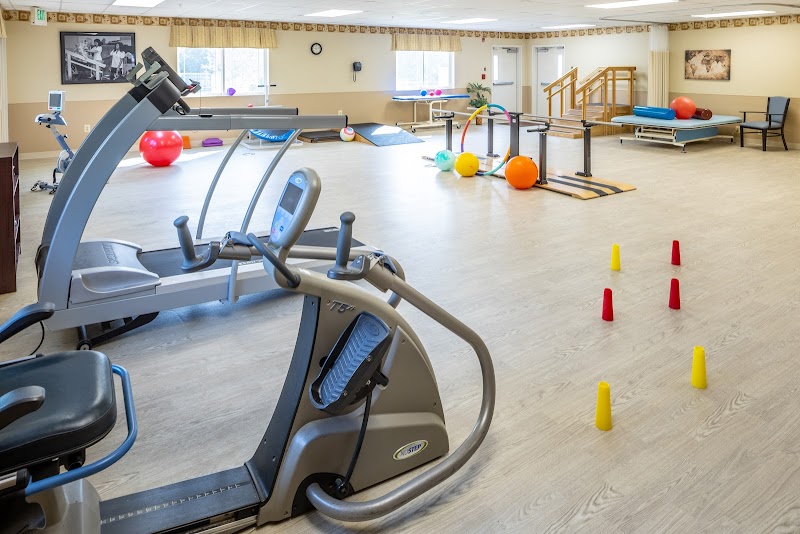
How is Franklin Woods Center Staffed?

CMS rates FRANKLIN WOODS CENTER's staffing level at 2 out of 5 stars, which is below average compared to other nursing homes. Staff turnover is 56%, which is 10 percentage points above the Maryland average of 46%. High turnover can affect care consistency as new staff learn residents' individual needs.

What Have Inspectors Found at Franklin Woods Center?

State health inspectors documented 51 deficiencies at FRANKLIN WOODS CENTER during 2017 to 2021. These included: 50 with potential for harm and 1 minor or isolated issues. While no single deficiency reached the most serious levels, the total volume warrants attention from prospective families.

Who Owns and Operates Franklin Woods Center?

FRANKLIN WOODS CENTER is owned by a for-profit company. For-profit facilities operate as businesses with obligations to shareholders or private owners. The facility is operated by GENESIS HEALTHCARE, a chain that manages multiple nursing homes. With 117 certified beds and approximately 101 residents (about 86% occupancy), it is a mid-sized facility located in BALTIMORE, Maryland.

How Does Franklin Woods Center Compare to Other Maryland Nursing Homes?

Compared to the 100 nursing homes in Maryland, FRANKLIN WOODS CENTER's overall rating (3 stars) is below the state average of 3.0, staff turnover (56%) is near the state average of 46%, and health inspection rating (3 stars) is at the national benchmark.

What Should Families Ask When Visiting Franklin Woods Center?

Based on this facility's data, families visiting should ask: "How do you ensure continuity of care given staff turnover, and what is your staff retention strategy?" "Can you walk me through typical staffing levels on day, evening, and night shifts?" "Can I visit during a mealtime to observe dining assistance and food quality?" "How do you handle medical emergencies, and what is your hospital transfer rate?" These questions are particularly relevant given the facility's high staff turnover rate and the below-average staffing rating.

Is Franklin Woods Center Safe?

Based on CMS inspection data, FRANKLIN WOODS CENTER has a clean safety record: no substantiated abuse findings (meaning no confirmed cases of resident harm), no Immediate Jeopardy citations (the most serious violation level indicating risk of serious injury or death), and is not on the Special Focus Facility watch list (a federal program monitoring the lowest-performing 1% of nursing homes). The facility has a 3-star overall rating and ranks #100 of 100 nursing homes in Maryland. While no facility is perfect, families should still ask about staff-to-resident ratios and recent inspection results during their visit.

Do Nurses at Franklin Woods Center Stick Around?

Staff turnover at FRANKLIN WOODS CENTER is high. At 56%, the facility is 10 percentage points above the Maryland average of 46%. High turnover means new staff may not know residents' individual needs, medications, or preferences. It can also be disorienting for residents, especially those with dementia who rely on familiar faces. Families should ask: What is causing the turnover? What retention programs are in place? How do you ensure care continuity during staff transitions?

Was Franklin Woods Center Ever Fined?

FRANKLIN WOODS CENTER has no federal fines on record. CMS issues fines when nursing homes fail to meet care standards or don't correct problems found during inspections. The absence of fines suggests the facility has either maintained compliance or corrected any issues before penalties were assessed. This is a positive indicator, though families should still review recent inspection reports for the full picture.

Is Franklin Woods Center on Any Federal Watch List?

FRANKLIN WOODS CENTER is not on any federal watch list. The most significant is the Special Focus Facility (SFF) program, which identifies the bottom 1% of nursing homes nationally based on persistent, serious quality problems. Not being on this list means the facility has avoided the pattern of deficiencies that triggers enhanced federal oversight. This is a positive indicator, though families should still review the facility's inspection history directly.