FUTURE CARE NORTHPOINT
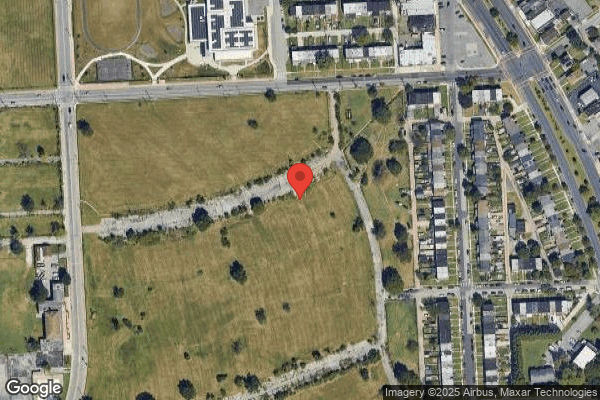
1046 OLD NORTH POINT ROAD, BALTIMORE, MD 21224 (410) 282-0100
For profit - Limited Liability company 180 Beds FUTURE CARE/LIFEBRIDGE HEALTH Data: November 2025
Trust Grade
80/100
#21 of 219 in MD
Last Inspection: June 2025

Inspected within the last 6 months. Data reflects current conditions.

Overview

Future Care Northpoint in Baltimore has a Trust Grade of B+, indicating it is above average and recommended for care. It ranks #21 out of 219 facilities in Maryland, placing it in the top half, and #6 out of 43 in Baltimore County, meaning only five local options are better. However, the facility's trend is worsening, with issues increasing from 11 in 2022 to 13 in 2025. Staffing is a positive aspect, with a 4 out of 5-star rating and a turnover rate of 37%, which is below the state average. Notably, there have been no fines, suggesting compliance with regulations. On the downside, inspector findings revealed concerning practices, such as a foley bag being left on the floor, which could lead to hygiene issues, and a failure to provide proper catheter care to one resident. Additionally, there were lapses in maintaining sanitary conditions for medical equipment, showing potential risks for infection. While the facility has strengths in staffing and financial compliance, families should be aware of these specific incidents that highlight areas needing improvement.

Trust Score
B+
80/100
In Maryland
#21/219
Top 9%
Safety Record
Low Risk
No red flags
Inspections
Getting Worse
11 → 13 violations
Staff Stability
○ Average
37% turnover. Near Maryland's 48% average. Typical for the industry.
Penalties
✓ Good
No fines on record. Clean compliance history, better than most Maryland facilities.
Skilled Nurses
✓ Good
Each resident gets 47 minutes of Registered Nurse (RN) attention daily — more than average for Maryland. RNs are trained to catch health problems early.
Violations
⚠ Watch
33 deficiencies on record. Higher than average. Multiple issues found across inspections.
★★★★★
5.0
Overall Rating
★★★★☆
4.0
Staff Levels
★★★★★
5.0
Care Quality
★★★★☆
4.0
Inspection Score
Stable
2022: 11 issues
2025: 13 issues

The Good

  • 4-Star Staffing Rating · Above-average nurse staffing levels
  • 5-Star Quality Measures · Strong clinical quality outcomes
  • Full Sprinkler Coverage · Fire safety systems throughout facility
  • No fines on record
  • Staff turnover below average (37%)

    11 points below Maryland average of 48%

Facility shows strength in staffing levels, quality measures, fire safety.

The Bad

Staff Turnover: 37%

Near Maryland avg (46%)

Typical for the industry

Chain: FUTURE CARE/LIFEBRIDGE HEALTH

Part of a multi-facility chain

Ask about local staffing decisions and management

The Ugly 33 deficiencies on record

Jun 2025 13 deficiencies
CONCERN (D) 📢 Someone Reported This

A family member, employee, or ombudsman was alarmed enough to file a formal complaint

Potential for Harm - no one hurt, but risky conditions existed

Deficiency F0578 (Tag F0578)

Could have caused harm · This affected 1 resident

Based on surveyor observation, review of the medical record, and interviews with facility staff, it was determined that the facility staff failed to ensure that advance directives were discussed with ...

Read full inspector narrative →
Based on surveyor observation, review of the medical record, and interviews with facility staff, it was determined that the facility staff failed to ensure that advance directives were discussed with residents and/or responsible representatives and ensure that a current copy of residents' advanced directives were in the residents' medical record. This was evident for 6 (Resident #130, #74, #47, #20, #189, and #95) out of 47 residents reviewed during the recertification survey. The findings include: An advance directive is a legal document outlining a person's wishes for medical care should they become unable to make decisions for themselves because of illness, injury, or incapacity. It allows individuals to specify their preferences for treatment, including life-sustaining measures, and to appoint a healthcare agent to make decisions on their behalf. Essentially, it is a way to ensure your healthcare preferences are followed, even when you cannot communicate them directly. On 6/16/25 at 11:55 AM review of Resident #74's medical record failed to reveal an advance directive. On 6/16/25 at 11:56 AM review of Resident #130's medical record failed to reveal an advance directive. On 6/16/25 at 11:57 AM review of Resident #47's medical record failed to reveal an advance directive. On 6/16/25 at 11:58AM in an interview with Unit Manager #7 when asked where advanced directives are kept, she stated if we have them, because we do not have them for everybody, it would be in their paper chart and scanned into the documents tab of PCC (Point Click Care), the facility's electronic medical record (EMR). On 6/16/25 at 1:32 PM review of Resident #20's medical record failed to reveal an advance directive. On 6/16/25 at 2:32 PM review of Resident #189's medical record failed to reveal an advance directive. On 6/16/25 at 2:34 PM review of Resident #95's medical record failed to reveal an advance directive. On 6/17/25 at 12:46 PM in an interview with the Social Services Director (SSD #9) when asked about the process for advanced directives, she stated that on admission every resident is asked if they have an advanced directive. During the interview, SSD #9 stated every new admission is offered to complete an advanced directive during the admission process. Additionally, she stated, if they want to do one, they do it with them, give them a copy, put it in their paper chart, and then upload a copy into PCC. For the Long Term Care residents, if they do not already have one, staff should offer one quarterly and complete it with them if they want, and they will also do one upon request. When asked if during the admission process, the resident and/or resident representative stated they have an advance directive, what she does, SSD #9 stated, we ask them to bring in a copy so we can have it in the facility. When asked if she followed up if they have not provided a copy, SSD #9 stated yes and if she had not seen it by the care plan meeting, about 2 weeks after admission, she would ask again at that time. Additionally, she stated she would try to follow up again after that care plan meeting and that all those conversations should be documented as a social services note or an advanced directive note. On 6/17/25 at 12:52 PM the surveyor requested a copy of Resident #130's advance directive. On 6/17/25 at 12:55 PM SSD #9 stated she did not have an advanced directive on file for Resident #130. On 6/17/25 at 1:00 PM, the surveyor requested a copy Resident #74, Resident #47, Resident #20, Resident #189, and Resident #95's advance directive and documentation from the medical record where advanced directives were discussed. On 6/17/25 at 2:26 PM in an interview with SSD #9, she stated that she did not have documentation of discussions on admission regarding advance directives with Resident #130 or Resident #74. During the interview, she stated she did not have a copy of Resident #74's advance directive in his/her medical record. Furthermore, she stated that Resident #20, Resident #189, and Resident #95 were not offered to formulate an advance directive upon admission, but after surveyor intervention, she went and offered one and documented what they each said. On 6/17/25 at 2:35 PM the surveyor shared the concerns regarding advance directives and SSD #9 verbalized and confirmed understanding of the concerns.
CONCERN (D)

Potential for Harm - no one hurt, but risky conditions existed

Safe Environment (Tag F0584)

Could have caused harm · This affected 1 resident

Based on surveyor observation and interviews with residents and facility staff, it was determined that the facility failed to ensure a clean, comfortable, and homelike environment as evidenced by a he...

Read full inspector narrative →
Based on surveyor observation and interviews with residents and facility staff, it was determined that the facility failed to ensure a clean, comfortable, and homelike environment as evidenced by a heavily soiled privacy curtain. This was evident for 1 (Resident #67) of 7 residents reviewed during the investigation phase of the facility's recertification survey. The findings include: On 6/23/25 at 9:08 AM in an interview with Resident #67, s/he stated the privacy curtain was dirty and s/he had asked them to change it. During the interview, s/he also stated that in his/her previous room, the curtain became soiled and was not changed for months. S/he stated that in both instances, various facility staff verified it was soiled and dirty and still it was not changed timely. On 6/23/25 at 9:34 AM during dual observations with both the Regional Mobile Director of Nursing (RMDON#26) and Licensed Practical Nurse (LPN #18) they observed and verified Resident #67's privacy curtain was dirty and soiled with brown marks all over it. When asked if that is how a resident's curtain should look LPN #18 stated, no ma'am it is not appropriate. The surveyor shared the concerns with RMDON #26 who stated she would have housekeeping come and change it.
CONCERN (D)

Potential for Harm - no one hurt, but risky conditions existed

Report Alleged Abuse (Tag F0609)

Could have caused harm · This affected 1 resident

Based on interview and record review it was determined the facility staff failed to report an allegation of abuse within 2 hours of the allegation and failed to report the results of all investigation...

Read full inspector narrative →
Based on interview and record review it was determined the facility staff failed to report an allegation of abuse within 2 hours of the allegation and failed to report the results of all investigations within 5 working days of the incident, to the State Survey Agency, the Office of Health Care Quality (OHCQ). This was evident for 1 (Resident #194) of 47 residents reviewed during a recertification survey. The findings include: On 6/17/2025 at 7:50 AM during initial pool screen, Resident #194 reported to the surveyor that the Aide [Geriatric Nursing Assistant (GNA)] who worked on the night shift was very rough while changing her/him. The resident stated that when s/he asked the Aide to stop, the Aide said, How am I going to get this diaper into your creases. When asked if the resident told anybody about this, Resident #194 stated s/he told the night nurse that the Aide was rough and mean. On 6/17/2025 at 8:15 AM Surveyor informed the Unit Manager (UM #7) about Resident #194's allegations of abuse by a nightshift GNA. UM #7 stated that she was not aware of the above allegation. However, UM #7 stated she was going to talk to Resident #194 and follow up with staff. On 6/18/2025 at 7:30 AM, in an interview with UM #7, when asked if the initial self- report was submitted to OHCQ, UM #7 stated she did not know but would follow up with the Director of Nursing (DON), who according to UM #7, was aware of the allegation of abuse. On 6/18/2025 at 8:29 AM, in a follow up interview with UM #7, she stated they did not do a self-report because they did an investigation and Resident #194 did not feel it was intentional. UM #7 added that Resident #194 stated s/he felt the GNA was just rushing to do her (GNA) task. On 6/18/2025 at 8:56 AM, in an interview with the DON, she stated that the expectation was to submit a self-report to OHCQ within 2 hours of any allegation of abuse. When asked if the facility submitted an initial self-report of the above allegation of abuse to OHCQ, the DON stated that a self-report was not submitted to OHCQ because during their investigation Resident #194 stated s/he felt the GNA did not do anything with a malicious intent. When asked about when to submit the final investigation report to OHCQ, DON stated 5 days. On 6/26/2025 at 9:15 AM, a follow up interview was conducted with the DON in the presence of the Nursing Home Administrator (NHA). DON confirmed that the facility did not submit an initial self-report within 2 hours and/or their final investigation report within 5 working days required by regulation of any allegation of resident abuse. Thus, failing to report an allegation of resident abuse to the State Survey Agency (OHCQ). On 6/26/2025 at 9:52 AM, a review of the record of the facility investigation report of the above allegation of abuse failed to reveal that facility staff reported the allegation to the appropriate agencies required by regulation. On 6/27/2025 at 1:50 PM, during the exit conference with the NHA, DON, and corporate staff, no further information was provided to validate the reporting of an alleged abuse.
CONCERN (D)

Potential for Harm - no one hurt, but risky conditions existed

Deficiency F0628 (Tag F0628)

Could have caused harm · This affected 1 resident

**NOTE- TERMS IN BRACKETS HAVE BEEN EDITED TO PROTECT CONFIDENTIALITY** Based on medical record review and staff interviews, it was determined that the facility failed to notify the resident/resident ...

Read full inspector narrative →
**NOTE- TERMS IN BRACKETS HAVE BEEN EDITED TO PROTECT CONFIDENTIALITY** Based on medical record review and staff interviews, it was determined that the facility failed to notify the resident/resident representative in writing about the bed hold policy when the resident was transferred/discharged from the facility to an acute care facility. This was evident for 1 (Resident #56) of 2 residents reviewed who were transferred to an acute care facility during the recertification/complaint survey. The findings include: Review of the medical record for Resident #56 on 06/26/25 12:55 PM revealed that the Resident #56 was admitted to the facility on [DATE] and was sent to an acute care facility on 06/23/25 for a change in his/her medical condition. Further review of the medical record failed to produce written evidence that the Resident and/or the Resident representative were given written notice of the bed hold policy. The facility's documentation on change in condition transfer form, nurse's progress notes, and the eINTERACT SBAR Summary dated 6/23/2025 23:03 revealed that the bed hold policy was not given to the resident and/or the Resident representative. On 06/26/25 at 02:10 PM, in an interview, Licensed Practical Nurse (LPN) staff #43 revealed that the Bed hold policy is signed by the Nurse in charge, and sent it off to the hospital after notifying the family. On 02/26/25 at 2:30 PM, during the review with the Director of Nursing (DON), it was revealed that a copy of the bed hold policy was provided when the Resident was sent out to the hospital; however, he/she could not produce written evidence that the Resident # 56, or the Resident representative, was given written notice of the bed hold policy.
CONCERN (D) 📢 Someone Reported This

A family member, employee, or ombudsman was alarmed enough to file a formal complaint

Potential for Harm - no one hurt, but risky conditions existed

ADL Care (Tag F0677)

Could have caused harm · This affected 1 resident

Based on complaint reviews, medical record review, and staff interview, it was determined that the facility failed to provide needed activities of daily living (ADL) for a resident dependent on bathin...

Read full inspector narrative →
Based on complaint reviews, medical record review, and staff interview, it was determined that the facility failed to provide needed activities of daily living (ADL) for a resident dependent on bathing assistance. This was evident for 1 (Resident #386) of 15 complaints reviewed during the survey. The findings include: Review of complaints MD00214746 and MD00213586 on 06/17/25 revealed allegations that Resident #386 was not receiving showers or baths. On 06/23/25 at 2:20 PM Resident #386's closed medical record was reviewed and revealed Resident #386 was admitted to the facility in March 2024 with a history of having seizures, muscle weakness, and osteoarthritis. The MDS is part of the Resident Assessment Instrument that was Federally mandated in legislation passed in 1986. The MDS is a set of assessment screening items employed as part of a standardized, reproducible, and comprehensive assessment process that ensures each resident's individual needs are identified, that care is planned based on those individualized needs, and that the care is provided as planned to meet the needs of each resident. Review of the admission MDS assessment with an assessment reference date of 6/28/23 documented that Resident #386 was dependent on staff for bathing. Review of Resident #386's GNA (geriatric nursing assistant) Kardex documented Resident #386 was assigned to receive showers on Mondays and Thursdays. Review of Resident #386's ADL's documented that resident did not receive any showers in January 2025 from 01/01/25 to 01/31/25. There was no documentation Resident #386 had a bed bath or had refused bathing or a shower. On 06/24/25 at 2:22 PM, an interview was conducted with Corporate Director of Nurses #25, who stated confirmed that Resident #386 did not receive a shower or bath in January 2025 and that the nursing staff did not document Resident #386 had refused a bath or shower in January 2025.
CONCERN (D)

Potential for Harm - no one hurt, but risky conditions existed

Quality of Care (Tag F0684)

Could have caused harm · This affected 1 resident

**NOTE- TERMS IN BRACKETS HAVE BEEN EDITED TO PROTECT CONFIDENTIALITY** Based on the surveyor's observation, medical record review, and interview with facility staff, it was determined that the facili...

Read full inspector narrative →
**NOTE- TERMS IN BRACKETS HAVE BEEN EDITED TO PROTECT CONFIDENTIALITY** Based on the surveyor's observation, medical record review, and interview with facility staff, it was determined that the facility failed to administer medication as ordered by the physician and sanitize or wash hands before the administration of medication. This was evident for 1 (#83) of 3 Residents reviewed for medication administration via gastrostomy tube, during the recertification survey. The findings include: On 06/26/25 at 8:30 AM, Review of Resident #83's medical records revealed the resident was admitted to the facility on [DATE] and was receiving long-term care. The physician ordered: 1. Aspirin 81 mg, one tablet via G Tube one time a day. 2. Polyethylene Glycol powder, give 17 grams enterally, one time a day for bowel regimen and hold for loose stool. 3. Theragran-M tablet, give one tablet via G tube, one time a day as a supplement. 4. Proheal liquid protein, two times a day for supplement, 30 ml via peg tube. 5. Captopril tablet 25mg, give one tablet via G tube, every eight hours, for hypertension. Medications #1 through #5 were scheduled to be administered at 9 AM daily via gastrostomy tube. A gastrostomy tube is a feeding tube inserted through the abdominal wall directly into the stomach, providing a way to deliver nutrition, fluid, and medications when a person is unable to eat or swallow adequately. On 06/26/25 at 10: 45 AM, the Surveyor observed Registered Nurse (RN) # 44 administered medications #1 through #5 to the Resident #83 via gastrostomy tube. The surveyor also observed RN #44, administered the medications via G Tube, without changing the gloves after touching the faucet in the resident's bathroom and after touching the Resident's bed control. On 06/26/25 at 10:05 AM, an Interview with the RN #44 revealed that the administration of the medication can be done one hour before or one hour after the scheduled time. However, administration was further delayed because a Certified Medicine Aide (CMA) was not scheduled to work, who assisted with medication administration. The surveyor reviewed with the RN #44, and he/she agreed with the surveyor's observation that he/she failed to administer the medication at the scheduled time, and did not change gloves or wash hands after touching bathroom faucets and bed controls, before administering medication. On 06/26/25 at 11:11 AM, the concern was reviewed with the Regional staff #25 who acknowledged the concern.
CONCERN (D)

Potential for Harm - no one hurt, but risky conditions existed

Deficiency F0685 (Tag F0685)

Could have caused harm · This affected 1 resident

Based on observation, medical record review and staff interview, the facility failed to provide treatment/services to maintain vision. This is evident for 1 out of 8 residents (Resident #38) selected ...

Read full inspector narrative →
Based on observation, medical record review and staff interview, the facility failed to provide treatment/services to maintain vision. This is evident for 1 out of 8 residents (Resident #38) selected for review during the investigation stage of the survey process. The findings include: On 06/16/25 at 08:15 AM during the screening process of the survey, the surveyor observed Resident #36 eating breakfast with eyes closed, not wearing glasses, and feeling with hands for food items. During an interview on 06/16/25 at 12:45 PM, surveyor asked the resident if they has difficulty seeing, and resident replied yes. The resident was opening and closing eyes during the interview and was not making eye contact. Review of the resident's medical record on 06/16/25 at 12:58 PM revealed the resident MDS (Minimum Data Set) assessment on May 21, 2025, at 07:39AM in section B1000. Vision Ability to see in adequate light (with glasses or other visual appliances) identified Resident as Impaired. B1200. Corrective Lenses Corrective lenses (contacts, glasses, or magnifying glass) used in completing B1000 marked, yes. On 06/18/25 at 09:03 AM review of the orders written on 4/3/2023 indicated ophthalmology eval test and treat PRN (as needed). Review of the health drive eye care group eye exam on 1/8/2024 noted a plan to Monitor; follow: Priority Comprehensive 3/30/2024 and recall: comprehensive 3/30/2024. An interview was conducted on 06/18/25 at 08:55 AM with Director of Nursing (DON) about the process for eye exams. The DON stated that a service provider who examined the resident and would follow up with further exams. The surveyor asked how the facility knew that the follow-up comprehensive eye exam was provided. DON stated that service provider provided a list of residents to be seen in the upcoming months. DON also stated that she would call service provider to see if Resident #38 was seen for follow-up care. On 6/20/2025 at 1:50 PM, the Administrator informed the surveyor that Resident #38 was now scheduled for an eye appointment. The surveyor explained that this appointment was obtained after surveyor's intervention and that was a concern. The surveyor also added that Resident #38 was supposed to have a follow up eye exam back in March 2024. The Administrator agreed.
CONCERN (D)

Potential for Harm - no one hurt, but risky conditions existed

Deficiency F0697 (Tag F0697)

Could have caused harm · This affected 1 resident

Based on medical record review, resident and staff interviews, it was determined the facility staff failed to ensure that a resident was given pain medication consistent with professional standards of...

Read full inspector narrative →
Based on medical record review, resident and staff interviews, it was determined the facility staff failed to ensure that a resident was given pain medication consistent with professional standards of practice. This was evident for 2 (#131, #189) of 2 residents reviewed for pain management during the survey. The findings include: 1) During an initial pool screen of Resident #131 on 6/16/2025 at 9:15 AM, the resident complaint of pain rating it at 10/10 to the back of his/her neck going down their back. Resident #131 further stated that the staff did not give them pain medications regularly and were making him/her wait for long periods. Review of Resident #131's clinical records on 6/18/2025 at 8:00 AM revealed the resident was re-admitted to the facility in June 2025 with medical diagnoses that include but not limited to acquired absence of other left toe(s) encounter for orthopedic aftercare following surgical amputation, type 2 diabetes with other skin complications, bacteremia, unspecified atrial fibrillation, need for assistance with personal care. On 6/18/2025 at 8:09 AM, a review of physician orders revealed the following active orders: Oxycodone HCl Oral Tablet 5 MG (Oxycodone HCl). Give 1 tablet by mouth every 6 hours as needed for Pain, start date 6/13/2025. Of note, there were no parameters/pain scale indicated for administration of this PRN (as needed) pain medication. There were also discontinued orders for: PRN Oxycodone HCl Oral Tablet 5 MG (Oxycodone HCl), Give 1 tablet by mouth every 6 hours as needed for moderate to severe pain 6-10, start date 6/2/2025 and discontinued on 6/9/2025, On 6/18/2025 at 10:56 AM, record review revealed that Resident #131's pain was not managed consistently. A review of the Medication Administration Record (MAR) and Treatment Administration Record (TAR) for June 2025 was completed. Staff documentation revealed that the resident was given: PRN Oxycodone HCl Oral Tablet 5 MG (Oxycodone HCl), Give 1 tablet by mouth every 6 hours as needed for moderate to severe pain 6-10 was given outside ordered parameters on 6/5/2025 at 1901 (7:01 PM) for pain score of 0. Oxycodone HCl Oral Tablet 5 MG (Oxycodone HCl), Give 1 tablet by mouth every 6 hours as needed for pain (of note, there were no parameters indicated for administration), was given for a pain score of 0 on 6/14/2025 at 2111 (9:11 PM) and On 6/15/2025 at 1715 (5:15 PM), pain score was 0. Staff did not document any non-pharmacological interventions (NPIs) attempted prior to the PRN pain med administration. On 6/23/2025 at 1:34 PM, in an interview with the Director of Nursing (DON), she stated that PRN pain meds should be given following physician orders. Regarding non-pharmacological interventions (NPIs) prior to PRN pain med administration, DON stated that NPIs were imbedded in the resident's care plan and ideally staff were expected to document in their progress notes that they attempted NPIs prior to PRN pain med administration. However, she added that staff did not usually document in their progress notes that they attempted NPIs. Surveyor also reviewed with the DON Resident #131's MAR and TAR for June 2025 regarding staff not following ordered parameters for PRN pain med administration. DON stated that the pain medications should be given according to doctor's orders. Surveyor reviewed resident's Oxycodone that was ordered PRN without parameters. DON stated that it was not appropriate to give Oxycodone for a pain score of 0. 2) On 6/17/2025 at 8:45 AM in an interview with Resident #189, s/he stated that her/his pain was not well managed in the facility. S/he described the pain as chronic dull pain that was sometimes throbbing and rated it at 10+/10 to their right hip and head. Resident #189 added that s/he was constantly in pain. Review of Resident #189's clinical records on 6/20/2025 at 10:06 AM revealed the resident was admitted to the facility in June 2025 with medical diagnoses that include but not limited to urinary tract infection, idiopathic aseptic necrosis of right femur, low back pain, atrial fibrillation, muscle weakness, unspecified abnormalities of gait and mobility, legal blindness. On 6/20/2025 11:04 AM Review of physician orders revealed the following active orders: Oxycodone HCl Oral Tablet 10 MG (Oxycodone HCl) Give 1 tablet by mouth every 6 hours as needed for Breakthrough pain 7-10, start date 6/17/2025 Acetaminophen Oral Tablet 500 MG (Acetaminophen) Give 2 tablet by mouth every 8 hours as needed for Pain 2 tabs to make 1000 mg, start date 6/5/2025. Of note, there's no ordered parameters/pain scale indicated for PRN pain medication administration. Further review of physician orders revealed the following discontinued/completed orders: Oxycodone HCl Oral Tablet 10 MG (Oxycodone HCl) Give 1 tablet by mouth every 12 hours as needed for Breakthrough pain, ordered 6/5/2025 and discontinued on 6/17/2025 Of note, there was no ordered parameters/pain scale for this PRN pain medication. On 6/20/2025 at 11:28 AM, record review revealed that Resident #189's pain was not managed consistently. A review of the Medication Administration Record (MAR) and Treatment Administration Record (TAR) for June 2025 was completed. Staff documentation revealed that the resident was given: PRN Acetaminophen 500mg (2 tabs) ordered without parameters for pain management was given for pain scores ranging from 0 to 8. On 6/13/2025 at 0217 (2:17 AM), pain score was 5; On 6/15/2025 at 2306 (11:06 PM), pain score was 0; and On 6/18/2025 at 2045 (8:45 PM) pain score was 8. Oxycodone HCl Oral Tablet 10 MG (Oxycodone HCl) Give 1 tablet by mouth every 12 hours as needed for Breakthrough pain. (Of note, no ordered parameters for PRN pain med administration) was given for pain score of 0 on 6/10/2025 at 0106 (1:06 AM). Oxycodone HCl Oral Tablet 10 MG (Oxycodone HCl) Give 1 tablet by mouth every 6 hours as needed for Breakthrough pain 7-10 was given outside ordered parameters on the following dates/times: On 6/19/2025 at 1717 (5:17 PM) for pain score of 6. On 6/20/2025 at 0758 (7:58 AM) for pain score of 4. More so, there was no documentation of non-pharmacological interventions attempted prior to PRN pain med administration. On 6/23/2025 at 1:26 PM, in an interview with the Director of Nursing (DON), she stated that PRN pain medications should be given according to physician orders. Regarding non-pharmacological interventions (NPIs) prior to PRN pain medication administration, DON stated that NPIs were imbedded in the resident's care plan and ideally staff were expected to document in their progress notes that they attempted NPIs prior to PRN pain med administration. However, she added that staff did not usually document in their progress notes that they attempted NPIs. Surveyor reviewed with the DON Resident #189's MAR and TAR for June 2025 regarding pain management and staff not following ordered parameters for PRN pain med administration. DON reviewed and validated surveyor's findings. On 6/27/2025 at 8:05 AM, an interview was conducted with Licensed Practical Nurse (LPN #18). Regarding administration of PRN pain medications, LPN #18 stated that prior to giving any pain medication, she will assess the resident's pain and choice of pain medication to be given will be based on physician orders/ordered parameters. She stated that each PRN pain medication order must have a pain scale/parameters for administration: Tylenol for pain score 1-5 and any narcotic such as Oxycodone for pain score of 6-10. LPN #18 stated that ordered parameters for PRN pain medications should always be followed. She further stated that she would not administer Tylenol for pain score of 8 unless the resident requested it.
CONCERN (D)

Potential for Harm - no one hurt, but risky conditions existed

Deficiency F0730 (Tag F0730)

Could have caused harm · This affected 1 resident

Based on review of staff records and interviews with facility staff, it was determined that the facility failed to conduct annual performance reviews of Geriatric Nursing Assistants (GNAs). This was e...

Read full inspector narrative →
Based on review of staff records and interviews with facility staff, it was determined that the facility failed to conduct annual performance reviews of Geriatric Nursing Assistants (GNAs). This was evident for 1 (GNA #34) of 2 randomly selected GNAs' employee files reviewed during the facility's recertification survey. The findings include: Performance reviews are to be completed for every GNA at least every 12 months to identify in-service education based on the outcome of those reviews. On 6/26/25 at 9:46 AM, the employee files of 2 GNA's were reviewed during the staffing facility task. During the review, it was noted that GNA #34 was hired on 4/7/22; however, failed to reveal a performance evaluation had been completed for GNA #34 in the 2023 calendar year. On 6/26/25 at 10:02 AM the Human Resources Director (HRD #31) stated that everything was in the employees' files except for the online training from HealthStream and Relias. On 6/26/25 at 10:17 AM the surveyor shared the concern with HRD #31that there was no performance review for 2023 in GNA #34's employee file. She stated she knew she had some she had not filed by her desk because she did not want to misplace them. The surveyor and HRD #31 went to her office, and she looked through folders and file cabinets. On 6/26/25 at 10:23 AM HRD #31 stated for some reason she could not put her fingers on 2022, 2023, or 2024 performance reviews, but she could talk to the Director of Nursing (DON) who may have the performance reviews in her office. She confirmed she did not have a 2023 performance review for GNA #34. On 6/26/25 at 10:30 AM in an interview with the DON, the surveyor shared the above concerns, and they walked to her office together. The DON stated there was a binder with performance reviews and began flipping through pages but was unable to locate a 2023 performance review for GNA #34. Then, the DON stated, And you checked with HRD #31, and she said she did not have them? The surveyor shared HRD #31 stated said she did not have any performance reviews from 2022, 2023 or 2024. The DON stated she does not normally keep copies of performance reviews, but knew this binder was here from the previous DON. After flipping through more pages, the DON then stated if HRD #31 did not have them, she did not have them. Additionally, she stated she did not have binders with copies of 2023 or 2024 performance reviews and that she just had a binder from the previous DON with 2022 performance reviews, but had wanted to check and make sure it was not in another section of the 2022 binder. The surveyor shared this was a concern and the DON verbalized and confirmed understanding.
CONCERN (D)

Potential for Harm - no one hurt, but risky conditions existed

Drug Regimen Review (Tag F0756)

Could have caused harm · This affected 1 resident

Based on review of medical records and interviews with facility staff, it was determined that the facility failed to respond to recommendations made by consulting pharmacists and agreed upon by the me...

Read full inspector narrative →
Based on review of medical records and interviews with facility staff, it was determined that the facility failed to respond to recommendations made by consulting pharmacists and agreed upon by the medical director in a timely manner. This was evident for 1 (Resident #87) out of 5 residents reviewed for unnecessary medications during the facility's recertification survey. The findings include: The Medication Regimen Review (MRR) is a review of the medication regimen (plan) of each resident with the goal of promoting positive outcomes and minimizing adverse (negative) consequences and potential risks associated with medications. The MRR must be completed at least once a month by a licensed pharmacist and includes a review of the residents' medical record to identify, report, and resolve medication-related problems, errors, and/or other irregularities. Lorazepam, also known by the brand name Ativan, is a psychotropic medication and classified as a Schedule IV controlled substance. It is commonly used to treat anxiety disorders and is also used for short-term relief of the symptoms of anxiety or anxiety caused by depression. The Centers for Medicare & Medicaid Services (CMS) defines a psychotropic medication in the regulations at §483.45(c)(3), as any drug that affects brain activities associated with mental processes and behavior (CMS, 2023). These drugs include, but are not limited to, drugs in the following categories: antipsychotic, anti-depressant, anti-anxiety, and hypnotic medications. These medications can have serious potential risks, including side effects, drug interactions, and the possibility of neuroleptic malignant syndrome (a rare but potentially life-threatening condition) or tardive dyskinesia (a movement disorder that can develop if you take an antipsychotic medication) therefore requiring careful consideration and monitoring. The medical abbreviation PRN stands for 'pro re nata' (a Latin phrase), which means the medication is taken on an as needed basis and is not prescribed to be administered at scheduled times. On 6/20/25 at 7:39 AM the surveyor reviewed the medical record for Resident #87 which revealed on 12/27/24 and 1/22/24 the pharmacy MRRs noted to refer to a report for irregularities and/or recommendations. On 6/20/25 at 8:44 AM the surveyor requested copies of the two abovementioned medication regimen reviews and pharmacy recommendations for Resident #87 from the Director of Nursing (DON). In an interview with the DON on 6/20/25 at 8:28 AM when asked what happens during the monthly pharmacy MRR, she stated Pharmacist #40 comes in monthly and reviews all residents in the building. Then, she emails her recommendations to the DON, QA/IP (Quality Assurance/Infection Preventionist), Unit Manager (UM), and Clinical Care Coordinator (CCC). The DON further stated there was an individual form for each resident if Pharmacist #40 had a recommendation, and if there was no recommendation for a resident, there would be an evaluation in PCC (the facility's electronic medical record). After receiving the individual pharmacy recommendations, each unit prints them out and physically hands the individual recommendations to the physicians to review, document their response (by checking if they agree, disagree, or other with the Pharmacist), and then signing/dating the form. Then, the physicians give them back to the UM (1st floor unit) and CCC (2nd floor unit) who are responsible for putting in new orders and/or discontinuing orders, and who after doing so, faxes the completed/signed recommendations back to the Pharmacist, and the facility keeps a copy as well. On 6/20/25 at 10:24 AM the surveyor reviewed the 12/27/24 MRR and pharmacy recommendations which revealed the following recommendation from Pharmacist #40: Resident has an order for PRN Lorazepam concentrate. Please add a duration to this order. Hospice residents are not exempt from this regulation. Per CMS regulations, PRN or psychotropic drugs (a psychotropic drug is any drug that affects brain activities associated with mental processes and behavior) are limited to 14 days. Antidepressants, antianxiety, sedative hypnotics, antihistamines, muscle relaxants. To extend the PRN order past 14 days the prescriber must: 1. Document their rationale in the medical record 2. Indicate the duration for the PRN order (example: 'for 30 days, for 60 days, etc.'). Further review of the documentation revealed the prescriber/physician had checked that they agreed with the Pharmacist's recommendation and signed/dated the form. On 6/20/25 at 10:31 AM the surveyor conducted a review of Resident #87's medical orders, which revealed an active order for Lorazepam Oral Concentrate 2 milligrams/milliliter *Controlled Drug*. Give 0.25 ml by mouth every 4 hours as needed for anxiety, agitation, and dyspnea with an order date of 4/18/25 and an end date of indefinite. On 6/20/25 at 11:25 AM the surveyor requested documentation where the provider, who agreed with the pharmacist's recommendation, documented their rationale in the medical record and indicated the duration for the PRN lorazepam order. On 6/20/25 at 12:21PM in an interview with the DON and the Regional Director of Operations (RDO #5) stated there was no documentation in the medical record for the PRN lorazepam, but she, the prescriber/physician, after surveyor intervention, added an addendum to the order today. When the surveyor asked for clarification, the DON stated, no, prior to today there was no documented rationale in the medical record of Resident #87. Furthermore, the RDO #5 verified and confirmed there was no duration on the PRN Lorazepam order.
CONCERN (D)

Potential for Harm - no one hurt, but risky conditions existed

Dental Services (Tag F0791)

Could have caused harm · This affected 1 resident

**NOTE- TERMS IN BRACKETS HAVE BEEN EDITED TO PROTECT CONFIDENTIALITY** Based on interviews with residents, review of the medical record, and interviews with facility staff, it was determined that the...

Read full inspector narrative →
**NOTE- TERMS IN BRACKETS HAVE BEEN EDITED TO PROTECT CONFIDENTIALITY** Based on interviews with residents, review of the medical record, and interviews with facility staff, it was determined that the facility staff failed to ensure a resident received routine dental services in a timely manner. This was evident for 1 (#20) out of 47 residents reviewed during the facility's recertification survey. The findings include: On 6/16/25 at 9:25 AM in an interview with Resident #20 s/he stated s/he had bad teeth and needed to see the dentist. On 6/18/25 at 8:06 AM review of Resident #20's medical record revealed s/he was admitted to the facility on [DATE]. Further review of the medical record revealed 3 HealthDrive (facility's dental provider) notes from the Registered Dental Hygienist (RDH #37) dated 5/3/24, 11/5/24, and 5/7/25. The 5/3/24 dental note from RDH #37 stated, Periodic oral exam 10/16/24 and Annual exam 4/16/25; however, there was no documentation that the resident had been seen by a dentist for his/her periodic oral exam or annual exam. The 11/5/24 dental note from RDH #37 also stated, Periodic oral exam 10/16/24 and Annual exam 4/16/25; however, there was no documentation that the resident had been seen by a dentist for his/her periodic oral exam or annual exam. The 5/7/25 dental note from RDH #37 again stated, Periodic oral exam 10/16/24 and Annual exam 4/16/25; however, there was no documentation that the resident had been seen by a dentist for his/her periodic oral exam or annual exam. On 6/18/25 at 8:55 AM the surveyor requested the upcoming list of residents to be seen by the dentist. On 6/18/25 at 9:13 AM in an interview with the Director of Nursing (DON) when asked who completed dental exams for residents, she stated she would let the surveyor know. On 6/18/25 at 9:44 AM in an interview with the Medical Scheduler (MS #38) [for HealthDrive], the surveyor stated that in a HealthDrive note from RDH #37, the Recall section stated, Annual Exam. During the interview, the surveyor asked who performs the annual exams and MS #38 stated the dentist performs the annual exams and the hygienist performs the cleanings. Furthermore, MS #28 stated, Any exams need to be done by the dentist. On 6/18/25 at 10:04 AM review of Resident #20's care plan revealed a Problem: Impaired dentition r/t poor oral hygiene. Further review of the care plan revealed in the Approaches (to address the Problem) section: Consult with dentist and follow up with recommendations. On 6/18/25 at 11:09 AM in an interview with the DON she stated the dental exams are performed by the dentist. During the interview, the DON provided a list of residents scheduled to be seen by the dentist and Resident #20 was not on the list. On 6/18/25 at 11:10 AM the surveyor requested all dental notes from the dentist (not RDH) for Resident #20 and also specifically, the note(s) documenting his/her Annual Exam and Periodic Oral Exam. On 6/18/25 at 2:01 PM the DON provided a dental note dated 4/16/24 from Dentist #39 for Resident #20's Initial Exam. It was observed and noted that Dentist #39 had documented in the Recommended Treatment section, Periodic Exam and Annual Exam; however, there was no further documentation provided that the resident had been seen by the dentist for his/her periodic exam or annual exam since being admitted to the facility. After surveyor intervention, the DON provided a new list of residents to be seen by the dentist and Resident #20's name was now observed on the list. On 6/20/25 at 10:11 AM in an interview with the DON and the Nursing Home Administrator (NHA), the surveyor shared the concerns that since the 5/3/24 dental note from RDH #37 and subsequently on 11/5/24 and 5/7/25, Resident #20 had not been seen by the dentist for his/her periodic oral exam and/or annual exam. During the interview in a dual observation with the DON and NHA of the 4/16/24 dental note, when asked if Resident #20 was seen by the dentist for either exam, the DON stated that the resident was seen yesterday. The surveyor shared that all dental and hygienist notes documented that Resident #20 was to have his/her exam around 10/16/24; however, s/he was not seen until 6/19/25 after surveyor intervention and asked if this was timely care. The DON stated no and verbalized and confirmed understanding of the concerns.
CONCERN (D)

Potential for Harm - no one hurt, but risky conditions existed

Food Safety (Tag F0812)

Could have caused harm · This affected 1 resident

Based on observations of the facility's kitchen, review of kitchen records, and interview of staff, it was determined that the facility failed to prevent ice from building up in the walk-in freezer an...

Read full inspector narrative →
Based on observations of the facility's kitchen, review of kitchen records, and interview of staff, it was determined that the facility failed to prevent ice from building up in the walk-in freezer and in the refrigerator. This was evident for two refrigerators/freezers observed during the survey. The findings include: On 06/16/25 at 07:39 AM, Surveyor's initial observation of the cold storage/Freezer room in the kitchen, accompanied by the dietary staff, # 41 revealed that Ice was built on the floor and Ice particles were covering almost 75% of the freezer room Ceiling. Staff #41 was not aware of the preventive maintenance schedule for the freezer room. On 06/16/25 at 12:40 PM, the Surveyor observed the refrigerator/freezer in the second-floor nourishment room, to store residents' food, brought from outside. More than an inch of ice was built around the freezer. The surveyor also noted that the residents' snacks were placed in the refrigerator. On 06/25/25 at 11:45 AM, findings were reviewed with Dietary staff # 41 and with the Nursing home administrator. On 06/25/25 at 2:15 pm, the Nursing home administrator provided preventive maintenance schedules for the freezer room and for the refrigerators.
CONCERN (D) 📢 Someone Reported This

A family member, employee, or ombudsman was alarmed enough to file a formal complaint

Potential for Harm - no one hurt, but risky conditions existed

Medical Records (Tag F0842)

Could have caused harm · This affected 1 resident

**NOTE- TERMS IN BRACKETS HAVE BEEN EDITED TO PROTECT CONFIDENTIALITY** Based on complaints, reviews of a closed medical record and staff interview, it was determined that the facility staff failed to...

Read full inspector narrative →
**NOTE- TERMS IN BRACKETS HAVE BEEN EDITED TO PROTECT CONFIDENTIALITY** Based on complaints, reviews of a closed medical record and staff interview, it was determined that the facility staff failed to maintain complete and accurate medical records in accordance with accepted professional standards. This was evident for 2 (Residents #344, #340) of 15 complaints reviewed during the survey. The findings include. A medical record is the official documentation of a healthcare organization. As such, it must be maintained in a manner that follows applicable regulations, accreditation standards, professional practice standards, and legal standards. All entries to the record should be legible and accurate. 1) A review of Resident #344's closed medical record on 06/24/25 at 1 PM revealed 2 physician certifications of incapacity. The first physician certification of incapacity was regarding Resident #344. It was dated and signed on 09/06/2022 at 12 PM by Resident #344's physician due to dementia. The second certificate of incapacity was regarding a totally different Resident. It was dated and signed on 09/08/2022 at 9:23 AM by a second facility physician which listed dementia as the reason for the incapacity certification. This was brought to the attention of the facility administrator on 06/25/25 at 3 PM. The administrator indicated that S/he was not aware of the error until the surveyor brought the error to his/her attention. 2) Review of complaint MD00214284 on 06/18/25 at 10 AM revealed an allegation that Resident #340's pain medication was not properly administered. A review of Resident #340's closed medical record on 06/18/25 revealed that Resident #340 was admitted to the facility on [DATE] after having surgery on his/her lower extremities. Resident #340's physician wrote orders for pain medication instructing the nursing staff to administer the pain medication as needed to Resident #340. A review of Resident #340's November 2024 medication administration records revealed that the nursing staff administered a dose of Dilaudid, 4 mg, orally, at 12:01 am, at 8:59 AM, and at 7:18 PM on 11/27/24. The surveyor then asked the facility director of nurses (DON) for a printout of any medication the nursing staff removed from the facility interim medication storage dispensing machine for Resident #340. The DON provided an interim medication dispensing print out that indicated Resident #340 was also administered a dose of Dilaudid 4 mg orally at 4:37 AM. A further review of Resident #340's closed medical record failed to reveal any nursing documentation that a nursing staff member administered a dose of Dilaudid 4 mg orally to Resident #340 at 4:37 AM on 11/27/24. In an interview with RN#36 on 06/25/25 at 12:18 PM, RN#36 stated that S/he reviewed Resident #340's closed medical record and stated that S/he recalled administering a dose of Dilaudid 4 mg orally to Resident #340 on 11/27/24 at 4:37 AM but admitted S/he forgot to document administering the pain medication in Resident #340's medical record.
Jul 2022 11 deficiencies
CONCERN (D)

Potential for Harm - no one hurt, but risky conditions existed

Deficiency F0558 (Tag F0558)

Could have caused harm · This affected 1 resident

**NOTE- TERMS IN BRACKETS HAVE BEEN EDITED TO PROTECT CONFIDENTIALITY** 2. On 06/28/22 at 9:00 a.m., Resident #66 was interviewed, when asked if he/she had any concerns the resident stated, I don't al...

Read full inspector narrative →
**NOTE- TERMS IN BRACKETS HAVE BEEN EDITED TO PROTECT CONFIDENTIALITY** 2. On 06/28/22 at 9:00 a.m., Resident #66 was interviewed, when asked if he/she had any concerns the resident stated, I don't always get the right size [adult breif]. Surveyor asked the resident, Have you voiced your concerns regarding brief size to staff? Resident #66 responded, Yes. On 07/05/22 at 8:42 a.m. an interview with Resident #66, I'm still not getting the correct [adult brief] size. On 7/5/2022 at 8:45 a.m., in an interview, LPN #9 was asked if he/she was familiar with Resident #66 incontinent care needs? LPN #9 replied, I have provided incontinence care to the resident. When asked if she/he was aware of Resident #66's concerns that she/he is not receiving the correct size adult brief, LPN #9 stated, I was not aware that she/he was having a problem with the size of [adult briefs] they received. On 7/5/22 at 8:47 a.m. Surveyor and LPN #9 upon knocking the Surveyor and LPN #9 entered Resident #66 room, LPN #9 asked the resident, What's wrong with your [adult breif]? Resident #66 answered, It's not the size I need. The surveyor observed LPN #9 check the size of Resident #66's adult brief. Observation revealed Resident #66's brief was coded in a shade of green. Resident #66 verbalized, I want the (white) [adult breifs], they are larger. LPN #9, stated she would correct the issue. Based on medical record review and staff interviews, the facility failed to accommodate the needs of residents by failing to ensure residents received preferred incontinent brief sizes (Residents #45 and #66). The findings include: 1. On 6/27/22 at 9:00 am, during initial observation rounds, the surveyor interviewed Resident #45 regarding the resident's preferences. Resident #45 stated that the facility runs out of his/her preferred incontinent brief size regularly. Facility staff will use a smaller incontinent brief and Resident #45 stated that the smaller incontinent brief size causes excessive chafing. On 6/29/22 at 8:26 am, an interview with Clinical Care Coordinator #8 revealed the facility's supply order process. Clinical Care Coordinator #8 stated that when facility staff observes a low number of needed supplies, facility staff will tell the unit manager. The unit manager will check the main unit supply closet for the item. If the item isn't available for restocking, the unit manager will contact Supply Clerk #19 to order the item. Also, Supply Clerk #19 will inform the Director of Nursing or Administrator about the new order for the needed supply item. On 7/1/22 at 10:30 am, in an interview with the Director of Nursing regarding Resident #45 not receiving his/her preferred incontinence brief size. The Director of Nursing stated the medical supply company changed the colors of the incontinence diaper so the resident may have received the right size but the resident believes that the size is different because of the color. On 7/5/22 at 7:35 am, the surveyor interviewed Resident #45 regarding the changed incontinence brief color sizes. The resident stated he/she was aware of the change in the color of his/her preferred incontinent brief size. The facility normally runs out of his/her preferred incontinent brief size regularly. The size the facility uses, when they run out of the preferred incontinent brief size, causes him/her to [NAME] in the area around his/her pressure ulcer.
CONCERN (D)

Potential for Harm - no one hurt, but risky conditions existed

Safe Environment (Tag F0584)

Could have caused harm · This affected 1 resident

Based on observations and interviews it was determined the facility failed to provide a homelike environment as evidenced by residents having scrapped paint and drywall and broken equipment in residen...

Read full inspector narrative →
Based on observations and interviews it was determined the facility failed to provide a homelike environment as evidenced by residents having scrapped paint and drywall and broken equipment in residents' rooms. This was evident for 3 of 5 residents assessed for a clean and comfortable homelike environment (#26, #34 & #87). The finding includes: On 6/28/2022 at 10:59 a.m. while performing observation rounds on the second floor, the surveyor observed: an exposed wire on the floor at the foot of Resident #26's bed, scraped drywall, and paint on the wall behind the bed, and a pillow stuck under the resident's bed. On 6/28/2022 at 11:44 a.m. the surveyor observed scraped paint on the wall behind Resident #87 bed. On 6/28/2022 at 11:55 a.m. the surveyor observed a missing dresser drawer on the left side of Resident #34's dresser. On 7/5/2022 at 12:05 p.m. during an interview with the Director of Maintenance #13 regarding the regular maintenance in the facility. He/she stated the facility utilize the TELS electronic system for maintenance request and they have daily and monthly logs. Filters and emergency lighting are checked daily on the first and second floors. A maintenance logbook is on both the units and is available to employees, residents, or family members who have a maintenance concern. The maintenance logbook is checked daily by the director or his/her assistant.
CONCERN (D)

Potential for Harm - no one hurt, but risky conditions existed

Deficiency F0657 (Tag F0657)

Could have caused harm · This affected 1 resident

Based on record review and interview the facility failed to initiate a care plan for a resident who had a significant weight loss. This was evident in 1(#107) of 3 resident records reviewed for care p...

Read full inspector narrative →
Based on record review and interview the facility failed to initiate a care plan for a resident who had a significant weight loss. This was evident in 1(#107) of 3 resident records reviewed for care plan timing. The findings include: A review of Resident # 107 electronic medical record on 06/29/22 at 11:53 am revealed on 05/09/22 the resident's weight was documented as 199 pounds. On 06/22/22 the resident's weight was documented as 188 pounds which was a 5.53% weight loss. On 07/05/22 at 12:05 pm during an interview with Staff #11, he/she was asked what type of interventions were put in place for the resident's weight loss? He/she made the surveyor aware the resident's notes were reviewed and made aware of the resident's weight loss. He/she reported not putting any interventions in place or reducing food from his/her end. Staff#11 was unable to provide documentation that a care plan was initiated to address the resident's weight loss.
CONCERN (D)

Potential for Harm - no one hurt, but risky conditions existed

Quality of Care (Tag F0684)

Could have caused harm · This affected 1 resident

Based on record review and interview it was determined the facility staff failed to carry out physician's orders for treatment administration. This was evident in 1 in 3 resident records reviewed for ...

Read full inspector narrative →
Based on record review and interview it was determined the facility staff failed to carry out physician's orders for treatment administration. This was evident in 1 in 3 resident records reviewed for timely treatment administration (Resident #26). The findings include: On 07/01/22 at 9:30 am a review of Resident #26's treatment administration record (TAR) revealed multiple orders were not initialed as completed in the electronic medical record: On 01/14/21 at 7:00 am Resident #26 was ordered to have the sacral (lower back and tailbone) wound cleaned with an antimicrobial solution every day and evening shift. The treatment was not initialed as provided on the day shift on 04/02/22. On 02/11/21 at 3:00 pm Resident #26 received orders to have an antimicrobial solution and skin prep the area surrounding the sacral wound and water-insoluble dressing to the wound bed and to cover the wound with a foam dressing. The treatment was not signed off as completed on 04/02/22 on the day shift and 06/23/22 on the evening shift. On 03/25/22 at 7:00 am Resident #26 was ordered a topical antibiotic treatment to the lateral (side part) of the right hand. The treatment was not initialed as completed during the day shift on 04/02/22. On 07/01/22 at 10:20 am during an interview with the Director of Nursing (DON) #2 she was made aware of the treatments that were not signed off in the months of April and June. The DON was unable to verify if the treatments were provided as ordered by the nursing staff.
CONCERN (D)

Potential for Harm - no one hurt, but risky conditions existed

Accident Prevention (Tag F0689)

Could have caused harm · This affected 1 resident

Based on observations, a medical record review, and an interview with the staff, the facility's staff failed to consistently apply interventions to prevent fall-related injury for a resident that is a...

Read full inspector narrative →
Based on observations, a medical record review, and an interview with the staff, the facility's staff failed to consistently apply interventions to prevent fall-related injury for a resident that is a known fall risk (Resident #54). This was evident for 1 out of 1 resident reviewed for accidents during an annual survey. The findings include: On 6/27/22 at 9:30 am Resident #54 was observed unattended and in bed. There were no fall mats on the floor near the resident's bed. On 6/28/22 at 7:13 am, a review of Resident #54's medical record revealed that the resident had a fall incident on 6/6/22. A review of the facility's fall investigation dated, 6/12/22, revealed that the resident was recommended to have fall mats on the right side of the bed. Resident #54's care plan was changed to include fall mats on the right side of the resident's bed to assist in preventing injury from falls. On 6/28/22 at 10:00 am, Resident #54 was observed in bed. Staff was not present in the resident's room. There were no fall mats on the floor near the resident's bed. An interview with the Director of Nursing on 7/1/22 at 1:23 pm revealed that Resident #54 only has fall mats in place at night. The facility's staff remove the fall mats when they are providing care and when the resident is awake during the day.
CONCERN (D)

Potential for Harm - no one hurt, but risky conditions existed

Deficiency F0692 (Tag F0692)

Could have caused harm · This affected 1 resident

Based on record review and interviews with staff, the facility failed to address the nutritional needs of a resident who had a significant weight loss. This was evident in 1 of 2 resident records revi...

Read full inspector narrative →
Based on record review and interviews with staff, the facility failed to address the nutritional needs of a resident who had a significant weight loss. This was evident in 1 of 2 resident records reviewed for nutritional assessments (Resident #107). The findings include: A review of Resident #107 ' s electronic medical record on 06/29/22 at 11:53 am revealed on 05/09/22 the resident's weight was documented as 199 pounds. On 06/22/22 the resident's weight was documented as 188 pounds. This is a 5.53% decrease in the resident ' s weight. On 07/05/22 at 12:03 pm, a review of Resident #107 ' s electronic medical record revealed a weight change note dated, 06/24/22. The note read, Value: 188.0 pounds Vital Date: 2022-06-22 change from the last weight of 5.5%. The resident will have a re-weight. Snack daily at bedtime. Referral to a dietician for the addition of supplements if warranted. Further review of the resident ' s record did not reveal evidence of the facility completing a nutritional assessment on Resident #107 after they documented a decline in the resident ' s weight. Additionally, the record did not contain documentation of an order to monitor the resident's weight. On 07/05/22 at 12:05 pm during an interview with Dietician, Staff #11, he/she was asked what type of interventions were put in place for the resident's weight loss. He/she made the surveyor aware the resident's notes were reviewed and he/she was aware of the resident's weight loss. He/she reported not putting any interventions in place or reducing food from his/her end. On 07/05/22 at12:22 pm during an interview, Staff #11 stated Resident #107 received a lot of snacks; the resident ' s spouse brought in a lot of snacks, and the resident gained weight. On 03/25/19 the resident was ordered to receive a snack at bedtime (one year before the recorded change in weight).
CONCERN (D)

Potential for Harm - no one hurt, but risky conditions existed

Unnecessary Medications (Tag F0759)

Could have caused harm · This affected 1 resident

Based on observations, medical record review, and interviews with facility staff it was determined the facility failed to ensure a medication rate of less than 5% as evidenced by 2 observed errors out...

Read full inspector narrative →
Based on observations, medical record review, and interviews with facility staff it was determined the facility failed to ensure a medication rate of less than 5% as evidenced by 2 observed errors out of 27 opportunities for error resulting in an error rate of 7.41 %. This was found to be evident for 1 of 4 residents observed during medication administration observation conducted during the facility's annual Medicare/Medicaid survey. The findings include: A medication administration observation was conducted on 7/5/22 at 9:40 AM with Staff #16, a Registered Nurse (RN). Staff #16 prepared and administered medications for Resident #169. While preparing the resident's medications, Staff #16 observed that the following medications were not in the medication cart: 1. Incruse Ellipta Aerosol Powder Breath Activated 62.5 mcg/inhalation (umeclidinium Bromide- a class of medication called anticholinergics 1 puff inhale orally one time a day for COPD (a type of lung disease that makes it hard to breathe). 2. Advair Diskus Aerosol (Powder Breath Activated 500-50 MCG/Act) 1 puff inhale orally two times a day for COPD. After realizing that the two above inhalers were not in the medication cart, Staff #16 continued to prepare the remaining scheduled medications for 9:00 AM to administer to the resident. Upon entering the room, Resident #169 was receiving care from a Geriatric Nursing Assistant (GNA), Staff #18. GNA #8 stepped to the side to allow the nurse, Staff #16, to administer the medications. The resident repeated the phrase, I have to poop. as Staff #16 administered the medications. However, the resident cooperated with taking medications from Staff #16. The GNA resumed providing care to the resident. Staff #16 was observed by the surveyor as she administered medications to two other residents, #170 and #171. She did not administer the above inhalers to Resident #169. An interview was conducted with the ADON and the Regional Clinical Nurse on 7/5/22 at 11:30 AM. They were made aware of observation and concerns regarding Staff #16 ' s medication administration practices. A review of the Medication administration record on 7/6/22 at 2:00 PM provided by the facility revealed Resident #169 received the Advair Diskus inhaler and the Incruse Ellipta inhaler on 7/5/22 at 10:45 AM. There was no new order from the physician to administer the medication after the scheduled time of 9:00 AM. During an interview with the DON on 7/6/22 at 2:00 PM she stated that Staff #16 wrote a progress note indicating the resident refused the medication because the resident had to have a bowel movement. The DON, ADON, and the Regional Clinical Nurse were made aware Resident #179 did not receive the Advair and Incruse inhalers at the time of the observation due to the nurse giving medications to two other residents (Resident #170 and Resident #171) as observed by the surveyor. The DON confirmed that the medications were given out of the allowed time frame and that the physician should have been notified. The Administrator was made aware of all concerns at the time of exit on 7/6/22 at 4:00 PM.
CONCERN (D)

Potential for Harm - no one hurt, but risky conditions existed

Deficiency F0761 (Tag F0761)

Could have caused harm · This affected 1 resident

Based on observations and interviews with facility staff it was determined the facility failed to adhere to the policy for storage of controlled substances by ensuring that the narcotic keys remain wi...

Read full inspector narrative →
Based on observations and interviews with facility staff it was determined the facility failed to adhere to the policy for storage of controlled substances by ensuring that the narcotic keys remain with the assigned nurse. This was found to be evident during a medication administration observation during the facility's annual Medicare/Medicaid survey. Findings include: While conducting a medication administration observation for Resident #170 on 7/5/22 with Staff 16, another Staff #17, a Licensed Practical Nurse (LPN) approached Staff #16 and asked her for the medication keys. Staff #16 gave the medication keys to Staff #17. She then went to the medication cart that was approximately 15-20 feet away and diagonally across from where we were standing and opened the lock on the medication cart and then unlocked the narcotic medication box and retrieved medications from the narcotic medication box. After retrieving the medications, Staff #17 brought the keys back to Staff #16. They did not do a medication narcotic count. Staff #16 was asked to explain why she gave the narcotic keys to Staff #17 and she explained that Staff #17 needed to get medications for a resident and that is why she gave her the keys. The surveyor asked Staff #16 if the medication keys which include access to narcotics are to be passed to another nurse that is not assigned to have them and she stated, no. A review of the facility's policy on 7/5/22 at 11:00 AM for Controlled Substances dated 6/21/17 revealed the following listed under Procedure #3 The access key to controlled medications is not the same key that gives access to other medications. The medication nurse on duty maintains possession of the key to controlled medication storage areas. An interview was conducted with the ADON and the Regional Clinical Director on 7/5/22 at 11:30 AM. They stated that the nurse, Staff #16, was to keep the keys and not to hand them off to another staff. The Administrator was made aware of all concerns at the time of exit on 7/6/22 at 4:00 PM.
CONCERN (D)

Potential for Harm - no one hurt, but risky conditions existed

Food Safety (Tag F0812)

Could have caused harm · This affected 1 resident

Based on observation and interviews of facility staff, it was determined that food service employees failed to ensure that sanitary practices were followed, equipment was maintained, and safe food han...

Read full inspector narrative →
Based on observation and interviews of facility staff, it was determined that food service employees failed to ensure that sanitary practices were followed, equipment was maintained, and safe food handling practices were followed to reduce the risk of foodborne illness. This deficient practice has the potential to affect all residents. The findings include: On 06/27/22 at 12:00 PM a tour of the facility's main kitchen was conducted with the Food Service Manager. The following was observations were made during the tour: 1. The kitchen walls were missing random baseboard tiles and had holes in the baseboard where the tiles used to be. 2. The surveyor observed a full cart of trays with slices of cake in the refrigerator uncovered. 3. In the refrigerator surveyor identified Caesar salad dressing open with a date of 3/9/22 and sweet relish open with a date of 3/9/22. The Dietary Manager confirmed that the date of 3/9/22 was when the product was open. 4. The freezer had a build-up of ice on the fan, ceiling, and shelving units. These deficiencies were confirmed with the food service manager during our tour of the kitchen and acknowledged the surveyor's concerns. The Administrator and the Director of Nursing were made aware of the surveyors' findings during the exit conference on 7/1/2022.
CONCERN (D)

Potential for Harm - no one hurt, but risky conditions existed

Medical Records (Tag F0842)

Could have caused harm · This affected 1 resident

Based on medical record review and interview it was determined the facility failed to maintain medical records in accordance with professional standards. This was evident in 2 of 7 resident records re...

Read full inspector narrative →
Based on medical record review and interview it was determined the facility failed to maintain medical records in accordance with professional standards. This was evident in 2 of 7 resident records reviewed for documentation (#26 & #107). The finds include: On 07/01/22 at 11:25 am a review of Resident #26's treatment administration record (TAR) revealed on 03/04/21 the resident was ordered Calazime skin protectant paste to be applied topically to the sacrum and perineal areas every shift and as needed (PRN). In May of 2022, 20 of 31 days the nurses who were assigned to care for the resident documented NA (not applicable) on the TAR where the site of the cream was ordered to be applied. The chart Codes/Follow-Up Codes listed at the bottom of the TAR does not include not applicable (NA) in the legend. During an interview with the Director of Nursing (DON) Staff 2, she was unable to tell the surveyor the meaning of NA in the medical record. On 07/01/22 at 1:43 pm during an interview with RN #5, he/she stated the order says where to place the skin protectant. When asked why he/she documented NA in the area where the cream was ordered to be applied and how would I know which site he/she applied the cream to. He/she stated the site was already stated in the order. RN#5 made the surveyor aware NA was not approved for documentation for the facility. On 07/05/22 at 10:15 am a review of Resident#107 electronic medical record revealed the resident had an auditory consult on 04/13/22 with a recommendation of wax removal from both ears. The instructions were to call the physician for wax removal orders. The Audiologist planned to re-evaluate the resident after the wax was removed. The DON, Staff #2, stated the resident refused to have the wax removed from the ear canals. There is no documentation in the medical record to verify the resident refused to have the wax removed from the ear canals and the physician was made aware. On 07/05/22 at 10:45 am a review of Resident #107's electronic medical record revealed the resident had an Eye Exam on 06/15/22 with a recommendation of cataract surgery and an ophthalmology consultation. If the Primary Care Physician (PCP) agreed that the resident was a candidate for surgery, an appointment to see an outside ophthalmologist for an evaluation and extractive of the right eye cataract should have been made. There is no documentation in the resident's medical record the PCP was made aware of the recommendation of extraction of the right eye cataract. On 07/05/22 at 11:48 am Unit Manager #12 reported the resident refused to have cataract surgery, there is no documentation in the resident's chart that he/she refused cataract surgery after the eye exam on 06/15/22. On 07/05/22 at 3:23 pm the surveyor spoke with Resident#107. He/she denied refusing to have cataract surgery; the Director of Nursing was made aware.
CONCERN (E)

Potential for Harm - no one hurt, but risky conditions existed

Infection Control (Tag F0880)

Could have caused harm · This affected multiple residents

2. A foley bag is a urine drainage bag to collect urine. The bag will attach to a catheter (tube) that is inside your bladder. On 6/29/2022 at 10:34 a.m. observation of Resident #53, foley bag sitting...

Read full inspector narrative →
2. A foley bag is a urine drainage bag to collect urine. The bag will attach to a catheter (tube) that is inside your bladder. On 6/29/2022 at 10:34 a.m. observation of Resident #53, foley bag sitting on the floor on the left side of the resident's bed. Licensed Practical Nurse (LPN #9) was showed the foley bag. The LPN acknowledged it should not be on the floor. On 6/29/2022 at 10:40 a.m. interview with LPN #9, verified observation of foley bag lying on floor. Administration made aware of concerns at time of exit. Based on observations and interviews with staff, it was determined the facility failed to ensure: 1.) Staff wore the appropriate personal protective equipment (PPE) when administering medications to residents on droplet precautions and 2.) Residents' medical equipment was maintained in a sanitary manner. This was found to be evident for 6 of 32 residents observed during the facility's annual Medicare/Medicaid survey (Residents #169, #170, #171, and #53). The findings include: 1. A medication administration observation was done on 7/1/22 at 9:40 AM and the following concerns were identified: a. At 9:40 AM of Staff #16, a Registered Nurse (RN) administered medications to Resident #169. There was a sign posted on the door that read Droplet and Contact Precautions with instructions on PPE ( eye protection) is to be worn before entering the room. Staff #16 wore glasses and did not put on goggles or a face shield before entering the resident's room carrying the resident's medications inside small medication cups. Staff #16 placed the medication onto the resident bedside table which contained a bath basin that was used to clean the resident. Staff #18, a GNA was in the room cleaning the resident and stepped to the side to allow the nurse to administer the medications to the resident. Staff #16 did not clean the bedside table before placing the resident's medications on top of the table. b. On 7/5/22 at 10:15 AM Staff #16 administered medications to Resident #170. There was a sign posted on the door that read Droplet and Contact Precautions with instructions on PPE (eye protection) that is to be worn before entering the room. Staff # 16 wore glasses and did not put on goggles or a face shield before entering the resident's room carrying the resident's medications inside small medication cups. Staff #16 placed the medication onto the resident bedside table which contained a urinal that was half full of urine. Staff #16 did not clean the bedside table before placing the resident's medications on top of the table. While in the room with the resident, Staff #16 removed her eyeglasses from her eyes and placed them on top of her forehead. c. An observation was made on 7/5/22 at 10:25 AM of Staff #16 administering medications to Resident #171. There was a sign posted on the door that read Droplet and Contact Precautions with instructions on personal protective equipment (eye protection) that is to be worn before entering the room. Staff #16 wore glasses and did not put on goggles or a face shield before entering the resident's room. While in the room with the resident, Staff #16 removed her eyeglasses from her eyes and placed them on top of her forehead. During an interview with Staff #16 at 10:40 AM, she was asked to explain the purpose of the sign that was placed on each of the resident doors pertaining to droplet precautions and she stated that she was to follow the instructions for wearing appropriate PPE when entering a resident room that is placed on that precaution. Staff #16 stated that she was supposed to wear appropriate PPE. An interview was conducted with the ADON and the Regional Clinical Director on 7/5/22 at 11:30 AM and they were made aware of the concerns and stated that all staff is aware of the appropriate PPE to be worn for residents on droplet precautions and the infection control policy and guidelines. They stated that staff re-education will be done.
Oct 2018 9 deficiencies
CONCERN (D)

Potential for Harm - no one hurt, but risky conditions existed

Resident Rights (Tag F0550)

Could have caused harm · This affected 1 resident

Based on record review, staff and resident interviews it was determined that the facility staff failed to provide resident (#109) with the most dignified existence. This was evident for 1 of 66 reside...

Read full inspector narrative →
Based on record review, staff and resident interviews it was determined that the facility staff failed to provide resident (#109) with the most dignified existence. This was evident for 1 of 66 residents selected for review during the survey process. The findings include: Based on review of nursing progress notes, resident and staff interviews and it was determined the facility staff failed to provide Resident #109 with the proper equipment to promote a safe, comfortable and dignified environment for his/her shower. In an interview on 10/16/18 at 1:07 PM Resident #109 stated that on Saturday evening when s/he was scheduled to have a shower the available shower chair was too small. S/he told Geriatric Nursing Assistant staff #1 (GNA) that s/he would need a larger chair. GNA Staff #1 stated that she was too busy (listing all the things she had to do) and could not go get another chair at that time. Resident #109 stated that s/he didn't want to be a nuisance, so s/he decided not to push it any further. Resident #109 stated that s/he sat in the smaller chair and when s/he attempted to get up the chair was stuck on his/her hips because it was very small. Resident #109 further stated that it took 3 staff members who had to rub oil on his/her hips about 30 minutes to get him/her out of the chair. After assisting Resident #109 back to bed GNA staff #1 failed to clean the oil off his/her hips. Resident #109 stated Then she (GNA staff #1) had the nerve to come in after and say I'm sorry your shower experience wasn't what you wanted and kissed me on the cheek. I didn't like that at all! Review of nursing progress notes revealed a note on 10/13/18 at 7:13 PM confirming resident #109 had a shower on that shift and became stuck in the shower chair. In addition, a note on 10/14/18 at 11:19 AM stated that Resident #109 complained of hip pain following his/her shower last night. Resident #109 received Tylenol (pain medication) for pain and x-rays were completed to rule out injury. In an interview with the Director of Nursing (DON) on 10/17/18 at 2:15 PM she was made aware of these concerns.
CONCERN (D)

Potential for Harm - no one hurt, but risky conditions existed

Deficiency F0565 (Tag F0565)

Could have caused harm · This affected 1 resident

Based on observation, resident and staff interviews it was determined that the facility staff failed to provide a private space to support residents right to privacy while conducting their monthly res...

Read full inspector narrative →
Based on observation, resident and staff interviews it was determined that the facility staff failed to provide a private space to support residents right to privacy while conducting their monthly resident council meeting. The findings include: This surveyor was invited to attend the Resident Council meeting held on 10/17/18 at 2:00 PM in the second-floor dining room. The Activities Director who was also invited assisted the Resident Council President to conduct the meeting. During the meeting a family visitor entered the dining room uninvited, to purchase snacks from the vending machine. In an interview with the Director of Nursing, The Corporate Nurse and the Activities Director on 10/17/18 at 3:25 PM they were made aware of this concern. the Activities Director stated that going forward she will be posting a sign on the dining room doors to ensure that everyone will be aware that there is a private meeting in progress.
CONCERN (D)

Potential for Harm - no one hurt, but risky conditions existed

Deficiency F0567 (Tag F0567)

Could have caused harm · This affected 1 resident

Based on resident and staff interview, it was determined the facility failed to have a resident's personal funds consistently available to the residents on the weekends. This was evident for 1 (Reside...

Read full inspector narrative →
Based on resident and staff interview, it was determined the facility failed to have a resident's personal funds consistently available to the residents on the weekends. This was evident for 1 (Resident #90) of 2 residents reviewed for personal funds during an annual recertification survey. The findings include: Resident #90 was interviewed on 10/16/18 at 10:58 AM and was asked Can you get your money when you need it, including weekends? Resident #90 stated I cannot get any money on the weekends because no one is here. In an interview with the facility Business Office Manager (BOM) on 10/19/18 at 8:59 AM, the BOM stated the facility banking services are closed on the weekends and there is no one here to hand out cash to the residents. The facility must make arrangements to allow all residents access to their personal funds including on the weekends.
CONCERN (D)

Potential for Harm - no one hurt, but risky conditions existed

Deficiency F0568 (Tag F0568)

Could have caused harm · This affected 1 resident

Based on resident interview, staff interview, and a review of the personal funds accounts for selected residents it was determined that the facility staff failed to provide an interested family member...

Read full inspector narrative →
Based on resident interview, staff interview, and a review of the personal funds accounts for selected residents it was determined that the facility staff failed to provide an interested family member of a resident's (#72) quarterly statement of their personal funds account. This was true for 1 out of the 2 residents reviewed for this survey task. The findings include: An interview with Resident #72 on 10/19/18 at 12:25 PM revealed that the resident has not received a quarterly statement for the resident's personal funds account. The Business Office Manager was interviewed on 10/19/18 at 12:25 PM. She stated she does not have record of the sister being the Responsible party (RP)/Power of Attorney (POA) for the resident. She shared copies of the quarterly statements and showed that the resident did not sign the paperwork. A review of Resident #72's clinical record revealed that the resident's sister signed the Resident's Agent Financial Agreement with Futurecare Northpoint form. The sister signed on the blank entitled Resident's Authorized Representative. The resident's sister is listed on the face sheet in the hard copy chart that she is the financial power of attorney. The Administrator was interviewed on 10/19/18 at the exit conference and confirmed that the corporation will start informing family members who are also interested parties of residents' personal funds account balances.
CONCERN (D)

Potential for Harm - no one hurt, but risky conditions existed

Comprehensive Care Plan (Tag F0656)

Could have caused harm · This affected 1 resident

**NOTE- TERMS IN BRACKETS HAVE BEEN EDITED TO PROTECT CONFIDENTIALITY** Based on review of the medical records and staff interview, it was determined that the facility staff failed to implement reside...

Read full inspector narrative →
**NOTE- TERMS IN BRACKETS HAVE BEEN EDITED TO PROTECT CONFIDENTIALITY** Based on review of the medical records and staff interview, it was determined that the facility staff failed to implement resident-centered care plan related to 1) a resident's pain management and 2) observing a resident for bruising. This was evident for 2 (Residents #8, #231) of 66 residents reviewed during an annual recertification survey. The findings include. A care plan is a guide that addresses the unique needs of each resident. It is used to plan, assess and evaluate the effectiveness of the resident's care. 1) Review of Resident #231's closed medical record on 10/18/18, revealed that the nursing staff had created a care plan on 09/20/18 to address Resident #231's pain related to a disease process. Nursing interventions included: administering analgesia as per physician order, monitor for side effects and effectiveness, anticipate the resident's need for pain relief and respond immediately to any complaint of pain, monitor and document for probable cause of each pain episode and remove or limit each cause where possible, monitor and record pain characteristics every shift (QS) and as needed (PRN): Quality (sharp, burning), severity (1 to 10 scale), anatomical location, onset, duration (continuous, intermittent) aggravating factors, relieving factors. Review of Resident #231's physician orders revealed an order instructing the nurse staff to administer the narcotic pain medication, Oxycodone, 5 milligrams (mg), every 6 hours for pain. Further review of Resident #231's closed medical record revealed a nursing assessment dated [DATE] at 1:17 PM indicating RN #5 assessed Resident #231 for pain and Resident #231 verbally complained of a 5 out of 10 presence of pain in his/her lower extremities. Review of Resident #231's October 2018 medication administration records failed to reveal RN #5 had addressed Resident #231's pain. In an interview with RN #5 on 10/18/18 at 1:25 PM, RN #5 reviewed Resident #231's 10/03/18 nursing documentation and stated s/he did not document anything in the medical record about Resident #231 refusing any pain medication but stated that Resident #231 indicated that his/her pain was a tolerable pain at that time. The nursing staff failed to follow Resident #231's pain management care plan and document Resident #231's response when RN #5 offered Resident #231 something to relieve his/her pain on 10/03/18 at 1:17 PM. 2) During an observation of Resident #8 on 10/16/18 at 9:15 AM, the surveyor observed bruising to Resident #8's left elbow area. Review of Resident #8's medical record revealed a care plan instructing the nursing staff to observe Resident #8's skin. A review of Resident #8's medical record failed to reveal any documentation the nursing staff were aware of the bruise to Resident #8's left elbow. In an interview with the facility director of nursing (DON) on 10/18/18 at 8:30 AM, the DON stated s/he spoke with Resident #8 regarding the left elbow are bruise and Resident #8 indicated s/he had hit his/her elbow on the wheelchair. The DON confirmed there was no documentation in the medical record about Resident #8's left elbow bruise prior to the surveyor noting the area. The nursing staff must take steps to follow Resident #8's care plan and notify the nurse when an area of bruising is discovered.
CONCERN (D)

Potential for Harm - no one hurt, but risky conditions existed

Accident Prevention (Tag F0689)

Could have caused harm · This affected 1 resident

Based on medical record review, observation and interview revealed the facility staff failed to provide 1:1 supervision for eating as ordered by the physician for Resident #43. This was evident for 1 ...

Read full inspector narrative →
Based on medical record review, observation and interview revealed the facility staff failed to provide 1:1 supervision for eating as ordered by the physician for Resident #43. This was evident for 1 of 66 residents selected for review during the annual survey process. The findings include: Medical record review for Resident #43 revealed on 10/12/18 the physician ordered: resident needs 1:1 supervision during meals to prevent aspiration. Pulmonary aspiration is food, stomach acid, or saliva is inhaled into the lungs. You can also aspirate food that travels back up from your stomach to your esophagus. Surveyor observation of the resident on 10/19/18 at 8:05 AM revealed the facility staff delivered Resident #43 breakfast tray and left the room. Further surveyor observation of Resident #43 at 8:10 AM and 8:20 AM revealed the resident in the room, eating breakfast; however, there was no noted facility staff noted in the room to supervise the eating of breakfast. The Director of Nursing was made aware of the same on 10/19/18 at 9:00 AM. Interview with the Director of Nursing on 10/19/18 at 2:00 PM confirmed the facility staff failed to provide 1:1 supervision for meals to prevent aspiration for Resident #43.
CONCERN (D)

Potential for Harm - no one hurt, but risky conditions existed

Medical Records (Tag F0842)

Could have caused harm · This affected 1 resident

**NOTE- TERMS IN BRACKETS HAVE BEEN EDITED TO PROTECT CONFIDENTIALITY** Based on medical record review and interview, it was determined the facility staff failed to maintain medical records in the mos...

Read full inspector narrative →
**NOTE- TERMS IN BRACKETS HAVE BEEN EDITED TO PROTECT CONFIDENTIALITY** Based on medical record review and interview, it was determined the facility staff failed to maintain medical records in the most accurate form for 2 residents (#91 and #100). This was evident for 2 of 66 residents reviewed in the annual survey. The findings include: A medical record is the official documentation for a healthcare organization. As such, it must be maintained in a manner that follows applicable regulations, accreditation standards, professional practice standards, and legal standards. All entries to the record should be legible and accurate. 1. Resident #91's chart had a request on 8-3-18 for a nephrology consult. The consult was not in the medical record. Interview with the Director of Nursing on 10-18-18 at 1:00 PM confirmed that the nephrologist examines the residents in the on-site dialysis unit but does not document in the facilities medical records. The nephrologist maintains the visit notes in their office chart. The nephrologist information is not accessible to the facility physicians. 2. Resident #100 was admitted to the facility on [DATE] with right leg wounds acquired while a hospital patient. During an interview with the wound nurse and Director of Nursing on 10-19-18 at 10:15 AM the wound nurse admitted to a documentation error for writing on 9-27-18 and 10-4-18 that the left heel wound was acquired at the facility instead of being present on admission as previous documentation stated. The wound nurse also confirmed that she/he had not documented on the left heel wound status after 10-4-18. The wound nurse confirmed the right heel wound was documented on 9-27-18, 10-11-18, and 10-18-18 as acquired at the facility instead of being present on admission. The wound nurse also confirmed she/he failed to document on 9-27-18 that the wound physician wanted the right heel listed as a separate wound instead of being part of the right leg wounds. Failure to document accurately leads to incorrect medical records.
CONCERN (E)

Potential for Harm - no one hurt, but risky conditions existed

Incontinence Care (Tag F0690)

Could have caused harm · This affected multiple residents

Based on medical record review and interview, it was determined the facility staff failed to provide urinary catheter care to Resident #13 as ordered. This is evident for 1 of 66 residents selected fo...

Read full inspector narrative →
Based on medical record review and interview, it was determined the facility staff failed to provide urinary catheter care to Resident #13 as ordered. This is evident for 1 of 66 residents selected for review during the annual survey process. The findings include: Medical record review revealed Resident #13 was seen by the urologist on 7/7/17. Urologist are physicians who specialize in the genitourinary tract-the kidneys, urinary bladder, adrenal glands, urethra and male reproductive organs-and male fertility. Urologists are also trained in the surgical and medical treatment of diseases that affect these organs. It was noted at the time Resident #13 had a suprapubic catheter due to chronic urinary retention. A suprapubic catheter is a hollow flexible tube that is used to drain urine from the bladder. It is inserted into the bladder through a cut in the tummy, a few inches below the navel (tummy button). Urinary retention is an inability to completely empty the bladder. It was noted on 7/7/17 the urologist made the recommendations: catheter drainage approximately 50 cc (1 ½ ounce) purulent (pus like) fluid, according to medical record it was emptied form night shift 2 days ago. Due to purulent drainage and amount of drainage: recommend change suprapubic catheter every month, not every 2 months; change bag every 2 weeks and irrigate with 50 cc normal saline every day. Manual bladder irrigation involves flushing a urinary catheter manually with a catheter tipped syringe and normal saline and is to prevent blood clot formation, allow free flow of urine and maintain patency. Record review on 10/18/18 at 12:30 PM revealed the facility staff failed to change the catheter bag every 2 weeks and failed to irrigate the catheter with 50 cc normal saline every day. Interview with the Director of Nursing and corporate nurse on 10/19/18 at 7:30 AM revealed Resident #13's catheter had been flushed with 50 cc normal saline every day and the catheter bag changed every 2 weeks from 7/7/17 until 6/24/18. On 6/24/18, Resident #13 went to the hospital until 6/26/18. Upon return to the facility, the facility staff failed to obtain or note the standing order for the suprapubic catheter to be irrigated everyday and the catheter bag changed every 2 weeks. Interview with the Director of Nursing on 10/19/18 at 2;00 PM confirmed the facility staff failed to provide suprapubic catheter irrigations and catheter bag changes as recommended by the urologist.
CONCERN (E)

Potential for Harm - no one hurt, but risky conditions existed

Infection Control (Tag F0880)

Could have caused harm · This affected multiple residents

Based on observation, record review and staff interview it was determined that the facility staff failed to provide safe and sanitary conditions to prevent the development and transmission of disease ...

Read full inspector narrative →
Based on observation, record review and staff interview it was determined that the facility staff failed to provide safe and sanitary conditions to prevent the development and transmission of disease and infection. This was evident for 6 of 66 residents (#11; #38; #66; #77; #110 & #428) reviewed during the survey process. The findings include: Review of the medical record of Resident #11 and an interview with the unit Manager Staff #2 failed to reveal documentation regarding the care and cleaning of Resident #11's BiPAP machine. BiPAP and CPAP machines are Bilevel Positive Airway Pressure /Continuous Positive Airway Pressure machines which are non-invasive forms of therapy used to treat patients suffering from sleep apnea. Sleep apnea is a serious sleep disorder that occurs when a person's breathing is interrupted during sleep. In an interview with Unit Manager Staff #2 on 10/19/18 at 8:00 AM surveyor asked who is responsible for cleaning BiPAP and CPAP machines, how often they are cleaned and where this information is documented? Staff #2 stated that she didn't know and would have to check on it. AT 8:40 AM no additional information had been provided. In an interview with The Corporate Nurse and the Quality Assurance (QA) Nurse on 10/19/18 at 9:45 AM, the QA nurse stated that staff clean the equipment with bleach wipes which are provided by the facility. She provided in-service attendance sheets for Legionella Surveillance and Detection which included the names of 26 staff members but was only signed by 10 of the staff. The CPAP/BiPAP Policy and Procedure (P&P) were provided by the Corporate Nurse in addition to a list of all Residents #11; #38; #66; #77; #110 & #428 currently receiving CPAP/BiPAP therapy. The P&P states Clean the CPAP/BiPAP units per the manufacturer's recommendation in the user manual. Manufacturer's Instructions for the equipment currently provided to residents #11; #38; #66; #77; #110 & #428 is as follows: Cleaning your sleep apnea therapy equipment sleep apnea therapy equipment cleaning instructions. It's important to clean your equipment as specified in your product instructions. Poor maintenance can make your sleep therapy ineffective and damage your equipment. Important! Never use any type of alcohol or cleaning solutions on your mask, nasal pillows or tubes. It can damage them. Use only warm, soapy water. Daily cleaning Mask: Remove the mask/nasal pillows from the headgear. Clean with warm, soapy water. Rinse. Air dry. Tubing: Wash in warm soapy water, then rinse and air dry. Humidifier: Empty the humidifier and let it air dry. Change the water in the humidifier. Always use distilled water in the humidifier to avoid mineral deposit build-up. Weekly cleaning Filter: Clean the gray/black foam filter in your machine with warm soapy water. Rinse. Allow to dry. Reinstall. Headgear: Wash headgear by hand with warm, soapy water. Rinse and let air dry. Machine: Wipe the machine with a soft, damp cloth. Humidifier: Clean the humidifier chamber with white vinegar to prevent mold growth. Be sure to rinse thoroughly with distilled or sterile water before using the humidifier. Monthly cleaning Filter: Replace the white disposable filter (if applicable). Additional staff interviews on 10/19/18 at 9:50 AM Registered Nurse (RN) staff #3 stated we check that the machine is functioning well, we clean the outside of the machine with alcohol wipes and we check the mask and change it as needed (if it is defective or it is very dirty). At 10:03 AM Licensed Practical Nurse (LPN) staff #4 stated we wipe with bleach wipes all over outside of machine, empty the water chamber and put in clean water every day. Change mask as needed (if defective or unable to get it clean enough). At 10:25 AM RN staff #5 states we are supposed to wipe the outside of the machine I think every day, I'm just not sure but if I don't know something I always ask a supervisor. I have only had 1 patient with one and he refuses it most of the time so I'm really not sure. On 10/19/18 at 10:45 AM the Director of Nursing and Corporate RN were made aware of the inconsistency of responses from the nursing staff and the failure of the staff to properly clean and maintain the CPAP/BiPAP units for Resident's #11; #38; #66; #77; #110 & #428.
Understanding Severity Codes (click to expand)
Life-Threatening (Immediate Jeopardy)
J - Isolated K - Pattern L - Widespread
Actual Harm
G - Isolated H - Pattern I - Widespread
Potential for Harm
D - Isolated E - Pattern F - Widespread
No Harm (Minor)
A - Isolated B - Pattern C - Widespread

Questions to Ask on Your Visit

  • "Can I speak with families of current residents?"
  • "What's your RN coverage like on weekends and overnight?"

Our Honest Assessment

Strengths
  • • Grade B+ (80/100). Above average facility, better than most options in Maryland.
  • • No major safety red flags. No abuse findings, life-threatening violations, or SFF status.
  • • No fines on record. Clean compliance history, better than most Maryland facilities.
  • • 37% turnover. Below Maryland's 48% average. Good staff retention means consistent care.
Concerns
  • • 33 deficiencies on record. Higher than average. Multiple issues found across inspections.
Bottom line: Generally positive indicators. Standard due diligence and a personal visit recommended.

About This Facility

What is Future Care Northpoint's CMS Rating?

CMS assigns FUTURE CARE NORTHPOINT an overall rating of 5 out of 5 stars, which is considered much above average nationally. Within Maryland, this rating places the facility higher than 99% of the state's 100 nursing homes. This rating reflects solid performance across the metrics CMS uses to evaluate nursing home quality.

How is Future Care Northpoint Staffed?

CMS rates FUTURE CARE NORTHPOINT's staffing level at 4 out of 5 stars, which is above average compared to other nursing homes. Staff turnover is 37%, compared to the Maryland average of 46%. This relatively stable workforce can support continuity of care.

What Have Inspectors Found at Future Care Northpoint?

State health inspectors documented 33 deficiencies at FUTURE CARE NORTHPOINT during 2018 to 2025. These included: 33 with potential for harm.

Who Owns and Operates Future Care Northpoint?

FUTURE CARE NORTHPOINT is owned by a for-profit company. For-profit facilities operate as businesses with obligations to shareholders or private owners. The facility is operated by FUTURE CARE/LIFEBRIDGE HEALTH, a chain that manages multiple nursing homes. With 180 certified beds and approximately 131 residents (about 73% occupancy), it is a mid-sized facility located in BALTIMORE, Maryland.

How Does Future Care Northpoint Compare to Other Maryland Nursing Homes?

Compared to the 100 nursing homes in Maryland, FUTURE CARE NORTHPOINT's overall rating (5 stars) is above the state average of 3.1, staff turnover (37%) is near the state average of 46%, and health inspection rating (4 stars) is above the national benchmark.

What Should Families Ask When Visiting Future Care Northpoint?

Based on this facility's data, families visiting should ask: "Can I visit during a mealtime to observe dining assistance and food quality?" "How do you handle medical emergencies, and what is your hospital transfer rate?" "Can I speak with family members of current residents about their experience?"

Is Future Care Northpoint Safe?

Based on CMS inspection data, FUTURE CARE NORTHPOINT has a clean safety record: no substantiated abuse findings (meaning no confirmed cases of resident harm), no Immediate Jeopardy citations (the most serious violation level indicating risk of serious injury or death), and is not on the Special Focus Facility watch list (a federal program monitoring the lowest-performing 1% of nursing homes). The facility has a 5-star overall rating and ranks #1 of 100 nursing homes in Maryland. While no facility is perfect, families should still ask about staff-to-resident ratios and recent inspection results during their visit.

Do Nurses at Future Care Northpoint Stick Around?

FUTURE CARE NORTHPOINT has a staff turnover rate of 37%, which is about average for Maryland nursing homes (state average: 46%). Moderate turnover is common in nursing homes, but families should still ask about staff tenure and how the facility maintains care continuity when employees leave.

Was Future Care Northpoint Ever Fined?

FUTURE CARE NORTHPOINT has no federal fines on record. CMS issues fines when nursing homes fail to meet care standards or don't correct problems found during inspections. The absence of fines suggests the facility has either maintained compliance or corrected any issues before penalties were assessed. This is a positive indicator, though families should still review recent inspection reports for the full picture.

Is Future Care Northpoint on Any Federal Watch List?

FUTURE CARE NORTHPOINT is not on any federal watch list. The most significant is the Special Focus Facility (SFF) program, which identifies the bottom 1% of nursing homes nationally based on persistent, serious quality problems. Not being on this list means the facility has avoided the pattern of deficiencies that triggers enhanced federal oversight. This is a positive indicator, though families should still review the facility's inspection history directly.