KING DAVID NURSING AND REHABILITATION CENTER
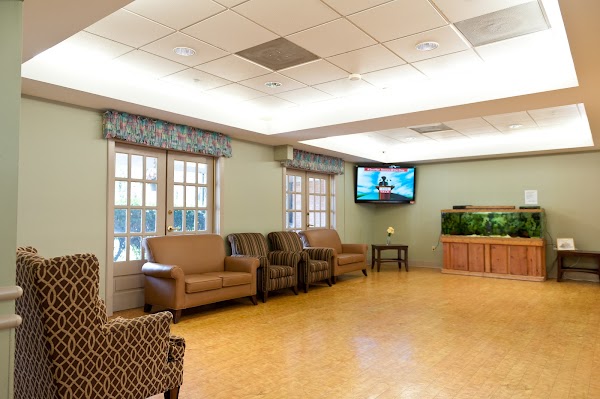
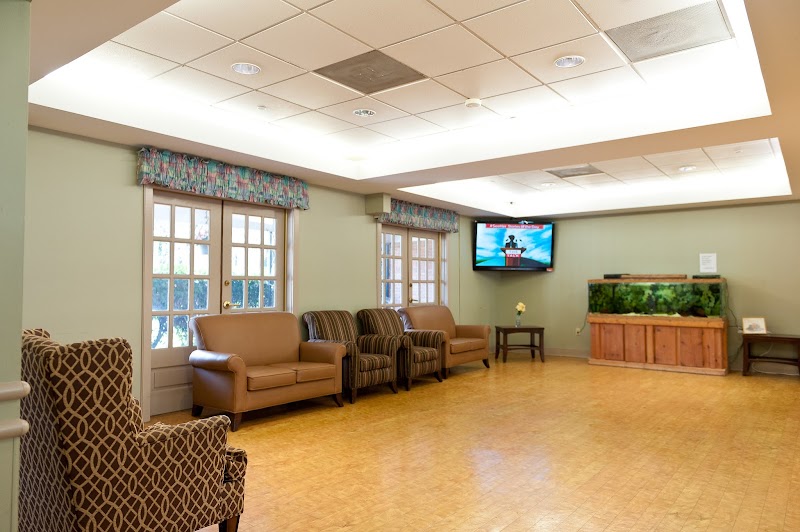
4204 OLD MILFORD MILL ROAD, BALTIMORE, MD 21208 (410) 486-1500
For profit - Limited Liability company 100 Beds AUTUMN LAKE HEALTHCARE Data: November 2025
Trust Grade
60/100
#110 of 219 in MD
Last Inspection: April 2025

Within standard 12-15 month inspection cycle. Federal law requires annual inspections.

Overview

King David Nursing and Rehabilitation Center has a Trust Grade of C+, indicating it is decent and slightly above average compared to other facilities. It ranks #110 out of 219 in Maryland, placing it in the bottom half of nursing homes in the state, and #19 out of 43 in Baltimore County, where only one local option is better. The facility is improving, with issues decreasing from 24 in 2021 to 23 in 2025. Staffing is a concern here, with a rating of 2 out of 5 stars and a 42% turnover rate, which is average for the state. While there are no fines on record, the RN coverage is below average, being less than 99% of Maryland facilities, which could impact the quality of care. Specific incidents noted during inspections include a failure to establish a proper care plan for a resident requiring oxygen therapy, potentially risking their health. Additionally, there were concerns about a resident losing significant weight without timely dietary intervention, suggesting inadequate nutritional support. On the positive side, the facility had no critical issues reported, which indicates a lack of life-threatening concerns. Overall, families should weigh both the strengths and weaknesses when considering this nursing home for their loved ones.

Trust Score
C+
60/100
In Maryland
#110/219
Top 50%
Safety Record
Low Risk
No red flags
Inspections
Getting Better
24 → 23 violations
Staff Stability
○ Average
42% turnover. Near Maryland's 48% average. Typical for the industry.
Penalties
✓ Good
No fines on record. Clean compliance history, better than most Maryland facilities.
Skilled Nurses
⚠ Watch
Each resident gets only 16 minutes of Registered Nurse (RN) attention daily — below average for Maryland. Fewer RN minutes means fewer trained eyes watching for problems.
Violations
⚠ Watch
61 deficiencies on record. Higher than average. Multiple issues found across inspections.
★★★☆☆
3.0
Overall Rating
★★☆☆☆
2.0
Staff Levels
★★★☆☆
3.0
Care Quality
★★★☆☆
3.0
Inspection Score
Stable
2021: 24 issues
2025: 23 issues

The Good

  • Full Sprinkler Coverage · Fire safety systems throughout facility
  • No fines on record
  • Staff turnover below average (42%)

    6 points below Maryland average of 48%

Facility shows strength in fire safety.

The Bad

3-Star Overall Rating

Near Maryland average (3.0)

Meets federal standards, typical of most facilities

Staff Turnover: 42%

Near Maryland avg (46%)

Typical for the industry

Chain: AUTUMN LAKE HEALTHCARE

Part of a multi-facility chain

Ask about local staffing decisions and management

The Ugly 61 deficiencies on record

Sept 2025 9 deficiencies
CONCERN (D) 📢 Someone Reported This

A family member, employee, or ombudsman was alarmed enough to file a formal complaint

Potential for Harm - no one hurt, but risky conditions existed

Grievances (Tag F0585)

Could have caused harm · This affected 1 resident

Based on record review and interview it was determined the facility staff failed to make prompt efforts to resolve grievances and keep the resident/representative appropriately apprised of progress to...

Read full inspector narrative →
Based on record review and interview it was determined the facility staff failed to make prompt efforts to resolve grievances and keep the resident/representative appropriately apprised of progress toward resolution. This was evident for 1 (#8) of 6 residents reviewed for neglect.The findings include:A complaint involving Resident #8, and Resident #8's medical record were reviewed on 9/15/25 at 11:44 AM.Resident #8 was evaluated by 2 physicians on 3/31/25 and certified to lack mental capacity to make informed medical decisions. The residents' children became his/her surrogate decision makers.The complaint indicated that on the evening of 6/4/25, one of Resident #8's children was concerned that the Residents' condition was deteriorating. They asked Staff #12 a Licensed Practical Nurse (LPN) to call an ambulance. They reported that Staff #12 refused, told them to make the call themselves, argued with the family and failed to check on the resident following their request. The complaint also indicated that an email was sent to the facility's management team and Social Worker that night and no one responded.Review of the facility's Grievance Logs at that same time revealed there were no grievances related to Resident #8 from 4/27/25 to present.In an interview on 9/16/25 at 10:35 AM the Administrator indicated there were no grievances related to Resident #8. He was made aware that the surveyor had reason to believe concerns regarding neglect were sent via email soon after Resident #8 was transferred to the hospital on 6/4/25. He indicated he would check.On 9/17/25 at 10:10 AM the Administrator was asked again and indicated he checked his email and found nothing.When asked if he received any email communication regarding concerns from the Social Worker related to Resident #8, he looked again and stated, an email was sent to Rehab and the Social Worker who forwarded it to me. When asked what was done when he received it, he indicated he wasn't sure, he'd have to look.A copy of the email was provided to the surveyor upon request. Review of the email revealed it was sent by Resident #8's family member on 6/5/25 at 4:18 AM to the Director of Rehab as well as Staff #6, the Social Work Director. Staff #6 forwarded the email to the Administrator on 6/5/25 at 12:12 PM.The email indicated the family member wanted to make a formal complaint regarding the situation that occurred on 6/4/25. It detailed their concerns regarding the events on 6/4/25 and Staff #12's lack of concern, that he became verbally aggressive, loud, disrespectful and unprofessional. Another interview was conducted with the Administrator on 9/18/25 at 8:07 AM, the Director of Nursing was also present. The Administrator confirmed he did not initiate the grievance process and did not follow up with Resident #8's representative. When asked why, he indicated, because Resident #8 was discharged .He confirmed that he is the Grievance Officer for the facility,Cross reference F 609.
CONCERN (D) 📢 Someone Reported This

A family member, employee, or ombudsman was alarmed enough to file a formal complaint

Potential for Harm - no one hurt, but risky conditions existed

Report Alleged Abuse (Tag F0609)

Could have caused harm · This affected 1 resident

Based on record review and interview it was determined the facility staff failed to report an allegation of neglect to the State Survey Agency. This was evident for 1 (#8) of 6 residents reviewed for ...

Read full inspector narrative →
Based on record review and interview it was determined the facility staff failed to report an allegation of neglect to the State Survey Agency. This was evident for 1 (#8) of 6 residents reviewed for neglect.The findings include:Resident #8's medical record and a complaint involving Resident #8, were reviewed on 9/15/25 at 11:44 AM.The complaint indicated that on the evening of 6/4/25, Resident #8's family members were concerned that the Residents' condition was deteriorating. They asked Staff #12 a Licensed Practical Nurse (LPN) to call an ambulance. The complaint indicated that Staff #12 refused, told them to call 911 themselves, argued with the family and failed to check on the resident following the request to call 911. The complainant also indicated s/he sent an email to the facility's management team and Social Worker later the same night. Review of the email revealed it was sent by Resident #8's family member on 6/5/25 at 4:18 AM to the Director of Rehab as well as Staff #6, the Social Work Director. Staff #6 forwarded the email to the Administrator on 6/5/25 at 12:12 PM.The email indicated that the family member wanted to make a formal complaint regarding the situation that occurred on 6/4/25. It detailed Staff #12's refusal to call 911, and lack of concern including but not limited to: He never came to [Resident #8's] room after I voiced my concerns or after I called for an ambulance and included that Staff #12 became very aggressive and loud when the family member questioned his lack of concern. The email included [Resident #8] is a patient at your facility and should be treated as if they were caring for their own [family], not ignored and left to die.The Administrator and Director of Nursing (DON) were interviewed on 9/18/25 at 8:07 AM. When asked why the nurse didn't call 911 per the family request. The DON stated the nurse did call 911.They confirmed that the allegation was not reported to the State Survey Agency. When asked why, the DON stated, We took it as a customer service issue but immediately saw that it had been addressed by the nurse.Further review of the medical record on 9/18/25 at 9:40 AM revealed a Change in Condition note written by Staff #12 on 6/4/25 at 22:03 (10:03 PM) which included documentation that the resident's family member called 911.The Administrator and DON were made aware that the facility failed to immediately report an allegation of neglect as required then conduct a thorough investigation.Cross Reference F 585.
CONCERN (D) 📢 Someone Reported This

A family member, employee, or ombudsman was alarmed enough to file a formal complaint

Potential for Harm - no one hurt, but risky conditions existed

Investigate Abuse (Tag F0610)

Could have caused harm · This affected 1 resident

Based on medical record review and interview with resident and facility staff, it was determined that the facility failed to put interventions in place to prevent the future occurrence of abuse and ne...

Read full inspector narrative →
Based on medical record review and interview with resident and facility staff, it was determined that the facility failed to put interventions in place to prevent the future occurrence of abuse and neglect allegations. This was evident during the review of 2 of 2 allegations of abuse reported by Resident #2.The findings include:1. Medical record review of Resident # 2 on 9/16/25 at 10:30 AM revealed allegations of abuse that occurred during the rendering of activities of daily living (ADL) that was being provided to Resident #2 on 8/23/25 and then again on 9/7/25. Resident #2 first made allegations that his/her rights were violated on 8/23/25 when s/he reported that staff changed and dressed him/her without permission. Resident #2 even stated that s/he had told the staff ‘No', but they continued to change his/her shirt anyway. Resident #2 alleged that s/he was held down by the wrists and made to change his/her shirt.Resident #2 was interviewed on 9/16/25 at 12:15 PM regarding what occurred on the night of 8/23/25. S/he stated that his/her regular GNA was not scheduled, and another one came in to provide care during the night shift. Resident #2 stated that s/he agreed to have their bottom changed but said ‘no' to changing of the shirt. At that, according to the resident, the GNA left and the room and returned with another GNA to assist in changing the shirt. Resident #2 verbalized to this surveyor that s/he felt assaulted, was yelling and had stated ‘no.'2. On 9/7/25 another incident similar in nature occurred with staff GNA #7 during the day shift. Resident #2 alleged that GNA #7 changed [his/her] shirt without permission. GNA #7 was interviewed on 9/17/25 at 1:15 PM regarding her interactions with Resident #2 on 9/7/25. She stated that she had gone in to provide care for him/her with an orientee and they were all ok and initially Resident #2 agreed to get cleaned up and change. However, when we went to change the shirt, the resident became combative. She went on to state that maybe s/he is very specific with the way s/he wants things done. She did state further that they continued to change the resident's shirt. She went on to state that she was removed from patient care while there was an investigation into this new abuse allegation.Resident #2 was interviewed about the incident on 9/7/25 on 9/16/25 at 12:15 PM. S/he was verbally and physically upset as s/he ‘stated I just reported this incident on 8/23/25 and then it happened again 2 weeks later, don't I have rights? Don't they have to ask me permission?'The concern that this resident had not one, but 2 similar allegations of abuse occur in a 2-week period with no identifying prevention was reviewed.The DON stated on 9/18/25 at 8:30 AM that notes were put in Resident #2's care plans regarding these events, however, there were no adjustments to the actual plan of care for Resident # 2 that would assist this resident and care givers in potentially working cohesively and preventing future occurrences and allegations of abuse.
CONCERN (D) 📢 Someone Reported This

A family member, employee, or ombudsman was alarmed enough to file a formal complaint

Potential for Harm - no one hurt, but risky conditions existed

Deficiency F0635 (Tag F0635)

Could have caused harm · This affected 1 resident

**NOTE- TERMS IN BRACKETS HAVE BEEN EDITED TO PROTECT CONFIDENTIALITY** Based on record review and interview with staff it was determined that upon resident admission to the facility the physician fai...

Read full inspector narrative →
**NOTE- TERMS IN BRACKETS HAVE BEEN EDITED TO PROTECT CONFIDENTIALITY** Based on record review and interview with staff it was determined that upon resident admission to the facility the physician failed to address a hospital discharge plan to provide CPAP (Continuous Positive Airway Pressure) at night and to wean a resident off supplemental oxygen. This was evident for 1 (#8) of 8 residents reviewed for Quality of Care.The findings include:Resident #8's medical record was reviewed on 9/15/25 at 11:44 AM. The resident was admitted to the facility from the hospital on 3/28/25. Their diagnoses included but were not limited to Obstructive Sleep Apnea and acute respiratory failure with hypercapnia (excessive carbon dioxide in the blood).The hospital Discharge summary dated [DATE] reflected post discharge plans which included but were not limited to: continue to wean off O2 (oxygen) continue with supplemental O2 in the meanwhile Continue with CPAP at night.A CPAP (Continuous Positive Airway Pressure) machine delivers a steady stream of air through a mask to keep the users airway open during sleep and prevent pauses in breathing.The physicians' orders upon admission to the facility included Oxygen inhalation (via nasal cannula @ 2 lpm [liters per minute]).Upon Resident #8's admission, the physician failed to write an order to wean the resident off the supplemental oxygen, and for the use of CPAP at night as indicated in the hospital discharge plan.The Attending Physician, Staff #14's, Medical Visit documentation dated 3/31/25, Section H. Summary of Findings stated, Continue with O2 by nasal cannula Monitor respiratory status History of obstructive sleep apnea Continue with CPAP. However, there was no order at that time for CPAP.The note did not address the plan to wean Resident #8 off supplemental oxygen or rationale for not ordering it.On 4/9/25 an order was written for: Wean off O2. It did not indicate Resident #8's target blood oxygen saturation level.In another physician note on 4/15/25 Staff #14 noted, History of obstructive sleep apnea Respiratory status seems to be at baseline, No dyspnea (shortness of breath) on examination continue with CPAP.However, no orders were written for CPAP. There was no mention of the residents' oxygen weaning and tolerance.On 5/1/25, approximately 1 month after admission, orders were written by the physician for: C-Pap on at night for OSA (Obstructive Sleep Apnea).An interview on 9/16/25 at 10:40 AM the DON (Director of Nursing) was asked how hospital discharge plans were reconciled when residents were admitted to the facility. She explained that the physician will reconcile the orders at the time of admission if in the facility. If they are not in the building the nurse will call the physician and review with the physician via telephone. She was made aware of the hospital plan for Resident #8 and was asked why Resident #8's admission orders and assessment did not include use of CPAP at night and oxygen weaning or rationale for not ordering as per the hospital discharge plan. She indicated she was not sure and would have to check the record and get back to the surveyor. No further information was provided to the surveyor regarding this concern prior to the survey exit.The Administrator was made aware of the above concerns on 9/17/25 at 1:08 PM.Cross reference F 695.
CONCERN (D) 📢 Someone Reported This

A family member, employee, or ombudsman was alarmed enough to file a formal complaint

Potential for Harm - no one hurt, but risky conditions existed

Comprehensive Care Plan (Tag F0656)

Could have caused harm · This affected 1 resident

**NOTE- TERMS IN BRACKETS HAVE BEEN EDITED TO PROTECT CONFIDENTIALITY** Based on record review and interview it was determined the facility failed to develop and implement a comprehensive person-cente...

Read full inspector narrative →
**NOTE- TERMS IN BRACKETS HAVE BEEN EDITED TO PROTECT CONFIDENTIALITY** Based on record review and interview it was determined the facility failed to develop and implement a comprehensive person-centered plan to meet the residents' needs. This was evident for 1 (#8) of 8 residents reviewed for Quality of Care.The findings include: Oxygen weaning involves the gradual reduction of supplemental oxygen to determine a patient's ability to maintain adequate oxygen saturation on room air. A common approach includes decreasing oxygen flow rates in small increments, observing for symptoms and SpO2 (blood oxygen saturation level) at rest and during activity and ensuring the patient can sustain the target SpO2.A CPAP (Continuous Positive Airway Pressure) machine is a common treatment for sleep apnea, delivering a steady stream of air through a mask to keep the patients airway open during sleep and prevent pauses in breathing.Resident #8's medical record was reviewed on 9/15/25 at 11:44 AM. The resident was admitted to the facility from the hospital on 3/28/25. Their diagnoses included but were not limited to Obstructive Sleep Apnea (OSA) and acute respiratory failure with hypercapnia (excessive carbon dioxide in the blood).A hospital Discharge summary dated [DATE] identified post discharge plans which included but were not limited to: continue to wean off O2 (oxygen) continue with supplemental O2 in the meanwhile continue with CPAP at night.A comprehensive plan of care was developed for Resident #8 on 3/31/25. However, the plan for altered respiratory status/Difficulty Breathing r/t COPD (chronic occlusive pulmonary disease), cough was not added until 4/18/25. The resident's goal was will have no complications related to SOB (shortness of breath). The plan did not identify the residents individualized care needs related to his/her use of supplemental oxygen and diagnosis of OSA.On 4/9/25 the physician ordered oxygen weaning. The Plan of Care was not updated to include a weaning plan, protocol, or the staff responsible.On 5/2/25 an intervention was added for: CPAP SETTINGS: The resident's BiPAP using home machine with settings embedded via (nose mask).The plan of care did not include individualized resident centered interventions for the provision of care related to the resident's use of the CPAP machine such as type of mask, humidification, schedules for replacing/cleaning the tubing, mask, filters, and machine support, provision of supplies and the staff responsible.The Administrator was asked to provide a copy of the facility policies, procedures and protocols related to CPAP, BIPAP and Oxygen Weaning.Review of the facility policies on 9/16/25 at approximately 8:00 AM revealed the policy for Oxygen Administration included, the resident's care plan should identify the interventions for oxygen therapy based on the resident assessment and orders. The policy did not identify the facility's protocol for oxygen weaning. An interview was conducted with the DON (Director of Nursing) on 9/16/25 at 10:40 AM. She was made aware of the above concerns and indicated that the Rehab department is responsible for weaning residents off oxygen. She was unable to explain why Resident #8's plan of care did not include oxygen therapy, an oxygen weaning plan and specific care needs related to CPAP. She indicated that she would have to check and would get back to the surveyor.The DON failed to provide any further information regarding these concerns prior to the end of the survey.The Administrator was made aware of the above concerns on 9/17/25 at 1:08 PM.Cross reference F 695.
CONCERN (D) 📢 Someone Reported This

A family member, employee, or ombudsman was alarmed enough to file a formal complaint

Potential for Harm - no one hurt, but risky conditions existed

Deficiency F0657 (Tag F0657)

Could have caused harm · This affected 1 resident

Based on medical record review and interview with resident and facility staff, it was determined that the facility failed to revise a care plan related to a resident's specific identified and individu...

Read full inspector narrative →
Based on medical record review and interview with resident and facility staff, it was determined that the facility failed to revise a care plan related to a resident's specific identified and individualized needs. This was evident during the review of 1 of 3 (Resident #2) resident care plans reviewed for facility self-reports.The findings include:Medical record review of Resident # 2 on 9/16/25 at 10:30 AM revealed multiple comorbidities including concerns with chronic pain, mood and adjustment disorder, cancer and a history of respiratory failure. Resident #2 also recently had 2 allegations of abuse reported to the facility regarding treatment during ADL care.A review of Resident #2's care plans on 9/16/25 revealed care plans initiated on admission in 2024 for said medical diagnosis' including shortness of breath with interventions for example to include proper positioning.However, the care plans related to Resident #'2's mental health, mood disorder and depression, initiated 2/5/24 and 10/29/24 respectively state to administer medications, see a psychiatrist/behavioral health and monitor mood per protocol. There were no interventions individualized to Resident #2. There are also 2 care plans regarding noncompliance with; medications, treatments, ADL care, refuse collection of urine, additionally, resistive to care related to adjustment to nursing home as evidenced by refusal of medication. The goal is [resident] will cooperate with care through next review date. However, the interventions were not individualized for staff to apply towards the residents to improve that resident's life and care. Resident #2 also has a care plan related to behavior of making accusing and confabulatory statements about staff/visual hallucinations,' though what those statements and hallucinations were to look out for were not listed.Again, for this care plan staff were to administer medications, provide psychiatric services as warranted, document the behaviors and discuss with the residents why it was inappropriate or unacceptable, no other interventions were listed from 2024, no individualized prevention.The 3 care plans regarding behaviors from 2024, did not include relevant individualized interventions for Resident #2. It had been established throughout the medical record that Resident #2 had refusals and did not take medications regularly, so having an intervention to administer medications as ordered was not appropriate.These identified concerns were reviewed with the DON and the NHA on 9/18/25 at 8:30 AM. The DON stated repeatedly that she updates the care plans. The surveyors asked for the documentation and proof, and a statement was provided. The statement was a care plan progress notes and evaluation not an actual update to the care plan, that was readily available and visible for all to see.During this interview with the DON on 9/18/25 at 8:30 AM, she also stated that there were no interventions that you could put in place for this resident. However, the concern that this resident had varying needs and concerns related to activities of daily living and there was no corresponding care plan that addressed these needs and concerns was addressed at this time.Again, the DON stated that this cannot be care planned. She was asked what the expectation was then for staff to provide patient centered care if staff are not aware what that patient centered care is; she stated that it always changes with this resident. The concern that there was no individual care plan identified related to this resident verbalized preferences was reviewed at this time i.e. verbalizing staff approval to access dresser drawers, staff getting permission to change resident and reapproaching later when the answer is ‘no.'
CONCERN (D) 📢 Someone Reported This

A family member, employee, or ombudsman was alarmed enough to file a formal complaint

Potential for Harm - no one hurt, but risky conditions existed

Deficiency F0773 (Tag F0773)

Could have caused harm · This affected 1 resident

Based on medical record review, interview and policy review, it was determined that the facility failed to have all labs on the record reviewed by the attending physician timely. This was evident for ...

Read full inspector narrative →
Based on medical record review, interview and policy review, it was determined that the facility failed to have all labs on the record reviewed by the attending physician timely. This was evident for 7 of 9 labs reviewed on Resident #9 medical record.The findings include:During the review of Resident #9's medical record on 9/12/25 at 11:58 AM regarding a complaint related to quality of care. It was noted that there were 9 lab slips available on the paper chart. Of those only 2 were signed and dated by the physician when the lab was reviewed with corresponding orders. According to the facility policy on diagnostic testing 3. Documentation of diagnostic test, the results, and date/time of Physician notification will be maintained in the resident clinical record, this policy was last updated 2/1/25.Interview on 9/18/25 at 8:45 AM with the facility DON regarding the facility process for notification she stated that there are ‘many' ways in which the staff let the physician know when a lab is available. However, there was no set process that the staff had to ensure that the physician staff was made aware of laboratory work results and to ensure that the results were not missed.Regarding Resident #9, lab results from testing blood clotting factors on 6/2/25, had a notation of ‘2 mg coumadin.' This was brought to the attention of the DON at this time. The resident was then subsequently ordered ‘2 mg' of coumadin. However, the resident was already on 2 mg of coumadin. There was no documentation in the medical record that any physician reviewed the lab result. On 9/16/25 the DON had been asked what the therapeutic range residents on coumadin's' INR (International Normalized Ratio, a standardized way to report blood clotting ability) should be. She said it depends on their respective diagnosis, but the range was over 2. This residents' INR result on 6/2/25 was 1.69 and the medication dose was not changed.The concern that the facility did not have a consistent process in place to ensure the physicians were aware of and singing and dating of lab work was reviewed on 9/18/25.
CONCERN (D) 📢 Someone Reported This

A family member, employee, or ombudsman was alarmed enough to file a formal complaint

Potential for Harm - no one hurt, but risky conditions existed

Deficiency F0909 (Tag F0909)

Could have caused harm · This affected 1 resident

Based on observation and interview it was determined the facility failed to ensure bed rails were securely affixed to the bed frame to limit entrapment zones. This was evident for 1 (#1) of 1 resident...

Read full inspector narrative →
Based on observation and interview it was determined the facility failed to ensure bed rails were securely affixed to the bed frame to limit entrapment zones. This was evident for 1 (#1) of 1 resident reviewed for Physical Environment.The findings include:An observation of Resident #1's room was made on 9/12/25 at 9:00 AM. 1/4 bed rails were located on both sides of the bed near the head of the bed. The rails were not firmly affixed to the frame, were loose and easily tilted away from the mattress creating a gap approximately 4-5 inches wide between the mattress and the rail. The bed was observed again on 9/15/25 at 9:33 AM, the rails remained loose.On 9/15/25 at 11:15 AM the Administrator was asked to provide the facility's bed rail inspection logs for the past 6 months. He indicated that an inspection was in progress and was asked to provide documentation of the current inspection as well.At approximately 12:00 PM the Administrator provided 1 bed rail audit dated 9/26/24 and indicated that the facility completed bed rail safety audits yearly. He did not provide evidence of the current inspection.On 9/16/25 at 8:00 AM the Administrator was again asked to provide a copy of the current bed rail safety audit. He indicated that it was going to be done the previous day however it was not done.On 9/16/25 at 11:58 AM Staff #11 the Maintenance Director observed Resident #1's bed rails with the surveyor and confirmed they were loose. He indicated he tightened the rails the previous week. However, the loose bed rails were not addressed from 9/12/25 when first observed by the surveyor, until 9/16/25 upon surveyor intervention.The Administrator was made aware of these findings on 9/17/25 at 1:11 PM.
CONCERN (E) 📢 Someone Reported This

A family member, employee, or ombudsman was alarmed enough to file a formal complaint

Potential for Harm - no one hurt, but risky conditions existed

Respiratory Care (Tag F0695)

Could have caused harm · This affected multiple residents

**NOTE- TERMS IN BRACKETS HAVE BEEN EDITED TO PROTECT CONFIDENTIALITY** Based on record review and interview it was determined the facility staff failed to ensure hospital discharge treatment plans fo...

Read full inspector narrative →
**NOTE- TERMS IN BRACKETS HAVE BEEN EDITED TO PROTECT CONFIDENTIALITY** Based on record review and interview it was determined the facility staff failed to ensure hospital discharge treatment plans for supplemental oxygen weaning and CPAP use were implemented upon the residents' admission to the facility and failed to have an effective process to wean residents off supplemental oxygen. This was evident for 1(#8) of 8 residents reviewed for Quality of Care.The findings include:Resident #8's medical record was reviewed on 9/15/25 at 11:44 AM. The resident was admitted to the facility from the hospital on 3/28/25. Their diagnoses included but were not limited to Obstructive Sleep Apnea and acute respiratory failure with hypercapnia (excessive carbon dioxide in the blood). The hospital Discharge summary dated [DATE] included post discharge plans which included but were not limited to: continue to wean off O2 (oxygen) continue with supplemental O2 in the meanwhile continue with CPAP at night. Oxygen weaning involves the gradual reduction of supplemental oxygen to determine a patient's ability to maintain adequate oxygen saturation on room air. A common approach includes decreasing oxygen flow rates in small increments, observing for symptoms and SpO2 (blood oxygen saturation level) at rest and during activity and ensuring the patient can sustain the target SpO2.A CPAP (Continuous Positive Airway Pressure) machine is a common treatment for sleep apnea, delivering a steady stream of air through a mask to keep the patients airway open during sleep and prevent pauses in breathing.Resident #8's physicians orders upon admission to the facility included Oxygen inhalation (via nasal cannula @ 2 lpm [liters per minute]).No orders were written to wean the resident off oxygen or for the use of CPAP at night as indicated in the hospital discharge plan.A care plan is a guide that addresses the unique needs of each resident. It is used to plan, assess and evaluate the effectiveness of the resident's care.A baseline plan of care dated 3/28/25 section 3A. Health Conditions/Special Treatments included: 1a. Oxygen therapy = 2 liters/min. It did not include a plan for oxygen weaning. Section 1e. Non-Invasive Mechanical Ventilator (BiPAP/CPAP) was not indicated. The Attending Physician, Staff #14's, Medical Visit documentation dated 3/31/25, Section H. Summary of Findings stated, Continue with O2 by nasal cannula Monitor respiratory status History of obstructive sleep apnea Continue with CPAP. It did not address oxygen weaning.An order was written 4/9/25 for - Wean off O2, it did not identify a target SpO2 level.On 4/15/25 the attending physician noted, History of obstructive sleep apnea Respiratory status seems to be at baseline, No dyspnea (shortness of breath) on examination continue with CPAP. The note did not address supplemental oxygen weaning. On 5/1/25, approximately 1 month after admission, orders were written by the physician for: C-Pap on at night for OSA (Obstructive Sleep Apnea).The order for Oxygen 2L NC (liters, nasal cannula) every shift and oxygen weaning continued.These orders were signed off on the TAR (Treatment Administration Record) as completed by the nurses as ordered.However, there was no indication if and how staff were weaning Resident #8 off the supplemental oxygen such as - an oxygen weaning plan/protocol, the resident's target SpO2 level, and the resident's tolerance/response to the attempts.Cross reference F 635.A plan for altered respiratory status was added to Resident #8's comprehensive Plan of Care on 4/18/25. The plan did not identify the residents' oxygen therapy or oxygen weaning plans, goals, protocol, and responsible staff.The CPAP machine was added to Resident #8's Plan of Care on 5/2/25.Cross reference F 656.The facility policy for Oxygen Administration did not identify a protocol for oxygen weaning including responsible staff/department. An interview was conducted with the DON (Director of Nursing) on 9/16/25 at 10:40 AM. She was asked how the facility reconciles the hospital discharge physicians' orders/recommendations when a resident is admitted from the hospital. She explained that if the physician is in the facility, they will reconcile the orders at the time of admission. If they are not in the building, the nurse will call the physician and review with the physician via telephone. She was made aware and asked why Resident #8's admission orders did not include use of CPAP at night and oxygen weaning as per the hospital discharge plan. She indicated she was not sure and would have to check the record and get back to the surveyor. She was also asked where staff would document oxygen weaning including the resident's response to weaning attempts. She indicated that the Rehab department does oxygen weaning. She confirmed that Rehab staff are only in the facility during the day Monday - Friday, did not work evenings or nights and were not in the facility on weekends.She was asked why nursing staff were signing off oxygen weaning every shift, if they were not involved in the weaning process and where Resident #8's oxygen weaning progress was documented. She indicated that she would have to check and would get back to the surveyor.The DON failed to get back to the surveyor or provide any additional information regarding the concerns identified prior to the end of the survey.An interview was conducted with Staff #15 a Rehab staff member on 9/16/25 at 11:15 AM. She was asked to explain the Rehab staff role in oxygen weaning. She stated, It's actually more like a trial. She explained that while working with a resident the Rehab staff will decrease their oxygen or take them off the oxygen and monitor their saturation while working with them. She indicated that it is documented in the rehab record and that the Rehab director discussed the residents with the interdisciplinary team.On 9/16/25 at 11:30 AM the Administrator was asked and provided the surveyor with all Rehab notes pertaining to Resident #8's oxygen weaning.The Occupational and Physical Therapy Treatment Encounter Notes reflected trials of decreasing or removing Resident #8's oxygen during Therapy sessions on 5/5/25, 5/6/25, 5/7/25, 5/8/25 and 5/9/25. The notes indicated that the resident tolerated 1 Liter of oxygen per minute and after his/her Rehab sessions was left on oxygen at 1 liter per minute. There was no documentation indicating that oxygen weaning was attempted from 4/9/25 - 5/5/25. Documentation on Resident #8's TARs reflected that oxygen was provided around the clock at 2 liters per minute. There was no evidence that the nursing staff were aware of or involved in the plan to wean Resident #8 off supplemental oxygen. However, the nurses continued to sign off 2 liters of oxygen and oxygen weaning orders every shift.The Administrator was made aware of the above concerns on 9/17/25 at 1:08 PM.
Apr 2025 14 deficiencies
CONCERN (D)

Potential for Harm - no one hurt, but risky conditions existed

Deficiency F0558 (Tag F0558)

Could have caused harm · This affected 1 resident

Based on observations and interviews it was determined that the facility failed to provide a resident with a reasonable accommodation of need. This was found evident of 3 out of the 4 observations mad...

Read full inspector narrative →
Based on observations and interviews it was determined that the facility failed to provide a resident with a reasonable accommodation of need. This was found evident of 3 out of the 4 observations made in Resident #1's room. The findings include: On 4/10/25 at 11:42 AM, the surveyor interviewed Resident #1. During the interview Resident #1 stated that his/her clock was not working and that the time had been off for some time. He/She further stated that he/she had asked a staff member to fix it but they had not fixed it yet. On 4/11/25 at 12:48 PM, the surveyor observed Resident #1's clock not working again. The surveyor asked the Nursing Home Administrator (NHA), who was in the hallway, to observe the clock not working. The NHA stated that he would have the clock fixed. On 4/14/25 at 12:17 PM, the surveyor observed Resident #1's clock. Again, the clock was not working. The surveyor informed the Director of Nursing (DON) about the Resident #1's clock not working. The DON stopped the Maintenance Director in the hall and informed him about the clock. The Maintenance Director stated that he would fix the clock and that he had another clock to fix, too.
CONCERN (D) 📢 Someone Reported This

A family member, employee, or ombudsman was alarmed enough to file a formal complaint

Potential for Harm - no one hurt, but risky conditions existed

Deficiency F0559 (Tag F0559)

Could have caused harm · This affected 1 resident

Based on record review and interview it was determined that the facility failed to inform and give written notice for the reason for a room change to a Resident's Representative (RP). This occurred on...

Read full inspector narrative →
Based on record review and interview it was determined that the facility failed to inform and give written notice for the reason for a room change to a Resident's Representative (RP). This occurred on 3 out of 3 bed reassignments made for Resident #23. The findings include: On 4/17/25 at 12:54 PM, the surveyor reviewed Resident #23's room census. The review revealed that on 10/16/23, 10/15/25 and 1/28/25 Resident #23 was relocated to a different bed assignment. On 4/17/25 at 2:32 PM, the surveyor requested from the Nursing Home Administrator (NHA) the written notice with reason for room change for Resident #23. On 4/18/25 at 8:41 AM, the surveyor conducted an interview with the NHA. During the interview the NHA stated that when a resident bed assignment is going to change the resident or the RP is told about the room change. However, confirmed that there was no documentation to validate that Resident #23's RP was notified with the reason on any of the bed reassignments.
CONCERN (D)

Potential for Harm - no one hurt, but risky conditions existed

Safe Environment (Tag F0584)

Could have caused harm · This affected 1 resident

**NOTE- TERMS IN BRACKETS HAVE BEEN EDITED TO PROTECT CONFIDENTIALITY** Based on observation and interviews, it was determined the facility staff failed to provide housekeeping and maintenance service...

Read full inspector narrative →
**NOTE- TERMS IN BRACKETS HAVE BEEN EDITED TO PROTECT CONFIDENTIALITY** Based on observation and interviews, it was determined the facility staff failed to provide housekeeping and maintenance services necessary to maintain a safe, clean, comfortable and homelike environment. This was evident for 2 ([NAME] view and [NAME]) of 4 units observed during the annual survey. The findings include: 1a) On 4/10/25 at 9:36 AM, the surveyor observed crumbs, debris, and mouse dropping along the back corner wall for Resident #68's room located on the [NAME] View Unit. On 4/11/25 at 12:31 PM, the surveyor interviewed the Nursing Home Administrator (NHA). The surveyor asked if housekeeping had cleaned the resident's room yet. He stated he believed so. Next the surveyor escorted the NHA to Resident #23's room. The NHA observed the crumbs, debris, and mouse droppings that the surveyor observed the day before. The NHA stated he would have the room cleaned up immediately. 1b) On 4/10/25 at 11:25 AM, the surveyor observed room [ROOM NUMBER] in the [NAME] Unit and noted a rectangular cardboard like plank board placed over cracked drywall, and a wooden board above the air conditioning unit in the wall. On 2/15/25 at 8:31 AM, the surveyor observed room [ROOM NUMBER]'s air conditioner wall unit (on the [NAME] Unit). On observation there was a gap at the top of the air conditioner where the surveyor could see light coming in from the outside. On 2/15/25 at 8:33 AM, the surveyor observed room [ROOM NUMBER]'s air conditioner wall unit (on the [NAME] Unit). The surveyor observed a rough notch protruding from the metal edging along the perimeter of the air conditioner unit. On 4/17/25 at 9:04 AM, the surveyor informed the Nursing Home Administrator (NHA) about the observations. The NHA stated that the facility would be assessing all air conditioner units in the facility for needs of repair. 1c) On 4/15/25 at 8:29 AM, the surveyor observed the bathroom in room [ROOM NUMBER] in the [NAME] Unit. During the observation the surveyor noted the vent in the ceiling had a collection of what appeared to be accumulated dust. On 4/17/25 at 9:04 AM, the surveyor asked the Nursing Home Administrator (NHA) to observe room [ROOM NUMBER] and room [ROOM NUMBER], both which had a layer of accumulated dust in the bathroom vents. The NHA agreed that the vent should be cleaned and stated he would take care of the issue. 2a) On 4/11/25 at 10:04 AM, an observation was made in room [ROOM NUMBER]. On the wall there was a thermostat that was uncovered with wires/coils exposed. On 4/14/25 at 10:30 AM, an interview with the Maintenance Director (Staff #1) was conducted. When asked about the thermostats on the walls of the resident rooms, Staff #1 stated that the thermostats are not operable and that residents cannot control or change the temperature using the thermostats. Staff #1 stated that there should not be any thermostats in the resident rooms. When asked if the uncovered thermostat in room [ROOM NUMBER] was supposed to be there, Staff #1 stated, No and that the thermostat serves no purpose. Staff #1 stated they were going to remove it right now.
CONCERN (D) 📢 Someone Reported This

A family member, employee, or ombudsman was alarmed enough to file a formal complaint

Potential for Harm - no one hurt, but risky conditions existed

Free from Abuse/Neglect (Tag F0600)

Could have caused harm · This affected 1 resident

Based on record review and interviews, it was determined that the facility failed to protect a resident from abuse from another resident. This was found evident of 1 (Resident #47) out of 8 Residents ...

Read full inspector narrative →
Based on record review and interviews, it was determined that the facility failed to protect a resident from abuse from another resident. This was found evident of 1 (Resident #47) out of 8 Residents reviewed for abuse allegations during an annual and complaint survey. The findings include: On 4/16/25 at 10:35 AM, the surveyor reviewed a complaint. The complainant alleged that Resident #23 was witnessed sexually harassing his/her roommate and nothing was being done about it. On 4/17/25 at 2:13 PM, the surveyor reviewed Resident #23's medical record. The review revealed a progress note written by Licensed Practical Nurse (LPN) #8 on 4/9/24 at 12:44 PM that stated, Resident was observed as touching and exposing his/her private part and was also inviting the roommate to participate on it with him/her. A care plan was initiated on 4/10/24 that stated Resident #23 has a behavior problem related to sexual inappropriateness with a female staff. One of the interventions listed was, intervene as necessary to protect the rights and safety of others. Another was, remove from the situation and take to alternate location as needed. On further review, a progress note written by LPN #8 on 4/11/24 stated, the Resident continued to exhibit this behavior of grabbing his/her private area and showed it to whoever entered his/her room. On 4/18/25 at 6:45 AM, the surveyor reviewed the Resident room census on 4/9/24. The review revealed that Resident #47 was Resident #23's roommate. On 4/18/25 at 9:15 AM, the surveyor interviewed Resident #47. During the interview Resident #47 confirmed he/she roomed with Resident #23. Resident #47 stated that he/she could recall one incident where Resident #23 exposed him/herself explicitly to him/her and felt uncomfortable. Resident #47 stated he/she requested to move rooms shortly after the incident. On 4/21/25 at 7:55 AM, the surveyor conducted an interview with the Nursing Home Administrator (NHA). During the interview the surveyor reviewed the concern of abuse and that the facility failed to protect Resident #47 from Resident #23's sexual inappropriate activities.
CONCERN (D) 📢 Someone Reported This

A family member, employee, or ombudsman was alarmed enough to file a formal complaint

Potential for Harm - no one hurt, but risky conditions existed

Report Alleged Abuse (Tag F0609)

Could have caused harm · This affected 1 resident

Based on a complaint, medical record review and interviews with a resident and staff, it was determined the facility staff failed to report an allegation of abuse to the regulator agencies and Office ...

Read full inspector narrative →
Based on a complaint, medical record review and interviews with a resident and staff, it was determined the facility staff failed to report an allegation of abuse to the regulator agencies and Office of Health Care Quality (OHCQ). This was found evident in 1 (Resident #47) out of 8 residents reviewed for abuse. The findings include: On 4/16/25 at 10:35 AM, the surveyor reviewed a complaint. The complainant alleged that Resident #23 was witnessed sexually harassing his/her roommate and nothing was being done about it. On 4/17/25 at 12:43 PM, the surveyor interviewed the Nursing Home Administrator (NHA). During the interview the NHA confirmed that the facility did not have any investigation in regard to Resident #23. On 4/17/25 at 2:13 PM, the surveyor reviewed Resident #23's medical record. The review revealed a progress note written by Licensed Practical Nurse (LPN) #8 on 4/9/24 at 12:44 PM that stated, the Resident was observed as touching and exposing his/her private part and was also inviting the roommate to participate on it with him/her. On further review a progress note written by LPN #8 on 4/11/24 stated, Resident continued to exhibit behavior and grab his/her private area and show it to whoever entered his/her room. On 4/17/25 at 2:28 PM, the surveyor conducted an interview with the NHA. During the interview the surveyor showed the NHA the progress notes written by LPN #8. The NHA stated he was unaware of this allegation and if it had been brought to his attention he would have reported and investigated the incident. He confirmed that the allegation was not reported even with a staff documenting knowledge of the incident.
CONCERN (D) 📢 Someone Reported This

A family member, employee, or ombudsman was alarmed enough to file a formal complaint

Potential for Harm - no one hurt, but risky conditions existed

Investigate Abuse (Tag F0610)

Could have caused harm · This affected 1 resident

**NOTE- TERMS IN BRACKETS HAVE BEEN EDITED TO PROTECT CONFIDENTIALITY** Based on review of a complaint, review of facility investigations, record review, and interviews it was determined that the faci...

Read full inspector narrative →
**NOTE- TERMS IN BRACKETS HAVE BEEN EDITED TO PROTECT CONFIDENTIALITY** Based on review of a complaint, review of facility investigations, record review, and interviews it was determined that the facility failed to: 1) prevent potential abuse after a documented incident occurred and 2) failed to complete a thorough investigation and maintain the records of their investigation. This was found evident of 1 (Resident #47) out of 8 residents reviewed for abuse and 1 (Resident #68) out of 9 residents reviewed in facility reported incidents. The findings include: 1a) On 4/16/25 at 10:35 AM, the surveyor reviewed a complaint. The complainant alleged that Resident #23 was witnessed sexually harassing his/her roommate and nothing was being done about it. On 4/17/25 at 2:13 PM, the surveyor reviewed Resident #23's medical record. The review revealed a progress note written by Licensed Practical Nurse (LPN) #8 on 4/9/24 at 12:44 PM that stated, the Resident was observed as touching and exposing his/her private part and was also inviting the roommate to participate on it with him/her. On further review, a progress note written by LPN #8 on 4/9/24 stated, Resident continued to exhibit behavior and grabbed his/her private area and showed it to whomever entered his/her room. On 4/18/25 at 6:45 AM, the surveyor reviewed the Resident room census on 4/9/24. The review revealed that Resident #47 was Resident #23's roommate. On further review is was noted that Resident #47 was in room [ROOM NUMBER]-b from 9/29/23 to 5/4/24. Resident #23 resided in room [ROOM NUMBER]-a from 10/16/23-10/14/24. Neither resident was removed from the room after staff was aware of the behaviors. 2a) On 4/16/25 at 11:45 AM, the surveyor reviewed the investigation file for a facility reported incident regarding Resident #68. The incident alleged that a Geriatric Nursing Assistant (GNA) misappropriated funds from Resident #68's bank account. Nowhere in the file was a statement from Resident #68. The file did not contain any documents or notation to demonstrate that the facility investigated the bank account transactions. On 4/16/25 at 12:32 PM, the surveyor conducted an interview with the Nursing Home Administration (NHA). During the interview the surveyor asked the NHA if during the investigation he obtained a statement from the Resident or reviewed any banking statement to validate the facility thoroughly investigated the allegation. The NHA stated he did take a statement and was not sure why it was not kept in the file. He further stated that he was able to review documents provided by the Resident however, he/she did not want the facility to have them. The surveyor reviewed the concern without notation nor a statement in the investigation. It appeared that it was not thoroughly investigated. The NHA stated he would check on his computer to see if the statement was there. The NHA returned with a one sentence typed statement that stated, Resident #68 thinks the GNA saw bank account folder that was in his/her drawer and used it to access the bank account on Resident #68's phone. 2b) On 4/21/25 at 9:25 AM, the surveyor reviewed the investigation file into an allegation that a nurse was verbally abusive to Resident #68. Nowhere in the investigation was a statement given by Resident #68. On 4/21/25 at 11:23 AM, the surveyor interviewed the NHA. During the interview the surveyor asked if the facility investigated and took a statement from Resident #68 in regards to the allegation. The NHA stated he was not sure why the statement was not in the file but would confirm with the Unit Manager that a statement was taken. No statement was provided to the surveyor
CONCERN (D)

Potential for Harm - no one hurt, but risky conditions existed

Transfer Notice (Tag F0623)

Could have caused harm · This affected 1 resident

**NOTE- TERMS IN BRACKETS HAVE BEEN EDITED TO PROTECT CONFIDENTIALITY** Based on record review, and interviews, it was determined the facility failed to notify the Ombudsman of resident's transfers. T...

Read full inspector narrative →
**NOTE- TERMS IN BRACKETS HAVE BEEN EDITED TO PROTECT CONFIDENTIALITY** Based on record review, and interviews, it was determined the facility failed to notify the Ombudsman of resident's transfers. This was found evident of 3 (Resident #4 #16 & #96) of 3 residents reviewed for hospitalization during the survey. The findings include: 1a) On 4/11/25 at 8:11 AM, the surveyor reviewed Resident #4's medical record. The review revealed that Resident #4 had a change in condition on 1/12/25 and was sent to the hospital. On 4/15/25 at 12:21 PM, the surveyor asked the Nursing Home Administrator (NHA) for records to demonstrate that the Ombudsman was notified of Resident #4's transfer. On 4/17/25 at 8 AM, the surveyor conducted a follow-up interview with the NHA. During the interview the NHA confirmed that there was no notification made to the Ombudsman for Resident #4's transfer. 2a) On 4/14/25 at 9:27 AM, a review of Resident #16 and #96's chart was conducted. Resident #16 was transferred to the hospital on [DATE] and 12/24/24. Resident #96 was transferred to the hospital on 3/13/25. On 4/14/25 at 12:10 PM, an interview with the Director of Nursing (DON) was conducted. The DON was asked to provide evidence of ombudsman notification for Resident #16 and #96's hospital transfers for 10/3/24, 12/24/24, and 3/13/25. On 4/17/25 at 8:00 AM, an interview was conducted with the Administrator. The Administrator stated that they were unable to provide evidence that the Ombudsman was notified of the residents' transfers and discharges.
CONCERN (D) 📢 Someone Reported This

A family member, employee, or ombudsman was alarmed enough to file a formal complaint

Potential for Harm - no one hurt, but risky conditions existed

Deficiency F0637 (Tag F0637)

Could have caused harm · This affected 1 resident

Based on record review and staff interview, it was determined that the facility failed to comprehensively assess a resident who has had a significant change in status using the CMS-specified Resident ...

Read full inspector narrative →
Based on record review and staff interview, it was determined that the facility failed to comprehensively assess a resident who has had a significant change in status using the CMS-specified Resident Assessment Instrument (RAI) process and weight change. This was evident for 2 (Resident #101 and #16) out of 55 residents reviewed for change of condition. The findings include: The Resident Assessment Instrument (RAI) helps nursing home staff in gathering definitive information on a resident's strengths and needs, which must be addressed in an individualized care plan. 1a) Review of Resident #101's medical record on 4/11/25 at 8:45 AM revealed that Resident #101 had two significant functional changes: significant weight loss and a decrease in functional feeding ability from independent to dependent. Continued review of Resident #101's medical record on 4/11/25 at 9:30 AM revealed the MDS record showed no significant changes in the resident's functional ability at any time during the resident's stay. MINIMUM DATA SET The MDS is a federally mandated assessment tool used by nursing home staff to gather information on each resident's strength and needs. Information collected drives resident care planning decisions. MDS assessments need to be accurate to ensure each resident receives the care they need. Surveyor interview with the MDS Coordinator on 4/16/25 at 9:00 AM confirmed that the facility failed to update the MDS record during the resident's stay. Surveyor interview with the Administrator on 4/17/25 at 10:00 AM confirmed that the facility MDS team failed to update the MDS record correctly during the resident's stay. 2b) On 4/11/25 at 9:18 AM, Resident #16's weights were reviewed. On 10/11/2024, the resident weighed 135.8 lbs. On 04/02/2025, the resident weighed 109 pounds which is a 19.73 % loss over 6 months. On 4/14/25 at 10:21 AM, a review of Resident #16's progress notes was conducted. A Dietitian progress note dated 10/29/2024 at 10:59 AM, stated that Resident #16 had a new weekly weight on 10/25/24 of 125.4 pounds with a Body Mass Index of 22.2. The Dietician stated that the weight loss was significant and documented that the interdisciplinary team, Medical Director, and Resident Representative was made aware of the significant weight loss. On 4/14/25 at 10:35 AM, a Review of the Minimum Data Set was conducted. Section GG - Functional Abilities 00130. Self-care A. Eating: The ability to use suitable utensils to bring food and/or liquid to the mouth and swallow food and/or liquid once the meal is placed before the resident was reviewed and coded as follows: On 10/12/24 this section was coded as 05. Setup or clean-up assistance - Helper sets up or cleans up; resident completes activity. Helper assists only prior to or following the activity. On 1/1/25 this section was coded as 01. Dependent - Helper does ALL of the effort. Resident does none of the effort to complete the activity. Or the assistance of 2 or more helpers is required for the resident to complete the activity. On 4/16/25 at 11:12 AM, an interview with the Minimum Data Set Coordinator (Staff #4) was conducted. Staff #4 was asked when Resident #16 had a significant weight loss and changes to Activities of Daily Living in between assessments, should there have been a significant change coded in the Minimum Data Set. Staff #4 stated they would take a look into the resident's chart to see why there was not a significant change of status assessment conducted in the Minimum Data Set. On 4/17/25 at 9:34 AM, an interview was conducted with Staff #4. Staff #4 stated that they reviewed the resident's chart thoroughly and had missed documenting the significant change of status assessment.
CONCERN (D)

Potential for Harm - no one hurt, but risky conditions existed

Pressure Ulcer Prevention (Tag F0686)

Could have caused harm · This affected 1 resident

Based on observation, record review, and interviews it was determined that the facility failed to ensure that a resident received treatment to promote healing of a pressure ulcer. This was found evide...

Read full inspector narrative →
Based on observation, record review, and interviews it was determined that the facility failed to ensure that a resident received treatment to promote healing of a pressure ulcer. This was found evident in 1 (Resident #4) out of 2 Residents reviewed for pressure ulcers. The findings include: On 4/15/25 at 9:34 AM, the surveyor reviewed Resident #4 ' s medical record. The review revealed that Resident #4 had two, Stage 4 pressure ulcers. (Stage 4 being the most severe type of pressure ulcer, characterized by full-thickness skin and tissue loss, with exposed or fascia, muscle, tendon, ligament, cartilage, or bone) One to the right hip and the other in the sacral area. Next the surveyor reviewed a wound note written by the in-house wound consult physician Staff #13 dated 4/7/25. The note described that a debridement (procedure to remove dead, damaged, or infected tissue from a wound to promote healing) was completed to the sacral wound. The note ends with treatment goals and treatment recommendations: The sacral wound to be cleansed with 0.5% of Dakin solution and given the change of the wound bed as described, the patient will need to change the dressing to santyl with calcium alginate and cover with 4 x 4 and apply the silicone border gauze piece. The note further stated the right hip wound would require further wound dressing to be done with santyl with calcium alginate and then covered by a 4 by 4 and apply a white foam border gauze on follow-up. On 4/15/25 at 10:12 AM, the surveyor reviewed treatment orders for Resident #4 ' s wounds. The sacral wound had orders to apply collagenase power to sacrum topically every shift. The instructions stated, to cleanse wound with normal saline and pat dry and apply collagen and cover with a foam dressing. This order was last written on 3/18/25. The order was not updated to the recommendation that Staff #13 wrote after the debridement on 4/7/25. There was no cleanse with Dakin solution or no calcium alginate ordered. The right hip wound order was to apply santyl external ointment (collagenase) every shift with instructions to cleanse the right hip wound with normal saline, pat try and apply santyl with silver alginate, cover with dry dressing daily and as needed. This order was written on 3/18/25. Again this order was not updated to the recommendations from Staff #13 from the evaluation on 4/7/25. There was no order for calcium alginate. On review of the April Treatment Administration Record the surveyor noted that the wounds were documented as treated with the older orders from 3/18/25 from 4/1/25- 4/14/25. On 4/15/25 at 12:17 PM, the surveyor interviewed the Director of Nursing (DON). During the interview the surveyor asked how the wound recommendations from Staff #13 are reviewed and implemented. The DON stated that the unit manager rounds with the Staff #13 and is responsible for updating the orders. The DON further stated she was not sure why the orders were not updated but should have been.
CONCERN (D) 📢 Someone Reported This

A family member, employee, or ombudsman was alarmed enough to file a formal complaint

Potential for Harm - no one hurt, but risky conditions existed

Accident Prevention (Tag F0689)

Could have caused harm · This affected 1 resident

Based on observations, medical record review and interviews it was determined that the facility failed to 1) ensure that a resident's room was free from hazards and 2) adequately monitor a resident wi...

Read full inspector narrative →
Based on observations, medical record review and interviews it was determined that the facility failed to 1) ensure that a resident's room was free from hazards and 2) adequately monitor a resident with known behaviors. This was found evident for 1 (Resident #68) out of 3 residents reviewed for accidents and 1 (Resident #23) out of 3 Residents reviewed for behaviors. The findings include: 1) On 4/10/25 at 9:36 AM, the surveyor observed Resident #68 ' s bed plugged into an outlet on the other side of the room. On further observation a power-strip was plugged into the second plug and was resting on the floor. An extension cord was then plugged into the power strip. Next the surveyor interviewed Resident #68. During the interview the Resident #68 stated that approximately 4 months ago the outlet on his/her side of the room blew and that he/she had not been able to use the outlet since. Resident #68 stated that currently his/her roommate was in the hospital so he/she could use the outlet, however he/she needed the extension cord to plug charging cords into. On 4/11/25 at 12:31 PM, the surveyor observed Resident #68 ' s room with the Nursing Home Administrator (NHA) and the Director of Maintenance. During the observation the surveyor asked when the roommate returns from the hospital can the bed be plugged into the power-strip. The surveyor also asked if the power strip should be on the floor and an extension cord be plugged into the power-strip. The Maintenance Director stated that the power-strip had been secured to the wall at one point but must have fallen off. He further stated he would look into the power-strip to bed power situation and would look for the bed manual for the surveyor. On 4/15/25 at 7:38 AM, the surveyor conducted an interview with the NHA. During the interview the NHA stated that a new outlet was established for Resident #68 and now Resident #68 had access for his/her bed to be plugged in as well as charging needs without the powers-strip and extension cord use. 2) On 4/17/25 at 2:13 PM, the surveyor reviewed the Resident #23 medical record. The review revealed a care plan that was initiated on 4/10/24 that stated Resident #23 has a behavior problem related to sexual inappropriateness with a female staff. One of the interventions listed was to monitor behavior episodes and attempt to determine underlying cause. Also to consider location, time of day, persons involved, and situations and to document behavior and potential causes. Next the surveyor reviewed Resident #23 ' s psychiatric evaluation dated 2/18/25. The note stated, patient was seen per facility ' s request with noted inappropriate sex behavior. The Resident exhibited his/her private area to others. The note documented that Resident #23 knows what he/she did but he/she was not able to explain why. An additional psychiatric evaluation dated 2/24/25 stated, Resident #23 was seen per facility ' s request due to increasing inappropriate sexual behavior. Per staff he/she is trying to expose self to other people his/her private area. In the plan section it stated, Can not exclude hypersexual personality disorder but needs more monitoring. The surveyor reviewed the February Treatment Administration Record for February 2025. The TAR had an area to monitor for elopement behaviors. A check mark was checked all three shifts everyday for the month of February. No indication that sexual behaviors were happening even though the psychiatric evaluations stated the facility reported incidences of inappropriate sexual behaviors were happening. The surveyor reviewed progress notes and change of condition evaluations. There was no documentation of these behaviors in the record until a change of condition was written on 2/28/25. The notes stated, Resident has had hypersexualized behavior (touching and exposing him/herself to both staff and other residents on an almost constant basis despite staff redirecting him/her). On 4/18/25 at 1:10 PM, the surveyor interviewed the Nurse Practitioner (NP) working with Psychiatry NP #10. During the interview the surveyor reviewed the 2/24/25 evaluation. The surveyor asked what needs more monitoring meant. Staff #10 stated she was monitoring lab values for the potential start of medications and potentially undiagnosed disorders due to a lack of past medical history. The surveyor reviewed the collaboration section where it stated, discussed patient ' s behavior with staff and recommended to document patient ' s behavior. Staff #10 stated she would expect that Resident #23 ' s behaviors be documented for review. She further stated that she looks for documentation in the progress note section. On 4/18/25 at 1:10 PM, the surveyor reviewed the March 5th 2025 TAR documentation with the Director of Nursing (DON). During the interview the surveyor reviewed the concern that the TAR had yes to behaviors but there was no documentation to what the behavior was. The surveyor reviewed the concern that the behaviors of Resident #23 We are inconsistently or not being documented.
CONCERN (D)

Potential for Harm - no one hurt, but risky conditions existed

Deficiency F0710 (Tag F0710)

Could have caused harm · This affected 1 resident

Based on record review and interviews, it was determined that the physician failed to document a note addressing a resident's significant weight loss. This was evident for 1 out of 2 residents reviewe...

Read full inspector narrative →
Based on record review and interviews, it was determined that the physician failed to document a note addressing a resident's significant weight loss. This was evident for 1 out of 2 residents reviewed for nutrition. The findings include: On 4/11/25 at 9:18 AM, Resident #16's weights were reviewed. On 10/11/2024, the resident weighed 135.8 lbs. On 04/02/2025, the resident weighed 109 pounds which is a 19.73 % loss over 6 months. On 4/14/25 at 10:21 AM, a review of Resident #16's progress notes was conducted. A Dietitian progress note dated 10/29/2024 at 10:59 AM, stated Resident #16 had a new weekly weight on 10/25/24 of 125.4 pounds with a Body Mass Index of 22.2. The dietician stated that the weight loss was significant and documented that the interdisciplinary team, Medical Director, and Resident Representative was made aware of the significant weight loss. On 4/14/25 at 10:28 AM, a review of Resident #16's physician notes was conducted. There were no physician's notes in Resident #16's chart that addressed the resident's weight loss from 10/25/24. On 4/14/25 at 11:00 AM, an interview was conducted with the Director of Nursing (DON). The surveyor requested the physician's documentation that addresses Resident 16's significant weight loss on 10/25/24 and a copy of the facilities weight loss policy. On 4/14/25 at 12:30 PM, an Interview with the DON and a review of the facility's Weight Monitoring policy was conducted. The DON provided a copy of the provider note from November 1, 2024, but the note does not address the resident's weight loss. In the facility's policy it states that providers should be encouraged to document the diagnosis or clinical conditions that may be contributing to the weight loss when a significant weight loss is identified. When asked if the physician should have documented a note regarding this significant weight loss. The DON stated there was not a note regarding the weight loss on 10/25/24 but stated that the physician had worked with dietician to address the weight loss. On 4/16/25 at 1:52 PM, an interview was conducted with the Medical Director (Staff #13). When asked what the expectation for a provider was when they are notified of a resident who has a significant weight loss, Staff #13 stated that Resident #16's weight loss was expected but undesirable. Staff #13 stated that in terms of documentation the expectation is for the physician to document the updated plan of care for a resident with an undesirable significant weight loss.
CONCERN (D)

Potential for Harm - no one hurt, but risky conditions existed

Pharmacy Services (Tag F0755)

Could have caused harm · This affected 1 resident

Based on record reviews, and interviews from resident and staff, it was determined that the facility failed to ensure medications were administered to a resident as ordered. This was evident for Resid...

Read full inspector narrative →
Based on record reviews, and interviews from resident and staff, it was determined that the facility failed to ensure medications were administered to a resident as ordered. This was evident for Resident #62 in 2 out of the 4 months reviewed for Metformin administrations. The findings include: On 4/10/25 at 1:53 PM the surveyor conducted an interview with Resident #62. During the interview Resident #62 stated that on several occasions he/she was not provided his/her prescribed metformin (a medication used to treat type 2 diabetes) due to the facility running out. On 4/16/25 at 1:16 PM, the surveyor reviewed Resident #62 ' s Medication Administration Records (MAR) in 2025. The review revealed that on Resident #62 ' s February MAR, the medication metformin was marked 9 on 2/11/25 and 2/12/25 and on the March MAR, metformin was marked 9 on 3/14/25, 3/15/25, and 3/16/25. The code for 9 was, see progress notes. The surveyor asked the Director of Nursing (DON) for the corresponding progress notes for the dates marked as 9. On 4/16/25 at 1:59 PM, the surveyor conducted a follow-up interview with the DON. During the interview the DON confirmed that in February Resident was not given his/her metformin on 2/11/25 due to the staff documenting they were waiting for the pharmacy to deliver the medication however, it was delivered on 2/12/25 and given. The DON stated that on 3/14/25 it was documented that again that staff were waiting for delivery, however, it was not documented on 3/15/25 or 3/16/25 why the medication was not given. The surveyor reviewed the concern that Resident #4 ' s medication appeared to not be available for several days due to the facility waiting for medication delivery even though these medications were not new. The surveyor reviewed the Unavailable Medication policy. The policy stated that the facility shall follow established procedures for ensuring residents have a sufficient supply of medications.
CONCERN (D) 📢 Someone Reported This

A family member, employee, or ombudsman was alarmed enough to file a formal complaint

Potential for Harm - no one hurt, but risky conditions existed

Medical Records (Tag F0842)

Could have caused harm · This affected 1 resident

Based on medical record review and interview, the facility failed to accurately document medical information in a resident's medical record and in accordance with acceptable professional standards and...

Read full inspector narrative →
Based on medical record review and interview, the facility failed to accurately document medical information in a resident's medical record and in accordance with acceptable professional standards and practices by keeping complete documentation. This was evident for 2 (Resident #104 and #23) out of 57 residents reviewed during a facility's complaint survey. The findings include: 1a) Surveyor review of Resident #104's medical record on 4/15/25 at 11:00 AM revealed the facility nursing staff failed to document Activities of Daily Living (ADL) care for the resident on 11/10/24 after 7:00 AM. The documentation stated that the resident was not available for nursing staff to provide adl care. Continued review of the resident's medical record on 4/15/25 at 11:30am revealed that the resident was in the facility all day on 11/10/24. Surveyor interview of the administrator on 4/17/25 at 8:30 AM confirmed that the resident was in the facility on 11/10/24 and the Administrator was also unable to explain why the nursing staff failed to document adl care after 7:00 AM on 11/10/24. 2a) On 4/18/25 the surveyor requested the social history assessment completed for Resident #23 from the Nursing Home Administrator (NHA). On 4/18/25 at 7:08 AM, the NHA stated he could not find the social history assessment but would follow-up with the social worker who is responsible for completing the assessment. On 4/18/25 at 8:47 AM, the surveyor conducted an interview with Social Worker #11. During the interview Staff #11 stated she completed the assessment and did not understand why it was not in the medical record.
CONCERN (D)

Potential for Harm - no one hurt, but risky conditions existed

Deficiency F0925 (Tag F0925)

Could have caused harm · This affected 1 resident

**NOTE- TERMS IN BRACKETS HAVE BEEN EDITED TO PROTECT CONFIDENTIALITY** Based on record review and interviews it was determined that the facility failed to have an effective pest control program. This...

Read full inspector narrative →
**NOTE- TERMS IN BRACKETS HAVE BEEN EDITED TO PROTECT CONFIDENTIALITY** Based on record review and interviews it was determined that the facility failed to have an effective pest control program. This was found evident in one room on the [NAME] View Unit. The findings include: On 4/10/25 at 9:36 AM, the surveyor observed crumbs, debris, and mouse dropping along the back corner wall for Resident #68's room. On 4/11/25 at 12:31 PM, the surveyor took the NHA to Resident # 68's room. The NHA observed the crumbs, debris, and mouse droppings that the surveyor observed the day before. The NHA stated he would have the room cleaned up immediately. The surveyor requested pest management documentation. Next the surveyor reviewed the pest problem log book for the [NAME] View unit. The log book revealed that Resident #68's room was reported to have mice concerns in September of 2024 and treated. On 4/15/25 the surveyor reviewed the treatment invoices for the pest management company that serviced the facility for 2025. The treatments were described at weekly service to inspect and treat for mice and roaches. Treatment dates and time between treatments were as follows: 1/13/25 (8 day gap), 1/22/25, (18 day gap) 2/10/25, (8 day gap) 2/19/25, (6 day gap) 2/26/25, (13 day gap) 3/12/25, (4 day gap) 3/17/25, (8 day gap) 3/26/25, (13 day gap) 4/9/25. At the time of exit the surveyor reviewed the concern that Resident #68's room had been identified as having a mouse concern in the past and was observed as having concerns again. The review of the pest management treatment records revealed inconsistent timing between treatments even with them describing the treatments as weekly.
Apr 2021 24 deficiencies
CONCERN (D)

Potential for Harm - no one hurt, but risky conditions existed

Resident Rights (Tag F0550)

Could have caused harm · This affected 1 resident

Based on observation and interview, it was determined the facility staff failed to provide the most practical dignified existence for 4 of 45 for resident's reviewed during the survey by: 1) Entering ...

Read full inspector narrative →
Based on observation and interview, it was determined the facility staff failed to provide the most practical dignified existence for 4 of 45 for resident's reviewed during the survey by: 1) Entering Resident #36's room without knocking and waiting for an invitation to open the door; 2) Allowing Resident #44 to wait a minimum of 12 minutes after the resident's roommate was served prior to serving Resident #44; 3) Standing over (Resident #1) during assistance with a meal; providing care to Resident #36 in manner that did not provide full privacy for the resident. This was evident for 4 of 4 residents selected for review of dignity, a total of 45 residents were reviewed during the survey. The findings include: 1. Surveyor observation of Resident #36 on 4/22/21 at 9:45 AM revealed Staff #14 entered Resident #36's room to collect the resident's breakfast tray; however, staff failed to knock on the resident's door, then wait for permission to enter the room. On 4/22/21 at 9:45 AM and interview with Staff #14 at that the employee was aware of the need to knock on resident's door and wait for permission to enter the room; however, the employee forgot to follow the procedure. 2. Surveyor observation on 4/26/21 AM at 7:43 AM revealed Resident #27 in bed eating breakfast. Further observation at that time revealed Resident #27's roommate, Resident #44, was observed in bed without food. The Resident #44 reported being hungry. Further observation revealed Resident #44's breakfast try was not delivered to the resident until 7:55 AM, at least 12 minutes after Resident #27 had started eating breakfast. On 04/2621 at 7:55 AM an interview with Staff #10 revealed that she normally attempts to assure both roommates have meals at the same time, but this does not always happen. 3. Surveyor observed Staff #22 feeding Resident #1 on 4/26/21 at 7:58 AM. Staff #22 was standing and leaning over Resident #22. Interview with Staff #22 and Staff #10 on 4/26/21 at 11:00 AM revealed that it is more dignified to sit when feeding a resident. 4. Surveyor observation of dressing change for Resident #2 on 4/28/21 at 12:15 PM revealed Nurse #11 attempted to pull the privacy curtain during a dressing change. The privacy curtain was not able to slide the full length on the track. Resident #2 did not have full privacy while care was being provided. With surveyor intervention, the Director of Nursing and Assistant Nursing Home Administrator was notified at that time and the privacy curtain was replaced and now able to completely cover Resident #2 when receiving care. The Nursing Home Administrator and Director of Nursing confirmed the surveyors concerns with dignity with Residents # 36, #44, #1 and #2 on 4/30/21 at 2:00 PM at exit.
CONCERN (D)

Potential for Harm - no one hurt, but risky conditions existed

Notification of Changes (Tag F0580)

Could have caused harm · This affected 1 resident

Based on medical record review and interview, it was determined the facility staff failed to notify the physician of a resident's ongoing refusal to take medication. This was evident for 1 of 45 resid...

Read full inspector narrative →
Based on medical record review and interview, it was determined the facility staff failed to notify the physician of a resident's ongoing refusal to take medication. This was evident for 1 of 45 residents selected for review during the survey process (Resident #333). The findings include: On 4/23/21 at 12:00 PM a review of Resident #333's, medical record revealed on 3/11/20 a physician ordered: Lopressor 50 milligrams, 1 tablet by mouth two (2) times a day, hold the medication for blood pressure less than 110/60 mm Hg or heart rate less than 60 beats per minute. Lopressor is a medication that lowers the blood pressure and heart rate. A continued review of Resident #333's medical record revealed that on 8/4/2020 a the physician ordered: Miralax powder, 17 grams by mouth once a day for the resident. Miralax is a laxative solution that increases the amount of water in the intestinal tract to stimulate bowel movements. Miralax is used as a laxative to treat occasional constipation or irregular bowel movements. On 4/23/21 a review of the Medication Administration Record (MAR) revealed the resident had refused the Lopressor on 8/1/20 - 8/10/20 and then from 8/13/20-8/15/20 at 6:00 PM doeses (a total of 15 doses); however, there is no evidence of physician notification of resident refusal of the medication. Further review of Resident #333's MAR revealed the resident refused the Miralax from 8/14/20-8/26/20 (13 doses) at 9:00 AM; however, there is no evidence the facility staff notified the physician or Certified Registered Nurse Practitioner (CRNP) that Resident #333 had refused the Lopressor and Miralax. Interview with Staff # 10 on 4/30/21 at 11:00 AM revealed that it is the expectation that the physician or nurse practitioner be notified of a resident's refusal of medications. Interview with the Director of Nursing on 4/30/21 at 1:30 PM confirmed the facility staff failed to notify the physician or CRNP (Certified Registered Nurse Practitioner that Resident #333 had refused medications.
CONCERN (D)

Potential for Harm - no one hurt, but risky conditions existed

Transfer Notice (Tag F0623)

Could have caused harm · This affected 1 resident

Based on medical record review and interview, it was determined that the facility staff failed to notify the residents or their responsible party in writing of the reason for a resident's transfer to ...

Read full inspector narrative →
Based on medical record review and interview, it was determined that the facility staff failed to notify the residents or their responsible party in writing of the reason for a resident's transfer to the hospital (Residents #69). This was evident for 1 of 3 residents reviewed for hospitalization during the annual recertification survey. The findings include: 1. A review of Resident #69's medical revealed the resident was transferred to an acute care facility on 3/24/2021. There was no documentation found in the medical record to show the resident and or the resident's responsible party was given written notice of the reason for the resident's transfer in a language and manner that they understand. On 4/23/21 11:27 AM in an interview, the Director of Nursing was made aware there was no documentation found in Resident #69's medical records that the residents or the resident's responsible party was given written notice of the Resident's transfer in a language and manner they understand. This finding was confirmed by the Director of Nursing.
CONCERN (D)

Potential for Harm - no one hurt, but risky conditions existed

Deficiency F0637 (Tag F0637)

Could have caused harm · This affected 1 resident

Based on resident record review and staff interview it was determined that the facility failed to conduct a comprehensive assessment within 14 days of a significant change for 1 of 48 residents review...

Read full inspector narrative →
Based on resident record review and staff interview it was determined that the facility failed to conduct a comprehensive assessment within 14 days of a significant change for 1 of 48 residents reviewed during the complaint survey (Resident #66). The findings include: A significant change is a major decline or improvement in a resident's status that will not normally resolve itself without further intervention. Comprehensive Assessments provide insight to a resident's status and includes measurements such as vital signs and symptoms, medical history and physical examinations. On 4/22/2021 at 11:45 AM a review of Resident #66's medical record revealed a weight loss of 15.12% of the resident's body weight between 12/31/2020 to 4/2/2021. Generally, a 7.5% weight loss in a three (3) month period is considered significant. A review of the Facility's Policy for Weights, on 4/29/2021 at 11:49 AM, revealed the facility defines a 7.5% change over a three (3) month period as a significant change in a resident's weight. The policy also stated For significant weight gain or loss, the dietician will be consulted and the physician will be notified. The family will be notified of the changes and the new orders. Further review of Resident #66's record revealed no significant change assessments or notification of the resident's Responsible Party (RP). An interview with the Director of Nursing on 4/30/2021 at 8:11 AM confirmed that no comprehensive assessment or notification to the resident or the resident's representative was completed for Resident #66's weight loss. Further interview with the Administrator in Training (AIT) at 8:23 AM confirmed these findings.
CONCERN (D)

Potential for Harm - no one hurt, but risky conditions existed

Comprehensive Care Plan (Tag F0656)

Could have caused harm · This affected 1 resident

Based on medical record review and interview, it was determined the facility staff failed to initiate a care plan to address hearing impairment/bilateral hearing aids for Resident (#69). This was evid...

Read full inspector narrative →
Based on medical record review and interview, it was determined the facility staff failed to initiate a care plan to address hearing impairment/bilateral hearing aids for Resident (#69). This was evident for 1 of 1 resident selected for care plan review during the annual survey process. The findings include: A care plan is a guide that addresses the unique needs of each resident. It is used to plan, assess, and evaluate the effectiveness of the resident's care. The Long-Term Care Minimum Data Set (MDS) is a health status screening and assessment tool used for all residents of long-term care nursing facilities that are certified to participate in Medicare or Medicaid. This process provides a comprehensive assessment of each resident's functional capabilities and helps nursing home staff identify health problems. A Care Area Assessment (CAA) are part of this process and provide the foundation upon which a resident's individual care plan is formulated. MDS assessments are completed for all residents in certified nursing homes, regardless of source of payment for the individual resident. Once the facility's staff assess a resident and complete the MDS, an intra-disciplinary team (physician, nurse, geriatric nursing assistant, dietician, social worker, resident or representative and activities department) meet. The team uses the Resident CCA to determines the resident's needs. Then facility staff initiate a care plan to address the needs based on the CCA. On 11/8/2020 a review of Resident's #69 medical record revealed the resident's Annual MDS, identified the resident has a communication deficit related to hearing impairment and understanding verbal content, with a hearing aid . The facility staff agreed to initiate a care plan to address hearing impairment/hearing aids needs, but failed to create a care plan to provides direction on the type of nursing care the resident needs in realation to hearing impairment or needs for hearing aid. Interview with the Director of Nursing on 4/27/21 at 12:00 PM confirmed the facility staff failed to initiate a care plan for Resident #69 to address the resident's hearing impairment.
CONCERN (D)

Potential for Harm - no one hurt, but risky conditions existed

ADL Care (Tag F0677)

Could have caused harm · This affected 1 resident

Based on observation, medical record review and interview it was determined the facility staff failed to provide grooming and personal hygiene services (Resident #56 ). This is evident for 1 of 4 resi...

Read full inspector narrative →
Based on observation, medical record review and interview it was determined the facility staff failed to provide grooming and personal hygiene services (Resident #56 ). This is evident for 1 of 4 residents selected for review for ADL care during the annual survey process. The findings include: The Minimum Data Set (MDS) is part of the federally mandated process for clinical assessment of all residents in Medicare and Medicaid certified nursing homes. This process provides a comprehensive assessment of each resident's functional capabilities and helps nursing home staff identify health problems. The MDS 3.0 captures information about the residents' comorbidities, physical, psychological and psychosocial functioning in addition to any treatments (e.g., hospice care, oxygen therapy, chemotherapy, dialysis) or therapies (e.g., physical, occupational, speech, restorative nursing) received. Observation of Resident #56 on 4/25/21 at 12:45 AM revealed Resident #56 have elongated fingernails with brown-black matter under them. Interview with the resident at that time revealed the resident stated the fingernails needed cut. The facility staff conducted a 5-day MDS assessment on 3/1/21 and coded the Resident in Section G Functional Status: G0110-Activities of Daily Living Assistance-J: Hygiene, how the resident combs hair, brush teeth, showers, and wash/dry face. The facility staff assessed the resident and documented the resident was extensive assistance on the facility staff for hygiene care; however, the facility staff failed to provide nail care to Resident #56. It is the expectation that nail care be provided to dependent residents when baths are provided. Interview with the on 4/25/21 at 1:30 PM confirmed the surveyor's findings.
CONCERN (D)

Potential for Harm - no one hurt, but risky conditions existed

Quality of Care (Tag F0684)

Could have caused harm · This affected 1 resident

3. A review of Resident #69's clinical record on 4/26/2021, revealed that the resident was admitted to the facility from the hospital on 5/3/2019 after a dual chamber pacemaker insertion. A Dual-chamb...

Read full inspector narrative →
3. A review of Resident #69's clinical record on 4/26/2021, revealed that the resident was admitted to the facility from the hospital on 5/3/2019 after a dual chamber pacemaker insertion. A Dual-chamber pacemaker have two leads, placed in the right atrium and right ventricle. They act synchronously when a slow natural heart rate is detected to mimic the sequential physiological contraction of the atria and ventricles. A pacemaker should then be checked by a cardiac technician, every 6 months to a year for information is gathered about the battery and the general performance of the implant. Most pacemakers also store information about the rhythm of the heart when it is not being paced. On 4/26/2021 an interview with the Director of Nursing (DON) revealed that the resident did not have a physician's order to check the function of the pacemaker, and there was no documentation in the resident's record to show that the resident's pacemaker had been checked since it was inserted on 4/9/2019. After surveyor's intervention, the facility's staff arranged a pacemaker check for 4/27/2021 for Resident #69. Based on medical record review, observation, and interview, it was determined the facility's staff failed to provide care for 3 of 45 residents in accordenance with professional standards of practice (Residents #2, #68, and #69). In regards to Resident #2, the faciliy failed to: 1) Administer medications to the resident as ordered, Administer the lesser pain medication based on the resident's stated level of pain, and Provide the resident with un-interrupted care. In regards to Resident #68, the facility failed to: 2) Document the outcome of finger sticks as ordered by the resident's physicians. In regards to Resident #69, the facility failed to: 3) Arrange routine pacemaker checks for the resident. The findings include: 1 A. The facility staff failed to administer medications as ordered by the physician. On 4/26/21 at 10:00 AM a review of Resident #2 revealed that on 8/25/20 a physician in conjunction with the a Dietician ordered: Enternal Bolus feeding, 237 cc, 1 can, Osmolite 1.5 Bolus feeding x 5 cans daily for the resident. Enteral feeding may mean nutrition taken through the mouth or through a tube that goes directly to the stomach or small intestine. Resident #2 has a tube that is used to provide nutrition and fluids directly into the stomach. A bolus tube feed administers the nutrition (tube feed) solution over a 15-20 minute period, often via a syringe, several times a day; frequently in 150-200 ml (approximately 7 ounces) each session. A review of the Medication Administration Record revealed the facility staff documented the bolus administration times as: 2:00 AM, 10:00 AM, 2:00 PM, 6:00 PM, and 10:00 PM. Further medical record review revealed on 2/18/21 the physician ordered: Metoclopramide HCl Tablet 5 milligrams via G tube (a pliable tube inserted through the abdominal wall and directly into the stomach) five (5) times a day for promotion of gastric emptying, give 30 minutes before feeding. Metoclopramide is used to treat the symptoms of slow stomach emptying (gastroparesis) in residents. It works by increasing the movements or contractions of the stomach and intestines. A review of Resident #2's Medication Administration Record revealed the facility's staff documented the administration of the Metoclopramide at 2:00 AM, 10:00 AM, 2:00 PM, 6:00 PM and 10:00 PM; from 3/1/21, to 3/31/21, 4/1/21, and 4/26/21. 1 B. The facility staff failed to administer the least most appropriate pain medication for Resident #2. On 4/26/21 a review of Resident #2's medical record revealed that on 8/13/21 the resident's the physician ordered Tramadol HCl Tablet 50 milligrams, 1/2 tablet every 6 hours as needed for pain via G tube for the resident. Tramadol is used to help relieve moderate to moderately severe pain. Tramadol is similar to opioid analgesics. It works in the brain to change how the body feels and responds to pain. On 8/13/20, Resident #2's physician ordered Ibuprofen Tablet 600 milligram via G-Tube every 6 hours as needed for pain. Ibuprofen is used to relieve pain from various conditions such as headache, muscle aches, or arthritis. It is also used to reduce fever and to relieve minor aches and pain due to the common cold or flu. Ibuprofen is a nonsteroidal anti-inflammatory drug (NSAID). On 8/13/20, Resident #2's physician also ordered Acetaminophen Tablet 325 milligrams, give 2 tablet via G-Tube every 6 hours as needed for pain for the resident. Acetaminophen is used to treat mild to moderate pain (from headaches, backaches, osteoarthritis, or cold/flu aches and pains) and to reduce fever. Further review of the Medication Administration Record revealed on 3/21/21 at 3:49 PM the facility staff assessed and documented Resident #2's pain as two (2). On 3/28/21 the facility staff documented Resident #2's pain level was assessed as three (3) at 11:14 PM Staff documented the administration of Tramadol 50 milligrams, 1/2 tablet for those pain assessments. It is the expectation that the lesser rated pain be administered the least addictive or lesser pain medication first. If the pain is not relieved with the lesser pain medication, than the next stronger medication can be administered. After surveyor intervention, Resident #2's physician revised the resident's medication orders to include parameters for a pain assessment. 1C. On 4/28/21 at 12:00 PM Staff #11 was observed providing care to Resident #2. Staff # 11 was interrupted twice while attempting to change the resident's dressing: the nurse from the IV therapy facility needed to review care for an IV for another resident assigned to Staff 11. Staff #11 attempted to explain that she was in the middle of a dressing change, however, the consultant insisted that Staff #2 review the care for the other resident. Upon return to Resident #2, washing hands and applying gloves, another facility staff entered the room, then gave Staff #11 a blister pack of medications that needed to be secured. Staff #11, apologized to Resident #2. Then Staff #11 left the room to secure the blister pack of medications. The Director of Nursing was notified of Staff #11's interruptions during a dressing change for Resident #2. Interview with the Nursing Home Administrator and Director of Nursing on 4/30/21 at 2:00 PM confirmed the surveyors concerns related to following physicians' orders for medications and providing un-interrupted care for Resident #2. 2. The facility staff failed to obtain finger sticks as ordered by the physician. On 4/26/21 at 10:00 AM a review of Resident #68's record revealed that on 3/31/21 a physician ordered for the resident to have a finger stick- twice per day. A finger stick blood test is an easy way to measure the amount of a certain substances in the blood, by making a small prick into the fingertip and collecting a blood sample into a specially designed test strip or into a thin tube for laboratory testing. The physician gave instructions to call him/her if the Resident #68's reading from the finger stick was below 70 mg/dL or above 300 mg/dL. On 4/26/21 a review of Resident #68's Medication Administration Record (MAR) revealed the facility staff documented the physicians' order to obtain the finger stick twice a day. The facility staff signed the finger stick off as completed at 6:30 AM and 4:30 PM from 4/1/21-4/27/21; however, staff failed to document any numerical results of the finger sticks. On 4/28/21 a second review of Resident #68's record revealed the facility staff documented the following results of finger sticks: 4/28/2021 at 6:29 AM with the results of 196.0 mg/dL, 4/27/2021 10:32 PM with the results of 214.0 mg/dL 4/26/2021 at 6:03 AM with the results of 149.0 mg/dL, 4/19/2021 6:45 AM with the results of 158.0 mg/dL, 4/18/2021 6:53 AM with the results of 163.0 mg/dL, 4/11/2021 6:44 AM with the results of 165.0 mg/dL and 4/5/2021 6:52 AM with the results of 201.0 mg/dL. On 4/30/21 at 2:00 PM an interview with the Nursing Home Administrator and Director of Nursing confirmed the surveyor's findings of the facility staff failed to obtain and document the results of two finger sticks per day for Resident #68.
CONCERN (D)

Potential for Harm - no one hurt, but risky conditions existed

Pressure Ulcer Prevention (Tag F0686)

Could have caused harm · This affected 1 resident

Based on observation and interview, it was determined the facility staff failed to provide treatment/services to prevent potential pressure ulcer to (Resident #2). This is evident for 1 of 5 residents...

Read full inspector narrative →
Based on observation and interview, it was determined the facility staff failed to provide treatment/services to prevent potential pressure ulcer to (Resident #2). This is evident for 1 of 5 residents selected for review of pressure ulcers during the annual survey process and 1 of 45 residents selected for review during the annual survey. The findings include: A pressure ulcer also known as pressure sore or decubitus ulcer as any lesion caused by unrelieved pressure that results in damage to the underlying tissue. Observation of Resident #2 on 4/28/21 at 12:00 PM revealed the resident in bed. Further observation of the resident at that time revealed the residents upper thighs crossed and in a fixed position, knee to knee. Further observation revealed the facility staff failed to apply any items to separate the legs to prevent friction, moisture and the potential for breakdown. Although the resident's legs are fixed in a tight position; a pillow case, towel or folded sheet could be used to separate the resident's legs to relieve pressure from them and to absorb any moisture. The Director of Nursing was notified of the surveyor's concern at that time. In an interview on 8/28/21 at 1:30 PM, Staff #10 confirmed that the resident's legs should be separated to prevent the formation of a pressure ulcer. In in an interview with the Nursing Home Administrator and Director of Nursing on 4/30/21 at 2:00 PM confirmed the surveyor's findings.
CONCERN (D)

Potential for Harm - no one hurt, but risky conditions existed

Accident Prevention (Tag F0689)

Could have caused harm · This affected 1 resident

**NOTE- TERMS IN BRACKETS HAVE BEEN EDITED TO PROTECT CONFIDENTIALITY** Based on observations, record reviews and interviews the facility failed to ensure resident safety when the resident was transfe...

Read full inspector narrative →
**NOTE- TERMS IN BRACKETS HAVE BEEN EDITED TO PROTECT CONFIDENTIALITY** Based on observations, record reviews and interviews the facility failed to ensure resident safety when the resident was transferred from the floor to bed. This was found to be evident for 1 out of 1 resident observed for transfer (resident #74). The findings include: The Minimal Data Set (MDS) is part of the Resident Assessment Instrument that was federally mandated in legislation passed in 1986. The MDS is a set of assessment screening items employed as part of a standardized, reproducible, and comprehensive assessment process that ensures each resident's individual needs are identified, that care is planned based on these individualized needs, and that the care is provided as planned to meet the needs of each resident. On 04/29/2021 at 8:43 am Resident #74 was observed on the floor, unclothed, sitting upright on his/her buttocks approximately 18 inches from the foot of the bed in his/her assigned room. Surveyor observed Assistant Director of Nursing (ADON) #3, Translator/Social Worker #5, Unit Manager # 10, Registered Nurse (RN) #11, and Geriatric Nursing Assistant (GNA) #22 dressing resident with a bed gown. On 04/29/2021 at 8:56 AM Resident #74 was observed lying in bed on his/her back (supine position). Interview conducted on 04/29/2021 at 8:57 AM, Unit Manager #10 confirmed resident was moved from the floor to the bed by ADON #3, Translator/Social Worker #5, Unit Manager # 10, and GNA #22). Resident #74's Minimal Data Set (MDS) [NAME] reviewed on 04/29/2021 at 9:47 AM revealed a resident Assessment Reference Date (ARD) of 04/20/2021. Resident #74's transfer assessment was documented as requiring extensive assistance - two plus persons physical assist. On 04/29/2021 at 9:49 AM record review of Resident #74's progress note revealed Brief Synopsis of Change: Unwitnessed fall. Summary of Change in Condition: Nurse was standing outside room and heard a thump and resident call out. Entered room and noted [Resident #74] on the fall mat next to the bed in a prone position. Nurse witnessed resident turn [himself/herself] to the supine position. No signs or symptoms of injury. No complaints of pain. Using a translator, [Resident #74] denies pain or injury. Full PROM (passive range of motion)to all extremities. Neurological checks were WNL (within normal limits). Assisted from the floor. During the interview on 04/29/2021 at 10:13 AM, the Director of Nursing (DON) stated the facility policy for residents assessed for 2 plus assistance for transfer require a Hoyer lift transfer. During an interview on 04/29/2021 at 10:22 AM, RN #11 explained Resident #74 was observed getting out of his/her bed and falling on his/her fall mat located at window side of Resident #74's bed. Resident fell face down (prone position) then turned himself/herself over onto his/her back (supine position) and moved himself/herself from the window side of the bed to the foot of his/her bed. RN #11 stated the Hoyer lift was not used to transfer Resident #74 to his/her bed. During the interview on 04/29/2021 at 10:25 AM, Unit Manager #10 confirmed he/she and the ADON #3, Translator/Social Worker #5, GNA #22 removed Resident #74 from off of the floor and transferred him/her to the bed. Two staff members held the upper torso of the resident and two staff held the lower torso and together the staff picked the resident up off of the floor and placed him/her in the assigned bed. Despite the facility policy for a Hoyer lift to be used for residents requiring 2 plus assistance, the Hoyer lift was not used for Resident #74 for this transfer.
CONCERN (D)

Potential for Harm - no one hurt, but risky conditions existed

Incontinence Care (Tag F0690)

Could have caused harm · This affected 1 resident

Based on medical record review, observation, and interviews with facility staff it was determined the facility staff failed to provide support and security for indwelling urinary catheters. This was e...

Read full inspector narrative →
Based on medical record review, observation, and interviews with facility staff it was determined the facility staff failed to provide support and security for indwelling urinary catheters. This was evident for 2 of 5 residents reviewed for indwelling urinary catheters during the annual survey (Residents #47 and #27). The findings include: 1. On 04/26/2021 a review of Resident #47's medical record revealed the presence of a urinary catheter related to neurogenic bladder (a urinary condition in people who lack bladder control due to a brain, spinal cord, or nerve problem). Further review of the medical record for Resident #47 revealed a stage 3 pressure ulcer to the genital area. Surveyor observed wound care for Resident #47 on 4/26/2021 at 11:23 AM. Resident #47 yelled out in pain and reported that when his/her genital area is touched it caused discomfort. At this time, it was also noted that the foley catheter was not secured to the resident's leg. On 4/26/2021 at 11:37 AM the Unit Manager, Staff #10, and Staff #16, were interviewed regarding the lack security on the foley catheter. They stated that due to Resident #47's history of blisters they did not secure the resident's foley catheter with tape. The two staff were asked if they had anything else to use to secure Resident #47's. Staff #16 agreed that there are Velcro straps they could have used in place of the tape that they are used to using. The facility's Nurse Practitioner was interviewed on 4/28/2021 at 9:24 AM regarding Resident #47's catheter and wound care. The NP stated that staff should ensure that the resident's foley catheter was secure, so as not to pull and cause more damage to the area. The observations from 4/27/2021 were reviewed with her and she stated there should have been something to secure the catheter. On 4/29/2021 a review of the facility's policy related to securing urinary catheters revealed the facility;s expectation is for staff to, Ensure that the catheter remains secure with leg strap to reduce friction and movement at insertion site. These concerns were reviewed with the DON throughout the survey. 2. On 4/27/2021 Surveyor toured the facility with the DON to observe all residents with indwelling foley catheters. At 7:40 AM Resident #27's foley catheter was observed with the DON. The catheter tubing was unsecured. The tape previously used to secure the catheter was dirty and hanging off the tubing. The DON notified the unit staff to fix the catheter, then secure it to Resident #27.
CONCERN (D)

Potential for Harm - no one hurt, but risky conditions existed

Deficiency F0757 (Tag F0757)

Could have caused harm · This affected 1 resident

Based on medical record review and interview, it was determined the facility's staff failed to consistently administer medication according to vital sign parameters as outlined in physician's orders. ...

Read full inspector narrative →
Based on medical record review and interview, it was determined the facility's staff failed to consistently administer medication according to vital sign parameters as outlined in physician's orders. The facility's staff also failed to report the outcome of a resident's vitals signs to the physician as ordered. This was evident for 1 of 5 residents selected for medication review (Resident #11). The findings include: On 4/29/21 at A review of Resident #11's record revealed that on 8/21/20 a physician ordered Atenolol 50 milligrams by mouth two (2) times a day, with instructions to hold this medication when the resident's systolic blood pressure (SBP, systolic/diastolic) is less than 110/60 mm Hg and the resident's heart rated is less than 55 beats per minute. Atenolol is used with or without other medications to treat high blood pressure and can also lower the heart rate. On 8/21/20 the physician ordered Lisinopril 20 mg every day, with instructions to hold the medication when Resident #11's SBP is less than 110/60 mm Hg or heart rate is less than 55 beats per minute. Lisinopril is used to treat high blood pressure. On 9/10/20, the physician ordered staff to obtain Resident #11's blood pressure and heart rate every week on Thursday, and notify the physician if the resident's systolic blood pressure less than 110 or heart rate less than 55 beats per minute. Further record review revealed that on: Thursday 2/19/21, the facility's staff documented the resident's blood pressure as 102/72 at 9:00 AM. Further record review revealed the facility staff documented the administration of the Atenolol and Lisinopril medication. There was no evidence to show that staff notified the physician of Resident #11's blood pressure reading as ordered. On Thursday, 2/4/21, the facility's staff documented the Resident #11's blood pressure as 109/54 mm Hg at 9:00 AM. Staff withheld the administration of Atenolol and Lisnopril; however, the facility's staff failed to notify the physician of the Resident #11 blood pressure reading as ordered. On Thursday, 3/11/21, the facility's staff documented Resident #11's blood pressure as 102/64 mm Hg at 9:00 AM The facility's staff documented the administration of Atenolol and Lisinopril. There was no evidence that staff notified the physician about Resident #11's blood pressure reading as ordered. On 4/29/2021 at approximately 12:05 AM in an interview with Staff #10 the employee revealed it is the expectation that the facility's staff obtain the blood pressure and heart rate as ordered by the physician. It is also the expectation that the medication be held according to the parameter in the order and that the physician be notified if the blood pressure or heart rate is below the parameters outlined in the order. Interview with the Nursing Home Administrator and Director of Nursing on 4/30/21 at 2:00 PM confirmed the surveyors' findings.
CONCERN (D)

Potential for Harm - no one hurt, but risky conditions existed

Medication Errors (Tag F0758)

Could have caused harm · This affected 1 resident

Based on medical record review and interview, it was determined the facility staff failed to clearly identify target symptoms for the administration of psychotropic medications and establish a plan fo...

Read full inspector narrative →
Based on medical record review and interview, it was determined the facility staff failed to clearly identify target symptoms for the administration of psychotropic medications and establish a plan for the ongoing monitoring of those symptoms for Resident 2 of 5 residents selected for review of unnecessary medication and 1 of 45 residents selected for review during the annual survey process (Residents #68 and #93). The findings include: 1. On 4/28/21 a review of Resident #68's medical record revealed the following note from a psychiatric nurse medication review: [Patient] was [discharged ] without Nuplazid (not clear why) and Seroquel. during the visit [patient] looks calm, confused more then usual, weak but denies to have hallucinations, change diagnosis for Seroquel, it is given for Hallucinations due to Parkinson's disease. Further review of Resident #68's orders revealed that on 3/28/21 the psychiatric nurse ordered: Quetiapine Fumarate Tablet 25 milligrams 1 time a day via G-tube (gastrostomy tube, a tube inserted through the abdomen that brings nutrition directly to the stomach. It's one of the ways doctors can make sure residents who have trouble eating get the fluid and calories they need) for hallucinations and dementia. Quetiapine (Seroquel) is known as an anti-psychotic drug (atypical type) and is used to treat certain mental/mood conditions (such as schizophrenia, bipolar disorder, sudden episodes of mania or depression associated with bipolar disorder). Further record review and interview with staff #10 revealed the facility staff failed to clearly identify specific target symptoms for the administration of an anti-psychotic medication and establish a plan for the ongoing monitoring of those behaviors. Interview with the Nursing Home Administrator and Director of Nursing on 4/28/21 at 2:00 PM confirmed the surveyor's findings. 2. On 04/28/21 a review of Resident #93's record revealed on 8/23/19 the resident's physician ordered Risperdal 1 milligram (mg) by mouth every morning for dementia with behavioral disturbance for the resident. Risperdal is used to treat certain mental/mood disorders. Risperdal belongs to a class of drugs called atypical antipsychotics. It works by helping to restore the balance of certain natural substances in the brain. On 8/23/19 a physician also ordered: Lorazepam .5 mg by mouth as needed for agitation for Resident #93. Further record review and interview with the Director of Nursing on 4/28/21 at 1:30 PM confirmed the facility staff failed to identify specific behavior targets or symptoms for Resident #93's Risperdal, Klonopin, and Depakote medication orders. The facility further failed to establish a plan for the ongoing monitoring of those symptoms.
CONCERN (D)

Potential for Harm - no one hurt, but risky conditions existed

Unnecessary Medications (Tag F0759)

Could have caused harm · This affected 1 resident

2. During the observation of medication pass on 4/23/21 at 8:06 AM Staff #11 dropped a Vitamin D pill on the floor. Staff #11 picked the vitamin up and threw it in the trash can that was attached to t...

Read full inspector narrative →
2. During the observation of medication pass on 4/23/21 at 8:06 AM Staff #11 dropped a Vitamin D pill on the floor. Staff #11 picked the vitamin up and threw it in the trash can that was attached to the medication cart. She sanitized her hands, then continued to prep medication for other residents. Next Staff #11 went into a resident's room to complete a med pass, this surveyor stayed in the doorway to observe the Staff #11. On 4/23/21 at approximately 8:21 AM, Staff #11 exited the resident room, she was asked about the proper procedure to discard medications. Staff #11 stated that staff send the discarded medication(s) back to the pharmacy for resident that have been discharged from the facility, if the medication is a narcotic(s) then two nurses are used to discard a medication, or they have drug buster in the medication room then that is used. Staff #11 concurred that she should have discarded the Vitamin D pill in a sharp's container or the drug buster. The ADON was notified at 10:12 am of the observation. Based on medical record review, observation and interview it was determined the facility staff failed to obtain a medication error rate less than 5%. This was evident for 2 medication errors out of 26 medication observation opportunities. This resulting in an error rate of 7.69%. The findings include: On 4/29/2021 a review of Resident #10's medical record revealed that on 8/17/20 a physician ordered: Trajenta Tablet 5 milligrams by mouth one time a day related to Diabetes for the resident. Trajenta is used to lower blood sugar levels in patients with type 2 diabetes mellitus. Observation of medication pass on 4/28/21 at 9:33 AM revealed Staff #9 failed to administer the Trajenta to Resident #10. Further review also revealed the facility staff failed to obtain the medication and administer it later in that day. Interview on 4/29/21 art 12:00 PM, Staff #10 revealed it is the expectation of the facility's staff to notify the pharmacy if a medication is missing, then have the medication delivered, and to notify the resident's physician of the missed medication doses. After, surveyor intervention, the facility's staff notified Resident #10's physician that Resident #10 missed one does of Trajenta. In an interview with the Nursing Home Administrator and Director of Nursing on 4/28/21 at 2:00 PM , the staff confirmed the surveyor's findings.
CONCERN (D)

Potential for Harm - no one hurt, but risky conditions existed

Dental Services (Tag F0791)

Could have caused harm · This affected 1 resident

Based on medical record review and interview, it was determined the facility staff failed to obtain dental consultations for 1 of 3 residents (Resident #22) selected for review of dental care and 1 of...

Read full inspector narrative →
Based on medical record review and interview, it was determined the facility staff failed to obtain dental consultations for 1 of 3 residents (Resident #22) selected for review of dental care and 1 of 45 residents selected for review during the annual survey. The findings include: On 4/26/21 a review of Resident #22 medical record revealed that on 1/10/18 the resident's physician ordered dental consultations yearly, and as needed. Further record review revealed the resident was seen last seen by a dentist on 1/10/18. There is no evidence the resident was seen by a dentist or a dental hygienist in 2019 or 2020. An interview with Resident #22 on 4/26/21 at 1:00 PM confirmed the resident had not been seen by a dentist for a long time. (Of note, the resident did not verbalize any concern related to mouth pain or difficulty in chewing). In an interview with the Nursing Home Administrator and Director of Nursing on 4/30/21 at 2:00 PM they confirmed the surveyor's findings.
CONCERN (D)

Potential for Harm - no one hurt, but risky conditions existed

Food Safety (Tag F0812)

Could have caused harm · This affected 1 resident

**NOTE- TERMS IN BRACKETS HAVE BEEN EDITED TO PROTECT CONFIDENTIALITY** Based on observation and interview with facility staff it was determined that the facility failed to 1) Ensure that sanitary pra...

Read full inspector narrative →
**NOTE- TERMS IN BRACKETS HAVE BEEN EDITED TO PROTECT CONFIDENTIALITY** Based on observation and interview with facility staff it was determined that the facility failed to 1) Ensure that sanitary practices were followed and kitchen equipment was well maintained and 2) Ensure the nourishment refrigerator contained products that were not expired and safe for resident consumption. This was evident during the initial tour of the facility. This deficient practice has the potential to affect all residents. The findings include: 1. On [DATE] at 8:15 AM a tour of the facility's main kitchen was conducted with the Administrator in Training (Staff #24). The ice cream freezer in the Rabbi's office was observed with a half ripped temperature log for the previous month of March and no temperature log for the current month of April. The milk refrigerator outside the Rabbi's office was also observed without a temperature log at this time. Further inspection of the main kitchen revealed that the fire suppression system above the stove range was in disrepair and the nozzles were not properly positioned to spray downwards onto the stove range itself. The fire suppression system was properly adjusted after surveyor intervention and confirmed to be correct by the Office of Health Care Quality's Life Safety Code inspector on [DATE]. Observation of the dairy-side dishwashing room revealed loose plastic sheeting covering an air conditioning unit. The plastic sheeting was observed to be collecting dust and debris in the air. The Administrator and Director of Nursing were made aware of these findings during the exit conference on [DATE]. 2. During initial tour of the facility on [DATE] at 8:40 AM observation of, what was the previously designated COVID-19 unit, a nourishment refrigerator was found with multiple items accessible to residents. The surveyor identified the following items in the refrigerator: One 8 oz container of opened Glucerna, expiration date [DATE] Two (2) clear cup containers dated [DATE]. The container held a dark brown substance with the consistency of applesauce. Two (2) cans of 2-cal, dated 1 [DATE] Six (6) cranberry thickened liquids, expiration date: 12/2020 A Ready Care thickened liquid, expiration date: [DATE] The facility ADON was immediately notified of the surveyors' findings at 8:45 AM. She stated that the refrigerator is not used, and the items were from when the area was closed off as a COVID unit. The concern that the refrigerator was at the end of the hallway of an active unit used by staff and residents with accessible items was reviewed with her at that time. She immediately removed and discarded all items in the refrigerator.
CONCERN (D)

Potential for Harm - no one hurt, but risky conditions existed

Garbage Disposal (Tag F0814)

Could have caused harm · This affected 1 resident

Based on observation and staff interview, it was determined the facility staff failed to dispose of garbage and refuse properly. The findings include: On 4/23/2021 at 9:02 AM, 4/26/2021 at 8:43 AM, a...

Read full inspector narrative →
Based on observation and staff interview, it was determined the facility staff failed to dispose of garbage and refuse properly. The findings include: On 4/23/2021 at 9:02 AM, 4/26/2021 at 8:43 AM, and 4/27/2021 at 10:57 AM the facility's dumpsters were observed with open side doors. All doors and lids on dumpsters should remain closed to maintain cleanliness and reduce the risk of pests. The findings were reviewed with the Administrator on 4/29/2021 at 11:00 AM.
CONCERN (D)

Potential for Harm - no one hurt, but risky conditions existed

Medical Records (Tag F0842)

Could have caused harm · This affected 1 resident

Based on medical record review and staff interview, it was determined the facility failed to maintain the medical record in the most complete and accurate form for 1 of 48 residents in the final sampl...

Read full inspector narrative →
Based on medical record review and staff interview, it was determined the facility failed to maintain the medical record in the most complete and accurate form for 1 of 48 residents in the final sample (Resident #66). The findings include: A medical record is simply a record of a resident's health and medical history. Consistent, current and complete documentation in the medical record is an essential component of quality resident care. On 4/27/2021 at 11:31 AM, medical record review for Resident #66 revealed an order for Skin Assessment Weekly every day shift every Wed document using the following codes: 0 - No skin impairments 1 - Previous skin impairment present 2 - newly identified skin impairment starting 1/6/2021 with no end date. Review of Resident #66's Treatment Administration Records for January - April 2021 revealed that staff were marking yes and no rather than the numbered system ordered by the physician. This was evident for the entire month of January, 2/3/2021, 2/10/2021, and 2/17/2021, the entire month of March and 4/7/2021. Interview with the Director of Nursing on 4/29/2021 at 9:45 AM confirmed that staff had incorrectly documented the resident's skin assessments.
CONCERN (D)

Potential for Harm - no one hurt, but risky conditions existed

Room Equipment (Tag F0908)

Could have caused harm · This affected 1 resident

Based on observation and staff interview it was determined that the facility failed to maintain kitchen and resident equipment in safe operating condition. This deficient practice has the potential to...

Read full inspector narrative →
Based on observation and staff interview it was determined that the facility failed to maintain kitchen and resident equipment in safe operating condition. This deficient practice has the potential to affect all residents. The findings include: On 4/22/2021 at 7:45 AM when entering the facility the ADA Operator, more commonly known as the Hadicap button, was not functional for the facility's front entrance. Interview with the Administrator and Administrator in Training on 4/26/2021 at 7:50 AM confirmed that the front door ADA Operator was not functioning and the Administrator stated they were having trouble getting it repaired due to the COVID-19 pandemic. The Administrator was unable to specify how long the ADA Operator for the door had not been functional. During a tour of the main kitchen with the Administrator in Training on 4/22/2021 at 8:15 AM the fire suppression system over the stove range was observed dislodged from the fume hood and hanging at an angle in disrepair. The angle at which the suppression system was hanging would discharge fire suppressant onto the back wall rather than directly down onto the stove range as intended. The Administrator in Training confirmed this observation at the time and the suppression system was adjusted after surveyor intervention. These concerns were discussed with the Director of Nursing and Administrator during the exit conference on 4/30/2021.
CONCERN (E)

Potential for Harm - no one hurt, but risky conditions existed

Safe Environment (Tag F0584)

Could have caused harm · This affected multiple residents

**NOTE- TERMS IN BRACKETS HAVE BEEN EDITED TO PROTECT CONFIDENTIALITY** Based on surveyor observation throughout the annual recertification survey it was determined that the facility staff failed to m...

Read full inspector narrative →
**NOTE- TERMS IN BRACKETS HAVE BEEN EDITED TO PROTECT CONFIDENTIALITY** Based on surveyor observation throughout the annual recertification survey it was determined that the facility staff failed to maintain a sanitary, orderly, and comfortable interior in four locations: Resident #211's room, the dining room, Resident #3's oxygen concentrator, and the facility's parking lot. The findings include: On 4/22/2021 at 9:22 AM a gap was observed between room [ROOM NUMBER]'s air conditioning unit and the surrounding wall. On 4/22/2021 at 10:00 AM the dining room revealed the two right-most windows was had holes in the screens. On 4/23/2021 at 8:11 AM observation of Resident #3's oxygen concentrator revealed the presence of small, brown liquid stains. Further observations of the resident's oxygen concentrator on the following dates and times: 4/16/2021 at 1:14 PM, 4/27/2021 at 8:32 AM and 12:30 PM, 4/28/2021 at 8:15 AM, 4/29/2021 at 8:40 AM, and 4/30/2021 at 8:15 AM confirmed the presence of the same brown stain observed on 4/23/2021. On 4/29/2021 at 2:00 PM, over one dozen discarded syringe covers were observed on the ground around the curb across from the main entrance. An interview with the Administrator on 4/30/2021 at 10:11 AM revealed the facility was aware of the discarded syringe covers in the parking lot. The Administrator and DON were made aware of these concerns during the exit conference on 4/30/2021.
CONCERN (E)

Potential for Harm - no one hurt, but risky conditions existed

Deficiency F0692 (Tag F0692)

Could have caused harm · This affected multiple residents

2. On 4/22/21 in an interview at 9:11 AM, Resident #39 reported a concern about his/her meals and weight loss since being in the facility. The resident stated that he/she is losing weight and not gett...

Read full inspector narrative →
2. On 4/22/21 in an interview at 9:11 AM, Resident #39 reported a concern about his/her meals and weight loss since being in the facility. The resident stated that he/she is losing weight and not getting enough to eat. Resident #39 further reported that he/she had not seen a dietitian at the facility. On 4/26/21 at 9:23 AM a review of the Resident #39 weight records revealed on 3/3/21 the resident weighted 190 pounds. On 4/3/21 Resident #39 weighed 164 pounds, an 8.6% loss in weigh within one (1) month. According to the Centers for Medicare and Medicaid Services (CMS) a significant weight loss is defined by more than 5% in decrease in weight within one (1) month. On 4/26/2021 a review of Resident #39's records revealed a dietary note, completed on 4/19/2021-16 days after the recorded weight was taken, which stated the resident's change in weight was possibly related to fluid loss [due to] use of furosemide. Weight loss is warranted at this time. Further review of the record revealed Resident #39's care plan was revised on 4/22/21. The care plan noted that the resident has a nutritional concerns. The resident was documented as overweight related to excessive intake interventions- double portions each meal and a noted significant weight change related to diuretic use. The facility's Regional Dietitian, Staff #19, was interviewed along with the Facility's Dietitian on 4/26/2021 at 12:57 PM. The concern regarding the delay in responding to the significant weight loss was reviewed with both employees. Staff #19 verbalized understanding. Based on clinical record review, observation, and staff interview it was determined that the facility staff failed to prevent unplanned weight loss for 1 out of the 45 residents that were part of the survey sample (Resident #21) and failed to promptly address a significant weight loss for 1 of 45 residentw that were reviewed as a part of the survey sample (Resident #39). The findings are: 1. On 4/22/21 a review of Resident #21's clinical record revealed that the resident weighed 138.4 pounds on 2/24/21. On 4/15/21 Resident #21 weighed 108.4 pounds. This represents a 21.68% loss in weight. On 4/22/21 at 8:45 AM surveyor observed that Resident #21's breakfast tray was untouched. The food was undisturbed and the silverware had no food debris on it. The Geriatric Nursing Assistant (GNA) documented that the resident ate 26-50% of the meal. On 4/26/21 at 8:14 AM Resident #21's food tray had all of the menu items on the tray. The food was undisturbed and the silverware was clean. At 9:24 AM the tray was observed to have been removed. A muffin and two cookies were left on Resident #21's overbed table. The GNA documented that the resident ate 51-75% of the meal. On 4/27/21 at 8:42 AM Resident #21's breakfast tray was not observed in the room. At 9:04 AM Resident #21's overbed table was partially over the resident's bed. Ketchup had been applied to the resident's plate and a fork was placed under a scoop of eggs. No food had been consumed. Resident was observed to be asleep, the head of the bed was raised about 45 degrees. The Director of Nursing was interviewed on 4/27/21 at 10:00 AM. He was informed of the findings. He said he would address with his staff. On 4/28/21 at 8:48 AM the lid to Resident #21's plate was observed on the resident's bed. A banana was cut into pieces and placed in an open container in the resident's room. Resident #21 was awake but did not respond when spoken to. At 9:24 AM Staff removed the resident's tray from the room. There was no sign that the resident ate any of the meal/ The pieces of banana and a piece of bread with jelly were placed in a container and a plastic container of orange juice remained in the room on the Resident's overbed table. On 4/29/21 at 8:34 AM Resident #21's breakfast tray was observed on the resident's overbed table with no signs that any food had been eaten.
CONCERN (E)

Potential for Harm - no one hurt, but risky conditions existed

Respiratory Care (Tag F0695)

Could have caused harm · This affected multiple residents

Based on observation, clinical record review, and staff interview it was determined that the facility's staff failed to adequately monitor oxygen use for 1 of 48 residents in the survey sample Residen...

Read full inspector narrative →
Based on observation, clinical record review, and staff interview it was determined that the facility's staff failed to adequately monitor oxygen use for 1 of 48 residents in the survey sample Resident #383). The findings include: A review of Resident #383's clinical record revealed that the resident had an order to apply oxygen at 2 LPM [liters per minute] via NC [nasal cannula] continuous for COPD [Chronic obstructed pulmonary disease]. Resident #383 was observed on 4/22/21 at 11:34 AM. The resident did not have the nasal cannula for the oxygen placed in the nose as appropriate. The cannula was in the resident's lap. This surveyor observed the resident on 4/26/21 at 8:20 AM. The nasal cannula was not in the resident's nose. Upon return at 1:14 PM the nasal cannula was not in the resident's nose. The Resident's oxygen concentrator was covered in plastic. The resident was observed on 4/27/21 at 8:32 AM and 12:30 PM to not having the nasal cannula place in the nose.
CONCERN (E)

Potential for Harm - no one hurt, but risky conditions existed

Deficiency F0697 (Tag F0697)

Could have caused harm · This affected multiple residents

Based on observation, medical record review and interview with resident and staff it was determined that the facility failed to initiate a pain regimen timely for a resident with reported and verbaliz...

Read full inspector narrative →
Based on observation, medical record review and interview with resident and staff it was determined that the facility failed to initiate a pain regimen timely for a resident with reported and verbalized pain. This was evident for 1 of 5 residents reviewed for pressure ulcers (#47) The findings include: Review of the medical record on 4/23/2021 at 12:39 PM, Resident #47 was noted with a stage 3 pressure area on his/her genital area. Medical record review of Resident #47 at 7:40 AM revealed an order for Tylenol as needed for pain. Surveyor observed wound care for Resident #47 on 4/26/2021 at 11:23 AM. Resident #47 yelled out in pain and reported that when his/her genital area is touched it caused discomfort. A change in condition nursing note completed on 4/26/2021 at 12:15 PM documented that the resident's primary physician was notified of the observation that morning. The resident was interviewed and stated that it only hurts when they touch it. The physician decided because the area did not appear infected no new medications were ordered. Review of the medical record on 4/27/2021 at 8:15 AM revealed another note from the same nurse to the medical director now reporting that the resident is still complaining of pain to the area specifically when nurse is assessing/applying treatment to wound. The medical director ordered lidocaine cream to be applied twice a day prior to wound care to begin on 4/27/2021 at 7:00 AM, the following day after s/he was observed flinching and yelling out during morning wound care. On 4/27/2021 Resident #47's physical and occupational therapy noted from 4/19-4/26 were reviewed. There was multiple documentation that the resident was in pain almost daily. The corresponding medication administration record (MAR) for the time the resident was in therapy for the administration of Tylenol either before or after failed to reveal that any medication or intervention was provided for the resident except on 4/22/2021 when Tylenol was administered 1 hour after the completion of therapy. There was also no corresponding nursing note documenting on the resident status. Staff # 26 and #27 were interviewed int he presence of the DON on 4/27/2021 at 2:30 PM. Staff #26 and Staff #27 were asked about their documentation from 4/19-4/26/2021 regarding Resident #47 that had complaints of high levels of pain throughout the whole body, c/o pain everywhere, c/o pain in b/l (bilateral) UE (upper extremities) and right knee. Also noted that resident was getting excessive patient education on the importance of increasing general ROM (range of motion), endurance tolerance, and strength. Staff#26 stated that well s/he has been in bed for months and needs to get moving, it's understandable that s/he is in pain. She further stated that she did not believe that it was all pain that it was also psychological. Both staff were asked if they reported any of this to the nurse of their supervisor and they stated yes. They were made aware that there is no documentation of this, and that the resident was never treated with any medication prior to or after therapy treatment during the 7 days reviewed except 1 time. Additionally, they were asked if they were doing anything differently as the catheter was not secure and to not worsen the wound on the genital area. They both in sync stated that they were not aware of any wound on the genital area and were told that the wounds were all healed. The concern that Resident #47 had repeated reports of pain to multiple disciplines and was not treated for pain or had no documented timely interventions was reviewed repeatedly throughout the survey with the facility DON and Administrator.
CONCERN (E)

Potential for Harm - no one hurt, but risky conditions existed

Staffing Information (Tag F0732)

Could have caused harm · This affected multiple residents

**NOTE- TERMS IN BRACKETS HAVE BEEN EDITED TO PROTECT CONFIDENTIALITY** Based on observation and staff interview it was determined that the facility staff failed to ensure staffing information was pos...

Read full inspector narrative →
**NOTE- TERMS IN BRACKETS HAVE BEEN EDITED TO PROTECT CONFIDENTIALITY** Based on observation and staff interview it was determined that the facility staff failed to ensure staffing information was posted in clear, readable, and complete manner. This was evident for 1 out of 3 shifts. The findings are: On 4/22/21 at approximately 8:55 a.m. observation revealed the nursing staff's information was posted on a letter sized piece of paper on the counter of each nursing station. The posted information was not accessible to visitors because the visitor would have to visit each nursing station to obtain then required information. The Director of Nursing (DON) was interviewed on 4/30/21 at 11:33 AM. The findings were discussed. 04/30/21 a review of the staffing sheets revealed that the [NAME] staffing sheets did not match hours the facility indicated they paid staff. The facility posted one nurse worked on the staffing sheet, but other records indicate two nurses were paid to work. They posted that they had two Geriatric Nursing Assistants (GNA) working but they claimed they paid for 1.5 GNA's. The Unit Manager was not posted for this unit. The Administrator was interviewed on 4/30/21 at 11:52 AM. The findings were discussed.
CONCERN (E)

Potential for Harm - no one hurt, but risky conditions existed

Deficiency F0761 (Tag F0761)

Could have caused harm · This affected multiple residents

**NOTE- TERMS IN BRACKETS HAVE BEEN EDITED TO PROTECT CONFIDENTIALITY** Based on observations, record reviews, and interviews it was determined that the facility failed to 1) Ensure medications requir...

Read full inspector narrative →
**NOTE- TERMS IN BRACKETS HAVE BEEN EDITED TO PROTECT CONFIDENTIALITY** Based on observations, record reviews, and interviews it was determined that the facility failed to 1) Ensure medications requiring refrigeration were stored safely 2) Ensure medications were stored and labeled properly 3) Ensure expired medications were properly disposed and; 4) Ensure medications were kept in secured locations. This was found to be evident in 1 out of 2 medication storage rooms, 4 out of 4 medication carts and 2 out of 2 treatment carts during observation of medication storage and labeling and has the potential to affect all residents. The findings include: 1. On 04/23/2021 at 12:05 PM the surveyor and RN #6 (unit manager) conducted an observation of the locked medication storage room and locked medication cart located on the Mt. [NAME] nursing unit. On 04/23/2021 at 12:06 PM, during the observation of the medication storage room, the surveyor observed the medication refrigerator thermostat temperature at 49 degrees Fahrenheit. The Mt. [NAME] Temperature Log dated 04/19/21, 04/20/21, 04/21/21, 04/22/21, and 4/23/21 logged temperature readings at 40 degrees Fahrenheit and stated please notify maintenance if fridge is above 41f. RN # 6 (unit manager) confirmed temperature reading of 49 degrees, stated he/she would contact maintenance immediately. 2. During the observation of the medication storage room, the surveyor and RN #6 (unit manager) observed the Emergency Medication Kit was unlocked and unsealed. The box containted two (2) vials of Naloxone Hydrochloride 0.4mg/ml, Naloxone Hydrochloride is used for the complete or partial reversal of an Opioid drug overdose; one (1) bottle of Nitroglycerin 04 mg / tablets, Nitroglycerin is used to treat chest pains in people with heart disease; Phytonadione injection emulsion, Phytonadione injection emulsion is used to prevent bleeding problems, one (1) vial of Diphenhydramine, Diphenhydramine is used to treat allergic reactions: and Epinephrine 0.3 mg, Epinephrine is used along with emergency medical treatment for life threatening allergic reactions. The surveyor and RN #6 (unit manager) located the new red tamper proof seal tag in the last drawer of the Emergency Medication Kit. The Emergency Medication Kit is federally required to have a tamper proof seal tag. Once the seal has been broken and the kit has been opened a new tamper proof seal tag is required be placed on the Emergency Medication Kit making the kit secured. RN #6 (unit manager) placed the new seal tag on the Emergency Medications Kit, recorded the new seal tag number and stated he/she will fax to Pharmscript notification of the Emergency Medication Kit had been opened, resealed with a new seal tag number. Continued observation of the nurse medication cart revealed one (1) used Lisprokwik 100u/ml insulin pen, the used Lisprokwik insulin pen was not labeled with a resident's name and did not have an open date labeled on the pen. The surveyor and RN#6 (unit manager) found the following loose medications in packets without resident names: 1 famotidine 20 mg tablet, five (5) Loperamide 2 mg tablets, one (1) Valacyclovir 1 gm tablet, two (2) Hydrocortisone Acetate Suppositories, one (1) Biscadoyl 10 mg tablet, one (1) Folic Acid tab 1 mg. Additionally unpackaged medications were observed: one (1) loose white oval pill and one (1) loose yellow round pill. Resident #6 (unit manager) stated he/she would destroy all medications by opening packets and placing all unlabeled and loose medications found in the medication cart in the drug buster container as directed by the facility policy. 3. On 04/27/2021 at 10:17 AM the surveyor and LPN #10 (unit manager) conducted an observation of the medication storage room and medication cart located on the Sudbrook nursing unit. During observation of the nurse medication cart, the surveyor and LPN #10 found loose packaged medications without resident names. The following medications were located in the bottom of drawers 1 and 2: ten (10) Loperamide tablets, one (1) Furosemide tablet, one (1) Ciproflaxin 250 mg tablet, one (1) warfarin 3 mg tablet, 13 Famotidine 20 mg, two (2) Aciodophilus (cap), two (2) potassium ER 20 meq, one (1) Levofloxacin, one (1) used Ventolin HFA without a label with resident's name and open date. Located in the last drawer of the medication cart were 46 individual bags of residents' medications from Remedi pharmacy with the oldest date of 11/2020. LPN #10 stated the 46 bags of medication were from the facility's prior pharmacy company. LPN #10 stated he/she would destroy all unlabeled and loose medications by opening packets and placing all medications found in the medication cart in the drug buster container as directed by the facility policy. On 04/27/2021 10:38 AM during an interview with the Administrator, he/she advised the 46 residents' medications found in the medication carts were from a former pharmacy, due to Covid-19 the facility had not been unable to destroy all resident and in- house medications from the previous pharmacy company Remedi. The Administrator confirmed facility's contract with Remedi ended 01/01/2021. Surveyor requested from the Administrator but was not provided the facility's transition plan for the change of pharmacy 4. On 4/28/2021 11:35 am surveyors observed the treatment cart in the Mt.[NAME] nursing unit unlocked. Administrator confirmed treatment cart was unlocked and contained razors and scissors. On 4/28/21 at 1:00 PM this surveyor observed an unlocked medication cart between rooms [ROOM NUMBERS] which are across from the nursing station. No staff were in the nursing station. A resident was in a chair between room [ROOM NUMBER] and the shower room (resident was about five (5) feet from the cart). Staff #20 locked the cart at 1:19 PM. On 4/29/21 at 7:34 AM this surveyor interviewed the DON and informed him of the unlocked med cart. Proceeding to the exit of the facility at 2:33 PM on 4/26/2021 a medication cart was observed unlocked and sitting at the doorway to a resident room. This surveyor walked around the cart and looked in the room to see if the staff that the cart belonged to could be seen from the door and no one was visible. Surveyor then moved the cart and was able to partially open the top drawer and close it without any one being aware. Two other surveyors were present during the observation and one (1) proceeded to get the ADON. The ADON approached the cart and at this time the staff, identified as CMA #25, a certified medicine aid, exited the room and stated that the cart was hers. She was also notified of the surveyors' observations. The survey team continued to exit the facility and notified the Administrator and the DON of the concern and observations at 2:40 PM
Oct 2018 14 deficiencies
CONCERN (D)

Potential for Harm - no one hurt, but risky conditions existed

Resident Rights (Tag F0550)

Could have caused harm · This affected 1 resident

Based on an interviews with a resident it was determined the facility failed to enhance and promote a resident's dignity when entering into their room to provide care. This was found to be evident for...

Read full inspector narrative →
Based on an interviews with a resident it was determined the facility failed to enhance and promote a resident's dignity when entering into their room to provide care. This was found to be evident for 1 out of 36 residents (Resident #6) during the survey. The findings include: An interview was conducted with Resident #6 on 10/18/18 at 10:35 AM and s/he was asked the question, do staff treat you with respect and dignity and the resident responded, no. Resident # 6 went on to say that staff does not knock prior to entering my room and that they do not acknowledge who they are. The resident also stated that there is a staff that works at the facility that is mean and nasty to residents. Resident #6 was asked to provide the surveyor with a name and s/he stated that s/he fears retaliation. An interview was conducted with the Administrator and the Director of Nursing on 10/22/18 at 10:10 AM and they were made aware of the resident's concerns. The Administrator stated that the facility will investigate all the concerns as well as educate staff.
CONCERN (D)

Potential for Harm - no one hurt, but risky conditions existed

Deficiency F0561 (Tag F0561)

Could have caused harm · This affected 1 resident

Based on interview and review of pertinent documentation it was determined that the facility failed to allow a resident the autonomy to choose activities of his/her liking. This was evident in the rev...

Read full inspector narrative →
Based on interview and review of pertinent documentation it was determined that the facility failed to allow a resident the autonomy to choose activities of his/her liking. This was evident in the review of 1 of 1 residents (Resident #83) reviewed for choices during the survey. The findings include: During an interview on 10/18/18 at 8:46 AM with Resident #83 s/he revealed that going to bingo was a big deal. S/he further stated that it is a concern that bingo is all s/he looks forward to and s/he cannot attend because they are scheduling rehab therapy at that time. Review on 10/22/18 at 2:16 PM of Resident #83's care plan with the facility Director of Nursing (DON) revealed that Bingo is included as one of the resident's identified preferred activities. A review of Resident #83's activity participation log on 10/22/18 at 2:34 PM with the Activity Director #3 revealed documented attendance in bingo only 1-2 times a month since August. According to the activity calendar bingo is offered minimally weekly. The concern that a resident's preference was not met and or documented as met or refused from August to October 2018 was discussed with the Administrator and the DON on 10/22/18 at 4:37 PM.
CONCERN (D)

Potential for Harm - no one hurt, but risky conditions existed

Deficiency F0577 (Tag F0577)

Could have caused harm · This affected 1 resident

Based on observations and interviews with facility staff it was determined the facility failed to have a survey results sign posted identifying the location of the survey results. This was found to be...

Read full inspector narrative →
Based on observations and interviews with facility staff it was determined the facility failed to have a survey results sign posted identifying the location of the survey results. This was found to be evident during a resident council meeting with residents during the facility's annual survey. The findings include: The survey team conducted a council meeting on 10/19/18 at 11:33 AM with Resident's #11, #88, #24, #14, #39 and #9 in attendance. The residents were asked if they know about survey results and where they were located to review, and the residents stated that they were unaware of where the survey results could be found. The survey results were observed in the front lobby sitting on a table. There was no sign indicating where the survey results could be found. An interview was conducted with the Nursing Home Administrator (NHA) on 10/19/18 at 2:40 PM. The NHA was made aware that the survey book was located in the front lobby sitting on a table and that there was no sign posted identifying the location of the survey results, and that the book was not available on the unit and accessible to all residents. The NHA stated that he would put a sign out in the front lobby identifying the location of the survey results and also make certain that the survey results are available on the unit as well.
CONCERN (D)

Potential for Harm - no one hurt, but risky conditions existed

Deficiency F0604 (Tag F0604)

Could have caused harm · This affected 1 resident

Based on medical record review, observation and interview it was determined that the facility failed to ensure that a resident was kept free from restraints as evidenced by the use of a tab alarm with...

Read full inspector narrative →
Based on medical record review, observation and interview it was determined that the facility failed to ensure that a resident was kept free from restraints as evidenced by the use of a tab alarm without a physician order, care plan or documented indication for the use of the alarm. This was found to be evident for 1 out of 2 residents (Resident #43) reviewed for restraints during the survey. The findings include: Review of Resident #43's medical record revealed the resident had resided at the facility for more than a year and whose diagnoses includes dementia, chronic back pain and high blood pressure. Review of the 8/30/18 Minimum Data Set assessment revealed that the resident had both short and long term memory problems and required extensive assistance of staff for transfers. This MDS assessment also revealed that the resident had no falls since admission. On 10/18/18 at 9:48 AM the resident was observed to be dressed and in the wheelchair. A position change alarm was observed on the wheelchair and was attached to the resident's clothing. A position change alarm is a device that is put on the resident's wheelchair and a string is then attached from the alarm to the resident's clothing by use of a clip. When a resident stands up, or otherwise leaves the chair, the string pulls free of the device causing the alarm to sound. On 10/23/18 at 11:53 AM the resident was observed in the wheelchair at a group activity. A position change alarm was observed on the wheelchair and was attached to the resident's clothing. On 10/23/18 at 11:54 AM GNA #10 reported that the resident is able to travel on his/her own in the facility and that s/he does have a chair alarm. The GNA reported that the resident knows how to unclip the alarm but that sometimes it does go off. When it goes off the GNA reported that staff just run down to try to catch (him/her). On 10/23/18 review of the medical record failed to reveal a physician order for a position change alarm to be used when the resident is in the wheelchair. Review of the care plans also failed to reveal any documentation about the use of a position change alarm when the resident is in the wheelchair. Further review of the the 8/30/18 Minimum Data Set assessment failed to reveal any documentation of the daily use of a chair alarm but did document the daily use of a bed alarm. On 10/23/18 at 11:58 AM surveyor reviewed the concern with the MDS Nurse #11 that a position change alarm was being used while the resident is in the wheelchair but no order, assessment or care plan could be found for the use of the alarm. On 10/23/18 at 12:47 PM the resident was observed in the wheelchair, no position change alarm observed at this time. The concern regarding the use of a position change alarm without an order was reviewed with the Director of Nursing and the Administrator on 10/24/18 prior to exit.
CONCERN (D)

Potential for Harm - no one hurt, but risky conditions existed

Report Alleged Abuse (Tag F0609)

Could have caused harm · This affected 1 resident

**NOTE- TERMS IN BRACKETS HAVE BEEN EDITED TO PROTECT CONFIDENTIALITY** Based on medical record review and staff interview it was determined that facility staff failed to report a resident's injury of...

Read full inspector narrative →
**NOTE- TERMS IN BRACKETS HAVE BEEN EDITED TO PROTECT CONFIDENTIALITY** Based on medical record review and staff interview it was determined that facility staff failed to report a resident's injury of unknown origin to the Office of Healthcare Quality. This was evident for 1 of 36 residents (Resident #244) reviewed during survey investigation. The findings include: The Office of Health Care Quality (OHCQ) is the agency within the Maryland Department of Health charged with monitoring the quality of care in Maryland's health care facilities and community-based programs. Injuries of unknown origin are to be reported to the Office of Healthcare Quality in a timely manner. Resident #244's medical record was reviewed on 10/24/18. The review revealed a Nurse's Note entered into the medical record on 9/12/18 that read: Resident is status post fall. Bump remains on resident's forehead. On 10/25/18 Resident #244's medical record was found to include a Skin assessment dated [DATE] that read: Hematoma to right side of head and discoloration. A hematoma is a large bruise. A review of facility documentation revealed an Incident/Accident Report dated 09/12/18 that read: During rounds patient found on the floor laying on right side. Patient's forehead: small bump and discoloration noted. The findings were shared with the Administrator on 10/24/18 at 11:30 AM. The Administrator stated that the origin of Resident #244's injury was not witnessed by facility staff and an investigation was initiated. The Administrator shared that the results of the investigation determined that Resident #244's injuries were consistent with a fall and the circumstances were not suspicious. The Administrator stated that the facility concluded that the incident did not meet the standard required to report the incident to the Office of Healthcare Quality.
CONCERN (D)

Potential for Harm - no one hurt, but risky conditions existed

Assessment Accuracy (Tag F0641)

Could have caused harm · This affected 1 resident

Based on medical record review and staff interview it was determined the facility staff failed to document accurate Minimum Data Set (MDS) assessments for a Resident. This was evident for 1 of 34 resi...

Read full inspector narrative →
Based on medical record review and staff interview it was determined the facility staff failed to document accurate Minimum Data Set (MDS) assessments for a Resident. This was evident for 1 of 34 residents (Resident #96) selected for review during the survey process. The findings include: The MDS is a federally-mandated assessment tool that helps nursing home staff gather information on each resident's strengths and needs. Information collected drives resident care planning decisions. MDS assessments need to be accurate to ensure each resident receives the care they need. Categories of MDS (Minimum Data Set) are: Cognitive patterns, Communication and hearing patterns, Vision patterns, Physical functioning and structural problems which includes the assessment of range of motion, Continence, Psychosocial well-being, Mood and behavior patterns, Activity pursuit patterns, Disease diagnosis, Other health conditions, Oral/nutritional status, Oral/dental status, Skin condition, Medication use, Treatments and procedures. At the end of the MDS assessment the interdisciplinary team develops the plan of care for the resident to obtain the optimal care for the resident. Review of Physicians' orders for Resident #96 revealed an order written on 9/7/18 for Discharge to home on 9/9/18. Further review revealed a Discharge MDS completed on 9/9/18, Section A2100 completed on 9/9/18 was marked #3 Resident discharged to Acute Hospital. In an interview with the Director of Nursing 10/23/18 at 11:05 AM she was made aware of the MDS documentation error. In an interview with the MDS coordinator on 10/23/18 at 11:30 AM she confirmed the medical record error and that Resident #96 was discharged to the community.
CONCERN (D)

Potential for Harm - no one hurt, but risky conditions existed

Comprehensive Care Plan (Tag F0656)

Could have caused harm · This affected 1 resident

2) Resident #244's medical record was reviewed on 10/24/18. Medical record review revealed an annual Minimum Data Set Assessment (MDS) with an assessment reference date of 6/01/18. Resident #244's MDS...

Read full inspector narrative →
2) Resident #244's medical record was reviewed on 10/24/18. Medical record review revealed an annual Minimum Data Set Assessment (MDS) with an assessment reference date of 6/01/18. Resident #244's MDS Assessment is coded to reflect that Resident #244 was totally dependent on the aid of at least one staff member to transfer. A transfer is defined as the way in which a patient moves between surfaces. This includes moving to or from a bed, a chair, a wheelchair or a standing position. Resident #244's care plan was reviewed on 10/24/18. The care plan is the individualized outline of the services the resident is to receive based upon the results of the MDS Assessment. Continued review of the record revealed that Resident # 244's care plan did not address how the resident was to be transferred. The findings were shared with the Director of Nursing (DON) on 10/24/18 at 12:30 PM. The DON confirmed that facility staff did not initiate or implement a transfer plan of care for Resident #244, who was totally dependent on staff to provide this support. Based on medical record review and interview with facility staff it was determined that the facility failed to develop care plans addressing a resident's individualized needs related to 1) a resident's dental concerns and 2) a transfer plan of care for a physically dependent resident. This was found to be evident for of 2 of 36 residents (Resident #1 and #244) reviewed during the investigative portion of the survey. The findings include: The MDS (Minimum Data Set) is a complete assessment of the resident which provides the facility information necessary to develop a plan of care, provide the appropriate care and services to the resident and to modify the care plan based on the resident's status. 1) During interview with Resident #1 on 10/18/18 at 9:45 AM Surveyor noted the acquired absence of multiple upper and lower natural teeth. During the interview Resident #1 currently had no complaints regarding chewing or eating or mouth pain. However, did voice multiple other illnesses. Review of Resident #1's medical record on 10/18/18 at 10:30 AM revealed diagnoses including somatization disorder (person feels extreme anxiety about physical symptoms such as pain or fatigue affecting their daily life), Parkinson's disease, generalized anxiety disorder and major depressive disorder. Medical record review on 10/22/18 at 8:44 AM of the resident's 12/11/17 annual Minimum Data Set (MDS) the section V-care area assessment, dental care was triggered, however no corresponding care plan was created. The 12/11/18 and the 6/13/18 quarterly MDS revealed that according to section L-dental 0200 the resident was coded as having mouth or facial pain, discomfort or difficulty in chewing. A concurrent review was completed on 2/23/18 noting the resident has pain all over from gum to legs. A new order was put in for a dental and ophthalmology consult. At the March 2018 visit the dentist stated the resident would benefit from assistance with routine dental care and stated, continues to complain of discomfort. Medical record review revealed that a 4/23/18 psychiatrist note documented that Resident #1 was having gum pain and recommended a referral to dentist to follow up on him/her. According to the dental consult completed on 5/9/18, Resident #1 was noted with gum inflammation and was given chlorhexidine for a mouth wash, noted with gingivitis and ordered for x-rays for the next visit. Resident #1 was followed-up again on 6/6/18 and noted with cavities and had recommendations for fillings on 4 teeth. This was reviewed on 7/8/18 by the resident's attending physician. The Director of Nursing (DON) was interviewed on 10/22/18 at 10:06 AM and was asked for any care plans related to dental care for Resident #1. The DON was unable to provide any care plans related to dental care at the time of exit. Record review revealed that a follow-up order was put in on 9/6/18 in the interim physician orders to follow-up with the fillings for Resident #1 that was not completed. This concern was reviewed with the DON on 10/22/18 at 11:25 AM as it still was not completed. The Administrator provided the survey team with documentation on 10/23/18 that on 10/19/18 the resident's dental recommendation from 6/6/18, reviewed on 7/8/18 and again on 9/6/18 was completed and scheduled for 11/7/18. The concern that a care plan and individualized interventions were not put in place for Resident #1 for his/her identified dental concerns was addressed with the DON and Administrator throughout the survey and again during exit.
CONCERN (D)

Potential for Harm - no one hurt, but risky conditions existed

Deficiency F0657 (Tag F0657)

Could have caused harm · This affected 1 resident

Based on medical record review and interviews with facility staff it was determined the facility failed to revise a resident care plan to meet the specific care needs for a resident with history of fa...

Read full inspector narrative →
Based on medical record review and interviews with facility staff it was determined the facility failed to revise a resident care plan to meet the specific care needs for a resident with history of falls. This was found to be evident for 1 out of 3 residents (Resident # 17) reviewed for falls during the facility's annual survey. The findings include: Review of the medical record for Resident #17 was done on 10/22/18 and it revealed that on 10/15/18 the resident had a fall that resulted in a cervical fracture. Review of the incident/accident report revealed that on 10/15/18 Resident #17 was found lying on his/her back on the floor by staff after the staff heard a loud crashing sound. According to report, fall precaution measures that were put in place included a chair alarm and fall mats. Review of the facility's fall investigation indicated that the precipitating factor was the resident wanted to walk to get his/her sister. The resident was in his/her wheelchair before trying to walk. The incident report indicated the resident's mental status as confused and impulsive. Review of a statement submitted by the geriatric nursing assistant (GNA) #20 revealed s/he heard a thud and immediately ran into Resident #17's room. The resident was observed on the floor, facing the wall. GNA #20 stated, s/he immediately alerted the Nurse #4, and after the nurse assessed the resident, they both assisted the resident to the wheelchair. In an interview with Nurse #4, a Licensed Practical Nurse (LPN), on 10/22/18 at 9:55 AM s/he stated that the resident was very confused and stated that s/he was trying to find his/her sister. Nurse #4 stated that Resident #17 is able to stand independently but is unable to take steps, and requires assistance of staff with ambulation. Nurse #4 stated s/he assessed the resident and the resident denied complaint of pain at the time of assessment. Nurse #4 further stated that the attending physician was present on the floor and evaluated the resident and sent the resident out for further evaluation after assessing the resident. In a interview of the Director of Nursing (DON) on 10/22/18 at 11:05 AM s/he stated that the staff was increased to 3 GNA's on the unit to assist with frequent monitoring of the resident. At least every hour and a half, someone will see the resident. Protocol is that everyone makes rounds every 2 hours. The more aides that are on the unit the more frequently they should be monitoring. The DON confirmed that monitoring the resident every hour and a half was not noted in the resident's care plan.
CONCERN (D)

Potential for Harm - no one hurt, but risky conditions existed

ADL Care (Tag F0677)

Could have caused harm · This affected 1 resident

Based on medical record review and interview with staff it was determined that the facility failed to ensure a resident received twice weekly showers and skin assessments as ordered. This was found to...

Read full inspector narrative →
Based on medical record review and interview with staff it was determined that the facility failed to ensure a resident received twice weekly showers and skin assessments as ordered. This was found to be evident for 1 out of 36 residents (Resident #2) reviewed during the survey. The findings include: Review of Resident #2's medical record revealed the resident was cognitively intact as evidenced by a 10/4/18 Minimum Data Set (MDS) assessment with a BIMS (Brief Interview of Mental Status) score of 15 out of 15. This 10/4/18 MDS assessment, as well as the 6/24/18 MDS, revealed that the resident was totally dependant on staff for bathing. On 10/23/18 the resident expressed a concern regarding not receiving showers when they are due. Review of the Geriatric Nursing Assistant (GNA) Activity of Daily Living documentation failed to reveal any documentation regarding whether a shower or a bed bath was provided. On 10/23/18 at 10:07 AM the Unit Nurse Manger #4 reported that the GNA's tell the nurse when a shower is given and that it is documented on the nurse's treatment record (TAR). The unit nurse manager confirmed that no shower sheets, or other documentation of a shower, is completed by the GNA's. The Unit Nurse Manager #4 went on to report that if anything abnormal is noticed the GNA's are to report it to the nurse. Review of the August 2018 TAR revealed documentation for an order dated 7/13/18 for: Shower on Wednesday and Sunday; Complete Biweekly Skin Assessment on Shower Days; Complete a Referral Sheet for Any Skin Abnormalities. Further review of the TAR failed to reveal any documentation that the resident received a shower, or the skin assessment, when due on Wednesday 8/22/18 or 8/29/18. On 10/24/18 at 11:47 AM the Nurse #9 reported the skin assessment is done by the nurses on the shower days and they document the shower was done and they complete the skin assessment at that time. Further review of the TAR failed to reveal separate documentation for the shower and the skin assessment. There was one area for the nurse to sign off that both the shower and the skin assessment had been completed. Further review of the medical record failed to reveal any documentation that the resident had refused the showers on 8/22/18 or 8/29/18. On 10/24/18 at 12:44 PM surveyor reviewed the concern with the Director of Nursing regarding the resident's reported concern regarding not receiving showers when due and that review of the medical record failed to reveal documentation of the twice weekly showers in August 2018.
CONCERN (D)

Potential for Harm - no one hurt, but risky conditions existed

Deficiency F0679 (Tag F0679)

Could have caused harm · This affected 1 resident

Based on observation and review of pertinent facility records it was determined that the facility failed to provide activities for individuals based on their identified care plans and choices. This wa...

Read full inspector narrative →
Based on observation and review of pertinent facility records it was determined that the facility failed to provide activities for individuals based on their identified care plans and choices. This was evident for 3 of 3 residents (Resident #83, #12 and #49) reviewed for activities. The findings include: 1) During an interview on 10/18/18 at 8:46 AM with Resident #83 s/he revealed that going to bingo was a big deal. S/he further stated that it is a concern that bingo is all s/he looks forward to and s/he cannot attend because they are scheduling rehab therapy at that time. Review on 10/22/18 at 2:16 PM of Resident #83's care plan with the facility Director of Nursing (DON) revealed that Bingo is included as one of the resident's identified preferred activities. A review of Resident #83's activity participation log on 10/22/18 at 2:34 PM with the Activity Director #3, revealed documented attendance in bingo only 1-2 times a month since August. According to the activity calendar bingo is offered minimally weekly. The concern that a resident's preference was not met and or documented as met or refused from August to October 2018 was discussed with the Administrator and the DON on 10/22/18 at 4:37 PM. 2) Resident #12 was observed on 10/18/18 at 11:39 AM initially in his/her room in the dark. The resident was then observed to be brought out of his/her room and left sitting in a wheelchair in front of the nursing station with a bedside table placed in front of him/her. Resident was observed just staring straight out down the hall, nothing was placed on the table for the resident to do or interact with for over 30 minutes. Resident was also noted as fidgety with his/her hands. A review of Resident#12's medical record revealed diagnoses including Huntington's disease (progressive breakdown (degeneration) of nerve cells in the brain), glaucoma (eye conditions that can cause blindness) and dementia. Review of Resident #12's care plan revealed an activity care plan with focus related to his/her physical limitations and interventions to escort resident and assist to activities and staff to provide activities and in room visits. Review of Resident #12's activity log on 10/22/18 at 2:34 PM with the Activity Director #3 revealed only 5 activity participations were logged for August 2018, 3 were documented for September 2018 and 2 for October as of 10/23/18. The concerns that Resident #12, who needed assistance for participation in activities, was only logged as included in 10 out of 84 opportunities in a 3-month review time frame was reviewed with the DON and Administrator during the survey process. 3) During tour on 10/18/18 at 12:02 PM Resident #49 was observed up in a Geri chair in his/her room moaning and making nonsensical sounds. There was no music or television on in the room. The resident's roommate was also in the room, in bed, laying there looking around. Review of Resident #49's medical record revealed diagnoses including; dementia with behavioral disturbances and schizophrenia. On 10/22/18 at 8:14 AM surveyor reviewed with the DON the concern that Resident #49 was observed in his/her room the majority of the day during random observations on 10/18 and 10/19. The resident's care plans and any activities documentation were requested. Resident #49's activity care plan and activity log were reviewed on 10/22/18 at 2:51 PM. According to his/her care plan, s/he was dependent on staff for activities and cognitive stimulation. Staff were to invite Resident #49 to activities and s/he needed 1:1 bedside/in-room visits if unable to attend activities and out of room events. In addition, interventions included to provide in room sensory stimulation including turn on television or music. Review on 10/22/18 at 3:13 PM of a quarterly activity note revealed that Resident #49 revealed that s/he likes to be in his/her room, and the activity department provides individual visits to his/her room. According to Resident #49's activity log there was only 6 documented interactions in September 2018 and 2 for October as of 10/23/18. The concerns regarding the lack of documented activity interactions with Resident #49 was reviewed with the DON and Administrator during the survey.
CONCERN (D)

Potential for Harm - no one hurt, but risky conditions existed

Accident Prevention (Tag F0689)

Could have caused harm · This affected 1 resident

Based on medical record review and staff interview it was determined that facility staff failed to maintain a resident's bed in low position as outlined in the resident's plan of care. This was eviden...

Read full inspector narrative →
Based on medical record review and staff interview it was determined that facility staff failed to maintain a resident's bed in low position as outlined in the resident's plan of care. This was evident for 1 of 36 residents (Resident #244) reviewed during survey investigation. The findings include: Resident #244's care plan was reviewed on 10/25/18. The care plan is an individualized outline used to plan, assess and evaluate the effectiveness of the resident's care. Examination of Resident #244's care plan revealed that a care plan focus that addressed the resident's communicative and sensory impairments was initiated on 9/27/17. This care plan focus included an intervention, also initiated on 9/27/17, which read: Ensure/provide a safe environment. Adequate low glare light, Bed in lowest position and wheels locked. Beds are commonly maintained in a low position to minimize the risk of falls and the extent of fall related injuries. A review of facility documentation revealed that on 9/19/18 at approximately 2:45 AM Resident #244 was found on the floor of (his/her) room with a bump on the right side of (his/her) head and facial bruising. Facility Investigative Notes reveal that staff conducted an investigation of the incident and determined that Resident #244 had fallen out of the bed and onto the floor. Continued review of facility documentation revealed a statement from Geriatric Nursing Assistant (GNA) Employee #6 which reads: When (Resident #244) was on the floor mat on 9/19/18 the bed was high, but we lowered it. GNA Employee #6 was interviewed on 10/24/18 at 10:15 AM. GNA Employee #6 stated: When I walked into (Resident #244)'s room I saw that (he/she) was on the floor lying on (his/her) right side. The bed was high, about as high as my waist. It looked like (he/she) had rolled out of bed. (Resident #244) was lying on (his/her) right side. I ran to get the nurse who came back and looked (Resident # 244) over. The findings were shared with the Director of Nursing (DON) on 10/24/18 at 2:00 PM. The DON confirmed that facility staff failed to ensure that Resident #244's bed was maintained in low position.
CONCERN (D)

Potential for Harm - no one hurt, but risky conditions existed

Deficiency F0697 (Tag F0697)

Could have caused harm · This affected 1 resident

Based on medical record review and interview with facility staff it was determined that the facility failed to maintain a pain management regimen according to the resident's needs, rights and choices....

Read full inspector narrative →
Based on medical record review and interview with facility staff it was determined that the facility failed to maintain a pain management regimen according to the resident's needs, rights and choices. This was evident for 1 of 1 resident reviewed for pain (Resident #194). The findings include: Medical record review of Resident #194 revealed recent diagnosis of stage IV bladder cancer with metastasis (the development of secondary malignant growths at a distance from a primary site of cancer) to the bones and lungs. Resident #194 was admitted on a pain regimen to include: Oxycodone 5 mg for severe pain, Tylenol for mild pain and Morphine 15 mg every 12 hours. On 10/11/18 Resident #194 was ordered by his/her attending physician an increased dose of Morphine to 30 mg every 12 hours. A corresponding physician note completed on 10/11/18 documented that the resident reported back pain worse with sitting and generalized weakness. Further the resident was eager to do rehab and goal was to ensure pain control, continue morphine and Oxycodone. On 10/16/18 the attending physician documented that the resident was alert and oriented, may have waxing and waning delirium possibly due to increased opiates, however, will continue current regimen for now as patient reports pain and improved with opiates and is aaox3 (awake alert and oriented) and appears at baseline. On 10/11/18 Resident #194 was also assessed by the attending physician to have capacity and deemed capable and competent to make all health care decisions. Observation of Resident #194 during interview on 10/18/18 revealed resident to be sitting in wheelchair shifting from side to side and rubbing his/her right lower back. Resident #194 answered a few questions and gave a general statement that all was ok in the facility and did not want to continue the interview. The Resident was alert and oriented and answered all the screening questions appropriately. Review on 10/22/18 at 3:30 PM of Resident #194's physician orders revealed an order on 10/18/18 completed by the Nurse Practitioner to discontinue the Morphine 30 mg and start Morphine 15 mg twice a day per family request/sedation. According to the resident's medication administration record the dose of Morphine 15 mg started on the night of 10/18/18. The Administrator was interviewed on 10/22/18 at 3:30 PM in the presence of the resident's attending physician regarding the reduction of the resident's Morphine. According to the Administrator the reduction in the morphine occurred secondary to a care plan meeting that occurred, and the medication was reduced after that. Surveyor requested documentation of the meeting and discussion of the resident's involvement at that time. At the time of survey exit documentation from that meeting was not available and/or was not completed at the time of the meeting. On 10/24/18 the Administrator presented the Surveyor with a note from the Resident's attending who met with the resident on 10/23/18. The note addressed meeting with the resident and his/her agreement to decrease the dose of Morphine to 15 mg from 30 mg and that s/he often defers to the spouse to make decisions. Throughout the resident's medical record, including; admission agreements, Maryland Order for Life Sustaining Treatment (MOLST) form, immunization and treatment agreement, Resident #194 signed consent without deference to the spouse or documentation to contact the spouse for consent or approval. The concern that the order on 10/18/18 stated that a pain medication that was previously documented on 10/16/18 to be effective was decreased according to family request for an alert and oriented resident that was deemed capable to make his/her own medical decisions and was not documented as discussed with the resident until 10/23/18, 5 days later, was discussed with the Administrator and the DON throughout the survey and again at exit on 10/24/18.
CONCERN (D)

Potential for Harm - no one hurt, but risky conditions existed

Deficiency F0760 (Tag F0760)

Could have caused harm · This affected 1 resident

Based on observation, medical record review and interview it was determined that the facility failed to keep a resident safe from a significant medication error as evidenced by the placement of a pain...

Read full inspector narrative →
Based on observation, medical record review and interview it was determined that the facility failed to keep a resident safe from a significant medication error as evidenced by the placement of a pain relief patch on the wrong area of the body. This was found to be evident for 1 out of the 4 residents (Resident #78) observed during medication pass administration observation completed during the survey. The findings include: Review of Resident #78's medical record revealed the resident was admitted to the facility in August 2018 with a diagnosis that included status post surgery for a left hip fracture. On 10/22/18 at 9:08 AM surveyor observed Certified Medicine Aid (CMA) #8 administer Resident #78's morning medications. This included the observation of an Aspercreme Lidocaine 4% Patch applied to the resident's ribs just below the left nipple line. The Asperecreme Lidocaine Patch is a topical anesthetic used to treat pain. After the observation was completed review of the medical record revealed an order for Aspercreme Lidocaine Patch 4% to be applied to the resident's left hip one time a day in the morning and off at bedtime. No observation had been made of an Aspercreme patch having been applied to the resident's left hip area. On 10/22/18 at 9:38 AM the CMA #8 confirmed that the patch had been placed on the resident's ribs. After review of the order the CMA #8 stated: let me go and change it now. On 10/22/18 at 10:08 AM surveyor reviewed the error of the pain patch having been placed on the wrong part of the resident's body with the Director of Nursing and the Administrator.
CONCERN (D)

Potential for Harm - no one hurt, but risky conditions existed

Medical Records (Tag F0842)

Could have caused harm · This affected 1 resident

**NOTE- TERMS IN BRACKETS HAVE BEEN EDITED TO PROTECT CONFIDENTIALITY** 2) Resident # 244's medical record was reviewed on 10/24/18. The medical record lacked documentation of the resident's history o...

Read full inspector narrative →
**NOTE- TERMS IN BRACKETS HAVE BEEN EDITED TO PROTECT CONFIDENTIALITY** 2) Resident # 244's medical record was reviewed on 10/24/18. The medical record lacked documentation of the resident's history of transfers and the level of assistance required with each transfer. A transfer is defined as the way in which a patient moves between surfaces. This includes moving to or from a bed, a chair, a wheelchair or a standing position. The Director of Nursing (DON) was interviewed on 10/24/18 at 1:30 PM. The DON stated that the Geriatric Nursing Assistants recorded each incidence of resident transfer and the level of assistance that the resident required on a [NAME] that was maintained in the resident's medical record. On 10/24/18 at 1:30 PM the survey team requested to review Resident #244's transfer documentation. On 10/24/18 at 3:45 PM the DON stated that facility staff were unable to find Resident # 244's transfer documentation. Based on medical record review and staff interview it was determined that facility staff failed to maintain residents' medical records in a complete and readily accessible manner as evidenced by 1) failure to ensure primary care physician notes were available in the resident's chart for review by other health care providers; and 2) failure to ensure documentation of the resident's history of transfers and the level of assistance required with transfers. This was evident for 2 of 36 residents (Resident #43 and #244) reviewed during the survey. The findings include: 1) On 10/22/18 review of Resident #43's medical record revealed the resident has resided at the facility for more than a year and whose diagnoses includes dementia, chronic back pain and high blood pressure. Further review of the medical record failed to reveal any primary care physician notes since a note dated 11/6/17. On 10/22/18 at 3:37 PM surveyor reviewed the concern with the Unit Nurse Manager #4 that the most recent primary care physician note found on the chart was dated November 2017. On 10/23/18 at 4:11 PM the Administrator reported that the physician sends the information via fax. On 10/24/18 the Administrator provided the surveyor a 98 page fax from the primary care physician's office. Review of this fax revealed that it had been sent to the facility on [DATE] at 10:36 AM and included documentation of both nurse practitioner and physician visits. Further review revealed the physician had seen the resident on 8 occasions since November 2017. On 10/24/18 prior to exit the surveyor reviewed with the Administrator and the Director of Nursing the concern regarding failure to ensure the primary care provider physician notes were kept on the chart.
Understanding Severity Codes (click to expand)
Life-Threatening (Immediate Jeopardy)
J - Isolated K - Pattern L - Widespread
Actual Harm
G - Isolated H - Pattern I - Widespread
Potential for Harm
D - Isolated E - Pattern F - Widespread
No Harm (Minor)
A - Isolated B - Pattern C - Widespread

Questions to Ask on Your Visit

  • "Can I speak with families of current residents?"
  • "What's your RN coverage like on weekends and overnight?"

Our Honest Assessment

Strengths
  • • No major safety red flags. No abuse findings, life-threatening violations, or SFF status.
  • • No fines on record. Clean compliance history, better than most Maryland facilities.
  • • 42% turnover. Below Maryland's 48% average. Good staff retention means consistent care.
Concerns
  • • 61 deficiencies on record. Higher than average. Multiple issues found across inspections.
Bottom line: Mixed indicators with Trust Score of 60/100. Visit in person and ask pointed questions.

About This Facility

What is King David's CMS Rating?

CMS assigns KING DAVID NURSING AND REHABILITATION CENTER an overall rating of 3 out of 5 stars, which is considered average nationally. Within Maryland, this rating places the facility higher than 0% of the state's 100 nursing homes. This mid-range rating indicates the facility meets federal standards but may have areas for improvement.
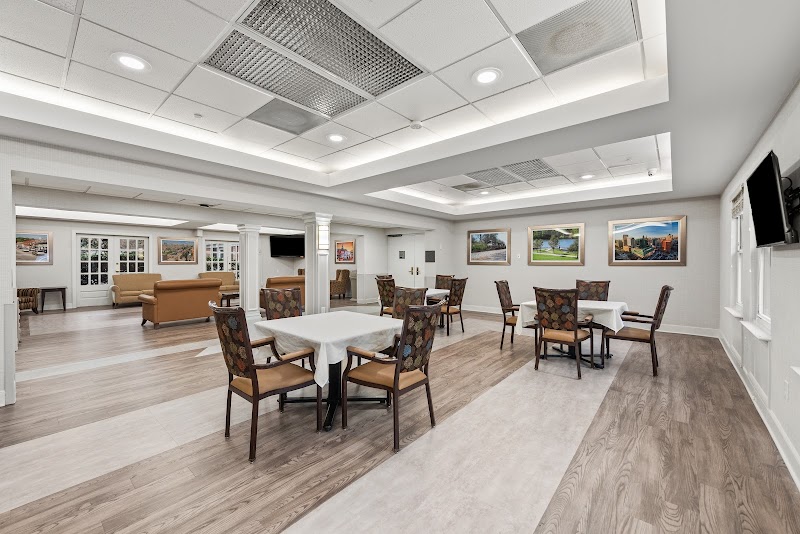
How is King David Staffed?

CMS rates KING DAVID NURSING AND REHABILITATION CENTER's staffing level at 2 out of 5 stars, which is below average compared to other nursing homes. Staff turnover is 42%, compared to the Maryland average of 46%. This relatively stable workforce can support continuity of care.

What Have Inspectors Found at King David?

State health inspectors documented 61 deficiencies at KING DAVID NURSING AND REHABILITATION CENTER during 2018 to 2025. These included: 61 with potential for harm. While no single deficiency reached the most serious levels, the total volume warrants attention from prospective families.
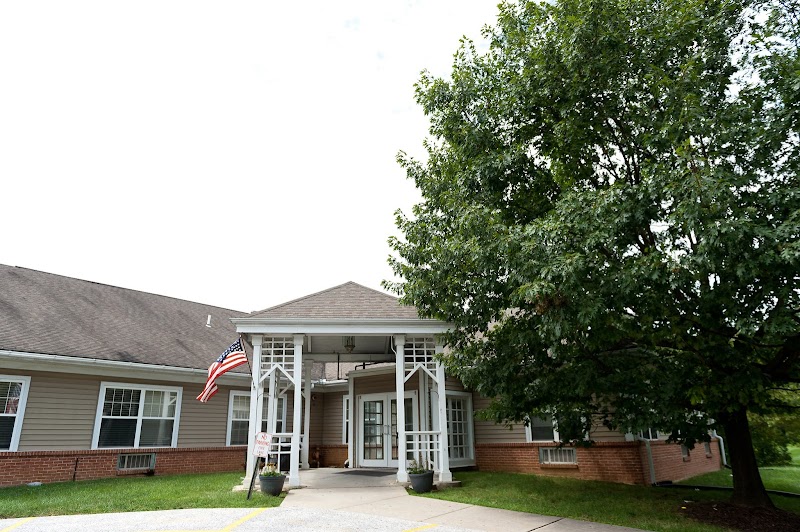
Who Owns and Operates King David?

KING DAVID NURSING AND REHABILITATION CENTER is owned by a for-profit company. For-profit facilities operate as businesses with obligations to shareholders or private owners. The facility is operated by AUTUMN LAKE HEALTHCARE, a chain that manages multiple nursing homes. With 100 certified beds and approximately 99 residents (about 99% occupancy), it is a mid-sized facility located in BALTIMORE, Maryland.
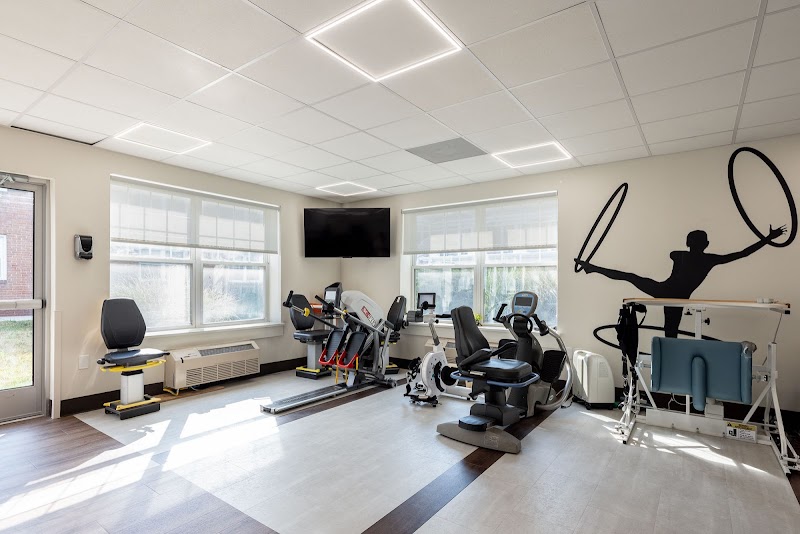
How Does King David Compare to Other Maryland Nursing Homes?

Compared to the 100 nursing homes in Maryland, KING DAVID NURSING AND REHABILITATION CENTER's overall rating (3 stars) is below the state average of 3.0, staff turnover (42%) is near the state average of 46%, and health inspection rating (3 stars) is at the national benchmark.

What Should Families Ask When Visiting King David?

Based on this facility's data, families visiting should ask: "Can you walk me through typical staffing levels on day, evening, and night shifts?" "Can I visit during a mealtime to observe dining assistance and food quality?" "How do you handle medical emergencies, and what is your hospital transfer rate?" "Can I speak with family members of current residents about their experience?" These questions are particularly relevant given the below-average staffing rating.

Is King David Safe?

Based on CMS inspection data, KING DAVID NURSING AND REHABILITATION CENTER has a clean safety record: no substantiated abuse findings (meaning no confirmed cases of resident harm), no Immediate Jeopardy citations (the most serious violation level indicating risk of serious injury or death), and is not on the Special Focus Facility watch list (a federal program monitoring the lowest-performing 1% of nursing homes). The facility has a 3-star overall rating and ranks #100 of 100 nursing homes in Maryland. While no facility is perfect, families should still ask about staff-to-resident ratios and recent inspection results during their visit.

Do Nurses at King David Stick Around?

KING DAVID NURSING AND REHABILITATION CENTER has a staff turnover rate of 42%, which is about average for Maryland nursing homes (state average: 46%). Moderate turnover is common in nursing homes, but families should still ask about staff tenure and how the facility maintains care continuity when employees leave.

Was King David Ever Fined?

KING DAVID NURSING AND REHABILITATION CENTER has no federal fines on record. CMS issues fines when nursing homes fail to meet care standards or don't correct problems found during inspections. The absence of fines suggests the facility has either maintained compliance or corrected any issues before penalties were assessed. This is a positive indicator, though families should still review recent inspection reports for the full picture.

Is King David on Any Federal Watch List?

KING DAVID NURSING AND REHABILITATION CENTER is not on any federal watch list. The most significant is the Special Focus Facility (SFF) program, which identifies the bottom 1% of nursing homes nationally based on persistent, serious quality problems. Not being on this list means the facility has avoided the pattern of deficiencies that triggers enhanced federal oversight. This is a positive indicator, though families should still review the facility's inspection history directly.