LOCHEARN NURSING HOME, LLC
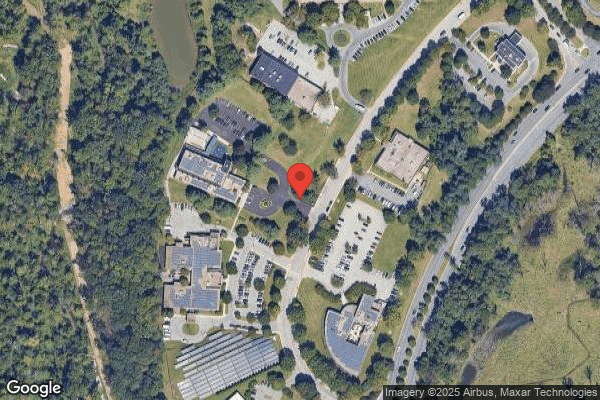
4800 SETON DRIVE, BALTIMORE, MD 21215 (410) 358-3410
For profit - Limited Liability company 200 Beds FUTURE CARE/LIFEBRIDGE HEALTH Data: November 2025
Trust Grade
80/100
#28 of 219 in MD
Last Inspection: July 2024

Within standard 12-15 month inspection cycle. Federal law requires annual inspections.

Overview

Lochearn Nursing Home, LLC has a Trust Grade of B+, indicating that it is above average and recommended for families considering care options. It ranks #28 out of 219 facilities in Maryland, placing it in the top half, and #2 out of 26 in Baltimore City County, meaning only one local facility is rated higher. The overall trend is improving, with a reduction in issues from 14 in 2019 to just 4 in 2024. While the nursing home has excellent health inspection and quality measures ratings, staffing is an average 3/5 stars, with a turnover rate of 45%, which is in line with state averages. There were no fines reported, which is a positive sign, but the facility has less RN coverage than 88% of Maryland facilities, which raises some concerns about oversight. Recent inspection findings revealed that the home failed to obtain informed consent for influenza vaccines for residents, potentially compromising their ability to make informed health decisions. Additionally, there were issues related to maintaining a clean environment, such as broken furniture and dirty wheelchairs, which could affect residents' comfort and hygiene. Overall, while Lochearn Nursing Home has strengths in its ratings and improvement trend, there are areas needing attention, particularly regarding consent and facility cleanliness.

Trust Score
B+
80/100
In Maryland
#28/219
Top 12%
Safety Record
Low Risk
No red flags
Inspections
Getting Better
14 → 4 violations
Staff Stability
○ Average
45% turnover. Near Maryland's 48% average. Typical for the industry.
Penalties
✓ Good
No fines on record. Clean compliance history, better than most Maryland facilities.
Skilled Nurses
○ Average
Each resident gets 32 minutes of Registered Nurse (RN) attention daily — about average for Maryland. RNs are the most trained staff who monitor for health changes.
Violations
⚠ Watch
28 deficiencies on record. Higher than average. Multiple issues found across inspections.
★★★★★
5.0
Overall Rating
★★★☆☆
3.0
Staff Levels
★★★★★
5.0
Care Quality
★★★★★
5.0
Inspection Score
Stable
2019: 14 issues
2024: 4 issues

The Good

  • 5-Star Quality Measures · Strong clinical quality outcomes
  • Full Sprinkler Coverage · Fire safety systems throughout facility
  • No fines on record
  • Staff turnover below average (45%)

    3 points below Maryland average of 48%

Facility shows strength in quality measures, fire safety.

The Bad

Staff Turnover: 45%

Near Maryland avg (46%)

Typical for the industry

Chain: FUTURE CARE/LIFEBRIDGE HEALTH

Part of a multi-facility chain

Ask about local staffing decisions and management

The Ugly 28 deficiencies on record

Jul 2024 4 deficiencies
CONCERN (D) 📢 Someone Reported This

A family member, employee, or ombudsman was alarmed enough to file a formal complaint

Potential for Harm - no one hurt, but risky conditions existed

Deficiency F0661 (Tag F0661)

Could have caused harm · This affected 1 resident

Based on record review and interview, it was determined that the facility failed to place a discharge summary on resident's medical record after discharge. This was evident for 2 (#919 and #923) of 89...

Read full inspector narrative →
Based on record review and interview, it was determined that the facility failed to place a discharge summary on resident's medical record after discharge. This was evident for 2 (#919 and #923) of 89 residents reviewed during the survey. The findings include: 1) Review of resident #919's medical record on 7/19/24 at 9:30 AM revealed no evidence of a discharge summary after the resident discharged from the facility on 2/4/24. In an interview with the Director of Nursing (DON) on 7/19/24 at 10:42 AM, the surveyor told the DON that he/she was unable to locate the provider discharge summary after reviewing the resident's medical record. The DON reviewed the progress notes and agreed that the facility failed to place a discharge summary on the resident's medical record. 2) Review of resident #923's medical record on 7/19/24 at 7:51 AM revealed no evidence of a discharge summary after the resident from the facility on 4/29/22. In an interview with the DON on 7/19/24 at 10:42 AM, the surveyor told the DON that he/she was unable to locate the provider discharge summary after reviewing the resident's medical record. The DON reviewed the progress notes and agreed that the facility failed to place a discharge summary on the resident's medical record.
CONCERN (D) 📢 Someone Reported This

A family member, employee, or ombudsman was alarmed enough to file a formal complaint

Potential for Harm - no one hurt, but risky conditions existed

Medical Records (Tag F0842)

Could have caused harm · This affected 1 resident

**NOTE- TERMS IN BRACKETS HAVE BEEN EDITED TO PROTECT CONFIDENTIALITY** 2) Review of resident #914's medical records on 7/16/24 at 9:00 AM revealed a progress note from a provider that was dated on 5/...

Read full inspector narrative →
**NOTE- TERMS IN BRACKETS HAVE BEEN EDITED TO PROTECT CONFIDENTIALITY** 2) Review of resident #914's medical records on 7/16/24 at 9:00 AM revealed a progress note from a provider that was dated on 5/30/24 at 1:00 AM. The note would have been created before the resident was in the facility. The resident was admitted to the facility on [DATE] at approximately 8:30 PM. In an interview with the Director of Nursing (DON) on 7/16/24 at 1:00 PM, the surveyor pointed out the time on a provider statement in resident #914's medical record. The DON was unable to provide information on why the note was dated prior to the resident's admission. Based on review of the medical record and interview with staff it was determined the facility staff failed to maintain complete and accurately documented medical records. This was evident for 2 (#924 and #914) of 89 residents reviewed during the survey. The findings include: 1) A Facility Reported Incident regarding an allegation of abuse on 2/9/22 involving Resident #924 was reviewed on 7/15/24 at 11:52 AM. The facility investigated the allegation and was unable to conclude that abuse occurred. The facility's final report indicated a nursing assessment was done and the resident had no injuries. The report also identified a plan which included but was not limited to a psychiatry consult for Resident #924. Resident #924's medical record was reviewed on 7/15/24 at 1:00 PM. The surveyor was unable to find documentation that a psychiatry consult was obtained in response to the incident. The surveyor was also unable to find a documented nursing assessment for injury of Resident #924 after the allegation of abuse was made. Further review of the record revealed a physician progress note dated 1/4/22. The next physician note was dated 5/6/22. The record failed to reveal documentation that the resident's medical provider addressed the resident's allegation of abuse on 2/9/22. On 7/16/24 at approximately 8:00 AM the surveyor requested copies of a nursing assessment, physician progress note, and psychiatry consult, related to the alleged incident, from the Administrator, and made her aware that the surveyor was unable to find the requested documentation in Resident #924's medical record. At 10:36 AM the same day, the Assistant Director of Nursing (ADON) indicated that the nursing assessment was probably in the Risk Management tab. She confirmed that although the Risk Management tab was part of the electronic system it was not part of the resident's medical record. She then reviewed resident #924's medical record with the surveyor to locate a nursing assessment but none was found. The ADON was made aware at that time that no psych consult or provider progress notes were found in addition to the nursing assessment. On 7/19/24 at 8:05 AM the ADON confirmed that she was unable to find a physician's progress note, a psychiatry consult or a nursing assessment related to the alleged incident in Resident #924's medical record.
CONCERN (E)

Potential for Harm - no one hurt, but risky conditions existed

Deficiency F0883 (Tag F0883)

Could have caused harm · This affected multiple residents

**NOTE- TERMS IN BRACKETS HAVE BEEN EDITED TO PROTECT CONFIDENTIALITY** Based on interview, record review, review of the Centers for Disease Control and Prevention (CDC) guidelines, and facility polic...

Read full inspector narrative →
**NOTE- TERMS IN BRACKETS HAVE BEEN EDITED TO PROTECT CONFIDENTIALITY** Based on interview, record review, review of the Centers for Disease Control and Prevention (CDC) guidelines, and facility policy review, the facility failed to ensure five of five residents (Resident (R) 40, R158, R73, R7, and R96) reviewed for influenza vaccines had consents signed, including the risks and benefits explained to the resident and/or representative prior to the administration of the vaccine. The facility further failed to offer an additional pneumococcal vaccine to two of five residents (R73 and R96) reviewed for pneumococcal vaccines out of a total sample of 39 residents. The failure of not offering/providing the additional pneumococcal vaccine increased the risk for residents to contract pneumonia. The failure for not obtaining consents and providing education to the resident and/or representative prior to administering the influenza vaccine did not give the resident and/or representative the ability to make an informed decision prior to the vaccine being administered. Findings include: 1. Review of R40's electronic medical record (EMR) under the Med Diag tab revealed the resident was readmitted to the facility on [DATE] and was over [AGE] years of age. Review of R40's Immunization Record located in the EMR under the Immun tab revealed R40 received the influenza vaccine on 10/05/23. There was no evidence in the EMR to show that a consent had been signed or that any education was provided to the resident and/or representative prior to the administration of the vaccine. 2. Review of R158's EMR under the Med Diag tab revealed the resident was admitted to the facility on [DATE] and was over [AGE] years of age. Review of R158's Immunization Record located in the EMR under the Immun tab revealed R158 received the influenza vaccine on 10/05/23. There was no evidence in the EMR to show that a consent had been signed, or any educations was provided to the resident and/or representative prior to the administration of the vaccine. 3. Review of R73's EMR under the Med Diag tab revealed the resident was originally admitted to the facility on [DATE], readmitted on [DATE], and was over [AGE] years of age. Review of R73's Immunization Record located in the EMR under the Immun tab revealed R73 received the influenza vaccine on 10/05/23. There was no evidence in the EMR to show that a consent had been signed, or any education was provided to the resident and/or representative prior to the administration of the vaccine. Additionally, the Immunization Record revealed R73 received a pneumococcal vaccine (PPSV23) on 12/20/17 at a local hospital. Per CDC guidelines, R73 should have received one dose of PCV15 or PCV20 at least one year after the last dose of PPSV23. There was no evidence in the EMR that the resident and/or representative were offered an additional pneumococcal vaccine. 4. Review of R7's EMR under the Med Diag tab revealed the resident was admitted to the facility on [DATE], readmitted on [DATE], and was over [AGE] years of age. Review of R7's Immunization Record located in the EMR under the Immun tab revealed R7 received the influenza vaccine on 10/05/23. There was no evidence in the EMR to show that a consent had been signed, or any education provided to the resident and/or representative prior to the administration of the vaccine. 5. Review of R96's EMR under the Med Diag tab revealed the resident was admitted to the facility on [DATE] and was over [AGE] years of age. Review of R96's Immunization Record located in the EMR under the Immun tab revealed R96 received the influenza vaccine on 10/05/23. There was no evidence in the EMR to show that a consent had been signed, or any education provided to the resident and/or representative prior to the administration of the vaccine. Additionally, the Immunization Record revealed R96 had received a pneumococcal vaccine (PPSV23) on 04/27/22. Per CDC should have received one dose of PCV15 or PCV20 at least one year after the last dose of PPSV23. During an interview on 07/18/24 at 11:10 AM, the Assistant Director of Nursing (ADON) confirmed there was not a current consent signed, or any education provided to the resident and/or representative before the above five residents were administered the flu vaccine on 10/05/23. No additional information was provided prior to the survey exit to show that R73 was offered the CDC recommended pneumococcal vaccine in December 2018 (a year after the PPSV23 was administered). Additionally, no further information was provided prior to exit to show that R96 was offered the CDC recommended additional pneumococcal vaccine in April 2023 (a year after the PPSV23 was administered). Review of the facility policy titled; Influenza Vaccine revised 07/05/22 revealed . 3. Prior to the vaccination, the resident (or resident's legal representative) will be provided information and education regarding the benefits and potential side effects of the influenza vaccine. Provision of such education shall be documented in the resident's medical record. 4. A resident's informed consent for the influenza vaccine shall be documented on the Resident Immunizations Authorization Form and placed in the resident's paper medical record . Review of the CDC recommendations, revised on 06/27/24, indicated . CDC recommends pneumococcal vaccination for all adults 65 years or older . For adults 65 years or older who have only received PPSV23 [Pneumococcal polysaccharide vaccine], CDC recommends you. Give 1 dose of PCV15 or PCV20. The PCV15 or PCV20 dose should be administered at least 1 year after the most recent PPSV23 vaccination. Review of the facility policy titled; Pneumococcal Vaccines revised 07/05/22 revealed . All residents will be offered pneumococcal vaccine(s) to aid in preventing pneumonia/pneumococcal infections . 1. Prior to or upon admission, residents will be assessed for eligibility to receive pneumococcal vaccine(s) and when indicated, will be offered the vaccine(s) within thirty (30) days of admission to the facility unless medically contraindicated, or the resident has already been appropriately vaccinated. 2. Assessments of pneumococcal vaccination status will be conducted within five (5) working days of the resident's admission if not conducted prior to admission . 7. Administration of the pneumococcal vaccines or revaccinations will be made in accordance with current CDC recommendations at the time of the vaccination.
MINOR (B)

Minor Issue - procedural, no safety impact

Deficiency F0912 (Tag F0912)

Minor procedural issue · This affected multiple residents

Based on observation, interview and document review, the facility failed to provide resident's rooms that measured at least 80 square feet per resident in 77 of 77 multi-resident rooms. Rooms 100, 102...

Read full inspector narrative →
Based on observation, interview and document review, the facility failed to provide resident's rooms that measured at least 80 square feet per resident in 77 of 77 multi-resident rooms. Rooms 100, 102, 104, 105, 107, 108, 109, and 110, measured 150 square feet. Rooms 300, 325, 326, 327, 331, 332, 333, 334, 335, 336, 337, 338, 341, 342, 346, 400, 411, 412, 421, 423, 424, 425, 426, 427, 431, 432, 433, 435, 436, 437, 438, 441, 442, 444, 446, 447, 500, 511, 512, 523, 524, 525, 527, 531, 532, 535, 536, 544, 545, 547, 600, 611, 612, 621, 622, 623, 624, 625, 626, 627, 631, 632, 633, 634, 635, 636, 637, 641 and 642 measured 155 square feet. This failure had the potential for residents to not have reasonable privacy or adequate space. Findings include: On 07/17/24 at 5:17PM, the Regional Director of Operations provided an untitled document from the Centers for Medicare & Medicaid Services (CMS) dated 07/16/19 which indicated the facility requested a waiver for the residents' room that did not measure 80 Square feet per resident in multi resident bedrooms. The document indicated the following rooms: Rooms: 100, 102, 103, 104, 105, 107, 108, 109, 110 measured 150 square feet. Rooms: 300, 325, 326, 327, 331. 332, 333, 336, 337, 338, 341, 342, 346, 400, 411, 412, 421, 423, 424, 425, 426, 427, 431, 432, 433, 435, 436, 437, 438, 441, 442, 444, 446, 447, 501, 511, 512, 523, 524, 525, 527, 531, 532, 535, 536, 544, 545, 547, 600, 611, 612, 621, 622, 623, 624, 625, 626, 627, 631, 633, 634, 635, 636, 637, 641 and 642 measured 155 square feet. During an interview on 07/18/24 at 10AM, the Regional Director of Operations provided a revised list of rooms. He stated that he reviewed the document dated 07/16/19, observed each of the rooms, measured the rooms, and found that some of the rooms were not included in the list (334, 335, 500 and 632) and other rooms should have not been included on the list (103 and 501). He confirmed that rooms 334, 335, 500 and 632 measured 155 square feet and that the room size measurements were correct as listed on the 07/16/19 document. During the interview, the Regional Director of Operations confirmed that the facility had 77 semi-private rooms and 46 private rooms. He confirmed that the 77 semi-private rooms were certified for two residents in the room. During Initial Pool Resident Interviews, none of the residents residing in these rooms voiced out concerns regarding the size of their rooms.
Jun 2019 14 deficiencies
CONCERN (D)

Potential for Harm - no one hurt, but risky conditions existed

Resident Rights (Tag F0550)

Could have caused harm · This affected 1 resident

Based on interview and observation, it was determined the nursing staff failed to provide a resident with the most dignified existence. This was evident for 1 of 1 resident (Resident #86) reviewed dur...

Read full inspector narrative →
Based on interview and observation, it was determined the nursing staff failed to provide a resident with the most dignified existence. This was evident for 1 of 1 resident (Resident #86) reviewed during the annual survey for dignity. The findings include: On 5/29/2019 at 10:34 AM Resident #86 who is dependent on facility staff for all care, including dressing, was observed sitting in his/her wheelchair wearing black sneakers with white soles. The sneakers had Resident #86's last name written in black marker on the lateral side of the sneaker and on the bottom. The name was clearly visible by anyone. Resident #86 also had 9 pairs of shoes piled up under the head of his/her bed that were covered in dust. On 6/03/2019 at 12:30 PM during interview and tour with Unit Manager #17 the 9 pair of shoes were still piled up under the head of Resident #86's bed and covered in dust. The black sneakers observed on 5/29/19 were by the bed with Resident #86's last name visible from the doorway. The facility failed to honor Resident #86's dignity and the Unit Manager #17 was made aware on 06/03/19.
CONCERN (D)

Potential for Harm - no one hurt, but risky conditions existed

Comprehensive Care Plan (Tag F0656)

Could have caused harm · This affected 1 resident

Based on medical record review and interview, it was determined the facility staff failed to: 1.) initiate a resident specific care plan with interventions for Resident #69 and 2.) failed to initiate ...

Read full inspector narrative →
Based on medical record review and interview, it was determined the facility staff failed to: 1.) initiate a resident specific care plan with interventions for Resident #69 and 2.) failed to initiate a comprehensive care plan for Resident #174 to address dental needs. This was evident for 1 of 3 resident selected for review of hemodialysis and 1 of 4 residents selected for review of dental concerns during the survey process and 2 of 57 residents selected for review during the annual survey process. The findings include: The Minimum Data Set (MDS) is part of the federally mandated process for clinical assessment of all residents in Medicare and Medicaid certified nursing homes. This process provides a comprehensive assessment of each resident's functional capabilities and helps nursing home staff identify health problems. Care Area Assessments (CAAs) are part of this process and provide the foundation upon which a resident's individual care plan is formulated. MDS assessments are completed for all residents in certified nursing homes, regardless of source of payment for the individual resident. MDS assessments are required for residents on admission to the nursing facility, periodically, and on discharge. At the time of each MDS assessment, the expectation of the facility staff is to initiate a care plan or revise a current care plan to reveal current and appropriate interventions. A nursing care plan contains all the relevant information about a patient's diagnoses, the goals of treatment, the specific nursing orders (including what observations are needed and what actions must be performed), and a plan for evaluation. Over the course of the patient's stay, the plan is updated with any changes and new information as it presents itself. 1. The facility staff failed to initiate a resident specific care plan with interventions for hemodialysis. Medical record review for Resident #69 revealed the resident was admitted to the facility with diagnosis that include but not limited to hemodialysis. Healthy kidneys clean the blood and remove extra fluid in the form of urine. They also make substances that keep the body healthy. Dialysis replaces some of these functions when the kidneys no longer work. In hemodialysis, a dialysis machine and a special filter called an artificial kidney, or a dialyzer, are used to clean the blood. To get the blood into the dialyzer, the doctor needs to make an access, or entrance, into the blood vessels. This is done with minor surgery, usually to the arm. On 6/4/2018 the facility staff initiated care plan included dialysis and an intervention on that care plan was: monitor intake and output. Further record review revealed on 1/31/2019 the facility staff initiated a care plan: Fluid overload or potential fluid volume overload related to kidney failure and an intervention on the care plan was: monitor and document intake and output as per facility policy. The process of monitoring intake and output is to document the amount of fluid the resident consumes and the amount of urine the resident excretes to determine the amount in and the amount out is closely the same numerically. During the survey process, the surveyor asked to review the intake and output record for Resident #69 and interview with the Director on Nursing on 5/30/2019 at 12:00 PM revealed the care plans initiated for Resident #69 were generic and Resident #69 had not displayed any evidence of fluid overload and therefore intake and output would not be appropriate intervention. Further record review revealed the facility staff assessed the resident and completed MDS assessments on: 6/19/2018, 6/26/2018, 7/7/2018, 10/26/2018, 1/23/2019 and 3/20/2019; however, failed to revise the care plan to indicate accurate and appropriate interventions for Resident #69. Interview with the Director of Nursing on 6/4/2019 at 1:30 PM confirmed the facility staff failed to initiate resident specific care plan for Resident #69. 2. The facility staff failed to initiate a dental care plan for Resident #174. Medical record for Resident #174 revealed on 2/13/2019 the facility staff assessed the resident and documented on the MDS Section l-Oral/Dental: L0200 D- obvious or likely cavity broken teeth as Yes. Review of Care Area Assessment (CAA) -Section V- revealed the facility staff indicated dental care triggered and a care plan would be initiated. The Care Area Assessment (CAA) process provides guidance on how to focus on key issues identified during a comprehensive MDS assessment and directs facility staff and health professionals to evaluate triggered care areas. Further record review revealed no evidence the facility staff initiated the dental care plan. Further record review revealed the facility staff assessed Resident #174 and completed MDS assessments on 2/23/2019, 3/9/2019, 4/6/2019,5/4/2019 and 5/17/2019; however, failed to initiate a care plan to address dental needs of the resident. Interview with the Director of Nursing on 6/4/2019 at 1:30 PM confirmed the facility staff failed to initiate a dental care plan for Resident #174.
CONCERN (D)

Potential for Harm - no one hurt, but risky conditions existed

Deficiency F0657 (Tag F0657)

Could have caused harm · This affected 1 resident

Based on medical record review and interview it was determined the facility staff failed to review and revise the care plan for Resident #124 to reflect accurate and current interventions. This was ev...

Read full inspector narrative →
Based on medical record review and interview it was determined the facility staff failed to review and revise the care plan for Resident #124 to reflect accurate and current interventions. This was evident for 1 of 57 residents reviewed for care plans during the survey process. The findings include: The Minimum Data Set (MDS) is part of the federally mandated process for clinical assessment of all residents in Medicare and Medicaid certified nursing homes. This process provides a comprehensive assessment of each resident's functional capabilities and helps nursing home staff identify health problems. Once the facility staff completes an in-depth assessment of the resident, the interdisciplinary team meet and develop care plans. Care plans provide direction for individualized care of the resident. A care plan flows from each resident's unique list of diagnoses and should be organized by the resident's specific needs. The care plan is a means of communicating and organizing the actions and assure the resident's needs are attended to. The care plan is to be reviewed and revised at each assessment time of the resident to ensure the interventions on the care plan are accurate and appropriate for the resident. Medical record review for Resident #124 revealed that on 6/4/2018 the facility staff initiated a care plan to address: limited physical mobility related to impaired balance. An intervention on that care plan was: restorative nursing- resident to ambulate with rolling walker 200 feet or as tolerated 2 times a week and wheelchair to follow closely with gait belt on. Restorative nursing program refers to nursing interventions that promote the resident's ability to adapt and adjust to living as independently and safely as possible. When the surveyor questioned the Director of Nursing (DON) on 6/3/2019 at 12:00 PM for evidence/documentation that Resident #124 was provided restorative nursing in ambulation 200 feet with rolling walker, the facility staff failed to provide documentation of that service being provided to Resident #124 as indicated on the care plan. Interview with the DON on 6/3/2019 at 12:15 PM revealed the resident was assessed by physical therapy and discharged to the restorative nursing program. The restorative nursing program has a designated Geriatric Nursing Assistant (GNA) trained to perform the duties of restorative nursing. The DON continued to reveal the restorative GNA performs the restorative nursing exercises for several months. At that time, the GNA discharges the resident from the restorative nursing program and the floor GNAs are trained to perform the restorative nursing duties. Record review revealed the restorative GNA documented the resident walking 2 times a week per care plan in 10/2018, 11/2018 and 12/2018; however, there was no evidence the facility staff ambulated Resident #124 as indicated on the care plan to address physical mobility. Interview with the DON on 6/4/2019 at 1:30 PM confirmed the facility staff failed to provide evidence of restorative nursing services being provided to Resident #124 as indicated on the care plan.
CONCERN (D)

Potential for Harm - no one hurt, but risky conditions existed

Deficiency F0676 (Tag F0676)

Could have caused harm · This affected 1 resident

Based on observation, medical record review and interview, it was determined the facility staff failed to provide services that would allow residents the ability to achieve the greatest independence w...

Read full inspector narrative →
Based on observation, medical record review and interview, it was determined the facility staff failed to provide services that would allow residents the ability to achieve the greatest independence with performing Activities of Daily Living (ADL) to a resident. This was evident for 1 of 57 residents (Resident #90) selected for review during the survey process. The findings include: Activities of daily living are routine activities people do every day without assistance. There are six basic ADLs: eating, bathing, getting dressed, toileting, transferring and continence. Medical record review for Resident #90 revealed on 11/16/2018 the physician ordered: sling on the right arm for support old stroke when OOB (out of bed) in wheelchair. Many people who have a stroke are left with problems with one of their arms. Proper arm care after a stroke can help treat these problems. It can also help prevent new problems. Arm care after a stroke includes techniques such as proper positioning. The shoulder is a key problem area after a stroke. The shoulder blade and the upper arm bone come together to form the shoulder joint. This joint is shaped like a ball and socket. Problems with the shoulder muscles can cause this joint to partly dislocate due to the weight of the arm. This partial separation makes the shoulder droop down. Proper arm care after a stroke helps prevent and treat these problems. Arm care may include placing the arms in the proper position, using devices such as a sling or brace, and taking care to prevent further injury during rehabilitation. Observation of Resident #90 on 5/29/2019 at 12:30 PM and 6/3/2019 at 11:00 AM revealed the resident out of bed in the wheelchair; however, the facility staff failed to apply a sling to the right arm as ordered. Interview with the resident at that time revealed the resident had a sling at one time and it was removed downstairs and never replaced. The resident stated that he/she did not have a sling on the right arm for a long time. Interview with the Director of Nursing on 6/4/2019 at 1:30 PM confirmed the facility staff failed to apply a sling to the right arm of Resident #90 as ordered by the physician.
CONCERN (D)

Potential for Harm - no one hurt, but risky conditions existed

Accident Prevention (Tag F0689)

Could have caused harm · This affected 1 resident

Based on medical record review, observation and interview, it was determined, the facility staff failed to promote an environment free from potential accidents for Resident #69. This was evident for 1...

Read full inspector narrative →
Based on medical record review, observation and interview, it was determined, the facility staff failed to promote an environment free from potential accidents for Resident #69. This was evident for 1 of 2 residents selected for review of accidents and 1 of 57 residents selected for review during the annual survey. The findings include: 1a.) The facility staff failed to maintain a bed in low position as ordered by the physician. Medical record review revealed on 8/16/2018 the physician ordered low bed when resident in bed and unattended. Surveyor observation of Resident #69 on 5/29/2019 at 11:00 AM, 5/29/2019 at 1:00 PM, 5/31/2019 at 9:00 AM and 6/1/2019 at 9:10 AM revealed the resident in bed, unattended; however, the facility staff failed to position the bed in a low position. Observation at the for different times revealed the bed to be approximately 3 feet from the floor. A low bed is approximately 6 inches off the floor. 1b.) The facility staff failed to apply fall mats to the bedside as ordered by the physician. Medical record review revealed on 2/17/2019 the physician ordered floor mats to bedside while resident in bed for safety. Bedside fall mats are safety features that are placed on the floor along the side of the bed. Fall Protection Mats are made from high-impact foam and are designed to help prevent injury from potential falls. Surveyor observation of Resident #69 on 5/29/2019 at 11:00 AM, 5/29/2019 at 1:00 PM, 5/31/2019 at 9:00 AM and 6/1/2019 at 9:10 AM revealed the resident in bed, unattended; however, the facility staff failed to place fall mats by the beside. Interview with the Director of Nursing on 6/4/2019 at 1:30 PM confirmed the facility staff failed to position the bed for Resident #69 in the low position when the resident was unattended and failed to place fall mats at the bedside for Resident #69.
CONCERN (D)

Potential for Harm - no one hurt, but risky conditions existed

Deficiency F0697 (Tag F0697)

Could have caused harm · This affected 1 resident

2.) Facility staff failed to document the administration of pain medicine and monitor its effectiveness. Medical record review of Resident #107's clinical record revealed on 04/08/19 the resident's pr...

Read full inspector narrative →
2.) Facility staff failed to document the administration of pain medicine and monitor its effectiveness. Medical record review of Resident #107's clinical record revealed on 04/08/19 the resident's primary physician ordered: Dilaudid tablets 2 mg by mouth every 4 hours as needed for pain. Dilaudid is an opioid medication used to treat moderate to severe pain. Medical record review revealed the facility staff failed to document the administration of Dilaudid. Review of the Individual Narcotic Record revealed that Dilaudid was removed from the supply box on 5/29/19 at 9 PM and 5/31/19 at 12:40 PM. Interview with the Director of Nursing on 6/3/19 at 1:00 PM confirmed the facility staff failed to thoroughly assess the need for pain medication for Resident #107 and document the administration of a strong narcotic. Based on medical record review and interview it was determined that 1.) Facility staff failed to thoroughly assess the need for pain medication for Resident (#33). This was evident for 1 of 4 resident selected for pain assessment and 1 of 57 residents selected for review during the annual survey; and 2.) Failed to document the administration of pain medicine and monitor its effectiveness. This was true for 1 out of the 57 residents (Resident #107) reviewed during the annual recertification survey. The findings include: 1.) Facility staff failed to thoroughly assess the need for pain medication Pain is often regarded as the fifth vital sign regarding healthcare because it is accepted now in healthcare that pain, like other vital signs, is an objective sensation rather than subjective. As a result, nurses are trained and expected to assess pain. A component of pain assessment-focusing on words to describe pain, intensity, location, duration, and aggravating or alleviating factors. It is the expectation the facility staff assess pain prior to and after the administration of pain medication to determine the need of the medication and the effectiveness of the medication. Medical record review for Resident #33 on 5/2/19 the physician ordered: Tramadol 50 milligrams by mouth every 12 hours as needed for pain, 6-10. Tramadol is used to relieve moderate to moderately severe pain. Review of the Medication Administration Record revealed the facility staff assessed the resident's pain level as 0 on 5/8/19 at 1:45 AM and 5 on 5/19/19 at 6:15 AM and administered the Tramadol. Interview with the Director of Nursing on 6/4/19 at 1:30 PM confirmed the facility staff failed to thoroughly assess and determine the need for pain medication for Resident #33.
CONCERN (D)

Potential for Harm - no one hurt, but risky conditions existed

Pharmacy Services (Tag F0755)

Could have caused harm · This affected 1 resident

Based on observation, staff interviews and review of facility daily Controlled Drugs-Count per shift records, it was determined that the facility failed to accurately complete the record each shift. T...

Read full inspector narrative →
Based on observation, staff interviews and review of facility daily Controlled Drugs-Count per shift records, it was determined that the facility failed to accurately complete the record each shift. This was evident for 2 of 8 medication storage carts reviewed. The findings include: Observation on 5/29/2019 at 9:00 AM on the 3rd floor Team 1 medication cart the off going nurse failed to sign the Controlled Drugs-Count Record on 5-29-19 at 11:00 PM that the controlled drug count was accurate. Observation on 5/29/2019 at 9:20 AM on the 3rd floor Team 2 medication cart the on-coming nurse failed to sign the Controlled Drugs-Count Record on 5-29 at 3:00 PM that the controlled drug count was accurate. Also, on 05/30/2019 the on-coming nurse failed to sign the Controlled Drugs-Count Record at 7:00 AM that the controlled drug count was accurate. The above findings were confirmed with 3rd floor unit manager on 5/30/2019 at 9:45 AM and the Nurse Educator and the Corporate Nurse on 05/30/2019 at 9:50 AM.
CONCERN (D)

Potential for Harm - no one hurt, but risky conditions existed

Deficiency F0757 (Tag F0757)

Could have caused harm · This affected 1 resident

Based on medical record review and interview, it was determined the facility staff failed to document the heart rate and blood pressure for Resident #24 when the physician ordered parameters. This was...

Read full inspector narrative →
Based on medical record review and interview, it was determined the facility staff failed to document the heart rate and blood pressure for Resident #24 when the physician ordered parameters. This was evident for 1 of 6 residents selected for unnecessary medication review and 1 of 57 residents selected for review during the annual survey process. The findings include: Medical record review for Resident #24 revealed that on 2/21/2019 the physician ordered: Coreg 6.25 milligrams (mgs) by mouth 2 times a day for heart failure, hold for systolic blood pressure (top number) less than 110 and heart rate less than 60. Coreg is used alone or in combination with other medications to treat high blood pressure. Coreg is in a class of medications called beta blockers. It works by relaxing blood vessels and slowing heart rate to improve blood flow and decrease blood pressure. On 2/22/2019 the physician ordered Lisinopril 10 mgs by mouth every day for blood pressure, hold for systolic blood pressure less than 100 or heart rate less than 60. Lisinopril is used to treat blood pressure. Review of the Medication Administration Record revealed the facility staff documented the administration of the Coreg from 2/21/2019-2/28/2019 and 3/1/2019 to 3/31/2019 at 9:00 AM and 5:00 PM and the Lisinopril from 2/22/2019-2/28/2019 and 3/1/2019-3/28/2019 at 9:00 AM; however, there was no evidence the facility staff obtained the blood pressure and heart rate as ordered by the physician with parameters. Although the facility staff documented the residents blood pressure and heart rate in the electronic medical record the times of the recorded blood pressure and heart rate do not coincide with the administration times of the medications. Interview with the Director of Nursing on 6/4/2019 at 1:30 PM confirmed the facility staff failed to obtain/document the blood pressure and heart rate at the medication administration times for Resident #24 when parameters were ordered by the physician.
CONCERN (D)

Potential for Harm - no one hurt, but risky conditions existed

Medication Errors (Tag F0758)

Could have caused harm · This affected 1 resident

Based on medical record review and interview, it was determined the facility staff failed to follow the physician order for the administration of as needed psychotropic medications for Resident #107. ...

Read full inspector narrative →
Based on medical record review and interview, it was determined the facility staff failed to follow the physician order for the administration of as needed psychotropic medications for Resident #107. This was evident for 1 of 57 residents selected for review during the survey process. The findings include: Medical record reviewed for Resident #107 revealed that on 5/07/19 the physician ordered: Ativan 1.0 mg (milligrams), every 12 hours as needed for anxiety, times 14 days. Ativan among others, is a benzodiazepine medication. It is used for anxiety disorders. Anxiety is a nervous disorder characterized by a state of excessive uneasiness and apprehension, typically with compulsive behavior or panic attacks and can be displayed by various behaviors or verbalizations. A review of Resident #107's Medication Administration Record revealed that Resident #107 received 1 mg of Ativan on 5/22/19 and 5/23/19. Interview with the Director of Nursing on 5/31/19 at 8 AM confirmed that the physician order for as needed Ativan was not discontinued on 5/21/19 as ordered.
CONCERN (D)

Potential for Harm - no one hurt, but risky conditions existed

Deficiency F0761 (Tag F0761)

Could have caused harm · This affected 1 resident

2.) Facilty staff failed to ensure that medications were disposed of in a proper manner. On 5/30/2019 at 9:30 AM Staff #3 was observed administering medications to Resident #57 and the resident refus...

Read full inspector narrative →
2.) Facilty staff failed to ensure that medications were disposed of in a proper manner. On 5/30/2019 at 9:30 AM Staff #3 was observed administering medications to Resident #57 and the resident refused 2 Senexon tablets (laxative). After completing the medication pass Staff #3 disposed of the two Senexon tablets in Resident #57's trash can and not in a secure place. When questioned Staff #3 went back to the trash can and retrieved the tablets and disposed of the medications in the proper receptacle. Staff #3 verbalized understanding that proper disposal of medications was not a resident trash can. Unit Manager #5 was notified of the concern on 5/30/2019 at 10:00 AM and verbalized understanding. Based on observation, it was determined the facility staff failed to 1.) Properly store medications. This was observed once during an annual recertification survey; and 2.) Failed to ensure that medications were disposed of in a proper manner. This was evident for 1 of 3 facility staff observed during medication pass review. The findings include: 1.) Facility staff failed to properly store medications. An observation was made on 05/30/19 at 12:30 PM on the fifth floor at the nursing station. The surveyor observed an unattended and unlocked medication cart. The medication cart held medications for the resident's residing on the fifth floor. No nursing staff members were attending the medication cart at the time of the observation.
CONCERN (D)

Potential for Harm - no one hurt, but risky conditions existed

Deficiency F0924 (Tag F0924)

Could have caused harm · This affected 1 resident

Based on observation and staff interview it was determined that the facility staff failed to ensure hand rails were secured firmly to the wall. This was found to be true on 1 of 6 floors (6th floor) o...

Read full inspector narrative →
Based on observation and staff interview it was determined that the facility staff failed to ensure hand rails were secured firmly to the wall. This was found to be true on 1 of 6 floors (6th floor) observed during the survey. This deficient practice has the potential to affect all residents, staff, and visitors on the unit. The findings include: On 5/29/2019 at 08:56 AM a tour of the facility's 6th floor was conducted. During this tour the handrail between the two elevator doors was observed to be loose and not securely affixed to the wall. The Administrator and the Director on Maintenance Staff #12 was made aware of surveyor's findings during an interview on 6/4/2019 at 1:00 PM.
CONCERN (E)

Potential for Harm - no one hurt, but risky conditions existed

Safe Environment (Tag F0584)

Could have caused harm · This affected multiple residents

**NOTE- TERMS IN BRACKETS HAVE BEEN EDITED TO PROTECT CONFIDENTIALITY** 2.) Facility staff failed to put a system in place to provide housekeeping and maintenance services necessary to maintain a sani...

Read full inspector narrative →
**NOTE- TERMS IN BRACKETS HAVE BEEN EDITED TO PROTECT CONFIDENTIALITY** 2.) Facility staff failed to put a system in place to provide housekeeping and maintenance services necessary to maintain a sanitary, orderly, and comfortable interior and wheelchairs for residents. Surveyor observation on 5/29/19 at 12:55 PM on the 6th floor revealed; rooms 6E 625 and 622 had broken drawers in the dressers. Observation on 5/29/19 at 12:40 PM, room [ROOM NUMBER]E 611 was observed with broken drawers in the cabinet. Surveyor also saw used gloves in the sink basin and excessive debris in the air conditioning unit. Observation of the 4th floor on 5/29/19 at 10:19 AM revealed room [ROOM NUMBER]E 427 had damage to the wall underneath the sink, exposing the drywall. On 5/29/2019 at 9:36 AM the 4th floor [NAME] solarium was observed being used as a storage area for resident wheelchairs. Wheelchairs labeled FCLH-72 and FCLH-79 had dried crumbs and sticky residue on the seats. Another wheelchair with a purple tag attached to the leg was observed with crumbs stuck to the arm rests and seat. A red geriatric chair was observed with several tears on the right arm rest and back which exposed the underlying foam and not easily cleanable. During a tour on 5/29/2019 at 9:53 AM on the 5th floor East solarium a wheelchair with a blue tag was observed with dried food and crumbs on the leg rests and groin pad. Surveyor observation on 5/30/19 at 10:46 AM of the 5th floor revealed: room [ROOM NUMBER]W 541 had broken top drawers in the closet as well as the bed side table. Observation on 5/29/19 at 9:58 AM revealed room [ROOM NUMBER]E 512 with a brown stain on the bathroom ceiling tile. The Administrator was made aware of these concerns on 6/4/2019 at 10:57 AM. An interview was conducted with the Director of Environmental Services on 6/4/2019 at 11:35 AM. It was revealed that the wheelchairs were expected to be washed on a weekly schedule and should have been wiped down after meals. The Director of Environmental Services and acknowledged surveyors' findings on 6/4/2019. Based on observation and staff interview it was determined that 1.) Facility staff failed to maintain a safe environment. This was observed during the initial tour of the fifth floor during an annual recertification survey; and 2.) Facility staff failed to put a system in place to provide housekeeping and maintenance services necessary to maintain a sanitary, order and comfortable interior and wheelchairs for residents. This was found to be true for 3 of 6 resident floors during the environmental observations of the facility. The findings include: 1.) Facility staff failed to maintain a safe environment. During an observation of the fifth-floor west unit activity area on 05/30/2019 at 9:42 AM, the surveyor observed exposed wires coming from an electric wall fixture leading to the solarium air conditioner unit. The nursing unit manager was made aware of the observation and called the maintenance department manager.
CONCERN (E)

Potential for Harm - no one hurt, but risky conditions existed

Medical Records (Tag F0842)

Could have caused harm · This affected multiple residents

Based on medical record review and interview, it was determined the facility staff failed to maintain the medical record in the most complete and accurate form for a resident. This was evident for 1 o...

Read full inspector narrative →
Based on medical record review and interview, it was determined the facility staff failed to maintain the medical record in the most complete and accurate form for a resident. This was evident for 1 of 57 residents )Resident #69) selected for medical record review during the annual survey process. The findings include: A medical record is simply a record of a resident's health and medical history. Consistent, current and complete documentation in the medical record is an essential component of quality resident care. Medical record review revealed that on 11/15/2018 the physician ordered: audiology consultation as needed, and eye consultation as needed. Further record review revealed the physician ordered: dental consultation. Throughout the survey process, it was determined the facility staff failed to obtain the dental consultation. Interview with Resident #69 on 5/29/2019 at 12:30 PM revealed no concerns related to teeth. The resident denied any chewing difficulties. Interview with the Director of Nursing on 6/3/2019 at 10:00 AM revealed the facility staff entered the order incorrectly and it should have been entered as: dental consultation as needed; however, the facility staff failed to maintain the medical record in an accurate manner. The facility staff conducts a 24-hour chart check which gives the nursing staff the opportunity to detect any errors in order entry during that 24-hour period. The facility also conducts monthly turn over orders, another opportunity to detect and correct any medical record errors. Interview with the Director of Nursing on 6/4/2019 at 1:30 PM confirmed the facility staff failed to maintain the medical record for Resident #69 in the most accurate and complete form.
MINOR (C)

Minor Issue - procedural, no safety impact

Deficiency F0912 (Tag F0912)

Minor procedural issue · This affected most or all residents

Based upon surveyor observation it was determined that resident rooms did not measure at least 80 square feet per resident in multi-resident bedrooms. The findings include: On 5/29/2019 at 8:00 AM a ...

Read full inspector narrative →
Based upon surveyor observation it was determined that resident rooms did not measure at least 80 square feet per resident in multi-resident bedrooms. The findings include: On 5/29/2019 at 8:00 AM a tour of the facility was conducted. Tour of the facility revealed the following multi-resident rooms measured 150 square feet: Rooms 100, 102, 103, 104, 105, 107, 108, 109, 110 The following multi-resident rooms were revealed to measure 155 square feet: Rooms 300, 325, 326, 327, 331. 332, 333, 334, 335, 336, 337, 338, 341, 342, 346, 400, 411, 412, 421, 423, 424, 425, 426, 427, 431, 432, 433, 435, 436, 437, 438, 441, 442, 444, 446,447,501,511,512,523,524, 525,527,531,532,535,536,544, 545,547,600,611,612,621, 622,623,624,625, 626,627, 631,633,634,635,636,637,641 and 642. The findings were confirmed with the Administrator on 5/30/2019 at 3:00 PM.
Mar 2018 10 deficiencies
CONCERN (D)

Potential for Harm - no one hurt, but risky conditions existed

Notification of Changes (Tag F0580)

Could have caused harm · This affected 1 resident

Based on medical record review and interview with the facility staff it was determined that the facility staff failed to notify the physician per the physician's order, when a resident had a weight ga...

Read full inspector narrative →
Based on medical record review and interview with the facility staff it was determined that the facility staff failed to notify the physician per the physician's order, when a resident had a weight gain of 2 lbs. or greater. This was evident for 1 (Resident #151) of 48 residents reviewed during the survey process. The findings include: Medical record review revealed a progress note written by the Nurse Practitioner dated December 5, 2017, documenting an order to obtain Resident #151's weights three times per week and notify the physician of weight gain of 2 lbs or greater. Review of weight records revealed a weight gain of greater than 2 lbs. was recorded on the following days: -January 1, 2018 weight gain of 4 lbs, -January 8, 2018, weight gain of 3.8 lbs, -February 5, 2018, weight gain of 2.4 lbs, -February 23, 2018, weight gain of 3.2 lbs, -March 5, 2018, weight gain of 7.8 lbs. Further review of the medical record failed to reveal a physician notification of the resident's weight gain of 2 lbs. or greater.
CONCERN (D)

Potential for Harm - no one hurt, but risky conditions existed

Assessment Accuracy (Tag F0641)

Could have caused harm · This affected 1 resident

Based on review of medical records and interview with facility staff, it was determined that the facility failed to maintain accurate coding regarding attempted Gradual Dose Reductions (GDRs) of psych...

Read full inspector narrative →
Based on review of medical records and interview with facility staff, it was determined that the facility failed to maintain accurate coding regarding attempted Gradual Dose Reductions (GDRs) of psychiatric medication on residents' Minimum Data Set (MDS) assessments for residents receiving psychoactive medication. This was true for 1 (Resident #25) of 48 residents reviewed during the investigation phase of the survey. The findings include: The MDS is a federally mandated assessment tool that helps nursing home staff gather information on each resident's strengths and needs. Information collected drives resident care planning decisions. MDS assessments need to be accurate to ensure each resident receives the care they need. Resident #25's medical record was reviewed on 3/6/2018 at 8:40 AM, including the resident's admission MDS with an Assessment Reference Date of 11/21/2017. In this assessment, Item N0450 B: Has a gradual dose reduction (GDR) been attempted? was marked, 1: Yes. The date of the last attempted GDR was listed as 11/15/17. A GDR is is the stepwise decreasing of a dose of medication - usually a psychoactive medication - to determine if symptoms, conditions, or risks can be managed by a lower dose or if the medication can be discontinued. MDS Item N0450 refers exclusively to antipsychotic medications. Review of the resident's medication orders revealed the only antipsychotic that the resident was taking at the time of the 11/21/17 admission MDS assessment was Seroquel. Upon admission, Resident #25 was ordered Seroquel 25mg [nightly] for mood disorder on 11/14/17. On 11/15/17, an initial psychiatric evaluation was completed that included the following medication intervention: Discontinue Seroquel 25mg nightly and start Seroquel 12.5mg by mouth nightly for mood disorder x 1 week then discontinue. This order would qualify as an attempt at a gradual dose reduction, however, a line was drawn through the order. Instead, a note at the bottom stated, was initially going to taper and discontinue Seroquel as patient appears to have been titrating downward, however patient has intermittent agitation and resistance to care per staff report. Although the GDR of the resident's nightly 25mg of Seroquel had been considered, it was abandoned before being attempted. During an interview with the Unit Manager of the resident's unit on 3/6/18 at 9:00 AM, the Unit Manager confirmed that Resident #25 never stopped receiving the nightly Seroquel 25mg order prior to the 11/21/17 MDS assessment that referenced an 11/15/17 GDR attempt. The Director of Nursing and Administrator were made aware of surveyor concerns during facility exit. Cross reference F756
CONCERN (D)

Potential for Harm - no one hurt, but risky conditions existed

Drug Regimen Review (Tag F0756)

Could have caused harm · This affected 1 resident

Based on review of medical record and interview with facility staff, it was determined that the facility failed to respond to recommendations made by consulting pharmacists in a timely manner. This wa...

Read full inspector narrative →
Based on review of medical record and interview with facility staff, it was determined that the facility failed to respond to recommendations made by consulting pharmacists in a timely manner. This was true for 2 of 48 residents (Residents #25 and #163) reviewed during the investigation phase of the survey. The findings include: 1. Resident #25's medical record was reviewed on 2/28/18 at 12:45 PM. During the review, a consultation report from a consultant pharmacist was found that was dated 12/28/17. The report stated, Resident #25 receives Quetiapine. Recommendation: Please ask the [psychiatric nurse practitioner] to please complete an AIMS assessment now and then at least every six months thereafter. There was no written response on the recommendation from any facility staff member or provider. The AIMS assessment stands for the Abnormal Involuntary Movement Scale. It is used by clinicians to assess for Extrapyramidal Side Effects (EPS), neurological side effects that can occur at any time from the first few days of treatment with antipsychotic medication to years later. EPS includes various syndromes such as akathisia, medication-induced Parkinsonism, and dystonia. Monitoring for these syndromes is part of the standard of practice for administering antipsychotic medications such as Quetiapine (Seroquel). Further review of the resident's chart revealed that an AIMS assessment was conducted as part of a visit from Consulting Psychiatric Nurse Practitioner (NP) #9 on 2/8/18, 42 days after the recommendation was made. When asked on 3/1/18 at 10:30 AM, the Unit Manager on Resident #25's unit was unable to locate an AIMS assessment that was completed closer to the recommendation than 42 days after. During an interview with the Director of Nursing (DON) that took place on 3/1/18 at 11:40 AM, the DON stated that the process for processing pharmacy recommendations is that the recommendation is sent to the DON via email or fax on the same day that the recommendation is made. The DON reviews it as soon as possible and then sends it to the unit manager of the relevant unit, who then in turn is responsible for contacting the provider for a response. Evidence of communication with the provider regarding the above-referenced recommendation was not furnished to the survey team at of survey exit. 2. Resident #163's medical record was reviewed on 3/6/18 at 12:25 PM. The review revealed a consultation report from a consultant pharmacist made on 11/27/17 that stated, Resident #163 has a PRN (as needed) order for an [anti-anxiety medication], which has been in place for greater than 14 days without a stop date: Lorazepam 0.5mg every 6 hours PRN anxiety. [Federal guidelines] require that PRN orders for non-antipsychotic psychotropic drugs be limited to 14 days UNLESS the prescriber documents the diagnosed specific condition being treated, the rationale for the extended time period, and the duration for the PRN order. Recommendation: please discontinue the PRN Lorazepam. If the medication cannot be discontinued at this time, current regulations require that the prescriber document the indication for use, the intended duration of therapy, and the rationale for the extended time period. A response was written at the bottom of the recommendation that stated, this med is needed and was signed by Psychiatric Nurse Practitioner (NP) #10 and dated 1/12/18, 46 days after the recommendation was dated. Further review of the medical record revealed a progress note written by NP #10 on 1/12/18 that stated, [discontinuing] PRN Lorazepam at this time is not indicated as outbursts and intermittent anxiety symptoms persist. Will continue to monitor/adjust routine meds with potential [discontinuation of] Lorazepam once stabilized. Because the recommendation related to federal guidelines that reference 14 day evaluation of PRN medications but was responded to 46 days afterwards, the facility failed to respond to the recommendation in a timely manner.
CONCERN (D)

Potential for Harm - no one hurt, but risky conditions existed

Medication Errors (Tag F0758)

Could have caused harm · This affected 1 resident

Based on review of medical record and interview with facility staff, it was determined that the facility failed to: 1. ensure that psychiatric medications being administered to residents with behavior...

Read full inspector narrative →
Based on review of medical record and interview with facility staff, it was determined that the facility failed to: 1. ensure that psychiatric medications being administered to residents with behavioral disturbance were increased only when there were significant symptomatic behaviors documented prior to the increase in dose, and 2. renew an order for a PRN (as needed) psychoactive medication after 14 days. This was true for 2 of 48 residents (Residents #25 & #49) reviewed during the investigation phase of the survey. The findings include: 1. Resident #25's medical record was reviewed on 2/28/18 at 12:45 PM. Based on review of the Physicians' Orders section of the resident's paper chart, the resident was found to currently have the following psychoactive medication orders: 12.5mg of Seroquel every morning and 25mg every evening for psychosis; 125mg of Zoloft every morning for depression. Seroquel is an antipsychotic medication sometimes ordered by physicians to manage resident behaviors that are dangerous to themselves or others or prevent the resident from achieving their highest practicable well being. Zoloft is an antidepressant medication used to treat depression and other mood disorders. Excessive use or dosing of psychoactive medications such as Seroquel and Zoloft can potentially lead to a broad range of adverse consequences such as over-sedation, drug interactions, confusion, immobility, falls, hip fractures, and death. Resident #25 was found to have the diagnoses of Dementia with Behavioral Disturbance and Major Depression with Psychotic Features. Further review of the chart revealed that the above orders were written on 2/8/18 as a result of a visit from a consulting psychiatric nurse practitioner (NP), NP #9. NP #9 increased the resident's doses of Seroquel and Zoloft on 2/8/18. It is expected that changes in medication are based on clinical evidence of the disorders they are treating, and dose increases should be correlated with the specific signs and symptoms that the increased dose is targeting. NP #9's note from 2/8/18 referred to Resident #25 being, noncompliant with care. It stated that Resident #25, is frequently verbally abusive toward the nursing staff, and, is delusional and with paranoid behavior. During an interview with the Unit Manger on Resident #25's unit that took place on 3/1/18 at 11:00 AM, the Unit Manager stated that it was his/her expectation that symptomatic behaviors that nursing staff observe should be documented either on the behavior foresheet for that resident or in nursing notes. Behavior flow-sheets and nursing notes for Resident #25 from January 2018 and February 2018 were obtained and reviewed on 3/1/18 at 1:00 PM. The behavior flow-sheets allow nursing staff to identify which behaviors are being monitored. These sheets refer to Behavior #11 (Other _______), which is not defined, and Behavior #12 (Seeing, feeling, or hearing things that are not there). The back of the sheet allows for documentation of suspected medication side effects. All entries prior to and including 2/8/18 indicated that the resident was not demonstrating any of these behaviors or side effects, and no additional behavior beyond #11 and #12 was added to the monitoring sheet. Nursing notes from this time were also reviewed and did not mention any behaviors. The Director of Nursing and Administrator were made aware of surveyor concerns at survey exit. 2. A review of Resident #49's medical record indicated the original order date for the medication, Ativan 0.5mg every 8 hours as needed had a starting date of 12/4/17. In the review, the pharmacy consultant had made recommendations to have a stop date in place for the medication or have it discontinued. Although the CRNP had documented on the consultant form that the medication has been effective in system management, there was no new order for continuing the medication. The Resident was prescribed a PRN medication from 12/4/17 to present time (3/7/18) without a GDR or new order in place in compliance with federal regulations.
CONCERN (D)

Potential for Harm - no one hurt, but risky conditions existed

Medical Records (Tag F0842)

Could have caused harm · This affected 1 resident

**NOTE- TERMS IN BRACKETS HAVE BEEN EDITED TO PROTECT CONFIDENTIALITY** 3. The facility failed to have documentation of a pain assessment in the medical record for Resident #347 when there were compla...

Read full inspector narrative →
**NOTE- TERMS IN BRACKETS HAVE BEEN EDITED TO PROTECT CONFIDENTIALITY** 3. The facility failed to have documentation of a pain assessment in the medical record for Resident #347 when there were complaints of pain to the left leg. The concern is a facility reported incident reported to The Office of Health Care Quality on or about [DATE]. Resident #347 was documented as having a fracture of the left medial distal femur. A review of the facility investigation included written statements from the staff who attended the Resident 48 hours prior to the alleged injury, up to and including the date of the complaint of pain and x-ray indicating the fracture. Investigative documentation revealed the Resident complained of pain to the left leg on [DATE] at 7:45 AM after being placed in the wheelchair. When the charge nurse, (Employee#1) was called to the Resident's room by the GNA, (Employee #2) a written statement by the nurse, indicated Resident #347 was assessed and no trauma was found. However, the nurses' statement in the investigative interview stated the Resident was given pain medication after the assessment. On [DATE] at 2:30 PM, an interview with the Administrator confirmed the charge nurse did not document an assessment in the medical record. The Administrator and the Director of Nursing were made aware of the findings at the exit conference. Based on medical record review, observation and interview it was determined the facility staff failed to maintain the medical record in the most accurate form as possible for residents (#71, #347 and #193). This was evident for 3 of 48 residents selected for review in this survey. The findings include: A medical record is the official documentation for a healthcare organization. As such, it must be maintained in a manner that follows applicable regulations, accreditation standards, professional practice standards, and legal standards. All entries to the record should be legible and accurate. 1. Resident #71 was ordered on 2-6-18 metolazone 2.5 mg by mouth every day for edema. The facility staff transcribed the order to the medication administration record and physician order form as metolazone 2.5 mg by mouth every day. The facility failed to transcribe the diagnosis or reason for the medication order. This finding was confirmed by the 3rd floor Unit Manager on 3-6-18 at 10:30 AM. 2. Resident #193 died in the facility on 12-23-17. As of 3-7-18 the death certificate had not been placed in the closed medical record. This finding was confirmed by the Director of Nursing on 3-7-18 at 1:17 PM.
CONCERN (E)

Potential for Harm - no one hurt, but risky conditions existed

Quality of Care (Tag F0684)

Could have caused harm · This affected multiple residents

4a) The medical record review revealed a physician's order dated 12/27/17, instructing nursing staff to administer Metoprolol Tartrate 25 milligram (mg) twice daily, and to hold the medication if Syst...

Read full inspector narrative →
4a) The medical record review revealed a physician's order dated 12/27/17, instructing nursing staff to administer Metoprolol Tartrate 25 milligram (mg) twice daily, and to hold the medication if Systolic Blood Pressure (SBP) was less than 120 or Heart rate (HR) was less than 60. Further review of the Medication Administration Record (MAR) revealed that Metoprolol Tartrate 25 mg was administered on the following days: -January 11, 2018 at 9 PM for SBP of 110, -January 12, 2018 at 9 AM for SBP of 114, -January 12, 2018 at 9 PM for SBP of 118, -February 1, 2018 at 9 PM for SBP of 118, -February 4, 2018 at 9 PM for SBP of 115, -February 9, 2018 at 9 PM for SBP of 110, -February 12, 2018 at 9 PM for SBP of 110, -February 13, 2018 at 9 PM for SBP of 110, -February 14, 2018 at 9 PM for SBP of 110, -February 18, 2018 at 9 PM for SBP of 113. Metoprolol Tartrate is an antihypertensive medication used to lower blood pressure and to treat heart failure. Findings were discussed with the Director of Nursing on March 7, 2018 prior to the exit. 4b) Review of monthly physician orders for month of February, 2018, revealed a physician order dated 12/31/13, for laboratory work to have Complete Blood Count (CBC), Comprehensive Metabolic Panel (CMP), (Thyroid-Stimulating Hormone) TSH, Thyroxine test (Free T4), and Fasting Lipid Panel test to be performed every January. A complete blood count (CBC) is a blood test that evaluates an overall health, and detects a wide range of disorders, including anemia, infection and leukemia. A comprehensive metabolic panel is a blood test that measures individual's sugar (glucose) level, electrolytes and fluid balance, kidney function, and liver function. A TSH test evaluates a functioning of thyroid gland, and detects its over-activity (hyperthyroidism) or under-activity (hypothyroidism). A thyroxine test is another test that helps diagnose disorders of the thyroid. Fasting Lipid Panel is a blood test that measures lipids- fats and fatty substances used as a source of energy by individual's body. Further review of the medical record did not provide an evidence of the laboratory tests results. In interview with Unit Manager on Unit 6, on March 6, 2018 at 2 PM, the Unit Manager stated that the laboratory tests were missed in January, 2018. 3. The facility failed to document an assessment of Resident #347 after complaints of pain in the left leg on 1/17/18. The Resident had been placed in the chair with the Hoyer lift by 2 GNAS without experiencing any difficulty but when the staff left the room to retrieve a leg rest for the left leg, the Resident cried out from the room. When staff returned they saw the left leg under the Resident's chair. The nurse was called to the room. A written statement by the nurse indicated an assessment was done on the Resident, but there was no documentation in the record to support the assessment. In an interview with the Administrator, on 2/28/18, it was revealed the charge nurse admitted that no documentation had been written in the record. 2. Resident #71 was ordered by their physician on 2-1-18 to have an ace wrap applied to the right upper extremity to decrease edema at 9:00 AM and removed at 9:00 PM daily. Also, ordered on 2/1/18 were ace wraps to be applied at 9:00 AM to both lower extremities to decrease edema and removed at 9:00 PM daily. On 3/6/18 at 11:38 AM with the 3rd floor Unit Manager it was confirmed that the ordered ace wraps had not been applied to Resident #71. Based on medical record review and interview with facility staff, it was determined the facility failed to: 1) administer medications as ordered, 2) follow physician ordered perimeters for an antihypertensive medication, 3) obtain labs as ordered, and 4) apply ace wraps as ordered by the physician. This was evident for 3 of 48 residents (#108, #10, and #71) reviewed during the survey. The findings include: 1a) The facility failed to administer Vitamin B complex capsules as ordered by the physician for Resident #108. Vitamin B complex is most often used to treat deficiencies that are caused by poor vitamin intake. Peg Tube- is a tube that is passed into a resident's stomach through the abdominal wall. This allows a means of nutrition, fluids and /or medication to be put directly in the stomach. Review of Resident #108's medical record on 3/6/18 at 11: 00 AM revealed a physician's order dated 11/20/17 to administer Vitamin B complex capsule-one capsule via peg tube daily for supplement. Continued review of the medical record revealed a Medication Administration Record (MAR) for November 2017, in which Resident #108's Vitamins B complex capsules were not signed off as being administered on 11/21, 11/22, 11/23, and 11/24/17. On the back of the MAR the documentation read not available from pharmacy. Further review of the medical record revealed on 11/25/17, a new order was obtained for Vitamin B complex tablets. During interview with the first floor Unit Manager on 3/7/18 at 10:00 AM, s/he stated the medication was not available in capsule form, however the clarification was not done until 11/25/17. 1b) The facility failed to administer Artificial tears as ordered by the physician for Resident #108. Artificial Tears are lubricant eye drops used to treat the dryness and irritation associated with deficient tear production in dry eyes. Review of Resident #108's medical record on 3/6/18 at 11:30 AM revealed a physicians order dated 2/5/18 to administer Artificial Tears- two drops to each eye three times a day at 8 AM, 2 PM and 10 PM for dry eyes. Continued review of the medical record revealed a Medication Administration Record (MAR) for February 2018, in which Resident #108's Artificial Tears were not signed off as being administered on 2/6/18 at 8 AM and 2PM. During interview with the first floor Unit Manager on 3/7/18 at 10 AM, s/he verified the findings.
CONCERN (E)

Potential for Harm - no one hurt, but risky conditions existed

Food Safety (Tag F0812)

Could have caused harm · This affected multiple residents

Based on observation and interview, it was determined facility staff failed to wear a hairnet while in the kitchen and kitchen staff failed to label individual serving containers of grape and apple ju...

Read full inspector narrative →
Based on observation and interview, it was determined facility staff failed to wear a hairnet while in the kitchen and kitchen staff failed to label individual serving containers of grape and apple juice with an expiration date. The findings included: 1. On 2-27-18 at 8:10 AM the facility dietitian was observed without a hair restraint entering the kitchen, walking past the food preparation area, then stopping and talking with the kitchen manager and then using the microwave. The dietitian failed to wear a hair restraint to prevent hair from contacting food during the kitchen visit. This finding was confirmed by the Kitchen Manager on 2-27-18 at 8:30 AM. 2. On 3-6-18 at 1:00 PM during a tour of all unit nourishment refrigerators it was determined the 5th floor refrigerator had 2 individual serving containers of apple juice without expiration dates. Further review with the kitchen manager confirmed on 3-6-18 at 1:15 PM the apple juice and grape juice had been delivered on 3-1-18 to the facility and the individual containers did not have an expiration dates. The box the individual containers were delivered in also did not have an expiration date. The facility Administrator confirmed on 3-6-18 at 2:00 PM that the individual grape and apple juice containers did not have expiration dates.
MINOR (C)

Minor Issue - procedural, no safety impact

Deficiency F0574 (Tag F0574)

Minor procedural issue · This affected most or all residents

Based on observation and staff interview it was determined that the facility staff failed to ensure that residents received an email address of all pertinent State regulatory and informational agencie...

Read full inspector narrative →
Based on observation and staff interview it was determined that the facility staff failed to ensure that residents received an email address of all pertinent State regulatory and informational agencies, resident advocacy groups such as the State Survey Agency, the State licensure office, the State Long-Term Care Ombudsman program, the protection and advocacy agency, adult protective services where state law provides for jurisdiction in long-term care facilities, the local contact agency for information about returning to the community and the Medicaid Fraud Control Unit. This was evident for all residents of the facility. The findings include: A facility's admission packet was reviewed on March 7, 2018. An email address of all pertinent State regulatory and information agencies was missing. The findings were discussed with the administrator prior the exit.
MINOR (C)

Minor Issue - procedural, no safety impact

Deficiency F0575 (Tag F0575)

Minor procedural issue · This affected most or all residents

Based on observation and facility staff interview it was determined that the facility staff failed to post an email address of all pertinent State agencies and advocacy groups, such as the State Surve...

Read full inspector narrative →
Based on observation and facility staff interview it was determined that the facility staff failed to post an email address of all pertinent State agencies and advocacy groups, such as the State Survey Agency, the State licensure office, adult protective services where state law provides for jurisdiction in long-term care facilities, the Office of the State Long-Term Care Ombudsman program, the protection and advocacy network, home and community based service programs, and the Medicaid Fraud Control Unit. This was evident for all residents of the facility. The findings include: During a facility tour on February 28, 2018, a poster was observed by the front desk on the first floor of the facility. An email address of all pertinent State regulatory and information agencies was not written on the poster. The findings were discussed with the administrator prior to the exit.
MINOR (C)

Minor Issue - procedural, no safety impact

Deficiency F0577 (Tag F0577)

Minor procedural issue · This affected most or all residents

Based on observation and facility staff interview it was determined that the facility failed to post a notice of the availability of a survey results in areas of the facility that are prominent and ac...

Read full inspector narrative →
Based on observation and facility staff interview it was determined that the facility failed to post a notice of the availability of a survey results in areas of the facility that are prominent and accessible to the public. This was evident for all residents and visitors of the facility. The findings include: During a facility tour on February 28, 2018, a notice indicating where facility survey book was located, was not found. In the interview with Administrator, on February 28, 2018 at 2 PM, s/he stated that the facility did not have a notice with a survey book location posted anywhere in the facility. After surveyor interventions, a notice was posted at the front desk of the facility.
Understanding Severity Codes (click to expand)
Life-Threatening (Immediate Jeopardy)
J - Isolated K - Pattern L - Widespread
Actual Harm
G - Isolated H - Pattern I - Widespread
Potential for Harm
D - Isolated E - Pattern F - Widespread
No Harm (Minor)
A - Isolated B - Pattern C - Widespread

Questions to Ask on Your Visit

  • "Can I speak with families of current residents?"
  • "What's your RN coverage like on weekends and overnight?"

Our Honest Assessment

Strengths
  • • Grade B+ (80/100). Above average facility, better than most options in Maryland.
  • • No major safety red flags. No abuse findings, life-threatening violations, or SFF status.
  • • No fines on record. Clean compliance history, better than most Maryland facilities.
  • • 45% turnover. Below Maryland's 48% average. Good staff retention means consistent care.
Concerns
  • • 28 deficiencies on record. Higher than average. Multiple issues found across inspections.
Bottom line: Generally positive indicators. Standard due diligence and a personal visit recommended.

About This Facility

What is Lochearn, Llc's CMS Rating?

CMS assigns LOCHEARN NURSING HOME, LLC an overall rating of 5 out of 5 stars, which is considered much above average nationally. Within Maryland, this rating places the facility higher than 99% of the state's 100 nursing homes. This rating reflects solid performance across the metrics CMS uses to evaluate nursing home quality.
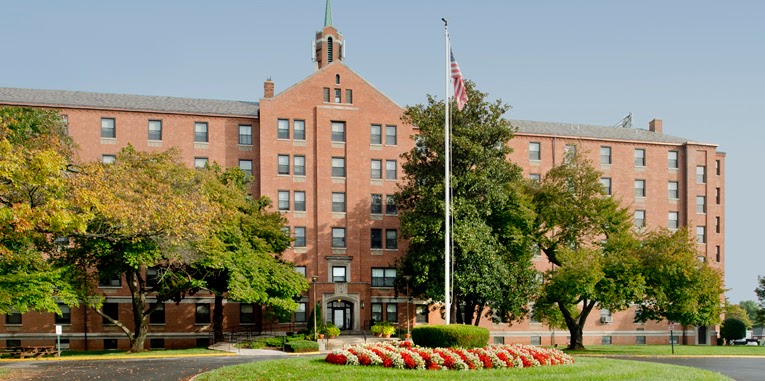
How is Lochearn, Llc Staffed?

CMS rates LOCHEARN NURSING HOME, LLC's staffing level at 3 out of 5 stars, which is average compared to other nursing homes. Staff turnover is 45%, compared to the Maryland average of 46%. This relatively stable workforce can support continuity of care.

What Have Inspectors Found at Lochearn, Llc?

State health inspectors documented 28 deficiencies at LOCHEARN NURSING HOME, LLC during 2018 to 2024. These included: 23 with potential for harm and 5 minor or isolated issues.

Who Owns and Operates Lochearn, Llc?

LOCHEARN NURSING HOME, LLC is owned by a for-profit company. For-profit facilities operate as businesses with obligations to shareholders or private owners. The facility is operated by FUTURE CARE/LIFEBRIDGE HEALTH, a chain that manages multiple nursing homes. With 200 certified beds and approximately 190 residents (about 95% occupancy), it is a large facility located in BALTIMORE, Maryland.

How Does Lochearn, Llc Compare to Other Maryland Nursing Homes?

Compared to the 100 nursing homes in Maryland, LOCHEARN NURSING HOME, LLC's overall rating (5 stars) is above the state average of 3.1, staff turnover (45%) is near the state average of 46%, and health inspection rating (5 stars) is much above the national benchmark.

What Should Families Ask When Visiting Lochearn, Llc?

Based on this facility's data, families visiting should ask: "Can I visit during a mealtime to observe dining assistance and food quality?" "How do you handle medical emergencies, and what is your hospital transfer rate?" "Can I speak with family members of current residents about their experience?"

Is Lochearn, Llc Safe?

Based on CMS inspection data, LOCHEARN NURSING HOME, LLC has a clean safety record: no substantiated abuse findings (meaning no confirmed cases of resident harm), no Immediate Jeopardy citations (the most serious violation level indicating risk of serious injury or death), and is not on the Special Focus Facility watch list (a federal program monitoring the lowest-performing 1% of nursing homes). The facility has a 5-star overall rating and ranks #1 of 100 nursing homes in Maryland. While no facility is perfect, families should still ask about staff-to-resident ratios and recent inspection results during their visit.

Do Nurses at Lochearn, Llc Stick Around?

LOCHEARN NURSING HOME, LLC has a staff turnover rate of 45%, which is about average for Maryland nursing homes (state average: 46%). Moderate turnover is common in nursing homes, but families should still ask about staff tenure and how the facility maintains care continuity when employees leave.

Was Lochearn, Llc Ever Fined?

LOCHEARN NURSING HOME, LLC has no federal fines on record. CMS issues fines when nursing homes fail to meet care standards or don't correct problems found during inspections. The absence of fines suggests the facility has either maintained compliance or corrected any issues before penalties were assessed. This is a positive indicator, though families should still review recent inspection reports for the full picture.

Is Lochearn, Llc on Any Federal Watch List?

LOCHEARN NURSING HOME, LLC is not on any federal watch list. The most significant is the Special Focus Facility (SFF) program, which identifies the bottom 1% of nursing homes nationally based on persistent, serious quality problems. Not being on this list means the facility has avoided the pattern of deficiencies that triggers enhanced federal oversight. This is a positive indicator, though families should still review the facility's inspection history directly.