NORTH OAKS COMMUNITIES
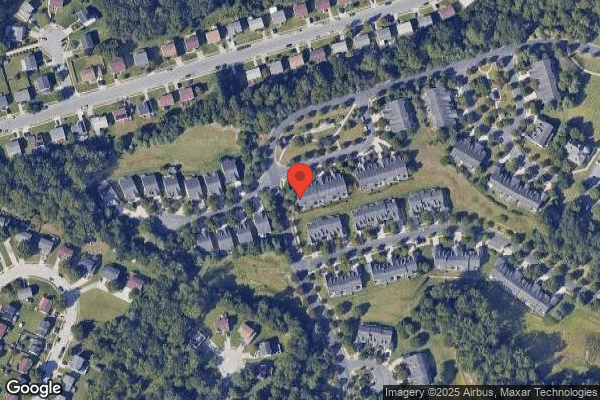
725 MOUNT WILSON LANE, BALTIMORE, MD 21208 (410) 602-0302
For profit - Individual 37 Beds Independent Data: November 2025
Trust Grade
80/100
#34 of 219 in MD
Last Inspection: July 2024

Within standard 12-15 month inspection cycle. Federal law requires annual inspections.

Overview

North Oaks Communities has a Trust Grade of B+, which indicates the facility is above average and recommended for prospective residents. It ranks #34 out of 219 nursing homes in Maryland and #8 out of 43 in Baltimore County, placing it in the top half of both categories. The facility is improving, having decreased its issues from 19 in 2019 to just 4 in 2024, and it has a strong staffing rating of 5 out of 5 stars with a turnover rate of 32%, which is below the state average. While there are strengths, such as no fines recorded and excellent RN coverage, there have been concerns about food safety practices, including inadequate storage temperatures for food and lack of proper handwashing facilities for staff. Families should weigh these strengths alongside the identified weaknesses when considering this nursing home for their loved ones.

Trust Score
B+
80/100
In Maryland
#34/219
Top 15%
Safety Record
Low Risk
No red flags
Inspections
Getting Better
19 → 4 violations
Staff Stability
○ Average
32% turnover. Near Maryland's 48% average. Typical for the industry.
Penalties
✓ Good
No fines on record. Clean compliance history, better than most Maryland facilities.
Skilled Nurses
✓ Good
Each resident gets 86 minutes of Registered Nurse (RN) attention daily — more than 97% of Maryland nursing homes. RNs are the most trained staff who catch health problems before they become serious.
Violations
⚠ Watch
37 deficiencies on record. Higher than average. Multiple issues found across inspections.
★★★★★
5.0
Overall Rating
★★★★★
5.0
Staff Levels
★★★☆☆
3.0
Care Quality
★★★★☆
4.0
Inspection Score
Stable
2019: 19 issues
2024: 4 issues

The Good

  • 5-Star Staffing Rating · Excellent nurse staffing levels
  • Full Sprinkler Coverage · Fire safety systems throughout facility
  • No fines on record
  • Staff turnover below average (32%)

    16 points below Maryland average of 48%

Facility shows strength in staffing levels, fire safety.

The Bad

Staff Turnover: 32%

14pts below Maryland avg (46%)

Typical for the industry

The Ugly 37 deficiencies on record

Jul 2024 4 deficiencies
CONCERN (D)

Potential for Harm - no one hurt, but risky conditions existed

Medical Records (Tag F0842)

Could have caused harm · This affected 1 resident

Based on medical record review and staff interview, it was determined that the facility failed to maintain accurate medical records on each resident. This was evident for 1 (resident #19) out of 8 res...

Read full inspector narrative →
Based on medical record review and staff interview, it was determined that the facility failed to maintain accurate medical records on each resident. This was evident for 1 (resident #19) out of 8 residents that were reviewed during the survey. The findings include: On 07/18/24 at 9:30 AM the facility submitted a Matrix Roster to the survey team for review. The matrix roster revealed that Resident #19 was not on palliative care. Review of Resident #19 medical record on 07/19/24 at 10:15 AM revealed a Maryland Medical Orders for Life-Sustaining Treatment (MOLST) form dated 03/27/2024. The MOLST form stated that Resident #19 was a [name of hospice provider] patient. Further review of Resident #19's record revealed that [name of hospice provider] was a hospice company that provides palliative care. During an interview on 07/19/24 at 11:00 AM the Director of Nursing (DON), Staff #3, verified the Matrix Roster that was given to the survey team was incorrect, Resident #19 was on palliative care patient.
CONCERN (D)

Potential for Harm - no one hurt, but risky conditions existed

Deficiency F0925 (Tag F0925)

Could have caused harm · This affected 1 resident

**NOTE- TERMS IN BRACKETS HAVE BEEN EDITED TO PROTECT CONFIDENTIALITY** Based on observations and staff interviews, it was determined that the facility failed to have an effective pest control plan so...

Read full inspector narrative →
**NOTE- TERMS IN BRACKETS HAVE BEEN EDITED TO PROTECT CONFIDENTIALITY** Based on observations and staff interviews, it was determined that the facility failed to have an effective pest control plan so that the facility is free of mice. This was evident on the [NAME] ridge unit of the facility. The findings include: During observation rounds on 07/19/2024 at approximately 9:15 AM the Director of Nursing (DON) was standing outside in the facility hallway in front of room [ROOM NUMBER], a resident's room. While the DON was standing in this location, a mouse was observed running on the floor out of room [ROOM NUMBER], stopped at the DON's feet, and ran back into room [ROOM NUMBER]. During an interview on 07/19/2024 at 9:25 AM resident #2 stated that there were mice in his/her room and there have been many mice in his/her room. During an interview on 07/19/2024 at 9:28 AM staff #14 stated that a mouse pad was placed down in room [ROOM NUMBER]'s floor, and this is what the facility had been doing for the mouse problem. During an interview on 07/19/2024 at approximately 9:39 AM staff #15 stated that the facility has had mice problems for some time and the facility has switched over to a new exterminator company about a year and half ago. When asked what was being done with based on recommendations that pest control company has provided, she stated that they had been continually fixing doors and patching holes that mice could come through as they are reported. The pest control Logs were provided from weekly treatments and recommendations for this year. The pest control logs were reviewed on 7/19/24 at 9:50 AM. On the report of the visit on 6/21/24 it stated, Inspected and service throughout areas Inspected and serviced tin cats no mouse activity. Inspected and service glue boards, no mouse activity Mice are getting in door into main kitchen. Mouse tail hanging out of door unable to remove door needs to be taken down and fixed. One request for gnats at 519 Went over everything with. On the report of the visit on 6/28/24 it stated, Inspected and service throughout areas. Inspected and serviced tin cats no mouse activity. Inspected and service glue boards, no mouse activity Mice are getting in door into main kitchen. Mouse tail hanging out of door unable to remove door needs to be taken down and fixed. One request for gnats at 519 Went over everything with [staff name]. On observation rounds on 7/19/24 at 10:12 AM, this surveyor observed the loading dock double door. The bottom of the right door where both doors meet from the inside had a 4 inch by 1 inch sized opening. Outside of door there were 5 large bags of trash sitting on the floor of the loading dock. An interview was conducted on 7/19/24 at 10:15 AM with the Plant Operations Director (Staff #16) . Staff #16 was asked about the dock door opening, he stated he did not know of the opening, but will fix it as soon as possible. During an interview on 07/19/2024 at approximately 10:50 AM, the Administrator stated that there was a mouse in room [ROOM NUMBER] alive and the facility was working on removing the mouse.
CONCERN (D)

Potential for Harm - no one hurt, but risky conditions existed

Deficiency F0947 (Tag F0947)

Could have caused harm · This affected 1 resident

Based on review of facility documentation and interviews, the facility failed to provide the required 12-hour minimum yearly in-service training for nurses' aides. This was evident in 1 out of the 5 e...

Read full inspector narrative →
Based on review of facility documentation and interviews, the facility failed to provide the required 12-hour minimum yearly in-service training for nurses' aides. This was evident in 1 out of the 5 employee records that were reviewed during the survey. The findings include the following: Review of Geriatric Nursing Assistant (GNA) #20 employee record on 07/22/2024 at 09:45 AM revealed a hire date of 06/28/2022. The GNA #20 was still employed by facility and there was no documentation that the required 12-hour minimum yearly in-service training was completed by GNA #20 for the year 2023. During an interview on 07/22/2024 at 10:15 AM, the facility's Human Resource Director #19, stated that she was unable to provide documentation that GNA #20 completed the required 12-hour minimum yearly in-service training for the year 2023.
CONCERN (F)

Potential for Harm - no one hurt, but risky conditions existed

Food Safety (Tag F0812)

Could have caused harm · This affected most or all residents

Based on observations and staff interview, it was determined that the facility failed to store cold foods in a safe manner and failed to ensure staff had access to proper hand washing facilities. This...

Read full inspector narrative →
Based on observations and staff interview, it was determined that the facility failed to store cold foods in a safe manner and failed to ensure staff had access to proper hand washing facilities. This practice was evident for multiple areas of the main kitchen during the initial kitchen tour and had the potential to affect all residents eating food prepared in the facility's kitchen. The findings include: During observation rounds of kitchen on 7/18/24 at 8:15 AM, the initial kitchen tour was conducted by Dietary Manager (Staff #5). During initial observation, the kitchen was noted to have a stream of clear drainage coming from the dishwashing area. Upon closer observation, a pipe from underneath the manual dishwashing station was leaking. Both handwashing stations in the main kitchen did not have working paper towel and soap dispensers. One freezer temperature was not at an appropriate temperature at 8:30 AM on 7/18/2024. The freezer next to stoves and ovens closer to the dishwashing station was at 42 degrees F. This freezer contained a 3 of bags of what appeared to be breaded foods that were soft to the touch. Upon inspection of dates on foods throughout all refrigeration and freezers, only one date was written and/or posted visible on all foods both in the refrigerator and the freezer. Frozen food boxes were stored on the floor of the freezer and there was ice build up on the back walls of the freezer. During interview with the Food and Beverage Director (Staff #8) at 10:30 AM on 7/18/24, A more in-depth tour of the kitchen was conducted. When he was asked what was being done about the leak in the dishwashing area he stated, I did not know of a leak, but I will take a look into it now. At this time both hand wash stations' paper towel and soap dispensers were still not functional. When asked where the kitchen staff are supposed to wash their hands properly if both handwashing stations were not functional, he stated that there were other sinks outside of the main kitchen employees could go to. When asked what the dates on the food in the refrigerator and freezer represented, he stated, The dates on them are the dates those foods were used and stored in the fridge. Staff #8 clarified that no foods other than some packaged refrigerator and frozen foods had use by dates on them. After surveyor intervention, Staff #8 had fixed both hand washing stations' paper towel and soap dispensers.
Oct 2019 19 deficiencies
CONCERN (D)

Potential for Harm - no one hurt, but risky conditions existed

Deficiency F0558 (Tag F0558)

Could have caused harm · This affected 1 resident

Based on observation and resident interview it was determined that the facility staff failed to ensure that a resident had access to turn the over the bed light on and off. This was evident for 1 of 6...

Read full inspector narrative →
Based on observation and resident interview it was determined that the facility staff failed to ensure that a resident had access to turn the over the bed light on and off. This was evident for 1 of 6 residents (Resident #15) interviewed during the initial phase of the survey. The findings include: An interview was conducted with Resident #15 on 10/8/19 at 9:55 AM. During the interview the over the bed light cord was observed hanging down behind the resident's bed. The resident was sitting upright in the bed and the light cord was approximately 4 feet away from the front of the resident. The resident was asked if he/she would like the ability to turn the light on and off the resident stated, Oh, I didn't realize that I could do that. The surveyor turned on the light and the resident stated, I am partially blind, but that makes it so much brighter in here. The surveyor asked the resident if he/she would like the surveyor to say something to Administration and the resident stated that he/she wanted to be able to have a longer cord. On 10/11/19 at 1:00 PM the surveyor toured the environment with the Plant Operations Manager. The surveyor showed the Plant Operations Manager the bed light cord and he said about 5 years ago they shortened the cords because one hit the prongs of a plug and it was a hazard. The resident told the Plant Operations Manager at that time that he/she wanted a longer cord. The Plant Operations Manager stated that he would get some type of string to attach to the cord so the resident would be able to turn the light on and off.
CONCERN (D)

Potential for Harm - no one hurt, but risky conditions existed

Investigate Abuse (Tag F0610)

Could have caused harm · This affected 1 resident

Based on review of facility documentation and interview with facility staff it was determined the facility failed to have evidence that an allegation of missing property was thoroughly investigated. T...

Read full inspector narrative →
Based on review of facility documentation and interview with facility staff it was determined the facility failed to have evidence that an allegation of missing property was thoroughly investigated. This was evident for 1 of 2 residents (Resident #12) reviewed for Abuse. The findings include: A review was conducted of Facility reported incident #MD000142875 on 10/9/19 in which a family member reported that Resident #12 was missing a gold wedding band. The facility's investigative documentation included a statement from the resident's family member who felt someone must have forcefully removed the ring, review of a report from a bruise on the resident's hand from 7/8/19 and a search of the resident's room. The investigation indicated that security camera footage from 6/30/19 6:30 PM to 9:30 AM on 7/1/19 and from 7/7/19 6:30 PM to 9:30 AM on 7/8/19 was reviewed based on the time frame the resident's family member thought the ring may have gone missing. The facility was unable to reach a conclusion. Resident #12 had Private Duty Assistants (PDA's) during the day and evening however the investigation did not include statements from them or facility staff. The facility's administrator was interviewed on 10/11/19 at 11:26 AM. She was asked how she determined the time frame of video footage to review, she initially indicated a PDA had reported seeing the ring on a certain night, and she wanted to review the security video to see if it revealed anything conclusive, but it didn't. The Administrator later indicated that Resident #12's family member felt very certain the ring went missing on those dates but could not remember why they were so certain. The Administrator confirmed that the investigation documentation did not reflect this information. She also confirmed that no statements were obtained from the staff or PDA's in an attempt to determine the possible disposition of the resident's ring.
CONCERN (D)

Potential for Harm - no one hurt, but risky conditions existed

Assessment Accuracy (Tag F0641)

Could have caused harm · This affected 1 resident

Based on medical record review and staff interview, it was determined the facility staff failed to ensure Minimum Data Set (MDS) assessments were accurately coded. This was evident for 3 of 15 residen...

Read full inspector narrative →
Based on medical record review and staff interview, it was determined the facility staff failed to ensure Minimum Data Set (MDS) assessments were accurately coded. This was evident for 3 of 15 residents (Resident #5, #15, and #6) reviewed during the survey. The findings include: The MDS is part of the Resident Assessment Instrument that was Federally mandated in legislation passed in 1986. The MDS is a set of assessment screening items employed as part of a standardized, reproducible, and comprehensive assessment process that ensures each resident's individual needs are identified, that care is planned based on those individualized needs, and that the care is provided as planned to meet the needs of each resident. 1) A review of the medical record for Resident #5 was conducted on 10/10/19 which included a review of Medication Administration Records (MAR). Review of the January 2019 MAR documented that the resident received the medication Tramadol (an analgesic that contains an opioid) and Ativan (anti-anxiety). Review of the MDS assessment with an assessment reference date (ARD) of 1/11/19, Section N Medications, failed to capture the use of Tramadol and Ativan as there was 0 days used coded for anti-anxiety and opioid medications. Review of the April 2019 MAR documented that Tramadol, Ativan and Seroquel (anti-psychotic) were received daily. Review of the MDS assessment with an ARD of 4/10/19 failed to capture the use of Tramadol, Ativan and Seroquel as evidenced by 0 days used coded in Section N, Medications for opioid, anti-anxiety and anti-psychotic. Review of the July 2019 MAR documented that Tramadol was received every day from July 1 to July 25. Review of the MDS assessment with an ARD of 7/10/19 failed to capture the use of Tramadol in Section N, Medications as evidenced by a 0 days used coded for opioids. 2) Review of the medical record for Resident #15 on 10/8/19 documented that the resident had a history of urinary tract infections. Review of the July 2019 MAR documented the resident received the antibiotic Zyvox for 5 days on 7/17, 7/18, 7/19, 7/20 and 7/21/19. Review of the MDS with an ARD of 7/25/19, Section N Medications, code 0 days used for antibiotic. The MDS should have been coded 3 for 3 days of antibiotic use during the 7 day lookback period. The findings were discussed with the MDS Coordinator on 10/10/19 at 3:00 PM. 3) An interview was conducted with resident #6 on 10/9/19 at 8:51 AM, while the resident was in bed with bilateral upper quarter bed side rails in the up position. During an interview with Resident #6 s/he acknowledged that the bed side rails assist him/her in bed mobility. A Review of the medical record for Resident #6 was conducted on 10/10/19. Review of the MDS assessment with an ARD of 7/22/19, Section P restraints, indicated that the use of bed side rails are a restraint. Further review of the medical record did not reveal any additional documentation to indicate that the use of bed side rails restrained the resident in any way. An interview was conducted with the MDS Coordinator Staff #4 on 10/10/19 at 11:39 AM. The MDS Coordinator acknowledged that resident #6 utilizes bed side rails to assist the resident in bed mobility and that the bed rails do not restrain the resident. The MDS Coordinator acknowledge the error in coding resident #6's previous quarterly MDS assessment.
CONCERN (D)

Potential for Harm - no one hurt, but risky conditions existed

Comprehensive Care Plan (Tag F0656)

Could have caused harm · This affected 1 resident

Based on medical record review, observation and staff interview it was determined the facility failed to follow person-centered care plans. This was evident for 1 of 3 residents (Resident #5) reviewed...

Read full inspector narrative →
Based on medical record review, observation and staff interview it was determined the facility failed to follow person-centered care plans. This was evident for 1 of 3 residents (Resident #5) reviewed for a skin condition and 1 of 1 resident (Resident #6) reviewed for accidents. The findings include: A care plan is a guide that addresses the unique needs of each resident. It is used to plan, assess and evaluate the effectiveness of the resident's care. 1) Review of Resident #5's medical record on 10/8/19 revealed October 2019 physician's orders, bilateral upper extremities geri-sleeves on at all times except ADL (activities of daily living) care. A review of Resident #5's care plan, Actual skin impaired had the intervention, skin sleeves as tolerated at all times and keep hand sleeve in place. Observation was made on 10/8/19 at 11:37 AM of Resident #5 in activities, sitting in a geriatric (geri) chair. The resident did not have geri-sleeves on. The resident was observed again on 10/8/19 at 2:37 PM in a music activity sleeping in the chair. The resident was wearing a yellow/mustard colored sweater with sleeves that were halfway up the arm, exposing the lower arms. The resident was not wearing geri-sleeves. Observation was made again on 10/9/19 at 9:30 AM of the resident sitting in the dining room. The resident was wearing a turtleneck and the sleeves were pushed up to the elbow. Observation made again on 10/9/19 at 10:45 AM while in activities and 10/9/19 at 12:50 PM while eating in the dining room. The resident was not wearing geri-sleeves. On 10/9/19 at 2:30 PM observation was made of Resident #5 lying in bed with geri-sleeves on. An interview was conducted with Geriatric Nursing Assistant (GNA) #1 at that time and the question was asked if she had just put the geri-sleeves on and she said, to be honest yes, don't tell because I don't want to get in trouble. I saw the sleeves sitting in the chair. They are new so the nurse probably just put them there. The Director of Nursing was made aware on 10/9/19 at 2:50 PM. 2) Review of Resident #6's medical record on 10/9/19 revealed October 2019 physician's orders, floor mat to right side of bed when in bed q (every) shift. A review of Resident #6's care plan, Risk for Falls had the intervention, Place fall mats next to right side of bed while resident in bed An interview was conducted with Resident #6 on 10/9/19 at 8:51 AM while the resident was still in bed. A mattress was observed standing on end against a wall. The resident was asked about the mattress up against the wall and s/he responded that they usually put it down at night. The resident could not recall having any recent fall incidents. On 10/10/19 at 8:55 AM, Resident #6 was observed to be in bed without a fall mattress on the floor next to the bed. At 9:06 AM the Director of Nursing was notified following the surveyor back to Resident #6's room and confirmed that the fall risk mattress was not on the floor next to resident's bed.
CONCERN (D)

Potential for Harm - no one hurt, but risky conditions existed

Deficiency F0657 (Tag F0657)

Could have caused harm · This affected 1 resident

Based on medical record review, and staff interview it was determined that the facility failed to show that a care plan was evaluated and revised by the interdisciplinary team after an assessment. Thi...

Read full inspector narrative →
Based on medical record review, and staff interview it was determined that the facility failed to show that a care plan was evaluated and revised by the interdisciplinary team after an assessment. This was evident for 1 of 1 resident (Resident #6) reviewed for accidents. The findings include. A care plan is a guide that addresses the unique needs of each resident. It is used to plan, assess and evaluate the effectiveness of the resident's care. Resident #6's medical record was reviewed on 10/9/19. A review of Resident #6's care plan, revealed that a care area for Fall risk was initiated on 3/20/19. The goal for this plan of care was written as; [name of resident] will maintain current level of mobility with no increase in the incidence of falls/inquires. The last quarterly Minimum Data Set (MDS) assessment had an assessment reference date of 7/22/19. A care plan meeting was held on 7/31/19 per a social worker note. An evaluation of the falls plan of care was not found in the medical record. On 10/10/19 at 4:57 PM an interview was held with the MDS coordinator, Staff #4 specifically asking: Where is the evaluation of the care plan related to fall? The MDS Coordinator was unable to show written documentation related to an evaluation/revision to the falls plan of care after the 7/22/19 quarterly MDS assessment.
CONCERN (D)

Potential for Harm - no one hurt, but risky conditions existed

Quality of Care (Tag F0684)

Could have caused harm · This affected 1 resident

Based on medical record review, observation and staff interview, it was determined the facility failed to render care in accordance with the resident's care plan and failed to apply an ordered treatme...

Read full inspector narrative →
Based on medical record review, observation and staff interview, it was determined the facility failed to render care in accordance with the resident's care plan and failed to apply an ordered treatment. This was evident for 1 of 3 residents (Resident #5) reviewed for a skin condition. The findings include: Review of Resident #5's medical record on 10/8/19 documented that the resident had frequent skin tears. A CRNP (Certified Registered Nurse Practitioner) note of 8/12/19 documented, Seen for ongoing medical follow-up. Nursing reports that pt (patient) has a skin tear to LLA (left lower arm) and is not healing well. A treatment was ordered. A review of Resident #5's care plan, Actual skin impaired had the intervention, skin sleeves as tolerated at all times and keep hand sleeve in place. The care plan evaluation that was done on 10/9/19 documented, resident had a skin tear to left lower arm in August 2019. Area was treated with bacitracin. Treatment to arm was resolved and treatment was discontinued. Resident continues with Geri-sleeves. Staff applies Geri-sleeves and assist with resident's care as needed. Continue plan of care. The 7/18/19 care plan evaluation documented, staff continues to provide care as needed for resident's skin. Resident wears geri-sleeves to prevent skin tears to arms due to fragile skin. Review of Resident #5's October 2019 physician's orders revealed the order, bilateral upper extremities geri-sleeves on at all times except ADL (activities of daily living) care. Observation was made on 10/8/19 at 11:37 AM of Resident #5 in activities, sitting in a geriatric (geri) chair. The resident did not have geri-sleeves on. The resident was observed again on 10/8/19 at 2:37 PM in a music activity sleeping in the chair. The resident was wearing a yellow/mustard colored sweater with sleeves that were halfway up the arm, exposing the lower arms. The resident was not wearing geri-sleeves. Observation was made again on 10/9/19 at 9:30 AM of the resident sitting in the dining room. The resident was wearing a turtleneck and the sleeves were pushed up to the elbow. Observation made again on 10/9/19 at 10:45 AM while in activities and 10/9/19 at 12:50 PM while eating in the dining room. The resident was not wearing geri-sleeves. Review of the Resident #5's October 2019 Treatment Administration Record (TAR) on 10/8/19 at 2:38 PM revealed initials by the nurse which indicated the geri-sleeves were worn on 10/8/19. On 10/9/19 at 1:28 PM the nurse had signed off that the geri-sleeves were worn that day. On 10/9/19 at 2:30 PM observation was made of Resident #5 lying in bed with geri-sleeves on. An interview was conducted with Geriatric Nursing Assistant (GNA) #1 at that time and the question was asked if she had just put the geri-sleeves on and she said, to be honest yes, don't tell because I don't want to get in trouble. I saw the sleeves sitting in the chair. They are new so the nurse probably put them there. The Director of Nursing was made aware on 10/9/19 at 2:50 PM.
CONCERN (D)

Potential for Harm - no one hurt, but risky conditions existed

Pressure Ulcer Prevention (Tag F0686)

Could have caused harm · This affected 1 resident

Based on medical record review, and staff interview it was determined the facility failed to thoroughly assess a pressure ulcer consistent with professional standards of practice and promote healing t...

Read full inspector narrative →
Based on medical record review, and staff interview it was determined the facility failed to thoroughly assess a pressure ulcer consistent with professional standards of practice and promote healing to a pressure ulcer. This was evident for 1 of 1 resident (Resident #19) reviewed for pressure ulcers. The findings include: Review of Resident #19's medical record on 10/9/19 revealed that on 9/16/19 a nurse documented in a progress note .a new open skin area was noticed on right buttock. The new open area is a stage 2 decubitus which measures 2 cm (centimeters) x 1.5 cm x 0.1 cm. The note indicated that the wound was cleansed and Lanaseptic cream was applied. Additionally, the nurse's note indicated that the resident's attending physician was at the facility to see the resident. There was not any documentation from the resident's attending physician related to seeing the resident on 9/16/19. There was not a physician order for the application of Lanaseptic cream/ointment. Review of the physician orders revealed a standing order dated 8/28/19 for calmoseptine cream to excoriation in groin and perineum after cleaning following each incontinent episode, and there was not any indication of a new treatment order for the newly opened area. A wound assessment was initiated on 9/19/19 indicating new open area with the same measurements from the nurse's note of 9/16/19. The next wound assessment was done 13 days later 10/2/19. The 10/2/19 assessment revealed the wound was larger than 9/19/19 at 3 cm x 3 cm x 0.1 cm. The resident was care planned for having impaired skin integrity that was initiated on 5/6/19. An intervention was added on 9/16/19 as skin protectant to open areas. On 9/30/19 Apply treatment to pressure ulcers as ordered was an added intervention to Resident #19's plan of care. There was a visitation note from the resident's attending physician dated 10/7/19. The note did not reveal that the doctor had examined and assessed the wound on the resident's buttocks. The attending physician's review of systems for skin stated, per staff buttocks doing well, and there were not any new treatment orders. On 10/8/19 there was a handwritten telephone order from the attending physician written as Cleanse buttocks area with soap and water, pat dry and apply lanaseptic skin protectant cream after each incontinent care. There were not any nursing progress notes written on 10/8/19. On 10/9/19 at 11:35 AM a discussion was held with the Director of Nursing with a request to print the treatment administrative record to show that the treatment was performed as ordered. The Charge Nurse, Staff #15 was interviewed at 11:58 AM. The Charge Nurse indicated that the aide applied cream and she would look at the wound later. At 12:45 PM the Director of Nursing reported that she was unable to find any evidence/documentation that the order of 10/8/19 was transcribed to the treatment administration record and/or that the treatment was performed as ordered. A nursing progress was written at 2:07 PM on 10/9/19 stating; Sacrum is stage 1 pink and measures 3 cm x 1 cm x 0.0 without drainage. Right buttock is stage 1 pink 1 cm x 1 cm x 0.0 without drainage. Skin is intact except for some scarring discoloration on sacrum and buttocks. The next nursing progress note was written 30 minutes later at 2:37 PM on 10/9/19 stating; .The right buttock was not open again and a stage 2 (1cm x 1cm x 0.2 deep). Patient was washed and skin protectant was applied to buttock. The sacrum is healed. The electronic medical record was reviewed again on 10/15/19 at 10:47 AM. Review of the wound section did not reveal an evaluation of the wound since 10/2/19. It is important that the facility have a system in place to monitor the pressure ulcer in order to know if it is improving or if alternative treatments should be provided. At a minimum the documentation should include location, staging, size, drainage (color, odor), pain and the wound bed description.
CONCERN (D)

Potential for Harm - no one hurt, but risky conditions existed

Accident Prevention (Tag F0689)

Could have caused harm · This affected 1 resident

Based on medical record review, observation and staff interview, it was determined the facility failed to provide a physician order safety device that was in accordance with the resident's care plan. ...

Read full inspector narrative →
Based on medical record review, observation and staff interview, it was determined the facility failed to provide a physician order safety device that was in accordance with the resident's care plan. This was evident for 1 of 1 resident (Resident #6) reviewed for accidents. The findings include: Review of Resident #6's medical record on 10/9/19 revealed October 2019 physician's orders, floor mat to right side of bed when in bed q (every) shift. This order was initiated on 4/9/19. A review of Resident #6's care plan, revealed that a care area for Fall risk was initiated on 3/20/19. On 4/11/19 the following intervention was added: Place fall mats next to right side of bed while resident in bed. An interview was conducted with Resident #6 on 10/9/19 at 8:51 AM while the resident was still in bed. A mattress was observed standing on end against a wall. The resident was asked about the mattress up against the wall and s/he responded that they usually put it down at night. On 10/10/19 at 8:55 AM, Resident #6 was observed to be in bed without a fall mattress on the floor next to the bed. At 9:06 AM the Director of Nursing was notified following the surveyor back to Resident #6's room and confirmed that the fall risk mattress was not on the floor next to resident's bed.
CONCERN (D)

Potential for Harm - no one hurt, but risky conditions existed

Deficiency F0710 (Tag F0710)

Could have caused harm · This affected 1 resident

Based on a medical record review, it was determined that a physician failed to fully evaluate a resident as related to facility acquired pressure ulcers. This is evident for 1 of 1 resident (Resident ...

Read full inspector narrative →
Based on a medical record review, it was determined that a physician failed to fully evaluate a resident as related to facility acquired pressure ulcers. This is evident for 1 of 1 resident (Resident #19) reviewed for pressure ulcers. The findings include: Review of Resident #19's medical record on 10/9/19 revealed this resident had acquired pressure ulcers while in the facility. A nurse's progress note written on 9/16/19 stated: .a new open skin area was noticed on right buttock. The new open area is a stage 2 decubitus which measures 2 cm (centimeters) x 1.5 cm x 0.1 cm. The note indicated that the wound was cleansed and Lanaseptic cream was applied. Additionally, the nurse's note indicated that the resident's attending physician was at the facility to see the resident. There was not any documentation from the resident's attending physician related to seeing the resident on 9/16/19. There was not a physician order for the application of Lanaseptic cream/ointment. Review of the physician orders revealed a standing order dated 8/28/19 for calmoseptine cream to excoriation in groin and perineum after cleaning following each incontinent episode, and there was not any indication of a new treatment order for the newly opened area. There was a visitation note from the resident's attending physician dated 10/7/19. The note did not reveal that the doctor had examined and assessed the wound on the resident's buttocks. The attending physician's review of systems for skin stated, per staff buttocks doing well, and there were not any new treatment orders. The physician had failed to respond to the first notification of change in medical status on 9/16/19 related to the facility acquired pressure ulcer. The physician failed to indicate a treatment for the wound and failed to fully evaluate and assess the wound during the visitation of 10/7/19.
CONCERN (D)

Potential for Harm - no one hurt, but risky conditions existed

Deficiency F0711 (Tag F0711)

Could have caused harm · This affected 1 resident

Based on medical record review it was determined the facility failed to ensure Certified Registered Nurse Practitioner (CRNP) medical visit notes were in the resident medical record on the day the res...

Read full inspector narrative →
Based on medical record review it was determined the facility failed to ensure Certified Registered Nurse Practitioner (CRNP) medical visit notes were in the resident medical record on the day the resident was seen. This was evident for 1 of 1 resident (Resident #19) reviewed for pressure ulcers. The findings include: A review of the medical record for Resident #19 on 10/9/19 revealed multiple occasions when the CRNP failed to document in the resident's medical record on the day of the visit. (A CRNP is an advanced practice nurse who performs the functions of a physician.) A CRNP note by (Staff #7) with 8/12/19 as the date of service (DOS) was shown to have been faxed to the facility on 9/26/19. Another example of a late CRNP note with 8/16/19 as the DOS was shown to have been faxed to the facility on 9/18/19. The last CRNP note in the resident's record on 10/9/19 had a date of service as 8/29/19 and the note was faxed to the facility on 9/12/19. Copies of the late notes were obtained from the Director of Nursing as she was informed of the concern on 10/10/19.
CONCERN (D)

Potential for Harm - no one hurt, but risky conditions existed

Deficiency F0744 (Tag F0744)

Could have caused harm · This affected 1 resident

Based on medical record review and staff interview it was determined that the facility staff failed to provide a resident centered dementia treatment and services plan by failing to create and impleme...

Read full inspector narrative →
Based on medical record review and staff interview it was determined that the facility staff failed to provide a resident centered dementia treatment and services plan by failing to create and implement resident centered care plans with achievable goals, measurable objectives and evaluations related to daily activities. This was evident for 1 of 2 residents (Resident #9) reviewed for dementia care. The findings include: A care plan is a guide that addresses the unique needs of each resident. It is used to plan, assess and evaluate the effectiveness of the resident's care. 1) Review of the medical record for Resident #9 on 10/11/19 documented that the resident had a BIMS (Brief Interview of Mental Status) of 8 on the most recent Minimum Data Set assessment with an assessment reference date of 8/15/19. A BIMS coded between 0 and 7 indicates severe cognitive impairment, scores between 8 and 12 indicate moderate impairment while scores above 13 shows little to no impairment. The evaluation is used to detect cognitive impairment and is a quick snapshot for that time. Further review of the medical record revealed the resident had diagnoses which included Alzheimer's Disease, Dementia with behavioral disturbance, Depression and Anxiety. Resident #9's care plans were reviewed and there was a care plan at risk for altered cognition with a goal, will be safe and have needs met. The interventions on the care plan were, monitor [resident name] every hour, repeat instructions as necessary, keep environmental stimuli to a minimum and maintain consistent routine as possible. The care plan did not address what specific interventions would be put in place for the resident. There was not a specific care plan to address individualized approaches to care and activities to accommodate the resident's loss of abilities. The facility failed to develop an activity care plan that would have addressed the resident's customary routines, interests, preferences and personal choices. An interview was conducted with the Activities Director on 10/11/19 at 1:00 PM and she confirmed there was no dementia care plan and wasn't aware they had to do one. The findings were discussed with the Director of Nursing on 10/11/19 at 1:26 PM.
CONCERN (D)

Potential for Harm - no one hurt, but risky conditions existed

Drug Regimen Review (Tag F0756)

Could have caused harm · This affected 1 resident

Based on review of the medical record and interview with facility staff it was determined the facility's consulting pharmacist failed to identify and refer to the physician a discrepancy in medication...

Read full inspector narrative →
Based on review of the medical record and interview with facility staff it was determined the facility's consulting pharmacist failed to identify and refer to the physician a discrepancy in medication orders. This was evident for 1 of 1 resident (Resident #17) reviewed for Pain Management. The findings include: Resident #17's medical record was reviewed on 10/9/19 at 12:43 PM. A review of the resident's MAR (Medication Administration Record) revealed a physician's order for Prednisone 2.5 mg (milligram) tablet (3 tabs(75 mg)) every day starting 3/22/19 for Chronic pain syndrome. Notes: 3 tabs = 75 mg. 3 tablets of 2.5 mg strength would equal 7.5 mg not 75mg as written. Review of the physician's orders in the EMR (Electronic Medical Record) revealed the physicians order for Prednisone also indicated 2.5 mg 3 tabs = 75 mg. Review of the paper record on 10/10/19 at 9:08 AM revealed a printed physician's order dated 3/12/19 for Prednisone tab 2.5 mg Administer 3 tablets 7.5 mg by mouth one time a day. The Director of Nursing (DON) was present at that time and indicated that the paper orders were printed by Remedy Pharmacy based on the original physician's order. She added that the orders in the EMR are manually entered into the system to populate the MAR and that the nurse must have typed it in wrong. The DON confirmed that the current Prednisone order was written 3/12/19. Review of the Pharmacist's monthly record of medication regimen review on 10/10/19 at 11:53 AM revealed that the pharmacist reviewed Resident #17's medication regimen monthly and concerns were referred to the physician and nursing however the pharmacist failed to identify the discrepancy in the resident's Prednisone dose in the EMR and MAR.
CONCERN (D)

Potential for Harm - no one hurt, but risky conditions existed

Deficiency F0757 (Tag F0757)

Could have caused harm · This affected 1 resident

Based on review of the medical record and interview with facility staff it was determined the facility failed to ensure each resident's drug regimen was free from unnecessary drugs. This was evident f...

Read full inspector narrative →
Based on review of the medical record and interview with facility staff it was determined the facility failed to ensure each resident's drug regimen was free from unnecessary drugs. This was evident for 1 of 1 resident (Resident #17) reviewed for Pain Management. The findings include: A review of Resident #17's record was conducted on 10/10/19 at 11:53 AM. The monthly pharmacist drug regimen review log revealed that irregularities in Resident #17's drug regimen were referred to the physician during the reviews conducted on 4/15/19 and 5/15/19 however the referrals were not found in the resident's record. An interview was conducted with the DON (Director of Nursing) on 10/10/19 at 2:45 PM. She was made aware of the above findings and provided the surveyor with her copy of the pharmacists referrals. The pharmacist referral dated 5/15/19 identified that the physician had started Resident #17 on Levothyroxine (Synthroid) in response to another resident's TSH (Thyroid Stimulating Hormone) lab results which had been filed in Resident #17's record in error. Synthroid is a medication used to treat an underactive Thyroid. Review of the physician's orders confirmed that an order was written for Synthroid 25 micrograms on 5/6/19 and was discontinued on 5/15/19 after the pharmacist identified the irregularity. Resident #17's MAR (Medication Administration Record) reflected that the resident received Synthroid 25 micrograms unnecessarily each day from 5/7/19 to 5/15/19 based on the misfiled lab results. Further review of the record revealed that Resident #17 had follow up TSH levels on 5/17/19 and 7/22/19 which were within the normal limits. The DON confirmed these findings and was asked, what process was put in place to ensure the lab results are filed in the proper resident records? The DON stated, we just need to make sure they are filed correctly. When asked who is responsible for filing lab results, she indicated the medical records person and the nurses. Cross reference F 842
CONCERN (D)

Potential for Harm - no one hurt, but risky conditions existed

Deficiency F0761 (Tag F0761)

Could have caused harm · This affected 1 resident

Based on observation and staff interview it was determined the facility staff failed to label medications when opened and discard medication after being opened for longer than 24 hours for 2 of 3 medi...

Read full inspector narrative →
Based on observation and staff interview it was determined the facility staff failed to label medications when opened and discard medication after being opened for longer than 24 hours for 2 of 3 medication carts and 1 of 1 treatment cart observed. The findings include: Observation was made on 10/8/19 at 11:17 AM of medication cart 1. Resident #8s opened Lantus injection 100u/ml was not dated when opened. Licensed Practical Nurse (LPN) #2 was with the surveyor at the time of observation. Observation was made of medication cart #2 on 10/8/19 at 11:20 AM. Resident #13's Novolog insulin had 2 dates opened written on the container, 8/3 and 10/3. The insulin was dispensed on 8/3/19 and one half of the bottle was missing insulin. LPN #3 was with the surveyor at the time and stated she thought the date of 8/3/19 was the correct date since half of the insulin had been used. According to the manufacturer's website Novolog is only good for 28 days once opened. Observation was made on the treatment cart on 10/8/19 at 11:25 AM. There was an opened 100 ml bottle of sterile water lot #1803049 that was not dated when opened, an opened 250 ml bottle of normal saline lot #1905111 that was not dated when opened and was one third full and an opened bottle of 250 ml normal saline lot #1905111 with a date opened of 9/30/19. Normal saline should be discarded within 24 hours of opening due to the risk of contamination. LPN #3 was with the surveyor at the time of the observation. The Director of Nursing was advised of the observations on 10/11/19 at 2:30 PM.
CONCERN (D)

Potential for Harm - no one hurt, but risky conditions existed

Medical Records (Tag F0842)

Could have caused harm · This affected 1 resident

Based on review of the medical record and interview with facility staff it was determined the facility failed to maintain complete and accurate medical records by 1) failing to ensure accuracy of the ...

Read full inspector narrative →
Based on review of the medical record and interview with facility staff it was determined the facility failed to maintain complete and accurate medical records by 1) failing to ensure accuracy of the electronic physicians orders and medication administration record, 2) failing to ensure the medical record contained the consultant pharmacists recommendations, 3) failing to ensure laboratory results were filed in the correct resident record, and 4) professional nursing staff signing off that a treatment was performed when it was observed not to be done. This was evident for 1 of 1 resident (Resident #17) reviewed for Pain Management, and 1 of 3 residents (Resident #5) reviewed for a skin condition. The findings include: 1) Resident #17's medical record was reviewed on 10/9/19 at 12:43 PM. A review of the resident's MAR (Medication Administration Record) revealed a physician's order for Prednisone 2.5 mg (milligram) tablet (3 tabs(75mg)) every day starting 3/22/19 for Chronic pain syndrome. Notes: 3 tabs = 75 mg. 3 tablets of 2.5 mg strength would equal 7.5 mg not 75 mg as written. Review of the physicians orders in the EMR (Electronic Medical Record) revealed the physician's order for Prednisone also indicated 2.5 mg 3 tabs = 75 mg. During an interview on 10/10/19 at 8:57 AM LPN (Licensed Practical Nurse) #2 confirmed the MAR and physician's order in the EMR indicated to give 3 - 2.5 mg tablets = 75 mg. She reviewed the packaging of the medication and confirmed that the resident was receiving 3 tablets of 2.5 mg equaling 7.5 mg of Prednisone each day. Review of the paper record on 10/10/19 at 9:08 AM revealed a printed paper physician's order dated 3/12/19 for Prednisone tab 2.5 mg Administer 3 tablets 7.5 mg by mouth one time a day. The Director of Nursing (DON) was present at that time and indicated that the printed paper orders were printed by Remedy Pharmacy based on the original physicians order. She added that the orders in the EMR are manually entered into the system to populate the MAR and that the nurse must have typed it in wrong. The DON was asked what the facility's process was to ensure that the orders are entered correctly. She indicated that the orders are checked against the orders in the paper record during the monthly turnover. She confirmed that the current Prednisone order was written 3/12/19. 2) Review of the pharmacists record of monthly medication regimen reviews on 10/10/19 at 11:53 AM revealed that irregularities were referred to the physician on 4/15/19 and 5/15/19 for Resident #17. The Consultant Pharmacist's referrals and the physicians responses were not found in the resident's record for these dates. During an interview on 10/10/19 at 2:45 PM, the DON confirmed the referrals were not in the resident's record. 3) The DON provided the surveyor with her copy of the pharmacists referrals. The pharmacist referral dated 5/15/19 identified that the physician had started Resident #17 on Levothyroxine (Synthroid) in response to another resident's TSH (Thyroid Stimulating Hormone) lab results which were filed in Resident #17's record in error. Review of the physician's orders and Resident #17's MAR (Medication Administration Record) revealed that the resident received Synthroid 25 micrograms unnecessarily each day from 5/6/19 to 5/15/19 based on the misfiled lab results. The DON confirmed these findings and was asked what process was put into place to ensure the lab results are filed in the proper resident records? The DON stated, we just need to make sure they are filed correctly. When asked who is responsible for filing lab results, she indicated the medical records person and the nurses. Cross reference F 756 and 757. 4) Review of Resident #5's October 2019 physician's orders stated, geri sleeves to upper bilateral extremities on at all times/except ADL care for fragile skin. Observation was made on 10/8/19 at 11:37 AM of Resident #5 in activities, sitting in a geriatric (geri) chair. The resident did not have geri-sleeves on. The resident was observed again on 10/8/19 at 2:37 PM in a music activity sleeping in the chair. The resident was wearing a yellow/mustard colored sweater with sleeves that were halfway up the arm, exposing the lower arms. The resident was not wearing geri-sleeves. Observation was made again on 10/9/19 at 9:30 AM of the resident sitting in the dining room. The resident was wearing a turtleneck and the sleeves were pushed up to the elbow. Observation made again on 10/9/19 at 10:45 AM while in activities and 10/9/19 at 12:50 PM while eating in the dining room. The resident was not wearing geri-sleeves. Review of the Resident #5's October 2019 Treatment Administration Record (TAR) on 10/8/19 at 2:38 PM revealed initials by the nurse which indicated the geri-sleeves were worn on 10/8/19. On 10/9/19 at 1:28 PM the nurse had signed off that the geri-sleeves were worn that day. On 10/9/19 at 2:30 PM observation was made of Resident #5 lying in bed with geri-sleeves on. An interview was conducted with Geriatric Nursing Assistant (GNA) #1 at that time and the question was asked if she had just put the geri-sleeves on and she said, to be honest yes, don't tell because I don't want to get in trouble. I saw the sleeves sitting in the chair. They are new so the nurse probably put them there. The Director of Nursing was informed on 10/9/19 at 2:50 PM that licensed nursing staff signed off that a treatment (application of geri-sleeves) was done when it was observed and confirmed not to be done.
CONCERN (E)

Potential for Harm - no one hurt, but risky conditions existed

Safe Environment (Tag F0584)

Could have caused harm · This affected multiple residents

**NOTE- TERMS IN BRACKETS HAVE BEEN EDITED TO PROTECT CONFIDENTIALITY** On 10/8/19 at 9:19 AM, an observation was made of room [ROOM NUMBER]. The resident's upper bed was equipped with quarter length ...

Read full inspector narrative →
**NOTE- TERMS IN BRACKETS HAVE BEEN EDITED TO PROTECT CONFIDENTIALITY** On 10/8/19 at 9:19 AM, an observation was made of room [ROOM NUMBER]. The resident's upper bed was equipped with quarter length bed rails. Areas of the rails had a rubberized covering to facilitate the resident's grip. The rail to the residents right hand side had brown smears on the rubberized area. A split approximately 4 centimeters long was observed in the rubberized covering over the rail located on the resident's left hand side. The edges and interior of the split had a dark discoloration. On 10/8/19 at 10:08 AM the surveyor observed resident room [ROOM NUMBER]. The wall behind the resident's recliner had several deep scuffs into the wall board exposing the plaster core of the wall board. Based on observation and staff interview during the survey it was determined the facility failed to maintain a clean and comfortable environment. The findings include: An environmental tour was conducted with the Plant Operations Manager and the Director of Housekeeping on 10/11/19 at 1:32 PM and the following concerns were pointed out and discussed: The shower room had broken and cracked tile on the left shower wall that was in the second shower stall. There was also a black, orange and pink substance in the tile grout in the second shower stall on the walls and floor. There was a mound of debris in the corner on the floor behind the door. There was a soiled plastic glove on the floor in the corner of the right alcove. In room [ROOM NUMBER] the under the sink cabinet was dirty with black debris inside on the bottom of the cabinet and the front doors on the corner were missing laminate in addition to the laminate peeling off the particle board. In room [ROOM NUMBER] and #25 the topcoat of drywall was missing from around the soap dispenser. The bracket/stand for over the toilet seat was rusted. In room [ROOM NUMBER] the radiator front cover was loose. In room [ROOM NUMBER] the plastic cover for the cable box wire was not attached to the wall and was laying on the wire. The cove base outside of room [ROOM NUMBER] was pulled away from the wall approximately 5 inches. The Plant Operations Manager was asked how maintenance and housekeeping issues were reported and he stated there was a system that issues were placed in and about 40 percent were maintenance. He stated the Nursing Home Administrator (NHA) and the Director of Nursing (DON) had the ability to put issues in and if the facility staff or family/resident had an issue they could tell the nurse and the nurse could either tell the DON/NHA or they could call maintenance directly. He also stated once a month they will do rounds and touch things up.
CONCERN (F)

Potential for Harm - no one hurt, but risky conditions existed

Food Safety (Tag F0812)

Could have caused harm · This affected most or all residents

Based on observations of the facility's kitchen and food services, it was determined that the facility failed to maintain food service equipment in a manner that ensured sanitary food service operatio...

Read full inspector narrative →
Based on observations of the facility's kitchen and food services, it was determined that the facility failed to maintain food service equipment in a manner that ensured sanitary food service operations and failed to utilize appropriate hair restraints for employees in accordance with professional standards for food service safety. Concerns were identified during multiple observations of the facility's kitchen and food services operation. The findings include. An initial tour of the kitchen was initiated on 10/8/19 at 8:50 AM. At 09:50 AM, observation of the dish wash machine revealed that the wash temperature was not reaching a minimum of 160 degrees Fahrenheit. The Director/Executive chef was alerted, and he confirmed that the wash temperature gauge was stuck at 137 degrees Fahrenheit. The Director/Executive chef had instructed the dishwasher person (Staff #6) to hand wash all dishware in the three-compartment sink. The executive chef had demonstrated and tested the sanitation level in the three-compartment sink to be incompliance of at least 200 parts per million. Review of the dish machine temp log revealed that the dish wash temperatures were all filled out for the rest of 10/8/19. It was observed that Staff #6 had filled out the Dish Machine Temp logs for all three meals for 7 of the 8 days in October 2019. The wash temperature was always recorded at 160 degrees Fahrenheit. Staff #6 had also filled out the three compartment sink sanitation log for all three meals for 7 of the 8 days in October. There was not any recording of Dish machine temperatures or 3-compartment sink sanitation for all three meals for 10/6/19. It was reported that a repair service company had repaired the dish washing machine by 11:30 AM on 10/8/19. A follow-up observation of the dish machine temperature at 1:30 PM on 10/8/19 revealed a wash temperature above 160 degrees Fahrenheit. The facility failed to ensure that the manufactures specifications for wash water temperature of at least 160 degrees Fahrenheit was maintained. A follow-up tour of the kitchen was conducted on 10/9/19 at 10:45 AM. The executive chef had provided a copy of the invoice for emergency services to the dish machine. The service company indicated that the wash temperature was not maintain at 160 degrees as they found curtains between the wash tank and the rinse tank were worn out and needed replacement. The service company had increased the wash temp to 180 degrees at idle to maintain 165 degrees during operation. Tours of the kitchen on 10/8, 10/9, and 10/10/19 at 11:15 AM, revealed multiple male staff with uncovered facial hair (goatees, beards, and/or mustaches). The morning cook (staff #5) was observed handling exposed foods without appropriate hair restraint/beard guard, and a dishwasher (Staff #5) handling exposed food contact surfaces of dishware. A discussion was held with the Food & Beverage Director on 10/10/19 in reference to staff with exposed facial hair. The Food & Beverage Director acknowledge that the facility has beard guards. Upon surveyor intervention staff with facial hair were observed utilizing appropriate hair restraints.
MINOR (B)

Minor Issue - procedural, no safety impact

Deficiency F0559 (Tag F0559)

Minor procedural issue · This affected multiple residents

Based on medical record review and interview with staff it was determined the facility failed to notify a resident/resident representative in writing of a new roommate. This was evident for 1 of 15 re...

Read full inspector narrative →
Based on medical record review and interview with staff it was determined the facility failed to notify a resident/resident representative in writing of a new roommate. This was evident for 1 of 15 residents (Resident #5) reviewed during the survey. The findings include: Review of Resident #5's medical record on 10/10/19 revealed social services documentation dated 9/9/19 at 1:14 PM which stated, SW made resident and daughter aware that resident will be receiving a new roommate on 9/10/. They are understanding. Will monitor adjustment. The paper and electronic medical record was reviewed and there was no written notification of transfer found. An interview was conducted with the Social Work Director on 10/15/19 at 8:45 AM and she stated that she did not give written notice, she only gave verbal notice and she did not know anything about the regulation. The Director of Social Work came back to the surveyor on 10/15/19 at 9:32 AM and stated there was no formal policy or process for written notification, however she does sometimes communicate via email with the family. The Social Work Director was able to show the surveyor 1 email notification for another resident, however again stated she only puts notification in the resident's medical record to notify staff of a change, not the family or resident. That was only done verbally. The Nursing Home Administrator was informed on 10/15/19 at 12:00 PM.
MINOR (C)

Minor Issue - procedural, no safety impact

Staffing Information (Tag F0732)

Minor procedural issue · This affected most or all residents

Based on surveyor observation and review of the facility's records it was determined the facility failed to post the required staffing information on a daily basis. This was evident for 1 of 1 nursing...

Read full inspector narrative →
Based on surveyor observation and review of the facility's records it was determined the facility failed to post the required staffing information on a daily basis. This was evident for 1 of 1 nursing units. The findings include: The surveyor observed the facility's posted staffing information on 10/8/19 at 10:05 AM. The facility census on this day was 23. A staffing sheet was observed in a clear plastic frame on top of the nurses station wall. The Form did not include the facility name, the census and the total number and actual hours worked by the licensed and unlicensed nursing staff. On 10/11/19 at 10:30 AM, the surveyor reviewed the Daily staffing sheets for each shift from 10/7/19 at 7 AM thru 3 PM on 10/11/19. None of the sheets indicated the census, the total number and the actual hours worked by the licensed and unlicensed staff.
Jul 2018 14 deficiencies
CONCERN (D)

Potential for Harm - no one hurt, but risky conditions existed

Notification of Changes (Tag F0580)

Could have caused harm · This affected 1 resident

Based on administrative record review and staff interviews it was determined the facility failed to notify the physician of a change in services involving a resident that was ordered to have an x-ray ...

Read full inspector narrative →
Based on administrative record review and staff interviews it was determined the facility failed to notify the physician of a change in services involving a resident that was ordered to have an x-ray done. This was evident for 1 of 5 residents (#15) that was reviewed for accidents. The findings include: Facility reported incident #MD00123912 was reviewed on 7/9/18. Resident #15 reported, someone hit me to his/her personal care provider. Upon review of the facility's investigation and statements submitted by staff and interviews of other residents, abuse was unsubstantiated. Record review revealed an event report that indicated on 4/16/18 at 7:30 AM Resident #15 was found lying on the floor screaming and yelling for help. Resident stated that s/he fell and had pain to his/her left knee. Review of physician order dated 4/16/18 revealed a request for x-ray of the left knee for 2 views fall with pain. Review of progress notes for 4/16/18 revealed that the mobile radiology company would be in that evening to do the x-ray. In another note on the same date, it was noted that the mobile radiology company would not be coming that evening. An interview was conducted with the Director of Nursing (DON) on 7/6/18 and s/he stated that when a resident falls the nurse is responsible for completing an assessment on the resident. The DON went on to say that the physician came in to see Resident #15 on that day and ordered an x-ray to be done because the resident had complaints of pain. The DON confirmed that the mobile radiology company did not come in to do an x-ray until the next day and that the physician was not made aware of this change in services. Review of radiology report dated 4/17/18 revealed: fracture medial tibial plateau with small joint effusion.
CONCERN (D)

Potential for Harm - no one hurt, but risky conditions existed

Free from Abuse/Neglect (Tag F0600)

Could have caused harm · This affected 1 resident

Based on administrative record review and interviews with residents and facility staff it was determined the facility failed to keep a resident free from abuse by an employee. This was evident for 1 o...

Read full inspector narrative →
Based on administrative record review and interviews with residents and facility staff it was determined the facility failed to keep a resident free from abuse by an employee. This was evident for 1 of 2 residents (#14) investigated for abuse. The findings include: Review of a facility reported incident #MD00128584 in which Resident #14 reported that the night shift GNA (geriatric nursing assistant; staff #1) removed the call light and walker from reach and that this GNA was mean. Review of the facility's investigation revealed the Director of Nursing (DON) met with the resident on 6/25/18 and the resident was alert and oriented x 3 (person, place and time), mood anxious and the resident was trembling. The resident stated to the DON that s/he did not have a good night. The resident went on to say that staff #1 removed the call bell and his/her walker from reach and refused to assist him/her to the bathroom. According to the investigation, Resident #14 stated that staff #1 told him/her to urinate in the diaper. The resident described the employee as a male initially, however, was later able to positively identify staff #1 via a photograph. An interview was conducted with Resident #14 and a family member on 7/5/18 at 11:32 AM and they stated to the surveyor that a female staff who worked overnight 11 PM-7 AM, shift would come into the room and move the call bell out of his/her reach. Resident #14 went on to say that staff #1 would kick his/her walker into the bathroom out of his/her reach. The resident and his/her family member stated that this was taken care of by the DON (Director of Nursing). Resident #14 stated that s/he had not seen staff #1 since the incident occurred. An interview was conducted with the DON on 7/9/18 at 3:25 PM and s/he stated that Resident #14 was able to speak clearly and precisely about the events that occurred, to the Social Worker, Administrative team and to his/her daughter. The DON stated that initially the resident indicated that the employee was a male, however, later was able to immediately identify the employee after pictures were shown to the resident. The DON was asked if staff #1 was currently working at the facility and s/he responded, no. The DON explained that staff #1, admitted that s/he removed the resident walker preventing him/her from exiting the bed, but denied removing the call bell. The DON further stated that the allegations were substantiated and staff #1 was terminated for violation of resident's rights to be free of abuse and neglect.
CONCERN (D)

Potential for Harm - no one hurt, but risky conditions existed

Report Alleged Abuse (Tag F0609)

Could have caused harm · This affected 1 resident

Based on administrative record review and interviews with residents and staff it was determined the facility failed to report allegations of abuse to the appropriate state agency. This was evident for...

Read full inspector narrative →
Based on administrative record review and interviews with residents and staff it was determined the facility failed to report allegations of abuse to the appropriate state agency. This was evident for 1 of 2 residents (#14) investigated for abuse. The findings include: Review of a facility reported incident #MD00128584 in which Resident #14 reported that the night shift GNA (geriatric nursing assistant; staff #1) removed the call light and walker from reach and that this GNA was mean. Review of the facility's investigation revealed the Director of Nursing (DON) met with the resident on 6/25/18 and the resident was alert and oriented x 3 (person, place and time), mood anxious and the resident was trembling. The resident stated to the DON that s/he did not have a good night. The resident went on to say that staff #1 removed the call bell and his/her walker from reach and refused to assist him/her to the bathroom. According to the investigation, Resident #14 stated that staff #1 told him/her to urinate in the diaper. The resident described the employee as a male initially, however, was later able to positively identify staff #1 via a photograph. An interview was conducted with Resident #14 and a family member on 7/5/18 at 11:32 AM and they stated to the surveyor that a female staff who worked overnight 11 PM-7 AM, shift would come into the room and move the call bell out of his/her reach. Resident #14 went on to say that staff #1 would kick his/her walker into the bathroom out of his/her reach. The resident and his/her family member stated that this was taken care of by the DON (Director of Nursing). Resident #14 stated that s/he had not seen staff #1 since the incident occurred. An interview was conducted with the DON on 7/9/18 at 3:25 PM and s/he stated that Resident #14 was able to speak clearly and precisely about the events that occurred, to the Social Worker, Administrative team and to his/her daughter. The DON stated that initially the resident indicated that the employee was a male, however, later was able to immediately identify the employee after pictures were shown to the resident. The DON was asked if staff #1 was currently working at the facility and s/he responded, no. The DON explained that staff #1, admitted that s/he removed the resident walker preventing him/her from exiting the bed, but denied removing the call bell. The DON further stated that the allegations were substantiated and staff #1 was terminated for violation of resident's rights to be free of abuse and neglect. In a later interview on the same date, the DON confirmed that the State Agency was not notified and that the Board of Nursing was not notified. On 7/9/18 at 4:10 PM, the DON submitted to the survey team a copy of the documentation that was sent to the Board of Nursing.
CONCERN (D)

Potential for Harm - no one hurt, but risky conditions existed

Investigate Abuse (Tag F0610)

Could have caused harm · This affected 1 resident

**NOTE- TERMS IN BRACKETS HAVE BEEN EDITED TO PROTECT CONFIDENTIALITY** Based on administrative record review and interviews with facility staff, it was determined the facility failed to thoroughly in...

Read full inspector narrative →
**NOTE- TERMS IN BRACKETS HAVE BEEN EDITED TO PROTECT CONFIDENTIALITY** Based on administrative record review and interviews with facility staff, it was determined the facility failed to thoroughly investigate allegations of abuse. This was evident for 1 of 2 (#15) residents investigated for abuse. The findings include: Facility reported incident #MD00123912 was reviewed on 7/5/18. Upon review it was found that Resident #15 reported that on 3/12/18, someone hit me to his/her personal care provider. During body assessments, he/she was noticed with [NAME] colored area to both lower arms. According to the investigation, Resident #15 was awakened by a dream and alerted the nurse on duty that in his/her dream someone beat him/her up. Resident was unable to recall the events of the dream and denied making the statement. The facility determined the [NAME] discolored areas to bilateral lower arms were healing areas noted post fall on 2/6/18. Further review of the facility's investigation failed to have interviews of other residents. An interview was conducted with the Director of Nursing (DON) on 7/9/18 at 11:45 AM and s/he was asked if other residents, other than Resident #15 were interviewed about abuse during the investigation and s/he stated no.
CONCERN (D)

Potential for Harm - no one hurt, but risky conditions existed

Assessment Accuracy (Tag F0641)

Could have caused harm · This affected 1 resident

2) On 7/9/18 Resident #17's medical records were reviewed. This review revealed that the resident was admitted to the facility for long term care and with diagnosis which included Multiple Sclerosis o...

Read full inspector narrative →
2) On 7/9/18 Resident #17's medical records were reviewed. This review revealed that the resident was admitted to the facility for long term care and with diagnosis which included Multiple Sclerosis or MS, a long-lasting disease that can affect your brain and spinal cord. It can cause problems with balance, muscle control, and other basic body functions. Further review of the medical records revealed that the resident had bilateral arm and leg contractures (a condition of shortening and hardening of muscles, tendons, or other tissue, often leading to deformity and rigidity of joints). ADL's are basic self-care tasks. They include feeding, toileting, selecting proper attire, grooming, maintaining continence, putting on clothes, Bathing, walking and transferring (such as moving from bed to wheelchair). Resident #17's medical record revealed an MDS with an Assessment Reference Date (ARD) of 6/5/18 with the following ADL assessment: Bed mobility, Transfer, Dressing, Eating, Toilet use and Personal hygiene. The facility coded the resident as extensive, meaning the resident was involved in activity and staff provided weight bearing support. During an interview with the Staff #8 on 7/9/18, the surveyor asked if she was familiar with the resident and she replied yes. She further revealed that she was the resident's private duty GNA. The surveyor asked staff #8 to describe the care provided to the resident. She replied that the resident was dependent on staff for all care including eating. The surveyor asked if the resident was able to perform any ADL care and she replied no. On 7/9/19 the Director of Nursing was interviewed, and she replied that she was familiar with all the residents on the unit. The surveyor reviewed the ADL documentation with the DON and she acknowledged that it was inaccurate. She further revealed that the resident could no longer assist in her/his care. All findings discussed during the survey exit on 7/10/18. Based on medical record review and interview with the facility staff it was determined that the facility staff failed to ensure the information used to complete the Quarterly Minimum Data Set (MDS) assessment was accurate for 1) Medication usage and 2) Activities of daily living(ADL). This was evident for 2 out of 19 residents (#21 and #17) reviewed during the investigation stage of the long-term care survey process. The Findings Include: The MDS is a federally-mandated assessment tool used by nursing home staff to gather information on each resident's strengths and needs. Information collected drives resident care planning decisions. MDS assessments need to be accurate to ensure each resident receives the care they need. 1) On 7/6/18 review of Resident #21's medical record revealed orders for Tramadol one 50 mg tablet to be given every day for chronic pain. Review of the Medication Administration Records (MAR) revealed the resident had received the medication as ordered since 5/25/18. Tramadol is an opiate medication. Further review of the medical record revealed an order for Lasix 20 mg one tablet to be given daily. Review of the MAR revealed the resident had received the medication as ordered since 5/28/18. Lasix is a diuretic medication. Review of the MDS with Assessment Reference Dates (ARD) of 6/4 and 6/18/18 revealed documentation that the resident only received an opiate for 4 out of the 7 days of the look back period; and a diuretic for only 2 out of the 7 days of the look back period. Based on the MAR reviews the resident received an opiate and a diuretic for 7 out of the 7 days of the look back periods. On 7/6/18 the MDS nurse reported that sometimes the medications auto populate from a previously completed MDS even after she closes out the assessment. She reported that the Administrator was aware of the issue. The MDS nurse was unable to say if other assessment data was being overridden by the auto populate. The MDS nurse reported she would submit a correction for the erroneous medication assessments. On 7/9/18 at 12:33 PM surveyor reviewed the concern regarding the MDS inaccuracies with the Administrator. The Administrator acknowledged that this was a known issue and that they had been in contact with the software company in the past regarding this issue, but it had not yet been resolved.
CONCERN (D)

Potential for Harm - no one hurt, but risky conditions existed

Deficiency F0657 (Tag F0657)

Could have caused harm · This affected 1 resident

Based on observation, medical record review and interview with staff it was determined that the facility failed to update and revise care plans that accurately reflect the resident's current assessmen...

Read full inspector narrative →
Based on observation, medical record review and interview with staff it was determined that the facility failed to update and revise care plans that accurately reflect the resident's current assessment regarding Activities of Daily Living (ADL). This was evident for 1 out of 19 (#11) residents reviewed during the investigation stage of the long-term care survey. The findings include: A care plan is a guide that addresses the unique needs of each resident. It is used to plan, assess and evaluate the effectiveness of the resident's care. During initial tour of the unit on 7/3/18 Resident #11 was observed in his/her room being fed by a Geriatric Nursing Assistant. During an interview with the resident, he/she revealed that he/she was unable to feed him/her self. The resident reported, I shake too bad. Review of the resident's care plan on 7/6/18 revealed a care plan for Resident at risk for self-care deficit: bed mobility, transfer, dressing, grooming and feeding. Review of the goals revealed the following: resident will perform self-care activities with assistance for the next 90-day review. Further review of the interventions revealed use verbal cues to provide instructions, limit directions to 1-2 steps at a time to reduce confusion and allow the resident to hold feeding utensils at meals. During review of the care plan with the Director of Nursing on 7/6/18, the surveyor asked her if the goals and interventions were patient centered goals for the resident? She replied 'not any more.' She acknowledged that the resident had a decline in his/her ADL's due to the disease process. The DON also revealed that the care plan needed to be updated to address the resident's status.
CONCERN (D)

Potential for Harm - no one hurt, but risky conditions existed

Deficiency F0660 (Tag F0660)

Could have caused harm · This affected 1 resident

Based on record review it was determined that facility staff failed to develop and implement a discharge plan for residents. This was true in 1 of 2 residents (#222) reviewed for discharge planning du...

Read full inspector narrative →
Based on record review it was determined that facility staff failed to develop and implement a discharge plan for residents. This was true in 1 of 2 residents (#222) reviewed for discharge planning during the investigation portion of the survey. The findings include: A review of Resident #222's medical record was conducted on 7/10/18 at 11:00 AM. Review of the discharge note written by the Social Worker revealed that although the facility was aware that the resident was to transfer to another facility, they were not aware of the discharge until the day it occurred. Review of the resident's care plan failed to show that the facility had developed a discharge plan addressing the resident's and/or resident's representative intended transfer. Further review of the record revealed no documentation that the process had started prior to the day of the discharge. The Administrator and Director of Nursing confirmed surveyor's findings during exit meeting on 07/10/18.
CONCERN (D)

Potential for Harm - no one hurt, but risky conditions existed

Deficiency F0727 (Tag F0727)

Could have caused harm · This affected 1 resident

Based on review of staffing sheets, daily assignment sheets and interview, it was determined that the facility failed to ensure a registered nurse was on duty of at least 8 consecutive hours 7 days a ...

Read full inspector narrative →
Based on review of staffing sheets, daily assignment sheets and interview, it was determined that the facility failed to ensure a registered nurse was on duty of at least 8 consecutive hours 7 days a week. This was found to be evident for one day out of seven reviewed during the survey and has the potential to affect all residents. The findings include: On 7/10/18 review of the staffing sheets and daily assignment sheets for 7/8/18 day, evening and night shift failed to reveal any documentation that a registered nurse worked during any of these three shifts. The concern regarding failure to have a registered nurse on duty for 7/8/18 was reviewed with the Director of Nursing prior to exit. No additional documentation was provided to indicate a registered nurse was working on 7/8/18.
CONCERN (D)

Potential for Harm - no one hurt, but risky conditions existed

Deficiency F0804 (Tag F0804)

Could have caused harm · This affected 1 resident

Based on observation and interview it was determined that the facility failed to ensure food was kept at safe and appetizing temperatures. This was found to be evident during two out of two observatio...

Read full inspector narrative →
Based on observation and interview it was determined that the facility failed to ensure food was kept at safe and appetizing temperatures. This was found to be evident during two out of two observations of temperatures of food being held for service in the resident dining room and has the potential to affect any resident who consumes the food served from this location. The findings include: On 7/5/18 Resident #72 reported a concern regarding the hot food not always being served hot. Review of the dining times revealed that breakfast was served between 7:30 AM - 10:00 AM. Most food items were prepared in the main kitchen and then transported to the dining room where the hot items were held until served onto individual plates/bowls. On 7/9/18 at 9:58 AM surveyor observed, with the Dietary Manager #5 that the cream of wheat was at 122 degrees. On 7/10/18 at 9:38 AM surveyor observed, with dietary aide #6, that the cream of wheat was at 120 degrees. The dietary aide reported that she would not serve the cream of wheat since it was not holding temperature. On 7/10/18 at 10:28 AM surveyor reviewed the concern with the Food Service Director (FSD) regarding reports of cold breakfast and the observations of low temperatures found two days in a row in the same area of the warming table during breakfast service. The FSD reported that he had been made aware of the issue and that he was addressing the concern.
CONCERN (D)

Potential for Harm - no one hurt, but risky conditions existed

Deficiency F0947 (Tag F0947)

Could have caused harm · This affected 1 resident

Based on review of employee files and interviews it was determined that the facility failed to have a system in place to ensure that geriatric nursing assistants (GNA) received at least 12 hours of in...

Read full inspector narrative →
Based on review of employee files and interviews it was determined that the facility failed to have a system in place to ensure that geriatric nursing assistants (GNA) received at least 12 hours of in-service training annually. This was found to be evident for one out of two GNA's (GNA #2) reviewed for training. The findings include: On 7/10/18 review of GNA #2's employee file failed to reveal any in-service training since April 2017. Review of the Annual In-Service Attendance policy, effective 8/9/13, revealed the following: An employee who fails to attend the mandatory annual in-service session by the month following their birthday will not be permitted to work until they attend the next session the following month. Failure to attend this final session will result in termination of employment. On 7/10/18 at 11:27 AM the Director of Human Resources reported annual in-services are to be competed in the employees birthday month. He went on to report that GNA #2 had been non-compliant for her in-services having missed them for the past two months and according to the policy should of been removed from the schedule for the month of July. Review of the staffing and daily assignment sheets revealed the GNA #2 worked on 7/4/18. On 7/10/18 at 11:51 AM the Director of Nursing reported that in-services are provided as needed thru out the year. Surveyor reviewed the concern regarding no evidence of any in-service training for GNA #2 since April 2017. This concern was also reviewed with the Administrator at 1:45 PM. As of time of exit no additional evidence of in-service training for GNA #2 had been provided.
CONCERN (E)

Potential for Harm - no one hurt, but risky conditions existed

Comprehensive Care Plan (Tag F0656)

Could have caused harm · This affected multiple residents

Based on record review and staff interviews it was determined that the facility staff failed to develop comprehensive care plans for residents as evidenced by: 1) not addressing a resident's need and ...

Read full inspector narrative →
Based on record review and staff interviews it was determined that the facility staff failed to develop comprehensive care plans for residents as evidenced by: 1) not addressing a resident's need and preference for ambulating and 2) not addressing the resident's hospice status. This was found to be evident for 2 out of 19 residents (#172 and #12) reviewed during the investigative stage of the survey. The findings include: A care plan is a guide that addresses the unique needs of each resident. It is used to plan, assess and evaluate the effectiveness of the resident's care. For residents requiring use of an assistive device, a care plan is needed to outline interventions to address the use or refusal to use the device to ensure quality of care is received. 1) A record review for Resident #172 was conducted on 7/06/18 at 11:15 AM. Review of a Root Cause Analysis Report revealed that Resident #172 was escorted out to an appointment without his/her walker. Further record review on 07/09/18 revealed the resident's diagnosis included but was not limited to: Stage III to IV Alzheimer's, difficulty in walking, muscle weakness, repeated falls, lack of coordination, and behavioral disturbances. Review of physical and occupational therapy assessments indicated that the resident was dependent on the use of a wheeled walker for mobility. Further review of the medical record showed a nursing assessment of Resident #172's functional capability and support needed for locomotion on unit. The assessment indicated that s/he required weight bearing support for this activity. During an interview with the Director of Nursing (DON) on 07/09/18 at 2:45 PM she stated that the resident had a history of falling and required a walker for ambulation, however the resident preferred not to use it but chose to hold on to the arm of a staff member to ambulate. She went on to say that it was to be expected that the resident would refuse the use of their walker. However, review of the resident's care plan revealed no documentation to address the need for a walker or the resident's refusal to use one. In addition, during a meeting on 07/10/18 with the Administrator she confirmed Resident #172's preference for ambulation without the use of a walker and acknowledged surveyor's concerns. 2) On 7/9/18 Resident #12's medical records were reviewed. This review revealed that the resident was readmitted to the facility in May 2018 after a brief hospitalization for hip fracture. Further review of the medical record revealed that in May 2018, the resident was admitted into Hospice. Review of the care plans failed to reveal a care plan for hospice. During an interview with the Director of Nursing (DON) on 6/9/18 the surveyor requested a copy of the resident's Hospice care plan for review. At the time of the survey exit conference, a care plan for hospice was provided to the survey team. The care plan failed to have a date that it was initiated and what disciplines would be responsible.
CONCERN (F)

Potential for Harm - no one hurt, but risky conditions existed

Infection Control (Tag F0880)

Could have caused harm · This affected most or all residents

Based on interview it was determined that the facility failed to have a water management plan regarding Legionella disease. This deficient practice has the potential to affect all residents in the fac...

Read full inspector narrative →
Based on interview it was determined that the facility failed to have a water management plan regarding Legionella disease. This deficient practice has the potential to affect all residents in the facility. The findings include: Centers for Medicare & Medicaid Services (CMS) expects Medicare and Medicare/Medicaid certified healthcare facilities to have water management policies and procedures to reduce the risk of growth and spread of Legionella and other opportunistic pathogens in building water systems. On 7/9/18 surveyor requested the facility's water management plan to address Legionella. On 7/09/18 at 1:34 PM the Plant Operations Director reported that they did not at present have a plan but were working on one. On 7/10/18 at 1:45 PM surveyor reviewed the concern with the Administrator regarding the failure to have a plan to address Legionella.
MINOR (C)

Minor Issue - procedural, no safety impact

Deficiency F0608 (Tag F0608)

Minor procedural issue · This affected most or all residents

Based on review of the facility's Abuse, Neglect and Exploitation Prohibition policy and interview with staff it was determined that the facility failed to develop a policy to ensure that a suspicion ...

Read full inspector narrative →
Based on review of the facility's Abuse, Neglect and Exploitation Prohibition policy and interview with staff it was determined that the facility failed to develop a policy to ensure that a suspicion of a crime is reported to the State Regulatory Agency and local law enforcement within required timeframes. This deficient practice has the potential to affect all the residents. The findings include: On 7/10/18 review of the facility's Abuse, Neglect and Exploitation Prohibition policy section revealed the following: F. Reporting of Abuse 1. The incident must be reported to the OHCQ's complaint division within three days of the occurrence . The revision date of this policy was noted to be 12/2/2016. Further review of the policy failed to reveal any documentation regarding reporting immediately, but not later than 2 hours, after forming a suspicion of a crime if the event resulted in serious bodily injury, or not later than 24 hours if the events that caused the suspicion did not result in serious bodily injury. The concern regarding the failure to include the required time frames for reporting in the abuse policy was reviewed with the Director of Nursing on 7/10/18 at 11:59 AM and the Administrator at 1:45 PM. As of time of exit at 5:30 PM no updated version of the policy had been provided.
MINOR (C)

Minor Issue - procedural, no safety impact

Staffing Information (Tag F0732)

Minor procedural issue · This affected most or all residents

Based on observation and interview it was determined that the facility failed to ensure required staffing information was posted on a regular basis. This was found to be evident for the one unit in th...

Read full inspector narrative →
Based on observation and interview it was determined that the facility failed to ensure required staffing information was posted on a regular basis. This was found to be evident for the one unit in the facility and has the potential to affect all residents. The findings include: Review of the Daily Assignment sheets for day shift for July 3, 4, 8, 9 and 10 failed to reveal any documentation regarding the resident census, or the total number and actual hours worked by licensed and unlicensed nursing staff. State regulations require a notice that explains the ratio of licensed and unlicensed staff to residents. Further review of Daily Assignment sheets for day shift for July 3, 4, 8, 9 and 10 failed to reveal any information regarding the staff to resident ration. On 7/10/18 at 12:15 PM surveyor reviewed the concern with the Director of Nursing regarding failure to include the number of hours worked and failure to include staff to resident census ratios on posted staffing.
Understanding Severity Codes (click to expand)
Life-Threatening (Immediate Jeopardy)
J - Isolated K - Pattern L - Widespread
Actual Harm
G - Isolated H - Pattern I - Widespread
Potential for Harm
D - Isolated E - Pattern F - Widespread
No Harm (Minor)
A - Isolated B - Pattern C - Widespread

Questions to Ask on Your Visit

  • "Can I speak with families of current residents?"
  • "What's your RN coverage like on weekends and overnight?"

Our Honest Assessment

Strengths
  • • Grade B+ (80/100). Above average facility, better than most options in Maryland.
  • • No major safety red flags. No abuse findings, life-threatening violations, or SFF status.
  • • No fines on record. Clean compliance history, better than most Maryland facilities.
  • • 32% turnover. Below Maryland's 48% average. Good staff retention means consistent care.
Concerns
  • • 37 deficiencies on record. Higher than average. Multiple issues found across inspections.
Bottom line: Generally positive indicators. Standard due diligence and a personal visit recommended.

About This Facility

What is North Oaks Communities's CMS Rating?

CMS assigns NORTH OAKS COMMUNITIES an overall rating of 5 out of 5 stars, which is considered much above average nationally. Within Maryland, this rating places the facility higher than 99% of the state's 100 nursing homes. This rating reflects solid performance across the metrics CMS uses to evaluate nursing home quality.

How is North Oaks Communities Staffed?

CMS rates NORTH OAKS COMMUNITIES's staffing level at 5 out of 5 stars, which is much above average compared to other nursing homes. Staff turnover is 32%, compared to the Maryland average of 46%. This relatively stable workforce can support continuity of care.

What Have Inspectors Found at North Oaks Communities?

State health inspectors documented 37 deficiencies at NORTH OAKS COMMUNITIES during 2018 to 2024. These included: 33 with potential for harm and 4 minor or isolated issues.

Who Owns and Operates North Oaks Communities?

NORTH OAKS COMMUNITIES is owned by a for-profit company. For-profit facilities operate as businesses with obligations to shareholders or private owners. The facility operates independently rather than as part of a larger chain. With 37 certified beds and approximately 22 residents (about 59% occupancy), it is a smaller facility located in BALTIMORE, Maryland.

How Does North Oaks Communities Compare to Other Maryland Nursing Homes?

Compared to the 100 nursing homes in Maryland, NORTH OAKS COMMUNITIES's overall rating (5 stars) is above the state average of 3.1, staff turnover (32%) is significantly lower than the state average of 46%, and health inspection rating (4 stars) is above the national benchmark.

What Should Families Ask When Visiting North Oaks Communities?

Based on this facility's data, families visiting should ask: "Can I visit during a mealtime to observe dining assistance and food quality?" "How do you handle medical emergencies, and what is your hospital transfer rate?" "Can I speak with family members of current residents about their experience?"

Is North Oaks Communities Safe?

Based on CMS inspection data, NORTH OAKS COMMUNITIES has a clean safety record: no substantiated abuse findings (meaning no confirmed cases of resident harm), no Immediate Jeopardy citations (the most serious violation level indicating risk of serious injury or death), and is not on the Special Focus Facility watch list (a federal program monitoring the lowest-performing 1% of nursing homes). The facility has a 5-star overall rating and ranks #1 of 100 nursing homes in Maryland. While no facility is perfect, families should still ask about staff-to-resident ratios and recent inspection results during their visit.

Do Nurses at North Oaks Communities Stick Around?

NORTH OAKS COMMUNITIES has a staff turnover rate of 32%, which is about average for Maryland nursing homes (state average: 46%). Moderate turnover is common in nursing homes, but families should still ask about staff tenure and how the facility maintains care continuity when employees leave.

Was North Oaks Communities Ever Fined?

NORTH OAKS COMMUNITIES has no federal fines on record. CMS issues fines when nursing homes fail to meet care standards or don't correct problems found during inspections. The absence of fines suggests the facility has either maintained compliance or corrected any issues before penalties were assessed. This is a positive indicator, though families should still review recent inspection reports for the full picture.

Is North Oaks Communities on Any Federal Watch List?

NORTH OAKS COMMUNITIES is not on any federal watch list. The most significant is the Special Focus Facility (SFF) program, which identifies the bottom 1% of nursing homes nationally based on persistent, serious quality problems. Not being on this list means the facility has avoided the pattern of deficiencies that triggers enhanced federal oversight. This is a positive indicator, though families should still review the facility's inspection history directly.