ROLAND PARK REHABILITATION AND HEALTHCARE CENTER
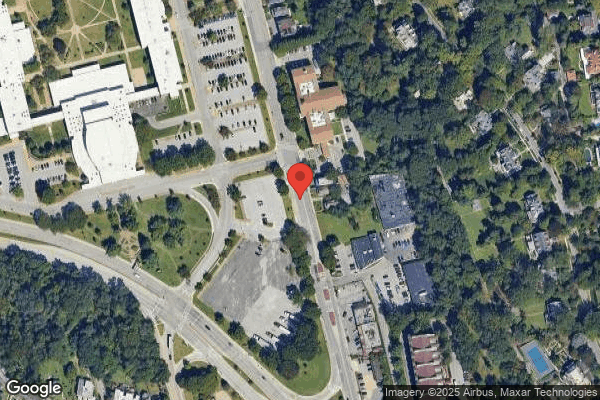
4669 FALLS ROAD, BALTIMORE, MD 21209 (410) 662-8606
Non profit - Corporation 120 Beds ATLAS HEALTHCARE Data: November 2025
Trust Grade
78/100
#37 of 219 in MD
Last Inspection: March 2020

Over 2 years since last inspection. Current conditions may differ from available data.

Overview

Roland Park Rehabilitation and Healthcare Center has earned a Trust Grade of B, indicating it is a good choice for families, though there is room for improvement. It ranks #37 out of 219 facilities in Maryland, placing it in the top half, and #9 out of 43 in Baltimore County, meaning there are only eight local options that are better. However, the facility is experiencing a worsening trend, increasing from 7 issues in 2020 to 8 in 2025, which raises some concerns. Staffing is rated at 2 out of 5 stars, indicating below-average levels, with a turnover rate of 43%, which is in line with the state average. The facility has also incurred $17,831 in fines, which is average compared to other facilities in Maryland, but it does suggest some ongoing compliance issues. On the positive side, the facility has 5 out of 5 stars for overall quality measures and 4 out of 5 stars for health inspections, indicating high standards in these areas. However, there have been specific incidents of concern, such as residents needing permission to participate in outdoor activities and unsatisfactory living conditions, including musty odors and cleanliness issues in resident rooms. Additionally, care plans for residents did not adequately address individual needs, which could affect their overall well-being. Families should weigh these strengths and weaknesses carefully when considering this facility for their loved ones.

Trust Score
B
78/100
In Maryland
#37/219
Top 16%
Safety Record
Low Risk
No red flags
Inspections
Getting Worse
7 → 8 violations
Staff Stability
○ Average
43% turnover. Near Maryland's 48% average. Typical for the industry.
Penalties
⚠ Watch
$17,831 in fines. Higher than 78% of Maryland facilities, suggesting repeated compliance issues.
Skilled Nurses
○ Average
Each resident gets 33 minutes of Registered Nurse (RN) attention daily — about average for Maryland. RNs are the most trained staff who monitor for health changes.
Violations
⚠ Watch
45 deficiencies on record. Higher than average. Multiple issues found across inspections.
★★★★★
5.0
Overall Rating
★★☆☆☆
2.0
Staff Levels
★★★★★
5.0
Care Quality
★★★★☆
4.0
Inspection Score
Stable
2020: 7 issues
2025: 8 issues

The Good

  • 5-Star Quality Measures · Strong clinical quality outcomes
  • Full Sprinkler Coverage · Fire safety systems throughout facility
  • No fines on record
  • Staff turnover below average (43%)

    5 points below Maryland average of 48%

Facility shows strength in quality measures, fire safety.

The Bad

Staff Turnover: 43%

Near Maryland avg (46%)

Typical for the industry

Federal Fines: $17,831

Below median ($33,413)

Minor penalties assessed

Chain: ATLAS HEALTHCARE

Part of a multi-facility chain

Ask about local staffing decisions and management

The Ugly 45 deficiencies on record

Mar 2025 2 deficiencies
CONCERN (D) 📢 Someone Reported This

A family member, employee, or ombudsman was alarmed enough to file a formal complaint

Potential for Harm - no one hurt, but risky conditions existed

Report Alleged Abuse (Tag F0609)

Could have caused harm · This affected 1 resident

Based on surveyor review of a facility reported incident and facility staff interview, it was determined that the facility failed to immediately report an incident of alleged abuse by a resident to th...

Read full inspector narrative →
Based on surveyor review of a facility reported incident and facility staff interview, it was determined that the facility failed to immediately report an incident of alleged abuse by a resident to the Office of Health Care Quality. This finding was evident for 1 (Resident #62) of 4 residents selected for an abuse investigation. This finding is related to facility reported incident # MD00214230. The findings include: On 03/24/25 at 11:13 AM surveyor review of the facility reported incident revealed that Resident #62 alleged Geriatric Nursing Assistant (GNA), Staff #19, sent him/her a text message on 11/10/24, threatening to poison him/her. Further review of the alleged incident revealed that during the previous survey at the facility, Resident #62 reported this alleged incident to a surveyor from the Office of Health Care Quality (OHCQ) on 1/29/25. The surveyor immediately relayed the allegation to the Director of Nursing (DON). An interview was held with the Administrator on 3/25/25 and 3/26/25 which revealed no new information.
CONCERN (D) 📢 Someone Reported This

A family member, employee, or ombudsman was alarmed enough to file a formal complaint

Potential for Harm - no one hurt, but risky conditions existed

Investigate Abuse (Tag F0610)

Could have caused harm · This affected 1 resident

Based on review of a facility reported abuse allegation and interview it was determined that the facility failed to maintain documentation that alleged abuse was thoroughly investigated. This was evid...

Read full inspector narrative →
Based on review of a facility reported abuse allegation and interview it was determined that the facility failed to maintain documentation that alleged abuse was thoroughly investigated. This was evident for 1 of 3 facility reported incidents reviewed during the survey. This finding is related to facility reported incident # MD00214230. The findings include: On 03/24/25 at 11:13 AM surveyor review of the facility reported incident revealed that Resident #62 alleged Geriatric Nursing Assistant (GNA), Staff #19, sent him/her a text message on 11/10/24, threatening to poison him/her. An interview was held with the Director of Social Services, Staff #8, on 03/24/25 at 12:26 PM. Reviewed the investigation file with SSD. The SSD confirmed that he was one of the staff members who investigated the incident. However, there was no evidence found in the facility's investigation file related to the allegation of abuse by Resident #62. On 3/25/25 8:30 AM surveyor interview with the Nursing Home Administrator (NHA) revealed no new information.
Feb 2025 6 deficiencies
CONCERN (D) 📢 Someone Reported This

A family member, employee, or ombudsman was alarmed enough to file a formal complaint

Potential for Harm - no one hurt, but risky conditions existed

Report Alleged Abuse (Tag F0609)

Could have caused harm · This affected 1 resident

Based on record review and resident and staff interviews, it was determined that the facility staff failed to report a threat of physical violence against a resident as required. This was evident for ...

Read full inspector narrative →
Based on record review and resident and staff interviews, it was determined that the facility staff failed to report a threat of physical violence against a resident as required. This was evident for 1 (#39) of 53 residents reviewed during the survey. The findings include: A complaint alleging that a staff member attempted to poison Resident #39 was investigated on 1/29/25 at 8:03 AM. A review of Resident #39's medical record included a plan of care developed on 9/13/24 for behavioral problems as evidenced by blocking staff access to other residents, verbal aggression to staff and fabrication of care issues. Social Services progress notes revealed that the facility addressed the residents' concerns, but were not able to substantiate the attempted poisoning allegations and offered the resident a room change to another unit. On 1/29/25 at 12:45 PM, the Administrator provided a Service Comment Form, dated 10/10/24, which described the actions taken to address the residents concerns and included The resident was offered a room/unit change, and s/he declined. As a precaution, the accused staff member was removed from that assignment. Resident #39 was interviewed on 1/29/25 at 1:05 PM. S/he indicated that the facility didn't take his/her allegation seriously and their answer is that they didn't have any proof. During the interview, Resident #39 stated that s/he also received several text messages on his/her phone since the alleged incident. S/he briefly showed the surveyor the messages which contained derogatory comments and name calling. However, 1 message stated I wish I had something heavy to bash your head in. The messages were not dated. However, the resident indicated that s/he received the messages after the date s/he felt staff attempted to poison him/her. The resident indicated that s/he sent screen shots of the messages to the Unit Manager (Staff #14,) who then forwarded them to the Social Services Director (Staff #13). In an interview on 1/29/24 at 2:13 PM, Staff #14 confirmed she was aware of the text messages and that she informed Staff #13 who started an investigation. She indicated that Staff #13 did a Google search to find out who owned the phone from which the messages were sent. She indicated she couldn't remember if the police were notified of the threatening message then stated, I believe so. Staff #13 was interviewed on 1/29/25 at 2:38 PM. He confirmed that he attempted to identify the sender of the messages. When the number was called, it didn't ring. No match was found when he cross checked the number with the staff list and a Google search was unsuccessful. He indicated that the messages that were sent to Staff #14 involved name calling, referenced poisoning of the water and something about food. When asked, he denied having knowledge of any physically threatening messages. He indicated he had a file of the messages and was asked to provide them to the surveyor. On 1/29/25 at 2:57 PM, the Administrator indicated that the facility was not aware that there was anything of a threatening nature in the text messages that Resident #39 received or reported. He indicated that if the facility had known of any threatening messages, he would have reported them to the State Agency and to the Police, but he had no knowledge of any threatening messages. He stated, We take them very seriously. On 1/29/25 at 3:05 PM, Staff #13 provided the surveyor with a photo of the resident's phone with 1 text message which included foul language and name calling but was non-threatening. The message contained no identifiable date. He denied having copies of any additional text messages. In an interview on 2/3/25 at 10:24 AM, the Administrator was asked what measures were taken by the facility after he was made aware on 1/29/25 that Resident #39 had received a threatening message. He stated, I think they called the police and indicated he would find out. The Director of Nursing (DON) followed up with the surveyor on 2/3/25 at 10:55 AM. She indicated she spoke to the resident on 1/29/25 and again this morning and that the resident indicated that s/he does not feel threatened, so the police were not called. She confirmed that after the facility became aware that there was a threatening text message sent to the resident, they did not report the incident as required. On 2/3/25 at 11:42 AM, the Administrator indicated that he sent a report to the state agency and called the police to report the issue today. Review of the Facility Report revealed it was sent to the State Agency on 2/3/25 11:37 AM, after surveyor intervention.
CONCERN (D) 📢 Someone Reported This

A family member, employee, or ombudsman was alarmed enough to file a formal complaint

Potential for Harm - no one hurt, but risky conditions existed

Investigate Abuse (Tag F0610)

Could have caused harm · This affected 1 resident

Based on record review and interview with staff, it was determined that the facility staff 1) failed to prevent further potential exploitation while an investigation was in progress, and 2) failed to ...

Read full inspector narrative →
Based on record review and interview with staff, it was determined that the facility staff 1) failed to prevent further potential exploitation while an investigation was in progress, and 2) failed to have evidence that all alleged violations are thoroughly investigated. This was evident for 2 facility reported incidents reviewed for 1 (#11) of 53 residents reviewed during the survey. The findings include: 1) Facility Reported Incident (FRI) #MD00197317 was reviewed on 1/27/25 at 11:17 AM. The report indicated that Resident #11 alleged that Staff #12 a Geriatric Nursing Assistant (GNA) took his/her wallet, which contained $15.00, while making his/her bed on 9/21/23. The facility reported the incident, conducted an investigation, was unable to substantiate the allegation, and submitted their final report to the state on 9/27/23. The facility's report and investigation documentation failed to reveal that Staff #12 was suspended pending the outcome of the investigation. Staff schedules revealed that Staff #12 worked 7AM-3PM on 9/21/23. The Administrator was asked to provide evidence that Staff #12 was suspended after the allegation pending the result of the facility's investigation. On 1/28/25 at 841 AM, the Administrator confirmed that he was not able to find evidence that Staff #12 was suspended. He indicated that he reached out to former staff in an attempt to locate the information but had not heard back. No further information was provided prior to the exit conference on 2/5/25. 2) During the survey entrance conference on 1/24/25 at approximately 8:15 AM. The Director of Nursing (DON) was given a list and asked to provide the facility's investigations pertaining to each of the 20 FRI's scheduled for review during the survey. On 1/27/25 at approximately 10:00 AM, the Administrator indicated he was unable to locate the investigation for FRI #MD00195004. He indicated that the abuse allegation occurred during the facility's prior ownership and the incident investigation record was retained by the prior owner. He added that he reached out to the prior owner for the records. On 1/28/25 at 8:41 AM, the Administrator was asked about the status of the investigation record. He indicated that he had not received anything from the prior owner and would reach out to them again. He returned at 10:15 AM on 1/28/25 and reported that he called all the former administrators, and no one knows where the missing investigation is. He stated that the facility should have all resident records going back 5 years and he would be shocked if the documentation was within the facility because we've looked everywhere.
CONCERN (D) 📢 Someone Reported This

A family member, employee, or ombudsman was alarmed enough to file a formal complaint

Potential for Harm - no one hurt, but risky conditions existed

Transfer Requirements (Tag F0622)

Could have caused harm · This affected 1 resident

Based on the review of a complaint, staff interview and medical record review, it was determined that the facility failed to adequately prepare a resident for discharge. This was evident for one resid...

Read full inspector narrative →
Based on the review of a complaint, staff interview and medical record review, it was determined that the facility failed to adequately prepare a resident for discharge. This was evident for one resident during the review of 1 of 3 complaints regarding discharges. (Resident #23) The findings include: Review of the complaint #MD00203025 on 6/10/24 at 9:45 AM revealed concerns regarding Resident #23's discharge planning and preparation nor was the resident provided their personal belongings prior to the discharge. A review on 02/02/25, of the discharge that occurred on 2/01/23 and the completed paperwork revealed that Resident #23 had not signed any discharge paperwork, including the discharge instructions/post discharge plan review, and the resident property list. The discharge paperwork did not include wound care for the resident. The facility DON was interviewed on 02/04/25 at 9 AM. The facility process on discharge was reviewed. She stated that the staff are to review the discharge planning and have the resident sign it and then it is scanned into the computer. Additionally, this is the process for the resident property list. Neither one of these processes were competed for Resident #23. The DON identified concerns of discharge preparations secondary to the complaint and further identified a lack of documentation on behalf of the facility as well as the staff's failure to follow the facility process related to discharge planning and preparation.
CONCERN (D) 📢 Someone Reported This

A family member, employee, or ombudsman was alarmed enough to file a formal complaint

Potential for Harm - no one hurt, but risky conditions existed

Deficiency F0685 (Tag F0685)

Could have caused harm · This affected 1 resident

Based on medical record review and staff interview, the facility staff failed to address a resident's concerns (resident # 49) of not being able to see from glasses received from a contracted provider...

Read full inspector narrative →
Based on medical record review and staff interview, the facility staff failed to address a resident's concerns (resident # 49) of not being able to see from glasses received from a contracted provider in 8/2024. This was evident for 1 of 53 residents reviewed during a complaint survey. The findings include: On 1/27/24 at 1:00pm, Ombudsman #3 reported that resident #49 complained that he/she was unable to see from glasses they received from the facility's vision vendor in 8/2024. Ombudsman #3 stated that he/she explained the resident's concerns in an email to the Director of Nursing (DON) in 11/2024. Resident #49 stated that he/she hasn't received new glasses as of 1/2025. Review of resident #49's medical records on 1/28/25 at 10:30am revealed that the resident had a optometry exam on 8/12/24 and received glasses as a result of the optometry exam. The resident received new glasses on 8/20/24. Interview with the Director of Nursing (DON) on 1/28/25 at 11:00am revealed that DON was unaware of resident #49's issues with his/her glasses. The surveyor pointed out that ombudsman #3 contacted the DON by email explaining the resident's complaints with his/her glasses. The DON stated that he/she would research the issue and complaint. Interview with the DON on 2/4/25 at 11:00am revealed that the DON received the email but failed address resident #49's concerns with his/her glasses. The DON stated that resident #49 was scheduled for another vision appointment in 2/2025 and the issue with the resident's glasses would be addressed at that time.
CONCERN (D) 📢 Someone Reported This

A family member, employee, or ombudsman was alarmed enough to file a formal complaint

Potential for Harm - no one hurt, but risky conditions existed

Accident Prevention (Tag F0689)

Could have caused harm · This affected 1 resident

**NOTE- TERMS IN BRACKETS HAVE BEEN EDITED TO PROTECT CONFIDENTIALITY** Based on surveyor observation and staff interview, the facility staff failed to provide supervision to prevent an accident when ...

Read full inspector narrative →
**NOTE- TERMS IN BRACKETS HAVE BEEN EDITED TO PROTECT CONFIDENTIALITY** Based on surveyor observation and staff interview, the facility staff failed to provide supervision to prevent an accident when the facility staff failed to remove low-hanging extension cords from the 3rd floor ceiling. This would affect all residents and visitors on the back of the 3rd floor unit. The findings include: On 1/24/25 at approximately 10:30am, a surveyor touring the 3rd floor unit observed extension cords connected to temporary lights hanging from the ceiling tiles at the back of the unit. The surveyor observed that the extension cords were hanging low enough to hinder any resident or visitor walking in the area adjacent to rooms [ROOM NUMBERS]. Interview with the Director of Nursing (DON) on 1/24/25 at 11:00am revealed the facility's 3rd floor back unit sustained a water leak at 1/10/25 at approximately 5:00pm. The water leak affected the back end of the 2nd and 3rd floors. Interview with the DON, Administrator and the Maintenance Director on 1/24/25 at 2:00pm revealed the water leak from the sprinkler system on 1/10/25 at approximately 5:00pm caused the ceiling lighting to malfunction on the back of the 3rd floor unit. Contractors hired to repair the systems affected by the water leak installed temporary lighting on the back of the 3rd floor unit that required extension cords to be installed in the ceiling tile. The surveyor pointed out that he/she observed that the installed extension cords were hanging low enough to hinder any resident or visitor ambulating in the area. The survey team observed that that the installed extension cords at the back of the 3rd floor unit were fully installed in the ceiling and were no longer a accident hazard for the resident and visitors.
CONCERN (D) 📢 Someone Reported This

A family member, employee, or ombudsman was alarmed enough to file a formal complaint

Potential for Harm - no one hurt, but risky conditions existed

Deficiency F0691 (Tag F0691)

Could have caused harm · This affected 1 resident

Based on medical record review and interviews, it was determined that the facility failed to implement physician care orders for a resident admitted with a colostomy. This was evident for 1 (#41) of 3...

Read full inspector narrative →
Based on medical record review and interviews, it was determined that the facility failed to implement physician care orders for a resident admitted with a colostomy. This was evident for 1 (#41) of 3 residents reviewed related to a complaint about colostomy care. The findings include: On 1/24/25 at 2:43 PM, a review of the medical record for Resident #41 revealed that s/he was admitted to the facility post colostomy (a surgical procedure that creates an opening (stoma) in the abdomen through which waste from the large intestine (colon) can be discharged into a bag) at the beginning of May 2024. Further review on 1/28/25 at 9:36 AM failed to reveal any orders in place for the care and treatment of the ostomy from 5/29/24 -7/18/24 during the resident's intermittent stay in the facility when the resident went to the hospital and returned to the facility. This concern was reviewed with the facility DON and the Regional DON on 1/28/25 at 1:07 PM. No further documentation that care was provided to the survey team that Resident #41 received care for their ostomy between 5/29/24 and 7/18/24
Mar 2020 7 deficiencies
CONCERN (D)

Potential for Harm - no one hurt, but risky conditions existed

Resident Rights (Tag F0550)

Could have caused harm · This affected 1 resident

Based on staff interview and observation, it was determined the facility staff failed to promote care for residents in an environment that maintains or enhances each resident's dignity and respect in ...

Read full inspector narrative →
Based on staff interview and observation, it was determined the facility staff failed to promote care for residents in an environment that maintains or enhances each resident's dignity and respect in full recognition of his or her individuality by labeling residents as feeders on a posted staffing board. This occurred on 1 of 2 nursing unit staffing boards. The findings included: On 3-1-2020 at 9:50 AM, the posted staffing board on the second floor nursing unit had written, Feeders: 201(2), 202(2), 204(1), 209(1), 210(1), 212(2), 216, 225(2), 230(1). The use of the undignified term feeder was confirmed with the Night Supervisor #3 at 9:50 AM on 3-1-2020.
CONCERN (D)

Potential for Harm - no one hurt, but risky conditions existed

Transfer Notice (Tag F0623)

Could have caused harm · This affected 1 resident

2. Closed record review conducted on 3/3/2020 at 1:02PM revealed the facility failed to send a notice of resident #102's transfer to the hospital. Interview with the Director of Nursing (DON) on 3/3/...

Read full inspector narrative →
2. Closed record review conducted on 3/3/2020 at 1:02PM revealed the facility failed to send a notice of resident #102's transfer to the hospital. Interview with the Director of Nursing (DON) on 3/3/2020 at 1:13 PM revealed the facility was aware of the requirements of transfer notices, but the facility had yet to comply with this policy. Based on medical record review and interview, it was determined that the facility staff failed to notify the residents or responsible party in writing of the reason for Residents (#87, and #102) transfer to the hospital. This was evident for 2 of 6 resident reviewed for hospitalization during the annual recertification survey.The findings include: 1. Review of the medical record for Resident #87 revealed the resident was transferred to an acute care facility on 1/11/2020. There was no documentation found in the medical record that the resident, and or the resident's responsible party was given written notice in a language and manner that they understand. On 03/02/20 11:27 AM, the Director of Nursing was made aware there was no documentation found in the medical records that the residents, and or the resident's responsible party was given written notice in a language and manner they understand. This finding was confirmed by the Director of Nursing.
CONCERN (D)

Potential for Harm - no one hurt, but risky conditions existed

Deficiency F0625 (Tag F0625)

Could have caused harm · This affected 1 resident

2. Closed record review conducted on 3/3/2020 at 1:02PM revealed the facility failed to send a notice of resident #102's transfer to the hospital. Interview with the Director of Nursing (DON) on 3/3/2...

Read full inspector narrative →
2. Closed record review conducted on 3/3/2020 at 1:02PM revealed the facility failed to send a notice of resident #102's transfer to the hospital. Interview with the Director of Nursing (DON) on 3/3/2020 at 1:13 PM revealed the facility was aware of the requirements of transfer notices but the facility had yet to comply with this policy. Based on medical record review and staff interview, it was determined the facility failed to notify the resident or the resident's responsible party in writing of the facilities bed-hold policy before transferring them to the hospital. This was evident for 2 (Residents #87 and #102) of 6 residents sampled for investigations. The findings include: 1. Review of the medical record on 3/1/2020 at 12:30 AM, for Resident #87 documented that the resident was transferred to an acute care facility on 1/11/2020. An interview with the facility Director of Nursing (DON) on 03/02/20 11:27 AM, confirmed the facility did not give Resident #87 a copy of the facilities bed hold policy.
CONCERN (D)

Potential for Harm - no one hurt, but risky conditions existed

Quality of Care (Tag F0684)

Could have caused harm · This affected 1 resident

**NOTE- TERMS IN BRACKETS HAVE BEEN EDITED TO PROTECT CONFIDENTIALITY** Based on medical record review, resident and staff interviews, it was determined that the facility staff failed to accurately tr...

Read full inspector narrative →
**NOTE- TERMS IN BRACKETS HAVE BEEN EDITED TO PROTECT CONFIDENTIALITY** Based on medical record review, resident and staff interviews, it was determined that the facility staff failed to accurately transcribe a written physician order (Resident #1). This is evident for 1 of 3 resident's selected for infections review during the annual survey. The findings include: On 2-24-2020, Resident #1 returned from a Vascular Surgery appointment with new orders for the care of their right heel wound. The orders said to discontinue the wound vacuum dressing to the right heel and wear protective boots at all times. The right heel wound care was 1. every other day cleanse wound with [NAME] or other wound cleanser x 5 minutes. 2. Apply endoform to wound and cover with gauze to anterior and posterior ankle prior to wrapping with kerlix. Anterior ankle gauze is for protection. 3. Doctor to schedule split thickness skin graft week of March 9, 2020. Office will call facility with date/time/details. 4. Please draw CBC and CMP (lab tests) prior to procedure. The facility staff did not discontinue the wound vacuum order in the medical record which was continued on the March 2020 order sheet. The Vascular Surgeon had removed the vacuum 2-24-2020. The only part of the wound care orders transcribed to the medical record was: cleanse wound with [NAME] cleanser x5 minutes The nursing staff failed to transcribe where the wound was, what to apply to the wound and what to use for wrapping and how to wrap the wound. The lab draw orders were transcribed. On 3-3-2020 at 12:45 PM, the Director of Nursing confirmed the nursing staff failed to accurately transcribe the Vascular Surgeon's wound care orders onto the medical record for nursing staff to follow.
CONCERN (D)

Potential for Harm - no one hurt, but risky conditions existed

Deficiency F0692 (Tag F0692)

Could have caused harm · This affected 1 resident

2. The facility staff failed to maintain a fluid restriction as ordered by the physician. Medical record for Resident #35 revealed on 1/13/20 the physician ordered: Fluid restriction as ordered- 1200 ...

Read full inspector narrative →
2. The facility staff failed to maintain a fluid restriction as ordered by the physician. Medical record for Resident #35 revealed on 1/13/20 the physician ordered: Fluid restriction as ordered- 1200 cc (cubic centimeters). 1200 cc is approximately 1 and 1/2 quart of fluid (or a liter and a 1/2). A fluid restricted diet helps prevent fluid from building up in the body. Further, medical record review for Resident #35 revealed on 1/14/20 the Dietician (in collaboration with the physician ordered) completed the Fluid Restriction Worksheet allocating Dietary 720 cc of fluids and allocating nursing 480 cc of fluid in 24 hours. Interview on 3/3/20 at 10:30 AM, Staff Nurse #14 stated that Resident #35 is not on a fluid restriction. Interview on 03/03/20 at 11:20 AM, the Director of Nursing stated that Resident #35 was ordered a fluid restriction on 1/13/20 and that staff never followed the Physician ordered for the fluid restriction. Based on record review, observation and interview, it was determined the facility staff failed to have the appropriate interdisciplinary team members attend a Resident's care plan meeting (#304) and failed to maintain a fluid restriction as ordered by the physician for Resident #35. This was evident for 2 of 4 residents reviewed for nutrition during the annual survey. The findings include: 1. Resident #304 was admitted to the facility with a feeding tube placed into the stomach for nutrition because the resident was unable to swallow. Resident #304 received all food in liquid form and fluids through this tube. On 8-6-19, a care plan meeting was held with Resident #304's family and the facilities social worker, nurse and the Director of Rehabilitation. The facility dietitian did not attend the care plan meeting, therefore, nutritional needs were not addressed. The Director of Nursing confirmed on 3-5-2020 at 11:00 AM that the dietitian did not attend the care plan meeting to address Resident #304's nutritional needs.
CONCERN (D)

Potential for Harm - no one hurt, but risky conditions existed

Drug Regimen Review (Tag F0756)

Could have caused harm · This affected 1 resident

Based on medical record review and interview, it was determined the facility staff failed ensure a resident was free from un-necessary medication by failing to discontinue the medication Lorazepam as ...

Read full inspector narrative →
Based on medical record review and interview, it was determined the facility staff failed ensure a resident was free from un-necessary medication by failing to discontinue the medication Lorazepam as ordered by the Physician for Resident (#77). This was evident for 1 of 53 residents selected for review during the annual survey. The findings include: 1. The facility staff failed to discontinue the medication Lorazepam as ordered by the Physician for Resident (#77). Medical record review on 03/04/20 at 10:22 AM, for Resident #77 revealed on 1/9/20, the physician ordered Lorazepam (Ativan) x 14 days. This medication is used to treat anxiety. Lorazepam belongs to a class of drugs known as benzodiazepines, which act on the brain and nerves (central nervous system) to produce a calming effect. Further record review revealed the medication Ativan was noted on the Medication Administrator record for the months of January 23rd through March 4th, 2020. However, the facility staff did not document the administration of the medication pass the 14 days. After surveyor intervention, the medication was discontinued 3/4/20. On 3/4/20 at 10:34 AM, interview with the Director of Nursing confirmed that the facility staff failed to ensure Resident #77 was free from un-necessary medications by not discontinuing the lorazepam as order.
CONCERN (E)

Potential for Harm - no one hurt, but risky conditions existed

Deficiency F0679 (Tag F0679)

Could have caused harm · This affected multiple residents

Based on resident interview, it was determined that the facility failed to ensure residents have a choice in recreational activities. This was true for 5 (#4, #9, #26, #50, and #64) out of the 7 resid...

Read full inspector narrative →
Based on resident interview, it was determined that the facility failed to ensure residents have a choice in recreational activities. This was true for 5 (#4, #9, #26, #50, and #64) out of the 7 residents representing the resident council. The findings include: This surveyor interviewed 7 residents representing the Resident Council on 3/1/20 at 1:30 PM. Five of the residents stated that if they want to go outside for fresh air in the courtyard, they need to ask for permission and request a staff to accompany them. If one is not available, then they cannot go out. Evidence to dispute the residents' allegation was not provided prior to exit.
Aug 2018 15 deficiencies
CONCERN (D)

Potential for Harm - no one hurt, but risky conditions existed

Free from Abuse/Neglect (Tag F0600)

Could have caused harm · This affected 1 resident

Based on record review, interviews,and facility investigation it was determined that the facility failed to keep a resident free from verbal abuse as evidenced by reports of a resident being verbally ...

Read full inspector narrative →
Based on record review, interviews,and facility investigation it was determined that the facility failed to keep a resident free from verbal abuse as evidenced by reports of a resident being verbally abused by a staff member. This was evident during the review of facility reported incident MD00127467. The findings include: Review of Resident # 400's medical record on 8/21/18 at 10am revealed multiple co-morbidities including Bipolar Disorder and Opioid Dependency. Investigation Report, dated 6/1/18, revealed that, on 6/1/18 at 11:45am, a representative from I Care transportation witnessed a GNA (Geriatric Nursing Assistant) speaking inappropriately to resident # 400, while waiting to transport the resident to an appointment. On 6/1/18 at 3:10pm, the representative from I Care transportation returned resident #400 from his/her appointment and reported to nurse # 7 and the Unit manager #13 that he/she witnessed a GNA using foul language while in the residents' room this morning. The facility identified the GNA as (Staff #2). Review of the facility investigation revealed a written statement from GNA (staff #1) that revealed the following: The resident #400 call light was on and staff #1 answered it. The resident was in the bathroom and started to cry stating, it was getting close to his/her appointment. The resident stated his/her hair needed to be shampooed. GNA #1 made GNA# 2 aware of the residents' request. GNA #2 told the resident he/she did not have time for this pertaining to washing the resident hair. GNA #2 stated to GNA #1 you take this patient and went towards the door fussing, stating the resident was over dramatic and need to get his/her Methadone, s/he did not have time for this fucking shit, this place is bullshit. GNA #1 assisted the resident. During interview with the Director of Nursing on 8/21/18 at 1pm, it was revealed that, after the facility investigation was completed, the allegation was substantiated for verbal abuse. The GNA #2 was terminated and reported to the Board of Nursing.
CONCERN (D)

Potential for Harm - no one hurt, but risky conditions existed

Report Alleged Abuse (Tag F0609)

Could have caused harm · This affected 1 resident

Based on record review and interviews and review of the facility investigation, it was determined that the facility staff failed to report an allegation of verbal abuse immediately. This was evident d...

Read full inspector narrative →
Based on record review and interviews and review of the facility investigation, it was determined that the facility staff failed to report an allegation of verbal abuse immediately. This was evident during the review of facility reported incident MD00127467. The findings include: Review of Resident # 400's medical record, on 8/21/18 at 10am, revealed multiple co-morbidities including Bipolar Disorder and Opioid Dependency. Investigation Report, dated 6/1/18, revealed that, on 6/1/18 at 11:45am, a representative from I Care transportation witnessed a GNA (Geriatric Nursing Assistant) speaking inappropriately to resident # 400, while waiting to transport the resident to an appointment. On 6/1/18 at 3:10 pm the representative from I Care transportation returned resident #400 from his/her appointment and reported to nurse # 7 and the Unit manager #13 that he/she witnessed a GNA using foul language while in the residents' room this morning. The facility identified the GNA as (Staff #2). Review of the facility investigation on 8/21/18 at 11:am revealed that GNA #1 (Geriatric Nursing Assistant) witnessed GNA#2 speaking inappropriately to resident # 400; however, failed to report the incident to anyone. During interview with the Director of Nursing on 8/21/18 at 1pm, it was revealed that, after the facility investigation was completed, the allegation was substantiated for verbal abuse. GNA #1 was educated on reporting suspected verbal/physical abuse and GNA #2 was terminated and reported to the Board of Nursing.
CONCERN (D)

Potential for Harm - no one hurt, but risky conditions existed

Deficiency F0637 (Tag F0637)

Could have caused harm · This affected 1 resident

Based on clinical record review and staff interview, it was determined that the facility staff failed to initiate a significant change MDS assessment for (Residents #112). This was evident for 1 out o...

Read full inspector narrative →
Based on clinical record review and staff interview, it was determined that the facility staff failed to initiate a significant change MDS assessment for (Residents #112). This was evident for 1 out of the 7 residents reviewed. A significant change in status assessment is a comprehensive assessment that must be completed when the Interdisciplinary Team (IDT) has determined that a resident meets the significant change guidelines for either a major improvement or decline. When a resident is enrolled is a hospice program a significant change in status assessment. The findings include: Review of Resident # 112's medical records on 8/21/18 at 10am, revealed that the resident was admitted to hospice services on 6/1/18. Further review of the medical record revealed that the facility staff failed to initiate a significant change MDS assessment regarding the resident's change in condition. During interview with the MDS Coordinator (staff # 3) on 8/21/18 at 12pm, s/he stated the resident was not receiving hospice services; therefore, a significant change MDS was not needed. Interview with the Social Worker (staff #10) s/he verified that the resident was receiving hospice and the services started on 6/1/18.
CONCERN (D)

Potential for Harm - no one hurt, but risky conditions existed

Assessment Accuracy (Tag F0641)

Could have caused harm · This affected 1 resident

Based on medical record review and staff interview, it was determined that the facility staff failed to ensure that Minimum Data Set (MDS) assessments were accurately coded. This was evident for 1 (#1...

Read full inspector narrative →
Based on medical record review and staff interview, it was determined that the facility staff failed to ensure that Minimum Data Set (MDS) assessments were accurately coded. This was evident for 1 (#107) of 5 residents reviewed for accidents and 1 (#65) of 3 residents review for dental services. The findings include: 1. The MDS is part of the Resident Assessment Instrument that was Federally mandated in legislation passed in 1986. The MDS is a set of assessment screening items employed as part of a standardized, reproducible, and comprehensive assessment process that ensures each resident's individual needs are identified, that care is planned based on those individualized needs, and that the care is provided as planned to meet the needs of each resident. Review of Resident #107's medical record on 8/20/18 revealed that the resident had a fall on 5/11/18. The progress note, dated 5/11/18 at 20:33, (8:30 PM) stated, Resident alert and oriented x 4. Found by GNA sitting on bathroom floor beside toilet. Assessed by this writer, no injury nor c/o pain. Asked by this writer, why he was sitting on the floor and stated, I put my cane out in front of me to walk to get to the toilet, but the cane went the other way and before I knew it I fell on the floor. Review of the Discharge - return not anticipated MDS with an assessment reference date (ARD) of 5/30/18, Section J1800 Any Falls Since Admission/Entry or Re-entry or Prior Assessment, documented no that the resident did not have any falls since the last assessment which was dated 5/4/18. Staff #3 confirmed the error on 8/20/18 at 12:11 PM. 2) Interview and observations of resident #65 on 8/14/18 revealed that the resident had missing and broken natural teeth with likely cavities. Review of an annual comprehensive MDS assessment, dated 7/9/18, assessed the resident as not having missing and broken teeth. Section L0200 dental, was coded in error as resident #65 was coded as not having any issues/concerns with dentition. The resident's medical record revealed that s/he was to be seen for dental service for reasons of poor oral hygiene and decayed loose teeth. Interview of an MDS coordinator (staff #14) on 8/16/2018 at 2:15 PM revealed that the MDS coordinator,a who had assessed the resident for the 7/9/18 assessment, no longer worked at the facility. The MDS coordinator acknowledged the noted MDS inaccuracy.
CONCERN (D)

Potential for Harm - no one hurt, but risky conditions existed

Deficiency F0655 (Tag F0655)

Could have caused harm · This affected 1 resident

**NOTE- TERMS IN BRACKETS HAVE BEEN EDITED TO PROTECT CONFIDENTIALITY** Based on medical record review and interviews with staff, it was determined that the facility staff failed to provide a resident...

Read full inspector narrative →
**NOTE- TERMS IN BRACKETS HAVE BEEN EDITED TO PROTECT CONFIDENTIALITY** Based on medical record review and interviews with staff, it was determined that the facility staff failed to provide a resident with a copy of his/her baseline care plan. This was evident for 1 (#207) of 1 residents reviewed for care plan. A care plan is a guide that addresses the unique needs of each resident. It is used to plan, assess and evaluate the effectiveness of the resident's care. The findings include: Resident #207's medical record was reviewed on 8/16/18 at 10:09 AM. The record revealed that the resident was admitted on [DATE] and that a baseline care plan was created on that date as well. During an interview on 8/16/18 at 10:35 AM, Staff #11 was asked what the facility provided to the resident when the baseline care plan was completed. He/She indicated that the facility would provide a copy of the resident's medication list and a copy of the care plan. If the resident/representative did not attend the meeting, the copies would be physically delivered to the resident, or mailed to the resident's representative, and that the unit manager was responsible for writing a progress note documenting that the plan and medications were reviewed and presented to the resident and/or sent to the representative. Further review of the resident's medical record at 11:13 AM revealed a care plan progress note, dated 8/6/18 21:49 (9:49 PM), which stated Resident aware of medications ordered. (He/She's) aware that ot/pt (occupational therapy/physical therapy) will evaluate (him/her). The note did not indicate that the baseline plan of care had been reviewed nor a copy given to the resident. Staff #11 confirmed the above findings.
CONCERN (D)

Potential for Harm - no one hurt, but risky conditions existed

Quality of Care (Tag F0684)

Could have caused harm · This affected 1 resident

**NOTE- TERMS IN BRACKETS HAVE BEEN EDITED TO PROTECT CONFIDENTIALITY** 3. The facility failed to ensure that Resident #58's Xarelto medication was administered in a timely manner at the time the medi...

Read full inspector narrative →
**NOTE- TERMS IN BRACKETS HAVE BEEN EDITED TO PROTECT CONFIDENTIALITY** 3. The facility failed to ensure that Resident #58's Xarelto medication was administered in a timely manner at the time the medication was ordered. Resident #58's medical record was reviewed on 8/15/18 at 12:41 PM. During the review, an order was found dated 2/14/2018, that stated, Start Xarelto 15mg by mouth twice per day for 21 days, then Xarelto 20mg by mouth daily. Xarelto is an anticoagulant medication. Anticoagulant medications are prescribed to residents to reduce their tendency to form blood clots. It protects residents from throbotic and embolic events such as stroke and heart attack. Resident #58's medication administration record (MAR) was also obtained and reviewed. Initials on the MAR indicate when medications have been given. On the MAR for February of 2018, the first initials for Xarelto 15, by mouth twice daily, are on 2/17/2018 in the row indicating the evening dose of the medication. Based on these initials, the first dose of the 2/14/2018 order for Xarelto that Resident #58 received was on 2/17/2018, three days after the order was written. The Resident did not sustain any thrombotic or embolic events as a result of this delay in medication administration. These concerns were reviewed with the Director of Nursing and the Administrator during survey exit. 2. During an interview on 8/14/18 at 11:24 AM Resident #207 indicated that his/her pain medication didn't always work, that he/she had difficulty sleeping at times because of pain, and that staff were aware. The resident's medical record was reviewed on 8/17/18 at 11:26 AM. Physicians orders included but were not limited to Oxycodone (a narcotic pain medication) 5 mg every 4 hours as needed for pain which was ordered upon Resident #207's admission on [DATE] and Tylenol 500 mg (milligrams) by mouth every 8 hours for pain which was added to the residents pain regimen on 8/15/18 and scheduled to be given at 6 AM, 2 PM and 10 PM. A plan of care for pain was created on 8/6/18 with goals which included, but were not limited to, Reduce episodes of breakthrough pain. The interventions to assist the resident in reaching his/her goals included: Administer pain medication per physician orders. Review of the resident's medication administration record (MAR) revealed that the Tylenol was only signed off as administered at 2 PM on 8/16/18. It had not been administered as ordered at 10 PM on 8/15/16, at 6AM or 10 PM on 8/16/18, nor 6 AM on 8/17/18. A further review of the residents MAR on 8/20/18 revealed that the facility staff failed to administer Resident #207's Tylenol at 10 PM on 8/17/18, as well. The record reflected that the facility staff failed to provide Resident #207 with any of his/her scheduled Tylenol doses for 6 AM. Staff #11 was made aware and confirmed these findings on 8/21/18 at 9:18 AM. Based on medical record review, observation and staff interview, it was determined the facility failed to follow physician's orders and the care plan for potential for altered skin integrity for a resident who was totally dependent on staff for all mobility needs and by failing to administer routine medication for pain and anticogulation as per the resident's plan of care and physicians orders. This was evident for 1 (#54) of 5 residents reviewed for positioning and for 1 (#207) of 4 residents reviewed for pain management. The findings include: 1. Review of Resident #54's medical record on 8/20/18 revealed August 2018 physician's orders for Medi-Boots to bilateral feet at all times which was initially ordered on 5/26/17. Medi-Boots are protectors for the heels to protect against pressure ulcers. Review of Resident #54's care plan at risk for alteration in skin integrity related to: contractures, impaired mobility and incontinence, which was initiated on 5/27/17, had the intervention float heels as able. Observation was made, on 8/20/18 at 3:05 PM of Resident #54 receiving care by 2 Geriatric Nursing Assistants (GNAs). The resident's incontinence brief was changed, and the resident was positioned on his/her back with a sheet covering the resident. The resident did not have anything on his/her feet and his/her feet were directly on the fitted sheet which was on top of the mattress. The surveyor looked around the room and did not see the Medi-boots. The surveyor looked in Resident #54's closet and observed the Medi-boots on the top shelf in the closet. On 8/21/18 at 8:15 AM, Resident #54 was observed lying in bed with no Medi-boots on and bilateral heels not elevated. Staff #4 was with the surveyor at the time and the surveyor asked why the Medi-boots were not on and Staff #4 stated they are probably in the laundry. However, when Staff #4 opened the closet door the Medi-Boots were observed on the top shelf. The surveyor also pointed out to Staff #4 that the resident's heels were not elevated. At that time, Staff #4 asked Resident #54 if the Medi-Boots could be placed on the resident and the resident nodded yes. Review of the medical record on 8/21/18 failed to produce documentation that the resident refused application of the Medi-boots. In addition, Resident #54's Treatment Administration Record (TAR) was reviewed and revealed the order for Medi Boots to bilateral feet at all times. The treatment was signed off that the Medi-boots were applied to the resident on the 7-3, 3-11 and 11-7 shift on 8/20/18, even though the resident was observed not wearing Medi-boots and the Medi-boots were observed on the top shelf of the closet. The Director of Nursing was advised of the inaccurate TAR documentation and that Medi-Boots were not applied and heels were not elevated on 8/21/18 at 9:31 AM.
CONCERN (D)

Potential for Harm - no one hurt, but risky conditions existed

Food Safety (Tag F0812)

Could have caused harm · This affected 1 resident

Based on surveyor observation, it was determined that the facility staff failed to serve food in a sanitary manner. This was observed during 1 of 3 dining observations. The findings include: Observati...

Read full inspector narrative →
Based on surveyor observation, it was determined that the facility staff failed to serve food in a sanitary manner. This was observed during 1 of 3 dining observations. The findings include: Observation was made, on 08/15/18 at 12:05 PM, in the second-floor dining room of a Geriatric Nursing Assistant (GNA) setting up the lunch tray for Resident #67. The GNA (staff #15) was observed to use his/her bare fingers to pull bread out of a plastic bag for resident #67. At 12:08 PM, a nurse (staff #5) was observed to pull cookies out of a plastic bag with his/her bare hand for resident #67. On 8/17/18, administrative staff were informed of the observations of bare hand touching of food, empathizing that employees should prevent contact of ready-to-eat food with their bare hands.
CONCERN (D)

Potential for Harm - no one hurt, but risky conditions existed

Medical Records (Tag F0842)

Could have caused harm · This affected 1 resident

4. Review Plan of Care ( POC is the facilities daily record of resident activities of daily living) records for resident (86) on 8/16/2018 at 9:40 am revealed that facility staff did not document on e...

Read full inspector narrative →
4. Review Plan of Care ( POC is the facilities daily record of resident activities of daily living) records for resident (86) on 8/16/2018 at 9:40 am revealed that facility staff did not document on each shift for Transfer Self Performance- How the resident moves between surfaces including to or from bed, Chair, wheelchair, standing position and Bed Mobility: Self Performance- How the resident moves to and from lying position, turns side to side, and position body while in bed or alternate sleep furniture. On the following dates, the facility failed to document completely for all three shifts for Transfer Self Performance (7/18, 7/19, 7/27, 7/31, 2018), and to document completely for all three shifts for Bed Mobility (7/18, 7/19, 7/20, 7/27, 7/31, 2018). The Director of Nursing (DON) on 8/16/2018 at 10:00 am confirmed that facilityb staff failed to document accurately in the POC for resident (86). That there should be completed documention every day every shift for Transfer self performance and Bed Mobility for an accurate picture of residents daily activities. 5. On 8/15/2018 at 1:30pm, during a review of medical records, this surveyor observed an improper Nursing note for resident (86). The note was written on 8/10/2018 at 12:40 and read as follows, Note Text: Patient is alert but not verbal today. Patient refused medications. Patient remains in Hospice care. Patient was provided skin and incontinent care. Will continue to monitor the Patient's progress. Resident (86) was not placed on Hospice care until 8/14/2018. The DON on 8/16/2018 at 10:00 am confirmed that this was inaccurate nursing note. Failure to maintain complete and accurate resident records impeded the verification of adequate resident care. 3. The faciltiy failed to ensure that Resident # 58's administration of as needed Tylenol was signed off with a time. Resident #58's medical record was reviewed on 8/15/18 at 12:41 PM. The Medication Administration Record (MAR) revealed that the resident received one dose of the order acetaminophen [Tylenol] 650mg by mouth every six hours as needed on 4/12/18, and one dose on 4/13/18. The MAR contained the initials of the nurses who administered the medication on 4/12/18 and 4/13/18, but did not contain the time that the medication was administered. A dose that was given on 4/14/18 contains both a time and initials of the administering nurse. These concerns were reviewed with the Director of Nursing at time of survey exit. 2. Resident #207's medical record was reviewed on 8/17/18 at 11:26 AM. Physicians orders included, but were not limited to, Diazepam 5 mg (milligrams) by mouth every 8 hours as needed x 2 weeks for spasm, per patient request and Cyclobenzaprine 10 mg by mouth every 8 hours as needed for muscle spasms. The orders did not specify how the staff were to determine which of the 2 medications to give if the resident was having muscle spasms. Staff #11 was made aware and confirmed these findings on 8/21/18 at 9:18 AM. Based on medical record review, observation and staff interview it was determined the facility failed to accurately document in resident medical records as evidenced by licensed nursing staff signing off that treatments were implemented when the treatments were observed not implemented. This was evident for 1 (#54) of 5 residents reviewed for positioning, 1 (#207) of 7 residents reviewed for medication review, 1 (#58) of 8 residents reviewed based on facility complaints, and for 1 of 1 resident reviewed for hospice care. The findings include: 1. Review of Resident #54's medical record, on 8/20/18, revealed August 2018 physician's orders for Medi-Boots to bilateral feet at all times which was initially ordered on 5/26/17. Medi-Boots are protectors for the heels to protect against pressure ulcers. Observation was made on 8/20/18 at 3:05 PM of Resident #54 receiving care by 2 Geriatric Nursing Assistants (GNAs). The resident's incontinence brief was changed, and the resident was positioned on his/her back with a sheet covering the resident. The resident did not have anything on his/her feet and his/her feet were directly on the fitted sheet which was on top of the mattress. The surveyor looked around the room and did not see the Medi-boots. The surveyor looked in Resident #54's closet and observed the Medi-boots on the top shelf in the closet. On 8/21/18 at 8:15 AM, Resident #54 was observed lying in bed with no Medi-boots on the resident's feet. Staff #4 was with the surveyor at the time and the surveyor asked why the Medi-boots were not on and Staff #4 stated they are probably in the laundry. However, when Staff #4 opened the closet door the Medi-Boots were observed on the top shelf. At that time, Staff #4 asked Resident #54 if the Medi-Boots could be placed on the resident and the resident nodded yes. Review of the medical record on 8/21/18 failed to produce documentation that the resident refused application of the Medi-boots. In addition, Resident #54's Treatment Administration Record (TAR) was reviewed and revealed the order for Medi Boots to bilateral feet at all times. The treatment was signed off that the Medi-boots were applied to the resident on the 7-3, 3-11 and 11-7 shift on 8/20/18, even though the resident was observed not wearing Medi-boots and the Medi-boots were observed on the top shelf of the closet. The Director of Nursing was advised of the inaccurate TAR documentation and that Medi-Boots were not applied on 8/21/18 at 9:31 AM.
CONCERN (E)

Potential for Harm - no one hurt, but risky conditions existed

Safe Environment (Tag F0584)

Could have caused harm · This affected multiple residents

**NOTE- TERMS IN BRACKETS HAVE BEEN EDITED TO PROTECT CONFIDENTIALITY** On 8/14/18 at 9:58 AM, the surveyor observed room [ROOM NUMBER]. The room had a stale musty odor. Numerous dry brown spots rangi...

Read full inspector narrative →
**NOTE- TERMS IN BRACKETS HAVE BEEN EDITED TO PROTECT CONFIDENTIALITY** On 8/14/18 at 9:58 AM, the surveyor observed room [ROOM NUMBER]. The room had a stale musty odor. Numerous dry brown spots ranging from dime to quarter size were scattered over the entire bathroom floor and the floor between the second bed and the window. To the right of the second bed, was a wardrobe unit. The upper drawer was crooked with the left side hanging approximately 1 inch below the right side. The bottom drawer was also crooked and was overlapping the upper drawer with its' top right corner. The base of the wall to the right of the bathroom door was missing molding and a hole approximately 3 inches high by 5 inches long was through the wall board. Within the bathroom the surveyor also observed a dried brown smear on the toilet seat. The toilet paper holder on the wall was empty and had no spindle. At 10:32 AM on 8/14/18 the surveyor observed room [ROOM NUMBER]. A corner of a floor tile between head of bed 2 and wardrobe was missing a triangular piece, measuring approximately 1 x 2 inches. The area where the piece was missing was black. room [ROOM NUMBER] was observed on 8/14/18 at 11:32 AM. A strip of molding, approximately 6 inches long, was missing from the corner at the base of the wall located to the left of the bathroom door. Holes were in the wallboard. Within the bathroom, the surveyor observed that the floor laminate was separated from the floor under the hand sink. The flooring had a raised ripple approximately 1.5 inches high, and 2 feet long located diagonally approximately 1-2 feet away from the corner. On 8/14/18 at 2:07 PM, the surveyor observed resident room [ROOM NUMBER]. The floor of the bathroom and bedroom were sticky. A white plastic dispenser labeled Skin Barrier Cream was located on the wall between the 2 beds in the room. Red/brown smears were located on the dispenser and on the wall directly below and to the left of the dispenser. The plastic covering of the TV remote cord for the first bed was separated approximately ½ inch from the remote. The separation exposed the internal portion of the cord. The surveyor made another observation of room [ROOM NUMBER] on 8/15/18 at 9:20 AM which resulted in the same findings. Based on observations and staff interview during facility environmental observations, it was determined that the facility staff failed to provide housekeeping and maintenance services necessary to maintain a sanitary, orderly, and comfortable interior. This was observed on both resident care areas 2nd and 3rd floors of the facility. The findings include: On 8/17/2018 at 4 PM, an environmental tour was conducted with the Maintenance Director (Staff #16) to share observations of the survey team. The Maintenance Director took notes along the way. The following concerns were identified: In room [ROOM NUMBER], one of the side nightstands was missing a drawer. Multiple staples were observed in the wall along wall paper seams. A long gouge/gash and dirty spots were found in the wall paper along the accent wall of the room. In the restroom of room [ROOM NUMBER],there were two stained ceiling tiles. The maintenance director indicated that there was ccasional leakage from the floor above. In room [ROOM NUMBER], the linoleum under bathroom sink was buckled and separating from floor, at the base of the wall left of the bathroom door is missing molding, and multiple holes in the wall. In room [ROOM NUMBER], cove molding adjacent to bathroom was missing exposing a hole in the plaster/cement. The top drawer of the wardrobe was lower on the left side exposing a gap and preventing full closure of the drawer. In room [ROOM NUMBER], the corner of tile between the head of the bed and wardrobe was noted with a chipped off area approximately 1 by 2 inches. In room [ROOM NUMBER], The tv remote plastic cord was noted to be separating from the unit housing with inner portion wire threads exposed. A smear of red/brown staining noted on wall left of a sanitizer dispenser. On the third-floor, brass kick plates at the bottoms of the doors to both the clean and dirty utility rooms was noted to be discolored and not clean.
CONCERN (E)

Potential for Harm - no one hurt, but risky conditions existed

Comprehensive Care Plan (Tag F0656)

Could have caused harm · This affected multiple residents

3. Resident #51's record was reviewed on 8/20/18 at 10:38 AM. The resident had a plan of care for nutrition risk with goals: Will experience no significant weight change and will tolerate diet and tex...

Read full inspector narrative →
3. Resident #51's record was reviewed on 8/20/18 at 10:38 AM. The resident had a plan of care for nutrition risk with goals: Will experience no significant weight change and will tolerate diet and texture/consistency. The plan of care failed to identify what a significant weight change would be for the resident nor did it identify the diet and texture/consistency the resident was to tolerate. Resident #51 also had a plan of care for risk for adverse effects related to use of antidepression medication, use of antipsychotic medication. The goals included but were not limited to: Show improvement in mood/behavior. The plan did not identify what the resident's individual mood/behavior were nor the objective(s) to be measured when determining if the resident's mood/behavior were improving. A plan of care was also developed for Resident #51 for risk for alteration in skin integrity. The goal: Decrease/minimize skin breakdown risks described a staff goal and was not resident centered. Resident #51's plan of care for actual and risk for falls included the goal: Minimize risk for falls. This goal described a staff goal, was not resident centered nor did it identify the objectives to be measured when determining if the resident had reached his/her goal. A plan of care for Resident #51 for Cardiac Disease identified the goals: Blood pressure will remain within patient's normal limits and Will experience effective symptom management. The plan did not identify what the resident's normal blood pressure limits were, what symptoms were to be managed, and what objectives were to be measured when determining if his/her symptoms were managed effectively. A plan of care for pain was also developed for Resident #51. The goals included but were not limited to: Pain goal 3 the plan did not indicate what pain goal 3 was, nor did the plan include measurable objectives related to the resident's pain management goals. Based on medical record review and staff interview, it was determined the facility failed to develop comprehensive person-centered care plans with goals that were measurable. This was evident for 3 (#3, #51, and #54) of 27 residents investigated. The findings include: A care plan is a guide that addresses the unique needs of each resident. It is used to plan, assess and evaluate the effectiveness of the resident's care. 1. Review of the medical record for Resident #3 on 8/20/18 revealed a care plan At risk for behavior symptoms r/t Dementia and cognitive impairment with the goal will reduce risk of behavioral symptoms. The goal was not measurable. 2. Review of the medical record for Resident #54 on 8/20/18 revealed a care plan at risk for loss of range of motion r/t disease process, left hand contracture with the goal will exhibit no decline in ROM (range of motion) within confines of disease processes. The goal was not measurable. Review of the care plan is at risk for alteration in skin integrity related to: contractures, impaired mobility, and incontinence had the goal decrease/minimize skin breakdown risks. The goal was not measurable. Discussed with the Director of Nursing on 8/21/18 at 9:31 AM.
CONCERN (E)

Potential for Harm - no one hurt, but risky conditions existed

Deficiency F0657 (Tag F0657)

Could have caused harm · This affected multiple residents

3. Resident #51's record was reviewed on 8/20/18 at 10:38 AM. The record revealed plans of care which included but were not limited to impaired vision, cardiac disease, bowel elimination alteration/co...

Read full inspector narrative →
3. Resident #51's record was reviewed on 8/20/18 at 10:38 AM. The record revealed plans of care which included but were not limited to impaired vision, cardiac disease, bowel elimination alteration/constipation, nutrition, pain, risk for adverse effects of antidepressant and antipsychotic medication, alteration in skin integrity, Aspirin therapy, upper extremity edema, risk for changes in mood, actual and risk for falls, dental, cognitive loss, resistive/noncompliant with treatment, self-care deficit, and activities. A Care Plan Progress Note dated 7/19/18 11:00 AM indicated that a care plan meeting was held that day with the resident's representative participating by phone. The progress note summarized the resident's recent hospital visit, antibiotic use, constipation, the activities that the resident enjoyed, and that psychotherapy had visited however no documentation was found which addressed and measured resident's progress or lack of progress toward reaching his/her care plan goals including the plan to continue or revise the interventions to better facilitate Resident #51 in achieving his/her goals. 4. Resident # 89's medical record was reviewed for dental on 8/21/18 at 9:08 AM. The resident's quarterly MDS assessment was completed on 8/4/18. The MDS (Minimum Data Set) is a complete assessment of the resident which provides the facility information necessary to develop a plan of care, provide the appropriate care and services to the resident, and to modify the care plan based on the resident's status. A plan of care had been developed on 4/30/18 for dental or oral cavity health problem as evidenced by missing teeth with dental caries (decay) related to poor dental hygiene. The record failed to reveal that Resident #89's dental plan of care had been evaluated and revised after his/her quarterly MDS assessment had been completed. Staff #13 was made aware of these findings on 8/21/18 at approximately 2:30 PM. Based on medical record review and staff interview, it was determined the facility failed to evaluate resident care plans. This was evident for 4 (#3, #51, #54, and #89) of 54 residents investigated during the annual survey. The findings include: A care plan is a guide that addresses the unique needs of each resident. It is used to plan, assess and evaluate the effectiveness of the resident's care. 1. Review of the medical record for Resident #3 on 8/20/18 revealed a care plan At risk for behavior symptoms r/t Dementia and cognitive impairment with the goal will reduce risk of behavioral symptoms. An 8/7/18 care plan progress note documented that a meeting was held and who attended. It summarized that the resident did not attend group activities, wandered about unit and was unable to focus in group and that resident appeared content at times and at other times may become tearful. The note stated remains on psych caseload for management of medications, mood and behaviors. Resident remains at cognitive and emotional baseline with no new concerns. There was no evaluation of the goal will reduce risk of behavioral symptoms as the note did not discuss how many behaviors were present or if the care plan needed to be altered. The care plan evaluation did not state what the cognitive and emotional baseline was for the resident. 2. Review of the medical record for Resident #54 on 8/20/18 revealed a care plan at risk for loss of range of motion r/t disease process, left hand contracture with the goal will exhibit no decline in ROM (range of motion) within confines of disease processes. A second care plan at risk for alteration in skin integrity related to: contractures, impaired mobility, and incontinence was also noted in the medical record with the goal decrease/minimize skin breakdown risks. A care plan progress note, dated 6/14/18, documented that the meeting was held, who attended, and that Occupational Therapy was splinting the resident. There was no evaluation of the goal and there was no documentation related to the status of the skin. The progress note was a general summary of the care plan meeting. There was no documentation that each care plan was evaluated for measurable, person centered goals and if the interventions were still appropriate. Discussed with the Director of Nursing on 8/21/18 at 9:31 AM.
CONCERN (E)

Potential for Harm - no one hurt, but risky conditions existed

Deficiency F0761 (Tag F0761)

Could have caused harm · This affected multiple residents

**NOTE- TERMS IN BRACKETS HAVE BEEN EDITED TO PROTECT CONFIDENTIALITY** Based on observation, staff interview and facility documentation review, it was determined the facility failed to discard medica...

Read full inspector narrative →
**NOTE- TERMS IN BRACKETS HAVE BEEN EDITED TO PROTECT CONFIDENTIALITY** Based on observation, staff interview and facility documentation review, it was determined the facility failed to discard medications/biologicals after the expiration date. This was evident for 3 of 5 medication carts observed on 1 of 2 nursing units. The findings include: Observation was made, on [DATE] at 12:38 PM, of Medication Cart #2 on the second- floor nursing unit of (1) box of Assure Dose for Glucose Monitoring; Lot #05186A with an expiration date of 10/17. Also observed was Resident #85's Humalog 100U/1ml insulin vial which was opened on [DATE]. According to the manufacture's website, Humalog Insulin should have been discarded after being opened for 28 days. Staff #5 was with the surveyor during the observation. Observation was made, on [DATE] at 12:43 PM, of Medication Cart #3 on the second-floor nursing unit of (2) Glucose control Solutions G3 2.5 ml., Lot #16816063102 with an expiration date of [DATE] and (1) Glucose control solutions Lot #16816073102/202 with an expiration date of [DATE]. There was also (1) 0.9% Sodium Chloride injection 10 ml. vial, Lot #63-373 DK with an expiration date of [DATE]. Staff #6 was with the surveyor at the time of the observation. Observation was made, on [DATE] at 12:48 PM, of Medication Cart #1 on the second-floor nursing unit of (2) EvenCare G3 Glucose Control Monitoring, Lot #16816063102 with an expiration date of [DATE], and (1) EvenCare G3 Glucose Control Monitoring, Lot #16816073102/202 with an expiration date of [DATE]. Staff #7 was with the surveyor at the time of the observation. The Medication and Treatment Administration Guideline's Policy that the Director of Nursing gave the surveyor on [DATE] failed to address specifics regarding discarding of expired medication. The Director of Nursing was made aware of the surveyor findings on [DATE] at 1:30 PM.
CONCERN (E)

Potential for Harm - no one hurt, but risky conditions existed

QAPI Program (Tag F0867)

Could have caused harm · This affected multiple residents

Based on review of facility Quality Assurance & Assessment (QA&A) activities, previous survey results, and interview with facility staff, it was determined that the facility failed to remain free of r...

Read full inspector narrative →
Based on review of facility Quality Assurance & Assessment (QA&A) activities, previous survey results, and interview with facility staff, it was determined that the facility failed to remain free of repeat citations from previous surveys. This failure to remain free of repeat citations is evidence that the facility's efforts to correct citations have not been effective. This was true for 5 of 18 (F584, F609, F641, F656, & F812) citations assessed on this annual recertification survey. The findings include: The facility received repeat citations from their January, 2016 and May, 2017 annual recertification surveys for 1. maintaining a clean, safe, and homelike evironment; 2. timely reporting of abuse; 3. development of comprehensive care plans; 4. accuracy of assessments; and 5. sanitary procurement, storage, preparation, and serving of food. All five of these citations were being cited under analogous F tags under the new survey process. Because the ongoing review of the above concerns by the quality assurance committee failed to correct ongoing deficiencies, the facility was cited for deficient practice.
MINOR (C)

Minor Issue - procedural, no safety impact

Transfer Notice (Tag F0623)

Minor procedural issue · This affected most or all residents

Based on medical record review and staff interview, it was determined that the facility failed to notify the resident/resident representative in writing of a transfer/discharge of a resident along wit...

Read full inspector narrative →
Based on medical record review and staff interview, it was determined that the facility failed to notify the resident/resident representative in writing of a transfer/discharge of a resident along with the reason for the transfer. This was evident for 3 (#109, #3, #94) of 6 residents reviewed that were transferred to an acute care facility. The findings include: 1) Review of the medical record for Resident #109 on 8/20/18 revealed that the resident was sent to an acute care facility on 5/18/18 for acute renal failure and failure to thrive. Further review of the medical record failed to produce written evidence that the responsible party was notified in writing of the transfer. 2) Review of the medical record for Resident #3 on 8/20/18 revealed that the resident was sent to an acute care facility on 6/15/18 for mental status changes, on 7/5/18 for shortness of breath, and on 7/9/18 for an emergency psychological evaluation. Further review of the medical record failed to produce written evidence that the responsible party was notified in writing of the transfer. 3) Review of the medical record for Resident #94 on 8/2/18 revealed that the resident was sent to an acute care facility on 7/4/18 for increased shortness of breath. Further review of the medical record failed to produce written evidence that the responsible party was notified in writing of the transfer. On 8/20/18 at 11:15 AM, the Nursing Home Administrator and the Director of Nursing (DON) stated that the responsible party was verbally made aware. Written notification of transfer out to the hospital was not given.
MINOR (C)

Minor Issue - procedural, no safety impact

Deficiency F0625 (Tag F0625)

Minor procedural issue · This affected most or all residents

Based on medical record review and staff interview, it was determined the facility failed to notify the resident/resident representative in writing of the bed hold policy when the resident was transfe...

Read full inspector narrative →
Based on medical record review and staff interview, it was determined the facility failed to notify the resident/resident representative in writing of the bed hold policy when the resident was transferred to an acute care facility. This was evident for 3 (#109, #3, #94) of 6 residents reviewed that were transferred to an acute care facility. The findings include: 1) Review of the medical record for Resident #109 on 8/20/18, revealed that the resident was sent to an acute care facility on 5/18/18 for acute renal failure and failure to thrive. Further review of the medical record failed to produce written evidence that the responsible party was given written notice of the bed hold policy. 2) Review of the medical record for Resident #3 on 8/20/18 revealed that the resident was sent to an acute care facility on 6/15/18 for mental status changes, on 7/5/18 for shortness of breath, and on 7/9/18 for an emergency psychological evaluation. Further review of the medical record failed to produce written evidence that the responsible party was given written notice of the bed hold policy. 3) Review of the medical record for Resident #94 on 8/2/18 revealed that the resident was sent to an acute care facility on 7/4/18 for increased shortness of breath. Further review of the medical record failed to produce written evidence that the responsible party was given written notice of the bed hold policy. On 8/20/18 at 11:15 AM, the Nursing Home Administrator (NHA) and the Director of Nursing (DON) stated that the responsible party was verbally aware. The NHA and DON were not able to provide documentation that written notification of the bed hold policy was given.
May 2017 15 deficiencies
CONCERN (D)

Potential for Harm - no one hurt, but risky conditions existed

Deficiency F0157 (Tag F0157)

Could have caused harm · This affected 1 resident

Based on medical records review and interviews with facility staff and family, it was determined that the facility staff failed to notify the Responsible Party (RP) that the facility had obtained a de...

Read full inspector narrative →
Based on medical records review and interviews with facility staff and family, it was determined that the facility staff failed to notify the Responsible Party (RP) that the facility had obtained a dental consult and ophthalmology (eye) consult for the resident. This was found to be evident for one of one residents (Resident #133) reviewed for notification of change during stage two of the survey. The findings include: Resident 133's medical records was reviewed on 5/4/17.This review revealed that the resident was admitted to the facility in January 2015 for long term care with diagnoses which includes dementia. Further review of the clinical records revealed documentation indicating that the resident's daughter is her/his health care agent which also included general power of attorney papers prepared by the court. On 5/5/17 during an interview with the RP, s/he revealed that the facility failed to notify her/him that the Resident had a dental consult which included partials to be ordered and an ophthalmology exam that resulted in glasses being ordered. The RP also revealed that s/he found out about the partials when s/he saw them in the resident's bathroom and when the resident complained about not being able to see. Review of the medical records on 5/8/17 revealed that, in December 2016, the resident had a dental exam with an outside company contracted by the facility to begin denture step 1. Review of the dental notes failed to reveal any documentation indicating the RP was made aware. Further review of the contract company documentation revealed that on 4/17/17, while doing a follow up to denture placement, the daughter/son was in the room and s/he was upset because dentures were made without her/his knowledge. Further review of the contract company reveal glasses were dispensed to the resident. During an interview with the Director of Nursing (DON) and the Administrator on 5/9/17, the surveyor requested any documentation indicating that the RP gave consent and or was notified about dental and ophthalmology treatment. On 5/9/17, the DON and administrator revealed that no documentation could be located indicating that the RP was made aware of any treatment to the resident. They also revealed that the company is supposed to obtain consent prior to performing any medical work, they both acknowledged that none could be found.
CONCERN (D)

Potential for Harm - no one hurt, but risky conditions existed

Deficiency F0241 (Tag F0241)

Could have caused harm · This affected 1 resident

**NOTE- TERMS IN BRACKETS HAVE BEEN EDITED TO PROTECT CONFIDENTIALITY** Based on observation and staff interview, it was determined that the facility staff failed to respect residents' private space b...

Read full inspector narrative →
**NOTE- TERMS IN BRACKETS HAVE BEEN EDITED TO PROTECT CONFIDENTIALITY** Based on observation and staff interview, it was determined that the facility staff failed to respect residents' private space by not requesting permission to enter residents' rooms. This was observed in 2 of 3 hallways on third floor during survey process. The findings include: During a medication administration observation 05/08/2017 at 9:04 AM in room [ROOM NUMBER], surveyor noted Nurse #3 left the entrance door open and failed to close privacy curtain that faced the doorway before administering medications for the resident in the room. During the medication administration, the housekeeper, (staff #6) tapped on the door and walked into the room. S/he did not wait for a response from the residents or nurse present and did not announce self or state reason for entering the room. S/he walked through the foyer, entered into the bathroom and retrieved the trash bag from the bin. Staff #6 proceeded to walk in between the residents' beds, reached behind the nurse, pulled a pair of gloves from the box on the wall, before exchanging trash bags from the residents' receptacle bins and walked out of room without speaking to anyone. Interview with Nurse (staff #3) revealed that s/he acknowledge staff #6's actions but stated that s/he was not sure what could have done to stop/prevent her actions. During the remaining medication observations on the Team 3 hallway unit, surveyor noted staff #1 continued to enter into residents' rooms without announcing themself. On 05/08/2017 at 10:12:08 AM, the Director of Nursing (DON) was made aware of surveyor's observations and concerns. S/he stated that s/he will inform the environmental department of concerns and ensure re-training will be conducted with staff.
CONCERN (D)

Potential for Harm - no one hurt, but risky conditions existed

Deficiency F0242 (Tag F0242)

Could have caused harm · This affected 1 resident

Based on observation, record review, resident and staff interview, it was determined that the facility staff failed to take residents' food preferences and dietary needs into consideration for meals. ...

Read full inspector narrative →
Based on observation, record review, resident and staff interview, it was determined that the facility staff failed to take residents' food preferences and dietary needs into consideration for meals. This was evident for 1 (Resident # 186) out of 1 reviewed for food preferences during survey. The findings include: On 5/05/2017 at 12:22:28 PM, surveyor conducted an in room interview with Resident #186. During this time, the resident's lunch tray arrived. When the lid was lifted by the staff, the resident requested a grilled cheese sandwich. The resident pointed to a pile of spinach covering at least a third of the plate and stated that he/she often received food items that are on his/her dislike/allergy list. He/she went on to say that in spite of the agreement made with the new kitchen manager during a recent resident council meeting, the kitchen rarely has the everyday alternatives items available to eat. These items are: salad, grilled cheese sandwich, hamburger and hot dogs. Review of Resident #186's meal ticket was conducted. It revealed that the resident was to receive double portions. The residents list of dislikes included all vegetables except for corn and white potatoes, tomatoes and tomato products, stuffing/dressing, Orange juice, coffee, green beans, asparagus and broccoli. The list indicated that the resident was allergic to onions. When asked about the double portions, the resident stated that s/he has never received two grilled cheese sandwiches and that one sandwich is not enough. The resident went on to say that family and friends bring in food to supplement meals. Interview on 05/09/2017 at 8:19 AM with resident #186 revealed that on 5/8/2017 he/she received peas with onions during the past Friday's dinner entree. Resident stated that s/he disliked green vegetables and has an allergy to onions. Additionally, the resident stated that during the 5/8/2017 dinner service, he/she requested to have one of the alternate meals (always available meals) and was told that that only grilled cheese was available and when requested was declined to have two sandwiches. On 05/09/2017 at 2:30 PM, an interview with the Dietary Director was conducted. S/he confirmed that there was a commitment to have the Always Available meals during the last resident council meeting. A list of the alternative meals are posted on all delivery carts. S/he stated that s/he had not received any complaints from residents and was unaware of resident #186's recent delivery of food items listed on his/her dislike list. S/he went on to say that s/he was unaware of the double portions preference for the resident. Preferences, allergies, diets, etc. are checked during the tray cart preparation. S/he went on to say that s/he is usually the last checker during this process to ensure all preferences and diets are accurate. She acknowledged surveyor's concerns stating that s/he has been working with her/his staff to find ways to know residents' preferences such as double portions when they receive requests over the phone. The 05/10/2017 at 11:30:30 AM interview with Resident #186 revealed that on Monday 5/8/2017 he/she was served green beans and was told by staff that the Always Available menu items were not available. The day before on Tuesday 5/9/2017 he/she was served stewed tomatoes for lunch and when requested for an option from the Always available menu was told only grilled cheese sandwiches were available. Although the resident overheard request for two sandwiches, only one came up. Interviews with 2nd floor GNAs (staff #5, #10,#11,#12,#13) on 05/10/2017 at 11:45 AM revealed that although the GNAs acknowledge that there was an Always Available menu, none of them could state any of the items on the list. In addition, GNA (staff #5) stated that s/he was unaware of Resident #186's preference for double portion. On 05/10/2017 at 12:17:37 PM, the DON and Administrator were made aware of surveyor's findings.
CONCERN (D)

Potential for Harm - no one hurt, but risky conditions existed

Deficiency F0246 (Tag F0246)

Could have caused harm · This affected 1 resident

Based on medical records review and interview with family and staff it was determined that the facility staff failed to get the resident out of the bed, This was true for 1 of 42 (R# 94) reviewed in t...

Read full inspector narrative →
Based on medical records review and interview with family and staff it was determined that the facility staff failed to get the resident out of the bed, This was true for 1 of 42 (R# 94) reviewed in the stage 2 survey. . The findings include: On 5/8/17 the resident's family member expressed concerns that the resident lays in bed all day. The family member also revealed that the resident has never gotten out of bed since admission. He also reported that he has asked staff to please get the resident up and has not received any information as to why the resident is not getting up. Resident #94's medical records was reviewed on 5/9/17. This review revealed that the resident was admitted to the facility in March 2017 for long term care and with diagnosis which include multiple strokes (blood flow to a part of the brain stops, a stroke is sometimes called a brain attack) which resulted in the resident being non-verbal not able to make needs known. The resident is totally dependent on staff for transfers out of bed, locomotion on and off the unit. Review of the nurse practitioner orders revealed an order dated 4/6/17 for occupational therapy (OT) to evaluate for chair and positioning. Further review of the medical records revealed an OT evaluation related to getting the resident out of the bed. This evaluation revealed a completed OT screen stating pt (patient) might benefit from skilled OT sitting and positioning using XL convalescent recliner. In the resident's medical records was a page attached to the OT screen with pictures of recliners with no documentation of when or if was ordered. During an interview with the director of nursing (DON) on 5/9/17 the surveyor asked about the status of the recliner and she reported it is on back order. The surveyor revealed to the DON that the date of the evaluation was 4/7/17 and asked if there was any updates to the recliner being delivered or getting the resident out of bed she replied no All findings discussed with the director of nursing and the administrator during the survey exit.
CONCERN (D)

Potential for Harm - no one hurt, but risky conditions existed

Deficiency F0248 (Tag F0248)

Could have caused harm · This affected 1 resident

Based on review of medical records, interview with staff and family and observation, it was determined that the facility failed to provide a program of activities to meet the resident's needs. This wa...

Read full inspector narrative →
Based on review of medical records, interview with staff and family and observation, it was determined that the facility failed to provide a program of activities to meet the resident's needs. This was evident for 1 of 1 residents (Resident # 94) reviewed for activities during stage two of the survey. An activities program should reflect the resident's comprehensive assessment and be implemented to reflect the individual needs of each resident. Activities are not limited to formal groups and should be provided to each resident to promote cognitive stimulation, comfort and individuality The findings include: On 5/8/17, the resident's family member expressed concerns that the resident was not receiving activity services. The family member also revealed that the resident lays in the bed all day. Resident #94's medical record was reviewed on 5/9/17. This review revealed that the resident was admitted to the facility in March 2017 for long term care and with diagnoses which include multiple strokes (blood flow to a part of the brain stops, a stroke is sometimes called a brain attack) which resulted in the resident being non-verbal not able to make needs known. The resident is totally dependent on staff for bathing activities. On 5/8/17, the resident was observed in bed dressed in a hospital gown and with the television turned on to a news network. The resident was also observed on 5/9/17 with a hospital gown on with the television on, with the lights off. Surveyor completed multiple other observations throughout stage 2 on the 2nd floor of the facility and the resident was not observed out of bed or engaged with staff. During an interview with the Activity Director on 5/9/17, s/he revealed that s/he does quarterly assessments on the resident and that two activity assistants are responsible for doing the initial comprehensive assessment on the resident. The surveyor asked her/him when resident's are first admitted to the facility, do you do the first initial assessment to determine what to care plan she replied not really, the two activity assistants are responsible for that. The surveyor asked the activity director if s/he was aware of Resident 94's preferences. S/he replied not really and s/he informed the surveyor that I had to speak with one of the assistance who is assigned to the resident. On 5/10/17 during an interview with the activity assistant (staff # 20) she revealed that the activity assessment are split between the two activity assistants. And that she did the resident activity assessment. The surveyor asked staff # 20 who fills out the daily recreation/activity participation documentation and the one to one activity log for this resident she replied I do. Review of the documentation the surveyor asked staff # 20 what ustands for. She replied unavailable the surveyor asked for further clarification she revealed it means that the resident was not available, the resident could have been getting therapy, or doing something else that prevented the resident from being available for activities. Review of the daily activity documentation for March 14-31, revealed that out of 15 activity programs the resident was unavailable 121 times, and that the resident independently watched television 18 times. Review of the one to one documentation for March 14-31 revealed the resident listened to the television 18 times, listened to music 1 day and listened to spiritual and religious activities for 2 days. Review of the April 2017 daily activity log revealed that out of 15 activity programs the resident was unavailable for 216 times and again the resident watched television for 30 times. Further review reveal that the facility documented that the resident refused spiritual and religious activity 4 times. Review of the one to one documentation revealed that the resident listened to the television 30 days. Review of the May 1-8, 2017 recreation log revealed that out of 14 activity programs the resident is unavailable 60 times and watched television independently for 88 days. The surveyor asked staff #20 to explain what socializing is, s/he replied it is when the resident talks with other residents or talks with family members or when there is a coffee social and the residents come to that. Review of the March, April and May activity documentation with staff #20 revealed that the resident had been socializing independently, the surveyor asked if she agreed with that and she replied yes. Staff #20 also revealed that she wheeled the resident to church services on Easter. Surveyor clarified with staff #20 in reference to taking the resident to church services and she said I am sure I took the resident to church on Easter Sunday. During an interview with the Director of Nursing, Nursing Home Administrator and corporate on 5/9/17, the surveyor revealed to them concerns about the resident independently socializing and being wheeled to church. The DON and NHA wanted to make sure we were discussing the same resident. I informed them that staff #20 clarified that they were discussing resident #94. They confirmed revealed they will be discussing it with the activity director and the assistants.
CONCERN (D)

Potential for Harm - no one hurt, but risky conditions existed

Deficiency F0278 (Tag F0278)

Could have caused harm · This affected 1 resident

**NOTE- TERMS IN BRACKETS HAVE BEEN EDITED TO PROTECT CONFIDENTIALITY** Based on medical record review, interview with staff, observation and review of the Resident Assessment Instrument (RAI) manual,...

Read full inspector narrative →
**NOTE- TERMS IN BRACKETS HAVE BEEN EDITED TO PROTECT CONFIDENTIALITY** Based on medical record review, interview with staff, observation and review of the Resident Assessment Instrument (RAI) manual, it was determined that the facility staff failed to ensure the information used to complete the quarterly Minimum Data Set (MDS) assessment for dental status was accurate. This was evident for 1 of 2 residents reviewed for dental status and service (Resident #134) in stage 2. The findings include: The Minimum Data Set [MDS] is a tool that is a federally mandated process for clinical assessment required by nursing homes to complete on each resident. The MDS provides a comprehensive assessment of the resident's functional capabilities and helps nursing home staff identify health problems. The facility staff develops plans of care based on the MDS assessment, past medical history, current clinical status as well as resident and family input. Review of resident #134's medical record on 5/9/2017 revealed on the MDS significant change assessment dated [DATE] indicates that the resident has teeth. Section L0200 B. No natural teeth or tooth fragment(s) (edentulous) checked/assessed as no. Review of the Care Area Assessment Summary section revealed that the dental care area did not trigger. Review of the care plans for resident #134 did not reveal any plans of care related to dental status. Resident #134 was discharged to a hospital on 3/27/2017 and readmitted to the facility on [DATE]. Interview and observation of resident #134 on 5/4/2017 revealed that this resident did not have any teeth or dentures. Review of a nutritional assessment dated [DATE] reveals resident #134 is assessed to be edentulous. (Edentulous is defined as toothless per Merriam-Webster dictionary) Additionally, a speech therapy evaluation dated 3/20/17 assesses resident #134 as edentulous upper and lower. Review of the Resident Assessment Instrument (RAI) 3.0 manual for Steps in assessing dental status reveals step #4 as Conduct exam of the resident's lips and oral cavity with dentures or partials removed, if applicable. Use a light source that is adequate to visualize the back of the mouth. Visually observe and feel all oral surfaces including lips, gums, tongue, palate, mouth floor, and cheek lining. Check for abnormal mouth tissue, abnormal teeth, or inflamed or bleeding gums. The assessor should use his or her gloved fingers to adequately feel for masses or loose teeth. A follow-up interview with a MDS coordinator/assessor (staff #1) on 5/10/2017 confirmed that resident #134 does not have teeth and the assessment dated [DATE] was inaccurate as documented.
CONCERN (D)

Potential for Harm - no one hurt, but risky conditions existed

Deficiency F0279 (Tag F0279)

Could have caused harm · This affected 1 resident

**NOTE- TERMS IN BRACKETS HAVE BEEN EDITED TO PROTECT CONFIDENTIALITY** 2) Review of the medical record on 5/8/17 revealed that resident #197 was admitted to the facility on [DATE] and returned to an ...

Read full inspector narrative →
**NOTE- TERMS IN BRACKETS HAVE BEEN EDITED TO PROTECT CONFIDENTIALITY** 2) Review of the medical record on 5/8/17 revealed that resident #197 was admitted to the facility on [DATE] and returned to an acute care facility on 1/28/17 for abnormal lab findings. Resident #197 was readmitted to this facility on 1/31/17 with a Foley (urinary) catheter. An admission MDS (Minimum Data Set) was completed for Resident #197 on 2/7/17. A MDS is a complete resident assessment tool used to develop the resident plan of care on admission and then completed quarterly or with a significant change in condition. On the assessment of 2/7/17 it was determined that Resident #197 was admitted to the facility with a Foley catheter and triggered for a care plan for the care and management of the Foley catheter. Review of all of the care plans for Resident #197 failed to include a care plan for the management of a Foley catheter. A Care Plan is a comprehensive individualized plan that describes the services that are to be furnished by the facility to assist the resident in attaining or maintaining their highest practicable level of well -being. During an interview with the DON (Director of Nursing) on 05/10/17 at 4:02 PM, the DON was made aware of this concern and was asked if there was any additional care plan information available. On 05/10/17 4:32 PM, the DON confirmed that there was no additional care plan information available. Based on medical record review and interview with facility staff, it was determined that the facility failed to develop an individualized care plan related to activities and to initiate a care plan in reference to a foley catheter. This was evident for 1 of 1 resident reviewed for activity incontinence (Resident #94) and for 1 of 1 residents reviewed for foley catheter (Resident #197) in stage 2. The findings include: A care plan is a guide that addresses the unique needs of each resident. It is valuable in preventing avoidable declines in functioning or functional levels. It must reflect immediate steps for assuring outcomes which improve the resident's status and progress 1. Resident #94's medical records was reviewed on 5/9/17. This review revealed that the resident was admitted to the facility in March 2017 for long term care and with diagnoses which includes multiple strokes (blood flow to a part of the brain stops, a stroke is sometimes called a brain attack) which resulted in the resident being non-verbal not able to make needs known. The resident is totally dependent on staff for bathing and activities. Review of the Recreation/Activity Evaluation dated 3/16/17 revealed the following interest: enjoys independent activities, group activities, outdoor leisure activities, parties and socials, news and religious involvement. Review of the resident's care plan revealed the following focus: Prefers not to attend group activities due to preference to pursue independent activities and to stay in room all day. The following goals were listed for the resident: 1. Will actively engage in 1:1 activities such as listening to Gospel sound and listening to television and receiving frequent family visits. 2. Will participate in independent leisure activities of choice daily such as magazines, watching television. Further review of the care plan failed to reflect the individual needs of the resident. The care plan for activities should be provided to each resident to promote cognitive stimulation, comfort and individuality.
CONCERN (D)

Potential for Harm - no one hurt, but risky conditions existed

Deficiency F0280 (Tag F0280)

Could have caused harm · This affected 1 resident

Based on medical record review and interview with staff and family, it was determined that the facility staff failed to ensure that Residents Responsible Party (RP) were involved in decisions regardin...

Read full inspector narrative →
Based on medical record review and interview with staff and family, it was determined that the facility staff failed to ensure that Residents Responsible Party (RP) were involved in decisions regarding their daily care. This was true for 1 out of 42 residents (Resident #133) in the Stage 2 sample. The findings include During an interview with Resident #133's RP on 5/5/17 in stage 1, the RP revealed that s/he attends all the care plan meetings and no one discusses the resident's glasses or dentures in any of the care plan meetings. On 5/8/17, Resident #133's medical record was reviewed. This review revealed that the resident was admitted to the facility in January 2015 for long term care and with diagnosis which includes dementia. Review of the care plan notes revealed that the resident had care plan meetings in January 2017 and April 2017. Rreview of social service notes failed to address eye glasses or dentures. Review of the consulting dentist documentation reveal a note indicating that the daughter was upset because she stated dentures were made without her consent. During an interview with the Nursing Home Administrator on 5/8/17, the surveyor requested documentation from the consulting dental and eye group that consent was obtained from the resident's RP and also documentation that addresses the glasses and dentures in the care plan meeting. On 5/9/17, the director of nursing and the administrator acknowledged that they are unable to locate any documentation that was requested by the surveyor. All findings discussed with the director of nursing and the administrator during the survey exit.
CONCERN (D)

Potential for Harm - no one hurt, but risky conditions existed

Deficiency F0312 (Tag F0312)

Could have caused harm · This affected 1 resident

Based on medical records review and interview with family and facility, it was determined that the facility staff failed to ensure the resident's personal hygiene needs were adequately met when the re...

Read full inspector narrative →
Based on medical records review and interview with family and facility, it was determined that the facility staff failed to ensure the resident's personal hygiene needs were adequately met when the resident received no showers since admission This was evident for 1 of 42 (#94) residents reviewed in the stage 2 sample. The findings include: 1. On 5/5/17, this surveyor observed a family member request a wash cloth and towel. The surveyor also heard the family member saying I should not have to come in everyday and clean the resident. The surveyor approached the family member to discuss these concerns. The family member reported that s/he comes every day to see the resident and it does not appear that the resident has been cleaned. The surveyor asked if the resident has been getting showers or baths and the family replied, No he/she has not been out of this bed since admission. On 5/8/17, Resident #94's medical record was reviewed. This review revealed that the resident was admitted to the facility in March 2017 for long term care with diagnoses which includes multiple stokes, aphasia (inability to comprehend and formulate language because of damage to specific brain regions. This damage is typically caused by a stroke) and contractures. During an interview with the Director of Nursing (DON) on 5/8/17, the surveyor requested documentation indicating what the resident shower days are and documentation indicating that the resident received showers on the said days. On 5/9/17, the DON gave the surveyor documentation that was entered into the system on 3/14/17 indicating that the resident's shower days are Sunday and Wednesday night. The DON revealed that s/he was unable to provide any documentation indicating that the resident actually received showers on those days. S/he also revealed that s/he is able to pull up shower documentation on other residents showing that they have received showers. The surveyor asked if there is any way of providing information that the resident was showered she replied no. Review of the medial records with input from the family revealed that the resident showers days will be on Tuesday and Saturday day shift. All concerns discussed with DON and the administrator during the survey exit.
CONCERN (D)

Potential for Harm - no one hurt, but risky conditions existed

Deficiency F0441 (Tag F0441)

Could have caused harm · This affected 1 resident

2) A wound treatment observation on 5/9/2017 at 10:50 AM for Resident #1 was conducted. During the end of the treatment application, the Nurse (staff #4) placed his/her gloved hands in rheir pockets t...

Read full inspector narrative →
2) A wound treatment observation on 5/9/2017 at 10:50 AM for Resident #1 was conducted. During the end of the treatment application, the Nurse (staff #4) placed his/her gloved hands in rheir pockets to pull out a pen to write on the dressing before placing it on the wound. In addition, the Nurse's personal scissors that were used to cut and position an Alginate dressing were placed in their pocket after use, without sanitizing. On 05/09/2017 at 2:27 PM, the Director of Nursing (DON) and Administrator acknowledged the surveyor's concerns. Based on observation and staff interviews, it was determined that the facility staff failed to reduce the risk of cross contamination and spread of infections by not: 1). washing their hands after direct patient care and 2). taking off dirty gloves prior to placing gloved hands in pockets and using dirty gloves to document with a pen. This was evideny for 1 random observation and observation of a dressing change. The findings include 1. On 5/4/17 at 3:30 PM, staff #21 came into resident # 114's room to give the resident assistance. Staff #21 failed to put on gloves, removed food from the resident's gown and wiped food off the resident's face. The resident requested to be turned, and subsequently, staff #21 put the head of the bed down and turned the resident to her/his side, placing pillows between the legs and behind the back. Staff #8 asked the resident if he/she was comfortable and the resident replied, yes thank you. Staff #21 covered the resident up and walked out of the room without washing her/his hands. Staff #8 was then observed rubbing the back of her/his co-worker at the nursing station, gave resident #166 a high five and then went into the nursing office, at no time did the surveyor observe the staff member washing their hands. On 5/4/17 at 3:50 PM, the surveyor discussed the infection control concerns with the administrator. All findings discussed with the director of nursing and the administrator during the survey exit.
CONCERN (D)

Potential for Harm - no one hurt, but risky conditions existed

Deficiency F0456 (Tag F0456)

Could have caused harm · This affected 1 resident

Based on observation, it was determined that the facility staff failed to properly store and clean kitchen equipment. This was evident during the food service line observation on 5/10/17. The finding...

Read full inspector narrative →
Based on observation, it was determined that the facility staff failed to properly store and clean kitchen equipment. This was evident during the food service line observation on 5/10/17. The findings include: During observation of the food service line on 5/10/17 at 12:12 PM, a food mixer was observed on a shelf beneath the microwave. The equipment was observed to have crumbs on the base of the mixer and it was also observed to have dried food around the beater shaft (where attachments are placed on the mixer). In addition, the mixer was not covered. The Regional Food Services Director was present and was immediately made aware.
CONCERN (D)

Potential for Harm - no one hurt, but risky conditions existed

Deficiency F0504 (Tag F0504)

Could have caused harm · This affected 1 resident

Based on medical records review and interview with the facility staff, it was determined that the facility staff obtained blood work without a physician order. This was evident for 1 out of 42 (#114) ...

Read full inspector narrative →
Based on medical records review and interview with the facility staff, it was determined that the facility staff obtained blood work without a physician order. This was evident for 1 out of 42 (#114) residents selected for review in stage 2 of the survey. The findings include: On 5/10/17, Resident #114's medical records was reviewed. This review revealed the resident was admitted to the facility in March 2017 for palliative care (care given to improve the quality of life of patients who have a serious or life-threatening disease, such as cancer). Review of the resident medical records revealed on 5/9/17, the resident had a CMP or comprehensive metabolic panel and CBC with diff or complete blood work with differential. CMP is a panel of 14 blood tests which serves as an initial broad medical screening tool. The CMP provides a rough check of kidney function, liver function, diabetic status and electrolyte and fluid balance. The CBC, is a commonly performed lab test. It can be used to detect or monitor many different health conditions. Review of the physician orders failed to locate an order for the CMP and CBC. The surveyor asked the director of nursing for documentation or physician order to obtain the blood work. During an interview with the DON, s/he revealed that there is no order to obtain a CMP and CBC on that resident. S/he also revealed that the blood work was supposed to be on another resident who is now in the hospital. S/he also informed the surveyor that they are in contact with the laboratory to get to the bottom of the mistake. All findings were discussed with the DON and the administrator during the survey exit.
CONCERN (D)

Potential for Harm - no one hurt, but risky conditions existed

Deficiency F0514 (Tag F0514)

Could have caused harm · This affected 1 resident

**NOTE- TERMS IN BRACKETS HAVE BEEN EDITED TO PROTECT CONFIDENTIALITY** Based on medical record, facility documentation review and staff interview, it was determined that the facility staff failed to ...

Read full inspector narrative →
**NOTE- TERMS IN BRACKETS HAVE BEEN EDITED TO PROTECT CONFIDENTIALITY** Based on medical record, facility documentation review and staff interview, it was determined that the facility staff failed to maintain complete and accurate documents related to care and discontiuation of a Foley indwelling urinary catheter.This is identified for 1 of 42 residents (#197) in the stage II survey sample. The findings include: Review of Resident #197's nursing progress notes, Treatment Administration Record (TAR) and Geriatric Nursing Assistant (GNA) notes revealed that Resident #197 was admitted to the facility on [DATE] with a Foley (urinary) catheter in place. Nursing progress notes and GNA notes confirmed that Resident #197 did have a Foley catheter until 3/7/17. After 3/7/17, there was no further documentation or doctors' orders regarding the Foley catheter or discontinuation of the catheter. During an interview on 05/10/17 at 4:02 PM with the DON (Director of Nursing), he/she was made aware of this concern and was asked if there was any additional documentation or orders available to determine when the Foley catheter was discontinued. On 05/10/17 at 4:32 PM, the DON confirmed that there was no additional documentation or orders available. Review of the facilities Catheter Removal Policy revealed that step 1 in the procedure is to verify Physician's order. The Suggested Documentation includes: -Date and time of catheter removed and response to procedure; -Amount of fluid aspirated from balloon (which hold catheter in place), amount of urine in drainage bag; -Time voided after catheterization and any distention assessed.
CONCERN (E)

Potential for Harm - no one hurt, but risky conditions existed

Deficiency F0253 (Tag F0253)

Could have caused harm · This affected multiple residents

**NOTE- TERMS IN BRACKETS HAVE BEEN EDITED TO PROTECT CONFIDENTIALITY** Based upon observations, it was determined that the facility's staff failed to maintain wall surfaces in good repair. The observ...

Read full inspector narrative →
**NOTE- TERMS IN BRACKETS HAVE BEEN EDITED TO PROTECT CONFIDENTIALITY** Based upon observations, it was determined that the facility's staff failed to maintain wall surfaces in good repair. The observations of walls reveal multiple blemishes, blotches, dents, scratches, gouges, scuffs and wall paper rips and seam separations. Observations include hallways, dayrooms, dining rooms and resident rooms on both units of the facility. The findings include: On 5/9/2017 at 2:15 PM, a tour was initiated with the facility's maintenance supervisor. Noted environmental concerns are as follows: the wall paper surfaces lining the second floor hallways include imperfections in the wall paper that include blotches, blemishes, stains, dents, scratches, gouges, scuffs and wall paper seam separations. The maintenance supervisor identified some of the causes of noted wall imperfections are related to inappropriate cleaning techniques as; white bleached blotches can be caused by a direct application of full strength cleaning solution, other areas with discolored streaks can by caused by a direct spray of cleaning solution that had dripped causing an irregular pattern stain. The multiple areas large and small, discolored splotches, blemishes and stains can give an appearance that the wall is unclean. The observed scratches, gouges and dents fluctuate in size and depth. In the second floor (Mt. [NAME]) dayroom across from the nursing station, the wall paper seams are noted to be separated. Most of the seams show deterioration with separation and curling of the wall paper seams. Some of the seams are shown to be stapled, as a band aide approach to wall repair. The second floor dining room has noted wall paper separations, screws in the wall (apparent from a previous picture) and a large quantity of staples in the wall adjacent to exit out of room leading to elevator. A follow-up interview was conducted with the maintenance supervisor on 5/10/2017 to acknowledge the observation of rooms [ROOM NUMBER] of multiple scuffs, scratches and gouges, in the accent wall observed from the room entrances. In room [ROOM NUMBER], there is an approximate 1 foot square rip in the wall paper above the A bed. In the third floor hallway there is an observation of a missing florescent light cover.
CONCERN (E)

Potential for Harm - no one hurt, but risky conditions existed

Deficiency F0371 (Tag F0371)

Could have caused harm · This affected multiple residents

Based on observation and staff interview, it was determined that the facility staff failed to: 1) properly dispose of expired single service items from the large walk in refrigerator and 2) properly d...

Read full inspector narrative →
Based on observation and staff interview, it was determined that the facility staff failed to: 1) properly dispose of expired single service items from the large walk in refrigerator and 2) properly date and label canned goods. This was evident during the initial tour of the kitchen during stage 1 of the survey. The findings include: Observation was made during the initial tour of the kitchen on 5/4/17 at 08:25 AM, in the large walk in refrigerator a crate holding 23 single serving cartons of skim milk marked: use by 4/28/17. Also observed in the dry storage area were 35 cans of various fruits and baked beans which were not labelled with the date of receipt. The Food Services Director accompanied the surveyor on the tour of the kitchen and was shown all areas of concern.
Understanding Severity Codes (click to expand)
Life-Threatening (Immediate Jeopardy)
J - Isolated K - Pattern L - Widespread
Actual Harm
G - Isolated H - Pattern I - Widespread
Potential for Harm
D - Isolated E - Pattern F - Widespread
No Harm (Minor)
A - Isolated B - Pattern C - Widespread

Questions to Ask on Your Visit

  • "Can I speak with families of current residents?"
  • "What's your RN coverage like on weekends and overnight?"

Our Honest Assessment

Strengths
  • • No major safety red flags. No abuse findings, life-threatening violations, or SFF status.
  • • 43% turnover. Below Maryland's 48% average. Good staff retention means consistent care.
Concerns
  • • 45 deficiencies on record. Higher than average. Multiple issues found across inspections.
  • • $17,831 in fines. Above average for Maryland. Some compliance problems on record.
Bottom line: Generally positive indicators. Standard due diligence and a personal visit recommended.

About This Facility

What is Roland Park Rehabilitation And Healthcare Center's CMS Rating?

CMS assigns ROLAND PARK REHABILITATION AND HEALTHCARE CENTER an overall rating of 5 out of 5 stars, which is considered much above average nationally. Within Maryland, this rating places the facility higher than 99% of the state's 100 nursing homes. This rating reflects solid performance across the metrics CMS uses to evaluate nursing home quality.
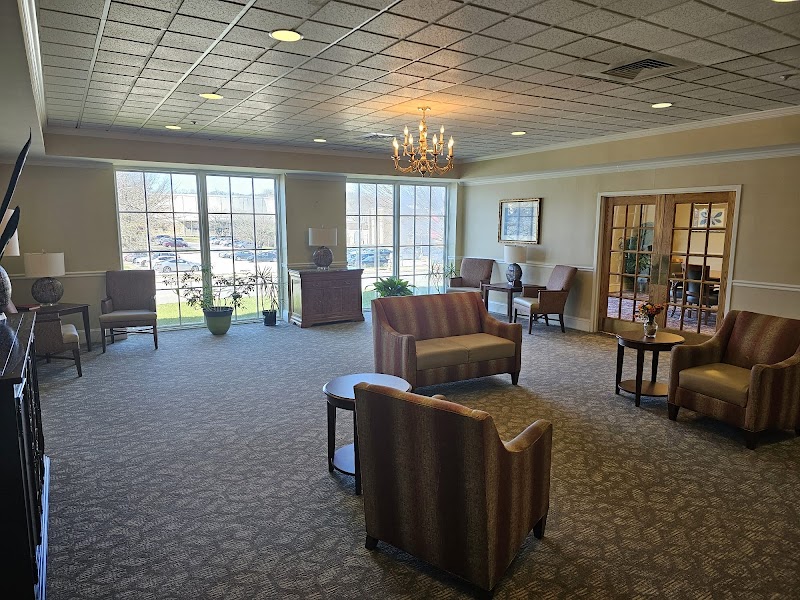
How is Roland Park Rehabilitation And Healthcare Center Staffed?

CMS rates ROLAND PARK REHABILITATION AND HEALTHCARE CENTER's staffing level at 2 out of 5 stars, which is below average compared to other nursing homes. Staff turnover is 43%, compared to the Maryland average of 46%. This relatively stable workforce can support continuity of care.

What Have Inspectors Found at Roland Park Rehabilitation And Healthcare Center?

State health inspectors documented 45 deficiencies at ROLAND PARK REHABILITATION AND HEALTHCARE CENTER during 2017 to 2025. These included: 43 with potential for harm and 2 minor or isolated issues.
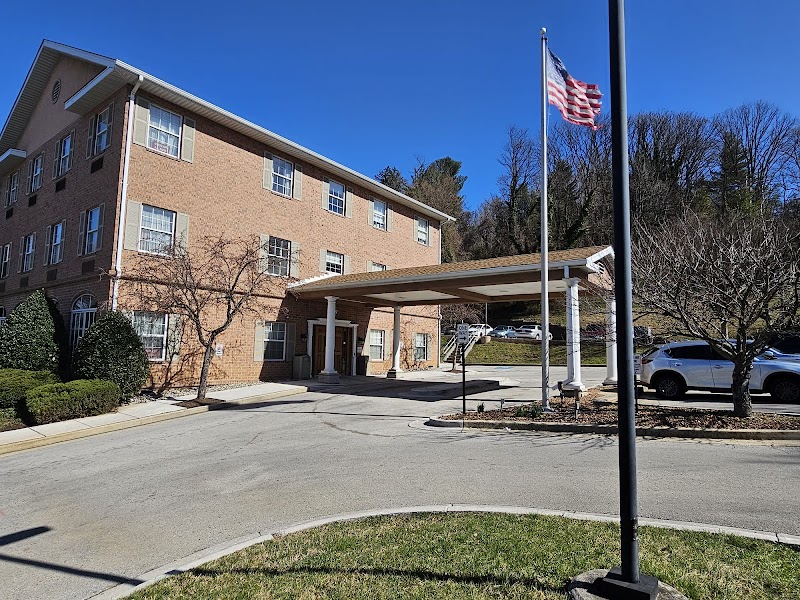
Who Owns and Operates Roland Park Rehabilitation And Healthcare Center?

ROLAND PARK REHABILITATION AND HEALTHCARE CENTER is owned by a non-profit organization. Non-profit facilities reinvest revenue into operations rather than distributing to shareholders. The facility is operated by ATLAS HEALTHCARE, a chain that manages multiple nursing homes. With 120 certified beds and approximately 112 residents (about 93% occupancy), it is a mid-sized facility located in BALTIMORE, Maryland.
How Does Roland Park Rehabilitation And Healthcare Center Compare to Other Maryland Nursing Homes?

Compared to the 100 nursing homes in Maryland, ROLAND PARK REHABILITATION AND HEALTHCARE CENTER's overall rating (5 stars) is above the state average of 3.1, staff turnover (43%) is near the state average of 46%, and health inspection rating (4 stars) is above the national benchmark.

What Should Families Ask When Visiting Roland Park Rehabilitation And Healthcare Center?

Based on this facility's data, families visiting should ask: "Can you walk me through typical staffing levels on day, evening, and night shifts?" "Can I visit during a mealtime to observe dining assistance and food quality?" "How do you handle medical emergencies, and what is your hospital transfer rate?" "Can I speak with family members of current residents about their experience?" These questions are particularly relevant given the below-average staffing rating.

Is Roland Park Rehabilitation And Healthcare Center Safe?

Based on CMS inspection data, ROLAND PARK REHABILITATION AND HEALTHCARE CENTER has a clean safety record: no substantiated abuse findings (meaning no confirmed cases of resident harm), no Immediate Jeopardy citations (the most serious violation level indicating risk of serious injury or death), and is not on the Special Focus Facility watch list (a federal program monitoring the lowest-performing 1% of nursing homes). The facility has a 5-star overall rating and ranks #1 of 100 nursing homes in Maryland. While no facility is perfect, families should still ask about staff-to-resident ratios and recent inspection results during their visit.

Do Nurses at Roland Park Rehabilitation And Healthcare Center Stick Around?

ROLAND PARK REHABILITATION AND HEALTHCARE CENTER has a staff turnover rate of 43%, which is about average for Maryland nursing homes (state average: 46%). Moderate turnover is common in nursing homes, but families should still ask about staff tenure and how the facility maintains care continuity when employees leave.

Was Roland Park Rehabilitation And Healthcare Center Ever Fined?

ROLAND PARK REHABILITATION AND HEALTHCARE CENTER has been fined $17,831 across 2 penalty actions. This is below the Maryland average of $33,257. While any fine indicates a compliance issue, fines under $50,000 are relatively common and typically reflect isolated problems that were subsequently corrected. Families should ask what specific issues led to these fines and confirm they've been resolved.

Is Roland Park Rehabilitation And Healthcare Center on Any Federal Watch List?

ROLAND PARK REHABILITATION AND HEALTHCARE CENTER is not on any federal watch list. The most significant is the Special Focus Facility (SFF) program, which identifies the bottom 1% of nursing homes nationally based on persistent, serious quality problems. Not being on this list means the facility has avoided the pattern of deficiencies that triggers enhanced federal oversight. This is a positive indicator, though families should still review the facility's inspection history directly.