TRANSITIONAL CARE SERVICES AT MERCY MEDICAL CENTER
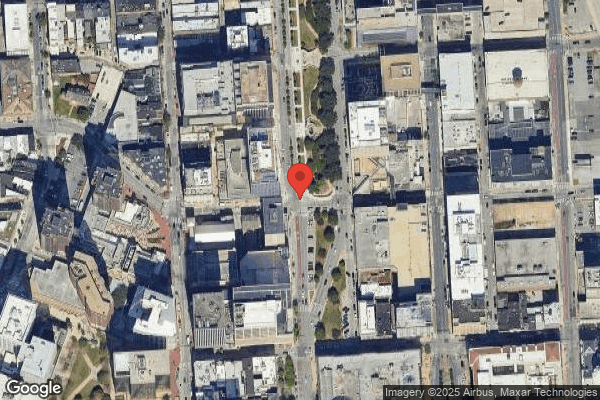
301 SAINT PAUL PLACE, BALTIMORE, MD 21202 (410) 332-9287
Non profit - Corporation 35 Beds Independent Data: November 2025
Trust Grade
90/100
#44 of 219 in MD
Last Inspection: April 2024

Within standard 12-15 month inspection cycle. Federal law requires annual inspections.

Overview

Transitional Care Services at Mercy Medical Center has received an impressive Trust Grade of A, which indicates it is highly recommended and considered excellent among nursing homes. It ranks #44 out of 219 facilities in Maryland, placing it in the top half, and #4 out of 26 in Baltimore City County, meaning only three local options are better. However, it is important to note that the facility's trend is worsening, with issues increasing from just 1 in 2019 to 13 in 2024, raising some concerns. Staffing is a strong point, with a 5-star rating and a turnover rate of only 19%, well below the state average of 40%. There have been no fines reported, which is a positive sign, and the facility has more registered nurse coverage than 99% of Maryland facilities, enhancing resident care. On the downside, recent inspections revealed several areas of concern. For example, some residents reported not having care plan meetings, which are crucial for their ongoing treatment. Additionally, there were instances of improper treatment, such as breakfast trays being left in closets and unclean conditions in residents' rooms, which could affect their dignity. Overall, while the home has excellent staffing and no fines, the recent rise in issues and specific incidents highlight the need for improvement in certain areas.

Trust Score
A
90/100
In Maryland
#44/219
Top 20%
Safety Record
Low Risk
No red flags
Inspections
Getting Worse
1 → 13 violations
Staff Stability
✓ Good
19% annual turnover. Excellent stability, 29 points below Maryland's 48% average. Staff who stay learn residents' needs.
Penalties
✓ Good
No fines on record. Clean compliance history, better than most Maryland facilities.
Skilled Nurses
✓ Good
Each resident gets 174 minutes of Registered Nurse (RN) attention daily — more than 97% of Maryland nursing homes. RNs are the most trained staff who catch health problems before they become serious.
Violations
⚠ Watch
16 deficiencies on record. Higher than average. Multiple issues found across inspections.
★★★★★
5.0
Overall Rating
★★★★★
5.0
Staff Levels
★★★★☆
4.0
Care Quality
★★★★★
5.0
Inspection Score
Stable
2019: 1 issues
2024: 13 issues

The Good

  • 5-Star Staffing Rating · Excellent nurse staffing levels
  • 4-Star Quality Measures · Strong clinical quality outcomes
  • Low Staff Turnover (19%) · Staff stability means consistent care
  • Full Sprinkler Coverage · Fire safety systems throughout facility
  • No fines on record
  • Staff turnover is low (19%)

    29 points below Maryland average of 48%

Facility shows strength in staffing levels, quality measures, staff retention, fire safety.

The Bad

No Significant Concerns Identified

This facility shows no red flags. Among Maryland's 100 nursing homes, only 1% achieve this.

The Ugly 16 deficiencies on record

Apr 2024 13 deficiencies
CONCERN (D)

Potential for Harm - no one hurt, but risky conditions existed

Resident Rights (Tag F0550)

Could have caused harm · This affected 1 resident

Based on observation and interview, it was determined the facility staff failed to treat each resident in a dignified manner by: 1) leaving a breakfast tray in the resident's closet, 2) leaving urinal...

Read full inspector narrative →
Based on observation and interview, it was determined the facility staff failed to treat each resident in a dignified manner by: 1) leaving a breakfast tray in the resident's closet, 2) leaving urinals hanging on the trash can in the resident's room, and 3) serving breakfast on a bedside table that had a urinal containing urine. This was evident for 2 (Resident #4, #12) of 27 residents reviewed during the survey. The findings include: 1) During an initial observation of Resident #4 on 3/25/2024 at 8:45 AM, surveyor observed a breakfast tray dated 3/25/2024 and pillows in two transparent bags in the resident's closet. NPO (nothing by mouth) signage was noted on the resident's room door. Resident #4 stated s/he did not know why and/or who placed the breakfast tray in the closet. On 3/25/2024 at 8:55 AM, the charge nurse, Registered Nurse (RN #17) was notified of surveyor's observation. RN #17 went into Resident #4's room and validated surveyor's findings. RN #17 stated the pillows in the two transparent bags were extra pillows. RN #17 further stated that the breakfast tray should not be in the closet and immediately took the tray out of Resident #4's room. On 3/25/2024 at 9:49 AM, the above concerns were reviewed with the Director of Nursing (DON) and the Administrator. The Administrator confirmed that the breakfast tray should not be in the resident's closet. She stated that staff should have taken the tray out of the room and placed it in the pantry with a sign on it and/or ordered a new tray for the resident. 2) On 3/26/2024 at 9:45 AM, surveyor observed three (3) open urinals hanging on a trash can by the foot of Resident #4's bed. In an interview, Resident #4 stated s/he was using the urinals when s/he first came to the unit and was not getting out of bed. Resident #4 further stated that s/he no longer used the urinals and staff should have kept them in the bathroom and not on the trash can. On 3/28/2024 at 2:33 PM, in an interview with the Administrator, she was made aware of surveyor's observation of urinals placed on the trash can. The Administrator stated that she was going to re-educate the staff on paying attention when they go into patients' rooms and make sure things like that were not happening. On 3/29/2024 0 at 7:45 AM, in a follow up interview with the Administrator, she stated that she spent last evening going into the residents' rooms looking for urinals and making sure there were no urinals on the trash cans. The Administrator added she was working on figuring out how they could hang the urinals on the bed rails instead of using the trash cans as observed in some of the residents' rooms. 3) During an observation of Resident #12 on 3/26/2024 at 8:50 AM, surveyor observed a urinal with 1/3 (one third) full yellow colored urine and a breakfast tray on a bedside table across the resident's bed. When asked if the resident had used the urinal prior to breakfast, s/he replied yes. Resident #12 stated that the urinal was on the table when staff served her/him breakfast. On 3/26/2024 at 9:07 AM, Surveyor notified Resident #12's nurse, Licensed Practical Nurse (LPN #9), who accompanied the surveyor to the resident's room and validated the finding. LPN #9 stated that the urinal should not be on the table with the breakfast tray. LPN #9 further stated that she had not made her way into the resident's room. She apologized to Resident #12 and immediately removed the urinal from the bedside table and took it to the bathroom. On 3/28/2024 at 2:33 PM, Surveyor reviewed her observations with the Administrator. She stated that she was going to re-educate the staff on paying attention when they go into residents' rooms and be mindful when passing out trays, so that meals are not served next to residents' urinals and/or urine.
CONCERN (D)

Potential for Harm - no one hurt, but risky conditions existed

Safe Environment (Tag F0584)

Could have caused harm · This affected 1 resident

**NOTE- TERMS IN BRACKETS HAVE BEEN EDITED TO PROTECT CONFIDENTIALITY** Based on observation and interviews it was determined that the facility failed to maintain a comfortable homelike environment as...

Read full inspector narrative →
**NOTE- TERMS IN BRACKETS HAVE BEEN EDITED TO PROTECT CONFIDENTIALITY** Based on observation and interviews it was determined that the facility failed to maintain a comfortable homelike environment as evidenced of a resident having stained ceiling tile, rust near the trim in a resident's bathroom, fluid stains on the wall in a resident's room, and damaged drywall in a resident's room. This deficient practice was evidenced in 4 rooms of 8 rooms assessed for a homelike environment during the survey. The findings include: On 03/25/24 at 8:39 am during observation rounds upon entering room [ROOM NUMBER] the surveyor observed a stained ceiling tile in the resident's room. Nursing Tech #11 confirmed the surveyor's findings. On 03/25/24 at 8:46 am the surveyor observed discolored tile behind the commode near the trim in room [ROOM NUMBER] bathroom. Director of Nursing #2 confirmed the surveyor's findings. On 03/25/24 at 9:18 am during observations rounds Resident # 8 was in their room sitting in the chair. The surveyor observed the drywall behind the chair was damaged. Administrator #1 confirmed the surveyor's findings. On 03/28/24 at 2:45 pm during an interview with Director of Maintenance #19 who indicated they try to do a weekly check on every floor. When there are maintenance issues they have a ticket system. If the issue is not an emergency the ticket will be assigned to a technician and after the repair is completed an email is sent to the requester. The requester has the option to direct the ticket response to the Director or Administrator. They have staff available 24 hours a day. They have a preventive maintenance schedule for equipment. The maintenance department was not aware of the issues on the unit. On 04/02/24 at 11:57 am during an interview with LPN #33 concerning the process of reporting maintenance problems he/she verbalized, normally if a patient tells the nurse about a maintenance issue the nurse will tell the Patient Service Representative (PSR) and a ticket will be put in and the staff or the PSR can put a ticket in and the problem is continuity as they only work 3 days a week.
CONCERN (D) 📢 Someone Reported This

A family member, employee, or ombudsman was alarmed enough to file a formal complaint

Potential for Harm - no one hurt, but risky conditions existed

Report Alleged Abuse (Tag F0609)

Could have caused harm · This affected 1 resident

Based on medical record review and interviews with facility staff it was determined the facility failed to report allegations of abuse in a timely manner. This was found to be evident for 1 (Resident ...

Read full inspector narrative →
Based on medical record review and interviews with facility staff it was determined the facility failed to report allegations of abuse in a timely manner. This was found to be evident for 1 (Resident # 24) of 1 abuse complaint reviewed during the survey. Findings include: MD00199041 was reviewed offsite on 3/28/24 at 1:30 PM regarding abuse allegations made by Resident #24. Abuse was unsubstantiated. Continued review of the facility's investigation included a signed typed statement by the nurse, (Staff # 25), in which the resident's sitter (Staff #32) reported to the nurse on 10/27/23 that the resident accused the sitter of having her way with him/her, when she pulled the blanket down around the resident's knee area. The sitter told the nurse that she did not want to take care of the resident anymore and did not want to return to the resident room. During an interview with the Administrator on 3/29/24 at 8:37 AM she was asked who has the responsibility of conducting the facility's investigation into abuse allegations and she stated that she does investigations. She was asked to read the signed typed statement from the nurse (# 25) and after doing so, she stated the nurse should have reported this incident immediately but did not. The Administrator confirmed that the abuse allegation was reported to her on 10/30/23 and then reported to the state agency at that time. She went on to say that all allegations of abuse are to be reported immediately and that education was provided to staff. A telephone interview was conducted with the nurse, (# 25) on 3/29/24 at 10:04 AM. When asked about the incident she was able to give a detailed account of the incident regarding Resident #24. The nurse was asked if she reported the abuse allegation to anyone and she said, no. The nurse stated that the sitter (# 32) should have been removed and that she was provided re-education after the incident. On the same date at 10:30 AM, the Administrator provided the survey team with a copy of abuse re-education training that was completed by Staff # 25 on 11/6/23 and her previous abuse training that was completed on 2/21/23. All concerns were discussed with the Administration team at the time of exit on 4/2/24 at 2:30 PM.
CONCERN (D)

Potential for Harm - no one hurt, but risky conditions existed

Transfer Notice (Tag F0623)

Could have caused harm · This affected 1 resident

**NOTE- TERMS IN BRACKETS HAVE BEEN EDITED TO PROTECT CONFIDENTIALITY** 2) On 04/01/24 at 11:56 am A review of Resident #17's electronic medical record (EMR) revealed the resident was transferred to t...

Read full inspector narrative →
**NOTE- TERMS IN BRACKETS HAVE BEEN EDITED TO PROTECT CONFIDENTIALITY** 2) On 04/01/24 at 11:56 am A review of Resident #17's electronic medical record (EMR) revealed the resident was transferred to the hospital on [DATE]. On 04/01/24 at 12:43 pm The surveyor requested to review the transfer summary sent to the resident or responsible party. During an interview with Administrator #1 on 04/01/24 at 1:15 pm when a patient goes out the discharge summary is sent with the patient, not a transfer summary. The surveyor asked to review the transfer summary. On 04/01/24 at 1:17 pm Administrator #1 made the surveyor aware there was not a transfer summary or discharge summary available for the surveyor to review. Based on medical record review and staff interview it was determined the facility failed to notify the resident/resident representative (RP) in writing of a transfer/discharge of a resident along with the reason for the transfer and failed to send a copy to the ombudsman. This was evident for 2 (#7, #17) of 2 residents reviewed for hospitalization during a recertification survey. The findings include: 1) Review of the medical record for Resident #7 on 4/1/2024 at 12:00 PM revealed Resident #7 was originally admitted to the facility on [DATE] from the hospital. Further review of the medical record revealed that Resident #7 was transferred back to the hospital emergency department (ED) on 2/24/2024 for a change in mental status. However, there was no documentation and/or evidence in the record indicating that the facility staff notified the resident/resident's representative (RP) in writing of the reason for the transfer/discharge to the acute care facility on the above date/time the resident was transferred out. On 4/1/2024 at 12:50 PM, surveyor requested from the Administrator to see written notification for the reason of transfer to the hospital given to the resident or their RP and a copy of the bed hold policy given to the resident or their RP. On 4/1/2024 at 1:11 PM, an interview was completed with the Administrator. Administrator stated that she did not know of any written form to notify residents that they were going to the hospital, or any written forms that were given to residents or resident representatives (RP), or any written notice of why the resident was being sent out. Regarding the transfer notice, the Administrator confirmed that they did not provide in writing the reason for transfer to the hospital either to the resident and/or resident representative. She further stated that she was not aware of the facility staff notifying the ombudsman when residents were transferred out. Administrator stated that the only expectation was for staff to write a progress note regarding the reason for the transfer and if the family/RP was notified. On 4/2/2024 at 8:35 AM, a review of the transfer progress note written by nursing on 2/24/2024 revealed the following documentation PT. (patient) was transferred to ED for consultation. Sister made aware via telephone. However, there was no indication/documentation that the resident, RP (patient's sister), and/or ombudsman was notified in writing of the reason for the transfer to the hospital.
CONCERN (D)

Potential for Harm - no one hurt, but risky conditions existed

Deficiency F0625 (Tag F0625)

Could have caused harm · This affected 1 resident

**NOTE- TERMS IN BRACKETS HAVE BEEN EDITED TO PROTECT CONFIDENTIALITY** 2) On 04/01/24 at 11:56 am a review of Resident #17 electronic medical record (EMR) revealed the resident was transferred to the...

Read full inspector narrative →
**NOTE- TERMS IN BRACKETS HAVE BEEN EDITED TO PROTECT CONFIDENTIALITY** 2) On 04/01/24 at 11:56 am a review of Resident #17 electronic medical record (EMR) revealed the resident was transferred to the hospital on [DATE]. On 04/01/24 at 12:43 pm the surveyor requested to see the Bed Hold policy and the form provided to the resident before he/she was transferred to the hospital. On 04/01/24 at 1:17 pm during an interview with Administrator #1 who verbalized they do not have a bed hold policy. When a patient goes out, they don't save their bed. The patient goes to the next available bed. Based on medical record review and staff interview it was determined the facility failed to notify the resident/resident representative in writing of the bed-hold policy upon transfer of a resident to an acute care facility. This was evident for 2 (#7, #17) of 2 residents reviewed for hospitalization during a recertification survey. The findings include: The bed-hold policy describes the facility's policy of holding or reserving a resident's bed while the resident is absent from the facility for therapeutic leave or hospitalization. 1) Review of the medical record for Resident #7 on 4/1/2024 at 12:00 PM revealed Resident #7 was originally admitted to the facility on [DATE] from the hospital. Further review of the medical record revealed that Resident #7 was transferred back to the hospital emergency department (ED) on 2/24/2024 for a change in mental status. Medical record documentation revealed that Resident #7's responsible party (RP) was notified of the transfer via telephone, however, there was no written documentation that the resident/responsible party was notified in writing of the bed-hold policy. On 4/1/2024 at 12:50 PM, surveyor requested from the Administrator to see written notification for the reason of transfer to the hospital given to the resident or their RP and a copy of the bed hold policy given to the resident or their RP. On 4/1/2024 at 1:11 PM, an interview was completed with the Administrator. Administrator stated that she could not find any documentation or copies of the bed hold policy given to residents when they went to the hospital. The Administrator added that she did not know of any written form to notify residents that they were going to the hospital, or any written forms that were given to residents or resident representatives (RP), or any written notice of why the resident was being sent out. She confirmed that the facility did not have a bed hold policy because their patients were mostly short-term stay. She added that their patients were Medicare part A and B and private pay and added that they were not licensed for Medicaid patients for about 3 years now. On 4/2/2024 at 8:35 AM, a review of the transfer progress note written by nursing on 2/24/2024 revealed the following documentation PT. (patient) was transferred to ED for consultation. Sister made aware via telephone. However, there was no indication/documentation that the resident and/or RP (resident's sister) was notified in writing of the bed hold policy.
CONCERN (D) 📢 Someone Reported This

A family member, employee, or ombudsman was alarmed enough to file a formal complaint

Potential for Harm - no one hurt, but risky conditions existed

Comprehensive Care Plan (Tag F0656)

Could have caused harm · This affected 1 resident

Based on medical record review and interviews with facility staff it was determined the facility failed to ensure that a care plan was initiated to address the specific needs of a resident with a hist...

Read full inspector narrative →
Based on medical record review and interviews with facility staff it was determined the facility failed to ensure that a care plan was initiated to address the specific needs of a resident with a history of sexual assault allegations. This was found to be evident for 1 (Resident # 24) of 1 abuse complaint reviewed during the survey. Findings include: MD00199041 was reviewed offsite on 3/28/24 at 1:30 PM regarding abuse allegations made by resident # 24. Abuse was unsubstantiated. A copy of a hospital history and physical (H&P) dated 10/24/23 for Resident # 24 was provided to the survey team on 3/29/24 at 9:40 AM. Upon review of the contents, it revealed information that the resident presented from outside hospital on 9/28 for sexual assault forensic exam. During an interview with the Administrator on 3/29/24 at 1:40 PM she stated that the resident came from another facility and the resident made an allegation of abuse by staff while there. The Administrator went on to say that the allegation was because heme (blood) was found in the resident undergarment, but it was later determined that the heme found in Resident # 24 undergarment was not of concern. During another interview with the Administrator on 3/29/24 at 3:10 PM she was asked if the facility had a care plan in place regarding the resident previous history of sexual assault allegations and behaviors regarding abuse allegations by staff, and she stated, no. She went on to say that the Mimimumn Data Set Nurse, (Staff # 26) was responsible for putting the residents care plans together and when Resident # 24 arrived, the nurse was very busy, and it was not done. She stated that it was an oversight on the facility's part. All concerns were discussed with the Administration team at the time of exit on 4/2/24 at 2:30 PM.
CONCERN (D)

Potential for Harm - no one hurt, but risky conditions existed

Deficiency F0679 (Tag F0679)

Could have caused harm · This affected 1 resident

**NOTE- TERMS IN BRACKETS HAVE BEEN EDITED TO PROTECT CONFIDENTIALITY** Based on record review and interview it was determined that the facility failed to provide person centered Activities that incor...

Read full inspector narrative →
**NOTE- TERMS IN BRACKETS HAVE BEEN EDITED TO PROTECT CONFIDENTIALITY** Based on record review and interview it was determined that the facility failed to provide person centered Activities that incorporated the resident's interests. This deficient practice was evidenced in 3 (#8, #13, and #170) of 3 residents who verbalized they didn't know the facility offered Activities. The findings include: On 03/25/24 at 1:38 pm during an interview with Resident #13, he/she verbalized the facility does not offer Activities. Nobody told him/her that they have Activities for the patients. 03/26/24 09:40 am during an interview with Resident #170 he/she verbalized not knowing the facility offered Activities. On 03/26/24 at 9:55 am during an interview with Resident #8 he/she verbalized not being aware if the facility offers Activities for them. On 03/28/24 10:48 am during an interview with Patient Service Representative #18 who verbalized they do not have Activities at this time. On 03/28/24 10:57 am During an interview with Administrator #1 who reported they have volunteers 3 times a week who can do Activities with the patients. They were working with the resident in room [ROOM NUMBER]. Generally, the patients are short term but recently they had been having long term care patients.
CONCERN (D)

Potential for Harm - no one hurt, but risky conditions existed

Menu Adequacy (Tag F0803)

Could have caused harm · This affected 1 resident

Based on observation, resident, and staff interviews, it was determined that the facility failed to develop, prepare, and distribute menus that reflect a resident's nutritional wishes. This was eviden...

Read full inspector narrative →
Based on observation, resident, and staff interviews, it was determined that the facility failed to develop, prepare, and distribute menus that reflect a resident's nutritional wishes. This was evident for 1 (#7) of 27 residents in the facility reviewed during a recertification survey. The findings include: In an interview with Resident #7 on 3/25/2024 at 1:31 PM, the Resident stated that the food was not for me because I don't eat meat, but they serve me food with meat. Resident #7's sister who was present in the room confirmed that the resident is a vegetarian, but they keep giving him/her meat products. Resident #7 added that s/he has seen the dietitian once since being in the facility. On 3/29/2024 at 11:59 AM a surveyor observed Resident #7 sitting in a chair in front of the nurses' station with his/her lunch tray. The surveyor asked Resident #7 if s/he was going to eat his/her lunch. Resident #7 replied, No, it's terrible, and I'm a vegetarian and they keep giving me meat. The surveyor observed chopped chicken and carrots on Resident #7's lunch tray and the resident's meal ticket read Chopped 60 GM CHO, ConstCho, Veg. The meal ticket also read Chopped Manicotti in which chopped had a line through it and Chicken was written over it, along with wax beans. Resident #7's meal ticket and the food on his/her tray was not the same. In an interview with the Clinical Nutrition Manager (Staff #23) on 3/29/2024 at 1:07 PM, she stated that she oversees the other dieticians and was not directly involved with the residents. Staff #23 further stated that Registered Dietitian (RD #29) was the assigned dietitian to Resident #7's unit (TCU- Transitional Care Unit) but she was off for the day. In an interview with the facility Patient Service Manager (Staff #15) on 3/29/2024 at 1:39 PM, she was made aware of Resident #7's food concern of getting meat products and surveyor's observation of the resident's lunch tray/meal ticket earlier on. Staff #15 stated that the facility has a meal concierge (MC) who comes to the floor and uses their tablets to take meal orders from the residents. This then goes to the diet office for review and modification prior to going to the tray line. However, Staff #15 stated that the above error should have been caught by the server in the kitchen before the tray got to the unit. She added that the MC should have caught it when the meal tray was served to the resident on the unit because they are expected to call out what is on the meal ticket and compare it to what is on the tray when they lift the lid off. Staff #15 added that she was going to follow up with Resident #7 and re-educate staff. In an interview with the Administrator on 3/29/2024 at 2:56 PM, surveyor shared the above food concerns. On 4/2/2024 at 10:33 AM, an interview was completed with TCU dietitian (Staff #29). Surveyor informed Staff #29 of Resident #7's food concern of being served meat products and surveyor's lunch tray observation on 3/29/2024. Staff #29 stated she was going to follow up.
CONCERN (D)

Potential for Harm - no one hurt, but risky conditions existed

Food Safety (Tag F0812)

Could have caused harm · This affected 1 resident

Based on observations and interviews it was determined that the facility staff failed to use safe food practices while preparing lunch trays for the Transitional Care Unit and failed to store edible p...

Read full inspector narrative →
Based on observations and interviews it was determined that the facility staff failed to use safe food practices while preparing lunch trays for the Transitional Care Unit and failed to store edible produce in the produce refrigerator located in the kitchen. This deficient practice was discovered during the survey. The findings include: On 03/25/24 at 12:51 pm during the initial walk through of the kitchen, the surveyor observed molded zucchini and squash in a box on the bottom shelf located on the right side of the produce refrigerator. There was a large plastic bag of wilted lettuce next to the box of molded vegetables. Chef #15 and Dietary Manager #15 were present when the surveyor discovered the spoiled food. On 03/29/24 at 11:18 am while in the kitchen, the surveyor observed Food Server/Menu Concierge #24 preparing lunch plates for the Transitional Care Unit. While plating the food he/she went into the under carriage with the same gloves that he/she used to plate the patient's food. Chef #15 was made aware. On 03/29/24 at 11:26 pm the surveyor observed Food Server/Menu Concierge #24 go into the under carriage again with the same gloves being used to plate the residents' food. Chef #15 was made aware. On 03/29/24 at 2:32 pm during an interview with Patient Service Manager #15 who verbalized Food Server/Menu Concierge #24 should have changed gloves after going into the under carriage and they always strive for excellence in the kitchen. They receive lettuce every 3 days, and it should have been rotated out. The zucchini and squash should have been rotated out as well.
CONCERN (D)

Potential for Harm - no one hurt, but risky conditions existed

Medical Records (Tag F0842)

Could have caused harm · This affected 1 resident

Based on observation, medical record review, and interview, it was determined the facility failed to maintain complete and accurate medical records in accordance with accepted professional standards. ...

Read full inspector narrative →
Based on observation, medical record review, and interview, it was determined the facility failed to maintain complete and accurate medical records in accordance with accepted professional standards. Furthermore, the facility staff failed to assure the completeness and accuracy of documentation related to the route of medication administration. This was evident for 1 (Resident #4) of 27 residents reviewed during the recertification survey. The findings include: On 3/25/2024 at 8:45 AM, an initial observation was made of Resident #4 in their room. The resident was lying in bed, awake, alert, and oriented to person, place, time, and situation. Resident #4 had a gauze dressing to the left upper quadrant of the abdomen and stated that s/he had a feeding tube that was discontinued. On 3/29/2024 at 10:39 AM, a review of active orders for Resident #4 revealed the following orders: Doxepin (Sinequan) capsule 25 mg: 25 mg J-Tube, daily, First dose (after last modification) on Sun 3/10/24 at 0900. Doxepin is a medication used to treat depression and other related disorders. Jejunostomy tube (J-tube) is a soft, plastic tube placed through the skin of the abdomen into the midsection of the small intestine. The tube delivers food and medicine until the person is healthy enough to eat by mouth. On 3/29/2024 at 11:15 AM, review of Medication Administration Record (MAR) for March 2024 was completed. Staff documentation revealed that Resident #4 was given Doxepin 25 mg capsule via J-tube daily from 3/10/2024 through 3/29/2024. However, based on observation and interview conducted on 3/25/2024, Resident #4 no longer had a feeding tube and was taking food and medications orally. On 3/29/2024 at 1:00 PM, in an interview with the Administrator, she confirmed that Resident #4's J-tube was discontinued sometime last week because the resident was not tolerating tube feedings. On 3/29/2024 at 1:16 PM, an interview was completed with Resident #4's nurse, RN #2 who is also the Director of Nursing (DON). RN #2 confirmed that Resident #4's J-Tube was discontinued about a week ago and the resident was taking oral stuff. She further stated that Resident #4 took all their medications orally except for IV (intravenous) meds. The surveyor reviewed the resident's active orders and MAR with RN #2. RN #2 verified and confirmed that the staff were documenting that Resident #4 was getting Doxepin via a J-Tube that was no longer there. RN #2 stated the order for Doxepin 25 mg J-Tube daily should have been modified to reflect the oral route of administration as the resident no longer had a J-Tube in place and was taking the medication by mouth. RN #2 further stated that she was going to have the pharmacist modify the order and change the route of administration for Doxepin. On 3/29/2024 at 2:56 PM, a follow up interview was completed with the Administrator. Surveyor reviewed the active order for Doxepin and the MAR for March 2024. The Administrator confirmed that the patient no longer had a J-tube, and his/her medications were administered orally. She stated that staff should have made sure the order for Doxepin was revised/changed to reflect the proper route (oral) of administration when the resident's J-Tube was removed. The Administrator provided surveyor with a copy of progress notes written by nursing on 3/21/2024 that validated that the resident no longer had a J-tube: Patient returned to the unit from surgical oncology. G-tube removed by surgeon and dry dressing applied to site Patient tolerated PO (by mouth) intake with no n/v (nausea/vomiting) reported.
CONCERN (D)

Potential for Harm - no one hurt, but risky conditions existed

Infection Control (Tag F0880)

Could have caused harm · This affected 1 resident

Based on observations and interviews it was determined that the facility staff failed to maintain infection control practices as evidenced by urinals hanging over residents' trash cans, a resident's w...

Read full inspector narrative →
Based on observations and interviews it was determined that the facility staff failed to maintain infection control practices as evidenced by urinals hanging over residents' trash cans, a resident's wound vac machine was on the floor, and a urinal was on the bedside table near a resident's water and food tray. This was evident for 3 (Resident #170, #15, #171) of 27 residents reviewed during the survey. The findings include: On 03/25/24 at 8:24 am during observation rounds the surveyor observed a partially filled urinal hanging over the trashcan in Resident # 170's room. The surveyor also observed Resident #170's wound vac was on the floor near the end of the bed on the right side. Quality Assurance Director #4 confirmed the surveyor's findings. On 03/25/24 at 8:42 am while speaking to Resident #15 in his/her room the surveyor observed a leg brace on the floor in front of the chair and a urinal on the bedside table next to 2 cups of water and the breakfast tray. Nursing Tech #11 confirmed the surveyor's findings. On 03/25/24 at 9:11 am During observation rounds while the surveyor was in Resident #171 room, the surveyor observed a urinal hanging over the trashcan. On 04/02/24 at 9:30 am During an interview, Administer #1 made the surveyor aware the expectation would be that the urinals be emptied readily, and the staff be mindful the trashcan is not the ideal place to put the urinal. The staff should avoid placing a urinal beside someone's food. Even though the wound vac is a closed system the vac should have been supported on the bed or on the resident's walker.
CONCERN (D)

Potential for Harm - no one hurt, but risky conditions existed

Room Equipment (Tag F0908)

Could have caused harm · This affected 1 resident

Based on observation and record review it was determined the facility staff failed to ensure the dishwasher reached the final rinse temperature of 180' Fahrenheit. The findings include: On 03/25/24 ...

Read full inspector narrative →
Based on observation and record review it was determined the facility staff failed to ensure the dishwasher reached the final rinse temperature of 180' Fahrenheit. The findings include: On 03/25/24 at 1:01 pm while in the kitchen the surveyor asked Dietary Manager #13 to run the dishwasher to assess the final rinse temperature. The surveyor heard the dishwasher making a loud noise and the final rinse maximum temperature was 132' Fahrenheit (F). Patient Service Manager #15 verbalized the machine was down before it was tuned on and it needed time to reach the required temperature. He/she also verbalized the machine was making noise. Dietary Manager #13 verbalized the dishwasher was broken. On 03/25/24 at 1:04 pm the surveyor received a copy of the Dish Machine Temperature Log as requested. A brief review of the temperature log revealed the last documented final rinse temperature was 135'F on 03/25/24 at 11:00 am. On 03/25/24 at 2:10 pm further review of the Dish Machine Temperature Log revealed at least one shift during the entire month of March 2024, the final rinse temperature did not reach the required 180F temperature.
CONCERN (E)

Potential for Harm - no one hurt, but risky conditions existed

Deficiency F0657 (Tag F0657)

Could have caused harm · This affected multiple residents

**NOTE- TERMS IN BRACKETS HAVE BEEN EDITED TO PROTECT CONFIDENTIALITY** 3) On 03/25/24 at 1:42 pm while interviewing Resident #13, he/she verbalized not having a care plan meeting. The resident was ad...

Read full inspector narrative →
**NOTE- TERMS IN BRACKETS HAVE BEEN EDITED TO PROTECT CONFIDENTIALITY** 3) On 03/25/24 at 1:42 pm while interviewing Resident #13, he/she verbalized not having a care plan meeting. The resident was admitted to the facility on [DATE]. 4) On 03/26/24 at 9:57 am during an interview with Resident #15, he/she did not recall whether a care plan meeting took place. The resident was admitted to the facility on [DATE] and was due for a care plan meeting. On 03/28/24 at 10:27 am during an interview with Administrator #1 they did not have a care plan meeting for Resident #13 as he/she doesn't have family that's willing to communicate with the facility staff. They had an initial meeting when the patient is admitted to the facility. On 03/28/24 at 12:26 pm during an interview with Social Worker #16 revealed residents come in initially he/she would reach out within 2-3 days. The day before the meeting she calls to make sure they attend by phone or in person. Social Worker #16, MDS, the assigned nurse, rehab manager, and the resident & Responsible Party as Physicians are not able to attend. A follow-up meeting depends on what they discuss; it depends on the situation. Social Worker #16 confirmed Resident #13, and #15 did not have care plan meetings. Based on observation, medical record review, and interview, it was determined the facility staff failed to: 1) review and revise resident care plans to reflect accurate and current interventions, and 2) ensure the full interdisciplinary team including residents and/or their responsible parties were invited to the care plan meetings and 3) have care plan meetings for residents who had been in the facility 21 days or more. This was evident for 4 (#4, #12, #13, #15) of 27 residents reviewed during a recertification survey. The findings include: A care plan is a guide that addresses the unique needs of each resident. It is used to plan, assess, and evaluate the effectiveness of the resident's care. Tube feeding is a way of getting your body the nutrition it needs. Tube feed is a liquid form of food that's carried through your body through a flexible tube (feeding tube). The nutrients within the tube feed are similar to what you would get from normal food. They are also digested in the same way. Tube feeds contain all the nutrients you need daily, including carbohydrates, proteins, fat, vitamins, minerals, and water. 1) On 3/25/2024 at 8:45 AM, an initial observation was made of Resident #4 in their room. The resident was lying in bed, awake, alert, and oriented to person, place, time, and situation. Resident #4 had a gauze dressing to the left upper quadrant of the abdomen and stated that s/he had a feeding tube that was discontinued. On 3/29/2024 at 12:37 PM, review of Resident #4's care plan revealed a care plan focus for The resident requires tube feeding r/t protein calorie malnutrition. Jevity 1.5 continuous tube feedings at 25 ml hour with 40 ml water flushes q 4 hours . initiated on 3/18/2024 with goals and Interventions/Tasks. However, Resident #4 was no longer receiving tube feedings and did not have a feeding tube in place anymore. On 3/29/2024 at 12:53 PM, a review of Resident #4's active orders were completed. There were no physician active orders for tube feeding. On 3/29/2024 at 1:00 PM, in an interview with the Administrator, she confirmed that Resident #4's feeding tube was discontinued sometime last week because the resident was not tolerating tube feedings. On 3/29/2024 at 1:16 PM, an interview was completed with Resident #4's nurse, RN #2 who is also the Director of Nursing (DON). RN #2 confirmed that Resident #4's feeding tube was discontinued about a week ago and the resident was taking oral stuff. Regarding care plan revision/updates, DON stated that during daily rounds with the multidisciplinary team residents' care plans were discussed and the MDS (Minimum Data Set) coordinator was responsible for revising/updating residents' care plan. Surveyor reviewed with DON Resident #4's care plan and DON acknowledged that the care plan should have been revised to reflect that the resident no longer had a feeding tube/tube feeding. On 3/29/2024 at 2:56 PM, a follow up interview was completed with the Administrator. She stated that care plans were updated/revised quarterly and as needed by the MDS coordinator. Administrator further stated that nurses verbalize changes in residents' condition during morning rounds with the interdisciplinary team, and MDS coordinator revises and updates their care plans. The surveyor reviewed Resident #4's care plan with the Administrator: She verified and confirmed that the care plan focus for tube feeding should have been updated and resolved after the resident's feeding tube was discontinued on 3/21/2024. However, the Administrator added that the interdisciplinary team rounds did not hold because the surveyors were in the building, which was the reason why the care plan was not updated. 2) In an interview with Resident #12 on 3/26/2024 at 8:48 AM, Resident #12 stated that s/he has not attended any care plan meetings and/or seen the social worker since being admitted in the facility. On 3/28/2024 at 12:00 PM, a review of Resident #12's medical record failed to reveal any documentation that Resident #12 or his/her family had been invited to a care plan meeting. In an interview with the facility social worker (SW #16) on 3/28/2024 at 12:26 PM regarding care plan meetings, SW #16 stated that normally she meets with the patients and their family within 2 to 3 days after admission. However, SW #16 stated and confirmed that she has not met with Resident #12 and/or had any care plan meetings with the resident or their family since his/her admission to the facility. SW #16 added that the Patient was missed. On 3/28/2024 at 2:33 PM, in an interview with the Administrator, she was made aware of Resident #12 not having been seen by the Social Worker and/or invited to a care plan meeting since admission. Administrator stated that SW #16 had already informed her about it.
May 2019 1 deficiency
CONCERN (D)

Potential for Harm - no one hurt, but risky conditions existed

Deficiency F0655 (Tag F0655)

Could have caused harm · This affected 1 resident

**NOTE- TERMS IN BRACKETS HAVE BEEN EDITED TO PROTECT CONFIDENTIALITY** Based on medical record review and staff interview, it was determined the facility staff failed to provide the resident and thei...

Read full inspector narrative →
**NOTE- TERMS IN BRACKETS HAVE BEEN EDITED TO PROTECT CONFIDENTIALITY** Based on medical record review and staff interview, it was determined the facility staff failed to provide the resident and their representative with a summary of the baseline care plan within 48 hours of admission to the facility. This was evident for 1 (Resident #2) of 19 residents reviewed during an annual recertification survey. The findings include: A care plan is a guide that addresses the unique needs of each resident. It is used to plan, assess and evaluate the effectiveness of the resident's care. Review of Resident #2's medical record on 5/8/19 revealed Resident #2 was readmitted to the facility on [DATE]. Review of Resident #2's medical record failed to reveal documentation that a copy of the baseline care plan was provided to Resident #2 or Resident #2's responsible party within 48 hours after admission. In an interview with the facility Director of Nursing (DON) on 5/8/19 at 12:46 PM the DON stated that the facility does not give hard copies of the resident's care plan to either the resident nor the resident's responsible party.
Jan 2018 2 deficiencies
CONCERN (D)

Potential for Harm - no one hurt, but risky conditions existed

Deficiency F0761 (Tag F0761)

Could have caused harm · This affected 1 resident

**NOTE- TERMS IN BRACKETS HAVE BEEN EDITED TO PROTECT CONFIDENTIALITY** Based on observation and staff interview it was determined the facility staff failed to dispose of expired medical supplies on 1...

Read full inspector narrative →
**NOTE- TERMS IN BRACKETS HAVE BEEN EDITED TO PROTECT CONFIDENTIALITY** Based on observation and staff interview it was determined the facility staff failed to dispose of expired medical supplies on 1 of 1 nursing units observed. Findings include: An observation was made on [DATE] at 1:45 PM of the medication room on the Transitional Care Unit. Observation revealed 2 expired stool culture kits dated 1/2017 and 7/2017 Registered nurse Staff #1 who accompanied this surveyor was made aware and immediately discarded the expired supplies. The Director of Nursing was made aware of this concern on [DATE] at 2:20 PM
CONCERN (D)

Potential for Harm - no one hurt, but risky conditions existed

Medical Records (Tag F0842)

Could have caused harm · This affected 1 resident

Based upon record review and staff interview it was determined that facility staff failed to ensure the resident's medical record was accurate and complete. This is evident for 1 of 11 resident's (# 2...

Read full inspector narrative →
Based upon record review and staff interview it was determined that facility staff failed to ensure the resident's medical record was accurate and complete. This is evident for 1 of 11 resident's (# 216) reviewed during the survey. The findings include: The facility staff failed to maintain the medical record in the most complete form for a resident. A medical record is the official documentation for a healthcare organization. As such, it must be maintained in a manner that follows applicable regulations, accreditation standards, professional practice standards, and legal standards. All entries to the record should be legible and accurate. On 01/05/18 at 11:27 AM Medical record review for Resident # 216 revealed a physician order dated 12/24/17 for Heparin Flush 100 units 2 x Daily following intravenous antibiotic administration. Review of the Medication Administration Record (MAR) revealed that the Heparin Flush was not documented as given on 3 occasions: 12/26/17 the AM dose was not recorded, 12/28/17 the PM dose was not recorded and on 1/3/18 the AM dose was not recorded. On 01/05/18 at 11:45 the Director of Nursing(DON) was made aware of this concern. On 01/05/18 at 2:47 PM the DON provided a copy of the MAR for Resident #216 and confirmed that the Heparin Flush was not documented for the dates and times indicated above.
Understanding Severity Codes (click to expand)
Life-Threatening (Immediate Jeopardy)
J - Isolated K - Pattern L - Widespread
Actual Harm
G - Isolated H - Pattern I - Widespread
Potential for Harm
D - Isolated E - Pattern F - Widespread
No Harm (Minor)
A - Isolated B - Pattern C - Widespread

Questions to Ask on Your Visit

  • "Can I speak with families of current residents?"
  • "What's your RN coverage like on weekends and overnight?"

Our Honest Assessment

Strengths
  • • Grade A (90/100). Above average facility, better than most options in Maryland.
  • • No major safety red flags. No abuse findings, life-threatening violations, or SFF status.
  • • No fines on record. Clean compliance history, better than most Maryland facilities.
  • • 19% annual turnover. Excellent stability, 29 points below Maryland's 48% average. Staff who stay learn residents' needs.
Concerns
  • • 16 deficiencies on record. Higher than average. Multiple issues found across inspections.
Bottom line: Generally positive indicators. Standard due diligence and a personal visit recommended.

About This Facility

What is Transitional Care Services At Mercy Medical Center's CMS Rating?

CMS assigns TRANSITIONAL CARE SERVICES AT MERCY MEDICAL CENTER an overall rating of 5 out of 5 stars, which is considered much above average nationally. Within Maryland, this rating places the facility higher than 99% of the state's 100 nursing homes. This rating reflects solid performance across the metrics CMS uses to evaluate nursing home quality.

How is Transitional Care Services At Mercy Medical Center Staffed?

CMS rates TRANSITIONAL CARE SERVICES AT MERCY MEDICAL CENTER's staffing level at 5 out of 5 stars, which is much above average compared to other nursing homes. Staff turnover is 19%, compared to the Maryland average of 46%. This relatively stable workforce can support continuity of care.

What Have Inspectors Found at Transitional Care Services At Mercy Medical Center?

State health inspectors documented 16 deficiencies at TRANSITIONAL CARE SERVICES AT MERCY MEDICAL CENTER during 2018 to 2024. These included: 16 with potential for harm.

Who Owns and Operates Transitional Care Services At Mercy Medical Center?

TRANSITIONAL CARE SERVICES AT MERCY MEDICAL CENTER is owned by a non-profit organization. Non-profit facilities reinvest revenue into operations rather than distributing to shareholders. The facility operates independently rather than as part of a larger chain. With 35 certified beds and approximately 25 residents (about 71% occupancy), it is a smaller facility located in BALTIMORE, Maryland.

How Does Transitional Care Services At Mercy Medical Center Compare to Other Maryland Nursing Homes?

Compared to the 100 nursing homes in Maryland, TRANSITIONAL CARE SERVICES AT MERCY MEDICAL CENTER's overall rating (5 stars) is above the state average of 3.1, staff turnover (19%) is significantly lower than the state average of 46%, and health inspection rating (5 stars) is much above the national benchmark.

What Should Families Ask When Visiting Transitional Care Services At Mercy Medical Center?

Based on this facility's data, families visiting should ask: "Can I visit during a mealtime to observe dining assistance and food quality?" "How do you handle medical emergencies, and what is your hospital transfer rate?" "Can I speak with family members of current residents about their experience?"

Is Transitional Care Services At Mercy Medical Center Safe?

Based on CMS inspection data, TRANSITIONAL CARE SERVICES AT MERCY MEDICAL CENTER has a clean safety record: no substantiated abuse findings (meaning no confirmed cases of resident harm), no Immediate Jeopardy citations (the most serious violation level indicating risk of serious injury or death), and is not on the Special Focus Facility watch list (a federal program monitoring the lowest-performing 1% of nursing homes). The facility has a 5-star overall rating and ranks #1 of 100 nursing homes in Maryland. While no facility is perfect, families should still ask about staff-to-resident ratios and recent inspection results during their visit.

Do Nurses at Transitional Care Services At Mercy Medical Center Stick Around?

Staff at TRANSITIONAL CARE SERVICES AT MERCY MEDICAL CENTER tend to stick around. With a turnover rate of 19%, the facility is 26 percentage points below the Maryland average of 46%. Low turnover is a positive sign. It means caregivers have time to learn each resident's needs, medications, and personal preferences. Consistent staff also notice subtle changes in a resident's condition more quickly. Registered Nurse turnover is also low at 12%, meaning experienced RNs are available to handle complex medical needs.

Was Transitional Care Services At Mercy Medical Center Ever Fined?

TRANSITIONAL CARE SERVICES AT MERCY MEDICAL CENTER has no federal fines on record. CMS issues fines when nursing homes fail to meet care standards or don't correct problems found during inspections. The absence of fines suggests the facility has either maintained compliance or corrected any issues before penalties were assessed. This is a positive indicator, though families should still review recent inspection reports for the full picture.

Is Transitional Care Services At Mercy Medical Center on Any Federal Watch List?

TRANSITIONAL CARE SERVICES AT MERCY MEDICAL CENTER is not on any federal watch list. The most significant is the Special Focus Facility (SFF) program, which identifies the bottom 1% of nursing homes nationally based on persistent, serious quality problems. Not being on this list means the facility has avoided the pattern of deficiencies that triggers enhanced federal oversight. This is a positive indicator, though families should still review the facility's inspection history directly.