CARRIAGE HILL BETHESDA
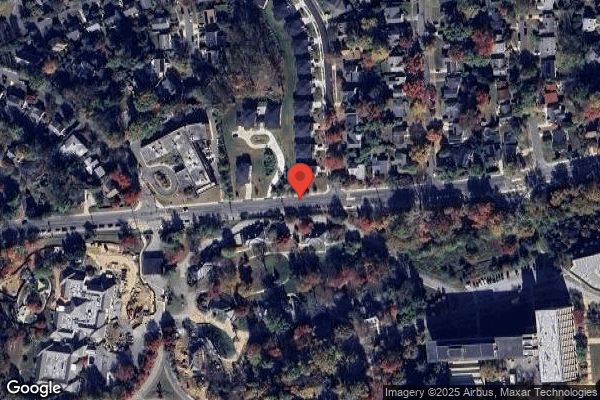

5215 CEDAR LANE, BETHESDA, MD 20814 (301) 897-5500
For profit - Limited Liability company 108 Beds VIERRA COMMUNITIES Data: November 2025
Trust Grade
60/100
#98 of 219 in MD
Last Inspection: January 2025

Within standard 12-15 month inspection cycle. Federal law requires annual inspections.

Overview

Carriage Hill Bethesda has a Trust Grade of C+, indicating it is slightly above average, but still has room for improvement. It ranks #98 out of 219 nursing homes in Maryland, placing it in the top half of facilities in the state, and #21 out of 34 in Montgomery County, meaning only a few local options are better. Unfortunately, the facility's trend is worsening, with issues increasing from 7 in 2020 to 19 in 2025. Staffing is a strong point with a 4 out of 5 rating and a turnover rate of 30%, which is lower than the state average, suggesting that staff are likely to stay long-term and know the residents well. There have been no fines on record, which is a good sign, but specific incidents of concern include failures to complete necessary resident assessments for many residents, issues with water temperatures being excessively high, and problems with the living environment not meeting residents' needs, such as damaged walls and missing call bells in several rooms. While the facility shows some strengths, these weaknesses indicate areas that need significant attention and improvement.

Trust Score
C+
60/100
In Maryland
#98/219
Top 44%
Safety Record
Low Risk
No red flags
Inspections
Getting Worse
7 → 19 violations
Staff Stability
○ Average
30% turnover. Near Maryland's 48% average. Typical for the industry.
Penalties
✓ Good
No fines on record. Clean compliance history, better than most Maryland facilities.
Skilled Nurses
✓ Good
Each resident gets 47 minutes of Registered Nurse (RN) attention daily — more than average for Maryland. RNs are trained to catch health problems early.
Violations
⚠ Watch
33 deficiencies on record. Higher than average. Multiple issues found across inspections.
★★★☆☆
3.0
Overall Rating
★★★★☆
4.0
Staff Levels
★★★★☆
4.0
Care Quality
★★★☆☆
3.0
Inspection Score
Stable
2020: 7 issues
2025: 19 issues

The Good

  • 4-Star Staffing Rating · Above-average nurse staffing levels
  • 4-Star Quality Measures · Strong clinical quality outcomes
  • Full Sprinkler Coverage · Fire safety systems throughout facility
  • No fines on record
  • Staff turnover below average (30%)

    18 points below Maryland average of 48%

Facility shows strength in staffing levels, quality measures, fire safety.

The Bad

3-Star Overall Rating

Near Maryland average (3.0)

Meets federal standards, typical of most facilities

Staff Turnover: 30%

16pts below Maryland avg (46%)

Typical for the industry

Chain: VIERRA COMMUNITIES

Part of a multi-facility chain

Ask about local staffing decisions and management

The Ugly 33 deficiencies on record

Jan 2025 19 deficiencies
CONCERN (D)

Potential for Harm - no one hurt, but risky conditions existed

Resident Rights (Tag F0550)

Could have caused harm · This affected 1 resident

Based on observations and interviews it was determined that the facility failed to ensure the dignity of the residents as evidenced by the nursing staff not knocking on resident room door before enter...

Read full inspector narrative →
Based on observations and interviews it was determined that the facility failed to ensure the dignity of the residents as evidenced by the nursing staff not knocking on resident room door before entering resident room, and nursing staff not wearing a name tag. This was found to be evident for 2 (Resident #35 and #58) out of 3 residents reviewed for dignity and resident rights. The findings include: During an interview with Resident #35 on 1/8/2025 at 10:05 AM the surveyor observed the Geriatric Nursing Assistant (GNA) #15 enter Resident #35's room without knocking on the resident room door. The surveyor interviewed GNA #15 and asked what the expectation was when entering a resident room. GNA #15 stated that staff were to knock on the resident room door prior to entering the resident room. GNA #15 acknowledged that she did not knock on Resident #35's door before entering the room and that she was sorry that she did not knock on the resident door. During the tour of Nursing Unit 2 at 12:55 PM am on 1/13/2025, the surveyor observed Geriatric Nursing Assistant (GNA) #17 in the hall at the food delivery cart outside of Resident #58's room. The surveyor observed that GNA #17 did not have a name badge visible on her person. The surveyor interviewed GNA #17 and asked what the expectation was for wearing a name tag in the facility. GNA #17 stated that all staff were to wear a name tag in the facility. GNA #17 later observed at the elevator with a piece of tape applied to her uniform with her name written on the piece of tape. The Nursing Home Administrator (NHA) and the Director of Nursing (DON) were notified of staff not wearing a name tag and staff not knocking on resident room door at the time of exit.
CONCERN (D) 📢 Someone Reported This

A family member, employee, or ombudsman was alarmed enough to file a formal complaint

Potential for Harm - no one hurt, but risky conditions existed

Free from Abuse/Neglect (Tag F0600)

Could have caused harm · This affected 1 resident

Based on record review and interview, it was determined the facility failed to ensure a resident was free of neglect. This was found to be evident for 1 (Resident #165) out of 1 Resident reviewed for ...

Read full inspector narrative →
Based on record review and interview, it was determined the facility failed to ensure a resident was free of neglect. This was found to be evident for 1 (Resident #165) out of 1 Resident reviewed for neglect during the recertification survey. The findings include: According to the Centers for Medicare and Medicaid Services Activities of Daily Living (ADLs) are activities related to personal care. They include bathing or showering, dressing, getting in and out of bed or a chair, walking, using the toilet, and eating. A review of complaint MD00191143 submitted to the Office of Health Care Quality was conducted on 01/14/25 at 7:22 AM. The complaint reported a concern that the facility did not provide Resident #165 ADL care during an entire shift, as a result the resident's was extremely upset because his/her gown and bed linen were soaked in urine. During a record review conducted on 01/14/25 at 8:13 AM revealed a health status note from Licensed Practical Nurse (LPN) # 27 dated 4/15/2023 03:27. The note stated Resident has [Resident gender pronoun] call light on upon arrival. resident complains to be clean up and wants to be clean and change [Resident's gender pronoun] wet bed linens . Night shift (11pm - 7 am) came and met Resident all wet. [Resident's gender pronoun] diaper and bed has been wet all evening shift, this came led to bed soreness. Resident complained to the night shift of not being changed on 3 to 11 shift. The resident was in distress and screaming. writer and aid when in to clean [Resident's gender pronoun] up. During an interview conducted on 01/15/25 at 11:07 AM, the Director of Nursing (DON) stated that he was aware of Resident #165 not receiving ADL care and had provided an in-service to LPN #27 for appropriate documentation into patient chart and reporting any patient concerns to the Director of Nursing or the Assistant Director of Nursing for proper follow up.
CONCERN (D) 📢 Someone Reported This

A family member, employee, or ombudsman was alarmed enough to file a formal complaint

Potential for Harm - no one hurt, but risky conditions existed

Investigate Abuse (Tag F0610)

Could have caused harm · This affected 1 resident

Based on a review of facility-reported incident investigation, record review and interview, it was determined that the facility failed to thoroughly investigate an allegation of abuse. This was eviden...

Read full inspector narrative →
Based on a review of facility-reported incident investigation, record review and interview, it was determined that the facility failed to thoroughly investigate an allegation of abuse. This was evident for 1 (Resident #358) of 11 residents reviewed for abuse during the recertification survey. The findings include: On 1/15/2025 at 3:40 PM, a review of facility-reported incident MD00189545 revealed that on 3/1/2023, Resident #358's family member reported that about 2 weeks prior, Resident #358's Geriatric Nurse Assistant (GNA) hit him/her in the back of the head 5 times. He/she stated that he/she did not report the incident at the time because he/she did not want to get anyone in trouble. On 1/15/2025 at 4:03 PM, a review of Resident #358's medical record indicated a BIMS score of 10 of 15, moderate impairment (Brief Interview for Mental Status, BIMS, is a screening tool used to assess basic cognitive function in patients in long-term care facilities.) Further review of the facility's investigation revealed that Resident #358 was interviewed, and he/she denied being hit by the GNA or any member of staff. Other staff members were interviewed and denied knowledge of abuse. Other residents were also interviewed and denied being abused or witnessed any form of abuse. An interview with the assigned GNAs denied any bruising or discoloration. The employee was placed on administrative leave, however, the facility failed to obtain statement from the perpetrator. On 1/16/2025 at 7:55 AM, in an interview with the Director of Nursing (DON), he stated that he helped the Nursing Home Administrator (NHA) conduct the self-report investigations. He explained that for allegations of abuse, the facility removed the alleged staff from the schedule and determined if the staff could come back to work depending on the result of the investigation. He said that they did head-to-toe assessment of the resident, notified the doctor, the family, the Social Worker was involved and reported the incident to the law enforcement. He added that the facility conducted staff and resident interviews, obtained a statement from the perpetrator, reviewed the employee file and conducted an abuse in-service for the staff members. On 1/16/2025 at 8:05 AM, the NHA was made aware that there was no evidence that a statement from the perpetrator was obtained.
CONCERN (D)

Potential for Harm - no one hurt, but risky conditions existed

Assessment Accuracy (Tag F0641)

Could have caused harm · This affected 1 resident

**NOTE- TERMS IN BRACKETS HAVE BEEN EDITED TO PROTECT CONFIDENTIALITY** Based on record review and interview, it was determined that the facility failed to accurately code the resident's discharge sta...

Read full inspector narrative →
**NOTE- TERMS IN BRACKETS HAVE BEEN EDITED TO PROTECT CONFIDENTIALITY** Based on record review and interview, it was determined that the facility failed to accurately code the resident's discharge status on the Minimum Data Set (MDS) assessment. This was evident for 1 (Resident #152) of 4 residents reviewed for hospitalizations during the survey. The findings include: Minimum Data Set (MDS) is a core set of screening, clinical, and functional status data elements, including common definitions and coding categories, which form the foundation of a comprehensive assessment for all residents of nursing homes certified to participate in Medicare or Medicaid. The data elements (also referred to as items) in the MDS standardize communication about resident problems and conditions within nursing homes, between nursing homes, and between nursing homes and outside agencies. MDS assessments need to be accurate to ensure each resident receives the care they need. On 1/10/25 at 12:18 PM, a record review of Resident #152 revealed a discharge date of 10/08/2024. The Discharge summary dated [DATE] indicated that Resident #152 was discharged to another nursing home. On 1/13/25 at 8:20 AM, a review of section A of the MDS Discharge Return Not Anticipated assessment with an Assessment Reference Date (ARD) of 10/8/2024 indicated, Discharge Status- Short- term general hospital (acute hospital). On 1/13/25 at 10:02 AM, in an interview with the Social Worker Director, she confirmed that Resident #152 was discharged to another nursing home. On 1/13/25 at 10:08 AM, Licensed Practical Nurse (LPN #14) confirmed that Resident #152 went to another facility and not to the hospital. The Lead MDS Coordinator also confirmed that the MDS assessment should reflect discharged to another facility, she stated that she will modify the assessment to reflect the accurate discharge status on the MDS. On 1/13/25 at 10:14 AM, the Nursing Home Administrator (NHA) was made aware of the MDS inaccuracy.
CONCERN (D)

Potential for Harm - no one hurt, but risky conditions existed

Comprehensive Care Plan (Tag F0656)

Could have caused harm · This affected 1 resident

**NOTE- TERMS IN BRACKETS HAVE BEEN EDITED TO PROTECT CONFIDENTIALITY** Based on record review and interview, it was determined that the facility failed to develop and implement a comprehensive care p...

Read full inspector narrative →
**NOTE- TERMS IN BRACKETS HAVE BEEN EDITED TO PROTECT CONFIDENTIALITY** Based on record review and interview, it was determined that the facility failed to develop and implement a comprehensive care plan for constipation, the use of intravenous (IV) fluids for hydration and Activities of Daily Living (ADLs) for dependent resident. This was evident for 3 (Resident #12, #355 and #356) out of 13 residents reviewed for care planning during the recertification survey. The findings include: 1) A care plan is a guide that addresses the unique needs of each resident. It is used to plan, assess, and evaluate the effectiveness of the resident's care. On 1/08/25 at 8:19 AM, Resident #355 stated that he/she was constipated from 12/29/2024 and nothing had been done until 1/2/2025. He/she added that the facility staff gave him/her a medication that resulted in diarrhea and vomiting. On 1/14/25 at 3:08 PM, a review of Resident #355's medical record revealed the following medications for bowel regimen: - Colace Oral Capsule 100 MG (Docusate Sodium) Give 2 capsules by mouth at bedtime for constipation- start date: 01/03/2025 - Fleet Saline Enema Rectal Enema 7-19 GM/197ML (Sodium Phosphates) Insert 1 application rectally every 24 hours as needed for constipation-start date: 01/03/2025 - Milk of Magnesia Oral Suspension 400 MG/5ML (Magnesium Hydroxide) Give 30 ml by mouth every 24 hours as needed for constipation- start date: 01/03/2025 - MiraLax Oral Packet 17 GM (Polyethylene Glycol 3350) Give 1 packet by mouth one time a day for constipation- start date: 01/03/2025 - Senna Oral Capsule 8.6 MG (Sennosides) Give 2 capsules by mouth one time a day for constipation- start date: 01/02/2025 Further review of the medical record indicated that Resident #355 was not on any bowel regimen for the month of December 2024. In January 2025, Resident #355 received the following medications to address constipation: - Colace- 1/4, 1/5, 1/6, 1/7, 1/8 - Miralax- 1/4, 1/5, 1/6, 1/7, 1/8 - Senna- 1/3, 1/4, 1/5, 1/6, 1/7, 1/8 - Dulcolax- 1 time on 1/3 The physician's progress notes dated 1/2/2025 indicated that Resident #355 was seen & examined for the evaluation and management of constipation and was started on bowel regimen. The surveyor conducted a review of Resident's care plan, however, there was no evidence that a care plan to address constipation was developed. 2) On 1/08/25 at 8:11 AM, in an interview with Resident #356, he/she stated that he/she had non-stop diarrhea on 1/7/2025. On 1/13/25 at 3:05 PM, a review of Resident #356's medical record revealed a diagnosis of irritable bowel syndrome (IBS), a chronic digestive condition that causes abdominal pain and changes in bowel movements. On 1/14/25 at 5:26 PM, a review of Resident #356's medical record revealed the following medications for bowel regimen: - Cholestyramine Oral Packet 4 GM (Cholestyramine) Give 1 packet by mouth three times a day for IBS - Digestive Advantage Oral Capsule (Probiotic Product) Give 1 capsule by mouth two times a day for supplement - Florastor Oral Capsule 250 MG (Saccharomyces boulardii) Give 1 capsule by mouth one time a day for probiotic for 14 Days The Nurse Practitioner's (NP) progress notes dated 1/8/2025 indicated that Resident #356 was seen for nausea, vomiting and diarrhea for a few days. The NP ordered the following: - Peripheral IV for hydration. Normal Saline 0.9% IV Solution, use 2 liters intravenously for 2 Days - Stool exam to confirm infection - Vancomycin 250mg po three times a day for 14 days - Florastor Oral Capsule 250 MG Give 1 capsule by mouth one time a day for probiotic for 14 Days On 1/15/25 at 9:04 AM, in an interview with the Unit Manager (UM #13) and the Assistant Director of Nursing (ADON), they discussed the process of care planning for Change of Condition (COC). They stated that the nursing managers met every morning and discussed COCs. They added that ADON and UM #13 created and updated the care plans as needed. The ADON and UM #13 confirmed that Resident #355 had no care plan for constipation and Resident #356 had no care plan for IV for hydration. On 1/16/25 at 12:30 PM, the Nursing Home Administrator (NHA) and the Director of Nursing (DON) were made aware of the concern. 3) Activities of daily living are activities related to personal care. They include bathing or showering, dressing, getting in and out of bed or a chair, walking, using the toilet, and eating. Resident #12 was admitted to the facility on [DATE] with diagnoses including Schizophrenia, Muscle Weakness Difficulty Walking and Intellectual Disabilities. He/she was readmitted on [DATE] with a primary diagnosis of New Onset Seizure. On 01/08/25 at 10:30 AM Resident #12 informed the surveyor that he/she does not get the help he/she needs. On 01/09/25 at 06:10 PM the surveyor reviewed Resident #12's functional abilities assessment dated [DATE] and comprehensive assessment record dated 09/07/2024. The records revealed that the resident was dependent on staff for toileting hygiene, shower/bathe, personal hygiene, and lower body dressing. In addition, the resident's progress note dated 10/16/2024 revealed that the resident requires one person assist with bed mobility and extensive assistance for transfers. Further review of the Resident #12's clinical record failed to reveal a care plan was initiated and implemented to address the resident's dependence on staff for Activities of Daily Living (ADLs) to include personal hygiene, shower/bathe, dressing and toileting hygiene. On 01/13/25 at 10:31AM the surveyor interviewed LPN Staff # 11 on the process of initiating care plans. LPN Staff #1 stated that upon admission and change in condition a clinical assessment is done by the Charge Nurse and the findings documented in the resident's clinical record. The Charge Nurse then informs the Unit Manager/ Supervisor who initiates and updates the care plans based on the resident's needs. The staff member stated that she was aware of Resident #12's dependence on staff but could not recall whether there was an ADL care plan in place. On 01/14/25 at 07:29 AM, the Director of Nursing was made aware of the findings and stated that he would look into the matter.
CONCERN (D)

Potential for Harm - no one hurt, but risky conditions existed

Deficiency F0679 (Tag F0679)

Could have caused harm · This affected 1 resident

Based on observation, clinical record review and staff interviews, it was determined that the facility staff failed to provide an ongoing activities program to meet the needs and preferences of reside...

Read full inspector narrative →
Based on observation, clinical record review and staff interviews, it was determined that the facility staff failed to provide an ongoing activities program to meet the needs and preferences of residents. This was evident for 1 (#94) of 4 residents reviewed for activities during the survey. The findings include: Minimum Data Set (MDS) is a standardized, primary screening and assessment tool of health status which forms the foundation of the comprehensive assessment for all residents of long-term care facilities certified to participate in Medicare or Medicaid. The MDS contains items that measure physical, psychological and psycho-social functioning. The items in the MDS give a multidimensional view of the patient's functional capacities. On 01/09/2025 at 09:41 AM, an observation was made of Resident #94 sitting in a wheelchair in the hallway across from the nurses' station. On 01/10/2025 at 11:14 AM Resident #94 was observed again sitting in a wheelchair in the hallway across from the nurses' station. The resident was not observed participating in any activities. On 01/10/2025 at 12:13 PM, an interview conducted with the Assistant Director of Nursing (ADON) revealed that Resident #94 is sometimes taken to group activities but mostly sits by the nurses' station. On 01/14/25 at 08:28 AM, a review of Resident #94's electronic clinical record revealed that an annual MDS assessment was completed on 11/24/2023. Resident #94's documented responses in Section F0500 (Activity Preferences) showed how important is it to have books, newspapers and magazines to read? The response was very important. How important is it to you to listen to music you like? The response was very important. How important is it to you to keep up with the news? The response was very important. How important is it to do things with groups of people? The response was very important. How important is it to you to do your favorite activities? The response was very important. How important is it to you to participate in religious services or practices? The response was very important. On 01/15/2025 at 09:03 AM, a review Resident #94's activity care plan dated 11/28/2023 revealed that he/she is dependent on staff for meeting emotional, intellectual, physical and social needs r/t Altered mental status and visual impairment. Resident #94 had a goal that stated he/she should attend/participate in activities of choice 3-5 times weekly by next review date. Additionally, interventions included in the care plan stated to provide a program of activities that is of interest and empowers him/her by encouraging/allowing choice, self-expression and responsibility and ensure that the activities the resident is attending are: Compatible with physical and mental capabilities; Compatible with known interests and preferences; Adapted as needed (such as large print, holders if resident lacks hand strength, task segmentation), Compatible with individual needs and abilities; and age appropriate. On 01/14/2025 at 1:19 PM, the surveyor reviewed a facility provided documentation survey report of Resident #94's participation in tasks for November 2024. The report documented two days of activity, 11/18 and 11/19, and included documented tasks such as exercise/sports, games and trivia. The remainder of the report was blank. Resident #94's activity participation reports for December 2024 and January 2025 were requested. However, no documentation of activities was provided for December 2024 and January 2025. On 01/15/2025 at 09:06 AM, an interview conducted with the Activities Director (AD) revealed that resident likes and dislikes are made known during the admission process and confirmed that she was familiar with Resident #94's health conditions and activity preferences. The AD stated that the facility offers sensory stimulation activities to residents with visual impairment. The AD further stated that Resident #94 is sometimes taken to group activities but he/she yells out so he/she doesn't stay long. On 1/15/2025 at 9:44 AM, a follow up interview with the AD revealed that she documents resident #94's activity participation in the electronic clinical record and keeps a list of the residents that attend activities on paper in a separate notebook. The AD reviewed her participation notes together with the surveyor and stated, I don't have much in here for Resident #94. Further review of Resident #94's clinical record revealed no documentation to support that Resident #94 is engaged in an ongoing and individualized activities program. Multiple observations conducted throughout the survey revealed Resident #94 sitting in the hallway across from the nurse's station in the hallway. Resident #94 was not observed participating in structured, individual activities throughout the survey.
CONCERN (D)

Potential for Harm - no one hurt, but risky conditions existed

Quality of Care (Tag F0684)

Could have caused harm · This affected 1 resident

**NOTE- TERMS IN BRACKETS HAVE BEEN EDITED TO PROTECT CONFIDENTIALITY** Based on record reviews and interviews, it was determined that the facility failed to follow up on recommendations for specialty...

Read full inspector narrative →
**NOTE- TERMS IN BRACKETS HAVE BEEN EDITED TO PROTECT CONFIDENTIALITY** Based on record reviews and interviews, it was determined that the facility failed to follow up on recommendations for specialty consultations for residents. This was evident for 1 (Resident #12) of 1 resident reviewed for consultations. The findings include: On 01/10/25 at 7:10 PM a review of Resident #12's clinical record revealed that the resident was admitted to the facility on [DATE]. On 10/12/24 the resident was transferred to the hospital for unresponsiveness. On 10/16/24 Resident#12 was readmitted to facility with a primary diagnoses of New Onset Seizure. The resident's Discharge summary dated [DATE] requested an appointment be made with a Neurologist within 4 weeks of discharge. Further review of the resident's clinical record revealed the Physicians and Nurse Practitioners progress notes stated as follows: - 10/16/24 at 17:04 Physician (Re-admission): Per discussion with neurology, the patient will need to be seen in the near future for follow-up (appointment has to be made by family/staff) - 10/25/24 at 11:06 Physician Progress Note (History & Physical) - Assessment/Pan - Seizure continue Keppra. F/U (follow-up) with Neurology - 12/13/2024 at 12:38 Nurse Practitioner Progress Note- Seizure continue Keppra. F/U (follow-up) with Neurology There was no documentation in Resident #12's clinical record to show whether the resident had a follow-up appointment with Neurology or why the resident was not seen by a Neurologist. On 01/13/25 at 11:28 AM in an interview with Staff #1 the surveyor inquired about the process for making consultation appointments. Staff #1 stated that the Nurse Manager, Nurse Supervisor or Charge Nurse would make appointments based on the physician's order and hospital recommendations. Staff #1 was unable to confirm whether a Neurology appointment was scheduled for Resident #12. On 01/13/25 at 2:53 PM the surveyor conducted an interview with the Medical Director who acknowledged the Physicians and Nurse Practitioners' progress notes regarding Resident #12's neurology consultation and stated that the nurses usually review the clinical record and make appointments. He also stated that since the progress notes indicated follow-up appointments and Resident #12 was not seen by a Neurologist, he should have written a note addressing the issue. Further, the resident was stable with medications and after 2 months a consultation was not indicated. On 01/14/25 at 07:15 AM in an interview, the Director of Nursing was informed of the lack of follow up on Resident #12's Neurology recommendation. The DON stated that he would speak with the Medical Director.
CONCERN (D)

Potential for Harm - no one hurt, but risky conditions existed

Respiratory Care (Tag F0695)

Could have caused harm · This affected 1 resident

Based on observation, medical record review and interviews it was determined that the facility failed to follow appropriate respiratory care and services. This was found to be evident in 1 (Resident #...

Read full inspector narrative →
Based on observation, medical record review and interviews it was determined that the facility failed to follow appropriate respiratory care and services. This was found to be evident in 1 (Resident #145) out of 1 Resident reviewed for respiratory care and services. The findings include: On tour of the Nursing Unit 1 on 1/8/2025 at 10:39 AM the surveyor observed an oxygen humidifier bottle and oxygen tubing attached to the oxygen concentrator in Resident #145's room without a date on the humidifier bottle and the tubing. In addition, the surveyor did not observe an oxygen usage sign on the Resident room door or on the doorframe of the Resident #145's room. The surveyor conducted a record review of Resident #145's medical record on 1/10/2025 at 8:15 AM. The medical record review revealed that Resident #145 had current physician orders for oxygen and an order to change the oxygen tubing and humidifier bottle every Monday on the night shift. Further review of the medical record revealed that Resident #145 had a care plan for oxygen therapy related to respiratory illness. In addition, the surveyor reviewed the facility's oxygen concentrator policy and procedure dated 7/20/2022. The policy guidelines were to place an oxygen sign on the Resident's door, to change the tubing/cannula weekly and as needed, and to change humidifier bottle when empty or every seventy-two hours. The surveyor interviewed the Director of Nursing (DON) on 1/16/25 at 10:30 AM and reviewed Resident #145's oxygen usage. The surveyor asked the DON what the expectation was for oxygen signage and changing of oxygen tubing and humidifier bottles when Residents use oxygen. The DON stated that there was to be a sign on the Resident room door that indicated oxygen was in use and that the oxygen tubing and humidifier bottles were to be changed weekly. The DON stated that this must have been overlooked for Resident #145.
CONCERN (D)

Potential for Harm - no one hurt, but risky conditions existed

Deficiency F0757 (Tag F0757)

Could have caused harm · This affected 1 resident

**NOTE- TERMS IN BRACKETS HAVE BEEN EDITED TO PROTECT CONFIDENTIALITY** Based on record review and interview, it was determined that the facility failed to discontinue a medication in a timely manner ...

Read full inspector narrative →
**NOTE- TERMS IN BRACKETS HAVE BEEN EDITED TO PROTECT CONFIDENTIALITY** Based on record review and interview, it was determined that the facility failed to discontinue a medication in a timely manner as ordered by the attending physician. This was evident for 1 (Resident #73) of 2 residents reviewed for unnecessary medications. The findings include: Resident #73 was admitted to the facility on [DATE] with diagnoses including Cognitive Communication Deficit, Major Depressive Disorder and Psychosis. On 01/13/25 at 07:40 AM a review of Resident #73's clinical record revealed that the Licensed Pharmacist on 09/11/2024 made a recommendation to the physician to discontinue the medication, Oxycodone PRN (as needed) because it was not utilized by the resident. On 09/17/2024 the physician reviewed the recommendation and ordered Oxycodone PRN be discontinued. Further review of the clinical documentation revealed that the facility failed to follow up on the physician's order to discontinue the medication on 09/17/2024. On 11/12/2024 the Licensed Pharmacist again issued a recommendation for oxycodone PRN to be discontinued. The medication was subsequently discontinued on 11/15/2024, two months after the physician issued an initial order to discontinue the medication. On 01/10/25 at 08:33 AM in an interview, the Director of Nursing (DON) was asked about the process for pharmacy recommendations. The DON stated that when he receives the recommendations from the pharmacy, he distributes them to the nurses for follow up. Physicians and Nurse Practitioners are given the recommendations by the nurses for their decision and orders. The nurses then ensure that the orders are implemented. The surveyor reviewed the pharmacy recommendations for Resident #73 with the DON who confirmed the findings.
CONCERN (D)

Potential for Harm - no one hurt, but risky conditions existed

Deficiency F0790 (Tag F0790)

Could have caused harm · This affected 1 resident

**NOTE- TERMS IN BRACKETS HAVE BEEN EDITED TO PROTECT CONFIDENTIALITY** Based on interview, observation and record review it, was determined that the facility staff failed to promptly provide or obtai...

Read full inspector narrative →
**NOTE- TERMS IN BRACKETS HAVE BEEN EDITED TO PROTECT CONFIDENTIALITY** Based on interview, observation and record review it, was determined that the facility staff failed to promptly provide or obtain/schedule for dental services. This was found to be evident for 1 (Resident #1) out of 3 residents reviewed for dental services during an annual survey. The findings include: During a floor rounding, on 01/07/25 at 01:09 PM, Resident #1 stated I had my teeth problem and a cap fell out and it hurts, I told the staff first when I was admitted . Record review, on 01/13/25 at 02:48 PM, revealed that Resident #1 was admitted on [DATE] to this facility with the diagnoses of severe protein-calorie malnutrition and encephalopathy. On 10/20/24 an initial dental assessment was done by the Social Worker Staff #2. Under The Minimum Data Set (MDS) section L0200, the assessment code was Yes to a broken or loose-fitting tooth (chipped, cracked, uncleanable or loose). The Minimum Data Set (MDS) is a standardized assessment tool that measures health status in nursing home residents. MDS assessments are completed every 3 months (or more often, depending on circumstances) on nearly all residents of nursing homes in the United States. These assessments are performed and recorded by nursing home staff and include information on a number of aging-relevant domains including functional and cognitive status, psychosocial functioning, geriatric syndromes, and life care wishes. As such, MDS is an extremely valuable resource for studying function and disability on a large scale in vulnerable older adults. MDS data is collected and made available as one of the many data products of the Centers for Medicare and Medicaid Services (CMS). However, on 12/23/24 the MDS assessment code under L0200, was changed by the Social Worker Staff #2 to No and to no to all other areas. Therefore, the broken tooth was never referred to the on-site dental service. Interview, on 01/13/25 at 3:16 PM, the Administrator was made aware that MDS initial dental assessment section was de-coded from Yes to No of a broken tooth and subsequently, Resident #1 had not seen a dentist for the tooth. He agreed that the facility staff failed to promptly provide or obtain a dental visit/appointment.
CONCERN (D) 📢 Someone Reported This

A family member, employee, or ombudsman was alarmed enough to file a formal complaint

Potential for Harm - no one hurt, but risky conditions existed

Deficiency F0800 (Tag F0800)

Could have caused harm · This affected 1 resident

**NOTE- TERMS IN BRACKETS HAVE BEEN EDITED TO PROTECT CONFIDENTIALITY** Based on observation, interview and record review the facility failed to 1) ensure a diet met the need of the resident and 2) pr...

Read full inspector narrative →
**NOTE- TERMS IN BRACKETS HAVE BEEN EDITED TO PROTECT CONFIDENTIALITY** Based on observation, interview and record review the facility failed to 1) ensure a diet met the need of the resident and 2) provide a resident with a lunch meal to accompany resident on scheduled days of dialysis to an outpatient dialysis center. This was found to be evident in 2 (Resident #58 and #169) out of 5 residents reviewed for food and nutrition services. The findings include: 1) A review of complaint MD00205719 submitted to the Office of Health Care Quality was conducted on 01/16/25 at 7:00 PM. The complaint reported a concern that the facility did not provide Resident #169 the low-fat low residue diet that the Resident's medical condition required. On 01/16/25 at 7:10 PM a review of Resident #169's hospital Discharge summary dated [DATE] stated a low fiber low insoluble residue diet, avoid all coffee, and dairy. On 01/16/2025 at 7:46 PM review of Resident #169's Physician order showed the following diet orders: order dated 05/02/24 Regular diet Mechanical Soft texture, Regular/Thin consistency; order dated 05/10/24 Regular diet Regular texture, Regular/Thin consistency; and on 05/22/24 Dietary consult eval diet preference one time only for diet for 1 Day. During an interview conducted on 01/17/24 at 7:30 AM, the Registered Dietician (RD) #6 reviewed Resident #169's diet orders and confirmed that the resident was ordered a regular diet mechanical soft. During an interview conducted on 01/17/24 at 7:40AM, Supervisor Registered Nurse (RN) #24 stated that when a resident is admitted to the facility the admitting nurse will review the hospital discharge summary to identify the diet. The nurse will fill out a form called CHB (Carriage Hill Bethesda) Resident Diet Card and will check off the diet, if the diet is not listed then the diet such as low fiber diet is written in the other section. The Diet Card is then sent to the kitchen. The Supervisor also stated that a copy of the diet card was not kept therefore she was unable to verify the diet order that was sent to the kitchen for Resident #169. During an interview conducted on 01/17/24 at 8:33 AM, the Dietary Manager (DM) stated she no longer had Resident #169's CHB diet card sent from nursing on admission. On 01/17/24 at 8:34 AM, the DM, RD and Surveyor reviewed the meal ticket dated 5/23/24. The meal ticket showed that Resident #169 had a Regular/Thin Regular diet with likes: for low fiber, no raw vegetables, no milk and dislikes: no beef or pork but likes bacon. The DM stated that the Resident's family member was unhappy that the Resident had not received the low-fat low residual diet when admitted and requested that the resident have a low-fat diet. The DM further stated that the Resident's family member also advised the DM of the Resident's likes and dislikes. During the continued interview, the DM showed this Surveyor handwritten notes in a composition notebook of likes and dislikes for the Resident. The DM was unable to provide the date of when the Resident's diet order was changed to a low-fat diet and the like and dislikes were added to the Resident meal preferences. The DM also provided a list of likes and dislikes that she received via email from the RD on 05/23/24. 2) The surveyor interviewed Resident #58 on 1/9/2025 at 8:15 AM. Resident #58 stated that he/she goes to an outpatient dialysis center every Monday, Wednesday and Friday and that he/she leaves the facility after breakfast and returns around 4:00 pm. Resident #58 further stated that he/she is not provided with a lunch from the facility to take to dialysis and that the dialysis center does not provide lunch. On 1/13/2025 at 12:55 PM the surveyor observed the food delivery cart in the hallway on nursing unit 2. Resident #58's meal tray was on the food delivery cart with the meal ticket torn in half on the meal tray. The surveyor interviewed Geriatric Nursing Assistant (GNA) #17 who was in the hallway near the food delivery cart. The surveyor asked GNA #17 about Resident #58's meal tray that was observed on the food delivery cart. GNA #17 stated that Resident #58 was out of the facility today at dialysis and that was why Resident #58's lunch tray was on the food delivery cart with the meal ticket torn in half. Review of Resident #58's medical record on 1/13/2025 at 7:30 AM revealed that Resident had a current physician order for Regular diet, double protein and a nutritional care plan to provide and serve diet as ordered. On 1/14/2025 at 11:30 AM the surveyor interviewed Resident #58, and he stated that he/she went to dialysis yesterday and that lunch was not provided. Resident #58 further stated that when he/she returned from dialysis at 4:00 PM, the lunch tray was on the table in his/her room. The surveyor interviewed Resident #58's assigned Registered Nurse (RN) #19 on 1/15/2025 at 8:33 AM and RN #19 stated that the facility does not provide a lunch for Resident to take with him/her on dialysis days which is Monday, Wednesday and Friday. The Nursing Home Administrator (NHA) and the Director of Nursing (DON) were notified by the surveyor on 1/15/2025 at 8:40 AM that Resident #58 does not receive a lunch meal to take with him/her on scheduled dialysis days and that the outpatient dialysis center does not provide a lunch meal for the Resident. The Director of Nursing stated that he would check on this. On follow-up interview with the Director of Nursing (DON) and the Nursing Home Administrator (NHA) at 10:30 AM on 1/15/2025 they stated that Resident #58's daughter use to provide a lunch meal for Resident #58 on scheduled dialysis days. The surveyor conveyed to the DON and the NHA that Resident #58 stated that he/she was not provided a lunch and does not eat lunch at the dialysis center. No additional information was provided by the NHA or DON at the time of the exit.
CONCERN (D)

Potential for Harm - no one hurt, but risky conditions existed

Deficiency F0806 (Tag F0806)

Could have caused harm · This affected 1 resident

**NOTE- TERMS IN BRACKETS HAVE BEEN EDITED TO PROTECT CONFIDENTIALITY** Based on observations, interviews and record review it was determined that the facility failed to adhere to menus and food provi...

Read full inspector narrative →
**NOTE- TERMS IN BRACKETS HAVE BEEN EDITED TO PROTECT CONFIDENTIALITY** Based on observations, interviews and record review it was determined that the facility failed to adhere to menus and food provided to residents in accordance with resident preferences. This was found to be evident for 3 (Resident #255, #357, and #455) out 21 Resident's reviewed for food and dining during the survey. The findings include: 1) During an observation conducted on 01/13/25 at 9:33 AM the Surveyors observed Resident #455's breakfast tray and meal ticket. The breakfast meal ticket stated juice, hot or cold cereal, scrambled egg, biscuit gravy, biscuit, coffee and milk 2%. The Resident's breakfast tray had scrambled egg, 1 piece of toasted bread cut diagonally into 2 pieces, one 4 oz orange juice and 1 bowl of hot cereal. The breakfast tray did not have a biscuit, biscuit gravy, coffee, or milk. During an interview conducted on 01/13/25 at 9:34 AM, Resident #455 stated that since admission the meal trays had not matched the meal tickets. The Resident stated that he/she was concerned that the facility did not have adequate food supplies because the kitchen provided 1 packet of syrup for the toasted bread in place of butter and jelly. The Surveyors observed the breakfast tray and confirmed only syrup was provided for the 1 slice of toasted bread. On 01/16/25 at 8:33 AM the Surveyors and Nursing Home Administrator (NHA) observed the Resident's breakfast meal ticket listed juice, hot or cold cereal, French toast, sausage, coffee, and milk 2%. The Resident's breakfast tray had 1 slice of toasted bread cut diagonally into 2 pieces in place of French Toast, syrup, no sausage patty, a cup of cold cereal, milk, and one 4 oz container of apple juice. During an interview conducted on 01/16/25 at 9:09 AM the NHA stated he went to the kitchen and ordered another tray that included sausage for Resident #455. The NHA confirmed the kitchen did not prepare French Toast for breakfast as indicated on the menu. 2) On 01/08/2025 at 10:05 AM, an interview with Resident #255 was conducted. Resident #255 stated, I am gluten free and I keep getting food I can't eat on my meal tray. An observation of Resident #255's meal ticket and meal tray was conducted on 01/10/2025 at 09:25 AM. The printed meal ticket showed NCS (No concentrated sweets) diet, regular texture, regular/thin liquid consistency. Breakfast was listed as juice, hot or cold cereal, sausage patty, toast, coffee, milk 2%, margarine, dt jelly. Further observation revealed a breakfast plate that had 2 muffins (blueberry) and 1 sausage patty along with 2 sugar packets, 1 jelly packet, 1 orange juice, 1 coffee on the tray. A follow up interview with Resident #255 was conducted on 01/10/2025 at 9:27 AM in which he/she stated, Im gluten free, I can't eat what's on the tray. I took one bite of the patty and it's hard. I'm not eating anything else. On 01/13/25 at 12:25 PM, review of Resident #255's clinical record revealed that the Resident #255 was admitted to the facility on [DATE]. Further record review revealed the following physician's order: Date 12/31/2024 NAS (No Added Salt)/NCS (No Concentrated Sweets) diet, Regular texture, Regular consistency On 01/14/2025 at 11:45 AM, an interview was conducted with Dietary Manager (DM) #3 regarding Resident #255's gluten preference. The DM #3 stated, I met with Resident #255 for the first time today and he/she told me about the gluten free preference. I updated his/her likes/dislikes on the meal ticket today. The DM #3 further stated that she typically see residents to get their preferences the day of admission or the next day, but she is understaffed and had not been able to meet with new admits for the past few weeks. 3) On 1/8/25 at 8:31 AM, Resident #357 told the surveyor that he/she was on a special diet, he/she added that he/she was admitted on [DATE] at night and on 1/7/2024, the staff brought his/her breakfast tray with the wrong diet. According to Resident #357, the staff took the tray out from the room to replace the wrong meal, but the staff never came back. He/she stated that he/she never had breakfast and his/her first meal on that day was lunch. Resident #357 stated that he/she had been waiting for the dietitian or the dining room manager to visit and fix the issues. Resident #357 had the same experience this morning. He/she stated that his/her breakfast tray was again wrong, so the aide removed the tray and had not replaced it. The surveyor notified the Unit Manager (UM #13) about Resident #357's concerns. On 1/09/25 at 8:51 AM, Resident #357 revealed that he/she received an inaccurate breakfast tray again. He/she showed the tray to the surveyor and indicated that he/she had orange juice, and the staff had not replaced the wrong tray. He/she stated that he/she was supposed to receive jelly and a fresh fruit cup and complained that the white toast was not properly toasted. The breakfast ticket dated 1/9/2025 indicated the following: Regular diet/ thin consistency Juice 4oz Hot cereal Sausage patty Fried egg Bread/ jelly Coffee Milk 2% Margarine Beverage preference: orange juice, fresh fruit cup, ensure The surveyor verified the tray that was sitting on the table which contained only the following: toast that was soggy and an empty plastic cup labeled orange juice. However, the surveyor did not observe the following on the resident's tray: hot cereal, sausage patty, fried egg, fruit cup, jelly, coffee and milk. UM #13 was made aware of the concern. On 1/13/25 at 8:59 AM, a record review of Resident 357's diet order revealed: - Regular diet Pureed texture, Regular/Thin consistency - 01/06/2025 and was discontinued on 1/7/2025 - Regular diet Regular texture, Regular/Thin consistency- started on 01/07/2025 On 1/13/25 at 9:34 AM, the Registered Dietitian (RD) stated that Resident #357 had very specific preferences which were recorded in the culinary system. She added that the staff would contact the Certified Dietary Manager (CDM) if there were any issues. She revealed that the CDM had copies of the preferences. The RD stated that the residents' preferences were not documented in the electronic charting system. The RD was made aware of Resident #357's concerns. On 1/13/25 at 10:19 AM, in an interview with the CDM, she explained the process on how the food preferences were determined. She stated that she met the residents and obtained their preferences, likes and dislikes and documented the details in the menu system and printed the tray tickets. The CDM was made aware of Resident #357's meal tray ticket discrepancies. On 1/13/25 at 11:07 AM, the Nursing Home Administrator (NHA) was made aware of the concern.
CONCERN (E)

Potential for Harm - no one hurt, but risky conditions existed

Deficiency F0558 (Tag F0558)

Could have caused harm · This affected multiple residents

**NOTE- TERMS IN BRACKETS HAVE BEEN EDITED TO PROTECT CONFIDENTIALITY** Based on observations, staff interview and record review, it was determined that the facility failed to ensure a homelike enviro...

Read full inspector narrative →
**NOTE- TERMS IN BRACKETS HAVE BEEN EDITED TO PROTECT CONFIDENTIALITY** Based on observations, staff interview and record review, it was determined that the facility failed to ensure a homelike environment for residents and accommodate the needs of residents. This was found to be evident for 8 (Resident #209, #210, #212, #213, #215, #216, #217, and #357) out of 15 Residents reviewed for homelike environment and accommodation of needs. The findings include: 1) During random observations conducted on 01/15/25 at 11:29 AM, the Surveyors observed multiple environmental concerns in resident rooms. The following were observed: a. room [ROOM NUMBER] stained ceiling tiles in the bathroom and by the window, b. room [ROOM NUMBER] no bathroom call bell pull cord and a hole in the wall behind bed A, c. room [ROOM NUMBER] wall paper had peeled from the bathroom wall, d. room [ROOM NUMBER] no bathroom call bell pull cord and a plastic bag that covered the smoke detector, e. room [ROOM NUMBER] no bathroom call bell pull cord, f. room [ROOM NUMBER] ceiling tile stained in resident room above resident bed, and e. room [ROOM NUMBER] no bathroom call bell pull cord. During a tour of the facility conducted on 01/16/25 at 8:12 AM, the Nursing Home Administrator (NHA) and Surveyors observed resident rooms 209, 210, 212, 213, 215, 216, and 217. The NHA acknowledged the stained ceiling tiles, hole in the wall, missing bathroom call bell pull cords and a plastic bag that covered the smoke detector. The NHA pulled a chair underneath the smoke detector in Resident room [ROOM NUMBER] and removed the plastic bag that covered the smoke detector. During an interview conducted on 01/16/25 at 8:26 AM, the NHA stated that he would have an audit conducted of all resident rooms for environmental concerns. 2) On 1/08/25 at 8:31 AM, Resident #357 was observed lying in bed on an air mattress. He/she stated that he/she had difficulty sleeping since 1/6/2025, the night of his/her admission. He/she added that he/she felt miserable because the mattress was very uncomfortable causing his/her back to hurt. According to Resident #357, he/she already informed the nurse on 1/7/2025 and he/she was told that the facility will replace the mattress today. On 1/09/25 at 8:51 AM, Resident #357 was again observed lying on the air mattress. He/she claimed that he/she was told that the air mattress would be replaced with a regular one on 1/8/2025, but it never happened. He/she again expressed to the surveyor that the air mattress was very uncomfortable, and he/she had a hard time sleeping. The surveyor notified Unit Manager (UM #13) at 9:00 AM. On 1/09/25 at 9:02 AM, a record review of the physician orders revealed no evidence that the air mattress was ordered by the physician. On 1/14/25 at 9:20 AM, in an interview with the Assistant Director of Nursing (ADON), she stated that the managers conducted rounds in the morning and talked to the residents, especially the new admissions, and addressed the issues right away. The ADON was made aware that Resident #357 requested for the air mattress to be removed because it was causing discomfort and inability to sleep, however, it took 3 days for the facility staff to address the concern. On 1/16/25 at 12:30 PM, the Nursing Home Administrator (NHA) and the Director of Nursing (DON) were notified of the concern.
CONCERN (E)

Potential for Harm - no one hurt, but risky conditions existed

Comprehensive Assessments (Tag F0636)

Could have caused harm · This affected multiple residents

**NOTE- TERMS IN BRACKETS HAVE BEEN EDITED TO PROTECT CONFIDENTIALITY** Based on observation, interview and record review, it was determined that the facility failed to complete comprehensive MDS (Min...

Read full inspector narrative →
**NOTE- TERMS IN BRACKETS HAVE BEEN EDITED TO PROTECT CONFIDENTIALITY** Based on observation, interview and record review, it was determined that the facility failed to complete comprehensive MDS (Minimum Data Set) assessments within the required timeframe. This was evident for 6 (Resident #4, #6, #11, #71, #94, and #405) out of 34 Residents reviewed for resident assessments during the annual survey. The findings include: 1) Minimum Data Set (MDS) is a core set of screening, clinical, and functional status data elements, including common definitions and coding categories, which form the foundation of a comprehensive assessment for all residents of nursing homes certified to participate in Medicare or Medicaid. The data elements (also referred to as items) in the MDS standardize communication about resident problems and conditions within nursing homes, between nursing homes, and between nursing homes and outside agencies. MDS assessments need to be accurate to ensure each resident receives the care they need. According to CMS guidelines, an MDS annual assessment must be completed within 14 days of the Assessment Reference Date (ARD). On 1/9/25 at 3:00 PM, a review of the MDS assessments revealed that the following annual assessments were not completed and were more than 30 days overdue of the ARD: 1. Resident #4 was admitted on [DATE]. An annual assessment was initiated with an ARD of 11/25/2024, however, the assessment was still in progress. 2. Resident #6 was admitted on [DATE]. An annual assessment was initiated with an ARD of 11/4/2024, however, the assessment was still in progress. 3. Resident #11 was admitted on [DATE]. An annual assessment was initiated with an ARD of 11/30/2024, however, the assessment was still in progress. 4. Resident #71 was admitted on [DATE]. An annual assessment was initiated with an ARD of 11/8/2024, however, the assessment was still in progress. 5. Resident #94 was admitted on [DATE]. An annual assessment was initiated with an ARD of 11/28/2024, however, the assessment was still in progress. On 1/10/25 at 10:19 AM, during an interview with the Lead MDS Coordinator, she stated that the timeline for completing an MDS assessment was within 14 days of the ARD. She confirmed that the facility was aware of the late assessments, and she revealed that lately, she was not able to complete the assessments due to the increased number of facility admissions and the number of nurses who completed the MDS assessments were trimmed down from 3 to 2. She added that currently, it was just her and the Licensed Practical Nurse (LPN #14), who did the MDS assessments. On 1/10/25 at 11: 08 AM, the Nursing Home Administrator (NHA) and the Director of Nursing (DON) were notified of the concern. 2) Resident #405 was admitted to the facility on [DATE]. On 01/15/2025 at 11:31 AM the surveyor conducted a record review of the MDS assessment for Resident #405. The record review revealed that an initial comprehensive assessment was not completed for the resident for over 14 days. The MDS record stated 12/27/2024 admission - None PPS 3.0 - In Progress On 01/10/2025 at 10:19AM in an interview with the surveyor, Staff #4 stated that the MDS assessment was not completed within 14 days because of changes in the facility including staffing issues. On 01/10/25 at 11: 08 AM the surveyor notified the Nursing Home Administrator and the Director of Nursing of the findings.
CONCERN (E)

Potential for Harm - no one hurt, but risky conditions existed

Deficiency F0638 (Tag F0638)

Could have caused harm · This affected multiple residents

Based on record review and interview, it was determined that the facility failed to complete the Quarterly MDS (Minimum Data Set) assessments within the required timeframe. This was evident for 18 (Re...

Read full inspector narrative →
Based on record review and interview, it was determined that the facility failed to complete the Quarterly MDS (Minimum Data Set) assessments within the required timeframe. This was evident for 18 (Residents #9, #11, #22, #30, #32, #46, #62, #64, #65, #76, #78, #81, #87, #96, #99, #101, #102 and #109) of 33 residents reviewed for resident assessments during the annual survey. The findings include: Minimum Data Set (MDS) is a core set of screening, clinical, and functional status data elements, including common definitions and coding categories, which form the foundation of a comprehensive assessment for all residents of nursing homes certified to participate in Medicare or Medicaid. The data elements (also referred to as items) in the MDS standardize communication about resident problems and conditions within nursing homes, between nursing homes, and between nursing homes and outside agencies. MDS assessments need to be accurate to ensure each resident receives the care they need. According to CMS guidelines, an MDS Quarterly assessment must be completed within 14 days of the Assessment Reference Date (ARD). On 1/9/25 at 3:00 PM, a review of the MDS assessments in the facility revealed that the following Quarterly assessments were not completed within 14 days of the ARD: 1. Resident #9- ARD 11/30/2024, in progress 2. Resident #11- ARD 12/5/2024, in progress 3. Resident #22- ARD 10/27/2024, in progress 4. Resident #30- ARD 11/15/2024, in progress 5. Resident #32- ARD 10/23/2024, in progress 6. Resident #46- ARD 11/18/2024, in progress 7. Resident #62- ARD 11/12/2024, in progress 8. Resident #64- ARD 10/27/2024, in progress 9. Resident #65- ARD 11/28/2024, in progress 10. Resident #76- ARD 11/06/2024, in progress 11. Resident #78- ARD 10/23/2024, in progress 12. Resident #81- ARD 11/30/2024, in progress 13. Resident #87- ARD 10/23/2024, in progress 14. Resident #96- ARD 11/07/2024, in progress 15. Resident #99- ARD 11/14/2024, in progress 16. Resident #101- ARD 11/24/2024, in progress 17. Resident #102- ARD 12/04/2024, in progress 18. Resident #109- ARD 11/23/2024, in progress On 1/10/25 at 10:19 AM, during an interview with the Lead MDS Coordinator, she stated that the timeline for completing an MDS assessment was within 14 days of the ARD. She confirmed that the facility was aware of the late assessments, and she added that lately, she was not able to complete the assessments due to the increased number of facility admissions and the number of nurses who completed the MDS assessments were trimmed down from 3 to 2. She revealed that currently, it was just her and the Licensed Practical Nurse (LPN #14), who did the MDS assessments. On 1/10/25 at 11: 08 AM, the Nursing Home Administrator (NHA) and the Director of Nursing (DON) were notified of the concern.
CONCERN (E) 📢 Someone Reported This

A family member, employee, or ombudsman was alarmed enough to file a formal complaint

Potential for Harm - no one hurt, but risky conditions existed

Deficiency F0657 (Tag F0657)

Could have caused harm · This affected multiple residents

**NOTE- TERMS IN BRACKETS HAVE BEEN EDITED TO PROTECT CONFIDENTIALITY** Based on observation, interview and medical record review it was determined that the facility failed to provide an invitation to...

Read full inspector narrative →
**NOTE- TERMS IN BRACKETS HAVE BEEN EDITED TO PROTECT CONFIDENTIALITY** Based on observation, interview and medical record review it was determined that the facility failed to provide an invitation to residents for care plan meetings, failed to provide residents with care plan meetings and failed to revise resident care plans. This was found to be evident in 5 (Resident #1, #58, #62, #158 and #164) out of 10 Residents reviewed for care plan timing and revision. The findings include: Care Plan meetings are meetings with a team of care providers (attending physician, a registered nurse, nursing assistant dietary services, resident, and the resident ' s representative if applicable) to ensure the plan is continually adjusted to meet the changing needs or concerns of residents. Care Plan meetings are to be held quarterly. BIMS uses a scoring system that is a number between 0 and 15 that indicates a resident's cognitive health in a long-term care facility. The BIMS score is used to help identify early signs of cognitive decline and the need for further evaluation. Scores: 13-15: Intact cognition, 8-12: Moderate cognitive impairment & 0-7: Severe cognitive impairment. 1) In interview on 01/07/25 at 04:40 PM, Resident #1 stated I don't know what care plan was for? Record review, 01/13/25 at 02:48 PM, revealed that Resident #1 was admitted to the facility on [DATE] with diagnoses of encephalopathy and cognitive function decline. A cognitive evaluation on 10/21/24 by Social Worker #2 with the BIMS score showed 10, indicating moderate cognitive impairment . Further record review found no social worker's care plan conference invitation nor conference notes. During an interview, on 01/16/25 at 09:49 AM, Social Worker Staff #2 stated that she worked in the facility for over 20 years. She reported that upon admission Resident #1 had a case worker from the Adult Protection Service following the Resident's care. Staff #2 was able to contact the case worker by phone for financial concerns but not for care-plan meetings. Staff #2 could not explain why she never sent out a care-plan meeting invites to this Resident and the case worker. Interview, on 01/16/25 at 09:59 AM, the Administrator was made aware of the above findings and agreed that there was a deficient practice. 2 ) On 1/8/2025 at 11:08 AM the surveyor interviewed Resident #62 who stated that he/she does not recall attending care plan meetings recently. The surveyor conducted a review of Resident #62's medical record on 1/14/2025 at 9:30 AM. The review of the medical record revealed that there was one care plan meeting note in the progress notes of Resident #62's medical record for the past year. In an interview with the Nursing Home Administrator (NHA) at 8:30 AM on 1/15/2025 the surveyor conveyed to the NHA that there was only one care plan meeting note in Resident #62's medical record. The NHA provided the surveyor with the plan of care progress note and an attendance sheet dated 8/8/2024 which indicated that the care plan was discussed with Resident, responsible party and the interdisciplinary team. The surveyor asked the NHA for additional care plan meeting documentation for Resident #62 over the past year and the NHA stated to the surveyor that there was not any additional documentation of care meetings for the past year for Resident #62. 3) During an interview on 1/9/2025 at 8:15 AM Resident #58 stated to the surveyor that he/she has never been invited to a care plan meeting and that this was the first time that he/she heard about a care plan meeting. The surveyor reviewed Resident #58's medical record on 1/13/2025 at 9:15 AM. There was no documentation that a care plan invitation was provided, or a care plan meeting was held for Resident #58 for August 2024. The surveyor interviewed the Nursing Home Administrator (NHA) at 1:30 PM on 1/13/2025 and the NHA provided the surveyor with copies of progress notes detailing care plan meetings that were held 5/20/2024 and 10/29/2024 for Resident #58. The NHA was unable to provide a progress note for the care plan meeting or that a care plan meeting was held or that an invitation was provided for the month of August 2024 for Resident #58. The progress notes for May 2024 and October 2024 indicated the following: discussed plan of care with patient & daughter. In a follow-up interview with the NHA at 11:30 AM on 1/13/2025 he stated that these were the only 2 care plan meetings that were held for Resident #58 during the past year which were documented in the progress notes and that there was no documentation for invitations to care plan meetings for additional care plan meetings that were held during the past year. An Arteriovenous (AV) Fistula is a surgical connection made between an artery and a vein typically located in the arm in preparation for dialysis by a vascular specialist. AV Fistulas are the preferred vascular access for long-term dialysis. With an AV Fistula, blood flows from the artery directly into the vein, increasing the blood pressure and the amount of blood flow through the vein. The increased flow and pressure cause the veins to enlarge. The enlarged veins will be capable of delivering the amount of blood flow necessary to provide adequate treatment for hemodialysis. A permacath or permanent catheter for dialysis is a flexible tube that is used to treat kidney disease with dialysis. It is inserted into a blood vessel in the neck or upper chest and threaded to the right side of the heart. The catheter has two tubes inside, one for blood to the dialysis machine and one for the blood return. The cuff under the skin keeps the catheter in place. Permacaths are used for short term dialysis or until an AV Fistula can be created. On 1/9/2025 at 8:15 AM the surveyor observed Resident #58 in the Resident room with an AV fistula to the right upper arm. The surveyor reviewed the medical record of Resident #58 on 1/13/2025 at 9:15 AM. The review of the medical record revealed that Resident #58 had a current care plan for a permacath for dialysis. Further review of the current physician orders revealed that Resident #58 had current orders for an AV Fistula for dialysis. The surveyor interviewed the Director of Nursing (DON) on 1/15/2025 at 10:45 AM and reviewed Resident #58's current care plan and physician orders for dialysis. The surveyor conveyed to the DON that the care plan indicated that the Resident had a permacath but the physician orders indicated that the Resident had an AV Fistula. The Director of Nursing acknowledged that the Resident #58 had an AV Fistula for dialysis and no longer had a permacath for dialysis. On 1/16/2025 at 8:30 AM the DON provided the surveyor with a revised care plan for dialysis which indicated that Resident #58 had an AV Fistula. 4) During a review of Resident Medical Records on 1/08/25 at 03:54 PM it was discovered that Resident #158 had been a resident in the facility since May 2022. Resident #158 had several medical conditions and was dependent on staff for care, including eating, transferring, and mobility. It was found that the Resident had not had quarterly Care Plan Meetings on regular basis. The only documented Care Plan Meeting was held on 7/15/2024. During an interview with Social Service Designee #2 on 1/15/25 at 10:54 AM, she confirmed that they are behind on Care Plan Meetings and that Social Worker Designee #29 handles Residents #158 and #164. During an interview with Social Worker Designee #29 on 1/15/25 at 11:13 AM, she confirmed that Care Plan Meetings are not up to date. She reported that the Care Plan Meetings are documented in the Resident's Medical Records, and she maintains the attendance sheets for Care Plan meetings. During an interview with the Nursing Home Administrator (NHA) on 1/15/25 at 12:30 PM, the NHA provided a signoff sheet for a Care Plan meeting for Resident #158 dated 7/15/24. The signoff sheet included the Dietician, Social worker Designee, Unit Manager, and Activities. He confirmed there were no additional attendance sheets or documentation of Care Plan Meetings. The NHA advised he was aware of the late status of Care Plan meetings. The Attendance sheet provided for the Care Plan Meeting for 07/15/24 included the son, dietician, unit manager activities and Social Services, no other documented Care Plan Meetings for Resident #158 were provided. 5) During a Review of Resident Medical Records on 1/15/25 at 07:45, it was discovered that Resident #164 had been a resident in the facility from December 2022 until January 2024. The Resident had several medical conditions and was dependent on staff for care. It was found that the Resident had not been given the required quarterly Care Plan Meetings. The Resident had a documented Care Plan Meeting for 3/2/23, no additional meetings were found. During an interview with Social Service Designee #2 on 1/15/25 at 10:54 AM, she confirmed that they were behind on Care Plan Meetings and that Social Worker Designee #29 handles the Residents #158 and #164. During an interview with Social Worker Designee #29 on 1/15/25 at 11:13 AM, she confirmed that Care Plan Meetings were not up to date. She reported that the Care Plan Meetings were documented in the Resident's Medical Records and she maintained the Attendance sheets for Care Plan meetings. During an interview with the Nursing Home Administrator (NHA) on 1/15/25 at 12:30 PM, the NHA had no Attendance Sheets for care plan meetings for Resident #164. He confirmed there were no additional attendance sheets or documentation of Care Plan Meetings. He was made aware of the late status of Care Plan meetings.
CONCERN (E) 📢 Someone Reported This

A family member, employee, or ombudsman was alarmed enough to file a formal complaint

Potential for Harm - no one hurt, but risky conditions existed

Medical Records (Tag F0842)

Could have caused harm · This affected multiple residents

**NOTE- TERMS IN BRACKETS HAVE BEEN EDITED TO PROTECT CONFIDENTIALITY** 7) Maryland Medical Orders for Life-Sustaining Treatment (MOLST) order is a portable and enduring medical order form covering op...

Read full inspector narrative →
**NOTE- TERMS IN BRACKETS HAVE BEEN EDITED TO PROTECT CONFIDENTIALITY** 7) Maryland Medical Orders for Life-Sustaining Treatment (MOLST) order is a portable and enduring medical order form covering options for cardiopulmonary resuscitation and other life-sustaining treatments. The medical orders are based on a patient's wishes about medical treatments. An incapacitated person cannot sign a Medical Orders for Life-Sustaining Treatment (MOLST) form. Instead, a health care agent or surrogate can sign the form on their behalf. BIMS uses a scoring system from 0-15 to assess a nursing home resident's cognitive status. The BIMS score helps to identify early signs of cognitive decline and the need for further evaluation. Scores: 13-15: Intact cognition, 8-12: Moderate cognitive impairment and 0-7: Severe cognitive impairment. During a floor rounding, on 1/7/25 at 12:23 PM, Resident #1 stated, What is Medical Orders for Life-Sustaining Treatment? I like the color of the packaging. Record review, on 1/8/25 at 01:03 PM, revealed that Resident #1 was admitted to the facility, on 10/19/24, with diagnoses of encephalopathy, cognitive decline, confusion & paranoia. The resident's stay was authorized for skilled nursing care. Upon admission an initial Brief Interview for Mental Status (BIMS) was done and outcome was 9 which indicated moderate cognitive impairment. Further review of a Psychiatric Consult notes, dated 10/16/24 revealed that this resident was diagnosed with dementia, neurocognitive decline and delirium. However, on 10/21/24, the facility's physician staff #28 completed a MOLST order form marking the resident as a cognitive intact consent party. During the interview, on 01/09/25 at 02:24 PM, the Assistant Director of Nursing staff #1 and the Administrator were made aware of the above findings. Staff #1 agreed that Resident #1 was not reliable in making treatment decisions since the resident was admitted last year in October 2024. Both were informed that there was a concern in regards to the accuracy of the MOLST order. 8) Record review on 01/13/25 at 02:48 PM of Resident #10's admission record revealed that the resident was admitted to the facility on [DATE] with the diagnosis of altered mental status with encephalopathy and cognitive functions decline. Other documents supported that Resident #10's was cognitively impaired through an initial BIMS score of 9 on 9/25/23 as moderate cognitive impairment and a Physician Staff #30's progress notes on 1/10/24 revealed that the resident had dementia. Further review, a MOLST order form was issued on 4-26-23, certification for the basis of these orders: marked the patient of a discussion with and the informed consent. Interview, on 01/13/25 at 03:24 PM, the above findings were reviewed with the Administrator. He agreed that the facility staff failed to maintain accurate MOLST orders on file and that demonstrated it as a deficiency practice concern. Based on observations, clinical record reviews and interviews, it was determined that the facility failed to ensure that medical records maintained for residents reflect an accurate representation of the care and services provided across all disciplines and failed to ensure the accuracy of the Medical Orders for Life-Sustaining Treatment (MOLST) order form. This was evident for 8 (Resident #94, #158, #166, #255, #256, #455, #1 and #10) out of 74 residents sampled during the annual survey. The findings include: 1) On 01/14/2025 at 12:38 PM, the Director of Nursing (DON) stated that the activities staff keeps activity logs for residents under the plan of care (POC) Task section in Point Click Care (PCC), the electronic health record. On 01/14/25 at 1:19 PM, a review of the POC Task documentation provided by the facility administrator showed that Resident #94 participated in activities for two days, 11/18 and 11/19, in November 2024. December 2024 and January 2025 activity documentation was requested, however no further POC Task documentation of activities for Resident #94 was provided. On 01/15/2025 at 9:44 AM, an interview conducted with the Activities Director (AD) #21 confirmed that Resident #94's activity participation is documented in PCC under the POC Task section. The AD #21 stated that there was no documentation in PCC for Resident #94's December 2024 or January 2025 activity participation. The AD further stated that some participation notes are kept on paper in separate notebooks and that she would provide the notes for review. During a follow up interview with the AD #21 on 01/15/25 at 09:57AM, the AD #21 provided three notebooks to the surveyor for review and stated, These are the notes I keep of who attended activities. I don't have much in here for Resident #94. On 01/15/2025 at 10:04 AM, an interview conducted with the Activities Assistant #20 revealed that Resident #94 attends activities 1-2 times a week and that she keeps record of his/her attendance in a separate notebook in the office and in PCC. On 01/15/25 at 10:30 AM, Activities Assistant #20 reviewed the notebook pages together with the surveyor. There was no evidence to support that Resident #94 attends activities in the facility according to his/her care plan. At the time of exit conference, the facility did not provide any additional evidence to show that Resident #94's clinical record reflected an accurate representation of activities provided in the facility. 2) On 01/14/25 at 09:01 AM, a review of resident #255's clinical record revealed no data found for completed bathe/shower tasks in point click care (PCC), the electronic health record, for the last 14 days. On 01/14/2025 at 9:38 AM, the surveyor requested documents from the facility related to Resident #255's completed bathe/shower tasks. On 01/14/2025 at 11:44 AM, the Director of Nursing (DON) provided skin sheet documents which revealed that Resident #255 received a shower in the facility on 1/1/25, 1/4/25, 1/8/25, and 1/11/25. On 01/14/2025 at 1:07 PM, an interview conducted with the DON revealed that resident showers are documented on skin sheets and also in PCC. The DON stated that Resident #255's shower documentation from PCC would be provided for review. On 01/14/2025 at 1:35 PM, a subsequent review of Resident #255's shower documentation from PCC was conducted. The review revealed that Resident #255 received showers in the facility on 1/6/25, 1/9/25, and 1/11/25. On 01/14/2025 at 01:59 PM, a follow up interview with the DON confirmed that shower dates on Resident #255's skin sheet documentation from the binder did not match the dates on shower documentation entered in PCC. The DON stated that Resident #255's shower days recently changed due to a room change assignment. The DON further stated that his expectation for shower documentation is that nursing staff documents bathe/ shower tasks accurately on both skin sheets and in PCC for every resident. 3) On 01/14/25 at 09:01 AM, a review of Resident #256's clinical record in point click care (PCC) revealed no documented evidence to support his/her participation in an activities program. On 01/14/2025 at 9:38 AM, the surveyor requested documents from the facility related to Resident #256's activity participation in the facility for November 2024, December 2024 and January 2025. However, no further PCC documentation of activities for Resident #256 was provided. On 01/15/2025 at 9:44 AM, an interview conducted with the Activities Director (AD) #21 revealed that residents' activity participation is documented in PCC under the Task section. The AD #21 confirmed that there was no documentation in PCC for Resident #256's activity participation for requested months of November 2024, December 2024 or January 2025. The AD stated that some participation notes are kept on paper in separate notebooks and that she would provide the notebooks for review. During a follow up interview with the AD #21 on 01/15/2025 at 09:57AM, the AD #21 provided three notebooks to the surveyor for review and stated, These are the notes I keep of what residents attended activities but I don't have much in here for Resident #256. On 01/15/2025 at 10:04 AM, an interview conducted with the Activities Assistant #20 revealed that Resident #256 refuses to get out of bed for activities but that he/she receives the newspaper daily according to his likes and preferences. AD #20 further stated that she keeps record of his/her 1:1 room visits in a separate notebook and also documents in PCC. Multiple observations were conducted of Resident #256 reading the newspaper daily in his/her room throughout the annual survey. On 01/15/25 at 10:30 AM, Activities Assistant #20 reviewed the notebook pages together with the surveyor. There was no documented evidence of Resident #256's newspaper reading activities. There were also no documented incidences of Resident #256's refusals to attend activity offerings in the facility. At the time of exit conference, the facility did not provide any additional evidence to show that Resident #256's clinical record in PCC reflected an accurate representation of the resident's current activity participation status in the facility. 4) Atorvastatin Calcium is a drug used to lower the amount of cholesterol in the blood and to prevent stroke, heart attack, and chest pain. On 1/16/2022 at 9:11 AM, a review of complaint MD00187193 dated 1/3/2023 indicated that Resident #166 did not receive his/her medication on January 1, 2023. On 1/16/2025 at 10:25 AM, a review of the physician orders revealed that Resident #166 was on ATORVASTATIN CALCIUM 40MG TABLET Give 1 tablet by mouth in the evening for cholesterol -Start Date: 12/28/2022 - Date discontinued: 01/30/2023. Further review of the Medication Administration Record (MAR) revealed that Resident #166 did not receive the Atorvastatin dose from December 28, 2022, to January 6, 2023. On 1/16/25 at 11:28 AM, during an interview with the Assistant Director of Nursing (ADON), she described the process on how the facility made sure that the residents received their medications. She said that they checked the MAR for blank spaces that indicated that the nurse did not sign and immediately called the attention of the assigned nurse. The ADON reviewed the MAR in front of the surveyor and confirmed that Resident #166 did not receive the Atorvastatin dose for 10 days. On 1/16/25 at 12:30 PM, the Nursing Home Administrator (NHA) and the Director of Nursing (DON) were made aware of the concern. 5) During a Medical Record Review of Resident #455 on 1/09/25 at 03:48 PM it was discovered his/her care plan identified him/her as being at risk for skin breakdown due to generalized weakness, being mobility impaired, and having incontinence. The doctor ordered an air mattress for his/her bed for wound healing/prevention and to check the functioning and placement of the air mattress every shift. During an observation on 01/10/25 at 07:59 AM Resident #455 was seen lying in bed on a standard mattress, not an air mattress. During an observation on 01/13/25 at 09:10 AM Resident #455 was seen lying in bed on a standard mattress, not an air mattress. During a Medical Review of the Task Administration Record (TAR) on 1/13/25 at 10:35 AM, it was discovered that the order for monitoring of the Air Mattress was signed off as completed for 10 shifts, from night shift 1/09/25 to night shift 1/12/25. During an interview on 1/13/24 at 10:40 with the Director of Nursing (DON), he stated that the expectations are for the air mattress to be set up within 24 hours after ordered and agreed the resident should have had an air mattress. 6) A Medication Regimen Review is a review of all medications the resident is taking to identify any potential side effects and drug reactions, including ineffective drug therapy, significant side effects, significant drug interactions, duplicate drug therapy, and noncompliance with drug therapy. During a Medical Record review of Resident #158 on 1/08/25 at 04:02 PM it was discovered that the Resident was administered medications for bipolar disorder. The Pharmacy had completed a Medication Regimen Review (MRR) and had made recommendations for the doctor to modify medication orders. The MRR was not found in the Resident's Medical Records. During an interview with the Director of Nursing (DON) on 01/10/25 at 08:42 AM he stated the MRRs are not kept in the Resident's Chart, the recommendations are kept in a binder. During an observation on 1/10/25 at 10:23 the DON had provided 2 large, 3-ring binders marked, one binder for the first floor and one binder for the second floor. The binders were labeled Pharmacy Recommendations and inside the binder were the requested MRR's recommendations. The dates of the MRR records consist of records going as far back as 2021. During a Medical Regimen Review of the MRR in the binder on 1/10/25 at 10:44 AM it was discovered that the Pharmacy had made recommendations on 7/09/24 that stated Resident #158 has been on dual antipsychotic therapy without a Gradual Dose Reduction attempt in more than 2 years. For these reasons, please assess and evaluate if he/she is a safe candidate for a trial dose reduction on these agents. The Doctor responded disagreeing and the stated resident needed a Psych Consult. During an interview with the DON on 1/13/25 at 06:38 AM, the facility is not currently adding the MRRs to the Resident's charts. He reported that the Medical Records employee who was downloading them into the Resident's chart is no longer with the facility and the facility has been looking for a replacement to handle the duty. They are looking for someone to scan the MRRs into the Resident's chart.
CONCERN (F)

Potential for Harm - no one hurt, but risky conditions existed

MDS Data Transmission (Tag F0640)

Could have caused harm · This affected most or all residents

Based on record review and interview, it was determined that the facility failed to complete and transmit the Minimum Data Set (MDS) assessments. This was evident for 27 (Residents #4, #6, #9, #11, #2...

Read full inspector narrative →
Based on record review and interview, it was determined that the facility failed to complete and transmit the Minimum Data Set (MDS) assessments. This was evident for 27 (Residents #4, #6, #9, #11, #22, #23, #30, #32 #46, #62, #64, #65, #71, #72, #76, #78, #81, #87, #91, #93, #94, #95, #96, #99, #101, #102 and #109) of 33 residents reviewed for resident assessments during the annual survey. The findings include: Minimum Data Set (MDS) is a core set of screening, clinical, and functional status data elements, including common definitions and coding categories, which form the foundation of a comprehensive assessment for all residents of nursing homes certified to participate in Medicare or Medicaid. The data elements (also referred to as items) in the MDS standardize communication about resident problems and conditions within nursing homes, between nursing homes, and between nursing homes and outside agencies. MDS assessments need to be accurate to ensure each resident receives the care they need. Nursing homes are required to submit the Omnibus Budget Reconciliation Act (OBRA) required MDS records for all residents in Medicare- or Medicaid-certified beds regardless of the payer source to Centers for Medicare and Medicaid Services (CMS') Internet Quality Improvement and Evaluation System (iQIES). Skilled nursing facilities (SNFs) are required to transmit additional MDS assessments for all Medicare beneficiaries in a Part A stay reimbursable under the SNF Prospective Payment System (PPS). Assessment Transmission: Comprehensive assessments must be transmitted electronically within 14 days of the Care Plan Completion Date. All other MDS assessments must be submitted within 14 days of the MDS Completion Date. On 1/9/25 at 3:00 PM, a review of the MDS assessments revealed that the following MDS assessments were not completed and not transmitted in a timely manner: 1. Resident #4- ARD 11/25/2024 Annual 2. Resident #6- ARD 11/04/2024 Annual 3. Resident #9- ARD 11/30/2024 Quarterly 4. Resident #11- ARD 12/05/2024 Quarterly; 11/30/2024 Annual 5. Resident #22- ARD 10/27/2024 Quarterly 6. Resident #23- ARD 11/26/2024 Discharge Return Not Anticipated 7. Resident #30- ARD 11/15/2024 Quarterly 8. Resident #32- ARD 10/23/2024 Quarterly 9. Resident #46- ARD 11/18/2024 Quarterly 10. Resident #62- ARD 11/12/2024 Quarterly 11. Resident #64- ARD 10/27/2024 Quarterly 12. Resident #65- ARD 11/28/2024 Quarterly 13. Resident #71- ARD 11/08/2024 Annual 14. Resident #72- ARD 10/21/2024 Discharge Return Anticipated 15. Resident #76- ARD 11/06/2024 Quarterly 16. Resident #78- ARD 10/23/2024 Quarterly 17. Resident #81- ARD 11/30/2024 Quarterly 18. Resident #87- ARD 10/23/2024 Quarterly 19. Resident #91- ARD 11/01/2024 Discharge Return Not Anticipated 20. Resident #93- ARD 11/26/2024 Discharge Return Not Anticipated 21. Resident #94- ARD 11/24/23 Annual 22. Resident #95- ARD 11/8/2024 Discharge Return Not Anticipated 23. Resident #96- ARD 11/07/2024 Quarterly 24. Resident #99- ARD 11/14/2024 Quarterly 25. Resident #101- ARD 11/24/2024 Quarterly 26. Resident #102- ARD 12/04/2024 Quarterly 27. Resident #109- ARD 11/23/2024 Quarterly; 11/26/2024 End of PPS Part A Stay On 1/10/25 at 10:19 AM, during an interview with the Lead MDS Coordinator, she stated that the timeline for completing MDS assessment was within 14 days of the ARD. She revealed that the facility was aware of the late assessments, and added that lately, they were not able to complete the assessments due to the increased number of facility admissions and the number of nurses who completed the MDS assessments were trimmed down from 3 to 2. She added that they prioritize the Medicare assessments and then the Medicaid and Private ones. She stated that currently, it was just her and the Licensed Practical Nurse (LPN #14), who did the MDS assessments. On 1/10/25 at 11: 08 AM, the Nursing Home Administrator (NHA) and the Director of Nursing (DON) were notified of the concern.
CONCERN (F)

Potential for Harm - no one hurt, but risky conditions existed

Safe Environment (Tag F0921)

Could have caused harm · This affected most or all residents

**NOTE- TERMS IN BRACKETS HAVE BEEN EDITED TO PROTECT CONFIDENTIALITY** Based on observations and interviews it was determined that the facility failed to ensure a safe environment. This was found to ...

Read full inspector narrative →
**NOTE- TERMS IN BRACKETS HAVE BEEN EDITED TO PROTECT CONFIDENTIALITY** Based on observations and interviews it was determined that the facility failed to ensure a safe environment. This was found to be evident during random observations conducted of the facility's environment during the recertification survey. This deficient practice has the potential to affect all Residents. The findings include: According to the Centers of Medicare and Medicaid Services the acceptable water temperature for nursing homes and facilities serving residents should be thermostatically controlled to a maximum of 120 degrees Fahrenheit at the fixture, ensuring hot water is at least 100 degrees Fahrenheit. During random observations conducted on 1/10/15 at 7:15 AM the surveyors obtained hot water temperatures with a calibrated handheld thermometer for the following Resident bathroom sinks: room [ROOM NUMBER] temperature was 125 degrees Fahrenheit , room [ROOM NUMBER] temperature was 123 degrees Fahrenheit, room [ROOM NUMBER] temperature was 121 degrees Fahrenheit, room [ROOM NUMBER] temperature was 123 degrees Fahrenheit, room [ROOM NUMBER] temperature was 123 degrees Fahrenheit, room [ROOM NUMBER] temperature was 122 degrees Fahrenheit, room [ROOM NUMBER] temperature was 121 degrees Fahrenheit and room [ROOM NUMBER] temperature was 123 degrees Fahrenheit. TELS (Total Energy Life Safety) is a building management platform and service system that helps with maintenance, repairs, and projects. During an interview conducted on 1/10/25 at 8:28 AM, the Maintenance Director (MD) stated that he conducts weekly water temperature monitoring and documents it in Tels. The Maintenance Director stated that he randomly checks rooms and that there had not been any recent concerns. The MD further stated that the facility had a mixing valve that regulated the water sent to the residential areas of facility. The mixing valve is set at 118 degrees Fahrenheit. Observation of the water system was conducted on 1/10/2025 at 10:25 AM, the Surveyors. MD and NHA observed the water supply and observed the mixing valve temp at 114 degrees Fahrenheit. During the continued observation the MD captured water temperatures with a thermometer that he stated was purchased 3 weeks ago. The surveyors, MD and NHA observed the following temperatures: room [ROOM NUMBER] temperature was 127.7 degrees Fahrenheit, room [ROOM NUMBER] temperature was 128.2 degrees Fahrenheit, room [ROOM NUMBER] temperature was 126 degrees Fahrenheit, room [ROOM NUMBER] temperature was 126.6 degrees Fahrenheit. During an interview conducted on 1/10/24 at 10:43 AM the MD stated that the temperatures varied because of the continued use of the water. When asked why the hot water temperatures were higher than the mixing valve temperature of 114 degrees Fahrenheit, the MD stated he could not explain why. On 01/10/24 at 11:29 AM, the NHA advised that he contacted an emergency contractor to assess the hot water system. The contractor was scheduled to come to the facility on 1/10/24. The NHA also stated that the mixing valve temp had been lowered and an active audit of all resident rooms and showers temperature were to be captured. On 01/10/24 at 7:12 AM the NHA stated that the emergency contractor identified areas that required repair that included the mixing valve. The NHA stated the hot water temperatures continued to be monitored.
Feb 2020 7 deficiencies
CONCERN (D)

Potential for Harm - no one hurt, but risky conditions existed

Deficiency F0655 (Tag F0655)

Could have caused harm · This affected 1 resident

Based on surveyor review of the clinical record and staff interview, it was determined that the facility staff failed to develop a baseline care plan pertinent to the needs of the resident within 48 h...

Read full inspector narrative →
Based on surveyor review of the clinical record and staff interview, it was determined that the facility staff failed to develop a baseline care plan pertinent to the needs of the resident within 48 hours of admission. This finding was evident for 1 of 3 residents reviewed for the pain management care area (Resident #08). The findings include: On 02-11-2020, review of the clinical record revealed Resident #08 was admitted to the facility after surgical repair of a fractured right hip. The resident has a history of osteoporosis and pathological fractures of the hip (fractures caused by disease, not injury). Further review of the clinical record revealed a baseline care plan initiated for Resident #08 which identified a skin concern related to surgical repair of the right hip (incision). The baseline plan of care failed to address the pharmacological pain regimen, presence of pain, location of pain or characteristics of pain. Non-pharmacological pain management interventions were also absent from the baseline plan of care. On 02-12-2020 at 2:15 PM, interview with the Director of Nursing revealed no additional information.
CONCERN (D)

Potential for Harm - no one hurt, but risky conditions existed

Comprehensive Care Plan (Tag F0656)

Could have caused harm · This affected 1 resident

Based on surveyor review of the clinical records and facility staff interviews it was determined that the facility staff failed to develop a comprehensive resident centered care plan. This finding was...

Read full inspector narrative →
Based on surveyor review of the clinical records and facility staff interviews it was determined that the facility staff failed to develop a comprehensive resident centered care plan. This finding was evident for 1 of 22 residents (#26) selected for review during the survey. The findings include: 1. On 02-14-2020, surveyor review of the clinical records for Resident #26 revealed the resident was receiving a psychotropic medication (any medication capable of affecting the mind, emotions or behavior) to treat anxiety. Further review of the clinical records for Resident #26 revealed there was no care plan to address the use of the psychotropic medication to treat anxiety. On 02-14-2020 at 11:40 AM, surveyor interview with the director of nursing (DON) and the unit manager for the second floor revealed no additional information.
CONCERN (D)

Potential for Harm - no one hurt, but risky conditions existed

Deficiency F0688 (Tag F0688)

Could have caused harm · This affected 1 resident

Based on surveyor observation, the review of the clinical record and staff interviews, it was determined that the facility staff failed to provide appropriate equipment or services to prevent further ...

Read full inspector narrative →
Based on surveyor observation, the review of the clinical record and staff interviews, it was determined that the facility staff failed to provide appropriate equipment or services to prevent further decrease in range of motion. This finding was evident in 1 of 3 residents selected for review for the limited range of motion care area (Resident #14). The findings include: On 02-11-2020 at 8:50 AM during initial screening rounds, Resident #14 was noted with significant contractures of the bilateral upper extremities. Contractures are shortening and hardening of muscles, tendons or other tissue often leading to deformity and rigidity (stiffness) of joints. On 02-12-2020 at 11:20 AM a second observation revealed Resident #14 with bilateral arms tightly contracted against the body. Review of the clinical record revealed Resident #14 was referred to occupational therapy (OT) for evaluation of bilateral hand and elbow contractures. The OT evaluation skilled treatment details, dated 08-28-19, assessed Resident #14 with severe contracture of left elbow and hand, moderate to sever contracture of the right hand, and moderate contracture of the right elbow. The evaluation stated the resident would benefit from palm protector for left hand, carrot splint for right hand and right elbow extension splint. The therapist documented spoke to pt's daughter/POA, family agreeable to therapy and will check to see if they already own any of these splints. Pending approval for purchasing of splints. Refer to plan of care for details. Further review of the clinical record for Resident #14 revealed no rehab documentation related to splints or contractures after the initial evaluation was conducted on 08-28-19. On 02-13-2020 at 1:00 PM interview with OT Staff #4 revealed facility staff had never obtained permission to proceed with rehab. OT Staff #4 was unable to provide any documentation to support facility staffs' efforts to obtain the needed permission to treat Resident #14. On 02-13-2020 at 1:20 PM interview with the facility rehab director revealed no documentation to support that rehab staff communicated the need to obtain permission to treat Resident #14's contractures, or any follow up information related to the family and the splints needed. On 02-13-2020 at 1:30 PM interview with Social Services Staff #05 revealed she was unaware that there was a need for consent from Resident #14's family. Social Services Staff #05 informed surveyor the family is very cooperative, I have a very good relationship with the responsible party, but I don't know anything about her needing splints. On 02-13-2020 at 1:45 PM, interview with the First Floor Unit Manager and the Director of Nursing revealed they were unaware that Resident #14 had a recommendation from 08-28-2019 for elbow splints, were unaware that therapy needed to obtain consent from the family. However, the Unit Manager produced a restorative nursing flowsheet for Resident #14 which reflected the restorative passive range of motion to provided to Resident #14's hands. On 02-13-2020 at 3:00 PM Resident #14 was observed with bilateral palm protectors present. On 02-13-2020, at 3:30 PM, interview of the Administrator revealed that he was unaware of the rehab departments inability to obtain permission to treat Resident #14's contractures.
CONCERN (D)

Potential for Harm - no one hurt, but risky conditions existed

Incontinence Care (Tag F0690)

Could have caused harm · This affected 1 resident

Based on surveyor observation and review of the clinical record, it was determined that the facility staff failed to properly secure an indwelling catheter to prevent urinary catheter associated compl...

Read full inspector narrative →
Based on surveyor observation and review of the clinical record, it was determined that the facility staff failed to properly secure an indwelling catheter to prevent urinary catheter associated complications. This finding was evident in 1 of 3 residents reviewed for the indwelling catheter care area (Resident #157). The findings include: On 02-11-2020 at 8:23 AM, Resident #157 was observed lying supine (face upwords) in bed with a foley catheter drainage bag observed at the bedside. Further observation revealed the catheter tubing was not secured in a manner to prevent accidental removal, and/or reduce trauma to the urethra and bladder by preventing excessive pull or traction. On 02-11-2020 at 4:10 PM Resident #157 was again observed with the catheter tubing unsecured. On 02-12-2020 at 10:24 AM the Unit Manager accompanied surveyor to observe catheter tubing of Resident #157. The observation revealed a catheter drainage bag containing urine lying on the floor, and the catheter tubing was not secured. On 02-12-2020 at 2:30 PM surveyor observation of Resident #157 revealed the catheter drainage bag hanging properly at the bedside, with the catheter tubing secured as required to prevent complications. On 02-12-2020 at 2:45 PM surveyor interview with the Director of Nursing provided no additional information.
CONCERN (D)

Potential for Harm - no one hurt, but risky conditions existed

Deficiency F0761 (Tag F0761)

Could have caused harm · This affected 1 resident

Based on surveyor observation, review of the clinical records, staff interview, it was determined that the facility staff failed to administer drugs that are labeled in accordance with acceptable stan...

Read full inspector narrative →
Based on surveyor observation, review of the clinical records, staff interview, it was determined that the facility staff failed to administer drugs that are labeled in accordance with acceptable standards of practice, and with Federal laws. This finding was evident for 1 of 22 residents selected for investigation during the survey (Resident #08). The findings include: On 02-11-2020 at 10:00 AM, surveyor observed Resident #08 with two bottles of pills and one unlabeled box of medication on the bedside table in the resident's room. At 10:10 AM, CMA Staff #06 entered the room and informed Resident #08 it was time to take his/her medication. CMA Staff #06 exited the room to retrieve a medication cup, then picked up the unlabeled box of Rytary (a medication for the treatment of Parkinson's Disease) and assisted Resident #08 in putting the capsules into the medication cup. Resident #08 then swallowed the administered capsules given by CMA Staff #06. On 02-11-2020 at 10:30 AM, review of the clinical record for Resident #08 revealed instructions to the pharmacy DO NOT SEND PROFILE ONLY, FAMILY WILL PROVIDE. Further review of the clinical record revealed that various facility staff documented they administered the unlabeled Rytary medication to Resident #08 fifty times between 02-01-2020 and 02-11-2020 based on the physician's order to give 2 (two) capsules 5 (five) times per day. On 02-11-2020 at 10:40 AM, interview with the director of nursing revealed no awareness that facility staff were administering the medication from an unlabeled box that the family had provided.
CONCERN (E)

Potential for Harm - no one hurt, but risky conditions existed

Food Safety (Tag F0812)

Could have caused harm · This affected multiple residents

Based on surveyor observation during the initial kitchen tour it was determined that the facility staff failed to properly store items in a manner consistent with regulatory requirements. The facility...

Read full inspector narrative →
Based on surveyor observation during the initial kitchen tour it was determined that the facility staff failed to properly store items in a manner consistent with regulatory requirements. The facility prepares all meals in one centralized kitchen. The findings include: On 02-11-2020 at 9:13 AM, an initial tour conducted with the certified dietary manager (CDM) revealed a large container of mayonaisse which was over 3/4 utilized in the walk in refrigerator with no date as to when it had been opened. In addition there were several bags of vegetables in the walk in freezer which also were not labeled and dated. A dry food storage container of flour was observed with the hand scoop handle touching the flour inside the container. On 02-11-2020 at 11:55 AM surveyor observation of tray line a check of the temperature of the milks stored in the refregerated cooler at the end of the tray line revealed a temperature of 47.8 degrees Farenheit instead of the required 40 degrees Farenheit.
MINOR (B)

Minor Issue - procedural, no safety impact

Deficiency F0730 (Tag F0730)

Minor procedural issue · This affected multiple residents

Based on facility staff interview and administrative record review, it was determined that the facility staff failed to complete performance review of nurse aides at least once every 12 months. This f...

Read full inspector narrative →
Based on facility staff interview and administrative record review, it was determined that the facility staff failed to complete performance review of nurse aides at least once every 12 months. This finding was evident for 3 of 3 GNAs (Geriatric Nursing Assistants) reviewed for annual performance review of nurse aides. The findings include: 1. On 02-14-2020 surveyor review of GNA Staff #1's employee file revealed GNA Staff #1 was hired on 02-01-2010. However, there was no evidence that their performance evaluation was completed in last 12 months. On 02-14-2020 at 1:00 PM, interview with DON (Director of Nursing) revealed no additional information. 2. On 02-14-2020 surveyor review of GNA Staff #2's employee file revealed GNA Staff #2 was hired on 02-02-2015. However, there was no evidence that their performance evaluation was completed in last 12 months. On 02-14-2020 at 1:00 PM, interview with DON (Director of Nursing) revealed no additional information. 3. On 02-14-2020 surveyor review of GNA Staff #3's employee file revealed GNA staff #3 was hired on 02-25-1999. However, there was no evidence that their performance evaluation was completed in last 12 months. On 02-14-2020 at 1:00 PM, interview with DON (Director of Nursing) revealed no additional information.
Jan 2019 7 deficiencies
CONCERN (D)

Potential for Harm - no one hurt, but risky conditions existed

Deficiency F0655 (Tag F0655)

Could have caused harm · This affected 1 resident

**NOTE- TERMS IN BRACKETS HAVE BEEN EDITED TO PROTECT CONFIDENTIALITY** Based on surveyor review of the clinical record and interview of facility staff, it was determined that the facility failed to d...

Read full inspector narrative →
**NOTE- TERMS IN BRACKETS HAVE BEEN EDITED TO PROTECT CONFIDENTIALITY** Based on surveyor review of the clinical record and interview of facility staff, it was determined that the facility failed to develop and implement a baseline care plan within 48 hours of a resident's admission. This finding was evident for 2 of 21 residents (#59, 66) selected for review of care plans during this survey. The findings include: 1. On 01-03-19 at 11:30 AM, record review revealed resident #59 was admitted to the facility on [DATE]. Surveyor review of resident #59's medical record revealed the nutrition care plan was not initiated until four days after admission, on 12-11-18. On 01-03-19 at 04:20 PM, interview with the admission nurse revealed the registered dietician writes the care plan for nutrition in every resident's chart. The admission nurse further stated the dietician works at the facility 3 times a week. On 01-04-19 at 2:20 PM, interview with the Director of Nursing revealed no new information. Further review of resident #59's medical record revealed that he/she was admitted to the facility with a physician's order for an anti-anxiety medication. There was no evidence in the medical record that a care plan was created to address the use of the anti-anxiety medication or diagnosis for which it was prescribed. On 01-04-19 at 2:20 PM, interview with the Director of Nursing revealed no new information. 2. On 01-04-18, surveyor review of the closed clinical record for resident #66 revealed that the resident was admitted mid-September 2018 for rehab after surgery for a hip fracture. The baseline care plan did not address the potential for pain/discomfort, potential for post-operative infection or other concerns specific to the medical condition for which resident #66 was admitted . Further review of the closed clinical record for resident #66 revealed sections of the baseline care plan that addressed immediate needs were left incomplete. These sections included: Outside coordination (to address post-operative appointments) and medications (to address diabetes management). In addition, there was no evidence that the baseline care plan was reviewed with resident #66 within 48 hours of admission as required. On 01-04-19 at 11:30 AM, surveyor interview with the Director of Nursing provided no additional information.
CONCERN (D)

Potential for Harm - no one hurt, but risky conditions existed

Deficiency F0661 (Tag F0661)

Could have caused harm · This affected 1 resident

**NOTE- TERMS IN BRACKETS HAVE BEEN EDITED TO PROTECT CONFIDENTIALITY** Based on surveyor review of the closed clinical record and staff interview, it was determined that the facility staff failed to ...

Read full inspector narrative →
**NOTE- TERMS IN BRACKETS HAVE BEEN EDITED TO PROTECT CONFIDENTIALITY** Based on surveyor review of the closed clinical record and staff interview, it was determined that the facility staff failed to provide resident #66 with a discharge summary, which included a reconciliation of medication. This finding was evident for 1 of 3 residents selected for the closed record reviews during the survey. The findings include: On 01-04-18, surveyor review of the closed clinical record for resident #66 revealed that the resident was discharged home on [DATE]. Further review of the closed record for resident #66 revealed no evidence on the discharge summary that the attending physician or facility staff had reconciled a list of medication taken before discharge with a list of medication to be taken after discharge. (The purpose of the reconciliation is to prevent unintended changes or omissions of medication dosages, strengths or frequency as the resident transitions from the facility to another setting.) There was no evidence in the clinical record that the facility staff reconciled resident #66's medications on the discharge summary or on the discharge instruction sheet provided to the resident prior to discharge. On 01-04-18 at 1:00 PM, interview with the 1st Floor unit manager provided no additional information.
CONCERN (D)

Potential for Harm - no one hurt, but risky conditions existed

Quality of Care (Tag F0684)

Could have caused harm · This affected 1 resident

Based on clinical record review and surveyor interview with residents and staff, it was determined that the facility failed to provide medication to resident #62 as ordered by the attending physician....

Read full inspector narrative →
Based on clinical record review and surveyor interview with residents and staff, it was determined that the facility failed to provide medication to resident #62 as ordered by the attending physician. This finding was evident for 1 of 21 (#62) residents selected for review during this survey. The findings include: On 01-02-19 at 1 PM, surveyor interview with resident #62 revealed that he/she was taking a narcotic medication to relieve coughing,however, the facility ran out of the medication for 4 days. Resident #62 further stated that other medications were not effective at controlling the cough, and the refill of the medication was received on 01-02-19. Review of resident #62's clinical record revealed a telephone order, written on 12-28-18, to extend the duration of use of the cough medicine for 7 days. Review of the medication administration record (MAR) revealed that the cough medicine was administered on 12-27-18 at 2 PM and not again until 01-02-19 at 1:15 PM. On 01-04-19 at 1 PM, interview with nurse #2 revealed that the pharmacy was waiting for the physician to sign an authorization form for the narcotic cough medication before releasing the refill to the facility. On 01-04-19 at 1:20 PM, interview with the Director of Nursing revealed no new information.
CONCERN (D)

Potential for Harm - no one hurt, but risky conditions existed

Deficiency F0761 (Tag F0761)

Could have caused harm · This affected 1 resident

Based on surveyor observation and staff interviews, it was determined that the facility failed to store all drugs and biologicals in locked compartments. This finding was evident for 1 of 2 (2nd floor...

Read full inspector narrative →
Based on surveyor observation and staff interviews, it was determined that the facility failed to store all drugs and biologicals in locked compartments. This finding was evident for 1 of 2 (2nd floor) nurse's stations observed during this survey. The findings include: On 01-07-19 at 6:15 AM, surveyor observation revealed an unsecured basket of medications sitting on the counter of the 2nd floor nurse's station. No staff were present at the nurse's station to monitor the medications. No residents were out of bed at the time of the observation. On 01-07-19 at 6:20 AM, surveyor interview with nurse #1 revealed that the basket contained discontinued medications for return to the pharmacy. Nurse #1 stated that they leave the basket at the nurse's desk for pick up by the pharmacy delivery agent in case they are busy. On 01-07-19 at 7:15 AM, surveyor interview with the Director of Nursing revealed no new information.
MINOR (B)

Minor Issue - procedural, no safety impact

Deficiency F0582 (Tag F0582)

Minor procedural issue · This affected multiple residents

Based on record reviews and staff interviews, it was determined that the facility failed to provide periodic notification to residents of change in coverage made to items and services covered by Medic...

Read full inspector narrative →
Based on record reviews and staff interviews, it was determined that the facility failed to provide periodic notification to residents of change in coverage made to items and services covered by Medicare. This was evident for 2 of 3 (#8, 24) residents selected for the beneficiary protection notification review during this survey. The findings include: 1. On 01-03-19 at 1 PM, surveyor review of resident #8's record revealed that his/her last covered day of Medicare Part A service was on 09-06-18, and the resident continued to reside in the facility. There was no evidence that a Skilled Nursing Facility Advance Beneficiary Notice of Non-coverage (SNF ABN), was provided to the resident or representative prior to the last covered day of Medicare Part A service. The SNF ABN provides information to the resident or representative about the cost of services that medicare may no longer cover so they can decide if they want to continue to receive those services. On 01-03-19 at 1:30 PM, surveyor interview with the administrator revealed that the facility does not issue SNF ABN notices to residents because the charges are outlined in the admission contract signed by the residents/representatives. 2. On 01-03-19 at 1 PM, surveyor review of resident #24's record revealed that his/her last covered day of Medicare Part A service was on 11-29-18 and the resident continued to reside in the facility. There was no evidence that a Skilled Nursing Facility Advance Beneficiary Notice of Non-coverage (SNF ABN) was provided to the resident or representative prior to the last covered day of Medicare Part A service. The SNF ABN provides information to the resident or representative about the cost of services that medicare may no longer cover so they can decide if they want to continue to receive those services. On 01-03-19 at 1:30 PM, surveyor interview with the administrator revealed that the facility does not issue SNF ABN notices to residents because the charges are outlined in the admission contract signed by the residents/representatives.
MINOR (B)

Minor Issue - procedural, no safety impact

Transfer Notice (Tag F0623)

Minor procedural issue · This affected multiple residents

**NOTE- TERMS IN BRACKETS HAVE BEEN EDITED TO PROTECT CONFIDENTIALITY** Based on surveyor review of clinical records and interviews with staff and residents, it was determined that the facility failed...

Read full inspector narrative →
**NOTE- TERMS IN BRACKETS HAVE BEEN EDITED TO PROTECT CONFIDENTIALITY** Based on surveyor review of clinical records and interviews with staff and residents, it was determined that the facility failed to provide written notification of a resident's transfer or discharge to the resident or representative. This was evident for 5 of 6 (#7, 28, 36, 50, 64) residents selected for the hospitalization review during this survey. The findings include: 1. On 01-03-19 at 2 PM, resident #7 was transferred to an acute care hospital for a medical emergency. Record review revealed no evidence that a written notification of transfer was sent to the resident's responsible party. On 01-04-19 at 11 AM, surveyor interview with the administrator revealed that facility staff call the resident's responsible party to inform them of a transfer and no written notice is provided. 2. On 01-02-19 at 11 AM, record review revealed that resident #28 was sent to an acute care hospital on [DATE] for an evaluation of a medical emergency. There was no evidence that a written notification of transfer was sent to the resident's responsible party. On 01-03-19 at 3 PM, interview with the 2nd floor unit manager revealed that facility staff always call the representative during hospital transfers but do not issue written notifications. On 01-04-19 at 11 AM, surveyor interview with the administrator revealed that facility staff call the resident's responsible party to inform them of a transfer and no written notice is provided. 3. On 01-03-19 at 9 AM, record review revealed that resident #36 was transferred to an acute care hospital on [DATE] for an evaluation of a medical emergency. There was no evidence that a written notification of transfer was sent to the resident's responsible party. On 01-03-19 at 3 PM, interview with the 2nd floor unit manager revealed the facility staff always call the representative during hospital transfers and they do not issue written notifications. On 01-04-19 at 11 AM, surveyor interview with the administrator revealed that facility staff call the resident's responsible party to inform them of a transfer but no written notice is provided. 4. On 01-03-19 at 10 AM, interview with resident #50 revealed they were transferred to the hospital recently and did not receive any written notification of transfer. Record review revealed resident #50 was transferred to an acute care hospital on [DATE] for an evaluation of a medical emergency. There was no evidence that a written notification was given to the resident upon transfer. On 01-04-19 at 11 AM, surveyor interview with the administrator revealed the facility staff call the resident's responsible party to inform them of a transfer and no written notice is provided. 5. On 01-03-19 at 3:43 PM, a review of the clinical record for resident #64 revealed that the resident had been transferred out of the facility to the acute care setting in July and again in October of 2018. There was no evidence in the clinical record that the resident received a written notice of transfer. On 01-04-19 at 10:58 AM, interview with the 1st floor unit manager revealed no written notification of transfer had been provided to resident #64 at the time of transfer, or to the ombudsman regarding resident #64's transfer to the hospital in either July, or in October of 2018.
MINOR (B)

Minor Issue - procedural, no safety impact

Deficiency F0625 (Tag F0625)

Minor procedural issue · This affected multiple residents

**NOTE- TERMS IN BRACKETS HAVE BEEN EDITED TO PROTECT CONFIDENTIALITY** Based on clinical record review and facility staff interview, it was determined that the facility failed to provide written noti...

Read full inspector narrative →
**NOTE- TERMS IN BRACKETS HAVE BEEN EDITED TO PROTECT CONFIDENTIALITY** Based on clinical record review and facility staff interview, it was determined that the facility failed to provide written notification of the bed hold policy for residents that were transferred to the hospital. This was evident for 3 of 6 (#7, 50, 64) residents selected for the hospitalization review during the survey. The findings include: 1. On 01-03-19 at 2 PM, resident #7 was transferred to an acute care hospital for a medical emergency. Record review revealed no evidence that a copy of the facility bed hold policy was sent to the resident's responsible party. On 01-04-19 at 11 AM, surveyor interview with the administrator revealed no new information. 2. On 01-03-19 at 10 AM, interview with resident #50 revealed they were transferred to the hospital recently. Record review revealed resident #50 was transferred to an acute care hospital on [DATE] for an evaluation of a medical emergency. There was no evidence that a copy of the bed hold policy was given to the resident upon transfer. On 01-04-19 at 11 AM, surveyor interview with the administrator revealed no new information. 3. On 01-03-19 at 3:43 PM, surveyor review of the clinical record for resident #64 revealed that the resident had been transferred out of the facility to the acute care setting in July and again in October of 2018. There was no evidence in the clinical record that the resident received a written notice of the bed hold policy at the time of transfer. On 01-04-19 at 10:58 AM, interview with the 1st floor unit manager revealed that no written notification of the bed hold policy had been provided to resident #64 at the time of transfer to the hospital in either July, or in October of 2018.
Understanding Severity Codes (click to expand)
Life-Threatening (Immediate Jeopardy)
J - Isolated K - Pattern L - Widespread
Actual Harm
G - Isolated H - Pattern I - Widespread
Potential for Harm
D - Isolated E - Pattern F - Widespread
No Harm (Minor)
A - Isolated B - Pattern C - Widespread

Questions to Ask on Your Visit

  • "Can I speak with families of current residents?"
  • "What's your RN coverage like on weekends and overnight?"

Our Honest Assessment

Strengths
  • • No major safety red flags. No abuse findings, life-threatening violations, or SFF status.
  • • No fines on record. Clean compliance history, better than most Maryland facilities.
  • • 30% turnover. Below Maryland's 48% average. Good staff retention means consistent care.
Concerns
  • • 33 deficiencies on record. Higher than average. Multiple issues found across inspections.
Bottom line: Mixed indicators with Trust Score of 60/100. Visit in person and ask pointed questions.

About This Facility

What is Carriage Hill Bethesda's CMS Rating?

CMS assigns CARRIAGE HILL BETHESDA an overall rating of 3 out of 5 stars, which is considered average nationally. Within Maryland, this rating places the facility higher than 0% of the state's 100 nursing homes. This mid-range rating indicates the facility meets federal standards but may have areas for improvement.
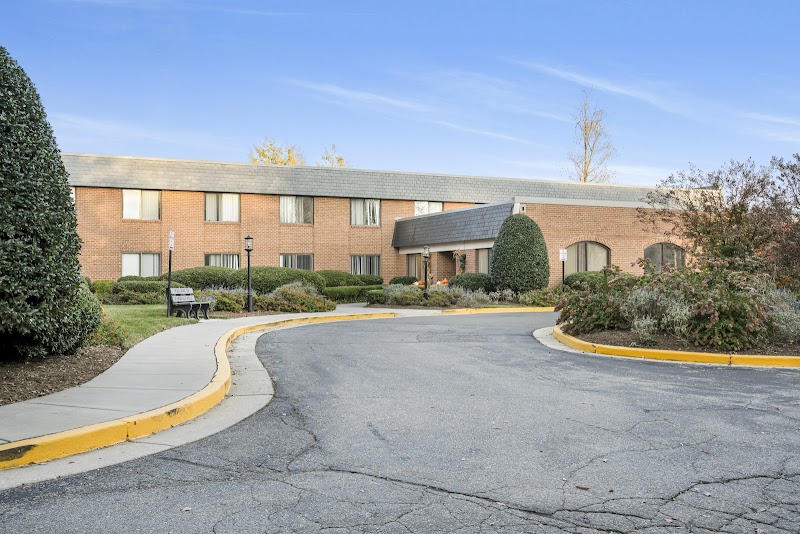
How is Carriage Hill Bethesda Staffed?

CMS rates CARRIAGE HILL BETHESDA's staffing level at 4 out of 5 stars, which is above average compared to other nursing homes. Staff turnover is 30%, compared to the Maryland average of 46%. This relatively stable workforce can support continuity of care.

What Have Inspectors Found at Carriage Hill Bethesda?

State health inspectors documented 33 deficiencies at CARRIAGE HILL BETHESDA during 2019 to 2025. These included: 29 with potential for harm and 4 minor or isolated issues.

Who Owns and Operates Carriage Hill Bethesda?

CARRIAGE HILL BETHESDA is owned by a for-profit company. For-profit facilities operate as businesses with obligations to shareholders or private owners. The facility is operated by VIERRA COMMUNITIES, a chain that manages multiple nursing homes. With 108 certified beds and approximately 102 residents (about 94% occupancy), it is a mid-sized facility located in BETHESDA, Maryland.
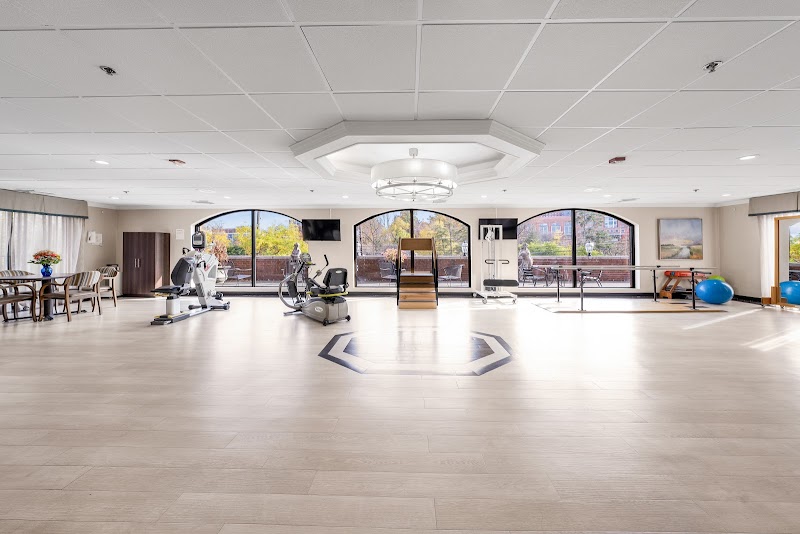
How Does Carriage Hill Bethesda Compare to Other Maryland Nursing Homes?

Compared to the 100 nursing homes in Maryland, CARRIAGE HILL BETHESDA's overall rating (3 stars) is below the state average of 3.0, staff turnover (30%) is significantly lower than the state average of 46%, and health inspection rating (3 stars) is at the national benchmark.

What Should Families Ask When Visiting Carriage Hill Bethesda?

Based on this facility's data, families visiting should ask: "Can I visit during a mealtime to observe dining assistance and food quality?" "How do you handle medical emergencies, and what is your hospital transfer rate?" "Can I speak with family members of current residents about their experience?"

Is Carriage Hill Bethesda Safe?

Based on CMS inspection data, CARRIAGE HILL BETHESDA has a clean safety record: no substantiated abuse findings (meaning no confirmed cases of resident harm), no Immediate Jeopardy citations (the most serious violation level indicating risk of serious injury or death), and is not on the Special Focus Facility watch list (a federal program monitoring the lowest-performing 1% of nursing homes). The facility has a 3-star overall rating and ranks #100 of 100 nursing homes in Maryland. While no facility is perfect, families should still ask about staff-to-resident ratios and recent inspection results during their visit.

Do Nurses at Carriage Hill Bethesda Stick Around?

CARRIAGE HILL BETHESDA has a staff turnover rate of 30%, which is about average for Maryland nursing homes (state average: 46%). Moderate turnover is common in nursing homes, but families should still ask about staff tenure and how the facility maintains care continuity when employees leave.

Was Carriage Hill Bethesda Ever Fined?

CARRIAGE HILL BETHESDA has no federal fines on record. CMS issues fines when nursing homes fail to meet care standards or don't correct problems found during inspections. The absence of fines suggests the facility has either maintained compliance or corrected any issues before penalties were assessed. This is a positive indicator, though families should still review recent inspection reports for the full picture.

Is Carriage Hill Bethesda on Any Federal Watch List?

CARRIAGE HILL BETHESDA is not on any federal watch list. The most significant is the Special Focus Facility (SFF) program, which identifies the bottom 1% of nursing homes nationally based on persistent, serious quality problems. Not being on this list means the facility has avoided the pattern of deficiencies that triggers enhanced federal oversight. This is a positive indicator, though families should still review the facility's inspection history directly.