MAPLEWOOD PARK PLACE
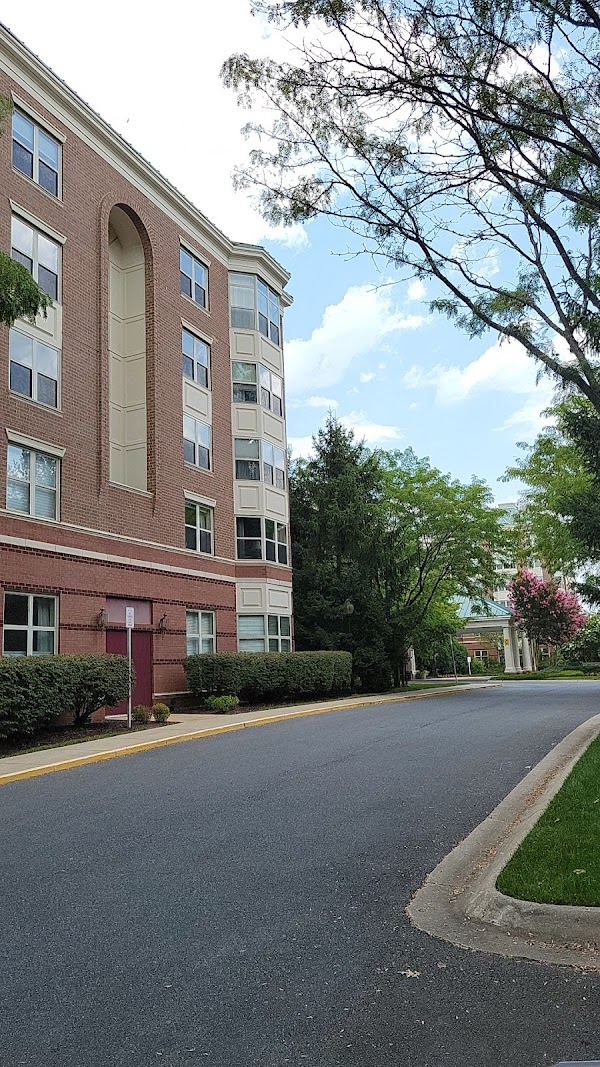
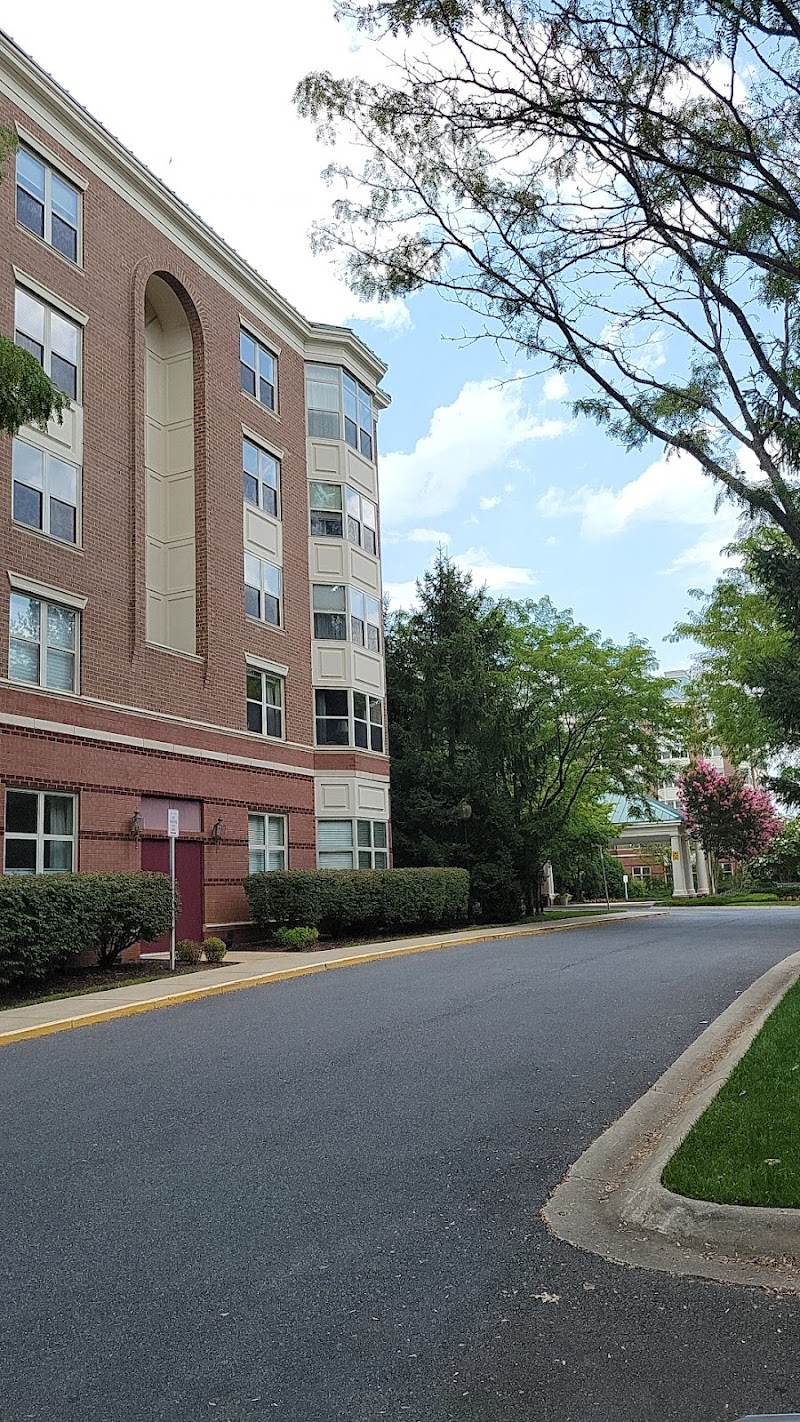
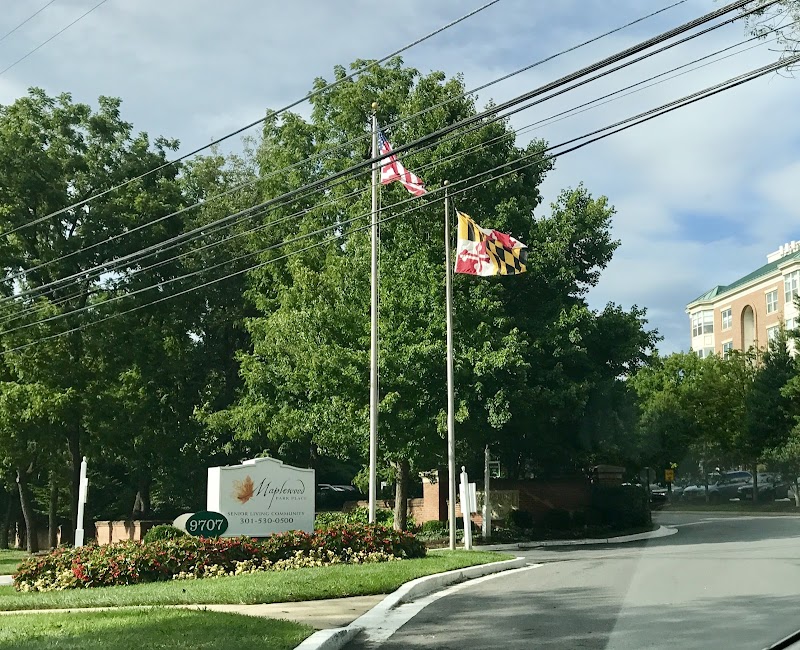
9707 OLD GEORGETOWN ROAD, BETHESDA, MD 20814 (301) 530-0500
For profit - Corporation 31 Beds Independent Data: November 2025
Trust Grade
90/100
#30 of 219 in MD
Last Inspection: March 2025

Within standard 12-15 month inspection cycle. Federal law requires annual inspections.

Overview

Maplewood Park Place in Bethesda, Maryland, has earned an excellent Trust Grade of A, indicating it is highly recommended for families seeking care. It ranks #30 out of 219 nursing homes in the state, placing it in the top half, and #5 out of 34 in Montgomery County, meaning only four local options are better. However, the facility is experiencing a worsening trend, with issues increasing from 2 in 2019 to 3 in 2025. Staffing is a strong point, with a perfect 5-star rating and only 16% turnover, well below the state average of 40%, which helps ensure continuity of care. Notably, the facility has no fines on record, suggesting compliance with regulations. Despite these strengths, there have been some concerning incidents. One serious finding revealed that staff failed to provide adequate supervision for a resident with a history of falls, resulting in actual harm. Additionally, there were issues with developing and implementing a comprehensive care plan for another resident, and another incident showed that staff did not follow physician orders for treatment, potentially impacting the resident's well-being. Overall, while Maplewood Park Place has significant strengths, families should be aware of these weaknesses when considering care options.

Trust Score
A
90/100
In Maryland
#30/219
Top 13%
Safety Record
Moderate
Needs review
Inspections
Getting Worse
2 → 3 violations
Staff Stability
✓ Good
16% annual turnover. Excellent stability, 32 points below Maryland's 48% average. Staff who stay learn residents' needs.
Penalties
✓ Good
No fines on record. Clean compliance history, better than most Maryland facilities.
Skilled Nurses
✓ Good
Each resident gets 97 minutes of Registered Nurse (RN) attention daily — more than 97% of Maryland nursing homes. RNs are the most trained staff who catch health problems before they become serious.
Violations
✓ Good
Only 5 deficiencies on record. Cleaner than most facilities. Minor issues only.
★★★★★
5.0
Overall Rating
★★★★★
5.0
Staff Levels
★★★★★
5.0
Care Quality
★★★★★
5.0
Inspection Score
Stable
2019: 2 issues
2025: 3 issues

The Good

  • 5-Star Staffing Rating · Excellent nurse staffing levels
  • 5-Star Quality Measures · Strong clinical quality outcomes
  • Low Staff Turnover (16%) · Staff stability means consistent care
  • Full Sprinkler Coverage · Fire safety systems throughout facility
  • No fines on record
  • Staff turnover is low (16%)

    32 points below Maryland average of 48%

Facility shows strength in staffing levels, quality measures, staff retention, fire safety.

The Bad

No Significant Concerns Identified

This facility shows no red flags. Among Maryland's 100 nursing homes, only 1% achieve this.

The Ugly 5 deficiencies on record

1 actual harm
Mar 2025 3 deficiencies
CONCERN (D)

Potential for Harm - no one hurt, but risky conditions existed

Comprehensive Care Plan (Tag F0656)

Could have caused harm · This affected 1 resident

**NOTE- TERMS IN BRACKETS HAVE BEEN EDITED TO PROTECT CONFIDENTIALITY** Based on record review, observation, and staff interviews, it was determined that facility staff failed to develop and implement...

Read full inspector narrative →
**NOTE- TERMS IN BRACKETS HAVE BEEN EDITED TO PROTECT CONFIDENTIALITY** Based on record review, observation, and staff interviews, it was determined that facility staff failed to develop and implement a comprehensive person-centered care plan for the resident. This was evident for 1(Resident # 5) of 10 residents reviewed for care plans during an annual survey. The findings include: The MDS (Minimum Data Set) is a complete assessment of the resident, which provides the facility information necessary to develop a care plan, provides the appropriate care and services to the resident, and modifies the care plan based on the resident's status. The CAA (Care Area Assessment) process provides a framework for guiding the review of triggered areas and clarification of a resident's functional status and related causes of impairments. It also provides a basis for additional assessment of potential issues, including related risk factors. The assessment of the causes and contributing factors gives the interdisciplinary team (IDT) additional information to help them develop a comprehensive plan of care. When implemented properly, the CAA process should help staff. Each resident will have a person-centered comprehensive care plan developed and implemented to meet his or her preferences and goals. It will address the resident's medical, physical, mental, and psychosocial needs. On 3/6/2025 at 11:12 AM, an initial medical record review was conducted. It was noted that Resident # 5 had a fall on 2/5/2025 with no injury. On 3/7/2025 at 7:19 AM, an electronic medical record review was done. Resident # 5 was admitted to the facility on [DATE] after a fall incident with injury. He/she was hospitalized on [DATE] due to a displaced left hip fracture and underwent surgery. Additional diagnoses were Cognitive Impairment, Osteoporosis, Urinary Tract Infection, and Atrial Fibrillation with respiratory failure. Upon further review, the Minimum Data Set (MDS) comprehensive assessment dated [DATE] revealed in Section GG that he/she was required to have moderate to extensive assistance for activities of daily living such as bed mobility, transfers, toileting, dressing, and bathing. Section J of the assessment confirmed a history of a fall with fracture within the last 6 months before admission. The Care Area Assessment (CAA) was triggered for falls. The care plan for Resident # 5, who was at risk of falls, was reviewed and initiated on 5/23/2024. The interventions stated: 1. Anticipate and meet the residents' needs daily. 2. Call light within reach and remind and encourage the residents to use it to request assistance if it is needed. 3. Educate the Resident about safety and use of any devices or to request assistance as needed. Further review of the care plan revealed a care plan for an actual fall that was initiated on 8/29/2024. It was stated that Resident # 5 had an actual fall on 6/21/2024 and 2/5/2025, both with no injuries. The interventions were: Assess/report and monitor resident x72 hours /document any changes or injuries. Report to the physician any signs and symptoms of pain, bruises, change in mental status, and any new onset: confusion, sleepiness, inability to maintain posture, agitation. Physical Therapy consult for strength and mobility post fall and as needed. On 3/7/2025 at 11:57 AM, Resident # 5 was observed to have bilateral fall mats with the bed in the lowest position. No documentation was found in the resident's medical record for the fall mat and bed in the lowest position. On 03/07/25 at 12:14 PM, an interview with the Director of Nursing (DON) conducted. The surveyor shared the findings that Resident # 5 had the bilateral fall mats with the bed in the lowest position; however, it was not found in the medical record. The DON confirmed that the fall mats and the bed in the lowest position were already in place before the resident's most recent fall that happened on 2/5/2025. The DON reviewed the electronic medical record with the surveyor, and she confirmed the findings.
CONCERN (D)

Potential for Harm - no one hurt, but risky conditions existed

Quality of Care (Tag F0684)

Could have caused harm · This affected 1 resident

**NOTE- TERMS IN BRACKETS HAVE BEEN EDITED TO PROTECT CONFIDENTIALITY** Based on observation, record review, and interviews with facility staff, it was determined that the facility failed to ensure th...

Read full inspector narrative →
**NOTE- TERMS IN BRACKETS HAVE BEEN EDITED TO PROTECT CONFIDENTIALITY** Based on observation, record review, and interviews with facility staff, it was determined that the facility failed to ensure that the resident received treatment and care to promote the highest practicable well-being as evidenced by failure to follow the physician order, monitor and document the outcome for effectiveness. This was evident for 1 (Resident # 4) of 14 residents reviewed during this annual survey. The findings include: The MDS (Minimum Data Set) is a complete assessment of the resident, which provides the facility information necessary to develop a care plan, provide the appropriate care and services to the resident, and modify the care plan based on the resident's status. On 03/06/25 at 11:35 AM, Resident # 4 was observed to have a palm protector on bilateral hands. On 03/06/25 at 08:31 PM, an electronic medical record review was conducted. Resident # 4 had a physician order initiated on 3/5/2025 that was written as: Palm protector on bilateral hands for skin protection on day shift for 8 hours. Remove every 2 hours and monitor the skin. On further review, the Treatment Administration Record (TAR) revealed that staff were signing off for the treatment with the time of administration of 7:00 AM - 3:00 PM. No further documentation was found for the skin check monitoring. On 3/7/2025 at 1:54 PM, Staff # 3 Registered Nurse (RN) was interviewed. The surveyor asked why Resident # 4 had the palm protector for the bilateral hands. Staff # 3 responded that it was a trial recommendation from the Rehab Department because his/her bilateral hands were stiff and his/her fingers were pressing on the palm. We applied them for 8 hours, removed them, and checked the skin every 2 hours. The surveyor asked if any documentation or notes were written about the palm protector and skin checks, and she stated none. On 3/9/2025 at 10:04 AM, a record review revealed the MDS (Minimum Data Set) Annual assessment dated [DATE], Section GG0115 Functional Limitation in Range of Motion was coded for limitation in range of motion for both upper and lower extremities. Upon further review, a care plan for the limited range of motion was initiated on 3/6/2025. The interventions were: 1. Apply Palm Protector on bilateral hands for skin protection to both palms; 2. Observe me and report to the nurse any change in my range of motion; 3. Observe me for any complaint of pain or altered comfort during care and mobility. On 3/10/2025 at 10:01 AM, The Director of Nursing ( DON) was interviewed. The surveyor asked what the purpose of the palm protector was. The DON responded to prevent skin breakdown. It was a nursing recommendation. Resident # 4 was on a rehabilitation caseload for wheelchair positioning only. A follow-up question was asked: How do you monitor the palm protector and skin check? The DON stated the staff monitored the palm protector when it was applied and when removed. The Physician order for the palm protector was discontinued on 3/10/2025 because there was no need to take it out every 2 hours. A new order was created on 3/10/2025 for the palm protector. The new order stated: Palm Protector on bilateral hands for skin protection every shift, remove for hygiene, and monitor skin. The surveyor shared with the Director of Nursing the concern from the previous order for the palm protector and that there was no documentation for the skin monitoring. DON stated that was the reason why the order was revised.
CONCERN (D)

Potential for Harm - no one hurt, but risky conditions existed

Unnecessary Medications (Tag F0759)

Could have caused harm · This affected 1 resident

Based on the medication administration observation, review of the facility's policy and procedure for medication administration, and interview with facility staff, it was determined that licensed faci...

Read full inspector narrative →
Based on the medication administration observation, review of the facility's policy and procedure for medication administration, and interview with facility staff, it was determined that licensed facility staff failed to ensure a medication error rate of less than 5 percent during the medication pass observation. This finding was evident for 3 out of 46 opportunities, which resulted in a medication error rate of 6.52%. The findings include: On 03/07/25 at 09:31 AM, the surveyor observed Staff # 3, a Registered Nurse (RN), administer medications to Resident #8. He/She received Triamterene - Hydrochlorothiazide (antihypertensive) 37.5-25 mg 1 tablet by mouth. The physician's order stated: Maxide 25 Triamterene - Hydrochlorothiazide) 35.5-25 mg tablet; give 0.5 tablet by mouth once a day for hypertension. Hold for Systolic Blood Pressure of less than 110. The surveyor did not observe Staff # 3 taking the resident's Blood Pressure before administering the medication. Staff # 3 documented the BP reading after the medication was given. The surveyor asked who was taking the blood pressure reading, and Staff # 3 responded that the Geriatric Nursing Aide (GNA) was taking it. On 03/07/25 at 09:35 AM, Staff # 3 prepared the medications for Resident # 6. Staff # 3 administered Amlodipine (antihypertensive), 5 mg 1 tablet by mouth, and Losartan (antihypertensive), 100 mg 1 tablet by mouth. Both medications had the physician's instruction to Hold for Systolic Blood Pressure of less than 110. The blood pressure was not taken before the administration of the two medications. After all the medications were given, Staff # 3 went to the medication cart and documented the blood pressure reading of Resident # 8. The Surveyor asked who took his/her blood pressure. Staff # 3 stated that the Geriatric Nursing Aide (GNA) took it. On 3/7/2025 at 9:47 AM, Staff # 5, a Registered Nurse (RN), went to Resident # 5 to administer his/her medications. Staff # 5 gave him/her half tablet of Metoprolol (antihypertensive) 25 mg tablet. The physician's order was as follows: Metoprolol tartrate 25 mg tablet, give 0.5 tablet orally every 12 hours. Hold for Heart Rate less than 60. After all the medications were given, the surveyor did not observe Staff #5 checking the heart rate before the medication was given. Staff # 5 documented the information in the electronic medical record and included the heart rate reading. The surveyor asked who was taking the heart rate for Resident # 5, and he responded that it was the Geriatric Nursing Aide.
Aug 2019 2 deficiencies 1 Harm
SERIOUS (G)

Actual Harm - a resident was hurt due to facility failures

Accident Prevention (Tag F0689)

A resident was harmed · This affected 1 resident

Based on surveyor review of clinical records and staff interviews, it was determined that the facility staff failed to provide adequate supervision and failed to implement intervention to prevent acci...

Read full inspector narrative →
Based on surveyor review of clinical records and staff interviews, it was determined that the facility staff failed to provide adequate supervision and failed to implement intervention to prevent accidents. This finding was evident for 1 of 4 residents reviewed for falls/accidents during the survey (#5) and resulted in actual harm. The findings include: On 07-30-19, review of the clinical records revealed that resident #5 had a history of multiple falls (six falls in a twelve-month period). Resident #5 had diagnoses of Osteoporosis (brittle bones), history of hip fracture and Alzheimer's disease, resulting in severe cognitive impairment for this resident. On 02-13-19, resident #5 had a baseline assessment which documented she/he can walk up to 200 feet using a walker with minimal assistance. Additionally, on 02-13-19, after the rehab evaluation, the physical therapist documented that resident #5 needed contact guard at all times while walking with the walker. (Contact guard requires a staff member to hold on to a gait belt placed around the resident's waist while resident #5 walks). On 04-03-19, resident #5 was seen by the nurse practitioner who documented resident #5 needs stand by assist and supervision when walking. (The resident had sustained another fall on 03-08-19). However, review of the clinical record and staff interview revealed that facility staff were not consistently providing stand by assist or contact guard while resident #5 walked as recommended by both physical therapy and the nurse practitioner. Surveyor review of the care plan for resident #5 revealed care plan interventions related to monitoring the resident's safety while dining and providing contact guard assist while the resident was ambulating. On 10-17-16, interdisciplinary staff initiated an intervention staff in the dining room to provide verbal reminders to wait for assistance when he/she is attempting to stand or ambulate by himself/herself. Additionally, staff were to provide frequent monitoring of the resident while awake in his/her room and dining room. On 03-15-19 staff initiated an intervention to provide contact guard assist to the resident while ambulating. However, there was no evidence that the facility staff implemented these interventions when the resident left the dining room unattended on 04-17-19 immediately prior to the fall. Further review of the clinical record revealed a nursing assessment, dated 04-17-19, in which the nurse (LPN staff #10) documented that resident #5 was walking in the hallway using a walker after dinner. The assessment further documents that the resident sustained a fall landing on her/his right knee and then onto the left shoulder. The nurse also noted a nosebleed at the time of the fall. An X-ray was ordered by attending physician on 04-17-19 which revealed fractures of the right patella (kneecap) and the left humerus (upper arm). During the review of resident #5's fall, which was documented in the clinical record, surveyor also requested to review the incident report. The facility staff refused to allow surveyor to have access to the incident report. Instead, the Assistant Director of Nursing (ADON) provided the surveyor with an incident investigation sheet dated 07-31-19 which documented that on 04-17-19, a team member saw resident #5 walking independently and called out her/his name and she/he lost her/his balance and fell. The incident investigation form further documented when resident #5 was approached while she/he was turning around she/he fell. There was no evidence in the incident investigation that contact guard was provided to the resident at the time of the fall. On 08-01-19 at 11:02 AM, interview with Director of Rehabilitation (DOR) revealed that resident #5 had not been an independent walker since beginning a functional maintenance program in November 2018. On 08-01-19 at 11:20 AM, interview with GNA staff #2 revealed that staff were aware that resident #5 was never an independent walker. Resident #5 always needed at least one person/staff to supervise while walking with a walker. GNA staff #2 also stated resident #5 did not need contact guard at all times while walking with the walker. On 08-01-19 at 11:40 AM, interview with GNA staff #4 revealed that resident #5 always needed assist and supervision while walking with the walker. GNA staff #4 stated her awareness that resident #5 had to have a gait belt and staff stand by when walking with a walker (contact guard). On 08-02-19 at 08:55 AM, interview with GNA staff #5 revealed that prior to the fall on 04-17-19, if staff on the unit observed resident #5 had begun walking independently, they would go and walk behind her/him. GNA staff #5 stated that resident #5 did not always have a gait belt or contact guard while ambulating with walker. GNA staff #5 further stated resident #5 was able to walk on her/his own sometimes. On 08-02-19 at 10:42 AM, a telephonic interview with LPN staff #10 revealed that resident #5 was an independent walker and used a walker. LPN staff #10 also stated that resident #5 did not like staff touching her/him while walking, so staff walked beside or behind her/him to guide her/him verbally. On 04-17-19, 3-11 shift, LPN staff #10 was assigned to resident #5, did not witness the fall, but was notified of the fall and assessed the resident immediately after the fall occurred. On 08-02-19 at 11:02 AM, a telephone interview with GNA staff #7 revealed that she knew resident #5 very well. GNA staff #7 stated when resident #5 walked with walker, staff were required to be present. However, GNA staff #7 stated that resident #5 walked independently every now and then. When resident #5 got agitated or weak, staff would provide contact guard on one side to prevent the resident from falling but at other times, staff would walk behind her/him with no contact guard. On 08-02-19 at 09:29 AM, interview with GNA staff #8 revealed that, prior to the fall on 04-17-19, resident #5 was able to walk with a walker but someone had to be with her/him with a gait belt (contact guard). GNA staff #8 also said she always used the gait belt (contact guard) to assist resident #5. On 08-02-19 12:35 PM, facility staff were unable to provide the name of the staff member who witnessed resident #5 walking independently on 04-17-19 and witnessed the fall (as documented in the incident investigation). However, on 08-02-19 at 04:20 PM, (after the conclusion of the survey and survey exit conference) the facility administrator met surveyors in the parking lot of the facility and stated she/he had literally just found out (on 08-02-19) who witnessed resident #5's fall on 04-17-19. The facility administrator then provided the investigating surveyor contact information of the witness. On 08-05-19 at 2:40 PM, a telephone interview with Dining Services staff #9 revealed that she saw resident #5 walking every day after dinner prior to the fall on 04-17-19. She/he further stated that resident #5 walked alone with a walker and staff would be walking beside or behind the resident. She agreed that staff who walked resident #5 did not provide contact guard every day. On 04-17-19, Dining Service staff # 9 said she/he was working in the assisted living dining room when she/he saw resident #5 walking alone in the hallway without any staff walking beside or behind him/her. As staff #9 left to check on resident #5, she observed that resident #5 was already on floor lying flat on her/his back. Dining Service Staff #9 stated that two nursing staff came to assist resident #5 at that point and she/he returned to the dining room. On 08-06-19 at 11:00 AM, a second telephone interview was held with the Director of Rehab (DOR) for clarification. The DOR stated that, since November 2018, when resident #5 was being seen for functional maintenance, therapy had recommended that resident #5 receive stand by assist with contact guard at all times while walking with the walker for safety due to high fall risk, and with each subsequent fall, the recommendation for contact guard while walking remain unchanged. The Director of Rehab stated this requirement was discussed in weekly interdepartmental meetings. On 08-06-19 at 02:15 PM, a telephone interview with GNA staff #3 revealed that, prior to the fall on 04-17-19, someone would be with resident #5 while walking with a walker. On 08-07-19 at 11:10 AM, a telephonic interview with GNA staff #11 revealed that she/he was working in a resident room in the assisted living area when she/he heard resident #5's name being called out. Simultaneously, she/he heard a resident fall outside in the hallway. She/he immediately went out into the hallway and witnessed resident #5 lying on floor calling for help. GNA staff #11 informed resident #5 that she/he was going for help and advised resident #5 to remain still. GNA staff #11 then went to the skilled unit and informed RN staff #6 and GNA staff #3 that resident #5 was on the assisted living unit having fallen in the hallway. The facility staff failed to consistently provide adequate supervision and contact guard to resident #5 when walking which resulted in a fall with multiple fractures.
CONCERN (D)

Potential for Harm - no one hurt, but risky conditions existed

Deficiency F0657 (Tag F0657)

Could have caused harm · This affected 1 resident

Based on surveyor review of the clinical record and staff interview, it was determined that the facility staff failed to revise the plan of care to reflect the type of assistance needed for walking in...

Read full inspector narrative →
Based on surveyor review of the clinical record and staff interview, it was determined that the facility staff failed to revise the plan of care to reflect the type of assistance needed for walking in a timely manner.This finding was evident for 1 of 4 residents reviewed for falls during the survey (#5). The findings include: On 08-01-19, review of the clinical record for resident #5 revealed that, on 04-17-19, the resident sustained a fall which resulted in a fracture of the left humerus (upper arm) and right patella (knee cap). Further review of the clinical record revealed that resident #5 had sustained a total of 6 falls in a 12- month period. On 02-13-19, resident #5 was evaluated by physical therapy who determined that the resident needed contact guard at all times while walking with the assistive device (walker). A contact guard requires facility staff to use a gait belt placed around the resident's waist for staff to hold while the resident walks. On 03-08-19, resident #5 sustained a fall with no injury, however, there was no evidence that facility staff revised the care plan to add or update the intervention recommended by physical therapy at the time of the fall. On 03-15-19, facility staff revised the care plan and initiated the intervention to provide contact guard assist to the care plan (one month after the physical therapy determined the need for resident #5 to have contact guard while walking).
Understanding Severity Codes (click to expand)
Life-Threatening (Immediate Jeopardy)
J - Isolated K - Pattern L - Widespread
Actual Harm
G - Isolated H - Pattern I - Widespread
Potential for Harm
D - Isolated E - Pattern F - Widespread
No Harm (Minor)
A - Isolated B - Pattern C - Widespread

Questions to Ask on Your Visit

  • "Can I speak with families of current residents?"
  • "What's your RN coverage like on weekends and overnight?"

Our Honest Assessment

Strengths
  • • Grade A (90/100). Above average facility, better than most options in Maryland.
  • • No fines on record. Clean compliance history, better than most Maryland facilities.
  • • 16% annual turnover. Excellent stability, 32 points below Maryland's 48% average. Staff who stay learn residents' needs.
Concerns
  • • 5 deficiencies on record, including 1 serious (caused harm) violation. Ask about corrective actions taken.
Bottom line: Generally positive indicators. Standard due diligence and a personal visit recommended.

About This Facility

What is Maplewood Park Place's CMS Rating?

CMS assigns MAPLEWOOD PARK PLACE an overall rating of 5 out of 5 stars, which is considered much above average nationally. Within Maryland, this rating places the facility higher than 99% of the state's 100 nursing homes. This rating reflects solid performance across the metrics CMS uses to evaluate nursing home quality.
How is Maplewood Park Place Staffed?

CMS rates MAPLEWOOD PARK PLACE's staffing level at 5 out of 5 stars, which is much above average compared to other nursing homes. Staff turnover is 16%, compared to the Maryland average of 46%. This relatively stable workforce can support continuity of care.

What Have Inspectors Found at Maplewood Park Place?

State health inspectors documented 5 deficiencies at MAPLEWOOD PARK PLACE during 2019 to 2025. These included: 1 that caused actual resident harm and 4 with potential for harm. Deficiencies causing actual harm indicate documented cases where residents experienced negative health consequences.
Who Owns and Operates Maplewood Park Place?

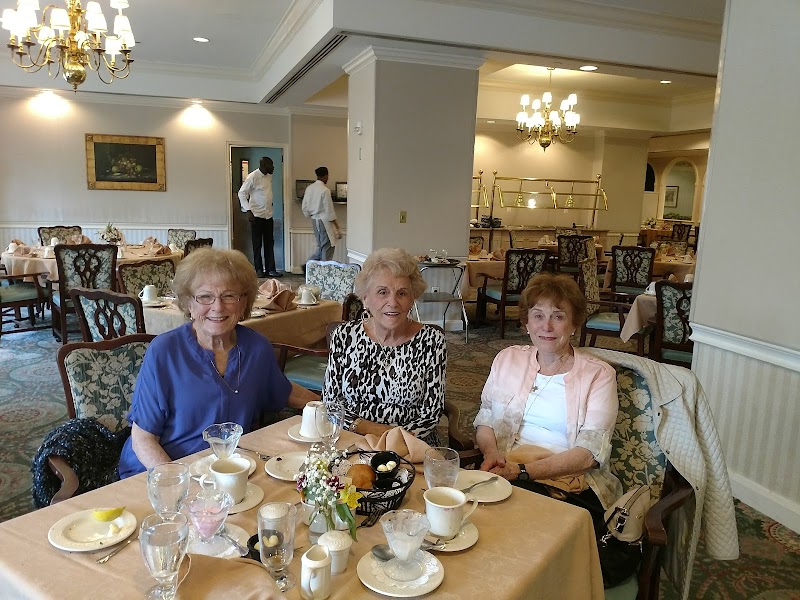
MAPLEWOOD PARK PLACE is owned by a for-profit company. For-profit facilities operate as businesses with obligations to shareholders or private owners. The facility operates independently rather than as part of a larger chain. With 31 certified beds and approximately 16 residents (about 52% occupancy), it is a smaller facility located in BETHESDA, Maryland.
How Does Maplewood Park Place Compare to Other Maryland Nursing Homes?

Compared to the 100 nursing homes in Maryland, MAPLEWOOD PARK PLACE's overall rating (5 stars) is above the state average of 3.1, staff turnover (16%) is significantly lower than the state average of 46%, and health inspection rating (5 stars) is much above the national benchmark.

What Should Families Ask When Visiting Maplewood Park Place?

Based on this facility's data, families visiting should ask: "Can I visit during a mealtime to observe dining assistance and food quality?" "How do you handle medical emergencies, and what is your hospital transfer rate?" "Can I speak with family members of current residents about their experience?"

Is Maplewood Park Place Safe?

Based on CMS inspection data, MAPLEWOOD PARK PLACE has a clean safety record: no substantiated abuse findings (meaning no confirmed cases of resident harm), no Immediate Jeopardy citations (the most serious violation level indicating risk of serious injury or death), and is not on the Special Focus Facility watch list (a federal program monitoring the lowest-performing 1% of nursing homes). The facility has a 5-star overall rating and ranks #1 of 100 nursing homes in Maryland. While no facility is perfect, families should still ask about staff-to-resident ratios and recent inspection results during their visit.

Do Nurses at Maplewood Park Place Stick Around?

Staff at MAPLEWOOD PARK PLACE tend to stick around. With a turnover rate of 16%, the facility is 30 percentage points below the Maryland average of 46%. Low turnover is a positive sign. It means caregivers have time to learn each resident's needs, medications, and personal preferences. Consistent staff also notice subtle changes in a resident's condition more quickly. Registered Nurse turnover is also low at 17%, meaning experienced RNs are available to handle complex medical needs.

Was Maplewood Park Place Ever Fined?

MAPLEWOOD PARK PLACE has no federal fines on record. CMS issues fines when nursing homes fail to meet care standards or don't correct problems found during inspections. The absence of fines suggests the facility has either maintained compliance or corrected any issues before penalties were assessed. This is a positive indicator, though families should still review recent inspection reports for the full picture.

Is Maplewood Park Place on Any Federal Watch List?

MAPLEWOOD PARK PLACE is not on any federal watch list. The most significant is the Special Focus Facility (SFF) program, which identifies the bottom 1% of nursing homes nationally based on persistent, serious quality problems. Not being on this list means the facility has avoided the pattern of deficiencies that triggers enhanced federal oversight. This is a positive indicator, though families should still review the facility's inspection history directly.