MONTCARE AT BETHESDA
6530 DEMOCRACY BOULEVARD, BETHESDA, MD 20817 (301) 530-9000
For profit - Limited Liability company 110 Beds Independent Data: November 2025
Trust Grade
70/100
#76 of 219 in MD
Last Inspection: November 2024

Within standard 12-15 month inspection cycle. Federal law requires annual inspections.

Overview

Montcare at Bethesda has a Trust Grade of B, indicating it is a good choice among nursing homes, offering solid care. It ranks #76 out of 219 facilities in Maryland, placing it in the top half, and #12 out of 34 in Montgomery County, meaning there are few local options that outperform it. However, the facility is experiencing a worsening trend, with the number of issues identified increasing from 5 in 2019 to 13 in 2024. Staffing is a relative strength, with a rating of 3 out of 5 stars and a turnover rate of 35%, which is below the state average, indicating staff retention. Notably, there have been no fines recorded, and the facility boasts greater RN coverage than 84% of Maryland facilities, which is beneficial for resident care. On the downside, there are significant concerns, such as a failure to notify a resident's representative about important hospital transfers and lack of documentation regarding the bed hold policy. Additionally, there was an incident involving improper medication storage that raises safety concerns. While there are strengths in staffing and RN coverage, families should be aware of these issues when considering Montcare at Bethesda for their loved ones.

Trust Score
B
70/100
In Maryland
#76/219
Top 34%
Safety Record
Low Risk
No red flags
Inspections
Getting Worse
5 → 13 violations
Staff Stability
○ Average
35% turnover. Near Maryland's 48% average. Typical for the industry.
Penalties
✓ Good
No fines on record. Clean compliance history, better than most Maryland facilities.
Skilled Nurses
✓ Good
Each resident gets 55 minutes of Registered Nurse (RN) attention daily — more than average for Maryland. RNs are trained to catch health problems early.
Violations
⚠ Watch
30 deficiencies on record. Higher than average. Multiple issues found across inspections.
★★★★☆
4.0
Overall Rating
★★★☆☆
3.0
Staff Levels
★★★★☆
4.0
Care Quality
★★★★☆
4.0
Inspection Score
Stable
2019: 5 issues
2024: 13 issues

The Good

  • 4-Star Quality Measures · Strong clinical quality outcomes
  • Full Sprinkler Coverage · Fire safety systems throughout facility
  • No fines on record
  • Staff turnover below average (35%)

    13 points below Maryland average of 48%

Facility shows strength in quality measures, fire safety.

The Bad

Staff Turnover: 35%

11pts below Maryland avg (46%)

Typical for the industry

The Ugly 30 deficiencies on record

Nov 2024 13 deficiencies
CONCERN (D)

Potential for Harm - no one hurt, but risky conditions existed

Deficiency F0558 (Tag F0558)

Could have caused harm · This affected 1 resident

Based on interviews and surveyor observations, it was determined that the facility failed to reasonably accommodate the needs and preferences of a resident by not ensuring a call bell was kept within ...

Read full inspector narrative →
Based on interviews and surveyor observations, it was determined that the facility failed to reasonably accommodate the needs and preferences of a resident by not ensuring a call bell was kept within a resident's reach and by not providing the appropriate type of call bell device needed for resident use. This finding was evident for 2 of 3 random observations (Resident #75) during the annual survey. The findings include: The Minimum Data Set (MDS) is an assessment used by staff to assist in planning care for the resident. On 10/29/24 at 9:30 AM, a surveyor interview with Resident #75 revealed that he/she was not able to use his/her call bell and would make his/her needs known by requesting his/her roommate to activate their call bell for assistance. The surveyors then requested Resident #75 to activate the call bell. Surveyors observed the resident laying on his/her back, the call bell device resting on the resident's chest area but tucked under the blanket. The resident's right hand was not near the call device. Resident #75 was not able to reach or activate the call bell. Review of Resident # 75's medical record revealed a current diagnosis of left side paralysis and severe limited use of his/her right arm. Review of the Minimum Data Set (MDS) for Resident #75's most recent admission revealed that the resident's needs were coded as dependent for all care. On 10/29/24 at 9:45 AM, an interview with the resident's roommate revealed that he/she uses their call bell multiple times daily, to alert nursing staff of Resident #75's needs. During a follow up tour of the unit on 10/30/24 at 12:02 PM, surveyors observed Resident #75 lying in bed and the call bell resting on the headboard of the bed, out of the resident's reach. On 10/30/24 at 12:10 PM, surveyors located Resident #75's licensed practical nurse (LPN), Staff #9, and requested that she assist with determining the location of Resident #75's call bell device. Staff #9 located the device, then removed the call device from the resident's headboard and placed it on the resident's chest area, near his/her right hand. The surveyor asked Staff #9 if Resident was able to activate the call bell device to alert nursing staff when he/she needed assistance and Staff #9 stated that most of the time it was the roommate, Resident #78, that would alert staff when Resident #75 needed assistance. Staff #9 requested Resident #75 to press the button on the end device to activate the call device. After several minutes, the resident was not able to press the button with his/her right hand. Staff #9 told the surveyors that nursing staff conduct frequent rounding on Resident #75, however it was not identified by nursing staff that Resident #75 was not able to adequately use his/her call bell device. Staff #9 also stated that a ticket would be put into the maintenance department, requesting to replace the device with the appropriate soft touch call bell device that would allow the resident to press the call bell on his/her own. On 10/30/24 at 12:33 PM surveyors interviewed the Director of Nursing, DON, who revealed that the call bell device will be replaced with a soft touch device immediately. Surveyors toured Resident #75's room again on 10/31/24 at 11:00 AM and observed a soft touch call bell device located under the resident's right hand. Resident #75 stated that he/she was able to use the call bell device without any challenges. During an interview held with the Maintenance Director on 10/31/24 at 12:45 PM he confirmed that Resident #75's call bell device was replaced with a soft touch pad call device.
CONCERN (D)

Potential for Harm - no one hurt, but risky conditions existed

MDS Data Transmission (Tag F0640)

Could have caused harm · This affected 1 resident

Based on record review and interview, it was determined that the facility failed to transmit Minimum Data Set (MDS) assessments within 14 days of completion. This was evident for 1 (Resident #74) of 2...

Read full inspector narrative →
Based on record review and interview, it was determined that the facility failed to transmit Minimum Data Set (MDS) assessments within 14 days of completion. This was evident for 1 (Resident #74) of 2 residents reviewed for resident assessments during the annual survey. The findings include: Minimum Data Set (MDS) is a core set of screening, clinical, and functional status data elements, including common definitions and coding categories, which form the foundation of a comprehensive assessment for all residents of nursing homes certified to participate in Medicare or Medicaid. The data elements (also referred to as items) in the MDS standardize communication about resident problems and conditions within nursing homes, between nursing homes, and between nursing homes and outside agencies. MDS assessments need to be accurate to ensure each resident receives the care they need. Nursing homes are required to submit the Omnibus Budget Reconciliation Act (OBRA) required MDS records for all residents in Medicare- or Medicaid-certified beds regardless of the payer source to Centers for Medicare and Medicaid Services (CMS') Internet Quality Improvement and Evaluation System (iQIES). Skilled nursing facilities (SNFs) are required to transmit additional MDS assessments for all Medicare beneficiaries in a Part A stay reimbursable under the SNF Prospective Payment System (PPS). Assessment Transmission: Comprehensive assessments must be transmitted electronically within 14 days of the Care Plan Completion Date. All other MDS assessments must be submitted within 14 days of the MDS Completion Date. On 11/1/24 at 7:28 AM, a record review of the MDS assessment was conducted for Resident #74 with a discharge date on 5/9/2024. The MDS assessment Discharge Return Not Anticipated (DCRNA) with an Assessment Reference Date (ARD) of 5/9/24 was completed on 5/15/24, however, the assessment was not transmitted to CMS' iQIES for over 120 days. On 11/1/24 at 8:19 AM, during an interview with the MDS Coordinator, she stated that the timeline for completing and submitting MDS assessments was 14 days. She added that all assessments were required to be transmitted regardless of the payor source such as Entry, admission and Discharge assessments, except the 5 day assessment for insurance or private pay residents. She also stated that she transmitted the MDS assessments weekly or twice a week to CMS. The surveyor showed the MDS Coordinator the DCRNA assessment of Resident #74 with an ARD of 5/9/24. She verified that the DCRNA assessment was not submitted and confirmed that it was an error, and she stated that she would immediately fix it. On 11/01/24 at 8:55 AM, the [NAME] President of Clinical Services was notified that the DCRNA assessment for Resident #74 was completed on 5/15/24 but never transmitted to CMS.
CONCERN (D)

Potential for Harm - no one hurt, but risky conditions existed

Comprehensive Care Plan (Tag F0656)

Could have caused harm · This affected 1 resident

2) On 11/01/24 at 8:41 AM, a record review of Resident #92's medications indicated that he/she was on Heparin Sodium (Porcine) Injection Solution 5000 UNIT/ML (Heparin Sodium (Porcine)Inject 5000 unit...

Read full inspector narrative →
2) On 11/01/24 at 8:41 AM, a record review of Resident #92's medications indicated that he/she was on Heparin Sodium (Porcine) Injection Solution 5000 UNIT/ML (Heparin Sodium (Porcine)Inject 5000 unit subcutaneously every 8 hours for Deep Vein Thrombosis prophylaxis. On 11/04/24 at 10:34 AM, further review of Resident #92's medical record revealed no evidence that a care plan was developed and implemented to monitor bruising and bleeding related to anticoagulant therapy. On 11/04/24 at 10:53 AM, during an interview with Licensed Practical Nurse (LPN #16), he/she stated that the monitoring and the care plan for blood thinners should be in the electronic system. He/she added that the Unit Managers initiated the care plan in the medical record. The surveyor asked LPN #16 to show an example of a care plan that addressed blood thinners, he/she replied that he/she had no idea where to find it. On 11/04/24 at 11:06 AM, an interview with Unit Manager (UM #10) revealed that the UMs created the residents' care plan on admission. The surveyor asked UM #10 to locate the care plan of Resident #92 related to anticoagulant therapy. He/she confirmed that there was no care plan developed to address potential for bleeding and bruising for Resident #92. He/she then initiated a care plan even though Resident #92 had been discharged from the facility. He/she stated that he/she just wanted to find out if the problem and interventions would show in Resident #92's care plan. On 11/06/24 at 7:53 AM, during an interview with the Assistant Director of Nursing (ADON), she revealed that it was expected that if a resident had an order of blood thinner, a care plan should be initiated in the resident's medical record. She added that the UMs were responsible for developing the care plans. ADON was made aware that Resident #92 had no Anticoagulant care plan. Based on record reviews and interviews it was determined that the facility failed to ensure a care plan was revised. This was found to be evident for 2 (Resident #50 & #92) out of 5 Residents reviewed for care plan revisions. The findings include: Psychotropic medications are used to treat mental health disorders. There are five main types of psychotropic medications, and each type has its own specific uses, benefits, and side effects. The five main types are anti-anxiety agents, antidepressants, antipsychotics, mood stabilizers, and stimulants. A care plan is a guide that addresses the unique needs of each resident. It is used to plan, assess and evaluate the effectiveness of the resident's care. Anticoagulant therapy is the use of anticoagulants, or blood thinners, to prevent or treat blood clots. Heparin injection is an anticoagulant. It is used to decrease the clotting ability of the blood and help prevent harmful clots from forming in blood vessels. 1) A review of Resident #50's Medication Administration Record (MAR) conducted on 11/01/2024 at 07:22 AM revealed that the Resident received the following psychotropic medication: busPIRone HCl 7.5 mg and Seroquel 25 mg. On 11/01/24 at 07:31 AM a review of Resident #50's Care Plan did not reveal a care plan for the psychotropic medications. During an interview conducted on 11/01/2024 at 9:00 AM, the Divisional Director of Quality Assurance stated that it's the facility's expectation that psychotropic medications are Care Planned with a focus, goal and interventions.
CONCERN (D)

Potential for Harm - no one hurt, but risky conditions existed

Tube Feeding (Tag F0693)

Could have caused harm · This affected 1 resident

Based on observations, record review and interviews, it was determined that the facility failed to provide appropriate treatment and services to a resident receiving tube feedings. This was evident fo...

Read full inspector narrative →
Based on observations, record review and interviews, it was determined that the facility failed to provide appropriate treatment and services to a resident receiving tube feedings. This was evident for 1 (Resident #72) of 1 Resident reviewed for tube feedings. The findings include: A gastrostomy tube, also known as a G-tube or feeding tube, is a tube that is inserted through the abdomen and into the stomach to provide nutrition, fluids, and medicine. A G-tube should be checked for placement before feeding, flushing or administering a medication to ensure it is not clogged or displaced outside the stomach. On 10/30/24 at 08:44 AM during medication pass, the surveyor observed Staff #9 flush Resident #72's G-tube with 30ml of water. Staff #9 did not check for G-tube placement before administering the flush. The surveyor inquired about the facility's policy for checking the placement of G-tubes. Staff#9 stated I should have checked for placement by aspirating the contents of the stomach before I give anything. I will do so now. A review of the facility policy for Verifying Placement of Feeding tube which was revised on 5/8/24 stated. Before beginning a feeding, flushing the tube, or administering a medication via feeding tube, proper placement and functioning will be verified. On 10/30/24 at 11:31 AM the Assistant Director of Nursing (ADON) was made aware of the surveyor's concerns. ADON stated that the G-tube should have been checked for placement before the flush was administered and she would do an inservice with the nurses on G-tube placement checks.
CONCERN (D)

Potential for Harm - no one hurt, but risky conditions existed

Respiratory Care (Tag F0695)

Could have caused harm · This affected 1 resident

Based on observations and interviews it was determined that the facility failed to provide the respiratory care and services that are in accordance with professional standards. This was evident for 1 ...

Read full inspector narrative →
Based on observations and interviews it was determined that the facility failed to provide the respiratory care and services that are in accordance with professional standards. This was evident for 1 (Resident #456) out of 1 resident reviewed for respiratory services. The findings include: On 10/28/2024 at 12:33 PM, the surveyor observed Resident #456's oxygen tubing and nasal cannula disconnected and laying on the floor. The Resident's son reported that water had backed up in the tubing from the oxygen concentrator. The surveyor checked the tubing and observed moving water droplets in the tubing that came from the concentrator to the Resident 's nasal cannula. It was also observed that the humidifier bottle and the tubing were not dated with the date they were connected to the oxygen concentrator. On 10/28/2024 at 12:45PM The Licensed Practical Nurse (LPN) #18 was interviewed and asked if she had seen the tubing on the floor and the water in the tubing. LPN #18 said that she had not been aware of the problem, that she had briefly checked on the resident but had not yet done her morning assessment. On 10/28/2024 at 12:50 PM The surveyor spoke to the Assistant Director of Nursing (ADON) and made her aware of the water in the tubing, and that the water bottle and tubing were not dated. ADON observed the water in the tubing and the undated water bottle and tubing and stated that she felt the water in the tubing was condensation from the oxygen concentrator being near the room heater. The ADON moved the concentrator away from the heater and changed the tubing. On 10/29/2024 at 9:45 AM the surveyor observed the Resident #456 holding the nasal cannula. The Resident stated that the oxygen had not been used all night because there was water in the tubing, and it had been dripping into my nose. The surveyor observed water still backing up in the tubing and dripping from the nasal cannula. During an interview conducted on 10/29/2024 at 10:00 AM, the surveyor spoke with the ADON and made her aware. She came into the room and stated that the problem had to be the oxygen concentrator and that it would be replaced. On 10/29/2024 at 12:30 PM the surveyor observed that the oxygen concentrator had been changed and there was no water in the tubing and the humidifier bottle and tubing were correctly dated with the date it had been connected to the oxygen concentrator. On 11/06/24 at 10:36 AM The surveyor observed that the date on the tubing on the oxygen concentrator was 10/29/2024. The surveyor interviewed LPN #18 and asked what the policy was regarding changing tubing on the oxygen concentrator. She stated it was supposed to be changed every 5 days.
CONCERN (D)

Potential for Harm - no one hurt, but risky conditions existed

Deficiency F0697 (Tag F0697)

Could have caused harm · This affected 1 resident

Based on record review and interview, it was determined that the facility failed to 1) develop and implement non-pharmacological interventions of pain and 2) ensure that pain medication was given cons...

Read full inspector narrative →
Based on record review and interview, it was determined that the facility failed to 1) develop and implement non-pharmacological interventions of pain and 2) ensure that pain medication was given consistent with the professional standards of practice. This was evident for 2 (Resident #92 and #1) out of 2 residents reviewed for pain management during the annual survey. The findings include: The medical abbreviation PRN stands for pro re nata, a Latin phrase that translates to as needed or as the situation arises. Non-pharmacological interventions are treatments that manage pain without the use of medication. These interventions may include but are not limited to massage, music therapy, aromatherapy, applying mild heat or cold packs and repositioning. Oxycodone and Tramadol are strong painkillers from a group of medicines called opiates, or narcotics used to treat moderate to severe pain. Pain parameters are the specific aspects of pain that are evaluated during an interview to understand a person's pain experience. 1) On 11/01/24 at 8:41 AM, a record review of Resident #92 revealed that Oxycodone HCl Oral Tablet 5 MG (Oxycodone HCl) Give 2 tablet by mouth every 6 hours as needed for pain was administered 18 times for the month of October. On 11/01/24 at 9:20 AM, a record review of Resident #1 revealed that Acetaminophen Oral Tablet 500 MG (Acetaminophen) Give 2 tablet by mouth every 8 hours as needed for Moderate Pain was administered twice for the month of October and Tramadol HCl Oral Tablet 50 MG (Tramadol HCl) Give 50 mg by mouth every 6 hours as needed for Severe Pain was administered 8 times for the month of October. On 11/01/24 at 10:30 AM, further review of Resident #92 and #1's medical records revealed no evidence that non-pharmacological interventions of pain were provided and documented in the Medication Administration Record (MAR), Treatment Administration Record (TAR), in progress notes nor in the resident's care plan. A review of the Minimum Data Set (MDS) with an Assessment Reference date (ARD) of 9/11/24 for Resident #92 revealed, section J Received non-medication intervention for pain? Indicated No and MDS with ARD of 10/29/24 for Resident #1 also answered No, which confirmed that no non-pharmacological interventions were provided. On 11/01/24 at 10:58 AM, the surveyor attempted to interview Licensed Practical Nurse (LPN #16) about the process of initiating non- pharmacological interventions of pain. He/she stated he was not sure and asked to verify with the Unit Manager (UM). UM #10 stated that the facility documented the interventions in the resident's medical record under pain care plan, such as music, range of motion exercises and repositioning. He/she added that the nurses sometimes added in their progress notes. On 11/01/24 at 11:30 AM, in an interview with UM #17, he/she stated that the non-pharmacological interventions of pain were not specified anywhere, it could be documented in the nurses' progress notes. On 11/01/24 at 11:45 AM, during an interview with the Assistant Director of Nursing (ADON), she was asked about the facility's process of providing non- pharmacological interventions prior to administering pain medication. She stated that she was not sure and would come back. On 11/01/24 at 11:59 AM, the DON returned and stated that the nursing interventions were documented in the progress notes, she confirmed that it was not incorporated in care plans nor in nursing orders. 2a.) On 11/01/24 at 8:41 AM, a record review indicated that Resident #92 was on the following PRN pain medication: Oxycodone HCl Oral Tablet 5 MG (Oxycodone HCl) Give 2 tablet by mouth every 6 hours as needed for pain, mod Further review of the nursing progress note, and the Medication Administration Record (MAR) revealed that the facility staff failed to follow the pain parameters indicated in the physician order: On 10/21/2024 at 22:00, oxyCODONE HCl Oral Tablet 5 MG Give 2 tablet by mouth every 6 hours as needed for pain, mod was administered, however the MAR indicated that Resident #92 had a pain level of 3 prior to pain medication. 2b.) On 11/04/24 at 8:55 AM, a review of the active physician orders of Resident #1 revealed the following PRN pain medications: Acetaminophen Oral Tablet 500 MG (Acetaminophen) Give 2 tablet by mouth every 8 hours as needed for Moderate Pain Tramadol HCl Oral Tablet 50 MG (Tramadol HCl) Give 50 mg by mouth every 6 hours as needed for Severe Pain Further review of the nursing progress notes, and the Medication Administration Records (MAR) revealed that the facility staff failed to follow the pain parameters indicated in the physician orders: On 10/18/2024 at 00:05, Tylenol Extra Strength Oral Tablet 500 MG Give 2 tablet by mouth every 8 hours as needed for Moderate Pain (4 - 7) was administered, however the MAR indicated pain level of 0 prior to medication administration. On 10/3/2024 at 21:59, TraMADol HCl Tablet 50 MG Give 1 tablet by mouth every 6 hours as needed for severe pain (8 - 10) was administered, however, nurse's note indicated resident required Tramadol for pain of 5 in her right leg. On 10/3/2024 at 14:18, TraMADol HCl Tablet 50 MG Give 1 tablet by mouth every 6 hours as needed for severe pain (8 - 10) was administered, however the MAR indicated a pain rating of 5. On 10/18/2024 at 17:34, TraMADol HCl Tablet 50 MG Give 1 tablet by mouth every 6 hours as needed for severe pain (8 - 10) was administered with a pain level of 7 in the MAR. On 11/04/24 at 10:42 AM, in an interview with Registered Nurse (RN #15), he/she stated that when entering PRN pain medication orders in the medical record, the nurses were expected to enter the medications as ordered with pain parameters of 1-4 for mild pain and 5-10 for moderate to severe pain. He/she added that the nurses documented in the MAR under PRN medication and indicated the pain level prior to giving the pain medication, after an hour the nurses went back and asked the resident if the medication was effective and recorded the pain level. On 11/04/24 at 11:06 AM, in an interview with UM #10, he/she revealed that for PRN pain medications, the MAR had a section which indicated pain level prior to giving the medication, 1-3 for mild pain, 4-7 for moderate pain and 8-10 for severe pain. He/she added that the documentation was automatically pulled in the electronic charting once the nurse entered the pain level, and the nurses would come back after an hour to document the effectiveness of the pain medication. On 11/06/24 at 7:53 AM, during an interview with the ADON, she stated that a pain scale automatically populated when nurses entered the order in the medical record. She described that the facility had a standard pain scale that nurses followed, a 0-10 pain scale for cognitive residents and non-verbal signs for non-cognitive residents. She also added that if the doctor did not specify the pain parameter in the order, the pharmacy would send an email to the facility to correct the order. She gave the following examples of pain parameters used for PRN pain medications: Tylenol for pain level of 1-3, Tramadol for pain level of 4-7 and Oxycodone for pain level of 8-10. The ADON was made aware that the PRN pain parameters in the physician orders were not followed by the nurses before the PRN pain medications were administered to Residents #92 and #1.
CONCERN (D) 📢 Someone Reported This

A family member, employee, or ombudsman was alarmed enough to file a formal complaint

Potential for Harm - no one hurt, but risky conditions existed

Deficiency F0804 (Tag F0804)

Could have caused harm · This affected 1 resident

Based on observations and interviews with residents and facility staff, it was determined that the facility failed to ensure that food was delivered to residents at an appropriate and palatable temper...

Read full inspector narrative →
Based on observations and interviews with residents and facility staff, it was determined that the facility failed to ensure that food was delivered to residents at an appropriate and palatable temperature. This was evident for 1 out of 1 observation of test tray temperatures. This practice has the potential to affect all residents who eat food prepared by the facility. The findings include: On 10/28/24 at 12:30 PM, the surveyor reviewed complaint Office of Health Care Quality (OHCQ), MD002210552, in which Resident #78 alleged that all his/her meals were delivered cold. The Surveyor conducted a breakfast tray observation that began on 10/31/24 at 7:10 AM. The surveyor requested a test tray to be added to the last meal cart. The last meal cart was going to the first-floor units where Resident # 78 resided. During the tray line observation on 10/31/24 at 8:45 AM, the surveyor observed that the plates loaded onto the meal cart did not have bottom plate warmers (pellets) added to keep the plates warm. On 10/31/24 at 08:56 AM the Surveyor and Kitchen Manager, Staff #19, followed the meal cart to the unit on the first floor. The geriatric nursing assistants (GNAs) working on the unit passed out all trays by 9:15 AM. Test tray temperatures were tested at the time with Staff #19. Staff #19 confirmed the temperatures were: scrambled eggs, 90 degrees Fahrnheit and hashbrowns 95 degrees Farenheit. At the end of the test tray process around 9:20 AM, Staff #19 stated that her expectation was that the meals were to be delivered with in minutes as soon as the meal carts were on the unit to ensure adequate temperatures of 120F for hot foods. During an interview on 11/06/24 at 10:43 AM, the Food Service Director confirmed that 24 pellets (plate warmers) were ordered.
CONCERN (D)

Potential for Harm - no one hurt, but risky conditions existed

Infection Control (Tag F0880)

Could have caused harm · This affected 1 resident

Based on observations and interviews, it was determined the facility staff failed to adhere to infection control practices and guidelines while 1.) administering medications and 2.) performing dressin...

Read full inspector narrative →
Based on observations and interviews, it was determined the facility staff failed to adhere to infection control practices and guidelines while 1.) administering medications and 2.) performing dressing change. This was evident for 2 of 4 residents (Resident #225 and Resident#72) observed for medication administration and dressing change. The findings include: 1.) A medication observation was conducted on 10/30/24 at 8:07AM. Staff # 8, a Registered Nurse, prepared and administered medications to Resident #56 who occupied bed A in a semi private room. After the medications were administered, Staff #8 did not perform hand hygiene. Staff#8 left the room, retrieved a blood pressure cart from the hallway and walked back into the same room to Resident #225 who occupied the B bed and proceeded to take the resident's blood pressure. During an interview the surveyor inquired about hand hygiene. Staff #8 stated I usually wear gloves, then walked over to the hand sanitizer unit on the wall and performed hand hygiene. 2.) On 10/30/24 at 8:44AM the surveyor observed Staff #9 who was wearing gloves, remove a contaminated dressing from Resident #72's Gastrostomy tube (G-tube) site and placed it in a trash can. Staff# 9 then reached for a clean dressing and proceeded to apply it to the resident's G-tube site. Staff#9 failed to remove the contaminated gloves and perform hand hygiene before handling the clean dressing. During an interview the surveyor asked about hand hygiene Staff #9 said I should have cleaned my hands. Staff# 9 discarded the dressing removed and discarded the contaminated gloves then performed hand hygiene. On 10/30/24 at 11:31AM the Assitant Director of Nursing (ADON) was made aware of the surveyor's observations and stated that the nurses would be reeducated on infection control and hand hygiene.
CONCERN (D)

Potential for Harm - no one hurt, but risky conditions existed

Deficiency F0919 (Tag F0919)

Could have caused harm · This affected 1 resident

Based on observation, and staff interview, it was determined that facility staff failed to ensure a cord used to activate/deactivate a call light was attached to the call system. This was evident for ...

Read full inspector narrative →
Based on observation, and staff interview, it was determined that facility staff failed to ensure a cord used to activate/deactivate a call light was attached to the call system. This was evident for 1 of 1 unit shower rooms observed during the surveyor's initial tour of the facility during the recertification survey. The findings include: During the initial tour on 10/28/24 at 10:56 AM, surveyors observed a call bell device mounted on a wall within one of 4 shower stalls in the first-floor central shower room. The call bell device was without a cord that would be used if a resident fell on the floor and could not press the button on the mounted device. On 10/28/24 at 1:15 PM surveyors, the Maintenance Technician, and the Nursing Home Administrator (NHA), toured the first-floor central shower room. The Maintenance Technician confirmed that the call bell device was missing a long cord to turn off/on the device, and one would be installed the same day. During an interview held on 10/31/24 at 12:45 PM, the Maintenance Director confirmed the call bell device in the central shower room on the first floor was equipped with a long cord. Surveyors conducted a follow up tour of the first-floor central shower room on 11/6/24 at 10:30 AM and observed the call bell device with an adequate length cord.
CONCERN (E)

Potential for Harm - no one hurt, but risky conditions existed

Transfer Notice (Tag F0623)

Could have caused harm · This affected multiple residents

**NOTE- TERMS IN BRACKETS HAVE BEEN EDITED TO PROTECT CONFIDENTIALITY** 2) On 11/04/24 at 10:13 AM, a review of Resident #47's clinical record revealed that Resident #47 was transferred to the hospita...

Read full inspector narrative →
**NOTE- TERMS IN BRACKETS HAVE BEEN EDITED TO PROTECT CONFIDENTIALITY** 2) On 11/04/24 at 10:13 AM, a review of Resident #47's clinical record revealed that Resident #47 was transferred to the hospital for further evaluation of his/her medical needs on the following dates: 4/12/2024, 4/25/2024 and 5/5/2024. Further review of Resident #47's clinical record revealed no documentation that the resident/resident representative was notified in writing of the hospital transfers. On 11/06/24 at 7:20 AM, an interview conducted with the Divisional Director of Quality Assurance revealed that it is the expectation of nursing staff to notify the resident/resident representative of hospital transfers verbally and send a written copy of the hospital transfer/discharge form along with the resident when they transfer out. The Divisional Director of Quality Assurance further stated that copies of the resident's written hospital transfer/discharge form and bed hold policy are kept in a separate binder. On 11/06/24 at 8:15 AM, the surveyor requested and reviewed the separate binder which showed no evidence that the facility staff had provided written notice of transfer at the time of transfer or as soon as was practicable for resident #47's hospital transfers on 4/12/2024, 4/25/2024 and 5/5/2024. At the time of exit conference, the facility did not provide any evidence that a written notice of transfer was given to Resident #47 and the resident's representative. Based on record review and interview it was determined that the facility failed to 1) notify the Ombudsman of a Resident's (Resident #23) transfer to an acute care facility and 2) notify the Resident (Resident #47) /Resident representative of transfer to an acute care facility in writing. This was found to be evident for 2 (Resident #23 & #47) out of 3 residents reviewed for transfers during the annual survey. The findings include: 1) During a review of Resident #23's medical record conducted on 11/01/2024 at 10:03 AM it was revealed that the resident was transferred to a Hospital emergency room on [DATE]. A review of the Ombudsman notification of transfers was conducted on 11/04/24 at approximately 9:00 AM. The notification for April 2024 and May 2024 did not show that the Ombudsman was notified of Resident #23's transfer on 04/28/2024. During an interview with the Director of Nursing (DON) conducted on 11/01/2024, this surveyor advised the Ombudsman notification did not show that Resident #23 was transferred on 04/28/2024. The DON stated that the facility's expectation is to notify the Ombudsman of all Resident Transfers.
CONCERN (E)

Potential for Harm - no one hurt, but risky conditions existed

Deficiency F0625 (Tag F0625)

Could have caused harm · This affected multiple residents

Based on clinical record review and staff interview, it was determined that the facility failed to notify the resident/resident representative in writing of the bed hold policy upon transfer of a resi...

Read full inspector narrative →
Based on clinical record review and staff interview, it was determined that the facility failed to notify the resident/resident representative in writing of the bed hold policy upon transfer of a resident to an acute care facility. This was evident for 1 (#47) out of 3 residents reviewed for hospitalizations during the annual survey. The findings include: On 11/04/24 at 10:13 AM, a review of Resident #47's clinical record revealed that Resident #47 was transferred to the hospital for further evaluation of his/her medical needs on the following dates: 4/12/24 and 5/5/24. Further review of Resident #47's clinical record revealed no documentation that the resident / resident representative was notified of the bed hold policy in writing. On 11/04/24 at 10:55 AM, an interview conducted with the Business Office Manager revealed that she was not able to locate any evidence that a written copy of the bed hold policy was given to the resident/resident representative for hospital transfers on 4/12/24 and 5/5/24. At the time of exit conference, the facility did not provide any evidence that a written copy of the bed hold policy was given to Resident #47 and the resident's representative for hospital transfers on 4/12/24 and 5/5/24.
CONCERN (E)

Potential for Harm - no one hurt, but risky conditions existed

Deficiency F0761 (Tag F0761)

Could have caused harm · This affected multiple residents

2) On 11/1/24 at 6.45AM, a medication storage observation was conducted on the medication carts on the Embassy Unit with Staff Nurse # 14 present. The surveyor observed a Humalog Kwik Pen100 unit/ml i...

Read full inspector narrative →
2) On 11/1/24 at 6.45AM, a medication storage observation was conducted on the medication carts on the Embassy Unit with Staff Nurse # 14 present. The surveyor observed a Humalog Kwik Pen100 unit/ml insulin pen for Resident #224 and a Glargine Solostar 100unit/ml pen for Resident #20 were in a basket stored in the 3rd drawer of the medication cart. Both Insulin pens were unopened with a pharmacy label which stated refrigerate until opened. During an interview conducted on 11/01/24 at 7:10 AM both the Director of Nursing (DON) and Staff Nurse #14 acknowledged the surveyor's findings. Based on observations and staff interviews it was determined that the facility failed to 1) maintain a safe and effective system for securing medication and 2) store medications properly. This was found to be evident for 1 out of 3 medication carts observed during the re-certification survey. The findings include: 1) During an interview conducted on 10/31/24 at 1:12 pm, Resident #85 gave this surveyor a set of keys on a lanyard that he/she stated were found on the hallway floor of the 1st floor nursing unit on the evening of 10/30/24. The Resident further stated that the keys belonged to the medication cart. An interview was conducted on 10/31/24 at 1:15 PM with the Nursing Home Administrator (NHA) and the Director of Nursing (DON). During the interview this surveyor gave the keys to the medication cart to the NHA. This surveyor advised both the NHA and DON that a resident was in possession of the keys and asked if they were aware that a set of keys to the medication cart had been missing or lost. The DON stated they were not aware but would immediately investigate and inform the surveyor of the results. During observation of the 1st floor medication cart conducted on 10/31/2024 at 1:19 PM, this Surveyor and Licensed Practical Nurse (LPN) #16 reviewed all the narcotics and confirmed the narcotic counts were accurate and matched the narcotic log. During an interview conducted on 11/01/24 8:07 AM, the DON stated that he identified the nurse as Registered Nurse (RN) #15, the RN was disciplined and educated on ensuring the medication cart is secured and notifying administrations if keys are lost. The DON stated that the RN used a spare set of keys to access the medications in the medication cart to administer medications after the keys were lost and that all Residents received their medications as ordered. The DON further stated that both him and the VP of Clinical Services reconciled the medication cart and did not find any medications including narcotic discrepancies.
CONCERN (E)

Potential for Harm - no one hurt, but risky conditions existed

Food Safety (Tag F0812)

Could have caused harm · This affected multiple residents

Based on observations and staff interviews, it was determined that the kitchen failed to store food items to maintain the integrity of the specific item. This was evident during multiple observations ...

Read full inspector narrative →
Based on observations and staff interviews, it was determined that the kitchen failed to store food items to maintain the integrity of the specific item. This was evident during multiple observations of the kitchen on a recertification survey. The findings include: On 10/28/24 at 9:32 AM surveyors conducted an initial tour of the kitchen. During the tour, surveyors identified 2 items within the food prep refrigerator that were improperly stored: - A bottle of Red Cooking Wine marked with an open date showing 8/15/24 and a dispose date of 9/15/24 - An opened 48 oz glass container of Concord Grape Jelly without any open date and dispose date. On 10/28/24 at 9:40 AM, Surveyors reviewed these items with Cook, Staff #1, who confirmed that both items were to be removed from the refrigerator and disposed of. During a tour of the dry storage room on 10/31/24 at 8:25 AM, observations with the Kitchen Manager, Staff #19, revealed: - Two, unopened, 35 oz bags of Crispy [NAME] Cereal with a use-by-date of 10/2/24 - Five, unopened, 16 oz unopened boxes of Confectioners [NAME] Sugar with a use-by-date of 2/1/22 At the end of the observation, Surveyors observed Staff #19 remove the identified items from the shelf and dispose of them.
Nov 2019 5 deficiencies
CONCERN (D)

Potential for Harm - no one hurt, but risky conditions existed

Comprehensive Care Plan (Tag F0656)

Could have caused harm · This affected 1 resident

Based on surveyor review of the clinical record review and interview with facility staff, it was determined that the facility failed to develop and implement a comprehensive person-centered care plan ...

Read full inspector narrative →
Based on surveyor review of the clinical record review and interview with facility staff, it was determined that the facility failed to develop and implement a comprehensive person-centered care plan for 1 of 29 residents selected for review during the survey (Resident #56). The findings include: On 11/22/19 at 10:08 AM observation of Resident #56 revealed a WanderGaurd (a sensor on a band used as an elopement prevention device) located on the resident's left ankle. On 11/22/19 at 10:15 AM interview with Licensed Practical Nurse (LPN) #2 revealed that Resident #56 had a history of wandering behavior when initially admitted to the facility in 2013. Surveyor review of Resident #56's care plans revealed no evidence of a plan that addressed the resident's use of a WanderGaurd device or evidence of the resident's wandering behavior. On 11/22/19 at 2:30 PM surveyor interview with the Director of Nursing revealed no additional information.
CONCERN (D)

Potential for Harm - no one hurt, but risky conditions existed

Deficiency F0657 (Tag F0657)

Could have caused harm · This affected 1 resident

Based on surveyor review of the clinical record for Resident #39, surveyor observations and interview with facility staff, it was determined that the facility failed to revise a person centered compre...

Read full inspector narrative →
Based on surveyor review of the clinical record for Resident #39, surveyor observations and interview with facility staff, it was determined that the facility failed to revise a person centered comprehensive plan of care for Resident #39. This finding was evident for 1 of 29 residents selected for review during the survey (Resident #39). The findings include: Surveyor review of the clinical record for Resident #39 revealed an initial physician order, dated 05/26/19, for staff to monitor the (resident's) WanderGuard every shift for proper functioning. WanderGuard is an alarm system used in wandering or elopement management. Surveyor review of two Behavior Symptoms Assessments completed, on 09/20/19 and 09/26/19, revealed staff documentation of continued identified behavioral symptoms of Resident #39's exit seeking behavior. There was no documented evidence of any orders to monitor placement of a WanderGuard since initial use in May 2019. Surveyor review of Resident #39's record revealed a behavior note, documented by staff on 10/02/19, which stated that Resident #39 was observed at 3:00 AM wandering and playing with the elevator. The resident was noted boarding the elevator without the WanderGuard system alerting. The resident removed the WanderGuard prior to boarding the elevator. The WanderGaurd was later found on the unit's hallway. Further review revealed that on 10/27/19 staff documented another behavior note which revealed that the resident was observed in the TV room on the first floor sleeping on a sofa. There was no documented evidence at this time that the WanderGuard was in use. Surveyor interview on 11/22/19 at 12:45 PM with the facility's administrator and the Director of Nursing (DON) revealed that Resident #39 does attempt to leave the second floor unit in search for the administrator located on the first floor. Further interview revealed that the resident has a history of removing the WanderGuard frequently and staff have difficulty in ensuring its use. Surveyor review of the comprehensive plan of care for exit seeking/elopement risk, initiated on 05/30/19, revealed no evidence of a revised person centered care plan to address Resident #39's continued wandering and elopement risk behavior since the resident's refusal to wear the WanderGuard device in October 2015.
CONCERN (D)

Potential for Harm - no one hurt, but risky conditions existed

Accident Prevention (Tag F0689)

Could have caused harm · This affected 1 resident

Based on surveyor review of the clinical record, surveyor observations and interview with facility staff, it was determined that the facility failed to ensure consistent interventions were in place to...

Read full inspector narrative →
Based on surveyor review of the clinical record, surveyor observations and interview with facility staff, it was determined that the facility failed to ensure consistent interventions were in place to address the risk of elopement for 1 of 2 residents selected for the elopement risk review (Resident #39). The findings include: Surveyor review of the clinical record for Resident #39 revealed an initial physician order on 05/26/19 for staff to monitor the (resident's) WanderGuard every shift for proper functioning. A WanderGuard is an alarm system used in wandering or elopement management. Residents who are at risk for elopement wear a wrist or ankle transmitter, when the transmitter comes close to a door that is protected by this type of system, an audible and/or visual alarm will be triggered. Further review of the clinical record revealed two Behavior Symptoms Assessments, completed on 09/20/19 and 09/26/19, for continued identified behavioral symptoms of the Resident #39's exit seeking behavior. There was no documented evidence of any further monitoring of WanderGuard use after September 2019. Additionally, there was no documented evidence of any orders for the placement of a WanderGuard since initial use in May 2019. Surveyor review of a behavior note, documented by staff on 10/02/19, revealed Resident #39 was observed around 3:00 AM wandering and playing with the elevator. Staff attempted to redirect the resident. The resident was noted boarding the elevator with no WanderGuard system alert indicated. The resident removed the WanderGuard prior to boarding the elevator, it was later found on the unit's hallway. Further review revealed a second behavior note, dated 10/27/19, staff observed Resident #39 in the TV room on the first floor sleeping on a sofa. There was no documented evidence that a WanderGuard was in use at that time. Surveyor review of the comprehensive plan of care for exit seeking/elopement risk, initiated on 05/30/19, revealed no evidence of a revised person centered care plan to address Resident #39's continued wandering and elopement risk behavior since the resident's refusal to wear the WanderGuard device in October 2019. On 11/21/19 at 4:37 PM a surveyor observed Resident #39 pressed the second floor elevator button and attempt to get on the elevator. There was no audible alert triggered by the alarmed elevator door. Staff members redirected the resident off the elevator back to unit floor. There was no evidence that Resident #39 had a WanderGuard system in place during the observation. Further observation on 11/25/19 at 10:14 AM revealed Resident #39 was observed on the elevator and proceeded to remain on the elevator until a staff member agreed to ride the elevator with the resident down to the first floor and then back to the second floor. Upon return to the second floor, the resident agreed to exit the elevator. However, again there was no evidence that Resident #39 had a WanderGuard monitoring system in place during the observations. Surveyor interview with the facility's Administrator and the Director of Nursing (DON) on 11/22/19 at 12:45 PM revealed that Resident #39 attempts to leave the second floor unit in search for the Administrator who is located on the first floor. Further interview revealed that the resident has a history of removing the WanderGuard frequently and that staff have difficulty in ensuring its use. On 11/25/19 at 11:00 AM interview with the facility's administrator and the DON revealed no additional information.
CONCERN (E)

Potential for Harm - no one hurt, but risky conditions existed

Deficiency F0658 (Tag F0658)

Could have caused harm · This affected multiple residents

**NOTE- TERMS IN BRACKETS HAVE BEEN EDITED TO PROTECT CONFIDENTIALITY** 2. On 11/25/19 surveyor review of Resident #33's November 2019 medication administration record (MAR) revealed LPN #3 failed to ...

Read full inspector narrative →
**NOTE- TERMS IN BRACKETS HAVE BEEN EDITED TO PROTECT CONFIDENTIALITY** 2. On 11/25/19 surveyor review of Resident #33's November 2019 medication administration record (MAR) revealed LPN #3 failed to document the administration of the medication for the treatment of acid reflux on 11/25/19. On 11/25/19 at 10:30 AM surveyor interview with the second floor nurse manager revealed no additional information. Further interview on 11/26/19 at 10:00 AM with the Director of Nursing revealed that LPN #3 confirmed that the acid reflux medication was administered to the resident on 11/25/19; however, LPN #3 failed to sign for the administration on the MAR. According to the Maryland Nurse Practice Act 10.27.10.03 A(b), the LPN professional competencies states that the professional competence in the practice of licensed practical nursing shall include knowledge of policies and procedures of the nurse's practice setting.3. On 11/25/19 at 11: 00 AM, surveyor interview with Resident #59 revealed staff had ace wraps for the resident's bilateral leg swelling, that were, Sometimes wrapped late in morning to early afternoon. The resident complained, That typically the staff keeps [ the ace wraps] on for a 12 hour period, which would then necessitate removing the wraps in the early hours of the morning. Additionally, Resident #59 stated his/her legs were wrapped this past Saturday at, 2:00 PM Saturday and came off 2:00 AM Sunday. Ace wraps are elastic cloth bandages or stretchable bandages used to create localized pressure, and are commonly used to treat muscle sprains and strains by reducing the flow of blood to a particular area by the application of even stable pressure which can restrict swelling at the place of injury. On 11/25/2019 surveyor review of Resident #59's record revealed a physician order documented on 09/02/19 to wrap bilateral legs with ace wrap, on q AM (every morning), off q PM (every night) (wrap from the head of the metatarsal bone to just below the base of knee). Further record review revealed there was no evidence that facility staff clarified the physician order for an indication of the wraps or a time table for when and how long the resident was to wear the wraps. On 11/25/19 at 11:15 AM, surveyor interview with Registered Nurse (RN) #1 revealed that Resident #59's legs were wrapped with ace wraps at 10:45 AM. Further interview revealed that RN #1 was unable to state how long the wraps were to remain on the resident. On 11/25/19 at 11:30 AM, surveyor interview with the Director of Nursing (DON) revealed that there was no documentation that would indicate when the ace wraps were applied or removed from Resident #59's legs. On 11/25/19 at 2:30 PM, surveyor interviews with the DON and the Administrator revealed no additional information. According to the Maryland Nurse Practice Act 10.27.10.03 C (3) the plan of nursing care shall be communicated on records to: a) other members of the health care team; and b) the client when possible and appropriate. Based on surveyor observations, review of Regency unit residents' Medication Administration Records (MAR) and interview with Resident #43's private sitter and facility staff, it was determined that facility staff failed to ensure standards of nursing practice during medication administration for Resident #43 and residents in 13 other rooms on the Regency Unit. Surveyor review of the clinical records, surveyor observations, interviews with residents and facility staff, it was determined that the facility failed to ensure standards of nursing practice. This was evident for 2 of 29 residents selected for review during the survey (Resident #33 and #59). The findings include: 1. On 11/21/19 at 5:15 PM surveyor observed Licensed Practical Nurse (LPN) #4 standing at the medication cart on the Regency unit. As the surveyor approached the medication cart LPN #4 left the cart and went into the dining room. LPN #4 did not return to the medication cart for a minimum of 10 minutes. On 11/21/19 at 5:35 PM surveyor interview with Resident #43's private sitter revealed they were outside of the dining room area waiting for LPN #4 to administer 6:00 PM medications to Resident #43. On 11/21/19 at 5:40 PM surveyor review of the November 2019 medication administration record (MAR) for Resident #43 revealed that the resident's scheduled 6:00 PM medications were signed as if they were already administered to Resident #43 by LPN #4. Further review of the remaining November 2019 MARs for the Regency unit revealed residents in the following rooms located on the Regency had their scheduled 5:00 PM and 6:00 PM medications signed off as being administered by LPN #4 for 11/21/19: room [ROOM NUMBER], room [ROOM NUMBER]A, room [ROOM NUMBER]B, room [ROOM NUMBER]A, room [ROOM NUMBER]A, room [ROOM NUMBER]A, room [ROOM NUMBER]B, room [ROOM NUMBER]A, room [ROOM NUMBER]B, room [ROOM NUMBER]A, room [ROOM NUMBER]A, room [ROOM NUMBER]B, and room [ROOM NUMBER]B. On 11/21/19 at 5:50 PM interview with LPN #4 and the Director of Nursing revealed LPN #4 had administered scheduled 5:00 PM and 6:00 PM medications to residents from rooms 202 to room [ROOM NUMBER]. When asked if residents from room [ROOM NUMBER] to room [ROOM NUMBER] had received their scheduled 5:00 PM and 6:00 PM medications, no additional information was provided by LPN #4. Additionally, when asked if the nursing standard of practice allowed for licensed staff to sign for medications prior to its administration, no additional information was provided by LPN #4. According to the Maryland Nurse Practice Act 10.27.10.03 A (1) (e) the LPN has the Professional competence in the practice of licensed practical nursing to include, but not limited to the knowledge of and compliance with the recognized codes of professional ethics.
MINOR (B)

Minor Issue - procedural, no safety impact

Assessment Accuracy (Tag F0641)

Minor procedural issue · This affected multiple residents

**NOTE- TERMS IN BRACKETS HAVE BEEN EDITED TO PROTECT CONFIDENTIALITY** Based on surveyor review of clinical records and facility staff interviews, it was determined that the facility failed to ensure...

Read full inspector narrative →
**NOTE- TERMS IN BRACKETS HAVE BEEN EDITED TO PROTECT CONFIDENTIALITY** Based on surveyor review of clinical records and facility staff interviews, it was determined that the facility failed to ensure 3 of 29 residents (#43, #58, #89) reviewed during the survey had an accurate assessment. The findings include: The Minimum Data Set (MDS) is a mandated process for clinical assessment of all residents in Medicare or Medicaid certified nursing homes. This process provides a comprehensive assessment of each resident's functional capabilities and health problems to assist nursing home staff provide appropriate care. MDS assessments are required for residents on admission to the nursing facility and then periodically, within specific guidelines and time frames. 1. On 11/22/19 surveyor review of Resident #43's clinical record revealed an annual MDS assessment, with an Assessment Reference Date (ARD) of 09/26/19. According to the assessment, in Section J, staff coded that Resident #43 had no falls since admission/reentry. Further review of Resident #43's clinical record revealed the resident fell on [DATE]. On 11/25/19 at 12:00 PM surveyor interview with the MDS coordinator revealed no additional information. On 11/25/19 at 2:30 PM surveyor interview with the Director of Nursing revealed no additional information. 3. On 11/25/19 at 3:00 PM, surveyor review of Resident #89's clinical record revealed the October and November 2019 physician order sheet with an order for an antipsychotic medication with an initial date of 08/21/19. Surveyor review of Resident #89's October and November 2019 MARs revealed that the resident received the antipsychotic medication daily as ordered. Surveyor review of Resident #89's quarterly MDS assessment, ARD 11/06/19, revealed in Section N (Medications) staff incorrectly coded that the number of days Resident #89 was administered antipsychotic medication as zero (0). On 11/25/19 at 3:15 PM, surveyor interview with the MDS Coordinator confirmed that the Resident #89 received daily antipsychotic medications and the MDS should have been coded as seven (7), not zero (0), to accurately account for the number of medication administrations Resident #89 had during the look back period. 2. On 11/22/19 at 11:40 AM, surveyor review of Resident #58's medication administration records (MARs) for July, August, and September 2019 revealed the resident received administration of medications to treat depression and delusional behavior. In addition, review of the physician orders for the above referenced months revealed orders for antidepressant and delusional behavior medications. A review of Resident #58's clinical record revealed an MDS assessment, with an ARD of 10/11/19. Section N (Medications) of did not include evidence that Resident #58 received medications for the treatment of depression and delusional behavior. On 11/22/19 at 12:15 PM, interview with the MDS coordinator revealed an error was made in Section N of Resident#58's MDS for 10/11/19 . On 11/22/19 at 1:12 PM, surveyor interview with the Director of Nursing revealed no additional information.
Oct 2018 12 deficiencies
CONCERN (D)

Potential for Harm - no one hurt, but risky conditions existed

Comprehensive Care Plan (Tag F0656)

Could have caused harm · This affected 1 resident

**NOTE- TERMS IN BRACKETS HAVE BEEN EDITED TO PROTECT CONFIDENTIALITY** Based on surveyor review of the clinical records and interview of facility staff, it was determined that the facility staff fail...

Read full inspector narrative →
**NOTE- TERMS IN BRACKETS HAVE BEEN EDITED TO PROTECT CONFIDENTIALITY** Based on surveyor review of the clinical records and interview of facility staff, it was determined that the facility staff failed to develop a comprehensive resident centered care plan to meet the residents' medical condition. This finding was evident for 1 (#56) of 32 residents selected for review during the survey. (#56). The findings included On 10-24-18 at 11:10 AM, surveyor review of the clinical record revealed that resident #56 was admitted to the facility on [DATE] after a brief hospital stay. Further review revealed that the nursing staff documented on 08-10-18 that the resident had open skin on sacral area measuring 2 cm x 0.4 cm. The primary physician was notified, and new order was given to cleanse open skin on sacral area with normal saline, pat dry, apply bacitracin, cover with mepilex (an all in one foam dressing) daily until resolved. However, surveyor review of resident #56 clinical record revealed no evidence that a care plan including interventions were developed specifically to address the open area on resident #56 sacrum when the wound was identified. On 10-24-18 at 1:40 PM, surveyor interview with the Director of Nursing (DON) revealed no additional information.
CONCERN (D)

Potential for Harm - no one hurt, but risky conditions existed

ADL Care (Tag F0677)

Could have caused harm · This affected 1 resident

Based on surveyor observations, review of clinical records and interview of residents and facility staff, it was determined that the facility staff failed to provide the necessary services to resident...

Read full inspector narrative →
Based on surveyor observations, review of clinical records and interview of residents and facility staff, it was determined that the facility staff failed to provide the necessary services to residents who were unable to carry out activities of daily living. This finding was evident for 3 of 4 residents selected for the activities of daily living review during the survey (#15, #56 and #111). The findings included: Activities of daily living (ADL) include feeding, grooming, personal and oral hygiene and dressing. 1. On 10-22-18 at 9:15 AM and at 12:20 PM, surveyor observation revealed that resident #15 had very long finger nails on both hands. The fingernails had a brownish substance underneath them. On 10-22-18 at 2:15 PM, surveyor interview with resident #15 revealed that he/she would like the finger nails to be trimmed. However, no one had offered to trim them. On 10-22-18 at 2:20 PM, surveyor interviewed staff #2 who stated, I have not had time to cut his/her nails since admission a month ago. On 10-22-18 at 2:30 PM, surveyor review of the clinical record revealed that resident #15 was dependent on facility for all activities of daily living (ADL). On 10-22-18 at 2:40 PM, surveyor interview with the Director of Nursing revealed no additional information. Following surveyor intervention on 10-22-18, resident #15's nails were trimmed. 2. On 10-22-18 at 8:30 AM, surveyor observation revealed resident #56 was in bed with facial hair under the chin. When the surveyor asked the resident whether the facial hair was left there per his/her preference, he/she stated no. On 10-22-18 at 12:22 PM, surveyor observation revealed resident #56 sitting in the dining room, in a wheelchair well-dressed but still with facial hair. On 10-22-18 at 2:30 PM, surveyor review of the clinical record revealed that resident #56 was dependent on facility for all activities of daily living (ADL) including grooming. On 10-22-18 at 2:40 PM, surveyor interview with the Director of Nursing revealed the assigned care giver/geriatric nursing assistant (GNA) was supposed to shave resident #56 during routine morning care prior to transferring him/her into the wheelchair Following surveyor intervention on 10-22-18, resident #56's facial hair was shaved. 3. On 10-22-18 at 10:15 AM, surveyor observation revealed that resident #111 was in bed with facial hair under the chin. When the surveyor asked the resident whether the facial was left there per his/her preference, he/she stated definitely not. I would like this to be shaved as soon as possible. On 10-22-18 at 11:15 AM, surveyor review of the clinical record revealed that resident #111 was admitted to the facility's rehabilitation unit after a brief hospital stay and was dependent on the facility staff for all ADL's due to his/her health condition. On 10-22-18 at 2:40 PM, surveyor interview with the Director of Nursing revealed the assigned care giver/geriatric nursing assistant (GNA) was supposed to have shaved resident #111 during routine morning care. Following surveyor intervention on 10-22-18, resident #56's facial hair was shaved.
CONCERN (D)

Potential for Harm - no one hurt, but risky conditions existed

Deficiency F0688 (Tag F0688)

Could have caused harm · This affected 1 resident

Based on surveyor observation, review of the clinical records and interview of facility staff, it was determined that the facility staff failed to provide and apply a palm grip for resident #18 as ord...

Read full inspector narrative →
Based on surveyor observation, review of the clinical records and interview of facility staff, it was determined that the facility staff failed to provide and apply a palm grip for resident #18 as ordered. This finding was evident for 1 (#18) of 5 residents with limited range of motion selected during the survey. The findings include: On 10-22-18 at 8:50 AM, surveyor observation revealed resident #18 is non-verbal and requires total assistance with all activities of daily living. In addition, no hand splint, brace or protector was in place for the resident's right hand. On 10-22-18 at 8:50 AM, interview of resident #18's family member revealed the resident had a gray color palm grip in the past, but could not find it anymore, so the family member placed a rolled towel in the resident's right hand. On 10-22-18 at 5:15 PM, no rolled towel or palm grip was noted on the resident's right hand, however, review of the October 2018 Treatment Administration Record (TAR) revealed an order written to apply a palm grip to the right hand at all times for contractures, except during hygiene. On 10-26-19 at 8:04 AM during medication pass, resident #18 was observed sleeping in bed. A gray object that looked like a ball was noted in the resident's right palm. On 10-26-18 at 8:10 AM, staff #5 and the surveyor looked at the gray object and discovered that it was the palm grip. However, the seam of the palm grip was torn and could no longer hold cotton. In addition, the elastic strap was stretched and no longer secure. On 10-26-18 at 9 AM, interview of the rehabilitation lead worker revealed a new palm grip was given to the Director of Nursing and 2nd floor unit manager a few weeks ago. Interview of the 2nd floor unit manager on 10-26-18 at 9 AM revealed she did not know that the resident's palm grip was torn. On 10-29-18 at 12:30 PM, interview of the Director of Nursing revealed no additional information.
CONCERN (D)

Potential for Harm - no one hurt, but risky conditions existed

Tube Feeding (Tag F0693)

Could have caused harm · This affected 1 resident

Based on surveyor observation, review of the clinical records and interview of the facility staff, it was determined that the facility staff failed to provide enteral feeding and hydration as ordered ...

Read full inspector narrative →
Based on surveyor observation, review of the clinical records and interview of the facility staff, it was determined that the facility staff failed to provide enteral feeding and hydration as ordered for residents. This finding was evident for 2 (#18, #20) of 5 residents selected for enteral feedings during the survey. The findings include: 1. On 10-22-18 at 5:10 PM, surveyor observation revealed resident #18 was non-verbal and required total assistance with activities of daily living. There was an enteral feeding pump at the bedside administering the feeding and water via a g-tube. The pump was programmed to administer 800 ml of enteral feeding and 250 ml of water every 4 hours. (A gastrostomy tube is a tube that is inserted through the abdomen in order to deliver nutrition and fluid directly into the stomach). On 10-22-18 at 5:10 PM, surveyor observation revealed a 1000 ml of enteral feeding was started on 10-22-18 at 8 AM with 250 ml of feeding remaining. In addition, a 1000 ml of water was initiated on 10-22-18 at 8 AM with 800 ml of water remaining. Over a 9 hour period, on 10-22-18, from 8AM to 5 PM, the resident received 800ml of feeding and 200ml of water. On 10-22-18, review of the October 2018 MAR revealed that the attending physician ordered 200 ml of enteral feeding and 250 ml of water four times a day (8 AM, 12 noon, 4 PM and 8PM). The resident should have received 600 ml of enteral feeding and 750 ml of water on 10-22-18 from 8 AM to 5 PM. On 10-22-18 at 5:15 PM, interview of the Director of Nursing, staff #1 and#5 revealed no additional information. 2. On 10-24-18 at 12:22 PM, surveyor observation revealed resident #20 was non-verbal and required total assistance with activities of daily living. There was an enteral feeding pump at the bedside administering the feeding and water via a g-tube. The pump was programmed to administer the enteral feeding at 80ml/hour and 60 ml of water every 2 hours. On 10-24-18 at 12:22 PM, there was 600 ml of enteral feeding remaining which was initiated on 10-24-18 at 5 AM. The resident received 400 ml of feeding on 10-24-18 from 5 AM to 12:22 PM, in 7 hours. In addition, there was 800 ml of water remaining which was initiated on 10-24-18 at 5 AM. The resident received 200 ml of water on 10-24-18 from 5 AM to 12:22 PM in 7 hours. On 10-24-18, review of the October 2018 MAR, revealed that the attending physician ordered the enteral feeding at 80 ml/hour for 20 hours and water flushes at 60 ml/hour for 20 hours. The resident should have received 420 ml of enteral feeding and 420 ml of water on 10-24-18 from 5 AM to 12:22 PM in 7 hours. On 10-24-18 at 12:30 PM, interview of the Director of Nursing revealed no additional information.
CONCERN (D)

Potential for Harm - no one hurt, but risky conditions existed

Deficiency F0761 (Tag F0761)

Could have caused harm · This affected 1 resident

Based on surveyor observation, it was determined the facility failed to properly store drugs in accordance with accepted professional principles as evidenced by expired drugs in the nurses' medication...

Read full inspector narrative →
Based on surveyor observation, it was determined the facility failed to properly store drugs in accordance with accepted professional principles as evidenced by expired drugs in the nurses' medication carts. This finding was evident for 2 of 7 (#1 & #2) medications carts selected for review during the survey. The findings include: On 10-26-18 at 4PM, surveyor observation on the second floor with the Director of Nursing (DON) revealed an opened bottle of Aspirin 81 milligrams (mg) with an expiration date of January 2018 and an opened bottle of Zinc Sulfate 220mg with an expiration date of February 2018 in team cart 1. In addition, an opened bottle of Guaifenesin 400mg with an expiration date of June 2018 was observed in team cart 2. On 10-26-18 at 4:10PM, surveyor interview with the DON revealed no new information.
CONCERN (D)

Potential for Harm - no one hurt, but risky conditions existed

Food Safety (Tag F0812)

Could have caused harm · This affected 1 resident

Based on surveyor observation and staff interview, it was determined that the facility staff failed to store food under sanitary conditions. This finding was evident in the facility's kitchen during t...

Read full inspector narrative →
Based on surveyor observation and staff interview, it was determined that the facility staff failed to store food under sanitary conditions. This finding was evident in the facility's kitchen during the initial tour. The findings include: On 10-22-18 at 8:20 AM, surveyor tour of the kitchen walk-in freezer revealed 1. An open bag of frozen mixed vegetables not labeled or dated. 2. An open box of frozen cinnamon doughnuts not labeled or dated. On 10-22-18 at 11:50 AM, surveyor interview with the Dietary Manager revealed no further information.
CONCERN (D)

Potential for Harm - no one hurt, but risky conditions existed

Deficiency F0909 (Tag F0909)

Could have caused harm · This affected 1 resident

Based on surveyor observation, review of the clinical records and interview of resident #87 and the facility staff, it was determined that the facility staff failed to ensure that the bed frame and ma...

Read full inspector narrative →
Based on surveyor observation, review of the clinical records and interview of resident #87 and the facility staff, it was determined that the facility staff failed to ensure that the bed frame and mattress fit properly. This finding was evident for 1 (#87) of 32 residents selected for review during the survey. This finding include: On 10-22-18 at 1 PM, interview of resident #87 revealed the resident was alert and oriented to name only and required total assistance with all activities of daily living. He/she was observed lying in bed with an 11 inch gap between the headboard and the mattress. On 10-22-18 at 1:05 PM, interview of staff #1 revealed resident #87 was transferred from another unit 2 weeks ago and no one adjusted the bed frame to ensure the mattress and the bed frame fit properly. Review of the fall prevention care plan, which was revised in August 2018, revealed a wide bed was provided to resident #87 to prevent rolling off of the bed. On 10-22-18 at 1:15 PM, interview of the Director of Nursing revealed no additional information. Failure to adjust a bed frame to secure the mattress could increase the risk of entrapment.
CONCERN (E)

Potential for Harm - no one hurt, but risky conditions existed

Deficiency F0658 (Tag F0658)

Could have caused harm · This affected multiple residents

**NOTE- TERMS IN BRACKETS HAVE BEEN EDITED TO PROTECT CONFIDENTIALITY** Based on surveyor observation, review of clinical records and interviews with facility staff, it was determined that the facilit...

Read full inspector narrative →
**NOTE- TERMS IN BRACKETS HAVE BEEN EDITED TO PROTECT CONFIDENTIALITY** Based on surveyor observation, review of clinical records and interviews with facility staff, it was determined that the facility failed to meet the nursing standard of practice in providing care and treatment to residents. This finding was evident for 4 (#4, #39, #48 and #56). of 30 residents selected for review during the survey .The findings include: 1a. On 10-25-18, surveyor review of the clinical record revealed resident #4 has a routine order for Lorazepam 0.25mg (one, half-tablet) for anxiety, to be given every morning at 6AM. On 10-25-18, surveyor review of the controlled medication utilization record revealed that 14 tablets of Lorazepam remained accounted for. However, review of the actual medication bubble packaging revealed that 13 tablets remained. Upon surveyor intervention, the controlled medication utilization form was signed for. b. Further review of the resident #4's record on 10-25-18, revealed that the resident has a routine order for Lorazepam 0.5mg (one whole tablet) for anxiety to be given every evening at 6PM. Review of the controlled medication utilization record indicated that 20 tablets of Lorazepam remained accounted for from the previous evening however, review of the actual medication bubble packaging revealed that 19 tablets remained. Upon surveyor intervention, the controlled medication utilization form was signed for. On 10-26-18 at 9AM, interview with staff #6 revealed that she had given the medications on time both the previous evening at 6PM and the morning of October 26, 2018 at 6AM, but had not documented the administration at the same time. On 10-26-18 at 10AM, interview with the Director of Nursing revealed no additional information. Per the Nurse Practice Act 10.27.10.02 C (3) (a) The plan of nursing care shall be communicated on records to other members of the health care team. 2. On 10-25-18 at 8:10AM, surveyor observation of staff #7 revealed that upon completion of the medication administration for resident #39, staff #7 did not document the observed activity in the medication administration record (MAR). On 10-25-18 at 9:30AM, interview with staff #7 revealed that he/she did not realize that he/she had not documented the medication administration. On 10-25-18 at 10AM, interview with the 1st floor unit supervisor and the Director of Nursing revealed no additional information. 4. On 10-23-18 at 9:15 AM, this surveyor observed resident #56 being transferred to the hospital via 911. Surveyor interview with staff #8 revealed the resident was being transferred due to a clogged gastronomy tube (a tube that delivers all nutritional requirements directly into the stomach) that was identified at 6 AM. Review of resident #56's MAR for October 2018, revealed that the resident received Cabidopa-levodopa 25/100 mg, Azilect 1 mg, protonix 40 mg and Januvia 50 mg via the gastronony tube at 6 AM on 10-23-18. On 10-24-18 at 7 AM, surveyor interview with staff #9 stated I did not give the 6 AM medications because the G-tube was clogged. Staff #9 further explained that he/she documented the administration of medications before he/she identified that the G-tube was clogged. On 10-24-18 at 10 AM, surveyor interview with the director of Nursing revealed it's the facility policy to implement all required care before documenting. However, staff #9 documented the administration of the medications before attempting to administer the medications. Following the interview, Staff #9 circled and documented that the 6 AM medications were not administered 3. This finding was identified during the investigation of a facility reported incident provided during the survey and was unrelated to the incident. The finding include: a. On 10-25-18, review of resident #48's clinical record revealed a physician's order written on 08-20-18 to start Ativan 0.5 mg BID for anxiety. Further review of the August 2018 Medication Administration Record (MAR) revealed the nursing staff documented that Ativan was unavailable on 08-21, 22, and 23-18. However, there was no evidence that the nursing staff followed up with the pharmacy as to why there was a delay in delivery. b. In addition, on 08-23-18 at 10:48 AM, a nurse practitioner discontinued the order of Ativan. On 8-23-18 at 5PM, the Medical Director gave a verbal order to restart Ativan 0.5 mg BID for agitation. Review of the August 2018 MAR revealed that nursing staff signed that Ativan 0.5 mg was first administered to resident #48 on 08-24-18 at 8 PM after the Medical Director re-ordered it on 08-23-18 at 5 PM. On 08-28-18 and 08-29-18, the nursing staff documented that Ativan was not given because it was unavailable. On 10-26-18 at 10 AM, interview of the Director of Nursing and 2nd floor unit manager revealed the Medical Director only authorized to release 6 tablets of Ativan 0.5 mg to the facility on [DATE] at 5 PM. On 10-26-18 at 4 PM, interview of the Director of Nursing revealed 4 tablets of Ativan were delivered to the facility in the afternoon on 08-24-18. The additional 2 tablets were delivered in the morning on 08-27-18. However, there was no evidence that the nursing staff followed up with the pharmacist on 08-24-18 and 08-27-18 to determine how many tablets of Ativan should be delivered to the facility for resident #48. On 10-29-18 at 2 PM, interview of the Director of Nursing revealed no additional information.
CONCERN (E)

Potential for Harm - no one hurt, but risky conditions existed

Quality of Care (Tag F0684)

Could have caused harm · This affected multiple residents

Based on surveyor observation, review of the clinical records and interview of facility staff and family, it was determined that the facility staff failed to administer medications and provide treatme...

Read full inspector narrative →
Based on surveyor observation, review of the clinical records and interview of facility staff and family, it was determined that the facility staff failed to administer medications and provide treatments as ordered. This finding was evident for 3 (#16, #18 & #31). of 32 residents selected for review during the survey. The findings include: 1. On 10-26-18 at 8:15 AM, after medication pass for resident #16, staff #5 signed off on the October 2018 Medication Administration Record (MAR) that the medications were administered Review of the October 2018 MAR revealed no evidence that resident #16 received Vitamin D2 50,000 units on 10-25-18 on the evening shift as scheduled. In addition, staff #5 found the capsule in the medication cart on 10-26-18 at 8:20 AM after the medication pass. On 10-26-18 at 8:30 AM, interview of the Director of Nursing revealed no additional information. 2. On 10-22-18 at 8:50 AM, interview of resident #18's family member on 10-22-18 at 8:55 AM revealed the resident had bruises in the past on his/her right arm, and there is no protection in place now for the resident. On 10-22-18 at 8:55 AM, surveyor observation revealed resident #18 is non-verbal and requires total assistance with activities of daily living. There was no splint, brace or protector in place for the resident's right upper extremity. On 10-26-18 at 7:55 AM during medication pass, resident #18 was observed lying in bed with no right elbow protector in place. On 10-26-18, review of the October 2018 Treatment Administration Record (TAR) revealed the nursing staff signed off that the right elbow protector was applied every shift between 10-22-18 and 10-26-18 as ordered. On 10-26-18 at 9 AM, the 2nd floor unit manager and the surveyor could not locate the resident's right elbow protector in the room. On 10-26-18 at 10 AM, interview of the Director of Nursing revealed a brand new right elbow protector was given to resident #18 following surveyor intervention. Additionally, on 10-26-18, review of the October 2018 TAR revealed an order was written to cleanse resident #18's gastrostomy tube site with normal saline solution, pat dry, cover with drainage sponge daily. However, there was no evidence that the nursing staff signed off that the treatment for the gastrostomy tube site was done on 10-25-18 as ordered. On 10-26-18 at 9 AM, the 2nd floor unit manager and the surveyor observed the resident's gastrostomy tube site. The dressing was last changed on 10-24-18 on the 7-3 shift. On 10-26-18 at 2 PM, interview of the Director of Nursing revealed no additional information. 3. This finding was identified during the investigation of complaint MD 00132743, and is unrelated to the complaint allegation. The finding include: On 10-24-18, review of resident #31's closed record revealed a physician's order was written in September 2018 to administer a pain medication, morphine sulfate, prior to a dressing change. Further review of the October 2018 MAR revealed the nursing staff signed off that morphine sulfate was given every shift prior to the dressing change. However, review of the controlled medication utilization record revealed there was no evidence that the nursing staff removed morphine sulfate for resident #31 at 10 AM on 10-07-18 and 10-08-18 prior to the dressing change. On 10-26-18 at 2 PM, interview of the Director of Nursing revealed no additional information.
MINOR (B)

Minor Issue - procedural, no safety impact

Assessment Accuracy (Tag F0641)

Minor procedural issue · This affected multiple residents

Based on surveyor observation, review of the clinical records and interview of facility staff, it was determined that the facility staff failed to accurately code an active diagnosis for resident #87....

Read full inspector narrative →
Based on surveyor observation, review of the clinical records and interview of facility staff, it was determined that the facility staff failed to accurately code an active diagnosis for resident #87. This finding was evident for 1 of 32 residents selected for review during the survey. The findings include: On 10-29-18, review of resident #87's 30 day and quarterly Minimum Data Set (MDS) assessments based on the ARD (assessment reference date) of 09-14-18 and 10-10-18, revealed that the facility staff coded that schizophrenia was one of the resident's active diagnoses. However, there was no treatment or plan of care for the resident related to schizophrenia during the 7 day look back period. The MDS is a screening and assessment tool to reflect an individual's mental, physical ,and functional status. On 10-29-18 at 1:45 PM, interview of the resident's psychiatrist revealed he/she had known the resident since 2009. The psychiatrist stated that resident #87 did not exhibit any signs or symptoms of psychosis and did not know why the resident was diagnosed with schizophrenia. On 10-29-19 at 2 PM, interview of the administrator and Director of Nursing revealed no additional information.
MINOR (B)

Minor Issue - procedural, no safety impact

Deficiency F0713 (Tag F0713)

Minor procedural issue · This affected multiple residents

Based on surveyor review of the clinical records and interview of facility staff, it was determined that the facility staff failed to arrange physician services for a resident. This finding was eviden...

Read full inspector narrative →
Based on surveyor review of the clinical records and interview of facility staff, it was determined that the facility staff failed to arrange physician services for a resident. This finding was evident for 1 (#48) of 32 residents selected for review during the survey. (#48) The findings include: This finding was identified during the investigation of a facility reported incident provided during the survey which is unrelated to the incident. The findings include: On 10-25-18, review of the nursing note dated 08-17-18 revealed resident #48 was agitated and verbally aggressive towards the other residents on the unit. A nurse practitioner ordered the resident transferred to an emergency room (ER) for further evaluation. However, the resident did not go to the ER and another new PRN (as needed) order was written on the same day to administer an anti-psychotic drug, Zyprexa 5 ml, intramuscularly every 8 hours for agitation. Two days after the PRN order was written, staff #5 left a voice mail messages to the attending physician and the psychiatrist, to clarify the dosage of Zyprexa for resident #48. However, there was no evidence that the attending physician responded to staff #5's voice mail. On 08-23-18, 5 days after staff #5 left the voice mail, the psychiatrist came to the facility and discontinued the PRN order of Zyprexa. On 10-29-18 at 10 AM, interview of the Director of Nursing revealed no additional information.
MINOR (B)

Minor Issue - procedural, no safety impact

Medical Records (Tag F0842)

Minor procedural issue · This affected multiple residents

Based on surveyor review of the clinical records and interview of facility staff, it was determined that the facility staff failed to document after a treatment was provided. This finding was evident ...

Read full inspector narrative →
Based on surveyor review of the clinical records and interview of facility staff, it was determined that the facility staff failed to document after a treatment was provided. This finding was evident for 1 of 32 residents selected for review during the survey (#56). The findings include: On 10-24-18 at 11:10 AM surveyor review of the clinical record for resident #56 revealed that facility staff identified a pressure related wound on the resident's sacral (the bony structure located at the base of the of the spine) area on 08-10-18. Further record review revealed that the primary physician was called, and an order was given to cleanse open skin on sacral area with normal saline, pat dry, apply bacitracin, cover with mepilex (an all in one foam dressing) daily until resolved. On 10-24-18, surveyor review of resident #56's Treatment Administration Record for September 2018 (TAR) revealed blanks from 09-11 through 09-18-18. There was no evidence that the resident received the sacral treatment as ordered. On 10-24-18 at 2:12 PM, surveyor interview with staff #4 revealed that the sacral treatment was done daily as ordered but he/she forgot to document the treatment in the record. On 10-24-18 at 4:30 PM, interview of the Director of Nursing revealed no additional information.
Understanding Severity Codes (click to expand)
Life-Threatening (Immediate Jeopardy)
J - Isolated K - Pattern L - Widespread
Actual Harm
G - Isolated H - Pattern I - Widespread
Potential for Harm
D - Isolated E - Pattern F - Widespread
No Harm (Minor)
A - Isolated B - Pattern C - Widespread

Questions to Ask on Your Visit

  • "Can I speak with families of current residents?"
  • "What's your RN coverage like on weekends and overnight?"

Our Honest Assessment

Strengths
  • • No major safety red flags. No abuse findings, life-threatening violations, or SFF status.
  • • No fines on record. Clean compliance history, better than most Maryland facilities.
  • • 35% turnover. Below Maryland's 48% average. Good staff retention means consistent care.
Concerns
  • • 30 deficiencies on record. Higher than average. Multiple issues found across inspections.
Bottom line: Mixed indicators with Trust Score of 70/100. Visit in person and ask pointed questions.

About This Facility

What is Montcare At Bethesda's CMS Rating?

CMS assigns MONTCARE AT BETHESDA an overall rating of 4 out of 5 stars, which is considered above average nationally. Within Maryland, this rating places the facility higher than 99% of the state's 100 nursing homes. This rating reflects solid performance across the metrics CMS uses to evaluate nursing home quality.
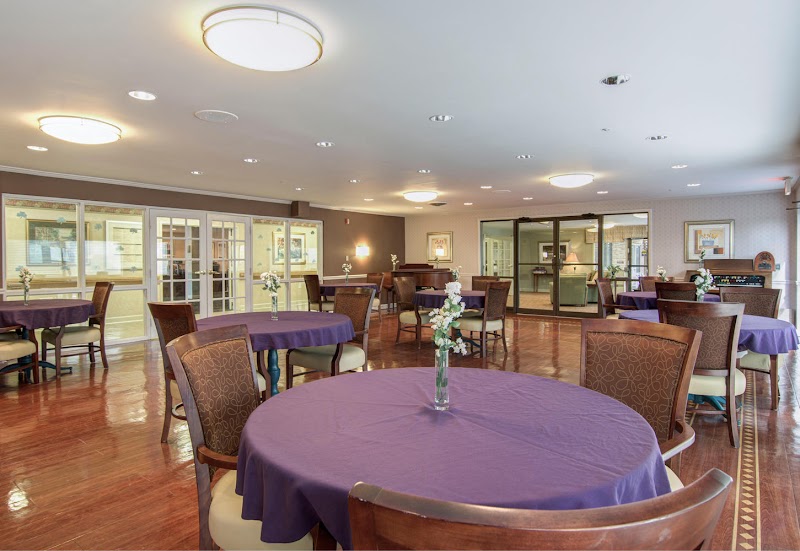
How is Montcare At Bethesda Staffed?

CMS rates MONTCARE AT BETHESDA's staffing level at 3 out of 5 stars, which is average compared to other nursing homes. Staff turnover is 35%, compared to the Maryland average of 46%. This relatively stable workforce can support continuity of care.

What Have Inspectors Found at Montcare At Bethesda?

State health inspectors documented 30 deficiencies at MONTCARE AT BETHESDA during 2018 to 2024. These included: 26 with potential for harm and 4 minor or isolated issues.
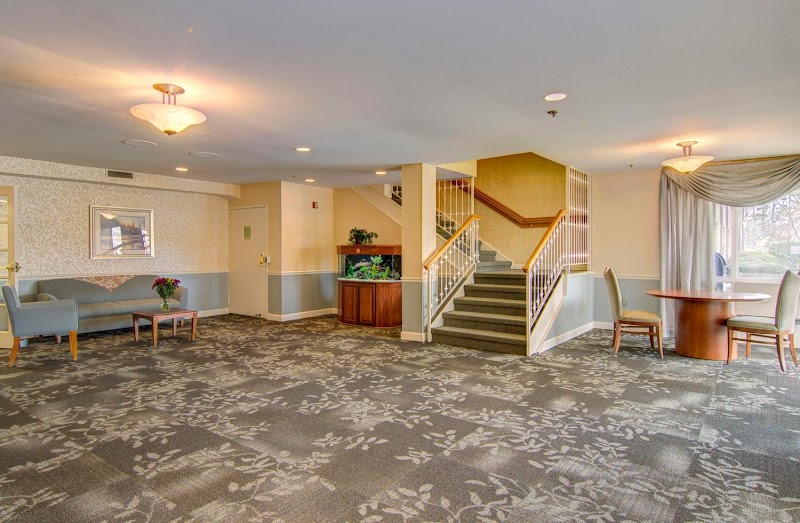
Who Owns and Operates Montcare At Bethesda?

MONTCARE AT BETHESDA is owned by a for-profit company. For-profit facilities operate as businesses with obligations to shareholders or private owners. The facility operates independently rather than as part of a larger chain. With 110 certified beds and approximately 104 residents (about 95% occupancy), it is a mid-sized facility located in BETHESDA, Maryland.
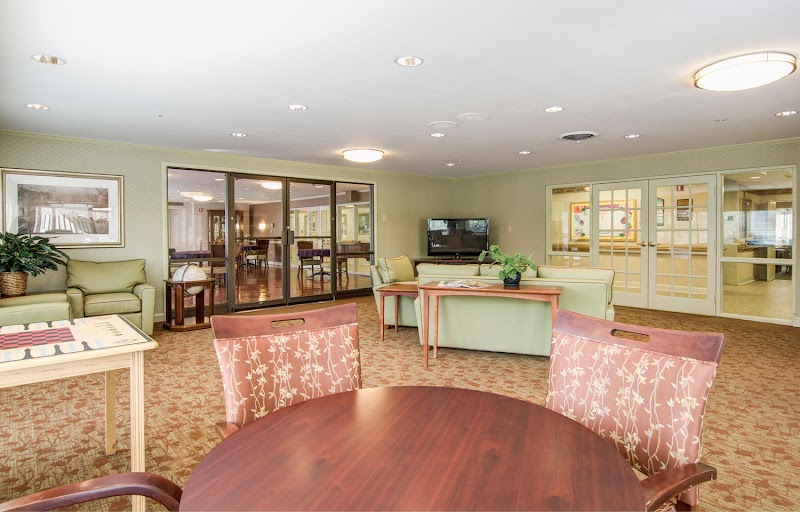
How Does Montcare At Bethesda Compare to Other Maryland Nursing Homes?

Compared to the 100 nursing homes in Maryland, MONTCARE AT BETHESDA's overall rating (4 stars) is above the state average of 3.0, staff turnover (35%) is significantly lower than the state average of 46%, and health inspection rating (4 stars) is above the national benchmark.

What Should Families Ask When Visiting Montcare At Bethesda?

Based on this facility's data, families visiting should ask: "Can I visit during a mealtime to observe dining assistance and food quality?" "How do you handle medical emergencies, and what is your hospital transfer rate?" "Can I speak with family members of current residents about their experience?"

Is Montcare At Bethesda Safe?

Based on CMS inspection data, MONTCARE AT BETHESDA has a clean safety record: no substantiated abuse findings (meaning no confirmed cases of resident harm), no Immediate Jeopardy citations (the most serious violation level indicating risk of serious injury or death), and is not on the Special Focus Facility watch list (a federal program monitoring the lowest-performing 1% of nursing homes). The facility has a 4-star overall rating and ranks #1 of 100 nursing homes in Maryland. While no facility is perfect, families should still ask about staff-to-resident ratios and recent inspection results during their visit.

Do Nurses at Montcare At Bethesda Stick Around?

MONTCARE AT BETHESDA has a staff turnover rate of 35%, which is about average for Maryland nursing homes (state average: 46%). Moderate turnover is common in nursing homes, but families should still ask about staff tenure and how the facility maintains care continuity when employees leave.

Was Montcare At Bethesda Ever Fined?

MONTCARE AT BETHESDA has no federal fines on record. CMS issues fines when nursing homes fail to meet care standards or don't correct problems found during inspections. The absence of fines suggests the facility has either maintained compliance or corrected any issues before penalties were assessed. This is a positive indicator, though families should still review recent inspection reports for the full picture.

Is Montcare At Bethesda on Any Federal Watch List?

MONTCARE AT BETHESDA is not on any federal watch list. The most significant is the Special Focus Facility (SFF) program, which identifies the bottom 1% of nursing homes nationally based on persistent, serious quality problems. Not being on this list means the facility has avoided the pattern of deficiencies that triggers enhanced federal oversight. This is a positive indicator, though families should still review the facility's inspection history directly.