STERLING CARE BETHESDA
5721 GROSVENOR LANE, BETHESDA, MD 20814 (301) 530-1600
For profit - Limited Liability company 200 Beds STERLING CARE Data: November 2025
Trust Grade
60/100
#129 of 219 in MD
Last Inspection: March 2025

Within standard 12-15 month inspection cycle. Federal law requires annual inspections.

Overview

Sterling Care Bethesda has a Trust Grade of C+, indicating that it is slightly above average but not particularly strong. It ranks #129 out of 219 nursing homes in Maryland, placing it in the bottom half of facilities in the state, and #25 out of 34 in Montgomery County, meaning only a few local options are better. The facility's trend is worsening, with issues increasing from 1 in 2023 to 11 in 2025. Staffing is a concern here, with a low rating of 1 out of 5 stars and a turnover rate of 52%, which is higher than the state average. There are no fines recorded, which is a positive sign, but the facility has less RN coverage than 90% of other Maryland facilities, potentially affecting the quality of care. Specific incidents from recent inspections raise red flags, such as a failure to store and serve food safely, leading to potential health risks. Additionally, the facility did not consistently involve residents in important care discussions or timely address dental issues, which can impact residents' overall well-being. While there are strengths, such as no fines and relatively good health inspection scores, families should weigh these against the concerning staffing issues and the increase in overall problems.

Trust Score
C+
60/100
In Maryland
#129/219
Bottom 42%
Safety Record
Low Risk
No red flags
Inspections
Getting Worse
1 → 11 violations
Staff Stability
⚠ Watch
52% turnover. Above average. Higher turnover means staff may not know residents' routines.
Penalties
✓ Good
No fines on record. Clean compliance history, better than most Maryland facilities.
Skilled Nurses
⚠ Watch
Each resident gets only 25 minutes of Registered Nurse (RN) attention daily — below average for Maryland. Fewer RN minutes means fewer trained eyes watching for problems.
Violations
⚠ Watch
36 deficiencies on record. Higher than average. Multiple issues found across inspections.
★★★☆☆
3.0
Overall Rating
★☆☆☆☆
1.0
Staff Levels
★★★★☆
4.0
Care Quality
★★★★☆
4.0
Inspection Score
Stable
2023: 1 issues
2025: 11 issues

The Good

  • 4-Star Quality Measures · Strong clinical quality outcomes
  • Full Sprinkler Coverage · Fire safety systems throughout facility
  • No fines on record

Facility shows strength in quality measures, fire safety.

The Bad

3-Star Overall Rating

Near Maryland average (3.0)

Meets federal standards, typical of most facilities

Staff Turnover: 52%

Near Maryland avg (46%)

Higher turnover may affect care consistency

Chain: STERLING CARE

Part of a multi-facility chain

Ask about local staffing decisions and management

The Ugly 36 deficiencies on record

Mar 2025 11 deficiencies
CONCERN (D)

Potential for Harm - no one hurt, but risky conditions existed

Resident Rights (Tag F0550)

Could have caused harm · This affected 1 resident

Based on observations, staff and resident interviews, and record reviews, it was determined that the facility failed to treat a resident with dignity by not: 1) ensuring that Resident #429's foley dra...

Read full inspector narrative →
Based on observations, staff and resident interviews, and record reviews, it was determined that the facility failed to treat a resident with dignity by not: 1) ensuring that Resident #429's foley drainage bag was covered; and 2) promoting an environment that enhances the quality of life. This was evident for 2 (Resident #429 and Resident #97) of 17 residents reviewed during the survey. The findings include: A foley drainage bag, or urinary drainage bag, is a medical device used to collect urine from a catheterized resident. The drainage bag is usually worn on the leg or attached to a bed. 1) During observation rounds on 2/27/25 at 10:12 am, Resident #429 was noted to have a foley catheter bag attached to his/her bed. The foley drainage bag was uncovered and contained yellow liquid. The bag was attached to the side of the bed facing the door. Resident #429's door was open, and the foley drainage bag was visible from the hallway. On 2/27/24 at 1:58 pm, the surveyor interviewed the Nursing Home Administrator (NHA). He stated that the expectation was that all foley catheters have a foley bag cover in place and he would make sure the resident had a privacy bag. 2) During observation rounds on 2/27/2025 at 9:00 am, the surveyor observed Resident #97 lying in bed on his/her left side. The residents' bed was located closest to the entrance to the room. During this observation the resident was noted with a dressing to his/her lower extremities dated 2/26/25 (7-3pm shift). The dressings were exposed to the hallway where it could be seen by other residents and visitors. On 2/27/25 at 9:15 AM, this observation was relayed to RN Staff #6. He stated that someone would take care of it. 03/3/25 at 10:25 AM, during observation rounds Resident #97 was noted again lying in bed on his/her left side with his/her lower extremity dressing exposed to the hallway. The GNA (Geriatric Nursing Assistant) staff # 27 was made aware and she put a sheet over the resident lower extremities. During an interview with the resident on 3/3/25 at 10:40am, s/he stated that the staff never cover his/her feet and everyone can see them. 3/3/25 at 12:30 PM, this surveyor spoke with the Director of Nursing (DON) and the Administrator regarding the resident concern, they both stated the issue would be resolved. 3/4/25 at 10am during a follow up interview with the DON she stated that she spoke with the resident and all GNA's and the Charge Nurse on the unit have been in-serviced regarding the resident concern and she is certain the issue will be resolved.
CONCERN (D)

Potential for Harm - no one hurt, but risky conditions existed

Deficiency F0578 (Tag F0578)

Could have caused harm · This affected 1 resident

Based on resident record reviews and staff interviews, it was determined that the facility failed to provide residents and/or the resident's representative with an opportunity to formulate an advanced...

Read full inspector narrative →
Based on resident record reviews and staff interviews, it was determined that the facility failed to provide residents and/or the resident's representative with an opportunity to formulate an advanced directive. This was evident for 3 (Residents #169, #85, and #173) out of 9 residents reviewed during the survey. The findings include: On 02/28/25 at 09:46 AM, Resident #169's medical record was reviewed. The medical record review revealed that Resident #169 did not have an advanced directive in place. On 02/28/25 at 10:18 AM, Resident #85's medical record was reviewed. The medical record review revealed that Resident #85 did not have an advanced directive in place. On 02/28/25 at 10:33 AM, Resident #173's medical record was reviewed. The medical record review revealed that Resident #173 did not have an advanced directive in place. On 02/28/25 at 10:38 AM, the Director of Social Services #3 was interviewed. During the interview, the Director of Social Services #3 stated that Residents #169, #85, and #173 do not have an advanced directive in place. Also, the Director of Social Services #3 stated that there were no progress notes indicating that Residents #169, #85, and #173 and/or the resident's representative were presented with an opportunity to complete an advance directive.
CONCERN (D)

Potential for Harm - no one hurt, but risky conditions existed

Safe Environment (Tag F0584)

Could have caused harm · This affected 1 resident

Based on observations and staff interviews, it was determined that the facility failed to provide a clean, safe, homelike environment. This was evident for 8 (Residents #51, #85, #94, #154, #90, #478,...

Read full inspector narrative →
Based on observations and staff interviews, it was determined that the facility failed to provide a clean, safe, homelike environment. This was evident for 8 (Residents #51, #85, #94, #154, #90, #478, #109, and #117) out of 183 residents observed during the survey. The findings include: 1. On 2/27/25 at 8:34 AM, the surveyor observed Resident #90's room. Marring and scraping were noted on the wall behind the resident's bed. There was a large spackled area of approximately 50% of the wall that required painting. 2. On 2/27/25 at 8:37 AM, the surveyor observed Resident #117's room. There was scraping noted on the wall behind the resident's bed. 3. On 2/27/25 at 12:07 PM, the surveyor observed that Resident #478's room was dirty. The floor was dirty with food and trash around the bedside. The resident was unable to reach the trash can because it was too far away. 4. On 2/27/25 at 12:45 PM, during an interview with Resident #109, the resident reported that the faucet in the bathroom was loose and not secure. The resident further stated that the baseboard was separated from the wall. At this time the resident showed the surveyors the faucet in the bathroom that was not secured and the baseboard that was separated from the wall. On 2/27/25 at 2:00 PM, an interview was conducted with the Administrator and DON, and they were made aware of all concerns. Another observation was made on 3/4/25 at 12:30 PM, and the repairs were made to Resident #90, Resident #109, and Resident #117's rooms. Resident #478's room was clean and free of trash. The resident's trash can was also placed closer to the bedside for the resident. On 3/6/25 at 1:45 PM, an interview was conducted with the Administrator, and it was he stated that the facility is in the process of creating a maintenance prevention program. He stated that the program will help to address all areas of concern and ensure that all of the residents' rooms will be inspected, and repairs will be completed. 5. On 2/27/25 at 7:48 AM, during observation rounds, Resident #51's bathroom had a dried rust colored substance around the base of the toilet, a dried brown substance on the toilet seat, and a broken toilet paper holder. 6. On 2/27/25 at 7:56 AM, during observation rounds, Resident #94 had two cups of a clear yellow substance, which had a strong ammonia, urine-like odor, located by the resident's bed on the bedroom floor. On 2/27/25 at 7:57 AM, Unit Manager #22 was interviewed. During the interview, Unit Manager #22 was told about the two cups of a clear yellow substance in resident #94's room. After surveyor intervention, Unit Manager #22 immediately discarded the two cups of a clear yellow substance in resident #94's room. 7. On 2/27/25 at 8:04 AM, during observation rounds, Resident #85's bathroom had a dried rust colored substance around the base of the toilet, and ceiling tiles with a dried, light brown substance on them. 8. On 2/27/25 at 8:17 AM, during observation rounds, Resident #154's bathroom had a dried rust colored substance around the base of the toilet and a dried brown substance on the wall near the toilet paper holder. On 02/27/25 at 12:52 PM, the Nursing Home Administrator #1 and the Director of Nursing #2 were interviewed. During the interview, the Nursing Home Administrator #1 and the Director of Nursing #2 were made aware of the observations that were made in Residents' #51, #94, #85 and #154 rooms.
CONCERN (D) 📢 Someone Reported This

A family member, employee, or ombudsman was alarmed enough to file a formal complaint

Potential for Harm - no one hurt, but risky conditions existed

Free from Abuse/Neglect (Tag F0600)

Could have caused harm · This affected 1 resident

Based on resident family interviews and facility record reviews, it was determined that the facility failed to prevent residents from being physically abused. This was evident for 1 (Residents #85) ou...

Read full inspector narrative →
Based on resident family interviews and facility record reviews, it was determined that the facility failed to prevent residents from being physically abused. This was evident for 1 (Residents #85) out of 20 residents reviewed during the survey. The findings include: On 02/27/25 at 08:04 AM, the surveyor attempted to interview Resident #85. During the interview, the resident was non-verbal when asked questions regarding his/her stay at the facility and questions about the Facility Reported Intake MD00208175. On 02/27/25 at 10:27 AM, the resident ' s medical record was reviewed. The resident medical record review revealed that Resident #85 had a medical diagnosis of Alzheimer ' s Disease and schizophrenia. On 02/28/25 at 10:53 AM, Resident #85's daughter was interviewed. During the interview, Resident #85's daughter stated that Resident #85 was physically assaulted by a facility staff member in July 2024. On 03/03/25 at 09:36 AM, the facility's records were reviewed. The facility record review revealed that the facility's initial Facility Reported Incident and the follow-up Facility Reported Incident (MD00208175) indicated that, on 07/26/24 at 02:45 PM, the Business Office Director #23 and the admission Director #26 observed Geriatric Nursing Assistant #27 hit Resident #85 with small, gray bag. The facility's follow-up Facility Reported Incident indicated that after the facility conducted an investigation, the facility substantiated the allegations of abuse against Resident #85 and on 7/26/24 Resident #85 was assessed and showed no signs of pain and trauma, skin discoloration or psychological trauma. Also, facility's follow-up Facility Reported Incident indicated that Nursing Assistant #27 was suspended pending the investigation and was terminated after the investigation, and on 8/5/24, the facility submitted a complaint to the Maryland Board of Nursing regarding Geriatric Nursing Assistant #27.
CONCERN (D)

Potential for Harm - no one hurt, but risky conditions existed

Deficiency F0658 (Tag F0658)

Could have caused harm · This affected 1 resident

Based on observation and record review, it was determined that the facility nursing staff failed to follow professional standards of practice when administering medications to (resident #110 and #30)....

Read full inspector narrative →
Based on observation and record review, it was determined that the facility nursing staff failed to follow professional standards of practice when administering medications to (resident #110 and #30). This was evident during observation of medication administration. The findings include: 1) On 3/4/25 at 8:30 AM, the surveyor observed that Resident #110 refused Lidocaine Patch as ordered by the physician during medication administration. Following the medication administration observation, a review of Resident #110's March 2025 medication administration record (MAR) showed that the lidocaine patch for Resident #110 was documented as given and not refused. 2) On 3/4/25 at 8:44 AM, the surveyor observed Nurse #21 preparing 11 tablets in a medicine cup to be administered to Resident #30. Nurse #21 stated that Zinc 220mg was unavailable and could not be given to Resident #30. Following the medication administration observation, a review of Resident #30's March 2025 medication administration record (MAR) showed that Nurse #21 had documented that the resident received the Zinc. The review also contained documentation by nurse #21 that Fluocinonide Ointment was given at 9:00 AM, Protein Liquid was given at 9:00 AM, Refresh Tear drops were given at 9:00 AM, and Ocusoft lid Scrub was given at 9:00 AM. However, the surveyor did not observe Nurse #21 administering any of the these medications. The review failed to show documentation in the MAR by Nurse #21 that Resident #30's medication was unavailable with date, initials, and time. Failure to do this resulted in inaccurate documentation. During an interview on 3/4/25 at 1:25 PM, Nurse #21 confirmed that even though she signed the medications given, Resident #110 refused the Lidocaine Patch and Resident #30's Zinc, Fluocinonide ointment, protein liquid, refresh teardrops, and Ocusoft lid scrub were not given. The Administrator, DON and the ADON were made aware of the findings on 3/4/25 at 2pm. The DON stated the issue was being investigated and Nurse #21 has been placed on suspension until she could be evaluated for possible further training.
CONCERN (D)

Potential for Harm - no one hurt, but risky conditions existed

Tube Feeding (Tag F0693)

Could have caused harm · This affected 1 resident

Based on resident and staff interviews, medical and administrative record reviews, and observations it was determined that the facility failed to address a resident's request for removal of a feeding ...

Read full inspector narrative →
Based on resident and staff interviews, medical and administrative record reviews, and observations it was determined that the facility failed to address a resident's request for removal of a feeding tube. This was evident for 1 (#142) out of 4 residents reviewed for nutrition during the survey. The findings include: Tube feeding is a way to provide nutrition when you cannot eat or drink safely by mouth. There are risks associated with residents using feeding tubes for nutrition. These risks include aspiration (accidentally inhaling your stomach contents), accidental dislodgement (tube moving out of place or coming out), bleeding and perforation (hole in the wall of your bowel or intestine), infection near the site, pain, and stomach leakage to name some. Appropriate treatment and services are required to prevent complications of enteral feeding. On 02.27.25 at 09:15 AM while making clinical unit rounds the surveyor observed that Resident #142 had a feeding tube in place. Resident #142 informed the surveyor that the feeding tube was not being used for nutrition currently. The resident stated that the staff flush the tube every shift and push was water through the tube for hydration. Also, the resident stated that he/she had been eating a regular diet with nectar thick drinks since December 2024. The Resident stated that he/she has been waiting for 3 months to have the percutaneous enteral gastric (PEG) feeding tube removed and had informed the facility staff. The surveyor observed that the resident had three containers of water and juice on his/her over the bed tray and the resident stated that staff provide fresh water to him throughout the day for him/her to drink by mouth. On 02.27.25 at 10:42 AM the surveyor informed the administrator and the director of nursing (DON) that resident #142 stated that he/she had been waiting for three months to have his/her feeding tube removed. Additionally, the resident stated that he/she had informed the clinical staff of his preference to have the feeding tube since he had been tolerating a regular diet since December 2024. A review of the electronic medical record on 03.04.25 at 09:15 AM revealed that the resident had received speech therapy for pharyngeal swallowing exercise between the dates of 12.27.24 through 01.22.24 with positive results. Also, the Resident had a modified barium swallow study (MBSS) performed which showed the resident was diagnosed as having decreased evidence of silent regurgitation of thin liquids in December 2024 and recommended a repeat MBSS be performed within two months. The review of the electronic medical record failed to reveal that the third recommended MBSS was scheduled by the facility to determine if the resident would a be safe candidate for the feeding tube removal. On 03.04.25 at 1:30 PM the surveyor reviewed the nutritional assessment performed by the staff # 34 on 02.28.25. The nutritional assessment stated that Resident #142 had a history of dysphagia and malnutrition. On 02.28.25 staff #34 documented in the nutritional assessment that the resident reported eating well by mouth, more than 51 %, wanted the feeding tube removed and that the resident was on a hydration program of 480 ml every shift. The system review on the same document indicated under Section C. System Review, #4. Swallow Ability: no impairment. Staff # 34 wrote in the nutritional assessment that the DON and administrator had been notified of the resident's desire to have the feeding tube removed. On 03.06.25 at 1:35PM the surveyor interviewed Resident #142 in his/her room while he/she was finishing his lunch. The resident stated that the facility staff had not discussed a date/time for the swallowing study. Also, the resident stated that he/she was ready to have the feeding tube removed, it was depressing, frustrating, and he/she had not experienced any episodes of aspiration and was tolerating the regular diet and was taking medications by mouth. On 03.06.25 at 2:40 PM the DON provided the surveyor with a copy of the progress note dated 03.05.25 at 12:10PM which stated that staff # 28, speech therapist documented having a conversation with Veterans Administration (VA) staff # 29, SLP requesting that the MBSS be scheduled at the VA hospital based on the resident tolerating a regular diet and thickened liquids in order to determined if Resident #142 is eligible for the feeding tube removal/percutaneous enteral gastric tube (PEG) removal. Also staff #28 documented that she would follow up with the resident once the MBSS was completed. Additionally, Resident #142 would continue to receive the regular diet with nectar thickened liquids. The DON also provided the surveyor with a copy of an email from staff # 30, VA liaison dated 03.06.25 at 3:17 PM that the MBSS was scheduled for 03.14.25. The deficient practice related to the delay in scheduling of the MBSS for resident #195 was reviewed with the administrator and the DON prior to the exit conference on 03.06.25
CONCERN (D)

Potential for Harm - no one hurt, but risky conditions existed

Unnecessary Medications (Tag F0759)

Could have caused harm · This affected 1 resident

Based on observations, medical record review, and interviews, it was determined that the facility staff failed to maintain a medication error rate of less than 5 percent. This was evident for 6 out of...

Read full inspector narrative →
Based on observations, medical record review, and interviews, it was determined that the facility staff failed to maintain a medication error rate of less than 5 percent. This was evident for 6 out of 29 opportunities observed for medication errors. The findings Include: 1) During medication observation on 3/4/25 at 8:05 AM for Resident #61, the surveyor observed LPN (Nurse Practical Nurse) Nurse#21 preparing the resident's insulin injection. Nurse #21 filled an empty insulin syringe with 30 units of insulin injection from a prefilled insulin pen. Nurse #21 went into Resident #61's room to give him/her the insulin injection. The surveyor questioned the nurse about how many units of insulin were to be given to the resident per the attending provider's order, and she reported 24 units of insulin. Due to the surveyor's intervention, nurse #21 discarded 6 units of insulin from the syringe and administered 24 units. 2) Continued observation for Nurse #21 on 3/4/25 at 8:30 AM, the surveyor observed that Resident #110 refused Lidocaine Patch as ordered by the physician during medication administration. After the medication observation was completed, Resident #110's March 2025 medication administration record (MAR) was reviewed. The review showed that the lidocaine patch for Resident #110 was documented as given and not refused. 3) On 3/4/25 at 8:44 AM, the surveyor observed nurse #21 prepare 11 tablets in a medicine cup to be administered to Resident #30. Nurse #21 stated that Zinc 220mg was unavailable and, therefore, could not be given to Resident #30. However, after the medication administration, a review of Resident #30's March 2024 MAR showed that nurse #21 had documented that the resident received the Zinc. The review also contained documentation by nurse #21 that Fluocinonide Ointment was given at 9:00 AM, Protein Liquid was given at 9:00 AM, Refresh Tear drops were given at 9:00 AM, and Ocusoft lid Scrub was given at 9:00 AM. However, the surveyor did not observe Nurse #21 administer any of the medications mentioned. During an interview on 3/4/25 at 1:25 PM, nurse #21 confirmed that even though she signed the medications given, Resident #110 refused the Lidocaine Patch and Resident #30 Zinc, Fluocinonide ointment, protein liquid, refresh teardrops, and Ocusoft lid scrub were not given. Nurse #21 also confirmed that 24 units of insulin were given after surveyor intervention. She stated that she has only been a nurse for one year. The Administrator, DON and the ADON were made aware of the findings on 3/4/25 at 2pm. The DON stated the issue was being investigated and nurse #21 had been placed on suspension until she could be evaluated for possible further training.
CONCERN (D)

Potential for Harm - no one hurt, but risky conditions existed

Deficiency F0760 (Tag F0760)

Could have caused harm · This affected 1 resident

Based on observation, interview with facility staff and medical record review, it was determined that the facility staff failed for a significant medication error for an Insulin Dependent resident. Th...

Read full inspector narrative →
Based on observation, interview with facility staff and medical record review, it was determined that the facility staff failed for a significant medication error for an Insulin Dependent resident. This was evident during the review of 1 of 1 resident (Resident #61) reviewed during survey process. The Findings Include: During medication administration on 3/4/25 at 8:05 AM for Resident #61, the surveyor observed nurse #21 preparing the resident's insulin injection. Nurse#21 filled an empty insulin syringe with 30 units of insulin injection from a prefilled insulin pen. Nurse #21 went into Resident #61's room to give him/her the insulin injection. The surveyor questioned the nurse about how many units of insulin were to be given to the resident per the attending provider's order, and she reported 24 units of insulin. Due to the surveyor's intervention, nurse #21 discarded 6 units of insulin from the syringe and administered 24 units. Review of Resident #61's medication administration record (MAR) March 2025 on 3/4/25 at 10:30AM, revealed an order for a Basaglar Tempo insulin Pen inject 24 units subcutaneously at 9:00am for Diabetes. During an interview on 3/4/25 at 1:25 PM, Nurse #21 also confirmed that 24 units of insulin were given after surveyor intervention. She stated that she has only been a nurse for one year. The Administrator, DON and the ADON were made aware of the findings on 3/4/25 at 2pm. The DON stated the issue was being investigated and nurse #21 has been placed on suspension until she could be evaluated for possible further training.
CONCERN (D)

Potential for Harm - no one hurt, but risky conditions existed

Deficiency F0761 (Tag F0761)

Could have caused harm · This affected 1 resident

Based on observation and staff interviews, it was determined that the facility failed to properly store medications, as evidenced by failing to discard expired medications. This was evident for 1 of 3...

Read full inspector narrative →
Based on observation and staff interviews, it was determined that the facility failed to properly store medications, as evidenced by failing to discard expired medications. This was evident for 1 of 3 medication storage rooms observed during the survey. The findings include: An observation of the Potomac Unit medication storage room on 2/27/25 at 8:00 AM with LPN (Licensed Practical Nurse) #21 present revealed 2 bags of Intravenous drugs with expiration dates of 9/1/24, a COVID self-test kit with an expiration date of 12/20/2023, and an Insulin injection pen with an expiration date of 8/1/24. During an interview on 2/27/25 at 8:45 AM, the assistant director of nursing (ADON) said that she expected the staff to dispose of expired medications. The expired medications were removed at that time by ADON.
CONCERN (D)

Potential for Harm - no one hurt, but risky conditions existed

Deficiency F0806 (Tag F0806)

Could have caused harm · This affected 1 resident

Based on observations and resident and staff interview, it was determined that the facility failed to provide food and drink that accommodates the resident intolerances. This was found to be evident f...

Read full inspector narrative →
Based on observations and resident and staff interview, it was determined that the facility failed to provide food and drink that accommodates the resident intolerances. This was found to be evident for 1 of 1 resident (Resident #100) selected for review. The findings include: On 02/27/25 at 08:29 am during the initial observation of the unit, an interview with Resident #100 revealed that s/he is lactose intolerant and is supposed to get lactose free milk with meals. Review of the menu sheet for this resident showed Lactaid milk - 8oz, however S/he was given 2% milk which was not what was marked on his/her menu sheet. Resident #100 stated that often times the milk is incorrect. On 02/27/25 at 08:32 am GNA (Geriatric Nursing Aide) #20 was made aware of the resident receiving the incorrect milk. On 02/28/25 at 09:11 am a follow-up interview was conducted with Resident #100 and they stated the staff brought no milk this date and the milk choice on the menu sheet was crossed out. This was verified on the menu sheet by the surveyor observation. On 03/05/25 at 01:39 PM an interview with the Dietary Manager was conducted and when asked about the issue of Resident #100 not receiving lactose free milk he stated it may have been a supply issue and he will make sure the resident receives the correct milk in the future.
CONCERN (D)

Potential for Harm - no one hurt, but risky conditions existed

Safe Environment (Tag F0921)

Could have caused harm · This affected 1 resident

Based on observations and staff interviews, it was determined that the facility failed to provide a sanitary, comfortable environment for residents, staff and public. This was evident for 1 unit out o...

Read full inspector narrative →
Based on observations and staff interviews, it was determined that the facility failed to provide a sanitary, comfortable environment for residents, staff and public. This was evident for 1 unit out of 5 units observed during the survey. The findings include: On 2/27/25 at 7:48 AM, during observation rounds, there was a strong, ammonia urine-like odor throughout the hallways and residents' rooms on the [NAME] Unit. On 2/27/25 at 7:52 AM, Unit Manager #22 was interviewed. During the interview, Unit Manager #22 stated and agreed to the strong ammonia, urine-like odor throughout the hallways and residents' rooms on the [NAME] Unit. On 02/27/25 at 12:52 PM, the Nursing Home Administrator #1 and the Director of Nursing #2 were interviewed. During the interview, the Nursing Home Administrator #1 and the Director of Nursing #2 were made aware of the strong ammonia, urine-like odor observed throughout the hallways and residents' rooms on the [NAME] Unit. On 3/05/25 at 1:00 PM, during observation rounds, there was still a strong ammonia, urine-like odor throughout the hallways and residents' rooms on the [NAME] Unit. On 2/27/25 at 7:52 AM, Unit Manager #22 was interviewed. During the interview, the Unit Manager #22 stated that the facility was working on the odor and agreed that the hallways still had a strong ammonia, urine-like odor. On 3/05/25 at 1:30 PM, the Nursing Home Administrator #1 was interviewed. During the interview, the Nursing Home Administrator #1 was made aware that a strong ammonia, urine-like odor was still present throughout the hallways and residents' rooms on the [NAME] Unit.
Aug 2023 1 deficiency
CONCERN (D) 📢 Someone Reported This

A family member, employee, or ombudsman was alarmed enough to file a formal complaint

Potential for Harm - no one hurt, but risky conditions existed

Free from Abuse/Neglect (Tag F0600)

Could have caused harm · This affected 1 resident

Based on review of resident medical records, interview with residents and facility staff, and observation of facility security footage, it was determined that the facility failed to ensure that reside...

Read full inspector narrative →
Based on review of resident medical records, interview with residents and facility staff, and observation of facility security footage, it was determined that the facility failed to ensure that residents were free from physical abuse. This was evident for 1 (Resident #1) of 3 residents reviewed for abuse. The findings include: On 8/29/23 at 10:00 AM, facility-reported incident MD00196095 was reviewed. The facility-reported incident indicated Resident #1 alleged that, on 8/13/23, Geriatric Nursing Assistant (GNA) #3 pushed Resident #1 back into his/her wheelchair and placed hands on his/her face. The report noted that the resident had no skin impairments, pain, or discomfort following the incident. Resident #1's medical record was reviewed on 8/29/23 at 10:19 AM. The review revealed a physician's progress note dated 8/15/23 at 1:35 PM that stated the resident had an altercation, but that the resident was without pain or discomfort, denies any acute issues. No injuries from recent event. Change-in-condition follow-up assessments after the incident on 8/13/23 referred to the reason for the change-in-condition as alleged abuse. On 8/29/23 at 11:11 AM, Resident #1 was interviewed. During the interview, the resident was noted to be deaf and communicated by writing on a note pad and by gesturing. The resident wrote that a staff person tried to hit me. The resident gestured that the staff pushed on the resident's face and chest and attempted to choke the resident. The resident indicated he/she felt safe in the facility and, although angry at the staff, was happy to be at the facility. On 8/29/23 at 1:05 PM, the staff scheduler (Staff #4) confirmed that it was reported to her that Resident #1 claimed a staff person matching GNA #3's description attempted to choke the resident. On 8/29/23 at 1:11 PM, the social work director stated that she interviewed Resident #1 after the incident. She stated that Resident #1 pantomimed being choked by staff and provided a description matching GNA #3. The social work director also stated that Resident #1 reported being okay after the incident. She denied seeing any psychosocial changes in the resident, claiming she saw the resident nearly every day she worked. On 8/29/23 at 2:13 PM, the surveyor interviewed the Administrator. The administrator stated that there was security camera footage of the event that, despite being at a poor angle, showed part of the incident. The Administrator stated that GNA #3 was positively identified on the footage, that the GNA was suspended when the incident was first reported, that the GNA was terminated as a result of the investigation, and that the GNA was reported to the board of nursing. The Administrator stated this was the first incident involving GNA #3. On 8/29/23 at 3:01 PM, the surveyor reviewed the security footage showing the incident in the presence of the Administrator, the [NAME] President of Clinical Operations (Staff #14), and the Regional Director of Nursing (Staff #9). It was time stamped 8/13/23 at 5:17:30 PM. GNA #3 and Resident #1 were in the scene and were positively identified by staff. The camera pointed down a hallway in the facility. Resident #1 was seen at the bottom of the frame, entirely out of view most of the time due to being directly below the camera. GNA #3 was seen approaching the resident while pushing 3 dinner carts. The carts get close to where the resident was. GNA #3 approached where Resident #1 was and could be seen reaching forward with one and then with both hands for 11 seconds. It was understood that the GNA was grabbing at the resident. Resident #1 could then be seen reaching out, grabbing GNA #3 by the arm, to which GNA #3 responds by swatting twice at the resident. Resident #1 then stood and exchanged gestures with GNA #3 before the GNA pushed the food carts away.
Jan 2020 10 deficiencies
CONCERN (D)

Potential for Harm - no one hurt, but risky conditions existed

Grievances (Tag F0585)

Could have caused harm · This affected 1 resident

Based on the review of administrative documents and interviews with residents and facility staff, it was determined that the facility failed to ensure that residents who filed written grievances were ...

Read full inspector narrative →
Based on the review of administrative documents and interviews with residents and facility staff, it was determined that the facility failed to ensure that residents who filed written grievances were informed of the findings and corrective actions taken. This finding was evident for 1 of 1 residents (Resident #56) reviewed for the personal property care area. The findings include: On 01-27-2020 at 2:59 PM, an interview with Resident #56 revealed the resident reported missing articles of clothing and blankets to the facility staff months ago, but did not receive a response from the facility about the status of the grievance. On 01-27-2020, a review of Resident #56's inventory of personal effects dated, 06-25-2018, revealed the resident brought multiple articles of clothing and blankets into the facility. On 01-27-2020 a review of a facility grievance report dated, 08-26-19, revealed Resident #56 complained that three articles of clothing and three blankets were missing. There was no documented evidence that the facility responded to Resident #56's grievance. On 01-30-2020 at 9:20 AM, an interview with the Administrator revealed it is the facility's policy to respond to all resident grievances within three business days. Furthermore, the Administrator stated he was unaware of the resident's concern.
CONCERN (D)

Potential for Harm - no one hurt, but risky conditions existed

Quality of Care (Tag F0684)

Could have caused harm · This affected 1 resident

Based on observations, a review of clinical records, and interviews with family members and facility staff, it was determined that the facility staff failed to follow a physician's order for 1 of 38 r...

Read full inspector narrative →
Based on observations, a review of clinical records, and interviews with family members and facility staff, it was determined that the facility staff failed to follow a physician's order for 1 of 38 residents reviewed during the survey (Resident #14). The findings include: 1. On 1-28-2020 at 9:00 AM, the review of Resident #14's clinical record revealed the resident had a diagnosis of pneumonia and dysphagia (dysphagia is a condition in which a person's ability to eat and drink is disrupted). Further review revealed a physician's order, dated 1-8-2020, for the resident to have nectar thick liquids and no straws with beverages. Nectar is a substance used to thicken liquids. Thickened liquids are used for individuals with dysphagia to improve the ability to safely swallow liquids to prevent aspiration, pneumonia and death. On 1-30-2020 at 9:10 AM, observation of Licensed Practical Nurse (LPN) #7 during medication pass revealed the nurse administered Resident #14 medications using water that was not thickened and with a straw. On 1-30-2020 at 10:00 AM, surveyor interview with unit manager for Gateway/Freedom stated she did not see Resident #14's physician order dated 1-8-2020 for nectar thick liquids and no straws. On 1-31-2020 at 9:30 AM, surveyor interview with the director of nursing revealed no additional information.
CONCERN (D)

Potential for Harm - no one hurt, but risky conditions existed

Incontinence Care (Tag F0690)

Could have caused harm · This affected 1 resident

Based on surveyor observation, review of the clinical record, and staff interview, it was determined that that the facility staff failed to utilize appropriate measures to prevent complication related...

Read full inspector narrative →
Based on surveyor observation, review of the clinical record, and staff interview, it was determined that that the facility staff failed to utilize appropriate measures to prevent complication related to an indwelling catheter for 1 of 3 residents reviewed for the indwelling catheter care area (Resident #12). The finding includes: On 01-28-2020 at 3:07 PM, observation during rounds revealed Resident #12 presented with an indwelling catheter, however further observation revealed that the catheter was not anchored. Keeping the catheter anchored is necessary to prevent excessive tension on the catheter which can lead to urethral tears or dislodging of the catheter. Observation on 01-29-2020 at 9:50 AM and 4:35 PM also revealed Resident #12's catheter was not anchored. On 01-30-2020 at 2:30 PM, a review of Resident #12's the treatment administration record (TAR) revealed the charge nurse, Staff #6, had signed the TAR on 01-30-2019 which instructed facility staff to use catheter securing device to reduce excessive tension on the tubing and facilitate urine flow . On 01-30-2020 at 2:45 PM simultaneous observation and interview of Resident #12 with staff #6 revealed that the indwelling catheter was not anchored, as the nurse had documented. Staff #6 was unable to explain the absence of the catheter securing device as documented on the TAR. Staff #6 acknowledged to that Resident #12 should have it on to keep from pulling, but offered no explanation for of the device absence. On 01-30-2020 at 3:30 PM, interview with the Potomac nursing unit manager revealed no additional information
CONCERN (D)

Potential for Harm - no one hurt, but risky conditions existed

Unnecessary Medications (Tag F0759)

Could have caused harm · This affected 1 resident

Based on surveyor observations, review of clinical records, and interviews with facility staff, it was determined that the facility failed to ensure that medication administration error were less than...

Read full inspector narrative →
Based on surveyor observations, review of clinical records, and interviews with facility staff, it was determined that the facility failed to ensure that medication administration error were less than five (5) percent. This finding was evident for 3 of 25 (12%) medication administration opportunities observed during the survey. The findings include: 1. On 01-29-2020 at 9:00 AM, observation of Resident #266's 9:00 AM medication administration revealed Nurse #1 administered 960 milligrams (mg) of acetaminophen to Resident #226. Acetaminophen is a medication used to treat aches and pains and to reduce fever. On 01-29-2020 at 9:30 AM, surveyor review of Resident #266's clinical record revealed a physician's order to administer 1000 mg of acetaminophen at 9:00 AM. On 01-29-2020 at 9:38 AM, the interview with Nurse #1 revealed no additional information. On 01-31-20 at 10:00 AM, interview with the Director of Nursing revealed no additional information. 2. On 01-29-20 20at 9:00 AM, observations of Resident #266's 9:00 AM medication administration revealed Nurse #1 did not administer Metoprolol Tartrate to the resident. Metoprolol Tartrate is a medication used to treat high blood pressure. On 01-29-2020 at 9:30 AM, a review of Resident #266's clinical record revealed a physician's order to administer 25 milligrams of Metoprolol Tartrate to the resident at 9:00 AM and 9:00 PM. On 01-29-2020 at 9:38 AM, interview with Nurse #1 confirmed that he did not administer Metoprolol Tartrate to Resident #266 at 9:00 AM as ordered. After surveyor intervention, nurse #1 administered the scheduled 9 AM dose of Metoprolol Tartrate. On 01-31-2020 at 10:00 AM, an interview with the Director of Nursing revealed no additional information. 3. On 01-29-2020 at 9:00 AM, observations of Resident #266's 9:00 AM medication administration revealed Nurse #1 administered 10 milligrams (mg) of Metoclopramide Hydrochloride to resident #266. Metoclopramide Hydrochloride is a medication used to treat gastroesophageal reflux disease (GERD). GERD is a digestive disorder that affects the lower esophageal sphincter, the ring muscle between the esophagus and stomach. On 01-29-20 at 9:30 AM, the review of resident #266's clinical record revealed a physician's order to administer 10mg of Metoclopramide Hydrochloride at 5:30 AM, 11:30 AM, and 5:30 PM. There was no order to administer the medication at 9:00 AM. On 01-29-2020 at 9:38 AM, interview with Nurse #1 revealed no additional information. On 01-31-2020 at 10:00 AM, interview with the Director of Nursing revealed no additional information.
CONCERN (D)

Potential for Harm - no one hurt, but risky conditions existed

Smoking Policies (Tag F0926)

Could have caused harm · This affected 1 resident

Based on surveyor observations and interviews with facility staff, it was determined that the facility staff failed to ensure residents safely disposed of smoking cigarettes. This finding was evident ...

Read full inspector narrative →
Based on surveyor observations and interviews with facility staff, it was determined that the facility staff failed to ensure residents safely disposed of smoking cigarettes. This finding was evident during 1 of 4 smoking observations. The findings include: 1. On 01-28-2020 a review of the facility smoking policy revealed ashtrays and sealed, fire-safe metal containers should be used for the disposal of ashes and other smoking products. In addition, facility staff should ensure that smoking materials are extinguished before they are discarded. On 01-28-2020 at 11:10 AM, observation during the designated smoking time revealed Resident #26 was seated in the corner of the smoking patio smoking a cigarette. Furthermore, after Resident #26 finished smoking the cigarette, the resident threw the unextinguished cigarette into a grassy area where dozens of cigarette butts were lying. On 01-28-2020 at 11:15 AM, observation during the designated smoking time revealed Resident #66 finished smoking a cigarette and threw their lit cigarette into a pot of plants. The assigned smoking monitor rebuked Resident #66 for throwing the cigarette into the pot of plants but did not go over to the pot to ensure that the cigarette was extinguished. On 01-28-2020 at 11:20 AM, surveyor observation revealed all the resident smokers left the smoking patio and the smoking monitor went back to the area to look around. On 01-28-2020 at 11:50 AM, an interview with the Smoking Monitor #3 revealed that she did not see Resident #26 throw an unextinguished cigarette into the grass, however, she always checks the smoking area after the residents leave to ensure that all the residents are back inside and there are no cigarettes still lit. On 01-28-2020 at 12:40 PM, interview with the Director of Nursing revealed all staff members assigned to monitor the smoking area are to provide direct supervision of the residents to ensure safety and they are to go back to check the smoking area after all the residents have left.
CONCERN (E)

Potential for Harm - no one hurt, but risky conditions existed

Deficiency F0657 (Tag F0657)

Could have caused harm · This affected multiple residents

**NOTE- TERMS IN BRACKETS HAVE BEEN EDITED TO PROTECT CONFIDENTIALITY** Based on clinical record review and staff interview, it was determined that the facility staff failed to invite residents and/or...

Read full inspector narrative →
**NOTE- TERMS IN BRACKETS HAVE BEEN EDITED TO PROTECT CONFIDENTIALITY** Based on clinical record review and staff interview, it was determined that the facility staff failed to invite residents and/or their representative for interdisciplinary care conferences, and failed to review and revise residents' care plan as necessary. The finding was evident for 5 of 38 residents selected for review during the survey (#45, #78, #153, #104, #14, #37, and #137). The findings include: MDS (Minimum Data Set) is part of the U.S. federally mandated process for clinical assessment of all residents in Medicare or Medicaid certified nursing homes. Quarterly review assessment is an assessment due no less frequently than every 92 days. 1. On 01-28-2020 the review of Resident #45's clinical record revealed that the resident had MDS quarterly review assessments with an assessment reference date (ARD) of 06-21-2019. There was no evidence the resident's clinical record to show that the facility staff invited Resident #45 and/or the resident's representative to an interdisciplinary care conferences. The review and revision of Resident #45's care plans were completed in an absence of the resident and/or their representative. On 01-30-2020 at 10:40 AM, interview with DON (Director of Nursing) revealed no additional information. 2. On 01-30-2020 the review of Resident #78's clinical record revealed the resident had MDS quarterly review assessment with an ARD of 03-20-2019. There was no evidence in the resident's clinical record to show the facility staff invited Resident #78 and/or the resident's representative to an interdisciplinary care conference conducted on 03-20-2019. Review and revision of Resident #78's care plans were completed in an absence of the resident and/or their representative. 3. On 1-29-2020 the review of Resident #153's clinical record revealed the resident had a MDS quarterly review assessment with an ARD of 07-29-2019. There was no evidence in the resident's clinical record to show the facility staff invited Resident #153 and/or the resident's representative for interdisciplinary care conference conducted after quarterly review assessment completed on 07-29-2019. Review and revision of Resident #153's care plans were completed in an absence of the resident and/or their representative. On 1-30-20 at 10:40 AM, interview with DON (Director of Nursing) revealed no additional information. 5. On 1-28-2020 at 9:00 AM, a review of Resident #14's clinical record revealed the resident had a diagnosis of dysphagia (dysphagia is a condition in which a person's ability to eat and drink is disrupted). Additional review revealed a physician order on 1-8-2020 for nectar thickened liquids and no straws. Thickened liquids are used for individuals with dysphagia to improve the ability to safely swallow liquids to prevent aspiration and pneumonia. A review of Resident #14's comprehensive person-centered care plan revealed the plan was not revised to address the residents' use of nectar thickened liquids and without straws. On 1-30-20 at 10:00 AM, surveyor interview with unit manager for Gateway/Freedom stated she did not see Resident #14's physician order dated 1-8-2020 for nectar thickened liquids and no straws. On 1-31-2020 at 9:30 AM, surveyor interview with the DON revealed the unit managers are responsible for updating the nursing care plans. 4. On 01-27-20, a review of Resident #104's clinical record revealed the last care plan meeting held with the resident's surrogate decision maker was on 05-16-2019. There was no documented evidence that the facility invited Resident #104's surrogate decision maker to participate in subsequent quarterly care plan review meetings. On 01-30-20 at 08:12 AM, surveyor interview with the Social Services Director revealed no additional information. On 01-30-20 at 10:52 AM, interview with the Administrator revealed no additional information. On 1-30-2020 at 10:40 AM, interview with Director of Nursing (DON) did not reveal additional information. 6. On 01-30-2020, the review of Resident #37's clinical record revealed that the facility placed Resident #37 on contact precautions on 12-3-2019. There was no documented evidence to indicate that Resident #37's care plan was reviewed and revised by the interdisciplinary team and updated to reflect the resident's contact precautions until 1-2-2020. On 01-30-2020 at 3:15 PM surveyor interview with the DON revealed no additional information. 7. On 01-30-2020, review of the clinical record for Resident #137 revealed that the facility staff failed to revise the care plan to accurately reflect alterations in skin integrity. On 12-07-2019, Resident #137 developed a blister on the right heel. The care plan initiated on 12-09-2019 stated resident #137 has a blister to the right heel, and listed specific interventions applicable to the treatment of the wound on the right heel. On 01-30-2020Further review of the clinical record revealed that on 12-14-19 Resident #137 was transferred to the acute care setting, and was readmitted to the facility on [DATE]. At the time of readmission, the charge nurse assessed the resident as then having an unstageable wound on the right heel. An unstageable wound is covered by slough or eschar (dead tissue). On 12-31-19, facility staff initiated a care plan that stated Resident #137 has potential/actual skin issues related to [omitted]. The care plan failed to clarify that Resident #137 no longer had the potential, but an unstageable wound to the right heel was present. The goal identified by facility staff in the care plan dated 12-31-19 was that the skin will remain intact without signs of breakdown although the documentation had already identified that the skin was not intact. The care plan also continued to reflect the presence of a blister to the right heel which was identified on 12-09-2019, which no longer accurately reflected the condition of the wound. The facility staff failed to accurately revise the plan of care for Resident #137 to reflect the actual skin impairment and to document interventions specific to the wound care needs at the time of the nurses' assessment on 12-31-2019. On 1-30-2020 at 3:15 PM surveyor interview with the DON revealed no additional information.
CONCERN (E)

Potential for Harm - no one hurt, but risky conditions existed

Dental Services (Tag F0791)

Could have caused harm · This affected multiple residents

Based on resident interview, surveyor observation, review of the clinical record and interview of facility staff, it was determined that the facility staff failed to provide timely intervention for a ...

Read full inspector narrative →
Based on resident interview, surveyor observation, review of the clinical record and interview of facility staff, it was determined that the facility staff failed to provide timely intervention for a resident with dental problems. This finding was evident in 1 of 3 residents reviewed for the dental care area (Resident #32). The findings include: On 01-28-2020 at 8:59 AM, during resident interview, Resident #32 complained of a broken tooth on the right side which bleeds and causes pain during meals. Resident #32 stated staff were informed of complaint of the broken tooth, and advised Resident #32 that the tooth needed to come out. Review of the clinical record revealed a dental consult was ordered on 01-07-2020. As of 01-30-2020 Resident #32's tooth had not been evaluated by the dentist. A review of care plan for Resident #32 revealed that the resident had dental issue identified in August 2019 as follows: Resident has oral/dental health problems, of no upper dentures related to poor nutrition and poor oral hygiene with a goal that the resident would be free of infection, pain or bleeding in the oral cavity, and to coordinate arrangements for dental care, and transportation as needed. On 01-28-2020 Further review of the record revealed that on 01-08-2020 the Dietitian was consulted related to Resident #32's decreased meal intake. The Dietitian documented the resident's problem with meal intake related to poor dentition, however the resident's diet texture had been recently upgraded by speech therapy from the pureed diet ordered in August of 2019. The dietitian also recommend sandwiches with lunch and dinner due to Resident #32's complaint of having trouble chewing meat occasionally. On 01-30-2020 the attending physician examined the resident and provided new interventions for facility staff to implement until the resident was seen by a dentist. On 01-31-2020 surveyor follow up with Resident #32 revealed that the interim interventions were effective in reducing pain during meals. On 01-31-2020 at 2:00 PM, interview with the Potomac unit manager revealed Resident #32 was scheduled for a dental exam in the facility between 02-03-2020 and 02-07-2020.
CONCERN (F)

Potential for Harm - no one hurt, but risky conditions existed

Food Safety (Tag F0812)

Could have caused harm · This affected most or all residents

Based on surveyor observation and staff interviews, it was determined that the facility failed to store, prepare, distribute, and serve food using sanitary practices in accordance with professional st...

Read full inspector narrative →
Based on surveyor observation and staff interviews, it was determined that the facility failed to store, prepare, distribute, and serve food using sanitary practices in accordance with professional standards for food services safety. This was evident in the main kitchen and the second floor dining room. The findings include: 1. On 01-27-2020 at 8:30 AM, surveyor tour with the Dietary Manager of the walk-in freezer revealed a box of pork chops, a box of french bread sticks and a container of sausages opened without labels to identify when the food products were without use by dates. On 01-27-2020 at 8:45 AM, an interview with the Certified Dietary Manager revealed the identified products should have a use by date on them but they did not.2. On 01-27-2020 at 12:33 PM, surveyor observation of the lunch service of the second floor dining room revealed Kitchen Aide #2 checking temperatures of the lunch items on the dining room steam table with a thermometer. Kitchen Aide #2 did not sanitize the thermometer probe prior to inserting the probe into the various lunch items. On 01-27-2020 at 12:35 PM, surveyor questioned kitchen aide #2 to ask if she used a sanitizing cleaner on the thermometer probe prior to use. Kitchen aide #2 did not respond and wiped the thermometer probe with a paper towel and proceeded to insert the thermometer probe into additional food items without sanitizing the probe. On 01-27-2020 at 4:07 PM, surveyor interview with the administrator revealed no new information
MINOR (B)

Minor Issue - procedural, no safety impact

Notification of Changes (Tag F0580)

Minor procedural issue · This affected multiple residents

Based on the review of the clinical record, interviews with legal guardians and facility staff, it was determined that the facility failed to notify a legal guardian of changes in a residents' conditi...

Read full inspector narrative →
Based on the review of the clinical record, interviews with legal guardians and facility staff, it was determined that the facility failed to notify a legal guardian of changes in a residents' condition. This finding was evident for 1 of 38 residents reviewed during the survey (Resident #139). The findings include: This finding was identified during the investigation of complaint MD00149759. 1. On 01-28-2020 at 10:00 AM, surveyor interview with Resident #139's legal guardian stated that on 12-13-2019 the facility notified her that the resident had an injury of unknown origin. Further interview revealed the resident's legal guardian was not notified that the facility investigated the incident and determined the injury was a result of Resident #139 falling. On 01-29-2020 at 9:30 AM, surveyor interview with the [NAME] unit manager revealed Resident #139's roommate reported witnessing Resident #139 fall to the facility's staff during their investigation of Resident #139's injury of unknown origin. On 1-31-2020 at 10:30 AM, surveyor interview with the Director of Nursing revealed no additional information.
MINOR (B)

Minor Issue - procedural, no safety impact

Report Alleged Abuse (Tag F0609)

Minor procedural issue · This affected multiple residents

Based on the review of a clinical record, interviews with legal guardians and facility staff, it was determined that the facility failed to report an incident of injury of unknown origin to the Office...

Read full inspector narrative →
Based on the review of a clinical record, interviews with legal guardians and facility staff, it was determined that the facility failed to report an incident of injury of unknown origin to the Office of Health Care Quality (OHCQ). This finding was evident for 1 of 38 residents reviewed during the survey (Resident #139). The findings include: This finding was identified during the investigation of complaint MD00149759. 1. On 1-28-2020 at 10:00 AM, surveyor review of Resident #139 's clinical record revealed a nursing progress note written on 12-13-2019 that documented the resident had a bruise to the left shoulder. Further review of the note revealed an x-ray was ordered on 12-13-2019. The results of the x-ray revealed Resident #139 had a left clavicle fracture. There was no evidence of a fall or other incident involving the resident documented in the record prior to 12-13-2019. The facility failed to report the injury of unknown origin to OHCQ. On 1-31-2020 at 10:30 AM, an interview with the Director of Nursing did not reveal additional information.
Mar 2019 14 deficiencies
CONCERN (D)

Potential for Harm - no one hurt, but risky conditions existed

Notification of Changes (Tag F0580)

Could have caused harm · This affected 1 resident

Based on surveyor review of the clinical record and interview of the facility staff and the consultant, it was determined that the facility staff failed to notify resident #31's responsible party rela...

Read full inspector narrative →
Based on surveyor review of the clinical record and interview of the facility staff and the consultant, it was determined that the facility staff failed to notify resident #31's responsible party related to the change of psychotropic medications. This finding was evident for 1 of 1 residents selected for the notification of change review (#31). The findings include: On 03-15-19, surveyor review of resident #31's clinical record revealed that the resident's adult child was listed as the responsible party because the resident was no longer capable of making health decisions due to advanced dementia. Further review revealed that a psychiatric nurse practitioner (NP) evaluated resident #31 for behavior disturbance on 12-10-18. An anti-depressant was ordered for the resident because of hypersexual disorder. The NP documented that the adult child was notified about the new treatment. On 12-15-18, a psychiatrist evaluated resident #31 for agitation, aggression and inappropriate sexual advances towards a female resident. The psychiatrist discontinued the anti-depressant and started a mood stabilizer for inappropriate sexual behaviors. However, there was no evidence that the resident's adult child was notified about the change of psychotropic medication. On 03-15-19 at 8 AM, interview of the Shenandoah unit manager revealed that the psychiatrist was responsible to discuss the change of psychotropic medication with the resident's adult child. On 03-15-19 at 9:15 AM, interview of the psychiatrist revealed that he/she did not contact the adult child related to the change of psychotropic medications. On 03-15-19 at 2:30 PM, interview of the assistant director of nursing revealed no additional information.
CONCERN (D)

Potential for Harm - no one hurt, but risky conditions existed

Transfer Notice (Tag F0623)

Could have caused harm · This affected 1 resident

**NOTE- TERMS IN BRACKETS HAVE BEEN EDITED TO PROTECT CONFIDENTIALITY** Based on surveyor review of the clinical records and staff interview, it was determined that facility staff failed to provide wr...

Read full inspector narrative →
**NOTE- TERMS IN BRACKETS HAVE BEEN EDITED TO PROTECT CONFIDENTIALITY** Based on surveyor review of the clinical records and staff interview, it was determined that facility staff failed to provide written notification of transfer. This finding was evident for 3 of 4 residents selected for the hospitalization review(#163, #129 & #156). The findings include: 1. On 03-14-19, review of the clinical record for resident #163 revealed that the resident was transferred out to the hospital on [DATE] for evaluation of a change in condition. The resident returned to the facility on 01-29-19. There was no evidence in the clinical record that the facility staff had provided written notification of the transfer at the time of transfer or as soon as was practicable after the date of transfer out of the facility to the acute care setting. On 03-15-19 at 10:00 AM, interview with the director of nursing revealed no additional information. 2. On 03-13-19 at 10:30 AM, surveyor review of the clinical record revealed that resident #129 was transferred to the hospital on [DATE]. Further review of the nursing note, dated 02-01-19 at 10:50 PM, revealed that the resident's representative was called and made aware of the hospital transfer. However, there was no documented written notification provided to resident #129's representative. On 03-13-19 at 11:10 AM, the Director of Nursing (DON) said notification to the resident's representative was given by telephone and that written notification was not given to resident #129's representative when the transfer occurred. No new information was provided. 3. On 03-15-19 at 11:30 AM, surveyor review of the clinical record revealed that resident #156 was transferred to the hospital on [DATE]. Further review of the nursing note dated 02-24-19 at 9:15 AM revealed that the resident's representative was called and made aware of the transfer. However, there was no documented written notification provided to resident #156's representative. On 03-13-19 at 11:10 AM, the Director of nursing (DON) said notification to the resident's representative was given by telephone; no written notification was given to resident #156's representative when the transfer occurred. No new information was provided.
CONCERN (D)

Potential for Harm - no one hurt, but risky conditions existed

Comprehensive Assessments (Tag F0636)

Could have caused harm · This affected 1 resident

Based on surveyor review of the clinical record and interview of the facility staff, it was determined that the facility staff failed to conduct a pain assessment for resident #82. This finding was id...

Read full inspector narrative →
Based on surveyor review of the clinical record and interview of the facility staff, it was determined that the facility staff failed to conduct a pain assessment for resident #82. This finding was identified during a complaint investigation MD00136826, which is valid. The findings include: On 03-13-19, review of March 2019 Medication Administration Record (MAR) revealed a topical pain relief medication, Capsaicin cream, was ordered for resident #82 three times a day. However, the intensity, location and duration of pain was unknown. On 03-13-19 at 2:30 PM, interview of the Director of Nursing (DON) revealed that no pain assessment was done related to the use of Capsaicin. On 03-13-19 at 1:30 PM, interview of staff #7 revealed that capsaicin cream was applied to resident #82's bilateral hands due to pain. On 03-15-19 at 2:30 PM, interview of the assistant director of nursing (ADON) revealed no additional information.
CONCERN (D)

Potential for Harm - no one hurt, but risky conditions existed

Comprehensive Care Plan (Tag F0656)

Could have caused harm · This affected 1 resident

2. On 03-11-19 at 10AM, surveyor interview with resident #74's family member revealed a concern that the facility staff does not bathe the resident unless the family member was present at the facility...

Read full inspector narrative →
2. On 03-11-19 at 10AM, surveyor interview with resident #74's family member revealed a concern that the facility staff does not bathe the resident unless the family member was present at the facility. Surveyor review of the clinical record for resident #74 on 03-11-19 revealed orders for the resident to have scheduled showers on Tuesdays and Fridays during the evening shift (3PM-11PM shift). Review of the February and the March 2019 Shower Day Skin Inspection Sheets revealed staff documentation that resident #74 had refused showers on the following dates: 02-01-19 02-05-19 02-08-19 02-22-19 02-26-19 03-01-19 03-05-19 03-08-19 Further record review of the February 2019 and March 2019 TAR (Treatment Administration Record) revealed that licensed staff documented that the showers were provided on the above dates, except on 03-01-19, which had been documented that resident #74 had refused. On 03-15-19 at 1:30PM, surveyor interview with the Shenandoah unit manger revealed that resident #74 frequently refused showers and that the documentation on the TAR should have reflected this information from the Shower Day Skin Inspection Sheet. Further interview revealed that the Inspection Sheet was to be completed by the assigned GNA (Geriatric Nursing Assistant), and then reviewed by the assigned licensed nurse who cosigned and then documented on the TAR. However, review of the Comprehensive Plans of Care for resident #74 revealed no evidence of a Noncompliance or refusal plan of care that reflected the resident's frequent refusal of care. On 03-15-19 at 3PM surveyor interview with the Director of Nursing revealed no additional information. Based on surveyor review of the clinical record and interview of the facility staff, it was determined that the facility staff failed to develop a comprehensive person-centered care plan to address medical and functional status. This finding was evident for 2 of 43 residents selected during this survey (#94 & #74). The findings include: On 03-15-19, review of resident #94's clinical record revealed that the psychotropic medications, Fluoxetine and Zyprexa, were ordered on 01-22-19. A care plan meeting was held on 01-25-19. However, there was no care plan developed to address the use of psychotropic medications. On 03-15-19 at 9 AM, interview of Chesapeake unit manager revealed no additional information.
CONCERN (D)

Potential for Harm - no one hurt, but risky conditions existed

Deficiency F0658 (Tag F0658)

Could have caused harm · This affected 1 resident

Based on surveyor observation, review of the clinical record and interview with facility staff, it was determined that the facility failed to meet the standard of nursing practice in reviewing physici...

Read full inspector narrative →
Based on surveyor observation, review of the clinical record and interview with facility staff, it was determined that the facility failed to meet the standard of nursing practice in reviewing physician's order carefully prior to administering medications. This finding was evident for 1 of 5 residents selected for medication administration observation during the survey. (#84). The findings included: On 03-15-19 at 09:05 AM, during medication administration observation on the Potomac unit, surveyor observed that staff #3 removed multiple medications including, but not limited to, Lasix (medication used to treat fluid retention), Myrbetriq (medication used to treat overreactive bladder, Gabapentin (medication used to treat nerve pain) and Tylenol (medication used to treat minor aches and pains) from the pre-package cards without looking at resident #84's electronic health record first. Then, staff #3 administered all the medications to the resident. Surveyor review of resident #84 medication administration record (MAR) for March 2019 revealed that the resident was supposed to be administered 1000 mg of Tylenol twice a day. The Tylenol comes in 500 mg per tablet. Surveyor observation revealed that only one tablet which equaled 500 mg was given to resident #84. Further record review revealed that the medication used to treat fluid retention was supposed to be given every 24 hrs at bedtime. Review of the medication administration record revealed that the medication was administered at 8 PM the previous evening. However, staff #3 administered additional dose at 9 AM although the medication was scheduled to be given at 8 PM. On 03-15-19 at 11:45 AM, during an interview with the Director of Nursing (DON) and staff #3, the DON stated that per facility protocol staff were required to use the five rule of medication administration which was right patient, right medicine, right time, right dose and right route when passing medications. As a standard of nursing practice, a licensed practical nurse is required to follow facility's policies and procedures as indicated in section 10.27.10.03 B of the Nurse practice act under policies and procedures of the nurses' practice setting. On 03-15-19 at 1:00 PM, surveyor interview with the Director of Nursing revealed no further information.
CONCERN (D)

Potential for Harm - no one hurt, but risky conditions existed

Deficiency F0660 (Tag F0660)

Could have caused harm · This affected 1 resident

**NOTE- TERMS IN BRACKETS HAVE BEEN EDITED TO PROTECT CONFIDENTIALITY** Based on surveyor review of the clinical record and interview of the resident and facility staff, it was determined that the fac...

Read full inspector narrative →
**NOTE- TERMS IN BRACKETS HAVE BEEN EDITED TO PROTECT CONFIDENTIALITY** Based on surveyor review of the clinical record and interview of the resident and facility staff, it was determined that the facility staff failed to initiate and follow through a discharge planning process for resident #82. This finding was evident for 1 of 2 residents selected for discharge process review (#82). The findings include: On 03-13-19, review of resident #82's care plan, which was developed in July 2018, revealed the resident expressed his/her wish to return to the community. In addition, review of the discharge planning review, dated 09-28-18, revealed that the social services director would coordinate the discharge process. However, there was no evidence of follow through with the discharge process after [DATE]. On 03-13-19 at 10:30 AM, interview of the social services director revealed that resident #82 wanted to go and stay with his/her family in the community. However, no discussion was held with resident #82's family to determine the services that the resident might require at home. On 03-14-19 at 2:30 PM, interview of resident #82 revealed the resident still wanted to return to the community and stay with his/her family. On 03-15-19 at 2:30 PM, interview of the assistant director of nursing revealed no additional information.
CONCERN (D)

Potential for Harm - no one hurt, but risky conditions existed

Deficiency F0730 (Tag F0730)

Could have caused harm · This affected 1 resident

Based on surveyor review of employee files and facility staff interview, it was determined that the facility staff failed to complete a performance review for nurses aides at least once every 12 month...

Read full inspector narrative →
Based on surveyor review of employee files and facility staff interview, it was determined that the facility staff failed to complete a performance review for nurses aides at least once every 12 months. This was evident for 2 of 2 employee records reviewed during the survey. The findings include: On 03-15-19 at 3:22 PM, surveyor review of selected employee files revealed that Geriatric Nursing Assistant #1 and #2 (GNA) (nurse's aide that assist residents with their daily care and hygiene, meals and other routine task) were employed on 06-04-14 and 10-28-16 respectively. However, there was no evidence that the facility staff has completed annual performance evaluations for GNA #1 and #2 as required in the past 12 months. On 03-15-19 at 4:10 PM, surveyor interview with Director of Nursing (DON) and Human Resource manager revealed no new information.
CONCERN (D)

Potential for Harm - no one hurt, but risky conditions existed

Unnecessary Medications (Tag F0759)

Could have caused harm · This affected 1 resident

Based on surveyor review of the clinical record and interview of facility staff, it was determined that the facility staff failed to prevent a medication error rate of greater than 5%. The medication ...

Read full inspector narrative →
Based on surveyor review of the clinical record and interview of facility staff, it was determined that the facility staff failed to prevent a medication error rate of greater than 5%. The medication error was 12.9%. This finding was identified during medication pass observation. Four medication errors were identified out of 31 opportunities. The findings include: On 03-15-19 at 09:05 AM, during medication administration observation on Potomac unit, surveyor observed staff #3 administer multiple medications including, but not limited to Lasix (medication used to treat fluid retention), Myrbetriq (medication used to treat overreactive bladder, Gabapentin (medication used to treat nerve pain) and Tylenol (medication used to treat minor aches and pains. Surveyor review of resident #84's medication administration record (MAR) for March 2019 revealed that resident was supposed to be administered 1000 mg of Tylenol twice a day. The Tylenol comes in 500 mg per tablet. Surveyor observation revealed that one tablet, which equaled 500 mg, was given instead of two tablets, a 100 mg dose. Additional review of the MAR revealed medication administration time for Gabapentin was 7 AM, 2 PM and 9 PM. There was a documented evidence in the MAR that the gabapentin was given at 7 AM by the previous nurse. However, staff #3 gave resident #84 an additional dose at 9 AM instead of the scheduled 2 PM dose. Further record review revealed that the medication used to treat fluid retention was supposed to be given every 24 hrs. once a day at bedtime. Review of the medication administration record revealed that the medication was administered at 8 PM the previous day. However, staff #3 administered an additional dose at 9 AM although the medication was scheduled to be given at 8 PM. Surveyor review of the physician orders revealed that resident #84 was supposed to be administered Myrbetriq at 9 AM. However, there was no evidence that staff #3 administered the medication as ordered. On 03-15-19 at 11:30 AM, surveyor interview with staff #3 and the director of nursing revealed no additional information.
CONCERN (D)

Potential for Harm - no one hurt, but risky conditions existed

Deficiency F0806 (Tag F0806)

Could have caused harm · This affected 1 resident

Based on surveyor observations, review of the clinical records and interview of the resident, Resident Council and the facility staff, it was determined that the facility staff failed to provide food ...

Read full inspector narrative →
Based on surveyor observations, review of the clinical records and interview of the resident, Resident Council and the facility staff, it was determined that the facility staff failed to provide food that accommodates an individuals' intolerance and preferences. This finding was evident for 3 of 13 residents selected for food review (#43, #117 & #157). The findings include: 1. On 03-11-19 at 12:30 PM, observation of the main dining room revealed that resident #43 was served cream of corn, a slice of white bread and mashed potatoes, which were carbohydrates. On 03-11-19, review of the resident's dietary sheet revealed the resident was a vegetarian. The choice for lunch on 03-11-19 was either veggie chicken patty on a bun or cottage cheese and fruit plate. On 03-11-19 at 12:30 PM, interview of resident #43 revealed that neither the veggie chicken patty on a bun nor the cottage cheese and fruit plate was offered to him/her during lunch. On 03-11-19 at 5 PM, interview of the Director of Nursing revealed no additional information. On 03-13-19 at 12 noon, observation of the main dining room revealed resident #43 was served garlic bread and red skin potatoes, which were carbohydrates. On 03-13-19, review of the resident's dietary sheet revealed the choice for lunch on 03-13-19 was either breaded veggie fish fillet or cottage cheese and fruit plate. On 03-13-19 at 12 noon, interview of resident #43 revealed that neither the fish fillet nor the fruit plate was offered to him/her in the main dining room on 03-13-19 at lunch. On 03-14-19 at 11:30 AM, the Resident Council meeting was held. The Council stated that food served in the main dining room was inconsistent with their dietary sheets. On 03-15-19, review of the clinical record revealed resident #43 was diabetic. In the past 3 months, he/she had a 7 lb weight gain and his/her HgA1C level was elevated. Hemoglobin A1C is a blood test indicating an individual's blood sugar level in a 2-3 month period. On 03-15-19 at 8:30 AM, interview of the facility's dietitian revealed that he/she did not know the resident was only being served carbohydrates in the main dining room at lunch on 03-11-19 and 03-13-19. On 03-15-19 at 10:30 AM, interview of the facility's food services manager revealed that the veggie patties and the fish fillets were available in the kitchen, but he/she did not provide an explanation why the patty or fillet was not served to resident #43 at lunch on 03-11-19 and 03-13-19. On 03-15-19 at 2:30 PM, interview of the assistant director of nursing revealed no additional information. 2. On 03-11-19 at 1:44 PM, observation of the Chesapeake unit revealed that a lunch tray was delivered to resident #117's room. A fish fillet and mashed potatoes were served to the resident. On 03-11-19, review of resident #117's dietary sheet, which was placed on the lunch tray, revealed the resident requested rice for lunch. The food that was served to resident #117 at lunch on 03-11-19 was different than the resident's request. On 03-11-19 at 1:46 PM, interview of Chesapeake unit manger revealed no additional information. On 03-11-19 at 5 PM, interview of the Director of Nursing revealed no additional information. 3. On 03-13-19 at 8 AM, observation of the Chesapeake unit revealed that a breakfast tray was delivered to resident #157's room. A cheese omelet and raisin toast were served to the resident. On 03-13-19, review of the dietary sheet, which was placed on the breakfast tray, revealed that the resident was a vegetarian and requested no eggs. The food that was served to resident #157 at breakfast on 03-13-19 was different than the resident's request. 03-13-19 at 8:10 AM, interview of Chesapeake Unit Manager revealed no additional information. On 03-13-19 at 9 AM, interview of the Director of Nursing revealed no additional information.
CONCERN (E)

Potential for Harm - no one hurt, but risky conditions existed

Deficiency F0578 (Tag F0578)

Could have caused harm · This affected multiple residents

Based on surveyor review of the clinical record and interview with facility staff, it was determined that the facility staff failed to ensure that accurate and appropriate advance directives were in p...

Read full inspector narrative →
Based on surveyor review of the clinical record and interview with facility staff, it was determined that the facility staff failed to ensure that accurate and appropriate advance directives were in place for residents. In addition, the facility staff failed to ensure that the court appointed guardian participated in the discussion of advance directives. This finding was evident for 3 of 4 residents selected for the advance directive review. (#110, #57 & #93) The findings include: 1. On 03-12-19, surveyor review of the clinical record for resident #110 revealed that, on 03-14-12, the resident had an advance directive in place that identified a health care agent to make health care decisions for me (the resident) if I become unable to make such decisions for myself, except to the extent I state otherwise in this document. Further review of the advance directive revealed that the agent is to make health care decision for me (the resident) based on the health care instructions I give in this document and on my wishes as otherwise known to my agent. Review of the Health Care Instructions in the Advance Directive signed by resident #110 revealed that, if the resident had an End -Stage Condition, the resident's direction was that his/her life will not be extended by life-sustaining procedures, including the administration of nutrition and hydration artificially. On 03-12-19, record review revealed that on 01-09-13, resident #110's attending physician documented a Physician's Certification of Incapacity to Make an Informed Decision as well as a Physician's Certification of Medical Condition of an End- Stage Condition secondary to Dementia. However, review of resident #110's MOLST (Maryland Medical Orders for Life-Sustaining Treatment), signed by the attending nurse practitioner on 02-13-18 as discussed with the resident's health care agent named in the advance directive, revealed that CPR (Cardiopulmonary Resuscitation) should be attempted if cardiac and/or pulmonary arrest occurs. In addition, further review of the MOLST revealed the authorization of artificial ventilation, blood transfusion, hospital transfer, medical tests, antibiotics and the administration of fluids for artificial hydration as a therapeutic trial should occur. Maryland MOLST is a portable and enduring medical order form covering options for cardiopulmonary resuscitation and other life-sustaining treatments. The medical orders are based on a resident's wishes about medical treatments. On 03-12-19 at 4PM, surveyor interview with the facility's social services assistant and the Shenandoah unit manager revealed that resident #110's agent required all extra measures for the resident, including CPR, as documented on the MOLST. However, there was no documented evidence that the facility staff had reviewed the resident's wishes that were identified in the advance directives. On 03-13-19 at 9:15AM, interview with the attending physician revealed that resident #110's health care agent, as identified in the advance directive, was allowed to make health care decisions for the resident. In addition, the interview revealed that the attending physician indicated that the resident had end stage dementia. However, after a follow up interview with the attending nurse practitioner, who reviewed the MOLST with the health care agent on 02-13-18, there was no documented evidence that the resident's advance directives were discussed or considered at the time of the MOLST. On 03-14-19 at 5PM, interview with the Director of Nursing revealed no additional information. 2. On 03-14-19, surveyor review of the clinical record for resident #57 revealed that, on 01-07-19, the attending physician documented that resident #57 was incapable to make an informed decision about the provision, withholding, or withdrawing of the following medical treatment: all rational medical decision. In addition, on 01-12-19, the facility's consultant psychiatrist documented that the resident was incapable of making an informed decision about the provision, withholding, or withdrawing of the following medical treatment: all medical decisions. Review of the 01-02-19 social services documentation revealed that the facility's social services assistant educated the resident's identified family member on the process for obtaining Power of Attorney (POA) for resident #57. Further record review revealed staff documentation that the resident's identified family member was the resident's surrogate decision maker. However, review of the Surrogate Decision Making: Agreement on Who Will Make Decisions document revealed no evidence of a signature by the identified family member for resident #57 until surveyor intervention on 03-15-19. On 03-15-19 at 2:15PM, surveyor interview with the facility's social services assistant revealed that an explanation was provided for the legal requirements necessary to obtain POA . However, the signature by the surrogate decision maker was not obtained during previous visits to the facility, until surveyor intervention. Surveyor interview with the Director of Nursing and the social services assistant on 03-15-19 at 3:15PM revealed an unsuccessful attempt to contact the identified family member via the telephone and they would proceed to mail an updated surrogate decision maker document. No additional information was provided. 3. On 03-15-19, review of resident #94's clinical record revealed that a legal guardian for health care decision was appointed for the resident on 01-09-2019 by the Superior Court of the District of Columbia. Further review revealed that the Maryland Medical Orders for Life-Sustaining Treatment (MOSLT) was completed on 01-22-19. The MOSLT was completed after it was discussed with resident #93. However, there was no evidence that the court appointed guardian for health care decision was involved in the completion of the MOSLT. On 03-15-19 at 2:30 PM, interview of the assistant director of nursing and Chesapeake unit manager revealed no additional information.
CONCERN (E)

Potential for Harm - no one hurt, but risky conditions existed

Deficiency F0657 (Tag F0657)

Could have caused harm · This affected multiple residents

**NOTE- TERMS IN BRACKETS HAVE BEEN EDITED TO PROTECT CONFIDENTIALITY** 3. On 03-11-19 at 2:27 PM, observation of resident #108 revealed that the resident was seated upright in a wheelchair in the Gat...

Read full inspector narrative →
**NOTE- TERMS IN BRACKETS HAVE BEEN EDITED TO PROTECT CONFIDENTIALITY** 3. On 03-11-19 at 2:27 PM, observation of resident #108 revealed that the resident was seated upright in a wheelchair in the Gateway unit's hallway. An unfastened safety/seatbelt was noted in the wheelchair. A review of the clinical record revealed a physician's order, dated 01-04-19, that instructed the facility staff that the resident was to have a wheelchair safety belt while in the wheelchair due to poor trunk control/left sided weakness, every day and evening shift for safety. Further observations of resident #108 seated upright in the wheelchair on 03-11-19 at 2:45 PM, on 03-11-19 at 3:30 PM, on 03-13-19 at 10:00 AM, on 03-13-19 at 1:12 PM and on 03-15-19 at 1:05 pm each time without the presence of the ordered safety/seatbelt. On 03-15-19 at 1:45 PM, upon request of the surveyor, the Gateway unit manager assessed resident #108 and confirmed the unfastened safety/seatbelt. The unit manager stated that the resident frequently removed the safety/seatbelt independently. There was no indication in the clinical record that the interdisciplinary team had revised the care plan to reflect resident #108's non-compliance with the physician's order to wear the safety/seatbelt at all times, even though facility staff were aware that the resident would remove it independently. In addition, the care plan was inaccurate in that it stated resident #108 would demonstrate the appropriate use of wheelchair safety belt to increase safety. He will be able to release on command which was inconsistent with the physician's order. On 03-15-19 at 11:15 AM, interview with the director of nursing revealed no additional information. 4. On 03-11-19 at 12:45 PM, observation of resident #163 revealed a contracted right upper extremity without splinting. Review of the clinical record revealed Minimum Data Set assessments (MDS) dated [DATE] and 02-26-19, which identified the impairment in range of motion on one side, however, the facility staff failed to revise the care plan to reflect this impairment or the interventions (i.e. splinting or passive range of motion) to prevent further decline in range of motion. On 03-15-19 at 11:30 AM, interview with the director of nursing revealed no additional information. Based on surveyor observation, clinical record review and interview of the resident, the resident's responsible party and the facility staff, it was determined that the facility staff failed to review and revise an individual's care plan in order to address the resident's medical condition. In addition, the facility staff failed to ensure that the resident's responsible party participated in the development of the care plan. This finding was evident for 4 of 43 residents selected for review during the survey (#68, #157, #108 & 163). The findings include: 1. On 03-12-19 at 9:49 AM, resident #68 reported that his/her feet always touched the foot board while in bed because of his/her height. During the interview, the resident's feet were observed pushed against the foot board. On 03-15-19, review of the clinical record revealed resident #68 developed an ulcer on the left lateral foot in April 2018 and it was resolved in December 2018. No further treatment was needed. On 01-07-19, a care plan meeting was held. However, review of the care plan related to left lateral foot ulcer revealed the interventions included 1. administer treatments as ordered and observe for effectiveness 2. Assess/record/observe wound healing, Measure length, width and depth where possible. Assess and document status of wound perimeter, wound bed and healing progress. Report improvements and declines to the physician. 3. Float heels, keep feet from foot of bed board. On 03-15-19 at 11 AM, observation of resident #68's feet in presence of the assistant director of nursing (ADON) and Chesapeake unit manager revealed no ulcer/skin breakdown was noted on bilateral feet. Resident #68 reported to the ADON and Chesapeake unit manager that sometimes his/her feet were pushed against the foot board while in bed. The ADON then ordered a bed extension. However, there was no evidence that the care plan related to left lateral food ulcer was revised on 01-07-19 during the care plan meeting to reflect resident #68's current status. On 03-15-19 at 2:30 PM, interview of the assistant director of nursing revealed no additional information. 2. On 03-11-19 at 10 AM, surveyor observation of resident #157 revealed that the resident spoke another language and did not understand English. The resident ambulated independently in the room. a. On 03-11-19 at 3 PM, telephone interview of resident #157's power of attorney (POA) for health care decision revealed that he/she could not attend the latest care plan meeting on 02-12-19 due to a work conflict and had requested to reschedule the meeting. However, the facility staff did not provide a new date and time for the care plan meeting. On 03-14-19 at 1:13 PM, interview of resident #157's POA for health care decision revealed the facility staff did not contact him/her regarding a new date and time for the care plan meeting. On 03-14-19 at 2 PM, interview of the assistant director of nursing (ADON) revealed no additional information. b. After resident #157 fell on [DATE], a care plan related to fall risk was developed. One of the interventions was to wear a hipster. However, there was no record indicating that resident #157 wore a hipster daily. On 03-14-19 at 1:27 PM, interview of staff #4 revealed that the resident did not wear the hipster on 03-14-19. When asked, staff #4 explained that the resident did not like to wear the hipster and always took it off himself/herself. However, there was no evidence that the care plan related to fall risk was revised on 02-12-19 to reflected the resident's refusal of the hipster. On 03-14-19 at 2 PM, interview of the ADON revealed no additional information.
CONCERN (E)

Potential for Harm - no one hurt, but risky conditions existed

Quality of Care (Tag F0684)

Could have caused harm · This affected multiple residents

**NOTE- TERMS IN BRACKETS HAVE BEEN EDITED TO PROTECT CONFIDENTIALITY** 2. a. On 03-11-19, surveyor review of the clinical record for resident #74 revealed that, on 10-22-18, the attending physician o...

Read full inspector narrative →
**NOTE- TERMS IN BRACKETS HAVE BEEN EDITED TO PROTECT CONFIDENTIALITY** 2. a. On 03-11-19, surveyor review of the clinical record for resident #74 revealed that, on 10-22-18, the attending physician ordered the resident's diet consistency as a regular diet with a nectar thick consistency for liquids secondary to dysphagia (difficulty in swallowing). Surveyor observation on 03-11-19 at 12:45PM of resident #74's lunch meal revealed that the resident consumed 100% during the meal of 4 ounces of juice and 6 ounces of regular coffee. However, observation of the liquids and review of the meal ticket revealed no evidence that the liquids were of a nectar thickened consistency. Further observation, during the medication pass on 03-12-19 at 5:35PM for resident #74, revealed LPN (Licensed Practical Nurse) # 5 provided the resident with juice, of a thin consistency, to consume with the scheduled medication. However, there was no evidence that the resident was provided with a nectar thickened consistency as ordered for liquids. On 03-12-19 at 6PM, surveyor interview with the Shenandoah unit manager and the assistant Director of Nursing revealed no additional information. b. Additionally, record review on 03-11-19 revealed physician orders on 10-03-18 for the application of TED stockings on resident #74's bilateral lower extremities at 8AM and remove at 8PM daily for lower extremity swelling. TED stockings are stockings that help prevent blood clots and swelling in the legs. However surveyor observations on the following dates and times revealed no evidence of the use of the TED stockings for resident #74 until surveyor intervention: 03-11-19 at 12:45 PM, resident had regular dark color socks on 03-13- 19 at 12:58 PM, resident had regular gray color socks on 03-14-19 at 11:27 AM, resident had regular blue color socks on On 03-14-19 at 12PM, surveyor interview and observation with GNA (Geriatric Nursing Assistant) #6 revealed that the GNA was unaware of the use of TED stockings for resident #74. In addition,during observation with the surveyor, there were no TED stockings found in the resident's room. On 03-14-19 at 12:30PM, surveyor interview with the Shenandoah unit manager revealed no additional information. Further interview on 03-15-19 at 2:30PM with the Director of Nursing revealed no additional information. Based on surveyor observation, clinical record review and interview of the resident and the facility staff, it was determined that the facility staff failed to provide medication and treatment as ordered. In addition, the facility staff failed to arrange a procedure. This finding was evident for 2 of 43 residents selected for review during the survey (#82 & 73). The findings include: 1. This finding was identified during a complaint investigation of MD00136826, which is valid. The findings include: a. On 03-13-19, review of resident #82's clinical record revealed that an anti-hypotensive medication, Midodrine 5 mg, was to be administered three times a day. In addition, the nursing staff were instructed to hold the anti-hypotensive medication if the resident's systolic blood pressure was greater 110 mmHg. However, review of March 2019 Medication Administration Record (MAR) revealed that the nursing staff signed off that Midodrine was given at 2 PM on 03-1-19, 03-02-19, 03-03-19, 03-04-19, 03-05-19, 03-07-19, 03-08-19, and at 10 PM on 03-02-19, 03-03-19, 03-10-19 and 03-12-19 when the resident's systolic blood pressure was greater than 110 mmHg. On 03-13-19 at 2 PM, interview of the Director of Nursing revealed no additional information. b. On 03-11-19 at 11 AM, interview of resident #82 revealedthat the nursing staff did not arrange a medical appointment for him/her. On 03-13-19, review of the clinical record revealed that resident #82 was scheduled for an outpatient procedure in a local hospital on [DATE]. However, the appointment was canceled on 12-07-18 due to a transportation issue. There was no evidence that the nursing staff re-scheduled the procedure for resident #82 after December 2018. On 03-13-19 at 2 PM, interview of the Director of Nursing revealed no additional information.
MINOR (C)

Minor Issue - procedural, no safety impact

Food Safety (Tag F0812)

Minor procedural issue · This affected most or all residents

Based on surveyor observations and staff interviews, it was determined that the facility staff failed to store, prepare, and serve food under sanitary conditions. This finding was evident in the facil...

Read full inspector narrative →
Based on surveyor observations and staff interviews, it was determined that the facility staff failed to store, prepare, and serve food under sanitary conditions. This finding was evident in the facility's kitchen during the surveyor's initial and follow up tours. The findings include: On 03-11-19 at 08:15 AM, surveyor tour of the kitchen revealed the following: Observation of the walk in freezer: A. Frozen biscuits, in an opened box, with no label or date. Additional observations made during the kitchen initial tour reveled: B. Both air vents were contaminated with dust and cobwebs, one above the oven area; one located in corner above the ice machine. C. Grime on the floor tiles between food prep sink and baking oven; floor tiles adjacent to rolling refrigeration unit and ice machine; floor tiles around the gas cooking range. D. Grime found on the back splash behind the food sink prep area. E. Cooking surface of the griddle top was dirty. On 03-12-19 at 11:55 AM, surveyor interview with the Director of Nursing provided no additional information. On 03-13-19 at 09:15 AM, surveyor follow-up tour of the kitchen revealed the following: A. Whole milk containers tested at 42.0F (Fahrenheit) stored in a rolling reach-in refrigeration units, positioned at the end of the tray line. B. 2% milk containers tested at 45.9F stored in the rolling reach-in refrigeration unit, positioned at the end of the tray line. C. Skim milk containers tested at 42.8F stored in the rolling reach-in refrigeration unit, positioned at the end of the tray line. D. Oatmeal in plastic containers with lids stored at 111.0F in tray line metal containers awaiting placement on trays. On 03-13-19 at 8:57 AM, the internal temperature of a 250 ml milk carton, which was delivered to Gateway unit, was 49 F. On 03-13-19 at 8:58 AM, the internal temperature of a 250 ml mild carton, which was delivered to Chesapeake unit, was 52F. According to United States Department of Agriculture, Food Safety and Inspection Services, Keep cold food cold-at or below 40 °F. Place food in containers on ice. On 03-13-19 at 09:30 AM, surveyor interview with the Dietary Manager revealed no further information.
MINOR (C)

Minor Issue - procedural, no safety impact

Garbage Disposal (Tag F0814)

Minor procedural issue · This affected most or all residents

Based on surveyor observations and staff interviews, it was determined that the facility staff failed to dispose of garbage and refuse properly. This finding was evident during the initial kitchen and...

Read full inspector narrative →
Based on surveyor observations and staff interviews, it was determined that the facility staff failed to dispose of garbage and refuse properly. This finding was evident during the initial kitchen and garbage area tour. The findings include: On 03-11-19 at 08:15 AM, during the initial kitchen tour which included a garbage and refuse observation, the inner area hosting the dumpster, as well as the outside fenced in area adjacent to the dumpster area, were found strewn with plastic cup tops, straws, used gloves and milk cartons. On 03-12-19 at 11:55 AM, surveyor interview with the Director of Nursing (DON) revealed no additional information. On 03-13-19 at 09:30 AM, surveyor interview with the Dietary Manager revealed no further information.
Understanding Severity Codes (click to expand)
Life-Threatening (Immediate Jeopardy)
J - Isolated K - Pattern L - Widespread
Actual Harm
G - Isolated H - Pattern I - Widespread
Potential for Harm
D - Isolated E - Pattern F - Widespread
No Harm (Minor)
A - Isolated B - Pattern C - Widespread

Questions to Ask on Your Visit

  • "Can I speak with families of current residents?"
  • "What's your RN coverage like on weekends and overnight?"

Our Honest Assessment

Strengths
  • • No major safety red flags. No abuse findings, life-threatening violations, or SFF status.
  • • No fines on record. Clean compliance history, better than most Maryland facilities.
Concerns
  • • 36 deficiencies on record. Higher than average. Multiple issues found across inspections.
Bottom line: Mixed indicators with Trust Score of 60/100. Visit in person and ask pointed questions.

About This Facility

What is Sterling Care Bethesda's CMS Rating?

CMS assigns STERLING CARE BETHESDA an overall rating of 3 out of 5 stars, which is considered average nationally. Within Maryland, this rating places the facility higher than 0% of the state's 100 nursing homes. This mid-range rating indicates the facility meets federal standards but may have areas for improvement.

How is Sterling Care Bethesda Staffed?

CMS rates STERLING CARE BETHESDA's staffing level at 1 out of 5 stars, which is much below average compared to other nursing homes. Staff turnover is 52%, compared to the Maryland average of 46%.

What Have Inspectors Found at Sterling Care Bethesda?

State health inspectors documented 36 deficiencies at STERLING CARE BETHESDA during 2019 to 2025. These included: 32 with potential for harm and 4 minor or isolated issues.
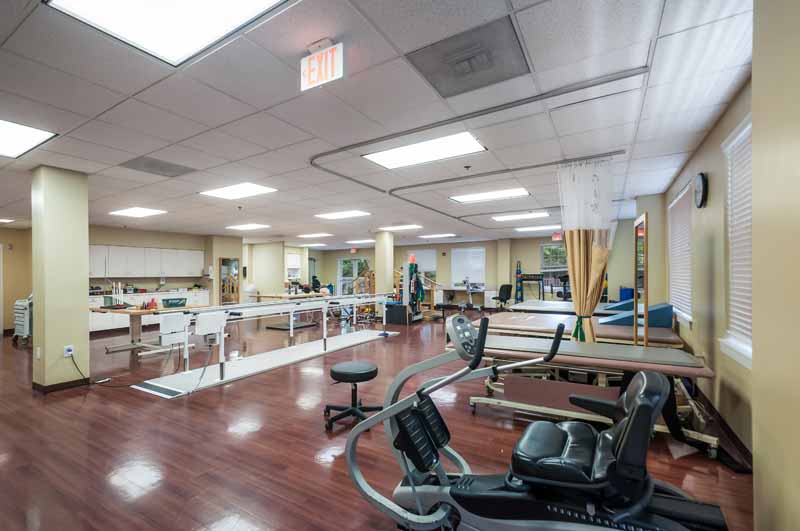
Who Owns and Operates Sterling Care Bethesda?

STERLING CARE BETHESDA is owned by a for-profit company. For-profit facilities operate as businesses with obligations to shareholders or private owners. The facility is operated by STERLING CARE, a chain that manages multiple nursing homes. With 200 certified beds and approximately 178 residents (about 89% occupancy), it is a large facility located in BETHESDA, Maryland.

How Does Sterling Care Bethesda Compare to Other Maryland Nursing Homes?

Compared to the 100 nursing homes in Maryland, STERLING CARE BETHESDA's overall rating (3 stars) is below the state average of 3.0, staff turnover (52%) is near the state average of 46%, and health inspection rating (4 stars) is above the national benchmark.

What Should Families Ask When Visiting Sterling Care Bethesda?

Based on this facility's data, families visiting should ask: "Can you walk me through typical staffing levels on day, evening, and night shifts?" "Can I visit during a mealtime to observe dining assistance and food quality?" "How do you handle medical emergencies, and what is your hospital transfer rate?" "Can I speak with family members of current residents about their experience?" These questions are particularly relevant given the below-average staffing rating.

Is Sterling Care Bethesda Safe?

Based on CMS inspection data, STERLING CARE BETHESDA has a clean safety record: no substantiated abuse findings (meaning no confirmed cases of resident harm), no Immediate Jeopardy citations (the most serious violation level indicating risk of serious injury or death), and is not on the Special Focus Facility watch list (a federal program monitoring the lowest-performing 1% of nursing homes). The facility has a 3-star overall rating and ranks #100 of 100 nursing homes in Maryland. While no facility is perfect, families should still ask about staff-to-resident ratios and recent inspection results during their visit.

Do Nurses at Sterling Care Bethesda Stick Around?

STERLING CARE BETHESDA has a staff turnover rate of 52%, which is 6 percentage points above the Maryland average of 46%. Moderate turnover is common in nursing homes, but families should still ask about staff tenure and how the facility maintains care continuity when employees leave.

Was Sterling Care Bethesda Ever Fined?

STERLING CARE BETHESDA has no federal fines on record. CMS issues fines when nursing homes fail to meet care standards or don't correct problems found during inspections. The absence of fines suggests the facility has either maintained compliance or corrected any issues before penalties were assessed. This is a positive indicator, though families should still review recent inspection reports for the full picture.

Is Sterling Care Bethesda on Any Federal Watch List?

STERLING CARE BETHESDA is not on any federal watch list. The most significant is the Special Focus Facility (SFF) program, which identifies the bottom 1% of nursing homes nationally based on persistent, serious quality problems. Not being on this list means the facility has avoided the pattern of deficiencies that triggers enhanced federal oversight. This is a positive indicator, though families should still review the facility's inspection history directly.