AUTUMN LAKE HEALTHCARE AT OAK MANOR

3415 GREENCASTLE ROAD, BURTONSVILLE, MD 20866 (240) 970-5600
For profit - Limited Liability company 145 Beds AUTUMN LAKE HEALTHCARE Data: November 2025 1 Immediate Jeopardy citation
Trust Grade
46/100
#92 of 219 in MD
Last Inspection: February 2025

Within standard 12-15 month inspection cycle. Federal law requires annual inspections.

Overview

Autumn Lake Healthcare at Oak Manor has received a Trust Grade of D, indicating below-average quality with some concerns. They rank #92 out of 219 facilities in Maryland, placing them in the top half, and #18 of 34 in Montgomery County, meaning there are only a few local options that are better. Unfortunately, the trend is worsening, with issues increasing from 1 in 2024 to 12 in 2025. While staffing is a relative strength with a turnover rate of 36%, which is below the state average, they have less RN coverage than 94% of other facilities, raising potential concerns about care quality. There have been serious incidents, including a critical failure to prevent a cognitively impaired resident from wandering unsupervised, which could have led to dangerous situations. Additionally, a resident experienced significant weight loss that was not adequately addressed, and there have been instances where comprehensive care plans were not created for residents on psychotropic medications. Overall, while the facility has some strengths in staffing, there are significant weaknesses in care and supervision that families should consider.

Trust Score
D
46/100
In Maryland
#92/219
Top 42%
Safety Record
High Risk
Review needed
Inspections
Getting Worse
1 → 12 violations
Staff Stability
○ Average
36% turnover. Near Maryland's 48% average. Typical for the industry.
Penalties
⚠ Watch
$17,220 in fines. Higher than 81% of Maryland facilities, suggesting repeated compliance issues.
Skilled Nurses
⚠ Watch
Each resident gets only 29 minutes of Registered Nurse (RN) attention daily — below average for Maryland. Fewer RN minutes means fewer trained eyes watching for problems.
Violations
⚠ Watch
36 deficiencies on record. Higher than average. Multiple issues found across inspections.
★★★☆☆
3.0
Overall Rating
★★★☆☆
3.0
Staff Levels
★★★☆☆
3.0
Care Quality
★★★☆☆
3.0
Inspection Score
Stable
2024: 1 issues
2025: 12 issues

The Good

  • Full Sprinkler Coverage · Fire safety systems throughout facility
  • No fines on record
  • Staff turnover below average (36%)

    12 points below Maryland average of 48%

Facility shows strength in fire safety.

The Bad

3-Star Overall Rating

Near Maryland average (3.0)

Meets federal standards, typical of most facilities

Staff Turnover: 36%

Near Maryland avg (46%)

Typical for the industry

Federal Fines: $17,220

Below median ($33,413)

Minor penalties assessed

Chain: AUTUMN LAKE HEALTHCARE

Part of a multi-facility chain

Ask about local staffing decisions and management

The Ugly 36 deficiencies on record

1 life-threatening
Jul 2025 1 deficiency 1 IJ
CRITICAL (J) 📢 Someone Reported This

A family member, employee, or ombudsman was alarmed enough to file a formal complaint

Immediate Jeopardy (IJ) - the most serious Medicare violation

Accident Prevention (Tag F0689)

Someone could have died · This affected 1 resident

Based on administrative and medical record review, observations and interviews with facility staff and family it was determined that the facility failed to prevent a cognitively impaired resident who ...

Read full inspector narrative →
Based on administrative and medical record review, observations and interviews with facility staff and family it was determined that the facility failed to prevent a cognitively impaired resident who is at risk for wandering from exiting the facility unsupervised. This was evident for 1 (Resident #1) of 4 residents reviewed during the facility's complaint survey. This failure resulted in an Immediate Jeopardy for Resident #1. The facility implemented effective and thorough corrective measures following this incident. The facility's plan and action were verified during this survey; therefore, this deficiency will be cited as past noncompliance. The date of correction was 6/27/25. The findings include: Medical record review on 6/30/25 at 10:00AM revealed that Resident #1's diagnoses included but were not limited to Alzheimer's Disease (a progressive brain disorder that slowly destroys memory and thinking skills). The resident has a Brief Interview of Mental Status (BIMS) score of 3/15 indicating severe cognitive impairment. Review of a recent wander risk assessment completed on 4/18/25 indicated the resident was at risk for wandering and the resident had a care plan to address wandering behaviors to include a wander guard placement. The facility provided a copy of a timeline of events for Resident # 1 and their investigation to the survey team on 6/30/25 at 10:20 AM and the following information was reviewed: On 6/22/25 at 2:00PM Resident #1 was last seen by 7-3 Charge Nurse (CN) #7. A statement provided by the CN #7 indicated that she returned from lunch and assisted Geriatric Nurse Assistant (GNA) #5 with a resident. Afterwards she walked down the hallway and saw Resident #1 lying on the bed in their room. Review of a statement provided by GNA #4, she indicated on 6/22/25 she arrived at work at approximately 3:05 PM and heard an alarm sound. She described it as a soft beep, like a patient call light and it did not sound urgent. She noticed the evening nurse, Staff # 6 performing rounds. The nurse asked where Resident # 1 was and GNA #4 replied she did not know as she was in the process of making rounds. GNA #4 asked the nurse where the noise was coming from and both the GNA and nurse proceeded to the exit door and noticed it was slightly open. The nurse opened the adjacent door (a door leading outside the building) and discovered that it was unlocked. The alarm continued to sound as they both entered back through the door. They began asking staff if they knew the whereabouts of Resident # 1, and the resident location was unknown. They continued to search for the resident. Review of a statement provided by the weekend RN Supervisor (RNS) #8, she stated that on 6/22/25 at approximately 3:40PM she was informed by the 3-11PM Licensed Practical Nurse (LPN), #6, that Resident # 1 was missing. The RNS (#8) activated the code purple for missing residents. A facility wide search was conducted to include the exterior and surrounding neighborhood. Further review of the investigation and timeline revealed the Director of Nursing and Administrator were notified on 6/22/25 at 4:33PM, and a voice mail message was left with the resident family at 4:36 PM. At 4:40 PM local law enforcement arrived at the facility to conduct a search. All available department managers were notified to report to the facility to assist with canvassing the facility and neighborhood. At 5:42 PM the NHA was able to reach the resident's family to inform them of the situation. At 7:30PM the staff continued searching after clearance from local law enforcement. An interview was conducted with the NHA on 6/30/25 at 10:10AM and he stated that he was notified that Resident #1 had eloped on 6/22/25 at approximately 4:30PM. He stated that he immediately came to the building and notified the resident's family. He further stated that the police came to the facility and stopped the facility staff from any further search due to this interfering with the police dog scent. The NHA went on to say that the next day, 6/23/25 at approximately 7:45 AM, a staff member was driving by and saw the resident in a wooded area near the facility. He stated that the resident had never eloped prior to this incident. Emergency Medical Services (EMT) was called, and the resident was brought back to the facility and assessed by EMS on-site. The resident did not have any injuries, however, was taken to the hospital for further evaluation. The NHA stated that the resident had a Urinary Tract Infection (UTI) and was able to leave the facility by way of the exit door located on the first floor due to a very low alarm sounding which was barely heard from the nursing station. He went on to say that the facility provided education to staff and has put stop exit alarms in the building that alarms loudly. An interview was conducted with the resident family on 7/1/25 at 9:30AM and they stated that they were notified as soon as the facility was aware of the resident leaving the building. They stated they had come to the facility and the police had a K-nine unit on the grounds. S/he stated that the search continued to approximately 9:00PM and then another person from their department was brought in with a drone that uses thermal imaging. The family said the police department provided an update at approximately 11:30-12:00AM when s/he contacted them, that they would continue to monitor but did not locate the resident. S/he stated that the facility informed him/her the next morning that the resident was located at the end of the property. They stated that Resident #1 was not injured but taken to the hospital for further evaluation. An interview was conducted on 7/1/25 at 10:41 AM with the evening nurse, LPN #6 and he stated the following: He worked on 6/22/25 and arrived on duty a few minutes after 3:00PM. He was walking down the hall doing rounds and GNA #4 came to him and reported that an alarm was sounding. He stated that when he and the GNA went to the area where the sound was coming from, the door was open. They went outside and looked around the grounds and did not see anyone. They came back into the building and began a head count of all residents and noted that the resident was missing. The nurse stated that the supervisor was notified, Administrator and 911 were called. The nurse stated that when the police arrived, the staff were made to stay inside. During observation rounds during the complaint survey on 6/30/25 and 7/1/25 accompanied by the NHA and the Director of Maintenance (DOM), the following observations were made: There are 2 exit doors located on the first floor on the Chapel Way Unit and 1 exit door on the Garden View Unit. On the second floor there were 2 Exit doors at the Nightingale Unit and 2 Exit doors at the Forest View Unit. Each of the exit doors has an egress (allows 15 seconds to alarm before it locks) once the door is pushed and then the alarm sounds. Beyond the exit door on Chapel Way and Garden View on the unit, there is another exit door that allows exit to the ground. All the exit doors have a red box stop exit alarm that sounds loud to alert the staff. Both alarms sounded and staff responded. The stop exit alarms were put into place after the resident eloped as part of an intervention. Further observations were made of the exit doors that have a wander guard system in place as follows: The Dining Room located on Chapel Way leads to a fenced courtyard with a functioning system. The wander guard located at both exit doors on the Memorial Garden Unit located across from the Laundry Room has a functioning system. The exit door that leads to the courtyard located in the dining room of the Garden View Unit has a functioning system. In addition, there are functioning wander guards located in the entrance to the kitchen/employee area and the exit door where the trash and dumpster area are located. The front entrance lobby area and the entrance door have a wander guard. All observed areas had a functioning wander guard system. During a consequential meeting with the NHA, he provided documentation on elopement prevention done by maintenance, inspection of the exit doors and door alarm response in service training for all staff prior to installation of the red stop box alarms. During another interview with the NHA on 7/1/24 at 1:30 PM he provided documentation of the elopement prevention plan that the facility put into place following the elopement. Upon review it revealed the following: On 6/23/25 education was started and provided to all facility staff. Nurses were provided education on testing wander guard bracelets for placement and function. All staff were educated on responding to door alarms immediately and notifying the supervisor. Further education on elopement prevention was provided, to all staff on emergency doors, frequent rounds and the red stop box alarms placed at exit doors. The box alarm is a loud alarm that sounds when someone is exiting the door. The alarms were installed on 6/27/25. All education was provided by the ADN, DON and Director of Maintenance. All concerns were discussed at the exit conference on 7/1/25 at 3:30PM. Based on the above actions taken by the facility and verified by the surveyor on-site, it was determined that the facility had corrected the deficient practice by 6/27/2025, prior to the start of the survey.
Feb 2025 11 deficiencies
CONCERN (D)

Potential for Harm - no one hurt, but risky conditions existed

Resident Rights (Tag F0550)

Could have caused harm · This affected 1 resident

Based on observations and staff interviews, it was determined that the facility failed to provide a dignified dining room experience. This was evident for 1 (Resident #12) of 1 resident observed durin...

Read full inspector narrative →
Based on observations and staff interviews, it was determined that the facility failed to provide a dignified dining room experience. This was evident for 1 (Resident #12) of 1 resident observed during the dinner dining observation. The findings include: On 02/18/25 at 5:05 PM, the surveyors arrived at the dining room to observe dinner at the facility. Residents were set up at tables and served by staff as they were seated. Resident # 12 was noted to be seated at a table with Resident #15. Resident #15 had a plate of food and was feeding themselves while Resident #12 was lying in a geri-chair with no plate in front of them. There were 2 cups (one of the cups contained juice) on the table in front of the Resident #12. Resident #15 spilled their juice into their plate. Staff #23 was working in the dining room and was serving other residents, and saw the resident spill the juice and remove the plate away from the resident. Before returning to assist Resident #15, Staff #23 retrieved utensils that had fallen onto the floor from another resident and discarded them, she then continued to assist Resident #15 with feeding and did not sanitize her hands. Meanwhile, Resident #12 who was at the table did not have a plate and was still waiting to be fed. There was a total of four staff members in the dining room assisting in serving the residents and none of them attempted to feed Resident #12. At 5:31 PM, another staff member, Staff #24, came from serving trays to residents in their rooms and began to feed Resident #12. The surveyor spoke with Staff #25, who was in the dining room during the entire dining experience. Staff #25 was made aware of the surveyor's concerns and Staff #24 stated that staffing was very low in all departments and that they had a lot of residents who required assistance with feeding. She further stated that it is the expectation that everyone assists residents with feeding, including herself as she was assisting a resident at that time. The Administration team was made aware of all concerns on 2/18/25 at 6:00 PM and stated that education would be provided to the staff.
CONCERN (D)

Potential for Harm - no one hurt, but risky conditions existed

Safe Environment (Tag F0584)

Could have caused harm · This affected 1 resident

Based on observations and staff interviews, it was determined that the facility failed to maintain a sanitary environment. This was evident for 2 out 2 clean utility rooms observed during the recertif...

Read full inspector narrative →
Based on observations and staff interviews, it was determined that the facility failed to maintain a sanitary environment. This was evident for 2 out 2 clean utility rooms observed during the recertification survey. The findings include: On 2/18/25 at 9:29 AM, during observation rounds with the Geriatric Nursing Assistant staff #11, the second floor, Forest View, clean utility room had two intravenous poles with a brown and gray colored particle of solid matter covering the base of the poles. The intravenous poles did not have labels on it indicating that they were clean. On 2/18/25 at 9:50 AM, during observation rounds with the Central Supply Clerk staff #12, the first floor, Chapel Valley, clean utility room had three intravenous poles, with a brown and white colored substance located at the base of the poles, and one oxygen concentrator that was covered with a gray colored particle of solid matter. Neither the intravenous poles nor the oxygen concentrator had labels on it indicating that they were clean. On 2/18/25 at 9:50 AM, the Central Supply Clerk staff #12 was interviewed. During the interview, the Central Supply Clerk staff #12 stated that the intravenous poles and the oxygen concentrator were dirty, and that staff should not have placed the dirty items in the clean utility room. The Central Supply Clerk staff #12 mentioned that the dirty items should have been placed in the soiled utility room for them to get cleaned and they should have had a plastic bag or label on them to show that they have been cleaned. --
CONCERN (D)

Potential for Harm - no one hurt, but risky conditions existed

Quality of Care (Tag F0684)

Could have caused harm · This affected 1 resident

Review of medical records, and staff interview, it was determined that the facility failed to obtain a GI (gastrointestinal) consultation as requested by the physicians for resident # 60. This was evi...

Read full inspector narrative →
Review of medical records, and staff interview, it was determined that the facility failed to obtain a GI (gastrointestinal) consultation as requested by the physicians for resident # 60. This was evident for 1 of 9 residents reviewed during the survey. The findings include: Review of Resident #60's medical record on 2/18/25 at 1:55pm revealed a physician ordered to obtain a GI (gastrointestinal) consultation for poor po (by mouth) intake and weight loss. Further review of the medical record on 2/18/25 at 3pm failed to reveal if a GI consultation was done or scheduled. During an interview with the Director of Nursing on 2/18/25 at 3:30pm pm she stated the consultation should have been scheduled and she would investigate it. After surveyor intervention the GI consultation was scheduled on 2/19/25 for March of 2025.
CONCERN (D)

Potential for Harm - no one hurt, but risky conditions existed

Deficiency F0692 (Tag F0692)

Could have caused harm · This affected 1 resident

**NOTE- TERMS IN BRACKETS HAVE BEEN EDITED TO PROTECT CONFIDENTIALITY** Based on observations, medical record reviews, and interviews, it was determined that facility staff failed to address the nutri...

Read full inspector narrative →
**NOTE- TERMS IN BRACKETS HAVE BEEN EDITED TO PROTECT CONFIDENTIALITY** Based on observations, medical record reviews, and interviews, it was determined that facility staff failed to address the nutritional needs of a resident who had a known significant weight loss. This deficient practice was evident for 1 (#89) of 1 resident reviewed during the survey. The findings include: On 02/13/25 at 7:53 AM, the surveyor observed Resident #89 awake in bed watching television. The resident appeared frail. During a follow-up interview on 02/13/25 at 12:53 PM, the resident reported difficulty with food, explaining that they are unable to keep food down and experience large bowel movements immediately after eating. On 02/14/25 at 9:34 AM, review of Resident #89's medical record revealed a medical diagnosis of diverticulitis (a condition where small pouches in the wall of the large intestine becomes inflamed or infected. This can cause nausea, vomiting, constipation, and diarrhea). Further review of medical records revealed an admission weight of 167.9lbs on 09/13/24. Resident was discharged to the hospital on [DATE] weighting 131.9lbs and returned to the facility on [DATE] weighting 145.2lbs. The following weights were obtained: 12/26/24-146.0lbs 01/05/25-141.0lbs 02/02/25-126.0lbs 02/13/25-114.8lbs A review of the residents' weights and vitals summary revealed that the system triggered a significant weight loss warning on 01/05/25, 02/04/25, and 02/13/25. 0n 02/14/25 at 2:13 PM, a review of resident's nutritional care plan indicated that the resident was identified as being at risk for unintentional weight changes. The care plan goal was for the resident to maintain adequate nutritional status and weight. The staff was responsible for monitoring, recording, and reporting signs and symptoms of malnutrition, muscle wasting, and significant weight loss greater than 5% in 1 month, greater than 7.5% in three months, and greater than 10% in six months. Additionally, the Registered Dietician (RD) #8 was responsible for making dietary changes and recommendations. A review of the resident's treatment administration record revealed an ordered for dietary nutritional supplement, Ensure, to be given once daily started on 12/26/24. There was no documentation indicating that any interventions were implemented after 12/26/24, nor was there any documentation showing that the physician was notified of changes in the resident's medical condition. During an interview with RD #8 on 2/14/25 at 2:21 PM, the surveyor presented the findings and inquired about the process for monitoring and addressing significant weight changes. The RD #8 explained that they assess the residents and order supplements as needed. The surveyor noted that there was no documentation indicating that the residents weight was being monitored or addressed, nor any documents showing that the physician had been notified. The RD#8 was unable to explain why these actions had not been taken. On 02/18/25 at 11:16 AM, during an interview with Licensed Practical Nurse (LPN) #9 when asked the process for obtaining residents weights, she explained that the GNA's document the residents' weight on a weight sheet. The nurse manager or the assigned nurse on the unit is responsible for entering the weights into the residents' electronic medical records. The system will generate an alert if a resident has a weight loss or gain greater than 5%. On 02/18/25 11:23 AM, during an interview with Nurse Unit Manager (UM) #15, the surveyor inquired about the process for addressing significant weight concerns. The UM #15 explained that nurses are responsible for submitting a change in condition form, and the RD is responsible for notifying the physician. When asked why Resident #89 weight change had not been addressed, the UM #15 stated that they were unable to provide a thorough explanation for why the weight concern was not addressed.
CONCERN (D)

Potential for Harm - no one hurt, but risky conditions existed

Deficiency F0711 (Tag F0711)

Could have caused harm · This affected 1 resident

Based on medical record reviews, observation, and interviews it was determined that the facility failed to ensure that the physician documented the medical history and treatment plan related to reside...

Read full inspector narrative →
Based on medical record reviews, observation, and interviews it was determined that the facility failed to ensure that the physician documented the medical history and treatment plan related to residents with significant weight loss. This was evident to be true for 2 (#48, #89) of 6 residents reviewed for excessive weight loss during the survey. The findings include: 1.) On 02/18/25 10:08 AM the surveyor observed the resident in bed covered with blankets and apparently sleeping. The resident's husband sat at the foot of the bed in a wheelchair with a mask in place. The resident's spouse stated that he/she came in this morning in order to ensure the resident ate his/her breakfast. The spouse stated the Resident #48 had a poor appetite and needs encouragement to consume her/his meals. On 02.18.2025 at 11:12 AM the surveyor reviewed the electronic medical record related to Resident # 48. This resident experienced the following weight losses and gains during a three month period: Weight Trends: 12.18.24: 163.9 lbs. 12.25.24: 160.4lbs. 01.14.25: 150.8lbs 02.04.25: 145.6 lbs Total weight loss/decrease: 17.5 lbs. (10.7%) since admission, despite providing daily meals, supplements, and extra food items was documented in the dietician, staff #8's note. The surveyor was not able to locate any physician or medical nurse practitioner note detailing the treatment plan related to Resident #48's weight loss management while reviewing the electronic medical record. On 02.18.25 at 1:43 PM the surveyor interviewed the registered dietician # 8 who works in the facility three days per week. The dietician stated he met with the Resident #48's spouse approximately two months ago. Stated that he encouraged the resident's spouse to bring in cultural foods and to stay present during some meals. Additionally, the dietician stated that he spoke with the unit manager to explained the goals of dietary interventions such as, added supplements twice daily and monitors the resident intakes. Weekly weight loss-gains meetings are held with the facility clinical and administrative staff. The dietician ordered supplemental drinks to the resident's dietary plan. The dietician #8 provided the surveyor with a hard copy of the progress note written on 02.18.2025 at 11:05 AM which stated that Resident #48 experienced a weight decrease of 17.5 pounds (10.7%). On 02.19.25 at 11:18 AM the medical director #20 was interviewed by the surveyor regarding the Resident #48 and stated that he was aware that the dietician had worked with the husband and family to provide supplements and home supplied preferred foods. The medical director was asked by a surveyor whether he had written a progress note summarizes the treatment plan that included a summary of the medical conditions impacting the resident's weigh fluctuations and the response was no. The medical director #20 reviewed a total of four residents had a experienced significant weight loss during the past three to six months with four surveyors during the survey. Also, on 02.19.25 at approximately 11:22 AM, the medical director #20 stated the corrective action plan going would be: the physicians and nurse practitioners must document the history of the resident , the treatment being provided, and provide summary of the treatment history for all clinical staff to have access. The medical director stated that the weight loss review team would create a process improvement plan with the nurse practitioner during the next quality/risk management meeting. Also, the expectation would be for the dietician to accurately list the residents experiencing weight loss and notify the medical director and the nurse practitioners. As of 02.19.25 at 3:00 PM the surveyor was not provided documentation that the medical director had written a progress note related to Resident #48 regarding the resident excessive weight loss history. These deficiencies were reviewed with the administrator, director of nursing, and regional clinical staff during the exit conference. 2.) Review of Resident #89 medical records on 02/14/25 at 9:34 AM, revealed a medical history of edema, gout, diverticulitis, asthma, nicotine dependence, hyperlipidemia, and lack of coordination. On 2/19/25 at 10:05 AM, during an interview with the Medical Director #20, the surveyor expressed concern about the lack of interventions regarding Resident #89's significant weight loss. After the Medical Director reviewed the resident's medical history, he revealed a medical diagnosis of Anasarca (severe generalized swelling with accumulation of fluids in the tissue) that was not documented in the resident's medical chart. The surveyor inquired why the diagnosis was not documented in the resident's medical chart. The medical director stated that he was familiar with the resident's medical history and had failed to document the medical diagnosis. The Medical Director acknowledged that all pass medial history should be included in the chart. After surveyor intervention, the Medical Director amend the resident's medical chart on 2/19/25 to indicate past and present medical history and treatment plans.
CONCERN (D)

Potential for Harm - no one hurt, but risky conditions existed

Deficiency F0804 (Tag F0804)

Could have caused harm · This affected 1 resident

Based on surveyor observation it was determined the facility failed to provide palatable food at an appetizing temperature. This was evident for 3 out of 3 hot food items checked on the test tray. Thi...

Read full inspector narrative →
Based on surveyor observation it was determined the facility failed to provide palatable food at an appetizing temperature. This was evident for 3 out of 3 hot food items checked on the test tray. This failure had the potential to affect all residents receiving meals. The findings include: On 02/18/25 at 01:01 PM, a test tray was requested at the end of food service in the Chapel Way dining area. The food temperature was checked using the facility's thermometer by Staff #16. The potatoes were 119.8 degrees Fahrenheit. The spinach was 109.2 degrees Fahrenheit. The meat (veal) was 123.1 degrees Fahrenheit. The internal temperature for hot food should be over 135 degrees Fahrenheit. During an interview with the Regional Dietary Manager on 02/28/25 at 1:06 PM, she verified the temperature. She stated that she and the Dietary Manager would be doing inservices on making sure foods are property temped.
CONCERN (D) 📢 Someone Reported This

A family member, employee, or ombudsman was alarmed enough to file a formal complaint

Potential for Harm - no one hurt, but risky conditions existed

Deficiency F0806 (Tag F0806)

Could have caused harm · This affected 1 resident

**NOTE- TERMS IN BRACKETS HAVE BEEN EDITED TO PROTECT CONFIDENTIALITY** Based on medical record reviews, interviews, and observations, the facility failed to honor the residents' food preferences. Thi...

Read full inspector narrative →
**NOTE- TERMS IN BRACKETS HAVE BEEN EDITED TO PROTECT CONFIDENTIALITY** Based on medical record reviews, interviews, and observations, the facility failed to honor the residents' food preferences. This was evident to be true for 3 ( #13, #17, and #92) out of 10 residents observed dining during the survey. These findings include: On 02.19.25 at 08:16 AM the surveyor entered the multipurpose room [ROOM NUMBER] on the 2nd floor and there was only one resident present. Resident #92 stated that he/she had a lot of concerns regarding the facility and including the food service. Resident #92 stated that the facility often did not serve what was listed on the menu and often he/she was served food items that were not his/her preference. The surveyor observed that the kitchen staff had the tops off the food serving containers and were not currently serving food to any residents. The surveyor asked the dietary aides if they make an effort to keep the food warm for the residents. The dietary aides responded yes and then proceeded to cover the food serving containers. On 02.19.25 at 08:22 AM the surveyor observed that there were 9 residents in the Forestville multi-purpose room. The surveyor interviewed clinical staff members, LPN #13, GNA # 18, and dietary aide # 19 regarding the menu slips. All three employee reviewed the menu slips and agreed that 7 out the 9 residents menu slips did not disclose the resident's preferences. The two staff members stated that the menu slips on the resident trays informed of what the resident could have due to diagnosis or allergies but did not list the residents' food preferences. The two staff member, LPN #13 and GNA #18 stated they would serve the residents without asking if they had received the food items that they preferred. The surveyor observed that 7 out of 10 menu slips listed no food item preferences. On 02.19.25 at 08:33 AM, the surveyor interviewed GNA # 18 who stated that it was true the menu slips indicate what the food items the resident cannot have served on his/her tray. The surveyor observed that some residents received grits versus oatmeal. The surveyor asked how the staff would know which residents preferred grits or oatmeal. The surveyor was provided with one menu slip which did identify that resident #13's preferred: no scrambled eggs, resident stated he/she likes boiled eggs, and dislikes cream of wheat. Resident #17 stated that he/she received a biscuit but he/she prefers to have toast every morning and also, he/she received a boiled egg but he/she prefers scrambled eggs. On 02.19.25 at approximately 09: 15 AM the surveyor interviewed the Certified Dietary Manager, (CDM) staff # 3 along with other surveyors. CDM #3 stated that the menu slips placed on the trays for the resident focus on what food items, the resident should not be served and do not always include the resident's preferred food items. He stated that he expected the nursing staff to verify that the resident was receiving their food preferences and that currently there was no check and balance system in place to ensure that the residents were consistently being served their food preferences. These deficient practices were discussed with the CDM, administrator, DON, and the regional clinical staff on 02.19.24 during the exit conference.
CONCERN (D)

Potential for Harm - no one hurt, but risky conditions existed

Food Safety (Tag F0812)

Could have caused harm · This affected 1 resident

Based on observation and staff interview, it was determined the facility failed to ensure sanitary practices were followed in accordance with professional standards for food service safety, and mainta...

Read full inspector narrative →
Based on observation and staff interview, it was determined the facility failed to ensure sanitary practices were followed in accordance with professional standards for food service safety, and maintain a clean working environment, during the survey The findings include the following: On 2/13/25 at 08:25 AM, An initial tour of the facility Kitchen was completed with the Regional Dietary manager and the following was found: 1.Seven repoured unlabeled apple sauce containers were observed sitting on the dirty utility table. 2. A large white laundry basket with several soiled white linens was observed in the dry storage room. 3. Food and a liquid substance were noted on the kitchen floor near the walk in the freezer. 4. A red substance was noted to have spilled all over metal shelves in the facility's walk- in refrigerator. 5. The surveyor observed that the area designated for rinsing dirty dishes was found unkempt with food particles left in the strainer. During the interview on 2/13/25 at 09:30 AM with the Dietary Manager and the Regional Dietary Manager present he stated that the items found would be corrected. During a follow-up observation on 2/18/25 at 10:44 am, no further issues were observed.
CONCERN (D)

Potential for Harm - no one hurt, but risky conditions existed

Medical Records (Tag F0842)

Could have caused harm · This affected 1 resident

**NOTE- TERMS IN BRACKETS HAVE BEEN EDITED TO PROTECT CONFIDENTIALITY** Based on record review and interviews with facility staff it was determined the facility failed to document if interventions wer...

Read full inspector narrative →
**NOTE- TERMS IN BRACKETS HAVE BEEN EDITED TO PROTECT CONFIDENTIALITY** Based on record review and interviews with facility staff it was determined the facility failed to document if interventions were put in place to address a resident with a significant weight loss, document a significant change in the resident's medical condition, failed to notify the physician, and interdisciplinary team. This was found to be evident for 2 (Resident # 122, #89) of 5 residents reviewed for weight loss during the survey. Findings include: 1.) Resident # 122's medical record was reviewed on 12/19/25 at 10:00AM for weight loss. Upon review, it revealed the resident with an admission weight on 1/8/25 of 229.2 pounds and a weight one month later of 2/10/25 of 216.2 pounds. The resident was noted to have a significant weight loss of 13 pounds (10%) within 1 month. Review of the resident nutrition care plan on the same date at 10:25 AM reveals the care plan was initiated on 1/8/25 and one of the interventions listed is to notify the MD and dietician if resident has any significant weight changes. Further review of the dietitian notes on the same date reveals there was no documentation to address the resident significant weight loss. An interview was conducted with the Dietitian (Staff # 8) on 2/19/25 at 12:05 PM and he was asked to explain what is put in place for a resident that has a significant weight loss. He stated that when a resident has significant weight loss, the normal process is to talk to the resident if they can be interviewed about supplements. and if the resident desires supplements, they are started. He stated that he is unsure if he spoke with the resident regarding the supplements because he did not document it. He further stated that all significant weight loss is brought to risk management meetings as well. He went on to say that he is unable to provide documentation of weight loss and any changes to the resident regimen and moving forward, all changes and interventions will be documented. All concerns were discussed with the Administration team at the time of exit on 2/19/25 at 2:30PM. 2.) On 02/14/25 at 9:34 AM, a review of Resident #89's medical records revealed that the resident was discharged from the facility to the hospital on [DATE] weighing 131.9 lbs. Upon returning to the facility on [DATE], the resident's weight was 145.2 lbs. The following weights were obtained for Resident #89: on 01/05/25 141.0 lbs, on 02/04/25 126.0 lbs, document by Nurse Unit Manager #15; on 2/4/25 114.8 lbs, documented by Registered Dietician (RD) #8 During an interview with RD #8 on 2/14/25 at 2:21 PM, the surveyor presented the findings and inquired about the process for monitoring and addressing significant weight changes. The RD #8 explained that they assess the resident, and supplements are ordered as needed. The surveyor noted that there was no documentation indicating that the resident's weight was being monitored or addressed, or any documents showing that the physician had been notified. The RD#8 was unable to explain why these actions had not been taken but stated that the resident's weight concerns are discussed during the risk management meetings. On 02/18/25 11:23 AM, during an interview with Nurse Unit Manager (UM) #15, the surveyor inquired about the process for addressing significant weight. The UM #15 stated that nurses are responsible for submitting a change in condition form and the RD is responsible for notifying the physician. The surveyor requested proof that a change in condition form was completed for Resident #89. The UM #15 was not able to provide documentation that a change in condition was submitted for the resident's weight loss. During an interview with the Administrator #1 and Director of Nursing (DON) #2, the surveyor informed them of the resident's weight loss and the lack of documentation. The surveyor requested the DON #2 provide documentation of the change in condition and proof the physician has been notified of the weight loss. The DON was unable to provide the requested documentation. On 2/19/25 at 8:50 AM, during an interview with the DON the surveyor inquired about the facility's interdisciplinary team. The DON #2 explained that risk management meeting are held weekly to discuss changes in residents medical conditions. Attendess typically includes the medical director, MDS coordinator, social worker, director of nursing, assistant director of nursing, nurse unit managers, and dietician. The surveyor requested the risk management meeting minutes from October 2024-February 2025. There was no mention of Resident #89, weight loss during that period.
CONCERN (D)

Potential for Harm - no one hurt, but risky conditions existed

Infection Control (Tag F0880)

Could have caused harm · This affected 1 resident

Based on observations and staff interviews, it was determined that the facility staff failed to adhere to infection control practices. This was evident for 1 (Resident #15) of 1 resident observed duri...

Read full inspector narrative →
Based on observations and staff interviews, it was determined that the facility staff failed to adhere to infection control practices. This was evident for 1 (Resident #15) of 1 resident observed during the dinner dining observation. The findings include: On 02/18/25 at 5:05 PM, the surveyors arrived at the dining room to observe dinner at the facility. Residents were set up at tables and served by staff as they were seated. Resident #15 had a plate of food and was feeding themselves. Resident #15 spilled their juice into their plate. Staff #23 was working in the dining room and was serving other residents, and saw the resident spill the juice and remove the plate away from the resident. Before returning to assist Resident #15, Staff #23 retrieved utensils that had fallen onto the floor from another resident and discarded them, she then continued to assist Resident #15 with feeding and did not sanitize her hands. The surveyors interviewed Staff #23 and made her aware of the concern about picking up the utensils and not performing good hand hygiene when providing service to a resident. Staff #23 stated that she used a napkin and thought that it was ok to proceed with feeding. Staff #23 verbalized that she would use proper infection control practices in the future. The Administration team was made aware of all concerns on 2/18/25 at 6:00 PM and stated that education would be provided to the staff.
CONCERN (E) 📢 Someone Reported This

A family member, employee, or ombudsman was alarmed enough to file a formal complaint

Potential for Harm - no one hurt, but risky conditions existed

Deficiency F0710 (Tag F0710)

Could have caused harm · This affected multiple residents

Based on medical record review and interviews with facility staff it was determined the facility failed to address residents with significant weight loss. This was found to be evident for 1 (Resident ...

Read full inspector narrative →
Based on medical record review and interviews with facility staff it was determined the facility failed to address residents with significant weight loss. This was found to be evident for 1 (Resident # 122) of 3 residents reviewed for weight loss during the survey. Findings include: Resident # 122's medical record was reviewed on 12/19/25 at 10:00AM for weight loss. Upon review, it revealed the resident with an admission weight on 1/8/25 of 229.2 pounds and a weight one month later on 2/10/25 of 216.2 pounds. The resident was noted to have a significant weight loss of 13 pounds (10%) within 1 month. Review of the resident nutrition care plan on the same date at 10:25 AM reveals the care plan was initiated on 1/8/25 and one of the interventions listed was to notify the MD and dietician if resident had any significant weight changes. Review of a discharge summary note dated 2/11/25 from the residents' previous provider service indicated that the resident was morbid obese but did not address the significant weight loss of 13 pounds for one month. An interview was conducted on 2/19/25 at 10:40AM with the Medical Director (Staff # 20) and he was asked to explain this resident's weight loss and he stated the following: The facility conducts risk management meetings every week and weight loss are addressed at that time. In addition, the facility reviews trends at the Quality Assurance and Performance Improvement (QAPI) meetings as well. He went on to say that Resident #122 was transferred to their services on 2/11/25 and services provided prior to this were under another service. He stated that he could not speak regarding the resident weight loss, but the expectation is that the resident weight loss should have been addressed. Further review of the dietitian notes on the same date reveals there was no documentation to address the resident significant weight loss. An interview was conducted with the Dietitian (Staff # 8) on 2/19/25 at 12:05 PM and he was asked to explain what is put in place for a resident that has a significant weight loss. He stated that when a resident has significant weight loss, the normal process is to talk to the resident if they can be interviewed about supplements and if the resident desires supplements, they are started. He stated that he is unsure if he spoke with the resident regarding the supplements because he did not document it. He further stated that all significant weight loss is brought to risk management meetings as well. He went on to say that he is unable to provide documentation of weight loss and any changes to the resident regimen and moving forward, all changes and interventions will be documented. All concerns were discussed with the Administration team at the time of exit on 2/19/25 at 2:30PM.
Nov 2024 1 deficiency
CONCERN (D) 📢 Someone Reported This

A family member, employee, or ombudsman was alarmed enough to file a formal complaint

Potential for Harm - no one hurt, but risky conditions existed

Accident Prevention (Tag F0689)

Could have caused harm · This affected 1 resident

**NOTE- TERMS IN BRACKETS HAVE BEEN EDITED TO PROTECT CONFIDENTIALITY** Based on medical record review and staff interview, the facility staff failed to provide supervision to prevent an accident (Res...

Read full inspector narrative →
**NOTE- TERMS IN BRACKETS HAVE BEEN EDITED TO PROTECT CONFIDENTIALITY** Based on medical record review and staff interview, the facility staff failed to provide supervision to prevent an accident (Resident #9). This was evident for 1 of 37 residents reviewed during an annual survey. The findings include: On 11/14/24, review of Resident #9's medical record revealed the Resident was admitted to the facility on [DATE] from the hospital for rehabilitation. Further review of the medical record revealed that, on 2/24/2023, the Resident was assessed by facility staff to be at a low risk for elopement. The facility reported to OHCQ (Office of Health Care Quality) on 7/7/24 at 1 PM the Resident was found outside the facility at a local church approximately 2:30 PM by the Police. The Resident was brought back to the facility and assessed at that time and found to have no injuries. On 11/14/24 at 9:30 AM, an interview with Resident #9 revealed that she was going to the church service in the facility, and she was unaware of the cancellation. Resident stated she wanted to worship God, so she left the facility and went to a church in the community. The resident also stated that she wasn't aware that she did not have approval to leave until after the incident when the facility staff informed her of the LOA rules. The resident stated that she had never left the facility before. On 11/14/24 at 10 AM, a review of the Facility Therapeutic Leave Policy revealed that a physician's order must be obtained, and the facility staff would then document in the medical record details of the resident's leave of absence. A review of Resident #9's medical revealed the Resident did not have a physician order for a therapeutic leave of absence at the time of the elopement . Further review revealed a physician order on 11/13/2024: May go on LOA independently or with attendant. The surveyor reviewed education provided to staff on 7/7/24 to ensure staff were aware of therapeutic leave of absence (LOA) for Resident #9. 11/15/24 at 11:30am during an interview with the Nurse Consultant #19, it was confirmed that the facility staff failed to provide supervision for Resident #9.
Oct 2020 10 deficiencies
CONCERN (D)

Potential for Harm - no one hurt, but risky conditions existed

Resident Rights (Tag F0550)

Could have caused harm · This affected 1 resident

Based on surveyor review clinical record, observation, and interviews with facility staff, it was determined that the facility failed to provide an environment that promotes resident respect and digni...

Read full inspector narrative →
Based on surveyor review clinical record, observation, and interviews with facility staff, it was determined that the facility failed to provide an environment that promotes resident respect and dignity. This finding was evident in 1 of 27 residents (Resident #1) selected for this survey. The findings include: On 10-13-2020 at 8:30 AM, 3:16 PM and at 5:15 PM, surveyor observation of Resident #1 revealed a Foley catheter drainage bag (a Foley catheter is flexible tube which passes through the urethra and into the bladder to drain urine) hanging from the right side of the bed with no dignity bag (a bag which covers the Foley catheter's urine collection bag from plain sight) present. On 10-13-2020 at 5:20 PM, surveyor brought the Unit Manager into the room and asked her to identify the condition of the catheter collection bag. The Unit Manager acknowledged that there was no dignity bag over the collection bag. On 10-13-2020 at 5:24 PM, surveyor interview with the facility's Administrator provided no additional information.
CONCERN (D)

Potential for Harm - no one hurt, but risky conditions existed

Notification of Changes (Tag F0580)

Could have caused harm · This affected 1 resident

Based on surveyor review of the clinical record and interviews with facility staff, it was determined that the facility staff failed to notify Resident #47's responsible party of the resident's weight...

Read full inspector narrative →
Based on surveyor review of the clinical record and interviews with facility staff, it was determined that the facility staff failed to notify Resident #47's responsible party of the resident's weight loss. This finding was evident for 1 of 27 residents reviewed during the survey. The findings include: On 10-15-2020 surveyor review of the clinical record for Resident #47 revealed 09-03-2020 documentation by dietician #2 that noted after a review of the resident's weights, there was a 7% weight loss x 30 days. At that time, based on the dietician's recommendations, orders were obtained for a speech therapy screen, monitor of weekly weights and the addition of the dietary supplement, Boost Plus to be given twice daily. Further review revealed a speech therapy screen was completed for Resident #47 on 09-03-2020 with the implementation of Dysphagia (difficulty in swallowing ) Therapy three (3) to five (5) times a week for four weeks. However, there was no documented evidence in the clinical record that Resident #47's responsible party was notified of the 09-03-2020 significant weight loss and the interventions put into place. On 10-19-2020 at 2:00 PM interview with Dietician #1 and the facility administrator revealed no additional information.
CONCERN (D)

Potential for Harm - no one hurt, but risky conditions existed

Deficiency F0582 (Tag F0582)

Could have caused harm · This affected 1 resident

Based on surveyor review of the clinical record, review of the Beneficiary Protection Notifications and interview with facility staff, it was determined that the facility failed to provide residents w...

Read full inspector narrative →
Based on surveyor review of the clinical record, review of the Beneficiary Protection Notifications and interview with facility staff, it was determined that the facility failed to provide residents with the Notice of Medicare Non-Coverage (NOMNC) and Skilled Nursing Facility Advance Beneficiary Notice of Non-Coverage (SNFABN). This finding was evident for 2 of 3 residents selected for the Beneficiary Protection Notification review (Residents #8 and #15). The findings include: A Medicare health provider must give an advance NOMNC to enrollees receiving skilled nursing, home health (including psychiatric home health), or comprehensive outpatient rehabilitation facility services, no later than two days before the termination of services. The SNFABN provides information to the beneficiary in order to decide whether or not to get the care that may not be paid for by Medicare and assume financial responsibility. 1. On 10-15-2020 surveyor review of the clinical and administrative record for Resident #8 revealed 07-31-2020 would be the resident's last day of Medicare coverage for skilled services. Further review revealed that the facility submitted the NOMNC to Resident #8 on 07-29-2020 and it was signed by the resident at that time. However, there was no documented evidence that the facility had provided a SNFABN to Resident #8 that as of 07-31-2020 the resident's care may have to be paid out of pocket since the resident would no longer meet the skilled nursing criteria, but had remained at the facility after the end of skilled service. On 10-19-2020 at 5:00 PM surveyor interview with the facility administrator revealed no additional information. 2. On 10-19-2020 surveyor review of the closed clinical record and administrative record for Resident #15 revealed 05-24-2020 would be the resident's last day of Medicare coverage for skilled services. However, further review revealed there was no documented evidence that the facility had provided either a NOMNC and a SNFABN to Resident #15 and the resident's responsible party prior to end of skilled service with the resident remaining in the facility after the end of skilled service. On 10-19-2020 at 3:00 PM and 5:00 PM surveyor interview with the facility's business manager and the administrator revealed no additional information.
CONCERN (D)

Potential for Harm - no one hurt, but risky conditions existed

Deficiency F0657 (Tag F0657)

Could have caused harm · This affected 1 resident

Based on surveyor review of the clinical record, surveyor observation and interview with resident #31 and facility staff, it was determined that the facility staff failed to revise the comprehensive p...

Read full inspector narrative →
Based on surveyor review of the clinical record, surveyor observation and interview with resident #31 and facility staff, it was determined that the facility staff failed to revise the comprehensive plan of care for Resident #31. This finding was evident for 1 of 27 residents reviewed during the survey. The findings include: On 10-15-2020 at 1:04 PM surveyor observation and interview with Resident #31 revealed that the resident had obtained a hearing aid for severe hearing loss of the left ear. The resident stated that its stored in the resident's top drawer of the bedside table when not wearing it . Further observation on 10-19-2020 at 8:54 AM, during a medication pass to Resident #31, revealed Licensed Practical Nurse (LPN) #3 and the Chapel Way unit manager were observed attempting to communicate to the resident about the medications and neither asked the resident whether the hearing aid was in place or its location until surveyor intervention. Record review revealed on 09-30-2020 Resident #31 had been fitted for and had received a left hearing aid. Staff added the hearing aid to the resident's inventory list. In addition, on 10-02-2020 an order was added to the October 2020 Treatment Administration Record (TAR) for the left ear hearing aid to be on in the morning and off at night. Further review revealed a comprehensive plan of care that addressed the resident's communication problem related to a hearing deficit: hard of hearing to both ears, which was last revised on 05-11-19. However, further review of the comprehensive plans of care for Resident #31 revealed no evidence of a revision of the care plan to address the resident's left ear hearing aid and its interventions. Surveyor interview on 10-19-2020 at 1:00 PM with the Director of Nursing revealed no additional information.
CONCERN (D)

Potential for Harm - no one hurt, but risky conditions existed

Deficiency F0658 (Tag F0658)

Could have caused harm · This affected 1 resident

**NOTE- TERMS IN BRACKETS HAVE BEEN EDITED TO PROTECT CONFIDENTIALITY** 2. On 10-13-2020 at 10:26 AM, surveyor observed that Resident # 28 had on their bedside two (2) medications in a medicine cup, a...

Read full inspector narrative →
**NOTE- TERMS IN BRACKETS HAVE BEEN EDITED TO PROTECT CONFIDENTIALITY** 2. On 10-13-2020 at 10:26 AM, surveyor observed that Resident # 28 had on their bedside two (2) medications in a medicine cup, and that the medicine cup with the medications was stacked on top of another medicine cup that was empty. Resident #28 stated that those were the Metformin medications. They took the medications that the nurse gave this morning, but the nurse did not see those medications on his table. Metformin is a diabetic medication. On 10-13-2020 at 10:27 AM, surveyor and Unit Manager #10 observed that the two (2) mediations were left on Resident #28's bedside. On 10-13-2020 at 11:52 AM, surveyor interviewed LPN #8 in the presence of the Unit Manager. Nurse #8 said that she observed that Resident #28 swallowed the medications this morning. LPN # 8 identified the medications as Atorvastatin and Amlodipine that were administered at 8:00 PM. Atorvastatin is a medication for hyperlipidemia and Amlodipine is a medication for hypertension. On 10-14-2020 at 5:05 PM: surveyor interviewed LPN #9 [NAME] in the presence of the Unit Manager #10. LPN # 9 said that she left 1 tab. of amlodipine and 1 tablet of atorvastatin on Resident #28's night table on 10-12-2020 at 8:00 PM because Resident #28 was sleeping and does not like to wake up to take their medications. She acknowledged that she should not have left the medication on the night table. On 10-15-2020 at 10:00 AM, surveyor's review of Resident #28 's Medication Administration Records (MAR) revealed that LPN #9 had documented the administration of the two (2) medications as administered at 8:00 PM on 10-12-2020. According to the NCLEX-RN textbook on medication administration instructs nurses to give the patient the medication, to remain with the patient until the medication is swallowed, and that nurses are legally and ethically responsible and accountable for accurate and complete medication administration, observation, and documentation. https://dda.health.maryland.gov/Pages/Developments/2015/Med%20Error%20PPT%203.13.14.pdf https://www.registerednursing.org/nclex/medication-administration/). Based on surveyor review of the clinical record and interview with facility staff, it was determined that the facility failed to ensure standards of nursing practice. This finding was evident in 2 of 27 residents reviewed during the survey(Resident #64 and #28). The findings include: 1. On 10-14-20 at 10:20 AM, surveyor review of the clinical record for Resident #64 revealed a physician order written on 08-28-20 to check the resident blood sugar before each meal and notify the physician if the sugar level was less than 70 or above 300 per ML. Further record review revealed that on 09-10-20 the physician gave another order to discontinue the order that specified calling the physician when the sugar/glucose level was less than 70 and more than 300. The physician replaced the order with a sliding scale indicating insulin to be administered based on the resident blood glucose level. However, the facility nursing staff continued both orders and did not discontinue the previous order as indicated by the primary physician. On 10-14-2020 at 1:10 PM, surveyor interview with the Staff #4 revealed that the understanding was that both orders were supposed to be carried out concurrently. On 10-14-2020 at 1:30 PM, surveyor interview with unit manager and the director of nursing revealed that the previous order was supposed to be discontinued as ordered. As a standard of nursing practice, a licensed nurse is required to notify the primary physician and clarify any orders that is not clear to them as indicated in section 10.27.09.01 of the Nurse practice act under collaboration of care. On 10-14-2020 at 1:40 PM, surveyor interview with the Director of Nursing revealed no further information.
CONCERN (D)

Potential for Harm - no one hurt, but risky conditions existed

Quality of Care (Tag F0684)

Could have caused harm · This affected 1 resident

Based on surveyor observation, record review, and staff interview, it was determined that the facility staff failed to follow physician's orders. This finding was evident in 1 of 27 residents reviewed...

Read full inspector narrative →
Based on surveyor observation, record review, and staff interview, it was determined that the facility staff failed to follow physician's orders. This finding was evident in 1 of 27 residents reviewed for quality of care during the survey (Resident #22). The findings include: On 10-13-2020 at 9:31 AM, surveyor observed Resident #22 had a left arm contracture. However, the resident did not have any splint on. On 10-13-2020 at 9:35 AM, medical record review of Resident #22 revealed the resident had a physician's order to don left elbow splint after AM care and doff after dinner. On 10-13-2020 at 12:22 PM and at 3:09 PM, surveyor observed Resident #22 without the left elbow splint. However, review of the resident's treatment administration record for October 2020 revealed LPN Staff #3 documented that the resident had the splint on at 9:00 AM on 10-13-2020. On 10-15-2020 at 11:12 AM, a telephonic interview with LPN Staff #3 revealed her documentation that she applied the splint on Resident #22 at 9:00 AM on 10-13-2020 was an error. On 10-14-2020 at 10:17 AM and 11:52 AM, surveyor observed Resident #22 without the left elbow splint. On 10-14-2020, further medical record review revealed Resident #22 was evaluated and treated by the Occupational Therapist (OT) from 09-17-2020 to 10-09-2020. OT had ordered the splint for the resident. On 10-14-2020 at 11:53 AM an interview with GNA #5 revealed she did not apply the splint on Resident #22 because she could not find it. On 10-14-2020 at 11:55 AM, an interview with LPN #6 revealed the occupational therapist applies the splint for Resident #22 not the nursing staff. She said she was not aware of an order to don and doff the splint for Resident #22. On 10-14-2020 at 4:44 PM, an interview with the rehab director revealed Resident #22 was under her care from 09-17-2020 to 10-09-2020. The nursing staff were not responsible to don or doff splint for Resident #22 during her service. On 10-09-2020, after completing the last session, she had placed an order to don the left elbow splint in AM and doff after dinner by nursing staff. She also said she educated nursing staff on splint application for Resident #22. On 10-14-2020 at 4:56 PM, an interview with Unit Manager #7 revealed the rehab director educated him on application of the splint to Resident #22 on 10-09-2020. However, he did not inform or educate all nursing staff of the unit regarding Resident #22's splint application.
CONCERN (D)

Potential for Harm - no one hurt, but risky conditions existed

Infection Control (Tag F0880)

Could have caused harm · This affected 1 resident

**NOTE- TERMS IN BRACKETS HAVE BEEN EDITED TO PROTECT CONFIDENTIALITY** Based on surveyor observation and staff interview, it was determined that the facility staff failed to implement proper infectio...

Read full inspector narrative →
**NOTE- TERMS IN BRACKETS HAVE BEEN EDITED TO PROTECT CONFIDENTIALITY** Based on surveyor observation and staff interview, it was determined that the facility staff failed to implement proper infection control and prevention practices. This finding was evident on 1 of 4 units observed for proper hand hygiene during annual survey (Forest View unit). The findings include: On 10-14-2020 at 8:37 AM, surveyor observed GNA#5 entering room [ROOM NUMBER]-B to deliver Resident #32's breakfast tray. She placed the tray on the bedside table. Then she handed sanitizing wipes to the resident. The resident wiped his/her hands and handed over the dirty wipes to GNA#5. GNA #5 placed the dirty wipes at the side of the table. She then wheeled the table such that the breakfast tray was within the resident's reach. Without performing hand hygiene and without gloves on, she spread butter on an English muffin, fixed oatmeal and removed the plastic cover from juice. Then, she left room [ROOM NUMBER] and without performing hand hygiene she headed to the dining area. At the dining room, she did not perform hand hygiene before setting up a meal tray for another resident. She picked up clean dishware, napkins, straws, and cups. She then started to set the trays up with breakfast items. Surveyor stopped her from proceeding. On 10-14-2020 at 8:40 AM, an interview with GNA #5 revealed she received infection control and prevention training that included proper hand hygiene. She said she forgot to use hand sanitizer after assisting Resident #32 in room [ROOM NUMBER]-B. On 10-15-2020 at 2:00 PM, an interview with Director of Nursing (DON) revealed no additional information. Based on surveyor observation, review of clinical records, facility policy and procedures and interview with facility staff, it was determined that the facility failed to ensure infection control practices to prevent development and transmission of communicable disease and infections. This finding was identified during the observation of 3 of 3 resident during glucose testing (Resident #4, #64, and #188). The findings include: On 10-14-2020 at 7:10 AM, Surveyor review of the clinical records for Residents #4, #64 and #188 revealed a medical condition in which their body doesn't use insulin properly resulting in unusual blood sugar levels. Additional review revealed a physician order that stated check blood sugar before each meal. Give insulin per sliding scale. On 10-14-2020 at 7:30 AM, surveyor observed Staff #4 checking resident blood sugar prior to breakfast. Staff # 4 removed the glucometer (medical device for determining the approximate concentration of glucose in the blood) from a hand held basket to check the sugar/glucose level of Resident #4 in room [ROOM NUMBER]. After completing the task the nurse placed the glucometer back in the basket. Staff #4 repeated the same process with Resident #188 in room [ROOM NUMBER] and #64 in room [ROOM NUMBER]. Surveyor did not observe Staff #4 clean the glucometer before and after using the glucometer. On 10-14-2020 at 8:45 AM, surveyor review of facility policy and procedure for blood sugar check revealed that glucometers were to be cleaned with Micro Kill bleach wipes before and after each use. On 10-14-2020 at 9:00 AM, surveyor interview with Staff #4 revealed that he/she did not clean the glucometer because she forgot the Micro Kill bleach wipes on the medicine cart which was parked at the nursing station. On 10-14-2020 at 9:10 AM, surveyor interviewed the unit manager who stated that the Micro Kill bleach wipes were available in all treatment carts and medication carts. A look in the medication cart being used by Staff #4 revealed two containers of Micro kill bleach wipes. Staff #4 failed to follow the facility's own policy and procedure. On 01-16-2020 at 10:32 AM, surveyor interview with the Director of Nursing (DON) revealed no new information.
CONCERN (E)

Potential for Harm - no one hurt, but risky conditions existed

Comprehensive Care Plan (Tag F0656)

Could have caused harm · This affected multiple residents

2. On 10-14-20 at 2:20 PM surveyor review of the clinical record revealed that Resident #64 was on multiple medications including but not limited to psychotropic medications (medication capable of aff...

Read full inspector narrative →
2. On 10-14-20 at 2:20 PM surveyor review of the clinical record revealed that Resident #64 was on multiple medications including but not limited to psychotropic medications (medication capable of affecting the mind, emotion and behavior). Further review revealed that the resident had been taking this medication since August 2019. However, there was no evidence that the facility developed a resident centered plan of care to address the use of the psychotropic medication. On 10-15-20 at 11:40 AM interview with the director of nursing (DON) revealed no new information. Based on surveyor review of the clinical record, surveyor observations and interviews with facility staff, it was determined that the facility failed to develop a comprehensive plan of care for residents. This finding was evident for 2 of 27 residents reviewed during the survey (Resident #44 and #64). The findings include: 1. On 10-13-2020 at 3:42 PM surveyor observation of Resident #44 revealed that the resident was yelling out constantly for staff for assistance. Further observation on 10-15-2020 at 12:26 PM revealed that the resident was yelling out again for staff response. Surveyor asked the resident why the resident was yelling out and the resident stated he/she wasn't sure. On 10-15-2020 surveyor review of the clinical record revealed in August 2020 the resident was ordered medication for delusional behavior and psychosis after an initial assessment visit by the facility's consultant psychiatrist. Further review revealed on 10-13-2020 that another visit was made by the consultant psychiatrist to address the resident's agitated behavior and increased the dose of the resident's current medication for the treatment of the agitation. However, review of the comprehensive plans of care for Resident #44 revealed no documented evidence of a plan of care that addressed the resident's psychosis or delusional and agitated behavior or interventions, other than the use of psychotropic medications. On 10-19-2020 at 4:30 PM and 6:00 PM surveyor interview with the Director of Nursing and the facility administrator revealed no additional information.
CONCERN (E)

Potential for Harm - no one hurt, but risky conditions existed

Medication Errors (Tag F0758)

Could have caused harm · This affected multiple residents

2. On 10-14-2020 at 9:50 AM, A review of Resident #64's clinical record revealed the resident was prescribed routine psychotropic medications in August 2019. Further review of the clinical record reve...

Read full inspector narrative →
2. On 10-14-2020 at 9:50 AM, A review of Resident #64's clinical record revealed the resident was prescribed routine psychotropic medications in August 2019. Further review of the clinical record revealed no documented evidence that non-pharmacological behavioral interventions were attempted by the staff. Furthermore, there was no documented evidence that the facility staff were monitoring the resident's targeted behaviors to assess whether the psychotropic medications were effective or ineffective. On 10-14-2020 at 2:30 PM, interview with the Director of Nursing revealed no additional information. 3. On 10-15-2020 at 1:20 PM surveyor review of the clinical record revealed that Resident #4 was prescribed multiple medications including but not limited to psychotropic medications (any medication capable of affecting the mind, emotion and behavior) in March 2018. Resident #4 medications included but not limited to the following : Paxil 20 mg (medication for depression) and Cymbalta 20 mg (medication for depression). However, there was no documented evidence in Resident #4 clinical record to indicate that the resident was being monitored for extrapyramidal symptoms (physical symptoms including tremor including tremor, slur speech, paranoia, and anxiety) or Resident #4's behavior was being monitored to assess whether the psychotropic medications were effective or ineffective. On 10-15-2020 at 3:30 PM, interview with the Director of Nursing revealed no additional information. Based on surveyor review of the clinical record, surveyor observations and interviews with facility staff, it was determined that the facility failed to ensure consistent behavior monitoring of residents' use of psychotropic medications. This finding was evident for 3 of 6 residents selected during the Unnecessary Medication Review and Mood/ Behavior Reviews (Resident #44, #4, #64). The findings include: 1. On 10-15-2020 surveyor review of the clinical record for resident #44 revealed nursing documentation on 08-03-2020 at 6:53 AM that the resident's family had reported to staff that the resident had contacted them talking about driving on the highway, running out of gas , not having any money and saying that the family needed to come and pick up the resident. Family requested that the resident be assessed by the physician or a psychiatrist. Further review revealed nursing documentation on 08-03-2020 at 4:27 PM that the resident was told the assigned physical therapist about seeing kids in the resident's room. The consultant psychiatrist was notified by staff and was scheduled to assess the resident on 08-04-2020. Review of the 08-04-2020 consultant psychiatrist's evaluation of Resident #44's revealed reported hallucinations and delusional thinking. The psychiatrist ordered the administration of a psychotropic medication daily as well as a nightly sleeping medication. In addition, the psychiatrist documented a plan for monitoring for the efficacy and tolerability of the medication. However, surveyor record review revealed sporadic documentation of behavior monitoring for Resident #44 by facility staff. Nursing documentation revealed progress notes of behavior monitoring only on the following dates by staff since the resident's start of the 08-04-20 psychotropic medication: August 2020: 08-05-2020 through 08-08-2020 September 2020: 09-26-2020 October 2020:10-01-2020, 10-05 through 10-07-2020, 10-09, and 10-12-2020 On 10-13-2020 at 3:42 PM surveyor observation of Resident #44 revealed that the resident was yelling out constantly for staff that included staff intervention. Further observation on 10-15-2020 at 12:26 PM revealed that the resident was yelling out for staff response. Surveyor asked the resident why the resident was yelling out and the resident stated he/she wasn't sure Then on 10-13-2020 a visit by the facility's consultant psychiatrist revealed that the resident, per staff, had been exhibiting verbal agitation during the mornings and afternoons. The psychiatrist ordered an increased dose of the resident's current pain medication that could also be used as an anti-anxiety medication. However, there was no documented evidence of consistent behavior monitoring of Resident #44 by staff until 10-16-2020, that included every shift monitoring of behavior of yelling, screaming and outbursts. In addition, not until 10-16-2020 was there documented evidence of daily monitoring on each shift for any side effects of the antipsychotic medication use. On 10-20-2020 at 3:30 PM and 5:30 PM interview with the Director of Nursing and the facility administrator revealed no additional information.
MINOR (C)

Minor Issue - procedural, no safety impact

Food Safety (Tag F0812)

Minor procedural issue · This affected most or all residents

Based on surveyor observation and staff interviews, it was determined that the facility staff failed to store and prepare, and serve food under sanitary conditions. This finding was evident in the fac...

Read full inspector narrative →
Based on surveyor observation and staff interviews, it was determined that the facility staff failed to store and prepare, and serve food under sanitary conditions. This finding was evident in the facility's kitchen during the surveyor's initial tour. The findings include: On 10-13-2020 at 8:20 AM surveyor tour of the kitchen revealed the following: A. Dark substance on the tip of can opener blade. The gear of the can opener was soiled, dirty with evidence of food residue. B. There was evidence of dried, burnt food residue on the cooking stove. C. There was evidence of food debris and particles on the kitchen floor. Kitchen floor dirty and sticky when walking. D. The kitchen stove backs-plash was filled with food residue. E. Walls behind cook line was filled with food debris. F. The dish washing sink was leaking and spilling water. There was a pool of dirty water in the dish washing area. G. Observation of the walk-in freezer unit revealed ice condensation on the inside ceiling. In addition, an opened bag of frozen chicken was noted with the chicken exposed. There was no date to indicate when the bag was opened. Further observation revealed in the walk-in refrigerator and freezer revealed opened cabbage bag, opened carrots bag, opened mushrooms, half used sausage, opened fish bag, opened potato tots. All these items were not labeled or dated. On 10-13-2020 at 8:30 AM, surveyor interview with the Dietary Manager revealed no further information.
Jan 2019 13 deficiencies
CONCERN (D)

Potential for Harm - no one hurt, but risky conditions existed

Comprehensive Care Plan (Tag F0656)

Could have caused harm · This affected 1 resident

Based on surveyor review of the clinical record and facility staff interview, it was determined that the facility staff failed to develop comprehensive care plans addressing residents' individual need...

Read full inspector narrative →
Based on surveyor review of the clinical record and facility staff interview, it was determined that the facility staff failed to develop comprehensive care plans addressing residents' individual needs. This finding was evident for 2 of 29 residents selected for the Care Plan review. (#76, #110) The findings include: 1. On 01-18-19 at 11:10 AM, surveyor review of the clinical record for resident #76 revealed that he/she has been in the facility since November 2016. Further record review revealed that resident #76 was receiving psychotropic medications (any medication capable of affecting the mind, emotions or behavior that included but not limited to antidepressant, anti-anxiety and agitation). Review of the comprehensive care plans for resident #76 revealed no evidence of a comprehensive plan of care that specifically addressed the resident's agitated behavior and the need for the use of the medication prescribed to address the agitation. In addition, there were no care plan interventions that addressed the need for monitoring side effects of the psychotropic medications. On 01-18-19 at 1:40 PM, surveyor interview with the Assistant Director of Nursing revealed no additional information. 2. On 01-15-19 and 01-16-19, surveyor observed resident #110 in bed all day. Further observation revealed that the only activity for resident #110 was the television. On 01-16-19 at 3:10 PM, surveyor interview with the Forest View unit manager revealed that resident #110 preferred to stay in bed and not participate in any group activity. On 01-17-19 at 10:10 AM, surveyor interview with resident #110 revealed that he/she preferred to stay in bed and not participate in any group activity. However, he/she was acceptable to participate in other bedside activities including listening to music. On 01-17-19, surveyor review of resident #110's clinical record revealed that there was no evidence of an activity care plan in the clinical record. On 01-17-19, surveyor interview with the facility's Activity Director and the Assistant Director of Nursing revealed no new information.
CONCERN (D)

Potential for Harm - no one hurt, but risky conditions existed

Incontinence Care (Tag F0690)

Could have caused harm · This affected 1 resident

Based on surveyor review of the clinical record, surveyor observation and interview with facility staff, it was determined that the facility failed to ensure that resident #75 had an appropriate diagn...

Read full inspector narrative →
Based on surveyor review of the clinical record, surveyor observation and interview with facility staff, it was determined that the facility failed to ensure that resident #75 had an appropriate diagnosis for the use of an indwelling urinary catheter. This finding was evident for 1 of 1 resident selected for the Urinary Catheter or UTI (Urinary Tract Infection) review. The findings include: On 01-15-19 at 11AM, surveyor observation revealed that resident #75 was in bed sleeping with an indwelling urinary catheter draining and connected to a drainage bag. Record review on 01-16-19 revealed physician orders on 01-04-19 to insert a Foley urinary catheter. Further review revealed a comprehensive plan of care, initiated on 01-07-19, the resident has a catheter for comfort with the goal to maintain adequate urinary flow through the urinary catheter. Further review revealed that resident #75 was assessed as incontinent of bladder at all times prior to the catheter insertion. Review of the 01-07-19 hospice nurse progress note revealed a catheter was placed over the weekend for resident #75. However, there was no documented evidence of an appropriate medical diagnosis indicated for the use of the indwelling catheter for resident #75. On 01-18-19 at 11AM, interview with resident #75's attending physician revealed that the indwelling catheter was ordered secondary to the resident's unstageable sacrum pressure sore to prevent urinary incontinence and promote healing of the pressure sore. No additional information was provided. An unstageable pressure sore can be defined as, full thickness tissue loss in which the base of the ulcer is covered by slough (yellow, tan, gray, green or brown) and/or eschar (tan, brown or black) in the wound bed. On 01-18-19 at 3PM, surveyor interview with the facility administrator revealed no additional information.
CONCERN (D)

Potential for Harm - no one hurt, but risky conditions existed

Deficiency F0697 (Tag F0697)

Could have caused harm · This affected 1 resident

**NOTE- TERMS IN BRACKETS HAVE BEEN EDITED TO PROTECT CONFIDENTIALITY** Based on surveyor observation, review of the clinical record and interview of resident #171 and the facility staff, it was deter...

Read full inspector narrative →
**NOTE- TERMS IN BRACKETS HAVE BEEN EDITED TO PROTECT CONFIDENTIALITY** Based on surveyor observation, review of the clinical record and interview of resident #171 and the facility staff, it was determined that the facility staff failed to provide pain management in accordance with the comprehensive person-centered care plan and professional standards of practice for resident #171. The finding was evident for 1 of 1 resident selected for the Pain Management review. The findings include: On 01-15-19 at 10 AM, interview of resident #171 revealed that pain management was in place for pain of the right hip and the right lower extremity. On 01-22-19, review of the clinical record revealed that resident #171 had a right hip fracture as a result of a fall at home. Upon admission in December 2018, a pain management plan was developed. Physician orders included that staff was to administer an over the counter (OTC) pain medication every 8 hours as needed for mild pain and a narcotic pain medication every 4 hours as needed for severe pain. In addition, a care plan was documented to provide analgesia as ordered evaluate effectiveness and take action for prevention/relief. a. Review of the December 2018 Medication Administration Record (MAR) revealed that LPN (Licensed Practical Nurse) #1 administered both the OTC pain medication and the narcotic pain medication at the same time on 12-29-18 for a pain level of 7 out of 10, which was inconsistent with the care plan and physician's order regarding the pain management. On 01-22-19 at 2:45 PM, interview of the administrator revealed no additional information. b. Additionally, review of the December 2018 and January 2019 controlled drug receipt/record/disposition forms revealed that the narcotic pain medication was removed for resident #171 on the following dates and times: 12-25-18 at 1:20 PM 12-28-18 at 8 PM 01-04-19 at 11 AM & 3 PM 01-05-19 at 9 PM 01-06-19 at 7:30 PM 01-07-19 at 2 PM 01-08-19 at 8:30 AM 01-10-19 at 9 AM 01-12-19 at 12:15 AM 01-14-19 at 5 PM 01-15-19 at 1 PM However, review of December 2018 and January 2019 MAR revealed no evidence that the nursing staff documented the evaluation of the effectiveness after the narcotic pain medication was administered to the resident on the above dates, as indicated on the care plan. As Code of Maryland Regulation 10.27.10.02 E.(4) The evaluation shall be communicated on records. On 01-22-19 at 2:45 PM, interview of the administrator revealed no additional information. c. Further review of the clinical record revealed that resident #171 was hospitalized between 12-31-18 and 01-02-19. However, review of the controlled drug receipt/record/disposition form revealed that LPN #1 removed the narcotic medication on 01-01-19 when resident #171 was in the hospital. On 01-22-19 at 2:30 PM, interview of the administrator revealed that staff #1 administered the narcotic medication on 12-31-18 to resident #171 prior to the resident's transfer to a hospital on [DATE]. However, LPN #1 failed to document on 12-31-18 after administration. Then, LPN #1 was off work on 01-01-19, and upon return to work on 01-02-19, LPN #1 documented on the controlled drug receipt/record/disposition form that the narcotic medication had been administered on 01-01-19 instead of 12-31-18 As Code of Maryland Regulation 10.27.10.02 C (3) (a) The plan of nursing care shall be communicated on records to other members of the health care team. On 01-22-19 at 2:45 PM, interview of the administrator revealed no additional information. d. Record review of the January 2019 MAR revealed that the nursing staff documented that a narcotic pain medication was administered to resident #171 on 01-13-19 at 8 AM and 01-18-19 at 4:34 PM, which was effective. However, review of the controlled drug receipt/record/disposition form revealed no evidence that the nursing staff had removed the narcotic medication on these two dates. On 01-22-19 at 2:45 PM, interview of the administrator revealed no narcotic pain medication was removed in January 2019 for resident #171 from the Omnicell, a back up medication dispenser within the facility. The source of the narcotic medication that was signed as administered on 01-13-19 at 8 AM and 01-18-19 at 4:34 PM was unknown. No additional information was provided.
CONCERN (D)

Potential for Harm - no one hurt, but risky conditions existed

Unnecessary Medications (Tag F0759)

Could have caused harm · This affected 1 resident

Based on surveyor observation, review of the clinical record and interview of facility staff, it was determined that the facility's medication error was greater than 5%. A total of 31 medication oppor...

Read full inspector narrative →
Based on surveyor observation, review of the clinical record and interview of facility staff, it was determined that the facility's medication error was greater than 5%. A total of 31 medication opportunities were observed. There were 2 medication errors identified during the medication observation. The medication error rate was 6.45 %. The findings include: On 01-15-19 at 9:50 AM, observation of medication pass revealed that LPN (Licensed Practical Nurse) #1 administered 6 oral medications, 1 nasal spay and 1 inhaler to resident #171. On 01-15-19 at 10 AM, review of the clinical record revealed that there were 10 medication opportunities for (7 oral medications, 1 nasal spray and 2 inhalers) for medication administration. However, there was no evidence that the inhaler and one of the oral medications were administered during the medication observation. On 01-15-19 at 10:02 AM, interview of LPN #1 revealed no additional information. On 01-15-19 at 3 PM, interview of the administrator revealed no additional information.
CONCERN (D)

Potential for Harm - no one hurt, but risky conditions existed

Infection Control (Tag F0880)

Could have caused harm · This affected 1 resident

Based on surveyor observation, review of clinical records, facility policy and procedures and interview with facility staff, it was determined that the facility failed to ensure infection control prac...

Read full inspector narrative →
Based on surveyor observation, review of clinical records, facility policy and procedures and interview with facility staff, it was determined that the facility failed to ensure infection control practices to prevent development and transmission of communicable disease and infections for residents. (#90, #268, #68, #82 , #168). This finding was evident for 5 of 5 residents selected for the Respiratory Care review. The findings include: 1. On 01-15-19 at 10:30 AM, surveyor tour of resident #90's room revealed that oxygen tubing was connected to an oxygen concentrator (a device which concentrates the oxygen from the surrounding air). The tubing was observed on the floor with the nostril section (the tip that goes into the nose) under the resident's bed. Further observation revealed that the tubing was not labeled with the date it was last changed. Surveyor review of the clinical record for resident #90 revealed a physician order Change and date oxygen tubing every week and as needed. On 11-06-18 at 11:12 AM, surveyor interview with the Forest View unit manager revealed that, per facility protocol, the oxygen and nebulizer tubing, including the mouth piece and mask, are to be stored in a plastic bag when not in use. Additionally, all tubing are to be dated to indicate when it was changed. However, facility staff failed to store resident #90's oxygen tubing in a plastic bag when not in use. In addition, there was no evidence that the tubing had been changed as indicated in the physician order sheet. 2. On 01-15-19 at 08:30 AM, surveyor tour of resident #268's room revealed a suction machine (medical device used for respiratory care to remove fluid from the airways) located on the resident's bedside table. Further observation revealed the suction tubing was connected to a Yankauer (an oral suctioning tool designed to allow effective suction of fluid without damaging the surrounding tissue), that was connected to the suction machine. The Yankauer was observed in the resident's drawer uncovered with no evidence of a date on the tubing. Surveyor review of the clinical record for resident #268 revealed a physician order Change and date suction tubing every week and as needed when in use. On 01-15-19 at 09:12 AM, surveyor interview with the Forest View unit manager revealed that, per facility protocol, all tubing must be labeled with date and initials. Additionally, oxygen, nebulizer and yankauer tubing are to be stored in a plastic bag when not in use. On 01-15-19 at 1:10 PM, surveyor interview with the assistant Director of Nursing/Infection Control coordinator revealed no new information. 3. On 01-15-19, surveyor review of the clinical record revealed that resident #68 was ordered to receive a DuoNeb nebulizer treatment 1 vial every 4 hours as needed for wheezing. A nebulizer treatment is a drug delivery device used to administer medication in the form of a mist inhaled into the lungs. On 01-15-19 at 2:42 PM, surveyor interview with resident #68 revealed the resident continued to receive DuoNeb nebulizer treatments as needed, with the most recent treatment administered by staff the previous week. Review of the facility's policy and procedure for oxygen concentrator revealed that the nurse was responsible to change nebulizer tubing and delivery devices (masks) weekly. However, on 01-15-19 at 3PM and 3:55PM, surveyor observations with the Chapel Way unit manager revealed that resident #68's nebulizer machine was at the bedside table with the connected nebulizer tubing and mask in a plastic bag with a date of 11/2018. Interview on 01-17-19 at 11AM with the facility's administrator and the infection control coordinator revealed no additional information. 4. On 01-15-19, surveyor review of the clinical record for resident #82 revealed physician orders in August 2018 for a BiPAP unit (Bilevel Positive Airway Pressure) every evening for sleep apnea. BiPAP refers to a bilevel or two-level positive airway pressure, where air is sent through a tube into a mask that fits over the nose. The BiPAP delivers an inhale pressure and an exhale pressure, and is used for the treatment of sleep apnea to treat pauses in breathing during sleep. Review of the facility's policy and procedure for BiPAP cleaning for the unit and the mask, include wiping them down with a wet cloth and mild detergent on a weekly basis, and as needed. The tubing should be placed in mild detergent and water on a weekly basis, rinse and air dry. In addition, the disposable tubing should be changed on a weekly basis. However, surveyor observation on 01-15-19 at 3:30PM with the Chapel Way unit manager revealed the BiPAP tubing was observed connected to the unit, while the BiPAP mask was in a plastic bag connected to the tubing with no date labeled for tubing change. In addition, further record review revealed no documented evidence of facility staff cleaning of the BiPAP unit and mask, as well as no indication of weekly changing of the tubing. Interview on 01-17-19 at 11AM, with the facility's administrator and the infection control coordinator revealed no additional information. 5. On 01-15-19 at 11:20 AM, observation and interview of resident#168 revealed the resident was alert and oriented to person only. The resident was observed receiving 2 Liter/minute oxygen via nasal cannula. However, there was no date on the tubing and humidifier regarding tubing changes. On 01-15-19 at 3 PM, interview of the administrator revealed no additional information.
CONCERN (D)

Potential for Harm - no one hurt, but risky conditions existed

Deficiency F0919 (Tag F0919)

Could have caused harm · This affected 1 resident

Based on surveyor observations and interviews with facility staff, resident and resident's family, it was determined that the facility failed to ensure that residents' rooms were adequately equipped w...

Read full inspector narrative →
Based on surveyor observations and interviews with facility staff, resident and resident's family, it was determined that the facility failed to ensure that residents' rooms were adequately equipped with a working call communication system to summon for staff assistance. This finding was evident for 1 of 2 residents (#21) selected for the Environmental review. The findings include: On 01-15-19, surveyor review of the resident's clinical record revealed resident #21 had right sided hemiplegia (paralysis) following a stroke. Further review of the record revealed that the resident was coded as extensive to total care for functional status in their 11-01-18 MDS assessment. (Minimum Data Set is a health status screening and assessment tool used for all residents of long-term care nursing facilities certified to participate in Medicare or Medicaid). On 01-15-19 at 10:00 AM, the surveyor observed that resident #21 occupied a private room with the left side of the bed against the wall. The resident is only able to make use of their left arm. Further observation revealed that resident #21's call light cord was observed lying on the floor under the resident's bed, with the resident unable to gain access to it due to their right sided paralysis. After surveyor intervention, facility staff returned the call light to a position within resident's grasp. On 01-15-19 at 2:10PM, surveyor observed resident #21's call light cord anchored to the top of the resident's pillow case outside the reach of the resident. Interview with the resident's visiting family member revealed that he/she had adjusted the cord to a position within reach for the resident. Further interview revealed when noticed that the call light cord was out of the resident's reach, he/she conceded that the visitor could call out for staff assistance if needed. On 01-15-19 at 2:15PM, upon further observation the call light was not operational as there was a small tear in the plastic sheath covering the cord appliance. After surveyor intervention, the facility's Director of Environmental Services replaced call light cord. On 01-15-19 at 3:00PM, surveyor interview with the assistant Director of Nursing revealed no additional information.
CONCERN (E)

Potential for Harm - no one hurt, but risky conditions existed

Deficiency F0658 (Tag F0658)

Could have caused harm · This affected multiple residents

Based on surveyor review of the clinical records, surveyor observations and interview with facility staff, it was determined that licensed nursing staff failed to ensure standards of nursing practice ...

Read full inspector narrative →
Based on surveyor review of the clinical records, surveyor observations and interview with facility staff, it was determined that licensed nursing staff failed to ensure standards of nursing practice in accurate assessments and documentation of residents' pressure sores and in obtaining physician clarification. This finding was evident for 3 of 6 residents selected for the Pressure Ulcer/Injury review. ( #31, #75, #114) The findings include: 1. On 01-17-19, surveyor review of the clinical record for resident #31 revealed staff documentation on 12-12-18 of a open area (3 x 2 x 0.1 cm) on the resident's right buttock. Further review revealed that staff contacted the attending physician who ordered wound treatment with wound cleanser, apply hydrogel and cover with dry dressing daily and as needed. Staff assessed the right buttock area as a stage 2 pressure ulcer. Stage 2 was described as partial thickness skin loss involving epidermis, dermis or both. The ulcer was superficial and presented clinically as an abrasion, blister or shallow crater. Review of the weekly Pressure Ulcer Tracking sheets for resident #31 revealed that, on 01-03-19, staff documented the location of the initial pressure sore as the sacrum area and not as initially documented of the right buttock. Staff documentation on 01-03-19 for the stage 2 area was 3.8 x 1.1 x 0 cm. On 01-10-19, the facility's consultant wound physician assessed the sacrum pressure sore as a unstageable pressure area with measurement of .5 x .5 cm with 50 % slough (dead tissue) and 50 % granulation and light serous drainage. An unstageable pressure area is described as full thickness tissue loss in which the base of the ulcer is covered by slough and/or eschar (dark dead skin) in the wound bed. However, review of the weekly Pressure Ulcer Tracking sheet for resident # 31 on 01-10-19 revealed that staff documented the sacral pressure sore as a stage 2 pressure sore and not an unstageable pressure sore, as the wound physician consultant documented on 01-10-19. Further review revealed no documented evidence of licensed staff obtaining physician clarification of the assessment. Review of the wound physician documentation for 01-19-19 revealed an assessment of the sacral wound as an unstageable wound, with measurements of 4 x 4.5 cm and improving. Wound treatment was changed to the application of Z guard ointment each shift and leave open to air. However, review of the 01-20-19 weekly Pressure Ulcer Tracking sheet revealed that licensed staff assessed the wound as unstageageable. Unstageable would be considered if the wound had declined in the healing process. Further review revealed no documented evidence of licensed staff obtaining physician clarification of the assessment and the decline in the stage of the wound as documented by the wound physician. In addition, there was no documented evidence that staff had contacted resident #31's responsible party regarding the decline in the wound stage since 01-10-19, and change in the wound treatment at that time. On 01-22-19 at 10AM, surveyor observation of the wound treatment for resident #31 revealed that LPN (Licensed Practical Nurse) # 7 applied Z guard ointment to the resident's right buttock area. Additionally, there was no open area on the sacrum nor the right buttock. The right buttock had no evidence of slough or eschar noted. On 01-17-19 at 4:45PM, and 01-22-19 at 3:30PM, surveyor interview with the facility administrator revealed no additional information. According to the Maryland Nurse Practice Act 10.27.09.02D, the RN shall develop a plan of care that prescribes interventions to attain expected outcomes and (b) the plan shall (ii) provide for continuity of care and (iii) include identification, coordination, and utilization of available resources. 2. On 01-18-19 surveyor review of the clinical record for resident #114 revealed staff documentation on 01-06-19 that the resident has a new pressure ulcer located on the sacral area. Staff assessed the wound as a stage 2 pressure ulcer with measurements of 1 x 0.7 cm. Staff contacted the attending physician , who ordered cleanse with saline, apply hydrogel gel and cover with dry dressing daily. Stage 2 is described as partial thickness skin loss involving epidermis, dermis or both. The ulcer is superficial and presents clinically as an abrasion, blister or shallow crater. On 01-10-19 the facility's consultant wound physician assessed the sacral wound as unstageable with measurements of 2 x 1.5 cm and 50 % slough and 50 % granulation and light drainage. An unstageable pressure area is described as full thickness tissue loss in which the base of the ulcer is covered by slough and/or eschar in the wound bed. This would be considered a decline in the wound healing from stage 2 to unstageable. However, review of the weekly Pressure Ulcer Tracking sheet revealed licensed staff documented that the sacral pressure area was assessed as a stage 2. Further review revealed no documented evidence that licensed staff obtained physician clarification of the assessment. Review of the wound physician consultant's documentation for 01-19-19 revealed an assessment of the sacral wound as again an unstageable wound with measurements of .5 x .5 cm and 100% epithelialization and was improving. Wound treatment was changed to the application of Z guard ointment each shift and leave open to air. Further review of the 01-20-19 weekly Pressure Ulcer Tracking sheet revealed licensed staff assessed the wound now as unstageageable. However, there was no documented evidence that staff had contacted the resident #114's responsible party regarding the decline in the wound stage since 01-10-19 and the change in the wound treatment as of 01-19-19. On 01-22-19 at 10:30AM surveyor observation of the wound treatment for resident #114 revealed LPN (Licensed Practical Nurse) # 7 applied Z guard ointment to the resident's sacral area. Further observation that there was noted small open area on the sacrum with no evidence of drainage nor slough. On 01-22-19 at 3:30PM surveyor interview with the facility administrator revealed no additional information. According to the Maryland Nurse Practice Act 10.27.09.02D, the RN shall develop a plan of care that prescribes interventions to attain expected outcomes and (b) the plan shall (ii) provide for continuity of care and (iii) include identification, coordination, and utilization of available resources. 3. On 01-17-19 surveyor review of the clinical record for resident #75 revealed staff documentation on 11-19-18 that the resident had a new re opened pressure ulcer located on the sacral area. Staff assessed the wound as a stage 2 pressure ulcer with measurements of 5 x 3 cm. Staff contacted the attending physician, who ordered cleanse with wound cleanser, apply Safegel and cover with dry dressing daily and as needed Stage 2 is described as partial thickness skin loss involving epidermis, dermis or both. The ulcer is superficial and presents clinically as an abrasion, blister or shallow crater. Further review of the weekly Pressure Ulcer tracking sheets revealed staff documentation on 12-20-18 that the sacral ulcer was 4 x 2.5 cm and deteriorated and stage 2 ulcer. New wound treatment orders included to the use of Mepiplex (foam) dressing every 3 days. Record review of the attending physician progress notes revealed on 12-26-18 that the sacrum wound had declined the resident was not eating well and the family elected to place resident #75 on hospice care. The pressure sore was identified as unstageable pressure sore. Unstageable pressure area is described as full thickness tissue loss in which the base of the ulcer is covered by slough and/or eschar in the wound bed. This would be considered a decline in the wound healing from stage 2 to unstageable. In addition, on 01-10-19 the facility's wound physician consultant identified the wound as unstageable with measurements of 7 x 11 cm with 50% slough and 50% granulation and light serous drainage and daily and as needed wound treatment with foam dressing. However, review of the 12-27-18 and the 01-10-19 weekly Weekly Pressure Ulcer Tracking sheets for resident #75 revealed staff documentation that the sacrum pressure ulcer was identified as a stage 2 pressure ulcer. Further review revealed no documented evidence that licensed staff obtained physician clarification of the assessment and the decline in the stage of the wound as documented by the wound physician and the attending physician. On 01-17-19 at 2:25PM observation of wound treatment with the wound physician consultant revealed the sacrum wound had slough over the wound. The treatment included a cleanse with saline and application of a mepiplex dressing that was then secured. Surveyor interview with the wound physician at 01-17-19 at 2:50PM revealed that handwritten assessment is provided to the facility on the day of the wound physician's visit to the resident. Then within 48 hours a more informative documentation is sent to the facility for the record. On 01-18-19 at 11:30AM surveyor interview with the attending physician revealed that prior to the start of wound physician consultant on 01-10-19, that the attending physician was monitoring resident #75's sacrum wound. The wound began to decline in healing as documented on the 12-26-18 progress note. When asked about the assessment provided by licensed nursing staff, no additional information was provided. On 01-22-19 at 3:30PM surveyor interview with the facility administrator revealed no additional information. According to the Maryland Nurse Practice Act 10.27.09.02D, the RN shall develop a plan of care that prescribes interventions to attain expected outcomes and (b) the plan shall (ii) provide for continuity of care and (iii) include identification, coordination, and utilization of available resources.
CONCERN (E)

Potential for Harm - no one hurt, but risky conditions existed

Quality of Care (Tag F0684)

Could have caused harm · This affected multiple residents

**NOTE- TERMS IN BRACKETS HAVE BEEN EDITED TO PROTECT CONFIDENTIALITY** Based on surveyor review of the clinical records and interview of residents and facility staff, it was determined that the facil...

Read full inspector narrative →
**NOTE- TERMS IN BRACKETS HAVE BEEN EDITED TO PROTECT CONFIDENTIALITY** Based on surveyor review of the clinical records and interview of residents and facility staff, it was determined that the facility staff failed to provide medications and treatment in accordance with individuals care plans. This finding was evident for 4 of 29 residents selected for review. (#95, #122, #168, #171) The findings include: 1. On 01-16-19 at 10:50 AM, interview of resident #95 revealed that the resident was alert and oriented. The resident required minimum assistance with activities of daily living. a. On 01-17-19, review of December 2018 Medication Administration Record (MAR) and the clinical record revealed that a physician's order was written to administer an anti-anxiety medication four times a day for anxiety. Review of December 2018 MAR revealed that the nursing staff signed off that anti-anxiety medication was administered as ordered between 12-14-18 and 12-31-18. However, review of the controlled drug receipt/record/disposition form revealed no evidence that the anti-anxiety medication was signed out as administered on 12-14-18 at 6 PM, 12-18-18 at 12 noon, 12-19-18 at 12 noon, 12-21-18 at 12 noon, & 12-22-18 at 12 noon. Review of January 2018 MAR revealed that the nursing staff signed off that the anti-anxiety medication was administered 4 times a day as ordered on two days (01-14-19 and 01-15-19). However, review of the controlled drug receipt/record/disposition form revealed that none of the anti-anxiety medication were signed out as administered on 01-14-19 and 01-15-19. In addition, there was no evidence that the anti-anxiety medication had been obtained from another source. On 01-17-19 at 2 PM, interview of the administrator revealed no additional information. b. Additionally, review of the physician orders revealed the nursing staff was instructed to check resident #95's blood sugar twice a day and call the attending physician when the resident's blood sugar was greater than 250 mg/dl. However, review of December 2018 and January 2019 Medication Administration Record (MAR) revealed no evidence that the attending physician was notified when resident #95's blood sugar was greater than 250 mg/dl on 12-14-18, 12-17-18, 12-21-18 and 01-10-19 as ordered. Further review of the December 2018 MAR revealed no evidence that blood sugar tests were completed on 12-15-18, 12-16-18, 12-20-18, 12-24-18 and 12-25-18 as ordered. On 01-17-19 at 2 PM, interview of the administrator revealed no addition information. c. On 01-17-19, further review of the physician orders revealed that the nursing staff was ordered to administer a long acting insulin at bedtime for resident #95. However, there was no evidence that the insulin was administered to resident #95 at bedtime on 12-15-18, 12-16-18, 12-20-18, 12-24-18 & 12-25-18 as ordered. 01-17-19 at 2 PM, interview of the administrator revealed no additional information. 2. On 01-16-19 at 12 noon, interview of resident #122 revealed the resident was alert and oriented to person only. a. On 01-18-19, review of December 2018 Medication Administration Record (MAR) and the clinical record revealed nursing staff documented that an antihypertensive medication and a blood thinner were not administered on 12-27-18 as ordered because the medications were unavailable. However, review of the medication inventory list which was available in the Omnicell ( a back up medication dispenser in the facility), revealed that both the antihypertensive medication and the blood thinner were available on 12-27-18 for administration. On 01-18-19 at 3:45 PM, interview of the administrator revealed no additional information. b. Additionally, on 01-18-19, review of the clinical record revealed that an antianxiety medication was ordered for agitation or anxiety every 8 hours as needed. Review of the controlled drug receipt/record/disposition form revealed that the nursing staff removed the anti-anxiety medication on 12-28-18 at 10:50 PM, 01-11-19 at 3 PM and 01-12-19 at 6:30 PM for resident #122. However, there was no documentation to support that resident #112 was agitated or anxious on these dates that required the use of the anti-anxiety medication. On 01-18-19 at 3:45 PM, interview of the administrator revealed no additional information. 3. On 01-22-19, review of resident #168's clinical record and the December 2018 Medication Administration Record (MAR) revealed that the nursing staff documented that a medication to treat an enlarged prostate was not administered on 12-13-18 because it was unavailable. However, review of the inventory medicine list, which was available in Omnicell (a back up medication dispenser within the facility), revealed that 8 tablets of the medication were available on 12-13-18. On 01-22-19 at 10 AM, interview of the administrator revealed no additional information. 4. On 01-15-19, review of resident #171's clinical record revealed that a medication to treat esophageal reflux was ordered twice a day upon re-admission on [DATE]. Further review of the January 2019 Medication Administration Record (MAR) revealed the nursing staff documented that Zantac was administered as ordered between 01-02-19 and 01-14-19. However, review of the pharmacy delivery records revealed no evidence that the medication was delivered to resident #171 between 01-04-19 and 01-14-19. On 01-15-19 at 3 PM, interview of the administrator revealed that the medication was available but not removed from the Omnicell, (a back up medication dispenser within the facility), between 01-04-19 and 01-14-19 for resident #171. The administrator provided no further information.
CONCERN (E)

Potential for Harm - no one hurt, but risky conditions existed

QAPI Program (Tag F0867)

Could have caused harm · This affected multiple residents

Based on surveyor review of the facility's Quality Assurance and Performance Improvement (QAPI) Committee minutes and interview of the facility staff, it was determined that the facility staff failed ...

Read full inspector narrative →
Based on surveyor review of the facility's Quality Assurance and Performance Improvement (QAPI) Committee minutes and interview of the facility staff, it was determined that the facility staff failed to develop plans of action to correct identified concerns as identified during the QA review. The findings include: a. On 01-22-19 at 3 PM, review of the facility's QAPI Committee minutes and interview of the former QAPI coordinator revealed that a mock survey was conducted in October 2018 and determined that the current employees, who were nursing aides, did not have performance reviews in a 12 month period. However, there was no evidence that a plan of action was discussed during the QAPI meetings in November 2018 and December 2018. ( Refer to F 730 for additional information) On 01-22-19 at 3:30 PM, interview of the former QAPI coordinator revealed that the QAPI committee prioritized care areas in November 2018, but had not determined when the nursing aide's performance review issue would be addressed . b. On 01-22-19 at 4 PM, interview of the former QAPI coordinator revealed that the facility's benchmark for pressure ulcers was at 2%. The facility's Director of Nursing was assigned to collect and analyze the data related to pressure ulcers. However, further review revealed no evidence that data collection or analysis was completed between September 2018 and January 2019 to determine any trends and patterns of pressure ulcer development in the facility. (Refer to F 658 for additional information) On 01-22-19- at 5:30 PM, interview of the administrator revealed no additional information.
MINOR (B)

Minor Issue - procedural, no safety impact

Deficiency F0578 (Tag F0578)

Minor procedural issue · This affected multiple residents

**NOTE- TERMS IN BRACKETS HAVE BEEN EDITED TO PROTECT CONFIDENTIALITY** Based on surveyor review of the clinical record and interview of resident #268's surrogate decision maker and the facility staff...

Read full inspector narrative →
**NOTE- TERMS IN BRACKETS HAVE BEEN EDITED TO PROTECT CONFIDENTIALITY** Based on surveyor review of the clinical record and interview of resident #268's surrogate decision maker and the facility staff, it was determined that the resident's attending physician failed to discuss Maryland Medical Orders for Life-Sustaining Treatment (MOLST) with the resident's surrogate decision maker. This finding was evident for 1 of 3 residents selected for the Advance Directive review. (#268). The findings include: Maryland MOLST is a portable and enduring form for orders about cardiopulmonary resuscitation (CPR) and other life-sustaining treatments including artificial ventilation, blood transfusion, hospital transfer, medical work up, antibiotics, artificially administered fluids and nutrition and dialysis. On 01-22-19, review of the clinical record revealed that resident #268 was readmitted to the facility in [DATE] following a hospitalization. The resident's adult child was identified as the surrogate decision maker since 2016. Further record review revealed that, on 10-12-18, the attending physician signed a certification of incapacity that documented resident #268 was incapable of making an informed decision regarding treatment. However, review of the 01-03-19 MOLST form on record, signed by the attending physician, revealed that the attending physician had discussed the code status and life-sustaining treatments with only resident #268. There was no evidence that the attending physician had attempted to discuss the MOLST with resident #268's surrogate decision maker. On 01-22-19 at 2 PM, interview of the attending physician and the assistant Director of Nursing revealed no additional information.
MINOR (B)

Minor Issue - procedural, no safety impact

Transfer Notice (Tag F0623)

Minor procedural issue · This affected multiple residents

Based on surveyor review of the closed clinical records and interviews with facility staff and the Long-Term Care Ombudsman, it was determined that the facility failed to to ensure that the residents'...

Read full inspector narrative →
Based on surveyor review of the closed clinical records and interviews with facility staff and the Long-Term Care Ombudsman, it was determined that the facility failed to to ensure that the residents' responsible parties and the local Office of the State Long-Term Ombudsman program were provided with written notification of residents' hospital transfers. This finding was evident for 2 of 6 residents selected for the Hospitalization review. (#218, #219) The findings include: 1. On 01-18-19 at 3PM, surveyor review of the closed clinical record revealed that resident #218 was transferred to the hospital in December 2018. However, there was no evidence in the clinical record to indicate that resident #218's responsible party or the Ombudsman were notified in writing about the transfer to the hospital. On 01-18-19 at 3:30PM and 01-22-19 at 8:30AM, surveyor interview with the facility administrator revealed that resident #218 had been informed of the decision to transport to the hospital by the facility staff, and that the resident's responsible party was notified by phone of the transfer. However, there was no documented evidence of written notification provided to the resident or the responsible party of the transfer. In addition, the local State Ombudsman was not notified in writing as required. On 01-23-19 at 4:30PM, surveyor interview of the local Long-Term Care Ombudsman revealed that there had been no facility initiated transfers that occurred in December 2018 reported to their office by the facility. 2. On 01-22-19, surveyor review of the closed clinical record for resident #219 revealed that, in October 2018, the resident had a change in condition. Further review revealed that staff notified the attending physician, who then ordered that the resident be sent to the hospital for further evaluation. Review of the 10-27-18 Change in Condition sheet documented by staff revealed that staff left a message for resident #219's responsible party that the resident was transferred to the hospital. However, further record review revealed no evidence that the facility sent in writing to the resident's responsible party and the local Office of the State Long-Term Ombudsman program of the resident's hospital transfer and discharge from the facility. On 01-22-19 at 3:16PM interview with the facility's administrator revealed no additional information.
MINOR (B)

Minor Issue - procedural, no safety impact

Deficiency F0625 (Tag F0625)

Minor procedural issue · This affected multiple residents

**NOTE- TERMS IN BRACKETS HAVE BEEN EDITED TO PROTECT CONFIDENTIALITY** Based on surveyor review of clinical records, resident and facility staff interviews, it was determined that the facility failed...

Read full inspector narrative →
**NOTE- TERMS IN BRACKETS HAVE BEEN EDITED TO PROTECT CONFIDENTIALITY** Based on surveyor review of clinical records, resident and facility staff interviews, it was determined that the facility failed to ensure that written information about the facility's bed hold policy was provided to residents and /or residents' responsible parties at the time of a transfer to the hospital This finding was evident for 3 of 6 residents selected for the Hospitalization review. (#218 , #219, #171). The findings include: 1. On 01-18-19 at 3PM, surveyor review of the closed clinical record revealed that resident #218 was transferred to the hospital in December 2018. However, there was no evidence in the clinical record to indicate that resident #218's responsible party was provided with written notification of the facility's bed hold policy as required at the time of transfer. On 01-22-19 at 8:30AM, surveyor interview with the facility administrator revealed that resident #218's representative was not informed in writing of the bed hold policy at the time of transfer. No additional information was made available. 2. On 01-22-19, surveyor review of the closed clinical record for resident #219 revealed that, in October 2018, the resident had a change in condition. Further review revealed that staff had notified the attending physician, who then ordered that the resident be sent to the hospital for further evaluation. Review of the 10-27-18 Change in Condition sheet documented by staff revealed that staff left a message for resident #219's responsible party that the resident was transferred to the hospital. However, further record review revealed no evidence that the facility sent in writing to the resident's responsible party the facility's bed hold policy at the time of the hospital transfer. On 01-22-19 at 3:16PM, interview with the facility's administrator revealed no additional information. 3. On 01-15-19 at 9:30 AM, and 01-16-19 at 2:16 PM, interview of resident #171 revealed the resident was alert and oriented. The resident stated he/she made their own health care decisions. Review of the admission agreement, which was signed by resident #171's spouse on 12-24-18, revealed the resident had an option to hold their bed during the hospital stay. Further review of the clinical record revealed that resident #171 was transferred to a hospital on [DATE]. On 01-22-19 at 8:30 AM, interview of resident #171 revealed that he/she was transferred to a hospital on [DATE], and that the resident's spouse was notified about the transfer. However, no written bed hold policy was given to the resident or spouse upon transfer on 12-31-18. On 01-22-19 at 10:30 AM, interview of the administrator revealed that the facility staff did not provide written information to resident #171 nor the spouse on 12-31-18 about the bed hold policy during a hospital stay.
MINOR (C)

Minor Issue - procedural, no safety impact

Deficiency F0730 (Tag F0730)

Minor procedural issue · This affected most or all residents

Based on surveyor review of employee files and interview with facility staff, it was determined that the facility failed to complete performance reviews of nurse aides every 12 months. This finding wa...

Read full inspector narrative →
Based on surveyor review of employee files and interview with facility staff, it was determined that the facility failed to complete performance reviews of nurse aides every 12 months. This finding was evident for 3 of 3 nurse aides's (GNA) employee files selected for the Sufficient and Competent Nurse Staffing review. (#2, # 3 , #4). The findings include: 1. On 01-22-19 at 2PM, surveyor review of GNA #2 's (Geriatric Nursing Assistant) employee file revealed no evidence that GNA #2 had a yearly performance review. On 01-22-19 at 3PM, surveyor interview with the facility's administrator revealed there was no performance review available. 2. On 01-22-19 at 2PM, surveyor review of GNA #3's employee file revealed no evidence that GNA #3 had a yearly performance review. On 01-22-19 at 3PM, surveyor interview with the facility's administrator revealed that there was no performance review available. 3. On 01-22-19 at 2PM, surveyor review of GNA #4's employee file revealed no evidence that GNA #4 had a yearly performance review. On 01-22-19 at 3PM, surveyor interview with the facility's administrator revealed that there was no performance review available.
Understanding Severity Codes (click to expand)
Life-Threatening (Immediate Jeopardy)
J - Isolated K - Pattern L - Widespread
Actual Harm
G - Isolated H - Pattern I - Widespread
Potential for Harm
D - Isolated E - Pattern F - Widespread
No Harm (Minor)
A - Isolated B - Pattern C - Widespread

Questions to Ask on Your Visit

  • "What changes have you made since the serious inspection findings?"
  • "Can I speak with families of current residents?"
  • "What's your RN coverage like on weekends and overnight?"

Our Honest Assessment

Strengths
  • • 36% turnover. Below Maryland's 48% average. Good staff retention means consistent care.
Concerns
  • • Multiple safety concerns identified: 1 life-threatening violation(s). Review inspection reports carefully.
  • • 36 deficiencies on record, including 1 critical (life-threatening) violation. These warrant careful review before choosing this facility.
  • • $17,220 in fines. Above average for Maryland. Some compliance problems on record.
  • • Grade D (46/100). Below average facility with significant concerns.
Bottom line: Trust Score of 46/100 indicates significant concerns. Thoroughly evaluate alternatives.

About This Facility

What is Autumn Lake Healthcare At Oak Manor's CMS Rating?

CMS assigns AUTUMN LAKE HEALTHCARE AT OAK MANOR an overall rating of 3 out of 5 stars, which is considered average nationally. Within Maryland, this rating places the facility higher than 0% of the state's 100 nursing homes. This mid-range rating indicates the facility meets federal standards but may have areas for improvement.
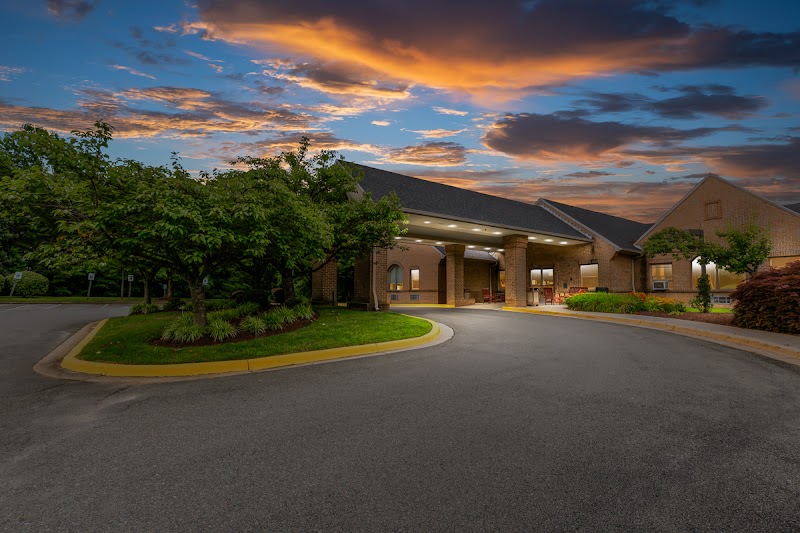
How is Autumn Lake Healthcare At Oak Manor Staffed?

CMS rates AUTUMN LAKE HEALTHCARE AT OAK MANOR's staffing level at 3 out of 5 stars, which is average compared to other nursing homes. Staff turnover is 36%, compared to the Maryland average of 46%. This relatively stable workforce can support continuity of care.

What Have Inspectors Found at Autumn Lake Healthcare At Oak Manor?

State health inspectors documented 36 deficiencies at AUTUMN LAKE HEALTHCARE AT OAK MANOR during 2019 to 2025. These included: 1 Immediate Jeopardy (the most serious level, indicating potential for serious harm or death), 30 with potential for harm, and 5 minor or isolated issues. Immediate Jeopardy findings are rare and represent the most serious regulatory concerns. They require immediate corrective action.
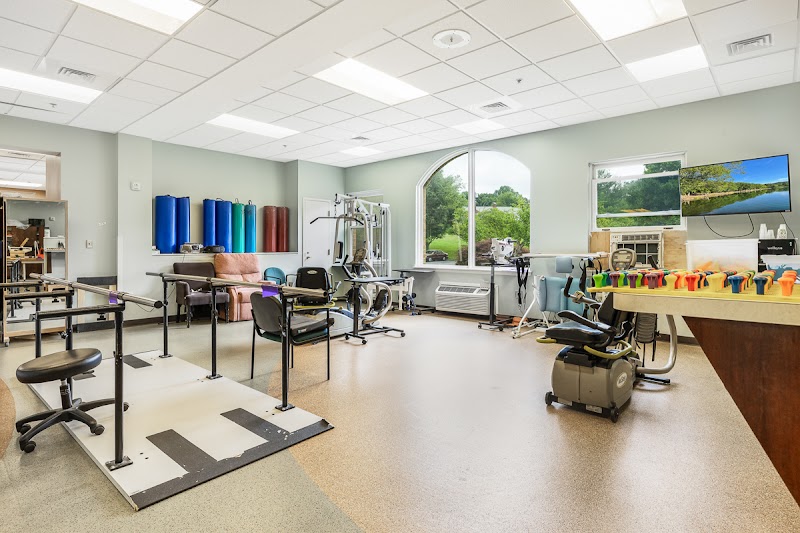
Who Owns and Operates Autumn Lake Healthcare At Oak Manor?

AUTUMN LAKE HEALTHCARE AT OAK MANOR is owned by a for-profit company. For-profit facilities operate as businesses with obligations to shareholders or private owners. The facility is operated by AUTUMN LAKE HEALTHCARE, a chain that manages multiple nursing homes. With 145 certified beds and approximately 129 residents (about 89% occupancy), it is a mid-sized facility located in BURTONSVILLE, Maryland.
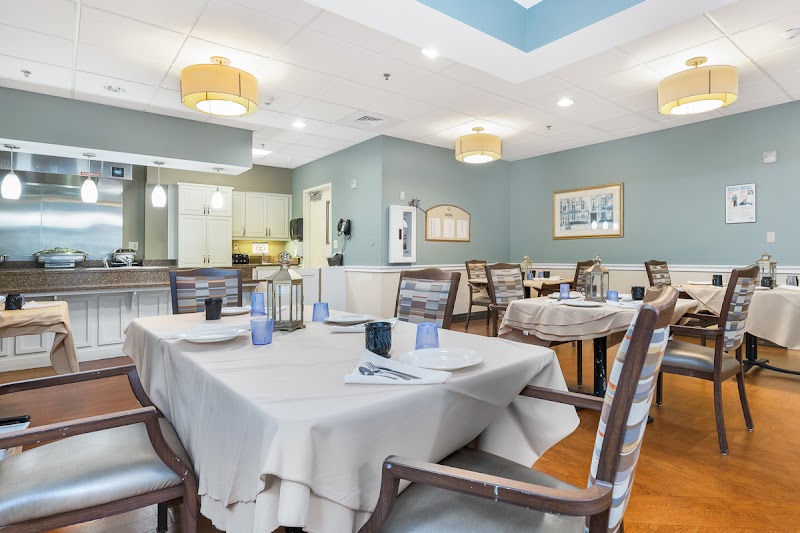
How Does Autumn Lake Healthcare At Oak Manor Compare to Other Maryland Nursing Homes?

Compared to the 100 nursing homes in Maryland, AUTUMN LAKE HEALTHCARE AT OAK MANOR's overall rating (3 stars) is below the state average of 3.0, staff turnover (36%) is near the state average of 46%, and health inspection rating (3 stars) is at the national benchmark.

What Should Families Ask When Visiting Autumn Lake Healthcare At Oak Manor?

Based on this facility's data, families visiting should ask: "What changes have been made since the serious inspection findings, and how are you preventing similar issues?" "Can I visit during a mealtime to observe dining assistance and food quality?" "How do you handle medical emergencies, and what is your hospital transfer rate?" "Can I speak with family members of current residents about their experience?" These questions are particularly relevant given the facility's Immediate Jeopardy citations.

Is Autumn Lake Healthcare At Oak Manor Safe?

Based on CMS inspection data, AUTUMN LAKE HEALTHCARE AT OAK MANOR has documented safety concerns. Inspectors have issued 1 Immediate Jeopardy citation (the most serious violation level indicating risk of serious injury or death). The facility has a 3-star overall rating and ranks #100 of 100 nursing homes in Maryland. Families considering this facility should ask detailed questions about what corrective actions have been taken since these incidents.

Do Nurses at Autumn Lake Healthcare At Oak Manor Stick Around?

AUTUMN LAKE HEALTHCARE AT OAK MANOR has a staff turnover rate of 36%, which is about average for Maryland nursing homes (state average: 46%). Moderate turnover is common in nursing homes, but families should still ask about staff tenure and how the facility maintains care continuity when employees leave.

Was Autumn Lake Healthcare At Oak Manor Ever Fined?

AUTUMN LAKE HEALTHCARE AT OAK MANOR has been fined $17,220 across 1 penalty action. This is below the Maryland average of $33,251. While any fine indicates a compliance issue, fines under $50,000 are relatively common and typically reflect isolated problems that were subsequently corrected. Families should ask what specific issues led to these fines and confirm they've been resolved.

Is Autumn Lake Healthcare At Oak Manor on Any Federal Watch List?

AUTUMN LAKE HEALTHCARE AT OAK MANOR is not on any federal watch list. The most significant is the Special Focus Facility (SFF) program, which identifies the bottom 1% of nursing homes nationally based on persistent, serious quality problems. Not being on this list means the facility has avoided the pattern of deficiencies that triggers enhanced federal oversight. This is a positive indicator, though families should still review the facility's inspection history directly.