AUTUMN LAKE HEALTHCARE AT CATONSVILLE
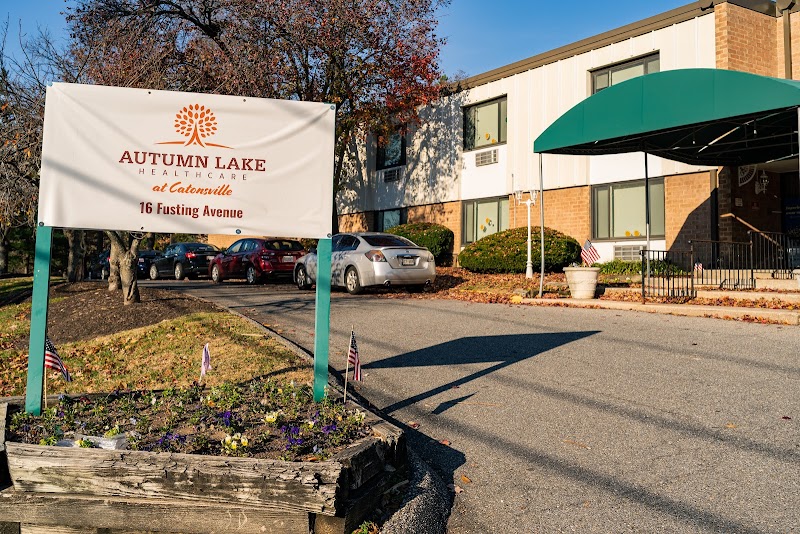
16 FUSTING AVENUE, CATONSVILLE, MD 21228 (410) 747-1800
For profit - Limited Liability company 136 Beds AUTUMN LAKE HEALTHCARE Data: November 2025
Trust Grade
40/100
#185 of 219 in MD
Last Inspection: March 2023

Over 2 years since last inspection. Current conditions may differ from available data.

Overview

Autumn Lake Healthcare at Catonsville has received a Trust Grade of D, indicating below-average performance with some concerning issues. The facility ranks #185 out of 219 nursing homes in Maryland, placing it in the bottom half and #37 out of 43 in Baltimore County, which means there are only a few local options that are better. While the facility is improving, going from 30 issues in 2023 to 7 in 2025, it still faces significant challenges, including a staffing rating of 2 out of 5 stars and a high turnover rate of 54%, which is above the state average. On the positive side, there have been no fines on record, and while RN coverage is concerning, it is noteworthy that the facility has good quality measures, rated 4 out of 5 stars. However, specific incidents raise red flags; for example, a resident was not provided with a baseline care plan update as required, another resident's need for a vision care plan was overlooked, and care plan meetings have not been held regularly for some residents, which may affect their care. Families should weigh these strengths and weaknesses carefully when considering this facility.

Trust Score
D
40/100
In Maryland
#185/219
Bottom 16%
Safety Record
Low Risk
No red flags
Inspections
Getting Better
30 → 7 violations
Staff Stability
⚠ Watch
54% turnover. Above average. Higher turnover means staff may not know residents' routines.
Penalties
✓ Good
No fines on record. Clean compliance history, better than most Maryland facilities.
Skilled Nurses
⚠ Watch
Each resident gets only 28 minutes of Registered Nurse (RN) attention daily — below average for Maryland. Fewer RN minutes means fewer trained eyes watching for problems.
Violations
⚠ Watch
76 deficiencies on record. Higher than average. Multiple issues found across inspections.
★☆☆☆☆
1.0
Overall Rating
★★☆☆☆
2.0
Staff Levels
★★★★☆
4.0
Care Quality
★☆☆☆☆
1.0
Inspection Score
Stable
2023: 30 issues
2025: 7 issues

The Good

  • 4-Star Quality Measures · Strong clinical quality outcomes
  • Full Sprinkler Coverage · Fire safety systems throughout facility
  • No fines on record

Facility shows strength in quality measures, fire safety.

The Bad

1-Star Overall Rating

Below Maryland average (3.0)

Significant quality concerns identified by CMS

Staff Turnover: 54%

Near Maryland avg (46%)

Higher turnover may affect care consistency

Chain: AUTUMN LAKE HEALTHCARE

Part of a multi-facility chain

Ask about local staffing decisions and management

The Ugly 76 deficiencies on record

Aug 2025 7 deficiencies
CONCERN (D) 📢 Someone Reported This

A family member, employee, or ombudsman was alarmed enough to file a formal complaint

Potential for Harm - no one hurt, but risky conditions existed

Assessment Accuracy (Tag F0641)

Could have caused harm · This affected 1 resident

Based on record review, and interviews, it was determined that the facility failed to accurately document a discharge Minimum Data Set (MDS) assessment in a Resident's medical record. This was found e...

Read full inspector narrative →
Based on record review, and interviews, it was determined that the facility failed to accurately document a discharge Minimum Data Set (MDS) assessment in a Resident's medical record. This was found evident of 1 (Resident #135) of 60 residents reviewed in the survey. The findings include: On 8/11/25 at 1:47 PM, the surveyor reviewed Resident #135's medical record. The review revealed that Resident #135 was admitted to the facility in late September 2023 as a hospice respite patient.Further review revealed that on both 9/29/23 and 10/2/23 a progress note was written that described Resident # 135 being found in the sitting position on the floor next his/her bed. In both notes Resident #135 was assessed for injury. On 8/12/25 at 11:23 AM, the surveyor reviewed Resident #135's September and October 2023's Medication Administration Record (MAR). The review revealed that Resident #135 had two pain medications ordered and both were ordered as needed. The review also revealed no documentation to indicate either the Tylenol or Morphine were given. The orders were written for Tylenol 650mg to be given every 6 hours as needed and Morphine 5mg to be given every 4 hours as needed for pain.Next the surveyor reviewed Resident #135's discharge MDS assessment. The review revealed that Resident #135 was documented as having no falls since admission in section J1800. On further review of section J Resident #135 was documented as receiving a scheduled pain medication regimen in section J0100. On 8/12/25 at 1:06 PM, the surveyor conducted a phone interview with the MDS Coordinator, Staff #26. During the interview Staff #26 stated Resident #135 had documented falls and that the no falls was an error and needed a modification to correct the error.On 8/12/25 at 1:53 PM, the surveyor conducted a follow-up phone interview with Staff #26. During the interview Staff #26 confirmed that Resident #135 did not receive scheduled pain medications and the documentation was incorrect and was documented in error.
CONCERN (D) 📢 Someone Reported This

A family member, employee, or ombudsman was alarmed enough to file a formal complaint

Potential for Harm - no one hurt, but risky conditions existed

Quality of Care (Tag F0684)

Could have caused harm · This affected 1 resident

Based on record review, facility policy and interviews, it was determined that the facility failed to adequately document wounds and responses to treatment of skin conditions. This was found evident o...

Read full inspector narrative →
Based on record review, facility policy and interviews, it was determined that the facility failed to adequately document wounds and responses to treatment of skin conditions. This was found evident of 1 (Resident #138) of 2 residents reviewed for wounds. The findings include: On 8/14/25 at 11:58 AM, the surveyor reviewed Resident #138's medical record. The review revealed that Resident #138 had a past medical history of peripheral vascular disease and foot pain. On further review it was noted that the facility identified a change of condition on 12/5/23. The change in condition was related to a new open wound on Resident #138's Left Lower Extremity (LLE). A skin assessment was done and noted Resident #138 had a vascular wound to his/her LLE. Nowhere in the change of condition or the skin assessment was the wound's size or characteristics documented. An order for wound care was written to on 12/5/23 for wound care that included, cleaning the wound, and applying a xeroform and kerlix wrap daily to the LLE. The next skin assessment was completed on 12/13/23 and again there was no documentation of the wound size or characteristics to the LLE vascular wound nor any indication that other wounds were present. On 12/14/23 two change of conditions were noted for Resident #138 regarding wounds. The first change of condition was written at 4:46 PM, about a new wound found on his/her right leg. The summary stated, the Resident's right leg dressing was wet and had a foul smell, and that the Resident's pain was reported 8/10. It further stated that there were generalized open areas noted on the right leg and in-between the toes. On the 2nd change of condition written at 11:36 PM, also referenced the new right lower leg wound, but also the previous wound on the LLE. The summary stated, the dressing on bilateral (both) lower extremities were soaked with serosanguinous drainage and had a foul smelling odor. It further stated that Resident #138's right 2nd two had drainage and was black in color. The plan stated was to send Resident #138 to the hospital per family's request. On 8/13/25 at 1:27 PM, the surveyor conducted an interview with the Regional Director of Nursing (RDON). During the interview the surveyor relayed the concern that if the skin condition/wound was not documented with characteristics and/or measurements weekly then how can the facility measure or know if the treatment is working or appropriate or if the wound is getting worse. The RDON agreed that the wound documentation did not have documentation of a full assessment and would look to see if there was additional documentation. The surveyor requested the facility's wound care policy Next the surveyor reviewed the policy titled, Documentation of Wound Treatments. Guide line number 2 stated, the following elements are documented as part of a complete wound assessment: a, type of wound, b, stage of wound, c, measurement , and d, description of wound characteristics. At the time of exit no additional wound assessment was provided.
CONCERN (D) 📢 Someone Reported This

A family member, employee, or ombudsman was alarmed enough to file a formal complaint

Potential for Harm - no one hurt, but risky conditions existed

Deficiency F0697 (Tag F0697)

Could have caused harm · This affected 1 resident

**NOTE- TERMS IN BRACKETS HAVE BEEN EDITED TO PROTECT CONFIDENTIALITY** Based on medical record review and interview it was determined the facility staff failed to utilize an appropriate pain assessme...

Read full inspector narrative →
**NOTE- TERMS IN BRACKETS HAVE BEEN EDITED TO PROTECT CONFIDENTIALITY** Based on medical record review and interview it was determined the facility staff failed to utilize an appropriate pain assessment based on a Resident's cognitive status. This was evident for 1 (Resident # 135) of 4 residents reviewed for pain. The findings include: On 8/11/25 at 1:47 PM, the surveyor reviewed Resident #135's medical record. The review revealed that Resident #135 had a past medical history that includes, but not limited to, abnormal weight loss and senile degeneration of the brain. He/she was admitted to the facility in late September 2023 as a hospice respite patient. A progress note dated 9/29/23 at 8:44 AM, documented that Resident #135 was very confused while awake and not easily redirected. On 8/12/25 at 11:23 AM, the surveyor reviewed Resident #135's September and October 2023's Medication Administration Record (MAR). The review revealed that Resident #135 had two pain medications ordered and both were ordered as needed. The review also revealed no documentation to indicate either the Tylenol or Morphine were given. The orders were written for Tylenol 650mg to be given every 6 hours as needed and Morphine 5mg to be given every 4 hours as needed for pain. Both September and October MARs had a pain monitoring section. Instructions given were asked; 1a. able to communicate;1b. Are you free of pain or hurting? If no, indicate response through chart code; PI. An additional comment stated, if new or changes in pain, complete pain evaluation, to be done every day shift. Resident #135's documentation of pain monitoring was as follows:9/28/23- 19/29/23-19/30/23-110/1/23-010/2/23-1 On 8/12/25 at 12:06 PM, the surveyor interviewed the Regional Director of Nursing (RDON). During the interview the surveyor asked what the number referenced in Resident #135's pain monitoring documentation. Specifically when it was documented that Resident #135 was confused and not able to communicate appropriately. The RDON stated the PI was Pain Indicator and stated she would look to see if there was a pain code. She further stated she would look to see Resident #135's pain evaluations to see how Resident #135's pain was assessed. The surveyor reviewed the pain assessments with the RDON. On 9/29/23 Resident #135's pain evaluation documented yes to, appears different than usual behavior and indicated that Resident #135 had 10 out of the 13 behaviors listed as pain indicators. The next question asked. Can the resident indicate location and characteristic of pain? No was answered. On 10/2/23 a pain interview assessment was completed for Resident # 135. In the instructions it stated, complete pain assessment interview if the resident is able to communicate appropriately. If the resident is rarely or never understood, skip to section F.The assessment indicated the pain assessment interview should not be completed. On review of section F, titled, Indicator of pain or possible pain, the question is asked, should the staff assessment for pain be conducted? The answer was no and no additional assessment for pain was completed. The surveyor reviewed the concern that Resident #135 was not appropriately assessed for pain on the pain assessment dated [DATE], when it was asked if the resident or staff interview should be completed and both questions were answered no. Additionally, there was no basis provided for the daily pain assessments numbers that were documented on the MARs. The surveyor asked for the pain policy. Next the surveyor reviewed the policy titled, Pain Management. In the section, Pain Assessment #1 states, the facility will use a pain assessment tool, which is appropriate for the resident's cognitive status, to assist staff in consistent assessment of a resident's pain. In the monitoring section the policy states that facility staff will reassess resident's pain management at established intervals for effectiveness and or adverse consequences. On 8/12/25 at 2:18 PM, the surveyor reviewed the Controlled Drug Administration Records with the Assistant Director of Nursing (ADON) for Resident #135. During the review it was noted that 6 doses of Morphine were taken. The ADON confirmed that a pain assessment should have been completed every time the Morphine was given and a re-assessment should have been completed after to evaluate effectiveness. At the time of exit no additional pain assessments were provided to the surveyor. Cross Reference F755
CONCERN (D) 📢 Someone Reported This

A family member, employee, or ombudsman was alarmed enough to file a formal complaint

Potential for Harm - no one hurt, but risky conditions existed

Pharmacy Services (Tag F0755)

Could have caused harm · This affected 1 resident

**NOTE- TERMS IN BRACKETS HAVE BEEN EDITED TO PROTECT CONFIDENTIALITY** Based on record review, review of consult services, and interviews it was determined that the facility failed to administer medi...

Read full inspector narrative →
**NOTE- TERMS IN BRACKETS HAVE BEEN EDITED TO PROTECT CONFIDENTIALITY** Based on record review, review of consult services, and interviews it was determined that the facility failed to administer medication according to procedures that assure accurate dispensing of medications. This was found evident in 2 (Resident #135 ‰) out of 7 residents reviewed for medication regimen review. The findings include:1a) On 8/11/25 at 1:47 PM, the surveyor reviewed Resident #135's medical record. The review revealed that Resident #135 was admitted to the facility in late September 2023 as a hospice respite patient.On 8/12/25 at 11:23 AM, the surveyor reviewed Resident #135's September and October 2023's Medication Administration Record (MAR). The review revealed that Resident #135 did not have any as needed pain medications documented as administered or any as needed anxiety medications documented as administered. Resident #135 had orders for Tylenol 650mg every 6 hours as needed for pain, Morphine 5mg every 4 hours as needed for pain and Lorazepam 0.5mg every 4 hours as needed for anxiety. On 8/12/25 at 1:58 PM, the surveyor reviewed the hospice visit notes for Resident #135. The note revealed that the hospice staff made an on-call visit to assess comfort after Resident #135 fell. The note stated that the last morphine given was at noon and that two other doses had been administered since the Resident #135 was admitted . The note stated that the hospice staff collaborated with the facility nurse and that both Morphine and Lorazepam were administered during her visit. Next the surveyor requested the Controlled Drug Administration Records for Resident #135. On 8/12/25 at 2:18 PM, the surveyor reviewed the Controlled Drug Administration Records with the Assistant Director of Nursing (ADON). During the review it was noted that 6 doses of Morphine were taken and 3 doses of Lorazepam were taken for Resident #135. The surveyor reviewed the concern that medications that were taken from the controlled locked medication area and administered however there was no documentation in the Resident's Medication Administration Records to indicate the medication was administered. The ADON confirmed that any controlled medication taken should be signed out in the controlled log book as well as the [DATE]b) On 8/12/25 at 11:23 AM, the surveyor reviewed Resident #137's medical record. The review revealed that Resident #137 was admitted to the facility in late August of 2023 and had a past medical history that included, but not limited to, hypertension (high blood pressure), cardiomyopathy (disease of the heart muscle that makes it harder for the heart to pump blood effectively), congestive heart failure (condition where the heart can't pump enough blood to meet the body's needs), pulmonary hypertension (condition that affects the blood vessels in the lungs) and atrial fibrillation (heart rhythm disorder). On further review of Resident #137's Medication Administration Record (MAR) for September 2023 and October 2023 it was noted that several medications were coded as (4) vitals signs out of perm, (5) hold/see nursing notes, (9)- other /see nurse notes. The findings are as follows:Metoprolol Succinate Extended Release (for heart failure) 9/16/23 coded (4), and 9/29/23 coded (9)Spironolactone (for heart failure) 9/25/23 coded (4)Torsemide (for heart failure) 9/4/23 coded (9), 9/25/23 coded (4)Sildenafil Citrate (for pulmonary hypertension) 9/3/23 coded (9), 9/6/23 coded (5), 9/29/23 coded (5), 9/30/23 coded (5) 10/1/23 coded (9), 10/2/23 coded (5), and 10/3/23 coded (9).Jardiance(for Diabetes Mellitus) on 9/14/23- not given with a comment awaiting delivery.Torsemide on 10/3/23- not given with a comment on order.The surveyor reviewed the medication orders. No medication gave instruction to hold medication according to parameters. On 8/12/25 the surveyor interviewed the Regional Director of Nursing (RDON). During the interview the surveyor relayed the concern that on multiple occasions Resident #137 did not receive his/her medications as ordered and there were no parameters within the medications orders to indicate the medication should be held. The RDON stated that some of the medications held were related to the Resident's blood pressure and it was done by nursing judgement. The surveyor asked if a resident's medication was held without parameters if it would be the expectation for the staff to notify the provider? The RDON stated that she would practice that way and was not able to say if the provider was notified of the medications being held. On 8/14/25 at 10:34 AM, the surveyor interviewed Physician #27. During the interview the physician stated he would expect to be notified if a medication was not being given. He further stated that if medications were recommended by a resident's specialist physician he would be responsible for coordinating medication regimens and need to be aware of medications being held. Cross Reference F697
CONCERN (D) 📢 Someone Reported This

A family member, employee, or ombudsman was alarmed enough to file a formal complaint

Potential for Harm - no one hurt, but risky conditions existed

Medical Records (Tag F0842)

Could have caused harm · This affected 1 resident

Based on record reviews, and interviews, it was determined that the facility failed to: 1) maintain medical records in accordance with acceptable professional standards and practices by keeping comple...

Read full inspector narrative →
Based on record reviews, and interviews, it was determined that the facility failed to: 1) maintain medical records in accordance with acceptable professional standards and practices by keeping complete documentation and 2) file documents in the correct resident's medical record. This was found evident for 2 (Resident #132 and #135) of 60 sampled residents, and for 1 (Resident #6) of 1 resident chart reviewed for change in condition documentation during the recertification survey.The findings include: 1) On 8/11/25 at 12:32 PM, the surveyor reviewed Resident #132’s medical record. The review revealed that Resident #132 had a past medical history that included, but not limited to, acute respiratory failure with hypoxia, sleep apnea, and thrombotic pulmonary embolism. On further review an order was written on 3/27/23 that stated, oxygen at 2 liters per minute via nasal cannula continuously. Next, the surveyor reviewed Resident #132’s vital signs. On 3/26/23, 3/27/23, 3/28/23, 3/29/23, 3/30/23, 3/31/23, 4/1/23, 4/2/23, 4/3/23, 4/4/23, 4/5/23, 4/7/23, 4/11/23, 4/12/23, 4/13/23,4/14//23, 4/15/23, 4/17/23, 4/18/23, 4/19/23 and 4/20/23 a pulse oxygen saturation reading was recorded with a comment indicating that the reading was taken while the resident was on room air, meaning no supplemental oxygen. On 8/11/25 at 1:12 PM, the surveyor interviewed the Director of Nursing (DON). During the interview the surveyor relayed the concern that Resident #132 had an order for continuous oxygen and that 21 of the 28 days he/she was at the facility the documentation indicated that he/she was not receiving oxygen while getting his/her vitals taken. The DON stated she believed that the documentation of room air was an error and would follow-up. On 8/11/25 at 1:52 PM, the surveyor conducted a follow-up interview with the DON. During the interview the DON stated she spoke to several of the nurses that documented the vital signs. She confirmed that the documentation of room air was an error and the Resident #132 was on oxygen. On 8/11/25 at 1:42 PM, the surveyor reviewed Resident #135’s medical record. The review revealed that Resident #135 was admitted to the facility in late September 2023 as a hospice respite patient. On 8/12/25 9:33 AM, the surveyor conducted an interview with the Director of Nursing DON. During the interview the surveyor asked for the hospice documentation for Resident #135 or any notes related to the hospice visits. The DON stated that all the documents should be part of the closed record and if the hospice staff had come their visit notes would be in the medical record. She further stated that because Resident #135 was a respite hospice resident he/she would have only been at the facility for 5 days and may not have had a visit. The surveyor next reached out to the hospice consult provider and on 8/12/25 at 1:58 PM, the surveyor reviewed the hospice visit notes for Resident #135. The note revealed that the hospice staff made an on-call visit to assess comfort after Resident #135 fell. The note stated that the hospice staff collaborated with the facility nurse and that both Morphine and Lorazepam were administered during her visit. However, this visit was not documented in the Resident’s medical record. 2) On 8/13/25 at 8:57 AM, while reviewing Resident #6 paper medical record on Unit C, the surveyor observed Resident #20 documentation in Resident #6's paper medical record. The documentation consisted of an appointment slip for a Urology appointment, a transportation form, and a consultation note. The surveyor asked Registered Nurse (RN) #35 to make copies of the documents. While putting the documents back in Resident #6 chart, RN #35 realized the documents belonged in Resident #20 chart. On 8/13/25 at 9:29 AM, the surveyor reported to the Regional Director of Nursing Resident #20 medical documentation was in Resident #6 paper chart. The Regional Director of Nursing verbalized the staff filed the documentation in the wrong chart.
CONCERN (E) 📢 Someone Reported This

A family member, employee, or ombudsman was alarmed enough to file a formal complaint

Potential for Harm - no one hurt, but risky conditions existed

Safe Environment (Tag F0921)

Could have caused harm · This affected multiple residents

Based on observation and interviews and review of contractor records, it was determined that the facility failed to keep a sanitary environment. This was found evident in the conference room, ice mach...

Read full inspector narrative →
Based on observation and interviews and review of contractor records, it was determined that the facility failed to keep a sanitary environment. This was found evident in the conference room, ice machine room, kitchen, laundry room and rehabilitation room during the survey. The findings include: On 8/13/25 at 5:43 AM, the surveyor observed vermin dropping located in the first floor conference room. On 8/14/25 at 6:10 AM, the surveyor reviewed the pest management company treatment documents. The surveyor noted that several recommendations were repeated throughout the treatment reports. The pest management company wrote they observed voids (holes) in the kitchen on 2/24/25, 7/16/25 and 7/25/25. On 7/25/25 the comment stated, one of the voids in the kitchen still needs to be sealed. It also stated broken tiles were found that were holding dirty water in breakage under the floor. The company also commented that this attracts roaches to the area. Additionally the company recommended improving sanitation procedures. This was recommended on 5/29/25, 7/16/25 and 7/24/25. On 7/24/25 the comments stated, poor sanitation throughout the kitchen and dish room area were observed. Due to sanitation conditions, this can create and attract roaches; better cleaning procedures are needed for staff to follow. On 8/14/25 at 7 AM, two surveyors took a tour of the facility. In the first-floor ice room a void in the wall where a plumbing pipe was entering the room was stuffed with steel wool. Additionally, what appeared to be a wet dirty towel was noted under the ice machine. On the back wall behind the machine there was debris, a few cup lids and a facemask on the floor. On 8/14/25 at 7:05 AM, the surveyors observed the kitchen. Several cracked tiles were noted on the floor in the hallway just outside the chemical room. On 8/14/25 at 7:07 AM, the surveyors observed the area under the dishwasher. A lid to a pitcher, a bowel, a piece of wrapper and debris were noted. On further observation vermin droppings were noted. Next the surveyor observed a French fry, wrappers and debris under the sink next to the drain. No French fries were being prepared during this observation On the back wall under the stainless steel preparation table, located next to the oven, there was noted vermin droppings. The surveyor next observed the stainless steel preparation tables in the center of the kitchen. Both tables had water accumulation under them. The farther table had a piece of cut banana under it. No bananas were being prepped during the observations. On 8/14/25 at 7:14 AM, the surveyors observed the laundry area in the basement. Multiple corners of the walls had rusted broken metal trim with what appeared to be holes in them. Multiple sections of tile were broken. On 8/14/25 at 7:16 AM, the surveyors observed a bucket collecting drips from a leaking sink. Tiles were broken under the sink. On 8/14/25 at 7:19 AM, the surveyors observed the clean laundry room. A chain of lint was noted alongside the side wall. Behind a linen cart was a dried spill of brown substance, a bottle cap, a wrapper, and a shoe. On 8/14/25 at 7:23 AM, the surveyors observed the rehabilitation department. Along the entrance wall vermin droppings were noted. Further up the wall a pistachio nut was noted. Debris, plastic cap and a ball were noted under the Air Condition (AC) unit. On 8/14/25 at 11:58 AM, the surveyor reviewed the observations and concerns that the facility had accumulated debris, vermin droppings in multiple areas throughout the facility with poor sanitation practices. Cross Reference F925
CONCERN (E) 📢 Someone Reported This

A family member, employee, or ombudsman was alarmed enough to file a formal complaint

Potential for Harm - no one hurt, but risky conditions existed

Deficiency F0925 (Tag F0925)

Could have caused harm · This affected multiple residents

**NOTE- TERMS IN BRACKETS HAVE BEEN EDITED TO PROTECT CONFIDENTIALITY** Based on observations, pest control management record reviews, facility staff interviews, and an investigation into a complaint,...

Read full inspector narrative →
**NOTE- TERMS IN BRACKETS HAVE BEEN EDITED TO PROTECT CONFIDENTIALITY** Based on observations, pest control management record reviews, facility staff interviews, and an investigation into a complaint, it was determined that the facility failed to have an effective pest control program. This was found evident in 3 out of 3 recurrent recommendations given to the facility by the pest management company, and also evident for Complaint #292313. The findings include: 1) On [DATE] at 5:43 AM, the surveyor observed vermin dropping located in the first floor conference room. On [DATE] at 8:41 AM, the surveyor made the Regional Director of Nursing (RDON) aware of the observations and requested any pest management documentation. The RDON stated she would pass the request on to the Nursing Home Administrator. On [DATE] at 10:36 AM, the surveyor conducted an interview with the Nursing Home Administrator (NHA). During the interview the surveyor asked how the facility handles pest control. The NHA stated that a pest management company comes and treats the facility weekly. He further stated that each unit has a pest log for documenting any concerns and the pest management company checks these books each time they come. The NHA stated that any recommendation the pest management company has is communicated verbally to someone at the facility. On [DATE] at 10:48 AM, the surveyor reviewed the pest log from the A wing nursing unit. Staff did not report any concerns [DATE] through April of 2025, two in May, and two in June. All reports were for bugs (ants, beetles, roaches) and each time the pest management company responded with treatments. On [DATE] at 6:10 AM, the surveyor reviewed the pest management company treatment documents. The surveyor noted that several recommendations were repeated throughout the treatment reports. On [DATE] and [DATE], [DATE] and [DATE] it was recommended the facility utilize the unit log books. Specifically on [DATE] it was written; spoke with nursing that moving forward sightings need to be documented in pest control log books, however, after this it was recommended again on [DATE]. Additionally, the pest management company observed voids (holes) in the kitchen on [DATE], [DATE] and [DATE]. On [DATE] the comment stated, one of the voids in the kitchen still needs to be sealed. It also stated broken tiles found that were holding dirty water in breakage under the floor. Also commented this attracts roaches to the area. The third recommendation was to improve sanitation procedures. This was recommended on [DATE], [DATE] and [DATE]. On [DATE] the comments stated poor sanitation throughout the kitchen and dish room area were observed. Due to sanitation conditions, this can create and attract roaches; better cleaning procedures are needed for staff to follow. On [DATE] at 7 AM, two surveyors took a tour of the facility. In the first floor ice room a void in the wall where a plumbing pipe was entering the room was stuffed with steel wool. Additionally, what appeared to be a wet dirty towel was noted under the ice machine. On the back wall behind the machine there was debris, a few cup lids and a facemask on the floor. On [DATE] at 7:05 AM, the surveyors observed the kitchen. Several cracked tiles were noted on the floor in the hallway just outside the chemical room. On [DATE] at 7:07 AM, the surveyors observed the area under the dishwasher. A lid to a pitcher, a bowel, a piece of wrapper and debris were noted. On further observation, vermin droppings were noted. Next the surveyor observed a French fry, wrappers and debris under the sink next to the drain. No French fries were being prepared during this observation On the back wall under the stainless steel preparation table, that was located next to the oven, was noted vermin droppings. The surveyor next observed the stainless steel preparation tables in the center of the kitchen. Water accumulation was noted under both tables. The farther table had a piece of cut banana under it. No bananas were being prepped during the observations. On [DATE] at 7:14 AM, the surveyors observed the laundry area in the basement. Multiple corners of the walls had rusted broken metal trim with what appeared to be holes in them. Multiple sections of tile were broken. On [DATE] at 7:16 AM, the surveyors observed a bucket collecting drips from a leaking sink. Tiles were broken under the sink. On [DATE] at 7:19 AM, the surveyors observed the clean laundry room. A chain of lint was noted alongside the side wall. Behind a linen cart was a dried spill of brown substance, a bottle cap, a wrapper, and a shoe. On [DATE] at 7:23 AM, the surveyors observed the rehabilitation department. Along the entrance wall vermin droppings were noted. Further up the wall a pistachio nut was noted. Debris, plastic cap and a ball were noted under the Air Condition unit. On [DATE] at 11:58 AM, the surveyor reviewed the observations and concerns that the facility was not following the recommendations of the pest management company and that the facility had an ineffective pest control program. Cross Reference F921 2) The Office of Healthcare Quality (OHCQ) is the agency within the Maryland Department of Health charged with monitoring the quality of care in Maryland’s health care facilities and community-based programs. The surveyor investigated Complaint #292313 on [DATE] at 7:15 AM that was filed with the Office of Healthcare Quality (OHCQ) on [DATE] at 10:36 AM by Resident #143’s family. The complainant reported that the facility staff left a mouse on the trap for 10 hours in the Resident’s room before removing it after a request for it to be removed from the Resident’s room. Resident #143 was admitted to the facility for short term rehabilitation on [DATE] and discharged home on [DATE]. At 8:00 AM on [DATE], the survey team observed mouse droppings behind the credenza in the conference room. The Licensed Nursing Home Administrator (LNHA) was notified at 12:00 PM; observed these mouse droppings; acknowledged the surveyors and stated that the contracted pest control company services the facility on a weekly basis. The surveyor conducted a record review on [DATE] at 2:15 PM of the All State Pest Management Service Inspection Reports for the months of [DATE] and [DATE]. All State Pest Management was the contracted company that serviced the facility for pest control. On the [DATE] visit, the technician “inspected and treated all 4 nurses’ stations for occasional invaders; inspected and treated activity room for prior mice activity; deceased mouse was found under the refrigerator during the visit”. On the [DATE] service visit, the technician “inspected and treated all 4 nurses’ stations, kitchen area and dishwasher room, rehab gym and nourishment rooms for occasional invaders”. On the [DATE] service visit, the technician “inspected and treated kitchen area and dishwasher room, all 4 nurses’ stations, and rehab gym for occasional invaders; inspected and treated the country inn for prior mice activity; replenished RTUs (mouse bait stations) as needed”. On the [DATE] service visit, the technician “inspected and treated all 4 nurses’ stations and dining room for occasional invaders; inspected and treated the country inn office for prior mice activity”. On the [DATE] service visit, the technician “checked logbooks; mice activity reported in room [ROOM NUMBER]; inspected and treated kitchen area and dishwasher room, and all 4 nurses’ stations for occasional invaders; inspected and treated room [ROOM NUMBER] for mice activity”. On [DATE] at 6:35 AM the survey team observed additional mouse droppings in the conference room behind boxes of copy paper. The Licensed Nursing Home Administrator (LNHA) and the Regional Clinical Nurse were notified of the mouse droppings and acknowledged the surveyors. In an interview with the Licensed Nursing Home Administrator (LNHA) at 7:10 AM on [DATE], the surveyor conveyed to the LNHA that there was a complaint submitted to the Office of Healthcare Quality (OHCQ) from a Resident’s family regarding a rodent in the facility. Additionally, the surveyor conveyed that the All State Pest Management Service company found occasional invaders, mice, and evidence of mice activity during their weekly visits in various locations of the facility, including Resident rooms. This concern with pests and rodents was indicated on the pest management service inspection reports that were reviewed by the surveyor from the company’s service visits on [DATE] through [DATE]. The LNHA acknowledged the surveyor’s concerns regarding pests and rodents in the facility. At the time of the survey exit no additional information was provided by the facility related to maintaining an effective pest control program.
Mar 2023 30 deficiencies
CONCERN (D)

Potential for Harm - no one hurt, but risky conditions existed

Deficiency F0553 (Tag F0553)

Could have caused harm · This affected 1 resident

**NOTE- TERMS IN BRACKETS HAVE BEEN EDITED TO PROTECT CONFIDENTIALITY** Based on medical record review and interview it was determined that the facility failed to provide a resident with the right to ...

Read full inspector narrative →
**NOTE- TERMS IN BRACKETS HAVE BEEN EDITED TO PROTECT CONFIDENTIALITY** Based on medical record review and interview it was determined that the facility failed to provide a resident with the right to participate in the development and implementation of his or her person-centered plan of care. This was evident for 1 (#107) of 1 resident reviewed that was cognitively intact and deemed capable to make own decisions but was locked in a memory care unit. The findings include: Resident #107 was interviewed on 3/2/23 at 11:28 AM. Upon questioning, the resident indicated that he/she was not invited to a care plan meeting and therefore did not participate in developing and implementing his or her person-centered plan of care. A review of the medical record on 3/3/2023 at 11:30 AM revealed resident #107 was admitted to the facility on [DATE] from the hospital after a fall with injury to his/her knee. A brief interview for mental status (BIMS) conducted by the social services director on 1/11/23 was reviewed and revealed resident #107 was cognitively intact. On 1/12/23 the resident's attending physician (staff #27) documented that resident #107 has adequate decision-making capacity. A social services assessment dated [DATE] revealed the resident was oriented to time, person, place, and situation. Further review of the medical record on 3/8/23 at 8:45 AM revealed 2 care plan meeting notes with an effective date of 1/25/23. One care plan meeting note was written by the social services director (staff #6) and the 2nd care planning note was written by the Unit manager (staff #3) of the memory care unit. A review of both notes revealed that the resident was not in attendance at this meeting. No documentation was found as to why the resident did not attend the care plan meeting. Further review of the medical record failed to reveal documentation to indicate the resident had been informed of the care plan meeting. The staff in attendance only involved the social services director, the unit manager, and the director of rehabilitation. Both care planning notes revealed that resident #107's son was on the phone. There was no documentation in the medical record to indicate the resident had developed an advanced directive to allow family members to be involved in the resident's care and there was no indication of a surrogate decision-maker. An interview was conducted with the unit manager on 3/13/23 at 9:04 AM. The unit manager was asked why resident #107 was not at attendance to his or her care plan meeting on 1/25/23. She indicated the resident's son was on the phone and usually care plan meetings are held in the conference room. She did not say why the resident was not invited to the care plan meeting of 1/25/23. She acknowledged that there were only three members of the interdisciplinary team. An interview was conducted with the nursing home administrator and the director of nursing on 3/16/23 at 3:15 PM. The failure to invite the resident to the care plan meeting was addressed. The administrative staff were asked how the residents are informed of their rights. They responded that they believe the rights are provided in the admission agreement/contract. A request for a copy of resident #107's signed admission agreement was made. The director of nursing indicated that the resident's family signed the admission agreement. On 3/17/23 at 9:00 AM, the director of nursing provided a blank copy of the facility's admission agreement that included a resident's rights appendix. Excerpts of the resident rights included resident rights to be fully informed about total health status in a language that is understood by the resident, the right to participate in decisions that affect a resident's care, and the right to take part in the process of developing a care plan. The medical record did not reveal or acknowledge in writing that resident #107 received the resident rights information.
CONCERN (D)

Potential for Harm - no one hurt, but risky conditions existed

Deficiency F0561 (Tag F0561)

Could have caused harm · This affected 1 resident

Based on resident and staff interviews and review of the medical record, it was determined that the facility staff failed to support resident choices. This was evident for 1(#19) of 2 residents review...

Read full inspector narrative →
Based on resident and staff interviews and review of the medical record, it was determined that the facility staff failed to support resident choices. This was evident for 1(#19) of 2 residents reviewed for choices. The findings include: An interview was conducted on 3/13/23 at 11:53 AM with Resident #19. The resident indicated that he/she preferred to get up early and would like to be assisted out of bed at 6:00 AM but they refused to do it. He/she indicated that he/she had informed staff of his/her preference on numerous occasions over the past 3 months. The Resident indicated that he/she was frustrated and had told Staff #15 the Unit Manager, but nothing was done. When asked what time he/she had gotten up that day, the resident indicated that the staff had gotten him/her out of bed at 8 am and stated, because Staff #50 was here. Otherwise, staff normally assisted him/her out of bed at 11 am. Staff #6 a Social Worker (SW) was present with the resident ' s permission. Staff #6 indicated that she told Staff #15 the Unit Manager about the resident ' s request a month and a half ago and that Staff #15 said he would let the staff know but has not. Resident #19 ' s medical record was reviewed on 3/13/23 at 2:35 PM. The progress notes failed to reveal documentation pertaining to Resident #19 ' s request to be assisted out of bed at 6 am including documentation by Staff #6 to indicate the resident ' s request was referred to the Unit Manager. In an interview on 3/13/23 at 2:37 PM Staff #6 was asked if she documented her conversation regarding Resident #19 ' s preferred time to get out of bed. She responded that she did not but that she completed a grievance form. She was asked to provide the grievance form. On 3/14/23 at 1:25 PM, SW #6 was asked again for the grievance form. She stated that she just started it. On 03/14/23 at 2:01 PM Staff #6 provided a grievance form dated 3/13/23. and stated, it was completed yesterday. On 3/24/23 at 4:00 PM, the Administrator and Director of Nursing were made aware of this concern.
CONCERN (D)

Potential for Harm - no one hurt, but risky conditions existed

Deficiency F0572 (Tag F0572)

Could have caused harm · This affected 1 resident

**NOTE- TERMS IN BRACKETS HAVE BEEN EDITED TO PROTECT CONFIDENTIALITY** Based on medical record review and interview it was determined that the facility failed to provide a notice of rights and servic...

Read full inspector narrative →
**NOTE- TERMS IN BRACKETS HAVE BEEN EDITED TO PROTECT CONFIDENTIALITY** Based on medical record review and interview it was determined that the facility failed to provide a notice of rights and services to a resident upon admission to the facility. This was evident for 1 (#107) of 1 resident reviewed that was cognitively intact and deemed capable to make own decisions but was locked in a memory care unit. The findings include. Resident #107's medical record was reviewed on 3/3/2023 at 11:30 AM. Resident #107 was admitted to the facility on [DATE] from the hospital after a fall with an injury to his/her knee. A brief interview for mental status (BIMS) conducted by the social services director on 1/11/23 was reviewed and revealed resident #107 was cognitively intact. On 1/12/23 the resident's attending physician (staff #27) documented that resident #107 has adequate decision-making capacity. A social services assessment dated [DATE] revealed the resident was oriented to time, person, place, and situation. Resident #107 was interviewed on 3/6/23 at 3:27 PM. The resident was asked if s/he signed an admission contract and received a copy of resident rights and the resident acknowledge No. Review of resident #107's medical record on 3/13/23 revealed an uploaded copy of an admission agreement signed by a son of resident #107 on 2/28/23. An interview was conducted with the nursing home administrator and the director of nursing on 3/16/23 at 3:15 PM. The administrative staff were asked how the residents are informed of their rights. They responded that they believe the rights are provided in the admission agreement/contract. A request for a copy of resident #107's signed admission agreement was made. The director of nursing indicated that the resident's family signed the admission agreement. On 3/17/23 at 9:00 AM, the director of nursing provided a blank copy of the facility's admission agreement that included a resident's rights appendix. The medical record did not include a signature by resident #107 to acknowledge receipt of the resident rights.
CONCERN (D) 📢 Someone Reported This

A family member, employee, or ombudsman was alarmed enough to file a formal complaint

Potential for Harm - no one hurt, but risky conditions existed

Transfer Requirements (Tag F0622)

Could have caused harm · This affected 1 resident

**NOTE- TERMS IN BRACKETS HAVE BEEN EDITED TO PROTECT CONFIDENTIALITY** Based on medical record review and staff interview, it was determined that the facility failed to ensure the discharge/transfer ...

Read full inspector narrative →
**NOTE- TERMS IN BRACKETS HAVE BEEN EDITED TO PROTECT CONFIDENTIALITY** Based on medical record review and staff interview, it was determined that the facility failed to ensure the discharge/transfer of a resident was documented in the medical record to include the resident's status at the time of discharge and any required discharge instructions. This was identified for 1 (Resident #171) of 3 residents reviewed for discharge during the annual survey. The findings include: Resident #171's closed medical record was reviewed on 3/23/23. The review revealed resident #171 was admitted to the facility on [DATE]. A review of the census tab in resident #171 medical records revealed a discharge date of 6/25/21. A review of the medication administration records for June 2021 revealed resident #171 received 9 AM medications on 6/25/21. There were no progress notes or documentation of the resident's discharge or transfer from the facility. The director of nursing was asked to provide copies of resident #171's discharge documentation on 3/23/23 at 3 PM. On 3/24/23 the director of nursing collaborated with the surveyor's findings with an indication that there was not any discharge documentation for resident # 171.
CONCERN (D)

Potential for Harm - no one hurt, but risky conditions existed

Deficiency F0625 (Tag F0625)

Could have caused harm · This affected 1 resident

**NOTE- TERMS IN BRACKETS HAVE BEEN EDITED TO PROTECT CONFIDENTIALITY** Based on medical record review and staff interview, it was determined the facility failed to notify the resident/resident repres...

Read full inspector narrative →
**NOTE- TERMS IN BRACKETS HAVE BEEN EDITED TO PROTECT CONFIDENTIALITY** Based on medical record review and staff interview, it was determined the facility failed to notify the resident/resident representative in writing of the bed hold policy upon transfer of a resident to an acute care facility. This was evident for 1 (Resident #118) of 3 residents reviewed for hospitalization during the annual survey. The findings include: The bed-hold policy describes the facility's policy of holding or reserving a resident's bed while the resident is absent from the facility for therapeutic leave or hospitalization. On 03/10/23 at 10:03 AM a review of Resident #118's medical records was conducted. It appeared that Resident #118 was sent to the hospital on 1/04/23 for a scheduled procedure and readmitted to the facility on [DATE]. A nursing staff wrote a progress note on 1/04/23 at 10:59 PM: writer got a call from XX [name of hospital] around 5 PM stating that resident's surgery went well and he/she was being discharged and will be on clear liquid diet for 24 hours. After waiting a couple of hours and not seeing resident, writer called XX hospital to check on the resident's where abouts and was told that the resident will be held overnight for monitoring because he was bleeding from the mouth. The following recording of the nursing progress note was on 1/05/23 at 5:14 PM by a registered nurse No bowel movement in 3 days. Resident is incontinent with bowel on (stool softener) medication nurse to give today. However, there was no written documentation in the medical record that the responsible party and/or resident was notified in writing of the bed hold policy. During an interview with the Director of Nursing (DON) on 3/10/23 at 11:43 AM, the surveyor shared concerns with the DON about Resident #118 not having a written bed hold policy regarding hospital discharge on [DATE]. The DON said, social worker does the bed policy. I will double-check it. As of the time of exit on 3/24/23, no additional documentation had been provided to indicate the bed hold policy was given to Resident #118.
CONCERN (D)

Potential for Harm - no one hurt, but risky conditions existed

Comprehensive Assessments (Tag F0636)

Could have caused harm · This affected 1 resident

Based on observation, medical record review, and staff interviews, it was determined that the facility failed to conduct an accurate Minimum data set (MDS) assessment by failing to include a resident ...

Read full inspector narrative →
Based on observation, medical record review, and staff interviews, it was determined that the facility failed to conduct an accurate Minimum data set (MDS) assessment by failing to include a resident ' s vision problems. This was evident for 1 (#72) of 7 residents reviewed for communication and sensory. The findings include: The MDS is part of the Resident Assessment Instrument that was Federally mandated in legislation passed in 1986. The MDS is a set of assessment screening items employed as part of a standardized, reproducible, and comprehensive assessment process that ensures each resident & #39's individual needs are identified, that care is planned based on those individualized needs, and that the care is provided as planned to meet the needs of each resident. During an interview on 3/2/23 at 12:15 PM, Resident #72 stated that he/she was not sure if he/she saw an eye doctor after requesting to see one. Review of Resident #72 ' s medical record on 3/15/23 at 8:58 AM revealed an Ophthalmologist consultation note dated 1/3/23 which indicated that the resident came for evaluation of his/her Cataract and Retinopathy. The eye doctor recommended that the resident return in a year or if the eye problem worsens. An Ophthalmologist is a specialist who treats disorders and diseases of the eye. In an interview on 3/15/23 at 9:46 AM Resident #72 indicated he/she went for an eye check-up at the hospital, that Cataract surgery was recommended. The resident stated that he/she did not want the surgery. Resident #72 ' s medical record was reviewed on 3/15/23 at 12:05 PM. An MDS with Assessment Reference Date (ARD) of 2/20/23 Section I Active Diagnoses did not include a diagnosis of Cataract or Retinopathy. In an interview on 3/15/23 at 12:22 PM Staff #10 the MDS coordinator indicated that she coded medical diagnosis on the MDS through information obtained from reading signed physician ' s notes and by performing resident ' s vision assessments. Staff #10 was made aware that the Ophthalmologist report from 1/3/23 indicated that Resident #72 had bilateral Cataracts and Retinopathy however, it was not reflected on the MDS. Staff #10 indicated that a signature from the outside consultant would trigger a diagnosis to be entered on the MDS. On 3/15/23 at 12:33 PM the Director of Nursing (DON) was asked about the process for adding new diagnoses to residents ' MDS and she stated that the diagnosis had to be signed by the attending physician for it to be added to the resident ' s list of diagnoses. The DON stated that from the consulting physician, the document would go to the attending for verification and signature prior to the MDS. She was made aware of the above findings at that time.
CONCERN (D) 📢 Someone Reported This

A family member, employee, or ombudsman was alarmed enough to file a formal complaint

Potential for Harm - no one hurt, but risky conditions existed

Deficiency F0660 (Tag F0660)

Could have caused harm · This affected 1 resident

Based on the interview and medical record review, it was determined that the facility failed to implement effective discharge planning by failing to provide family-requested legal documentation in a t...

Read full inspector narrative →
Based on the interview and medical record review, it was determined that the facility failed to implement effective discharge planning by failing to provide family-requested legal documentation in a timely manner that would have resulted in a resident discharge to a community being delayed. This was evident for 1 (# 376) of 4 residents reviewed for discharge during the annual complaint survey. This finding includes: On 3/20/23 at 2:37 PM, an interview was conducted with the daughter of Resident #376. The daughter stated she was very upset that the facility's discharge arrangement was inaccurate; nobody was actually involved in it. The daughter said that she requested legal documentation to prove Resident #376 had the capacity to make his/her own decision. However, it took more than a month to complete. The daughter insisted that since an MD (doctor of Medicine) who was supposed to fill the form was on leave, a Nurse Practitioner (NP) was asked to provide the form, But the NP was not comfortable signing, then requested a psychiatrist to do it. The daughter also said, I need to contact the Office of Aging and Ombudsman to resolve this issue. The meeting was held within 1.5 days after my contact, and a discharge was set up. A review of Resident #376's medical records on 3/20/23 at 2:50 PM revealed that the Resident was admitted to the facility in November 2021 from an acute care facility to the recovery of a fracture of a thoracic vertebra. Further review of Resident #376's progress note revealed that the Resident's family and him/herself requested to go home since 12/02/21. The review of progress notes dated 12/20/21 and 12/23/21 revealed that during a care plan meeting or discharge plan meeting, the facility staff discussed the Resident's safe discharge planning. However, due to Resident #376's medical condition, the discharge was not arranged at that time. A nurse's note dated 1/28/22 at 10:38 AM showed, While talking to the daughter, the daughter asked about the paperwork that was dropped off for the Provider to sign. The paperwork for the doctor to determine if her the Resident can or can not make her/his own decisions. The daughter was made aware that the Provider here at the facility based on her exam that there maybe a cognitive decline and that [Resident's name] will be referred to Psych for further evaluation to determine if he/she is capable of making his/her own decisions. The daughter stated that she will may take the paperwork to her PCM outside of the facility because the process is taking to long. On progress note dated 2/02/22 stated that the daughter also wanted to know what the status was on the paperwork. This nurse reminded her that when the Provider completed the SLUMS (Examination for Detecting Mild Cognitive.) assessment, there was a mild cognitive deficit. The Psychiatric Nurse Practitioner referred the Resident for a neuro-psych eval. A progress note dated 2/03/22 revealed that the Resident was referred for a neurocognitive eval for further evaluation. On progress note dated 2/25/22 revealed that Neurocognitive evaluation was completed, and it has been deemed that [Resident #376] can make her own decisions however, for her discharge she needs to have someone to be able to help her at home because she does need some physical assistance. Further medical record review revealed that Resident #376 was discharged to the home on 3/02/22. During an interview with the Director of Nursing (DON) on 3/22/23 at 10:40 AM, the surveyor asked how soon the psychiatrist would evaluate the Resident's capacity. The DON stated it should be within a week. The surveyor reviewed Resident #376's progress notes regarding the delayed discharge issue with the DON on 3/22/23 at 10:50 AM. The DON said, It should not be delayed like this. The doctor is coming to the building every week.
CONCERN (D) 📢 Someone Reported This

A family member, employee, or ombudsman was alarmed enough to file a formal complaint

Potential for Harm - no one hurt, but risky conditions existed

Pressure Ulcer Prevention (Tag F0686)

Could have caused harm · This affected 1 resident

**NOTE- TERMS IN BRACKETS HAVE BEEN EDITED TO PROTECT CONFIDENTIALITY** Based on complaints, medical record review, and staff interviews, it was determined that the facility staff failed to monitor/do...

Read full inspector narrative →
**NOTE- TERMS IN BRACKETS HAVE BEEN EDITED TO PROTECT CONFIDENTIALITY** Based on complaints, medical record review, and staff interviews, it was determined that the facility staff failed to monitor/document treatments and services to promote healing of pressure ulcers. This was evident for 1 (#372) of 4 residents reviewed for pressure ulcers during the annual and complaint survey. The findings include: A pressure ulcer, also known as a pressure sore or decubitus ulcer, is any lesion caused by unrelieved pressure that results in damage to the underlying tissue. Pressure ulcers are staged according the their severity from Stage I (area of persistent redness), Stage II ( superficial loss of skin such as an abrasion, blister or shallow crater), Stage III ( full thickness skin loss involving damage to subcutaneous tissue presenting as a deep crater), Stage IV (full thickness skin loss with extensive damage to muscle, bone or tendon) or Unstageable Pressure Ulcer (full thickness tissue loss in which the base of the ulcer is covered by slough and/or eschar in the wound bed). A portion of investigating the complaint, MD00171894, on 3/15/23 at 12:56 PM revealed that Resident #372 was admitted to the facility on [DATE], transferred to an acute care center on 6/19/21 for PEG (percutaneous endoscopic gastrostomy) tube evaluation, readmitted the facility on 6/23/21, transferred to an acute care center on 6/24/21 regarding vomiting, readmitted the facility on 7/09/21, and discharged on 9/30/21. Further review of Resident #372's admits screening documentation dated 7/09/21 indicated that the resident had a sacrum pressure ulcer sized 4cm (length) x 3cm (width). Also, a progress note written by a nursing staff stated, noted sacral wound 4cm X 3cm, superficial (stage2), no drainage noted. An additional review of wound consultations documentation for Resident #372 revealed that his/her initial wound assessment was done on 8/12/21, sacral pressure ulcer state 3. However, no additional documentation was found to support Resident #372's sacrum wound was evaluated by a wound consultant between 7/09/21 (readmitted date when the sacral wound was initially noted) and 8/12/21. During an interview with the Director of Nursing (DON) on 3/16/23 at 1:00 PM, the surveyor asked about wound records. The DON said that if a resident's wound was noted the wound consultation would evaluate it weekly base and the facility staff would document a weekly skin assessment every week. The surveyor reviewed Resident #372's medical records about the wounds with the DON, she was made aware of the absence of wound records. However, no other supportive documentation was provided to the survey team regarding Resident #372's wound.
CONCERN (D)

Potential for Harm - no one hurt, but risky conditions existed

Accident Prevention (Tag F0689)

Could have caused harm · This affected 1 resident

Based on observation, medical record review, and staff interview, it was determined that the facility failed to 1) provide a physician-ordered safety device for 1 (resident #12) 5 residents reviewed f...

Read full inspector narrative →
Based on observation, medical record review, and staff interview, it was determined that the facility failed to 1) provide a physician-ordered safety device for 1 (resident #12) 5 residents reviewed for accidents and 2) promote an environment free from potential accidents by failing to ensure the central supply room and dirty utility room remain locked in the memory care unit. This was evident for 6 days as observed during the survey. The findings include: 1) Resident #12's medical record was reviewed on 3/3/23 at 9:43 AM. Review of the medical record revealed resident #12 had a history of falling due to poor safety awareness and a gait imbalance. A care plan intervention was always written as Hipsters to bilateral hips. May remove during ADL care showers and skin checks. Review of the physicians' orders revealed an order that was initiated on 11/23/22 as Hipsters to bilateral hips at all times: May remove during ADL care showers and skin checks. [Hipsters are hip protectors, a specialized form of pants or underwear containing pads (either hard or soft) along the outside of each hip/leg, designed to prevent hip fractures following a fall.] Review of the treatment administrative record at 10:30 AM revealed that the registered nurse (staff #11) had signed off on the treatment as completed. At 11:55 AM the resident was standing and playing the piano near the nursing station. The registered nurse (staff #11) was asked if resident #12 was wearing hipsters. She checked the resident and indicated the resident was not wearing hipsters/hip protectors and she indicated the hipsters were in the resident's room. An interview/discussion was held with the unit manager (staff # 3) on 3/6/23 at 11:15 AM to discuss resident #12's care. The unit manager was informed of the observations that were made on 3/3/23 related to the resident not wearing the hip protectors as ordered and the nurse signing off the treatment administrative record indicating the resident was wearing the hip protectors. 2) Observations in the secure memory care unit on 3/7/23 at 9:07 AM found the door to the dirty utility room was left open. The sign on the dirty utility room door stated to keep the door locked. A housekeeper returned and shut the door. The door to the dirty utility room was tested and found to remain unlocked. Staff were observed to repeatedly enter the supply room door without having to utilize the push button doorknob locking system. On 3/13/23 at 9:13 AM the unit manager was shown both doors that were to be locked were not locked. The supply room door was opened and closed repeatedly without having to utilize the push-button locking system. Razor-shaving blades kept in the room could be accessed by a cognitively impaired resident that resides in the unit. The dirty supply room door remained unlocked with an unobstructed entrance to the room. She was informed of the surveyor's observations made during the previous week. She indicated that she would need to inform maintenance. During an environmental tour conducted with the maintenance and environmental directors (staff # 7 and staff #43) on 3/17/23 beginning at 10:50 AM revealed the push button door lock was not working permitting unobstructed access to the supply room. The maintenance director acknowledged he had fixed the dirty utility room with a key locking system.
CONCERN (D)

Potential for Harm - no one hurt, but risky conditions existed

Incontinence Care (Tag F0690)

Could have caused harm · This affected 1 resident

Based on medical record review and interview, it was determined that the facility failed to 1) ensure a resident who admitted to the facility with a urinary catheter was continuedly received care for ...

Read full inspector narrative →
Based on medical record review and interview, it was determined that the facility failed to 1) ensure a resident who admitted to the facility with a urinary catheter was continuedly received care for a foley catheter, and 2) develop a care plan which included the use of the catheter and associated interventions. This was evident for 1 (#66) of 2 residents reviewed for bowel and bladder incontinence during the annual survey. The findings include: A foley catheter is a flexible tube placed in the body which is used to empty the bladder and collect urine in a drainage bag. 1) On 3/07/23 at 12:01 PM, the surveyor reviewed Resident #66's medical record. Resident #66 was admitted to the facility in January 2023 from an acute care facility following diagnoses that included but were not limited to dementia, chronic kidney disease, dehydration, pulmonary embolism, and anorexia. Further review of medical records revealed that the facility failed to place an order for Resident #66's Foley catheter continuously. The resident had an order on 1/22/23 as change foley catheter when occluded or leaking, from 1/18/23 to 1/19/23 as empty catheter drainage bag at least once every eight hours to when it becomes ½ to 2/3 full. There was no Foley catheter care order from 1/20/23 to 1/21/23. Also, a review of Resident #66's Treatment Assessments Records (TAR) in January 2023 revealed that the resident's foley care started on 1/22/23. There was no documentation to support the resident received foley catheter care from 1/18/23 to 1/21/23. 2)Additionally, a review of Resident #66's care plan on 3/07/23 at 2:00 PM revealed that the resident's care plan related to the indwelling catheter was initiated on 2/21/23, a month later than his/her admission. During an interview with the Director of Nursing (DON) on 3/08/23 at 3:09 PM, the surveyor shared concern about Resident #66's Foley catheter care.
CONCERN (D)

Potential for Harm - no one hurt, but risky conditions existed

Deficiency F0691 (Tag F0691)

Could have caused harm · This affected 1 resident

Based on a review of medical records, observations, and interviews, it was determined that the facility failed to ensure residents' colostomy care was provided by appropriate competent skilled nursing...

Read full inspector narrative →
Based on a review of medical records, observations, and interviews, it was determined that the facility failed to ensure residents' colostomy care was provided by appropriate competent skilled nursing staff. This was evident for 1 (Resident #58) of 2 residents reviewed for colostomy care during the annual survey. The findings include: An ostomy is a surgery that makes a temporary or permanent opening in the skin called a stoma. A stoma is a pathway from an internal organ to the outside of your abdomen. A colostomy is a surgical procedure that brings one end of the large intestine out through an opening (stoma) made in the abdominal wall. Stools moving through the intestine drain through the stoma into a bag attached to the skin of the abdomen. A colostomy bag, also called a stoma bag or ostomy bag, is a small, waterproof pouch used to collect waste from the body. A review of Resident #58's medical records on 3/07/23 at 08:20 AM revealed that the resident had a colostomy related to a history of bowel obstruction since 12/23/2022. The surveyor interviewed several nursing staff regarding Resident #58's colostomy care on 3/07/23 at 12:55 PM. A Licensed Practical Nurse (LPN, #13) on 3/07/23 recalled that Resident #58 had no indwelling catheter or ostomy. At 1:09 PM on 3/07/23, LPN #44 stated that the facility nursing staff cared (empty and changed bag) for Resident #58's colostomy. The surveyor asked whether they received colostomy care education from the facility staff. LPN #44 confirmed that the facility staff did not have education about colostomy care. Also, LPN #44 confirmed that the facility stocked residents ' colostomy care supplies in the supply room with the residents ' names. However, Resident #58's supplies were not found in the supply or clean utility rooms. LPN #44 said, The previous shift nurse said the delivery truck was on the way. I will double-check it now. A review of Resident #58's Treatment Administration Records (TAR) March 2023 on 3/07/23 at 2:08 PM revealed that LPN #13, who said the resident did not have an ostomy on 3/07/23, signed off on colostomy appliance change on 3/06/23 at 8 AM. During an interview with a Registered Nurse (RN, #48) on 3/08/23 at 11:03 AM, she stated that GNAs (Geriatric Nurse Aides) cared for the ostomy, including emptying and changing the bags. Also, said, I cared for Resident #58 several times, but I never did colostomy care for him/her. At 11:10 AM on 3/08/23, GNA #49 confirmed that she emptied the colostomy bag and changed it as needed or three times per week. Also, she said she did not receive any education about ostomy care in this facility. GNA #49 added, The supplies were stocked in the resident ' s room. I ' m about to change it now. On 3/08/23 at 11:33 AM, the surveyor reviewed the Ostomy care-Colostomy, Urostomy, and Ileostomy policy. The policy explanation and Compliance guidelines number 3 stated that licensed nurses would provide Ostomy care under the attending physician ' s orders. During an interview with the Director of Nursing on 3/10/23 at 1:17 PM, the surveyor questioned who provided Resident #58's colostomy care, including changing the bag. The surveyor shared concerns with the DON about GNAs performing colostomy bag changes, also the nursing staff, including agency nurses and/or GNAs, not receiving any education regarding ostomy care. The DON stated that nurses did colostomy care, including changing bags, and GNAs were allowed to empty the bags. Also, the DON confirmed that she was unaware whether the facility provided ostomy care education.
CONCERN (D)

Potential for Harm - no one hurt, but risky conditions existed

Deficiency F0711 (Tag F0711)

Could have caused harm · This affected 1 resident

**NOTE- TERMS IN BRACKETS HAVE BEEN EDITED TO PROTECT CONFIDENTIALITY** Based on medical record review and staff interview, it was determined the facility failed to ensure documented Resident ' s new ...

Read full inspector narrative →
**NOTE- TERMS IN BRACKETS HAVE BEEN EDITED TO PROTECT CONFIDENTIALITY** Based on medical record review and staff interview, it was determined the facility failed to ensure documented Resident ' s new psychotic diagnosis. This was evident for 1 (Resident #83) of 6 residents' unnecessary medication reviewed during the annual survey. The findings include: On 3/06/23 at 9:43 AM, a review of Resident #83's medical records revealed that the Resident was admitted to the facility on [DATE] with diagnoses that included but were not limited to aphasia, cerebral infarction, and hemiplegia. Also, Resident #83 had a new diagnosis, major depressive disorder in August 2022, abnormal weight loss in September 2022, and schizoaffective disorder in January 2023. Further review of the Physician Assistant's (PA, Staff #25) written progress note dated 01/04/23 showed, Patient recently diagnosed with Schizoaffective disorder and started on Abilify (Antipsychotic medication). Patient also on medications for depression. During an interview with Staff #25 on 3/09/23 at 9:21 AM, the surveyor asked about Resident #83's schizoaffective disorder diagnoses. Staff #25 said, The resident was recently diagnosed with schizoaffective disorder by a Physician (Medical Director, Staff #24), and I put the antipsychotic medication for the resident. However, there was no documentation written by Staff #24 regarding Resident #83's schizoaffective disorder before Staff #25's written progress note (dated 1/04/23). On 3/09/23 at 1:20 PM, the surveyor shared the above concern with the Director of Nursing (DON). At 2:45 PM on 3/09/23, the DON submitted a copy of the paper with Staff 24 ' s handwritten note dated 1/03/23, including seven other residents' names and their health conditions listed. The DON explained that Resident #83's health condition was discussed with Staff #24 during the facility's weekly risk meeting on 1/03/23, and Staff #24 diagnosed Resident #83's schizoaffective disorder. Staff #24 came to the conference room on 3/21/23 at 2:50 PM while surveyors were present. Staff #24 stated that he saw Resident #83 and made his notes. Staff #24 added that the handwritten note was made while a facility risk meeting was held, so the minutes include all residents discussed. Staff #24 stated that Staff #25 collaborated with him regarding the residents ' new diagnosis and medication order. Staff #24 insisted, Physician Assistant allowed to diagnose and prescribe medication in Maryland. Staff #25 came to the facility the next day and documented the new diagnosis and medication order in PCC (electronic medical record). The surveyor asked whether Staff #24 documented Resident #83's new psychiatric diagnosis in the medical record before initiating a new psychiatric medication. Staff #24 stated, If I cut the piece of meeting minutes name by name and save them under each resident's name, it should be a formal record. The above issue was informed to the facility team at the exit meeting on 3/24/23 at 3:15 PM.
CONCERN (D)

Potential for Harm - no one hurt, but risky conditions existed

Pharmacy Services (Tag F0755)

Could have caused harm · This affected 1 resident

Based on observation, documentation review, and staff interview, it was determined that the facility failed to maintain an accurate account of all controlled substances. This was evident for 1 of 4 me...

Read full inspector narrative →
Based on observation, documentation review, and staff interview, it was determined that the facility failed to maintain an accurate account of all controlled substances. This was evident for 1 of 4 medication carts observed during medication storage review. The findings include: A medication cart on B-Wing (Memory Care Unit) was observed on 3/14/23 at 10:03 AM. Registered Nurse (RN) #11 was present. Review of the resident specific narcotic sign out sheets and observation of the narcotic medications in the locked narcotic drawer revealed the following: A) The sign out sheet for Resident #68 ' s Methylphenidate 54 mg (milligrams) extended release, indicated that 13 pills remained. However, 12 pills were observed in the punch card. B) The narcotic sign out sheet for Resident #46's Ativan 0.5 mg indicated that there were 28 tablets. However, the punch card contained 27 tablets. C) Resident #104's Ativan 0.5 mg sign out sheet reflected 3 remaining tablets; 2 tablets were observed in the punch card. D) The sign out sheet for Resident #103's Lacosamide 50 mg indicated 28 tablets remained, the punch card contained 27 tablets. A Shift Change Controlled Substance Inventory Count Sheet is a document signed by the off going and oncoming nurses attesting that the narcotic sign out sheets and actual number of medications have been reconciled and verified as correct at the change of each shift. The Shift Change Count Sheet on the same medication cart was signed off by the night shift nurse at 7:00 AM on 3/14/23. The space for the second signature to indicate that the narcotic count was performed by and found to be correct by a second nurse was blank. RN #11 was asked to explain the above discrepancies. She indicated that she completed the narcotic count with the outgoing nurse but failed to sign the change of shift Narcotic Count sheet. She also indicated that she had just finished passing medications and was about to sign out the narcotics that she had administered. When asked, she explained that the expectation was to complete a narcotic count with the off going nurse and sign that the count was accurate and to sign the narcotic sheets once the medications were administered. On 3/17/23 at 3:50 PM the Director of Nursing (DON) was made aware that the nursing staff failed to ensure that 2 staff signed the narcotic count sheet at the change of shift and failed to sign that narcotic medications were removed from the cart when administrated to the residents.
CONCERN (D)

Potential for Harm - no one hurt, but risky conditions existed

Medical Records (Tag F0842)

Could have caused harm · This affected 1 resident

**NOTE- TERMS IN BRACKETS HAVE BEEN EDITED TO PROTECT CONFIDENTIALITY** Based on observation, record review, and staff interview it was determined that the facility staff failed 1) to ensure that beha...

Read full inspector narrative →
**NOTE- TERMS IN BRACKETS HAVE BEEN EDITED TO PROTECT CONFIDENTIALITY** Based on observation, record review, and staff interview it was determined that the facility staff failed 1) to ensure that behavior monitoring including interventions and effectiveness of the interventions was accurately documented in the resident ' s record for 1 (#44) of 2 residents reviewed for Behavioral-Emotional, and 2) it was determined that the facility failed to maintain complete and accurate medical records as evident for 1 (#372) of 35 residents investigated during an annual and complaint survey. The findings include: On 3/2/23 Resident #44 was observed alone in his/her room, yelling, cursing, and talking to unseen others from approximately 9:15 AM - 10:40 AM. Resident #44 ' s medical record was reviewed on 3/17/23 at 9:13 AM. The residents' diagnoses included but were not limited to delusional disorder, major depressive disorder, and neurocognitive disorder with Lewy Bodies (a type of progressive dementia that leads to a decline in thinking, reasoning, and independent function. Its features may include spontaneous changes in attention and alertness, recurrent visual hallucinations). Plans of care were developed for resistive to care r/t (related to) anxiety, dementia, refusing showering, refusing ADL's (Activities of Daily Living); Cognitive loss related to mental illness; and exhibits or is at risk for distressed/fluctuating mood symptoms related to: Sadness/depression caused by change in environment and loss of independence, moving into a nursing home. The plans of care identified appropriate goals and interventions to assist the resident in reaching his/her goals. The record review revealed that Resident #44's Medication Administration Record (MAR) included: Monitor for yelling, physical aggression, verbal aggression and hallucinations Resident is on Anti-Psychotic medication every shift, Monitor for sadness, crying Resident is on Anti-Depressant every shift. Staff documented 0 for every shift from day shift 3/1/23 to night shift 3/16/23 with the exception of evening and night shift on 3/7/23, day shift on 3/9/23 and 3/15/23. The MAR failed to identify what behaviors the resident was displaying, the interventions that were implemented by staff to assist the resident with his/her behavior, and the effectiveness of the interventions attempted. The MAR failed to identify that Resident #44 was cursing and yelling at unseen others on 3/2/23 from 9:15 AM - 10:40 AM as observed by the surveyor. On 3/17/23 at 2:40 PM, the Director of Nursing (DON) was made aware of the above findings and that MAR failed to reveal a key for coding behaviors, interventions, and effectiveness of interventions. She confirmed that there was none. On 3/17/23 at 3:53 PM, The DON was asked where the facility staff were expected to document the effectiveness of the interventions and she confirmed that it was not listed on the MAR. She implied that if a resident displayed an outburst of behavior, the behavior would be documented on the nurses ' progress notes. Review of the nursing progress notes in Resident #44's medical record on 3/20/23 at 8:55 AM revealed a note written at 12:41 PM indicating that the resident was observed hallucinating, yelling, and talking to self using verbally aggressive language, the resident was redirected. His/her medications were administered, the nurse practitioner was notified and ordered a psychiatric follow up. However, this was not reflected on the MAR. The nursing progress notes failed to reveal documentation of the specific behavior, interventions and effectiveness of interventions documented for evening and night shift on 3/7/23 or day shift on 3/9/23 and 3/15/23 as indicated on the MAR. 2) The PHQ-9 is the nine-item depression scale of the patient health questionnaire. The nine items of the PHQ-9 are based directly on the nine diagnostic criteria for major depressive disorder in the DSM-IV. The PHQ-9 can function as a screening tool, an aid in the diagnosis, and a symptom-tracking tool that can help track a patient's overall depression severity as well as track the improvement of specific symptoms with treatment. BIMS (Brief Interview for Mental Status) is a mandatory tool used to screen and identify the cognitive condition of residents upon admission into a long-term care facility. A portion of investigating the complaint, MD00171894, on 3/15/23 at 12:56 PM revealed that Resident #372 was admitted to the facility on [DATE], transferred to an acute care center on 6/19/21 for PEG (percutaneous endoscopic gastrostomy) tube evaluation, readmitted the facility on 6/23/21, transferred to an acute care center on 6/24/21 regarding vomiting, readmitted the facility on 7/09/21, and discharged on 9/30/21. Further review of Resident #372's medical records revealed that Resident #372's PHQ-9 and BIMS evaluations were documented on 7/01/21 in the electronic medical records (PCC) under the evaluation tab. The resident was not in the facility on 7/01/21 due to hospitalization. During an interview with the Director of Nursing on 3/21/23 at 10:00 AM, the surveyor informed inaccurate medical records regarding Resident #372.
CONCERN (D)

Potential for Harm - no one hurt, but risky conditions existed

Deficiency F0883 (Tag F0883)

Could have caused harm · This affected 1 resident

**NOTE- TERMS IN BRACKETS HAVE BEEN EDITED TO PROTECT CONFIDENTIALITY** Based on record review and staff interview, it was determined that the facility 1) failed to develop policies and procedures to ...

Read full inspector narrative →
**NOTE- TERMS IN BRACKETS HAVE BEEN EDITED TO PROTECT CONFIDENTIALITY** Based on record review and staff interview, it was determined that the facility 1) failed to develop policies and procedures to ensure residents' education, documentation, and procedure related to the Influenza vaccine for residents, and 2) failed to document/restore residents' Influenza and Pneumococcal vaccination consents in their medical records. This was evident for 1 (Resident #58) out of 5 residents reviewed who were eligible for Influenza and Pneumococcal vaccines during the annual survey. The findings include: Pneumococcal vaccine helps prevent pneumococcal disease, which is any type of illness caused by streptococcus pneumonia bacteria. The Centers for Disease Control and Prevention (CDC) recommends a pneumococcal vaccine for age [AGE] years or older and adults 19 through [AGE] years old with certain medical conditions or risk factors. [Centers for Disease Control and Prevention- vaccines and preventable disease] Flu is a contagious disease that spreads around the United States every year, usually between October and May. Anyone can get the flu, but it is more dangerous for some people. Infants and young children, people 65 years and older, pregnant people, and people with certain health conditions or a weakened immune system are at the greatest risk of flu complications. Influenza (Flu) vaccines can prevent influenza. [Centers for Disease Control and Prevention- vaccines and preventable disease] PCC (Point Click Care) is a cloud-based healthcare software provider helping long-term care. The PCC has an immunization tab that showed vaccination status (immunization name, date given, and consent status). 1)On 03/03/23 at 9:10 AM, a review of the facility's policy and procedure titled Influenzas, Prevention and Control of seasonal Influenza revealed All residents and staff are offered the vaccine unless there is a medical contraindication. However, the policy and procedure did not include details of residents' education, documentation, and procedure related to the Influenza vaccine for residents. The surveyor shared this concern with the Director of Nursing on 3/08/23 at 9:12 AM. 2) On 03/03/23 at 9:15 AM randomly selected residents (Resident #58) Influenza and Pneumonia vaccination records were reviewed. The facility's PCC immunization tab record was documented as: Resident #58 refused Influenza vaccine. However, a review of Resident #58's medical record including paper charts and electronic charts (PCC) on 3/03/23 at 10:00 AM revealed that there was no Influenzas vaccination consents form filed in. During an interview with the Director of Nursing (DON) on 3/08/23 at 10:20 AM, the surveyor asked about the consent. The DON stated that the Influenza vaccination consent forms were stored in a binder in her room. The DON said that since the consent forms were easy to lose, she kept them all together and filed them later. Resident #58's consent forms for Influenza and Pneumococcal vaccine were not provided. The surveyor shared concerns with the DON. The DON was not able to provide Resident #58's vaccination consent forms at the time of survey.
CONCERN (D)

Potential for Harm - no one hurt, but risky conditions existed

Safe Environment (Tag F0921)

Could have caused harm · This affected 1 resident

Based on observation it was determined that the facility failed to ensure that building parts were kept clean and/or in good repair. This was identified in the ventilation ducts in the kitchen. The f...

Read full inspector narrative →
Based on observation it was determined that the facility failed to ensure that building parts were kept clean and/or in good repair. This was identified in the ventilation ducts in the kitchen. The findings include. During a brief tour of the facility's kitchen on 3/1/23, a ventilation grate in the side of the metal duct along the kitchen ceiling appeared unsightly with accumulations of rust-like grime on the entire grate. A kitchen follow-up was conducted with the food service director (staff #5) on 3/21/22 at 10 AM. He confirmed the observed condition of the rust-like appearance of the ventilation grill/grate on the side of the box like duct work along the ceiling.
CONCERN (E)

Potential for Harm - no one hurt, but risky conditions existed

Resident Rights (Tag F0550)

Could have caused harm · This affected multiple residents

Based on observation and staff interview, it was determined that the facility staff failed to treat each resident in a dignified manner by 1) leaving a urinal that contained urine on the bedside table...

Read full inspector narrative →
Based on observation and staff interview, it was determined that the facility staff failed to treat each resident in a dignified manner by 1) leaving a urinal that contained urine on the bedside table next to the resident's lunch, 2) standing over a resident while feeding the resident, This was evident for 3 (Resident #322, #11) of 35 residents investigated during the annual survey. The findings include: 1) During an observation of Resident #322 on 3/2/2023 at 1:05 PM, the surveyor observed the resident sitting at the edge of his/her bed eating lunch; Noted was a half full urinal with clear yellow liquid (urine) on the bedside table next to the resident's lunch. Resident #322 confirmed it was his/her urine in the urinal that has been sitting on the table since this morning. When asked if the urinal was on the table when lunch was served, the resident stated yes and added that it happens every day. The Resident's nurse, Licensed Practical Nurse (LPN # 16) was notified of the surveyor's observation on 3/2/2023 at 1:10 PM. LPN #16 immediately went into Resident #322's room and emptied the urinal. This concern was reviewed with the Unit Manager, LPN #12 , on 3/2/2023 at 1:13 PM who stated she was going to address the issue with staff. In a follow up interview with Resident #322 on 3/10/2023 at 10:35 AM, s/he stated that staff were emptying her/his urinal and no longer left it on their bedside table. 2) On 3/1/23 lunchtime dining observations were conducted on the B-wing/unit. Resident #11 was seated in a wheelchair at a table with 3 other residents. At 12:17 PM the unit manager (staff #3) was observed standing over the resident with one hand on her hip and began feeding spoonfuls of the lunch meal to resident #11. The unit manager was observed feeding at least 5 spoonfuls to the resident while standing over the seated resident. The unit manager was interviewed in her office on 3/2/23 at 8:45 PM. She was asked about staff education related to how to appropriately feed a resident. She articulated that staff should sit down when assisting a resident with feeding at the table. The observations from the previous day during lunchtime were discussed. She indicated that resident #11 requires minimum assistance to get the resident to feed him/herself. She indicated that there was no chair for her to sit. The Unit manager's office is located inside the resident's dining and activity area, and it was noted that she would have had access to the chairs in her office.
CONCERN (E)

Potential for Harm - no one hurt, but risky conditions existed

Safe Environment (Tag F0584)

Could have caused harm · This affected multiple residents

**NOTE- TERMS IN BRACKETS HAVE BEEN EDITED TO PROTECT CONFIDENTIALITY** Based on surveyor observation and staff interview it was determined the facility staff failed to have a process to provide house...

Read full inspector narrative →
**NOTE- TERMS IN BRACKETS HAVE BEEN EDITED TO PROTECT CONFIDENTIALITY** Based on surveyor observation and staff interview it was determined the facility staff failed to have a process to provide housekeeping and maintenance services necessary to keep the building clean, neat, attractive, and in good repair. This was evident throughout the survey and in 3 of 4 nursing units. The findings include: On 3/17/23 at 10:27 an interview was conducted with the maintenance director (Staff #7). He was asked to describe the process of how he is to be notified of maintenance concerns. He indicated that the staff are to document environmental concerns in logbooks at each nursing station and he frequently reviews/checks the logbooks for identified concerns. He indicated that the staff is not always documenting concerns in the books, and staff will wait and tell him about concerns when they see him. There was a brief discussion about the facility's preventive maintenance program. He revealed that the preventive maintenance program is not computerized, but he has listed monthly inspections that are to be performed. On 3/17/23 at 10:50 AM a tour of the environment was conducted with the maintenance director and the environmental services director (staff #43) to review concerns previously observed by the survey team. The environmental tour was initiated in the B-wing. The vent grates on the entrance/exit doors to the unit were observed with built-up dust, dirt, and grime. The right-side grate was shown to either be poorly painted or in need of repainting related to the mixed colors observed on the vent grate. Upon entering the unit, holes in the wall and remnants of an adhesive patch were observed on the left wall from a removed hand sanitizer. Multiple wallpaper seams were observed to be separating on both sides of the corridor. In the multipurpose room (dining and activities) many concerns were identified. There was a missing handle to an upper cabinet door, and a lower cabinet drawer was missing the front drawer plate and handle. A window screen was down and leaning against the wall by the windows. A ceiling tile near the window was noted with an approximately 6 diameter discolored stain. The heater/AC unit in the corner under the windows was noted to have dirt, grime, and unidentified items in the unit under the vents. Additionally, there was blue plastic melted onto the lower portion of the unit. The maintenance director indicated that the AC/heating unit was not working but did not indicate how long the device was not working. A rectangle column near the center of the room was noted with damage to the vertical plastic molding in all four corners. Some of the vertical corner moldings were damaged at the tops and bottoms. The broken damaged moldings were noted with jagged edges. The outer corner vertical molding to the unit manager's office was noted to be damaged with jagged edges. Vertical moldings to a wall abutment along the wall near the unit manager's office were noted with damage. Observations observed with the maintenance director and environmental services director of the shower suite/room were originally observed by the surveyor on 3/1/23 at 11:17 AM. Shower room cove molding ceramic tiles at shower stall entrances were cracked and busted with seam separations between vinyl cove molding and ceramic molding. The shower stall that had plywood covering old bathtub holes on the floor was noted with an in-wall heater with a rusted metal grate and a broken outer molding hanging off the device and leaning on the floor. There were areas of missing ceramic tiles and ceramic tiles leaning on the walls that were not attached to the wall and/or floor. The ceiling vent grate in the passageway between stalls was observed with dirt, dust, and grime. In room [ROOM NUMBER], the cove molding under the AC/heating unit was separating from the wall. The clean-out pile in the adjacent toilet room did not have a cover. The wallboard was cut in a rectangular shape to allow access to the exposed plumbing. In room [ROOM NUMBER], the a-bed wardrobe was missing the front drawer panel. In room [ROOM NUMBER], all three wardrobes were missing front drawer panels. In room [ROOM NUMBER], the wardrobe for the A-bed was missing a drawer. The drawer was in broken damaged pieces on the dresser for the A-bed. Three ceiling tiles by the windows were noted with stains. There were two groupings of floor tiles, one group of 5 tiles and the other group of 6 tiles were noted to be different colored tiles than the rest of the room and most of the tiles in both groupings were noted with cracks in the tiles. In-room [ROOM NUMBER], The b-bed wardrobe was missing a drawer front. During the tour on the b-wing, the surveyor identified some rooms for the maintenance director and environmental director that did not have a chair for each resident. room [ROOM NUMBER] only had 1 chair for 3 beds, and no chairs in room [ROOM NUMBER] for three beds. In the dirty utility room, both staff members were informed that the sink did not have the required gooseneck faucet with paddle blades. On the wall along with the entrance to the room at the ceiling were multiple black splotchy (mold-like) areas. At least (4) 6 length to the ceiling semi-moon-like areas. The environmental services director utilized a broom/brush to the spots that did not brush away. Looking outside through the glass doors There was a sign on the open broken gate to This gate must be locked and a section of the broken wooden fence was leaning on another part of the fence. The surveyor demonstrated that the lock on the door to the unit's central supply room was not locking as the surveyor was able to open the door without the passcode and gain access to the razor blades inside the room. On the A-wing in room [ROOM NUMBER], the floor at the entrance to the toilet room was shown to have cracked tiles. The maintenance man was informed the original observation was made on 3/1/23 and the Unit manager was made aware. He indicated that it was not written in the environmental logbook. On the D-wing in room [ROOM NUMBER], the c-bed footboard was leaning to the left, and the veneer/laminate was observed to be peeling and separating from the footboard with missing laminate. The sink in the room appeared to be cracking. The maintenance director identified that the sink bowl had many veins. room [ROOM NUMBER] was observed from the hallway to see missing ceramic cove tile at the entrance to the toilet room and under the sink. The D-wing/unit shower suite/room was observed to have extensively damaged ceramic cove moldings and broken tiles along the bottom of the walls on the floor. The shower suite was utilized to store bathing equipment and mechanical lifts. A noticeable pile of wallboard coarse dust was noted on the bottom of a mechanical lift and floor. At 11:58 AM, the D-wing unit manager (staff #15) briefly joined the environmental tour in the shower room with an indication that there were only two showering devices for 41 residents. There were non-functional shower stalls. At the D-wing nursing station, a damaged vertical corner molding strip was observed. A follow-up interview was held with the maintenance director on 3/24/23 at 9:00 AM and was informed of two areas that were not reviewed during the joint environmental tour of 3/17/23. In room [ROOM NUMBER] along the wall under the windows there was an issue with the vinyl cove molding that was pushed into a hollow area in the wall and in room [ROOM NUMBER] the toilet room light was missing a cover.
CONCERN (E)

Potential for Harm - no one hurt, but risky conditions existed

Investigate Abuse (Tag F0610)

Could have caused harm · This affected multiple residents

5) On 3/10/23, the surveyor requested the investigation packet of facility-reported incidents related to Resident #27, MD00165058. The report form of the Office of Healthcare Quality (OHCQ) received o...

Read full inspector narrative →
5) On 3/10/23, the surveyor requested the investigation packet of facility-reported incidents related to Resident #27, MD00165058. The report form of the Office of Healthcare Quality (OHCQ) received on 3/14/21 stated that Resident #27 reported a Geriatric Nurse Aide (GNA) was speaking to him/her in a manner that made the resident feel threatened because the GNA overheard the resident calling the GNA a bitch. On 3/14/23 at 10:28 AM, the Director of Nursing (DON) explained that the facility's current owner started on May 2021. The DON said, we received several boxes from [previous company name]. We are searching the incident report investigation packet regarding Resident #27. The DON insisted that since the previous company took all the documentation, the facility management staff were waiting for the investigation packet of the prior company. Further review of Resident #27's medical records on 3/14/23 at 1:10 PM showed that a social worker wrote a progress note on 3/16/21 as writer met with [Resident #27's name] to discuss the incident that he/she was involved in over the weekend. Writer kindly informed that no matter how upset he/she gets it's unexpectable to call staff a bitch. He/she stated that he/she was wrong to call her a bitch and apologized to her. No other documentation was found regarding this incident on Resident #27's medical records. During an interview with the DON on 3/16/23 at 9:42 AM, she confirmed that the facility could not find any records regarding the incident, including the investigation report and/or progress notes. The surveyor shared a social worker's note dated 3/16/21. The DON said, I will look more. At the time of the exit conference on 3/24/23 at 3:00 PM, no additional documentation was provided to the surveyor team regarding this facility-reported incident. Based on interview, review of facility reported incident investigations and review of policies, it was determined the facility failed to thoroughly investigate allegations of abuse, neglect, misappropriation of resident property, and injuries of an unknown source. This was evident for 5 (Resident #327, #328, #329, #331, #27) of 9 residents reviewed for abuse, neglect, misappropriation of resident property, and injuries of an unknown source during this complaint survey. The findings include: On 3/13/2023 at 1:41 PM, the surveyor requested from the Director of Nursing (DON) a copy of all investigations for facility reported incidents (FRIs). On 3/14/2023 at 11:50 AM, in a follow up interview with the DON regarding the status of the requested FRI records, she stated that the Nursing Home Administrator (NHA) looked through the first batch of boxes sent from Genesis (previous owner of the facility) but could not find any of the FRIs requested by the survey team. She added that they were in the process of creating new files as they could not wait indefinitely for Genesis to send the records over. 1) A review of facility reported incident MD00146941 on 3/15/2023 at 2:30 PM revealed that the facility reported an allegation of employee-to-resident abuse in which Resident #327' s daughter stated to Reg. CNE that their mother (Resident #327) stated to them that someone was spanking her/his ass. The requested records of the investigation that was provided included a late entry care plan evaluation and notes dated 10/27/2019 describing the above allegation, and the resident's care plan. The notes indicated that the RN (registered nurse) assessed the resident's buttocks and there was no evidence of physical trauma noted. No details and/or description of the alleged perpetrator nor time/shift incident happened was mentioned. The notes further indicated that the IDT (Interdisciplinary team) discussed the incident and TCU (Transitional care unit) staff were interviewed. However, the facility records did not include any documentation and/or written statements of staff and/or resident interviews, nor follow-up staff training on abuse. There was no record of whether local law enforcement and/or the ombudsman was notified of the abuse allegation. The investigation was not thorough. On 3/16/2023 at 8:50 AM, a review of the facility's policy on Investigation of Abuse, Neglect or Injury of Unknown Origin last revised in October 2022 was completed: In response to allegations of abuse, neglect, exploitation or mistreatment, the facility must: 13 b) Have evidence that all alleged violations are thoroughly investigated. 2) On 3/16/2023 at 10:15 AM, a review of facility reported incident (FRI), MD00137224, revealed Resident #328 alleged that on 2/20/2019 a Certified medicine aide (CMA) had slammed her/his leg against the wall while providing care and called her/him Bipolar. Further review of the facility's investigation documentation revealed that the Director of Social Services (DSS) interviewed the resident and the resident's roommate. The report noted that the CMA was interviewed and denied the allegation of abuse. However, there was no evidence of employee interviews, resident and/or roommate interviews, or interviews of other residents on the CMA's assignment. No sign-in sheet and/or proof of staff in-service on abuse was provided. No further information was given to validate that the alleged abuse was thoroughly investigated. 3) On 3/16/2023 at 12:15 PM, a review of facility reported incident (FRI), MD00147654, revealed Resident #329 alleged that on 11/9/2019 a Certified Nursing Assistant (GNA) struck their leg, buttocks, and threw their grabber at them during incontinence care. Further review of the facility's investigation documentation revealed that the nurses observed the resident's skin and no injuries noted. The GNA was interviewed and denied the allegation. The report noted that the GNA was a supplemental staff employee. However, there was no written statements of the GNA interview and/or background check information regarding the GNA. The report also noted that other residents on the GNA's assignment were interviewed but no evidence of these interviews were provided. The investigation was not thorough. 4) A review of facility reported incident, MD00149034, on 3/17/2023 at 8:50 AM revealed the facility reported that on 12/12/2019 nursing staff heard a loud noise from Resident #331's room, the Resident was observed on the floor after self-transferring. X-ray obtained showed an acute comminuted fracture in the neck of the left humerus with mild displacement. Resident #331 was sent to the ER and returned with a sling in place and orders. Further review of the facility's investigation documentation revealed that Resident #331 was monitored, pain management, and safety precautions were provided. The report mentioned that resident and staff were educated. However, the facility records provided to surveyor did not include any evidence of staff and/or resident interviews, nor proof of follow up resident and/or staff training. The investigation was not thorough.
CONCERN (E)

Potential for Harm - no one hurt, but risky conditions existed

ADL Care (Tag F0677)

Could have caused harm · This affected multiple residents

Based on observations, interviews, and medical record review, it was determined that the facility staff failed to provide thorough grooming and personal hygiene services. This was evident for 3 (#41 a...

Read full inspector narrative →
Based on observations, interviews, and medical record review, it was determined that the facility staff failed to provide thorough grooming and personal hygiene services. This was evident for 3 (#41 and #58) out of 4 residents reviewed for activities of daily living (ADL) care during the annual and complaint survey. The findings include: Minimum Data Set (MDS) is a standardized, primary screening and assessment tool of health status which forms the foundation of the comprehensive assessment for all residents (regardless of payer) of long-term care facilities certified to participate in Medicare or Medicaid. 1) On 3/01/23 at 8:43 AM, Resident #41 observed that he/she had long nails. The resident stated that he/she needed help clipping nails. However, no one offered personal hygiene services. On 3/14/23 at 9:50 AM a second observation of Resident #41 noted he/she still had long nails. A review of Resident #41's medical record on 3/09/23 at 1:04 PM revealed that he/she was admitted to the facility in December 2021 with diagnoses that include but are not limited to cerebral infarction, hemiplegia left side, chronic kidney disease, and major depressive disorder. Further review of Resident #41's MDS section G dated 12/13/22 revealed that personal hygiene self-performance level coded supervision and supporting coded as one-person physical assist. However, no additional documentation was found to support Resident #41's ADL care was provided. 2) On 3/01/23 at 11:20 AM, Resident #58 observed that he/she had long nails. During an interview with the resident, he/she said, I can shave but need help clipping nails. No help is offered ever. On 3/08/23 at 10:00 AM, a review of Resident #58's medical records revealed that Resident #58 was admitted to the facility in November 2021 with diagnoses that include but are not limited to dementia, schizophrenia, and bipolar. Further review of Resident #58's MDS section G dated 12/26/22 revealed that personal hygiene self-performance level coded limited assistance and supporting coded as one-person physical assist. However, no supporting documentation was found for Resident #58's ADL care was provided On 3/21/23 at 10:00 AM, the surveyor shared concerns about residents' ADL care with the Director of Nursing.
CONCERN (E)

Potential for Harm - no one hurt, but risky conditions existed

Quality of Care (Tag F0684)

Could have caused harm · This affected multiple residents

**NOTE- TERMS IN BRACKETS HAVE BEEN EDITED TO PROTECT CONFIDENTIALITY** 5) On 3/2/23 at 9:28 AM, Resident #33 was observed lying in bed with an ace wrap to the right ankle and foot. The Resident state...

Read full inspector narrative →
**NOTE- TERMS IN BRACKETS HAVE BEEN EDITED TO PROTECT CONFIDENTIALITY** 5) On 3/2/23 at 9:28 AM, Resident #33 was observed lying in bed with an ace wrap to the right ankle and foot. The Resident stated that his/her right foot was wrapped due to swelling and that no one unwrapped it for 2 months. He/she indicated that the ace wrap was applied by the former wound nurse. Resident #33's record was reviewed on 3/16/23 at12:00 PM and revealed a physician order written 9/23/22 for: Cleanse right heel with Normal sterile saline (NSS), pat dry, apply calcium alginate and cover with dry dressing, wrap foot with ace bandage every day shift every Mon, Wed, Fri for wound healing/compression therapy. The order was discontinued on 9/28/22. Another physician order was also written on 9/22/22 for Heel protector boot to the right foot while in bed every shift. A heel protector boot is used to offload pressure from the heels to help reduce the risk of pressure ulcer. On 3/16/23 at 12:20 PM: Resident #33 was observed again with the ace wrap on his/her right foot. No heel protector was observed. Review of Resident #33's Treatment Administration Record TAR on 3/16/23 at 12:25 PM revealed that nursing staff signed off the heel protector as applied every shift from 3/1/23 to dayshift 3/16/23. In an interview on 3/16/23 at 12:30 PM Staff #15 the Unit Manager was asked about the ace wrap on the resident's right foot. He verified that the resident did not have an order for the ace wrap and indicated that he was unsure when the wrap was applied. On 3/16/23 at 12:35 PM the Wound Nurse Staff #19, indicated that she had worked in the facility for 3 months, that Resident #33 was not on her caseload, she did not place the ace wrap on the resident's ankle/foot, nor did she ever follow the resident for wound care. The Director of Nursing (DON) and Staff #41 the Regional Nurse were made aware of these findings. In an interview on 3/17/23 at 9:57 AM Staff #15 was made aware that Resident #33 was observed without a heel protector boot as ordered. He indicated that Resident #33 had a heel protector boot before, but someone must have taken it off to wash. Another interview was conducted on 3/17/23 at 10:01 AM Resident #33 was asked if he/she had a heel protector boot. He/she confirmed that he/she had the boot for over a year but had not worn it for 4-5 months and stated, it was very heavy and cumbersome to use. 6) In an interview on 3/2/23 at 2:15 PM Resident #29 stated that he/she was double diapered the previous night and asked to use the brief if he/she needed to urinate. He/she stated it was very undignified. Resident #29 was observed to have 1 blue incontinence brief on at that time. In another interview on 3/21/23 at 2:15 PM Resident #29 was asked if he/she uses the bathroom on their own. The resident stated that he/she was told by the staff not to go to the bathroom by him/herself. When asked if he/she had an incontinence brief on the resident responded by showing the surveyor that he/she was wearing a blue brief and a white pull-up style incontinence brief over the blue one. In an interview on 3/21/23 at 2:25 PM, GNA (Geriatric Nursing Assistant) #43 verified that she was assigned to provide care for Resident #43. She was asked if Resident #29 was incontinent of urine. The GNA indicated he/she was, and that Resident #29 wore a single pull-up style incontinence brief. The GNA was made aware that the surveyor observed Resident #29 ten minutes prior, wearing 2 incontinence briefs. GNA #42 then indicated. that the resident wears a blue incontinence brief but, the resident informed her that it falls off. She stated that the resident asked to have the white pull-up brief over the blue one to hold it up. When asked why she didn't provide the resident with just a single white pull up brief she stated that she did what the resident wanted. On 3/21/23 at 2:35 PM, Resident #29 was asked if he/she requested to have 2 briefs on. The resident responded, hell no, they told me what to do. A care plan is a guide that addresses the unique needs of each resident. It is used to plan, assess, and evaluate the effectiveness of the resident's care. Review of Resident #43's plan of care on 3/22/23 at 10:00 AM failed to reveal that the facility staff had developed a plan of care related to Resident #43's urinary incontinence. On 03/22/23 at 11:02 AM The Director of Nursing (DON) was asked about her expectation for using double briefs on residents. She stated that it was a no-no. The DON further explained that if a resident specifically requested it, the staff would obtain approval from their unit manager, and document on the resident's chart prior to implementation. The DON was made aware that the resident did not have a care plan for incontinence. 7) In an interview on 3/3/23 at 9:48 AM Resident #25's family member stated that the resident missed 3 appointments. Resident #25's medical record was reviewed on 3/3/23 at 10:00 AM and revealed physician orders written on 1/3/23 for an Infectious Disease (ID) consult and a Hepatology appointment. A Hepatologist is a physician who treats problems of the liver, gallbladder, and pancreas. The record failed to reveal documentation including but not limited to progress notes or consultation notes to indicate that Resident #25 was seen by the ID or Hepatology specialists as ordered. In an interview on 3/8/23 at 1:53 PM Staff #36 the Unit Clerk was asked to verify that Resident #25 had been seen or was scheduled to be seen by ID or Hepatology and asked to provide documentation. She failed to confirm that the resident was seen or scheduled to be seen. No documentation was provided. On 3/8/23 at 3:00 PM, the Director of Nursing (DON) was asked if resident #25 was seen by ID/Hepatology and to provide documentation. The DON confirmed that the resident was not seen by ID or Hepatology since the resident had a CAT scan of his/her liver on 6/22/22. Staff #15 the Unit Manager was asked on 3/9/23 at 09:34 AM if Resident #25 was seen by the ID or Hepatologist. He stated that he would look into it. On 3/14/23 at 11:37 AM Staff #36 was asked again if an ID or Hepatology appointment was scheduled or pending for Resident #25. She indicated that she would investigate. On 3/14/23 at 1:36 PM Staff #12 a Unit Manager reported that Staff #36 indicated Resident #25's hepatic issues were being addressed first. Then an ID appointment would follow. Staff #12 was asked to provide any documentation related to the ID and Hepatology appointments. None was provided. The facility failed to ensure that Resident #25 was seen by ID and Hepatology specialists as ordered by the physician on 1/3/23. On 3/24/23 at 4:00 PM the administrator was made aware of these concerns. 3) A review of Resident #97's medical records on 3/06/23 at 08:54 AM revealed that the resident was re-admitted to the facility on [DATE] with diagnoses that include but are not limited to necrotizing fasciitis, sepsis, unspecified open wound, kidney failure, myiasis, hereditary and idiopathic neuropathy, and hypotension. Further review of Resident #97's note written by the wound consultant dated 7/27/22 said, The resident was recently admitted (5/21/22-7/09/22) for severe sepsis due to necrotizing soft tissue infections to bilateral lower extremity, with maggot infestation: he/she subsequently underwent extensive debridement of both lower extremities. He/she being seen for the surgical wounds to lower legs and thighs. On that note listed 7 wounds; right lower leg surgical wound, left lower leg surgical wound, right heel surgical wound, left heel surgical wound, right posterior thigh surgical wound, left medial thigh surgical wound, and left 1st toe pressure ulcer. A follow-up progress note written by the wound consultant dated 3/07/23 revealed Resident #97 still had three wounds: A right lower leg surgical wound, A left lower leg surgical wound, A surgical wound left medial thigh, A review of wound consultation documentation on 3/08/23 at 9:04 AM revealed that the weekly wound consultation was documented from 7/27/22 to 11/09/22, 12/14/22, 1/11/23, 1/18/23, and 2/21/23. However, there was no weekly wound consultation documented: Week of 11/14/22 - 11/21/22 (2 weeks gap) Week of 12/5/22 (no documentation for a week) Week of 12/19/22-1/02/23 (3 weeks gap) Week of 1/23/23-2/13/23 (4 weeks gap) Additionally, a review of Resident #97's weekly skin evaluation, documented under the electronic medical records evaluation tab, contained the facility nurses' records as: 11/16/22 (no integrity noted ), 11/24/22 (no integrity noted), 12/22/22 (no integrity noted), 12/30/22 (no integrity noted), 1/7/23 (no integrity noted), 1/23/23 (no integrity noted ), 1/30/23 (no integrity noted), 2/7/23 (normal, warm, normal), 2/14/23 (normal, warm, normal, right heel, rights thigh, right lower leg), and 2/28/23 (normal, warm, normal). During an interview with a wound nurse (Staff #19) on 3/08/23 at 2:28 PM, she confirmed that the wound care team provided Resident #97's bilateral lower extremities wound care three times a week and documented them. She confirmed that even though the resident refused care, she documented it. Additionally, the surveyor asked about the weekly skin assessment form completed by floor nurses. Staff #19 stated that she expected the form to list all the current wounds. On 3/09/23 at 1:22 PM, the surveyor interviewed the Director of Nursing and shared concerns regarding Resident #97's surgical wound care. The DON stated that if the resident refused care from the wound consultant, they should be documented in the medical chart. The DON also insisted that the weekly skin assessment form under electronic medical records and wound consultant documents were two different records; weekly skin assessment should be documented for any kind of new skin issues, did not have to be all wounds listed. Wound consultant notes should be more detailed data regarding residents' wounds. The surveyor reviewed Resident #97's weekly skin assessment with the DON. The DON confirmed that some were listed as the resident ' s all wounds and others were not. The DON said, Oh, I know what you are concerned about. I will start to educate the nursing staff. No additional documentation was submitted to the surveyor team to support Resident #97 received wound care continuously upon an exit conference held on 3/24/23 at 3:10 PM. 4) A portion of complaint MD00176859 review on 3/17/23 at 11:19 AM revealed that an anonymous complainant reported Resident #375 had not checked his/her blood sugar. A review of Resident #375's medical records on 3/17/23 at 11:30 AM revealed that the resident was re-admitted to the facility on [DATE] with diagnoses that include but are not limited to infection of amputation stump (left lower extremity), type 2 DM, depression, and bipolar. A further review of Resident #375's medication revealed that the resident had the order of metformin 1000mg by mouth two times a day and an insulin sliding scale before meals and bedtime for diabetic treatment. Resident #375's Medication Administration Record (MAR) of January 2023 revealed that the resident's blood sugar was not checked and no medications were given on 1/16/23 at 11:30 AM, 4:30 PM, and 9:00 PM on 1/17/23 at 6:30 AM. During an interview with the Director of Nursing on 3/21/23 at 09:40 AM, the surveyor shared concerns regarding Resident #375's missing blood sugar data. The DON said, I'll figure out what happened to the resident that day. Upon the time of the exit conference held on 3/24/23 at 3:10 PM, no additional documentation was provided to the surveyor. Based on a complaint, medical record review, and staff interview, it was determined that the facility failed to 1) ensure resident's weekly weights were obtained and documented, 2) follow physician's orders for dressing changes, 3) ensure residents received medications as ordered by the physician, 4) ensure residents received surgical wound care continuously and document wound status in weekly skin assessments, 5) monitor a resident's blood sugar levels as per physician's orders, 6) receive appropriate incontinent care, and 7) residents are taken to specialist appointments this is identified for 7 residents (#333, #320, #97, #375, #33, #29, and #25) of 35 residents investigated during the annual survey. The findings include: The Aspira Peritoneal Drainage Catheter is a tunneled, long-term catheter used to drain accumulated fluid from the peritoneal cavity (space within the abdomen that contains the intestines, the stomach, and the liver) to relieve symptoms associated with malignant ascites (excess abdominal fluid). The catheter is implanted in the patient's peritoneal cavity enabling the patient to perform intermittent malignant ascites drainage at home. 1) On 3/22/2023 at 8:55 AM, a review of Complaint # MD00178048 was completed. A review of Resident # 333 medical records revealed the resident was admitted to the facility on [DATE] with diagnoses that included but not limited to Gastrostomy (feeding tube) status, Morbid (severe) obesity due to excess calories. On 3/22/2023 at 9:40 AM, review of the order summary report revealed an order dated 1/3/2022 to Weigh every day shift every Tue for 4 Weeks with start date of 1/4/2022 and end date of 2/1/2022. On 3/22/2023 at 9:50 AM, a review of Resident #333's vital signs (V/S) records revealed documentation of the resident's weight on admission. There were no other weekly weights noted in the records. On 3/22/2023 at 10:35 AM, a review of the nurses' progress notes did not reveal any documentation of the resident's weekly weight. On 3/23/2023 at 11:05 AM, a review of the medication administration record (MAR) and treatment administration record (TAR) revealed staff signatures that the resident's weight was taken on Tuesday 1/4/2022, 1/11/2022, and 1/18/2022 respectively. However, the weights were not recorded anywhere in the records. On 3/22/2023 at 1:55 PM, in an interview with the Director of Nursing (DON), she was informed about the V/S records having only one documented weight, but staff signature on MAR indicated that weights were taken on Tuesday 1/11/2022 and 1/18/2022. The DON reviewed the MAR with the surveyor and validated the surveyor's concerns. However, DON stated that she was going to look further into Resident #333's records to find out if the staff documented the weights in the progress notes. On 3/22/2023 at 3:10 PM, in a follow up interview, the DON stated she had not found any other weights in the resident's records except for the one documented on admission. She added that the facility used to have a weight book and she was going to further investigate. 2) On 3/7/2023 at 8:04 AM, a review of Resident #320's medical records revealed the resident was admitted to the facility on [DATE] with diagnoses that included but not limited to Hepatitis C, liver cancer, cirrhosis of liver, and malignant Ascites. On 3/7/2023 at 8:51 AM, a review of the order summary report revealed the following active orders: - an order dated 2/27/2023 with start date of 2/28/2023 to Change dressing to peritoneal Cath every other day. one time a day for ascites, and - an order dated 2/20/2023 with start date of 2/21/2023 for Furosemide Oral Tablet 20 MG (Furosemide) Give 0.5 tablet by mouth one time a day for ascites hold for systolic less than 90 or pulse less than 55. On 3/7/2023 at 10:03 AM, a review of the MAR and TAR for March 2023 revealed documentation that on 3/6/2023 staff did not give the medication, Furosemide, even though the resident's blood pressure was 103/55 and pulse 82. There was no corresponding documentation in the progress notes to indicate why the medication was not given. Further review of the TAR revealed staff documentation that the peritoneal catheter dressing was being changed daily instead of every other day as ordered. On 3/7/2023 at 1:40 PM, surveyor reviewed with the DON staff documentation that the dressing to the Aspira peritoneal drain site was being changed daily even though the order stated every other day. The DON stated that the order was for when staff was draining the Aspira drain every other day and should have been discontinued when the order to drain the catheter was changed to every day. On 3/8/2023 at 11:34 AM, In a follow up interview with the DON, she reviewed the MAR for March 2023 and confirmed that Furosemide was not given on 3/6/2023 and there was no corresponding progress notes to indicate why the medication was not given.
CONCERN (E)

Potential for Harm - no one hurt, but risky conditions existed

Unnecessary Medications (Tag F0759)

Could have caused harm · This affected multiple residents

Based on observation, record review and interview with staff it was determined that the facility staff failed to ensure that the facility was free of medication error rates of 5% or greater. This was ...

Read full inspector narrative →
Based on observation, record review and interview with staff it was determined that the facility staff failed to ensure that the facility was free of medication error rates of 5% or greater. This was evident for 2 errors out of 26 opportunities for error observed during Medication Administration review, resulting in a medication error rate of 7.69%. The findings include: Staff #22 was observed on 3/13/23 at 9:05 AM on the D-Wing nursing unit preparing the following medications in 8 separate medication cups for Resident #30: Amlodipine (for blood pressure) 10 mg - 1 tablet Bisacodyl (laxative) 5 mg - 2 tablets Cranberry (supplement) 450 mg - 2 tablets Folic acid (supplement) 1 mg - 1 tablet Furosemide (fluid pill) 40 mg - 1 tablet Loratadine (for allergies) 10 mg - 1 tablet Famotidine (antacid) 20 mg - 1 tablet Tylenol extra strength (for pain) 500 mg - 2 tablets Staff #30 confirmed prior to entering the resident's room that she had a total of 11 pills prepared. Upon entering the room, Staff #22 checked Resident #30's blood pressure using a wrist cuff on the resident's right wrist. The resident indicated that he/she did not want to take the Tylenol because he/she did not need it. Resident #30 then took the remaining 9 tablets. At 9:40 AM Staff #22 was observed preparing and administering 6 oral medicationsand 1 inhaler to resident #55. Resident #55 refused 1 medication, a stool softener, the nurse provided education to the resident. Staff #22 was unable to find Resident #55 ' s Famotidine dose in the medication cart. She spoke with the Unit Manager Staff #15 who obtained the medication from a back-up supply, and it was administered to the resident. At 10:11 AM on 3/13/23 Staff #13 a Licensed Practical Nurse (LPN) was observed preparing and administering Resident #54s ' medications which consisted of 4 oral medications totaling 5 pills, 1 nicotine patch, 1 powdered laxative mixed in water and 2 injections. A Vitamin D3 pill was not available in the cart. The nurse informed Staff #15 who obtained it from the back up supply and it was administered to the resident. Review of Resident #30's medical record on 3/13/23 at 10:30 AM revealed physicians' orders for the medications that were offered and administered to, or refused by, Resident #30 at 9:05 AM. The record also revealed however, that physicians' orders were written on 7/23/22 for Fluticasone Propionate nasal spray (for allergies) 1 spray in both nostrils twice a day and Azelastine nasal spray (for allergies) 1 spray in both nostrils twice a day. The nasal sprays were not administered by Staff #22 to Resident #30 during the medication administration observation. The medication cart containing Resident #30's medications was observed on 3/14/23 at 11:44 AM. Neither nasal spray was found in the medication cart. Staff #15 was present and when asked where the nasal sprays were kept, he indicated that they would be in the medication cart with the inhalers. He added that he did not think that any of the residents currently had nasal spray ordered and confirmed that there was no nasal spray in the medication cart at that time. Further review of Resident #30's Medication Administration Record (MAR) on 3/14/23 at 11:44 AM revealed that Staff #22 signed off both of the nasal sprays as administered at 9:00 AM on 3/13/23. In addition, both nasal sprays were signed off by Staff #15 on 3/14/23 as having been given at 9:00 AM, despite Staff #15 indicating that no residents were currently receiving nasal sprays and confirming there were no nasal sprays on the medication cart. The Director of Nursing (DON) was made aware of these findings on 3/17/23 at 3:42 PM.
CONCERN (E)

Potential for Harm - no one hurt, but risky conditions existed

Menu Adequacy (Tag F0803)

Could have caused harm · This affected multiple residents

Based on complaint, resident, and staff interviews, it was determined that the facility failed to develop, prepare, and distribute menus that reflect a resident's nutritional wishes. This was evident ...

Read full inspector narrative →
Based on complaint, resident, and staff interviews, it was determined that the facility failed to develop, prepare, and distribute menus that reflect a resident's nutritional wishes. This was evident for 4 (#320, #116, #326, #322) of 29 residents in the facility reviewed during a recertification and complaint survey. The findings include: In an interview with Resident #320 on 3/1/2023 at 10:10 AM, the Resident stated that the food was horrible, always cold, no taste, and no seasoning. Resident #320 added that s/he was a diabetic, but they served her/him a lot of starches, same desert for lunch and dinner (always pineapple). No option to choose / No preference list. Always getting chicken or pork (I don't eat pork). I don't eat half the time because the food is not nice. In an interview with Resident #116 on 3/1/2023 at 10:37 AM, Resident #116 stated that the food was awful, you get what you get, 99% of the time the food is cold when you get it. They don't offer condiments. When asked if they were offered substitutes if they did not like what was served, Resident #116 stated that I haven't asked for alternates, don't know if they have because they have never offered me something else. Resident #116 added that s/he has not been given a menu: They just serve you what they want. In an interview with Resident #326 on 3/1/2023 at 12:23 PM, the Resident stated They don't give you too many choices. They serve ham and cheese all the time. Resident #326 further stated that s/he did not receive diabetic beverages to drink (unsweetened drinks). The Resident added that there was no other choice of beverages for residents who were diabetic, except water. All the beverages coming from the kitchen were some forms of juice that had sugar added. Resident #326 stated that they give orange juice, apple juice, and coffee. Half the people here are diabetic, but they don't have any diabetic liquids. When asked if s/he was offered substitutes whenever s/he did not like what was served, the resident stated that They ask you to drink water when you ask for any diabetic drink, and when you ask for something else, they tell you the kitchen is closed. In an interview with Resident #322 on 3/2/2023 at 1:05 PM, the Resident stated that the food was not good: Food was cold most of the time. They only offer you peanut butter and jelly sandwich as a substitute (You can get that anytime). They don't give you condiments to go with the food. They give you Oatmeal with no sugar and/or margarine. In an interview with the Registered Dietician (RD # 23) on 3/8/2023 at 1:10 PM, she stated that it was her second day in the facility and she would defer the questions to the Food Service Manager. In an interview with the facility Food Service Manager (Staff #5) on 3/8/2023 at 1:15 PM, he confirmed that the facility kitchen did not serve sugar free beverages for the residents that have diabetes and that the kitchen only has water and unsweetened tea to serve diabetic residents. Staff #5 also confirmed that the residents did not receive daily meal menus; however, he stated that the daily menus were posted on the units at the nurses' station and on the main hallway between the units on the first floor and second floor respectively. Regarding condiments, the Food Service Director stated that the kitchen provided basic condiments that were kept on the beverage carts and given to residents on demand/per their request.
CONCERN (F)

Potential for Harm - no one hurt, but risky conditions existed

Deficiency F0655 (Tag F0655)

Could have caused harm · This affected most or all residents

**NOTE- TERMS IN BRACKETS HAVE BEEN EDITED TO PROTECT CONFIDENTIALITY** 2) A review of Resident #97's medical records on 3/06/23 at 08:54 AM revealed that the resident was re-admitted to the facility ...

Read full inspector narrative →
**NOTE- TERMS IN BRACKETS HAVE BEEN EDITED TO PROTECT CONFIDENTIALITY** 2) A review of Resident #97's medical records on 3/06/23 at 08:54 AM revealed that the resident was re-admitted to the facility on [DATE] with diagnoses that include but are not limited to necrotizing fasciitis, sepsis, unspecified open wound, kidney failure, myiasis, hereditary and idiopathic neuropathy, and hypotension. Further review of Resident #97's medical records revealed that the resident ' s baseline care plan was documented under PCC (electronic medical records) on 7/21/22 without the resident or representative signature and date. There was no additional documentation to support the facility provided the resident and representative with a summary of the baseline care plan. In an interview with a Licensed Practical Nurse (LPN, #13) on 3/07/23 at 12:55 PM, she stated that a copy of the baseline care plan would be given per resident and/or family member request without their requestion she would not give it. Another interview was conducted with LPN #44 on 3/07/23 at 1:09 PM. The surveyor asked about baseline care plan documentation, and she said, I don't give any documentation to the resident or family members. During an interview with a social worker (Staff # 20) on 3/09/23 at 2:54 PM, Staff #20 said that he signed up his part of the baseline care plan sheet and completed it but did not give a copy of the baseline care plan to the resident and/or family members. On 3/21/22 at 10:00 AM, the surveyor informed the baseline care plan concerns to the Director of Nursing. Based on record review and interview, it was determined that the facility failed to provide residents with a copy of their baseline care plan and their admission medications. This was evident for 2 (#97, #107) of 3 residents reviewed for baseline care plans during the annual survey. This has the potential to affect all residents that are newly admitted to the facility. The findings include: The baseline care plan is to be developed within 48 hours of a resident's admission with a variety of detailed components of the care that the facility intends to provide to that resident. The facility is required to provide the resident and the representative with a written summary of the baseline line care plan including a list of current medications, dietary instructions, and services to be administered by the facility and personnel acting on behalf of the facility. 1) Resident #107 was interviewed on 3/2/23 at 11:28 AM. Upon questioning the resident indicated that he/she was not involved in a care plan meeting and did not receive a copy of the baseline care plan with a list of medications. Review of the medical record on 3/3/2023 at 11:30 AM revealed resident #107 was admitted to the facility on [DATE] from the hospital after a fall with injury to his/her knee. A brief interview for mental status (BIMS) conducted by the social services director on 1/11/23 was reviewed and revealed resident #107 was cognitively intact. On 1/12/23 the resident's attending physician (staff #27) documented that resident #107 has adequate decision-making capacity. A social services assessment dated [DATE] revealed the resident was oriented to time, person, place, and situation. Review of the baseline care plan in the electronic healthcare record (EHR) did not reveal actual signatures under the section label Signature of resident and representative. The resident's signature and date were documented as typed name of resident and the date typed for 1/11/23. The resident's representative's signature was typed. The staff completing the document was typed with no actual signatures in the Signatures of Staff Completing the Baseline Care plan. An interview was conducted with the social services director (staff #6) on 3/7/23 at 12:06 PM. The social services director was asked if the surveyor checked with the resident would the resident have a copy. She indicated that she gave a copy to the family and not to the resident.
CONCERN (F)

Potential for Harm - no one hurt, but risky conditions existed

Comprehensive Care Plan (Tag F0656)

Could have caused harm · This affected most or all residents

**NOTE- TERMS IN BRACKETS HAVE BEEN EDITED TO PROTECT CONFIDENTIALITY** 5.) On 3/2/23 at 12:56 PM-Resident #72 stated that he/she was not sure if he/she saw an eye doctor after requesting to see one. ...

Read full inspector narrative →
**NOTE- TERMS IN BRACKETS HAVE BEEN EDITED TO PROTECT CONFIDENTIALITY** 5.) On 3/2/23 at 12:56 PM-Resident #72 stated that he/she was not sure if he/she saw an eye doctor after requesting to see one. Resident #72's medical record was reviewed on 3/15/23 at 8:58 AM. An Ophthalmologist consultation note dated 1/3/23 revealed that the resident was seen by the eye doctor for the evaluation of Bilateral Cataracts and Retinopathy. The eye doctor recommended cataract surgery which the resident refused and indicated that Resident#72 should return in a year or if resident's eye condition worsens. Review of the resident's plans of care failed to reveal that the facility staff developed a plan of care related to Resident #72's vision. On 3/15/23 at 12:33 PM, the Director of Nursing (DON) was made aware and confirmed that Resident #72 did not have a vision care plan. 6.) In an interview on 3/3/23 at 9:30 AM, Resident #25's family member indicated that the resident had a right elbow/hand limitation from a contracture and was unable to move the right arm which was stiff (elbow and hand) secondary to stroke. The MDS (Minimum Data Set) is a complete assessment of the resident which provides the facility information necessary to develop a plan of care, provide the appropriate care and services to the resident, and to modify the care plan based on the resident's status. Resident #25's MDS with an Assessment Reference Date (ARD) of 12/15/22. Section G Functional Status was coded to indicate that resident #25 had functional limitation in upper and lower extremities on one side. Review of the care plan revealed that a plan of care was not developed for Resident #25's limited Range of Motion (ROM) or right arm contracture. On 3/9/23 at 8:35 AM the Director of Rehab Staff #8 was asked about resident assessments and care plan development. She explained that residents were assessed quarterly by the Rehabilitation department, but they were not involved in writing the interdisciplinary care plans. She was made aware that the facility staff failed to develop a care plan for Resident #25's limited range of motion and/or right arm contracture. She stated that nurses put the care plans in, and I sign it. 7.) On 3/22/23 at 11:25 AM a review of Resident #29's medical records revealed physicians orders for two antidepressant medications: Mirtazapine 15 mg at bedtime for depression and Escitalopram Oxalate 10 mg one time daily for depression. Resident #29's quarterly MDS with an ARD of 1/1/23 revealed that Resident #29 received insulin, antidepressant, and anticoagulants each day during the 7 day look back period. Review of the Medication Administration Record (MAR) and Treatment Administration Record (TAR) for March 2023 failed to reveal behavior monitoring or side effect monitoring for the two antidepressants. Review of Resident #29's care plans revealed that facility staff failed to develop a plan of care to address Resident #29's depression including monitoring for side effects and effectiveness of the two antidepressant medications. On 3/24/23 at 4:00 PM, the administrator and key managerial staff were made aware of the above concerns. 4) During a portion of complaint MD00176859 investigation on 3/17/23 at 11:19 AM, it was revealed that an anonymous complainant reported Resident #375 did not receive a shower or bath from the facility staff during his/her admission to the facility. Further review of Resident #375 ' s medical records revealed that the resident was admitted to the facility on [DATE] with diagnoses that include but are not limited to left lower extremity amputation, type 2 DM, hypothyroidism, bipolar, and depression. The review of the MDS (Minimum Data Set is a standardized, primary screening and assessment tool of health status which forms the foundation of the comprehensive assessment for all residents of long-term care facilities certified to participate in Medicare or Medicaid) dated 1/06/22 revealed that Resident #375 bathing self-performance coded as total dependence and bathing support provided coded as two plus persons ' physical assist. However, no care plan was initiated for Resident #375 regarding ADL care, including bathing and showering. On 3/21/23 at 10:00 AM, the surveyor shared the above concerns with the Director of Nursing. Based on observation, medical record review, and staff interview, it was determined that the facility staff failed to develop a comprehensive person-centered care plan that was resident-specific with measurable objectives and goals. This was evident for 7 (# 320, #63, #15, #375, #72, #25, #29 ) of 35 residents investigated during the recertification survey. The findings include: A care plan is a guide that addresses the unique needs of each resident. It is used to plan, assess, and evaluate the effectiveness of the resident's care. The Aspira Peritoneal Drainage Catheter is a tunneled, long-term catheter used to drain accumulated fluid from the peritoneal cavity (space within the abdomen that contains the intestines, the stomach, and the liver) to relieve symptoms associated with malignant ascites (excess abdominal fluid). The catheter is implanted in the patient's peritoneal cavity enabling the patient to perform intermittent malignant ascites drainage at home. 1) On 3/1/2023 at 10:10 AM, in an initial interview of Resident #320, the resident stated that s/he had a drainage catheter in the right upper abdomen that was placed in the hospital in October 2022 to drain excess fluid. Surveyor observed a drainage catheter in the right upper abdomen that was clamped. The dressing was clean, dry, and intact, and dated 2/28/2023. On 3/7/2023 at 8:04 AM, a review of Resident #320's medical records revealed the resident was admitted to the facility on [DATE] with diagnoses that included but not limited to Hepatitis C, liver cancer, cirrhosis of liver, and malignant Ascites. On 3/7/2023 at 8:51 AM, a review of the order summary report revealed the following orders: - an active order dated 2/27/2023 with start date of 2/28/2023 to Change dressing to peritoneal Cath every other day. one time a day for ascites, - Monitor Peritoneal Catheter Permanent to right upper abdominal quadrant every shift for Ascites with order and start date of 2/20/2022. - drain 300 to 1000 cc from Aspira drain every day every day shift for Ascites with order date of 3/2/2023 and start date of 3/3/2023, and - Enhanced Barrier Precautions to be maintained at all times related to Aspria Cath site every shift for and Aspira Cath site related to UNSPECIFIED VIRAL HEPATITIS C WITHOUT HEPATIC COMA with order and start date of 2/20/2023. On 3/7/2023 at 9:29 AM, a review of Resident #320's care plan initiated on 2/20/2023 revealed the care plan was not comprehensive and resident centered. It did not include the Aspira Peritoneal Drainage Catheter as a focus and there were no goals or interventions related to the care of the drain/catheter. The surveyor reviewed Resident #320's care plan with the Director of Nursing (DON) during an interview on 3/8/2023 at 11:34 AM. The DON confirmed that there was no focus, goal, or interventions on the care plan for the Aspira Peritoneal Drainage Catheter. 2) Resident #63's medical record reviewed on 3/16/23 at 12:06 PM revealed the resident was admitted to the facility on [DATE] with diagnoses that included diabetes, depression, and dementia without behavioral disturbance. Review of a care plan focus/problem initiated on 8/19/21 related to depression did not reveal a resident-specific goal with measurable objectives in order to evaluate the resident's progress toward his/her goal. The goal for this care area was simply written as the resident will show decreased signs and symptoms of depression through the 90-day review date. There is not any indication of the signs and symptoms the staff should assess or the baseline for each evaluation and review. The care plan interventions and goals have remained without revisions since 8/1/21. On 7/8/22 a focus area related to Dementia with behavior disturbances was initiated due to resident #63 having the potential to demonstrate verbal aggressiveness did not reveal a resident-specific goal with measurable objectives to evaluate the resident's progress toward his/her goal. The goal for this care area was written as The resident will demonstrate effective coping skills through review date. There was not any indication of resident #63's effective coping skills. The written interventions were not resident centered as two of the interventions indicated to assess and anticipate resident's needs: food, thirst, toileting needs, comfort level, body positioning, pain etc and assess the resident's coping skills and support systems. The care interventions and goals remained unchanged since the initiation of the care plan. There was no supporting documentation related to an assessment of resident #63's coping skills. On 3/21/23 at 11:48 AM resident #63's medical record was reviewed jointly with the unit manager (staff #3) and some of the goals that were not resident-centered and/or measurable and quantitative were reviewed. 3) Resident #15's medical record reviewed on 3/13/23 revealed the resident was admitted to the facility on [DATE] with diagnoses that included a history of stroke, history of seizures, heart disease, schizoaffective disorder, and dementia. A review of a care plan focus/problem initiated on 8/19/21 related to depression did not reveal a resident-specific goal with measurable objectives in order to evaluate the resident's progress toward his/her goal. The goal for this care area was simply written as the resident will show decreased signs and symptoms of depression through the 90-day review date. There is not any indication of the signs and symptoms the staff should assess or the baseline for each evaluation and review. The care plan interventions and goals have remained without revisions since 8/1/21. A review of a care plan focus/problem initiated on 9/24/21 related to impaired thought process did not reveal a resident-specific goal with measurable objectives in order to evaluate the resident's progress toward his/her goal. The goal for this care area was written as the resident will maintain cognitive function through the review date x 90 days. The goal was not measurable or quantitative. The three interventions related to this care focus/area have remained unchanged since the initiation on 9/24/21. A care plan focus area for a diagnosis of Hyperthyroidism was initiated on 9/24/21 with a stated goal indicating the resident will have no complications related to hyperthyroidism through the review date. There were not any indications of complications resident #15 should be reviewed and evaluated. A care area/focus indicated resident #15 was at risk for communication deficit at times status post trach, cognitive status. The goal was simply written as [name of resident] will maintain current level of communication function by verbal communication through the review date. The goal was not measurable or quantitative. On 3/21/23 at 12:05 PM resident #15's medical record was reviewed jointly with the unit manager (staff #3) and some of the goals that were not resident-centered and/or measurable and quantitative were reviewed.
CONCERN (F)

Potential for Harm - no one hurt, but risky conditions existed

Deficiency F0657 (Tag F0657)

Could have caused harm · This affected most or all residents

**NOTE- TERMS IN BRACKETS HAVE BEEN EDITED TO PROTECT CONFIDENTIALITY** 8) Resident #25's Activities of Daily Living (ADL) care plan with a revision date of 9/26/22 indicated that the resident needed ...

Read full inspector narrative →
**NOTE- TERMS IN BRACKETS HAVE BEEN EDITED TO PROTECT CONFIDENTIALITY** 8) Resident #25's Activities of Daily Living (ADL) care plan with a revision date of 9/26/22 indicated that the resident needed assistance with ADL. Review of the resident care plan meeting notes revealed the last care plan meeting held with the resident ' s family was on 5/18/22. During an interview on 3/7/22 at 11:55 AM, the director of social work (SW) Staff #6 was made aware that the last documented care plan meeting for resident #25 was on 5/18/22, 10 months prior. Staff #6 indicated that her assistant Staff #20 took care of residents on the D-wing where resident #25 resided since May 2022, and that care plan meetings were expected to be scheduled quarterly with Residents and/or their families and families invited to care plan meetings. Staff #25 also indicated care plan updates and revisions including family notifications are expected to be documented in the resident's progress notes. During an interview on 3/8/23 at 10:40 AM Staff #20 a Social Worker, was asked if he could recall the last time a care plan meeting was held with Resident #25 or their family. Staff #20 stated, It had been a while, probably months since a Care Plan meeting was held with the resident or their family, that he spoke to the resident's family and tried to get a family member to come in but could not, due to scheduling conflicts. He stated that he scheduled a care plan meeting with one of the resident's daughters and held meetings over the phone when families could attend. He was asked to explain why a care plan meeting was not held for over 10 months by the interdisciplinary team even if the resident ' s daughters could not attend. He indicated that the family wanted to be present. Staff #20 stated that he should have documented the conversations. He was asked to identify where he documented the care plan meeting attendance and dates or care plan revisions and updates. Staff #20 could not provide any documentation. On 3/22/23 at 8:52 AM, the administrator was made aware of the concerns that Staff #20 did not hold a care plan meeting since May 2022 for resident #25 and did not update or revise the resident's care plan. 9) During an observation on 3/2/23 at 1:37 PM Resident #29 was observed with a quarter size dark raised area over his/her left shin. Resident #29's record was reviewed on 3/2/23 at 1:36 PM. A physician's order was written on 2/21/23 for skin prep to left shin hematoma BID, notify MD if any changes, every morning and at bedtime for protection. A review of the Treatment Administration Record (TAR) for the month of March 2023 revealed that this was signed off as completed by staff as ordered. Resident #29's care plan revealed a plan of care for Skin Impairment related to fragile skin which was revised on 11/9/22. The facility staff failed to revise the care plan to reflect the left shin hematoma wound. On 3/23/23 at 9:37 AM, the Director of Nursing (DON) was made aware of the concerns. 10) Review of Resident #72's medical record on 3/14/23 at 3:03 PM revealed that a physician order was written on 10/9/22 for Nitroglycerin 0.4 mg (milligrams) to be administered under the tongue every 5 minutes for chest pain. The order was discontinued by the physician on 6/15/22. Review of the plan of care for chest pain r/t (related to) indigestion, revealed intervention which was initiated on 6/1/22 to use nitroglycerin or any other medication/treatment as ordered in the event of chest pain. The plan of care was not revised after the nitroglycerin intervention was discontinued on 6/15/22.) The administrator was made aware of these concerns on 3/22/23 at 8:52 am. 6) During a resident screening procedure, the surveyor interviewed Resident #41 on 3/01/23 at 08:45 AM. The resident said, I did not know about the care plan meeting. A review of Resident #41's medical record on 3/09/23 at 1:04 PM revealed that he/she was admitted to the facility in December 2021 with diagnoses that include but are not limited to cerebral infarction, hemiplegia, chronic kidney disease, and major depressive disorder. Further review of Resident #41's medical records revealed his/her MDS was completed quarterly since the initial assessment on 12/16/21. However, there was only one care plan meeting note found on 11/08/22 by a social worker, and no additional documentation was found related to care plan revision and/or care plan meeting. During an interview with a Social worker (Staff #20) on 3/09/23 at 2:50 PM, he stated that social workers were arranged care plan meetings with the family and documented care plan meeting quarterly unless a change in status noted in PCC (electronic medical record). Also, Staff #20 confirmed that all care plan meeting notes would be documented under the PCC. 7) On 3/08/23 at 10:00 AM, a review of Resident #58's medical records revealed that Resident #58 was admitted to the facility in November 2021 with diagnoses that include but are not limited to dementia, schizophrenia, and bipolar. Further review of medical records revealed that Resident #58 had care plan meetings on 3/14/22, 3/29/22, 4/18/22, and 8/3/22. However, there was no additional documentation found about the care plan meetings. On 3/21/23 at 10:00 AM, the surveyor informed care plan meeting concerns with the Director of Nursing. Based on medical record reviews and interviews with staff and a resident, it was determined that the facility failed to ensure an interdisciplinary team, which included the resident and or the resident's representatives, contributed to the resident's comprehensive care plan as evidenced by the failure to conduct a quarterly care plan meeting. Additionally, facility staff failed to document an evaluation of each care plan for effectiveness and revise the care plan following each required assessment. This is exemplified for 10 residents (#23, #12, #63, #15, #11, #41, #58, #25, #29, #72) out of 35 residents investigated during the annual survey. The findings include. A care plan is a guide that addresses the unique needs of each resident. It is used to plan, assess, and evaluate the effectiveness of the resident's care. 1) Resident #23's medical record was reviewed on 03/9/23 at 02:30 PM. Review of the MDS assessments revealed that quarterly assessments were dated 12/13/22, and 9/12/22, and the annual MDS assessment was dated 7/6/22. The medical record did not reveal documentation of care plan meetings held in relation to the last three MDS assessments. An interview with the unit manager (staff #3) was conducted on 3/13/23 at 9:19 AM. She was informed that documentation of care plan meetings was not found in resident #23 medical record. She indicated that she was still waiting to have a care plan meeting for resident #23. She explained that the social worker determines the care plan schedule, and a care plan meeting has not been scheduled for resident #23. She was informed of the regulatory expectation that care plan meetings are to occur within 7 days of the completion of the MDS assessment. 2) Resident #12's medical record was reviewed on 3/6/23. Review of the MDS assessments revealed that quarterly assessments were dated 12/25/22, and 10/22/22, and the annual MDS assessment was dated 7/6/22. Prior to the annual was a quarterly assessment dated [DATE]. The last documented care plan meeting in the resident's chart was dated 3/15/22 and prior to March 2022, there was a documented care plan meeting dated 6/2/21. An interview with the unit manager was conducted on 3/15/23 at 11:35 AM. She was asked if there were any recent care plan meetings held for resident #12 and she acknowledged no. She did not dispute the finding in the medical record that the last documented care plan was dated 3/15/22. Documentation of an evaluation of each care plan for effectiveness and revisions to the care plan following each required assessment was not found and exemplified by the following. Review of resident #12's care plans revealed a focus/problem area initiated on 12/21/20 as [name of resident] has a tendency to exhibit sexually inappropriate behavior related to Cognitive Loss/Dementia. The goal was written that the resident will not have more than 3 episodes of sexually related behaviors in front of roommates monthly times 90 days. Evaluations of this care area were not found, and no documented revisions were found in the medical record. The care plan is shown to have links to an item change screen. The little blue H under each care plan goal opens a pop-up screen that shows the target date and a revision date of when the target date was changed. The pop screen displayed no progress notes found in the last 6 months related to this focus/problem area. Indicating an evaluation progress note was not documented. The target date was 6/25/23 as revised on 1/22/23 by the unit manager. 3) Resident #63's medical record was reviewed on 3/16/23. Resident #63 was admitted to the facility on [DATE]. A review of the MDS assessments revealed that quarterly assessments were dated 1/19/23, 10/19/22, and 9/23/22 and the annual MDS assessment was dated 8/5/22. Care plan meeting documentation was not found in relation to the dates of MDS assessments. The last documented care plan meeting in the resident's chart was dated 3/15/22. A review of resident #63's care plans revealed at least 19 focus/problem areas. Using a custom search for care plan evaluation notes found 4 social services evaluation notes dated 8/31/22. Review of the 4 social services evaluations did not reveal that there were any revisions to the 4 care areas evaluated on 8/31/22. 4) Resident #15's medical record was reviewed on 3/21/23. Resident #15 was admitted to the facility on [DATE]. A review of the 2 most recent MDS assessments revealed a quarter MDS assessment dated [DATE] and an annual assessment dated [DATE]. There was no documentation/evidence that a care plan meeting was held with the interdisciplinary team in relation to the MDS assessments. The last documented care plan meeting was in March 2022. On 3/21/23 at 11:48 AM resident #15's and #63's medical records were reviewed jointly with the unit manager (staff #3). The unit manager confirmed the last care plan meetings for both residents #15 and #63 were documented in March of 2022. A review of the resident's care plans, and progress notes did not reveal review and evaluation documentation of the care plans in relation to the most recent MDS assessments. 5) During the joint medical record review with the Unit manager on 3/21/23 resident #11's care plans and progress notes were reviewed. Resident #11's most recent quarterly MDS assessment was dated 1/8/23. The documented care plan meeting dated 2/24/23 was discussed as there was not any documentation to indicate the resident attended the care plan meeting or no documentation of why the resident was not in attendance. Additionally, the meeting was greater than 7 days after the MDS assessment. The care plan was reviewed, and the Unit Manager showed in the care plan section the date of 3/15/23 indicating that was the date the care plan was reviewed. There were not any care plan documented evaluations. One of the care plans had a goal indicating the resident would not show a decline in psychosocial well-being or experience adverse effects through view date. Upon review discussed how the goal is not measurable or quantitative, and what and where the quarterly evaluation related to the care area and goal that was initiated on 1/4/22. She did not have a response to the question.
CONCERN (F)

Potential for Harm - no one hurt, but risky conditions existed

Deficiency F0761 (Tag F0761)

Could have caused harm · This affected most or all residents

**NOTE- TERMS IN BRACKETS HAVE BEEN EDITED TO PROTECT CONFIDENTIALITY** Based on observation and staff interviews, it was determined that the facility staff failed to properly store medications, covid...

Read full inspector narrative →
**NOTE- TERMS IN BRACKETS HAVE BEEN EDITED TO PROTECT CONFIDENTIALITY** Based on observation and staff interviews, it was determined that the facility staff failed to properly store medications, covid test supplies, and resident care equipment in 2 of 2 medication rooms and 3 of 4 medication carts observed. The findings include: Observation was made on B wing on 3/6/23 at 8:31 AM in the medication storage room. 2 nonrebreather masks with tubing were observed under the medication room sink. On top of the medication refrigerator was: 1 box labeled [NAME] Binax Covid-19 Ag cards. The box contained 4 expired Covid 19 test cards with expiration dates of 12/2/22. 1 box with 4 expired Covid AG cards also contained 12 packs of nasal swabs with expiration dates of 2/21/23. In a separate box were 21 Covid AG cards with expiration dates of 12/2/22 and 10 nasal swab sticks with expiration date of 2/21/23. Each box contained 1 Covid-19 Ag positive control swab with expiration date of 12/23/22. Staff #11 a Registered Nurse (RN) was made aware of these findings on 3/6/23 at 9:18 AM, she stated that the 2 nonrebreather masks were not supposed to be stored under the sink and took them away. She acknowledged that the Covid -19 test cards and swabs were all expired. Observation was made on 3/6/23 at 9:52 AM of the A-wing medication room. In the cabinet drawers were (1) 30 mg(milligram) Lovenox injectable syringe, and (1) 40mg Lovenox injectable syringe. They were not labeled with a resident's name. At 10:25 AM Staff #12, the Unit Manager was shown the Lovenox syringes. She was unable to identify which resident(s) they belonged to and took them away. Observation of the A-wing medication room refrigerator on 3/6/23 at 10:38 AM revealed: 1 single-dose vial of Pneumovax 23, 0.5 ml (milliliter) in a basket. The vial was opened and contained a small amount of vaccine. The facility staff failed to discard the vial after it was used. 2 vials of Tuberculin (TB) purified protein derivative were observed together in a single box dated 1/2/23. Both vials contained some solution. Neither were labeled with the date they were opened. On 3/6/23 at 10:44 AM Staff #13 a Licensed Practical Nurse (LPN) was shown the opened vials. She stated that 2 vials should not be in a box, it will be hard to tell which one was opened first, she took the opened vials away. Observation of the C-wing medication cart #1 on 3/13/23 at 10:55 AM revealed 1 Toujeo Solostar Injection 300 IU (International Units) and Insulin Lispro injection with no names or open dates on the bottle. Also found were 1 Insulin Aspart 10 ml vial, dated 2/9/23 and Incruse Ellipta inhaler 62.5mcg, neither were labeled with the resident's name. Also, in Medication cart #1 was resident #21's Chlorhexadol Glu Solution 0.12%, Resident #51 Flonase Sens [NAME]. 2.7.5Mcg (2 bottles found in 1 box) and Resident #27's Fluticasone/Vilanterol INH-100-25(Puff). Floor-stock medication bottles of Calcium Antacid tablets and Geri-kot were also found unlabeled as to when they were opened. On 3/13/23 at 11:21 AM LPN #14 was shown the medications with no names or open dates on them and asked about the facility's process for labeling and discarding expired medications. She indicated that medications are supposed to be dated when opened, and discarded when residents are discharged from the facility. Observation was made on 3/13/23 at 2:10PM of medication cart #2 on the D-Wing with Staff #15-unit manager. Resident #59's Artificial Tears eye drops opened on 11/10/22 according to the manufacturers, the drops should be discarded 28 days after opening. The cart also contained Brimonidine eye drops labeled for Resident #61. It was not labeled when opened. 1 Basaglar insulin Kwik-Pen dated 2/11/23 and 1 Novolog Flex Pen dated 2/10/23 were observed in the medication cart unlabeled as to whom they belonged. On 3/13/23 at 2:30 PM, staff #15 was shown the medications with expired dates, no names or opening dates and asked what the process was for labeling and discarding medications. He stated that medications with expiration dates are supposed to be discarded and medications for discharged residents are taken off the Medication cart. Observation was made on A -wing on 3/14/23 at 10:35 AM of a medication cart with RN #17. Resident #320's insulin Apart 3 ml Flex pen, 100 U/ml with approximately 150-200 Units remaining, dispensed from Pharmacy on 2/28/23 was not labeled to indicate when it was opened. Resident #325's Lactulose solution 10gm/15ml and Resident #86's Lactulose solution were not dated when opened. The Director of Nursing (DON) was made aware of these findings on 3/17/23 at 3:50 PM.
CONCERN (F)

Potential for Harm - no one hurt, but risky conditions existed

Deficiency F0804 (Tag F0804)

Could have caused harm · This affected most or all residents

Based on complaint, resident interviews, and observations of the kitchen services with the testing of a food tray, it was determined that the facility failed to serve food at a preferable/palatable te...

Read full inspector narrative →
Based on complaint, resident interviews, and observations of the kitchen services with the testing of a food tray, it was determined that the facility failed to serve food at a preferable/palatable temperature. Food complaints and concerns were identified for 4 (#320, #116, #326, #322) of 29 residents selected in the final sample and a failed test tray was identified D-wing. This had the potential to affect all residents. The findings included: In an interview with Resident #320 on 3/1/2023 at 10:10 AM, the Resident stated that the food was horrible, always cold, no taste, and no seasoning. Resident #320 added that s/he was a diabetic, but they served her/him a lot of starches, same desert for lunch and dinner (always pineapple). No option to choose / No preference list. Always getting chicken or pork (I don't eat pork). I don't eat half the time because the food is not nice. In an interview with Resident #116 on 3/1/2023 at 10:37 AM, Resident #116 stated that the food was awful, you get what you get, 99% of the time the food is cold when you get it. They don't offer condiments. When asked if they were offered substitutes if they did not like what was served, Resident #116 that I haven't asked for alternates, don't know if they have because they have never offered me something else. Resident #116 added that s/he has not been given a menu: They just serve you what they want. In an interview with Resident #326 on 3/1/2023 at 12:23 PM, the Resident stated they don't give you too many choices. They serve ham and cheese all the time. Resident #326 further stated that s/he did not receive diabetic beverages to drink (unsweetened drinks). The Resident added that there was no other choice of beverages for residents who were diabetic, except water. All the beverages coming from the kitchen were some forms of juice that had sugar added. Resident #326 stated that they give orange juice, apple juice, and coffee. Half the people here are diabetic, but they don't have any diabetic liquids. When asked if s/he was offered substitutes whenever s/he did not like what was served, the resident stated that They ask you to drink water when you ask for any diabetic drink, and when you ask for something else, they tell you the kitchen is close. In an interview with Resident #322 on 3/2/2023 at 1:05 PM, the Resident stated that the food was not good: Food was cold most of the time. They only offer you peanut butter and jelly sandwich as a substitute (You can get that anytime). They don't give you condiments to go with the food. They give you Oatmeal with no sugar and/or margarine. A review of complaint MD00167060 on 3/17/2023 at 11:35 AM , revealed an allegation that Resident #330 was often served cold food. In an interview with the Registered Dietician (RD # 23) on 3/8/2023 at 1:10 PM, she stated that it was her second day in the facility, and she would defer the questions to the Food Service Manager. In an interview with the facility Food Service Manager (Staff #5) on 3/8/2023 at 1:15 PM, he acknowledged that they did not utilize a plate pellet nor insulator on the bottom of the plate to keep the food warm. He stated that the food was not served on trays or insulated carts and thus needed to be distributed quickly when it arrived on the units. On 3/20/23 at 11:30 AM, observations of the kitchen lunchtime meal service were initiated. Temperatures of food were observed to be taken and recorded. Prior to the plate line start, the lunchtime main menu including Kielbasa Sausage temperature checked at 177 degrees Fahrenheit (F), Capri Vegetable Blend temperature checked at 170 degrees F, and [NAME] Sugar Baked Beans temperature checked at 165 degrees F prior to the meal plate line start. Additional menu items included a Dinner Roll and Carrot Cake with Cream Cheese Frosting. Carrot Cake with Cream Cheese Frosting was not provided to the resident as it was substituted with unfrosted cake. The surveyor's thermometer was calibrated in an ice water bath. The kitchen staff were observed to be plating the Kielbasa, beans, and Capri vegetable blend and placing the roll into the middle of the plate prior to covering it with a plastic dome, and the plates were placed on a 3-tiered open cart. A test plate was requested for the 2nd cart going to the D-wing. The administrator in training (AIT) Staff #18 was in the kitchen observing. He followed the cart to the second floor. The food service director took the cart up to the second floor D-Wing. The AIT was the first person to take a plate off the cart for distribution. Additionally, the business office manager (staff #32) was waiting for the food cart to arrive on the D-wing and was observed assisting with the meal distribution. The administrator in training (AIT) Staff #18 was in the kitchen observing. He followed the cart to the second floor. The food service director took the cart up to the second floor D-Wing. The AIT was the first person to take a plate off the cart for distribution. Additionally, the business office manager (staff #32) was waiting for the food cart to arrive on the D-wing, and she assisted with the meal delivery to the residents in their rooms. The food service director immediately grabbed the test plate and asked where to test (temperature check) the plate. He was reminded that the plate will be checked after all the other residents are served. A review of the unit's assignment sheet revealed that there were four residents that required assistance with eating. One of the four residents that required assistance was the last to begin to eat at 12:06 PM. The test plate was already at the nursing station and the cover was removed to begin the temperature check. Both the AIT and food service director observed. The Kielbasa sausage was checked to reach 108 degrees F, the temperature check of the baked beans was 110 degrees F, and the Capri vegetables were checked to be 128 degrees F. The Kielbasa and beans were not considered to be at an appetizing temperature and upon tasting the meat and beans the surveyor did not consider the food to be at a palatable temperature. The vegetables tasted at a palatable temperature. The roll that was served directly on the plate with the other foods was discussed as the roll got wet from the bean and vegetable juices. The food service director indicated that the roll was required to be covered. Further discussion was based on the observations that the plates were placed directly on the cart without a warming pellet or bottom insulator.
CONCERN (F)

Potential for Harm - no one hurt, but risky conditions existed

Deficiency F0920 (Tag F0920)

Could have caused harm · This affected most or all residents

Based on a review of the facility's room and bed breakdown, observations, and interview it was determined that the residents have limited access to space to accommodate dining. This is identified for ...

Read full inspector narrative →
Based on a review of the facility's room and bed breakdown, observations, and interview it was determined that the residents have limited access to space to accommodate dining. This is identified for the residents residing in the A, C, and D wings of the facility. The findings include. Review of the facility's room and bed breakdown reveals the A-wing has a total of 25 beds. C-wing has a total of 31 beds. D-wing has a total of 44 beds. The total number of resident beds for the A, C, and D wings = 100. On 3/10/23 at 1:00 PM, an interview was conducted with 6 representatives from the resident council members. The residents were asked if there was space to eat in the dining room. The The group indicated that dining occurs is in the upstairs (2nd floor) multipurpose room and space is limited. They did not know of any other dining space beside their rooms. The residents were asked how or who determines the residents that eat in the dining room. The response indicated that residents are asked, and staff makes a list. Environmental observations of the facility during the survey revealed that there was a dedicated multipurpose room on the B-wing for the locked memory care unit. There was no space that was utilized for dining on the A-wing. C and D wings were on the 2nd floor of the facility. The multipurpose room labeled as County Café had six tables that could seat a maximum of 24 residents. Previously the facility had a second multipurpose room labeled with the sign movie room. That room was labeled as an employee breakroom with a coded pushbutton security lock on the door. The room next to the employee breakroom was the old employee breakroom and that space appeared to have been converted into office space. On 3/20/23 after the completion of a lunchtime test tray the food service director (staff #5) was asked if there was space for all to dine. He acknowledged/indicated that the facility lacks dining rooms. On 3/23/23 at 12:00 PM 10 residents were observed in the County Café eating lunch. An interview was conducted with resident #30. Resident #30 revealed that lunch is the only meal offered in the multipurpose space.
MINOR (C)

Minor Issue - procedural, no safety impact

Staffing Information (Tag F0732)

Minor procedural issue · This affected most or all residents

Based on observations and staff interviews it was determined that the facility failed to post the staffing requirements at the beginning of each shift and failed to ensure the information was complete...

Read full inspector narrative →
Based on observations and staff interviews it was determined that the facility failed to post the staffing requirements at the beginning of each shift and failed to ensure the information was complete, accurate, and current. The findings include. Intermittent morning observations of the required posting of staffing were noted to be posted at the front desk displaying the staffing for all three shifts. On the morning of 3/20/23 at 7:30 AM the staffing for 3/17/23 was still on display. The administrator in training (staff #18) was at the front desk and made aware that the staff posting requirements were not completed over the weekend of 3/18 and 3/19/23. On 3/22/23 at 9:56 AM the Staff Scheduler (staff #30) was interviewed. She indicated that she completes the daily (Federal) posting of staffing each morning for all three shifts and puts it at the front desk. She was asked if there were staff assigned to update the staffing sheets at the beginning of each shift to capture the potential staff callouts or other staffing changes in real-time. Staffing changes to include staff that left early on a shift as the total number of hours would be reduced in a position category. She revealed that she does not make changes to the form and that no staff is assigned to do it. She was asked if the forms are reviewed for accuracy the next day and adjusted to assure the documents are complete and accurate. She stated no. She indicated that she does not complete the weekend staffing sheets as she is off from work. She indicated that the weekend supervisors are responsible for the weekend staffing.
Dec 2018 29 deficiencies
CONCERN (D)

Potential for Harm - no one hurt, but risky conditions existed

Resident Rights (Tag F0550)

Could have caused harm · This affected 1 resident

Based on observation and staff interview, it was determined that facility staff, Geriatric Nursing Assistant (GNA) #2 failed to treat residents with dignity and respect. This was evident for 3 Residen...

Read full inspector narrative →
Based on observation and staff interview, it was determined that facility staff, Geriatric Nursing Assistant (GNA) #2 failed to treat residents with dignity and respect. This was evident for 3 Residents (#28, #40, and #205) out of 49 residents reviewed during the survey. The findings include: On 12/18/18 at 12:32 PM, surveyor observed GNA #2 standing beside the bed of Resident #28 while feeding him/her. During an interview, GNA #2 stated that although she was aware that it is expected of her to sit while assisting residents to eat, she did not because there were no seats available and acknowledged surveyor's concerns. However, at 12:38 PM surveyor observed GNA #2 standing beside the bed of Resident #40 while feeding the resident. In addition, surveyor observed Resident #205 going into the resident's room where GNA #2 was feeding a resident. The GNA yelled from across the room at Resident # 205 and stated; No, this is not your room. The GNA approached Resident #250, pushed his wheelchair backwards out of the door, and down the hall to the nurses' station. Further observation revealed that GNA #2 stood in front of the resident's wheelchair and stated aloud, I can't deal with him/her I am feeding someone right now. The GNA turned and stated to the resident, I am going to park you here for right now and left the area. These findings were discussed and acknowledged by the Director of Nursing on 12/19/18.
CONCERN (D)

Potential for Harm - no one hurt, but risky conditions existed

Deficiency F0558 (Tag F0558)

Could have caused harm · This affected 1 resident

Based on surveyor observation and interview with staff, it was determined that the facility staff failed to accommodate the residents individual dining needs by failing to provide assistance with posi...

Read full inspector narrative →
Based on surveyor observation and interview with staff, it was determined that the facility staff failed to accommodate the residents individual dining needs by failing to provide assistance with positioning for dining. This was evident for 1 (#79) of 6 residents reviewed for Activities of Daily Living. The findings include: Resident #79 was observed on 12/14/18 at 12:31 PM lying in bed. The head of the bed was elevated approximately 45 degrees. The resident had slid down in the bed causing his/her feet to rest against the footboard. His/Her head was barely elevated. An overbed table was positioned in front of the resident but was elevated approximately 1 foot above the residents' head. A lunch plate was on the table, however, Resident #79 was unable to see the food due to the table height. He/She was reaching up and over the table, feeling for and grabbing food with his/her hands to eat it. Staff #25 was made aware at 12:34 PM, and returned a few minutes later with Staff #24. The resident allowed the staff to pull him/her up in the bed. The MDS (Minimum Data Set) is a complete assessment of the resident which provides the facility information necessary to develop a plan of care, provide the appropriate care and services to the resident, and to modify the care plan based on the resident's status. Resident #79's record was reviewed at 12:55 PM and revealed an Annual MDS Assessment, dated 11/17/18, which reflected that the resident had gone from requiring supervision for eating on 8/17/18 to needing limited assistance (staff provide guided maneuvering of limbs or other non-weight bearing assistance). Resident #79 was observed again on 12/17/18 at 1:00 PM in bed, with the head of the bed elevated approximately 45 degrees. The top of the overbed table was again above the resident's eye level. Resident #79 was reaching up and over the top of the table to grab food from a Styrofoam plate without the ability to see it due to his/her position. The resident was also observed tipping a blue plastic bowl over the edge of the table to eat from the bowl. On 12/18/18 at 12:31 PM, the resident was observed once again lying in bed with the Head of the bed elevated approximately 45-50 degrees. The resident had slid down in the bed, his/her feet were against the footboard and knees were bent. The overbed table was at the residents' eye level. The resident was holding a bowl above his/her chin and was scooping food into his/her mouth. The resident was unable to see the food items on his/her plate because it was located slightly above his/her eye level. He/She was again feeling for the food on his plate. Staff #18 was called by the surveyor to observe the resident at approximately 12:43 PM. Staff #18 indicated that the resident did not like to be pulled up in bed and offered to lower the overbed table. The resident agreed, however, the table could not be lowered because the resident was lying almost flat in the bed under the table. Staff #18 did not offer the resident the option to be pulled up in the bed and did not respond when asked if he/she felt the resident was at a greater risk of choking while eating in that position. Resident #79 was not provided adequate assistance to meet his/her positioning needs for safe and dignified dining.
CONCERN (D)

Potential for Harm - no one hurt, but risky conditions existed

Safe Environment (Tag F0584)

Could have caused harm · This affected 1 resident

**NOTE- TERMS IN BRACKETS HAVE BEEN EDITED TO PROTECT CONFIDENTIALITY** Based on observations and staff interview during facility environmental observations, it was determined that the facility staff ...

Read full inspector narrative →
**NOTE- TERMS IN BRACKETS HAVE BEEN EDITED TO PROTECT CONFIDENTIALITY** Based on observations and staff interview during facility environmental observations, it was determined that the facility staff failed to provide housekeeping and maintenance services necessary to maintain a sanitary, orderly, and comfortable interior. This was observed on both floors of the facility on 4 of 4 nursing units. The findings include: The following observations were made by multiple surveyors during initial observations of residents and the environment on 12/12/18 and 12/13/18. On 12/19/18 at 3:44 PM, an environmental tour was conducted for the second floor of the floor of the facility with a representative from maintenance (staff #7) and eventually the environmental services supervisor (staff #9) joined the tour and began taking notes of the surveyor's previous observations. Environmental concerns include: RM (Room) 203 dirt and grime was noted on the heating/AC unit around the grates. RM 205: The tv for the a-bed was extremely dusty on the screen and on top of the TV. Staff #7 was shown that the surveyor could write letters with a finger. The same was found for the TV for the D-bed. The wall near the entrance was a vented outlet plate near the floor with what appears to be fine copper wiring extending out of the vented cover. Staff #7 was unsure what is under the plate. RM 206: The heating/AC unit was dirty, and filthy with broken knobs (controllers) and broken grill/grates. The tile in the corner of the outside wall was stained. There was noted marring, dings on the wall with chipped off paint. The corner molding strips around the entrance to the room was damaged with jagged edges. The border wall paper along the top of the walls was shown to be separating at a few of the seams. A vinyl glove was hanging from the curtain frame for bed C. There was a urinal on the floor behind the toilet. Staff #7 was informed that the urinal on the floor was there since first noted on 12/12/18. The window at the end of the hallway/corridor near RM [ROOM NUMBER] was observed with dirt and grime in the window sill/tracks and more dirt, grime and cobwebs between window and screen. RM 208: The metal framed toilet seat device over the toilet was noted with rusting flacking metal spots. The escutcheon plate for the water/toilet plate/flange was rusted. There was an area of torn/missing wall border above head of bed to right side when facing bed. RM 209: The cove molding behind the door was separating from the wall and dirt and grime was noted on the floor behind the door. The dirt and grime on the floor behind the door were first noted on 12/12/18. RM 213: A splash pattern of discoloration was noted on the wall to the left side of the head of the bed beginning approximately 3 feet above the floor down the wall. RM 215: in the bathroom shared with RM [ROOM NUMBER] on the left (rm 216) side wall had a 4 inch by 2 feet strip of wall board missing with a 4 in by 4 in triangular hole through wall board. The hole was stuffed with white paper. An uncovered plunger noted on the floor to the right side of the toilet. RM 216: Black cracks were noted in the hand sink around the drain. On the wall left of the sink, dark brown drips and smears were noted below the sink. with deep scrapes into the wall surface and along corner bead with metal exposed. The wall along the side bed A adjacent to the entrance door was noted with deep scrapes into the wall surface and along the corner bead with metal exposed. There was a 2 inch by 4 in. plaster exposed in corner to right side of head of bed. The vinyl cove molding was pulled away from the wall. RM 218: The bathroom was dirty and dingy with splatters and smears. The door frame was marred just above floor. The hand sink was noted with black cracks around drain. RM 219: A large area of the floor to the right side of the first bed had black scuff marks. The hand sink bowl had numerous black fine cracks radiating outward around the drain ring. The drain cover was rust covered. The bathroom door frame was marred. RM 223: The C -bed night stand was noted with peeling veneer with numerous holes and nails/screws in wall behind the head of the bed and the wall to the right of the bed. Cobwebs were note on the border trim left of the window. The wall below and right of sink was marred at floor. RM 225: Black cracks were noted in basin of hand sink around drain. The bathroom wall across from toilet had dime size hole with a 2 cm diameter area of unfinished spackle. The vinyl floor was peeled & curling upward by right side of door frame. The metal flange around bedroom door handle on inside of door was hanging loose. On 12/20/18 during the afternoon hours, an environmental tour of the first floor was conducted with the environmental services supervisor (staff #9) and the maintenance supervisor (staff #8). RM 104: The door to the bedroom did not close. RM 105: The B-bed call bell/light box was pulled away from the wall, exposing the wires. The footboard of the B-bed was damaged with the finish peeling off. The window pull shade was dirty in the lower left corner, with a smudge of brown colored material staining an 8-inch by 8-inch area. The A-bed night stand's laminated finish was peeling away on the top and the base of the front. The overhead light in the room had a bulb that was not working (burnt-out)? The telephone outlet on the right sid of the room above the peninsula was damaged on the lower half. RM 107: The door to was noted to have a red smear stained area. RM 110: The top of the night stand for A-bed had a damaged corner with missing laminate. The laminate was pulling away from the top of the night stand for B-bed. RM 115: A plastic upholstered chair in the room was ripped down the center. An area of wall above the A-bed was noted to be missing paint in at least 4 areas. On the wall above the B-bed was noted missing paint in 4 areas. Along the window wall to the left of the heating/AC unitd there were multiple areas of missing paint. The hand sink in the room was rusted around the metal trim. The vinyl cove molding on the wall behind the entrance door was peeling away from the wall exposing caved/pushed in holes in the wall with an additional 2 holes noted in the middle of the wall. The floor was noted to be dirty and/or discolored along the base board/cove molding. In the shared bathroom, the metal framed over the toilet seat was noted to have rusted legs and rusted screws. RM 116: The outer edges of the door frame were peeling paint. The bathroom door frame was noted with scraped areas with missing paint. The shared bathroom metal framed over the toilet raised seat had rusted legs and upper portions of frame noted with rust. RM 117: On the left side of the window wall, areas of exposed unpainted wall were noted. A corner wall next to the wardrobe was peeling paint. The window shade was noted to be soiled and the valance above the window was hanging low with observed loose bracket support pulling out of the wall. RM119: The hand sink in the room was noted with rust around the drain and the over flow hole on upper sink. In the shared bathroom, the metal over the toilet raised seat was rusted on lower legs and at the top connection areas. RM 121: In the shared bathroom, another metal framed raise over the toilet seat was noted to be rusted. The hand sink in the room rusted around the drain and the overflow drain. RM 122: There was a brown stain in the sink and the vinyl cove molding under the sink was separating from the wall. A dresser drawer for the C-bed was missing. The doorway to the bathroom was observed to have damaged wooden molding on both sides near the floor. The deteriorated wood was rough. Inside of the bathroom, was various marring and distress to wall where white (spackling?) was showing through the paint. Observed on the left side of the door frame was an incomplete wall repair with metal corner exposed and the vinyl cove molding was separating from the wall behind the bathroom sliding door. RM 123: There was noted rust around the drain and overflow drain of the hand sink. There was deterioration in the wall to the left of the heater/AC unit, approximately 2 by 4 inches, just above the cove molding. One of the dressers in the room was missing a drawer. In the bathroom, the metal framed above the toilet seat was rusted. The floor around the toilet was noted with black and brown discolorations. RM 125: There was noted rust around the frame of the sink and behind the sink around the faucet controls. There was a stained ceiling tile above the sink. The floor is discolored in front and under the sink. Stained floor tiles were also noted in front of bathroom door. The curtain tie back for the A-bed was noted to be heavily soiled with brown stains. The window valance was hanging low and there was a hole in a ceiling tile near the window. It was also noted throughout the environmental tour that the call/light cord boxes in the shared bathrooms of rooms 114/115, 116/117, and 118/119 were missing cover plates exposing the area between the wall and pull cord unit. The environmental tour with staff #8 and #9 concluded at 3 PM on 12/20/18. The following additional concerns were shared with the unit manager (staff #6); In the common sitting room across from the B-unit dinning room was noted to have vinyl chairs with cracks in the arm rest of one chair and the other vinyl chair had cracks with exposed stuffing that extended halfway down the center to the front of the chair. The wooden dining table in the room had a gap between the table leaves with noted dirt, grime, and debris in the gap.
CONCERN (D)

Potential for Harm - no one hurt, but risky conditions existed

Report Alleged Abuse (Tag F0609)

Could have caused harm · This affected 1 resident

Based on resident and staff interview, it was determined the facility failed to timely report an allegation of abuse. This was evident for 1 (#255) of 5 residents reviewed for unnecessary medications....

Read full inspector narrative →
Based on resident and staff interview, it was determined the facility failed to timely report an allegation of abuse. This was evident for 1 (#255) of 5 residents reviewed for unnecessary medications. The findings include: On 12/17/18, Resident #255's medical record was reviewed. On 10/29/18, in a behavioral health progress note, the CRNP (certified nurse practitioner) documented that Resident #255 had placed his/her hands on another resident and indicated that Resident #255 had rubbed the resident's chest and arm without that resident's consent. The facility's investigative documentation was reviewed and failed to reflect that the State Agency had been notified of the allegation of abuse incident. On 12/7/18 at 12:10 PM, during an interview, the DON confirmed that the facility had not reported the allegation of abuse to the State Agency as required.
CONCERN (D)

Potential for Harm - no one hurt, but risky conditions existed

Transfer Requirements (Tag F0622)

Could have caused harm · This affected 1 resident

**NOTE- TERMS IN BRACKETS HAVE BEEN EDITED TO PROTECT CONFIDENTIALITY** Based on medical record review and staff interview, it was determined the facility failed to document a resident's discharge in ...

Read full inspector narrative →
**NOTE- TERMS IN BRACKETS HAVE BEEN EDITED TO PROTECT CONFIDENTIALITY** Based on medical record review and staff interview, it was determined the facility failed to document a resident's discharge in the medical record. This was evident for 1 (#107) of 3 residents reviewed for discharge. The findings include: Review of Resident #107's medical record on 12/19/18 documented the resident was admitted to the facility on [DATE]. There was no further documentation about the resident. There was a physician's discharge summary that was signed by the physician on 11/15/18 which documented that the resident left the facility AMA (against medical advice) on 9/14/18. There was no other documentation found in the medical record about the resident. The nurses did not document that the resident left the building and did not document any information that led up to the resident's departure. Reviewed with the Director of Nursing (DON) on 12/19/18 at 2:08 PM. The DON confirmed that there was no documentation in the medical record about the discharge.
CONCERN (D)

Potential for Harm - no one hurt, but risky conditions existed

Deficiency F0624 (Tag F0624)

Could have caused harm · This affected 1 resident

Based on medical record review and staff interview, it was determined that the facility staff failed to orient, prepare and document a resident's preparation for a transfer to the hospital. This was e...

Read full inspector narrative →
Based on medical record review and staff interview, it was determined that the facility staff failed to orient, prepare and document a resident's preparation for a transfer to the hospital. This was evident for 1 (#255) of 3 residents reviewed for hospitalization. The findings include: On 12/17/18, review of Resident #255's medical record revealed documentation that, in mid-November 2018, Resident #255 was transferred to the hospital emergency room for evaluation and treatment following a fall that resulted in a right hip fracture. Continued review of the medical record failed to reveal documentation that the resident had received an explanation of why he/she was going to the emergency room and the potential response of the resident. Staff #6 was made aware of the findings on 12/17/18 at 12:32 PM.
CONCERN (D)

Potential for Harm - no one hurt, but risky conditions existed

ADL Care (Tag F0677)

Could have caused harm · This affected 1 resident

Based on surveyor observation and interviews with a residents family member and facility staff, it was determined that the facility staff failed to provide necessary service to maintain good grooming ...

Read full inspector narrative →
Based on surveyor observation and interviews with a residents family member and facility staff, it was determined that the facility staff failed to provide necessary service to maintain good grooming and personal hygiene for a resident who is dependent on others. This was evident for 1 (#205) of 6 residents reviewed for Activities of Daily Living. The findings include: Resident #205 was observed on 12/12/18 at 12:43 PM to be unshaven with short razor stubble. He/she was observed again on 12/14/18 at 9:22 AM with longer stubble. Resident #205's family member was interviewed on 12/14/18 at 2:40 PM. When asked if staff are providing services to maintain proper hygiene for the resident, the family member indicated that he/she noticed the resident having an odor and filthy fingernails at times, that he/she wasn't sure if the resident was getting showers and that he/she had washed the resident up himself/herself. The family member also indicated that proper hygiene had always been important for Resident #205 in the past and added that someone was going to come that evening to shave and cut Resident #205's hair. During an interview on 12/20/18 at 1:22 PM, Staff #18 indicated that the staff do not document specifically when the residents have been shaved, that is done on bath/shower days. He/She was made aware of the above findings. Resident #205's December 2018 bathing record was reviewed on 12/20/18. The record revealed that the resident had not been provided with a shower or tub bath during the month and indicated that the resident had received bed baths twice daily however, no bathing documentation was recorded for day shift on 12/2, 12/14, 12/15, 12/17, 12/18; evening shift on 12/11 and night shift on 12/18.
CONCERN (D)

Potential for Harm - no one hurt, but risky conditions existed

Accident Prevention (Tag F0689)

Could have caused harm · This affected 1 resident

Based on surveyor observation and interview with staff, it was determined that the facility staff failed to ensure that the resident's environment remained as free of accident hazards as is possible b...

Read full inspector narrative →
Based on surveyor observation and interview with staff, it was determined that the facility staff failed to ensure that the resident's environment remained as free of accident hazards as is possible by failing to ensure that the bed of a resident at risk for falls was kept in a low position, and that the resident was assisted in positioning for meals to minimize choking risk. This was evident for 1 (#79) of 5 residents reviewed for accidents. The findings include: Resident #79 was observed on 12/14/18 at 12:31 PM, lying in bed. The head of the bed was elevated approximately 45 degrees. The resident had slid down in the bed causing his/her feet to rest against the footboard. His/Her head was barely elevated. An overbed table was positioned in front of the resident, but was elevated approximately 1 foot above the residents' head. Resident #79 was unable to see the food due to the table height. The resident's bed was in a high position. Staff #25 was made aware at 12:34 PM and returned a few minutes later with Staff #24. The resident allowed the staff to pull him/her up in the bed. The staff left the residents room leaving the bed in the high position. On 12/18/18 at 12:31 PM, the resident was observed once again lying in bed with the Head of the bed elevated approximately 45-50 degrees, and their bed was in a high position. The resident had slid down in the bed, his/her feet were against the footboard and knees were bent. The overbed table was at the residents' eye level. The resident was holding a bowl above his/her chin and was scooping food into his/her mouth. The resident was unable to see the food items on his/her plate because it was located slightly above his/her eye level. He/She was again feeling for the food on his plate. Staff #18 was called by the surveyor to observe the resident at approximately 12:43 PM. Staff #18 indicated that the resident did not like to be pulled up in bed and offered to lower the overbed table. The resident agreed, however, the table could not be lowered because the resident was lying almost flat in the bed under the table. Staff #18 also indicated at that time that the resident's bed was in the high position because the resident preferred it that way, that the resident was not a fall risk and had a plan of care for it. Staff #18 did not offer the resident the option to be pulled up in the bed and did not respond when asked if he/she felt the resident was at a greater risk of choking while eating in that position. Review of Resident #79's medical record revealed care plans which included, but were not limited to, risk for falls, decreased mobility, dependence for bed mobility, requiring assistance for eating and dementia. On 12/19/18 at 10:34 AM, Staff #18 provided a Fall risk assessment. dated 11/17/18. for Resident #79 with a score of 9. Staff #18 indicated that the resident had no falls but was considered a fall risk, that is why he/she had a plan of care for falls.
CONCERN (D)

Potential for Harm - no one hurt, but risky conditions existed

Incontinence Care (Tag F0690)

Could have caused harm · This affected 1 resident

**NOTE- TERMS IN BRACKETS HAVE BEEN EDITED TO PROTECT CONFIDENTIALITY** Based on medical record review and staff interview, it was determined the facility failed to provide the necessary care and serv...

Read full inspector narrative →
**NOTE- TERMS IN BRACKETS HAVE BEEN EDITED TO PROTECT CONFIDENTIALITY** Based on medical record review and staff interview, it was determined the facility failed to provide the necessary care and services for a resident with a Foley catheter. This was evident for 1 (#106) of 3 residents reviewed for hospitalization. The findings include: Review of Resident #106's medical record on 12/19/18 revealed a physician's order written on 10/20/18 to insert Foley and obtain mls (milliliters) amount. The resident was sent out to the hospital on [DATE] and returned on 11/19/18. The nursing admission assessment, dated 11/19/18 at 17:15, documented resident has a Foley catheter 16 French 10 cc bag. There was no physician's order for the Foley catheter when the resident was re-admitted to the facility on [DATE]. There was also no care plan found in the medical record for the Foley catheter prior to discharge and after re-admission. Staff #22 was interviewed on 12/19/18 at 12:43 PM and stated, I took care of Resident #106, but I don't think he/she had a Foley. Staff #22 went to the computer and saw that a nursing admission assessment was done on 11/19/18 which documented that the resident was admitted with the Foley. Staff #22 stated, I didn't know. Review of the Geriatric Nursing Assistants (GNA) tasks in the medical record did not reveal that Foley catheter care was given. On 12/19/18 at 12:44 PM, discussed with the Director of Nursing that there was no physician's order for the Foley catheter, there was no care plan, and there was no documented care that was provided related to the Foley catheter for Resident #106 who had frequent urinary tract infections per the medical record.
CONCERN (D)

Potential for Harm - no one hurt, but risky conditions existed

Deficiency F0697 (Tag F0697)

Could have caused harm · This affected 1 resident

Based on resident interview and review of the medical record, it was determined that the facility staff failed to have an effective system in place for pain management as evidenced by failure to have ...

Read full inspector narrative →
Based on resident interview and review of the medical record, it was determined that the facility staff failed to have an effective system in place for pain management as evidenced by failure to have complete pain assessments when the resident experienced pain and failure to implement the resident's plan of care for pain. This was evident for 1 (#77) resident reviewed for pain management. The findings include: Resident #77 was interviewed on 12/13/18 at 10:15 AM and stated, I have pain in my spine from the top of my head and down my back. I am taking Ibuprofen, but it is not strong enough and they won't give me anything stronger. Review of the medical for Resident #77 on 12/19/18 documented a physician's noted, dated 12/13/18, which stated, continues to complain of chronic lower back pain. Denies it has gotten worse, was not aware he/she could ask for ibuprofen and reminded to ask if needed. There was no further documentation in the medical record about pain that day. A 12/6/18 history and physical note that was written by the physician stated, reports he/she still has some back pain but other issues have resolved. There were no other notes or assessments found in the medical record related to pain. Review of physician's orders for December 2018 revealed an order written on 12/12/18 for Ibuprofen 400mg, 1 tab, by mouth, Q6hrs, PRN, for pain and an order added on 12/19/18 for Tylenol 500mg, 2 tabs (1000mg), PO, Q8hrs, PRN for moderate pain. Review of the December 2018 Medication Administration Record (MAR) documented that the resident received Ibuprofen at noon and 9 PM on 12/15/18 for back pain and it was effective. There was no pain level noted. On 12/16/18, the resident received Ibuprofen twice, at noon and 6 PM, and the medication was effective. There was no pain level, no location of pain or any characteristics of the pain. On 12/17/18, Ibuprofen was given at 10 AM and there was no documentation on the MAR or in the nursing notes about the pain. On 12/18/18, Ibuprofen was given at 11:20 AM for right hip pain with effectiveness, however no pain rating or characteristics of the pain. On 12/19/18 at 10:30 AM, the resident received Tylenol 1,000 milligrams for back pain. There was no pain level documented. On the MAR, the presence of pain was marked no for 12/1, 12/2, 12/6 through the 12/16 and 12/18. For 12/17/18, there was nothing marked on the pain evaluation on the MAR. There were no thorough pain assessments found in the medical record which described the pain, intensity and characteristics. Review of the care plan for pain had the interventions Utilize pain scale, medicate resident as ordered for pain and monitor for effectiveness and monitor for side effects, report to physician as indicated and complete pain assessment per protocol. The care plan was not followed. Discussed with the Director of Nursing (DON) on 12/19/18 at 10:26 AM.
CONCERN (D)

Potential for Harm - no one hurt, but risky conditions existed

Medication Errors (Tag F0758)

Could have caused harm · This affected 1 resident

Based on medical record review and staff interviews, it was determined that the facility staff failed to ensure that a resident's medication regimen was free from unnecessary medication by failing to ...

Read full inspector narrative →
Based on medical record review and staff interviews, it was determined that the facility staff failed to ensure that a resident's medication regimen was free from unnecessary medication by failing to adequately monitor a resident for behavior, side effects, or adverse consequences related to psychotropic medication. This was evident for 1(#255) of 5 resident's reviewed for unnecessary medications. The findings include: On 12/17/18, review of Resident #255's December 2018 MAR (medication administration record) documented that Resident #255 received the psychotropic medications: Divalproex Sodium (Depakote) by mouth 3 times a day for mood stabilization, Sertraline (Zoloft) (antidepressant) by mouth every day for depression/anxiety and Seroquel (Quetiapine Fumarate) (antipsychotic) by mouth every day for dementia with psychosis. Continued review of the resident's medical record failed to reveal evidence that the facility staff monitored Resident #255 for changes in behaviors that necessitated the use of the psychotropic medications, or for side effects related to the use of psychotropic medication. On 12/17/18, at 1:12 PM, during an interview, Staff #6 stated that behavior and side effect monitoring for residents on psychotropic medication would be documented in a Behavior monitoring and Interventions record and Suspected Medication Side Effects record and confirmed above findings.
CONCERN (D)

Potential for Harm - no one hurt, but risky conditions existed

Deficiency F0761 (Tag F0761)

Could have caused harm · This affected 1 resident

Based on surveyor observation and interview with staff, it was determined the facility staff failed to properly label and store all drugs and biologicals by storing medicated creams and lotions on a d...

Read full inspector narrative →
Based on surveyor observation and interview with staff, it was determined the facility staff failed to properly label and store all drugs and biologicals by storing medicated creams and lotions on a dresser in the resident's room. This was evident for 1 (#77) of 31 resident bedroom areas observed. The findings include: Resident #77's room was observed on 12/13/18 at 9:55 AM. A dresser was located against the wall just inside the doorway. Behind a small television on top of the dresser were 1 large plastic jar of Greers [NAME] ointment (a barrier cream), 1 bottle of Lotrimin (athletes' foot) powder, 2 60 ml (milliliter) bottles of Triamcinolone Acetonide lotion 0.1% (corticosteroid) in boxes, these items were labeled for Resident #77. A 3rd 60 ml bottle of Triamcinolone Acetonide lotion was observed with the others. This bottle had no box, was unlabeled as to whom it belonged, and the cover was missing. On 12/20/18 during an interview, Staff #18 indicated that medications are only permitted to be stored at the bedside after a physician's order had been written and a plan of care had been developed to do so. He/She then indicated that Resident #77 had a physician's order to keep the medications at his/her bedside. Further review of the resident's record revealed a current physicians order, written 12/13/18, for Greers [NAME] ointment which included may leave at bedside. Resident #77 did not have a current physician's order for Triamcinolone Acetonide lotion or Lotrimin. No plan of care was found for Resident #77 related to keeping any medications/treatments at the bedside. The director of nursing was made aware of these findings.
CONCERN (E)

Potential for Harm - no one hurt, but risky conditions existed

Deficiency F0655 (Tag F0655)

Could have caused harm · This affected multiple residents

Based on record review and interview with facility staff, it was determined that the facility staff failed to provide the resident and their representative with a summary of the baseline care plan inc...

Read full inspector narrative →
Based on record review and interview with facility staff, it was determined that the facility staff failed to provide the resident and their representative with a summary of the baseline care plan including the resident's medications and dietary instructions. This was evident for 1 (#205) of 5 residents reviewed for accidents and 1(#92) of 5 residents reviewed for position/mobility. The findings include: 1) Review of Resident #205's medical record on 12/20/18 at 12:51 PM revealed a Post admission Patient-Family Conference form, electronically signed and dated by Staff #6, on 12/9/18. The form indicated that a care plan meeting was held on 12/9/18 and that the resident attended the meeting. The entry Copy of medication list and dietary instruction given was not checked off to indicate that they had been provided to the resident/representative. The attendance section indicated that the resident was in attendance but was not checked to indicate that his/her representative was present. No documentation was found in the record to indicate that the resident and the representative had been given a copy of the plan of care and list of the resident's medications. During an interview at that time, the DON (Director of Nursing) indicated that the facility recently became aware that the resident/representative did not receive a copy of the plan of care nor a list of the resident's medications. 2) On 12/21/18 at 8:57 AM, the surveyor reviewed Resident #92's Post admission Patient-Family Conference form dated 6/13/18. The form indicated that he resident and his/her representative were present at the conference. The form failed to reflect that the resident/representative was provided with a copy of the baseline plan of care and list of medications.
CONCERN (E)

Potential for Harm - no one hurt, but risky conditions existed

Comprehensive Care Plan (Tag F0656)

Could have caused harm · This affected multiple residents

**NOTE- TERMS IN BRACKETS HAVE BEEN EDITED TO PROTECT CONFIDENTIALITY** 5) On 12/14/18 at 10:16 AM, an observation of Resident #102 revealed the resident had a left-hand contracture and was not wearin...

Read full inspector narrative →
**NOTE- TERMS IN BRACKETS HAVE BEEN EDITED TO PROTECT CONFIDENTIALITY** 5) On 12/14/18 at 10:16 AM, an observation of Resident #102 revealed the resident had a left-hand contracture and was not wearing anything in his/her hands. On 12/18/18 a review of Resident #102's medical record was conducted and revealed on 11/8/18, in biannual comprehensive assessment and physical exam progress note, the clinician documented that Resident #102 had a left-hand contracture. Resident's most recent quarterly assessment with a reference date of 12/4/18, documented that Resident #102's was dependent for on others for activities of daily living (ADL), had impaired functional limitation in range of motion (ROM) on one side in the upper extremities, and impaired ROM on one side in the lower extremities and failed to capture the resident's contracture diagnosis. Review of Resident #102's care plans failed to reveal a plan of care with the appropriate goals and interventions to address Resident #102's left-hand contracture and limited ROM had been developed. The Director of Nurses was made aware of these findings on 12/20/18 at 1:30 PM. 6) On 12/17/18, a review of Resident #255's medical record was conducted. Review of Resident #255's care plans revealed a plan of care Resident requires assistance for ADL care in (bathing, grooming, dressing, toileting) due to Cognitive loss/dementia that had the goal Resident's ADL care needs will be anticipated and met, and his involvement encouraged in order to maintain the highest practicable level of functioning and physical well-being x 90 cays. The goal did not identify resident centered goals, nor did they include person-specific, measurable objectives and timeframes to evaluate the resident's progress towards his/her goal(s). Continued review of Resident #255's care plans revealed a plan of care Resident is at risk for complications related to the use of psychotropic drugs that included the intervention Complete behavior monitoring tool. Review of Resident #255's December MAR (medication administration record) documented that the resident received the psychotropic medications Divalproex Sodium (Depakote) by mouth 3 times a day for mood stabilization, Sertraline (Zoloft) (antidepressant) by mouth every day for depression/anxiety and Seroquel (Quetiapine Fumarate) (antipsychotic) by mouth every day for dementia with psychosis. Further review of the medical record failed to reveal a behavior monitoring tool for Resident #255. On 12/1718 at 1:12 PM, during an interview, Staff #6 confirmed that Resident #255 did not have a current behavior monitoring tool. The facility staff failed to follow the plan of care by failing to ensure a behavior monitoring tool was completed for Resident #255. 3) Resident #79's medical record was reviewed on 12/14/18 at 12:55 PM. A 30-page plan of care had been developed to guide the residents care. A plan for dementia related deficits indicated the resident lacked the ability to independently involve him/herself in the life of the center and that he/she needed individualized interventions. The goal however, conflicted with the focus as it indicated the resident would self-direct daily as able. The plan did not identify what was meant by self-direct. A plan of care focus identified that the resident had potential to demonstrate verbal behaviors. The resident's goal was that he/she would demonstrate effective coping skills related to verbal behavior. The goal did not identify the objectives to be measured when evaluating the resident's progress nor did it identify what was meant by effective. A plan for physical behavior - taking off oxygen nasal cannula had a goal that the resident would substitute acceptable ways of expressing frustration, impatience and/or anger. It did not indicate what was acceptable, nor did it identify measurable objectives. Many of Resident #79's plans of care lacked resident centered goals, and most did not identify the objectives to be measured when evaluating the effectiveness of the interventions and the residents progress or lack of progress toward his/her goals. On 12/18/18, Resident #79's wound specialist progress notes were reviewed at approximately 2:43 PM. The most recent note, dated 12/17/18, indicated a Stage 3 pressure ulcer of right heel, duration = 87 days. A plan of care had been developed for the wound, but inaccurately identified the wound as an arterial/diabetic ulcer and not a pressure ulcer. 4) On 12/20/18 at 2:25 PM, Resident #92's medical record was reviewed. The MDS (Minimum Data Set) is a complete assessment of the resident which provides the facility information necessary to develop a plan of care, provide the appropriate care and services to the resident, and to modify the care plan based on the resident's status. Resident #92's Quarterly MDS assessment, with a target date of 11/27/18, Section G. functional status was coded to reflect that the resident had an impairment on one side of his/her upper extremities (arms) and an impairment on both sides of his/her lower extremities (legs). During an interview on 12/20/18 at 2:42 PM, Resident #92 confirmed that he/she had contractures (fixed resistance to passive movement of a joint) in both legs and his left elbow, wrist and fingers and that he/she had a splint about 10 years ago. The contracture was confirmed by Staff #26 who also indicated that Resident #92 was not receiving physical therapy services at that time, but Range of Motion (ROM) exercises were done by the aides during care. Further review of Resident #92's medical record failed to reveal that a Plan of Care had been developed to address the resident's contractures. Based on medical record review and staff interview, it was determined the facility failed to develop and implement comprehensive, accurate resident-centered care plans with measurable goals. This was evident for 6 (#77, #106, #77, #92, #102 and #255) of 34 residents investigated during the survey. The findings include: A care plan is a guide that addresses the unique needs of each resident. It is used to plan, assess and evaluate the effectiveness of the resident's care. 1) Review of the medical record for Resident #77 revealed a care plan Resident exhibits or is at risk for alterations in or is at risk for alterations in comfort related to acute pain with the goal resident will achieve acceptable level of pain control x 90 days with interventions Utilize pain scale, medicate resident as ordered for pain and monitor for effectiveness and monitor for side effects, report to physician as indicated, complete pain assessment per protocol. The goal was not measurable, as it did not state what an acceptable level of pain would be for Resident #77. The intervention, utilize pain scale, was not utilized on 12/15, 12/16, 12/17, 12/18 and 12/19/18. On those days, the resident either received Ibuprofen or Tylenol for pain. Discussed with the Director of Nursing (DON) on 12/19/18 at 10:26 AM. 2) Review of the medical record for Resident #106 on 12/19/18 revealed that, on 9/28/18, Resident #106 was re-admitted to the facility with a physician's order for a Foley catheter. A Foley catheter is a flexible tube that passes through the urethra and into the bladder to drain urine. Continued review of Resident #106's medical record revealed a change in condition note, written on 10/20/18 at 8:00 AM, which stated, orders obtained include: insert Foley. The resident went out to the hospital on [DATE] and returned on 11/19/18. The nursing admission assessment, dated 11/19/18 at 17:15, documented resident has a Foley catheter 16 French, 10 cc bag. There was no care plan found for the Foley catheter. Discussed with the DON on 12/19/18 at 12:43 PM.
CONCERN (E)

Potential for Harm - no one hurt, but risky conditions existed

Deficiency F0657 (Tag F0657)

Could have caused harm · This affected multiple residents

2) Resident #79's record was reviewed on 12/14/18 at 12:55 PM. The MDS (Minimum Data Set) is a complete assessment of the resident which provides the facility information necessary to develop a plan o...

Read full inspector narrative →
2) Resident #79's record was reviewed on 12/14/18 at 12:55 PM. The MDS (Minimum Data Set) is a complete assessment of the resident which provides the facility information necessary to develop a plan of care, provide the appropriate care and services to the resident, and to modify the care plan based on the resident's status. The resident's quarterly MDS assessment with an assessment reference date of 8/17/18 Section G indicated that the resident required supervision for eating with assistance of 1 staff. The next MDS, which was an annual assessment with a reference date of 11/17/18, indicated that the resident had experienced a decline and required limited assistance with eating during the prior 7 day look back period, and that the resident was highly involved in the activity and staff provided guided maneuvering of limbs or other non-weight bearing assistance. The resident had a plan of care for activities of daily living (ADL). The focus indicated Resident requires assistance for ADL care in bathing, grooming, dressing, eating, bed mobility, transfer, locomotion and toileting due to chronic disease and compromising functional ability. An evaluation, dated 11/13/18, indicated that Resident #79 maintains normal routine he/she makes his/her preferences known at what times he/she wants his/her ADL. CP (care plan) reviewed and will continue it was signed by Staff #17, a Unit Manager. The plan of care was not revised when the resident experienced a decline in his/her ability to feed him/her self. During an interview, on 12/17/18 at 2:20 PM, Staff #5 (an MDS nurse) was asked about the process for revising a plan of care when the resident is assessed to have a decline. She indicated that she has nothing to do with the care plans, that the Unit Manager does the care plans and that, if the resident did not have a major decline, it may not have been addressed in the care plan. 3) During an interview, on 12/14/18 at 2:45 PM, Resident #205's representative was asked and indicated that he/she had not been notified and invited to participate in Resident #205's care plan meeting. Review of the resident's medical record on 12/20/18 at 12:51 PM revealed a Post admission Patient-Family Conference form ,electronically signed and dated by Staff #6, which indicated that a care plan meeting was held on 12/9/18. The attendance section indicated that the resident was in attendance, but the form failed to indicate that the resident's representative was present. The record failed to reflect that the resident's representative had been invited in writing to the meeting as required. 4) Review of Resident #51's medical record, on 12/17/18 at 10:10 AM, revealed a plan of care for Enteral feeding tube to meet nutrition and hydration needs due to dysphagia (difficulty swallowing) related to CVA (stroke). The resident's goals were that the resident would not develop any tube related complications over the next 90 days and will display no signs of aspiration over the next 90 days. The care plan evaluation notes, dated 8/8/18 and 10/25/18, failed to evaluate if the resident made progress toward reaching his/her stated goals. 5) Resident #100 was observed on 12/20/18 at 11:43AM. The resident demonstrated that he/she had limited mobility of his/her left arm and hand and indicated that he/she no longer receives physical therapy (PT) because it ran out. A plan of care, which was initiated 12/9/16, indicated that the resident was receiving PT x 4 weeks for range of motion (ROM). The plan of care had was not revised after the resident completed the 4 weeks of PT almost 2 years prior. 6) Review of a facility reported incident, on 12/17/18 related to Resident #38, revealed that staff overheard a family member verbally abusing the resident on 9/12/18. After the facility administration concluded their investigation, the family member was told that, in order to keep the resident safe, the family member was not permitted to visit the resident. Review of Resident #38's care plan demonstrates dementia related deficits due to his/her diagnosis of dementia which was initiated on 1/11/18, had interventions: It is important for me to engage in my favorite activities such as pet visits such as dogs, family (name of family member) etc. The careplan was not updated to reflect that the family member could not visit due to abuse. The care plan evaluation was done on 10/18/18, and there was nothing noted about the family member not being able to visit. Discussed with the Director of Nursing (DON) on 12/17/18 at 12:51 PM. 7) Review of the medical record for Resident #106, on 12/19/18, revealed a physician's order dated 9/13/18 that stated, No tomato, banana, orange juice for the diagnosis hyperkalemia. The resident received Kayexalate for the hyperkalemia on 8/31/18, 9/7/18 and 9/11/18. Kayexalate is a medication that is used to treat a high level of potassium in the blood. Review of the care plan resident is at nutritional risk: r/t dysphagia, T2DM and limited adherence to nutrition related recommendations was not updated to reflect not having tomatoes, bananas and orange juice in the resident's diet. Discussed with the DON on 12/19/18 at 12:43 PM. Based on review of the medical record and interviews with a resident and resident representative, it was determined that the facility staff failed to revise a residents plans of care and failed to ensure that a resident's representative was offered an opportunity to participate in development of the care plan. This was evident for 7 (# 64, #79, #205, #51, #100, #38 and #106) of 34 residents reviewed during the investigative phase of the survey. A care plan is a guide that addresses the unique needs of each resident. It is used to plan, assess and evaluate the effectiveness of the resident's care. The findings include: 1) Resident #64's medical record was reviewed throughout the survey, beginning on 12/13/18. Review of resident #64's care plans revealed a plan of care with an indicated focus of Resident is at risk for complications related to the use of psychotropic drugs. The care plan was initiated on 9/29/15 with a stated goal of resident will have the smallest most effective dose without side effects. Review of the residents prescribed medications on 12/13/18 did not reveal the use of any psychotropic medications. Review of previous orders and medication administration sheets revealed that resident #64 had been prescribed an antidepressant medication. The antidepressant had been discontinued on 9/5/18. A care plan evaluation note for the focus of being at risk for complications related to the use of psychotropic medications was dated 11/14/18. The evaluation was not related to reaching the care plan goal. The care plan evaluator wrote the same statement as documented on 10 other care plan evaluations written as The care plan focus remains appropriate and the interventions have been reviewed with no new changes. Staff will update any new changes as they occur. The evaluator failed to recognize the change that resident was no longer prescribed antidepressant psychotropic medications. The care plan should have been discontinued.
CONCERN (E)

Potential for Harm - no one hurt, but risky conditions existed

Deficiency F0675 (Tag F0675)

Could have caused harm · This affected multiple residents

Based on surveyor observation, it was determined that the facility failed to provide care and services that promote the highest practicable well-being by failing to ensure proper positioning of a depe...

Read full inspector narrative →
Based on surveyor observation, it was determined that the facility failed to provide care and services that promote the highest practicable well-being by failing to ensure proper positioning of a dependent resident for dining. This was evident for 1 (#79) of 6 residents reviewed for activities of daily living. The findings include: Resident #79 was observed, on 12/14/18 at 12:31 PM, lying in bed. The head of the bed was elevated approximately 45 degrees. The resident had slid down in the bed causing his/her feet to rest against the footboard. His/Her head was barely elevated. An overbed table was positioned in front of the resident, but was elevated approximately 1 foot above the residents' head. A lunch plate was on the table, however, Resident #79 was unable to see the food due to the table height. He/She was reaching up and over the table, feeling for and grabbing food with his/her hands to eat it. Staff #25 was made aware at 12:34 PM and returned a few minutes later with Staff #24. The resident allowed the staff to pull him/her up in the bed. The MDS (Minimum Data Set) is a complete assessment of the resident which provides the facility information necessary to develop a plan of care, provide the appropriate care and services to the resident, and to modify the care plan based on the resident's status. Resident #79's record was reviewed at 12:55 PM and revealed an Annual MDS Assessment, dated 11/17/18, which reflected that the resident had gone from requiring supervision for eating on 8/17/18, to needing limited assistance (staff provide guided maneuvering of limbs or other non-weight bearing assistance). Resident #79 was observed again on 12/17/18 at 1:00 PM in bed, with the head of the bed elevated approximately 45 degrees. The top of the overbed table was again above the resident's eye level. Resident #79 was reaching up and over the top of the table to grab food from a Styrofoam plate without the ability to see the food due to his/her position. The resident was also observed tipping a blue plastic bowl over the edge of the table to eat from the bowl. On 12/18/18 at 12:31 PM, the resident was observed once again lying in bed with the head of the bed, elevated approximately 45-50 degrees. The resident had slid down in the bed, his/her feet were against the footboard and knees were bent. The overbed table was at the residents' eye level. The resident was holding a bowl above his/her chin and was scooping food into his/her mouth. The resident was unable to see the food items on his/her plate because it was located slightly above his/her eye level. He/She was again feeling for the food on his plate. Staff #18 was called by the surveyor to observe the resident at approximately 12:43 PM. Staff #18 indicated that the resident did not like to be pulled up in bed and offered to lower the overbed table. The resident agreed, however, the table could not be lowered because the resident was lying almost flat in the bed under the table. Staff #18 did not offer the resident the option to be pulled up in the bed and did not respond when asked if he/she felt the resident was at a greater risk of choking while eating in that position. Resident #79 was not provided care and services to attain or maintain his/her highest practicable physical, mental and psychosocial well-being.
CONCERN (E)

Potential for Harm - no one hurt, but risky conditions existed

Deficiency F0688 (Tag F0688)

Could have caused harm · This affected multiple residents

**NOTE- TERMS IN BRACKETS HAVE BEEN EDITED TO PROTECT CONFIDENTIALITY** 2) On 12/14/18 at 10:16 AM, an observation was made of Resident #102, sitting in a wheel chair. Resident #102's left hand was cl...

Read full inspector narrative →
**NOTE- TERMS IN BRACKETS HAVE BEEN EDITED TO PROTECT CONFIDENTIALITY** 2) On 12/14/18 at 10:16 AM, an observation was made of Resident #102, sitting in a wheel chair. Resident #102's left hand was closed in a fixed position and the resident did not have a splint on the hand. On 12/18/18, a review of the medical record revealed that, on 11/8/18, in a biannual comprehensive assessment and physical exam progress note, the clinician documented that Resident #102 had left upper and lower extremity weakness and a left-hand contracture due to a brain injury. A contracture is a condition of shortening and hardening of muscles, tendons or other tissue which often leads to deformity and rigidity of joints. Review of Resident #102's most recent MDS (minimal data set) quarterly assessment, with a reference date of 12/4/18, documented that Resident #102 had impaired functional limitation in range of motion (ROM) on one side in the upper extremities, impaired ROM on one side in the lower extremities and failed to capture Resident #102's contracture diagnosis. Review of Resident #102's care plans failed to reveal that a plan of care had been developed to address the Resident #102's left hand contracture and limited range of motion. Continued review of the medical record failed to reveal evidence that Resident #102 was receiving services to prevent further decline in the resident's range of motion. The Director of Nurses was made aware of these findings on 12/20/18 at 1:30 PM. 3) During an interview, on 12/20/18 at 2:42 AM, Resident #92 indicated that he/she had contractures (a fixed resistance to the passive stretch of a muscle) in both legs, his/her left elbow and fingers. He/She indicated that he/she did not have a splint or receive therapy services. The surveyor observed that the residents left arm was bent at the elbow with his/her left hand against his/her chest and his/her wrist and fingers curled into a fist. During an interview, on 12/20/18 at 2:44 PM, Staff #26 indicated that Resident #92 had not been receiving physical therapy, but that the aides provided range of motion (ROM) exercises during care. A care plan is a guide that addresses the unique needs of each resident. It is used to plan, assess and evaluate the effectiveness of the resident's care. Review of Resident #92's medical record revealed that the resident's diagnoses list did not include contractures and no plan of care had been developed related to Resident #92's contractures. The [NAME] (a tool used by the nursing assistants to document care and services provided to the resident) did not reflect that the resident received ROM exercises during daily care. An order for restorative nursing care had been written by the physician, however during an interview on 12/20/18 at 2:52 PM, Staff #18 indicated that the facility did not have a restorative nursing program and that the resident had contractures when admitted . He/She was made aware that the residents contractures were not included in his/her diagnoses list and replied, it's not our fault that the doctor did not include it. Staff #28 was interviewed on 12/20/18 at approximately 3:00 PM. He/She indicated that all admissions are screened by PT (Physical Therapy) upon admission and are evaluated for services, if indicated by the screening. He/She was asked for the results of Resident #92's screening and how his/her contractures were addressed. Staff #28 was unable to find that Resident #92 had been screened by PT on, or since, admission. The facility staff failed to identify the resident's contractures in his/her diagnoses, failed to screen/evaluate the resident for his/her rehabilitative needs and failed to develop a comprehensive interdisciplinary resident centered plan for care and services to improve or prevent further progression of Resident #92's contractures. Based on surveyor observation, review of the medical record and interviews with the resident and staff, it was determined that the facility failed to ensure that a resident with limited range of motion receive appropriate treatment and services to increase range of motion and/or prevent further decrease in range of motion. This was evident for 3 (#64, #102 and #92) of 5 residents reviewed for mobility.The findings include: 1) Observation and interview of resident #64, on 12/13/18 at 10:07 AM, revealed that the resident had a left arm/hand contracture and the resident said that he/she does not get range of motion (ROM) therapy. Resident #64 had indicated that he/she was to get restorative care, however, he/she heard that restorative care was not available. Review of resident #64's medical record, beginning on 12/13/18, revealed an order, dated 8/30/18, for discontinuation of skilled occupational therapy services recommend restorative continue with ROM exercises to all extremities. Interview of the Director of nursing (DON) on 12/17/18 at 2:39 PM related to the facilities restorative program revealed that the program was on hold. The DON indicated that the facility was doing a functional maintenance program but did not have a person to oversee the program. The DON indicated that the aides (geriatric nursing assistances) were to provide the functional maintenance as part of regular care. An alteration in functional mobility care plan was reviewed with a stated goal of resident will have no increase in contractures x 90 days. There was a printed care plan intervention, initiated on 4/21/16, as Passive ROM with AM/PM care. The last care plan evaluation, dated 11/14/18, for this focused functional mobility problem did not address the stated goal of the care plan. The DON was interviewed again on 12/18/18 at 9:55 AM. The DON was asked how staff measured the goal of resident will have no increase in contractures x 90 days. The DON indicated that could only be determined by rehab staff taking measurements. The care plan evaluation in question indicated that the care plan interventions were reviewed with no changes, without specifically addressing the stated goal of the care plan.
CONCERN (E)

Potential for Harm - no one hurt, but risky conditions existed

Deficiency F0730 (Tag F0730)

Could have caused harm · This affected multiple residents

Based on review of Geriatric Nursing Assistant (GNA) personnel files and staff interview, it was determined the facility failed to conduct yearly performance reviews and review with the GNAs at least ...

Read full inspector narrative →
Based on review of Geriatric Nursing Assistant (GNA) personnel files and staff interview, it was determined the facility failed to conduct yearly performance reviews and review with the GNAs at least every 12 months this was evident for 3 out of 6 personnel files reviewed. The findings include: On 12/18/2018, a list of Geriatric Nursing Assistants was requested with their hire date. From that list, a random pick of 6 employee personal files were requested. On 12/19/18, GNA personnel files were reviewed for yearly performance reviews. 1. Staff #11's Date of Hire (DOH) was 9/18/13. The last performance review found in the personnel file was dated 9/2017. 2. Staff #12's DOH was 8/25/11. There were no yearly performance reviews found in the personnel file. 3. Staff #13's DOH was 5/7/12. The last performance review was dated 6/2017 Interview of the nurse practice educator on 12/20/18 at 11:12 AM confirmed the delinquent performance evaluations, with indication by the nurse practice educator, that the facility was behind in conducting yearly performance evaluations.
CONCERN (E)

Potential for Harm - no one hurt, but risky conditions existed

Deficiency F0760 (Tag F0760)

Could have caused harm · This affected multiple residents

Based on review of the medical record and interview with facility staff, it was determined that the facility failed to ensure that residents were free of any significant medication errors. This was ev...

Read full inspector narrative →
Based on review of the medical record and interview with facility staff, it was determined that the facility failed to ensure that residents were free of any significant medication errors. This was evident for 1 (#42) of 1 resident reviewed for Behavioral-Emotional services. The findings include: Resident #42's medical record was reviewed on 12/19/18 at 1:15 PM. The resident's record contained documentation of numerous episodes of the resident displaying behavior problems. A physician's order was written on 12/5/18 to discontinue Valproic Acid (an anti-seizure medication also used for mood stabilization) 125 mg (milligrams) twice a day (8 AM and 8 PM) and to start Valproic Acid 125 mg three times a day (6AM, 2PM and 10 PM) for mood disorder. Review of the medication administration record revealed that, on 10 out of 14 days in December, Resident #42's 6 AM doses of Valproic Acid was not documented as administered. The missed doses occurred on December 6, 7, 8, 11, 12, 13, 14, 15, 18 and 19. Additionally, the 10 PM dose was not documented as administered on December 7. Staff #3 was present, confirmed the missed doses, and was unable to find documented rationale for the missed doses in the resident's medical record. The director of nursing was made aware of these findings on 12/19/18 at 2:31 PM.
CONCERN (E)

Potential for Harm - no one hurt, but risky conditions existed

Medical Records (Tag F0842)

Could have caused harm · This affected multiple residents

Based on review of the medical record and interview with staff, it was determined that the facility staff failed to maintain complete and accurate medical records. This was evident for 3 (#79, #106 an...

Read full inspector narrative →
Based on review of the medical record and interview with staff, it was determined that the facility staff failed to maintain complete and accurate medical records. This was evident for 3 (#79, #106 and #16) of 34 residents reviewed during the investigative phase of the survey. The findings include: 1) Resident #79's medical record was reviewed on 12/18/18 at 2:34 PM. A skin check (an assessment form used to identify new and previously noted skin injury/wounds) dated 12/15/18 17:17 indicated that the resident had a wound on his/her right heel and dorsal right foot. Another check sheet, dated 12/9/18 17:17, indicated the resident had a left heel pressure ulcer and included measurement, type of tissue and that it was healthy. Both skin check forms included Refer Skin-Other Wound UDA/Skin Integrity Report (SIR) Further review of the record revealed several more skin check sheets, but failed to reveal Skin Integrity Reports or other documentation of comprehensive wound assessments. Staff #26 was present in the nurse's station and when asked where full wound assessments could be found, indicated that they and the wound specialist's documentation were kept in a binder in Staff #17's office and when asked, indicated that staff could review the assessments upon request. When asked if staff had access to the binder on weekends, holidays and evenings, he/she replied I guess someone has a key, but I don't really know. On 12/20/18 at 10:35 AM, Staff #17 confirmed that wound specialist consults, progress notes and skin integrity reports were not kept in the individual resident's records but instead, were all kept in a binder in the nursing office. He/She indicated that the documents were forwarded to the medical records department when the wound healed and never kept in the resident's active medical record. Staff #17 indicated that the wound records were not kept in the resident's medical records because he/she did not want others to document incorrectly on the skin integrity reports. Upon review, the skin integrity reports and wound specialists progress notes failed to reveal that Resident #79 had a pressure ulcer located on his/her left heel as noted on the skin check sheet dated 12/9/18. During an interview, on 12/18/18 at 2:43 PM, Staff #18 reported to the surveyor that Resident #79 did not have a pressure ulcer on his/her left heel, that people got mixed up and confused the left and right. 2) Review of Resident #106's medical record on 12/18/18 revealed an elopement assessment, dated 10/30/18, which documented that Resident #106 could not ambulate or self-propel the wheelchair independently. A 9/25/18 physician's progress note documented, Pt. seen sitting up in w/c self-propelling thru the unit. A 9/5/18 care plan evaluation stated, resident continues to be non-compliant with no pulling and/or pushing residents in their w/c. Resident has a tendency to want to aid. The Director of Nursing was interviewed on 12/18/18 at 11:42 AM and confirmed that the elopement assessment was incorrect. 3) Review of resident #16's medical record on 12/19/18 at 1:04 PM revealed inaccurate medical record documentation by the resident's attending physician, other physician, and nurse practitioners The inaccurate repeated documentation indicated that the resident does not use tobacco products. Upon the initiation of the survey, the survey team had requested and received a list of the residents that smoke. Resident #16 was included on this list. A consulting psych assessment and plan dated 11/13/18, revealed that the resident was nicotine dependent, continued to smoke, has declined nicotine patch and cessation assistance. The resident's attending physician (staff #33) wrote a note on 6/22/18 indicating The patient has no history of tobacco, alcohol, or illicit drug use. A physician note (staff #32) dated 8/28/18 had included the statement The patient has no history of tobacco, alcohol, or illicit drug use. Two nurse practitioner (staff #31) notes dated 9/24/18, and 11/19/18 had included the statement The patient has no history of tobacco, alcohol, or illicit drug use. Another physician (staff #30), had written two notes dated 10/23/18 and 12/13/18 with the statement The patient has no history of tobacco, alcohol, or illicit drug use. These notes were all inaccurate as resident continues to smoke.
CONCERN (F)

Potential for Harm - no one hurt, but risky conditions existed

Assessment Accuracy (Tag F0641)

Could have caused harm · This affected most or all residents

**NOTE- TERMS IN BRACKETS HAVE BEEN EDITED TO PROTECT CONFIDENTIALITY** 3) Resident #255's medical record was reviewed on 12/17/18. Resident #255's November 2018 MAR (medication administration record)...

Read full inspector narrative →
**NOTE- TERMS IN BRACKETS HAVE BEEN EDITED TO PROTECT CONFIDENTIALITY** 3) Resident #255's medical record was reviewed on 12/17/18. Resident #255's November 2018 MAR (medication administration record) revealed documentation that the resident received Sertraline (Zoloft) (antidepressant) by mouth every day for depression/anxiety and Seroquel (Quetiapine Fumarate) (antipsychotic) by mouth twice a day for dementia with psychosis. On 10/29/18, in a progress note, the CRNP (Certified Registered Nurse Practitioner) documented that Resident #255's medications included Sertraline for depression/anxiety. The CRNP documented that, due to dementia with behavioral disturbances and psychotic behavior, the resident would start Seroquel for dementia with psychosis. Resident #255's MDS annual MDS (minimal data set) with an ARD (assessment reference date) of 11/8/18, Section I, Active Diagnosis, Psychiatric Mood Disorder, 15800. Depression was coded no and 15950. Psychotic disorder was coded no. The MDS failed to capture Resident #255's diagnosis of depression and the resident's psychotic disorder. On 12/18/18 at 10:30 AM, Staff #5 confirmed these findings. Review of Resident # 255's Significant Change MDS, with an ARD of 12/3/18 revealed Section I, Active Diagnosis, Psychiatric Mood Disorder, 15800. Depression was coded no and 15950. Psychotic disorder was coded no. The MDS failed to capture Resident #255's diagnosis of depression and the resident's psychotic disorder. The MDS Coordinator confirmed these findings on 12/18/18 at 10:30 AM. 4) Resident #43's medical record was reviewed on 12/18/18. Review of Resident #43's significant change MDS, with an ARD of 10/25/19, Section N. Medications, N0410. Medications received, D. Hypnotic documented that the resident received a hypnotic medication during the last 7 days. This was inaccurate. Review of Resident #43's October 2018 MAR failed to reveal that the resident had received a hypnotic medication on the 7 days prior to the MDS assessment. The resident's October 2018 MAR documented that Resident #21 received Melatonin (a hormone) every day at bedtime for insomnia. Melatonin is an over-the-counter sleep medication (OTC) medication and would not be coded as hypnotics, as OTC sleep medications are not categorized as hypnotics. 5) Resident #20's medical record was reviewed on 12/19/18. Resident #20's September 2018 MAR documented that the resident received Seroquel 25 mg twice a day for Dementia with psychosis. On 9/17/18, in a progress note, the physician documented that Resident #20 medications included Seroquel twice a day for dementia with psychosis. Review of Resident #20's MDS revealed the resident's quarterly MDS with an ARD of 9/27/18, Section I, Active Diagnosis, Psychiatric Mood Disorder, 15950. Psychotic disorder was coded no. The MDS failed to capture Resident #20's psychotic disorder. 6) Review of Resident #79's medical record, on 12/18/18 at 2:34 PM, revealed a Wound Specialist evaluation, dated 12/17/18, which indicated a Stage 3 pressure ulcer of right heel duration = 87 days. Wound of the right dorsal foot duration > (greater than) 14 days. Resident #79's Annual MDS with the Assessment reference date of 11/17/18 Section M Skin Conditions was coded to indicate no unhealed pressure ulcers. 7) Resident #100 was interviewed on 12/20/18 at 11:43 AM. He/She indicated that the last 2 fingers on his/her left hand and left elbow were contracted, but that he/she was able to straighten them using his/her right hand. He/She also indicate that he/she was no longer receiving physical therapy because it ran out. A physicians' order was written for left arm brace for 2-4 hours a day, as needed, patient prefers to wear when out of bed. The residents Annual MDS with an assessment reference date of 12/1/18, section G Functional limitation in Range of Motion. A. upper extremity, was coded to indicate that Resident #100 had no impairment in his/her upper extremity (shoulder, elbow, wrist, hand). 8) Review of the medical record for Resident #77 on 12/19/18 documented that the resident was seen by the dental group on 7/27/18 and that the resident had general breakdown of the teeth. Review of the 12/12/17 dental note revealed, only few teeth remain intact. Majority have been fractured to the gum line. No complaints of pain. Advised if pain develops will need extractions by oral surgeon. The MDS with an assessment reference date (ARD) of 11/14/18, Section L, oral/dental hygiene was coded no which indicated the resident did not have any natural teeth or tooth fragment(s) (edentulous) or broken natural teeth. 9) Review of the medical record for Resident #106 on 12/19/18 revealed the resident had a fall on 8/26/18 at 10:33 PM. Review of the admission MDS with an ARD of 8/31/18, Section J1800, Falls since admission, failed to capture the fall on 8/26/18. Further review of the medical record documented a history and physical exam done by the physician on 8/27/18 which documented an assessment and diagnosis which included BPH (benign prostatic hyperplasia), Diabetes Melllitus, PTSD (post-traumatic stress disorder) and hemiparesis (partial weakness on 1 side of the body). Also reviewed was the hospital transfer summary which documented that the resident was in the hospital for Diabetic Ketoacidosis. Diabetic ketoacidosis is a serious complication of diabetes that occurs when the body produces high levels of blood acids called ketones. The condition develops when the body can't produce enough insulin. Review of the admission MDS with an ARD of 8/31/18, Section I, Diagnosis, failed to capture those diagnoses. On 9/28/18, Resident #106 was readmitted to the facility with a physician's order for a Foley catheter. A Foley catheter is a flexible tube that a clinician passes through the urethra and into the bladder to drain urine. Review of the MDS, with an ARD of 10/1/18, Section H, Bowel and Bladder, coded none of the above. The MDS did not capture the Foley catheter. In addition, in Section I, active diagnoses, the MDS failed to capture Diabetes Mellitus and Diabetic Ketoacidosis. The resident was sent out to the hospital on [DATE] due to a blood sugar level of 600. On 10/16/18, Resident #106 was diagnosed with a urinary tract infection (UTI) as the physician ordered a urinalysis due to hyperglycemia and lethargy on 10/15/18. The urinalysis came back positive on 10/16/18 and the physician ordered an antibiotic. Review of the MDS with an ARD of 10/18/18, Section I, active diagnoses, failed to capture the UTI, I2300 and failed to capture Diabetes Mellitus (in which the physician documented on 10/17/18 as brittle). In addition, the physician's visit of 10/17/18 documented the resident had hyperkalemia (elevated potassium levels) on 10/15/18 which was not captured in diagnosis I3200. Continued review of Resident #106's medical record revealed a change in condition note written on 10/20/18 at 8:00 AM which stated, orders obtained include: insert Foley catheter. Review of the MDS with an ARD of 10/27/18, Section H, Bowel and Bladder, coded none of the above. The MDS did not capture the Foley catheter. On 10/22/18, the physician's progress note documented that the visit was to evaluate diabetes, pneumonia and hyperkalemia and that the resident was being treated for pneumonia and UTI. Review of the MDS with an ARD of 10/27/18, Section I, active diagnoses, failed to capture the UTI, I2300, failed to capture Diabetes Mellitus and hyperkalemia as the resident continued to have an elevated potassium level of 5.4 on 10/20/18, and pneumonia. On 10/26/18, a nursing note documented s/p fall. Resident was apparently noted rising the bed up and down with bed remote control and fell out of bed. Review of the MDS with an ARD of 10/27/18, Section J1800, Falls since admission/entry or prior assessment, documented 0. The MDS failed to capture the fall. Review of the MDS with an ARD of 11/11/18 failed to capture the diagnosis of Diabetes and the MDS with an ARD of 12/1/18 failed to capture the diagnoses of pneumonia, sepsis, and diabetes. Further review of the MDS with an ARD of 12/1/18, Section K0510A, Nutritional Approaches, failed to capture IV feeding as a resident as evidenced by a physician's order dated 11/29/18 for 1/2 NS (normal saline) at 80 cc/hr. times 2 liters for change in mental status and anorexia and as evidenced by nurse's initials as administered on the November 2018 MAR (Medication Administration Record). Reviewed errors with MDS Coordinator on 12/19/18 at 11:55 AM. Based on medical record review and staff interview, it was determined the facility staff failed to ensure that Minimum Data Set (MDS) assessments were accurately coded. This was evident for 9 (#16, #35, #255, #43, #20, #79, #100, #77 and #106) of 34 investigations conducted during the survey The MDS is part of the Resident Assessment Instrument that was Federally mandated in legislation passed in 1986. The MDS is a set of assessment screening items employed as part of a standardized, reproducible, and comprehensive assessment process that ensures each resident's individual needs are identified, that care is planned based on those individualized needs, and that the care is provided as planned to meet the needs of each resident. The findings include: 1) Review of resident #16's medical record, beginning on 12/13/2018, revealed that the resident had a chronic lower leg wound that was noted in July 2018. The wound was followed by a consultant wound specialist. Review of the MDS assessment, with an assessment reference date (ARD) of 9/28/18, Section M skin conditions, failed to capture the open wound at M1030. Additionally, the same MDS assessment with and ARD of 9/28/18, miscoded the resident to have received anticoagulation medication for 5 days of a 7 day look back period. Review of the medication administration records for the 7 days leading to 9/28/18 did not reveal that the resident had received anticoagulation medication. 2) Resident #35's medical record was reviewed on 12/14/2018. Review of Resident # 35's MDS assessment with an ARD of 10/16/18, Section N, Medications, N0410D indicated that this resident received Hypnotic medication for the past 7 days leading up to the ARD of 10/16/18. Review of the medication administration record revealed that resident #35 received melatonin. (Synthetic melatonin is a supplement-available over the counter-used primarily to combat sleep issues, but is not classified as a hypnotic drug/medication). The director of nursing was notified on 12/19/2018 of the erroneous coding on the MDS of the hormone melatonin as a hypnotic. Resident #35 is an insulin dependent diabetic and is administered insulin on a daily basis. Review of the same quarterly MDS, with an ARD of 10/16/18, revealed that the facility failed to assess/code section N - medications N0350 to have received insulin injections for all 7 days leading to the ARD of 10/16/18. This MDS inaccuracy concern was shared with the director of nursing on 12/18/18 at 2:55 PM
CONCERN (F)

Potential for Harm - no one hurt, but risky conditions existed

Deficiency F0801 (Tag F0801)

Could have caused harm · This affected most or all residents

Based on interview of facility staff and review of dietary supervisor credentials, it was determined the facility staff failed to ensure a full time qualified dietetic service supervisor for oversight...

Read full inspector narrative →
Based on interview of facility staff and review of dietary supervisor credentials, it was determined the facility staff failed to ensure a full time qualified dietetic service supervisor for oversight of food preparation. This was evident during the facility's annual survey. The findings include: An initial tour of the kitchen on 12/12/18 at 11:50 AM, revealed that the full time Food Service Director (Staff #10) was not clinically qualified, as per Federal and state regulations. Staff #10 stated that he/she was charge of the kitchen full time and that he/she did not possess certification as a Certified Dietary Manager (CDM). Staff #10 stated he/she was a contracted employee and was not currently enrolled in a class to obtain his/her certification as a CDM.
CONCERN (F)

Potential for Harm - no one hurt, but risky conditions existed

Deficiency F0809 (Tag F0809)

Could have caused harm · This affected most or all residents

Based on review of the facility's scheduled meal service times and interview with staff, it was determined that the facility staff failed to ensure that there was no more than 14 hours between dinner ...

Read full inspector narrative →
Based on review of the facility's scheduled meal service times and interview with staff, it was determined that the facility staff failed to ensure that there was no more than 14 hours between dinner and breakfast the following day. This was evident on all units of the facility. The findings include: The facility's meal schedule was reviewed on 12/18/18 at 9:26 AM. The schedule revealed that dinner was scheduled to be delivered on A, C and D units between 4:45 PM and 5:00 PM; breakfast was scheduled to be delivered to the same units between 7:30 AM and 7:45 AM. The Homestead unit was scheduled to receive their meal trays 20 minutes later. The schedule reflected a lapse greater than 14 hours between the dinner meal and breakfast the following morning. On 12/18/18 at 9:42 AM, Staff #18 indicated when asked that snacks are only provided to the residents upon request or if prescribed and that a substantial evening snack was not provided to all residents daily.
CONCERN (F)

Potential for Harm - no one hurt, but risky conditions existed

Food Safety (Tag F0812)

Could have caused harm · This affected most or all residents

Based on surveyor observation and interview with staff, it was determined that the facility staff failed to 1) properly label and date food items and remove expired food items, 2) failed to maintain f...

Read full inspector narrative →
Based on surveyor observation and interview with staff, it was determined that the facility staff failed to 1) properly label and date food items and remove expired food items, 2) failed to maintain food service equipment in a manner that ensured sanitary food service operations, 3) failed to ensure that dietary staff were in compliance with wearing hair/beard restraints, 4) failed to distribute and store food under sanitary conditions and 5) failed to monitor dishwasher temperatures and the walk-in freezer temperatures. This was evident during the initial tour of the kitchen and on a subsequent visit. The findings include: 1) On 12/12/18 at 11:50 AM, an initial tour of the kitchen was conducted with the Food Service Director (Staff #10). In the dry storage room, there were 10 32-ounce cartons of Imperial Thickened Dairy Drink, that had an expiration date of 12/10/18. In the walk-in refrigerator, there were 26 clear plastic bowls containing vanilla pudding, not labeled with the date they were prepared. The Food Service Director confirmed the findings at that time. 2) On 12/12/18 during the initial tour of the kitchen with the Food Service Director (Staff #10), observation of the kitchen's walk-in freezer revealed that there were droplets of condensation with small ice mounds on the back ceiling of the freezer. At that time, Staff #10 attributed the condensation to the defrost cycle of the freezer. On 12/20/18 at 11:51 AM, observation of the kitchen's walk-in freezer by 2 surveyors revealed dripping liquid condensation and ice mounds on the back ceiling of the kitchen's walk-in freezer. The liquid condensation had dripped on the of card board box containing food product and there was a layer of ice on top of the box which was located on the top shelf of a wire rack. On the freezer floor, near the wire rack, pieces of ice were observed. On 12/12/18, during the initial tour of the kitchen, Staff #10 stated that the dish washer maintained heat but it had been acting up, that it stops and starts. Staff #10 stated he/she was waiting on a sign off from the facility to buy a new dishwasher. 3) On 12/20/18 at 11:51 AM, observation of the food service lunchtime operations revealed a male dietary staff with facial/beard hair (Staff #20) was not utilizing a beard restraint. This was observed by 2 surveyors and the Dietician who confirmed that the dietary aid should be wearing a hair/beard restraint. Dietary staff must wear hair restraints (e.g., hairnet, hat, and/or beard restraint) to prevent their hair from contacting exposed food and food contact surfaces. 4) On 12/20/18, at 11:51 AM, a second observation of the kitchen revealed the side of the stove was soiled with grease & burnt particles and there were burnt particles between the metal plate of the 6-burner stove. A metal rack, holding clean large rectangle pans and large frying pan, had scrapes with finish missing, and there were strands of dust hanging from the under the wire rack shelves. On the wall near the dish washer, there was built-up dust under the electric box, on the electric conduit, the corner wall and along the top length of the wall. Staff #10 was aware of these findings at that time. 5) On 12/20/18, the facility's dish washer and freezer temperature logs were reviewed and revealed that facility staff had not documented dish washer temperatures and freezer temperatures as required. Review of the facility's dish washer (DW) temperature logs indicated that DW wash and rinse temperatures were to be documented every day at breakfast, lunch and dinner. The December 2018 log had no temperatures documented for lunch and dinner on 6 of 19 day in December 2018; the October 2018 log had no temperatures documented on 1 of 31 days and, on 1 day, there were no lunch and dinner temperatures documented; the September 2018 log had no temperatures documented on 18 of 30 days and, on 6 days, there were dinner temperatures were not documented. The June, July and August 2019 dish washer temperature logs had no documentation that the facility had monitored the dishwasher temperatures. On 12/20/18, the walk-in freezer temperature logs were reviewed and indicated that the freezer temperatures were to be documented twice a day, in the morning (AM) and evening (PM). The November 2018 freezer temperature log had no documentation of AM temperatures on 5 of 30 days; the October 2018 log had no documentation of AM temperatures on 4 of 31 days and no PM temperatures on 3 of 31 days; the September 2018 log had documentation of AM temperatures on 1 of 30 days and no PM temperatures on 6 of 30 days; the August 2018 log had no documentation of AM temperatures on 12 of 31 days and no PM temperatures on 6 of 31 days; the July 2018 log had no documentation of AM temperatures on 15 of 31 days and no PM temperatures on 10 of 31 days; the June 2018 log had no documentation of AM temperatures on 8 of 30 days and no documentation of PM temperatures on 16 of 30 days.
CONCERN (F)

Potential for Harm - no one hurt, but risky conditions existed

QAPI Program (Tag F0867)

Could have caused harm · This affected most or all residents

Based on surveyor observation, interviews with staff and review of resident and facility records, it was determined that the facility failed to have an effective quality assessment and assurance progr...

Read full inspector narrative →
Based on surveyor observation, interviews with staff and review of resident and facility records, it was determined that the facility failed to have an effective quality assessment and assurance program by failing to implement plans of action to correct quality deficiencies identified during the prior annual quality indicator survey. The findings include: On 12/21/18 at 8:05 AM the surveyor reviewed the results of the facility's last quality indicator survey, dated 8/16/17. The corrective actions implemented by the facility after the last annual survey (dated 9/8/17) failed to effectively correct deficiencies related to failing to maintain a safe, clean, comfortable homelike environment, failing to ensure the accuracy of assessments, failed to appropriately and timely revise care plans, failed to maintain residents free of unnecessary medications, failed to maintain residents free of significant medication errors, failing to store, prepare, store food sanitarily, and failing to maintain accurate medical records. These failures resulted in a continuation of the deficient practices as identified during the current recertification survey. Cross reference F 584, F 641, F 657, F758, F760, F812, and F842. On 12/21/18 at 8:30 AM, the Quality Assessment and Improvement program was reviewed with Director of nursing. Deficient practices cited during the last annual survey, and identified again during the current survey, were reviewed. The corrective actions the facility implemented after the last annual survey failed to effectively correct these deficiencies and resulted in a continuation of the deficient practices.
CONCERN (F)

Potential for Harm - no one hurt, but risky conditions existed

Infection Control (Tag F0880)

Could have caused harm · This affected most or all residents

**NOTE- TERMS IN BRACKETS HAVE BEEN EDITED TO PROTECT CONFIDENTIALITY** 3) Observation of the laundry room was conducted on 12/19/19 at 8:52 am with the Environmental Services Manager (EVSM) Staff #9....

Read full inspector narrative →
**NOTE- TERMS IN BRACKETS HAVE BEEN EDITED TO PROTECT CONFIDENTIALITY** 3) Observation of the laundry room was conducted on 12/19/19 at 8:52 am with the Environmental Services Manager (EVSM) Staff #9. Regarding the washing machine/s the EVSM stated that she is responsible for the maintenance logs for the automatic detergent dispenser titration rate for the washer. Review of the monthly detergent dispenser titration logs for September through November 2018, conducted on 12/19/18, revealed that the October and November logs were missing. A follow-up interview with the EVSM revealed that she had not received any reports since September 2018 and could not confirm if the equipment was dispensing the correct amount detergent for the wash load and confirmed surveyor's concerns. 4) On 12/20/18 at 11:18 AM, a new employee record review and interview was conducted with the Infection Control Preventionist (ICP). Review of the employees' immunization records revealed that 4 employees failed to have proof that a screen for childhood immunizations and tuberculosis was conducted. The ICP stated that, although it is expected that all employees are free from communicable diseases, there was no documentation to support that an immunization screen was conducted for these employees confirming surveyor's findings. The Director of Nursing confirmed surveyor's findings during an interview on 12/20/18 at 11:30 AM. (Cross Reference F 607) Based on surveyor observation, review of facility documentation and interview with facility staff, it was determined that the facility staff failed to implement and maintain an ongoing infection prevention and control program by failing to 1) ensure resident equipment is sanitary and properly stored, 2) ensure resident care equipment is replaced timely, 3) monitor for appropriate use of laundry chemicals and 4) ensure that newly hired staff are screened for exposure to common childhood illnesses/immunizations/and exposure to tuberculosis. This was evident during resident, resident room and laundry room observations and review of the infection control program. The findings include: 1) On 12/13/18 at 12:06 PM, the surveyor observed the call bell cord hanging on the rail of the second bed in room [ROOM NUMBER]. The call bell button housing and end of cord were covered with a dried dark brown substance. On 12/14/18, the surveyor observed the bathroom for room [ROOM NUMBER] at 10:32 AM. A raised toilet seat was on the toilet. Several brown drips were located on and inside of the seat. A fracture (wedge shaped) bed pan was lying on the floor behind, and to the right of the toilet, and a urinal was lying on top of the toilet tank. Neither were labeled as to whom they belonged. A white plastic bag was located on the floor to the left of the toilet. A toilet plunger was on the bag and brown splatters were present over their surfaces. During an interview, on 12/14/18 at 10:53 AM, Staff #24 was asked how bed pans and urinals were to be stored. He/She indicated they should be labeled, cleaned after each use and stored in the bathroom in plastic. At 10:56 AM on 12/14/18, the corporate nurse was shown and acknowledged the condition of the bathroom. 2) Observation was made of Resident #97 lying in bed on 12/17/18 at 2:35 PM. Resident #97 was wearing a nasal cannula with oxygen flowing at 2L/min (Liters per minute). The water bottle on the oxygen concentrator was dated 10/31/18, and the nasal canula tubing was dated 10/31/18. On 12/17/18 at 2:40 PM, Staff #1 was interviewed and asked how often the water on the oxygen concentrator was changed and how often the tubing was changed. The response was every Wednesday. The surveyor showed Staff #1 the date on the water bottle and the response was, well he/she is prn. The surveyor asked if the opened bottle of water attached to the oxygen concentrator should have sat there opened for 47 days and Staff #1 stated, it should not have. I will change it right now.
CONCERN (F)

Potential for Harm - no one hurt, but risky conditions existed

Room Equipment (Tag F0908)

Could have caused harm · This affected most or all residents

Based on observation and staff interview, it was determined that the facility staff failed to keep the walk-in freezer in the kitchen in safe operating condition. This was evident during the initial t...

Read full inspector narrative →
Based on observation and staff interview, it was determined that the facility staff failed to keep the walk-in freezer in the kitchen in safe operating condition. This was evident during the initial tour and subsequent visits to the kitchen. The findings include: On 12/12/18 at 11:50 AM, during the initial tour of the kitchen with the Food Service Director (Staff #10), observation of the kitchen's walk-in freezer revealed that there were droplets of condensation with small ice mounds on the back ceiling of the freezer. At that time, Staff #10 attributed the condensation to the defrost cycle of the freezer. On 12/20/18 at 11:51 AM, observation of the kitchen's walk-in freezer by 2 surveyors revealed dripping liquid condensation and ice mounds on the back ceiling of the kitchen's walk-in freezer. The liquid condensation had dripped on the of card board box containing food product and there was a layer of ice on top of the box which was located on the top shelf of a wire rack. On the freezer floor, near the wire rack, pieces of ice were observed. Cross Reference F 812
CONCERN (F)

Potential for Harm - no one hurt, but risky conditions existed

Deficiency F0922 (Tag F0922)

Could have caused harm · This affected most or all residents

Based on observation and staff interview, it was determined that the facility failed to ensure that the facility maintained an adequate amount of potable emergency water available. This was evident du...

Read full inspector narrative →
Based on observation and staff interview, it was determined that the facility failed to ensure that the facility maintained an adequate amount of potable emergency water available. This was evident during the facilities annual survey. The findings include: Potable water on hand is calculated at 1 gallon per resident (total bed capacity) x 3 days. The total bed capacity was 136 at 3 gallons which would be a total of 408 gallons needed on hand. On 12/12/18 at 11:50 AM during the initial tour of the kitchen, Staff #10 revealed the facility had 120 gallons of potable water on hand which was 288 gallons less than required, and he/she indicated that the facility did not have the room to store more potable water.
MINOR (C)

Minor Issue - procedural, no safety impact

Abuse Prevention Policies (Tag F0607)

Minor procedural issue · This affected most or all residents

Based on record review and staff interview, it was determined that the facility staff failed to put a system in place to ensure that background screens were conducted prior to the hiring of staff to p...

Read full inspector narrative →
Based on record review and staff interview, it was determined that the facility staff failed to put a system in place to ensure that background screens were conducted prior to the hiring of staff to prohibit and prevent abuse, neglect, exploitation of residents, and misappropriation of residents' property. This deficient practice has the potential to affect all residents in the facility. The findings include: During an interview with the Nurse Practice Education (NPE) on 12/19/18, surveyor requested to review 10 new employees' records. At 9:19 AM, the NPE submitted the files and revealed that she did not have the records for the contractual environmental service and dietary employees since they were maintained by the Environmental Service Manager (EVSM) (staff #9). However, during an interview at 12:04 PM, the EVSM stated that the contractual employees' files were maintained with the NPE. A follow-up interview with the NPE and the Director of Nursing at 12:59 pm revealed that there were no records to support that the criminal background checks were conducted for these employees. The Administrator confirmed surveyor's findings during an interview on 12/20/18 at 11:32 AM. (Cross Reference 880)
Sept 2017 10 deficiencies
CONCERN (D)

Potential for Harm - no one hurt, but risky conditions existed

Deficiency F0278 (Tag F0278)

Could have caused harm · This affected 1 resident

**NOTE- TERMS IN BRACKETS HAVE BEEN EDITED TO PROTECT CONFIDENTIALITY** Based on medical record review and staff interview it was determined the facility staff failed to ensure that the information us...

Read full inspector narrative →
**NOTE- TERMS IN BRACKETS HAVE BEEN EDITED TO PROTECT CONFIDENTIALITY** Based on medical record review and staff interview it was determined the facility staff failed to ensure that the information used to complete the Minimum Data Set (MDS) Quarterly assessments for skin condition, vision, and eating was accurate. This was evident for 2 (Resident #51, #54) of 24 resident ' s reviewed during stage 2 of the survey. The Minimum Data Set (MDS) is a comprehensive assessment of the resident completed by the facility staff. The MDS is a multi-disciplinarian tool that allows many facets of the resident's care [cognition, behavior, mobility, activities of daily living, accidents, activities, weight, pain and medications to name a few] to be addressed. The MDS assessment is part of a broader RAI (Resident Assessment Instrument) process. The RAI process ties the assessment and care plan to the delivery of care to meet the needs of the resident. A care plan is a guide that addresses the unique needs of each resident. It is used to plan, assess and evaluate the effectiveness of the resident's care. MDS or Minimum Data Set coordinators are nurses that are tasked to ensure that patient servicing is well documented especially during the assessment phase in facilities that are accredited or offer Medicaid or Medicare services. The findings include: 1) Medical record review revealed Resident #51 was admitted to the facility with diagnoses that included but were not limited to Osteoporosis, Macular Degeneration, Anxiety, Depression, Dementia, and Intractable Pain. Review of the Quarterly MDS assessment dated [DATE] revealed facility staff failed to enter information regarding Resident #51 ' s unstageable pressure ulcer in Section M- Skin Conditions. Review of the Skin Integrity Report revealed facility staff documented the condition of the resident ' s unstageable pressure ulcer, located on the resident ' s upper back, on 8/21/17 which was during the 7-day look back period. Continued review of the 8/26/17 MDS revealed a coding error in Section B Hearing Vision and Speech. The resident was coded as a 0 (adequate- sees fine detail including regular print in newspapers and books) in section B1000-Vision. A Recreation Update note dated 5/11/17 reported the resident had hearing and vision deficits and on 8/25/17 reported the need for staff to be close to the resident when providing services due to vision and hearing deficits. During an interview with the surveyor on 9/8/17 at 12:35 PM the MDS Coordinator stated he/she entered the information in section M based on the Skin Check Note entered in the medical record by a nurse. Review of the Skin Check note dated 8/23/7 revealed the nurse documented that the resident did not have a wound. 2) Review of Resident # 54's medical record on 9/8/17 at 10 AM, revealed a MDS assessment dated [DATE] which assessed the resident as 0 for eating (the resident is independent) - coded 0. Continued review of the medical record revealed a MDS assessment dated [DATE] which assessed the resident as 3 (needing extensive assistance) - coded 3. This would be a decline for this resident. Interview with the MDS Coordinator on 9/8/17 at 11 AM, [she] stated the MDS was coded incorrectly on the assessment dated [DATE]. The resident always received extensive assistance with eating.
CONCERN (D)

Potential for Harm - no one hurt, but risky conditions existed

Deficiency F0280 (Tag F0280)

Could have caused harm · This affected 1 resident

**NOTE- TERMS IN BRACKETS HAVE BEEN EDITED TO PROTECT CONFIDENTIALITY** Based on medical record review and staff interview it was determined the facility failed to update the care plan related to Acti...

Read full inspector narrative →
**NOTE- TERMS IN BRACKETS HAVE BEEN EDITED TO PROTECT CONFIDENTIALITY** Based on medical record review and staff interview it was determined the facility failed to update the care plan related to Activities of Daily Living (ADLs) for a functionally impaired resident (Resident #51) who experienced an overall decline in his/her condition. This was evident for 1 of 3 resident s reviewed for a decline in ADLs during stage 2 of the survey. The Minimum Data Set (MDS) is a comprehensive assessment of the resident completed by the facility staff. The MDS is a multi-disciplinarian tool that allows many facets of the resident's care [cognition, behavior, mobility, activities of daily living, accidents, activities, weight, pain and medications to name a few] to be addressed. The MDS assessment is part of a broader RAI (Resident Assessment Instrument) process. The RAI process ties the assessment and care plan to the delivery of care to meet the needs of the resident. A care plan is a guide that addresses the unique needs of each resident. It is used to plan, assess and evaluate the effectiveness of the resident's care. Activities of Daily Living, or ADLs, are the basic tasks of everyday life, such as eating, bathing, dressing, toileting, and transferring. The findings include: Facility staff failed to update the ADL care plan for Resident #51 to reflect the resident's current status. Medical record review revealed Resident #51 was admitted to the facility with diagnoses that included but were not limited to Osteoporosis, Macular Degeneration, Anxiety, Depression, Dementia, and Intractable Pain. The medical record contained a care plan that addressed Activities of Daily Living, with an initiation date of 1/1/14 and a revision date of 5/5/17. The plan noted the resident was dependent for ADL care in bathing, grooming, personal hygiene, dressing, bed mobility, transfer, locomotion and toileting. The goal had revision dates of 5/19/17, 7/4/17 and 8/24/17, however the goal remained unchanged. Review of the quarterly MDS assessment dated [DATE] revealed the facility staff coded the resident in Section G Functional Status G0110 A- Bed Mobility, B- Transfers, I- Toileting, and J-Personal Hygiene as a 3/3 (requires the extensive assistance of 2 staff). Review of the Quarterly MDS assessment dated [DATE] revealed facility staff coded the resident in sections I- Toileting and J- Personal Hygiene as a 4/2 (total dependence) and B-Transfers were noted not to have occurred. The changes in coding for the assessment dated [DATE] represented a decline in the resident's condition. Further review of the care plan revealed interventions that included the use of side rails to increase bed mobility and transferring the resident with the assistance of 1 staff to the wheelchair and commode. These interventions were not revised to reflect the resident's current status. The findings were discussed with the Director of Nursing on 9/8/17 at 12:58 PM.
CONCERN (D)

Potential for Harm - no one hurt, but risky conditions existed

Deficiency F0309 (Tag F0309)

Could have caused harm · This affected 1 resident

2) Review of Resident #153's medical record revealed admission physician's order dated March 31, 2017 for Pyridium 1000 mg to be administered three times daily for bladder irritation. Further Review o...

Read full inspector narrative →
2) Review of Resident #153's medical record revealed admission physician's order dated March 31, 2017 for Pyridium 1000 mg to be administered three times daily for bladder irritation. Further Review of the physician's orders revealed clarification order dated April 2, 2017 for Pyridium 100 mg to be administered three times daily for bladder irritation. Medication Administration Record (MAR) review indicated that Pyridium 1000 mg three times daily was not administered on April 1 and April 2, 2017, and administration of Pyridium 100 mg began on April 3, 2017 at 9 AM. Manager #2 was made aware before the exit of the survey. Based on medical record review and staff interview it was determined the facility failed to develop and implement a plan of care to address resident's palliative care needs after a significant decline in his/her condition and the responsible party declined hospice services for the resident, and failed to clarify the physician's order in the timely manner which caused a delay in the medication administration. This was evident for 2 (Resident #51, #153) of 24 residents reviewed during stage 2 of the survey. Palliative care aims to treat or manage pain and other physical symptoms. It will also help with any psychological, social or spiritual needs. Treatment will involve medicines, therapies, and any other support that specialist teams believe will help their patients. It includes caring for people who are nearing the end of life. This is called end of life care. The findings include: 1) The facility failed to develop a plan based on a comprehensive assessment to address the care needs of a resident (Resident #51) who was determined to be a candidate for hospice care. Medical record review revealed Resident #51 was admitted to the facility with diagnoses that included but were not limited to Osteoporosis, Macular Degeneration, Anxiety, Depression, Dementia, and Intractable Pain. Medical record review revealed the resident's level of activity and functional status declined significantly. A care plan evaluation note dated 8/25/17 reported the resident was at risk for limited involvement in activities related to anxiety, sleeping, depression, vision and hearing impairments. A care plan evaluation note dated 8/29/17 reported the resident gets out of bed once or twice a month a month. A Social Services note, dated 8/24/17, reported the resident's responsible party was in agreement with a recommendation for hospice care to provide additional services and comfort for Resident #51. The record contained a physician's order dated 8/24/17 for a hospice consultation. Review of the medical record on 9/8/17 failed to reveal documentation of the outcome of the hospice evaluation, an indication that services were implemented or cancelled. In interview with the surveyor on 9/8/17 at 8:55 AM the Unit Manager stated hospice evaluated the resident for admission to services several weeks ago. The Unit Manager also reported that when hospice contacted the resident's responsible party to discuss the services she/he declined to have hospice care for Resident #51. The surveyor inquired about the plan to address the resident's care needs without the aid of hospice services. The Unit Manager replied that the resident has been receiving palliative care. Medical record review failed to reveal a current plan that addressed palliative care needs. There was no evidence facility staff conducted a comprehensive assessment of the resident's current status to determine what individualized interventions were needed to ensure the resident was receiving the most appropriate services and treatment to promote comfort. The findings were discussed with the Administrator on 9/8/17 at 12:58 PM.
CONCERN (D)

Potential for Harm - no one hurt, but risky conditions existed

Deficiency F0329 (Tag F0329)

Could have caused harm · This affected 1 resident

Based on medical record documentation review and staff interview it was determined that the facility staff failed to ensure that resident's medication regimen was free from unnecessary medications. Th...

Read full inspector narrative →
Based on medical record documentation review and staff interview it was determined that the facility staff failed to ensure that resident's medication regimen was free from unnecessary medications. This was evident for 1 (Resident #42) of 24 residents reviewed during stage 2 of the Quality Indicator Survey. The findings included: Review of Resident #42's medical record revealed physician's order dated August 17, 2017 for Ativan 0.25 mg every 12 hours as needed for anxiety. Physician's order dated August 29, 2017 instructed nursing staff to administer Ativan 0.5 mg every 4 hours as needed for agitation until 0.25 mg tablet arrives. Ativan is a medication used to treat anxiety. Review of the Medication Administration Record (MAR) indicated that Ativan 0.5 mg was administered on August 29 at 5:15 PM and August 31, 2017 at 10:40 am for agitation. Interview of Administrator and Unit Manager #2 on September 8, 2017 at 10:15 AM indicated that Controlled Substance Prescription form was not written correctly; therefore, Ativan 0.25 mg was not received from the pharmacy when it was ordered on August 17, 2017. On August 29, 2017 Resident #42 required Ativan to be administered for agitation, Ativan 0.25 mg was not available from the Omnicell medication dispensing system; therefore, Ativan 0.5 mg had to be administered to the resident. No explanation was provided on why Ativan 0.5 mg was administered on August 31, 2017.
CONCERN (D)

Potential for Harm - no one hurt, but risky conditions existed

Deficiency F0333 (Tag F0333)

Could have caused harm · This affected 1 resident

Based on observation and medical record review the facility staff attempted to administer an incorrect medication to Resident (#145). This was evident for 1 of 3 residents observed during medication o...

Read full inspector narrative →
Based on observation and medical record review the facility staff attempted to administer an incorrect medication to Resident (#145). This was evident for 1 of 3 residents observed during medication observation. The findings include: Trazadone is a sedative and antidepressant. Sodium Chloride is used to treat low sodium levels. During observation of a medication pass at 10:00 AM on 9/8/17 revealed that while (Certified Medication Aide) CMA #1 was preparing resident #145 medications for administration, the CMA obtained Trazadone 100mg (milligram) from the medication cart instead of Sodium Chloride 1gm (gram) which was ordered. The CMA crushed the Trazadone and placed it in 4 ounces of water for administration. When the CMA attempted to administer the Trazadone, surveyor requested that the CMA review the packed the medication was removed from. The CMA stated the package read Trazadone and she has never made a mistake like this before. The CMA then emptied the water which contained the Trazadone, and obtained the Sodium Chloride from the medication cart. Review of the medical record at 11:30 AM, revealed the resident was scheduled to receive the Trazadone 100mg at 9:00 PM.
CONCERN (D)

Potential for Harm - no one hurt, but risky conditions existed

Deficiency F0425 (Tag F0425)

Could have caused harm · This affected 1 resident

Based on review of the medical record and staff interview it was determined that the facility staff failed to provide pharmaceutical services by not obtaining a resident's medication in a timely manne...

Read full inspector narrative →
Based on review of the medical record and staff interview it was determined that the facility staff failed to provide pharmaceutical services by not obtaining a resident's medication in a timely manner. This was evident for 1 (#42) of 5 residents reviewed for unnecessary medications. The findings included: Review of Resident #42's physician's orders revealed an order dated August 17, 2017 for Ativan 0.25 mg. Another order dated August 29, 2017 instructed nursing staff to administer Ativan 0.5 mg every 4 hours for agitation until 0.25 mg tablet arrives. Interview of Administrator and Unit Manager #2 on September 8, 2017 at 10:15 AM indicated that Controlled Substance Prescription form was not written correctly; therefore, Ativan 0.25 mg was not received from the pharmacy when it was ordered on August 17, 2017. On August 29, 2017 Resident #42 required Ativan to be administered for agitation, Ativan 0.25 mg was not available from the Omnicell medication dispensing system; therefore, Ativan 0.5 mg had to be administered to the resident. No explanation was provided on why Ativan 0.5 mg was administered on August 31, 2017.
CONCERN (D)

Potential for Harm - no one hurt, but risky conditions existed

Deficiency F0441 (Tag F0441)

Could have caused harm · This affected 1 resident

Based on observation and interview with facility staff, it was determined that the facility failed to ensure that oxygen delivery equipment was maintained in a way to reduce the spread of infection. T...

Read full inspector narrative →
Based on observation and interview with facility staff, it was determined that the facility failed to ensure that oxygen delivery equipment was maintained in a way to reduce the spread of infection. This was evident for 2 of 40 residents (Residents #28 and 76) reviewed during Stage 1 of the survey. The evidence includes: During an initial tour of the facility that took place on 9/6/2017 at 8:30 AM, the nasal cannula oxygen delivery devices of two residents were found on the floor. For Resident #28, the cannula's tubing was looped around a siderail and the device was still attached to an oxygen canister. For Resident #76, the cannula's tubing was disconnected from the oxygen canister and was coiled as if to store it. Both devices were found on the floor next to the heads of the residents' beds. A nasal cannula delivers oxygen from an oxygen tank to a patient through the patient's nose. A loop of tubing goes over the ears and under the nose. Two soft prongs fit into the front of the nose. These prongs blow air into the nose and can pose a significant infection risk if contaminated. Staff member #6 was notified of the two nasal cannula and also observed them on the floor. S/he disposed of the tubing and stated that new nasal cannula devices would be supplied immediately. The surveyor verified new nasal cannula devices had been given to the residents at 9:15 AM.
CONCERN (D)

Potential for Harm - no one hurt, but risky conditions existed

Deficiency F0520 (Tag F0520)

Could have caused harm · This affected 1 resident

Based on review of facility documentation and interviews with the facility staff, it was determined that the facility failed to ensure that effective quality assessment and assurance performance impro...

Read full inspector narrative →
Based on review of facility documentation and interviews with the facility staff, it was determined that the facility failed to ensure that effective quality assessment and assurance performance improvement interventions were implemented to address deficiencies from a previous survey. A Quality Assurance Program has an ongoing quality assessment and assurance committee that includes key members and meets at least quarterly to identify quality deficiencies and develop and implement plans of action to correct quality deficiencies which includes monitoring of the implemented changes and makes revisions as needed to the plans. The findings include: A review of the CASPER (Certification and Survey Provider Enhanced Reporting) report for the past four annual surveys dated December 2012, February 2014, April 2015, and July 2016, revealed that this was the fifth annual survey in a row that a deficiency has been identified regarding facility staff's failure to ensure that residents' drug regimen was free from unnecessary drugs under F329. A plan of correction was put in place, but had not reduced deficiencies related to F329, Drug regimen free from unnecessary drugs. The Unit manager #2 and the Administrator were made aware of these findings prior to the exit conference.
CONCERN (E)

Potential for Harm - no one hurt, but risky conditions existed

Deficiency F0371 (Tag F0371)

Could have caused harm · This affected multiple residents

Based on observation and interview with facility staff, it was found that the facility failed to store newly shipped foodstuffs in a sanitary manner within a reasonable timeframe following delivery of...

Read full inspector narrative →
Based on observation and interview with facility staff, it was found that the facility failed to store newly shipped foodstuffs in a sanitary manner within a reasonable timeframe following delivery of the supplies. This was evident based on 2 of 4 kitchen observations. The findings include: During an initial tour of the kitchen that took place on 9/6/2017 at 8:45 AM, it was found that boxes of food were stored openly in the middle of the refrigerator, freezer, and dry food storage. The bases of the boxes were in direct contact with the floor and were not stored on dunnage crates. In the refrigerator, clear liquid had puddled at less than 1 cm at the rear base of the boxes and the cardboard of the lowest box appeared to have a saturated corner from the clear liquid. Kitchen staff #1 identified the liquid as melted ice from the rear of the refrigerator. This was discussed with the Food Service Director at that time, who stated a new shipment of food had been delivered around 8:00 AM. When asked when it would be placed onto shelves, the Food Service Director stated it would be in the morning. Kitchen Staff #1 confirmed this statement, saying that food was put away after breakfast was cleaned up from and before lunch began. A second tour of the kitchen was performed at 10:30 AM on the same day and the boxes had not been moved. A third tour of the kitchen was performed at 1:45 PM and some of the boxes had been put away but some (especially in the refrigerator) had still not been stored. A fourth tour of the kitchen was performed on 9/7/2017 at 8:30 AM and all boxes were found to be stored. The Regional Food Service Director was interviewed at that time and stated that the expectation was that food that had been freshly delivered be stored properly within the first hour or so. The Administrator was made aware of these concerns during exit.
CONCERN (E)

Potential for Harm - no one hurt, but risky conditions existed

Deficiency F0514 (Tag F0514)

Could have caused harm · This affected multiple residents

3) A medical record review conducted on 9/8/17 revealed the following documentation. Resident #92 was admitted to the facility following an acute hospital stay. A Nursing Assessment was completed for ...

Read full inspector narrative →
3) A medical record review conducted on 9/8/17 revealed the following documentation. Resident #92 was admitted to the facility following an acute hospital stay. A Nursing Assessment was completed for the Resident on 8/18/17 at 7:10 AM after returning to the facility. This assessment documented the Resident was in a persistent vegetative state/ no discernable consciousness. However, a Nurses progress note dated 8/18/17 at 15:10 identified the Resident as alert, verbal with no complaints voiced, compliant with care and medication administration. Additionally, the Medical Record review revealed the Resident has a physician's order dated 8/30/17 for evaluation and readmission to hospice care following return to the facility. The record review on 9/18/17 at 11:00 AM revealed no documentation of the Hospice evaluation and no Care plans related to this hospice admission. On 9/8/17 at 9:30 AM, the Administrator was made aware of the concerns and confirmed the inaccurate documentation. Based on medical record review and staff interview it was determined the facility staff failed to: 1) consistently document the condition of resident's skin; 2) document the outcome of a hospice evaluation for resident: and 3) accurately document resident's mental status. This was evident for 2 out of 24 residents reviewed during stage 2 of the survey. The findings included: 1) Facility staff failed to document the completion and outcome of a hospice evaluation for Resident #51 or obtain the appropriate documentation from the hospice agency. Medical record review revealed Resident #51 was admitted to the facility with diagnoses that included but were not limited to Osteoporosis, Macular Degeneration, Anxiety, Depression, Dementia, and Intractable Pain. A Social Services note, dated 8/24/17, reported the resident's responsible party was in agreement with a recommendation for hospice care to provide additional services and comfort for Resident #51. The record contained a physician's order dated 8/24/17 for a hospice consultation. Review of the medical record on 9/8/17 failed to reveal documentation of the outcome of the hospice evaluation, an indication that services were implemented or cancelled. In interview with the surveyor on 9/8/17 at 8:55 AM the Unit Manager stated hospice evaluated the resident for admission to services several weeks ago. The Unit Manager also reported that when hospice contacted the resident's responsible party to discuss the services she/he declined to have hospice care for Resident #51 due to the cost. The Unit Manager acknowledged this information was not documented in the medical record. During an interview with the surveyor on 9/8/17 at 10:36 AM the Social Services Director also acknowledged the information regarding the hospice consultation and responsible party's refusal of hospice services was not documented in the medical record. Facility staff failed to consistently document the presence of a pressure ulcer for resident #51. Medical record review revealed that on 6/17/17 facility staff identified a stage 2 pressure ulcer on Resident #51's upper back. Review of the Skin Integrity Report revealed weekly documentation of the stage and condition of the wound from the time of identification. Review of the Skin Check notes for Resident #51 revealed facility staff documented that there were no skin injuries on 7/14/17, 7/7/17, 7/21/17, 7/27/17, 8/16/17, 8/23/17 and 9/6/17. The findings were discussed with the Administrator on 9/8/17 at 12:58 PM.
Understanding Severity Codes (click to expand)
Life-Threatening (Immediate Jeopardy)
J - Isolated K - Pattern L - Widespread
Actual Harm
G - Isolated H - Pattern I - Widespread
Potential for Harm
D - Isolated E - Pattern F - Widespread
No Harm (Minor)
A - Isolated B - Pattern C - Widespread

Questions to Ask on Your Visit

  • "Can I speak with families of current residents?"
  • "What's your RN coverage like on weekends and overnight?"

Our Honest Assessment

Strengths
  • • No major safety red flags. No abuse findings, life-threatening violations, or SFF status.
  • • No fines on record. Clean compliance history, better than most Maryland facilities.
Concerns
  • • 76 deficiencies on record. Higher than average. Multiple issues found across inspections.
  • • Grade D (40/100). Below average facility with significant concerns.
Bottom line: Trust Score of 40/100 indicates significant concerns. Thoroughly evaluate alternatives.

About This Facility

What is Autumn Lake Healthcare At Catonsville's CMS Rating?

CMS assigns AUTUMN LAKE HEALTHCARE AT CATONSVILLE an overall rating of 1 out of 5 stars, which is considered much below average nationally. Within Maryland, this rating places the facility higher than 0% of the state's 100 nursing homes. A rating at this level reflects concerns identified through health inspections, staffing assessments, or quality measures that families should carefully consider.
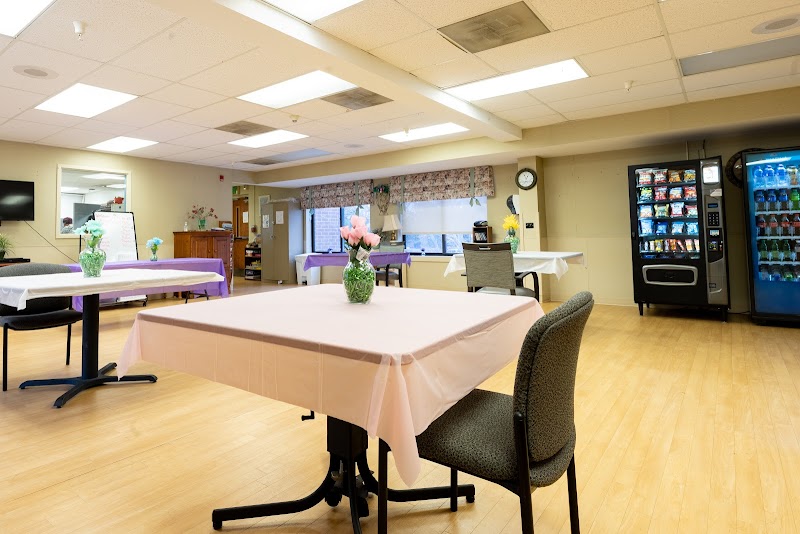
How is Autumn Lake Healthcare At Catonsville Staffed?

CMS rates AUTUMN LAKE HEALTHCARE AT CATONSVILLE's staffing level at 2 out of 5 stars, which is below average compared to other nursing homes. Staff turnover is 54%, compared to the Maryland average of 46%.

What Have Inspectors Found at Autumn Lake Healthcare At Catonsville?

State health inspectors documented 76 deficiencies at AUTUMN LAKE HEALTHCARE AT CATONSVILLE during 2017 to 2025. These included: 74 with potential for harm and 2 minor or isolated issues. While no single deficiency reached the most serious levels, the total volume warrants attention from prospective families.
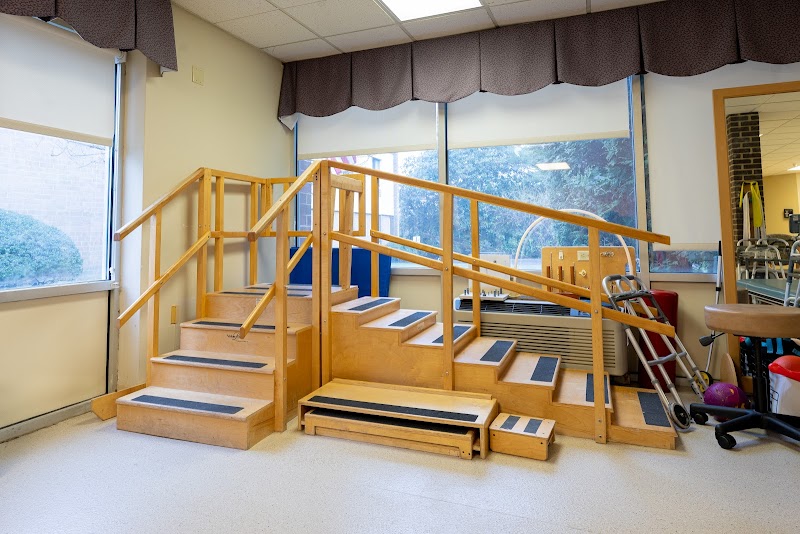
Who Owns and Operates Autumn Lake Healthcare At Catonsville?

AUTUMN LAKE HEALTHCARE AT CATONSVILLE is owned by a for-profit company. For-profit facilities operate as businesses with obligations to shareholders or private owners. The facility is operated by AUTUMN LAKE HEALTHCARE, a chain that manages multiple nursing homes. With 136 certified beds and approximately 119 residents (about 88% occupancy), it is a mid-sized facility located in CATONSVILLE, Maryland.
How Does Autumn Lake Healthcare At Catonsville Compare to Other Maryland Nursing Homes?

Compared to the 100 nursing homes in Maryland, AUTUMN LAKE HEALTHCARE AT CATONSVILLE's overall rating (1 stars) is below the state average of 3.0, staff turnover (54%) is near the state average of 46%, and health inspection rating (1 stars) is much below the national benchmark.

What Should Families Ask When Visiting Autumn Lake Healthcare At Catonsville?

Based on this facility's data, families visiting should ask: "Can you walk me through typical staffing levels on day, evening, and night shifts?" "Can I visit during a mealtime to observe dining assistance and food quality?" "How do you handle medical emergencies, and what is your hospital transfer rate?" "Can I speak with family members of current residents about their experience?" These questions are particularly relevant given the below-average staffing rating.

Is Autumn Lake Healthcare At Catonsville Safe?

Based on CMS inspection data, AUTUMN LAKE HEALTHCARE AT CATONSVILLE has a clean safety record: no substantiated abuse findings (meaning no confirmed cases of resident harm), no Immediate Jeopardy citations (the most serious violation level indicating risk of serious injury or death), and is not on the Special Focus Facility watch list (a federal program monitoring the lowest-performing 1% of nursing homes). The facility has a 1-star overall rating and ranks #100 of 100 nursing homes in Maryland. While no facility is perfect, families should still ask about staff-to-resident ratios and recent inspection results during their visit.

Do Nurses at Autumn Lake Healthcare At Catonsville Stick Around?

AUTUMN LAKE HEALTHCARE AT CATONSVILLE has a staff turnover rate of 54%, which is 8 percentage points above the Maryland average of 46%. Moderate turnover is common in nursing homes, but families should still ask about staff tenure and how the facility maintains care continuity when employees leave.

Was Autumn Lake Healthcare At Catonsville Ever Fined?

AUTUMN LAKE HEALTHCARE AT CATONSVILLE has no federal fines on record. CMS issues fines when nursing homes fail to meet care standards or don't correct problems found during inspections. The absence of fines suggests the facility has either maintained compliance or corrected any issues before penalties were assessed. This is a positive indicator, though families should still review recent inspection reports for the full picture.

Is Autumn Lake Healthcare At Catonsville on Any Federal Watch List?

AUTUMN LAKE HEALTHCARE AT CATONSVILLE is not on any federal watch list. The most significant is the Special Focus Facility (SFF) program, which identifies the bottom 1% of nursing homes nationally based on persistent, serious quality problems. Not being on this list means the facility has avoided the pattern of deficiencies that triggers enhanced federal oversight. This is a positive indicator, though families should still review the facility's inspection history directly.