AUTUMN LAKE HEALTHCARE AT SUMMIT PARK
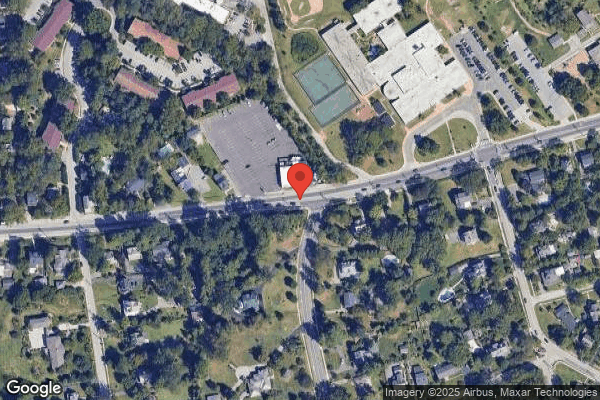
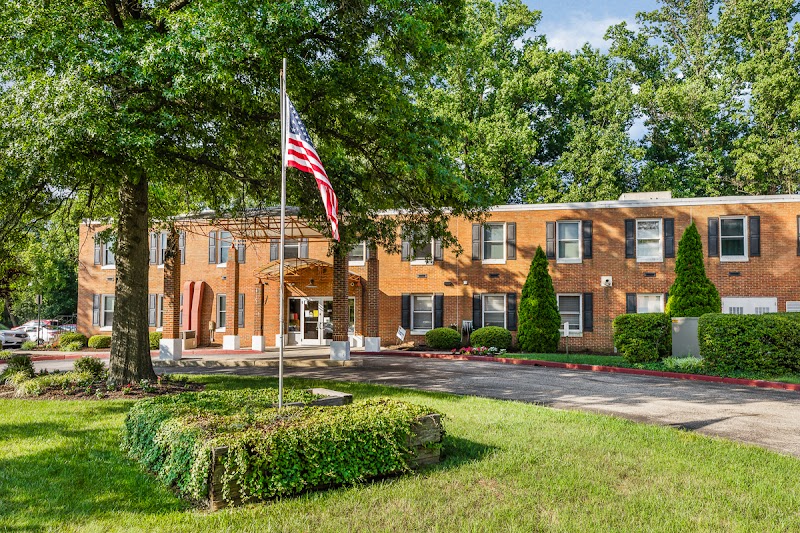
1502 FREDERICK ROAD, CATONSVILLE, MD 21228 (410) 747-3287
For profit - Corporation 143 Beds AUTUMN LAKE HEALTHCARE Data: November 2025 2 Immediate Jeopardy citations
Trust Grade
1/100
#188 of 219 in MD
Last Inspection: December 2023

Within standard 12-15 month inspection cycle. Federal law requires annual inspections.

Overview

Autumn Lake Healthcare at Summit Park has received a Trust Grade of F, indicating significant concerns about the facility's quality of care. Ranking #188 out of 219 in Maryland places it in the bottom half of nursing homes in the state, and #39 out of 43 in Baltimore County suggests that only a few local options may be better. While the facility is improving from 34 issues in 2023 to 7 in 2025, the staffing rating is below average at 2 out of 5 stars, with a high turnover rate of 52%, exceeding the state average. The facility has accrued $49,221 in fines, which is concerning and indicates potential compliance issues. RN coverage is average, meaning that registered nurses are present but not in exceptional numbers. Specific incidents of concern include a failure to ensure the safety of residents at risk for elopement, which led to immediate jeopardy, and issues with monitoring dialysis residents' conditions, resulting in serious health consequences for one resident. While the facility has made some strides in improving care, these serious deficiencies highlight the need for careful consideration by families seeking a safe environment for their loved ones.

Trust Score
F
1/100
In Maryland
#188/219
Bottom 15%
Safety Record
High Risk
Review needed
Inspections
Getting Better
34 → 7 violations
Staff Stability
⚠ Watch
52% turnover. Above average. Higher turnover means staff may not know residents' routines.
Penalties
⚠ Watch
$49,221 in fines. Higher than 84% of Maryland facilities, suggesting repeated compliance issues.
Skilled Nurses
○ Average
Each resident gets 37 minutes of Registered Nurse (RN) attention daily — about average for Maryland. RNs are the most trained staff who monitor for health changes.
Violations
⚠ Watch
84 deficiencies on record. Higher than average. Multiple issues found across inspections.
★☆☆☆☆
1.0
Overall Rating
★★☆☆☆
2.0
Staff Levels
★★★★☆
4.0
Care Quality
★☆☆☆☆
1.0
Inspection Score
Stable
2023: 34 issues
2025: 7 issues

The Good

  • 4-Star Quality Measures · Strong clinical quality outcomes
  • Full Sprinkler Coverage · Fire safety systems throughout facility
  • No fines on record

Facility shows strength in quality measures, fire safety.

The Bad

1-Star Overall Rating

Below Maryland average (3.0)

Significant quality concerns identified by CMS

Staff Turnover: 52%

Near Maryland avg (46%)

Higher turnover may affect care consistency

Federal Fines: $49,221

Above median ($33,413)

Moderate penalties - review what triggered them

Chain: AUTUMN LAKE HEALTHCARE

Part of a multi-facility chain

Ask about local staffing decisions and management

The Ugly 84 deficiencies on record

2 life-threatening 2 actual harm
Aug 2025 7 deficiencies
CONCERN (D) 📢 Someone Reported This

A family member, employee, or ombudsman was alarmed enough to file a formal complaint

Potential for Harm - no one hurt, but risky conditions existed

Safe Environment (Tag F0584)

Could have caused harm · This affected 1 resident

Based on resident interview, observations, and staff interviews, it was determined the facility failed to maintain a homelike environment. This was evident in 2 (Room A21 and Room D18) out of 9 rooms ...

Read full inspector narrative →
Based on resident interview, observations, and staff interviews, it was determined the facility failed to maintain a homelike environment. This was evident in 2 (Room A21 and Room D18) out of 9 rooms reviewed for environment. The findings include:1.) On 8/12/2025 at 8:12 AM, During an interview with Resident #4, the resident stated that their bathroom sink had no working hot water. This surveyor observed the bathroom sink to only have the hot-water faucet handle to functioning. When opening the cold-water faucet handle there was no water coming out of the faucet. This surveyor made the Unit manager on the A-wing (Staff #2) aware of the findings. On 8/15/2025 at 2:15 PM, this surveyor asked the Director of Nursing (DON) about the progress of the malfunctioning water faucet in Resident #4's bathroom. The DON stated they were not aware but would address the concern.On 8/18/2025 at 2:44 PM, This surveyor verified with observation that the sink is now functioning. Furthermore, an interview was conducted with the Maintenance Director (Staff #20) and stated that on Friday 8/15/2025 a call to a plumber was made because the resident's pipe was clogged. Staff #20 confirmed that the plumber fixed the issue by replacing pipe that same day. 2.) On 8/26/2025 at 9:43 AM, an observation and interview was conducted with Resident #52. Resident #52 stated that the curtains in the room were always dusty and that staff was not cleaning them appropriately. The resident stated that there were black dots all over the door frame of the bathroom. This surveyor confirmed the resident's concerns and obtained photographs of the areas. The curtain on the window had large pieces of dust and white particles. The black dots on the door frame started on the top of the frame and extended to the wall above the door frame.On 8/26/2025 at 10:40 AM, an interview was conducted with the Maintenance Director (Staff #20). This surveyor expressed Resident #52's concerns about the Black dots and Dusty curtains. Staff #20 stated they will address dust and particles on the curtains and the black dots on the wall and bathroom door frame.
CONCERN (D) 📢 Someone Reported This

A family member, employee, or ombudsman was alarmed enough to file a formal complaint

Potential for Harm - no one hurt, but risky conditions existed

Deficiency F0655 (Tag F0655)

Could have caused harm · This affected 1 resident

**NOTE- TERMS IN BRACKETS HAVE BEEN EDITED TO PROTECT CONFIDENTIALITY** Number of residents sampled: Number of residents cited: Based on record review and interviews, it was determined that the facili...

Read full inspector narrative →
**NOTE- TERMS IN BRACKETS HAVE BEEN EDITED TO PROTECT CONFIDENTIALITY** Number of residents sampled: Number of residents cited: Based on record review and interviews, it was determined that the facility failed to ensure that residents were provided with summaries of their baseline care plans including a list of their medications. This was evident for 1 (Resident #15) of 3 residents reviewed for baseline care plans.The findings include:On 8/14/2025 at 10:32 AM A Review of Resident #15's medical record was conducted. The review indicated that the resident was admitted on [DATE] and a baseline care plan was completed on 1/24/25. However, the electronic copy of the baseline care plan had no signatures that indicated the resident had reviewed or was provided a summary of the baseline care plan. On 8/14/2025 at 10:52 AM The Director of Nursing (DON) was asked to provide evidence that a summary of baseline care plan was provided to Resident #15. On 8/14/2025 at 11:38 AM An interview with the social worker was conducted. The social worker reported that the facility did not have evidence that the baseline care plan summary was provided to the resident. She further stated that the current facility process was to document a progress note to indicate that the baseline summary was reviewed and provided to residents. On 8/14/2025 at 11:48 AM Further review of Resident #15's progress notes failed to show any documentation that a baseline care plan summary was provided to the resident. The social worker confirmed that there was no note on the resident's file that addressed baseline care plan. On 8/14/2025 at 11:52 AM Administrator and the DON were made aware of the concerns.
CONCERN (D) 📢 Someone Reported This

A family member, employee, or ombudsman was alarmed enough to file a formal complaint

Potential for Harm - no one hurt, but risky conditions existed

Comprehensive Care Plan (Tag F0656)

Could have caused harm · This affected 1 resident

**NOTE- TERMS IN BRACKETS HAVE BEEN EDITED TO PROTECT CONFIDENTIALITY** Number of residents sampled: Number of residents cited: Based on record review and staff interview, it was determined the facili...

Read full inspector narrative →
**NOTE- TERMS IN BRACKETS HAVE BEEN EDITED TO PROTECT CONFIDENTIALITY** Number of residents sampled: Number of residents cited: Based on record review and staff interview, it was determined the facility failed to develop an individualized care plan for 1) a resident receiving oxycodone and 2) a resident with an indwelling foley catheter . This was evident for 2 (Resident #12 and Resident #125) out 20 residents reviewed for care planning. The Findings Include: A care plan is a guide that addresses the unique needs of each resident. It is used to plan, assess, and evaluate the effectiveness of the resident's care. 1) On 8/27/2025 at 9:03 AM, a review of Resident #12’s care plans was conducted. No care plan addressing Oxycodone (an opioid used to treat pain) was found. On 8/27/2025 at 9:31 AM, a review of Resident #12’s medication orders were conducted. The resident was ordered 1 Oxycodone 10 mg oral tablet to be given orally every 6 hours as needed for pain. On 8/27/2025 at 9:46 AM, a review of the Medication Administration Record for the month of August for Resident #12 was conducted. The resident received the oxycodone 10 mg tablet twice a day for 24 days in August 2025. On 8/27/2025 at 10:16 AM, an Interview was conducted with the Director of Nursing DON. When asked who is responsible for creating care plans, the DON stated that the unit managers, supervisors, and Minimum Data Set Nurse are responsible for creating the care plans and inputting them into the chart. When asked if there should be a care plan addressing oxycodone for Resident #12 in place, the DON agreed that if Resident #12 is ordered Oxycodone that there should be a care plan addressing that order along with monitoring interventions. 2) On 08/21/2025 at 9:44 AM, a review of medical records revealed that the resident was admitted [DATE] to the facility, from a hospital, with an indwelling foley catheter. On 08/21/2025 at 9:45 AM a review of the baseline care plan, completed on 4/15/2025, revealed that the resident had a foley catheter. On 8/21/2025 at 9:47 AM a review of the admission MDS, completed on 4/21/2025, under section H (Bowel and Bladder) indicated that the resident had a foley catheter. On 8/21/2025 at 9:50 AM a review of the resident’s care plans revealed that the facility failed to implement a focus area, goals, and interventions for the indwelling foley catheter. On 8/21/2025 at 12:02 PM during an interview with the director of social work (Staff #17), she confirmed that the resident did not have a care plan for the indwelling foley catheter. At this time she was made aware of the concern. On 8/21/2025 at 12:20 PM the Director of Nursing was made aware of the concern and again on exit on 8/27/2025.
CONCERN (D) 📢 Someone Reported This

A family member, employee, or ombudsman was alarmed enough to file a formal complaint

Potential for Harm - no one hurt, but risky conditions existed

Quality of Care (Tag F0684)

Could have caused harm · This affected 1 resident

**NOTE- TERMS IN BRACKETS HAVE BEEN EDITED TO PROTECT CONFIDENTIALITY** Number of residents sampled: Number of residents cited: Based on observations, record reviews and interviews, it was determined...

Read full inspector narrative →
**NOTE- TERMS IN BRACKETS HAVE BEEN EDITED TO PROTECT CONFIDENTIALITY** Number of residents sampled: Number of residents cited: Based on observations, record reviews and interviews, it was determined that the facility failed to ensure that residents received treatment and care to promote the highest practicable wellbeing as evidenced by 1) failure to follow physician orders and 2) failure to provide toileting hygiene for residents who were incontinent of bowel and bladder. This was evident for 3 (Resident #88, #126, and #137) out of 5 residents reviewed for quality of care during the recertification survey. The findings include:1) On 8/12/2025 at 11:24 AM Resident #88 was observed with redness around the left eye. When asked what happened to his/her eye, the resident answered that they fell last week. On 8/12/2025 at 11:30 AM An observation of Resident #88's room was conducted. An opened pack of regular briefs was observed in the bathroom and on top of the resident's dresser. Additionally, the resident showed the surveyor that they wore regular briefs at that time. On 8/12/2025 at 12:44 PM A review of Resident #88's medical record was conducted. The review revealed orders that stated Resident #88 should 1) wear Hipster Padded Brief q shift while awake for fall interventions and 2) float heels when the resident is in bed. Further review of the resident's record indicated that S/He was care planned to wear hip padded briefs every shift and float heels when in bed. On 8/13/2025 at 10:52 AM Resident #88 was observed without any hipster padded briefs. On 8/14/2025 at 7:00 AM Resident #88 was observed sleeping in bed, heels were not floated. On 8/14/2025 at 7:30 AM A review of resident's medical records indicated that the resident was wearing hip padded briefs on 8/12/25 and 8/13/25. Additionally, there was documentation that the resident had heels floated on 8/13/25. On 8/14/2025 at 8:10 AM Another observation was conducted with the surveyor and Staff #5. Staff #5 confirmed that the resident was not wearing hipster padded brief and heels were not floated. On 8/14/2025 at 8:13 AM An interview with the staff #5 was conducted. Staff #5 stated that she inaccurately documented that the hipster padded briefs were worn and the heels were floated. On 8/14/2025 at 11:10 AM The Director of Nursing (DON) was made aware of the concerns.2a) On 8/14/2025 at 10:45 AM A review of confidential complaints reported to the state agency revealed Complaint #330006. The complaint alleged that Resident #137 did not get their diaper changed on December 1st, 2023. On 8/14/2025 at 10:55 AM An interview with the complainant was conducted. They reported that the facility staff did not change Resident #137's diaper during various shifts. On 8/25/2025 at 9:00 AM Review of record revealed that Resident #137 was admitted into the facility on [DATE] and was discharged on 12/07/2023. Review of resident's MDS section H indicated that the resident was coded as always incontinent for bowel and bladder. Also, MDS section GG revealed that the resident was coded as dependent on staff for toileting hygiene.Further review of Resident #137's care plan indicated that the resident needed assistance with toileting and that they were dependent on staff.On 8/25/2025 at 9:20 AM The DON was asked to provide records for toileting hygiene provision for Resident # 137 for November 30th and December 1st.On 8/25/2025 at 10:10 AM Facility provided documentation for bladder and bowel incontinence for [DATE]th and [DATE]st. Review of these documents revealed no documentation on bowel and bladder incontinence for November 30th night shift 11-7. There was documentation that the resident received dressing and bladder incontinence care December 1st at 14:19.On 8/25/2025 at 10:29 AM An interview with the DON was conducted. He stated that he would expect toileting hygiene documentation if bowel and bladder incontinence care was provided to a resident. The surveyor notified the DON that this was a concern that will be taken back to the office. 2b) On 8/21/2025 at 9:45 AM A review of confidential complaints reported to the state agency revealed Complaint #330065. The complaint alleged that residents at the facility had poor hygiene. The complainant reported that Resident #126 did not get their diaper changed in a timely manner. On 8/21/2025 at 10:12 AM Review of Resident #126's medical record was conducted. The review revealed that the resident was admitted into the facility on 5/10/24 and was discharged to the hospital on 2/16/25. Further review of the records revealed MDS completed and accepted on 11/16/24 that indicated the resident was dependent on staff for toileting hygiene, oral hygiene, shower/bathe and personal hygiene. Also, MDS Section H for Bowel and Bladder indicated that the resident was always incontinent.On 8/21/2025 at 10:33 AM Facility was asked to provide documentation for bowel and bladder incontinence care provided to the resident for the months of January and February 2025. On 8/21/2025 at 11:05 AM The surveyor received documentation for bowel and bladder incontinence care from the facility for the month of January only. The review of these documents revealed several days in January (1, 3, 6, 8, 25, 26, and 28) that indicated the resident was not available to receive toileting hygiene care. Additionally, there was no documentation on 1/13, 1/20, 1/27, 1/29 and 1/30). However, review of Resident #126 medication administration record and progress notes, revealed that the resident never left the facility.On 8/21/2025 at 11:25 AM The DON was asked to provide documentation that indicated the resident was not available to receive care in the facility.On 8/21/2025 at 12:00 PM An interview with the DON was conducted. DON stated it was the expectation of facility staff to complete personal hygiene, bowel and bladder incontinence for the residents every shift. He further stated that it would be very unlikely for a resident to be away the entire shift for the staff to lack an opportunity to provide or assess for bladder and bowel incontinence. On 8/25/2025 at 12:30 PM The DON reported to the surveyor that the resident was in the facility for the days marked as resident not available. He also stated that there was no additional information that the resident was provided with toilet hygiene care. The surveyor notified the DON that this was a concern.
CONCERN (D) 📢 Someone Reported This

A family member, employee, or ombudsman was alarmed enough to file a formal complaint

Potential for Harm - no one hurt, but risky conditions existed

Accident Prevention (Tag F0689)

Could have caused harm · This affected 1 resident

**NOTE- TERMS IN BRACKETS HAVE BEEN EDITED TO PROTECT CONFIDENTIALITY** Number of residents sampled: Number of residents cited: Based on record review and interviews, it was determined that the facili...

Read full inspector narrative →
**NOTE- TERMS IN BRACKETS HAVE BEEN EDITED TO PROTECT CONFIDENTIALITY** Number of residents sampled: Number of residents cited: Based on record review and interviews, it was determined that the facility failed to ensure the resident had an identification wrist band on which led to the wrong resident having their blood drawn. This was evident for 1 (Resident #44) of 28 complaints that were reviewed during the annual survey. The Findings Include: On 8/13/25 at 11:39 AM, complaint #330059 was reviewed and it mentioned that the resident had their blood drawn by mistake due to the resident not having an identification wrist band on. On 8/13/25 at 12:15 PM, the complainant was interviewed. They stated that on 12/9/2024, during a visit with the resident, they noticed that there was gauze and tape on the resident's hand. The complainant then asked the resident's roommate what had happened, they informed the complainant that the lab tech had come into their room and drew Resident #44's blood by mistake. The complainant stated that he asked the facility staff what had happened and they were unaware of the incident. The complainant stated that a grievance was then filed. On 08/18/2025, at 11:21 AM, a review of the facility grievances that were filed in December of 2024 revealed that the complainant did report the incident to the facility on [DATE]. The results, after the investigation, substantiated that the lab error did occur and that the resident did not have an armband on at the time the error occurred.On 08/19/2025 at 12:14 PM, during an interview with the Assistant Director of Nursing, she confirmed that the incident had occurred. She stated that, following the facility's investigation into the incident, it was substantiated that Resident #44 did not have an identification wrist band on which led to the wrong resident's blood being drawn. At this time she was made aware of the concern.
CONCERN (D) 📢 Someone Reported This

A family member, employee, or ombudsman was alarmed enough to file a formal complaint

Potential for Harm - no one hurt, but risky conditions existed

Deficiency F0760 (Tag F0760)

Could have caused harm · This affected 1 resident

Based on resident interview, record review, and staff interview, it was determined that the facility failed to prevent a significant medication error. This was evident for 2 (Resident #105 and #52) ou...

Read full inspector narrative →
Based on resident interview, record review, and staff interview, it was determined that the facility failed to prevent a significant medication error. This was evident for 2 (Resident #105 and #52) out of 6 resident's review for unnecessary medications. The findings include:1.) On 8/12/2025 at 11:45 AM, a review of Complaint #330061 was completed. The complaint alleged Resident #105 received the incorrect dose of medication.On 8/12/2025 at 12:02 PM, an interview with Resident #105's representative was conducted. The Resident's representative stated in November of 2024, there was a med error.On 8/15/2025 at 10:04 AM, a review of Resident #105's progress notes was conducted. The change of condition note on 11/10/2024 stated that the resident received 2 mg of Clonazepam instead of the ordered 1 mg of Clonazepam. Order was placed to hold the next dose of Clonazepam, vital signs every shift, and to complete neuro checks every 24 hours. On 11/10/2024 at 00:15, the note stated, during med count writer found out that the clonazepam came in 1mg, so one tablet should've been given. Nurse Practitioner notified.On 8/15/2025 at 10:18 AM, a review of Resident #105's Medication Administration Record indicated that Staff #23 was the Licensed Practical Nurse who gave Clonazepam prior to the change of condition note and the order of Clonazepam being held. On 8/15/2025 at 10:49 AM, a review of Resident #105's orders was completed. The clonazepam Oral Tablet 0.5 mg Controlled Drug was ordered to give via G-Tube every 8 hours for seizures on 10/19/24 and discontinued on 11/9/24. The order was revised and stated, PLEASE GIVE ONLY ONE TABLET, on 11/9/24. On 8/15/2025 at 11:05 AM, a review of Facilities investigation was conducted. A statement from Staff #23 states the staff found out the medication was given incorrectly at narcotic count on change of shift on 11/9/2024 at 11:00 PM.On 8/15/2025 at 1:53 PM, an interview was conducted with the Director of Nursing. When asked about the medication error, they stated medication error was confirmed and staff were educated. 2.) 8/26/2025 8:48 AM, a review of Complaint #330032 was conducted. The complaint stated that a nurse gave Resident #52 the wrong medication. The complaint extended from 2/20/2024 to 8/15/2025.On 8/26/2025 at 9:34 AM, a review of Resident #52's progress notes was conducted. In a change of condition note from 3/4/2025 at 5:39 PM, it stated, Med error, administer 4-unit lispro due to wrong identification of resident picture by name. MD and Supervisor was notified. Md recommend q6 b/s monitoring. Vital signs was stable; b/s 107 @ 5.39pm, 113 @ 11.54pm. pt alert x4, No sign of hypoglycemia or hyperglycemia. Non-adverse reactions noted. call light within reach. Family notified.On 8/26/2025 at 11:15 AM, a review of the facilities incident report regarding the medication error was conducted. In the incident report, there was education provided to the Licensed Practical Nurse (Staff #22) who administered the medication to the incorrect resident (Resident #52) on 3/4/2025.On 8/26/2025 at 11:20 AM, an interview with the Director of Nursing (DON) and Assistant Director of Nursing (ADON) was conducted. It was confirmed that Staff #22 made a medication error by not identifying the correct resident and giving a dose of 4 units of Lispro to the incorrect resident. Per the ADON, the nurse was placed back on 3-day orientation after the error and another competency was completed on 3/11/25.
CONCERN (D) 📢 Someone Reported This

A family member, employee, or ombudsman was alarmed enough to file a formal complaint

Potential for Harm - no one hurt, but risky conditions existed

Laboratory Services (Tag F0770)

Could have caused harm · This affected 1 resident

Number of residents sampled: Number of residents cited: Based on record review and interview, it was determined that the facility failed to obtain laboratory tests as ordered by the physician. This wa...

Read full inspector narrative →
Number of residents sampled: Number of residents cited: Based on record review and interview, it was determined that the facility failed to obtain laboratory tests as ordered by the physician. This was evident for 1 (Resident #120) of 27 residents reviewed during the investigation portion of the survey. The Findings Include: On 08/18/2025 at 7:27 AM, Resident #120's record review revealed a change in condition stating the resident had a change in mental status with paranoid delusions on 6/17/2025. The physician placed an order to obtain a urine analysis (UA) to rule out a possible urinary tract infection on 6/18/2025. On 08/18/2025 at 7:40 AM, a review of the resident's documented lab results revealed that there were no results for the ordered urine analysis. Further review revealed that there was no documentation of refusal. On 08/18/2025 at 1:52 PM, during an interview with the Director of Nursing (DON), he explained that the reason the UA was not obtained was due to the resident refusing. When asked to provide documentation proof of refusal he stated that there was no documentation. At this time, and again at exit on 8/27/2025, the DON was made aware of the concern of the order for the UA not being obtained.
Dec 2023 32 deficiencies 1 Harm
SERIOUS (G)

Actual Harm - a resident was hurt due to facility failures

Deficiency F0698 (Tag F0698)

A resident was harmed · This affected 1 resident

**NOTE- TERMS IN BRACKETS HAVE BEEN EDITED TO PROTECT CONFIDENTIALITY** Based on record review and staff interviews, it was determined that the facility failed to: 1) accurately monitor residents for ...

Read full inspector narrative →
**NOTE- TERMS IN BRACKETS HAVE BEEN EDITED TO PROTECT CONFIDENTIALITY** Based on record review and staff interviews, it was determined that the facility failed to: 1) accurately monitor residents for weight loss and to communicate dialysis residents' accurate condition (body weight loss reported as weight gain) with the dialysis center, which resulted in harm for Resident #78 due to an 8-day hospitalization for low blood volume; 2) report the resident's weight to the dialysis center and physician before Resident #76's blood pressure dropped, and 3) ensure an effective communication system between the dialysis center; 4) report and/or document the dialysis residents' conditions with physicians. This was evident in 2 (Resident #76 and #78) of 2 dialysis residents' records reviewed during the survey. The findings include: Dialysis is a procedure to remove waste products and excess fluid from the blood when the kidneys stop working properly. Peritoneal dialysis uses the peritoneum in a person's abdomen as the membrane through which fluid and dissolved substances are exchanged with the blood. It is used to remove excess fluid, correct electrolyte problems, and remove toxins in those with kidney failure. Dialysis solution (also known as Dialysate) comes in 1.5 percent, 2.5 percent, and 4.25 percent concentrations. The higher (stronger) the concentration of the dialysate, the more fluid, electrolytes, and waste are removed from the blood. The percentage (concentration) of the dialysate for each occurrence of dialysis is based on the person's fluid balance, which is determined by weighing the person daily before and after receiving dialysis. Accurate and frequent monitoring of fluid gain and loss in a person who is receiving daily peritoneal dialysis is essential and accurate communication of the person's body weight is also essential to ensure providers are making correct clinical decisions. Removing too much fluid can cause low blood pressure and other complications which can be life-threatening. (Reference: National Institute of Health, Peritoneal Dialysis. National Institute of Health, National Library of Medicine. Davita (health care company for kidney disease and dialysis information) website) 1a) A review of Resident #78's medical record on 12/11/23 at 10:59 AM revealed that the resident was admitted to the facility on [DATE] with diagnoses that included but were not limited to, End Stage Renal Disease, essential hypertension, and dependence on Peritoneal Dialysis. On 12/11/23 at 11:10 AM, a review of instructions from the dialysis center, which was filed in the resident's paper chart, indicated that the facility staff needed to notify the dialysis center when the resident's body weight had a difference of more than 3 pounds. Also, the paper chart included a form named dialysis record which had a table format with the resident's name, date, body weight, pulse, blood pressure, Dialysate, initial drain, total UF (total water out from the body), average dwell time, and comment section. During an interview with Registered Nurse (RN #32) on 12/14/23 at 4:34 PM, she confirmed that the facility provided Peritoneal Dialysis in the building, not sending the resident out to the dialysis center. The facility staff used the dialysis record form to communicate with the dialysis center and/or monitor the residents' daily condition, including body weight and blood pressure. Surveyor review of Resident #78's body weight and blood pressure in the EHR revealed the vital sign section listed body weights twice a day. The resident's admission weight was 166 lbs, and fluctuated from 160.4 lbs to 165.2 lbs from 11/08/23 to 11/17/23 (in the morning, post-dialysis). Resident #78's blood pressure were documented as: 11/07/23 at 10:43 PM, blood pressure was 140/98 mmHg 11/08/23 at 10:41 PM, blood pressure was 80/45 mmHg 11/09/23 at 11:24 AM, blood pressure was 86/49 mmHg 11/10/23 at 9:07 PM, blood pressure was 100/56 mmHg 11/11/23 at 12:42 PM, blood pressure was 120/78 mmHg 11/12/23 at 9:11 AM, blood pressure was 114/54 mmHg 11/12/23 at 5:25 PM, blood pressure was 108/61 mmHg 11/13/23 at 12:33 PM, blood pressure was 105/62 mmHg 11/13/23 at 11:52 PM, blood pressure was 89/50 mmHg 11/14/23 at 1:56 AM, blood pressure was 81/45 mmHg 11/14/23 at 6:16 AM, blood pressure was 94/49 mmHg 11/14/23 at 9:25 PM, blood pressure was 81/43 mmHg 11/15/23 at 8:23 AM, blood pressure was 132/76 mmHg 11/15/23 at 9:04 PM, blood pressure was 81/46 mmHg 11/16/23 at 9:21 AM, blood pressure was 77/46 mmHg 11/16/23 at 10:10 PM, blood pressure was 83/51 mmHg 11/17/23 at 10:12 AM, blood pressure was 120/67 mmHg 11/17/23 at 10:54 PM, blood pressure was 95/57 mmHg On 12/15/23 at 08:20 AM, a review of the dialysis record revealed that Resident #78 had 9.4 pounds weight loss from 164 pounds (lbs) on 11/16/23 to 154.6 lbs on 11/17/23. Further review revealed a change in condition form dated 11/17/23 at 4:30 PM that documented a weight gain of more than 3 lbs after dialysis. However, the dialysis record form documented a 9.4 pound weight loss. The form recorded that the facility nurse contacted the dialysis center nurse about the weight gain and received an order to change dialysate order to a stronger prescription of one bag of 2.5% dialysate and one bag of 1.5% dialysate instead of 2 bags of 1.5% dialysate. The new order was to be given for three days, from 11/17/23 to 11/19/23. Also, Resident #78's dialysis record form documented the resident's blood pressure as follows: 75/49 on 11/18/23 72/45 on 11/19/23 76/45 on 11/20/23 71/43 on 11/21/23 Surveyor review of Resident #78's progress note written on 11/22/2023 at 2:38 PM revealed the resident was found unresponsive in a wheelchair and was transferred to the hospital for further evaluation. The surveyor interviewed the dialysis center charge nurse (staff #56) via phone on 12/15/23 at 2:13 PM. Staff #56 verified that the facility and dialysis center used the dialysis records form for communication. The facility faxed the dialysis record form weekly; and based on that documentation, the dialysis center managed the resident. Also, Staff #56 confirmed the expectation to receive notice regarding residents' weight changes. She explained that the same-day weight difference would not be meaningful. The dialysis center focused on more than 3 pounds of weight differences from the previous day. Also, she verified that a stronger dialysate would be used for documented weight gain. On 12/18/23 at 09:20 AM, a review of Resident #78's discharge summary from the hospital dated 11/29/23 revealed that the resident was also admitted to a different hospital earlier the same month for weakness and hypocalcemia. The resident was hypotensive during that admission and was discharged on midodrine (medication for treating low blood pressure). The hospital discharge summary said the resident's initial blood pressure in the emergency department on 11/22/23 was 72/43 (lower than 90/60 is considered to be low blood pressure), and the resident was admitted to the Intensive Care Unit for further management. The hospital record stated they treated the resident with volume resuscitation (extra fluids given rapidly intravenously) and gave stress dose steroids. The resident's low blood pressure was determined to be due to low blood volume, and with the correction of the resident's volume status, his/her mentation and overall clinical condition improved. An interview was conducted with the Director of Nursing (DON) on 12/20/23 at 03:50 PM. The DON confirmed that facility staff faxed dialysis records form weekly to the dialysis center for communication. During the interview, the surveyor shared concerns about Resident #78's 9.6 lbs loss on 11/17/23 and inaccurate notification (the resident had actual weight loss but the dialysis center was notified of a weight gain, per the change in condition documentation) which resulted in using 2.5% dialysate solution for three days. Three days after the resident completed the dose of higher dialysate, the resident was found unresponsive. The DON invited the unit manager (Staff #38) for an interview on 12/20/23 at 4:10 PM. Staff #38 insisted that based on EHR (Electronic Health Record) records, Resident #78's weight was trending up overall. That's why she contacted the dialysis center for weight gain on 11/17/23. 1b) On 12/20/23 at 08:05 AM, the surveyor comparison of Resident #78's dialysis records and body weight on PCC revealed: On 11/11/23, the PCC recorded 154.1 lbs, and the dialysis record form documented 163.2 lbs. On 11/17/23, the PCC recorded 158 lb, and the dialysis record form documented 154.6 lb. Also, the review revealed discrepancies in dialysate on Resident #78's MAR (Medication Administration Record) and the dialysis record. The dialysis record form documented the resident had been using three bags of 1.5% dialysate since his/her admission on [DATE]. However, a review of order summary revealed that two bags of 1.5% ordered from 11/08/23 to 11/16/23, one bag each of 1.5% and 2.5% from 11/17/23 to 11/19/23, and three bags of 1.5% dialysate from 11/30/23 to present. During an interview with the DON on 12/21/23 at 3:30 PM, the DON confirmed again that the facility faxed the dialysis record form to communicate with the dialysis center and that the dialysis center did not have access to what was documented in the facility EHR. The surveyor shared concerns regarding discrepancies in two documentation (PCC and dialysis record forms). The DON said, I understand. 1c) Reviews of Resident #78's medical records from 12/11/23 to 12/20/23 revealed that there was no documentation from physicians regarding the above dialysis complications like weight loss or gain or low blood pressure. During an interview with an attending physician (Staff #34) on 12/18/23 at 3:27 PM, Staff #34 stated that he expected to get notice regarding dialysis residents' weight fluctuations or condition changes. Staff #34 did not recall any notification received from the facility regarding Resident #78. 2a) On 12/20/23 at 7:30 AM, Resident #76's medical records were reviewed. The review revealed that the resident was admitted to this facility in October 2023 with a diagnosis of end-stage renal disease on peritoneal dialysis. The resident's paper chart contained instructions from the dialysis: If there is weight gain of more than 3 lb, please call [dialysis center name] patient nurse. Further review of the dialysis record for Resident #76 revealed that the resident had 5 lb. weight loss on 10/20/23 from 133 lb. on 10/19/23 to 128 lb. on 10/20/23. The Medication Administration Record (MAR) documented that the resident's dialysis started at 7:30 PM on 10/20/23, and no documentation was found under EHR regarding the resident's weight loss. The change in condition form dated 10/20/23 at 8:23 PM indicated the facility's Nurse Practitioner was notified of Resident #76's low blood pressure at 6:00 PM on 10/20/23 and received an order for administering Midodrine 2.5 mg if blood pressure is < 110 mmHg. Also, a progress note written by Licensed Practical Nurse (LPN #14) on 10/21/23 at 00:35 AM said, [Dialysis center] and [ the facility's NP] was notified of resident low blood pressure. CRNP ordered midodrine to be given for BP <110 mmHg, and the on-call nurse at [dialysis center] stated to use two yellow bags (1.5% dialysate) instead of 1 green (2.5% dialysate) and one yellow bag. Report will be given to the dialysis nurse at the clinic to adjust solutions. On 12/20/23 at 7:70 AM, a review of Resident #76's blood pressure revealed the following: 10/19/23 at 8:48 AM, blood pressure was 115/61 10/19/23 at 4:44 PM, blood pressure was 84/42 10/20/23 at 2:36 PM, blood pressure was 84/39 10/20/23 at 9:17 PM, blood pressure was 104/57 An average blood pressure from 10/05/23 to 10/19/23 was 120's/60's During an interview with LPN #14 on 12/20/23 at 8:50 AM, she confirmed that the facility staff checked dialysis residents' body weights before dialysis (around 7:30 PM) and after dialysis was completed (around 7 AM). She put the weight on the TAR (Treatment Administration Record), and it populated under the vital sign section on EHR. Also, she stated when they noted more than a 3 pound difference, they would call the dialysis center and receive a new order (like fluid restriction or change of dialysate solution bags). During an interview with the DON on 12/20/23 at 3:50 PM, the surveyor shared concern regarding Resident #76's weight loss on 10/20/23, which was not reported prior to when dialysis was started and may have resulted in the resident's blood pressure drop. 2b) On 12/20/23 at 4:30 PM, a review of Resident #76's MAR and dialysis records revealed: On 11/05/23 and 11/24/23, the MAR recorded the resident used one bag each of 2.5% and 1.5% dialysate. However, the dialysis record form documented the resident had two bags of 1.5% and a bag of 2.5%. On 11/19/23, the MAR recorded two bags of 1.5% used. However, the dialysis record form documented the resident had one bag each of 1.5% and 2.5%. On 11/25/23 (Saturday), Resident #76 had an active order as Peritoneal Dialysis with two bags of 1.5% dialysate on every Tuesday, Thursday, and Saturday, and the MAR was documented as so. However, the dialysis record form showed the resident used two bags of 2.5% dialysate. On 11/26/23, the MAR documented that the resident used one bag each of 1.5% and 2.5% dialysate. However, the dialysis record form documented two bags of 2.5% dialysate were used. 2c) Reviews of Resident #76's medical records from 12/11/23 to 12/20/23 revealed that there was no documentation from physicians regarding the above dialysis complications like weight loss or gain or low blood pressure.
CONCERN (D)

Potential for Harm - no one hurt, but risky conditions existed

Deficiency F0561 (Tag F0561)

Could have caused harm · This affected 1 resident

**NOTE- TERMS IN BRACKETS HAVE BEEN EDITED TO PROTECT CONFIDENTIALITY** Based on observation, interview, and medical record review, it was determined that the facility staff failed to honor Resident #...

Read full inspector narrative →
**NOTE- TERMS IN BRACKETS HAVE BEEN EDITED TO PROTECT CONFIDENTIALITY** Based on observation, interview, and medical record review, it was determined that the facility staff failed to honor Resident #42's right for self-determination regarding smoking opportunities. This was evident for 1 out of 2 residents reviewed for resident preferences during the survey. The findings include: On 12/05/23 at 03:03 PM, observation found that Resident #42 looked anxious. The resident began complaining, I only can smoke once per day in the afternoon, and I told the staff that I want to smoke in the morning too. On 12/07/23 at 11:53 AM, record review of Resident #42's record, from September 1, 2023 to December 7, 2023, revealed that he/she was admitted to the facility on [DATE]. There was no evidence that the resident had refused care or had demonstrated other behavioral problems. Further review of the resident's care plan dated 9/19/23, found that the resident was a smoker, but the care plan did not address the resident's request for more frequent smoking opportunities. During the interview, on 12/11/23 at 11:46 AM, the Director of Nursing (DoN) confirmed that there was one smoking session in the afternoon, from 1:30 PM to 2 PM, for all smoking residents. When asked whether smoking residents could have more than one session per day, the DoN replied that the facility inherited the once-a-day smoking schedule from the facility's last administration. During further interview, the DoN agreed that there were no additional smoking opportunities to offer. On 12/11/23 at 02:32 PM, record review of the smoking schedule showed that the residents could only smoke Sunday through Saturday from 1:30 PM to 2:00 PM. The facility's administration failed to accommodate residents who wanted to smoke more than once a day.
CONCERN (D)

Potential for Harm - no one hurt, but risky conditions existed

Deficiency F0578 (Tag F0578)

Could have caused harm · This affected 1 resident

**NOTE- TERMS IN BRACKETS HAVE BEEN EDITED TO PROTECT CONFIDENTIALITY** 2) On [DATE] at 12:22 PM a review of Resident #113's paper chart revealed that no Advance Directive documentation was present. O...

Read full inspector narrative →
**NOTE- TERMS IN BRACKETS HAVE BEEN EDITED TO PROTECT CONFIDENTIALITY** 2) On [DATE] at 12:22 PM a review of Resident #113's paper chart revealed that no Advance Directive documentation was present. On [DATE] at 9:59 AM an interview with the Director of Nursing (DON) was conducted. The DON was informed that there was no Advance Directive found in the resident's paper chart. The DON was asked to provide a copy of the resident's advance directives or documentation that the facility offered the resident written information about their right to formulate an advance directive. On [DATE] at 11:40 AM a record review of Resident #113's electronic medical record revealed that there was no advance directive or documentation that the resident was provided written information about their right to formulate an advance directive. In a follow up interview with the DON on [DATE] at 12:49 PM, the DON said she had looked but she found no evidence that the resident had any Advance Directive or was offered information regarding Advance Directives. Based on clinical record review and staff interviews, it was determined that the facility failed to ensure a resident had a health care agent prior to obtaining an order to withhold CPR (cardiopulmonary resuscitation and 2) ensure the resident offered the opportunity to develop an advance directive for 2 (#67 and #113) of 9 sampled residents for advance directives. The findings include: An advance directive is a written statement of a person's wishes regarding medical treatment, often including a living will, made to ensure those wishes are carried out should the person be unable to communicate them to a doctor. It is a legal document in which a person specifies what actions should be taken for their health if they are no longer able to make decisions for themselves because of illness or incapacity. A Maryland MOLST (Medical Orders for Life-Sustaining Treatment) is a portable and enduring medical order form covering options for cardiopulmonary resuscitation and other life-sustaining treatments. The MOLST form includes medical orders for Emergency Medical Services (EMS) and other medical personnel regarding cardiopulmonary resuscitation (CPR) and other life-sustaining treatment options for a specific patient. 1) Resident #67's medical record was reviewed on [DATE] at 9:46 AM. Resident #67 was deemed incapable of making decisions healthcare decisions as evidenced by two certifications of incapacity. Review of the Maryland medical orders for life-Sustaining Treatment (MOLST) form dated [DATE] revealed that informed consent was provided by the resident's health care agent as named in the residents advance directive. A note by the Certified registered nurse practitioner (CRNP) that signed the MOLST form was not found in the medical record. Review of the medical record did not reveal that the resident had an advance directive. Review of the initial social history assessments dated [DATE] and [DATE] did not indicate that the resident had a healthcare agent. An interview was conducted with the Unit Manager (staff #24) on [DATE] at 8:40 AM. She was shown the current MOLST form and was asked about the resident's healthcare agent and lack of documentation in the chart. She was unaware of the resident having a healthcare agent and began to review the chart for documentation of an advance directive. During follow-up interview with the unit manager at 12:30 PM on [DATE] did not reveal any additional information. An interview was conducted with the CRNP (staff #23) on [DATE] at 2:56 PM. She indicated that she had a conversation with the resident's son, and she revealed that she had not seen a copy of resident #67's advance directive. She was asked if she had documented in the resident's medical record related to the determination to withhold CPR and she indicated yes. Review of resident #67's medical record on [DATE] at 9:57 AM revealed that the CRNP created a late entry note at 5:21 PM on [DATE] for effective date of [DATE]. The CRNP's note indicated a discussion with the resident's son related to advance directive documentation that was to be brought the facility.
CONCERN (D)

Potential for Harm - no one hurt, but risky conditions existed

Deficiency F0582 (Tag F0582)

Could have caused harm · This affected 1 resident

Based on medical record review and interview of facility staff it was determined the facility failed to provide written notification to a resident when the facility determined that a resident no longe...

Read full inspector narrative →
Based on medical record review and interview of facility staff it was determined the facility failed to provide written notification to a resident when the facility determined that a resident no longer qualified for Medicare part A skilled services. This was identified for 1(#46) of 1 resident reviewed that remained in the facility after the termination of Medicare part A skilled services. The findings include: The SNF ABN (Skilled Nursing Facility Advanced Beneficiary Notice of Non-coverage) provides information to residents/beneficiaries that services may no longer be covered by Medicare and addresses the resident's liability for payment should they wish to continue receiving the skilled services. On 12/21/23 at 9:20AM, the surveyor requested to the Director of Nursing (DON) for the facility to complete the skilled nursing facility beneficiary protection notification review form for Resident #46. The DON reported to the surveyor that Staff #48, who they identified as a social worker, was responsible for the SNF ABN forms and the review form would go to them for completion. Review of Resident #46's medical record revealed their Medicare part A start date was 10/1/23, their last covered day was 10/24/23, and no documentation could be found on the medical record indicating the SNF ABN had been provided to the resident. On 12/22/23 the surveyor conducted a review of the facility's completed review form which revealed the resident remained in the facility after the termination of Medicare part A skilled services with benefit days not having been exhausted, however, was not issued the SNF ABN form. On 12/22/23 at 10:44AM the surveyor conducted an interview with Staff #48. During the interview, the surveyor inquired to Staff #48 about how they determine when the SNF ABN is given to a resident, and why it was not given to Resident #46. Staff #48 was shown the SNF beneficiary protection notification review form and acknowledged it was completed by them, then reported to the surveyor that they could not answer right now and would need to consult with facility management to provide a response to the surveyor. At this time, the surveyor shared their concern with Staff #48. On 12/22/23 at approximately 11:15AM the surveyor shared the concern with the Director of Nursing (DON) and Staff #15, Regional Corporate Nurse. Upon sharing the concern, the DON reported they had previously given the surveyor the wrong information and Staff #57, Business Office Director, completed the review form. On 12/22/23 at 11:18AM the surveyor interviewed Staff #57 who reported they had completed the review form and reported the following information during the interview: this one I must have missed, there was no SNF ABN form. When asked by the surveyor if Resident #46 should have been issued the SNF ABN form, they reported that it should have been issued.
CONCERN (D)

Potential for Harm - no one hurt, but risky conditions existed

Investigate Abuse (Tag F0610)

Could have caused harm · This affected 1 resident

2). On 12/03/2023 at 10:00 AM, surveyors requested from the Director of Nursing (DON) all documentation of the investigations related to the facility-reported incidents (FRIs) that were sent to OHCQ. ...

Read full inspector narrative →
2). On 12/03/2023 at 10:00 AM, surveyors requested from the Director of Nursing (DON) all documentation of the investigations related to the facility-reported incidents (FRIs) that were sent to OHCQ. The facility reported incident MD00178233 was reviewed on 12/13/23 at 11:54 AM revealed the facility reported that at approximately 09:18 AM on 6/06/22, Resident #368's [family member] claimed that the resident had discoloration to the left upper extremity going towards the armpit area and torso. The family member reported that Resident #368 reported that two staff members (a short brown female and a male) held the resident down while he/she was at this facility. Further review of the facility's investigative documentation revealed a Quality Improvement Data Collection form, which listed data source staff's names and yes/no check boxes for criteria questions. The questions were: a. Have you ever witnessed a co-worker abuse a resident. b. Do you know the difference types of abuse. c. Do you know who to report abuse to. d. Do you know how quickly to report abuse. e. Are you fearful of reporting abuse. f. Did [Resident #368's name] report to you that someone held him/her down. g. Are you aware of any males that assisted [Resident #368's name] or assisted in providing care to the resident. The form listed 14 names of data source staff. However, there was no documentation to support the facility performed an investigation to identify two staff (a short brown female and a male) who Resident #368's family member reported. During an interview with the Director of Nursing (DON) on 12/13/23 at 12:47 PM, the surveyor shared concern with the DON about a lack of evidence for the investigation. Based on medical record review and interview, the facility staff failed to thoroughly investigate complaints involving resident care. This was evident for 2 (#521 and #368) out of 44 residents reviewed during the survey. Findings include: 1). Review of Resident #521's facility reported incident (MD00174507) on 12/15/23 at 1:30pm revealed the resident's wanderguard did not alarm when he/she was being escorted out of the facility by facility nursing staff on 11/14/21. The facility's investigation revealed resident #521's wanderguard did not alarm because it was under the resident's clothing. The facility had the wanderguard alarms adjusted to a higher sensitivity. All wanderguards, worn by residents, were tested with no issues. All wanderguard alarms were tested with no issues after the adjustment. Resident #521's wanderguard was replaced. The surveyor requested the facility's investigation report for the facility reported incident at 12/15/23 at 1:45pm. The DON stated that the facility did not have the facility investigations for any facility reported incidents before 6/2022. The surveyor expressed concerns that the facility did not have any investigations of facility reported incidents prior to 6/2022. The DON provided no new information on the practice.
CONCERN (D)

Potential for Harm - no one hurt, but risky conditions existed

Deficiency F0624 (Tag F0624)

Could have caused harm · This affected 1 resident

Based on medical record review and staff interview, it was determined that the facility failed to orient, prepare, and document a resident's preparation for a transfer to the hospital. This was identi...

Read full inspector narrative →
Based on medical record review and staff interview, it was determined that the facility failed to orient, prepare, and document a resident's preparation for a transfer to the hospital. This was identified for 1 (#60) of 6 residents reviewed for hospitalization during the recertification survey. The findings include. 1) Review of Resident #60's electronic and paper medical record on 12/5/23 at 9:18 AM revealed a change in condition note dated 7/9/23 for 4:37 PM that was written as Change in Condition Note Text: Brief Synopsis of Change: Patient mental status declining slowly, slower arousal, now not eating or drinking. Summary of Change in Condition: Patient mental status declining slowly, slower arousal, now not eating or drinking. Being sent to hospital for acute change evaluation and hydration. A second late entry note was written by the unit manager (Staff 24) on 7/10/23 with the same information. Both notes did not document what interventions were put into place before the transfer, what the resident was told and if the resident understood where he/she was going and why. An interview was conducted with the unit manager (staff #24) on 12/22/23 at 12:50 PM with a discussion related to the regulatory requirement of documenting that the facility must orient and prepare the resident regarding his or her transfer in a form and manner that the resident can understand. She reviewed both notes and was asked what the resident's understanding/response to the facility-initiated transfer. She confirmed that there was no documentation of the resident being informed of the transfer and/or the resident's response.
CONCERN (D)

Potential for Harm - no one hurt, but risky conditions existed

Deficiency F0625 (Tag F0625)

Could have caused harm · This affected 1 resident

**NOTE- TERMS IN BRACKETS HAVE BEEN EDITED TO PROTECT CONFIDENTIALITY** Based on record review and interview it was determined that the facility failed to provide a notice of the bed hold policy when ...

Read full inspector narrative →
**NOTE- TERMS IN BRACKETS HAVE BEEN EDITED TO PROTECT CONFIDENTIALITY** Based on record review and interview it was determined that the facility failed to provide a notice of the bed hold policy when a resident was transferred to the hospital. This was evident for 1 (Resident #116) of 6 residents reviewed for hospitalization. The findings include: On 12/12/23 at 1:55 PM a review of Resident #116's medical record was conducted and revealed that the resident was transferred from the facility to a hospital on [DATE]. There was no notice of bed hold policy found in the paper or electronic record. On 12/12/23 at 2:39 PM in an interview with the Director of Nursing (DON), she stated that she was not sure if a bed hold notice was given to the resident and would look for a copy, and that it may be kept in another place other than the medical record. On 12/12/23 at 2:59 PM in interview with DON, she stated that she was unable to find any evidence that a bed hold notice was ever given to the resident related to the resident's transfer to the hospital. On 12/13/23 at 12:06 PM the DON confirmed that the resident did not receive a bed hold notice as required.
CONCERN (D)

Potential for Harm - no one hurt, but risky conditions existed

Assessment Accuracy (Tag F0641)

Could have caused harm · This affected 1 resident

**NOTE- TERMS IN BRACKETS HAVE BEEN EDITED TO PROTECT CONFIDENTIALITY** 2) Review of the medical orders on 12/6/23 at 2:47PM revealed the following medical orders were in place for Resident #11 beginn...

Read full inspector narrative →
**NOTE- TERMS IN BRACKETS HAVE BEEN EDITED TO PROTECT CONFIDENTIALITY** 2) Review of the medical orders on 12/6/23 at 2:47PM revealed the following medical orders were in place for Resident #11 beginning on 11/22/23: 1.) Amoxicillin 500mg 1 tab 3 x day for tooth pain/infection x 5 days, 2.) Tylenol 325mg 2 tabs scheduled 3x day for tooth pain until 11/26/23, and 3.) dental consult for loose tooth. Section L0200 of the comprehensive MDS assessment dated [DATE] was reviewed which has a seven day look-back period. There are 8 available selections to check all that apply in order to describe the oral/dental status of a resident. The available selections include: A.) Broken or loosely fitting full or partial denture, B.) No natural teeth or tooth fragments, C.) Abnormal mouth tissue, D.) Obvious or likely cavity or broken natural teeth, E.) Inflamed or bleeding gums or loose natural teeth, F.) Mouth or facial pain, discomfort or difficulty with chewing, G.) Unable to examine, and Z.) None of the above were present. Upon further record review occurring on 12/11/23 at 12:53PM, the MDS comprehensive assessment, section L0200 dated 11/30/23 was reviewed and Resident #11 was found to be incorrectly coded with selection Z. Resident #11's dental/oral evaluation dated 11/24/23 completed by Staff #24, Unit Manager (B and C Units,) was reviewed and confirmed that the MDS section L0200 dated 11/30/23 failed to accurately reflect this resident's dental status. The 11/24/23 dental/oral evaluation reported the following information regarding Resident #11: Pain in mouth. Swelling of his/her gums. Additionally, review of the resident's care plan on 12/11/23 at 12:53PM revealed that the following issue was initiated on 11/24/23: (Resident #11) had complaints of dental pain. The following goal on the care plan was initiated on 11/24/23: (Resident #11's) dental infection will resolve by review date. On 12/22/23 at 11:25AM the surveyor conducted an interview with Staff #54, MDS Coordinator, who reported to the surveyor that they assessed the resident on 11/29/23 and pain was not captured because at the time of the visit the resident was not having pain and they did not feel it needed to be captured. Based on observation, medical record review, and interview, it was determined the facility staff failed to ensure Minimum Data Set (MDS) assessments were accurately coded. This was evident for 2 (#58, #11) of 58 residents reviewed during the recertification survey. The findings include: The MDS is part of the Resident Assessment Instrument that was Federally mandated in legislation passed in 1986. The MDS is a set of assessment screening items employed as part of a standardized, reproducible, and comprehensive assessment process that ensures each resident's individual needs are identified, that care is planned based on those individualized needs, and that the care is provided as planned to meet the needs of each resident. 1) On 12/3/2023 at 9:00 AM, Resident #58 was initially observed in the hallway in a wheelchair. The resident stated s/he was heading to an appointment outside the building. On 12/5/2023 at 8:45 AM, Resident #58 stated that s/he goes out of the facility for therapy. The resident stated that s/he has right leg weakness and no feeling on bottom of right foot after s/he had a stroke. On 12/6/2023 at 12:44 PM, a review of Resident #58's clinical records revealed the resident was originally admitted to the facility on [DATE] with diagnoses that included but not limited to Nontraumatic Intracerebral hemorrhage, hyperkalemia, Dysphagia, Radiculopathy, lumbar region, Dysphagia, Aphasia following unspecified Cerebrovascular disease, and hyperlipidemia. Review of Resident #58's quarterly MDS with an assessment reference date (ARD) of 11/25/2023 was completed. Under section GG (Functional Abilities and Goals): GG0115 - Functional Limitation in Range of Motion: No impairment noted for lower extremity (hip, knee, ankle, foot), and No wheelchair noted under GG0120 (Mobility Devices). No BIMS (Brief Interview for Mental Status) score was documented under Section C (Cognitive Patterns). The last BIMS score of 13 was documented on the quarterly assessment done on 9/9/2023. On 12/11/2023 at 10:13 AM another observation was made of the resident and Resident #58 was up in wheelchair by the doorway to their room, clean and appropriately dress for the weather. Resident #58 stated s/he was going for their therapy session outside the building. On 12/13/2023 at 12:49 PM, in an interview with the Director of Nursing (DON) regarding MDS assessments, DON stated that the expectation was that the MDS nurse should base resident assessments on information obtained from the medical record as well as in person physical assessments. On 12/18/2023 at 2:28 PM, a review of OPTUM (medical provider) notes for face-to-face dated 11/27/2023 revealed the following documentation under HPI (history of present illness): Member seen today laying in bed, . Member is non-ambulatory at baseline with right hemiplegia secondary to CVA. S/he goes to outpatient therapy for PT/OT/SLP twice weekly on Mondays and Thursdays but reported s/he canceled therapy today in order to rest. Under Strength Assessment: Right Upper Extremity: 3 (Movement against gravity). Left Upper Extremity: 5 (Full strength). Right lower Extremity: 0 (Absence of movement). Left lower extremity: 5 (Full strength). Under diagnostic statement: Hemiplegia and Hemiparesis following cerebral infarction affecting right dominant side Plan: CVA x2 with sequela of right LE flaccidity and right sided weakness. Continue to provide supportive care. Currently on outpatient PT/OT . On 12/19/2023 at 9:33 AM, in an interview with the MDS Coordinator (Staff #54), surveyor reviewed Resident #58's quarterly MDS assessment with ARD of 11/25/2023. Staff #54 confirmed that the resident's BIMS was not assessed. She stated that the BIMS was not assessed because she signed the MDS on 11/28/2023 which was past the look back period of 11/25/2023. She stated that the Social Worker (SW) was responsible for completing the BIMS section of the MDS and she (Staff #54) would notify SW if it was not done but was not sure if she notified the SW (who was new) in this situation. Staff #54 further reviewed evaluations section and confirmed BIMS was not done. Staff #54 reviewed section GG of the MDS and acknowledged that coding section GG0120 (mobility devices) as None of the above was an error because the resident uses a manual wheelchair. Regarding coding of section GG0115 (Functional Limitation in Range of Motion) as No impairment for both upper and lower extremity for Resident #58 who has right sided weakness, Staff #54 stated that she did not do a physical assessment of the resident. She added that she could do interviews but not required to do a physical assessment, it's optional, may be done for additional information. On 12/19/2023 at 10:20 AM, in a follow up interview with the DON and Regional Corporate Nurse (Staff #15), Resident #58's quarterly MDS with ARD of 11/25/2023 was reviewed: Under Section GG0115 (Functional Limitation in range of Motion), the DON stated she would have coded 1 (Impairment on one side) and not 0 (No impairment) for both upper and lower extremities since the resident has right sided weakness (limited movement in right upper extremity and no movement right leg). DON reviewed and confirmed that the resident uses a wheelchair and the MDS should have captured that under section GG0120 (mobility devices). DON further reviewed the MDS and acknowledged that the resident's BIMS was not assessed during the quarterly review. After reviewing the resident's chart, DON corroborated surveyor's findings.
CONCERN (D)

Potential for Harm - no one hurt, but risky conditions existed

Comprehensive Care Plan (Tag F0656)

Could have caused harm · This affected 1 resident

**NOTE- TERMS IN BRACKETS HAVE BEEN EDITED TO PROTECT CONFIDENTIALITY** 4). During an interview with Resident #82 on 12/05/23 at 09:05 AM, the resident stated that he/she did not participate in any ac...

Read full inspector narrative →
**NOTE- TERMS IN BRACKETS HAVE BEEN EDITED TO PROTECT CONFIDENTIALITY** 4). During an interview with Resident #82 on 12/05/23 at 09:05 AM, the resident stated that he/she did not participate in any activity outside the room. Also, the resident reported that no one visited him/her in the room to offer any activities. On 12/21/23 at 8:12 AM, a review of Resident #82's medical record revealed that there was no care plan for Resident #82's activities. During an interview with Staff #11(Director of Activities) on 12/21/23 at 09:38 AM, the surveyor reviewed Resident #82's care plan with her. Staff #11 confirmed that no care plan was developed regarding the resident's activities. During an interview with the Director of Nursing on 12/21/23 at 2:10 PM, the DON was informed of the above concerns and validated the surveyor's concerns. 3). The facility reported incident MD00187009 was reviewed on 12/13/23 at 9:06 AM. The facility reported that at approximately 04:00 PM on 12/23/22, Resident #54 claimed that his/her lock box and some rings were missing. Further review of the facility's investigation revealed that the resident's responsible party (RP) confirmed that the lock box was asked to be kept by one of the facility staff and stated the resident had a history of hiding his/her stuff several times. And the resident's inventory list did not include rings. During an interview with the Director of Nursing (DON) on 12/13/23 at 9:47 AM, she confirmed that Resident #54's ring was still missing. However, since the resident had a history of hiding his/her stuff frequently, the facility could not figure out what happened that day. The DON stated that the facility did update the inventory list and care plans to prevent further similar incidents. However, a review of Resident #54's care plan on 12/13/23 at 10:00 AM revealed that no care plan was developed regarding the resident's hiding behavior. During an interview with DON on 12/13/23 at 11:00 AM, she confirmed that Resident #54 did not have care plan related to this event. Based on observation, medical record review, and interview, it was determined that the facility staff failed to develop and initiate comprehensive person-centered care plans for residents residing in the facility. This was evident for 4 (#23, #84, #54, #82) of 58 residents reviewed during the recertification survey. The findings include: A care plan is a guide that addresses the unique needs of each resident. It is used to plan, assess, and evaluate the effectiveness of the resident's care. Oxygen therapy is a treatment that provides you with extra oxygen to breathe in. It is also called supplemental oxygen. It is only available through a prescription from your health care provider. 1) On 12/3/2023 at 9:15 AM, the surveyor observed Resident #23 lying in bed. An oxygen concentrator (a machine that concentrates oxygen from the air) was on the right side of the resident's bed. The resident was on humidified oxygen at 2 liters/minute via nasal cannula that was connected to the concentrator. A nasal cannula consists of a flexible tube that is placed under the nose. The tube includes two prongs that go inside the nostrils to deliver oxygen. During a review of Resident #23's medical record conducted on 12/14/2023 at 12:31 PM, surveyor noted active physician orders dated 7/22/2022 for: Oxygen at 2 L/min via Nasal cannula to maintain sats above 92% as needed for SOB post Tx: Evaluate heart rate, respiratory rate, pulse oximetry, skin color, and breath sounds, and Oxygen Equipment - Change tubing every week every night shift every Wed dated 6/19/2023. On 12/15/2023 at 8:33 AM, a review of Resident #23's care plan failed to reveal that a respiratory care plan was developed for oxygen therapy with measurable goals and nursing interventions/evaluations. On 12/15/2023 at 11:35 AM, a follow up observation was made of Resident #23. The Resident was observed lying in bed with humidified Oxygen at 2 L via nasal cannular. The surveyor reviewed Resident #23's care plan with the Director of Nursing (DON) during an interview on 12/15/2023 at 1:50 PM. DON confirmed that there was no focus, goal, or interventions on the care plan for the use of supplemental oxygen. DON stated that she was going to investigate. 2) On 12/4/2023 at 11:02 AM, observation was made of Resident #84 lying in bed with humidified oxygen at 2 liters/minute via nasal cannular. A review of Resident #84's medical record on 12/7/2023 at 1:43 PM, revealed that Resident #84 was admitted to the facility on [DATE] with diagnoses that include but not limited to chronic obstructive pulmonary disease (COPD), Acute respiratory failure with hypoxia (when tissues and cells do not get enough oxygen to function correctly). On 12/7/2023 at 2:33 PM, a review of Resident #84's active orders were completed. There were no physician orders for the administration of oxygen. On 12/13/2023 at 2:00 PM, additional review of Resident #84's active orders were completed. There were no physician's orders for the administration of oxygen. Further review of Medication Administration Record (MAR) and Treatment Administration Record (TAR) for December 2023 did not reveal that the resident was on Oxygen therapy. There was no nursing documentation of the use of oxygen on the MAR and/or TAR. On 12/13/2023 at 2:26 PM, a review of Resident #84's care plan failed to reveal that a respiratory care plan was developed for oxygen therapy with measurable goals and nursing interventions/evaluations. The surveyor reviewed Resident #84's care plan with the Director of Nursing (DON) during an interview on 12/14/2023 at 11:30 AM. DON confirmed that there was no focus, goal, or interventions on the care plan for the use of supplemental oxygen. DON stated that she was going to investigate.
CONCERN (D)

Potential for Harm - no one hurt, but risky conditions existed

Deficiency F0657 (Tag F0657)

Could have caused harm · This affected 1 resident

**NOTE- TERMS IN BRACKETS HAVE BEEN EDITED TO PROTECT CONFIDENTIALITY** 2). On [DATE] at 10:10 AM Resident #27 reported that she was not invited to a Care Plan Conference since he/she was admitted to ...

Read full inspector narrative →
**NOTE- TERMS IN BRACKETS HAVE BEEN EDITED TO PROTECT CONFIDENTIALITY** 2). On [DATE] at 10:10 AM Resident #27 reported that she was not invited to a Care Plan Conference since he/she was admitted to the facility on [DATE]. Record review on [DATE] at 11:35 AM revealed Resident #27's admission assessment was completed on [DATE]. Further review revealed no social worker's care plan conference invitations nor conference notes were found. During an interview on [DATE] at 11:50 AM with Social Worker #48 who identified herself as a new hire started in this facility on [DATE]. She did not know anything about this resident's care plan conference. Surveyor requested all Social Worker's care plan conference documentation for review. On [DATE] at 2:38 PM an interview was conducted with Social Worker #48 and the Administrator revealed from the facility's record that the previous social worker did not hold a care plan meeting after the care assessment was completed on [DATE]. 3) During an observation of a hallway, on [DATE] at 08:42 AM, a heavy urine smell was noted outside of Resident #89's room, the source of the urine odor could not be identified. An observation, on [DATE] at 09:34 AM, found that the urine odor was still present at Resident #89 ' s bedside. Later, on [DATE] at 10:18 AM, two geriatric nursing assistants (GNAs) stripped the linen of the beds and cleaned the mattresses. However, the urine odor remained. A record review, on [DATE] at 12:18 PM, revealed that Resident #89 was admitted to the facility on [DATE] with the diagnosis of Alzheimer ' s disease early onset and schizoaffective disorder. The resident ' s incontinence care plan dated [DATE], outlined unspecific interventions: incontinence checks and provided care as needed. A third observation, on [DATE] at 02:01 PM, found that urine odor came from Resident #89 ' s cushioned bedside chair which was wet. At that time, staff walked the resident to the bathroom to change his/her urine-soaked pants and urine was visibly dripping down on the floor. During the interview, on [DATE] at 2:15 PM, Registered Nurse (RN) #19 stated that Resident #89 was incontinent off and on, but he/she refused to wear incontinent briefs. On [DATE] at 11:04 AM interview was conducted with Unit Manager #21, she stated she was fully aware of Resident #89 bedside strong urine odor. Because the resident was still able to use the bathroom sometimes, then he/she went without notice sometimes. Additionally, staff assisted him/her by providing incontinence briefs, but the resident took it off right away. Unit Manager #21 stated when staff took him/her to the bathroom every few hours it helped to prevent accidents. The facility failed to revise Resident #89 ' s person centered care plan, to address the resident ' s refusal to wear incontinent briefs. Based on observation, record review, and interview, it was determined that the facility staff failed to revise and update a comprehensive care plan for residents and failed to have care plan meetings with a residents and/or resident representatives. This was evident for 3 (Resident #38, #27, #89) of 7 residents reviewed during the recertification survey. The findings include: A care plan is a guide that addresses the unique needs of each resident. It is used to plan, assess, and evaluate the effectiveness of the resident's care. 1a) On [DATE] at 10:08 AM, in an interview with Resident #38, the resident stated that s/he has not seen the Social Worker and has not attended any care plan meeting. S/he added I want to go home to my house; I can take care of myself. I can cook, I dress myself and I go to the bathroom by myself. On [DATE] at 9:35 AM, an interview was completed with the Social Worker (SW #48), in the presence of the Director of Nursing (DON): SW #48 stated that care plan meetings were held every three months (quarterly) and as needed for long term care residents. SW #48 stated that for short term care residents, care plan meetings were held within a week of admission and prior to discharge. Regarding Resident #38's concerns, SW #48 stated that she had a meeting with the resident and their daughter last week, and Resident #38 was going to remain in long term care. On [DATE] at 9:49 AM, a review of social services progress notes revealed documentation of only one care plan meeting held on [DATE] at 1:30 PM. No other care plan meetings were documented since admission on [DATE] and/or prior to [DATE]. On [DATE] at 9:41 AM, a follow up interview was completed with the DON. She stated that care plans were initiated by the admission nurse and updated/revised quarterly and as needed by unit managers and other department heads for their respective departments. Floor nurses can update care plans too, she added. Regarding Resident #38 having no care plan meetings from admission until [DATE], DON stated she was going to find out if there were any interdisciplinary care conference attendance record for the resident. She stated that the current social worker, SW #48, was new to the facility. DON added that the social worker at the time Resident #38 was admitted , no longer worked in the facility. On [DATE] at 12:32 PM, DON followed up with surveyor and stated that she (DON) could not find any documentation to show that care plan meetings were held prior to [DATE] for Resident #38. 1b) On [DATE] at 2:38 PM, a review of Resident #23's paper chart revealed that the Resident was in hospice care and being followed by Accent Hospice. A MOLST (Maryland Medical Orders for Life-Sustaining Treatment) form indicating No CPR, option B, Palliative and Supportive Care was in the paper chart. No CPR - instructs health care providers not to do cardiopulmonary resuscitation (CPR) if a patient's breathing stops or if the patient's heart stops. On [DATE] at 12:31 PM, review of physician orders revealed the following active orders: admitted to Hospice [name of hospice] [DATE] and Refer to MOLST form in Advance Directives Section of Chart for current Code Status. On 12/15 2023 at 8:33 AM, a review of Resident #23's care plan was completed and revealed a Care plan Focus: [resident's name] is a full code. Date Initiated [DATE], Revision on: [DATE] with interventions that included but not limited to Review MOLST with surrogate periodically to ensure they are current and provide education as needed (date initiated [DATE], revision on [DATE]). This was contrary to the resident's current code status of No CPR. Full code means that if a person's heart stopped beating and/or they stopped breathing, all resuscitation procedures will be provided to keep them alive. This process can include chest compressions, intubation, and defibrillation and is referred to as CPR. On [DATE] at 8:41 AM, a review of progress notes revealed the following documentation revealed: [DATE] 11:22 General Nurses Note Text: Hospice Case manager meet with [name of Resident #23's aunt] (Auntie) and MOLST form changed to NO CPR OPTION B Palliative and support Care, no blood transfusion, no IV, no hospital transfer. Further review of the progress notes revealed a care plan note documented by social services on [DATE] at 15:04 (3:04 PM): Note Text: The IDT met with [resident's name] for his/her care plan meeting. The family was invited but did not attend. [resident's name] remains a DNR (do-not-resuscitate) and is receiving services from [name of hospice agency]. On [DATE] at 1:50 PM, in an interview with the DON, she reviewed and confirmed that the resident's care plan focus was noted as Full code and was not revised/updated to reflect Resident #23's current MOLST status of No CPR, option B, Palliative and Supportive Care.
CONCERN (D)

Potential for Harm - no one hurt, but risky conditions existed

Deficiency F0658 (Tag F0658)

Could have caused harm · This affected 1 resident

Based on a review of the medical record, policy and procedures, and interview with staff, it was determined that the facility failed to meet professional standards of practice by failing to ensure phy...

Read full inspector narrative →
Based on a review of the medical record, policy and procedures, and interview with staff, it was determined that the facility failed to meet professional standards of practice by failing to ensure physician orders for administration of narcotics as evidenced by nursing staff documented on the Medication Administration Record (MAR) and Controlled Drug Administration Record (known as control sheet). This was evident for 4 (#13, #84, #99, and #105) of 5 residents who were reviewed Controlled drug administration records and unnecessary drugs during the survey. The findings include: Oxycodone hydrochloride is part of a group of drugs known as opioids. Opioids include any drug that acts on opioid receptors in the brain and any natural or synthetic drugs that are derived from or related to the opium poppy. Tramadol is a strong pain medication used to treat moderate to severe pain that is not being relieved by other types of pain medicines. Tramadol is a synthetic opioid and acts in the brain and spine (central nervous system) to reduce the amount of pain. Opioid (also known as narcotics) pain medications are potent and effective at managing moderate to severe pain but have significant side effects and the potential for abuse. As a result, facilities are required to track the medication carefully and be able to reconcile administered doses of opioids with evidence of that medication's dispensation. A controlled medication utilization record (known as a count sheet) is a form to record controlled medication dispense. It documents the details for each use of any controlled substance amount removed from its original containers, including date, time, the dose given, the signature of the nurse administering medication, the amount remaining, wasted, and the signature of who checked. All controlled substances are documented on the narcotics record as soon as they are removed, and all controlled substances, like all other medications, are documented on the client's medication record as soon as they are administered. If a controlled substance is wasted for any reason, either in its entirety or only partially, this waste must be witnessed or documented by the wasting nurse and another nurse. Both nurses document this wasting. (Registered Nursing.org medication -administration) 1) A review of Resident #84's medical records on 12/11/23 at 2:00 PM revealed that the resident had an order of Oxycodone HCL 5mg every 8 hours as needed for pain. Also, reviewed were the count sheet for Resident #84 and the resident's Medication Administration Record (MAR). The review revealed that the count sheet documented that one tablet of Oxycodone 5 mg was administered 13 times from 11/19/23 to 12/08/23. However, these were not documented on the resident's MAR. An interview was conducted with a licensed practical Nurse (LPN #12) on 12/11/23 at 2:07 PM. LPN #12 stated that narcotics should be documented under the count sheet and MAR. She also confirmed that two documents (count sheet and MAR) must match. 2) Resident #13's count sheet and MAR were reviewed on 12/12/23 at 08:00 AM. The resident had an order of Tramadol HCL 50 mg by mouth every 8 hours as needed for pain. The review revealed that Tramadol 50mg administration was documented under MAR on 11/26/23 at 6:57 PM. However, there was no record on the count sheet. Also, the count sheet recorded that Tramadol was administered 14 times from 11/29/23 to 12/11/23. However, these administrations were not documented under MAR. In an interview with LPN #40 on 12/12/23 at 08:05 AM, she said, I didn't give any medication to Resident #13. But if they received a controlled medication, it should be documented both count sheet and PCC (medical record including medication administration record). 3) On 12/12/23 at 8:10 AM, a review of Resident #99's medical record revealed that the resident had ordered Oxycodone 5mg 1 tablet by mouth every 4 hours as needed for pain. A review of Resident #99's Oxycodone count sheet showed that one tablet was removed from the bubble pack on 11/23/23 at 5:40 AM, 11/27/23 at 6 PM, and 12(unreadable date)/23 at 10 PM. However, Resident #99's MAR did not document these medication administrations. 4) The surveyor reviewed Resident #105's medical records on 12/12/23 at 8:20 AM. The review revealed that the resident had ordered Oxycodone 5mg and was given one tablet by mouth every 6 hours as needed. Further review of Resident #105's count sheet of Oxycodone revealed that one tablet was removed from the bubble pack eight times from 9/15/23 to 11/07/23. However, these were not documented under MAR. On 12/12/23 at 11:44 AM, the surveyor shared concerns with the Director of Nursing (DON) regarding discrepancies in controlled medication documentation on count sheets and MARs for Residents #13, #84, #99, and #105. The DON submitted the facility's policy named Controlled Substance Administration & Accountability and reviewed it with the surveyor. The policy said under #1. General protocols: f. In all cases, the dose noted on the usage form or entered into the automated dispensing system must match the dose recorded on the Medication Administration Record (MAR), Controlled Drug Record, or other facility-specified form and placed in the patient's medical record. h. The controlled Drug Record (or other specified form) serves the dual purpose of recording both narcotic disposition and patient administration. i. The controlled Drug Record is a permanent medical record document and in conjunction with the MAR is the source for documenting any patient- specific narcotic dispensed from the pharmacy. During the interview, the DON insisted that since their policy stated that the count sheet was a part of medical records, the facility staff was not required to document the count sheet and MAR for their controlled medication administration. The surveyor asked which resource the facility referred to develop the policy. The DON stated they followed the Maryland Nursing Practice Act. The surveyor contacted the Maryland Nursing Board via email regarding the nursing professional standard practice regarding controlled medication documentation on 12/15/23. On 12/18/23 at 12:17 PM, the surveyor received a call from the Maryland Nursing Board nursing practice department. The Maryland Board of Nursing staff member explained that the State of Maryland's regulation mentioned that general documentation (treatment, medication, all services, etc.) does not specify narcotic (opioid) administrations. However, all medication administration should be documented under MAR. During an interview with the DON on 12/21/23 at 12:57 PM, she confirmed that the facility did not have any standard professional practice source regarding narcotic documentation (either count sheet or MAR should documented) to support their policy. The Director of Nursing was aware of the above concerns on 12/21/23 at 3:15 PM. 5). On 12/7/2023 at 1:43 PM, review of Resident #84's medical record revealed the resident was admitted to the facility in July 2023 with medical diagnosis that include but not limited to: Obstructive and reflux uropathy, Chronic Obstructive Pulmonary disease, Acute Respiratory failure with Hypoxia, Viral Hepatitis C, Schizophrenia, Bipolar disorder, Dysphagia, Hemiplegia and Hemiparesis following cerebral infarction affecting left non-dominant side. On 12/7/2023 at 2:33 PM, review of physician orders revealed an active order with a start date of 12/1/2023, for Oxycodone tablet 5 mg give 5 mg via G-Tube every 8 hours as needed for pain level 6-10. Further review of the orders revealed an order for Oxycodone 5 mg tablet, give 1 tablet via G-Tube every 8 hours as needed for pain 6-10 abdominal pain, hold sedation, start date 7/17/2023 and discontinued on 8/31/2023. On 12/11/2023 at 11:18 AM, review of the Medication Administration Record (MAR) for December 2023 was completed: PRN Oxycodone was given for pain level of 3 on 12/11/2023 (outside ordered parameters of 6-10 pain level for med administration). A review of MAR for August 2023 revealed staff documentation that Resident #84 was given PRN Oxycodone on the following dates for pain of less than 6/10 contrary to physician orders: on 8/1/2023 - Pain score 4, on 8/4/2023 - Pain score 2, on 8/7/2023 - pain score 5, and on 8/20/2023 - pain score 0. On 12/12/2023 at 11:58 AM, an interview was completed with the Director of Nursing (DON): She stated that prior to administration of pain medications (routine and PRN), pain assessment must be done, and a pain score documented. She stated that staff were supposed to look at the orders and follow the parameters prior to any med administration. DON reviewed and verified that the parameters did not match the administrations of the Oxycodone on 8/1/2023, 8/4/2023, 8/7/2023, 8/20/2023, and 12/11/2023. DON further stated that the expectation was that the nurse should have given a pain med that matched the pain score and/or contact the physician if no other pain meds were ordered/available, and/or get something for breakthrough pain. DON indicated she would follow up regarding this issue. On 12/13/2023 at 9:07 AM, a review of the facility's Medication Administration policy (implemented date 12/14/2022) revealed the following: Policy - Medications are administered by licensed nurses, or other staff who are legally authorized to do so in this state, as ordered by the physician and in accordance with professional standards of practice, in a manner to prevent contamination or infection. Under Policy Explanation and Compliance Guidelines: #8 - Obtain and record vital signs, when applicable or per physician orders. When applicable, hold medication for those vital signs outside the physician's prescribed parameters. All concerns were addressed with the Administrator, the DON, and corporate staff prior and during the time of survey exit on 12/22/2023 at 1:50 PM.
CONCERN (D)

Potential for Harm - no one hurt, but risky conditions existed

ADL Care (Tag F0677)

Could have caused harm · This affected 1 resident

**NOTE- TERMS IN BRACKETS HAVE BEEN EDITED TO PROTECT CONFIDENTIALITY** Based on observation, medical record review and interview, it was determined that the facility staff failed to maintain Resident...

Read full inspector narrative →
**NOTE- TERMS IN BRACKETS HAVE BEEN EDITED TO PROTECT CONFIDENTIALITY** Based on observation, medical record review and interview, it was determined that the facility staff failed to maintain Resident #42's hygiene and appearance. This was evident for 1 out of 6 residents reviewed Activities of Daily Living (ADLs) during the survey. The findings include: Activities of Daily Living (ADLs) are activities related to personal care. They include bathing or showering, dressing, getting in and out of bed or a chair, walking, using the toilet, and eating. On 12/03/23 at 09:48 AM, Resident #42 was observed wearing a food-stained, malodorous, torn jacket. The resident's face was greasy and hair was dirty with dust. On 12/05/23 03:09 PM, Resident #42 was observed wearing the same food-stained jacket and overgrown hair was still dirty with dust. On 12/07/23 at 11:53 AM Resident #42's record revealed that the resident was admitted to the facility on [DATE]. There was no evidence that the resident had refused care or had demonstrated other behavioral problems. Further review of the resident's care plan dated 9/19/23 stated the resident required assistance with ADL's. On 12/11/23 at 10:21 AM, an interview was conducted with Geriatric Nursing Assistants (GNA) #20 about the resident's appearance and hygiene. GNA #20 stated today was her first day in the facility, she had not had time to clean Resident #42. On 12/11/23 at 10:38 AM an interview was conducted with Unit Manager #21 who stated she was not aware that Resident #42's face and hair were dirty and he/she was wearing the same food-stained torn jacket. Unit manager #21 stated GNA's collect the residents' dirty clothes in the morning to be sent to the laundry room. On 12/12/23 at 2:00 PM further interview was conducted in resident's room with the day shift Nurse #19. She demonstrated how she accessed this resident's closet, going through his/her clothes with permission and finally identified 2 dirty clothing items to send down to laundry. Later, during an interview with the Director of Nursing (DoN) , the surveyor expressed concerns that Resident #42's hygiene was not completed daily i.e. face was greasy, and overgrown hair was dirty with dust in it and wearing the same food-stained torn jacket for days. The surveyor requested the residents' laundry services procedure and did not receive one prior to exit.
CONCERN (D)

Potential for Harm - no one hurt, but risky conditions existed

Quality of Care (Tag F0684)

Could have caused harm · This affected 1 resident

Based on observation, medical record review and interview it was determined the facility failed to ensure effective oversight for the assessment and care of a resident's wound. This was evident for 1 ...

Read full inspector narrative →
Based on observation, medical record review and interview it was determined the facility failed to ensure effective oversight for the assessment and care of a resident's wound. This was evident for 1 out of 1 (Resident #19) resident reviewed for non-pressure skin conditions. The findings include: During surveyor's review of the medical record for Resident #19 on 12/6/23 at 10:18AM, documentation of an open skin area located on their back beginning on 11/8/2023 was present with the following active wound care order in place beginning 11/8/2023: Clean wound on mid back with NS/Wound cleanser, apply xeroform (protective non adherent dressing,) cover with dry dressing daily every shift for wound treatment. Review of the medical record for Resident #19 on 12/20/23 at 9:16AM revealed that on 11/27/23 at 1:03PM Staff #21, Unit Manager (A unit), documented the following in a care plan note: No issues or problems noted this quarter; skin integrity remains intact. Continue plan of care. On 12/20/23 at 9:47AM the surveyor conducted an interview with Staff #21 who reported Resident #19 currently had a skin tear on their back. At this time, the surveyor inquired to Staff #21 as to why ongoing assessments in the medical record documented intact skin of the resident when an active wound care order was in place with documented wound treatment occurring. Staff #21 stated to the surveyor: I will get back to you. On 12/20/23 at 10:04AM the surveyor requested to Staff #61, Registered Nurse, to observe the wound care for Resident #19. On 12/20/23 at 10:07AM the surveyor shared their concern and request for the wound care observation with the DON. Subsequently, the surveyor requested any pertinent wound care documentation and the reason for why the resident's skin was documented in the medical record as intact although an active wound care order was in place, to which the DON replied: I will get back to you. On 12/20/23 at 10:59AM the surveyor reviewed the resident's care plan which revealed the skin tear on the resident's back was initiated on 12/8/23, a month after the wound care order was put into place, with the following intervention beginning on 12/15/23: Monitor/document location, size and treatment of skin tear, report failure to heal, s/sx (signs/symptoms) of infection, maceration etc. to MD. On 12/20/23 at 11:51AM the surveyor conducted an interview with Staff #2, GNA/CMA, regarding their observation of the resident's skin documented on 11/8/23. Staff #2 reported they had observed and found the red, open area on Resident #19's back and had reported it to the nurse who then performed an assessment. On 12/20/23 at 12:11PM the surveyor accompanied Staff #61 for the wound care observation. The surveyor observed Staff #61 gather wound care supplies and approach the resident, explaining they were going to perform the dressing change for the wound on the resident's back. Resident #19 repositioned for the wound care, however, upon observation of the resident's skin, there was no previous dressing in place, and no skin tear or wound observed to be present. The wound care was not performed at this time. On 12/20/23 at 12:27PM the surveyor reviewed the November 2023 TAR and December 2023 TAR which revealed one hundred and ten wound care dressing changes documented beginning 11/8/23 until surveyor intervention on 12/20/23. On 12/20/23 at 12:33PM the surveyor shared their concern with the DON who acknowledged understanding. The DON reported to the surveyor that the outside wound care consultant had not seen the resident because it was a skin tear. On 12/22/23 at 10:05AM the surveyor observed the following documentation in the medical record: 1.) 12/20/23 at 12:28PM: Wound on mid back has resolved, Staff #62, (Physician) notified, 2.) 12/20/23 at 4:18PM: Skin tear resolved, 3.) the discontinuation of the wound care order on 12/20/23, and 4.) Care plan for the skin tear marked as resolved on 12/20/23.
CONCERN (D)

Potential for Harm - no one hurt, but risky conditions existed

Respiratory Care (Tag F0695)

Could have caused harm · This affected 1 resident

**NOTE- TERMS IN BRACKETS HAVE BEEN EDITED TO PROTECT CONFIDENTIALITY** 3). On 12/05/23 at 12:23 PM, the surveyor observed resident #78 receiving 2L (liter) of Oxygen via nasal cannula (oxygen tube wi...

Read full inspector narrative →
**NOTE- TERMS IN BRACKETS HAVE BEEN EDITED TO PROTECT CONFIDENTIALITY** 3). On 12/05/23 at 12:23 PM, the surveyor observed resident #78 receiving 2L (liter) of Oxygen via nasal cannula (oxygen tube with nose prongs). A review of Resident #78's medical record on 12/18/23 at 1:10 PM revealed that the resident had an order as O2 (Oxygen) at 2 liters every shift, order date 12/15/23. However, there was no oxygen administration order for Resident #78 from 11/30/23 to 12/13/23. During an interview with a Licensed Practical Nurse(LPN #12) on 12/18/23 at 1:21 PM, LPN #12 stated that nurses administered Oxygen. LPN #12 also confirmed that oxygen administration required a physician order. On 12/18/23 at 4:14 PM, the surveyor interviewed the Director of Nursing (DON). The DON said, [Resident #78] was on Oxygen. For some reason, our staff forgot to put the order. We recognized it on 12/14/23 and placed an order on that day. 2). On 12/4/2023 at 11:02 AM, an initial observation was made of Resident #84 lying in bed with humidified oxygen at 2.5 liters/minute via nasal cannula (a device that delivers extra oxygen through a tube and into your nose). A review of Resident #84's medical record on 12/7/2023 at 1:43 PM, revealed that Resident #84 was admitted to the facility on [DATE] with diagnoses that include but not limited to chronic obstructive pulmonary disease (COPD), Acute respiratory failure with hypoxia (when tissues and cells do not get enough oxygen to function correctly). On 12/7/2023 at 2:33 PM, a review Resident #84's active orders were completed. There were no physician orders for the administration of oxygen. On 12/12/2023 at 8:15 AM, surveyor again observed Resident #84 lying in bed. An oxygen concentrator (a machine that concentrates oxygen from the air) was on the right side of the resident's bed and set at 2.5 L/minute. The oxygen tubing connected to the concentrator was observed on the floor and was not date labeled. When asked, the resident was unable to recall when the oxygen tubing was last changed. On 12/12/2023 at 8:25 AM, Licensed Practical Nurse, LPN #22 observed and confirmed that the oxygen tubing was not dated and stated that the tubing should not be lying on the floor. LPN#22 stated that she was an agency nurse, and she was going to get a new oxygen tubing. Regarding labelling, LPN #22 stated that the expectation was that all oxygen tubing should be labeled with date and time they were hung. On 12/12/2023 at 8:30 AM, the Unit Manager (UM #24), verified and confirmed that the oxygen tubing should be dated and not be on the floor. UM # 24 stated she was going to change the oxygen tubing and follow up with staff. On 12/13/2023 at 9:35 AM, in an interview with the Director of Nursing (DON), surveyor shared concerns regarding labelling. DON stated that the expectation was for staff to date/label Oxygen tubing. On 12/13/2023 at 2:00 PM, additional review of Resident #84's active orders were completed. There were no physician's orders for the administration of oxygen. Further review of Medication Administration Record (MAR) and Treatment Administration Record (TAR) for December 2023 did not reveal that the resident was on Oxygen therapy. There was no nursing documentation of the use of oxygen on the MAR and/or TAR. On 12/13/2023 at 2:26 PM, a review of Resident #84's care plan failed to reveal that a respiratory care plan was developed for oxygen therapy with measurable goals and nursing interventions/evaluations. On 12/14/2023 at 10:29 AM, a review of the facility's Oxygen Administration Policy (date implemented 1/27/2023) was completed: Under Policy: Oxygen is administered to residents who need it, consistent with professional standards of practice, the comprehensive person-centered care plans, and the resident's goals and preferences. Under Policy Explanation and Compliance Guidelines: 1. Oxygen is administered under orders of a physician, except in the case of an emergency. In such case, oxygen is administered and orders for oxygen are obtained as soon as practicable when the situation is under control 3. Staff shall document the initial and ongoing assessment of the resident's condition warranting oxygen and the response to oxygen therapy. 4. The resident's care plan shall identify the interventions for oxygen therapy, based upon the resident's assessment and orders, such as, but not limited to: a. The type of oxygen delivery system b. When to administer, such as continuous or intermittent and/or when to discontinue. c. Equipment setting for the prescribed flow rates. d. Monitoring of SPO2 (oxygen saturation) levels and/or vital signs, as ordered. e. Monitoring for complications associated with the use of oxygen 5. Staff shall perform hand hygiene and don gloves when administering oxygen or when in contact with oxygen equipment. Other infection control measures include: . b. Change oxygen tubing and mask/cannula weekly and as needed if it becomes soiled or contaminated. On 12/14/2023 at 11:30 AM, in a follow interview with the DON, surveyor reviewed the resident's active orders, MAR/TAR, and Care plan. DON verified and confirmed that there were no orders for Oxygen therapy, and that the MAR/TAR and care plan did not address the resident's use of oxygen. DON stated she was going to follow up. Based on observation, medical record review, and interview, it was determined the facility failed to: 1) properly date label oxygen tubing when changed, 2) have physician's orders for the administration of oxygen, and 3) develop and implement a person-centered comprehensive care plan with resident centered goals for respiratory care to include oxygen therapy. This was evident for 3 (#84, #59, #78) out of 5 residents reviewed for respiratory care during the recertification survey. The findings include: Oxygen therapy is a treatment that provides you with extra oxygen to breathe in. It is also called supplemental oxygen. It is only available through a prescription from your health care provider. 1). On 12/4/23 at 9:30 AM, an observation of Resident #59 revealed the resident was wearing an oxygen nasal cannula (NC) tubing connected to a water bottle which was connected to an oxygen concentrator set at 2.0 LPM (liters per minute). On 12/13/23 at 11:03 AM observations with the unit manager (staff #24) revealed the resident was wearing an oxygen nasal cannula (NC) tubing connected to a water bottle which was connected to an oxygen concentrator set at 2.5 LPM (liters per minute). She was asked what rate the oxygen should be set at for Resident #59. She indicated that there could have been a new order to bump up the rate as needed for observed shortness of breath, and she would review the resident's orders. Review of resident #59's medical record on 12/18/23 at 11:44 AM revealed that the unit manager had obtained a new order for oxygen administration from the resident's attending physician on 12/15/23 at 11:30 AM. The order was written as: Oxygen prn (as needed) for comfort. Can receive up to 3L/min. as needed for comfort or shortness of breath. There was not a previous order for oxygen administration. On 12/18/23 at 12:30 PM, Resident #59 was observed receiving oxygen administration at a rate of 2.0 lpm. Based on multiple observations, Resident #59 was administered continuous oxygen since initial observation of 12/4/23. Further review of the medical record revealed the resident was dependent on staff for care, comfort, and safety as the resident has been receiving hospice care since 6/9/23. There was not any documentation on the treatment administration record that Resident #59 had received oxygen per the new order on 12/15, 12/16, 12/17, or 12/18/23. The unit manager was interviewed on 12/21/23 at 12:10 PM to discuss the lack of oxygen administration order for Resident #59. She indicated that the resident was transferred to hospital and orders for oxygen administration would have been reviewed. She was asked to check resident #59's orders as the June 2023 treatment administration record revealed that an oxygen administration order was discontinued on 6/7/23. A follow-up interview was conducted with the unit manager at 3:01 PM on 12/21/23. She indicated that she had not seen oxygen administration orders since June 2023. She did not provide an answer to how long Resident #59 had been on continuous oxygen. On 12/21/23 at 3:05 PM, an interview was conducted with a unit staff nurse (staff#40). Staff #40 was hired on 8/14/23. She indicated that Resident #59 had been on continuous oxygen since she started approximately 4 months ago. She acknowledged that there were not any oxygen administration orders as there was not any place to sign off that the resident was receiving continuous oxygen. Resident #59's care plans were reviewed on 12/22/23 at 8:39 AM. Resident #59 had a focused care area indicating the resident had Shortness of Breath and wheezing. Intervention to administer oxygen as ordered by MD/NP (medical doctor/nurse practitioner). Observation of Resident #59 on 12/22/23 at 9:04 AM revealed that Oxygen was administered at 2.5 lpm. Since the new oxygen order of 12/15/23 to utilized oxygen as needed, there had not been any documentation on the treatment administration record to indicate oxygen had been administered.
CONCERN (D)

Potential for Harm - no one hurt, but risky conditions existed

Deficiency F0711 (Tag F0711)

Could have caused harm · This affected 1 resident

2. On 12/14/23 at 12:34 PM during an interview with the Director of Nursing (DoN), the Surveyor requested copies of Physician #25's visit notes on Resident #13 in the last 6 months for review and the ...

Read full inspector narrative →
2. On 12/14/23 at 12:34 PM during an interview with the Director of Nursing (DoN), the Surveyor requested copies of Physician #25's visit notes on Resident #13 in the last 6 months for review and the DoN found only 2 visit notes. The DoN stated the resident was seen twice during the past 6 months: on 8/24/23 and 11/14/23. Additionally, the DoN confirmed that both visit notes were still not uploaded to the electronic medical record system. On 12/19/23 at 11:00 AM during an additional medical record audit using Resident #13's physical floor paper chart, only one Physician #25 visit note dated 8/24/23 was located. Based on medical record review and staff interview it was determined facility failed to provide timely visit notes in the electronic record or physical chart after each visit. This was evident for 2 (#13, #14) of 58 residents reviewed during the survey. The findings include. 1. Resident #14's medical record was reviewed on 12/14/23 at 9:20AM. Review of resident #14's attending physician (Staff #60) notes revealed late entry physician notes that were not documented in the electronic medical record the day resident #14 was seen, as follows: a) A physician's progress note with an effective date of 2/16/23 had a created date of 2/24/23. b) A physician's progress note with an effective date of 5/18/23 had a created date of 5/28/23. c) A physician's progress note with an effective date of 6/8/23/23 had a created date of 7/02/23. d) A physician's progress note with an effective date of 7/9/23 had a created date of 7/22/23. During an interview with the director of nursing (DON) on 12/18/23 at 12:53 PM she was asked to review the attending physicians notes as documented for Resident #14. She was asked to review the physician's progress note indicating the date of the doctor's visit was on 6/8/23 and the note was created/written on 7/2/23, and the note with an effective date of 5/18/23 and created on 5/28/23. She was asked if she knew the expectation of when a physician should write a note after visiting a resident. She indicated that there was no expectation. The regulatory text was then reviewed/read Write, sign, and date progress notes at each visit. Additionally, the interpretive guidance was reviewed; Progress notes must be written, signed and dated at each visit, which may be done in a physical chart or electronic record, in keeping with facility practices. The DON indicated the physician visited the resident and wrote a note, she did not indicate/agree that the notes were late. She indicated that it is not feasibly possible for a doctor to see 15 residents and write notes.
CONCERN (D)

Potential for Harm - no one hurt, but risky conditions existed

Pharmacy Services (Tag F0755)

Could have caused harm · This affected 1 resident

Based on a review of the medical record, policy and procedures, and interview with staff, it was determined that the facility staff failed to ensure narcotics removed from the resident's supply were a...

Read full inspector narrative →
Based on a review of the medical record, policy and procedures, and interview with staff, it was determined that the facility staff failed to ensure narcotics removed from the resident's supply were administered to the resident, as evidenced by staff documenting the removal of narcotics without documentation of the need for the narcotic or documentation that the narcotic was administered to the resident. This was evident for 4 (#13, #84, #99, and #105) of 4 residents reviewed of 4 Controlled drug administration records and medication administration records reviewed during the survey. The findings include: Oxycodone hydrochloride is part of a group of drugs known as opioids. Opioids include any drug that acts on opioid receptors in the brain and any natural or synthetic drugs that are derived from or related to the opium poppy. Tramadol is a strong pain medication used to treat moderate to severe pain that is not being relieved by other types of pain medicines. Tramadol is a synthetic opioid and acts in the brain and spine (central nervous system) to reduce the amount of pain. Opioid (also known as narcotics) pain medications are potent and effective at managing moderate to severe pain but have significant side effects and the potential for abuse. As a result, facilities are required to track the medication carefully and be able to reconcile administered doses of opioids with evidence of that medication's dispensation. A controlled medication utilization record (known as a count sheet) is a form to record controlled medication dispense. It documents the details for each use of any controlled substance amount removed from its original containers, including date, time, the dose given, the signature of the nurse administering medication, the amount remaining, wasted, and the signature of who checked. 1) A review of Resident #84's medical records on 12/11/23 at 2:00 PM revealed that the resident had an order of Oxycodone HCL 5mg every 8 hours as needed for pain. Also, the surveyor reviewed the narcotic count sheet for Resident #84 and the resident's Medication Administration Record (MAR). The review revealed that the narcotic count sheet documented one tablet of Oxycodone 5 mg was administrated on 11/19/23 at 8 PM, 11/21/23 at 9 AM, 11/23/23 at 7 AM, 11/25/23 at 4:30 AM, 11/25/23 at 2 PM, 11/26/23 at 10 AM, 11/28/23 at 2 PM, 12/02/23 at 8 PM, 12/03/23 at 10 AM, 12/03/23 at 8 PM, 12/08/23 at 7 AM, and 12/08/23 at 9 PM. However, these records of pulling Oxycodone 5mg tablets were not documented on Resident #84's MAR. Further review of Resident #84's narcotic count sheet and MAR revealed that the count sheet documented the resident received one tablet of Oxycodone 5mg on 11/24/23 at 8 PM. However, the MAR recorded the medication was administered at 18:34 (6:34 PM) on 11/24/23. An interview was conducted with a licensed practical Nurse (LPN #12) on 12/11/23 at 2:07 PM. LPN #12 stated that narcotics should be documented under the narcotic count sheet and MAR. She confirmed that two documents (count sheet and MAR) must match. 2) Resident #13's narcotic count sheet and MAR were reviewed on 12/12/23 at 08:00 AM. The resident had an order of Tramadol HCL 50 mg by mouth every 8 hours as needed for pain. The review revealed that the MAR documented the resident received Tramadol on 11/26/23 at 6:57 PM. However, there was no record of this on the narcotic count sheet. The count sheet recorded that the Tramadol was administered on 11/29/23 at 9 PM, 11/30/23 at 9 AM, 12/02/23 at 9 AM, 12/03/23 at 9:32 PM, 12/05/23 at 10 AM, 12/05/23 at 10 AM & 9 PM, 12/06/23 at 8 PM, 12/09/23 at 9 AM & 4 PM, 12/10/23 at 9 AM & 9 PM, and 12/11/23 at 11:45 AM & 4 PM. However, there was no documentation about these administrations on the MAR. Further review of Resident #13's MAR and count sheet revealed that on 12/01/23, the narcotic count sheet documented that one tablet of Tramadol 50mg was removed at 9 AM and 8 PM. However, the MAR recorded the resident received medication at 10:04 AM and 17:54 (5:54 PM) on 12/01/23. On 12/07/23, the count sheet documented that one tablet of Tramadol 50 mg was removed at 9 AM and 9 PM. However, the MAR recorded the medication administrated at 09:55 AM and 21:56 (9:56 PM) on 12/07/23. In an interview with LPN #40 on 12/12/23 at 08:05 AM, she said, I didn't give any medication to Resident #13. But if they gave a controlled medication, it should be documented on the count sheet and PCC (medical record including medication administration record). 3) On 12/12/23 at 8:10 AM, a review of Resident #99's medical record revealed that the resident had ordered Oxycodone 5mg 1 tablet by mouth every 4 hours as needed for pain. A review of Resident #99's Oxycodone count sheet showed that one tablet was removed from the bubble pack on 11/23/23 at 5:40 AM, 11/27/23 at 6 PM, and 12/unreadable date/23 at 10 PM. However, Resident #99's MAR did not record these administrations (the MAR recorded on 12/05/23 and 12/07/23, which were matched on the count sheet documentation. However, no records prior to 12/05/23 were documented under the count sheet). 4) The surveyor reviewed Resident #105's medical records on 12/12/23 at 8:20 AM. The review revealed that the resident had ordered Oxycodone 5mg and was given one tablet by mouth every 6 hours as needed. Further review of Resident #105's count sheet of Oxycodone revealed that one tablet was removed from the bubble pack on 9/15/23 at 9:35 AM, 9/25/23 at 9 AM, 9/30/23 at 7 AM, 9/30/23 at 11 AM, 10/03/23 at 9 AM, 10/06/23 at 9 AM, 10/07/23 at 10 PM, and 11/07/23 at 7 PM. However, these were not documented under MAR. Further review of Resident 105's count sheet and MAR revealed that the count sheet documented the resident's Oxycodone 5mg was pulled on 9/19/23 at 9:35 AM. However, the MAR recorded it was administered at 10:29 AM. On 12/12/23 at 11:44 AM, the surveyor shared concerns with the Director of Nursing (DON) about discrepancies in controlled medication documentation on count sheets and MARs for Residents #13, #84, #99, and #105. The DON submitted the facility's policy named 'Controlled Substance Administration & Accountability' and reviewed it with the surveyor. The policy said under #1. General protocols: f. In all cases, the dose noted on the usage form or entered into the automated dispensing system must match the dose recorded on the Medication Administration Record (MAR), Controlled Drug Record, or other facility-specified form and placed in the patient's medical record. h. The controlled Drug Record (or other specified form) serves the dual purpose of recording both narcotic disposition and patient administration. i. The controlled Drug Record is a permanent medical record document and in conjunction with the MAR is the source for documenting any patient- specific narcotic dispensed from the pharmacy. During the interview, the DON insisted since their policy stated that the count sheet was a part of medical records, the facility staff was not required to document both the count sheet and MAR for their controlled medication administration. Also, she stated that since the facility has been transitioning to a new system, they have been using two different systems. In an interview with the DON on 12/21/23 at 12:57 PM, the surveyor verified with the DON that the facility only required documentation, either a count sheet or MAR. She said, Yes. Either the count sheet or MAR could be documented for narcotic administration. The surveyor asked how she accounted for Resident #84's Oxycodone administration records for 11/24/23 at 8 PM (count sheet) and 6:34 PM (MAR), Resident #13's Tramadol 50mg records for 12/01/23 and 12/07/23 having an hour difference from the count sheet and MAR, and Resident #105's hour difference records for Oxycodone 5mg on 9/19/23. The surveyor asked, If it documented only one place, did these records mean Resident #84, #13, and #105 received controlled medication within an hour or 90 minutes? The DON did not answer the surveyor's questions, and then she said, I understood deficiencies.
CONCERN (D)

Potential for Harm - no one hurt, but risky conditions existed

Drug Regimen Review (Tag F0756)

Could have caused harm · This affected 1 resident

Based on medical record review and staff interview it was determined that the facility failed ensure that accepted physician's responses to the consultant pharmacist recommendations were implemented. ...

Read full inspector narrative →
Based on medical record review and staff interview it was determined that the facility failed ensure that accepted physician's responses to the consultant pharmacist recommendations were implemented. This was identified for 1 (resident #14) of 5 residents reviewed for unnecessary medications. The findings include. Resident #14's medical record was reviewed on 12/11/23. Resident #14 was noted to be administered multiple psychotropic medications. Review of the monthly consultant pharmacist medication regimen reviews revealed that a recommendation was made on 3/13/23. The consultation report was not included in the resident's medical record, and it was requested from the director of nursing. Review of the 3/13/23 pharmacist consultation report acknowledged that Resident #14 was administered the psychiatric medication lithium and to monitor for potential adverse effects the medication the pharmacist recommended laboratory blood work monitoring plan. The suggested plan indicated that blood lithium levels should be drawn and monitored every 2 months, blood testing for the thyroid functioning recommended to be drawn and monitored every 6 months, and a BMP (basic metabolic panel that test eight different substances in the blood)every 3 months. The consultation report was addressed to the resident's attending physician. The physician's response was checked as I accept the recommendations above, please implement as written. The report was signed by a registered nurse with the indication that a telephone order was accepted from a certified registered nurse practitioner (staff #23) dated 3/15/23. The Telephone order for the recommended laboratory blood monitoring was not found in the resident's record. On 12/13/23 documentation was requested related to documented evidence that the pharmacist recommendation was acted upon as the physician's response indicated. Documentation was received on 12/14/23. The documentation was reviewed with the director of nursing and the regional corporate nurse (staff#15) on 12/18/23 at 10 AM. There was no documentation that consultation report of 3/13/23 was accepted and implemented as signed off on 3/15/23. On 12/21/23 at 12:35 PM an interview was conducted with the certified registered nurse practitioner (staff #23). She was shown the consultation report of 3/15/23 with an indication that the orders were not implemented. She indicated that the nurse should have written the orders at the time of the phone call. She said that if she had seen the pharmacist recommendations she would have written the orders herself.
CONCERN (D)

Potential for Harm - no one hurt, but risky conditions existed

Deficiency F0757 (Tag F0757)

Could have caused harm · This affected 1 resident

2) On 12/12/23 at 8:40 AM, the surveyor reviewed Resident #105's medical records. The review revealed that the resident had an order for Oxycodone 5mg one tablet every 6 hours as needed for a pain lev...

Read full inspector narrative →
2) On 12/12/23 at 8:40 AM, the surveyor reviewed Resident #105's medical records. The review revealed that the resident had an order for Oxycodone 5mg one tablet every 6 hours as needed for a pain level from 6 to 10. Further review of the Medication Administration Record (MAR) revealed that Resident #105 received Oxycodone 5mg on: 09/15/23 at 8:17 AM, with pain level 2/10, 09/19/23 at 10:29 AM, with pain level 5/10, 09/28/23 at 8:24 AM, with Pain level 0/10, 09/30/23 at 11:27 AM, with pain level 3/10. During the Surveyor's interview with Registered Nurse (RN #32) on 12/12/23, at 8:10 AM, RN #32 stated that the pain medication needed to be administered based on their pain level, and needed to be administered according to the parameters of the physician's order. On 12/12/23 at 8:25AM, the surveyor interviewed Licensed Practical Nurse (LPN #40). She confirmed that the facility staff assessed residents' pain with the 0-10 pain scale prior to administering as-needed pain medication. LPN #40 also stated that the pain score should be documented under MAR. During an interview with the The Director of Nursing (DON) on 12/12/23 at 02:18 PM, the DON was informed of the above concerns and validated the surveyor's concerns. Based on medical record review and interview, it was determined the facility staff failed to follow physician orders by administering as needed (PRN) pain medication outside the prescribed parameters. By failing to follow the prescribed parameters for the medication administration, the resident was given an unnecessary medication. This was identified for 2 (#84, #105) of 5 residents reviewed during a recertification survey. The findings include: 1) On 12/7/2023 at 1:43 PM, review of Resident #84's medical record revealed the resident was admitted to the facility in July 2023 with medical diagnoses that include but not limited to: Obstructive and reflux uropathy, Chronic Obstructive Pulmonary disease, Acute Respiratory failure with Hypoxia, Viral Hepatitis C, Hemiplegia and Hemiparesis following cerebral infarction affecting left non-dominant side. On 12/7/2023 at 2:33 PM, review of physician orders revealed an active order with a start date of 12/1/2023, for Oxycodone tablet 5 mg: give 5 mg via G-Tube every 8 hours as needed for pain level 6-10. Further review of the orders revealed an order for Oxycodone 5 mg tablet, give 1 tablet via G-Tube every 8 hours as needed for pain 6-10 abdominal pain, hold sedation, start date 7/17/2023 and discontinued on 8/31/2023. On 12/11/2023 at 11:18 AM, review of the Medication Administration Record (MAR) for December 2023 was completed: PRN Oxycodone was given for pain level of 3 on 12/11/2023 (outside ordered parameters of 6-10 pain level for med administration). A review of MAR for August 2023 revealed staff documentation that Resident #84 was given PRN Oxycodone on the following dates for pain of less than 6/10 contrary to physician orders: on 8/1/2023 - Pain score 4, on 8/4/2023 - Pain score 2, on 8/7/2023 - pain score 5, and on 8/20/2023 - pain score 0. On 12/12/2023 at 11:58 AM, an interview was completed with the Director of Nursing (DON): She stated that prior to administration of pain medications (routine and PRN), pain assessment must be done, and a pain score documented. She stated that staff were supposed to look at the orders and follow the parameters prior to any med administration. DON reviewed and verified that the parameters did not match the administrations of the Oxycodone on 8/1/2023, 8/4/2023, 8/7/2023, 8/20/2023, and 12/11/2023. DON stated that the expectation was that the nurse should have given a pain med that matched the pain score and/or contact the physician if no other pain meds were ordered/available, and/or get something for breakthrough pain. DON validated that staff did not follow physician orders and Resident #84 was given an unnecessary drug. She indicated she would follow up with staff. On 12/13/2023 at 9:07 AM, a review of the facility's Medication Administration policy (implemented date 12/14/2022) revealed the following: Policy - Medications are administered by licensed nurses, or other staff who are legally authorized to do so in this state, as ordered by the physician and in accordance with professional standards of practice, in a manner to prevent contamination or infection. Under Policy Explanation and Compliance Guidelines: #8 - Obtain and record vital signs, when applicable or per physician orders. When applicable, hold medication for those vital signs outside the physician's prescribed parameters. All concerns were addressed with the Administrator, the DON, and corporate staff prior and during the time of survey exit on 12/22/2023 at 1:50 PM.
CONCERN (D)

Potential for Harm - no one hurt, but risky conditions existed

Deficiency F0761 (Tag F0761)

Could have caused harm · This affected 1 resident

**NOTE- TERMS IN BRACKETS HAVE BEEN EDITED TO PROTECT CONFIDENTIALITY** Based on observation and staff interview, it was determined that the facility failed to ensure that all expired drugs and biolog...

Read full inspector narrative →
**NOTE- TERMS IN BRACKETS HAVE BEEN EDITED TO PROTECT CONFIDENTIALITY** Based on observation and staff interview, it was determined that the facility failed to ensure that all expired drugs and biologicals used in the facility were removed from storage. This was evident on 2 of 3 medication carts and 2 of 4 medication storage rooms. Also, the facility failed to store drugs and biologicals in locked compartments. This was evident in 1 of 2 medication carts on unit A during an the survey. The findings include: 1) On 12/15/23 at 04:48 PM, the surveyor observed a medication cart on B wing with a Registered Nurse (RN #30) and the Assistant Director of Nursing (ADON). The surveyor noted one unlabeled white tablet in the medication administration cup placed in the first drawer of the cart. Also, a Chocolate shake was found on the medication cart without a label with an expiration date. RN #30 and ADON #45 verified this unlabeled medication and chocolate shake. 2) On 12/15/23 at 05:05 PM, the surveyor found five expired e-swabs (dated 2023-5-31) in the medication storage room on B wing. The ADON verified that the e-swabs were expired. The surveyor also found the following expired medications in med cart on the B Wing: a. Resident #44's Erythromycin 0.5% eye ointment, expired 12/12/23. b. Multi dose bottle of Mucus relief 400mg (guaifenesin), expired November, 2023. c. Resident #57's Albuterol sulfate inhalation, expired July, 2023. The ADON verified these expired medications with the surveyor. 3) On 12/15/23 at 05:22 PM, the surveyor found 3 bags of lipid for central line for Resident #168. One of them expired on 12/14/23. RN #32 confirmed that the resident was transferred to the hospital but acknowledged that these 3 bags had not been removed from the medication cart. On 12/15/23 at 5:30 PM, a review Resident #168's medical record revealed that the resident transferred to the hospital on [DATE]. On 12/15/2023 at 5:35 PM, the surveyor interviewed the Director of Nursing (DON) and Regional Director of Nursing. They were informed of these findings of expired medications. 4) On 12/15/23 at 05:10 PM, the surveyors observed medication cart #1 unlocked and unattended on the A wing in front of the nurses station. The surveyor noted that residents were standing in the hallway and outgoing Nurse #22 and oncoming RN #31 were seated at the Nurses station. RN #31 verified the unlocked med cart. During an interview with the DON and regional Director of Nursing on 12/15/23 at 5:35 PM, the surveyor informed them of the unlocked medication cart in the A wing.
CONCERN (D)

Potential for Harm - no one hurt, but risky conditions existed

Dental Services (Tag F0791)

Could have caused harm · This affected 1 resident

Based on observation, medical record review, and interview it was determined the facility failed to ensure a resident timely received a dental provider consult for acute dental issues. This was eviden...

Read full inspector narrative →
Based on observation, medical record review, and interview it was determined the facility failed to ensure a resident timely received a dental provider consult for acute dental issues. This was evident for 1 out of 4 (Resident #11) residents reviewed for dental during the facility's recertification survey. The findings include: On 12/5/23 at 10:23AM the surveyor conducted an interview with Resident #11, whose main concern was their dental pain. Resident #11 reported to the surveyor they had reported the pain approximately two weeks ago to Staff #24, Unit Manager (B and C units.) The resident further reported their pain had increased during the past week, they wanted to be seen by the dentist, and facility staff had not followed back up with them. On 12/5/23, at 10:25AM the resident reported during the surveyor's interview, that they were having 10/10 (highest level) dental pain, on the pain scale to the surveyor and asked for pain medication. The interview was stopped at this time, and the surveyor communicated to Staff #40, LPN (B unit) that the resident was asking for assistance. At 10:40AM, the surveyor observed Staff #40 administer medication reporting it was for the dental pain to Resident #11. Review of the medical record on 12/6/23 at 2:47PM revealed no documentation could be found of how the resident's initial dental pain came about, no documentation of any provider visits made to the resident for the tooth issues, and no documented date or expectation of when the resident would receive a dental consult, or that contact to a dental provider had been made. The following three medical orders were observed documented by Staff #26, Nurse Practitioner, on 11/22/23: 1.) Amoxicillin 500mg 1 tab 3 x day for tooth pain/infection x 5 days, 2.) Tylenol 325mg 2 tabs scheduled 3x day for tooth pain until 11/26/23, and 3.) dental consult for loose tooth. Further review of the medical record revealed the resident's care plan addressed dental infection and complaints of dental pain on 11/24/23, however, there was no intervention present on the care plan acknowledging the ordered dental provider consult. After surveyor intervention on 12/5/23, Staff #40 documented the following information on 12/6/23 at 12:57PM: (Resident #11) has complaints of dental pain. NP (Nurse Practitioner) made aware with order to put in tramadol (medication) 25mg q8h prn (as needed) for pain 5-10 and dental consult. [outside dental provider] contacted regarding request. [outside dental provider] to see resident on Friday 12/15/23 and are attempting to get an outside appointment sooner. On 12/7/23 at 3:09PM the surveyor further reviewed the resident's care plan and observed the listed intervention for the dental consult was now in place beginning 12/7/23. On 12/11/23 at 11:16AM the surveyor conducted an interview with Staff #24 who reported the dental provider visits the facility during one week per month, and whoever needs to be seen will be added to the list to be seen. They further reported that a change in condition of the resident form should have been completed by staff on 11/22/23 for the initial dental concerns. During an interview on 12/11/23 at 2:12PM the surveyor inquired to the Director of Nursing as to if the resident had been seen by any provider for the documented tooth infection and dental pain, at which time they replied that no documentation of a provider visit for 11/22/23 was present. The surveyor was then given a provider follow up visit note dated as occurring on 12/6/23, after surveyor intervention, which was not located on the medical record until 12/11/23. When the surveyor inquired as to why this documentation was not on the medical record, Staff #24 responded: We just uploaded the 12/6/23 visit note on pcc (point click care: the facility's electronic health record.) The surveyor observed there was no documentation of any provider visits on the medical record related to the resident's dental concerns from 11/22/23 until 12/11/23. On 12/12/23 at 10:18AM the surveyor was provided with Staff #26, Nurse Practitioner's visit note dated as occurring on 11/22/23, which revealed it was signed by them on 12/11/23 at 4:02PM. A copy of an email was provided showing on 11/24/23, Staff #24 asked for the resident to be added to the dental provider's monthly list, however, the next time the dental provider was expected to be addressing this list of residents was not until 12/15/23, more than three weeks after the initial medical orders were placed on 11/22/23 for the resident's acute tooth pain/infection, and loose tooth. Review of the facility's dental services policy revealed the following information: All actions and information regarding dental services, including any delays related to obtaining dental services, will be documented in the resident's medical record.
CONCERN (D)

Potential for Harm - no one hurt, but risky conditions existed

Menu Adequacy (Tag F0803)

Could have caused harm · This affected 1 resident

Based on observation, medical record review and interview, it was determined that the facility staff failed to ensure resident's religious preferences were honored and to provide a consistent Kosher d...

Read full inspector narrative →
Based on observation, medical record review and interview, it was determined that the facility staff failed to ensure resident's religious preferences were honored and to provide a consistent Kosher diet. This was evident for 1 (Resident #91) out of 7 residents reviewed for food preferences. The findings include: On 12/04/23 at 9:05 AM, Resident #91 was calling out look what they gave me this morning Bacon! I am Jewish and I can't have any pork products and it's in my food preference too. Observation of his/her breakfast tray's meal ticket listed as following: French Toast with Margarine, however, the tray contained 2 slices of bacon. On 12/15/23 at 10:11 AM, a review of Resident #91's medical record revealed their food preference for a kosher diet was generated during admission. During an interview on 12/15/23 at 10:54 AM with Food Operational Manager Staff #27, she stated that all resident food preferences were obtained within 48 hours of their admission per procedure. Kitchen staff then entered the information into the meal track system and it generates the daily meal tray lists for the food line to prepare. In regard Resident #91's breakfast tray's ticket did not match the tray's items from 12/4/2023, Staff #27 stated it was an error by the kitchen staff that she had an education done on the same day for all the facility staff and the Administrator was aware. On 12/15/23 at 11:20 PM Staff #27 provided a copy of the Food Accuracy education file with all staff attendants dated 12/5/23.
CONCERN (D)

Potential for Harm - no one hurt, but risky conditions existed

Deficiency F0806 (Tag F0806)

Could have caused harm · This affected 1 resident

Based on observation, interview, and record review, it was determined that the facility staff failed to provide appealing options to residents who choose not to eat the menu scheduled food items. This...

Read full inspector narrative →
Based on observation, interview, and record review, it was determined that the facility staff failed to provide appealing options to residents who choose not to eat the menu scheduled food items. This was evident for 1 (Resident # 91) out of 7 residents reviewed for substitute food during the survey. The findings include: On 12/15/23 08:28 AM observation of Resident #91's breakfast tray was on the table, but the resident did not touch it. He/She explained it was the same old same old stuff, there is no variety here. He/she stated no staff was assisting her to get an alternative tray. During an interview on 12/15/23 at 10:54 AM with Food Operational Manager #27, she explained the admission package had an alternative food choice list besides the main entrée. On 12/15/23 at 11:20 PM Staff #27 provided a copy of an alternative menu as part of the admission package. On 12/16/23 at 09:02 AM interview with the Unit Manager #21 in regard Surveyor witnessed a resident's breakfast tray was not touched and staff took back the tray to the meal cart without offering a substitute tray. She indicated that normally staff were required to ask the residents who did not like their first trays for a different meal choice.
CONCERN (D)

Potential for Harm - no one hurt, but risky conditions existed

Administration (Tag F0835)

Could have caused harm · This affected 1 resident

Based on record review and interview it was determined that the facility failed to provide accurate and comprehensive clinical information to the survey team during the initial phase of the recertific...

Read full inspector narrative →
Based on record review and interview it was determined that the facility failed to provide accurate and comprehensive clinical information to the survey team during the initial phase of the recertification survey. This was evidenced by the inaccurate resident matrix provided by the Director of Nursing (DON). This impeded the survey team's ability to determine all care areas that should be investigated. The findings include: A resident matrix, form CMS-802, is a document that is required to be produced by the facility's clinical administration at the beginning of a survey. The matrix is a list of all residents with details for each resident's areas of special concern such as infection, oxygen use, or the presence of a pressure ulcer. Per the Long Term Care Survey Process manual, October 2023 version, surveyors will decide which onsite-selected residents to include in the initial pool based on your screening and review of MDS indicators . and matrix information . The manual also states that each surveyor will review the matrix for residents in their assigned area to identify any substantial concern that should be followed-up. On 12/03/23 at 8:28 AM the survey team provided written and verbal instruction regarding the requirement for the facility to immediately provide the survey team with the resident matrix for residents admitted within the last 30 days, and a matrix for the remaining residents within four hours. A review of the initial matrix provided on 12/03/23, which the Director of Nursing stated listed all current residents, revealed that 6 newly admitted residents on Unit D were not included on the form. On the morning of 12/04/23 an interview with the DON was conducted and the matrix was reviewed with her. The surveyor verified with the DON that 6 newly admitted residents were not listed. She stated that she would produce an updated list of newly admitted residents. When asked if the rest of the matrix was accurate, the DON stated she would review and check the rest of the information for accuracy. On 12/20/23, during the investigative phase of the survey, additional inaccuracies of the CMS-802 matrix were discovered. For example, there were two residents receiving peritoneal dialysis, but the information was missing on the matrix. The DON confirmed the inaccuracies and asked if she could update it. The surveyor explained that the matrix needed to be accurate from the beginning of the survey, and that the DON was provided an opportunity to make the corrections earlier in the survey but did not do so. On 12/20/23 03:50 PM in an interview with the DON, the DON was again questioned about the matrix, and informed that the inaccuracies negatively affected the survey team's ability to determine areas of resident concerns. The DON confirmed that the matrix was inaccurate. In addition, the DON was made aware that the survey team had identified that actual harm had occurred to a resident receiving peritoneal dialysis related to facility noncompliance. The facility's failure to include peritoneal dialysis residents on the matrix could have potentially prevented the survey team from reviewing their care.
CONCERN (D)

Potential for Harm - no one hurt, but risky conditions existed

Medical Records (Tag F0842)

Could have caused harm · This affected 1 resident

3. On 12/13/23 at 1:30 PM Resident #111 asked to speak to the surveyor regarding concerns with insufficient staffing. Resident #111 stated that he/she required urinary catheterization every 4 hours ar...

Read full inspector narrative →
3. On 12/13/23 at 1:30 PM Resident #111 asked to speak to the surveyor regarding concerns with insufficient staffing. Resident #111 stated that he/she required urinary catheterization every 4 hours around the clock due to a medical condition, but that the catheterization was sometimes delayed up to 8 hours. The resident explained that on 12/11/23 the scheduled 4:00 PM catheterization was done at 7:30 PM and that due to the delay the resident was uncomfortable, and his/her bladder leaked. On 12/13/23 02:20 PM a review of Resident #111's physician orders revealed an order dated 11/22/23 for straight catheterization every 4 hours. A review of documentation of the resident's catheterizations done by nursing staff, which was listed on the resident's Medication Administration Record (MAR), revealed that there were blank spaces for catheterizations scheduled on 12/09/23 at 8 PM, 12/11/23 at 4 PM, and 8 PM, and 12/12/23 at 8 PM. An interview was conducted on 12/18/23 at 1:04 PM with Licensed Practical Nurse (LPN#38), the Director of Nursing (DON), and the Regional DON (Staff #15) regarding the missing documentation on Resident #111's MAR for the 4 instances of catheterization. They stated that they were not sure why there was no documentation on the MAR. On 12/18/23 at 2:44 PM Staff #15 stated that she called the nurse who was caring for the resident on 12/09/23 at 8 PM, 12/11/23 at 4 PM and 8 PM and 12/12/23 at 8 PM regarding the blanks on the MAR related to the intermittent catheterization and the nurse said that she forgot to sign the MAR and that she performed the procedure. Staff #15 confirmed that the nurse did not document care provided and should have done so. 4. On 12/12/23 at 1:55 PM a review of Resident #116's closed medical record revealed that the resident was discharged from the facility on 10/12/23. The progress note stated Patient was transferred to [name of hospital] via Ambulance this am at 10:30. All belongings were taken with him. No pain or discomfort observed. There was no reason documented for the transfer. On 12/12/23 at 2:39 PM in an interview with the DON, she stated that she did not know the reason for Resident #116's transfer to the hospital and would investigate it. On 12/12/23 at 2:59 PM the DON confirmed that there was no reason for transfer documented in either the resident's paper chart or the resident's electronic record. On 12/13/23 at 11:54 AM in another interview with the DON she stated that she spoke with the nurse who wrote the transfer note, and the nurse said the resident's family requested transfer to the hospital to have the resident's sacral wound evaluated. The DON stated that the nurse should have documented the reason for the transfer in the medical record. 2. During surveyor's review of the medical record on 12/13/23 at 12:39PM for Resident #55, duplicate active medical orders were observed to be in place for the flushing of their feeding tube: 1.) 9/19/23 at 1:00PM created by Staff #28, Nurse Unit Coordinator, and signed by Staff #63, Physician: Two times a day flush with 150ml free water every four hours for hydration and tube patency up at 1300 and down at 0900, and 2.) 9/19/23 at 4:00PM created by Staff #35, Registered Dietician, and signed by Staff #63, Physician: Every 4 hours give 150ml water flushes every four hours, total flushes daily: 900ml/d. During an interview on 12/14/23 at 7:11AM with Staff #31, Registered Nurse, they reported the resident was receiving flushes every four hours via the tube feed system set up and was not receiving any other additional 150ml flushes. During an interview on 12/14/23 at approximately 7:15AM, Staff #21, Unit Manager (A Unit,) confirmed the two active flush orders should not both be in place, and further reported the order directing the flushes two times per day every four hours was conflicting and not appropriate. Staff #21 acknowledged the surveyor's concerns and reported that both the dietician and unit coordinator had each placed a flush order. Staff #21 further reported they would have the orders reviewed and changed. On 12/14/23 at 8:38AM the surveyor shared the concerns with the Director of Nursing who reported the order directing flushes two times per day every four hours was not correct, and they further reported that within twenty-four hours of admission, the dietician reviews the current orders and is responsible for facilitating any changes to enteral feed orders that need to be made. Based on medical record review and interview of facility staff it was determined the facility failed to retain resident records for the required time period (Resident #528), ensure accuracy of medical order documentation and identify duplicate orders for the care of a resident's feeding tube (Resident #55) and document care that was provided (Resident #111 and #116). This was evident for 4 of out of 58 residents reviewed during the survey. one out of five residents reviewed for tube feedings during the facility's recertification survey. The findings include: 1. On 12/20/23 at 9:00am, the surveyor attempted to locate resident #528's medical records on the electronic database. On 12/20/23 at 12:00pm, the surveyor interviewed the Director of Nursing (DON) regarding retention of resident medical records. The DON stated that the current facility owners obtained ownership of the facility in July 2022. Any records for residents receiving care prior to July 2022 are in the ownership of the previous owners. The surveyor requested the DON to obtain resident #528's records. On 12/21/23 at 12:00pm, the surveyor inquired about resident #528's medical records. The DON stated the previous owner had not sent the records to the facility. On 12/22/23 at 2:00pm, the surveyor inquired about resident #528's medical records. The DON stated that the previous owner had not sent the records to the facility. The surveyor informed the DON of concerns involving the facility's failure to retain medical records of resident #528 and other residents that were treated at the facility prior to the July 2022.
CONCERN (D)

Potential for Harm - no one hurt, but risky conditions existed

Deficiency F0849 (Tag F0849)

Could have caused harm · This affected 1 resident

Based on record review and interviews, it was determined that the facility failed to communicate with hospice representatives regarding the provision of care for the terminal illness, related conditio...

Read full inspector narrative →
Based on record review and interviews, it was determined that the facility failed to communicate with hospice representatives regarding the provision of care for the terminal illness, related conditions, and other conditions, to ensure quality of care for the patient and family. This was evident for 1 (Resident #23) of 1 residents reviewed for hospice services during the survey. The findings include: On 12/14/23 at 2:40 PM a review of Resident #23's electronic record revealed an order admitted to Hospice on 2/25/2023. On 12/18/23 at 8:57 AM a review of Resident #23's paper chart was conducted. In the Hospice section of the chart there was a handwritten physician order form dated 3/20/23 which included an order for Full bed bath every shift. The order form had 2 signatures, Registered Nurse (RN#49), and Physician (MD#50). The order also contained changes to the resident's medications. A review of the resident's electronic record revealed that the orders for medication changes were made to the resident's electronic record. However, there was no documentation found for the order full bed bath every shift. Neither was there any documentation of any collaboration between the facility and hospice staff regarding the bath order. On 12/18/23 at 11:12 AM an interview with Licensed Practical Nurse (LPN#12) was conducted regarding communication between the hospice and facility. LPN#12 stated that hospice staff wrote recommended orders on a paper order sheet, and then the facility nurse calls the resident's attending physician to obtain and verify the orders, and then the facility nurse documented this collaboration in the resident's electronic record under Evaluations. When asked about the documentation of the hospice order for full bed bath every shift dated 3/20/23, LPN#12 stated that she was not aware of this request by the hospice and said that it was not necessary. She also stated that any collaboration with hospice staff should be documented in the progress notes, but she was unable to locate any such documentation by facility staff during the interview. On 12/19/23 at 11:38 AM a copy of the facility's contract with the hospice was provided by the Administrator. A review of the contract revealed a section titled Coordination of Care which stated Hospice and Facility shall communicate with one another regularly and as needed for each particular Hospice Patient. Each party is responsible for documenting such communications in its respective clinical records to ensure that the needs of Hospice Patients are met 24 hours per day. On 12/19/23 at 1:08 PM an interview with the Director of Nursing (DON) was conducted regarding collaboration between hospice and facility staff. The DON stated that it was the hospice staff's responsibility to document any collaboration that occurred. When asked about the order for Resident #23 to have a full bed bath every shift, and if there was any documentation of the collaboration between the hospice and the facility, she stated that the resident did not need a full bed bath every shift but could not explain why the hospice staff wrote a recommendation to do so. She was shown the Coordination of care page of the hospice contract which says both parties should document in their respective records and said she noted the contract verbiage but had nothing further to add.
CONCERN (D)

Potential for Harm - no one hurt, but risky conditions existed

Infection Control (Tag F0880)

Could have caused harm · This affected 1 resident

Based on observation and interview it was determined that the facility failed to ensure standard infection control precautions were maintained for residents. This was evident during several observatio...

Read full inspector narrative →
Based on observation and interview it was determined that the facility failed to ensure standard infection control precautions were maintained for residents. This was evident during several observations made throughout the facility. The findings include: On 12/4/23 at 10:43AM the surveyor interviewed Staff #46, an outside vendor contracted by the facility, who reported to the surveyor that they were testing the medical equipment throughout the facility. On 12/5/23 at approximately 12:45PM, the surveyor observed Staff #15, Regional Corporate Nurse in the hallway observing Staff #46 entering the facility with blue disposable gloves on and proceeding to open the locked hallway doors, at which time, Staff #15 acknowledged to the surveyor that they were aware Staff #46 was wearing disposable gloves in the hallway and reported that Staff #46 is not facility staff. On 12/5/23 at 12:48PM the surveyor observed Staff #46 on Unit A of the facility in the hallway with disposable personal protective equipment (ppe) on including disposable gloves and gown, while typing on their laptop situated on a rolling cart outside a resident room. During continued observation, Staff #46 was observed entering room A6 (door side of room) with this ppe on, no hand sanitization or changing of ppe, then proceeded to touch resident equipment located at their bedside. On 12/5/23 at 12:52PM, the surveyor continued to observe Staff #46 leave room A6 without hand hygiene or removal of ppe, and was again typing on their laptop in the hallway wearing the same disposable gloves and gown. Staff #24, Unit Manager (wings B and C) entered the hallway and walked past Staff #46, without intervening or inquiring as to their usage of ppe. The surveyor then observed Staff #46 enter a second resident room, A5, while continuing to wear the same ppe worn in room A6, with no hand sanitization or changing of ppe (gloves, gown.) On 12/13/23 at 11:40AM, the surveyor shared the infection control concern with the Director of Nursing (DON) and Staff #15, Regional Corporate Nurse, who both acknowledged the surveyor's concern. Staff #15 stated the following in response to the surveyor's concern: I don't believe the facility should be held responsible for vendor actions. Staff #15 further reported to the surveyor that they had addressed the usage of gloves in the hallway with Staff #46 and Staff #46 needed to wear the gloves supplied by their company to maintain the equipment. When the surveyor inquired to Staff #15 as to whether they had determined if Staff #46 had knowledge regarding appropriate infection control practices such as hand sanitization and changing of disposable gloves, they were unable to provide a response.
CONCERN (E)

Potential for Harm - no one hurt, but risky conditions existed

Deficiency F0725 (Tag F0725)

Could have caused harm · This affected multiple residents

Based on record review and interviews with residents, families, and staff, it was determined that the facility failed to have sufficient nursing staff to meet the needs of the residents. This was evid...

Read full inspector narrative →
Based on record review and interviews with residents, families, and staff, it was determined that the facility failed to have sufficient nursing staff to meet the needs of the residents. This was evident for 8 of 21 complaints submitted to the Office of Health Care Quality (OHCQ), the regulatory agency, 11 (#2, #27, #49, #50, #58, #78, #84, #96, #113, #222, #224) interviewable residents, 2 of 3 family interviews conducted, 2 of 10 (#32, #42) staff interviewed, and a review of staffing schedules. This deficient practice had the potential to affect all residents. The findings include: Certification and Survey Provider Enhanced Reporting (CASPER) is a system developed by the Centers for Medicare and Medicaid Services (CMS) which, in part, requires long term care facilities to submit Payroll Journal Based (PBJ) payroll data for nursing staff. The report also includes the facility's daily census. Long-term care facilities must electronically submit to CMS complete and accurate direct care staffing information, including information for agency and contract staff, based on payroll and other verifiable and auditable data. CMS does not currently mandate staffing levels. 1) Eight out of 21 complaints that the Office of Health Care Quality (OHCQ) received and reviewed on this complaint survey alleged the facility did not having sufficient nursing staff to provide essential care to the residents that resided at the facility. Complaints consisted of Geriatric Nursing Assistants (GNAs) having 20-29 residents to take care of, residents not receiving showers or incontinence care, and residents not receiving medications and treatments timely. 2a.) Resident #2 was interviewed on 12/04/23 at 10:49 AM and stated, It takes about an hour for staff to come, worse in the mornings. 2b.) Resident #27 was interviewed on 12/04/23 at 11:16 AM and said, We have to wait for a long time when I used the call light; from 30 minutes to 1-2 hours on the day shift to have someone to come. 2c.) Resident #49 was interviewed on 12/04/23 at 11:47 AM and said that it takes an hour for staff to answer call bells on the evening shift. 2d.) Resident #50 was interviewed on 12/04/23 at 11:52 AM and stated that he/she only gets a shower once a month and would at least prefer a shower once per week. 2e.) Resident #58 was interviewed on 12/05/23 at 8:46 AM and stated that the facility is always short staffed, both weekdays and weekends, and added that Ever since certain people own this building, things have changed for bad. They need more help, they need more assistance, everything is a rush including providing showers. They put you in a gurney and they wash the front and not the back, they don't even wash your feet, because they are rushing to get the next person. Resident #58 further stated he/she has stayed in their feces for more than half an hour and didn't get help. 2f.) Resident #78 was interviewed on 12/04/23 at 9:58 AM and stated that he/she waited up to an hour to get help. It happens during the day and evening shifts, and both on weekdays and weekends. 2g.) Resident #84 was interviewed on 12/04/23 at 11:17 AM and stated staff took a long time to come when called for assistance: Sometimes it takes about 2-3 hrs. to get changed. 2h.) Resident #96 was interviewed on 12/03/23 at 10:09 AM and stated I feel I have to wait a long time. normally 20 to thirty minutes. Worse on weekends. They need more staff. 2i.) Resident #113 was interviewed on 12/05/23 at 12:40 PM and stated that he/she tried to find staff for immediate help due to pain from a compression bandage that was too tight. He/she waited 20 min after the first request, asked again, but staff still wasn't ready to help them. 45 minutes later he/she went to the desk and asked the supervisor, but still did not get help. Resident #113 noticed that at the same time there were 4 other people who also needed help. The supervisor told the resident to go find his/her own nurse. The resident said he/she was in pain for an extended period due to this delay. 2j). Resident #222 was interviewed on 12/04/23 at 10:39 AM and said that he/she had concerns with not getting pain meds on time, and that his/her sheets had not been changed in 4 days despite asking for them to be changed. 2k.) Resident #224 was interviewed on 12/04/23 at 12:54 PM and said that recently on the 11pm-7pm shift there was only one aide working on Unit D, 3 nights in a row. The resident further stated that he/she waited an hour and a half for incontinence care and that believed he/she developed a urinary tract infection due to untimely care. 3a.) A family member of Resident #107 was interviewed by phone on 12/05/23 at 9:19 AM and stated that when he/she visited the resident in the facility, they waited one and a half hours for resident's call light to be answered, even though the family member also went and asked for help, the light remained on and not turned off. The resident has had to wait as long as 3 hours to be changed. The family member also stated he/she had to wash the resident's clothes 3 times because they were so full of urine. 3b.) The family member of Resident #67 was interviewed on 12/05/23 at 1:06 PM and said that when he/she comes in he/she has to speak up and ask for staff to tend to the resident related to bathing, mouth care, changing sheets, saliva dripping from the mouth, etc. 4a.) On 12/18/23 at 11:45 AM, an interview was completed by a surveyor with Geriatric Nursing Assistant (GNA #42) on Unit D. GNA # 42 stated that s/he was the only GNA on Unit D on Saturday 12/16/2023 for a census of 23 residents. GNA #42 added that no other GNA from any other unit came to help her, and the nurses on the unit also did not help her. She also stated, This happened twice last week. 4b.) On 12/18/23 at 11:53 AM, in an interview with Registered Nurse (RN #32), she told a surveyor that staffing was not good: many staff are burned out, the census could be 27-29 residents and only her to pass meds - it is not possible to get meds passed on time, I start at 8am and cannot finish until 11am. Short staffing is hardest on the GNA's. She said another impact was a delay in resident physical care. RN #32 added that she will pick up physical care, residents don't get changed timely, don't get water, we are doing the best we can. On 12/22/2023 at 8:50 AM, an interview was completed with the Staffing Coordinator/Scheduler (Staff #41) and the Director of Nursing (DON). Staff #41 stated she did not think there were any concerns with staffing. Regarding concerns related to staffing/workload, Staff #41 stated that everybody has good days and bad days, staff may mention the workload is heavy for them - just a good day/bad day thing - staff will come back and say they were just having a bad day. She added that she has not had any family members come to her with concerns. On 12/22/23 at 11:40 AM, in a follow up interview with NHA, DON, Staff #15, and another Regional DON, they reviewed and confirmed that the weekend staffing for nursing was a concern for 13 days out of 22 weekend days. They acknowledged that they were aware of their staffing numbers and corporate was aware of their staffing numbers.
CONCERN (E)

Potential for Harm - no one hurt, but risky conditions existed

Deficiency F0804 (Tag F0804)

Could have caused harm · This affected multiple residents

5. On 12/14/23 at 1:35 PM a review of complaint MD00196598 was conducted. The complaint alleged that Resident #66 was served a sandwich with insects inside of it. The resident resided on Unit D in the...

Read full inspector narrative →
5. On 12/14/23 at 1:35 PM a review of complaint MD00196598 was conducted. The complaint alleged that Resident #66 was served a sandwich with insects inside of it. The resident resided on Unit D in the facility. On 12/14/23 at 2:00 PM a telephone interview with the complainant was conducted. The complainant reiterated that Resident #66 was served a food tray with insects in the food. The complainant stated that he/she possessed documentation that confirmed the incident. On 12/15/23 at 9:35 AM an interview with the Maintenance Director (Staff #43) was conducted. When asked if he knew of any concerns related to insects in the facility, he stated that recently there had been a concern with gnats flying around, so the building was treated, inside the building, and only the concerned areas. The D unit was treated. When asked if Resident #66's room was exterminated, Staff #43 said it was, but that he did not know of any issue specific to that room. He further stated that the facility contracted with a pest control company that comes to the facility every other week to assess and manage any pest issues. On 12/18/23 at 11:45 AM in an interview with Geriatric Nursing Assistant (GNA #42) she said the incident where insects were found in the resident's food was true, that she discovered the insects when she removed the lid on the resident's tray and saw insects inside the egg salad sandwich when she cut into it. She said she immediately removed the tray and requested another tray for the resident. 12/19/23 at 10:02 AM in an interview with the DON, the DON stated that she was aware that Resident #66 received a sandwich with insects in it. When asked if she had any documentation regarding this, the DON stated she did and would provide it. On 12/19/23 at 2:15 PM the Administrator presented a copy of a pest extermination invoice dated 10/11/23 and stated this is what you asked for regarding Resident #66. On 12/22/23 at 12:20 PM in an interview with the DON, she again confirmed that Resident #66 had been served food with insects in it. No additional information was provided. Based on resident interviews, and observations of the kitchen services, it was determined that the facility failed to serve food that was palatable, attractive, and at a safe and appetizing temperature. Food complaints and concerns were identified for 5 (#58, #38, #66, #96, #224) of 58 residents selected in the final sample. The findings include: 1. On 12/5/2023 random food complaints from residents included: Resident #58 at 8:24 AM was asked about the food and s/he responded, the food is terrible, not well cooked, and cold sometimes, let the food at least be warm/hot. I don't eat red meat and sometimes they make a mistake and put it on my plate. Resident #58 showed surveyor pictures on his/her phone of food served to them: On 11/3/2023 resident was served a piece of egg and toast for breakfast, on 6/24/2023 another picture of a piece of egg (scrambled/omelet), on 10/13/23 a sandwich and some peas. Resident #58 stated that his/her food preferences were not followed. The resident stated that s/he talked with dietician who got their preference list. S/he added that the only alternate/substitute is peanut butter and jelly sandwich that I won't serve to anybody. They don't smooth it up, they just wrap it up, same with the Tuna sandwich. They don't have time to serve the food decently. 2. On 12/05/2023 at 10:13 AM, Resident #38 was interviewed with indication that Food was terrible, cold, scrambled eggs every morning, one slice of bread, they give me oatmeal and I don't eat oatmeal, told them I don't eat rice but sometimes they still give me rice. I don't like the food; I just want to get out of here. On 12/12/2023 at 8:35 AM, a follow up observation was made of Resident #38. The resident was sitting on their bed getting ready to eat breakfast. Resident #38 showed the surveyor what s/he had on their breakfast tray and stated, eggs every morning, I can't eat it. Surveyor noted some scrambled eggs and a dinner roll (bread) on the resident's plate. The resident's Geriatric Nursing Assistant (GNA #10) walked into the room and confirmed that they serve the residents eggs every morning. GNA #10 stated she was going to get the resident something else for breakfast. On 12/20/2023 at 11:38 AM, in an interview with the Registered Dietician (RD #35), she acknowledged that she has heard concerns from the residents about the food quality. RD #35 stated that some residents have complained (about 2-4 times) about food temperature, they usually say food is cold, but this is not consistent. RD #35 stated that the reason for the food getting cold was dependent on how fast the residents got their trays and how fast they ate their food. She added that the elevator that staff use for food delivery to the units was usually cold, and this could account for the food getting cold upon arrival on the units. However, RD #35 stated that she has encouraged residents to eat in the dining room that has hot plates to hold the food temperature. RD #35 further stated that food quality concerns were addressed with the Food service manager. However, she added that if the concern was just based on a resident's preference, then she (RD #35) would make changes in the software, and this will reflect on the resident's diet slip that was printed in the kitchen. Regarding menus, RD # 35 stated the facility did not do selective menus. She stated that menus were designed by a company used by the facility for 4 weeks cycle. However, she added that on special events and when certain meal items were not available, the menu could be switched and approved by the RD. Regarding food portions, RD #35 stated that the menu was loaded into Meal tracker (computer software used in the kitchen) that automatically calculated the portions. She added that the residents could still request and would be given double portions based on their diet orders. Regarding Resident #58's and Resident #38's food concerns, RD #35 stated that scrambled eggs were served 3 to 4 times a week and not every day. However, she stated that she was going to meet with the Residents to address their food concerns, review and/or update their preferences. On 12/20/2023 at 12:43 PM, an interview was completed with the District Manager/Acting Food Service Manager (Staff # 36). Regarding residents' concerns about food being served cold, Staff #36 stated that he was made aware of that concern during the monthly Food Committee meeting held today when a resident from Unit C complained of food not being as hot as should be. Staff #36 stated that he informed the resident that they could request food to be heated on the units and he was going to address the concerns with nursing. Per Staff # 36, food temperatures were checked prior to the food leaving the kitchen but not upon arrival on the units. He stated that they did random test tray once a month and more frequently if there were food complaints. Regarding Resident #58's concerns, Staff #36 stated that he has not seen any poorly prepared sandwiches. However, he stated that he was going to try to re-preference the residents and give them other options. On 12/22/2023 at 1:50 PM, the Nursing Home Administrator (NHA) and Director of Nursing (DON) were informed of food concerns prior and during the survey exit conference. 3. On 12/3/23 at 10:15 AM resident #96 was asked about the food and s/he responded, the food is awful, not much variety it is like low quality food, the meals are cold. 4. On 12/04/23 at 12:57 PM resident #224 indicated that the food is very bland, and the food was cold. On 12/15/23 at 10:38 AM an interview was conducted with the Food Vender Operational Manager of HealthCare Service Group (staff # 27). Upon questioning she indicated that food temperatures are recorded prior to food service and the food is maintained on the serving line. The plates are warmed and placed on a metal plate to keep food warm for an additional 20 minutes. She was asked about the breakdown of why the residents would say they get cold food, and she responded that it would depend on how long it takes to get food passed out. It should take about 20 minutes to get the food passed out. Tray line lunch time food service was observed on 12/19/23. Interview of the district manager of Healthcare Services Group (staff #36) at approximately 11:30 AM revealed that the tray line usually starts at 11:45 AM. The tray line began at 12:00 PM. A test tray was requested for the last unit that was served. The lunch menu for regular diets included a 3-ounce portion of pork loin. The slices of pork did not appear to be greater than ¼ inch. The staff on the tray line were asked if the meat slices were weighed and the cook (staff #64) indicated that the meat is not weighed, and they go by the slice. The regular diets received one thin slice of pork loin. The test tray plate was prepared at 12:35 PM and arrived on the C-wing at 12:40 PM. Per the assignment board there were 2 aides and 1 nurse assigned to the unit. Observations of residents and staff revealed that there were more than 3 residents that required assistance with eating. Additional staff arrived on the unit at approximately 12:55 PM. The additional staff included the assistant director of nursing (staff #45) the MDS coordinator (staff #54) and the A-wing unit manager (staff #21). Staff #21 was asked if she comes over to assist every day, and she indicated no. She was from A-wing and was asked to come over and assist today. Resident #68 was the last resident to be assisted with eating and the test tray/plate temperature was taken at 1:08 PM with two surveyors present. Comparing the facility's tray line temperatures taken prior to tray line service the measured temperatures (with a calibrated digital thermometer) were as follows: Pork loin at the tray line was 169 degrees and the test temperature was 113.5 degrees. Brussel sprouts at the tray line was 183 degrees and the test temperature was 113.2 degrees. Au Gratin potatoes at the tray line was 195 degrees and the test temperature was 118 degrees. The dinner roll tested at 110.2 degrees. The food was warm not hot at the time it was sampled. The delivery of food took over 30 minutes to get all trays out to everybody on the unit. The results of the test tray were shared with the district manager at 1:30 PM on 12/19/23. He was asked if the plate warmer was working, and he checked and he acknowledged that 1 of the three plate wells was not working.
CONCERN (F)

Potential for Harm - no one hurt, but risky conditions existed

Safe Environment (Tag F0584)

Could have caused harm · This affected most or all residents

**NOTE- TERMS IN BRACKETS HAVE BEEN EDITED TO PROTECT CONFIDENTIALITY** Based on surveyor observation and staff interview it was determined the facility staff failed to keep the building clean, neat, ...

Read full inspector narrative →
**NOTE- TERMS IN BRACKETS HAVE BEEN EDITED TO PROTECT CONFIDENTIALITY** Based on surveyor observation and staff interview it was determined the facility staff failed to keep the building clean, neat, attractive and in good repair. This was evident in the four nursing units on both floors of the facility. The findings include: On 12/13/23 observations were made in the resident shared room B-14 and the findings were corroborated with the unit manager (staff #24) at 11:10 AM. Both wheeled IV feeding poles (utilized for enteral liquid feeding) bases appeared to have splashes of built up dried enteral liquid feeding. The unit manager suspected that both IV feeding pole bases were dirty with dried enteral liquid feeding, and she attempted to remove the substance with a paper towel. She validated the noticeable cobwebs inside the room attached to the upper and lower window sashes. Additionally, she had confirmed cracks and peeling paint chips on both sides of the window casings. An environmental tour was conducted with the maintenance director (staff #43) on 12/19/23 at 10 AM. The maintenance director revealed that he has been at the facility for 7 months. The maintenance department is comprised of himself and one assistant. He was asked if there were any current capital plans and he indicated that there were not any. He was asked about HVAC (Heating Ventilation, and Air Conditioning)workers that were observed during the first week of the survey. He indicated that the administration called in contractors as he and his assistant had plenty to do. The maintenance director was informed of the accumulated environmental concerns by multiple members of the survey team during the initial days of the survey beginning on 12/3/23, but did not represent a thorough review of every room. The following observations were confirmed by the Maintenance director: 1. Beginning on D wing, room [ROOM NUMBER] the front grate of the window air-conditioning unit was noted with darkened black accumulations throughout the grille/grate. Staff #43 indicated that it looked like growing black mold and he took pictures of the unit. 2. In the D wing corridor on the right-hand side of the nursing station revealed noticeable growth of dust accumulated along the bottom of the AC/heat unit (the maintenance director identified the AC/heat as PTAC unit. The hairy dust and grim was easily observed and he acknowledged the dust ball condition. 3. Rm D-16, the resident was utilizing the bathroom during the tour and the maintenance director Staff #43 was informed that the toilet paper holder appeared rusted with rough discolored metal. 4. Room D6 and the adjoining room were currently not in use with accumulations of extra furniture. The maintenance director Staff #43 shared ongoing issues since his first day, with odors in the room and the work to find the drainage pipes and attempts to correct the issues. B-wing: 1. RM B-1 Noted under the window and above the PTAC unit approximately 4 by 6 ft damaged wall. 2. Observed from the corridor into room [ROOM NUMBER] B was an unfinished/unpainted wall repair (white spackle) on the windowed outer wall. 3. RM B-6 The plastic door frame molding was missing top caps. Staff #43 indicated that he has tried to get replacements, but they are difficult to find. Staff #43 worked on the molding pulling it up to hide the exposed metal on each side of the door. It was noted that there were numerous rooms that had damaged and/or missing plastic caps. During the tour Staff #43 adjusted several of the door frame moldings lifting the molding to cover the exposed metal. This was also identified on the first and second floor of the elevator entrance. 4. Rm B9 - Dirty window, with the PTAC unit noted with missing paint chips in the top grille. Along the bottom of the bottom of the unit noted rust spots on bare metal. The floor below the PTAC unit appeared dirty. The wall adjacent to the unit had wheelchair damage with gouges into the wall board. The wall left of the entrance to room had marring and indentations into the wall board, along the lower sections of wall approximately 4 feet long. The threshold into the adjoining restroom appeared dirty. 5. Rm B-11- The window was filthy and difficult to see out the window. Staff #43 revealed that the facility's dryer vents were directly below the window. There was rust spots on the bottom front frame of the PTAC unit. The front panel was not centered leaving a gap on one side and protrusion on the other. In the shared restroom, the metal grate with vents on the wall was noted with rust like areas spanning side to side. The bathroom door appeared dirty with blackened wheelchair marring and brown rust-like color. 6. RM B-14 - The floor below the PTAC unit and over towards the restroom threshold appeared dirty with mixed colors. The cove molding was separating from the wall near the PTAC unit. Molding was missing at the closet. The insides of both bathroom doors were worn at the lower portions of the doors. The door frames had multiple rust like discolorations. The escutcheon plate under the sink was rusted and the bathroom floor appeared dirty. 7. RM B-16 it was noted on the window wall, an incomplete wall repair of un-sanded and unpainted white spackle and wall board 5-foot section of the lower wall. One of the bedside tables was noted with a missing section of top veneer approximately 6 inches in length. 8. RM B-18 - Residents in the room were receiving care at the time of the environmental tour. Staff #43 appeared to take notes when he was informed that the cove molding at the entrance to the restroom was separating off the wall. He was informed of the state requirement that each resident bedroom should provide a comfortable chair. Many rooms did not have comfortable chairs, and this was one of the rooms. C-wing: 1. RM C-4 Observed from the corridor on the outside wall between he PTAC unit and bathroom was a white unpainted spackled of ill repaired wall section with an approximately sized area of 1 foot by 6 foot. 2. RM C-5 There was an unfinished repair under the TV approximately 1 x 2 feet (un-sanded and not painted) 3. RM C10 There was a loose ceiling tile above the bed by the window. 4. RM C-9 Entering the room the door frame molding was missing top plastic pieces and the right side door frame molding was separating from the wall. The wall behind the window side bed was damage with deep wide gouges into the wall board. The bathroom window was dirty. The toilet escutcheon plate was rusted behind the toilet and rusted color around the base of the toilet. The units holding the sink to the wall were encrusted with white scale. Staff #43 was the one to identify the built up scale on the metal parts attached to the sink and wall. A-wing: 1. Staff #43 was informed that in RM-A-5 that the incomplete/ ill repaired window wall could be seen from the hallway. The environmental tour with the maintenance director Staff #43 concluded at approximately 11 AM on 12/19/23.
CONCERN (F)

Potential for Harm - no one hurt, but risky conditions existed

Deficiency F0801 (Tag F0801)

Could have caused harm · This affected most or all residents

Based on interviews of facility staff, it was determined that the facility failed to ensure a full-time clinically qualified nutrition professional for the oversight of food preparation and the daily ...

Read full inspector narrative →
Based on interviews of facility staff, it was determined that the facility failed to ensure a full-time clinically qualified nutrition professional for the oversight of food preparation and the daily kitchen operation. All the residents in the facility have the potential to be affected by not having a qualified nutritional professional with the appropriate competencies and skill sets to carry out food and nutrition services. The findings include: An interview was conducted with the Food Service director (staff #4) 12/03/23 at 9:25 AM. She indicated that she has overseen the kitchen for the past 3 months. She was asked if she was a certified dietary manager (CDM) and she replied that she was not. On 12/5/23 at 2:30 PM the Food service director was provided a Nutritional Department Information Request List that included a request for the Food service director's credentials and copies of the certified dietary manager's credentials. She was asked again if she had any credentials as requested and she indicated she did not. On 12/06/23 at 09:56 AM the Food Vender Operational Manager of HealthCare Service Group (staff # 27) revealed that the Food service director was not in the facility. The Food vendor operational manager revealed that she oversees 44 buildings. The requested nutritional information requested on 12/5/23 was discussed and she indicated that she would see to the requested information. Upon receipt of the requested dietary information a CDM license for the Food Vendor Operational Manager of Healthcare Services was provided. On 12/11/23 at 2:14 PM the Food Vender Operational Manager revealed that the food service director (staff #4) no longer worked at the facility. On 12/19/23 at 9:15 AM the surveyor was introduced to the district manager of Healthcare Services Group (staff #36) and as of 12/18/23, the new Food service director (staff #37). The new food service director was asked if she was a CDM and she indicated that she was not a certified dietary manager, but she was enrolled in a course. The district manager indicated that he was not a certified dietary manager and was enrolled in a course. A further interview with the district manager on 12/20/23 at 12:43 PM revealed that he was the acting food service manager for the last 2.5 weeks after the former food service manager left 3 days into the survey. The concern of that the food service manager did not meet the qualifications to oversee the dietary department was shared with the nursing home administrator on 12/22/23 at 10:42 AM.
CONCERN (F)

Potential for Harm - no one hurt, but risky conditions existed

Food Safety (Tag F0812)

Could have caused harm · This affected most or all residents

2. Upon surveyor's initial tour on 12/3/23 at 8:29AM, a cart containing an ice cooler on the top tier was observed (Unit A) with two straps on the front of the cooler that had black residue throughout...

Read full inspector narrative →
2. Upon surveyor's initial tour on 12/3/23 at 8:29AM, a cart containing an ice cooler on the top tier was observed (Unit A) with two straps on the front of the cooler that had black residue throughout 1 of 2 straps. The cooler was observed to have ice cubes in it and was dripping into a bucket located on the middle tier of the cart which had clear liquid and layers of brown and black residue on the inside of the bucket. The ice scoop for the cooler was observed sitting in the ice scoop container which had brown debris on the surface of the container. On 12/3/23 at 9:01AM the surveyor observed another ice cart (Unit B pantry) containing an ice cooler on the top tier with the lid not closed completely. On the middle tier of the cart, the surveyor observed the ice scoop sitting out on a brown tinged towel and a bucket of clear liquid with debris floating in it was present. A layer of debris was observed on the bottom tier of the cart. On 12/4/23 at 10:46AM, the surveyor requested for Staff #19, Registered Nurse, to observe the ice cooler and cart (Unit A.) At this time, Staff #19 observed and acknowledged understanding of the surveyor's concerns, and an interview was conducted. Staff #19 reported the following information: Yes, it is dripping, that is because the cooler leaks, we go down to the kitchen to refill it, this cooler is used for resident drinks, and medication pass ice pitchers. When the surveyor inquired as to if the cart and ice holding equipment had a cleaning schedule, they reported they were not aware of any. On 12/4/23 at 11:02AM the surveyor requested for Staff #47, housekeeper, to observe the ice cart (Unit B pantry). Upon observation, the ice scoop was located inside the cooler sitting in the ice cubes, and the brown tinged towel was located on the middle tier of the cart. Staff #47 stated to the surveyor: It's unsanitary. The surveyor then observed Staff #47 remove the blanket from the middle tier of the cart. On 12/4/23 at 11:07AM the surveyor made a follow up observation of the ice cooler (Unit B pantry) which revealed the ice scoop was still sitting within the ice in the cooler. On 12/4/23 at 11:08AM the surveyor made an observation of another ice scoop within a container on the wall which was hanging next to a larger freezer chest of ice (Unit B pantry). This ice scoop was observed to be sitting in a pool of clear liquid that contained beige colored matter in it. On 12/4/23 at 11:12AM the surveyor requested for Staff #52, Maintenance Assistant, to observe the (Unit B pantry) ice cart cooler, cart, and ice scoop container on the wall and shared the concerns. Upon observing the ice scoop located in the cooler with the ice, Staff #52 stated: That's a no-no, that's not supposed to be in there. Upon observation of the other ice scoop in the container on the wall, they stated the following: Yeah, there is water in there, it's dirty, housekeeping is supposed to clean these twice a week. On 12/4/23 at 11:15AM the surveyor observed the ice scoop on the ice cart sitting out on the middle tier of the cart (Unit B pantry.) On 12/13/23 at 11:40 AM the surveyor shared the concerns with the Director of Nursing (DON) and Staff #15, Regional Corporate Nurse, who acknowledged understanding of the concerns. Based on observation, interview, and documentation review it was determined that the person in charge of the kitchen failed to 1) ensure kitchen staff utilized effective hair restraints, 2) ensure the required sanitation levels of the facility's dishwashing machine, 3) keep vents and pipes and conduits clean and in good repair, and 4) ensure sanitary conditions for storage/transfers of ice to reduce the risk of foodborne illness. This practice had the potential to affect all residents that consumed food that was prepared by the kitchen. The findings include: 1. Initial inspection of the kitchen was initiated on 12/3/23 at 8:26 AM. The window air conditioner over a hand sink was noted with dust, grim, and small blackened spots/area across the front plastic grate panel. A male dietary aide (staff #9) with an exposed facial beard was observed working in the dish washing room at 8:54 AM. At 9:01 AM observations of the wash and rinse temperature gauges revealed the rinse gauge was not moving and stuck at lowest position. The wash gauge was observed at 144 degrees Fahrenheit (F.) The dietary aide (staff #9) indicated that he had recorded the dishwashing temperatures at approximately 8:30 AM. Review of the Dish Machine log documented the wash temperature at 160 degrees F. and the rinse at 180 degrees F. The dietary aide stated, I do not know why it is not moving He pressed on the rinse gauge a few times and continued to place racks of dishware into the dishwasher. At 9:05 AM the wash temperature was observed at 140 degrees (20 degrees below the minimum wash temperature). At 9:12 AM on 12/3/23, the cook in charge of the kitchen (at that time) (staff #8) was asked if the male dietary aide should be wearing a beard guard and he stated, I think so. Shortly after the interview with the cook the dietary aide (staff #9) followed surveyor out of the kitchen asking the surveyor for a beard guard stating, we don't have any. At 9:16 AM the dietary aide found the surveyor and indicated that the temperature gauges were moving. As racks of dishware were going through the dish machine, the wash temperature gauge was noted to be 150 degrees F. and the rinse gauge remained stuck at the lowest position not registering a temperature. The facility's food service manager was called in and interviewed at 9:25 AM on 12/3/23. She was informed of the concern related to the lack of beard guards and issues with the dishwasher not meeting the minimum temperatures. She indicated that the dish washer service vendor was at the facility last month and serviced the machine. At approximately 9:35 AM on 12/3/23 an overhead ventilation grate near the end of the tray line service area was noted with buildup dark dirt/dust and grime. On 12/04/23 at 11:39 AM a brief interview with the Food Vender Operational Manager of HealthCare Service Group (staff # 27) was conducted. She indicated that the dish washer service vendor came in during the evening of 12/3/23 an they returned on 12/4/23. She indicated that the wash temperature was running at the minimum of 160 degrees. She was informed that the staff continued to wash dishes through the dish machine when the rinse gauge was not working, and the wash temperature was below the minimum temperature. She indicated that is not what they were instructed to do. On 12/19/23 at 9:15 the district manager/acting food service director (staff#36) was asked for the 2 service vendor dish washer invoices from 12/3/24 and 12/4/23 and a copy of the current (December 2023) dish machine log. Only 1 service invoice was provided dated 12/4/23 time stamped for 11:10 AM. Indicating service requested dish machine problem repeat calls. The service comments were documented as upon my arrival I noticed customer had a booster issue. Also noticed racks stacked on booster. I explained to the staff to remove. Also found loose connections at ground wire. I reconnected wire last taped exposed wire. Review of the December dish machine log revealed that dishwashing temperatures were recorded as meeting the minimal wash and rinse temperatures for the lunch and dinner time service on 12/3/23 and breakfast service on 12/4/23. During observations of tray line lunch time service on 12/19/23, built up dust was noted on a pipe at the end of the tray line serving area directly above the uncovered pan of pork. The accumulated dust was on at least 3 ft of pipe and each chain link of an approximately 8-inch chain attached to the pipe. On 12/19/23 at 1:30 PM the district manager was shown the built-up dust on the pipe and chain, and he acknowledged. The surveyor pointed to the metal conduit to the florescent light fixture above the end of the tray line service area and he responded that he could see the dust on the conduit. (The section of conduit was approximately 2 feet long with dust.) A pipe that ran perpendicular midway over the food service area was observed with dust on top and pointed out to the district manager. The ventilation grate above the end of the tray line service area looked dirty dark and gray built up of dirt and grime. The district manager took a paper towel and reached up to rub a small section of the grate that showed a black color on the white paper towel. The window air conditioning unit was shown to the district manager. He indicated that he had seen the accumulated dust and the blackish mold like condition of the upper portion of the air conditioning grate. He was informed that the concern had been identified two weeks prior during the initial visit to the kitchen. He took pictures with a cell phone and stated that he will see if maintenance can take care of it. A meeting was held with the nursing home administrator on 12/22/23 at 10:42 AM to review the survey concerns related to the regulatory concerns identified in the kitchen.
MINOR (C)

Minor Issue - procedural, no safety impact

Deficiency F0577 (Tag F0577)

Minor procedural issue · This affected most or all residents

Based on observation, interview, and record review it was determined the facility failed to ensure the most recent survey results were posted and readily accessible. This was evident during the facili...

Read full inspector narrative →
Based on observation, interview, and record review it was determined the facility failed to ensure the most recent survey results were posted and readily accessible. This was evident during the facility's recertification survey. The findings include: On 12/12/23 at 8:57AM, the surveyor conducted an interview with Staff #11, Activities Director, who reported to the surveyor that the second floor activities room door was open during their work hours and at other times when they are not working, residents need to ask staff to let them in, as the door for entry is coded and requires staff to input a staff keypad code for the door to open. On 12/15/23 at approximately 10:20AM, an observation was made of a survey results book found sitting on a table in the hallway near the first floor elevator which contained survey results dated from 12/8/2020. On 12/15/23 at approximately 12:10PM, surveyors observed the container located on the wall of the facility's second floor activity room which held the survey results book. Upon review of the survey book, the last posted survey results in the book were dated 1/15/21. On 12/18/23 at 11:28AM, the surveyor conducted further review of the survey results book located on the wall of the facility's second floor activity room which was found to contain survey results/information from 2017, 2019, 2020, and 2021, however, no recent survey results occurring after 1/15/21 were present. On 12/21/23 at approximately 11:00AM, the surveyor shared their concern with the Director of Nursing, who then inquired to the surveyor as to what dates surveys had occurred at their facility. On 12/21/23 at 11:17AM, review of the facility's previous survey dates occurred revealing multiple surveys had been conducted between March of 2021 and November of 2023. On 12/21/23 at 12:13PM the surveyor observed a clearly labeled area at the front entrance to the facility on the first floor which read the following information: current survey results and contained a survey results book. Upon review of the survey results book, the last dated survey results contained were dated 5/21/2019. On 12/21/23 at 12:15PM after surveyor intervention, the surveyor observed the survey results book located on the table in the hallway near the elevator had been updated with survey results from 2022.
Nov 2023 2 deficiencies
CONCERN (D) 📢 Someone Reported This

A family member, employee, or ombudsman was alarmed enough to file a formal complaint

Potential for Harm - no one hurt, but risky conditions existed

Transfer Notice (Tag F0623)

Could have caused harm · This affected 1 resident

Based on review of resident medical records and interview with facility staff, it was determined that the facility failed to provide notice to a resident and a resident's representative when the facil...

Read full inspector narrative →
Based on review of resident medical records and interview with facility staff, it was determined that the facility failed to provide notice to a resident and a resident's representative when the facility made the determination to involuntarily discharge the resident during an acute hospitalization. This was evident for 1 (Resident #1) of 1 resident reviewed for involuntary discharge. The findings include: The surveyor began reviewing complaint MD00199349 on 11/13/23 at 8:15 AM. The complaint indicated that Resident #1 had been hospitalized for acute aggression towards nursing staff at this facility on 10/28/23. It stated that the resident had been medically and psychiatrically cleared for discharge from the hospital but that this facility was not allowing the resident to return. On 11/13/23 at 8:56 AM, the surveyor interviewed Resident #1's case manager at the hospital that the resident had been transferred to on 10/28/23. The case manager confirmed that the facility was still not allowing the resident to return. When asked if the resident was interested in returning to the facility, the case manager said oh yes, definitely. Resident #1's electronic medical record was reviewed on 11/13/23 at 9:30 AM. The review failed to reveal evidence that Resident #1 had ever been provided with notice that s/he was formally discharged from the facility. The Administrator was interviewed on 11/13/23 at 10:32 AM. During the interview, the Administrator stated that Resident #1 was never provided with an involuntary 30-day discharge notice during his/her stay nor during his/her hospitalization. The Administrator stated that he felt an involuntary discharge would not be beneficial for the resident, and that the facility had instead been pursuing alternate placement for the resident, none of which were successful. But the Administrator stated that it became too dangerous to allow Resident #1 to reside in the facility and that the resident would not be allowed to return. The Administrator and Director of Nursing (DON) were interviewed on 11/13/23 at 1:35 PM. During the interview, both staff stated that the clinical team (including nursing, social work, administration, the medical director, and regional clinical staff) reviewed Resident #1's case and determined that the resident would not be safe to return to the facility. They stated that this determination was made during Resident #1's hospitalization beginning on 10/28/23. The Administrator said, We've been back and forth with the hospital trying to find placement for the resident. They confirmed that the hospital was communicating to the facility that the resident was ready to return. When asked if any additional documentation was provided to the hospital, Resident #1, or to Resident #1's representative when the determination to discharge the resident was made, the DON stated, we provided the bed hold policy when the resident went out. Cross reference F 626
CONCERN (D) 📢 Someone Reported This

A family member, employee, or ombudsman was alarmed enough to file a formal complaint

Potential for Harm - no one hurt, but risky conditions existed

Safe Transfer (Tag F0626)

Could have caused harm · This affected 1 resident

**NOTE- TERMS IN BRACKETS HAVE BEEN EDITED TO PROTECT CONFIDENTIALITY** Based on review of resident medical records and interview with facility staff, it was determined that the facility failed to com...

Read full inspector narrative →
**NOTE- TERMS IN BRACKETS HAVE BEEN EDITED TO PROTECT CONFIDENTIALITY** Based on review of resident medical records and interview with facility staff, it was determined that the facility failed to comply with discharge requirements prior to denying readmission to a resident with documented aggression after the resident was cleared for discharge from an acute hospitalization. This was evident for 1 (Resident #1) of 1 resident reviewed for involuntary discharge. The findings include: Emergency Petitions for Psychiatric Evaluation (EPs) are completed for individuals with acute psychiatric symptoms that place themselves or others in danger. EP forms are usually completed by mental health professionals or by police officers. Individuals who receive an EP are transported to an emergency department and evaluated for acute psychiatric conditions. Completing EP forms on an individual represent an attempt to keep the individual and others safe from the abnormal and dangerous behavior being exhibited by the individual. The surveyor began reviewing complaint MD00199349 on 11/13/23 at 8:15 AM. The complaint indicated that Resident #1 had been hospitalized for acute aggression towards nursing staff at this facility on 10/28/23. It stated that the resident had been medically and psychiatrically cleared for discharge from the hospital but that this facility was not allowing the resident to return. On 11/13/23 at 8:56 AM, the surveyor interviewed Resident #1's case manager at the hospital that the resident had been transferred to on 10/28/23. The case manager stated that the resident was still present at the hospital, that the resident was medically and psychiatrically cleared for discharge (and had been for greater than a week), but that the facility was refusing to readmit the resident. The case manager stated that the facility had initially been in contact with the hospital and had requested that the hospital conduct medication adjustment and perform a psychiatric evaluation. She stated both of these were done and no psychiatric interventions or medication adjustments were recommended. She then stated that the facility has stopped working with us to accept the patient or to find alternative placement for the resident. The surveyor reviewed hospital documentation about Resident #1 on 11/13/23 at 9:10 AM. The review revealed a History and Physical dated 10/28/23 that stated, [the facility] stated that they are not willing to accept the patient back given recurrent episodes of agitation, even with him/her now being calm. A psychiatric consult dated 11/1/23 was also located that stated the resident was fine returning to the nursing home upon discharge. Resident #1's electronic medical record was reviewed on 11/13/23 at 9:30 AM. The review revealed that Resident #1 was admitted to the facility in mid June, 2023, with diagnoses that included psychotic disorder, anxiety, depression, and Parkinson disease. The review confirmed that Resident #1 had been transferred to the hospital on [DATE] after an acute episode of aggression. The resident had received an EP at the time of this transfer. A change of condition form dated 10/28/23 was found that documented [Resident #1] noted to be physically aggressive toward staff, stating 'I smell blood. I'm going fuck you up.' Staff attempted to approach him/her slowly to redirect, however, s/he began chasing staff. S/he picked up an oxygen cannister from the crash cart and struck the nurse supervisor. When emergency services arrived, resident was noted to still be physically and verbally aggressive. Transferred to hospital for acute behaviors. The paper medical record contained a Notice of Acute Emergent Discharge or Transfer. The date of the notice was 10/28/23. The reason for the proposed discharge or transfer was, physical aggression towards staff / uncontrolled behaviors. The notice included a bed hold policy that stated, Residents may return to and resume residence in the facility after hospitaliation, and If the resident is transferred with the expectation that he or she will return, but it is determined that the resident cannot return, the resident will be formally discharged . There was no evidence in the medical record that the hospital had been notified of the resident having formally been discharged , including documentation by a physician of the basis for the formal discharge, contact information of the practitioner responsible for the care of the resident, resident representative information, advance directive information, all special instructions or precautions for ongoing care, comprehensive care plan goals, or a copy of the resident's discharge summary. Ongoing review of Resident #1's electronic medical record on 11/13/23 at 9:52 AM revealed progress notes and change in condition forms that documented aggressive behaviors by Resident #1 towards staff and towards other residents on the following days: 7/19/23, 8/3/23, 8/25/23, 9/4/23, 9/5/23, 9/27/23, 10/4/23, 10/6/23, 10/9/23, 10/10/23, 10/25/23, and 10/28/23. Resident #1's aggressive behaviors included shouting and cursing at staff, shouting and cursing at other residents, entering other resident rooms, hearing auditory hallucinations telling him/her to be violent, punching walls, punching pipes in the ceiling, pacing the hallway, throwing items in his/her room, spilling hot coffee, and wielding sharp objects. Other behaviors included refusing medications, refusing lab work, and calling 911 inappropriately. The resident was noted to have been transferred to the hospital emergently on 7/19/23, 9/27/23, 10/9/23, and 10/28/23. The resident was allowed to return to the facility after the 7/19/23, 9/27/23, and 10/9/23 transfers. However, the resident was not allowed to return after the 10/28/23 transfer. Review of Resident #1's Minimum Data Set (MDS) Assessments revealed a discharge assessment dated [DATE]. The assessment was categorized, discharge - return anticipated, which indicated that the resident had been transferred to the hospital with the intent for the resident to return. Review of the electronic record failed to reveal that Resident #1 had ever been given an involuntary discharge notice during his/her stay. The Admissions Director was interviewed on 11/13/23 at 10:25 AM. During the interview, the Admissions Director stated that residents transferred out to the hospital are almost always allowed to return. When asked about Resident #1, the Admissions director stated that s/he had been accepted back from all of his/her previous admissions, but she confirmed that the resident was not being allowed back after the 10/28/23 transfer. The Admissions Director provided the surveyor with evidence of communication between the hospital and the facility on a system called CarePort coordinating the resident's readmission. The communication began on 10/31/23 with notification by the hospital to the facility of Resident #1's discharge readiness. The facility requested more information on 10/31/23 and on 11/1/23. Hospital staff sent messages to facility staff on 11/2/23, 11/3/23, and 11/5/23 with intent to discharge the patient to the facility. The facility had no documented reply to these messages. When asked if she had replied to these messages, the Admissions Director stated that she and her staff had not. The Administrator was interviewed on 11/13/23 at 10:32 AM. The Administrator stated that the clinical team of the facility decided that Resident #1 was clinically not a good fit for us and that the resident would not be allowed to return to the facility because of the danger s/he posed to others. When asked if the resident had ever been given an involuntary discharge notice, the Administrator stated that the resident had not. The Director of Nursing (DON) was interviewed on 11/13/23 at 1:35 PM. During the interview, the DON stated that the facility had made multiple attempts to find alternate placement for the resident, but that none of those attempts had been successful. The DON reiterated that the facility had been allowing the resident to return after each emergency transfer due to aggressive behaviors, but that the resident had been worsening. She stated that the incident on 10/28/23 was significantly worse than previous incidents because the resident physically harmed staff with an oxygen cannister and had to be restrained by facility staff and then by police. The DON stated that the facility's whole clinical team had discussed the risk of Resident #1's return and had decided collectively, but acknowledged that the decision to formally discharge and supporting documentation had not been conveyed to the hospital or to the resident in writing. Cross reference F 623
Mar 2019 29 deficiencies 1 IJ
CRITICAL (J)

Immediate Jeopardy (IJ) - the most serious Medicare violation

Accident Prevention (Tag F0689)

Someone could have died · This affected 1 resident

Based on observation, staff interviews, and review of medical records and other pertinent documentation, on March 15, 2019, it was determined that the facility failed to maintain a safe environment fo...

Read full inspector narrative →
Based on observation, staff interviews, and review of medical records and other pertinent documentation, on March 15, 2019, it was determined that the facility failed to maintain a safe environment for a resident with documented high-risk elopement behavior (Resident #10), in addition to providing proper supervision to residents identified at risk for wandering, elopement and potentially unsafe smoking. This was evident for 3 (Resident #10, #3, #75) of 8 (Resident #10, #28, # 91, #25, #89, #2, #3 and #75) residents reviewed for accidents. The facility's failures in this case led to the determination that immediate jeopardy existed, and the facility was notified of this determination on March 15, 2019 at 1:40 PM. The immediate jeopardy was removed on March 21, 2019 at 5:45 PM prior to survey exit. After removal of the immediacy, the deficiency remained with a potential for more than minimal harm at a scope and severity of D. The Findings Include: Review of the medical record for Resident #10 on 3/15/19 at 10:12 AM revealed diagnoses including Alzheimer's disease and mild major depressive disorder. In addition, Resident #10 had a care plan in place identifying him/her as an elopement risk related to adjustment to the nursing home, disorientation to nursing home and impaired safety awareness. The care plan was initiated in December 2017 and revised in December 2018. Resident #10 was assessed as having a Brief interview for mental status (BIMS) of 5, showing severe impairment, in December 2018. An elopement assessment completed on 10/23/18 noted he/she had an increased risk for elopement with a score of 12, which meant the resident was categorized as at risk for elopement. The score increased from previous assessments as the resident had verbalized desire or plan to leave the facility unauthorized/unsupervised. Review of Resident #10's nursing notes revealed documentation of other attempts or verbalizations of wanting to leave the facility: On 10/19/18 at 1:28 PM nursing documented that Resident #10 pushed past staff .began cursing .saying s/he was leaving this [explicative] place. A psychiatry consult was ordered regarding this incident. The resident was placed on an antipsychotic for behaviors. On 11/7/18 at 2:54 PM nursing documented that Resident #10 was noted packing his/her stuff and wanted to leave. S/he was noted mad at staff and tired of being told by staff members to do this and that. A new order was received to close monitor and notify [physician] for aggressive behavior. On 12/7/18 at 9:31 PM nursing documented that Resident #10 was wandering the hallway seeking exit the facility. Despite the change in Resident #10's elopement assessment, exit seeing behaviors, and verbalizations regarding elopement, the resident's elopement care plan was not updated until his/her quarterly assessment in December 2018. Review of a facility reported incident (FRI) MD00135638 on 3/15/19 revealed that Resident #10 had eloped from the facility during the evening shift on 1/18/19. Further review of the FRI revealed the facility reported that; Approximately 11PM during shift change rounds, staff noted resident [#10] was not in his/her room. Supervisor was notified, facility search was initiated, perimeter outside the facility was initiated, resident was located in front of elementary school next door to the facility .was redirected back to the facility by facility staff easily without difficulty. Closer review of the facility reported incident revealed that Resident #10 was able to elope from the facility in the evening of 1/18/19. The facility has not been able to confirm and identify how it occurred however, believes that a staff may have inadvertently hit the buzzer and let the resident out of the front entrance. Resident #10 was allegedly seen in his/her room and the lobby simultaneously prior to shift change. At shift change the resident was not noted not in his/her room. A code was called, and the resident was found down at the local school with 2 gentlemen not associated with the facility. The temperature that night was 21 degrees. The nurse writing the report that found the resident stated; We found him/her in front of the elementary school next door to the facility. Two men were standing there talking to him/her and asked if I knew who s/he was. I requested that they ask the resident if s/he knew me. When the resident identified how s/he knew me, resident accompanied myself and the 11-7 PM nurse into the automobile and returned to the facility without incident. According to the report a head to toe assessment was completed and nothing was found. Further review of the resident's medical record revealed the physician came in and assessed the resident on 1/22/19. The residents care plan was updated on 1/18/19 for every 15-minute checks to monitor resident's whereabouts after the identified elopement that occurred on 1/18/19 at around 11:00 PM. Review of the resident's physician orders revealed that there was never an order for the 15-minute checks just a care plan that was still active when reviewed on 3/15/19. Review of the interventions that the facility implemented secondary to the elopement revealed that the resident was placed on 15-minute checks and the lobby was to be monitored every 1-hour when there was not a receptionist on duty. Review of the 15-minute logs documented on a shift to shift form revealed that there was an opportunity for 33 entries. Further review of the shift to shift documentation revealed multiple days where there were less than the required number of entries to account for the 8-hour shift. According to the nursing notes from 1/22/19, Resident #10 attempted to elope the building again and was given an intramuscular (IM) injection of Haldol an antipsychotic. Resident #10 was noted by the front door. However, per the nursing note documented at 00:42 AM s/he was able to be brought calmly back to his/her room. On 1/23/19, according to shift to shift log, the resident was documented in his/her room at 11 PM, however, according to the lobby log for 11:00 PM s/he is documented in the lobby banging on the door. There were also no 15-minute checks documented after 2/13/19, as still documented as required per the resident's care plan. This concern was reviewed with the DON on 3/15/19 at 2:53 PM. No further information was provided to the survey team regarding the conflicting documentation and the missing days. The lobby checks were also documented as stopped on February 2/19/19. According to the Administrator, DON and the Director of Clinical Services, on 3/15/19 at 2:53 PM, the lobby checks were discontinued because they had maglocks and keypads installed on the doors leading to the lobby. However, they were unable to explain why the 15-minute checks on the resident were stopped on 2/12/19. The concern that the resident was given a chemical restraint on 1/22/19 was reviewed with the DON on 3/19/19 at 9:33 AM and the additional concern that there were multiple documentation of the resident seeking exit from the facility with no subsequent documentation of interventions until the 3rd documented attempt when the care plan was updated. Further review of the resident's medical record revealed that on 3/14/19 s/he attempted to go down the elevator to the first floor alone but was intercepted by a GNA. Interview with Resident #10 on 3/15/19 at 10:14 AM, s/he reported that s/he loves to go outside, s/he is a runner and 'they' let him/her out and s/he goes out all the time. As part of the facility's plan to remove the immediate jeopardy they placed Resident #10 on 1:1 monitoring on 3/15/19. On 3/19/18 from 3:05-3:10 PM Resident #10 was observed walking down the A hallway unattended. S/he turned just before the nurse's station and walked back up the hall to his/her room, passing the elevator to the first floor twice. Staff #29 was observed at the nursing station and was asked if she was assigned to Resident #10 as the residents 1:1. She stated yes. Surveyor notified her and the nurse Staff #1 who was also present, of the surveyors' observations. Staff #29 reported that s/he was in the bathroom and thought that the resident was in his/her room and that she was only gone for a few minutes. At 3/19/19 at 3:22 PM the observations and concerns observed regarding Resident #10 was reported to the DON, the Director of Clinical Services and the Administrator. During the review of Resident #10's elopement, 5 other Residents (#28, # 91, #25, #89, #2) were identified in the facility's Elopement binder as needing supervision. Additionally, there was 1 Resident (#89) of which also needed supervision with smoking. An additional resident was identified that needed supervision with smoking (Resident #3) that was allowed outside alone. According to an interview completed with the main receptionist, Staff #28 on 3/15/19 at 12:27 PM s/he will usually call the unit to let the staff know that one of those identified residents is in the front lobby. The DON or other identified staff will come and take them back. Regarding Resident #10, s/he usually gets really worked up if s/he is made to go back to his/her room. Resident #3, identified as in the elopement book as needing supervision with smoking, was observed outside on multiple occasions during random observations without supervision smoking during the survey by multiple surveyors, prior to any of the surveyor's knowledge that s/he was not allowed out smoking without supervision. This was reported to the DON and Administrator on 3/15/19. After the immediate jeopardy was called on 3/15/19 at 1:40 PM the facility implemented a new elopement assessment and identified additional residents at risk for elopement from the facility. During the review of the identified residents on 3/18/19, Resident #75 was newly identified as at risk as s/he had a history of leaving the facility in the past without notifying the facility. Further review of the resident's medical record revealed a nursing note documenting on 9/29/18 at 1:58 PM that the resident was observed at the 7-11 store. Prior to that staff at the facility had no knowledge that s/he had left the facility and for how long the resident had been out of the facility. Resident #75's BIMS in September 2018 and again in February was assessed at 12 and 10 respectively, both scoring as moderately impaired cognition. During a random observation of the smoking area and parking lot on 3/19/19 of the facility, Resident #75 was observed at 2:16 PM in the parking lot of the facility unattended. According to the new elopement assessment the resident was noted as an elopement risk and was to be monitored if s/he was outside. The DON was made aware of the surveyors' observation. The ongoing observations of residents unattended in and around the facility caused the Office of Health Care Quality to determine on 3/19/19 that the facility's initial plan that was received on 3/15/19 at 5:45 PM in response to the immediate jeopardy, was not carried out as written. The facility elected to revise their originally accepted plan and submitted subsequent plans of removal on 3/19/19, 3/20/19 and 3/21/19. The final revised plan of removal was found to be acceptable on 3/21/19 at 2:00 PM. The facility's plan included the following: The plan included to; relocate the employee entrance, nursing leadership educated all licensed nursing staff on the new elopement assessment beginning on 3/18/19 and no staff could return to work until they were in-serviced on the new process. The Elopement binder was updated and kept at the front desk. The Elopement assessments will now be completed on admission, quarterly and with any change in condition per the new plan. Designated staff will be assigned to monitor all residents that are outside of the facility from 8 AM to 8 PM 7 days a week. The designated staff members are given a communication device and educated regarding protocol for outside observation of residents. On 3/21/19 after confirmation of training and the execution of the revised plan, the immediate jeopardy was then removed on 3/21/19 at 5:45 PM prior to survey exit.
CONCERN (D)

Potential for Harm - no one hurt, but risky conditions existed

Resident Rights (Tag F0550)

Could have caused harm · This affected 1 resident

Based on observation and interview with residents and staff it was determined that facility staff failed to treat residents with respect and dignity by failing to knock prior to entering residents' ro...

Read full inspector narrative →
Based on observation and interview with residents and staff it was determined that facility staff failed to treat residents with respect and dignity by failing to knock prior to entering residents' rooms, asking permission before providing services or care and failed to keep private information about activity of daily living (ADL) information in an area that was not viewable by the public as evidenced by posting information on the staffing board. This was found to be evident for 3 rooms on multiple days. This has the potential to affect all the residents. Residents #50 and #20 had personal information posted on the staffing board in the hallway. The findings include: On 3/14/19 at 2:09 PM and 3/15/19 at 12:45 Staff #11 was observed entering 3 rooms on the C unit for 2 days of the survey without knocking. During an interview with Resident #20 he/she revealed that staff seldom knock on the door before entering they just walk in. The resident further revealed that sometimes he/she may call them in but most times they do not bother to knock. During an interview with the Director of Nursing (DON) on 3/15/19 she acknowledged the importance of staff knocking on the resident's door before entering to show residents respect. On 3/14/19 the surveyor observed the following on the C unit; a wipe board with posted staff assignment including Feeders: (room number with the name of the resident). This was also observed by a second surveyor. The staffing board was located next to the nursing station and was used to inform residents and visitors of the nurses and the nursing assistants' assignments by room number. On 3/14/19 at 2:37 PM the surveyor informed the DON of the observation on the C unit wipe board by more than one surveyor. The DON revealed that staff don't usually put the names of resident on the board she reported it will be addressed. On 3/14/19 at 3:07 PM the DON revealed to the surveyors that the issues were fixed. All findings discussed with the DON, nursing home administrator and corporate during the survey exit.
CONCERN (D)

Potential for Harm - no one hurt, but risky conditions existed

Deficiency F0552 (Tag F0552)

Could have caused harm · This affected 1 resident

Based on medical record review and interview it was determined that the facility failed to ensure the a resident and family were fully informed of the risks versus the benefits of the use of an antips...

Read full inspector narrative →
Based on medical record review and interview it was determined that the facility failed to ensure the a resident and family were fully informed of the risks versus the benefits of the use of an antipsychotic medication. This was found to be evident for 1 out of 6 residents (Resident #62) reviewed for unnecessary medications. The findings include: On 3/18/19 review of Resident #62's medical record revealed the resident had been admitted to the facility in December 2018 and was not receiving any antipsychotic medication at the time of admission. Review of the psychiatric nurse practitioner notes revealed that on 1/24/19 the resident was diagnosed with Dementia associated with other underlying disease with behavioral disturbance and a recommendation was made to start [an antipsychotic medication] 25 mg by mouth two times a day for agitation/aggression related to dementia. A corresponding physician order was found. Review of the Medication Administration Record revealed the the antispychotic medication was administered twice a day as ordered since 1/25/19. Review of the Psychotropic Management policy revealed the following under Practice Guidelines: 1. Upon receipt of new orders for psychotropic medication, the licensed nurse will implement the following: b. Complete the appropriate psychotropic medication consent form; c. Education of the resident and/or the resident representative is conducted to communicate the risks and benefits of the medication. On 3/19/19 further review of the medical record failed to reveal any documentation of education or consent for the antipsychotic medication. On 3/19/19 at 2:43 PM the Unit Nurse Manager #20 reported that when a resident is started on an antipsychotic the family is made aware and a consent form is signed and the care plan is updated. Surveyor then reviewed the concern that no consent form was found for the antipsychotic usage. At 3:11 PM the Unit Nurse Manager #20 confirmed that there was no additional documentation regarding the antipsychotic usage. The concern regarding the failure to notify the family of the antipsychotic usage was addressed at time of exit on 3/21/19 with the Director of Nursing and the Administrator.
CONCERN (D)

Potential for Harm - no one hurt, but risky conditions existed

Deficiency F0558 (Tag F0558)

Could have caused harm · This affected 1 resident

Based on observations and interview the facility failed to accommodate the residents need to have his/her bed positioned properly as desired thus prohibiting his/her view of the television. This was o...

Read full inspector narrative →
Based on observations and interview the facility failed to accommodate the residents need to have his/her bed positioned properly as desired thus prohibiting his/her view of the television. This was observed for 1 of 1 residents (Resident #7) selected for accommodation of needs. The findings include: On 3/15/2019 at 9:35 AM and 3/18/2019 at 9:55 AM Resident #7 was observed in his bed facing the wall that is diagonal with the hallway. The resident was not able to view his television or socialize with his roommate due to facing the wall. The resident was able to communicate with the surveyor by shaking his head yes that he was interested in watching his television when he was in bed. Review of the Residents #7's Brief Interview for Mental Status (BIMS) revealed a score of 3, which indicated sever cognitive impairment. The BIMS is a structured evaluation aimed at evaluating aspects of cognition in elderly patient. Interview with geriatric nursing assistant (GNA) #11 on 3/20/19 at 10:17 AM revealed the GNA was not sure why the resident's bed was facing the wall and resident was not able to view the television without constantly turning his/her head to view the television. Interview with the Unit Director #6 on 3/20/19 at 10:26 AM revealed the bed was turned so the resident's roommate could ambulate past in a wheelchair. The Administrator and Director of Nursing (DON) confirmed surveyor's concerns during an interview on 3/20/19 at 3:42 PM. Interview with the DON revealed that the bed was changed from the way it was facing and the resident was now able to view the television without a problem.
CONCERN (D)

Potential for Harm - no one hurt, but risky conditions existed

Deficiency F0577 (Tag F0577)

Could have caused harm · This affected 1 resident

Based on interview with residents during a resident council meeting and observation, it was determined that the facility failed to have the facility survey results in a location accessible and frequen...

Read full inspector narrative →
Based on interview with residents during a resident council meeting and observation, it was determined that the facility failed to have the facility survey results in a location accessible and frequented by the majority of said residents. The findings include: During a resident council meeting held on 3/14/19 at 11:37 AM, the residents were asked if they were aware of the location of the survey results from previous surveys. Of the multitude of alert and oriented residents in attendance, no resident, including the resident council president was able to verbalized the location of the survey results. During a tour of the facility at 12:00 PM, Surveyor located the survey results binder at the receptionist desk in lobby of the facility. However, the location of the binder was not easily accessible to all residents as it was only located on the main floor by the entrance of the facility. Residents only had access to the binder in the lobby if they were to go outside or out to an appointment. The Administrator was made aware of the findings on 3/14/19 at 1:01 PM.
CONCERN (D)

Potential for Harm - no one hurt, but risky conditions existed

Deficiency F0582 (Tag F0582)

Could have caused harm · This affected 1 resident

Based on Beneficiary Protection Notification Review and interview with the facility staff, it was determined that the facility failed to provide an Advance Beneficiary Notice (ABN) and failed to ensur...

Read full inspector narrative →
Based on Beneficiary Protection Notification Review and interview with the facility staff, it was determined that the facility failed to provide an Advance Beneficiary Notice (ABN) and failed to ensure that the beneficiary(resident) or representative signed and dated the Notice of Medicare Non-Coverage (NOMNC). This was evident for 1 out of 3 residents(Resident #304) reviewed regarding liability notices. The findings include: Advance Beneficiary Notice (ABN) is a written notice from Medicare given to residents informing them that they may be responsible for paying for certain items or treatments if Medicare denies paying. The ABN gives you information to make an informed choice about whether to get items or services. A Notice of Medicare Non-Coverage (NOMNC) is a notice that must be given to people with Medicare, before the ending of all skilled services provided by skilled nursing facilities. The notice is to let you know that you have the right to appeal the ending of your skilled services if you feel you need more care. The NOMNC explains your Medicare rights and gives instructions on how to begin your appeal. The provider must make every effort to make sure you understand the notice before getting your signature. On 3/18/19 Resident #304 Beneficiary Protection and Notification task was conducted. This review revealed that the last covered day for Skilled Rehabilitation/Nursing was 10/31/18. Review of the ABN notice failed to have the information required to give residents or their representatives. Review of the NOMNC notice revealed that the resident skilled services ended on 10/31/18, it also revealed a note written by social services indicating that the resident's daughter was fine with therapy services ending. Further review of the notice failed to have the resident or the representative sign the notice indicating that they had received the information and received a copy of the notice. During an interview with Social Work Director #13 on 3/18/19 the surveyor asked if a copy was mailed out to the representative, she replied no. During an interview with the Director of Nursing on 3/19/19 while reviewing the ABN and NOMNC notices she acknowledged that the ABN form was missing information, she also revealed understanding that the NOMNC requires a signature and documentation that it was mailed out.
CONCERN (D)

Potential for Harm - no one hurt, but risky conditions existed

Safe Environment (Tag F0584)

Could have caused harm · This affected 1 resident

**NOTE- TERMS IN BRACKETS HAVE BEEN EDITED TO PROTECT CONFIDENTIALITY** Based on observation, review of Maintenance Request Log and interview it was determined that the facility failed to ensure a cle...

Read full inspector narrative →
**NOTE- TERMS IN BRACKETS HAVE BEEN EDITED TO PROTECT CONFIDENTIALITY** Based on observation, review of Maintenance Request Log and interview it was determined that the facility failed to ensure a clean, comfortable and homelike environment as evidenced by ceiling tiles in multiple resident rooms with stains and black splotches. This was found to be evident on 1 of the 4 units in the facility. The findings include: On 3/15/19 at 10:31 AM blackish gray splotches were observed on the ceiling tile above Resident #58's bed. Review of Resident #58's medical record revealed the resident had been admitted several months prior and was cognitively intact as evidenced by a BIMS [Brief Interview of Mental Status] of 15 out of 15. On 3/19/19 at 12:57 PM the following additional observations were made: room [ROOM NUMBER] the ceiling tile located between the foot of the bed and the bathroom had a gray splotch approximately 4 inches by 1 inch; room [ROOM NUMBER] the ceiling tile above Bed A had an approximately 10 inch in diameter brown stain; room [ROOM NUMBER] the ceiling tile above Bed B had reddish splotches in an approximate 6 inch diameter area. On 3/19/19 at 10:01 AM the Unit Manager #20 reported there was a Maintenance Log book for environmental concerns. Review of the Maintenance Request Log revealed mole on the ceiling in Room [unit #]10 and [unit #]4. The unit manager clarified the mole is actually the word mold but denied that the facility had mold. Further review of the log failed to reveal a date that these items had been entered but other items on the same page are dated August and September of 2018. The section of the log for Maintenance to sign revealed the first name of the current maintenance director. The area for Job Start and Time Finished were noted to be blank for both of these items On 3/19/19 at 1:26 PM the Maintenance Director reported that there is a journal (Maintenance Request Log) on the unit that requests/needs can be written into and addressed accordingly. Surveyor and Maintenance Director then toured the unit and again observed the ceiling tiles in room [ROOM NUMBER], 4, 10 and above Resident #58's bed. During this observation the tiles above Resident #58's bed were noted to be covered with blackish gray splotches covering the majority of one whole tile, as well as the bar [approximately 18 inches in length] between that tile and the adjacent tile and along the rim of the ceiling light fixture located in the ceiling tile. Resident #58 was in the bed at the time of this observation and reported that the tile had looked like that since his/her admission several months prior. After the tour of the unit the surveyor reviewed the concern with the Maintenance Director that the Maintenance Request Log revealed several of these areas had previously been reported with no documentation that the issue had been addressed and that the resident reported it had been like this for several months. The Maintenance Director responded that he would take care of the issue.
CONCERN (D)

Potential for Harm - no one hurt, but risky conditions existed

Free from Abuse/Neglect (Tag F0600)

Could have caused harm · This affected 1 resident

Based on review of the facility reported incident MD00123567, investigative information, medical records and interview with staff it was determined that the facility failed to keep a resident free fro...

Read full inspector narrative →
Based on review of the facility reported incident MD00123567, investigative information, medical records and interview with staff it was determined that the facility failed to keep a resident free from abuse. This was evident for 1 out of 6 residents (Resident #255) reviewed for abuse The findings include: On 3/20/19 Resident #255 closed records were reviewed. This review revealed a Brief Interview for Mental Status completed in August 2018 with a score of 15 out of 15 indicating the resident was cognitively intact. A review of the facility reported incident investigation regarding Resident #255 revealed that on 2/26/18 the resident alleged that he/she asked the nurse (Staff # 26) for pain medications. The resident revealed that the nurse would not give him/her medication, Staff # 26 stated that he needed to check the time to see if the resident could have it. The resident stated he/she told the nurse the last time the medication was administered, the resident reported that the nurse continued to refuse to give him/her medications. The resident stated that he/she informed the nurse that their conversation was being recorded. Further review of the investigative documentation revealed that the facility watched the recording and it revealed the following: the resident rolled up to the nurse telling the nurse I am recording you since you refuse to give me my medication. The nurse was noted to point his finger in the resident's face and tell him/her stop recording me the nurse then got off the chair, walked from behind the nurse's station and attempted to grab the recording device away from the resident. During an interview with the Director of Nursing on 3/20/19 she revealed that after reviewing the recordings and speaking with the resident, Staff #26 was terminated, and that staff was re-educated on abuse and what to do if you are being recorded. All findings discussed with the administrator and the Director of Nursing during the survey exit.
CONCERN (D)

Potential for Harm - no one hurt, but risky conditions existed

Deficiency F0605 (Tag F0605)

Could have caused harm · This affected 1 resident

Based on medical record review and interview with facility staff, it was determined that the facility administered a chemical restraint to a resident (Resident #10) on 2 occasions. The findings inclu...

Read full inspector narrative →
Based on medical record review and interview with facility staff, it was determined that the facility administered a chemical restraint to a resident (Resident #10) on 2 occasions. The findings include: Review of the medical record for Resident #10 on 3/15/19 at 10:14 AM revealed diagnoses including Alzheimer's disease and major depressive disorder. 1. Review of the medical record revealed that on 3/18/19 at 8:38 AM revealed that Resident #10 was documented as aggressive and fighting on 8/10/18 at 7:15 PM. Staff contacted the resident's attending physician and a one-time dose of Haldol, an antipsychotic was ordered to be given intramuscularly (IM) for aggressive behavior. There was no documentation that any alternative intervention was attempted prior to staff administering a chemical injection. In addition, there was an order for a psychiatric evaluation. The evaluation was not found on the chart and a request for the evaluation was made to the Director of Nursing (DON) by the survey team on 3/20/19. No paperwork was provided to the survey team at the time of exit on 3/21/2019. 2. Review on 3/15/19 at 10:14 AM of the nursing notes from 1/22/19 revealed that Resident #10 attempted to elope the building and was given an IM injection of Haldol. However, per the nursing note documented at 00:42 AM s/he was able to be brought calmly back to his/her room. There was no documentation that staff made alternative attempts at redirecting the resident prior to the administration of the IM medication. In addition, staff documented that s/he was calm when brought back to his/her room before the injection was administered. The concern that the resident was given a chemical IM restraint on 2 occasions and an alternative intervention was not documented as attempted prior to its administration was reviewed with the DON on 3/18/19 at 3:45 PM.
CONCERN (D)

Potential for Harm - no one hurt, but risky conditions existed

Investigate Abuse (Tag F0610)

Could have caused harm · This affected 1 resident

Based on review of facility policy and interview with residents and facility staff, it was determined that the facility failed to initiate an investigation into a potential allegation of abuse. This w...

Read full inspector narrative →
Based on review of facility policy and interview with residents and facility staff, it was determined that the facility failed to initiate an investigation into a potential allegation of abuse. This was evident during a resident council meeting. This has the potential to affect all residents. The findings include: During a resident council meeting held with residents on 3/14/19 at 11:00 AM Resident #16 verbalized that on 3/12/19, Staff #17 was verbally inappropriate towards him/her during medication pass. This exchange was heard by Resident #4 who confirmed that Staff # 17 had stated she didn't care about Resident #16. Resident #4 further verbalized that Resident #16 was visibly upset after the exchange between him/her and Staff #17. Resident #86 and #24 who were present during the facility's resident council meeting held on 3/13/19 and the resident council meeting held with the surveyor on 3/14/19 also confirmed that Staff #17 was at times verbally inappropriate towards residents and would refuse to provide care and distribute medication. Resident #16 was asked how the exchange between him/her and Staff #17 made him/her feel and s/he stated that s/he was very upset. S/he was also asked if s/he had reported this concern to anyone after the incident from 3/12/19 and Resident #16 said s/he reported it to the activity's director, Staff #12 at the resident council meeting held on 3/13/19. The Director of Nursing (DON) and Administrator were made aware of the concerns that the residents verbalized on 3/14/19 at 1:01 PM regarding potential abuse concerns that arose during the resident council meeting. They were asked if they were made aware of the residents' concerns expressed on 3/13/19 and they stated they would need to follow-up. Follow-up with the DON and Administrator on 3/14/19 at 3:30 PM revealed that they were not made aware of the allegation of abuse from 3/13/19 and were now investigating the concern. Interview with the Activities Director on 3/14/19 at 1:38 PM revealed that she completed a Resident Council concern/issue follow-up form regarding Staff #17 and the residents concerns and put the report in the social worker's and the DON's mailbox on 3/13/19. She further stated that she was made aware that this concern should have been sent immediately to the DON, however at the time she felt like it was just a complaint and had notified the residents that she would inform the administration the next day. Review on 3/14/19 of the facility assignment sheets revealed that Staff #17 had worked 3/13/19 and was assigned to Resident #16 after the allegation of verbal abuse was reported to the activities director. Staff #17 was also scheduled to work on 3/14/19. According to the facility policy on Abuse and Neglect Prohibition, the facility will protect residents from harm during the investigation. However, Resident #16 was subjected to the same employee on 3/13/19 after s/he reported an allegation of verbal abuse. In addition, according to the facility policy: the facility 1. will timely conduct an investigation of any alleged abuse/neglect ., 2. Any employee alleged to be involved in an instance of abuse of neglect will be interviewed and suspended immediately . Per the facility policy: 1. and 2. were not completed. These concerns were reviewed with the facility DON and Administrator on 3/14/19 and again during exit from the facility on 3/21/19.
CONCERN (D)

Potential for Harm - no one hurt, but risky conditions existed

Transfer Notice (Tag F0623)

Could have caused harm · This affected 1 resident

Based on medical record review and interview with staff it was determined that the facility failed to have an effective system in place to ensure residents and responsible parties were provided writte...

Read full inspector narrative →
Based on medical record review and interview with staff it was determined that the facility failed to have an effective system in place to ensure residents and responsible parties were provided written notice of hospital transfers. This was found to be evident for 2 of 5 residents (Resident #82 and #103) reviewed for hospital transfers during the investigative stage of the survey. The findings include: 1. Review of Resident #82's medical record on 3/20/19 revealed that the resident was admitted to the facility for long term care and with diagnoses that includes dysphagia (difficulty swallowing) and a gastrostomy tube (also called a G-tube) which is a tube inserted through the abdomen that delivers nutrition directly to the stomach. Medical records review revealed that the resident was transferred from the facility in February 2019 and admitted to the hospital for pneumonia. Further review of the medical record failed to reveal any documentation to indicate that the resident, or responsible party, had been provided written notification regarding the reason for the transfer, the location to which the resident was transferred or a statement of appeal rights On 3/20/19 surveyor reviewed the concern that there was no evidence of documentation in writing being sent to the resident or responsible party regarding the resident's transfer. On 3/20/19 the Director of Nursing (DON) confirmed that they were not sending any documentation regarding transfers. All findings discussed at the survey exit on 3/21/19. 2. Medical record review on 3/14/19 revealed Resident #103 was sent to the hospital on 1/29/19 for elevated temp (102.7) and elevated blood sugar (finger stick result-494). Further record review revealed Resident #103 was sent to hospital on 2/6/19 for UTI (Urinary Tract Infection) and Altered Mental Status. An interview was conducted with the DON on 3/21/19 at 12:40 PM and s/he was asked if the facility could provide documentation of a summary of the resident's health condition that was provided to the resident and/or representative upon each transfer to the hospital and s/he responded, no. The DON further stated that the facility will implement this process.
CONCERN (D)

Potential for Harm - no one hurt, but risky conditions existed

Deficiency F0625 (Tag F0625)

Could have caused harm · This affected 1 resident

Based on medical record review and interviews with staff it was determined that the facility failed to ensure the resident, or the resident's representative, was notified in writing of the bed-hold po...

Read full inspector narrative →
Based on medical record review and interviews with staff it was determined that the facility failed to ensure the resident, or the resident's representative, was notified in writing of the bed-hold policy at the time of a hospital transfer. This was found to be evident for 1 out of 5 residents (Resident #82) reviewed for hospitalization during the survey. The findings include: On 3/20/19 review of Resident #82's medical record revealed the resident was admitted to the facility for long term care and with diagnosis which includes hypoxemia (abnormally low oxygen content in any tissue or organ, or the body as a whole). Further review revealed that the resident had a hospital transfer in February 2019. During an interview with the Resident #82's representative on 3/20/19, she acknowledged that the resident went out to the hospital but denied getting any documentation about the bed-hold policy. Review of the resident's chart failed to reveal any documentation that the resident or the representative received a copy of the bed-hold policy. During an interview with the Director of Nursing on 3/20/19 she acknowledged that the bed-hold policy did not go with the resident on the transfer to the hospital.
CONCERN (D)

Potential for Harm - no one hurt, but risky conditions existed

Assessment Accuracy (Tag F0641)

Could have caused harm · This affected 1 resident

**NOTE- TERMS IN BRACKETS HAVE BEEN EDITED TO PROTECT CONFIDENTIALITY** 4. On 3/19/19 Resident # 20's medical records were reviewed. This review revealed that the resident was admitted to the facility...

Read full inspector narrative →
**NOTE- TERMS IN BRACKETS HAVE BEEN EDITED TO PROTECT CONFIDENTIALITY** 4. On 3/19/19 Resident # 20's medical records were reviewed. This review revealed that the resident was admitted to the facility for long term care and with diagnoses which includes spine fusion, muscle spasm and muscle weakness. Further review of the medical records revealed that the resident is dependent on staff for all ADL care. ADL's are basic self-care tasks. They include feeding, toileting, selecting proper attire, grooming, maintaining continence, putting on clothes, bathing, walking and transferring (such as moving from bed to wheelchair). Review of Resident #20's medical record revealed an MDS with an Assessment Reference Date (ARD) of 1/3/19 with the following ADL assessment; Transfer, Dressing, Eating, and Personal hygiene. The facility coded the resident as [3] Extensive meaning the resident is involved in activity and staff provided weight bearing support. On 3/19/19 the surveyor and Staff #21 reviewed the Geriatric Nursing Assistant (GNA) documentation which is information used to code the MDS. This review revealed that the GNA's was coding the resident a [4] meaning the resident was dependent on staff for all care. Further review of the GNA coding revealed that one GNA coded the resident a [3] indicating extensive assist. Staff #21 revealed that when she reviews the GNA coding and if only 1 person is coding different, she will ask the GNA and follow-up with a note. She revealed since there is no note it should have been code a [4], therefore it is inaccurate, and she revealed she would send a modification to correct it. 5. On 3/20/19 Resident #82's medical records were reviewed and revealed that the resident was admitted to the facility for long term care and with diagnosis which includes Multiple Sclerosis or MS, a long-lasting disease that can affect your brain and spinal cord. It can cause problems with balance, muscle control, and other basic body functions. Further review of the medical records revealed that the resident has bilateral arms and legs contractures a condition of shortening and hardening of muscles, tendons, or other tissue, often leading to deformity and rigidity of joints. Review of the resident medical record revealed an MDS with an Assessment Reference Date (ARD) of 1/20/19 with the following ADL assessment; Bed Mobility and Dressing. The facility coded the resident as [3] Extensive meaning the resident was involved in activity and staff provided weight bearing support. During an interview with Staff #21 on 3/20/19 She revealed that she is familiar with the resident. The surveyor asked if the resident was able to participate in any care and she replied no. The surveyor and Staff #21 reviewed the GNA coding for the resident and it revealed that the GNA's were coding the resident a [4] indicating the resident was dependent on staff. Staff #21 revealed that the MDS was inaccurate and will be submitting a modification to correct it. All findings discussed with the Director of Nursing and the Administrator during the survey process. 3. Review of the medical record for Resident #24 on 3/19/19 at 10:21 AM revealed an order for the administration of Lasix, a diuretic. Further review of the Resident #24's quarterly MDS assessment dated [DATE] revealed that for section N medications, the diuretic was not coded as administered. However, according to the residents January 2019 Medication Administration Record (MAR) the resident received the diuretic on 6 out of 7 days during the 7 day look back period. The MDS Coordinator #21 was interviewed on 3/19/19 at 12:40 PM regarding the findings. At 3:36 PM she stated that a modification would be completed regarding the administration of the diuretic for Resident #24. Based on medical record review and interview it was determined that the facility failed to ensure the Minimum Data Set (MDS) assessments accurately reflected the resident's status as evidenced by failure to: 1. assess the use of antipsychotic medication (Resident #62), 2. assess that a resident was receiving restorative nursing services (Resident #61), 3. code a resident use of a diuretic correctly (Resident #24), 4. assess the resident's Activities of Daily Living (ADL) (Resident #20) and 5. code medication usage accurately (Resident #82). This was found to be evident for 5 out of 13 residents (Resident #62, #61, #24, #20, #82) reviewed during the investigative stage of the survey. The findings include: The MDS is a tool that is a federally mandated process for clinical assessment required by nursing homes to complete on each resident. The MDS provides a comprehensive assessment of the resident's functional capabilities and helps nursing home staff identify health problems. The facility staff develops plans of care based on the MDS assessment, past medical history, current clinical status as well as resident and family input. 1. On 3/18/19 review of Resident #62's medical record revealed the resident was receiving an antipsychotic medication two times a day since 1/25/19. Review of the MDS assessment with an assessment reference date of 2/8/19 revealed documentation that the resident had not received any antipsychotic medication during the 7 day assessment period which ended on 2/8/19. On 3/18/19 at 3:47 PM surveyor reviewed the concern that the MDS assessment failed to include the use of the antipsychotic medication with the Director of Nursing. On 3/19/19 at 3:37 PM the MDS Nurse #21 confirmed the antipsychotic had not been assessed on the the 2/8/18 MDS and provided documentation that a correction had been submitted on 3/19/19. The concern regarding the failure to assess the antipsychotic usage was addressed at time of exit on 3/21/19 with the Director of Nursing and the Administrator. 2. On 3/20/19 review of Resident #61's medical record revealed the resident was dependent on staff for all activities of daily living and had limited range of motion for both upper and lower extremities. Further review of the medical record revealed the resident was receiving passive range of motion services. Review of the MDS assessment section O0500. Restorative Nursing Programs revealed the following directions: Record the number of days each of the following restorative programs was performed (for at least 15 minutes a day) in the last 7 calendar days (enter 0 if none or less than 15 minutes daily). Review of the Resident #61's MDS assessment dated [DATE] revealed 0 for range of motion (passive). Review of the Geriatric Nursing Assistant (GNA) documentation revealed more than 15 minutes of passive range of motion services on 3 of the 7 days of the look back period. On 3/20/19 at 5:14 PM the MDS Nurse #21 reported she did not code the restorative services because they were not provided for 6 days of the week. The concern regarding the failure to assess the provision of restorative services was addressed at time of exit on 3/21/19 with the Director of Nursing and the Administrator.
CONCERN (D)

Potential for Harm - no one hurt, but risky conditions existed

Comprehensive Care Plan (Tag F0656)

Could have caused harm · This affected 1 resident

2. Intake # MD00130204 was reviewed on 3/19/19. According to the facility's investigation, on 8/3/18 resident #96 was noted with redness, swelling, and painful to touch the right ankle. After Arterial...

Read full inspector narrative →
2. Intake # MD00130204 was reviewed on 3/19/19. According to the facility's investigation, on 8/3/18 resident #96 was noted with redness, swelling, and painful to touch the right ankle. After Arterial and Venous Doppler were ordered by the Nurse Practitioner (NP), and x-ray of the foot was ordered on 8/6/19 which showed acute fracture involving the distal fibula and tibia. An interview was conducted with the DON on 3/21/19 at 3:00 PM and she was asked to explain what happened with Resident # 96 to cause a fracture to occur. The DON stated the extremity began with discoloration. Arterial and Venous Doppler of the extremity were ordered on 8/3/18, which was a Friday. The NP came in on the 8/6/18 and ordered an x-ray to rule out fracture. The DON went on to say the resident was admitted with Vitamin D Deficiency. The DON stated that on 2 occasions, lab results for the resident showed Vitamin D was low. The DON further stated that an investigation was initiated due to the resident history of becoming aggressive with care at times. The DON stated on 8/3/18 the resident was combative, according to the care giver, but the resident did not have redness or swelling to the leg or ankle at the time of care. The facility determined the fracture was a result of the Vitamin D Deficiency and the resident aggressive behavior on that day. In another interview on 3/21/19, the DON was made aware that there was no care plan in place for Resident #96 for Vitamin D Deficiency based on medical record review. The DON stated that a care plan should have been developed for the resident to ensure specific resident care concerns would be followed related to Vitamin D Deficiency. The DON stated that a care plan would be put in place. All concerns were discussed with the NHA at the time of exit. Based on medical record review and interviews of facility staff it was determined that the facility failed to 1. develop a care plan to address the initiation and continued use of an antipsychotic medication for the treatment of agitation and aggression related to dementia and 2. failed to develop a care plan for a resident who was diagnosed with Vitamin D Deficiency (low levels can result in soft brittle bones). This was found to be evident for 1 out of 6 residents (Resident #62) reviewed for medications and 1 of 5 self reports (Resident # 96) reviewed during the facility's annual Medicare/Medicaid survey. The findings include: 1. On 3/18/19 review of Resident #62's medical record revealed the resident had been admitted to the facility in December 2018 and was not receiving any antipsychotic medication at the time of admission. Review of the psychiatric nurse practitioner notes revealed that on 1/24/19 the resident received a diagnosis of Dementia associated with other underlying disease with behavioral disturbance and a recommendation was made to start [an antipsychotic medication] 25 mg by mouth two times a day for agitation/aggression related to dementia. A corresponding physician order was found. Review of the Medication Administration Record revealed the the antipsychotic medication was administered twice a day as ordered since 1/25/19. On 3/19/19 further review of the medical record failed to reveal any care plan interventions to address the use of the antipsychotic medication or the behaviors it was being administered to treat. On 3/19/19 at 2:43 PM the Unit Nurse Manager #20 reported that when a resident is started on an antipsychotic the care plan is updated. Surveyor then reviewed the concern that the care plan failed to reveal any interventions to address the use of the antipsychotic medication for this resident. At 3:11 PM the Unit Nurse Manager #20 confirmed that there was no additional documentation regarding the antipsychotic usage. The concern regarding the failure to have a care plan to address the antipsychotic usage or the behaviors that it was prescribed to treat was addressed with the Director of Nursing (DON) on 3/18/19 at 3:47 PM.
CONCERN (D)

Potential for Harm - no one hurt, but risky conditions existed

Deficiency F0657 (Tag F0657)

Could have caused harm · This affected 1 resident

Based on observation, medical record review and interview with staff it was determined that the facility failed to: 1. update and revise care plans that accurately reflect the resident's current asses...

Read full inspector narrative →
Based on observation, medical record review and interview with staff it was determined that the facility failed to: 1. update and revise care plans that accurately reflect the resident's current assessment regarding Activities of Daily Living (ADL) and 2. update a resident care plan to include two residents being in a romantic relationship. This was evident for 3 out of 8 residents (Resident #42, Resident #19 and Resident #78) reviewed during the investigation stage of the long-term care survey. The findings include: A care plan is a guide that addresses the unique needs of each resident. It is used to plan, assess and evaluate the effectiveness of the resident's care. During initial tour of the unit on 3/14/19 Resident #42 was observed independently rolling around the facility in an electric wheelchair. On 3/15/19, during an interview with the resident, he/she reported that he/she can do everything independently. The resident reported that with restorative services she/he can walk a very short distance. During an interview with the Director of Nursing (DON) on 3/15/19 she revealed that the resident has come a long way since admission, the DON reported that he/she is able to take care of their self independently. Review of the resident's care plan initiated in 2016 which revealed the resident required assistance with ADLs related to unsteady balance and gait. The goal was that the resident would have grooming and hygienic needs met with staff assistance which was also initiated in 2016. Further review of the care plan failed to reveal any updates or revision addressing the improvement the resident has had since admission and is able to do care independently. During an interview with the DON on 3/18/19 she acknowledged that there was an improvement in the resident's condition and the care plan do not reflect it. All findings discussed with the administrator and the DON during the survey exit on 3/21/19. 2. An observation was made on 3/14/19 at 11:16 AM by a State Surveyor of Resident #19 and Resident #78 who were sitting in their wheelchairs in the hallway outside of a room where an activity was being held. Resident #78 gently stroked the back of Resident #19's hair and tied his/her bib. Resident #78 then rubbed Resident #19 on the leg. At 11:25 AM on 3/14/19, the Surveyor entered the activity room and spoke with the Activity Director (AD), Staff #12. The AD was made aware of the observations of Residents #19 and #78. The AD stated the two residents have a romantic relationship and that Resident #78 has love for Resident #19. The AD went on to say that the two residents hold hands and may even kiss, further stating that they are monitored when in the hall. The AD was made aware that there was no staff in the hall at the time of the surveyor observation. The DON was made aware of the observations on 3/14/19 at 12:30 PM and s/he stated the two residents are in a relationship. The DON went on to say that both residents are confused and that both resident's family are aware. The DON stated the two residents usually sit in front of the activity room together in their wheelchairs and that staff monitors them. The DON was made aware that no staff was present at the time of the surveyor's observations. Record review on 3/15/19 revealed Resident #19 has a current BIMS (Brief Interview for Mental Status) of 0 and Resident #78 has a current BIMS of 15. BIMS scores between 0 and 7 indicate severe cognitive impact, scores between 8 and 12, moderate impairment while scores above 13 show little to no impairment. Both residents have 2 certificates of incapacity for decision making. An interview was conducted with the Social Worker (SW) Staff #13, on 3/19/19 at 4:00 PM and s/he stated that although Resident #78 BIMS score is high, there is cognitive deficit and confusion. The SW stated that both Resident #19 and Resident #78 family are aware of the relationship. An interview was conducted with the DON on 3/19/19 at 4:15 PM and s/he was asked if the resident's care plan was updated to include monitoring of the residents and s/he responded, no. The DON stated the care plan will be updated.
CONCERN (D)

Potential for Harm - no one hurt, but risky conditions existed

Deficiency F0679 (Tag F0679)

Could have caused harm · This affected 1 resident

3. During an interview on 3/19/2019 at 9:45 AM with Resident #7, s/he reported that bingo was offered very little and there was nothing to do after 6 PM several nights per week. S/he further stated th...

Read full inspector narrative →
3. During an interview on 3/19/2019 at 9:45 AM with Resident #7, s/he reported that bingo was offered very little and there was nothing to do after 6 PM several nights per week. S/he further stated that it was a concern because bingo is very popular and not offered enough. A review of Resident #7's activity participation log on 3/18/2019 at 2:34 PM revealed the resident had only participated in 3 activities out of 10 days. Interview with Staff #12 on 3/19/2019 3:00 PM revealed the resident declines activity participation and likes to stay in his/her room. Review of the resident's care plan on 3/19/2019 at 3:35 PM revealed there was not a goal addressed on the amount or type of activities the resident will attend per week. On 3/19/19 2:55 PM surveyor reviewed concerns with the Activities Director that Resident #7 was observed in his/her room the majority of the day during random observations 2 times per day in late morning and mid afternoon on 3/15/2019, 3/19/2019 and 3/20/2019. Review of the facility's March 2019 activity calendar revealed there were only 5 days out of 31 days that an activity was planned to occur after 6 PM. The concerns regarding the lack of planned and posted activities with residents was restricted to 5 days out of 31 days with scheduled activities for residents after 6:00 PM in the facility. This was addressed with the activity director and Director of Nursing on 3/20/2019 at 4:15 PM. 2. An observation was made of Resident #97 on 3/15/19 at 9:47 AM sitting in a geri-chair in the hallway in front of the nurse station. The resident was observed for 1 hour in front of the nurse station without any activities offered to the resident. An interview was conducted with the Activity Director Staff #12 on 3/19/19 at 9:30 AM and s/he was asked what activities are provided for Resident #97. The Staff #12 stated the resident likes to attend social events, such as ice cream socials. Staff #12 went on to say that the resident can attend an activity for up to 2 hours, however, any longer can become revved up. Additionally, the Staff #12 added that the resident receives one to one sensory stimulation to include balloon toss, stimulation blankets and stuffed animals. The Activity Director #12 was asked to provide documentation of these activities to the survey team. On 3/19/19 at 10:20 AM Staff #12 brought activity sheets that were blank on the following dates: 3/14, 3/15, 3/16, 3/17, and 3/18/19. The Activity Director explained that if the form is not completed than an activity was not done. The DON was made aware of the concerns on 3/19/19 at 4:00 PM. Based on observation, interview and review of medical record it was determined that the facility failed to provide activity services as indicated in the resident's care plan. This was found to be evident for 3 out of 5 residents (Resident #47, Resident #97 and Resident #7) reviewed for activities during the survey. The findings include: 1. Review of Resident #47's medical record revealed the resident was admitted in January 2019 with diagnosis that included but not limited to dementia and muscle weakness. Review of the 1/25/19 Minimum Data Set assessment revealed the resident required extensive assistance of two persons for bed mobility and total dependence for transfers. On 3/14/19 at 10:55 AM; 1:17 PM; and 3:03 PM and 3/15/19 at 10:21 AM the resident was observed laying in bed, no activity staff were observed with the resident during any of these observations. Review of the resident's care plan revealed the following: [resident] is dependent on staff for meeting emotional, intellectual, physical and social needs r/t immobility and physical limitations. The stated goal: [Resident] will maintain involvement in cognitive stimulation, social activities as desired through review date. The interventions included, but not limited to, needs 1:1 bedside/in-room visits and activities if unable to attend out of room events and needs assistance/escort to activity functions. On 3/19/19 at 10:38 AM review of the February and March 2019 activity log books failed to reveal any documentation of any services provided for this resident. On 3/19/19 at 5:22 PM the Activity Director Staff #12 reported she was aware of what unit the resident was on and indicated the resident was newly admitted . Surveyor reviewed the concern that there had been no observation of activity interventions with the resident and review of the activity log books failed to reveal documentation of any interventions being provided to the resident. The Activity Director confirmed that there was no individual activity sheets found for this resident. Review, with the Activity Director, of the Daily Activities Attendance/Observation Sheets for March and February 2019 revealed the resident was listed, however no documentation was found of attendance at any activity. On 3/21/19 surveyor reviewed the concern with the Director of Nursing regarding the failure to provide activity services for this resident.
CONCERN (D)

Potential for Harm - no one hurt, but risky conditions existed

Quality of Care (Tag F0684)

Could have caused harm · This affected 1 resident

Based on observation, medical record review and interview it was determined that the facility failed to ensure interventions included in a resident's care plan were implemented as evidenced by failure...

Read full inspector narrative →
Based on observation, medical record review and interview it was determined that the facility failed to ensure interventions included in a resident's care plan were implemented as evidenced by failure to ensure a roam guard was in place as ordered. This was found to be evident for 1 out of 3 residents (Resident #91) reviewed for elopement risk. The findings include: On 7/2/19 review of Resident #91's medical record revealed a care plan addressing the resident's risk for elopement initiated in 2018. Interventions included in this care plan included a roam alert device to left wrist and for staff to check placement of the roam alert device every shift. Current physician orders, originally written in June 2019, to check the roam alert device function every night shift and to check it's placement every shift were found in the medical record. On 7/3/19 at 8:45 AM the resident was observed in his/her room, it was noted that the resident did not have a roam alert device on at this time. On 7/3/19 at approximately 9:10 AM the Director of Nursing denied knowledge of any missing roam alert devices. On 7/3/19 at 9:16 AM the Director of Nursing (DON) confirmed the earlier observation that the roam alert device was not currently on the resident. DON was unable to locate the resident's roam alert device at this time. On 7/3/19 review of the Treatment Administration Record (TAR) revealed the staff documented an 8 in the section to document the function of the roam alert device for the night shift on 7/1/19. An 8 indicates see nurse's note. Review of the nursing notes revealed a note dated 7/2/19 at 6:26 AM [end of 7/1 night shift] Check placement of roam alert to left wrist every shift Not available. The space for documentation of the functionality of the roam alert for the night shift of 7/2/19 was noted to be blank. Further review of the TAR revealed documentation for the 7/2/19 day/evening/night shift that the roam alert was in place. On 7/3/19 Nurse (Staff #11), who according to the TAR worked the night shift that started on 7/1/19, confirmed that the resident did not have the roam alert device when she worked the night shift and that she had informed the supervisor that night. On 7/3/19 at 10:05 AM surveyor reviewed the concern with the DON that on the 7/1/19 night shift staff had documented the roam alert device was not available but that on 7/2/19 staff had documented that it was present. The DON acknowledged these were contradictory, and reported that she was inservicing staff on what to do when a roam alert device was not present.
CONCERN (D)

Potential for Harm - no one hurt, but risky conditions existed

Deficiency F0685 (Tag F0685)

Could have caused harm · This affected 1 resident

Based on medical record review and interview it was determined that the facility failed to have an effective system in place to ensure ophthalmology consults were obtained as ordered. This was found t...

Read full inspector narrative →
Based on medical record review and interview it was determined that the facility failed to have an effective system in place to ensure ophthalmology consults were obtained as ordered. This was found to be evident for the 1 out of 1 resident (Resident #63) reviewed for vision services during the survey. The findings include: On 3/14/19 at 10:31 AM Resident #63 was observed wearing glasses. On 3/19/19 review of the medical record revealed a physician order, dated 10/29/18 for ophthalmology consult for routine eye care. The same order was written again on 11/26/18. Further review of the medical record failed to reveal documentation that the resident had been seen by the ophthalmologist since the original order had been written in October 2018. On 3/19/19 at 3:43 PM the Unit Nurse Manager #20 reported that an ophthalmologist comes to the facility once a month and that the social worker keeps the list. Surveyor then reviewed the concern that the resident had orders in October and November 2018 for ophthalmology consult for routine eye care but no documentation could be found that the resident had been seen. On 3/20/19 at 3:00 PM the Unit Nurse Manager #20 reported that the ophthalmologist comes in every two months but that the resident was not seen when the ophthalmologist came into the facility in February 2018. She went on to report that the resident had not been on the list and she has instructed them to put the resident on the list to be seen. On 3/21/19 at 12 noon surveyor reviewed the concern with the Director of Nursing that the facility failed to obtain an ordered ophthalmology consult.
CONCERN (D)

Potential for Harm - no one hurt, but risky conditions existed

Pressure Ulcer Prevention (Tag F0686)

Could have caused harm · This affected 1 resident

**NOTE- TERMS IN BRACKETS HAVE BEEN EDITED TO PROTECT CONFIDENTIALITY** Based on medical record review and interview with staff it was determined that the facility failed to provide necessary care to ...

Read full inspector narrative →
**NOTE- TERMS IN BRACKETS HAVE BEEN EDITED TO PROTECT CONFIDENTIALITY** Based on medical record review and interview with staff it was determined that the facility failed to provide necessary care to prevent the development of new pressure ulcers and to prevent infections of pre-existing pressure ulcers. This was found to be evident for 2 out of 8 residents (Resident #82 and #47) reviewed for pressure ulcers during the survey. The findings include: A pressure ulcer also known as bed sore or decubitus ulcer is any lesion caused by unrelieved pressure that results in damage to the skin and underlying tissue. Pressure ulcers are staged according to the severity from Stage I (area of persistent redness), Stage II (superficial loss of skin such as an abrasion, blister or shallow crater), Stage III (full thickness skin loss involving damage to subcutaneous tissue presenting as a deep crater) or Stage IV (full thickness skin loss with extensive damage to muscle, bone or tendon). Pressure is one of the main causes of a decubitus ulcer. Lying on a certain part of your body for long periods may cause your skin to break down. 1. On 3/20/19 Resident #82's medical records were reviewed. This review revealed that the resident was admitted to the facility for long term care and with diagnoses which includes Multiple Sclerosis (MS) an unpredictable, often disabling disease of the central nervous system that disrupts the flow of information between the brain and body and within the brain and traumatic brain injury with paraplegia (paralysis of the legs and lower body). Further review of the medical records revealed the resident was dependent on staff for bathing, turning and positioning. Review of the hospital Discharge summary dated [DATE] revealed that the resident had a stage 2 sacral pressure ulcer and a stage 2 right heel pressure ulcer. Review of the facility Nursing Monthly Summary dated 4/7/18 revealed documentation that the resident did not have any pressure ulcers. The 5/7/18 Nursing Monthly Summary revealed documentation that the resident did not have any pressure ulcers. Review of the wound management documentation revealed that on 5/1/18 an unstageable pressure ulcer was identified on the left and right heel which was present for a 1 day duration. An unstageable ulcer is full-thickness skin and tissue loss in which the extent of tissue damage within the ulcer cannot be confirmed because it is obscured by slough or eschar. Review of the wound management documentation revealed that on 6/12/18 the resident developed a new deep tissue injury (DTI) was identified on the resident's right lateral foot. A DTI is an injury to a resident's underlying tissue below the skin's surface that results from prolonged pressure in an area of the body. Further review revealed that on 8/16/18 the DTI became a stage 4 pressure ulcer. Further review of the wound management documentation revealed that on 7/26/18 the resident developed a new stage 2 pressure ulcer on his/her right ear. During an interview with the Director of Nursing on 3/20/18 she initially revealed the resident may have gotten the pressure ulcers from the hospital, after reviewing the hospital discharge summary and the facility's monthly summary assessments she acknowledged that the pressure ulcers were most likely facility acquired. All findings and concerns discussed with the administrator and the director of nursing during the survey exit on 3/21/18. 2. Review of Resident #47's medical record revealed the resident was admitted in January 2019 with diagnosis that included but not limited to dementia and muscle weakness. Review of the 1/25/19 Minimum Data Set assessment revealed the resident required extensive assistance of two persons for bed mobility and total dependence for transfers and that the resident was admitted with one stage three pressure ulcer and no deep tissue injuries. Further review of the medical record revealed the stage 3 pressure ulcer was located on the resident's sacrum. The sacrum is located on the lower center of the back. On 3/18/19 review of the medical record revealed a 2/17/19 nursing note that stated: Pt noted with deep tissue pressure areas on both heels. Upon assessment partial left heel noted with slight black discoloration on edge of area 3 cm on length and 2 cm width unopened. Whole left heel area is 5 cm in length and 5 cm in width. Right heel noted with reddish skin discoloration with 5 cm in length and 3 cm in width . On 3/18/19 review of the 3/14/19 wound physician's note revealed the presence of the stage 3 sacral wound, a resolved stage 2 pressure wound to the right heel, a shear wound to the right lateral leg, and an unstageable (due to necrosis) wound of the left heel. Review of the 3/14/19 nurse practitioner note revealed that the resident had a pressure ulcer to the sacral region which was being followed by the wound physician who was recommending the start of antibiotics for a wound infection. A corresponding order, dated 3/14/19, for an antibiotic 300 mg to be given every 6 hours for 7 days for a wound infection was also found in the medical record. Review of the Medication Administration Record revealed the antibiotic was being administered as ordered. On 3/18/19 at 10:19 AM surveyor observed the Wound Nurse # 23 complete the resident's dressing change for the three wounds identified by the wound physician. The wound nurse failed to complete hand sanitation after completing the dressing change to the wound to the right lateral leg and proceeding to the sacral dressing change. The nurse completed the dressing change to the infected sacral wound second. The wound nurse washed her hands after completing the sacral dressing change but then proceeded to gather up and throw out the trash from the sacral dressing change and then proceeded to the dressing change of the left heel without again completing hand sanitation during the dressing change process. On 3/18/19 at 3:50 PM surveyor reviewed with the Director of Nursing (DON) the infection control concerns identified during the dressing change observation. On 3/21/19 at 12 noon surveyor reviewed the concern with the DON regarding the failure to provide services to prevent pressure ulcer development and infection.
CONCERN (D)

Potential for Harm - no one hurt, but risky conditions existed

Respiratory Care (Tag F0695)

Could have caused harm · This affected 1 resident

Based on medical record review of employee files and other pertinent documentation and interview with facility staff, it was determined that the facility failed to ensure staff was trained in tracheos...

Read full inspector narrative →
Based on medical record review of employee files and other pertinent documentation and interview with facility staff, it was determined that the facility failed to ensure staff was trained in tracheostomy care. This was evident in the review of 1 of 1 residents (Resident #55) reviewed for having a tracheostomy. The findings include: Review of the medical record for Resident #55 on 3/14/19 at 10:13 AM revealed an order from 2/5/19 to change his/her inner cannula every shift. At 10:31 AM Staff #32 from a contracted respiratory company was observed providing treatment to Resident #55 including changing the inner cannula and the trach ties. He was asked if he or a representative from the company is at the facility 7 days a week and he responded that he is only at the facility Monday through Friday. He further stated that it is up to the nursing staff to provide care to the residents in the facility on the weekends. The nursing schedule was reviewed for the previous weekend and what nursing staff was scheduled. The employee files of the nurses on duty were reviewed on 3/20/19. During the review of employee file for Staff #18 and #19 revealed that through their orientation training and annual training, the facility did not provide training or verify any skills related to tracheostomy care. Interview with Staff #27 the Nurse Educator, on 3/20/19 at 4:10 PM verified that there was no training provided to the staff by the facility regarding tracheostomy care. These concerns were reviewed with the Director of Clinical Services on 3/20/19 at 5:29 PM.
CONCERN (D)

Potential for Harm - no one hurt, but risky conditions existed

Deficiency F0726 (Tag F0726)

Could have caused harm · This affected 1 resident

Based on review of the facility assessment, employee files and interviews, it was determined that the facility failed to ensure that geriatric nursing assistants (GNA) demonstrated skills competency p...

Read full inspector narrative →
Based on review of the facility assessment, employee files and interviews, it was determined that the facility failed to ensure that geriatric nursing assistants (GNA) demonstrated skills competency prior to being allowed to work independently with residents and annually after hire. This was found to be evident for 1 of 6 recently hired GNAs (#11) The findings include: On 3/19/19 at 2:01 PM the education specialist nurse (Staff #27) reported that newly hired GNAs meet with a preceptor and keep a skills checklist with them for however long they are with the preceptor. Usually they are with another GNA or nurse for 3 days. Review of the Initial Skills Competency Checklist revealed it to be two pages long and included more than 39 specific skills that a GNA would need to perform. These skills included, but were not limited to: range of motion (ROM), mouth care, transfers from bed to chair, incontinence care, bathing, feeding, toileting and grooming. Each skill had a section for Skill Demonstration. Each section included areas for the date and initials of the individual who validated the demonstration of the skill. There was a section on the second page for the evaluator and employee's signature and initials. Interview with GNA #11 on 3/18/2019 at 11:40 AM revealed the h/she had not seen this particular form, and he/she started employment at the facility on 2/19/19. Interview with Staff #27 on 3/20/19 at 10:45 AM revealed the competency forms that are in the Facility Assessment manual that was reviewed in November 2018 by the Nursing Home Administrator (NHA), were just introduced and they were just starting to use them. On 3/19/19 at 3:30 PM the NHA acknowledged he reviewed the Facility Assessment Manual and the forms are to be being used. The Director of Nursing was made aware on 3/20/2019 at 10:22 AM that competency forms were not viewed for GNA #11 who began working on 2/19/19.
CONCERN (D)

Potential for Harm - no one hurt, but risky conditions existed

Drug Regimen Review (Tag F0756)

Could have caused harm · This affected 1 resident

Based on review of the medical record and interview with facility staff it was determined that the physician failed to address an irregularity identified by the clinical pharmacist and the clinical ph...

Read full inspector narrative →
Based on review of the medical record and interview with facility staff it was determined that the physician failed to address an irregularity identified by the clinical pharmacist and the clinical pharmacist failed to identify discrepancies in the residents' drug regimens. This was evident for 2 of 3 residents (Resident #70 and #16) reviewed for chemical restraints. The findings include: 1) Resident #70's medical record was reviewed on 7/3/19 at 11:45 AM. The record included a current physician's telephone order originally written 2/9/19 for Alprazolam (a psychotropic anti-anxiety drug also known as Xanax) tablet 0.25 mg(milligrams) give 1 mg by mouth every 8 hours as needed (PRN) for anxiety. The physician's order was not limited to 14 days. Monthly clinical pharmacist reviews dated 3/12/19, 4/16/19, 5/15/19 and 6/18/19 requested that the physician consider discontinuing Resident #70's Xanax due to non-use. The record revealed that the physician failed to address all 4 of the pharmacists' recommendations. Additionally, the pharmacist failed to identify that the PRN Xanax order was not limited to 14 days. The DON (Director of Nursing) was made aware and confirmed these findings on 7/3/19 at 2:45 PM. 2) Resident #16's medical record was reviewed on 7/3/19 at 2:55 PM. The record revealed a Physicians order written 4/18/19 for Ambien (a psychotropic medication used for insomnia) 10 mg PO (by mouth) HS (hour of sleep) PRN (as needed) for sleep. Hold for drowsiness. The medication order was not limited to 14 days. A review of the clinical pharmacists monthly drug regimen reviews failed to reveal that the pharmacist identified and referred the PRN Ambien order discrepancy to the physician, the medical director and the DON. The DON was made aware and confirmed the above findings on 7/3/19 at 3:55 PM. Cross reference F 758.
CONCERN (D)

Potential for Harm - no one hurt, but risky conditions existed

Medication Errors (Tag F0758)

Could have caused harm · This affected 1 resident

Based on review of the medical record and interview with facility staff it was determined that the facility staff failed to ensure PRN (as needed) psychotropic drugs were limited to 14 days. This was ...

Read full inspector narrative →
Based on review of the medical record and interview with facility staff it was determined that the facility staff failed to ensure PRN (as needed) psychotropic drugs were limited to 14 days. This was evident for 2 of 3 residents (Resident #70 and #16) reviewed for chemical restraints. The findings include: 1) Resident #70's medical record was reviewed on 7/3/19 at 11:45 AM. The record included a current physicians telephone order originally written 2/9/19 for Alprazolam (a psychotropic anti-anxiety drug) tablet 0.25 mg (milligrams) give 1 mg by mouth every 8 hours as needed (PRN) for anxiety. The physicians order was not limited to 14 days. The DON (Director of Nursing) was made aware and confirmed these findings on 7/3/19 at 2:45 PM. 2) Resident #16's medical record was reviewed on 7/3/19 at 2:55 PM. The record revealed a current physicians order written 4/18/19 for Ambien (a psychotropic medication used for insomnia) 10 mg PO (by mouth) HS (hour of sleep) PRN (as needed) for sleep. Hold for drowsiness. The medication order was not limited to 14 days. The DON was made aware and confirmed the above findings on 7/3/19 at 3:55 PM.
CONCERN (D)

Potential for Harm - no one hurt, but risky conditions existed

Unnecessary Medications (Tag F0759)

Could have caused harm · This affected 1 resident

Based on observation, interview and medical record review it was determined that the facility failed to ensure the medication error rate was less than 5% as evidenced by 5 observed errors out of 31 op...

Read full inspector narrative →
Based on observation, interview and medical record review it was determined that the facility failed to ensure the medication error rate was less than 5% as evidenced by 5 observed errors out of 31 opportunities for error. The errors observed included failure to measure the dose of a pain relief gel on two separate occasions, failure to administer a pain relief gel, failure to administer the correct dosage of a medication to treat high blood pressure, and failure to assess the resident's blood pressure prior to the administration of a medication with orders to hold the medication if the blood pressure was below a certain level. This practice was found to be evident for 3 out of the 4 residents (Resident #92, #86, and #17) observed during medication administration observation. The findings include : 1. On 3/18/19 at 9:13 AM surveyor observed Nurse #5 administer medications to Resident #92. During the administration of diclofenac sodium 1% gel, the nurse was observed to squirt some of the gel out onto her gloved fingers and apply to the resident's right knee. After administration of the resident's other medications, the nurse then applied some of the gel to the left knee using the same process. The gel was not applied to any other portion of the resident's body than the two knees. After the medication observation, review of the medical record revealed a current order for 2 grams of the diclofenac sodium gel to be applied to the right hip and left knee four times a day for pain. No order was found for the gel to be administered to the right knee. On 3/18/19 at 9:35 AM when asked about measuring the dose the Nurse #5 reported that it was suppose to be quarter to half inch. The nurse confirmed that she had not measured the gel and also that she had applied the gel to both knees. On 3/18/19 at 3:50 PM surveyor reviewed the concern with Director of Nursing regarding the application of the pain relief gel without measuring the dosage and the application to the right knee without an order. 2a. On 3/19/19 at 8:23 AM surveyor observed Nurse #1 administer medications to Resident #86. The nurse was observed administering Nifedipine 60 mg one tablet to the resident. After the medication observation, review of the medical record revealed a current order, in effect since December 2018, for Nifedipine 120 mg one time a day. On 3/19/19 at 11:14 AM surveyor reviewed with Nurse #1 the concern that the Nifedipine order was for 120 mg but only 60 mg had been administered. 2b. During the observation of Resident #86's medication administration the nurse reported that the resident self administers a gel for pain. On 3/19/19 at 9:36 AM, after the medication observation, review of the medical record revealed an order in effect since January 2019 for diclofenac sodium gel to be applied to both knees one time a day for pain. No dosage was found in the order. Review of the Medication Administration Record revealed that Nurse #1 had documented the administration of this gel for pain on 3/19/19. Further review of the medical record failed to reveal documentation that the resident self administered any medication. On 3/19/19 at 11:13 AM Nurse #1 confirmed that the resident administers the gel him/herself. When surveyor discussed the concern that review of the medical record failed to reveal any documentation that the resident was self administering the medication the nurse responded that she would get the order changed if she had to. 3a. On 3/19/19 at approximately 9:00 AM surveyor observed Nurse #1 administer medications to Resident #17. The nurse was observed administering doxazosin mesylate 4 mg one tablet to the resident. Doxazosin mesylate is a medication used to treat high blood pressure. After the medication observation, review of the medical record revealed a current order, in effect since December 2018, for doxazosin mesylate 4 mg tablet to be given one time a day for high blood pressure and to hold for sbp (systolic blood pressure - top number of a blood pressure) less than 110 or a heart rate less than 60. During the observation of Resident #17 medication administration Nurse #1 had failed to assess the resident's blood pressure or pulse. Further review of the medical record failed to reveal documentation of a blood pressure or pulse for 3/19/19. On 3/19/19 at 11:10 AM Nurse #1 confirmed that no blood pressure had been obtained on 3/19/19. Surveyor reviewed the concern that the medication order included orders to hold the medication if the blood pressure or pulse were below certain levels but that no blood pressure or pulse had been obtained prior to administration. 3b. During the observation of Resident #17's medication administration the nurse was observed squirting out diclofenac sodium gel into her gloved hand and then applied to the resident's shoulder. When asked about measuring the dose, the nurse responded that there was suppose to be something in here (medication cart) but it's not. Review of the medical record revealed an order for diclofenac sodium gel 1% apply 1 application transdermally two times a day for left shoulder pain. This order failed to include a dosage. On 3/19/19 at 11:14 AM surveyor reviewed the concern with Nurse #1 that there was no dosage order for the diclofenac sodium gel. On 3/19/19 at 11:38 AM surveyor reviewed concerns with Director of Nursing regarding the medication errors identified during medication observation and that the nurse had also been informed of the identified concerns. On 3/21/19 at 12 noon surveyor reviewed with the Director of Nursing the concern regarding the medication error rate being above 5%.
CONCERN (D)

Potential for Harm - no one hurt, but risky conditions existed

Deficiency F0761 (Tag F0761)

Could have caused harm · This affected 1 resident

Based on observations and interviews it was determined the facility failed to: 1. store medications appropriately by removing expired medications from medication carts and 2. failed to ensure that med...

Read full inspector narrative →
Based on observations and interviews it was determined the facility failed to: 1. store medications appropriately by removing expired medications from medication carts and 2. failed to ensure that medications were kept secure as evidenced by the observation of a container of vitamin D drops being left unattended on top of a medication cart located in a hallway while the nurse responsible for the cart was in the resident's room administering medication. This was found to be evident for 2 of 4 medication carts observed and 1 of 4 medication observations (Resident #7) completed during the facility's annual Medicare/Medicaid survey. Findings include: 1. An observation was made of medication cart # 1 on 3/21/19 at 11:25 AM and inside the cart was a bottle of Levemir 100 units/ml for Resident #89 that was opened on 2/13/19. Staff #25 acknowledged that the medication expires 30 days after opened and removed the bottle. An observation was made of medication cart # 2 on 3/21/19 at 11:35 AM and inside of the cart was a bottle of Levemir 100 units/ml for Resident # 27 that was opened on 11/5/18. Staff #24 was made aware at that time and removed the medication from the cart. The DON was made aware of all concerns on 3/21/19 at 12:00 PM. 2. On 3/19/18 at 8:41 AM surveyor observed Nurse #1 administer medications to Resident #7. During this observation a container of liquid Vitamin D drops was left on top of the medication cart which was located in the hallway outside of the resident's room. The nurse proceeded to go into the resident's room and administer the medications to the resident who remained in bed. After returning to the medication cart the nurse confirmed that the drops had been left out. On 3/19/19 at 11:38 AM surveyor reviewed the concern with the Director of Nursing regarding the nurse's failure to secure the Vitamin D drops while administering medications to the resident.
CONCERN (D)

Potential for Harm - no one hurt, but risky conditions existed

Deficiency F0776 (Tag F0776)

Could have caused harm · This affected 1 resident

Based on medical records review and interview with staff it was determined that the facility failed to obtain a radiology test in a timely manner causing a potential delay in treatment. This was evide...

Read full inspector narrative →
Based on medical records review and interview with staff it was determined that the facility failed to obtain a radiology test in a timely manner causing a potential delay in treatment. This was evident for 1 out of 8 residents (Resident #42) reviewed during the investigative stage of the survey. The findings include: Resident #42's medical records were reviewed on 3/19/19. This review revealed that the resident had an appointment in February 2018 with a general surgeon regarding a breast ultrasound and biopsy that was completed in October 2017. Further review of the consultation revealed the following recommendation: follow up breast ultrasound in 1 year and follow up to see surgeon afterwards in 1 year (February 2019), (appointment not scheduled). Review of the medical records failed to reveal documentation that the ultrasound was completed, and that the resident had the follow-up appointment. During an interview with the Director of Nursing (DON) on 3/19/19, the surveyor requested documentation showing that the resident had the follow-up test and appointment. After researching the resident's medical records, the DON acknowledge that the resident did not have the follow-up test or the doctor's appointment. After surveyor intervention, the test and doctor's appointment was scheduled. All findings discussed with the DON and the administrator during the survey exit on 3/21/19.
CONCERN (D)

Potential for Harm - no one hurt, but risky conditions existed

Medical Records (Tag F0842)

Could have caused harm · This affected 1 resident

Based on medical record review and interview with staff it was determined that the facility failed to ensure physician progress notes were written in a manner that they were readily accessible to staf...

Read full inspector narrative →
Based on medical record review and interview with staff it was determined that the facility failed to ensure physician progress notes were written in a manner that they were readily accessible to staff as evidenced by two staff being unable to easily read a physician's progress notes. This was found to be evident for 1 out of the 9 residents reviewed during the survey but had the potential to affect any of the residents seen by this physician (Staff #31). The findings include: On 3/21/19 review of Resident #42's medical record revealed documentation of monthly hand written physician progress notes. Surveyor was unable to read the content of the notes. At 1:10 PM Nurse #30 was unable to read these physician notes out loud, stating that she would have to take her time in order to read the notes. On 3/21/19 at 2:25 PM the Director of Nursing was unable to read the hand written progress notes in their entirety. Surveyor then reviewed the concern with the Director of Nursing regarding staff also being unable to read the physician's handwriting.
CONCERN (D)

Potential for Harm - no one hurt, but risky conditions existed

QAPI Program (Tag F0867)

Could have caused harm · This affected 1 resident

Based on pertinent record review and interview with facility staff, it was determined that the facility failed to have an effective quality assurance plan (QAPI) in place to prevent the repetition of ...

Read full inspector narrative →
Based on pertinent record review and interview with facility staff, it was determined that the facility failed to have an effective quality assurance plan (QAPI) in place to prevent the repetition of deficiencies and identified concerns that have effects on residents. This was evident in the review of the facility QAPI plan and CASPER (Certification and Survey Provider Enhanced) report. The findings include: Review on 3/21/19 at 12:40 PM of the facility monthly sign in sheets for the quality assurance and performance improvement program revealed that the facility Social Worker (SW) at the time missed 5 monthly meetings from February to September 2018. This goes along with the identified concerns related to identified issues with care plans, revisions of care plans and discharge planning which include the the social worker that were also cited and identified in previous Medicare/Medicaid surveys completed for this facility. In addition, during the review of the facility's previous surveys it was noted that abuse, Minimum Data Set accuracy, care plans and accident and hazards related to resident elopements was cited in the past. The DON was notified on 3/21/19 at 12:49 PM of the concern that the SW missed the required meetings and of the repeated deficiencies that were not corrected from previous surveys to the current survey.
CONCERN (D)

Potential for Harm - no one hurt, but risky conditions existed

Infection Control (Tag F0880)

Could have caused harm · This affected 1 resident

Based on medical record review, observation and interview it was determined that the facility failed to ensure staff completed hand sanitation after handling soiled dressings. The findings include: Re...

Read full inspector narrative →
Based on medical record review, observation and interview it was determined that the facility failed to ensure staff completed hand sanitation after handling soiled dressings. The findings include: Review of Resident #47's medical record revealed the resident was admitted in January 2019 with diagnoseqas that included but not limited to dementia and muscle weakness. On 3/18/19 review of the 3/14/19 wound physician's note revealed the presence of a stage 3 sacral wound, a shear wound to the right lateral leg, and an unstageable (due to necrosis) wound of the left heel. The sacrum is located on the lower center of the back. Review of the 3/14/19 nurse practitioner note revealed that the resident had a pressure ulcer to the sacral region which was being followed by the wound physician who was recommending the start of antibiotics for a wound infection. A corresponding order, dated 3/14/19, for an antibiotic 300 mg to be given every 6 hours for 7 days for a wound infection was also found in the medical record. On 3/18/19 at 10:19 AM surveyor observed the wound nurse #23 complete the resident's dressing change for the three wounds identified by the wound physician. The wound nurse failed to complete hand sanitation after completing the dressing change to the wound to the right lateral leg and proceeding to the sacral dressing change. The nurse completed the dressing change to the infected sacral wound second. The wound nurse washed her hands after completing the sacral dressing change but then proceeded to gather up and throw out the trash from the sacral dressing change. The wound nurse then proceeded to the dressing change of the left heel without again completing hand sanitation during the dressing change process. On 3/18/19 at 3:50 PM surveyor reviewed with the Director of Nursing (DON) the infection control concerns identified during the dressing change observation.
Oct 2017 14 deficiencies 1 IJ
CRITICAL (J)

Immediate Jeopardy (IJ) - the most serious Medicare violation

Deficiency F0223 (Tag F0223)

Someone could have died · This affected 1 resident

**NOTE- TERMS IN BRACKETS HAVE BEEN EDITED TO PROTECT CONFIDENTIALITY** Based on medical record review, facility reports, and interview with facility staff, it was determined that the facility staff f...

Read full inspector narrative →
**NOTE- TERMS IN BRACKETS HAVE BEEN EDITED TO PROTECT CONFIDENTIALITY** Based on medical record review, facility reports, and interview with facility staff, it was determined that the facility staff failed to report abuse allegations timely, thoroughly complete abuse investigations, and provide education to staff and interventions to protect the resident from further abuse after the initial incident. This was evident for 1 of 4 residents (#152) reviewed for allegations of abuse. Due to this failure, on October 18, 2017 at 4:22 PM an Immediate Jeopardy was identified by the Office of Health Care Quality (OHCQ) related to the facility's failure to ensure that Resident #152 was free from abuse. The Immediate Jeopardy was removed on October 18, 2017 at 9:10 PM after the facility's plan of action was reviewed and accepted by survey team and Office of Health Care Quality. After removal of the immediacy, the deficient practice continued with a scope and severity of D with potential for than minimal harm for the remaining residents. The findings include: Review of Resident #152's medical record was conducted on 10/17/17 at 2:34 PM. This review revealed a diagnosis of muscular dystrophy. Review of the Minimum Data Set (MDS) assessment dated [DATE], revealed the resident was assessed as totally dependent transfers and bed mobility, and extensive assist for toileting. The resident had limited mobility of upper extremities and he/she lacked mobility in her/his lower extremities. A review of the facility incident report submitted to the OHCQ on 9/12/17 indicated that on 9/11/17 Resident #152 was visited by a former resident (Visitor #1). After Visitor #1 left, the resident stated to a geriatric nursing assistant (GNA- #12) that Visitor #1 had inappropriately touched her/him. GNA #12 reported this information to the Charge Nurse (Nurse #15) at 2:40 PM. The report also stated that the Director of Nursing (DON) was alerted at 8 PM by the House Supervisor (Nurse #16). Law enforcement was notified, a skin assessment was performed, and plans were made to place a photo of Visitor #1 at the front desk that evening to prohibit her/him from re-entering the building. Further review of the facility's investigation documentation revealed that there was no documentation that the DON followed up on the investigation with interviews of Resident #152 or with witnesses. The Charge Nurse (Nurse #15) indicated in her statement that the resident confirmed that Visitor #1 made unwanted advances. Nurse #15 also indicated in her statement that she asked Resident #152 if he/she was abused. Additionally, the reporting staff, GNA #12, indicated in her written statement that Resident #152 was told by Visitor #1 of plans to visit the resident again in a week. A review of an investigation report submitted to the OHCQ on 9/18/17 and supplemental investigation documents revealed that on 9/18/17 Visitor #1 was seen by a Charge Nurse (Staff #15) leaving Resident #152's room. The charge nurse then entered the resident's room and was informed by the resident that Visitor #1 had once again and without permission touched the resident inappropriately. Witness statement by Assistant Director of Nursing (ADON) indicated that she was notified of the incident and went downstairs to find Visitor #1 exiting the building. The statement went on to report that the ADON asked Visitor #1 if he/she was aware they were not to be in the building visiting Resident #152, in which the visitor replied that she/he had no knowledge of the restriction. During an interview with the DON on 10/17/17 at 3:50 PM she acknowledged that there were statements in the investigation packet but did not state she read them. The investigation packet provided by the facility indicated that Nurse #15 was inserviced on the facility abuse prohibition policy. When asked why Nurse #15 was the only staff in-serviced on the facility's abuse prohibition policy, the DON replied that the nurse's statements indicated that the abuse had occurred sometime in the past and was not a present event. She also shared that she was not aware that GNA #12's statement included that Visitor #1 had intended on returning to visit the resident. There was no documentation provided of any follow up interviews with the resident or the witnesses regarding this incident. An interview with the receptionist (Staff #2) on 10/18/17 at 8:30 AM revealed that a photo of Visitor #1 and re-entry restrictions were not given to her until 9/18/17. During a subsequent interview on 10/18/17 at 3:10 PM, the DON confirmed the actions of the details in the facility's report of the 9/12/17 incident, and stated that she was not made known of the incident until 8:00 PM that evening. Further interviews on 10/18/17 at 4:00 PM with multiple facility staff on all shifts was conducted. Interviews with staff on the Gateway unit revealed that the unit was responsible for after hour entries into the building. When asked if anyone was restricted from entering the building, the staff replied that they knew of no one who was not allowed into the building. Observation on the Gateway unit revealed that there was no posting of Visitor #1's photo on the unit. One other posting was noted on unit C Wing at the nurse's station. It was hidden behind several books and not easily visible to staff. Interview with the resident's nurse (Nurse #14) revealed he/she had no knowledge of Visitor #1 not being allowed on the unit and when asked, he/she could not identify the location of the photo on the unit. During a 4:16 PM interview on 10/18/17 with the DON and Administrator, they maintained that on 9/11/17 a picture of Visitor #1 was posted at the front desk. They indicated that management, shift supervisors, the Gateway, A and C wing staff, along with the Receptionist and her relief staff were instructed not to allow this visitor back into the facility. The Administrator and DON acknowledged surveyor's concerns that there was not sufficient investigation, planning, training, and intervention put in place after the first incident to ensure that this resident was safe from future encounters with Visitor #1 during an interview on 10/18/17 at 4:30 PM. On 10/20/17 at 9:00 AM an interview was conducted with Resident #152's GNA (GNA #12). The GNA stated that on the day of the incident (9/12/17) the resident told her how Visitor #1 had come into her/his room, touched him/her inappropriately without permission and told her/him that he/she would be back in a week for one last visit. The GNA also stated that the resident did not signal for help for fear of agitating the visitor. GNA #12 reported that she was not interviewed by anyone about the witness statement she submitted for the incident. In an interview with GNA #13 on 10/20/17 at 9:20 AM it was revealed that she frequently assisted in the care of Resident #152 and they were very familiar with each other. The GNA stated that the resident had shared the incident with her and expressed concerns about Visitor #1's unwanted touching and his/her inability to defend her/himself if the visitor had become aggressive or agitated with repeated refusals. She went on to say that because of this the resident was fearful that the visitor would return the following week as promised. Telephone interviews on 10/26/17 and 10/27/17 with the DON confirmed that it was only on 9/18/17 that Visitor #1's picture was posted at the front lobby and verbal instructions were given to Receptionist (Staff #2) to deny entry to Visitor #1. In addition, staff on the C - Wing were not trained until 9/18/17. Due to the facilities failures, an Immediate Jeopardy situation was identified on 10/18/17 at 4:22 PM by the Office of Health Care Quality related to the facility's failure to ensure that Resident #152 was free from abuse. An initial plan of action was submitted to surveyor team for review on 10/18/17 at 7:50 PM and rejected. The second plan of action was given to the survey team for review on 10/18/17 at 8:33 PM and was rejected. The 3rd plan of action was given to the survey team and the Office of Health Care Quality for review at 8:56 PM. The plan of action included but was not limited to: a head to toe assessment of Resident #152, acquisition of a 6 month restraining order for Visitor #1, Social Services follow-up with Resident #152 on 10/18/17, all Facility staff in-services specifically covering: Facility Abuse and Prohibition Policy, process on admitting/restricting visitors into the facility when receptionist is not present at the front desk. The Immediate Jeopardy was removed on October 18, 2017 at 9:10 PM after the facility's plan of action was reviewed and accepted by survey team and Office of Health Care Quality.
SERIOUS (G)

Actual Harm - a resident was hurt due to facility failures

Deficiency F0309 (Tag F0309)

A resident was harmed · This affected 1 resident

**NOTE- TERMS IN BRACKETS HAVE BEEN EDITED TO PROTECT CONFIDENTIALITY** Based on complaint allegations, clinical record review, resident and staff interview it was determined that the facility staff f...

Read full inspector narrative →
**NOTE- TERMS IN BRACKETS HAVE BEEN EDITED TO PROTECT CONFIDENTIALITY** Based on complaint allegations, clinical record review, resident and staff interview it was determined that the facility staff failed to have a system in place to ensure that a follow up consultation was completed for a suprapubic catheter placement, which resulted in the use of a Foley catheter for an extended period of time, causing an injury that was not properly monitored and assessed to prevent further skin breakdown and to promote healing when first discovered. This was true for 1 of 3 residents (#128) reviewed for indwelling urinary (Foley) catheter use. The findings include: Review of Resident #128's medical record on 10/17/17 at 11:40AM revealed a diagnosis of a spinal injury that resulted in quadriplegia, neurogenic bladder, and frequent urinary tract infections. (UTIs). Review of the Minimum Data Set (MDS) assessment dated [DATE], revealed that he/she was assessed as requiring extensive assistance of one person for bed mobility and toileting, and total assistance needed for locomotion and transferring. The Minimum Data Set (MDS) is a federally-mandated assessment tool used by nursing home staff to gather information on each resident's strengths and needs. Information collected drives resident care planning decisions. Further review of the medical record revealed a 12/08/16 Report of Consultation note from Urologist #1 documenting the following: Reports condom catheter is in place and has not been catheterized in a month since [she/he] had a UTI .Due to inconsistent management of the bladder Foley catheter was placed for management. The resident was advised of possible suprapubic catheter placement and Urologist #1 recommended follow-up in 2-3 weeks for reassessment. A Foley catheter is a thin, sterile tube inserted into the bladder to drain urine. Because it can be left in place in the bladder for a period of time, it is also called an indwelling catheter. A suprapubic catheter is a thin, sterile tube inserted directly into the bladder to drain urine from the body. A 2/24/17 urology follow-up note (from Urologist #1) documented that the Foley catheter was changed without difficulty. It also noted that the resident would be scheduled for a cystoscopy with suprapubic tube (catheter) placement. Appointment reminder information found in the medical record from Urologist #2 revealed Resident #128 was scheduled for a cysto with suprapubic tube placement procedure on 4/20/17. A urology progress note (from Urologist #1) dated 4/20/17 documented that the procedure to place the suprapubic catheter was cancelled due to the resident having a distended abdomen. The Foley catheter was changed at the appointment and the following was documented, .Foley catheter was inserted per the urethra and slowly advanced. A nursing note dated 4/21/17 documented that the resident returned to the facility at about 4:00 AM with Foley catheter in place, draining clear yellow urine. Review of Resident #128's care plan for risk of infection related to indwelling catheterization that originated on 3/9/16 and was reviewed on 6/6/17 revealed, but was not limited to the following: Goal-[Resident] will be/remain free from catheter-related trauma through review date; Interventions: hand washing before and after delivering care, position Foley catheter bag and tubing below the level of the bladder, observe/document for pain/discomfort due to catheter. Although the 9/13/17 follow-up nursing note documented that the resident's sister indicated that she would schedule the resident's follow-up appointment to discuss the Foley catheter, the facility failed to provide any additional documentation reflecting any follow up from the sister with the urologist concerning future appointments since 4/20/17. Further review of Resident #28's medical record revealed an incident report dated 9/22/17 at 9:00 AM. It indicated the discovery of a 2.0cm split tear to the urethral meatus. The report indicated that the resident's primary physician was notified and that the resident was not seen by the physician. The facilities investigation contained a written statement from the geriatric nursing assistant (GNA) assigned to the resident at the time of the incident (Staff #12) which indicated, There was a small split but now it looks bigger! A physician's order dated 9/22/17 requested the following: Bacitracin Ointment 500 unit/gm; apply to urethra meatus topically every shift every day. A hospital transfer summary with a discharge date of 9/30/17 indicated one of the reasons the resident was sent to the hospital was due to a clogged Foley catheter. Once stabilized the resident was sent back to the facility. A late entry nursing note (from the wound nurse) created on 10/18/17 at 4:37 PM for 10/2/17 indicated that the resident refused a head to toe assessment on 10/2/17 because he/she was up and dressed. The resident was asked if she/he had an open area to her/his genitalia area and the resident stated, Its alright, and left the room to go outside. A neurology note in the medical record dated 10/17/17 at 2:00 PM, documented the following: Foley catheter balloon inflated in prostatic urethra needs to be repositioned. A subsequent progress note from Urologist #1 dated 10/17/17 at 5:17 PM documented that when asked, Resident #128 was unable to recall when the Foley catheter was last changed. The physician noted the resident had an erosive hypospadias from tensioned Foley catheter and that the catheter was deflated and removed. In the plan section of the note, the following was found: The Foley catheter was changed and a new catheter was placed and assured NOT to be under tension. The patient still has a distended abdomen .Possible scheduling for SPT for management of the patient bladder. The patient will follow-up in December or sooner if able to schedule procedure. This note also documented that the Urologist was asked to see the patient in conjunction with [name of neurologist from 10/17/17 appointment]. During an interview on 10/18/2017 at 10:40 AM with Resident #128 and family member they expressed concerns that the surgery to place the suprapubic catheter had not been rescheduled. Additionally, they were concerned about the facility's lack of monitoring and treatment of a tear on the penis which according to the resident had been there for at least four months. The resident went on to say that they had no idea how bad it had become until 10/17/2017 when during an office visit their Neurologist examined the resident. A medical record review and interview was conducted with the A/B Unit Manager on 10/18/17 at 11:20 AM. When asked about the wound she insisted that it was not a wound but just a split, and that she was told by her nursing staff that it had always been there. Interview with the Wound Nurse on 10/19/17 at 12:25 PM regarding the tear in the genital area revealed that when she attempted to assess her/him, the resident refused said she/he was already up and out of bed to her/his chair. She indicated that she then spoke to Nurses (unable to recall which nurse) who reassured her that it (tear in the genital area) was fine. An interview with Staff #12, the resident's GNA was conducted on 10/20/17 at 9:00 AM. She stated that she noticed Resident #128 had a small tear in the genital area since she started to care for him/her in June 2017. It should be noted that Staff #12 began working at the facility in June 2017. She went on to say that since then she noticed the wound was getting progressively longer in length, and oftentimes found blood and with a mucous discharge around the tear. According to the GNA, each time she would report her discovery to the resident's nurses (Staff #15, #16, #17, and #18) but was unaware if the resident had received any assessment or treatments by them. She went on to state that on 9/22/17 while providing routine care for the resident she saw that the resident's genital tear had once again increased in length, bled onto the disposable brief, and had a mucous discharge. She called in a co-worker GNA (Staff #13) to verify her concern and was advised by her to speak with the resident's primary nurse (Staff #15) in front of the A/B unit manager. Interview with the other GNA (Staff #13) on 10/20/17 at 9:20 AM revealed that from January to June 2017, she frequently helped in the care of Resident #128. During that time the resident had a large opening where the Foley insertion was but she was not aware of any issues with the resident's genitalia until June when Staff #12 began reporting to the resident's nurses about a small tear near the Foley insertion. She also stated that on 9/22/17 she saw the wound and was shocked to find a skin tear the length of the tip of the resident's genitalia had developed. Later measurements by the nurse on 9/22/17 revealed the tear was 2cm in length. The two GNAs immediately reported their findings to the resident's nurse and unit manager. In another interview with the A/B Unit Manager with the Corporate Nurse Consultant present on 10/19/17 at 9:00 AM, the Unit Manager denied that she was informed that the resident had a wound prior to 09/22/17 and verbally retracted the 10/18/17 statement she made to surveyor. Review of Resident #128's medical record failed to reveal a consistent plan and implementation of standard wound care. Further review of the medical record revealed that there were no additional assessments, measurements, or monitoring documented by facility staff until 10/19/17 after surveyor intervention. During an interview with Resident #128's facility doctor (Physician #1) on 10/26/17 at 1:08 PM, he acknowledged that although the tear was not threatening, the resident should have the Foley replaced with a supra pubic catheter to prevent further injuries. Physician #1 also acknowledged that no physician assessment of the wound was done until 10/19/17.
CONCERN (D)

Potential for Harm - no one hurt, but risky conditions existed

Deficiency F0157 (Tag F0157)

Could have caused harm · This affected 1 resident

Based on medical record review and interviews with the facility staff it was determined that the facility staff failed to notify the responsible party of a placement of a peripherally inserted central...

Read full inspector narrative →
Based on medical record review and interviews with the facility staff it was determined that the facility staff failed to notify the responsible party of a placement of a peripherally inserted central catheter or (PICC) and room change. This was evident for one resident (#180) reviewed for notification. The findings include: 1. On 12/29/17 Resident #180's medical records were reviewed. This review revealed that the resident was admitted to the facility in September 2017 for rehabilitation and with diagnosis which included pyelonephritis (inflammation of the kidney, typically due to a bacterial infection), hypertension and altered mental status. The medical records also revealed that the resident had a Responsible Party (RP). Review of the medical records revealed two physician certifications dated 9/26/17 and 10/12/17. These physician certifications indicated that the resident was unable to understand and sign admission documents and other information, unable to understand the nature, extent or consequence of the proposed treatment or course of treatment, and unable to make a rationale evaluation of the burdens risk and benefits of treatment and is unable to communicate a decision. The reason for this capacity was dementia. Further review of the medical records revealed 2 consent forms for the insertion of a PICC or Midline placement. The consent for PICC line gives information about the procedure, benefits, potential risk involved but are not limited and possible alternatives. It was signed by the resident consenting to the insertion, acknowledging that he/she understands the risk and accept the risk and that the resident has had all questions answered. A PICC line is a thin, soft, long catheter (tube) that is inserted into a vein in the arm. The tip of the catheter is positioned in a large vein that carries blood into the heart. The PICC line is used for long-term intravenous (IV) antibiotics, nutrition or medications, and for blood draws. Some of the risk include bleeding, infection and catheter breakage with possible movement of fragment to the heart or pulmonary artery. During an interview with the Director of Nursing and the Corporate nurse on 12/29/17 they both acknowledged that the facility failed to obtain a consent from the resident's RP and that they let the resident with two certifications sign his/her own consent form. 2. On 12/29/17 Resident #180's medical records were reviewed. This review reveal that the resident was admitted to the facility in September 2017 for rehabilitation. Further review reveal that the resident had a certification of incapacity and that the resident had a Responsible Party (RP). Review of the room change notification revealed that the resident changed rooms on 9/25/17 and that the facility was unable to provide documentation indicating that the resident's RP had been notified. The room change notification also documented that the resident was his/her own RP. All findings discussed with the Director of Nursing, Corporate Nurse and the Administrator during the survey exit.
CONCERN (D)

Potential for Harm - no one hurt, but risky conditions existed

Deficiency F0225 (Tag F0225)

Could have caused harm · This affected 1 resident

Based on review of facility investigations for MD00117829, review of other pertinent documentation and interview with staff it was determined that the facility staff failed to report allegations of ab...

Read full inspector narrative →
Based on review of facility investigations for MD00117829, review of other pertinent documentation and interview with staff it was determined that the facility staff failed to report allegations of abuse when first noted. This was found to be evident for 1 out of 5 residents (#88) reviewed for abuse. The findings include: On 10/20/17 review of the facility report for MD00117829 revealed that on 9/20/17 during wound rounds, the wound doctor and the wound nurse noticed bruising to the left side of Resident #88's face. The wound doctor and wound nurse reported it to the Director of Nursing (DON) who submitted an allegation of injury of unknown origin to the Office of Health Care Quality. Further review of the investigation revealed that on 9/20/17 the geriatric nursing assistant (GNA) that was assigned to the resident verbalized that she had noticed the bruising to the resident's face last Friday, (9/15/17; 5 days prior) but failed to notify the Administrator or the DON of the bruising to the resident's face. On 10/23/17 surveyor reviewed with the DON and the corporate nurse the concern that according to investigation statements the bruising to the resident's left side of face was noted on 9/15/17 but it wasn't reported to the DON until 5 days later. All findings discussed with the DON, Administrator and the corporate nurse during the survey exit.
CONCERN (D)

Potential for Harm - no one hurt, but risky conditions existed

Deficiency F0280 (Tag F0280)

Could have caused harm · This affected 1 resident

Based on medical record review and interview with staff it was determined that the facility failed to update the resident's care plan to reflect the current use of hand splints and the provision of Ra...

Read full inspector narrative →
Based on medical record review and interview with staff it was determined that the facility failed to update the resident's care plan to reflect the current use of hand splints and the provision of Range of Motion services to assist in the prevention of contractures. This was found to be evident for 1 out of the 33 residents (Resident #119) reviewed during stage two of the survey. The findings include: On 10/18/17 review of Resident #119's medical record revealed that the resident had a contracture of the right upper extremities since the resident was admitted to the facility in March 2017. A physician order dated 8/23/17 for Splinting: Staff to perform gentle PROM [passive range of motion] to R UE [right upper extremity] elbow. Please don elbow extension splint with AM care and doff with PM care was noted in the resident's record. Further review of the medical record failed to reveal any documentation to indicate that the PROM or the splinting was being carried out as ordered. Further review of the resident's care plan addressing the resident's contracture of the muscles to the right ankle, hand and foot, which was initiated 7/7/17, failed to reveal any interventions regarding ROM or the use of the splint. On 10/18/17 at 1:50 PM the therapy manager confirmed the 8/23/17 recommendations and provided evidence of staff training in April regarding PROM and splinting; as well as additional training regarding the splinting in August. On 10/19/17 at 12:20 GNA #17, who was assigned to the resident, reported that she provides ROM with the resident's morning care and applies a splint as instructed by Physical Therapy. The GNA went on to report that she does not document either the ROM or the splint. Review of the restorative nursing book found on the unit failed to reveal any documentation regarding Resident #119. On 10/20/17 the surveyor reviewed the concern with the Director of Nursing that the facility failed to update the care plan to include the use of the splints and the provision of the ROM.
CONCERN (D)

Potential for Harm - no one hurt, but risky conditions existed

Deficiency F0312 (Tag F0312)

Could have caused harm · This affected 1 resident

Based on a resident family interview and facility documentation, the facility failed to document or provide personal hygiene assistance for Resident #5 on a consistent basis. This was evident for 1 ou...

Read full inspector narrative →
Based on a resident family interview and facility documentation, the facility failed to document or provide personal hygiene assistance for Resident #5 on a consistent basis. This was evident for 1 out of 9 residents reviewed during stage one of survey process. The findings include: During stage one of the survey process on 10/17/17, Resident #5's responsible party (RP) was called for a family interview at 9:00 AM. The RP stated that when she comes to visit the resident, he/she is still in his/her night clothes on some days and does not believe his/her oral care is done on a routine basis. Review of Resident #5's activities of daily living (ADL) care records failed to reveal consistent documentation of the resident being bathed and dressed according to her/his care plan. The documentation reviewed revealed blank care records for the following dates: Friday 9/22/17, Sat. 9/23/17, Sun. 9/24/17, Tues. 9/26/17, Thurs. 9/28/17, and Friday 9/29/17. This represented 6 out of 30 days in September 2017. Review of facility documentation also revealed that personal hygiene care and dressing did not occur on the following days in Oct. 2017: Wed. 10/4/2017, and Thurs. 10/12/17. The Director of Nursing (DON) was made aware of this on 10/18/17 and was shown copies of the documentation provided for the month of September and October 2017. The DON acknowledged the lack of documentation of the resident being dressed and bathed by staff.
CONCERN (D)

Potential for Harm - no one hurt, but risky conditions existed

Deficiency F0323 (Tag F0323)

Could have caused harm · This affected 1 resident

Based on medical record review, observations and interviews with staff it was determined that the facility staff failed to follow the falls care plan intervention regarding wearing appropriate footwea...

Read full inspector narrative →
Based on medical record review, observations and interviews with staff it was determined that the facility staff failed to follow the falls care plan intervention regarding wearing appropriate footwear, putting the resident at increased risk for a fall with an injury. This was found to be evident for 1 out of 33 residents (Resident #171) reviewed during stage two of the survey. The findings include: On 10/19/17 review of Resident #171's medical record revealed that the resident was able to ambulate independently and has a history of falls with fracture. Review of the care plan, initiated on 10/3/17 for high risk for falls, revealed the following intervention: Ensure that the resident is wearing appropriate footwear when ambulating or mobilizing in wheelchair. On 10/19/17 at 12:19 PM the resident was observed sitting in a wheelchair near the nurse's station wearing plain white socks, no shoes or other footwear were present. At 12:32 PM the GNA #17 who was assigned to the resident, confirmed that the resident was able to walk, had shoes but, does better with the socks. On 10/19/17 at 4:58 PM the Director of Nursing (DON) reported that appropriate footwear means a non slip bottom; nothing too tight or confining. Surveyor then reviewed the observation of the resident wearing plain white socks and the interview with the GNA.
CONCERN (D)

Potential for Harm - no one hurt, but risky conditions existed

Deficiency F0329 (Tag F0329)

Could have caused harm · This affected 1 resident

Based on medical record review and interview with staff it was determined that the facility staff failed to hold a blood pressure medication when the resident's vital signs were below the ordered para...

Read full inspector narrative →
Based on medical record review and interview with staff it was determined that the facility staff failed to hold a blood pressure medication when the resident's vital signs were below the ordered parameters. This was found to be evident for one out of the five residents (Resident #171) reviewed for medications during stage two of the survey. The findings include: On 10/18/17 review of Resident #171's medical record revealed an order, dated 7/14/17 for Losartan Potassium 50 mg tablet to be given one time a day for the treatment of high blood pressure and to hold [not administer] for a SBP [systolic blood pressure - the top number of a blood pressure] of less than 110 or a heart rate of less than 60. Review of the October 2017 Medication Administration Record revealed that the resident's SBP was less than 110 on October 1, 2 and 3, 2017 and that the Losartan was administered. On 10/20/17 the surveyor reviewed the concern with the Director of Nursing regarding the administration of the blood pressure medication when the SBP was below the ordered parameter on 3 occasions in October. As of time of exit on 10/23/17 no additional information had been provided regarding this concern.
CONCERN (D)

Potential for Harm - no one hurt, but risky conditions existed

Deficiency F0332 (Tag F0332)

Could have caused harm · This affected 1 resident

Based on observations and staff interview it was determined that the facility failed to ensure that it was free of medication error rates of five percent of greater. Three errors were observed with 25...

Read full inspector narrative →
Based on observations and staff interview it was determined that the facility failed to ensure that it was free of medication error rates of five percent of greater. Three errors were observed with 25 opportunities for error for a medication administration observation error rate of 12%. Medication errors observed for residents' #91, #68 and #128. These errors included: failure to administer the correct medication, the correct dose as ordered and failure to complete a pain assessment and sign pain medication as given. The findings include: 1. This surveyor observed the administration of medications on 10/19/17 at 10:00 AM for the 2nd floor C Unit. Staff #14 was observed administering Resident #128's medications after removing the the medication cart and comparing it with the medications administration record (MAR). The following medications were removed from the medication cart by (Staff #14) and then administered to the resident: Multivitamin tablet, Oxybutynin ER 5 milligram (gm), Vitamin A 10,000 units, Vitamin C 500 mg Baclofen 40 mg, Bactrim DS 1 tablet, Juven 1 packet Gabapentin 600 mg Tramadol 50 mg and Calcium + D 600/400 mg. Reconciliation of the surveyor's record of medication observation with physician's orders revealed a physician order for Vitamin D3 400 units take 2 tablets one time a day. Further review of the physician orders and the MAR failed to reveal an order for Calcium + D. During an interview the Director of Nursing (DON) on 10/19/17 the surveyor explained the process of medication observation. The surveyor then informed the DON that while reconciling the medication, Vitamin D+ Calcium could not be located in the orders, Vitamin D was found. 2. An observation of medication administration was initiated on 10/19/17 at approximately 10:30 AM. Staff #4 was observed pouring medications to be administered to Resident #68. The following medication was taken from the medication cart to give to the resident. Aspirin 325mg, Gabapentin 100mg, Lisinopril 10mg, Senna 2 tablets, Calcium + D and Timolol eye drop. Staff #4 took all of the medications in the resident room to administer to the resident. The resident reported that he/she would like to wait until he/she was up and out of bed. The resident stated, I will take the medications you have for me once I get up. Staff #4 left the room and put the medications in the top drawer of the medication cart. Reconciliation of Resident #68's medications revealed an order for Aspirin 81mg 2 tablets every day. Further review of the physician orders failed to reveal an order for Aspirin 325 mg. During an interview with the DON, she asked for clarification as to why this was a medication error. The surveyor informed her that it was the intent of the staff nurse to administer the medications. The surveyor informed the DON that if the resident had been up and out of bed, then the resident would have taken the medications. The DON verbalized understanding. 3. Medication observation was completed for Resident #91 on 10/19/17 at 11:00 AM, the resident requested something for pain. Staff #4 removed Tylenol 2 tablets and administered it to the resident. Further observation of the medication pass revealed Staff #4 failed to assess the resident's pain level and score, the location of the pain and failed to sign the pain medication administration record indicating that he had medicated the resident for pain. On 10/19/17 around 11:20 AM the facility removed Staff #4 from administering medications to the residents. They reported that it was best if the staff nurse had additional training before he was allowed to do any additional medication administration. All findings and concerns discussed with the DON, Administrator and the Corporate Nurse during the survey exit on 10/23/17.
CONCERN (D)

Potential for Harm - no one hurt, but risky conditions existed

Deficiency F0353 (Tag F0353)

Could have caused harm · This affected 1 resident

Based on resident observation on 12/28/17 at 2:57 PM there were not enough GNA's (geriatric Nursing assistant) staffed to provide care and services to a ADL (Activities of Daily Living) dependant resi...

Read full inspector narrative →
Based on resident observation on 12/28/17 at 2:57 PM there were not enough GNA's (geriatric Nursing assistant) staffed to provide care and services to a ADL (Activities of Daily Living) dependant resident. The findings include: On 12/28/17 at 2:57 PM the family member of Resident #92 expressed concerns regarding the residents care. Upon entrance to the resident's room, observation at that time revealed the resident was soiled, and the linens (pillow case and towel under the resident's neck) was wet with a brown ring around the soiled areas. The DON (Director of Nursing) and Unit manager did come into the room and cleaned the resident and changed the wet linen. Review of staffing sheets revealed the assignment for 12/28/17 day shift indicated 1 nurse, 1 unit manager, 1 GNA, and 1 GNA who was being oriented were assigned to C wing which had a total of 24 residents on that unit. A staffing scheduler was also assigned to the unit as needed. On 12/28/17 the scheduler was observed in the staffing office on the phone taking care of staffing. Assignments on the B wing was 1 nurse and 1 GNA scheduled for 7-3 shift. The census on that unit was 18 residents. Assignments on the A Wing was 2 nurses, 1 unit manager, and 2 GNA's. There was a census of 41 residents. On 12/29/17 at 12:33 PM, interview with Resident #128, who is dependent on staff for transfers, revealed that when the facility is short staffed they don't get him/her up. The resident also reported that GNAs get pulled to other units. The findings were discussed with the Regional Manager on 12/29/17.
CONCERN (D)

Potential for Harm - no one hurt, but risky conditions existed

Deficiency F0514 (Tag F0514)

Could have caused harm · This affected 1 resident

2. Resident was admitted to the facility with diagnosis that included but was not limited to, a motor vehicle accident that left resident in a persistent vegetative state, quadriplegia, muscle weaknes...

Read full inspector narrative →
2. Resident was admitted to the facility with diagnosis that included but was not limited to, a motor vehicle accident that left resident in a persistent vegetative state, quadriplegia, muscle weakness, and post traumatic seizures, Activities of Daily Living (ADL) documentation was received from the Director of Nursing (DON) on 10/20/17 for September and October 2017. Review of the documentation revealed bathing, bed mobility, dressing, personal hygiene, bowel and bladder, and turn and reposition was ordered to be done every shift. Documentation was not completed to show that this task was completed or not for the following dates in September: Sat. 9/2/17, Thurs. 9/7/17, Fri 9/8/17, Thurs 9/14/17, Mon. 9/18/17, Tues. 9/19/17, and Wed. 9/27/17. Medical Record review was conducted on 10/20/17 at 10:00 AM. It revealed that Physician #2 wrote treatment orders in 2015 to change trach collar weekly and PRN daily, change inner cannula daily, skin prep to left heel daily for preventative measures, 28% humidified air at all times every shift, 1/4 rails on bed due to resident having frequent rigid jerking movements, condom catheter for urinary incontinence, mouth care, rolled wash cloths in bilateral hands for contractures, pillows to footboard related to foot abrasion, passive range of motion, suction every shift, trachea care every shift, and to titrate Oxygen to keep pulse ox at 92% every shift. However, the treatment records were not completed to say they were done for 9/6/17, 9/7/17, 9/21/17 and 9/26/17. Hydrogel was ordered to be applied to the residents sacrum wound daily on 10/14/17 and the discharge date was 10/18/17. However, the 10/16/17 Hydrogel application was not signed off on the treatment record to indicate that it was placed on the wound. Based on medical record review and interview with staff it was determined that the facility failed to 1. document the application of a splint and the provision of Range of Motion services as ordered by the physician, and 2. document on the treatment and Activity of Daily Living (ADL) records for residents. This was found to be evident for 2 out of the 33 residents (Residents #119 and #31) reviewed during stage two of the survey. The findings include: 1. On 10/18/17 review of Resident #119's revealed that the resident had a contracture of the right upper extremities since the resident was admitted to the facility in March 2017 and a physician order, dated 8/23/17 for Splinting: Staff to perform gentle PROM [passive range of motion] to R UE [right upper extremity] elbow. Please don elbow extension splint with AM care and doff with PM care. Further review of the medical record failed to reveal any documentation to indicate that the PROM or the splinting was being carried out as ordered. On 10/18/17 at 1:50 PM the therapy manager confirmed the 8/23/17 recommendations and provided evidence of staff training in April regarding PROM and splinting; as well as additional training regarding the splinting in August. On 10/18/17 at 7:06 PM the unit manager (Nurse #1) reported that documentation regarding the ROM could be found in a book on the unit. On 10/19/17 at 12:20 GNA #17, who was assigned to the resident, reported that she provides ROM with the resident's morning care and apply a splint as instructed by Physical Therapy. The GNA went on to report that she does not document either the ROM or the splint. Review of the restorative nursing book found on the unit failed to reveal any documentation regarding Resident #119. On 10/20/17 at 12:40 PM surveyor reviewed the concern with unit manager regarding failure to document the ROM/splints. The unit manager reported she had spoken with Physical Therapy and that they put the order in the computer wrong. On 10/20/17 the surveyor reviewed the concern with the Director of Nursing that the facility failed to document the application of a splint and the provision of Range of Motion services as ordered by the physician.
CONCERN (D)

Potential for Harm - no one hurt, but risky conditions existed

Deficiency F0520 (Tag F0520)

Could have caused harm · This affected 1 resident

Based on review of facility medical records documentation and interviews with the facility staff, it was determined the facility failed to ensure that effective quality assessment and assurance perfor...

Read full inspector narrative →
Based on review of facility medical records documentation and interviews with the facility staff, it was determined the facility failed to ensure that effective quality assessment and assurance performance improvement interventions were implemented to address deficiencies from a previous survey conducted on 10/23/17. This was evident by the facility by the survey findings indicating that the facility had not achieved and maintained compliance with the accepted plan of correction for the October 23, 2017 survey. The findings include: A review of the Quality Assurance Plan of Correction with the Director of Nursing (DON) on 12/29/17 at 2 PM revealed that effective processes were not put in place regarding repeat deficiencies for: notify of changes (injury, decline, room, etc.), Assessment /Accuracy/Coordination/Certified, right to participate in care plans, provide care and services for highest well being, free of medication errors, and resident records complete. The DON acknowledged that the full PoC had not been completed by facility staff.
CONCERN (E)

Potential for Harm - no one hurt, but risky conditions existed

Deficiency F0253 (Tag F0253)

Could have caused harm · This affected multiple residents

Based on observations of the laundry room, it was determined that the facility failed to clean out lint traps for the dryers and the facility failed to repair wheelchair armrests that were cracked. Th...

Read full inspector narrative →
Based on observations of the laundry room, it was determined that the facility failed to clean out lint traps for the dryers and the facility failed to repair wheelchair armrests that were cracked. This was evident for one observation of the laundry room and 3 out of 25 wheelchairs inspected. The findings include: 1. On 10/19/17 at 8:23 AM an inspection was completed for the laundry area. Outside the building where the dryer vent is located, white fluff or lint was all over the outside brick wall and the sidewalk, indicating the lint trap needed cleaning. After speaking with the maintenance director on 10/19/17 at 10:09 AM, he stated he was aware of the problem and new mesh was needed on the dryer vent to trap the lint. 2. An inspection was made on 10/18/17 at 7:30 PM of wheelchairs on A, B, and C units. It was noted that Resident #113 was sitting in a wheelchair in the hallway on C Unit with a cracked arm rest that was rough to the touch. On A wing, Resident #33 who was in her room, also had a cracked arm rest on her wheelchair that was rough. Resident #805 who was in the hallway between B and C wings had cracked arm rest on his wheelchair that were rough. These wheelchairs also could be cleaned properly due to the cracked arm rest. The cracks in the armrest pose risk of skin tears for the residents with fragile skin. The administrator was notified on 10/19/17 at 11:25 AM and acknowledged that some wheelchairs were in need of repair. He indicated he saw an electric wheel chair earlier in the day needing a new arm rest and stated he would speak to maintenance and have the arm rests replaced.
CONCERN (E)

Potential for Harm - no one hurt, but risky conditions existed

Deficiency F0278 (Tag F0278)

Could have caused harm · This affected multiple residents

Based on medical record review and interview with the facility staff it was determined that the facility failed to ensure the information used to complete the Minimum Data Set (MDS) assessment for: 1....

Read full inspector narrative →
Based on medical record review and interview with the facility staff it was determined that the facility failed to ensure the information used to complete the Minimum Data Set (MDS) assessment for: 1. medication, 2. skin conditions, 3a. wandering into dangerous places, 3b. active Diagnoses- UTI (urinary tract infection), and 4. contractures was accurate. This was evident for 4 of 33 residents reviewed (Resident #79, #46, #171, #119) reviewed during stage two of the survey. The findings include: 1. On 10/19/17 Resident #79's medical records was reviewed. This review revealed that on 8/28/17 the resident had a quarterly Minimum Data Set (MDS) assessment completed. Review of the quarterly assessment section N Medications revealed the resident was coded as receiving 7 days of a hypnotic medication. Review of the physician orders and the medication administration records (MAR) revealed the resident was ordered Trazadone which is classified as an antidepressant. Further review of the physician orders and MAR failed to reveal the resident was taking a hypnotic. The MDS is a federally-mandated assessment tool used by nursing home staff to gather information on each resident's strengths and needs. Information collected drives resident care planning decisions. MDS assessments need to be accurate to ensure each resident receives the care they need. During an interview with the MDS Coordinator on 10/20/17 he revealed that after looking at the physician orders and the MAR he acknowledged that the coding was inaccurate because Trazadone is an antidepressant and not a hypnotic. 2. Review of Resident #46's medical records revealed that on 9/12/17 a quarterly assessment was completed. Review of the quarterly assessment section M Skin Condition revealed the following assessments: M0100- Determination of Pressure Ulcer Risk. A) Resident has a stage 1 or greater, scar over bony prominence, or a non-removable dressing. This section was left blank indicating that the resident did not have a pressure ulcer. M0210- Unhealed Pressure Ulcer(s), Does this resident have one or more unhealed pressure ulcers at Stage 1 or higher? 'No,' was checked indicating again that the resident did not have a pressure ulcer. M1200-Skin and Ulcer Treatments. C) Turning and Positioning program and D) Nutrition or hydration intervention to manage skin problems, both were left blank indicating that the resident was not receiving any skin or ulcer treatments. Review of the medication administration records and the treatment records revealed the following: Turn and position the resident every 2 hours and Prosource liquid 60 milliliter two times a day for wound healing. Further review of the Skin-weekly Pressure Ulcer Record revealed that the resident had a stage 3 pressure ulcer, and that it was first noticed in May 2017. During an interview with the MDS coordinator on 10/20/17 this surveyor asked her to review the resident MARs, Treatment records and the skin records. During a follow up interview with the MDS coordinator on 10/20/17 he revealed that he will be submitting modification to the September quarterly MDS to include the correct coding for the presence of a pressure ulcer and treatment for pressure ulcers. All findings discussed with the Director of Nursing, the Administrator and the corporate nurse during the survey exit on 10/23/17. 3a) On 10/19/17 review of Resident #171's medical record revealed an MDS with an Assessment Reference Date (ARD) of 8/22/17 which assessed the resident as wandering with a risk of getting into dangerous places. Review of the medical record failed to reveal any documentation to indicate that the resident was exhibiting wandering behaviors. On 10/19/17 at 2:27 PM surveyor reviewed the 8/22/17 MDS assessment that the resident was wandering into dangerous places with the MDS Nurse #16 and the concern that no documentation could be found regarding wandering behaviors. On 10/19/17 at 4:54 PM the MDS Nurse #16 reported that the 8/22/17 assessment was an error. 3b) Further review of the medical record revealed the MDS with an ARD of 8/22/17 assessed the resident as always being incontinent of urine (no episodes of continent or controlled urination). On 10/19/17 at 10:31 AM review of the Activity of Daily Living documentation for Bladder Continence for the look back period for the 8/22/17 MDS revealed at least 5 documented episodes of continent urinary voiding. On 10/19/17 at 2:19 PM the MDS Nurse #16 confirmed that the 8/22/17 MDS assessment regarding urinary incontinence was an error. 4) Review of Resident #119's medical record revealed that upon admission in March 2017 the resident had contractures of the right ankle, foot and a contracture of the right hand. Review of the 3/13/17 MDS and the 6/11/17 MDS both failed to assess that the resident had functional limited range of motion in both an upper and lower extremity.
Understanding Severity Codes (click to expand)
Life-Threatening (Immediate Jeopardy)
J - Isolated K - Pattern L - Widespread
Actual Harm
G - Isolated H - Pattern I - Widespread
Potential for Harm
D - Isolated E - Pattern F - Widespread
No Harm (Minor)
A - Isolated B - Pattern C - Widespread

Questions to Ask on Your Visit

  • "What changes have you made since the serious inspection findings?"
  • "Can I speak with families of current residents?"
  • "What's your RN coverage like on weekends and overnight?"

Our Honest Assessment

Strengths
  • • Licensed and certified facility. Meets minimum state requirements.
Concerns
  • • Multiple safety concerns identified: 2 life-threatening violation(s), 2 harm violation(s), $49,221 in fines. Review inspection reports carefully.
  • • 84 deficiencies on record, including 2 critical (life-threatening) violations. These warrant careful review before choosing this facility.
  • • $49,221 in fines. Higher than 94% of Maryland facilities, suggesting repeated compliance issues.
  • • Grade F (1/100). Below average facility with significant concerns.
Bottom line: Trust Score of 1/100 indicates significant concerns. Thoroughly evaluate alternatives.

About This Facility

What is Autumn Lake Healthcare At Summit Park's CMS Rating?

CMS assigns AUTUMN LAKE HEALTHCARE AT SUMMIT PARK an overall rating of 1 out of 5 stars, which is considered much below average nationally. Within Maryland, this rating places the facility higher than 0% of the state's 100 nursing homes. A rating at this level reflects concerns identified through health inspections, staffing assessments, or quality measures that families should carefully consider.
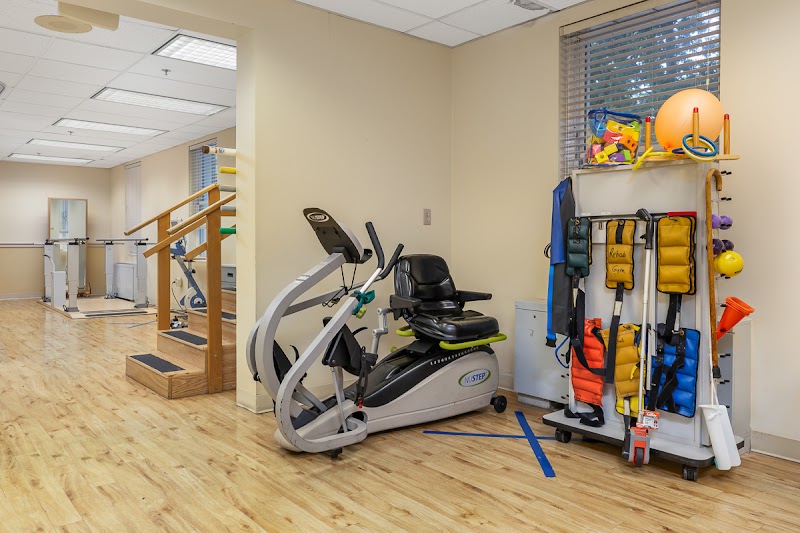
How is Autumn Lake Healthcare At Summit Park Staffed?

CMS rates AUTUMN LAKE HEALTHCARE AT SUMMIT PARK's staffing level at 2 out of 5 stars, which is below average compared to other nursing homes. Staff turnover is 52%, compared to the Maryland average of 46%.

What Have Inspectors Found at Autumn Lake Healthcare At Summit Park?

State health inspectors documented 84 deficiencies at AUTUMN LAKE HEALTHCARE AT SUMMIT PARK during 2017 to 2025. These included: 2 Immediate Jeopardy (the most serious level, indicating potential for serious harm or death), 2 that caused actual resident harm, 79 with potential for harm, and 1 minor or isolated issues. Immediate Jeopardy findings are rare and represent the most serious regulatory concerns. They require immediate corrective action.
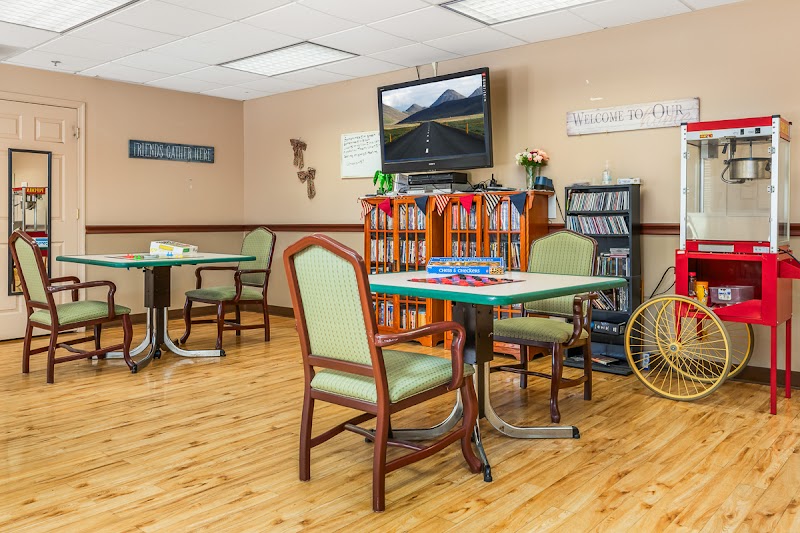
Who Owns and Operates Autumn Lake Healthcare At Summit Park?

AUTUMN LAKE HEALTHCARE AT SUMMIT PARK is owned by a for-profit company. For-profit facilities operate as businesses with obligations to shareholders or private owners. The facility is operated by AUTUMN LAKE HEALTHCARE, a chain that manages multiple nursing homes. With 143 certified beds and approximately 120 residents (about 84% occupancy), it is a mid-sized facility located in CATONSVILLE, Maryland.
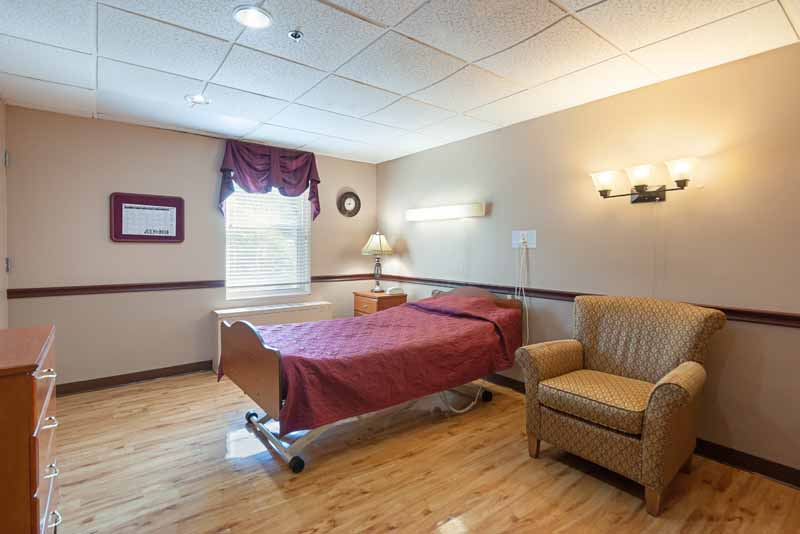
How Does Autumn Lake Healthcare At Summit Park Compare to Other Maryland Nursing Homes?

Compared to the 100 nursing homes in Maryland, AUTUMN LAKE HEALTHCARE AT SUMMIT PARK's overall rating (1 stars) is below the state average of 3.0, staff turnover (52%) is near the state average of 46%, and health inspection rating (1 stars) is much below the national benchmark.

What Should Families Ask When Visiting Autumn Lake Healthcare At Summit Park?

Based on this facility's data, families visiting should ask: "What changes have been made since the serious inspection findings, and how are you preventing similar issues?" "Can you walk me through typical staffing levels on day, evening, and night shifts?" "Can I visit during a mealtime to observe dining assistance and food quality?" "How do you handle medical emergencies, and what is your hospital transfer rate?" These questions are particularly relevant given the facility's Immediate Jeopardy citations and the below-average staffing rating.

Is Autumn Lake Healthcare At Summit Park Safe?

Based on CMS inspection data, AUTUMN LAKE HEALTHCARE AT SUMMIT PARK has documented safety concerns. Inspectors have issued 2 Immediate Jeopardy citations (the most serious violation level indicating risk of serious injury or death). The facility has a 1-star overall rating and ranks #100 of 100 nursing homes in Maryland. Families considering this facility should ask detailed questions about what corrective actions have been taken since these incidents.

Do Nurses at Autumn Lake Healthcare At Summit Park Stick Around?

AUTUMN LAKE HEALTHCARE AT SUMMIT PARK has a staff turnover rate of 52%, which is 6 percentage points above the Maryland average of 46%. Moderate turnover is common in nursing homes, but families should still ask about staff tenure and how the facility maintains care continuity when employees leave.

Was Autumn Lake Healthcare At Summit Park Ever Fined?

AUTUMN LAKE HEALTHCARE AT SUMMIT PARK has been fined $49,221 across 1 penalty action. The Maryland average is $33,571. While any fine indicates a compliance issue, fines under $50,000 are relatively common and typically reflect isolated problems that were subsequently corrected. Families should ask what specific issues led to these fines and confirm they've been resolved.

Is Autumn Lake Healthcare At Summit Park on Any Federal Watch List?

AUTUMN LAKE HEALTHCARE AT SUMMIT PARK is not on any federal watch list. The most significant is the Special Focus Facility (SFF) program, which identifies the bottom 1% of nursing homes nationally based on persistent, serious quality problems. Not being on this list means the facility has avoided the pattern of deficiencies that triggers enhanced federal oversight. This is a positive indicator, though families should still review the facility's inspection history directly.