Charlestown Home Health Agency
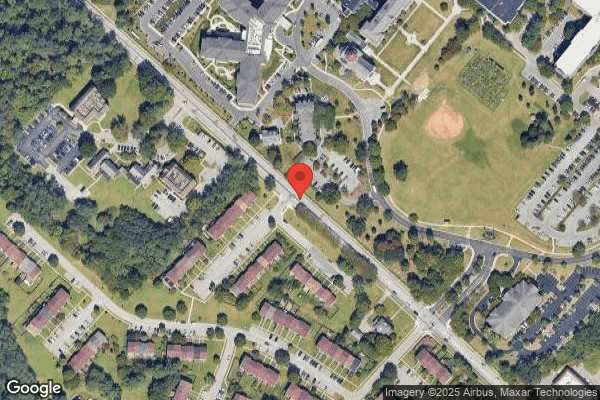

719 MAIDEN CHOICE LANE, CATONSVILLE, MD 21228 (410) 247-9700
Non profit - Corporation 103 Beds Independent Data: November 2025 1 Immediate Jeopardy citation
Trust Grade
46/100
#104 of 219 in MD
Last Inspection: July 2023

Over 2 years since last inspection. Current conditions may differ from available data.

Overview

Charlestown Home Health Agency has a Trust Grade of D, indicating below-average quality with some concerns about care. It ranks #104 out of 219 facilities in Maryland, placing it in the top half, and #17 out of 43 in Baltimore County, meaning only 16 local options are better. The facility is showing improvement, with issues decreasing from 13 in 2023 to just 2 in 2025. Staffing is a strong point here, earning a 5-star rating with a turnover rate of 32%, which is lower than the state average, suggesting that staff are experienced and familiar with the residents. However, there are serious concerns, including a critical finding where a resident with cognitive impairment was allowed to leave the building unsupervised, and another resident did not receive necessary fall prevention measures, which raises safety alarms. Overall, while there are notable strengths in staffing, the facility has significant areas needing improvement.

Trust Score
D
46/100
In Maryland
#104/219
Top 47%
Safety Record
High Risk
Review needed
Inspections
Getting Better
13 → 2 violations
Staff Stability
○ Average
32% turnover. Near Maryland's 48% average. Typical for the industry.
Penalties
○ Average
$9,315 in fines. Higher than 57% of Maryland facilities. Some compliance issues.
Skilled Nurses
✓ Good
Each resident gets 49 minutes of Registered Nurse (RN) attention daily — more than average for Maryland. RNs are trained to catch health problems early.
Violations
⚠ Watch
44 deficiencies on record. Higher than average. Multiple issues found across inspections.
★★★☆☆
3.0
Overall Rating
★★★★★
5.0
Staff Levels
★★★☆☆
3.0
Care Quality
★★☆☆☆
2.0
Inspection Score
Stable
2023: 13 issues
2025: 2 issues

The Good

  • 5-Star Staffing Rating · Excellent nurse staffing levels
  • Full Sprinkler Coverage · Fire safety systems throughout facility
  • No fines on record
  • Staff turnover below average (32%)

    16 points below Maryland average of 48%

Facility shows strength in staffing levels, fire safety.

The Bad

3-Star Overall Rating

Near Maryland average (3.0)

Meets federal standards, typical of most facilities

Staff Turnover: 32%

14pts below Maryland avg (46%)

Typical for the industry

Federal Fines: $9,315

Below median ($33,413)

Minor penalties assessed

The Ugly 44 deficiencies on record

1 life-threatening
Sept 2025 2 deficiencies
CONCERN (D) 📢 Someone Reported This

A family member, employee, or ombudsman was alarmed enough to file a formal complaint

Potential for Harm - no one hurt, but risky conditions existed

Deficiency F0605 (Tag F0605)

Could have caused harm · This affected 1 resident

Based on record review and interviews it was determined that the facility failed to appropriately prescribe a psychotropic medication for a resident without a documented need for one and monitor for b...

Read full inspector narrative →
Based on record review and interviews it was determined that the facility failed to appropriately prescribe a psychotropic medication for a resident without a documented need for one and monitor for behaviors and side effects. This was found evident in 3 (Resident #11, #67, & #84) out of 6 residents reviewed for unnecessary medications.The findings include:Chemical restraint is the use of drugs to restrict a person's freedom of movement or control their behavior, and it is not a standard treatment for their medical or psychiatric condition. It is a controversial practice that is heavily regulated and can be considered a form of abuse when misused. A chemical restraint is a form of medical restraint in which a drug (medication) is used to restrict the freedom of movement of a person or in some cases to sedate the person. An example of a chemical restraint includes benzodiazepines (such as Ativan and Xanax) which are fast-acting sedatives used for anxiety and agitation. These drugs are used primarily to control or restrict a person's behavior rather than treat an underlying condition. These medications, when used with the main intent of reducing agitation or movement, function as chemical restraints, even if they also have other therapeutic purposes. A drug used for chemical restraint may also be referred to as a psychotropic drug or therapeutic restraint. Psychotropic medications are used to treat mental health disorders and are considered any drug that affects behavior, mood, thoughts, or perception. There are five main types of psychotropic medications, and each type has its own specific uses, benefits, and side effects. The five main types are: antidepressants, anti-anxiety, stimulants, antipsychotics and mood stabilizers.1a) On 9/16/25 at 9:12 AM, the surveyor reviewed Resident #11's medical record. The review revealed that Resident #11 was prescribed Seroquel (also known as Quetiapine, an antipsychotic medication that treats several kinds of mental health conditions) for destressing delusional thoughts on 4/6/24 and Remeron (also known as Mirtazapine, an antidepressant) for adjustment disorder starting 11/2/23. The surveyor next reviewed Resident #11's psychiatric notes written by Clinical Nurse Specialist Staff #21. In a note dated 12/20/24 Staff #21 wrote, a Gradual Dose Reduction (GDR) is contraindicated as Resident # 11 continues to have distressing delusional thoughts and Quetiapine is at the lowest dose possible that has helped to decrease some of the distress. Staff #21 assessed Resident #11 on 2/21/25, 4/18/25, and 7/11/25. In both note on 2/21/25 and 4/18/25 Staff #11 documented that Resident #11 did not express delusional thoughts that day however continued to have episodes. On 7/11/25 Staff #21 wrote that Resident # 11 was tolerating Quetiapine as prescribed suggesting continuing the dose and that the Resident was continuing to have distressing delusional thoughts. The surveyor reviewed the Minimum Data Set (MDS) assessments for Resident #11 during the assessments with an Assessment Reference Dates (ARD) of 10/4/24, 1/4/25, 4/4/25 and 7/8/25. No, was marked for hallucinations and No, was marked for delusions in all of the assessments noted above. On 9/16/25 the surveyor interviewed Minimum Data Set Coordinators #18 & #19 along with the Director of Nursing (DON). Staff #18 stated that behaviors are coded on the assessment when the behaviors are noted in the medical records, in both nursing and/or provider notes within the look back period. The surveyor expressed the concern that the rationale given by Staff #21 for the continuation and contraindication for reduction of Quetiapine was noted delusional behaviors. The surveyor requested any documented behaviors noted for Resident #11. On 9/16/25 at 12:10 PM, the surveyor conducted an interview with Staff #21. During the interview Staff #21 stated that when a Resident is on a psychotropic medication it would be her expectations that behaviors are monitored. She further stated that when she evaluates if behaviors are happening, she would look through notes and speak to the staff about behaviors. The surveyor relayed the concern that the only behaviors noted in the medical record were from the ones written in her evaluation. She confirmed that she did not document the behaviors described by staff when asked. At the time of exit no evidence that Resident #11 was having behaviors was provided even though it was the rationale for continuing to prescribe a psychotropic medication and rationale for not titrating a gradual dose reduction. 1b) The surveyor conducted a record review of Resident #67's medical record on 9/17/2025 at 9:30 AM. Review of the medical record revealed that Resident #67 had a physician order since 8/11/2025 for Alprazolam (Xanax) 0.25 mg oral tablet one time daily as needed (PRN) for agitation and anxiety. Further review of the medical record revealed that Resident #67 was administered Xanax daily for 6 days in August on 8/14/2025, 8/19/2025, 8/22/2025, 8/24/2025, 8/28/2025 and 8/29/2025 and for 5 days in September on 9/4/2025, 9/5/2025, 9/6/2025, 9/7/2025 and 9/12/2025. Also, the physician order for Alprazolam (Xanax) did not include the duration/time frame for the usage of this psychotropic medication that was prescribed as needed (PRN). At 12:05 PM on 9/18/2025 the surveyor interviewed the Director of Nursing (DON) regarding the physician order for Alprazolam (Xanax) daily as needed (PRN) for Resident #67 that did not include the duration/time frame for the usage. The surveyor reviewed the PRN Xanax order with the DON. The surveyor confirmed with the DON that Xanax was ordered originally on 8/11/2025 and that Resident #67 had not received this medication prior to this date in the facility. The surveyor conveyed to the DON that the PRN Alprazolam (Xanax) order did not have a duration/time frame for usage. The DON acknowledged the surveyor. The surveyor asked the DON what the expectation was for duration/time frame for usage of PRN (as needed) psychotropic medications, such as Xanax. The DON stated that there should be a duration/time frame included in the physician order for usage of PRN Xanax. The surveyor clarified that psychotropic medications such as Alprazolam (Xanax) which were ordered as needed (PRN) were to be limited to 14 days, unless the prescribing practitioner documented a rationale to extend the medication. Additionally, the surveyor conveyed to the DON that there was insufficient documentation of ongoing monitoring of behaviors and symptoms for the usage of Alprazolam (Xanax). The DON acknowledged the surveyor and stated that the facility was in the process of educating the licensed nurses on the monitoring and documentation of behaviors and symptoms for the usage of psychotropic medications. At the time of survey exit, no additional information was provided by the facility regarding psychotropic medications. 1c) On 09/17/25 at 11:30 AM a review of Resident #84 medication administration record revealed the resident was prescribed Seroquel 12.5 mg by mouth (PO) every hour of sleep related to Dementia with Psychotic Disturbance. On 12/10/24 the medication was increased to Seroquel 25 mg PO every hour of sleep R/T the resident had visual hallucinations. The surveyor was unable to locate documentation to verify the nurses were monitoring the resident for extrapyramidal side effects of the medication or documenting when the resident had behaviors that would indicate the dose of the medication may need to be adjusted. Further review of the electronic medical record revealed the psychotropic medication was increased on 01/30/25 to Seroquel 37.5 mg PO every hour of sleep. There was no documentation to indicate why the medication was increased and if the staff was monitoring behaviors or side effects. On 09/17/2025 at 2:03 PM during an interview with the Director of Nursing (DON) #2, he/she verbalized they have a behavioral monitoring system where the Geriatric Nursing Assistants use a touch system where they document what they see. If there was any negative action or expression displayed the system would prompt them to answer more questions. The surveyor made DON #2 aware that if a nurse is assigned a resident who is prescribed psychotropic medication they are required to monitor the resident for behaviors and extrapyramidal side effect. The prescribing clinician should have that information available to determine if the medication is working or needs to be adjusted. On 09/17/2025 at 3:37 PM the surveyor reported to Administrator #1 the nurses are not monitoring residents prescribed psychotropic medications for extrapyramidal side effects and not monitoring the resident for behaviors. Administrator #1 verbalized they have high risk rounds weekly which include residents who are prescribed psychotropic medications. They are going to work on having more precise documentation instead of generic documentation. On 09/18/2025 at 11:05 AM DON #2 verbalized the resident goes to see a Neurologist at John Hopkins Hospital for Huntington's Disease and the Neurologist made the recommendation to increase the medication to Seroquel 37.5 mg R/T moderate Dementia with psychotic disturbance. The surveyor asked what warranted the increase of the medication. DON #2 verbalized the resident was having hallucinations; they don't have documentation specific to that nature. Yes, they could have had documentation. They meet on a weekly basis and talk about the residents who are prescribed psychotropic medications.
CONCERN (D) 📢 Someone Reported This

A family member, employee, or ombudsman was alarmed enough to file a formal complaint

Potential for Harm - no one hurt, but risky conditions existed

Investigate Abuse (Tag F0610)

Could have caused harm · This affected 1 resident

**NOTE- TERMS IN BRACKETS HAVE BEEN EDITED TO PROTECT CONFIDENTIALITY** Based on record review and interviews it was determined that the facility staff failed to complete a thorough investigation of f...

Read full inspector narrative →
**NOTE- TERMS IN BRACKETS HAVE BEEN EDITED TO PROTECT CONFIDENTIALITY** Based on record review and interviews it was determined that the facility staff failed to complete a thorough investigation of facility reported incidents as evidenced by not including statements from all staff who worked during the time the alleged incidents occurred. This deficient practice was evidenced in 2 (#36, #98) of 5 facility reported incident investigations reviewed during the recertification survey. The findings include: On 09/16/2025 at 2:44 PM a review of the facility's investigation of the facility reported incident #325365 related to an allegation of abuse associated with Resident #36 revealed there were no statements from all staff who worked during the time of the alleged incident. On 09/16/25 at 11:15 AM during an interview with Assistant Nursing Home Administrator #3 the surveyor asked how did they determine who should be interviewed concerning the allegation? He/she verbalized after the alleged perpetrator was interviewed, the nursing supervisor, and the assigned nurse were interviewed. Also, statements were taken from people who worked on 03/10/25. The surveyor requested a copy of the staffing sheets for the date and shift when the alleged incident occurred. At 12:00 PM a review of the staffing sheet for [NAME] Overlook 2 dated 03/10/25 3:00 pm - 11:00 pm revealed Geriatric Nursing Assistants #8, #9, #10, and #11 were included on the staffing sheet but a statement from the GNA's were not included with the investigation. On 09/16/25 at 2:48 PM the surveyor reported to Assistant Nursing Home Administrator #3 there were not statements from all the staff who worked on 03/10/25 during the 3:00 pm - 11:00 pm shift when the alleged allegation of abuse was reported. Assistant Nursing Home Administrator #3 verbalized statements are taken on a case-by-case basis & they use a clinical rationale for everything. Often the staff may not have a statement, and they were more concerned about getting a summarization of interviews. The surveyor verbalized there were no statements from four GNA's and 1 nurse who worked in the neighborhood when the alleged incident occurred. There were interviews from seven other staff who were not included on the assignment sheet. On 09/18/25 at 10:31 AM a review of the facility's investigation related to the Facility Reported Incident (FRI) #325310 related to an allegation of abuse concerning Resident #98 revealed, a statement from all the staff who worked on [NAME] Overlook 2 on 07/13/23 during 7:00 am - 3:30 pm was not included in the investigation. There was not a statement from Licensed Practical Nurse (LPN) #30 who was assigned to the resident nor was there a statement from GNA #31 who worked when the alleged incident occurred. On 09/18/25 at 11:46 am the surveyor reported to Administrator #1 a thorough investigation was not completed because all the staff who worked during the alleged incident were not interviewed.
Jul 2023 13 deficiencies 1 IJ
CRITICAL (J) 📢 Someone Reported This

A family member, employee, or ombudsman was alarmed enough to file a formal complaint

Immediate Jeopardy (IJ) - the most serious Medicare violation

Accident Prevention (Tag F0689)

Someone could have died · This affected 1 resident

**NOTE- TERMS IN BRACKETS HAVE BEEN EDITED TO PROTECT CONFIDENTIALITY** Based on observation, staff interviews, medical records review, review of facility reports, and facility's policy and procedures...

Read full inspector narrative →
**NOTE- TERMS IN BRACKETS HAVE BEEN EDITED TO PROTECT CONFIDENTIALITY** Based on observation, staff interviews, medical records review, review of facility reports, and facility's policy and procedures it was determined that the facility failed to: 1) ensure appropriate processes were followed and adequate supervision was in place to prevent a cognitively impaired resident with exit seeking behaviors and a history of a previous elopement from leaving the building. This was evident for 1 Resident (#55) out of 3 Residents reviewed for actual elopements reviewed during an annual and complaint survey. 2) ensure fall prevention interventions were in place for a resident with a history of falls. This was found evident of 1 (#49) of 7 residents reviewed for falls during an annual and complaint survey. The Findings Include: 1. On 7/11/23 6:56 AM, the surveyor reviewed Resident #55's medical record. Resident #55 was admitted to the facility in September of 2019. Resident #55's past medical history includes dementia, adjustment disorder, acquired absence of left leg (amputation), and repeated falls. Further review of the medical record revealed a quarterly assessment and care plan dated 7/6/22. In the Safety and Exploring section the questions were asked, I have attempted to leave my residence or other places unescorted which potentially placed me in danger, and was answered yes. Additionally, Yes was answered to, I have poor decision-making skills and I have actively exhibited exit-seeking actions. Following the assessment, the care plan stated,Roam alert to my [wheel chair] for safety due to seeking exit. The section titled My Cognitive Function, documented Resident #55 consciousness level as confused and constantly Requires assistance and some direction in specific situations or consistently requires low stimulus environment due to distractibility. The surveyor next reviewed the comprehensive annual assessment and care plan following the 8/14/22 elopement. The assessment was completed on 9/29/22. In section Safety and Exploring the assessment had a section labeled, approximate dates of elopement and this section was left blank. On 7/11/23 at 7:57 AM, the surveyor reviewed the facility investigation following an elopement of Resident #55 that occurred on 8/14/22. The report states Resident #55 was alert and oriented times 1-2, indicating he/she was aware of 1-2 of the standard orientation questions. These questions assess a person's knowledge of person, place, time or situation. The report also stated that Resident #55 has episodes of confusion and a Brief Interview for Mental Status (BIMS) score, or brief interview to understand mental status, of 7. A score from 0-7 indicates severe impairment in mental status. Resident #55's mobility was documented as needing assistance with transfers but able to self-propel in a wheelchair. The report stated that Resident #55 asked the front desk staff about activities on the lower level. The front staff (located on lower level, across from the main entrance) instructed Resident #55 that the activities were located on the first floor and second floor. The front desk staff continued to help others and Resident #55 wheeled further down the hallway on the lower level. Resident #55 wheeled to an employee exit door and the Roam alert (safety device alarm) alarmed at 1:44 PM. The report indicated the alarm was canceled within 14 seconds. The report did not reveal who canceled the alarm. The report stated Resident #55 was seen leaving the back door by an employee that was eating lunch in her car. The employee then wheeled the Resident to the front door where the Roam alert went off again at 1:45 PM. The report indicated that the doors and alarms were checked and were functioning properly. On 7/11/23 at 7:57 AM, the surveyor reviewed the facility investigation following an additional elopement of Resident #55 that occurred on 2/4/23. The investigation indicated that Resident #55 came down to the lower level with a group of visitors. The communication specialist was on a call with another Resident when the Roam alert went off at the front doors at 11:21 AM. During this time, a housekeeping assistant reset the Roam alarm without investigating the reason for the alarm activation. Resident #55 was able to leave out the front doors and make it to the curb. An employee brought Resident #55 back in and the Roam alarm activated upon entrance at 11:23 AM. The report indicated that the facility's corrective action was to re-educate the employees involved to not resetting the Roam alert without verifying the resident involved. The surveyor reviewed Resident #55's quarterly assessment and care plan following the 2/4/23 elopement. This assessment was conducted on 3/23/23. In section, Safety and Exploring the approximate dates of elopement were again blank. In section, My Cognitive Function the daily decision making skills documented, Moderately impaired-decisions poor; cues/supervision required. On 7/12/23 at 2:30 PM, the surveyor observed the back parking lot, just outside the door where Resident #55 had eloped on 8/14/22. The surveyor observed a car drive from the road adjacent to the employee door and make a 90 degree left turn. The car then drove on the black paved area alongside the sidewalk to the employee entrance. The surveyor observed no stop sign when turning left from the adjacent road. When exiting the back employee entrance, both the paved area along the sidewalk and the road adjacent had a downward slope. When leaving from the employee door, if the right turn to exit was not made, there was a tall metal fence located at the bottom of the slope. Also located outside the employee exit were electric boxes and dumpsters. On 7/11/23 at 12:47 PM, the surveyor interviewed the Director of Nursing (DON) regarding the elopement of Resident #55 from 8/14/22. The DON states she was unaware of who had silenced the Roam alarm and that the Assistant Director of Nursing (ADON) who had completed the investigation was no longer employed at the facility. The DON stated the alarm was canceled in 15 seconds and whoever canceled the alarm should have determined why the alarm went off. She indicated there was no statement from whoever turned off the alarm. The corrective action indicated that the employees involved were re-educated on proper incident notification to manager or supervisor. There was no indication that education was provided to proper alarm response. The surveyor made the DON aware that on 7/10/23 at 8:48 AM, the surveyor conducted an interview with Communication Specialist Staff #28. During the interview staff #28 stated she was a float Communication Specialist and filled in when needed. Staff #28 stated she did not get a report and was not aware of the current residents at risk for elopement. She did state that some residents have a device that would alarm when they were by the exit doors. The DON followed up and stated that the particular communication specialist interviewed was new and she would ensure she was educated on the elopement of residents and the elopement book that was kept at the front desk with pictures of residents at risk for elopement. On 7/11/23 at 8:23 AM, the surveyor reviewed Resident #55's progress notes. The review revealed a note written by Licensed Practical Nurse (LPN) staff #16, on 7/9/23, stating Resident #55 was in the garden in the rain due to poor safety awareness. Resident #55's clothes were changed, and no complaints voiced. On 7/11/23 at 9:32 AM, the surveyor interviewed Staff #16. During the interview it was revealed that a Certified Medication Technician (CMT) from Assisted Living was looking outside the window and noticed Resident #55 in the courtyard while it was raining outside. The CMT called the Long-Term-Care unit and relayed the information to the supervisor. One of the Geriatric Nursing Assistants (GNA) was instructed to get Resident #55 from the courtyard. Staff #16 stated that the door to the courtyard is unlocked by the night staff at 7am and locked in the evening shift around 10 fpm. She further stated the residents are allowed to go in and out throughout the day and no one person is responsible for checking the courtyard. Staff #16 stated they are not instructed to lock the door with inclement weather. Staff #16 reported that she went to assess Resident #55 and his/her clothes had already been changed by the GNA. She stated she further dried his/her hair with a towel. On 7/11/23 at 12:47 PM, the surveyor interviewed the Director of Nursing (DON). The DON stated, there was no routine monitoring of the courtyard. The DON reported there was no alarm if a resident with a Roam alert goes out to the courtyard. The floor staff is responsible for monitoring their residents and the facility. The DON further stated the facility only locks access to the courtyard after a team discussion and they have only locked it twice recently due to code red air quality. On 7/11/23 at 2:26 PM, the surveyor conducted a follow- up interview with the DON. She stated the facility has made the decision to lock the courtyard door and have a sign up asking to be let out by staff. On 7/11/23 at 11:08 AM, the surveyor conducted and interview with Senior Maintenance Mechanic Staff #15. The surveyor conducted this interview at the back employee entrance door, where Staff #15 was observed working with a contractor. He explained nothing was wrong with the door, but the facility wanted to make the door more secure. He further explained, prior to today's changes to the door, the door's locking mechanism would be suspended when motion was detected from inside the entrance of the door, allowing people to exit without entering a code or badging in. The surveyor asked what would happen when a Resident with a Roam alert came to the door. Staff #15 stated the door would still open if it sensed motion, but an alarm would go off. The alarm would be sent to the [NAME] system, which then sends an alert directly to the nurses' phones, computer screens in nurses' stations and the front desk. The alert would directly indicate where the alarm was going off. Staff #15 indicated that the front entrance door is different and locks when a Roam alert is detected as well as alarm. He further stated after today anyone leaving from this back employee entrance door would have to push a button labeled, push to exit and then push the door. The Roam alert activation would still not lock the door if activated, however now the button would need to be pushed to leave. On 7/11/23 at approximately 1PM, the surveyor review of policy titled, Alarms Response (Exit Doors, Wander Alert Devices). The first step in the procedure section states, If staff observe or witness a resident triggering exit alarms and/or wander device, they will promptly respond, redirect the resident to an area within the neighborhood away from exit and engage the resident in an individualized activity or task of the resident's choice. On 7/11/2023 at 1:23 PM, the surveyor interviewed Communication Specialist staff #29. Staff #29 stated she normally worked at the front desk of [NAME] Overlook but was off yesterday. The surveyor asked Staff #29 if there was a book to reference for elopement residents. Staff # 29 stated yes and showed the book to the surveyor. Two loose pictures of Residents were noted in the book with no name on the pictures. Staff #29 was able to identify one of the Residents but unable to identify the other. Staff #29 stated the nurse just brought these down. On 7/11/23 at 1:32 PM, the surveyor brought the elopement book to the administrative office. The Nursing Home Administrator was able to identify the second resident. The DON was also in the room. The surveyor asked what the process was for updating the book. The DON stated that the day a Resident is identified as an elopement risk they are put into the book and when they are no longer a risk they are removed. The Maryland Office of Health Care Quality (OHCQ) determined that these concerns met the Federal definition of Immediate Jeopardy and the facility was verbally notified of this determination on 7/13/23 at 4:00 PM. The facility provided a plan to remove the immediacy while the surveyors were onsite. The removal plan was accepted by OHCQ at 8:05 PM after 2 initial plans were submitted at 6:43 PM and 7:28 PM. The plan included: Reviewing and updating Resident #55's elopement risk and care plan and additionally all other identified elopement Residents, locking the courtyard on [NAME] Overlook One with access managed by the Administrator, and monitoring the rear staff entrance door by staff until the Roam alert is tied to the locking system. The facility's plan for removal also included the following: All departmental employees will be educated on alarm response policy by 7/12/23, communication staff will be educated on all resident's with active Roam alerts and receive updates with changes completed by 7/13/23, the DON will audit the care plans of the newly identified elopement risks weekly for 4 weeks and then monthly for 2 months, elopement drills with activation of roam alerts will be performed on every shift for the first month and then 1 shift per month for the next 3 months, perimeter exit doors will be checked and include roam activation daily for two week and then weekly for four weeks, audit findings will reported to the Quality Assurance/Performance Improvement Committee (QAPI) monthly for 3 months. Additional audits and education may be determined based on audit findings. After determination of Immediate Jeopardy concerns, an extended survey was conducted. The Immediate Jeopardy was removed on 7/13/23 after validation that the plan had been implemented. After removal of the immediacy, the deficient practice continued with a scope and severity of D with potential for more than minimal harm for the remaining residents. 2. On 6/28/23 at 10:51 AM, the surveyor observed Resident #49's room. Resident #49 was not in his/her room and no floor mats are observed within the room. On 6/29/23 at 10:41 AM, the surveyor reviews Resident #49's medical record. The review revealed that Resident #49 was admitted in late 2019 and has a history of falling, unsteady on feet, mild cognitive impairment, and fracture of the femur. On 7/6/23 10:00 AM, the surveyor again observed Resident #49's room and no fall mats are noted on floor. On 7/6/23 at 10:04 AM, the surveyor interviewed Geriatric Nursing Assistant (GNA) Staff #27. During this interview staff #27 states she has worked with Resident #49 and does not recall ever seeing floor mats for Resident #49. On 7/7/23 at 9:13 AM, the surveyor reviewed documentation from a fall that Resident #49 sustained on 2/23/23. The investigation stated that Resident reported being asleep and rolling out of bed. The report also documented Resident #49 had a fall care plan in place prior to the fall. On 7/7/23 at 10:41 AM, the surveyor reviewed the fall care plan for Resident #49. Wheelchair and fall mat were both listed in a section labeled, these devices will assist me: Approaches to address the risk we listed; frequent monitoring and attend to need in a timely manner, encourage Resident to always seek assistance with all transfers, reorient Resident to room and surroundings, continue fall precautions and frequently monitor safter per plan of care, body pillow to both side of bed and keep environment free from potential hazards. On 7/7/23 6:53 AM, the surveyor interviewed the Assistant Director of Nursing (ADON). During this interview the ADON was made aware of the multiple observation of no fall mats in Resident #49 with a current fall care plan documenting fall mats as an assistive device. The ADON said she would get the fall mats and would follow up on effective intervention for Resident #49.
CONCERN (D) 📢 Someone Reported This

A family member, employee, or ombudsman was alarmed enough to file a formal complaint

Potential for Harm - no one hurt, but risky conditions existed

Deficiency F0577 (Tag F0577)

Could have caused harm · This affected 1 resident

Based on observation and interview, it was determined that the facility staff failed to display the results of the annual recertification survey and plan of correction in a place readily accessible to...

Read full inspector narrative →
Based on observation and interview, it was determined that the facility staff failed to display the results of the annual recertification survey and plan of correction in a place readily accessible to residents, family members, and legal representatives. This was evident in the 1 of 1 survey results book posted in the facility. The findings include: Surveyor observation of the lobby on 6/27/2023 through 6/28/2023 revealed no evidence of the State inspection results in an open and readily accessible area for residents, staff, and visitors to review. A tour of the facility did not reveal any signs posted telling residents where the state survey results are located. On 6/28/2023 at 09:57 AM an interview with the Assistant Nursing Home Administrator confirmed the facility staff failed to place the results of survey inspections in a place easily accessible to any persons to be reviewed.
CONCERN (D) 📢 Someone Reported This

A family member, employee, or ombudsman was alarmed enough to file a formal complaint

Potential for Harm - no one hurt, but risky conditions existed

Deficiency F0602 (Tag F0602)

Could have caused harm · This affected 1 resident

Past Non-Compliance Based on record review and staff interviews, it was determined that the facility failed to ensure that residents were protected from employee theft. This was evident for 2 (#205, #...

Read full inspector narrative →
Past Non-Compliance Based on record review and staff interviews, it was determined that the facility failed to ensure that residents were protected from employee theft. This was evident for 2 (#205, #12) of 2 residents reviewed for misappropriation of personal property. It was determined that the facility's failure to protect residents #205 and #12 from theft resulted in past non-compliance which existed from 07/2022 until 09/26/2022. The findings include: On 07/06/2023, a record review revealed that on 06/14/2022 Resident #205's family reported that the resident's purse had gone missing sometime between 05/27/2022 and 05/31/2022. $46 and a credit card were missing along with the purse. According to staff interviews conducted by the facility during their investigation of the matter, two staff members recalled that Resident #205 had a purse while receiving care at the facility. In June 2022, an attempt to use Resident #205's credit card was attempted but declined by the credit card company. In June 2022, multiple checks were written from Resident #205's account to unknown persons. According to the facility investigation, one check had been written to Staff # 9, an employee that had been working in the facility from May 2022 to June 2022. This was how the alleged perpetrator was ultimately identified. On 07/07/2023, a record review revealed that in June 2022 multiple checks were written from Resident #12's checking account to the same unknown persons as above. After the theft, the facility conducted complete investigations and took all the appropriate measures to prevent further incidents of a similar nature. The measures included: 1. The Medical Director and Responsible Parties were notified and, or updated 2. Security was notified 3. Police were notified 4. Staff were interviewed 5. Residents were interviewed 6. Staff were re-educated on the following topics: a. Customer service, resident rights, and ethical standards b. Facility values, workday competencies, and regulatory compliance 7. The facility reimbursed Resident #205 $46 and the cost of the purse 8. Staff #9 was terminated for job abandonment (abandoned the job on 06/09/2022). Additionally, the facility continued to discourage resident's from bringing valuables to the facility and continued to provide a locking drawer in resident rooms. There is an ongoing criminal investigation for theft involving Staff #9. The survey identified non-compliance with Federal and State requirements that were reviewed in relation to facility reported incidents MD00181071 and MD00179196, which were found to be past noncompliance with a compliance date of 9/26/2022.
CONCERN (D) 📢 Someone Reported This

A family member, employee, or ombudsman was alarmed enough to file a formal complaint

Potential for Harm - no one hurt, but risky conditions existed

Deficiency F0676 (Tag F0676)

Could have caused harm · This affected 1 resident

Based on observation, medical record review and interview, it was determined the facility staff failed to ensure that Resident #24 received assistance with the hearing devices to maintain hearing abil...

Read full inspector narrative →
Based on observation, medical record review and interview, it was determined the facility staff failed to ensure that Resident #24 received assistance with the hearing devices to maintain hearing abilities and the ability to achieve the greatest independence with performing Activities of Daily Living to Resident (#24). This was evident for 1 of 3 residents selected for review during the survey process. The findings include: Activities of daily living are routine activities people do every day without assistance. There are six basic ADLs: eating, bathing, getting dressed, toileting, transferring and continence. Medical record review for Resident #24 revealed on 3/16/22, the physician orders: please change hearing aids batteries on Mondays and Thursdays every week. Observation of Resident #24 on 6/27/23 at 1:08 PM, and 6/29/23 at 12:26 PM, revealed the resident was out of bed in the wheelchair in the dining room, however, the facility staff failed to place the hearing aide. Interview with the resident's Power of Attorney on 6/27/23 at 12:30 PM, revealed that Resident #24 on multiple occasions when he/she visited did not have the hearing aid in place and had to ask staff to place the hearing aide. Interview with the resident on 6/29/23 at 12:30 PM, revealed the resident stated that he/she did not have the hearing aid placed for 2-3 days and would like to have the hearing aids in place daily. Interview with the Director of Nursing on 6/29/23 confirmed the facility staff failed to assist Resident #24 with the hearing device.
CONCERN (D) 📢 Someone Reported This

A family member, employee, or ombudsman was alarmed enough to file a formal complaint

Potential for Harm - no one hurt, but risky conditions existed

ADL Care (Tag F0677)

Could have caused harm · This affected 1 resident

Based on medical record review and resident and staff interviews it was determined the facility staff failed to ensure that dependent resident's personal hygiene needs were adequately met by offering ...

Read full inspector narrative →
Based on medical record review and resident and staff interviews it was determined the facility staff failed to ensure that dependent resident's personal hygiene needs were adequately met by offering and providing showers as scheduled. This was evident for 1 of 66 (#17) residents reviewed during the survey process. The findings include: In an interview with Resident #17 on 06/28/23 at 11:58 AM, revealed that Resident #17 stated, I only get showers once a week and I'm used to taking a shower daily. The MDS is a federally mandated assessment tool that helps nursing home staff gather information on each resident's strengths and needs. Information collected drives resident care planning decisions. MDS assessments need to be accurate to ensure each resident receives the care they need. Review of Resident #17's most recent MDS completed on 2/13/23, revealed that s/he is total dependent for bathing requiring extensive assistance for all Activities of Daily Living (ADL). The Brief Interview for Mental Status (BIMS) revealed a score of 15 indicating adequate cognitive ability. Further review of Resident #17's shower schedule which is every Tuesday and Fridays, as well as the Geriatric Nursing Assistant (GNA) task documentation of Activity of Daily Living (ADL) revealed that from 4/4/23/ until 6/30/23, Resident #17 received no showers on 4/14/23, 4/18/23, 5/26/23, 6/23/23, and 6/30/23. The Director of Nursing (DON) was made aware of this concern on 7/5/23 at 11 AM.
CONCERN (D) 📢 Someone Reported This

A family member, employee, or ombudsman was alarmed enough to file a formal complaint

Potential for Harm - no one hurt, but risky conditions existed

Deficiency F0700 (Tag F0700)

Could have caused harm · This affected 1 resident

Based on observation, record review and interview with facility staff, it was determined that the facility failed to obtain informed consent prior to the use of bedrails. This was evident of 1 of 2 Re...

Read full inspector narrative →
Based on observation, record review and interview with facility staff, it was determined that the facility failed to obtain informed consent prior to the use of bedrails. This was evident of 1 of 2 Residents (Resident #60) reviewed for bedrails during an annual survey. The findings include: Bedrails, also known as side rails, are adjustable bars that attach to the bed. They vary in size, including full, half, and quarter lengths depending on their intended purpose. They can be used to prevent falls, help assist residents with movement, and provide a feeling of security. Bed rails also have potential risks associated with them, such as suffocation, entrapment, and psychological risks. A Resident or Resident's Representative should be provided with the risks and benefits information along with a signed consent obtained before the use of bedrails. On 6/27/23 at 11:41 AM, the surveyor observed Resident #60 with 1/4th bed rails up on both sides of the bed. On 7/05/23 at 11:26 AM, the surveyor reviewed Resident #60's medical records. The review revealed that resident #60 was admitted to the facility in May of 2023 and had a past medical history of vertigo (dizziness), unsteady on feet, and muscle weakness. Further review of Resident #60's medical record revealed a mobility care plan stating, I need the following devices to be as independent as possible: The intervention stated, Resident requires stand by assistance with transfers. No mention of bedrails in the care plan. No consent for bedrails was found. On 7/05/23 at 12:02 PM, the surveyor interviewed the Assistant Director of Nursing (ADON). During this interview the ADON stated she was unable to find the consent for the side rails for Resident #60. She further stated, if a resident has side rails up on their bed they should have an informed consent signed in their medical record.
CONCERN (D) 📢 Someone Reported This

A family member, employee, or ombudsman was alarmed enough to file a formal complaint

Potential for Harm - no one hurt, but risky conditions existed

Infection Control (Tag F0880)

Could have caused harm · This affected 1 resident

**NOTE- TERMS IN BRACKETS HAVE BEEN EDITED TO PROTECT CONFIDENTIALITY** Based on observations, interviews and record reviews, the facility staff failed to follow the facility's infection control polic...

Read full inspector narrative →
**NOTE- TERMS IN BRACKETS HAVE BEEN EDITED TO PROTECT CONFIDENTIALITY** Based on observations, interviews and record reviews, the facility staff failed to follow the facility's infection control policy. This was evident for 2 (# 10 and # 8) out of 2 observations for infection control. The findings include: On 7/10/23 at 11:30 AM, the surveyors observed Licensed Practical Nurse (LPN) # 10 use the glucometer on Resident #25. Following use the glucometer was cleaned with alcohol wipes by LPN # 10. During an interview conducted on 7/10/23 at 11:35 AM, LPN # 10 showed the surveyors a container of alcohol wipe packets. The LPN stated she used the alcohol wipes to clean the community glucometer. On 7/10/23 at 11:45 AM, the surveyors reviewed the facility's policy titled, Equipment: Cleaning, Disinfection, and Decontamination Standard Operation Procedure which stated to use Chlorox Germicidal Wipe or an equivalent germicidal solution appropriate for blood borne pathogens. During an interview conducted on 7/10/23 at 1:50 PM, the Assistant Director of Nursing (ADON) confirmed that the use of alcohol was not in compliance with the facility policy. On 7/10/23 at 9:50 AM, the surveyors observed Geriatric Nursing Assistant (GNA # 8) enter an isolation room wearing a surgical mask, gown, and gloves, but no face shield or N95 mask. The precautions signage read, Visitor Restrictions in Place: N95, masks, gowns, goggles or shield and gloves required. Questions? [phone number of contact]. GNA # 8 stated that no face shields or N-95 masks were available, however N-95 masks were visible on the supply table. GNA # 8 stated she would get the supplies. During an interview conducted on 07/10/23 at 12:30 PM, the Infection Control Preventionist (ICP) # 13 confirmed that the residents in room [ROOM NUMBER] were on precautions and the signage should have been followed by anyone entering the room. During an interview conducted on 07/10/23 at 1:50 PM, the ADON was notified and confirmed that signage was to be followed by staff entering the room.
CONCERN (D) 📢 Someone Reported This

A family member, employee, or ombudsman was alarmed enough to file a formal complaint

Potential for Harm - no one hurt, but risky conditions existed

Deficiency F0917 (Tag F0917)

Could have caused harm · This affected 1 resident

Based on resident interview and observation, it was determined that the facility staff failed to ensure that a shower chair was safe for use. This was evident for 1 (#46) of 66 residents reviewed duri...

Read full inspector narrative →
Based on resident interview and observation, it was determined that the facility staff failed to ensure that a shower chair was safe for use. This was evident for 1 (#46) of 66 residents reviewed during the recertification survey. The findings include: On 06/28/2023 at 10:04 AM, an interview with Resident # 46 revealed that the resident, who has trouble walking and muscle weakness, reported that he/she felt unsafe using his/her shower chair. The resident described the chair as wobbly. On 06/29/2023 at 11:00 AM, a subsequent observation and demonstration revealed that the legs of the chair appeared unstable when moved. On 06/29/2023 at 11:16 AM this finding was demonstrated to the Director of Nursing who removed the chair and replaced it.
CONCERN (E) 📢 Someone Reported This

A family member, employee, or ombudsman was alarmed enough to file a formal complaint

Potential for Harm - no one hurt, but risky conditions existed

Investigate Abuse (Tag F0610)

Could have caused harm · This affected multiple residents

Deficiency Text Not Available

Read full inspector narrative →
Deficiency Text Not Available
CONCERN (E) 📢 Someone Reported This

A family member, employee, or ombudsman was alarmed enough to file a formal complaint

Potential for Harm - no one hurt, but risky conditions existed

Deficiency F0638 (Tag F0638)

Could have caused harm · This affected multiple residents

Based on medical record review and staff interview, it was determined the facility staff failed to complete a quarterly Minimum Data Set (MDS) assessment within 14 days after the assessment reference ...

Read full inspector narrative →
Based on medical record review and staff interview, it was determined the facility staff failed to complete a quarterly Minimum Data Set (MDS) assessment within 14 days after the assessment reference date. This was evident for 2 of 2 residents (#117 and #1) reviewed. The findings include: The MDS is part of the Resident Assessment Instrument that was Federally mandated in legislation passed in 1986. The MDS is a set of assessment screening items employed as part of a standardized, reproducible, and comprehensive assessment process that ensures each resident's individual needs are identified, that care is planned based on these individualized needs, and that the care is provided as planned to meet the needs of each resident. The MDS is to be completed 14 days after the assessment reference date. Review of Resident #117's medical record on 7/5/23 9 at 12:30 PM revealed the following: 1. A quarterly MDS with an ARD (assessment reference date) 5/16/23, has not been completed as of 6/6/23. 2. A quarterly MDS with an ARD (assessment reference date) 2/16/23, was completed on 4/7/23. 3. A quarterly MDS with an ARD (assessment reference date) 11/16/22, was completed on 1/5/23. On 07/05/23 at 12:28 PM, an interview with the MDS Coordinator revealed that the facility staff are behind because of the high turn around of residents in the facility. We realized the delay and in April 2023, we submitted it to Quality Assurance and Performance Improvement (QAPI). QAPI is a process used to ensure that services are meeting quality standards and assuring care reaches a certain level and Performance Improvement. Review of Resident #1's medical record on 7/6/23 9 at 9:30 AM revealed the following: 4. A quarterly MDS with an ARD (assessment reference date) 5/18/23, has not been completed as of 7/6/23. 5. A quarterly MDS with an ARD (assessment reference date) 2/14/23, was completed on 4/8/23. 6. A quarterly MDS with an ARD (assessment reference date) 11/16/22, was completed on 1/5/23. The Assistant Director of Nursing was informed of the findings on 7/06/23 at 12:00 PM.
CONCERN (E) 📢 Someone Reported This

A family member, employee, or ombudsman was alarmed enough to file a formal complaint

Potential for Harm - no one hurt, but risky conditions existed

Quality of Care (Tag F0684)

Could have caused harm · This affected multiple residents

2) On 7/14/23 at 9:15 AM a record review was conducted of the narcotic count book on the 1st floor nursing unit. During the record review the surveyors, Licensed Practical Nurse (LPN) # 11 and Registe...

Read full inspector narrative →
2) On 7/14/23 at 9:15 AM a record review was conducted of the narcotic count book on the 1st floor nursing unit. During the record review the surveyors, Licensed Practical Nurse (LPN) # 11 and Registered Nurse (RN) # 12 observed a bottle of liquid Morphine Sulfate concentrate 20 milligrams (ml) per milliliter (ml) with a remaining balance of 13 milliliters (ml), however, the narcotic book showed a balance of 4.25 ml. remaining. Further review of the Morphine Sulfate liquid bottle revealed an order for Resident # 44 that read use 0.25 ml (5mg) sublingually every 8 hours. During an interview conducted on 7/11/23 at 10:00 AM, the surveyors reported the findings to the Assistant Director of Nursing (ADON) who stated that she would investigate. The surveyors observed and interviewed Resident # 44 on 7/12/23 at 8:15 AM. Resident # 44 appeared drowsy without respiratory distress, aroused easily when surveyors called his/her name, and denied pain or shortness of breath. On 7/14/23 09:38 AM, the surveyors confirmed with LPN # 24 that the narcotic count sheet had been corrected. Based on observations, interviews and record reviews, it was determined the facility failed to: 1) identify and provide treatment according to the resident's comprehensive care plan and professional standard for constipation (Resident # 60), 2) maintain correct narcotic count (Resident # 44), and 3) failed to ensure resident's skin was completely assessed and documented per physician orders (Resident # 199). This was found for 3 (# 60, # 44, and #199) out of 66 residents reviewed during the recertification survey. The findings include: 1) On 7/05/23 at 11:26 AM, the surveyor reviewed Resident #60's medical records. The review revealed that Resident #60 was admitted to the facility in May of 2023 and had a past medical history of gastrointestinal hemorrhage (bleeding in the bowels), anemia (low red cell count), and muscle weakness. Further review of Resident #60's medical record revealed a bathroom regimen care plan. In this care plan, the second goals stated, I will not have complication related to constipation (difficulty emptying bowels). Additionally, the care plan stated Resident 60's normal routine was to have a bowel movement every 1-3 days with routine laxatives (medications to aide in bowel movement). The medications were listed as miralax, colace and senna. On 7/5/23 at 12:13 PM, the surveyor reviewed Resident #60's medication orders. Resident was ordered Miralax 17 grams to be given everyday starting on 5/4/23 for bowel regimen/constipation. Docusate sodium 100 mg tablet and senna 8.6 mg tablet were also ordered on 5/4 but written as needed, two times daily for constipation. On 7/6/23 at approximately 10:30 AM, the surveyor reviewed Resident #60's bowel movement log. No bowel movements were recorded on the log on 6/10, 6/11, 6/12, 6/13, 6/14, 6/15 or on 6/16. On 7/6/23 at approximately 12 noon, the surveyor reviewed Resident #60's Medication Administration Record (MAR). The MAR revealed that Resident #60 did not receive docusate sodium or senna on the dates 6/10 through 6/15, the time period no bowel movements were recorded. On 7/6/23 at 1:10 PM, the surveyor interviewed the Assistant Director of Nursing (ADON). During the interview the surveyor reviewed the bowel movement log and MAR with ADON. The ADON stated she would expect an intervention to be done after 3 days of not having a bowel movement. 3) On 06/28/2023 at 9:02 AM, an abnormal appearing nickel-sized area was observed by surveyor on Resident #199's left temple area, close to the ear. The Resident was immediately interviewed, and when asked about it, the Resident said that he/she did not know what it was and that it sometimes itched. On 06/29/2023 at 1:30 PM, Resident #199's medical records were reviewed. An order was created on 06/14/2023. The order read: weekly skin assessment on Fridays 7 AM-3 PM. Complete skin assessment using the skin sheet and document findings on wound portal and in progress notes. No assessment that included the area on the left temple could be found in the progress notes written by nursing staff, physicians, or other disciplines. No skin assessment could be found in the wound portal. On 06/30/2023 at 10:00 AM, an interview was conducted with staff #3, a Nurse Practitioner (NP). When asked about the area in question, the NP said that she did not know but would look it up. When no notes could be found she said, I'll go take a look. After Resident #199's skin was assessed, the NP stated, It definitely looks like atypical cells, maybe squamous. She then ordered a dermatology consult. On 06/30/2023 at 10:43 AM the Director of Nursing was made aware. At 12:02 PM she provided documentation that the Resident had been seen by dermatology several months prior to admission to the facility. The Dermatologist notes revealed that Resident #199 had a history of squamous cell carcinoma. This is a common type of skin cancer that requires medical intervention. On 06/30/2023 at 12:28 PM the missing skin assessments were brought to the attention of the Assistant Director of Nursing. She acknowledged the findings and stated, there should have been two by now and they aren't there. A complete skin assessment is an essential part of prevention. Early recognition of skin changes is an important part of maintaining overall health.
CONCERN (E) 📢 Someone Reported This

A family member, employee, or ombudsman was alarmed enough to file a formal complaint

Potential for Harm - no one hurt, but risky conditions existed

Drug Regimen Review (Tag F0756)

Could have caused harm · This affected multiple residents

2) Medication Regimen Review (MRR) or Drug Regimen Review is a thorough evaluation of the medication regimen of a resident, with the goal of promoting positive outcomes and minimizing adverse conseque...

Read full inspector narrative →
2) Medication Regimen Review (MRR) or Drug Regimen Review is a thorough evaluation of the medication regimen of a resident, with the goal of promoting positive outcomes and minimizing adverse consequences and potential risks associated with medication. The MRR includes review of the medical record in order to prevent, identify, report, and resolve medication-related problems, medication errors, or other irregularities. The MRR also involves collaborating with other members of the Inter Disciplinary Team (IDT), including the resident, their family, and/or resident representative. a) On 6/29/23 at 1:31 PM, the surveyor reviewed Resident #53's medical record. The review revealed Resident #53 was admitted to the facility in mid 2018 and had a past medical history of dementia, schizoaffective disorder and bipolar. Further review of the medical records revealed Resident #53 was prescribed Olanzapine, Clonazepam, Lithium and Trazadone. All of these medications fall under the drug category of psychotropic medications, drugs that affect behavior, mood, thoughts or perceptions. Olanzapine is further classified as an antipsychotic, used to treat psychotic disorders. On 7/5/23 at 8:55 AM, the surveyor reviewed Resident #53's MRRs. The review revealed a MRR conducted on 2/24/23 by Pharmacist staff #26, found a medication irregularity and a report was created. This report stated a recommended for a Gradual Dose Reduction (GDR) of Olanzapine. The rationale given; Centers for Medicare and Medicaid Services (CMS) requires that antipsychotics, being used to treat expression or indications of distress related dementia, be evaluated at least quarterly with documentation regarding continued clinical appropriateness. Staff #26 signed the report. The following section on the report lays out a place for the physician's response. Three options are listed for the physician's response. 1) I accept the recommendation(s), please implement as written. 2) I accept the recommendation(s) above with the following modifications: 3) I decline the recommendation(s) above because the GDR is clinically contraindicated for this individual. Option 3 has a space for the provider to write patient-specific rationale why the GDR attempt is contraindicated. The report for Resident #53 had no options indicated and was not signed by the provider. No documentation to indicate that the physician reviewed the recommendations. Staff #26 conducted a MRR on 4/20/23 and wrote an irregularity report recommending a laboratory level be obtained following the MMR. The physician responded by checking, I accept the recommendations above. However, this physician's review was signed on 6/23/23, two months after the recommendation was made. On 7/5/23 at 12:43 PM, the surveyor reviewed the Medication Regimen Review policy. Section 7 of the procedure description states, Facility should encourage Physician/Prescriber or other Responsible Parties receiving MRR and the Director of Nursing to act upon the recommendation contained in the MRR. (7.1) For those issues that require Physician/Prescriber intervention, Facility should encourage Physician/Prescriber to either accept and act upon the recommendations contained within the MRR or reject all or some of the recommendations contained in the MRR and provide and explanation as to why the recommendation was rejected. Section 10 further stated, if the irregularity does not require urgent action but should be addressed before the net monthly MRR, the facility staff and consultant pharmacist will confer on the timelines based on the resident's clinical conditions. On 7/5/23 at 1:05 PM, the surveyor interviewed the Assistant Director of Nursing (ADON). During the interview the DON explained the process for communicating the irregularity reports from the pharmacy. The Pharmacist sends the report to the DON, ADON and clinical managers. The clinical manger then prints the report and places it on a clipboard for the physician to review the next time they are reviewing the paper records. Urgent matters are handled differently. The DON stated the providers are here monthly and should be reviewing the recommendations. b) On 7/5/23 at 8:21 AM, the surveyor reviewed Resident #39's medical records. The review revealed that Resident #39 was admitted to the facility in early 2023 with a history of major depressive disorder, nontraumatic intracerebral hemorrhage (a bleed in the brain) and repeated falls. On 7/5/23 at 9:13 AM, the surveyor reviewed the MRR reports for Resident #39. An medication irregularity report was created by pharmacist staff #26 on 4/20/23. The medications, Austedo (used to treat involuntary movements), Omeprzole (used to treat stomach acid issues), Loratadine (use to treat allergy symptoms), Bupropion (used to treat depression) and Metoprolol (use to treat heart concerns) were noted in the comment section. It also noted a recent fall that Resident #39 experienced. After the comment, the recommendation was made to the physician to evaluate the medication as possible causing or contributing to a fall. The Physician responded by writing continue the same medications and was signed and dated 6/23/23. This was two months after the recommendation. The following irregularity report dated, 6/22/23 identified an additional fall for Resident #39 along with listing the same medication from the report in April. The recommendation to the physician was; Please evaluate these medications as possible causing or contributing to this fall. Consider changing Omeprazole to as needed. The physician responded to the recommendation by checking, I have re-evaluated this therapy and wish to implement the following changes; Discontinue Omeprazole and Loratadine. The physician signed and dated this review on 6/23/23. This was the same date the physician reviewed that the April recommendations were the same recommendation made. On 7/5/23 at 1:05 PM, the surveyor interviewed the Director of Nursing (DON) and shared the concerns about a MRR report being addressed two months after the initial report was given and after a second fall. The DON stated that providers are in the building monthly and should be reviewing reports. Based on review of medical records and staff interviews, it was determined that the facility staff failed to: 1) report recommendations to the attending physician and 2) failed to have a process in place that ensured a resident's medication irregularity report was reviewed by the primary care physician and that the recommendations were addressed timely. This was evident for 3 residents (#84, #39, #53) of 5 residents reviewed for medication regimen review. The findings include: 1) Review of Resident #84's medical record on 06/30/23 8:00 AM, revealed two medication regimen reviews (MRR) for January 2023 and April 2023, that had not been acknowledged nor signed off by the attending physician. Both MRR's advised review of the resident's Fluoxetine dosage for a gradual dose reduction (GDR). Fluoxetine is a psychotropic medication to treat depression, obsessive-compulsive disorder (OCD), bulimia nervosa, and panic disorder. The physician did not review the identified recommendations from the Pharmacist. During an interview with Staff #3 on 6/30/23 9:45 AM, it was revealed by Staff #3 that the Nurse Practitioners should have acknowledged any MRRs noted with recommendations. Staff #3 stated that the Nurse Practitioner visited the residents more frequently than the attending physicians and therefore would normally address any flagged MRRs. On 06/30/23 at 11:28 AM surveyors conducted a telephone interview with Staff #22 and asked about the facility's expectation regarding medication regimen reviews. Staff #22 stated, I usually see long term care patients every 3 months and if MRRs are flagged in the hard chart I would see them during my visits with residents. If there was a recommendation, I would address it. If I do not agree with the recommendation, I write why not on the recommendation sheet. I am not aware of the MRRs for Resident #84. On 06/30/23 at 11:41 AM during an interview with the DON, surveyors asked about the expectation of the facility regarding MRRs. The DON stated, We have a clipboard process, staff will place it on a clipboard and on a clipboard for communication between nursing and Nurse Practitioners. Nurse Practitioners visit residents more frequently than the attending physicians. The MRRs should have been addressed by our Nurse Practitioners or Attending Physician. We will send over the MRRs to the appropriate physician for review. The management of the MRRs is the facility's responsibility. During the exit conference on 7/14/23 the Executive Director, Assistant Nursing Home Administrator, DON, and Assistant DON, were again made aware of the concerns that Resident #84's Medication Regimen Reviews were not acknowledged by the Physician or the Nurse Practitioners.
CONCERN (E) 📢 Someone Reported This

A family member, employee, or ombudsman was alarmed enough to file a formal complaint

Potential for Harm - no one hurt, but risky conditions existed

Deficiency F0883 (Tag F0883)

Could have caused harm · This affected multiple residents

Based on review of medical records, facility policies and interviews it was determined that the facility failed to document the provision of the education and the consent, or refusal, of the pneumonia...

Read full inspector narrative →
Based on review of medical records, facility policies and interviews it was determined that the facility failed to document the provision of the education and the consent, or refusal, of the pneumonia vaccine. This was found to be evident for 5 (Resident #32, Resident #34, Resident #35, Resident #61, Resident # 69) out 5 residents reviewed for immunizations. The findings include: On 7/13/23 8 AM surveyor requested the pneumonia vaccine education and consents for Resident #32, Resident #34, Resident #35, Resident #61, and Resident #69. On 7/13/23 10 AM the ADON stated the paperwork is at Iron Mountain and we probably will not be able to retrieve it anytime soon. During review of the electronic health record, on 7/13/23 10:45 AM, a document titled Vaccine Survey Report revealed the pneumonia vaccine administration dates for, Resident #34, Resident #61, and Resident #69, The administration date listed for Resident #34 as 2/26/2016, Resident #61 as 9/20/2019 and Resident #69 as 3/4/2017. Further review of the electronic health record in a section labeled E-Clinical, (where physicians document on resident care), indicated that Resident 34's last pneumonia vaccine was administered on 2/9/2007 and Resident #61's last pneumonia vaccine was administered on 8/28/2015. On 7/13/23 11:32 AM during an interview with the ADON, the surveyor 1) reviewed the concern regarding inaccuracies of the current pneumonia vaccine administration dates for Resident #34 and Resident # 61 and 2) requested clarification on the two different locations in the electronic health record where all resident vaccine statuses are recorded. The ADON confirmed that it E-Clinical was the primary location for residents' vaccine status to be placed and not on the Vaccine Survey Report; the ADON stated she was unclear how the information was input into and the usage of the Vaccine Survey Report. On 7/13/23 12:45 PM review of the facility's Standing Operating Procedure- Policy on Infection Prevention and Control, Preventing Transmission of Infectious Agents, Process Screenings and Vaccinations, with a review date of 6/2021 that was provided by the facility on 7/13/2023, revealed that #1- Resident vaccine history will be obtained and recorded in the resident's electronic medical record (EMR) .;#4- Vaccines will be offered to residents when available; Before being offered the vaccine, all residents or the resident's representative will receive education regarding the benefits, risks and potential side effects associated with the vaccine; and #8- The resident's medical record will include documentation that indicates proof of education regarding the benefits, risks, and potential risks associated with the vaccine. On 7/14/23 12 PM during an interview, the Assistant Director of Nursing (ADON) confirmed that the facility did not have the documentation to demonstrate the provision of education, consent/refusal of pneumonia vaccine for Resident #32, Resident #34, Resident #35, Resident #61, Resident # 69.
Jan 2019 20 deficiencies
CONCERN (D)

Potential for Harm - no one hurt, but risky conditions existed

Resident Rights (Tag F0550)

Could have caused harm · This affected 1 resident

Based on observation of an interaction between resident and staff, it was determined that the facility failed to maintain an environment that enhanced a resident's dignity and respect. and care for ea...

Read full inspector narrative →
Based on observation of an interaction between resident and staff, it was determined that the facility failed to maintain an environment that enhanced a resident's dignity and respect. and care for each resident in a manner and in an environment that promotes enhancement of his or her quality of life. This was evident in 1 observation of Resident #140. The findings include: 1. Surveyor activities on 1/2/19 at 1:20 PM included observation of residents and staff on the second floor of the north building that were situated in the common area in front of the nursing station. At 1:27 PM a resident pointed out something on the floor caught up in Resident #140's wheelchair wheel. Surveyor identified the item as dentures and notified the nursing staff that there was a set of dentures on the floor. Geriatric nursing assistant (GNA) Staff #7 donned a pair of gloves, picked up the dentures and went to the Resident #140's room to clean them. She returned and placed them in front of Resident #140. Resident #140 looked at the dentures and stated: I do not wear dentures. Staff #7 asked Resident #140 if they were his/her top or bottom dentures and Resident #140 continued to state that s/he did not wear dentures. Staff #7 proceeded to attempt to place the dentures in Resident #140's mouth. At this time Resident #140 was pushing Staff #7's hand away and mumbling with the dentures in his/her mouth that s/he does not wear dentures. Staff #7 removed the dentures and walked away from Resident #140. Surveyor proceeded to the nursing station in eye and ear shot of Resident #140 to review his/her medical record to see if the resident did wear dentures. Staff #7 returned to the common area in front of Resident #140 and was discussing with Staff # 8. Staff #7 then stated laughing in front of Resident #140 and other residents that were seated in the common area, well whose dentures, are they? The Unit Manager, staff #2 who was in the nursing station was notified of the incident and alerted to the 2 staff laughing in front of Resident #140. She immediately pulled them aside and spoke with them privately. Continued review of Resident #140's medical record failed to reveal any documentation that the resident had dentures. Record review at that time also revealed that Resident #140 was assessed as having a Brief Interview for Mental Status (BIMS) of a 14. A score of 13-15 means a resident was assessed as cognitively intact. The Director of Nursing (DON) was notified on 1/2/19 at 2:35 PM of the incident that was observed with staff #7 and Resident #140. Resident #140 was interviewed on 1/3/19 at 10:36 AM regarding what occurred on 1/2/19 and again stated that s/he does not wear and does not want dentures. S/he did not comment to the surveyor regarding how the GNA staff made her feel when s/he was questioned regarding the incident. In general terms Resident #140 stated that staff take care of him/her. On 1/3/19 at 2:11 PM the care plan regarding eating for Resident #140 was reviewed. The care plan, that was initiated/updated on 12/6/18, stated that s/he has natural teeth. On 1/9/19 at 10:19 AM interview with the DON confirmed that the dentures belonged to Resident #209 not Resident #140 and that both GNA's had received counseling regarding the incident.
CONCERN (D)

Potential for Harm - no one hurt, but risky conditions existed

Deficiency F0553 (Tag F0553)

Could have caused harm · This affected 1 resident

Based on record review, and resident and staff interviews, it was determined that the facility failed to afford a resident the opportunity to participate in his/her care planning process. This as evid...

Read full inspector narrative →
Based on record review, and resident and staff interviews, it was determined that the facility failed to afford a resident the opportunity to participate in his/her care planning process. This as evident for 1 out of 5 residents (Resident #117) reviewed for care planning. Findings include: During interview with Resident #117 on 01/04/19 at 2:10 PM, he/she reported not attending or being offered a care plan meeting since his/her admission in September 2018. The Resident stated he/she was unaware of the process to request one, however he/she had asked nursing about it on two separate occasions. Resident #117 was unaware of the plan for discharge. Review of Resident #117's progress and social work notes on 1/9/19 at 11:30 PM revealed no documentation of a care plan meeting with the Resident. During an interview with Staff #15 and Staff #22 on 01/10/19 at 09:20 AM regarding care plans and care plan meetings with short term/rehab residents, Staff #15 stated care plan meetings are done on admission, an as needed basis, if a significant change takes place or if the Resident or family requests a meeting. At that time, documentation of care plan meetings held with Resident #117 since admission were requested. Follow-up interview with Staff #22 on 1/11/19 at 12:00 PM revealed that no care plan meetings had been documented since the Resident's admission. Staff #22 stated he/she would schedule one for either that day or the next day and inform the Resident and family member. The Director of Nursing and Administrator were made aware of concerns on 01/09/2019 at 12:30 PM.
CONCERN (D)

Potential for Harm - no one hurt, but risky conditions existed

Report Alleged Abuse (Tag F0609)

Could have caused harm · This affected 1 resident

Based on medical record review and staff interview it was determined that facility staff failed to initiate and conduct a thorough investigation after a resident sustained an injury of unknown origin....

Read full inspector narrative →
Based on medical record review and staff interview it was determined that facility staff failed to initiate and conduct a thorough investigation after a resident sustained an injury of unknown origin. This was evident for 1 of 1 residents (Resident #66) reviewed during survey investigation. The findings include: Resident #66 's medical record was reviewed on 1/9/19. Resident # 66 has a diagnosis of but not limited to Dementia. Continued medical record review revealed a Change in Condition Note dated 2/10/18 that read Per assigned GNA (Geriatric Nursing Assistant) she took Resident #66 to his/her room to put him/her in bed and then went to retrieve linen from the closet. When the GNA returned to the room the resident was lying across the bed with blood running down his/her left leg. An Incident Report was entered into Resident #66's medical record on 2/10/2018. The incident report classifies Resident #66's leg laceration as a self-inflicted injury. In the section marked Steps Taken to Prevent Recurrence (Actions) it is written: Bed checked for sharp edges, frame, possible banged on the wheel chair legs no sharp edges noted. Resident #66 was transferred via ambulance to an outside hospital for treatment of his/her left leg laceration. Hospital documentation revealed that hospital staff applied sutures to the left leg laceration and Resident #66 returned to this long-term care facility. In interview on 1/10/19 at 1:45 PM the Director of Nursing (DON) was asked if an investigation had been conducted into Resident #66's injury of unknown origin. The DON stated that an investigation was not completed as Staff #1 had determined that the resident had hit his/her leg on a sharp point on the bed. The DON stated that the bed had been repaired the following day. The Maintenance Director was interviewed on 1/10/19 at 3:20 PM. The Maintenance Director stated that his department did not have any record of any concerns related to Resident #66's bed and there was no record of any maintenance that had occurred on the bed. Continued record review revealed the absence of documentation to support that a thorough investigation had been conducted to determine the cause and circumstances of Resident #66's injury. The DON was made aware of the findings on 1/10/19 at 4:00 PM.
CONCERN (D)

Potential for Harm - no one hurt, but risky conditions existed

Investigate Abuse (Tag F0610)

Could have caused harm · This affected 1 resident

Based on medical record review and staff interview it was determined that facility staff failed to report a resident' injury of unknown origin to the State Agency immediately or within 2 hours of disc...

Read full inspector narrative →
Based on medical record review and staff interview it was determined that facility staff failed to report a resident' injury of unknown origin to the State Agency immediately or within 2 hours of discovery. This was evident for 1 of 1 residents (Resident #66) residents reviewed during survey investigation. The findings include: Resident #66 's medical record was reviewed on 1/09/19 and revealed a Change in Condition Note dated 2/10/2018 that reads Per assigned GNA (Geriatric Nursing Assistant) she took Resident #66 to his/her room to put him/her in bed and then went to retrieve linen from the closet. When the GNA returned to the room the resident was lying across the bed with blood running down his/her left leg. An Incident Report was entered into Resident #66's medical record on 2/10/18. The incident report classifies Resident #66's leg laceration as a self-inflicted injury. In the section marked Steps Taken to Prevent Recurrence (Actions) it is written: Bed checked for sharp edges, frame, possible banged on the wheel chair legs no sharp edges noted. Continued record review revealed that the resident was transferred to the emergency room on 2/10/18 and sutures were applied to repair his/her laceration. The medical record lacked any information to indicate that an investigation had been conducted into the origin of Resident #66's injury or that the incident had been reported to the State Agency. In interview on 1/10/19 at 1:45 PM the Director of Nursing (DON) was asked if the facility had reported Resident # 66's injury of unknown injury to the State Agency. The DON stated that an investigation into the incident had not been conducted and a report the State Agency had not been submitted because Staff #1 had determined that the resident had hit his/her leg on a sharp point on the bed.
CONCERN (D)

Potential for Harm - no one hurt, but risky conditions existed

Deficiency F0637 (Tag F0637)

Could have caused harm · This affected 1 resident

**NOTE- TERMS IN BRACKETS HAVE BEEN EDITED TO PROTECT CONFIDENTIALITY** Based on medical record review and interview, it was determined the facility staff failed to reassess a resident following a sig...

Read full inspector narrative →
**NOTE- TERMS IN BRACKETS HAVE BEEN EDITED TO PROTECT CONFIDENTIALITY** Based on medical record review and interview, it was determined the facility staff failed to reassess a resident following a significant change in condition related to hospice services. This was evident for 1 of 53 residents (Resident #79) selected for review during the survey process. The findings include: The MDS (Minimum Data Set) is a federally-mandated assessment tool that helps nursing home staff gather information on each resident's strengths and needs. Information collected drives resident care planning decisions. MDS assessments need to be accurate to ensure each resident receives the care they need. MDS assessments are completed upon admission, quarterly and for any significant change in condition. Categories of MDS are: Cognitive patterns, Communication and hearing patterns, Vision patterns, Physical functioning and structural problems which includes the assessment of range of motion, Continence, Psychosocial well-being, Mood and behavior patterns, Activity pursuit patterns, Disease diagnosis, Other health conditions, Oral/nutritional status, Oral/dental status, Skin condition, Medication use and Treatments and procedures. At the end of the MDS assessment the interdisciplinary team develops the plan of care for the resident to obtain the optimal care for the resident. Review of Resident #79's medical record on 1/10/19 revealed the Resident was admitted to the facility on [DATE]. Further medical record review revealed the Resident had a change of condition and was admitted to hospice services on 11/26/18. At that time of the hospice admission, the facility staff failed to complete an MDS assessment to indicate the Resident had a change in condition. Review of Resident #79's MDS assessments on 1/10/19 revealed the last MDS assessment was completed on 11/6/18 prior to admission to hospice services. After surveyor intervention, a MDS assessment was completed for the Resident's change in condition. Interview with the Director of Nursing on 1/11/19 at 7:40 AM confirmed the surveyor's findings.
CONCERN (D)

Potential for Harm - no one hurt, but risky conditions existed

Assessment Accuracy (Tag F0641)

Could have caused harm · This affected 1 resident

**NOTE- TERMS IN BRACKETS HAVE BEEN EDITED TO PROTECT CONFIDENTIALITY** 2A. Review of Resident #59's medical record revealed the Resident had a quarterly MDS dated [DATE] and was coded in Section P Re...

Read full inspector narrative →
**NOTE- TERMS IN BRACKETS HAVE BEEN EDITED TO PROTECT CONFIDENTIALITY** 2A. Review of Resident #59's medical record revealed the Resident had a quarterly MDS dated [DATE] and was coded in Section P Restraints and Alarms as having a bed rail in use as a physical restraint. Further review of the Resident's medical record revealed there was no assessment for use of a bed rail as a physical restraint. Observation of the Resident's bed on 1/10/19 revealed no bed rails in use. Interview with the Director of Nursing on 1/11/19 at 9:12 AM confirmed the facility staff inaccurately coded the MDS assessment and the Resident did not have bedrails in use. 2B. Review of Resident #59's medical record revealed a Functional Status care plan for grooming that stated the Resident was a set up only for transfers. Review of the Resident's quarterly MDS on 10/18/18 revealed the Resident was coded in Section G Functional Status Transfer as a limited assistance with one person physical assist. Interview with the Assistant Director of Nursing on 1/14/19 at 10:40 AM confirmed the facility staff inaccurately coded the MDS assessment and the Resident is not a limited assistance with one person physical assist for transfers. Interview with the Director of Nursing on 1/11/19 at 11:19 AM confirmed the surveyor's findings. Based on medical record review and interview with facility staff, it was determined that the facility failed to 1) code the correct stage of a resident's pressure ulcer on the Minimum Data Set (MDS) correctly, 2) code correctly a resident's restraints use or functional status. This was evident in 2 of 28 residents reviewed (Resident #127 and #59). The findings include: The MDS is a tool that is a federally mandated process for clinical assessment required by nursing homes to complete on each resident. The MDS provides a comprehensive assessment of the resident's functional capabilities and helps nursing home staff identify health problems. The facility staff develops plans of care based on the MDS assessment, past medical history, current clinical status as well as resident and family input. 1. Review of the medical record for Resident #127 on 1/3/19 at 10:15 AM revealed documentation of a worsening stage 2 pressure ulcer. Review on 1/8/19 at 7:56 AM of the wound portal documentation revealed admission documentation on 11/13/18 of a stage 2 wound with no further documentation on the portal until 13 days later, on 11/26/18, documenting that the wound was now a healed, stage 1 pressure ulcer. According to the residents MDS however, Resident #127 had a stage 2 on the 11/8/18 assessment but a stage 1 on the 11/15/18 assessment with no signs of a stage 2 on the 11/15/18 assessment. The MDS coordinator, staff #14 was interviewed on 1/8/19 at 12:53 PM regarding Resident #127 and where the information is collected to determine how to code a resident on the MDS as far as wounds. On 1/8/19 at 2:02 PM Staff #14 followed-up with the Survey team and stated there was a coding error related to Resident #127 and how the wound was coded on the 11/15/18 MDS assessment. She further stated that she will do a correction to reflect that at the time of the assessment, Resident #127 should have been coded as having a stage 2 wound as that was what was documented throughout his/her record.
CONCERN (D)

Potential for Harm - no one hurt, but risky conditions existed

Comprehensive Care Plan (Tag F0656)

Could have caused harm · This affected 1 resident

3. Review of facility reported incident # MD00120229 was done on 1/7/19. According to the facility's investigation, on 10/26/17 Corporate Directors of Dining Services, Staff #11 and Staff #12 observed...

Read full inspector narrative →
3. Review of facility reported incident # MD00120229 was done on 1/7/19. According to the facility's investigation, on 10/26/17 Corporate Directors of Dining Services, Staff #11 and Staff #12 observed Staff #10 transfer Resident #412 from the couch to the wheel chair. According to a statement provided by Staff # 11, GNA, Staff # 10 was observed picking the resident up from the sofa and sitting him/her into a wheelchair. Review of Staff #12 statement revealed Staff #10 was observed picking Resident #412 up by the armpits and transferring him/her to the sofa, after s/he spilled coffee onto him/herself. Review of Resident #412 ADL (Activities of Daily Care) care plan was done on 1/7/19. Approach #14 revealed transfer with 1 person assist of gait belt. In an interview with the DON on 1/7/19 at 2:00 PM s/he confirmed that Staff #10 did not follow the resident care plan which required the use of a gait belt for transfers. The DON provided documentation of education provided to staff to the survey team. All concerns were discussed with the NHA at the time of exit. Based on medical record review and interview with facility staff, it was determined that the facility failed to revise a care plan related to a resident's 1A) identified skin wounds, 1B) history of falls, 2) A residents activities of daily living status and 3) follow a resident care plan when transferring a resident. This was found to be evident for 2 of 5 residents reviewed for care plans and 1 in 5 facility self reports reviewed. (Residents #140, #82, and # 412). The findings include: A care plan is a guide that addresses the unique needs of each resident. It is valuable in preventing avoidable declines in functioning or functional levels. It must reflect immediate steps for assuring outcomes which improve the resident's status and progress. 1A. During tour of the facility Resident #140 was observed sitting in the common area of Unit 2 in front of the nursing station on 1/2/19 at 1:33 PM. Resident #140 was noted with a large bruise on his/her left lower abdomen in various stages of healing and bilateral Geri sleeves were in place. During interview with Resident #140 on 1/3/19 at 10:36 AM a dressing was noted to the left shin and s/he reported that it was painful as well as the red markings noted on the right shin. A review of Resident #140's medical record on 1/9/19 at 11:47 AM revealed a holistic care plan. Under skin integrity for goals, it stated 'skin tear will decrease in size in next review.' Care plan approaches included to apply Geri sleeves and Geri legs at all times. In addition, was an area to document ulcers/wounds, the number of open areas and the locations. There were no wounds documented, however, under other skin concerns-bruises and skin tears were identified and treatment as ordered by nurse practitioner. A review of Resident #140's physician orders revealed orders to cleanse and dress '9' different skin tears. The Unit manager, staff # 2, was interviewed at this time regarding the concern that Resident #140's skin integrity care plan does not reflect that the resident has 9 skin tears and the cause. Staff #2 stated that the resident has fragile skin. This was not identified in the care plan. Staff #2 was asked how they are are tracking if there is improvement in the amount of skin tears or if the approaches and outcomes they are using are working. Staff #2 stated wounds are documented in the wound portal, however, did agree that nothing related to the specifics of the skin tears was in the care plan. The Director of Nursing (DON) was interviewed on 1/10/19 at 11:33 AM related to the concerns of the care plan that it was not individualized related to Resident #140's individualized needs. 1B. Further review of the medical record for Resident #140 revealed a care plan initiated on 12/24/18 for falls. The goal noted that 'I have no history of falls and I will continue to be safe daily.' Review of Resident #140's medical record on 1/9/19 at 11:47 AM revealed this was a re-admission to the facility. Review of a physical therapy evaluation completed on 12/25/18 included documentation of past medical history with an ICD-10 code (a system used by physicians and other healthcare providers to classify and code all diagnoses, symptoms) to include repeated falls and other abnormalities of gait. Interview with the Unit manager, Staff #2 on 1/9/19 at 12:10 PM revealed that care plans reflect the current admission even if other information may be known. Information from previous care plans are not pulled forward to the new admission care plans The concern that Resident #140, that was hospitalized from the facility and readmitted directly to the rehab/long term care facility, did not have interventions initiated related to identified diagnosis was addressed with the DON on 1/10/19 at 11:33 AM. 2. Review of the medical record for Resident #82 on 1/3/19 at 7:45 AM revealed a physician order for the resident to be 'walked to meals with platform walker with close wheelchair,' ordered 7/23/18. Resident was observed in the dining room of the second-floor north building on 1/3/19 at 10:07 AM eating breakfast. Resident #82 was noted in a high back wheelchair. Resident #82 was observed again at lunch on 1/3/19 at 12:50 PM seated in a high back wheelchair. Interview with the Unit manager, Staff #2 on 1/4/18 at 12:25 PM after observing Resident #82 again in the dining room in the high back wheelchair, with no sign of the platform revealed that staff no longer use the platform and s/he is taken to meals in wheelchair and is not walked to meals. Review on 1/10/19 at 9:28 AM of Resident #82's care plan updated quarterly, last on 11/15/18 for walking -functional status with the goal: 'I will need extensive assist to ambulate daily.' The care plan approach for this goal was to 'walk me to meals.' According to the Treatment Administration Record (TAR) for November 2018, this was completed daily. According to the December TAR, as of 12/7/18 this task was no longer completed. The Unit manager, Staff #2, was interviewed on 1/10/18 and asked if the physician was notified that that resident was no longer walking to meals and she stated yes, however the task continued to be on the TAR through December and January until surveyor questioned and the task was discontinued on 1/9/19 and the resident was referred to physical therapy for strengthening and ambulation and walking to meals was discontinued.
CONCERN (D)

Potential for Harm - no one hurt, but risky conditions existed

Deficiency F0657 (Tag F0657)

Could have caused harm · This affected 1 resident

Based on medical record review and staff interview, it was determined the facility staff failed to review and revise the interdisciplinary care plans to reveal accurate interventions for resident. Thi...

Read full inspector narrative →
Based on medical record review and staff interview, it was determined the facility staff failed to review and revise the interdisciplinary care plans to reveal accurate interventions for resident. This was evident for 1 of 53 residents (Resident#59). selected for investigation during the survey process. The findings include: Once the facility staff completes an in-depth assessment (MDS) of the resident, the interdisciplinary team meet and develop care plans. Care plans provide direction for individualized care of the resident. A care plan flows from each resident's unique list of diagnoses and should be organized by the resident's specific needs. The care plan is a means of communicating and organizing the actions and assure the resident's needs are attended to. The care plan is to be reviewed and revised at each assessment time of the resident to ensure the interventions on the care plan is accurate and appropriate for the resident. Review of Resident #59's medical record revealed a Functional Status care plan for grooming that stated the Resident was independent and needed setup help only. Review of the Resident's care plan dates revealed the care plan had a quarterly review on 10/19/18 and was reviewed monthly in December 2018. Review of the Resident's quarterly MDS (Minimum Data Set) of 10/18/18 revealed the Resident was coded in Section G Functional Status Personal Hygiene as an extensive assist with one person physical assist. Interview with the Assistant Director of Nursing on 1/11/19 at 10:40 AM confirmed the facility staff failed to review and revise the Resident's Functional Status care plan for grooming to reflect the Resident's current level of assistance needed. Interview with the Director of Nursing on 1/11/19 at 11:19 AM confirmed the surveyor's findings.
CONCERN (D)

Potential for Harm - no one hurt, but risky conditions existed

ADL Care (Tag F0677)

Could have caused harm · This affected 1 resident

Based on medical record review and interview with residents and staff, it was determined that the facility failed to provide a resident with the identified assistance for activities of daily living (A...

Read full inspector narrative →
Based on medical record review and interview with residents and staff, it was determined that the facility failed to provide a resident with the identified assistance for activities of daily living (ADL) as identified in the resident's care plan. This was evident for 1 of 3 residents (Resident #2) reviewed for ADL's. The findings include: During interview with Resident #2 on 1/3/19 at 11:05 AM s/he revealed that s/he was supposed to be toileted with 2-3 staff because of his/her recent fall. Resident #2 further verbalized fear to the surveyor that staff were only transferring him/her with 1 person to the bathroom and making him/her do 'more' than s/he was able, and s/he was afraid of falling again and acquiring more fractures. The concern and reported fear was immediately reported to the facility Director of Nursing (DON). A review of Resident #2's medical record on 1/8/19 at 9:33 AM revealed the admission nursing assessment assessed the resident as being always continent and noted that s/he would need assistance throughout the day. Review of the ADL verification worksheet completed by the GNA staff from the resident's admission through 1/9/19 revealed staff coded that the resident required or was provided only extensive assistance of 1 staff for toilet use except for the day of the resident's admission that staff coded extensive assistance of 2 staff. Review of Resident #2's care plan located in the residents' paper chart on 1/9/19 at 8:03 AM revealed initiation on 12/23/18 and requirements of extensive assistance of 2 (+) persons for bed mobility and assistance to the bathroom. The care plan in the holistic care plan binder, accessible to the staff and used as a reference in the residence care, regarding assistance to bathroom and continence documented that the resident was continent and required set up help only. The physical therapy evaluation from admission was reviewed on 1/9/19 at 8:34 AM and stated the resident required 2 staff for bed mobility to maintain no weight bearing status for left upper extremity. On 1/9/19 at 10:01 AM the concerns that there were inconsistent care plans accessible with different goals and interventions were discussed with the DON. The DON stated that the care plan in the resident's binder was not active, however, it was never discontinued and the care plan in the holistic binder was the active care plan. She further confirmed that the current holistic care plan was not reflective of the resident's admission status. It was reflective of the residents current ADL functional capacity; however, it did not show the residents admission status with revisions to the resident's status. Therefore, the DON confirmed that staff should have been using extensive assist of 2 staff to take the resident to the bathroom. Interview with Staff #32 on 1/09/19 at 8:10 AM revealed that to determine a resident needs they get report from the previous shift. She was not familiar with Resident #2 and after reviewing her paperwork reported that s/he required extensive assist of 1 person for transfer to the bathroom.
CONCERN (D)

Potential for Harm - no one hurt, but risky conditions existed

Quality of Care (Tag F0684)

Could have caused harm · This affected 1 resident

Based on observation, record review and staff interview it was determined that the facility failed to follow a physician order for Resident #117 which stated staff were to maintain Resident's surgical...

Read full inspector narrative →
Based on observation, record review and staff interview it was determined that the facility failed to follow a physician order for Resident #117 which stated staff were to maintain Resident's surgical boot to left foot at all times except bathing. This was evidence for 1 of 11 residents reviewed. Findings include: Record review on 01/09/19 at 1:30 PM revealed a physician order for Resident #117 dated 12/5/18 for 'left lower extremity (left leg) to be elevated as often as possible and for CAM (controlled ankle movement) boot to be in place on left leg at all times - may remove for bathing and dressing changes. Resident observation on 01/09/18 at 9:00 AM revealed Resident #117 without CAM boot on left leg. Boot was on the Resident's dresser across the room. Surveyor asked Resident #117 how often and when it was usually placed on his/her leg and Resident stated staff take it off every night and it stays off while he/she sleeps and it is usually placed back on in the morning. The resident also stated that sometimes the staff does not put it back on until after breakfast. During an interview with GNA #18 on 01/09/19 at 09:40 AM, she reported that there was no set time for the Resident to have the boot on and he/she usually just put it on when the Resident asked her to. The Director of Nursing and Administrator were made aware of concerns on 01/09/19 at 12:30 PM.
CONCERN (D)

Potential for Harm - no one hurt, but risky conditions existed

Pressure Ulcer Prevention (Tag F0686)

Could have caused harm · This affected 1 resident

Based on medical record review and interview, the facility staff failed to perform and/or document weekly skin assessments for a resident with pressure ulcers (Resident #79). This was evident for 1 ou...

Read full inspector narrative →
Based on medical record review and interview, the facility staff failed to perform and/or document weekly skin assessments for a resident with pressure ulcers (Resident #79). This was evident for 1 out of 53 residents selected for review during the survey process. The findings included: A pressure ulcer also known as pressure sore or decubitus ulcer is any lesion caused by unrelieved pressure that results in damage to the underlying tissue. Pressure ulcers are staged according the their severity from Stage I (area of persistent redness), Stage II (superficial loss of skin such as an abrasion, blister or shallow crater), Stage III (full thickness skin loss involving damage to subcutaneous tissue presenting as a deep crater) or Stage IV (full thickness skin loss with extensive damage to muscle, bone or tendon). Review of Resident #79's medical record revealed the Resident developed a Stage II pressure ulcer to the sacrum on 12/3/18. Further review of the medical record revealed the pressure ulcer was reassessed and measured by the facility staff on 12/4/18. Review of the weekly skin assessments revealed the pressure ulcer was assessed and documented on 12/20/18 and 1/7/19. Review of the Resident's medical record revealed there were no weekly skin assessments documented for 12/11/18, 12/18/18 and 12/27/18. The standard of practice for the care of pressure ulcers is for the facility staff to conduct weekly assessments and document findings that include the location, measurement, stage and characteristics of a pressure ulcer. This information provides facility staff with information to determine whether the pressure ulcer is healing or worsening at future assessments and to evaluate which treatment plan would be most effective to heal the ulcer. Interview with the Director of Nursing on 1/10/19 at 2:43 PM confirmed the facility staff failed to thoroughly assess and document a resident's pressure ulcers according to current practice standards.
CONCERN (D)

Potential for Harm - no one hurt, but risky conditions existed

Accident Prevention (Tag F0689)

Could have caused harm · This affected 1 resident

Based on administrative record review and interviews with facility staff it was determined the facility failed to 1) keep residents safe and free of accidents and hazards while providing care 2) faile...

Read full inspector narrative →
Based on administrative record review and interviews with facility staff it was determined the facility failed to 1) keep residents safe and free of accidents and hazards while providing care 2) failed to maintain a unit free of potential accident hazards. This was found to be evident during the tour of unit 2 on the north side and a review of 2 residents (Residents #88 and #412) reviewed for falls and 3) failed to ensure Resident #8 remained as free of accident hazards as possible when it failed to conduct the required quarterly assessment to evaluate the resident's needs after four documented falls had already occurred in the prior 92 days (assessment window). The failure to follow the prescribed RAI process, timely assess the resident, and reevaluate care planning that had been ineffective during the assessment period, left Resident #8 at increased risk for additional falls and for fall related injuries. The findings include: 1. Review of Resident #88's medical record on 1/3/19 and a note dated 8/11/18 revealed at approximately 7:30 AM a GNA, Staff # 19 reported to the nurse that the resident was on the floor with a cut to his/her head. According to the note, the nurse immediately went into the resident room and observed the resident lying on the floor. Staff #19 indicated in the note that s/he transferred the resident from the bed to the wheelchair using a gait belt and then asked the resident to move him/herself to the center of the wheelchair. Staff #19 stated the resident leaned forward, lost his/her balance and fell forward face down. Resident with laceration to forehead measuring 0.3 cm x 0.3 cm with a small amount of bleeding. Pressure dressing applied. An interview was conducted with staff #19 on 1/10/19 at 3:55 PM and s/he explained that s/he transferred Resident #88 from the bed to the wheelchair using a gait belt and instead of the resident sitting straight, s/he sat sideways. Staff #19 instructed the resident to reposition him/herself and in doing so, the resident stood up and leaned forward and lost his/her balance. Staff #19 stated that s/he was unable to stop him/her from falling due to their weight. Review of the incident report investigation reveals the resident was receiving antibiotic therapy for an abscess prior to fall. In an interview with the Director of Nursing (DON) on 1/10/19 at 3:20 PM she confirmed that Staff #19 did not ensure the safety of the resident when instructing the resident to reposition him/herself once in the wheelchair. The DON stated that Staff #19 was given education on safe transfers and resident safety. 2. Review of facility self-report # MD00120229 was reviewed on 1/7/19. Upon review it was revealed that Staff #11 and Staff #12 observed a GNA, Staff #10 transfer a resident without the use of a gait belt. According to the facility's investigation, Resident #412 was lifted by the armpits by Staff #10. Review of the resident care plan revealed that a gait belt is to be used for transfers. In an interview with the DON on 1/7/19 at 2:00 PM s/he confirmed that Staff #10 did not follow the resident care plan which required the use of a gait belt for transfers. The DON provided documentation of education provided to staff to the survey team. Cross Reference F-656. 3. During tour of the second unit on the north side on 1/2/19 at 11:07 AM, the fire door by room N228 was noted to be ajar, the platform on the other side of the door could be seen. In addition, there was an alarm pad at the door with the red light on. Surveyor observed the area and no residents were noted to mobilize in that direction, although staff did walk into the nearby rooms. At 11:15 AM on 1/2/19 Staff #2 was notified of the observations and the concern that the fire door was not closed and it appeared the alarm was engaged. Surveyor and Staff #2 walked to the fire door and with a gentle push the door opened and only closed when pulled closed by Staff #2. The DON was notified of the findings by Staff #2 at 11:17 AM and the maintenance supervisor Staff #6 was sent to the second floor. Staff #6 stated that the alarm is only for the wander guard and it would still alarm if someone was to go through the door and it has nothing to do with the door being closed or open. Although when the door is closed, you need to enter a code to go through the door from the unit to the stairwell. At 11:30 AM on 1/2/19 the DON followed up with the survey team and stated that they are doing a house wide audit of all the fire doors to make sure that they are all functioning properly. A meeting was held with the DON and Administrator at 11:53 AM on 1/2/19 and they stated that they are still working on the door problems. The facility maintenance director, staff #5 met with the survey team at 12:15 PM and reviewed the facilities preventive maintenance log regarding door checks. The facility doors were last assessed on 12/14/18 and no concerns were identified. Staff #6 was also present as he currently completes most of the door checks and facility preventative maintenance. He stated that the failure of the door on the second floor of the north side to close was because the arm was hanging down and not letting the door close all the way. He stated that ideally someone would catch it because people are using it. He further stated that the doors take a beating with the food carts and they usually work 'pretty well.' The concern that there are identified residents who wander on the second floor that could have easily gone through the fire door, although it would have alarmed, the door open and therefore a potential delay in staff response was reviewed with the DON and Administrator throughout the survey and again during exit from the survey. 4. Review of the medical record on 1/8/19 at ~11:55 AM and on 1/9/19 at ~9:15 AM revealed that the facility opened a required quarterly MDS assessment for Resident #8 with an assessment reference date of 10/15/18. Completion of this assessment was due 10/29/18. When reviewed more than two months later on 1/9/18, this quarterly assessment was still not complete. During the assessment window for completion (which included completion of falls screening questions in section J of the MDS), Resident #8 had suffered four documented falls (on 8/21/18, 8/28/18, 9/14/18, and 10/8/18). Completion of the 10/29/18 quarterly RAI assessment should have driven a review of the falls concern and of related care plans but the MDS falls screening questions that would have triggered that review were never answered. More than a month after the review should have been completed, Resident #8 suffered another fall on 12/4/18. The failure to complete this quarterly assessment for Resident #8 timely, increased the risk for serious harm related to his/her fall risk. The failure to effectively coordinate and complete RAI assessments timely was identified as a pattern within facility systems - cross reference Federal Tags F636, F638, F640 and F642.
CONCERN (D)

Potential for Harm - no one hurt, but risky conditions existed

Medical Records (Tag F0842)

Could have caused harm · This affected 1 resident

3. Record review on 01/09/19 at 12:37 PM revealed a physician order for Resident #95 dated 11/27/18 for nursing skin assessments to be done each shift. Interview with Staff #13 on 01/10/19 at 11:39 A...

Read full inspector narrative →
3. Record review on 01/09/19 at 12:37 PM revealed a physician order for Resident #95 dated 11/27/18 for nursing skin assessments to be done each shift. Interview with Staff #13 on 01/10/19 at 11:39 AM revealed that no skin assessment sheets were completed for Resident #95. Director of Nursing and Administrator made aware of concerns on 01/09/2019 at 12:30 PM. Based on medical record review and interview with facility staff it was determined that the facility failed to 1) correctly document the placement of a residents wander guard, 2) document weekly in the wound portal the status of a residents wound and 3) failed to follow a physician order for daily nursing skin assessments. This was evident during the review of 3 of 28 resident records (Residents #82, #127 and #95). The findings include: 1. Observation of Resident #82 on 1/3/19 at 7:40 AM revealed a resident in a wheelchair with a splint noted on the right wrist and tray table attached to the wheelchair on the right side that the residents right arm rested on. A review on 1/3/19 of Resident #82's medical record revealed an order on 6/3/15, last verified by the physician on 12/28/18, for a wander guard (application designed to prevent persons at risk from leaving a facility unless they are accompanied) to the residents left ankle and for staff to check the placement, function and battery every shift. A review of Resident #82's care plans on 1/9/19 at 11:50 AM revealed that there was an update to the skin integrity care plan on 2/28/18 noting that the wander guard was now applied to the wheelchair and not the residents left leg. The Treatment Administration Record (TAR) for Resident #82 was reviewed with staff #2 on 1/09/19 at 12:21 PM. According to the November 2018-January 2019 TAR regarding wander guard to left ankle, staff had signed off that the wander guard was on the residents left ankle. Staff #2 was asked where the location was of the wander guard and she stated on the resident's wheelchair. Staff #30 was interviewed on 1/10/19 at 12:48 PM in the presence of Staff #2. He was asked where Resident #82's wander guard was located. He stated it is on the wheelchair. Staff #30 was asked if he had signed off on the TAR that the wander guard was located on the left ankle and he stated yes. 2. Review of the medical record for Resident #127 on 1/3/19 at 10:15 AM revealed the resident with diagnosis including chronic non-healing wounds including a worsening stage 2 pressure ulcer. Further review of the resident's medical record at on 1/3/19 at 12:02 PM revealed a 12/31/18 clinical note documenting that the resident had a stage 1 pressure injury to his/her sacrum according to the wound portal. On 1/8/19 at 7:56 AM the residents wound portal documentation was reviewed. According to the wound portal documentation a sacral wound was noted on 11/13/18 with onset date of 11/2/18. The next assessment was completed on 11/26/18, 13 days later, showing that the pressure ulcer was healed. On 11/28/18 the wound portal documented that the wound was a stage 1. There were no wound portal assessments 1 week after the initial assessment completed on 11/13/18. According to the facility policy, wound assessments are to be completed weekly. The Director of Nursing (DON) was interviewed on 1/08/19 at 9:05 AM and the concerns that there was no documented wound assessment for Resident #127 between 11/13 and 11/26/18.
CONCERN (D)

Potential for Harm - no one hurt, but risky conditions existed

Deficiency F0849 (Tag F0849)

Could have caused harm · This affected 1 resident

**NOTE- TERMS IN BRACKETS HAVE BEEN EDITED TO PROTECT CONFIDENTIALITY** Based on medical record review and interview, it was determined that the facility staff failed to develop and implement a care p...

Read full inspector narrative →
**NOTE- TERMS IN BRACKETS HAVE BEEN EDITED TO PROTECT CONFIDENTIALITY** Based on medical record review and interview, it was determined that the facility staff failed to develop and implement a care plan to manage hospice services for a resident. This was evident for 1 of 53 residents (Resident #79) selected for review during the survey process. The findings include: Review of Resident #79's medical record revealed the Resident was admitted to the facility on [DATE]. Further medical record review revealed the Resident had a change of condition and was admitted to hospice services on 11/26/18. Interview with the Director of Nursing on 1/10/19 at 1:39 PM revealed the facility staff maintain a binder on the nursing unit for every Resident with their current care plans. Review of Resident #79's care plan binder on 1/10/19 revealed there was no care plan for hospice services. Further review of the Resident's electronic medical record also revealed there was no care plan for hospice services. Interview with the Director of Nursing on 1/11/19 at 7:40 AM confirmed the facility and hospice staff failed to jointly develop a care plan to ensure the resident received coordinated hospice services and care.
CONCERN (D)

Potential for Harm - no one hurt, but risky conditions existed

Deficiency F0865 (Tag F0865)

Could have caused harm · This affected 1 resident

Based on staff interviews, review of other pertinent documentation and survey findings, it was determined the facility staff failed to ensure that effective quality assessment and assurance performanc...

Read full inspector narrative →
Based on staff interviews, review of other pertinent documentation and survey findings, it was determined the facility staff failed to ensure that effective quality assessment and assurance performance improvement interventions were implemented to address identified quality deficiencies. This was found to be evident during the facility's annual Medicare/Medicaid survey. The findings include: The facility's previous annual survey conducted on 9/5/17 found the facility with deficiencies cited for care plan development that were not resident specific. During this year's annual survey that was conducted on 1/2/19 thru 1/11/19, it was again found that care plans were not resident specific. Review of the facility's Quality Assurance Program (QAP) with the Director of Nursing (DON) and Administrator on 1/11/19 at 12:57 PM revealed that repeat deficiencies were identified with care plans not being resident specific, and that the facility's plan to address the identified concerns were not corrected. The DON stated that the facility's Holistic Assessment Process came out in March 2018. The DON went on to say that multiple changes were made in leadership and to the process. Additionally, the DON stated that all nurses were put through Holistic training again 4 months ago and that it is now part of Quality Assurance (QA). The DON further stated that the facility is doing audits, and that house wide audits occurred in June 2018. The DON stated that the facility is better than it was 6 months ago but is currently a work in progress. The Administrator stated that the changes with how the care plan is being done will not come off QA, and that there is always that area of improvement that the facility continues to work on.
CONCERN (E)

Potential for Harm - no one hurt, but risky conditions existed

Transfer Notice (Tag F0623)

Could have caused harm · This affected multiple residents

3. Record review on 01/04/19 at 12:09 PM revealed Resident #132 had been transported to the hospital from the facility in September 2018. Record review on 1/09/19 at 11:30 AM revealed no written noti...

Read full inspector narrative →
3. Record review on 01/04/19 at 12:09 PM revealed Resident #132 had been transported to the hospital from the facility in September 2018. Record review on 1/09/19 at 11:30 AM revealed no written notification to Resident #132 or his/her responsible party regarding transfer to the hospital. During an interview on 1/11/19 at 10:00 AM with the Director of Nursing, she/he stated that written notification forms are not provided to Residents/responsible parties upon transfer to hospital. The Director of Nursing and Administrator were made aware of concerns on 01/09/2019 at 12:30 PM. Based on medical record review and interview with staff it was determined that the facility failed to have a system in place to ensure that the resident and/or resident's representative were notified in writing of the resident's transfer and the rationale for the transfer. This was found to be evident for 3 of 7 (#140, #142, #132) residents reviewed for hospitalization during the investigative portion of the survey. The finding includes: 1. A medical record review of both paper and electronic records for Resident #140 was completed on 1/3/19 at 2:22 PM revealed Resident #140 was hospitalized twice in December 2018 secondary to respiratory related concerns. Further review of the medical record failed to reveal any documentation that the resident or the responsible party had been provided with a written notification of the transfer or the rationale for the transfer. 2. Review of the medical record for Resident #142 on 1/4/19 at 12:16 PM revealed the resident was hospitalized in December 2018. Staff #30 was interviewed on 1/10/19 at 11:55 AM regarding what paperwork is sent with the resident and/or family if a resident is scheduled or emergently sent to the hospital. During the interview with Staff #30, the Unit manager, Staff #2 was present. Neither Staff #30 or #2 were able to verbalize that the resident or family member was given written notification of the transfer. Both Staff #30 and Staff #2 verbalized that during a transfer the family would be called but did not indicate if any documentation would be provided to the resident or representative. Review of the medical record failed to reveal any documentation that the resident or the responsible party had been provided with a written notification of the transfer or the rationale for the transfer. Interview with the DON on 1/10/19 at 2:41 PM regarding Resident #140 and #142 revealed that the facility was not giving written notification to the residents or representatives at the time of transfer to the hospital.
CONCERN (E)

Potential for Harm - no one hurt, but risky conditions existed

Comprehensive Assessments (Tag F0636)

Could have caused harm · This affected multiple residents

**NOTE- TERMS IN BRACKETS HAVE BEEN EDITED TO PROTECT CONFIDENTIALITY** Based on staff interview and review of medical record documentation, the facility failed to ensure that staff fully adhered to R...

Read full inspector narrative →
**NOTE- TERMS IN BRACKETS HAVE BEEN EDITED TO PROTECT CONFIDENTIALITY** Based on staff interview and review of medical record documentation, the facility failed to ensure that staff fully adhered to Resident Assessment Instrument (RAI) process. In a pattern, this concern was evident in 17 of 44 residents reviewed for RAI Minimum Data Set (MDS) concerns (Residents 1, 6, 7, 8, 9, 10, 12, 14, 18, 19, 20, 23, 26, 43, 49, 122, and 146). Specifically 1) facility staff failed to incorporate Care Area Assessment CAA findings into care planning; 2) facility staff opened care plans without goals, interventions and/or rationales; 3) facility staff signed off that CAAs were completed before the MDS screening had been done (the MDS screening must be finished before CAAs because the screening is what triggers the CAAs); 4) the MDS screening was not completed timely including completion of some screenings after residents had discharged and some after the next assessment was already completed; and 5) the facility employed an internal assessment system that relied on an internal assessment instrument and did not incorporate RAI assessment findings into care planning. These interrelated failures in facility assessment systems contributed to untimely and inadequate care planning and increased the risk for serious harm to residents because planned care did not reflect the actual and known individualized needs of residents. The findings include: The Resident Assessment Instrument (RAI) is a mandated process that ensures residents in nursing homes receive comprehensive and periodic assessments that are both standardized and reproducible to ensure each resident's needs are clearly understood and that care can be appropriately and effectively planned and delivered (based on the assessment). The Minimum Data Set (MDS) is a core set of screening questions that provide the foundation for the RAI process. Providers must complete the MDS screening assessments at specified times during resident admissions. Some MDS assessments are comprehensive and others are abbreviated updates to the comprehensive assessments. After completion of any comprehensive MDS assessment, the MDS triggers care areas based on the responses to the MDS questions (also referred to as MDS Items). Each triggered care area must then be more comprehensively assessed (Care Area Assessment or CAA) in order to determine if care planning is needed; and if so to drive an effective plan that will ensure the assessed needs of each resident are met when care is delivered. 1. In interview at 11:00 AM on [DATE] staff #3 and Staff #34 reported that resident care plans are generated after completion of the facility holistic assessment completed by an interdisciplinary team during a 72-hour window after admission. They reported that resident care plans are generated and driven by the facility's own holistic assessment. Unit Manager Staff #3 stated that the facility holistic assessment does not directly track the RAI Care Area Assessment (CAA) that is completed by MDS staff. Staff #3 said there are some questions included in the facility's holistic assessment that are not in the RAI CAA; and some questions in the RAI CAA that are not included in the facility assessment. Further, MDS Staff #17 noted during [DATE] interview that once the CAA is complete, they close it and that no-one in the building knew how to access the CAA once it was closed. During the survey, Staff #17 worked with the corporate IT group to learn how to access completed CAA documentation. Rather than ensure care planning incorporated information gleaned in the CAA as mandated in the RAI process, the facility bases care planning on their internal assessment system; and as detailed below, in a pattern staff did not review and revise plans after completion of the CAA to incorporate CAA findings into care planning. 2. The resident's care plan must be reviewed after each assessment, as required by §483.20, except discharge assessments. Care plans must be revised based on changing goals, preferences and needs of the resident and in response to current interventions. However, numerous care plans reviewed had been opened without goals, interventions and/or sufficient rationale, and when the CAA process was signed off as complete, there was no evidence these unnecessary plans were appropriately revised or discontinued. For example: 2a. Review of the record for Resident #9 ([DATE] at ~9:00 AM) revealed that behavioral concerns did not trigger in the CAA and there was no evidence of any resident wandering but staff nonetheless had initiated a care plan for wandering (entitled Safety and Exploring). Within the plan, no goals and no interventions were specified. Following completion off the CAA process, there was no documented review of the incomplete plan for wandering as it was neither revised nor discontinued. 2b. Review of the record for Resident #9 ([DATE] at ~9:00 AM) revealed that no care areas related to respiratory or cardiac concerns triggered in the MDS. Staff had nonetheless already initiated a care plan for Respiratory and Cardiac concerns. Within this plan there were no goals and no interventions specified. Following completion of the CAA process, there was no documented review of this incomplete plan for respiratory and cardiac concerns for which MDS staff documented no rationale. 3. Under the regulatory requirements the care area assessments cannot be signed off as completed before the screening items because the screening items identify the care areas that need the comprehensive review. In addition to failing to ensure care plans were based on the required resident assessment process, in a pattern the CAA portion of the assessment process was signed off as complete before the MDS was complete. 3a. Review ([DATE] at ~ 9:00 AM) of the [DATE] admission assessment documentation for Resident #23 revealed the CAA was signed off as complete before the MDS was finished. The MDS was signed off in item Z-500 at 2:45 PM on [DATE] whereas the CAAs had been signed off as complete 20 minutes earlier at 2:26 PM. 3b. Review ([DATE] at ~11:55 AM) of the [DATE] admission assessment documentation for Resident #6 revealed the CAA was signed off as complete before the MDS was signed off as complete. The MDS was signed off in item Z-500 at 12:34 PM on [DATE] whereas the CAAs had been signed off at item V-200-B as complete just before the MDS at 12:32 PM. 3c. Review ([DATE] at ~12:35 PM) of the [DATE] admission assessment documentation for Resident #26 revealed the CAA was signed off as complete before the MDS was. The MDS was signed off in item Z-500 at 3:40 PM on [DATE] whereas the CAAs had been signed off at item V-200-B as complete just before the MDS at 3:37 PM. 3.4 Review ([DATE] at ~9:00 AM) of the [DATE] admission assessment documentation for Resident #9 revealed the CAA was signed off as complete before the MDS was. The MDS was signed off in item Z-500 at 9:00 AM on [DATE] whereas the CAAs had been signed off at item V-200 B as complete just before the MDS at 8:59 AM. 4. In a pattern, multiple required comprehensive MDS assessments were not completed timely. 4a. Review (on [DATE] at 1:40 PM) of the medical record for Resident #10 revealed the resident was discharged on [DATE] and then came back for a new admission starting on [DATE]. The [DATE] discharge assessment was not completed for more than four months. Both the discharge assessment and the re-entry record were transmitted in late [DATE] ([DATE]). The next quarterly with assessment reference date of [DATE] had been opened but at the time reviewed on [DATE] it was also late; it had not yet been completed; and it had not been transmitted into the Federal database as required. Review of the database on [DATE] corroborated that no clinical or functional assessment data had been received in the Federal system for this resident throughout the entire length of stay that started in September of 2018. Additionally, with an incomplete admission assessment, care plans did not reflect comprehensive assessment findings as required to ensure care delivery was guided by the resident assessment. 4b. Review (on [DATE] at 2:25 PM) of the medical record for Resident #43, and review of the Federal Quality Improvement Evaluation System (QIES) database on [DATE] at 3:00 PM, revealed that a comprehensive significant change in status assessment was opened with reference date of [DATE] but was then not completed for more than two months. The significant change in status assessment was completed on [DATE]. A quarterly assessment for this same resident was then opened with a reference date of [DATE]. On [DATE] the resident died and the comprehensive [DATE] assessment was still not done. Further, the quarterly assessment, that is intended to drive any necessary changes to care planning, was completed by staff on [DATE] after the resident's [DATE] death. The quarterly assessment was then transmitted into the Federal database on the same date that the death in facility record was transmitted ([DATE]). 4c. Review (on [DATE] at 2:15 PM) of the medical record for Resident #19 revealed that the comprehensive admission assessment with reference date of [DATE] had fatal error(s) and was rejected when the facility attempted to transmit the assessment as required. A fatal error is an error in the coding that causes the transmission into the database to fail. The assessment was never completed to address the error(s) and it was never transmitted as required. This incomplete comprehensive assessment was more than 1 year late. Review of the Federal database on [DATE] corroborated that there was still no admission assessment in the system for resident #19. 4d. Review of the medical record for Resident #7 revealed that the comprehensive annual assessment with reference date of [DATE] was not completed timely, and was not completed until after the next required quarterly had already been completed and transmitted. The annual assessment with reference date of [DATE] was not completed (Item Z-500) until [DATE] which was after the [DATE] quarterly assessment had been completed and transmitted (transmission of the quarterly on [DATE]). Additionally, completion of a quarterly assessment that had a reference date set for [DATE] was more than two months late at the time reviewed during the onsite review on [DATE]. 4e. Review (on [DATE] at 2:00 PM) of the medical record for Resident #146 and review of submissions in the Federal database on [DATE] at 2:35 PM revealed the annual assessment with reference date of [DATE] annual was more than two months late (not completed as of the [DATE] date of the survey review) and was still not transmitted as of the [DATE] review of the Federal database. 4f. Review (on [DATE] at 2:10 PM) of the medical record for Resident #1, and review of the Federal QIES database on [DATE] at 2:50 PM, revealed that resident #1 was admitted to the facility on [DATE]. The entry tracking record was filed but in the five months preceding the survey, no comprehensive assessment and/or intervening discharge assessment had ever been filed in the Federal database system for resident #1. 4g. Review (on [DATE] at 2:30 PM) of the medical record for Resident #18, and review of the Federal QIES database on [DATE] at 3:05 PM, revealed that an annual assessment was opened with a reference date of [DATE] but was then not completed for more than two months. The annual was completed during the survey on [DATE] and was then transmitted into the Federal QIES database system on [DATE]. 4h. Review ([DATE] at ~12:35 PM) of the [DATE] admission assessment documentation for Resident #26 revealed the 14th day of the admission was [DATE]. With a due date of [DATE], the assessment was not signed off as complete until [DATE] at both items Z-500 and V-200-B. 4i. Review ([DATE] at ~ 9:00 AM) of the [DATE] admission assessment documentation for Resident #23 revealed the 14th day of the admission was [DATE]. With a due date of [DATE], the assessment was not signed off as complete until [DATE] at both items Z-500 and V-200-B. 4j. Review ([DATE] at ~9:00 AM) of the [DATE] admission assessment documentation for Resident #9 revealed the 14th day of the admission was [DATE]. With a due date of [DATE], the assessment was not signed off as complete until off until [DATE]. 4k. Review ([DATE] at ~11:35 AM) of the medical record for Resident #12 revealed that the admission assessment required to drive care planning was not completed timely and was not transmitted into the Federal QIES database system timely. The admission assessment was due by day 14 of the admission ([DATE]) but was not completed until nearly two months later on [DATE]. 4l. Review (on [DATE] at 1:40 PM) of the medical record for Resident #49 revealed that a comprehensive annual assessment was opened with reference date of [DATE] and was not completed within the 14-day requirement. This assessment was completed (MDS Item Z-500) on [DATE] and was then transmitted late on [DATE]. 4m. Review (on [DATE] at 2:20 PM) of the medical record for Resident #122 revealed that the comprehensive annual assessment with reference date of [DATE] was still not complete. Review of the Federal database on [DATE] at 2:30 PM corroborated the [DATE] comprehensive annual assessment had not been transmitted. 4n. Review (on [DATE] at ~ 2:20 PM) of the medical record for Resident #20 and review of submissions in the Federal database on [DATE] at 2:35 PM revealed that the annual assessment with reference date [DATE] was not completed for more than two months (MDS Item Z-500= [DATE]). 4o. Review (on [DATE] at ~2:40 PM) of the medical record for Resident #14, and review of the Federal QIES database on [DATE] at 3:05 PM, revealed that a comprehensive significant change in status assessment was opened with a reference date of [DATE] but was then not completed for nearly three months. This comprehensive assessment was completed on [DATE] and was transmitted into the Federal QIES database system on [DATE]. 5. The facility failed to follow the RAI process and develop care plans utilizing information obtained in the CAA. 5a. Review ([DATE] at ~11:55 AM) of the medical record for Resident #6 revealed that in the [DATE] comprehensive assessment, MDS staff documented he/she needed a care plan initiated for urinary continence and use of an indwelling catheter. As described in section 1 above, staff reported in interview that they develop care plans after completion of the facility's own 72-hour assessment process. Facility staff responsible for care planning did not go back and initiate a care plan for use of an indwelling catheter after MDS staff completed the RAI assessment and documented the plan was needed. 5b. Review ([DATE] at ~11:55 AM) of the same RAI assessment for Resident #6 revealed the determination that he/she needed a care plan initiated for pressure ulcer prevention including interventions related to incontinence, pain, functional limitation in range of motion and recent decline in ADL abilities. The care plan already opened for skin integrity was not revised to reflect the individualized needs identified in the RAI assessment after the RAI assessment had been completed. 5c. Review ([DATE] at ~12:35 PM) of the RAI admission assessment with [DATE] reference date for Resident #26 revealed the determination that he/she needed a care plan initiated for pressure ulcer prevention. Information was automatically pulled from the MDS screening questions into the CAA worksheet for the pressure ulcer care area. No analysis of any kind was documented in the CAA regarding the reason why care planning was needed for this care area for this resident. After the determination to care plan was documented in the CAA, no evidence supported that the already opened care plan for the same was reviewed. It was unclear if the CAA was not done or just not documented but the care plan (already opened for skin integrity) was not noted as reviewed and was not revised to reflect any functional or clinical needs this specific resident had related to the care area assessment. 5d. Review ([DATE] at ~ 12:05 PM) of the RAI admission assessment with [DATE] reference date for Resident #8, revealed the determination that he/she needed a care plan initiated for pressure ulcer prevention including the specific intervention to ensure skin is monitored in order to ID and address any issues that could affect skin. A skin integrity protocol was initiated [DATE] after completion of the facility assessment but it did not reflect the need for or any specific parameters for skin checks/monitoring. Review of the care plan for skin integrity revealed that staff did not revise the plan to include this specific intervention that was noted as necessary in the RAI assessment. The care plan already opened for skin integrity was not revised to reflect the resident need identified in the RAI assessment when the RAI assessment was completed. 5e. Review ([DATE] at ~9:00 AM) of the RAI admission assessment with reference date of [DATE] for Resident #9, revealed the determination that he/she needed a care plan initiated for psychosocial well-being. A plan was already in place but no interventions were identified in the planning and following completion of the RAI assessment that documented the need for planning, staff still failed to develop any interventions or approaches documented in the facility related plan (cognitive patterns, mood, and expressions). The care plan already opened was not revised to reflect the resident's known and assessed need identified in the RAI assessment when the RAI assessment was completed. The interrelated system failures to effectively coordinate and complete RAI assessments timely was identified as a pattern within facility systems - cross reference Federal Tags F638, F640 and F642.
CONCERN (E)

Potential for Harm - no one hurt, but risky conditions existed

Deficiency F0638 (Tag F0638)

Could have caused harm · This affected multiple residents

Based on review of medical record documentation, the facility failed to adhere to the mandated schedule for conducting quarterly Resident Assessment Instrument (RAI) assessments. The failure to reasse...

Read full inspector narrative →
Based on review of medical record documentation, the facility failed to adhere to the mandated schedule for conducting quarterly Resident Assessment Instrument (RAI) assessments. The failure to reassess residents at least every 92 days, as required, increased the risk for serious harm related to care planning and care delivery that was not predicated on a full and complete understanding of each resident's status and each resident's evolving needs which can change over time. This concern was evident for 14 of 44 (Residents #2, 7, 8, 13, 15, 20, 21, 25, 26, 27, 49, 56, 145 and 146) residents reviewed for survey-triggered concerns in MDS coding. The findings include: The Resident Assessment Instrument (RAI) is a mandated process that ensures residents in nursing homes receive comprehensive and periodic assessments that are both standardized and reproducible to ensure each resident's needs are clearly understood and that care can be appropriately and effectively planned and delivered (based on the assessment). The Minimum Data Set (MDS) is a core set of screening questions that provide the foundation for the RAI process. Providers must complete the MDS screening assessments at specified times during resident admissions. Some MDS assessments are comprehensive and others are abbreviated updates to the comprehensive assessments. After completion of any comprehensive MDS assessment, the MDS triggers care areas based on the responses to the MDS questions (also referred to as MDS Items). Each triggered care area must then be assessed (CAA or Care Area Assessment) in order to determine if care planning is needed; and if so to drive an effective plan that will ensure the assessed needs of each resident are met when care is delivered. Quarterly RAI assessments screen for changes in condition and ensure periodic review of each resident's evolving needs. Quarterly assessments also offer opportunity to identify any necessary changes in care planning, even when there has not been a significant change in status. 1. Review (1/8/19 at ~11:55 AM) of the medical record revealed that the facility opened a required quarterly MDS assessment for Resident #8 with an assessment reference date of 10/15/18. Completion of this assessment was due 10/29/18. When reviewed nearly three months later on 1/8/19, this quarterly assessment was still not complete. Resident #8 suffered falls on 8/21/18, 8/28/18, 9/14/18, and 10/8/18. Completion of the 10/29/18 assessment should have driven a review of the falls related care plans but the falls screening questions were never answered. Without the required reassessment of his/her needs, Resident #8 went on to fall again on 12/4/18 (cross reference Federal Tag F-689). 2. Review (1/8/19 at ~11:25 AM) of the medical record for Resident #25 revealed that a quarterly assessment (reference date 11/12/18) was not completed timely. This assessment was completed on 12/29/18 which was two weeks after the resident had been discharged . The primary intent in quarterly update assessments is to evaluate for possible changes in condition to ensure care plans are revised and current to reflect resident need. Late completion of the assessment after discharge failed to ensure the safety of the resident was maintained with carefully crafted plans to meet the resident's needs. The 11/12/18 quarterly assessment and the 12/15/18 discharge assessment were both transmitted into the Federal Quality Improvement Evaluation System (QIES) database system on 12/31/18. 3. Review (1/8/19 at ~12:25 PM) of the medical record for Resident #27 revealed that a quarterly assessment with reference date of 11/1/18 was not completed timely and was not completed prior to resident discharge. The 11/1/18 quarterly assessment and the 11/27/18 discharge assessment were both completed late on 12/29/18. 4. Review (1/8/19 at ~11:55 AM) of the medical record for Resident #8 revealed that no assessments had been completed for the resident in nearly six months. The required quarterly assessment was opened (reference date 10/15/18) but when reviewed on 1/8/19 most of the assessment was still not completed. Sections that were still incomplete included A, B, G, H, J, L, M, N, O, P, S, and Z. The last assessment in the Federal database system checked on 1/15/19 was a quarterly assessment with reference date six months earlier on 7/15/18. 5. Review (1/8/19 at ~12:35 PM) of the medical record for Resident #26 revealed that a quarterly assessment was opened on 11/15/18 and was never completed. A significant change in status assessment to drive care plan determinations (after initiation of hospice services) was open for this same resident, with reference date of 11/30/18 and it too was never completed. Review of the Federal database on 1/15/19 at 1:25 PM corroborated there had been no updates transmitted into the assessment database system for Resident #26 since an 8/15/18 quarterly; which was also completed late on 9/18/18 (MDS Item Z-500). 6. Review (1/8/19 at ~11:40 AM) of the medical record for Resident #7 revealed that the quarterly assessment with a reference date set for 10/5/18 was still not complete at the time on the onsite review on 1/9/18. 7. Review (1/8/19 at ~12:15 PM) of the resident record for Resident #2 revealed that the quarterly assessment with reference date of 3/2/18 was not completed timely (completed 5/17/18); the quarterly assessment with reference date of 8/30/18 was not completed for more than two months (completed 10/11/18); and the quarterly assessment with reference date of 11/30/18 was also completed late (completed during the survey on 1/6/19). 8. Review (1/8/19 at ~1:27 PM) of the medical record for Resident #13 revealed that a quarterly assessment was opened with reference date of 10/25/18 and was then not completed for more than two months. The completion was dated 1/5/19 (at item Z-500) and the assessment was transmitted during the survey on 1/6/19. 9. Review (1/8/19 at ~1:29PM) of the medical record for Resident #21 revealed that a quarterly assessment was due on or about 11/6/18 (the prior assessment was completed on 8/6/18). No quarterly assessment had been opened when the record was reviewed onsite on 1/8/19, and review of the Federal database corroborated there were no current assessments transmitted into the database timely. 10. Review (on 1/8/19 at ~1:30 PM) of the medical record for Resident #145 revealed that a quarterly assessment was opened with reference date of 8/5/18 but was not completed prior to opening the next quarterly assessment (reference date 11/5/18). The 8/5/18 quarterly assessment was completed 12/26/18 and was transmitted into the Federal database system on 12/27/18. Then on 12/28/18 the 11/5/18 quarterly assessment was completed. 11. Review (on 1/8/19 at ~1:35 PM) of the medical record for Resident #56 revealed that a quarterly assessment was opened with reference date of 7/25/18 but was then not completed for three months. After completion on 10/24/18, this late July 2018 assessment was transmitted into the database system on 10/25/18. The next required assessment that came due on or about 10/25/18 and/or any intervening discharge assessment(s) had still not been transmitted as of review of the Federal system at 2:00 PM on 1/15/19. 12. Review (on 1/8/19 at ~1:40 PM) of the medical record for Resident #49 revealed that a quarterly assessment opened with reference date of 3/1/18 was not completed within the 14-day requirement. This assessment was completed (MDS Item Z-500) on 4/24/18 and was then transmitted late on 4/26/18. 13. Review (on 1/8/19 at ~2:20 PM) of the medical record for Resident #20 and review of submissions in the Federal database on 1/15/19 at 2:35 PM revealed that every assessment completed in calendar year 2018 for resident #20 was late. Three quarterly assessments were as follows: the assessment with reference date 1/28/18 was not completed until 2/23/18 and then was not transmitted timely until 3/23/18; the assessment with reference date 4/28/18 was not completed until 5/16/18; and the assessment with 7/28/18 reference date was not completed until 8/15/18 (see also F-636 regarding the annual assessment with reference date 10/28/18). 14. Review (on 1/8/19 at 2:00 PM) of the medical record for Resident #146 and review of submissions in the Federal database on 1/15/19 at 2:35 PM revealed the last quarterly assessment (reference date 8/11/18 was more than four months late when completed 12/24/18. Additionally, the 11/8/18 annual assessment was still not completed as of the date of the review on 1/9/19 and had not been transmitted as of the 1/15/19 review of the Federal database. 15. Review (on 1/9/19 at 07:24 AM) of the medical record for Resident #15 and review of submissions in the Federal database on 1/15/19 at 3:30 PM revealed the last quarterly assessment with a reference date 11/10/18 was not completed until 1/5/19 during the Federal survey. This late assessment was then transmitted on 1/6/19. The interrelated system failures to effectively coordinate and complete RAI assessments timely was identified as a pattern within facility systems - cross reference Federal Tags F636, F640 and F642; and Code of Maryland Regulations Tags 0480, 1670, 1684, 1686.
CONCERN (E)

Potential for Harm - no one hurt, but risky conditions existed

MDS Data Transmission (Tag F0640)

Could have caused harm · This affected multiple residents

**NOTE- TERMS IN BRACKETS HAVE BEEN EDITED TO PROTECT CONFIDENTIALITY** Based on staff interviews and review of medical record documentation, the facility failed to follow the prescribed Resident Asse...

Read full inspector narrative →
**NOTE- TERMS IN BRACKETS HAVE BEEN EDITED TO PROTECT CONFIDENTIALITY** Based on staff interviews and review of medical record documentation, the facility failed to follow the prescribed Resident Assessment Instrument (RAI) process when assessments were not completed timely and were then not transmitted timely into the Federal Quality Improvement Evaluation System (QIES). This concern was evident for 13 of 44 residents reviewed (Residents #4, 5, 6, 8, 9, 11, 17, 23, 24, 25, 26, 27 and 32) for survey-triggered MDS coding concerns. The findings include: The Resident Assessment Instrument (RAI) is a mandated process that ensures residents in nursing homes receive comprehensive and periodic assessments that are both standardized and reproducible to ensure each resident's needs are clearly understood and that care can be appropriately and effectively planned and delivered (based on the assessment). The Minimum Data Set (MDS) is a core set of screening questions that provide the foundation for the RAI process. Providers must complete the MDS screening assessments at specified times during resident admissions. Some MDS assessments are comprehensive and others are abbreviated updates to the comprehensive assessments. After completion of any comprehensive MDS assessment, the MDS triggers care areas based on the responses to the MDS questions (also referred to as MDS Items). Each triggered care area must then be assessed (Care Area Assessment or CAA) in order to determine if care planning is needed; and if so to drive an effective plan that will ensure the assessed needs of each resident are met when care is delivered. 1. In interview at 11:00 AM on 1/9/19 Staff #3 and Staff #34 reported that resident care plans are generated after completion of the facility holistic assessment completed by an interdisciplinary team during a 72-hour window after admission. They reported that resident care plans are generated and driven by the facility's own holistic assessment. Unit Manager Staff #3 stated that the facility holistic assessment does not directly track the MDS Care Area Assessment (CAA) that is completed by MDS staff. With reliance on the facility's own internal assessment process, the RAI assessments were not completed timely and in a pattern this resulted in delayed transmission of assessments into the Federal database as required. 2. With reliance on the facility's own assessment process described in interview with Staff #3 and Staff #34, quarterly RAI assessments were transmitted late. 2a. Review of the medical record for Resident #32 revealed that a quarterly assessment opened on 11/18/18 was not completed within the required 14 days as it was signed off during the Federal survey as complete on 1/5/19 and was then transmitted late on 1/6/19. 2b. Review (1/8/19 at ~11:25 AM) of the medical record for Resident #25 revealed that a quarterly assessment (reference date 11/12/18) was not completed timely and was not transmitted in the required time-frame as required. This assessment was transmitted into the Federal QIES database system late on 12/31/18. 2c. Review (1/8/19 at ~12:35 PM) of the medical record for Resident #26 revealed that a quarterly assessment was opened on 11/15/18 and was never completed and transmitted. A significant change in status assessment to drive care plan determinations after initiation of hospice was open with reference date of 11/30/18 and it too was never completed or transmitted. Review of the Federal database on 1/15/19 at 1:25 PM corroborated there had been no updates transmitted into the assessment database system for Resident #26 since an 8/15/18 quarterly; which was also transmitted after late completion late on 9/18/18 (MDS Item Z-500). 3. With reliance on the facility's own internal assessment process described in interview with Staff #3 and Staff #34, RAI discharge assessments were not completed timely and were not transmitted timely as required. 3a. Review (1/8/19 at ~11:55 AM) of the medical record for Resident #6 revealed a discharge assessment was opened with reference date of 7/17/18. Nearly six months later, as of the 1/8/19 date of survey review the assessment was not complete, had not been transmitted into the Federal QIES database system; and no other intervening assessment had been transmitted. 3b. Review (1/8/19 at ~9:00 AM) of the medical record for Resident #23 revealed that a death in facility record was not completed timely (within 7 days after the resident death) and was not transmitted timely (within 14 days after the resident death). With a target date of 11/26/18, this record was not transmitted into the database system until 1/6/19 during the Federal survey. 3c. Review (1/8/19 at ~9:00 AM) of the medical record for Resident #9 revealed that the resident was discharged on 8/4/18. A discharge assessment was opened but when reviewed more than five months later on 1/8/19, many items within the assessment were still not complete, the assessment had not been signed off as complete (at MDS item Z-500), and the assessment had not been transmitted as required. 3d. Review (1/8/19 at ~11:50 AM) of the medical record for Resident #4 revealed a discharge assessment was opened with an assessment reference date of 7/15/18 and was not completed timely, which delayed required transmission of the assessment. The completion was due on 7/29/18 but the assessment was not completed until 8/12/18. 3e. Review (1/8/19 at ~12:02 PM) of the medical record for Resident #5 revealed the last assessment transmitted into the Federal database for this resident had a reference date of 7/9/18. A discharge assessment reviewed on 1/8/19 had been opened in the facility system but had still not been completed and had not been transmitted into the Federal QIES database system. There were no updates in the Federal system for this resident for 6 months. 3f. Review (1/8/19 at ~12:10 PM) of the medical record for Resident #24 revealed that a discharge assessment was opened with reference date of 9/5/18 but four months later when reviewed it was still not complete and had not been transmitted into the Federal QIES database system. 3g. Review (1/8/19 at ~12:25 PM) of the medical record for Resident #27 revealed three assessments that were not completed and transmitted timely. A quarterly assessment with reference date of 11/1/18 and a discharge assessment with reference date of 11/27/18 were both completed late on 12/29/18. Additionally, a discharge with return anticipated (assessment reference date 8/19/18) was not completed until 9/18/18. 3h. Review (1/8/19 at ~1:25 PM) of the medical record for Resident #11 revealed that a discharge assessment was opened with a reference date of 8/8/18. Five months later, the discharge assessment was still not complete when reviewed on 1/8/19 during onsite survey. Review on 1/15/19 at 1:35 PM of assessments transmitted into the Federal database system corroborated that the facility never transmitted the discharge return assessment anticipated. However on 8/8/18, the facility opened a new admission record with a new entry coded as a new admission on [DATE], without the intervening discharge assessment having been completed and transmitted into the database system. 3i. Review (on 1/8/19 at ~3:00 PM) of the medical record for Resident #17 revealed that a discharge assessment was opened with a reference date of 9/5/18. This discharge was not completed when reviewed on 1/8/19 during onsite survey. Review on 1/15/19 at 1:35 PM of assessments transmitted into the Federal database system corroborated that the facility had still not transmitted the discharge assessment for resident #17. 3j. Review (1/8/19 at ~11:55 AM) of the medical record for Resident #8 revealed that he/she was discharged during August 2018. An MDS discharge assessment was opened with an assessment reference date set for 8/4/18 but it was never finished and was never transmitted into the Federal QIES database system as required. The failure to effectively coordinate and complete RAI assessments timely was identified as a pattern within facility systems - cross reference Federal Tags F636, F638 and F642; and Code of Maryland Regulations Tags 0480, 1670, 1684, 1686.
CONCERN (E)

Potential for Harm - no one hurt, but risky conditions existed

Deficiency F0642 (Tag F0642)

Could have caused harm · This affected multiple residents

**NOTE- TERMS IN BRACKETS HAVE BEEN EDITED TO PROTECT CONFIDENTIALITY** Based on staff interviews and review of medical record documentation the facility failed to ensure sufficient coordination of th...

Read full inspector narrative →
**NOTE- TERMS IN BRACKETS HAVE BEEN EDITED TO PROTECT CONFIDENTIALITY** Based on staff interviews and review of medical record documentation the facility failed to ensure sufficient coordination of the Resident Assessment Instrument (RAI)process when comprehensive assessments were not completed timely, quarterly assessments were not completed timely, discharge assessments were not completed timely, care area assessments were not completed timely, care planning staff did not have access to ensure CAA findings could be incorporated into care planning, and resultant care plans were missing, inaccurate, inconsistent and incomplete. The failure to ensure the staff followed the prescribed resident assessment process contributed to increased risk for serious resident harm when care planning did not reflect or support individualized needs of residents. The findings include: The Resident Assessment Instrument (RAI) is a mandated process that ensures residents in nursing homes receive comprehensive and periodic assessments that are both standardized and reproducible to ensure each resident's needs are clearly understood and that care can be appropriately and effectively planned and delivered (based on the assessment). The Minimum Data Set (MDS) is a core set of screening questions that provide the foundation for the RAI process. Providers must complete the MDS screening assessments at specified times during resident admissions. Some MDS assessments are comprehensive and others are abbreviated updates to the comprehensive assessments. After completion of any comprehensive MDS assessment, the MDS triggers care areas based on the responses to the MDS questions (also referred to as MDS Items). Each care area triggered by the MDS screening must then be more comprehensively assessed (CAA or Care Area Assessment) in order to determine if care planning is needed; and if so to drive an effective plan that will ensure the assessed needs of each resident are met when care is delivered. 1. In interview at 11:00 AM on [DATE] Staff #3 and Staff #34 reported that resident care plans are generated after completion of the facility holistic assessment completed by an interdisciplinary team during a 72-hour window after admission. They reported that resident care plans are generated and driven by the facility's own holistic assessment. Unit Manager Staff #3 stated that the facility holistic assessment does not directly track the RAI MDS Assessment (CAA) that is completed by MDS staff. She said there are some questions included in the facility's holistic assessment that are not in the RAI MDS; and some questions in the RAI MDS that are not included in the facility assessment. Further, MDS Staff #17 noted during [DATE] interview that once the CAA is complete they close it and that no-one in the building knew how to access the CAA once it was closed. During the survey, Staff #17 worked with Information Technology staff to learn how to access completed CAA documentation. Rather than ensure care planning incorporated information gleaned in the CAA as mandated in the RAI process, the facility develops care plans incorporating information from their internal assessment system; and then, as detailed below, in a pattern, staff did not review and revise plans after completion of the CAA to incorporate CAA findings into care planning. 2. The facility failed to ensure effective coordination of the RAI process when comprehensive assessments were not completed timely. For example: 2a. Review (on [DATE] at 1:40 PM) of the medical record for Resident #10 revealed the resident was discharged on [DATE] and then came back for a new admission starting on [DATE]. The discharge assessment was not completed for more than four months. Both the discharge assessment and the re-entry record were transmitted in late [DATE] ([DATE]). The next quarterly with assessment reference date of [DATE] had been opened but when reviewed it was also late; it had not yet been completed; and it had not been transmitted as required. No clinical or functional data had been received in the Federal system for this resident throughout the entire length of stay that started in September of 2018. With an incomplete admission assessment, care plans did not reflect any findings from the required comprehensive assessment to ensure care delivery was guided by the mandated RAI assessment. 2b. Review (on [DATE] at 2:25 PM) of the medical record for Resident #43, and review of the Federal Quality Improvement Evaluation System (QIES) database on [DATE] at 3:00 PM, revealed that a comprehensive significant change in status assessment was opened with reference date of [DATE] but was then not completed for more than two months. The significant change in status assessment was completed on [DATE]. A quarterly assessment for this same resident was then opened with a reference date of [DATE]. On [DATE] the resident died, at which time the comprehensive [DATE] assessment was still not done. Further, the quarterly assessment, that is intended to drive any necessary changes to care planning, was also not completed by staff until [DATE], after the resident's [DATE] death. The quarterly assessment was then transmitted into the Federal database on the same date that the death in facility record was transmitted ([DATE]). 3. The facility failed to ensure effective coordination of the RAI process when quarterly assessments were not completed timely. For example: 3a. Review ([DATE] at ~11:55 AM) of the medical record revealed that the facility opened a required quarterly MDS assessment for Resident #8 with an assessment reference date of [DATE]. Completion of this assessment was due [DATE]. When reviewed more than two months later on [DATE], this quarterly assessment was still not complete. Resident #8 suffered falls on [DATE], [DATE], [DATE], and [DATE]. Completion of the [DATE] assessment should have driven a review of the falls related care plans but the falls screening questions were never answered. Resident #8 went on to fall again on [DATE]. 3b. Review ([DATE] at ~11:25 AM) of the medical record for Resident #25 revealed that a quarterly assessment (reference date [DATE]) was not completed timely. This assessment was completed on [DATE] which was two weeks after the resident was discharged from the facility. A primary intent in quarterly update assessments is to evaluate for possible changes in condition to ensure care plans are revised and current to reflect resident need. Completion of the assessment both late and after discharged failed to ensure the safety of the resident was maintained with carefully crafted plans to meet the resident's needs. The [DATE] quarterly assessment and the [DATE] discharge assessment were both transmitted into the Federal QIES database system on [DATE]. 4. The facility failed to ensure effective coordination of the RAI process when discharge assessments were not completed timely. For example: 4a. Review ([DATE] at ~11:55 AM) of the medical record for Resident #6 revealed a discharge assessment was opened with reference date of [DATE]. Nearly six months later, as of the [DATE] date of survey review the assessment was not complete, had not been transmitted into the Federal QIES database system; and no other intervening assessment had been transmitted. 4b. Review ([DATE] at ~9:00 AM) of the medical record for Resident #9 revealed that the resident was discharged on [DATE]. A discharge assessment was opened but when reviewed more than five months later on [DATE], many items within the assessment were not complete, the assessment had not been signed off as complete (at MDS item Z-500), and the assessment had not been transmitted as required. 5. The facility failed to ensure effective coordination of the RAI process when care area assessments were not completed timely and frequently did not drive care planning when the CAA was signed off as complete before the MDS screening was done. For example: 5a. Review ([DATE] at ~ 9:00 AM) of the [DATE] admission assessment documentation for Resident #23 revealed the CAA was signed off as complete before the MDS was finished. The MDS was signed off in item Z-500 at 2:45 PM on [DATE] whereas the CAAs had been signed off as complete 20 minutes earlier at 2:26 PM. 5b. Review ([DATE] at ~11:55 AM) of the [DATE] admission assessment documentation for Resident #6 revealed the CAA was signed off as complete before the MDS was signed off as complete. The MDS was signed off in item Z-500 at 12:34 PM on [DATE] whereas the CAAs had been signed off at item V-200-B as complete just before the MDS at 12:32 PM. The failure to effectively coordinate and complete RAI assessments timely was identified as a pattern within facility systems - cross reference Federal Tags F636, F638, F640 and F689; and Code of Maryland Regulations Tags 0480, 1670, 1684, 1686. .
Sept 2017 9 deficiencies
CONCERN (D)

Potential for Harm - no one hurt, but risky conditions existed

Deficiency F0156 (Tag F0156)

Could have caused harm · This affected 1 resident

**NOTE- TERMS IN BRACKETS HAVE BEEN EDITED TO PROTECT CONFIDENTIALITY** Based on observation and staff interview it was determined that the facility failed to post the ombudsman's information at a vie...

Read full inspector narrative →
**NOTE- TERMS IN BRACKETS HAVE BEEN EDITED TO PROTECT CONFIDENTIALITY** Based on observation and staff interview it was determined that the facility failed to post the ombudsman's information at a viewing level low enough for residents to read. This was evident in 1 of 3 units ([NAME] Unit) reviewed during survey. The findings include: During an observation of the [NAME], [NAME] and [NAME] Lily Garden units on 09/05/17 at 9:00 AM, surveyor noted that the posting of the ombudsman information on the [NAME] unit was posted higher up on the wall than the other two units. During an interview with the Administrator and Director of Nursing on 09/05/17 at 9:30 AM, surveyor relayed concerns that residents in wheelchairs would not be able to read the posting without assistance. The Administrator acknowledged the surveyors concerns.
CONCERN (D)

Potential for Harm - no one hurt, but risky conditions existed

Deficiency F0225 (Tag F0225)

Could have caused harm · This affected 1 resident

3) On 8/30/17 at 12:00 PM review of facility investigation documentation revealed Resident #121's family member reported that on 5/27/17 a staff member was rough while helping the resident. Review of ...

Read full inspector narrative →
3) On 8/30/17 at 12:00 PM review of facility investigation documentation revealed Resident #121's family member reported that on 5/27/17 a staff member was rough while helping the resident. Review of Resident #121's medical record on 8/30/17 revealed the resident had a Brief Interview Mental Status (BIMS) of 15/15. According to the investigation, Resident #121 needed assistance with putting her breasts into the cups of her bra, so she placed her call bell on. GNA #2 entered the resident bathroom and Resident #121 asked the GNA for assistance. The investigation documentation indicated that GNA #2 said nothing to the resident, but shoved her breasts into the cups of her bra. An interview was conducted with the Director of Nursing (DON) on 8/30/17 at 3:00 PM and she was asked if the facility interviews residents and staff when an allegation of abuse is investigated. The DON responded, yes. The DON was asked if any additional residents were interviewed and she responded, no. Included in the facility's investigation was a statement by GNA #2, who the facility identified was the alleged perpetrator. Also included was a list of staff that the facility had ruled out as being involved. In a later interview with the DON on 8/31/17 at 11:15 AM she stated that the facility interviewed staff, however, they only interviewed Resident #121. The DON provided and staff statements and reported no other residents were interviewed. Based on review of medical records and other pertinent documentation and interviews it was determined that the facility failed to ensure that injuries of unknown origin were reported and investigated in a timely manner as evidenced by 1) the failure of staff to identify a laceration with a broken finger and bruising to the face of a cognitively impaired resident as an injury of unknown origin, 2) the delay of 24 hours by a geriatric nursing assistant in reporting a bruise of unknown origin, and 3) failure to conduct a thorough investigation of allegations of abuse. This was found to be evident for 3 out of the 35 residents (#196, #125 and #121). The findings include: 1) On 8/31/17 review of Resident #196's medical record revealed that the resident had resided at the facility for several years and with diagnoses that included dementia. Review of the April 2017 Minimum Data Set (MDS) assessment revealed that the resident was rarely understood, had severely impaired cognitive skills for daily decision making as well as short and long term memory problems. Further review of the medical record revealed the following nursing note, dated 7/11/17: ' .Resident was found sitting on the floor bleeding. Upon assessment Hematoma seen to R [right]side of face bleeding, R ringfinger disfigured and bleeding with laceration. Resident unable to say what occurred. ROM [range of motion] x 4 WNL [within normal limits] no pain noted. Ice applied to face .' Further review of the medical record revealed that the resident was sent to the hospital and admitted with a fracture to the finger, a laceration of the hand requiring stitches and a contusion [bruise] to the face. The resident was readmitted to the facility a few days later. On 9/1/17 at 11:10 AM the Director of Nursing (DON) reported that if there was an injury of unknown origin they would report it to the State and then conduct an investigation. She also reported the investigation would include interviews with the staff. An incident report was completed related to the injury, but no documentation was provided to indicate that it had been reported to the State Survey and Certification Agency or that an investigation had been conducted as to the possible cause. On 9/1/17 surveyor reviewed with the DON the concern that on 7/11/17 the resident, who was unable to tell staff what had occurred, sustained an injury of unknown origin and that this incident had not been reported or investigated. 2) On 8/30/17 at 2:58 PM review of a facility investigation documentation regarding an injury of unknown origin for Resident #125 revealed a statement from the geriatric nursing assistant (GNA #4), dated 5/30/17, which revealed that on 5/29/17 the GNA had noticed a bruise on the resident's right wrist and had asked the resident about the bruise. The statement included: was going to report but nurse was late and I forgot. Review of the staffing sheets revealed that GNA #4 had worked the day shift on 5/29/17. Review of the incident report revealed there was education regarding prompt reporting provided to GNA #4. On 9/1/17 surveyor reviewed the concern with the Director of Nursing that the bruise had first been noted on the morning of 5/29/17 but was not reported by the GNA #4, or any other staff member, until 5/30/17.
CONCERN (D)

Potential for Harm - no one hurt, but risky conditions existed

Deficiency F0241 (Tag F0241)

Could have caused harm · This affected 1 resident

**NOTE- TERMS IN BRACKETS HAVE BEEN EDITED TO PROTECT CONFIDENTIALITY** Based on observation, resident interview, medical record review and staff interview it was determined that the facility staff fa...

Read full inspector narrative →
**NOTE- TERMS IN BRACKETS HAVE BEEN EDITED TO PROTECT CONFIDENTIALITY** Based on observation, resident interview, medical record review and staff interview it was determined that the facility staff failed to promote residents dignity and respect by not 1) allowing residents to choose a method of eating (use of finger foods vs utensils) and 2) supporting the highest functioning potential for self-feeding residents by assessing for the need for assistive / adaptive devices. This was true in 1 of 9 residents (#258) reviewed for dignity and potential for use of adaptive/assistive devices for eating reviewed during the survey. The findings include: 1. On 08/29/17 at 8:23 AM surveyor was invited to interview Resident #258 during breakfast in the [NAME] Lily Garden unit's dining room. The Resident was attempting to eat a bowl of mandarin oranges in syrup with a spoon. Each time the resident tried to put the contents of the spoon in his/her mouth, it would fall onto their lap. Dining Room Aide (DRA) (Staff #2) approached the table with a dish cart, pulled the spoon from the resident's hand and stated that the resident was showing off for the surveyor because he/she uses their fingers to eat. Although the resident replied and the surveyor pointed out that none of the oranges were eaten, Staff #2 removed and discarded the orange segments off the apron, placed the bowl in the cart and walked away without responding. Surveyor addressed concerns in an interview on 08/29/17 at 8:35 AM with [NAME] Lily Garden's Unit Manager (Staff #10) and floor Nurse (Staff #9). It was revealed that due to limited hand movement and occasional tremors the resident does have difficulty using regular utensils and would need assistance with foods that require them. The resident frequently expressed uneasiness and embarrassment with being fed. Although enjoying a variety of other foods, the resident is given finger foods as much as possible to promote independence with eating. During a later interview on 08/30/17, Certified Medication Technician (CMA) (Staff #3) stated that the resident ate bacon daily and if they remain in strips, is able to eat in them independently. She went on to say that she was surprised to see it cut up the previous morning since it made it impossible for the resident to pick them up so they had to be spoon fed by him/her. Acknowledging surveyor concerns Staff Nurse (Staff #9) stated that she would educate DRA (Staff #2) regarding the incident. On 08/30/17 at 8:18 AM surveyor noted Resident #258 at a table in the [NAME] Lily Garden dining room with a therapist. Interview with DRA (Staff #4) at the same time revealed that he served the resident corned beef hash, and scrambled eggs. He stated that if the resident asked for bacon he would not serve it because the diet service slip did not allow it. In a follow-up interview with Unit Manager (Staff #10) and floor nurse (Staff #9) on 8/30/17 it was revealed that the resident was given only prescribed foods because of the evaluation and would be offered the bacon after it was completed. However, this information was not discussed with the resident or the therapist. Staff #9 stated that the facility uses patient centered approaches so if requested, the resident could have the bacon and it would be communicated to DRA's and all others who were not familiar with this resident. They acknowledged surveyors concerns with floor nurse (Staff #9) adding that she would educate the DRA (Staff #4) and then update the resident and therapist regarding the incident. 2. On 8/30/17 during the lunch service on the unit, surveyor observed Certified Medication Technician (CMA-staff #3) assisting Resident #258 in sipping soup with a straw out of a white plastic cup. Interviews with the Unit Manager (Staff #10) and floor nurse (Staff #9) at that same time revealed that on occasion the resident would be given thick liquids such as soup in a specialized cup like the one as observed by surveyor. They also stated that they were not aware of any other specific assistive/adaptive devices used for this resident. During the 08/29/17 interview with the Rehabilitation Director there was no mention of any adaptive devices used for this resident. He stated that the resident was evaluated in 2016. Although the goal was for the resident was to be able to feed his/herself independently using adaptive equipment as needed, therapy was discontinued due to lack of progress. At that time it was recommended for staff to feed the resident except with finger foods. Until interview with surveyor he was not aware of the continual attempts and desire of Resident #258 to eat independently. He arranged to have the resident re-evaluated. The staff interviewed acknowledged that adaptive devices may be physically, mentally and socially beneficial for the resident since there is a desire to be independent with eating whenever physically possible. The Director of Nursing (DON) was made aware of surveyor's concerns. Review of the medical record on 08/29/17 revealed that the resident was ordered to have a mechanical chopped diet with ground meat. Interview with the Dietician on 08/31/17 at 8:47 AM confirmed the resident's prescribed diet but indicated that residents in the facility were on a liberalized diet that allowed them to eat whatever they wanted to promote diet compliance. Alterations such as wrapping meats in bread and cutting them into bite size pieces allowed Resident #258 to eat meats such as bacon independently. The Dietician was unaware that Resident #258 was served unwrapped, cut and whole strips of bacon or soft slippery food items such as the mandarin oranges to eat. She acknowledged the surveyor's concerns regarding the inconsistency with the type of foods the resident was receiving and that the resident may benefit by having adaptive utensils to use. The dietitian could not validate that an evaluation for the use of assistive devices to assisting resident to eat independently was conducted recently. On 08/31/17 at 10:30 AM the Director of Nursing was made aware of surveyor's findings.
CONCERN (D)

Potential for Harm - no one hurt, but risky conditions existed

Deficiency F0272 (Tag F0272)

Could have caused harm · This affected 1 resident

Based on medical record review and interview with staff it was determined that the facility failed to have a system in place to ensure that comprehensive Minimum Data Set (MDS) assessments were comple...

Read full inspector narrative →
Based on medical record review and interview with staff it was determined that the facility failed to have a system in place to ensure that comprehensive Minimum Data Set (MDS) assessments were completed, as required, when a resident was discharged from the facility. This was found to be evident for one out of the thirty five residents (Resident #196) reviewed during stage two of the survey. The findings include: 1) On 8/31/17 review of Resident #196's medical record revealed that the resident had resided at the facility for several years and that, on 7/11/17, the resident was sent to the hospital and admitted with a fracture to the finger, a laceration of the hand requiring stitches and a contusion [bruise] to the face. The resident was readmitted to the facility a few days later. Further review of the medical record failed to reveal a discharge MDS related to this hospitalization. This information was reviewed with the Director of Nursing on 9/1/17. The MDS is a federally mandated assessment used to guide resident care. On 9/5/17 the MDS nurse (#6) confirmed that the discharge MDS had not been completed at the time of the discharge.
CONCERN (D)

Potential for Harm - no one hurt, but risky conditions existed

Deficiency F0279 (Tag F0279)

Could have caused harm · This affected 1 resident

**NOTE- TERMS IN BRACKETS HAVE BEEN EDITED TO PROTECT CONFIDENTIALITY** Based on observation, resident interview, medical record review and staff interview it was determined that the facility staff fa...

Read full inspector narrative →
**NOTE- TERMS IN BRACKETS HAVE BEEN EDITED TO PROTECT CONFIDENTIALITY** Based on observation, resident interview, medical record review and staff interview it was determined that the facility staff failed to develop a care plan to address resident #258 desire and ability to eat as independently as possible. The findings include: On 08/29/17 at 8:23 AM on the [NAME] Lily Garden dining room surveyor noted Resident #258 sitting at a table attempting to eat a bowl of mandarin oranges in syrup with a spoon. Each time the resident tried to put the contents of the spoon in his/her mouth it would fall onto their lap. Dining Room Aide (DRA-Staff #1) approached the table and stated that the resident does not use utensils but was trying to do so because they did not want to be seen by strangers eating with their hands. On the same date the surveyor addressed concerns in an interview with the [NAME] Lily Garden Nurse Manager (Staff #10) and floor nurse (Staff #9). It was revealed that the Nurse Manager had placed the spoon in the resident's hand to eat at his/her request. They stated that because of the limited hand movement and occasional tremors the resident does have difficulty using regular utensils and would need assistance with foods that require their use. However, the resident frequently expressed uneasiness and embarrassment with being fed especially by and in the presence of unfamiliar people. There were times when the resident refused to be fed by anyone including their spouse so they allow the resident to do it him/herself. Although enjoying a variety other foods, resident is given finger foods as much as possible and from time to time the resident would be given soup to drink with a straw from a weighted cup to promote independence with eating. Although the cup is considered as an adaptive device, there was no mention of it on Physician Order Sheet, care plan, or nursing notes or Nursing Assistant guides. Floor nurse (Staff #9) added that although DRA (Staff #2) was frequently assigned to the unit she was unaware of the resident's desire to feed him/herself as much as possible. She went on to say that there were other staff members that do not routinely work on the unit who are not aware of this information and that she will speak with the staff to ensure that the staff apply appropriate interventions to promote the resident's physical, psychological, and social wants and needs. She also mentioned that a scheduled care plan meeting was approaching and that she would formally address these issues with the resident, their spouse, and the rest of the care team to decide on what possible steps can be taken so that everyone will be on the same page confirming surveyor's concerns. Subsequent interviews with the Dietician and Rehabilitation Director on the morning of 08/29/17 and with DRA (staff #2) on 08/30/2017 at 8:18 AM confirmed that they were unaware of the resident's continual attempts and desire to eat independently. Additionally the Rehabilitation director shared that in 2016 the resident started therapy to feed him/herself independently using adaptive equipment as needed but due to lack of progress it was discontinued and a recommendation for staff to feed the resident except with finger foods was documented. He went on to say that he was not updated on the resident's desires and attempts to be more independent in self-feeding adding that if he had known an evaluation could have been conducted to determine if there was renewed potential for progress in therapy. In addition there was no mention of the use of any adaptive devices designated for this resident. On 08/31/17 the Director of Nursing acknowledged surveyor's findings.
CONCERN (D)

Potential for Harm - no one hurt, but risky conditions existed

Deficiency F0309 (Tag F0309)

Could have caused harm · This affected 1 resident

Based on medical record review and interview with staff it was determined that the facility failed to have a system in place to ensure that weekly weights were obtained as ordered and weights that wer...

Read full inspector narrative →
Based on medical record review and interview with staff it was determined that the facility failed to have a system in place to ensure that weekly weights were obtained as ordered and weights that were obtained were entered into the electronic health record. This was found to be evident for 2 out of 35 residents (Resident #3 and #196). The findings include: 1. On 8/31/17 at 8:50 AM review of Resident #3's medical record revealed a registered dietitian note, written on 7/19/17, that revealed a weight discrepancy since admission and that weekly weights had been ordered. Review of the physician orders revealed a corresponding order, dated 7/19/17, for weekly weights on Saturdays. Review of the Weight Management in the Long Term Care Facility Policy revealed that: The nursing assistant obtains the weight and documents the weight into [name of computer program] and on the Weight Worksheet indicating if EMR [electronic medical record] data entry was completed. Further review of the policy revealed that once the weight has been entered into the EMR the nurse will review for any significant weight changes. Review of the electronic medical record (EMR) revealed weights for 7/22/17, 8/3/17 and 8/31/17. No additional weights were found in the EMR after the 7/19/17 order for weekly weights. There should of been at least 6 weights recorded between 7/19/17 and 8/31/17. Review of the paper Treatment Administration Record (TAR) for July revealed a weight for 7/29/17, however this weight had not been entered into the EMR. Review of the August TAR revealed the 7/19/17 order for Weight Weekly every Saturday had been printed on the TAR but there was a hand written notation: d/c [discontinued] 8/4/17 in the section for the documentation. Further review of the medical record failed to reveal any physician order to discontinue the weekly weights on 8/4/17. On 8/31/17 at 9:26 AM surveyor reviewed with the unit manager (Nurse #7) the concern that the TAR stated weekly weights were discontinued on 8/4/17 however no order could be found to discontinue these weights. The Unit Manager took the chart to investigate. On 9/01/17 at 11:41 AM the Director of Nursing reported that the expectation when the geriatric nursing assistants obtain a resident's weight is that they are to inform the nurse and document the weight in the electronic medical record. She went on to state that all the weights should be there in the computer and that the computer provides a graph [of the weights]. As of time of exit on 9/5/17 no additional information had been provided regarding the discontinuation of the weekly weights without an order. 2. On 8/31/17 review of Resident #196's medical record revealed an order on 7/14/17 for weekly weights. Review of the electronic medical record (EMR) failed to reveal any weights from 7/14/17 thru 8/1/17. Review of the paper July treatment administration record (TAR) revealed a weight for 7/19 only. Further review of the medical record failed to reveal any weight recorded when due for 7/26/17 or any other day in July after the 19th. On 9/5/17 at 2:45 PM the Director of Nursing confirmed that no weight was found when due on 7/26/17. Weights were found in the EMR for 8/2/17, 8/16/17, 8/30/17 and 9/2/17. Weights were found on the August TAR for 8/9/17 and 8/23/17, however these weights had not been entered into the EMR.
CONCERN (D)

Potential for Harm - no one hurt, but risky conditions existed

Deficiency F0441 (Tag F0441)

Could have caused harm · This affected 1 resident

**NOTE- TERMS IN BRACKETS HAVE BEEN EDITED TO PROTECT CONFIDENTIALITY** Based on observation and staff interview it was determined that facility staff failed to reduce the risk of cross contamination ...

Read full inspector narrative →
**NOTE- TERMS IN BRACKETS HAVE BEEN EDITED TO PROTECT CONFIDENTIALITY** Based on observation and staff interview it was determined that facility staff failed to reduce the risk of cross contamination and spread of infections by transferring un-bagged soiled linen in a common hallway for disposal. The findings include: On 08/28/17 at 8:48 AM during initial tour of the [NAME] unit, surveyor observed geriatric nursing assistant (GNA #1) exit the shower room and proceed down the unit's hallway carrying un-bagged wet towels in gloved hands to a small linen basket located near room [ROOM NUMBER]. GNA #1 proceeded into room [ROOM NUMBER] with a small bottle to exit without the bottle or gloves to wheel Resident #218 down the hallway. Interview with GNA #1 at that same time, she revealed that the linen belonged to the resident and that she was only traveling a short distance with the linen and soap bottle. The Director of Nursing acknowledged the surveyor's findings on 08/30/17 10:34 AM.
CONCERN (D)

Potential for Harm - no one hurt, but risky conditions existed

Deficiency F0514 (Tag F0514)

Could have caused harm · This affected 1 resident

Based on medical record review and interview with staff it was determined that the facility failed to have a system in place to ensure that weights that were obtained were entered into the electronic ...

Read full inspector narrative →
Based on medical record review and interview with staff it was determined that the facility failed to have a system in place to ensure that weights that were obtained were entered into the electronic medical record for review by the health care staff. This was found to be evident for 2 out of 35 residents (Resident #3 and #196 ) reviewed during stage two of the survey. The findings include: 1. On 8/31/17 at 8:50 AM review Resident #3's medical record revealed a registered dietician note, written on 7/19/17, that revealed a weight discrepancy since admission and that weekly weights had been ordered. Review of the physician orders revealed a corresponding order, dated 7/19/17, for weekly weights on Saturdays. Review of the Weight Management in the Long Term Care Facility Policy revealed that: The nursing assistant obtains the weight and documents the weight into [name of computer program] and on the Weight Worksheet indicating if EMR [electronic medical record] data entry was completed. Further review of the policy revealed that once the weight has been entered into the EMR the nurse will review for any significant weight changes. Review of the electronic medical record (EMR) revealed weights for 7/22/17, 8/3/17, and 8/31/17. No additional weights were found in the EMR after the 7/19/17 order for weekly weights. There should of been at least 6 weights recorded between 7/19/17 and 8/31/17. Review of the paper Treatment Administration Record (TAR) for July revealed a weight for 7/29/17, however this weight had not been entered into the EMR. Review of the August TAR revealed the 7/19/17 order for Weight Weekly every Saturday had been printed on the TAR but there was a hand written notation: d/c [discontinued] 8/4/17 in the section for the documentation. Further review of the medical record failed to reveal any physician order to discontinue the weekly weights on 8/4/17. On 8/31/17 at 9:26 AM surveyor reviewed with the unit manager (Nurse #7) the concern that the TAR stated weekly weights were discontinued on 8/4/17 however no order could be found to discontinue these weights. The Unit Manager took the chart to investigate. On 9/01/17 at 11:41 AM the Director of Nursing reported that the expectation when the geriatric nursing assistants obtain a resident's weight is that they are to inform the nurse and document the weight in the electronic medical record. She went on to state that all the weights should be there in the computer and that the computer provides a graph [of the weights]. As of time of exit on 9/5/17 no additional information had been provided regarding the discontinuation of the weekly weights without an order. 2. On 8/31/17 review of Resident #196's medical record revealed an order on 7/14/17 for weekly weights. Review of the electronic medical record (EMR) failed to reveal any weights from 7/14/17 thru 8/1/17. Review of the paper July treatment administration record (TAR) revealed a weight for 7/19/17 only. Further review of the medical record failed to reveal any weight recorded when due for 7/26/17 or any other day in July after the 19th. On 9/5/17 at 2:45 PM the Director of Nursing confirmed that no weight was found when due on 7/26/17. Weights were found in the EMR for 8/2/17, 8/16/17, 8/30/17 and 9/2/17. Weights were found on the August TAR for 8/9/17 and 8/23/17, however these weights had not been entered into the EMR.
CONCERN (E)

Potential for Harm - no one hurt, but risky conditions existed

Deficiency F0323 (Tag F0323)

Could have caused harm · This affected multiple residents

**NOTE- TERMS IN BRACKETS HAVE BEEN EDITED TO PROTECT CONFIDENTIALITY** Based on observation, staff interviews and record review it was determined that the facility staff failed to ensure that handrai...

Read full inspector narrative →
**NOTE- TERMS IN BRACKETS HAVE BEEN EDITED TO PROTECT CONFIDENTIALITY** Based on observation, staff interviews and record review it was determined that the facility staff failed to ensure that handrails were free of splinters and jagged edges. This was true for 1 of of 4 units observed by surveyors during survey. The findings include: On 08/28/17 at 08:45 AM during an initial tour of facility, it was noted that there were numerous splintered railings on the [NAME] unit, including 1 railing that had strings of material caught on it. A walkthrough of the unit on 08/29/17 at 8:00 AM revealed approximately 1 inch white sweater-like fabric caught on another splintered railing. Surveyor informed the Director of Nursing of the findings. Observation on the [NAME] unit and interview with the Main Engineer Supervisor (MES) and General Service Manager (GSM) on 08/30/17 at 11:30 AM revealed that the MES had walked along the unit and smoothed out any splinters noted. In addition a service contractor was contacted to come in to smooth and recoat all the railings on that evening. On 08/31/17 at 8:10 AM an observation of the handrails surveyor noted evidence of sanding and partial recoating of rails.
Understanding Severity Codes (click to expand)
Life-Threatening (Immediate Jeopardy)
J - Isolated K - Pattern L - Widespread
Actual Harm
G - Isolated H - Pattern I - Widespread
Potential for Harm
D - Isolated E - Pattern F - Widespread
No Harm (Minor)
A - Isolated B - Pattern C - Widespread

Questions to Ask on Your Visit

  • "What changes have you made since the serious inspection findings?"
  • "Can I speak with families of current residents?"
  • "What's your RN coverage like on weekends and overnight?"

Our Honest Assessment

Strengths
  • • 32% turnover. Below Maryland's 48% average. Good staff retention means consistent care.
Concerns
  • • Multiple safety concerns identified: 1 life-threatening violation(s). Review inspection reports carefully.
  • • 44 deficiencies on record, including 1 critical (life-threatening) violation. These warrant careful review before choosing this facility.
  • • Grade D (46/100). Below average facility with significant concerns.
Bottom line: Trust Score of 46/100 indicates significant concerns. Thoroughly evaluate alternatives.

About This Facility

What is Charlestown Home Health Agency's CMS Rating?

CMS assigns Charlestown Home Health Agency an overall rating of 3 out of 5 stars, which is considered average nationally. Within Maryland, this rating places the facility higher than 0% of the state's 100 nursing homes. This mid-range rating indicates the facility meets federal standards but may have areas for improvement.

How is Charlestown Home Health Agency Staffed?

CMS rates Charlestown Home Health Agency's staffing level at 5 out of 5 stars, which is much above average compared to other nursing homes. Staff turnover is 32%, compared to the Maryland average of 46%. This relatively stable workforce can support continuity of care.

What Have Inspectors Found at Charlestown Home Health Agency?

State health inspectors documented 44 deficiencies at Charlestown Home Health Agency during 2017 to 2025. These included: 1 Immediate Jeopardy (the most serious level, indicating potential for serious harm or death) and 43 with potential for harm. Immediate Jeopardy findings are rare and represent the most serious regulatory concerns. They require immediate corrective action.

Who Owns and Operates Charlestown Home Health Agency?

Charlestown Home Health Agency is owned by a non-profit organization. Non-profit facilities reinvest revenue into operations rather than distributing to shareholders. The facility operates independently rather than as part of a larger chain. With 103 certified beds and approximately 83 residents (about 81% occupancy), it is a mid-sized facility located in CATONSVILLE, Maryland.

How Does Charlestown Home Health Agency Compare to Other Maryland Nursing Homes?

Compared to the 100 nursing homes in Maryland, Charlestown Home Health Agency's overall rating (3 stars) is below the state average of 3.0, staff turnover (32%) is significantly lower than the state average of 46%, and health inspection rating (2 stars) is below the national benchmark.

What Should Families Ask When Visiting Charlestown Home Health Agency?

Based on this facility's data, families visiting should ask: "What changes have been made since the serious inspection findings, and how are you preventing similar issues?" "Can I visit during a mealtime to observe dining assistance and food quality?" "How do you handle medical emergencies, and what is your hospital transfer rate?" "Can I speak with family members of current residents about their experience?" These questions are particularly relevant given the facility's Immediate Jeopardy citations.

Is Charlestown Home Health Agency Safe?

Based on CMS inspection data, Charlestown Home Health Agency has documented safety concerns. Inspectors have issued 1 Immediate Jeopardy citation (the most serious violation level indicating risk of serious injury or death). The facility has a 3-star overall rating and ranks #100 of 100 nursing homes in Maryland. Families considering this facility should ask detailed questions about what corrective actions have been taken since these incidents.

Do Nurses at Charlestown Home Health Agency Stick Around?

Charlestown Home Health Agency has a staff turnover rate of 32%, which is about average for Maryland nursing homes (state average: 46%). Moderate turnover is common in nursing homes, but families should still ask about staff tenure and how the facility maintains care continuity when employees leave.

Was Charlestown Home Health Agency Ever Fined?

Charlestown Home Health Agency has been fined $9,315 across 1 penalty action. This is below the Maryland average of $33,172. While any fine indicates a compliance issue, fines under $50,000 are relatively common and typically reflect isolated problems that were subsequently corrected. Families should ask what specific issues led to these fines and confirm they've been resolved.

Is Charlestown Home Health Agency on Any Federal Watch List?

Charlestown Home Health Agency is not on any federal watch list. The most significant is the Special Focus Facility (SFF) program, which identifies the bottom 1% of nursing homes nationally based on persistent, serious quality problems. Not being on this list means the facility has avoided the pattern of deficiencies that triggers enhanced federal oversight. This is a positive indicator, though families should still review the facility's inspection history directly.