FREDERICK VILLA HEALTHCARE
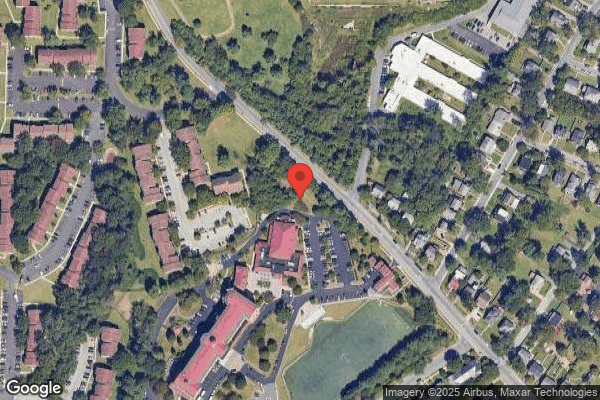
711 ACADEMY ROAD, CATONSVILLE, MD 21228 (410) 788-3300
For profit - Limited Liability company 125 Beds ENGAGE HEALTHCARE Data: November 2025
Trust Grade
35/100
#160 of 219 in MD
Last Inspection: April 2023

Over 2 years since last inspection. Current conditions may differ from available data.

Overview

Frederick Villa Healthcare has a Trust Grade of F, indicating significant concerns and a poor reputation among nursing homes. It ranks #160 out of 219 facilities in Maryland, placing it in the bottom half, and #29 out of 43 in Baltimore County, meaning there are only a few local options that are better. The facility appears to be improving slightly, with issues decreasing from 12 in 2023 to 11 in 2025. Staffing is a mixed bag, with a 2/5 star rating and a turnover rate of 41%, which is slightly better than the state average, suggesting some staff stability, but overall staffing levels are concerning with less RN coverage than 86% of Maryland facilities. Families should be aware of specific incidents, such as a failure to maintain effective pest control, with reports of roaches and mice in various patient care areas, and serious lapses in food safety practices, including staff serving food without gloves. Additionally, there were failures to report allegations of resident mistreatment, which raises concerns about residents' safety and well-being. While there are some strengths, such as the lack of fines, the overall environment and care practices at this facility warrant careful consideration.

Trust Score
F
35/100
In Maryland
#160/219
Bottom 27%
Safety Record
High Risk
Review needed
Inspections
Getting Better
12 → 11 violations
Staff Stability
○ Average
41% turnover. Near Maryland's 48% average. Typical for the industry.
Penalties
✓ Good
No fines on record. Clean compliance history, better than most Maryland facilities.
Skilled Nurses
⚠ Watch
Each resident gets only 27 minutes of Registered Nurse (RN) attention daily — below average for Maryland. Fewer RN minutes means fewer trained eyes watching for problems.
Violations
⚠ Watch
67 deficiencies on record. Higher than average. Multiple issues found across inspections.
★★☆☆☆
2.0
Overall Rating
★★☆☆☆
2.0
Staff Levels
★★★★☆
4.0
Care Quality
★★☆☆☆
2.0
Inspection Score
Stable
2023: 12 issues
2025: 11 issues

The Good

  • 4-Star Quality Measures · Strong clinical quality outcomes
  • Full Sprinkler Coverage · Fire safety systems throughout facility
  • No fines on record
  • Staff turnover below average (41%)

    7 points below Maryland average of 48%

Facility shows strength in quality measures, fire safety.

The Bad

2-Star Overall Rating

Below Maryland average (3.0)

Below average - review inspection findings carefully

Staff Turnover: 41%

Near Maryland avg (46%)

Typical for the industry

Chain: ENGAGE HEALTHCARE

Part of a multi-facility chain

Ask about local staffing decisions and management

The Ugly 67 deficiencies on record

Aug 2025 11 deficiencies
CONCERN (D) 📢 Someone Reported This

A family member, employee, or ombudsman was alarmed enough to file a formal complaint

Potential for Harm - no one hurt, but risky conditions existed

Safe Environment (Tag F0584)

Could have caused harm · This affected 1 resident

**NOTE- TERMS IN BRACKETS HAVE BEEN EDITED TO PROTECT CONFIDENTIALITY** Based on surveyor observation and interviews with residents and facility staff, it was determined that the facility failed to ma...

Read full inspector narrative →
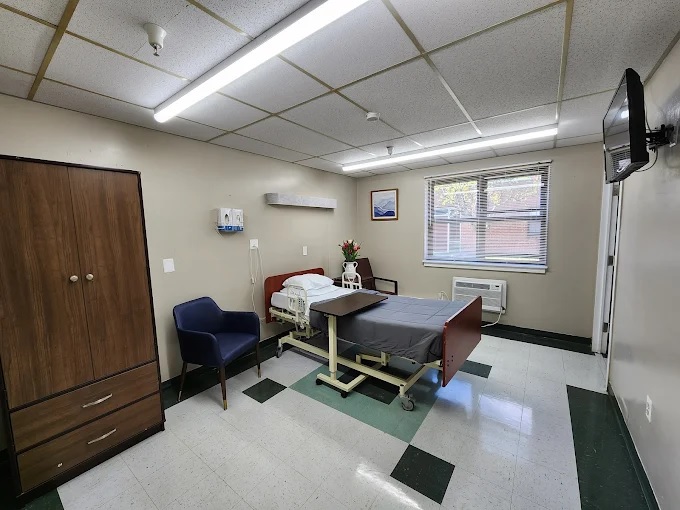
**NOTE- TERMS IN BRACKETS HAVE BEEN EDITED TO PROTECT CONFIDENTIALITY** Based on surveyor observation and interviews with residents and facility staff, it was determined that the facility failed to maintain a safe, clean, comfortable and homelike environment. This was evident for 2 (Resident #15 and Resident #133) of 44 residents reviewed from the complaints and facility reported incidents investigated during the facility's recertification survey. The findings include: 1) On 8/19/25 at 11:16AM. 11:46 AM and 1:52PM during an initial tour of the facility the surveyor noticed the presence of flies and gnats in rooms [ROOM NUMBERS]. Residents in both rooms complained of flies and gnats flying around in their rooms all the time. In room [ROOM NUMBER]B, Resident #15 also said that flies and gnats always fly around their room and bathrooms. Further review of a complaint incident #337246 had that the” Nursing Facility has issue with Pest Control. There are ants, fruit flies, gnats, and mice within the facility”. In an interview with Staff #18 a Maintenance Director on 8/21/25 at 12:19 PM, he was asked if the maintenance department do a kind of daily or routine checks or rounds on the resident’s rooms and he said that they have weekly/ monthly checks which they do through their “TELS System” used by staff to alert maintenance of issues requiring their attention. He stated that they don’t go around checking each resident’s room unless someone brought to their attention that something was broken and needed repair. That resident or anyone can flag him as he walks down the hallway if there was an issue. He was asked if staff or residents had brought to his attention the issue of flies, gnats or mice in residents’ rooms. He said yes that he was going around changing the fly traps on the walls in the hallways. That the fly traps are not allowed in the residents’ rooms or spraying of any kind. The surveyor told Staff #18 that she was in the resident’s room and saw flies and gnats flying around and asked what can be done to get rid of them. Staff #18 said he will talk to the administrator to see what can be done. The Administrator was made aware of the above concerns on 8/21/25 at 12:28 PM and was asked what the facility was doing about it. He stated that they have a pest control company ([NAME] Pest control), that monitors the window screens and fly traps and have done deep cleaning in some rooms. He said that the residents were given plastic containers to stow their foods/fruits which attract flies and have also added fly traps and installed blue lights in the hallways which they monitor and change periodically. He was asked how often the Pest control company comes in and he said he was not sure. He was asked if the company writes a report after each visit and he said yes, so he was asked to bring the report. On 8/21/25 at 2:06 PM The administrator [NAME] an invoice dated 7/2/25 from the [NAME] Pest control company showing that the company came and treated some rooms, laundry room and kitchen with roach sand ant sprays. The other invoice dated 8/18/25 showed bimonthly services for mice, and roaches in residents’ rooms and shower rooms. The administrator also brought in a commercial pest control agreement with the same company dated 8/21/25 for further treatment of the fly infestation and other covered pests. On 8/21/25 at 2:30PM The administrator was made aware that this was still a concern because the flies and gnats are still present in the resident’s room and needed more aggressive treatment and that whatever the facility just implemented was done after surveyor’s intervention. He agreed that it was a concern. 2) Review of complaint 337237 concerning Resident #133 on 8/27/25 at 11:09 AM revealed that the room [320] had not been painted in years and where things had been removed off the wall, the old paint was left. Further review of the complaint revealed the bathroom water faucet was corroded and the plaster on the wall in the bathroom and other parts of the walls looked loose and flaky. On 8/27/25 at 11:32 AM observation of room [ROOM NUMBER] revealed a ceiling tile in the corner of room ajar leaving a gap which led up to the ceiling. In addition, the top corners of the wall above the window had been patched, but had not been painted, the faucet of the bathroom sink was corroded, and the light above bed A did not have a pull cord. The current resident stated that there was no light bulb and that the light had not been working for some time. On 8/27/25 at 11:41 AM in an interview with the Nursing Home Administrator (NHA), a dual observation of the interior of room [ROOM NUMBER] and its bathroom was conducted. The surveyor pointed out the above observations. When asked if the findings in these observations would be considered a comfortable, homelike environment, the NHA stated no.
CONCERN (D) 📢 Someone Reported This

A family member, employee, or ombudsman was alarmed enough to file a formal complaint

Potential for Harm - no one hurt, but risky conditions existed

Deficiency F0602 (Tag F0602)

Could have caused harm · This affected 1 resident

Based on record review, review of the facility investigation of intake #337244, review of facility policy on Conduct and Behavior, resident interview, and staff interview it was determined that the fa...

Read full inspector narrative →
Based on record review, review of the facility investigation of intake #337244, review of facility policy on Conduct and Behavior, resident interview, and staff interview it was determined that the facility staff failed to ensure a resident was free of misappropriation of property. This was evident for 1 (Resident #104) out of 75 residents who were part of the survey sample.The findings include:The review of the facility investigation of intake #337244 on 8/26/25 revealed Staff #34 used Resident #104's bank card and bank account information to access money for his own benefit. Staff #34 admitted to withdrawing money at the resident's request. It was confirmed that he withdrew $100 at the request of the resident but he denied making other withdrawals. The police were called, and their investigation revealed 28 transactions starting 1/28/24 to 4/8/24 with Staff #34's name on it for withdraw via the cash app. The facility investigation file included notice of the police having signed a warrant for Staff #34's arrest. This surveyor reviewed the bank transactions from 8/1/23 to 12/31/23. On 8/1/23 there were two withdrawals from the resident's bank account to Staff #34's cash app. The amounts were $170 and $400. Review of Staff #34's employee file on 8/26/25 revealed he was terminated on 10/11/23. The two transactions on 8/1/23 were prior to termination. Resident #104 was interviewed on 8/26/25 at 8:16 AM. This surveyor asked if the resident could explain what happened in April 2024 with staff using the bank card. Resident confirmed it happened and said there have been no more issues or incidents since April 2024. Resident went on to say that they made me go to court, but I told them to drop the charges because I don't believe in sending people to jail.This surveyor interviewed the Administrator on 8/28/25 at 8:59 AM. The Administrator said the Geriatric Nursing Assistant (GNA), Staff #34, used his cash app to transfer funds from the resident's account to his account so he could give cash to the resident. He added that he was unaware until after the GNA was terminated that the GNA was using the resident's ATM card as well as the cash app. He said the cash app was used by the GNA to get the resident money the resident requested. This surveyor asked if this was the usual way for residents to get money. He didn't respond directly to this question. He said that it was between the resident and the GNA. He said that he had no way of knowing if the GNA gave the resident the money withdrawn from the resident's account. He then said the GNA was terminated and was called by him weeks after the termination to assist the resident to get the resident's money back. The surveyor stated that the facility was responsible for the actions of staff while under employment. He said, again, that he was unaware of the GNA assisting the resident to get money until after the termination. This surveyor asked why the GNA was terminated, and he replied that he did not know. This surveyor asked him to find out and to provide me with a policy on staff obtaining money for a resident. A review of the facility policy entitled Conduct and Behavior on 8/28/25 revealed that under section 2B a staff person may not Misuse or abuse of nursing home funds, dishonesty, theft, misrepresentation employment.
CONCERN (D) 📢 Someone Reported This

A family member, employee, or ombudsman was alarmed enough to file a formal complaint

Potential for Harm - no one hurt, but risky conditions existed

Deficiency F0628 (Tag F0628)

Could have caused harm · This affected 1 resident

Based on complaint intake # 337241, medical record review, and staff interview it was determined that the facility failed to ensure the resident's discharge papers were completed. This was evident for...

Read full inspector narrative →
Based on complaint intake # 337241, medical record review, and staff interview it was determined that the facility failed to ensure the resident's discharge papers were completed. This was evident for 1 Resident (#127) of 4 residents reviewed for discharge during a recertification / complaint survey.The findings includes:Review of an attachment to a complaint intake #337241 on 8/27/2025 at 10:24 AM was reviewed and the complainant stated that on 1/23/2025 the discharge papers for Resident #127 were not completely filled out.On 8/27/2025 at 10:53 Resident # 127's closed medical record was reviewed. The resident was discharged on 1/23/2025. The discharge documentation titled Engage Discharge Planning Tool was reviewed and surveyor noted that the following areas were blank:1. Section B. responsible parties' information2. Section C. Primary physician information3. Section O. Staff Signature and Residents or Responsible Party Signature4. Section R. Medication list5. Section R -Question #7. May attach pharmacy print out of medication regimen in lieu of completion of this section. Yes, No, N/A. There was no medication list, and no check off for yes, no or N/A.On 8/28/2025 at 09:57an interview was conducted with the Unit Manager, Staff # 19 who stated that the discharge paperwork engage discharge planning tool was initiated by the Social worker and the physician, nurse, Rehab, Activities, and Dietician fills out their section. Staff #19 further stated that when a resident is discharged the medication list is not printed out and the new prescribed medications are given to the residents on paper prescription and the discharging nurse would click box that medication list was not printed out. In addition, the resident or responsible party would sign a copy of the discharge paper that would be placed in the hardcopy chart.On 8/28/2025 at 10:30 AM, an interview was conducted with the Social Worker, Staff #6 who stated that each area of the Engage Discharge Planning Tool should be filled out prior to hand off to the resident or the responsible party.At approximately 11:34 AM on 8/28/2025 the Director of Nursing was informed of the discharge documentation that was found in the medical records with blank areas. No other documentation was provided related to Resident #127's discharge. DON agreed that this was a concern.
CONCERN (D) 📢 Someone Reported This

A family member, employee, or ombudsman was alarmed enough to file a formal complaint

Potential for Harm - no one hurt, but risky conditions existed

Deficiency F0655 (Tag F0655)

Could have caused harm · This affected 1 resident

**NOTE- TERMS IN BRACKETS HAVE BEEN EDITED TO PROTECT CONFIDENTIALITY** Based on review of medical records and interviews with facility staff, it was determined that the facility failed to ensure a ba...

Read full inspector narrative →
**NOTE- TERMS IN BRACKETS HAVE BEEN EDITED TO PROTECT CONFIDENTIALITY** Based on review of medical records and interviews with facility staff, it was determined that the facility failed to ensure a baseline care plan, including a current list of medications, was provided to the resident and/or resident representative (RP) and documented in the medical record. This was evident for 2 (Resident #126 and #122) out of 36 residents reviewed during the investigation phase of the facility's recertification survey.The findings include:A baseline care plan (BLCP) must be completed within 48 hours of a resident's admission to the facility and include the initial goals based on admission orders, physician orders, dietary orders, therapy services, and social services. A summary of the BLCP and current medication list must be given to each resident and/or his/her representative and documented in the medical record. Completion and implementation of the BLCP is intended to promote continuity of care and communication among staff, increase resident safety, and safeguard against adverse events (undesirable outcomes) that can occur right after admission. Brief Interview of Mental Status (BIMS) is a standardized test used to assess a resident's cognition. A score of 13-15 points indicates an intact cognition, 8-12 points indicates moderately impaired cognition, and 0-7 points indicates severely impaired cognition. 1) On 8/20/25 at 11:48 AM review of the medical record revealed Resident #126 was admitted on [DATE]. The 8/25/23 MDS coded the resident as rarely understood, and as such, the BIMS assessment was not even conducted. On 8/20/25 at 1:20 PM in an interview with the Director of Nursing (DON) when asked if a copy of the BLCP was provided to the resident and/or RP she stated yes. During the interview, when asked if that was documented in the medical record, she stated yes. When asked how it was documented, she stated as a progress note. When asked for residents with impaired cognition and/or RP's, who should be signing documents for those residents, the DON stated, It had to be the RP. In a follow up interview with the DON and Regional Director of Clinical Operations (RDCO #1) on 8/25/25 at 12:05 PM, the RDCO stated that the facility's expectation was that staff printed out the BLCP, had the resident or RP physically sign the hard copy, and then that the staff member was supposed to scan the hard, signed copy into the electronic health record (EHR) under the miscellaneous tab. On 8/20/25 at 2:00 PM review of Resident #126's medical record failed to reveal a BLCP in the EHR under the miscellaneous tab. On 8/20/25 at 2:20 PM the surveyor requested a copy of the BLCP for Resident #126 and evidence from the medical record that it was provided to the resident or RP. On 8/21/25 at 8:25 AM the DON provided a copy of the BLCP; however, on the last page (7 of 7) in the Signature of Resident or Representative section, it was signed by the resident. The section stated, I have received the above information and understand the content of this information. I understand any updated information will be communicated with me prior to, or at the care conference, after the comprehensive care plan is developed. In a dual observation, the surveyor flipped to the last page and pointed out that the resident had signed (their signature was typed into the field) the BLCP. The DON stated this was an error because the resident has a BIMS of 0 and he/she should not be signing any documents. Furthermore, she stated that she looked in the medical record and was unable to find any evidence that the RP had received a copy of the resident's BLCP. She stated it should have been documented in the progress notes but it was not.2) Review of the medical record on 8/25/25 at 10:13 AM revealed Resident #122 was admitted on [DATE] with diagnoses including, but not limited to, dementia, Alzheimer's disease, muscle weakness, and need for assistance with personal care. Further review of the medical record revealed the resident's 10/14/24 MDS coded the resident with a BIMS of 2. Additional review failed to reveal a BLCP in the EHR under the miscellaneous section. On 8/25/25 at 11:14 AM, the surveyor requested a copy of Resident #122's BLCP and evidence from the medical record that it was provided to the resident or RP.On 8/25/25 at 12:05 PM the DON provided a copy of Resident #122's BLCP; however, on the last page (6 of 6), in the Signature of Resident or Representative section, it was blank. There was no information that was inputted into the fields. Additionally, in the Signature of Staff Completing the Baseline Care Plan section, it was also empty with no information. A dual observation of the document was conducted and the DON verified and confirmed there was not a signature from the staff or resident/RP on the BLCP. Furthermore, the DON verified and confirmed there was no evidence from the medical record that the resident or RP received a copy of the BLCP including a list of medications. The RDCO and DON stated it was the expectation that staff completed the fields, signature of staff completing plan, title and date on the last page of the BLCP.
CONCERN (D) 📢 Someone Reported This

A family member, employee, or ombudsman was alarmed enough to file a formal complaint

Potential for Harm - no one hurt, but risky conditions existed

Deficiency F0676 (Tag F0676)

Could have caused harm · This affected 1 resident

**NOTE- TERMS IN BRACKETS HAVE BEEN EDITED TO PROTECT CONFIDENTIALITY** Based on review of medical records and interviews with facility staff, it was determined that the facility failed to provide the...

Read full inspector narrative →
**NOTE- TERMS IN BRACKETS HAVE BEEN EDITED TO PROTECT CONFIDENTIALITY** Based on review of medical records and interviews with facility staff, it was determined that the facility failed to provide the required level of assistance for a resident to perform their Activities of Daily Living. This was evident for 1 (Resident #122) out of 36 residents reviewed during the investigation phase of the facility's recertification survey.The findings include:Activities of Daily Living (ADLs) are the basic, essential self-care tasks people need to perform to maintain their health, safety, and well-being, such as bathing, dressing, eating, and toileting.Brief Interview of Mental Status (BIMS) is a standardized test used to assess a resident's cognition. A score of 13-15 points indicates an intact cognition, 8-12 points indicates moderately impaired cognition, and 0-7 points indicates severely impaired cognition. The Minimum Data Set (MDS) is a federally mandated, standardized assessment tool used to comprehensively evaluate a resident's health status, functional abilities, and needs. It is administered to all residents upon admission, quarterly, yearly, and whenever a significant change in an individual's condition occurs. It is the foundation for creating an individualized care plan and ensures the appropriate care and services are provided to each resident.Review of complaint 337250 on 8/25/25 9:06 AM revealed the complainant noted that on 10/11/24, he/she arrived to the facility and found Resident #122 in a soiled incontinence brief that the resident had tried to remove the feces by tearing up the brief. Further review of the complaint revealed the complainant noted on 10/13/24 he/she arrived to find the resident in bed with feces on his/her hands, under his/her nails, all inside and on his/her pants, shirt, and bed linens. The complainant noted that the Geriatric Nursing Assistant (GNA) said Resident #122 was directed to the bathroom about 90 minutes ago; however, the complainant indicated that the resident required hands on assistance using the toilet and another staff member was surprised to hear that Resident #122 needed any assistance. Review of the medical record on 8/25/25 at 10:13 AM revealed Resident #122 was admitted to the facility on [DATE] with diagnoses including, but not limited to, dementia, Alzheimer's disease, muscle weakness, and need for assistance with personal care. Review of Resident #122's medical record on 8/25/25 at 11:07 AM revealed the resident had the following care plan:- Resident #122 has an ADL self-care performance deficit r/t (related to) Alzheimer's. Further review of the medical record revealed the 10/14/24 MDS coded Resident #122 with a BIMS of 2. Furthermore, the 10/17/24 MDS revealed for:- Self-care: the resident's need for assistance with bathing, dressing, using the toilet, or eating, Resident #122 was coded as Needed Some Help - Resident needed partial assistance from another person to complete any activities. - Toilet transfer: the ability to get on and off a toilet or commode, Resident #122 was coded as Supervision or touching assistance - Helper provides verbal cues and/or touching/steadying and/or contact guard assistance as resident completes activity. Assistance may be provided throughout the activity or intermittently. On 8/28/25 at 11:57 AM the October 2024 Documentation Survey Report was reviewed for Toilet transfer: the ability to get on and off a toilet or commode. The key for which was as follows:09- Not applicable - Not attempted and the resident did not perform this activity prior to the current illness, exacerbation, or injury.06- Independent - Resident completes the activity by themself with no assistance from a helper.05- Setup or clean-up assistance - Helper sets up or cleans up; resident completes activity. Helper assists only prior to or following the activity.04- Supervision or touching assistance - Helper provides verbal cues and/or touching/steadying and/or contact guard assistance. Assistance may be provided throughout or intermittently.03- Partial/moderate assistance - Helper does LESS THAN HALF the effort. Helper lifts, holds, or supports trunkor limbs but provides less than half the effort.02- Substantial/maximal assistance - Helper does MORE THAN HALF the effort. Helper lifts or holds trunk or limbs and provides more than half the effort.01- Dependent - Helper does ALL of the effort. Resident does none of the effort to complete the activity. Or the assistance of 2 or more helpers is required for the resident to complete the activity. The review revealed that Resident #122 was coded each of these numbers from 09 down to 01. The resident was coded 06 which means the resident is Independent on 5 shifts during the month of October 2024; however, Resident #122 is coded in the MDS, which is what guides the level of care they require, as needing some help and supervision or touching assistance. On 8/25/25 at 12:47 PM in an interview with the Rehab Director when asked what was the expectation for a resident coded as Supervision/touching assistance, she stated that meant either eyes or a hand are on the resident. GNA #49 was interviewed on 8/28/25 at 1:19 PM. During the interview when asked how she knows what level of assistance each resident on her assignment needs with toileting and eating she stated, We get report from the off going GNA. GNA #50 was interviewed on 8/28/25 at 1:22 PM During the interview when asked how she knows what level of assistance each resident on her assignment needs with toileting and eating she stated, I would find that out in the computer. I would go back and click to see how it was completed on the previous shift and if they were set up last shift, that's what I'd do. On 8/28/25 at 12:16 PM in an interview with the Director of Nursing (DON) when asked how GNA's know the level of assistance residents need for eating and toileting she stated that they are told during report. When asked if there was a place for GNAs to look in the medical record for that information, she stated no, they are given report. The surveyor shared concerns that when reviewing the resident's medical record for toileting transfer, there was documentation that ranged all the way from dependent to independent even though the resident is coded as Supervision or touching assistance and residents not getting the required level of assistance required. The DON verified and confirmed understanding.
CONCERN (D) 📢 Someone Reported This

A family member, employee, or ombudsman was alarmed enough to file a formal complaint

Potential for Harm - no one hurt, but risky conditions existed

Deficiency F0697 (Tag F0697)

Could have caused harm · This affected 1 resident

Based on record review, resident interview, review of complaint intake #337241 and staff interviews, it was determined that the facility failed to 1) monitor a resident for pain and schedule an appoin...

Read full inspector narrative →
Based on record review, resident interview, review of complaint intake #337241 and staff interviews, it was determined that the facility failed to 1) monitor a resident for pain and schedule an appointment for pain management following hospital discharge, and 2) ensure that a resident was given pain medication consistent with professional standards of practice. This was evident for 3 (Resident #107, #127, and #68) out of 76 residents reviewed during the recertification/complaint survey. The findings include: 1) On 08/19/2025 at 9:09 AM in an interview with Resident #107, the resident reported “I have pain from my feet to my thighs and have requested pain medication, but no one has responded yet.” On 08/21/2025 at 9:56 AM a review of Resident #107’s medical record revealed the following: -On 07/21/2025 at 5:42 PM, a Discharge Summary from Hospital documented that Resident #107 was recommended to follow up with his/her pain management clinic and spine specialist after discharge. -On 7/22/2025 at 11:59 PM a physician placed an order to follow up with his/her pain management clinic and spine specialist. -On 07/23/2025 at 12:07 PM a physician ordered a pain management consultation for chronic pain. Further review of Resident #107’s medical record revealed a pain care plan initiated on 07/21/2025. This plan indicated the patient experienced pain in the waist area and lower extremities. The review further showed interventions to monitor for signs and symptoms of pain. An additional review of Resident #107's MAR (medication administration record) for July and August, 2025, showed no evidence of pain being monitored or recorded every shift. 08/26/2025 at 9:00 AM, in an interview with resident #107 stated he/she had not seen their pain and/or spine specialist and was unaware of any scheduled appointments. The resident stated he/she was experiencing pain, that a recent injection had not provided relief, and expressed a desire to see their pain management MD. On 08/26/2025 at 9:30 AM, an interview with Staff #12 (Medical Record Director) stated upon admission from the hospital, nurses are responsible for reviewing the discharge summary for any required follow-up appointments, including pain management. They then provide a copy of the discharge summary to the Medical Record Director for scheduling and notify the resident and/or their responsible party of the appointment date. On 08/26/2025 at 9:39 AM during an interview with the Staff #19 (Unit Manager) stated that the Staff #12 schedules appointments based on discharge summaries. Nurses then updated physician orders with appointment details and informed residents. Staff #19 was unaware of any pain management appointment for the resident; stated such an appointment would have been noted in physician orders if scheduled. She verified there was no such order, and the resident was also unaware of any appointment. Staff #19 also stated that nurses record pain monitoring every shift in the treatment administration record. However, she verified there was no evidence of the resident being monitored for pain during July and August 2025. On 08/26/2025 at approximately 1:30 PM a document, titled Appointment and Transport request form for Resident #107, was given to the surveyor by Staff #19. It indicated a follow up from hospital discharge appointment with the pain physician for Resident #107 on September 11th, 2025 at 10:00 AM. Staff #19 confirmed that this appointment was arranged after surveyor intervention. On 08/28/2025 At 3:00 PM the Director of Nursing (DON) was made aware and understood the concerns. 2) On 8/26/25 at 12:45 PM review of an attachment to a Complaint intake #337241 had that Resident #127 was getting pain medications when their pain level was at zero, and that nonpharmacological measures were not being implemented prior to medication administration. On 8/26/25 at 1:00 PM review of the physician’s order dated 10/31/23 read: “oxycodone HCl Oral Tablet 5 MG (Oxycodone HCl) *Controlled Drug*Give 1 tablet by mouth every 4 hours as needed for pain. Further review did not reveal an order for non-Pharmacological interventions. Review of the resident’s Medication Administration Record (MAR) and the Treatment Administration Record (TAR) for the month of November 2023 through January 2024 on 8/26/25 at 1:16PM did not indicate that nonpharmacological measures were being implemented. Further review revealed that Resident #127 got their pain medication on January 20, 2024, when their pain level was documented as zero, indicating no pain. On 8/27/25 at 9:12 AM In an interview with the Director of Nursing (DON) she was asked if a resident on a PRN (As Needed) pain medication should have a non-Pharmacological interventions put in place, and she said yes. She was asked if they should be getting pain medications when their pain level was at a zero, and she said no. She was made aware that Resident #127 got pain medications when their pain level was at zero with no nonpharmacological interventions implemented. She said she would follow up with more staff training. 3) Review of Resident #68’s clinical records on 8/21/2025 at 10:37 AM revealed the resident was re-admitted to the facility in July 2023 with medical diagnoses that include but not limited to Opioid dependence, uncomplicated, Chronic pain syndrome, non-pressure chronic ulcer of bilateral lower leg, Peripheral vascular disease, chronic embolism and thrombosis of unspecified deep veins of bilateral lower extremity. On 8/21/2025 11:17 AM Review of physician orders revealed the following active orders: - Oxycodone HCl Oral Tablet 10 MG (Oxycodone HCl) : Give 1 tablet by mouth every 4 hours as needed (PRN) for pain, start date 11/12/2024, and - Tylenol Oral Tablet 325 MG (Acetaminophen): Give 2 tablet by mouth every 4 hours as needed for Pain, start date 4/18/2025 [of note, there are no parameters/pain scale indicated for administration of the above PRN pain meds]. On 8/21/2025 at 11:21 AM, record review revealed that Resident # 68's pain was not managed consistently: A review of the Medication Administration Record (MAR) and Treatment Administration Record (TAR) for August 2025 was completed. Staff documentation revealed that the resident was given: 1) PRN Tylenol 325mg (2 tabs) ordered without parameters for pain management, for a pain score of 6 on 8/18/2025 at 0641 (6:41 AM). 2) PRN Oxycodone HCl Oral Tablet 10 MG (Oxycodone HCl) Give 1 tablet by mouth every 4 hours as needed for pain was given on the following dates/times: - On 8/1/2025 at 7:39 (7:39 AM) and at 1749 (5:49 PM) for pain score of 6…. - On 8/3/2025 at 0008 (12:08 AM) for pain score of 6, at 0723 (7:23 AM) for pain score of 7, and at 1925 (7:25 PM) for pain score of 1. - On 8/5/2025 at 0052 (12:08 AM) for pain score of 7, at 1049 (10:49 AM) for pain score of 5, and at 2001 (8:01 PM) for pain score of 6 - On 8/18/2025 at 1703 (5:03 PM) for pain score of 8, etc. More so, there was no documentation of non-pharmacological interventions (NPIs) attempted prior to these PRN pain meds administration. On 8/25/2025 at 9:05 AM, an interview was conducted with Registered Nurse (RN #24) regarding administration of PRN pain medications: RN #24 stated that prior to giving any pain medication, he will assess the resident's pain and choice of pain med to be given will be based on physician orders/ordered parameters. He stated that each PRN pain med order must have a pain scale/parameters for administration: mild pain 0 -4, moderate pain 5-7, and severe pain 7-10. When asked what pain med to give a resident that has both Acetaminophen (Tylenol) and Oxycodone ordered, RN #24 stated that he would give Acetaminophen for mild pain and Oxycodone for moderate to severe pain. He added that he would attempt non-pharmacological interventions (NPIs) such as relaxation technique, distraction, massage etc. prior to administering any PRN pain medication. RN #24 further stated that it was not appropriate to administer Oxycodone 10mg for a pain score of 1. RN #24 stated that he would educate the resident regarding pain management and if the resident insists on the Oxycodone, he (RN 24) would call the Physician and get a one-time order for the Oxycodone and document it. On 8/26/2025 at 3:04 PM, in an interview with the Director of Nursing (DON), she stated that PRN pain meds should be given following physician orders and the PRN pain med order should have parameters (at least mild, moderate, severe pain) for administration. Regarding non-pharmacological interventions (NPIs) prior to PRN pain med administration, DON stated that staff were expected to document in their progress notes that they attempted NPIs prior to PRN pain med administration. Surveyor reviewed with the DON Resident #68’s MAR and TAR for August 2025 regarding staff PRN pain med administration (Tylenol and Oxycodone). DON verified that the PRN orders failed to have parameters/pain scale for administration. She validated that the resident’s pain was not consistently managed and it was not appropriate to give Tylenol for a pain score of 6 and Oxycodone for a pain score of 1. However, she stated that she was going to look at the nurses' progress notes to see if they documented the reason for administering the above pain meds and/or NPI's that were attempted. On 8/27/2025 at 7:30 AM, in a follow up interview with the DON, she stated that she could not find any nursing progress notes that indicated that NPI's were attempted prior to administering the above PRN pain meds to Resident #68. She added that there were no notes indicating why the Tylenol was given for a pain score of 6 and the Oxycodone for a pain score of 1.
CONCERN (D) 📢 Someone Reported This

A family member, employee, or ombudsman was alarmed enough to file a formal complaint

Potential for Harm - no one hurt, but risky conditions existed

Medical Records (Tag F0842)

Could have caused harm · This affected 1 resident

Based on record review, a facility reported incident (Intake #2578127) and interviews, it was determined that the facility failed to maintain medical records on each resident that were complete and ac...

Read full inspector narrative →
Based on record review, a facility reported incident (Intake #2578127) and interviews, it was determined that the facility failed to maintain medical records on each resident that were complete and accurately documented. This was evident for 2 (Resident #74 and Resident # 127) out of 76 resident records reviewed during the survey process. The findings included: 1) On 08/27/2025 at approximately 5:00 PM, a review of facility reported incident #2578127 revealed that on 07/29/2025 at 3:24 PM, Resident received a one-time dose of Narcan due to the resident unresponsiveness to call and drowsiness. The nurse contacted the physician, and he ordered a dose of Narcan to be administered to the resident. A review of the 7/29/2025 3:36PM Nursing Progress Note stated: Narcan was administered due to sleeping excessively and resident was alert to person, place and time. Denied pain no discomfort noted. Will continue to monitor. On 08/28/2025 at 2:10 PM, in an interview with the Director of Nursing (DON) she was asked to explain the circumstances surrounding the above-mentioned event. The DON stated that Resident #74 was sent on a leave of absence from the facility due to a family emergency. Upon the resident’s return to the facility the resident’s behavior was significantly different. The resident’s nurse was unsure if the resident took any other medication while out of the facility as a precaution the nurse notified the physician and a one-time dose of Narcan was ordered. The medication was administered and was effective. On 08/28/2025 at 2:32 PM, a review of Resident #74’s Medication Administration Record (MAR) for the month of July 2025 revealed that the medication was not signed off on the MAR to indicate when the one-time dose of Narcan was administered, as required. There was also documented evidence to support that the resident’s behavior was being monitored routinely. On 8/28/2025 at 3: 00 PM the DON was notified that the facility failed to have documented evidence to support that the Narcan administration was documented using professional standard of practice. 2) A review of Resident #127's clinical record revealed that the resident was admitted to the facility with a therapeutic boot. The resident had a consultation with the orthopedist on 11/7/23. The consultation report included a recommendation to continue using the boot to assist with weight bearing as tolerated. The Director of Nursing was interviewed on 8/28/25 at 1:15 PM. She was asked what her expectations for nursing were when they received this consultation. She replied that she would expect nursing to follow the recommendations. Further review of the clinical record revealed that there was no evidence that nursing staff were documenting the use of the boot on the Treatment Administration Record. The Administrator was informed of the findings on 8/28/25 at 1:40 PM. He replied that he understood.
CONCERN (D) 📢 Someone Reported This

A family member, employee, or ombudsman was alarmed enough to file a formal complaint

Potential for Harm - no one hurt, but risky conditions existed

Deficiency F0943 (Tag F0943)

Could have caused harm · This affected 1 resident

Based on reviews of a facility reported incident, reviews of administrative records, and staff interviews, it was determined that the facility failed to provide abuse education to geriatric nursing as...

Read full inspector narrative →
Based on reviews of a facility reported incident, reviews of administrative records, and staff interviews, it was determined that the facility failed to provide abuse education to geriatric nursing assistant (GNA) upon their hired date. This was evident for 1 (Staff #39) of 5 GNAs abuse education reviewed during a recertification/complaint survey.The findings included:On 8/20/25 at 12:42 PM, the surveyor investigated Facility Reported Incident #337205. The report showed that Resident #119 claimed to have been sexually abused by a GNA of the opposite gender on 4/07/23.A further review of the facility's investigation revealed that they assessed Resident #119 and obtained statements from residents and the staff member. Resident #119 later confessed to the Nursing Home Administrator and a physician that the accusation was false.A review of the education records for Staff #39, who was falsely accused, on 8/20/25 at 1 PM revealed the staff member was hired on 10/03/22. However, the staff members' required training, such as infection control, dementia care, and abuse training, was not completed in a timely manner. The training completion date was documented as 11/30/22.During an interview with the Nursing Home Administrator (NHA) on 8/20/25 at 2:45 PM, he confirmed that Staff #39 was hired on 10/03/22 and began caring for residents shortly after. The NHA confirmed that essential training for newly hired staff should be completed during their orientation. The surveyor shared concerns that Staff #39's training was completed two months after the hire date, and the NHA validated the concern.
CONCERN (E) 📢 Someone Reported This

A family member, employee, or ombudsman was alarmed enough to file a formal complaint

Potential for Harm - no one hurt, but risky conditions existed

Report Alleged Abuse (Tag F0609)

Could have caused harm · This affected multiple residents

Based on review of facility reported incidents (Intake #2578127, # 337212 and #337236), record review, and interview, it was determined that the facility failed to ensure that all alleged resident vio...

Read full inspector narrative →
Based on review of facility reported incidents (Intake #2578127, # 337212 and #337236), record review, and interview, it was determined that the facility failed to ensure that all alleged resident violations were reported in a timely manner, including: abuse, neglect, exploitation or mistreatment. This was evident for 6 (Resident #86, # 143, #71 #101, #2, and #140) of 76 Residents that were part of the survey sample.The findings included: 1) On 08/19/2025 at 9:04 AM, during the initial screening phase of the survey, Resident #86 alleged to the surveyor that “on the last Sunday night shift (8/17/2025) a nurse was very mean and rough with the resident during care and when her attitude was brought to her attention by Resident #86, she just left the room and never came back. When asked if the incident was reported to anyone, Resident #86 stated “no”. The resident’s roommate (Resident #143) confirmed that nurse was rough with her during care pushing Resident #86 roughly towards the bedrail. The nurse was described as “African” by both residents. On 08/19/2025 at approximately 9:10 AM, during the initial screening phase Resident #143 reported to the surveyor that the staff were “mean and they have very bad attitude, they refuse to attend to our needs when we need help. ‘They get mad when we ring the call bell.” On 08/19/2025 at approximately12:28 PM, unit manager (RN #13) was made aware of Residents #86 and #143 above-mentioned concerns. RN #13 stated that he would speak with the residents. On 8/21/2025 at approximately 11:45 am, the Director of Nursing (DON) was notified that the unit manager (RN #13) was made aware of Resident #86 and #143 concerns; however, there was no documented evidence to support that a follow-up investigation was initiated and reported to the Office of Health Care Quality (OHCQ) in a timely manner. On 08/25/2025 at 3:20 PM, the Regional Director of Clinical Operations (RDCO) was notified that Resident #86 and #143’s concern was reported to RN #13 by the surveyor on 8/19/2025 and the Director of Nursing (DON) was notified of the concern on 8/21/2025. However, there was no report was made to OHCQ. The RDCO stated that she will look into it further. On 8/26/25 at 8:20 AM interview with DON, she was asked, when an abuse incident is reported what was the expectation. The DON reported they start an investigation, if a staff member was involved, they would be removed from the unit; for resident- resident we would separate them. Conduct the follow up investigation immediately; assessment of the residents (complete skin sheet or any kind of notes under assessment section). On 08/26/2025 at 1:45 PM, in a follow-up interview with RN#13, he stated that he was removed from the unit for a few days and therefore he was unable to complete the investigation. RN #13 stated that he would typically report concerns of abuse to his supervisor immediately but in this case, it was not done. He stated that he planned to continue with the follow-up investigation upon his return the next day. However, he was then pulled off the floor for an unrelated issue and was immediately sent home. He stated that he could not complete the investigation. He was notified by the surveyor that there was a concern in regard to late reporting to OHCQ for allegations of abuse and or neglect. RN #13 provided the surveyor with a one page document titled “Statement form” where an apparent interview was conducted with Resident #86, however, there was no additional documents provided. On 08/27/2025 at approximately 10:14 AM, a review of the documentation provided revealed that the facility conducted an internal investigative form; however, there was no documentation to suggest that the allegation of abuse was filed with OHCQ as required. On 08/28/2025, the DON was once again informed that the facility failed to report the allegations of abuse/neglect for Resident #86 and #143 to OHCQ in a timely manner. 2) On 08/25/2025 at 3:35 PM, in an interview with Resident #71, the resident alleged to the surveyor that the Geriatric Nursing Aides (GNAs) in the facility have bad attitudes, especially when we need to get to the hoyer lift. The resident alleged that on one particular occasion, a GNA made some hurtful statements to Resident #71 while providing personal care about a month ago. The resident alleged that the GNA stated to the resident that he/she was “too fat, his/her thighs are too heavy, and he/she needed to lose weight because he/she was hurting the GNA’s back”. The resident alleged that sometimes they are afraid to call for help.” Resident #71 reported that GNAs were sometimes using their cellphones while providing care to residents. The resident also reported that on a separate incident he/she had an episode of incontinence and a GNA told Resident #71 to wait until the next shift, the resident stated that they waited from 2pm to 6pm before help was provided. The resident’s roommate Resident#7) confirmed the above-mentioned concerns. Resident #71 stated that a manager was notified about the concerns and asked that the GNA did not return to the resident’s room; however, the GNA returned to the resident’s room once after the complaint was made to the manager. On 08/25/2025 at approximately 3:45 PM, the Regional Director of Clinical Operations (RDCO) was informed by Resident #71 of the concerns shared with the surveyor. The RDCO stated that the issues would be addressed. On 08/26/2025 at 9:13 AM, in a follow-up interview with the RDCO, she was asked if the complaints were reported to OHCQ and she stated they were not reported. She stated that the staff were educated on reportable events. She stated that the concern was investigated and the GNA stated that she was not talking to Resident #71 about their weight, she was talking to someone on the cellphone. The RDCO stated that the GNA was educated on customer service and cellphone policy by the administrator. On 08/26/2025 at 9:48 AM, a review of a facility’s internal document revealed that Resident #71 made an official complaint to the facility that on 6/5/2025 at 11pm- 7am shift, the assigned GNA (GNA #47) was rude and told Resident #71 that the resident needed to lose some weight. A signed human resource statement revealed that “GNA #47 changed her work status to PRN (as needed). GNA #47 has not worked at the facility since July 28, 2025 and she is not currently schedule to pick up any shifts for this month (august) or the next (September).” A review of another internal document revealed that on 8/22/2025 Resident #71 reported to the facility that on about 7 -3pm shift, a GNA refused to provide personal hygiene care and the GNA told the resident to wait until next shift. Resident reported that he/she was not changed until 6 pm that evening. This incident was reported by the resident to the Nursing Home Administrator (NHA). On 08/26/2025 at 10:55 AM, in an interview with the NHA, the NHA was notified that the facility failed to report the allegation of abuse/neglect to OHCQ as required and he acknowledged the surveyor’s concerns. The NHA reported that the incidents were not reported to him as a case of abuse. NHA stated he saw the resident in the hallway, and it was expressed more as a customer service issue and not abuse. The NHA stated that they did go back to check the schedule and found that the GNA was accidentally in her room again after the reported incident. The NHA stated that he spoke to the unit supervisor to ensure the GNA was not sent back or assigned to Resident #71’s room again. He stated that the GNA was also educated not to enter Resident #71’s room again. When asked if there was any documented evidence to support that the unit supervisor and GNA were notified of the resident’s request he stated that it was communicated verbally to both of them. 3) On 08/27/2025 at approximately 10:16 AM, a review of a facility reported intake # 2578127 revealed that Resident #101 reported to the facility that his/her cellphone went missing on Sunday 9/8/2024 at around 1PM from his bed. Further review of the facility’s documentation related to this report revealed that a staff member was notified of the Resident’s alleged missing cellphone on 9/8/2024 at approximately 2:30pm; however, documentation suggests that the alleged incident was reported to the Office of Health Care Quality (OHCQ) on 9/9/2024 at 4:57 PM, which was more than 24 hours after the facility was made aware of the incident. On 08/28/2025 at 10:07 am, in an interview with the Nursing Home Administrator (NHA), the NHA was notified the facility failed to report the alleged incident to OHCQ in a timely manner. He acknowledged the surveyors’ concern, and he stated that he was not notified by Staff until 9/9/2024 at 9:30 AM (the following day) as a result the report to OHCQ was submitted late. 4) On 8/26/2025 at 1:34 PM, a review of facility reported incident 337212 was conducted and revealed Resident #2 alleged that he/she was pushed into bed and forced to lie down by GNA #45. Review of the facility’s investigation revealed that the incident was reported to the Social Worker, Staff #46 on 4/20/2023. The initial self-report was emailed to OHCQ on 4/24/2023, which was not within 2 hours of the alleged abuse. On 8/26/2025 at 2:40 PM, an interview was conducted with the Director of Nursing (DON) who stated that an allegation of abuse must be reported to OHCQ within 2 hours of the allegation. However, DON stated she was not employed at the facility during that time. The DON confirmed the findings. 5) This surveyor investigated intake #337236 on 8/26/25 and 8/27/25. As part of the investigation, this surveyor asked Resident #140, Are you getting along with your roommate? The resident responded by shaking their head no and pointing towards the roommate (privacy curtain was pulled to allow for privacy). Resident #140 said that the roommate did foul things to them. This surveyor asked if he/she told anyone and they replied that they told one of the board ladies. This surveyor asked if they meant one of the GNA's (Geriatric Nursing Assistant) and the resident shook their head up and down. This surveyor asked when did they tell the GNA and they replied about two months ago. This surveyor told the Director of Nursing (DON) on 8/26/25 at 8:35 AM that the resident alleged the roommate does foul things to the resident. She said she would investigate. This surveyor emailed the state survey agency on 8/27/25 and was informed that no self-report was sent. The Administrator was interviewed on 8/28/25 at 9:10 AM. He was informed of the resident’s allegation and that this surveyor told the DON. He replied that he would find out what happened. The Administrator was interviewed on 8/28/25 at 10:00 AM. He said the social worker followed up and the resident agreed to a room change. This surveyor stated that it was not reported to the state reporting agency, and any allegation needs to be reported. It is up to our office to decide if we are going to investigate. Telling a surveyor or getting an allegation from a surveyor does not constitute notification. He replied he understood.
CONCERN (E) 📢 Someone Reported This

A family member, employee, or ombudsman was alarmed enough to file a formal complaint

Potential for Harm - no one hurt, but risky conditions existed

Investigate Abuse (Tag F0610)

Could have caused harm · This affected multiple residents

Based on a medical record review, facility investigation review, and staff interviews, it was determined that the facility failed to thoroughly investigate allegations of abuse in a timely manner. Thi...

Read full inspector narrative →
Based on a medical record review, facility investigation review, and staff interviews, it was determined that the facility failed to thoroughly investigate allegations of abuse in a timely manner. This was evident for 5 residents (Resident #86, #143, #71, #131 and #73) of 8 residents reviewed for abuse during this recertification/complaint survey.The findings Included: 1) On 08/19/2025 at 9:04 AM, during the initial screening phase of the survey, Resident #86 reported to the surveyor that “on the recent Sunday night shift (8/17/2025) a nurse was very mean to her during care and when the nurse’s attitude was brought to the nurse’s attention, she just left the room and never came back. When asked if the incident was reported to anyone, Resident #86 stated “no”. The resident’s roommate (Resident #143) confirmed that the nurse was rough with her during care. The nurse was described as “African” by both residents. On 08/19/2025 at approximately 9:10 AM, during the initial screening phase Resident #143 reported to the surveyor that the staff were “mean, and they have very bad attitude, they refuse to attend to our needs when we need help. They get mad when we ring the call bell.” On 08/19/2025 at approximately12:28 PM, unit manager (RN #13) was made aware of Residents #86 and #143 above-mentioned concerns. RN #13 stated that he would talk with the residents. On 08/21/2025 at 11:45 AM, the DON was notified that Residents #86 and #143 had concerns that were reported to RN #13 by the surveyor on 8/19/2025; however, there was no evidence to support that additional steps were taken to report or investigate the resident’s claims, the DON stated that RN #13 was pulled of the unit and sent home for a unrelated incident. The surveyor clarified if the residents’ concerns depended on RN #13 ‘s return to the facility and the DON explained that the investigation can be completed by other staff. On 8/26/25 at 8:20 AM interview with DON, she was asked, what was the expectation if an abuse incident was reported to staff. The DON explained that they would start an investigation, if a staff member was involved, they would be removed; for resident- resident we would separate them. Conduct the follow up investigation immediately assessment the residents (skin sheet or any kind of notes under assessment section). On 08/26/2025 at 1:45 PM, in a follow-up interview with RN#13, he stated that he was removed from the unit for a few days and therefore he was unable to complete the investigation. RN #13 stated that he would typically immediately report allegations of abuse to his supervisor but in this case, it was not done. He stated that he planned to continue with the follow-up investigation upon his return to work the next day; however, he was then pulled off the unit and sent home for an unrelated issue. Therefore, he could not complete the investigation. RN #13 provided the surveyor with a one page document titled “Statement form” where an apparent interview was conducted with Resident #86, however, there was no additional documents provided to the surveyor to support that a thorough investigation was completed in a timely manner for resident #86 and #143 to prevent further alleged abuse, neglect, exploitation and mistreatment from occurring while the investigation was in progress. The facility failed to provide documented evidence to support that they conducted investigations related to Resident #86 and #143's allegations. 2) On 08/25/2025 at 3:35 PM, in an interview with Resident #71, the resident alleged to the surveyor that the Geriatric Nursing Aides (GNAs) in the facility “have bad attitudes, especially when we need to get to the hoyer lift.” The resident alleged that on one particular occasion, a GNA made some hurtful statements to Resident #71 while providing personal care about a month ago. The resident alleged that the GNA stated to the resident that he/she was “too fat, his/her thighs are too heavy, and he/she needed to lose weight because you are hurting my back”. The resident alleged that sometimes they are afraid to call for help.” Resident #71 reported that GNAs were sometimes using their cellphones while providing care to residents. The surveyor did not observe any concerns for abuse or neglect during the survey process. A review of the facility’s documentation titled “concern and comments revealed that on 6/5/2025 Resident #71 reported to NHA that a GNA was rude to the resident and told the resident that he/she needed to lose some weight. However, there was no documented evidence to support the fact that the facility conducted a thorough investigation and in a timely manner. The facility provided no documentation to suggest that the resident was assessed by a nurse and or a healthcare provider such as a physician, mental health provider, social worker, etc). There was also no documentation to suggest that the facility conducted resident and staff interviews in a timely manner, reported the incident to the appropriate agency, provide additional abuse training to the alleged perpetrator (GNA#47). On 08/26/2025 at 9:57 AM, the NHA reported that the incidents were not reported to him as a case of abuse. NHA stated he saw the resident in the hallway, and it was expressed more as a customer service issue and not abuse. We did go back to check the schedule and found that the GNA was accidentally in the resident’s room again. The NHA stated that he spoke to the unit supervisor to ensure the GNA was not sent back or assigned to Resident #71’s room again. The GNA was also educated not to enter the residents room again. On 08/26/2025 at 10:55 AM, in an interview with the NHA, the NHA was notified by the surveyor that the facility failed to thoroughly investigate the allegation of abuse and he acknowledged the concern. 3) On 8/20/25 at 12:42 PM, the surveyor reviewed the facility’s investigative packet for Self-Reported Incident, 337232. It was indicated that Resident #131 called 911 on 1/01/24 at 11:40 AM to report being aggressively grabbed by a nurse. The Nursing Home Administrator (NHA) was made aware of the incident on 1/02/25 at 9:45 AM and stated he began an investigation immediately. However, a review of Resident #131's medical records showed that assessments including a skin check, a Braden assessment, pain evaluation, and change in condition were not conducted until after 10:00 PM on 1/02/25, more than 12 hours after the NHA was notified. The NHA validated this delay. 4) A facility-reported incident (ID #337256) stated that a family member of Resident #73 reported a Geriatric Nursing Aide (GNA) was providing aggressive care on 2/04/25. The initial report was submitted on 2/04/25 at 4:00 PM. However, Resident #73's medical records showed that the resident's assessment for pain, Braden score, and change in condition was not completed until 2/05/25. In an interview with the Director of Nursing (DON) on 8/26/25 at 8:20 AM, she confirmed that no assessment was completed on the day the incident was reported and validated that all such incidents should be investigated immediately.
CONCERN (F) 📢 Someone Reported This

A family member, employee, or ombudsman was alarmed enough to file a formal complaint

Potential for Harm - no one hurt, but risky conditions existed

Deficiency F0925 (Tag F0925)

Could have caused harm · This affected most or all residents

**NOTE- TERMS IN BRACKETS HAVE BEEN EDITED TO PROTECT CONFIDENTIALITY** Based on review of complaint 337259 and the facility's pest problem logs and interview with facility staff, it was determined th...

Read full inspector narrative →
**NOTE- TERMS IN BRACKETS HAVE BEEN EDITED TO PROTECT CONFIDENTIALITY** Based on review of complaint 337259 and the facility's pest problem logs and interview with facility staff, it was determined that the facility failed to maintain an effective pest control program. This deficient practice had the potential to impact all residents.The findings include:Review of complaint 337259 on 8/25/25 at 12:13 PM revealed that the facility was infested with roaches and rodents.The surveyor requested the facility's pest logs from 2025 on 8/27/25 at 7:42 AM. Review of the Pest Problem Log on 8/27/25 at 9:42 AM revealed the following entries in patient care areas:11/13/24 room [ROOM NUMBER]: roaches, mice11/13/24 room [ROOM NUMBER]: roaches, mice1/21/25 room [ROOM NUMBER]: roaches2/6/25 Medication room [ROOM NUMBER], 2, 3: ants, roaches, mice, mice droppings4/21/25 Rooms 118, 115, 120, 116, 117: roaches4/21/25 Rooms 217-220: roaches, mice4/22/25 Rooms 105, 106, 111, 112: roaches4/23/25 Break room: ants4/25/25 Front area: roaches5/2/25 Rooms: 207-209: water bugs5/2/25 Rooms: 100, 109: mice5/15/25 Rooms 204: spiders5/20/25 Unit 3 nurse's station: ants 5/20/25 room [ROOM NUMBER]: roaches 5/25/25 Rooms 211, 220: ants5/26/25 room [ROOM NUMBER]: bugs5/27/25 room [ROOM NUMBER]: bugs5/29/25 Rooms 211, 220: ants5/31/25 room [ROOM NUMBER]: spiders5/31/25 room [ROOM NUMBER]: ants6/1/25 room [ROOM NUMBER]: spiders6/1/25 room [ROOM NUMBER]: roaches 6/2/25 room [ROOM NUMBER]: spiders6/2/25 Rehab: roaches6/4/25 Rooms 102, 104, 106: ants, roaches6/4/25 room [ROOM NUMBER]-120: ants, roaches6/24/25 Laundry room: roaches7/16/25 Conference room: roaches, mice8/6/25 Rooms 202, 208, 314, 315: roaches, mice8/6/25 room [ROOM NUMBER]: roaches, mice8/6/25 Shower rooms 1, 2, 3: ants, roaches, mice8/8/25 room [ROOM NUMBER]: gnats8/12/25 room [ROOM NUMBER]: flies, gnats8/15/25 room [ROOM NUMBER]: flies On 8/27/25 at 8:21 AM in an interview with the Nursing Home Administrator (NHA) when asked if he has seen roaches and rodents in the facility he stated, Yes, we live in the state of Maryland and so I have seen roaches and rodents in the facility. We do have a pest management company. On 8/27/25 at 9:16 AM in an interview with the NHA, the surveyor shared the concerns that there was a complaint filed regarding the roaches and rodents, that the logs show sightings of roaches and rodents, and that he verified and confirmed that there are roaches and rodents in the facility. During the interview, the NHA stated this building was an old building and being surrounded by woods and water, it was a continuous effort to keep the pests and rodents out of the building. The surveyor shared this issue was a concern and the NHA stated, sure, I understand.
Apr 2023 12 deficiencies
CONCERN (D)

Potential for Harm - no one hurt, but risky conditions existed

Deficiency F0558 (Tag F0558)

Could have caused harm · This affected 1 resident

Based on observations and interviews with facility staff it was determined the facility failed to ensure that the resident's call light was within reach to allow access to assistance when needed. This...

Read full inspector narrative →
Based on observations and interviews with facility staff it was determined the facility failed to ensure that the resident's call light was within reach to allow access to assistance when needed. This was found to be evident for 2 (Resident # 36 and # 48) of 102 residents observed during the facility's annual Medicare/Medicare survey. Findings include: An observation was made on 4/5/23 at 11:05 AM of residents that resided on the first floor. The call light for Resident #36 was observed wrapped multiple times around a wall basket that contained a box of gloves. At the same time, observation in the same room of Resident #48's call light revealed it was attached to the same wall basket. The call lights were not accessible to the residents. The Certified Medication Aide (CMA) #14 was summoned by the surveyor as she walked near the resident's room. CMA #14 was shown that the call lights were not within reach for the residents to use. At that time, CMA #14 pulled the cord from the basket and attached it next to Resident #36 on the bed, and retrieved the call light for Resident #48 from the basket and attached it to the bed next to resident. She stated that the call lights should be within reach at all times. The DON was made aware of the concerns on the same date at 11:15 AM as she was in the hallway near the resident's room. All concerns were discussed with the Administration team at the time of exit on 4/13/23 at 12:30 PM.
CONCERN (D)

Potential for Harm - no one hurt, but risky conditions existed

Assessment Accuracy (Tag F0641)

Could have caused harm · This affected 1 resident

Based on a review of pertinent documentation, medical records, observations, and staff interviews it was determined the facility failed to ensure that a Minimum Data Set (MDS) was completed accurately...

Read full inspector narrative →
Based on a review of pertinent documentation, medical records, observations, and staff interviews it was determined the facility failed to ensure that a Minimum Data Set (MDS) was completed accurately for a resident with urinary retention. This was found to be evident for 1 resident (Resident # 36) that was reviewed for catheters during the facility's annual Medicare/Medicaid survey. Findings include: The MDS is a federally mandated assessment tool used by nursing home staff to gather information on each resident's strengths and needs. Information collected drives resident care planning decisions. MDS assessments need to be accurate to ensure each resident receives the care they need. A matrix is a form completed by the facility to identify pertinent care categories for residents that reside in the facility. Upon review of the facility's matrix on 4/5/23 at 12:40 PM, under the care category for indwelling catheter there was a check mark in the box for Resident # 36. Review of Resident #36's medical record on 4/11/23 at 10:04 AM and a Quarterly MDS with Assessment Reference Date (ARD) of 2/15/23 and 2/24/23 for section H0100 (A) for Bladder and Bowel indicated the resident had an indwelling foley catheter. An observation was made on 4/11/23 at 12:05 PM with Geriatric Nursing Assistant (GNA) #24 and there was no catheter present. The resident was wearing a depends pad. An interview was conducted with the DON on 4/11/23 at 12:15 PM and she was made aware that the resident did not have a foley catheter. An interview was conducted with the Regional Director of Clinical Support #25 on 4/11/23 at 3:35 PM and she stated that the MDS section H0100 was coded incorrectly and should have been changed to reflect that the resident no longer had a foley catheter in place after returning from the hospital. She went on to say that updates were made for section H of the MDS and provided a copy of the changes to the survey team. The Administration team was made aware of all concerns at the time of exit on 4/13/23 at 12:30 PM.
CONCERN (D) 📢 Someone Reported This

A family member, employee, or ombudsman was alarmed enough to file a formal complaint

Potential for Harm - no one hurt, but risky conditions existed

Deficiency F0657 (Tag F0657)

Could have caused harm · This affected 1 resident

**NOTE- TERMS IN BRACKETS HAVE BEEN EDITED TO PROTECT CONFIDENTIALITY** 3. The facility failed to ensure residents (#25, #43, #87) had an interdisciplinary care plan meeting while residing in the faci...

Read full inspector narrative →
**NOTE- TERMS IN BRACKETS HAVE BEEN EDITED TO PROTECT CONFIDENTIALITY** 3. The facility failed to ensure residents (#25, #43, #87) had an interdisciplinary care plan meeting while residing in the facility. During an interview with Resident #87 on 04/04/23 at 10:47 am the resident verbalized not being involved in a care plan meeting. On 04/10/23 at 10:28 am a review of Resident #87's electronic medical record (EMR) revealed he/she was admitted to the facility on [DATE] with a Brief Interview of Mental Status (BIMS) score of 15/15 which means the resident was cognitively intact. There was no care plan meeting notes in the EMR, therefore the surveyor requested a copy of the most recent care plan note on 04/10/23 at 11:43 am. On 04/10/23 at 2:34 pm Social Worker #35 confirmed that Resident #87 did not have a care plan meeting since he/she was admitted to the facility in October 2022. 4. On 04/05/23 at 9:42 am during an interview with Resident #25, he/she verbalized not being sure of being involved in a care plan meeting. On 04/10/23 at 9:46 am a review of the EMR revealed the resident was admitted to the facility on [DATE] with a BIMS score of 13/15 which indicated he/she was cognitively intact. There was no care plan meeting notes to view in the EMR therefore the surveyor requested a copy of the notes. On 04/10/23 at 2:34 pm, Social Worker #35 confirmed the resident did not have a care plan meeting. 5. On 04/05/23 at 10:23 am during an interview with Resident #43, he/she verbalized not having a care plan meeting. On 04/10/23 at 9:57 am a review of the resident's EMR revealed the resident was admitted to the facility on [DATE] with a BIMS score of 15/15 which meant the resident was cognitively intact. On 04/10/23 at 2:34 pm, Social Worker #35 confirmed the resident did not have a care plan meeting. On 04/10/23 at 9:36 during an interview with Social Worker #35 stated that she realizes that the facility has a problem with completing care plan meetings and she is working to get everything done. 2. The facility failed to update a resident care plan to meet the needs of a resident with urinary retention. A review of Resident #36's medical record was conducted on 4/11/23 at 10:04 AM and it revealed the resident was admitted to the facility with the following but not limited diagnoses of: Neuromuscular Dysfunction of Bladder (nerves that carry messages back and forth between the bladder and spinal cord and brain that do not work properly), and Full Incontinence (uncontrolled) of Bowel. Further review of the medical record on the same date revealed the resident was transferred to the hospital and the foley catheter was removed upon the resident return to the facility on 2/8/23. Continued review of the resident care plan on 4/11/23 at 10:30 AM revealed a care plan that was initiated on 9/20/21 for foley catheter related to urinary retention; Revision on 10/26/21. An observation was made on 4/11/23 at 12:05 PM with Geriatric Nursing Assistant (GNA) #24, revealed there was no catheter present for Resident #36. The resident was wearing a depends pad. Licensed Practical Nurse (LPN) #13 was in the hallway near the next room and stated to the surveyor, he overheard the conversation with GNA #24 and reiterated that Resident #36 was wearing a depends pad. He went on to say that the resident had a foley catheter in place prior to the transfer to the hospital but while the resident was in the hospital a voiding trial was done and the catheter was not put back in. He further stated that the facility did a voiding trial once the resident returned from the hospital and that the resident is checked every two hours and as needed. The DON was made aware during an interview on 4/11/23 at 12:15 PM that Resident #36 did not have an updated care plan for continence care. The DON returned to the survey team on the same date at 3:00 PM and provided the team with a copy of a care plan for Resident #36 for bladder incontinence related (r/t) to Disease Process Urinary Retention. Initiation date of 4/11/23. The DON stated that the facility is responsible for updating the resident care plan to reflect the resident current needs, specifically for continence care. All concerns were discussed with the Administration team at the time of exit on 4/13/23 at 12:30 PM. Based on medical record review and staff interview it was determined the facility failed to: 1.) consistently implement a care plan that addressed Resident (#52's) need for anticoagulant therapy; 2,) update a resident care plan to meet the needs of a Resident (#36) with urinary retention; and 3.) ensure residents had an interdisciplinary care plan meetings while residing in the facility (Residents #25, #43, #87). This was evident for 5 of 50 residents reviewed during the facility's annual Medicare/Medicaid survey. The findings included: 1. The facility failed consistently implement a care plan that addressed Resident (#52's) need for anticoagulant therapy, A Care Plan is a guide that addresses the unique needs of each resident. It is used to plan, assess, and evaluate the effectiveness of the resident's care. Heparin injection is a blood-thinning medication used to treat and prevent blood clots. A Medical record review on 4/11/23 at 10:41 AM revealed Resident #52 was readmitted to the facility in March of 2023 with diagnoses that included but were not limited to chronic respiratory failure (tracheostomy dependent), asthma, and Deep Vein Thrombosis. Continued review of the medical record revealed a physician's order dated 3/24/23 to administer heparin injection subcutaneously every 8 hours for blood thinner. The medical record contained a baseline care plan, with an initiation date of 3/24/23, that checked off Anticoagulant under medications section (D); however, section (1e.) labeled Anticoagulant Medication Care Plan, the focus, Goal and Interventions were blank. During Interview with the Director of Nursing on 4/11/23 at 1:58 pm she verified the findings.
CONCERN (D) 📢 Someone Reported This

A family member, employee, or ombudsman was alarmed enough to file a formal complaint

Potential for Harm - no one hurt, but risky conditions existed

Deficiency F0658 (Tag F0658)

Could have caused harm · This affected 1 resident

Based on observation and interview it was determined that the facility staff failed to ensure nursing staff stayed awake during their tour of duty. This was evident for 2 of 3 units observed during th...

Read full inspector narrative →
Based on observation and interview it was determined that the facility staff failed to ensure nursing staff stayed awake during their tour of duty. This was evident for 2 of 3 units observed during the survey process. The findings include: During an early morning observation inspection on 4/13/23 at 3 AM the following was observed: 1. GNA (Geriatric Nursing Assistant) # 31 was observed in a recliner chair in front of an emergency room with blankets pulled up sleeping on unit one. Review of the staff assignment board revealed GNA #31 was scheduled to go on break at 3:30 AM. 2. GNA #40 was observed in a recliner chair near the entrance door to unit 3 with a sheet covering her while sleeping. Next to GNA #40, GNA #39 was observed sitting in a separate reclining chair (eye open) with a blanket and covering her. The Supervisor RN (Registered Nurse) #33 and the Charge nurse LPN (Licensed Practical Nurse) #41 were observed sitting at the nurse's station which was approximately 4 steps from where the staff were sleeping and/or sitting in the reclining chairs. Review of the staff assignment board revealed break times were not assigned to the GNA's. During an interview with RN #33 at 3:30 AM, she apologized for the staff being asleep and stated she last did rounds at 1:30 AM. The DON was made aware of the findings on 4/13/23 at 8 AM and stated that RN #33 had already called her and made her aware of the findings at 4 AM.
CONCERN (D)

Potential for Harm - no one hurt, but risky conditions existed

Quality of Care (Tag F0684)

Could have caused harm · This affected 1 resident

Based on medical record review and interview, the facility staff failed to review provider notes for treatment accuracy. This was evident for 1 of 5 residents (Resident #1) reviewed for nutritional de...

Read full inspector narrative →
Based on medical record review and interview, the facility staff failed to review provider notes for treatment accuracy. This was evident for 1 of 5 residents (Resident #1) reviewed for nutritional deficiencies. Findings include: On 4/7/2023 at 1:43 PM, the surveyor reviewed resident #1's medical records which revealed the resident was admitted to the facility February 2023 for long term care after worsening symptoms of Parkinson's Disease, a neurological disorder which may cause involuntary physical movement. The surveyor reviewed provider progress notes for 3/24/23 which revealed the provider's plan of care was to increase Amantadine, a medication which helps to control involuntary physical movements. Review of medication orders on 4/7/23 at 2:36 PM revealed no evidence of an increase in resident #1's Amantadine dosage on 3/24/23. Further review of medication orders on 4/7/23 at 2:40 PM revealed resident #1's Amantadine dosage increased from 100 mg daily to 200 mg daily on 3/10/23 by administering a 100 mg tablet twice a day. Interview with the Director of Nursing (DON) on 4/10/23 at 10:30 am regarding the facility's failure to increase the Amantadine dosage on 3/24/23 revealed she was unsure of why the Amantadine dosage wasn't increased. Interview with the DON on 4/10/23 at 11:30 am revealed the DON reviewed resident #1's orders and provider progress notes for 3/10/23 and 3/24/23. The DON admitted that she needed to call the provider to confirm if the Amantadine dosage was to be increased on 3/24/23 and later stated the provider stated the Amantadine dosage was increased on 3/10/23 and the note on 3/24/23 to increase the Amantadine dosage was a transcription error. The survey team inquired about the review of the provider notes to ensure provider orders are reflective of the written plan that is in the progress notes. The DON stated the medical records department transcribes provider notes from the provider to the resident's electronic medical record. The provider is responsible for self-review their notes and order appropriate medication changes as needed. Interview with the DON on 4/10/23 at 1:40 PM revealed the DON confirmed the medical records department does not review provider notes for accuracy prior to transcription into a resident's electronic medical record. The DON admitted the process of reviewing provider progress notes was not being done by nursing staff and it would begin immediately.
CONCERN (D)

Potential for Harm - no one hurt, but risky conditions existed

Deficiency F0757 (Tag F0757)

Could have caused harm · This affected 1 resident

Based on record review and interview with facility staff it was determined the facility failed to address and identify the use of a medication in a resident's plan of care. This was evident for one of...

Read full inspector narrative →
Based on record review and interview with facility staff it was determined the facility failed to address and identify the use of a medication in a resident's plan of care. This was evident for one of five residents (Resident #52) reviewed for unnecessary medications. The findings include: Heparin injection is a blood-thinning medication used to treat and prevent blood clots. On 4/11/23 at 9:26 AM, review of the medical record for Resident #52 revealed s/he required a necessary anticoagulant medication: Heparin. The facility's medication order for Heparin stated the medication was to be given to the resident for a blood thinner. Nurse Practitioner #52, documented via progress notes as having seen Resident #52 on the following date 3/29/23 after a hospital readmission from 3/24/23. Nurse Practitioner #52's progress note for visit occurring on 3/29/23 revealed that Heparin use was identified as a medication that the resident was receiving; however, there is no indication for usage and did not address a plan of care for the heparin usage. During an interview on 4/11/23 at PM with Resident #52's Primary physician #26 with the DON (Director of Nursing) present, he stated, the resident is receiving Heparin for DVT prophylaxis; this resident was on extended DVT prophylaxis because s/he poses a higher risk for DVT. He also stated that a physician note should have been written to address the prolonged usage and indication for Heparin. After surveyor intervention a progress note was placed on the medical record for resident #52 indicating the use for the Heparin, although the resident was currently in the hospital.
CONCERN (D)

Potential for Harm - no one hurt, but risky conditions existed

Garbage Disposal (Tag F0814)

Could have caused harm · This affected 1 resident

Based on observation and interview it was determined the facility staff failed to keep waste properly contained in dumpsters with lids that could be closed. This deficient practice involved two dumpst...

Read full inspector narrative →
Based on observation and interview it was determined the facility staff failed to keep waste properly contained in dumpsters with lids that could be closed. This deficient practice involved two dumpsters on the facility property. The findings include: On 04/13/23 at 6:46 am during an inspection of the loading dock and surrounding area, the surveyor and Dietary Supervisor #46 observed two dumpsters with opened lids that were overflowing with waste. During an interview with Dietary Supervisor #46, she stated the dumpsters used to be emptied daily but was not sure when the cycle changed. Dietary Supervisor #46 was uncertain when the dumpsters were last emptied. On 04/13/23 at 8:19 am during an interview with Maintenance Director #16 reported he thinks the dumpsters are emptied three times a week and he started working at the facility at the beginning of March 2023. He also revealed he reports to the administrator about the building concerns and they speak almost daily. The Maintenance Director #44 confirmed the dumpsters are emptied Monday, Wednesday, and Friday.
CONCERN (D)

Potential for Harm - no one hurt, but risky conditions existed

Medical Records (Tag F0842)

Could have caused harm · This affected 1 resident

2. A review of Resident #36's medical record was conducted on 4/11/23 at 10:04 AM and revealed the resident was admitted to the facility with the following but not limited diagnoses of: Neuromuscular ...

Read full inspector narrative →
2. A review of Resident #36's medical record was conducted on 4/11/23 at 10:04 AM and revealed the resident was admitted to the facility with the following but not limited diagnoses of: Neuromuscular Dysfunction of Bladder (nerves that carry messages back and forth between the bladder and spinal cord and brain that do not work properly), and Full Incontinence (uncontrolled) of Bowel. Further review of the medical record for Resident # 36 revealed a consultation report dated 7/9/21 that indicated the resident had a diagnosis of BPH (Benign Prostatic Hyperplasia- a non-cancerous enlargement of the prostate gland) An interview was conducted with the DON on 4/11/23 at 3:00 PM and she was asked to review the consultation report and explain the resident diagnosis of BPH per the consultation report. The DON confirmed that the diagnosis was inaccurate and that she would notify the consultant to correct this in the resident medical file. All concerns were discussed with the Administrative team at the time of exit on 4/13/23 at 12:30 PM. Based on medical records review and interview and it was determined that the facility failed to: 1.) document accurate and complete information on a resident's Fall Incident Report after the resident was found on the floor with difficulty breathing (Resident #52); and 2.) ensure that resident records were accurate and complete for a resident (Resident #36). This occurred in 2 of 50 residents reviewed during the facility's annual Medicare/Medicaid survey. The findings include: A medical record is simply a record of a resident's health and medical history. Consistent, current, and complete documentation in the medical record is an essential component of quality resident care. 1. Review of Resident #52's medical record revealed a diagnosis that included a Tracheostomy, lack of coordination and Respiratory failure. According to the medical record the resident was cognitively intact based on a BIMS (Brief Interview of Mental Status) score of 15 out of 15. On 4/3/23 at 9 am during observation rounds, the resident reported having been hospitalized after a fall in March 2023. Review of the medical record revealed the resident was transferred to the hospital via 911 in March 2023 after having been found on the floor with difficulty breathing. On 4/10/23 at 10 am the surveyor requested the Fall Incident Report for the fall. The DON (Director of Nursing) provided an incident report for the fall on 3/2/23; however, LPN (Licensed Practice Nurse) # 3 documented the resident was not transferred to the hospital and the status of resident of the incident was blank on the form. During an interview with LPN #3 on 4/11/23 at 1 PM she stated that the form should have been completed.
CONCERN (E)

Potential for Harm - no one hurt, but risky conditions existed

Safe Environment (Tag F0584)

Could have caused harm · This affected multiple residents

**NOTE- TERMS IN BRACKETS HAVE BEEN EDITED TO PROTECT CONFIDENTIALITY** Based on observations and interviews it was determined that the facility staff failed to provide a safe, comfortable homelike en...

Read full inspector narrative →
**NOTE- TERMS IN BRACKETS HAVE BEEN EDITED TO PROTECT CONFIDENTIALITY** Based on observations and interviews it was determined that the facility staff failed to provide a safe, comfortable homelike environment for the residents. This deficient practice has the potential to affect all the residents who reside in Unit #2 [NAME] Way. The findings include: On 04/04/23 at 8:44 am during the initial walk through of the facility the surveyor discovered multiple maintenance problems on [NAME] Way, Unit #2. 1. In room [ROOM NUMBER] there was a hole in the wall behind the television and chipping drywall in the corner near the television. 2. In room [ROOM NUMBER] The front of the air conditioning unit was partially off and on the floor. GNA # 6 confirmed the surveyor's findings. 3. The adjourning bathroom sink in room [ROOM NUMBER] was slowly draining. Housekeeper #8 confirmed the surveyor's findings. 4. The trim behind 211-B, Bed B was missing. There were two non-working light bulbs in the bathroom and there was a hole in the wall to the right of the light fixture. The anterior top portion of the air conditioning unit was missing. LPN #9 confirmed the surveyor's findings. 5. The shower heads in the Tub/Shower Room were hanging close to the floor without an attachment to keep them in an upright position. A [NAME] Donuts cup with [NAME] Liquid was on the windowsill along with shaving cream, hand sanitizer, and lotion. Both shower stalls were dirty. Occupational Therapy Assistant #10 verified the surveyor's findings. 6. The sink in the common area for the residents was slowly draining and there was a hole in the wall under the sink. 7. The refrigerator in the Nourishment Room was rusted at the bottom, the tile in front of the refrigerator was chipped, the ice machine was broken, and the sink in the corner was separating from the wall on the right side. Gnats were flying around the Nourishment Room. 8. The bathroom light in room [ROOM NUMBER] was flickering. On 04/04/23 at 8:48 am during an interview with GNA #6, he/she stated when something needs to be repaired in a resident's room or if there is a maintenance problem on the unit the staff must put a work order into TELS. TELS is an electronic building management system the facility uses. The maintenance person checks the system every two hours. On 04/06/23 at 11:05 am during an interview with Maintenance Director #16, he verbalized being employed with the facility for two months and he is solely responsible for the upkeep of the maintenance of the building. He stated that he makes rounds to each room and is trying to play catch up. He further stated that he plans to do monthly checks. There is no maintenance schedule currently. When a concern is put into TELS, the issue is addressed, and the system is checked periodically throughout the day.
CONCERN (E)

Potential for Harm - no one hurt, but risky conditions existed

Deficiency F0925 (Tag F0925)

Could have caused harm · This affected multiple residents

**NOTE- TERMS IN BRACKETS HAVE BEEN EDITED TO PROTECT CONFIDENTIALITY** Based on observations and interviews it was determined that the facility staff failed to maintain an effective pest control prog...

Read full inspector narrative →
**NOTE- TERMS IN BRACKETS HAVE BEEN EDITED TO PROTECT CONFIDENTIALITY** Based on observations and interviews it was determined that the facility staff failed to maintain an effective pest control program as evidenced by numerous alive and dead bugs seen throughout the facility during the annual survey. This deficient practice was observed throughout the building on multiple units, hallways, bathrooms and resident rooms. The findings include: On 04/12/23 at 7:07 am surveyor observed a large black dead bug in the middle of the hall outside Rooms 113-114 on Unit #1. The surveyor observed two large black dead bugs in the hallway of Unit 2, [NAME] Way. There was an alive bug near the nurse's station. At 7:15 am During an interview with Assitant Director of Nursing (ADON) #17 she verbalized that when the housekeeping staff comes to work, they will clean the hall and the rooms. When asked if housekeeping was the only staff that could get the dead bugs up, she verbalized that the Geriatric Nursing Assistants can pick them up. Multiple staff were observed at various times walking past dead bugs in Unit #1, Unit #2, and in the main corridor on 04/10/23, 04/12/23, and 04/13/23. On 04/13/23 at 3:42 am the surveyor observed two large black bugs moving around the right side of the Candlelight Dining Room. On 04/13/23 at 4:18 am the surveyor observed a large black bug in the main corridor of the facility and the bug entered the bathroom while it was occupied. On 04/13/23 at 5:00 am observation revealed 4 large black dead bugs and an alive bug in room [ROOM NUMBER], a dead bug was outside of room [ROOM NUMBER], and 1 dead bug was on the floor in the hall across from room [ROOM NUMBER]. There was a dead bug near the door in room [ROOM NUMBER] and a dead bug in front of the air conditioning unit in room [ROOM NUMBER]. The surveyor observed four dead bugs in room [ROOM NUMBER] on 04/12/23. At 6:18 am the surveyor observed a spider in the hall outside of room [ROOM NUMBER]. During an interview with Maintenance Director #16 on 4/6/23 at 11:05 am he verbalized that pest control comes into the facility twice a month. However, he indicated he called them to make them aware. He later returned to the survey team and reported that pest control services would treat the facility on 04/06/23.
CONCERN (F)

Potential for Harm - no one hurt, but risky conditions existed

Food Safety (Tag F0812)

Could have caused harm · This affected most or all residents

Based on observation and interview it was determined that the facility staff failed to store and serve food according to professional standards. This deficient practice has the potential to affect the...

Read full inspector narrative →
Based on observation and interview it was determined that the facility staff failed to store and serve food according to professional standards. This deficient practice has the potential to affect the residents with meal service within the Candlelight Dining Room. The findings include: On 04/04/23 at 8:04 am, during the initial walk-through of the kitchen with the Certified Dietary Manager #5 there was an outdated container of lunch meat dated 02/28/23 and a box of Zucchini that was spoiled in the freezer. On 04/04/23 at 12:20 PM, during a dining observation during lunch in the Candlelight Dining Room, the staff were observed serving drinks and plates of food without gloves on their hands. The surveyor observed four staff serving the residents. During an interview with Geriatric Nursing Assistant (GNA) #6, he/she verbalized they didn't know they were supposed to wear gloves. After the surveyor's intervention, all the staff except Registered Nurse (RN)#4 began to serve the residents food and drinks with gloves. There were 21 residents being served lunch in the dining room. On 04/13/23 at 7:43 am during an interview with Certified Dietary Manager #5, she verbalized being unaware of the necessity to serve the food and drinks with gloves. On 04/13/23 at 3:15 am when the surveyor entered the Candlelight Dining Room there were plates of uneaten food, drinks, and utensils on top of the steam table where the residents who eat in the dining room have their plates prepared for a meal. On 04/14/23 at 6:36 am during a brief interview with Dietary Aid #47 revealed he/she had been working at the facility for almost a month and that nursing staff bring dining stuff into the dining room after the kitchen closes. He/she verbalized not being sure what they are supposed to do with it. On 04/14/23 at 6:40 am during an interview with Dietary Supervisor #46 he/she verbalized the kitchen closes at 7:30 PM nightly. The staff comes into the dining room after they leave and put dining items on the steam table and the tables where the residents are served. In the morning the kitchen staff retrieves the items and housekeeping cleans the tables. On 04/14/23 when the dietary staff were preparing to serve the residents' lunch in the Candlelight Dining Room, the surveyor noticed the kitchen staff placed a tray of food onto the steam table. The surveyor asked the kitchen staff if the steam table had been wiped off and the staff left the tray of food and walked away. There were visible food particles on the top of the steam tray. After the surveyor intervention, the steam tray was wiped off before the prepared food trays were placed in the steam table. On 04/13/23 at 11:11 am during an interview with Certified Medicine Aide (CMA) #48, he/she verbalized that if there are dishes on the unit after the kitchen closes they are put in the nourishment room on the unit. On 04/13/23 at 11:17 am during an interview with GNA #50, he/she reported the kitchen has a cart in the dining room where they can place the dishes. The food is removed, and the plates and silverware are placed on the cart.
MINOR (B)

Minor Issue - procedural, no safety impact

Staffing Information (Tag F0732)

Minor procedural issue · This affected multiple residents

Based on observations and interviews with facility staff it was determined the facility failed to ensure that assignment boards and assignment sheets were completed for the current shift. This was fou...

Read full inspector narrative →
Based on observations and interviews with facility staff it was determined the facility failed to ensure that assignment boards and assignment sheets were completed for the current shift. This was found to be evident for 2 of 3 units observed during the facility's annual Medicare/Medicaid survey. Findings include: A tour of the 100 hallway (unit 1) was done on 4/5/23 at 9:30 AM and upon observation of the assignment board for unit 1 there was no date, no census number, licensed staff hours, or ratios written on the assignment board. At this time Licensed practical nurse (LPN) # 13 was sitting at the nurse's station and the surveyor requested a copy of the assignment sheet for the day. LPN # 13 pulled an assignment book from the desk and went through it, and afterward told the surveyor that an assignment sheet was not done. At the same time CMA (Certified Medicine Aide) #14 came to the desk and retrieved a blank assignment sheet, and began to fill it out. The surveyor asked both LPN # 13 and CMA #14 who was responsible for completing the assignment board and the assignment sheet and they both stated that the staff who usually does the assignment was not at work today. CMA #14 provided the surveyor with a copy of the completed assignment sheet and upon review, unit manager #3 was listed on the form. When the surveyor asked LPN #13 to point out unit manager #3, he stated that she's usually here at 8:00 AM, however, she was not present. The DON was made aware of the concerns on the same date at 10:00 AM. The DON stated that unit manager #3 was not on the schedule to work today. The DON stated that she would provide a copy of the staff schedule to the survey team. Another observation was made on the same date at 10:35 AM in the 300 hallway (unit 3) and the assignment board was not filled out. No date, census number, licensed staff hours, or ratios were written on the assignment board. At this time Nurse Manager # 15, for the unit was present at the nurse station and was asked to provide a copy of the assignment sheet to the surveyor. Nurse Manager #15 retrieved an assignment book from the nurse station and after looking through it was unable to provide an assignment sheet for the day. Nurse Manager #15 asked if she could fill it out and began to do so. The surveyor asked Nurse Manager #15 who was responsible for completing the assignment board and the assignment sheet and she stated that the nurse is responsible for doing it. About 5 minutes later the DON arrived on unit 3 to provide the surveyor with the facility's staff schedule and she was made aware at that time that the assignment board was not filled out and the assignment sheet was not completed. The DON approached Nurse Manager # 15 who was also present and asked her why the assignment board was not done, and she responded that she was waiting for the nurse. The DON informed her that it should have been completed at the start of the shift.
Dec 2022 5 deficiencies
CONCERN (D) 📢 Someone Reported This

A family member, employee, or ombudsman was alarmed enough to file a formal complaint

Potential for Harm - no one hurt, but risky conditions existed

Assessment Accuracy (Tag F0641)

Could have caused harm · This affected 1 resident

**NOTE- TERMS IN BRACKETS HAVE BEEN EDITED TO PROTECT CONFIDENTIALITY** 2. Review of Resident #16 MDS, with an ARD of 01/25/22, was inaccurate. Section E 0900 Behavior was coded that the resident wand...

Read full inspector narrative →
**NOTE- TERMS IN BRACKETS HAVE BEEN EDITED TO PROTECT CONFIDENTIALITY** 2. Review of Resident #16 MDS, with an ARD of 01/25/22, was inaccurate. Section E 0900 Behavior was coded that the resident wandering behavior did not occur. Review of Resident #16 medical record revealed that the resident wandering behavior was first documented in the nurses notes in the electronic medical record on 1/19/22, the day of admission to the facility. Further record reviewed revealed that the Elopement Risk assessment dated [DATE], indicated that Resident #16 was actively wandering and was confused and restless. On 12/8/22 at PM, an interview with the MDS Coordinator confirmed the findings was an oversight. Based on medical record review, observation and staff interview, it was determined that the facility staff failed to accurately code a residents' status on the Minimum Data Set (MDS) assessment (Resident #5, and #16). This was evident for 2 out of 23 residents selected for review during a complaint survey. The findings include: The MDS is a federally-mandated assessment tool that helps nursing home staff gathers information on each resident's strengths and needs. Information collected drives resident care planning decisions. MDS assessments need to be accurate to ensure each resident receives the care they need. 1. Review of Resident #5's medical record on 12/1/22 revealed the Resident was admitted to the facility on [DATE] with diagnosis to include Down's Syndrome and severe intellectual disabilities. Review of a facility reported incident revealed the Resident was found outside the building on 7/29/22. Review of Resident #5's care plans on 12/1/22 revealed a care plan entitled, The resident is an elopement risk/wanderer related to impaired safety awareness, Resident wanders aimlessly. Observation of Resident #5 on 12/2/22 at 1:29 PM revealed the Resident wandering throughout the facility. Observation of the Resident at that time revealed the Resident to be wearing a wanderguard alert bracelet. Further review of Resident #5's medical record revealed the facility staff completed MDS assessments on 8/5/22 and 9/26/22 and coded the Resident in Section E Behaviors, 0900 Wandering as Behavior not exhibited. The facility staff failed to indicate the Resident's wandering behaviors. Interview with the MDS Coordinator on 12/8/22 at 12:18 PM confirmed the facility staff inaccurately coded the Resident's MDS Section E0900 on 8/5/22 and 9/26/22 and should have indicated the Resident has behaviors of wandering. Interview with the Director of Nursing on 12/12/22 at 8:30 AM confirmed the facility staff inaccurately coded Resident #5's Section E Behaviors on MDS assessments 8/5/22 and 9/26/22.
CONCERN (D) 📢 Someone Reported This

A family member, employee, or ombudsman was alarmed enough to file a formal complaint

Potential for Harm - no one hurt, but risky conditions existed

Deficiency F0687 (Tag F0687)

Could have caused harm · This affected 1 resident

Based on staff interview and clinical record review it was determined that the facility staff failed to ensure a resident was assessed by a podiatrist (Resident #10). This was true for 1 out of 23 res...

Read full inspector narrative →
Based on staff interview and clinical record review it was determined that the facility staff failed to ensure a resident was assessed by a podiatrist (Resident #10). This was true for 1 out of 23 residents that were part of the survey sample. The findings are: A review of Resident #10's clinical record revealed that the resident's primary physician ordered podiatry consults on: 8/25/21, 11/19/21, 12/27/21, and 12/28/21. The last two podiatry appointments were on 7/7/21 and 12/14/21. The Administrator was interviewed and informed of the findings on 12/2/22 at 12:20 PM. He said he understood and would inform the Director of Nursing. No further evidence of podiatry appointments were provided prior to exit.
CONCERN (D) 📢 Someone Reported This

A family member, employee, or ombudsman was alarmed enough to file a formal complaint

Potential for Harm - no one hurt, but risky conditions existed

Social Worker (Tag F0850)

Could have caused harm · This affected 1 resident

Based on the facility staff roster, medical record reviews, observation, and staff interviews, it was determined the facility has a bed capacity of 125 and did not employ a qualified social worker on ...

Read full inspector narrative →
Based on the facility staff roster, medical record reviews, observation, and staff interviews, it was determined the facility has a bed capacity of 125 and did not employ a qualified social worker on a full-time basis. The findings include: On 12/8/22 at 7:30 AM, a review of Residents' medical records revealed a lack of social worker ' s notes, and the staff roster did not include a Social worker on duty. During an interview with the Administrator on 12/8/22 at 12:54 PM, it was determined that Social Worker #19 was terminated on 11/3/22 and the facility had been without a social worker since that time.
CONCERN (E) 📢 Someone Reported This

A family member, employee, or ombudsman was alarmed enough to file a formal complaint

Potential for Harm - no one hurt, but risky conditions existed

Quality of Care (Tag F0684)

Could have caused harm · This affected multiple residents

**NOTE- TERMS IN BRACKETS HAVE BEEN EDITED TO PROTECT CONFIDENTIALITY** Based on medical record review, observations and facility staff interview, it was determined the facility staff failed to accura...

Read full inspector narrative →
**NOTE- TERMS IN BRACKETS HAVE BEEN EDITED TO PROTECT CONFIDENTIALITY** Based on medical record review, observations and facility staff interview, it was determined the facility staff failed to accurately complete residents' assessments for elopement/wandering (Resident #5, #13 and #15). This was evident for 3 out of 23 residents reviewed during a complaint survey. The findings include: 1. Review of Resident #5's medical record on 12/1/22 revealed the Resident was admitted to the facility on [DATE] with diagnosis to include Down's Syndrome and severe intellectual disabilities. Review of a facility reported incident revealed the Resident was found outside the building on 7/29/22. Review of Resident #5's care plans on 12/1/22 revealed a care plan created on 6/15/22 entitled, The resident is an elopement risk/wanderer related to impaired safety awareness, Resident wanders aimlessly. Observation of Resident #5 on 12/2/22 at 1:29 PM revealed the Resident wandering throughout the facility. Observation of the Resident at that time revealed the Resident to be wearing a wanderguard alert bracelet. Review of the Resident's Elopement Risk Assessment/Evaluation on 12/8/22 revealed that on 8/13/22, 9/20/22 and 11/29/22, the facility staff coded the Resident as a moderate risk for wandering. Review of the Resident's Elopement Risk Assessment/Evaluation for 8/13/22, 9/20/22 and 11/29/22 with the Director of Nursing (DON) on 12/8/22 at 11:45 AM confirmed the facility staff failed to accurately complete the assessments. Interview with the DON on 12/12/22 at 8:30 AM confirmed the facility staff inaccurately assessed Resident #5 on 8/13/22, 9/20/22 and 11/29/22 and the Resident should have been assessed as a high risk for wandering. 2. Review of Resident #13's medical record on 12/7/22 revealed the Resident was admitted to the facility on [DATE] with diagnosis to include traumatic brain injury and cognitive communication deficit. Review of a facility reported incident revealed the Resident was found outside the building on 10/7/22. Review of Resident #13's care plans on 12/7/22 revealed a care plan created on 10/7/22 entitled, The resident is an elopement risk/wanderer related to disoriented to place, impaired safety awareness. Observation of Resident #13 on 12/7/22 at 1:15 PM revealed the Resident wandering on the 200 unit looking for his/her room on the 300 unit. Review of the Resident's Elopement Risk Assessment/Evaluation on 12/8/22 revealed that for 10/11/22 and 11/29/22 the facility staff coded the Resident as a moderate risk for wandering and on 12/8/22 the facility staff coded the Resident as a low risk for wandering. Review of the Resident's Elopement Risk Assessment/Evaluation for 10/11/22, 11/29/22 and 12/8/22 with the Director of Nursing (DON) on 12/8/22 at 11:45 AM confirmed the facility staff failed to accurately complete the assessments. Interview with the DON on 12/12/22 at 8:30 AM confirmed the facility staff inaccurately assessed Resident #13 on 10/11/22, 11/29/22 and 12/8/22 and the Resident should have been assessed as a high risk for wandering. 3. Review of Resident #15's medical record on 12/8/22 revealed the Resident was admitted to the facility on [DATE] and had diagnosis to include dementia. Dementia is a general term for loss of memory, language, problem-solving and other thinking abilities that are severe enough to interfere with daily life. Review of Resident #15's care plans on 12/8/22 revealed a care plan created on 11/11/2020 entitled, The resident is at risk elopement related to wandering. Observation of Resident #15 on 12/8/22 at 11:24 AM revealed the Resident was able to self propel in his/her wheelchair. Review of the Resident's Elopement Risk Assessment/Evaluation on 5/5/22 revealed that for 8/5/22 and 11/29/22 the facility staff coded the Resident as a low risk for wandering. Review of the Resident's Elopement Risk Assessment/Evaluation for 5/5/22, 8/5/22 and 11/29/22 with the Director of Nursing (DON) on 12/8/22 at 11:45 AM confirmed the facility staff failed to accurately complete the assessments. Interview with the DON on 12/12/22 at 8:30 AM confirmed the facility staff inaccurately assessed Resident #15 on 5/5/22, 8/5/22 and 11/29/22 and the Resident should have been assessed as a high risk for wandering.
CONCERN (E) 📢 Someone Reported This

A family member, employee, or ombudsman was alarmed enough to file a formal complaint

Potential for Harm - no one hurt, but risky conditions existed

Accident Prevention (Tag F0689)

Could have caused harm · This affected multiple residents

**NOTE- TERMS IN BRACKETS HAVE BEEN EDITED TO PROTECT CONFIDENTIALITY** 3. Review of Resident #16's medical record on 12/2/22, revealed the Resident was admitted to the facility on [DATE] with a diagn...

Read full inspector narrative →
**NOTE- TERMS IN BRACKETS HAVE BEEN EDITED TO PROTECT CONFIDENTIALITY** 3. Review of Resident #16's medical record on 12/2/22, revealed the Resident was admitted to the facility on [DATE] with a diagnosis of Alzheimer's, a disease that is a progressive neurological disorder that causes the brain to shrink (atrophy) and brain cells to die. Further review of Resident #16's medical record revealed on 1/19/22 an elopement evaluation was completed, and the resident was at high risk for wandering due to confusion and not understanding his/her surroundings. Review of the facility investigation revealed on 4/21/22 that dietary staff #15 was at the time clock and witnessed the Resident #16 outside the door. An interview on 12/7/22 at 11 AM with dietary staff # 15 revealed that the door alarm was sounding and that's when she witnessed the resident outside the door. Resident #16 was immediately redirected back to the facility by staff #15. During interview with the Director of Maintenance on 12/7/22 at 12:30 PM, he stated after the incident he inspected the door and confirmed that the door closer failed and repaired the door immediately. The Maintenance Director then inspected all the doors in the facility. An interview on 12/7/22 at 12:58 PM with the Administrator revealed that the door was used for facility staff to enter and exit the facility to and from the parking lot and since the incident the door was not being used and all staff are to enter and exit through the main lobby. Based on medical record review, observation and interview the facility staff failed to provide adequate supervision for cognitively impaired residents to prevent an accident (Resident #5, #13 and #16). This was evident for 3 out of 23 residents reviewed during a complaint survey. The findings include: 1. Review of Resident #5's medical record on 12/1/22 revealed the Resident was admitted to the facility on [DATE] with diagnosis to include Down's Syndrome and severe intellectual disabilities. Review of a facility reported incident revealed the Resident was found outside the building on 7/29/22. Review of Resident #5's care plans on 12/1/22 revealed a care plan created on 6/15/22 entitled, The resident is an elopement risk/wanderer related to impaired safety awareness, Resident wanders aimlessly. Observation of Resident #5 on 12/2/22 at 1:29 PM revealed the Resident wandering throughout the facility. During interview with Receptionist #1 on 12/7/22 at 10:28 AM, Receptionist #1 stated Resident #5 stated he/she wanted to go outside on 7/29/22 at approximately 4:15 PM. Receptionist #1 stated she let the Resident out and saw the fence at the back of the courtyard and thought it was secure. Receptionist #1 stated she was watching the Resident out the window but prior to getting off at 4:30 PM she wanted to put something in her car. When Receptionist #1 went outside she saw Resident #5 walking on the sidewalk on the side of the building. Receptionist #1 stated she immediately walked the Resident back in the building at that time. Observation of the fence and gate in the courtyard with the Administrator on 12/7/22 at 12:40 PM revealed a metal chain link fence with gate, the gate was locked and had a white plastic lattice attached to the fence. Interview with the Administrator at that time revealed at the time Resident #5 eloped, there was no lock on the gate and the white lattice was added after 7/29/22 to make the fence higher. During interview with Resident #5 on 12/7/22 at 2:25 PM, the Resident stated he/she left over the gate, was trying to go home and didn't have any injuries. During interview with the Director of Nursing (DON) on 12/8/22 at 8:10 AM, the DON stated the Resident was assessed to have no injury and the facility staff placed a wanderguard on the Resident after the incident. Observation of the fence on 12/9/22 at 9:50 AM revealed the metal chain link gate was 33 inches from the ground and the metal chain link fence was 42 inches from the ground. The gate was locked. The white lattice increased the gate to 49 inches and the fence to 57 inches. Interview with the DON on 12/12/22 at 8:30 AM confirmed the facility staff failed to adequately supervise Resident #5 on 7/29/22. 2. Review of Resident #13's medical record on 12/7/22 revealed the Resident was admitted to the facility on [DATE] with diagnosis to include traumatic brain injury and cognitive communication deficit. Review of a facility reported incident revealed the Resident left the building unsupervised on 10/6/22. Review of Resident #13's care plans on 12/7/22 revealed a care plan created on 9/17/22 entitled, Resident has impaired cognitive function/dementia or impaired thought processes related to BIMS. (Brief interview for mental status) score. TBI (traumatic brain injury) disease process. Interview with Resident #13 on 12/7/22 at 11:40 AM, the Resident stated on the day he/she left, he/she went out the front door to go home. Resident #13 stated at that time, he/she didn't know he/she had to tell anyone he/she was leaving the facility. Resident #13 also stated at that time he/she now knows he/she can not leave the facility unsupervised. Observation of Resident #13 on 12/7/22 at 1:15 PM revealed the Resident wandering on the 200 unit looking for his/her room on the 300 unit. During interview on 12/7/22 at 2:15 PM with Receptionist #2, with a date of hire of 9/15/22, Receptionist #2 stated she was working that day but does not remember seeing Resident #13 or letting the Resident out the front door. Receptionist #2 stated, The front door is always kept locked and we have a book with residents that wander and Resident #13 was not on the list on that date. Receptionist #2 stated the Resident was added to the book after the incident on 10/6/22. During interview with the Director of Nursing (DON) on 12/8/22 at 8:10 AM, the DON stated the Resident was assessed to have no injury and the facility staff placed a wanderguard on the Resident after the incident. Interview with the DON on 12/12/22 at 8:30 AM confirmed the facility staff failed to adequately supervise Resident #13 on 10/6/22.
May 2019 17 deficiencies
CONCERN (D)

Potential for Harm - no one hurt, but risky conditions existed

Deficiency F0578 (Tag F0578)

Could have caused harm · This affected 1 resident

Based on medical record review and interview with staff it was determined that the facility failed to ensure that a copy of the resident's Maryland Medical Orders for Life Sustaining Treatment (MOLST)...

Read full inspector narrative →
Based on medical record review and interview with staff it was determined that the facility failed to ensure that a copy of the resident's Maryland Medical Orders for Life Sustaining Treatment (MOLST) was accurate. This was found to be evident for 1 of 5 residents reviewed (Resident #45) in the investigative stage of the survey. The findings include: Resident #45's MOLST was reviewed on 5/20/19 at 10:49 AM. The front of the MOLST stated that the resident's representative/surrogate selected in the event of cardiac or pulmonary arrest to have no cardiopulmonary resuscitation, palliative and supportive care only. In the event of an arrest, do not intubate or use CPAP or BiPAP (continuous positive airway pressure and Bilevel Positive Airway Pressure, non-invasive mechanism to deliver pressurized air) and allow death to occur naturally. Further review of the back of the MOLST form where it was noted that the resident's representative/surrogate choose option 2c. May use only CPAP or BiPAP for artificial ventilation as medically indicated. The discrepancy that was noted was brought to the attention of the Director Of Nursing on 5/20/19 at 11:44 AM.
CONCERN (D)

Potential for Harm - no one hurt, but risky conditions existed

Deficiency F0582 (Tag F0582)

Could have caused harm · This affected 1 resident

Based on medical record review and interview with the facility staff, it was determined that the facility failed to provide notification to residents that their Medicare coverage was ending. This was ...

Read full inspector narrative →
Based on medical record review and interview with the facility staff, it was determined that the facility failed to provide notification to residents that their Medicare coverage was ending. This was evident in 3 of 3 residents (Resident #80, #308 #42) reviewed during beneficiary protection task. The findings include: The Notice of Medicare Non-Coverage (NOMNC) letter is intended to notify a Medicare member, in writing, that the member's Medicare health plan and/or provider have decided to terminate the member's covered services, and, because of the termination of services, the member has appeal rights. On 5/28/18 the surveyor requested Resident #80, #302 and #42's Notice of Medicare Non-Coverage (NOMNC) from the facility. 1. Review of Resident #80's record revealed that the last covered day for skilled rehabilitation/nursing for the resident was 4/23/19, further review revealed that the facility failed to give the resident the NOMNC. 2. Review of the Beneficiary Protection and Notification for Resident #308 revealed that the last covered day was 3/6/19. The facility failed to provide documentation that a NOMNC was provided to the resident. 3. Resident #42's Beneficiary Protection and Notification was reviewed and revealed that the resident was discharged from skilled services on 3/1/19. Further review of the requested documentation failed to reveal that a NOMNC was provided to the resident. During an interview with the Social Service Director Staff #6 on 5/28/19 the surveyor asked what the process was when residents are being discharged from skilled services. She replied that if the resident is Medicare Managed Care then will get NOMNC. The surveyor then asked for regular Medicare resident what is given to them when skilled services are discontinued, she replied we just give the Skilled Nursing Advance Beneficiary Notice. Staff #6 went on to verbalize that corporate informed her to give NOMNC to Medicare Managed Care residents only. She acknowledged that Medicare residents discontinued from skilled services were not given any notices. During an interview with the Director of Nursing and the Nursing Home Administrator on 5/28/19 they both acknowledged that Medicare residents being discharged from skilled services should have received Notice of Medicare Non-Coverage and they did not. All findings discussed during the survey exit on 5/28/19.
CONCERN (D)

Potential for Harm - no one hurt, but risky conditions existed

Safe Environment (Tag F0584)

Could have caused harm · This affected 1 resident

**NOTE- TERMS IN BRACKETS HAVE BEEN EDITED TO PROTECT CONFIDENTIALITY** Based on observation and interviews it was determined that the facility failed to maintain the physical environment of the facil...

Read full inspector narrative →
**NOTE- TERMS IN BRACKETS HAVE BEEN EDITED TO PROTECT CONFIDENTIALITY** Based on observation and interviews it was determined that the facility failed to maintain the physical environment of the facility in good repair as evidenced by multiple cracked and damaged floors. This was found to be evident in the hallways and the dining room and has the potential to affect all residents. The findings include: On 5/20/19 at 8:17 AM observation of the dining/activity room revealed the floor consisted of planks approximately six inches in width. Several areas were noted with approximately 1/4-inch gaps where the planks did not meet together. Additionally, near the entrance closest to the vending machines, damage to the flooring was noted of approximately 6 inch x 3 inch x 7 inch triangle area. On 5/28/19 observation of the floor tiles on Unit 1 revealed five tiles in the hall near room [ROOM NUMBER] to have cracks. On 5/28/19 observation of the floor tiles at beginning of Unit 2 revealed more than 25 tiles with multiple cracks. Additionally, 3 tiles with cracks were observed at the entrance to room [ROOM NUMBER]. On 5/28/19 observation on Unit 3 revealed approximately 12 tiles with cracks located in the hallway near room [ROOM NUMBER]. On 5/28/19 at 9:55 AM surveyor reviewed the concern with the Administrator regarding the gaps and damage to the dining room floor as well as the multiple cracked tiles found on all three units. As of time of exit no additional information regarding the floors had been provided.
CONCERN (D)

Potential for Harm - no one hurt, but risky conditions existed

Free from Abuse/Neglect (Tag F0600)

Could have caused harm · This affected 1 resident

Based on the review of a facility reported incident (FRI), review of pertinent records and interview with facility staff, it was determined that staff failed to report an allegation of abuse. This was...

Read full inspector narrative →
Based on the review of a facility reported incident (FRI), review of pertinent records and interview with facility staff, it was determined that staff failed to report an allegation of abuse. This was found to be true for 2 out of 2 residents (Resident #108 and #39) reviewed for an allegation of abuse in the investigative stage of the survey. The findings include: Review of the FRI #MD00140405 revealed an allegation where Resident #39 hit Resident #108 in the back. The report further documents that Resident #108 reported the allegation to Staff #17 and Staff # 18 after the incident occurred on 3/4/19. The report went on to further state that the Director of Nursing (DON) became aware of the incident on 3/5/19 when Resident #108 reported the incident to her. Prior to 3/5/19 the DON had no knowledge of the incident and from 3/5/19 initiated a full investigation into the allegation. According to the employee files of Staff #17 and Staff #18, they were both trained on hire regarding the facility abuse policy and educated 1:1 after the incident regarding the need to report any allegation of abuse immediately to their supervisor or the Administrator. The facility policy on abuse states that all allegations involving abuse should be reported immediately, by policy definition: as soon as possible, but not later than 2 hours after the allegation is made. The DON was interviewed on 5/23/19 at 9:38 AM and stated that the employees were counseled for not reporting the incident further when they were first made aware of the allegation.
CONCERN (D)

Potential for Harm - no one hurt, but risky conditions existed

Comprehensive Care Plan (Tag F0656)

Could have caused harm · This affected 1 resident

**NOTE- TERMS IN BRACKETS HAVE BEEN EDITED TO PROTECT CONFIDENTIALITY** Based on medical record review, and interview with facility staff it was determined that the facility failed to develop person-c...

Read full inspector narrative →
**NOTE- TERMS IN BRACKETS HAVE BEEN EDITED TO PROTECT CONFIDENTIALITY** Based on medical record review, and interview with facility staff it was determined that the facility failed to develop person-centered individualized comprehensive care plan as evidenced by: 1) failure to develop a care plan to address a resident activities, 2) failure to develop a care plan to address the resident pain, 3) failure to develop a care plan to address the resident diagnosis and 4) failure to follow the care plan to administer pain medication. This was found to be true for 3 out of 30 residents (Resident #2, #44 and #36) reviewed during the investigation stage of the survey. The findings include: A care plan is a guide that addresses the unique needs of each resident. It is used to plan, assess and evaluate the effectiveness of the resident's care. 1. On 5/28/19 Resident #2's medical records were reviewed; this review revealed the resident was readmitted to the facility in May 2019 for long term care and with diagnosis which included traumatic brain injury (a disruption in the normal function of the brain that can be caused by a bump, blow, or jolt to the head, or penetrating head injury) with loss of consciousness and respiratory failure. Further review of the medical records revealed that the resident was non-verbal and unresponsive. Review of the activity assessment revealed that the resident desired to vote at the poll and that the resident enjoys music. The activity assessment also revealed that the it is very important for the resident to do favorite activities. A review of the resident's care plan revealed the following care plan description: I need one to one room visits. Activity- On-going Care Plan Goals: show a physical sign of enjoyment following at least one activity by the review date (5/21/19), Lie quietly when music is playing through next review date (5/21/19) and I want to maintain relationship with family/friends. Interventions include: establish daily routine with same activity personnel/volunteer, arrange one-to one contact with the resident and provide passive activities for resident to enjoy if unable to physically participate. Review of the resident activity participation log revealed for the month of April 2019 there was no documentation of any activity that the resident participated in indicating that the resident did not have any activity for April 2019. Review of the medical records revealed that the resident was in the hospital in May 2019 and was readmitted to the facility on [DATE]. Further review of the activity log for May 2019 revealed that the resident was only seen by activity staff on 5/28/19. During an interview with the Activity Director Staff #10 on 5/27/19 the surveyor asked if the activity assessment was the resident's and she replied yes. The surveyor asked what the activity assessment was used for and she replied for care plans. The surveyor asked if the resident had any additional activity care plans that were more individualize and patient centered according to the assessment. She replied, no, that is the only care plan we have. The surveyor also asked if there were any additional activity logs to show that the resident had been seen in April 2019 and more times in May 2019 she replied no that is all I have. Staff #10 acknowledged that the activity log and care plan was lacking needed information and that the care plan was a generalized one. All findings discussed with the Director of Nursing and the Administrator during the survey exit on 5/28/19. 3. An interview with Resident #36 was conducted on 5/21/19 at 10:14 AM and the resident was asked if s/he had any concerns. The resident stated to the surveyor that s/he has some pain, a little discomfort. The resident went on to say that s/he had not received pain medication because they were all out and had to get more. Record review on 5/28/19 revealed Resident #36 with a physician order for Tramadol 50 mg (2 tablets) po twice daily for pain. Review of the Medication Administration Record (MAR) on the same date revealed no missing entries for Tramadol 50 mg (2 tablets) indicating the medication was given. Review of the Controlled Drug Administration Record Form for Resident #36 revealed on 5/19/19 at 6:00 AM Tramadol 50 mg (1 tablet) was used with a remainder of zero (0) left. Further review of another Controlled Drug Administration Record Form for Resident #36 revealed on 5/21/19 at 6:00 PM Tramadol 50 mg (2 tablets) was used. Review of the electronic medical record on 5/28/19 at 10:00 AM for Resident #36 failed to have documentation of the resident pain being assessed or the resident receiving pain medication. An interview was conducted with the DON on 5/28/19 at 1:50 PM and s/he stated the last dose of Tramadol 50 mg (1 tablet) was given to Resident #36 and the facility did not get additional medications for the resident until on May 21, 2019. The DON further stated that s/he called the pharmacy and they confirmed that no medications were retrieved from the Nexus (used in the interim when medications are unavailable). The DON confirmed that the resident did not receive any pain medications on 5/20/19. The DON stated the nurse was a PRN (as needed) nurse and that the physician should have been notified. 2. Review of the medical record for Resident #44 on 5/22/19 at 1:11 PM revealed an order for an antidepressant. In addition, review of the residents certified nursing assistant Medication Administration Record (MAR) and nursing MAR revealed an order for the antidepressant. However, there was no subsequent diagnosis associated with the prescribed medication. The prescribed medication classification is antidepressant; however, it has multiple uses, including as an appetite stimulant. Review of Resident #44's care plans revealed a care plan for the use of antidepressants and specifically the use of the prescribed medications and approaches including to administer medications as ordered, still there was no specific noted indication or diagnosis related to the medications use. Review on 5/14/19 at 8:53 AM of the physician assessment completed on 4/16/19, the resident's diagnoses listed included; Parkinson's disease with dementia and behavioral changes that were stable with Nuplazid. However, no mention of the use of the antidepressant or an indication of use was noted. The concerns that there was not a care plan in place specific to the resident's diagnosis and related to a medication usage was reviewed with the Director of Nursing and the Administrator on 5/24/19.
CONCERN (D)

Potential for Harm - no one hurt, but risky conditions existed

Deficiency F0657 (Tag F0657)

Could have caused harm · This affected 1 resident

Based on observations, interviews of facility staff and medical record review it was determined the facility failed to update a resident care plan to include an open area that was being treated. This ...

Read full inspector narrative →
Based on observations, interviews of facility staff and medical record review it was determined the facility failed to update a resident care plan to include an open area that was being treated. This was found to be evident for 1 resident (Resident #36) reviewed for non pressure areas during the facility's annual survey. Findings include: An observation was made of Resident #36 on 5/21/19 at 10:00 AM and gauze was noted to the right side of the resident face near the ear. There was a small amount of heme (blood) noted to the gauze. An interview was conducted with the Director of Nursing (DON) on 5/24/19 at 3:20 PM and s/he was asked if the resident had an open area present and s/he responded, no. The DON stated that Resident #36 had a non-pressure area to the right ear that resolved. Record review on 5/28/19 revealed a physician order for bacitracin 500 unit/ointment, apply to right ear every shift. Review of the care plan for Resident #36 for skin breakdown revealed the following approaches; 1. d/c 12/14/17 apply treatment as ordered 2. d/c 12/14/17 medihoney to right ear as ordered. The surveyor informed the DON that the area to the resident ear was open and that drainage was noted on the resident gauze. The DON stated the resident care plan will be updated and will include to continue treatment to the right ear.
CONCERN (D)

Potential for Harm - no one hurt, but risky conditions existed

Deficiency F0679 (Tag F0679)

Could have caused harm · This affected 1 resident

Based on observations of residents, review of medical l records and staff interview it was determined that the facility staff failed to ensure residents are provided with activities that meet the resi...

Read full inspector narrative →
Based on observations of residents, review of medical l records and staff interview it was determined that the facility staff failed to ensure residents are provided with activities that meet the resident's needs based on their assessment. This was evident for 1 out of 5 residents (Resident #2) reviewed for activity during the investigation stage of the survey. The findings include: This surveyor observed Resident #2 to be in bed without the television or radio on as well as not being transported to an activity on 5/20/19, 5/21/19 and 5/22/19. The surveyor attempted to interview the resident, but the resident did not respond. Resident #2's medical records were reviewed and revealed the resident was readmitted to the facility in May 2019 for long term care and with diagnosis which includes: traumatic brain injury (a disruption in the normal function of the brain that can be caused by a bump, blow, or jolt to the head, or penetrating head injury) with loss of consciousness and respiratory failure. Further review of the medical records revealed that the resident is non-verbal and unresponsive. A review of Resident #2's initial assessment for activity revealed that the resident likes to be called by his/her last name, the resident is not religious, likes to read and write, feels it is very important to do his/her favorite activities. In addition, it also revealed that it is important for the resident to listen to music and read magazines or papers. Review of the care plans revealed a generalized care plan that the resident will establish daily routine with same activity personnel and arrange one to one contact. On 5/24/19 the facility had music entertainment in the dining room/activity room and observation of the resident failed to reveal Resident #2 at the music entertainment. The resident remained in his/her room. During an interview with the Director of Nursing (DON) and the activity director on 5/28/19 the surveyor revealed the concerns that the resident did not have any activity that would meet the resident's needs. Review of the activity log failed to reveal consistent activities for the resident. The DON and the Administrator were informed of the surveyor concern about lack of activity for the resident at the time of exit on 5/28/19.
CONCERN (D)

Potential for Harm - no one hurt, but risky conditions existed

Quality of Care (Tag F0684)

Could have caused harm · This affected 1 resident

5. During a tour of the nursing unit on 5/20/19, the surveyor heard the Resident #90 yell out in pain. The surveyor was informed that the resident had been medicated for pain earlier. On 5/21/19 Resid...

Read full inspector narrative →
5. During a tour of the nursing unit on 5/20/19, the surveyor heard the Resident #90 yell out in pain. The surveyor was informed that the resident had been medicated for pain earlier. On 5/21/19 Resident #90's medical records were reviewed and revealed that the resident was readmitted to the facility in May 2019 for rehabilitation and pain management after a left hip fracture repair. Review of the resident's physician orders revealed an order for Morphine Sulfate 7.5 milligram every 4 hours as needed for pain. During an interview with the Director of Nursing (DON) on 5/22/19 she revealed that if a resident is having pain nursing is responsible for writing a note about the pain, the nurse should sign out the pain medication from the controlled drug administration record and then sign the medication off on the Medication Administration Record (MAR). Review of the controlled drug administration records and MAR and nursing notes revealed that from May 10-22, 2019, pain medication was consistently signed out on the controlled drug administration record. Further review revealed that pain medication was not signed off on the MAR on May 14,15,17, 19, 20 and 21, 2019. Review of the nursing notes for May 10, 11, 14, 15, 16, 17, 18, 19, 20 and 21, 2019 failed to reveal any documentation of pain or the administration of pain medication. During an interview with the DON on 5/22/19 the surveyor discussed the concerns with the controlled drug administration records and the MAR not consistently being signed off together. The DON informed the surveyor that the facility also utilizes the Administration Record. The DON revealed that the Administration Record is documentation of medications administered and the response to the medication. She revealed that each time the resident is given pain medication it shows up on the administration record and the response to the pain. The DON revealed even though staff is responsible for documenting on the controlled administration record, the MAR and writing a note, the administration records should keep track of the pain medication administration. Review of the administration record for the resident revealed that on May 14, 19, 20 and 21, 2019 the pain medication was signed out on the controlled substance record but on the MAR, administration record and nursing note no documentation could be located. During an interview with the DON on 5/23/19 the surveyor discussed the findings from the controlled drug administration records, MAR, administration records and the nursing notes she acknowledged that it is a concern. All findings discussed at the survey exit on 5/28/19. 4. An interview with Resident #36 was conducted on 5/21/19 at 10:14 AM and the resident was asked if s/he had any concerns. The resident stated to the surveyor that s/he had some pain, a little discomfort. The resident went on to say that s/he had not received pain medication because they were all out and had to get more. Record review on 5/28/19 revealed Resident #36 with a physician order for Tramadol 50 mg (2 tablets) po (by mouth) twice daily for pain. Review of the Medication Administration Record (MAR) on the same date revealed no missing entries for Tramadol 50 mg (2 tablets) indicating the medication was given. Review of the Controlled Drug Administration Record Form for Resident #36 revealed on 5/19/19 at 6:00 AM Tramadol 50 mg (1 tablet) was used with a remainder of zero (0) left. Further review of another Controlled Drug Administration Record Form for Resident #36 revealed on 5/21/19 at 6:00 PM Tramadol 50 mg (2 tablets) was used. Review of the electronic medical record on 5/28/19 at 10:00 AM for Resident #36 failed to have documentation of the resident's pain being assessed or the resident receiving pain medication. An interview was conducted with the DON on 5/28/19 at 1:50 PM and s/he stated the last dose of Tramadol 50 mg (1 tablet) was given to Resident #36 and the facility did not get additional medications for the resident until on May 21, 2019. The DON further stated that s/he called the pharmacy and they confirmed that no medications were retrieved from the Nexus (used in the interim when medications are unavailable). The DON confirmed that the resident did not receive any pain medications on 5/20/19. The DON stated the nurse is a PRN (as needed) nurse and that the physician should have been notified. 3. Resident #69 was observed up in the dining room on 5/20/19 and 5/21/19 during tour of the facility with a splint on his/her right hand. During the medical record review of Resident #69's chart on 5/21/19 at 10:01 AM, an order was put in place to discontinue the splint to the right upper extremity on 5/14/19, in addition it was noted that the resident was picked back up by occupational therapy on that day for treatment. Staff #16 was interviewed on 5/21/19 at 12:03 PM and stated that the resident did have the splint on. On 5/22/19 at 9:49 AM Occupational therapist (OT) Staff #12 was interviewed regarding the splint order for Resident #69. She stated that the splint was discontinued on 5/14/19 as it was noted that the resident was not tolerating it anymore and OT was asked to pick him/her back up for therapy. In addition, she stated that therapy are the only ones that are to be applying the splint. She further stated that this was discussed with the Unit manager Staff #2 the day the resident was picked up on 5/14/19 and this was also conveyed with nursing. Regarding the resident's care, she stated that s/he is seen a few days a week and was last seen on 5/20/19 in the afternoon. She stated that she did passive range of motion in his/her room and that she did not put the splint on him/her that day. Surveyor stated that Resident #69 was noted with the splint on the right hand on 5/20/19 and 5/2/19 and asked Staff #2 if she had placed it on the resident and she stated no, she is not the one who put it on and nursing and GNA's are not to be applying it. Moving forward it may be better to just take it out of the room. The DON was interviewed on 5/22/19 at 10:17 AM. The observations and concerns related to the splint and Resident #69 were reviewed with her at that time. She stated an audit of splints was previously completed and that the splint will be removed from the residents room. Based on medical record review, observation and interview with staff it was determined that the facility failed to ensure resident's received treatment and care in accordance with professional standards of practice as evidenced by: 1) failure to follow physician orders regarding frequency of primary care visits (Resident #8); 2) failure to complete ordered therapy evaluations and failure to ensure orders for wound treatments were documented in the medical record (Resident #54); 3) failure to follow a physician order related to a splint (Resident #69); 4) failure to administer a resident the prescribed amount of pain medication, assess the effectiveness of the pain medication and failed to notify the physician that additional pain medication was unavailable (Resident #36) and 5) failure to ensure all documentation related to patient's pain management was complete and accurate (Resident #90) This was found to be evident for 5 out of the 30 residents reviewed during the investigation stage of the survey. The findings include: 1. On 5/23/19 review of Resident #8's medical record revealed a current order, originally dated 2/12/19 for the physician to visit every 30 days. Further review of the medical record revealed the most recent primary care physician (PCP) visit had occurred on 3/26/19. On 5/23/19 at 9:24 AM surveyor reviewed the concern with the Unit Nurse Manager #1 that there was a current order for the physician to see the resident every 30 days and review of the medical record revealed the resident was most recently seen on 3/26/19. The unit nurse manager reported the PCP is in the facility every Tuesday but was unsure if the resident had been seen this week. On 5/28/19 at 5:35 PM surveyor reviewed the concern with the Director of Nursing (DON) that there was an order for the physician to visit every 30 days but no documentation was provided that the resident had been seen since March 2019. As of time of exit at 7:00 PM on 5/28/19, no additional documentation had been provided. 2. On 5/22/19 review of Resident #54's medical record revealed the resident had resided at the facility for several years, had multiple hospital admissions, had functional limitations in range of motion for both arms and legs and currently had several pressure ulcers. 2a. Further review of the medical record revealed orders written on 1/18/19 for physical, occupational and speech therapy to evaluate and treat; this same order was written again on 3/18/19. On 5/22/19 at 12:26 PM the Rehab Director #13 reported that they have not had the resident on case load. Surveyor reviewed that the resident had an order for an evaluation in March 2019 and requested documentation of these evaluations. On 5/23/19 at 11:10 AM the Rehab Director #13 reported that as far as she knew there had been no order for therapy evaluation for this resident for this spring. On 5/23/19 at 11:49 AM surveyor reviewed with the Unit Nurse Manager #1 the concern regarding the orders for the therapy evaluations which were not completed. The unit manager reported the resident was not on this unit at the time [of the orders] but that she would investigate as to why there had been no evaluation. On 5/23/19 at 2:37 PM surveyor reviewed with the Director of Nursing (DON) the concern that there had been orders for therapy evaluations in January 2019 and March 2019 that had not been implemented. The DON confirmed that the orders had not been implemented. As of time of exit on 5/28/19 no additional information or documentation had been provided in regard to this concern. 2b. On 5/23/19 during observation of dressing change for Resident #54, surveyor observed four separate wound sites which were all cleaned with acetic acid 0.25%. After the dressing change observation review of the physician orders revealed the order for the wound on the mid-upper back was to clean the wound with NSS [normal saline solution]. The Wound Nurse #5 had documented that the wound had been cleaned and dressed as ordered. At 12:24 PM the Wound Nurse #5 confirmed that all of the wounds had been cleaned with the acetic acid and that the current order was to clean the wound located on the back with NSS. The wound nurse then provided a copy of the Wound and Skin Status Report, dated 5/7/19, which had hand written documentation that all of the resident's wounds were to be cleaned with the acetic acid. Wound nurse confirmed that she had not updated the orders. On 5/23/19 at 2:54 PM surveyor reviewed the concern with the Director of Nursing regarding the failure to update the wound care orders. On 5/28/19 further review of the medical record revealed a new order, written 5/23/19 to clean the wound on the mid upper back with acetic acid 1/4 strength.
CONCERN (D)

Potential for Harm - no one hurt, but risky conditions existed

Deficiency F0688 (Tag F0688)

Could have caused harm · This affected 1 resident

**NOTE- TERMS IN BRACKETS HAVE BEEN EDITED TO PROTECT CONFIDENTIALITY** Based on medical record review and interviews it was determined that the facility failed ensure restorative nursing services wer...

Read full inspector narrative →
**NOTE- TERMS IN BRACKETS HAVE BEEN EDITED TO PROTECT CONFIDENTIALITY** Based on medical record review and interviews it was determined that the facility failed ensure restorative nursing services were provided in accordance with residents' care plans. This was found to be evident for 2 out of the 4 residents (Resident #47 and Resident #76) reviewed for activities of daily living but has the potential to affect all residents with restorative nursing needs. The findings include: 1. On 5/23/19 review of Resident #47's medical record revealed the resident to be totally dependent on staff for activities of daily living. The resident had been discharged from occupational therapy in December 2018 with recommendations for restorative nursing services for passive range of motion (PROM) and the application of left upper extremity splint for 4-6 hours following the PROM. The recommended frequency and duration of the program was 6 times a week for 12 weeks. Review of the restorative aide documentation failed to reveal documentation that the resident consistently received the restorative services 6 times a week during the duration of the restorative nursing program. (Cross reference with F725) On 5/23/19 at 11:46 AM interview with Unit Nurse Manager #1, who the Administrator had identified as being responsible for the restorative nursing program, confirmed that sometimes the restorative aides do get pulled from providing restorative services to work on the units. 05/23/19 at 2:32 PM surveyor reviewed with the Director of Nursing (DON) the failure to consistently provide restorative services due to the aides being pulled to work on the floor. The DON acknowledged that this was a concern. On 5/23/19 Resident #47 was observed wearing a splint on the upper extremity. On 5/23/19 at 1:50 PM GNA #24 reported that she was familiar with Resident #47's care needs and that the resident wears a brace [splint] on one hand. When asked where the information about the splint could be found the GNA reference the [NAME]. Review of the [NAME] revealed I wear splints but failed to include specific information regarding what kind of splint or the length of time it should be worn. When asked if Range of Motion (ROM) services were provided the GNA responded: yes, restorative usually comes and does [his/her] ROM. On 5/23/19 Further review of the medical record failed to reveal documentation that resident was currently receiving restorative services or using a splint. No order was found for the use of the splint. On 5/28/19 further review of the medical record revealed an order, dated 5/23/19 to apply splint to left upper extremity elbow for 4-6 hours. 2. On 5/20/19 at 10:40 AM review of Resident #76's medical record revealed an order, dated 5/17/19, to D/c [discharge] from OT [occupational therapy]: patient to transition to RNP [restorative nursing program] for continued strengthening and ADL [activity of daily living] management. Further review of the medical record revealed the resident had been discharged from occupational therapy on 5/17/19 and a care plan for restorative range of motion had been established that included Active ROM to the upper extremities. The Rehab to Restorative Nursing Referral form included a recommendation for services to be provided 6x/week for 12 weeks. On 5/23/19 at 9:08 AM surveyor requested from Unit Nurse Manager #1 to see the restorative nursing documentation book. At 10:31 AM the Director of Nursing provided the restorative documentation book for review. Review of the documentation failed to reveal any documentation that Resident #76 was added to the list of residents receiving restorative nursing services, no documentation was found that any restorative services had been provided since the order had been put in place on 5/17/19. The concern regarding this failure was addressed with the DON and the Unit Nurse Manager #1 at 2:26 PM on 5/23/19.
CONCERN (D)

Potential for Harm - no one hurt, but risky conditions existed

Deficiency F0697 (Tag F0697)

Could have caused harm · This affected 1 resident

**NOTE- TERMS IN BRACKETS HAVE BEEN EDITED TO PROTECT CONFIDENTIALITY** 3. During the initial tour of the unit on 5/20/19, the surveyor heard Resident #90 yell ouch several times. The certified medici...

Read full inspector narrative →
**NOTE- TERMS IN BRACKETS HAVE BEEN EDITED TO PROTECT CONFIDENTIALITY** 3. During the initial tour of the unit on 5/20/19, the surveyor heard Resident #90 yell ouch several times. The certified medicine aide Staff #25 who was standing outside of the resident's room informed the surveyor that the resident had been medicated for pain. On 5/21/19 Resident #90's medical records were reviewed and revealed that the resident was admitted to the facility in April 2019 for rehabilitation and with diagnosis which included Dementia (a group of symptoms that together affect the memory, normal thinking, communicating and reasoning ability of a person). These symptoms make it difficult to perform even daily simpler tasks such as bathing, eating or walking. Further review of the medical records revealed that the resident had multiple falls which resulted in a left hip fracture requiring surgical repair. Medical records review revealed that the resident was re-admitted to the facility for rehabilitation and for pain management with Morphine Sulfate IR (instant release) 7.5 milligram (mg) by mouth every four hours as needed for pain. On 5/21/19 during an attempted interview with the resident, the resident was confused and disoriented, when the resident's left leg would move or jerk the resident would yell out in pain and grab her/his leg. When the surveyor asked if he/she was having pain the resident appear unable to answer but continued to hold the leg and say, ow. Review of the nurses note dated 5/15/19 revealed the that the resident was noted with painful moans, refused offer x2 for pain medication. The note revealed the resident was confused thinking he/she had a car and will walk out of the facility to drive home. Further review of the notes failed to reveal any additional attempts to medicate the resident for pain or other pain-relieving actions. Review of the Physical therapy (PT) documentation and nursing notes revealed the following: 3a. 5/10/19 9-10 AM-Pain with movement 5 out of 10 does not assign a number to pain level but reports my leg hurts, I can't walk pointing to the left hip. It also reveals that pain limits the resident functional activity. On 5/10/19 nursing notes failed to reveal any documentation that resident had pain and the controlled drug records revealed that the resident was medicated at 9 PM only. 3b. 5/13/19 8-8:55 AM-Patient (Pt) demonstrated signs and symptoms of pain when attempting to sit evenly. Patient complained of left hip pain unable to do left knee extension. Pain= Patient has pain with any lower extremity movement. The nursing note for 5/13/19 at 3:40 PM revealed resident had pain and was medicated at 9:45 AM and the controlled drug administration records revealed that the resident was medicated only once on 5/13/19. 3c. 5/17/19 4:30-5:00 PM-Attempted to assist patient to sit at edge of bed but patient nervous and yelling out in pain, nurse made aware. Review of the nursing notes for 5/17/19 revealed the resident was medicated for pain at 9 AM and 1 PM for hip pain and the resident was screaming ouch ouch. Review of the controlled administration records revealed the resident was medicated at 9 AM and 1:30 PM. Further review of the administration records failed to reveal any additional documentation that pain medication was administered on 5/17/19. Review of the Occupational therapy (OT) documentation and nursing notes reveal the following: 3d. 5/14/19 10:30AM-11:21AM -Patient completed sit to stand transfer with moderate assist limited by pain. Patient tried to pivot for transfer, unable to complete secondary to pain. Nursing note for 5/14/19 revealed medicated x1 at 6 AM for complaints of left hip pain. Further review of the note revealed the resident was medicated again at 1:30 PM for calling out and yelling in pain. 3e. 5/20/19 7:50AM-8:30 AM- Increase in confusion. Moderate help due to pain. Patient will scream out in pain with any movement. Review of the nursing notes for 5/20/19 revealed that therapy reported participation in therapy was limited due to pain and impaired cognition. Further review of the note failed to reveal any documentation that pain medication was administered to the resident. Review of the controlled substance log revealed the resident was administered pain medication at 3 AM and 7:45PM. An interview with the Occupational therapist Staff #12 and Staff #13 and Physical therapist Staff #22 was conducted on 5/24/19. During an interview with Staff #12 she revealed she is familiar with the resident. She further revealed that the main issue with the resident was pain management. Interview with Staff #13 revealed that she was also familiar with the resident, Staff #13 revealed from working with the resident the main issue was pain and cognition. During an interview with Staff #22 he revealed that he noticed that the resident issue was cognition or understanding, he further revealed that different times the resident would be fine and able to tell you abut the pain but later the resident would just scream and hold her/his leg. During the interview with all 3 therapist the surveyor asked after reviewing therapy documentation for the resident, and if therapy felt that pain was an issue with the resident, did you discuss pain management prior to treatment in your morning reports, they all replied, no. During an interview with the Director of Nursing (DON) on 5/28/19 the surveyor discussed her concerns for the lack of pain management for the resident before, during and after therapy. The DON informed the surveyor that the physician had ordered a muscle relaxant and around the clock Tylenol for the resident. Review of the physician orders with the DON revealed that the physician did not order the muscle relaxant until 5/19/19 and the resident received the first dose on 5/20/19. All concerns discussed with the DON and the administrator during the survey exit. Based on medical record review and interviews with the residents and facility staff, it was determined the facility failed to: 1) follow-up to ensure that the resident pain was managed appropriately; 2) administer medication in accordance to the physician orders and resident needs; 3) to assess a resident's pain. This was found to be true for 3 out of 5 residents (Resident #36, #6 and #90) reviewed for pain management during the investigative stage of the survey. Findings include: 1. An interview was conducted on 5/21/19 at 10:14 AM with Resident #36 and s/he was asked if s/he had any concerns. The resident stated to the surveyor that s/he had pain, described as a little discomfort. The resident went on to say that s/he had not received pain medication because they were all out and had to get more. Record review on 5/28/19 revealed Resident # 36 with a physician order for Tramadol 50 mg (2 tablets) PO (by mouth) twice daily for pain. Review of the Medication Administration Record (MAR) revealed no missing entries for Tramadol 50 mg (2 tablets) indicating the medication was given. Review of the Controlled Drug Administration Record Form for Resident #36 revealed on 5/19/19 at 6:00 AM Tramadol 50 mg (1 tablet) was used with a remainder of zero (0) left. Further review of another Controlled Drug Administration Record Form for Resident #36 revealed on 5/21/19 at 6:00 PM Tramadol 50 mg (2 tablets) was used. Review of the electronic medical record for Resident #36 on 5/28/19 at 10:00 AM failed to have documentation that the resident pain was assessed or that the resident received pain medication. An interview was conducted with the Director of Nursing (DON) on 5/28/19 at 1:50 PM and s/he stated the last dose of Tramadol 50 mg (1 tablet) was given to Resident #36 and the facility did not get additional medications for the resident until on May 21, 2019. The DON further stated that s/he called the pharmacy and they confirmed that no medications were retrieved from the Nexus (used in the interim when medications are unavailable). The DON confirmed that the resident did not receive any pain medications on 5/20/19. The DON stated the nurse that worked was a PRN (as needed) nurse and that the physician should have been notified. 2. An interview was conducted with Resident #6 on 5/22/19 at 9:50 AM and s/he stated that 2 days ago the facility was out of pain medication (Percocet). The resident further stated that s/he asked the nurse (Staff # 19) for a pain pill and the nurse told him/her that the facility was out of the medication. The resident went on to say that s/he did not receive his/her pain medication for 24 hours. Medical record review for Resident #6 was conducted on 5/27/19. Upon review of the Controlled Drug Administration Record it revealed that on 5/19/19 Oxycodone-Apap 5-325 mg (1 tablet) was removed at 9 PM, with zero (0) remaining. Further review revealed on 5/21/19 Oxycodone-Apap 5-325 mg (1 tablet) was removed at 8:22 AM. On 5/23/19 at 2:45 PM an interview was conducted with the DON and she was made aware that Resident #6 requested pain medication on 5/20/19 that was unavailable and that there was a discrepancy of the narcotic log. The DON explained that the nurses were educated on 3 occasions; February 2018, July 2018 and Jan/[DATE] on documentation when narcotics are administered. The DON further stated that education was done as a competency and a refresher explaining that staff was given every type of outcome of what can happen when you give a narcotic and fail to document and follow-up with the effectiveness of the medication. The DON was asked to provide documentation of this education. An interview was conducted on 5/24/19 at 2:00 PM with a nurse (Staff # 19) who was working day shift on 5/20/19. The nurse stated on 5/20/19 Resident #6 was assessed for pain and reported that s/he had pain to his/her side rating the pain between 5 and 6 on a pain scale. The nurse went on to say the resident reported that the pain was present for a while and that she had been receiving oxycodone 5-325 mg. The nurse further explained that when s/he went to get the medication it was unavailable. The nurse stated s/he called the pharmacy for a refill and they said the resident needed a new prescription. The nurse stated the physician wan notified and that s/he wrote on the 24-hour report to follow-up. The nurse stated the resident was given acetaminophen 325 mg (2 tablets) for pain at 2:55PM on 5/20/19 and that it was effective. An interview was conducted with the DON on 5/28/18 at 2:00 PM the s/he confirmed that oxycodone 5-325 mg was unavailable on 5/20/19. The DON stated the Oxycodone 5-325 mg was received in the facility on 5/21/19 and administered to Resident #6.
CONCERN (D)

Potential for Harm - no one hurt, but risky conditions existed

Deficiency F0725 (Tag F0725)

Could have caused harm · This affected 1 resident

Based on interview with residents, observation and review of resident council meeting minutes it was determined that the facility failed to: 1) put in a system to effectively answer and respond to res...

Read full inspector narrative →
Based on interview with residents, observation and review of resident council meeting minutes it was determined that the facility failed to: 1) put in a system to effectively answer and respond to residents needs timely when the call light is turned on and 2) have sufficient staffing to provide restorative nursing services in accordance with residents' care plans. This was found to be evident for 1 out of the 4 residents (Resident #47) reviewed for activities of daily living but has the potential to affect any resident with a care plan for restorative nursing services and all residents who use call lights. The findings include: Review of complaint MD00138992 revealed an allegation that the facility is short staffed and that call lights go unanswered for long periods of time. 1. During initial tour and the screening process with several residents, multiple residents verbalized complaints regarding staff delay in responding to the call bell. Resident #45 stated on 5/20/19 at 9:41 AM that s/he pushed the call bell for assistance with breakfast and the staff came in turned off the light and left, not assisting him/her. S/he notified the surveyor and the Assistant Director of Nursing (ADON) simultaneously as the call bell was going off again. The ADON did assist him/her but Resident #45 stated that this was an ongoing issue. Resident #60 was interviewed at 10:00 AM on 5/20/19. S/he stated that it takes a long time for staff to answer the call bells. Resident #60 went on to say that s/he pees in pamper now, just gives up. The resident further stated that s/he tried to train him/herself to hold it longer, but it messes with his/her stomach. Resident #102 was interviewed on 5/20/19 at 10:23 AM. S/he had concerns about staff assisting during breakfast after s/he rang the call bell. Again, it was mentioned that staff would come in and turn off the call bell without assisting the resident. The Resident council meeting minutes were reviewed on 5/21/19. During the review of the past year of minutes it was noted that the concern related to staff responding to call bells and residents' needs was brought up in April 2018, August 2018, September 2018 and January 2019. The facility response was to provide in-service training to the staff for each time the residents had concerns/complaints about the call lights. A resident council meeting was held on 5/21/19 at 11:02 AM with the surveyor. The concern with the staffs lack of responsiveness to call bells was reviewed. The residents in attendance stated that although they are aware staff is in-serviced they do not feel that there has been a change or improvement. The Administrator was interviewed on 5/24/19 at 12:36 PM regarding the findings from the survey and the resident council meeting. He stated that he was aware and that it is something that they continue to work on. 2. On 5/22/19 at 12:17 PM the Rehab Director #13 reported that therapy will write a restorative nursing care plan and submit the plan to the unit manager and provide a copy to the restorative aides. She went on to report that the restorative aides were Geriatric Nursing Assistants (GNA) #22 and #23. On 5/23/19 the Administrator reported Unit Nurse Manager #1 is in charge of the restorative program. On 5/23/19 at 9:08 AM the Unit Nurse Manager #1 reported that the restorative nursing service documentation is not found in the electronic health record, that the restorative aides keep a book with their documentation. On 5/23/19 at 11:13 AM Restorative Aide #22 reported that she is employed full time as a restorative aide and that her schedule is adjusted for weekend coverage. She reported there are two restorative aides but that the other aide also drives the van. In regard to documentation, Restorative Aide #22 reported that there is paper documentation. After reviewing the paper documentation, Restorative Aide #22 confirmed that when she documented Worked floor that meant that she was pulled from providing restorative services to provide geriatric nursing assistant services on the unit. On 5/23/19 at 11:46 AM interview with Unit Nurse Manager #1, reported that she is not the restorative aides' supervisor and that nursing can pull them if they need them (to cover for Geriatric Nursing Assistants) and confirmed that sometimes the restorative aides do get pulled to work on the units. When asked how she monitors that residents are receiving services the Nurse Manager #1 reported that she looks in the book (paper documentation). Review of the Restorative Nursing documentation revealed the restorative aides hand write out the list of residents who require services on a grid and document the number of minutes service is provided for each resident, there are columns for 7 days of documentation on each page. Review of documentation completed by Restorative aide #22 revealed the grid has documentation for a week starting on Mondays and notes days off as well as days pulled to work on the units. Review of the documentation completed by Restorative Aide #23 revealed a list of residents and documentation for the days services were actually provided by Restorative Aide #23,documentation was found on one sheet for 4/8/19, 4/10/19, 4/12/19, 4/15/19, 4/16/19 and 4/19, which covers an 11 day period. The residents were not listed by any discernable order, not by unit, room number or alphabetical. This was found to be evident for all of Restorative Aide #23's documentation that was reviewed. On 5/23/19 review of Resident #47's medical record revealed the resident to be totally dependent on staff for activities of daily living. The resident had been discharged from occupational therapy in December 2018 with recommendations for restorative nursing services for passive range of motion (PROM) and the application of left upper extremity splint for 4-6 hours following the PROM. The recommended frequency and duration of the program was 6 times a week for 12 weeks. Review of the restorative aide documentation revealed that on the week of 1/14/19 the restorative aide worked on station 2 on 1/14/19 and no restorative services were provided to this, or any other resident on that date. Resident #47 only received restorative services on 5 of the 7 days of this week. Review of the restorative aide documentation revealed that on the week of 1/21/19 the restorative aide worked on station 2 on 1/22/19 and no restorative services were provided to this, or any other resident on that date by Restorative Aide #22. Review of the restorative aide documentation revealed that on the week of 1/28/19 the resident only received restorative services on 5 of the 7 days of this week. Review of the restorative aide documentation revealed that for the week of 2/4/19 the Restorative Aide #22 worked on station 2 on 2/8/19 and no restorative services were provided by Restorative Aide #22 to this, or any other resident, on that date. Review of the documentation completed by Restorative Aide #23 revealed service was provided to Resident #47 and one other resident on 2/8/19. No documentation was found that any of the more than 10 other residents listed received restorative services on 2/8/19. Review of the restorative aide documentation revealed that on the week of 2/18/19 the Restorative Aide #22 worked on station 3 on 2/20/19 and no restorative services were provided by either Restorative Aide #22 or Restorative Aide #23 to any resident on this date. Resident #47 only received restorative services on 2 of the 7 days of this week. Review of the restorative aide documentation revealed that on the week of 2/25/19 the Restorative Aide #22 worked on station 3 on 2/28/19 and no restorative services were provided by Restorative Aide #22 to any resident on this date. Restorative Aide #23 did document having provided restorative service to Resident #47 on 2/28/19 but did not provide service to any of the other residents requiring restorative services on that date. Resident #47 only received restorative services on 4 of the 7 days of this week. Of note, review of Restorative Aide #22's documentation sheet for the week of 2/25/19 revealed there were 24 residents listed. Review of Restorative Aide #23's documentation that covered the same time period revealed a sheet with documentation for 2/15/19, 2/22/19 (no service documented at all for this date), 2/28/19, 3/1/19, 3/4/19 and 3/6/19 and only included 18 residents total. Of the 18 residents listed only 9 had documentation of actual service provided by Restorative Aide #23. Review of the restorative aide documentation completed by Restorative Aide #23 revealed this aide only provided restorative services to residents on 17 of the 31 days in March 2019. Review of the restorative aide documentation revealed that on the week of 3/4/19 the Restorative Aide #22 worked on station 3 on 3/6/19 and no restorative services were provided by Restorative Aide #22 to any resident on this date. Resident #47 only received restorative services on 5 of the 7 days of this week. Review of the restorative aide documentation revealed that on the week of 3/11/19 the Restorative Aide #22 worked on station 3 on 3/11/19 and 3/17/19 and no restorative services were provided by either Restorative Aide #22 or Restorative Aide #23 to any resident on 3/17. Resident #47 only received restorative services on 5 of the 7 days of this week. Review of the restorative aide documentation revealed that on the week of 3/18/19 the Restorative aide #22 worked on unit 3 on 3/20/19 and station 1 on 3/21/19 and no restorative services were provided by either Restorative Aide #22 or Restorative Aide #23 to any residents on 3/21/19, 3/23/19 or 3/24/19 . Resident #47 only received restorative services on 4 of the 7 days of this week. Review of the restorative aide documentation revealed that on the week of 3/25/19 the Restorative Aide #22 worked on the units on 3/26/19, 3/28/19, 3/29/19 and 3/31/19 as a GNA and did not provide restorative services to the residents. There was also a notation that on 3/30/19 Restorative Aide #22 was pulled to unit 3 at 1:00 PM. No restorative services were provided by either Restorative Aide #22 or Restorative Aide #23 to any residents on 3/31/19. There was a notation that Resident #47 was discharged from restorative services on 3/27/19. Review of the April 2019 documentation revealed Restorative Aide #23 only provided restorative services on 10 out of the 30 days. It is unclear from Restorative Aide #23's documentation as to why services were not provided on any additional dates in April 2019. Further review of Restorative Aide #22's documentation revealed the aide was pulled to work on the floor on 4/2/19, 4/5/19, 4/8/19, 4/9/19, 4/14/19, 4/16/19, 4/26/19, 4/27/19, and 4/28/19; and thus did not provide any restorative nursing services to resident's on those dates. Further review of the April 2019 documentation revealed no restorative nursing services had been provided by either Restorative Aide #22 or Restorative Aide #23 on 10 out of the 30 days in April 2019. On 05/23/19 at 2:32 PM surveyor reviewed with the Director of Nursing the failure to consistently provide restorative services due to the aides being pulled to work on the floor. The DON acknowledged that this was a concern.
CONCERN (D)

Potential for Harm - no one hurt, but risky conditions existed

Drug Regimen Review (Tag F0756)

Could have caused harm · This affected 1 resident

Based on review of facility policy and interview with staff it was determined that the facility failed to ensure the required components were included in the medication regimen review policy. This was...

Read full inspector narrative →
Based on review of facility policy and interview with staff it was determined that the facility failed to ensure the required components were included in the medication regimen review policy. This was found to be evident during the review of unnecessary medications and has the potential to affect all residents. The findings include: On 5/23/19 review of the facility's policy regarding the pharmacist's medication regimen review (MRR) failed to reveal a timeframe as to when the physician needed to address the pharmacist recommendations. The policy also failed to include what the pharmacist was required to do if an urgent issue was identified. On 5/23/19 at 8:41 AM, surveyor requested from the Assistant Director of Nursing (ADON) any policy/procedure that addressed timeframes for the medication regimen review and what to do if an urgent issue was identified. On 5/23/19 at 11:22 AM the ADON confirmed that they did not have a policy that included time frames for the different steps in the process and steps the pharmacist must take when he or she identifies an irregularity that requires urgent action to protect the resident. This concern was addressed again with the Director of Nursing on 5/28/19.
CONCERN (D)

Potential for Harm - no one hurt, but risky conditions existed

Deficiency F0757 (Tag F0757)

Could have caused harm · This affected 1 resident

Based on medical record review, interview with residents and facility staff it was determined that the facility failed to: 1) monitor a resident's blood pressure as ordered by the physician and 2) pre...

Read full inspector narrative →
Based on medical record review, interview with residents and facility staff it was determined that the facility failed to: 1) monitor a resident's blood pressure as ordered by the physician and 2) prevent duplicate medication therapy. This was evident in the review of 2 of 5 residents (Resident #45 and Resident #60) reviewed during the investigative stage of the survey. The findings include: 1. Review of the medical record for Resident #45 on 5/22/19 at 9:16 AM revealed an order for 3 different blood pressure medications. The medications were ordered and prescribed for 3 different times of the day. In addition, along with the administration of the medications was an order to monitor the residents blood pressure prior to the administration of each medication and to hold the medication if the blood pressure result was outside of specific parameters. Review of Resident #45's Medication Administration Record (MAR) failed to reveal that during the administration of the blood pressure medication scheduled at 10:00 PM that a blood pressure was checked for the months of March through May 2019. This concern was brought to the attention of the DON on 5/22/19 at 10:17 AM. 2. During an interview with Resident #60 on 5/20/19 at 10:04 AM s/he reported that s/he is on insulin, is diabetic and drinks lots of water. S/he further stated concerns about his/her insulin levels. Review of Resident #60's medical record on 5/23/19 at 11:29 AM revealed that on admission s/he was ordered Metformin 500 mg (an anti-diabetic medication) for Type 2 diabetes mellitus. Further review of Resident #60's medical record on 5/22/19 at 12:23 PM a physician order was noted on 2/14/19 for Metformin 500 mg, 2 tabs once a day. While reviewing the resident's orders from admission to present, surveyor noted that the facility had not only gone from all paper medical records to a mix of paper and electronic records, but also changed pharmacies that supplied medications and MAR's to the facility in February 2019. The Director of Nursing (DON) was interviewed on 5/23/19 at 1:01 PM and asked to review Resident #60's chart to confirm as to when the resident went from 1 tab of Metformin to 2 tabs, as currently no interim physician order noting the order change could be located in the resident's paper or electronic record. The DON returned to the survey team on 5/23/19 at 2:53 PM and stated that the medication dose was doubled in error when the facility went from paper to electronic and was missed on the monthly turnovers and physician reviews.
CONCERN (D)

Potential for Harm - no one hurt, but risky conditions existed

Deficiency F0761 (Tag F0761)

Could have caused harm · This affected 1 resident

Based on observation and interview it was determined that the facility failed to ensure medications were kept in a secured location as evidenced by the observation of various medications awaiting pick...

Read full inspector narrative →
Based on observation and interview it was determined that the facility failed to ensure medications were kept in a secured location as evidenced by the observation of various medications awaiting pick up by pharmacy kept at the open nursing station. This was found to be evident on 1 of the 3 nursing units. The findings include: On 5/20/19 at 11:23 AM surveyor observed an open bag hanging on the chart rack of the unit one nursing station. Review of the contents of this bag, with Nurse #8, revealed a variety of medications including, but not limited to, more than 10 punch cards containing multiple doses of Warfarin. Warfarin is an anticoagulant medication and its use needs to be monitored very closely due to the risk of bleeding. On 5/20/18 at 11:28 AM Nurse #8 reported that the medications are normally stored in this same manner daily for pharmacy to pick up. On 5/20/19 at 1:38 PM follow-up interview with Certified Medicine Aide (CMA) #7 who reported she put the medications on top of the tote [a hard sided container] and indicated this was located under the counter of the nurse's station. Surveyor observed the same bag as previously observed, now sealed shut, sitting on top of the tote underneath the counter of the nurse's station. It was observed that there was no door to the nurse's station and the area where the medications were being stored was not secured. At 1:40 PM no nursing or other staff were present or within eyesight of the nursing station. Surveyor continued to observe the unsecured medications until Nurse #8 returned to the nursing station at 1:46 PM. On 5/20/19 at 2:18 PM the surveyor reviewed the concern with the Director of Nursing regarding the medications being stored in an unsecured location on the unit.
CONCERN (D)

Potential for Harm - no one hurt, but risky conditions existed

Deficiency F0800 (Tag F0800)

Could have caused harm · This affected 1 resident

Based on the review of a facility reported incident (FRI) and review of pertinent facility documentation and observation it was determined that the facility provided a resident (Resident #69) with a m...

Read full inspector narrative →
Based on the review of a facility reported incident (FRI) and review of pertinent facility documentation and observation it was determined that the facility provided a resident (Resident #69) with a meal containing items on his/her allergy list. This was evident during the investigative portion of the survey. The findings include: Review of the FRI #MD00123596 on 5/24/19 at 10:59 revealed that on 2/27/18 the resident was served a meal that potentially had fish containing product in it. Further review of the Resident #69's medical record revealed that on the resident's initial admission to the facility there was documentation in the resident's record including dietary slips regarding an allergy to shellfish and fish containing products. On 2/27/18 while a family member was there to feed the resident, as s/he is unable to feed her/himself, the family member reported to staff concern that there may be tuna in the meal. Upon staff being notified, the meal was removed immediately, and the resident was assessed for any potential reaction. Further review of the facility investigation failed to reveal a root cause as to how the resident received the meal. In addition, after review of the witness statements no staff acknowledged that they served the meal containing the fish products to the resident on 2/27/18. However, a staff member did acknowledge that the resident had the meal and removed it. Observation of the Resident #69's meal ticket on 5/24/19 for the lunch service revealed the resident's allergies were noted listed in red as this was the intervention put in place after the resident was served the wrong meal 2/27/18. The findings from the FRI were reviewed with the Director of Nursing and Administrator on 5/24/19.
CONCERN (D)

Potential for Harm - no one hurt, but risky conditions existed

Medical Records (Tag F0842)

Could have caused harm · This affected 1 resident

3. Review of the medical record and the Controlled Drug Administration Record on 5/27/19 for Resident #36 revealed Oxycodone 5-325 mg (1 tablet) was given on the following dates: 5/16/19 11:00 AM 5/1...

Read full inspector narrative →
3. Review of the medical record and the Controlled Drug Administration Record on 5/27/19 for Resident #36 revealed Oxycodone 5-325 mg (1 tablet) was given on the following dates: 5/16/19 11:00 AM 5/16/19 9:30 PM 5/17/19 4:00 PM 5/18/19 12:00 PM 5/18/19 2:00 PM 5/18/19 10:00 PM 5/19/19 3:00 PM 5/19/19 9:00 PM Further review of the medical record on 5/27/19 failed to have pain assessments documented for any of the dates and times that pain medication was administered except for on 5/18/19 at 3:11 PM. 4. Review of the medical record and the Controlled Drug Administration Record on 5/27/19 for Resident #6 revealed Tramadol 50 mg (2 Tablets) was given on the following dates: 5/19/19 (1 tablet) 6:00 AM 5/21/19 (2 tablets) 6:00 PM 5/22/19 (2 tablets) 6:00 AM 5/22/19 (2 tablets) 6:00 PM Further review of the medical record on 5/27/19 failed to have pain assessments documented for any of the dates and times that pain medication was administered. The DON was interviewed on 5/28/19 at 2:00 PM and confirmed that there was no pain assessment documentation completed. Based on medical record review and interview with staff it was determined that the facility failed to ensure medical records were maintained in accordance with accepted professional standards as evidenced by failure to: 1) ensure staff only document medications that they actually administered; 2) document when medication was administered and 3) failed to ensure that a resident pain assessment and evaluation of the pain was documented in the resident medical record. This was found to be evident for 4 out of 30 residents (Resident #8, #47, #36 and #6) reviewed during the survey. The findings include: 1. On 5/22/19 review of Resident #8's medical record revealed the following two orders for pain patches: 2/21/19 Lidocaine 5% patch, apply bilateral [both] hip every 12 hours on at 10 AM and off at 10 PM; 5/21/19 Lidocaine pain relief 4% patch, apply to bilateral hip ever 12 hours for pain, on in AM off at bedtime. Review of the Medication Administration Record (MAR) revealed the 5/21/19 order had been added to the Certified Medication Aid (CMA) MAR and had been documented administered as ordered on 5/21/19 and 5/22/19 at 10 AM, and removed on 5/21/19 at 10 PM. Review of the Treatment Administration Record (TAR) revealed the 2/21/19 order for the pain patch was being documented as administered by the nurses for the month of May 2019, including 5/21/19 at 10 AM and off at 10 PM. On 5/22/19 the CMA #7 confirmed that the nurses had been administering the lidocaine pain patch but that recently they changed to her administering this medication. The CMA also confirmed the patch is 4% lidocaine. On 5/22/19 at 1:17 PM surveyor reviewed the concern with the unit nurse manager #1 that both the nurse and the CMA documented the administration of lidocaine pain patches on 5/21/19. The unit nurse manager reported that the nurse had documented the administration but that the CMA had actually administered the medication. Surveyor then reviewed the concern with the Director of Nursing (DON) that the nurse had documented the administration of a medication that he had not actually administered. 2. On 5/28/19 review of Resident #47's medical record revealed an order for an antibiotic to be administered two times a day for 5 days starting on 4/21/19. Review of the Medication Administration Record (MAR) failed to reveal documentation that the second dose had been administered on the 4/25/19. On 5/28/19 at 12:36 PM the Director of Nursing reported that she believed staff gave the 5 days of the antibiotic, that she had spoken with the nurse who administered the dose but that s/he had been unable to document on the MAR. The DON reported that the staff should have put a different stop time in the electronic health record. Surveyor reviewed the concern that review of the nursing notes also failed to reveal any documentation that the last dose of the antibiotic had been administered. Further review of Resident #47's medical record revealed the resident is not to take anything by mouth and has a g-tube (a tube inserted through the abdomen that delivers nutrition directly to the stomach) that is used for nutrition and medication. Further review of the MAR revealed documentation that a Certified Medication Aid (CMA) #25 had administered the antibiotic on 5/23/19 at 8 PM and again on 5/25/19 at 8:00 AM. On 5/28/19 at 2:06 PM the Director of Nursing confirmed that the CMA's do not administer medications via the g-tubes. Surveyor reviewed the concern that the CMA had documented the administration of the resident's antibiotic. The DON reported she would follow up with the CMA #25 to find out what had occurred. As of time of exit on 5/28/19 at 7:00 PM no additional information had been provided regarding the CMA documentation.
CONCERN (E)

Potential for Harm - no one hurt, but risky conditions existed

Assessment Accuracy (Tag F0641)

Could have caused harm · This affected multiple residents

4. On 5/28/19 Resident #94's medical records revealed an MDS with an assessment reference date (ARD) 4/23/19 which documented that the resident had received a full 7 days of an antipsychotic medicatio...

Read full inspector narrative →
4. On 5/28/19 Resident #94's medical records revealed an MDS with an assessment reference date (ARD) 4/23/19 which documented that the resident had received a full 7 days of an antipsychotic medication during the 7 day look back. Review of the physician orders revealed an order dated 4/19/19 for Risperidone 0.5 milligram to be administered every day. Further review of the medication administration records (MAR) revealed that Risperidone was administered 5 times during the assessment period and not 7 that was coded. During an interview with the MDS Nurse #11 on 5/28/19 while reviewing the MDS and the MAR he acknowledged that the MDS was coded inaccurately. He further revealed that corporate policy is that they do not do any corrections. All findings discussed during the survey exit on 5/28/19 with the DON and Nursing Home Administrator, who acknowledged understanding of the concern with the MDS inaccuracy. Based on medical record review and interview with the facility staff it was determined that the facility failed to ensure Quarterly Minimum Data Set (MDS) assessments accurately reflected the resident's status as evidenced by: 1) failure to accurately assess diuretic use and 2) failure to assess the resident functional status and 3) code a resident's antipsychotics usage. This was evident for 4 out of 30 residents (Resident #45, #8, #54 and #94) reviewed during the investigation stage of the survey The findings include: The MDS is a federally-mandated assessment tool used by nursing home staff to gather information on each resident's strengths and needs. Information collected drives resident care planning decisions. MDS assessments need to be accurate to ensure each resident receives the care they need. 1. During the record review for Resident #45 on 5/22/19 at 9:16 AM the resident's 3/26/19 quarterly MDS assessment was reviewed along with the concurrent physician orders. These orders revealed an order for a diuretic to be administered daily. Review of the resident's medication administration record revealed that the diuretic was administered daily. A review of the MDS assessment failed to reveal documentation that the diuretic was administered. In addition, the MDS assessment documented that an antibiotic was administered. According to the Medication Administration Record (MAR) and the physician orders, no antibiotic was administered, and no antibiotic was ordered. The MDS Nurse #11 was interviewed on 5/22/19 at 11:20 AM. He stated that he will investigate his documentation as to why the MDS assessment was coded that way. At 11:44 AM on 5/22/19 the MDS Nurse #11 followed-up with the survey team and stated that he transposed the antibiotic and the diuretic on the MDS and it was an error. 2. On 5/22/19 review of Resident #8's medical record revealed the resident had been receiving a diuretic medication daily since February 2019. Review of the MDS, with an assessment reference date of 5/1/19, revealed that it failed to assess the resident's use of a diuretic. On 5/22/19 at 11:27 AM surveyor reviewed the concern with the MDS Nurse #11 that the resident had orders for a diuretic since February 2019 and no documentation was found on the MDS assessment that a diuretic had been administered. On 5/22/19 at 11:44 AM MDS Nurse #11 confirmed that the MDS was incorrectly coded for the diuretic usage for this resident. 3. On 5/21/19 review of Resident #54's medical record revealed the resident had resided at the facility for several years and whose diagnosis includes quadriplegia (loss of use of all four limbs). Further review of the medical record revealed MDS assessments with assessment reference dates of 2/7/19 and 5/1/19. The February 2019 MDS assessed the resident as requiring extensive assistance for bed mobility and transfers. The May 2019 MDS assessed the resident as totally dependent on staff for bed mobility and transfer indicating a decline in these activities of daily living. On 5/23/19 at 11:49 AM surveyor reviewed the concern regarding the activity of daily (ADL) decline with the Unit Nurse Manager #1. At 12:07 PM Unit Nurse Manager #1 reported the resident has not had a decline in regard to activities of daily living, confirming the resident has been dependent for more than a year. On 5/21/19 at 3:12 AM surveyor reviewed the concern regarding the February 2019 MDS ADL assessment with the MDS Nurse #11 who confirmed it was incorrect. MDS Nurse #11 stated that it was a GNA (geriatric nursing assistance) coding error that had not been corrected.
Dec 2017 22 deficiencies
CONCERN (D)

Potential for Harm - no one hurt, but risky conditions existed

Deficiency F0577 (Tag F0577)

Could have caused harm · This affected 1 resident

Based on observation, staff and resident interview it was determined that the facility failed to have their recent survey results in a place that was accessible for residents to review without having ...

Read full inspector narrative →
Based on observation, staff and resident interview it was determined that the facility failed to have their recent survey results in a place that was accessible for residents to review without having to ask to see it. The findings include: Interview with the resident council on 12/15/17 at 8:25 AM revealed that Resident Council members (Resident #13, #27, #84, and #71) were not aware that the facility's most recent survey results were available in a book for them to review or could state it's location in the facility. Follow-up interview with the Activities Director (Staff #38) at 1:00 PM revealed that the location and contents of the Facility's Survey results book is not discussed during resident council meetings. Observation of the facility's main lobby on 12/15/17 at 1:11 PM revealed that the results of the facility's recent surveys were located on a table near the reception desk between 2 locked doors. Although there was a sign above the table that indicated what the book was, both the book and sign were not easily visible to resident's from beyond the closed/locked area. Interview with the Director of Nursing at 1:22 PM confirmed that the book's location prohibits easy access to it by most residents.
CONCERN (D)

Potential for Harm - no one hurt, but risky conditions existed

Deficiency F0578 (Tag F0578)

Could have caused harm · This affected 1 resident

**NOTE- TERMS IN BRACKETS HAVE BEEN EDITED TO PROTECT CONFIDENTIALITY** Based on medical record review and interview with the facility staff it was determined that the facility failed to have a system...

Read full inspector narrative →
**NOTE- TERMS IN BRACKETS HAVE BEEN EDITED TO PROTECT CONFIDENTIALITY** Based on medical record review and interview with the facility staff it was determined that the facility failed to have a system in place to ensure that the Surrogate Decision Maker and Resident wishes for no blood draws located on the residents Maryland Medical Orders for Life Sustaining Treatment (MOLST) was followed. This was true for 1 out of 19 residents (Resident #63) reviewed during the survey. The findings include: The MOLST is a form that provides orders for cardiopulmonary resuscitation (CPR or No CPR) and other life sustaining treatments such ad blood draws, x-rays and vital signs and hospitalizations. 1. Review of the medical record for Resident #63 on [DATE] at 8:35 AM revealed a resident with multiple co-morbidities including: hepatic encephalopathy (loss of brain function when a damaged liver doesn't remove toxins from the blood), aspiration pneumonia, history of stroke, seizures and the presence of a gastrostomy tube of which the resident receives complete nutrition. Further review revealed that prior to his/her last hospitalization on [DATE] Resident #63 was a full code. Upon return, the residents surrogate chose to change the residents MOLST and make him/her a do not resuscitate (DNR). In addition the surrogate decided not to have the facility perform any diagnostic tests including blood draws for lab work for treatment. Review on [DATE] at 7:59 AM revealed that Resident #63 had lab work completed on 4 different occasions after the new MOLST was completed stating for no lab work to be completed. Lab work was completed on [DATE], [DATE], [DATE] and [DATE]. It was not until the [DATE] labs that a new order was written to discontinue all labs. Interview on [DATE] at 9:23 AM with the Unit Manger (staff #3), revealed that the resident was on routine labs and she thought that she had discontinued all of them but there were duplicates that were missed. This interview was in the presence of the Director of Nursing who was made aware of the concerns of the lab work that was drawn against the resident/surrogates wishes.
CONCERN (D)

Potential for Harm - no one hurt, but risky conditions existed

Notification of Changes (Tag F0580)

Could have caused harm · This affected 1 resident

Based on record review, and staff interview it was determined that the facility staff failed to notify Resident's Representative (RR) of changes in residents' care. This was evident for 2 of 3 residen...

Read full inspector narrative →
Based on record review, and staff interview it was determined that the facility staff failed to notify Resident's Representative (RR) of changes in residents' care. This was evident for 2 of 3 residents (Resident #43 and #203) reviewed for notification during this survey. The findings include: 1. A review of Resident #43's medical record was conducted on 12/19/17 at 9:45 AM. The resident's diagnosis included Myasthenia gravis, dysphagia, Dementia, and muscle weakness. A signed advance directive indicated that the resident's family member was designated for the agent of health care decision for use and disclosures of health, medical, mental, psychotherapy counseling and to receive all health information including diagnosis, treatments and full consent. Review of the nurse note dated 10/27/17 revealed that the resident had acquired skin tears on both lower legs and orders were obtained for treatment. Interview with wound nurse (Staff #19) on 12/19/17 at 10:14 AM revealed that Resident #43 was seen by wound team for multiple skin tears and fluid retention (edema) in both legs. He/she went on to say that all notification of assessments and treatments are made through the nursing staff either by the primary nurse or the unit manager. However, review of the nursing notes failed to show that the RR was notified of the 10/27/17 discovery, assessments and treatments of the skin tears or edema. Further review of the medical record revealed that on 10/11, 10/24, 10/27, 11/4, and 11/20/17, Resident #43 had significant changes in care that related to meal set up, skin treatments, and a psychological consult order with no documentation that the RR was notified. The 12/19/17 at 1:30 PM interview with the Director of Nursing revealed that he/she was also unable to find supportive documentation that the RR was notified of the events. 2. A review of the medical record for Resident #203 was conducted on 12/19/17 at 1:00 PM. The resident's diagnosis included urinary tract infection, cognitive communication deficit, heart failure, chronic kidney disease, insomnia, high blood pressure, and history of a mini stroke. Review of the signed advance directive indicated that resident's daughter was designated for the agent of health care decision for use and disclosures of health, medical, mental, psychotherapy counseling and to receive all health information including diagnosis, treatments and full consent. Further review of the medical record showed that on 12/19/17, speech therapist determined that the resident no longer required swallowing protocols and needed only supervision for meals. However, there was no documentation to indicate that the resident representative (RR) was notified of the change in care. Interview with the Speech Therapist (staff #39) revealed that any determined change for care is relayed to the nursing staff for notification to the RR. Interview with the Director of Nursing on 12/19/17 at 1:30 PM revealed that it was expected of staff to notify resident's RR of any changes in treatments, care, medications, physical or mental conditions and to update as needed. However, a review of nursing notes and physicians' order records for 10/10/17, 10/12/17, and 10/14/17 indicated that 2 new medications were added and 2 dosing changes were ordered for Resident #208 with no documentation of RR notification. The DON acknowledged surveyor's findings.
CONCERN (D)

Potential for Harm - no one hurt, but risky conditions existed

Deficiency F0582 (Tag F0582)

Could have caused harm · This affected 1 resident

Based on medical record review and interview with the facility staff, it was determined that the facility failed to document timely notification to a resident or representative (RP) regarding notifica...

Read full inspector narrative →
Based on medical record review and interview with the facility staff, it was determined that the facility failed to document timely notification to a resident or representative (RP) regarding notification and explanation of their rights regarding a pending discharge from Medicare. This was evident in 1 of 3 (#102), residents reviewed regarding liability notices. The findings include: Review of the medical record for Resident #102 on 12/19/17 at 1:41 PM, revealed notification regarding pending completion of coverage from Medicare for skilled nursing and rehab services on 10/17/17. The date of notification to the resident was the same day of the completion of coverage. The Administrator, who was present during the review, was notified of the findings and concurred.
CONCERN (D)

Potential for Harm - no one hurt, but risky conditions existed

Report Alleged Abuse (Tag F0609)

Could have caused harm · This affected 1 resident

Based on interviews and review of medical records and facility investigation documentation it was determined that the facility failed to report allegations of abuse to the state survey agency. This wa...

Read full inspector narrative →
Based on interviews and review of medical records and facility investigation documentation it was determined that the facility failed to report allegations of abuse to the state survey agency. This was found to be evident for one out of thirty residents (Resident #84) reviewed during the investigative portion of the survey. The findings include: On 12/15/17 at 2:10 PM Resident #84 reported concerns regarding interactions with nursing staff and that s/he had previously reported these same concerns to the Administrator and the Director of Nursing. Surveyor reviewed the resident's report with the Administrator on 12/15/17 and requested any investigations they had as a result of her previously reported concerns. On 12/20/17 review of the Concern & Comment Form initiated by the Administrator and dated 12/11/17, revealed the resident reported having had an argument with a nurse over the weekend and that one of the GNA's was rough with care. There was another Concern & Comment Form, initiated by a GNA (Staff #37), which revealed that Resident #84 and another resident had both complained about the GNA on the 11-7 shift Saturday and Sunday of being rough with them and included the following statement: They both individually said even after they told her that handling them ruff, she continued. An investigation was conducted by the facility with witness statements and interviews with other residents on the unit. On 12/20/17 at approximately 2:00 PM the Director of Nursing confirmed that this allegation had not been reported to the state survey agency.
CONCERN (D)

Potential for Harm - no one hurt, but risky conditions existed

Deficiency F0625 (Tag F0625)

Could have caused harm · This affected 1 resident

3. Resident #91 was admitted in October 2017. Record review revealed that during this stay he/she was sent to out to the hospital for altered mental status. The facility did not provide the resident o...

Read full inspector narrative →
3. Resident #91 was admitted in October 2017. Record review revealed that during this stay he/she was sent to out to the hospital for altered mental status. The facility did not provide the resident or responsible party with the Bed Hold Policy. The Administrator was notified and confirmed that the facility has not been sending out bed hold notices per policy. 4. Resident #98 was admitted in March 2017. The resident was sent to the hospital 11/20/17 for scheduled surgery. The resident came back to facility on 11/24/17. The resident and responsible party did not receive a bed hold notice per policy. The Administrator was notified and confirmed that bed hold policies were not being sent out per regulations. Based on review of recent facility discharge practices and interview with facility staff, it was determined that the facility failed to provide residents and or their representative (RP) with the proper paper documentation of the facilities bed hold policy. This was evident for 4 of 4 (#102, #61, #91, #98) resident records reviewed regarding planned and unplanned hospitalizations. The findings include: 1. Review on 12/19/17 at 10:49 AM of the closed record for Resident #102 revealed that the facility failed to provide the resident and or his/her RP of the facility bed-hold policy when the resident was unexpectedly sent to the hospital. Interview with the facility Administrator on 12/19/17 at 1:28 PM confirmed that there was no documentation that the resident or RP was given a copy of the bed hold policy. 2. Review on 12/20/17 of the closed record for Resident #61 failed to reveal any evidence that the resident or his/her representative were notified of the facility bed hold policy when the resident had an unplanned discharge to the hospital. Interview with the facility Administrator on 12/20/17 at 8:53 AM confirmed that there was no documentation of notification to the resident of RP of the facility bed hold policy
CONCERN (D)

Potential for Harm - no one hurt, but risky conditions existed

Comprehensive Assessments (Tag F0636)

Could have caused harm · This affected 1 resident

3) While reviewing medical records at the Unit 2 nursing station on 12/18/17 at 12:50 PM, pictures of 4 individuals were posted including Resident #37. The Unit 2 manager (Staff #8) was interviewed an...

Read full inspector narrative →
3) While reviewing medical records at the Unit 2 nursing station on 12/18/17 at 12:50 PM, pictures of 4 individuals were posted including Resident #37. The Unit 2 manager (Staff #8) was interviewed and she identified the 4 individuals as wanderers. Review of the Resident #37's most recent quarterly MDS completed on 10/14/17, failed to reveal that the resident was a wanderer although nursing assessments from 10/14/17 noted that the resident wandered does wander and it is not a new behavior, in addition to the residents picture posted at the nursing station. The MDS coordinator was interviewed on 12/18/17, at 1:54 PM and she stated that it is now the Social Workers responsibility to compete this section of the MDS. Interview on 12/18/17 at 3:02 PM with the facility Social Worker (SW) revealed that she was new at completing this section (E-behavior) of the MDS and further initiating the behavior of 'wandering' for Resident #37. The SW verbalized understanding and confirmation that the resident has been identified as a wanderer and that a correction would be made. Based on medical record review and interview with staff it was determined that the facility failed to ensure accurate resident assessments as evidenced by 1) failure to accurately assess the resident's medication usage on the Minimum Data Set (MDS) assessment, 2) inaccurately assessing a resident as having depression in the absence of documented evidence of this diagnosis, and 3) failure to accurately code a residents wandering behavior. This was found to be evident for 1 out of five residents (Resident #57) sampled for medication regimen review and 1 of 30 (#37) reviewed during the investigative portion of the survey process. The findings include: The MDS is a federally-mandated assessment tool used by nursing home staff to gather information on each resident's strengths and needs. Information collected drives resident care planning decisions. MDS assessments need to be accurate to ensure each resident receives the care they need. 1. On 12/19/17 review of Resident #57's medical record revealed a Minimum Data Set (MDS) assessment was completed on 10/3/17 that assessed the resident as having received an anti-anxiety medication on 7 out of the 7 days of the look back period. Further review of the medical record failed to reveal any order for or evidence that the resident had received an anti-anxiety medication during the look back period. Further review of the 10/3/17 MDS revealed documentation that the resident had not received an anti-psychotic or a diuretic medication during the look back period. Review of the the physician orders and corresponding Medication Administration Records (MARs) revealed that the resident had received risperidone (an anti-psychotic medication) and lasix (a diuretic) for 7 out of the 7 days of the look back period. On 12/19/17 at 1:58 PM surveyor reviewed the above MDS inaccuracies with the MDS nurse (Staff #5). On 12/20/17 the MDS reported she mis-coded the risperidone as anti-anxiety and confirmed that the diuretic was not included in the assessment. The surveyor reviewed the concern regarding the MDS inaccuracies with the Director of Nursing on 12/20/17 at 2:00 PM. 2) Further review of the medical record revealed an MDS completed on 11/1/17 which assessed the resident as having depression. Further review of the medical record failed to reveal any documentation that the resident had a diagnosis of depression. Review of the MDS completed on 10/3/17 did not reveal an assessment of depression. On 12/20/17 at 12:44 PM surveyor reviewed the above assessment of depression on the 11/1/17 MDS with the MDS nurse (Staff #5) and requested any information regarding a new diagnosis of depression since the 10/3/17 MDS had been completed. On 12/20/17 at 1:06 PM the MDS nurse reported that she had marked the depression in error.
CONCERN (D)

Potential for Harm - no one hurt, but risky conditions existed

Deficiency F0638 (Tag F0638)

Could have caused harm · This affected 1 resident

Based on medical record review and interview with staff it was determined that the facility failed to ensure the quarterly Minimum Data Set (MDS) assessment was completed for one out of the thirty res...

Read full inspector narrative →
Based on medical record review and interview with staff it was determined that the facility failed to ensure the quarterly Minimum Data Set (MDS) assessment was completed for one out of the thirty residents reviewed (Resident #84) during the investigative portion of the survey. The findings include: The MDS is a federally-mandated assessment tool used by nursing home staff to gather information on each resident's strengths and needs. Information collected drives resident care planning decisions. Facilities have 14 days from the Assessment Reference Date (ARD) to complete the assessment. On 12/21/17 review of Resident #84's medical record revealed an admission MDS assessment with an assessment reference date of 8/29/17. Further review of the medical record revealed a quarterly MDS with an assessment reference date of 11/30/17 which was not completed. On 12/21/17 the MDS nurse (Staff #5) confirmed that the 11/30/17 MDS had not been completed. The concern regarding the failure to complete the quarterly MDS was reviewed with the Director of Nursing prior to exit on 12/21/17.
CONCERN (D)

Potential for Harm - no one hurt, but risky conditions existed

Deficiency F0655 (Tag F0655)

Could have caused harm · This affected 1 resident

**NOTE- TERMS IN BRACKETS HAVE BEEN EDITED TO PROTECT CONFIDENTIALITY** Based on review of the medical record and interview it was determined that the facility failed to have a system in place to prov...

Read full inspector narrative →
**NOTE- TERMS IN BRACKETS HAVE BEEN EDITED TO PROTECT CONFIDENTIALITY** Based on review of the medical record and interview it was determined that the facility failed to have a system in place to provide a summary of the interim plan of care to the resident or responsible party. This was found to be evident for 1 out of 3 residents (Resident #153) reviewed for care planning in the investigative portion of the survey process. The findings include: On 12/15/17 review of Resident #153's medical record revealed that the resident was admitted on [DATE] with diagnosis that included kidney disease, high blood pressure and dementia. Review of the 12/10/17 physician progress note revealed diagnosis of hallucination and psychosis. Further review of the medical record revealed care plans were initiated on 12/7/17 and a care plan conference with two of the resident's family members was conducted on 12/11/17. However further review of the medical record failed to reveal documentation to indicate a summary of the initial care plan had been provided to the responsible family member. On 12/19/17 interview with the Director of Social Services (staff #4), revealed that care plan summaries were not being provided to residents or their responsible party. The concern regarding the failure to provide care plan summaries to residents or responsible parties was reviewed with the Director of Nursing on 12/20/17. Of note: This regulation went into effect on 11/28/17.
CONCERN (D)

Potential for Harm - no one hurt, but risky conditions existed

Comprehensive Care Plan (Tag F0656)

Could have caused harm · This affected 1 resident

2a. During initial tour of the facility on 12/14/17, Resident #37 was noted wandering up and down the hall of Unit 2, asking anyone in reach for assistance. While reviewing medical records at the unit...

Read full inspector narrative →
2a. During initial tour of the facility on 12/14/17, Resident #37 was noted wandering up and down the hall of Unit 2, asking anyone in reach for assistance. While reviewing medical records at the unit 2 nursing station on 12/18/17 at 12:50 PM, pictures of 4 individuals were posted including Resident #37. When the Unit 2 manager (Staff #8) was interviewed she identified the 4 individuals as wanderers. Interview on 12/18/17 at 3:02 PM with the facility Social Worker (SW) (staff #4), revealed that she was new at completing this section (E-behavior) of the MDS and further initiating the behavior of 'wandering' for Resident #37. The effect of not coding the resident as a wanderer and further the resident not triggering in the Care Area Assessment (CAA) which initiates care plans was additionally discussed. The SW verbalized understanding and confirmation that the resident has been identified as a wanderer and that a correction would be made and further a care plan would be initiated related to the residents wandering behaviors. B. During the review of all 4 identified wanderers Resident #41 was also identified on 12/20/17 at 2:57 PM as not having a care plan in place related to his/her wandering behaviors although s/he was coded correctly on the MDS. Based on medical record review and interviews it was determined that the facility failed to develop comprehensive care plans to address the assessed needs of the residents as evidenced by 1) failure to develop a care plan regarding dementia issues for a resident with diagnosis of dementia, and 2) failure to develop a care plan related to wandering. This was found to be evident for 3 out of 30 residents (#57, 37 and 41) sampled during the investigative portion of the survey. The findings include: 1. On 12/18/17 review of Resident #57's medical record revealed that the resident had been admitted to the facility in September 2017 with diagnosis which included dementia. Review of the resident's current care plans failed to reveal any plans addressing the resident's dementia. On 12/20/17 at 12:14 PM the unit nurse manager (Staff #8) confirmed that the resident has dementia and reported that dementia is usually addressed in the care plans with the mood and psychiatric issues. Surveyor reviewed the concern that the only mention of the resident's dementia diagnosis found in the care plan was in the approaches section of the care plan addressing the use of antipsychotic medication and included the following: Black Box Warning: Increased risk of death in elderly dementia residents. The other approaches in this care plan only addressed the monitoring of possible side effects of the medication. The unit manager confirmed that there was just the one care plan for the psych and dementia issues. On 12/20/17 at 2:01 PM surveyor reviewed with the Director of Nursing the concern regarding the failure to have care plan in place to address the resident's dementia. As of time of exit on 12/21/17 no documentation was provided that a care plan addressing the resident's dementia had been initiated prior to 12/20/17.
CONCERN (D)

Potential for Harm - no one hurt, but risky conditions existed

Deficiency F0657 (Tag F0657)

Could have caused harm · This affected 1 resident

Based on medical record review and interviews it was determined that the facility failed to ensure an interdisciplinary team, which included the resident, contributed to the resident's comprehensive c...

Read full inspector narrative →
Based on medical record review and interviews it was determined that the facility failed to ensure an interdisciplinary team, which included the resident, contributed to the resident's comprehensive care plan as evidenced by the failure to conduct a care plan meeting for a resident since admission more than 16 weeks prior to the survey. This was found to be evident for one out of three residents (Resident #84) reviewed for care planning during the investigative portion of the survey. The findings include: Review of Resident #84's medical record revealed the resident was admitted to the facility in August 2017 with diagnosis of, but not limited to, heart disease and diabetes. The resident is able to communicate verbally, is cognitively intact and his/her own responsible party. During an interview on 12/18/17 at 2:00 PM the resident reported she had never been invited to, or even had knowledge of, a care plan meeting. On 12/20/17 review of the medical record revealed a care plan sign-in sheet which was found to be blank, no name or dates on the sheet. Review of the electronic health record revealed several IDT [interdisciplinary team] meeting notes, however review of these notes failed to reveal any documentation that the resident attended these meeting. On 12/20/17 at 2:12 PM the Assistant Director of Nursing (ADON Staff #11) who wrote the majority of the IDT meeting notes reported that these were the medicare note not a care plan meeting note and confirmed that the resident was not in attendance. The ADON also reported that when there is a care plan meeting there is a paper that all the attendees sign and that the social worker or the unit nurse manager will write a note. On 12/20/17 at 2:20 PM the Social Service Director confirmed that there was no social service admission note, no care plan note and no evidence of a care plan meeting where the resident attended. On 12/20/17 at 3:21 PM surveyor reviewed the concern with the Director of Nursing that, based on record review and interviews, there had not been a care plan meeting for the resident.
CONCERN (D)

Potential for Harm - no one hurt, but risky conditions existed

Deficiency F0658 (Tag F0658)

Could have caused harm · This affected 1 resident

Based on observation, record review, staff and resident interview it was determined that the facility staff failed to provided services that meet professional standard of practice by not following up ...

Read full inspector narrative →
Based on observation, record review, staff and resident interview it was determined that the facility staff failed to provided services that meet professional standard of practice by not following up on a skin alteration discovered on a resident during routine care. This was evident with 1 (Resident #85) of 3 residents reviewed for provision of care during survey. The findings include: Interview conducted on 12/15/17 at 9:00 AM revealed that Resident #85 had a sustained a bruise on their right lower forearm after a recent fall. Review of the medical record revealed no documentation or interventions regarding the bruise. Interview with the Unit Manager (staff #9) and QA Nurse (staff #7) on 12/20/17 at 9:58 AM revealed that it was expected that all nursing staff examine residents for skin alterations while providing daily care. In addition, licensed nurses are required to perform a full body skin assessment twice a week. If an area is discovered, it is to be assessed by a licensed nurse, documented on skin sheets, and the wound team would be notified for further evaluation and confirm appropriate treatment. Nursing assistants document on bi-weekly shower sheets. All skin alterations are reported to the Interdisciplinary Team (IDT) during their daily morning meetings for follow-up by the Unit Manager regarding notifications, treatments, documentation and care plan updates. Although the Unit Manager (staff #9) was aware of the 12/13/17 fall, he/she stated that they were unaware that a geriatric nursing assistant (GNA) discovered a bruise on Resident #85 on 12/18/17. Additionally, since the day of the fall there were 2 routine skin assessments by licensed nurses and 2 shower/bath assessments by the nursing assistants sheets that were scheduled for this resident. However, further review of the medical record revealed no acknowledgement of the bruise, in addition there were no assessments, or interventions or notifications found. Follow-up interview with the Unit Manager at 10:44 AM revealed that he/she could not find documentation to support that the staff had knowledge of the bruise, provided the needed assessments, treatments and follow ups. The Director of Nursing was made aware of surveyor's concerns on 12/20/17 at 11:30 AM.
CONCERN (D)

Potential for Harm - no one hurt, but risky conditions existed

Deficiency F0661 (Tag F0661)

Could have caused harm · This affected 1 resident

Based on medical record review and interview with facility staff, it was determined that the facility failed to complete a discharge summary on a resident to include a reconciliation of the residents ...

Read full inspector narrative →
Based on medical record review and interview with facility staff, it was determined that the facility failed to complete a discharge summary on a resident to include a reconciliation of the residents medication. This was evident in 1 of 3 residents (#104) reviewed for discharge. The findings include: Review of the closed medical record on 12/18/17 2:18 PM for Resident #104 revealed a post discharge plan of care signed by a previous employee of the facility (Social Work,staff #15) and someone identified on the face sheet as a 'third' contact. Review off the post-discharge plan of care revealed a section for discharge medications. This section was noted as blank. Also, throughout the residents medical record, including physician discharge orders and notes, no review of the residents pre and post medications as of 12/20/17 were present in the medical record. There was also no documentation that the resident was sent home on any medications from the facility, however, a 9/19/17 discharge order included home health, nursing evaluation and medication management. The findings were reviewed with the Director of Nursing on 12/20/17 at 1:51 PM regarding the lack of medication reconciliation prior to discharge.
CONCERN (D)

Potential for Harm - no one hurt, but risky conditions existed

Quality of Care (Tag F0684)

Could have caused harm · This affected 1 resident

**NOTE- TERMS IN BRACKETS HAVE BEEN EDITED TO PROTECT CONFIDENTIALITY** Based on medical record review and interview with staff it was determined that the facility 1) failed to ensure that a psychiatr...

Read full inspector narrative →
**NOTE- TERMS IN BRACKETS HAVE BEEN EDITED TO PROTECT CONFIDENTIALITY** Based on medical record review and interview with staff it was determined that the facility 1) failed to ensure that a psychiatric evaluation was completed for a resident with a history of hallucinations and psychosis who had recently been discharged from a behavioral health unit with recommendations for the use of antipsychotic and antidepressant medications which were not ordered on admission to the facility; 2) failed to follow a physician order to notify the physician if the resident had a greater than 3 lb daily weight change for a resident with congestive heart failure; 3) failed to ensure proper positioning for a resident. This was found to be evident for 3 of the 30 residents (Resident #153, #84 and #4) reviewed during the investigative portion of the survey. The findings include: 1) On 12/15/17 review of Resident #153's medical record revealed that the resident was admitted on [DATE] with diagnosis that included kidney disease, high blood pressure and dementia. Review of the 12/10/17 physician history and physical progress note revealed diagnosis of hallucination and psychosis. Review of the resident's admission orders, dated 12/7/17 revealed the following: Psych to eval and treat regarding [resident's] psychiatric medications. Further review of the orders on 12/15/17 failed to reveal any psychiatric medications. On Friday 12/15/17 at 11:50 AM the unit nurse manager (Staff #6) reported that [name of psychiatric facility] had taken the resident off of all the psychiatric medications and that there was an order at admission for psychiatric evaluation to review the psychiatric medications. The unit nurse manger went on the report that the psychiatric provider is in the facility every Thursday. Review of the hospital Discharge summary, dated [DATE] revealed the following: Please refer to the psychiatrist's discharge summary regarding psychiatric medications, which are not included in this discharge summary. Review of the psychiatric discharge summary, also dated 12/7/17, revealed that the resident had been admitted to a behavior health unit for more than 8 weeks, a treatment plan was generated to address problems related to vascular dementia with behavioral disturbances and medications had been adjusted. Further review of this discharge summary revealed the following: PSYCHIATRIC MEDICATIONS UPON discharge: Risperidone 1 mg po bid [by mouth two times a day], and Zoo 50 mg po every day. Risperidone is an antipsychotic medication and Zoloft is an antidepressant. Further review of the medical record failed to reveal any documentation that the resident had been seen by the psychiatric provider since admission to the facility more than one week prior. This lack of documentation that the resident had been evaluated by psych and the psychiatric discharge note indicating the use of an antipsychotic and antidepressant for this resident was reviewed with the unit nurse manager on 12/15/17. On 12/18/17 review of the medical record revealed the following in the physician order section of the chart, dated 12/15 at 4 PM: Patient evaluated Stable; Please have psych eval pt for use of Zoloft and risperdone on Monday [DATE] scheduled pending visit; Notify NP/MD with severe agitation and restlessness, unusual behavior. A corresponding physician or NP progress note could not be found regarding this 12/15/17 order that stated resident was evaluated and was stable. On 12/18/17 at 1:41 PM the psychiatric nurse practitioner (NP Staff #33) reported that she had just been informed about the need to see the resident the previous Thursday (12/14) and that she had told the nurse manager she would be back today to see the resident. When surveyor discussed the discharge medications found in the psychiatric discharge summary the NP #33 stated she did not know why the resident had not been started on those medications. On 12/20/17 further review of the medical record revealed the following orders, written by the psychiatric NP #33 on 12/18/17 at 2:00 PM : Risperdal 0.25 mg 1 tab by mouth at bedtime for psychosis and Zoloft 50 mg 1 tab every day for depression. A corresponding psychiatric NP note could not be found on the chart. On 12/20/17 review of the resident's care plan failed to reveal any interventions or monitoring regarding psychiatric issues prior to 12/18/17. On 12/20/17 at 9:08 AM surveyor reviewed the concern with unit nurse manager (#35) regarding the failure to have the resident seen by psychiatric NP for more than one week after admission despite the psychiatric hospital discharge summary indicating the resident should be on an antipsychotic and an antidepressant and the failure to include psychiatric issues in the initial care plan. These concerns were reviewed with the Director of Nursing on 12/20/17 at 9:30 AM. 2) On 12/19/17 review of Resident #84's medical record revealed the resident was admitted to the facility in August 2017 with a diagnosis of congestive heart failure. On 11/18/17 there was an order for daily weights and to notify the physician if a greater than 3 lb weight gain noted in a week. The resident's care plan related to edema was updated on 11/18/17 to reflect the order for the daily weights and MD notification. Changes in weight for resident's with congestive heart failure can indicate the heart failure is getting worse and that changes may be needed to the resident's medications to control the fluid in the resident's body. Review of the Treatment Administration Record (TAR) revealed the following weights: -11/19/17: 124.7; -11/20/17: 124.8; -11/21/17: 127.6; -11/22/17: 133.6; -11/23/17: 133.6. Further review of the medical record failed to reveal any documentation that the physician or nurse practitioner had been made aware of the more than 5 lb weight gain between 11/20 and 11/22. Further review of the medical record revealed the resident was readmitted to the facility on [DATE] after a brief planned hospitalization. The order for daily weights was not included in the re-admission orders, however on 12/5/17 the following orders were written by the nurse practitioner for daily weights and to notify the MD/NP [physician/nurse practitioner] for weight gain >3 lbs. No corresponding MD/NP note could be found related to the 12/5/17 order for daily weights. On 12/20/17 at 3:04 PM the unit nurse manager, when asked about the 12/5 order, reported that the order had been in place prior to an overnight in the hospital and that new orders were put in place due to the resident being re-admitted . Review of the December TAR and the electronic health record failed to reveal a weight recorded for 12/15/17. Further review of the TAR revealed the following weights: -12/5: 130; -12/6: 131.6; -12/7: 132; -12/8: 137.6; -12/9: 137; Further review of the medical record failed to reveal any documentation that the MD or the NP had been notified of the more than 5 lbs weight gain between 12/7 and 12/8. On 12/20/17 surveyor discussed with the unit nurse manager the concern that the physician had not been notified of the 5 lb weight gain in December. As of time of exit on 12/21/17 no additional documentation had been provided to indicate the MD/NP had been made aware of the weight change recorded on 12/8/17. On 12/21/17 surveyor reviewed the concern with the Director of Nursing regarding the failure to notify the physician, as per the order, or a weight change in November and December. 3) Review of Resident #4's medical record revealed that the resident has resided at the facility for several years, has limited range of motion of upper extremities on one side, and is totally dependant on staff for bed mobility, dressing and bathing. Review of the December orders, signed by the physician on 12/17/17, included the following: Keep rolls of gauze in hands to prevent nails from digging in palm of hand; Place large green therapy ball between residents head and wall at all times in bed; and Implement use of 3 inch blue foam block attached to wheelchair right handle for positioning c-spine in conjunction with use of foot positioner in wheelchair. On 12/14/17 at 2:50 PM the resident was observed in the wheelchair, no gauze observed in resident hands. On 12/18/17 at 12:18 PM the resident was observed in the dining room, hands observed to be closed, gauze observed; no blue block for head support observed. On 12/19/17 at 1:36 PM resident observed in bed, left hand visible, no gauze observed. No large green therapy ball observed. On 12/20/17 at 10:36 AM resident is observed in activity at this time, blue block support is noted to be hanging off to the side of the wheelchair handle, head noted to be meshed up against the side of the wheelchair; no gauze observed in resident hands. On 12/20/17 at 10:49 AM unit nurse manager (Staff #8) reported that the blue block was used to help keep the resident's head straighter. Surveyor and unit nurse manager observed resident in activity room, unit manager addressed the positioning issue at this time by placing the blue block between resident's head and the side of wheelchair. Surveyor then reviewed the above observations with the unit manger. The unit manager reported the therapy ball had been discontinued, but confirmed that the blue block should of been in place. On 12/20/17 at 11:46 AM observed resident with the unit nurse manager. Resident was observed with gauze in both hands, the blue block had been removed and a towel was now between the resident's head and the side of the wheelchair. The unit manager reported that she found out the resident does not like the block, has pushed it away twice this morning and she has contacted the physician to obtain a new order for another [positioning] evaluation. The concern regarding follow a physician order regarding positioning was addressed with the Director of Nursing prior to exit on 12/21/17.
CONCERN (D)

Potential for Harm - no one hurt, but risky conditions existed

Pressure Ulcer Prevention (Tag F0686)

Could have caused harm · This affected 1 resident

Based on medical record review and interview with facility staff, it was determined that the facility failed to consistently assess a resident with a known skin wound. This was evident for 1 of 4 resi...

Read full inspector narrative →
Based on medical record review and interview with facility staff, it was determined that the facility failed to consistently assess a resident with a known skin wound. This was evident for 1 of 4 residents (#92) reviewed for pressure ulcers. The findings include: Review of the medical record on 12/15/17 at 8:56 AM for Resident #92 revealed documentation of a stage 4 pressure ulcer of the sacrum. Further review of the residents medical record revealed an initial assessment completed on 10/20/17 at the residents admission that showed excoriation to the sacral area. However, no further skin assessments were completed until 11/3/17. The wound nurse, Staff #19, was interviewed on 12/19/17 at 12:27 PM. Staff #19 stated that he had seen the resident on 10/20/17 and had notified the attending on 10/23/17 that s/he was non-compliant with turning and positioning. According to staff #19's documentation, he had not seen the resident on a weekly basis until 11/3/17 when the wound was noted as a stage 4. Staff #19 was asked who and how he monitors the residents with wounds. He stated all residents with any wounds are monitored and that he has a wound and skin round tool that is updated weekly and that '[the resident] was just missed.' Staff #19 further had no documentation of anyone else doing a skin assessment between 10/20/17 and 11/3/17 as reported per facility policy.
CONCERN (D)

Potential for Harm - no one hurt, but risky conditions existed

Deficiency F0730 (Tag F0730)

Could have caused harm · This affected 1 resident

Based on the review of employee files it was determined that the facility failed to complete Geriatric Nurse Assistant (GNA) performance reviews annually. This was evident for 3 of 3 employee files re...

Read full inspector narrative →
Based on the review of employee files it was determined that the facility failed to complete Geriatric Nurse Assistant (GNA) performance reviews annually. This was evident for 3 of 3 employee files reviewed. The findings include: Review of the employee files on 12/20/17 at 12:44 PM in the presence of the Administrator, Nurse Practice Educator (staff #7), and Human resources it was revealed that for the 3 GNAs chosen for review who had been employed at this facility for over 12 months, none of them have had a performance review. This was confirmed by the Human resources Director who had reviewed the files prior to presenting them to the survey team.
CONCERN (D)

Potential for Harm - no one hurt, but risky conditions existed

Deficiency F0744 (Tag F0744)

Could have caused harm · This affected 1 resident

Based on medical record review and interviews it was determined that the facility failed to develop a care plan regarding dementia issues for a resident with diagnosis of dementia. This was found to b...

Read full inspector narrative →
Based on medical record review and interviews it was determined that the facility failed to develop a care plan regarding dementia issues for a resident with diagnosis of dementia. This was found to be evident for one out of two residents (Resident #57) reviewed for dementia during the investigative portion of the survey. The findings include: On 12/18/17 review of Resident #57's medical record revealed that the resident had been admitted to the facility in September 2017 with diagnosis which included dementia. Review of the resident's current care plans failed to reveal any plans addressing the resident's dementia. On 12/20/17 at 12:14 PM the unit nurse manager (Staff #8) confirmed that the resident had dementia and reported that dementia is usually addressed in the care plans with the mood and psychiatric issues. Surveyor reviewed the concern that the only mention of the resident's dementia diagnosis found in the care plan was in the approaches section of the care plan addressing the use of antipsychotic medication and included the following: Black Box Warning: Increased risk of death in elderly dementia residents. The other approaches in this care plan only addressed the monitoring of possible side effects of the medication. The unit manager confirmed that there was just the one care plan for the psychiatric and dementia issues. On 12/20/17 at 2:01 PM surveyor reviewed with the Director of Nursing the concern regarding the failure to have a care plan in place to address the resident's dementia. As of time of exit on 12/21/17 no documentation was provided that a care plan addressing the resident's dementia had been established prior to 12/20/17.
CONCERN (D)

Potential for Harm - no one hurt, but risky conditions existed

Pharmacy Services (Tag F0755)

Could have caused harm · This affected 1 resident

Based on review of medical records, Controlled Drug Count Verification sheets and interview with staff it was determined that the facility failed to ensure that an account of all controlled drugs was ...

Read full inspector narrative →
Based on review of medical records, Controlled Drug Count Verification sheets and interview with staff it was determined that the facility failed to ensure that an account of all controlled drugs was completed with two licensed nurses at the change of each shift. This was found to be evident for two out of the three nursing units in the facility. The findings include: Review of the Controlled Drug Count Verification form used by the facility revealed the following statement: By signing below you are signifying that the balance was verified - any discrepancies will MUST be documented on back with notification of Supervisor/Unit Manager/Administration. The form has a box for each nurse to sign that the count was completed at he start of the shift sign in and at the end of the shift sign out. On 12/19/17 the nurse (Staff #19) confirmed that the nurse should sign after the count is completed. 1) On 12/19/17 at 10:40 AM review of the Controlled Drug Count Verification sheet for December 2017 for unit 2 revealed that the day nurse had already signed her name to the sign out box indicating the count had been completed at the end of the shift. Day shift does not end until 3:00 PM. Review of the Controlled Drug Count Verification sheet for December 2017 for unit 1 failed to reveal any signatures that the count was completed by oncoming nurse for the following shifts: 12/1 evening shift; 12/4 night; 12/7 evening; 12/8 evening; 12/9 night; 12/9 evening; 12/10 evening; 12/11 day; 12/12 evening; 12/13 night; 12/ 13 evening; 12/15 evening; 12/17 night Additionally no signatures were found to indicate the count was competed by the off going nurse on the following shifts: 12/1 evening shift; 12/4 night; 12/6 evening; 12/7 evening; 12/8 evening; 12/9 night; 12/9 evening; 12/10 evening; 12/11 day; 12/12 evening; 12/13 night; 12/ 13 evening; 12/14 evening 12/15 evening; 12/17 night. These failures to sign the Controlled Drug Count Verification sheets were reviewed with the unit one nurse manager (Staff #6) on 12/19/17 and surveyor requested any information regarding nurses who may have worked double shifts during this time period. As of exit on 12/21/17 no additional information had been provided to account for the missing signatures. 2) On 12/19/17 at approximately 10:45 AM review of Resident #91's medical record revealed the resident had an order for Oxycontin 20 mg extended release to be given every 12 hours that was scheduled for 6 AM and 6 PM; and Oxycodone Immediate Release 10 mg to be given as needed. Review of the residents Controlled Medication Utilization Record revealed the following entries: -Oxycontin 12/18/17 6 AM 1 tablet given; amount remaining: 50; -Oxycontin 12/19/17 6 AM 1 tablet given; amount remaining: 49; -Oxycontin 12/18/17 6 PM 1 tablet given; amount remaining 48; -Oxycodone 12/18/17 6 AM 1 tablet given; amount remaining: 13; -Oxycodone 12/19 2 AM 1 tablet given; amount remaining: 12; -Oxycodone 12/18 10 PM 1 tablet given; amount remaining: 11. Interview with the resident on 12/19/17 revealed confirmation that the resident had received the two doses of pain oxy on the evening of 12/18/17. According to the Controlled Drug Count Verification sheet the 12/18/17 evening nurse and the 12/19/17 night (shift starts 11 PM on 12/18) shift nurse had completed a count and it was correct at the change of shift. However review of the Controlled Medication Utilization Record revealed that the doses administered during the evening shift on 12/18/17 had not been documented as removed until after the night shift nurse had administered a dose. This information was reviewed with the Director of Nursing on 12/19/17 at 12:08 PM with a request for any additional information they may have for this discrepancy. As of time of exit on 12/21/17 no additional information had been provided.
CONCERN (D)

Potential for Harm - no one hurt, but risky conditions existed

Drug Regimen Review (Tag F0756)

Could have caused harm · This affected 1 resident

Based on review of medical records and facility policies and interview with staff it was determined that the facility failed to have an effective system in place to ensure pharmacist review recommenda...

Read full inspector narrative →
Based on review of medical records and facility policies and interview with staff it was determined that the facility failed to have an effective system in place to ensure pharmacist review recommendations were addressed and acted on by the physicians in a timely manner. This was found to be evident for one out of the five residents (Resident #57) sampled for medication regimen review during the investigative portion of the survey. The findings include: On 12/18/17 at 12:07 PM review of Resident #57's medical record revealed that the resident was admitted to the facility in September 2017 with diagnosis that included but not limited to: dementia, arthritis, kidney disease, hallucinations and high blood pressure. The resident had a current order, in place since admission, for Risperidone (an antipsychotic medication) 0.5 mg by mouth every day as needed for panic disorder. 1) Review of the pharmacy Consultation Report summary for the review/recommendations made on 10/19/17 revealed the following: [name of resident] has a PRN [as needed] order for an antipsychotic medication, Risperidone 0.5 mg BY MOUTH EVERY DAY AS NEEDED. Recommendation: Please consider discontinuing the PRN Risperidone order. If this therapy is to continue, please document that continued use meets 1 and 2 below. Federal nursing facility regulations require that as needed antipsychotic orders used for BPSD meet the following: 1. Symptoms or behaviors MUST present a DANGER to the resident or others AND 2. In an emergency situation, a) acute treatment is LIMITED TO SEVEN DAYS OR LESS; AND b) the prescriber (with the interdisciplinary team) MUST EVALUATE AND DOCUMENT the situation WITHIN SEVEN DAYS to identify and address any contributing and underlying causes of the acute condition and verify the continuing need for an antipsychotic medication. If the behaviors persist beyond the emergency situation, pertinent non-pharmacological interventions must be attempted, unless clinically contraindicated, and documented following the resolution of the acute psychiatric event. Further review of the medical record revealed that the resident was seen by the attending physician on 10/27/17 as evidenced by a progress note. Review of this note, with the unit nurse manager, failed to reveal any documentation that this recommendation had been addressed. Further review of the medical record failed to reveal the individual 10/19/17 Consultation Report, where an area for physician response is included. [Of note: updated federal regulations regarding the use of antipsychotic medications were implemented on 11/28/17]. Further review of the medical record revealed a pharmacy Consultation Report, dated 12/1/17, which stated the following: [name of resident] has a PRN order for an antipsychotic, which has been in place for greater than 14 days without a stop date: Risperidone PRN. Recommendation: Please discontinue PRN Risperidone. If the medication cannot be discontinued at this time, current regulations require that the prescriber directly examine the resident to determine if the antipsychotic is still needed, document the diagnosed specific condition being treated, the intended duration of therapy, and the rationale for the extended time period prior to issuing a new order. Further review of the 12/1/17 Consultation Report revealed that the nurse practitioner (Staff #32) had addressed this recommendation on 12/14/17 by marking: I accept the recommendation(s) above, please implement as written. On 12/18/17 review of the medical record failed to reveal any documentation that the PRN risperidone order had been discontinued or that the nurse practitioner, or other provider, had documented that the resident had been examined and a determination had been made that the PRN antipsychotic order needed to be continued. Interview with the unit nurse manger at approximately 1:00 PM on 12/18/17 revealed that she was unable to find an order to discontinue the risperidone stating it's still on the books. At 1:14 PM, after reviewing the 12/1/17 Consultation Report, the nurse practitioner (NP Staff #32) reported that the response meant to discontinue the order and to refer the resident to the psychiatric provider who comes to the facility each week. NP #32 then confirmed that she puts her own orders into the system and makes her own referrals but did not put in the orders in the system on the day she responded to the Consultation Report. Further review of the medical record revealed the following orders, dated 12/18/17 at 2:32 PM: d/c [discontinue] risperdal; Please change diagnosis for risperdal to psychosis. 2) Further review of the medical record on 12/18/17 revealed that the resident had an order in place for heparin (an anticoagulant) 5000 units via subcutaneous injection three times a day for prevention of deep vein thrombosis (clot) from admission until 12/1/17. Further review of the medical record revealed a pharmacy Consultation Report, dated 11/8/17, which stated the following: [name of resident] has received an anticoagulant thromboprophylaxis agent, Heparin, since 9/20/17. Recommendation: Please consider clarifying this therapy by adding a potential stop date, or discontinuing therapy if the individual's condition warrants. Further review of the medical record revealed that the resident was seen by the attending physician on 11/28/17 as evidenced by a progress note. Review of this progress note, with the unit nurse manager (Staff #8), and the 11/8/17 Consultation Report failed to reveal any documentation that he physician had reviewed or addressed the pharmacist recommendation regarding the use of the heparin. Further review of the 11/8/17 Consultation report revealed that the nurse practitioner had accepted the recommendations to discontinue the heparin. On 12/20/17 at 2:01 PM surveyor reviewed the concern with Director of Nursing regarding the failure to have an effective system in place to ensure pharmacy reviews were addressed and acted on in a timely manner. Review of the facility's Medication Regimen Review (MRR) policy failed to reveal any time frames for the different steps in the pharmacy review process.
CONCERN (D)

Potential for Harm - no one hurt, but risky conditions existed

Food Safety (Tag F0812)

Could have caused harm · This affected 1 resident

Based on observation of the kitchen dry storage area, the facility failed to date cereal that was placed on the shelves for future use. This was evident for 2 out of 3 cereal containers found in the d...

Read full inspector narrative →
Based on observation of the kitchen dry storage area, the facility failed to date cereal that was placed on the shelves for future use. This was evident for 2 out of 3 cereal containers found in the dry storage area of the kitchen. The findings include: On 12/14/17 observation of the kitchen dry storage room revealed three containers of cereal on the shelf. The bran cereal was noted to have an expiration date of 12/10/17, and the corn flake cereal did not contain a date. The dietary manager removed the containers and stated the bran cereal was just filled but the old expiration date was not removed.
CONCERN (D)

Potential for Harm - no one hurt, but risky conditions existed

Medical Records (Tag F0842)

Could have caused harm · This affected 1 resident

**NOTE- TERMS IN BRACKETS HAVE BEEN EDITED TO PROTECT CONFIDENTIALITY** Based on review of the medical record and interview it was determined that the facility failed to have a system in place to ensu...

Read full inspector narrative →
**NOTE- TERMS IN BRACKETS HAVE BEEN EDITED TO PROTECT CONFIDENTIALITY** Based on review of the medical record and interview it was determined that the facility failed to have a system in place to ensure primary care provider and consultant progress notes were available for review in a timely manner. This was found to be evident for 1 out of 30 residents (Resident #153) reviewed during the investigative portion of the survey. The findings include: On 12/15/17 review of Resident #153's medical record revealed that the resident was admitted on [DATE] with diagnosis that included kidney disease, high blood pressure and dementia. On 12/18/17 review of the medical record revealed the following in the physician order section of the chart dated 12/15 at 4 PM: 'Patient evaluated Stable; Please have psych eval pt (evaluate patient) for use of Zoloft and Risperdone on Monday [DATE] scheduled pending visit; Notify NP/MD with severe agitation and restlessness, unusual behavior.' A corresponding physician or NP progress note could not be found regarding this 12/15/17 order that stated resident was evaluated and was stable. On 12/18/17 at 1:41 PM the psychiatric nurse practitioner (NP Staff #33) reported that she had just been informed about the need to see the resident the previous Thursday (12/14) and that she had told the nurse manager she would be back today to see the resident. On 12/20/17 further review of the medical record revealed the following orders written by NP #33 on 12/18/17 at 2:00 PM: Risperdal 0.25 mg 1 tab by mouth at bedtime for psychosis and Zoloft 50 mg 1 tab every day for depression. A corresponding psychiatric NP assessment note could not be found on the chart.
CONCERN (E)

Potential for Harm - no one hurt, but risky conditions existed

Safe Environment (Tag F0921)

Could have caused harm · This affected multiple residents

Based on interview with residents and tour of the facility, it was determined that the facility failed to maintain the temperature of the facility shower room located in hall 2 of the facility. This w...

Read full inspector narrative →
Based on interview with residents and tour of the facility, it was determined that the facility failed to maintain the temperature of the facility shower room located in hall 2 of the facility. This was evident for 1 of 3 halls. The findings include: Interview with Resident #59 on 12/15/17 at 9:10 AM regarding frequency and occurrence of showers revealed that s/he had not had his/her scheduled showers because s/he has refused them because it is too cold in the shower room. Tour of the hall 2 shower room at 9:35 AM on 12/15/17 revealed an ambient temperature of 64 degrees. A geriatric nursing assistant (GNA) and resident had already entered the room prior to surveyors entry. The GNA had turned on the heat lamps in all the stalls and the temperature was still 64 degrees. Interview with Resident #78 on 12/15/17 at 10:54 AM revealed that s/he has chosen not to shower because it is too cold. Tour of the shower room on 12/15/17 at 11:39 AM with the maintenance director, Administrator and DON revealed general concurrence that the room was cold. Inspection of window at the back of the bathroom revealed cold air actively blowing in to the shower that was consistently used by the GNA's when bathing the residents. Temperature of the actual water was checked and noted to be within acceptable regulatory ranges. Review of the shower sheets on 12/18/17 for 2 individuals residing on unit 2 revealed that for Resident #59 and Resident #84 showers were refused since 12/7/17 secondary to 'never taking shower its too cold/shower room too cold.' This information was reported to the Administration on 12/18/17 at 3:25 PM by the surveyor. The concern that staff were aware of the residents shower refusals because the room was cold 12/7-12/15, and staff had not reported it to anyone was also reviewed with the Administrator at this time and again at exit.
Understanding Severity Codes (click to expand)
Life-Threatening (Immediate Jeopardy)
J - Isolated K - Pattern L - Widespread
Actual Harm
G - Isolated H - Pattern I - Widespread
Potential for Harm
D - Isolated E - Pattern F - Widespread
No Harm (Minor)
A - Isolated B - Pattern C - Widespread

Questions to Ask on Your Visit

  • "What safeguards are in place to prevent abuse and neglect?"
  • "Can I speak with families of current residents?"
  • "What's your RN coverage like on weekends and overnight?"

Our Honest Assessment

Strengths
  • • No fines on record. Clean compliance history, better than most Maryland facilities.
  • • 41% turnover. Below Maryland's 48% average. Good staff retention means consistent care.
Concerns
  • • Multiple safety concerns identified: Federal abuse finding. Review inspection reports carefully.
  • • 67 deficiencies on record. Higher than average. Multiple issues found across inspections.
  • • Grade F (35/100). Below average facility with significant concerns.
Bottom line: This facility has a substantiated abuse finding. Extreme caution advised. Explore alternatives.

About This Facility

What is Frederick Villa Healthcare's CMS Rating?

CMS assigns FREDERICK VILLA HEALTHCARE an overall rating of 2 out of 5 stars, which is considered below average nationally. Within Maryland, this rating places the facility higher than 0% of the state's 100 nursing homes. A rating at this level reflects concerns identified through health inspections, staffing assessments, or quality measures that families should carefully consider.

How is Frederick Villa Healthcare Staffed?

CMS rates FREDERICK VILLA HEALTHCARE's staffing level at 2 out of 5 stars, which is below average compared to other nursing homes. Staff turnover is 41%, compared to the Maryland average of 46%. This relatively stable workforce can support continuity of care.

What Have Inspectors Found at Frederick Villa Healthcare?

State health inspectors documented 67 deficiencies at FREDERICK VILLA HEALTHCARE during 2017 to 2025. These included: 66 with potential for harm and 1 minor or isolated issues. While no single deficiency reached the most serious levels, the total volume warrants attention from prospective families.
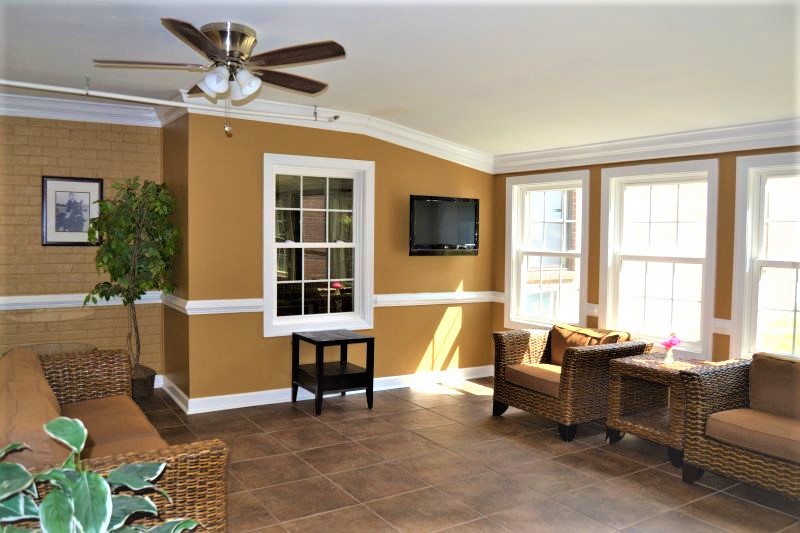
Who Owns and Operates Frederick Villa Healthcare?

FREDERICK VILLA HEALTHCARE is owned by a for-profit company. For-profit facilities operate as businesses with obligations to shareholders or private owners. The facility is operated by ENGAGE HEALTHCARE, a chain that manages multiple nursing homes. With 125 certified beds and approximately 116 residents (about 93% occupancy), it is a mid-sized facility located in CATONSVILLE, Maryland.
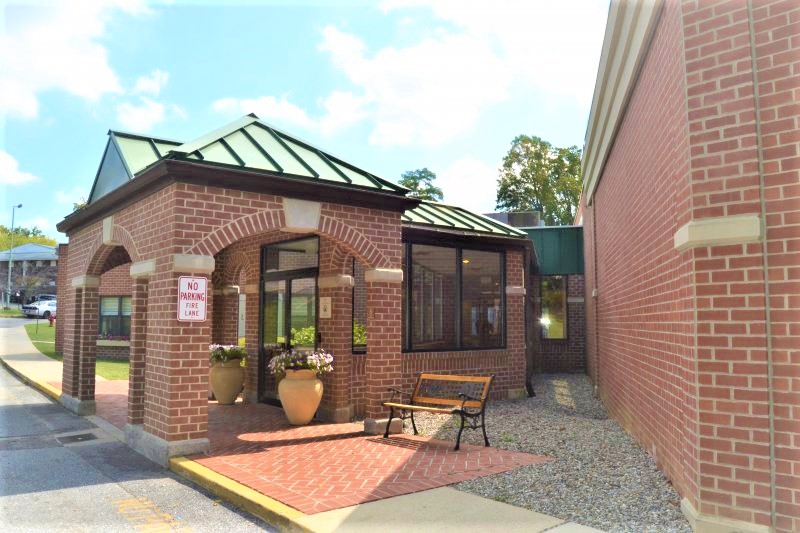
How Does Frederick Villa Healthcare Compare to Other Maryland Nursing Homes?

Compared to the 100 nursing homes in Maryland, FREDERICK VILLA HEALTHCARE's overall rating (2 stars) is below the state average of 3.0, staff turnover (41%) is near the state average of 46%, and health inspection rating (2 stars) is below the national benchmark.

What Should Families Ask When Visiting Frederick Villa Healthcare?

Based on this facility's data, families visiting should ask: "What safeguards and monitoring systems are in place to protect residents from abuse or neglect?" "Can you walk me through typical staffing levels on day, evening, and night shifts?" "Can I visit during a mealtime to observe dining assistance and food quality?" "How do you handle medical emergencies, and what is your hospital transfer rate?" These questions are particularly relevant given the substantiated abuse finding on record and the below-average staffing rating.

Is Frederick Villa Healthcare Safe?

Based on CMS inspection data, FREDERICK VILLA HEALTHCARE has documented safety concerns. The facility has 1 substantiated abuse finding (meaning confirmed case of resident harm by staff or other residents). The facility has a 2-star overall rating and ranks #100 of 100 nursing homes in Maryland. Families considering this facility should ask detailed questions about what corrective actions have been taken since these incidents.

Do Nurses at Frederick Villa Healthcare Stick Around?

FREDERICK VILLA HEALTHCARE has a staff turnover rate of 41%, which is about average for Maryland nursing homes (state average: 46%). Moderate turnover is common in nursing homes, but families should still ask about staff tenure and how the facility maintains care continuity when employees leave.

Was Frederick Villa Healthcare Ever Fined?

FREDERICK VILLA HEALTHCARE has no federal fines on record. CMS issues fines when nursing homes fail to meet care standards or don't correct problems found during inspections. The absence of fines suggests the facility has either maintained compliance or corrected any issues before penalties were assessed. This is a positive indicator, though families should still review recent inspection reports for the full picture.

Is Frederick Villa Healthcare on Any Federal Watch List?

FREDERICK VILLA HEALTHCARE is not on any federal watch list. The most significant is the Special Focus Facility (SFF) program, which identifies the bottom 1% of nursing homes nationally based on persistent, serious quality problems. Not being on this list means the facility has avoided the pattern of deficiencies that triggers enhanced federal oversight. This is a positive indicator, though families should still review the facility's inspection history directly.