MEADOW PARK REHABILITATION AND HEALTHCARE CENTER
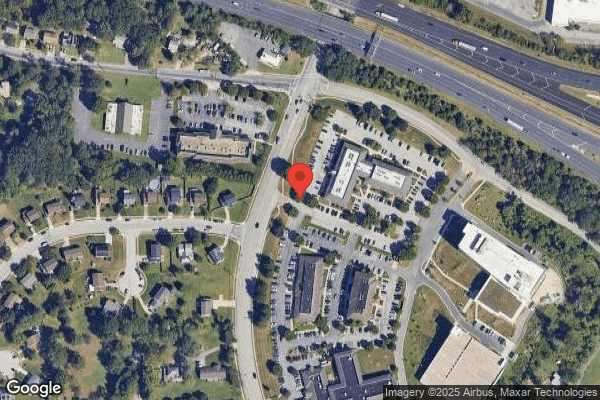

1525 NORTH ROLLING ROAD, CATONSVILLE, MD 21228 (410) 402-1200
For profit - Limited Liability company 120 Beds MARQUIS HEALTH SERVICES Data: November 2025 2 Immediate Jeopardy citations
Trust Grade
34/100
#117 of 219 in MD
Last Inspection: June 2025

Inspected within the last 6 months. Data reflects current conditions.

Overview

Meadow Park Rehabilitation and Healthcare Center has received a Trust Grade of F, indicating significant concerns about the facility's overall care and management. Ranking #117 out of 219 facilities in Maryland places it in the bottom half, while being #22 out of 43 in Baltimore County suggests only one local option is better. The facility is improving, as it reduced its issues from 16 in 2022 to 8 in 2025. Staffing is a mixed bag; it has a 36% turnover rate, which is below the state average, but the RN coverage is concerning, being lower than 75% of other Maryland facilities. There have been some serious incidents, including a cognitively impaired resident not being monitored properly, which led to an attempted elopement, and an unlocked medication cart that posed a risk of unauthorized access to medications. Overall, while there are some strengths, the significant issues and low trust grade warrant careful consideration.

Trust Score
F
34/100
In Maryland
#117/219
Bottom 47%
Safety Record
High Risk
Review needed
Inspections
Getting Better
16 → 8 violations
Staff Stability
○ Average
36% turnover. Near Maryland's 48% average. Typical for the industry.
Penalties
⚠ Watch
$17,220 in fines. Higher than 91% of Maryland facilities. Major compliance failures.
Skilled Nurses
○ Average
Each resident gets 34 minutes of Registered Nurse (RN) attention daily — about average for Maryland. RNs are the most trained staff who monitor for health changes.
Violations
⚠ Watch
48 deficiencies on record. Higher than average. Multiple issues found across inspections.
★★★☆☆
3.0
Overall Rating
★★☆☆☆
2.0
Staff Levels
★★★★★
5.0
Care Quality
★★☆☆☆
2.0
Inspection Score
Stable
2022: 16 issues
2025: 8 issues

The Good

  • 5-Star Quality Measures · Strong clinical quality outcomes
  • Full Sprinkler Coverage · Fire safety systems throughout facility
  • No fines on record
  • Staff turnover below average (36%)

    12 points below Maryland average of 48%

Facility shows strength in quality measures, fire safety.

The Bad

3-Star Overall Rating

Near Maryland average (3.0)

Meets federal standards, typical of most facilities

Staff Turnover: 36%

10pts below Maryland avg (46%)

Typical for the industry

Federal Fines: $17,220

Below median ($33,413)

Minor penalties assessed

Chain: MARQUIS HEALTH SERVICES

Part of a multi-facility chain

Ask about local staffing decisions and management

The Ugly 48 deficiencies on record

2 life-threatening
Jun 2025 8 deficiencies 1 IJ
CRITICAL (J) 📢 Someone Reported This

A family member, employee, or ombudsman was alarmed enough to file a formal complaint

Immediate Jeopardy (IJ) - the most serious Medicare violation

Accident Prevention (Tag F0689)

Someone could have died · This affected 1 resident

**NOTE- TERMS IN BRACKETS HAVE BEEN EDITED TO PROTECT CONFIDENTIALITY** Based on record review, interviews and observations, it was determined that the facility staff failed to adequately monitor a co...

Read full inspector narrative →
**NOTE- TERMS IN BRACKETS HAVE BEEN EDITED TO PROTECT CONFIDENTIALITY** Based on record review, interviews and observations, it was determined that the facility staff failed to adequately monitor a cognitively impaired resident who had exit seeking behaviors. This was found to be evident for 1 (#217) out of 2 residents reviewed for exit seeking behaviors during the recertification survey. This deficient practice was determined to be an Immediate Jeopardy past non-compliance after the investigation was completed. The findings include: A review of Resident #217 electronic medical record (EMR) on 06/11/25 revealed on 11/11/24 Resident #217 left their room located on the first floor and went to the front desk and attempted to leave the facility. After the attempted elopement, the resident was recommended to have a monitoring device placed to notify the facility staff if the resident attempted to leave the building. The elopement assessment dated [DATE] indicated the resident had a Wanderguard bracelet placed. On 06/11/25 at 11:48 AM a review of the facility's investigation related to the facility reported incident (FRI) #MD00216062 revealed on 03/24/25 at 12:30 AM the nursing staff on the second floor noted Resident #217 was missing. It was reported the resident was last seen by staff at 12:20 AM at the nurse's station. The Wanderguard system was alarming on the second floor, and the staff was unable to locate the resident within the facility or outside on the grounds; the police were notified. At 3:11 AM local authorities notified the facility staff the resident was found around Exit 17 towards Interstate 695. The resident was returned to the facility at 3:28 AM. The incident was reported to the state agency on 03/25/25 at 12:19 AM which was outside the two-hour allotted timeframe to report the incident. On 06/12/25 at 8:31AM during an interview with the Administrator the surveyor asked, how did Resident #217 get out of the building. The Administrator verbalized apparently he/she went out the front entrance. The wander guard pads did not go off; we determined that it was related to a power surge. The front door was ajar, and the system did not alarm. None of the staff heard the alarms. Our company determined that it was related to a power surge. During an interview with Maintenance Director #8 the surveyor asked what caused the front door to malfunction. Maintenance Director #8 verbalized a visitor could have pulled the door before the switch opened the door creating a short of the mag lock causing the door to malfunction. The surveyor asked if there was a visitor in the building at midnight. The Administrator verbalized visiting hours are not restricted. The surveyor asked if there was another power surge how they would ensure the residents' safety. Maintenance Director #8 verbalized if the door doesn't lock it would alarm. The staff would know the door was locked because it would not open. If the door won't open they can open it. The surveyor reviewed documentation that verified the front door was repaired on 03/26/25 and a Wanderguard system was applied to the elevator on 03/27/25. Further review of the EMR revealed Resident #217 was wheelchair bound and had a facility acquired Stage III wound to his left heel and a right below the knee amputation (BKA). According to documentation in the resident's electronic medical record (EMR), the resident propelled their wheelchair with his/her left foot. On 03/20/25 the left heel wound measured 3.8 cm in length (L) x 1.6 cm width (W) x 0.3 cm depth (D). After the elopement there were no documented wound measurements in the EMR. The next documented wound measurements were taken over three days later 03/27/25; the measurements were 4.2 cm (L) x 2.0 cm (W) x 0.3 cm (D) which was a decline in the wound. On 06/18/2025 at 6:57 AM, the Administrator acknowledged the incident was a high-level concern. On 06/18/2025 at 12:55 PM, the surveyor verified all the facility staff were educated regarding elopement prevention on 03/29/25. The Administrator was made aware 03/29/25 was the Immediate Jeopardy (IJ) past non-compliance date. Three staff who worked on 03/29/25 during the 11:00 PM - 7:00 AM shift were educated about elopement policies including Wanderguard Management.
CONCERN (D) 📢 Someone Reported This

A family member, employee, or ombudsman was alarmed enough to file a formal complaint

Potential for Harm - no one hurt, but risky conditions existed

Deficiency F0559 (Tag F0559)

Could have caused harm · This affected 1 resident

Based on interviews and medical record reviews, it was determined that the facility failed to implement a process to ensure residents receive written notice of room changes. This was evident for 1 (Re...

Read full inspector narrative →
Based on interviews and medical record reviews, it was determined that the facility failed to implement a process to ensure residents receive written notice of room changes. This was evident for 1 (Residents #51) out of 1 resident, who expressed concern regarding room change notification during the recertification survey. The findings include: During an interview on 06/17/25 at 08:28 AM, Resident # 51 expressed concern that the facility had not provided written notification of roommate changes, and stated, this is a violation of my resident rights. During an interview with the Director of Nursing (DON) and Administrator on 06/17/25 at 09:15 AM, the surveyors were informed that although residents receive verbal notification of room changes, written notification is not provided. An example of verbal notification documentation was provided. The DON concurred that this practice did not meet the regulatory requirement for written notification.
CONCERN (D)

Potential for Harm - no one hurt, but risky conditions existed

Deficiency F0567 (Tag F0567)

Could have caused harm · This affected 1 resident

Based on staff interview it was determined the facility failed to provide residents with access to their funds 24 hours a day/7 days a week. This was found to be evident for 1 of 1 residents that were...

Read full inspector narrative →
Based on staff interview it was determined the facility failed to provide residents with access to their funds 24 hours a day/7 days a week. This was found to be evident for 1 of 1 residents that were reviewed for care during an annual survey. The findings include: On 6/16/2025 at 2:15 PM the Business Office Manager was interviewed regarding resident access to their funds that are held by the facility. The Business Office Manager stated that the residents had access to their funds Monday through Friday from 8:00 AM to approximately 6 PM, during the Business Office Manager's normal working hours. They also said that the facility did not have a procedure in place for any other member of staff to provide the residents with their funds during the hours the Business Office Manager was not in the building.
CONCERN (D)

Potential for Harm - no one hurt, but risky conditions existed

Safe Environment (Tag F0584)

Could have caused harm · This affected 1 resident

Based on interviews, observation and record review, it was determined that the facility failed to ensure the residents' personal property was kept from loss. This was evident for 1 (Resident # 65) of ...

Read full inspector narrative →
Based on interviews, observation and record review, it was determined that the facility failed to ensure the residents' personal property was kept from loss. This was evident for 1 (Resident # 65) of 57 residents reviewed during the annual re-certification survey. The findings include: On 6/09/25, at 12:23 PM, Resident #65 was interviewed and reported missing clothing. Resident #65 stated they were unable to attend church because they had no clothes and expressed being upset as they attend church every Sunday. Resident #65 noted that the clothes they were wearing were all they had left. On 6/10/25, at 8:26 AM, the Director of Nursing (DON) was interviewed and stated that the admitting nurse completes the inventory list with the resident upon admission. If the resident is capable, they sign the inventory list; otherwise, the resident's representative signs it, and this is placed in their chart. On 6/11/25 at 8:30 AM the inventory sheet for Resident #65 was reviewed and revealed the resident representative signed the inventory sheet on 04/11/24. Further review of the inventory sheet revealed Resident #65 had several shirts, shorts and long sleeve shirts. On 06/11/25, at 10:43 AM, the Nursing Home Administrator (NHA) was interviewed about Resident #65's missing clothing. The NHA stated that the missing clothes for Resident #65 were searched for, and some clothes were found (recovered) and some were not found. On 06/13/25 at 7:35 AM the NHA provided a document stating that 3 pairs of shorts, 8 shirts and 1 long sleeve shirt was not found and that the facility will reimburse Resident #65 for the missing clothing.
CONCERN (D) 📢 Someone Reported This

A family member, employee, or ombudsman was alarmed enough to file a formal complaint

Potential for Harm - no one hurt, but risky conditions existed

Report Alleged Abuse (Tag F0609)

Could have caused harm · This affected 1 resident

Based on record review and interview it was determined that the facility staff failed to report a resident eloped from the facility within the 2-hour allotted timeframe. This deficient practice was ev...

Read full inspector narrative →
Based on record review and interview it was determined that the facility staff failed to report a resident eloped from the facility within the 2-hour allotted timeframe. This deficient practice was evidenced in 1 (#271) of 1 facility reported incident reviewed for an elopement during the recertification survey. The findings are: On 06/11/25 at 12:28 PM a review of the investigation of the facility reported incident (FRI) related to Resident #217 revealed the incident was reported to the state agency on 03/25/25 at 12:19 AM which was outside of the two-hour allotted timeframe to report the incident. The alleged incident occurred on 03/24/25 at 12:30 AM. The Administrator and Director of Nursing (DON) were made aware of the incident on 03/24/25 at 1:45 AM. On 06/11/25 at 12:52 PM during an interview with the Administrator he/she verbalized they follow the guidelines of the state agency regarding reporting incidents. They currently don't have a policy for reporting. The surveyor asked who is responsible for reporting incidents to the state agency. The Administrator and the Director of Nursing are responsible for reporting incidents to the state agency. Generally, when there was an allegation of abuse they would report the incident within a 2-hour window. Regarding the incident it would have been reported within a two-hour window, but the incident occurred at night when he/she wanted to get to the facility in a timely manner. Their goal was to get to the facility and ensure that the resident was safe.
CONCERN (D) 📢 Someone Reported This

A family member, employee, or ombudsman was alarmed enough to file a formal complaint

Potential for Harm - no one hurt, but risky conditions existed

Investigate Abuse (Tag F0610)

Could have caused harm · This affected 1 resident

Based on medical record review and interview, the facility staff failed to thoroughly investigate a complaint of abuse (Resident #120). This was evident for 1 out of 57 residents reviewed during a com...

Read full inspector narrative →
Based on medical record review and interview, the facility staff failed to thoroughly investigate a complaint of abuse (Resident #120). This was evident for 1 out of 57 residents reviewed during a complaint/annual survey. Findings include: Review of Resident #120's facility reported incident (MD00178521) on 6/11/25 at 8:30 AM revealed the resident made an allegation of abuse after the resident reported to the facility that a nursing staff member pried medications out of the resident's left hand during a medication pass. An additional facility reported incident (MD00186277) on 6/11/25 at 8:40 AM revealed the resident made an allegation of abuse after the resident reported to the facility that a nursing staff member provided the resident with rough care when the nursing staff member dispensed nose drops. The surveyor requested the facility investigations for MD00178521 and MD00186277 on 6/11/25 at 9:00 AM. Interview with the Administrator on 6/11/25 at 11:30 AM revealed the facility did not have the facility investigations for MD00178521 and MD00186277. The Administrator stated that both of facility reported incidents occurred before the current administration. The surveyor pointed out that Centers of Medicare/Medicaid Services (CMS) policy states that the facility must keep the records of any facility reported incidents for at least 5 years after the investigation is closed.
CONCERN (D)

Potential for Harm - no one hurt, but risky conditions existed

Deficiency F0645 (Tag F0645)

Could have caused harm · This affected 1 resident

Based on record review and interview, it was determined that the facility failed to complete a Preadmission Screening and Resident Review (PASRR) II for a resident. This was found to be evident for 1 ...

Read full inspector narrative →
Based on record review and interview, it was determined that the facility failed to complete a Preadmission Screening and Resident Review (PASRR) II for a resident. This was found to be evident for 1 (#97) out of 3 residents reviewed for PASRR II completion during the recertification survey. The findings include: Preadmission Screening and Resident Review (PASRR) is a federal requirement for Medicaid-certified nursing facilities to ensure individuals seeking admission are appropriately placed and receive necessary services, especially those with mental illness or intellectual/developmental disabilities. A record review on 6/10/25 at 9:10 AM for Resident #97 did not reveal a PASRR II. A review of 5/6/25 admission MDS revealed Section I was coded for PTSD and Bipolar diagnoses, which require PASRR II screening. During an interview on 06/13/25 on 11:15 AM, the Director of Social Services stated that Resident # 97 was admitted short term, however, after 30 days, a PASRR II should have been completed. The Director of Social Services indicated a correction was filed. On 06/13/25 at 02:43 PM, the Administrator was notified of the concern that the PASRR II was not completed. She acknowledged the concern and stated a process would be developed to capture residents who were not discharged in 30 days.
CONCERN (D) 📢 Someone Reported This

A family member, employee, or ombudsman was alarmed enough to file a formal complaint

Potential for Harm - no one hurt, but risky conditions existed

Medical Records (Tag F0842)

Could have caused harm · This affected 1 resident

Based on medical record review and interviews it was determined that the facility staff failed to ensure a resident's medical record was accurate. This deficient practice was evident for 1 (#217) in 2...

Read full inspector narrative →
Based on medical record review and interviews it was determined that the facility staff failed to ensure a resident's medical record was accurate. This deficient practice was evident for 1 (#217) in 2 medical records reviewed for accuracy during the recertification survey. The findings include: On 06/11/25 at 12:19 PM a review of Resident #217's electronic medical record revealed the resident had a diagnosis of a complete traumatic amputation of the left lower leg. On 06/12/25 at 10:13 AM a review of Resident #217's skin assessment revealed the resident had a left heel wound. On 06/18/25 at 11:25 PM during an interview with the Administrator, the surveyor reported it was documented in the resident's electronic medical record that the resident had a complete traumatic amputation of the left lower leg, but it was documented on the wound progress report that the resident had a left heel wound. On 06/18/25 at 1:46 PM during an interview with the Administrator the surveyor asked who is responsible for ensuring the residents' diagnoses are entered correctly in the electronic medical record. The Administrator verbalized the admissions nurse enters medical information according to the discharge summary and the Minimum Data Set (MDS) Coordinator checks the accuracy of the medical information that was entered.
Jun 2022 16 deficiencies 1 IJ
CRITICAL (J)

Immediate Jeopardy (IJ) - the most serious Medicare violation

Accident Prevention (Tag F0689)

Someone could have died · This affected 1 resident

**NOTE- TERMS IN BRACKETS HAVE BEEN EDITED TO PROTECT CONFIDENTIALITY** 4. On 6/8/22 at 11:30 AM an unlocked medication and unattended (by staff) medication cart was observed with the lock protruding ...

Read full inspector narrative →
**NOTE- TERMS IN BRACKETS HAVE BEEN EDITED TO PROTECT CONFIDENTIALITY** 4. On 6/8/22 at 11:30 AM an unlocked medication and unattended (by staff) medication cart was observed with the lock protruding out. The surveyor pulled the top drawer of the medication cart and it opened. Medications were observed in the medication cart. At that time the nurse, Staff #17, walked towards the cart and stated that she left the cart to grab something and then returned. The surveyor asked Staff #17 to explain the facility policy on securing the medication cart and she responded that the cart is to be always locked. The nurse went on to explain that the cart is to be locked so that residents who wander in the hall will not be able to get to the medications that are in the cart. The Administrator and DON were made aware of the concerns on 6/8/22 at 1:30 PM. Based on observations; the review of medical records, administrative reports, and other pertinent documentation; and interviews with facility staff, it was determined the facility failed to prevent Resident #33 from exiting the building unattended on 6/7/22; failed to develop and implement timely interventions to address Resident #93's exit-seeking behavior, and failed to ensure the facility's exterior doors were secured, alarmed, and functioning properly. The deficient practice was evident for 2 of 4 residents reviewed for elopement during the survey; however, the facility's failures had the potential to impact 4 of 4 residents identified as at risk for wandering or elopement. Additionally, the facility failed to ensure that all medication carts remained locked and secured this was evident one medication cart. On Tuesday, 6/8/22 at 12:00 a.m., an Immediate Jeopardy was called related to the facility's failure to implement measures for residents with exit-seeking behaviors and inability to secure and alarm the exterior doors to the building. On Wednesday, 6/8/22, the facility presented two corrective action plans (one at 2:54 a.m. and 3:15 a.m.) to address the immediate concern related to the elopement. These plans were not accepted by the Office of Health Care Quality surveyors. The third corrective action plan was presented to the survey team on 6/8/22 at 3:36 a.m. This plan was accepted by the surveyors and the Office of Health Care Quality at 3:46 a.m. that morning. On Wednesday, 6/23/22 at 1:30 p.m. the surveyors verified that the facility implemented the elements of their corrective action plan. The immediacy was removed at that time. After removal of the immediate jeopardy, the deficient practice remained at a scope and severity of a D. The findings include: On 6/7/22 at 6:58 a.m. While entering the building through the front door, Surveyor #44484 observed facility staff running out the door. The staff stated they were looking for a resident. During an interview with Licensed Practical Nurse (LPN) #13 on 6/7/22 at 11:00 a.m., she stated she was passing medications to Resident #33 between 6:15 a.m. and 6:20 a.m. on 6/7/22. She said at that time the resident was standing at his/her door fully dressed. The resident had a handbag on his/her shoulder. LPN #13 stated around 7:05 a.m. on 6/7/22, Geriatric Nursing Assistant (GNA) #15, was looking out of the second-floor window and saw Resident #33 in the parking lot next to the dumpster. LPN #13 stated she redirected Resident #33 from the parking lot back to the building. During an interview with LPN Staff #8 on 6/7/22 at 1:30 p.m., she stated Resident #33's behaviors were escalating over the last few days. She also stated that Resident #33 was observed by the elevator stating s/he was going home. A review of Resident #33's facility medical records on 6/7/22 at 1:00 p.m., revealed the resident was admitted from another facility (hereby referred to as the Transferring Facility) on April 1, 2022. According to Resident #33's medical records, prior to admission, the transferring facility sent an Order Summary Report (fax date 03/10/22) to this facility regarding Resident #33. The order summary (dated as active on 2/22/22) instructed staff to check the placement of the resident's alert bracelet. Further review of the faxed documents revealed this facility also received a report regarding Resident #33's history of wandering. The report stated that Resident #33 was, found wandering around [his/her] apartment complex appearing confused and staring off. Neighbors called 911 and [s/he] was sent to the hospital. Further review of Resident #33's record revealed the resident ' s admitting diagnosis included: Encephalopathy, Dementia with behavioral disturbance and cognitive-communication deficit. On 6/07/22 continued review of Resident #33's record revealed that on 4/7/22 the facility assessed the resident as having a Brief Interview of Mental Status (BIMS) of 11/15, indicating moderate cognitive impairment. On 05/27/22 the facility updated Resident #33 ' s care plan to indicate the resident displayed aggressive behavior disturbances. There was no evidence that Resident #33 ' s care plan addressed the resident's history of wandering nor did the care plan indicate the resident was at risk for elopement prior to the resident exiting the building the morning of 6/7/22. On 6/7/22 at 6:00 p.m. surveyors, #21859 and #30440, reviewed the facility's monitoring/surveillance footage to determine how Resident #33 exited the building. Observation of the footage revealed on 6/7/22 at 6:58 a.m. Receptionist #18 handed Resident #33 a face mask prior to the resident walking out of the front door. A review of Resident #33's medical record on 6/7/22 at 2:00 p.m. failed to reveal documentation regarding Resident #33's behaviors related to expressing the desire to leave the facility. Further review of Resident #33's record revealed on 6/7/22 a care plan was initiated to address the resident's elopement after the resident left the building unsupervised that day. There was no care plan in place to address the resident's history of wandering, as reported by the Transferring Facility. 2. On 6/7/22 at 2:15 p.m. an interview with Registered Nurse (RN) #17 revealed that Resident #93 attempted to elope from the facility on 6/6/22. RN #17 stated the resident made it to the front door but was able to be redirected back to the unit. On 6/7/22 at 2:45 p.m. surveyor #42782 reviewed Resident #93's record. According to the review, the resident was admitted to the facility on [DATE] with diagnoses including cognitive communication deficit, cerebral infarction, schizophrenia, and anxiety. On 5/20/22 the facility documented the resident had a resident a BIMS of 9/15, indicating moderate cognitive impairment. On 5/27/2022 the facility's staff documented two separate events of Resident #93 displaying exit-seeking behaviors. Further review of the medical record on 6/7/22 at 3:30 p.m. failed to reveal any documentation regarding the resident ' s exit-seeking behaviors or attempt to elope, as displayed on 6/6/22, that were documented prior to 6/7/22. The record revealed that on 6/7/22, the facility initiated a care plan to address Resident #93's risk for elopement. 3. On 6/7/22 at 4:00 p.m. surveyors were accompanied by the Administrator (Staff #1), Director of Nursing (Staff #3), Maintenance Director (Staff #4), Electrician (Staff #7), Regional Director of Operations (Staff #2), and the Regional Director of Property Management (Staff #16) to check the facility ' s doors for proper function and operation. During this observation the following concerns were identified: Stairwell #1, on the first floor- the door failed to properly disengage the maglock after 15-30 seconds. A maglock is an electrified locking device that uses low-voltage power to keep an entrance secure, When the power is removed and/or the door is pushed for 15 seconds the maglock should release. Stairwell #2, on the first floor- the door failed to alarm and release after 15-30 seconds. Stairwell #4, on the first floor the door opened at 32 seconds but failed to alarm. Stairwell #4, on the second floor-the door, took 35 seconds to disengage; however, failed to alarm. First-floor dining room, the door did not alarm or disengage after 15-30 seconds. First-floor lounge the door did not disengage or alarm after 15-30 seconds Continued observation rounds on 6/7/22 revealed the facility has 11 keypads with a wander prevention system. Each keypad was checked for function. Observation revealed that 10 of 11 keypads failed to alarm when engaged by a wander guard device (braclet). A wander guard is bracelet that triggers alarms on lock monitored doors to prevent to help protect cognitively impaired residents against elopement. On 6/7/22 at 7:00 p.m. in an interview, Staff #2 acknowledge the surveyor's observations, then stated residents at risk for elopement (#28, #30, #33, #93,) will be placed under one-one supervision due to the facility's inability to alarm the wander guard system. On 6/9/22 at 10:00 a.m. the Life Safety Code Surveyor presented to the facility to check the alarm doors. The surveyor confirmed the facility ' s front doors were still not functioning properly. The Facility's Immediate Jeopardy Abatement Plan included the following actions: Facility respectfully submits the below allegation of compliance for F689 Accidents/Supervision. Residents at risk for elopement (#28, #30, #33, #93,) will be placed on one-one supervision on due to facility inability to alarm the wander guard system. Identify those residents who have suffered, or are likely to suffer a serious adverse outcome as a result of the noncompliance: Resident #33 [is a redacted age and gender] admitted to the center on April 1, 2022]. Resident has multiple diagnoses that included dementia and cancer. Resident #93 [redacted age and gender] was admitted to the center on March 7, 2022. Resident has multiple diagnoses that include schizophrenia and cognitive impairment. Resident #33 exited the front door unattended on June 7, 2022. Once staff identified that the resident was outside of the building, the staff responded. Staff escorted the resident back into the center to her room. Nursing staff completed a full assessment and noted no injuries. Resident's attending physician assessed the resident and noted no injuries as well. Resident #33 was placed on 1:1 supervision. Nursing staff completed a Wander Elopement Risk Evaluation, which identified him/her at risk for elopement-note, prior evaluation assessed resident as not at risk. Nursing staff updated resident ' s care plan and placed a Wander Guard device on the resident. The physician and responsible party were notified. Nursing staff conducted a 100% head count. All residents were accounted for. Based on Wander Elopement Risk Evaluation completed on June 7, 2022, nursing staff received an order for a Wander guard device. Resident #93 was also placed on 1:1 supervision. Nursing staff updated Resident #93's care plan with new interventions. The physician and responsible party were notified. The center leadership was notified of the incident and initiated an investigation, which resulted in the center filing a Facility Reported Incident to the state on June 7, 2022. Center leadership conducted an Ad Hoc QAPI plan on June 7, 2022, and developed a quality assurance process improvement action plan. All residents have the potential to be affected. By June 8, 2022, the Director of Nursing and the clinical team completed an audit of all current residents to determine those at risk for elopement. For residents identified at risk for elopement, nursing updated their individual care plans to meet the residents' individual needs. Center leadership placed all residents, who triggered as an elopement risk, on 1:1 supervision. On June 7, 2022, Maintenance Director and regional Director of Property Management inspected all doors leading either to the exterior of the center or to a stairwell to confirm the functionality of door locks and the Wander guard system. All doors leading to the stairwells and the exit doors lock. Facility has hired a contractor to review the scope of work to allow for an audible alarm system to be installed at these doorways. That system would annunciate an alarm when a resident approach who is wearing a Wander guard Device. The work on system is expected to start on June 10, 2022, and should be completed by June 15, 2022. Maintenance Director or designee will check doors daily to confirm full functionality,specifically, as it relates to the doors locking. On June 8, 2022, Regional Property Manager will in-service maintenance director and assistant on the process by which doors are inspected for functionality. Maintenance Director will bring findings from audits to the Quality Assurance and process Improvement Committee meetings monthly for review until sustained compliance is achieved. Specify action the entity will take to alter the process or system failure to prevent a serious adverse outcome from occurring or recurring, and when action will be complete: On June 7, 2022, Nursing Home Administrator provided one-on-one education with the receptionist the was working at the time of the incident. This education included but was not limited to ensuring that all employees, visitors, and vendors check-in/out at the kiosk at the time of entrance and exit of the building, signing in and out on the visitor ' s log, the use of the visitors pass, and the Elopement binder. Nursing Home Administrator will educate all receptionist byJune 8, 2022. Also, on June 7, 2022, regional clinical support started education of all current staff (receptionist, licensed nurses, nurses' aides & certified medicine aides, therapy, dietary, housekeeping, maintenance, and department heads) on residents at risk for elopement, prevention of elopement and care and management of a resident that has eloped. Education included full-time, part-time and PRN and agency staff. Education will continue as new staff come onto their shifts. Education will be completed by June 17, 2022. No staff will be allowed to work until this education is completed. This education will be included as part of new hire orientation. On June 7, 2022, Director of Nursing educated nursing staff on Change of Condition Policy and Procedure, specifically as it relates to documenting change in behaviors. Education will continue as new staff come onto their shifts. Education will be completed June 17, 2022. No staff will be allowed to work until this education is completed. This education will be included as part of new hire orientation. Interdisciplinary team will review changes of condition Monday through Friday for three (3) months during clinical meeting to confirm that any changes are properly addressed. The Director of Nursing is responsible for the oversight of this process. The Director of Nursing and clinical leadership will review Wander Elopement Risk Evaluation for all new admissions, readmits, and residents who may experience a change of condition as part of the morning clinical meeting, Monday through Friday, for three (3) months. The Director of Nursing is responsible for the oversight of this process. The Director of Nursing will bring findings from audits to the Quality Assurance and process Improvement Committee meetings monthly for review until sustained compliance is achieved. Administrator is responsible for the implementation and oversight of this plan. Resident #28, #30, #33 and #93 who triggered for elopement risk is on 1:1 until the scope of work is completed.
CONCERN (D)

Potential for Harm - no one hurt, but risky conditions existed

Resident Rights (Tag F0550)

Could have caused harm · This affected 1 resident

Based on observation and interview, the facility failed to maintain the dignity of residents by leaving Resident #45's face soiled with food after the resident was assisted with a meal and neglecting ...

Read full inspector narrative →
Based on observation and interview, the facility failed to maintain the dignity of residents by leaving Resident #45's face soiled with food after the resident was assisted with a meal and neglecting to cover a residents urinary collection bag. This was evident for 2 of 22 residents reviewed during the facility's annual survey (Residents #49 and #159). 1.) The facility staff failed to treat a resident with respect and dignity by failing to cleanse Resident #49's face after feeding him/her breakfast. During observations rounds on 6/7/22 at 9:45 am AM Resident #45 was observed with eggs on the right side of his/her face. A review of Resident #45's medical record on 6/7/22 at 10:00 AM, revealed the resident is totally dependent on staff for care. During an interview with Registered Nurse (RN) #8 on 6/7/22 at 10:15 AM, s/he stated, the resident had been fed earlier and the GNA assigned to the resident should have cleaned his/her face prior to leaving the room. The findings were verified by RN #8. 2.) The facility staff failed to treat a resident with respect and dignity by failing to ensure a urinary bag was covered for Resident #154. A Foley catheter is a urinary collection system consisting of a tube inserted into the bladder via the urethra. The urine then drains through the tubing into a drainage bag that is attached to the side of the bed or chair. A privacy cover is placed over the drainage bag to hide the contents thus ensuring privacy and preventing embarrassment for the resident, roommate, or visitors. Resident #154 was admitted with multiple diagnoses that included neurogenic bladder. A Neurogenic bladder is a condition in which problems with the nervous system affect the bladder and urination. On 6/7/22 at 12:32 pm Resident #159's foley catheter tubing was noted hanging on the left side of the bed uncovered. The exposed drainage bag could be observed by anyone walking by the resident bedroom. During an interview with the Geriatric Nursing Assistant GNA (Staff # 24) on 6/7/22 at 12:45 pm she stated that she does not know why the resident's drainage bag was not covered and stated that she would cover it.
CONCERN (D)

Potential for Harm - no one hurt, but risky conditions existed

Deficiency F0558 (Tag F0558)

Could have caused harm · This affected 1 resident

Based on observation and interview, the facility failed to accommodate the needs of a resident by failing to ensure a resident's call bell was in reach when needed (Residents #9 and Resident #51). Thi...

Read full inspector narrative →
Based on observation and interview, the facility failed to accommodate the needs of a resident by failing to ensure a resident's call bell was in reach when needed (Residents #9 and Resident #51). This was evident in 2 of 22 residents reviewed during the facility's annual survey. The findings include: A call bell is a bedside button tethered to the wall in the resident's room, which directs signals to the nursing station; a call light usually indicates that the patient has a need or perceived need requiring attention from the nurse or geriatric nursing assistant (GNA) on duty. 1. On 6/5/2022 at 9:50 a.m. Resident #9 was observed lying in bed, when asked about the location of his/her call bell, the Resident #9 looked around for the device. The device was observed on the floor next to the right side of the resident's bed. On 6/5/2022 at 9:50 a.m. GNA #24 was interviewed the GNA verified the surveyors observation and the location of Resident #9's call bell. 2. On 6/5/2022 at 10:15 a.m. Resident #51 was observed lying in bed. The resident's call bell was located inside the first drawer of the bedside table with the drawer shut, with only the cord showing. On 6/5/2022 at 10:15 a.m. GNA #30 was interviewed. The GNA verified by the surveyor's observations of the device's location. On 6/5/2022 at 9:50 a.m. Resident #9 was observed during initial rounds surveyors observed call bell on floor next to bedside table. On 6/5/2022 at 9:50 a.m. in an interview with GNA #24 GNA #24 verified that the resident's call bell was on floor. On 6/5/2022 at 10:15 a.m. in an interview with GNA #30, was asked once entering the room regarding the location of Resident #51 call bell, GNA #30 reached for the bell cord and followed it down to the bedside table and removed the call bell from the bedside table drawer. On 6/10/2022 at 11:45 a.m. in an interview with DON regarding findings of call bell on floor for Residents #9, and #51.
CONCERN (D)

Potential for Harm - no one hurt, but risky conditions existed

Safe Environment (Tag F0584)

Could have caused harm · This affected 1 resident

Based on observations and interviews it was determined the facility failed to provide a homelike environment as evidenced by residents having stained linen and soiled equipment in residents' rooms. Th...

Read full inspector narrative →
Based on observations and interviews it was determined the facility failed to provide a homelike environment as evidenced by residents having stained linen and soiled equipment in residents' rooms. This was evident for 1 of 4 residents assessed for a clean and comfortable homelike environment (Residents #29). The finding includes: On 06/07/22 at 11:02 am the surveyor observed Resident #29 in bed receiving enteral nutrition (nutrition provided through a tube contacted to the stomach). The enteral feeding pump was attached to an intravenous pole, which had dried enteral feeding on the base. While attempting to interview Resident #69 in his/her room on 06/07/22 at 11:24 am, the surveyor observed stained linen on the resident's bed, this observation was made after the linen was changed. During an interview with GNA #30 on 06/07/22 at 11:30 am he/she stated most of the linens have stains on them. GNA #30 retrieved another fitted sheet; however, that sheet stained as well. On 06/10/22 at 10:15 am in an interview, Unit Manager #23, he reported the staff was supposed to clean up the enteral feeding after it spilled and then follow up with housekeeping. On 06/16/22 at 4:09 pm the surveyor observed Resident #29 in bed and the fitted sheet had a large stain in the upper right portion of the sheet.
CONCERN (D)

Potential for Harm - no one hurt, but risky conditions existed

Investigate Abuse (Tag F0610)

Could have caused harm · This affected 1 resident

Based on administrative record review and interviews with facility staff it was determined the facility failed to complete an investigation into allegations of abuse. This was found to be evident for ...

Read full inspector narrative →
Based on administrative record review and interviews with facility staff it was determined the facility failed to complete an investigation into allegations of abuse. This was found to be evident for 4 of 11 complaints reviewed during the facility's annual Medicare/Medicaid survey (Residents # 366, 367, 368, and # 370). The findings include 1. On 6/7/22 at 10:00 a.m. the survey team requested documentation of the facility's investigations into allegations of abuse. A review of the facility's investigations revealed the following: On 11/21/2021 Resident #360 made an allegation of abuse. A review the facility's investigation revealed the file contained Resident #face sheet and a facility self-reporting form. There were no interview statements from staff or residents or resident assessments. On 7/16/2021 Resident #367 made an allegtion of abuse. A review the facility's investigation revealed a copy of the resident's face sheet, a facility self-reporting form, and typed interview statements from 4 staff (a Nurse Practitioner, a OTA, a Nurse, and a GNA). There were no resident interviews or assessments included in the investigation. On 11/3/21 Resident #367 made an allegation of abuse. A review of the facility's investigation into the allegation revealed the record a copy of the resident's face sheet, a facility self-reporting form, and 3 staff statements. There were no resident interviews or assessments. On 7/16/2022 Resident #370 made an allegation of abuse. A review of the facility investigation revealed a copy of the resident's face sheet and a facility self-reporting form. There were no staff and resident interviews or resident assessments. An interview was conducted with the Administrator on 6/7/22 at 2:45 PM and he was asked to explain the process for conducting a thorough investigation he explained that the facility will interview the resident if they are able to be interviewed as well as other residents and staff. The Administrator was asked to explain the process by which the facility obtains previous investigations that occurred prior to their onboarding of new ownership. He stated that the the prior company has a risk reporter system that allows them to obtain old investigations. The administrator stated that he was unable to obtain the requested documentation for the above investigations.
CONCERN (D)

Potential for Harm - no one hurt, but risky conditions existed

Transfer Notice (Tag F0623)

Could have caused harm · This affected 1 resident

**NOTE- TERMS IN BRACKETS HAVE BEEN EDITED TO PROTECT CONFIDENTIALITY** Based on medical record review and interview it was determined the facility staff failed to complete a Notice of Transfer when a...

Read full inspector narrative →
**NOTE- TERMS IN BRACKETS HAVE BEEN EDITED TO PROTECT CONFIDENTIALITY** Based on medical record review and interview it was determined the facility staff failed to complete a Notice of Transfer when a resident was sent to the hospital. This was evident in 1 of 1 (Resident #37) resident records reviewed for transfer documentation. The findings include: On 06/16/22 at 10:40 am while reviewing Resident#37 electronic medical record, the surveyor noticed there no documentation of a Notice of Transfer for review when the resident was sent to the hospital on [DATE]. The surveyor spoke with the Director of Nursing (DON), Staff #3, and requested a copy of the document. On 06/17/22 at 9:45 am the DON, Staff#3 made the surveyor aware there was not a transfer summary.
CONCERN (D)

Potential for Harm - no one hurt, but risky conditions existed

Comprehensive Assessments (Tag F0636)

Could have caused harm · This affected 1 resident

Based on medical record review and staff interview, it was determined the facility staff failed to ensure comprehensive Minimum Data Set (MDS) assessments were accurately coded. This was evident for 1...

Read full inspector narrative →
Based on medical record review and staff interview, it was determined the facility staff failed to ensure comprehensive Minimum Data Set (MDS) assessments were accurately coded. This was evident for 1 of 4 (#23) residents reviewed for dialysis during the revisit survey. The findings include: The MDS is part of the Resident Assessment Instrument that was Federally mandated in legislation passed in 1986. The MDS is a set of assessment screening items employed as part of a standardized, reproducible, and comprehensive assessment process that ensures each resident's individual needs are identified, that care is planned based on those individualized needs, and that the care is provided as planned to meet the needs of each resident. On 8/26/22 at 11:40 AM a review of Resident #23's medical record revealed a physician's order, pre and post dialysis weight on Mon, Wed, Fri. two times a day every Mon, Wed, Fri. that was written on 8/14/22. A 8/17/22 at 11:00 AM progress note documented, patient came back from Dialysis, vitals stable. Dialysis is a procedure to remove waste products and excess fluid from the blood when the kidneys stop working properly. Review of the comprehensive admission MDS assessment with an assessment reference date (ARD) of 8/17/22, revealed Section O, J. Dialysis, was blank. The facility failed to capture that Resident #23 received dialysis. The concern was reviewed with the Director of Nursing on 8/26/22.
CONCERN (D)

Potential for Harm - no one hurt, but risky conditions existed

Comprehensive Care Plan (Tag F0656)

Could have caused harm · This affected 1 resident

Based on observation, record review, and interview, it was determined the facility failed to ensure that a resident's care plan intervention was implemented for making sure the call bell was within re...

Read full inspector narrative →
Based on observation, record review, and interview, it was determined the facility failed to ensure that a resident's care plan intervention was implemented for making sure the call bell was within reach when needed. This was evident for 1 of 3 (#9) residents reviewed for access to the call bell during the revisit survey. The findings include: A call bell is a bedside button or cord attached to the wall in the resident's room, which allows the resident to alert a nurse or other healthcare staff member remotely of their need for help. The use of a nurse call bell system is designed to contribute to ensuring resident safety and allows residents in healthcare setting to alert staff remotely of their need for help. Immobile residents can use the nurse call bell to communicate with staff for any type of assistance. On 8/25/2022 at 1:20 PM, Resident #9 was observed lying in bed. When asked to use her/his call bell, Resident #9 looked around for the device but could not find it. The call bell was observed dangling on the floor and attached to the left upper side of the resident's bed. Resident # 9 attempted to get it twice and was unable to reach it both times. S/he gave up trying to reach the call bell and stated, It's too far back for me to get it. On 8/25/2022 at 1:25 PM, in an interview with Licensed Practical Nurse (LPN #7), s/he verified the surveyor's observation and the location of Resident #9's call bell. LPN #7 stated that the call bell should not be on the floor. It should be where the resident can reach it. On 8/25/2022 at 1:32 PM, in an interview with the Director of Nursing (DON), s/he verified the location of the resident's call bell and stated that s/he was disappointed and frustrated because they have trained and re-educated the staff on placing the call bell within the residents' reach. Resident #9's medical record was reviewed on 8/25/2022 at 3:00 PM. A care plan topic entitled, I am at risk for falls related to gait/balance problems was found with the intervention Be sure my call light is within reach and encourage me to use it for assistance as needed. On 8/30/2022 at 10:10 AM, all concerns were reviewed with the Administrator and the Director of Nursing during the exit conference.
CONCERN (D)

Potential for Harm - no one hurt, but risky conditions existed

ADL Care (Tag F0677)

Could have caused harm · This affected 1 resident

2. The surveyor conducted an interview with a member of Resident #79's family on 6/10/22 at 1:30 pm. The family member complained that assigned facility failed to provide personal care to the resident...

Read full inspector narrative →
2. The surveyor conducted an interview with a member of Resident #79's family on 6/10/22 at 1:30 pm. The family member complained that assigned facility failed to provide personal care to the resident for most of the day. On 6/10/22 at 1:44 pm the surveyor observed Resident #79 dressed in nightclothes. Resident #79 was interviewed on 6/10/22 at 1:44 pm the resident stated, I asked staff to change and get me ready for my therapy appointment at 1:00 pm today. I asked for this at 9:00 am this morning. I have not seen the nursing assistant all day. The surveyor interviewed Regional Director #32 on 6/10/22 at 1:50 pm regarding the assigned staff's failure to provide personal care for Resident #79. Regional Director #32 did not know why the assigned nursing assistance staff failed to provide care. The surveyor interviewed the Director of Nursing regarding the assigned staff failing to provide personal care for Resident #79 on 6/10/22 at 2:30 pm. The Director of Nursing was unable to give a reason why the assigned nursing assistance staff failed to provide personal care to Resident #79. The surveyor expressed concern about the facility's failure to provide personal care to Resident #79. The facility's staff failed to provide the necessary services to maintain personal hygiene for 2 of 12 residents reviewed during this annual survey (Resident #49 and #79). The findings include: 1. During observations rounds on 6/7/22 at 9:45 am AM Resident #45 was observed with eggs on the right side of his/her face. A review of the resident's medical record on 6/7/22 at 10:00 AM, revealed the resident is totally dependent on staff for care. During an interview with the Registered Nurse (RN) #8 on 6/7/22 at 10:15 AM, s/he stated, the resident had been feed earlier and the GNA assigned to the resident should have cleaned his/her face prior to leaving the room. The findings were verified by RN #8.
CONCERN (D)

Potential for Harm - no one hurt, but risky conditions existed

Quality of Care (Tag F0684)

Could have caused harm · This affected 1 resident

Based on record review, observations and interview, the facility staff failed to follow a physician's orders by not consistently weighing , and for failing to follow physician orders for the administr...

Read full inspector narrative →
Based on record review, observations and interview, the facility staff failed to follow a physician's orders by not consistently weighing , and for failing to follow physician orders for the administration of oxygen therapy. This was evident for 2 out of 22 residents reviewed during an annual survey (Residents #61 and #66). The findings include: 1. On 6/5/2022 at 1:00 p.m. a review of Resident #66's medical record revealed an order on 4/15/2022 at 6:51 p.m. for Resident #66 to receive Oxygen (O2) at 2 liters per nasal cannula. On 6/6/2022 at 9:30 a.m. a review of medical record revealed an order for weights every two (2) weeks on Monday from 12/14/2020-4/15/2022. The following weights were documented 5/31/2021 (221.6 lbs.), 9/20/2021 (220 lbs.), 2/21/2021 221.5 lbs.), 3/7/2021 (219 lbs.), 4/4/2022 (186 lbs.), no other weights were documented after 4/4/2022. An oxygen concentrator is a device that concentrates the oxygen from a gas supply to provide supplemental oxygen, as a medical treatment. On 6/5/2022 at 2:00 p.m. observation of Resident # 66's, Oxygen per nasal cannula, upon review of the oxygen concentrator was set at 2.5 liters. A review of the order on 4/15/2022 at 6:51 p.m. for oxygen (O2) at 2 liters per nasal cannula for shortness of breath. LPN #20, agency nurse was asked to come into the room upon entering residents room surveyor asked, How many liters of O2 the resident is to be on? he/she stated I don't know this patient, I'm agency let me check the orders upon returning to the room LPN #20 stated It should be on 2 liters but it's on 2.5 liters he then adjusted the residents O2 to 2 liters. On 6/5/2022 at 2:00 p.m. with LPN #20, agency nurse was asked to come into the room upon entering residents room surveyor asked, How many liters of O2 the resident is to be on? he/she stated I don't know this patient, I'm agency let me check the orders upon returning to the room LPN #20 stated It should be on 2 liters but it's on 2.5 liters he then adjusted the residents O2 to 2 liters. On 6/15/2022 at 11:51 a.m. in an interview with Dietitian #27, was asked about the Residents comment that dietary had not been to see him/her. Dietitian #27 stated Here is an example of the menus with the residents likes and dislikes and that the resident's intake between 50% to 100%, in addition to family brings in food. When asked about Resident #66 weight monitoring the DON stated In the past we used the Hoyer lift, but the resident does not like it, so we use a method of weighing now with a bed scale, physicians goal weight for resident is 191 lbs. as of June 2022. Currently, the resident is at goal weight. Interview with the Director of Nursing on 6/15/2022 11:07 a.m. confirmed the surveyor's findings. 2. On 6/9/2022 at 2:35 p.m. a review of Resident #61's Medication Administration Record (MAR) revealed the resident had orders for Seroquel 300 mg, (Give 1 tablet by mouth at bedtime for Psychosis at 8:00 p.m. daily). Seroquel is used Antipsychotic used to treat schizophrenia, bipolar disorder, and depression. Further review of the records revealed missing doses on 9/24/2021, 9/28/2021, 10/4/2021, 10/8/2021, 10/20/2021, 10/23/2021, 10/28/2021,10/30/2021, 11/4/2021, 11/5/2021, 11/10/2021, 11/16/2021, 11/17/2021, 11/20/2021, 11/21/2021, 11/25/2021, and 11/27/2021. On 6/9/2022 at 2:55 p.m. a review of Resident #61's order for monitoring signs and symptoms of Hypoglycemia/Hyperglycemia (blood sugar), dated to start 7/23/2021- 1/15/2022. Further review revealed no documentation that the resident's blood sugar was monitored as ordered on the following dates: September: 7th, 13th,15th, 17th, 24th of 2021; October 17th, 23rd, 30th of 2021, November 6th, 10th, 27th of 2021; and December 20th, 23rd, 25th, 26th, 29th, of 2021. Blood glucose monitoring is the use of a glucose meter for testing the concentration of specific sugar level in the blood. It is particularly important in diabetes management. On 6/16/2022 at 10:30 a.m. an interview with DON regarding the missing Seroquel and Blood glucose administration and monitoring. The DON was shown the missing medication administration and missing monitoring for blood sugars. DID she have any comments about why they were missing. She confirm the documentation was accurate.
CONCERN (D)

Potential for Harm - no one hurt, but risky conditions existed

Deficiency F0692 (Tag F0692)

Could have caused harm · This affected 1 resident

Based on medical record review, observation and interview it was determined that the facility failed to ensure a supplement was administered to a resident as ordered. This was found to be evident for ...

Read full inspector narrative →
Based on medical record review, observation and interview it was determined that the facility failed to ensure a supplement was administered to a resident as ordered. This was found to be evident for 1 out 8 of residents (Resident #49) reviewed during medication order reconciliation. The findings include: During observation rounds on 6/7/22 at 9:45 am Resident #49 was noted with a Magic Cup nourishment on his/her bedside table. The nourishment was dated 6/6/22 HS (hour of sleep). A review of Resident #49's medical record on 6/7/22 at 10:00 am revealed a physician order dated 11/29/21 for Magic Cup three times a day for weight loss with breakfast, lunch, and dinner. A review of the Medication Administration Record on 6/7/22 at 10:15 am revealed the Magic Cup was signed off as being administered at 1700 (5:00 pm) and the resident had consumed 100% of the nourishment. During interview with Registered Nurse (RN) #8 on 6/7/22 at 10:15 am she stated the nourishment comes from the kitchen and must be documented every meal. Surveyor then reviewed the concern that the documentation reveals the nourishment was consumed however it is located on the resident bedside table. Staff #8 verified the findings and discarded the nourishment in the trash.
CONCERN (D)

Potential for Harm - no one hurt, but risky conditions existed

Drug Regimen Review (Tag F0756)

Could have caused harm · This affected 1 resident

**NOTE- TERMS IN BRACKETS HAVE BEEN EDITED TO PROTECT CONFIDENTIALITY** Based on medical record review and staff interview it was determined the facility staff failed to ensure that pharmacist recomm...

Read full inspector narrative →
**NOTE- TERMS IN BRACKETS HAVE BEEN EDITED TO PROTECT CONFIDENTIALITY** Based on medical record review and staff interview it was determined the facility staff failed to ensure that pharmacist recommendations were acted upon and documented in the resident's medical record. This was evident for 2 of 3 (#13, #15) residents reviewed for drug regimen review. The findings include: Medication Regimen Review (MRR) or Drug Regimen Review is a thorough evaluation of the medication regimen of a resident with the goal of promoting positive outcomes and minimizing adverse consequences and potential risks associated with medication. The MRR includes review of the medical record in order to prevent, identify, report, and resolve medication-related problems, medication errors, or other irregularities. 1) Resident #13's medical record was reviewed on 8/26/2022 at 9:50 AM and revealed the resident was admitted to the facility on [DATE]. Monthly medication regimen review was not readily found in Resident #13's medical record. At 10:25 AM on 8/26/2022, the Director of Nursing (DON) was asked to provide copies of the drug regimen review and documentation that the recommendations, if any, were reviewed and/or addressed by the resident's physician. On 8/26/2022 at 11:00 AM, the DON gave the surveyor a copy of the consultant pharmacist admission drug regimen review sheet for Resident #13 dated 8/11/2022 and received on 8/12/2022. However, that copy did not have a physician signature. When asked, the DON stated that sometimes they call the doctor on the phone to address the changes, and there were no changes with the pharmacist recommendations. However, while reviewing the form, the surveyor noted the following pharmacist recommendations: Please evaluate benefits vs. the risk of Cyclobenzaprine, Prednisone and Allopurinol suggested for dosing with food. Remind that Pantoprazole should not be crushed. On 8/26/2022 at 11:30 AM, review of the physician orders revealed the resident's physician did not address the above recommendations and there were no notes by the physician to state that the recommendations were reviewed. On 8/26/2022 at 2:30 PM, review of the Medication Administration Record (MAR) for the month of August 2022 revealed that Prednisone and Allopurinol were scheduled to be given at 9:00 AM. However, there were no instructions on the MAR to give these medications with food as per pharmacist recommendations of 8/11/2022. There was no instruction that Pantoprazole should not be crushed. 2) Resident #15's medical record was reviewed on 8/26/2022 at 10:00 AM and revealed the resident was admitted to the facility on [DATE]. The Monthly medication regimen review was not readily found in the resident's medical records. On 8/26/2022 at 10:25 AM, the surveyor requested from the DON copies of the drug regimen review and physician documentation that the recommendations, if any, were addressed for Resident #15. On 8/26/2022 at 11:00 AM, the DON brought a copy of the pharmacist admission drug regimen review for resident dated 8/6/2022 and received on 8/8/2022. However, that copy did not have a physician signature. Of note on the form were the following pharmacist recommendations: Please evaluate the benefit vs. the risk of Haldol, Aspirin suggested for dosing with food. There was no indication that Resident #15's physician reviewed the recommendation and signed off as accepting or declining the recommendation. On 8/26/2022 at 12:10 PM, review of the physician orders revealed the resident's physician did not address the above recommendations and there were no notes by physician to state that the recommendations were reviewed. On 8/26/2022 at 1:30 PM, review of the Medication Administration Record (MAR) for the month of August 2022 revealed that Aspirin 325 mg. tablet was being given by mouth one time a day at 9:00 AM. However, there was no instruction on the MAR to give the Aspirin with food as recommended by the pharmacist. In a follow-up interview conducted with the DON on 8/30/2022 at 10:45 AM, s/he was asked if the recommendations by the pharmacist on 8/11/2022 for Resident #13 and 8/6/2022 for Resident #15 were evaluated by their attending physician. The DON confirmed that there was no documentation regarding the attending physician's evaluation addressing the medications in question for both residents. S/he further stated that they were working on correcting the surveyor's findings. All concerns were reviewed with the Administrator and the DON prior and during the exit conference on 8/30/2022 at 10:10 AM.
CONCERN (D)

Potential for Harm - no one hurt, but risky conditions existed

Deficiency F0761 (Tag F0761)

Could have caused harm · This affected 1 resident

**NOTE- TERMS IN BRACKETS HAVE BEEN EDITED TO PROTECT CONFIDENTIALITY** Based on observations and interviews it was determined that the facility failed to properly label and store residents' medicatio...

Read full inspector narrative →
**NOTE- TERMS IN BRACKETS HAVE BEEN EDITED TO PROTECT CONFIDENTIALITY** Based on observations and interviews it was determined that the facility failed to properly label and store residents' medications in accordance with currently accepted professional principles. This was observed in 2 of the 2 medication storage rooms within the facility. The findings include: On [DATE] at 9:21 am while checking the second-floor medication storage room the surveyor noted the following observations: Acetaminophen Suppositories in the refrigerator without a patient label, stored Hydrocortisone Suppositories for Resident #37 that expired on [DATE], and Hydrocortisone AC suppositories that expired on [DATE]. Also, there was an open and un-dated insulin pen for a resident who was no longer in the facility in a bag labeled with name for of a third discharged resident's name. There were four large bags of medications for residents who were no longer at the facility. On [DATE] 10:02 during an interview with Unit Manager #23 she made the surveyor aware the staff is supposed to medications of discharged residents off the carts and put them in one of the bags set aside for discharged residents until the pharmacy picks them up. The pharmacy delivers medications daily, but she was not certain why the pharmacy had not picked up the medications. On [DATE] at 10:12 am an observation of the first-floor medication storage room revealed there was a used vial of the Pfizer COVID-19 vaccine in the refrigerator that expired in [DATE] and a container of opened eye drops that were not dated. Also, there were 10 packs of Nutrition Powder that expired [DATE] in the cabinet. There were four large bags of medications from residents who were no longer in the facility on the counter and two bags of medications that were delivered from the pharmacy in the sink. On [DATE] at 11:08 am during an interview with Staff #32, Customer Service Representative from a contracted pharmacy stated the facility is expected to return medications that need to come back with the driver every evening. They just need to let the driver know that medications need to be returned. On [DATE] at 10:14 am during an interview with the Director of Nursing, Staff #3, she reported Central Supply manages the over the counter (OTC) medications. When a resident is discharged the medications should be bagged and returned to the pharmacy.
CONCERN (D)

Potential for Harm - no one hurt, but risky conditions existed

Laboratory Services (Tag F0770)

Could have caused harm · This affected 1 resident

The facility failed to provide laboratory services to residents (Resident #79). This was evident for 1 of 1 resident investigated for laboratory services in the facility's annual survey. The findings ...

Read full inspector narrative →
The facility failed to provide laboratory services to residents (Resident #79). This was evident for 1 of 1 resident investigated for laboratory services in the facility's annual survey. The findings include: On 6/6/22 at 1:30 pm, the surveyor conducted a family interview with the family of Resident #79. A family member alleged that the facility failed to provide laboratory results for ordered laboratory tests in the month of May 2022. The surveyor reviewed Resident #79's medical record on 6/6/22 at 3:00 pm. The review revealed that laboratory test were pending from 5/18/22. The surveyor interviewed the Director of Nursing on 06/10/22 at 9:21 am regarding the process for requesting laboratory test. The Director of Nursing explained that the provider issues orders for laboratory work. The facility request laboratory staff to draw blood work through the interface with the laboratory provider. The Director of Nursing admitted that the facility staff did not know how to properly order laboratory staff to draw resident blood work. The Director of Nursing stated that the staff was educated on using the laboratory interface system on 5/25/22. The Director of Nursing provided a staff sign-in sheet as confirmation of the staff education on using the laboratory interface system. The surveyor expressed concern regarding the facility's failure to provide consistent laboratory services to residents prior to 5/25/22.
CONCERN (D)

Potential for Harm - no one hurt, but risky conditions existed

Medical Records (Tag F0842)

Could have caused harm · This affected 1 resident

3. On 6/14/2022 at 10:00 a.m. a review Resident #356's medical record revealed that LPN #29 documented on 2/6/2022 at 4:55 p.m. Resident was alert was alert verbally responsive this morning. She was l...

Read full inspector narrative →
3. On 6/14/2022 at 10:00 a.m. a review Resident #356's medical record revealed that LPN #29 documented on 2/6/2022 at 4:55 p.m. Resident was alert was alert verbally responsive this morning. She was later not to be sleeping but was not easily aroused. [vital signs] 97.0,72,18,120/60. SAT 97 % while on O2. MD updated. Order to transfer to ER. [Resident #356's gender] was Transferred to [name of hospital] ER. Attempted to Reach [Power of Attorney], but Phone is not active. All Medications returning to Pharmacy. On 6/14/2022 at 8:15 a.m. an interview was completed with Staff #25 and the DON. They were presented with Resident #356's face sheet. The emergency contact information from the facesheet was compared with the resident's information on the resident's referral for admissions (referral #65130697) provided by Staff #25. The emergency contact information on the resident's face sheet did not include home phone number for resident's son or a name for the resident's secondary emergency contact. The document only had a phone number for the secondary emergency contact. The surveyor called the number and discovered that it was not connected to a working number. The facility failed to maintain updated and accurate records including there facility matrix, a record of medical orders for treatment (Resident #75), and emergency contact information for residents (#356). This deficient practice has the potential to affect all residents. The finding include: 1. On 6/5/22 at 8:30 am, the survey team leader requested a matrix of all current residents. The facility matrix is used to identify pertinent care categories for newly admitted residents in the last 30 days and all other residents. The Administrator provided a copy of the facility matrix on 6/5/22 at 11:00 am. On 6/6/22 at 7:30 am, the survey team reconciled the facility's matrix with their observation from the tour the previous day and determined that the matrix did not align with their observations. On 6/6/22 at 10:00 am, the survey Team Leader informed the Administrator that the matrix was inaccurate. On 6/7/22 at 10:00 am, the Administrator provided an updated matrix. 2. A review of Resident #75's medical records on 6/8/22 at 2:11 pm revealed the resident receives dialysis through a third party provider located onsite. Further review of the record revealed there was an order for the resident to received dialysis from 3/27/22 - 6/5/22. In an interview with the Director of Nursing on 6/9/22 at 8:45 am, the DON admitted that the facility failed to have a order for dialysis from 3/27/22 -6/5/22.
CONCERN (E)

Potential for Harm - no one hurt, but risky conditions existed

Infection Control (Tag F0880)

Could have caused harm · This affected multiple residents

Based on observations and interviews it was determined the facility staff failed to maintain infection control practices as evidenced by staff not maintaining a resident's oxygen tubing and disposing ...

Read full inspector narrative →
Based on observations and interviews it was determined the facility staff failed to maintain infection control practices as evidenced by staff not maintaining a resident's oxygen tubing and disposing of waste according to professional standards. This was evident in 1 of the 3 residents observed for infection control practices (Resident #60). The finding includes: On 06/07/22 at 9:44 am during an interview with Resident #60 the surveyor noticed the resident was not wearing her oxygen tubing. Under further inspection, the surveyor noticed the oxygen tubing was on the floor under the resident's bed. The surveyor made RN #17 the resident's assigned nurse aware. On 06/07/22 at 09:50 am RN #17 came into the resident's room and observed the resident's oxygen tubing on the floor under the bed. After surveyor intervention, the resident was provided a new oxygen tubing that was applied to the nasal passages.
Apr 2019 24 deficiencies
CONCERN (D)

Potential for Harm - no one hurt, but risky conditions existed

Deficiency F0565 (Tag F0565)

Could have caused harm · This affected 1 resident

Based on review of resident council meeting minutes and interview with residents and facility staff, it was determined the facility failed to give adequate responses to grievances that were presented ...

Read full inspector narrative →
Based on review of resident council meeting minutes and interview with residents and facility staff, it was determined the facility failed to give adequate responses to grievances that were presented by the resident council. This was found to be evident during a resident council meeting, and a review of the resident council meeting minutes that was completed during the facility's annual Medicare/Medicaid survey. The findings include: Resident Council is a group of residents that meets regularly the on behalf of all residents in the facility to discuss and offer suggestions about facility policies and procedures affecting residents' care, treatment, and quality of life. Facility staff are required to consider residents' views and act upon grievances and recommendations. Facility staff must consider these recommendations and attempt to accommodate them, to the extent practicable. The survey team conducted a resident council meeting on 4/10/19 at 2:30 PM. There were six residents (Resident's #18, #63, #72, #74, #101 and #110) in attendance and represented the first and second floor, of which they reside. The residents presented the following concerns during the meeting. All six of the residents stated that the call bell is not answered timely on all shifts, daily. Resident #72 stated that it should not take staff 2-3 hours to respond to a call light. The same resident went on to say that s/he was left on the bedpan for 1 hour and 45 minutes with no response. The resident further explained that s/he would hear staff talking and laughing outside of the room, then walk into the room and turn the light off and say you are not my resident. The resident further stated the staff will not tell the assigned aide that the resident is in need of assistance. Resident #101 stated that it takes over an hour to get assistance to the bathroom. Resident #101 further stated that one day s/he was wearing a new sweat suit and needed assistance to the bathroom. S/he put the call light on multiple times and each time a GNA (geriatric nursing assistant) came into the room and turned the call light off without assisting him/her. The resident went on to say that s/he soiled his/her pants because not once did the GNA assist him/her to the bathroom. The resident was unable to state who the GNA was that did not respond to the call light. All the residents stated the facility staff is lax about responding to grievances. One of the residents stated that s/he had a meeting with staff and the staff did not take any notes during the meeting of his/her concerns. The resident further stated that it takes 3 weeks before the facility will give a response. One resident stated that s/he had clothes that were lost in the laundry and it took 7 months to be replaced. The resident stated that the process takes a long time because the facility delays completing the paper work. Once the paper work is completed, the clothes are replaced. All the residents complained about the food. The residents stated that Dietary brings the food cart to the unit and the GNAs on the unit are responsible for serving the food. The residents further explained that the food will sit on the food cart without being served to the residents. When the GNAs serve the food it is cold. The residents stated that the staff will go to lunch and then come back and serve the resident food late. The residents stated that dietary staff does not assist with serving food because there is only 2 dietary staff and they work in the kitchen. Resident council meeting minutes were reviewed on 4/12/19. Upon review it was noted that for the months of July, August, October, November 2018 and February 2019 there were complaints of call lights not being answered. An interview was conducted with the Activities Director (AD #6) on 4/11/19 at 9:44 AM s/he was asked to explain the process, of what is done with concerns. The AD stated, all concerns are written up and are given to the Administrator and are distributed to department heads the Administrator. An interview was conducted on 4/11/19 at 10:35 AM with the Administrator and s/he was made aware of all the concerns that were presented by the residents in the resident council meeting conducted by the state surveyors. The Administrator was asked to explain the process by which grievances submitted by residents are resolved. The Administrator stated that currently the facility has a portal system that helps track resident concerns. The Administrator went on to explain that the portal system will send an alert to follow-up. Additionally, ongoing call bell concerns are addressed on monthly reports. Call bell audits are done on a weekly basis. The Manager on Duty (MOD) will walk into the resident room and put the call light on and monitor to see how long before a staff responds. The Administrator explained that if staff responds timely within minutes, then no action is required. The Administrator stated that all staff are being educated to respond to every call light. Someone must go into the room and assess what is going on. Staff are told not to turn call light off if not a GNA or a nurse. The Administrator was asked to provide documentation of the audits but did not submit the requested documentation. The Administrator stated that the Food council was started as a result of the residents' food concerns. The Administrator stated that the MOD is responsible for doing test trays as they are trying to resolve the concerns of food being served cold.
CONCERN (D)

Potential for Harm - no one hurt, but risky conditions existed

Notification of Changes (Tag F0580)

Could have caused harm · This affected 1 resident

Based on administrative record review, medical record review and interviews with facility staff it was determined the facility failed to notify the resident representative of a treatment change for a ...

Read full inspector narrative →
Based on administrative record review, medical record review and interviews with facility staff it was determined the facility failed to notify the resident representative of a treatment change for a resident with a pressure ulcer. This was found to be evident for 1 of 7 complaints (Resident #164) reviewed during the facility's annual Medicare/Medicaid survey. The findings include: Complaint # MD00134417 was reviewed on 4/9/19 through 4/15/19 during the facility's annual Medicare/ Medicaid survey. Resident #164's family alleged the facility did not notify the family of a pressure ulcer or change in the resident condition. Upon medical record review on 4/10/19, it was noted that Resident #164 was admitted to the facility with a pressure ulcer to the coccyx (buttock) area. In an interview with the complainant on 4/11/19 at 3:24 PM, s/he stated that the family was unaware of the resident pressure ulcer and that the resident did not have one when admitted to the facility. The complainant went on to say that when the family visited Resident #164, they saw the facility staff treating the wound to the buttock. In an interview with the Administrator on 4/12/19 at 2:45 PM s/he stated the resident's spouse was aware of Resident #164's pressure ulcer on admission. The Administrator provided documentation of the resident's admission assessment and stated the resident's spouse was present. The Administrator was asked to provide documentation of the family being notified when the wound treatment changed after evaluation by the wound physician The Administrator submitted a document that stated the wound debridement was done via wound physician. Further review of the document indicated; spoke with wife and daughter during visit to facility and provided update on status of wound and the debridement performed. According to the documentation, the family was not notified of the change in treatment until after the treatment was provided. The family was not notified of the change of treatment involving wound debridement.
CONCERN (D)

Potential for Harm - no one hurt, but risky conditions existed

Grievances (Tag F0585)

Could have caused harm · This affected 1 resident

Based on medical record review and interviews with facility staff and residents, it was determined the facility failed to ensure that residents can submit grievances without fear of reprisal. This was...

Read full inspector narrative →
Based on medical record review and interviews with facility staff and residents, it was determined the facility failed to ensure that residents can submit grievances without fear of reprisal. This was found to be evident for 1 of 6 residents (Resident #101) that attended the resident council meeting conducted during the facility's annual Medicare/Medicaid survey. The findings include: The state surveyors conducted a resident council meeting on 4/10/19 at 2:30 PM. There were six residents who attended the meeting. The question was asked, can you file a grievance without fear that someone will get back at you? All the residents responded, no. The residents stated that the staff display attitudes if you complain about them. The residents explained the call bells will be ignored, and the staff will delay bringing them their water. One of the residents went on to explain that s/he complained to a male nurse on one occasion and when s/he requested a gown the GNA came into the room and slung the gown at him/her. The resident was unable to provide a name of the GNA. The Administrator was made aware on 4/11/19 at 10:35 AM of all the concerns brought up by the residents at the resident council meeting that was held by the survey team.
CONCERN (D)

Potential for Harm - no one hurt, but risky conditions existed

Transfer Notice (Tag F0623)

Could have caused harm · This affected 1 resident

**NOTE- TERMS IN BRACKETS HAVE BEEN EDITED TO PROTECT CONFIDENTIALITY** 2) Resident #164 was transferred to the hospital on [DATE]. According to the progress note, a copy of the resident's medication ...

Read full inspector narrative →
**NOTE- TERMS IN BRACKETS HAVE BEEN EDITED TO PROTECT CONFIDENTIALITY** 2) Resident #164 was transferred to the hospital on [DATE]. According to the progress note, a copy of the resident's medication and current skin observation sheet was given to the daughters upon request. An interview was conducted with the Administrator on 4/12/19 and s/he was asked if a statement of the resident's appeal rights and Ombudsman information in a written notice of transfer was provided to the resident and or family representative at the time of transfer, and she stated, no. The Administrator went on to say that they have to figure out how to implement this new requirement. Based on medical record review and interview with staff it was determined that the facility failed to have a system in place to ensure the resident, or their responsible party, received written notification of a transfer to the hospital, including appeal rights and ombudsman contact information. This was found to be evident for 2 out of 3 residents reviewed for hospitalization (Resident #30 and #164). The findings include: 1) On 4/15/19 review of Resident #30's medical record revealed the resident had been originally admitted to the facility in 2018. The resident was discharged from the facility to the hospital in January 2019. Further review of the medical record failed to reveal any documentation that a notice regarding the transfer had been provided to the resident or the resident's responsible party. On 4/15/19 at 5:26 PM the Administrator confirmed that they currently do not have a process in place to provide the required transfer information. The concern regarding the failure to have a system in place to ensure resident or responsible party is notified about transfer in writing was reviewed with administrator.
CONCERN (D)

Potential for Harm - no one hurt, but risky conditions existed

Deficiency F0655 (Tag F0655)

Could have caused harm · This affected 1 resident

**NOTE- TERMS IN BRACKETS HAVE BEEN EDITED TO PROTECT CONFIDENTIALITY** Based on medical record review and interview it was determined that the facility failed to ensure the development of a baseline ...

Read full inspector narrative →
**NOTE- TERMS IN BRACKETS HAVE BEEN EDITED TO PROTECT CONFIDENTIALITY** Based on medical record review and interview it was determined that the facility failed to ensure the development of a baseline care plan that included instructions needed to provide effective and person centered care within 48 hours of admission. This was found to be evident for 1 out of the 32 residents (Resident #172) reviewed during the investigative portion of the survey. The findings include: On 4/12/19 review of Resident #172's medical record revealed the resident was admitted to the facility on [DATE] with diagnoses that included kidney failure, dementia, heart failure, diabetes and a history of falling. Further review revealed a physician order, dated 4/9/19 for swallowing precautions which included providing oral care before and after meals, remaining upright for 30 minutes after eating and to provide small bites of food and small sips of liquid. On 4/12/19 review of the care plan section of the electronic health record revealed a plan, initiated 4/10/19, addressing nutritional problem or potential nutritional problem r/t therapeutic diet; altered consistency diet; abnormal nutrition-related labs (elevated HgbA1c), diuretic therapy; dysphagia; dx of CHF (congestive heart failure), Cognitive loss/dementia, DM (diabetes), HTN (high blood pressure), PVD (peripheral vascular disease), AKF (acute kidney failure). The interventions found in this care plan failed to include any of the swallowing precautions ordered by the physician. The goals of care plan only included: consume at least 75% of meals by the next review date; and free of hypo/hyperglycemia through next review date. No other care plans were found in the medical record on 4/12/19. On 4/12/19 at 9:39 AM interview with GNA (#26), who was assigned to care for the resident at this time, reported in regard to eating the resident did not want to eat this morning but that she would have opened everything and encouraged the resident to eat. When asked if there was anything else she would have done for the resident before or after eating the GNA responded, No. On 4/12/19 at 12:50 PM interview with the resident's Nurse (#27) confirmed that there was an order for mouth care and eating/swallowing precautions. Upon further review of the electronic health record the nurse reported that all of the correct boxes on the computer had not been checked when the order was entered. On 4/12/19 at 1:00 PM surveyor reviewed the concern with the Administrator that the order for swallowing/eating precautions had not been entered correctly into the electronic health record. The Administrator reported that this order should of been entered under the TASKS section (GNA documentation tool). On 4/17/19 further review of the medical record revealed several additional care plans had been initiated on 4/13/19. The concern regarding the failure to develop a baseline care plan within 48 hours of admission was reviewed with the Administrator and Director of Nursing at the time of exit on 4/17/19.
CONCERN (D)

Potential for Harm - no one hurt, but risky conditions existed

Comprehensive Care Plan (Tag F0656)

Could have caused harm · This affected 1 resident

3) Review of the Resident #83's medical record was conducted on 4/9/19. Review of a physician order dated 4/9/19 revealed that the resident had a midline Intra-venous catheter (a soft skinny tube inse...

Read full inspector narrative →
3) Review of the Resident #83's medical record was conducted on 4/9/19. Review of a physician order dated 4/9/19 revealed that the resident had a midline Intra-venous catheter (a soft skinny tube inserted into a person's vein so that needed fluids can be delivered into their body) for hydration. The resident was observed on 4/9/19 at 1:37 PM to have the IV catheter with IV fluids being administered. Interview with unit manager (Staff #1) on 4/9/19 at 2:42 PM revealed the resident had poor fluid intake by mouth and was getting IV fluids to assist with hydration. Observation of the resident on 4/11/2019 at 9:55 AM revealed the resident no longer had the IV inserted and was not receiving IV hydration. Interview with Unit Manager #1 on 4/11/2019 10:08 AM revealed the resident had pulled the IV line out the night before. However, review of the resident's care plan on 4/12/19 failed to address the IV catheter or the incident of its removal. On 4/12/19 11:56 AM the Nursing Home Administrator (NHA) and the Director of Nursing were made aware of the surveyors concerns. 2) Review of Resident #266's medical record on 4/12/19 revealed resident with wound to right gluteus and right ischium. The resident is Paraplegia (Paralysis of the lower legs and lower body). The resident had a urinary tract infection and had a Foley catheter in place. The Foley catheter is placed into the bladder to drain urine. Review of the care plan revealed that there was not a care plan in place for Foley catheter care. An interview was conducted with the Director of Nursing (DON) on 4/12/19 at 10:56 AM and she was asked if there was a care plan in place for Resident #266's Foley catheter. The DON confirmed that there was no care plan initiated to address care of the resident's Foley catheter. The DON further stated that the facility will develop one. Based on medical record review and interview it was determined that the facility to ensure comprehensive care plans were developed for residents as evidenced by failure to address: 1) a non-pressure chronic ulcer; and 2) the use of an indwelling Foley urinary catheter 3) revision of a care plan after treatment discontinuation. This was found to be evident for 3 out of 32 residents (Resident #171, #266 and #83) reviewed during the investigative portion of the survey. The findings include: 1) Review of Resident #171's medical record revealed the resident was admitted in March 2019 with a diagnoses that included, but not limited to, diabetes, high blood pressure and a non-pressure chronic ulcer (wound) of the left lower leg which had an infection. Review of the primary care physician's admission note revealed a plan to address the resident's left leg cellulitis (skin infection) by continuing doxycyline 100 mg twice a day for 2 more weeks. The resident was seen by the wound physician on 3/26/19, review of the note from this visit revealed a plan for daily silvadene dressings. A follow-up note on 4/2/19 revealed the resident needed to see the orthopedist as soon as possible. On 4/12/19 review of the care plans for the resident failed to reveal any documentation regarding the treatment for the left leg wound. There was a care plan for pressure ulcers but this failed to address the chronic non-pressure wound on the left leg; the required dressing changes; the antibiotic to be administered or the follow up with the orthopedist regarding the wound. On 4/16/19 at 4:26 PM surveyor reviewed with the Administrator and the Director of Nursing the concern regarding the care plan's failure to address the leg wound. As of time of exit on 4/17/19 the facility failed to provide additional documentation of a care plan addressing the infected left leg wound prior to 4/17/19.
CONCERN (D)

Potential for Harm - no one hurt, but risky conditions existed

Deficiency F0679 (Tag F0679)

Could have caused harm · This affected 1 resident

Based on observations, medical record review and interviews with facility staff it was determined the facility failed to provide individualized activities for residents and failed to assist resident's...

Read full inspector narrative →
Based on observations, medical record review and interviews with facility staff it was determined the facility failed to provide individualized activities for residents and failed to assist resident's to group activities. This was found to be evident for 3 out of 3 residents (Resident #315, #4 and #71) reviewed for activities during the facility's annual Medicare/ Medicaid survey. The findings include: 1) Observations were made on 4/10/19 at 12:26 PM, 4/11/19 at 11:00 AM and 4/12/19 at 1:45 PM and Resident #315 was in his/her room. There were no activities observed taking place with the resident. An interview was conducted with Activity Representative (#18) on 4/17/19 at 10:10 AM and s/he was made aware Resident #315 was observed multiple times and was not involved in activities. Staff #18 stated there is a book that is kept on the unit that has specific one on one activities done with each resident. On 4/17/19 at 11:45 AM Staff #18 submitted a book that contained a form titled Activity Attendance Log. Review of the activity log revealed that there were no activities documented for the following dates; 4/11/19, 4/12/19, 4/13/19, 4/14/19, 4/15/19 and 4/16/19. Staff #18 was asked to explain why there were no activities for Resident #315 for the above dates and s/he stated that on 4/11/19 s/he played music for the resident and on 4/15/19 the resident's nails were cleaned. Staff # 18 was asked how often are 1:1 activity is provided for the residents and s/he responded they are to be provided daily. S/he further explained that s/he can have anywhere from 8-10 residents for an activity. S/he went on to say that when doing the resident's nails, the polish must be removed, and the nails must soak which can take time. Staff #18 further explained that s/he may not get to every resident, so that activity will not be done. The Nursing Home Administrator (NHA) and Director of Nursing (DON) was made aware of all concerns on 4/17/19 at 3:00 PM. 2) Review of Resident #4's medical record revealed the resident had resided at the facility for more than a year, had a diagnosis of dementia and required extensive assist of at least one person for transfers. Review of a February 2019 psychiatric nurse practitioner note revealed the following in the Behavioral Goal section of the note: Encourage active participation with recreational therapy to help with cognition and encourage socialization. Review of the care plan addressing activities, with an initiation date of 3/19/19, revealed the following goal: I will attend/participate in activities of choice 3 times weekly by next review date. Care plans are to be reviewed at least quarterly and as needed. Interventions included, but not limited to: I need assistance and escort to activity functions. On 4/10/19 the resident was observed in his/her room in bed at 9:35 AM; 11:44 AM; and 3:13 PM. Review of the Activity Calendar revealed a Music and Relaxation program was scheduled for 3:00 PM. On 4/10/19 at 3:14 PM surveyor observed 3 residents and activity staff in the first floor dining room with music playing. Interview with the Activity Director confirmed this was the Music and Relaxation program. On 4/11/19 at 2:52 PM the resident was observed in his/her room in bed. On 4/12/19 at 4:33 PM review of the April 2019 Activity Attendance Log for Resident #4 revealed U for Music and Relaxation on April 1, 2, 3, 4, 5, 8, 9, and 10, 2019. Interview at that time with Activity Staff (#36) revealed a U means the resident was unable to attend. Further review of the Activity Attendance Log revealed U's for Fun and Games on 5 occasions; and for church services on two occasions. No documentation was found that the resident had attended any group activity in April 2019. There was only documentation of the resident refusing to attend on three occasions: entertainment on 4/2/19 and 4/9/19; and Fun and Games on 4/2/19. Further review of the medical record failed to reveal documentation that the resident was on bed rest or was otherwise restricted from attending activities outside of his/her room. On 4/12/19 at 4:38 PM the Administrator reported no one in the facility is on bed rest. 3) Review of Resident #71's medical record revealed the resident had resided at the facility for several months, had a diagnosis of dementia and is totally dependant on staff for transfers. Review of the care plan addressing activities, with an initiation date of 2/20/19, revealed the following goal: I will attend/participate in activities of choice 3 times weekly by next review date. Interventions included, but not limited to,: I need assistance and escort to activity functions. The resident was observed in his/her room in bed on 4/9/19 at 10:15 AM; 4/10/19 at 9:16 AM; and 4/11/19 at 2:55 PM. On 4/15/19 at 12:13 PM Unit Nurse Manager reported that the resident can get up in a wheelchair but not for an extended period of time. On 4/15/19 review of the April 2019 Activity Attendance Log revealed U's [unavailable] for Music and Relaxation on April 1, 2, 3, 4, 5, 8, 9, and 10, 2019. Documentation of U's were also found for Fun and Games on 7 occasions; as well as for Entertainment on 4/2/19 and 4/9/19 and Church Services on 4/8/19 and 4/10/19. No documentation was found that the resident attended, or refused, any group activity for the month of April 2019. On 4/15/19 at 2:13 PM surveyor reviewed the concern with the Administrator regarding the failure to provide activity services as indicated in the residents' care plans.
CONCERN (D)

Potential for Harm - no one hurt, but risky conditions existed

Accident Prevention (Tag F0689)

Could have caused harm · This affected 1 resident

**NOTE- TERMS IN BRACKETS HAVE BEEN EDITED TO PROTECT CONFIDENTIALITY** Based on medical record review and interview it was determined that the facility failed to ensure safety precautions were commun...

Read full inspector narrative →
**NOTE- TERMS IN BRACKETS HAVE BEEN EDITED TO PROTECT CONFIDENTIALITY** Based on medical record review and interview it was determined that the facility failed to ensure safety precautions were communicated to staff providing care for a resident. This was found to be evident for 1 out of 6 residents (Resident #172) reviewed for accidents during the survey. The findings include: On 4/12/19 review of Resident #172's medical record revealed diagnoses that included kidney failure, dementia, heart failure, diabetes and a history of falling. Further review revealed a physician order, dated 4/9/19 for swallowing precautions which included providing oral care before and after meals, remaining upright for 30 minutes after eating and to provide small bites of food and small sips of liquid. On 4/12/19 review of the care plans revealed a plan, initiated 4/10/19, addressing nutritional problem or potential nutritional problem r/t therapeutic diet; altered consistency diet; abnormal nutrition-related labs (elevated HgbA1c), diuretic therapy; dysphagia (difficulty swallowing); dx of CHF (congestive heart failure), Cognitive loss/dementia, DM (diabetes), HTN (high blood pressure), PVD (peripheral vascular disease), AKF (acute kidney failure). The interventions found in this care plan failed to include any of the swallowing precautions ordered by the physician. No other care plans were found in the medical record on 4/12/19. On 4/12/19 at 9:39 AM interview with Geriatric Nursing Assistant (GNA) #26, who was assigned to care for the resident at this time, reported that she can review the [NAME] to find out information about the resident including safety precautions. In regard to eating, the GNA reported the resident did not want to eat this morning but that she would have opened everything and encouraged the resident to eat. When asked if there was anything else she would have done for the resident before or after eating, other than supervision, the GNA responded, No. The [NAME] is a reference tool utilized by the GNAs which provides specific information regarding a resident's needs. On 4/12/19 review of the [NAME], the GNA documentation tool (TASKS), the Medication Administration Record and Treatment Administration Records all failed to reveal any documentation regarding the physician ordered swallowing precautions. On 4/12/19 at 12:50 PM interview with the resident's Nurse (#27) who confirmed that there was an order for mouth care and eating/swallowing precautions. Upon further review of the electronic health record the nurse reported that all of the correct boxes on the computer had not been checked when the order was entered. On 4/12/19 at 1:00 PM surveyor reviewed the concern with the Administrator that the order for swallowing/eating precautions had not been entered correctly into the electronic health record. The Administrator reported that this order should of been entered under the TASKS section (GNA documentation). At 1:09 PM the Administrator reported they were currently auditing charts for other possible orders that had not been entered into the system correctly and in-servicing GNAs regarding this particular resident's needs as well as the nurses on the proper way to enter the orders.
CONCERN (D)

Potential for Harm - no one hurt, but risky conditions existed

Deficiency F0692 (Tag F0692)

Could have caused harm · This affected 1 resident

Based on medical record review, observation and interview it was determined that the facility failed to ensure supplements were administered to residents as ordered. This was found to be evident for 3...

Read full inspector narrative →
Based on medical record review, observation and interview it was determined that the facility failed to ensure supplements were administered to residents as ordered. This was found to be evident for 3 out of 32 residents (Resident #71, #30 and #165). The findings include: 1) On 4/12/19 review of Resident #71's medical record revealed the resident was admitted in March 2019 after a hospitalization for a fracture. Review of the 3/8/19 Nutrition Risk Assessment revealed a recommendation: Ensure Plus BID [twice a day] for additional 700 calories and 26 grams of protein. A corresponding physician order for the Ensure Plus two times a day was also found but had been discontinued. A 4/4/19 dietician note revealed the resident had a significant weight loss over the past month and recommended an increase in the Ensure Plus to three times a day. A corresponding physician order for the Ensure Plus three times a day was also found. Further review of the medical record failed to reveal any documentation that either nursing or geriatric nursing assistants (GNA) had been administering the supplement as ordered. On 4/12/19 at 11:32 AM Nurse (#27) reported that the Ensure comes from the kitchen and has to be documented every meal. Surveyor then reviewed the concern that no documentation could be found regarding administration of the Ensure. At 11:39 AM the nurse reported she did not see the documentation. On 4/12/19 at 12:28 PM the Administrator confirmed that they were not documenting the Ensure administration. Surveyor then reviewed the concern that the facility failed to have an effective system in place to ensure ordered supplements were being administered. 2) On 4/15/19 review of Resident #30's medical record revealed the resident required extensive assistance for eating and as of the February 2019 Minimum Data Set Assessment and had a significant weight loss but was not on a physician prescribed weight loss regimen. The resident had an order, in place since 1/8/19, for a nutritional supplement: Magic Cup to be given three times a day. Further review of the medical record failed to reveal documentation that this supplement had been administered to the resident prior to 4/12/19. 3) On 4/17/19 review of Resident #165's medical record revealed diagnoses which included, but not limited to, high blood pressure, coronary artery disease and muscle weakness. Review of the 12/11/18 Minimum Data Set assessment revealed the resident required extensive assistance of one person for eating. The resident had an order, dated 11/29/18, for Health Shakes two times a day. Further review of the medical record revealed a Nutritional Risk Assessment, dated 12/8/18, which revealed the following recommendation: increased Mighty Shake to TID [three times a day] for additional 600 calories and 18 grams of protein. Further review of the medical record failed to reveal documentation by nursing or GNAs that the resident had received the Mighty Shakes as ordered in November or December 2018. On 4/17/19 at 1:55 PM surveyor reviewed the concern with the Unit Nurse Manager #31 regarding the failure to administer the supplement as ordered. On 4/17/19 at 6:00 PM the facility provided documentation that the kitchen had received the change in the frequency of the health shakes from two times a day to three times a day on 12/20/18. This is more than a week after the dietitian's recommendation to increase the frequency.
CONCERN (D)

Potential for Harm - no one hurt, but risky conditions existed

Deficiency F0697 (Tag F0697)

Could have caused harm · This affected 1 resident

Based on medical record review and interview with staff it was determined that the facility failed to ensure pain medication was administered in a timely manner. This was found to be evident for 1 out...

Read full inspector narrative →
Based on medical record review and interview with staff it was determined that the facility failed to ensure pain medication was administered in a timely manner. This was found to be evident for 1 out of 4 residents (Resident #167) reviewed for pain management. The findings include: On 4/17/19 review of Resident #167's medical records revealed the resident was admitted to the facility in November 2018 for rehabilitation and with diagnoses that included lumbar radiculopathy (a painful condition that happens when a nerve in your lumbar spine (lower back) is pinched or irritated) and leg pain. Further review of the medical records revealed that the resident arrived at the facility approximately 8:00 PM and a pain assessment was completed at that time. It revealed the intensity of the pain was moderate. Further review of the pain assessment revealed that on a score of 1-5 the pain level was at a 4. Review of the emergency medication supply list revealed that it contains oxycodone 15 milligram. It further revealed that the pharmacy must be contacted for authorization number prior to removing narcotics from the supply. Review of the nursing notes reveal that on 11/24/18 at 1:50 AM the Resident was medicated with Oxycodone HCL tablet 15 milligrams for severe pain. Further review of the nursing notes revealed the resident was up most of night shift. During an interview with the Director of Nursing (DON) on 4/17/19 the surveyor asked if the physician ordered pain medication and the facility had it in the emergency medication supply, what was the time frame to give the resident something for pain. She replied that once they have the order and fax it to pharmacy, they can call pharmacy to see if they can get authorization to release a pain pill from the emergency medication supply. The surveyor expressed concern to the Administrator for the delay in getting the resident pain medication on the day of admission. All concerns and findings given to the DON and the Administrator during the survey exit on 4/17/19.
CONCERN (D)

Potential for Harm - no one hurt, but risky conditions existed

Deficiency F0725 (Tag F0725)

Could have caused harm · This affected 1 resident

Based on interviews with residents, review of resident council meeting minutes and interviews with facility staff it was determined the facility failed to have adequate staff to ensure that response t...

Read full inspector narrative →
Based on interviews with residents, review of resident council meeting minutes and interviews with facility staff it was determined the facility failed to have adequate staff to ensure that response to call lights were timely and that staff provided care assistance requested by the resident in a timely manner. This was found to be evident for 6 out of 6 resident council members (Resident # 18, #63, #72, #74, #101 and #110) interviewed during the survey. The findings include: Review of resident council meeting minutes on 4/10/19 revealed concerns from residents of call lights not being answered as follows: -The meeting minutes for July 25, 2018 revealed residents reported call lights are not being answered between 2-5 AM. -The meeting minutes for August 15, 2018 revealed call lights are not being answered and that there was a 2 hour wait for call bell response during the day. -The meeting minutes for October 17, 2018 revealed that on 11-7 shift staff are not answering call bells in a timely manner. -The meeting minutes for November 6, 2018 revealed residents complained there was not enough staff on first floor and that there was a 2 hour wait to go to the bathroom. -Meeting notes for January 2019 revealed a resident who complained there was not enough GNA's. -The meeting minutes for February 25, 2019 revealed the residents stated the nursing department needed more staff and that the nursing staff are telling residents how many residents they have and that being the reason why call lights ring for a long time. -The meeting minutes for March 20, 2019 revealed the residents complained there was not enough GNA's. The survey team conducted a resident council meeting on 4/10/19 at 2:30 PM and there were six residents in attendance, (Resident's #18, #63, #72, #74, #101 and #110). All of the resident's in attendance complained that there was not enough staff and that the call light response can take from 1 hour to 3 hours. Resident #72 stated that it takes over an hour to get assistance to the bathroom. Resident #101 stated that it takes over an hour to get assistance to the bathroom. Resident #101 further stated that one day s/he was wearing a new sweat suit and needed assistance to the bathroom. S/he put the call light on multiple times and each time a GNA came into the room and turned the call light off without assisting him/her. The resident went on to say that s/he soiled his/her pants because not once did the GNA assist him/her to the bathroom. The resident was unable to state who the GNA was that did not respond to the call light. An interview was conducted with the Administrator and the Director of Nursing(DON) on 4/10/19 at 3:45 PM and they were made aware of the concerns. The DON stated that the call bells are a problem. The DON was asked if audits were conducted of call light responses, and s/he stated yes. The DON and NHA were unable to provide documentation of the audit when requested. Cross Reference F-565
CONCERN (D)

Potential for Harm - no one hurt, but risky conditions existed

Deficiency F0726 (Tag F0726)

Could have caused harm · This affected 1 resident

Based on review of medical records and employee files and interviews it was determined that the facility failed to ensure skills competency was demonstrated by newly hired nurses and geriatric nursing...

Read full inspector narrative →
Based on review of medical records and employee files and interviews it was determined that the facility failed to ensure skills competency was demonstrated by newly hired nurses and geriatric nursing assistants (GNA) prior to being allowed to work independently with residents. This was found to be evident for 3 out of 3 GNAs (#15, #16, and #17) and 2 out of 2 nurses (#34 and #32) reviewed for new hire skills competency during the survey. The findings include: 1) On 4/16/19 review of GNA #15, #16, and #17's employee files revealed all three had been hired between 1/27/19 and 2/17/19. Further review of the employee files failed to reveal any documentation of a skills evaluation having been conducted after hire. On 4/16/19 at 1:01 PM the Administrator confirmed that there was no official system in place to assess the GNAs competency prior to being allowed to work independently with residents. The Administrator later presented with blank skills checklist forms for nurses and GNAs that could be used. 2) Review of complaint MD00135012 revealed Resident #165's nurse on 12/21/18 was Nurse #34. Review of timecard information revealed that Nurse #34 worked from 8:36 AM until 6:51 PM on 12/21/18. Review of the schedule for 12/21/18 revealed two Nurses (#27 and #34) were assigned to work the day shift on Resident #165's unit. The facility was unable to provide the staffing sheets for the day shift for 12/21/18. Staffing sheets provide information as to which staff was assigned to which resident's according to room number. On 4/17/19 at 1:46 PM the Unit Nurse Manager #31 revealed that Nurse #27 usually worked the North hall. Resident #165's room was not on the North Hall. No documentation was found that Nurse #34 assessed or provided care to Resident #165 on 12/21/18. Review of Nurse #34's employee file on 4/17/19 at 5:00 PM revealed a hire date in August 2018. Further review of the employee file failed to reveal any documentation of a skills assessment having been completed for this nurse after hire. Further review of the medical record for Resident #165 revealed a Skilled Nursing note, dated 12/21/18 at 11:16 PM written by Nurse #32, which revealed the following: Upon assessment, pt was seen gasping with labored breathing and uneven chest movement, SOB [shortness of breath], low HR of 58, BP of 178/75 and crackles of the lungs. [resident] was unresponsive and lethargic Pt was sent to the hospital. Review of timecard information revealed that Nurse #32 punched in at 6:11 PM on 12/21/18. Review of the hospital documentation revealed the resident was at the hospital with vital signs being recorded on 12/21/18 at 6:22 PM. On 4/17/19 at 12:47 PM review of Nurse #32's employee file revealed a hire date of 12/10/18 but no skills assessment could be found. The Administrator then confirmed that no skills assessment had been completed by the facility when this nurse was hired.
CONCERN (D)

Potential for Harm - no one hurt, but risky conditions existed

Deficiency F0730 (Tag F0730)

Could have caused harm · This affected 1 resident

Based on review of employee information and interview it was determined that the facility failed to ensure annual evaluations were being completed for nursing staff. This was found to be evident for a...

Read full inspector narrative →
Based on review of employee information and interview it was determined that the facility failed to ensure annual evaluations were being completed for nursing staff. This was found to be evident for all nursing and geriatric nursing assistants (GNA) having worked at the facility for more than a year and has the potential to affect all residents. The findings include: On 4/17/19 a review of a list of current nursing and GNA staff revealed many staff with a hire date of 2017 or before. At 10:19 AM the Corporate Regional Director of Operations (#37) reported that when [name of current corporate owners] took over they rehired the staff but maintained their years of service from the original hire date. The regional director went on to confirm that no annual evaluations had been completed because we haven't observed for a year. Surveyor then addressed the concern with the regional director and the Administrator that they were operating under the same provider number as the previous owners, have many of the same staff and the regulation requires an annual evaluation of the GNAs.
CONCERN (D)

Potential for Harm - no one hurt, but risky conditions existed

Drug Regimen Review (Tag F0756)

Could have caused harm · This affected 1 resident

Based on review of medical records and interview with staff it was determined that the facility failed to have an effective system in place to ensure pharmacist recommendations resulting from identifi...

Read full inspector narrative →
Based on review of medical records and interview with staff it was determined that the facility failed to have an effective system in place to ensure pharmacist recommendations resulting from identified irregularities during the monthly pharmacy review were addressed and acted on by the physician as evidenced by failure to address recommendation for gradual dose reduction and failure to identify missed lab test for diabetes monitoring and failure to include required components in the medication regime review policy. This was found to be evident for 2 out of the 5 residents (Resident #28 and #20) sampled for medication regimen review during the investigative stage of the survey. The findings include: 1) On 4/17/19 Resident #28's medical records were reviewed and revealed that on July 26, 2018, September 20, 2018 and October 24, 2018, a pharmacist completed the required monthly medication review. This review found irregularities with the resident medication and recommendations were made. The July 2018 pharmacy recommendation revealed: 1. Please attempt a gradual dose reduction if clinically appropriate while monitoring for the re-emergence of targeted behaviors and 2. It seems resident is on Risperidone and Seroquel for personality disorder. If current therapy is to continue please update resident's chart to include the specific diagnosis/indication requiring treatment. On 8/6/18 the physician response: I have re-evaluated this therapy and wish to implement the following changes: Psy consult. (psychiatry consult) On September 20, 2018 the pharmacy recommendation revealed the following; 1. Please attempt a gradual dose reduction if clinically appropriate while monitoring for the re-emergence of targeted behaviors and 2. If current therapy is to continue please update resident's chart to include the specific diagnosis/indication requiring treatment. On 9/27/18 the physician response: I have re-evaluated this therapy and wish to implement the following changes. Psy consult. The pharmacy recommendation for October 2018 revealed the following: 1. please evaluate Risperdal and Seroquel usage together, including possible dosage reduction for each medication. 2. please evaluate the benefit/risk of use for Benztropine and Cyclobenzaprine. 3. are Trazodone and Zoloft both needed and 3. please clarify Risperdal and Seroquel diagnosis of Personality Disorder. On the physician response area neither agree or disagree was checked and the medical nurse practitioner (NP) signed it without putting the date that the recommendation was acknowledged. The NP response was a psych consult for GDR (gradual dose reduction) of seroquel, trazadone, zoloft, Risperdal, benztropine and cyclobenzaprine. During an interview with the Director of Nursing (DON) on 4/17/19, after reviewing the pharmacy consultation, the DON acknowledged that the attending just writing psy consult is not addressing the recommendation. The surveyor asked the DON about the pharmacy recommendation to change the diagnosis for the Seroquel and the Risperdal, she thought that it had been corrected. While reviewing the April 2019 medication administration records, she acknowledged that it had not been corrected. During an interview with the behavioral nurse practitioner Staff #25 on 4/17/19 the surveyor asked if she reviews the pharmacy recommendation and she replied only if they specifically tell her. When asked if the resident physician writes for psy (psychiatry) consult after a recommendation would she review the chart, she replied, No. All findings discussed with the Director of Nursing and the Administrator during the survey exit. 2) Review of the medical record for Resident #20 on 4/17/19 at 9:13 AM revealed diagnoses including chronic kidney disease, diabetes and legal blindness in addition to proliferative diabetic retinopathy with macular edema of the right eye. Further review revealed an order for a Hemoglobin A1c (HbA1c) scheduled for December 2018. A HbA1c is a test for diabetes which reflects a resident's average blood sugar level for the past two to three months Resident #20's last HbA1c was completed in June 2018 with a result of 6.5. The December 2018 lab that was ordered was never completed. In February 2019 a HbA1c was completed with a result of 8.6 and in March 2019 the HbA1c was completed and the result was 8.2. A pharmacy review was completed on 12/14/18, 1/18/19, 2/8/19, 3/7/19 and 4/3/19. The resident's diabetic maintenance, labs and medication regimen related to diabetes was not mentioned on the monthly pharmacy review. According to the Mayo clinic an A1C level above 8 means that your diabetes is not well-controlled and you have a higher risk of developing complications of diabetes. This information was not picked up by the pharmacist and conveyed to the physician during the monthly pharmacy review. The Nurse Practitioner (#22) caring for Resident #20, was interviewed on 4/17/19 at 3:14 PM. She verbalized agreement that the HbA1c was not on the chart for December 2018 and that although the physicians were aware of the increasing HbA1c an intervention into the resident's diabetic regimen had not occurred besides increasing his/her Lantus medication. The concern that the pharmacy did not pick up on the missing labs was reviewed at that time. The DON was also notified of the concerns found during the medical record review on 4/17/19 at 3:30 PM. 3) On 4/15/19 review of the facility's policy regarding the pharmacist's medication regimen review (MRR) failed to reveal a timeframe as to when the physician needed to address the pharmacist recommendations. The policy also failed to include what the pharmacist was required to do if an urgent issue was identified. On 4/15/19 at 5:39 PM surveyor reviewed the concern with the Administrator regarding the policy's failure to include timeframe for MRR or what pharmacist must do if an urgent issue arises.
CONCERN (D)

Potential for Harm - no one hurt, but risky conditions existed

Medication Errors (Tag F0758)

Could have caused harm · This affected 1 resident

Based on medical record review and interview with facility staff it was determined that the facility staff failed to adequately monitor the use of antipsychotic medications used to treat a resident's ...

Read full inspector narrative →
Based on medical record review and interview with facility staff it was determined that the facility staff failed to adequately monitor the use of antipsychotic medications used to treat a resident's behavior. This was evident for 1 out of 5 residents (Resident #28) reviewed for unnecessary psychotropic medications. The findings include: Antipsychotics should only be used in accordance with relevant current standards of practice and for specific target behaviors that present a danger to self or others. On 4/17/19 Resident #28's medical records were reviewed. This review revealed a physician order for Clonazepam, Seroquel, Risperdal, Trazadone and Zoloft. Further review of the physician orders reveal that the resident was taking Clonazepam for anxiety, Trazadone and Zoloft for depression and the physician wrote Seroquel and Risperdal for personality disorder. Review of the medication administration records (MAR) reveal generalized behaviors not individualized or specific to the resident identified behaviors. On 4/17/19 during an interview with Nurse (#21) the surveyor asked her if she was familiar with the resident and the nurse replied, Yes. The surveyor reviewed the resident's MAR with Nurse (#21) and the surveyor asked why the resident was receiving Risperdal and Seroquel. Nurse (#21) replied he/she is getting it for personality disorder. The surveyor then asked if the resident was receiving the medication for anything else and Nurse (#21) replied, No. During an interview with Nurse (#51), the surveyor asked if she was familiar with the resident she replied, Yes. The surveyor asked why the resident was receiving Seroquel and Risperdal and the nurse informed the surveyor that she wanted to look at the MAR. Nurse (#51) revealed that the resident was getting the medications for personality disorder. Neither nurse was able to voice any specific diagnosis or target behaviors they were monitoring for related to personality disorder. All findings discussed with the Administrator and the Director of Nursing during the survey exit on 4/17/19.
CONCERN (D)

Potential for Harm - no one hurt, but risky conditions existed

Deficiency F0761 (Tag F0761)

Could have caused harm · This affected 1 resident

2) Observations of Nurse #21 and Nurse #2 during the 4/16/19 morning shift to shift medication cart sign out at 7:26 AM revealed that while they were checking the narcotic count for each individual re...

Read full inspector narrative →
2) Observations of Nurse #21 and Nurse #2 during the 4/16/19 morning shift to shift medication cart sign out at 7:26 AM revealed that while they were checking the narcotic count for each individual resident when they came upon Resident #34, there was 1 less pill in the pack than noted on the Controlled Substance Record. Nurse #21 stated that she had given the medication and had forgotten to sign it off. At that time surveyor was able to review Resident #34's MAR and revealed that the 6:00 AM dose of Oxycodone was not documented as administered. As Nurse #21 and Nurse #2 continued the morning narcotic count as they got to Resident #79 the count was off as well. Nurse #21 stated that the medication that was signed off was not given, as evidenced by the medication still in the packet. The concern that the Controlled Substance Record was not reflective of medication administration for 2 residents was reviewed with the Assistant Director of Nursing (#20) at 7:38 AM after the completion of the narcotic count by Nurse#21 and Nurse #2. Based on medical record review, interview and observation it was determined that the facility failed to ensure medications were secured and accounted for as evidenced by observation of a physician prescribed antibiotic cream being stored in a resident's dresser drawer and nursing staff failure to sign off the administration of a narcotic on the Medication Administration Record (MAR) and the Controlled Substances Record. This was found to be evident during a dressing change observation (Resident #171) and an observation of narcotic count between shifts and has the potential to affect all residents. The findings include: 1) Review of Resident #171's medical record revealed the resident was admitted in March 2019 with a diagnoses that included but not limited to diabetes, high blood pressure and a non-pressure chronic ulcer [wound] of the left lower leg which had an infection. On 4/12/19 during a dressing change observation the resident reported that there was medicated lotion in the dresser drawer. Surveyor observed the nurse remove a bag with a tube of Mupirocin Ointment from the resident's drawer. Review of the electronic health record revealed an order for Mupirocin Ointment 2% apply to left leg topically one time a day for cellulitis, this order was in place since 3/26/19. On 4/12/19 at 3:39 PM Nurse #30 confirmed that the Mupirocin was found in the resident's drawer in the resident's room. Further review of the medical record failed to reveal any documentation that the Mupirocin ointment was to be stored in the resident's room or that the resident had been assessed to self medicate. This concern was addressed with the Unit Nurse Manager (#31) on 4/12/19 at 3:51 PM and the Administrator at 4:54 PM.
CONCERN (D)

Potential for Harm - no one hurt, but risky conditions existed

Food Safety (Tag F0812)

Could have caused harm · This affected 1 resident

Based on observations it was determined the facility failed to consistently maintain a sanitary environment in the kitchen based on 2 random observations. This has the potential to affect any resident...

Read full inspector narrative →
Based on observations it was determined the facility failed to consistently maintain a sanitary environment in the kitchen based on 2 random observations. This has the potential to affect any resident who consumes food from the kitchen. The findings include: Observation on 4/9/19 at 8:28 AM of the Kitchen Staff #13 was observed with her hair out of the hair net while preparing food on the tray line. She was made aware that her hair was out during the tray line and asked someone else to tuck her hair up. Surveyor notified the Kitchen General Manager (Staff #4) at 8:30 AM on 4/9/19 of the observations. On 4/11/19 at 8:00 AM surveyor entered kitchen to request a test tray. The kitchen general manager (#4) was observed at the tray line with no hair net on. He was asked where his hair net was. He proceeded to his office, placed his hat on and stated that he was just checking on a few orders. At 1:46 PM on 4/11/19 the combined observations from 4/9/19 and 4/11/19 of the dietary staff and the Kitchen General Manager #4 were reviewed with the Kitchen General Manager #4 again and the Regional manager.
CONCERN (D)

Potential for Harm - no one hurt, but risky conditions existed

Deficiency F0840 (Tag F0840)

Could have caused harm · This affected 1 resident

**NOTE- TERMS IN BRACKETS HAVE BEEN EDITED TO PROTECT CONFIDENTIALITY** Based on medical record review and interviews with facility staff it was determined the facility failed to provide services from...

Read full inspector narrative →
**NOTE- TERMS IN BRACKETS HAVE BEEN EDITED TO PROTECT CONFIDENTIALITY** Based on medical record review and interviews with facility staff it was determined the facility failed to provide services from an outside source to a resident with a pressure ulcer that required ongoing care and treatment. This was found to be evident for 1 of 7 complaints (Resident #164) reviewed during the facility's annual Medicare/Medicaid survey. The findings include: Review of intake #MD00134417 in which the family alleged the resident acquired a stage 2 pressure ulcer to buttocks and the facility did not notify the family of the wound or change in condition. Medical record review conducted on 4/9/19 revealed a nurse admission assessment completed on 11/14/18 for Resident #164 indicated a pressure area to coccyx (bottom portion of the spine below the sacrum). Review of wound documentation forms presented to the survey team failed to have measurements of the wound that was identified upon the resident's admission. Further review of wound documentation forms revealed that on 11/27/18 measurements obtained of the sacrum wound revealed the following; Length-9.5 cm, Width 7 cm and Depth 0.2 cm and Stage 3. Review of the physician orders revealed an order on 11/14/18 for wound consult one time only for wound care for 2 days. Interview with the Administrator on 4/15/19 at 11:30 AM revealed Resident #164 was admitted to the facility on [DATE] with 2 pressure ulcer areas to the coccyx. The Administrator confirmed that on 11/14/18 a wound consult was ordered for the resident but was not done. The Administrator explained the physician no longer worked for the facility and another physician started on 11/27/18. The Administrator further stated the resident was evaluated at that time on 11/27/18. The Administrator reported that the Director of Nursing (DON) treated Resident #164's wound in the interim with hydrogel (used to promote wound healing). The Administrator was unable to provide documentation of the wound measurements or notes of wound care provided in the interim by the DON. The Administrator was made aware that the facility is responsible for providing ongoing services for the resident in between providers.
CONCERN (D)

Potential for Harm - no one hurt, but risky conditions existed

Medical Records (Tag F0842)

Could have caused harm · This affected 1 resident

2) Review of the medical record on 4/17/19 at 2:59 PM for Resident #20 revealed a consult completed on 10/15/18 from an Ear Nose and Throat specialist (ENT) with a recommendation to have a hearing tes...

Read full inspector narrative →
2) Review of the medical record on 4/17/19 at 2:59 PM for Resident #20 revealed a consult completed on 10/15/18 from an Ear Nose and Throat specialist (ENT) with a recommendation to have a hearing test completed. A physician signed the consult on 11/26/18. The DON was asked on 4/17/19 at 3:15 PM if the facility had any further information about the recommendation as the resident had reported to the survey team concern about his/her hearing. The DON provided the team prior to exit on 4/17/19 with the follow-up hearing test and stated that it was not on the chart that it was faxed to the facility. The concern that it was not available on the chart was reviewed with the facility at exit. Based on medical record review and interview with staff it was determined that the facility failed to ensure documentation of specialist assessments were available in the medical record for review by other health care professionals. This was found to be evident for 3 out of the 32 residents (Resident #165, #171 and #20) reviewed during the investigative portion of the survey. The findings include: 1) Review of Resident #165's medical record revealed a psych nurse practitioner (NP) (Staff #25) note, dated 11/27/18 that revealed the resident was refusing antidepressant medications and that the nurse practitioner intended to follow-up with the resident the following week to re-evaluate if patient will agree to anti-depressants. Further review of the medical record revealed a nursing note, dated 12/12/18 at 12:16 AM that revealed the following: resident seen by the psych practitioner today and the resident is to start zoloft 50 mg po [by mouth] daily for depression. A corresponding physician order dated 12/12/18 was also found. Review of the Medication Administration Record (MAR) revealed the resident received the Zoloft as ordered from 12/12/18 to 12/21/2018. Zoloft is an antidepressant medication. Further review of the medical record failed to reveal any documentation that the resident had been re-evaluated by the NP or had agreed to the use of anti-depressant medication. On 4/17/19 at 12:12 NP #25 reported that she remembered the resident and that the resident did eventually agree to the medication. Surveyor then reviewed with the NP that there was no documentation in the medical record that the resident agreed or consented to the use of the anti-depressant medication. This concern was addressed with the Administrator at 12:24 PM. As of time of exit at 6:00 PM no additional documentation from the NP #25 had been provided for review. 2) Review of Resident #171's medical record revealed the resident was admitted in March 2019 with a diagnoses that included but not limited to diabetes, high blood pressure and a non-pressure chronic ulcer [wound] of the left lower leg which had an infection. The resident was seen by the wound physician on 4/2/19. Review of the note from this visit revealed the resident needed to see the orthopedist as soon as possible. Review of the discharge paperwork from the hospital revealed the orthopedic provider was addressing the wound care. On 4/16/19 at approximately 10:30 AM review of the medical record failed to reveal any documentation that the resident had a follow-up with the orthopedist. Review of the nursing notes revealed the resident had gone out of the facility for a wound clinic appointment. At 11:19 AM the Unit Manager #31 confirmed that the resident had gone to the wound clinic but that they had not sent any information back with the resident and stated I have been trying to get it. Surveyor then requested to see the information from the wound clinic. On 4/16/19 at approximately 3:00 PM facility provided a copy of the orthopedic physician note addressing the resident's wounds. This note revealed the resident had been seen on 4/8/19 but the note was not sent to the facility until 4/16/19 at 1:03 PM. Further review of this note revealed a recommendation of an outpatient surgical procedure to remove a necrotic area and application of a skin graft. On 4/16/19 at 4:26 PM surveyor reviewed the concern with the Administrator and the Director of Nursing that the consult notes from the orthopedic visit more than a week prior were not in the medical record until after surveyor requested to review them.
CONCERN (E)

Potential for Harm - no one hurt, but risky conditions existed

Assessment Accuracy (Tag F0641)

Could have caused harm · This affected multiple residents

Based on medical record review and interview with the facility staff it was determined that the facility failed to ensure Minimum Data Set (MDS) assessments accurately reflected the resident's status ...

Read full inspector narrative →
Based on medical record review and interview with the facility staff it was determined that the facility failed to ensure Minimum Data Set (MDS) assessments accurately reflected the resident's status as evidenced by failure to: 1a) assess the resident's Functional Status; b) Bowel and Bladder status; c) Medication Usage for antipsychotic gradual dose reduction and 2) Medication usage for antibiotic use. This was found to be evident for 2 out of 32 residents (Resident #28 and #57) reviewed during the investigative stage of the survey. The findings include: The Minimum Data Set (MDS) is a federally-mandated assessment tool used by nursing home staff to gather information on each resident's strengths and needs. The MDS provides a comprehensive assessment of the resident's functional capabilities and helps nursing home staff identify health problems. It is designed to collect the minimum amount of data to guide care planning and monitoring for residents in long-term care settings. MDS assessments need to be accurate to ensure each resident receives the care they need. 1a) On 4/10/19 Resident #28's medical records were reviewed. This review revealed that the resident was admitted to the facility for rehabilitation and with diagnoses that included paraplegia (partial or complete paralysis of the lower half of the body with involvement of both legs), muscle weakness and cognitive impairment. Resident's MDS with an Assessment Reference Date (ARD) of 2/1/19 revealed the following: Functional Status: functional limitation in range of motion: lower extremity impairment only on 1 side, which indicates the resident has full range of motion to one leg. On 4/10/19 during an interview with the MDS Nurse (#24) and in reviewing the medical records he acknowledged that since the resident is a paraplegic and unable to move the lower extremities, the MDS should have been coded both side limitation and not one. b) Review of the resident's medical records revealed that the resident has a Foley catheter (a flexible tube inserted into to the bladder to drain urine). Further review of the medical records revealed that due to the resident's paralysis the resident is unable to tell when he/she must have a bowel movement. During an interview with Resident #28 on 4/10/19 the resident verbalized that there is no feeling. Review of section H Bladder and Bowel of the MDS revealed that the facility coded the resident as having an indwelling catheter. Further review of section H revealed that the facility coded the resident as frequently incontinent of bladder and bowel. Since the resident has a Foley catheter the facility should have coded it as not rated due to the Foley and since the resident is unable to tell when he/she is going to have a bowel movement it should be coded as always incontinent. Interview with MDS Nurse #23 who acknowledged that the MDS should have been coded as not rated and always incontinent and that the MDS was inaccurate for Resident #28. c) Further review of the Resident #28's physician orders and Medication Administration Records (MAR) revealed that the resident is taking an antipsychotic medication. Review of section N medication revealed the following; The resident has had a gradual dose reduction (GDR) of the antipsychotic and the date of the GDR was 8/1/18. Further review of the physician orders from 8/1/18-11/7/18 failed to reveal a GDR of the resident's antipsychotic medication. On 11/7/18 there was a physician order to D/C(discontinue) Benztropine Mesylate 0.5 mg(milligram) po (by mouth) twice a day and to start Benztropine Mesylate 0.5 mg po daily. Benztropine is used to treat symptoms of Parkinson's disease or involuntary movements due to the side effects of certain antipsychotics. During an interview with MDS Nurses (Staff #23 and #24) on 4/10/19 while reviewing the resident's physician orders they were unable to locate a GDR on 8/1/18 and they acknowledged that Benztropine Mesylate is not an antipsychotic. All findings discussed with the Director of Nursing and the Administrator during the survey exit on April 17, 2019. 2) Review of the medical record on 4/16/19 at 6:41 AM for Resident #57 revealed diagnosis including Alzheimer's disease. Further review of the medical record for unnecessary medications revealed that in January 2019 the resident was given an antibiotic for an eye infection. Review of the MDS failed to reveal that the antibiotic was coded during the ARD look back period of 1/31/19. On 4/16/19 at 11:05 AM during an interview, MDS Nurse (#23) stated that she would look into it. Follow-up interview on 4/16/19 at 11:52 AM with MDS Nurse (#23) who stated that a modification to the MDS would be completed to capture the resident receiving an antibiotic during the ARD look back time frame.
CONCERN (E)

Potential for Harm - no one hurt, but risky conditions existed

Deficiency F0657 (Tag F0657)

Could have caused harm · This affected multiple residents

Based on medical record review and interview it was determined that the facility failed to consistently ensure an interdisciplinary team, which included the resident, unit nurse manager, a geriatric n...

Read full inspector narrative →
Based on medical record review and interview it was determined that the facility failed to consistently ensure an interdisciplinary team, which included the resident, unit nurse manager, a geriatric nursing assistant and the physician or nurse practitioner contributed to the resident's care plan and failed to ensure care plans were updated and revised as needed as evidenced by failure to update care plans in relation to: 1) the use of a urinary catheter; 2) development of a pressure ulcer and the need for intravenous hydration. This was found to be evident for 2 out of 32 residents (Resident #28, #90) reviewed for care planning during the investigative stage of the survey. The findings include: A care plan is a guide that addresses the unique needs of each resident. It is used to plan, assess and evaluate the effectiveness of the resident's care. 1) During an interview with Resident #28 on 4/10/19 the surveyor asked why he/she had a Foley catheter also call urethral catheter. The resident replied, I don't think I can go to the bathroom without it, the resident also revealed that one of the doctors said they wanted to take the Foley out of where it is and put it, so it is coming out of my stomach. Further interview with the resident revealed that he/she is receiving physical therapy to help strengthen the upper body and to learn how to do self-transfer with a sliding board. The resident voiced excitement in learning how to do self-transfer. A Foley catheter is a flexible tube that a clinician passes through the urethra and into the bladder to drain urine. A suprapubic catheter drains urine from your bladder. It is inserted into your bladder through a small hole in the stomach. Review of the medical records revealed a urology (a medical specialty concerned with the urinary system in both males and females) consultant report dated 8/3/18 which revealed that the physician discussed urodynamics of the urethral catheter vs the suprapubic tube placement. The report further revealed that the resident and responsible party (RP) will consider and call. Review of the care plan revealed a generic care plan for Foley catheter. The care plan failed to address the possible long-term goal to insert a suprapubic catheter. Review of the care plan notes failed to address the consultant report with the resident or responsible party. During an interview with the 2nd floor Unit Nurse Manger (#1) the surveyor asked if he addressed the consultant recommendations in any of the resident's care plan meetings. The unit manager replied that he was new to the position and was not aware of the consultant report. The unit manager replied moving forward it will be discussed. Review of the Interdisciplinary Care Conference Attendance records revealed that a meeting was held in November 2018 and in March 2019. Review of the November 2018 meeting revealed the following were in attendance: resident, RP a licensed nurse and the social worker. Further review of the March 2019 record revealed that the attendees were the RP via phone a licensed nurse, social service and dietician. A geriatric nursing assistant (GNA) who cares for the resident and therapy were not in attendance. During an interview with GNA (#35) the surveyor asked if she was familiar with the resident, she replied yes. The surveyor asked is she has ever been to a care plan meeting to discuss resident care. She replied: I have never been to a care plan meeting, I am never invited. During an interview with the Director of Nursing (DON) on 4/11/19 the surveyor requested a copy of all the resident's care plan meeting sign in sheets and the DON replied that is all we have (November 2018 and March 2019). The surveyor informed the DON that this is a concern due to limited amount of staff present at the care plan meetings. All findings discussed at the survey exit on 4/17/19 with the Administrator and the DON. 2) A medical record review was conducted on 4/10/19 at 11:27 AM for Resident #90 and revealed the resident had a wound to left buttock with physician orders for treatment. The resident care plan was reviewed and there was not a care plan for actual pressure ulcer. An interview was conducted with the Administrator and DON on 4/16/19 at 2:30 PM and DON stated that the care plan was not updated to reflect the actual pressure area identified on 8/14/18. The DON went on to say that the resident was receiving wound care services. The DON stated that she does not know why the nurses do not update the care plan. The DON and Administrator stated that the care plan will be updated.
CONCERN (E)

Potential for Harm - no one hurt, but risky conditions existed

Quality of Care (Tag F0684)

Could have caused harm · This affected multiple residents

6) Review of Resident #15's care plan on 4/11/19 revealed that a hospice intervention was currently on the care plan. Further review of the medical record revealed that hospice services were discontin...

Read full inspector narrative →
6) Review of Resident #15's care plan on 4/11/19 revealed that a hospice intervention was currently on the care plan. Further review of the medical record revealed that hospice services were discontinued for the resident on 11/29/2018. Interview on 4/12/19 at 10:20 AM with the Unit Manager (Staff #1) and Medical Records Staff #7 revealed the resident was taken off hospice services sometime in 11/2018. The Director of Nursing (DON) and the Nursing Home Administrator (NHA) were made aware of the findings on 4/12/19 at 2:47 PM. 5) During an interview with Resident #28 on 4/10/19, the resident revealed that a couple of months ago the shower chair that the resident was sitting in after her/his shower had collapsed, and the resident fell to the floor. The resident further reported at the time she/he had back pain. The resident further reported that the facility did an x-ray to make sure there was no injury to her/his back. Review of the medical records on 4/11/19 revealed that the resident was admitted to the facility in June 2018 for rehabilitation and with diagnosis which included chronic pain syndrome, muscle weakness, low back pain and paraplegia. During an interview with the Administrator on 4/11/19, the surveyor requested the completed investigation documentation of the resident's fall, the surveyor also requested a copy of the facility policy on accidents and incidents. On 4/12/19 the Administrator gave the surveyor the investigation documentation dated 2/17/19, which included; page 1 of 2. Page 1 included the name of the person completing the report, location, date and notification. The investigation on page 1 also included a nurse's note, resident's statement, witness statement and conclusion. The surveyor requested page 2 of the investigation and was informed by the administrator that she could not locate it. Further review of the investigation given to the surveyor revealed the investigation had been completed on 4/12/19. The Administrator informed the surveyor that the former Director of Nursing (DON) had the investigation and the facility is unable to locate it. During an interview with Nurse #28 on 4/12/19 she acknowledged that she worked on the day of the resident's fall and further revealed that she does not remember much about the fall. Review of the facility policy on Accidents and Incidents reveal the following; All accidents or incidents revolving residents, employees, visitors, vendors etc. occurring on our premises shall be reported to the Administrator. Follow-up interview with the Administrator on 4/15/19 the the surveyor requested any documentation acknowledging that staff was educated on checking shower chairs, and documentation showing maintenance checking all the shower chairs post fall. The administrator revealed that she was unable to locate any additional information on the resident's fall. All findings discussed with the Administrator and the Director of Nursing during the survey exit on 4/17/19. 3) Review of the medical record for Resident #168 on 4/15/19 at 10:48 AM revealed diagnosis including chronic heart failure and chronic obstructive pulmonary disease. Further review of the medical record revealed a physician order for the administration of Tramadol, a narcotic pain medication, twice a day for pain related to the resident's comorbidities. A review of the Medication Administration Record (MAR) on the same day revealed that on 3/21/19 and 3/22/19 for the evening shift at 5:00 PM the MAR was coded as 22. According to the MAR 22 means the medication was not administered. There was no nursing documentation on 3/21/19 but on 3/22/19 nursing notes documented at 5:12 AM that pharmacy will deliver, referring to the Tramadol. The Tramadol was signed off as administered on the day shift at 9:00 AM. The DON was asked for the interim medication list on 4/12/19 at 3:17 PM and during that review with the DON it was noted that Tramadol at the dose ordered for Resident #168 was available in the interim box. This concern was reviewed at that time. Additionally, for the 9:00 AM dose on 3/25/19 and 3/26/19 the MAR was not signed off as administered and there was no corresponding nursing note. Review of the Controlled Substance Record revealed that on 3/25/19 and 3/26/19 the assigned nurse signed off the medication than crossed off documented as error on the controlled substance log. According to the controlled substance log the Tramadol was delivered on 3/22/19 and available for the 3/25/19 and 3/26/19 dose. 4a) Resident #48 was observed on 4/11/19 at 7:17 AM with trach collar in place with oxygen flow meter set at 3 LPM. The assigned Nurse (# 3) confirmed that the resident was ordered 3 LPM (liters per minute) of oxygen via his/her trach collar. Review of the medical record for Resident #48 on 4/11/19 at 7:27 AM revealed diagnosis including tracheostomy complications, anoxic brain injury and dependence on supplemental oxygen. Further review of the resident's physician orders revealed an order for continuous oxygen via tach collar at 3 liters per minute (LPM). Review of the shift weights and vital summary's it was noted that staff inconsistently documented how Resident #48 was receiving oxygen. Review of the vital summary revealed that staff documented Resident #48 received oxygen via; mask, trach, nasal cannula, vent and room air, when it was confirmed on 4/11/19 that the resident was receiving oxygen via trach collar. This concern was reviewed with the DON on 4/12/19 at 3:28 PM. 4b) Additional review of the medical record for Resident #48 revealed a physician order to monitor lung sounds every shift and to document in the progress notes, effective 10/27/18. Review on 4/11/19 at 7:28 AM nursing notes revealed between 3/23/19 evening shift and 3/26/19 day shift there was no documentation that the resident was assessed, a total of 7 opportunities for documentation were missed. Between 4/6/19 evening shift and 4/9/19 day shift, there was no documentation that the resident was assessed, a total of 7 opportunities for documentation were missed. This was reviewed with the Unit Nurse Manager (#1) on 4/11/19 at 8:00 AM. This was also reviewed with the DON on 4/12/19 at 3:28 PM. Based on medical record review, interview and observation it was determined that the facility failed to provide care in accordance with professional standards of practice as evidenced by the failure to: 1a) ensure nursing assessments were completed as ordered by physician; 1b) provide physician ordered flushes of a intravenous line to maintain patency 1c) complete dressing changes as ordered to an intravenous line; 1d) address possible swallowing issues; 2a) to ensure an antibiotic to treat a wound infection was administered as needed; 2b) to ensure dressing changes for a chronic non-pressure wound were completed as needed; 2c) to ensure blood sugars were monitored as ordered; and 2d) to administer insulin as ordered; 3) to administer pain medication available in the interim box; 4) to ensure assessment and accurate documentation of resident respiratory status and oxygen usage and 5) to maintain and complete incident reports and investigations into falls; 6) update a hospice care plan to reflect discontinuation of hospice services. This was found to be evident for 6 out of 32 residents (Resident #165, #171, #168, #48, #28 and #15) with investigations completed during the survey. The findings include: 1) On 4/17/19 review of Resident #165's medical record revealed diagnoses which included, but not limited to, high blood pressure, coronary artery disease and muscle weakness. Review of the 12/11/18 Minimum Data Set assessment revealed the resident required extensive assistance of one person for eating. There was an assessment completed by the nurse practitioner on 12/19/19 which revealed a current diagnosis of malaise and fatigue and that the last of an ordered 2 liters of IV fluid was infusing at that time. 1a) Review of the medical record revealed an order, originally dated 11/28/18 to appraise and observe patient every shift for changes in physical/mental condition. Review of the Treatment Administration Record failed to reveal documentation that this assessment of the resident occurred during the day shift on December 19, 20 or 21, 2018. Review of the progress notes also failed to reveal any documentation of an assessment by day shift nurses on December 19, 20 or 21, 2018. On 4/17/19 at 1:55 PM surveyor reviewed with the Unit Nurse Manager (#31) the concern regarding the failure of nursing to assess the resident on the day shift of 12/21/18. As of time of exit at 6:00 PM on 4/17/19, no additional documentation had been provided that a nursing assessment had been completed during the day shift of 12/21/18. Further review of the medical record revealed a Change in Condition nursing note, dated 12/21/18 at 11:57 PM, which included a set of vital signs that had been entered into the electronic health record between 2:22 PM and 3:28 PM and included a blood pressure of 178/75; and respirations at 28 [normal is 12 to 20]. This Change in Condition note was signed by Nurse #32 and Nurse #33 [identified by the current Unit Manager as the previous Director of Nursing]. Further review of the medical record failed to reveal who had entered the vital signs noted in the Change in Condition note. Further review of the medical record revealed the resident's medications had been administered by the Certified Medication Aid (CMA) on 12/21/18 who had entered some vital signs on 12/21/18. A corresponding Skilled Nursing note, dated 12/21/18 at 11:16 PM, and also written by Nurse #32, revealed the following: Upon assessment, pt was seen gasping with labored breathing and uneven chest movement, SOB [shortness of breath], low HR of 58, BP of 178/75 and crackles of the lungs. [resident] was unresponsive and lethargic Pt was sent to the hospital. Review of timecard information revealed that Nurse #32 punched in at 6:11 PM on 12/21/18. Review of the hospital documentation revealed the resident was at the hospital with vital signs being recorded on 12/21/18 at 6:22 PM. Cross reference to F 726 1b) Further review of Resident #165's medical record revealed an order in effect from 12/8/18 thru 12/21/18 to flush midline catheter [IV line] with 10 ml of Saline every 12 hours to maintain patency. Review of the Treatment Administration Record (TAR) failed to reveal any documentation that this occurred as ordered when due on the mornings of 12/19, 12/20 or 12/21/2018. 1c) Further review of Resident #165's medical record revealed an order with a start date of 12/8/18 to change the transparent dressing over the IV site every 7 days and as needed. This order was discontinued on 12/9/18 and a new order, with the same wording, was found with a 12/10/18 start date. The 12/10/18 order was discontinued on 12/21/19. Review of the Treatment Administration Record (TAR) revealed both of these orders appeared as PRN [as needed orders] rather than specifically to change the dressing every 7 days as ordered. Further review of the medical record failed to reveal any documentation that the dressing had been changed at all during the 14 days that the order was in effect. 1d) Review of complaint MD00135012 revealed a concern that on 12/21/18 the resident was having chewing and swallowing issues and had not been able to eat most of the food provided for at least a week. Review of the GNA documentation for amount eaten by Resident #165 revealed that the resident consumed only 0 - 25% for dinner on 12/18/18, all three meals on 12/19/18, and breakfast on 12/20/18. The resident consumed 26 - 50 % for lunch on 12/20/18, no meal consumption was recorded for 12/20/18 dinner or any meal on 12/21/18. Review of the resident's diet orders revealed the resident was receiving a regular diet, with an order, dated 12/21/18, for mechanical soft consistency. Further review of the medical record failed to reveal any documentation that the nursing staff or the physician had been made aware that the resident's intake was declining. Further review of the medical record revealed a nurse practitioner (NP) note dated 12/3/18, which included in the Diagnostic/Status/Plan section: Generalized muscle weakness/new: PT/OT/SLP [speech language pathology]. A 12/13/18 NP note included: Noted with some improvement in functionality, will continue with PT/OT/SLP. On 4/17/19 review of the medical record revealed an order, dated 11/28/18, for: Speech Therapy clarification patient to be seen 5x/week for 60 days. The order had been struck out by the speech therapist with a notation of resolved. On 4/17/19 at 11:01 AM the rehab director (#9) reported the resident had not received any speech services at the facility. The director reported the order could of been a mistake and was most likely entered in error and that he would investigate. As of time of exit on 4/17/19 at 6:00 PM no additional information was provided regarding speech therapy. On 4/17/19 at 4:13 PM surveyor reviewed the concern with the Administrator that review of the NP notes indicated the resident was receiving speech therapy but no order for speech therapy or an evaluation had been ordered. 2) Review of Resident #171's medical record revealed the resident was admitted in March 2019 with a diagnoses that included but not limited to diabetes, high blood pressure and a non-pressure chronic ulcer [wound] of the left lower leg which had an infection. 2a) Review of the hospital discharge summary revealed that the resident was to receive doxycycline 100 mg two times a day for 25 doses (two weeks) for the treatment of the wound infection. Review of the primary care physician's admission note revealed a plan to address the resident's left leg cellulitis [skin infection] by continuing doxycycline 100 mg twice a day for 2 more weeks. Review of the Medication Administration Record (MAR) revealed an initial order on 3/26/19 for the doxycycline to be administered twice a day for 13 days. Review of the nursing notes revealed a note, dated 3/26/19 and written by the Director of Nursing (DON), that the medications were reconciled with the physician and confirmed. Further review of the MAR revealed the initial order for the doxycycline to be given twice a day was discontinued after the morning dose was administered on 3/26/19 and a new order was found to start the doxycycline 100 mg one time a day. The doxycycline was administered one time a day from 3/26 thru 4/2/19. On 4/16/19 at 12:39 PM the DON reported, regarding the changes in the doxycycline orders, that there had been an issue with the pharmacy not having the specific medication and when the order was clarified it was not clarified correctly and was put into the system as once a day. The DON confirmed it was a medication error and that the physician had been notified and said to give the medication for additional days. Further review of the MAR revealed starting on 4/3/19 a new order for doxycycline to be administered two times a day until 4/10/19 was found. Except for the 4/4 morning dose, the medication was administered as ordered from 4/3/19 thru 4/10/19. 2b) On 4/12/19 at 9:08 AM Nurse #30 confirmed that she would be completing Resident #171's dressing change during her shift. Surveyor requested to be notified when this would occur so an observation of the dressing change could be completed. On 4/12/19 at 2:06 PM surveyor observed Nurse #30 perform the dressing change to the resident's left leg wounds. The wounds were located on the resident's calf area. The nurse cleaned the wounds with normal saline. The nurse then proceeded to start applying Silvadene to the resident's heel and foot at which time the resident stated this was the wrong medication and that there was medicated lotion located in the dresser drawer. The nurse then wiped the Silvadene off of the resident's heel and foot. The nurse then removed a bag with a tube of Mupirocin Ointment from the resident's drawer but the resident reported that was not the correct medication either. The nurse then stated she needed to go check the orders. Surveyor and nurse then reviewed the orders in the electronic health record and found the following: Mupirocin Ointment 2% apply to left leg topically one time a day for cellulitis, this order was in place since 3/26/19; Silver Sulfadiazine (Silvadene) 1% apply to left leg topically one time a day for cellulitis, order in place since 3/26/19; and Silver Sulfadiazine Cream 1% apply to bilateral feet topically two time a day for wound healing since 3/27/19. No orders were found regarding the specifics of the dressing change, for example, what to use to clean the wounds, the frequency of the dressing change or how the wounds should be covered. Upon return to the resident's room the nurse applied Silvadene to the two wounds on the left leg; covered with gauze; and wrapped the leg with an ace bandage. Further review of the medical record after the dressing change observation also revealed a fourth order: Clobetasol Propionate Lotion apply to left leg topically one time a day for cellulitis, in place since 3/26/19. On 4/12/19 at 3:29 PM further review of the medical record revealed an order, dated 4/12/19 to cleanse left leg wounds with normal saline; gently pat dry before applying silver sulfadiazine cream then cover with dry dressing; apply ½ splint and cover with ace bandage. On 4/12/19 at 3:39 PM Nurse #30 reported that she would follow-up with the physician regarding the three different medication orders. On 4/16/19 at 11:23 AM the Nurse #30 reported that the clarification of the dressing change order was entered after the surveyor observation of the dressing change. When asked how she knew what products to use the nurse reported it was in the medical record. Further review of the facility's medical records including the orders, the wound physician notes and the care plans failed to reveal any documentation regarding the specifics of the dressing change prior to 4/12/19 order. Review of the hospital discharge paperwork revealed a note completed by the orthopedic provider, dated 3/24/19 revealing the following regarding the dressing to the leg wounds: Silvadene cream to smaller [wound] area. Entire [wound] areas covered with sterile xeroform gauze, sterile gauze, ABD dressing wrapped with kerlex gauze. Posterior calf splint applied and secured with Ace Bandage Continue daily dressing changes as above. Further review of the medical record revealed two notes from the facility's wound physician. The resident was seen by the wound physician on 3/26/19, review of the note from this visit revealed the following: The patient has a wound located at the left distal posterior leg. The wound is stable and requires continued topical wound dressing therapy .Plan: We will treat the wound with daily Silvadene dressing. A 3/26/19 corresponding handwritten physician order was found for Silvadene dressing to wounds bilateral [both] feet bid [two times a day]. Review of the Treatment Administration Record (TAR) revealed this order had been entered as follows: Silver Sulfadiazine Cream 1% Apply to bilateral feet topically two time a day for wound healing. No documentation was found on the TAR or the MAR regarding dressing changes. Further review of the medical record failed to reveal any documentation that the resident had wounds or cellulitis on either foot. The resident was seen again by the wound physician on 4/2/19. Review of the note from this visit revealed the resident needed to see the orthopedist as soon as possible. On 4/16/19 at approximately 10:30 AM review of the medical record failed to reveal any documentation that the resident had a follow-up with the orthopedist. Review of the nursing notes revealed the resident had gone out of the facility for a wound clinic appointment. At 11:19 AM the Unit Manager #31 confirmed that the resident had gone to the wound clinic but that they had not sent any information back with the resident and stated I have been trying to get it. Surveyor then requested to see the information from the wound clinic. On 4/16/19 at 12:45 PM surveyor reviewed the concerns with the DON regarding the failure to have orders for wound care for the wounds on the resident's leg and that the only place the specifics for the dressing change could be found was in the hospital discharge note from the orthopedic provider. Also reviewed the concern regarding the wound physician's order for the Silvadene dressing to wounds on both the feet in the absence of any wounds on the resident's feet. Surveyor again requested the notes from the wound clinic. On 4/16/19 at approximately 3:00 PM facility provided a copy of the orthopedic physician note addressing the resident's wounds. This note revealed the resident had been seen on 4/8/19 but the note was not sent to the facility until 4/16/19 at 1:03 PM. Further review of this note revealed a recommendation of an outpatient surgical procedure to remove a necrotic area and application of a skin graft. On 4/16/19 at 3:57 PM the surveyor addressed the concern with the Unit Nurse Manager (#31) that no orders for the wound care were found in the medical record. The unit manager reported that there were orders and presented with the handwritten order for dressing changes to the resident's feet. The unit manager then confirmed that the resident did not have any wounds on the feet. Surveyor then reviewed the concern that review of the MARs/TARs revealed staff had been documenting the application of silver sulfadiazine being applied topically two time a day to the residents feet for wound healing. Further review of the TAR/MAR record for the silver sulfadiazine to be applied twice a day revealed several occasions where the staff failed to document anything (box for documentation was blank). The Nurse (#30) had documented the administration of the silver sulfadiazine on the morning of 4/12/19 despite surveyor observation that it was only administered to one foot and immediately wiped off. The order was discontinued on 4/12/19. 2c) Further review of Resident #171's medical record revealed orders to check the resident's blood sugar levels before meals and administer insulin based on the blood sugar level. Review of the Medication Administration Record (MAR) failed to reveal any documentation that the blood sugar levels had been obtained prior to breakfast on 3/27; 3/28; 4/1; 4/3; 4/4; 4/8; or 4/9/19. No documentation was found that blood sugar levels had been obtained prior to lunch on 3/27; 3/28; 4/1; 4/3; 4/4; 4/5; 4/8; or 4/9/19. No documentation was found that blood sugar levels had been obtained prior to dinner on 3/28/19 or 4/11/19. No documentation was found that the resident had refused or was unavailable for these dates/times; the areas for documentation was observed to be blank. Further review of the MAR revealed several occasions when the resident's blood sugar was high enough to require the administration of insulin prior to a meal. 2d) Further review of the medical record for Resident #171 revealed the resident had orders for 5 units of insulin to be administered three times a day. Review of the MAR failed to reveal documentation that the insulin was administered on 20 separate occasions when due between March 27, 2019 and April 14, 2019. No documentation was found that the resident had refused or was unavailable for these dates/times; the areas for documentation was observed to be blank. On 4/12/19 at 4:26 PM surveyor reviewed with the DON and the Administrator the concerns regarding the failure to have documentation of dressing changes prior to 4/12/19, failure to address the leg wounds in the care plan; multiple orders for the treatment of cellulitis and the failure to administer the antibiotic as initially ordered. Also reviewed was the concern regarding failure to assess blood sugar levels and administer insulin as ordered on multiple occasions for Resident #171.
CONCERN (E)

Potential for Harm - no one hurt, but risky conditions existed

Deficiency F0742 (Tag F0742)

Could have caused harm · This affected multiple residents

Based on clinical records review and interview with the facility staff, the facility failed to ensure when a resident was verbalizing feelings of depression the facility clarified which behavioral hea...

Read full inspector narrative →
Based on clinical records review and interview with the facility staff, the facility failed to ensure when a resident was verbalizing feelings of depression the facility clarified which behavioral health recommendations to follow when two treating behavioral health physicians wrote conflicting orders for the resident. This was true for 1 out of 1 resident (Resident #28) reviewed in the investigation portion of the survey. The findings include: On 4/17/19 Resident #28's medical records were reviewed and revealed that the resident was admitted to the facility in June 2018 for rehabilitation and with diagnoses which included anxiety disorder, and major depression. Review of a note dated June 2018 from Behavioral Health Psychiatrist (Staff #38) services revealed: Thought Content: Negative about her/his-self, Mood: Depressive. Medical intervention; Increase Zoloft (medication used to treat depression) to 150 mg (milligram) daily. In August 2018 the Psychiatrist Staff #38 followed up on resident's depression. It revealed the following: Reports feeling sad, and depressed. Medication intervention: Increase Zoloft 200 mg daily. Review of the Behavioral Health Nurse Practitioner Staff #25 note dated October 2018 revealed the resident was seen and interviewed, current medications list reviewed which included Zoloft 125 mg a day. Medication Intervention included: Continue current medications. Further review of the medical records failed to reveal any additional Behavioral Health notes until March 2019 when Staff #25 reveals the following Feeling sad and depressed due to current health condition and verbalized why he/she is feeling sad, Current medication listed Zoloft 125 mg daily. Medication Intervention: Increase Zoloft 150 mg daily. Review of the orders revealed the following orders written by Staff #38: 6/21/18-d/c (discontinue) Zoloft 125 mg start Zoloft 150 mg daily. 8/9/18 d/c Zoloft 150 mg start Zoloft 200 mg daily. Review of the orders written by Staff #25 revealed the following: 11/7/18 d/c Zoloft 100 mg daily, start Zoloft 125 mg daily. 3/14/19 d/c Zoloft 125 mg, start Zoloft 150 mg daily. Further review of the orders revealed an order dated 4/9/19 for psy (psychiatry) consult for depression and on 4/12/19 Staff #25 wrote an order to d/c Zoloft 150 mg and start Zoloft 175 mg. During a phone interview with the Behavior Nurse Practitioner (NP) (Staff # 25) on 4/19/19 she acknowledged that she is familiar with the resident. The NP further revealed that she examined the resident in October and November 2018 and the resident voiced feeling sad and depressed that was why the Zoloft was being adjusted. The surveyor reviewed the Zoloft orders from June 2018 to current with the NP. The surveyor asked the NP does if she reviewed the current medication orders and she replied, Yes. The surveyor reviewed the Zoloft dosages with the NP, the surveyor revealed that in November 2018 the current Zoloft dose was 200 mg daily and Staff #25 wrote an order to d/c the Zoloft 100 mg and begin Zoloft 125 mg. The surveyor asked where Staff #25 got the information that the resident was only taking Zoloft 100 mg when clearly the resident has been on Zoloft 200 mg since August 2018. The NP replied: she must have been on 100 mg at some point and because the resident was still depressed, I discontinued the 100 mg Zoloft and increased it to 125 mg. The surveyor again reviewed the Zoloft orders with the NP, and she replied that she did not have an answer and stated she thought she was increasing the resident's dose of Zoloft. During an interview with the administrator on 4/19/19 the surveyor explained the concern of the various Zoloft dosages and that staff failed to notify and or clarify with the behavioral health physicians when Staff #25 wrote an order to discontinued Zoloft 100 mg and the resident was never prescribed Zoloft 100 mg. The Administrator acknowledged that it was a breakdown. All findings discussed with the administration and the director of nursing at the time of the exit on 4/17/19.
CONCERN (E)

Potential for Harm - no one hurt, but risky conditions existed

Deficiency F0760 (Tag F0760)

Could have caused harm · This affected multiple residents

Based on medical record review and interview with staff it was determined that the facility failed to identify that the wrong dosage of medication was being discontinued which caused the resident to r...

Read full inspector narrative →
Based on medical record review and interview with staff it was determined that the facility failed to identify that the wrong dosage of medication was being discontinued which caused the resident to receive a lower dose of a medication that was being used to treat continued depression. This was evident for 1 out of 7 residents (Resident #28) reviewed for unnecessary medication review. The findings include: Resident #28's medical records were reviewed on 4/17/19 and revealed that the resident was admitted to the facility in June 2018 for rehabilitation and diagnoses that included anxiety disorder and major depression. In June 2019 the resident was examined by psychiatrist (Staff #38), and documentation review of the visit revealed that the resident was having negative thoughts about his/herself and was feeling depressed. The physician increased the resident Zoloft (medication used to treat depression) to 150 milligram (mg) every day. The Psychiatrist #38 followed-up with the resident in August 2018. The resident revealed to the psychiatrist he/she was still having feelings of sadness and depression. Review of the physician orders written by Psychiatrist #38 revealed that on August 9, 2018 the resident's Zoloft was increased to 200 mg daily for continued feelings of depression. Review of the Psychiatric Nurse Practitioner (NP) Staff #25's note written in October 2018 revealed the resident was seen and interviewed for follow-up to depression. Review of the note revealed Reports of feeling sad and depressed due to current health condition and losing a dog. According to the October 2018 note the current medication list revealed documentation of Zoloft 125 mg daily. Review of the October 2018 Medication Administration Record revealed the resident was receiving the 200 mg of Zoloft a day at the time of the nurse practitioner's assessment in October 2018. Review of the November 2018 MARs revealed the resident was receiving the 200 mg of Zoloft until 11/7/18. On November 7, 2018 Staff #25 saw the resident again and wrote an order to discontinue Zoloft 100 mg and start Zoloft 125 mg daily. The note was not present on the resident's chart at the time of the survey. Review of the November 2018 medication administration records (MAR) reveal that the facility staff discontinued the Zoloft 200 mg even though there was no order to discontinue and started the resident on a lower dose of Zoloft 125 mg daily. Further review of the physician orders and the MAR revealed the resident remained on the lower dose of Zoloft until March 2019 when the resident was seen by Staff #25 who documented the resident was still feeling depressed and Staff #25 increased the dose of Zoloft to 150 mg daily. In an interview with the NP Staff #25 on 4/19/19 she revealed that she usually reviews the resident's medications and the resident was still feeling depressed and that is why the Zoloft was being adjusted. She verbalized she was not aware that the resident was on 200 mg of Zoloft, she thought the resident was on 100 mg and that is why the Zoloft was increased. The Administrator was made aware of the findings on 4/17/19.
Understanding Severity Codes (click to expand)
Life-Threatening (Immediate Jeopardy)
J - Isolated K - Pattern L - Widespread
Actual Harm
G - Isolated H - Pattern I - Widespread
Potential for Harm
D - Isolated E - Pattern F - Widespread
No Harm (Minor)
A - Isolated B - Pattern C - Widespread

Questions to Ask on Your Visit

  • "What changes have you made since the serious inspection findings?"
  • "Can I speak with families of current residents?"
  • "What's your RN coverage like on weekends and overnight?"

Our Honest Assessment

Strengths
  • • 36% turnover. Below Maryland's 48% average. Good staff retention means consistent care.
Concerns
  • • Multiple safety concerns identified: 2 life-threatening violation(s). Review inspection reports carefully.
  • • 48 deficiencies on record, including 2 critical (life-threatening) violations. These warrant careful review before choosing this facility.
  • • $17,220 in fines. Above average for Maryland. Some compliance problems on record.
  • • Grade F (34/100). Below average facility with significant concerns.
Bottom line: Trust Score of 34/100 indicates significant concerns. Thoroughly evaluate alternatives.

About This Facility

What is Meadow Park Rehabilitation And Healthcare Center's CMS Rating?

CMS assigns MEADOW PARK REHABILITATION AND HEALTHCARE CENTER an overall rating of 3 out of 5 stars, which is considered average nationally. Within Maryland, this rating places the facility higher than 0% of the state's 100 nursing homes. This mid-range rating indicates the facility meets federal standards but may have areas for improvement.
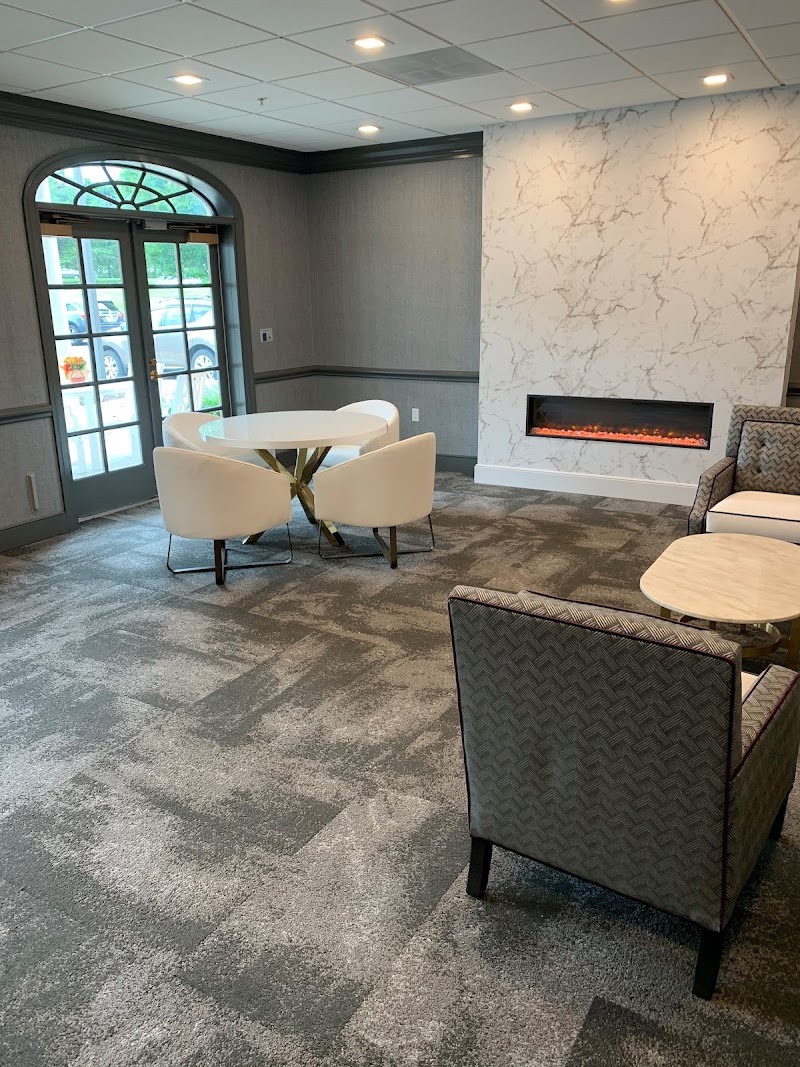
How is Meadow Park Rehabilitation And Healthcare Center Staffed?

CMS rates MEADOW PARK REHABILITATION AND HEALTHCARE CENTER's staffing level at 2 out of 5 stars, which is below average compared to other nursing homes. Staff turnover is 36%, compared to the Maryland average of 46%. This relatively stable workforce can support continuity of care.

What Have Inspectors Found at Meadow Park Rehabilitation And Healthcare Center?

State health inspectors documented 48 deficiencies at MEADOW PARK REHABILITATION AND HEALTHCARE CENTER during 2019 to 2025. These included: 2 Immediate Jeopardy (the most serious level, indicating potential for serious harm or death) and 46 with potential for harm. Immediate Jeopardy findings are rare and represent the most serious regulatory concerns. They require immediate corrective action.
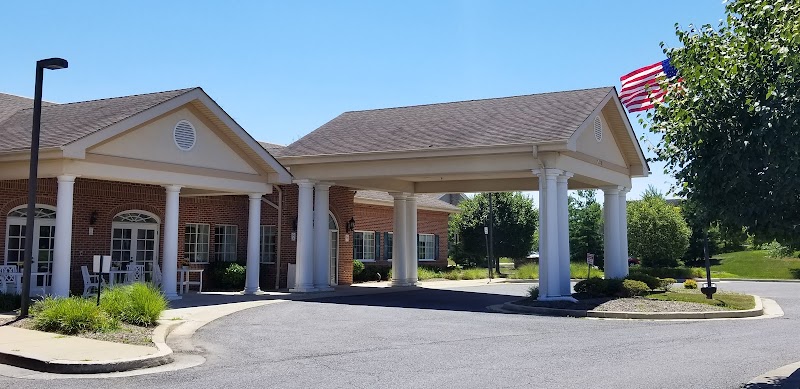
Who Owns and Operates Meadow Park Rehabilitation And Healthcare Center?

MEADOW PARK REHABILITATION AND HEALTHCARE CENTER is owned by a for-profit company. For-profit facilities operate as businesses with obligations to shareholders or private owners. The facility is operated by MARQUIS HEALTH SERVICES, a chain that manages multiple nursing homes. With 120 certified beds and approximately 115 residents (about 96% occupancy), it is a mid-sized facility located in CATONSVILLE, Maryland.
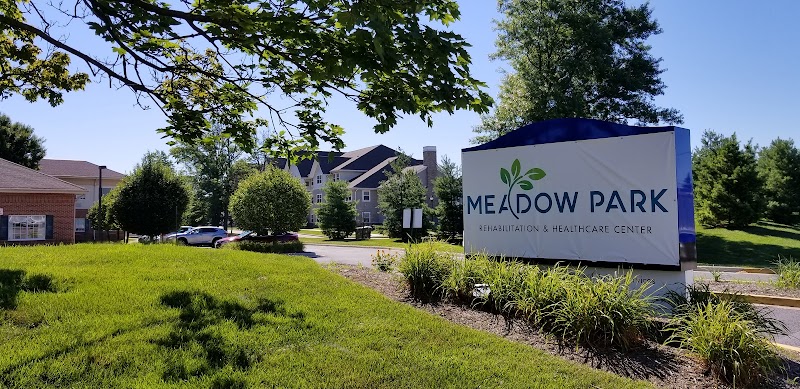
How Does Meadow Park Rehabilitation And Healthcare Center Compare to Other Maryland Nursing Homes?

Compared to the 100 nursing homes in Maryland, MEADOW PARK REHABILITATION AND HEALTHCARE CENTER's overall rating (3 stars) is below the state average of 3.0, staff turnover (36%) is significantly lower than the state average of 46%, and health inspection rating (2 stars) is below the national benchmark.

What Should Families Ask When Visiting Meadow Park Rehabilitation And Healthcare Center?

Based on this facility's data, families visiting should ask: "What changes have been made since the serious inspection findings, and how are you preventing similar issues?" "Can you walk me through typical staffing levels on day, evening, and night shifts?" "Can I visit during a mealtime to observe dining assistance and food quality?" "How do you handle medical emergencies, and what is your hospital transfer rate?" These questions are particularly relevant given the facility's Immediate Jeopardy citations and the below-average staffing rating.

Is Meadow Park Rehabilitation And Healthcare Center Safe?

Based on CMS inspection data, MEADOW PARK REHABILITATION AND HEALTHCARE CENTER has documented safety concerns. Inspectors have issued 2 Immediate Jeopardy citations (the most serious violation level indicating risk of serious injury or death). The facility has a 3-star overall rating and ranks #100 of 100 nursing homes in Maryland. Families considering this facility should ask detailed questions about what corrective actions have been taken since these incidents.

Do Nurses at Meadow Park Rehabilitation And Healthcare Center Stick Around?

MEADOW PARK REHABILITATION AND HEALTHCARE CENTER has a staff turnover rate of 36%, which is about average for Maryland nursing homes (state average: 46%). Moderate turnover is common in nursing homes, but families should still ask about staff tenure and how the facility maintains care continuity when employees leave.

Was Meadow Park Rehabilitation And Healthcare Center Ever Fined?

MEADOW PARK REHABILITATION AND HEALTHCARE CENTER has been fined $17,220 across 1 penalty action. This is below the Maryland average of $33,251. While any fine indicates a compliance issue, fines under $50,000 are relatively common and typically reflect isolated problems that were subsequently corrected. Families should ask what specific issues led to these fines and confirm they've been resolved.

Is Meadow Park Rehabilitation And Healthcare Center on Any Federal Watch List?

MEADOW PARK REHABILITATION AND HEALTHCARE CENTER is not on any federal watch list. The most significant is the Special Focus Facility (SFF) program, which identifies the bottom 1% of nursing homes nationally based on persistent, serious quality problems. Not being on this list means the facility has avoided the pattern of deficiencies that triggers enhanced federal oversight. This is a positive indicator, though families should still review the facility's inspection history directly.