RIDGEWAY REHAB CENTER
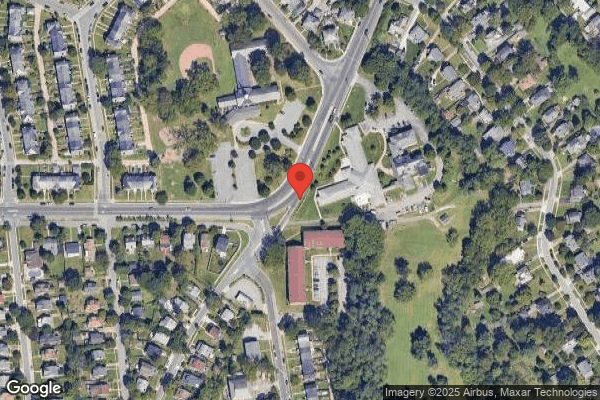
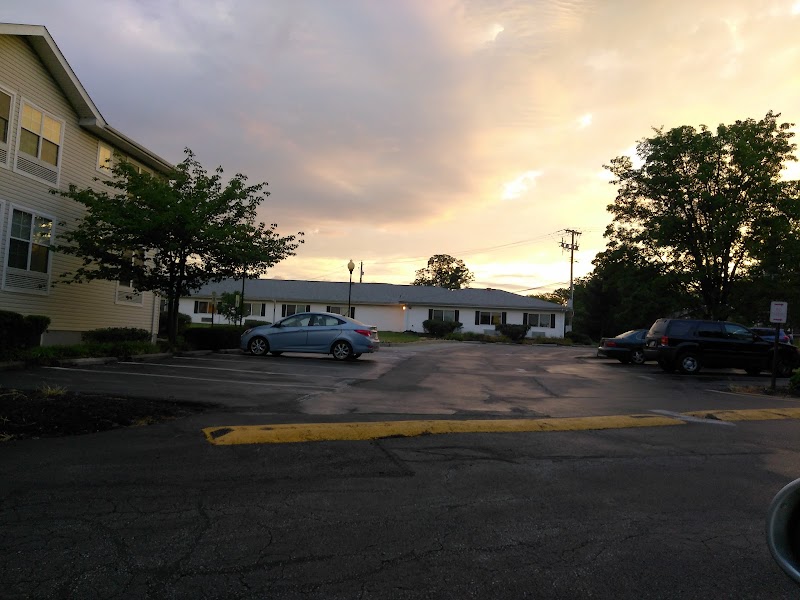
5743 EDMONDSON AVENUE, CATONSVILLE, MD 21228 (410) 747-5250
For profit - Limited Liability company 61 Beds Independent Data: November 2025
Trust Grade
55/100
#126 of 219 in MD
Last Inspection: November 2024

Within standard 12-15 month inspection cycle. Federal law requires annual inspections.

Overview

Ridgeway Rehab Center has a Trust Grade of C, which means it is average and sits in the middle of the pack among nursing homes. It ranks #126 out of 219 in Maryland, placing it in the bottom half of facilities in the state, and #25 out of 43 in Baltimore County, indicating that only a few local options are slightly better. Unfortunately, the facility is worsening; the number of issues identified has increased from 11 in 2021 to 22 in 2024. Staffing is a concern with a rating of 2 out of 5 stars, and although turnover is low at 0%, the overall staffing quality is below average compared to state standards. The center has faced significant fines totaling $36,037, which is higher than 88% of nursing facilities in Maryland, suggesting ongoing compliance issues. Specific incidents include that the center failed to notify residents or their families in writing about hospital transfers, which is a critical communication gap. Additionally, multiple rooms were found to have dirty floors and damaged walls, indicating a lack of proper maintenance and cleanliness. Despite these weaknesses, the facility does have some strengths, including a low staff turnover, suggesting that caregivers who are present tend to stay with the residents.

Trust Score
C
55/100
In Maryland
#126/219
Bottom 43%
Safety Record
Low Risk
No red flags
Inspections
Getting Worse
11 → 22 violations
Staff Stability
○ Average
Turnover data not reported for this facility.
Penalties
○ Average
$36,037 in fines. Higher than 59% of Maryland facilities. Some compliance issues.
Skilled Nurses
✓ Good
Each resident gets 46 minutes of Registered Nurse (RN) attention daily — more than average for Maryland. RNs are trained to catch health problems early.
Violations
⚠ Watch
54 deficiencies on record. Higher than average. Multiple issues found across inspections.
★★★☆☆
3.0
Overall Rating
★★☆☆☆
2.0
Staff Levels
★★☆☆☆
2.0
Care Quality
★★★☆☆
3.0
Inspection Score
Stable
2021: 11 issues
2024: 22 issues

The Good

  • Full Sprinkler Coverage · Fire safety systems throughout facility
  • No fines on record

Facility shows strength in fire safety.

The Bad

3-Star Overall Rating

Near Maryland average (3.0)

Meets federal standards, typical of most facilities

Federal Fines: $36,037

Above median ($33,413)

Moderate penalties - review what triggered them

The Ugly 54 deficiencies on record

Nov 2024 22 deficiencies
CONCERN (D)

Potential for Harm - no one hurt, but risky conditions existed

Deficiency F0578 (Tag F0578)

Could have caused harm · This affected 1 resident

Based on record review and interview with staff, it was determined that the facility failed to have a system in place to ensure that a copy of the resident's Advanced Directives documents had been obt...

Read full inspector narrative →
Based on record review and interview with staff, it was determined that the facility failed to have a system in place to ensure that a copy of the resident's Advanced Directives documents had been obtained and maintained in the resident's medical record. This was evident for 1 (Resident #4) out of 3 residents reviewed for Advanced Directives. The findings include: Advance directive is a written instruction, such as a living will or durable power of attorney for health care, recognized under State law (whether statutory or as recognized by the courts of the State), relating to the provision of health care when the individual is incapacitated. Power of Attorney (POA) is a document that allows a person to appoint someone to act on their behalf with respect to certain matters, such as medical, financial, real estate, and business transactions. On 10/28/2024 at 11:01AM, a review of Resident #4's electronic medical record revealed no documentation of an Advanced Directives for the resident. On 10/29/2024 at 7:26AM, during a review of Resident #4's electronic medical record, the Surveyor discovered a Social Services note written on 5/28/2024 by Social Worker #40, which indicated that the Resident Representative was also the Power of Attorney (POA). Further review of the electronic medical record revealed an admission Contract signed by the Resident Representative in a designated space for the POA to sign. The admission Contract stated that if the resident had an Advance Directive, a copy should be given to the facility. On 10/29/2024 at 8:39AM, the Surveyor conducted an interview with Business Office Manager #27. During the interview, the Surveyor was informed that on admission Advanced Directives are reviewed with the resident and /or resident representative. If the resident has an advanced directive, the facility will request a copy of the document and then upload it into the resident's electronic medical record. The resident's profile will also be updated to reflect who has the authoritative title. The Surveyor requested a copy of Resident #4's Power of Attorney. On 10/30/2024, the Surveyor was informed that the facility did not have a copy of Resident #4's Power of Attorney.
CONCERN (D) 📢 Someone Reported This

A family member, employee, or ombudsman was alarmed enough to file a formal complaint

Potential for Harm - no one hurt, but risky conditions existed

Report Alleged Abuse (Tag F0609)

Could have caused harm · This affected 1 resident

**NOTE- TERMS IN BRACKETS HAVE BEEN EDITED TO PROTECT CONFIDENTIALITY** Based on record review, review of facility reported incident (FRI), and interviews, it was determined that the facility failed t...

Read full inspector narrative →
**NOTE- TERMS IN BRACKETS HAVE BEEN EDITED TO PROTECT CONFIDENTIALITY** Based on record review, review of facility reported incident (FRI), and interviews, it was determined that the facility failed to report an injury of an unknown source. This was evident for 1 (Resident #58) out of 11 residents investigated for allegations of abuse during the survey. The findings include: On 10/31/2024 at approximately 2:10PM during review of Resident #58's electronic medical record, the Surveyor discovered a Nurses Note written by Licensed Practical Nurse (LPN) #36, dated 9/23/2024 at 5:13AM, which stated that the resident was found in another resident's room and appeared to have bitten his/her lip, blood noted [on the resident's chin area]. There was no documentation of an assessment or change in condition note by LPN #36 in the resident's electronic medical record. On 10/31/2024 at approximately 2:17PM, the Surveyor reviewed the facility reported incident file of an alleged abuse for Resident #58. A review revealed that at 4:00AM the resident was found by Geriatric Nursing Assistant (GNA) #37, sitting in room [ROOM NUMBER] and his/her lip was bleeding. GNA #37 retrieved assistance from another GNA to get the resident back to his/her room and notified LPN #36 that the resident's lip was bleeding. Additional review of the FRI file revealed a statement from LPN #36, which stated that he asked Resident #58 if he/she bit his/her lip, and the resident nodded. LPN #36 also stated that he cleaned the resident's face and did no further assessment; he did not notify the family, physician, or administration, and did not write an incident report. On 10/31/2024 at approximately 2:25PM during an interview conducted with the Administrator, the Surveyor confirmed that LPN #36 should have immediately reported the injury of an unknown source to administration. According to the facility's Abuse Policy reviewed on 10/31/2024 at approximately 2:39PM, the Surveyor determined that injuries of an unknown source should be immediately reported to the Administrator, Director of Nursing, or the Charge Nurse. Administration should report injuries of an unknown source to the Office of Health Care Quality within 2 hours of knowledge of injury. On 10/31/2024 at approximately 2:50PM, the Surveyor discovered a Nurses Note written on 9/23/2024 at 1:47PM by LPN #38, which stated that the Resident #58 was transferred to the hospital via 911/EMT. Resident representative and Physician aware. A review of the hospital discharge summary on 10/31/2024 at 3:00PM revealed that Resident #58 suffered a laceration to his/her upper lip that was repaired using sutures and a sprained right knee.
CONCERN (D)

Potential for Harm - no one hurt, but risky conditions existed

Transfer Requirements (Tag F0622)

Could have caused harm · This affected 1 resident

**NOTE- TERMS IN BRACKETS HAVE BEEN EDITED TO PROTECT CONFIDENTIALITY** Based on staff interviews and record review, it was determined that the facility failed to include the resident care plan goals ...

Read full inspector narrative →
**NOTE- TERMS IN BRACKETS HAVE BEEN EDITED TO PROTECT CONFIDENTIALITY** Based on staff interviews and record review, it was determined that the facility failed to include the resident care plan goals with the required documentation during a transfer. This was evident for 2 (#55 and #37) of 4 residents reviewed for hospitalization. The findings include: 1) On 10/30/24 at 07:30 AM, review of Resident #55's medical record revealed he/she was hospitalized on [DATE] and 9/24/24. On 10/30/24 at 09:05 AM, an interview with the Director of Nursing revealed that the care plans are not sent with the resident upon transfer from the facility. 2) On 10/30/24 at 07:35 AM, review of Resident #37's medical record revealed that he/she was hospitalized [DATE] and 10/25/24. On 10/30/24 at 09:05 AM, an interview with the Director of Nursing revealed that the care plans are not sent with the resident upon transfer from the facility. On 10/30/24 at 09:17 AM, an interview with Licensed Practical Nurse (LPN, Staff #12) and Licensed Practical Nurse (LPN, Staff #26) revealed the nurses go off of a transfer check list to know what to send with a resident. Further interview revealed they do not send the care plans with the resident during a transfer. LPN #12 provided the surveyor with a copy of a blank transfer checklist form. On 10/30/24 at 9:20 AM, review of the blank transfer checklist provided failed to reveal care plans as one of the documents to send with a resident during a transfer. On 11/06/24 at 2:50 PM, at the time of exit, the surveyor reviewed the concern regarding the failure to ensure care plans are sent with residents upon transfer.
CONCERN (D)

Potential for Harm - no one hurt, but risky conditions existed

Deficiency F0625 (Tag F0625)

Could have caused harm · This affected 1 resident

**NOTE- TERMS IN BRACKETS HAVE BEEN EDITED TO PROTECT CONFIDENTIALITY** 2) On 10/30/24 at 07:30 AM, review of Resident #55's medical record revealed he/she was hospitalized on [DATE] and 9/24/24. On 1...

Read full inspector narrative →
**NOTE- TERMS IN BRACKETS HAVE BEEN EDITED TO PROTECT CONFIDENTIALITY** 2) On 10/30/24 at 07:30 AM, review of Resident #55's medical record revealed he/she was hospitalized on [DATE] and 9/24/24. On 10/30/24 at 11:25 AM, an interview with the [NAME] President of sister company (Staff #21) revealed they are unable to provide a copy of the written bed hold policy form from the 9/21/24 hospitalization. On 10/30/24 at 11:30 AM, review of the written bed hold policy from the 9/24/24 hospitalization revealed a witness signature but failed to reveal a signature from the resident or any indication that the resident was informed. On 10/30/24 at 11:39 AM, an interview with Business Office Manager (Staff #27) revealed that the written bed hold policy form was not sent to the resident representative and if the resident would like to see it they can request it from the office but that it was verbal and not automatically provided to them. 3) On 10/30/24 at 07:35 AM, review of Resident #37's medical record revealed that he/she was hospitalized [DATE] and 10/25/24. On 10/30/24 at 11:25 AM, an interview with the [NAME] President of sister company (Staff #21) revealed they are unable to provide a copy of the written bed hold policy form from the 6/2/24 and 10/25/24 hospitalization. On 10/30/24 at 11:39 AM, an interview with Business Office Manager (Staff #27) revealed that the written bed hold policy form was not sent to the family and if the resident would like to see it they could request it from the office but that it was verbal and not automatically provided to them. On 11/06/24 at 2:50 PM, at the time of exit, the surveyor reviewed the concern regarding the failure to ensure the written bed hold policy was provided to the resident and or resident representative upon transfer. Based on record review and interview with staff, it was determined that the facility failed to have system in place to ensure the residents and/or resident representatives are notified in writing of the bed hold policy at the time of discharge/transfer to the hospital. This was found to be evident for 3 (Resident #41, #55, and #37) out of 4 residents reviewed for hospitalizations during the survey. The finding include: 1) On 10/30/2024 at 8:05AM, a review of Resident #41's electronic medical record revealed that the resident was transferred to the hospital on 8/29/2024. Additional review of the electronic medical record failed to reveal documentation to indicate that Resident #41 had been notified in writing of the facility's bed hold policy upon transfer to the hospital. During an interview conducted on 10/30/2024 at 9:02AM with the Director of Nursing (DON) #2, the Surveyor expressed the concern that Resident #41's electronic medical record failed to reveal documentation that resident and/or their representative had been notified in writing of the bed hold policy upon transfer to the hospital. During an interview conducted on 10/30/2024 at 9:23AM with the Business Office Manager #27, the Surveyor confirmed that the residents and/or resident representatives are not sent notification in writing of the facility's bed hold policy upon discharge or transfer from the facility.
CONCERN (D)

Potential for Harm - no one hurt, but risky conditions existed

Assessment Accuracy (Tag F0641)

Could have caused harm · This affected 1 resident

**NOTE- TERMS IN BRACKETS HAVE BEEN EDITED TO PROTECT CONFIDENTIALITY** Based on medical record review and interviews with facility staff it was determined the facility failed to ensure that the codin...

Read full inspector narrative →
**NOTE- TERMS IN BRACKETS HAVE BEEN EDITED TO PROTECT CONFIDENTIALITY** Based on medical record review and interviews with facility staff it was determined the facility failed to ensure that the coding of the resident assessment by the Minimum Data Set (MDS) Coordinator accurately reflected the resident status at the time the assessment was done. This was found to be evident for 1 (Resident # 12) of 1 residents reviewed for Activities of daily living (ADL's) during the investigation stage of the survey. Findings include: The MDS is a federally mandated assessment tool used by nursing home staff to gather information on each resident's strengths and needs. The information collected drives resident care planning decisions. MDS assessments need to be accurate to ensure each resident receives the care they need. On 10/28/24 at 10:31 AM Resident # 12 medical record was reviewed. Resident # 12 was admitted with the following but not limited to diagnosis: Hemiplegia (paralysis on one side of the body) and Hemiparesis (weakness to one side of the body) and history of Malignant Neoplasm of Larynx. A review of the MDS assessment that was completed on 06/14/24 Section GG for Functional Status; Toileting was coded (03) requiring partial assistance of staff. Further review of the next quarterly assessment dated [DATE] revealed the resident functional status with a decline in Toileting and was coded (01) requiring dependence on staff for assistance. A telephone interview was conducted with the MDS Coordinator (Staff # 28) on 11/1/24 at 11:15 AM and she was asked if she could explain the resident decline for toileting in which the resident went from partial assistance (03) to total dependence (01). She stated that the facility recently had a change in ownership and that she needed to review information in the old system to determine the decline. During a follow-up telephone conversation with staff # 28 on 11/6/24 at 2:04 PM she acknowledged that the coding did not accurately reflect the resident functional status on the quarterly assessment dated [DATE] that showed a decline for resident # 12 for toileting. She stated that the resident fluctuates from requiring minimum assistance to requiring maximum assistance and she coded the resident somewhere in the middle. She stated that moving forward she will ensure the resident is coded accurately based on the resident's actual assessment. The Administration team was made aware of all concerns at the time of exit on 11/6/24 at 3:00 PM.
CONCERN (D)

Potential for Harm - no one hurt, but risky conditions existed

Comprehensive Care Plan (Tag F0656)

Could have caused harm · This affected 1 resident

Based on record review and interview with staff it was determined that the facility failed to develop and implement a person-centered care plan for a resident who wanders and was at risk for elopement...

Read full inspector narrative →
Based on record review and interview with staff it was determined that the facility failed to develop and implement a person-centered care plan for a resident who wanders and was at risk for elopement. This was evident for 1 (Resident #56) out of 5 residents investigated for accidents during the survey. The findings include: Wandering behavior is when a person becomes confused about their surroundings and stray from where they are supposed to be. Elopement risk describes an individual's behavior of leaving an area without permission or supervision. On 10/29/2024 at approximately 1:30 PM, a review of Resident #56's electronic medical record revealed a skilled progress note written on 9/23/2024 at 4:56 AM that stated the resident was walking up and down the hallways and in and out of various resident rooms. The resident refused redirection and aimlessly wandered. The resident stated that he/she wanted to go home. During further review of Resident #56's electronic medical record, the Surveyor discovered an Elopement Evaluation note with an elopement score of 3, indicating the resident was a high risk for elopement. Review of the resident's care plans failed to reveal a care plan for wandering and risk for elopement. On 10/30/2024 at 8:00 AM, during a review of the facility's Wandering and Elopements policy, if a resident is identified as at risk for wandering, elopement, or other safety issues, the resident's care plan will include strategies and interventions to maintain the resident's safety. During an interview conducted on 11/6/2024 at 11:00 AM with the Director of Nursing (DON) #2 and Corporate Designee #3, the Surveyor confirmed that Resident #56 did not have a care plan initiated for wandering and elopement and that a resident who was at risk for wandering and elopement should have a care plan implemented in their electronic medical record.
CONCERN (D)

Potential for Harm - no one hurt, but risky conditions existed

Deficiency F0678 (Tag F0678)

Could have caused harm · This affected 1 resident

**NOTE- TERMS IN BRACKETS HAVE BEEN EDITED TO PROTECT CONFIDENTIALITY** Based on review of medical records, interviews and other pertinent documentation, it was determined that the facility failed to ...

Read full inspector narrative →
**NOTE- TERMS IN BRACKETS HAVE BEEN EDITED TO PROTECT CONFIDENTIALITY** Based on review of medical records, interviews and other pertinent documentation, it was determined that the facility failed to have an effective system in place to ensure accurate documentation of resident code status regarding Cardiopulmonary resuscitation (CPR). This was evident for 1 of 24 residents (Resident #37) reviewed. The findings include: Code Status refers to the level of medical interventions a person wishes to have started if their heart or breathing stops. Cardiopulmonary resuscitation (CPR) refers to any medical intervention used to restore circulatory and/or respiratory function that has ceased. MOLST (Maryland Orders for Life Sustaining Treatment) refers to a portable and enduring medical order form covering options for cardiopulmonary resuscitation and other life-sustaining treatments. The medical orders are based on a patient's wishes about medical treatments. When the MOLST form is updated, the MOLST form shall be voided and a new MOLST form prepared when there is a change to any of the orders. If modified, the physician, NP, or PA shall void the old form and complete, sign, and date a new MOLST form. 1) On [DATE] at 09:50 AM, a review of Resident #37's EHR revealed a MOLST form dated [DATE] which indicated the resident's code status order was to Attempt CPR. Further review of the nursing station MOLST binder at the same time revealed a paper MOLST form for Resident #37 dated [DATE] that indicated the resident's code status orders as No CPR, Option B, Palliative and Supportive Care / Do Not Resuscitate (DNR). On [DATE] at 9:54 AM, review of Resident #37's medical records failed to reveal that the MOLST form dated [DATE] was voided when a new one was created on [DATE]. On [DATE] at approximately 1:00 PM, a surveyor interview with the Director of Nursing (DON) revealed that the facility did not have hard paper charts and that staff are to refer to the Electronic Health Record (EHR) system for resident MOLST forms and code status. Further interview revealed that the facility also had a binder labeled Hard Copy MOLSTs at the nurses' station where they kept all resident MOLST forms alphabetically on paper. On [DATE] at 10:11 AM, an interview with the Director of Nursing (DON) revealed that MOLST forms can be found in 1) nursing station MOLST binder 2) Social Worker MOLST binder and 3) the EHR. Further interview with the DON on [DATE] at 10:11 AM revealed that if the MOLST form of various documentation did not reflect one another, the expectation was for staff to go by the most recent MOLST form. On [DATE] at 10:17 AM, the surveyor provided a copy of Resident #37's MOLST form dated [DATE] from the MOLST binder to the DON and she indicated to the surveyor that the resident's code status orders were No CPR, Option B, Palliative and Supportive Care / DNR During the same interview, the surveyor requested the DON look up the EHR MOLST form dated [DATE] on her laptop at the time of the interview which indicated that the MOLST form had the resident's code status orders as being a full code. An interview with the DON on [DATE] at 10:29 AM revealed if a new MOLST form was created for a resident, a copy should be kept in the MOLST binder, uploaded into the EHR and that they should reflect one another. During the same interview, the DON indicated that the process for voiding MOLST forms was when a new one was created, the expectation was that the old MOLST form should be voided. She further indicated that the outdated MOLST forms for both residents should have been voided and that she would educate the staff on what the expectation was.
CONCERN (D)

Potential for Harm - no one hurt, but risky conditions existed

Deficiency F0679 (Tag F0679)

Could have caused harm · This affected 1 resident

Based on record review, observation, and interview, it was determined that the facility failed to ensure activities were provided to residents based on their preferences and as indicated in their care...

Read full inspector narrative →
Based on record review, observation, and interview, it was determined that the facility failed to ensure activities were provided to residents based on their preferences and as indicated in their care plan. This was found to be evident for 1 (Resident #20) out of 1 resident reviewed for activities. The findings include: On 10/27/24 at 01:31 PM, an observation of Resident #20 revealed she/he in bed looking straight ahead at the wall with no activity stimulation. On 10/29/24 at 09:00 AM, review of Resident #20's record revealed a care plan focus of cognitive deficits related to dementia and one of the interventions indicated the resident was to maintain involvement in cognitive stimulation. On 10/29/24 at 09:05 AM, an interview with Activities Director (Staff #16) revealed that she and her activities assistant (Staff #17) would visit residents 1:1 for those that do not like being around people so that they get the person contact, and that they go around to see everyone everyday. Further interview with Staff #16 revealed that they would document the visits and all activities that the resident would attend. She also indicated that they would document if the resident refused. Staff #16 indicated that she also had been providing activities for the assisted living residents. On 10/29/24 at 09:41 AM, review of the activities log binder provided by Staff #16 revealed an October 2024 activity log for Resident #20 which indicated he/she had one, 1 on 1 visit and one pet therapy activity documented. Further review of Resident #20's log failed to reveal any other activities provided/attended nor documentation that indicated the resident refused activities offered for the rest of the month. On 10/29/24 at 11:53 AM, review of Resident #20's Resident Preferences Evaluation dated 10/2/24 at 4:03 PM revealed that the resident indicated it was very important to be provided books, newspapers, and magazines to read, to listen to his/her favorite music, to keep up with the news, be around pets, and to color. On 10/29/24 at 01:23 PM, an interview with Activities Assistant (Staff #17) revealed that they have an activity log to document the activities that a resident attends or is provided, including 1 on 1 visits. Further interview revealed that if a resident refused an activity then they would document it. On 10/30/24 at 10:33 AM, an observation of Resident #20 revealed she/he was laying in bed looking forward with no activity stimulation. On 11/01/24 at 01:13 PM, an interview with Activities Director (Staff #16) revealed that Resident #20 does not attend many activities as she would not engage in group settings. The surveyor showed Staff #16 the activity log for Resident #20 for the month of October 2024 and she indicated that she was aware that there is only two activities documented and she communicated with Staff #17 the expectations of providing activities and documenting on the activity log. On 11/06/24 at 2:50 PM, the surveyor reviewed the concern at the time of exit regarding the failure to ensure residents are provided activities based on their interests and care plan.
CONCERN (D)

Potential for Harm - no one hurt, but risky conditions existed

Quality of Care (Tag F0684)

Could have caused harm · This affected 1 resident

**NOTE- TERMS IN BRACKETS HAVE BEEN EDITED TO PROTECT CONFIDENTIALITY** 2) On 10/27/24 at 1:40 PM, 10/28/24 at 07:26 AM, and 10/30/24 09:23 AM, observations of Resident #23 revealed she/he was in bed ...

Read full inspector narrative →
**NOTE- TERMS IN BRACKETS HAVE BEEN EDITED TO PROTECT CONFIDENTIALITY** 2) On 10/27/24 at 1:40 PM, 10/28/24 at 07:26 AM, and 10/30/24 09:23 AM, observations of Resident #23 revealed she/he was in bed and had a floor mat on his/her right side. On 10/30/24 at 9:41 AM, review of Resident #23's record revealed an active order for bilateral floor mats when in bed. On 10/30/24 at 01:38 PM, an interview with Licensed Practical Nurse (LPN, Staff 19) revealed that the nurses know what the fall precautions are for each resident by looking at their orders and they document them every shift. During the same interview, upon review of Resident #23's orders, she indicated that the resident has an order for bilateral floor mats when in bed. On 10/30/24 at 01:41 PM, the surveyor and Staff #19 observed Resident #23 in bed with a floor mat on the right side of the resident but failed to reveal a floor mat on the left side. She indicated that the floor mat was on the other side of the bed during her previous shift worked a few days prior. On 10/30/24 at 02:12 PM, an interview with the Director of Nursing (DON) revealed that the expectation is for staff to follow resident orders and there would be an order for floor mats if they were to be implemented. The surveyor reviewed the concern regarding Resident #23's floor mat order and the failure to ensure staff are following orders. During the same interview, the DON indicated that that resident only has one floor mat implemented because the other side causes a fall risk for her/his ambulatory roommate. She further indicated that she would let the doctor know to change the order to what staff should follow. 3) On 10/27/24 at 12:01 PM, an interview with Resident #37 revealed that he/she had not been assessed since being readmitted to the facility on [DATE] after hospitalization. On 10/30/24 at 09:02 AM, an interview with the DON revealed that when a resident is admitted or readmitted to the facility, the expectation was for the nurse to complete an admission assessment on the resident. The surveyor requested documentation of an admission assessment completed by the nurse for Resident #37's readmission on [DATE]. On 10/30/24 at 9:30 AM, review of a facility policy labeled admission Assessment and Follow Up: Role of the Nurse revealed an admission assessment should be completed and documented in the resident record. On 11/01/24 at 10:40 AM, Corporate Infection Control Designee (Staff #3) informed the surveyor that she was unable to find documentation of an assessment completed on Resident #37 upon admission. On 11/06/24 at 2:50 PM, at the time of exit, the surveyor reviewed the concern with the Director of Nursing and the Nursing Home Administrator regarding the failure to ensure orders are implemented by staff and that staff are following facility policy. Based on record reviews and interviews, it was determined that the facility failed to ensure: 1) a resident was accurately assessed and received immediate treatment after an injury of an unknown source, 2) orders were being implemented by staff and 3) staff were completing assessments of residents admitted or readmitted to the facility. This was evident for 3 (Resident #58, # 23, # 27 ) out of 26 residents investigated for allegations of abuse. The findings include: 1) On 10/31/2024 at approximately 2:10 PM during review of Resident #58's electronic medical record, the Surveyor discovered a Nurses Note written by Licensed Practical Nurse (LPN) #36, dated 9/23/2024 at 5:13 AM, which stated that the resident was found in another resident's room and appeared to have bitten his/her lip, blood noted [on the resident's chin area]. There was no documentation for an assessment or change in condition note in the resident's electronic medical record. On 10/31/2024 at approximately 2:17 PM, the Surveyor reviewed the facility reported incident file of alleged abuse for Resident #58. A review revealed that at 4:00 AM the resident was found by Geriatric Nursing Assistant (GNA) #37, sitting in room [ROOM NUMBER] and his/her lip was bleeding. GNA #37 retrieved assistance from another GNA to get the resident back to his/her room and notified LPN #36 that the resident's lip was bleeding. An additional review of the FRI file revealed a statement from LPN #36, which stated that he asked Resident #58 if he/she bit his/her lip, and the resident nodded. LPN #36 also stated that he cleaned the resident's face and did no further assessment; he did not notify the family, physician, or administration, and did not write an incident report. On 10/31/2024 at approximately 2:25 PM during an interview conducted with the Administrator, the Surveyor confirmed that LPN #36 should have assessed the resident, notified the resident representative, and immediately reported the injury of an unknown source to administration. On 10/31/2024 at approximately 2:50 PM, the Surveyor discovered a Nurses Note written on 9/23/2024 at 1:47 PM by LPN #38, which stated that the Resident #58 was transferred to the hospital via 911/EMT. Resident representative and Physician aware. A review of the hospital discharge summary on 10/31/2024 at 3:00 PM revealed that Resident #58 suffered a laceration to his/her upper lip that was repaired using sutures and a sprained right knee.
CONCERN (D)

Potential for Harm - no one hurt, but risky conditions existed

Deficiency F0726 (Tag F0726)

Could have caused harm · This affected 1 resident

Based on record review and interviews it was determined that the facility failed to ensure that all nursing staff had competency evaluations. This was evident for 3 (GNA #30, GNA #31, GNA #10) of 5 ra...

Read full inspector narrative →
Based on record review and interviews it was determined that the facility failed to ensure that all nursing staff had competency evaluations. This was evident for 3 (GNA #30, GNA #31, GNA #10) of 5 randomly selected nursing staff reviewed for competencies. The findings include: Nursing competence is defined by the American Nurses Association as an expected level of performance that integrates knowledge, skills, abilities, and judgment. A review of random staff files on 11/01/24 at 07:43 AM revealed the following: 1. Geriatric Nursing Assistant (GNA, Staff #10) was hired in March 2024. No competency evaluation was found for Staff #10. 2. Geriatric Nursing Assistant (GNA, Staff #30) was hired in August 2016. No competency evaluation was found for Staff #30. 3. GNA, Staff #31 was hired in June 2018. No competency evaluation was found. On 11/01/24 at 08:29 AM, an interview with the Director of Nursing (DON) revealed that competencies for staff should be annual, and for new hires it should be at the 90 day mark as well as the year mark. The surveyor requested for the competencies completed for Staff #10, Staff #30, and Staff #31. On 11/06/24 at 09:57 AM, Chief Operations Officer of the [sister company] Staff #22 informed the surveyor that they are unable to find any performance evaluations for the 3 staff members requested. On 11/06/24 at 2:50 PM, at the time of exit, the surveyor reviewed the concern regarding the failure to ensure nursing staff have annual and new hire competencies.
CONCERN (D)

Potential for Harm - no one hurt, but risky conditions existed

Staffing Information (Tag F0732)

Could have caused harm · This affected 1 resident

Based on observation it was determined the facility failed to post the required nursing staffing data on the Daily Staffing Schedule. This was evident for 6 out of 6 days observed during the survey. T...

Read full inspector narrative →
Based on observation it was determined the facility failed to post the required nursing staffing data on the Daily Staffing Schedule. This was evident for 6 out of 6 days observed during the survey. The findings included: On 10/27/24 at 9:00 AM, 10/28/24 at 7:15 AM, 10/29/24 at 7:00 AM, 10/30/24 at 7:00 AM, 10/31/24 at 7:30, and 11/01/24 at 7:00 AM, upon entrance into the facility, the surveyor made observations which revealed a posted staffing sheet for the shifts throughout the day but failed to reveal the facility's census as well as the actual and total number of hours worked by Geriatric Nursing Assistants (GNAs), Licensed Practical Nurses (LPNs), and Registered Nurses (RNs). On 11/01/24 at 2:31PM, the surveyor reviewed the concern with the Chief Operations Officer (Staff #14) that the facility's daily staffing sheet does not meet the required nursing staff data.
CONCERN (D)

Potential for Harm - no one hurt, but risky conditions existed

Drug Regimen Review (Tag F0756)

Could have caused harm · This affected 1 resident

Based on record review and interview with staff, it was determined that the facility failed to have a system in place to ensure that the attending physician and/or Director of Nursing had documented a...

Read full inspector narrative →
Based on record review and interview with staff, it was determined that the facility failed to have a system in place to ensure that the attending physician and/or Director of Nursing had documented and signed in the medical record to show they have reviewed an irregularity or recommendation identified by the pharmacist. This was evident for 3 (Resident #19, #41, and #50) of 5 residents investigated for Unnecessary Medications, Psychotropic Medications, and Medication Regimen Review during the survey. The findings include: A Medication Regimen Review (MRR) is when a consultant pharmacist completes a comprehensive review of each resident's medication regimen and clinical record. It must be completed at least monthly for each resident. It contains recommendations related to a resident's medication regimen that must be addressed by the resident's physician. 1. On 11/6/2024 at 9:45AM, a review of Resident #19's electronic medical record revealed the clinical pharmacist identified an irregularity during the resident's MRR and made a recommendation on 2/4/2024, 3/4/2024, 4/7/2024, 5/5/2024, 6/4/2024, 7/8/2024, 8/13/2024, and 9/7/2024. Further review of Resident #19 's electronic medical record failed to reveal documentation that the attending provider or Director of Nursing reviewed any of the recommendations made by the clinical pharmacist for 2/4/2024, 3/4/2024, 4/7/2024, 5/5/2024, 6/4/2024, and 7/8/2024 and failed to reveal any action taken to address them. The attending physician reviewed the MMR and recommendations for 8/13/2024 on 10/3/2024 and reviewed the recommendations from 9/7/2024 on 10/25/2024. According to the facility's MRR policy, reviewed on 11/6/2024 at 9:49AM, the policy indicated that all non-urgent recommendations/irregularities must be addressed within 30 days of the consultant pharmacist monthly visit. 2. On 11/6/2024 at 9:50AM, a review of Resident #41's electronic medical record revealed the clinical pharmacist identified an irregularity with the resident's medication therapy and made a recommendation on 7/17/2024 and 9/9/2024. Further review of Resident #41's electronic medical record failed to reveal documentation that the attending provider nor Director of Nursing (DON) reviewed any of the recommendations made by the clinical pharmacist for 7/17/2024 and 9/9/2024 within 30 days of the monthly visit. 3. On 11/6/2024 at 10:07AM, a review of Resident #50's electronic medical record revealed the clinical pharmacist identified an irregularity during the resident's MRR and made a recommendation on 5/5/2024, 6/4/2024, 7/9/2024, and 9/6/2024. Further review of Resident #50's electronic medical record failed to reveal documentation that the attending provider or Director of Nursing (DON) reviewed any of the recommendations made by the clinical pharmacist for 5/5/2024, 6/4/2024, 7/9/2024, and 9/6/2024 and failed to reveal any action taken to address them. On 11/6/2024 at 10:19AM, the Surveyor conducted an interview with DON #2 and Corporate Designee #3. During the interview, the DON confirmed that the MRR policy had not been followed for some time now. The DON informed the Surveyor that since her employment started about a month ago, she had reviewed and audited some of the MRR's that were overdue while making sure they are followed up by the appropriate attending physician.
CONCERN (D)

Potential for Harm - no one hurt, but risky conditions existed

Medication Errors (Tag F0758)

Could have caused harm · This affected 1 resident

Based on medical record review and staff interview, it was determined that the facility staff failed to ensure that a psychotropic medication prescribed as needed (PRN), had an end date that was limit...

Read full inspector narrative →
Based on medical record review and staff interview, it was determined that the facility staff failed to ensure that a psychotropic medication prescribed as needed (PRN), had an end date that was limited to 14 days. This was evident for 1 (#55) of 5 residents reviewed for medications. The findings include: On 10/31/24 at 07:48 AM, review of Resident #55's medical record revealed an active order for hydroxzine by mouth every 8 hours as needed with an order date of 9/19/24 but failed to be limited to 14 days. Hydroxyzine is used to help control anxiety and tension caused by nervous and emotional conditions. On 11/01/24 08:20 AM, review of the facility policy labeled Psychotropic Medication Use revealed that, PRN orders for psychotropic medications are limited to 14 days. On 11/01/24 at 08:29 AM, the surveyor reviewed the concern with the NHA regarding the facility's failure to ensure PRN psychotropic medications are limited to 14 days.
CONCERN (D)

Potential for Harm - no one hurt, but risky conditions existed

Deficiency F0761 (Tag F0761)

Could have caused harm · This affected 1 resident

**NOTE- TERMS IN BRACKETS HAVE BEEN EDITED TO PROTECT CONFIDENTIALITY** Based on observations and interview with staff, it was determined that the facility failed to ensure that medication and medical...

Read full inspector narrative →
**NOTE- TERMS IN BRACKETS HAVE BEEN EDITED TO PROTECT CONFIDENTIALITY** Based on observations and interview with staff, it was determined that the facility failed to ensure that medication and medical treatment supplies were stored safely. This was evident for 1 of 1 medication room and 1 of 1 medical supply room observed during the survey. The findings include: 1. On [DATE] at 10:02 AM, the Surveyor observed the medication room located behind the nursing station. The Surveyor observed the following expired items: a box of Banatrol Plus with an expiration date of [DATE] on the shelf above the med cart and 3 packs of Curad Xeroform Petroleum dressing, with the expiration date of 4-2023, in the wound cabinet. Further observation of the medication room revealed Sodium Polystyrene Sulfonate ordered for two days for Resident #37 and a bag with 3 unopened vials of Ceftriaxone Sodium injection solution to be reconstituted and a opened and undated vial of Lidocaine ordered for 3 days for Resident #1. On [DATE] at 10:24 AM, during a review of Resident #37's electronic medical record, the Surveyor discovered an order on [DATE] for Sodium Polystyrene Sulfonate completed on [DATE]. During a review of Resident #1's electronic medical record, the Surveyor discovered an order on [DATE] for Ceftriaxone Sodium Injection Solution completed on [DATE]. During an interview conducted with the Director of Nursing (DON) #2 and Corporate Designee #3, the Surveyor reviewed the expired items and the left over medications for Resident #37 and Resident #1 after completed their course for those medications. The DON confirmed that those medications are not in use and should have been returned to the pharmacy or destroyed. The DON proceeded to remove the items from the medication storage room. 2. On [DATE] at 9:15 AM, the Surveyor observed the medical supply room (labeled linen room). The Surveyor noted 3 1.5L Jevity Complete Balanced Nutrition with Fiber 1.5cal bottles, which expired on [DATE]. During an interview conducted with the DON on [DATE] at 9:25 AM, the Surveyor and the DON confirmed the expired bottles of Jevity Complete Balanced Nutrition with Fiber and those bottles were removed from the medical supply room.
CONCERN (D)

Potential for Harm - no one hurt, but risky conditions existed

Menu Adequacy (Tag F0803)

Could have caused harm · This affected 1 resident

Based on observation and interviews, it was determined that the facility failed to ensure that a resident was served a meal according to a predetermined menu that incorporated the resident's preferenc...

Read full inspector narrative →
Based on observation and interviews, it was determined that the facility failed to ensure that a resident was served a meal according to a predetermined menu that incorporated the resident's preferences. This was evident for 3 (Resident #32, #17, #8) of 5 Resident trays observed during a meal. The findings include: 1) An observation made on 11/01/24 at 11:51 AM in the kitchen during the tray line revealed Resident #32's meal ticket which indicated a regular diet and a peanut butter jelly sandwich was written in as a request. On 11/01/24 at 12:14 PM, the surveyor observed Resident #32 who was eating her/his food from their tray which failed to reveal a peanut and butter jelly sandwich. The surveyor observed GNA (Staff #23) near and requested that they look at the meal ticket together and she confirmed that the ticket indicated a peanut butter and jelly sandwich which was not on the tray. 2) An observation made on 11/01/24 at 11:51 AM in the kitchen during the tray line revealed Resident #8's meal ticket which indicated a regular meal but did not list rice which was the starch of the meal. On 11/01/24 at 12:34 PM, the surveyor observed Resident #8 with their meal tray on the bedside table. The surveyor requested the Certified Dietary Manager (CDM, Staff #24) observe the meal tray which included rice. Upon observation of the meal ticket she confirmed that it did not include rice on the meal ticket. On 11/06/24 at 2:50 PM, the surveyor reviewed the concern at the time of exit regarding the failure to ensure residents receive what is indicated on their meal ticket. 3) An observation made on 11/01/24 at 11:51 AM in the kitchen during the tray line revealed Resident #17's meal ticket which indicated roasted red skin potatoes as the starch. On 11/01/24 at 12:21 PM, the surveyor observed Resident #17 eating their meal which revealed rice and failed to reveal roasted red skin potatoes which was indicated as the starch on the meal ticket. GNA (Staff #10) who was observed nearby was asked to observe the meal ticket and compare it to the food on the plate. She confirmed it indicated roasted red skin potatoes. On 11/01/24 at 2:50 PM, an interview with CDM (Staff #24) revealed the expectation was that what was on the meal ticket was what the resident should receive. The surveyor reviewed the two other findings of residents who did not receive what was indicated on their meal ticket. On 11/06/24 at 2:50 PM, the surveyor reviewed the concern at the time of exit regarding the failure to ensure residents receive what is indicated on their meal ticket.
CONCERN (D)

Potential for Harm - no one hurt, but risky conditions existed

Medical Records (Tag F0842)

Could have caused harm · This affected 1 resident

Based on observations, resident medical record review, and staff interview it was determined the facility failed to maintain accurate physician orders for the use of oxygen for Resident #15. This was ...

Read full inspector narrative →
Based on observations, resident medical record review, and staff interview it was determined the facility failed to maintain accurate physician orders for the use of oxygen for Resident #15. This was evident for 1 resident out of 6 residents reviewed during the survey. The findings include the following: During observation rounds on 10/30/2024 at 9:30 AM Resident #15 was observed to be on 2 liters of oxygen by nasal cannula. During an interview and observation rounds on 10/30/2024 at 10:07 AM staff #18 verified and stated that Resident #15 was receiving 2 liters of oxygen by nasal cannula and that he/she was not able to find a physician's order stating that the resident was to be receiving oxygen, and the resident had been on oxygen for a long time and should be on oxygen continuously. Review of the Resident #15's medical record on 10/30/2024 at 10:45 AM revealed no physician orders for resident to receive oxygen. During an interview on 10/30/2024 at 11:00 AM staff #21 stated that there was no physician order for Resident #15 to receive oxygen and that the physician would be notified for clarification orders.
CONCERN (D)

Potential for Harm - no one hurt, but risky conditions existed

Deficiency F0882 (Tag F0882)

Could have caused harm · This affected 1 resident

Based on administrative record review and interviews with facility staff it was determined the facility failed to have an Infection Preventionist Designee onsite at the facility to provide oversight t...

Read full inspector narrative →
Based on administrative record review and interviews with facility staff it was determined the facility failed to have an Infection Preventionist Designee onsite at the facility to provide oversight to the facility's Infection Prevention and Control Program. This was found to be evident during the survey. Findings include: During the entrance conference on 10/27/24 at 10:52 AM with the Administrator (Staff # 1) and the Director of Nursing (DON) (Staff # 2) who were present, the Administrator stated that the DON had been working at the facility for approximately 1 month and would be going to an Infection Control training class. During the interim she stated that the facility was utilizing the Corporate Infection Control Designee (Staff # 3) who is certified, but she does not work in the building. The Administrator was made aware that it is a requirement that the Infection Control Designee needs to work onsite at the facility and not off-site in a corporate role. An interview was conducted with the Corporate Infection Control Designee on 10/27/24 at 1:45 PM and she stated that she was helping the facility but is aware that the Infection Preventionist is to be working onsite and not as a consultant. She further stated that the facility is in the process of hiring to fill this position.
CONCERN (D)

Potential for Harm - no one hurt, but risky conditions existed

Room Equipment (Tag F0908)

Could have caused harm · This affected 1 resident

Based on observation and interviews it was determined the facility failed to maintain patient care equipment in working and safe operating conditions. This was evident for 3 hand sanitizer dispensers ...

Read full inspector narrative →
Based on observation and interviews it was determined the facility failed to maintain patient care equipment in working and safe operating conditions. This was evident for 3 hand sanitizer dispensers and 1 out 2 DS Smart vital sign machines observed during the survey. The findings include the following: During observation rounds and interview on 10/31/2024 at 3:09 PM the Maintenance Director staff #29 verified that there were 3 hand sanitizer dispensers located outside of rooms #108 - #115 that did not have sanitizer and/or the dispensers were not secured on the wall. During observation rounds and interview on 11/01/2024 at 10:01 AM with staff #3, a DS Smart vital sign machine was not being used by staff, would not turn on and the machine connection wires did not fit properly into the machine. Staff #3 verified and stated that the machine was broken, and it would be replaced immediately. Staff #3 further stated that there was not enough working vital sign equipment on the floor for staff to use to obtain resident vital signs. During an interview on 11/01/2024 at 10:10 AM staff #12 stated that the DS Smart vital sign machine had been broken, the wires did not fit into the machine and, that there were not enough machines that work to take the residents vital signs.
CONCERN (E)

Potential for Harm - no one hurt, but risky conditions existed

Safe Environment (Tag F0584)

Could have caused harm · This affected multiple residents

**NOTE- TERMS IN BRACKETS HAVE BEEN EDITED TO PROTECT CONFIDENTIALITY** Based on observations and interviews with facility staff it was determined the facility failed to provide and maintain a safe, c...

Read full inspector narrative →
**NOTE- TERMS IN BRACKETS HAVE BEEN EDITED TO PROTECT CONFIDENTIALITY** Based on observations and interviews with facility staff it was determined the facility failed to provide and maintain a safe, clean, and homelike environment for the residents. This was found to be evident when observations were made during tours of the building during the facility's survey. The findings include the following: An entrance tour was conducted on 10/27/24 at 9:15 AM and the following concerns were identified: Room # 200 was observed with marring noted on the wall Room # 201 was observed with marring noted on the wall behind each bed and near the door Room # 203 was observed with marring noted on the side of the walls Room # 204 was observed with marring noted on the walls, and the floor was dirty with a dark substance noted throughout the room Room # 205 was observed with marring noted on the side of wall around each bed and the wall near the door Room # 206 was observed with marring noted on the walls and around each of the beds Room # 208 was observed with a dirty floor with black substances noted on the floor. room [ROOM NUMBER] bathroom toilet was observed to have a water substance that was yellow in color around the base of the toilet, a wet dark brown in color stains on the floor starting at the base of the toilet and extended up onto the right side of the wall with flaking paint above the cove base. The bathroom was also noted to have a damp, strong harsh odor of ammonia. At 1:30 PM the Director of Nursing was made aware of the observation. A tour of the building was conducted with the Maintenance Director (Staff # 29) on 10/30/24 at 3:00 PM and he was made aware of all the concerns. He stated that the facility had recently had a high turnover of environmental staff. He stated that he would tour the entire hallway of the 200 hall and begin working on all the identified areas. The Administrative team was made aware of all concerns at the time of exit on 11/6/24 at 3:00 PM.
CONCERN (E)

Potential for Harm - no one hurt, but risky conditions existed

Transfer Notice (Tag F0623)

Could have caused harm · This affected multiple residents

**NOTE- TERMS IN BRACKETS HAVE BEEN EDITED TO PROTECT CONFIDENTIALITY** Based on record review and interviews with staff, it was determined that the facility failed to notify the resident or resident ...

Read full inspector narrative →
**NOTE- TERMS IN BRACKETS HAVE BEEN EDITED TO PROTECT CONFIDENTIALITY** Based on record review and interviews with staff, it was determined that the facility failed to notify the resident or resident representative in writing of the reason for transfer to the hospital. This was found to be evident for 4 (Resident #55, # 37, # 41, #58) of 4 residents reviewed for hospitalizations during the investigative portion of the survey. The findings include: 1) On 10/30/24 at 07:30 AM, review of Resident #55's medical record revealed he/she was hospitalized on [DATE] and 9/24/24. On 10/30/24 at 11:25 AM, an interview with the [NAME] President of sister company (Staff #21) revealed they are unable to provide a copy of the written transfer form from the 9/21/24 hospitalization. On 10/30/24 at 11:39 AM, an interview with the Business Office Manager (Staff #27) revealed that the written transfer form is not sent to the family and if the resident would like to see it, they can request it from the office but that it is verbal and not automatically provided to them. On 11/06/24 at 2:50 PM, at the time of exit, the surveyor reviewed the concern regarding the failure to ensure written notification of transfer is provided to the resident and or resident representative upon transfer. 2) On 10/30/24 at 07:35 AM, review of Resident #37's medical record revealed that he/she was hospitalized [DATE] and 10/25/24. On 10/30/24 at 11:25 AM, an interview with the [NAME] President of sister company Azria Healthcare (Staff #21) revealed they are unable to provide a copy of the written transfer form from the 6/2/24 hospitalization. On 10/30/24 at 11:39 AM, an interview with the Business Office Manager (Staff #27) revealed that the written transfer form is not sent to the family and if the resident would like to see it they can request it from the office but that it is verbal and not automatically provided to them. On 11/06/24 at 2:50 PM, at the time of exit, the surveyor reviewed the concern regarding the failure to ensure written notification of transfer is provided to the resident and or resident representative upon transfer. 3) On 10/30/2024 at 8:05AM, a review of Resident #41's electronic medical record revealed that the resident was transferred to the hospital on 8/29/2024. Additional review of the electronic medical record failed to reveal a Notice of Facility Initiated Transfer document and further documentation to indicate that Resident #41 had been notified in writing of the reason for transfer to the hospital. 4) On 10/30/2024 at 8:15AM, a review of Resident #58's electronic medical record revealed that the resident was transferred to the hospital on 9/23/2024. Additional review of the electronic medical record failed to reveal documentation to indicate that the resident or his/her representative had been notified in writing of the reason for transfer on 9/23/2024. During an interview conducted on 10/30/2024 at 9:02AM with the Director of Nursing (DON) #2, the Surveyor expressed the concern that Resident #41's and Resident #58's electronic medical record failed to reveal documentation that the resident and/or their representative had been notified in writing for the reason of transfer to the hospital. During an interview conducted on 10/30/2024 at 9:23AM with the Business Office Manager #27, the Surveyor confirmed that the residents and/or resident representatives are not sent any notification in writing for the reason of discharge or transfer from the facility.
CONCERN (E)

Potential for Harm - no one hurt, but risky conditions existed

Food Safety (Tag F0812)

Could have caused harm · This affected multiple residents

Based on observations, facility protocol, and staff interviews, it was determined that the kitchen failed to store food items so as to maintain the integrity of the specific item. This was evident in ...

Read full inspector narrative →
Based on observations, facility protocol, and staff interviews, it was determined that the kitchen failed to store food items so as to maintain the integrity of the specific item. This was evident in one of the kitchen refrigerators, the dry storage area and the cooking area. The findings include: 1. On 10/27/24 at 09:07 AM, an initial observation of one of the kitchen fridges revealed orange slices in a container labeled use by 10/24/24, dijon mustard labeled use by 7/14/24, a block of yellow american cheese opened and undated, an undated opened container of mayo, an undated opened container of relish, and undated opened container of chopped garlic. Further observation of items in the same kitchen fridge revealed a food that the surveyor was unable to identify that was used and undated. The surveyor requested the cook (Staff #25) to identify the food and he was unable to and threw out the food. 2. On 10/27/24 at 9:27 AM, an observation of dry storage foods revealed three opened pasta bags undated, a box of opened rice undated, an opened bag of croutons undated, two opened bags of cereal undated, and a container of oats that were opened and undated. On 10/27/24 at 09:32 AM, an interview with the Certified Dietary Manager (CDM, Staff #24) revealed the expectation was for opened items to be labeled with dates they were opened and when to use by. On 10/27/24 at 9:54 AM, an observation with CDM (Staff #24) of items in the area where the cooks work revealed opened and undated peanut butter, soy sauce, and oil. The CDM threw out the three items and indicated they should be labeled. On 10/27/24 at 10:00 AM, the surveyor reviewed the concern with the CDM regarding the failure to ensure food is dated when opened. On 11/06/24 at 2:50 PM, at the time of exit, the surveyor reviewed the concern with the Director of Nursing and the Nursing Home Administrator regarding the failure to ensure food items are stored properly.
MINOR (B)

Minor Issue - procedural, no safety impact

Staffing Data (Tag F0851)

Minor procedural issue · This affected multiple residents

Based on record review and interview, it was determined that the facility failed to ensure the required staffing information based on payroll data was submitted for the quarter to the Centers for Medi...

Read full inspector narrative →
Based on record review and interview, it was determined that the facility failed to ensure the required staffing information based on payroll data was submitted for the quarter to the Centers for Medicare/Medicaid services (CMS) as required. The findings include: On 11/01/24 at 1:51 PM, review of the CASPER Payroll-Based Journal (PBJ) Staffing Data Report document from the CMS revealed that the facility had not submitted the required staffing information for the quarter. On 11/06/24 at 12:34 PM, an interview with the Chief Operations Officer revealed that the incident occurred with the previous owners of the facility. On 11/06/24 at 2:50 PM, during the exit, the surveyor reviewed the concern regarding the facility's failure to ensure that the PBJ staffing data was submitted as required.
Mar 2021 11 deficiencies
CONCERN (D)

Potential for Harm - no one hurt, but risky conditions existed

Resident Rights (Tag F0550)

Could have caused harm · This affected 1 resident

3) During an interview conducted on 3/23/21 at 10:12 AM with resident # 37, s/he was asked if they have to wait a long time when the call light is put on for assistance with toileting and s/he respond...

Read full inspector narrative →
3) During an interview conducted on 3/23/21 at 10:12 AM with resident # 37, s/he was asked if they have to wait a long time when the call light is put on for assistance with toileting and s/he responded, yes. The resident stated that s/he is currently wearing a depend (adult brief), but prefers to go to the bathroom. The resident went on to say that the Doctor's instructions were not to bear weight on his/her left leg. The resident further stated that a depend is put on him/her in the morning and at nighttime. A review of the resident Activities of Daily Living (ADL) care plan on 3/25/21 at 1:00 PM reveals the following listed interventions: Toileting- Assist to toilet NWB LLE (Non-weight bearing left lower extremity). Date initiated 3/11/21, revision on 3/12/21. Toileting-Assist with bedpan Date initiated 3/11/21. An interview was conducted with the Corporate Nurse Consultant, Staff # 3 on 3/25/21 at 1:05 PM and she was made aware of the concerns in which Resident # 37 expressed regarding assistance with toileting. Staff # 3 stated that a depend should not have been placed on the resident. She further stated that minimally, the care plan should have been followed by staff and the resident should have been assisted with toileting. Staff # 3 went on to say that education is needed and will be done. All concerns were discussed with the NHA and DON at the time of exit on 3/26/21. 2) During a scheduled interview with Resident #5 on 3/23/2021 at 10:07 AM, a geriatric nursing assistant entered the room and addressed the resident as 'honey.' Resident #5 was asked, after the staff left, how that made him/her feel and if staff frequently would address him/her by something other than Mr./Mrs. Resident #5 reported being frequently called 'pet names' by staff, and feeling disrespected by this. The resident further stated that the employees are his/her parent and he/she would prefer to be addressed by an appropriate name. Surveyor asked if the resident felt if it was a term of endearment from the staff and s/he verbalized, no. The resident went on to verbalize a preference to be addressed by their given name unless otherwise asked. Surveyor met with the facility Director of Nursing (DON) and Administrator to address the Resident #5's concerns on 3/24/2021 at 7:24 AM. The DON verbalized that the facility expectation was to address residents by their name unless otherwise given permission. Based on resident interview and observation it was determined the facility staff failed to treat a resident with respect and dignity by failing to: 1) ensure a urinary bag was covered; 2) provide an environment that promotes the dignity and respect of residents by addressing residents in an appropriate manner and 3). enhance and promote a resident's dignity by not providing the resident assistance with toileting and instead of placing a depend on the resident. This was evident for 3 of 23 residents reviewed during the survey (Residents#21, #5, #37) . The findings include: A foley catheter is a urinary collection system consisting of a tube inserted into the bladder via the urethra. A suprapubic catheter is a tube inserted directly into the bladder through the abdominal wall to drain urine. The urine then drains through the tubing into a drainage bag that is attached to the side of the bed or chair. A privacy cover is placed over the drainage bag to hide the contents thus ensuring privacy and preventing embarrassment for the resident, roommate, or visitors. The findings include: 1) Resident # 21 was admitted to the facility with multiple diagnoses that including neurogenic bladder. A Neurogenic bladder is a condition in which problems with the nervous system affect the bladder and urination. On 3/23/21 at 11:00 AM observations revealed that Resident # 21 was brought to the Dining Room by the Activities Director (Staff #5) to attend the resident council meeting. The resident's foley bag was observed hanging from the wheelchair uncovered. The exposed drainage bag could be observed by anyone entering the dining room. The Activities Director was made aware and returned the resident to his/her room to obtain the foley covering. During an interview with the Geriatric Nursing Assistant GNA (Staff # 3) on 3/23/21 at 11:30 AM she 'stated she does not know why the resident drainage bag was not covered.
CONCERN (D)

Potential for Harm - no one hurt, but risky conditions existed

Free from Abuse/Neglect (Tag F0600)

Could have caused harm · This affected 1 resident

**NOTE- TERMS IN BRACKETS HAVE BEEN EDITED TO PROTECT CONFIDENTIALITY** Based on the review of a facility reported incident resident and staff interviews and review of medical record and other pertine...

Read full inspector narrative →
**NOTE- TERMS IN BRACKETS HAVE BEEN EDITED TO PROTECT CONFIDENTIALITY** Based on the review of a facility reported incident resident and staff interviews and review of medical record and other pertinent documentation. It was determined that the facility staff failed to ensure effective system(s) to maintain an environment free from neglect for vulnerable resident who is totally dependent on staff to provide all ADL care and services during for unknown time frame on the midnight nursing shift. This was evident for 1 out of 4 residents during investigative portion of annual survey (Resident #28) . The findings include: The Resident Assessment Instrument (RAI) is a mandated process that ensures residents in nursing homes receive comprehensive and periodic assessments that are both standardized and reproducible to ensure each resident's needs are clearly understood and that care can be appropriately and effectively planned and delivered (based on the assessment). The Minimum Data Set (MDS) is a core set of screening questions that provide the foundation for the RAI process. Providers must complete the MDS screening assessments at specified times during resident admissions. Some MDS assessments are comprehensive and others are abbreviated updates to the comprehensive assessments. After completion of any comprehensive MDS assessment, the MDS triggers care areas based on the responses to the MDS questions (also referred to as MDS Items). Each triggered care area must then be assessed to determine if care planning is needed; and if so to drive an effective plan that will ensure the assessed needs of each resident are met when care is delivered. On 3/25/21 at 1:30 p.m. a review of Resident #28's medical record revealed that the resident was admitted to the facility during October 2020, had known diagnoses related to cerebral infraction, fall history, rhabdomyolysis, and muscle weakness with difficulty in walking with other chronic medical conditions. In the admission MDS assessment with reference date of October 2020, facility assessment staff determined that Resident #28 was cognitively intact with a BIMS (Brief Interview for Mental Status) score of 14/15. Continued review of Section-G 0110 for Activities in Daily Living Assistance facility revealed resident requires extensive staff assistance with two plus person physical assistance for bed mobility, transfers, dressing, and bathroom assistance. On 3/25/21 a review of facility reported incident #MD00161695 revealed an incident occurring on 12/16/2020 into 12/17/2020 involving resident #28. The facility reported that a resident was not in s/his room and missing all night and was found on the room floor for an unknown period of time on midnight nursing shift as the staff believed s/he was no longer in the facility. On 3/25/20201 at 2:32 p.m. an interview with with the Director of Nursing (DON) revealed that on 12/16/20 Resident #28 was transferred from room [ROOM NUMBER] to room [ROOM NUMBER] secondary to being removed off of COVID-19 observation status to general population. On the same date and time interview with the DON stated that when she arrived at work on 12/17/2020 she overheard the night shift nurse talking the next day giving report that he did not know where [Resident #28] was. She stepped out of her office, located at the nursing station to clarify and they immediately headed to the resident's room. Upon entrance to the resident's room, the DON stated she found the resident's wheelchair in the same location that she had left it the day prior with the Hoyer pad in the seat askew [(not [NAME] or level)]. When the [DON, Staff member #21, and the LNHA walked around the side of [Resident#28's] bed, [the resident] was observed laying on the floor perpendicular to the beds with half his torso under bed 'A' bed with his/her legs sticking out for unknown length of time during the midnight nursing shift without receiving nursing care. The resident did not overtly verbalize pain or discomfort when asked what s/he was doing s/he said 'I'm just hanging out' was placed back in bed after a head-to-toe assessment was completed by [Staff member #2.] The resident was not sent to the hospital for further evaluation. The physician was notified with no change in orders or monitoring. Documentation of family member was notified of event. On 3/24/21 at 11:00 a.m. a review of the witness statements revealed that the assigned geriatric nursing assistant (GNA) Staff #22 reviewed her assignment and when she was unable to see the resident in the room she reported to the nurse, Staff #21, a nurse, that Resident #28 was not in his/her room. Staff #21 further reported according to the investigation that the resident 'may have been sent to the hospital. On 3/25/21 at 2:00 p.m. the surveyor conducted interview with Staff #5 who stated, I was informed that I had to work on 12/16/20. I worked day shift on 12/16/20 at 9:00 a.m. until 5:00 p.m. I was assigned to Resident #28 as an aide. There was bad weather on this day and due to call-outs, I was asked to work. During my workday I cared for the resident and noticed that he had a bit of a decline; the resident was alert x1.5 to person only but was unclear when having a conversation. I assisted feeding the resident breakfast and lunch. S/he ate 75% of both meals. Nothing was noted as being unusual about the resident on this day other than a decline in cognition from baseline of being A/O x 3. The staff is able to elaborate on the resident cognitive status because s/he said s/he did s/his admission assessment. I wear many hats. I bathed the resident and fed him and everything was fine. On 3/5/21 at 2:38 p.m. the surveyor conducted an interview with GNA (geriatric nurse assistant) Staff #22 stated, I worked on 12/16/20 10:30 p.m. until 6:30 a.m. I came in that night. Resident #28 was assigned in room [ROOM NUMBER]. The GNA (staff #22) was asked if she was given report and who gave it to her, and she said she was not given a report. When I went to do my rounds at around 10:30 p.m. or 11:00 p.m. the resident was not in room [ROOM NUMBER]. I walked into the room and looked into the bathroom and he was not in the room or the bathroom. I went to the nurse [Staff #21] and told him that [Resident #28] was not in the room. At the same time, me and [Staff #21] went back to the resident room and we both went inside the resident the room and went in the bathroom and the resident was not there. All the lights in the resident room were on. I did not go over towards the window. I only went as far as the sink. I did not hear any sounds coming from the room while inside the room. I found out the next day that the resident was in fact found inside the room and I was completely shocked. Director of Nursing was the one who told me that the resident was found in the room. I did not do anything with the resident TV remote control or the bed control. I saw a closed walker near the sink which prompted me to go over to see if any reason for the walker being there. The resident bed was made. Both the nurse [staff member #21] and I went back to the nurse station to see if there was any reason why the resident would not be there. The GNA [Staff #22] stated that she does not recall seeing a wheelchair in the resident room, she only remembers the walker which was unusual because he does not use a walker. The GNA [Staff #22] was asked if any training and or in-service was provided, and s/he stated that [s/he] received training on night shift and/or early day shift but does not recall who gave the training. S/he stated that the training consisted of Neglect and Resident Safety. On 3/24/21 at 11:00 a.m. A review of the [Resident #28] medical record noted that [Staff #21] had documented respiratory infection screener assessment on 12/17/20 at 3:46 a.m. and 4:39 a.m. which included vital signs and assessment screening questions was checked off with electronic signature by nurse [Staff member] although s/he stated that he had never seen the resident during s/his assigned work shift. On 3/24/21 at 11:35 a.m. during interview with DON, Corporate Nurse stated on 12/17/21 required witness statements from all working staff members. [Staff #21] provided statement and was notified of the suspension pending investigation results. On the same date and time the Corporate Nurse stated staff member was terminated from employment and reported to Maryland Board of Nursing for neglect of care and record falsification allegation of a patient. On 3/25/2021 at 2:15 p.m. [Resident #28] was interviewed and was unable to clearly recall the incident but did state that he did have a history of seizures with falls, though his medical record does not reflect that diagnosis. On 3/25/2021 at 3:00 p.m. during interview with Administrator and Director of Nursing stated that they completed documented in house educational in-services with all employees on 1/12/2021 for abuse and elopement policies and procedures. On 3/25/2021 at 3:40 PM during interview with Administrator stated that during regular COVID testing that they review elopement and neglect training and education for staff scheduled for COVID testing though it is not documented on training forms at the time. All finding were discussed with Administrator, Director of Nursing and Corporate Nurse prior and during survey exit.
CONCERN (D)

Potential for Harm - no one hurt, but risky conditions existed

Assessment Accuracy (Tag F0641)

Could have caused harm · This affected 1 resident

Based on medical record review and interview with the facility staff it was determined that the facility staff failed to ensure the information used to complete the Annual and Quarterly Minimum Data S...

Read full inspector narrative →
Based on medical record review and interview with the facility staff it was determined that the facility staff failed to ensure the information used to complete the Annual and Quarterly Minimum Data Set (MDS) assessment for medication usage was correct for 2 of 5 residents reviewed for unnecessary medications during the investigation stage of the long-term care survey process (Resident #15 and #26). The MDS is a federally mandated assessment tool used by nursing home staff to gather information on each resident's strengths and needs. Information collected drives resident care planning decisions. MDS assessments need to be accurate to ensure each resident receives the care they need. The findings include: 1. A review of the medical for Resident #15 on 3/24/21 at 8:33 AM revealed an order for Ambien a sleep aide classified as a hypnotic.Further review of the annual MDS assessment on 3/24/21 at 8:31 AM compared to the resident's electronic medication administration record (MAR) failed to document that the resident was receiving the prescribed Ambien. The MDS coordinator, Staff #12 was interviewed on 3/24/2021 at 11:14 AM and stated that she would look into it. A follow-up interview with Staff #12 on 3/24/2021 at 11:39 AM revealed that it was a missed medication, and she would do a modification. 2. A review of the electronic medical record on 3/24/2021 at 8:59 AM for Resident #26 revealed orders for and administration of A. opioids and B. sertraline classified as an antidepressant for January and February. A. A review of Resident #26's quarterly MDS for 1/15/2021 failed to reveal documentation that the resident received any opioids during that look-back time frame. B. Further review of the resident's quarterly 2/26/2021 MDS failed to reveal documentation that the resident received any antidepressants during the lookback time frame. The MDS coordinator, Staff #12 was interviewed on 3/24/21 at 11:14 AM with a follow-up interview at 11:39 AM and stated that she would do a modification for both of the MDS's related to the resident's medications and subsequent usage. The identified concerns were reviewed with the facility Director and Nursing and Administrator throughout the survey process and again during exit from the facility on 3/26/2021.
CONCERN (D)

Potential for Harm - no one hurt, but risky conditions existed

Comprehensive Care Plan (Tag F0656)

Could have caused harm · This affected 1 resident

**NOTE- TERMS IN BRACKETS HAVE BEEN EDITED TO PROTECT CONFIDENTIALITY** 3). The facility failed to develop and implement comprehensive person-centered care plan that included measurable objective to m...

Read full inspector narrative →
**NOTE- TERMS IN BRACKETS HAVE BEEN EDITED TO PROTECT CONFIDENTIALITY** 3). The facility failed to develop and implement comprehensive person-centered care plan that included measurable objective to meet the Resident # 25 medical, nursing, mental and psychosocial needs. On 03/23/21 Resident #25 medical records were reviewed. This review of medical records revealed the resident was admitted to facility in May 2013 for rehabilitation services with medical diagnosis which includes but not limited to Orthopedic Aftercare; Adjustment disorder with mixed anxiety, Depressed Mood; Dipolar Disorder; Current episode of depression mild to moderate severity unspecified; Unspecified Psychosis; Muscle Weakness; Lack in Coordination, Muscle Wasting and Atrophy in Multiple sites. Review of Minimum Data Set (MDS); a federally-mandated assessment tool used by nursing home staff to gather information on each resident's strengths and needs. Its designed to collect the minimum amount of data to guide care planning and monitoring for residents in long-term care settings for the annual assessment dated [DATE] the facility documented in Section-C cognitive score BIMS of 14/15 mentally able to make all healthcare decisions. Review of current medication orders revealed order for Depakote 125MG delayed release tablet give 1 tablet 2 times a day at 9:00 a.m. and 9:00 p.m by mouth for medical diagnosis of Bipolar. Depakote is a medication used to treat seizures but can also be used for manic-depressive disorder. Current medication order for Olanzapine 2.5MG tablet give 1 table twice a day at 8:00 a.m. and 8:00 p.m. by mouth for medical diagnosis: Bipolar. This medication can be used to treat bipolar and manic depressive disorder this medication is called atypical antipsychotics. On 03/23/21 at 1:35 p.m. review of resident #25 care plans revealed the facility staff failed to develop care plan to include the use of psychotropic drug use with intervention to address the medical diagnosis of Bipolar. On 03/24/21 at 2:00 p.m. conducted interview with Director of Nursing (DON) who verified a care plan addressing use of psychotropic drug for Resident #25 was missing had not been developed. All findings were discuss in detail Administrator, DON and Corporate Nurse during and prior to facility exit. Based on medical record review and interviews with facility staff it was determined the facility failed to 1) develop a care plan specific for a resident (Resident #16) with a diagnosis of Dementia; 2) monitor a resident (Resident # 37) who is receiving antibiotic therapy in accordance with the resident care plan and 3) failed to develop and implement comprehensive person-centered care plan that included measurable objective to meet the Resident (Resident #25) This was found to be evident for 3 of 22 residents reviewed during the annual survey. Findings include: 1) A medical record review for Resident #16 was conducted on 3/25/21 at 9:40 AM and it revealed the resident has the following but not limited diagnosis: Unspecified Dementia without Behavioral Disturbance. Review of physician orders for resident # 16 on 3/25/21 at 10:00AM revealed the resident is on the following medications: Quetiapine 25 mg (0.5 tablet) po (by mouth) 1 time a day 8:00 am for anxiety/agitation. A review of a consultation note dated 2/19/21 revealed the resident has a history of psychosis and is taking psychotropic medication. A review of the resident care plan on 3/25/21 at 10:00 AM failed to reveal a care plan was initiated for Psychotropic medication use and for Dementia care. An interview was conducted with the Corporate Nurse Consultant, Staff # 3 on 3/25/21 at 10:15 AM and she was asked if the resident has a care plan in place to address dementia and psychotic episodes. Staff # 1, the Administrator (NHA), who was present with Staff # 3 confirmed that a care plan was not put in place. Staff # 3 went on to say that normally, a baseline care plan in initiated and then the team reviews it and I guess it was missed. Staff # 3 further stated that the facility will develop a Dementia and Psychotropic medication use care plan. 2) Resident # 37's medical record was reviewed on 3/25/21 at 1:38 PM and it revealed the resident was on antibiotic therapy and was receiving the following medication: Cephalexin oral Capsule 500 mg 1 PO (by mouth) 4 times a day. ORIF LLE (Open Reduction and Internal Fixation Left Lower Extremity). A review of the Resident #37's care plan on 3/26/21 at 9:05 AM revealed a care plan in place for antibiotic therapy. One of the interventions listed in the resident care plan indicates to monitor/document side effects and effectiveness Q-(every) shift. Further review of the resident medical record failed to reveal monitoring of the resident for any side effects. An interview was conducted on 3/26/21 at 9:25 AM with the Corporate Nurse Consultant, Staff # 3 and the Administrator, Staff # 1 and they were asked to provide documentation that the resident was being monitored while on the antibiotic for side effects. Staff # 3 stated that she would look in the resident progress notes for documentation. Staff # 3 returned on the same date at 10:40 AM and stated that she reviewed the progress notes and was unable to find that the antibiotic was being monitored. She went on to say that education will be done with staff.
CONCERN (D)

Potential for Harm - no one hurt, but risky conditions existed

Deficiency F0657 (Tag F0657)

Could have caused harm · This affected 1 resident

Based on medical record review and staff interviews is was determined that the facility failed to revise update care plan that addressed residents actual fall. This was evident 1 out of 5 resident's i...

Read full inspector narrative →
Based on medical record review and staff interviews is was determined that the facility failed to revise update care plan that addressed residents actual fall. This was evident 1 out of 5 resident's involving during the survey process Resident #28. The finding includes: The care plan is a guide that addresses the unique needs of each resident. It is used to plan, assess and evaluate the effectiveness of the resident's care. Medical record review revealed Resident #28 was admitted to the facility from acute care hospital with diagnosis which included but not limited to S/p Fall; Rhabdomyolysis (seizures or muscle tremors); Cerebrovascular Accident and Acute Kidney Injury and other chronic health condition which requires ongoing treatment. A review of intake MD00161695 facility reported incident which occurred on 12/16/20 involving Resident #28 revealed that on 12/16/20 Resident #28 was not in s/his room during the 10:30 p.m.-7:00 a.m. shift and on 12/17/20 approximately 7:15 a.m. the resident was found lying on floor under the bed in hospital gown had experienced unwitnessed fall. Medial record review revealed a fall care plan with admission initiation date of October 2020 which included goals and approach interventions for fall prevent. Further review of medical record revealed the facility failed to update revise the care plan that addressed the resident's actual unwitnessed fall which occurred on 12/16/20. On 3/23/21 at 11:30 a.m. during interview with Director of Nursing verified the facility staff did not revise Resident#28 fall care plan to reflect actual fall which occurred on 12/16/20. The Administrator, Director of Nursing with Corporate was informed of concerns in detail prior and during survey exit.
CONCERN (D)

Potential for Harm - no one hurt, but risky conditions existed

Deficiency F0757 (Tag F0757)

Could have caused harm · This affected 1 resident

Based on medical record review and interviews with facility staff it was determined the facility failed to monitor for signs and symptoms and the effectiveness of a medication after a resident was pla...

Read full inspector narrative →
Based on medical record review and interviews with facility staff it was determined the facility failed to monitor for signs and symptoms and the effectiveness of a medication after a resident was placed on antibiotic therapy following a surgical procedure. This was found to be evident for 1 of 22 residents reviewed during the investigation stage of the facility's annual Medicare/Medicaid survey (Resident # 37). The Findings include: Resident # 37 medical record was reviewed on 3/25/21 at 1:38 PM and it revealed the resident was on Cephalexin oral Capsule 500 mg 1 PO (by mouth) 4 times a day. Antibiotic therapy status post ORIF LLE (Open Reduction and Internal Fixation Left Lower Extremity). Further review of the Medication Administration Record (MAR) on 3/26/21 at 9:10 AM revealed the resident received the medication, however, there was no documentation of monitoring for side effects or effectiveness of the medication. An interview was conducted on 3/26/21 at 9:25 AM with the Corporate Nurse Consultant, Staff # 3 and the Administrator, Staff # 1 and they were asked to provide documentation that the resident was being monitored while on the antibiotic for side effects. Staff # 3 stated that she would look in the resident progress notes for documentation. Staff # 3 returned on the same date at 10:40 AM and stated that she reviewed the progress notes and was unable to find that the antibiotic was being monitored. She went on to say that education will be done with staff.
CONCERN (D)

Potential for Harm - no one hurt, but risky conditions existed

Deficiency F0804 (Tag F0804)

Could have caused harm · This affected 1 resident

Based on a resident complaint, interviews and the sampling of two (2) test trays, it was determined that the facility failed to have a process in place to ensure resident trays are served at a palatab...

Read full inspector narrative →
Based on a resident complaint, interviews and the sampling of two (2) test trays, it was determined that the facility failed to have a process in place to ensure resident trays are served at a palatable temperature. The findings include: Interview with Resident #5 on 3/23/2-21 at 10:19 AM revealed a concern that hot foods are not served hot. A test tray was requested from the dietary manager on 3/24/2021 in order to test the palatability and the temperature of the meal served at lunch. In preparation for the test tray surveyor placed thermometer in ice water to calibrate. Surveyor was notified on 3/24/2021 that the surveyor prepared test tray was ready and proceeded to the Pink hallway where Resident #5 resided to acquire the test tray. The tray was taken to the conference room to test for temperature and palatability, this occurred at 12:50 PM. The test tray was opened and was covered in saran wrap. The saran wrap was removed, and temperatures of the meal were taken: Fish 100 degrees Brussel sprouts 110 degrees Mashed potatoes 88 degrees Each were also taste tested and although flavorful, tasted cold. The dietary manager, Staff #9 was called into the conference room where the temperatures were reviewed and another test tray for lunch the following day was requested. Staff #9 was also asked if saran wrap was placed on all resident trays for each meal. She stated that only for sandwiches and it was placed on the surveyor tray for temperature. On 3/25/2021 at 12:42 PM the same process as on 3/24/2021 was followed. Staff #9 was asked to follow the surveyor into the conference room and complete temperatures with the survey team. Temperatures were completed and were within acceptable regulatory limits. Pork 138 Potatoes 139 Upon taste, food was hot and palatable with flavor and texture. In addition, you could feel the heat permeating off of the food unlike the previous day. Staff #9 was asked if there was a change in order to maintain the temperatures of the meals for 3/25/2021. She stated that kitchen staff pulled the food at the time the trays were going out and there was more staff on the floor to pass the trays and therefore the tray was ready for the survey team quicker.
CONCERN (D)

Potential for Harm - no one hurt, but risky conditions existed

Food Safety (Tag F0812)

Could have caused harm · This affected 1 resident

Based on observation and staff interviews it was determined that the facility staff failed to ensure that food was stored and prepared in sanitary manner. This practice has a potential of effecting al...

Read full inspector narrative →
Based on observation and staff interviews it was determined that the facility staff failed to ensure that food was stored and prepared in sanitary manner. This practice has a potential of effecting all residents in facility. Finding includes: During the initial tour of the kitchen took place on 03/22/21 at 7:55 AM accompanied by the Certified Dietary Manager (CDM) staff member #9 who verified all surveyor observed finding. On 03/22/21 at 7:35 AM during breakfast hot food line from steam table to plate reviewed the Food Cook to Temperature line Temperature Log sheet revealed the line cook staff #35 did not record breakfast food temperatures for served hot oatmeal or ham and cheese quiche both temperatures where blank with no temperature reading visible on the log. On 03/22/21 at 7:40 AM during staff interview with staff member #35 who stated I thought I recorded the food temperatures with CDM Manager verified missing cooked food temperatures on the temperature log sheet. On same day at 7:46 AM the observed the CDM Manager take and record the current oatmeal and ham and cheese quiche food temperature which was within normal food range. On 3/23/21 at 10:30 AM during inspection of dry storage and refrigerated shelved foods observed in the kitchen second freezer the following storage concerns: 1. 1-2 lbs bag of Chicken Legs on top turkey box, opened without visible opening date. 1-1 lb bag of chicken quarters opened without visible opening date. 2. 1-plastic container of mandarin half slice oranges weighting 1/2 of 10 lbs- (3 Kg -6.1 Lbs) opened with no visible opening date siting on shelve in the plastic container. 3. 1-16 oz can container of vegetable base paste was opened with no visible opening date on container. 4. 1-32 ounce oriental vegetables bag opened with no visible opening dated on the bag. 5. 1-48 oz 3 lb. bag of open vegetable Okra without visible opening date on the bag. On 03/23/21 at 11:20 AM all storage concern finding were verified with CDM Manager. Administrator, Director of Nursing, CDM Kitchen Manager with Corporate members were made aware of surveyor's finding during survey exit.
CONCERN (D)

Potential for Harm - no one hurt, but risky conditions existed

Medical Records (Tag F0842)

Could have caused harm · This affected 1 resident

**NOTE- TERMS IN BRACKETS HAVE BEEN EDITED TO PROTECT CONFIDENTIALITY** 2). On 03/22/21 a review of complaint MD00161695 with medical record review revealed Resident #28 had fell out of bed on 12/16/2...

Read full inspector narrative →
**NOTE- TERMS IN BRACKETS HAVE BEEN EDITED TO PROTECT CONFIDENTIALITY** 2). On 03/22/21 a review of complaint MD00161695 with medical record review revealed Resident #28 had fell out of bed on 12/16/20 on night shift staff. Staff member #22 had reported to Staff #21 resident was missing and not in assigned room. On 03/24/21 a review of Resident #28's medical record revealed the resident was admitted to the facility with diagnosis which included but not limited to Cerebral Infarction for rehabilitation services with other chronic health condition which requires ongoing treatment. Continued medical review revealed the facility staff failed to document or complete post fall physical assessment on resident until the morning of 12/17/21. All finding were discussed with Administrator, Director of Nursing and Corporate Nurse prior and during survey exit. Based on the medical record review and interview, it was determined the facility staff failed to maintain medical records in the most accurate form for residents This was evident for 2 of 22 residents reviewed in the annual survey (Residents #30 and #28). ( The findings include: A medical record is an official documentation for a healthcare organization. As such, it must be maintained in a manner that follows applicable regulations, accreditation standards, professional practice standards, and legal standards. All entries to the record should be legible and accurate. The findings include: 1) The facility staff failed to maintain Resident #30 medical record in the most accurate form. A review of Resident #30's medical record on 3/24/21 revealed Resident #30 was admitted on [DATE] with a stage 2 sacral wound. The resident was ordered Calcium Alginate to be applied to the sacrum at 11:00 am every day. Calcium Alginate is primary dressings designed for use on wounds with moderate to heavy drainage. Further review of the medical record revealed a physician order dated 3/1/21 to cleanse the sacrum with normal saline and covered it with duodenum every three days for protection. The resident currently has no open area on the sacrum. Continued review of the medical record revealed a care plan that was initiated on 2/9/21 for impaired skin integrity. One of the interventions was to apply Calcium Alginate as ordered by the physician. The care plan was revised on 3/22/21; however, the care plan revision still reflects the resident has stage 2 on the sacrum and is receiving Calcium Alginate every day. During an interview with the Corporate Nurse (staff #3) on 3/24/21 at 1 pm, she stated she revised the date on the care plan on 3/22/21 but did not revise the interventions. After the surveyors' intervention, the care plan was revised to reflect the residents' current skin condition.
CONCERN (E)

Potential for Harm - no one hurt, but risky conditions existed

Accident Prevention (Tag F0689)

Could have caused harm · This affected multiple residents

**NOTE- TERMS IN BRACKETS HAVE BEEN EDITED TO PROTECT CONFIDENTIALITY** Based on medical record review and interview with facility staff, it was determined that the facility failed to implement approp...

Read full inspector narrative →
**NOTE- TERMS IN BRACKETS HAVE BEEN EDITED TO PROTECT CONFIDENTIALITY** Based on medical record review and interview with facility staff, it was determined that the facility failed to implement appropriate interventions formulated from resident assessments to potentially prevent further falls. This was evident during the review of 1 of 2 reviewed regarding falls (Resident #26). The findings include: During the medical record review of Resident #26 on 3/22/2021 at 10:25 AM during the investigative portion of the survey, it was determined that s/he was noted with a history of falls and was noted on the floor on 3/18/2021. Further review of the medical record for Resident #26 on 3/24/2021 at 10:08 AM revealed partial diagnosis including cerebral infarction affecting right dominant side, seizures, chronic pain, muscle wasting and atrophy and difficulty walking. Additionally, care plans were in place and implemented on 6/2/2020 related to the resident's history of falls, gait and transfer dysfunctions with interventions and revisions noted on 9/30/2020, 10/26/2020, 10/8/2020 and 12/24/2020 related to new falls. On 03/22/2021 a review of the situation, background, assessment and recommendation (SBAR) forms completed for Resident #26 since the implementation of the care plan revealed 14 falls, with multiple reports from those falls of the resident verbalizing that s/he was getting out of bed to use the bathroom. On 8/21/2020 and 10/17/2020 bowel and bladder program screens were completed for Resident #26 documenting that s/he was a candidate for scheduled toileting, however, according to an interview with the facility DON on 3/24/2020 at 10:08 AM a toileting plan was not currently in place for him/her. She further stated that the resident has been seen repeatedly by therapy and the chart has been reviewed by the Medical Director. In addition, the resident is resistive to using the call bell and does not request assistance for ambulating or toileting. On 03/22/2021 a review of the residents care plan related to bowel and bladder incontinence regarding interventions initiated on 10/18/2020 noted to check on the resident every 2 hours and assist with toileting as needed and provide bedside commode/bed pan as needed. In January 2021 Resident #26 was noted as having no episodes of bowel incontinence while in February was documented as having two (2) or more episodes during the seven (7) day look back period during two (2) different assessments. A review of the GNA documentation and subsequent MDS coding revealed that the resident is not on a toileting program to assist with incontinence. On 03/26/2021 observations of Resident #26 on throughout the day revealed him/her in bed on the wheelchair. The resident was noted in bed at 8:30 AM, 9:30 AM, 10:37 AM, 12:55 PM and 2:30 PM. Staff #11, the Physical therapy Director, was interviewed on 3/24/2021 at 11:03 AM and provided Resident #26's current physical and occupational therapy assessments. As of 3/15/2021, Resident #26's focus is on improving activities of daily living, including ability to toilet, currently able to transfer from the wheelchair to the toilet with max assist of 1 person. On 3/24/2021 at 1:43 PM the assigned day shift GNA, Staff #13 was interviewed regarding the residents bowel and bladder status. She stated that the resident is incontinent and wears a brief all day. When asked where she or any GNA would find out the information for a resident, she stated the computer under the GNA [NAME]. The GNA [NAME] was reviewed on 3/24/2021 and noted to make frequent offers to the resident to toilet on the commode. The DON and Administrator were notified throughout the survey regarding the findings and again on 3/24/2021 at 2:58 PM regarding the lack of toileting interventions with a capable resident prone to falls.
CONCERN (E)

Potential for Harm - no one hurt, but risky conditions existed

Infection Control (Tag F0880)

Could have caused harm · This affected multiple residents

Based on observations and interviews with facility staff it was determined the facility failed to adhere to infection control practices and policies to prevent transmission and cross-contamination of ...

Read full inspector narrative →
Based on observations and interviews with facility staff it was determined the facility failed to adhere to infection control practices and policies to prevent transmission and cross-contamination of germs and microorganisms within the facility by not properly discarding soiled items, not maintaining sanitary transport and storage of respitory equiment, and failing to ensure a resident had on proper personal protective equipment (PPE) prior to being in socail setting with others (Resident #27). This was found to be evident for multiple identified concerns that were observed during the facility's annual Medicare/ Medicaid survey. Findings include: Observations were made of the Observation Unit (where newly admitted residents are placed for quarantine for a designated time frame) and the following concerns were identified: 1. On 3/23/21 at 10:15 AM an observation was made of a dirty balled-up towel that was placed on top of a PPE bin in front of a resident's room. Staff # 7 was made aware at the time of the observation and she opened the towel and identified that food particles were on the towel and started the towel should have been properly disposed of in the resident room. 2. On 3/24/21 at 9:03 AM an oxygen concentrator was observed in Resident #37's room. There was a water bottle attached to the concentrator that was dated 2/19/21. On 3/24/21 Resident #37 was asked and confirmed during an interview at the time of the observation if the oxygen machine was for him/her and replied, no. At 9:07 AM on the same date, Staff # 7, a Licensed Practical Nurse (LPN) came into the resident room with full PPE on to respond to the resident call light. While in the Resident #37's room, the surveyor asked Staff # 7 to explain why the oxygen concentrator was in the resident room. Staff # 7 stated that Resident # 37 is not on oxygen therapy and that the concentrator probably belonged to someone else. Staff # 7 then proceeded to remove the concentrator from the resident room without cleaning the equipment. Additionally, Staff # 7 did not doff (take off) her gown and gloves before exiting the resident room. The DON was immediately made aware of the concerns at the time of the observation on 3/24/21 at 9:15 AM. 3. On 3/24/21 at 9:17 AM Staff #7 was observed bringing the oxygen concentrator through the dining room towards the observation unit. During an interview with Staff #7 at the time of the observation, she stated that she was bringing the concentrator back to the unit to be cleaned. Staff #7 was made aware that moving equipment from one area to another without proper cleaning of the equipment causes cross-contamination of germs. There were no residents in the dining room at the time of the observation. The Nursing Home Administrator and the Corporate Nurse Consultant were made aware of all concerns immediately on 3/24/21 at 9:30 AM. 4. The surveyors conducted a resident council meeting on 3/24/21 at 11:00 AM with several residents in attendance. At 11:05 AM Resident #27 was brought into the dining room where the meeting was conducted, and the resident was not wearing a mask. The surveyor brought this to the attention of Staff # 5 and she brought the resident a mask and placed it on the resident at 11:10 AM. The DON was made aware of the concern at the time of the observation. The NHA and DON were made aware of all concerns at the time of exit on 3/26/21.
Nov 2018 21 deficiencies
CONCERN (D)

Potential for Harm - no one hurt, but risky conditions existed

Resident Rights (Tag F0550)

Could have caused harm · This affected 1 resident

Based on observation, staff and resident interview it was determined that the facility staff failed to treat residents with respect and dignity by not knocking on door before entering a resident's roo...

Read full inspector narrative →
Based on observation, staff and resident interview it was determined that the facility staff failed to treat residents with respect and dignity by not knocking on door before entering a resident's room, not waiting for permission to enter, and not obtaining permission from resident before providing care. This was found to be true of 1 of 6 residents (Resident #37) interviewed during the initial tour of the survey. Findings include: On 11/14/2018 at 09:35 AM during an interview with Resident #37 in their room, the Geriatric Nursing Assistant (GNA) (Staff #1) entered carrying linen and bedding. Without speaking the GNA (Staff #1) walked towards the resident's bed, placed the items between the resident's feet and began to pull the sheets off of the resident. The resident grabbed the sheet from her and told the GNA that there was company present. The GNA walked out of the room without acknowledging the resident or surveyor. The resident stated to the surveyor that GNA (Staff #1) always enters the room without knocking or stating why she is there. On 11/14/2018 at 10:08 AM during an interview with Charge Nurse (Staff #2), she/he stated it was expected of staff to knock on residents' doors, get permission to enter and approval prior to doing care. She/he acknowledged surveyor's observation and interview. The Administrator and Director of Nursing (DON) confirmed surveyor's concerns during an interview on 11/14/18 at 3:20 PM.
CONCERN (D)

Potential for Harm - no one hurt, but risky conditions existed

Deficiency F0582 (Tag F0582)

Could have caused harm · This affected 1 resident

Based on medical record review and interview with the facility staff, it was determined that the facility failed to: 1) provide notice to residents informing them that Medicare may deny payments for p...

Read full inspector narrative →
Based on medical record review and interview with the facility staff, it was determined that the facility failed to: 1) provide notice to residents informing them that Medicare may deny payments for procedures or treatments and that they may be personally responsible for full payment; and 2) provide notification to residents that their Medicare coverage was ending within the required time frame. This was evident for 3 of 3 residents (Resident # 5, #251 and #250) reviewed for beneficiary protection notification during the survey. The findings include: Advance Beneficiary Notice (ABN) is a written notice from Medicare, given to residents before receiving certain items or services notifying them of the following: Medicare may deny payment for that specific procedure or treatment. An ABN gives the resident the opportunity to accept or refuse the items or services and protects them from unexpected financial liability in cases where Medicare denies payment. The Notice of Medicare Non-Coverage (NOMNC) letter is intended to notify a Medicare member, in writing, that the member's Medicare health plan and/or provider have decided to terminate the member's covered services and, because of the termination of services, the member has appeal rights. 1) Review of the Beneficiary Protection and Notification for Resident # 5 was completed on 11/16/18. It revealed that the facility failed to give the ABN forms to the resident. During an interview with the Nursing Home Administrator(NHA) on 11/16/18 he revealed that he was not aware of the ABN requirement. He further revealed that the person that usually gives out the form was no longer working at the facility. 2. Review of the Beneficiary Protection and Notification for Resident # 251 was completed on 11/16/18. This review revealed that the last covered day was 7/24/18. Review of the NOMNC letter revealed a signed copy by the resident but undated as to when he/she received the notice. Further review of the of the notification failed to reveal any documentation of the ABN. During an interview with the Administrator on 11/16/18 he revealed that the ABN was not given to the resident due to not being aware that the ABN forms needed to be given to the residents. 3. On 11/16/18 the surveyor requested Resident #250 ABN and NOMNC since the last covered day was 8/9/18. The NHA revealed that he was unable to locate the information requested and that he will continue to search for it. On 11/17/18 The NHA informed the surveyor that he was unable to locate any of the documentation that had been requested. During the survey exit on 11/19/18 all concerns regarding the ABN and NOMNC was discussed with the NHA and the Director of Nursing.
CONCERN (D)

Potential for Harm - no one hurt, but risky conditions existed

Transfer Notice (Tag F0623)

Could have caused harm · This affected 1 resident

Based on medical record review and interview with staff it was determined that the facility failed to have a system in place to ensure that the residents and the resident's representatives were provid...

Read full inspector narrative →
Based on medical record review and interview with staff it was determined that the facility failed to have a system in place to ensure that the residents and the resident's representatives were provided written notification of the transfer and the reason for the transfer to the hospital. This was found to be evident for 1 out of 3 residents (Residents #21) reviewed for hospitalization during the investigative stage of the survey. The findings include: On 11/16/18 review of Resident #21's medical record revealed the resident was transferred to the hospital in June and July of 2018. Further review of the medical record failed to reveal any documentation that the resident or the family had been provided written notification regarding the reason for each transfer. During an interview with the Director of Nursing (DON) on 11/16/18 the surveyor asked when a resident is being transferred to the hospital what is the process. The DON replied that when a resident is being sent out that the facility sends the Maryland Order for Life Sustaining Treatment form, physician orders, nursing notes and, if pertinent, laboratory results. The Director of Nursing also confirmed that there was no process for written notification of the reason for hospital transfers. All concerns discussed with the Administrator and the DON during the survey exit.
CONCERN (D)

Potential for Harm - no one hurt, but risky conditions existed

Deficiency F0625 (Tag F0625)

Could have caused harm · This affected 1 resident

2. A review of Resident #33's medical record conducted on 11/19/18 at 03:38 pm revealed that the resident had a change in condition and was transferred out to an acute care facility on 11/2018. Furthe...

Read full inspector narrative →
2. A review of Resident #33's medical record conducted on 11/19/18 at 03:38 pm revealed that the resident had a change in condition and was transferred out to an acute care facility on 11/2018. Further review of the medical record revealed that there was no documentation found to support that a copy of the facility's bed-hold policy was given to the resident and/or the RP upon transfer. During an interview with the administrator on 11/19/18 at 3:52 pm it was revealed that he did not give a copy of the bed-hold policy to the resident or RP when the resident went out to the hospital. Based on medical record review and interview it was determined that the facility failed to have a system in place to provide a written copy of the facility's bed-hold policy to a resident and the resident's representative at the time of discharge to the hospital. This was found to be evident for 2 out of the 3 residents (Resident #21 and Resident #33) reviewed for hospitalization during the investigative stage of the survey. The findings include: 1. On 11/16/18 review of Resident #21's medical record revealed the resident had been discharged to the hospital and re-admitted to the facility on multiple occasions. Further review of the medical record failed to reveal any documentation that a copy of the bed-hold policy had been provided to the resident or the resident's representative (RP) at time of discharge to the hospital. During an interview with the Administrator on 11/19/18 he revealed that all beds were held for the resident, the surveyor asked if a copy of the policy was given to the resident or the representative and he replied no. All concerns discussed with the Director of Nursing and the administrator during the survey exit.
CONCERN (D)

Potential for Harm - no one hurt, but risky conditions existed

Deficiency F0637 (Tag F0637)

Could have caused harm · This affected 1 resident

Based on medical record review and interview it was determined that the facility failed to complete a significant change Minimum Data Set (MDS) assessment within 14 days of the resident's enrollment i...

Read full inspector narrative →
Based on medical record review and interview it was determined that the facility failed to complete a significant change Minimum Data Set (MDS) assessment within 14 days of the resident's enrollment in hospice. This was found to be evident for 1 out of the 31 residents (Resident #49) reviewed during the survey. The MDS is a federally-mandated assessment tool that helps nursing home staff gather information on each resident's strengths and needs. Information collected drives resident care planning decisions. MDS assessments need to be accurate to ensure each resident receives the care they need. A Significant Change in Status MDS is required when a resident enrolls in a hospice program. The findings include: The MDS is a federally-mandated assessment tool that helps nursing home staff gather information on each resident's strengths and needs. Information collected drives resident care planning decisions. MDS assessments need to be accurate to ensure each resident receives the care they need. A Significant Change in Status MDS is required when a resident enrolls in a hospice program. On 11/15/18 the Administrator reported that there was no full time employee at present completing the MDS assessments. On 11/16/18 interview with MDS Nurse #11 revealed that he/she had only recently started completing MDS assessments for the facility and was not there full time. On 11/19/18 review of Resident #49's medical record revealed the resident was admitted to the facility in February 2018. Further review of the medical record revealed that the resident was enrolled in hospice on 4/6/18. Further review of the medical record revealed the Significant Change MDS had an assessment reference date of 5/2/18. On 11/19/18 surveyor reviewed the concern regarding the failure to complete the significant change MDS assessment within 14 days of hospice enrollment with the Director of Nursing.
CONCERN (D)

Potential for Harm - no one hurt, but risky conditions existed

Assessment Accuracy (Tag F0641)

Could have caused harm · This affected 1 resident

2. Review of Resident #10's medical record on 11/15/18 at 10:15 AM revealed the MDS quarterly review dated 8/2018 under Section I: Active Diagnoses, did not indicate an active diagnosis of Alzheimer's...

Read full inspector narrative →
2. Review of Resident #10's medical record on 11/15/18 at 10:15 AM revealed the MDS quarterly review dated 8/2018 under Section I: Active Diagnoses, did not indicate an active diagnosis of Alzheimer's disease or Depression. Interview with the Administrator on 11/15/18 at 11:47 AM revealed the facility did not currently have an MDS coordinator available to speak with the surveyor and the current person who was the MDS Coordinator was terminated a few weeks prior to the survey. The Administrator advised that if any MDS assessments needed to be completed the trained person who was currently doing them would not be at the facility until after 5 p.m. but the Director of Nursing was able to complete any assessments that needed to be addressed immediately. Based on medical record review and interview with the facility staff it was determined that the facility staff failed to ensure the information used to complete the Quarterly Minimum Data Set (MDS) assessment was accurate for 1)Medication usage and 2) the presence of Alzheimer's disease and Depression. This was evident in 2 of 6 residents (Resident #47 and Resident #10) reviewed for unnecessary medication during the investigation stage of the survey. The findings include: The MDS is a federally-mandated assessment tool used by nursing home staff to gather information on each resident's strengths and needs. Information collected drives resident care planning decisions. MDS assessments need to be accurate to ensure each resident receives the care they need. 1. On 11/19/18 review of Resident #47's medical record revealed an order for Morphine Sulfate ER (extended release) 15 milligram 2 times a day for pain management. Review of the Medication Administration Records (MAR) revealed the resident had received the medication as ordered since 9/22/18. Morphine is an opiate medication. Review of the Quarterly MDS with an Assessment date of 10/26/18 revealed documentation that the resident did not received an opiate for any of the 7 day look back period. Based on review of the MAR the resident received an opiate for 7 out of the 7 days of the look back period. On 11/19/18 during an interview with the Director of Nursing (DON) and reviewing the resident's physician orders and MAR's she acknowledged that the resident had received an opiate for the entire 7 days, she further revealed that she would discuss it with the MDS coordinator. On 11/19/18 surveyor reviewed the concern regarding the MDS inaccuracies with the Administrator and the DON.
CONCERN (D)

Potential for Harm - no one hurt, but risky conditions existed

Deficiency F0655 (Tag F0655)

Could have caused harm · This affected 1 resident

Based on observation, medical record review and interview with facility staff, it was determined that the facility failed to develop a baseline care plan related to a resident's dental needs. This was...

Read full inspector narrative →
Based on observation, medical record review and interview with facility staff, it was determined that the facility failed to develop a baseline care plan related to a resident's dental needs. This was evident in 1 of 31 residents (Resident #8) reviewed during the investigative portion of the survey. The findings include: The Minimum Data Set [MDS] is a tool that is a federally mandated process for clinical assessment required by nursing homes to complete on each resident. The MDS provides a comprehensive assessment of the residents' functional capabilities and helps nursing home staff identify health problems. The facility staff develops plans of care based on the MDS assessment, past medical history, current clinical status as well as resident and family input. A care plan is a guide that addresses the unique needs of each resident. It is valuable in preventing avoidable declines in functioning or functional levels. It must reflect immediate steps for assuring outcomes which improve the resident's status and progress. During observation of Resident #8 on 11/13/18 at 10:42 AM s/he was noted with multiple missing teeth on the top right jaw. Review of Resident #8's medical record on 11/14/18 at 11:19 AM revealed according to the admission MDS completed on 6/2017 section L-Dental L0200-obvious or likely cavity of broken natural teeth was selected as yes. In addition section V for care areas yes for care area triggered and yes for care plan initiated was selected. Further review of Resident #8's paper and electronic medical record failed to reveal any baseline care plan related to dental concerns. This concern was reviewed with MDS Coordinator #11 on 11/16/18 at 8:55 AM and the Director of Nursing and Administrator on 11/16/18 at 1:25 PM . The Administrator confirmed no dental care plan had been established for this resident.
CONCERN (D)

Potential for Harm - no one hurt, but risky conditions existed

Comprehensive Care Plan (Tag F0656)

Could have caused harm · This affected 1 resident

Based on medical record review and interviews with facility staff it was determined the facility failed to develop a care plan for a resident with specific needs required of staff to safely provide ca...

Read full inspector narrative →
Based on medical record review and interviews with facility staff it was determined the facility failed to develop a care plan for a resident with specific needs required of staff to safely provide care for a resident. This was found to be evident for 1 out of 3 residents (Resident #14) reviewed for accidents during the survey. The findings include: Resident #14 was admitted to the facility with the following, but not limited to diagnoses: History of Anoxic Brain Injury, Encephalopathy (disease that affects the function of the brain) ,Contractures of Upper and Lower Extremities. Review of Resident #14's medical record on 11/13/18 revealed the resident had a fall on 4/4/18. Transfer summary report revealed resident had a recent fall at the nursing home where the caregiver stated the resident was dropped while s/he was being bathed. Review of Resident #14's ADL (Activities of Daily Living) care plan indicated the resident was totally dependent but did not indicate the resident required the support of 2 staff for ADL care. An interview was conducted with Geriatric Nursing Assistant #20 on 11/19/18 at 11:50 AM and s/he was asked how many staff were required to assist the resident with incontinence care, and s/he responded, the resident always required 2 people to assist with changing. An interview was conducted with the Director of Nursing (DON) on 11/19/18 at 12:11 PM and s/he stated that GNA #21 did not have another staff with him/her when providing incontinence care to Resident #14 on 4/4/18, and the resident fell after having a body spasm. The DON went on to say that the care plan did not indicate that the resident was to have 2 persons to assist with incontinence care. Cross reference F- 689.
CONCERN (D)

Potential for Harm - no one hurt, but risky conditions existed

Deficiency F0657 (Tag F0657)

Could have caused harm · This affected 1 resident

Based on observations, medical record review and interviews with facility staff it was determined the facility failed to update a resident care plan to include treatment for skin cancer. This was foun...

Read full inspector narrative →
Based on observations, medical record review and interviews with facility staff it was determined the facility failed to update a resident care plan to include treatment for skin cancer. This was found to be evident for 1 out of 31 residents (Resident # 9) reviewed during the investigative portion of the survey. The findings include: Resident #9 was admitted with the following but not limited diagnosis: Basal Cell Carcinoma (a type of skin cancer that begins in the basal cells). An observation was made of Resident #9 on 11/14/18 at 10:25 AM and there were dissolvable stitches noted to the resident's left cheek. Review of a consultation report dated 10/16/18 identified Resident #14 with lesions and recommended surgical excision of the lesions. Review of a consultation report dated 11/2/18 revealed that 3 lesions were excised from Resident #14 with treatment instructions. A copy of the resident care plan was requested on 11/15/18 at 10:00 AM and upon review it was revealed that the facility did not have a care plan in place that addressed the treatment of the lesions that were identified and excised on 11/2/18. An interview was conducted with Nurse #2 on 11/15/18 at 10:30 AM and s/he stated that the care plan did not have that lesions were excised and that the treatment was not on the care plan. The Director of Nursing was made aware of these concerns on 11/19/18 at 12:30 PM.
CONCERN (D)

Potential for Harm - no one hurt, but risky conditions existed

Quality of Care (Tag F0684)

Could have caused harm · This affected 1 resident

Based on medical record review and interview with facility staff it was determined that the facility failed to address a physician recommendation for hospice care. This was evident in the review of 1 ...

Read full inspector narrative →
Based on medical record review and interview with facility staff it was determined that the facility failed to address a physician recommendation for hospice care. This was evident in the review of 1 of 1 resident (Resident #8) reviewed for a change in condition. The findings include: Review of Resident #8's medical record on 11/14/18 at 11:37 AM revealed diagnosis including Alzheimer's disease and a facility acquired pressure ulcer currently staged at a IV. Further review of Resident #8's medical record revealed documentation in the care plan that the resident had a decreased appetite, weight loss and that the physician was notified. Review of the resident's medical record revealed that on 6/26/18 the resident's attending physician completed certification that treatment would be medically ineffective secondary to Alzheimer's disease and further initialed recommendation for the the admission of this patient to hospice care. A review of the resident's medical record failed to reveal any referrals or documentation that hospice was discussed further or contacted. The facility Social Work Designee was interviewed on 11/16/18 at 11:26 AM. She stated that the paperwork that was completed on 6/26/18 was sent to the resident's guardian and the Maryland Order for Life Sustaining Treatment (MOLST) form was changed to reflect Do Not Resuscitate (DNR) status. The Social Work Designee further stated that she did not see the recommendation from the physician and that there was no actual order written for hospice. The Social Work Designee stated that the paperwork that was sent to the guardian was returned on 7/19/18 and the MOLST form was changed on 7/21/18. The Social Work Designee was asked if the recommendation for hospice was re-visited at any point and she stated that she never saw it. The Director of Nursing (DON) was interviewed on 11/19/18 at 12:44 PM regarding the recommendation from the physician and if there was any follow up from the Social Work Designee. The DON said that she would have to follow-up. At exit on 11/19/18 the Administrator was still unable to get in contact with the Social Work Designee. The concern that there was a recommendation written in the physician consult and there was no follow-up was reviewed with the DON and Administrator on exit 11/19/18.
CONCERN (D)

Potential for Harm - no one hurt, but risky conditions existed

Accident Prevention (Tag F0689)

Could have caused harm · This affected 1 resident

Based on medical record review and interviews with facility staff it was determined the facility failed to keep a resident free from accidents while providing care. This was found to be evident for 1 ...

Read full inspector narrative →
Based on medical record review and interviews with facility staff it was determined the facility failed to keep a resident free from accidents while providing care. This was found to be evident for 1 out of 3 residents (Resident #14) that was reviewed for accidents during the survey. The findings include: Resident #14 was admitted to the facility with the following but limited to diagnoses: History of Anoxic Brain Injury, Encephalopathy (disease that affects the function of the brain),Contractures of Upper and Lower Extremities. Review of the resident's medical record on 11/19/18 and a rehab treatment note dated 4/5/18 revealed that Resident #14 was released from OT [occupational therapy] services on 3/28/18 at baseline. Also noted on OT summary was that the resident had involuntary movements inhibiting positioning. Review of the facility's fall investigation and a statement by Geriatric Nursing Assistant (GNA) #21 revealed the following; on 4/4/18 while cleaning Resident #14, the resident was turned to the side to clean his/her bowel movement, when the resident had a general body spasm and rolled off the bed onto the floor mat. Resident was noted to have a small skin tear to right hand, middle finger. No other injuries were noted. Further review of medical records for Resident #14 revealed that a Quarterly Minimum Data Set (MDS) assessment was done on 03/29/18. The MDS is a federally-mandated assessment tool used by nursing home staff to gather information on each resident's strengths and needs. Information collected drives resident care planning decisions. Resident #14's quarterly MDS assessment, under Section G-0110 for ADL's, revealed bed mobility coded as (4) for total dependence and support coded as (3), requiring 2 persons for assistance. Additionally, sub-section for toilet use coded as (4) for total dependence and support coded as (3) requiring 2 persons for assistance. An interview was conducted on 11/19/18 at 11:50 AM with GNA#20 and s/he was asked how many staff were required to assist the resident with incontinence care, and s/he responded, the resident always required 2 people to assist with changing. An interview was conducted with the Director of Nursing (DON) on 11/19/18 at 12:11 PM and s/he was asked to explain the fall that occurred with Resident #14 on 4/4/18. The DON stated the resident was being changed by GNA #21 when the resident had a body spasm and fell onto the mat. The DON was asked how many staff were required to assist resident with ADL care and incontinence care. The DON stated that 2 staff were required to assist the resident. The DON went on to say that GNA #21 was the only staff present providing care at the time of the fall. The DON stated the GNA was educated as a result.
CONCERN (D)

Potential for Harm - no one hurt, but risky conditions existed

Deficiency F0744 (Tag F0744)

Could have caused harm · This affected 1 resident

Based on medical record review and interviews it was determined that the facility failed to develop a care plan regarding dementia issues for residents with diagnosis of dementia. This was found to be...

Read full inspector narrative →
Based on medical record review and interviews it was determined that the facility failed to develop a care plan regarding dementia issues for residents with diagnosis of dementia. This was found to be evident for 1 of 4 residents (Resident #30) reviewed for dementia care during the investigative portion of the survey. The findings include: Review of the medical record for Resident #30 on 11/16/18 at 11:00 AM revealed diagnoses including Alzheimer's dementia, anxiety disorder and major depressive disorder. A psychiatric behavioral health assessment completed on 11/5/18 documented that the resident was alert and oriented to name only and that the resident had profound memory impairment, with poor insight and impaired judgement. Review of the care plans established 1/18/18 for anxiety related to dx (diagnosis) of anxiety had goals of the care plan to include that the resident will verbalize awareness of feelings of anxiety and effective way of coping by [blank]. No information was filled in as to how the resident would verbalize effective coping. The concern regarding that the resident's anxiety care plan goals were not updated according to the resident's identified changing inability to identify and verbalize feelings of anxiety related to his/her diagnosis of profound memory impairment was addressed with the Director of Nursing on 11/19/18 at 12:31 PM. Further review of the medical record failed to reveal an established care plan to address the resident's diagnosis of Alzheimer's dementia and how s/he would be able to communicate to staff, or how staff would assess and or monitor pain, discomfort and or frustration when demonstrated. This concern was reviewed with the Director of Nursing on 11/19/18 and again during exit from the facility.
CONCERN (D)

Potential for Harm - no one hurt, but risky conditions existed

Drug Regimen Review (Tag F0756)

Could have caused harm · This affected 1 resident

Based on medical record review and interview with staff it was determined that the facility failed to ensure 1) the pharmacist identified the continuation of an order for the use of an as needed intra...

Read full inspector narrative →
Based on medical record review and interview with staff it was determined that the facility failed to ensure 1) the pharmacist identified the continuation of an order for the use of an as needed intramuscular injection of an anti-anxiety medication, in the absence of documentation of its continued need, as an irregularity, and 2) failed to ensure the pharmacist identified the continuation of an order for antipsychotic medication to be given as needed, in the absence of documentation of physician re-evaluation of the resident and documentation of the continued need for the order every 14 days. This was found to be evident for 2 of 6 residents (Resident #13 and #29) reviewed for unnecessary medications during the survey. The findings include: 1. On 11/16/18 review of Resident #13's medical record revealed the resident was admitted in November 2017 and whose diagnoses include, but not limited to, Alzheimer's disease, dementia, and major depressive disorder. Review of the current medication orders revealed an order, originally dated 2/19/18, for an anti-anxiety medication one mg IM [intramuscular injection] three times a day as needed for agitation/anxiety. Further review of the medical record failed to reveal documentation regarding the rationale to continue the as needed IM anti-anxiety order for more than 14 days. No documentation was found in the medical record that the IM anti-anxiety medication had been administered since May 2018. Further review of the medical record revealed documentation that the pharmacist had completed the a medication regimen reviews monthly from November 2017 thru October 2018. Further review of the recommendations made to the physician and the Director of Nursing by the pharmacists based on these reviews failed to reveal any concerns regarding the continued order for the as needed IM anti-anxiety medication for more than 8 months. On 11/19/18 at 1:18 PM surveyor reviewed the concern with the Director of Nursing regarding the failure of the pharmacist to identify the continued order for as needed anti-anxiety medication without documentation of need as an irregularity. As of time of exit at 5:45 PM on 11/19/18 no additional documentation had been provided that this issue had been identified by the pharmacist during the monthly medication regimen review for Resident #13. 2. On 11/16/18 review of Resident #29's medical record revealed an order, originally written 6/19/18, for an antipsychotic oral concentrate to be administered two times a day as needed for anxiety. The resident also had an order for regularly scheduled dose of the same antipsychotic medication to be administered at 6:00 AM and 6:00 PM everyday for anxiety. Review of the Medication Administration Record (MAR) for October 2018 failed to reveal any documentation that the as needed antipsychotic had been administered in October. Review of the November MAR revealed the medication had been administered on 3 occasions in November. The only documentation found regarding the need for the medication in November was found on the MAR: Behavior - Anxiety due to Medical Condition. No corresponding nursing note was found regarding the anxiety that precipitated the usage of the as needed antipsychotic medication. Further review of the medical record failed to reveal documentation that the attending physician, or the behavioral health care provider, completed evaluations every 14 days to determine the appropriateness of the continuation of the as needed antipsychotic order. On 11/16/18 review of the Medication Regimen Review (MRR) documentation revealed the pharmacist had been completing monthly reviews. The most recent review was dated 11/7/18 and there is a notation on the MRR that No New Suggestions had been identified as a result of the October or November 2018 reviews. Review of the pharmacy recommendations for August and September 2018 failed to reveal any documentation regarding the continuation of the as needed antipsychotic order. On 11/19/18 at 2:16 PM the pharmacist was able to verbalize an understanding of the regulation regarding the use of as needed psychotropic medications. Surveyor then reviewed the concern with the pharmacist regarding the failure to identify the as needed orders for the anti-anxiety and the antipsychotic as irregularities to be addressed by the physician. As of time of exit at 5:45 PM on 11/19/18 no additional documentation had been provided that this issue had been identified by the pharmacist during the monthly medication regimen review for Resident #29.
CONCERN (D)

Potential for Harm - no one hurt, but risky conditions existed

Deficiency F0790 (Tag F0790)

Could have caused harm · This affected 1 resident

Based on medical record review, observation and interview with facility staff it was determined that the facility failed to implement dental services for a resident with with identified dental concern...

Read full inspector narrative →
Based on medical record review, observation and interview with facility staff it was determined that the facility failed to implement dental services for a resident with with identified dental concerns. This was evident for 1 of 1 resident (Resident #8) reviewed for dental concerns. The findings include: The Minimum Data Set [MDS] is a tool that is a federally mandated process for clinical assessment required by nursing homes to complete on each resident. The MDS provides a comprehensive assessment of the residents' functional capabilities and helps nursing home staff identify health problems. The facility staff develops plans of care based on the MDS assessment, past medical history, current clinical status as well as resident and family input. During observation of Resident #8 on 11/13/18 at 10:42 AM s/he was noted with multiple missing teeth on the top right jaw. Review of Resident #8's medical record on 11/14/18 at 11:19 AM revealed according to the admission MDS completed in 6/2017 section L-Dental L0200-obvious or likely cavity of broken natural teeth was selected as yes. In addition section V for care areas yes for care area triggered and yes for care plan initiated was selected. Further review of the residents medical record failed to reveal any interventions, or attempts at assessments by a dental professional for Resident #8 who was identified as having dental concerns on admission in 2017. This concern was reviewed with the DON and Administrator on 11/16/18 at 1:25 PM. The Administrator confirmed no dental care was provided for Resident #8.
CONCERN (D)

Potential for Harm - no one hurt, but risky conditions existed

Deficiency F0804 (Tag F0804)

Could have caused harm · This affected 1 resident

Based on observations and interviews with facility staff it was determined the facility failed to provide food for residents that were prepared properly and in compliance with acceptable temperatures ...

Read full inspector narrative →
Based on observations and interviews with facility staff it was determined the facility failed to provide food for residents that were prepared properly and in compliance with acceptable temperatures when delivered to residents. This was found to be evident during the facility's annual survey. The findings include: The survey team requested a test tray on 11/14/18 of a regular diet and a pureed diet. At 12:50 PM the test trays were received and upon tasting, the pureed broccoli contained chunks of broccoli that were not completely pureed. The Food Service Director (FSD) was made aware on 11/14/18 at 1:05 PM and stated that s/he will make sure that the food is properly pureed. On 11/16/18 the survey team requested a test tray of a regular diet and a pureed diet. At 1:19 PM the test trays were received and the food was sampled and the following concerns were identified: the pureed hush puppies had chunks in it that were not completely pureed. The food temperatures varied from 80-100 degrees Fahrenheit (puree fish-105 degrees, regular and pureed hush puppies- 85 degrees and the regular carrots were 100-degrees). Dietary Worker #5 was interviewed on 11/16/18 at 1:25 PM and s/he stated that all the food was hot upon plating. Dietary Worker #5 further stated s/he has to help out in the next building and that it depends who is on the tray line that determines if the food will be hot when delivered. The Administrator and the Director of Nursing were made aware of all concerns on 11/16/18 at 3:30 PM.
CONCERN (D)

Potential for Harm - no one hurt, but risky conditions existed

Food Safety (Tag F0812)

Could have caused harm · This affected 1 resident

Based on observations it was determined the facility failed to date food items upon opening them. This was found to be evident during an initial tour of the kitchen during the facility's annual survey...

Read full inspector narrative →
Based on observations it was determined the facility failed to date food items upon opening them. This was found to be evident during an initial tour of the kitchen during the facility's annual survey and has the potential to affect any resident who consumes food prepared by the kitchen. The findings include: A tour of the kitchen was conducted on 11/13/18 at 11:10 AM with the Food Service Director (FSD) present and the following concerns were identified: Inside of the dry storage area were 3 large bags of pasta, a 25-lb bag of flour and a 25-lb bag of sugar that were not dated when opened. The FSD removed the items from the shelf at the time of the tour. The Administrator and the Director of Nursing were made aware of the concerns on 11/19/18 at 2:00 PM.
CONCERN (D)

Potential for Harm - no one hurt, but risky conditions existed

Medical Records (Tag F0842)

Could have caused harm · This affected 1 resident

Based on medical record review and interview with staff it was determined that the facility failed to maintain medical records in accordance with professional standards as evidenced by 1) failure to e...

Read full inspector narrative →
Based on medical record review and interview with staff it was determined that the facility failed to maintain medical records in accordance with professional standards as evidenced by 1) failure to ensure Behavioral Health assessments accurately reflected the residents plan of care; and 2) having more than one active Maryland Order for Life Sustaining Treatment (MOLST) in the medical record. This was found to be evident for 2 out of 31 residents (Resident #15 and #8) reviewed during the investigative stage of the survey. The findings include: 1. On 11/16/18 Resident #15's medical record was reviewed. This review revealed that the resident resided at the facility for several years and whose diagnoses included difficulty swallowing, high blood pressure, heart disease, arthritis and dementia. Further review of the medical records revealed that resident was calm with no signs of agitation. Review of the physician orders revealed that the resident was currently not receiving any antipsychotics or psychotropics medication. Review of the physician orders revealed that Celexa (antidepressant) was discontinued in June 2017. Review of the January, April and November 2018 behavioral health notes revealed the following: Anti-Psychotic Taper: Anti-psychotic taper was not indicated because there was a high probability of relapse if a taper was initiated. During an interview with the Director of Nursing (DON) on 11/16/18 and reviewing the notes she acknowledged that the Behavioral Health notes do not accurately reflect the resident's plan of care since the resident was not taking any antipsychotic medication. All findings discussed with the Administrator and the DON during the survey exit on 11/19/18. 2. Review of the medical record for Resident #8 on 11/13/18 at 2:37 PM revealed 3 active MOLST forms in individual clear sleeves in different sections of the chart. Two of the MOLST forms were the same date of 8/21/17. However, another MOLST form was on the chart and identified a different healthcare decision maker and was dated 9/2018. All 3 MOLST forms had the same code status identified for Resident #8. The Administrator made the copies for the surveyor on 11/13/18 at 2:40 PM and did not identify any concerns at that time. The concern of the different MOLST forms on the chart was brought to the attention of the Director of Nursing on 11/16/18 at 1:58 PM.
CONCERN (D)

Potential for Harm - no one hurt, but risky conditions existed

Deficiency F0947 (Tag F0947)

Could have caused harm · This affected 1 resident

Based on review of employee files and interviews it was determined that the facility failed to have an effective system in place to ensure at least 12 hours of in-service training for geriatric nursin...

Read full inspector narrative →
Based on review of employee files and interviews it was determined that the facility failed to have an effective system in place to ensure at least 12 hours of in-service training for geriatric nursing assistants (GNA). This was found to be evident for 1 out of the 3 GNAs (GNA #1) who had been employed at the facility for more than one year and reviewed as part of the staffing review. The findings include: On 11/19/18 review of GNA #1's employee file revealed a hire date of 6/30/17. Further review of the employee file failed to reveal any documentation of in-service training over the past year. At 4:10 PM surveyor reviewed the concern that no documentation of in-service training of the staff was found for the past year with the Director of Nursing (DON). The DON reported that information was kept in a separate book, surveyor requested evidence of in-service training for the past year. On 11/19/18 at approximately 4:45 PM the Infection Control Nurse #8 reported that there was no evidence of any training for GNA #1 after the initial orientation, stating that the GNA had been PRN [as needed] and is now part-time. The concern regarding the failure to ensure mandatory GNA training was reviewed with the DON and the Administrator at time of exit on 11/19/18.
CONCERN (E)

Potential for Harm - no one hurt, but risky conditions existed

Medication Errors (Tag F0758)

Could have caused harm · This affected multiple residents

**NOTE- TERMS IN BRACKETS HAVE BEEN EDITED TO PROTECT CONFIDENTIALITY** 4. Review of Resident #10's medical record on 11/16/18 revealed orders for an antipsychotic medication to be given two times per...

Read full inspector narrative →
**NOTE- TERMS IN BRACKETS HAVE BEEN EDITED TO PROTECT CONFIDENTIALITY** 4. Review of Resident #10's medical record on 11/16/18 revealed orders for an antipsychotic medication to be given two times per day for depression. Review of the Behavior Health providers note, dated 9/24/18, failed to reveal a diagnosis of depression. Review of the Medication Management Review dated 11/7/18 revealed the Pharmacist had questioned the Primary Care Physician as follows: please review the current anti-depressant therapy and provide as appropriate diagnosis for the use of the following medication: Seroquel for Depression? Seroquel is an antipsychotic medication. On 11/16/18 at 1:20 PM surveyor reviewed the concern with Nurse #2 that review of the primary care physician notes, as well as the Behavioral Health provider notes, failed to reveal a diagnosis of depression for this resident who was currently receiving an antipsychotic twice daily for depression. The nurse stated she would bring this to the attention of the primary care physician. 3. Review of Resident #4's medical record on 11/16/18 at 9:55 AM revealed diagnosis including Schizophrenia. A review of the resident's psychiatric behavioral health visit completed on 7/2/18 and 10/6/18 noted the resident to be on an antipsychotic at 3 mg in in the morning and 2 mg at night in addition to an antidepressant at 50 mg daily. Noted on the assessment was that an antipsychotic taper was not indicated because of the high probability of relapse. Resident #4 was hospitalized on [DATE]-[DATE] and upon readmission the interim physician orders stated to resume all previous medications. However, in the hospital the resident was receiving 2 mg of the antipsychotic in the morning and evening and a clarification order was made to continue that order, which the resident had continued up until the review on 11/16/18. Interview with the Nurse Practitioner (Staff #12) on 11/19/18 at 9:18 AM regarding the reduction in the resident's antipsychotic after the documentation that it was not indicated revealed that it was not recommended by her and was further completed by another physician. Staff #12 was also asked why the 10/6/18 psychiatric behavioral health note stated that the resident was on 3 mg of the antipsychotic in the morning and she said that it was a transcription error. Staff #12 was asked what monitoring was completed to determine if a gradual dose reduction was indicated. She stated that she was in once a week and will assess that resident and gather information from the staff but there was no documentation in the facility of ongoing monitoring of behavior. The Director of Nursing (DON) was interviewed on 11/16/18 at 1:58 PM regarding behavior monitoring and she stated that they (the facility) do not document behaviors but monitor per observations in general. The concerns that Resident #4's medications were documented as not indicative of a taper, however were tapered and were further not monitored for a relapse were reviewed with the DON on 11/16/18 and again during exit. Based on medical record review and interview with staff it was determined that the facility failed to ensure that residents' drug regimens were free from unnecessary medications as evidenced by: 1a) failure to provide adequate indication for the administration of an anti-anxiety medication via intramuscular injection without documentation of least restrictive interventions prior to the invasive administration of medication; 1b) failure to document the rationale for the continuation of an as needed order for an anti-anxiety medication; 2) failure to document the rationale for the continuation of an order for an as needed antipsychotic medication; 3) failure to monitor and document the need for a resident's use of an antipsychotic medication and 4) failure to ensure adequate indication for the use of an antipsychotic medication ordered for depression in the absence of supporting documentation of a diagnosis of depression. This was evident for 4 out of 6 residents (Resident #13, #29, #4 and #10) reviewed for unnecessary medication during the survey. The findings include: 1a. On 11/16/18 review of Resident #13's medical record revealed an admission date in November 2017 and whose diagnoses include, but not limited to, Alzheimer's disease, dementia, and major depressive disorder. Review of the current medication orders revealed an order, originally dated 2/19/18, for an anti-anxiety medication one mg IM [intramuscular injection] three times a day as needed for agitation/anxiety. Review of the Medication Administration Record (MAR) for May 2018 revealed the resident received IM injections of the anti-anxiety medication on 5/19/18 at 10:49 PM and again on 5/25/18 at 11:24 PM. The only documentation found regarding the need for these IM injections was a notation on the MAR: Reason: Behavior - Anxiety due to Medical Condition. No additional documentation was found on the MAR, or elsewhere in the medical record, regarding what behaviors the resident was exhibiting prior to the administration of the IM anti-anxiety medication. No documentation was found regarding less invasive measures to relieve the anxiety prior to the administration of the injections in May 2018. On 11/19/18 at 12:09 PM the Director of Nursing reported that the two IM anti-anxiety medication injections in May 2018 were administered for anxiety, and confirmed that there was no additional documentation regarding the need for these injections. On 11/19/18 at 1:18 PM surveyor reviewed the concern with Director of Nursing regarding failure to have documentation other than anxiety prior to the administration of IM anti-anxiety medication on two occasions. 1b. On 11/16/18 review of Resident #13's medical record failed to reveal documentation regarding the rationale to continue the as needed IM anti-anxiety order for more than 14 days after it was initially ordered in February 2018. Further review of the medical record failed to reveal any documentation of the administration of the IM anti-anxiety medication since it was administered in May 2018. On 11/16/18 at 3:55 PM surveyor reviewed the concern with the Director of Nursing regarding the failure to re-evaluate the order for the as needed anti-anxiety medication. On 11/19/18 the Director of Nursing reported the physician had reviewed the as needed IM anti-anxiety medication order and discontinued it. Further review of the medical record revealed the order to discontinue the as needed IM anti-anxiety medication order was written on 11/17/18. 2. On 11/16/18 review of Resident #29's medical record revealed an order, originally written 6/19/18, for an antipsychotic oral concentrate to be administered two times a day as needed for anxiety. The resident also had an order for regularly scheduled doses of the same antipsychotic medication to be administered at 6:00 AM and 6:00 PM everyday for anxiety. Review of the Medication Administration Record (MAR) for October 2018 failed to reveal any documentation that the as needed antipsychotic had been administered in October 2018. Review of the November 2018 MAR revealed the medication had been administered on 3 occasions in November 2018. The only documentation found regarding the need for the medication in November was found on the MAR: Behavior - Anxiety due to Medical Condition. No corresponding nursing note was found regarding the anxiety that precipitated the usage of the as needed antipsychotic medication. Further review of the medical record failed to reveal documentation that the attending physician, or the behavioral health care provider, completed evaluations every 14 days to determine the appropriateness of the continuation of the as needed anti-psychotic order. On 11/16/18 the concern regarding the failure to conduct a re-evaluation every 14 days for the as needed antipsychotic order was reviewed with the Director of Nursing. As of time of exit on 11/19/18 no additional documentation had been provided regarding re-evaluations for the use of the as needed antipsychotic medication.
CONCERN (F)

Potential for Harm - no one hurt, but risky conditions existed

Deficiency F0838 (Tag F0838)

Could have caused harm · This affected most or all residents

Based on interview it was determined that the facility failed to conduct and document a facility wide assessment. This deficient practice has the potential to affect all the residents in the facility....

Read full inspector narrative →
Based on interview it was determined that the facility failed to conduct and document a facility wide assessment. This deficient practice has the potential to affect all the residents in the facility. The findings include: On 11/13/18 as part of the entrance conference surveyor requested the facility assessment for review. On 11/13/18 at 12:58 PM the Administrator presented the facility's disaster plan but was unable to provide a facility assessment at this time. Surveyor reviewed with the Administrator the existence of the regulation requiring a comprehensive facility assessment and the Administrator confirmed that this had not been completed. As of time of exit on 11/19/18 no facility assessment had been provided for review.
MINOR (B)

Minor Issue - procedural, no safety impact

Safe Environment (Tag F0921)

Minor procedural issue · This affected multiple residents

Based on observation and interview it was determined that the facility failed to have an effective system in place to ensure staff reported to maintenance when wheelchair or geri-chair armrests were t...

Read full inspector narrative →
Based on observation and interview it was determined that the facility failed to have an effective system in place to ensure staff reported to maintenance when wheelchair or geri-chair armrests were torn or cracked. This was found to be evident for at least 3 chairs observed during the survey but has the potential to affect any resident with a wheelchair or geri-chair. The findings include: On 11/13/18 during lunch observation surveyor observed the armrests of several wheelchairs to be torn and or cracked. On 11/16/18 at 2:12 PM Geriatric Nursing Assistant (GNA) #14 reported that if she identified an environmental concern she would call the Maintenance Director #15 or tell the Administrator. She also reported there was a clipboard on the nurses' station to document environmental concerns. The GNA went on to confirm that she would report tears in a wheelchairs arm rest, expressing a concern regarding potential skin tears to the resident. On 11/16/18 at 2:30 PM review of the maintenance clipboard found at the nursing station failed to include any information about wheelchair armrests in need of repair. On 11/16/18 at 2:34 PM as resident's were gathering for an activity surveyor again noticed several resident's wheelchair armrests were torn or otherwise not intact. On 11/19/18 at 3:12 PM the Administrator confirmed that there was no routine scheduled maintenance for wheelchairs. He went on to report that most of the wheelchairs were kept in the dining room and that there was housekeeping staff that cleans them at night and that the housekeeping staff would alert maintenance if there was a problem. At 3:16 PM during a brief tour with the Administrator the right arm of one wheelchair in the dining room was noted with a tear; one geri-chair in the dining room was noted with two rips; and Resident #43's wheelchair arm was noted to have a small tear on the right armrest. At 3:19 PM review of the maintenance clipboard, with the Administrator, failed to reveal any current requests for wheelchair or geri-chair armrest repair. Surveyor then reviewed the concern with the Administrator regarding the failure to have an effective system in place to ensure staff were reporting armrests in need of repair to the maintenance department.
Understanding Severity Codes (click to expand)
Life-Threatening (Immediate Jeopardy)
J - Isolated K - Pattern L - Widespread
Actual Harm
G - Isolated H - Pattern I - Widespread
Potential for Harm
D - Isolated E - Pattern F - Widespread
No Harm (Minor)
A - Isolated B - Pattern C - Widespread

Questions to Ask on Your Visit

  • "Can I speak with families of current residents?"
  • "What's your RN coverage like on weekends and overnight?"

Our Honest Assessment

Strengths
  • • No major safety red flags. No abuse findings, life-threatening violations, or SFF status.
Concerns
  • • 54 deficiencies on record. Higher than average. Multiple issues found across inspections.
  • • $36,037 in fines. Higher than 94% of Maryland facilities, suggesting repeated compliance issues.
  • • Grade C (55/100). Below average facility with significant concerns.
Bottom line: Mixed indicators with Trust Score of 55/100. Visit in person and ask pointed questions.

About This Facility

What is Ridgeway Rehab Center's CMS Rating?

CMS assigns RIDGEWAY REHAB CENTER an overall rating of 3 out of 5 stars, which is considered average nationally. Within Maryland, this rating places the facility higher than 0% of the state's 100 nursing homes. This mid-range rating indicates the facility meets federal standards but may have areas for improvement.
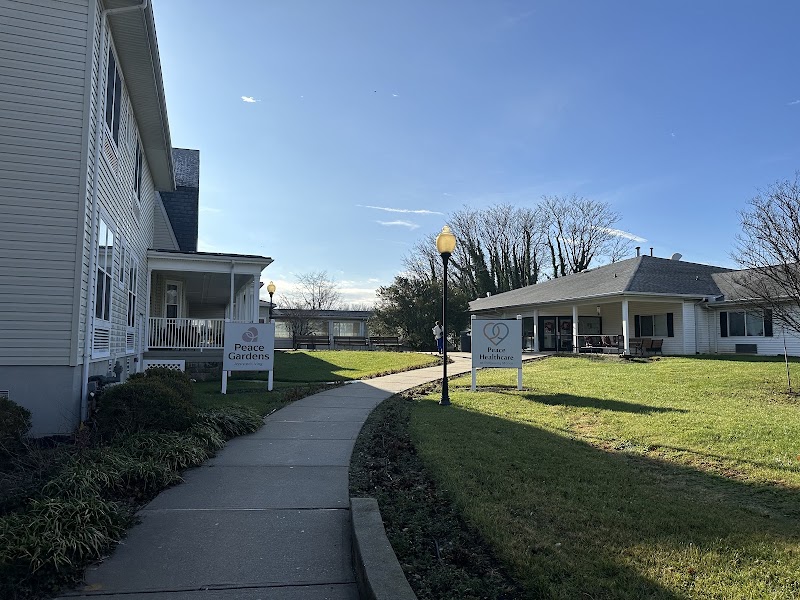
How is Ridgeway Rehab Center Staffed?

CMS rates RIDGEWAY REHAB CENTER's staffing level at 2 out of 5 stars, which is below average compared to other nursing homes.

What Have Inspectors Found at Ridgeway Rehab Center?

State health inspectors documented 54 deficiencies at RIDGEWAY REHAB CENTER during 2018 to 2024. These included: 52 with potential for harm and 2 minor or isolated issues. While no single deficiency reached the most serious levels, the total volume warrants attention from prospective families.
Who Owns and Operates Ridgeway Rehab Center?

RIDGEWAY REHAB CENTER is owned by a for-profit company. For-profit facilities operate as businesses with obligations to shareholders or private owners. The facility operates independently rather than as part of a larger chain. With 61 certified beds and approximately 46 residents (about 75% occupancy), it is a smaller facility located in CATONSVILLE, Maryland.

How Does Ridgeway Rehab Center Compare to Other Maryland Nursing Homes?

Compared to the 100 nursing homes in Maryland, RIDGEWAY REHAB CENTER's overall rating (3 stars) is below the state average of 3.0 and health inspection rating (3 stars) is at the national benchmark.

What Should Families Ask When Visiting Ridgeway Rehab Center?

Based on this facility's data, families visiting should ask: "Can you walk me through typical staffing levels on day, evening, and night shifts?" "Can I visit during a mealtime to observe dining assistance and food quality?" "How do you handle medical emergencies, and what is your hospital transfer rate?" "Can I speak with family members of current residents about their experience?" These questions are particularly relevant given the below-average staffing rating.

Is Ridgeway Rehab Center Safe?

Based on CMS inspection data, RIDGEWAY REHAB CENTER has a clean safety record: no substantiated abuse findings (meaning no confirmed cases of resident harm), no Immediate Jeopardy citations (the most serious violation level indicating risk of serious injury or death), and is not on the Special Focus Facility watch list (a federal program monitoring the lowest-performing 1% of nursing homes). The facility has a 3-star overall rating and ranks #100 of 100 nursing homes in Maryland. While no facility is perfect, families should still ask about staff-to-resident ratios and recent inspection results during their visit.

Do Nurses at Ridgeway Rehab Center Stick Around?

RIDGEWAY REHAB CENTER has not reported staff turnover data to CMS. Staff turnover matters because consistent caregivers learn residents' individual needs, medications, and preferences. When staff frequently change, this institutional knowledge is lost. Families should ask the facility directly about their staff retention rates and average employee tenure.

Was Ridgeway Rehab Center Ever Fined?

RIDGEWAY REHAB CENTER has been fined $36,037 across 1 penalty action. The Maryland average is $33,439. While any fine indicates a compliance issue, fines under $50,000 are relatively common and typically reflect isolated problems that were subsequently corrected. Families should ask what specific issues led to these fines and confirm they've been resolved.

Is Ridgeway Rehab Center on Any Federal Watch List?

RIDGEWAY REHAB CENTER is not on any federal watch list. The most significant is the Special Focus Facility (SFF) program, which identifies the bottom 1% of nursing homes nationally based on persistent, serious quality problems. Not being on this list means the facility has avoided the pattern of deficiencies that triggers enhanced federal oversight. This is a positive indicator, though families should still review the facility's inspection history directly.