AUTUMN LAKE HEALTHCARE AT CHEVY CHASE
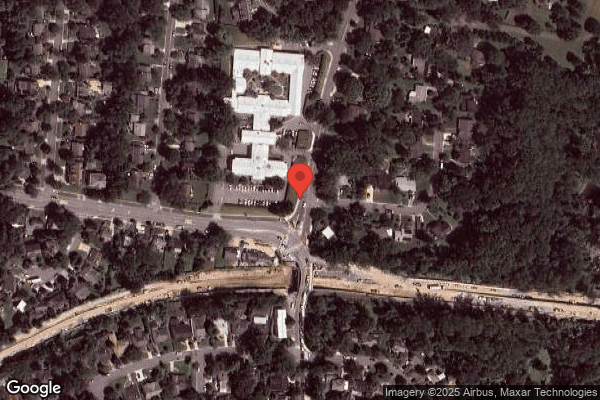
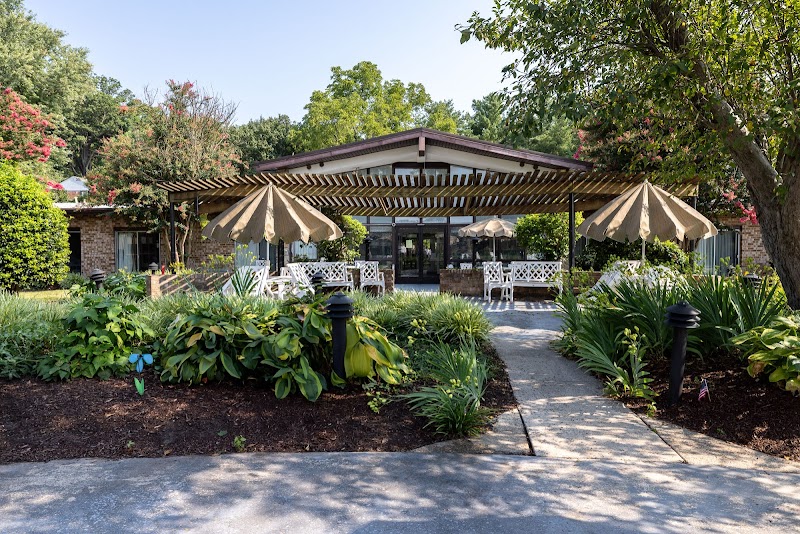
8700 JONES MILL ROAD, CHEVY CHASE, MD 20815 (301) 657-8686
For profit - Corporation 172 Beds AUTUMN LAKE HEALTHCARE Data: November 2025
Trust Grade
60/100
#90 of 219 in MD
Last Inspection: April 2025

Within standard 12-15 month inspection cycle. Federal law requires annual inspections.

Overview

Autumn Lake Healthcare at Chevy Chase has a Trust Grade of C+, indicating it is slightly above average but not outstanding. It ranks #90 out of 219 facilities in Maryland, placing it in the top half, and #17 out of 34 in Montgomery County, meaning that only a few local options are better. However, the facility's trend is worsening, with issues increasing from 8 in 2021 to 25 in 2025. Staffing is a strong point with a rating of 4 out of 5 stars and a turnover rate of 33%, which is lower than the state average, indicating that staff are likely to stay and know the residents well. On the downside, there have been concerning incidents, such as residents going without hot water for three days and failures to properly implement care plans, which raises questions about the quality of care being provided.

Trust Score
C+
60/100
In Maryland
#90/219
Top 41%
Safety Record
Low Risk
No red flags
Inspections
Getting Worse
8 → 25 violations
Staff Stability
○ Average
33% turnover. Near Maryland's 48% average. Typical for the industry.
Penalties
✓ Good
No fines on record. Clean compliance history, better than most Maryland facilities.
Skilled Nurses
✓ Good
Each resident gets 49 minutes of Registered Nurse (RN) attention daily — more than average for Maryland. RNs are trained to catch health problems early.
Violations
⚠ Watch
40 deficiencies on record. Higher than average. Multiple issues found across inspections.
★★★☆☆
3.0
Overall Rating
★★★★☆
4.0
Staff Levels
★★☆☆☆
2.0
Care Quality
★★★☆☆
3.0
Inspection Score
Stable
2021: 8 issues
2025: 25 issues

The Good

  • 4-Star Staffing Rating · Above-average nurse staffing levels
  • Full Sprinkler Coverage · Fire safety systems throughout facility
  • No fines on record
  • Staff turnover below average (33%)

    15 points below Maryland average of 48%

Facility shows strength in staffing levels, fire safety.

The Bad

3-Star Overall Rating

Near Maryland average (3.0)

Meets federal standards, typical of most facilities

Staff Turnover: 33%

13pts below Maryland avg (46%)

Typical for the industry

Chain: AUTUMN LAKE HEALTHCARE

Part of a multi-facility chain

Ask about local staffing decisions and management

The Ugly 40 deficiencies on record

Apr 2025 25 deficiencies
CONCERN (D) 📢 Someone Reported This

A family member, employee, or ombudsman was alarmed enough to file a formal complaint

Potential for Harm - no one hurt, but risky conditions existed

Resident Rights (Tag F0550)

Could have caused harm · This affected 1 resident

Based on observations, resident and staff interviews, it was determined that the facility failed to ensure the residents were treated with dignity. This was evident for 2 residents (#109 and #121) out...

Read full inspector narrative →
Based on observations, resident and staff interviews, it was determined that the facility failed to ensure the residents were treated with dignity. This was evident for 2 residents (#109 and #121) out of 54 residents during this recertification survey. The findings include: 1) While making observations on the Chesapeake Unit on 4/16/25 at 8:44 AM Staff # 17 a Certified Nurse Assistant (CNA) was observed feeding the resident in their room. The CNA was observed standing at the bedside above the resident's right side feeding the resident forkfuls of food and a substance that was in the resident bowl. There was a chair in the room on the left side of the resident bed. The CNA was asked at this time is there any reason why she is standing above the resident assisting with feeding. She stated that the resident had psychological issues and that the chair is too wide to fit in the area where she was standing. The GNA was made aware that standing over the resident to assist with feeding and not sitting in a chair at the level of the resident is a dignity issue. She said she was not aware. She continued to stand and feed the resident. The unit nurse supervisor (Staff # 16) who was in the hallway at this time, was made aware of the concern. He stated that all staff are to sit down with the residents when providing feeding assistance. The Nurse immediately went to the resident room and provided education to the CNA. The Administration team was made aware of all concerns at the exit conference on 4/28/25 at 2:45 PM. 2) Medical record review revealed Resident #109 had the following but limited medical history of muscle spasm, congestive heart failure, fluid overload, and left leg below the knee amputation. Resident #109 was assisted with ADLs, and could transfer self in and out of bed with 1-person physical assist; toileting required extensive assistance, and the resident was wheelchair ambulatory. On 4/17/25 at 9:08 AM, Resident #109 was observed in his/her room sitting on the bedside commode next to his/her bed. Resident #109 asked the surveyor to come back in a few minutes when s/he was finished. At 9:35 AM, the surveyor returned to speak with the resident. Resident #109 stated that there was a lack of respect in this facility, and that s/he was left on the bedside commode for 2 hours before s/he got assistance back to bed one night. Resident #109 also stated that s/he felt like they treat him/her inhuman. On 4/22/25 at 9:05 AM, the Administrator and Director of Nursing (DON) were interviewed about Resident #109's care. The surveyor asked if they knew Resident #109 and if they were aware of the resident being left on the bedside commode for 2 hours one night. The Administrator and DON stated that they were not aware of this and would have a discussion with the resident. On 4/22/25 at 11:28 AM, the DON came back to the surveyor to inform the surveyor that the resident stated that the event did occur, however, s/he did not know the exact date that it occurred, only that it was 2 o'clock in the morning. Resident #109 stated that s/he had told their nurse. The DON stated that she would speak with the evening manager about educating the staff on leaving residents on the bedside commode too long and the rights of the residents.
CONCERN (D)

Potential for Harm - no one hurt, but risky conditions existed

Deficiency F0558 (Tag F0558)

Could have caused harm · This affected 1 resident

**NOTE- TERMS IN BRACKETS HAVE BEEN EDITED TO PROTECT CONFIDENTIALITY** Based on observation, interview and record review, it was determined that facility staff failed to ensure a resident had access ...

Read full inspector narrative →
**NOTE- TERMS IN BRACKETS HAVE BEEN EDITED TO PROTECT CONFIDENTIALITY** Based on observation, interview and record review, it was determined that facility staff failed to ensure a resident had access to their call light. This deficient practice was identified in 1 resident ( #106) out of 1 residents reviewed for accommodations during the survey. The findings include: On 04/16/25 at 10:21 AM, the surveyor entered room [ROOM NUMBER] and observed Resident # 106 resting in bed. During the observation, the surveyor noted that the resident's call light (system that allows residents to alert staff when they need help) was missing. The surveyor located Licensed Practical Nurse (LPN) #31 and requested assistance in finding the call device. The LPN #31 searched the area around the resident's bed and located the call device wrapped around the arm of a chair positioned to the right side of the bed's head. The device was not within the reach of the resident. The surveyor asked LPN #31 what staff are expected to do before exiting a resident's room. LPN #31 stated that the call device should always be within the resident's reach and that staff are expected to ensure the resident has access to the call device prior to leaving the room. On 04/23/25 at 11:30 AM, review of medical records for Resident #106 under the task section showed instructions to 'keep call light within reach at all times.' The surveyor reported the observation to the Administrator #1.
CONCERN (D) 📢 Someone Reported This

A family member, employee, or ombudsman was alarmed enough to file a formal complaint

Potential for Harm - no one hurt, but risky conditions existed

Deficiency F0573 (Tag F0573)

Could have caused harm · This affected 1 resident

Based on the review of complaints, interview with complainants, review of facility policy and interview with facility staff, it was determined that the facility failed to provide a resident's medical ...

Read full inspector narrative →
Based on the review of complaints, interview with complainants, review of facility policy and interview with facility staff, it was determined that the facility failed to provide a resident's medical records to the identified and established representative in a timely manner. This was evident during the review of 1 of the 2 complaints regarding access to medical records (Resident #162). The findings include: Interview with a complainant on 4/23/25 at 8:53 AM regarding the complaint MD00206860 revealed concerns that upon the request for their loved one's medical records it took over 40 days. On 4/23/25 at 9:50 AM staff # 24, the Business office manager was interviewed. She reported to this surveyor at that time that requests for records would go through her. The process includes the requestor would need to fill out the appropriate paperwork, the paperwork goes to the legal department so they can determine if that individual has authorization to the records, then the legal department will let the facility know if the records can be released. The records can then be gathered for the requester. Staff #24 further reported that depending on the volume she will mail or email the information to the requester. This surveyor asked if there is certified paperwork on the chart that the facility accepted and acknowledged as Power of Attorney (POA) paperwork to make healthcare decisions for a resident, why is that not sufficient to release medical records? Staff #24 stated that that was just the facility process. This surveyor asked what the turnaround time was and if that could cause a delay in the presentation of the records, staff # 24 was unable to provide an answer. The facility policy on record requests was requested at that time. At 11:53 AM on 4/23/25, staff #24 provided this surveyor with a request for medical records for Resident #162 that was completed and requested on 6/11/24. Staff#24 was asked if she had documentation of when the requested records were provided to Resident #162's POA. She stated that it was around the beginning to the middle of July 2024. According to an interview held with the resident representative earlier this morning, it took around 40 days to acquire these records. According to the facility policy provided on 4/24/25 at 1:17 PM Release of Medical Records implemented 2/3/23, 3. Upon request to access or obtain copies of the medical record, the facility should review the authorization to ascertain access rights of that person. Authority to assess or release records is only granted by the residents or the residents legal representative. The facility should request copies of any legal papers necessary to authenticate authority. #6. Upon receipt of request for medical record copies, the facility should notify the requesting party, in writing about the cost for obtaining the records and that records are available 2 days after receipt of payment for the copies. For Resident #162, the POA paperwork was reviewed by this surveyor and identified as in place at the time of the initial request. The medical record request form provided to the POA of Resident #162 had no financial liability attached. The form that was provided on 6/11/24 was an Authorization for the release of health information records. Therefore, there should have been no delay in providing Resident #162's medical records to this POA as it was the POA signing for the release of the records. As of exit on 4/28/25 no further documentation was provided to the survey team as far as when the records were delivered and provided to the POA, however, it was established from interview with Staff #24 and the complainant that it was over the regulatory 2 days of the initial request on 6/11/24 and the POA did not receive them until sometime in July of 2024, minimally 19 days.
CONCERN (D) 📢 Someone Reported This

A family member, employee, or ombudsman was alarmed enough to file a formal complaint

Potential for Harm - no one hurt, but risky conditions existed

Investigate Abuse (Tag F0610)

Could have caused harm · This affected 1 resident

Based on administrative record review and interviews with facility staff it was determined the facility failed to ensure the safety of a resident after the resident reported allegations of staff abuse...

Read full inspector narrative →
Based on administrative record review and interviews with facility staff it was determined the facility failed to ensure the safety of a resident after the resident reported allegations of staff abuse for Resident #146, and failed to ensure a thorough investigation was conducted for a Facility Reported Incident (FRI) regarding Resident #165. This was found to be evident for 2 of 19 residents reviewed for abuse during the survey. Findings include, 1) MD00204470 was reviewed on 4/18/25 12:00 PM for allegations of staff abuse. The abuse was unsubstantiated. A review of the facility's investigation revealed a discipline in which staff (#34) received a written warning about the following infraction: Employee (# 34) who is a nurse, was directed to leave the facility immediately and was on off duty due to an allegation of abuse made by Resident #146. The employee was told to leave the building by the Administrator and DON on 4/8/24 at approximately 12:30PM. The employee was found on another unit documenting on a resident at 2:12 PM and did not leave the building until after about 2:20 PM. Employee (#34) wrote a response stating that they were holding keys and did not give report and was waiting to do narcotic count. An interview was conducted with the NHA on 4/21/25 at 12:15 PM and she was asked to explain the facility's procedure when investigating an employee for allegations of resident abuse and she stated the following: The alleged perpetrator was asked to leave the building immediately, however, this employee did not leave and remained in the building. The Administrator was asked how the facility can keep residents safe from retaliation from their alleged perpetrator, and she stated the employee should have been escorted out of the building, and that this employee was not, he was told to leave. The NHA stated that the abuse allegation was unsubstantiated, however, this employee was later terminated for insubordination. All concerns were discussed with the administration team at the exit conference on 4/28/25 at 2:45 PM. 2) On 04/23/25 at 11:09 AM, review of facility documentation for MD00212656 revealed that Resident #165's representative made the facility aware of an allegation Resident #165 had made regarding Geriatric Nursing Assistant (Staff #39). At the same time, review of the facility documentation revealed that Resident #165 indicated to their representative that Staff #39 was rough with her/him during repositioning/ morning care and that Staff #39 turned the resident on their right side during care which they did not want to be turned on. On 04/23/25 at 11:12 AM, further review of the facility documentation for MD00212656 revealed a document titled, Abuse- Investigation Statement which failed to reveal indication that the allegation was addressed (if Staff #39 was rough during Resident #165's repositioning/ morning care and/or if the staff member had turned the resident on the side they did not want to be turned on). On 04/23/25 at 11:13 AM, further review of the facility documentation failed to reveal indication that the staff was interviewed or made a statement regarding the specific allegation made. On 04/24/25 at 10:29 AM, the surveyor reviewed the concern with the Nursing Home Administrator (Staff #1). Staff #1 said they would look into it and see if they had any further documentation to provide that would address the specific allegation made. On 04/24/25 at 12:35 PM, Staff #1 indicated they had no further documentation to provide that would indicate what the surveyor requested.
CONCERN (D)

Potential for Harm - no one hurt, but risky conditions existed

Transfer Requirements (Tag F0622)

Could have caused harm · This affected 1 resident

**NOTE- TERMS IN BRACKETS HAVE BEEN EDITED TO PROTECT CONFIDENTIALITY** Based on record review and staff interview, it was determined that the facility failed to include the resident comprehensive car...

Read full inspector narrative →
**NOTE- TERMS IN BRACKETS HAVE BEEN EDITED TO PROTECT CONFIDENTIALITY** Based on record review and staff interview, it was determined that the facility failed to include the resident comprehensive care plan goals with the required documentation during a transfer. This was evident for 1 (Resident #86) of 2 residents reviewed for hospitalization. The findings include: On 04/21/25 at 07:42 AM, a review of Resident #86's medical record revealed that the resident was hospitalized on [DATE]. On 04/22/25 at 08:38 AM, an interview with Registered Nurse/ Unit Supervisor (Staff #16), revealed that resident comprehensive care plan goals were not sent with residents upon transfer. On 04/22/25 at 08:45 AM, an interview with Licensed Practical Nurse (Staff #7) revealed that resident comprehensive care plan goals were not sent with residents upon transfer. On 04/22/25 at 11:19 AM, the surveyor reviewed the concern with the Director of Nursing (Staff #2).
CONCERN (D)

Potential for Harm - no one hurt, but risky conditions existed

Transfer Notice (Tag F0623)

Could have caused harm · This affected 1 resident

**NOTE- TERMS IN BRACKETS HAVE BEEN EDITED TO PROTECT CONFIDENTIALITY** Based on record review and staff interview, it was determined that facility staff failed to ensure written notification of trans...

Read full inspector narrative →
**NOTE- TERMS IN BRACKETS HAVE BEEN EDITED TO PROTECT CONFIDENTIALITY** Based on record review and staff interview, it was determined that facility staff failed to ensure written notification of transfer were provided to the resident and responsible representative upon a transfer. This was evident for 1 (Resident #86) of 2 residents reviewed for hospitalization. The findings include: On 04/21/25 at 07:42 AM, a review of Resident #86's medical record revealed that the resident was hospitalized on [DATE]. On 04/22/25 at 08:38 AM, an interview with Registered Nurse/ Unit Supervisor (Staff #16), revealed that resident representatives were verbally notified of resident transfer and reasoning, but that it was not written notification. On 04/22/25 at 08:45 AM, an interview with Licensed Practical Nurse (Staff #7) revealed that resident representatives were verbally notified of resident transfer and reasoning, but that it was not written notification. On 04/22/25 at 11:19 AM, the surveyor reviewed the concern with the Director of Nursing (Staff #2).
CONCERN (D) 📢 Someone Reported This

A family member, employee, or ombudsman was alarmed enough to file a formal complaint

Potential for Harm - no one hurt, but risky conditions existed

Assessment Accuracy (Tag F0641)

Could have caused harm · This affected 1 resident

Based on medical record review and interviews with facility staff it was determined the facility failed to ensure accuracy when coding a resident Minimum Data Set (MDS). This was found to be evident f...

Read full inspector narrative →
Based on medical record review and interviews with facility staff it was determined the facility failed to ensure accuracy when coding a resident Minimum Data Set (MDS). This was found to be evident for 1 (Resident # 107) of 6 residents reviewed for accidents during the survey. Findings include: The MDS is a federally mandated assessment tool used by nursing home staff to gather information on each resident's strengths and needs. The information collected drives resident care planning decisions. MDS assessments need to be accurate to ensure each resident receives the care they need. The Matrix is used to identify pertinent care categories for :1) Newly admitted residents in the last 30 days who are still residing in the facility and 2) All other residents. The facility is responsible for completing this form. Column # 10 is to be completed if the resident has a Fall (F), Fall with injury (FI), Fall with Major injury (FMI). Review of the facility's matrix on 4/16/25 at 12:45 PM revealed resident # 107, column # 10 for Falls indicated F, and FI. Review of the MDS Quarterly Assessment with an Assessment Reference Date (ARD) of 1/5/25 revealed under section J1900 (B) number of falls since admission or prior assessment-injury was coded one (1) for injury. Section J0300 Pain assessment interview is coded (0) No. Continued review revealed, a nurse note with a date of 10/6/24 at 6:34 AM indicating that during morning routine check-ups, writer noted Resident # 107 sitting on the floor. Assessment done and pain score 0/10 indicating no pain. No physical injury noted. Further review of the resident falls care plan revealed the last update was on 5/8/23. Review of nurse progress notes and pain assessments revealed the resident did not have pain on the following assessments dates: 10/6/24 Day (D) Shift, 10/7/24, Day shift and 10/8/24 Day shift. The Medication Administration Record (MAR) for pain evaluation was marked zero (0) for each of the above dates. Further review of a physician note dated 10/7/24 revealed the resident indicated pain in the arm and an x-ray was ordered to rule out fracture. The results of the x-ray were negative for fracture. An interview was conducted with the NHA on 4/22/25 at 10:40 AM and she stated that the resident did not have a fall with injury and that the documentation on the matrix was incorrect. An interview was conducted with the MDS Coordinator (Staff # 22) on 4/22/25 at 11:08 AM and she was asked if the resident had a fall with injury. She stated that the resident had a fall on 10/6/25 and it was captured on the 1/5/25 assessment. She stated that if the resident has pain, it will be coded as an injury. The surveyor informed her that according to the assessment that was done after the fall, the resident did not c/o pain and there was no injury. She confirmed that the MDS was coded incorrectly. All concerns were discussed with the Administration team during the exit conference on 4/28/25 at 2:45 PM.
CONCERN (D) 📢 Someone Reported This

A family member, employee, or ombudsman was alarmed enough to file a formal complaint

Potential for Harm - no one hurt, but risky conditions existed

Comprehensive Care Plan (Tag F0656)

Could have caused harm · This affected 1 resident

Based on record reviews and interviews, it was determined that the facility failed to develop a care plan to manage bowel and bladder incontinence for a resident. This deficient practice was evident f...

Read full inspector narrative →
Based on record reviews and interviews, it was determined that the facility failed to develop a care plan to manage bowel and bladder incontinence for a resident. This deficient practice was evident for 1 (#106) resident reviewed for comprehensive care plans during the survey. The findings include: On 04/17/25 at 8:20 AM, a review of Resident #106's medical records indicated that the resident is incontinent of bowel and bladder. Further review of medical records failed to show that a care plan was developed to address bowel and bladder incontinence. During an interview with Director of Social Worker (SW) #3 on 04/22/25 at 10:46 AM, the surveyor asked who was responsible for auditing resident's medical records to ensure residents' care plans accurately address plan of care. The SW #3 explained that an interdisciplinary team meets quarterly and annually to review each resident's plan of care, and the nurse unit manager is responsible for ensuring the nursing portion of the plan is up to date. On 04/17/25 at 11:05 AM, a review of Resident #106's Minimum Data Set (MDS) section bowel continence indicated that the resident is always incontinent of bowel. Review of section urinary continence also reflected the resident is always incontinent of bladder. On 04/17/25 at 11:10 AM, during an interview with Nurse Unit Manager (UM) #18, the surveyor informed the UM #18 that the resident had been identified as incontinent of both bowel and bladder since admission, however, a review of the quarterly care plans revealed that no plan of care had been developed to address the incontinence. Both the surveyor and the UM #18 reviewed the resident's medical records, and he acknowledged that a care plan should have been created. After surveyor intervention, on 04/22/25, a care plan was initiated to address the resident's bowel and bladder incontinence.
CONCERN (D)

Potential for Harm - no one hurt, but risky conditions existed

ADL Care (Tag F0677)

Could have caused harm · This affected 1 resident

Based on interviews, observations, and record reviews it was determined that facility staff failed to assist residents who are dependent on staff for activities of daily living (ADLs) such a bathing. ...

Read full inspector narrative →
Based on interviews, observations, and record reviews it was determined that facility staff failed to assist residents who are dependent on staff for activities of daily living (ADLs) such a bathing. This deficient practice was evident for 1 (#66) of 5 residents reviewed for ADL care during the survey. The findings include: During an interview with Resident #66 on 04/16/25 at 10:37 AM, he/she stated they had only received one shower during the month of April 2025 but reported receiving daily bed baths from staff. The resident stated they would prefer more showers in the shower room. On 04/21/25 at 09:05 AM, during an interview with the Director of Nursing (DON) #2, she stated that staff are expected to provide showers to residents as ordered and should not substitute a bed bath in place of a shower. If a resident refuses a shower, staff are expected to document the refusal in the medical records. On 04/21/25 at 1:48, a review of Resident #66's treatment administration record (TAR) revealed an ordered for showers Mondays and Thursdays. Further reviews showed that the resident received a bed bath on Thursday 04/3/25, Monday 04/07/25, Thursday 04/10/25, with no documentation of a bed bath or shower on Monday 04/14/25. Review of geriatric nursing assistant (GNA) documentation for April 2025 indicated that the resident received daily bed bath, except on 4/3/25 it was documented that the resident received a shower. There was no documentation explaining why the resident did not receive scheduled showers. On 04/22/25 at 09:13 AM, the surveyor informed DON #2 that Resident #66 reported receiving one shower in April, although resident's preference was twice a week. The DON #2 stated that she would follow up with staff regarding resident's schedule shower day.
CONCERN (D) 📢 Someone Reported This

A family member, employee, or ombudsman was alarmed enough to file a formal complaint

Potential for Harm - no one hurt, but risky conditions existed

Deficiency F0688 (Tag F0688)

Could have caused harm · This affected 1 resident

Based on observations, staff interviews, and record review, it was determined that the facility failed to ensure that residents with a limited range of motion receive appropriate treatment and service...

Read full inspector narrative →
Based on observations, staff interviews, and record review, it was determined that the facility failed to ensure that residents with a limited range of motion receive appropriate treatment and services to prevent further decrease in range of motion. This was evident for 1 out of 1 resident observed for limited range of motion during this survey. The findings include: Contracture management is a variety of techniques aimed at preventing or improving limited joint movement due to shortening of muscles, tendons, or surrounding tissues. These methods include physical therapy, splinting, medication, and in some cases, surgery. Early intervention and consistent management are crucial for maximizing functional outcomes. Review of medical record revealed Resident #101 was a long-term care resident who has the following but is limited to medical history: morbid obesity, protein-calorie malnutrition, and a PEG tube. Resident #101 was bed-bound with a limited ROM to all extremities. On 4/17/25 at 12:13 PM, Resident #101 was observed in bed resting comfortably. The surveyor observed that the resident's right hand was in contracture. On 4/22/25 at 8:40 AM, review of records revealed that Resident #101 was provided Physical Therapy (PT) and Occupational Therapy (OT) services for Contracture Management, started on 11/4/24, and was discharged from these services on 12/13/24. OT Goals were to prevent further contractures. Discharge recommendations were for nursing to apply splints daily and remove them every night. Resident #101 was last seen by OT on 12/13/24. The review of orders did not reflect that orders were placed for nursing staff to complete the discharge recommendations. The care plan review did not reflect the discharge recommendations for therapy. On 4/22/25 at 9:47 AM, the surveyor interviewed the Director of Rehab (DOR #23) and the Occupational Therapist (OT #40) regarding Resident #101. When asked if OT was still seeing the resident, they stated no. The surveyor inquired about whether they perform quarterly evaluations on residents that have been seen by OT, and they confirmed that they do. The surveyor then asked when was the last quarterly evaluation conducted for this resident completed. OT #40 was unable to provide an answer. When the surveyor asked who was responsible for entering the orders into the EMR, the DOR #23 was unable to provide an answer. They both stated that they would return with the necessary information. On 4/22/25 at 11:44 AM, the Administrator (Admin #1) was interviewed and was asked how orders from PT/OT services were entered into the Electronic Medical Record (EMR). The Admin #1 stated that when orders are recommended for nursing, PT/OT therapy is supposed to place the orders in the EMR for nursing. On 4/22/25 at 12:53 PM, DOR #23 and OT #40 returned to the surveyor and stated that the orders were never placed for Resident #101 to get the discharge recommendations from OT therapy. OT #40 stated that she would complete Resident #101's quarterly evaluation today and enter the recommendations and orders from OT into the system for nursing to follow-up.
CONCERN (D)

Potential for Harm - no one hurt, but risky conditions existed

Incontinence Care (Tag F0690)

Could have caused harm · This affected 1 resident

Based on record reviews, and interviews, it was determined that facility staff failed to ensure a resident who is incontinent of bowel/bladder received appropriate treatment and services. This deficie...

Read full inspector narrative →
Based on record reviews, and interviews, it was determined that facility staff failed to ensure a resident who is incontinent of bowel/bladder received appropriate treatment and services. This deficient practice was evident for 1 (Resident #106) of 1 resident review for incontinent care during the survey. The findings include: On 04/17/25 at 8:20 AM, a review of Resident #106's medical records indicated that the resident had a stage 4 sacral pressure ulcer, was incontinent of bowel and bladder, and needed assistance with personal care. Further review of treatment administration records, physician orders, and resident care plan failed to show that treatment, or services were in place to address bowel and bladder incontinence. During an interview with Director of Social Worker (SW) #3 on 04/22/25 at 10:46 AM, the surveyor asked who was responsible for auditing resident's charts to ensure residents are receiving appropriate services and treatment. The SW #3 explained that an interdisciplinary team meets to review each resident's plan of care, and the unit manager is responsible for ensuring the nursing portion of the plan is accurate. On 04/17/25 at 11:10 AM, during an interview with Nurse Unit Manager #18, the surveyor informed them of the missing treatment and services to manage the resident's incontinence. The UM #18 stated that a plan should have been in place to address the residents incontinence. Both the surveyor and UM #18 reviewed the resident's medical chart and were unable to locate services or treatment addressing the incontinence. The UM #18 acknowledged that a plan should have been developed and state they would update the medical records to ensure treatment and services were addressed.
CONCERN (D)

Potential for Harm - no one hurt, but risky conditions existed

Deficiency F0757 (Tag F0757)

Could have caused harm · This affected 1 resident

Based on record review and interview, the facility failed to ensure that an antipsychotic medication was ordered with adequate monitoring. This was evident for 1 (Resident #16) of 5 residents reviewed...

Read full inspector narrative →
Based on record review and interview, the facility failed to ensure that an antipsychotic medication was ordered with adequate monitoring. This was evident for 1 (Resident #16) of 5 residents reviewed for unnecessary medications. The findings include: On 04/18/25 at 10:53 AM, review of Resident #16's medical record revealed an active order for Bupropion (an antidepressant) to be administered once a day, with a start date of 3/24/2025. An antidepressant is a medication used for mental health. The medication can cause side effects that could be serious and monitoring can help identify side effects. On 04/18/25 at 10:54 AM, further review of the residents medical record failed to reveal an order for antidepressant monitoring until 4/16/2025. On 04/21/25 at 09:07 AM, an interview with the Director of Nursing (Staff #2) revealed that the expectation was for side effect monitoring to be ordered when an antipsychotic (like Bupropion) was ordered for a resident.
CONCERN (D)

Potential for Harm - no one hurt, but risky conditions existed

Deficiency F0800 (Tag F0800)

Could have caused harm · This affected 1 resident

Based on observation and interview it was determined the facility failed to ensure residents were served their preferred hot drink beverage at breakfast. This omission of serving the resident the drin...

Read full inspector narrative →
Based on observation and interview it was determined the facility failed to ensure residents were served their preferred hot drink beverage at breakfast. This omission of serving the resident the drink item listed on their meal ticket impacted 3 (Resident #131, #105, #26) out of 5 residents reviewed. The findings include: On 04.21.25 at 08:13 AM the surveyor interviewed and observed the breakfast meal in the presence of the charge nurse who was also working as the unit manager and the medication nurse on the Arcadia unit. The two dietary food carts were delivered to the unit at 08:15 AM by the dietary aide. During an interview with the unit manager, the surveyor was informed that there were currently seven (7) residents who required maximum assistance with feeding at meal times by the unit manager. On 04.21.25 at 08:25 AM, the unit manager called the dietary department to request the cart with the coffee, tea, and condiments. The cart with the coffee, tea, and condiments arrived within five minutes (08:30 AM) on 04.21.25. The unit manager assisted the staff with the distribution of the resident trays. Only two GNA's were scheduled to work this 7A-3PM day shift with a census of 32 residents and the GNA assignment consisted of 16 residents for each GNA. Other facility staff members were pulled from throughout the facility to assist with the delivery of the food trays to the residents in the Arcadia dining room, some of those staff members included the GNA, Medical Records Clerk, and Transportation aide. The following residents were present in the dining room on the Acadia unit and were randomly selected by the surveyor for the breakfast meal/dining room observations which occurred at 08:40 AM on 04.21.25. Coffee was listed on the dietary ticket for: 1. Resident # 131, however no coffee was served with the resident's meal. 2. Resident # 105, however no coffee was served with the resident's meal. 3. Resident # 26, however no coffee was served with the resident's meal. These dining room observations were reviewed with the DON and the administrator on 04.21.25 at 10:15 AM and 10:30 AM.
CONCERN (D)

Potential for Harm - no one hurt, but risky conditions existed

Deficiency F0804 (Tag F0804)

Could have caused harm · This affected 1 resident

Based on observation and interview with facility staff, it was determined that the facility failed to ensure that food was delivered to residents at an appropriate and palatable temperature. This was ...

Read full inspector narrative →
Based on observation and interview with facility staff, it was determined that the facility failed to ensure that food was delivered to residents at an appropriate and palatable temperature. This was evident for 1 out of 1 observation of test tray temperatures on 1 unit of 32 residents who eat food prepared by the facility out of 4 units of within the facility. The findings include: On 04.25.25 at 11:45 AM the surveyor toured the facility kitchen with one other surveyor, the regional food service director, staff #14, the facility food service manager, staff #15, and the registered dietician, staff #13. The surveyor requested the facility food service manager, staff #15 assist with setting up a test tray for Garden View unit for the lunch meal. The two surveyors were informed while in the kitchen observing the tray line set up for the unit that the lunch menu consisted of the following food items for a regular diet: fish cakes, herbal rice, blended mixed vegetables. The temperatures were: fish cake: 164 degrees, herbal rice: 163 degrees, mixed vegetables: 170 degrees, the pureed meat was 185 degrees, the pureed blended vegetables was 190 degrees, super-mashed potatoes were at 191, mashed potatoes were 201 degrees. The temperature of the cold drink refrigerator was listed at 30 degrees. The whole milk 4 oz. container temperature was 41.4, the cranberry juice temperature in the 4 oz. container was 45 degrees, and the coffee temperature was 161 degrees. The whole milk and the cranberry juice were replaced with milk and cranberry juice obtained from the juice refrigerator and those temperatures 41 degrees. The substitute meal choices for residents on a regular diet were hot dog, hamburger, and cold lunchmeat sandwiches. Both surveyors observed the temperature testing of the hot dog and the temperature was 157 degrees while in the kitchen. At 12:04 PM on 04.25.25 the surveyors followed the food cart allocated for Garden View along with the dietary aide. The clinical facility staff on the unit did not start serving the trays until 12:09 PM. The charge nurse stated that lunch is normally served from 12 noon through 12:30 PM. The staffing for the unit was 1 RN, 1 LPN, and two GNA's. Staff #14 accompanied the surveyors and agreed to test the food temperature of the test tray on the unit. The surveyors observed the registered dietician, staff #13 assisting with serving the trays to the residents. At 12:19 PM there were three trays left to be served. At 12:21 PM the test tray temperatures was as followed: fish cake patty 127 degrees, herbed rice: 128 degrees, blended mixed vegetables was 135.2, apple juice in the 4 oz container was 54.2 degrees. The food temperature testing completed on the unit was performed by staff #14, the regional dietary manager who acknowledged the facility failed to ensure that some of the test tray food items identified were delivered at the proper temperature for both hot food and cold food items. On 04.28.2025 at 08:30 AM the administrator stated that she was aware of the results of the test tray temperatures from 04.25.25. This potential deficiency was reviewed during the exit interview on 04.28.25 at 1:30 PM.
CONCERN (D)

Potential for Harm - no one hurt, but risky conditions existed

Food Safety (Tag F0812)

Could have caused harm · This affected 1 resident

**NOTE- TERMS IN BRACKETS HAVE BEEN EDITED TO PROTECT CONFIDENTIALITY** Based on observations, review of administrative documents, and interviews it was determined that the facility failed to: 1) stor...

Read full inspector narrative →
**NOTE- TERMS IN BRACKETS HAVE BEEN EDITED TO PROTECT CONFIDENTIALITY** Based on observations, review of administrative documents, and interviews it was determined that the facility failed to: 1) store food items at the appropriate temperature, repair broken kitchen equipment, place dry food items in appropriate storage containers, and to remove food items that were not stored at an appropriate temperature, and 2) ensure that the resident's meal matched the items listed on the resident's meal ticket. These was evident during 2 of 3 facility observations and for 2 (#35, #81) of 2 residents reviewed for food preparation during the survey. The findings include: 1) On 04/16/25 at 07:34 AM the surveyor initiated the tour of the kitchen dietary aide, staff # 26 opened the kitchen door without a nametag present on his/her uniform. Walk-in refrigerator #1 had temperature of 42 degrees Fahrenheit per log completed by staff#37. Freezer #1 had a temperature of -5 Fahrenheit degrees based on outside thermometer and documented on the AM temperature log sheet dated 4/16/25 and signed by staff #37. Refrigerator #2 was the juice refrigerator which housed milk and fruit juices. The whole milk cartons had an expiration date 04.16.25. The surveyor was informed that all the milk cartons would be served to residents or disposed of the same day. Refrigerator number # 3, labeled Back Room, the temperature outside the refrigerator read 51 degrees Fahrenheit. When the door of refrigerator #3 was opened by the surveyor, the shelves and the food containers were warm to touch. The contents within the refrigerator were applesauce, grape jelly, soy sauce, mayonnaise and iced tea. Refrigerator # 3 temperature was not in compliance with the food safety storage procedures. Refrigerator #4 labeled back room, appeared to be unplugged and the outside temperature was 65 degrees. Within the interior of refrigerator #4 were dry goods, such as pasta, noodles, large cans of tomato sauce, grape jelly, and bread. The surveyor observed that refrigerator #4 was being used as a storage unit for dry goods and was not operational as a refrigerator. On 04.16.25 at 10:05 AM the surveyor met with the registered dietician, staff #13, the regional dietary manager #14, and the facility dietary manager, staff # 15 to tour the kitchen area again and to review the original concerns found by the surveyor. Staff #14, regional dietary manager explained that the delivery dates for food items are Tuesday and Thursday. Also, stated the whole milk cartons dated 04.16.25 would by utilized by the end of evening meal. The dietary manager #15 stated that he was unaware that refrigerator # 3 labeled back of kitchen refrigerator was not functional: the temperature log for 04.16.25 was written as 41 degrees Fahrenheit. The outside manual temperature read as 51 degrees. The dietary manager, staff # 15 proceeded to throw away the contents of the refrigerator # 3 with guidance of the dietary regional manager #14 and the registered dietician #13. Refrigerator #4 which was labeled as the back room of kitchen refrigerators per the dietary manager, staff #15 was not functional and the facility staff were using it a storage area for the 3 day emergency /menu /supply storage of dry goods such as pasta, spaghetti noodles, tomato sauce, and fresh loaves of bread. All the items in Refrigerator #4 were labeled appropriately. On 04.25.25 at 11:45 AM the surveyor toured the facility kitchen and was informed by the regional dietary manager, staff #14 that the kitchen's ice machine was not operational. The regional dietary manager, staff #14 stated the kitchen was reliant on the units to assist with providing the residents with ice with meals. Also, the surveyor discussed the status of the two broken refrigerators in the kitchen. Staff #14 also stated that she would provide the surveyor with documentation of the work orders related to the pending for kitchen equipment. On 04.28.25 at 1:05 PM staff #14 presented the surveyor with copies of work orders for the proposed repair of the kitchen equipment. These potential deficiencies were discussed during the exit conference to facility and regional administrative staff on 04.28.25 as well. 2) On 04/16/25 at 8:22 am, during the initial screening of Resident #35 and Resident #81 in room [ROOM NUMBER], the surveyor observed that Resident #35's meal ticket indicated an order for 6 ounces of coffee, two packets of sugar, 8 ounces of whole milk, one salt and pepper packet, however, these items were missing from the resident's meal tray. The surveyor also observed Resident #81's meal tray and noted that the resident did not receive 6 ounces of coffee, and instead of 8 ounces of whole milk, 8 ounces of skim milk was served. On 04/16/25 at 8:24 am, the surveyor asked geriatric nursing assistant (GNA) #6 about the process for ensuring that a resident's meal tray matches the items listed on the meal ticket. The GNA #6 stated that it is the GNA's responsibility to verify that the meal tray matches the meal ticket. The surveyor showed GNA #6 that the meal trays for Resident #35 and Resident #81 did not match their meal tickets. The GNA #6 acknowledged that items were missing from the tray and stated that she would provide the missing items. Both the Administrator #1 and Director of Nursing #2 were made aware of the observation on 04/16/25 at 8:38 AM.
CONCERN (D)

Potential for Harm - no one hurt, but risky conditions existed

Deficiency F0838 (Tag F0838)

Could have caused harm · This affected 1 resident

Based on record reviews and interviews it was determined that the facility failed to provide an accurate facility assessment for direct care staff to resident ratios. This deficient practice was disco...

Read full inspector narrative →
Based on record reviews and interviews it was determined that the facility failed to provide an accurate facility assessment for direct care staff to resident ratios. This deficient practice was discovered during the survey. The findings include: On 04/16/24 at 1:46 PM the surveyor received a copy of the facility assessment from Administrator #1. On 04/24/25 at 7:40 AM, a review of the facility assessment revealed the facility assessment was completed in June 2024 and reviewed by the quality assurance committee in July 2024. Further review of the facility assessment revealed a staffing template that contained the facility's staffing for both licensed nurses and direct care staff separated by skilled rehab units and long-term care units. The surveyor asked the Administrator to explain the overall staffing plan described in the assessment. The Administrator stated that she was unable to explain the staffing plan at that time and would need to review the facility assessment before providing an explanation. On 04/24/25 at 7:45 AM, the administrator informed the surveyor that the staffing plan described in the facility assessment was incorrect. The Administrator then provided the surveyor with a hand-written staffing to resident ratio for all units. The information provided did not correspond with the nurse and direct care staffing ratios documented on the facility's assessment.
CONCERN (D) 📢 Someone Reported This

A family member, employee, or ombudsman was alarmed enough to file a formal complaint

Potential for Harm - no one hurt, but risky conditions existed

Deficiency F0840 (Tag F0840)

Could have caused harm · This affected 1 resident

Based on medical record review, the review of a complaint and interview with facility staff, it was determined that the facility failed to ensure the timely scheduling with an Infectious Disease consu...

Read full inspector narrative →
Based on medical record review, the review of a complaint and interview with facility staff, it was determined that the facility failed to ensure the timely scheduling with an Infectious Disease consultant for a resident that was admitted with multiple comorbidities requiring specialty consultation. This was evident for 1 of 3 residents (Resident #162) reviewed with orders for outside services/consultations. The findings include: The complainant for MD00206860 was interviewed on 4/23/25 at 8:53 AM. Amongst other concerns, he/she reported that regarding their loved one, Resident #162, had multiple care concerns surrounding the evolving status of a wound. The complainant reported to this surveyor and acknowledged that Resident #162 admitted to the facility with the wound, however, verbalized concern over the worsening status of the wound. Resident record review continuing from 4/23/25 at 8:19 AM revealed admission diagnosis in March of 2024 including infection following fasciotomy (a surgical procedure to cut through the fascia surrounding a group of muscles to relieve pressure) procedure and urinary tract infection. According to the hospital discharge summary Resident #162 was admitted to the facility with a wound vac (medical device used to help wounds heal by applying suction to remove fluid and debris and encourage tissue growth) at the surgical site. During the first 2 months of the residents stay in the facility, the sacral wound was noted to increase and was monitored, assessed and x-rayed multiple times to rule out osteomyelitis which was determined present in August of 2024. A physician progress note on 8/19/24 addressed Resident #162's sacral wound infection that required antibiotics and an infectious disease (ID) consult secondary to an elevated C-reactive protein level (CRP is a protein level that shows inflammation when elevated normal range is less than .3mg/L). On 8/5/24 the CRP for Resident #162 was 132, the level increased to 198 on 8/12 and remained 198 on 9/3/24 despite the IV antibiotics. A level of 198 mg/L shows severe inflammation, levels above 200 mg/L are used as a marker to indicate sepsis. On 8/23/24 a nursing progress note again address the need for an ID consultation and the Residents responsible party was updated. On 8/26/24 a skin/wound note was completed with measurements of the sacral wound, noting that it had increased 3 cm in length and 1 cm in width in a week, the ID consultation was noted as still pending. Resident #162 was continued on the intravenous (IV) antibiotics at this time. The attending physician on this day ordered a culture and sensitivity of the wound, that continued to show active infection. On 8/28/24 a nurse practitioner note continued to address the need for an ID consultation and that Resident #162 was to continue IV antibiotics until the consultation was completed. A late entry nursing progress note on 9/17/24 at 7:40 PM documented that Resident #162 saw the ID specialist that day, 28 days after the initial order was put in, however the actual consultation was not available for review. The ID consultation report was requested on 4/25/25 at 9:25 AM as there was no actual documentation of it in the electronic health record for Resident #162. The DON followed up with this surveyor on 4/25/25 at 10:21 AM and stated that she was unable to locate the consultation. The concern about Resident #162's worsening wound and need for the ID consult initially requested on 8/19/24 was reviewed at this time. The DON was asked if 28 days was too long to get a consultation, and she stated that she would look into it. On 4/25/25 at 12:12 PM the DON followed up again with this surveyor and was unable to provide the consultation report or documentation of interventions that occurred with Resident #162 prior to his/her required hospital transfer and admission with diagnosis of sepsis 2 weeks after the ID consultation was documented as completed.
CONCERN (D) 📢 Someone Reported This

A family member, employee, or ombudsman was alarmed enough to file a formal complaint

Potential for Harm - no one hurt, but risky conditions existed

Medical Records (Tag F0842)

Could have caused harm · This affected 1 resident

Based on observations, staff interviews, and record review, it was determined that the facility failed to ensure that medical records were complete and accurately documented. This was evident for 2 re...

Read full inspector narrative →
Based on observations, staff interviews, and record review, it was determined that the facility failed to ensure that medical records were complete and accurately documented. This was evident for 2 residents (Resident #101, #108) out of 54 residents reviewed for medical records during the survey. The findings include: 1) On 04/17/25 at 10:42 AM, review of Resident #108's medical record revealed an active order with a start date of 10/03/2023, which indicated for the resident to receive a shower on Tuesdays and Fridays. On 04/17/25 at 10:43 AM, further review of the resident's medical record revealed an active kardex task which indicated the resident was to receive a shower on Mondays and Thursdays. On 04/21/25 at 11:34 AM, an interview with the Director of Nursing (Staff #2) revealed that a resident's kardex task regarding showers should reflect the resident's shower order. 2) On 4/22/25 at 8:40 AM, review of records revealed that Resident #101 was bed-bound with limited ROM to all extremities and was provided Physical Therapy (PT) and Occupational Therapy (OT) services for Contracture Management. Services started on 11/4/24, and was discharged from these services on 12/13/24. OT Goals were to prevent further contractures. Discharge recommendations were for nursing to apply splints daily and remove them every night. Resident #101 was last seen by OT on 12/13/24. The review of orders did not reflect that orders were placed for nursing staff to complete the discharge recommendations. The care plan review did not reflect the discharge recommendations for therapy. On 4/22/25 at 9:47 AM, the surveyor interviewed with the Director of Rehab (DOR #23) and the OT therapist (OT #40) regarding resident #101. When asked if OT was still seeing the resident, they stated no. The surveyor inquired about whether they perform quarterly evaluations on residents that have been seen by OT, and they confirmed that they do. The surveyor then asked when was the last quarterly evaluation conducted for the resident. When the surveyor asked who was responsible for entering the orders into the EMR, the DOR was unable to provide an answer. They stated that they would return with the necessary information. On 4/22/25 at 11:44 AM, the Admin was interviewed and was asked how orders from PT/OT services were entered into the Electronic Medical Record (EMR). The Admin stated that when orders are recommended for nursing, PT/OT therapy is supposed to place the orders in the EMR for nursing. On 4/22/25 at 12:53 PM, DOR #23 and OT #40 returned to the surveyor and stated that the orders were never placed for resident #101 to get the discharged recommendations from OT therapy.
CONCERN (D)

Potential for Harm - no one hurt, but risky conditions existed

Infection Control (Tag F0880)

Could have caused harm · This affected 1 resident

**NOTE- TERMS IN BRACKETS HAVE BEEN EDITED TO PROTECT CONFIDENTIALITY** Based on observations and interviews it was determined that facility staff failed to keep isolation cart stocked with personal p...

Read full inspector narrative →
**NOTE- TERMS IN BRACKETS HAVE BEEN EDITED TO PROTECT CONFIDENTIALITY** Based on observations and interviews it was determined that facility staff failed to keep isolation cart stocked with personal protective equipment (PPE) for enhanced barrier precaution (EBP) residents. This deficient practice was evident for 2 out of 5 units observed during the survey. The findings include: On 04/16/25 at 7:34am, during the initial observation on the units Annapolis and Gardenview, the surveyor observed the following: 1. An EBP sign was posted on the door of room [ROOM NUMBER], however, no isolation cart was present. 2. An EBP sign was posted on the door of room [ROOM NUMBER]. Upon review of the isolation cart, the surveyor noted that gloves were missing. 3. An EBP sign was posted on the door of 38. A review of the isolation cart revealed that gloves were missing, and a resident's medication Santyl was located inside the cart. 4. An EBP sign was posted on the door of room [ROOM NUMBER]. Review of the isolation cart revealed missing gloves. On 4/16/25 at 7:46 am, during an interview with Licensed Practical Nurse (LPN) #7, she states the isolation cart should contain isolation gowns, gloves, mask, and hand sanitizer. The surveyor asked LPN #7 to review the isolation cart outside room [ROOM NUMBER]. The nurse acknowledged that the cart was missing PPE. The surveyor also informed LPN #7 of the resident's medication found in the isolation cart. Both the Administrator #1 and Director of Nursing #2 were made aware of the observation on 04/16/25 at 8:38AM. On 04/28/25 at 10:18 am, during a follow up observation of isolation carts for all units, the surveyor noted that isolation gowns were missing from the carts outside room [ROOM NUMBER]. A second observation conducted at 12:34 pm revealed that the gowns were still missing. The surveyor asked LPN #7 to review the isolation cart, and she acknowledged the observation. The administrator was made aware of the observation on 4/28/25 at 12:38pm.
CONCERN (D) 📢 Someone Reported This

A family member, employee, or ombudsman was alarmed enough to file a formal complaint

Potential for Harm - no one hurt, but risky conditions existed

Room Equipment (Tag F0908)

Could have caused harm · This affected 1 resident

Based on observations, review of administrative documents, and interviews it was determined that the facility failed to repair broken kitchen equipment, These factors were found evident to be true dur...

Read full inspector narrative →
Based on observations, review of administrative documents, and interviews it was determined that the facility failed to repair broken kitchen equipment, These factors were found evident to be true during three of multiple observations facility observations of the kitchen made during the survey. The findings include: 1) On 04/16/25 at 07:34 AM the surveyor initiated the tour of the kitchen dietary aide. Refrigerator number # 3, labeled Back Room, the temperature outside the refrigerator read 51 degrees Fahrenheit. When the door of refrigerator #3 was opened by the surveyor, the shelves and the food containers were warm to touch. The contents within the refrigerator were applesauce, grape jelly, soy sauce, mayonnaise and iced tea. Refrigerator # 3 temperature was not in compliance with the food safety storage procedures. Refrigerator #4 labeled back room, appeared to be unplugged and the outside temperature was 65 degrees. Within the interior of refrigerator #4 were dry goods, such as pasta, noodles, large cans of tomato sauce, grape jelly, and bread. The surveyor observed that refrigerator #4 was being used as a storage unit for dry goods and was not operational as a refrigerator. On 04.16.25 at 10:05 AM the surveyor met with the registered dietician, staff #13, the regional dietary manager #14, and the facility dietary manager, staff # 15 to tour the kitchen area again and to review the original concerns found by the surveyor. Staff #14, regional food service director. The facility dietary manager #15 stated that he was unaware that refrigerator # 3 labeled back of kitchen refrigerator was not functional: the temperature log for 04.16.25 was written as 41 degrees Fahrenheit. Refrigerator #4 which was labeled as the back room of kitchen refrigerators per the dietary manager, staff #15 was not functional and the facility staff are using it a storage area for the 3 day emergency /menu /supply storage of dry goods such as pasta, spaghetti noodles, tomato sauce, and fresh loaves of bread. All the items in Refrigerator #4 were labeled appropriately. On 04.25.25 at 11:45 AM the surveyor toured the facility kitchen and was informed by the regional dietary manager, staff #14 that the kitchen's ice machine was not operational. The regional dietary manager, staff #14 stated the kitchen is reliant on the units to assist with providing the residents with ice with meals. Also, the surveyor discussed the status of the two broken refrigerators in the kitchen. Staff #14 also stated that she would provide the surveyor with documentation of the work orders related to the pending for kitchen equipment. On 04.28.25 at 1:05 PM staff #14 presented the surveyor with copies of work orders for the proposed repair of the kitchen equipment. These potential deficiencies were discussed during the exit conference to facility and regional administrative staff on 04.28.25 as well. 2) On 04/16/25 at 09:31 AM, an anonymous complaint revealed that staff often say the ice machine is broken when residents request for ice water. On 04/17/25 at 08:39 AM, an observation of the main dining room of the long term care unit revealed it was not administering ice when the surveyor attempted to test the machine. On 04/18/25 at 11:13 AM, an interview with the Director of Maintenance (Staff #5) revealed that staff were able to use an online platform called, TELS to report maintenance concerns. He was unaware of a concern regarding the main dining room ice machine. On 04/18/25 at 12:18 PM, an observation during a walk through with the Director of Maintenance (Staff #5) revealed the main dining room ice machine was not administering ice.
CONCERN (D) 📢 Someone Reported This

A family member, employee, or ombudsman was alarmed enough to file a formal complaint

Potential for Harm - no one hurt, but risky conditions existed

Deficiency F0909 (Tag F0909)

Could have caused harm · This affected 1 resident

Based on observation and interview, it was determined that the facility failed to ensure a resident's mattress properly fit the bed frame. This was evident for 1 (Resident #108) of 1 resident bed obse...

Read full inspector narrative →
Based on observation and interview, it was determined that the facility failed to ensure a resident's mattress properly fit the bed frame. This was evident for 1 (Resident #108) of 1 resident bed observed during a random observation of the Annapolis Unit. The findings include: On 04/18/25 at 11:42 AM, an observation of Resident #108 in bed revealed that his/her mattress was hanging over the bed frame approximately 8 inches on the right side of the bed. On 04/18/25 at 12:19 PM, the surveyor and the Director of Maintenance observed Resident #108's mattress hanging over the right side of the bed frame. He indicated that the mattress was too big for the bed frame.
CONCERN (E) 📢 Someone Reported This

A family member, employee, or ombudsman was alarmed enough to file a formal complaint

Potential for Harm - no one hurt, but risky conditions existed

Safe Environment (Tag F0584)

Could have caused harm · This affected multiple residents

**NOTE- TERMS IN BRACKETS HAVE BEEN EDITED TO PROTECT CONFIDENTIALITY** 6) An initial tour of the facility was conducted on 4/16/25 at 7:50 AM. While screening residents on the Chesapeake Unit, reside...

Read full inspector narrative →
**NOTE- TERMS IN BRACKETS HAVE BEEN EDITED TO PROTECT CONFIDENTIALITY** 6) An initial tour of the facility was conducted on 4/16/25 at 7:50 AM. While screening residents on the Chesapeake Unit, residents #52 and #18 told the surveyor that the facility was without hot water for 3 days. At this time the surveyor checked the residents' water in the bathroom. The water was turned on for greater than five minutes and did not get warm. Resident #52 was asked how s/he takes a bath or shower, and the resident stated, I do what I have to do and have been taking a bath with cold water because there was no hot water. Further observations were made of the water in room [ROOM NUMBER] and the water was turned on. The water was cold for more than five minutes and it did not get warm. The residents in the room were asked if they had hot water and the residents stated, no, the water had been cold for 3 days. At this time the surveyor approached the nurse supervisor #16 and asked about the water. The nurse stated that the Administration was aware of the water concern and was looking into the issue. During a subsequent observation at 8:44 AM, resident #52 was observed walking in their room from the bathroom. The resident told the surveyor that s/he just finished taking a cold bath. The resident stated that the water was not hot. On the same date at 8:55 AM an interview was conducted with the Administrator, and she stated that she was aware that the Chesapeake Unit did not have hot water in the afternoon of the previous day (4/15/25) and that the facility had a call into a company to get the issue resolved and that they are awaiting someone to be dispatched to the facility. The Administrator was made aware that multiple residents complained of not having hot water for 3 days that was prior to her report of the concern beginning on the previous day. The survey team asked the Administrator to provide documentation of previous temperature logs for the Chesapeake unit as well as current temperatures for the unit. The Administrator and the Maintenance manager returned to the survey team at 10:00AM and provided the team with copies of the temperatures for the unit as follows. 3/28/25 the temperature varied from 103, 104, 105, 106, 108, 110 up to 115. 4/4/25 temps were 106-114. 4/10/25 the temps were 104-115. 4/14/25 the temps were 107-114. Current temperatures for 4/16/24 were as follows: room [ROOM NUMBER] was 68 degrees Room # 84 was 66 degrees room [ROOM NUMBER] was 68 degrees room [ROOM NUMBER] was 65 degrees room [ROOM NUMBER] was 66 degrees room [ROOM NUMBER] was 65 degrees room [ROOM NUMBER] was 68 degrees room [ROOM NUMBER] was 68 degrees. The Administrator stated that they are currently rerouting showers to be done on the Annapolis unit. She stated that the Plumber was scheduled to come to the facility this date. The Administrator provided updated correspondence to the survey team on 4/18/25 at 9:20 AM regarding when the company would resolve the issue. She stated that the Plumber came in and looked at the valve and was waiting for a part. In the interim, residents were being transferred to another unit to shower. Residents who required assistance with baths the water was warmed prior to their bed bath. The plumbing company came into the building on 4/28/25 to work on water concerns. The Administrator stated that the water issue would be resolved this date and hot water would be restored. 4) On 04.16.25 at 08:15 AM the surveyor initiated an observation tour of the unit Arcadia and the following maintenance issues were identified inside resident rooms: a) room [ROOM NUMBER]A/B: no chair for guests was present, the linoleum was warped and cracked outside the bathroom door and missing paint on the wall near the room entry door. b) room [ROOM NUMBER]A/B: there were scratches on the wall paint behind the resident's headboard. c) room [ROOM NUMBER]A/B: the bedside cabinet was missing the top drawer handle. The toilet paper holder was missing in the bathroom, a plastic bag was tied through the toilet paper roll to a towel holder. d) room [ROOM NUMBER]A/B: the wall behind the resident's headboard had areas of paint missing and there was a non-fitting plastic cover over the top of the toilet. e) room [ROOM NUMBER] A: toilet paper was observed on a roll with plastic bag tied to handle rail safety bar across from the toilet, the toilet roll holder was missing the tension bar piece that would hold the bath tissue. There was an blue uncovered, unprotected water shutoff valve on the right side of the sink, located near the floor. During an interview with the unit nurse manager, staff #19 she confirmed the locked unit had a census of 32 residents at the time of the observation on 04.16.25 at 09:00 AM. On 04.17.25 at 09:10 AM, the unit manager, staff #19 stated that all disrepair or maintenance concerns are reported to the maintenance department via the TELS system. These observations were discussed with the maintenance director during an observation tour of two units with another surveyor on 04.18.2025 that began at 11:39 AM. On 04.28.25 prior to the exit conference, the administrator verified that the maintenance concerns had been shared with her by the maintenance director.5) During the initial observation of unit Annapolis and Garden View on 04/16/25 at 7:59 AM, the surveyor entered the shower room and observed a basin placed on top of a trash can, wheelchair pedals placed in front of the trash can, and a mop and broom leaning against it. Next to the toilet, a clear plastic bag and trash were noted on the floor. A brown substance was present on the toilet seat. The tub in the shower room contained a bedside commode bin, a bra, a black sock, a hanger, and a seat cushion. Towels were also noted on the floor. On 04/16/25 at 8:03 AM, the surveyor entered a room labeled as the clean utility room and observed a used clear glove placed on top of a black bin. Next to the back cabinet, the surveyor noted a wall with incomplete paint and an area of the floor missing tile. A box containing papers was observed on the floor, and behind the door, six staff jackets and a fanny pack were hanging. On 04/16/25 at 8:06 AM, the surveyor entered the soiled utility room. Upon entry, a sink full of standing dirty water was observed. The surveyor opened the cabinets to the right of the sink and found soiled shelves, five empty soiled flower vases, a clear plastic bag, a rod, and two telephones. The Administrator #1 and Director of Nursing #2 were both made aware of the observation on 04/16/25 at 8:38AM. During an interview with the Housekeeping Director #21 on 04/18/25 at 1:22 PM, she stated that floor technicians are responsible for pulling trash from common areas (dining room, clean and dirty utility rooms, shower rooms) and from resident rooms, and housekeeping staff are responsible for cleaning this area throughout the shift. When asked about monitoring cleaned areas, the Housekeeping Director #21 reported that she was responsible for rounding. The surveyor informed the Director of Housekeeping of the observed conditions in the residents' shower room and the clean and dirty utility rooms. She acknowledged the observation and stated that overseeing both housekeeping and laundry services can be challenging. Based on observation and interview, it was determined that the facility failed to maintain a homelike environment for the residents as evidenced by failure to 1) keep the utility rooms, and resident shower room clean and organized; 3) ensure that residents were provided with hot water during the survey. This was evident during multiple observations made on the Arcadia Unit and throughout the facility. The findings include: 1) On 04/16/25 at 08:43 AM, an initial observation of the Arcadia unit in rooms [ROOM NUMBERS] revealed a toilet paper roll in the bathroom that was hung by a trash bag and tied around a handrail. On 04/17/25 at 08:22 AM, a follow up observation revealed the same concern in both room [ROOM NUMBER] and 23, where their toilet paper rolls were hung by a trash bag. 2) On 04/16/25 at 08:43 AM, an observation in room [ROOM NUMBER] revealed the bottom drawer of the (A-bed) nightstand, which failed to reveal it properly fit in the dresser or had a hand knob. On 04/17/25 at 08:22 AM, a follow up observation was made, which revealed the same concern. 3) On 04/16/25 at 09:03 AM, an initial observation of the Arcadia Unit in the bathroom between 18 and 19, failed to reveal a door knob on either side of the bathroom doors, which exposed a hole on both bathroom doors. On 04/17/25 at 08:06 AM, an interview with the Arcadia Unit Manager / Registered Nurse (Staff #19) revealed the staff used an online platform, TELS to report maintenance concerns. On 04/18/25 at 11:13 AM, an interview with the Director of Maintenance (Staff #5) revealed he was unaware of any maintenance concerns on the Arcadia Unit. On 04/18/25 at 11:46 AM, the surveyor and the Director of Maintenance (Staff #5) completed a walk through on the Arcadia Unit, and reviewed the concerns noted above from examples 1 through 3.
CONCERN (E) 📢 Someone Reported This

A family member, employee, or ombudsman was alarmed enough to file a formal complaint

Potential for Harm - no one hurt, but risky conditions existed

Deficiency F0657 (Tag F0657)

Could have caused harm · This affected multiple residents

Based on record reviews and interviews it was determined that facility staff failed to ensure that resident records were reviewed and revised by the interdisciplinary team after each assessment, inclu...

Read full inspector narrative →
Based on record reviews and interviews it was determined that facility staff failed to ensure that resident records were reviewed and revised by the interdisciplinary team after each assessment, including both the comprehensive and quarterly review assessments. This deficient practice was evident for 3 (#66, #86, #101) residents out of 4 residents reviewed for care plan meetings and quarterly assessment during the facility survey. The findings include: 1.) On 04/16/25 at 10:41 AM, during an interview, Resident #66, reported that they have not participated in care plan meetings. During an interview with the Director of Social Work (SW) #3 on 04/18/25 at 09:50 AM, she stated that resident care plan meetings are conducted within 14 days of admission, quarterly, annually, and upon change in medical condition. She also reported that invitations to the meetings are sent to the residents and their families. The surveyor requested documentation verifying that comprehensive and quarterly care plan meeting were held, and invitations notices were provided for 2024 and 2025. On 04/18/25 at 12:44 PM, the SW #3 provided the surveyor with care plan meeting notes dated 6/7/23, but no meeting invitation. Additional documents included care plan meeting notes dated 8/28/24, a care plan invitation dated 8/8/24, and care plan invitations dated 11/13/24 and 4/23/25. The SW #3 stated she was unable to provide proof that a care plan meeting was conducted on 11/2004 and acknowledged that she is behind on completing resident care plans. 2.) On 04/17/25 at 12:28 PM, an interview with Resident #86 revealed he/she had concerns regarding her/his routine care plan meetings not being quarterly. On 04/18/25 at 09:50 AM, an interview with the Director of Social Services (Staff #3) revealed that the expectation was for care plan meetings was that resident care plans were revised to be quarterly. During the same interview, the surveyor requested Resident #86's care plan meeting documentation for 2024. On 04/18/25 at 12:26 PM, Staff #3 provided documentation for a care plan meeting for 7/11/24, and informed the surveyor that she was only able to provide documentation for the one (7/11/24) care plan meeting. 2a.) On 04/22/25 at 9:00 AM, review of complaint intake MD00202691 revealed a concern that Resident #86 was supposed to be in rehabilitation services. On 04/22/25 at 09:27 AM, an interview with the Director of Rehabilitation Services (Staff #23) revealed that residents were screened quarterly for rehabilitation services along with the care plan revision. At the same time, further interview with Staff #23 revealed that Resident #86 was screened for rehabilitation services on 8/8/2023, was put into rehabilitation services, and was discharged on 8/30/23. On 04/22/25 at 09:27 AM, during the same interview, Staff #23 indicated that the resident had not been screened again for rehabilitation services until 4/11/24. On 04/22/25 at 11:55 AM, the surveyor reviewed the concern with the Nursing Home Administrator (Staff #1). 3.) On 4/22/25 at 8:40 AM, review of records revealed that Resident #101 was provided Physical Therapy (PT) and Occupational Therapy (OT) services for Contracture Management, starting on 11/4/24, and was discharged from these services on 12/13/24. OT Goals were to prevent further contractures. Discharge recommendations were for nursing to apply splints daily and remove them every night. Resident #101 was last seen by OT on 12/13/24. The review of orders did not reflect that orders were placed for nursing staff to complete the discharge recommendations. The care plan review did not reflect the discharge recommendations for therapy. On 4/22/25 at 9:47 AM, the surveyor interviewed with the Director of Rehab (DOR #23) and the OT therapist (OT #40) regarding resident #101. When asked if OT was still seeing the resident, they stated no. The surveyor inquired about whether they perform quarterly evaluations on residents that have been seen by OT, and they confirmed that they do. The surveyor then asked when was the last quarterly evaluation conducted for the resident, DOR #23 and OT #40 were unable to answer. When the surveyor asked who was responsible for entering the orders into the EMR, the DOR was unable to provide an answer. They stated that they would return with the necessary information. On 4/22/25 at 11:44 AM, the Admin was interviewed and was asked how orders from PT/OT services were entered into the Electronic Medical Record (EMR). The Admin stated that when orders are recommended for nursing, PT/OT therapy is supposed to place the orders in the EMR for nursing. On 4/22/25 at 12:53 PM, DOR #23 and OT #40 returned to the surveyor and stated that the orders were never placed for Resident #101 to get the discharged recommendations from OT therapy. OT #40 stated that she would complete Resident #101's quarterly evaluation today and enter the recommendations and orders from OT into the system for nursing to follow-up.
CONCERN (E) 📢 Someone Reported This

A family member, employee, or ombudsman was alarmed enough to file a formal complaint

Potential for Harm - no one hurt, but risky conditions existed

Deficiency F0658 (Tag F0658)

Could have caused harm · This affected multiple residents

Based on medical record review and interview with facility staff, it was determined that the facility failed to: 1) implement wound and skin care orders for a resident admitted after a surgical amputa...

Read full inspector narrative →
Based on medical record review and interview with facility staff, it was determined that the facility failed to: 1) implement wound and skin care orders for a resident admitted after a surgical amputation and identified pressure ulcer; 2) provide services as order by the physician; and 3) maintain professional standards of practice when documenting a resident's showers. This was identified for 4 of 4 (#160, #106, #66, #108) residents reviewed for orders and documentation during the survey. The findings include: 1. Review of the medical record on 4/25/25 at 12:13 PM for Resident #160 revealed admission to the facility with diagnosis including aftercare following surgical amputation, gangrene and peripheral vascular disease. The hospital discharge summaries provided in the resident's medical record stated that prior to admission to this facility, Resident #160 was admitted to the hospital for a gangrenous infection of the left first toe. The podiatry team completed multiple debridement's and then finally an amputation of the toe to prevent the infection from spreading. Resident #160 was admitted to the facility according to an admission summary with 22 staples to the amputated toe site on the left foot. Resident #160 was screened by the wound physician on 8/26/24. He verbalized wound care orders. On 4/28/25 at 9:31 AM staff #27, the wound care physician was interviewed. He reviewed his notes and returned at 9:36 AM. He stated that he only saw the resident on 8/26/24 and had made recommendations at that time. He was asked why he didn't see Resident #160 again after that and he stated that he is given a list when he comes in to the facility of who to see and checks the list off as he goes. He further stated that he is just a consultant and sees who the facility requests him to see. At 9:40 AM staff #28 the Regional Clinical Consultant was notified that for Resident #160, no wound care orders for the amputation or the identified heel wound identified on admission could be found. Staff #28 was also notified that Resident #160 was admitted to the hospital for a follow-up procedure a month after admission to the facility for another surgical procedure. Those admission assessments were requested. At 1:38 PM on 4/28/25 this surveyor met with the facility DON regarding the status of the concerns for Resident #160. She was unaware and had not been notified of the concerns from staff #28 and had not looked for information to relay to this surveyor. Prior to exiting the facility, the DON provided nursing notes from the wound care nurse that documented wound care measurements for the heel and that care was provided weekly for Resident #160. The ongoing concern was presented to the DON at this time that during Resident #160's month long stay, there were no treatment orders put in for either the monitoring of the surgical site of the amputation or the wound care of the heel and therefore there was no place for staff to sign off that either were completed consistently.2) On 04/16/25 at 10:37 AM, during the initial screening of Resident #66, the surveyor noted a past medical history of cerebrovascular disease. The resident was observed not wearing Thrombo-Embolic Deterrent Stockings (TEDS). A review of the medical records revealed that the resident was ordered for TEDS to be applied at 9:00AM and removed at 9:00PM daily. An observation on 04/18/25 at 10:54 AM, revealed that Resident #66 was not wearing TEDS. A review of the medical record did not indicate that the resident refused to wear the TEDS, and there was no evidence that the physician had been notified of a refusal. On 04/21/25 at 11:50AM, during a follow up observation, the surveyor noted that Resident #66 was not wearing TEDS. On 04/21/25 at 11:54 AM, the surveyor asked Nurse Unit Manager (UM) #18 about staff expectation regarding physician orders. The UM #18 stated that staff are expected to review orders prior to providing treatment or services and follow the written instructions. If staff are uncertain about the orders, they are expected to speak with a supervisor. The surveyor informed UM #18 of the observations made for Resident #66 and that there was no documentation explaining why the resident was not wearing TEDS. The UM #18 stated that he would review the residents medical records for supporting documentation; however, no documentation was provided by the end of the day. On 04/22/25 at 9:09AM, the surveyor informed the Administrator #1 of observations related to Resident #66 and pending documentation from the UM #18. The Administrator stated that they were not able to locate any documentation confirming that the resident refused to wear TEDS. The Administrator stated that nursing staff will receive education on following physician's orders and nursing documentation. 3) During an interview with the Administrator #1 and Director of Nursing (DON) #2 on 04/21/25 at 8:16 AM, the surveyor asked about the expectation of nursing staff prior to administering blood pressure medication. The DON #2 stated that staff are expected to review the resident's Medication Administration Record (MAR) for instructions and administer the medication according to the provider's orders. On 04/21/25 at 08:48 AM, a review of Resident #106's MAR revealed an order for clonidine Oral Tablet 0.3 milligram (mg) tablet to be administered through a Percutaneous Endoscopic Gastrostomy (PEG) tube every 8 hours for hypertension, with instructions to hold the medication if the systolic blood pressure (SBP) was less than 110 or if the heart rate( HR) is less than 60. Further reviews showed that the medication was administered outside of the ordered parameter on the following dates: 3/4/25=SBP 107 3/11/25=SBP 106 3/22/25=SBP 108 3/25/25=SBP 108 3/30/25=SBP 109 4/6/25=SBP 108 4/15/25=SBP 104 4/14/25=SBP 101 4/21/25=SBP 103 A review of the medical records failed to show documentation that the nurse notified the physician when the resident's blood pressure was outside the ordered parameters for the medication. On 04/21/25 at 12:19 PM, the surveyor informed the Administrator #1 that blood pressure medication had been administered for Resident #66 outside of the ordered parameters, and that there was no documentation indicating that the physician had been notified. On 04/22/25 at 9:09AM, the Administrator stated that they were not able to locate documentation confirming that the physician was notified of the resident's SBP. The Administrator #1 stated that nursing staff will receive education on following physician's orders and nursing documentation. 4) On 04/17/25 at 10:39 AM, review of complaint MD00212813 revealed a concern regarding Resident #108 receiving showers between October 2023 and December 2023. On 04/17/25 at 10:42 AM, review of Resident #108's medical record revealed an order with a start date of 10/03/2023, which indicated for the resident to receive a shower on Tuesdays and Fridays. On 04/17/25 at 10:43 AM, review of Resident #108's Treatment Administration Record (TAR) from October 2023 through December 2023 revealed 8 days (Tuesday 10/10/2023, Tuesday 10/24/2023, and Tuesday 10/31/2023, 11/07/2023, 11/17/2023, 12/08/2023, 12/22/2023, and 12/29/2023) which the order was documented as N (No), but failed to reveal why the resident had not gotten a shower. On 04/21/25 at 11:34 AM, an interview with the Director of Nursing (Staff #2) revealed that when staff document N for a shower, the expectation was for staff to document why the resident had not received a shower. On 04/17/25 at 10:43 AM, review of Resident #108's TAR revealed 2 days (11/24/2023 and 12/12/2023) which the shower order failed to be documented on. On 04/21/25 at 11:34 AM, an interview with the Director of Nursing (DON) revealed that the expectation of staff was to document every shift based on orders, including shower documentation on the TAR.
MINOR (B)

Minor Issue - procedural, no safety impact

Staffing Information (Tag F0732)

Minor procedural issue · This affected multiple residents

Based on observations and record reviews, it was determined that facility staff failed to ensure daily staff postings were complete for the residents and visitors. This deficient practice was evident ...

Read full inspector narrative →
Based on observations and record reviews, it was determined that facility staff failed to ensure daily staff postings were complete for the residents and visitors. This deficient practice was evident on 5 out of 5 units review for daily staff postings during the survey. The findings include: On 04/23/25 at 8:41 AM, during an interview with Staff Scheduler #38 she reported that facility staff posting forms are displayed at the nursing station daily on all 5 units and she was responsible for collecting and storage of the forms. The surveyor reviewed the facility's staff posting records for multiple dates in April 2025 and identified that several daily staffing sheets were missing dates, nurse to resident ratios, titles of nursing and nursing assistant staff, current dates, shift supervisor, actual hours worked, and unit census. The surveyor asked about the missing information and the Staff Scheduler #38 stated that she was not aware the missing information was required and relies on unit managers to complete the staff posting forms. On 04/23/25 at 9:45 AM, during an interview with the Administrator #1, the surveyor revealed the observations made of the facility's staff posting forms. The surveyor stated that Staff Scheduler #38 indicated that she was not aware of the requirement for the staff postings. The Administrator #1 stated that the scheduler was aware and she would follow-up and provide education.
Mar 2021 8 deficiencies
CONCERN (D)

Potential for Harm - no one hurt, but risky conditions existed

Report Alleged Abuse (Tag F0609)

Could have caused harm · This affected 1 resident

4. This finding was identified during the investigation of Faciltiy Reported Incident #MD00153830: On 03-25-2021 administrative record review revealed that Resident # 111's daughter alleged that Resid...

Read full inspector narrative →
4. This finding was identified during the investigation of Faciltiy Reported Incident #MD00153830: On 03-25-2021 administrative record review revealed that Resident # 111's daughter alleged that Resident #111 was abused by an employee on 01-31-2021. The time of incident was approximately at 6:30 PM. The initial and final self-report were sent to OHCQ on 02-01-2021. Further review of facility administrative records revealed no evidence of reporting to OHCQ within two hours of the incident. On 03-25-2021 at 1:15 PM, an interview with facility Administrator revealed that the facility did not have record of email confirmation when the initial report was sent to OHCQ. Based on administrative record review and staff interview, it was determined that the facility staff failed to report allegation of abuse in timely manner to Office of Health Care Quality (OHCQ). This finding was evident for 4 of 4 residents reviewed for abuse (#101, #84, #111, and #113). The findings include: 1. This finding was identified during the investigation of Faciltiy Reported Incident #MD00163103: On 03-24-2021, administrative record review revealed Resident #101 alleged Geriatric Nursing Assistant (GNA) staff #2 hit him/her while providing care on 8-19-2020 at approximately 1:30 PM. Further review of facility administrative records revealed no evidence of reporting to OHCQ within two hours of incident. On 03-25-2021 at 10:33 AM, an interview with the facility Administrator revealed that the facility did not have record of email confirmation of when the initial report was sent to OHCQ. 2. This finding was identified during the investigation of Faciltiy Reported Incident #MD00157446: On 04-28-2020 Resident #113 reported to the Director of Social Services an allegation that they were abused by an employee on 04-26-2020 around 3:00 PM. On 03-25-2021 at 10:30 AM interview with the Director of Nursing and the Administrator revealed they did not have a record of when the initial self-report was sent to OHCQ. 3. This finding was identified during the investigation of Faciltiy Reported Incident #MD00155573: On 06-22-2020 at 4:25 PM Resident #84 reported to the Director of Social Services an allegation that they were abused by an employee on 06-22-2020 sometime in the morning. On 03-25-2021 at 10:30 AM interview with the Director of Nursing and the Administrator revealed they did not have a record of when the initial self-report was sent to OHCQ.
CONCERN (D)

Potential for Harm - no one hurt, but risky conditions existed

Transfer Notice (Tag F0623)

Could have caused harm · This affected 1 resident

**NOTE- TERMS IN BRACKETS HAVE BEEN EDITED TO PROTECT CONFIDENTIALITY** Based on surveyor review of the clinical records and interviews with facility staff, it was determined that the facility failed ...

Read full inspector narrative →
**NOTE- TERMS IN BRACKETS HAVE BEEN EDITED TO PROTECT CONFIDENTIALITY** Based on surveyor review of the clinical records and interviews with facility staff, it was determined that the facility failed to ensure residents and/or the responsible parties were provided with written notification of the residents' hospital transfers. This finding was evident for 2 of 4 residents selected for the Hospitalization review (#56, #92). The findings include: 1. On 03-23-21 at 10:30 AM, surveyor review of the clinical record revealed that resident#56 was transferred to the hospital on [DATE]. Nurse's note on 03-03-21 at 12:02 PM, revealed resident representative was called and made aware of the transfer. However, there was no evidence that written notification was provided to resident #56's representative regarding the transfer. On 03-23-21 at 11:10 AM, surveyor interviewed the Director of Nursing (DON) who said notification to the resident representative was given by telephone; no written notification was given to resident #56 or the representative when the transfer occurred. The Director of Nursing stated that she was not aware that a written transfer notice should be provided to the resident or the resident representative. No additional information was provided. 2. On 03-24-21 surveyor review of the closed clinical record for Resident #92 revealed that on February 5, 2021 the resident had a change in condition. Further review revealed staff notified the attending physician, who then ordered that the resident to be transferred to the hospital for further evaluation. Review of the 02-05-21 nursing clinical note and the 02-05-21 Patient Transfer Form revealed that both Resident #92 and the resident's responsible party were notified by the nurse of the attending physician's order to have the resident transferred to the hospital for further evaluation. However, further record review revealed no evidence that the facility had sent written notification of the resident's hospital transfer either to Resident #92 and/or the resident's responsible party. On 03-24-21 at 11:15 AM interview with the facility's Administrator and the Director of Nursing revealed no additional information.
CONCERN (D)

Potential for Harm - no one hurt, but risky conditions existed

Pharmacy Services (Tag F0755)

Could have caused harm · This affected 1 resident

Based on surveyor observation and staff interviews, it was determined that the facility staff failed to keep accurate record and timely dispose of controlled and non-controlled medications. This findi...

Read full inspector narrative →
Based on surveyor observation and staff interviews, it was determined that the facility staff failed to keep accurate record and timely dispose of controlled and non-controlled medications. This finding was evident in 1 of 5 units (Garden View). The findings include: On 03-25-2021 at 2:00 PM surveyor inspected one of two medication carts in Garden View unit. Surveyor found Lorazepam 0.5mg tabs (controlled drug) count 12 with an expiration date of 7-13-2020 in the narcotic box. It was labeled for Resident #114 who was discharged on 3-15-2020. There was no record of the drug in controlled drug record book. In addition, surveyor also found 5 capsules of florastor (probiotic capsule) and flonase 50mcg nasal spray with no labels in the medication cart. On 03-25-2021 the facility policy and procedure for disposal of discontinued drugs revealed all controlled and noncontrolled drugs were to be disposed within 30 days when the physician discontinued the medications. Further review of the policy revealed, nursing staff should return noncontrolled drugs to the pharmacy and should destroy controlled drugs at the facility. On 03-25-2021 at 2:20 PM, surveyor made a follow up inspection of the medication cart in Garden View unit and found the the above mentioned medications were no longer in the medication cart. On 03-25-2021 at 2:38 PM, surveyor interview with Registered Nurse (RN) staff #3 revealed he collected all the noncontrolled medications without a label in a plastic bag. He said he left it on top of the medication cart. He was unable to say who took the medications. On 03-25-2021 at 2:40 PM, surveyor with RN staff #3 observed a plastic bag with medications in the trash container on the unit. The bag had 5 capsules of florastor (probiotic capsule) and flonase 50mcg nasal spray with no labels, quetiapine 25mg tab 30 tabs with an expiration date of 11-30-2021, heparin 5000 units/ml 20 vials with an expiration date of 11-01-2021, albuterol sulfate 90 mcg HFA inhaler with Resident #32's label and an expiration date of 12-2020. On 03-25-2021 at 2:45 PM, an interview with RN staff #3 revealed noncontrolled medications are collected and returned to pharmacy. He further told the surveyor that controlled drugs are destroyed by the Unit Manager at the facility. On 03-25-2021 at 4:52 PM, an interview with the Unit Manager in Chesapeake and Grand Heritage unit revealed once a resident is discharged , the Unit Manager and Unit Supervisor get the resident's narcotic medications from the cart if there are any. Controlled medications are destroyed in a drug buster. She further told the surveyor that as soon as the resident is discharged , an assigned nurse is responsible to pull all nonnarcotic medications and start the process of returning them to the pharmacy. She said the pharmacy comes to pick up returned medications daily. On 03-26-2021 at 12:00 PM, an interview with the Director of Nursing (DON) revealed no additional information.
CONCERN (D)

Potential for Harm - no one hurt, but risky conditions existed

Deficiency F0757 (Tag F0757)

Could have caused harm · This affected 1 resident

Based on surveyor review of the clinical record and facility staff interview, it was determined that the facility staff failed to monitor Resident #51 for adverse consequences of psychotropic medicati...

Read full inspector narrative →
Based on surveyor review of the clinical record and facility staff interview, it was determined that the facility staff failed to monitor Resident #51 for adverse consequences of psychotropic medications. This finding was evident in 1 of 6 residents selected for review of unnecessary drugs during the survey. (#51). The findings include: Psychotropic medications are any medication capable of affecting the mind, emotion and behavior. On 03-24-18 at 2:20 PM surveyor review of the clinical record revealed that Resident #51 was on multiple medications including but not limited to psychotropic medications. Resident #51 medications included the following: Divalproex 250 mg for (medication for behavior/mood disorder) two times a day, Zoloft 25 mg (medication for depression) and Trazadone 50 mg (medication for depression). However, there was no evidence in Resident #51's clinical record to indicate that the resident was being monitored for extrapyramidal symptoms (physical symptoms including tremor, slur speech, paranoia, and anxiety) or that Resident #51's behavior was being monitored. On 03-24-21 at 3:34 PM interview with Director of Nursing (DON) revealed no new information.
CONCERN (D)

Potential for Harm - no one hurt, but risky conditions existed

Medication Errors (Tag F0758)

Could have caused harm · This affected 1 resident

Based on surveyor review of the clinical records and interview of facility staff, it was determined that the facility failed to ensure that as needed (PRN) orders for psychotropic drugs were limited t...

Read full inspector narrative →
Based on surveyor review of the clinical records and interview of facility staff, it was determined that the facility failed to ensure that as needed (PRN) orders for psychotropic drugs were limited to 14 days. This finding was evident in 1 of 6 residents selected for review of unnecessary drugs during the survey. (#92). The findings include: On 03-24-21 at 11:10 AM surveyor review of the clinical record of Resident #92 revealed a physician's order on 1-22-21 for Ativan (anti-anxiety) 0.25 milligram two times a day as needed for behavior/restlessness. However, surveyor review of Resident #92's physician order sheets and medication administration record (MAR) on March 24, 2021 revealed that Ativan 0.25 mg was still on the resident's medication list to be administered. There was no evidence in the clinical record that the attending physician or the prescribing practitioner documented the rationale for the extended use beyond the 14 days as required. On 03-24-21 at 11:40 AM, surveyor interview with the Director of Nursing (DON) revealed no additional information
CONCERN (D)

Potential for Harm - no one hurt, but risky conditions existed

Deficiency F0761 (Tag F0761)

Could have caused harm · This affected 1 resident

Based on surveyor observations and staff interviews, it was determined that the facility staff failed to label drugs in accordance with accepted professional standards. This finding was evident in 1 o...

Read full inspector narrative →
Based on surveyor observations and staff interviews, it was determined that the facility staff failed to label drugs in accordance with accepted professional standards. This finding was evident in 1 of 5 (Garden View unit) medication storage rooms and 1 of 9 medication carts (Garden View unit). The findings include: On 03-25-2021 at 2:00 PM, surveyor inspected 1 of 2 medication carts in the Garden View unit. Surveyor found 5 capsules of florastor (probiotic) with no label and no visible expiration date, unsealed flonase 50mcg nasal spray with no label, and albuterol sulfate 90 mcg HFA inhaler with an expiration date of December 2020. Further, surveyor inspection of medication storage room in Garden View unit revealed an open vial of Acetylcysteine 20% solution (inhaler) stored in a refrigerator. The vial had an instruction stating, discard after 96hrs after opening. However, the vial was not dated with an open date. On 03-25-2021 at 2:10 PM, an interview with Registered Nurse (RN) staff #3 revealed no additional information. On 03-26-2021 at 12:00PM, an interview with Director of Nursing (DON) revealed no additional information.
CONCERN (D)

Potential for Harm - no one hurt, but risky conditions existed

Infection Control (Tag F0880)

Could have caused harm · This affected 1 resident

Based on surveyor observation and staff interviews, it was determined that the facility staff failed to implement proper infection control and prevention practices. This finding was evident in 1 of 5 ...

Read full inspector narrative →
Based on surveyor observation and staff interviews, it was determined that the facility staff failed to implement proper infection control and prevention practices. This finding was evident in 1 of 5 units (Chesapeake unit) during meal distribution observation. The findings include: On 03-22-2021 at 12:52 PM surveyor observed Geriatric Nursing Assistant (GNA) staff #1 passing meal trays on the Chesapeake unit during lunch. Staff #1 was observed taking trays to rooms 90, 94, 97, 92, and 93. The Surveyor did not observe staff #1 washing her hands or applying hand sanitizer after delivering and setting up trays in each of these rooms. Staff #1 was not using hand sanitizer between residents although she was directly touching resident bedside tables, bed and personal items. Observation of these rooms revealed a hand sanitizer mounted on the wall of each room near the door. On 03-22-2021 at 12:57 PM, an interview with GNA staff #1 revealed that she received infection control and prevention training, but she was not aware that she had to perform hand hygiene in between passing meal trays to residents. On 03-22-2021 04:49 PM, an interview with Director of Nursing (DON) revealed no additional information.
MINOR (B)

Minor Issue - procedural, no safety impact

Assessment Accuracy (Tag F0641)

Minor procedural issue · This affected multiple residents

Based on surveyor review of clinical records and interviews of facility staff and residents, it was determined that the facility failed to complete assessments that accurately reflect the residents' s...

Read full inspector narrative →
Based on surveyor review of clinical records and interviews of facility staff and residents, it was determined that the facility failed to complete assessments that accurately reflect the residents' status. This finding was evident in 3 of 28 residents (#28, #51 & #74) selected for this survey. The findings include: The Minimum Data Set (MDS) is a mandated process for clinical assessment of all residents in Medicare or Medicaid certified nursing homes. This process provides a comprehensive and accurate assessment of each resident's functional capacity and health status to assist nursing home staff in identifying health problems. MDS assessments are required for residents on admission to the nursing facility and then periodically, within specific guidelines and time frames. 1. On 03-26-21 surveyor review of MDS assessment for Resident #28 with an ARD (Assessment Reference Date) of 01-02-21, revealed staff documentation for section N (Medications) that indicated that Resident #28 received drugs for depression, sleep inducing drugs, blood thinning drugs, and mood control medications. On 03-26-21 at 11:40 AM, surveyor reviewed Resident #28's medication administration record (MAR) from October 2020 through February 2021. There was no evidence in Resident #28's medication administration records to indicate that medications for depression, blood thinning, sleep inducing, or mood control were administered to resident #28 these months. Additionally, there was no evidence of a physician order for the administration of the medications stated above. On 03-26-21 at 12:15 PM, an interview with MDS Coordinator, he/she stated section N of the MDS with ARD of 01-02-21 was not accurate. On 03-26-21 at 1:12 PM, surveyor interview with the Director of Nursing revealed no new information. 2. On 03-25-21 at 1:10 PM, surveyor review of the clinical record revealed that Resident #74 was receiving Eliquis 5 mg for blood thinning. However, review of section N of the MDS with ARD date of 02-07-21 revealed staff did not code that Resident #74 was being administered an anticoagulant medication. On 03-26-21 at 12:15 PM, an interview with MDS Coordinate, he/she stated section N of the MDS with ARD of 02-07-21 was not accurate. On 03-26-21 at 1:12 PM, surveyor interview with the Director of Nursing revealed no new information.
Jun 2019 7 deficiencies
CONCERN (D)

Potential for Harm - no one hurt, but risky conditions existed

Transfer Notice (Tag F0623)

Could have caused harm · This affected 1 resident

**NOTE- TERMS IN BRACKETS HAVE BEEN EDITED TO PROTECT CONFIDENTIALITY** Based on surveyor review of clinical and administrative records and interviews with facility staff, it was determined that the f...

Read full inspector narrative →
**NOTE- TERMS IN BRACKETS HAVE BEEN EDITED TO PROTECT CONFIDENTIALITY** Based on surveyor review of clinical and administrative records and interviews with facility staff, it was determined that the facility failed to send a copy of the notice of transfer to a representative of the Office of the State Long-Term Care Ombudsman. This finding was evident for 5 of 6 (resident #44, #113, #13, #20 and #35) residents selected for hospitalization review. The findings include: 1. On 06-21-19 10:00 AM, record review revealed that resident #44 was transferred to an acute care hospital on [DATE] for emergency medical evaluation. There was no documented evidence that the facility sent a copy of the notice of transfer to a representative of the Office of the State Long-Term Care Ombudsman. On 06-21-19 at 10:25 AM, surveyor interview with Grand Heritage unit manager revealed that nursing staff was not responsible for notifying the Ombudsman of any resident transfers. On 06- 21-19 at 10:30 AM, during an interview with staff #3 and staff #5, it was discovered that nursing staff was responsible for compiling a list of residents who were transferred and or discharged , but do not notify the Ombudsman. On 06-21-19 2:00 PM, surveyor interview with the Administrator revealed that the Social Worker of the facility is responsible to send a copy of the notice to a representative of the Office of the State Long-Term Care Ombudsman. The Administrator conceded that this was not done. On 06-21-19 at 3:00 PM, surveyor interview with Ombudsman revealed that they did not get any notification of facility-initiated transfers or discharges. 2. On 06-21-19 10:10 AM, surveyor record review revealed that resident #113 was transferred to an acute care hospital on [DATE] for emergency medical evaluation. There was no documented evidence that the facility sent a copy of the notice of transfer to a representative of the Office of the State Long-Term Care Ombudsman. On 06-21-19 at 10:25 AM, surveyor interview with Grand Heritage unit manager revealed that nursing department is not responsible to notify the Ombudsman of any resident transfers. On 06- 21-19 10:30 AM, surveyor interview with staff #3 and staff #5 revealed that they do not communicate with Ombudsman regarding transfer or discharge of residents. They develop a list of those residents who are transferred or discharged in their computer system, but do not notify the Office of the State Long-Term Care Ombudsman . On 06-21-19 2:00 PM, during an interview with the Administrator, it was noted that the Social Worker of the facility is responsible to send a copy of the notice to a representative of the Office of the State Long-Term Care Ombudsman. The Administrator conceded that this was not done. On 06-21-19 at 3:00 PM, interview with Ombudsman revealed that they did not receive notification of facility-initiated transfers or discharges. 3. On 06-21-19 10:20 AM, surveyor record review revealed that resident #13 was transferred to an acute care hospital on [DATE] for emergency medical evaluation but facility failed to send a copy of the notice to a representative of the Office of the State Long-Term Care Ombudsman. On 06-21-19 at 10:25 AM, surveyor interview with Grand Heritage unit manager revealed that nursing department is not responsible to notify the Ombudsman of any resident transfers. On 06- 21-19 10:30 AM, interview with staff #3 and staff #5, revealed that they do not communicate with Ombudsman regarding transfer or discharge of residents. They develop a list of residents who are transferred or discharged in their computer system, but do not notify Ombudsman. On 06-21-19 2:00 PM, interview with administrator revealed that social worker of the facility is responsible to send a copy of the notice of transfer to a representative of the Office of the State Long-Term Care Ombudsman. The Administrator conceded that this was not done. On 06-21-19 at 3:00 PM, interview with Ombudsman revealed that they did not get any notification of facility-initiated transfers or discharges. . 4. On 06-21-19 surveyor review of the clinical record revealed that, on 04-17-19, resident # 35 was transferred out to an acute care hospital after a resident to resident altercation to rule out a head injury. Further review of the clinical and administrative records revealed that there was no documented evidence that the local Ombudsman was notified of the transfer. On 06-21-19 at 1:30 PM, surveyor interview of the Director of Nursing revealed no additional information. 5. Review of the clinical record for resident #20 revealed a physicians' order to transfer the resident to the hospital on [DATE] secondary to acute right femoral fracture. Further review of the clinical and administrative records revealed no documented evidence that the local Ombudsman was notified of the transfer. On 06-21-19 at 1:30 PM, surveyor interview of the Director of Nursing revealed no additional information.
CONCERN (D)

Potential for Harm - no one hurt, but risky conditions existed

Comprehensive Care Plan (Tag F0656)

Could have caused harm · This affected 1 resident

Based on surveyor observation and review of the clinical record, it was determined that the activity staff failed to develop a care plan to address a resident's participation in social activities. Thi...

Read full inspector narrative →
Based on surveyor observation and review of the clinical record, it was determined that the activity staff failed to develop a care plan to address a resident's participation in social activities. This finding was evident in 1 of 6 residents selected for review of the activities care area (#20). The findings include: On 06-17-19 during initial screening, it was noted that resident #20 had no activity calendar in his/her room. On 06-17-19 at 3:00 PM, further investigation revealed a care plan for participation in activities had not been developed for this resident. On 06-18-19, surveyor interview with the Activities Director confirmed that resident #20 had no care plan initiated for activities upon readmission to the facility.
CONCERN (D)

Potential for Harm - no one hurt, but risky conditions existed

Deficiency F0657 (Tag F0657)

Could have caused harm · This affected 1 resident

2. On 06-21-19, surveyor review of resident #99's clinical record revealed a physician's order written on 01-03-19 for medication to treat insomnia. Further review revealed that a quarterly Minimum Da...

Read full inspector narrative →
2. On 06-21-19, surveyor review of resident #99's clinical record revealed a physician's order written on 01-03-19 for medication to treat insomnia. Further review revealed that a quarterly Minimum Data Set (MDS) assessment was completed by the interdisciplinary team on 05-18-19. The MDS is part of the federally mandated process for clinical assessment of all residents in Medicare and Medicaid certified nursing homes. This process provides a comprehensive assessment of each resident's functional capabilities and helps nursing home staff identify health problems. There was no documented evidence in the clinical record of a care plan to address resident #99's diagnosis of insomnia. On 06-21-19 at 10:30 AM, surveyor interview with the Director of Nursing revealed that the care plan for insomnia was accidentally discontinued by staff. Based on surveyor review of the clinical record, interviews with facility staff and resident interviews, it was determined that the facility staff failed to revise the plan of care to reflect the needs of the resident and failed to revise comprehensive care plans after each interdisciplinary team assessment. This finding was evident for 2 of 29 residents (#35 & #99) selected for review during the survey. The findings include: 1. On 04-17-19, resident #35 alleged that he/she was struck in the head by another resident. The resident was assessed to have a small abrasion on the nose and was transferred to an acute care setting for evaluation. Resident #35 was returned to the facility with a diagnosis of facial contusion, and head injury due to physical assault. There was no documented evidence found in the clinical record that the plan of care had been revised to reflect the facial contusion, the head injury or the physical assault. On 06-21-19 at 1:30 pm, interview with the Director of Nursing provided no additional information.
CONCERN (D)

Potential for Harm - no one hurt, but risky conditions existed

Deficiency F0840 (Tag F0840)

Could have caused harm · This affected 1 resident

**NOTE- TERMS IN BRACKETS HAVE BEEN EDITED TO PROTECT CONFIDENTIALITY** Based on surveyor review of the clinical record and resident and staff interviews, it was determined that facility staff failed ...

Read full inspector narrative →
**NOTE- TERMS IN BRACKETS HAVE BEEN EDITED TO PROTECT CONFIDENTIALITY** Based on surveyor review of the clinical record and resident and staff interviews, it was determined that facility staff failed to properly utilize outside resources as recommended by the admitting physician. This finding was evident for 1 of 29 (#95) residents selected for review during the survey. The findings include: On 06-19-19 at 3:05 PM, review of the clinical record revealed resident #95 was admitted to the facility on [DATE] after an acute care hospitalization with a physician order for a psychiatric consult. However, further review of the clinical record for resident #95 revealed no documented evidence that a psychiatric consult had been scheduled. On 06-19-19 at 3:10 PM, interview with the licensed Social Worker revealed that, once a physician order is placed for a psychiatric consult in a resident's clinical record, the nurse will notify the Social Services Department, whereby the residents' name is added to a log. In addition, the log is reviewed by the psychiatrist when he/she are in the facility. However, further review of the Social Services Department log for May and June 2019 revealed no evidence of resident #95's name. On 6-19-19 at 4:15 PM, surveyor interview with resident #95 stated he/she has not seen a psychiatrist since he/she has been in the facility. On 6-19-19 at 4:30 PM, surveyor interview with the Director of Nursing revealed no additional information.
CONCERN (E)

Potential for Harm - no one hurt, but risky conditions existed

Quality of Care (Tag F0684)

Could have caused harm · This affected multiple residents

Based on surveyor review of the clinical record and interviews with residents and facility staff, it was determined that the facility staff failed to follow physician orders. This finding was evident ...

Read full inspector narrative →
Based on surveyor review of the clinical record and interviews with residents and facility staff, it was determined that the facility staff failed to follow physician orders. This finding was evident for 3 of 29 residents selected for review during this survey (#32, #61 & #73). The findings include: 1. On 06-17-19 at 9AM, interview with resident #32 revealed that the resident had not received their medication as ordered on 06-02-19 and 06-03-19. Resident #32 stated that he/she was not having blood sugar checked and not receiving insulin during that period. On 06-19-19, surveyor review of the physician's orders for June 2019, revealed that resident #32 had an order to have the blood glucose checked before meals and at bedtime. In addition, there were two orders for insulin. One order was for Humalog insulin to be injected subcutaneously (a type of injection, in which a short needle is used to inject a drug into the tissue layer between the skin and the muscle) per a sliding scale amount before meal times and at bedtime. The second order was for 15 units of Lantus insulin to be injected subcutaneously at bedtime. However, review of resident #32's Medication Administration Record (MAR) for June 2019, revealed that resident #32 did not receive insulin at lunch time, dinner time or bed time on 06-02-19 and not before breakfast or lunch time on 06-03-19 as ordered. Staff #1 documented that resident #32's blood sugar was not checked on 06-02-19 and 06-03-19 with a reason given as a lack of testing supplies. On 06-20-19 at 8:30AM, during an interview with the Unit Manager and DON (Director of Nursing) they stated that there were no shortages of supplies. No additional information was provided. On 06-20-19 at 8:45AM, surveyor interview with staff #1 revealed there were no testing strips. 2. On 06-19-19, surveyor review of the physician order sheet for resident #61 revealed that the resident was to receive a blood glucose test two times a day, before breakfast and dinner. In addition, there was an order to administer insulin at bedtime. However, there was no evidence in the clinical record that resident #61 received a blood glucose test before dinner on 06-02-19 or insulin at bedtime on that date. Further review of resident #61's record revealed that the MAR for June 2019, reflected that no glucose test was performed on 06-03-19 before breakfast. Staff # 1 documented the administration record for the exception with a reason given as a lack of testing supplies. On 06-20-19 at 8:30AM, during an interview with the Unit Manager and DON (Director of Nursing) they stated that there were no shortages of supplies. No additional information was provided. On 06-20-19 at 8:45AM, surveyor interview with staff #1 revealed there were no testing strips. 3. On 06-19-19, surveyor review of the physician order sheet for resident #73 revealed that the resident was to receive a blood glucose test two times a day, before breakfast and dinner. In addition, there was an order to administer insulin at 8:30 am and 4:30 PM. However, there was no documented evidence in the clinical record that resident #73 received a blood glucose test before dinner on 06-02-19 or insulin at 4:30PM on that date. Further review of resident #73's record revealed that the MAR for June 2019, reflected that no glucose test was performed before dinner on 06-02-19 or before breakfast on 06-03-19. Staff # 1 documented the administration record for the exception with a reason given as a lack of testing supplies. On 06-20-19 at 8:30AM, during an interview with the Unit Manager and DON (Director of Nursing) they stated that there were no shortages of supplies. No additional information was provided. On 06-20-19 at 8:45AM, surveyor interview with staff #1 revealed there were no testing strips.
CONCERN (E)

Potential for Harm - no one hurt, but risky conditions existed

Food Safety (Tag F0812)

Could have caused harm · This affected multiple residents

Based on surveyor observation and staff interview, it was determined that the facility staff failed to thaw potentially hazardous food in an appropriate manner to prevent the potential for development...

Read full inspector narrative →
Based on surveyor observation and staff interview, it was determined that the facility staff failed to thaw potentially hazardous food in an appropriate manner to prevent the potential for development of foodborne illnesses. This finding was evident in the main kitchen which prepares meals for all residents within the facility. The findings include: 1.On 06-17-19 at 10:00AM, surveyor observed 5 bags of chicken breasts that were thawing in a sink at room temperature. Surveyor proceeded to the tray line to observe kitchen staff preparing trays. Random temperature checks of the pureed bread was 138 degrees and oatmeal was 156 degrees at the completion of the breakfast tray line service. On 06-17-19 at 8:25 AM, surveyor returned to the sink and again observed chicken breasts thawing at room temperature. The chicken breasts, which are considered potentially hazardous food, should be thawed: 1. In refrigerated units in drip proof containers in a manner that prevents cross contamination, 2. Under potable running water that is at or below 70 degrees Fahrenheit with sufficient force to agitate and float off loose particles; 3. In a microwave oven only when the food will be immediately cooked in the microwave oven or immediately transferred to conventional cooking facilities as part of a continuous cooking process . On 06-17-19 at 8:27 AM, surveyor asked the cook how long the chicken breasts had been thawing. The cook responded since 6:00 AM, and it had water running over it. The cook was unable to explain why the chicken breasts had no water running over them during either of the surveyors observations. A random check of the temperature of the chicken breasts in the sink revealed a temperature of 67.1 degrees Fahrenheit per digital thermometer and 62 degrees Fahrenheit with manual thermometer. Both temperatures were outside the critical control point. After surveyor intervention on 06-17-19 at 9:00 AM, the chicken was discarded into a dumpster outside the facility.
MINOR (B)

Minor Issue - procedural, no safety impact

Safe Environment (Tag F0584)

Minor procedural issue · This affected multiple residents

Based on surveyor observation and interview of facility staff, it was determined that facility staff failed to provide items to make the resident rooms as homelike as possible. This finding was eviden...

Read full inspector narrative →
Based on surveyor observation and interview of facility staff, it was determined that facility staff failed to provide items to make the resident rooms as homelike as possible. This finding was evident for one of five nursing units (Arcadia-Dementia Care Unit). The findings include: On 06-17-19 at 9:30 AM, during initial screening on the Arcadia unit, it was discovered that there were no water pitchers or activity calendars in any of the resident rooms. Further examination of the resident rooms revealed the rooms themselves were not homelike. The Arcadia unit resident rooms were devoid of artwork, photographs or any other such items to make the rooms appear more homelike. Shadow boxes, immediately outside a few of the resident's doors on the Arcadia unit, also did not contain personal items. On 06-18-19 at 1:30 PM, interview with the Activity Director revealed that shadow boxes and personal things had been removed years ago because we had some residents ripping them off the wall then. Activity Director denied any of the current population ripping things off the walls. There was no explanation as to why residents on other units had activity calendars in their rooms but residents on Arcadia did not. The Activity Director did state that the dedicated staff member for activities for the Arcadia Unit discussed the day's activities with the residents each morning, On 06-20-19 at 4:00 PM, interview with the Administrator and Director of Nursing acknowledged rooms were not homelike. The Director of Nursing stated water pitchers were not provided in resident rooms because some residents wander in and out of resident rooms. There was no evidence of stop signs or gates to prevent wanderers from entering rooms uninvited. On 06-21-19 at 11:51 AM, a final round of observations on the Arcadia unit revealed that each resident bulletin board had an activity calendar placed on it
Understanding Severity Codes (click to expand)
Life-Threatening (Immediate Jeopardy)
J - Isolated K - Pattern L - Widespread
Actual Harm
G - Isolated H - Pattern I - Widespread
Potential for Harm
D - Isolated E - Pattern F - Widespread
No Harm (Minor)
A - Isolated B - Pattern C - Widespread

Questions to Ask on Your Visit

  • "Can I speak with families of current residents?"
  • "What's your RN coverage like on weekends and overnight?"

Our Honest Assessment

Strengths
  • • No major safety red flags. No abuse findings, life-threatening violations, or SFF status.
  • • No fines on record. Clean compliance history, better than most Maryland facilities.
  • • 33% turnover. Below Maryland's 48% average. Good staff retention means consistent care.
Concerns
  • • 40 deficiencies on record. Higher than average. Multiple issues found across inspections.
Bottom line: Mixed indicators with Trust Score of 60/100. Visit in person and ask pointed questions.

About This Facility

What is Autumn Lake Healthcare At Chevy Chase's CMS Rating?

CMS assigns AUTUMN LAKE HEALTHCARE AT CHEVY CHASE an overall rating of 3 out of 5 stars, which is considered average nationally. Within Maryland, this rating places the facility higher than 0% of the state's 100 nursing homes. This mid-range rating indicates the facility meets federal standards but may have areas for improvement.

How is Autumn Lake Healthcare At Chevy Chase Staffed?

CMS rates AUTUMN LAKE HEALTHCARE AT CHEVY CHASE's staffing level at 4 out of 5 stars, which is above average compared to other nursing homes. Staff turnover is 33%, compared to the Maryland average of 46%. This relatively stable workforce can support continuity of care.

What Have Inspectors Found at Autumn Lake Healthcare At Chevy Chase?

State health inspectors documented 40 deficiencies at AUTUMN LAKE HEALTHCARE AT CHEVY CHASE during 2019 to 2025. These included: 37 with potential for harm and 3 minor or isolated issues.

Who Owns and Operates Autumn Lake Healthcare At Chevy Chase?

AUTUMN LAKE HEALTHCARE AT CHEVY CHASE is owned by a for-profit company. For-profit facilities operate as businesses with obligations to shareholders or private owners. The facility is operated by AUTUMN LAKE HEALTHCARE, a chain that manages multiple nursing homes. With 172 certified beds and approximately 147 residents (about 85% occupancy), it is a mid-sized facility located in CHEVY CHASE, Maryland.
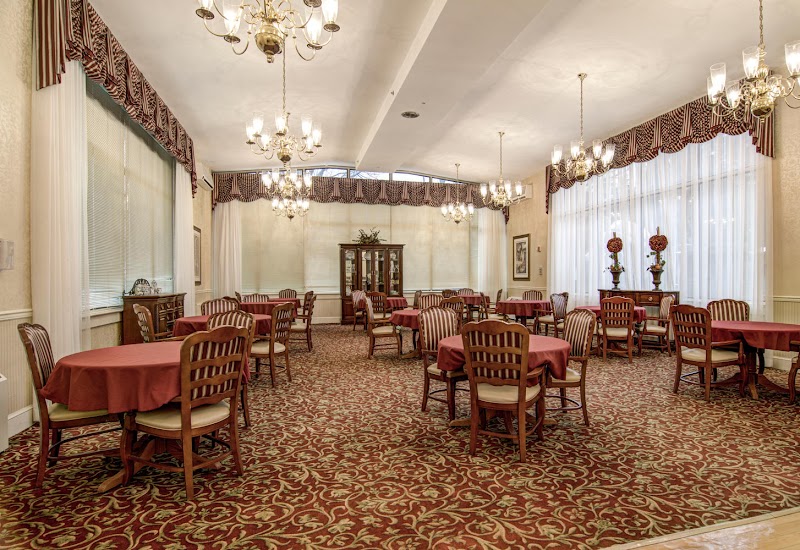
How Does Autumn Lake Healthcare At Chevy Chase Compare to Other Maryland Nursing Homes?

Compared to the 100 nursing homes in Maryland, AUTUMN LAKE HEALTHCARE AT CHEVY CHASE's overall rating (3 stars) is below the state average of 3.0, staff turnover (33%) is significantly lower than the state average of 46%, and health inspection rating (3 stars) is at the national benchmark.

What Should Families Ask When Visiting Autumn Lake Healthcare At Chevy Chase?

Based on this facility's data, families visiting should ask: "Can I visit during a mealtime to observe dining assistance and food quality?" "How do you handle medical emergencies, and what is your hospital transfer rate?" "Can I speak with family members of current residents about their experience?"

Is Autumn Lake Healthcare At Chevy Chase Safe?

Based on CMS inspection data, AUTUMN LAKE HEALTHCARE AT CHEVY CHASE has a clean safety record: no substantiated abuse findings (meaning no confirmed cases of resident harm), no Immediate Jeopardy citations (the most serious violation level indicating risk of serious injury or death), and is not on the Special Focus Facility watch list (a federal program monitoring the lowest-performing 1% of nursing homes). The facility has a 3-star overall rating and ranks #100 of 100 nursing homes in Maryland. While no facility is perfect, families should still ask about staff-to-resident ratios and recent inspection results during their visit.

Do Nurses at Autumn Lake Healthcare At Chevy Chase Stick Around?

AUTUMN LAKE HEALTHCARE AT CHEVY CHASE has a staff turnover rate of 33%, which is about average for Maryland nursing homes (state average: 46%). Moderate turnover is common in nursing homes, but families should still ask about staff tenure and how the facility maintains care continuity when employees leave.

Was Autumn Lake Healthcare At Chevy Chase Ever Fined?

AUTUMN LAKE HEALTHCARE AT CHEVY CHASE has no federal fines on record. CMS issues fines when nursing homes fail to meet care standards or don't correct problems found during inspections. The absence of fines suggests the facility has either maintained compliance or corrected any issues before penalties were assessed. This is a positive indicator, though families should still review recent inspection reports for the full picture.

Is Autumn Lake Healthcare At Chevy Chase on Any Federal Watch List?

AUTUMN LAKE HEALTHCARE AT CHEVY CHASE is not on any federal watch list. The most significant is the Special Focus Facility (SFF) program, which identifies the bottom 1% of nursing homes nationally based on persistent, serious quality problems. Not being on this list means the facility has avoided the pattern of deficiencies that triggers enhanced federal oversight. This is a positive indicator, though families should still review the facility's inspection history directly.