MARYLAND MASONIC HOMES LTD
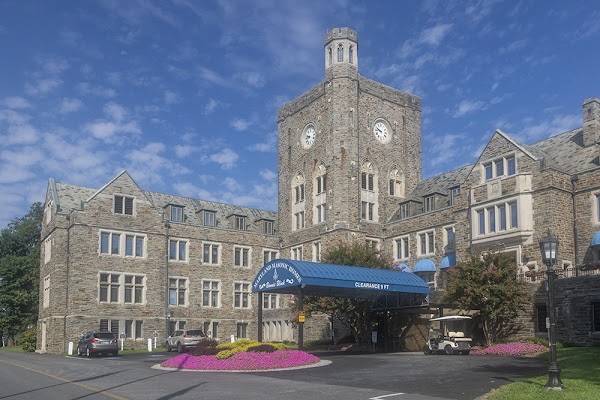
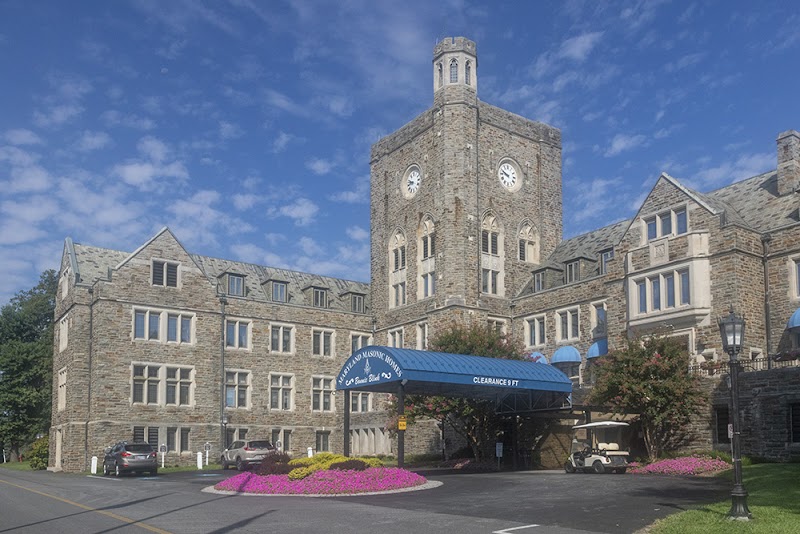
300 INTERNATIONAL CIRCLE, COCKEYSVILLE, MD 21030 (410) 527-1111
Non profit - Corporation 88 Beds Independent Data: November 2025 1 Immediate Jeopardy citation
Trust Grade
46/100
#116 of 219 in MD
Last Inspection: June 2025

Inspected within the last 6 months. Data reflects current conditions.

Overview

Maryland Masonic Homes Ltd has a Trust Grade of D, which indicates below-average performance and some concerns about care quality. Ranking #116 out of 219 facilities in Maryland places it in the bottom half, and at #21 of 43 in Baltimore County, it suggests there are better local options available. The facility is currently worsening, with issues increasing from 11 in 2024 to 13 in 2025. Staffing is a relative strength, rated 4 out of 5 stars, with a turnover rate of 43%, which is around the state average. However, the facility has concerning fines totaling $24,845, higher than 78% of Maryland facilities, indicating repeated compliance problems. Specific incidents include a resident experiencing distress without timely medication adjustments, leading to serious breathing issues, and another resident being left unattended in a vulnerable position for several minutes. Additionally, the facility has failed to create personalized care plans for several residents, which is essential for meeting their individual needs. Overall, while staffing is a positive aspect, the facility's troubling trends and specific care lapses raise significant concerns for families considering this nursing home.

Trust Score
D
46/100
In Maryland
#116/219
Bottom 48%
Safety Record
High Risk
Review needed
Inspections
Getting Worse
11 → 13 violations
Staff Stability
○ Average
43% turnover. Near Maryland's 48% average. Typical for the industry.
Penalties
⚠ Watch
$24,845 in fines. Higher than 97% of Maryland facilities. Major compliance failures.
Skilled Nurses
✓ Good
Each resident gets 54 minutes of Registered Nurse (RN) attention daily — more than average for Maryland. RNs are trained to catch health problems early.
Violations
⚠ Watch
65 deficiencies on record. Higher than average. Multiple issues found across inspections.
★★★☆☆
3.0
Overall Rating
★★★★☆
4.0
Staff Levels
★★★★☆
4.0
Care Quality
★★★☆☆
3.0
Inspection Score
Stable
2024: 11 issues
2025: 13 issues

The Good

  • 4-Star Staffing Rating · Above-average nurse staffing levels
  • 4-Star Quality Measures · Strong clinical quality outcomes
  • Full Sprinkler Coverage · Fire safety systems throughout facility
  • No fines on record
  • Staff turnover below average (43%)

    5 points below Maryland average of 48%

Facility shows strength in staffing levels, quality measures, fire safety.

The Bad

3-Star Overall Rating

Near Maryland average (3.0)

Meets federal standards, typical of most facilities

Staff Turnover: 43%

Near Maryland avg (46%)

Typical for the industry

Federal Fines: $24,845

Below median ($33,413)

Minor penalties assessed

The Ugly 65 deficiencies on record

1 life-threatening
Jun 2025 13 deficiencies
CONCERN (D)

Potential for Harm - no one hurt, but risky conditions existed

Safe Environment (Tag F0584)

Could have caused harm · This affected 1 resident

Based on observations and interviews, it was determined that the facility failed to ensure maintenance of a homelike environment. This was evident for 3 (#30, #13, and #22) out of 18 resident's rooms ...

Read full inspector narrative →
Based on observations and interviews, it was determined that the facility failed to ensure maintenance of a homelike environment. This was evident for 3 (#30, #13, and #22) out of 18 resident's rooms observed during the surveyor's initial tour during the facility's recertification survey. The findings include: During observation rounds the following was found: On 5/27/25 at 8:09AM in the room of Resident #30, the surveyor observed damage to the wall area adjacent to the resident bed just outside of the bathroom. The wall appeared with scratches and peeling and flaking of paint. On 5/27/25 at 8:19AM in the bathroom of Resident #13, the surveyor observed paint damage, brown streaking to the surrounding wall, and crumbling wall fragments to the base of the toilet where it meets the wall. On 05/27/25 at 8:28AM in the room of Resident #22, the surveyor observed the wall to the head of the resident bed area with scratches and peeling and flaking paint. During staff interview on 5/28/25 10:10 AM the surveyor discussed with Maintenance Supervisor #26, the paint that is peeling, flaking, and with scratches within the resident areas. Maintenance Supervisor #26 stated they would submit work orders to start repairs to the resident room areas. On 6/2/25 at approximately 3:30PM the surveyor reviewed the concern during the facility's exit conference with the Administrator and Director of Nursing.
CONCERN (D)

Potential for Harm - no one hurt, but risky conditions existed

Deficiency F0605 (Tag F0605)

Could have caused harm · This affected 1 resident

Based on interview and record review it was determined the facility failed to ensure a resident was monitored for side effects of psychotropic medications. This was evident for 1 (Resident #50) out of...

Read full inspector narrative →
Based on interview and record review it was determined the facility failed to ensure a resident was monitored for side effects of psychotropic medications. This was evident for 1 (Resident #50) out of 5 residents reviewed for unnecessary medications during the facility's recertification survey. The findings include: On 5/28/25 at 8:46AM the surveyor reviewed the medical record of Resident #50 which revealed active medical orders for the following medications: trazodone (antidepressant/sedative), buspirone (anxiolytic), and zyprexa (atypical antipsychotic) with no side effect monitoring order observed to be in place. On 5/28/25 at 9:16AM the surveyor reviewed the medical record of Resident #50 which included the May 2025 medication and treatment administration records which revealed there was no medication side effect monitoring present for the trazodone, buspirone, or zyprexa medications. On 5/28/25 at 9:36AM the surveyor conducted an interview and shared their concern regarding Resident #50 with Unit Manager, Registered Nurse #11 who reported to the surveyor that during the admission process for residents, side effect monitoring orders are placed on the treatment administration record and also placed anytime there is a medication change, and so I'm not sure how that one was missed. On 5/28/25 at 9:55AM the surveyor conducted an interview with the Director of Nursing (DON) and inquired as to their expectation for medication side effect monitoring. The DON reported to the surveyor that there were two orders expected to be in place for psychotropic medication monitoring, one for behavior monitoring, and one for medication side effects monitoring which is used for monitoring of the specific target symptoms the resident could have, and they would be listed in the medical order and additionally reflect on the treatment administration record of the resident. At this time, the surveyor shared their concern with the DON who acknowledged and confirmed understanding of the concern and observed the concern within the medical record with the surveyor. On 6/2/25 at approximately 3:30PM the surveyor reviewed the concern during the facility's exit conference with the Administrator and DON.
CONCERN (D)

Potential for Harm - no one hurt, but risky conditions existed

Report Alleged Abuse (Tag F0609)

Could have caused harm · This affected 1 resident

Based on interview and record review it was determined the facility failed to ensure that an allegation of abuse was timely reported. This was evident for 1 (#MD00212201) out of 3 facility reported in...

Read full inspector narrative →
Based on interview and record review it was determined the facility failed to ensure that an allegation of abuse was timely reported. This was evident for 1 (#MD00212201) out of 3 facility reported incidents reviewed during the facility's recertification survey. The findings include: On 5/29/25 at 8:47AM the surveyor requested and reviewed the facility's complete investigation file for facility reported incident #MD00212201. Review of the complete investigation file revealed the following information: 1.) a statement written by the Director of Social Services #7 dated 11/26/24 which documented allegations of abuse verbalized to them by Resident #269, 2.) an initial self report submitted by the facility on 11/26/24 which documented that facility staff became aware of the incident at 2:00PM with physical abuse as the type of allegation being reported, and 3.) an email confirmation of submission of the initial self report made to the Office of Health Care Quality on 11/26/24 at 4:10PM. Review of the complete investigation file and initial self report documentation revealed the self report to the Office of Health Care Quality was not made within the two hour timeframe. On 6/2/25 at 8:27AM the surveyor conducted an interview with the facility's Director of Nursing (DON) who confirmed that the facility's expectation is for staff to report an allegation of abuse within two hours to the Office of Health Care Quality. At this time the surveyor shared their concern with the DON, who acknowledged and confirmed understanding of the concern. On 6/2/25 at approximately 3:30PM the surveyor reviewed the concern during the facility's exit conference with the Administrator and DON.
CONCERN (D)

Potential for Harm - no one hurt, but risky conditions existed

Investigate Abuse (Tag F0610)

Could have caused harm · This affected 1 resident

Based on interview and record review it was determined the facility failed to ensure allegations of abuse were thoroughly investigated. This was evident for 1 (#MD00212201) out of 3 facility reported ...

Read full inspector narrative →
Based on interview and record review it was determined the facility failed to ensure allegations of abuse were thoroughly investigated. This was evident for 1 (#MD00212201) out of 3 facility reported incidents reviewed during the facility's recertification survey. The findings include: On 5/29/25 at 8:47AM the surveyor requested and reviewed the facility's complete investigation file for facility reported incident #MD00212201. Review of the complete investigation file revealed a statement written by the Director of Social Services #7 dated 11/26/24 which documented allegations of abuse verbalized to them by Resident #269, which included both allegations of physical and verbal abuse. Review of the interviews conducted revealed that staff members were questioned regarding the allegation of physical abuse, however, there were no documented questions to staff regarding the allegations made of verbal abuse. Review of the complete investigative file revealed there was no documentation of an interview conducted or statement obtained from the alleged perpetrator, and no written statement obtained from the resident. On 6/2/25 at 10:55AM the surveyor conducted an interview with the facility's Director of Nursing (DON) and shared concerns that there was no written statement obtained from Resident #269, and no documentation of an interview or statement obtained from the alleged perpetrator, Geriatric Nursing Assistant (GNA) #23. At this time, the surveyor requested to the DON for the facility to provide all documentation regarding these concerns. On 6/2/25 at 12:08PM the DON informed the surveyor that there was no statement obtained from the resident, no statement obtained from the alleged perpetrator, and no interview of them conducted. The DON confirmed there was no documentation that could be provided to the surveyor to show the facility had made any attempt at either obtaining a statement or conducting an interview with GNA #23. At this time, the surveyor shared their concern with the DON who acknowledged and confirmed understanding of the concern. On 6/2/25 at approximately 3:30PM the surveyor reviewed the concern during the facility's exit conference with the Administrator and DON.
CONCERN (D)

Potential for Harm - no one hurt, but risky conditions existed

Deficiency F0657 (Tag F0657)

Could have caused harm · This affected 1 resident

Based on review of medical records and interviews it was determined that the facility failed to review and revise a quarterly comprehensive care plan by all interdisciplinary team members. This was ev...

Read full inspector narrative →
Based on review of medical records and interviews it was determined that the facility failed to review and revise a quarterly comprehensive care plan by all interdisciplinary team members. This was evident for 1 (Resident #21) out of 1 residents reviewed for care planning during the facility's recertification survey. The findings include: Review of Resident #21's medical record by the surveyor on 5/28/25 at 9:55AM revealed a progress note stating that a quarterly care plan meeting and review was completed for Resident #21 on 3/4/25 by the interdisciplinary team, but did not include the attending physician and a nurse aide with responsibility for the resident. During an interview on 5/28/25 at 2:07PM, Director of Social Services #7 confirmed and stated that the attending doctor and a nurse aide with responsibility for the resident did not review or revise Resident #21's 3/4/25 quarterly care plan. On 6/2/25 at approximately 3:30PM the surveyor reviewed the concern during the facility's exit conference with the Administrator and Director of Nursing.
CONCERN (D)

Potential for Harm - no one hurt, but risky conditions existed

Accident Prevention (Tag F0689)

Could have caused harm · This affected 1 resident

Based on observation, interview, and record review it was determined the facility failed to take measures to ensure a resident was free from accident hazards. This was evident for 1 (Resident #20) out...

Read full inspector narrative →
Based on observation, interview, and record review it was determined the facility failed to take measures to ensure a resident was free from accident hazards. This was evident for 1 (Resident #20) out of 2 residents reviewed for accidents during the facility's recertification survey. The findings include: On 5/27/25 at 10:38AM the surveyor observed Resident #20 from the hallway to be laying on their back in their bed which was in a flat position and also in the highest position, with a hoyer sling situated under them and their foley catheter bag laying on top of their right thigh. No staff was observed by the surveyor to be present within the resident's room or within the hallway. On 5/27/25 at 10:40AM the surveyor conducted an interview of Resident #20 who reported to the surveyor that their nursing assistant had left to get something and they had been laying there for five minutes. Resident #20 stated to the surveyor: It makes me feel helpless. On 5/27/25 at 10:42AM the surveyor requested a dual observation with the resident's assigned nurse. On 5/27/25 at 10:43AM the surveyor observed Activities Staff #24 enter the resident's room and inform them of the day's activities which were to occur, and then left the room while the resident remained in the same position. On 5/27/25 at 10:47AM the surveyor observed Geriatric Nursing Assistant (GNA) #25 in the hallway and shared the concerns with them. At this time the surveyor conducted an interview with GNA #25 who stated to the surveyor that No, s/he's not been here three seconds, I went to get the hoyer lift. At this time, in response to the sharing of the surveyor's concerns, GNA #25 was observed removing the resident's catheter bag from their lap and hung it below the level of the bladder and then lowered the resident's bed before leaving the room. On 5/27/25 at 10:48AM the surveyor shared concerns with Licensed Practical Nurse #6 and Unit Manager, Registered Nurse #11, who both acknowledged and confirmed understanding of the concerns. On 5/27/25 at 10:50AM the surveyor observed GNA #25 bringing the hoyer lift into the room to assist the resident. On 5/27/25 at 11:44AM the surveyor conducted an interview with the facility's Director of Nursing (DON) who stated that the facility's expectation is for GNA's to come into the room prepared with the hoyer lift to complete the transfer with the resident. The DON acknowledged the surveyor's concerns and informed the surveyor that in response to the surveyor's concerns, staff were provided safety education regarding bed height and a quality assurance plan was started for the issue. At this time the DON confirmed understanding of the surveyor's concerns. Review of Resident #20's care plan by the surveyor on 5/28/25 at 12:17PM revealed the following documentation: Dependent on staff for meeting emotional, intellectual, physical and social needs r/t physical limitations. On 6/2/25 at approximately 3:30PM the surveyor reviewed the concern during the facility's exit conference with the Administrator and DON.
CONCERN (D)

Potential for Harm - no one hurt, but risky conditions existed

Pharmacy Services (Tag F0755)

Could have caused harm · This affected 1 resident

**NOTE- TERMS IN BRACKETS HAVE BEEN EDITED TO PROTECT CONFIDENTIALITY** Based on record review and interview it was determined that the facility failed to ensure proper reconciliation of expired contr...

Read full inspector narrative →
**NOTE- TERMS IN BRACKETS HAVE BEEN EDITED TO PROTECT CONFIDENTIALITY** Based on record review and interview it was determined that the facility failed to ensure proper reconciliation of expired controlled drug medications during medication administration and drug record keeping for the resident. This was evident for 1 (Resident #33) out of 6 residents reviewed for medication storage during the facility's recertification survey. The findings include: During observation rounds and resident record review on [DATE] at 1:57PM with Licensed Practical Nurse (LPN) #6, the surveyor reviewed the narcotic count log book and the narcotic medications on-hand within the lock box where they are stored. The surveyor observed Resident #33's Oxycodone TAB 5mg medication card and noted an expiration date located on the back of the card, which revealed the medication was expired as of [DATE]. The surveyor then reviewed the controlled drug receipt/record/disposition form within the narcotic count log book which revealed that Oxycodone 5mg Tab was given to the resident on [DATE] by Registered Nurse (RN) #27. During staff interview on [DATE] at 2:00PM the surveyor asked the LPN #6 if the record review reflected a narcotic medication card expired on [DATE] and an entry on the controlled drug receipt/record/disposition form reflected a medication entry made for [DATE]. LPN #6 confirmed that the expired medication was given to the resident. During staff interview on [DATE] at 2:57PM with Director of Nursing (DON) #2, they were informed of expired narcotic medication and administration to Resident #33. The surveyor asked the DON about the expectation of the narcotic count log with 2-person handoff at each change of shift, and the DON stated the expectation is to verify counts and expiration dates of the medication at the time of the 2-person count. Additionally, the DON stated the expiration date should have been checked during medication administration on [DATE]. Review of the medical record on [DATE] at 12:21 PM for Resident #33 revealed a physician's order for Oxycodone HCl Tablet 5MG Give 0.5 tablet by mouth every 6 hours as needed for pain administer for pain score >3 and per request by resident for Pain score >3, Start date [DATE] 1200. Further review of Resident #33's medical record revealed a medication administration record entry for Monday, [DATE]; Pain Level 5; given by RN #27, at 01:58. On [DATE] at approximately 3:30PM the surveyor reviewed the concern during the facility's exit conference with the Administrator and Director of Nursing.
CONCERN (D)

Potential for Harm - no one hurt, but risky conditions existed

Deficiency F0760 (Tag F0760)

Could have caused harm · This affected 1 resident

Based on observation, record review, and interview it was determined that the facility failed to follow prescriber's orders and manufacturer's specifications regarding medication preparation during me...

Read full inspector narrative →
Based on observation, record review, and interview it was determined that the facility failed to follow prescriber's orders and manufacturer's specifications regarding medication preparation during medication administration for the resident. This was evident for 1 (Resident #13) out of 4 residents observed for medication administration during the facility's recertification survey. The findings include: During observation rounds for medication administration on 5/28/25 at 8:56AM the surveyor observed Registered Nurse #5 prepare Resident #13's medications using a white eating utensil spoon not labeled with measurements to scoop 2 scoops out of a bulk Benefiber bottle, to mix in a measured cup prior to adding liquid. During surveyor review of Resident #13's medical record on 5/28/25 at 9:00AM the record revealed the following physician's medication order: Benefiber powder (Wheat Dextrin) Give 1 packet by mouth one time a day for diarrhea Dissolve contents in 8 ounces of liquid; Benefiber powder ADMINISTER 2 TEASPOONSFUL BY MOUTH ONE TIME A DAY FOR DIARRHEA DISSOLVE CONTENTS IN 8 OUNCES OF LIQUID. On 5/28/25 at 10:01AM the surveyor conducted an interview of Director of Nursing (DON) #2 who discussed the expectations for medication preparation and measuring devices. The surveyor asked DON #2 what measuring device should be used when measuring from a bulk bottled medication. DON #2 stated the expectation is for the staff to measure all medications with appropriate measurement labeled devices when applicable. During record review on 5/28/25 at 12:00PM the surveyor reviewed policy and procedures received which indicated the following: Medication Administration, Policy 5.3 GENERAL GUIDELINES FOR MEDICATION ADMINISTRATION, Procedure, 5. Preparing Medications for Administration: B) Liquid Medications, c. Pour correct amount directly into a graduated medication cup . On 6/2/25 at approximately 3:30PM the surveyor reviewed the concern during the facility's exit conference with the Administrator and Director of Nursing.
CONCERN (D)

Potential for Harm - no one hurt, but risky conditions existed

Deficiency F0813 (Tag F0813)

Could have caused harm · This affected 1 resident

**NOTE- TERMS IN BRACKETS HAVE BEEN EDITED TO PROTECT CONFIDENTIALITY** Based on observation and interview it was determined that the facility failed to ensure safe and separate storage of food brough...

Read full inspector narrative →
**NOTE- TERMS IN BRACKETS HAVE BEEN EDITED TO PROTECT CONFIDENTIALITY** Based on observation and interview it was determined that the facility failed to ensure safe and separate storage of food brought in by family or visitors for residents. This was evident for 1 out of 2 Central Supply Room refrigerators observed during the recertification survey. The findings include: During observation rounds the following was found: On 6/2/25 at 11:00AM with Unit Manager (UM) #11 within the Central Supply room located on Baltimore Hall #2, the surveyor observed 3 of 6 containers of smoked salmon cream cheese spread, with an expiration date of 5/18/25. On 6/2/25 at 11:02AM with UM #11 within the central supply room located on Baltimore hall #2, the surveyor observed 2 of 2 white soup containers of liquid with visitor label dated [DATE]. On 6/2/25 at 11:04AM with UM #11 within the central supply room located on Baltimore hall #2, the surveyor observed 2 of 2 containers of cottage cheese with fruit, with the expiration date: 4/7/25. On 6/2/25 at 11:06AM with UM #11 within the central supply room located on Baltimore hall #2, the surveyor observed 1 of 1 container of Breakstone's cottage doubles with pineapple, with an expiration date of 3/18/25. During staff interview on 6/2/25 at 11:08AM with UM #11 the surveyor inquired as to if the items were resident items brought in by family and now expired, at which time UM #11 confirmed that they were resident items and that they were now expired. After surveyor intervention, UM #11 discarded the expired items. On 6/2/25 at approximately 3:30PM the surveyor reviewed the concern during the facility's exit conference with the Administrator and Director of Nursing.
CONCERN (E)

Potential for Harm - no one hurt, but risky conditions existed

Deficiency F0761 (Tag F0761)

Could have caused harm · This affected multiple residents

**NOTE- TERMS IN BRACKETS HAVE BEEN EDITED TO PROTECT CONFIDENTIALITY** Based on observation, record review and interview it was determined that the facility failed to maintain proper storage with reg...

Read full inspector narrative →
**NOTE- TERMS IN BRACKETS HAVE BEEN EDITED TO PROTECT CONFIDENTIALITY** Based on observation, record review and interview it was determined that the facility failed to maintain proper storage with regards to reconciling expired medications and storing all drugs and biologicals in locked compartments. This was evident for 3 of 3 medication storage areas observed during the facility's recertification survey. The findings include: During observation rounds and staff interviews the following was found: On 5/28/25 at 1:57PM at the Baltimore hall #2 treatment cart to review the narcotic count log book with Licensed Practical Nurse (LPN) #6, the surveyor observed the Oxycodone tab 5mg medication pack for Resident #33 which had an expiration date of 4/30/25. The surveyor asked LPN #6 if the item was expired, and LPN #6 confirmed the expired date. On 6/2/25 at 10:40AM with Unit Manager #11 in the Baltimore hall medication supply room, two SURESITE IV slide safety intravenous catheter, size 2G ¾ syringes with expiration date of 8/31/24. The surveyor asked Unit Manager #11 if item was expired; and Unit Manager #11 confirmed the expired date. After surveyor intervention Unit Manager #11 discarded the expired item. On 6/2/25 at 10:42AM with Unit Manager #11 in the Baltimore hall medication supply room, one [NAME] STERILE IV START KIT was observed with an expiration date of 6/18/23. The surveyor asked staff #11 if the item was expired; at which time Unit Manager #11 confirmed the expired date. After surveyor intervention Unit Manager #11 discarded the expired item. On 6/2/25 at 11:10AM with Unit Manager #21 in the Harbor Hall medication supply room, one package of ArgiMent AT with Bimuno Prebiotic For Acute and Chronic Wounds - A Medical Food revealed an expiration date of 9/15/24. The surveyor asked Unit Manager #21 if the item was expired; Unit Manager #21 confirmed the expired date. After surveyor intervention, Unit Manager #21 discarded the expired item. On 6/2/25 at 11:15AM with Unit Manager #21 in the Harbor Hall medication supply room the narcotic lock box within the medication refrigerator was observed to be open and unlocked. The surveyor asked Unit Manager #21 if the narcotic box within the refrigerator was to remain locked; Unit Manager #21 confirmed the expectation for the narcotic box within the medication refrigerator to be always locked. During observation rounds and staff interview on 6/2/25 at 12:20PM with the Director of Nursing (DON) #2, within the Harbor Hall medication supply room, the surveyor informed the DON of the above findings as well as observed the medication storage refrigerator padlock was unlocked and the narcotic box within the refrigerator was unlocked. The DON stated the policy and procedure and expectation is for both to be always locked. On 6/2/25 at approximately 3:30PM the surveyor reviewed the concern during the facility's exit conference with the Administrator and Director of Nursing.
CONCERN (E)

Potential for Harm - no one hurt, but risky conditions existed

Menu Adequacy (Tag F0803)

Could have caused harm · This affected multiple residents

Based on observation, interview, and record review it was determined the facility failed to: 1.) ensure the menu was followed, and 2.) meet resident choices based on his/her preferences. This was evid...

Read full inspector narrative →
Based on observation, interview, and record review it was determined the facility failed to: 1.) ensure the menu was followed, and 2.) meet resident choices based on his/her preferences. This was evident for: 1.) 7 out of 7 residents who had ordered bread sticks on their menu for the lunch meal occurring on 5/29/25 and 2.) 1 (Resident #5) out of 2 residents reviewed for food during the facility's recertification survey. The findings include: 1.) On 5/29/25 at 12:21PM the surveyor conducted a meal tray observation which revealed a menu ticket on a meal tray in which bread sticks were selected as an option, however they were not served on the meal tray. At this time, the surveyor requested a dual observation of the concern with Certified Dietary Manager (CDM) #28, who observed the meal tray, and acknowledged and confirmed understanding of the concern. On 5/29/25 at 12:27PM the surveyor observed CDM #28 approach the hot food cart and open it, and confirmed the bread sticks were not brought up from the kitchen to the unit. At this time, the surveyor conducted an interview with CDM #28 who stated the following to the surveyor: I am going to go get them from the kitchen and pass them out, I'm going to give that to them, there were seven resident orders for bread sticks. On 5/29/25 at 12:34PM the surveyor observed and confirmed with CDM #28 that the last resident meal tray for lunch service had been passed out and breadsticks listed on the menu had not been served. On 5/29/25 at 12:50PM the surveyor reviewed the concern with CDM #28. On 6/2/25 at approximately 3:30PM the surveyor reviewed the concern during the facility's exit conference with the Administrator and Director of Nursing. 2.) During observation rounds, record review, and interview on 5/27/25 at 9:17AM the surveyor observed that Resident #5's dietary tray items did not reflect their dietary ticket on the tray. Per the dietary ticket, the items circled were: Beverage of choice, Milk of Choice, 8oz, Bacon, Danish, and Instructions: give 2 cereal at breakfast. The surveyor observed the breakfast meal tray to have the following: a hot beverage cup, and a tea bag and a half-eaten bagel on the plate. During interview on 5/29/25 at 3:25PM with Dietary Supervisor #8 the surveyor discussed the dietary ticket discrepancy with the food that was served to the resident on the breakfast tray. Dietary Supervisor #8 stated to the surveyor that the expectation is to follow the dietary ticket. On 6/2/25 at approximately 3:30PM the surveyor reviewed the concern during the facility's exit conference with the Administrator and Director of Nursing.
CONCERN (E)

Potential for Harm - no one hurt, but risky conditions existed

Deficiency F0947 (Tag F0947)

Could have caused harm · This affected multiple residents

Based on personnel record reviews and staff interviews, it was determined that the facility failed to have a system in place to ensure that Geriatric Nursing Assistants (GNA) received at least 12 hour...

Read full inspector narrative →
Based on personnel record reviews and staff interviews, it was determined that the facility failed to have a system in place to ensure that Geriatric Nursing Assistants (GNA) received at least 12 hours of in-service training annually. This was evident for 3 (GNAs #16, 17, and 18) out of 3 GNA's reviewed during the facility's recertification survey. The findings include: On 5/30/25 at 3:30PM, a personnel record review revealed that GNA #16, 17, and 18 did not receive the required, annual, 12-hour, nurse aide, in-service training. On 5/30/25 at 3:35PM, Human Resources Director (HRD) #12 was interviewed. During the interview, HRD #12 was made aware that there was no documentation indicating that GNA's #16, 17, and 18 received the required, annual, 12-hour, nurse aide, in-service training. HRD #12 indicated that the Nursing and Health Services Educator, Infection Prevention Nurse (RN, IP) #4 manages documentation of the required, annual, 12-hour, nurse aide, in-service training. On 5/30/25 at 3:42PM, RN, IP #4 was interviewed. During the interview, the surveyor made RN, IP #4 aware that there is no documentation indicating that GNA's #16, 17, and 18 received the required, annual, 12-hour, nurse aide, in-service training. RN, IP #4 indicated that she did not have documentation indicating that GNA's #16, 17, and 18 were provided with an additional 12 hours of nurse aide in-service training. Also, RN, IP #4 stated that she was not aware that the regulation requires the facility to provide GNAs with an additional 12 hours of nurse aide in-service training. On 5/30/25 at 3:47PM, Director of Nursing #2 was made aware that the facility does not have documentation indicating that GNA's #16, 17, and 18 received the required, annual, 12-hour, nurse aide, in-service training. HRD #12 indicated that she was not aware that the regulation requires the facility to provide GNA's with an additional 12 hours of nurse aide in-service training.
CONCERN (F)

Potential for Harm - no one hurt, but risky conditions existed

Infection Control (Tag F0880)

Could have caused harm · This affected most or all residents

3) On 5/27/25 at 10:38AM the surveyor observed Resident #20 from the hallway to be laying on their back in their bed which was in a flat position and also in the highest position, with a hoyer sling s...

Read full inspector narrative →
3) On 5/27/25 at 10:38AM the surveyor observed Resident #20 from the hallway to be laying on their back in their bed which was in a flat position and also in the highest position, with a hoyer sling situated under them and their foley catheter bag laying on top of their right thigh. No staff was observed by the surveyor to be present within the resident's room or within the hallway. On 5/27/25 at 10:40AM the surveyor conducted an interview of Resident #20 who reported to the surveyor that their nursing assistant had left to get something and they had been laying there for five minutes. Resident #20 stated to the surveyor: It makes me feel helpless. On 5/27/25 at 10:47AM the surveyor observed Geriatric Nursing Assistant (GNA) #25 in the hallway and shared concerns with them. At this time the surveyor conducted an interview with GNA #25 who stated to the surveyor that No, s/he's not been here three seconds, I went to get the hoyer lift. At this time, in response to the sharing of the surveyor's concerns, GNA #25 was observed donning medical gloves and removing the resident's catheter bag from their lap and hung it below the level of the bladder, lowered the resident's bed height and while still wearing the medical gloves, exited the resident's room with the medical gloves on in the hallway, removed them, and threw them on top of the trash and dirty linen container and walked away leaving the medical gloves on top of the container. At this time the surveyor shared the concern with GNA #25 and inquired as to if they perform hand hygiene after removal of used medical gloves. After surveyor intervention, GNA #25 was observed to utilize hand sanitizer located in the hallway. On 5/27/25 at 10:48AM the surveyor shared concerns with Licensed Practical Nurse #6 and Unit Manager, Registered Nurse #11, who both acknowledged and confirmed understanding of the concerns. On 6/2/25 at approximately 3:30PM the surveyor reviewed the concern during the facility's exit conference with the Administrator and DON. 4) On 5/28/25 at approximately 9:45AM the surveyor conducted an interview with Maintenance Supervisor (MS) #26 at which time the surveyor requested for them to provide a copy of the facility's water management plan. On 5/28/25 at 10:22AM in response to the surveyor's request for a copy of the facility's water management plan, MS #26 provided water testing results to surveyors which revealed that on 8/9/24 the facility had received positive elevated test results for Legionella within several areas located within the facility. Review of maintenance records provided by the facility revealed steps taken to address the elevated results including installation of specialized shower heads, and a water treatment system. During an interview on 5/28/25 at 11:07AM of the facility Administrator, they reported to surveyors that they were not aware of the facility having a water management plan, but that they would check and see if they could locate one. During an interview on 5/28/25 at 12:30PM Registered Nurse, Infection Preventionist (RN, IP) #4 stated that the facility did not have a water management plan. On 5/28/25 at 3:27PM surveyors conducted an interview with the facility's Administrator, who in response to the surveyor's prior requests to provide the facility's water management plan, responded with the following information: I can't find it. After surveyor intervention, the Administrator informed and later provided surveyors with a copy of a contract for a water management company to perform the service of creating a water management plan for the facility which was dated 6/1/25. On 6/2/25 at 10:35AM surveyors conducted an interview with RN, IP #4 and the facility's Director of Nursing (DON), at which time an incomplete template for a facility water management plan was provided for surveyor review. Review of that template revealed the following areas which were left blank: compilation of the water management team, inventory of water system components with the identification of dead leg area locations (areas in which stagnant water is likely to harbor waterborne pathogens), incident response procedures, and monitoring procedures/grids. At this time surveyors shared concerns with RN, IP #4 and the DON who confirmed and acknowledged understanding of the concerns. On 6/2/25 at approximately 3:30PM the surveyor again reviewed the concern during the facility's exit conference with the Administrator and Director of Nursing. Based on observation and interview and record review, it was determined the facility failed to ensure staff adherence to appropriate infection control measures consistent with accepted standards of practices during: 1) medication administration for 1 (Resident #26) out of 4 resident observations of medication administration; 2) equipment cleaning between resident use for 1 (Resident #63) out of 4 resident observations of medication administration; 3) staff performance of hand hygiene for 1 (Resident #20) out of 2 residents reviewed for accidents; and 4) the facility failed to ensure measures to minimize the risk of Legionella and other opportunistic pathogens in the building water system by having a documented water management program which has the potential to impact all residents. The findings include: 1) During observation rounds and staff interviews: On 5/28/25 at 1:40PM the surveyor observed Enhanced Barrier Precautions (EBP) signage was present and posted on the door to Resident #26's room that indicated a minimum mandatory standard: Everyone Must: Clean their hands, including before entering and when leaving the room. On 5/28/25 at 1:44PM surveyors observed Licensed Practical Nurse (LPN) #6 during medication administration at Baltimore hall #1, enter the room of Resident #26 without performing hand hygiene as indicated on the door signage. Surveyors observed LPN #6 sitting on the resident's bed to administer medications. LPN #6 placed the medication cup on the bedside table, the cup tipped over and one white round pill fell out of the cup; LPN #6 stated she would change out the medication, then exited the resident's room without performing hand hygiene. LPN #6 then went to the medication cart, obtained a clean pill from within the medication cart, re-entered the resident room without hand hygiene, sat on the bed again, and proceeded to give medications. The surveyor asked LPN #6 about the EBP sign and purpose; and LPN #6 stated that the EBP precautions were for Resident #26 who only has precautions for their foley catheter. On 6/2/25 at approximately 3:30PM the surveyor reviewed the concern during the facility's exit conference with the Administrator and Director of Nursing. 2) On 5/29/25 at 9:20AM the surveyor observed Enhanced Barrier Precautions (EBP) signage was present and posted on the door to Resident #63's room that indicated a minimum mandatory standard: Everyone Must: Clean their hands, including before entering and when leaving the room. On 5/29/25 at 9:24AM the surveyor observed Registered Nurse (RN) #5 exit another resident room with a vital sign machine and then proceeded to Resident #63's room to complete vital signs; the machine was not cleaned between resident use and RN #5 did not clean hands upon entering or exiting Resident #63's room during vital signs. The surveyor then observed RN #5 during medication administration for Resident #63, and RN #5 failed to clean hands as indicated on the sign when entering Resident #63's room a second time. On 6/2/25 at approximately 3:30PM the surveyor reviewed the concern during the facility's exit conference with the Administrator and Director of Nursing.
Oct 2024 11 deficiencies 1 IJ
CRITICAL (J) 📢 Someone Reported This

A family member, employee, or ombudsman was alarmed enough to file a formal complaint

Immediate Jeopardy (IJ) - the most serious Medicare violation

Deficiency F0760 (Tag F0760)

Someone could have died · This affected 1 resident

**NOTE- TERMS IN BRACKETS HAVE BEEN EDITED TO PROTECT CONFIDENTIALITY** Based on medical record review and interview it was determined that the facility failed to follow the standard of practice of ve...

Read full inspector narrative →
**NOTE- TERMS IN BRACKETS HAVE BEEN EDITED TO PROTECT CONFIDENTIALITY** Based on medical record review and interview it was determined that the facility failed to follow the standard of practice of verifying medication doses when ordering and administering medication. This was evident during the review of a facility reported incident where a resident was administered an inappropriate dose of morphine. This was evident for 1 of 3 Residents reviewed (#1) for deaths. This failure resulted in an Immediate Jeopardy for Resident #1. The facility implemented effective and thorough corrective measures following this incident. The facility's plan and action were verified during this survey, therefore this deficiency will be cited as past noncompliance. The date of correction was [DATE]. The findings include: Review of the facility reported incident on [DATE] at 11:30 AM revealed concerns regarding the medication administered to Resident #1 was noted with a decline during his/her stay in the facility. Resident #1 was ordered Ativan for agitation on [DATE] secondary to increased oxygen requirement. At this time a hospice consult request was put in. On 8/7 at 11:31 AM, according to a nursing progress note, Resident #1 was noted with dyspnea and agonal breathing (shortness of breath and irregular, labored or gasping breaths). An E-medical (electronic communication) was sent to the on-call physician requesting for some type of narcotic pain killer to keep [resident] comfortable. Certified Registered Nurse Practitioner (CRNP) #7 responded at 3PM, 3 hours after the initial E-medical was sent, to continue the Ativan as she was waiting to hear back from the unit manager regarding hospice care. According to the facility investigation and statements, RN #5 stated that just after she received the E-medical for the Ativan, she then took a verbal order over the phone from CRNP #7 for Morphine 5mg to be given every 2 hours for pain and shortness of breath. RN #5 in a statement for the facility investigation stated that the verbal order was for 5 mg of Morphine for administration every 2 hours, which would be .25 ml dose from a 20 mg/ml concentration that was to be ordered. However, RN#5 wrote 2.5ml in the electronic order not .25ml (2.5 would be a 50 mg dose). She further stated that she had not administered the medication because it was not available but would have immediately noted that the order was wrong when she went to administer it, that 2.5ml was incorrect. Agency LPN #11 signed for the Morphine when delivered from the pharmacy on [DATE] and placed it in the narcotic box. The prescription sticker on the controlled drug receipt form stated Morphine concentration 20 mg/ml. Review of the nursing progress notes and according to the medication administration record (MAR), on [DATE] at 10:02 AM Resident #1 was noted with shortness of breath and was administered the Morphine as ordered on the MAR, a concentration of 10mg/5ml of Morphine, 2.5 ml. This dosage calculated out to 5mg, the expected dosage. However, according to the C-2 form requested by the physician, and the controlled drug receipt signed by LPN #11, the pharmacy delivered a concentration of 20 mg/ml vial of Morphine. According to the controlled drug receipt/record/disposition form, LPN #6 signed off at 10:02 AM and 9:23 PM she pulled and administered 2.5 ml of the 20 mg/ml concentration of Morphine which for Resident #1, calculated to a 50mg dose, 10 times the ordered dose. To administer 2.5 ml, LPN #6 would have needed to draw up and fill the pharmacy provided syringe 2.5 times as only a 1ml size syringe is delivered with that concentration of Morphine. This was confirmed during a tour and observation of the medication cart on [DATE]. At 1:40 AM on [DATE] Resident #1 was pronounced deceased . Interviews with 4 of 4 staff on 2 of 2 floors on [DATE] revealed that they still take verbal orders from physicians. Medication administration education was completed with the staff on [DATE] and [DATE] according to training documentation provided by the facility on [DATE]. At 12:57 PM on [DATE] the survey team reviewed the identified concerns with the Administrator, DON and ADON regarding the inappropriate medication administration. On [DATE] the facility presented to the survey team a plan of correction that was implemented on [DATE] with a final date of compliance of [DATE]. This plan was verified on site on [DATE]. Their plan included that all controlled substance orders requiring written authorization will be reviewed to ensure controlled substance written order forms and electronic orders in the electronic medical record are correct, education on medication administration to all licensed nursing staff, controlled substance order forms requiring written authorization order forms will be reviewed every shift, then reviewed daily then weekly x 3 months. There will also be daily checks of inventory records daily for 30 days and monthly for 3 months.
CONCERN (D) 📢 Someone Reported This

A family member, employee, or ombudsman was alarmed enough to file a formal complaint

Potential for Harm - no one hurt, but risky conditions existed

Resident Rights (Tag F0550)

Could have caused harm · This affected 1 resident

**NOTE- TERMS IN BRACKETS HAVE BEEN EDITED TO PROTECT CONFIDENTIALITY** Based on medical record review and interview with facility staff, it was determined that the facility staff failed to enhance a ...

Read full inspector narrative →
**NOTE- TERMS IN BRACKETS HAVE BEEN EDITED TO PROTECT CONFIDENTIALITY** Based on medical record review and interview with facility staff, it was determined that the facility staff failed to enhance a resident's dignity. This was evident during the review of a facility reported incident regarding activities of daily living care 2 of 30 (#6, R4). This failure placed residents at risk of their rights being violated and not upheld. The findings include: 1.) Review of the facility reported incident (FRI) on 10/17/24 at 11:55 AM regarding Resident #6 and an allegation of verbal abuse revealed that residents' family member reported to the (previous) facility Director of Nursing (DON) # 18 staff were rude when delivering residents breakfast trays. The concern was further clarified that staff would leave the breakfast trays in front of the resident and then would not assist the resident right away with eating. Record review at 12:30 PM on 10/17/24 revealed that Resident #6 was dependent on staff for meals and eating as noted in his/her care plan and in the daily nursing progress notes. Per the resident's care plan s/he was also noted to have poor intake and a 'poor feeder.' The DON was interviewed on 10/17/25 at approximately 12:50 PM. The expectation would be for staff to feed residents when the tray is delivered. The concern that family reported that staff were just leaving the breakfast meal tray in front of Resident #6 for an unknown amount of time prior to aiding the residents was reviewed with the current facility DON and Administrator. cross reference F609, F610, F835 2.) Review of the facility's policy titled, Resident [NAME] of Rights undated reads in part, .A. The facility shall provide care for residents in a manner and in an environment that maintains or enhances each resident's dignity and respect, promote and respect the rights of the residents and in full recognition of the resident's individuality . Review of R4's undated admission Record, located in the resident's electronic medical record (EMR) under the Resident Summary tab revealed the resident was admitted to the facility on [DATE] with diagnoses which included Surgical Aftercare following surgery on circular system, Hypertensive Heart and Chronic Kidney Disease and Pneumonia. Review of R4's admission Minimum Data Set (MDS) with an Assessment Reference Date (ARD) of 07/08/24 located in the resident's EMR under the MDS tab revealed the facility assessed the resident had a Brief Interview for Mental Status (BIMS) score of 15 out of 15 which indicated the resident was cognitively alert. Review of facility Concern Form, receive date 07/18/24 revealed R4 reported s/he had a rough time during the shower. R4 stated the nursing aide asked him/her to stand and told him/her if s/he did not stand, she would let him/her fall. R4 also stated s/he was thrown against the wall and feet stepped on. Review of R4's typed statement dated 07/18/24 documented R4 stated, Certain staff should be fired, they threw me in the shower, pushed me against the wall and stepped on my feet. I begged them to stop, they said, they would let me fall. Interview with Geriatric Nursing Assistant (GNA) 17 on 10/17/24 at 2:44 PM, GNA 17 stated she gave R4 a shower and had assistance from GNA 18. GNA 17 stated R4 expressed they did not want a shower, but their family member requested the shower. GNA 17 stated R4 was screaming out and attempting to slide out of the shower chair once they were in the shower. GNA 17 stated s/he did not want to continue with the shower, but GNA 18 insisted since the family requested. Interview attempted with Geriatric Nursing Assistant (GNA) 18 on 10/22/24 at 11:31 AM via phone call and no answer. During an interview on 10/18/24 at 09:06 AM, Director of Nursing (DON) stated they expect resident's rights to be upheld. DON stated the GNA staff were trained to report to the nursed if a resident refuses care. DON stated the nurse is then supposed to follow up and try to get the resident to receive care. GNA stated that if the resident still does not want care following the nurse intervention, then staff are to document and try at a later time.
CONCERN (D) 📢 Someone Reported This

A family member, employee, or ombudsman was alarmed enough to file a formal complaint

Potential for Harm - no one hurt, but risky conditions existed

Report Alleged Abuse (Tag F0609)

Could have caused harm · This affected 1 resident

Based on review of facility documentation and interview with staff it was determine the facility staff failed to ensure that allegations involving abuse were reported to the Administrator of the facil...

Read full inspector narrative →
Based on review of facility documentation and interview with staff it was determine the facility staff failed to ensure that allegations involving abuse were reported to the Administrator of the facility and the State Agency no later than 2 hours after the allegation was made and results of all investigations were reported within 5 working days. This was evident in 3 of 26 (#6, #2 and #10) facility reported incidents reviewed during a complaint survey. The findings include: 1. Review of the facility reported incident (FRI) regarding Resident #6 and an allegation of verbal abuse on 10/17/24 at 11:55 AM revealed that residents' family member reported to the (previous) facility Director of Nursing (DON) #18 on 6/14/24 that staff were rude when delivering residents breakfast trays. The concern was further noted that staff would also leave the breakfast trays in front of the resident and then would not assist the resident right away with eating. On 6/20/24 a care plan meeting was held. That same family member, Resident #6's representative, asked the DON what the follow-up was to his reported concern about verbal abuse. According to the statement in the FRI, the DON did not feel the concern from the family member rose to the level of verbal abuse and no official investigation was initiated. It was not until 6/20/24 that an investigation into the care Resident #6 received on 6/14/24 was addressed, although the family reported concerns about breakfast delivery and staff to resident interactions. The concern that the previous DON failed to identify reported concerns of potential abuse and elevate them to an investigation was reviewed with the current DON and Nursing Home Administrator (NHA) throughout the survey and again during exit on 10/21/24. 2. Review on 10/16/14 at 10:45 AM of the FRI for Resident #2, revealed that on 8/10/24, Resident #2 reported to LPN #20 concerns related to possible abuse from GNA's that had provided him/her with activities of daily living. However, it was not until 8/14/24 that LPN #20 reported this concern to the (previous) DON #18. This concern was completed on a grievance form and the staff were educated on customer service training, not abuse or timely reporting of abuse. These collaborative concerns were reviewed with the current facility administration throughout the survey. 3. Review of the FRI for Resident #10 on 10/18/24 at 10:37 AM revealed on 11/7/23 Resident #10 notified staff that s/he was not being treated well, that a GNA was being 'pushy' and rushing him/her with care. This was immediately reported to the (previous) DON. The results of the concern form completed by the DON stated in actions: 'assignment change for employee, I reassured patient that GNA would be educated on customer service;' On 11/9/23 another concern form was completed. The Social worker reported that the patient had continued concerns reflecting from the previous Tuesday and Wednesday (7th and 8th) as previously reported, that the aide was rough and yelling at him/her. The documented facility follow-up from the previous DON was 'GNA re-educated on customer service and having a team member assist with repositioning, GNA educated and assignment on unit has been changed.' A report was not sent to the Office of Health care Quality until 11/9/23 at 4:22PM by the facility DON. It was documented on the form that she notified the NHA that she was just notified at 2:30 PM on 11/9/23 by the Social worker that Resident #10 had concerns about a GNA being 'pushy' while providing care. The interventions included updating the resident care plan, education to the staff, interviews and changing the employes schedules. The facility report was submitted as mental/verbal abuse. According to the facility report there were 2 GNAs identified of concern. The concern that the DON was actually aware of the incident on 11/7/23 and dismissed it as a 'customer service' issue was reviewed with the current facility DON on 10/18/24 at 12:10 PM. cross reference F610, F835
CONCERN (D) 📢 Someone Reported This

A family member, employee, or ombudsman was alarmed enough to file a formal complaint

Potential for Harm - no one hurt, but risky conditions existed

Investigate Abuse (Tag F0610)

Could have caused harm · This affected 1 resident

4. Review of a facility reported incident MD00183392 on 10/18/24, revealed the facility reported to the Office of Health Care Quality (OHCQ) on 9/13/22, Resident #25 reported injury of unknown origin....

Read full inspector narrative →
4. Review of a facility reported incident MD00183392 on 10/18/24, revealed the facility reported to the Office of Health Care Quality (OHCQ) on 9/13/22, Resident #25 reported injury of unknown origin. On 10/18/24 at 10AM a review of the facility investigation report revealed the facility staff have no record of a completed investigation to include interviews from nursing staff other residents and all the staff on the unit. On 10/18/24 at 10:30 AM the Director of Nursing confirmed that the investigation failed to include interviews with other residents and staff. Based on medical record review and interview with facility staff, it was determined that the facility staff failed to thoroughly investigate allegations related to potential abuse and injuries of unknown origin. This was evident during the review of 5 of 30 (#4, #6, #7, #10, #25 ) incidents requiring facility reports and investigations. The findings include: 1. Review of the FRI regarding Resident #6 and allegation of verbal abuse on 10/17/24 at 11:55 AM revealed that residents' family member reported to the (previous) facility Director of Nursing (DON) # 18 on 6/14/24 that staff were rude when delivering residents breakfast trays. The concern was further noted that staff would leave the breakfast trays in front of the resident and then would not assist the resident right away with eating. Record review at 12:30 PM on 10/17/24 revealed that Resident #6 was dependent on staff for meals and eating as noted in his/her care plan and in the daily nursing progress notes. On 6/20/24 a care plan meeting was held. That same family member, Resident #6's representative, asked the DON what the follow-up was to his reported concern about verbal abuse. According to the statement in the FRI, the DON did not feel the concern from the family member rose to the level of verbal abuse and no official investigation was initiated. It was not until 6/20/24 that an investigation into the care Resident #6 received on 6/14/24 only was addressed, although the family reported concerns about breakfast delivery and staff to resident interactions. The concern that the previous DON failed to identify reported concerns of potential abuse and elevate them to an investigation was reviewed with the current DON and NHA throughout the survey and again during exit on 10/21/24. cross reference F550, F609, F835 2. Review of a facility reported incident (FRI) regarding Resident #7 on 10/18/24 at 12:27 PM revealed a fall which was the 6th in a month and the second requiring hospitalization. This fall was documented as occurring in the common area according to a statement from the on-duty nurse that day who did not observe the fall but documented seeing the resident afterwards on the floor. Resident #7 was sent to the hospital and diagnosed with a compression fracture of the thoracic vertebrae. Review of the facility 5-day follow-up investigation report form noted that there were no staff or resident interviews conducted. Additionally, section 3 ,the conclusion, was noted as 'N/A' under not verified and section 4 for corrective action taken was left blank and further was signed and submitted by staff #18, the previous DON. The concern that there was no conclusion or preventative measures presented was reviewed with the administrative team, that included the DON, Administrator and ADON on 10/18/24 and again during exit on 10/21/24. 3. Review of the FRI for Resident #10 on 10/18/24 at 10:37 AM revealed on 11/7/23 that Resident #10 notified staff that she was not being treated well, that a GNA was being 'pushy' and rushing [him/her] with care. This was immediately reported to the (previous) DON. The results of the concern form completed by the DON stated in actions: assignment change for employee, I reassured patient that GNA would be educated on customer service On 11/9/23 another concern form was completed. The Social worker reported that the resident had continued concerns reflecting from the previous Tuesday and Wednesday (7th and 8th) as previously reported, that the aide was rough and yelling at him/her. The documented facility follow-up from the previous DON was GNA re-educated on customer service and having a team member assist with repositioning, GNA educated and assignment on unit has been changed. A review of the schedules for 11/9/23-12/1/23 revealed only 10 of 26 days where Resident #10 was not in the presence of either identified employee that s/he had concerns and allegations of abuse against from 11/7-12/1/23 The initial allegation was made on 11/7/23. On 11/8/23, 11/9, 11/12, 11/20, 11/21, 11/23, 11/25 and 11/30 one of the 2 GNAs was assigned to Resident #10. On 11/11, 11/22, 11/26, 11/28 and 11/29 one of the 2 GNAs was caring for residents in adjacent rooms. There was no evidence that either GNA was suspended pending investigation, or that there was any preventative action put in place to prevent further occurrences of potential abuse to Resident #10. cross reference F609, F835
CONCERN (D) 📢 Someone Reported This

A family member, employee, or ombudsman was alarmed enough to file a formal complaint

Potential for Harm - no one hurt, but risky conditions existed

Deficiency F0658 (Tag F0658)

Could have caused harm · This affected 1 resident

**NOTE- TERMS IN BRACKETS HAVE BEEN EDITED TO PROTECT CONFIDENTIALITY** Based on medical record review and interview with facility staff, it was determined that the facility staff failed to appropriat...

Read full inspector narrative →
**NOTE- TERMS IN BRACKETS HAVE BEEN EDITED TO PROTECT CONFIDENTIALITY** Based on medical record review and interview with facility staff, it was determined that the facility staff failed to appropriately review a medication order and administer medication according to professional standards. This was evident for 1 of 3 facility reported incidents reviewed regarding medication management (Resident #1). The findings include: Review of the facility reported incident for Resident #1 on [DATE] at 11:30 AM revealed that Resident #1 was administered 10 x the ordered dose of Morphine. Further review of the incident report revealed that the medication order was taken as a verbal order on [DATE] at approximately 3pm by RN #7. The order was intended for a concentration of 20mg/ml of morphine to administer a dose of .25ml every 2 hours as needed for a dose of 5mg of Morphine. However, RN #7 transcribed the order as 2.5ml. When the medication arrived, the controlled drug receipt/record disposition form showed that the concentration of the Morphine was 20mg/ml. According to the medication administration record (MAR) the order for the Morphine was put in as a concentration of 10mg/5ml, give 2.5ml by mouth every 2 hours as needed for shortness of breath, pain. This morphine order was signed off and given at 10:02 AM and 9:23 PM. The delivery of the Morphine came with a 1 ml syringe for administration. This was confirmed on tour [DATE]. Therefore, staff LPN #6 would need to draw up the Morphine liquid 2.5 times for administration. Although the order on the MAR that was signed off and the provided medication from the pharmacy did not match, the nurse on duty, LPN #6, still administered the medication without question. LPN #6 failed to verify that the delivered medication matched the ordered medication on the MAR, therefore a dose 10x the ordered dose was administered. In a statement in the facility report RN #7 stated that she did transcribe the verbal order incorrectly, however, if the medication had arrived when she was on duty she would have known that it was wrong when she went to administer it by the amount that had to be drawn up that she had never given 2.5 whole syringes of morphine before. Resident #1 subsequently passed away at 1:40 AM on [DATE]. An autopsy was completed and determined that Resident #1 died of Morphine Intoxication. Multiple interviews during the survey with the current facility DON revealed that education is ongoing regarding verbal orders related to narcotics verification. Additionally they review verbal orders in morning meeting with an action plan in place with the unit managers, ADON and DON which began on [DATE] and is currently ongoing. cross reference F760
CONCERN (D) 📢 Someone Reported This

A family member, employee, or ombudsman was alarmed enough to file a formal complaint

Potential for Harm - no one hurt, but risky conditions existed

Accident Prevention (Tag F0689)

Could have caused harm · This affected 1 resident

**NOTE- TERMS IN BRACKETS HAVE BEEN EDITED TO PROTECT CONFIDENTIALITY** Based on clinical record review and staff interviews, it was determined that the facility staff failed to ensure adequate superv...

Read full inspector narrative →
**NOTE- TERMS IN BRACKETS HAVE BEEN EDITED TO PROTECT CONFIDENTIALITY** Based on clinical record review and staff interviews, it was determined that the facility staff failed to ensure adequate supervision while positioning a resident in bed during the provision of care. This deficient practice resulted in the Resident #17 falling out of bed. This was evident for 1 (17) of 1 resident reviewed for accidents. The findings include: On 10/17/24, a record review was conducted which revealed that Resident #17 had diagnoses which included myalgia, osteoarthritis, pain and quadriplegia. Quadriplegia is paralysis that affects all a person's limbs. The MDS (Minimum Data Set) is a screening tool that is utilized to ensure each resident's individual needs are identified. A review of the MDS assessment, with an assessment reference date of 07/7/2023, identified that to turn from side to side and position body when in bed, the resident was totally dependent on staff for the activity and required 2 staff persons to physically assist. According to facility notes dated 9/29/23 at 12:30 PM, Resident #17 fell from bed during activities of daily living (ADL) care. When the Resident was being turned over in bed, she fell to the floor due to poor trunk control and landed on the floor on her buttocks. The Resident was assessed by RN and no outward injuries noted. The Resident did complain of left hip pain 4/10, on the pain score of 0-10 with 10 as the worst pain. The resident did receive Tylenol for pain management at 6 AM. The Residents declined to go to the hospital and an x-ray was obtained in the facility. The x-ray report dated 9/29/23 indicated a suspected impacted femoral neck fracture (fracture hip). The Resident was transferred to the hospital for evaluation. A facility incident report was obtained. The report described how Staff #19, a Geriatric Nursing Assistant had been providing care. On 10/17/24 at 1:10 PM, GNA's #19 interview revealed that the resident was on an air mattress and when I rolled him/her over to give ADL care the air mattress deflated, and s/he fell out of bed. The bed was at my waist height. The resident landed on his/her knees. The resident's husband was sitting in the room when the incident occurred. GNA #19 stated that he/she was not aware that the resident was a 2 person assist until after the incident. When asked how a GNA would know how much assistance a resident requires, Staff #19's answer included using the [NAME] that can be found in the resident's electronic chart. On 10/17/24 at 1:50 PM, an interview was conducted with the Director of Nursing who confirmed that the Resident's [NAME] did not include the assistance that Resident #17 needed with ADL care. Before providing care to Resident #17, Staff #19 would have been able to quickly find information pertaining to the resident's bed mobility in the [NAME]. On 10/17/24 at 1:30 PM, further record reviewed of the acute care discharge summary reveal that the resident did not have a fracture or any injuries from the fall.
CONCERN (D) 📢 Someone Reported This

A family member, employee, or ombudsman was alarmed enough to file a formal complaint

Potential for Harm - no one hurt, but risky conditions existed

Deficiency F0692 (Tag F0692)

Could have caused harm · This affected 1 resident

Based on medical record review and interview, the facility failed to monitor a resident's weight loss and nutritional status. This was evident for 1 of 30 (resident #30) residents reviewed during a co...

Read full inspector narrative →
Based on medical record review and interview, the facility failed to monitor a resident's weight loss and nutritional status. This was evident for 1 of 30 (resident #30) residents reviewed during a complaint survey. Findings includes: On 3/27/24, the State of Maryland's Office of Health Care Quality received a complaint which alleged the facility failed to monitor resident #30's status and well-being during his/her stay in the facility. Review of resident #30's medical record on 10/17/24 at 8:11 am revealed the resident was ordered to be weighed monthly. The resident's weight on 6/14/22 was 124 lbs. The resident's weight on 7/2/22 was 104 lbs. Review of the nutritional assessment on 8/4/22 revealed the assessment was done after the resident was transferred to a local hospital after a fall on 7/4/22 that caused a laceration to the resident's forehead. The resident's weight had increased to 108.4 lbs. after the hospital stay. The assessment also revealed that the resident was given a PEG tube, a feeding tube that used to provide nutrition to residents that are unable to eat or cannot swallow safely. Continued review of resident #30's medical record on 10/17/24 at 11:30 am revealed that Certified Registered Nurse Practitioner (CRNP) #15 assessed the resident an average of twice a week for the month of June 2022. A review of CRNP #15's reports during this time period revealed no evidence that the resident had any weight loss. CRNP#15's reports for June 2022 stated that the resident had issues with swallowing difficulties and dehydration which were initially treated by encouraging increased oral intake of thickened liquids and eventually the resident was hydrated by IV fluid. There was no evidence that CRNP #15 referred the resident's case to a dietitian for increased nutritional supplementation. The surveyor interviewed CRNP #15 on 10/18/24 at 2:18 pm. CRNP #15 confirmed that he/she provided care to resident #30 in the month of June 2022. CRNP #15 also confirmed that the resident was being treated for several conditions including COVID 19 and a urinary tract infection during the month of June 2022. CRNP #15 stated that facility nursing staff failed to inform him/her of the resident's poor oral intake causing the resident to lose weight. The surveyor informed the administrator and the Director of Nursing (DON) of the deficient practice on 10/21/24 at 11:00 am.
CONCERN (D) 📢 Someone Reported This

A family member, employee, or ombudsman was alarmed enough to file a formal complaint

Potential for Harm - no one hurt, but risky conditions existed

Deficiency F0697 (Tag F0697)

Could have caused harm · This affected 1 resident

**NOTE- TERMS IN BRACKETS HAVE BEEN EDITED TO PROTECT CONFIDENTIALITY** Based on medical record review of a facility reported incident and interview with facility staff, it was determined that the fac...

Read full inspector narrative →
**NOTE- TERMS IN BRACKETS HAVE BEEN EDITED TO PROTECT CONFIDENTIALITY** Based on medical record review of a facility reported incident and interview with facility staff, it was determined that the facility failed to address residents pain. This was evident for 2 of 5 (#1 and #17) residents reviewed for incidents of injuries with pain. The findings include: 1. Review of the facility reported incident (FRI) on 10/16/24 at 11:30 AM for Resident #1 revealed a noted change in condition identified by the RN on duty staff #5, that was sent to the on-call provider, MD, staff #21. RN #5 reported that Resident was exhibiting signs and symptoms of pain and discomfort, continually removing his/her oxygen and has episodes of agonal breathing .no longer eating or drinking. Is it possible to have an order for Morphine or some type of narcotic pain killer to keep him/her comfortable? This was sent on 8/7/24 at 11:31 AM under urgency -1 hour. At 11:42 AM on 8/7/24, MD staff #21, responded Please reach out to CRNP #7 as she is the first point of contact in E-medical. The concern and change in condition were resent to staff CRNP #7 at 11:49 AM under Urgency-1 hour. There was no response, although the Emedical was escalated 3 times until approximately 3:00 PM when staff CRNP #7 stated to continue with Resident #1's Ativan order. Review of the facility investigation revealed a statement from staff RN #5 that she did receive a verbal order for Morphine around 3pm on 8/7/24 from CRNP #7, however this still was not available and administered to Resident #1 until 8/8/24 at 10:02 AM, almost 24 hours after the initial request and identification of the change in condition. These findings were reviewed with the current facility DON, staff #2 on 10/16/24. She stated that she saw this also during her review and has since reviewed this with the medical director who has spoken to staff MD #21 and staff CRNP #7. Cross reference F713 2. Review on 10/16/24 at 9:37 AM of the facility reported incident regarding Resident #17 and an unwitnessed fall. Resident #17 was just admitted to the facility and in less than 24 hours on the morning of 11/6/22 at 6:45 AM was found to of had an unwitnessed fall, reportedly due to restlessness and confusion. Resident #17 had initial reports of pain 4/10. The on-call physician was notified and ordered for x-rays and to administer Tylenol for pain. According to Resident #17's medication administration record (MAR) s/he received 1 dose of their regularly scheduled Tylenol, which was signed off at 8 AM. According to the nursing progress notes a change of condition was completed at 11:57 AM. This documented that Resident #17 continued to be in pain, that the family was present and was concerned about the ongoing pain. Per the assessment completed by the nurse Resident appears to be uncomfortable; s/he is stating that s/he is in a lot of pain, asking staff repeatedly to help relieve his/her left hip pain. Left hip/leg is swollen, very tender to touch- Ice packs applied to area. Resident #17 was ordered then to be sent out to the hospital 911 with a noted increased blood pressure and heart rate of 101. Per review of the hospital admitting paperwork, s/he was admitted to the hospital on [DATE] at 1:18 PM with a hip fracture, over 6.5 hours after s/he was initially found on the floor and only administered Tylenol with reports of increased pain. The findings on the facility investigation were that there was a delay in treatment, staff failed to transfer the resident to the hospital when there was a delay in the arrival of the x-ray technician and an increase reported in the resident's pain. The concurrent findings of the survey team were reviewed with the current DON and Administrator on 10/18/24 at 12:30 PM and again during exit on 10/21/24.
CONCERN (D) 📢 Someone Reported This

A family member, employee, or ombudsman was alarmed enough to file a formal complaint

Potential for Harm - no one hurt, but risky conditions existed

Deficiency F0713 (Tag F0713)

Could have caused harm · This affected 1 resident

Based on medical record review of a facility reported incident and interview with facility staff, it was determined that the facility failed to ensure that a physician was responsive to the emergency ...

Read full inspector narrative →
Based on medical record review of a facility reported incident and interview with facility staff, it was determined that the facility failed to ensure that a physician was responsive to the emergency needs of residents on a 24-hour basis. This was evident during the review of 1 of 5 (#1) incidents where the physician was contacted after hours. The findings include: Review of the facility reported incident (FRI) on 10/16/24 at 11:30 AM for Resident #1 revealed a noted change in condition identified by the RN on duty, staff #5, that was sent to the on-call provider, MD, staff #21. RN staff #5 reported that Resident was exhibiting signs and symptoms of pain and discomfort, continually removing his/her oxygen and has episodes of agonal breathing .no longer eating or drinking. Is it possible to have an order for Morphine or some type of narcotic pain killer to keep him/her comfortable? This was sent on 8/7/24 at 11:31 AM under urgency -1 hour. At 11:42 AM on 8/7/24, MD staff #21, responded Please reach out to staff CRNP #7 as she is the first point of contact in E-medical. The concern and change in condition were resent to staff CRNP #7 at 11:49 AM under Urgency-1 hour. The message was escalated at 12:49 PM, 1:04 PM, 1:19 PM and finally at 3:00 PM on 8/7/24 a response came to continue with Resident #1's ordered Ativan. There was a statement in the facility investigation from staff RN #5 that she did receive a verbal order for Morphine around 3pm on 8/7/24 from CRNP #7, however it was not available. The medication was not administered to Resident #1 until 8/8/24 at 10:02 AM, almost 24 hours after the initial request and identification of the change in condition. These findings were reviewed with the current facility DON, staff #2 on 10/16/24. She stated that she saw this also during her review and has since reviewed this with the medical director who has spoken to staff MD #21 and staff CRNP #7. Cross reference F697
CONCERN (D) 📢 Someone Reported This

A family member, employee, or ombudsman was alarmed enough to file a formal complaint

Potential for Harm - no one hurt, but risky conditions existed

Deficiency F0715 (Tag F0715)

Could have caused harm · This affected 1 resident

Based on medical record review and interview, a facility provider failed to refer a resident's case to a dietitian when the resident required additional supplementation (resident #30). This was eviden...

Read full inspector narrative →
Based on medical record review and interview, a facility provider failed to refer a resident's case to a dietitian when the resident required additional supplementation (resident #30). This was evident for 1 of 30 residents reviewed during a complaint survey. Findings includes: On 3/27/24, the State of Maryland's Office of Health Care Quality received a complaint which alleged the facility failed to monitor resident #30's status and well-being during his/her stay in the facility. Review of resident #30's medical record on 10/17/24 at 8:11am revealed the resident was ordered to be weighed monthly. The resident's weight on 6/14/22 was 124 lbs. The resident's weight on 7/2/22 was 104 lbs. Review of the nutritional assessment on 8/4/22 revealed the assessment was done as part of readmission protocols after the resident was readmitted to the facility after being transferred to a local hospital after a fall on 7/4/22. The resident's weight had increased to 108.4 lbs. after the hospital stay. The assessment also revealed that the resident was given a PEG tube, a feeding tube that used to provide nutrition to residents that are unable to eat or cannot swallow safely. Continued review of resident #30's medical record on 10/17/24 at 11:30 am revealed that Certified Registered Nurse Practitioner (CRNP) #15 assessed the resident an average of twice a week for the month of June 2022. A review of CRNP #15's reports during this time period revealed no evidence that the resident had any weight loss. CRNP #15's reports for June 2022 stated that the resident had issues with swallowing difficulties and dehydration which were initially treated by encouraging increased oral intake of thickened liquids and eventually the resident was hydrated by IV fluid. There was no evidence that CRNP #15 referred the resident's case to a dietitian for increased nutritional supplementation. The surveyor interviewed CRNP #15 on 10/18/24 at 2:18pm. CRNP #15 confirmed that he/she provided care to resident #30 in the month of June 2022. CRNP #15 also confirmed that the resident was being treated for several conditions including COVID 19 and a urinary tract infection during the month of June 2022. CRNP #15 stated that facility nursing staff failed to inform him/her of the resident's poor oral intake causing the resident to lose weight. The surveyor informed the administrator and the Director of Nursing (DON) of the deficient practice on 10/21/24 at 11:00am.
CONCERN (E) 📢 Someone Reported This

A family member, employee, or ombudsman was alarmed enough to file a formal complaint

Potential for Harm - no one hurt, but risky conditions existed

Administration (Tag F0835)

Could have caused harm · This affected multiple residents

Based on facility document review and interview, it was determined that the facility administration failed to follow the guidelines for abuse investigation which included conducting complete and thoro...

Read full inspector narrative →
Based on facility document review and interview, it was determined that the facility administration failed to follow the guidelines for abuse investigation which included conducting complete and thorough investigations, identifying abuse and putting in appropriate interventions to prevent further occurrences of abuse. These failures placed all residents at risk for abuse. This was evident for 4 of 4 (#6, #7, #2 and #10) facility reported incidents reviewed completed by the previous facility Director of Nursing. The findings include: 1. Review on 10/17/24 at 11:55 AM of the FRI regarding Resident #6 an allegation of verbal abuse revealed that residents' family member reported to the (previous) facility DON, staff # 18, on 6/14/24 that staff were rude when delivering residents breakfast trays. The concern was further noted that staff would leave the breakfast trays in front of the resident and then would not assist the resident right away with eating. Record review at 12:30 PM on 10/17/24 revealed that Resident #6 was dependent on staff for meals and eating as noted in his/her care plan and in the daily nursing progress notes. On 6/20/24 a care plan meeting was held. That same family member, Resident #6's representative, asked the DON what the follow-up was to his reported concern about verbal abuse. According to the statement in the FRI, the DON did not feel the concern from the family member rose to the level of verbal abuse and no official investigation was initiated. It was not until 6/20/24 that an investigation into the care Resident #6 received on 6/14/24 was addressed, although the family reported concerns about breakfast delivery and staff to resident interactions. The concern that the previous DON failed to identify reported concern as a form of potential abuse and elevate them to an investigation and then further was not reported for another 6 days was reviewed with the current DON and NHA throughout the survey and again during exit on 10/21/24. cross reference F550, F609, F610 2. Review of a facility reported incident (FRI) regarding Resident #7 on 10/18/24 at 12:27 PM revealed a fall which was the 6th in a month and the second requiring hospitalization. This fall was documented as occurring in the common area, according to a statement from the on-duty nurse that day who did not observe the fall but documented seeing the resident afterwards on the floor. Resident #7 was sent to the hospital and diagnosed with a compression fracture of the thoracic vertebrae. Review of the facility 5-day follow-up investigation report form noted that there were no staff or resident interviews conducted. Additionally, section 3, the conclusion was noted as N/A under not verified and section 4 for corrective action taken was left blank. This was signed and submitted by staff #18, the previous DON. The concern that there was no conclusion or preventative measures presented was reviewed with the administrative team which included the DON, Administrator and ADON on 10/18/24 and again during exit on 10/21/24. Cross reference F610 3. Review on 10/16/14 at 10:45 AM of the FRI for Resident #2, revealed that on 8/10/24, Resident #2 reported to LPN #20 concerns related to possible abuse from GNA's that had provided him/her with activities of daily living. However, it was not until 8/14/24 that staff LPN #20 reported this concern to the (previous) DON #18. This concern was completed on a grievance form and the identified staff were educated on customer service training, not abuse or timely reporting of abuse. These collaborative concerns were reviewed with the current facility administration throughout the survey. Cross reference F609 4. Review of the FRI for Resident #10 on 10/18/24 at 10:37 AM revealed on 11/7/23 Resident #10 notified staff that s/he was not being treated well, that a GNA was being pushy and rushing him/her with care. This was immediately reported to the (previous) DON. The results of the concern form completed by the DON stated in actions: assignment change for employee, I reassured patient that GNA would be educated on customer service. On 11/9/23 another concern form was completed for Resident #10. The Social worker reported that the patient had continued concerns reflecting back from the previous Tuesday and Wednesday (7th and 8th), as previously reported, that the aide was rough and yelling at him/her. The documented facility follow-up from the previous DON was GNA re-educated on customer service and having a team member assist with repositioning, GNA educated and assignment on unit has been changed. A report was not sent to the Office of Health care Quality until 11/9/23 at 4:22PM by the facility DON. It was documented on the form that she notified the NHA that she was just notified at 2:30 PM on 11/9/23 by the social worker that Resident #10 had concerns about a GNA being pushy while providing care. The interventions included updating the resident care plan, education to the staff, interviews and changing the employes schedules. The facility report was submitted as mental/verbal abuse. According to the facility report there were 2 GNAs identified of concern. The documented facility follow-up from the previous DON was GNA re-educated on customer service and having a team member assist with repositioning, GNA educated and assignment on unit has been changed. A review of the schedules for 11/9/23-12/1/23 revealed only 10 of 26 days where Resident #10 was not in the presence of either identified employee that s/he had concerns and allegations of abuse against from 11/7-12/1/23 The initial allegation was made on 11/7/23. On 11/8/23, 11/9, 11/12, 11/20, 11/21, 11/23, 11/25 and 11/30 one of the 2 GNAs was assigned to Resident #10. On 11/11, 11/22, 11/26, 11/28 and 11/29 one of the 2 GNAs was caring for residents in adjacent rooms. There was no evidence that either GNA was suspended pending investigation, or that there was any preventative action put in place to prevent further occurrences of potential abuse to Resident #10. The concern that the DON was aware of the incident on 11/7/23 and dismissed it as a customer service issue was reviewed with the current facility DON on 10/18/24 at 12:10 PM. cross reference F609, F610
May 2021 31 deficiencies
CONCERN (D)

Potential for Harm - no one hurt, but risky conditions existed

Notification of Changes (Tag F0580)

Could have caused harm · This affected 1 resident

Based on medical record review and staff interview, it was determined that the facility staff failed to notify the physician of blood pressure readings outside of physician ordered parameters. This wa...

Read full inspector narrative →
Based on medical record review and staff interview, it was determined that the facility staff failed to notify the physician of blood pressure readings outside of physician ordered parameters. This was evident for 2 (Resident #369, #31) of 5 residents reviewed for unnecessary medications during an annual survey. The findings include: Blood pressure is a measurement of the pressure that the blood places on the arteries as it is moving through the arteries. The top number is the systolic pressure, which is a measurement of the pressure when the heart pumps the blood out into the arteries. The bottom number is the diastolic pressure which is a measurement of the pressure when the heart is between beats (resting). 1) Review of Resident #369's April 2021 physician's orders on 5/5/21 at 10:40 AM revealed an order for Metoprolol Tartrate Tablet 25 mg., give 1 tablet by mouth 2 times a day for HTN (hypertension). Hold for BP (blood pressure) less than 110/60 or HR (heart rate) less than 60. The physician also ordered Hydrochlorothiazide 25 mg. every morning for edema (also treats high blood pressure), Losartan Potassium 100 mg. every morning for HTN and Lasix 20 mg. every day for 5 days from 4/23/21 to 4/27/21. Lasix is a diuretic that can treat fluid retention (edema) caused by heart failure. Review of Resident #369's Medication Administration Record (MAR) for April and May 2021 revealed that Metoprolol 25 mg. was administered outside of physician ordered parameters on the following days: 4/25/21 at 8:00 PM with a b/p of 113/55 4/26/21 at 8:00 PM with a b/p of 110/58 4/27/21 at 8:00 AM with a b/p of 111/57 4/27/21 at 8:00 PM with a b/p of 110/58 4/28/21 at 8:00 AM with a b/p of 113/55 5/1/21 at 8:00 PM with a BP of 101/59 5/6/21 at 8:00 AM with a BP of 113/58 5/6/21 at 8:00 PM with a BP of 113/58 Further review of the medical record revealed that on 5/4/21, the blood pressure was 96/52. The physician was notified, and the Losartan 100 mg. and the Metoprolol 25 mg. were held, and the Losartan was decreased from 100 mg. every day to 25 mg. every day with parameters to hold the Losartan if the b/p was less than 110/60. Review of nursing notes failed to produce any documentation that the physician was notified of the blood pressure being outside of the ordered parameters on 5/6/21, the day after the Losartan was reduced, or any of the other 7 instances where the blood pressure fell outside of ordered parameters and whether to administer the blood pressure medications or to hold the medications. On 5/12/21 at 12:08 PM, RN #33 was interviewed, and she stated she would have notified the physician due to medication changes and because the resident was on several different blood pressure medications. On 5/12/21 at 1:56 PM, CRNP (Certified Registered Nurse Practitioner) #16 was interviewed about Resident #369's blood pressure medications. CRNP #16 explained the situation of 5/4/21 when the blood pressure was low, and he said that he lowered the dosage on the Losartan. CRNP #16 was questioned that, if Resident # 369 had a blood pressure reading of 113/58, would the medication have been held and/or if he should have been notified. CRNP #16 stated that he should have been notified so he could have looked into what was going on with Resident #369 and then decide if Resident #369 should have been administered the medication or not. 2) Review of Resident #31's medical record on 5/5/21 at 12:00 PM, revealed physician's orders which included the medications Hydralazine 25 mg. 3 times a day, Amlodipine 10 mg. every day, Carvedilol 12.5 mg. every day, Losartan 100 mg. every day and Hydralazine 25 mg. every 6 hours PRN (when needed) for SBP (systolic blood pressure) greater than 160 or DBP (diastolic blood pressure) greater than 110. All the medications treat high blood pressure. Review of Resident #31's April and May 2021 MAR revealed that PRN Hydralazine was not administered per the physician's orders when the SBP was greater than 160. The following dates the SBP was over 160 and the medication was not given: 4/2/21 for a b/p 169/77 4/4/21 for a b/p 165/87 4/7/21 for a b/p 169/78 4/17/21 for a b/p 166/76 4/19/21 for a b/p 170/76 4/24/21 for a b/p 180/80 4/30/21 for a b/p 173/77 5/4/21 for a b/p 172/82 A 4/5/21 physician's note documented uncontrolled hypertension, followed closely by physician. An interview was conducted with LPN #3 on 5/5/21 at 12:37 PM. The surveyor read the b/p readings to LPN #3 who stated that she would have given the Hydralazine when the SBP was elevated over 160 and notified the physician. Reviewed all concerns with the Director of Nursing on 5/12/21 at 2:15 PM.
CONCERN (D)

Potential for Harm - no one hurt, but risky conditions existed

Deficiency F0582 (Tag F0582)

Could have caused harm · This affected 1 resident

Based on medical record review and interview with the facility's staff, it was determined that the facility failed to provide notice to residents informing them that Medicare may deny payments for pro...

Read full inspector narrative →
Based on medical record review and interview with the facility's staff, it was determined that the facility failed to provide notice to residents informing them that Medicare may deny payments for procedures or treatments and that residents may be personally responsible for full payment. This was evident for 2 of 3 residents reviewed for Beneficiary Protection Notification during the survey (Resident #4 and #65). The findings include: An Advance Beneficiary Notice (ABN) is a written notice from Medicare, given to residents before receiving certain items or services notifying beneficiaries that Medicare may deny payment for that specific procedure or treatment. An ABN gives residents the opportunity to accept or refuse the items or services and protects them from unexpected financial liability in cases where Medicare denies payment. 1. On 05/05/2021 at 2:43 PM, Resident # 4's Beneficiary Protection and Notification was conducted. This review revealed that Resident #4's last covered day for skilled nursing services was on 02/05/2021. There was no evidence in the resident's record to show that the facility notified Resident #4 or the resident's guardian in writing of the detailed services that Medicare may not pay, the cost to the resident if they continued the services without Medicare, and the appeal process for any denial of the services. 2. A review of Resident #65's Beneficiary Protection and Notification form revealed that the resident's last covered day for services was 12/29/2020. Further review of the form indicated that Resident # 65 was not given an ABN notice. On 05/06/2021 at 10:35 AM during an interview with Social Services Worker, Staff #11, she revealed that social services was responsible for the Notice of Medicare Non-Coverage (NOMNC) letters and that the business office gives residents the ABN notice. At 10:43 AM, Staff #11 told the surveyor that the Business Office Manager was not in the building. Staff #11 confirmed that the facility's business office was not issuing the ABN forms to the residents. On 05/06/2021 at 11:14 AM, the Director of Nursing (DON) was made aware of the facility's failure to provide the above residents with the ABN notices. The DON said she was going to follow-up with the business office. On 05/07/21 at 11:25 AM during an interview with the Business Office Manager (BOM), Staff #31, the surveyor asked about the ABN notification process. She stated the business office did not have a lot residents with Medicare but worked mostly with the Medicaid residents as the facility did not previously have Medicare residents. The BOM stated the Controller over at the Grand Lodge usually took care of the Medicare concerns. She acknowledged that the residents were not given the ABN forms as appropriate. The BOM further stated that she was not previously aware of the ABN form. At survey exit on 05/13/2021 at 3:30 PM, no further documentation had been provided to the surveyor by Staff #31 regarding the ABN notices. All findings were discussed with the Administrator, the DON, and the department heads during the survey exit conference.
CONCERN (D)

Potential for Harm - no one hurt, but risky conditions existed

Deficiency F0583 (Tag F0583)

Could have caused harm · This affected 1 resident

Based on observation, interview, and documentation review, it was determined that facility staff failed to promote care for a resident in an environment that maintains or enhances each resident's dign...

Read full inspector narrative →
Based on observation, interview, and documentation review, it was determined that facility staff failed to promote care for a resident in an environment that maintains or enhances each resident's dignity and privacy. This was evident for 2 (#54, #25) of 2 residents observed on the COVID unit during the annual survey. The findings include: Observation was made, on 5/3/21 at 2:34 PM on the COVID unit of, Resident #54 and Resident #25 lying in bed in the same room. The COVID unit consisted of rooms with residents that were on contact and droplet isolation precautions. There were no privacy curtains observed in the room. A second observation was made on 5/4/21 at 1:50 PM. There were no privacy curtains in the room. Staff #8 (geriatric nursing assistant) GNA and Staff #9 (LPN) were giving personal hygiene care to Resident #25 and Resident #54 without providing privacy to each of the residents. On 5/6/21 at 9:50 AM, an interview was conducted with Staff #15, the Director of EVS (Environmental Services). Staff #15 was asked if there was a specific reason why a privacy curtain would not be hung in an isolation room where 2 residents resided in the room. Staff #15 stated there would be no reason. Staff #15 was asked what the cleaning process was for isolation rooms. Staff #15 said when a room was cleaned after a resident was done with isolation that the existing privacy curtain would be taken down and replaced. When Staff #15 was asked if the housekeepers should have reported that privacy curtains were missing from the room, Staff #15 stated, yes. Staff #15 was asked if there was a policy related to privacy curtains and the response was, no. Staff #15 stated, I will have to look into it because I am new here. Staff #15 stated he started working at the facility in March 2021. Staff #15 gave the surveyor a copy of the Privacy curtain change policy on 5/6/21 at 1:15 PM which documented, isolation rooms: curtains will be changed upon terminal cleaning or as needed for soiling. Room inspections will be completed by the EVS supervisor, upon completion of terminal cleaning, to assure that privacy curtains are in place. The Director of Nursing was informed of the observations on 5/6/21.
CONCERN (D)

Potential for Harm - no one hurt, but risky conditions existed

Report Alleged Abuse (Tag F0609)

Could have caused harm · This affected 1 resident

**NOTE- TERMS IN BRACKETS HAVE BEEN EDITED TO PROTECT CONFIDENTIALITY** 2) The facility failed to report alleged abuse within 2 hours to OHCQ. 2a) Review of facility reported incident (FRI) MD00165591...

Read full inspector narrative →
**NOTE- TERMS IN BRACKETS HAVE BEEN EDITED TO PROTECT CONFIDENTIALITY** 2) The facility failed to report alleged abuse within 2 hours to OHCQ. 2a) Review of facility reported incident (FRI) MD00165591 on 5/10/21 at 10:28 AM revealed an allegation of sexual abuse occurred to Resident #15 that involved another resident in the facility on 4/7/21 at 11:30 AM. Review of facility documentation revealed documentation that the incident was first reported to OHCQ on 4/8/21 at 8:59 AM, which was not within 2 hours of the alleged abuse. 2b) Review of facility reported incident MD00135677 on 5/10/21 at 2:25 PM revealed an allegation of abuse to Resident #120 on 1/17/19 at 6:00 AM. Review of facility documentation revealed the incident was not reported until 1/17/19 at 6:13 PM, which was not within the 2 hour required time frame to report alleged abuse. Discussed with the Director of Nursing on 5/10/21 at 2:45 PM. Based on review of medical records, facility investigation documentation and interview, it was determined that the facility 1) failed to ensure that an injury of unknown origin was reported to the survey and certification agency and 2) failed to report allegations of abuse within 2 hours of the allegation to the regulatory agency, the Office of Health Care Quality (OHCQ). This was found to be evident for 1 out of three residents (Resident #169) reviewed for accidents and for 2 (#15, #120) of 7 residents reviewed for abuse during the annual survey. The findings include: 1) Resident #169, who was unable to provide information to staff due to dementia, was found on the floor with significant injuries on two separate occasions by staff. On the second occasion, the resident was found by the night time supervisor during routine rounds on the floor several feet away from their bed (despite the presence of a bed alarm). On 5/12/21, review of Resident #169's medical record revealed that the resident was admitted to the facility in May of 2019 with diagnoses that included, but were not limited to, dementia, high blood pressure, osteopenia (bone loss) and macular degeneration (eye disease that causes vision loss). Review of the admission nursing assessment, dated 5/1/2019, revealed that the resident was able to ambulate with the use of an assistance device (ie walker) and was at a high risk for falls. Review of the nursing progress note, dated 5/10/19 at 10:38 AM, revealed the following: GNA [geriatric nursing assistant] narrated she was in the bathroom in room [resident room number] when she heard a big boom noise and when she looked [Resident room and bed number] was on the floor between [his/her] bed and the recliner. Neuro check initiated due to bump to [his/her] left side of the head behind the left ear . On 5/12/21 at 1:36 PM, surveyor requested from the Director of Nursing (DON) the incident report and or fall investigation regarding the 5/10/19 fall. On 5/12/21 at 4:21 PM, surveyor informed the DON that surveyor had not received documentation regarding an incident report or fall investigation for the 5/10/19 incident. On 5/13/21 at 10:40 AM, surveyor again requested documentation regarding the 5/10/19 incident. As of the time of exit on 5/13/21 at 3:45 PM, no incident report or fall investigation was provided regarding the 5/10/19 fall. The resident was seen by the nurse practitioner on 5/10/19 for evaluation of reported fall. This note revealed the following: Apparently had an unwitnessed fall. The resident was noted to have significant swelling to the right hip and thigh area and it was determined the resident would be sent to the hospital for further evaluation. Review of the hospital Discharge summary, dated [DATE], revealed that Resident # 169 was found to have a fractured finger on the right hand and a bruise on the right thigh. Discharge plan included a right hand splint and ambulate as tolerated. The resident was re-admitted to the facility on [DATE]. Review of the nursing progress note, written by nurse #6 at 10:22 PM, revealed the following: Resident returned to [facility name] around PM via stretcher .Right hip remains discolored and swollen from fall. Resident is resting peacefully in bed with fall mats in place and bed alarm intact Report received from hospital nurse [name] stating resident has not been standing or walking since arriving at the hospital . Further review of the nursing progress notes written by nurse #36 revealed a note writtenon 5/13/19 at 1:07 AM which included the following: While making rounds shift supervisor found resident outside of the bathroom sitting on the floor. Resident has a laceration on the back of [his/her] scalp and complains of left leg pain new order to send to ER for eval . On 5/12/21, review of the incident report for the 5/13/19 incident, completed by the shift supervisor nurse #27, revealed that the resident had been unable to provide a description of the event. Further review of the medical record revealed that Resident #169 had been in a room with two beds and was in the bed located by the window. Observations during the survey revealed that the resident bathrooms were located just inside the room. In order to access the bathroom, a resident in the window bed would have to pass the first bed. On 5/13/21 at 7:45 AM, after review of the incident report that she had completed, Nurse #27 confirmed that she had found the resident on the floor while she was completing her rounds. When asked if an alarm was sounding, she responded that she could not remember if the alarm was sounding but stated: I don't think so. I know I found [him/her] on the floor. The nurse also confirmed that the resident had been assigned to the bed by the window and that the resident had been found by the bathroom. On 5/13/21 at 11:00 AM, surveyor reviewed the concern with the DON that the facility had failed to report to the state survey and certification agency an injury of unknown origin regarding Residdent # 169, who was unable to verbalize what had occurred and was found several feet from their bed on the floor with a laceration to the head and a broken hip. [Cross reference to F 689]
CONCERN (D)

Potential for Harm - no one hurt, but risky conditions existed

Investigate Abuse (Tag F0610)

Could have caused harm · This affected 1 resident

Based on review of facility reported incident investigations and interview, it was determined the facility failed to thoroughly investigate allegations of abuse. This was evident for 2 (#120, #121) of...

Read full inspector narrative →
Based on review of facility reported incident investigations and interview, it was determined the facility failed to thoroughly investigate allegations of abuse. This was evident for 2 (#120, #121) of 7 residents reviewed for abuse. The findings include: 1) Review of facility reported incident MD00135677 for Resident #120 on 5/10/21 at 2:25 PM revealed the resident reported that a geriatric nursing assistant (GNA) came into Resident #120's room at 6:00 AM and asked Resident #120 if he/she was wet. Resident #120 stated that he/she was not wet, however the GNA proceeded to place his hand on Resident #120's brief. The facility determined that the GNA violated the resident's right to consent for care before it was given and terminated the GNA from the facility. On 5/10/21 at 2:45 PM, the Director of Nursing (DON) was asked if there was a documented investigation. The DON stated that the incident happened prior to her becoming the DON and there was nothing else in the file. The DON stated she would look to see if there was any other documentation. At that time, the employee's file was requested and reviewed. There was no documentation in the employee's file regarding the incident. On 5/11/21 at 12:20 PM, an interview was conducted with Staff #25 (human resources) and Staff #25 stated there was no documentation as to why the employee was terminated. Staff #25 stated, it was before my time. 2) Review of facility reported incident MD00136258 for Resident #121 on 5/10/21 at 2:30 PM revealed that the resident complained that a GNA hurt his/her left arm by pulling on it when he/she was putting Resident #121 in the bed. The resident stated he/she thought that the nursing aide seemed angry and did not think that the nursing aide liked him/her. The facility's investigation documented that pictures of the GNA were shown to the resident and an x-ray of the arm was done. There were no interviews of other GNAs, and no thorough investigation was provided to the surveyor. An interview was conducted with the DON on 5/10/21 at 2:45 PM. The DON stated there was no further documentation in the file and the incident happened before she became the DON.
CONCERN (D)

Potential for Harm - no one hurt, but risky conditions existed

Deficiency F0624 (Tag F0624)

Could have caused harm · This affected 1 resident

Based on medical record review and staff interview, it was determined that the facility failed to orient, prepare, and document a resident's preparation for a transfer to the hospital. This was identi...

Read full inspector narrative →
Based on medical record review and staff interview, it was determined that the facility failed to orient, prepare, and document a resident's preparation for a transfer to the hospital. This was identified for 1 (#54) of 3 residents reviewed for hospitalization during the annual survey. The findings include. 1) Review of Resident #54's medical record on 5/4/21 at 8:41 AM revealed the resident had vomited, had chills, an elevated temperature and a change in mental status. The physician was notified and ordered for the resident to be sent to the hospital via 911. There was no documentation as to what interventions were put into place before the ambulance arrived, what the resident was told and if the resident understood where he/she was going and why. LPN #13 reviewed the electronic and paper medical record with the surveyor on 5/10/21 at 12:57 PM and confirmed that there was no documentation. The Director of Nursing was informed on 5/11/21 at 8:36 AM.
CONCERN (D)

Potential for Harm - no one hurt, but risky conditions existed

Deficiency F0657 (Tag F0657)

Could have caused harm · This affected 1 resident

**NOTE- TERMS IN BRACKETS HAVE BEEN EDITED TO PROTECT CONFIDENTIALITY** Based on medical record review and interviews with staff and a resident, it was determined that the facility failed to ensure th...

Read full inspector narrative →
**NOTE- TERMS IN BRACKETS HAVE BEEN EDITED TO PROTECT CONFIDENTIALITY** Based on medical record review and interviews with staff and a resident, it was determined that the facility failed to ensure that an interdisciplinary team, which included the resident and or the residents representatives, contributed to the resident's comprehensive care plan as evidenced by the failure to conduct a quarterly care plan meeting. This was identified for 1 (#8) of 3 residents reviewed for nutrition. The findings include: A care plan is a guide that addresses the unique needs of each resident. It is used to plan, assess, and evaluate the effectiveness of the resident's care. Resident #8 was admitted to the facility on [DATE]. On 5/5/21, review of the first quarterly MDS (minimal data set) assessment dated [DATE], shown that resident #8 had a significant weight loss during the first 3 months of admission. (Excessive weight loss without prescribed weight loss program >5%within the past 30 days, >7.5% within the past 90 days.) Further review of the medical record on 5/10/21 did not reveal that the interdisciplinary team held a care plan conference after the quarterly assessment of 2/10/21. The DON was interviewed at 1 PM on 5/10/21 and informed that there was not any documentation found related to the first quarterly plan of care meeting that should have occurred after the quarterly assessment of 2/10/21. As of 5/13/21, no further documenation was found to show that a care conference was done after the first quarterly MDS assessment.
CONCERN (D)

Potential for Harm - no one hurt, but risky conditions existed

Deficiency F0679 (Tag F0679)

Could have caused harm · This affected 1 resident

Based on observation, medical record review and interview, it was determined that the facility failed to provide activity services to meet the needs of the resident. This was found to be evident for o...

Read full inspector narrative →
Based on observation, medical record review and interview, it was determined that the facility failed to provide activity services to meet the needs of the resident. This was found to be evident for one out of one resident (Resident #36) reviewed for activities during the investigative portion of the survey. The findings include: Review of Resident #36's medical record revealed that the resident was admitted to the facility in 2019. The resident was dependent on staff for assistance with transfers and requires assistance with locomotion. The most recent Brief Interview for Mental Status (BIMS) score was 14 out of 15, indicating the resident was cognitively intact. Review of the annual Minimum Data Set (MDS) assessment, with an Assessment Reference Date of 11/4/2020, revealed that the resident participated in the assessment of Activity Preferences and indicated it was very important to have books, newspapers and magazines to read, listen to music he/she likes, keep up with news, go outside for fresh air and participate in religious services. The Minimum Data Set (MDS) is a federally-mandated assessment tool used by nursing home staff to gather information on each resident's strengths and needs. Information collected drives resident care planning decisions. On 5/3/21 and 5/4/21, surveyor did not observe the resident participate in activities or observe activity staff visiting the resident. During an interview with Resident # 36, on 5/5/21 at 10:25 AM, the resident denied receiving room visits from activity staff. The resident also reported a concern that activity staff were going to set up a facetime visit with his/her brother, but they never did. The resident reported that a therapist (not activity staff) had assisted with a facetime visit with their brother instead. On 5/5/21, review of the current care plans visible in the electronic health record failed to reveal a care plan to address activities. Review of the electronic health record failed to reveal documentation by activity staff for December 2020 or January 2021. Documentation was found for two dates in February 2021, two dates in March and one in April. On 5/5/21 at 12:02 PM, an interview was conducted with the new Director of Life Enrichment (#39) and the outgoing Director of Life Enrichment (#32). Director #39 indicated that all residents should have an activity care plan. Director #32 reported that most residents needed a care plan for activities and went on to report that she has had a few short term residents who had everything that they needed and who did not require a care plan. Surveyor then reviewed the concern that there was no care plan addressing activities for Resident #36, as well as limited documentation of any services being provided the resident. Director #32 reported that she has an individual attendance sheet for every resident. Review of the attendance sheet revealed it was labeled Resident Participation Record and had areas to document up to four interventions per day. There was a key at the bottom for coding services such as Arts & Crafts, Bingo, 1:1 room visits, Music/Singing, Movies etc.as well as a key to indicate if the resident participated, observed or was unable to participate. On 5/5/21, review of the April/May/June 2021 attendance sheet (Resident Participation Record) failed to reveal documentation of any activity services/participation for 12 days in a row, from 4/23/20 thru 5/5/21. One on one visits were documented on April 2, 9, 12, 15, 18, 21 and 22, 2021. No other activity services/interventions were documented on this participation record. Review of the additional participation records that were provided revealed that one on one room visits were being documented multiple times a week, however, no other services were documented as provided in October, November, January or March 2020. Review of the December 2020 record revealed documentation of Music being provided on 9 occasions and on February 9th 2021 Arts & Crafts was documented. No other documentation of Music or Arts & Crafts was found for the 7 months reviewed. The concern regarding failure to provide activities to meet the resident's interest and needs was reviewed with the Administrator and the Director of Nursing at time of exit on 5/13/21.
CONCERN (D)

Potential for Harm - no one hurt, but risky conditions existed

Pressure Ulcer Prevention (Tag F0686)

Could have caused harm · This affected 1 resident

Based on medical record review and interview, it was determined that the facility failed to ensure that dressing changes were completed as ordered for an open area on the resident's coccyx (bony struc...

Read full inspector narrative →
Based on medical record review and interview, it was determined that the facility failed to ensure that dressing changes were completed as ordered for an open area on the resident's coccyx (bony structure at bottom of spine). This was found to be evident for 1( #169) out of 25 residents reviewed during the investigative portion of the survey. The findings include: On 5/12/21, review of Resident #169's medical record revealed the resident was admitted to the facility in May of 2019 with diagnoses that included, but was not limited to dementia, high blood pressure, osteopenia (bone loss) and macular degeneration (eye disease that causes vision loss). Review of the progress notes revealed a nurse's note, with an effective date of 8/22/19, which revealed the resident was seen by the in house wound doctor for a consult on open area to coccyx area. Area observed 2 cm x 1.5 cm noted to be reddened and open, received order to cleanse area with Anasept pat dry apply med honey and 2 x 2 and cover with foam dressing qd [every day] and prn [as needed]. A corresponding physician order was found with a start date of 8/23/19 for the wound care. Further review of the medical record failed to reveal documentation by the wound physician regarding the 8/22/19 consultation. On 5/13/21, surveyor requested copies of the wound physician notes for this resident and only received notes from 5/29/19 and 7/15/19. On 5/13/21 at 4:00 PM, surveyor informed the DON that no note was received regarding the August consultation. Review of MD00144905 revealed a concern that dressing changes were not being completed every day. Review of the Treatment Administration Record failed to reveal documentation to indicate that the dressing was changed as ordered on August 25 or 27, 2019. The concern regarding the failure to complete the dressing changes as ordered was addressed with the DON during the survey.
CONCERN (D)

Potential for Harm - no one hurt, but risky conditions existed

Accident Prevention (Tag F0689)

Could have caused harm · This affected 1 resident

**NOTE- TERMS IN BRACKETS HAVE BEEN EDITED TO PROTECT CONFIDENTIALITY** Based on review of medical records, facility investigation documentation and interview, it was determined that the facility 1) f...

Read full inspector narrative →
**NOTE- TERMS IN BRACKETS HAVE BEEN EDITED TO PROTECT CONFIDENTIALITY** Based on review of medical records, facility investigation documentation and interview, it was determined that the facility 1) failed to ensure unwitnessed falls were thoroughly investigated for 1 out of 3 residents (Resident #169) reviewed for accidents during the survey, and 2) failed to provide a physician ordered safety device for 1 of one out of the twenty five residents (Resident #8) reviewed during the investigative portion of the survey. The findings include: On 5/12/21, review of Resident #169's medical record revealed the resident was admitted to the facility in May of 2019 with diagnoses that included, but were not limited to dementia, high blood pressure, osteopenia (bone loss) and macular degeneration (eye disease that causes vision loss). Review of the admission nursing assessment, dated 5/1/2019, revealed the resident was able to ambulate with the use of an assistive device (ie walker) and was at a high risk for falls. Review of the nursing progress note, dated 5/10/19 at 10:38 AM, revealed the following: GNA narrated she was in the bathroom in room [resident room number] when she heard a big boom noise and when she looked [Resident room and bed number] was on the floor between her bed and the recliner. Neuro check initiated due to bump to [his her] left side of the head behind the left ear . On 5/12/21 at 1:36 PM surveyor requested from the Director of Nursing (DON) the incident report and or fall investigation regarding the 5/10/19 fall. On 5/12/21 at 4:21 PM, surveyor informed the DON that surveyor had not received documentation regarding an incident report or fall investigation for the 5/10/19 incident. On 5/13/21 at 10:40 AM, surveyor again requested documentation regarding the 5/10/19 incident. As of time of exit on 5/13/21 at 3:45 PM, no incident report or fall investigation had been provided regarding the 5/10/19 fall. The resident was seen by the nurse practitioner on 5/10/19 for evaluation of reported fall. This note revealed the following: Apparently had an unwitnessed fall. The resident was noted to have significant swelling to the right hip and thigh area and it was determined the resident would be sent to the hospital for further evaluation. Review of the hospital Discharge summary, dated [DATE], revealed the resident was found to have a fractured finger on the right hand and a bruise on the right thigh. Discharge plan included a right hand splint and ambulate as tolerated. The resident was re-admitted to the facility on [DATE]. Review of the nursing progress note, written by nurse #6 at 10:22 PM, revealed the following: Resident returned to [facility name] around PM via stretcher .Right hip remains discolored and swollen from fall. Resident is resting peacefully in bed with fall mats in place and bed alarm intact Report received from hospital nurse [name] stating resident has not been standing or walking since arriving at the hospital . During an interview on 5/12/21 at 3:39 PM, Nurse #6 verbalized a process for setting up a bed alarm that included checking to make sure it was functional. The nurse also reported the alarm was plugged into the wall so it would ring at the nurses station. After review of her 5/12/19 note, the nurse confirmed that as far as she knew, the bed alarm was working and the fall mats were in place. Further review of the nursing progress notes revealed a note written by nurse #36 on 5/13/19 at 1:07 AM which included the following: While making rounds shift supervisor found resident outside of the bathroom sitting on the floor. Resident has a laceration on the back of [his/her] scalp and complains of left leg pain new order to send to ER for eval . Further review of the 5/13/19 progress note failed to reveal documentation regarding a bed alarm sounding. On 5/12/21 at 1:36 PM, surveyor requested from the Director of Nursing (DON) the incident report and or fall investigation regarding the 5/12/19 fall. On 5/12/21 an incident report was provided. Review of this report, which was completed by the shift supervisor nurse #27, revealed the resident was unable to provide a description of the event. Further review of the medical record revealed the resident was in a room with two beds and had been in the bed located by the window. Observations during the survey revealed that resident bathrooms were located just inside the room. In order to access the bathroom a resident in the window bed would have to pass the first bed. On 5/13/21 at 7:45 AM, interview with the shift supervisor nurse #27 revealed that, when a resident is found on the floor, she would complete an assessment. She also reported that interviews were completed with staff who were assigned to care for Resident # 169 to find out who saw the patient last, were precautions in place, when last toileted, basic things to help us know the cause of the fall. After review of the incident report that she had completed, Nurse #27 confirmed that she had found the resident on the floor while she was completing her rounds. When asked if an alarm was sounding, she responded that she could not remember if the alarm was sounding but stated: I don't think so. I know I found [him/her] on the floor. The nurse also confirmed that the resident had been assigned to the bed by the window and that the resident had been found by the bathroom. Nurse #27 also reported that the unit manager would be the staff to obtain statements from the staff; she confirmed they did call them (staff) back to provide written statements and stated: When there is an injury it is a big deal. On 5/13/21 at 8:55 AM, the surveyor reviewed with the administrator that the incident report was all that had been provided regarding the 5/13/19 incident when Resident # 169 was found on the floor and informed her there was no documentation provided that indicated an investigation had been conducted. She stated she would look for additional documentation. Review of the documentation provided by the Administrator for the 5/13/19 incident, revealed that statements had been obtained from the shift supervisor nurse #27, as well as the GNA and the nurse (#36) that had been assigned to the resident at the time. The Post Fall Huddle documentation did reveal a section that indicated yes to the question Was bed alarm activated at time of fall? however, review of the statements by nurse #27, nurse #36 and the GNA failed to reveal documentation to indicate that the bed alarm was sounding at the time the resident was found. Interview with nurse #36 on 5/13/21 at approximately 3:00 PM, after she reviewed her written statement, she indicated that she could not recall if the alarm had been sounding that night or not, but that she would usually include in her note if an alarm was sounding. Further review of the fall investigation findings failed to reveal documentation regarding a conclusion for the investigation and it was unclear from the documentation if the resident's bed alarm was activated at the time the resident was found or not. Review of the incident report revealed that it had been signed by the shift supervisor nurse only, despite the report including areas for the Quality Assurance Coordinator, the Clinical Manager, the DON, the executive director, and the medical director to sign off. On 5/13/21 at 11:00 AM, the DON confirmed that they have video cameras in the hallway that would have been in place in May 2019. Further review of the investigation documentation failed to reveal an assessment of the video monitoring. Review of the hospital records from the 5/13/19 admission revealed the resident had a fracture to the left femur (thigh bone). Based on observation, medical record review, and staff interview, it was determined that the facility failed to provide a physician ordered safety device. This was evident for 1 (resident #8) of 35 residents reviewed. The findings include. Resident #8 was observed in bed on the mornings of 5/6 and 5/7/21 with one mat on the floor between the bed and bathroom. Additional mats were not observed in resident #8's room. Review of resident #8's medical record at 1:30 PM on 5/7/21 revealed that resident #8 was assessed to be a High fall risk. There was a physician's order initiated on 12/15/20 for Fall Mats at bedside for safety every shift. Review of the treatment administration record for May 2021 indicated that staff were signing off as done per shift. Resident #8 was observed with one fall mat on the floor next to the bed on 5/10/21. Resident #8's nurse for the day (staff # 13) was interviewed on 5/10/21 at 12:45 PM. The nurse was asked about the physician's order related to Mats, and was asked if the order was for use of 1 mat or 2 (one on each side)? She indicated that she would check and get another mat. On 5/10/21 at 3:15 PM, mats (one on each side) were observed on the floor next to resident #8's bed. Review of the treatment administration record for May revealed that staff #13 had signed off on the Fall mats at bedside for safety order on 5/7/21 when the resident was observed with only one fall mat on the floor.
CONCERN (D)

Potential for Harm - no one hurt, but risky conditions existed

Respiratory Care (Tag F0695)

Could have caused harm · This affected 1 resident

**NOTE- TERMS IN BRACKETS HAVE BEEN EDITED TO PROTECT CONFIDENTIALITY** Based on observation, medical record review and interview, it was determined the facility 1) failed to follow physician's orders...

Read full inspector narrative →
**NOTE- TERMS IN BRACKETS HAVE BEEN EDITED TO PROTECT CONFIDENTIALITY** Based on observation, medical record review and interview, it was determined the facility 1) failed to follow physician's orders for the administration of oxygen, 2) falsely documented that the resident was receiving oxygen when the resident was observed not receiving oxygen and 3) failed to develop and implement a person centered comprehensive care plan with resident centered goals for respiratory care to include oxygen therapy. This was evident for 1 (#57) of 4 residents reviewed for respiratory care during the annual survey. The findings include: Observation was made on 5/3/21 at 11:15 AM, of Resident #57 in his/her room lying in bed. An interview was conducted with Resident #57 at that time and a green oxygen tank was observed sitting upright against the wall under the television. Resident #57 was asked if he/she was using the oxygen tank and the reply was no and Resident #57 was not observed receiving oxygen therapy. A second observation was made of Resident #57 on 5/4/21 at 12:25 PM with another surveyor, and on 5/4/21 at 2:40 PM. Resident #57 was observed in his/her room, not receiving oxygen therapy. There was not an oxygen concentrator in the room and there were no nasal cannulas in Resident #57's room. A nasal cannula consists of a flexible tube that is placed under the nose. The tube includes two prongs that go inside the nostrils to deliver oxygen. Several observations were made of Resident #57 without oxygen, and on 5/5/21 at 9:30 AM, the green oxygen tank had been removed from his/her room. Review of Resident #57's medical record, on 5/5/21at 11:24 AM, revealed that Resident #57 was admitted to the facility on [DATE] with diagnoses which included, but were not limited to, Pneumonitis due to inhalation of food & vomit, Acute Respiratory Failure with hypoxia, and Obstructive Sleep Apnea Review of Resident #57's physician's orders revealed an order which stated, oxygen continuous at 2 liters via nasal cannula every shift that was written on 4/6/21. There was no physician's order to discontinue the oxygen until the surveyor questioned why the staff were signing off that Resident #57 was receiving oxygen therapy when there was not oxygen equipment at the bedside for the resident to use. Review of Resident #57's May 2021 Treatment Administration Record (TAR) revealed that licensed nursing staff signed off that Resident #57 was receiving continuous oxygen on all 3 shifts (day, evening, night). This was noted after the surveyor observed that the oxygen tank was removed from Resident #57's room on 5/5/21. Further review of Resident #57's medical record revealed a care plan for altered respiratory status/difficulty breathing r/t Sleep Apnea which had the goal, the resident will maintain normal breathing pattern as evidenced by normal respirations, normal skin color, and regular respiratory rate/pattern through the review date. The goal was not resident centered and was not measurable as it did not quantify what normal breathing and respirations were for Resident #57. The care plan had information about the CPAP machine that the resident was to use at night for sleep apnea, however there was nothing about continuous oxygen therapy that was ordered by the physician. Continuous positive airway pressure therapy (CPAP) uses a machine to help a person who has obstructive sleep apnea (OSA) breathe more easily during sleep. A CPAP machine increases air pressure in the throat so that the airway does not collapse when breathing in. A second care plan, the resident has coronary artery disease (CAD) r/t atrial fibrillation, hypercholesterolemia, hypertension with the goal the resident will be free from s/sx of complications of cardiac problems through the review date and an intervention oxygen settings: O2 via (nasal prongs/mask) at (2) L as ordered was initiated on 4/7/21. The nursing staff failed to follow the care plan. The Director of Nursing (DON) was informed on 5/5/21 at 1:30 PM of the surveyor's observations and that staff were falsely documenting that oxygen was being administered. The DON came back later on 5/5/21, and informed the surveyor that she had the staff call the physician and discontinue the oxygen order. An interview was conducted with CRNP (Certified Registered Nurse Practitioner) #16 on 5/6/21 at 12:17 PM about the oxygen therapy. CRNP #16 stated that he planned to wean Resident #57 off oxygen and that Resident #57 used CPAP at night.
CONCERN (D)

Potential for Harm - no one hurt, but risky conditions existed

Deficiency F0697 (Tag F0697)

Could have caused harm · This affected 1 resident

Based on medical record review and interview, it was determined that the facility failed to administer pain medication as ordered for a resident with a broken hip on at least 13 occassions over a 26 d...

Read full inspector narrative →
Based on medical record review and interview, it was determined that the facility failed to administer pain medication as ordered for a resident with a broken hip on at least 13 occassions over a 26 day period. This was found to be evident for one out of the twenty five residents (Resident #169) reviewed during the investigative portion of the survey. The findings include: On 5/12/21, review of Resident #169's medical record revealed the resident was admitted to the facility in May of 2019 with diagnoses that included but were not limited to dementia, high blood pressure, osteopenia (bone loss) and macular degeneration (eye disease that causes vision loss). Further review of Resident #169's medical record revealed the resident sustained a fractured femur (broken hip) on 5/13/19 and was hospitalized for over a week. Review of the physician orders revealed the following order with a start date of 5/23/19: Hydrocodone-Acetaminophen Tablet 5-325 mg, give 0.5 tablet by mouth three times a day for pain. This order was in effect until it was discontinued on 6/17/19. As a narcotic, hydrocodone is accounted for on a Controlled Drug Receipt/Record/Disposition Form (Controlled Drug Form). Each time a dose of this medication is removed from the supply the nurse documents the date, time, number of doses removed and number of doses left in the resident's the supply. Review of the Mediation Administration Record (MAR) revealed the nurse did not administer the pain medication as ordered on 5/24/19at 9:00 AM, when it was due. The nurse documented a 4 which indicated that vitals were taken ouside of parameters for administration. Further review of the medical record failed to reveal any parameters that would have indicated that the medication should not have been administered. Review of the Controlled Drug Receipt/Record/Disposition Form revealed that a dose had been removed from supply on 5/24/19 at 9:00 AM. Review of the MAR revealed documentation that a dose of the pain medication had been administered to the resident when due on 5/24/19 at 2:00 PM. Review of the Controlled Drug Form failed to reveal documentation to indicate that a dose of the pain medication had been removed from the supply to account for this dose. Review of the MAR revealed documentation that a dose of the pain medication was administered to the resident when due on 5/25/19 at 9:00 PM. Review of the Controlled Drug Form failed to reveal documentation to indicate that a dose of the pain medication had been removed from the supply to account for this dose. Review of the MAR failed to reveal documentation that the pain medication had been administered when due on May 28th at 9:00 AM or 2:00 PM, or on May 29th at 9:00 AM or 2:00 PM. Review of the Controlled Drug Form also failed to reveal documentation to indicate doses had been removed from the supply to account for these doses. Review of the MAR revealed documentation that a dose of the pain medication had been administered to the resident when due on 6/4/19 at 9:00 PM. Review of the Controlled Drug Form failed to reveal documentation to indicate that a dose of the pain medication had been removed from the supply to account for this dose. Review of the MAR failed to reveal documentation that the pain medication had been administered when due on June 5th at 9:00 AM or 2:00 PM, or on June 6th at 9:00 AM. Review of the Controlled Drug Form also failed to reveal documentation to indicate the pain medication had been removed from the supply to account for these doses. Review of the MAR revealed documentation that a dose of the pain medication had been administered to the resident when due on 6/7/19 at 9:00 PM. Review of the Controlled Drug Form failed to reveal documentation to indicate a dose of the pain medication had been removed from the supply to account for this dose. Review of the MAR failed to reveal documentation that the pain medication was administered when due on June 12th at 9:00 AM or 2:00 PM. Review of the Controlled Drug Form also failed to reveal documentation to indicate the pain medication had been removed from the supply to account for these doses. Review of the MAR failed to reveal documentation that the pain medication had been administered when due on June 16th at 2:00 PM. Review of the Controlled Drug Form also failed to reveal documentation to indicate the pain medication had been removed from the supply to account for these doses. On 5/13/21 at 12 noon, surveyor reviewed the concerns with the DON regarding the pain medication not being administered as ordered on multiple occassions.
CONCERN (D)

Potential for Harm - no one hurt, but risky conditions existed

Deficiency F0757 (Tag F0757)

Could have caused harm · This affected 1 resident

Based on medical record review and interview, the facility failed to ensure that the interdisciplinary team had determined that the resident was safe to self administer medications prior to allowing t...

Read full inspector narrative →
Based on medical record review and interview, the facility failed to ensure that the interdisciplinary team had determined that the resident was safe to self administer medications prior to allowing the resident to keep inhalers for treatment of chronic obstructive pulmonary disease (COPD) and nasal spray for allergies at the bedside; failed to develop a care plan to address the resident's self administration of medications and failed to ensure that the physician order specified which medications were to be kept at the resident's bedside for self administration. This was found to be evident for 1 out of 6 residents (Resident #36) reviewed for unnecessary medications. The findings include: On 5/6/21, review of Resident #36's medical record revealed the resident had been admitted to the facility in 2019. The most recent Brief Interview for Mental Status (BIMS) score was 14 out of 15 indicating the resident was cognitively intact.The resident has a diagnosis of chronic obstructive pulmonary disease (COPD). Review of the medical record revealed a physician's order, in place since 12/23/2020, for: Resident able to keep inhaler/nasal spray at bedside every shift for administration. Further review of the medical record failed to reveal the names of the inhaler or nasal spray medication that could be kept at the bedside. No documentation was found to indicate that an assessment had been completed to indicate the resident could safely administer these medications. No care plan was found to address the resident's self administration of inhaler or nasal spray medications. The resident did have a care plan addressing the resident's COPD that had been initiated in October 2019 and revised on 3/24/21. One of the interventions was to give the aerosol or bronchodilators as ordered, but there was no documentation found to indicate that the resident was to administer the medications him/herself. Further review of the physician's orders revealed that the resident had orders for Fluticasone Nasal Spray 2 spray in each nostril two times a day for allergic rhinitis (runny nose). Review of the Medication Administration Record (MAR) revealed that nursing staff were documenting the administration of this medication at 8:00 AM and 8:00 PM daily. Further review of the physician's orders revealed an order, in effect since 10/22/2019, for Atrovent Aerosol Solution 2 puffs inhaled orally every 6 hours for COPD (chronic obstructive pulmonary disease). Review of the MAR revealed that staff were documenting the administration of this medication when due. On 5/6/21 at 10:29 AM, nurse #4, who was assigned to care for the resident at that time, at first reported that she administered all of the resident's medications. When asked about the inhaler, the nurse reported the resident does those on [his/her] own and also reported the resident administers the nasal spray as well. The nurse confirmed that she observes the administration of the nasal spray and then signs off that it was administered. Further review of the MAR print out revealed that there was a code available to document for observed individual but no documentation was found to indicate that staff were utilizing this code for either the nasal spray or the inhaler administration. On 5/6/21 at 10:40 AM, nurse #4, while at the medication cart, reported the resident's Atrovent was due at 12 noon and stated that she should have that in the medication cart. The nurse proceeded to look through the cart and found an Albuterol inhaler and reported that she was planning to administer this medication at 12 noon. Further review of the physician orders revealed an order, in effect since10/22/2019, for Abuterol Aerosol Solution 2 puffs inhaled orally every 4 hours as needed for SOB (shortness of breath)/wheezing. Atrovent and Albuterol are two different medications. Atrovent is a maintenance treatment for COPD. Albuterol is used for quick relief of symptoms such as shortness of breath or wheezing. On 5/6/21 at 11:12 AM, nurse #4 confirmed that Albuterol was a different medication than the Atrovent and indicated the resident may have the Atrovent in his/her room. The nurse then asked the resident if s/he had the inhaler and the resident responded that she had both the medications. On 5/6/21 at 12 noon, surveyor reviewed the concern with the Director of Nursing regarding the failure to have an assessment that the resident could safely administer the medications prior to a physician's order for the resident to have nasal spray and inhaler at bedside; and failure to have a care plan regarding the resident's self administration of medication to treat the resident's COPD. On 5/6/21 at 12:24 PM, the nurse practitioner (NP #16) reported, in regard to the December order to keep the inhaler at the bedside, that the resident wanted to keep the Albuterol at the bedside because s/he believes s/he needs it. The NP confirmed that the bedside inhaler should be the Albuterol for as needed use by the resident and that nursing should keep track of how frequently the resident uses the medication. He also confirmed that the resident could have the nasal spray at bedside also. On 5/7/21 at 10:20 AM, the DON provided documentation of updated orders for the specific nasal spray and inhaler that the resident may self administer, a progress note indicating the resident had been assessed and educated regarding the self administration, and a newly initiated care plan with a goal of at least quarterly assessments of the residents ability to self administer medications.
CONCERN (D)

Potential for Harm - no one hurt, but risky conditions existed

Deficiency F0761 (Tag F0761)

Could have caused harm · This affected 1 resident

**NOTE- TERMS IN BRACKETS HAVE BEEN EDITED TO PROTECT CONFIDENTIALITY** Based on observation, staff interview, and facility documentation review, it was determined that facility staff failed to keep m...

Read full inspector narrative →
**NOTE- TERMS IN BRACKETS HAVE BEEN EDITED TO PROTECT CONFIDENTIALITY** Based on observation, staff interview, and facility documentation review, it was determined that facility staff failed to keep medication carts locked when unattended. This was evident on 1 of 2 nursing units observed during an annual survey. The findings include: 1) Observation was made, on 5/4/21 at 2:44 PM, of an unlocked and unattended medication cart sitting in the hallway outside of room [ROOM NUMBER]. The surveyor opened the medication cart drawers and stood at the medication cart from 2:44 PM until 2:47 PM, while it was left unlocked and unattended. LPN # 7 walked up to the medication cart and stated, we thought we locked it. 2) Observation was made, on 5/11/21 at 2:05 PM, of an unlocked and unattended medication cart sitting in the hallway outside of room [ROOM NUMBER]. The medication cart was unattended from 2:05 PM until 2:08 PM when RN #34, an agency nurse, walked up from the nurse's station and stated, I must have forgot to lock it .The surveyor was able to open the drawers and observed resident medication, syringes, lancets, and other items in the medication cart. Review of the medication policy that was given to the surveyor by the Director of Nursing (DON) on 5/5/21 stated, #7 Compartments (including, but not limited to, drawers, cabinets, rooms, refrigerators, carts, and boxes) containing medications and biologicals shall be locked when not in use, and trays or carts used to transport such items shall not be left unattended, if open or otherwise potentially available to others. The DON was informed of the observations on 5/11/21 at 2:30 PM.
CONCERN (D)

Potential for Harm - no one hurt, but risky conditions existed

Deficiency F0808 (Tag F0808)

Could have caused harm · This affected 1 resident

Based on medical record review, diet slips, and staff interview, it was determined that a resident was receiving a therapeutic diet that was not prescribed by a physician. This was evident for 1 (resi...

Read full inspector narrative →
Based on medical record review, diet slips, and staff interview, it was determined that a resident was receiving a therapeutic diet that was not prescribed by a physician. This was evident for 1 (resident #8) of 3 residents reviewed for nutrition. The findings include. Resident #8 was admitted to the facility in December of 2020. Review of the first quarterly MDS (minimal data set) assessment, dated 2/10/21, showed that resident #8 had a significant weight loss during the first 3 months of admission. (Excessive weight loss without prescribed weight loss program >5%within the past 30 days, >7.5% within the past 90 days.) Resident #8 was observed eating lunch on 5/7/21 at 12:10 PM. Resident #8 received a pureed diet that was divided into separate disposable containers. The portion sizes appeared to be small. Review of resident #8's meal/tray ticket indicated that the residents diet was pureed, NAS, small portions. The meal ticket also revealed/indicated Instructions: fluid restriction. Review of resident #8's electronic health record (EHR) did not reveal any orders for small portions or a fluid restriction. At 2:10 PM on 5/7/21, the certified dietary manager (staff #12) was shown resident #8's meal ticket and was asked how the kitchen received diet orders. She indicated that the diets are communicated by nurses or the dietician. She did not know the origin of the orders for fluid restriction and small portions that were listed on resident #8's meal ticket came from. At 2:35 PM on 5/7/21; a discussion was held with the dietitian related to resident #8's assessed weight loss. The dietician was asked if the resident had an order for small portions or fluid restriction. She reviewed the EHR and indicated no. The dietitian was informed that resident #8's meal ticket indicated the resident was on small portions and fluid restriction. The dietitian statedbthat she did not know why the small portions/ fluid restriction orders were noted on resident #8's meal ticket. The facility failed to provide the correct therapeutic diet as prescribed by a physician for resident #8.
CONCERN (E)

Potential for Harm - no one hurt, but risky conditions existed

Assessment Accuracy (Tag F0641)

Could have caused harm · This affected multiple residents

Based on observation, medical record review and staff interview, it was determined the facility staff failed to ensure Minimum Data Set (MDS) assessments were accurately coded. This was evident for 3 ...

Read full inspector narrative →
Based on observation, medical record review and staff interview, it was determined the facility staff failed to ensure Minimum Data Set (MDS) assessments were accurately coded. This was evident for 3 (#54, #71, #36) of 35 residents reviewed during the annual survey. The findings include: The MDS is part of the Resident Assessment Instrument that was Federally mandated in legislation passed in 1986. The MDS is a set of assessment screening items employed as part of a standardized, reproducible, and comprehensive assessment process that ensures each resident's individual needs are identified, that care is planned based on those individualized needs, and that the care is provided as planned to meet the needs of each resident. 1) Observation was made on 5/3/21 at 2:29 PM, of Resident #54 lying in bed receiving oxygen 2 liters via nasal cannula. A nasal cannula is a small, flexible tube that contains two open prongs intended to sit just inside the nostrils. Review of Resident #54's medical record on 5/4/21 at 8:49 AM revealed a physician's order from 4/21/21 to 5/3/21 to titrate the oxygen via nasal cannula for (pulse ox) POX < 92%, POX Q shift and record. Review of the vital sign section of Resident #54's medical record documented oxygen was administered on 4/21/21 and 4/22/21. Review of Resident #54's MDS with an assessment reference date (ARD) of 4/22/21, Section O, oxygen use, was coded, no. This was inaccurate as the resident received oxygen on 4/21/21 and 4/22/21. Discussed with the Director of Nursing (DON) on 5/6/21. 2) Review of Resident #54's medical record on 5/10/21 at 2:00 PM revealed an MDS with an ARD of 3/31/21 which documented in Section J1100, Shortness of Breath and J1550 Problem conditions, B. vomiting. Both problem conditions were not checked off as occurring during the lookback period of 3/25/21 to 3/31/21. Review of nurse's notes dated 3/28/21 at 23:42 documented, patient was found in bed with emesis (vomiting) of food particles and pills. A 3/30/21 at 15:40 nurse's note documented, continues to be lethargic, crackles noted on auscultation. Resident is afebrile, resident reports shortness of breath on exertion. A 3/31/21 at 10:00 nurse's note documented, vomiting x 3. Discussed the errors with the DON on 5/11/21 at 8:36 AM. 4) On 5/5/21 review of Resident #36's medical record revealed the resident had resided at the facility for more than a year. The resident had a current physician order, in effect since October 2019, for oxycodone 30 mg to be given every 6 hours as needed for severe pain. Oxycodone is an opioid medication. Review of the Minimum Data Set assessment, with a reference date of 3/19/21, revealed documentation that the resident had not received any opioid medication during the 7 days of the look back assessment period. Review of the Medication Administration Record (MAR) for March 2021 revealed the resident had received at least one dose of oxycodone each day during the 7 day look back period. On 5/6/21 at 12 noon, surveyor reviewed the concern with the Director of Nursing regarding the failure to include the opioid usage on the March 2021 MDS, and requested to speak with the MDS nurse. On 5/7/21 at 10:09 AM, interview with nurse #19 revealed that she had completed the Medications section of the 3/19/21 MDS assessment. After review of the MAR, nurse #19 stated I missed it in regard to the opioid usage during the look back period. 3) A review of the medical record for Resident #71 was conducted on 5/6/21 at 1:15 PM, and revealed documentation that Resident #71 was discharged to the community/home on 4/3/21. A nursing progress note was written on 4/3/21 that indicated Resident # 71 was discharge home with spouse per request. Review of the MDS assessment, with an assessment reference dated (ARD) of 4/3/21, indicated that the resident was discharged to the hospital. The MDS assessment for Discharge Status at A2100 was inaccurately coded on 4/13/21 by the MDS coordinator (staff #19). On 05/06/21 at 01:54 PM, the Director of Nursing was informed of the resident's discharge home per the progress notes, and shown that the discharge MDS assessment, dated 4/3/21, was coded as sent to acute care hospital.
CONCERN (E)

Potential for Harm - no one hurt, but risky conditions existed

Deficiency F0658 (Tag F0658)

Could have caused harm · This affected multiple residents

**NOTE- TERMS IN BRACKETS HAVE BEEN EDITED TO PROTECT CONFIDENTIALITY** Based on observation, medical record review, and interviews, it was determined that the facility staff failed to meet profession...

Read full inspector narrative →
**NOTE- TERMS IN BRACKETS HAVE BEEN EDITED TO PROTECT CONFIDENTIALITY** Based on observation, medical record review, and interviews, it was determined that the facility staff failed to meet professional standards by 1) failing to follow the 5 rights of medication administration by not confirming a resident's name prior to the administration of medications, 2) failing to offer water to a resident taking 8 medications, 3) documenting that a medication was administered when it was not observed to be administered, 4) documenting that a resident was receiving oxygen continuously when the resident was not using oxygen, 5) documenting that TED stockings were worn when they were not observed on the resident, 6) failing to follow physician's orders for blood pressure medications that had parameters for administration, and 7) documenting the administration of a pain medication that was not removed from the supply, and staff removal of a dose of narcotic pain medication from resident supply without documentation of the medication administration. This was found to be evident for 6 (#57, #49, #44, #25, #31, #169) out of 35 residents reviewed during the annual survey. The findings include: 1) Facility staff failed to follow the 5 rights of medication administration by not confirming the resident's identify by name, arm band identification, or requesting that the resident identify themself. To help reduce the risk of medication errors, nurses are taught the Five Rights of Medication Administration. Also known as the 5Rs, these principles help to ensure the right drug, right dose, right route, right patient, and right time are followed. 1a) Observation was made, on 5/5/21 at 7:58 AM, of LPN #3 preparing and administering medications to Resident #57. LPN #3 did not ask the resident their name or verify their name by any other method. The surveyor asked LPN #3 if she worked full time at the facility and she stated that she only worked part time. Resident #57 was admitted to the facility on [DATE]. 1b) LPN #4 was observed preparing and administering medications to Resident #49 on 5/5/21 at 8:25 AM. LPN #4 failed to verify the resident's name. 1c) CMA (Certified Medicine Aide) #5 was observed preparing and administering medications to Resident #44 on 5/5/21 at 8:57 AM. CMA #5 failed to verify the resident's name. 2) Facility staff failed to provide a resident with a basic need of a glass of water to take medications with. 2a) Observation was made of the medication administration to Resident #57 on 5/5/21 at 7:58 AM by LPN #3. LPN #3 dispensed 8 medications into a medication cup for Resident #57. LPN #3 walked into Resident #57's room and handed Resident #57 the cup of medications. LPN #3 did not take water in the room with her or offer Resident #57 water. There was no water on the over the bed tray table. There was only a small can of ginger ale that was almost empty. Resident #57 picked up the can, took a swallow of a few medications and there was nothing else for Resident #57 to drink. The nurse stood there while the resident looked at her, then asked Resident #57 if she/he needed water and the reply was yes. 3) Facility staff signed off that medications were administered when they were observed not administered during medication observation. 3a) Observation was made of the medication administration to Resident #49 on 5/5/21at 8:25 AM by LPN #4. LPN #4 was observed dispensing medications from the blister packets into a medication cup. LPN #4 dispensed 6 pills into the cup and prepared a Lidocaine 5% patch to apply to Resident #49's right hip. LPN #4 was looking for Lasix 20 mg. and could not find the medication in the medication cart. LPN #4 locked the medication cart and walked into Resident #49's room and administered the medications they were dispensed in the medication cup and applied the patch to Resident #49's right hip. Review of Resident #49's physician's orders on 5/5/21 at 9:35 AM revealed an order for Lasix, 20 mg. give 1 tablet by mouth in the morning every Monday, Wednesday, Friday for CHF/Edema. CHF is the abbreviation for Congestive Heart Failure and edema is swelling caused by excess fluid trapped in the body's tissues. Lasix (Furosemide) is a diuretic that can treat fluid retention (edema) and swelling caused by congestive heart failure, liver disease, kidney disease, and other medical conditions. Review of Resident #49's Medication Administration Record (MAR) on 5/5/21 at 9:35 AM revealed that LPN #4 signed off that the Lasix was administered. On 5/5/21 at 9:45 AM, the surveyor informed LPN #4 that she did not see her give the Lasix, however, saw that LPN #4 signed off the medication as administered on the MAR. LPN #4 stated that she did not sign off that the medication was administered, and she was going to call the pharmacy. LPN #4 looked at the MAR and confirmed that she signed off that the medication was given by mistake. 3b) Observation was made on 5/5/21 at 8:57 AM of Certified Medicine Aide (CMA) #5 preparing medications to administer to Resident #44. CMA #5 poured 8 pills into a medication cup and walked into Resident #44's room and administered the medication. Review of Resident #44's May 2021 physician's orders revealed an order for the nasal spray Fluticasone Propionate Suspension 50 MCG/ACT, 1 spray in both nostrils that was scheduled to be given at 9:00 AM. The nasal spray was signed off as administered by CMA #5, however the surveyor did not see the nasal spray administered. On 5/5/21 at 10:10 AM, the surveyor asked Resident #44 if he/she received the nasal spray and Resident #44 replied, no, I don't think so. On 5/5/21 at 10:12 AM, CMA #5 was asked if she administered the nasal spray and she said, no, but I can give it now. The surveyor informed her that she signed it off as given and she said, yeah, I know. I usually give it with his/her meds, but I will give it now. 4) Facility staff signed off that treatments were administered when residents were observed without the treatments administered. 4a) Observation was made of Resident #57 on 5/3/21 at 11:25 AM and at 12:07 PM . Resident #57 was lying on the bed. Resident #57 was interviewed and was not receiving oxygen during the interview. There was a green oxygen tank, by the wall under the television, that was not in use. Review of Resident #57's medical record on 5/3/21 at 12:00 PM revealed a physician's order for oxygen via nasal cannula at 2L. Review of Resident #57's May 2021 Treatment Administration Record (TAR) revealed the oxygen had been signed off as administered for the 7:00 AM to 3:00 PM shift. Several observations were made on 5/4/21 of Resident #57 without oxygen. On 5/4/21 at 12:25 PM, a second surveyor observed Resident #57 without oxygen and on 5/4/21 at 2:40 PM, the resident was not observed to be receiving oxygen. Observations continued on 5/5/21 of Resident #57 not receiving oxygen and at 11:24 AM Resident #57's TAR was signed off for the 7:00 AM to 3:00 PM shift that the resident received the oxygen. It was also noted that the 3:00 PM to 11:00 PM and the 11:00 PM to 7:00 AM shifts also signed off that the resident received oxygen. Discussed with the Director of Nursing on 5/5/21 at 1:00 PM. The oxygen order was discontinued on 5/5/21 at 2:00 PM after the surveyor questioned why the nurses were signing off use when the resident wasn't using the oxygen. 4b) Observation was made on 5/5/21 at 1:05 PM of Resident #25 lying in bed. LPN #9 showed the surveyor Resident #25's feet. There were no socks on the resident's feet. The surveyor asked LPN #9 and Geriatric Nursing Assistant (GNA) #8 if Resident #25 was wearing hipsters. Both LPN #9 and GNA #8 stated that the resident did not wear hipsters. Hipsters are briefs that have impact absorbing pads over the critical hip area that are designed to minimize potential damage, including hip fractures that can occur from a fall. Review of Resident #25's TAR revealed documentation from the licensed nurses that non-skid socks were signed off as worn and hipsters were signed off as worn on 5/3/21, 5/4/21 and 5/5/21. 4c) After an interview with Resident # 31 on 5/3/21 at 10:37 AM, observation was made of TED stockings hanging on a handrail in Resident #31's bathroom. Resident #31 was wearing blue non-skid slipper socks. TED (Thrombo-Embolus Deterrent) stockings are also known as compression stockings or anti-embolism stockings. They help reduce the risk of developing a deep vein thrombosis (DVT) or blood clots and help reduce the risk of swelling (edema). Further observation was made on 5/4/21 at 11:25 AM, at 12:25 PM with a second surveyor, and at 2:40 PM of Resident #31 sitting up in a chair wearing blue non-skid slipper socks. Resident #31 was not wearing TED stockings. Observation was made on 5/5/21 at 12:55 PM of Resident #31 wearing blue non-skid slipper socks and no TED stockings. Review of Resident #31's May 2021 TAR revealed that icensed nursing staff signed off that Resident #31 was wearing the TED stockings on 5/3/21, 5/4/21, and 5/5/21, which was not accurate per surveyor observation. The DON was informed on 5/5/21 at 1:30 PM. 5a) On 5/12/21 review of Resident #169's medical record revealed the resident had been admitted to the facility in May of 2019 with diagnosis that included but not limited to dementia, high blood pressure, osteopenia (bone loss) and macular degeneration (eye disease that causes vision loss). The resident sustained a fractured femur (broken hip) on 5/13/19 and was hospitalized for over a week. Review of the physician orders revealed the following order with a start date of 5/23/19: Hydrocodone-Acetaminophen Tablet 5-325 mg, give 0.5 tablet by mouth three times a day for pain. This order was in effect until it was discontinued on 6/17/19. As a narcotic, hydrocodone is accounted for on a Controlled Drug Receipt/Record/Disposition Form (Controlled Drug Form). Each time a dose of this medication is removed from the supply the nurse documents the date, time, number of doses removed and number of doses left in the resident's the supply. Review of the MAR revealed documentation that a dose of the pain medication had been administered to the resident when due on 5/24/19 at 2:00 PM. Review of the Controlled Drug Form failed to reveal documentation to indicate a dose of the pain medication had been removed from the supply to account for this dose. Review of the MAR revealed documentation that a dose of the pain medication had been administered to the resident when due on 5/25/19 at 9:00 PM. Review of the Controlled Drug Form failed to reveal documentation to indicate a dose of the pain medication had been removed from the supply to account for this dose. Review of the MAR revealed documentation that a dose of the pain medication had been administered to the resident when due on 6/4/19 at 9:00 PM. Review of the Controlled Drug Form failed to reveal documentation to indicate a dose of the pain medication had been removed from the supply to account for this dose. Review of the MAR revealed documentation that a dose of the pain medication had been administered to the resident when due on 6/7/19 at 9:00 PM. Review of the Controlled Drug Form failed to reveal documentation to indicate a dose of the pain medication had been removed from the supply to account for this dose. On 5/13/21 at 12 noon surveyor reviewed the concerns with the DON that when compared to the Controlled Drug Form there were occasions when staff documented the pain medication as administered but there was no corresponding documentation to indicate the medication had been pulled from supply. The DON indicated the medication may have been pulled from interim supply for those doses, however as of time of exit on 5/13/21 at 3:45 PM, no documentation had been provided to account for the four doses that staff had documented as administered but failed to have actually pulled from the supply. b) Further review of the MAR and the Controlled Drug Form revealed several occasions when the medication had been pulled from the supply but had not been documented as administered to the resident or documented as destroyed. These include: i) Review of the Mediation Administration Record (MAR) revealed the nurse did not administer the pain medication as ordered on 5/24/19 when it was due at 9:00 AM. The nurse documented a 4 which indicates vitals outside of parameters for administration. Further review of the medical record failed to reveal any parameters that would of indicated the medication should not of been administered. Review of the Controlled Drug Receipt/Record/Disposition Form revealed a dose had been removed from supply on 5/24/19 at 9:00 AM. ii) Review of the MAR failed to reveal documentation that the pain medication had been administered (blanks) but review of the Controlled Drug Form did reveal a dose had been removed at the time the medication was due to be given for the following doses: June 6 at 2:00 PM, June 9th at 9:00 AM and 2:00 PM and June 16 at 9:00 AM. iii) Review of the MAR revealed documentation that a dose of the pain medication had been administered to the resident when due on 5/26/19 at 9:00 PM. Review of the Controlled Drug Form revealed documentation that a dose had been removed on 5/26 at 5:00 PM and again at 11:00 PM. A total of four doses had been removed from the supply on 5/26/19 but only three doses had been documented as administered to the resident. No documentation was found to indicate any of the doses had been wasted or destroyed. On 5/13/21 at 12 noon surveyor reviewed the concerns with the DON regarding occasions when the pain medication was pulled from the supply but not documented as administered to the resident.
CONCERN (E)

Potential for Harm - no one hurt, but risky conditions existed

Quality of Care (Tag F0684)

Could have caused harm · This affected multiple residents

**NOTE- TERMS IN BRACKETS HAVE BEEN EDITED TO PROTECT CONFIDENTIALITY** 6a) After an interview on 5/3/21 at 10:37 AM with Resident #31, an observation was made of TED stockings hanging on the handrail...

Read full inspector narrative →
**NOTE- TERMS IN BRACKETS HAVE BEEN EDITED TO PROTECT CONFIDENTIALITY** 6a) After an interview on 5/3/21 at 10:37 AM with Resident #31, an observation was made of TED stockings hanging on the handrail in Resident #31's bathroom. Resident #31 was wearing blue non-skid slipper socks. TED (Thrombo-Embolus Deterrent) stockings are also known as compression stockings or anti-embolism stockings. They help reduce the risk of developing a deep vein thrombosis (DVT) or blood clot and help reduce the risk of swelling (edema). Further observation was made on 5/4/21 at 11:25 AM, at 12:25 PM with a second surveyor, and at 2:40 PM of Resident #31 sitting up in a chair wearing blue non-skid slipper socks. Resident #31 was not wearing TED stockings. Observation was made, on 5/5/21 at 12:55 PM, of Resident #31 wearing blue non-skid slipper socks and no TED stockings. Review of Resident #31's medical record, on 5/3/21 at 12:00 PM, revealed that Resident #31 was admitted to the facility on [DATE] with diagnoses that included, but were not limited to, cerebral infarction (stroke), Type 2 Diabetes Mellitus with unspecified complications, Atherosclerotic heart disease, essential (primary) hypertension and other nonrheumatic aortic valve disorders. Further review of Resident #31's medical record revealed a physician's order that was written on 3/11/21 for TED stockings in AM, off in PM r/t (related to) edema). Review of Resident #31's May 2021 TAR revealed that the licensed nursing staff signed off that Resident #31 was wearing the TED stockings on 5/3/21, 5/4/21, and 5/5/21 which was not accurate per surveyor observation. Review of Resident #31's care plans for activities of daily living and coronary artery disease (CAD) failed to have edema and the need for TED hose. There were no other care plans that had edema or TED hose even though nursing notes dated, 3/13/21 at 15:43, 3/20/21 at 17:34, 4/6/21 at 22:27, 4/8/21 at 21:25, 4/24/2021 at 18:56 and 5/4/21 at 20:55 all documented bilateral edema. 6b) On 5/4/21 at 11:35 AM, observation was made of Resident #54 lying in bed, wearing blue slipper socks. Review of Resident #54's medical record on 5/4/21 at 11:45 AM revealed a physician's order for TED hose on in the morning and off in the evening. Review of Resident #54's TAR revealed that a nurse signed off that Resident #54 wore TED hose on 5/4/21, which was inaccurate. Further review of Resident #54's care plans failed to have a care plan that addressed the edema and the need for TED hose every day, even though a 4/15/21 physician's note documented, make sure compression stockings are on, and a second physician's note dated 4/26/21 documented, + leg edema. Discussed with the Director of Nursing on 5/5/21 at 1:30 PM. Based on medical record review and interview, it was determined that the facility failed to ensure that residents received treatment and care in accordance with professional standards of practice and the comprehensive care plan as evidenced by: 1) failure to follow a physician order to obtain vital signs every shift for 7 days; 2) failure to ensure a heart rate was obtained and recorded when a medication with ordered parameters was administered; 3) failure to provide assistance with meals as indicated by the nursing assessment and included as an intervention in the care plan; 4) failure to administer pain medication as ordered for a resident with a broken hip on at least 13 occasions over a 26 day period; and 5) failure to have a system in place to ensure that weekly weights were obtained as ordered and that the registered dietitian addressed significant weight loss when it was identified and 6) failed to provide TED stockings as prescribed and then documented that the treatments were provided. This was found to be evident for 4 out of 25 residents (Resident #169, #9, #31, #54) who had investigations completed during the survey. The findings include: 1) On 5/12/21, review of Resident #169's medical record revealed the resident had been admitted to the facility in May of 2019 with diagnoseis that included but were not limited to, dementia, high blood pressure, osteopenia (bone loss) and macular degeneration (eye disease that causes vision loss). Review of the physician orders revealed an order with a start date of 5/1/19 for vital signs every shift for 7 days. Vital signs include: blood pressure, pulse (heart rate), respiratory rate (breaths per minute) and temperature. Review of the treatment administration record (TAR) revealed that nursing staff signed off that the vital signs had been obtained every day, evening and night shift from 5/1/19 night shift thru 5/8/19 evening shift, except for the 5/7/19 night shift when staff documented the resident was sleeping. However, review of the vital signs documentation failed to reveal corresponding vital sign values for each of these shifts. Review of the vital sign documentation failed to reveal blood pressure values for the following shifts: May 2/19 evening May 3/19 evening May 4/19 evening May 5/ 19 evening May 6/ 19 night May 7/19 evening or night May 8/19 evening Review of the vital signs documentation failed to reveal pulse, respiration or temperature values for the following shifts: May 2/19 day or evening May 3/19 day or evening May 4/ 19 day or evening May 5/ 19 day, evening or night May 6/ 19 day or night May 7/ 19 day, evening or night May 8/ 19 day or evening Further review of the medical record revealed an order for vital signs every shift for7 days with a start date of 5/22/19. Further review of the medical record failed to reveal documentation of blood pressure, pulse, respiration or temperature values for May 24, 27, or 28, 2019. 2) Further review of Resident #169's medical record revealed the resident had an order, in effect from 5/3/19 until 5/12/19 for diltiazem 120 mg to be administered once a day for high blood pressure and to Hold for HR [heart rate] less than 60. Review of the Medication Administration Record (MAR) revealed staff documented the adminisration of the medication on 5/4 - 5/10/2019 during the day shift. No specific time as to when the medication was to be administered was found on the MAR, it just indicated day shift. Further review of the medical record failed to reveal documentation that the HR was assessed during the day shift on May 3 - 8/ 19. No documentation of a heart rate was found for May 7, or 8/19. A set of vital signs was found in a Change of Condition note dated 5/9/19 at 3:59 PM, but it is unclear as to when these vital signs were obtained, and if the HR had been obtained before or after the administration of the diltiazem on 5/9/19. 3) Review of Resident #169's admission nursing assessment, dated 5/1/2019, revealed that the resident required extensive assistance for eating. Review of the care plan addressing risk for weight loss revealed that an intervention of Assist with feeding was added on 5/2/19. Review of a nursing progress note dated 5/1/19 at 11:51 PM revealed the resident is a feeder. Review of MD00144905 revealed a concern that the resident was not being fed as needed by staff. On 5/12/21, surveyor was unable to access the geriatric nursing assistant (GNA) documentation in the electronic health record. The DON was made aware and surveyor requested documentation regarding eating assistance. On 5/12/21 at 3:57 PM, the DON reported that she was unable to access the GNA documentation . On 5/13/21 the DON was able to provide GNA documentation for 5/4/19 thru 5/10/19 and 5/29/19 thru 6/4/19 only. No other documentation was provided for the other 90 + days of the resident's stay at the facility. [Cross reference to F 842] Review of the GNA documentation that was provided revealed that staff documented that the resident was independent (indicating no help or staff oversight at any time) with eating on 5/5/19 at 12:43 PM; on 5/6/19 at 9:00 AM and 1:00 PM and 5/8/19 at 11:38 AM. The GNA staff documented that the resident required Supervision (indicating oversight, encouragement or cueing but no physical assistance) on 5/5/19 at 7:21 PM, 5/6/19 at 6:48 PM, and 5/7/19 at 10:15 PM, and 5/8/19 at 10:34 PM. The only documentation found for 5/9/19 was for 7:32 PM, and indicated the resident was totally dependent on staff for eating, no documentation was found to address assistance or lack there of, for the breakfast or lunch meals on 5/9/19. Of the 18 meals that the resident was to be assisted with between 5/4/19 - 5/9/19, staff documented that assistance was provided, or documented that the family provided assistance, on 7 out of the 18 meals. Review of the documentation of the assistance provided with eating for 5/29 - 6/4/19 failed to reveal any GNA documentation for 6 out of the 21 meals the resident was to have received for this timeframe. Staff documented total dependence for the meals that assistance was provided. On 5/13/21 at 11:08 AM, interview with the DON revealed interventions, such as assistance with feeding, would be included on the [NAME] that the GNAs have access to as an FYI (for your information). The DON confirmed that the GNAs should have been aware that the resident should have assistance with eating based on the care plan intervention. Surveyor discussed the concern with the DON that based on review of the GNA documentation revealed occasions when the resident was documented as independent or no documentation at all for eating assistance, which supports the complaint allegation of not providing feeding assistance to the resident. 4) Further review of Resident #169's medical record revealed the resident sustained a fractured femur (broken hip) on 5/13/19 and was hospitalized for over a week. Review of the physician orders revealed the following order with a start date of 5/23/19: Hydrocodone-Acetaminophen Tablet 5-325 mg, give 0.5 tablet by mouth three times a day for pain. This order was in effect until it was discontinued on 6/17/19. As a narcotic, hydrocodone is accounted for on a Controlled Drug Receipt/Record/Disposition Form (Controlled Drug Form). Each time a dose of this medication is removed from the supply, the nurse documents the date, time, number of doses removed and number of doses left in the resident's supply. Review of the Mediation Administration Record (MAR) revealed that the nurse did not administer the pain medication as ordered on 5/24/19, when it was due at 9:00 AM. The nurse documented a 4 which indicated vitals outside of parameters for administration. Further review of the medical record failed to reveal any parameters that would have indicated the medication should not have been administered. Review of the Controlled Drug Receipt/Record/Disposition Form revealed that a dose had been removed from supply on 5/24/19 at 9:00 AM. Review of the MAR revealed documentation that a dose of the pain medication was administered to the resident when due on 5/24/19 at 2:00 PM. Review of the Controlled Drug Form failed to reveal documentation to indicate that a dose of the pain medication wasremoved from the supply to account for this dose. Review of the MAR revealed documentation that a dose of the pain medication was administered to the resident when due on 5/25/19 at 9:00 PM. Review of the Controlled Drug Form failed to reveal documentation to indicate a dose of the pain medication had been removed from the supply to account for this dose. Review of the MAR failed to reveal documentation that the pain medication had been administered when due on May 28th at 9:00 AM or 2:00 PM, or on May 29th at 9:00 AM or 2:00 PM. Review of the Controlled Drug Form also failed to reveal documentation to indicate doses had been removed from the supply to account for these doses. Review of the MAR revealed documentation that a dose of the pain medication had been administered to the resident when due on 6/4/19 at 9:00 PM. Review of the Controlled Drug Form failed to reveal documentation to indicate a dose of the pain medication had been removed from the supply to account for this dose. Review of the MAR failed to reveal documentation that the pain medication had been administered when due on June 5th at 9:00 AM or 2:00 PM, or on June 6th at 9:00 AM. Review of the Controlled Drug Form also failed to reveal documentation to indicate the pain medication had been removed from the supply to account for these doses. Review of the MAR revealed documentation that a dose of the pain medication had been administered to Resident # 169 when due on 6/7/19 at 9:00 PM. Review of the Controlled Drug Form failed to reveal documentation to indicate a dose of the pain medication had been removed from the supply to account for this dose. Review of the MAR failed to reveal documentation that the pain medication had been administered when due on June 12th at 9:00 AM or 2:00 PM. Review of the Controlled Drug Form also failed to reveal documentation to indicate the pain medication had been removed from the supply to account for these doses. Review of the MAR failed to reveal documentation that the pain medication had been administered when due on June 16th at 2:00 PM. Review of the Controlled Drug Form also failed to reveal documentation to indicate the pain medication wasremoved from the supply to account for these doses. On 5/13/21 at 12 noon, surveyor reviewed the concerns with the DON regarding the pain medication not being administered to Resident # 169 as ordered on multiple occasions. [Cross reference to F 697] 5) On 5/10/21, review of Resident #9's medical record revealed the resident was admitted in 2020 and whose diagnosis included but were not limited to arthritis, heart disease and dementia. The resident was dependent on g-tube feedings for all nutritional intake. There was a current physician order, in effect since 4/5/21, for weekly weights. On 5/10/21, review of the medical record revealed a weight of 137 lbs on 4/26/21. No weights were found since the 4/26/21 weight. This weight represented a significant weight loss of more than 10 % over the past 6 months; and more than 5 % in the past month. On 5/10/21 at 2:44 PM, an interview was conducted with the Registered Dietitian (RD #10) who reported that she believed the resident was on weekly weights and that was due to issues with edema (fluid retention). Surveyor then reviewed the concern that the most recent weight found was from 4/26/21 and represented a significant weight loss of more than 5% in one month. RD #10 indicated she would investigate. Further review of the medical record revealed that the most recent note by the Registered Dietitian was on 5/6/21 but this note failed to address the residents recent weight loss, it only addressed a recent visit by a Gastrointestinal specialist who assessed the functionality of the g-tube. Prior to the 5/6/21 note, a Quarterly Review note, dated 2/25/21, was found that addressed diuretic usage with significant weight changes since admission. The note recorded the residents weight as 156 lbs. On 5/11/21 at 8:41 AM, the DON reported that the in house RD monitors the weights, notifies the nurse practitioner and the attending (physician) and writes a note if there is a significant change in the resident's weight. Surveyor reviewed the concern that, prior to surveyor interview with the RD, there wasno documentation by either the MD or the RD acknowledging the recent significant weight loss or any documentation that the family was notified. On 5/11/21 at 1:30 PM, surveyor informed the DON that there was no documentation that the weekly weight was obtained last week. On 5/11/21 at 3:26 PM, the RD #10 reported that, when a weekly weight is missed, she sends an email and requests a weight. Surveyor requested any documentation the RD may have to indicate that this follow up had occurred. When asked if she had informed the physician of the significant weight loss, the RD #10 responded: no documentation on that one. As of time of exit on 5/13/21, no documentation was provided to indicate that the RD, or other staff, had identified the missing weekly weight prior to surveyor inquiry.
CONCERN (E)

Potential for Harm - no one hurt, but risky conditions existed

Deficiency F0711 (Tag F0711)

Could have caused harm · This affected multiple residents

**NOTE- TERMS IN BRACKETS HAVE BEEN EDITED TO PROTECT CONFIDENTIALITY** Based on medical record review and interview, it was determined that the facility failed to ensure that physicians reviewed the ...

Read full inspector narrative →
**NOTE- TERMS IN BRACKETS HAVE BEEN EDITED TO PROTECT CONFIDENTIALITY** Based on medical record review and interview, it was determined that the facility failed to ensure that physicians reviewed the resident's total plan of care, completed, and signed orders during each visit; and ensure that the primary care physician's notes were placed in the resident's medical record in a timely manner This was found to be evident for 4 out of 25 residents (Resident #9, #26, #8, #22) reviewed during the investigative portion of the survey. The findings include: 1) On 5/10/21, review of Resident #9's medical record revealed that the resident was admitted in 2020 and whose diagnoses included but were not limited to arthritis, heart disease and dementia. The resident [NAME] dependent on g-tube feeding for all nutritional intake. Review of the medical record failed to reveal documentation to indicate the resident was currently receiving therapy services. a) On 5/10/21 at 11:56 AM, the Rehab Director (Staff #29) reported that the resident was receiving physical therapy services. Surveyor expressed concern that review of the medical record failed to reveal documentation of orders for, or indication that the resident required therapy. The Rehab Director indicated that the resident was assessed the week before and stated that sometimes, when the orders are put in electronically, the nurses have to sign off before they are present in the electronic health record. Surveyor requested a copy of the physical therapy orders. Review of the Physical Therapy Plan of Care provided by the Rehab Director revealed the start of care date was 5/1/21, and was for services ordered 3 times a week for 2 weeks. The section for the physician signature was noted to be blank. On 5/10/21 at 12:21 PM, surveyor requested the physician progress notes since October 2020 from medical records. Review of these notes revealed the primary care physician (#37) had seen the resident on 5/4/21. Further review of the note from this visit failed to reveal documentation to indicate the resident required or was receiving physical therapy. On 5/11/21 at 8: 41 AM, surveyor reviewed the concern with the Director of Nursing that the physician failed to sign the physical therapy orders when he was in the facility seeing the resident on 5/4/21. On 5/11/21 at 10:38 AM, during an interview with primary care physician #37, he was unsure if the resident was currently receiving physical therapy services. Surveyor reviewed the concern that, as of 5/1/21, the resident had been receiving physical therapy services and that he had failed to sign the orders for these services when he had been in the facility to see the resident on 5/4/21. The physician responded that he was not the only one that signed orders for the resident and that the nurse practitioner could also sign the orders. On 5/12/21 at 2:05 PM, the nurse practitioner (#16) reported that he had not ordered the physical therapy for the resident and indicated that he had not been aware the resident was receiving therapy services until recently. On 5/13/21 at 8:35 AM, the Rehab Director reported that it was an oversight by the therapist not to put in the order [in the medical record]. He went on to report that the therapy plan of care had been placed in the physician's folder for his signature on 5/1/21 and that he believed the plan of care was still in the folder to be signed. He also reported having spoken to the nurse practitioner (#16) about this resident yesterday. b) Further review of the physician progress note for the visit on 5/4/21 revealed under the Medications section that the resident was Taking Lasix 40 mg Tablet 1 tablet Orally in the morning, 20 mg in the afternoon, and the the Medication List reviewed and reconciled with the patient. In the plan section of the note the physician had documented the following: Continue Lasix 40 mg in the morning and add 20 mg in the afternoon for the next five days. This note was electronically signed on 5/5/21 at 9:03 PM. Lasix is a diuretic that assists the body in removing excess fluid that causes edema. Further review of the medical record revealed that the resident was receiving Lasix 40mgs. every morning in May, however, no documentation was found to indicate the resident had orders for, or was receiving, Lasix 20 mg in the afternoon during the month of May. On 5/11/21 at 10:38 AM, during an interview with primary care physician #37, he reported that he had noticed the resident's recent weight loss but never carried out the plan to add the additional dose of Lasix. He reported that he probably just forgot to take this out of his note, and indicatied that the inaccurate plan was an oversight. The physician did confirm that he had not signed the note until the day after the visit. Further review of the physician progress notes revealed a note for a visit on 3/16/21 that had been electronically signed on 3/19/21. This note included the following in the plan section: The patient is currently with fingersticks as high as 200 mg/ml. The patient is with no clear history of diabetes. We will recommend for insulin sliding scale at this moment. Carbohydrate-consistent diet. We will continue to closely followup. Further review of the medical record failed to reveal documentation that fingersticks (blood sugar values obtained at the bedside) were being obtained in March 2021. During the 5/11/21 interview with primary care physician #37, he reported that the plan had not been carried out, that he would rather have the resident have blood sugars in the 200s than risk hypoglycemia with the use of insulin. When surveyor reviewed that no fingerstick values could be found for March, the physician reported that he always goes by the values in the vital sign section of the electronic health record. After interview with the primary care physician, a review of the vital signs section of the electronic health record did reveal Blood Sugar values. There were four blood sugar values recorded: 2/26/20: 129mg/dl 3/12/20: 128 mg/dl 3/18/20: 136 mg/dl 12/5/2020: 201 mg/dl No blood sugar values were found in the vital sign section of the electronic health record for 2021. 2) On 5/5/21, review of resident #26's medical record revealed the resident has resided at the facility since 2019. On 5/5/21 at approximately 1:30 PM, review of Resident #26's medical record revealed a primary care physician note for October 2020. Further review of the medical record failed to reveal primary care physician notes for November 2020 thru May 2021. On 5/6/21 at 3:39 PM, the medical record coordinator (#20) reported that she had spoken with the primary care physician during the beginning of the pandemic and had been told the nurse practitioner's notes would be sufficient. Further review of the medical record later in the survey revealed primary care physician (#37) notes for two visits in November 2020, two visits in December 2020, one visit in January 2021 and two visits in April 2021. Review of copies of these notes revealed they had all been faxed on 5/7/21. 3) Review of Resident # 8's medical record on 5/5/21 revealed that there was only 1 progress/ note dated 12/16/20 by an attending physician (staff #37). On 5/7/21, the medical records coordinator (staff # 20) was asked if there were any other physician notes. On 5/10/21, staff #20 provided copies of physician progress notes dating back to 12/22/20. Review of the medical record on 5/11/21 revealed that physician progress notes by staff #37 were uploaded into resident #8's electronic health record (EHR) on 5/10/21. The physician notes uploaded were dated 12/22/20, 01/12/21, 01/19/21, 01/26/21, 02/02/21, 03/02/21, and 04/30/21. A progress note dated 4/11/21 was uploaded on 5/7/21. Staff #20 was interviewed on 5/11/21 at 3:45 PM as to why progress notes were not in the residents chart; staff #20 indicated that Resident # 8's attending physician had not sent the notes until 5/10/21. 4) Review of resident #22's EHR on 5/11/21, revealed that the attending physician's (staff #22) progress note dated 4/30/21, was electronically signed on 5/3/21, sent to the facility on 5/7/21, and uploaded to the EHR on 5/10/21. This note was found to identify resident #22 with by the wrong name. Cross reference to F842 (resident #22)
CONCERN (E)

Potential for Harm - no one hurt, but risky conditions existed

Deficiency F0726 (Tag F0726)

Could have caused harm · This affected multiple residents

**NOTE- TERMS IN BRACKETS HAVE BEEN EDITED TO PROTECT CONFIDENTIALITY** Based on review of facility records and interview with staff, it was determined that the facility failed to ensure that staff de...

Read full inspector narrative →
**NOTE- TERMS IN BRACKETS HAVE BEEN EDITED TO PROTECT CONFIDENTIALITY** Based on review of facility records and interview with staff, it was determined that the facility failed to ensure that staff demonstrated competencies in skills and techniques necessary to care for residents' needs. All residents can be affected as competency skill sets should be based on resident care, safety and services delivered. The findings include: Competency in skills and techniques necessary to care for residents' needs includes, but is not limited to, competencies in areas such as; resident rights, person centered care, communication, basic nursing skills, basic restorative services, skin and wound care, medication management, pain management, Infection control, identification of changes in condition, and cultural competency. As required under F838, the facility's assessment must address/include an evaluation of staff competencies that are necessary to provide the level and types of care needed for the resident population. The facility failed to adequately address what competencies were required of the staff in the facility assessment dated [DATE]. Cross reference to F838 Interviews with the director of nursing on 5/12/21 and 5/13/21 did not reveal any documentation of the nurses or geriatric nursing assistants demonstrating competencies since 12/2018. The materials from December of 2018 included a licensed nurse competency checklist and written testing documentation related to various care areas. The facility failed to show the process by which they evaluated staff skill levels and/ had not developed competency-basedstaff training to ensure that resident safety and quality of care and service were being delivered.
CONCERN (E)

Potential for Harm - no one hurt, but risky conditions existed

Unnecessary Medications (Tag F0759)

Could have caused harm · This affected multiple residents

Based on medication administration observation, medical record and facility documentation review, and staff interview, it was determined the facility staff failed to ensure a medication error rate of ...

Read full inspector narrative →
Based on medication administration observation, medical record and facility documentation review, and staff interview, it was determined the facility staff failed to ensure a medication error rate of less than 5 percent for 3 (#57, #49, #44) of 4 residents observed with 3 errors out of 27 medication administration opportunities which resulted in an error rate of 11.11% by 2 licensed practical nurses (LPN #3, LPN #4) and 1 certified medicine aide (CMA #5) that were observed during medication administration during an annual survey. The findings include: 1) Observation was made of the medication administration to Resident #57 on 5/5/21 at 7:58 AM by LPN #3. LPN #3 administered Olopatadine, 2 eye drops in each eye to Resident #57. Review of the physician's order revealed only 1 drop was to be given in each eye. 2) Observation was made of the medication administration to Resident #49 on 5/5/21at 8:25 AM by LPN #4. LPN #4 was observed dispensing medications from the blister packets into a medication cup. LPN #4 dispensed Preservision, Vitamin D3, Gabapentin, Carvedilol, and (2) 100 mg. Colace pills. LPN #4 was looking for Lasix and could not find it in the medication cart. LPN #4 proceeded to lock the medication cart and the surveyor requested that she count the number of pills that were in the medication cup. LPN #4 counted 6 pills. LPN walked into Resident #49's room and administered the medications. Review of Resident #49's physician's orders on 5/5/21 at 9:35 AM revealed an order for Lasix, 20 mg. give 1 tablet by mouth in the morning every Monday, Wednesday, Friday for CHF/Edema. CHF is the abbreviation for Congestive Heart Failure and edema is swelling caused by excess fluid trapped in your body's tissues. Lasix (Furosemide) is a diuretic that can treat fluid retention (edema) and swelling caused by congestive heart failure, liver disease, kidney disease, and other medical conditions. Review of Resident #49's Medication Administration Record (MAR) on 5/5/21 at 9:35 AM revealed that LPN #4 signed off that the Lasix was administered. This was incorrect as the Lasix was not beingadministered as evidenced that only 6 pills were verified by both the surveyor and LPN #4 as being in the medication cup. On 5/5/21 at 9:45 AM, the surveyor informed LPN #4 that she did not see her give the Lasix, however, saw that LPN #4 signed off the medication as administered on the MAR. LPN #4 stated that she did not sign off that the medication was administered, and she was going to call the pharmacy. LPN #4 looked at the MAR and confirmed that she signed off that the medication was given by mistake. Review of the medication inventory sheet, also known as Cubex (name of dispensing system) that was provided to the surveyor by the Director of Nursing (DON) revealed that Lasix 20 mg. was available at the facility to be administered to Resident #49. 3) Observation was made, on 5/5/21 at 8:57 AM, of Certified Medicine Aide (CMA) #5 preparing medications to administer to Resident #44. CMA #5 poured Ivite, Vitamin C, Buspirone (2), Omega 3 (2), Vitamin D3 and Metoprolol into a medication cup for a total of 8 pills which CMA #5 confirmed before walking into Resident #44's room. CMA #5 administered the pills, one at a time to Resident #44. CMA #5 finished up by washing her hands and exited the room. Review of Resident #44's May 2021 physician's orders revealed an order for the nasal spray Fluticasone Propionate Suspension 50 MCG/ACT, 1 spray in both nostrils that was scheduled to be given at 9:00 AM. The nasal spray was signed off as administered by CMA #5. On 5/5/21 at 10:10 AM, the surveyor asked Resident #44 if he/she received the nasal spray and Resident #44 replied, no, I don't think so. On 5/5/21 at 10:12 AM, CMA #5 was asked if she administered the nasal spray and she said, no, but I can give it now. The surveyor informed her that she signed it off as given and she said, yeah, I know. I usually give it with his/her meds, but I will give it now. Review of the Administering Medications policy that was given to the surveyor by the DON revealed #13, if a drug is withheld, refused, the individual administering the medication shall not initial in EHR (electronic health record). Reviewed all concerns with the DON on 5/5/21 at 1:30 PM.
CONCERN (E)

Potential for Harm - no one hurt, but risky conditions existed

Deficiency F0760 (Tag F0760)

Could have caused harm · This affected multiple residents

**NOTE- TERMS IN BRACKETS HAVE BEEN EDITED TO PROTECT CONFIDENTIALITY** Based on medical record review and interview with staff, it was determined that the facility failed to ensure a resident was fre...

Read full inspector narrative →
**NOTE- TERMS IN BRACKETS HAVE BEEN EDITED TO PROTECT CONFIDENTIALITY** Based on medical record review and interview with staff, it was determined that the facility failed to ensure a resident was free of significant medication errors as evidenced by the nursing staff's 1) failure to hold a blood pressure medication when the blood pressure values were outside of the parameters to administer the medication and 2) failure to administer a blood pressure medication when the parameters indicated the medication should be administered. This was evident 2 (#369, #31) out of 5 residents reviewed for unnecessary medications during the annual survey. The findings include: Blood pressure is a measurement of the pressure that the blood places on the arteries as it is moving through the arteries. The top number is the systolic pressure, which is a measurement of the pressure when the heart pumps the blood out into the arteries. The bottom number is the diastolic pressure which is a measurement of the pressure when the heart is between beats (resting). 1) Review of the medical record for Resident #369 on 5/5/21 at 10:40 AM revealed the resident was admitted to the facility on [DATE] with diagnoses that included but were not limited to, fluid overload, hypotension, left bundle branch block, nonrheumatic aortic valve stenosis, essential hypertension, and heart failure. Review of Resident #369's April 2021 physician's orders on 5/5/21 at 10:40 AM revealed an order for Metoprolol Tartrate Tablet 25 mg., give 1 tablet by mouth 2 times a day for HTN (hypertension). Hold for BP (blood pressure) less than 110/60 or HR (heart rate) less than 60. The physician also ordered Hydrochlorothiazide 25mg every morning for edema (also treats high blood pressure), Losartan Potassium 100 mg every morning for HTN and Lasix 20 mg every day for 5 days from 4/23/21 to 4/27/21. Lasix is a diuretic that can treat fluid retention (edema) caused by heart failure. Review of Resident #369's Medication Administration Record (MAR) for April 2021 revealed the Metoprolol 25 mg was administered when outside of physician ordered parameters on the following days: 4/25/21 at 8:00 PM with a b/p of 113/55 4/26/21 at 8:00 PM with a b/p of 110/58 4/27/21 at 8:00 AM with a b/p of 111/57 4/27/21 at 8:00 PM with a b/p of 110/58 4/28/21 at 8:00 AM with a b/p of 113/55 On the 5 instances where the medication was administered, the bottom number (diastolic) was below the parameter established by the physician. Review of Resident #369's MAR for May 2021 on 5/12/21 revealed the Metoprolol 25 mg. was administered when outside of physician ordered parameters on the following days: 5/1/21 at 8:00 PM with a BP of 101/59 5/6/21 at 8:00 AM with a BP of 113/58 5/6/21 at 8:00 PM with a BP of 113/58 Further review of the medical record revealed that, on 5/4/21 the blood pressure was 96/52. The Losartan 100 mg. and the Metoprolol 25 mg. were held, and the Losartan was decreased from 100 mg. every day to 25 mg. every day with parameters to hold the Losartan if the b/p was less than 110/60. The b/p on 5/6/21 at 8:00 AM was 113/58. The Losartan 25 mg. was given at 9AM and the Metoprolol 25 mg. was given at 8:00 AM and given again at 8:00 PM for a b/p of 113/58. The Hydrochlorothiazide 25 mg was also given on 5/6/21 at 9:00 AM. Review of nursing notes failed to produce any documentation that the physician was notified of the blood pressure being outside of parameters on 5/6/21, the day after the Losartan was reduced, and whether to administer the blood pressure medications. On 5/12/21 at 12:08 PM, RN #33 was interviewed, and she stated she would have notified the physician due to medication changes and because the resident was on several different blood pressure medications. 5/12/21 at 1:56 PM, CRNP (Certified Registered Nurse Practitioner) #16 was interviewed about Resident #369's blood pressure medications. CRNP #16 explained the situation of 5/4/21 when the blood pressure was low, and he said that he lowered the milligrams on the Losartan. CRNP #16 was asked, for a blood pressure reading of 113/58, if the medication should have been held and/or if he should have been notified. CRNP #16 stated he should have been notified so he could have found out more information about what was going on with Resident #369 and then decide if Resident #369 should have been administered the medication or not. 2) Review of Resident #31's medical record on 5/5/21 at 12:00 PM revealed that Resident #31 was admitted to the facility on [DATE] with diagnoses that included, but were not limited to, cerebral infarction (stroke), Type 2 Diabetes Mellitus with unspecified complications, Atherosclerotic heart disease, essential (primary) hypertension and other nonrheumatic aortic valve disorders. Review of Resident #31's physician's orders included the medications Hydralazine 25 mg. 3 times a day, Amlodipine 10 mg. every day, Carvedilol 12.5 mg. every day, Losartan 100 mg. every day and Hydralazine 25 mg. every 6 hours PRN (when needed) for SBP (systolic blood pressure) greater than 160 or DBP (diastolic blood pressure) greater than 110. All the medications treat high blood pressure. Review of Resident #31's April and May 2021 MAR revealed the PRN Hydralazine was not administered per the physician's orders when the SBP was greater than 160. The following dates the SBP was over 160 and the medication was not given: 4/2/21 for a b/p 169/77 4/4/21 for a b/p 165/87 4/7/21 for a b/p 169/78 4/17/21 for a b/p 166/76 4/19/21 for a b/p 170/76 4/24/21 for a b/p 180/80 4/30/21 for a b/p 173/77 5/4/21 for a b/p 172/82 A 4/5/21 physician's note documented uncontrolled hypertension, followed closely by physician. An interview was conducted with LPN #3 on 5/5/21 at 12:37 PM. The surveyor read the b/p readings to LPN #3 and LPN #3 stated she would have given the Hydralazine when the SBP was elevated over 160. Reviewed all concerns related to the medication errors with the Director of Nursing on 5/12/21 at 2:15 PM.
CONCERN (E)

Potential for Harm - no one hurt, but risky conditions existed

Medical Records (Tag F0842)

Could have caused harm · This affected multiple residents

Based on medical record review and interview, it was determined the facility staff failed to maintain a medical record in the most accurate form and failed to ensure that geriatric nursing assistant (...

Read full inspector narrative →
Based on medical record review and interview, it was determined the facility staff failed to maintain a medical record in the most accurate form and failed to ensure that geriatric nursing assistant (GNA) documentation was readily accessible. This was evident for 8 (#15, #25, #31, #57, #54, #169, #9, #22) of 35 residents reviewed during the annual survey. The findings include: A medical record is the official document for a healthcare organization. As such, it must be maintained in a manner that follows applicable regulations, accreditation standards, professional practice standards, and legal standards. All entries to the record should be legible and accurate. 1) On 5/10/21 at 8:00 AM, review of facility reported incident MD00159407 revealed that Resident #15 had a large discoloration to the left chest area of unknown origin that was found on 10/16/20. The facility did an investigation and the NP (nurse practitioner) ordered to monitor the bruising. Review of Resident #15's medical record failed to reveal documentation that the responsible party was made aware of the bruising. On 5/4/21 at 10:10 AM, an interview was conducted with Resident #15's responsible party who stated that she was aware of the incident and that the facility investigated the incident. An interview was conducted with the Director of Nursing (DON) on 5/10/21 at 9:57 AM. The DON stated, I spoke to the daughter about the incident and the medical director was also present at the time and saw Resident #15. The DON confirmed that documentation should have been in the medical record that the responsible party was notified, and that the medical director saw the resident. 2) Observation was made on 5/5/21 at 1:05 PM of Resident #25 lying in bed. LPN #9 showed the surveyor Resident #25's feet. There were no socks on the resident's feet. The surveyor asked LPN #9 and Geriatric Nursing Assistant (GNA) #8 if Resident #25 was wearing hipsters. Both LPN #9 and GNA #8 stated that the resident did not wear hipsters. Hipsters are briefs that have impact absorbing pads over the critical hip area that are designed to minimize potential damage, including hip fractures that can occur from a fall. Review of Resident #25's Treatment Administration Record (TAR) revealed documentation from the licensed nurses that non-skid socks were signed off as worn and hipsters were signed off as worn on 5/3/21, 5/4/21 and 5/5/21. 3) On 5/3/21 at 10:37 AM, after an interview with Resident #31 observation of TED stockings hanging on the handrail in Resident #31's bathroom. Resident #31 was wearing blue non-skid slipper socks. TED (Thrombo-Embolus Deterrent) stockings are also known as compression stockings or anti-embolism stockings. They help reduce the risk of developing a deep vein thrombosis (DVT) or blood clot and help reduce the risk of swelling (edema). Further observation was made on 5/4/21 at 11:25 AM, at 12:25 PM with a second surveyor, and at 2:40 PM of Resident #31 sitting up in a chair wearing blue non-skid slipper socks. Resident #31 was not wearing TED stockings. Oservation was made on 5/5/21 at 12:55 PM of Resident #31 wearing blue non-skid slipper socks and no TED stockings. Review of Resident #31's medical record on 5/3/21 revealed a physician's order that was written on 3/11/21 for TED stockings on in AM, off in PM r/t (related to) edema). Review of Resident #31's May 2021 TAR revealed the licensed nursing staff signed off that Resident #31 was wearing the TED stockings on 5/3/21, 5/4/21, and 5/5/21 which was not accurate per surveyor observation. The DON was informed on 5/5/21 at 1:30 PM. 4) Observation was made, on 5/3/21 at 11:15 AM, of Resident #57 in his/her room lying in bed. An interview was conducted with Resident #57 at that time and a green oxygen tank was observed sitting upright against the wall under the television. Resident #57 was asked if he/she was using the oxygen tank and the reply was no. Resident #57 was not receiving oxygen therapy at the time of the observation. A second observation was made of Resident #57 on 5/4/21 at 12:25 PM with another surveyor, and on 5/4/21 at 2:40 PM. Resident #57 was in his/her room, and was not receiving oxygen therapy. There was not an oxygen concentrator in the room and there were no nasal cannulas in Resident #57's room. A nasal cannula consists of a flexible tube that is placed under the nose. The tube includes two prongs that go inside the nostrils to deliver oxygen. Several observations were made of Resident #57 without oxygen and, on 5/5/21 at 9:30 AM, the green oxygen tank had been removed from his/her room. Review of Resident #57's medical record on 5/5/21at 11:24 AM revealed physician's orders that were written on 4/6/21, which stated, oxygen continuous at 2 liters via nasal cannula every shift. Review of Resident #57's May 2021 TAR on 5/5/21 at 11:24 AM revealed the licensed nursing staff signed off that Resident #57 was receiving continuous oxygen on all 3 shifts (day, evening, night). This was even after the surveyor observed the oxygen tank removed from Resident #57's room on 5/5/21. The DON was informed on 5/5/21 at 1:30 PM. 5) A review was conducted of Resident #54's medical record on 5/11/21 at 10:30 AM. The immunization section of the electronic medical record revealed historical documentation that Resident #54 received the COVID-19 vaccination on 2/6/21. Further review of the medical record failed to produce any information about the vaccination that Resident #54 received, who the manufacturer was and if Resident #54 needed a second dose. On 5/11/21 at 10:45 AM, an interview with the Director of Quality and Infection Control revealed, he/she had 1 shot prior to admission and nursing was taking care of the documentation. He/she was then scheduled for a second shot, however, was sick with a fever and symptomatic. The pharmacy was supposed to come back 2 days later but did not, that was a Friday, so they came back on Monday and he/she was sick again, and never got the second vaccine and got COVID on 4/21/21. When asked if there should have been some type of documentation in the medical record she said, yes, in some sort of fashion. 6) On 5/12/21, surveyor was unable to access the GNA documentation for Resident #169 in the electronic health record. he Director of Nursing (DON) was made aware and surveyor requested documentation regarding information about the resident's need for assistance with eating and bathing. On 5/12/21 at 3:57 PM, the DON reported that she was unable to access the GNA documentation at that time. On 5/13/21, the DON was able to provide GNA documentation for 5/4/19 thru 5/10/19 and 5/29/19 thru 6/4/19 only. This was GNA documentation for only 13 days out of more than 100 days that the resident spent in the facility. 7) Review of Resident #9's medical record revealed nursing notes, dated 4/20/21 and 4/21/21, both of which included the following under a section to document Skin: open area sacrum. Further review of the medical record failed to reveal other nursing documentation in April 2021 to indicate the resident had an open area on the sacrum. On 5/11/21 at 8:41 AM, the DON reported that the notes indicating an open area to the sacrum were inaccurate documentation on the nurse's part. 8) Review of resident #22's medical record on 5/12/21 revealed that a note written by the resident's attending physician did not document the residents correct name. The last name listed did not match resident #22's last name. The medical records coordinator (staff #20) was informed of the incorrect name on the document. She indicated that she would call the physician's office and have them correct the document. Upon surveyor intervention, a copy of a corrected physician progress note was received and reviewed on 5/14/21.
CONCERN (E)

Potential for Harm - no one hurt, but risky conditions existed

Infection Control (Tag F0880)

Could have caused harm · This affected multiple residents

**NOTE- TERMS IN BRACKETS HAVE BEEN EDITED TO PROTECT CONFIDENTIALITY** Based on observation and staff interview, it was determined the facility failed to ensure an effective infection prevention and ...

Read full inspector narrative →
**NOTE- TERMS IN BRACKETS HAVE BEEN EDITED TO PROTECT CONFIDENTIALITY** Based on observation and staff interview, it was determined the facility failed to ensure an effective infection prevention and control program by 1) failing to follow infection prevention and control guidelines by not keeping the doors closed of isolated residents on droplet and contact precautions, 2) failing to ensure that staff utilized personal protective equipment (PPE) in a manner that met minimum standards and minimized risk for infectious spread and, 3) failing to ensure that signage was outside of each resident's room who was on isolation indicating all types of isolation the resident was on, and what PPE was required prior to entering the room. Failing to utilize proper infection control signage was identified for 2 (Resident #172, #56) of 35 residents reviewed during the annual survey. The interrelated, noncompliant practices within the facility's infection prevention and control program left all residents, staff, and visitors at increased risk for harm during a declared health pandemic and during an active COVID-19 outbreak in the facility. The findings include: 1) Facility staff failed to keep the doors of isolated residents on contact and droplet precautions, with unknown COVID-19 status, closed. On 3/10/20, the Centers for Medicare & Medicaid Services (CMS) issued guidance in CMS QSO-20-17-All Guidance for use of Certain Industrial Respirators by Health Care Personnel which indicated that patients with known or suspected COVID-19 should be cared for in a single-person room with the door closed. On 5/28/20, the Maryland Department of Health (MDH) provided a Maryland Situation Update on Coronavirus disease (COVID-19) for Long Term Care. In this update, the MDH indicated that residents on observation or suspected of or confirmed with COVID-19 must remain in their room with the door shut. On 7/21/20, the Maryland Department of Health (MDH) issued updated guidance entitled Preparing for and Responding to COVID-19 in Nursing Homes and Assisted Living Facilities. The MDH indicated that residents who have signs or symptoms of illness, are to be on a COVID-19 observation unit, or those residents with suspected or confirmed COVID-19 (including those without symptoms) must remain in their room with the door shut if possible, until they have been cleared from observation or Transmission-Based Precautions. 1a) During an initial tour of the facility on 5/3/21 at 8:50 AM, surveyor observed Contact and Droplet Precaution signs on the doors/door frames of room [ROOM NUMBER], #203, #205, #206 and room [ROOM NUMBER]. All the doors to these rooms were open to the hallway. It was noted that residents that were new admissions to the facility were placed in this hallway prior to the COVID-19 unit. The doors to the rooms should have been closed. 2) Facility staff failed to wear face masks appropriately during an active COVID-19 outbreak in the facility. On 3/5/20, the Governor of the State of Maryland declared that a state of emergency and catastrophic health emergency exists within the entire state of Maryland related to the spread of COVID-19. On 4/2/2020, The Centers for Medicare & Medicaid Services published COVID-19 Long-Term Care Facility Guidance which provided for the duration of the state of emergency in their State, all long-term care facility personnel should wear a facemask while they are in the facility. On 4/27/2021, the Centers for Disease Control and Prevention (CDC) published updated guidance which stated, In general, fully vaccinated HCP (health care providers) should continue to wear source control while at work. However, fully vaccinated HCP could dine and socialize together in break rooms and conduct in-person meetings without source control or physical distancing. On 5/4/2021, The Maryland Department of Health (MDH) Secretary issued an amended Directive and Order Regarding Nursing Home Matters. The 5/4/21 Directive and Order, finding it necessary for the prevention and control of 2019 Novel Coronavirus (SARS-CoV-2 or 2019-NCoV or COVID-19), and for the protection of the health and safety of patients, staff, and other individuals in Maryland, hereby authorize and order the following actions for the prevention and control of this infectious and contagious disease under the Governor's Declaration of Catastrophic Health Emergency. This Amended Directive and Order replaces and supersedes the Directives and Orders Regarding Nursing Home Matters, dated February 8, 2021, November 17, October 1, July 24, June 19, April 29, April 24, April 9, and April 5, 2020. 1C. documented, All staff, volunteers, vendors, visitors, and residents, shall follow CDC and CMS guidance on face covering usage when in the facility. 2a) Observation was made on 5/3/21 at 3:15 PM, and on 5/4/21 at 9:44 AM, of Staff #17, the lobby receptionist, with her face mask hanging off her right ear and not covering her face. Staff #17 was observed again on 5/4/21 at 10:28 AM, with her mask not covering her face and a resident was in the lobby area. On 5/4/21 at 11:35 AM, Staff #17 was observed wearing a face shield with a mask under her nose talking to the mailman in the lobby. On 5/10/21 at 11:28 AM in the lobby area, Staff #17 had her mask off while she was sitting behind the receptionist desk and the security guard, Staff #18, was behind the desk with his mask under his nose. The Director of Nursing was informed of the observations on 5/10/21 at 12:50 PM. 3a) On 5/3/21 at approximately 10:00 AM review of documentation provided by the facility revealed Resident #172 had been admitted within the past two weeks. On 5/3/21 at approximately 10:15 AM surveyor noted the resident's door was shut but there was no sign indicating the resident was on isolation. Review of Resident #172's medical record revealed an order with a start date of 4/27/21 for Contact/Droplet precautions for New admission Observation for 14 days. The order had a discontinue date of 5/10/21. On 5/3/21 at 12:17 PM observation of the resident's door again failed to reveal signage that the resident was on isolation. This observation was confirmed by nurse #4 and the infection control nurse (#14). The infection control nurse confirmed that if the resident had an order for isolation that a sign should be present at the door. Nurse #4 alerted Nurse #40 who was assigned to care for the resident. Interview with Nurse #40 confirmed that the resident was currently on isolation and that she had just now been alerted to the fact that there was no isolation sign at the resident's door. Observation was completed with Nurse #40 of a therapist in the room with the resident at this time, therapist was noted to be in full PPE as indicated for a resident on isolation. On 5/11/21 at 10:14 AM surveyor reviewed with the Director of Nursing the concern regarding failure to ensure signage was posted at the door of a resident who had isolation orders. 3b) Review of resident #56's medical record on 5/10/21 at 11:00 AM revealed that the resident was tested for Clostridium difficile on 5/7/21. Review of a nursing progress note time stamped for 5/7/21 20:16 (8:16 PM) indicated that the laboratory reported that the stool sample had tested positive for Clostridium difficile (C.Diff). (Infection of the large intestine (colon) caused by the bacteria Clostridium difficile.) Observations of resident #56s room entrance on 5/10/21 at 2:06 PM did not reveal any signage to indicate what type of isolation and what PPE was required prior to entering resident #56's room. An interview was conducted with the infection control practitioner (staff #14) on 5/11/21 at 10:49 AM. Staff #14 acknowledged that there was not any signage to indicate resident #56 was on contact precautions. She replied that she was not here on Friday and acknowledged that the signage was up now. An additional observtion of staff not wearing PPE correctly was observed in the kitchen on 5/5/21 at 12:10 PM during the lunch service tray line. Dietary employee (staff #12) was observed with her mask wrapped around her neck not covering her mouth or nose. Staff #12 was calling out lunch tray tickets with the certified dietary manager (CDM) next to her and other dietary employees within 6 feet of her. After the 4th tray ticket was called out the CDM was informed of the mask not being worn correctly and the CDM instructed staff #12 to put her mask on.
CONCERN (E)

Potential for Harm - no one hurt, but risky conditions existed

Deficiency F0886 (Tag F0886)

Could have caused harm · This affected multiple residents

2) Review of Resident #25's medical record on 5/11/21 at 8:30 AM revealed COVID-19 test results, dated 12/23/20, 12/15/20, 12/9/20, 12/2/20, 11/25/20 , 11/18/20, 11/11/20, 10/28/20, 9/17/20, 9/10/20, ...

Read full inspector narrative →
2) Review of Resident #25's medical record on 5/11/21 at 8:30 AM revealed COVID-19 test results, dated 12/23/20, 12/15/20, 12/9/20, 12/2/20, 11/25/20 , 11/18/20, 11/11/20, 10/28/20, 9/17/20, 9/10/20, 9/3/20, 8/27/20, 8/20, and 5/27/20 were located in the resident's medical record under the laboratory results section. There were no COVID-19 test results from Resident #25 testing positive on 4/29/21. Additionally, there were no COVID-19 test results from 1/1/21 to 4/29/21 anywhere in the electronic or paper medical record. An interview was conducted with the Director of Quality and Infection Control, Staff #14 on 5/11/21 at 10:45 AM. Staff #14 stated that she was not sure why the COVID-19 test results were not in the medical record. Based on medical record review and interview, it was determined that the facility failed to have a system in place to ensure residents' COVID test results were kept in the residents' medical records. This was found to be evident for 2 (Resident #26, #25) of 2 residents reviewed for COVID-19 during the annual survey, but was determined to be a facility wide practice. The findings include: 1) On 5/7/21, review of Resident #26's medical record revealed an order on 4/22/21 for a COVID test. Further review of the medical record failed to reveal the results of this test. On 5/7/21 at 2:04 PM, the Director of Nursing (DON) confirmed that the COVID test results were not presently kept in the residents' medical record. She went on to report that there was a portal to the lab where the results could be accessed, but confirmed that not all staff had access to this portal. She reported that she was currently working on linking the lab portal with [name of electronic health record system]. The concern regarding failure to ensure that COVID test results were kept in resident's medical record was reviewed with Administrator and DON at time of exit on 5/13/21.
CONCERN (F)

Potential for Harm - no one hurt, but risky conditions existed

Comprehensive Care Plan (Tag F0656)

Could have caused harm · This affected most or all residents

**NOTE- TERMS IN BRACKETS HAVE BEEN EDITED TO PROTECT CONFIDENTIALITY** Based on record reviews, observation, and staff interview, it was determined that the facility failed to develop and implement c...

Read full inspector narrative →
**NOTE- TERMS IN BRACKETS HAVE BEEN EDITED TO PROTECT CONFIDENTIALITY** Based on record reviews, observation, and staff interview, it was determined that the facility failed to develop and implement comprehensive person centered care plans that were resident specific, with measurable objectives and goals. This was evident for 8 (#57, #25, #31, #54, #369, #9, #36, #26) of 35 residents reviewed during the annual survey. The findings include: A care plan is a guide that addresses the unique needs of each resident. It is used to plan, assess, and evaluate the effectiveness of the resident's care. The MDS is part of the Resident Assessment Instrument that was federally mandated in legislation passed in 1986. The MDS is a set of assessment screening items employed as part of a standardized, reproducible, and comprehensive assessment process that ensures each resident's individual needs are identified, that care is planned based on those individualized needs, and that the care is provided as planned to meet the needs of each resident. 1) Review of Resident #57's medical record on 5/5/21at 11:24 AM revealed Resident #57 was admitted to the facility on [DATE] with diagnoses which included, but were not limited to, Pneumonitis due to inhalation of food & vomit, Acute Respiratory Failure with hypoxia, and Obstructive Sleep Apnea. Review of Resident #57's physician's orders revealed an order which stated, oxygen continuous at 2 liters via nasal cannula every shift that was written on 4/6/21. There was no physician's order to discontinue the oxygen until the surveyor questioned why the staff were signing off that Resident #57 was receiving oxygen therapy when there was no oxygen equipment at the bedside for the resident to use. Cross Reference F695 Further review of Resident #57's medical record revealed a care plan for altered respiratory status/difficulty breathing r/t Sleep Apnea which had the goal, the resident will maintain normal breathing pattern as evidenced by normal respirations, normal skin color, and regular respiratory rate/pattern through the review date. The goal was not resident centered and was not measurable as it did not quantify what normal breathing and respirations were for Resident #57. The care plan had information about the CPAP machine the resident was to use at night for sleep apnea, however, there was nothing about continuous oxygen therapy that was ordered by the physician. Continuous positive airway pressure therapy (CPAP) uses a machine to help a person who has obstructive sleep apnea (OSA) breathe more easily during sleep. A CPAP machine increases air pressure in the throat so that the airway does not collapse when breathing in. A second care plan, the resident has coronary artery disease (CAD) r/t atrial fibrillation, hypercholesterolemia, hypertension with the goal the resident will be free from s/sx of complications of cardiac problems through the review date and an intervention oxygen settings: O2 via (nasal prongs/mask) @ (2) L as ordered was initiated on 4/7/21. The nursing staff failed to follow the care plan. The Director of Nursing (DON) was informed on 5/5/21 at 1:30 PM 2) Review of the medical record for Resident #25 on 5/4/21 at 11:54 AM revealed an order for hipsters. Hipsters are briefs that have impact absorbing pads over the critical hip area that are designed to minimize potential damage, including hip fractures that can occur from a fall. Observation was made on 5/5/21 at 1:05 PM of Resident #25 lying in bed. LPN #9 was in the resident's room at the time and showed the surveyor Resident #25's feet. There were no socks on the resident's feet as Resident #25's feet were bare. The surveyor asked LPN #9 and Geriatric Nursing Assistant (GNA) #8 if Resident #25 was wearing hipsters. Both LPN #9 and GNA #8 stated that the resident did not wear hipsters. Review of Resident #25's care plan, resident is high risk for falls r/t deconditioning, unawareness of safety needs due to dx (diagnosis) of dementia, and frequently transfers self-unassisted and hx of falls had the interventions which included, but were not limited to, hipsters as ordered and non-skid socks to be worn when in bed. Facility staff failed to follow the care plan. 3a) Review of Resident #31's medical record on 5/5/21 at 12:00 PM revealed Resident #31 was admitted to the facility on [DATE] with diagnoses that included, but were not limited to, cerebral infarction (stroke), Type 2 Diabetes Mellitus with unspecified complications, Atherosclerotic heart disease, essential (primary) hypertension and other nonrheumatic aortic valve disorders. Review of Resident #31's care plan, the resident has coronary artery disease (CAD) r/t hypercholesterolemia, Hypertension had the goal, the resident will be free from s/sx of complications of cardiac problems through the review date. The goal was not measurable. The care plan had interventions which included, give all cardiac meds as ordered by the physician and monitor blood pressure. Notify physician of any abnormal readings. Review of Resident #31's physician's orders included the medication Hydralazine 25 mg. every 6 hours PRN (when needed) for SBP (systolic blood pressure) greater than 160 or DBP (diastolic blood pressure) greater than 110. Review of Resident #31's April and May 2021 MAR revealed the PRN Hydralazine was not administered per the physician's orders when the SBP was greater than 160. The following dates the SBP was over 160 and the medication was not given: 4/2/21 for a b/p 169/77, 4/4/21 for a b/p 165/87, 4/7/21 for a b/p 169/78, 4/17/21 for a b/p 166/76, 4/19/21 for a b/p 170/76, 4/24/21 for a b/p 180/80, 4/30/21 for a b/p 173/77, 5/4/21 for a b/p 172/82. The facility staff failed to follow the care plan for administering all cardiac medications as ordered by the physician. 3b) Review of Resident #31's medical record on 5/3/21 revealed a physician's order for TED stockings on in AM, off in PM r/t (related to) edema) that was written on 3/11/21. Observation was made on 5/3/21 at 10:37 AM after interview of Resident #31 of TED stockings hanging on the handrail in Resident #31's bathroom. Resident #31 was wearing blue non-skid slipper socks. TED (Thrombo-Embolus Deterrent) stockings are also known as compression stockings or anti-embolism stockings. They help reduce the risk of developing a deep vein thrombosis (DVT) or blood clot and help reduce the risk of swelling (edema). Further observation was made, on 5/4/21 at 11:25 AM at 12:25 PM, with a second surveyor and at 2:40 PM of Resident #31 sitting up in a chair wearing blue non-skid slipper socks. Resident #31 was not wearing TED stockings. Observation was made on 5/5/21 at 12:55 PM of Resident #31 wearing blue non-skid slipper socks and no TED stockings. Review of Resident #31's care plans for activities of daily living and coronary artery disease (CAD) failed to have edema and the need for TED hose. There were no other care plans that had edema or TED hose even though nursing notes dated, 3/13/21 at 15:43, 3/20/21 at 17:34, 4/6/21 at 22:27, 4/8/21 at 21:25, 4/24/2021 at 18:56 and 5/4/21 at 20:55 all documented bilateral edema. 4a) Review of the medical record for Resident #54 on 5/4/21 at 8:49 AM revealed the resident was incontinent of bowel and bladder. Review of Resident #54's care plan, the resident has bladder incontinence r/t impaired mobility had interventions which included, ensure the resident has unobstructed path to the bathroom and monitor/document/report PRN any possible causes of incontinence: bladder infection, constipation, loss of bladder tone, weakening of control muscles, decreased bladder capacity, diabetes, Stroke, medication side effects. The care plan was not resident centered for Resident #54. The care plan did not state if staff try to toilet the resident and how often, what size diaper/brief was used and how often do they change the brief. The intervention, having unobstructed path to bathroom does not relate to Resident #54 as the resident does not ambulate, is in a wheelchair and needs extensive assistance to transfer with 1 person assist according to the MDS assessment with an assessment reference date of 4/8/21. 4b) Observation was made of Resident #54 on 5/3/21. Resident #54 was observed coughing and was on Oxygen 2 liters via nasal cannula. Review of Resident #54's medical record revealed a physician's order from 4/21/21 to 5/3/21 to titrate oxygen via nasal cannula for pulse ox less than 92%, to do a pulse oximetry every shift and record. A 5/3/21 physician's order stated to titrate oxygen down to keep pulse oximetry greater than 93% every shift and record. Review of Resident #54's care plans failed to produce a care plan for respiratory, oxygen use. Discussed with the DON on 5/6/21 who confirmed that there was no care plan in place. 5) Review of Resident #369's medical record, on 5/5/21 at 10:40 AM, revealed a physician's order for Metoprolol Tartrate Tablet 25 mg., give 1 tablet by mouth 2 times a day for HTN (hypertension). Hold for BP (blood pressure) less than 110/60 or HR (heart rate) less than 60. Review of Resident #369's Medication Administration Record (MAR) for April and May 2021 revealed that the Metoprolol 25 mg. was administered when outside of physician ordered parameters on 4/25/21 at 8:00 PM, 4/26/21 at 8:00 PM, 4/27/21 at 8:00 AM and 8:00 PM, 4/28/21 at 8:00 AM, 5/1/21 at 8:00 PM, 5/6/21 at 8:00 AM and 5/6/21 at 8:00 PM. Review of Resident #369's care plans revealed a care plan, The resident has hypertension (HTN) with a goal, the resident will remain free of complications related to hypertension through review date. The goal was not measurable. An intervention on the care plan, give anti-hypertensive medications as ordered was not followed as evidenced by the staff administering the medication outside of physician ordered parameters. 6) On 5/10/21, review of Resident #9's medical record revealed the resident was admitted in 2020 and whose diagnoses included, but were not limited to arthritis, heart disease and dementia. Review of the physician orders revealed orders for daily dressing changes for the foot and sacrum. Review of the current care plan, with a revision date of 2/20/21, revealed the resident had actual skin impairments of the sacrum and the left foot and included goals that the wounds would heal by the next review date. There was a wound physician note, dated 12/18/20, that revealed the resident had a full thickness wound to the left lateral foot that had re-opened. No documentation was found regarding a sacral wound. On 5/10/21 at 11:26 AM, the DON reported the resident did not at present have any pressure ulcers, that all of the treatments are preventative at this time. Surveyor discussed the concern that review of the medical record failed to reveal documentation that all of the wounds had healed, and that the most recent note from wound physician in December indicated the resident had a wound at that time. The DON reported they have documentation of the wounds but indicated it is not part of the medical record. The Director of Nursing (DON) later provided a print out of the Wound Report for the hall the resident resides on for January 2021. Review of this report revealed weekly updates on the left foot wound had been recorded from 12/18/20 thru 1/30/21. The 1/30/21 note indicated the wound had healed. No documentation was provided regarding the sacral wound. On 5/10/21 at 2:44 PM, the wound physician informed the surveyor that he had assessed the resident today and confirmed no open areas at present. On 5/11/21 at 8:41 AM, surveyor reviewed with the DON the concern that the care plan update in February 2021 indicated a goal that the foot wound would be healed by next review date, but according to the wound report for January 2021, the wound had healed as of 1/30/21. 7) Review of Resident #36's medical record revealed the resident had been admitted to the facility in 2019. The resident was dependent on staff for assistance with transfers and requires assistance with locomotion. The most recent Brief Interview for Mental Status (BIMS) score was 14 out of 15, that indicated the resident was cognitively intact. Review of the annual Minimum Data Set (MDS) assessment with an Assessment Reference Date of 11/4/2020 revealed the resident had participated in the assessment of Activity Preferences and had indicated it was very important to have books, newspapers and magazines to read, listen to music he/she likes, keep up with news, go outside for fresh air and participate in religious services. The Minimum Data Set (MDS) is a federally-mandated assessment tool used by nursing home staff to gather information on each resident's strengths and needs. Information collected drives resident care planning decisions. On 5/3/21 and 5/4/21 during the initial observation period, surveyor did not observe that the resident participated in activities or that activity staff visited the resident. During an interview with the resident on 5/5/21 at 10:25 AM, the resident denied receiving room visits from activity staff. On 5/5/21, review of the current care plans for the resident failed to reveal a care plan to address activities. On 5/5/21 at 12:02 PM, an interview was conducted with the new Director of Life Enrichment (#39) and the outgoing Director of Life Enrichment (#32). Director #39 indicated that all residents should have an activity care plan. Director #32 reported that most residents needed a care plan for activities and went on to report that she had a few short term residents who had everything that they needed and did not require a care plan. Surveyor then reviewed the concern that there was no care plan addressing activity needs or preferences for Resident #36. On 5/6/21 at 9:32 AM, review of the print out of the resident's care plan that had been provided by the Director of Nursing revealed a care plan addressing activities that states: The resident has little or no activity involvement r/t Disinterest and covid restrictions, however the interventions were incomplete: Encourage the resident's participation by (SPECIFY); The resident prefers the following TV channels: (SPECIFY) and The resident prefers to socialize with: (SPECIFY). No dates were found on this print out to indicate when this care plan had been initiated. On 5/6/21 at 9:43 AM, surveyor re-requested the care plan with dates and reviewed with the DON that the print out provided had a care plan for activities which was not visible in the electronic health record. Also reviewed the concern that the care plan on the print out had interventions that were not specific or complete. Review of subsequent print out of the care plan with initiation dates failed to reveal a plan to address the resident's activity needs. [Cross reference to F 679] 7a) On 5/6/21, review of Resident #36's medical record revealed the resident had been admitted to the facility in 2019. The most recent Brief Interview for Mental Status (BIMS) score was 14 out of 15 indicating the resident was cognitively intact. The resident has a diagnosis of chronic obstructive pulmonary disease (COPD). Review of the medical record revealed a physician order, in place since 12/23/2020, for: Resident able to keep inhaler/nasal spray at bedside every shift for administration. Further review of the physician orders revealed the resident had orders for Fluticasone Nasal Spray 2 spray in each nostril two times a day for allergic rhinitis (runny nose); Atrovent Aerosol Solution 2 puffs inhaled orally every 6 hours for COPD (chronic obstructive pulmonary disease), and Abuterol Aerosol Solution 2 puffs inhaled orally every 4 hours as needed for SOB (shortness of breath)/wheezing. Further review of the medical record did reveal a care plan addressing the resident's COPD, which had been initiated in October 2019 and revised on 3/24/21. One of the interventions was to give the aerosol or bronchodilators as ordered, but there was no documentation found to indicate the resident was to administer these medications him/herself. No care plan was found to address the resident's self administration of inhaler or nasal spray medications. On 5/6/21 at 10:29 AM, nurse #4, who was assigned to care for the resident at that time, at first reported that she administered all of the resident's medications. When asked about the inhaler, the nurse reported the resident does those on [his/her] own and also reported the resident administers the nasal spray as well. At 11:12 AM, when the nurse asked the resident if she had the inhaler, the resident responded that she had both medications. On 5/6/21 at 12 noon, surveyor reviewed the concern with the Director of Nursing regarding the failure to have a care plan regarding the resident's self administering of medications. On 5/7/21 at 10:20 AM the DON provided documentation of a care plan, with an initiation date of 5/6/21, addressing self administration of medication. [Cross reference to F 757] 4) Review of Resident #26's medical record revealed the resident had been admitted to the facility in 2019 and had diagnoses that included but were not limited to dementia, heart disease, osteoporosis and anxiety. On 5/3/21 at approximately 11:00 AM, Resident #26 was observed sitting at the end of the hallway without a mask. Observation of the resident's assigned door, located a few feet from where the resident was seated, revealed a sign indicating the resident was on isolation. On 5/3/21 at 11:10 AM, nurse #4 reported the resident was on contact and droplet isolation because at one point the resident had been on two different antibiotics for pneumonia. She went on to report that the resident has dementia, was not supposed to be unsupervised and that there was a care plan addressing the issue of the resident not being in his/her room despite the isolation order. Further observation of the resident throughout the survey revealed that Resident # 26 remained seated at the end of the hall for the majority of the day. The resident would call out for assistance when needed and staff would assist the resident back to the room. No other residents were observed in the hallway near where the resident was seated. Resident #26 did not wander thru the halls. On 5/7/21, further review of the medical record failed to reveal a care plan addressing the resident's refusal to remain in his/her room while on isolation or refusal to wear a mask while in the hallway. On 5/07/21 at 12:26 PM, the Director of Nursing (DON) reported that a care plan was developed regarding the resident not remaining in his/her room when the COVID tech team had been here earlier in the year, but was unable to find the care plan at the time. The DON went on to report that the resident did not currently need to be on isolation and that the order would be discontinued. On 5/07/21 at 12:39 PM, the infection control nurse (#14) also reported that they had a care plan regarding the isolation issue because this has come up before. The infection control nurse also indicated she would look for the care plan. As of time of exit on 5/13/21, no documentation was provided to indicate that a care plan had been developed regarding Resident # 26's refusal to remain in their room or wear a mask when in the hallway.
CONCERN (F)

Potential for Harm - no one hurt, but risky conditions existed

Food Safety (Tag F0812)

Could have caused harm · This affected most or all residents

Based on observations of the facility's kitchen food services, and staff interview, it was determined that the facility failed to maintain food service equipment in a manner that ensures sanitary food...

Read full inspector narrative →
Based on observations of the facility's kitchen food services, and staff interview, it was determined that the facility failed to maintain food service equipment in a manner that ensures sanitary food service operations. This was identified while observing the facility's dish washing machine in operation. The findings include. During the initial environmental kitchen food services inspection on 5/3/21, the Certified Dietary Manager (Staff # 12) in charge of the kitchen revealed that the facility was utilizing disposable dishware as the facility was currently in a COVID-19 outbreak. The trays that held the disposable dishware were the only items for washing in the dish washing machine. Observations were made, on 5/7/21 at 9:45 AM, of the cleaning of trays in the dish washing machine by 2 dietary staff (staff #23 and #24) who were operating the dish washer machine. Observations of the temperature gauges on top of the machine showed one gauge to register 130 degrees Fahrenheit (F) and the other gauge shown to be at 140 degrees F. Staff should ensure that dishwasher temperatures are minimally 160 degrees F. The dietary staff operating the dishwasher were asked if the dish machine was checked prior to washing the trays for correct wash temp. They both shrugged and pointed to clip board hanging on the wall next to the dishwasher. Review of the dishwasher temperature log revealed that the monitoring of the dishwasher temperatures ceased on April 28, 2021. The dishwashing temperature log for April was on the clip board with 4/29/21 and 4/30/21 blank for the day.The water temperatures for the wash and rinse cycles for the dish washer had not been recorded for over 8 days (three times per day). April's dishwasher temperature log repeated the same temperatures of the minimal wash temperature of 160 degrees F and the minimal rinse temperature of 180 degrees F. (There was not any fluctuations in water temperatures recorded on the April dishwashing log). A culinary services manager (staff #22) entered the dishwashing area at 9:50 AM and confirmed that the temperature gauges were not meeting the the minimal hot water requirement for proper sanitation. The Certified Dietary Manager (CDM) arrived at 9:54 AM and confirmed that the hot water gauges were not showing proper sanitation levels and she was informed of the lack of monitoring and recording of the daily meal service water temperatures. She indicated that the staff assured her that the hot water booster was on. Observations of the hot water booster box/element located on the floor below the dishwasher out-take was found to be off. The toggle switch was in the down position and the certified dietary manager flipped the switch up to turn it on. The dish washing machine was checked again on 5/7/21 following the lunch service at 2:20 PM. The CDM showed that the two gauges on top of the intake side were the wash temps and a bigger gauge on the out-take side was for the final rinse. The water temperature gauges were showing the proper hot water temperatures for Heat sanitization of the dish ware. A new dishwashing log for the Month of May was started for the lunch time food service for 5/7/21.
CONCERN (F)

Potential for Harm - no one hurt, but risky conditions existed

Deficiency F0838 (Tag F0838)

Could have caused harm · This affected most or all residents

Based on review of facility records and interview with staff, it was determined the facility failed to revise and document an accurate up-to-date facility-wide assessment. This was evident during revi...

Read full inspector narrative →
Based on review of facility records and interview with staff, it was determined the facility failed to revise and document an accurate up-to-date facility-wide assessment. This was evident during review of the sufficient and competent nurse staffing task of the annual survey. This had the potential to affect all residents within the facility. The findings include: A facility-wide assessment is conducted to determine what resources are necessary to care for its residents competently during both day-to-day operations and emergencies. The assessment is to include the care required by the resident population considering the types of diseases, conditions, physical and cognitive disabilities, overall acuity, and other pertinent facts that are present within that population. A copy of the facility assessment was requested at the initiation of the survey on 5/3/21. The facility assessment was requested again on 5/11/21. Review of the facility assessment on 5/12/21, revealed the date of assessment or update was documented as 5/5/21. As of 5/5/21, there was a continuation of a Maryland state of emergency related to the COVID19 pandemic and the facility was currently in a COVID19 outbreak status. Review of the facility assessment did not reveal any documentation related to the ongoing COVID 19 pandemic and the impact on the facility. The facility assessment did not include detailed information on the level and competency of staff to meet the needs of each resident. Under the section Staff training/education and competencies 3.4 describe the Staff training/education and competencies that are necessary to provide the level and types of support and care needed for your resident population, include staff certification requirements as applicable. Potential data sources include hiring, training competency instructions and testing polices. The facility assessment only indicated new employee orientation for all new hires, clinical documentation, for all clinical staff, ongoing in-services for all levels of staff. An interview was conducted with the nursing home administrator, on 5/12/21 at 3:20 PM, to discuss the inadequacies of the facility assessment. She acknowledged that her predecessor left the facility assessment incomplete and she verbally indicated that she was implementing improvements that were not documented in the facility assessment. The facility's assessment failed to address or include an evaluation of staff competencies that are necessary to provide the level and types of care needed for the resident population.
MINOR (B)

Minor Issue - procedural, no safety impact

Transfer Notice (Tag F0623)

Minor procedural issue · This affected multiple residents

2) On 05/10/2021 at 1:25, a review of Resident #39's medical record revealed that, on 05/03/2021 Resident #39 was transferred to a hospital for debridement (the removal of damaged tissue) of a non-hea...

Read full inspector narrative →
2) On 05/10/2021 at 1:25, a review of Resident #39's medical record revealed that, on 05/03/2021 Resident #39 was transferred to a hospital for debridement (the removal of damaged tissue) of a non-healing surgical wound on the resident's left foot. There was no evidence in Resident #39's medical record to show that the facility provided the resident or the resident's representative with a written notification of the reason and location of the transfer. In an interview on 05/10/2021 at 1:30 PM, LPN #9 confirmed a written transfer notice was not given to Resident #39 nor to the resident's representative. On 05/10/2021 at 1:40 PM in an interview, LPN #13 confirmed a written transfer notice was not given to Resident #39 nor to the resident's representative. On 05/10/2021 at 2:46 PM, the surveyor interviewed the Director of Nursing (DON) regarding the lack of evidence of a written transfer agreement for Resident #39. The DON stated she was going to look into it. At survey exit on 05/13/2021 at 3:30 PM, no further documentation was provided to the surveyor. All findings were discussed with the Administrator, the DON, and the department heads during the survey exit conference. Based on medical record review and staff interview, it was determined the facility failed to notify the resident/resident representative in writing of a transfer/discharge of a resident along with the reason for the transfer. This was evident for 2 (#54, #39) of 3 residents reviewed for hospitalization. The findings include: 1) Review of Resident #54's electronic and paper medical record on 5/4/21 at 8:41 AM revealed that on 3/31/21 at 10:00 AM, Resident #54 was transferred to the hospital for a change in medical condition. Further review of Resident #54's medical record documentation revealed that the responsible party was called, however, there was no written documentation that the responsible party and/or resident was notified in writing of the hospital transfer. An interview was conducted with LPN #13 on 5/10/21 at 12:57 PM. LPN #13 confirmed that a hospital transfer form notification for the resident or resident representative was not in the medical record. LPN #13 stated that when a resident is transferred to the hospital, copies of the transfer are placed in a red folder that goes to the hospital and a copy should be placed on the front of the resident's chart (medical record). The Director of Nursing was informed of the findings on 5/11/21 at 8:36 AM.
MINOR (B)

Minor Issue - procedural, no safety impact

Deficiency F0625 (Tag F0625)

Minor procedural issue · This affected multiple residents

2) A review of the medical record for Resident #39 on 05/10/2021 at 1:25 PM revealed that on 05/03/2021 Resident #39 was transferred to a hospital for debridement (the removal of damaged tissue) of a ...

Read full inspector narrative →
2) A review of the medical record for Resident #39 on 05/10/2021 at 1:25 PM revealed that on 05/03/2021 Resident #39 was transferred to a hospital for debridement (the removal of damaged tissue) of a non-healing surgical wound on the resident's left foot. There was no evidence found in the medical record that the resident or the resident's representative was notified in writing of the bed-hold policy. In an interview on 05/10/2021 at 1:30 PM, LPN #9 confirmed the bed-hold notice was not given to Resident #39 nor to the resident's representative. On 05/10/2021 at 1:40 PM in an interview, LPN #13 confirmed the bed-hold notice was not given to Resident #39 nor to the resident's representative. The Director of Nursing (DON) on 05/10/2021 at 2:46 PM was made aware of surveyor's finding and she stated she was going to follow up. At survey exit on 05/13/2021 at 3:30 PM, no further documentation had been provided to the surveyor. All findings were discussed with the Administrator, the DON, and the department heads during the survey exit conference. Based on medical record review and staff interview, it was determined the facility failed to notify the resident/resident representative in writing of the bed hold policy upon transfer of a resident to an acute care facility. This was evident for 2 (#54, #39 ) of 3 residents reviewed for hospitalization during the annual survey. The findings include: 1) Review of Resident #54's electronic and paper medical record on 5/4/21 at 8:41 AM revealed that on 3/31/21 at 10:00 AM, Resident #54 was transferred to an acute care facility for a change in medical condition. Further review of Resident #54's medical record documentation revealed that the responsible party was called, however, there was no written documentation that the responsible party and/or resident was given a copy of the bed hold policy. An interview was conducted with LPN #13 on 5/10/21 at 12:57 PM. LPN #13 confirmed that a copy of the bed hold policy for Resident #54 was not in the medical record. LPN #13 stated that when a resident is transferred to the hospital, copies of the bed hold policy are placed in a red folder that goes to the hospital and a copy should be placed on the front of the resident's chart (medical record). The Director of Nursing was informed of the findings on 5/11/21 at 8:36 AM.
MINOR (C)

Minor Issue - procedural, no safety impact

Staffing Information (Tag F0732)

Minor procedural issue · This affected most or all residents

Based on observations, review of daily staffing records, and staff interview, it was determined the facility failed to post the total number and actual hours worked by categories of Registered nurses,...

Read full inspector narrative →
Based on observations, review of daily staffing records, and staff interview, it was determined the facility failed to post the total number and actual hours worked by categories of Registered nurses, Licensed practical nurses, and Certified nursing aides per shift and failed to have the staff data requirements available in an accurate, clear and readable format. It was identified that the facility did not have staffing information readily available in a readable format for residents and visitors, for 9 out of 9 days of the survey. The findings include. Initial tour of the facility on 5/3/21 did not reveal a facility wide staff posting that indicated the total number and actual hours worked by categories of Registered nurses (RN), Licensed practical nurses (LPN), and Certified nursing aides (CNA) per shift. The director of nursing (DON) was interviewed on 5/11/21 at 9:05 AM related to the facility's non-compliance with the Federal staff posting requirements. She acknowledged the missing posting and indicated that she would post the correct information. On 5/13/21 at 9:50 AM, an observation on the Baltimore unit (1st floor) revealed a new document posting that was titled Healthcare Census. This document did not have the name of the facility on the form and it did not indicate a shift. This form indicated estimate healthcare hours and estimated census. The DON was informed of the continued non-compliance. The Federal requirements for the posting of staff was not observed on any subsequent day of the survey.
Oct 2018 10 deficiencies
CONCERN (D)

Potential for Harm - no one hurt, but risky conditions existed

Resident Rights (Tag F0550)

Could have caused harm · This affected 1 resident

Based on record review, staff and resident interviews it was determined that the facility staff failed to provide a resident with the most dignified existence (Resident #42). This was evident for 1 of...

Read full inspector narrative →
Based on record review, staff and resident interviews it was determined that the facility staff failed to provide a resident with the most dignified existence (Resident #42). This was evident for 1 of 30 residents selected for review during the survey process. The findings include: In an interview on 10/10/18 at 9:22 AM Resident #42 stated, the night shift nurse calls me Poppie. I don't really like it and have asked to be called by my name, but she still calls me that. Review of medical record revealed an activity of daily living care plan which stated that the Resident preferred to be called by his/her first name. The Administrator was made aware of this concern in an interview on 10/11/18 at 10:35 AM.
CONCERN (D)

Potential for Harm - no one hurt, but risky conditions existed

Deficiency F0559 (Tag F0559)

Could have caused harm · This affected 1 resident

**NOTE- TERMS IN BRACKETS HAVE BEEN EDITED TO PROTECT CONFIDENTIALITY** Based on medical record review and staff interview, it was determined the facility failed to notify a resident/resident represen...

Read full inspector narrative →
**NOTE- TERMS IN BRACKETS HAVE BEEN EDITED TO PROTECT CONFIDENTIALITY** Based on medical record review and staff interview, it was determined the facility failed to notify a resident/resident representative in writing of a room change. This was evident for 1 (#38) of 30 residents reviewed during an annual re-certification survey. The findings include: Review of Resident #38's medical record on 10/12/18 revealed that Resident #38 was transferred to room [ROOM NUMBER] A on 09/21/18. In an interview with the facility social worker on 10/11/18 at 9:17 AM, the facility social worker stated that Resident #38 did not receive a written notice of a room change on 09/19/18 and confirmed Resident #38 was moved to his/her new room on 09/21/18. The facility Administrator and Director of Nurses were made aware of the findings at the exit conference on 10/12/18 at 3 PM.
CONCERN (D)

Potential for Harm - no one hurt, but risky conditions existed

Transfer Notice (Tag F0623)

Could have caused harm · This affected 1 resident

Based on medical record review and interview with staff it was determined that the facility failed to have a system in place to ensure that the resident and resident's representative were notified in ...

Read full inspector narrative →
Based on medical record review and interview with staff it was determined that the facility failed to have a system in place to ensure that the resident and resident's representative were notified in writing of the resident's transfer and the rationale for the transfer to an acute care facility. This was evident for 1 of 30 (Resident #70) residents reviewed during the investigative portion of the survey. The finding includes: Review of the medical record for Resident #70 was conducted on 10/11/18 at 12:50 PM. Review of the nurse's notes written on 7/16/18 revealed that Resident #70 had a change in medical condition that required an immediate transfer to an acute care hospital for further evaluation. Review of the medical record failed to reveal documentation that the resident or the responsible party had been provided with a written notification of the transfer or the rationale for the transfer. Interview with social worker on 10/11/18 at 1:10 PM confirmed that the facility did not provide written notification of the hospital transfer or the rational. In an interview with on 10/12/18 at 10:30 AM the Director of Nursing was made aware of this concern.
CONCERN (D)

Potential for Harm - no one hurt, but risky conditions existed

ADL Care (Tag F0677)

Could have caused harm · This affected 1 resident

**NOTE- TERMS IN BRACKETS HAVE BEEN EDITED TO PROTECT CONFIDENTIALITY** Based on medical record review and resident and staff interviews it was determined the facility staff failed to ensure that depe...

Read full inspector narrative →
**NOTE- TERMS IN BRACKETS HAVE BEEN EDITED TO PROTECT CONFIDENTIALITY** Based on medical record review and resident and staff interviews it was determined the facility staff failed to ensure that dependent resident's personal hygiene needs were adequately met by offering and providing showers as scheduled. This was evident for 1 of 30 (Resident #42) residents reviewed during the survey process. The findings include: In an interview with Resident #42 and his/her spouse on 10/10/18 at 9:26 AM, they stated that Resident #42 had only had 1 shower since admission on [DATE]. Review of Resident #42's admission minimum data set (MDS) completed on 5/17/18 revealed that s/he was alert and oriented and required the assistance of 1-2 persons for activities of daily living to include bathing. The MDS is a federally-mandated assessment tool that helps a nursing home staff gather information on each resident's strengths and needs. Information collected drives resident care planning decisions. MDS assessments need to be accurate to ensure each resident received the care they need. Further review of Resident #42's shower schedule which is every Tuesday and Friday, as well as the Geriatric Nursing Assistant (GNA) task documentation of Activity of Daily Living (ADL) revealed that from 5/29/18 until 10/11/18 (136 days), Resident #42 received Bathing a total of 21 times. Resident #42 and his/her spouse confirmed that a shower was given on only one of those days. Review of nursing progress notes revealed one note dated 10/9/18 documenting the resident's refusal of a shower. In an interview with the Unit Manager on 10/11/18 she confirmed that the GNA task documentation did not specifically indicate if a resident received a shower or bed bath. The Administrator and the Director of Nursing (DON) were made aware of this concern on 10/11/18 at 2:45 PM.
CONCERN (D)

Potential for Harm - no one hurt, but risky conditions existed

Quality of Care (Tag F0684)

Could have caused harm · This affected 1 resident

2) Review of Resident #8's medical record revealed the Resident had been admitted to the hospital in July 2018 for pulmonary edema. Pulmonary edema is often caused by congestive heart failure. When th...

Read full inspector narrative →
2) Review of Resident #8's medical record revealed the Resident had been admitted to the hospital in July 2018 for pulmonary edema. Pulmonary edema is often caused by congestive heart failure. When the heart is not able to pump efficiently, blood can back up into the veins that take blood through the lungs. Resident #8 had been receiving the medication Lasix. Lasix is a diuretic that can treat fluid retention (edema) and swelling caused by congestive heart failure, liver disease, kidney disease, and other medical conditions. Further review of the medical record revealed on 9/26/18 the physician ordered weekly weights every Monday to start on 10/1/18 after the medication Lasix had been discontinued. Review of the weights documented in the Resident's medical record revealed no weight on 10/1/18 or 10/8/18. After surveyor intervention, a weight was obtained for the Resident on 10/11/18. Interview with the Director of Nursing on 10/11/18 at 11:54 AM, confirmed the facility staff failed to obtain weekly weights as ordered by the physician. Based on review of a medical record and staff interview, it was determined that the facility nursing staff failed to 1) obtain a dermatology consult for a resident, and 2) obtain weekly weights as ordered by the physician. This was evident for 2 (#36 and #8) of 30 residents reviewed during an annual re-certification survey. The findings include: 1) Review of Resident #36's medical record on 10/11/18 revealed a physician's order, dated 09/21/18, instructing the nursing staff to obtain a dermatology consult for Resident #36. Further review of Resident #36's medical record on 10/11/18 failed to reveal Resident #36 had been seen by a dermatologist. In an interview with the nursing unit manager for Resident #36 on 10/11/18 at 3:20 PM, the unit manager stated that the facility Dermatologist was in the facility on 10/09/18 but did not assess Resident #36. In an interview with the facility director of nursing (DON) on 10/11/18 at 3:30 PM, the facility DON stated that Resident #36's spouse was seen by the Dermatologist on 10/09/18. The DON stated that Resident #36 was seen by the facility medical director on 10/11/18.
CONCERN (D)

Potential for Harm - no one hurt, but risky conditions existed

Deficiency F0692 (Tag F0692)

Could have caused harm · This affected 1 resident

**NOTE- TERMS IN BRACKETS HAVE BEEN EDITED TO PROTECT CONFIDENTIALITY** 3. Facility staff failed to provide an accurate nutrition assessment for Resident #51 who was noted with documented weight chang...

Read full inspector narrative →
**NOTE- TERMS IN BRACKETS HAVE BEEN EDITED TO PROTECT CONFIDENTIALITY** 3. Facility staff failed to provide an accurate nutrition assessment for Resident #51 who was noted with documented weight changes. Medical record review for Resident #51 revealed the facility staff documented resident's weight's on: -8/29/2018 15:00--143.8 Lbs. (last recorded weight); -8/23/2018 13:47--145.8 Lbs.; -8/20/2018 15:17--143.4 Lbs.; -8/14/2018 15:33--149.6 Lbs.; -8/7/2018 15:09--147.3 Lbs.; -7/30/2018 15:21--152.6 Lbs;. -7/25/2018 09:24--154.6 Lbs.; -7/19/2018 14:37--155.0 Lbs.; -7/3/2018 14:18--162.6 Lbs. (admission weight). The recorded weights revealed a weight loss of 18.8 lbs. (11.34%) in 8.1 weeks. Further record review revealed a Plan of Care Note written on 10/4/18 by the Registered Dietician (RD) for the quarterly review with a focus on risk for weight loss. The Current Body Weight used for the review was the weight taken on 8/29/2018 (1 month and 6 days prior) of 143.8 Lbs. The note stated no significant changes, Body Mass Index as 20.6 and stated within normal limits. The RD further documented to continue with plan of care and monitor monthly. Interview with the dietitian on 10/12/18 at 11:30 AM revealed the facility staff failed to obtain a current weight at the time of the quarterly review to provide an accurate nutrition assessment. Dietitian stated that she believed she requested a weight, but it was not done so she used the previous weight. Interview with the Director of Nursing on 10/12/18 at 12:50 PM confirmed the facility staff failed to thoroughly assess Resident #51's nutritional status by failing to obtain an accurate weight at the time of the quarterly nutritional assessment. Based on medical record review and staff interview the facility staff failed to recognize and evaluate the nutrition needs of residents (Residents #13, #29, and #51). This was evident for 3 out of 31 resident reviewed during the investigation phase of the survey process. The findings include: 1. Review of Resident #13's medical record on 10/11/18 revealed the Resident was admitted to the facility on [DATE] and the facility staff developed a care plan for: At risk for weight loss/dehydration. On 9/25/18 the dietitian documented continue to monitor Resident's weights weekly. Review of the Resident's weights revealed a documented weight on 10/8/18 of 117 pounds. The previous documented weight for the Resident was on 10/4/18 for 153 pounds. Further review of the medical record revealed no re-weight of the Resident when there was a significant change in weight of 36 pounds or documented note that the facility staff recognized the weight change. Interview with the Director of Nursing on 10/12/18 at 9:50 AM confirmed the surveyor's findings. 2. Review of Resident #29's medical record for weight loss revealed on 7/12/18 the dietitian completed a quarterly review of the Resident and documented 154 pounds triggers a 10% weight loss over the past 6 months. Continue Plan of Care and monitor monthly. On 10/11/18 the dietitian completed a quarterly review and documented, 155.4 pounds no significant changes. Review of the Resident's weights documented in the medical record revealed the last obtained weight of the Resident was from 9/5/18 of 155.4 pounds. After surveyor intervention, the facility staff obtained a weight of the Resident of 153.8 pounds. The facility staff failed to obtain a monthly weight on the resident and the dietitian used a weight that was from 36 days prior to complete a quarterly assessment. Interview with the Director of Nursing on 10/11/18 at 2:30 PM confirmed the surveyor's findings.
CONCERN (D)

Potential for Harm - no one hurt, but risky conditions existed

Pharmacy Services (Tag F0755)

Could have caused harm · This affected 1 resident

Based on medical record review, resident and staff interview, the facility staff and pharmacy failed to provide medications as ordered by the physician (Resident #7). This was evident for 1 out of 30 ...

Read full inspector narrative →
Based on medical record review, resident and staff interview, the facility staff and pharmacy failed to provide medications as ordered by the physician (Resident #7). This was evident for 1 out of 30 residents reviewed during the investigation phase of the survey process. The findings include: During interview with Resident #7 on 10/10/18 at 9:35 AM the Resident stated the facility often runs out or doesn't have his/her medications, including Mobic and Synthroid. Mobic is a nonsteroidal anti-inflammatory drug used to treat pain or inflammation caused by arthritis. Synthroid is a medication that can treat hypothyroidism and can also treat an enlarged thyroid gland and thyroid cancer. Review of Resident #7's physician orders revealed on 9/17/18 at 2:35 PM the physician ordered Mobic 7.5 mg by mouth daily for pain. Review of the Resident's Medication Administration Record revealed the Mobic was not administered until 9/19/18, two days after it was ordered. Further review of the medical record revealed a nurse's note on 9/18/18 at 12:33 PM, Mobic is on the 2 PM run today per remedy. They were notified it was ordered yesterday and the patient has been wondering when it will be here, and another nurse's note on 9/18/18 at 12:46 PM, [pharmacy] sending this afternoon. not given. Further review of the Resident #7's Medication Administration Record revealed on 10/1/18 the facility staff did not document the Resident's Synthroid was given. Review of the medical record revealed on 10/1/18 a nurses note stating, waiting for delivery. On 10/1/18 there was a physician's order, ok to give patient his/her own synthroid until pharmacy delivers it. Interview with the Resident on 10/11/18 at 1:30 PM revealed the Resident stated she did take his/her own synthroid that day. Interview with the Director of Nursing on 10/12/18 at 11:36 AM confirmed the surveyor's findings.
CONCERN (D)

Potential for Harm - no one hurt, but risky conditions existed

Deficiency F0757 (Tag F0757)

Could have caused harm · This affected 1 resident

Based on medical record review and interview, the facility staff failed to obtain blood pressures for a medication with parameters as ordered by the physician for a resident (Resident #29). This was e...

Read full inspector narrative →
Based on medical record review and interview, the facility staff failed to obtain blood pressures for a medication with parameters as ordered by the physician for a resident (Resident #29). This was evident for 1 out of 30 residents reviewed during the investigation phase of the survey process. The findings include: Review of Resident # 29's medical record revealed on 8/24/18 the physician ordered: Lisinopril 10 milligrams (mgs) by mouth every day for hypertension, Hold for blood pressure less than 110/60. Lisinopril is a medication that lowers the blood pressure. Further review of the medical record revealed that the facility staff failed to document blood pressures with the administration of Lisinopril on the following dates in 2018: 8/29, 9/4, 9/6, 9/7, 9/8, 9/9, 9/10, 9/12, 9/14, 9/15, 9/16, 9/20, 9/21, 9/22, 9/23, 9/24, 9/25, 9/26, 9/27, 9/28, 9/29, 9/30, 10/3, 10/4, 10/5, 10/6, 10/7, 10/8 and 10/9/18. Interview with the Director of Nursing on 10/11/18 at 2:30 PM confirmed that the facility staff failed to document the blood pressure for a resident with medication parameters.
CONCERN (D)

Potential for Harm - no one hurt, but risky conditions existed

Infection Control (Tag F0880)

Could have caused harm · This affected 1 resident

Based on observation, record review and staff interview it was determined that the facility staff failed to provide safe and sanitary conditions to prevent the development and transmission of disease ...

Read full inspector narrative →
Based on observation, record review and staff interview it was determined that the facility staff failed to provide safe and sanitary conditions to prevent the development and transmission of disease and infection. This was evident for 1 (#51) of 30 residents reviewed during the survey process. The findings include: During the initial interview and observation with Resident #51 on 10/09/18 at 9:43 AM and again at 2:17 PM, the Resident's bathroom was observed with an opened box of gloves on the floor under the sink, a used glove on the floor, a urine collection bag, a urinal and a soiled fracture pan tucked behind or hanging from the bathroom hand rail. There was also a noticeable strong urine odor. Also observed were two tooth brushes not covered, one placed in a kidney basin with dried white streaks with a tube of toothpaste, the 2nd toothbrush was laying on the back of the sink uncovered with another tube of toothpaste. Follow up observation on 10/10/18 at 8:45 AM revealed the urine collection bag, a urinal and a soiled fracture pan tucked behind or hanging from the bathroom hand rail. The two tooth brushes remained not covered, 1 placed in a kidney basin with dried white streaks with a tube of toothpaste, the 2nd toothbrush was laying on the back of the sink with a tube of toothpaste. In addition, the residents wash basin was on the bathroom floor. The Administrator was made aware of this concern on 10/10/18 at 9:10 AM
CONCERN (D)

Potential for Harm - no one hurt, but risky conditions existed

Room Equipment (Tag F0908)

Could have caused harm · This affected 1 resident

**NOTE- TERMS IN BRACKETS HAVE BEEN EDITED TO PROTECT CONFIDENTIALITY** Based on observation and staff interview it was determined the facility failed to maintain the Resident call bell system in safe...

Read full inspector narrative →
**NOTE- TERMS IN BRACKETS HAVE BEEN EDITED TO PROTECT CONFIDENTIALITY** Based on observation and staff interview it was determined the facility failed to maintain the Resident call bell system in safe operating condition. This was evident during the initial tour of the facility and throughout the survey. The findings include: On 10/9/18 during the initial tour, room [ROOM NUMBER] was observed with call bell plate pulled away from the wall with wires visible. On 10/10/18, 10/11/18 and 10/12/18 room [ROOM NUMBER] was again observed with the call bell plate pulled away from the wall with wires visible. On 10/12/18 during medication pass the call bell wall plate in room [ROOM NUMBER] was observed pulled away from the wall with wires visible. The Administrator was made aware of this concern on 10/12/18 at 9:55 AM.
Understanding Severity Codes (click to expand)
Life-Threatening (Immediate Jeopardy)
J - Isolated K - Pattern L - Widespread
Actual Harm
G - Isolated H - Pattern I - Widespread
Potential for Harm
D - Isolated E - Pattern F - Widespread
No Harm (Minor)
A - Isolated B - Pattern C - Widespread

Questions to Ask on Your Visit

  • "What changes have you made since the serious inspection findings?"
  • "Can I speak with families of current residents?"
  • "What's your RN coverage like on weekends and overnight?"

Our Honest Assessment

Strengths
  • • 43% turnover. Below Maryland's 48% average. Good staff retention means consistent care.
Concerns
  • • Multiple safety concerns identified: 1 life-threatening violation(s). Review inspection reports carefully.
  • • 65 deficiencies on record, including 1 critical (life-threatening) violation. These warrant careful review before choosing this facility.
  • • $24,845 in fines. Higher than 94% of Maryland facilities, suggesting repeated compliance issues.
  • • Grade D (46/100). Below average facility with significant concerns.
Bottom line: Trust Score of 46/100 indicates significant concerns. Thoroughly evaluate alternatives.

About This Facility

What is Maryland Masonic Homes Ltd's CMS Rating?

CMS assigns MARYLAND MASONIC HOMES LTD an overall rating of 3 out of 5 stars, which is considered average nationally. Within Maryland, this rating places the facility higher than 0% of the state's 100 nursing homes. This mid-range rating indicates the facility meets federal standards but may have areas for improvement.

How is Maryland Masonic Homes Ltd Staffed?

CMS rates MARYLAND MASONIC HOMES LTD's staffing level at 4 out of 5 stars, which is above average compared to other nursing homes. Staff turnover is 43%, compared to the Maryland average of 46%. This relatively stable workforce can support continuity of care.

What Have Inspectors Found at Maryland Masonic Homes Ltd?

State health inspectors documented 65 deficiencies at MARYLAND MASONIC HOMES LTD during 2018 to 2025. These included: 1 Immediate Jeopardy (the most serious level, indicating potential for serious harm or death), 61 with potential for harm, and 3 minor or isolated issues. Immediate Jeopardy findings are rare and represent the most serious regulatory concerns. They require immediate corrective action.
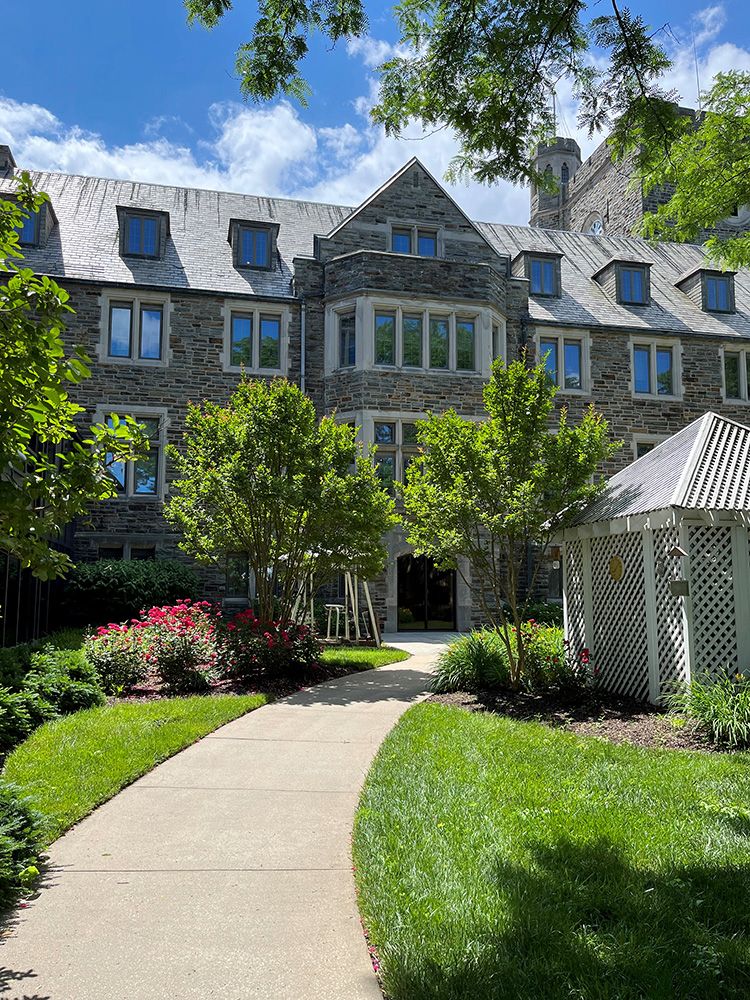
Who Owns and Operates Maryland Masonic Homes Ltd?

MARYLAND MASONIC HOMES LTD is owned by a non-profit organization. Non-profit facilities reinvest revenue into operations rather than distributing to shareholders. The facility operates independently rather than as part of a larger chain. With 88 certified beds and approximately 67 residents (about 76% occupancy), it is a smaller facility located in COCKEYSVILLE, Maryland.

How Does Maryland Masonic Homes Ltd Compare to Other Maryland Nursing Homes?

Compared to the 100 nursing homes in Maryland, MARYLAND MASONIC HOMES LTD's overall rating (3 stars) is below the state average of 3.0, staff turnover (43%) is near the state average of 46%, and health inspection rating (3 stars) is at the national benchmark.

What Should Families Ask When Visiting Maryland Masonic Homes Ltd?

Based on this facility's data, families visiting should ask: "What changes have been made since the serious inspection findings, and how are you preventing similar issues?" "Can I visit during a mealtime to observe dining assistance and food quality?" "How do you handle medical emergencies, and what is your hospital transfer rate?" "Can I speak with family members of current residents about their experience?" These questions are particularly relevant given the facility's Immediate Jeopardy citations.

Is Maryland Masonic Homes Ltd Safe?

Based on CMS inspection data, MARYLAND MASONIC HOMES LTD has documented safety concerns. Inspectors have issued 1 Immediate Jeopardy citation (the most serious violation level indicating risk of serious injury or death). The facility has a 3-star overall rating and ranks #100 of 100 nursing homes in Maryland. Families considering this facility should ask detailed questions about what corrective actions have been taken since these incidents.

Do Nurses at Maryland Masonic Homes Ltd Stick Around?

MARYLAND MASONIC HOMES LTD has a staff turnover rate of 43%, which is about average for Maryland nursing homes (state average: 46%). Moderate turnover is common in nursing homes, but families should still ask about staff tenure and how the facility maintains care continuity when employees leave.

Was Maryland Masonic Homes Ltd Ever Fined?

MARYLAND MASONIC HOMES LTD has been fined $24,845 across 1 penalty action. This is below the Maryland average of $33,327. While any fine indicates a compliance issue, fines under $50,000 are relatively common and typically reflect isolated problems that were subsequently corrected. Families should ask what specific issues led to these fines and confirm they've been resolved.

Is Maryland Masonic Homes Ltd on Any Federal Watch List?

MARYLAND MASONIC HOMES LTD is not on any federal watch list. The most significant is the Special Focus Facility (SFF) program, which identifies the bottom 1% of nursing homes nationally based on persistent, serious quality problems. Not being on this list means the facility has avoided the pattern of deficiencies that triggers enhanced federal oversight. This is a positive indicator, though families should still review the facility's inspection history directly.