ALLEGANY HEALTH NURSING AND REHAB
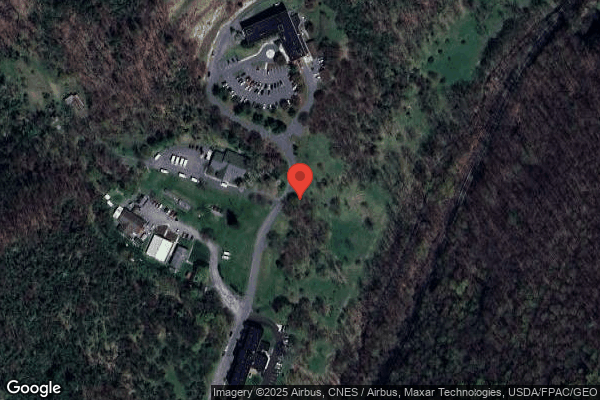
730 FURNACE STREET, CUMBERLAND, MD 21502 (301) 777-5941
For profit - Individual 153 Beds FUNDAMENTAL HEALTHCARE Data: November 2025
Trust Grade
61/100
#52 of 219 in MD
Last Inspection: January 2025

Within standard 12-15 month inspection cycle. Federal law requires annual inspections.

Overview

Allegany Health Nursing and Rehab in Cumberland, Maryland has a Trust Grade of C+, indicating it is slightly above average but not exceptional. It ranks #52 out of 219 nursing homes in Maryland, placing it in the top half of facilities in the state, and #2 out of 8 in Allegany County, meaning only one local option is better. Unfortunately, the facility's trend is worsening, with issues increasing from 4 in 2019 to 8 in 2023, and it has faced fines totaling $18,636, which is average compared to other facilities. Staffing is a mixed bag; while the turnover rate is a commendable 26%, below the state average of 40%, the staffing rating itself is average, and RN coverage is also average. Specific incidents of concern include serious failures in resident care, such as not following end-of-life care orders for a newly admitted resident and inadequate supervision during transfers that resulted in fractures for two residents. While there are strengths, such as good health inspection and quality measures ratings, the facility needs to address its rising number of incidents and ensure consistent compliance with care standards.

Trust Score
C+
61/100
In Maryland
#52/219
Top 23%
Safety Record
Moderate
Needs review
Inspections
Getting Worse
4 → 8 violations
Staff Stability
✓ Good
26% annual turnover. Excellent stability, 22 points below Maryland's 48% average. Staff who stay learn residents' needs.
Penalties
○ Average
$18,636 in fines. Higher than 60% of Maryland facilities. Some compliance issues.
Skilled Nurses
○ Average
Each resident gets 41 minutes of Registered Nurse (RN) attention daily — about average for Maryland. RNs are the most trained staff who monitor for health changes.
Violations
⚠ Watch
21 deficiencies on record. Higher than average. Multiple issues found across inspections.
★★★★☆
4.0
Overall Rating
★★★☆☆
3.0
Staff Levels
★★★★☆
4.0
Care Quality
★★★★☆
4.0
Inspection Score
Stable
2019: 4 issues
2025: 8 issues

The Good

  • 4-Star Quality Measures · Strong clinical quality outcomes
  • Low Staff Turnover (26%) · Staff stability means consistent care
  • Full Sprinkler Coverage · Fire safety systems throughout facility
  • No fines on record
  • Staff turnover is low (26%)

    22 points below Maryland average of 48%

Facility shows strength in quality measures, staff retention, fire safety.

The Bad

Federal Fines: $18,636

Below median ($33,413)

Minor penalties assessed

Chain: FUNDAMENTAL HEALTHCARE

Part of a multi-facility chain

Ask about local staffing decisions and management

The Ugly 21 deficiencies on record

2 actual harm
Jan 2025 8 deficiencies 2 Harm
SERIOUS (G) 📢 Someone Reported This

A family member, employee, or ombudsman was alarmed enough to file a formal complaint

Actual Harm - a resident was hurt due to facility failures

Deficiency F0678 (Tag F0678)

A resident was harmed · This affected 1 resident

**NOTE- TERMS IN BRACKETS HAVE BEEN EDITED TO PROTECT CONFIDENTIALITY** Based on reviews of a facility-reported incident, a closed medical record and all pertinent information and staff interview, it ...

Read full inspector narrative →
**NOTE- TERMS IN BRACKETS HAVE BEEN EDITED TO PROTECT CONFIDENTIALITY** Based on reviews of a facility-reported incident, a closed medical record and all pertinent information and staff interview, it was determined that the facility staff failed to identify a newly admitted Resident who was admitted without clear physician's order for end-of-life care and failed to follow the facility policy to initiate Cardiopulmonary Resuscitation (CPR). This was evident for 1 (Resident #902) of 11 facility-reported incidents reviewed during an annual recertification survey. The facility implemented effective and thorough corrective measures following this incident and prior to the start of this survey. The facilities plan and action were verified during this survey, therefore this deficiency was found to be past noncompliance with a compliance date of [DATE]. The findings include: Review of facility-reported incident (FRI) MD00174662 on [DATE] revealed allegations that Resident #902 was admitted to the facility from the community on [DATE] at 1:15 PM. Resident #902 was being evaluated in the emergency room earlier in the day. On [DATE], Resident #902 was assessed by his/her physician and deemed incapable of understanding any information and that a third party should make the decisions for Resident #902. Reviews of the facility investigation and Resident #902's closed medical record revealed that on [DATE] at 1:30 AM, Resident #902 was observed lying on a floor mat by the bed with nonskid socks on. Resident #902 was assessed by the nursing staff with no evidence of injury and placed back in bed. At 3:40 AM on [DATE], a GNA staff member alerted LPN #4 that Resident #902 had changes in his/her breathing pattern. LPN #4 assessed Resident #902 and notified RN #5 that Resident #902's eyes were observed rolled back into his/her head and Resident #902 was not breathing. LPN #4 alerted 911/EMS and applied oxygen by non-rebreather mask to Resident #902. No other life-sustaining procedures were started at this time. In an interview with LPN #4 on [DATE] at 11:30 AM, LPN4 stated that s/he was alerted by a staff member that Resident #902 was not breathing well and also had trouble finding a pulse. LPN #4 stated that s/he notified 911/EMS and the RN supervisor (RN #5). LPN #4 stated that s/he asked RN #5 what to do. LPN #4 stated that s/he and RN #5 both looked at Resident #902's medical record and could not find a completed MOLST form. LPN #4 stated s/he then asked RN #5 what should they do and RN #5 stated to wait for 911/EMS to arrive. LPN #4 then stated that s/he stayed with Resident #902 until 911/EMS arrived. LPN #4 stated that CPR was not performed on Resident #902 and that 911/EMS pronounced Resident #902 at that time. LPN #4 stated that s/he has had education in the past regarding CPR/MOLST forms and what staff should do if a resident does not have a completed MOLST form and codes. LPN #4 stated that if s/he identified a resident now without any vital signs and without a completed MOLST form, that s/he would start CPR immediately. In an interview with the former Social Work Director on [DATE] at 9:05 AM, the former Social Work Director stated that S/he first visits a newly admitted resident to complete a social history. Also, during the first interview the former Social Work Director stated that S/he speaks to the residents and or the family members about advance directives and reviews the MOLST form. The former Social Work Director stated that if a resident is admitted to the facility without a complete Maryland Order for Life Sustaining Treatment (MOLST) form the resident would be considered a full code in an emergency. The Maryland MOLST form is a portable and enduring medical order form covering options for cardiopulmonary resuscitation and other life-sustaining treatments. The nurse surveyor reviewed the former Social Work Directors' [DATE] 6 PM progress note with him/her. The former Social Work Director was asked why there was nothing documented about a set of advanced directives or a MOLST status in the [DATE] 6 PM progress note. The former Social Work Director stated that s/he could not recall why there was nothing in the [DATE] 6 pm progress note about advance directives or the resident's code status or MOLST form. A review of the facility's Social Services Policies and Procedures on [DATE] revealed a statement that indicated: In the absence of appropriate DNR identification or orders, the Facility Staff will respond to medical emergencies with CPR measures and a full code will be instituted. On [DATE], a total of 18 residents closed and active medical records were audited by the nurse surveyor. In these audits, a completed MOLST form was located. All of the MOLST forms clearly indicated whether or not CPR should be performed if the resident was found in an emergency situation. The Director of Nursing (DON) was interviewed on [DATE]. During the interview, the DON demonstrated and provided Quality Assurance (QA) material that s/he maintained in which the entire nursing staff were educated on [DATE] on ensuring the resident had a completed MOLST form, what to do if the resident is not admitted with a completed MOLST form, and what to do if a resident codes in the facility and does not have a completed MOLST form or physician order for CPR. Also, the facility medical director had given Resident #902's primary care physician education on the timeliness of completing a resident's end of life wishes on the MOLST form and if a resident is admitted without a completed MOLST form the resident will be a full code. An Ad Hoc Quality Assurance Performance Improvement meeting was held on [DATE] regarding the contents of the plan. Data was to be reviewed monthly in QAPI for 3 months. Based on the above actions taken by the facility and verified by the nurse surveyor on site, it was determined that the facility's deficient practice was past noncompliance with a compliance date of [DATE].
SERIOUS (G) 📢 Someone Reported This

A family member, employee, or ombudsman was alarmed enough to file a formal complaint

Actual Harm - a resident was hurt due to facility failures

Accident Prevention (Tag F0689)

A resident was harmed · This affected 1 resident

**NOTE- TERMS IN BRACKETS HAVE BEEN EDITED TO PROTECT CONFIDENTIALITY** Based on reviews of a facility-reported incident, a closed medical record and all pertinent information, and staff interviews, i...

Read full inspector narrative →
**NOTE- TERMS IN BRACKETS HAVE BEEN EDITED TO PROTECT CONFIDENTIALITY** Based on reviews of a facility-reported incident, a closed medical record and all pertinent information, and staff interviews, it was determined the facility staff failed to provide adequate supervision and follow the resident's plan of care to: 1) prevent a fractured humerus during a transfer, and 2) to prevent a cognitively and functionally impaired resident from sliding out of bed onto the floor and receiving bilateral fractured hips. This was evident for 2 (Residents #909, #906) out of 11 facility-reported incidents resulting in harm to both residents reviewed during the survey. The facility implemented effective and thorough corrective measures following this incident and prior to the start of this survey. The facilities plan and action were verified during this survey, therefore this deficiency was found to be past noncompliance with a compliance date of 07/11/23. The findings include: 1) A review of the facility-reported incident MD00178281 was reviewed on 01/23/2025 at 1 PM. The facility's investigation revealed that on 05/14/22 at 9:30 PM Resident #906 had fallen out of bed during care and that subsequent assessments and X-rays determined that Resident #906 had suffered bilateral femoral neck fractures. Resident #906 had been admitted to the facility on [DATE] with cognitive impairment and was totally dependent upon the staff for all aspects of his/her care needs. The facility investigation indicated that on 05/14/22 GNA #5 entered Resident #906's room to provide incontinence care. The investigation indicated that GNA #5 informed staff that S/he turned Resident #906 onto his/her left side, away from him/her, and then Resident #906 rolled out of bed. GNA #5 then informed the nurse. A review of Resident #906's activities of daily living care plan on 01/23/25 revealed nursing interventions dated 06/11/21 that instructed staff members to use two staff members when performing for bed mobility (turning and repositioning) for Resident #906. In an interview with GNA #5 on 01/24/25 at 5:15 PM, GNA #5 stated that prior to the start of Resident #906's bed bath on 07/09/24, GNA #5 stated S/he obtained all the equipment and clean linen supplies to provide Resident #906's bed bath. GNA #5 stated that S/he then raised Resident #906's bed up to his/her hip level. During the bed bath, GNA #5 stated that S/he turned Resident #906 away from him/her, onto Resident 906's left side, which placed Resident #906 closer to the edge of the bed away from him/her. GNA #5 stated that this was when S/he realized that S/he needed more incontinent wipes. GNA #5 stated that S/he then turned away from Resident #906 lying in bed to ask another staff member if they could bring him/her more incontinent wipes. GNA #5 stated that this is when Resident #906 jerked up and rolled out of bed onto the floor. After the Resident #906's fall, GNA #5 stated that other staff members had informed him/her that Resident #906 was a one-staff member assist for baths. GNA #5 stated that S/he had reviewed Resident #906's plan of care that day but could not say why S/he performed the bed bath by himself/herself. The facility administrator and director of nurses were made aware of the findings at the exit conference on 01/24/25 at 6 PM. 2) The facility's investigation of the reported incident MD00194149 was reviewed on 01/23/2025 at 10:00 AM. The facility's investigation revealed that on 07/09/23 Resident #909 was being transferred by 2 GNA's to a shower chair during the evening shift when they heard a pop and called the floor nurses for assistance. Resident #909 was sent to the local emergency room via 911 for evaluation. The 2 GNA's were suspended pending the investigation. Resident #909 was scheduled for a shower on 07/09/23. Resident #909 was admitted to the facility on [DATE] with a history of a fractured hip, dementia, and metabolic encephalopathy. Resident #909 is alert to person only and has a BIM's score of 7. Resident #909 was scheduled for a shower on 07/09/23. A review of the facility investigation revealed that GNA #3 requested assistance from GNA #4 to transfer Resident #909 from the bed to the shower chair. GNA #3 and GNA #4 stated that they each got under one arm of Resident #909 and were transferring him/her to the shower chair when they heard a popping sound. GNA #3 and GNA #4 then lowered #909 to the floor. While GNA #3 stayed with Resident #909, GNA #4 alerted the nurse to the incident. Upon assessment by the nurse, Resident #909 was noted to have an abnormal range of motion in the left arm. Resident #909's physician and family were notified of the incident and orders to transfer Resident #909 to the emergency room for eval and treat. The hospital obtained an X-ray of Resident #909's left arm which revealed a fracture of the left humerus with osteopenia/osteoporosis. Resident #909 was sent back to the facility with an order for a splint to the left arm until seen by an Orthopedic physician for a possible cast. The Medical Director and Resident #909's family were made aware of plan of care and both were in agreement. The facility investigation determined that Resident #909 obtained a fracture to his/her left humerus as a result of GNA #3 and GNA #4 failure to follow the plan of care for Resident #909. Both GNA #3 and GNA #4 received counseling and were educated on checking a resident's profile for safe transfer status and plan of care. The facility staff were educated to review a residents' profile for safe transfer status and plan of care. All resident care plans were reviewed and updated. A review of Resident #909's admission fall and injury prevention care plan dated 07/20/21 revealed a nursing intervention that indicated to transfer Resident #909 by the use of lifting device as ordered. In a telephone interview with GNA #3 on 01/24/25 at 3:43 PM, GNA #3 stated that S/he recalled the incident with Resident #909. GNA #3 stated that Resident #909 was to receive a shower that day had asked GNA #4 for assistance transferring Resident #909 from the bed to the shower chair. GNA #3 stated S/he thought Resident #909 was a 2-person assist for transfers. GNA #3 stated that during the transfer both S/he and GNA #4 grabbed Resident #909 under each arm. GNA #3 stated S/he was on the left side of Resident #909 during the transfer. GNA #3 stated that we heard a snap and immediately stopped the transfer and lowered Resident #909 to the ground. When asked, GNA #3 stated that S/he had transferred Resident #909 under his/her arms frequently in the past. GNA #3 stated that S/he had not reviewed Resident #909's plan of care for transfers. GNA #3 stated that after the incident S/he then learned that Resident #909 was to be a Hoyer transferred. GNA #3 stated that S/he was not aware that Resident #909's care plan had been changed regarding transfer status to a Hoyer lift. GNA #3 stated that S/he received education after the incident to check a resident's transfer status prior to the transfer. In an interview with GNA #4 on 01/24/25 at 3:52 PM, GNA #4 stated that S/he recalled the incident and that GNA #3 had asked for assistance to get Resident #909 out of bed. GNA #4 stated that S/he was not assigned to Resident #909 on 07/09/23. GNA #4 stated that S/he did not review Resident #909's care plan regarding transfer status prior to assisting GNA #3. GNA #3 stated that S/he was standing on Resident #909's right side before the transfer. GNA #4 stated both S/he and GNA #3 grabbed Resident #909 under the arms and lifted the resident up from the bed and this was when they heard Resident #909's arm snap. GNA #4 then stated to GNA #3 they needed to lower Resident #909 down. GNA #4 stated that S/he went and got the nurse. GNA #4 stated that S/he and GNA #3 were suspended after the incident. GNA #4 stated that S/he received education on how to determine a resident's transfer status. The Director of Nursing (DON) was interviewed on 01/24/25. During the interview, the DON demonstrated and provided Quality Assurance (QA) material that s/he maintained in which the entire nursing staff were educated on 07/11/23 on how to access a resident's care plan and correctly identify the number of staff needed to provide care to each resident. The QA plan was to be reviewed monthly in QAPI for 3 months. Based on the above actions taken by the facility and verified by the nurse surveyor on site, it was determined that the facility's deficient practice was past noncompliance with a compliance date of 07/11/23.
CONCERN (D) 📢 Someone Reported This

A family member, employee, or ombudsman was alarmed enough to file a formal complaint

Potential for Harm - no one hurt, but risky conditions existed

Free from Abuse/Neglect (Tag F0600)

Could have caused harm · This affected 1 resident

Based on reviews of the facility investigation and all pertinent administrative documents, a closed clinical record, and staff interview, it was determined that the facility failed to ensure that a re...

Read full inspector narrative →
Based on reviews of the facility investigation and all pertinent administrative documents, a closed clinical record, and staff interview, it was determined that the facility failed to ensure that a resident remained free of abuse. This was true for 1 (Residents #901) of 11 facility reported incidents reviewed during an annual recertification survey. The facility implemented effective and thorough corrective measures following this incident prior to the start of this survey. The facilitie's plan and action were verified during this survey, therefore this deficiency was found to be past noncompliance with a compliance date of 09/10/20. The findings include: The facility's investigation related to the facility reported the incident MD00157948 in which GNA2 was witnessed kicking Resident #901 on the right lower leg on 09/04/2020. This incident was reviewed by the survey team on 01/21/2025 at 1 PM. In the investigation, the facility substantiated through witnesses that GNA2 kicked Resident #901 on the right lower leg and created a skin tear. Resident #901 was attempting to remove food and meal trays from the food cart located at the third-floor nurses' station. The facility suspended GNA2 immediately upon report of the incident and began the investigation that substantiated the allegation. GNA2 was terminated by the facility on 09/04/2020. A review of LPN5's witness statement revealed that staff were wheeling residents to their rooms for the dinner meal. LPN5 witnessed GNA2 speak to Resident #901 and told her/him that S/he had already eaten his/her meal and to go back to his/her room. Resident #901 moved forward towards GNA2. That is when GNA2 became verbally aggressive and stated, I told you to move you already ate. Resident #901 then told GNA2 to leave her/him alone. GNA2 was then holding Resident #901's wheelchair handles trying to move Resident #901 backwards and kicked Resident #901 and attempted to move Resident #901. Resident #901 screamed out you kicked me, get away from me now and leave me alone. Resident #901 wheeled him/herself down the hall. LPN5 indicated S/he followed Resident #901 and when S/he approached LPN5 witnessed Resident #901 crying and observed the skin tear to the right lower leg. LPN5 indicated that S/he informed the supervisor of the incident. GNA2 was asked to leave the facility and later terminated. During an interview that took place with the Director of Nurses (DON) on 01/24/25 at 4:35 PM, the DON stated that all staff received abuse education, other residents were interviewed, and that this abuse incident was reviewed during the October 2020 QAPI meeting.
CONCERN (D)

Potential for Harm - no one hurt, but risky conditions existed

Deficiency F0604 (Tag F0604)

Could have caused harm · This affected 1 resident

**NOTE- TERMS IN BRACKETS HAVE BEEN EDITED TO PROTECT CONFIDENTIALITY** Based on observation, interview, record review, and policy review, the facility failed to ensure residents were free of physical...

Read full inspector narrative →
**NOTE- TERMS IN BRACKETS HAVE BEEN EDITED TO PROTECT CONFIDENTIALITY** Based on observation, interview, record review, and policy review, the facility failed to ensure residents were free of physical restraints for one of 22 sampled residents (Resident (R) 44). R44 was observed in a geriatric chair and a wheelchair with an added lap tray which prevented R44 from standing up for staff convenience. This failure placed R44 at risk for increased anxiety, agitation, and a diminished quality of life. Findings include: Review of the facility's policy titled, Restraint Policy, revised May 2023 revealed Residents have the right to be free from a restraint of any kind and the right to function at their highest level in the least restrictive environment possible. Restraints will not be used unless the facility's interdisciplinary team has completed an assessment and evaluation to identify causative medical or environmental factors and has considered less restrictive alternatives, except in the case of an emergency . the use of restraints is a measure of last resort to protect the safety of the resident or others and must not extend beyond the immediate episode. Physical restraints will never to be used as a disciplinary action or for staff convenience. Medical symptoms that warrant the use of restraints will be documented in the resident's medical record, ongoing assessments, and care plan. The physician's order for restraints should reflect the presence of a qualifying medical symptom. The facility will engage in a systematic and gradual process toward reduction of restraint use. Restraints must be reviewed at least monthly to evaluate necessity and appropriateness. Falls do not constitute self-injurious behavior or a medical condition that warrants the use of physical restraint. ln the past, some types of restraints were used to prevent falls. However, the risks for serious injury related to restraints and the lack of supporting evidence for restraint efficacy in fall prevention, have led to the eradication of that practice. 'Convenience: Any action taken by the facility to control residents' behavior or maintain patients/residents with a lesser amount of effort by the facility and not the resident's best interest.' 'Freedom of Movement': Any change in place or position for the body or any part of the body that the person is physically able to control.' .'Removes Easily': The manual method, device, material, or equipment can be removed intentionally by the resident in the same manner it was applied by the staff considering the resident's physical condition and ability to accomplish objective (i.e.) transfer to a chair, gets to the bathroom in time). Complete Restraint Assessment, if appropriate, then obtain order for: type of restraint, duration (time frame) to be utilized, medical diagnosis or symptom necessitating restraint use, parameters for use (including release schedule), frequency of checking, removal schedule .Documented therapy evaluation. The interdisciplinary team meets as soon as possible to review the assessment and to consider if alternatives and interventions have been selected and implemented for how each resident can attain the highest level of functioning with the least restrictive measures. Review each resident currently using a restraint device, at least monthly and for any change of condition. Attempt gradual reduction of restraint use by implementing interventions which may serve as enablers and reminders. Reduction attempts should be documented, including the resident response to the interventions. The plan of care should be updated at least quarterly and with any significant change, including the medical symptoms which continue to warrant the need for a restraint. Review of R44's undated Face Sheet, located in the resident's Electronic Medical Record (EMR) under the Face Sheet tab revealed the resident was admitted to the facility on [DATE]. Review R44's admission Minimum Data Set (MDS), with an assessment reference date (ARD) of 11/26/24 and located under the resident's EMR under the Resident Assessment Instrument (RAI) tab revealed the facility assessed the resident to have a Brief Interview for Mental Status (BIMS) score of 14 out of 15which indicated the resident was cognitively intact. The MDS identified R44's utilized assistive devices of a wheelchair and a walker. The MDS also indicated the resident had a history of falls. R44 required partial or moderate assistance with upper/lower body dressing, maximum assistance with putting on/taking off footwear; sit to stand needs supervision or touching assistance, speech therapy/occupational therapy/physical therapy was administered 6 days week. Review of R44's Care Plan, revised 01/14/25 and located in the resident's EMR under the RAI tab revealed no problem, goal, or interventions for the use of the geriatric chair with a lap tray which prevented her from rising. and the lap tray over her wheelchair. Review of R44's EMR revealed no documented evidence the facility assessed R44 for the use of a geriatric chair or for the use of a lap tray. assessments for the use of the geriatric chair or a lap tray on her wheelchair. Observation on 01/20/25 at 10:12 AM revealed R44 was seated in a geriatric chair near the nurses' station. R44 attempted to get out of the geriatric chair and staff immediately told her to sit back down. Observation on 01/21/25 at 3:18 PM revealed R44 was assisted with two staff people walking her down the hallway, then she was returned to sit in the geriatric chair. The staff reclined the resident back and placed an over the bed table over her lap. Observation on 01/20/25 at 3:31 PM of R44 revealed she was seated in a geriatric chair by the nurse's station. She had an overbed table positioned over her lap and the geriatric chair was in a reclined position. She tried to get out of the geriatric chair by trying to sit up and swing her legs over the side of the chair, staff would place her legs back in the chair and gently have her sit back in the chair. Observation on 01/21/25 12:30 PM of R44 revealed she was seated in the geriatric chair with an overbed table over the top. The head of the chair was up, and she was eating her lunch. Observation on 01/21/25 at 3:00 PM revealed R44 was seated in a wheelchair with a black padded tray over the front of the wheelchair. She appeared agitated and was trying to move the tray off. Staff were intervening to keep the tray down, so she was unable to get out of the wheelchair. There were no wheelchair pedals on, and her feet were dangling. During an interview at the time of the observation, Licensed Practical Nurses (LPN) 1 and LPN2 stated they had not noticed she did not have pedals on the wheelchair. They agreed her feet were just dangling down. LPN2said if the chair was lower, she could put her feet on the floor. They agreed R44 was at risk for falls and that is why she is kept in the geriatric chair or the wheelchair with a lap tray. Interview on 01/23/25 at 11:55 AM with Registered (RN) 1 and RN2 revealed RN1 completed the MDS assessments for long-term care residents. RN1 had not completed an assessment or care plan for R44 as she had received skilled services. RN2 stated she completed the skilled services residents MDS assessments and care plans. They agreed the care plan had not been revised for R44 for the use of restrictive devices. They had not been aware she had been placed in a geriatric chair and wheelchair with a lap tray. Interview on 01/23/25 at 12:36 PM with the DON and Administrator revealed they had not considered the geriatric chair with overbed table or the wheelchair with the lap tray as restraints. They agreed there had been no assessment or care planning completed to ensure safety with the use of those devices. Observation and interview on 01/23/25 at 3:00 PM revealed R44 was seated in a wheelchair with a lap tray. Her feet did not touch the floor, and she did not have any foot pedals. She was eating a cookie and had a drink on the tray. When asked why she wanted to get out of the chair to walk, R44 stated she had things to do at her house. When asked how she felt about the lap tray, she told me she felt nervous and anxious when she was not able to stand up and walk where she wanted to go. She was able to lift the lap tray up after numerous requests. Interview on 01/23/25 at 3:30 PM with RN3 revealed most of the time R44 would not stay in bed at night so she would be brought out in the geriatric chair to the nurses' station. She would then sleep in the geriatric chair. RN3 stated when R44 was in the geriatric chair, she was leaned back in a full reclined position with an overbed table over the top. RN3 also stated R44 was unable to get out of the geriatric chair and she would try to swing her legs over the side at times trying to get out of the chair. Continued interview revealed there were times when staff did not even try to have R44 sleep in her bed, and she was just put into the geriatric chair and left by the nurses' station. RN3 agreed when the geriatric chair was in the reclined position, she was unable to sit up or get out of the geriatric chair.
CONCERN (D) 📢 Someone Reported This

A family member, employee, or ombudsman was alarmed enough to file a formal complaint

Potential for Harm - no one hurt, but risky conditions existed

Abuse Prevention Policies (Tag F0607)

Could have caused harm · This affected 1 resident

Based on an anonymous complaint, reviews of closed medical records and pertinent administrative policies and records, and staff interview, it was determined that facility administrative staff failed t...

Read full inspector narrative →
Based on an anonymous complaint, reviews of closed medical records and pertinent administrative policies and records, and staff interview, it was determined that facility administrative staff failed to implement the facility's existing abuse policy and procedures when an allegation of sexual abuse was reported by 2 staff members. This was evident for 1 (Resident #911) of 6 complaints reviewed during an annual recertification survey. The findings include: Review of anonymous complaint MD00194310 on 01/21/2025 at 1 PM, revealed an allegation that Resident #911 was observed sexually assaulting Resident #911's on or around July 12, 2023. The anonymous complaint also listed allegations that included: the facility administration requiring the licensed nurse to take back their nursing documentation about the incident and the facility did not report the allegation of resident-to-resident sexual abuse to the State Survey Agency. In an interview with the facility Director of Social Work on 01/21/25 at 3:55 PM, the Director of Social Work was asked if there ever was an allegation of sexual abuse regarding Resident #913. The Director of Social Work stated yes. The Director of Social Work then stated that a GNA reported an allegation of sexual abuse regarding Resident's #913 and #911. The Director of Social Work reported that the GNA #1 stated that she/he observed Resident #913 with his hands inside Resident #911's brief touching Resident #911's genitals. The Social Work Director stated that she/he had not heard of this occurring in the past. The Director of Social Work stated she/he informed the facility Administrator and the Director of Nurses right away on the day the allegation was reported to him/her. The Director of Social Work stated that he/she and the other facility Social Worker initiated an investigation into the allegation of sexual abuse but could not recall the exact day of the allegation. In an interview with the facility Administrator on 01/21/25 at 4:35 PM, the nurse surveyor requested the facility investigative documents into the staff witnessed allegation of sexual abuse that allegedly occurred between Residents #911 and #913 on or around July 12, 2023. In an interview with the facility Administrator, DON, Director of Social Work, and the Corporate Nurse on 01/22/2025 at 10:45 AM, the facility Administrator stated a staff nurse documented in Resident #913's medical record an incident between Residents #913 and #911 which occurred on 06/30/23. The time of the note was 3:43 PM. The medical record indicated that the 06/30/23, 3:43 PM nursing progress note was changed to read Invalid. The facility Administrator stated that only the staff nurse that wrote the progress note can change the progress note to read as Invalid. The facility Administrator stated that there were no administrative documents or investigative records regarding the alleged resident sexual abuse between Resident's #911 and #913 from 06/30/23. The facility Administrator also stated that there were no staff or other resident witness statements. The local police and the State Survey Agency were not notified either. The facility Administrator and DON stated that the staff were aware that Resident #913's had a history of intrusive behaviors while residing in the facility. In an interview with LPN #3 on 01/22/25 at 2:52 PM, LPN #3 stated that S/he was the nurse who reported the allegation of resident-to-resident sexual abuse to the nursing supervisor (RN #4) on 06/30/23. LPN #3 stated that S/he documented the incident in Resident #913's, the alleged perpetrator's medical record. LPN #3 stated that S/he was not aware of how the 06/30/23, 3:43 PM progress note was labeled Invalid. LPN #3 stated that on 06/30/23 S/he was informed by GNA #1 that S/he witnessed sexual abuse between Residents #911 and #913 on 06/30/23. LPN #3 stated that GNA #1 was a new GNA and was observed in a frantic state and could hardly inform her/him of the S/he witnessed. LPN #3 stated that after being informed by GNA #1, LPN #3 went immediately to Resident #911's room and separated Resident #911 and #913. LPN #3 also stated that S/he was not asked to formally write a witness statement or was interviewed by any administrative staff regarding the 06/30/23 alleged resident to resident sexual abuse. A review of the facility abuse, neglect, exploitation, or mistreatment policy on 01/22/25 revealed that: 1) the facility's leadership ensures that all alleged violations involving abuse, neglect, exploitation or mistreatment, including injuries of unknown source and misappropriation of resident property are reported immediately, 2) the facility's leadership shall report immediately, but not later than 2 hours, after the allegation received of suspected abuse to the State Survey Agency, 3) the facility's leadership will conduct a prompt investigation of any allegation received of suspected abuse and will implement immediate action to safeguard resident, and 4) the facility's leadership will provide notification to the proper authorities.
CONCERN (D) 📢 Someone Reported This

A family member, employee, or ombudsman was alarmed enough to file a formal complaint

Potential for Harm - no one hurt, but risky conditions existed

Report Alleged Abuse (Tag F0609)

Could have caused harm · This affected 1 resident

Based on an anonymous complaint, reviews of closed medical records and pertinent administrative policies and records, and staff interview, it was determined that facility administrative staff failed t...

Read full inspector narrative →
Based on an anonymous complaint, reviews of closed medical records and pertinent administrative policies and records, and staff interview, it was determined that facility administrative staff failed to report an allegation of resident to resident sexual abuse to the State Survey Agency. This was evident for 1 (Resident #911) of 6 complaints reviewed during an annual recertification survey. The findings include: Review of anonymous complaint MD00194310 on 01/21/2025 at 1 PM, revealed an allegation that Resident #913 was observed sexually assaulting Resident #911's on or around July 12, 2023. The anonymous complaint also listed allegations that included: the facility administration requiring the licensed nurse to take back their nursing documentation about the incident and the facility did not report the allegation of resident-to-resident sexual abuse to the State Survey Agency. In an interview with the facility Director of Social Work on 01/21/25 at 3:55 PM, the Director of Social Work was asked if there ever was an allegation of sexual abuse regarding Resident #913. The Director of Social Work stated yes. The Director of Social Work then stated that a GNA reported an allegation of sexual abuse regarding Resident's #913 and #911. The Director of Social Work reported that the GNA #1 stated that she/he observed Resident #913 with his/her hands inside Resident #911's brief touching Resident #911's genitals. The Social Work Director stated that she/he had not heard of this occurring in the past. The Director of Social Work stated she/he informed the facility Administrator and the Director of Nurses right away on the day the allegation was reported to him/her. The Director of Social Work stated that he/she and the other facility Social Worker initiated an investigation into the allegation of sexual abuse but could not recall the exact day of the allegation. In an interview with the facility Administrator on 01/21/25 at 4:35 PM, the nurse surveyor requested the facility investigative documents into the staff witnessed allegation of sexual abuse that allegedly occurred between Residents #911 and #913 on or around July 12, 2023. In an interview with the facility Administrator, DON, Director of Social Work, and the Corporate Nurse on 01/22/2025 at10:45 AM, the facility Administrator stated a staff nurse documented in Resident #913's medical record an incident between Residents #913 and #911 which occurred on 06/30/23. The time of the note was 3:43 PM. The nursing progress noted the 06/30/23 was Invalid. The facility Administrator stated that the nurse that wrote the progress note can indicate that the progress note is Invalid. The facility Administrator stated that there were no administrative documents or investigative records regarding the alleged resident to resident sexual abuse from 06/30/23. There were no staff or resident witness statements. The local police and the State Survey Agency were not notified either. The facility Administrator and DON stated that the staff were aware of Resident #913's intrusive behaviors through the facility. In an interview with LPN #3 on 01/22/25 at 2:52 PM, LPN #3 stated that s/he was the nurse who reported the allegation of resident-to-resident sexual abuse to the facility administrative staff on 06/30/23. LPN #3 stated that s/he documented the incident in Resident #913's, alleged perpetrator's, medical record. LPN #3 stated that s/he was not aware of how the 06/30/23, 3:43 PM progress note was labeled Invalid. LPN #3 stated s/he was informed by GNA #1 of the alleged sexual abuse between Residents #911 and #913 on 06/30/23. LPN #3 stated that GNA #1 was a new GNA and was observed in a frantic state and could hardly inform her/him of the witnessed incident. LPN #3 stated that after being informed by GNA #1, LPN #3 went immediately to Resident #911's room and separated Resident #911 and #913. LPN #3 also stated that s/he was not asked to formally write a witness statement or was interviewed by any administrative staff regarding the 06/30/23 alleged resident to resident sexual abuse. A review of the facility abuse, neglect, exploitation, or mistreatment policy on 01/22/25 revealed that: 1) the facility's leadership ensures that all alleged violations involving abuse, neglect, exploitation or mistreatment, including injuries of unknown source and misappropriation of resident property are reported immediately, 2) the facility's leadership shall report immediately, but not later than 2 hours, after the allegation received of suspected abuse to the State Survey Agency, 3) the facility's leadership will conduct a prompt investigation of any allegation received of suspected abuse and will implement immediate action to safeguard resident, and 4) the facility's leadership will provide notification to the proper authorities.
CONCERN (D) 📢 Someone Reported This

A family member, employee, or ombudsman was alarmed enough to file a formal complaint

Potential for Harm - no one hurt, but risky conditions existed

Investigate Abuse (Tag F0610)

Could have caused harm · This affected 1 resident

Based on an anonymous complaint, reviews of closed medical records and pertinent administrative policies and records, and staff interview, it was determined that facility administrative staff failed t...

Read full inspector narrative →
Based on an anonymous complaint, reviews of closed medical records and pertinent administrative policies and records, and staff interview, it was determined that facility administrative staff failed to investigate an allegation of resident to resident sexual abuse when it was reported by staff members. This was evident for 1 (Resident #911) of 6 complaints reviewed during an annual recertification survey. The findings include: Review of anonymous complaint MD00194310 on 01/21/2025 at 1 PM, revealed an allegation that Resident #913 was observed sexually assaulting Resident #911's on or around July 12, 2023. The anonymous complaint also listed allegations that included: the facility administration requiring the licensed nurse to take back their nursing documentation about the incident and the facility did not report the allegation of resident-to-resident sexual abuse to the State Survey Agency. In an interview with the facility Director of Social Work on 01/21/25 at 3:55 PM, the Director of Social Work was asked if there ever was an allegation of sexual abuse regarding Resident #913. The Director of Social Work stated yes. The Director of Social Work then stated that a GNA reported an allegation of sexual abuse regarding Resident's #913 and #911. The Director of Social Work reported that the GNA #1 stated that she/he observed Resident #913 with his/her hands inside Resident #911's brief touching Resident #911's Genitals. The Social Work Director stated that she/he had not heard of this occurring in the past. The Director of Social Work stated she/he informed the facility Administrator and the Director of Nurses right away on the day the allegation was reported to him/her. The Director of Social Work stated that he/she and the other facility Social Worker initiated an investigation into the allegation of sexual abuse but could not recall the exact day of the allegation. In an interview with the facility Administrator on 01/21/25 at 4:35 PM, the nurse surveyor requested the facility investigative documents into the staff witnessed allegation of sexual abuse that allegedly occurred between Residents #911 and #913 on or around July 12, 2023. In an interview with the facility Administrator, DON, Director of Social Work, and the Corporate Nurse on 01/22/2025 at10:45 AM, the facility Administrator stated a staff nurse documented in Resident #913's medical record an incident between Residents #913 and #911 which occurred on 06/30/23. The time of the note was 3:43 PM. The nursing progress noted the 06/30/23 was Invalid. The facility Administrator stated that the nurse that wrote the progress note can indicate that the progress note is Invalid. The facility Administrator stated that there are no administrative documents or investigative records regarding the alleged resident to resident sexual abuse from 06/30/23. There were no staff or resident witness statements. The local police and the State Survey Agency were not notified either. The facility Administrator and DON stated that the staff were aware of Resident #913's intrusive behaviors through the facility. In an interview with LPN #3 on 01/22/25 at 2:52 PM, LPN #3 stated that s/he was the nurse who reported the allegation of resident-to-resident sexual abuse to the facility administrative staff on 06/30/23. LPN #3 stated that s/he documented the incident in Resident #913's, alleged perpetrator's, medical record. LPN #3 stated that s/he is not aware of how the 06/30/23, 3:43 PM progress note was labeled Invalid. LPN #3 stated s/he was informed by GNA #1 of the alleged sexual abuse between Residents #911 and #913 on 06/30/23. LPN #3 stated that GNA #1 was a new GNA and was observed in a frantic state and could hardly inform her/him of the witnessed incident. LPN #3 stated that after being informed by GNA #1, LPN #3 went immediately to Resident #911's room and separated Resident #911 and #913. LPN #3 also stated that s/he was not asked to formally write a witness statement or was interviewed by any administrative staff regarding the 06/30/23 alleged resident to resident sexual abuse. A review of the facility abuse, neglect, exploitation, or mistreatment policy on 01/22/25 revealed that: 1) the facility's leadership ensures that all alleged violations involving abuse, neglect, exploitation or mistreatment, including injuries of unknown source and misappropriation of resident property are reported immediately, 2) the facility's leadership shall report immediately, but not later than 2 hours, after the allegation received of suspected abuse to the State Survey Agency, 3) the facility's leadership will conduct a prompt investigation of any allegation received of suspected abuse and will implement immediate action to safeguard resident, and 4) the facility's leadership will provide notification to the proper authorities.
CONCERN (D)

Potential for Harm - no one hurt, but risky conditions existed

Deficiency F0657 (Tag F0657)

Could have caused harm · This affected 1 resident

**NOTE- TERMS IN BRACKETS HAVE BEEN EDITED TO PROTECT CONFIDENTIALITY** Based on observation, interview, record review, and policy review, the facility failed to revise residents care plan to include ...

Read full inspector narrative →
**NOTE- TERMS IN BRACKETS HAVE BEEN EDITED TO PROTECT CONFIDENTIALITY** Based on observation, interview, record review, and policy review, the facility failed to revise residents care plan to include the use of a geriatric chair and lap trays for one of 22 sampled residents (Resident (R) 44). This failure placed the resident at risk for unmet care needs, safety risks, and increased anxiety related to devices that were considered restraints. Findings include: Review of the facility's policy titled, Care Plan Process, Person Centered Care, dated 05/05/23 revealed The facility will develop and implement a baseline and comprehensive care plan for each resident that includes the instructions needed to provide effective and person-centered care of the resident that meet professional standards of quality care. Person-centered care includes trying to understand what each resident is communicating, verbally and nonverbally, identifying what is important to each resident with regard to daily routines and preferred activities, and understanding the resident's life before coming to reside in the nursing home. The Interdisciplinary Team (IDT) will review effectiveness and revise the person-centered care plan after each assessment. This includes both the comprehensive and quarterly assessments. Review of R44's undated Face Sheet, located in the resident's Electronic Medical Record (EMR) under the Face Sheet tab revealed the resident was admitted to the facility on [DATE]. Review R44's admission Minimum Data Set (MDS,) with an assessment reference date (ARD) of 11/26/24 and located under the Resident Assessment Instrument (RAI) tab revealed the facility assessed the resident to have a Brief Interview for Mental Status (BIMS) score of 14 out of 15 which indicated the resident was cognitively intact. Review of R44's care plan located under the RAI tab last revised on 01/14/25 revealed no problem, goal, or interventions for the use of the geriatric chair which prevented her from rising and the lap tray over her wheelchair. The use of a geriatric chair nor the use of a lap tray was identified in any area of the resident's care plan. Observation on 01/20/25 at 3:31 PM of R44 revealed she was seated in a geriatric chair by the nurse's station. She had an overbed table positioned over her lap and the geriatric chair was in a reclined position. She tried to get out of the geriatric chair by trying to sit up and swing her legs over the side of the chair, staff would place her legs back in the chair and gently have her sit back in the chair. Observation on 01/21/25 at 3:00 PM revealed R44 was seated in a wheelchair with a black padded tray over the front of the wheelchair. She appeared agitated and was trying to move the tray off. Staff were intervening to keep the tray down, so she was unable to get out of the wheelchair. During an interview on 01/21/25 at 3:00 PM, Licensed Practical Nurse (LPN) 1 and LPN2 stated they had not noticed she did not have pedals. They agreed her feet were just dangling down. They agreed R44 was at risk for falls and that is why she is kept in the geriatric chair or the wheelchair with a lap tray. During an interview on 01/23/25 at 11:55 AM, Registered Nurse (RN) 1 and RN2 stated they were MDS nurses. RN1 stated she had not revised R44's care plan for the use of restrictive devices and neither were aware R44 had been placed in a geriatric chair and used a lap tray when in a wheelchair. Both RN1 and RN2 verified the use of a geriatric chair and/or the use of lap trays were not part of R44's plan of care. RN1 and RN2 confirmed the resident was placed in a geriatric chair on 11/23/24 after a fall. Interview on 01/23/25 at 12:36 PM with the DON and Administrator revealed they had not considered the geriatric chair with overbed table and a wheelchair with the lap tray as restraints. They agreed there had been no assessment or care planning completed to ensure safety with the use of those devices.
Dec 2019 4 deficiencies
CONCERN (D)

Potential for Harm - no one hurt, but risky conditions existed

Deficiency F0552 (Tag F0552)

Could have caused harm · This affected 1 resident

Based on medical record review and interview, it was determined the facility staff failed to ensure that Resident #28 was aware of a treatment that could be administered. This was evident for 1(#28) o...

Read full inspector narrative →
Based on medical record review and interview, it was determined the facility staff failed to ensure that Resident #28 was aware of a treatment that could be administered. This was evident for 1(#28) of 45 residents selected for review during the annual survey process. The findings include: Medical record review for Resident #28 on 12/17/19 at 12:00 PM revealed that, on 12/10/19, the Certified Registered Nurse Practitioner (CRNP) ordered: Ipratropium-Albuterol nebulizer treatment,1 vial every 4 hours as needed for 5 days. This product is used to treat and prevent symptoms (wheezing and shortness of breath) caused by ongoing lung disease (chronic obstructive pulmonary disease-COPD which includes bronchitis and emphysema). This product contains 2 medications: ipratropium and albuterol. Both drugs work by relaxing the muscles around the airways so that they open, and the resident can breathe more easily. Interview with the Resident and family member on 12/16/19 at 1:00 PM revealed Resident #28 had not been feeling well. The facility staff notified the CRNP and the CRNP ordered cough medicine and the nebulizer treatments for the resident. Interview with the resident's family on 12/16/19 revealed the facility staff administered 1 nebulizer treatment to Resident #28 and informed Resident #28 that the treatments would be administered every 4 hours. Further interview with the resident and the family revealed that Resident #28 never received any further treatments. (Of note, the resident was assessed by the facility staff on 10/8/19 and documented a BIMS (BIMS stands for Brief Interview for Mental Status). The BIMS test is used to get a quick snapshot of how well you are functioning cognitively. It is a required screening tool used in nursing homes to assess cognition. Because the BIMS is given every quarter, the scores can help measure if the resident is improving, remaining the same, or declining in cognitive ability. The facility staff assessed the resident's score as 13 and 13 to 15 points: intact cognition. Interview with the Director of Nursing (DON) on 12/18/19 at 3:00 PM revealed the facility staff failed to notify Resident #28 that the nebulizer treatments were available and needed to be asked for rather than automatically administered. The DON and Nursing Home Administrator confirmed Resident #28 had the cognition to be informed of the nebulizer order and to ask for the treatments if needed.
CONCERN (D)

Potential for Harm - no one hurt, but risky conditions existed

Deficiency F0659 (Tag F0659)

Could have caused harm · This affected 1 resident

Based on medical record review and interview, it was determined the facility staff failed to ensure all nursing staff that has the potential to work on the third floor was in-serviced to ensure the ce...

Read full inspector narrative →
Based on medical record review and interview, it was determined the facility staff failed to ensure all nursing staff that has the potential to work on the third floor was in-serviced to ensure the center stairway door in shut when exiting the unit and to check the door that it closes completely and that no residents are attempting to leave behind staff. (Resident #19). This was evident for 1(# 19) of 45 residents selected for review during the annual survey process. The findings include: Medical record review on 12/18/19 at 4:00 PM for Resident #19 revealed that, on 10/28/19 at 8:15 PM, the following nurses' note: POA (Power of Attorney) notified that resident has walked up to stairwell door across from nurses' station, opened the door and started out the door. the door was not alarming. the GNA (Geriatric Nursing Assistant) got to resident and escorted the resident to the second floor. The resident lived on the secured memory unit. It was determined a facility staff member exited through the door and failed to make sure the door was completely closed and Resident #19 opened the door and started to go down the steps. The facility staff immediate noted that Resident #19 exited through the door and escorted the resident down the steps to the second floor. Interview with staff #7 on 18/18/19 at 4:30 PM revealed that she had not been aware of Resident #19's exit through the door and revealed that she had not received any in-services provided by the facility staff. It was also revealed at that Staff #19 worked part time and not always on the 3rd floor memory unit. After surveyor inquiry, the facility staff conducted more in-services on 12/18/19 which included staff #7. It was also noted that the facility maintenance staff provided: test operation of doors and locks every week from 9/7/19 to 12/7/19 with no noted areas of concern for the door locking. Interview with the Director of Nursing and Nursing Home Administrator on 12/19/19 at 1:00 PM confirmed that the facility staff failed to ensure all staff were in-serviced: to ensure the center stairway door in shut when exiting the unit and to check the door that it closes completely and that no residents are attempting to leave behind staff when it was noted Resident #19 exited through the door.
CONCERN (D)

Potential for Harm - no one hurt, but risky conditions existed

Respiratory Care (Tag F0695)

Could have caused harm · This affected 1 resident

Based on observation and staff interview, it was determined that the facility staff failed to ensure that proper hygienic practices were followed with the use of a nasal cannula (#125). This was evide...

Read full inspector narrative →
Based on observation and staff interview, it was determined that the facility staff failed to ensure that proper hygienic practices were followed with the use of a nasal cannula (#125). This was evident for 1 (#125) out of the 43 residents that were part of the survey sample. The findings include: This surveyor observed on 12/17/19 at 10:20 AM that Resident #125's nasal cannula was on the floor of the resident's room. This surveyor asked Staff #9 to see if the resident needed oxygen and to address the nasal cannula being on the floor. Staff #9 was observed picking up the nasal cannula and putting it back into the resident's nose. I interviewed the Director of Nursing on 12/19/19 at 12:04 PM and informed her of the observation. She said Staff #9 should have changed the tubing before placing it back on the resident.
CONCERN (E)

Potential for Harm - no one hurt, but risky conditions existed

Food Safety (Tag F0812)

Could have caused harm · This affected multiple residents

Based on observation and interviews of facility staff, it was determined that food service employees failed to ensure that sanitary and safe food handling practices were followed to reduce the risk of...

Read full inspector narrative →
Based on observation and interviews of facility staff, it was determined that food service employees failed to ensure that sanitary and safe food handling practices were followed to reduce the risk of foodborne illness. This deficient practice has the potential to affect all residents. The findings include: On 12/19/2019 at 11:30 AM, a tour of the facility's main kitchen was conducted with the Dietary Manager (Staff #5). Observation of the kitchen's exit door leading to the dumpster revealed an open space between the two doors where the door seal had been eroded. Two hotels pans were observed wet stacked beside the drying rack. Further observation of the kitchen revealed an inoperable prep sink. Interview with the Dietary Manager confirmed that the sink was inoperable due to a clogged drain which the facility was in the process of repairing. These findings were reported to the Administrator and Director of Nursing during the exit conference on 12/19/2019.
Jul 2018 9 deficiencies
CONCERN (D)

Potential for Harm - no one hurt, but risky conditions existed

Pharmacy Services (Tag F0755)

Could have caused harm · This affected 1 resident

Based on review of medical record and interview with facility staff, it was determined that the facility failed to ensure that the facility's pharmacy services adequately screened a resident's new med...

Read full inspector narrative →
Based on review of medical record and interview with facility staff, it was determined that the facility failed to ensure that the facility's pharmacy services adequately screened a resident's new medication orders to prevent a medication from reaching a resident with that medication listed as an allergy. This was true for 1 of 5 residents (Resident #63) reviewed during the survey for unnecessary medication review. The findings include: Resident #63 received Tylenol multiple times as a pain medication, despite having Tylenol listed as an allergy. During a review of Resident #63's medical record, on 7/20/2018 at 8:37 AM, the resident's discharge record was found from the hospital stay that preceded the Resident's admission to this facility. The discharge record was dated 8/28/2017, and included a list of allergies that had Tylenol, severity unknown, reaction unknown listed. A Resident Allergy Review form was also found for the resident. It was dated 8/29/2017, and had the facility's name at the top. Tylenol was hand-wrtiten in the list of Medication Allergies. A monthly printout of physician's orders was also found for June 2018, that still included Tylenol as an allergy in the list. An order was found, dated 6/29/2018 at 1215, for Extra Strength Tylenol, one tab by mouth every 6 hours as needed for pain. The order was a telephone order taken down by Unit Manager #4 for Nurse Practitioner (CRNP) #17. A check mark and a stamp that said faxed was directly next to the order. During an interview that took place with Unit Manager #4, on 7/20/2018 at 10:16 AM, the Unit Manager stated that, even though the Tylenol order was faxed to pharmacy, the medication did not need to be delivered to the unit for Resident #63 to be able to receive it; Tylenol Extra Strength was a medication that the facility maintained. However, the order was still faxed to pharmacy, so that the medication could appear on the order reconciliation and the electronic medication administration record. When asked if it was expected that pharmacy would have performed a screening to ensure the medication wasn't one of the resident's allergies, Unit Manager #4 stated I don't know, but I would hope so. Duing an interview on 7/20/2018 at 11:25 AM, the Administrator stated that s/he had contacted a representative from the facility's consulting pharmacy service and asked if a review of a medication against a resident's allergies is supposed to happen for a medication that pharmacy doesn't actually have to send, as was the case with this Extra Strength Tylenol. The Administrator stated that the representative said it should have been and it was missed for this case.
CONCERN (D)

Potential for Harm - no one hurt, but risky conditions existed

Deficiency F0757 (Tag F0757)

Could have caused harm · This affected 1 resident

Based on review of the medical record and interview with staff, it was determined that he facility staff failed to ensure that the resident's drug regimen was free from unnecessary drugs by failing to...

Read full inspector narrative →
Based on review of the medical record and interview with staff, it was determined that he facility staff failed to ensure that the resident's drug regimen was free from unnecessary drugs by failing to have clear indication of when to administer each of 3 medications prescribed for pain. This was evident for 1 (#136) of 32 residents in the final sample. The findings include: Review of Resident #136 medical record, on 7/18/18 at 2:45PM, revealed 3 physician's orders for medication to be given as needed for pain. Naproxen sodium 220 mg(milligrams) by mouth twice a day as needed at 9AM and 5 PM for arthritis pain, Tramadol (a narcotic pain reliever) every 6 hours as needed for unspecified pain and Tylenol 325 mg 2 tablets every 4 hours as needed for unspecified pain. None of the orders indicated how staff were to determine which of the 3 medications the resident was to receive if he/she were experiencing pain. Staff #1 was made aware of these findings on 7/19/18 at 10:53 AM.
CONCERN (D)

Potential for Harm - no one hurt, but risky conditions existed

Deficiency F0760 (Tag F0760)

Could have caused harm · This affected 1 resident

Based on medical record review and interviews with facility staff, it was determined the nursing staff failed to give Novolog Insulin, as ordered by the physician to resident (#22). This occurred in o...

Read full inspector narrative →
Based on medical record review and interviews with facility staff, it was determined the nursing staff failed to give Novolog Insulin, as ordered by the physician to resident (#22). This occurred in one of six residents reviewed for unnecessary medications. Novolog Insulin is a fast -acting insulin that works 15 minutes after injection, peaks in one hour, and keeps working for 2-4 hours. Novolog Insulin is used to treat type 2 diabetes in adults. The findings included: According to the medical record, resident #22 is cognitively impaired and totally dependent on staff for care. Review of the physician's orders revealed the resident had orders initiated on 4/19/18 for 1) Blood glucose 2 times daily before breakfast and supper. Administer Novolog Flex Pen Insulin 100 units/ml. Amount to administer per sliding scale: If blood sugar is less than 60, call MD If blood sugar is 0-150, give 0 units If blood sugar is 151-200, give 2 units If blood sugar is 200 to 250, give 4 units If blood sugar is 251 to 300, give 6 units If blood sugar is 301 to 350, give 8 units If blood sugar is 351 to 400, give 10 units If blood sugar is 401 to 450, give 12 units If Blood sugar is greater than 450, give 14 units, call MD Review of the medical record, and the facility Medication Error Report revealed that, on 7/11/18 at 8:19am, a licensed practical nurse (staff #18) administered to resident (#22) 30 units of Novolog Insulin Subcutaneously in error. According to the Medication Administration Record (MAR) the resident blood glucose level was 127, which required no Novolog Insulin to be administered. Review of the facility investigation, dated 7/11/18, revealed that Staff #18 realized the error was made during the administration of the medication, and reported it to administration. Administering the incorrect dosage of medication could result in an adverse outcome to the resident.
CONCERN (D)

Potential for Harm - no one hurt, but risky conditions existed

Medical Records (Tag F0842)

Could have caused harm · This affected 1 resident

2) Review of Resident #136 electronic medical record, on 7/18/18 at 2:45PM, revealed physicians' orders for medication to be given PRN (as needed) for pain, which included but was not limited to, Napr...

Read full inspector narrative →
2) Review of Resident #136 electronic medical record, on 7/18/18 at 2:45PM, revealed physicians' orders for medication to be given PRN (as needed) for pain, which included but was not limited to, Naproxen sodium 220 mg(milligrams) by mouth twice a day PRN at 9AM and 5 PM for arthritis pain. Review of the original hand-written physicians' telephone order in the paper record, dated 6/27/18, included that the PRN Naproxen order was for 14 days. The 14-day limitation would have discontinued the PRN Naproxen after 7/11/18. Resident #136's July 2018 medication administration record contained an active order for the Naproxen sodium as needed, and did not include the 14-day limitation. Staff #1 was made aware of these findings on 7/19/18 at 10:53 AM and indicated that the nursing staff enter the physicians' orders into the electronic system. 3) The facility failed to ensure that a cock splint order was removed from a monthly physician order sheet after being discontinued for resident (#8). Resident (#8) was a resident whose diagnoses include Alzheimer's Dementia, Anxiety, muscle weakness and osteoporosis. The resident was cognitively impaired and received extensive assistance from staff. Review of resident (#8's) medical record on 7/18/18 at 10am to investigate facility reported incident MD00119970, revealed a physician order to wear a cock splint to the left hand 6 hours at night. During observation rounds, on 7/18/18 at 10:30am with GNA (staff #12), (who was assigned to the resident), the resident was noted lying in bed on his/her left side sleeping. The resident did not have the non-skid socks on and the cock splint could not be located. GNA (staff #12) stated he/she did not know why the resident did not have the non-skid socks on. When asked about the cock splint, the GNA stated that the resident does not wear the splint anymore. On 7/18/18 at 11:15am, during interview with the Unit Manager, he/she stated that the splint was discontinued, although the splint was still an active order on the Physician's order sheet. On 7/23/18 at 1pm, the Director of Nursing revealed an order written 6/12/18 to discontinue the cock splint. She stated she did not know why the order was still active. Failure of the facility to remove a discontinued order from the medical record could result in an adverse outcome. Based on medical record review, resident and staff interview, it was determined that staff failed to 1) document resident refusal for a prescribed safety device, 2) failed to ensure physicians telephone orders are entered into the electronic record accurately and 3) failed to ensure that a splint was removed from a monthly physician order sheet after being discontinued. This is evident for 3 of 51 residents reviewed in the total sample. (#11, #8, 136) The findings include. 1) Resident #11's medical record was reviewed for multiple care areas during the survey. Review of resident #11's care plans revealed that resident #11 is a fall risk with a history of falling with injuries. On 3/5/2018, the intervention for resident to wear hipsters at all times was added to resident #11's care plan related to a goal that resident will remain injury free. (Hipsters feature impact absorbing, soft foam pads over the critical fracture area to help reduce the risk of injuries from a fall, such as hip fractures.) On 2/7/18, the resident was prescribed to have the Hipsters on always. Review of the treatment administration record (TAR) for June and July 2018 revealed that the resident refused to wear prescribed hipsters predominately on evening and night shifts as documented. Most times, the staff would simply write the reason for not applying hipsters as refused. Other refusal documentation included declines to wear and will not wear per resident statement. On 7/20/18, the order for hipsters was found to be discontinued. Interview of resident #11 at 11:13 AM revealed that he/she had not worn the hipsters in a long time. Interview of the unit manager (staff #6) at 1:17 PM revealed that she was unaware that resident#11 had been refusing to wear prescribed hipsters. Interview of the geriatric nursing assistant (GNA) [staff #9] at 1:40 PM confirmed that the resident had not worn the hipsters in a long time. The day shift (7 to 3) had documented refusal of hipsters for two times during the month of July and three times for the whole month of June.
CONCERN (D)

Potential for Harm - no one hurt, but risky conditions existed

Safe Environment (Tag F0921)

Could have caused harm · This affected 1 resident

Based on surveyor observation and interview with staff it was determined that the facility failed to maintain a resident's wheelchair in a safe and sanitary condition. This was identified for 1 (#97) ...

Read full inspector narrative →
Based on surveyor observation and interview with staff it was determined that the facility failed to maintain a resident's wheelchair in a safe and sanitary condition. This was identified for 1 (#97) of 51 residents in the total sample. The findings include: A follow-up inspection of resident #97's wheelchair on 7/24/18 at 2:45 PM revealed, the vinyl on the resident's left wheelchair armrest was peeling along the outside edge, exposing the padding underneath the vinyl. The facility Administrator was notified of this concern during the exit conference conducted on 7/24/18.
CONCERN (E)

Potential for Harm - no one hurt, but risky conditions existed

Deficiency F0655 (Tag F0655)

Could have caused harm · This affected multiple residents

**NOTE- TERMS IN BRACKETS HAVE BEEN EDITED TO PROTECT CONFIDENTIALITY** 4) Review of Resident #136 medical record on 7/18/18 at 2:45PM revealed that the resident was admitted to the facility on [DATE]...

Read full inspector narrative →
**NOTE- TERMS IN BRACKETS HAVE BEEN EDITED TO PROTECT CONFIDENTIALITY** 4) Review of Resident #136 medical record on 7/18/18 at 2:45PM revealed that the resident was admitted to the facility on [DATE]. A baseline care plan was developed within 48 hours of admission however the record failed to reveal that a copy of the resident's current medication list and baseline care plan had been provided to the resident and/or his/her representative. 5) Resident #77's medical record was reviewed on 7/17/18 at 4:58 PM. The resident was admitted on [DATE] and a baseline plan of care was developed within 48 hours of admission. No evidence was found in the record to indicate that a copy of the baseline care plan and current list of medications had been provided to the resident and/or his/her representative. Interview of a social worker, (Staff # 7) on 7/19/18 at 12:58 PM, revealed that there was no documentation that either the residents' or residents' representatives receiving a copy of the base line care plan. Additionally, the social worker indicated that the residents nor the resident representatives were receiving a summary of medications prescribed. Based on medical record review and staff interview, it was determined the facility failed to provide a resident/resident representative with a summary of the baseline care plan. This was evident but not limited to for 5 (#77, #101, #111, #136, #141) of 32 residents in the final sample. The findings include: A care plan is a guide that addresses the unique needs of each resident. It is used to plan, assess and evaluate the effectiveness of the resident's care. 1) Review of Resident #111's medical record on 7/19/18 revealed that the resident was admitted to the facility on [DATE]. A baseline care plan was developed with indication for the resident or resident's representative for signature of receipt, but there was no evidence that the resident or resident's representative received a written summary of the baseline care plan along with medications prescribed for the resident. 2) Review of Resident #101's medical record on 7/20/18 revealed that the resident was admitted to the facility on [DATE]. There was a baseline care plan developed, but there was no evidence that the resident or resident representative received a written summary of the baseline care plan along with medications prescribed for the resident. 3) Review of the medical record for Resident #141 on 6/20/18 revealed the resident was admitted on [DATE] and a baseline care plan was completed, however there was no documentation that the resident's family received a written summary.
CONCERN (E)

Potential for Harm - no one hurt, but risky conditions existed

Comprehensive Care Plan (Tag F0656)

Could have caused harm · This affected multiple residents

Based on medical record review and staff interview, it was determined that the facility staff failed to follow the resident's plan of care. This was evident for 2 (#77 and #23) of 51 residents reviewe...

Read full inspector narrative →
Based on medical record review and staff interview, it was determined that the facility staff failed to follow the resident's plan of care. This was evident for 2 (#77 and #23) of 51 residents reviewed. A care plan is a guide that addresses the unique needs of each resident. It is used to plan, assess and evaluate the effectiveness of the resident's care. The findings include: 1)A. Resident #77's medical record was reviewed on 7/17/18 at 4:58 PM. The record included a plan of care for the problem: Resident has contractures (resistance to passive stretch of a muscle) and is at risk for further joint contractures and requires the use of a splint. The resident's goal was: Resident will wear splint daily based on therapy recommendations. The approaches were: apply left AFO's per order, Follow recommended AFO schedule from OT/PT (Occupational Therapy/Physical Therapy). Make sure to periodically remove and observe for areas of pressure or rubbing. Report these findings to Licensed Nurse and OT/PT. Provide gentle PROM (passive range of motion) prior to application and removal of AFO to affected joints. Wash and dry affected area prior to application and removal of splint. The plan of care failed to be resident specific by failing to identify where the residents' contracture(s) were, what the AFO was and where it was to be applied, nor what the recommended AFO schedule was. Staff #1 was mad aware of these findings on 7/19/18 at 12:12 PM. 1)B. Resident #77 also had a plan of care for at risk for falls/injury r/t falls. The residents' goal was will remain free from injury/falls through next review. The interventions included, but were not limited to, Chair sensor per order. A physician's order, dated 3/6/18, indicated 'Chair alarm at all times - Check operation every shift'. Resident #77 was observed on 7/23/18 at 12:00 PM sitting at a table in the hallway waiting for lunch. The surveyor observed a white coiled electric type cord wrapped around the strap of the back cushion in the resident's wheelchair. The end of the cord was hanging free and was not connected to anything. Staff member #4 was present and confirmed that the cord was for the resident's chair alarm and was not connected to an alarm box. The facility failed to implement Resident #77's fall care plan by failing to ensure that he resident's chair alarm was in place at all times. 2) Resident #23's medical record was reviewed on 7/19/18 at 2:19 PM. The record revealed a physician's order written for Seroquel (an antipsychotic medication) 12.5 mg (milligrams) by mouth at bedtime for psychosis. A plan of care was developed on 6/5/18 for Mood State, {Resident name} has a history of mood and behavior needs related to the diagnosis of psychosis and dementia; as evidenced by delusional thoughts. The residents goals were: Resident will be safe and not attempt to act upon his/her delusional thoughts. The interventions included but were not limited to: Give medications as ordered; monitor of side effects and effectiveness, notify physicians of changes. Attempt GDR (gradual dose reduction) per policy. Another plan of care was developed on 12/13/17 for Risk for adverse reactions r/t receiving a routine psychotropic for the diagnosis of psychoses and depression. The resident's goal was: will show no signs or symptoms of adverse reactions through next review. The interventions included Attempt a GDR and monitor for behaviors and Monitor for signs and symptoms of adverse reactions and report to MD. Further review failed to reveal that staff were monitoring the resident for behaviors and side effects of the Seroquel as per the plan of care.
CONCERN (E)

Potential for Harm - no one hurt, but risky conditions existed

Deficiency F0657 (Tag F0657)

Could have caused harm · This affected multiple residents

Based on medical record review, it was determined that the facility staff failed to review and revise the resident's plans of care, this was evident for 2 (#77 and #23) of 51 residents reviewed. A car...

Read full inspector narrative →
Based on medical record review, it was determined that the facility staff failed to review and revise the resident's plans of care, this was evident for 2 (#77 and #23) of 51 residents reviewed. A care plan is a guide that addresses the unique needs of each resident. It is used to plan, assess and evaluate the effectiveness of the resident's care. The findings include: 1)A. Resident #77's medical record was reviewed on 7/17/18 at 4:58 PM. The resident had a history of falling. Documentation related to a fall on 3/26/18 revealed that the resident did not follow staff instruction to call for assistance before transferring and fell. A plan of care was initiated 3/27/18 for: at risk for falls/injury r/t falls. The residents' goal was: will remain free from injury/falls through next review. The interventions included but were not limited to: Positioning wedge to right side in bed, Bed sensor per order, Chair sensor per order, Give resident verbal reminders not to ambulate/transfer without assistance, Keep bed in lowest position with brakes locked, Keep call light in reach at all times, Keep personal items and frequently used items within reach, observe frequently and place in supervised area when out of bed, Physical Therapy/Occupational Therapy/Speech Therapy evaluate and treat per order and Staff assistance with all activities of daily living as needed. The plan of care had a notation that it was reviewed/revised on 6/8/18 by Staff #15, however, no documentation was found to reflect the resident's progress or lack of progress toward reaching his/her identified goal or revision of the plan to better assist the resident in meeting the goal 1)B. Resident #77 also had a plan of care for pressure ulcers on sacrum, left heel, and right outer ankle. Further review of the record revealed wound management documentation for all three areas. The last documentation related to the right outer ankle reflected that, as of 6/5/18, the pressure ulcer was healed. During an interview, on 7/19/18 at 11:54 AM, Staff #14 confirmed that the right ankle was healed as of 6/5/18. Resident #77's plan of care for pressure ulcers indicated that it was last reviewed/revised on 6/21/18 and an evaluation noted that the dressing to the left heel was discontinued however there was no revision to the plan of care removing the right outer ankle from the identified problems, nor an evaluation note to reflect that the right outer ankle pressure ulcer had healed. 2) Resident #23's medical record was reviewed on 7/19/18 at 2:19 PM. A plan of care was developed on 12/13/17 for 'Risk for adverse reactions r/t receiving a routine psychotropic for the diagnosis of psychoses and depression'. The resident's goal was: will show no signs or symptoms of adverse reactions through next review. The interventions included, but were not limited to, Attempt a GDR and monitor for behaviors and Monitor for signs and symptoms of adverse reactions and report to MD. A notation indicated that the plan of care was last reviewed/revised 5/1/18. No documentation was found to reflect the resident's progress or lack of progress toward reaching his/her identified goal or revision of the plan to better assist the resident in meeting the goal
CONCERN (E)

Potential for Harm - no one hurt, but risky conditions existed

Quality of Care (Tag F0684)

Could have caused harm · This affected multiple residents

Based on observation, medical record review and staff interview, it was determined that the facility staff failed to ensure that protective garments and safety devices are utilized/applied as per phys...

Read full inspector narrative →
Based on observation, medical record review and staff interview, it was determined that the facility staff failed to ensure that protective garments and safety devices are utilized/applied as per physician orders and resident care plans. This is evident for 5 of 26 residents reviewed for falls/ accidents. (# 2, #8, #77, #93, #136) The findings include: 1) Resident #77's medical record was reviewed on 7/17/18 at 4:58 PM. The resident had a history of falling. Documentation related to a fall on 3/26/18 revealed that the resident did not follow staff instruction to call for assistance before transferring and fell. A plan of care was initiated 3/27/18 for: at risk for falls/injury r/t falls. The residents' goal was: will remain free from injury/falls through next review. The interventions included, but were not limited to, Chair sensor per order. A physician's order dated 3/6/18 indicated Chair alarm at all times - Check operation every shift. Resident #77 was observed on 7/23/18 at 12:00 PM sitting at a table in the hallway waiting for lunch. The surveyor observed a white coiled electric type cord wrapped around the strap of the back cushion in the resident's wheelchair. The end of the cord was hanging free and not connected to anything. Staff member #4 was present and confirmed that the cord was for the resident's chair alarm and was not connected to an alarm box. Staff #4 was unable to locate the alarm box in the resident's wheelchair. He/She asked a GNA (geriatric nursing assistant) if he/she knew where the alarm box was. The GNA entered the resident's room and returned approximately 15 seconds later with an alarm box indicating that he/she found it on the floor of the resident's room. Staff #4 reattached the box to the cord and tucked it between the cushion and the back of the wheelchair. The surveyor asked Staff #4 if the alarm box would sound an alarm when it was disconnected from the cord. Staff #4 stated not always. The facility failed to provide needed care and services by failing to ensure that Resident #77's chair alarm was in place and properly functioning as per his/her physicians order and plan of care. 2) On 7/18/18 at 2:45 PM, Resident #136's medical record was reviewed. The record revealed a physician's order, written 7/8/18, for Hipsters on at all times for safety. Hipsters are shock absorbing protective undergarment's worn to protect the resident's hips in the event of a fall). The resident's TAR (treatment administration record) included the order and was signed off as administered every shift from 7/8/18 through 7:00 AM -3:00 PM 7/19/18. An observation was made of the resident on 7/19/18 at 10:31 AM with Staff #16 who confirmed that Resident #136 was not wearing the hipsters as ordered. Staff #4 confirmed the order for hipsters and was asked how the GNA's know when a resident has the hipsters ordered. He/She indicated that they check the resident profile which shows the plan of care for the resident. Resident #136's profile revealed Hipsters on at all times for safety. 3) Review of resident #2's medical record on 7/18/18 at 3pm to investigate facility reported incident MD00127799, revealed a physician's order to for Bilateral Geri-Sleeves (to be worn at all times to prevent skin breakdown) and Hipsters (to be worn at all times to prevent injury. Resident (# 2) diagnoses include Dementia, Anxiety muscle weakness and difficulty walking. The resident is cognitively impaired and receives extensive assistance from staff. During observation rounds, on 7/19/18 at 8:30am, with (GNA) Geriatric Nursing assistant, (staff #12) (who was assigned to the resident), the resident was noted lying in bed on his/her back awake. The resident did not have the Bilateral Geri sleeves in place, and the hipsters were down around the residents' knees. The GNA stated that the resident removes them on his/her own. At 9:30 am, this surveyor returned to the room with the nurse (staff #13) to observe the resident, the resident was noted in the same position with the hipsters were still down to his/her ankles. Nurse (staff #13) verified the findings, stating, he/she would take care of the matter. Failure of the facility to apply safety devices as order could result in a preventable injury. 4) Review of resident (#8's) medical record, on 7/18/18 at 10 am, to investigate facility reported incident MD00119970, revealed a physician's order to for non-skid socks (to be worn while in bed prevent falls) and to wear a cock splint to the left hand 6 hours at night. Resident (#8) is a resident whose diagnosis include Alzheimer's Dementia, Anxiety, muscle weakness and osteoporosis. The resident is cognitively impaired and receives extensive assistance from staff. During observation rounds on 7/18/18 at 10:30 am with GNA (staff #12), (who was assigned to the resident), the resident was noted lying in bed on his/her left side sleeping. The resident did not have the non-skid socks on and the cock splint could not be located. The GNA (staff#12) stated he/she did not know why the resident did not have the non-skid socks on. When asked about the splint, the GNA stated the resident does not wear the splint anymore. On 7/18/18 at 11:15am, during interview with the Unit Manager, he/she stated the splint was discontinued, although the splint was still an active order on the Physician's order sheet. On 7/23/18 at 1pm, the Director of Nursing revealed an order, written 6/12/18, to discontinue the cock splint. She stated that she did not know why the order was still active. Failure of the facility to apply safety devices as ordered could result in a preventable injury. 5) Review of resident #93's medical record, on 7/18/18 at 2pm, to investigate facility reported incident MD00120189, revealed a physician's order for Hipsters (to be worn at all times to prevent injury). Resident (# 93) diagnoses included advanced Alzheimer's Dementia, h/o left hip fracture. The resident was severely cognitively impaired and totally dependent on staff for care. During observation rounds, on 7/19/18 at 9:05am, with (GNA) (staff #12) (who was assigned to the resident), the resident was noted lying in bed on his/her right side. The resident was noted with his/her hipsters around the ankles. The GNA stated the resident removes them on his/her own. The matter was reported to Nurse (staff #13) into the room to apply the hipsters properly. This surveyor returned at 10am and noted hipsters in the same position. Unit manager was made aware and validated the findings. Failure of the facility to apply safety devices as order could result in a preventable injury.
Understanding Severity Codes (click to expand)
Life-Threatening (Immediate Jeopardy)
J - Isolated K - Pattern L - Widespread
Actual Harm
G - Isolated H - Pattern I - Widespread
Potential for Harm
D - Isolated E - Pattern F - Widespread
No Harm (Minor)
A - Isolated B - Pattern C - Widespread

Questions to Ask on Your Visit

  • "Can I speak with families of current residents?"
  • "What's your RN coverage like on weekends and overnight?"

Our Honest Assessment

Strengths
  • • 26% annual turnover. Excellent stability, 22 points below Maryland's 48% average. Staff who stay learn residents' needs.
Concerns
  • • 21 deficiencies on record, including 2 serious (caused harm) violations. Ask about corrective actions taken.
  • • $18,636 in fines. Above average for Maryland. Some compliance problems on record.
Bottom line: Mixed indicators with Trust Score of 61/100. Visit in person and ask pointed questions.

About This Facility

What is Allegany Health Nursing And Rehab's CMS Rating?

CMS assigns ALLEGANY HEALTH NURSING AND REHAB an overall rating of 4 out of 5 stars, which is considered above average nationally. Within Maryland, this rating places the facility higher than 99% of the state's 100 nursing homes. This rating reflects solid performance across the metrics CMS uses to evaluate nursing home quality.
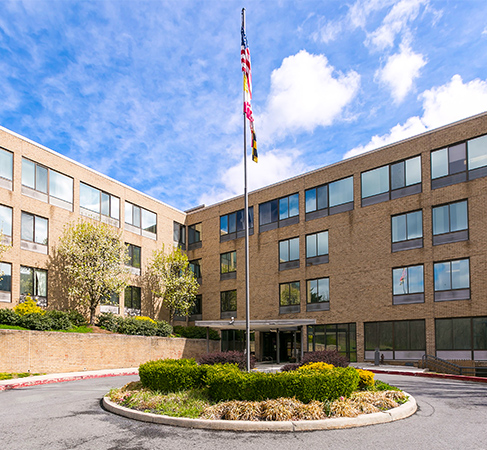
How is Allegany Health Nursing And Rehab Staffed?

CMS rates ALLEGANY HEALTH NURSING AND REHAB's staffing level at 3 out of 5 stars, which is average compared to other nursing homes. Staff turnover is 26%, compared to the Maryland average of 46%. This relatively stable workforce can support continuity of care.

What Have Inspectors Found at Allegany Health Nursing And Rehab?

State health inspectors documented 21 deficiencies at ALLEGANY HEALTH NURSING AND REHAB during 2018 to 2025. These included: 2 that caused actual resident harm and 19 with potential for harm. Deficiencies causing actual harm indicate documented cases where residents experienced negative health consequences.
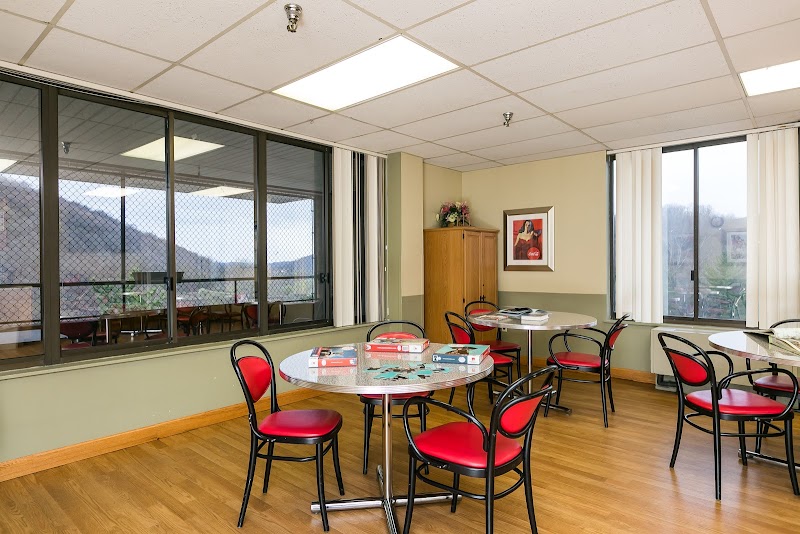
Who Owns and Operates Allegany Health Nursing And Rehab?

ALLEGANY HEALTH NURSING AND REHAB is owned by a for-profit company. For-profit facilities operate as businesses with obligations to shareholders or private owners. The facility is operated by FUNDAMENTAL HEALTHCARE, a chain that manages multiple nursing homes. With 153 certified beds and approximately 112 residents (about 73% occupancy), it is a mid-sized facility located in CUMBERLAND, Maryland.
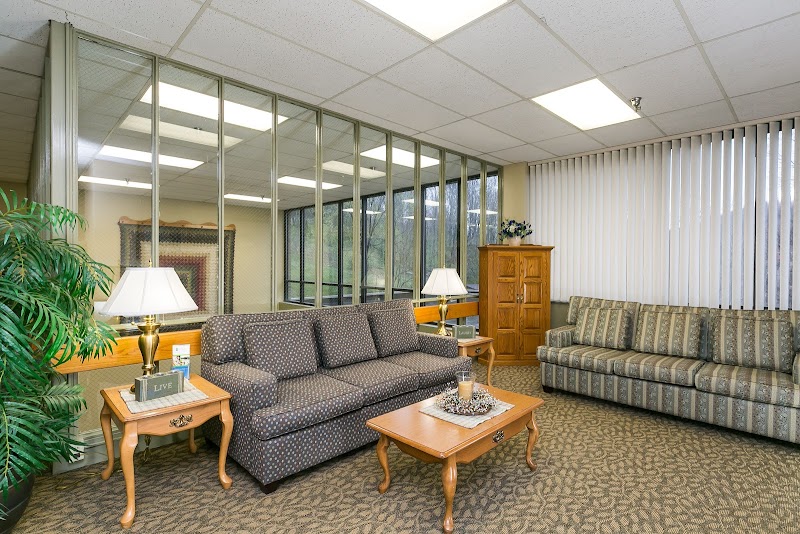
How Does Allegany Health Nursing And Rehab Compare to Other Maryland Nursing Homes?

Compared to the 100 nursing homes in Maryland, ALLEGANY HEALTH NURSING AND REHAB's overall rating (4 stars) is above the state average of 3.0, staff turnover (26%) is significantly lower than the state average of 46%, and health inspection rating (4 stars) is above the national benchmark.

What Should Families Ask When Visiting Allegany Health Nursing And Rehab?

Based on this facility's data, families visiting should ask: "Can I visit during a mealtime to observe dining assistance and food quality?" "How do you handle medical emergencies, and what is your hospital transfer rate?" "Can I speak with family members of current residents about their experience?"

Is Allegany Health Nursing And Rehab Safe?

Based on CMS inspection data, ALLEGANY HEALTH NURSING AND REHAB has a clean safety record: no substantiated abuse findings (meaning no confirmed cases of resident harm), no Immediate Jeopardy citations (the most serious violation level indicating risk of serious injury or death), and is not on the Special Focus Facility watch list (a federal program monitoring the lowest-performing 1% of nursing homes). The facility has a 4-star overall rating and ranks #1 of 100 nursing homes in Maryland. While no facility is perfect, families should still ask about staff-to-resident ratios and recent inspection results during their visit.

Do Nurses at Allegany Health Nursing And Rehab Stick Around?

Staff at ALLEGANY HEALTH NURSING AND REHAB tend to stick around. With a turnover rate of 26%, the facility is 19 percentage points below the Maryland average of 46%. Low turnover is a positive sign. It means caregivers have time to learn each resident's needs, medications, and personal preferences. Consistent staff also notice subtle changes in a resident's condition more quickly. Registered Nurse turnover is also low at 24%, meaning experienced RNs are available to handle complex medical needs.

Was Allegany Health Nursing And Rehab Ever Fined?

ALLEGANY HEALTH NURSING AND REHAB has been fined $18,636 across 2 penalty actions. This is below the Maryland average of $33,265. While any fine indicates a compliance issue, fines under $50,000 are relatively common and typically reflect isolated problems that were subsequently corrected. Families should ask what specific issues led to these fines and confirm they've been resolved.

Is Allegany Health Nursing And Rehab on Any Federal Watch List?

ALLEGANY HEALTH NURSING AND REHAB is not on any federal watch list. The most significant is the Special Focus Facility (SFF) program, which identifies the bottom 1% of nursing homes nationally based on persistent, serious quality problems. Not being on this list means the facility has avoided the pattern of deficiencies that triggers enhanced federal oversight. This is a positive indicator, though families should still review the facility's inspection history directly.