DEVLIN MANOR NURSING AND REHABILITATION CENTER
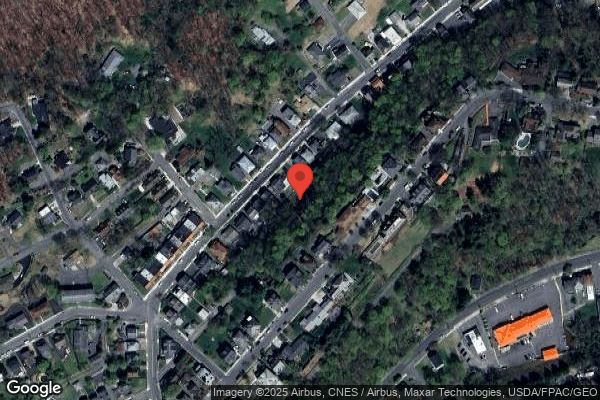
10301 NORTH EAST CHRISTIE ROAD, CUMBERLAND, MD 21502 (301) 724-1400
For profit - Individual 124 Beds FUNDAMENTAL HEALTHCARE Data: November 2025
Trust Grade
80/100
#15 of 219 in MD
Last Inspection: January 2025

Within standard 12-15 month inspection cycle. Federal law requires annual inspections.

Overview

Devlin Manor Nursing and Rehabilitation Center has received a Trust Grade of B+, indicating that it is above average and recommended for families considering care options. It ranks #15 out of 219 facilities in Maryland, placing it in the top half, and is the best option among eight facilities in Allegany County. The facility's trend is stable, with the same number of issues reported in both 2023 and 2025, but there are some concerns, including a period from December 2021 to July 2022 when they did not have a qualified social worker on staff. Staffing is a weak point, receiving a rating of 2 out of 5 stars, with a turnover rate of 43%, which is average, meaning staff may not remain long enough to build strong relationships with residents. However, the facility has not incurred any fines, which is a positive sign, and it has adequate RN coverage, ensuring that nurses can catch potential issues that assistants may miss. Specific incidents include delays in assessing changes in residents' conditions, which could hinder timely treatment, and a previous failure to maintain safe operating conditions in the kitchen. Overall, while there are notable strengths, families should weigh the staffing challenges and past compliance issues when making their decision.

Trust Score
B+
80/100
In Maryland
#15/219
Top 6%
Safety Record
Low Risk
No red flags
Inspections
Holding Steady
3 → 3 violations
Staff Stability
○ Average
43% turnover. Near Maryland's 48% average. Typical for the industry.
Penalties
✓ Good
No fines on record. Clean compliance history, better than most Maryland facilities.
Skilled Nurses
○ Average
Each resident gets 37 minutes of Registered Nurse (RN) attention daily — about average for Maryland. RNs are the most trained staff who monitor for health changes.
Violations
⚠ Watch
26 deficiencies on record. Higher than average. Multiple issues found across inspections.
★★★★★
5.0
Overall Rating
★★☆☆☆
2.0
Staff Levels
★★★☆☆
3.0
Care Quality
★★★★★
5.0
Inspection Score
Stable
2023: 3 issues
2025: 3 issues

The Good

  • Full Sprinkler Coverage · Fire safety systems throughout facility
  • No fines on record
  • Staff turnover below average (43%)

    5 points below Maryland average of 48%

Facility shows strength in fire safety.

The Bad

Staff Turnover: 43%

Near Maryland avg (46%)

Typical for the industry

Chain: FUNDAMENTAL HEALTHCARE

Part of a multi-facility chain

Ask about local staffing decisions and management

The Ugly 26 deficiencies on record

Sept 2025 2 deficiencies
CONCERN (D) 📢 Someone Reported This

A family member, employee, or ombudsman was alarmed enough to file a formal complaint

Potential for Harm - no one hurt, but risky conditions existed

Report Alleged Abuse (Tag F0609)

Could have caused harm · This affected 1 resident

Based on interviews, record reviews, and facility policy review, it was determined the facility failed to report an allegation of misappropriation of property timely to the state survey agency for 1 (...

Read full inspector narrative →
Based on interviews, record reviews, and facility policy review, it was determined the facility failed to report an allegation of misappropriation of property timely to the state survey agency for 1 (Resident #6) of 5 facility-reported incidents for allegations of abuse, neglect, and misappropriation of property. Specifically, Resident #6 alleged to have $230 missing in January 2025, and the facility did not report the allegation to the state agency until April 2025.Findings included:The facility's undated policy, titled, Abuse, Neglect, Exploitation, or Mistreatment, indicated, The facility's Leadership prohibits neglect, mental, physical and/or verbal abuse, use of a physical and/or chemical restraint not required to treat a medical condition, involuntary seclusion, corporal punishment, and misappropriation of a patient's/resident's property and/or funds and ensures that alleged violations involving abuse, neglect, exploitation, or mistreatment, including injuries of unknown source and misappropriation of resident property, and are reported immediately.Resident #6's Face Sheet indicated the facility admitted the resident on 03/03/2022. According to the Face Sheet, the resident had a medical history that included diagnoses of congestive heart failure, type II diabetes mellitus, and acute respiratory failure with hypoxia.A quarterly Minimum Data Set (MDS), with an Assessment Reference Date (ARD) of 10/21/2024, revealed Resident #6 had a Brief Interview for Mental Status (BIMS) score of 15, which indicated the resident had intact cognition. A Facility Reported Incident Initial Report Form, dated 04/26/2025, indicated the facility was informed of the allegation of misappropriation on 01/15/2025 but did not notify the state survey agency until 04/26/2025. The facility submitted the required 5-day investigation report to the state agency on 05/01/2025, which was not compliant with the required timeframe. Further review indicated Resident #6 reported to the Social Worker (SW) that they were missing $225 on 01/15/2025, and it was unknown of the date and time the money went missing. Following the allegation, staff placed a lock on Resident #6's bedside dresser, and statements were obtained from the staff and the other residents on the hall with decision-making capacity. Staff searched for the money in January 2025 and again in April 2025 when the allegation was made, but that amount of money was not found. The facility was unable to substantiate whether the resident ever had that amount of money.During an interview on 09/09/2025 at 9:57 AM, Geriatric Nursing Assistant (GNA) #5 stated that in January 2025, Resident #6 asked her to look in the resident's bedside drawer for money because the resident wanted to order some food. Per GNA #5, she looked in the resident's drawer, but there was no money there. GNA #5 asked the resident how much money was supposed to be there, and the resident stated $300. GNA #5 then stated she searched the resident's room but did not find the missing money, so she reported it to the nurse, who then searched the resident's room but did not find the money. The missing money was then reported to the Director of Nursing (DON). GNA #5 further stated she never knew Resident #6 to have that sum of money, but following the allegation, the facility provided the resident with a lock box for their valuables.During an interview on 09/09/2025 at 1:31 PM, the Social Worker (SW) stated Resident #6 reported money missing on 01/15/2025, but staff could never confirm the resident ever had the money. Following the allegation, the facility provided the resident with a lock box for valuables, but the resident never locked the drawer. The SW further stated they disregarded the allegation in January 2025 because no staff saw the resident with a large amount of money. Per the SW, the allegation related to missing money came up again in April 2025, so the facility chose to report the allegation to the state agency.During an interview on 09/09/2025 at 2:11 PM, Unit Manager (UM) #15 stated Resident #6 alleged to have money missing in January 2025 and staff checked the resident's room thoroughly without finding the money. Staff then placed a lock box in Resident #6's bedside table, but the resident never locked up their valuables. UM #15 further stated staff were not aware of Resident #6 having the amount of money they claimed was missing. Per UM #15, when Resident #6 expired, staff cleaned out their belongings and did find money in their lock box. Staff inventoried the resident's belongings and passed them on to their power of attorney (POA).During an interview on 09/09/2025 at 2:45 PM, UM #17 stated she did the state reportable related to Resident #6's missing money. Per UM #17, she received a call from compliance notifying her of Resident #6's missing money not being addressed, so she called her nursing consultant, who instructed her to report the allegation to the state agency. UM #17 further stated that after Resident #6 expired, staff found around $300 throughout their room. Staff inventoried the resident's belongings and gave them to the SW, who then gave them to the resident's family.During an interview on 09/10/2025 at 11:25 AM, the DON stated that in January 2025, Resident #6 alleged they were missing money, but staff were unable to determine if the resident ever had the amount of money they alleged was missing. The DON further stated Resident #6's concern related to their missing money came up again in April 2025, so they made the decision to report the allegation of misappropriation to the state agency at that time.During an interview on 09/10/2025 at 12:14 PM, the Administrator stated that as the abuse coordinator, they reported any allegation of abuse, neglect, or misappropriation to the state agency within two hours of the allegation being made. The Administrator further stated Resident #6 alleged to have a large amount of money missing at one time, but facility staff treated it more as a grievance as opposed to an allegation of misappropriation because staff could not verify the resident ever had the amount of money alleged to be missing. The Administrator further stated the decision was made to make the reportable in April 2025 because Resident #6 again brought up the large amount of missing money, but facility staff had to again unsubstantiate it because they could not verify the resident ever had the money.
CONCERN (E) 📢 Someone Reported This

A family member, employee, or ombudsman was alarmed enough to file a formal complaint

Potential for Harm - no one hurt, but risky conditions existed

Quality of Care (Tag F0684)

Could have caused harm · This affected multiple residents

Based on interview, record review, facility document review, and facility policy review, the facility failed to timely assess and implement interventions after a change of condition for 2 (Resident #2...

Read full inspector narrative →
Based on interview, record review, facility document review, and facility policy review, the facility failed to timely assess and implement interventions after a change of condition for 2 (Resident #2 and Resident #4) of 3 residents reviewed for change of condition. The failure resulted in a delay of assessment and treatment for Resident #2 and Resident #4. Findings included: A facility policy titled, Physician and Other Communication/Change in Condition, revised 05/05/2023, specified To improve communication between physicians and nursing staff to promote optimal patient/resident care, provide nursing staff with guidelines for making decisions regarding appropriate and timely notification of medical staff regarding changes in a patient's/resident's condition, and provide guidance for the notification of patients/residents and their responsible party regarding changes in condition. The policy also indicated, The nurse will document all assessments and changes in the patient's/resident's condition in the medical record. Changes and new approaches will be reflected in the individualized care plan. 1. A Resident Face Sheet indicated the facility admitted Resident #2 on 03/01/2023. According to the Resident Face Sheet, the resident had a medical history that included diagnoses of dementia with mood disturbance and stiffness to the left and right shoulder. A quarterly Minimum Data Set (MDS), with an Assessment Reference Date (ARD) of 06/07/2025, revealed Resident #2 had a Brief Interview for Mental Status (BIMS) score of 5, which indicated the resident had severe cognitive impairment. The MDS indicated the resident was dependent for toileting hygiene and substantial/maximal assistance to roll left and right while in bed. Resident #2's Care Plan included a problem area, start date 04/26/2025 and edited 09/02/2025, that indicated the resident required assistance with activities of daily living (ADLs). Interventions indicated the resident required extensive assistance with bed mobility. Resident #2's Progress Notes dated 08/30/2025 revealed Registered Nurse (RN) #21 was notified by the resident's family that the resident had a cut on their hand. The note indicated RN #21 observed a deep laceration between the resident's right thumb and index finger approximately one inch wide. The note indicated the Certified Registered Nurse Practitioner (CRNP) was in the facility and assessed the resident and determined the resident needed to be sent to the emergency department for sutures. The note indicated the resident was transported to the hospital around 4:50 PM. Resident #2's Progress Notes by the CRNP dated 08/30/2025 revealed the resident had an open three-centimeter laceration wound to the skin of the right hand between the thumb and fourth finger with no active bleeding observed. The progress note indicated the wound was cleansed with normal saline and a dressing secured with gauze wrap was applied. The note indicated that the resident was transferred to the emergency department via emergency services for further evaluation and treatment of the right-hand laceration wound. Resident #2's Progress Notes dated 08/31/2025 indicated the resident returned to the facility with six sutures in place to the right hand between the thumb and index finger. Resident #2's Patient/Resident Incident/Accident Investigation Worksheet dated 08/30/2025 at 4:20 PM indicated the resident had a deep one-inch laceration between the right thumb and index finger. The investigation indicated the resident stated they were holding onto the side rail when staff tried to roll them. The investigation indicated the resident was sent to the emergency department for sutures, and the side rails were removed. Review of a witness statement of Geriatric Nursing Assistant (GNA) #7 obtained via telephone by the Director of Nursing (DON) dated 08/20/2025 revealed that when she came in for her shift, GNA #23 and GNA #8 gave her report and let her know that Resident #2 had sustained a skin tear to the resident's right hand during care. The statement indicated that when GNA #7 was providing care, they did not notice any bleeding to the resident's right hand on the first rounds but did notice dried blood in between the resident's right thumb and right index finger during her second rounds. Review of a witness statement of GNA #23 obtained via telephone by the DON dated 09/01/2025, revealed that while she was providing care for Resident #2 with GNA #8, the GNAs were turning the resident using a draw sheet, and the resident reached back and grabbed the side rail. The statement indicated they stopped turning the resident and noticed blood to the resident's right hand. The statement indicated they washed the blood off, placed a wet washcloth to the area, and told Licensed Practical Nurse (LPN) #22. Review of a witness statement of GNA #8 obtained via telephone by the DON, dated 08/30/2025, revealed that while she was providing care to Resident #2 with GNA #23, the GNAs were turning the resident with a draw sheet, and the resident tried to hit them and grabbed hold of the side rail. The statement indicated the resident sustained a skin tear to their right hand, and GNA #23 told LPN #22 about the incident. During an interview on 09/09/2025 at 10:26 AM, GNA #7 stated she came into work and got report from GNA #23 and GNA #8. She stated they told her that during the shift, Resident #2 became combative and hard to change and was fighting with them and then grabbed hold of the railing, and when they tried to roll the resident, it caused a skin tear. She said they told her they reported it to LPN #22. She stated that when she did her first rounds, she did not notice any bleeding. When she went to do her next rounds, the resident's family was in the room and the resident complained of the area and that was when she noticed that it was a cut, not just a skin tear, so she told the nurse. During a phone interview on 09/09/2025 at 10:35 AM, GNA #23 stated she went in with GNA #8 to change Resident #2. The resident was agitated and fussing at them, and when they tried to turn the resident, the resident grabbed hold of the side rail. Once they got the resident to let go of the rail, they noticed blood, so they finished changing the resident and then got a wet washcloth and put it in the resident's hand and told LPN #22. She stated she did not know if the nurse followed up. She stated she was questioned by the facility and gave a statement. During a phone interview on 09/09/2025 at 10:51 AM, RN #21 stated she was at the nurses' station, and the resident's family came up and asked what happened to the resident's hand. She stated she was not aware of anything, and when she went into the resident's room, she noticed a laceration between the thumb and index finger that was not bleeding at the time. She stated she noticed dried blood on the left side rail, and the resident told her that they were holding onto the side rail while the girls were changing them. She stated she grabbed the provider, who was in the building, and got orders to send the resident to the emergency room for sutures. She stated she was not sure what happened. She stated the DON did an investigation and she gave her witness statement. During an interview on 09/09/2025 at 11:13 AM, GNA #8 stated that at about 2:30 in the morning during rounds, Resident #2 started cussing and getting combative and calling them names because the resident was mad about being woke up to be changed. She stated that when they went to turn the resident, the resident grabbed the rail and started screaming at them. She stated GNA #23 gently pried the resident's hand off the rail, but they did not notice anything until they were done, and then she saw the blood. She stated the resident had a skin tear to their hand. She notified LPN #22 that it had happened, and the nurse said she was going to check the resident out. During an interview on 09/10/2025 at 10:51 AM, the Physician Assistant (PA) stated she would expect the nurse to assess the area, provide wound care, and put on a bandage until it could be further assessed by a provider to see if sutures were needed. During an interview on 09/10/2025 at 11:41 AM, Family Member #24 stated Resident #2 told them that they hurt themself on the bed bar. The family member stated they were just concerned when they saw how deep the cut was. During an interview on 09/10/2025 at 12:08 PM, the Director of Nursing (DON) stated she received a call on 08/30/2025 that staff had found a laceration on Resident #2's hand and they needed to figure out what happened, so they started an investigation. She stated she talked to the RN on duty, and they had not noticed anything and had not been told anything in report. She stated GNA #7, the day aide, stated she got report that the resident sustained a skin tear to their hand. She stated the GNA did not see any bleeding on her first rounds, but she saw dried blood on her second rounds when the resident's family was in the room. She stated RN #21 assessed the area and had the PA assess the area, which needed sutures due to the placement of the cut. She stated that when she was finding the root cause during the investigation, she found out that GNA #23 and GNA #8 were using a draw sheet to turn the resident, and the resident grabbed the side rail. She stated that when they saw the blood, they cleaned it with a washcloth and told LPN #22. She stated LPN #22 stated she did not recall the GNAs telling her about the skin tear, only that the resident was giving them a hard time. She stated she suspended LPN #22 pending the investigation and gave her a final written warning for failure to assess and complete the documentation. The DON stated she did an in-service with the other nurses on when a change of condition was reported, they should follow up. She also educated about injuries of unknown origin and what to do about a resident becoming combative during care. She stated she did a mitigation plan on 08/30/2025. During another interview on 09/11/2025 at 12:55 PM, the DON stated she was not able to say how she would monitor to ensure that changes of condition reported to the nurse by the GNAs were being followed up on. She stated the change of condition should be put on the 24-hour report and the GNA. During an interview on 09/10/2025 at 1:27 PM, the Administrator stated the laceration was reported by the family, but they then found out that it had been reported to the previous nurse. He stated that nurse should have followed up on it when she was told. He stated he knew that the nurse was suspended and given a final written warning and education was provided. During an interview on 09/12/2025 at 9:10 AM, the Medical Director stated if a resident got an injury where the skin was broken, then it should have a bandage applied. He stated the nurse should have addressed Resident #2's wound and provided wound care. He stated it was not their practice to wait to assess an injury and provide first aid. He stated it should have been done right away. Multiple attempts were made to contact LPN #22 during the survey without a response. 2. Resident #4's Face Sheet indicated the facility admitted the resident on 05/01/2025. According to the Face Sheet, the resident had a medical history that included diagnoses of Alzheimer's disease, repeated falls, and osteoarthritis.An admission Minimum Data Set (MDS), with an Assessment Reference Date (ARD) of 05/07/2025, revealed Resident #4 had a Brief Interview for Mental Status (BIMS) score of 7, which indicated the resident had moderate cognitive impairment. Per the MDS, Resident #4 had no fall history upon admission. Resident #4's Care Plan included a problem statement, edited 09/09/2025, that indicated a risk for falling related to wandering behaviors and poor safety awareness. Interventions directed staff to apply hipsters for safety, bowel and bladder training, non-skid socks or proper footwear while out of bed, and to keep personal items and frequently-used items within reach. Resident #4's progress notes dated 05/23/2025 revealed Licensed Practical Nurse (LPN) #4 was at the nurses' station after lunch speaking with Registered Nurse (RN) #10 when Geriatric Nursing Assistant (GNA) #12 approached the desk notifying them that Resident #4 had discoloration to their forehead. Further review indicated LPN #4 noted Resident #4 had yellowish-green discoloration to their mid-forehead, which looked to be old bruising in the healing stage. LPN #4 further noted she was unaware of any recent falls, and Resident #4 denied having a fall at that time. LPN #4 also noted the resident's assigned nurse at that time, LPN #9 was also at the desk, looked at Resident #4, and then continued down the hallway. Resident #4 was alert to person only, ambulated independently, and did not appear to be in any distress at that time.Resident #4's progress notes dated 05/24/2025 revealed RN #18 noted that at approximately 11:00 AM, Resident #4 was alert and standing at the nurses' station conversing with staff. Staff then observed dark purple discoloration to the resident's bilateral periorbital area and the bridge of the nose with yellowish-green discoloration and swelling to the mid-forehead. RN #18 assessed Resident #4, with no other injuries noted.Resident #4's progress notes dated 05/24/2025 revealed the Medical Director (MD) wanted Resident #4 sent to the emergency room for x-rays to rule out any facial fractures.Review of a Facility Reported Incident Initial Report Form dated 05/24/2025 indicated Resident #4 had an injury of unknown origin. GNA #7 notified RN #18 of bruising around the resident's eyes and a hematoma to their forehead. RN #18 then completed a head-to-toe review, which revealed bruising bilaterally to the resident's eyes and a 4-centimeter (cm) x 4 cm hematoma to their forehead. Resident #4 denied any pain, and neuro checks were at the resident's baseline. RN #18 asked Resident #4 what had happened, and the resident stated, I fell yesterday. Facility staff were unaware of Resident #4 having a fall the previous day. Nursing staff then notified the resident's family member and the MD. Resident #4 was then sent to the emergency room, where no further injury was identified. During an interview on 09/09/2025 at 11:07 AM, GNA #8 stated she worked the evening shift the day Resident #4 started to have bruising to their face, and when she saw it, she notified LPN #4 and RN #10. GNA #8 further stated staff were unaware of what happened to the resident, and a medical provider came in to assess the resident sometime after the bruising was identified. During an interview on 09/09/2025 at 11:13 AM, LPN #9 stated she administered Resident #4's morning medications on 05/23/2025 and noted nothing out of the ordinary occurred on her shift while taking care of Resident #4. LPN #9 further stated her shift on 05/23/2025 ended at 3:00 PM, and LPN #4 relieved her that evening. LPN #9 further stated no one notified her of the bruising to Resident #4's face, and she never saw any discoloration to the resident's face on 05/23/2025. During an interview on 09/09/2025 at 11:23 AM, RN #10 stated she remembered when GNA #12 came to the nurses' station and notified her, LPN #4, and LPN #9 of the bruising to Resident #4's face on 05/23/2025. RN #10 further stated Resident #4 was assigned to LPN #9 at that time, and she thought LPN #9 was aware of the bruising and took care of it once notified. Per RN #10, once an injury of unknown origin was identified, it should be reported immediately and addressed if any further medical care was needed. RN #10 then stated she did not know if Resident #4's injury of unknown origin was reported and addressed timely. During an interview on 09/09/2025 at 11:48 AM, GNA #7 stated she noticed the bruising to Resident #4's face on 05/24/2025 when she took the resident their breakfast tray, and the bruising must have come from an incident the previous day. GNA #7 further stated no one knew how Resident #4 obtained the bruising to their face, and the resident was unable to tell them how it happened due to their cognitive status. During an interview on 09/09/2025 at 12:52 PM, GNA #12 stated she notified the nurses at the nurses' station in the evening of the bruising to Resident #4's face but could not remember who was present at that time. GNA #12 further stated she was not sure what occurred after she notified the nurses of the bruising. During an interview on 09/09/2025 at 1:13 PM, LPN #4 stated she worked as a GNA on 05/23/2025 when another GNA approached the nurses' station stating Resident #4 had bruising to their face. Per LPN #4, the discoloration to the resident's forehead could have been bruising that looked like it was healing, but it did not look like a new bruise. LPN #4 further stated it was right after lunch when the bruising was initially identified and LPN #9 was assigned to the resident and notified of the bruising. LPN #4 further stated she was not sure what was done after the bruising was brought to LPN #9's attention, but when there was an incident, the assigned nurse should assess, take vital signs, notify the MD and family, and address any injuries. During an interview on 09/09/2025 at 2:45 PM, Unit Manager (UM) #17 stated LPN #9 was Resident #4's nurse at the time the bruising to the resident's face was identified. UM #17 further stated the assigned nurse should have notified the MD on 05/23/2025 when the bruising was first identified. Per UM #17, LPN #9 stated to her that she did not remember seeing or hearing anything about Resident #4's facial bruising on 05/23/2025. UM #17 further stated RN #18 notified everyone of the bruising the next day on 05/24/2025 and then started neuro checks.During an interview on 09/09/2025 at 4:05 PM, UM #17 stated if an injury of unknown origin was brought to either nurse on duty's attention, one of them should have assessed the resident and notified the MD. Per UM #17, the nurses usually took care of only the residents on their assigned hall, but one of the nurses should have done something on 05/23/2025 when the bruising was first identified. During an interview on 09/10/2025 at 11:25 AM, the Director of Nursing (DON) stated she received a call from UM #15 on 05/24/2025 that RN #18 observed bruising around Resident #4's eyes. Per the DON, she instructed UM #15 to interview the staff that worked with Resident #4 to determine what happened and found out the bruising was reported to LPN #4 and RN #10 the previous day. During the follow-up investigation, there was some confusion. LPN #4 thought the bruising was reported to LPN #9 and that LPN #9 assessed the resident and did the required reporting prior to LPN #4 taking over LPN #9's hall on 05/23/2025. Per the DON, Resident #4 denied falling on 05/23/2025 when initially asked. The DON further stated RN #18 was on duty 05/24/2025 and asked Resident #4 how they obtained the facial bruising and the resident stated, I fell yesterday, but could not give any details. Per the DON, Resident #4 was independently ambulatory and could get up on their own if they did have a fall. The DON further stated the incident should have been identified and reported on 05/23/2025. Following the incident, the DON provided re-education to all nurses on identifying changes in condition and communication between the nurses to ensure any medical needs were addressed timely. During an interview on 09/10/2025 at 12:14 PM, the Administrator stated he expected nursing staff to notify the provider in a timely manner when they identified a resident's change in condition.During an interview on 09/11/2025 at 1:10 PM, LPN #4 stated she worked as a GNA when Resident #4's bruising was initially reported on 05/23/2025, and LPN #9 was present during that time. LPN #4 further stated LPN #9 looked at the resident at that time, and LPN #4 thought LPN #9 would have called the provider and done an assessment. LPN #4 further stated nothing related to Resident #4 was passed on in report on 05/23/2025 because she thought LPN #9 would have taken care of that during her shift, so she took no further actions during her shift as a nurse on 05/23/2025. During an interview on 09/11/2025 at 3:54 PM, GNA #20 stated staff did not know what happened to Resident #4's face on 05/23/2025, but they first noticed yellow and black bruising around the resident's eyes around dinner time that day. GNA #20 further stated LPN #4 monitored the resident that shift, with no further concerns noted.During an interview on 09/12/2025 at 9:09 AM, the MD stated he expected nursing staff to report to a provider of a possible head injury right away. The MD further stated his medical group should have been notified of Resident #4's facial bruising on 05/23/2025 instead of the next morning. Per the MD, Resident #4 should have been sent to the emergency room right away to rule out any further injury beyond bruising.
Jan 2025 1 deficiency
CONCERN (D)

Potential for Harm - no one hurt, but risky conditions existed

Comprehensive Care Plan (Tag F0656)

Could have caused harm · This affected 1 resident

**NOTE- TERMS IN BRACKETS HAVE BEEN EDITED TO PROTECT CONFIDENTIALITY** Based on interview, record review, and policy review, the facility failed to develop a care plan related to anticoagulant medica...

Read full inspector narrative →
**NOTE- TERMS IN BRACKETS HAVE BEEN EDITED TO PROTECT CONFIDENTIALITY** Based on interview, record review, and policy review, the facility failed to develop a care plan related to anticoagulant medication for one (Resident (R)28 residents in the sample of 28 residents. The deficient practice had the potential to cause an adverse reactions from receiving an anticoagulant medication. Findings include: 1. Review of R28's Face Sheet, located under the Profile tab of the electronic medical record (EMR), revealed R28 was admitted to the facility on [DATE] with diagnoses that included unspecified disorders of the brain-cerebral ventriculomegaly, and paroxysmal atrial fibrillation. Review of R28's annual Minimum Data Set (MDS) with an Assessment Reference Date (ARD) of 10/22/24 located in the EMR under the MDS tab revealed a Brief Interview for Mental Status (BIMS) score of 09 out of 15 which indicated R28 was moderately impaired for decision-making. This MDS assessment further indicated R28 receives an anticoagulant. Review of R28's Physician Orders dated 10/16/23 in the EMR under the Orders tab indicated Eliquis 5 milligram (mg) tablet by mouth two times a day. Review of R28's Comprehensive Care Plan, located in the EMR under the Care Plan tab did not show a focus, measurable goals, or interventions for anticoagulant medication use. During an interview with the MDS Coordinator (MDSC) on 01/16/25 at 3:30 PM, the MDSC stated that the care plans are updated or revised by her during each quarterly assessment. The MDSC stated that the anticoagulant should have been on the care plan. During an interview with the Director of Nurses (DON) on 01/16/25 at 3:42 PM, the DON stated that R28 does receive Eliquis which is an anticoagulant. The DON also stated this information should be included in the Care Plan. Review of the facility's policy titled Nursing Policy and Procedures dated 05/05/23 indicated, .developing a comprehensive care plan for each resident that includes the instructions needed to provide effective and person-centered care of the resident that meets professional standards of quality care.
Sept 2023 3 deficiencies
CONCERN (D) 📢 Someone Reported This

A family member, employee, or ombudsman was alarmed enough to file a formal complaint

Potential for Harm - no one hurt, but risky conditions existed

Quality of Care (Tag F0684)

Could have caused harm · This affected 1 resident

**NOTE- TERMS IN BRACKETS HAVE BEEN EDITED TO PROTECT CONFIDENTIALITY** Based on medical record review and interview, it was determined the facility staff failed to provide Resident (#20 and #27) with...

Read full inspector narrative →
**NOTE- TERMS IN BRACKETS HAVE BEEN EDITED TO PROTECT CONFIDENTIALITY** Based on medical record review and interview, it was determined the facility staff failed to provide Resident (#20 and #27) with care which promoted the highest practicable well-being. This was evident in 2 of 48 residents selected for review during a complaint survey. The findings include: 1. Based on medical record review of Resident #20's records and review of complaint MD00178254 it was determined the facility staff failed to follow a physician order written on 05/09/2023 for the bed to be in low position with fall mats when Resident #20 was in bed. On 9/18/23 at 9:30 AM, an observation of Resident #20 revealed the resident in bed with no fall mats. The Unit 3rd floor Manager (#11) was in the hall at that time and confirmed that the resident did not have fall mats as ordered. Interview with the Director of Nursing on 9/18/23 at 11 AM confirmed the facility staff failed to follow the physician orders for Resident's #20 fall mats. 2. Review of Resident #27's medical record on 9/20/22 at 9:00 AM in connection with review of complaint MD00182385 revealed the resident was admitted to the facility on [DATE] at 8:28 PM. Further review of the resident's medical records on 9/20/22 at 9:30am revealed the physician ordered oxycodone 10mg 4 times a day (8 AM, 12 PM, 4 PM, and 8 PM) on 8/11/23 at 5:50 PM. Review of the resident's medication administration records for August 2022 revealed facility nursing staff failed to administered oxycodone 10mg when Resident #27 was admitted and for the medication times 8AM, 12PM, and 4PM on 8/12/22. Resident #27 was transferred from the facility to the local hospital ER at the time of the resident's next scheduled medication administration (8PM). Interview with the Director of Nursing on 9/20/23 at 3:30PM confirmed the surveyor's findings.
CONCERN (D) 📢 Someone Reported This

A family member, employee, or ombudsman was alarmed enough to file a formal complaint

Potential for Harm - no one hurt, but risky conditions existed

Pharmacy Services (Tag F0755)

Could have caused harm · This affected 1 resident

**NOTE- TERMS IN BRACKETS HAVE BEEN EDITED TO PROTECT CONFIDENTIALITY** Based on medical record review and staff interview, it was determined that the facility failed to provide adequate management of...

Read full inspector narrative →
**NOTE- TERMS IN BRACKETS HAVE BEEN EDITED TO PROTECT CONFIDENTIALITY** Based on medical record review and staff interview, it was determined that the facility failed to provide adequate management of a resident's pain medication pharmacy order (Resident #27) resulting in the resident being denied scheduled pain medication when the pharmacy failed to deliver the medication to the facility. This was evident for 1 of 48 residents reviewed. The findings include: Review of Resident #27's medical record on 9/20/22 at 9:00am in connection with review of complaint MD00182385 revealed the resident was admitted to the facility on [DATE] at 8:28pm. Further review of the resident's medical records on 9/20/22 at 9:30am revealed the physician ordered oxycodone 10mg 4 times a day (8am, 12pm, 4pm, and 8pm) on 8/11/23 at 5:50pm. Review of the resident's medication administration records for August 2022 revealed facility nursing staff failed to administered oxycodone 10mg when Resident #27 was admitted and for the medication times 8am, 12pm, and 4pm on 8/12/22. Resident #27 was transferred from the facility to the local hospital ER at the time of the resident's next scheduled medication administration (8pm). An interview with the Director of Nursing (DON) was held on 9/20/23 at 2:00pm regarding the facility's failure to provide scheduled medications to Resident #27. The DON reviewed the resident's medication administration records and orders for August 2022 and confirmed facility nursing staff failed to provide the schedule pain medication to Resident #27. The DON also revealed that she had ordered the medication before Resident #27 was admitted to the facility and the medication was expected to be in the facility by resident's ordered 8am medication administration. The DON also stated the facility nursing staff assigned to Resident #27 was a contract employee and he/she did not follow facility procedures to inform the facility nursing supervisors of the missing pain medication. The DON further stated that the facility has common medications stored in a lockbox for residents that do not have ordered medication available for administration. One of the common medications available was Resident #27's scheduled oxycodone 10ml tablet. The DON also admitted that he/she was unaware the Resident #27 failed to receive his/her pain medication for 8/11 through 8/12/22 due to the pharmacy's failure to deliver the medication. The surveyor expressed concern of the facility's failure to adequately manage Resident #27's pharmacy order for oxycodone 10mg. The DON provided no new information.
CONCERN (F) 📢 Someone Reported This

A family member, employee, or ombudsman was alarmed enough to file a formal complaint

Potential for Harm - no one hurt, but risky conditions existed

Social Worker (Tag F0850)

Could have caused harm · This affected most or all residents

Based on facility staff roster review and staff interview, it was determined that the facility has a bed capacity of 127 and did not employ a qualified social worker from December 2021 until July 2022...

Read full inspector narrative →
Based on facility staff roster review and staff interview, it was determined that the facility has a bed capacity of 127 and did not employ a qualified social worker from December 2021 until July 2022 on a full-time basis. This deficient practice was found during an complaint survey and has the potential to affect all residents. After review of human resources records and staff interview it was determined the facility currently has employed a qualified social worker so this deficiency will be cited as past non-compliance with a correction date of July 12, 2022. The findings include: Interview with the Director of Nursing (DON) and the Administrator on 9/20/23 at 1:00 PM revealed the facility failed to employ a qualified Social Worker from December 2021 to July 2022. The Administrator stated when Staff #2 left the facility in December 2021 for another position, the facility had a difficult time finding another qualified social worker. Recruitment efforts were unsuccessful until July 2022 when Staff #32 was hired on July 12, 2022. The surveyor asked the DON and the Administrator about the assignment of social worker duties while the facility recruited a qualified social worker from December 2021 to July 2022. The DON stated that he/she took over most social work duties until July 2022. Review of the staff roster on 9/20/2023 confirmed there was no qualified social worker employed between December 2021 until July 12, 2022. The deficient practice was discussed with the DON and the Administrator on 9/20/22 but neither the DON and the Administrator offered any additional information. Review of the facility human resource records on 9/20/23 revealed the facility hired Staff #32 on 7/12/22. Review of social services duties and records revealed the facility maintained employment of a qualified social worker since July 12, 2022. It was determined the deficient practice of not employing a qualified social worker was resolved as of 7/12/2022, therefore the deficiency was determined to be past non-compliance.
Nov 2019 2 deficiencies
CONCERN (D)

Potential for Harm - no one hurt, but risky conditions existed

Resident Rights (Tag F0550)

Could have caused harm · This affected 1 resident

Based on observation, the facility staff failed to maintain dignity for Resident #50 while assisting the Resident with lunch. This was evident for 1 out of all Residents observed during the lunch dini...

Read full inspector narrative →
Based on observation, the facility staff failed to maintain dignity for Resident #50 while assisting the Resident with lunch. This was evident for 1 out of all Residents observed during the lunch dining service during the survey process The findings include: On 11/08/19 around 11:34 AM, while observing Resident #50's positioning for meals, it was noted that staff # 5 was assisting the resident with the meal. Writer observed Staff # 5 feeding the resident from a standing position, leaning toward the resident. Writer informed Staff # 4 who acknowledged and witnessed the episode. Staff should not be standing over residents while assisting them to eat. Residents have a right to be treated with dignity and as much independence as possible when dining.
CONCERN (D)

Potential for Harm - no one hurt, but risky conditions existed

Comprehensive Care Plan (Tag F0656)

Could have caused harm · This affected 1 resident

Based on medical records and staff interviews, it was determined that the facility staff failed to develop a Care Plan for Resident #89, related to the Resident's combativeness. This was evident for 1...

Read full inspector narrative →
Based on medical records and staff interviews, it was determined that the facility staff failed to develop a Care Plan for Resident #89, related to the Resident's combativeness. This was evident for 1 out of 35 residents investigated during the survey process. The findings include: On 11/04/19 around 03:17 PM, while interviewing Resident 89's significant other for a family interview, the spouse expressed concerns about bruises on the resident's left hand. Further review of the record revealed that. on 10/17/19, GNA #6 stated that while providing care, the resident was very combative. Per the GNA, the resident was due for a complete bed change, clothes and brief. The GNA was providing care and had to yell for help due to the resident's behavior . Reportedly, the resident was hitting the GNA, grabbing the brief and shirt, and would not roll over. The GNA stated that the resident was grabbing, twisting and squeezing the GNA's arms and wrist between their legs while the GNA was trying to pull up the brief. At no time did the GNA see the resident actually hurt their self, but with all the combativeness, it was possible. There are many statements in the record about the resident being combative with care and, per the DON, the resident is combative with care. A review of the resident's Plan of Care did not identify any interventions to address the Resident's combative behaviors, and coping skills. When the surveyor questioned the DON about the care plan, the DON acknowledged this omission. It is the facility's responsibility to create a Plan of Care that addresses special care requirements for each of its residents.
Jun 2018 18 deficiencies
CONCERN (D)

Potential for Harm - no one hurt, but risky conditions existed

Resident Rights (Tag F0550)

Could have caused harm · This affected 1 resident

2) Observation was made of lunch service on 6/11/18 at 12:54 PM in the third-floor dining room. The lunch cart was delivered at 12:54 PM. Resident #59 was sitting at a table with Resident #17 and Resi...

Read full inspector narrative →
2) Observation was made of lunch service on 6/11/18 at 12:54 PM in the third-floor dining room. The lunch cart was delivered at 12:54 PM. Resident #59 was sitting at a table with Resident #17 and Resident #70. Resident #59 was served a tray at 12:55 PM. Resident #17 was served at 1:06 PM, which was 11 minutes later. At that time, staff gave Resident #70 a carton of milk. Resident #70 received a lunch tray at 1:12 PM, which was 17 minutes after Resident #59. Resident #50 sat in the dining room by the table towards the door and nourishment room in a wheelchair holding a baby doll. Everyone in the dining room was eating lunch except Resident #50. Resident #50's tray came up at 1:14 PM, which was 20 minutes after the first tray was served. Resident #50 was wheeled over to a table with 3 other residents and given the lunch tray. Discussed with the Director of Nursing on 6/15/18 at 1:00 PM. Based on observation, it was determined that the facility staff failed to treat each resident in a dignified manner by 1) not knocking on the resident's door and requesting permission before entering and 2) not serving all residents at the same table at the same time, this was evident for 1 (#63) of 29 residents in the final sample and in 1 of 2 dining rooms observed during a dining observation. The findings include: 1) On 6/11/18 an interview was conducted with resident #63. Resident #63's door was closed during the interview. At 11:11 AM, a slight knocking was heard and immediately, before resident could respond, the door opened and staff #6 walked into the room. At 11:18, there was a knock on the door and without waiting, a nurse (Staff #20) walked into the room with the intention to weigh the resident in the B-Bed. At 11:38, a knock was heard and immediately the Maintenance person (staff #8) barged in without waiting for a response from the resident. An Example of treating residents with dignity and respect include protecting and valuing residents' private space includes knocking on doors and requesting permission before entering residents' rooms.
CONCERN (D)

Potential for Harm - no one hurt, but risky conditions existed

Notification of Changes (Tag F0580)

Could have caused harm · This affected 1 resident

Based on medical record review and staff interview, it was determined that the facility failed to notify a physician provider of a weight gain greater than 2 pounds as prescribed. This is identified f...

Read full inspector narrative →
Based on medical record review and staff interview, it was determined that the facility failed to notify a physician provider of a weight gain greater than 2 pounds as prescribed. This is identified for 1 of 1 residents reviewed for tube feeding. (Resident #29) The findings include. Review of resident #29's medical record, on 6/14/18, revealed a clinician's order to obtain weight twice weekly with special instructions to Notify provider if weight gain > 2 pounds. The weighing of the resident was to occur on Mondays and Thursdays. Review of the documented weights for March and April revealed a weight gain greater than 5 pounds. Resident #29's weight was recorded as 120.6 on Thursday 3/29/18, and on Monday 4/2/18, the resident's weight was recorded as 126 pounds. The medical record did not have any documentation of a provider being notified. The unit manager (staff # 4) was interviewed on 6/14/18 at 11:41 AM. Upon further medical record review, the unit manager confirmed that there was not any documentation of the resident's attending physician or other provider being notified when there was a weight gain greater than 2 pounds as per physician's order.
CONCERN (D)

Potential for Harm - no one hurt, but risky conditions existed

Report Alleged Abuse (Tag F0609)

Could have caused harm · This affected 1 resident

Based on medical record review and staff interview, it was determined the facility failed to report an injury of unknown origin to the State Survey Agency. This was evident for 1 (#41) of 4 residents ...

Read full inspector narrative →
Based on medical record review and staff interview, it was determined the facility failed to report an injury of unknown origin to the State Survey Agency. This was evident for 1 (#41) of 4 residents reviewed for abuse. The findings include: Review of Resident #41's medical record on 6/14/18 revealed a change in condition note, (SBAR) dated 5/20/18, which documented that a GNA (geriatric nursing assistant) advised the nurse of a bruise on the resident's forehead. Documentation revealed bruise observed to resident's left forehead measuring 5 cm by 3 cm (centimeters). Continued review of progress notes, dated 5/21/18 at 9:43 PM, documented blue-green bruise persists on left side of resident's forehead. A 5/22/18 at 10:14 AM note stated bruising to left side of forehead persists. Neuro checks continue. On 6/14/18 at 10:30 AM, Staff #5 was asked about the bruise. Staff #5 said the bruise was in the center of the resident's forehead. The surveyor asked if an investigation was done. Staff #5 gave the surveyor a copy of a patient/resident incident/accident investigation worksheet, dated 5/20/18, which documented informed by GNA resident had bruise on left forehead. The findings were: resident has no side rails. It is possible she was bumped when she was transferred with mechanical lift. Follow up steps: staff education and competency with lift use. neuro checks ordered. Further review of the medical record revealed documentation that the resident had dementia, was deemed incapable and was totally dependent on staff for all activities of daily living. The surveyor asked Staff #5 if the incident was reported to the State Agency as an injury of unknown origin. Staff #5 was unsure and stated that he/she filled out an incident report. On 6/14/18 at 11:15 AM, the Director of Nursing stated the incident had not been reported.
CONCERN (D)

Potential for Harm - no one hurt, but risky conditions existed

Investigate Abuse (Tag F0610)

Could have caused harm · This affected 1 resident

Based on medical record review and staff interview, it was determined the facility failed to thoroughly investigate an injury of unknown origin and report it to the to the State Survey Agency within 5...

Read full inspector narrative →
Based on medical record review and staff interview, it was determined the facility failed to thoroughly investigate an injury of unknown origin and report it to the to the State Survey Agency within 5 working days of the incident. This was evident for 1 (#41) of 4 residents reviewed for abuse. The findings include: Review of Resident #41's medical record on 6/14/18 revealed a change in condition note, (SBAR) dated 5/20/18, which documented that a GNA (geriatric nursing assistant) advised the nurse of a bruise on the resident's forehead. Documentation revealed bruise observed to resident's left forehead measuring 5 cm by 3 cm (centimeters). On 6/14/18 at 10:30 AM, Staff #5 was asked about the bruise. Staff #5 said the bruise was in the center of the resident's forehead. The surveyor asked if an investigation was done. Staff # 5 gave the surveyor a copy of a patient/resident incident/accident investigation worksheet, dated 5/20/18, which documented informed by GNA resident had bruise on left forehead. The findings were: resident has no side rails. It is possible she was bumped when she was transferred with mechanical lift. Follow up steps : staff education and competency with lift use. neuro checks ordered. The surveyor requested to see the investigation which would have included staff interviews from current and previous shifts. The surveyor was advised by Staff #5 that the accident form was filled out, but other interviews were not done because they concluded that it must have happened when he/she was transferred with the hoyer lift. On 6/14/18 at 11:15 AM, the Director of Nursing stated the incident had not been reported and not fully investigated with interviews of staff from preceding shifts.
CONCERN (D)

Potential for Harm - no one hurt, but risky conditions existed

Deficiency F0679 (Tag F0679)

Could have caused harm · This affected 1 resident

Based on observations, medical record review and staff interview, it was determined that the facility failed to implement an ongoing resident centered activities program designed to meet the interests...

Read full inspector narrative →
Based on observations, medical record review and staff interview, it was determined that the facility failed to implement an ongoing resident centered activities program designed to meet the interests and support the physical, mental and psychosocial well-being of each resident for 1 (#56) of 4 residents reviewed for activities. The findings include: On 6/11/18 at 11:00, Resident #56 was observed lying in bed. Additional observations of Resident #57 lying in bed were made on 6/11/18 at 1:45 PM, on 6/12/18 at 10:38 AM, on 6/13/18 at 11:54, on 6/13/18 at 1:33 PM and on 6/14/18, at 11:20 AM. During the survey, the resident was never observed in an activity on having a 1:1 (one on one) activity with facility staff. The resident was always observed in the resident's room, in bed. There was no television or radio on for the resident when the resident was in the room. Review of Resident #56's care plans revealed an activities care plan initiated on 6/1/18, Resident has a potential for social isolation related to lack of interest and refusal of activities. The goal stated, the resident will accept and participate in three 1:1 visits weekly until next review date. The goal was not resident specific and, the approaches on the resident's care plan, 1) allow the resident to discuss feelings and topics of choice during 1:1 visits and 2) invite resident to all activities, were not resident centered with individualized approaches to care as this resident had a hearing deficit and was blind in one eye. On 6/14/18 at 1:36 PM, during an interview, Staff #10, the Activities Director, stated that 1:1 activities were provided to Resident #56 because the resident refused to attend activities when the resident was asked. Staff #10 stated that a staff member would read daily chronicles to the resident and give the resident an opportunity to discuss what was important. Staff #10 stated that if the resident refused a 1:1 visit, the staff member would go back the next day. When asked how resident participation in activities was documented, Staff #10 stated 1:1 visits were documented in a monthly activities record. Review of Resident #56's Record of One-to-One Activities revealed in January 2018, Resident #57 had one 1:1 visit on 1/4/18, indicating the resident had an activity on 1 of 31 days. The activity staff documented on 1/3/18 that resident would not awaken, on 1/24/18, the resident was sleeping, and on 1/24/18, the staff documented that the resident did not want company. Also, in Resident #56's January 2018 activities record, the facility staff documented on 5/17/18 that Resident #56 had a 1:1 activity. Continued review of Resident #56's Record of One-to-One Activities revealed in May 2018 that Resident #57 had a 1:1 activity on 5/22/18 and in June 2018, the staff documented the resident had an activity. Combined with the 5/17/18 activity documented in the January 2018 activity record, the facility staff documented Resident #56 had a 1:1 activity on 2 of 31 days in May 2018, Review of Resident #56's June 2018 Record of One-to-One Activities, the staff documented the resident had a 1:1 activity on 6/7/18 and on 6/12/18, indicating that Resident #56 had a 1:1 visit on 2 of 14 days in June 2018. There was no documentation to indicate that in February, March and April 2018, that facility staff provided Resident #56 with a 1:1 activity. On 6/14/18 at 1:45 PM, when asked Resident #56's participation in 1:1 activities in February, March and April 2018, Staff #10 stated he/she was short staffed so was probably late on logging them. Cross Reference F656 and F657.
CONCERN (D)

Potential for Harm - no one hurt, but risky conditions existed

Deficiency F0711 (Tag F0711)

Could have caused harm · This affected 1 resident

Based on medical record review and staff interview, it was determined that the physician failed to write, sign and date medical visits in resident medical records the day the residents were seen. This...

Read full inspector narrative →
Based on medical record review and staff interview, it was determined that the physician failed to write, sign and date medical visits in resident medical records the day the residents were seen. This was evident for 1 (#41) of 4 residents reviewed for abuse and 2 (#13, #25) of 3 residents reviewed for nutrition. The findings include: 1) Review of Resident #41's electronic medical record, on 6/14/18, revealed a 5/12/18 at 11:17 AM nursing progress note which stated {physician name} in this shift to see resident. NNO (no new orders) written. There were no physician visits found in the electronic medical record. Review of the paper medical record that was on the nursing unit had a physician's progress note dated 4/15/18 in the physician visit section. Staff #5 was asked about the physician visit and she looked and stated it probably wasn't faxed over yet. I will call his office and have it faxed over. The surveyor asked if it normally took over a month for notes to come over and Staff #5 stated they are faxed and then put in mailboxes. Review of the 4/15/18 physician's progress note revealed a fax time and date at the top of the page which was 4/23/18 at 1:12 PM. This was 8 days after the medical visit. 2) Review of Resident #13's medical record on 6/14/18 revealed nursing progress notes dated 5/3/18 at 11:55 AM which stated {physician name} in to see resident this shift. NNO. Review of the paper medical revealed that the last physician's visit was on 4/15/18. The physician's visit for 5/3/18 was not in the medical record as of 6/14/18, which was 6 weeks after the visit. The 4/15/18 physician's visit had a fax imprint on the top of the page of 4/23/18 at 1:12 PM. The 3/17/18 visit was faxed over on 3/22/18 at 12:56 PM. 3) Review of Resident #25's medical record on 6/14/18 revealed documentation of a nursing progress note, dated 5/12/18 PM, which stated {physician name} in to see resident this shift. NNO Review of the paper medical record revealed that the last documented physician's visit was dated 4/15/18. As of 6/14/18, that physician's visit was not in the resident's medical record. The 4/15/18 physician's visit was faxed over on 4/23/18 at 1:12 PM, and the 3/17/18 visit was faxed over on 3/22/18 at 12:56 PM. Discussed with the Director of Nursing on 6/15/18 at 10:30 AM.
CONCERN (D)

Potential for Harm - no one hurt, but risky conditions existed

Medication Errors (Tag F0758)

Could have caused harm · This affected 1 resident

Based on review of the medical record and interview with staff, it was determined that the facility staff failed to ensure that a physician's order for a PRN (as needed) psychotropic drug was limited ...

Read full inspector narrative →
Based on review of the medical record and interview with staff, it was determined that the facility staff failed to ensure that a physician's order for a PRN (as needed) psychotropic drug was limited to 14 days. This was evident for 1 (#253) of 1 resident reviewed for behavior. The findings include: Resident #253 medical record was reviewed on 6/12/18 at 8:51 AM. The record included a physician's order, written on 6/11/18, for Haldol (a psychotropic medication used to treat psychosis) 1 mg (milligram) PO (by mouth) or IM (intermuscular) every 6 hours as needed for agitation and aggression. The order did not contain a limitation of 14 days. During an interview, on 6/15/18 at 10:52 AM, Staff #2 was made aware and confirmed that the physicians order for the PRN antipsychotic medication did not include a 14-day limitation.
CONCERN (D)

Potential for Harm - no one hurt, but risky conditions existed

Deficiency F0761 (Tag F0761)

Could have caused harm · This affected 1 resident

Based on observation and staff interview, it was determined the facility failed to properly store medications as evidenced by failing to ensure that medication was put away and locked up when unattend...

Read full inspector narrative →
Based on observation and staff interview, it was determined the facility failed to properly store medications as evidenced by failing to ensure that medication was put away and locked up when unattended. This was evident for 1 of 4 nurses observed during medication administration. The findings include: Observation was made, on 6/13/18 at 9:29 AM, of Staff #18 administering medications to Resident #44. Staff #18 poured all the medications and left 3 bottles on top of the medication cart, which included Aspirin, Ferrous Sulfate and Loratadine. Staff #18 locked the medication cart and walked into Resident #44's room and administered the medications. Staff #18 came out of the room and then walked into the room next door. Staff #18 walked back to the medication cart and stated to the surveyor I know I left the meds on top of the cart unattended. Discussed with the Director of Nursing on 6/15/18 at 1:00 PM.
CONCERN (D)

Potential for Harm - no one hurt, but risky conditions existed

Food Safety (Tag F0812)

Could have caused harm · This affected 1 resident

Based on observation, it was determined the facility staff failed to served food in a sanitary manner. This was observed during dining observation on 1 of 2 units. The findings include: Observation wa...

Read full inspector narrative →
Based on observation, it was determined the facility staff failed to served food in a sanitary manner. This was observed during dining observation on 1 of 2 units. The findings include: Observation was made, on 6/11/18 at 12:54 PM, in the third floor dining room of Staff #14 setting up the lunch tray for Resident #37. Staff #14 pulled a piece of bread out of the plastic wrapper with bare hands and buttered the bread. Staff #14 then walked over and delivered a tray to Resident #253. Staff #14 proceeded to take the bread out of the plastic wrapper with bare hands and butter the bread. Staff #15 delivered a lunch tray to Resident #33, took the bread out of the plastic wrapper with bare hands and held the bread while placing butter on the bread. Discussed the touching of food with bare hands observations with the Director of Nursing on 6/16/18 at 1:00 PM.
CONCERN (D)

Potential for Harm - no one hurt, but risky conditions existed

Medical Records (Tag F0842)

Could have caused harm · This affected 1 resident

Based on record review and interview with staff, it was determined that the facility failed to maintain complete and accurate medical records by failing to have clear indication in the physician's ord...

Read full inspector narrative →
Based on record review and interview with staff, it was determined that the facility failed to maintain complete and accurate medical records by failing to have clear indication in the physician's order for route of administration for an antipsychotic medication. This was evident for 1 (#253) of 1 residents reviewed for behavior. The findings include: Resident #253 medical record was reviewed on 6/12/18 at 8:51 AM. The record included a physician's order, written on 6/11/18, for Haldol (a psychotropic medication used to treat psychosis) 1 mg (milligram) PO (by mouth) or IM (intermuscular) every 6 hours as needed for agitation and aggression. The order did not contain information to indicate how staff were to determine when to give the medication by mouth or by intermuscular injection. During an interview, on 6/14/18 at 3:05 PM, Staff #14 was asked how he/she would determine which route to administer the residents Haldol dose if needed. Staff #14 indicated that if the resident gets to the state where he/she needs the Haldol, it would be given IM because he/she won't take anything by mouth. This was not indicated in the physician's order. Staff #2 was made aware of these findings, on 6/15/18 at 10:52 PM, and confirmed that the order was not clear as to how staff would determine which route to administer the medication. Cross reference F 758.
CONCERN (E)

Potential for Harm - no one hurt, but risky conditions existed

Safe Environment (Tag F0584)

Could have caused harm · This affected multiple residents

**NOTE- TERMS IN BRACKETS HAVE BEEN EDITED TO PROTECT CONFIDENTIALITY** 16) On 6/12/18 at 9:13 AM, observation of room [ROOM NUMBER]'s shared bathroom revealed the caulk around the toilet was cracked ...

Read full inspector narrative →
**NOTE- TERMS IN BRACKETS HAVE BEEN EDITED TO PROTECT CONFIDENTIALITY** 16) On 6/12/18 at 9:13 AM, observation of room [ROOM NUMBER]'s shared bathroom revealed the caulk around the toilet was cracked and both lower door jambs were scraped with paint missing. 17) On 6/12/18 at 8:40 AM, observation of Resident #31's wheel chair revealed the vinyl on the right wheelchair armrest was cracked and torn which exposed underneath padding. 18) On 6/12/18 at 9:47 AM, observation of room [ROOM NUMBER]'s bathroom revealed the caulk was cracked around the toilet and bathroom had a foul urine odor. 19) On 6/12/18 at 11:00 AM, observation of room [ROOM NUMBER]'s bathroom revealed the caulk around the toilet was cracked, the bathroom had a foul urine odor and the ceiling light fixture was hanging down from ceiling The Maintenance Supervisor was shown all areas of concern during an environmental tour of the facility on 6/15/18 at 12:00 PM. 11) At 11:21 AM on 6/11/18, the surveyor observed room [ROOM NUMBER]. A plastic strip was covering the corner edge of the wall to the left of the closet door, just above the floor. The strip was cracked, had pieces missing, and was loose from the wall. 12) At 12:28 PM on 6/11/18, the surveyor observed the bathroom shared by rooms [ROOM NUMBERS]. The ceiling light/fan unit located in the center of the room was hanging below the ceiling with a gap between the unit and the ceiling. The bathroom had a pungent odor of urine. 13) room [ROOM NUMBER] was observed on 6/11/18 at 1:44 PM. Scrapes were present in the wall on each side of the red electrical outlet located below the call bell box and approximately 1-2 feet above the floor. 14) On 6/11/18, at approximately 1:58 PM the bathroom between rooms [ROOM NUMBERS] was observed. The ceiling light/fan fixture, designed to be flush against the ceiling, was hanging approximately 2 inches below the ceiling. The bathroom smelled strongly of urine. The bathroom was observed again on 6/12/18 at 9:55 AM. The ceiling light/fan fixture remained approximately 2 inches below the ceiling and the pungent odor of urine was still present. 15) Resident #66 was observed sitting in the hallway across from the nurse's station on 6/11/18 at approximately 11:31 AM. A tray type cushion device was across his/her wheelchair armrests. The vinyl covering the tray was torn and frayed along the bottom edge located on the resident's right-hand side. Based on observation and staff interview, it was determined the facility failed to provide housekeeping and maintenance services to provide a clean and comfortable homelike environment. This was evident on 2 of 2 units and for 1 (#66) of 47 residents observed during the annual survey. The findings include: Initial observations of the third floor, on 6/11/18 at 10:30 AM, revealed a urine odor once the elevator doors opened, and the surveyor stepped out onto the unit. The odor of urine persisted in the hallways during the entire survey from 6/11/18 until 6/15/18. 1) Observation was made, on 6/11/18 at 11:11 AM, in room [ROOM NUMBER] B. The room smelled of urine. The floor was sticky and there was no toilet paper holder rod in the bathroom. There was a stain on the privacy curtain and the closet rod was bent. The dresser drawer was missing a nob on the bottom drawer. A second observation was made in room [ROOM NUMBER] B on 6/12/18 at 9:28 AM. The room smelled of urine, the bottom sheet was stained of a wet yellow material starting from 2 feet down from the head of the bed. A fly was flying around the wet stain on the bed. 2) Observation was made in room [ROOM NUMBER] B on 6/11/18 at 11:28 AM of a fly in the room by the call bell cord on the resident's bed. Also observed were 2 holes in the bottom sheet. There were orange and brown stains on the privacy curtain in between the 2 beds. There were dark stains on the floor around the base of the toilet in the bathroom. The light in the ceiling of the bathroom was hanging down away from the ceiling tile approximately 1 to 2 inches. 3) Observation was made in room [ROOM NUMBER] on 6/11/18 at 11:49 AM of the ceiling light in the bathroom hanging down approximately 2 inches from the ceiling. 4) Observation was made, in room [ROOM NUMBER] A on 6/11/18 at 11:52 AM, of a hole in the bottom sheet on the bed. The bottom dresser drawer did not shut all the way and the top right dresser drawer knob was loose. There was a plastic glove on the floor showing from underneath the closet door. There was an approximate 3 inch by 3 inch round, yellowish stain on the bathroom ceiling by the toilet. There were stains on the privacy curtain in between both beds. 5) Observation was made in room [ROOM NUMBER] on 6/11/18 at 12:17 PM of the ceiling light in the bathroom hanging away from the ceiling approximately 2 to 3 inches. There was a urinal lying on the bathroom floor by a plastic bag. The bathroom was shared by 4 people. The B bed top dresser drawer had 2 inches of laminate missing and the rest of the laminate was pulled away from the dresser and was loose and floppy. There was a spackled area underneath the hand soap dispenser that was not painted. 6) Observation was made, on 6/11/18 at 12:46 PM, of Resident #41 sitting in a geriatric (geri) chair in the third floor dining room. The right side of the geri chair had vinyl torn and missing with yellow stuffing exposed along the outside of the right armrest and the right rear corner. 7) Observation was made, of Resident #17, sitting in a wheelchair in the third floor dining room during lunch on 6/11/18 at 12:55 PM. The vinyl on the right wheelchair armrest was torn away at the front. The gray padding was hanging out and exposed. Also during lunch, several flies were seen landing on residents, and Staff #16 was swatting them away from plates of food. 8) Observation was made, on 6/12/18 at 9:02 AM, in room [ROOM NUMBER] of a large brown stain on the privacy curtain between the two beds approximately 6 inches by 1 inch. The ceiling light in the bathroom was hanging down from the ceiling, approximately 2 inches away from the ceiling. 9) On 6/12/18 at 9:05 AM, the surveyor was visiting with Resident #47 in the dining room on the third floor. The resident was swatting at a fly that was flying around the resident and landing on the table. 10) Observation was made in room [ROOM NUMBER], on 6/12/18 at 9:19 AM, of the 2 over the bed tray tables. The laminate was missing in the corners of the tray table, which exposed the underneath particle board. The ceiling light in the bathroom was hanging down approximately 1 inch from the ceiling tile. The privacy curtain hanging by the door was not attached on the end of the track.
CONCERN (E)

Potential for Harm - no one hurt, but risky conditions existed

Assessment Accuracy (Tag F0641)

Could have caused harm · This affected multiple residents

5) Resident #34's record was reviewed on 6/12/18 at 12:14 PM. The Resident's quarterly MDS assessment with an assessment reference date of 4/10/18 Section G was coded to reflect that the resident was ...

Read full inspector narrative →
5) Resident #34's record was reviewed on 6/12/18 at 12:14 PM. The Resident's quarterly MDS assessment with an assessment reference date of 4/10/18 Section G was coded to reflect that the resident was totally dependent for eating and was 2+ person physical assist. An interview was conducted on 6/14/18 at 4:45 PM with Staff #11. He/She was asked why the MDS reflected that the resident would require 2 or more people to feed him/her his/her meal. He/She indicated that on the second shift on 4/9/18 it was documented that the resident required 2+ staff for eating and that one occurrence required the MDS to be coded at that level. He/She indicated when asked that he/she was not sure if it would take 2 people to feed Resident #34. When asked if he/she would question why the resident required 2 staff for this task he/she indicated he/she would not. Staff #11 also confirmed at that time that Resident #34 received tube feedings through a gastrostomy tube (a tube through the abdominal wall into the stomach) and added that the resident also received pureed food by mouth. Further review revealed that the resident's level of assistance with eating was coded as 2+ on 2nd shift on 3/26/18 as well. Staff #11 confirmed that both entries were by the same GNA (geriatric nursing assistant). During an interview on n 6/14/18 at 5:00 PM Staff #5 indicated that Resident #34 required the assistance of 1 staff for meals and never required 2 or more people to assist. Staff #5 indicated that the GNA who documented the entries probably entered the wrong code and that the GNA no longer worked at the facility. Based on medical record review and staff interview, it was determined the facility staff failed to ensure that Minimum Data Set (MDS) assessments were accurately coded. This was evident for 3 (#13, #25 and #37) of 5 residents reviewed for unnecessary medications and for 1 (#34) of 4 residents reviewed for Activities of Daily Living. The findings include: The MDS is part of the Resident Assessment Instrument that was Federally mandated in legislation passed in 1986. The MDS is a set of assessment screening items employed as part of a standardized, reproducible, and comprehensive assessment process that ensures each resident's individual needs are identified, that care is planned based on those individualized needs, and that the care is provided as planned to meet the needs of each resident. 1) Review of the medical record for Resident #13 revealed a History and Physical, dated 2/11/18, which documented the resident had atrial fibrillation and was on Xarelto 15 mg every day. The note also documented an anal fissure for which the resident was being treated. Review of the quarterly MDS assessment with an assessment reference date (ARD) of 3/16/18, Section I Diagnoses, failed to capture the diagnosis anal fissure and atrial fibrillation. Discussed with the MDS Assessment Coordinator and the Director of Nursing (DON) on 6/15/18 at 11:23 AM. 2) Review of the medical record for Resident #25 on 6/13/18 revealed the resident received the medication Flomax 0.4 mg and Finasteride 5 mg every evening for BPH (Benign Prostatic Hyperplasia), Prilosec 20 mg. every morning and Zantac 150 mg every evening for GERD (Gastroesophageal reflux disease), Senna 8.6 mg - 50 mg every morning for Constipation and Preservision areds 2 every evening for Macular Degeneration. Review of diagnosis listed in the medical record confirmed the above diagnosis in addition to absence of right and left leg below the knee. Review of the MDS with an ARD of 4/6/18, Section I, failed to capture the diagnosis BPH, Constipation, GERD, Macular Degeneration and absence or right & left leg below knee. 3) Further review of the medical record for Resident #25 revealed a quarterly nutritional review, dated 4/1/18, which documented weight is up 17# (lbs) x 180 days = 11.8%. The note continued due to significant weight gain nutritional supplement was d/c'd with goal to stabilize weight. Review of the quarterly MDS with an ARD of 4/6/18, Section K, weight loss was documented 0 which indicated there was no weight gain of 5% or greater in 1 month or 10% or greater in 6 months. On 6/13/18 at 12:22 PM the Registered Dietician confirmed the MDS error related to weight gain. 4) Review of the medical record for Resident #37 documented that on 3/19/18 it was confirmed by DEXA that the resident had Osteoporosis. Fosamax and calcium with Vitamin D was ordered for the resident to take daily. Review of the quarterly MDS with an ARD of 4/11/18, Section I, Diagnosis, failed to capture the diagnosis Osteoporosis. Discussed with the MDS Assessment Coordinator and the Director of Nursing (DON) on 6/15/18 at 11:23 AM.
CONCERN (E)

Potential for Harm - no one hurt, but risky conditions existed

Comprehensive Care Plan (Tag F0656)

Could have caused harm · This affected multiple residents

9) On 6/11/18 at 11:00, Resident #56 was observed lying in bed. Additional observations of Resident #57 lying in bed were made on 6/11/18 at 1:45 PM, on 6/12/18 at 10:38 AM, on 6/13/18 at 11:54 and on...

Read full inspector narrative →
9) On 6/11/18 at 11:00, Resident #56 was observed lying in bed. Additional observations of Resident #57 lying in bed were made on 6/11/18 at 1:45 PM, on 6/12/18 at 10:38 AM, on 6/13/18 at 11:54 and on 6/13/18 at 1:33 PM. On 6/14/18, at 12:20 AM, Resident #56 was observed lying in bed, feeding self from a lunch tray set on top of the overbed table. During the survey, the resident was never observed out of bed or in an activity. On 6/14/18, a review of Resident #56's medical record indicated that the resident had a hearing deficit and was blind in one eye. A review of Resident #56's care plans revealed an activities care plan, Resident has a potential for social isolation related to lack of interest and refusal of activities which had the goal, the resident will accept and participate in three 1:1 visits weekly until next review date with the approaches 1) allow the resident to discuss feelings and topics of choice during 1:1 visits and 2) invite resident to all activities. The care plan was not comprehensive with resident centered, individualized approaches to care to address Resident #56's activity needs and potential for social isolation. Continued review of the care plan failed to reveal a resident centered care plan that addressed why Resident #56 did not get out of bed. Review of Resident #56's Record of One-to-One Activities revealed in January 2018, Resident #57 had one 1:1 visit on 1/4/18, indicating the resident had an activity on 1 of 31 days. Facility staff documented on 1/3/18 that the resident would not awaken, on 1/24/18, the resident was sleeping, and on 1/24/18, that the resident did not want company. Also, in Resident #56's January 2018 activities record, the facility staff documented that Resident #56 had a 1:1 activity on 5/17/18. Continued review of Resident #56's Record of One-to-One Activities revealed in May 2018 Resident #57 had a 1:1 activity on 5/22/18 and in June 2018, the staff documented the resident had an activity. Combined with the 5/17/18 activity documented in the January 2018 activity record, the facility staff documented Resident #56 had a 1:1 activity on 2 of 31 days in May 2018, Review of Resident #56's June 2018 Record of One-to-One Activities, the staff documented that the resident had a 1:1 activity on 6/7/18 and on 6/12/18, indicating that Resident #56 had a 1:1 visit on 2 of 14 days in June 2018. There was no documentation to indicate that, in February, March and April 2018, facility staff provided Resident #56 with a 1:1 activity. The facility staff failed to develop a comprehensive, resident centered plan of care with individualized approaches to care to address Resident #56's activity needs, and failed to follow the care plan related to providing Resident #56 with 1:1 activity three times a week. On 6/14/18 at 2:00 PM, during an interview, when asked why Resident #56 had not been observed out of bed for the past 4 days, Staff #4 stated it was the resident's choice and it was care planned. Along with Staff #4, review of Resident #56's care plans failed to reveal a comprehensive, resident centered care plan that addressed Resident #56's preference staying in bed and Staff #4 confirmed the findings at that time The Director of Nurses was advised of the above findings on 6/14/18 at 3:57 PM. 8) On 6/11/18 at 11:31 AM, Resident #66 was observed sitting in the hallway in a wheelchair with a padded tray device lying across and resting on the armrests of the wheelchair. The resident's medical record was reviewed on 6/14/18 at 11:05 AM. A care plan for Physical Restraints, dated 3/9/18, for Resident #66 indicated: Resident Uses lap tray while in wheelchair R/T (related to) poor positioning in W/C (wheelchair), fall prevention and to increase independence with mobility. Care plan goals set the expectations for the care and services the resident wishes to receive. The residents goal was: will participate in restraint reduction program during review period. The goal reflected staff expectation that the resident would participate in the program and was not clear as to what the residents desired outcome and preference was. The interventions (Actions, treatments, procedures, or activities designed to meet an objective) were: May continue therapy during restraint reduction; monitored 1:1 during restraint reduction; restraint reduction x 24 hours each quarter - Created 5/30/18; Staff attempted: geri chair, rock and go chair, half lap tray, lap buddy, one on one prior to lap tray administration - Created 5/24/18; Monthly progress note R/T restraint use - Created 4/2/18; Obtain signed consent before applying restraint (if restraint consent is included in the facility admission package and is signed at time of admission, this does not qualify as before applying) - Created 3/9/18; Release restraint every two hours for at least fifteen minutes at a time; to provide care, ambulate etc. Remove during meals - Created 3/9/18; Remove restraint to allow free time at meals or while attending activities (when staff is close by resident) - Created 3/9/18. The interventions did not describe individualized care and services Resident #66 was to receive to assist him/her in reaching his/her stated goal. The care plan did not include measurable objectives (A statement describing the measurable results to be achieved to meet the resident's goals). Resident #66 also had a plan of care for Activities: Problem: Resident stated during their interview the preference to participate in activities of interest such as pet visits, church, bingo, music and current events dated 1/25/18. The plan did not identify an activity related need or problem. The resident's long-term goal was: resident will actively participate in activities of interest such as pet visits, church, bingo, music and news chat until the next review. The plan did not indicate what objective staff were to measure to determine the residents progress or lack of progress toward reaching his/her goal. Cross reference F 657. Staff #2 was made aware of these findings on 6/14/18 at 1:10 PM. 3) Review of the medical record for Resident #13 on 6/13/18 revealed that the resident had 5 falls in a 3 month span from 2/6/18 to 5/7/18. Review of the care plan at risk for falling r/t poor safety awareness, gait/balance problems and non compliance with transfer status had the goal Resident will remain free from injury secondary to falls. The goal was not measurable nor did the goal address reducing or being free from falls. 4) Review of the medical record for Resident #15 on 6/13/18 revealed a care plan for dehydration which stated has a potential for fluid deficit/dehydration related to diagnosis of dementia, requiring staff assistance with intake and thickened liquids. The goal stated will not be treated for dehydration through review date. The goal was not measurable and was not resident specific. Discussed with the Director of Nursing (DON) on 6/15/18 at 10:41 AM. 5) A) Review of the medical record for Resident #25 on 6/13/18 revealed a nursing note, dated 2/17/18 at 2:29 PM, which stated Resident is noted to have incontinent episodes of bowel/bladder. Resident does use a urinal independently but at times requires incontinent care due to incontinent episodes before or after using the urinal. Review of an MDS assessment, with an assessment reference date (ARD) of 1/8/18, coded the resident as occasionally incontinent. The MDS with an ARD of 4/6/18 coded the resident as frequently incontinent of urine. Interview of Staff #5, on 6/13/18 at 11:40 AM, about increased urinary incontinence revealed that the resident had increased confusion, that the resident went to the urologist and was started on Flomax and Proscar. Review of the care plan Resident experiences bowel and bladder incontinence r/t confusion secondary to dementia, BPH and urinary retention had the goal Resident will not experience skin breakdown secondary to incontinence through review date. The goal did not address the increased urinary incontinence and the goal did not address decreasing the episodes of urinary incontinence. B) Further review of the medical record for Resident #25 revealed a quarterly nutritional review dated 4/1/18 which documented weight is up 17# (lbs) x 180 days = 11.8%. Review of the Nutritional status care plan had the goal Resident will have no significant weight change over next review period. The goal was not measurable. Discussed with the Registered Dietician on 6/13/18/at 12:22 PM. 6) Review of the medical record for Resident #37 on 6/12/18 revealed that the resident went from weighing 152.2 lbs. (pounds) on 1/21/18 to weighing 123.4 lbs. on 6/11/18. Review of the Nutritional Status care plan had the goal Resident will have no significant weight change and no s/s (signs/symptoms) of dehydration over review period. The goal was not measurable and resident specific. Discussed with the Registered Dietician on 6/13/18 at 1:00 PM. 7) Observation of Resident #95's room, on 6/11/18 at 11:18 AM, revealed a bed mattress and sheet that was visibly wet and the room smelled of urine. Review of the medical record for Resident #95 on 6/13/18 revealed the admission MDS with an ARD of 2/9/18, Section H, which coded the resident always continent of urine. The quarterly MDS with an ARD of 5/17/18, Section H, coded the resident occasionally incontinent of urine. Review of the care plan at risk for bladder incontinence r/t dementia, requiring staff assistance had the goal will not experience skin breakdown secondary to incontinence through review date. The goal was not measurable and did not reflect an attempt to want to decrease urinary incontinence. Discussed with the Director of Nursing on 6/15/18 at 10:41 AM. Based on observation, medical record review, resident and staff interview, it was determined the facility failed to develop and implement comprehensive person-centered care plans. This was evident for 9 (#63, #29, #13, #15, #25, #37, #95, #66 and #56) of 47 residents reviewed during the survey. A care plan is a guide that addresses the unique needs of each resident. It is used to plan, assess and evaluate the effectiveness of the resident's care. The findings include. 1) Review of Resident #63's medical record on 6/13/18 revealed that this resident received hemodialysis three times per week, however, a review of the care plan revealed that the stated goal Resident #63will not exhibit signs of fluid volume excess was not measurable and not resident centered. During an interview with the unit manager on 6/13/18, he/she concurred that this goal was not measurable or resident centered. 2) Review of resident #29's care plans on 6/14/18 revealed a care plan problem written as The resident requires tube feeding r/t dysphagia (Difficulty swallowing). The goal was written as the resident will achieve gradual weight gain of 2 to 3#(pounds) each week and remain free of side effects or complications related to tube feeding through next review. As of 6/14/18, the target date was listed as 2/8/2018. Review of the listed approaches were minimal and focused on monitoring and not addressing how to achieve the stated goal of weight gain.
CONCERN (E)

Potential for Harm - no one hurt, but risky conditions existed

Deficiency F0657 (Tag F0657)

Could have caused harm · This affected multiple residents

5) On 6/14/18, review of Resident #56's care plans revealed a plan initiated on 6/1/18, Resident has a potential for social isolation related to lack of interest and refusal of activities that had the...

Read full inspector narrative →
5) On 6/14/18, review of Resident #56's care plans revealed a plan initiated on 6/1/18, Resident has a potential for social isolation related to lack of interest and refusal of activities that had the goal, the resident will accept and participate in three 1:1 visits weekly until next review date, and the approaches 1) allow the resident to discuss feelings and topics of choice during 1:1 visits and 2) invite resident to all activities. Further review of Resident #56's care plans revealed a previous care plan, initiated on 11/25/15 Resident is reluctant to get out of bed, states she prefers in room activities that had the goal Resident will express satisfaction with her chosen self-directed and 1:1 activities, ongoing and through re-evaluation, initiated on 11/25/15 and revised on 8/15/17, with the interventions 1) Activity staff will meet each morning and plan meals for the day with resident, 2) Provide activity calendar and inform resident of 1:1 visits throughout the week. 3) Staff with extend invite to events to family/friends, 4) Staff will provide daily greets to build rapport and socialize and 5) Staff will provide materials needed for self-directed activities. Review of Resident #56's medical record failed to reveal documentation which indicated that care plans goals and interventions were reviewed and evaluated. Resident #56's quarterly MDS (minimal data set) assessment was completed on 4/28/18. The care plan should have been reviewed and the goal, target date and interventions updated. On 6/14/18 at 3:57 PM, The Director of Nurses was advised of the above findings and confirmed that the evaluation of the care plans was not documented. 4) Resident #66's medical record was reviewed on 6/14/18 at 11:05 AM. The record revealed a plan of care for physical restraints. The goal created 3/9/18 was will participate in restraint reduction program during review period and indicated that the goal target date was 4/24/18. An evaluation note, dated 6/1/18, indicated that Resident #66 participated in restraint reduction period yesterday. Resident displayed behaviors of reaching and attempting to stand without staff assistance during reduction period. The evaluation reflected that the resident reached his/her stated goal of participating in restraint reduction period. The plan failed to reflect that the goal had been revised based on the resident meeting the goal and his/her changing needs. Cross reference F656. Resident #66 also had a plan of care for falls initiated on 1/26/18. The resident's goal, dated 4/24/18, was Resident will remain free from major injuries secondary to falls through the review date The last reviewed/revised date for the falls care plan was 6/12/18, and indicated the name of the nurse reviewing/revising the plan. There was no documentation of an evaluation reflecting if the interventions/approaches had been effective or Resident #66's progress or lack of progress toward reaching his/her stated goal. A plan of care for Activities was also developed for Resident #66. It was dated 1/25/18. The residents goal, with a target date of 3/25/18, stated Resident will actively participate in activities of interest such as pet visits, church, bingo, music and news chat until the next review. The revised/reviewed date was 6/12/18 7:51, and included the name of a nurse. There was no review reflecting Resident #66's progress or lack of progress toward reaching his/her goal including number of times during the review period he/she actively participated in the activities as per his/her stated goal. An interview with Staff #19, on 6/14/18 at 11:31 AM, revealed that Resident #66 was invited to activities, attended some activities, but would refuse others. The resident was offered and often accepted individual activities on his/her unit. On 6/14/18 at 12:01 PM, during an interview, Staff #5 was asked where to find evaluations reflecting the effectiveness of the care plan interventions for Resident #66's restraints, falls and activities. He/She indicated that progress notes were written related to the resident care plan problems, but no documentation was done to specifically evaluate the effectiveness of the care plan interventions. Staff #2 was made aware of these findings on 6/14/18 at 1:10 PM. Based on medical record review, staff interview and observation, it was determined the facility failed to evaluate and revise resident care plans. This was evident for (#15, #25, #49, #66 and #56) of 47 residents reviewed. The findings include: A care plan is a guide that addresses the unique needs of each resident. It is used to plan, assess and evaluate the effectiveness of the resident's care. 1) Review of the medical record for Resident #15 on 6/13/18 revealed that the resident was admitted to an acute care facility on 3/7/18 for a urinary tract infection and hypernatremia. Hypernatremia is an elevated serum sodium concentration which implies a deficit of total body water relative to total body sodium caused by water intake being less than water losses. A care plan for dehydration was created for Resident #15 which stated has a potential for fluid deficit/dehydration related to diagnosis of dementia, requiring staff assistance with intake and thickened liquids. The goal stated will not be treated for dehydration through review date. There were no evaluations of the care plan to determine if the goal was met or if additional interventions/approaches needed to be put in place. Discussed with the DON on 6/15/18 at 10:41 AM. 2) Review of the medical record for Resident #25 on 6/13/18 revealed a nursing note, dated 2/17/18 at 2:29 PM, which stated Resident is noted to have incontinent episodes of bowel/bladder. Resident does use a urinal independently but at times requires incontinent care due to incontinent episodes before or after using the urinal. Review of an MDS assessment with an assessment reference date (ARD) of 1/8/18, coded the resident as occasionally incontinent. The MDS with an ARD of 4/6/18 coded Resident #25 as frequently incontinent of urine. Interview of Staff #5 on 6/13/18 at 11:40 AM about increased urinary incontinence for Resident #25 revealed the resident had increased confusion and that the resident went to the urologist and was started on Flomax and Proscar. Review of the care plan Resident experiences bowel and bladder incontinence r/t confusion secondary to dementia, BPH and urinary retention had the goal Resident will not experience skin breakdown secondary to incontinence through review date. There was no care plan evaluation related to the increased urinary incontinence, what interventions worked, and what new interventions needed to be put in place. Discussed with Staff #5 on 6/13/18 at 11:40 AM. 3) Observation was made of Resident #49, on 6/11/18 at 11:56 AM, in a hospital gown. A second observation was made on 6/12/18 at 3:35 PM of Resident #49 in bed wearing a hospital gown with a bed sheet over their head. On 6/14/18 at 1:45 PM, the resident was in bed and dressed. Review of the ADL (activities of daily living) care plan had the problem has an ADL self care performance deficit r/t cognitive status, obesity, osteoarthritis, impaired mobility as evidenced by requiring staff assist with ADLs. The goal was will not experience decline in current level of functioning during this review period. There was no evaluation of the care plan to determine if the goal was met or if additional interventions were needed. Staff #5 confirmed on 6/14/18 at 10:30 AM that evaluations were not there.
CONCERN (E)

Potential for Harm - no one hurt, but risky conditions existed

Deficiency F0925 (Tag F0925)

Could have caused harm · This affected multiple residents

**NOTE- TERMS IN BRACKETS HAVE BEEN EDITED TO PROTECT CONFIDENTIALITY** 8) On 6/14/18 at 1:20 PM, a fly was observed in room [ROOM NUMBER], flying around Resident #57, who was lying in bed, and flying...

Read full inspector narrative →
**NOTE- TERMS IN BRACKETS HAVE BEEN EDITED TO PROTECT CONFIDENTIALITY** 8) On 6/14/18 at 1:20 PM, a fly was observed in room [ROOM NUMBER], flying around Resident #57, who was lying in bed, and flying around a food tray on the overbed table next to the resident's bed. On 6/14/18 at 2:30 PM, a fly was again observed in room [ROOM NUMBER] and flying around Resident #57. The Director of Nurses was shown the fly in the room at that time and was observed contacting the maintenance department. On 6/15/18 at 12:00 PM, during an interview, the Maintenance Supervisor stated that sometimes the facility does have a problem with flies. The Maintenance Supervisor stated that Ecolab comes out once a month for pest control, came out on 5/23/18, and was due to come out again this month. 7) Resident room [ROOM NUMBER] was observed on 6/11/18 at 1:44 PM. The top bed sheet was pulled down to the foot of the bed. A house fly was observed walking over the center of the fitted bottom sheet. Another fly was observed walking over 1 of 2 pillows that were lying on the bed. The resident was not present in the room at that time. Based on observation and interviews with residents and staff, it was determined that the facility failed to provide effective pest control management to keep the facility free of flies. This was evident on 2 of 2 nursing units. The findings include: Observation was made throughout the entire survey, from 6/11/18 to 6/15/18, of flies flying around in the hallways, dining areas and resident rooms on both nursing units. 1) Observation was made, in room [ROOM NUMBER] B on 6/11/18 at 11:28 AM, of a fly in the room by the call bell cord on the resident's bed. 2) Observation was made in room [ROOM NUMBER] A on 6/11/18 at 12:26 PM. A gnat/fly was flying around in the room. 3) On 6/11/18 at 12:51 PM, observation was made of several flies in the third floor dining room which landed on resident clothing and were flying around the food. Staff #16 was swatting flies away from plates of food. Staff #16 stated they are bad today because of the rain. 4) On 6/12/18 at 9:05 AM, Resident #37 was sitting in the dining room on the third floor waiting for an activity. There was a fly flying around the resident and the resident was swatting at the fly. The resident stated this fly is getting on my nerves. The fly also landed on several tables. As the surveyor walked down the hall, on 6/12/18 at 3:35 PM on the third floor, several flies were observed flying around the hallway and at 3:47 PM, a fly was on the third floor outside of room [ROOM NUMBER] and flying down to the end of the hall. 5) Observation was made in room [ROOM NUMBER] B on 6/12/18 at 9:28 AM. The room smelled of urine, the bottom sheet was stained of a wet yellow material starting from 2 feet down from the head of the bed. A fly was flying around the wet stain on the bed. 6) Observation was made, on 6/13/18 at 8:00 AM, of Resident #44 receiving medications in the resident's room on the second floor. A fly was observed flying around the resident's breakfast tray. During the same medication pass observation, a fly/gnat was observed flying around the second floor nurse's station at 8:41 AM.
CONCERN (F)

Potential for Harm - no one hurt, but risky conditions existed

Room Equipment (Tag F0908)

Could have caused harm · This affected most or all residents

Based on observation and interviews, it was determined that the facility staff failed to maintain all essential mechanical, electrical, equipment in safe operating condition in the kitchen. This was e...

Read full inspector narrative →
Based on observation and interviews, it was determined that the facility staff failed to maintain all essential mechanical, electrical, equipment in safe operating condition in the kitchen. This was evident during the initial tour of the kitchen and on follow-up observations of the kitchen's walk-in freezer. The findings include: On 6/11/18 during the initial tour of the kitchen, observation of the kitchen's walk-in freezer revealed that there were droplets of condensation with small ice mounds on the ceiling of the freezer. Further observation of the walk-in freezer, on 6/14/18 at 11:45 AM, and on 6/14/18 at 1:20 PM, revealed there were small ice mounds on the freezer ceiling. During an interview, the Administrator stated that the freezer defrost cycles twice a day and the ice mounds were forming between the defrost cycle.
MINOR (C)

Minor Issue - procedural, no safety impact

Deficiency F0559 (Tag F0559)

Minor procedural issue · This affected most or all residents

Based on medical record review and interview with staff, it was determined that the facility failed to notify a resident/resident representative in writing of a room change. This was evident for 4 (#1...

Read full inspector narrative →
Based on medical record review and interview with staff, it was determined that the facility failed to notify a resident/resident representative in writing of a room change. This was evident for 4 (#13, #41, #55, #58) of 33 residents reviewed. The findings include: 1) Review of the medical record for Resident #13 on 6/14/18 revealed a a progress note, dated 3/7/18 at 11:21 AM, which documented that the POA (Power of Attorney) was agreeable with moving the resident to a different room, closer to the nurse's station. There was no written documentation found in the medical record that the POA was given a written copy. 2) Review of the medical record for Resident #41 revealed a progress note, dated 5/22/18, which stated that the POA verbalized permission for resident to move to a different room. There was no documentation found that written notification was given to the POA. 3) Review of the medical record for Resident #55 revealed a progress note, dated 5/4/18, which stated adjusting to room change without difficulty. There was no documentation found that written notification was given to the POA. 4) Review of the medical record for Resident #58 revealed a progress note, dated 5/22/18, that stated the resident received a new roommate. There was nothing in the paper or electronic medical record that indicated the resident's representative was notified in writing. Interview of the Social Work Director on 6/14/18 at 9:52 AM revealed that the facility had not been sending written notification of room or roommate changes. The facility was only documenting in the medical record that the family/POA was verbally notified.
MINOR (C)

Minor Issue - procedural, no safety impact

Transfer Notice (Tag F0623)

Minor procedural issue · This affected most or all residents

4) 6/13/18, a review of Resident #77's medical record revealed that, on 4/11/18, the resident was sent to the hospital. On 4/11/18 at 5:40 PM, in a progress note, the nurse wrote that Resident #77 had...

Read full inspector narrative →
4) 6/13/18, a review of Resident #77's medical record revealed that, on 4/11/18, the resident was sent to the hospital. On 4/11/18 at 5:40 PM, in a progress note, the nurse wrote that Resident #77 had a mental status change and a critical sodium level and was being sent out 911. On 4/11/18 at 7:15 PM, in a progress note, the Certified Registered Nurse Practitioner (CRNP) wrote the resident was lethargic and sent to the hospital emergency department via 911 for evaluation and treatment. On 4/16/18 at 2:34 PM, in a progress note, the nurse indicated the resident had been readmitted to the facility. There was no documentation found in the medical record that the resident or family was notified in writing of the transfer to the emergency department. On 6/13/18 at 3:20 PM, during an interview, the Director of Nurses confirmed the above findings. 2) Review of Resident #253's medical record, on 6/12/18 at 8:51 AM, revealed that the resident was transferred to a hospital on 5/17/18, and the emergency room on 6/9/18 and 6/11/18. No documentation was found in the record to indicate that the resident's representative was notified in writing each time the resident was transferred. During an interview, on 6/15/18 at 10:46 AM, Staff #2 confirmed that the facility did not send written notification to the representative for Resident #253's three transfers to medical facilities. Based on medical record review and staff interview, it was determined the facility failed to notify the resident/resident representative in writing of a transfer/discharge of a resident along with the reason for the transfer. This was evident for 4 (#15, #253, #97 and #77) of 5 residents reviewed for hospitalization. The findings include: 1) Review of Resident #15's medical record revealed documentation, dated 3/07/18, which stated Resident #15 was transferred to an acute care facility at 3:10 PM. Documentation revealed that the POA (Power Of Attorney) was called, however there was no written documentation that the POA was notified in writing of the transfer. 3) Review of the medical record for Resident #97 on 6/12/18 revealed the resident was sent to an acute care facility on 2/15/18. There was no written notification in the medical record that the resident and/or resident's responsible party was notified in writing of the transfer.
Understanding Severity Codes (click to expand)
Life-Threatening (Immediate Jeopardy)
J - Isolated K - Pattern L - Widespread
Actual Harm
G - Isolated H - Pattern I - Widespread
Potential for Harm
D - Isolated E - Pattern F - Widespread
No Harm (Minor)
A - Isolated B - Pattern C - Widespread

Questions to Ask on Your Visit

  • "Can I speak with families of current residents?"
  • "What's your RN coverage like on weekends and overnight?"

Our Honest Assessment

Strengths
  • • Grade B+ (80/100). Above average facility, better than most options in Maryland.
  • • No major safety red flags. No abuse findings, life-threatening violations, or SFF status.
  • • No fines on record. Clean compliance history, better than most Maryland facilities.
  • • 43% turnover. Below Maryland's 48% average. Good staff retention means consistent care.
Concerns
  • • 26 deficiencies on record. Higher than average. Multiple issues found across inspections.
Bottom line: Generally positive indicators. Standard due diligence and a personal visit recommended.

About This Facility

What is Devlin Manor's CMS Rating?

CMS assigns DEVLIN MANOR NURSING AND REHABILITATION CENTER an overall rating of 5 out of 5 stars, which is considered much above average nationally. Within Maryland, this rating places the facility higher than 99% of the state's 100 nursing homes. This rating reflects solid performance across the metrics CMS uses to evaluate nursing home quality.

How is Devlin Manor Staffed?

CMS rates DEVLIN MANOR NURSING AND REHABILITATION CENTER's staffing level at 2 out of 5 stars, which is below average compared to other nursing homes. Staff turnover is 43%, compared to the Maryland average of 46%. This relatively stable workforce can support continuity of care.

What Have Inspectors Found at Devlin Manor?

State health inspectors documented 26 deficiencies at DEVLIN MANOR NURSING AND REHABILITATION CENTER during 2018 to 2025. These included: 24 with potential for harm and 2 minor or isolated issues.

Who Owns and Operates Devlin Manor?

DEVLIN MANOR NURSING AND REHABILITATION CENTER is owned by a for-profit company. For-profit facilities operate as businesses with obligations to shareholders or private owners. The facility is operated by FUNDAMENTAL HEALTHCARE, a chain that manages multiple nursing homes. With 124 certified beds and approximately 87 residents (about 70% occupancy), it is a mid-sized facility located in CUMBERLAND, Maryland.

How Does Devlin Manor Compare to Other Maryland Nursing Homes?

Compared to the 100 nursing homes in Maryland, DEVLIN MANOR NURSING AND REHABILITATION CENTER's overall rating (5 stars) is above the state average of 3.1, staff turnover (43%) is near the state average of 46%, and health inspection rating (5 stars) is much above the national benchmark.

What Should Families Ask When Visiting Devlin Manor?

Based on this facility's data, families visiting should ask: "Can you walk me through typical staffing levels on day, evening, and night shifts?" "Can I visit during a mealtime to observe dining assistance and food quality?" "How do you handle medical emergencies, and what is your hospital transfer rate?" "Can I speak with family members of current residents about their experience?" These questions are particularly relevant given the below-average staffing rating.

Is Devlin Manor Safe?

Based on CMS inspection data, DEVLIN MANOR NURSING AND REHABILITATION CENTER has a clean safety record: no substantiated abuse findings (meaning no confirmed cases of resident harm), no Immediate Jeopardy citations (the most serious violation level indicating risk of serious injury or death), and is not on the Special Focus Facility watch list (a federal program monitoring the lowest-performing 1% of nursing homes). The facility has a 5-star overall rating and ranks #1 of 100 nursing homes in Maryland. While no facility is perfect, families should still ask about staff-to-resident ratios and recent inspection results during their visit.

Do Nurses at Devlin Manor Stick Around?

DEVLIN MANOR NURSING AND REHABILITATION CENTER has a staff turnover rate of 43%, which is about average for Maryland nursing homes (state average: 46%). Moderate turnover is common in nursing homes, but families should still ask about staff tenure and how the facility maintains care continuity when employees leave.

Was Devlin Manor Ever Fined?

DEVLIN MANOR NURSING AND REHABILITATION CENTER has no federal fines on record. CMS issues fines when nursing homes fail to meet care standards or don't correct problems found during inspections. The absence of fines suggests the facility has either maintained compliance or corrected any issues before penalties were assessed. This is a positive indicator, though families should still review recent inspection reports for the full picture.

Is Devlin Manor on Any Federal Watch List?

DEVLIN MANOR NURSING AND REHABILITATION CENTER is not on any federal watch list. The most significant is the Special Focus Facility (SFF) program, which identifies the bottom 1% of nursing homes nationally based on persistent, serious quality problems. Not being on this list means the facility has avoided the pattern of deficiencies that triggers enhanced federal oversight. This is a positive indicator, though families should still review the facility's inspection history directly.